

Potential Roles of Glucagon-Like Peptide-1 and Its Analogues in Dementia Targeting Impaired Insulin Secretion and Neurodegeneration
Open accessThe DOI matches its Crossref record; 240 of the 240 references it cites were found in a registry or an index.
Abstract
Dementia is a chronic, irreversible condition marked by memory loss, cognitive decline, and mental instability. It is clinically related to various progressive neurological diseases, including Parkinson's disease, Alzheimer's disease, and Huntington's. The primary cause of neurological disorders is insulin desensitization, demyelination, oxidative stress, and neuroinflammation accompanied by various aberrant proteins such as amyloid-β deposits, Lewy bodies accumulation, tau formation leading to neurofibrillary tangles. Impaired insulin signaling is directly associated with amyloid-β and α-synuclein deposition, as well as specific signaling cascades involved in neurodegenerative diseases. Insulin dysfunction may initiate various intracellular signaling cascades, including phosphoinositide 3-kinase (PI3K), c-Jun N-terminal kinases (JNK), and mitogen-activated protein kinase (MAPK). Neuronal death, inflammation, neuronal excitation, mitochondrial malfunction, and protein deposition are all influenced by insulin. Recent research has focused on GLP-1 receptor agonists as a potential therapeutic target. They increase glucose-dependent insulin secretion and are beneficial in neurodegenerative diseases by reducing oxidative stress and cytokine production. They reduce the deposition of abnormal proteins by crossing the blood-brain barrier. The purpose of this article is to discuss the role of insulin dysfunction in the pathogenesis of neurological diseases, specifically dementia. Additionally, we reviewed the therapeutic target (GLP-1) and its receptor activators as a possible treatment of dementia.
Overview
The claims and statistics of this paper haven’t been checked yet.
Free: it reads the open-access text and checks the first 5 claims that cite a source we can check. Create a free account to check every claim.
Integrity signals
Registry
Cites
Statistics
Figures
Verification
Claims the paper makes
The claims and statistics of this paper haven’t been checked yet.
Free: it reads the open-access text and checks the first 5 claims that cite a source we can check. Create a free account to check every claim.
Claims other papers make about this one
Each is checked against this paper’s own text: does it say what the citing paper says it does?
The source backs part of the claim, not all of it — or backs it for a different population, condition or comparison.
In the citing paper
“Exenatide has been shown to mitigate the phosphorylation of insulin receptor substrates and the accumulation of monomeric α-synuclein.414”
From Glucagon-like peptide-1 receptor: mechanisms and advances in therapy (2024) · cites this paper as [414]
Experimental — accuracy not yet measuredThe source backs part of the claim, not all of it — or backs it for a different population, condition or comparison.
In the citing paper
“Furthermore, GLP-1 signaling indirectly enhances and restores the insulin signaling pathway in neurons, leading to a reduction in the phosphorylation of insulin receptor substrates and the burden caused by monomeric α-synuclein.414”
From Glucagon-like peptide-1 receptor: mechanisms and advances in therapy (2024) · cites this paper as [414]
Experimental — accuracy not yet measured
Self-check
Percentages, sums and reported differences re-computed from the paper’s own numbers.
The self-check needs the paper’s full text.
Citations
Cites
2 retracted
DeVisser, A., Yang, C., Herring, A., Martinez, J. A., Rosales-Hernandez, A., Poliakov, I., Ayer, A. B., Garven, A., Zaver, S., Rincon, N., et al. (2011) · Neurobiology of Disease · doi:10.1016/j.nbd.2011.06.005 · Cited by 47
RetractedYang, C., DeVisser, A., Martinez, J. A., Poliakov, I., Rosales-Hernandez, A., Ayer, A. B., Garven, A., Zaver, S., Rincon, N., Xu, K., et al. (2011) · Neurobiology of Disease · doi:10.1016/j.nbd.2011.02.007 · Cited by 29 · cited 1×
“149 It has been suggested that GLP-1 analogues inhibit the expression of the AGE receptor, which could be used to mitigate the effect of AGEs on neuronal cell death.”
RetractedMcKhann, G. M., Knopman, D. S., Chertkow, H., Hyman, B. T., Jack, C. R., Kawas, C. H., Klunk, W. E., Koroshetz, W. J., Manly, J. J., Mayeux, R., et al. (2011) · Alzheimer's & Dementia · doi:10.1016/j.jalz.2011.03.005 · Cited by 18,657 · cited 1×
“30 Dementia is a type of memory loss distinct from other types of memory loss.”
Ror2 signaling regulates Golgi structure and transport through IFT20 for tumor invasiveness
Nishita, M., Park, S.-Y., Nishio, T., Kamizaki, K., Wang, Z., Tamada, K., Takumi, T., Hashimoto, R., Otani, H., Pazour, G. J., et al. (2017) · Scientific Reports · doi:10.1038/s41598-016-0028-x · Cited by 15,947
Apoptosis in the Pathogenesis and Treatment of Disease
Thompson, C. B. (1995) · Science · doi:10.1126/science.7878464 · Cited by 6,524 · cited 1×
“It has been linked to type 1 diabetes, 91 diabetic retinopathy, 92 and nephropathy.”
The cholinergic hypothesis of geriatric memory dysfunction
Bartus, R. T., Dean, R. L., Beer, B., & Lippa, A. S. (1982) · Science · doi:10.1126/science.7046051 · Cited by 5,545 · cited 1×
“81–83 According to studies, decreased neurotransmitter activity does not always correlate with the severity of Lewy body pathology.”
Querfurth, H. W., & LaFerla, F. M. (2010) · New England Journal of Medicine · doi:10.1056/nejmra0909142 · Cited by 4,569
Normalizing mitochondrial superoxide production blocks three pathways of hyperglycaemic damage
Nishikawa, T., Edelstein, D., Du, X. L., Yamagishi, S.-I., Matsumura, T., Kaneda, Y., Yorek, M. A., Beebe, D., Oates, P. J., Hammes, H.-P., et al. (2000) · Nature · doi:10.1038/35008121 · Cited by 4,277 · cited 2×
“Glucotoxicity is reported to be exerted by increased intracellular glucose oxidation in neurons.(67) Insulin resistance causes cognitive issues in type 2 diabetes.”
Hearing loss and cognitive decline in older adults
Lin, F. R., Yaffe, K., Xia, J., Xue, Q.-L., Harris, T. B., Purchase-Helzner, E., Satterfield, S., Ayonayon, H. N., Ferrucci, L., Simonsick, E. M., et al. (2013) · JAMA Internal Medicine · doi:10.1001/jamainternmed.2013.1868 · Cited by 4,017
The Blood-Brain Barrier in Health and Chronic Neurodegenerative Disorders
Zlokovic, B. V. (2008) · Neuron · doi:10.1016/j.neuron.2008.01.003 · Cited by 3,280 · cited 1×
“113,115 Alterations in insulin-associated inflammation, aberrant endoplasmic reticulum-stress modulation, excitotoxicity, and lipotoxicity have all been identified as possible biochemical mechanisms of insulin resistance.”
Diabetes mellitus and the risk of dementia: The Rotterdam Study
Ott, A., Stolk, R. P., van Harskamp, F., Pols, H. A. P., Hofman, A., & Breteler, M. M. B. (1999) · Neurology · doi:10.1212/wnl.53.9.1937 · Cited by 2,175
Zola-Morgan, S., Squire, L., & Amaral, D. (1986) · The Journal of Neuroscience · doi:10.1523/jneurosci.06-10-02950.1986 · Cited by 1,997
PGC-1 coactivators: inducible regulators of energy metabolism in health and disease
Finck, B. N. (2006) · Journal of Clinical Investigation · doi:10.1172/jci27794 · Cited by 1,432 · cited 1×
“The inhibition of these enzymes accelerates the formation of reactive oxygen species (ROS) in mitochondria.(141,142) Similarly, it has been discovered that a neuron-specific protease cleaves the ApoE 4 protein, with the resulting peptides entering the mitochondrion, inhibiting oxidative phosphorylation and thus increa…”
Mitochondrial abnormalities in Alzheimer's disease
Hirai, K., Aliev, G., Nunomura, A., Fujioka, H., Russell, R. L., Atwood, C. S., Johnson, A. B., Kress, Y., Vinters, H. V., Tabaton, M., et al. (2001) · The Journal of Neuroscience · doi:10.1523/jneurosci.21-09-03017.2001 · Cited by 1,367 · cited 1×
“The correlation established between mtDNA mutations and the degree of nucleic acid injury in the cytoplasm,(54) implying a possible link between neuronal oxidative damage and chromosomal defects, supports the idea that aberrant insulin contributes to genetic abnormalities.(55) Dementia has also been linked to several…”
Alzheimer’s disease: pathogenesis, diagnostics, and therapeutics
Tiwari, S., Atluri, V., Kaushik, A., Yndart, A., & Nair, M. (2019) · International Journal of Nanomedicine · doi:10.2147/ijn.s200490 · Cited by 1,308
Barber, A. J., Lieth, E., Khin, S. A., Antonetti, D. A., Buchanan, A. G., & Gardner, T. W. (1998) · Journal of Clinical Investigation · doi:10.1172/jci2425 · Cited by 1,295 · cited 1×
“It has been linked to type 1 diabetes, 91 diabetic retinopathy, 92 and nephropathy.”
Peroxisome proliferator–activated receptor γ coactivator-1 promotes cardiac mitochondrial biogenesis
Lehman, J. J., Barger, P. M., Kovacs, A., Saffitz, J. E., Medeiros, D. M., & Kelly, D. P. (2000) · Journal of Clinical Investigation · doi:10.1172/jci10268 · Cited by 1,285 · cited 1×
“Similarly, it has been discovered that a neuron-specific protease cleaves the ApoE 4 protein, with the resulting peptides entering the mitochondrion, inhibiting oxidative phosphorylation and thus increasing ROS generation, resulting in dementia-like symptoms.(143,144)”
Depression and risk of developing dementia
Byers, A. L., & Yaffe, K. (2011) · Nature Reviews Neurology · doi:10.1038/nrneurol.2011.60 · Cited by 1,265
Krssak, M., Falk Petersen, K., Dresner, A., DiPietro, L., Vogel, S. M., Rothman, D. L., Shulman, G. I., & Roden, M. (1999) · Diabetologia · doi:10.1007/s001250051123 · Cited by 1,264
Epidemiology of Alzheimer's disease: occurrence, determinants, and strategies toward intervention
Qiu, C., Kivipelto, M., & von Strauss, E. (2009) · Dialogues in Clinical Neuroscience · doi:10.31887/dcns.2009.11.2/cqiu · Cited by 1,261
Diabetes mellitus and risk of Alzheimer disease and decline in cognitive function
Arvanitakis, Z., Wilson, R. S., Bienias, J. L., Evans, D. A., & Bennett, D. A. (2004) · Archives of Neurology · doi:10.1001/archneur.61.5.661 · Cited by 1,258
Type 2 Diabetes, APOE Gene, and the Risk for Dementia and Related Pathologies
Peila, R., Rodriguez, B. L., & Launer, L. J. (2002) · Diabetes · doi:10.2337/diabetes.51.4.1256 · Cited by 1,207
Bang, J., Spina, S., & Miller, B. L. (2015) · The Lancet · doi:10.1016/s0140-6736(15)00461-4 · Cited by 1,144
Hypoglycemic episodes and risk of dementia in older patients with type 2 diabetes mellitus
Whitmer, R. A. (2009) · JAMA · doi:10.1001/jama.2009.460 · Cited by 1,128
Insulin Stimulates the Phosphorylation of the 95,000-Dalton Subunit of Its Own Receptor
Kasuga, M., Karlsson, F. A., & Kahn, C. R. (1982) · Science · doi:10.1126/science.7031900 · Cited by 1,126 · cited 1×
“116 Numerous extra-hypothalamic nuclei, such as sensory and cognitive units in the hindbrain 117,118 and autonomic, parasympathetic, and sympathetic preganglionic brainstem neurons, are also included in the control centres of the brain.”
Block of A1 astrocyte conversion by microglia is neuroprotective in models of Parkinson’s disease
Yun, S. P., Kam, T.-I., Panicker, N., Kim, S., Oh, Y., Park, J.-S., Kwon, S.-H., Park, Y. J., Karuppagounder, S. S., Park, H., et al. (2018) · Nature Medicine · doi:10.1038/s41591-018-0051-5 · Cited by 1,123
Bak, L. K., Schousboe, A., & Waagepetersen, H. S. (2006) · Journal of Neurochemistry · doi:10.1111/j.1471-4159.2006.03913.x · Cited by 1,114 · cited 1×
“79 Aspartate, like glutamate, is a major excitatory neurotransmitter in the brain that plays a critical role in converting brain energy.”
Role of Mitochondrial Dysfunction in Insulin Resistance
Kim, J.-A., Wei, Y., & Sowers, J. R. (2008) · Circulation Research · doi:10.1161/circresaha.107.165472 · Cited by 1,103 · cited 2×
“development of insulin resistance, a fundamental characteristic of the cardiometabolic syndrome that is increasingly believed to be a nexus linking the syndrome.(126,127) Numerous abnormalities associated with insulin resistance have been proposed to contribute to the detrimental effects of severe diabetes-related dem…”
Cognitive decline and dementia in diabetes—systematic overview of prospective observational studies
Cukierman, T., Gerstein, H. C., & Williamson, J. D. (2005) · Diabetologia · doi:10.1007/s00125-005-0023-4 · Cited by 1,049
Cheng, G., Huang, C., Deng, H., & Wang, H. (2012) · Internal Medicine Journal · doi:10.1111/j.1445-5994.2012.02758.x · Cited by 1,040
Reversible oxidation and inactivation of protein tyrosine phosphatases in vivo
Meng, T.-C., Fukada, T., & Tonks, N. K. (2002) · Molecular Cell · doi:10.1016/s1097-2765(02)00445-8 · Cited by 1,040 · cited 1×
“183–185 IRs have been shown to play a role in cognition and interact with the cholinergic system and oxidative stress.”
Adaptations of skeletal muscle to exercise: rapid increase in the transcriptional coactivator PGC-1
Baar, K., Wende, A. R., Jones, T. E., Marison, M., Nolte, L. A., Chen, M., Kelly, D. P., & Holloszy, J. O. (2002) · The FASEB Journal · doi:10.1096/fj.02-0367com · Cited by 1,020 · cited 1×
“143,144 Progressive Dementia Due to Microglial Overactivation Insulin resistance is a significant risk factor for cognitive impairment and dementia in the periphery.”
Increased hippocampal neurogenesis in Alzheimer's disease
Jin, K., Peel, A. L., Mao, X. O., Xie, L., Cottrell, B. A., Henshall, D. C., & Greenberg, D. A. (2004) · Proceedings of the National Academy of Sciences · doi:10.1073/pnas.2634794100 · Cited by 971 · cited 1×
“167 The subventricular zone of the lateral ventricles and the subgranular zone of the hippocampus’s dentate gyrus are two neurogenic regions in the central nervous system where the resident neural stem and progenitor cells proliferate.”
Vilsboll, T., Christensen, M., Junker, A. E., Knop, F. K., & Gluud, L. L. (2012) · BMJ · doi:10.1136/bmj.d7771 · Cited by 970
Yao, J., Irwin, R. W., Zhao, L., Nilsen, J., Hamilton, R. T., & Brinton, R. D. (2009) · Proceedings of the National Academy of Sciences · doi:10.1073/pnas.0903563106 · Cited by 940 · cited 1×
“189 This could imply that the oxidative mechanisms resulting in ROS production occur before any significant accumulation of Aβ.”
Athauda, D., Maclagan, K., Skene, S. S., Bajwa-Joseph, M., Letchford, D., Chowdhury, K., Hibbert, S., Budnik, N., Zampedri, L., Dickson, J., et al. (2017) · The Lancet · doi:10.1016/s0140-6736(17)31585-4 · Cited by 889
Deficiency of subsarcolemmal mitochondria in obesity and type 2 diabetes
Ritov, V. B., Menshikova, E. V., He, J., Ferrell, R. E., Goodpaster, B. H., & Kelley, D. E. (2005) · Diabetes · doi:10.2337/diabetes.54.1.8 · Cited by 887
Bomfim, T. R., Forny-Germano, L., Sathler, L. B., Brito-Moreira, J., Houzel, J.-C., Decker, H., Silverman, M. A., Kazi, H., Melo, H. M., McClean, P. L., et al. (2012) · Journal of Clinical Investigation · doi:10.1172/jci57256 · Cited by 832
Insulin and neurodegenerative disease: shared and specific mechanisms
Craft, S., & Stennis Watson, G. (2004) · The Lancet Neurology · doi:10.1016/s1474-4422(04)00681-7 · Cited by 830
Alonso, A. D. C., Zaidi, T., Novak, M., Grundke-Iqbal, I., & Iqbal, K. (2001) · Proceedings of the National Academy of Sciences · doi:10.1073/pnas.121119298 · Cited by 827 · cited 1×
“48,49”
Cognitive Dysfunction and Diabetes Mellitus
Kodl, C. T., & Seaquist, E. R. (2008) · Endocrine Reviews · doi:10.1210/er.2007-0034 · Cited by 802 · cited 1×
“Pathologies linked to inadequate insulin have been proposed as a probable cause of cognitive impairment due to neuron loss and long-term brain damage caused.(74,75) Glucose synthesises neurotransmitters and serves as the brain’s primary energy source.”
Brain ischemia and reperfusion: molecular mechanisms of neuronal injury
White, B. C., Sullivan, J. M., DeGracia, D. J., O’Neil, B. J., Neumar, R. W., Grossman, L. I., Rafols, J. A., & Krause, G. S. (2000) · Journal of the Neurological Sciences · doi:10.1016/s0022-510x(00)00386-5 · Cited by 796 · cited 1×
“Ischemia with intracytoplasmic calcium deposition and mitochondrial dysfunction, 95 receptor-mediated or non-receptor-mediated processes, or decreased IGF activity are all examples of biological mechanisms that could result in neural cell apoptosis.”
Molecular mechanisms of neurodegeneration in Alzheimer's disease
Crews, L., & Masliah, E. (2010) · Human Molecular Genetics · doi:10.1093/hmg/ddq160 · Cited by 772 · cited 1×
“When oligo polymerizes and clumps, plaques are formed.(24,25) A40 and A42 are two types of Aβ polymers that play a significant role in the pathogenesis of dementia.”
Mitochondrial dysfunction is a trigger of Alzheimer's disease pathophysiology
Moreira, P. I., Carvalho, C., Zhu, X., Smith, M. A., & Perry, G. (2010) · Biochimica et Biophysica Acta (BBA) - Molecular Basis of Disease · doi:10.1016/j.bbadis.2009.10.006 · Cited by 734
Modes and models of forebrain cholinergic neuromodulation of cognition
Hasselmo, M. E., & Sarter, M. (2011) · Neuropsychopharmacology · doi:10.1038/npp.2010.104 · Cited by 733 · cited 3×
“Cognitive stimulation requires cholinergic stimulation from the nucleus basalis of Meynert (NBM).(69,70) The deterioration of the NBM in dementia contributes to the cognitive impairment observed in dementia patients.”
InfluentialDiabetes mellitus and risk of dementia: A meta‐analysis of prospective observational studies
Gudala, K., Bansal, D., Schifano, F., & Bhansali, A. (2013) · Journal of Diabetes Investigation · doi:10.1111/jdi.12087 · Cited by 727
Rivera, E. J., Goldin, A., Fulmer, N., Tavares, R., Wands, J. R., & de la Monte, S. M. (2005) · Journal of Alzheimer s Disease · doi:10.3233/jad-2005-8304 · Cited by 723 · cited 1×
“Compared to age-matched controls, patients with memory impairment had lower CSF insulin, impaired insulin-like signal transduction, insufficient brain insulin and insulin-like growth factor I expression and function, 44 and impaired glucose metabolism.”
McClean, P. L., Parthsarathy, V., Faivre, E., & Hölscher, C. (2011) · The Journal of Neuroscience · doi:10.1523/jneurosci.0529-11.2011 · Cited by 698
Insulin Action in AgRP-Expressing Neurons Is Required for Suppression of Hepatic Glucose Production
Könner, A. C., Janoschek, R., Plum, L., Jordan, S. D., Rother, E., Ma, X., Xu, C., Enriori, P., Hampel, B., Barsh, G. S., et al. (2007) · Cell Metabolism · doi:10.1016/j.cmet.2007.05.004 · Cited by 695 · cited 1×
“121,122 After abruptly increasing insulin levels in the circulation using cell-specific excitatory methods, it was discovered that acute stimulation of ARPN neurons impairs systemic glucose tolerance and insulin intolerance.”
Lin, Z., Tian, H., Lam, K. S. L., Lin, S., Hoo, R. C. L., Konishi, M., Itoh, N., Wang, Y., Bornstein, S. R., Xu, A., et al. (2013) · Cell Metabolism · doi:10.1016/j.cmet.2013.04.005 · Cited by 691
Hyperinsulinemia and risk of Alzheimer disease
Luchsinger, J. A., Tang, M.-X., Shea, S., & Mayeux, R. (2004) · Neurology · doi:10.1212/01.wnl.0000140292.04932.87 · Cited by 683
Hunot, S., Brugg, B., Ricard, D., Michel, P. P., Muriel, M.-P., Ruberg, M., Faucheux, B. A., Agid, Y., & Hirsch, E. C. (1997) · Proceedings of the National Academy of Sciences · doi:10.1073/pnas.94.14.7531 · Cited by 678
Chen, Z., & Zhong, C. (2013) · Progress in Neurobiology · doi:10.1016/j.pneurobio.2013.06.004 · Cited by 673 · cited 1×
“In 186–188 Cerebral glucose metabolism is disrupted due to these changes, resulting in decreased ATP synthesis, which contributes to neuronal dysfunction, synaptic loss, and general neurotoxicity.”
Rossi, J., Balthasar, N., Olson, D., Scott, M., Berglund, E., Lee, C. E., Choi, M. J., Lauzon, D., Lowell, B. B., & Elmquist, J. K. (2011) · Cell Metabolism · doi:10.1016/j.cmet.2011.01.010 · Cited by 672 · cited 1×
“119,120 Severe distortions of hormonal and nutritional signaling in pro-opiomelanocortin, neuropeptide Y, and agouti-related peptide neurons (ARPN) influence insulin metabolic activity in peripheral tissues directly through their ability to incorporate ancillary signals and adjust their electrical…”
Auld, D. S., Kornecook, T. J., Bastianetto, S., & Quirion, R. (2002) · Progress in Neurobiology · doi:10.1016/s0301-0082(02)00079-5 · Cited by 666 · cited 1×
“160,161 Other common dementia symptoms include protein complexes, 162 mitochondrial dysregulation, 163 oxidative stress, 164 neuroinflammation, 165 brain cholinergic impairments, 166 and adult neurogenesis disorder.”
Iba, M., Guo, J. L., McBride, J. D., Zhang, B., Trojanowski, J. Q., & Lee, V. M.-Y. (2013) · The Journal of Neuroscience · doi:10.1523/jneurosci.2642-12.2013 · Cited by 664
De Felice, F. G., Vieira, M. N. N., Bomfim, T. R., Decker, H., Velasco, P. T., Lambert, M. P., Viola, K. L., Zhao, W.-Q., Ferreira, S. T., & Klein, W. L. (2009) · Proceedings of the National Academy of Sciences · doi:10.1073/pnas.0809158106 · Cited by 657 · cited 2×
“A process of synaptic remodelling suspected to be involved in memory consolidation.(40,41)”
Role for neuronal insulin resistance in neurodegenerative diseases
Schubert, M., Gautam, D., Surjo, D., Ueki, K., Baudler, S., Schubert, D., Kondo, T., Alber, J., Galldiks, N., Küstermann, E., et al. (2004) · Proceedings of the National Academy of Sciences · doi:10.1073/pnas.0308724101 · Cited by 637 · cited 1×
“51, 52 Furthermore, it was discovered that genes encoding oxidative phosphorylation system subunits were differentially expressed in dementia patients, implying that mtDNA abnormalities may be responsible for the phenotypic variability.”
Seeding of Normal Tau by Pathological Tau Conformers Drives Pathogenesis of Alzheimer-like Tangles
Guo, J. L., & Lee, V. M.-Y. (2011) · Journal of Biological Chemistry · doi:10.1074/jbc.m110.209296 · Cited by 636
Neurotransmitter-related enzymes in senile dementia of the alzheimer type
Davies, P. (1979) · Brain Research · doi:10.1016/0006-8993(79)90336-6 · Cited by 634 · cited 2×
“Alzheimer’s disease and senile dementia are associated with abnormal neurotransmitter levels in the brain.(73) Since neurotransmitters have both excitatory and inhibitory effects in the brain, the proper balance of messenger types may be as critical as the total number of transmitters.”
Prefrontal Acetylcholine Release Controls Cue Detection on Multiple Timescales
Parikh, V., Kozak, R., Martinez, V., & Sarter, M. (2007) · Neuron · doi:10.1016/j.neuron.2007.08.025 · Cited by 623 · cited 3×
“69,70 The deterioration of the NBM in dementia contributes to the cognitive impairment observed in dementia patients.”
InfluentialInsulin in the brain: There and back again
Banks, W. A., Owen, J. B., & Erickson, M. A. (2012) · Pharmacology & Therapeutics · doi:10.1016/j.pharmthera.2012.07.006 · Cited by 574 · cited 1×
“156,157 Insulin intranasal administration for six weeks restored spatial memory in ICV-STZ mice, decreased tau pathology and microglial activation, and increased hippocampus neurogenesis.”
Mitochondrial respiration is decreased in skeletal muscle of patients with type 2 diabetes
Mogensen, M., Sahlin, K., Fernström, M., Glintborg, D., Vind, B. F., Beck-Nielsen, H., & Højlund, K. (2007) · Diabetes · doi:10.2337/db06-0981 · Cited by 573
Bateman, R. J., Aisen, P. S., De Strooper, B., Fox, N. C., Lemere, C. A., Ringman, J. M., Salloway, S., Sperling, R. A., Windisch, M., & Xiong, C. (2010) · Alzheimer's Research & Therapy · doi:10.1186/alzrt59 · Cited by 573 · cited 1×
“23 Alternate APP cleavage, which results in insoluble amyloid-beta (Aβ) fibrils, is one of the pathogenic processes underlying dementia.”
Craft, S., Peskind, E., Schwartz, M. W., Schellenberg, G. D., Raskind, M., & Porte, D. (1998) · Neurology · doi:10.1212/wnl.50.1.164 · Cited by 560
Metabolic Mechanisms in Heart Failure
Ashrafian, H., Frenneaux, M. P., & Opie, L. H. (2007) · Circulation · doi:10.1161/circulationaha.107.702795 · Cited by 521 · cited 1×
“130,131 135–137 Insulin resistance, caused partly by mitochondrial dysfunction, may thus contribute to the pathophysiology of a wide variety of chronic diseases.”
Astrocytic Insulin Signaling Couples Brain Glucose Uptake with Nutrient Availability
García-Cáceres, C., Quarta, C., Varela, L., Gao, Y., Gruber, T., Legutko, B., Jastroch, M., Johansson, P., Ninkovic, J., Yi, C.-X., et al. (2016) · Cell · doi:10.1016/j.cell.2016.07.028 · Cited by 521
Diabetes, impaired fasting glucose, and development of cognitive impairment in older women
Yaffe, K., Blackwell, T., Kanaya, A. M., Davidowitz, N., Barrett-Connor, E., & Krueger, K. (2004) · Neurology · doi:10.1212/01.wnl.0000134666.64593.ba · Cited by 520 · cited 1×
“Progressive Dementia Due to Microglial Overactivation Insulin resistance is a significant risk factor for cognitive impairment and dementia in the periphery.(145) Insulin affects the performance and lifespan of neurons.”
Neocortical Neurofibrillary Tangles Correlate With Dementia Severity in Alzheimer's Disease
Bierer, L. M., Hof, P. R., Purohit, D. P., Carlin, L., Schmeidler, J., Davis, K. L., & Perl, D. P. (1995) · Archives of Neurology · doi:10.1001/archneur.1995.00540250089017 · Cited by 514
Miki, T., Liss, B., Minami, K., Shiuchi, T., Saraya, A., Kashima, Y., Horiuchi, M., Ashcroft, F., Minokoshi, Y., Roeper, J., et al. (2001) · Nature Neuroscience · doi:10.1038/87455 · Cited by 512
Mahadev, K., Zilbering, A., Zhu, L., & Goldstein, B. J. (2001) · Journal of Biological Chemistry · doi:10.1074/jbc.c100109200 · Cited by 509
Insulin and the insulin receptor in experimental models of learning and memory
Zhao, W.-Q., Chen, H., Quon, M. J., & Alkon, D. L. (2004) · European Journal of Pharmacology · doi:10.1016/j.ejphar.2004.02.045 · Cited by 502 · cited 1×
“63 The degeneration of brain insulin receptors have been linked to the aetiology of degenerative brain diseases such as dementia.”
Insulin Receptor Substrate-2 Deficiency Impairs Brain Growth and Promotes Tau Phosphorylation
Schubert, M., Brazil, D. P., Burks, D. J., Kushner, J. A., Ye, J., Flint, C. L., Farhang-Fallah, J., Dikkes, P., Warot, X. M., Rio, C., et al. (2003) · The Journal of Neuroscience · doi:10.1523/jneurosci.23-18-07084.2003 · Cited by 488 · cited 1×
“Reports demonstrating reduced brain growth and increased tau phosphorylation in animals lacking either the insulin receptor substrate-2 or the neuronal insulin receptor gene have driven this fresh wave of curiosity.(50,54) Insulin, IGF-I, and IGF-II peptides and receptors are all highly expressed in the brain.”
Oxidative stress in Alzheimer disease: A possibility for prevention
Bonda, D. J., Wang, X., Perry, G., Nunomura, A., Tabaton, M., Zhu, X., & Smith, M. A. (2010) · Neuropharmacology · doi:10.1016/j.neuropharm.2010.04.005 · Cited by 483
Gejl, M., Gjedde, A., Egefjord, L., Møller, A., Hansen, S. B., Vang, K., Rodell, A., Brændgaard, H., Gottrup, H., Schacht, A., et al. (2016) · Frontiers in Aging Neuroscience · doi:10.3389/fnagi.2016.00108 · Cited by 480
Jones, G. M. M., Sahakian, B. J., Levy, R., Warburton, D. M., & Gray, J. A. (1992) · Psychopharmacology · doi:10.1007/bf02247426 · Cited by 476
Suh, Y.-H., & Checler, F. (2002) · Pharmacological Reviews · doi:10.1124/pr.54.3.469 · Cited by 467
Claxton, A., Baker, L. D., Hanson, A., Trittschuh, E. H., Cholerton, B., Morgan, A., Callaghan, M., Arbuckle, M., Behl, C., & Craft, S. (2015) · Journal of Alzheimer's Disease · doi:10.3233/jad-141791 · Cited by 467 · cited 1×
“Daily treatment with 40 IU intranasal detemir was associated with improved verbal memory in people with MCI and AD (APOE-£4 allele carriers) and with improved visuospatial and verbal working memory in all trial participants.(220) A randomised, placebo-controlled, double-blind clinical study discovered that six months…”
Ageing and diabetes: implications for brain function
Biessels, G. J., van der Heide, L. P., Kamal, A., Bleys, R. L. A. W., & Gispen, W. H. (2002) · European Journal of Pharmacology · doi:10.1016/s0014-2999(02)01486-3 · Cited by 458 · cited 1×
“Desensitization of the insulin receptor has resulted in decreased energy metabolism and acetyl CoA production, resulting in cholinergic insufficiency.(62) Increased generation of free radicals may result from neurons’ insufficient energy consumption.”
Befroy, D. E., Petersen, K. F., Dufour, S., Mason, G. F., de Graaf, R. A., Rothman, D. L., & Shulman, G. I. (2007) · Diabetes · doi:10.2337/db06-0783 · Cited by 453
Inflammation, microglia, and alzheimer's disease
Cameron, B., & Landreth, G. E. (2010) · Neurobiology of Disease · doi:10.1016/j.nbd.2009.10.006 · Cited by 444
Yaffe, K. (2013) · JAMA Internal Medicine · doi:10.1001/jamainternmed.2013.6176 · Cited by 441
Kalaria, R. N. (2016) · Acta Neuropathologica · doi:10.1007/s00401-016-1571-z · Cited by 441 · cited 2×
“According to a recent study, dementia patients’ vulnerable hippocampus areas have decreased IGF-I, IGF-IR, and IR activity.(100) In addition, studies demonstrate that insulin resistance occurs before the onset of apoptosis.”
Insulin resistance is associated with the pathology of Alzheimer disease: The Hisayama Study
Matsuzaki, T., Sasaki, K., Tanizaki, Y., Hata, J., Fujimi, K., Matsui, Y., Sekita, A., Suzuki, S. O., Kanba, S., Kiyohara, Y., et al. (2010) · Neurology · doi:10.1212/wnl.0b013e3181eee25f · Cited by 432
Manczak, M., Park, B. S., Jung, Y., & Reddy, P. H. (2004) · NeuroMolecular Medicine · doi:10.1385/nmm:5:2:147 · Cited by 430 · cited 1×
“52 Furthermore, it was discovered that genes encoding oxidative phosphorylation system subunits were differentially expressed in dementia patients, implying that mtDNA abnormalities may be responsible for the phenotypic variability.(53) The correlation established between mtDNA mutations and the degree of nucleic acid…”
Diabetes mellitus and risk of dementia in the Kungsholmen project: A 6-year follow-up study
Xu, W. L., Qiu, C. X., Wahlin, A., Winblad, B., & Fratiglioni, L. (2004) · Neurology · doi:10.1212/01.wnl.0000140291.86406.d1 · Cited by 407
Butterfield, D. A., Di Domenico, F., & Barone, E. (2014) · Biochimica et Biophysica Acta (BBA) - Molecular Basis of Disease · doi:10.1016/j.bbadis.2014.06.010 · Cited by 402 · cited 2×
“186,190 The early stages of the disease have been linked to decreased mitochondrial enzymatic activity and oxidative stress.”
Reddy, P. H., Tripathi, R., Troung, Q., Tirumala, K., Reddy, T. P., Anekonda, V., Shirendeb, U. P., Calkins, M. J., Reddy, A. P., Mao, P., et al. (2012) · Biochimica et Biophysica Acta (BBA) - Molecular Basis of Disease · doi:10.1016/j.bbadis.2011.10.011 · Cited by 394 · cited 2×
“190 However, in dementia, Aβ-mediated mitochondrial dysfunction and ROS generation may initiate a vicious cycle, resulting in increased insulin signaling problems.”
A brain-liver circuit regulates glucose homeostasis
Pocai, A., Obici, S., Schwartz, G. J., & Rossetti, L. (2005) · Cell Metabolism · doi:10.1016/j.cmet.2004.11.001 · Cited by 392 · cited 1×
“116 Numerous extra-hypothalamic nuclei, such as sensory and cognitive units in the hindbrain 117,118 and autonomic, parasympathetic, and sympathetic preganglionic brainstem neurons, are also included in the control centres of the brain.”
Hill, J. W., Elias, C. F., Fukuda, M., Williams, K. W., Berglund, E. D., Holland, W. L., Cho, Y.-R., Chuang, J.-C., Xu, Y., Choi, M., et al. (2010) · Cell Metabolism · doi:10.1016/j.cmet.2010.03.002 · Cited by 391 · cited 1×
“121,122 After abruptly increasing insulin levels in the circulation using cell-specific excitatory methods, it was discovered that acute stimulation of ARPN neurons impairs systemic glucose tolerance and insulin intolerance.”
Planel, E., Richter, K. E. G., Nolan, C. E., Finley, J. E., Liu, L., Wen, Y., Krishnamurthy, P., Herman, M., Wang, L., Schachter, J. B., et al. (2007) · The Journal of Neuroscience · doi:10.1523/jneurosci.4854-06.2007 · Cited by 386 · cited 1×
“On the other hand, insulin treatment of diabetic rats completely restored tau phosphorylation to normal levels, demonstrating that a lack of insulin resulted in moderate hyperphosphorylation.(46) It has been postulated that tau hyperphosphorylation occurred via kinase and/or phosphatase dysregulation, which causes agg…”
Athauda, D., & Foltynie, T. (2016) · Drug Discovery Today · doi:10.1016/j.drudis.2016.01.013 · Cited by 383
Grünblatt, E., Salkovic‐Petrisic, M., Osmanovic, J., Riederer, P., & Hoyer, S. (2007) · Journal of Neurochemistry · doi:10.1111/j.1471-4159.2006.04368.x · Cited by 374 · cited 1×
“180 Studies have shown that STZ injection causes low cerebral energy metabolism, which results in memory impairment, as evidenced by decreased choline acetyltransferase (ChAT) activity in the hippocampus and enhanced acetyl-CoA synthesis in the rat brain, which results in a cholinergic deficiency.”
Park, H. R., Park, M., Choi, J., Park, K.-Y., Chung, H. Y., & Lee, J. (2010) · Neuroscience Letters · doi:10.1016/j.neulet.2010.07.046 · Cited by 374 · cited 2×
“Oxidative damage to the rat hippocampus synapse has been linked to cognitive deficits.(68) Cholinergic neurotransmission is the central process governing mental performance.”
Alberdi, E., Sánchez-Gómez, M. V., Cavaliere, F., Pérez-Samartín, A., Zugaza, J. L., Trullas, R., Domercq, M., & Matute, C. (2010) · Cell Calcium · doi:10.1016/j.ceca.2009.12.010 · Cited by 364 · cited 1×
“80 Insulin-induced hypoglycemia increases extracellular aspartate levels while decreasing glutamate and glutamine levels throughout the brain and in specific brain regions such as the hippocampus and striatum.”
Javed, H., Khan, M. M., Ahmad, A., Vaibhav, K., Ahmad, M. E., Khan, A., Ashafaq, M., Islam, F., Siddiqui, M. S., Safhi, M. M., et al. (2012) · Neuroscience · doi:10.1016/j.neuroscience.2012.02.046 · Cited by 357
Self-citationInterleukin-1, neuroinflammation, and Alzheimer's disease
Mrak, R. (2001) · Neurobiology of Aging · doi:10.1016/s0197-4580(01)00287-1 · Cited by 356 · cited 1×
“Astrogliosis and microglial stimulation demonstrate that neuroinflammation is a pathogenic feature associated with plaque and tangle formation.(153,154) In ICV-STZ-treated rats, astrocytes and microglia are activated as well.”
Diabetes mellitus and Alzheimer's disease: shared pathology and treatment?
Akter, K., Lanza, E. A., Martin, S. A., Myronyuk, N., Rua, M., & Raffa, R. B. (2011) · British Journal of Clinical Pharmacology · doi:10.1111/j.1365-2125.2010.03830.x · Cited by 352 · cited 1×
“124,125 Additionally, increased renin-angiotensin system activity is associated with the development of insulin resistance, a fundamental characteristic of the cardiometabolic syndrome that is increasingly believed to be a nexus linking the syndrome.”
Hypothalamic Proopiomelanocortin Neurons Are Glucose Responsive and Express KATPChannels
Ibrahim, N., Bosch, M. A., Smart, J. L., Qiu, J., Rubinstein, M., Rønnekleiv, O. K., Low, M. J., & Kelly, M. J. (2003) · Endocrinology · doi:10.1210/en.2002-221033 · Cited by 351
Perry, T., Lahiri, D. K., Sambamurti, K., Chen, D., Mattson, M. P., Egan, J. M., & Greig, N. H. (2003) · Journal of Neuroscience Research · doi:10.1002/jnr.10611 · Cited by 347
MRI predictors of cognition in subcortical ischemic vascular disease and Alzheimer's disease
Mungas, D., Jagust, W. J., Reed, B. R., Kramer, J. H., Weiner, M. W., Schuff, N., Norman, D., Mack, W. J., Willis, L., & Chui, H. C. (2001) · Neurology · doi:10.1212/wnl.57.12.2229 · Cited by 341 · cited 1×
“Anti-apoptotic drugs were critical in masking the functionalities or progression of neuronal apoptosis and vascular damage in vascular dementia, particularly in subcortical ischemic vascular disorders, where anti-apoptotic drugs were essential in masking the functionalities or progression of neuronal apoptosis and end…”
Glucose-induced excitation of hypothalamic neurones is mediated by ATP-sensitive K+ channels
Ashford, M. L. J., Boden, P. R., & Treherne, J. M. (1990) · Pfl�gers Archiv European Journal of Physiology · doi:10.1007/bf00373626 · Cited by 331 · cited 1×
“Neuronal Excitation Dysfunction In response to an increase in extracellular glucose, a subset of neurons in the brain known as “glucose-excited” neurons depolarize and increase their activation level, potentially leading to poor insulin signaling.(107) Glucose has been shown to activate POMC neurons in the hypothalami…”
Piggott, M. A., Marshall, E. F., Thomas, N., Lloyd, S., Court, J. A., Jaros, E., Burn, D., Johnson, M., Perry, R. H., McKeith, I. G., et al. (1999) · Brain · doi:10.1093/brain/122.8.1449 · Cited by 330 · cited 1×
“85,90”
Abbott, M.-A., Wells, D. G., & Fallon, J. R. (1999) · The Journal of Neuroscience · doi:10.1523/jneurosci.19-17-07300.1999 · Cited by 327 · cited 1×
“In addition to its immediate effects on the specific receptor, insulin has additional neuromodulatory effects that affect intellectual ability.(35) Insulin, for instance, insulin may enhance the generation of long-term excitability, which is considered a necessary biological substrate for memory consolidation, by modu…”
Soluble Aβ Inhibits Specific Signal Transduction Cascades Common to the Insulin Receptor Pathway
Townsend, M., Mehta, T., & Selkoe, D. J. (2007) · Journal of Biological Chemistry · doi:10.1074/jbc.m610390200 · Cited by 318 · cited 1×
“Additionally, pretreatment with insulin was effective in reversing this.(39) Synaptotoxic effects are another mechanism by which insulin and Aβ may work together to modify disease.”
Renin-angiotensin-aldosterone system and oxidative stress in cardiovascular insulin resistance
Cooper, S. A., Whaley-Connell, A., Habibi, J., Wei, Y., Lastra, G., Manrique, C., Stas, S., & Sowers, J. R. (2007) · American Journal of Physiology-Heart and Circulatory Physiology · doi:10.1152/ajpheart.00522.2007 · Cited by 317 · cited 2×
“126,127 Numerous abnormalities associated with insulin resistance have been proposed to contribute to the detrimental effects of severe diabetes-related dementia.”
Hippocampal neuronal apoptosis in type 1 diabetes
Li, Z.-G., Zhang, W., Grunberger, G., & Sima, A. A. F. (2002) · Brain Research · doi:10.1016/s0006-8993(02)02887-1 · Cited by 316 · cited 1×
“Reduced IGF activity may contribute to CNS disorders in streptozotocin-induced diabetic rats.(98) According to a recent study, dementia patients’ vulnerable hippocampus areas have decreased IGF-I, IGF-IR, and IR activity.”
MacKnight, C., Rockwood, K., Awalt, E., & McDowell, I. (2002) · Dementia and Geriatric Cognitive Disorders · doi:10.1159/000064928 · Cited by 313
Kang, L., Routh, V. H., Kuzhikandathil, E. V., Gaspers, L. D., & Levin, B. E. (2004) · Diabetes · doi:10.2337/diabetes.53.3.549 · Cited by 311 · cited 1×
“110 109 Various studies have established a critical role for neurovascular dysfunction in vascular cognitive decline and other types of dementia, including Alzheimer’s disease.”
Skeberdis, V. A., Lan, J.-Y., Zheng, X., Zukin, R. S., & Bennett, M. V. L. (2001) · Proceedings of the National Academy of Sciences · doi:10.1073/pnas.051634698 · Cited by 306 · cited 1×
“Insulin also regulates acetylcholine and norepinephrine, which is associated with memory.(36) Insulin may also enhance cortical cerebral glucose metabolism in areas of the brain associated with”
Perry, T., Lahiri, D. K., Chen, D., Zhou, J., Shaw, K. T. Y., Egan, J. M., & Greig, N. H. (2002) · The Journal of Pharmacology and Experimental Therapeutics · doi:10.1124/jpet.300.3.958 · Cited by 300 · cited 1×
“20 Throughout this article, we will explore the physiological and pathological effects of dementia and other neurodegenerative diseases on insulin signaling.”
The Role of Insulin in Human Brain Glucose Metabolism
Bingham, E. M., Hopkins, D., Smith, D., Pernet, A., Hallett, W., Reed, L., Marsden, P. K., & Amiel, S. A. (2002) · Diabetes · doi:10.2337/diabetes.51.12.3384 · Cited by 293 · cited 2×
“Preclinical and clinical studies state that insulin treatment improves cognition.(37,38) By contrast, Aβ regulates insulin transmission in the brain.”
Zhao, W.-Q., & Townsend, M. (2009) · Biochimica et Biophysica Acta (BBA) - Molecular Basis of Disease · doi:10.1016/j.bbadis.2008.10.014 · Cited by 291 · cited 1×
“Impaired glucose and energy metabolism(61) hyperglycemia,(62) reduced insulin sensitivity,(44) insulin resistance and insulin/insulin receptor dysfunction,(63) changes in hippocampal synaptic plasticity and transmission,(64) increased advanced glycation end products (AGE) that cause memory dysfunction in dementia-like…”
Chen, Y., Liang, Z., Blanchard, J., Dai, C.-L., Sun, S., Lee, M. H., Grundke-Iqbal, I., Iqbal, K., Liu, F., & Gong, C.-X. (2013) · Molecular Neurobiology · doi:10.1007/s12035-012-8375-5 · Cited by 288 · cited 1×
“In ICV-STZ-treated rats, astrocytes and microglia are activated as well.(155) As a result, targeting the brain insulin signaling pathway as a potential therapeutic option for dementia treatment has emerged.”
Diabetes is related to cerebral infarction but not to AD pathology in older persons
Arvanitakis, Z., Schneider, J. A., Wilson, R. S., Li, Y., Arnold, S. E., Wang, Z., & Bennett, D. A. (2006) · Neurology · doi:10.1212/01.wnl.0000247053.45483.4e · Cited by 281
Prevalence of dementia disorders in the oldest-old: an autopsy study
Jellinger, K. A., & Attems, J. (2010) · Acta Neuropathologica · doi:10.1007/s00401-010-0654-5 · Cited by 276 · cited 1×
“112 Cerebrovascular diseases, dementia, and Alzheimer’s disease all share common risk factors, suggesting that vascular factors may play a role in the pathogenesis of the disease.”
Feinkohl, I., Aung, P. P., Keller, M., Robertson, C. M., Morling, J. R., McLachlan, S., Deary, I. J., Frier, B. M., Strachan, M. W. J., Price, J. F., et al. (2014) · Diabetes Care · doi:10.2337/dc13-1384 · Cited by 266
Diabetes mellitus in midlife and the risk of dementia three decades later
Schnaider Beeri, M., Goldbourt, U., Silverman, J. M., Noy, S., Schmeidler, J., Ravona-Springer, R., Sverdlick, A., & Davidson, M. (2004) · Neurology · doi:10.1212/01.wnl.0000144278.79488.dd · Cited by 262
Craft, S., Asthana, S., Cook, D. G., Baker, L. D., Cherrier, M., Purganan, K., Wait, C., Petrova, A., Latendresse, S., Watson, G. S., et al. (2003) · Psychoneuroendocrinology · doi:10.1016/s0306-4530(02)00087-2 · Cited by 255 · cited 2×
“Preclinical and clinical studies state that insulin treatment improves cognition.(37,38) By contrast, Aβ regulates insulin transmission in the brain.”
Neuronal control of peripheral insulin sensitivity and glucose metabolism
Ruud, J., Steculorum, S. M., & Brüning, J. C. (2017) · Nature Communications · doi:10.1038/ncomms15259 · Cited by 245 · cited 1×
“Following ARPN neuron excitation, transient stimulation decreased sympathetic nerve function supporting brown adipose tissues, and decreased adrenergic activity resulted in systemic insulin resistance, which may be associated with dementia-like symptoms.(123)”
Neuroprotection and neurodegenerative disease
Vajda, F. J. E. (2002) · Journal of Clinical Neuroscience · doi:10.1054/jocn.2001.1027 · Cited by 244 · cited 1×
“177,178 Reduced glucose metabolism in the brain reduces the release of acetylcholine from the cortex, which may cause cognitive decline.”
Impaired insulin secretion increases the risk of Alzheimer disease
Rönnemaa, E., Zethelius, B., Sundelöf, J., Sundström, J., Degerman-Gunnarsson, M., Berne, C., Lannfelt, L., & Kilander, L. (2008) · Neurology · doi:10.1212/01.wnl.0000310646.32212.3a · Cited by 241
Increased lipid availability impairs insulin-stimulated ATP synthesis in human skeletal muscle
Brehm, A., Krssak, M., Schmid, A. I., Nowotny, P., Waldhäusl, W., & Roden, M. (2006) · Diabetes · doi:10.2337/diabetes.55.01.06.db05-1286 · Cited by 239 · cited 1×
“Mitochondrial dysfunction is defined by a decreased energy production ratio (ATP synthesis) to respiration due to an energy intake-expenditure imbalance.(128,129) Exercise, food, ageing, and anxiety affect mitochondrial performance and insulin sensitivity.”
Insulin Dysfunction Induces In Vivo Tau Hyperphosphorylation through Distinct Mechanisms
Planel, E., Tatebayashi, Y., Miyasaka, T., Liu, L., Wang, L., Herman, M., Yu, W. H., Luchsinger, J. A., Wadzinski, B., Duff, K. E., et al. (2007) · The Journal of Neuroscience · doi:10.1523/jneurosci.3949-07.2007 · Cited by 237 · cited 1×
“In vitro, hyperphosphorylation of human tau causes microtubule disruption and tau aggregation leading to dementia-like symptoms.(48,49)”
Qiu, J., Zhang, C., Borgquist, A., Nestor, C. C., Smith, A. W., Bosch, M. A., Ku, S., Wagner, E. J., Rønnekleiv, O. K., & Kelly, M. J. (2014) · Cell Metabolism · doi:10.1016/j.cmet.2014.03.004 · Cited by 228
Insulin Resistance in Alzheimer's Disease
Ferreira, L. S. S., Fernandes, C. S., Vieira, M. N. N., & De Felice, F. G. (2018) · Frontiers in Neuroscience · doi:10.3389/fnins.2018.00830 · Cited by 228
Nisoli, E., Clementi, E., Carruba, M. O., & Moncada, S. (2007) · Circulation Research · doi:10.1161/01.res.0000259591.97107.6c · Cited by 227
Kalaria, R. N. (2012) · Stroke · doi:10.1161/strokeaha.112.655803 · Cited by 227 · cited 1×
“105 Neurodegeneration is caused by two processes: neural apoptosis and vascular injury.”
Inflammation, apoptosis and autophagy as critical players in vascular dementia.
Wang, X.-X., Zhang, B., Xia, R., & Jia, Q.-Y. (2020) · PubMed · doi:10.26355/eurrev_202009_23048 · Cited by 212 · cited 1×
“It results in discrete subcortical protuberances in the layers III–IVof the cerebral cortex and proximal white matter metastases and neuropathies in subcortical fibres.(104) Cortical apoptosis has also been associated with vascular injury, as evidenced by vacuolar atrophy, dark pyknotic nuclei, and micro-infarcts.”
Insulin-resistant brain state: The culprit in sporadic Alzheimer's disease?
Correia, S. C., Santos, R. X., Perry, G., Zhu, X., Moreira, P. I., & Smith, M. A. (2011) · Ageing Research Reviews · doi:10.1016/j.arr.2011.01.001 · Cited by 212 · cited 1×
“160,161 Other common dementia symptoms include protein complexes, 162 mitochondrial dysregulation, 163 oxidative stress, 164 neuroinflammation, 165 brain cholinergic impairments, 166 and adult neurogenesis disorder.”
Alzheimer Disease: Mechanistic Understanding Predicts Novel Therapies
Selkoe, D. J. (2004) · Annals of Internal Medicine · doi:10.7326/0003-4819-140-8-200404200-00047 · Cited by 208 · cited 1×
“Additionally, animal models of Alzheimer’s disease-related dementia have been used to develop and test drugs that decrease Ab 42 peptide(57) concentrations in the brain, thereby advancing the development of novel therapeutic techniques.(58)”
Converging Pathogenic Mechanisms in Vascular and Neurodegenerative Dementia
Iadecola, C., & Gorelick, P. B. (2003) · Stroke · doi:10.1161/01.str.0000054050.51530.76 · Cited by 207 · cited 2×
“Cerebrovascular diseases, dementia, and Alzheimer’s disease all share common risk factors, suggesting that vascular factors may play a role in the pathogenesis of the disease.(113,114) The neurovascular unit comprises endothelial cells, myocytes, neurons and their processes, astrocytes, and perivascular cells.”
Minireview: Implication of Mitochondria in Insulin Secretion and Action
Wiederkehr, A., & Wollheim, C. B. (2006) · Endocrinology · doi:10.1210/en.2006-0057 · Cited by 204
Bruce, D. G., Davis, W. A., Casey, G. P., Clarnette, R. M., Brown, S. G. A., Jacobs, I. G., Almeida, O. P., & Davis, T. M. E. (2009) · Diabetologia · doi:10.1007/s00125-009-1437-1 · Cited by 202
Correia, S. C., Santos, R. X., Carvalho, C., Cardoso, S., Candeias, E., Santos, M. S., Oliveira, C. R., & Moreira, P. I. (2012) · Brain Research · doi:10.1016/j.brainres.2011.12.063 · Cited by 195 · cited 1×
“Inflammation of Neural Cells in Dementia Inflammation in the brain can result in an insulin-resistant state linked to the etiology and pathogenesis of dementia.(160,161) Other common dementia symptoms include protein complexes,(162) mitochondrial dysregulation,(163) oxidative stress,(164) neuroinflammation,(165) brain…”
AR-R 17779, an α7 nicotinic agonist, improves learning and memory in rats
Levin, E. D., Bettegowda, C., Blosser, J., & Gordon, J. (1999) · Behavioural Pharmacology · doi:10.1097/00008877-199911000-00014 · Cited by 193
Effect of pioglitazone medication on the incidence of dementia
Heneka, M. T., Fink, A., & Doblhammer, G. (2015) · Annals of Neurology · doi:10.1002/ana.24439 · Cited by 185
Role of Mitochondrial Amyloid-β in Alzheimer's Disease
Chen, J. X., & Yan, S. S. (2010) · Journal of Alzheimer's Disease · doi:10.3233/jad-2010-100357 · Cited by 183 · cited 1×
“When oligo polymerizes and clumps, plaques are formed.(24,25) A40 and A42 are two types of Aβ polymers that play a significant role in the pathogenesis of dementia.”
Energy Metabolism and Oxidative Stress: Impact on the Metabolic Syndrome and the Aging Process
Frisard, M., & Ravussin, E. (2006) · Endocrine · doi:10.1385/endo:29:1:27 · Cited by 180
Prevalence of dementia in an urban population in Kerala, India
Shaji, S., Bose, S., & Verghese, A. (2005) · British Journal of Psychiatry · doi:10.1192/bjp.186.2.136 · Cited by 180
Apoptosis in neurodegenerative disorders
Stefanis, L., Burke, R. E., & Greene, L. A. (1997) · Current Opinion in Neurology · doi:10.1097/00019052-199708000-00004 · Cited by 177 · cited 1×
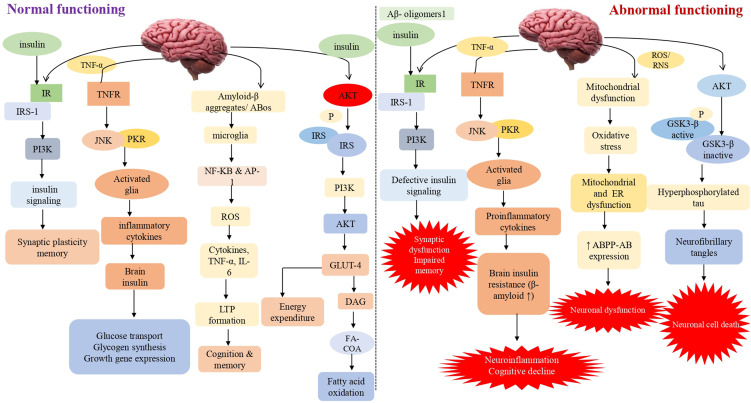
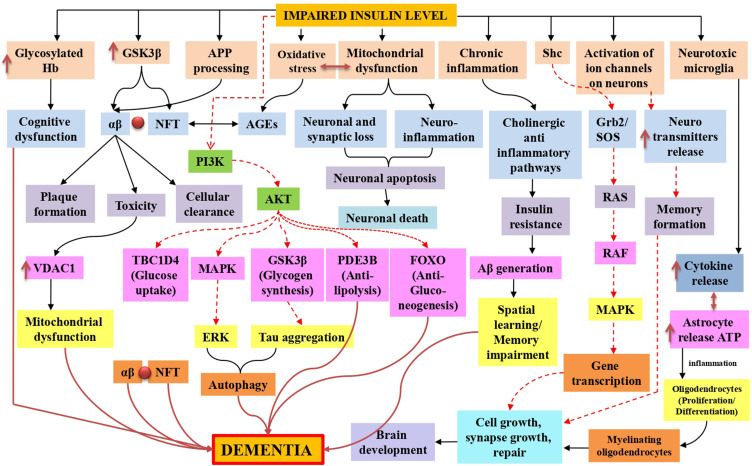
“On the other hand, apoptosis has been associated with various neurological disorders, including dementia, Alzheimer’s disease, Parkinson’s disease, Huntington’s disease, and amyotrophic lateral sclerosis (ALS).(94) (Figure 2).”
Seo, J. H., Ahn, Y., Lee, S.-R., Yeo, C. Y., & Hur, K. C. (2005) · Molecular Biology of the Cell · doi:10.1091/mbc.e04-05-0369 · Cited by 176 · cited 1×
“183–185 IRs have been shown to play a role in cognition and interact with the cholinergic system and oxidative stress.”
Long-Smith, C. M., Manning, S., McClean, P. L., Coakley, M. F., O’Halloran, D., Hölscher, C., & O’Neill, C. (2012) · NeuroMolecular Medicine · doi:10.1007/s12017-012-8199-5 · Cited by 170
Correlation between apoptosis, tumorigenesis, and levels of insulin-like growth factor I receptors.
Resnicoff, M., Burgaud, J., Rotman, H. L., Abraham, D., & Baserga, R. (1995) · PubMed · Cited by 168
The Role of Tau Phosphorylation in the Pathogenesis of Alzheimers Disease
Mi, K., & Johnson, G. (2006) · Current Alzheimer Research · doi:10.2174/156720506779025279 · Cited by 167 · cited 1×
“It has been postulated that tau hyperphosphorylation occurred via kinase and/or phosphatase dysregulation, which causes aggregation and hinders attachment to microtubules, disrupting the microtubule network in dementia.(47) In vitro, hyperphosphorylation of human tau causes microtubule disruption and tau aggregation l…”
Isik, A. T., Soysal, P., Yay, A., & Usarel, C. (2017) · Diabetes Research and Clinical Practice · doi:10.1016/j.diabres.2016.12.010 · Cited by 166
Agrawal, R., Tyagi, E., Shukla, R., & Nath, C. (2009) · Neuropharmacology · doi:10.1016/j.neuropharm.2009.01.005 · Cited by 163 · cited 2×
“179 STZ treatment in the rat brain results in severe abnormalities in metabolic pathways regulated by the IR signaling cascade.”
Markowitsch, H. J., & Staniloiu, A. (2012) · The Lancet · doi:10.1016/s0140-6736(11)61304-4 · Cited by 163
COURT, J. A., Piggott, M. A., Lloyd, S. R., Cookson, N., Ballard, C. G., McKeith, I. G., Perry, R. H., & Perry, E. K. (2000) · Neuroscience · doi:10.1016/s0306-4522(00)00071-3 · Cited by 162 · cited 2×
“According to studies, decreased neurotransmitter activity does not always correlate with the severity of Lewy body pathology.(84) Neurotransmitter synthesis modifications occur early in the disease process in several brain areas affected by dementia, implying that axonal transport fidelity is compromised before the ap…”
Sensory circumventricular organs in health and disease
Sisó, S., Jeffrey, M., & González, L. (2010) · Acta Neuropathologica · doi:10.1007/s00401-010-0743-5 · Cited by 161
The role of extracellular Tau in the spreading of neurofibrillary pathology
Medina, M., & Avila, J. (2014) · Frontiers in Cellular Neuroscience · doi:10.3389/fncel.2014.00113 · Cited by 161 · cited 1×
“29 Memory loss is the primary symptom for the majority of people.”
Coexistence of Alzheimer-type neuropathology in Creutzfeldt-Jakob disease
Hainfellner, J. A., Wanschitz, J., Jellinger, K. A., Liberski, P. P., Gullotta, F., & Budka, H. (1998) · Acta Neuropathologica · doi:10.1007/s004010050870 · Cited by 160 · cited 1×
“The most frequently discovered neuropathological entities are beta-amyloid plaques, extracellular complexes of the beta-amyloid (Aβ) peptide, and intracellular neurofibrillary tangles, composed of hyperphosphorylated tau protein.(22) Considering the symptoms, most healthcare professionals are unaware of the connection…”
Coskun, P. E., Wyrembak, J., Derbereva, O., Melkonian, G., Doran, E., Lott, I. T., Head, E., Cotman, C. W., & Wallace, D. C. (2010) · Journal of Alzheimer's Disease · doi:10.3233/jad-2010-100351 · Cited by 159 · cited 1×
“Deficiencies in mitochondrial oxidative phosphorylation, specifically complex IV, have been found in brain tissue, platelets, and cell lines (cytochrome c oxidase or COX).(140) Moreover, the AAβ peptide has been shown to enter the mitochondria and inhibit COX and L-3-hydroxy acyl-coenzyme Q dehydrogenase.”
Tschampa, H. J. (2001) · Journal of Neurology, Neurosurgery & Psychiatry · doi:10.1136/jnnp.71.1.33 · Cited by 155
Hypoglycaemic episodes and risk of dementia in diabetes mellitus: 7‐year follow‐up study
Lin, C. ‐., & Sheu, W. H. ‐. (2013) · Journal of Internal Medicine · doi:10.1111/joim.12000 · Cited by 149
Smolina, K., Wotton, C. J., & Goldacre, M. J. (2015) · Diabetologia · doi:10.1007/s00125-015-3515-x · Cited by 147
Han, W.-N., Hölscher, C., Yuan, L., Yang, W., Wang, X.-H., Wu, M.-N., & Qi, J.-S. (2013) · Neurobiology of Aging · doi:10.1016/j.neurobiolaging.2012.04.009 · Cited by 147 · cited 1×
“Potential Role of GLP-1 Signaling Activators in the Protection of Various Neurodegenerative Dysfunctions Associated with Dementia A study discovered that liraglutide, a GLP-1 analogue, protected rats’ brains from amyloid protein-induced impairments in spatial learning and memory, as well as a deficiency of late-phase…”
Liu, J., Yin, F., Zheng, X., Jing, J., & Hu, Y. (2007) · Neurochemistry International · doi:10.1016/j.neuint.2007.04.021 · Cited by 145
An exploration of the follow-up up needs of patients with inflammatory bowel disease
Kemp, K., Griffiths, J., Campbell, S., & Lovell, K. (2013) · Journal of Crohn's and Colitis · doi:10.1016/j.crohns.2013.03.001 · Cited by 145 · cited 1×
“151,152 Astrogliosis and microglial stimulation demonstrate that neuroinflammation is a pathogenic feature associated with plaque and tangle formation.”
Sonkusare, S. K., Srinivasan, K. K., Kaul, C., & Ramarao, P. (2005) · Life Sciences · doi:10.1016/j.lfs.2004.10.036 · Cited by 142 · cited 1×
“Studies have shown that STZ injection causes low cerebral energy metabolism, which results in memory impairment, as evidenced by decreased choline acetyltransferase (ChAT) activity in the hippocampus and enhanced acetyl-CoA synthesis in the rat brain, which results in a cholinergic deficiency.(181) To improve choliner…”
Guo, Z., Chen, Y., Mao, Y.-F., Zheng, T., Jiang, Y., Yan, Y., Yin, X., & Zhang, B. (2017) · Scientific Reports · doi:10.1038/srep45971 · Cited by 142 · cited 1×
“Due to impaired insulin signaling, activated microglia and astrocytes are visible in post-mortem brains, both preclinically and medically.(159)”
Qu, Z.-Q., Zhou, Y., Zeng, Y., Lin, Y., Li, Y., Zhong, Z.-Q., & Chan, W. Y. (2012) · PLoS ONE · doi:10.1371/journal.pone.0029641 · Cited by 140 · cited 2×
“171 In other studies, neurogenesis has been associated with oxidative stress 172 and amyloid pathology.”
Bassani, T. B., Turnes, J. M., Moura, E. L. R., Bonato, J. M., Cóppola-Segovia, V., Zanata, S. M., Oliveira, R. M. M. W., & Vital, M. A. B. F. (2017) · Behavioural Brain Research · doi:10.1016/j.bbr.2017.08.014 · Cited by 134 · cited 2×
“175”
Alkondon, M., Rocha, E. S., Maelicke, A., & Albuquerque, E. X. (1996) · The Journal of Pharmacology and Experimental Therapeutics · doi:10.1016/s0022-3565(25)20801-1 · Cited by 134 · cited 1×
“Based on high-affinity nicotine binding in the brain, individuals with dementia were compared.(84,89) Nicotine adherence is significantly reduced in the substantia nigra.”
Sato, S., Tatebayashi, Y., Akagi, T., Chui, D.-H., Murayama, M., Miyasaka, T., Planel, E., Tanemura, K., Sun, X., Hashikawa, T., et al. (2002) · Journal of Biological Chemistry · doi:10.1074/jbc.m202241200 · Cited by 132 · cited 1×
“Hyperphosphorylation of tau results in aggregation, which results in the production of NFTs and neurodegeneration.(42) The primary risk factor for dementia is increasing age.”
Melanocortin 4 receptors in autonomic neurons regulate thermogenesis and glycemia
Berglund, E. D., Liu, T., Kong, X., Sohn, J.-W., Vong, L., Deng, Z., Lee, C. E., Lee, S., Williams, K. W., Olson, D. P., et al. (2014) · Nature Neuroscience · doi:10.1038/nn.3737 · Cited by 132 · cited 1×
“119,120 Severe distortions of hormonal and nutritional signaling in pro-opiomelanocortin, neuropeptide Y, and agouti-related peptide neurons (ARPN) influence insulin metabolic activity in peripheral tissues directly through their ability to incorporate ancillary signals and adjust their electrical…”
The neural correlates of verbal short-term memory in Alzheimer's disease: an fMRI study
Peters, F., Collette, F., Degueldre, C., Sterpenich, V., Majerus, S., & Salmon, E. (2009) · Brain · doi:10.1093/brain/awp075 · Cited by 131 · cited 1×
“34 Insulin receptors are abundant in astrocytes and neuronal synapses of the cerebral cortex, hippocampus, olfactory bulb, hypothalamus, septum, and amygdala.”
Lesort, M. J., & Johnson, G. V. W. (2000) · Neuroscience · doi:10.1016/s0306-4522(00)00200-1 · Cited by 129 · cited 1×
“45 (Figure 2).”
Insulin Activates Erk1/2 Signaling in the Dorsal Vagal Complex to Inhibit Glucose Production
Filippi, B., Yang, C. S., Tang, C., & Lam, T. K. T. (2012) · Cell Metabolism · doi:10.1016/j.cmet.2012.09.005 · Cited by 124 · cited 1×
“116 Numerous extra-hypothalamic nuclei, such as sensory and cognitive units in the hindbrain 117,118 and autonomic, parasympathetic, and sympathetic preganglionic brainstem neurons, are also included in the control centres of the brain.”
Sairanen, T., Karjalainen-Lindsberg, M.-L., Paetau, A., Ijäs, P., & Lindsberg, P. J. (2006) · Brain · doi:10.1093/brain/awh645 · Cited by 123 · cited 1×
“Ischemic infarction and vascular dementia are caused by a lack of oxygen in specific brain areas, resulting in axonal damage, apoptotic neuronal cell death, and ultimately neurodegeneration.(102) Indeed, cortical neuronal apoptosis is known to occur following white matter axonal loss caused by the breakdown of afferen…”
Alderman, M. H. (2003) · American Journal of Hypertension · doi:10.1016/j.amjhyper.2003.08.015 · Cited by 119
Cortical neuronal apoptosis in CADASIL
Viswanathan, A., Gray, F., Bousser, M.-G., Baudrimont, M., & Chabriat, H. (2006) · Stroke · doi:10.1161/01.str.0000245091.28429.6a · Cited by 119 · cited 2×
“103 There is a strong correlation between neuronal apoptosis and pyramidal neuron death, as evidenced by the increased caspase-3 expression upon stimulation.”
Dementia with Lewy bodies: choline acetyltransferase parallels nucleus basalis pathology
Lippa, C. F., Smith, T. W., & Perry, E. K. (1999) · Journal of Neural Transmission · doi:10.1007/s007020050176 · Cited by 118 · cited 1×
“85,90”
Mitochondrial failures in Alzheimer's disease
Zhu, X., Smith, M. A., Perry, G., & Aliev, G. (2004) · American Journal of Alzheimer's Disease & Other Dementias® · doi:10.1177/153331750401900611 · Cited by 118 · cited 2×
“50,54 Insulin, IGF-I, and IGF-II peptides and receptors are all highly expressed in the brain.”
Mouse Models of Alzheimer's Disease: Insight into Treatment
German, D. C., & Eisch, A. J. (2004) · Reviews in the Neurosciences · doi:10.1515/revneuro.2004.15.5.353 · Cited by 117 · cited 1×
“These mutations are associated with the stimulation of astrocytes and microglial cells in the hippocampus and cerebral cortex.(57) Additionally, animal models of Alzheimer’s disease-related dementia have been used to develop and test drugs that decrease Ab 42 peptide(57) concentrations in the brain, thereby advancing…”
Gilman, C. P., Perry, T., Furukawa, K., Grieg, N. H., Egan, J. M., & Mattson, M. P. (2003) · Journal of Neurochemistry · doi:10.1046/j.1471-4159.2003.02073.x · Cited by 114
Vascular cognitive impairment, dementia, aging and energy demand. A vicious cycle
Popa‐Wagner, A., Buga, A.-M., Popescu, B. O., & Muresanu, D. F. (2013) · Journal of Neural Transmission · doi:10.1007/s00702-013-1129-3 · Cited by 114 · cited 1×
“111 Ischemia and neurodegenerative disease co-occurring have been shown to alter the development of clinical symptoms of dementia, implying reciprocal interactions between them.”
Tissue specificity of mitochondrial glutamate pathways and the control of metabolic homeostasis
Frigerio, F., Casimir, M., Carobbio, S., & Maechler, P. (2008) · Biochimica et Biophysica Acta (BBA) - Bioenergetics · doi:10.1016/j.bbabio.2008.04.031 · Cited by 112 · cited 1×
“78 Glutamate is required for synaptic communication, but it must be cleared from the extracellular space as soon as active synapses release it to avoid unnecessary stimulation of its receptors, which could result in excitotoxicity.”
Imaging of neuroinflammation in dementia: a review
Stefaniak, J., & O'Brien, J. (2015) · Journal of Neurology, Neurosurgery & Psychiatry · doi:10.1136/jnnp-2015-311336 · Cited by 109 · cited 2×
“Most research used PET imaging to detect increased neuroinflammation in at least one neuroanatomical location in dementia patients, most frequently AD.”
Kraska, A., Santin, M. D., Dorieux, O., Joseph-Mathurin, N., Bourrin, E., Petit, F., Jan, C., Chaigneau, M., Hantraye, P., Lestage, P., et al. (2012) · PLoS ONE · doi:10.1371/journal.pone.0046196 · Cited by 103
Run-Time Interoperability Between Neuronal Network Simulators Based on the MUSIC Framework
Djurfeldt, M., Hjorth, J., Eppler, J. M., Dudani, N., Helias, M., Potjans, T. C., Bhalla, U. S., Diesmann, M., Hellgren Kotaleski, J., & Ekeberg, Ö. (2010) · Neuroinformatics · doi:10.1007/s12021-010-9064-z · Cited by 101
Release of insulin produced by the choroid plexis is regulated by serotonergic signaling
Mazucanti, C. H., Liu, Q.-R., Lang, D., Huang, N., O’Connell, J. F., Camandola, S., & Egan, J. M. (2019) · JCI Insight · doi:10.1172/jci.insight.131682 · Cited by 101
Metformin and the Risk of Dementia in Type 2 Diabetes Patients
Chin-Hsiao, T. (2019) · Aging and disease · doi:10.14336/ad.2017.1202 · Cited by 98
Aung, P. P., Strachan, M. W. J., Frier, B. M., Butcher, I., Deary, I. J., Price, J. F., & on behalf of the Edinburgh Type 2 Diabetes Study Investigators (2012) · Diabetic Medicine · doi:10.1111/j.1464-5491.2011.03505.x · Cited by 96
Aluise, C. D., Robinson, R. A. S., Cai, J., Pierce, W. M., Markesbery, W. R., & Butterfield, D. A. (2011) · Journal of Alzheimer's Disease · doi:10.3233/jad-2010-101083 · Cited by 94
Reno, C. M., Puente, E. C., Sheng, Z., Daphna-Iken, D., Bree, A. J., Routh, V. H., Kahn, B. B., & Fisher, S. J. (2017) · Diabetes · doi:10.2337/db16-0917 · Cited by 92
Persistence of chronic nicotine-induced cognitive facilitation
Levin, E. D., Briggs, S. J., Christopher, N. C., & Rose, J. E. (1992) · Behavioral and Neural Biology · doi:10.1016/0163-1047(92)90399-o · Cited by 90 · cited 1×
“87 When nicotinic receptors on presynaptic cells are stimulated, ACh and other neurotransmitters involved in cognition and behaviour are released.”
Central insulin dysregulation and energy dyshomeostasis in two mouse models of Alzheimer's disease
Velazquez, R., Tran, A., Ishimwe, E., Denner, L., Dave, N., Oddo, S., & Dineley, K. T. (2017) · Neurobiology of Aging · doi:10.1016/j.neurobiolaging.2017.06.003 · Cited by 90
Claxton, A., Baker, L. D., Hanson, A. J., Trittschuh, E. H., Cholerton, B., Morgan, A., Callaghan, M., Arbuckle, M., Behl, C., & Craft, S. (2015) · Journal of Alzheimer s Disease · doi:10.3233/jad-159002 · Cited by 90
Cardoso, S., Santos, M. S., Seiça, R. M. F., & Moreira, P. I. (2010) · Biochimica et Biophysica Acta (BBA) - Molecular Basis of Disease · doi:10.1016/j.bbadis.2010.07.001 · Cited by 89
Mitochondrial function, energy expenditure, aging and insulin resistance
Ritz, P., & Berrut, G. (2005) · Diabetes & Metabolism · doi:10.1016/s1262-3636(05)73654-5 · Cited by 88 · cited 1×
“Exercise, food, ageing, and anxiety affect mitochondrial performance and insulin sensitivity.(130,131) Significantly, mitochondrial dysfunction has been associated with insulin resistance in skeletal muscle, and other tissues such as the liver, fat, heart, blood vessels, and pancreas.”
Distribution of Nicotinic Subtypes in Human Brain
Court, J., & Clementi, F. (1995) · Alzheimer Disease & Associated Disorders · doi:10.1097/00002093-199501002-00003 · Cited by 88
Kamal, A., Biessels, G. J., Gispen, W. H., & Ramakers, G. M. J. (2006) · Brain Research · doi:10.1016/j.brainres.2005.12.070 · Cited by 87
Oxidative damage in brain from human mutant APP/PS-1 double knock-in mice as a function of age
Abdul, H. M., Sultana, R., St. Clair, D. K., Markesbery, W. R., & Butterfield, D. A. (2008) · Free Radical Biology and Medicine · doi:10.1016/j.freeradbiomed.2008.08.012 · Cited by 81 · cited 1×
“138,139 Deficiencies in mitochondrial oxidative phosphorylation, specifically complex IV, have been found in brain tissue, platelets, and cell lines (cytochrome c oxidase or COX).”
Insulin rescues amyloid β-induced impairment of hippocampal long-term potentiation
Lee, C.-C., Kuo, Y.-M., Huang, C.-C., & Hsu, K.-S. (2009) · Neurobiology of Aging · doi:10.1016/j.neurobiolaging.2007.06.014 · Cited by 81
Neuroinflammation in Alzheimer's disease: protector or promoter?
Žilka, N., Ferencĭk, M., & Hulín, I. (2006) · Bratislavské lekárske listy/Bratislava medical journal · doi:10.1007/bf03656856 · Cited by 74 · cited 1×
“Astrogliosis and microglial stimulation demonstrate that neuroinflammation is a pathogenic feature associated with plaque and tangle formation.(153,154) In ICV-STZ-treated rats, astrocytes and microglia are activated as well.”
Current perspectives on the link between neuroinflammation and neurogenesis
Wang, B. Z., & Jin, K. (2014) · Metabolic Brain Disease · doi:10.1007/s11011-014-9523-6 · Cited by 72 · cited 2×
“174 171 In other studies, neurogenesis has been associated with oxidative stress 172 and amyloid pathology.”
Role of mitochondrial-mediated signaling pathways in Alzheimer disease and hypoxia
Carvalho, C., Correia, S. C., Santos, R. X., Cardoso, S., Moreira, P. I., Clark, T. A., Zhu, X., Smith, M. A., & Perry, G. (2009) · Journal of Bioenergetics and Biomembranes · doi:10.1007/s10863-009-9247-1 · Cited by 72 · cited 1×
“148 Yang et al discovered that diabetic mice with cognitive impairment had increased activation of AGEs receptors in neurons and glia.”
Lu, C.-H., Yang, C., Li, C., Hsieh, C., & Ou, H. (2017) · Diabetologia · doi:10.1007/s00125-017-4499-5 · Cited by 70
Association of Hypoglycemia With Subsequent Dementia in Older Patients With Type 2 Diabetes Mellitus
Mehta, H. B., Mehta, V., & Goodwin, J. S. (2016) · The Journals of Gerontology Series A: Biological Sciences and Medical Sciences · doi:10.1093/gerona/glw217 · Cited by 68
Research works printed but not linked: 2
- Auer RN. Hypoglycemic brain damage. In: Acute Neuronal Injury; 2018: 175– 188.
- Freeman AM, Pennings N. Insulin resistance. In: StatPearls [Internet]; 2021. 29939616
Cited by
Glucagon-like peptide-1 receptor: mechanisms and advances in therapy
Zheng, Z., Zong, Y., Ma, Y., Tian, Y., Pang, Y., Zhang, C., & Gao, J. (2024) · Signal Transduction and Targeted Therapy · doi:10.1038/s41392-024-01931-z · Cited by 1,036
“414 By activating the GLP-1 signaling pathway, exenatide exhibits neuroprotective effects and safeguards dopaminergic neurons.”
BackgroundMapping the effectiveness and risks of GLP-1 receptor agonists
Xie, Y., Choi, T., & Al-Aly, Z. (2025) · Nature Medicine · doi:10.1038/s41591-024-03412-w · Cited by 300
Pathobiology of the Klotho Antiaging Protein and Therapeutic Considerations
Prud’homme, G. J., Kurt, M., & Wang, Q. (2022) · Frontiers in Aging · doi:10.3389/fragi.2022.931331 · Cited by 219
Oxidative stress–mediated neuroinflammation in Alzheimer’s disease
Firdous, S. M., Khan, S. A., & Maity, A. (2024) · Naunyn-Schmiedeberg s Archives of Pharmacology · doi:10.1007/s00210-024-03188-3 · Cited by 100
“Metformin, known for increasing insulin sensitivity in the body and commonly prescribed as a first-line therapy for type 2 diabetes, may potentially reduce cognitive decline in individuals with amnestic mild cognitive impairment (aMCI) and prevent dementia in obese individuals by improving glucose metabolism within CN…”
InfluentialTirzepatide prevents neurodegeneration through multiple molecular pathways
Fontanella, R. A., Ghosh, P., Pesapane, A., Taktaz, F., Puocci, A., Franzese, M., Feliciano, M. F., Tortorella, G., Scisciola, L., Sommella, E., et al. (2024) · Journal of Translational Medicine · doi:10.1186/s12967-024-04927-z · Cited by 67
“Surprisingly, incretins showed the most promising neuroprotective effect [10], decreasing neuronal apoptosis, oxidative stress, beta-amyloid accumulation, and tau-induced neurofibrillary tangle formation [11].”
Background
Metadata
- Authors
- Mehan, S., Bhalla, S., Siddiqui, E. M., Sharma, N., Shandilya, A., & Khan, A.
- Affiliations
- Indo Soviet Friendship College of Pharmacy (IN)
- Jazan University (SA)
- Corresponding author
- Mehan, Sidharth
- ORCID
- Venue
- Degenerative Neurological and Neuromuscular Disease
- Publisher
- Informa UK Limited
- Published
- 2022-03
- Volume
- Volume 12
- Pages
- 31-59
- ISSN
- 1179-9900 (ISSN-L)
- PMC
- PMC8921673
- OpenAlex
- W4220688736
- Semantic Scholar
- d973ba05209fd064cf67e3628c89580f438e0000
- Cited by
- 29
- References
- 240
- Citations by year
- 2026: 1 · 2025: 9 · 2024: 9 · 2023: 5 · 2022: 5
- FWCI
- 0.96
- Type
- journal article
- Language
- en
- Open access
- diamond
- doi.org
- Licence
- Locations
- Degenerative Neurological and Neuromuscular Disease (publishedVersion, cc-by-nc)
- PubMed Central (publishedVersion, cc-by-nc)
- PubMed (publishedVersion)
- Dove Medical Press (Taylor and Francis Group) (submittedVersion, cc-by-nc)
- Funders
- Israel Science Foundation
- Topics
- Life Sciences › Neuroscience › Cellular and Molecular Neuroscience › Alzheimer's disease research and treatments
- Health Sciences › Medicine › Endocrinology, Diabetes and Metabolism › Diabetes Treatment and Management
- Life Sciences › Neuroscience › Neurology › Neuroinflammation and Neurodegeneration Mechanisms
- Keywords
- glucagon-like peptide-1, GLP-1 receptor agonists, dementia, insulin resistance, impaired insulin secretion, neurodegeneration, Alzheimer's disease, Parkinson's disease, Huntington's disease, amyloid-beta, alpha-synuclein, tau protein, oxidative stress, neuroinflammation, PI3K signaling, MAPK signaling, JNK signaling, blood-brain barrier, neuroprotection
About these checks
Registry, retraction, Cites and statistics results are computed, not judged, with one exception: a printed reference that no index lists is read once by a model before it counts as a citation error. Claims are extracted by a model and kept only when their quote appears verbatim in the text; each cited source is then checked, with a model’s help, for whether it says what the claim relies on. Those verdicts can be wrong — read the claim’s quote and the cited source before relying on one.
Statistics and arithmetic are recomputed, not judged.
Confidence bands are shown only for fields calibrated on our annotated test set. None is calibrated yet, so no band is shown.
What counts as a claim ›How we measure confidence ›How we check this ›
Are you an author, or do you see a problem with this page? Request a review
Data sources
Bibliographic data: Semantic Scholar, OpenAlex, Crossref.
Contains information from the Semantic Scholar Academic Graph Datasets, made available under the ODC Attribution License (ODC-BY 1.0).
Semantic Scholar’s data is described in: Kinney, R., et al. (2023). The Semantic Scholar Open Data Platform. arXiv:2301.10140.
