

Is It the Twilight of BACE1 Inhibitors?
Open accessThe DOI matches its Crossref record; 198 of the 198 references it cites were found in a registry or an index.
Abstract
: β-secretase (BACE1) has been regarded as a prime target for the development of amyloid beta (Aβ) lowering drugs in the therapy of Alzheimer´s disease (AD). Although the enzyme was discovered in 1991 and helped to formulate the Aβ hypothesis as one of the very important features of AD etiopathogenesis, progress in AD treatment utilizing BACE1 inhibitors has remained limited. Moreover, in the last years, major pharmaceutical companies have discontinued clinical trials of five BACE1 inhibitors that had been strongly perceived as prospective. In our review, the Aβ hypothesis, the enzyme, its functions, and selected substrates are described. BACE1 inhibitors are classified into four generations. Those that underwent clinical trials displayed adverse effects, including weight loss, skin rashes, worsening of neuropsychiatric symptoms, etc. Some inhibitors could not establish a statistically significant risk-benefit ratio, or even scored worse than placebo. We still believe that drugs targeting BACE1 may still hide some potential, but a different approach to BACE1 inhibition or a shift of focus to modulation of its trafficking and/or post-translational modification should now be followed.
Overview
The claims and statistics of this paper haven’t been checked yet.
Free: it reads the open-access text and checks the first 5 claims that cite a source we can check. Create a free account to check every claim.
Integrity signals
Registry
Cites
Statistics
Figures
Verification
Claims the paper makes
The claims and statistics of this paper haven’t been checked yet.
Free: it reads the open-access text and checks the first 5 claims that cite a source we can check. Create a free account to check every claim.
Claims other papers make about this one
Each is checked against this paper’s own text: does it say what the citing paper says it does?
The check wasn’t confident either way, so it gives no verdict — never disputed.
In the citing paper
“Umibecestat (14, CNP520), a fourth-generation BACE1 inhibitor, initially showed good safety and tolerability in early clinical studies.444,445”
From Recent advances in Alzheimer's disease: Mechanisms, clinical trials and new drug development strategies. (2024) · cites this paper as [444]
Experimental — accuracy not yet measured
Self-check
Percentages, sums and reported differences re-computed from the paper’s own numbers.
The self-check needs the paper’s full text.
Citations
Cites
Vassar, R., Bennett, B. D., Babu-Khan, S., Kahn, S., Mendiaz, E. A., Denis, P., Teplow, D. B., Ross, S., Amarante, P., Loeloff, R., et al. (1999) · Science · doi:10.1126/science.286.5440.735 · Cited by 3,876
The molecular pathology of Alzheimer's disease
Selkoe, D. J. (1991) · Neuron · doi:10.1016/0896-6273(91)90052-2 · Cited by 2,708
Notch signalling: a simple pathway becomes complex
Bray, S. J. (2006) · Nature Reviews Molecular Cell Biology · doi:10.1038/nrm2009 · Cited by 2,620 · cited 1×
“Therefore, it is not surprising that hematological disorders, gastrointestinal symptoms, skin reactions, and hair color changes were observed in patients during clinical trials [139, 140].”
BackgroundAcetylcholinesterase Inhibitors: Pharmacology and Toxicology
Colovic, M. B., Krstic, D. Z., Lazarevic-Pasti, T. D., Bondzic, A. M., & Vasic, V. M. (2013) · Current Neuropharmacology · doi:10.2174/1570159x11311030006 · Cited by 2,611 · cited 1×
“In the case of intolerance of or a contraindication for acetylcholinesterase inhibitors, the fourth drug, NMDA antagonist memantine (Ebixa) is prescribed [135-138].”
BackgroundAlzheimer's Disease and the Amyloid-β Peptide
Murphy, M. P., & LeVine, H. (2010) · Journal of Alzheimer's Disease · doi:10.3233/jad-2010-1221 · Cited by 1,750 · cited 1×
“BACE1 is present in many tissues but mainly in the brain and pancreas [35, 36].”
A mutation in APP protects against Alzheimer’s disease and age-related cognitive decline
Jonsson, T., Atwal, J. K., Steinberg, S., Snaedal, J., Jonsson, P. V., Bjornsson, S., Stefansson, H., Sulem, P., Gudbjartsson, D., Maloney, J., et al. (2012) · Nature · doi:10.1038/nature11283 · Cited by 1,738 · cited 1×
“Thus, understanding of APP processing appears fundamental for the development of a therapeutic strategy aimed at reducing Aβ levels in AD patients [21-25].”
BackgroundHigh performance plasma amyloid-β biomarkers for Alzheimer's disease
Nakamura, A., Kaneko, N., Villemagne, V. L., Kato, T., Doecke, J., Doré, V., Fowler, C., Li, Q.-X., Martins, R., Rowe, C., et al. (2018) · Nature · doi:10.1038/nature25456 · Cited by 1,681 · cited 1×
“So far, Aβ concentration in CSF has been used as a biochemical marker of substance efficacy, a parameter that reflects AD pathology in the brain [187].”
MethodPurification and cloning of amyloid precursor protein β-secretase from human brain
Sinha, S., Anderson, J. P., Barbour, R., Basi, G. S., Caccavello, R., Davis, D., Doan, M., Dovey, H. F., Frigon, N., Hong, J., et al. (1999) · Nature · doi:10.1038/990114 · Cited by 1,612 · cited 1×
“These findings initiated a large number of studies focused on this enzyme [26-30].”
BackgroundAmyloid β Protein Gene: cDNA, mRNA Distribution, and Genetic Linkage Near the Alzheimer Locus
Tanzi, R. E., Gusella, J. F., Watkins, P. C., Bruns, G. A. P., St George-Hyslop, P., Van Keuren, M. L., Patterson, D., Pagan, S., Kurnit, D. M., & Neve, R. L. (1987) · Science · doi:10.1126/science.2949367 · Cited by 1,611 · cited 1×
“Aβ was first isolated and described in 1987 [4, 5].”
BackgroundMullan, M., Crawford, F., Axelman, K., Houlden, H., Lilius, L., Winblad, B., & Lannfelt, L. (1992) · Nature Genetics · doi:10.1038/ng0892-345 · Cited by 1,513 · cited 1×
“The replacements are responsible for three to six times higher production of Aβ [10-15].”
BackgroundMembrane-anchored aspartyl protease with Alzheimer's disease β-secretase activity
Yan, R., Bienkowski, M. J., Shuck, M. E., Miao, H., Tory, M. C., Pauley, A. M., Brashler, J. R., Stratman, N. C., Mathews, W. R., Buhl, A. E., et al. (1999) · Nature · doi:10.1038/990107 · Cited by 1,438 · cited 1×
“These findings initiated a large number of studies focused on this enzyme [26-30].”
BackgroundGoldgaber, D., Lerman, M. I., McBride, O. W., Saffiotti, U., & Gajdusek, D. C. (1987) · Science · doi:10.1126/science.3810169 · Cited by 1,333 · cited 1×
“Aβ was first isolated and described in 1987 [4, 5].”
BackgroundIdentification of a Novel Aspartic Protease (Asp 2) as β-Secretase
Hussain, I., Powell, D., Howlett, D. R., Tew, D. G., Meek, T. D., Chapman, C., Gloger, I. S., Murphy, K. E., Southan, C. D., Ryan, D. M., et al. (1999) · Molecular and Cellular Neuroscience · doi:10.1006/mcne.1999.0811 · Cited by 1,080 · cited 1×
“These findings initiated a large number of studies focused on this enzyme [26-30].”
BackgroundBray, S. J. (2016) · Nature Reviews Molecular Cell Biology · doi:10.1038/nrm.2016.94 · Cited by 1,012 · cited 1×
“Therefore, it is not surprising that hematological disorders, gastrointestinal symptoms, skin reactions, and hair color changes were observed in patients during clinical trials [139, 140].”
BackgroundAlzheimer's disease: experimental models and reality
Drummond, E., & Wisniewski, T. (2017) · Acta Neuropathologica · doi:10.1007/s00401-016-1662-x · Cited by 810 · cited 1×
“Such a model, together with BACE1 activity, reduced to a certain percentage could resolve the issue regarding the therapeutical window [196, 197].”
BackgroundThe secretases: enzymes with therapeutic potential in Alzheimer disease
De Strooper, B., Vassar, R., & Golde, T. (2010) · Nature Reviews Neurology · doi:10.1038/nrneurol.2009.218 · Cited by 799 · cited 1×
“Consequently, the focus of AD therapy research turned to BACE1 [141-143].”
BackgroundAPP mouse models for Alzheimer’s disease preclinical studies.
Sasaguri, H., Nilsson, P., Hashimoto, S., Nagata, K., Saito, T., De Strooper, B., Hardy, J., Vassar, R., Winblad, B., & Saido, T. C. (2017) · The EMBO Journal · doi:10.15252/embj.201797397 · Cited by 793 · cited 1×
“Such a model, together with BACE1 activity, reduced to a certain percentage could resolve the issue regarding the therapeutical window [196, 197].”
BackgroundHuman aspartic protease memapsin 2 cleaves the β-secretase site of β-amyloid precursor protein
Lin, X., Koelsch, G., Wu, S., Downs, D., Dashti, A., & Tang, J. (2000) · Proceedings of the National Academy of Sciences · doi:10.1073/pnas.97.4.1456 · Cited by 776
The Genetics of Alzheimer's Disease
Bertram, L., & Tanzi, R. E. (2012) · Progress in Molecular Biology and Translational Science · doi:10.1016/b978-0-12-385883-2.00008-4 · Cited by 760
Picomolar Amyloid-β Positively Modulates Synaptic Plasticity and Memory in Hippocampus
Puzzo, D., Privitera, L., Leznik, E., Fà, M., Staniszewski, A., Palmeri, A., & Arancio, O. (2008) · The Journal of Neuroscience · doi:10.1523/jneurosci.2692-08.2008 · Cited by 740 · cited 1×
“also showed that low picomolar concentrations of Aβ42 monomers and oligomers increase hippocampal long-term potentiation and stimulate synaptic plasticity [204].”
BackgroundThe genetics of Alzheimer disease
Tanzi, R. E. (2012) · Cold Spring Harbor Perspectives in Medicine · doi:10.1101/cshperspect.a006296 · Cited by 727 · cited 1×
“Thus, understanding of APP processing appears fundamental for the development of a therapeutic strategy aimed at reducing Aβ levels in AD patients [21-25].”
BackgroundStructure of the Protease Domain of Memapsin 2 (β-Secretase) Complexed with Inhibitor
Hong, L., Koelsch, G., Lin, X., Wu, S., Terzyan, S., Ghosh, A. K., Zhang, X. C., & Tang, J. (2000) · Science · doi:10.1126/science.290.5489.150 · Cited by 711 · cited 1×
“elucidated the crystal structure of the BACE1/OM99-2 complex [148].”
BackgroundHansen, R. A., Webb, A. P., Moore, C. G., Gartlehner, G., Jonas, D. E., & Morgan, L. C. (2008) · PubMed Central · doi:10.17615/ae8c-2p76 · Cited by 691
An overview of APP processing enzymes and products.
Chow, V. W., Mattson, M. P., Wong, P. C., & Gleichmann, M. (2010) · NeuroMolecular Medicine · doi:10.1007/s12017-009-8104-z · Cited by 684 · cited 1×
“energy deprivation, hypoxia and ischemia, and oxidative stress [39, 40].”
BackgroundTargeting the β secretase BACE1 for Alzheimer's disease therapy
Yan, R., & Vassar, R. (2014) · The Lancet Neurology · doi:10.1016/s1474-4422(13)70276-x · Cited by 630 · cited 2×
“These compounds exhibit satisfactory pharmacokinetics and robust cerebral Aβ reduction in preclinical animal models [113].”
BackgroundBace1 modulates myelination in the central and peripheral nervous system
Hu, X., Hicks, C. W., He, W., Wong, P., Macklin, W. B., Trapp, B. D., & Yan, R. (2006) · Nature Neuroscience · doi:10.1038/nn1797 · Cited by 608 · cited 1×
“In other tissues, its signaling has been linked to cardiogenesis and the development of the mammary gland [86-90].”
BackgroundHaass, C., Lemere, C. A., Capell, A., Citron, M., Seubert, P., Schenk, D., Lannfelt, L., & Selkoe, D. J. (1995) · Nature Medicine · doi:10.1038/nm1295-1291 · Cited by 592 · cited 1×
“The replacements are responsible for three to six times higher production of Aβ [10-15].”
BackgroundVassar, R., Kovacs, D. M., Yan, R., & Wong, P. C. (2009) · The Journal of Neuroscience · doi:10.1523/jneurosci.3657-09.2009 · Cited by 577 · cited 1×
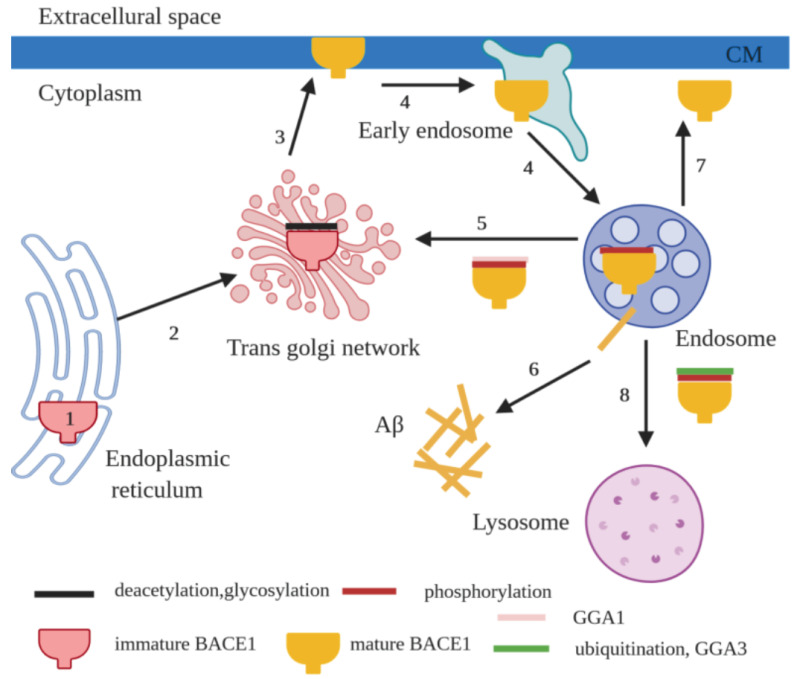
“Subsequent deacetylation of BACE1 occurs in the lumen of GC [38, 63, 64].”
BackgroundThe road to restoring neural circuits for the treatment of Alzheimer's disease
Canter, R. G., Penney, J., & Tsai, L.-H. (2016) · Nature · doi:10.1038/nature20412 · Cited by 565 · cited 1×
“In the case of intolerance of or a contraindication for acetylcholinesterase inhibitors, the fourth drug, NMDA antagonist memantine (Ebixa) is prescribed [135-138].”
BackgroundThe Alzheimer's disease Beta-secretase enzyme, BACE1
Cole, S. L., & Vassar, R. (2007) · Molecular Neurodegeneration · doi:10.1186/1750-1326-2-22 · Cited by 550
Randomized trial of verubecestat for prodromal Alzheimer's disease
Egan, M. F., Kost, J., Voss, T., Mukai, Y., Aisen, P. S., Cummings, J. L., Tariot, P. N., Vellas, B., van Dyck, C. H., Boada, M., et al. (2019) · New England Journal of Medicine · doi:10.1056/nejmoa1812840 · Cited by 545 · cited 1×
“demonstrated that verubestat reduces amyloid levels in the brain and cerebrospinal fluid, cognition and daily function were worse among patients who received verubecestat than among those who received a placebo [160].”
BackgroundHeber, S., Herms, J., Gajic, V., Hainfellner, J., Aguzzi, A., Rülicke, T., Kretzschmar, H., von Koch, C., Sisodia, S., Tremml, P., et al. (2000) · The Journal of Neuroscience · doi:10.1523/jneurosci.20-21-07951.2000 · Cited by 494 · cited 1×
“On the other hand, their specific role within the CNS and PNS is still poorly understood [94-96].”
BackgroundMedicine, N. L. O. (2008) · Journal of Pain & Palliative Care Pharmacotherapy · doi:10.1080/15360280801989377 · Cited by 468
Chen, C.-H., Zhou, W., Liu, S., Deng, Y., Cai, F., Tone, M., Tone, Y., Tong, Y., & Song, W. (2012) · The International Journal of Neuropsychopharmacology · doi:10.1017/s1461145711000149 · Cited by 433 · cited 2×
“While CREB is considered a negative regulator, HN-3, NF-κB, Sp1, YY1, and STAT are positive regulators.”
BackgroundKennedy, M. E., Stamford, A. W., Chen, X., Cox, K., Cumming, J. N., Dockendorf, M. F., Egan, M., Ereshefsky, L., Hodgson, R. A., Hyde, L. A., et al. (2016) · Science Translational Medicine · doi:10.1126/scitranslmed.aad9704 · Cited by 428
Medicinal Chemistry of hERG Optimizations: Highlights and Hang-Ups
Jamieson, C., Moir, E. M., Rankovic, Z., & Wishart, G. (2006) · Journal of Medicinal Chemistry · doi:10.1021/jm060379l · Cited by 423 · cited 1×
“This has been related to an interaction with the human Ether-A-GoGo ion channel (hERG), which is responsible for the rapid component of delayed rectifier potassium current in the heart [123, 124].”
BackgroundCathepsin D Deficiency Induces Lysosomal Storage with Ceroid Lipofuscin in Mouse CNS Neurons
Koike, M., Nakanishi, H., Saftig, P., Ezaki, J., Isahara, K., Ohsawa, Y., Schulz-Schaeffer, W., Watanabe, T., Waguri, S., Kametaka, S., et al. (2000) · The Journal of Neuroscience · doi:10.1523/jneurosci.20-18-06898.2000 · Cited by 393
BACE1: The β-Secretase Enzyme in Alzheimer's Disease
Vassar, R. (2004) · Journal of Molecular Neuroscience · doi:10.1385/jmn:23:1-2:105 · Cited by 370
Cordy, J. M., Hussain, I., Dingwall, C., Hooper, N. M., & Turner, A. J. (2003) · Proceedings of the National Academy of Sciences · doi:10.1073/pnas.1635130100 · Cited by 356 · cited 1×
“Decreased levels of cholesterol and sphingolipids, both of which are necessary constituents of lipid rafts, correlate with reduced β-cleavage [71-73].”
BackgroundThree-dimensional structure of human γ-secretase
Lu, P., Bai, X.-C., Ma, D., Xie, T., Yan, C., Sun, L., Yang, G., Zhao, Y., Zhou, R., Scheres, S. H. W., et al. (2014) · Nature · doi:10.1038/nature13567 · Cited by 346 · cited 1×
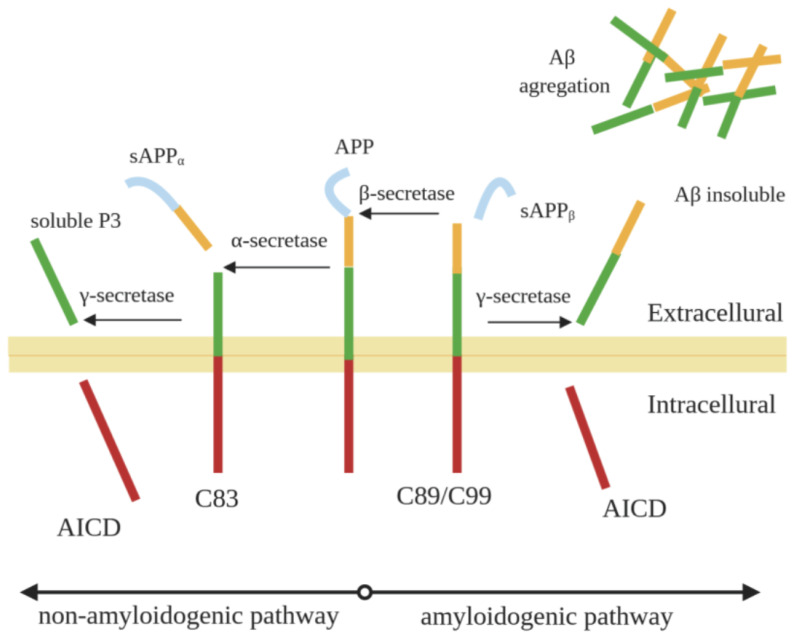
“It cleaves C99 in the transmembrane region, liberating APP intracellular domain (AICD) and Aβ peptide [16-18].”
BackgroundDepletion of GGA3 Stabilizes BACE and Enhances β-Secretase Activity
Tesco, G., Koh, Y. H., Kang, E. L., Cameron, A. N., Das, S., Sena-Esteves, M., Hiltunen, M., Yang, S.-H., Zhong, Z., Shen, Y., et al. (2007) · Neuron · doi:10.1016/j.neuron.2007.05.012 · Cited by 337
May, P. C., Dean, R. A., Lowe, S. L., Martenyi, F., Sheehan, S. M., Boggs, L. N., Monk, S. A., Mathes, B. M., Mergott, D. J., Watson, B. M., et al. (2011) · The Journal of Neuroscience · doi:10.1523/jneurosci.3647-11.2011 · Cited by 336 · cited 1×
“In this model, the drug caused cytoplasmic accumulations of autofluorescent material in the retinal epithelium, neurons and glial cells at doses ≥30 mg/kg [156], discontinuing clinical tests.”
BackgroundVassar, R., Kuhn, P., Haass, C., Kennedy, M. E., Rajendran, L., Wong, P. C., & Lichtenthaler, S. F. (2014) · Journal of Neurochemistry · doi:10.1111/jnc.12715 · Cited by 311 · cited 1×
“Consequently, the focus of AD therapy research turned to BACE1 [141-143].”
BackgroundCathepsin D Deficiency Is Associated with a Human Neurodegenerative Disorder
Steinfeld, R., Reinhardt, K., Schreiber, K., Hillebrand, M., Kraetzner, R., Brück, W., Saftig, P., & Gärtner, J. (2006) · The American Journal of Human Genetics · doi:10.1086/504159 · Cited by 302 · cited 1×
“early blindness and progressive psychomotor impairment [131].”
BACE1 regulates voltage-gated sodium channels and neuronal activity
Kim, D. Y., Carey, B. W., Wang, H., Ingano, L. A. M., Binshtok, A. M., Wertz, M. H., Pettingell, W. H., He, P., Lee, V. M.-Y., Woolf, C. J., et al. (2007) · Nature Cell Biology · doi:10.1038/ncb1602 · Cited by 300 · cited 1×
“Kim and colleagues found that the ablation of BACE1 led to decreased sodium channel levels suggesting that complete blockage of BACE1 is likely to cause side effects through altered sodium current densities [97].”
BackgroundShinohara, M., Tachibana, M., Kanekiyo, T., & Bu, G. (2017) · Journal of Lipid Research · doi:10.1194/jlr.r075796 · Cited by 297 · cited 1×
“Thus, further research is needed to illuminate the LRP role in AD pathogenesis [104-108].”
Backgroundβ-Secretase Activity Increases with Aging in Human, Monkey, and Mouse Brain
Fukumoto, H., Rosene, D. L., Moss, M. B., Raju, S., Hyman, B. T., & Irizarry, M. C. (2004) · The American Journal of Pathology · doi:10.1016/s0002-9440(10)63159-8 · Cited by 294 · cited 1×
“Thus, BACE2 could act as β-secretase during this process [118].”
BackgroundHirst, J., Lui, W. W. Y., Bright, N. A., Totty, N., Seaman, M. N. J., & Robinson, M. S. (2000) · The Journal of Cell Biology · doi:10.1083/jcb.149.1.67 · Cited by 291 · cited 1×
“The GGA family of multi-domain coat proteins was first described in 2000 [74].”
BackgroundLipids as Modulators of Proteolytic Activity of BACE
Kalvodova, L., Kahya, N., Schwille, P., Ehehalt, R., Verkade, P., Drechsel, D., & Simons, K. (2005) · Journal of Biological Chemistry · doi:10.1074/jbc.m504484200 · Cited by 289 · cited 1×
“Decreased levels of cholesterol and sphingolipids, both of which are necessary constituents of lipid rafts, correlate with reduced β-cleavage [71-73].”
BackgroundAging in Down Syndrome and the Development of Alzheimer's Disease Neuropathology
Head, E., T. Lott, I., M. Wilcock, D., & A. Lemere, C. (2015) · Current Alzheimer Research · doi:10.2174/1567205012666151020114607 · Cited by 289 · cited 1×
“However, the role of BACE2 in amyloidogenesis is not completely known [32-34].”
BackgroundA Furin-like Convertase Mediates Propeptide Cleavage of BACE, the Alzheimer's β-Secretase
Bennett, B. D., Denis, P., Haniu, M., Teplow, D. B., Kahn, S., Louis, J.-C., Citron, M., & Vassar, R. (2000) · Journal of Biological Chemistry · doi:10.1074/jbc.m005339200 · Cited by 273 · cited 1×
“This process is regulated via post-translational modifications and several interaction proteins [200-203].”
BackgroundCole, S. L., & Vassar, R. (2008) · Journal of Biological Chemistry · doi:10.1074/jbc.r800015200 · Cited by 262 · cited 1×
“The replacements are responsible for three to six times higher production of Aβ [10-15].”
BackgroundThe Low Density Lipoprotein Receptor-related Protein (LRP) Is a Novel β-Secretase (BACE1) Substrate
von Arnim, C. A. F., Kinoshita, A., Peltan, I. D., Tangredi, M. M., Herl, L., Lee, B. M., Spoelgen, R., Hshieh, T. T., Ranganathan, S., Battey, F. D., et al. (2005) · Journal of Biological Chemistry · doi:10.1074/jbc.m414248200 · Cited by 258 · cited 1×
“Thus, further research is needed to illuminate the LRP role in AD pathogenesis [104-108].”
BackgroundGenetics of β-Amyloid Precursor Protein in Alzheimer's Disease
TCW, J., & Goate, A. M. (2017) · Cold Spring Harbor Perspectives in Medicine · doi:10.1101/cshperspect.a024539 · Cited by 242 · cited 1×
“Thus, understanding of APP processing appears fundamental for the development of a therapeutic strategy aimed at reducing Aβ levels in AD patients [21-25].”
BackgroundCharacterization of Alzheimer's β-Secretase Protein BACE
Haniu, M., Denis, P., Young, Y., Mendiaz, E. A., Fuller, J., Hui, J. O., Bennett, B. D., Kahn, S., Ross, S., Burgess, T., et al. (2000) · Journal of Biological Chemistry · doi:10.1074/jbc.m002095200 · Cited by 229
Phosphorylation Regulates Intracellular Trafficking of β-Secretase
Walter, J., Fluhrer, R., Hartung, B., Willem, M., Kaether, C., Capell, A., Lammich, S., Multhaup, G., & Haass, C. (2001) · Journal of Biological Chemistry · doi:10.1074/jbc.m011116200 · Cited by 229 · cited 1×
“reinternalized from the cell surface to early endosomes and could be recycled back to the cell surface upon dephosphorylation [67, 68].”
BackgroundGGA Proteins Mediate the Recycling Pathway of Memapsin 2 (BACE)
He, X., Li, F., Chang, W.-P., & Tang, J. (2005) · Journal of Biological Chemistry · doi:10.1074/jbc.m411296200 · Cited by 228
Transcriptional Regulation of BACE1, the β-Amyloid Precursor Protein β-Secretase, by Sp1
Christensen, M. A., Zhou, W., Qing, H., Lehman, A., Philipsen, S., & Song, W. (2004) · Molecular and Cellular Biology · doi:10.1128/mcb.24.2.865-874.2004 · Cited by 221 · cited 1×
“Immunopositive structures are neurons and, to a much lesser extent, resting glia [37, 38].”
BackgroundKönig, G., Mönning, U., Czech, C., Prior, R., Banati, R., Schreiter-Gasser, U., Bauer, J., Masters, C. L., & Beyreuther, K. (1992) · Journal of Biological Chemistry · doi:10.1016/s0021-9258(19)50090-4 · Cited by 217 · cited 1×
“Several different APP isoforms exist as a result of alternative splicing, ranging in length from 695 to 770 amino acid residues [6].”
BackgroundDesign of Potent Inhibitors for Human Brain Memapsin 2 (β-Secretase)
Ghosh, A. K., Shin, D., Debbie Downs, Koelsch, G., Lin, X., Ermolieff, J., & Tang, J. (2000) · Journal of the American Chemical Society · doi:10.1021/ja000300g · Cited by 215 · cited 1×
“For this reason, it is still being used as a reference compound in biological assays, in docking and molecular dynamics simulations, and the development of electrochemical biosensor assays for monitoring of BACE1 activity [151-154].”
BackgroundVascular determinants of cholinergic deficits in Alzheimer disease and vascular dementia.
Román, G. C., & Kalaria, R. N. (2006) · Neurobiology of Aging · doi:10.1016/j.neurobiolaging.2005.10.004 · Cited by 213 · cited 1×
“The symptoms of AD may result from the formation of insoluble amyloid plaques in the brain, which consists of extracellular deposits of insoluble amyloid-β (Aβ) [1-3].”
BackgroundWessels, A. M., Tariot, P. N., Zimmer, J. A., Selzler, K. J., Bragg, S. M., Andersen, S. W., Landry, J., Krull, J. H., Downing, A. M., Willis, B. A., et al. (2020) · JAMA Neurology · doi:10.1001/jamaneurol.2019.3988 · Cited by 209
Crystal Structure of an Active Form of BACE1, an Enzyme Responsible for Amyloid β Protein Production
Shimizu, H., Tosaki, A., Kaneko, K., Hisano, T., Sakurai, T., & Nukina, N. (2008) · Molecular and Cellular Biology · doi:10.1128/mcb.02185-07 · Cited by 205 · cited 1×
“Understanding of the interactions between the inhibitor and the active sites of BACE1 represented a major advance in the development of subsequent generations of highly selective inhibitors [149, 150].”
BackgroundAβ Amyloid Pathology Affects the Hearts of Patients With Alzheimer’s Disease
Troncone, L., Luciani, M., Coggins, M., Wilker, E. H., Ho, C.-Y., Codispoti, K. E., Frosch, M. P., Kayed, R., & del Monte, F. (2016) · Journal of the American College of Cardiology · doi:10.1016/j.jacc.2016.08.073 · Cited by 204 · cited 1×
“It is noteworthy that Aβ1-40 and Aβ1-42 are expressed in the heart of AD patients, and compounds showing anti-BACE-1 activity and no hERG affinity may prevent heart failure [127, 128].”
BackgroundA Close Look at BACE1 Inhibitors for Alzheimer’s Disease Treatment
Das, B., & Yan, R. (2019) · CNS Drugs · doi:10.1007/s40263-019-00613-7 · Cited by 201 · cited 2×
“6 kg, changes in hair color were frequent, and rashes were almost twice as common in the verubecestat group than with placebo [161].”
BackgroundMaloney, J. A., Bainbridge, T., Gustafson, A., Zhang, S., Kyauk, R., Steiner, P., van der Brug, M., Liu, Y., Ernst, J. A., Watts, R. J., et al. (2014) · Journal of Biological Chemistry · doi:10.1074/jbc.m114.589069 · Cited by 197
Wang, R., Li, J. J., Diao, S., Kwak, Y.-D., Liu, L., Zhi, L., Büeler, H., Bhat, N. R., Williams, R. W., Park, E. A., et al. (2013) · Cell Metabolism · doi:10.1016/j.cmet.2013.03.016 · Cited by 197 · cited 1×
“The promoter contains a several transcription factor binding sites cAMP response element-binding protein (CREB) [41], hepatocyte nuclear factor-3 (HNF-3) [42], nuclear factor- κB (NF-κB) [43], specificity protein 1 (Sp1) [44], Yin Yang 1 (YY1) [45], and signal transducer and activator of transcription (STAT) [46].”
BackgroundPreliminary Results of a Trial of Atabecestat in Preclinical Alzheimer’s Disease
Henley, D., Raghavan, N., Sperling, R., Aisen, P., Raman, R., & Romano, G. (2019) · New England Journal of Medicine · doi:10.1056/nejmc1813435 · Cited by 197 · cited 1×
“It was concluded that the benefit/risk ratio was insufficiently favorable to continue its development for patients who have late-onset preclinical stage Alzheimer’s disease [163-165].”
BackgroundIdentification of β-Secretase (BACE1) Substrates Using Quantitative Proteomics
Hemming, M. L., Elias, J. E., Gygi, S. P., & Selkoe, D. J. (2009) · PLoS ONE · doi:10.1371/journal.pone.0008477 · Cited by 194 · cited 1×
“Confirmation of the physiological roles of BACE1 substrates in vitro as well as in vivo may help to understand the complexity of BACE1 functions and may reveal how much its inhibition affects other essential biological processes [83-85].”
BackgroundThe β-Secretase, BACE: A Prime Drug Target for Alzheimer's Disease
Vassar, R. (2001) · Journal of Molecular Neuroscience · doi:10.1385/jmn:17:2:157 · Cited by 186
BACE2 Functions as an Alternative α-Secretase in Cells
Yan, R., Munzner, J. B., Shuck, M. E., & Bienkowski, M. J. (2001) · Journal of Biological Chemistry · doi:10.1074/jbc.m105583200 · Cited by 183 · cited 1×
“On the contrary, BACE2 overexpression suppresses Aβ production in AD transgenic mice and cells [115, 116].”
BackgroundYan, R., Han, P., Miao, H., Greengard, P., & Xu, H. (2001) · Journal of Biological Chemistry · doi:10.1074/jbc.m104350200 · Cited by 179 · cited 1×
“Regulation of subcellular localization of BACE1 may be another option to control C99 production [57, 58].”
BackgroundAnalysis of the Secondary Structure of β-Amyloid (Aβ42) Fibrils by Systematic Proline Replacement
Morimoto, A., Irie, K., Murakami, K., Masuda, Y., Ohigashi, H., Nagao, M., Fukuda, H., Shimizu, T., & Shirasawa, T. (2004) · Journal of Biological Chemistry · doi:10.1074/jbc.m406262200 · Cited by 177 · cited 2×
“The results of the phase I indicated that the drug was safe, effectively penetrated trough BBB and reduced Aβ40 in CSF of healthy volunteers by 50%, 90%, 100% at doses 1, 6 and 26 mg, respectively (for study details see NCT03023826, NCT02555449) [179].”
BackgroundThe BACE‐1 inhibitor CNP520 for prevention trials in Alzheimer's disease
Neumann, U., Ufer, M., Jacobson, L. H., Rouzade‐Dominguez, M., Huledal, G., Kolly, C., Lüönd, R. M., Machauer, R., Veenstra, S. J., Hurth, K., et al. (2018) · EMBO Molecular Medicine · doi:10.15252/emmm.201809316 · Cited by 177 · cited 2×
“, umibecestat is ~3-‐, ~20,000-‐ and ~6,000-‐fold more selective for BACE1 than for BACE2, CatD, and CatE, respectively [169].”
BackgroundHighlights in BACE1 Inhibitors for Alzheimer's Disease Treatment
Coimbra, J. R. M., Marques, D. F. F., Baptista, S. J., Pereira, C. M. F., Moreira, P. I., Dinis, T. C. P., Santos, A. E., & Salvador, J. A. R. (2018) · Frontiers in Chemistry · doi:10.3389/fchem.2018.00178 · Cited by 171 · cited 3×
“The results of the phase I indicated that the drug was safe, effectively penetrated trough BBB and reduced Aβ40 in CSF of healthy volunteers by 50%, 90%, 100% at doses 1, 6 and 26 mg, respectively (for study details see NCT03023826, NCT02555449) [179].”
BackgroundThe Neural Cell Adhesion Molecules L1 and CHL1 Are Cleaved by BACE1 Protease in Vivo
Zhou, L., Barão, S., Laga, M., Bockstael, K., Borgers, M., Gijsen, H., Annaert, W., Moechars, D., Mercken, M., Gevaer, K., et al. (2012) · Journal of Biological Chemistry · doi:10.1074/jbc.m112.377465 · Cited by 167 · cited 1×
“Neural cell adhesion protein close homolog of L1 (CHL1) is another BACE1 substrate [91].”
BackgroundProteolytic mechanisms in amyloid-β metabolism: therapeutic implications for Alzheimer's disease
Vardy, E. R. L. C., Catto, A. J., & Hooper, N. M. (2005) · Trends in Molecular Medicine · doi:10.1016/j.molmed.2005.08.004 · Cited by 166 · cited 1×
“The symptoms of AD may result from the formation of insoluble amyloid plaques in the brain, which consists of extracellular deposits of insoluble amyloid-β (Aβ) [1-3].”
BackgroundThe γ-secretase complex: from structure to function
Zhang, X., Li, Y., Xu, H., & Zhang, Y.-W. (2014) · Frontiers in Cellular Neuroscience · doi:10.3389/fncel.2014.00427 · Cited by 160 · cited 1×
“It cleaves C99 in the transmembrane region, liberating APP intracellular domain (AICD) and Aβ peptide [16-18].”
BackgroundSun, X., He, G., & Song, W. (2006) · The FASEB Journal · doi:10.1096/fj.05-5632com · Cited by 158 · cited 1×
“On the contrary, BACE2 overexpression suppresses Aβ production in AD transgenic mice and cells [115, 116].”
BackgroundBACE1 Physiological Functions May Limit Its Use as Therapeutic Target for Alzheimer's Disease
Barão, S., Moechars, D., Lichtenthaler, S. F., & De Strooper, B. (2016) · Trends in Neurosciences · doi:10.1016/j.tins.2016.01.003 · Cited by 158 · cited 2×
“The results of biochemical and morphological analyses confirmed a physiological role, such as the regulation of glucose homeostasis, as well as the amyloidogenic role of BACE2 in pigment cells [31].”
BackgroundThe involvement of lipid rafts in Alzheimer's disease (Review)
Cordy, J. M., Cordy, J. M., Hooper, N. M., & Turner, A. J. (2006) · Molecular Membrane Biology · doi:10.1080/09687860500496417 · Cited by 157 · cited 1×
“Decreased levels of cholesterol and sphingolipids, both of which are necessary constituents of lipid rafts, correlate with reduced β-cleavage [71-73].”
BackgroundVetrivel, K. S., Meckler, X., Chen, Y., Nguyen, P. D., Seidah, N. G., Vassar, R., Wong, P. C., Fukata, M., Kounnas, M. Z., & Thinakaran, G. (2009) · Journal of Biological Chemistry · doi:10.1074/jbc.m808920200 · Cited by 153 · cited 1×
“S-palmitoylation of membrane proteins plays an important functional role in protein-protein interactions, folding, trafficking, and association with a lipid membrane [69, 70].”
BackgroundThe search for better animal models of Alzheimer’s disease
King, A. (2018) · Nature · doi:10.1038/d41586-018-05722-9 · Cited by 142 · cited 2×
“Their CNS anatomy, neurobiology, immune system, and AD-related pathologies share higher similarities with those of humans than other species [192, 193].”
Backgroundβ-secretase inhibitor; a promising novel therapeutic drug in Alzheimer’s disease
Menting, K. W., & Claassen, J. A. H. R. (2014) · Frontiers in Aging Neuroscience · doi:10.3389/fnagi.2014.00165 · Cited by 139 · cited 1×
“It is noteworthy that the overexpression of Sp1 protein not only supports BACE1 expression but also increases Aβ levels [47].”
BackgroundBace2 Is a β Cell-Enriched Protease that Regulates Pancreatic β Cell Function and Mass
Esterházy, D., Stützer, I., Wang, H., Rechsteiner, M. P., Beauchamp, J., Döbeli, H., Hilpert, H., Matile, H., Prummer, M., Schmidt, A., et al. (2011) · Cell Metabolism · doi:10.1016/j.cmet.2011.06.018 · Cited by 135 · cited 1×
“According to Esterházy’s study, non-selective inhibitors can have a beneficial effect in the treatment of type 2 diabetes [120, 121].”
MethodYuan, J., Venkatraman, S., Zheng, Y., McKeever, B. M., Dillard, L. W., & Singh, S. B. (2013) · Journal of Medicinal Chemistry · doi:10.1021/jm301659n · Cited by 135 · cited 1×
“Peptidomimetics were also prone to P-glycoprotein efflux [147].”
BackgroundVoltage-Gated Sodium Channel β Subunits and Their Related Diseases
Bouza, A. A., & Isom, L. L. (2017) · Handbook of experimental pharmacology · doi:10.1007/164_2017_48 · Cited by 134 · cited 1×
“On the other hand, BACE1 inhibitors may be effective in the treatment of epileptic symptoms derived from abnormal neuronal activity in AD patients, but it will be important to find the therapeutic window for inhibiting BACE1 activity and simultaneously maintaining physiological VGSC functions [98].”
BackgroundEketjäll, S., Janson, J., Kaspersson, K., Bogstedt, A., Jeppsson, F., Fälting, J., Haeberlein, S. B., Kugler, A. R., Alexander, R. C., & Cebers, G. (2016) · Journal of Alzheimer’s Disease · doi:10.3233/jad-150834 · Cited by 132 · cited 1×
“[166], [167], [168], [169], IC50 values of BACE1, BACE2 and CatD are not available.”
BackgroundHu, X., Das, B., Hou, H., He, W., & Yan, R. (2018) · Journal of Experimental Medicine · doi:10.1084/jem.20171831 · Cited by 130 · cited 1×
“Furthermore, conditional inhibition of BACE1 expression may be required to avoid compensatory mechanisms upregulating this protein [198, 199].”
BackgroundBACE1 Cleavage Site Selection Critical for Amyloidogenesis and Alzheimer's Pathogenesis
Zhang, S., Wang, Z., Cai, F., Zhang, M., Wu, Y., Zhang, J., & Song, W. (2017) · The Journal of Neuroscience · doi:10.1523/jneurosci.0340-17.2017 · Cited by 129 · cited 1×
“The replacements are responsible for three to six times higher production of Aβ [10-15].”
BackgroundCritical review: involvement of endoplasmic reticulum stress in the aetiology of Alzheimer's disease
Hashimoto, S., & Saido, T. C. (2018) · Open Biology · doi:10.1098/rsob.180024 · Cited by 129 · cited 1×
“ER stress over-activates three pathways, namely pancreatic ER kinase (PERK), activating transcription factor-6 (ATF-6), and inositol-requiring enzyme-1 (IRE1) pathways, which when continuously activated, contribute to neuronal death by apoptosis and consequently memory deficits [110].”
BackgroundThe β-secretase enzyme BACE1 as a therapeutic target for Alzheimer's disease
Vassar, R., & Kandalepas, P. C. (2011) · Alzheimer's Research & Therapy · doi:10.1186/alzrt82 · Cited by 128 · cited 1×
“Further addition of complex carbohydrates and removal of the BACE1 prodomain by furin convertases occur in the GC [65, 66].”
BackgroundFunctional Role of Lipoprotein Receptors in Alzheimers Disease
Pietrzik, C., & Jaeger, S. (2008) · Current Alzheimer Research · doi:10.2174/156720508783884675 · Cited by 126 · cited 1×
“Thus, further research is needed to illuminate the LRP role in AD pathogenesis [104-108].”
BackgroundBACE-1 and γ-Secretase as Therapeutic Targets for Alzheimer’s Disease
Maia, M. A., & Sousa, E. (2019) · Pharmaceuticals · doi:10.3390/ph12010041 · Cited by 126 · cited 1×
“(for study details see NCT01953601) [159].”
Sathya, M., Palanisamy, P., Chennakesavan, K., Ponnusamy, M., Jayachandran, K. S., & Anusuyadevi, M. (2012) · Clinica Chimica Acta · doi:10.1016/j.cca.2012.08.013 · Cited by 125 · cited 1×
“In AD, APP is cleaved alternatively through the sequential action of integral membrane ßand γ-secretase in endosomal compartments, releasing Aβ from the APP [8, 9].”
BackgroundKoelsch, G. (2017) · Molecules · doi:10.3390/molecules22101723 · Cited by 125 · cited 2×
“As first mentioned by Koelsch [21] and as shown in the following table (Table 5), rather higher dose administration and target >50% reduction of Aβ was preferred in clinical studies.”
BackgroundMurayama, K. S., Kametani, F., Saito, S., Kume, H., Akiyama, H., & Araki, W. (2006) · European Journal of Neuroscience · doi:10.1111/j.1460-9568.2006.05005.x · Cited by 121 · cited 1×
“demonstrated that overexpression of these RTNs resulted in a 30-50% reduction of Aβ140 and Aβ142 secretion from HEK293 cells expressing APP with the Swedish mutation [80].”
BackgroundBeta-Secretase: Structure, Function, and Evolution
Venugopal, C., Demos, C., Jagannatha Rao, K., Pappolla, M., & Sambamurti, K. (2008) · CNS & Neurological Disorders - Drug Targets · doi:10.2174/187152708784936626 · Cited by 120 · cited 1×
“energy deprivation, hypoxia and ischemia, and oxidative stress [39, 40].”
BackgroundLopez Lopez, C., Tariot, P. N., Caputo, A., Langbaum, J. B., Liu, F., Riviere, M., Langlois, C., Rouzade‐Dominguez, M., Zalesak, M., Hendrix, S., et al. (2019) · Alzheimer's & Dementia: Translational Research & Clinical Interventions · doi:10.1016/j.trci.2019.02.005 · Cited by 116
The Role of microRNAs in Alzheimer’s Disease and Their Therapeutic Potentials
Miya Shaik, M., Tamargo, I., Abubakar, M., Kamal, M., Greig, N., & Gan, S. (2018) · Genes · doi:10.3390/genes9040174 · Cited by 115 · cited 1×
“On the contrary, several miRNAs, including, for instance, miR-16-5p, miR-19b-3p [51] and miRNA-31 [52] (for more details see reviews [53, 54]), have been identified as negative regulators of BACE1 expression, whereas BACE1-antisense lncRNA stabilizes BACE1 RNA and promotes APP cleavage.”
BackgroundCharacterization of α2,6-Sialyltransferase Cleavage by Alzheimer's β-Secretase (BACE1)
Kitazume, S., Tachida, Y., Oka, R., Kotani, N., Ogawa, K., Suzuki, M., Dohmae, N., Takio, K., Saido, T. C., & Hashimoto, Y. (2003) · Journal of Biological Chemistry · doi:10.1074/jbc.m206262200 · Cited by 109
Deng, Y., Wang, Z., Wang, R., Zhang, X., Zhang, S., Wu, Y., Staufenbiel, M., Cai, F., & Song, W. (2013) · European Journal of Neuroscience · doi:10.1111/ejn.12235 · Cited by 108 · cited 1×
“The replacements are responsible for three to six times higher production of Aβ [10-15].”
BackgroundA history of the role of the hERG channel in cardiac risk assessment
Rampe, D., & Brown, A. M. (2013) · Journal of Pharmacological and Toxicological Methods · doi:10.1016/j.vascn.2013.03.005 · Cited by 107 · cited 1×
“However, the lack of hERG channel affinity does not always mean the absence of delayed cardiac repolarization under clinical settings [126].”
BackgroundPhysiological Functions of the β-Site Amyloid Precursor Protein Cleaving Enzyme 1 and 2
Yan, R. (2017) · Frontiers in Molecular Neuroscience · doi:10.3389/fnmol.2017.00097 · Cited by 106 · cited 1×
“In other tissues, its signaling has been linked to cardiogenesis and the development of the mammary gland [86-90].”
BackgroundBarros-Viegas, A. T., Carmona, V., Ferreiro, E., Guedes, J., Cardoso, A. M., Cunha, P., Pereira de Almeida, L., Resende de Oliveira, C., Pedro de Magalhães, J., Peça, J., et al. (2020) · Molecular Therapy - Nucleic Acids · doi:10.1016/j.omtn.2020.01.010 · Cited by 106 · cited 1×
“On the contrary, several miRNAs, including, for instance, miR-16-5p, miR-19b-3p [51] and miRNA-31 [52] (for more details see reviews [53, 54]), have been identified as negative regulators of BACE1 expression, whereas BACE1-antisense lncRNA stabilizes BACE1 RNA and promotes APP cleavage.”
BackgroundIn vivo inhibition of Aβ production by memapsin 2 (β‐secretase) inhibitors
Chang, W., Koelsch, G., Wong, S., Downs, D., Da, H., Weerasena, V., Gordon, B., Devasamudram, T., Bilcer, G., Ghosh, A. K., et al. (2004) · Journal of Neurochemistry · doi:10.1111/j.1471-4159.2004.02452.x · Cited by 105 · cited 3×
“The results of the phase I indicated that the drug was safe, effectively penetrated trough BBB and reduced Aβ40 in CSF of healthy volunteers by 50%, 90%, 100% at doses 1, 6 and 26 mg, respectively (for study details see NCT03023826, NCT02555449) [179].”
BackgroundThe GGA proteins: key players in protein sorting at the trans-Golgi network
Ghosh, P., & Kornfeld, S. A. (2004) · European Journal of Cell Biology · doi:10.1078/0171-9335-00374 · Cited by 105
Specific Inhibition of β-Secretase Processing of the Alzheimer Disease Amyloid Precursor Protein
Ben Halima, S., Mishra, S., Raja, K. M. P., Willem, M., Baici, A., Simons, K., Brüstle, O., Koch, P., Haass, C., Caflisch, A., et al. (2016) · Cell Reports · doi:10.1016/j.celrep.2016.01.076 · Cited by 105 · cited 1×
“For this reason, it is still being used as a reference compound in biological assays, in docking and molecular dynamics simulations, and the development of electrochemical biosensor assays for monitoring of BACE1 activity [151-154].”
BackgroundProteomic identification of sorting nexin 6 as a negative regulator of BACE1‐mediated APP processing
Okada, H., Zhang, W., Peterhoff, C., Hwang, J. C., Nixon, R. A., Ryu, S. H., & Kim, T. (2010) · The FASEB Journal · doi:10.1096/fj.09-146357 · Cited by 102 · cited 1×
“Consequently, inhibition of BACE1 by regulating SNXs might be a novel approach in the treatment of AD [81, 82].”
BackgroundBasi, G., Frigon, N., Barbour, R., Doan, T., Gordon, G., McConlogue, L., Sinha, S., & Zeller, M. (2003) · Journal of Biological Chemistry · doi:10.1074/jbc.m300169200 · Cited by 101 · cited 1×
“Consequently, the focus of AD therapy research turned to BACE1 [141-143].”
BackgroundStepping closer to treating Alzheimer’s disease patients with BACE1 inhibitor drugs
Yan, R. (2016) · Translational Neurodegeneration · doi:10.1186/s40035-016-0061-5 · Cited by 100 · cited 1×
“The second generation of BACE1 inhibitors was generally unable to achieve satisfactory results since BACE2 and cathepsin D active sites show high homology with BACE1 and induced severe side effects [158].”
BackgroundCostantini, C., Ko, M. H., Jonas, M. C., & Puglielli, L. (2007) · Biochemical Journal · doi:10.1042/bj20070040 · Cited by 99 · cited 1×
“Further addition of complex carbohydrates and removal of the BACE1 prodomain by furin convertases occur in the GC [65, 66].”
BackgroundA non‐amyloidogenic function of BACE‐2 in the secretory pathway
Fluhrer, R., Capell, A., Westmeyer, G., Willem, M., Hartung, B., Condron, M. M., Teplow, D. B., Haass, C., & Walter, J. (2002) · Journal of Neurochemistry · doi:10.1046/j.1471-4159.2002.00908.x · Cited by 95 · cited 1×
“, demonstrated that BACE2 does not possess β-secretase activity [113, 114].”
BackgroundIncreased BACE1-AS long noncoding RNA and β-amyloid levels in heart failure
Greco, S., Zaccagnini, G., Fuschi, P., Voellenkle, C., Carrara, M., Sadeghi, I., Bearzi, C., Maimone, B., Castelvecchio, S., Stellos, K., et al. (2017) · Cardiovascular Research · doi:10.1093/cvr/cvx013 · Cited by 94 · cited 1×
“It is noteworthy that Aβ1-40 and Aβ1-42 are expressed in the heart of AD patients, and compounds showing anti-BACE-1 activity and no hERG affinity may prevent heart failure [127, 128].”
BackgroundAxonal organization defects in the hippocampus of adult conditional BACE1 knockout mice
Ou-Yang, M.-H., Kurz, J. E., Nomura, T., Popovic, J., Rajapaksha, T. W., Dong, H., Contractor, A., Chetkovich, D. M., Tourtellotte, W. G., & Vassar, R. (2018) · Science Translational Medicine · doi:10.1126/scitranslmed.aao5620 · Cited by 94 · cited 1×
“In the adult brain, CHL1 deficiency may disrupt the organization of axonal pathways in the hippocampus, an important structure for learning and memory [93].”
BackgroundBACE inhibitors in clinical development for the treatment of Alzheimer’s disease
Panza, F., Lozupone, M., Solfrizzi, V., Sardone, R., Piccininni, C., Dibello, V., Stallone, R., Giannelli, G., Bellomo, A., Greco, A., et al. (2018) · Expert Review of Neurotherapeutics · doi:10.1080/14737175.2018.1531706 · Cited by 92 · cited 1×
“Detailed data of the study have not yet been published [175, 176].”
BackgroundThe transcription factor Yin Yang 1 is an activator of BACE1 expression
Nowak, K., Lange‐Dohna, C., Zeitschel, U., Günther, A., Lüscher, B., Robitzki, A., Perez‐Polo, R., & Roßner, S. (2006) · Journal of Neurochemistry · doi:10.1111/j.1471-4159.2006.03692.x · Cited by 90 · cited 2×
“While CREB is considered a negative regulator, HN-3, NF-κB, Sp1, YY1, and STAT are positive regulators.”
Backgroundβ‐Site APP‐cleaving enzyme 1 trafficking and Alzheimer’s disease pathogenesis
Tan, J., & Evin, G. (2012) · Journal of Neurochemistry · doi:10.1111/j.1471-4159.2011.07623.x · Cited by 89 · cited 1×
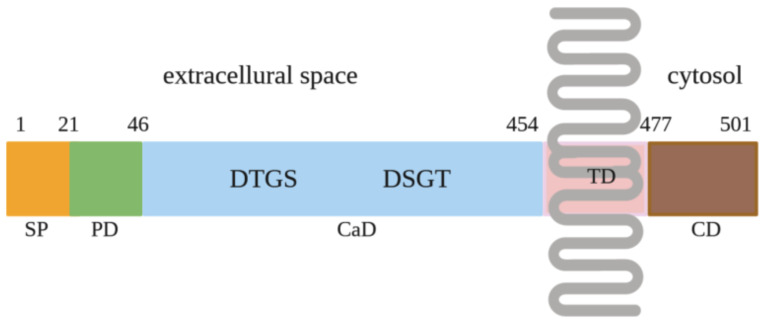
“However, all three variants retain both catalytic aspartyl motifs and demonstrate secretase activity [59-61].”
BackgroundStützer, I., Selevsek, N., Esterházy, D., Schmidt, A., Aebersold, R., & Stoffel, M. (2013) · Journal of Biological Chemistry · doi:10.1074/jbc.m112.444703 · Cited by 88 · cited 1×
“According to Esterházy’s study, non-selective inhibitors can have a beneficial effect in the treatment of type 2 diabetes [120, 121].”
MethodAssociation of Cathepsin E Deficiency with Development of Atopic Dermatitis
Tsukuba, T. (2003) · Journal of Biochemistry · doi:10.1093/jb/mvg216 · Cited by 87 · cited 1×
“Cathepsin E deficiency, on the other hand, is related to atopic dermatitis, an inflammatory skin disease [132].”
BackgroundDislich, B., Wohlrab, F., Bachhuber, T., Müller, S. A., Kuhn, P.-H., Hogl, S., Meyer-Luehmann, M., & Lichtenthaler, S. F. (2015) · Molecular & Cellular Proteomics · doi:10.1074/mcp.m114.041533 · Cited by 85
The Basic Biology of BACE1: A Key Therapeutic Target for Alzheimers Disease
Vassar, R., & Cole, S. (2007) · Current Genomics · doi:10.2174/138920207783769512 · Cited by 84 · cited 2×
“Subsequent deacetylation of BACE1 occurs in the lumen of GC [38, 63, 64].”
BackgroundLessons from a BACE1 inhibitor trial: Off‐site but not off base
Lahiri, D. K., Maloney, B., Long, J. M., & Greig, N. H. (2014) · Alzheimer's & Dementia · doi:10.1016/j.jalz.2013.11.004 · Cited by 82 · cited 1×
“It was concluded that the benefit/risk ratio was insufficiently favorable to continue its development for patients who have late-onset preclinical stage Alzheimer’s disease [163-165].”
BackgroundBACE inhibitor bust in Alzheimer trial
Mullard, A. (2017) · Nature Reviews Drug Discovery · doi:10.1038/nrd.2017.43 · Cited by 82 · cited 2×
“Thus, the challenge is to develop a highly selective inhibitor to minimize side effects [111, 112].”
BackgroundInterferon γ stimulates β-secretase expression and sAPPβ production in astrocytes
Hong, H. S., Hwang, E. M., Sim, H. J., Cho, H.-J., Boo, J. H., Oh, S. S., Kim, S. U., & Mook-Jung, I. (2003) · Biochemical and Biophysical Research Communications · doi:10.1016/s0006-291x(03)01270-1 · Cited by 81
Qu, F., Yang, M., & Rasooly, A. (2016) · Analytical Chemistry · doi:10.1021/acs.analchem.6b02659 · Cited by 79 · cited 1×
“For this reason, it is still being used as a reference compound in biological assays, in docking and molecular dynamics simulations, and the development of electrochemical biosensor assays for monitoring of BACE1 activity [151-154].”
BackgroundBACE2, a conditional β-secretase, contributes to Alzheimer’s disease pathogenesis
Wang, Z., Xu, Q., Cai, F., Liu, X., Wu, Y., & Song, W. (2019) · JCI Insight · doi:10.1172/jci.insight.123431 · Cited by 79 · cited 1×
“Both BACE2 and clusterin display increased expression in neurons of aged wild-type mice [117].”
BackgroundIdentification and biology of β‐secretase
Kandalepas, P. C., & Vassar, R. (2012) · Journal of Neurochemistry · doi:10.1111/j.1471-4159.2011.07512.x · Cited by 74 · cited 1×
“Confirmation of the physiological roles of BACE1 substrates in vitro as well as in vivo may help to understand the complexity of BACE1 functions and may reveal how much its inhibition affects other essential biological processes [83-85].”
BackgroundZuhl, A. M., Nolan, C. E., Brodney, M. A., Niessen, S., Atchison, K., Houle, C., Karanian, D. A., Ambroise, C., Brulet, J. W., Beck, E. M., et al. (2016) · Nature Communications · doi:10.1038/ncomms13042 · Cited by 73 · cited 1×
“associated the ocular toxicity of BACE1 inhibitors with cathepsin D off-targeting and found that quantification of cathepsin D inhibition is predictive of the toxic effect in vivo [129].”
BackgroundBACE1 Dependent Neuregulin Processing: Review
Fleck, D., N. Garratt, A., Haass, C., & Willem, M. (2012) · Current Alzheimer Research · doi:10.2174/156720512799361637 · Cited by 72 · cited 1×
“In other tissues, its signaling has been linked to cardiogenesis and the development of the mammary gland [86-90].”
BackgroundBACE2 distribution in major brain cell types and identification of novel substrates
Voytyuk, I., Mueller, S. A., Herber, J., Snellinx, A., Moechars, D., van Loo, G., Lichtenthaler, S. F., & De Strooper, B. (2018) · Life Science Alliance · doi:10.26508/lsa.201800026 · Cited by 71 · cited 1×
“BACE2 expression is also up-regulated under inflammatory conditions [119].”
BackgroundProfiling donepezil template into multipotent hybrids with antioxidant properties
Mezeiova, E., Spilovska, K., Nepovimova, E., Gorecki, L., Soukup, O., Dolezal, R., Malinak, D., Janockova, J., Jun, D., Kuca, K., et al. (2018) · Journal of Enzyme Inhibition and Medicinal Chemistry · doi:10.1080/14756366.2018.1443326 · Cited by 70 · cited 1×
“Novel compounds have been synthesized and tested towards BACE1 activity, including selective or multi-target drugs, natural compounds, and their derivatives [182-186].”
BackgroundSelf-citationShimshek, D. R., Jacobson, L. H., Kolly, C., Zamurovic, N., Balavenkatraman, K. K., Morawiec, L., Kreutzer, R., Schelle, J., Jucker, M., Bertschi, B., et al. (2016) · Scientific Reports · doi:10.1038/srep21917 · Cited by 69 · cited 1×
“This could be the underlying mechanism of irreversible hair depigmentation observed during clinical trials with several non-selective BACE1 inhibitors [122].”
Dineen, T. A., Chen, K., Cheng, A. C., Derakhchan, K., Epstein, O. I., Esmay, J. D., Hickman, D., Kreiman, C. E., Marx, I. E., Wahl, R. C., et al. (2014) · Journal of Medicinal Chemistry · doi:10.1021/jm5012676 · Cited by 66 · cited 2×
“This includes AMG-8718 introduced as a perspective drug in 2014 [125].”
BackgroundThe proteins BACE1 and BACE2 and β-secretase activity in normal and Alzheimer's disease brain
Stockley, J. H., & O'Neill, C. (2007) · Biochemical Society Transactions · doi:10.1042/bst0350574 · Cited by 65
Sorting nexin 12 interacts with BACE1 and regulates BACE1-mediated APP processing
Zhao, Y., Wang, Y., Yang, J., Wang, X., Zhao, Y., Zhang, X., & Zhang, Y.-W. (2012) · Molecular Neurodegeneration · doi:10.1186/1750-1326-7-30 · Cited by 63 · cited 1×
“Consequently, inhibition of BACE1 by regulating SNXs might be a novel approach in the treatment of AD [81, 82].”
Background(2003) · doi:10.1021/bi035199h · Cited by 62 · cited 1×
“In AD, APP is cleaved alternatively through the sequential action of integral membrane ßand γ-secretase in endosomal compartments, releasing Aβ from the APP [8, 9].”
BackgroundFunctions of the Alzheimer’s Disease Protease BACE1 at the Synapse in the Central Nervous System
Munro, K. M., Nash, A., Pigoni, M., Lichtenthaler, S. F., & Gunnersen, J. M. (2016) · Journal of Molecular Neuroscience · doi:10.1007/s12031-016-0800-1 · Cited by 62 · cited 1×
“In other tissues, its signaling has been linked to cardiogenesis and the development of the mammary gland [86-90].”
BackgroundSakamoto, K., Matsuki, S., Matsuguma, K., Yoshihara, T., Uchida, N., Azuma, F., Russell, M., Hughes, G., Haeberlein, S. B., Alexander, R. C., et al. (2017) · The Journal of Clinical Pharmacology · doi:10.1002/jcph.950 · Cited by 61
LRP1 modulates APP trafficking along early compartments of the secretory pathway
Waldron, E., Heilig, C., Schweitzer, A., Nadella, N., Jaeger, S., Martin, A. M., Weggen, S., Brix, K., & Pietrzik, C. U. (2008) · Neurobiology of Disease · doi:10.1016/j.nbd.2008.04.006 · Cited by 60 · cited 1×
“The replacements are responsible for three to six times higher production of Aβ [10-15].”
BackgroundTimmers, M., Van Broeck, B., Ramael, S., Slemmon, J., De Waepenaert, K., Russu, A., Bogert, J., Stieltjes, H., Shaw, L. M., Engelborghs, S., et al. (2016) · Alzheimer's & Dementia: Translational Research & Clinical Interventions · doi:10.1016/j.trci.2016.08.001 · Cited by 60
Sugimoto, I., Futakawa, S., Oka, R., Ogawa, K., Marth, J. D., Miyoshi, E., Taniguchi, N., Hashimoto, Y., & Kitazume, S. (2007) · Journal of Biological Chemistry · doi:10.1074/jbc.m704766200 · Cited by 57
Measuring human β-secretase (BACE1) activity using homogeneous time-resolved fluorescence
Kennedy, M. E., Wang, W., Song, L., Lee, J., Zhang, L., Wong, G., Wang, L., & Parker, E. M. (2003) · Analytical Biochemistry · doi:10.1016/s0003-2697(03)00253-7 · Cited by 55 · cited 1×
“[166], [167], [168], [169], IC50 values of BACE1, BACE2 and CatD are not available.”
BackgroundThe Normal and Pathologic Roles of the Alzheimer's β-secretase, BACE1
Kandalepas, P., & Vassar, R. (2014) · Current Alzheimer Research · doi:10.2174/1567205011666140604122059 · Cited by 54 · cited 1×
“If they are mutated, the enzyme becomes inactive [55, 56].”
BackgroundCurrent state of research on non‐human primate models of Alzheimer’s disease
Li, H., Zhang, L., & Qin, C. (2019) · Animal Models and Experimental Medicine · doi:10.1002/ame2.12092 · Cited by 54
Ohno, M. (2018) · Brain Research Bulletin · doi:10.1016/j.brainresbull.2017.08.007 · Cited by 53 · cited 1×
“the status that is already associated with AD pathology [109].”
BackgroundTanahashi, H., & Tabira, T. (2001) · Neuroscience Letters · doi:10.1016/s0304-3940(01)01912-7 · Cited by 51 · cited 1×
“However, all three variants retain both catalytic aspartyl motifs and demonstrate secretase activity [59-61].”
BackgroundMolecular insights into -galactoside 2,6-sialyltransferase secretion in vivo
Kitazume, S., Oka, R., Ogawa, K., Futakawa, S., Hagiwara, Y., Takikawa, H., Kato, M., Kasahara, A., Miyoshi, E., Taniguchi, N., et al. (2009) · Glycobiology · doi:10.1093/glycob/cwp003 · Cited by 51
Membrane Dynamics of γ-Secretase Provides a Molecular Basis for β-Amyloid Binding and Processing
Somavarapu, A. K., & Kepp, K. P. (2017) · ACS Chemical Neuroscience · doi:10.1021/acschemneuro.7b00208 · Cited by 51 · cited 2×
“The results of the phase I indicated that the drug was safe, effectively penetrated trough BBB and reduced Aβ40 in CSF of healthy volunteers by 50%, 90%, 100% at doses 1, 6 and 26 mg, respectively (for study details see NCT03023826, NCT02555449) [179].”
BackgroundAli, M. Y., Jannat, S., Edraki, N., Das, S., Chang, W. K., Kim, H. C., Park, S. K., & Chang, M. S. (2019) · Chemico-Biological Interactions · doi:10.1016/j.cbi.2019.06.020 · Cited by 50 · cited 1×
“Novel compounds have been synthesized and tested towards BACE1 activity, including selective or multi-target drugs, natural compounds, and their derivatives [182-186].”
BackgroundmiR-16-5p and miR-19b-3p prevent amyloid β-induced injury by targeting BACE1 in SH-SY5Y cells
Zhang, N., Li, W.-W., Lv, C.-M., Gao, Y.-W., Liu, X.-L., & Zhao, L. (2020) · NeuroReport · doi:10.1097/wnr.0000000000001379 · Cited by 50 · cited 1×
“On the contrary, several miRNAs, including, for instance, miR-16-5p, miR-19b-3p [51] and miRNA-31 [52] (for more details see reviews [53, 54]), have been identified as negative regulators of BACE1 expression, whereas BACE1-antisense lncRNA stabilizes BACE1 RNA and promotes APP cleavage.”
BackgroundDeng, M., He, W., Tan, Y., Han, H., Hu, X., Xia, K., Zhang, Z., & Yan, R. (2013) · Journal of Biological Chemistry · doi:10.1074/jbc.m113.480079 · Cited by 46 · cited 1×
“They negatively modulate BACE1 activity and reduce its ability to produce Aβ in the brain [79].”
BackgroundMotoki, K., Kume, H., Oda, A., Tamaoka, A., Hosaka, A., Kametani, F., & Araki, W. (2012) · Brain and Behavior · doi:10.1002/brb3.52 · Cited by 45 · cited 1×
“S-palmitoylation of membrane proteins plays an important functional role in protein-protein interactions, folding, trafficking, and association with a lipid membrane [69, 70].”
BackgroundMotonaga, K., Itoh, M., Becker, L. E., Goto, Y.-I., & Takashima, S. (2002) · Neuroscience Letters · doi:10.1016/s0304-3940(02)00287-2 · Cited by 45 · cited 1×
“However, the role of BACE2 in amyloidogenesis is not completely known [32-34].”
BackgroundGalangin-induced down-regulation of BACE1 by epigenetic mechanisms in SH-SY5Y cells
Zeng, H., Huang, P., Wang, X., Wu, J., Wu, M., & Huang, J. (2015) · Neuroscience · doi:10.1016/j.neuroscience.2015.02.054 · Cited by 44 · cited 1×
“Decreased methylation of CG sites in the BACE1 promoter or increased acetylation of histone H3 in the same region elevates BACE1 expression [49, 50].”
BackgroundPost-Translational Regulation of CD133 by ATase1/ATase2-Mediated Lysine Acetylation
Mak, A. B., Pehar, M., Nixon, A. M. L., Williams, R. A., Uetrecht, A. C., Puglielli, L., & Moffat, J. (2014) · Journal of Molecular Biology · doi:10.1016/j.jmb.2014.02.012 · Cited by 43 · cited 1×
“This process is regulated via post-translational modifications and several interaction proteins [200-203].”
BackgroundDing, Y., Ko, M. H., Pehar, M., Kotch, F. W., Peters, N. R., Luo, Y., Salamat, S. M., & Puglielli, L. (2012) · Journal of Biological Chemistry · doi:10.1074/jbc.m111.310136 · Cited by 43 · cited 1×
“This process is regulated via post-translational modifications and several interaction proteins [200-203].”
BackgroundDeng, X., Zhang, J., Liu, Y., Chen, L., & Yu, C. (2017) · Scientific Reports · doi:10.1038/srep40256 · Cited by 43 · cited 1×
“It suggests that inhibition of BACE1 expression may represent a new approach for treating atherosclerosis [102, 103].”
BackgroundRetinal Toxicity Induced by a Novel β-secretase Inhibitor in the Sprague-Dawley Rat
Fielden, M. R., Werner, J., Jamison, J. A., Coppi, A., Hickman, D., Dunn, R. T., Trueblood, E., Zhou, L., Afshari, C. A., & Lightfoot-Dunn, R. (2015) · Toxicologic Pathology · doi:10.1177/0192623314553804 · Cited by 42
O’Neill, B. T., Beck, E. M., Butler, C. R., Nolan, C. E., Gonzales, C., Zhang, L., Doran, S. D., Lapham, K., Buzon, L. M., Dutra, J. K., et al. (2018) · Journal of Medicinal Chemistry · doi:10.1021/acs.jmedchem.8b00246 · Cited by 42
LRP in Alzheimer’s disease: friend or foe?
Ulery, P. G., & Strickland, D. K. (2000) · Journal of Clinical Investigation · doi:10.1172/jci11455 · Cited by 41 · cited 1×
“Thus, further research is needed to illuminate the LRP role in AD pathogenesis [104-108].”
BackgroundCore Refinement toward Permeable β-Secretase (BACE-1) Inhibitors with Low hERG Activity
Ginman, T., Viklund, J., Malmström, J., Blid, J., Emond, R., Forsblom, R., Johansson, A., Kers, A., Lake, F., Sehgelmeble, F. W., et al. (2013) · Journal of Medicinal Chemistry · doi:10.1021/jm3011349 · Cited by 41 · cited 1×
“This has been related to an interaction with the human Ether-A-GoGo ion channel (hERG), which is responsible for the rapid component of delayed rectifier potassium current in the heart [123, 124].”
BackgroundEffects of chronic variable stress on cognition and Bace1 expression among wild-type mice
Cordner, Z. A., & Tamashiro, K. L. (2016) · Translational Psychiatry · doi:10.1038/tp.2016.127 · Cited by 41 · cited 1×
“Decreased methylation of CG sites in the BACE1 promoter or increased acetylation of histone H3 in the same region elevates BACE1 expression [49, 50].”
BackgroundJohn, B. A., Meister, M., Banning, A., & Tikkanen, R. (2014) · FEBS Journal · doi:10.1111/febs.12763 · Cited by 39 · cited 1×
“This process is regulated via post-translational modifications and several interaction proteins [200-203].”
BackgroundMechanisms that lessen benefits of β-secretase reduction in a mouse model of Alzheimer’s disease
Devi, L., & Ohno, M. (2013) · Translational Psychiatry · doi:10.1038/tp.2013.59 · Cited by 38 · cited 1×
“Furthermore, conditional inhibition of BACE1 expression may be required to avoid compensatory mechanisms upregulating this protein [198, 199].”
BackgroundDynamic Expression of Erbb Pathway Members during Early Mammary Gland Morphogenesis
Wansbury, O., Panchal, H., James, M., Parry, S., Ashworth, A., & Howard, B. A. (2007) · Journal of Investigative Dermatology · doi:10.1038/sj.jid.5701118 · Cited by 37 · cited 1×
“In other tissues, its signaling has been linked to cardiogenesis and the development of the mammary gland [86-90].”
BackgroundGhobadian, R., Mahdavi, M. R., Nadri, H., Moradi, A., Edraki, N., Akbarzadeh, T., Sharifzadeh, M. S., Bukhari, S. N. A., & Amini, M. (2018) · European Journal of Medicinal Chemistry · doi:10.1016/j.ejmech.2018.05.031 · Cited by 37 · cited 1×
“Novel compounds have been synthesized and tested towards BACE1 activity, including selective or multi-target drugs, natural compounds, and their derivatives [182-186].”
BackgroundLynch, S. Y., Kaplow, J., Zhao, J., Dhadda, S., Luthman, J., & Albala, B. (2018) · Alzheimer's & Dementia · doi:10.1016/j.jalz.2018.07.213 · Cited by 35
A promising, novel, and unique BACE1 inhibitor emerges in the quest to prevent Alzheimer's disease
Zakaria, J. A. D., & Vassar, R. J. (2018) · EMBO Molecular Medicine · doi:10.15252/emmm.201809717 · Cited by 33 · cited 1×
“Another important feature is that the drug can decrease Aβ concentration irrespective of APOE4 status, which was demonstrated in the brain of APOE4-transgenic mice and the CSF of humans during phase IIa clinical trial [170, 171].”
BackgroundRodríguez, M. H., Correa‐Basurto, J., Martı́nez-Ramos, F., Martínez, I. I. P., Benítez‐Cardoza, C. G., Mera-Jiménez, E., & Rosales‐Hernández, M. C. (2014) · Journal of Alzheimer s Disease · doi:10.3233/jad-140471 · Cited by 31 · cited 1×
“For this reason, it is still being used as a reference compound in biological assays, in docking and molecular dynamics simulations, and the development of electrochemical biosensor assays for monitoring of BACE1 activity [151-154].”
BackgroundAnimal Models of Alzheimer’s Disease
Newman, M., Kretzschmar, D., Khan, I., Chen, M., Verdile, G., & Lardelli, M. T. (2017) · Elsevier eBooks · doi:10.1016/b978-0-12-809468-6.00040-1 · Cited by 31
Vassar, R. (2019) · The Journal of Prevention of Alzheimer's Disease · doi:10.14283/jpad.2019.3 · Cited by 31 · cited 1×
“The cleavage of CHL1 by BACE1 regulates the balance between growth cone extension and collapse via the axon guidance molecule semaphorin 3A, regulating correct axonal targeting [92].”
BackgroundMayer, M., Schauenburg, L., Thompson‐Steckel, G., Dunsing, V., Kaden, D., Voigt, P., Schaefer, M., Chiantia, S., Kennedy, T. E., & Multhaup, G. (2016) · Journal of Neurochemistry · doi:10.1111/jnc.13540 · Cited by 28 · cited 1×
“On the other hand, their specific role within the CNS and PNS is still poorly understood [94-96].”
BackgroundNeumann, U., Machauer, R., & Shimshek, D. R. (2019) · British Journal of Pharmacology · doi:10.1111/bph.14582 · Cited by 28 · cited 2×
“Novel compounds have been synthesized and tested towards BACE1 activity, including selective or multi-target drugs, natural compounds, and their derivatives [182-186].”
Backgroundvon Einem, B., Wahler, A., Schips, T. G., Serrano‐Pozo, A., Proepper, C., Boeckers, T. M., Rueck, A. C., Wirth, T., Hyman, B. T., Danzer, K. M., et al. (2015) · PLoS ONE · doi:10.1371/journal.pone.0129047 · Cited by 26
Post-translational regulation of the β-secretase BACE1
Araki, W. (2016) · Brain Research Bulletin · doi:10.1016/j.brainresbull.2016.04.009 · Cited by 26 · cited 1×
“Subsequently, several posttranslational modifications take place in the ER and the GC [62].”
BackgroundLRP1 Downregulates the Alzheimer’s β-Secretase BACE1 by Modulating Its Intraneuronal Trafficking
Tanokashira, D., Motoki, K., Minegishi, S., Hosaka, A., Mamada, N., Tamaoka, A., Okada, T., Lakshmana, M. K., & Araki, W. (2015) · eNeuro · doi:10.1523/eneuro.0006-15.2015 · Cited by 25 · cited 1×
“Thus, further research is needed to illuminate the LRP role in AD pathogenesis [104-108].”
BackgroundConformational dynamics of cathepsin D and binding to a small‐molecule BACE1 inhibitor
Ellis, C. R., Tsai, C., Lin, F., & Shen, J. (2017) · Journal of Computational Chemistry · doi:10.1002/jcc.24719 · Cited by 25
Yang, H., Chai, X., Mosior, M. K., Kohn, W. D., Boggs, L. N., Erickson, J. A., McClure, D. B., Yeh, W., Zhang, L., Gonzalez‐DeWhitt, P. A., et al. (2004) · Journal of Neurochemistry · doi:10.1111/j.1471-4159.2004.02764.x · Cited by 24 · cited 1×
“reinternalized from the cell surface to early endosomes and could be recycled back to the cell surface upon dephosphorylation [67, 68].”
BackgroundResearch status of the regulation of miRNA on BACE1
Deng, Y., Ding, Y., & Hou, D. (2014) · International Journal of Neuroscience · doi:10.3109/00207454.2013.858249 · Cited by 24 · cited 1×
“On the contrary, several miRNAs, including, for instance, miR-16-5p, miR-19b-3p [51] and miRNA-31 [52] (for more details see reviews [53, 54]), have been identified as negative regulators of BACE1 expression, whereas BACE1-antisense lncRNA stabilizes BACE1 RNA and promotes APP cleavage.”
BackgroundBACE1 Gene Promoter Single-Nucleotide Polymorphisms in Alzheimer’s Disease
Zhou, W., Cai, F., Li, Y., Yang, G., O’Connor, K. D., Holt, R. A., & Song, W. (2010) · Journal of Molecular Neuroscience · doi:10.1007/s12031-010-9381-6 · Cited by 22 · cited 1×
“Zhou and colleagues examined potential polymorphism in the promoter region from 472 AD cases and control individuals and did not find any genetic association with AD [48].”
BackgroundMetabolic processing of the amyloid precursor protein -- new pieces of the Alzheimer's puzzle.
Norstrom, E. M. (2017) · PubMed · Cited by 22
Ethical issues when modelling brain disorders innon-human primates
Neuhaus, C. P. (2017) · Journal of Medical Ethics · doi:10.1136/medethics-2016-104088 · Cited by 21 · cited 1×
“There are also ethical issues and high costs of maintaining, restricting wider use of NHPs [194, 195].”
BackgroundA tale of two drug targets: the evolutionary history of BACE1 and BACE2
Southan, C., & Hancock, J. M. (2013) · Frontiers in Genetics · doi:10.3389/fgene.2013.00293 · Cited by 19 · cited 1×
“Thus, the challenge is to develop a highly selective inhibitor to minimize side effects [111, 112].”
BackgroundWinneroski, L. L., Erickson, J. A., Green, S. J., López, J. E., Stout, S. L., Porter, W. J., Timm, D. E., Audia, J. E., Barberis, M., Beck, J. P., et al. (2019) · Bioorganic & Medicinal Chemistry · doi:10.1016/j.bmc.2019.115194 · Cited by 19 · cited 1×
“Novel compounds have been synthesized and tested towards BACE1 activity, including selective or multi-target drugs, natural compounds, and their derivatives [182-186].”
BackgroundSplice variants of the Alzheimer’s disease beta-secretase, BACE1
Holsinger, R. M. D., Goense, N., Bohorquez, J., & Strappe, P. (2012) · Neurogenetics · doi:10.1007/s10048-012-0348-3 · Cited by 16 · cited 1×
“However, all three variants retain both catalytic aspartyl motifs and demonstrate secretase activity [59-61].”
BackgroundAlbala, B., Kaplow, J. M., Lai, R., Matijevic, M., Aluri, J., & Satlin, A. (2012) · Alzheimer's & Dementia · doi:10.1016/j.jalz.2013.08.023 · Cited by 16
Kitazume, S., Suzuki, M., Saido, T. C., & Hashimoto, Y. (2004) · Glycoconjugate Journal · doi:10.1023/b:glyc.0000043743.21735.ff · Cited by 16 · cited 1×
“Kitazume and his colleagues found that the serum level of ST6Gal-I was correlated with the activity of hepatic inflammation in hepatitis C patients [99-101].”
BackgroundBACE1 Gene Expression and Protein Degradation
Zhou, W., Qing, H., Tong, Y., & Song, W. (2004) · Annals of the New York Academy of Sciences · doi:10.1196/annals.1332.004 · Cited by 15 · cited 1×
“The promoter contains a several transcription factor binding sites cAMP response element-binding protein (CREB) [41], hepatocyte nuclear factor-3 (HNF-3) [42], nuclear factor- κB (NF-κB) [43], specificity protein 1 (Sp1) [44], Yin Yang 1 (YY1) [45], and signal transducer and activator of transcription (STAT) [46].”
BackgroundHu, B., Xiong, B., Qiu, B., Li, X., Yu, H., Kun, X. I. A. O., Wang, X., Li, J. X., & Shen, J. (2006) · Acta Pharmacologica Sinica · doi:10.1111/j.1745-7254.2006.00432.x · Cited by 10 · cited 1×
“Understanding of the interactions between the inhibitor and the active sites of BACE1 represented a major advance in the development of subsequent generations of highly selective inhibitors [149, 150].”
BackgroundWillis, B. A., Lowe, S. L., Daugherty, L. L., Dean, R. A., English, B. A., Ereshefsky, L., Gevorkyan, H., James, D. E., Jhee, S. S., Lin, Q., et al. (2016) · Alzheimer s & Dementia · doi:10.1016/j.jalz.2016.06.791 · Cited by 10
O1‐10‐06: Results From a First‐in‐Human Study with the Bace Inhibitor CNP520
Ufer, M., Rouzade-Dominguez, M.-L., Huledal, G., Pezous, N., Avrameas, A., David, O., Kretz, S., Kucher, K., Neumann, U., Cha, J.-H., et al. (2016) · Alzheimer's & Dementia · doi:10.1016/j.jalz.2016.06.351 · Cited by 9 · cited 1×
“Another important feature is that the drug can decrease Aβ concentration irrespective of APOE4 status, which was demonstrated in the brain of APOE4-transgenic mice and the CSF of humans during phase IIa clinical trial [170, 171].”
BackgroundHan, K., Müller, U., & Hülsmann, S. (2017) · Frontiers in Molecular Neuroscience · doi:10.3389/fnmol.2017.00189 · Cited by 9 · cited 1×
“On the other hand, their specific role within the CNS and PNS is still poorly understood [94-96].”
BackgroundP1‐080: Nonclinical Pharmacological Characterization of the Bace1 Inhibitor LY3202626
McKinzie, D. L., May, P. C., Boggs, L. N., Yang, Z., Brier, R. A., Monk, S. A., Willis, B. A., Borders, A. R., Winneroski, L. L., Green, S. J., et al. (2016) · Alzheimer s & Dementia · doi:10.1016/j.jalz.2016.06.828 · Cited by 7 · cited 1×
“4-‐ and ~23,000-‐fold more selective for BACE1 than for BACE2 and CatD, respectively [178].”
Backgroundde Miranda, L. F. J. R., Barbosa, M. D. A., Peles, P. R. H., Pôças, P. H., Tito, P. A. L., Matoso, R. D. O., de Lima, T. O. L., de Moraes, E. N., & Caramelli, P. (2013) · Dementia & Neuropsychologia · doi:10.1590/s1980-57642013dn70200009 · Cited by 4 · cited 1×
“In the case of intolerance of or a contraindication for acetylcholinesterase inhibitors, the fourth drug, NMDA antagonist memantine (Ebixa) is prescribed [135-138].”
BackgroundAdvances in Alzheimer Research
(2013) · BENTHAM SCIENCE PUBLISHERS eBooks · doi:10.2174/97816080549541130101 · Cited by 3 · cited 2×
“While CREB is considered a negative regulator, HN-3, NF-κB, Sp1, YY1, and STAT are positive regulators.”
Background(2010) · Europe PMC (PubMed Central)
(2012) · PubMed
Research works printed but not linked: 2
- 133. www.alzforum.org/news/conference-coverage/picking-through-rubble-field-tries-salvage-bace-inhibitors
- McElrath K.J.; Why has pfizer discontinued research on neurodegenerative diseases? [Apr 15, 2020];
Cited by
Zhang, J., Zhang, Y., Wang, J., Xia, Y., Zhang, J., & Chen, L. (2024) · Signal Transduction and Targeted Therapy · doi:10.1038/s41392-024-01911-3 · Cited by 1,138
Cai, W., Li, L., Sang, S., Pan, X., & Zhong, C. (2023) · Neuroscience Bulletin · doi:10.1007/s12264-022-00985-9 · Cited by 83
“Both clinical [123, 124] and laboratory [125] results have confirmed that this impairment is dose-dependent; in addition, this can be partly explained by the fact that germline heterozygous BACE1KO mice with 50% of normal BACE1 levels do not differ significantly from wild-type mice [38, 127, 128].”
BackgroundPark, J. S., Rehman, I. U., Choe, K., Ahmad, R., Lee, H. J., & Kim, M. O. (2023) · Nutrients · doi:10.3390/nu15133059 · Cited by 87
“Moreover, BACE1 (beta-site amyloid precursor protein (APP) cleaving enzyme 1), a member of the pepsin family of aspartyl proteases, was first identified in 1991 [99].”
BackgroundMartins, M. M., Branco, P. S., & Ferreira, L. M. (2023) · ChemistrySelect · doi:10.1002/slct.202300461 · Cited by 53
Role of Natural Compounds and Target Enzymes in the Treatment of Alzheimer’s Disease
Wang, S., Kong, X., Chen, Z., Wang, G., Zhang, J., & Wang, J. (2022) · Molecules · doi:10.3390/molecules27134175 · Cited by 40
Metadata
- Authors
- Hrabinova, M., Pejchal, J., Kucera, T., Jun, D., Schmidt, M., & Soukup, O.
- Affiliations
- Department of Toxicology and Military Pharmacy, Faculty of Military Health Sciences, University of Defence in Brno, Hradec Kralove, Czech Republic
- University of Defence (CZ)
- University Hospital Hradec Králové (CZ)
- Corresponding author
- Pejchal, Jaroslav
- Venue
- Current Neuropharmacology
- Publisher
- Bentham Science Publishers Ltd.
- Published
- 2020-12-31
- Volume
- 19
- Issue
- 1
- Pages
- 61-77
- ISSN
- 1570-159X (ISSN-L)
- PMC
- PMC7903497
- OpenAlex
- W3022006874
- Semantic Scholar
- 2d7f7575686b57c63d0e67abf0c7face2fa0bd32
- Cited by
- 28
- References
- 198
- Citations by year
- 2026: 4 · 2025: 6 · 2024: 4 · 2023: 7 · 2022: 6 · 2021: 1
- FWCI
- 2.10
- Type
- journal article
- Language
- en
- Open access
- green
- www.ncbi.nlm.nih.gov
- Licence
- cc-by-nc
- Locations
- Current Neuropharmacology (publishedVersion)
- PubMed Central (publishedVersion, cc-by-nc)
- PubMed (publishedVersion)
- Topics
- Life Sciences › Neuroscience › Cellular and Molecular Neuroscience › Alzheimer's disease research and treatments
- Health Sciences › Medicine › Pharmacology (medical) › Cholinesterase and Neurodegenerative Diseases
- Health Sciences › Medicine › Psychiatry and Mental health › Dementia and Cognitive Impairment Research
- Keywords
- BACE1 inhibitors, beta-secretase, Alzheimer's disease, clinical trial discontinuation, adverse drug reactions, post-translational modification, risk-benefit ratio
- MeSH terms
- Alzheimer Disease, Humans, Prospective Studies, Amyloid beta-Peptides, Aspartic Acid Endopeptidases, Amyloid Precursor Protein Secretases
About these checks
Registry, retraction, Cites and statistics results are computed, not judged, with one exception: a printed reference that no index lists is read once by a model before it counts as a citation error. Claims are extracted by a model and kept only when their quote appears verbatim in the text; each cited source is then checked, with a model’s help, for whether it says what the claim relies on. Those verdicts can be wrong — read the claim’s quote and the cited source before relying on one.
Statistics and arithmetic are recomputed, not judged.
Confidence bands are shown only for fields calibrated on our annotated test set. None is calibrated yet, so no band is shown.
What counts as a claim ›How we measure confidence ›How we check this ›
Are you an author, or do you see a problem with this page? Request a review
Data sources
Bibliographic data: Semantic Scholar, OpenAlex, Crossref.
Contains information from the Semantic Scholar Academic Graph Datasets, made available under the ODC Attribution License (ODC-BY 1.0).
Semantic Scholar’s data is described in: Kinney, R., et al. (2023). The Semantic Scholar Open Data Platform. arXiv:2301.10140.
