

The DOI matches its Crossref record; 271 of the 272 references it cites were found in a registry or an index.
Short-chain fatty acids, secondary bile acids and indoles: gut microbial metabolites with effects on enteroendocrine cell function and their potential as therapies for metabolic disease
Open accessAbstract
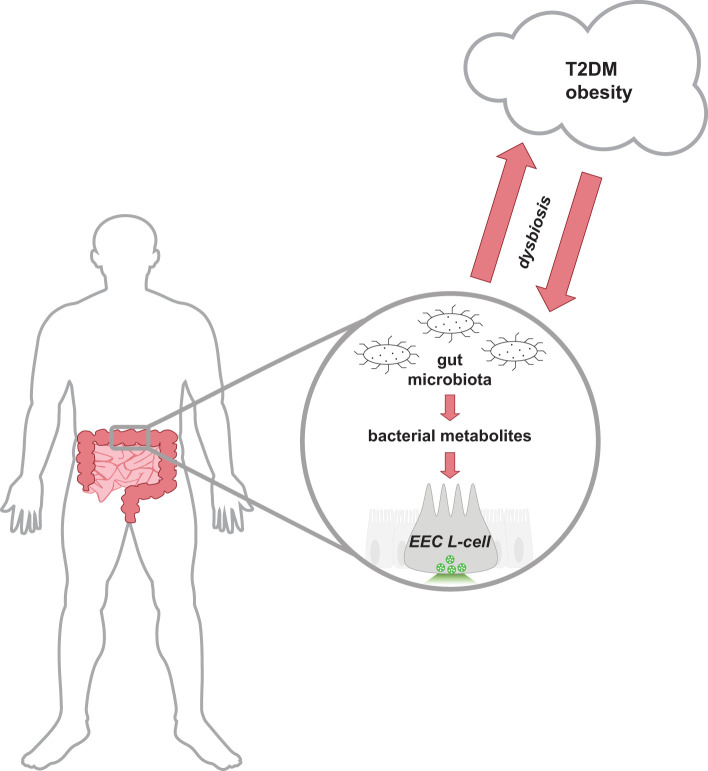
The gastrointestinal tract hosts the largest ecosystem of microorganisms in the body. The metabolism of ingested nutrients by gut bacteria produces novel chemical mediators that can influence chemosensory cells lining the gastrointestinal tract. Specifically, hormone-releasing enteroendocrine cells which express a host of receptors activated by these bacterial metabolites. This review will focus on the activation mechanisms of glucagon-like peptide-1 releasing enteroendocrine cells by the three main bacterial metabolites produced in the gut: short-chain fatty acids, secondary bile acids and indoles. Given the importance of enteroendocrine cells in regulating glucose homeostasis and food intake, we will also discuss therapies based on these bacterial metabolites used in the treatment of metabolic diseases such as diabetes and obesity. Elucidating the mechanisms gut bacteria can influence cellular function in the host will advance our understanding of this fundamental symbiotic relationship and unlock the potential of harnessing these pathways to improve human health.
Overview
The claims and statistics of this paper haven’t been checked yet.
Run the check — free, no account needed. It reads the open-access text and checks the sources it cites.
Integrity signals
Registry
Cites
Statistics
Figures
Verification
Claims the paper makes
The claims and statistics of this paper haven’t been checked yet.
Run the check — free, no account needed. It reads the open-access text and checks the sources it cites.
Claims other papers make about this one
Each is checked against this paper’s own text: does it say what the citing paper says it does?
In the citing paper
“the gut microbiota-derived metabolites, including SCFAs, secondary BAs, and indoles, have been demonstrated to modulate gut hormone secretion from EECs.”
From Microbiota–gut–brain axis and its therapeutic applications in neurodegenerative diseases (2024) · cites this paper as [547]
Self-check
Percentages, sums and reported differences re-computed from the paper’s own numbers.
The self-check needs the paper’s full text.
Citations
Cites
An obesity-associated gut microbiome with increased capacity for energy harvest
Turnbaugh, P. J., Ley, R. E., Mahowald, M. A., Magrini, V., Mardis, E. R., & Gordon, J. I. (2006) · Nature · doi:10.1038/nature05414 · Cited by 12,444
Human gut microbes associated with obesity
Ley, R. E., Turnbaugh, P. J., Klein, S., & Gordon, J. I. (2006) · Nature · doi:10.1038/4441022a · Cited by 8,785
Changes of Intestinal Functions in Liver Cirrhosis
Fukui, H., & Wiest, R. (2016) · Inflammatory Intestinal Diseases · doi:10.1159/000444436 · Cited by 6,820
A metagenome-wide association study of gut microbiota in type 2 diabetes
Qin, J., Li, Y., Cai, Z., Li, S., Zhu, J., Zhang, F., Liang, S., Zhang, W., Guan, Y., Shen, D., et al. (2012) · Nature · doi:10.1038/nature11450 · Cited by 6,762 · cited 1×
“In earlier studies, obesity and insulin resistance were associated with an increased abundance of Bacillota and concomitant decrease of Bacteroidota in both animal (7, 168), and human studies (6, 167, 169).”
BackgroundThe gut microbiota as an environmental factor that regulates fat storage
Bäckhed, F., Ding, H., Wang, T., Hooper, L. V., Koh, G. Y., Nagy, A., Semenkovich, C. F., & Gordon, J. I. (2004) · Proceedings of the National Academy of Sciences · doi:10.1073/pnas.0407076101 · Cited by 6,245 · cited 1×
“Dysbiosis of host-gut microbiota equilibrium may precede metabolic disease as similar shifts in intestinal gut bacteria composition can disrupt nutrient and energy metabolism (9).”
BackgroundObesity alters gut microbial ecology
Ley, R. E., Bäckhed, F., Turnbaugh, P., Lozupone, C. A., Knight, R. D., & Gordon, J. I. (2005) · Proceedings of the National Academy of Sciences · doi:10.1073/pnas.0504978102 · Cited by 6,176 · cited 1×
“In earlier studies, obesity and insulin resistance were associated with an increased abundance of Bacillota and concomitant decrease of Bacteroidota in both animal (7, 168), and human studies (6, 167, 169).”
BackgroundRevised Estimates for the Number of Human and Bacteria Cells in the Body
Sender, R., Fuchs, S., & Milo, R. (2016) · PLOS Biology · doi:10.1371/journal.pbio.1002533 · Cited by 5,425 · cited 1×
“Interestingly, the distal small intestine and colon harbor the greatest density of PYY and GLP-1 releasing L-cells (41), paralleling the distribution of gut bacteria (42).”
BackgroundHost-Bacterial Mutualism in the Human Intestine
Bäckhed, F., Ley, R. E., Sonnenburg, J. L., Peterson, D. A., & Gordon, J. I. (2005) · Science · doi:10.1126/science.1104816 · Cited by 5,277 · cited 1×
“In earlier studies, obesity and insulin resistance were associated with an increased abundance of Bacillota and concomitant decrease of Bacteroidota in both animal (7, 168), and human studies (6, 167, 169).”
Backgroundden Besten, G., van Eunen, K., Groen, A. K., Venema, K., Reijngoud, D.-J., & Bakker, B. M. (2013) · Journal of Lipid Research · doi:10.1194/jlr.r036012 · Cited by 5,048 · cited 2×
“The absorbed butyrate is largely utilized by colonocytes for energy, and the remaining absorbed SCFAs are transported through portal blood circulation back to the liver where SCFAs are primarily converted to glucose stores (4).”
BackgroundBiology of Incretins: GLP-1 and GIP
Baggio, L. L., & Drucker, D. J. (2007) · Gastroenterology · doi:10.1053/j.gastro.2007.03.054 · Cited by 3,639
The role of short-chain fatty acids in microbiota–gut–brain communication
Dalile, B., Van Oudenhove, L., Vervliet, B., & Verbeke, K. (2019) · Nature Reviews Gastroenterology & Hepatology · doi:10.1038/s41575-019-0157-3 · Cited by 3,357
Gut Microbiota Regulation of Tryptophan Metabolism in Health and Disease
Agus, A., Planchais, J., & Sokol, H. (2018) · Cell Host & Microbe · doi:10.1016/j.chom.2018.05.003 · Cited by 3,180 · cited 1×
“Following protein digestion, most of the liberated tryptophan is absorbed in the small intestine and endogenously metabolized: up to 95% of ingested tryptophan is converted to kynurenic acid or nicotinamide adenine dinucleotide (NAD) (63, 64) via the kynurenine pathway, and 1-2% of ingested tryptophan is converted to…”
BackgroundShort chain fatty acids in human large intestine, portal, hepatic and venous blood
Cummings, J. H., Pomare, E. W., Branch, W. J., Naylor, C. P., & Macfarlane, G. T. (1987) · Gut · doi:10.1136/gut.28.10.1221 · Cited by 3,119 · cited 3×
“Frontiers in Endocrinology 03 Production of SCFAs is most abundant in the caecum and ascending limb of the colon in humans (>100 mM) (10).”
BackgroundGut metagenome in European women with normal, impaired and diabetic glucose control
Karlsson, F. H., Tremaroli, V., Nookaew, I., Bergström, G., Behre, C. J., Fagerberg, B., Nielsen, J., & Bäckhed, F. (2013) · Nature · doi:10.1038/nature12198 · Cited by 3,115
Gut Microbiota in Human Adults with Type 2 Diabetes Differs from Non-Diabetic Adults
Larsen, N., Vogensen, F. K., van den Berg, F. W. J., Nielsen, D. S., Andreasen, A. S., Pedersen, B. K., Al-Soud, W. A., Sørensen, S. J., Hansen, L. H., & Jakobsen, M. (2010) · PLoS ONE · doi:10.1371/journal.pone.0009085 · Cited by 2,952
Bariatric Surgery versus Intensive Medical Therapy for Diabetes — 5-Year Outcomes
Schauer, P. R., Bhatt, D. L., Kirwan, J. P., Wolski, K., Aminian, A., Brethauer, S. A., Navaneethan, S. D., Singh, R. P., Pothier, C. E., Nissen, S. E., et al. (2017) · New England Journal of Medicine · doi:10.1056/nejmoa1600869 · Cited by 2,934
Turnbaugh, P. J., Bäckhed, F., Fulton, L., & Gordon, J. I. (2008) · Cell Host & Microbe · doi:10.1016/j.chom.2008.02.015 · Cited by 2,915
Bile salt biotransformations by human intestinal bacteria
Ridlon, J. M., Kang, D.-J., & Hylemon, P. B. (2006) · Journal of Lipid Research · doi:10.1194/jlr.r500013-jlr200 · Cited by 2,829 · cited 5×
“FXR regulates a multitude of genes involved in bile acid, lipid, and glucose metabolism (15).”
BackgroundInfluentialEnergy contributions of volatile fatty acids from the gastrointestinal tract in various species
Bergman, E. N. (1990) · Physiological Reviews · doi:10.1152/physrev.1990.70.2.567 · Cited by 2,750 · cited 1×
“Colonic absorption of SCFAs accounts for approximately 5-10% of the body’s total energy requirement, with butyrate acting as the predominant source of energy (53).”
BackgroundIdentification of a nuclear receptor for bile acids
Makishima, M., Okamoto, A. Y., Repa, J. J., Tu, H., Learned, R. M., Luk, A., Hull, M. V., Lustig, K. D., Mangelsdorf, D. J., & Shan, B. (1999) · Science · doi:10.1126/science.284.5418.1362 · Cited by 2,714 · cited 1×
“The functional role of FXR activation is well documented (120, 136, 137).”
BackgroundMetabolomics analysis reveals large effects of gut microflora on mammalian blood metabolites
Wikoff, W. R., Anfora, A. T., Liu, J., Schultz, P. G., Lesley, S. A., Peters, E. C., & Siuzdak, G. (2009) · Proceedings of the National Academy of Sciences · doi:10.1073/pnas.0812874106 · Cited by 2,677
Microbiota and SCFA in lean and overweight healthy subjects
Schwiertz, A., Taras, D., Schäfer, K., Beijer, S., Bos, N. A., Donus, C., & Hardt, P. D. (2010) · Obesity · doi:10.1038/oby.2009.167 · Cited by 2,457
Özcan, U., Yilmaz, E., Özcan, L., Furuhashi, M., Vaillancourt, E., Smith, R. O., Görgün, C. Z., & Hotamisligil, G. S. (2006) · Science · doi:10.1126/science.1128294 · Cited by 2,413
Brown, A. J., Goldsworthy, S. M., Barnes, A. A., Eilert, M. M., Tcheang, L., Daniels, D., Muir, A. I., Wigglesworth, M. J., Kinghorn, I., Fraser, N. J., et al. (2003) · Journal of Biological Chemistry · doi:10.1074/jbc.m211609200 · Cited by 2,409 · cited 14×
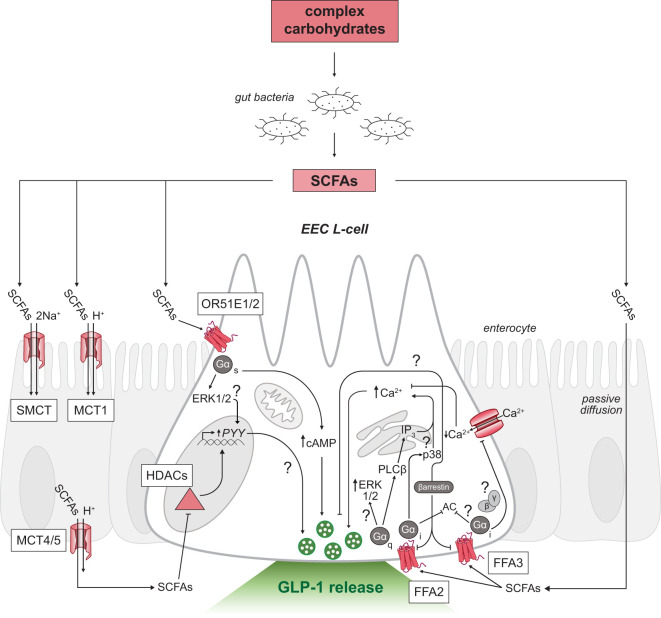
“SCFAs activate several GPCRs including: the free fatty acid receptor 2 and 3 (FFA2 and FFA3) (80, 81), the olfactory receptor subfamily 51E1 and 51E2 (OR51E1 in human/Olfr558 in mouse; OR51E2 in human/Olfr78 in mouse) (82), and the hydroxycarboxylic acid receptor, HCAR2 (also known as the G-protein coupled receptor 10…”
BackgroundInfluentialTolhurst, G., Heffron, H., Lam, Y. S., Parker, H. E., Habib, A. M., Diakogiannaki, E., Cameron, J., Grosse, J., Reimann, F., & Gribble, F. M. (2012) · Diabetes · doi:10.2337/db11-1019 · Cited by 2,404
Depommier, C., Everard, A., Druart, C., Plovier, H., Van Hul, M., Vieira-Silva, S., Falony, G., Raes, J., Maiter, D., Delzenne, N. M., et al. (2019) · Nature Medicine · doi:10.1038/s41591-019-0495-2 · Cited by 2,357
Gut hormone PYY3-36 physiologically inhibits food intake
Batterham, R. L., Cowley, M. A., Small, C. J., Herzog, H., Cohen, M. A., Dakin, C. L., Wren, A. M., Brynes, A. E., Low, M. J., Ghatei, M. A., et al. (2002) · Nature · doi:10.1038/nature00887 · Cited by 2,351
Sayin, S. I., Wahlström, A., Felin, J., Jäntti, S., Marschall, H.-U., Bamberg, K., Angelin, B., Hyötyläinen, T., Orešič, M., & Bäckhed, F. (2013) · Cell Metabolism · doi:10.1016/j.cmet.2013.01.003 · Cited by 2,331 · cited 2×
“Studies have shown that HFDfed mice subjected to a bile diversion procedure increased the abundance of circulating bile acids (141, 237, 238) and improved glucose homeostasis (142).”
BackgroundGut bacteria selectively promoted by dietary fibers alleviate type 2 diabetes
Zhao, L., Zhang, F., Ding, X., Wu, G., Lam, Y. Y., Wang, X., Fu, H., Xue, X., Lu, C., Ma, J., et al. (2018) · Science · doi:10.1126/science.aao5774 · Cited by 2,304
Bile Acids: Natural Ligands for an Orphan Nuclear Receptor
Parks, D. J., Blanchard, S. G., Bledsoe, R. K., Chandra, G., Consler, T. G., Kliewer, S. A., Stimmel, J. B., Willson, T. M., Zavacki, A. M., Moore, D. D., et al. (1999) · Science · doi:10.1126/science.284.5418.1365 · Cited by 2,274 · cited 2×
“FXR is a primary bile acid sensor, preferentially binding to CDCA in humans and CA to a weaker extent (119).”
BackgroundBile acids induce energy expenditure by promoting intracellular thyroid hormone activation
Watanabe, M., Houten, S. M., Mataki, C., Christoffolete, M. A., Kim, B. W., Sato, H., Messaddeq, N., Harney, J. W., Ezaki, O., Kodama, T., et al. (2006) · Nature · doi:10.1038/nature04330 · Cited by 2,220 · cited 1×
“Expression analysis data localizes GPBAR1 to brown adipose tissue, skeletal muscle, spleen, immune cells, gallbladder and the intestine (118, 127, 128).”
BackgroundButyrate improves insulin sensitivity and increases energy expenditure in mice
Gao, Z., Yin, J., Zhang, J., Ward, R. E., Martin, R. J., Lefevre, M., Cefalu, W. T., & Ye, J. (2009) · Diabetes · doi:10.2337/db08-1637 · Cited by 2,204
Louis, P., & Flint, H. J. (2009) · FEMS Microbiology Letters · doi:10.1111/j.1574-6968.2009.01514.x · Cited by 2,179 · cited 1×
“SCFAs are monocarboxylic acids of 1-5 carbon chain lengths and are the most abundant bacterial metabolite produced in the gut (11, 12).”
BackgroundPeng, L., Li, Z.-R., Green, R. S., Holzmanr, I. R., & Lin, J. (2009) · The Journal of Nutrition · doi:10.3945/jn.109.104638 · Cited by 2,130
Akkermansia muciniphila gen. nov., sp. nov., a human intestinal mucin-degrading bacterium
Derrien, M., Vaughan, E. E., Plugge, C. M., & de Vos, W. M. (2004) · International Journal of Systematic and Evolutionary Microbiology · doi:10.1099/ijs.0.02873-0 · Cited by 2,094
The Enzymes, Regulation, and Genetics of Bile Acid Synthesis
Russell, D. W. (2003) · Annual Review of Biochemistry · doi:10.1146/annurev.biochem.72.121801.161712 · Cited by 2,069 · cited 3×
“Conjugated bile acids are taken up by hepatocytes via the sodium taurocholate cotransporting polypeptide (NTCP) while unconjugated bile acids are taken up by the organic anion transporting polypeptide (OATP), which is also responsible for uptake of bilirubin (55, 59).”
BackgroundMetabolic Syndrome and Altered Gut Microbiota in Mice Lacking Toll-Like Receptor 5
Vijay-Kumar, M., Aitken, J. D., Carvalho, F. A., Cullender, T. C., Mwangi, S., Srinivasan, S., Sitaraman, S. V., Knight, R., Ley, R. E., & Gewirtz, A. T. (2010) · Science · doi:10.1126/science.1179721 · Cited by 2,068
How colonization by microbiota in early life shapes the immune system
Gensollen, T., Iyer, S. S., Kasper, D. L., & Blumberg, R. S. (2016) · Science · doi:10.1126/science.aad9378 · Cited by 2,044
Sex differences in the gut microbiome drive hormone-dependent regulation of autoimmunity
Markle, J. G. M., Frank, D. N., Mortin-Toth, S., Robertson, C. E., Feazel, L. M., Rolle-Kampczyk, U., von Bergen, M., McCoy, K. D., Macpherson, A. J., & Danska, J. S. (2013) · Science · doi:10.1126/science.1233521 · Cited by 2,025
TGR5-Mediated Bile Acid Sensing Controls Glucose Homeostasis
Thomas, C., Gioiello, A., Noriega, L., Strehle, A., Oury, J., Rizzo, G., Macchiarulo, A., Yamamoto, H., Mataki, C., Pruzanski, M., et al. (2009) · Cell Metabolism · doi:10.1016/j.cmet.2009.08.001 · Cited by 1,885
Human gut microbiota in obesity and after gastric bypass
Zhang, H., DiBaise, J. K., Zuccolo, A., Kudrna, D., Braidotti, M., Yu, Y., Parameswaran, P., Crowell, M. D., Wing, R., Rittmann, B. E., et al. (2009) · Proceedings of the National Academy of Sciences · doi:10.1073/pnas.0812600106 · Cited by 1,880
Fibroblast growth factor 15 functions as an enterohepatic signal to regulate bile acid homeostasis
Inagaki, T., Choi, M., Moschetta, A., Peng, L., Cummins, C. L., McDonald, J. G., Luo, G., Jones, S. A., Goodwin, B., Richardson, J. A., et al. (2005) · Cell Metabolism · doi:10.1016/j.cmet.2005.09.001 · Cited by 1,865 · cited 1×
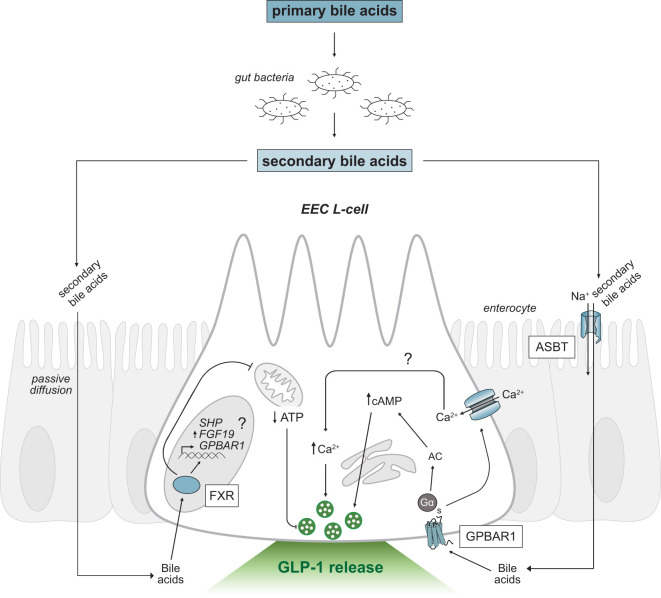
“Together, SHP and FGF19 suppress CYP7A1, a key gene involved in de novo biosynthesis of bile acids (140).”
BackgroundLe Poul, E., Loison, C., Struyf, S., Springael, J.-Y., Lannoy, V., Decobecq, M.-E., Brezillon, S., Dupriez, V., Vassart, G., Van Damme, J., et al. (2003) · Journal of Biological Chemistry · doi:10.1074/jbc.m301403200 · Cited by 1,651 · cited 14×
“SCFAs activate several GPCRs including: the free fatty acid receptor 2 and 3 (FFA2 and FFA3) (80, 81), the olfactory receptor subfamily 51E1 and 51E2 (OR51E1 in human/Olfr558 in mouse; OR51E2 in human/Olfr78 in mouse) (82), and the hydroxycarboxylic acid receptor, HCAR2 (also known as the G-protein coupled receptor 10…”
BackgroundInfluentialThe Aryl Hydrocarbon Receptor Complex
Hankinson, O. (1995) · Annual Review of Pharmacology and Toxicology · doi:10.1146/annurev.pa.35.040195.001515 · Cited by 1,649 · cited 2×
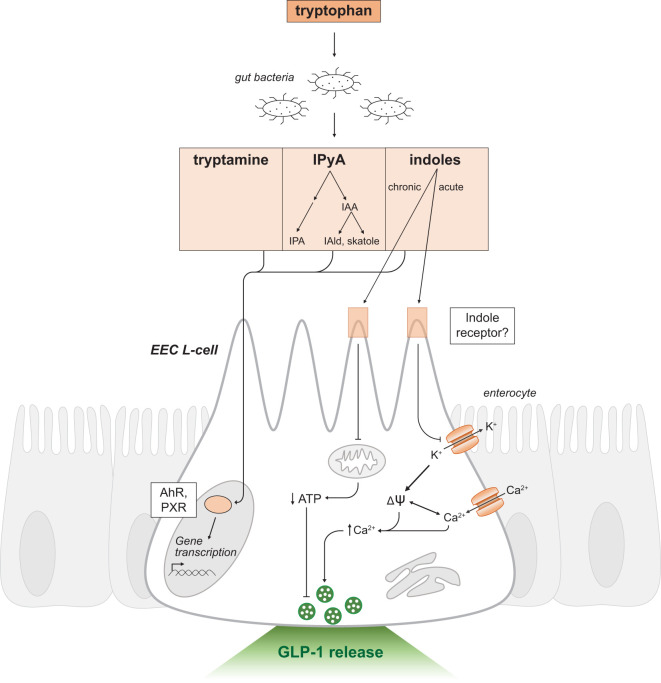
“AhR is a basic helix-loophelix (bHLH) transcription factor (157) primarily expressed in host immune cells and its activation has been shown to mediate lipid and fatty acid metabolism and intestinal homeostasis (158).”
BackgroundEndogenous Bile Acids Are Ligands for the Nuclear Receptor FXR/BAR
Wang, H., Chen, J., Hollister, K., Sowers, L. C., & Forman, B. M. (1999) · Molecular Cell · doi:10.1016/s1097-2765(00)80348-2 · Cited by 1,636
A G Protein-coupled Receptor Responsive to Bile Acids
Kawamata, Y., Fujii, R., Hosoya, M., Harada, M., Yoshida, H., Miwa, M., Fukusumi, S., Habata, Y., Itoh, T., Shintani, Y., et al. (2003) · Journal of Biological Chemistry · doi:10.1074/jbc.m209706200 · Cited by 1,628 · cited 2×
“Secondary bile acids, specifically LCA and the taurine conjugate TLCA, are the most potent stimulants of GPBAR1 activation (127, 133, 134).”
BackgroundCausal relationships among the gut microbiome, short-chain fatty acids and metabolic diseases
Sanna, S., van Zuydam, N. R., Mahajan, A., Kurilshikov, A., Vich Vila, A., Võsa, U., Mujagic, Z., Masclee, A. A. M., Jonkers, D. M. A. E., Oosting, M., et al. (2019) · Nature Genetics · doi:10.1038/s41588-019-0350-x · Cited by 1,539
Bile acids: regulation of synthesis
Chiang, J. Y. L. (2009) · Journal of Lipid Research · doi:10.1194/jlr.r900010-jlr200 · Cited by 1,515
Inhibition of Histone Deacetylase Activity by Butyrate
Davie, J. R. (2003) · The Journal of Nutrition · doi:10.1093/jn/133.7.2485s · Cited by 1,515 · cited 1×
“This is supported by previous studies suggesting that HDAC inhibition by butyrate induces expression of many genes in various tissues and cell lines (109, 112).”
ResultChambers, E. S., Viardot, A., Psichas, A., Morrison, D. J., Murphy, K. G., Zac-Varghese, S. E. K., MacDougall, K., Preston, T., Tedford, C., Finlayson, G. S., et al. (2015) · Gut · doi:10.1136/gutjnl-2014-307913 · Cited by 1,424
β-Arrestins and Cell Signaling
DeWire, S. M., Ahn, S., Lefkowitz, R. J., & Shenoy, S. K. (2007) · Annual Review of Physiology · doi:10.1146/annurev.physiol.69.022405.154749 · Cited by 1,397 · cited 4×
“In addition, FFA2 is postulated to recruit b-arrestin, a protein involved in the downregulation of GPCRs (98).”
BackgroundInfluentialThe nuclear receptor PXR is a lithocholic acid sensor that protects against liver toxicity
Staudinger, J. L., Goodwin, B. J., Jones, S. A., Hawkins‐Brown, D., MacKenzie, K. I., Latour, A. M., Liu, Y., Klaassen, C. D., Brown, K. K., Reinhard, J. F., et al. (2001) · Proceedings of the National Academy of Sciences · doi:10.1073/pnas.051551698 · Cited by 1,378 · cited 8×
“Interestingly, indoles, IAA Frontiers in Endocrinology 09 and IPA also activate PXR (159).”
BackgroundInfluentialCarbohydrates, dietary fiber, and incident type 2 diabetes in older women
Meyer, K. A., Kushi, L. H., Jacobs, D. R., Slavin, J., Sellers, T. A., & Folsom, A. R. (2000) · The American Journal of Clinical Nutrition · doi:10.1093/ajcn/71.4.921 · Cited by 1,271
Jumpertz, R., Le, D. S., Turnbaugh, P. J., Trinidad, C., Bogardus, C., Gordon, J. I., & Krakoff, J. (2011) · The American Journal of Clinical Nutrition · doi:10.3945/ajcn.110.010132 · Cited by 1,232
Human colonic microbiota associated with diet, obesity and weight loss
Duncan, S. H., Lobley, G. E., Holtrop, G., Ince, J., Johnstone, A. M., Louis, P., & Flint, H. J. (2008) · International Journal of Obesity · doi:10.1038/ijo.2008.155 · Cited by 1,222
Identification of a nuclear receptor that is activated by farnesol metabolites
Forman, B. M., Goode, E., Chen, J., Oro, A. E., Bradley, D. J., Perlmann, T., Noonan, D. J., Burka, L. T., McMorris, T., Lamph, W. W., et al. (1995) · Cell · doi:10.1016/0092-8674(95)90530-8 · Cited by 1,210
Gut Microbiota and Metabolic Endotoxemia in Young Obese Mexican Subjects
Radilla-Vázquez, R. B., Parra‐Rojas, I., Martínez-Hernández, N. E., Márquez‐Sandoval, F., Illades‐Aguiar, B., & Castro-Alarcón, N. (2016) · Obesity Facts · doi:10.1159/000442479 · Cited by 1,200
Pluznick, J. L., Protzko, R. J., Gevorgyan, H., Peterlin, Z., Sipos, A., Han, J., Brunet, I., Wan, L.-X., Rey, F., Wang, T., et al. (2013) · Proceedings of the National Academy of Sciences · doi:10.1073/pnas.1215927110 · Cited by 1,191 · cited 2×
“Originally discovered in olfactory epithelium, the olfactory receptor subfamily 51E1/2 (OR51E1/2; Olfr558/Olfr78 in mouse) are other receptors responsive to SCFAs (82).”
BackgroundVitamin D Receptor As an Intestinal Bile Acid Sensor
Makishima, M., Lu, T. T., Xie, W., Whitfield, G. K., Domoto, H., Evans, R. M., Haussler, M. R., & Mangelsdorf, D. J. (2002) · Science · doi:10.1126/science.1070477 · Cited by 1,176
Nauck, M., Frid, A., Hermansen, K., Shah, N. S., Tankova, T., Mitha, I. H., Zdravkovic, M., Düring, M., Matthews, D. R., & for the LEAD-2 Study Group (2009) · Diabetes Care · doi:10.2337/dc08-1355 · Cited by 1,129
Consequences of bile salt biotransformations by intestinal bacteria
Ridlon, J. M., Harris, S. C., Bhowmik, S., Kang, D.-J., & Hylemon, P. B. (2016) · Gut Microbes · doi:10.1080/19490976.2015.1127483 · Cited by 1,128
Jones, B. V., Begley, M., Hill, C., Gahan, C. G. M., & Marchesi, J. R. (2008) · Proceedings of the National Academy of Sciences · doi:10.1073/pnas.0804437105 · Cited by 1,098 · cited 1×
“At the phyla level, bacterial populations encoding BSH, such as Bacillota, Bacteroidota and Actinomycetota, have been shown to play an important role in the production of secondary bile acids (61).”
BackgroundIndole as an intercellular signal in microbial communities
Lee, J.-H., & Lee, J. (2010) · FEMS Microbiology Reviews · doi:10.1111/j.1574-6976.2009.00204.x · Cited by 1,059 · cited 1×
“More than 85 different Gram-positive and Gram-negative bacterial species express tryptophanase (67), the enzyme that catalyzes the hydrolytic b-elimination of tryptophan to indole, pyruvate, and ammonia (68).”
BackgroundGarber, A., Henry, R., Ratner, R., Garcia-Hernandez, P. A., Rodriguez-Pattzi, H., Olvera-Alvarez, I., Hale, P. M., Zdravkovic, M., & Bode, B. (2009) · The Lancet · doi:10.1016/s0140-6736(08)61246-5 · Cited by 1,057
Microglial control of astrocytes in response to microbial metabolites
Rothhammer, V., Borucki, D. M., Tjon, E. C., Takenaka, M. C., Chao, C.-C., Ardura-Fabregat, A., de Lima, K. A., Gutiérrez-Vázquez, C., Hewson, P., Staszewski, O., et al. (2018) · Nature · doi:10.1038/s41586-018-0119-x · Cited by 1,051
Kootte, R. S., Levin, E., Salojärvi, J., Smits, L. P., Hartstra, A. V., Udayappan, S. D., Hermes, G., Bouter, K. E., Koopen, A. M., Holst, J. J., et al. (2017) · Cell Metabolism · doi:10.1016/j.cmet.2017.09.008 · Cited by 1,039
Sodium butyrate inhibits histone deacetylation in cultured cells
Candido, E. (1978) · Cell · doi:10.1016/0092-8674(78)90305-7 · Cited by 1,036 · cited 1×
“SCFAs can also affect gene expression through the inhibition of histone deacetylases (HDACs) (84).”
BackgroundEpigenetics in Human Obesity and Type 2 Diabetes
Ling, C., & Rönn, T. (2019) · Cell Metabolism · doi:10.1016/j.cmet.2019.03.009 · Cited by 1,006
Identification of membrane-type receptor for bile acids (M-BAR)
Maruyama, T., Miyamoto, Y., Nakamura, T., Tamai, Y., Okada, H., Sugiyama, E., Nakamura, T., Itadani, H., & Tanaka, K. (2002) · Biochemical and Biophysical Research Communications · doi:10.1016/s0006-291x(02)02550-0 · Cited by 993
Human Gut Microbiota Changes Reveal the Progression of Glucose Intolerance
Zhang, X., Shen, D., Fang, Z., Jie, Z., Qiu, X., Zhang, C., Chen, Y., & Ji, L. (2013) · PLoS ONE · doi:10.1371/journal.pone.0071108 · Cited by 946 · cited 1×
“A shift in microbiome composition away from SCFA-producing bacterial species has been linked to prediabetes (173), a key step in the progression of diabetes (202).”
BackgroundFXR is a molecular target for the effects of vertical sleeve gastrectomy
Ryan, K. K., Tremaroli, V., Clemmensen, C., Kovatcheva-Datchary, P., Myronovych, A., Karns, R., Wilson-Pérez, H. E., Sandoval, D. A., Kohli, R., Bäckhed, F., et al. (2014) · Nature · doi:10.1038/nature13135 · Cited by 931
Towards the human intestinal microbiota phylogenetic core
Tap, J., Mondot, S., Levenez, F., Pelletier, E., Caron, C., Furet, J., Ugarte, E., Muñoz‐Tamayo, R., Paslier, D. L. E., Nalin, R., et al. (2009) · Environmental Microbiology · doi:10.1111/j.1462-2920.2009.01982.x · Cited by 927 · cited 1×
“Actinobacteria), Pseudomonadota (aka Proteobacteria), or Verrucomicrobiota (aka Verrucomicrobia) are also represented (2).”
BackgroundPsichas, A., Sleeth, M. L., Murphy, K. G., Brooks, L., Bewick, G. A., Hanyaloglu, A. C., Ghatei, M. A., Bloom, S. R., & Frost, G. (2015) · International Journal of Obesity · doi:10.1038/ijo.2014.153 · Cited by 886 · cited 2×
“For example, SCFAs have been shown to stimulate the secretion of GLP-1 from intestinal L-cells (92, 95, 200) which promotes insulin release post-prandially.”
BackgroundCani, P. D., Osto, M., Geurts, L., & Everard, A. (2012) · Gut Microbes · doi:10.4161/gmic.19625 · Cited by 864
Effects of gut microbes on nutrient absorption and energy regulation
Krajmalnik‐Brown, R., Ilhan, Z., Kang, D., & DiBaise, J. K. (2012) · Nutrition in Clinical Practice · doi:10.1177/0884533611436116 · Cited by 852
Zinman, B., Gerich, J., Buse, J. B., Lewin, A., Schwartz, S., Raskin, P., Hale, P. M., Zdravkovic, M., Blonde, L., & the LEAD-4 Study Investigators (2009) · Diabetes Care · doi:10.2337/dc08-2124 · Cited by 848
Microbially Produced Imidazole Propionate Impairs Insulin Signaling through mTORC1
Koh, A., Molinaro, A., Ståhlman, M., Khan, M. T., Schmidt, C., Mannerås-Holm, L., Wu, H., Carreras, A., Jeong, H., Olofsson, L. E., et al. (2018) · Cell · doi:10.1016/j.cell.2018.09.055 · Cited by 824
Marre, M., Shaw, J. E., Brändle, M., Bebakar, W. M. W., Kamaruddin, N. A., Strand, J., Zdravkovic, M. D., Thi, T. D. L., Colagiuri, S., & on behalf of the LEAD‐1 SU study group (2009) · Diabetic Medicine · doi:10.1111/j.1464-5491.2009.02666.x · Cited by 821
Courcoulas, A. P. (2013) · JAMA · doi:10.1001/jama.2013.280928 · Cited by 799
Katsuma, S., Hirasawa, A., & Tsujimoto, G. (2005) · Biochemical and Biophysical Research Communications · doi:10.1016/j.bbrc.2005.01.139 · Cited by 789
Gut hormones as mediators of appetite and weight loss after Roux-en-Y gastric bypass
le Roux, C. W., Welbourn, R., Werling, M., Osborne, A., Kokkinos, A., Laurenius, A., Lönroth, H., Fändriks, L., Ghatei, M. A., Bloom, S. R., et al. (2007) · Annals of Surgery · doi:10.1097/sla.0b013e3180caa3e3 · Cited by 741
Intestinal FXR agonism promotes adipose tissue browning and reduces obesity and insulin resistance
Fang, S., Suh, J. M., Reilly, S. M., Yu, E., Osborn, O., Lackey, D., Yoshihara, E., Perino, A., Jacinto, S., Lukasheva, Y., et al. (2015) · Nature Medicine · doi:10.1038/nm.3760 · Cited by 738
Williams, B. B., Van Benschoten, A. H., Cimermancic, P., Donia, M. S., Zimmermann, M., Taketani, M., Ishihara, A., Kashyap, P. C., Fraser, J. S., & Fischbach, M. A. (2014) · Cell Host & Microbe · doi:10.1016/j.chom.2014.09.001 · Cited by 732 · cited 1×
“Bacteria also express decarboxylases to convert indole to tryptamine (72).”
BackgroundMicrobes inside—from diversity to function: the case of Akkermansia
Belzer, C., & de Vos, W. M. (2012) · The ISME Journal · doi:10.1038/ismej.2012.6 · Cited by 728
Beneficial metabolic effects of a probiotic via butyrate-induced GLP-1 hormone secretion
Yadav, H., Lee, J.-H., Lloyd, J., Walter, P., & Rane, S. G. (2013) · Journal of Biological Chemistry · doi:10.1074/jbc.m113.452516 · Cited by 709
Endoplasmic reticulum stress, obesity and diabetes
Cnop, M., Foufelle, F., & Velloso, L. A. (2011) · Trends in Molecular Medicine · doi:10.1016/j.molmed.2011.07.010 · Cited by 705
Li, F., Jiang, C., Krausz, K. W., Li, Y., Albert, I., Hao, H., Fabre, K. M., Mitchell, J. B., Patterson, A. D., & Gonzalez, F. J. (2013) · Nature Communications · doi:10.1038/ncomms3384 · Cited by 705 · cited 2×
“Studies have shown that HFDfed mice subjected to a bile diversion procedure increased the abundance of circulating bile acids (141, 237, 238) and improved glucose homeostasis (142).”
BackgroundMicrobial tryptophan metabolites regulate gut barrier function via the aryl hydrocarbon receptor
Scott, S. A., Fu, J., & Chang, P. V. (2020) · Proceedings of the National Academy of Sciences · doi:10.1073/pnas.2000047117 · Cited by 696 · cited 12×
“AhR aryl hydrocarbon receptor ASBT apical sodium-dependent bile acid transporter ATP adenosine triphosphate BSH bile salt hydrolase C2/C3/C4 acetate/propionate/butyrate CA cholic acid cAMP cyclic adenosine monophosphate CAR constitutive androstane receptor CaSR calcium-sensing receptor CDCA chenodeoxycholic acid CYP45…”
BackgroundInfluentialKrishnan, S., Ding, Y., Saedi, N., Choi, M., Sridharan, G. V., Sherr, D. H., Yarmush, M. L., Alaniz, R. C., Jayaraman, A., & Lee, K. (2018) · Cell Reports · doi:10.1016/j.celrep.2018.03.109 · Cited by 679 · cited 1×
“AhR is a basic helix-loophelix (bHLH) transcription factor (157) primarily expressed in host immune cells and its activation has been shown to mediate lipid and fatty acid metabolism and intestinal homeostasis (158).”
BackgroundNatividad, J. M., Agus, A., Planchais, J., Lamas, B., Jarry, A. C., Martin, R., Michel, M.-L., Chong-Nguyen, C., Roussel, R., Straube, M., et al. (2018) · Cell Metabolism · doi:10.1016/j.cmet.2018.07.001 · Cited by 642 · cited 1×
“Fecal concentrations of indole, IAA and tryptamine were significantly reduced in mice fed a HFD compared with chow-fed mice (18, 243).”
BackgroundLu, Y., Fan, C., Li, P., Lu, Y., Chang, X., & Qi, K. (2016) · Scientific Reports · doi:10.1038/srep37589 · Cited by 638
Adiposity, gut microbiota and faecal short chain fatty acids are linked in adult humans
Fernandes, J., Su, W., Rahat-Rozenbloom, S., Wolever, T. M. S., & Comelli, E. M. (2014) · Nutrition & Diabetes · doi:10.1038/nutd.2014.23 · Cited by 628
The microbiota–gut–brain axis in obesity
Torres‐Fuentes, C., Schellekens, H., Dinan, T. G., & Cryan, J. F. (2017) · The Lancet. Gastroenterology & hepatology · doi:10.1016/s2468-1253(17)30147-4 · Cited by 623
Whole-grain and fiber intake and the incidence of type 2 diabetes
Montonen, J., Knekt, P., Järvinen, R., Aromaa, A., & Reunanen, A. (2003) · American Journal of Clinical Nutrition · doi:10.1093/ajcn/77.3.622 · Cited by 619
Nøhr, M. K., Pedersen, M. H., Gille, A., Egerod, K. L., Engelstoft, M. S., Husted, A. S., Sichlau, R. M., Grunddal, K. V., Poulsen, S. S., Han, S., et al. (2013) · Endocrinology · doi:10.1210/en.2013-1142 · Cited by 597
Patti, M., Houten, S. M., Bianco, A. C., Bernier, R., Larsen, P. R., Holst, J. J., Badman, M. K., Maratos‐Flier, E., Mun, E. C., Pihlajamaki, J., et al. (2009) · Obesity · doi:10.1038/oby.2009.102 · Cited by 591
A metabolic pathway for bile acid dehydroxylation by the gut microbiome
Funabashi, M., Grove, T. L., Wang, M., Varma, Y., McFadden, M. E., Brown, L. C., Guo, C., Higginbottom, S., Almo, S. C., & Fischbach, M. A. (2020) · Nature · doi:10.1038/s41586-020-2396-4 · Cited by 590 · cited 1×
“The remaining bile acids that escape absorption in the small intestine (5%) act as substrates for anaerobic metabolism in the colon (15, 60) or are excreted with feces.”
BackgroundFu, L., John, L. M., Adams, S. H., Yu, X. X., Tomlinson, E., Renz, M. E., Williams, P. M., Soriano, R. H., Corpuz, R. T., Moffat, B., et al. (2004) · Endocrinology · doi:10.1210/en.2003-1671 · Cited by 584
Pathak, P., Xie, C., Nichols, R. G., Ferrell, J. M., Boehme, S., Krausz, K. W., Patterson, A. D., Gonzalez, F. J., & Chiang, J. Y. L. (2018) · Hepatology · doi:10.1002/hep.29857 · Cited by 567
Quantitative Analysis of NAD Synthesis-Breakdown Fluxes
Liu, L., Su, X., Quinn, W. J., Hui, S., Krukenberg, K., Frederick, D. W., Redpath, P., Zhan, L., Chellappa, K., White, E., et al. (2018) · Cell Metabolism · doi:10.1016/j.cmet.2018.03.018 · Cited by 564 · cited 2×
“Following protein digestion, most of the liberated tryptophan is absorbed in the small intestine and endogenously metabolized: up to 95% of ingested tryptophan is converted to kynurenic acid or nicotinamide adenine dinucleotide (NAD) (63, 64) via the kynurenine pathway, and 1-2% of ingested tryptophan is converted to…”
BackgroundIntestine-selective farnesoid X receptor inhibition improves obesity-related metabolic dysfunction
Jiang, C., Xie, C., Lv, Y., Li, J., Krausz, K. W., Shi, J., Brocker, C. N., Desai, D., Amin, S. G., Bisson, W. H., et al. (2015) · Nature Communications · doi:10.1038/ncomms10166 · Cited by 559
Bacterial metabolite indole modulates incretin secretion from intestinal enteroendocrine L cells
Chimerel, C., Emery, E., Summers, D. K., Keyser, U., Gribble, F. M., & Reimann, F. (2014) · Cell Reports · doi:10.1016/j.celrep.2014.10.032 · Cited by 548
Modulation of intestinal barrier by intestinal microbiota: Pathological and therapeutic implications
Natividad, J. M. M., & Verdu, E. F. (2013) · Pharmacological Research · doi:10.1016/j.phrs.2012.10.007 · Cited by 525
Gutzwiller, J., Drewe, J., Göke, B., Schmidt, H., Rohrer, B., Lareida, J., & Beglinger, C. (1999) · American Journal of Physiology-Regulatory, Integrative and Comparative Physiology · doi:10.1152/ajpregu.1999.276.5.r1541 · Cited by 518
Whole-grain intake and the risk of type 2 diabetes: a prospective study in men
Fung, T. T., Hu, F. B., Pereira, M. A., Liu, S., Stampfer, M. J., Colditz, G. A., & Willett, W. C. (2002) · American Journal of Clinical Nutrition · doi:10.1093/ajcn/76.3.535 · Cited by 500
SCFAs strongly stimulate PYY production in human enteroendocrine cells
Larraufie, P., Martin‐Gallausiaux, C., Lapaque, N., Dore, J. M., Gribble, F. M., Reimann, F. M., & Blottière, H. M. (2018) · Scientific Reports · doi:10.1038/s41598-017-18259-0 · Cited by 484
Pathways of acetate, propionate, and butyrate formation by the human fecal microbial flora
Miller, T. L., & Wolin, M. J. (1996) · Applied and Environmental Microbiology · doi:10.1128/aem.62.5.1589-1592.1996 · Cited by 481
Karaki, S.-I., Mitsui, R., Hayashi, H., Kato, I., Sugiya, H., Iwanaga, T., Furness, J. B., & Kuwahara, A. (2006) · Cell and Tissue Research · doi:10.1007/s00441-005-0140-x · Cited by 473
Zhou, J., Martin, R. J., Tulley, R. T., Raggio, A. M., McCutcheon, K. L., Shen, L., Danna, S. C., Tripathy, S., Hegsted, M., & Keenan, M. J. (2008) · American Journal of Physiology-Endocrinology and Metabolism · doi:10.1152/ajpendo.90637.2008 · Cited by 460 · cited 2×
“SCFAs are important regulators of gene expression through their actions as potent HDAC inhibitors (113).”
BackgroundBoets, E., Gomand, S. V., Deroover, L., Preston, T., Vermeulen, K., De Preter, V., Hamer, H. M., Van den Mooter, G., De Vuyst, L., Courtin, C. M., et al. (2017) · The Journal of Physiology · doi:10.1113/jp272613 · Cited by 443
Farnesoid X receptor inhibits glucagon-like peptide-1 production by enteroendocrine L cells
Trabelsi, M.-S., Daoudi, M., Prawitt, J., Ducastel, S., Touche, V., Sayin, S. I., Perino, A., Brighton, C. A., Sebti, Y., Kluza, J., et al. (2015) · Nature Communications · doi:10.1038/ncomms8629 · Cited by 426 · cited 15×
“This section examines the various signaling pathways activated by bacterial metabolites highlighted in this review, and their known effects on GLP-1 release from EEC L-cells.”
BackgroundInfluentialChristiansen, C. B., Gabe, M. B. N., Svendsen, B., Dragsted, L. O., ROSENKILDE, M. M., & Holst, J. J. (2018) · American Journal of Physiology-Gastrointestinal and Liver Physiology · doi:10.1152/ajpgi.00346.2017 · Cited by 413 · cited 1×
“A study found that the selective FFA3 agonist, AR420626, promoted GLP-1 release from primary colonic cultures (88) and perfused intact colons (103).”
BackgroundKars, M., Yang, L., Gregor, M. F., Mohammed, B. S., Pietka, T., Finck, B. N., Patterson, B. W., Horton, J. D., Mittendorfer, B., Hotamışlıgil, G. S., et al. (2010) · Diabetes · doi:10.2337/db10-0308 · Cited by 409 · cited 1×
“Other studies have shown that the administration of tauroursodeoxycholic acid, the taurine conjugated secondary bile acid of ursodeoxycholic acid, improved insulin sensitivity of obese humans (22) and obese mice (23).”
Role of Monocarboxylate Transporters in Drug Delivery to the Brain
Vijay, N., & Morris, M. (2014) · Current Pharmaceutical Design · doi:10.2174/13816128113199990462 · Cited by 408 · cited 1×
“Following production, SCFAs are almost exclusively taken up by colonocytes via H-dependent or sodium-dependent monocarboxylate transporters (MCTs and SMCTs, respectively; Figure 2) (52).”
Backgroundde Mello, V. D., Paananen, J., Lindström, J., Lankinen, M. A., Shi, L. S., Kuusisto, J., Pihlajamäki, J., Auriola, S. O. K., Lehtonen, M., Rolandsson, O., et al. (2017) · Scientific Reports · doi:10.1038/srep46337 · Cited by 395
Dissimilatory Amino Acid Metabolism in Human Colonic Bacteria
Smith, E. A., & Macfarlane, G. T. (1997) · Anaerobe · doi:10.1006/anae.1997.0121 · Cited by 388 · cited 1×
“Bacterial fermentation of indigestible carbohydrates yields the majority of SCFAs produced, but a small fraction of SCFAs produced (1%) stem from bacterial metabolism of dietary amino acids (50).”
BackgroundPournaras, D. J., Glicksman, C., Vincent, R. P., Kuganolipava, S., Alaghband-Zadeh, J., Mahon, D., Bekker, J. H. R., Ghatei, M. A., Bloom, S. R., Walters, J. R. F., et al. (2012) · Endocrinology · doi:10.1210/en.2011-2145 · Cited by 383
Habib, A. M., Richards, P., Cairns, L. S., Rogers, G. J., Bannon, C. A. M., Parker, H. E., Morley, T. C. E., Yeo, G. S. H., Reimann, F. M., & Gribble, F. M. (2012) · Endocrinology · doi:10.1210/en.2011-2170 · Cited by 382
Microbial Modulation of Energy Availability in the Colon Regulates Intestinal Transit
Wichmann, A., Allahyar, A., Greiner, T. U., Plovier, H., Östergren‐Lundén, G., Larsson, T. P., Drucker, D. J., Delzenne, N. M., Cani, P. D., & Bäckhed, F. (2013) · Cell Host & Microbe · doi:10.1016/j.chom.2013.09.012 · Cited by 380 · cited 1×
“As further support, there is a reduction of GLP-1 releasing L-cells in germ-free mice lacking intestinal microbiota (115, 116).”
BackgroundImmune regulation by microbiome metabolites
Kim, C. H. (2018) · Immunology · doi:10.1111/imm.12930 · Cited by 375 · cited 14×
“AhR aryl hydrocarbon receptor ASBT apical sodium-dependent bile acid transporter ATP adenosine triphosphate BSH bile salt hydrolase C2/C3/C4 acetate/propionate/butyrate CA cholic acid cAMP cyclic adenosine monophosphate CAR constitutive androstane receptor CaSR calcium-sensing receptor CDCA chenodeoxycholic acid CYP45…”
BackgroundInfluentialLi, Y. J., Chen, X., Kwan, T., Loh, Y. W., Singer, J., Liu, Y., Ma, J., Tan, J., Macia, L., Mackay, C. R., et al. (2020) · Journal of the American Society of Nephrology · doi:10.1681/asn.2019101029 · Cited by 373
Li, M., van Esch, B. C. A. M., Henricks, P. A. J., Folkerts, G., & Garssen, J. (2018) · Frontiers in Pharmacology · doi:10.3389/fphar.2018.00533 · Cited by 370 · cited 2×
“In the colon, HDACs are inhibited by both butyrate and propionate (85, 86), though butyrate is the most effective inhibitor of HDACs (110, 111).”
BackgroundBrighton, C. A., Rievaj, J., Kuhre, R. E., Glasssmith, L. L., Schoonjans, K., Holst, J. J., Gribble, F. M., & Reimann, F. M. (2015) · Endocrinology · doi:10.1210/en.2015-1321 · Cited by 366
Mechanisms underlying weight loss after bariatric surgery
Miras, A. D., & le Roux, C. W. (2013) · Nature Reviews Gastroenterology & Hepatology · doi:10.1038/nrgastro.2013.119 · Cited by 360
Moore, L. B., Maglich, J. M., McKee, D. D., Wisely, B., Willson, T. M., Kliewer, S. A., Lambert, M. H., & Moore, J. T. (2002) · Molecular Endocrinology · doi:10.1210/mend.16.5.0828 · Cited by 356
Identification of a Bile Acid-responsive Element in the Human Ileal Bile Acid-binding Protein Gene
Grober, J., Zaghini, I., Fujii, H., Jones, S. A., Kliewer, S. A., Willson, T. M., Ono, T., & Besnard, P. (1999) · Journal of Biological Chemistry · doi:10.1074/jbc.274.42.29749 · Cited by 353 · cited 1×
“The functional role of FXR activation is well documented (120, 136, 137).”
BackgroundAnti-hyperglycemic activity of a TGR5 agonist isolated from Olea europaea
Sato, H., Genet, C., Strehle, A., Thomas, C., Lobstein, A., Wagner, A., Mioskowski, C., Auwerx, J. H., & Saladin, R. (2007) · Biochemical and Biophysical Research Communications · doi:10.1016/j.bbrc.2007.06.130 · Cited by 349
Expression of short-chain fatty acid receptor GPR41 in the human colon
Tazoe, H., Otomo, Y., Karaki, S.-I., Kato, I., Fukami, Y., TERASAKI, M., & Kuwahara, A. (2009) · Biomedical Research · doi:10.2220/biomedres.30.149 · Cited by 346 · cited 1×
“Interestingly, in epithelial cells of the human colonic mucosa, Tazoe et al. (2009), demonstrated co-localization of FFA3 with PYY, the gut hormone co-localized with GLP-1.”
BackgroundThe Landscape of Genetic Content in the Gut and Oral Human Microbiome
Tierney, B. T., Yang, Z., Luber, J. M., Beaudin, M., Wibowo, M. C., Baek, C., Mehlenbacher, E., Patel, C. J., & Kostic, A. D. (2019) · Cell Host & Microbe · doi:10.1016/j.chom.2019.07.008 · Cited by 346 · cited 1×
“The gut microbiota is composed of trillions of microbes, with current estimates suggesting the collective genome of gut bacteria outnumbers the host human genome over 1000:1 (1).”
BackgroundExpression of the short-chain fatty acid receptor, GPR43, in the human colon
Karaki, S.-I., Tazoe, H., Hayashi, H., Kashiwabara, H., Tooyama, K., Suzuki, Y., & Kuwahara, A. (2007) · Journal of Molecular Histology · doi:10.1007/s10735-007-9145-y · Cited by 345
Different accessibilities in chromatin to histone acetylase.
Cousens, L. S., Gallwitz, D., & Alberts, B. (1979) · Journal of Biological Chemistry · doi:10.1016/s0021-9258(17)37831-6 · Cited by 340 · cited 9×
“AhR aryl hydrocarbon receptor ASBT apical sodium-dependent bile acid transporter ATP adenosine triphosphate BSH bile salt hydrolase C2/C3/C4 acetate/propionate/butyrate CA cholic acid cAMP cyclic adenosine monophosphate CAR constitutive androstane receptor CaSR calcium-sensing receptor CDCA chenodeoxycholic acid CYP45…”
BackgroundInfluentialOrg, E., Blum, Y., Kasela, S., Mehrabian, M., Kuusisto, J., Kangas, A. J., Soininen, P., Wang, Z., Ala‐Korpela, M., Hazen, S. L., et al. (2017) · Genome biology · doi:10.1186/s13059-017-1194-2 · Cited by 337
Canfora, E. E., van der Beek, C. M., Jocken, J. W. E., Goossens, G. H., Holst, J. J., Olde Damink, S. W. M., Lenaerts, K., Dejong, C. H. C., & Blaak, E. E. (2017) · Scientific Reports · doi:10.1038/s41598-017-02546-x · Cited by 331
The Footprints of Gut Microbial–Mammalian Co-Metabolism
Zheng, X., Xie, G., Zhao, A., Zhao, L., Yao, C., Chiu, N. H. L., Zhou, Z., Bao, Y., Jia, W., Nicholson, J. K., et al. (2011) · Journal of Proteome Research · doi:10.1021/pr2007945 · Cited by 321
FGF-19, A NOVEL FIBROBLAST GROWTH FACTOR WITH UNIQUE SPECIFICITY FOR FGFR4
Xie, M.-H., Holcomb, I. N., Deuel, B., Dowd, P., Huang, A. J. Y., Vagts, A. J., Foster, J., Liang, J., Brush, J., Gu, Q., et al. (1999) · Cytokine · doi:10.1006/cyto.1999.0485 · Cited by 301
Akkermansia muciniphila improves metabolic profiles by reducing inflammation in chow diet-fed mice
Zhao, S., Liu, W., Wang, J., Shi, J., Sun, Y., Wang, W., Ning, G., Liu, R., & Hong, J. (2017) · Journal of Molecular Endocrinology · doi:10.1530/jme-16-0054 · Cited by 298
Qi, Q., Li, J., Yu, B., Moon, J., Chai, J. C., Merino, J., Hu, J., Ruiz‐Canela, M., Rebholz, C. M., Wang, Z., et al. (2021) · Gut · doi:10.1136/gutjnl-2021-324053 · Cited by 293
Molinaro, A., Lassen, P. B., Henricsson, M., Wu, H., Adriouch, S., Belda, E., Chakaroun, R., Nielsen, T., Bergh, P., Rouault, C., et al. (2020) · Nature Communications · doi:10.1038/s41467-020-19589-w · Cited by 287
Avet, C., Mancini, A. D., Breton, B., Gouill, C. L., Hauser, A. S., Normand, C., Kobayashi, H., Gross, F., Hogue, M., Lukasheva, V., et al. (2022) · eLife · doi:10.7554/elife.74101 · Cited by 278
Freeland, K. R., & Wolever, T. M. S. (2010) · British Journal of Nutrition · doi:10.1017/s0007114509991863 · Cited by 275
β‐Sitosterol exhibits anti‐inflammatory activity in human aortic endothelial cells
Loizou, S., Lekakis, I., Chrousos, G. P., & Moutsatsou, P. (2009) · Molecular Nutrition & Food Research · doi:10.1002/mnfr.200900012 · Cited by 270
Nøhr, M. K., Egerod, K. L., Christiansen, S. H., Gille, A., Offermanns, S., Schwartz, T. W., & Møller, M. (2015) · Neuroscience · doi:10.1016/j.neuroscience.2015.01.040 · Cited by 270 · cited 1×
“Additional Ffar3 expression was described in enteric neurons and vagal afferent neurons that innervate the gastrointestinal tract (100).”
BackgroundLi, G., & Young, K. D. (2013) · Microbiology · doi:10.1099/mic.0.064139-0 · Cited by 266
Pathak, P., Liu, H., Boehme, S., Xie, C., Krausz, K. W., Gonzalez, F. J., & Chiang, J. Y. L. (2017) · Journal of Biological Chemistry · doi:10.1074/jbc.m117.784322 · Cited by 265
Microbial metabolites of tryptophan in the intestinal tract with special reference to skatole
Yokoyama, M. T., & Carlson, J. R. (1979) · American Journal of Clinical Nutrition · doi:10.1093/ajcn/32.1.173 · Cited by 263 · cited 2×
“The remaining ingested tryptophan that escapes absorption (46%) enters the colon and is metabolized by intestinal bacteria (13).”
BackgroundAlnouti, Y., Csanaky, I. L., & Klaassen, C. D. (2008) · Journal of Chromatography B · doi:10.1016/j.jchromb.2008.08.018 · Cited by 261
Yuille, S., Reichardt, N., Panda, S., Dunbar, H., & Mulder, I. E. (2018) · PLOS ONE · doi:10.1371/journal.pone.0201073 · Cited by 257
Martino, P. D., Fursy, R., Bret, L., Sundararaju, B., & Phillips, R. S. (2003) · Canadian Journal of Microbiology · doi:10.1139/w03-056 · Cited by 255
Effects of Diabetes Mellitus on Cholesterol Metabolism in Man
Bennion, L. J., & Grundy, S. M. (1977) · New England Journal of Medicine · doi:10.1056/nejm197706162962401 · Cited by 253
Aoyama, M., Kotani, J., & Usami, M. (2009) · Nutrition · doi:10.1016/j.nut.2009.07.006 · Cited by 253 · cited 2×
“This is supported by previous studies suggesting that HDAC inhibition by butyrate induces expression of many genes in various tissues and cell lines (109, 112).”
BackgroundResultTuomainen, M. H., Lindström, J., Lehtonen, M., Auriola, S. O. K., Pihlajamäki, J., Peltonen, M., Tuomilehto, J. O., Uusitupa, M. I. J., de Mello, V. D., & Hanhineva, K. (2018) · Nutrition and Diabetes · doi:10.1038/s41387-018-0046-9 · Cited by 246 · cited 2×
“Physiological levels of IPA range between 1-10 μM in human serum (70).”
BackgroundDietary Calcium and Magnesium, Major Food Sources, and Risk of Type 2 Diabetes in U.S. Black Women
van Dam, R. M., Hu, F. B., Rosenberg, L. A., Krishnan, S., & Palmer, J. R. (2006) · Diabetes Care · doi:10.2337/dc06-1014 · Cited by 244
Chen, L.-M., Bao, C., Wu, Y. H., Liang, S.-H., Wang, D., Wu, L.-Y., Huang, Y., Liu, H.-R., & Wu, H.-G. (2021) · Journal of Neuroinflammation · doi:10.1186/s12974-021-02175-2 · Cited by 243
Mace, O. J., Schindler, M., & Patel, S. J. (2012) · The Journal of Physiology · doi:10.1113/jphysiol.2011.223800 · Cited by 242 · cited 1×
“Several G-protein coupled receptors have been implicated in EEC-sensing of tryptophan including the extracellular calcium-sensing receptor (CaSR) (151) and G-protein receptor 142 (GPR142) (149).”
BackgroundCharacteristics of gut microbiota in people with obesity
Duan, M., Wang, Y., Zhang, Q., Zou, R., Guo, M., & Zheng, H. (2021) · PLoS ONE · doi:10.1371/journal.pone.0255446 · Cited by 241
Peptide YY3–36Inhibits Food Intake in Mice through a Melanocortin-4 Receptor-Independent Mechanism
Halatchev, I. G., Ellacott, K. L. J., Fan, W., & Cone, R. D. (2004) · Endocrinology · doi:10.1210/en.2003-1754 · Cited by 237 · cited 1×
“EEC L-cells also secrete peptide-YY (PYY), a gut hormone involved in appetite regulation (39, 40).”
BackgroundExpression and function of the bile acid receptor GpBAR1 (TGR5) in the murine enteric nervous system
Poole, D. P., Godfrey, C., Cattaruzza, F., Cottrell, G. S., Kirkland, J. G., Pelayo, J. C., Bunnett, N. W., & Corvera, C. U. (2010) · Neurogastroenterology & Motility · doi:10.1111/j.1365-2982.2010.01487.x · Cited by 237 · cited 1×
“In the intestine, GPBAR1 is highly expressed in the ileum and colon of EECs (129, 130) and in the enteric ganglia and nerve fiber plexuses (131).”
BackgroundMolecular mechanisms underlying bile acid‐stimulated glucagon‐like peptide‐1 secretion
Parker, H. E., Wallis, K., le Roux, C. W., Wong, K. Y., Reimann, F. M., & Gribble, F. M. (2011) · British Journal of Pharmacology · doi:10.1111/j.1476-5381.2011.01561.x · Cited by 234 · cited 17×
“EECs express HDACs and SCFA-responsive GPCRs (85–89), except HCAR2 which is primarily localized in adipose and immune tissue (83).”
BackgroundInfluentialGut microbiome alterations in high-fat-diet-fed mice are associated with antibiotic tolerance
Liu, Y., Yang, K., Jia, Y., Shi, J., Tong, Z., Fang, D., Yang, B., Su, C., Li, R., Xiao, X., et al. (2021) · Nature Microbiology · doi:10.1038/s41564-021-00912-0 · Cited by 231
van der Beek, C. M., Canfora, E. E., Lenaerts, K., Troost, F. J., Olde Damink, S. W. M., Holst, J. J., Masclee, A. A. M., Dejong, C. H. C., & Blaak, E. E. (2016) · Clinical Science · doi:10.1042/cs20160263 · Cited by 230
The human NAD metabolome: Functions, metabolism and compartmentalization
Nikiforov, A. A., Kulikova, V., & Ziegler, M. (2015) · Critical Reviews in Biochemistry and Molecular Biology · doi:10.3109/10409238.2015.1028612 · Cited by 221
TGR5 contributes to glucoregulatory improvements after vertical sleeve gastrectomy in mice
McGavigan, A. K., Garibay, D., Henseler, Z. M., Chen, J. C., Bettaieb, A., Haj, F. G., Ley, R. E., Chouinard, M. L., & Cummings, B. P. (2015) · Gut · doi:10.1136/gutjnl-2015-309871 · Cited by 219
Hauge, M., Vestmar, M. A., Husted, A. S., Ekberg, J. H., Wright, M., Salvo, J. D., Weinglass, A. B., Engelstoft, M. S., Madsen, A. N., Lückmann, M., et al. (2014) · Molecular Metabolism · doi:10.1016/j.molmet.2014.10.002 · Cited by 213 · cited 16×
“EECs express HDACs and SCFA-responsive GPCRs (85–89), except HCAR2 which is primarily localized in adipose and immune tissue (83).”
BackgroundInfluentialNagahashi, M., Takabe, K., Liu, R., Peng, K., Wang, X., Wang, Y., Hait, N. C., Wang, X., Allegood, J. C., Yamada, A., et al. (2014) · Hepatology · doi:10.1002/hep.27592 · Cited by 211 · cited 2×
“LCA/TLCA lithocholic acid/taurine conjugate of lithocholic acid LXR liver-X receptor MCA/wMCA/ TbMCA muricholic acid/omega-muricholic acid/taurine conjugate bmuricholic acid MCTs monocarboxylate transporters OR51E1/ OR51E2 human olfactory subfamily (Olfr558/Olfr78 in mouse) PXR pregnane-X receptor PYY peptide YY RYGB…”
BackgroundMetabolome analysis for investigating host-gut microbiota interactions
Chen, M. X., Wang, S., Kuo, C., & Tsai, I. (2018) · Journal of the Formosan Medical Association · doi:10.1016/j.jfma.2018.09.007 · Cited by 206
Shinde, R. S., Hezaveh, K., Halaby, M. J., Kloetgen, A., Chakravarthy, A., Medina, T. D. S., Deol, R., Manion, K., Baglaenko, Y., Eldh, M., et al. (2018) · Nature Immunology · doi:10.1038/s41590-018-0107-1 · Cited by 201
Brufau, G., Stellaard, F., Prado, K. B., Bloks, V. W., Jonkers, E., Boverhof, R., Kuipers, F., & Murphy, E. J. (2010) · Hepatology · doi:10.1002/hep.23831 · Cited by 198
Khan, S., & Jena, G. (2016) · Chemico-Biological Interactions · doi:10.1016/j.cbi.2016.06.007 · Cited by 192
Tryptophan Metabolic Pathways Are Altered in Obesity and Are Associated With Systemic Inflammation
Cussotto, S., Delgado, I., Anesi, A., Dexpert, S., Aubert, A., Beau, C., Forestier, D., Ledaguenel, P., Magne, E., Mattivi, F., et al. (2020) · Frontiers in Immunology · doi:10.3389/fimmu.2020.00557 · Cited by 189
Perraudeau, F., McMurdie, P., Bullard, J., Cheng, A., Cutcliffe, C., Deo, A., Eid, J., Gines, J., Iyer, M., Justice, N., et al. (2020) · BMJ Open Diabetes Research & Care · doi:10.1136/bmjdrc-2020-001319 · Cited by 186
Bile diversion to the distal small intestine has comparable metabolic benefits to bariatric surgery
Flynn, C. R., Albaugh, V. L., Cai, S. B., Cheung‐Flynn, J., Williams, P. E., Brucker, R. M., Bordenstein, S. R., Guo, Y. P., Wasserman, D. H., & Abumrad, N. N. (2015) · Nature Communications · doi:10.1038/ncomms8715 · Cited by 185
Roshanravan, N., Mahdavi, R., Alizadeh, E., Jafarabadi, M. A., Hedayati, M., Ghavami, A., Alipour, S., Alamdari, N. M., Barati, M., & Ostadrahimi, A. (2017) · Hormone and Metabolic Research · doi:10.1055/s-0043-119089 · Cited by 185
TGR5 potentiates GLP-1 secretion in response to anionic exchange resins
Harach, T., Pols, T. W. H., Nomura, M., Maida, A., 渡辺, 光., Auwerx, J. H., & Schoonjans, K. (2012) · Scientific Reports · doi:10.1038/srep00430 · Cited by 183 · cited 2×
“Secondary bile acids, specifically LCA and the taurine conjugate TLCA, are the most potent stimulants of GPBAR1 activation (127, 133, 134).”
BackgroundAndersen, A. (2006) · International Journal of Toxicology · doi:10.1080/10915810600716653 · Cited by 176
Mediterranean diet and faecal microbiota: a transversal study
Gutiérrez-Díaz, I., Fernández-Navarro, T., Sánchez, B., Margolles, A., & González, S. (2016) · Food & Function · doi:10.1039/c6fo00105j · Cited by 176
Zhou, Q., Zhang, Y., Wang, X., Yang, R., Zhu, X., Zhang, Y., Chen, C., Yuan, H., Yang, Z., & Sun, L. (2020) · Nutrition & Metabolism · doi:10.1186/s12986-020-00516-1 · Cited by 175
Jennis, M., Cavanaugh, C., Leo, G. C., Mabus, J. R., Lenhard, J. M., & Hornby, P. J. (2017) · Neurogastroenterology & Motility · doi:10.1111/nmo.13178 · Cited by 173
Mai, V., McCrary, Q. M., Sinha, R. R., & Glei, M. (2009) · Nutrition Journal · doi:10.1186/1475-2891-8-49 · Cited by 171
Important Role of the GLP-1 Axis for Glucose Homeostasis after Bariatric Surgery
Larraufie, P., Roberts, G. P., McGavigan, A. K., Kay, R. G., Li, J., Leiter, A. B., Melvin, A., Biggs, E. K., Ravn, P., Davy, K., et al. (2018) · Cell Reports · doi:10.1016/j.celrep.2019.01.047 · Cited by 171
Zhang, J., Ni, Y., Qian, L., Fang, Q., Zheng, T., Zhang, M., Gao, Q., Zhang, Y., Ni, J., Hou, X., et al. (2021) · Advanced Science · doi:10.1002/advs.202100536 · Cited by 171 · cited 1×
“muciniphilia has been linked to impairments in insulin sensitivity (165) and obese-related diseases (183–185).”
BackgroundPhysiological studies of tryptophan transport and tryptophanase operon induction in Escherichia coli
Yanofsky, C., Horn, V., & Gollnick, P. D. (1991) · Journal of Bacteriology · doi:10.1128/jb.173.19.6009-6017.1991 · Cited by 170
Won, Y., Lu, V. B., Puhl, H. L., & Ikeda, S. R. (2013) · Journal of Neuroscience · doi:10.1523/jneurosci.3102-13.2013 · Cited by 168
Self-citationGostner, J. M., Geisler, S., Stonig, M., Mair, L., Sperner‐Unterweger, B., & Fuchs, D. (2019) · Neuropsychobiology · doi:10.1159/000496293 · Cited by 167
Prevention and Treatment of Obesity, Insulin Resistance, and Diabetes by Bile Acid–Binding Resin
Kobayashi, M., Ikegami, H., Fujisawa, T., Nojima, K., Kawabata, Y., Noso, S., Babaya, N., Itoi‐Babaya, M., Yamaji, K., Hiromine, Y., et al. (2006) · Diabetes · doi:10.2337/db06-0353 · Cited by 166
Butyrate enemas upregulate Muc genes expression but decrease adherent mucus thickness in mice colon
Gaudier, E. A., Rival, M., Buisine, M., Robineau, I., & Hoebler, C. (2009) · Physiological Research · doi:10.33549/physiolres.931271 · Cited by 165
Bile acid sequestrants: Mechanisms of action on bile acid and cholesterol metabolism
Einarsson, K., Ericsson, S., Ewerth, S., Reihnér, E., Rudling, M. J., Ståhlberg, D., & Angelin, B. (1991) · European Journal of Clinical Pharmacology · doi:10.1007/bf03216291 · Cited by 158
Generation of L Cells in Mouse and Human Small Intestine Organoids
Petersen, N., Reimann, F. M., Bartfeld, S., Farin, H. F., Ringnalda, F. C. A. S., Vries, R. G. J., van den Brink, S., Clevers, H. C., Gribble, F. M., & de Koning, E. J. P. (2013) · Diabetes · doi:10.2337/db13-0991 · Cited by 156 · cited 1×
“SCFAs have also increased the number of L-cells in the intestinal epithelium and increased endogenous secretion of GLP-1 in both mouse and human organoids in vitro (114).”
BackgroundKohli, R., Kirby, M., Setchell, K. D. R., Jha, P., Klustaitis, K. M., Woollett, L. A., Pfluger, P. T., Balistreri, W. F., Tso, P., Jandacek, R. J., et al. (2010) · American Journal of Physiology-Gastrointestinal and Liver Physiology · doi:10.1152/ajpgi.00221.2010 · Cited by 155
Hepatic microsomal metabolism of indole to indoxyl, a precursor of indoxyl sulfate
Banoğlu, E., Jha, G. G., & King, R. J. (2001) · European Journal of Drug Metabolism and Pharmacokinetics · doi:10.1007/bf03226377 · Cited by 153 · cited 1×
“detoxification by enzymes in the liver (73).”
Mechanisms controlling glucose-induced GLP-1 secretion in human small intestine
Sun, E. W., de Fontgalland, D., Rabbitt, P., Hollington, P., Sposato, L., Due, S. L., Wattchow, D. A., Rayner, C. K., Deane, A. M., Young, R. L., et al. (2017) · Diabetes · doi:10.2337/db17-0058 · Cited by 152
Adrian, T. E., Gariballa, S., Parekh, K. A., Thomas, S. A., Saâdi, H., Alkaabi, J., Nagelkerke, N. J. D., Gedulin, B. R., & Young, A. A. (2012) · Diabetologia · doi:10.1007/s00125-012-2593-2 · Cited by 143
Remely, M., Hippe, B., Zanner, J., Aumueller, E., Brath, H., & Haslberger, A. G. (2016) · Endocrine Metabolic & Immune Disorders - Drug Targets · doi:10.2174/1871530316666160831093813 · Cited by 143
A Surgical Model in Male Obese Rats Uncovers Protective Effects of Bile Acids Post-Bariatric Surgery
Kohli, R., Setchell, K. D. R., Kirby, M., Myronovych, A., Ryan, K. K., Ibrahim, S. H., Berger, J., Smith, K., Toure, M. H., Woods, S. C., et al. (2013) · Endocrinology · doi:10.1210/en.2012-2069 · Cited by 131
Karlin, D. A., Mastromarino, A. J., Jones, R., Stroehlein, J. R., & Lorentz, O. (1985) · Journal of Cancer Research and Clinical Oncology · doi:10.1007/bf00391888 · Cited by 130 · cited 1×
“For instance, complex carbohydrates undergo bacterial fermentation to produce short-chain fatty acids (SCFAs) (10–12) and the amino acid tryptophan is further metabolized by gut bacteria to produce indole and other indole-derivatives (13, 14).”
BackgroundColonic Microbiota Encroachment Correlates With Dysglycemia in Humans
Chassaing, B., Raja, S. M., Lewis, J. D., Srinivasan, S., & Gewirtz, A. T. (2017) · Cellular and Molecular Gastroenterology and Hepatology · doi:10.1016/j.jcmgh.2017.04.001 · Cited by 130
Albaugh, V. L., Flynn, C. R., Cai, S. B., Xiao, Y., Tamboli, R. A., & Abumrad, N. N. (2015) · The Journal of Clinical Endocrinology & Metabolism · doi:10.1210/jc.2015-2467 · Cited by 129
Watanabe, T., & Snell, E. E. (1972) · Proceedings of the National Academy of Sciences · doi:10.1073/pnas.69.5.1086 · Cited by 128 · cited 1×
“More than 85 different Gram-positive and Gram-negative bacterial species express tryptophanase (67), the enzyme that catalyzes the hydrolytic b-elimination of tryptophan to indole, pyruvate, and ammonia (68).”
BackgroundBoyer, J. L. (2013) · Comprehensive Physiology · doi:10.1002/j.2040-4603.2013.tb00519.x · Cited by 124
Abildgaard, A. M., Elfving, B., Hokland, M., Wegener, G., & Lund, S. A. (2017) · Archives of Physiology and Biochemistry · doi:10.1080/13813455.2017.1398262 · Cited by 121 · cited 2×
“The gut bacteria-derived tryptophan metabolite IPA was also associated with improved b-cell function (250) and rats fed an IPA-rich diet had significantly reduced fasting glucose levels (24).”
BackgroundThe Pharmacology of Bile Acids and Their Receptors
Fiorucci, S., & Distrutti, E. (2019) · Handbook of experimental pharmacology · doi:10.1007/164_2019_238 · Cited by 116 · cited 1×
“FXR expression has also been identified in immune cells, adipose tissue, and skeletal muscle (138).”
Background
Cited by
Sorted by citations
Microbiota–gut–brain axis and its therapeutic applications in neurodegenerative diseases
Loh, J. S., Mak, W. Q., Tan, L. K. S., Ng, C. X., Chan, H. H., Yeow, S. H., Foo, J. B., Ong, Y. S., How, C. W., & Khaw, K. Y. (2024) · Signal Transduction and Targeted Therapy · doi:10.1038/s41392-024-01743-1 · Cited by 1,193
Li, Z. H. (2024) · Gut · doi:10.1136/gutjnl-2024-331880 · Cited by 79
Gut dysbiosis in patients with chronic pain: a systematic review and meta-analysis
Goudman, L., Demuyser, T., Pilitsis, J. G., Billot, M., Manuel Roulaud, B., Rigoard, P., & Moens, M. (2024) · Frontiers in Immunology · doi:10.3389/fimmu.2024.1342833 · Cited by 82
Jameson, K. G., Kazmi, S. A., Ohara, T. E., Son, C., Yu, K. B., Mazdeyasnan, D., Leshan, E., Vuong, H. E., Paramo, J., Lopez-Romero, A., et al. (2024) · iScience · doi:10.1016/j.isci.2024.111699 · Cited by 88
“57 Moreover, EECs are enriched for FFAR2 and TGR5 compared to other epithelial cell subtypes (Figures S7B–S7C).”
Microbiota in cancer: current understandings and future perspectives
Yao, Y., Zhu, Y., Chen, K., Chen, J., Li, Y., Li, D., & Wei, P. (2026) · Signal Transduction and Targeted Therapy · doi:10.1038/s41392-025-02335-3 · Cited by 56
Metadata
- Authors
- Masse, K. E., & Lu, V. B.
- Affiliations
- Western University (CA)
- Corresponding author
- Lu, Van B.
- ORCID
- Lu, Van B.
- Venue
- Frontiers in Endocrinology
- Publisher
- Frontiers Media SA
- Published
- 2023-07-25
- Volume
- 14
- Pages
- 1169624-1169624
- ISSN
- 1664-2392 (ISSN-L)
- PMC
- PMC10407565
- OpenAlex
- W4385251361
- Cited by
- 120
- References
- 272
- Citations by year
- 2026: 66 · 2025: 23 · 2024: 29 · 2023: 2
- FWCI
- 3.16
- Type
- journal article
- Language
- en
- Open access
- gold
- doi.org
- Licence
- Locations
- Frontiers in Endocrinology (publishedVersion, cc-by)
- PubMed Central (publishedVersion, cc-by)
- PubMed (publishedVersion)
- DOAJ (DOAJ: Directory of Open Access Journals) (submittedVersion, cc-by-sa)
- Funders
- Natural Sciences and Engineering Research Council of Canada
- Topics
- Life Sciences › Biochemistry, Genetics and Molecular Biology › Molecular Biology › Gut microbiota and health
- Health Sciences › Medicine › Gastroenterology › Gastrointestinal motility and disorders
- Health Sciences › Medicine › Endocrinology, Diabetes and Metabolism › Diabetes Treatment and Management
- Keywords
- short-chain fatty acids, secondary bile acids, indole, gut microbiota metabolites, enteroendocrine cells, glucagon-like peptide-1, glucose homeostasis, food intake regulation, diabetes mellitus, obesity, metabolic disease treatment, gut microbiota, host-microbe symbiosis
- MeSH terms
- Gastrointestinal Microbiome, Bacteria, Bile Acids and Salts, Fatty Acids, Volatile, Humans, Indoles, Metabolic Diseases, Ecosystem, Enteroendocrine Cells
About these checks
Registry, retraction, Cites and statistics results are computed, not judged, with one exception: a printed reference that no index lists is read once by a model before it counts as a citation error. Claims are extracted by a model and kept only when their quote appears verbatim in the text; each cited source is then checked, with a model’s help, for whether it says what the claim relies on. Those verdicts can be wrong — read the claim’s quote and the cited source before relying on one.
Statistics and arithmetic are recomputed, not judged.
Confidence bands are shown only for fields calibrated on our annotated test set. None is calibrated yet, so no band is shown.
What counts as a claim ›How we measure confidence ›How we check this ›
Are you an author, or do you see a problem with this page? Request a review
