

Mechanisms of action and therapeutic applications of GLP-1 and dual GIP/GLP-1 receptor agonists
Open accessThe DOI matches its Crossref record; 276 of the 279 references it cites were found in a registry or an index.
Abstract
Glucose-dependent insulinotropic polypeptide (GIP) and glucagon-like peptide-1 (GLP-1) are two incretins that bind to their respective receptors and activate the downstream signaling in various tissues and organs. Both GIP and GLP-1 play roles in regulating food intake by stimulating neurons in the brain’s satiety center. They also stimulate insulin secretion in pancreatic β-cells, but their effects on glucagon production in pancreatic α-cells differ, with GIP having a glucagonotropic effect during hypoglycemia and GLP-1 exhibiting glucagonostatic effect during hyperglycemia. Additionally, GIP directly stimulates lipogenesis, while GLP-1 indirectly promotes lipolysis, collectively maintaining healthy adipocytes, reducing ectopic fat distribution, and increasing the production and secretion of adiponectin from adipocytes. Together, these two incretins contribute to metabolic homeostasis, preventing both hyperglycemia and hypoglycemia, mitigating dyslipidemia, and reducing the risk of cardiovascular diseases in individuals with type 2 diabetes and obesity. Several GLP-1 and dual GIP/GLP-1 receptor agonists have been developed to harness these pharmacological effects in the treatment of type 2 diabetes, with some demonstrating robust effectiveness in weight management and prevention of cardiovascular diseases. Elucidating the underlying cellular and molecular mechanisms could potentially usher in the development of new generations of incretin mimetics with enhanced efficacy and fewer adverse effects. The treatment guidelines are evolving based on clinical trial outcomes, shaping the management of metabolic and cardiovascular diseases.
Overview
The claims and statistics of this paper haven’t been checked yet.
Free: it reads the open-access text and checks the first 5 claims that cite a source we can check. Create a free account to check every claim.
Integrity signals
Registry
Cites
Statistics
Figures
Verification
Claims the paper makes
The claims and statistics of this paper haven’t been checked yet.
Free: it reads the open-access text and checks the first 5 claims that cite a source we can check. Create a free account to check every claim.
Claims other papers make about this one
Each is checked against this paper’s own text: does it say what the citing paper says it does?
The source backs part of the claim, not all of it — or backs it for a different population, condition or comparison.
In the citing paper
“In addition, GLP-1 inhibits gastric emptying and reduces bowel motility through a vagally mediated gastric braking mechanism [29,30].”
From Adherence and Persistence with GLP-1-Based Therapies: International Real-World Evidence and the Role of Nutritional and Lifestyle Support—A Narrative Review (2026) · cites this paper as [29]
Experimental — accuracy not yet measuredThe source backs part of the claim, not all of it — or backs it for a different population, condition or comparison.
In the citing paper
“Furthermore, GLP-1 enhances glucose-dependent insulin secretion from pancreatic beta cells and suppresses glucagon secretion from alpha cells, thereby reducing hepatic glucose output [29,30].”
From Adherence and Persistence with GLP-1-Based Therapies: International Real-World Evidence and the Role of Nutritional and Lifestyle Support—A Narrative Review (2026) · cites this paper as [29]
Experimental — accuracy not yet measuredThe cited source says what the claim attributes to it.
In the citing paper
“Therapeutic GLP-1 RAs are resistant to this enzymatic degradation, providing supraphysiological levels of receptor activation over extended periods [29,30].”
From Adherence and Persistence with GLP-1-Based Therapies: International Real-World Evidence and the Role of Nutritional and Lifestyle Support—A Narrative Review (2026) · cites this paper as [29]
Self-check
Percentages, sums and reported differences re-computed from the paper’s own numbers.
The self-check needs the paper’s full text.
Citations
Cites
Liraglutide and Cardiovascular Outcomes in Type 2 Diabetes
Marso, S. P., Daniels, G. H., Brown-Frandsen, K., Kristensen, P., Mann, J. F. E., Nauck, M. A., Nissen, S. E., Pocock, S., Poulter, N. R., Ravn, L. S., et al. (2016) · New England Journal of Medicine · doi:10.1056/nejmoa1603827 · Cited by 7,629
Semaglutide and Cardiovascular Outcomes in Patients with Type 2 Diabetes
Marso, S. P., Bain, S. C., Consoli, A., Eliaschewitz, F. G., Jódar, E., Leiter, L. A., Lingvay, I., Rosenstock, J., Seufert, J., Warren, M. L., et al. (2016) · New England Journal of Medicine · doi:10.1056/nejmoa1607141 · Cited by 6,900 · cited 1×
“…lixisenatide (250), the EXSCEL trial of exenatide ER (251), the LEARDER trial of liraglutide (252), the SUSTAIN-6 trial of subcutaneous semaglutide (253), the HARMONY trial of albiglutide (228), the REWIND trial of dulaglutide (254), the PIONEER trial of oral semaglutide (255), and the SELECT…”
BackgroundOnce-Weekly Semaglutide in Adults with Overweight or Obesity
Wilding, J. P. H., Batterham, R. L., Calanna, S., Davies, M., Van Gaal, L. F., Lingvay, I., McGowan, B. M., Rosenstock, J., Tran, M. T. D., Wadden, T. A., et al. (2021) · New England Journal of Medicine · doi:10.1056/nejmoa2032183 · Cited by 5,205
(2019) · doi:10.1161/cir.0000000000000677 · Cited by 4,501
β-Cell Deficit and Increased β-Cell Apoptosis in Humans With Type 2 Diabetes
Butler, A. E., Janson, J., Bonner-Weir, S., Ritzel, R., Rizza, R. A., & Butler, P. C. (2003) · Diabetes · doi:10.2337/diabetes.52.1.102 · Cited by 4,011
Tirzepatide Once Weekly for the Treatment of Obesity
Jastreboff, A. M., Aronne, L. J., Ahmad, N. N., Wharton, S., Connery, L., Alves, B., Kiyosue, A., Zhang, S., Liu, B., Bunck, M. C., et al. (2022) · New England Journal of Medicine · doi:10.1056/nejmoa2206038 · Cited by 3,838
Biology of Incretins: GLP-1 and GIP
Baggio, L. L., & Drucker, D. J. (2007) · Gastroenterology · doi:10.1053/j.gastro.2007.03.054 · Cited by 3,639 · cited 1×
“…of the postprandial insulin responses in healthy individuals and may be substantially reduced to 20% – 30% in individuals with type 2 diabetes mellitus (T2DM) (6, 7), a complex disorder arising from inadequate compensation of insulin secretion by pancreas to counter peripheral insulin resistance.”
BackgroundWeyer, C., Funahashi, T., Tanaka, S., Hotta, K., Matsuzawa, Y., Pratley, R. E., & Tataranni, P. A. (2001) · The Journal of Clinical Endocrinology & Metabolism · doi:10.1210/jcem.86.5.7463 · Cited by 3,541
Semaglutide and Cardiovascular Outcomes in Obesity without Diabetes
Lincoff, A. M., Brown-Frandsen, K., Colhoun, H. M., Deanfield, J., Emerson, S. S., Esbjerg, S., Hardt-Lindberg, S., Hovingh, G. K., Kahn, S. E., Kushner, R. F., et al. (2023) · New England Journal of Medicine · doi:10.1056/nejmoa2307563 · Cited by 3,236
Gerstein, H. C., Colhoun, H. M., Dagenais, G. R., Diaz, R., Lakshmanan, M., Pais, P., Probstfield, J., Riesmeyer, J. S., Riddle, M. C., Rydén, L., et al. (2019) · The Lancet · doi:10.1016/s0140-6736(19)31149-3 · Cited by 3,163
Cardiovascular effects of intensive lifestyle intervention in type 2 diabetes
The Look AHEAD Research Group (2013) · New England Journal of Medicine · doi:10.1056/nejmoa1212914 · Cited by 2,908
A Randomized, Controlled Trial of 3.0 mg of Liraglutide in Weight Management
Pi-Sunyer, X., Astrup, A., Fujioka, K., Greenway, F., Halpern, A., Krempf, M., Lau, D. C. W., le Roux, C. W., Violante Ortiz, R., Jensen, C. B., et al. (2015) · New England Journal of Medicine · doi:10.1056/nejmoa1411892 · Cited by 2,724 · cited 3×
“In contrast, they achieved more substantial weight loss of 6.0% in the SCALE Obesity and Prediabetes study (123), 12.4% in the STEP 1 study (234), and 17.8% in the SURMOUNT-1 study (200), respectively, in patients without diabetes.”
BackgroundInfluentialLixisenatide in Patients with Type 2 Diabetes and Acute Coronary Syndrome
Pfeffer, M. A., Claggett, B., Diaz, R., Dickstein, K., Gerstein, H. C., Køber, L. V., Lawson, F. C., Ping, L., Wei, X., Lewis, E. F., et al. (2015) · New England Journal of Medicine · doi:10.1056/nejmoa1509225 · Cited by 2,409 · cited 1×
“Eight major RCTs of GLP-1RAs have investigated the cardiovascular outcomes, including the ELIXA trial of lixisenatide (250), the EXSCEL trial of exenatide ER (251), the LEARDER trial of liraglutide (252), the SUSTAIN-6 trial of subcutaneous semaglutide (253), the HARMONY trial of albiglutide (228),…”
BackgroundArmstrong, M. J., Gaunt, P., Aithal, G. P., Barton, D., Hull, D., Parker, R., Hazlehurst, J. M., Guo, K., Abouda, G., Aldersley, M. A., et al. (2016) · The Lancet · doi:10.1016/s0140-6736(15)00803-x · Cited by 2,203
Effects of once-weekly exenatide on cardiovascular outcomes in type 2 diabetes
Holman, R. R., Bethel, M. A., Mentz, R. J., Thompson, V. P., Lokhnygina, Y., Buse, J. B., Chan, J. C., Choi, J., Gustavson, S. M., Iqbal, N., et al. (2017) · New England Journal of Medicine · doi:10.1056/nejmoa1612917 · Cited by 2,162 · cited 1×
“…RCTs of GLP-1RAs have investigated the cardiovascular outcomes, including the ELIXA trial of lixisenatide (250), the EXSCEL trial of exenatide ER (251), the LEARDER trial of liraglutide (252), the SUSTAIN-6 trial of subcutaneous semaglutide (253), the HARMONY trial of albiglutide (228), the…”
BackgroundEffects of Semaglutide on Chronic Kidney Disease in Patients with Type 2 Diabetes.
Perkovic, V., Tuttle, K. R., Rossing, P., Mahaffey, K. W., Mann, J. F. E., Bakris, G., Baeres, F. M. M., Idorn, T., Bosch-Traberg, H., Lausvig, N. L., et al. (2024) · New England Journal of Medicine · doi:10.1056/nejmoa2403347 · Cited by 2,099
Tirzepatide versus Semaglutide Once Weekly in Patients with Type 2 Diabetes
Frías, J. P., Davies, M. J., Rosenstock, J., Pérez Manghi, F. C., Fernández Landó, L., Bergman, B. K., Liu, B., Cui, X., & Brown, K. (2021) · New England Journal of Medicine · doi:10.1056/nejmoa2107519 · Cited by 2,096
A Placebo-controlled trial of subcutaneous semaglutide in nonalcoholic steatohepatitis
Newsome, P. N., Buchholtz, K., Cusi, K., Linder, M., Okanoue, T., Ratziu, V., Sanyal, A. J., Sejling, A.-S., & Harrison, S. A. (2021) · New England Journal of Medicine · doi:10.1056/nejmoa2028395 · Cited by 2,039
Oral Semaglutide and Cardiovascular Outcomes in Patients with Type 2 Diabetes
Husain, M., Birkenfeld, A. L., Donsmark, M., Dungan, K., Eliaschewitz, F. G., Franco, D. R., Jeppesen, O. K., Lingvay, I., Mosenzon, O., Pedersen, S. D., et al. (2019) · New England Journal of Medicine · doi:10.1056/nejmoa1901118 · Cited by 1,997
A role for glucagon-like peptide-1 in the central regulation of feeding
Turton, M. D., O'Shea, D., Gunn, I., Beak, S. A., Edwards, C. M. B., Meeran, K., Choi, S. J., Taylor, G. M., Heath, M. M., Lambert, P. D., et al. (1996) · Nature · doi:10.1038/379069a0 · Cited by 1,950
Glucagon-like peptide-1 7–36: a physiological incretin in man
Kreymann, B., Ghatei, M. A., Williams, G., & Bloom, S. R. (1987) · The Lancet · doi:10.1016/s0140-6736(87)91194-9 · Cited by 1,928 · cited 3×
“When their respective postprandial concentrations were increased through exogenous infusion, GLP-1 elicited a more robust insulin response, suggesting its superior potency compared to GIP as an incretin (28, 55).”
BackgroundHernandez, A. F., Green, J. B., Janmohamed, S., D'Agostino, R. B., Granger, C. B., Jones, N. P., Leiter, L. A., Rosenberg, A. E., Sigmon, K. N., Somerville, M. C., et al. (2018) · The Lancet · doi:10.1016/s0140-6736(18)32261-x · Cited by 1,829
Nauck, M. A., Heimesaat, M. M., Orskov, C., Holst, J. J., Ebert, R., & Creutzfeldt, W. (1993) · Journal of Clinical Investigation · doi:10.1172/jci116186 · Cited by 1,651
Basal insulin and cardiovascular and other outcomes in dysglycemia
The ORIGIN Trial Investigators (2012) · New England Journal of Medicine · doi:10.1056/nejmoa1203858 · Cited by 1,636 · cited 1×
“…no difference in 4-MACE events (cardiovascular death, myocardial infarction, stroke, and hospitalization for unstable angina) with tirzepatide compared to insulin glargine (HR 0.74; 95% CI, 0.51 – 1.08), the latter having been demonstrated to have neutral effect on cardiovascular outcomes (263).”
InfluentialDeFronzo, R. A., Ratner, R. E., Han, J., Kim, D. D., Fineman, M. S., & Baron, A. D. (2005) · Diabetes Care · doi:10.2337/diacare.28.5.1092 · Cited by 1,559
9. Pharmacologic Approaches to Glycemic Treatment: Standards of Medical Care in Diabetes—2022
American Diabetes Association Professional Practice Committee (2022) · Diabetes Care · doi:10.2337/dc22-s009 · Cited by 1,555 · cited 1×
“As of 2022, GLP-1RAs have been recommended as fi rst-line treatments, along with SGLT-2 inhibitors, for patients with T2DM and cardiovascular disease in American Diabetes Association ’ s Standards of Medical Care in Diabetes (248, 249).”
BackgroundDavies, M., Færch, L., Jeppesen, O. K., Pakseresht, A., Pedersen, S. D., Perreault, L., Rosenstock, J., Shimomura, I., Viljoen, A., Wadden, T. A., et al. (2021) · The Lancet · doi:10.1016/s0140-6736(21)00213-0 · Cited by 1,419
Buse, J. B., Henry, R. R., Han, J., Kim, D. D., Fineman, M. S., Baron, A. D., & for the Exenatide-113 Clinical Study Group (2004) · Diabetes Care · doi:10.2337/diacare.27.11.2628 · Cited by 1,346
Zander, M., Madsbad, S., Madsen, J. L., & Holst, J. J. (2002) · The Lancet · doi:10.1016/s0140-6736(02)07952-7 · Cited by 1,297
McGuire, D. K., Shih, W. J., Cosentino, F., Charbonnel, B., Cherney, D. Z. I., Dagogo-Jack, S., Pratley, R., Greenberg, M., Wang, S., Huyck, S., et al. (2021) · JAMA Cardiology · doi:10.1001/jamacardio.2020.4511 · Cited by 1,235
Xu, G., Stoffers, D. A., Habener, J. F., & Bonner-Weir, S. (1999) · Diabetes · doi:10.2337/diabetes.48.12.2270 · Cited by 1,209
Davies, M. J., Bergenstal, R., Bode, B., Kushner, R. F., Lewin, A., Skjøth, T. V., Andreasen, A. H., Jensen, C. B., DeFronzo, R. A., & for the NN8022-1922 Study Group (2015) · JAMA · doi:10.1001/jama.2015.9676 · Cited by 1,198
2019 ACC/AHA Guideline on the Primary Prevention of Cardiovascular Disease: Executive Summary
Arnett, D. K., Blumenthal, R. S., Albert, M. A., Buroker, A. B., Goldberger, Z. D., Hahn, E. J., Himmelfarb, C. D., Khera, A., Lloyd-Jones, D., McEvoy, J. W., et al. (2019) · Journal of the American College of Cardiology · doi:10.1016/j.jacc.2019.03.009 · Cited by 1,193
MENTLEIN, R., GALLWITZ, B., & SCHMIDT, W. E. (1993) · European Journal of Biochemistry · doi:10.1111/j.1432-1033.1993.tb17986.x · Cited by 1,161
Kieffer, T. J., McIntosh, C. H., & Pederson, R. A. (1995) · Endocrinology · doi:10.1210/endo.136.8.7628397 · Cited by 1,124
Pioglitazone after Ischemic Stroke or Transient Ischemic Attack
Kernan, W. N., Viscoli, C. M., Furie, K. L., Young, L. H., Inzucchi, S. E., Gorman, M., Guarino, P. D., Lovejoy, A. M., Peduzzi, P. N., Conwit, R., et al. (2016) · New England Journal of Medicine · doi:10.1056/nejmoa1506930 · Cited by 1,124 · cited 1×
“Pioglitazone represents another potentially important therapy for preventing stroke events (258).”
BackgroundDiscovery of the once-weekly glucagon-like peptide-1 (GLP-1) analogue semaglutide
Lau, J., Bloch, P., Schäffer, L., Pettersson, I., Spetzler, J., Kofoed, J., Madsen, K., Knudsen, L. B., McGuire, J., Steensgaard, D. B., et al. (2015) · Journal of Medicinal Chemistry · doi:10.1021/acs.jmedchem.5b00726 · Cited by 1,105
Rosenstock, J., Wysham, C., Frías, J. P., Kaneko, S., Lee, C. J., Fernández Landó, L., Mao, H., Cui, X., Karanikas, C. A., & Thieu, V. T. (2021) · The Lancet · doi:10.1016/s0140-6736(21)01324-6 · Cited by 1,080
Drucker, D. J., Buse, J. B., Taylor, K., Kendall, D. M., Trautmann, M., Zhuang, D., & Porter, L. (2008) · The Lancet · doi:10.1016/s0140-6736(08)61206-4 · Cited by 1,070
Tirzepatide for metabolic dysfunction-associated steatohepatitis with liver fibrosis
Loomba, R., Hartman, M. L., Lawitz, E. J., Vuppalanchi, R., Boursier, J., Bugianesi, E., Yoneda, M., Behling, C., Cummings, O. W., Tang, Y., et al. (2024) · New England Journal of Medicine · doi:10.1056/nejmoa2401943 · Cited by 1,005
Eng, J., Kleinman, W. A., Singh, L., Singh, G., & Raufman, J. P. (1992) · Journal of Biological Chemistry · doi:10.1016/s0021-9258(18)42531-8 · Cited by 1,000
Inhibition of gastric inhibitory polypeptide signaling prevents obesity
Miyawaki, K., Yamada, Y., Ban, N., Ihara, Y., Tsukiyama, K., Zhou, H., Fujimoto, S., Oku, A., Tsuda, K., Toyokuni, S., et al. (2002) · Nature Medicine · doi:10.1038/nm727 · Cited by 963 · cited 1×
“In a genetic preclinical study, embryonic GIPR knockout mice fed a high-fat diet were protected from obesity, supporting the role of GIPR antagonism as a method to promote weight loss and prevent weight gain (67).”
MethodIncretin hormones: Their role in health and disease
Nauck, M. A., & Meier, J. J. (2018) · Diabetes, Obesity and Metabolism · doi:10.1111/dom.13129 · Cited by 950 · cited 2×
“GIPRs are abundant in adipose tissue (170).”
BackgroundPlasma Insulin Responses to Oral and Intravenous Glucose: Studies in Normal and Diabetic Subjects*
Perley, M. J., & Kipnis, D. M. (1967) · Journal of Clinical Investigation · doi:10.1172/jci105685 · Cited by 917
Thorens, B. (1992) · Proceedings of the National Academy of Sciences · doi:10.1073/pnas.89.18.8641 · Cited by 906 · cited 1×
“Distinct from GIPR, GLP-1R consists of 463 amino acids and has a molecular weight of 62 kDa (42).”
BackgroundDrucker, D. J., Philippe, J., Mojsov, S., Chick, W. L., & Habener, J. F. (1987) · Proceedings of the National Academy of Sciences · doi:10.1073/pnas.84.10.3434 · Cited by 903
Mojsov, S., Weir, G. C., & Habener, J. F. (1987) · Journal of Clinical Investigation · doi:10.1172/jci112855 · Cited by 882
Coskun, T., Sloop, K. W., Loghin, C., Alsina-Fernandez, J., Urva, S., Bokvist, K. B., Cui, X., Briere, D. A., Cabrera, O., Roell, W. C., et al. (2018) · Molecular Metabolism · doi:10.1016/j.molmet.2018.09.009 · Cited by 882
Deacon, C. F., Nauck, M. A., Toft-Nielsen, M., Pridal, L., Willms, B., & Holst, J. J. (1995) · Diabetes · doi:10.2337/diab.44.9.1126 · Cited by 878
Pyke, C., Heller, R. S., Kirk, R. K., Ørskov, C., Reedtz-Runge, S., Kaastrup, P., Hvelplund, A., Bardram, L., Calatayud, D., & Knudsen, L. B. (2014) · Endocrinology · doi:10.1210/en.2013-1934 · Cited by 876
Gutniak, M., Ørkov, C., Holst, J. J., Ahrén, B., & Efendić, S. (1992) · New England Journal of Medicine · doi:10.1056/nejm199205143262003 · Cited by 868
STIMULATION OF INSULIN SECRETION BY GASTRIC INHIBITORY POLYPEPTIDE IN MAN. 1
Dupre, J., Ross, S. A., Watson, D., & Brown, J. C. (1973) · The Journal of Clinical Endocrinology & Metabolism · doi:10.1210/jcem-37-5-826 · Cited by 860
Plasma Insulin Response to Oral and Intravenous Glucose Administration1
ELRICK, H., STIMMLER, L., HLAD, C. J., & ARAI, Y. (1964) · The Journal of Clinical Endocrinology & Metabolism · doi:10.1210/jcem-24-10-1076 · Cited by 857 · cited 1×
“The concept of incretin effect was fi rst proposed by Creutzfeldt in the 1970s (1, 2), based on the early observations that insulin secretion was two to three times higher after oral glucose intake than that after an isocaloric intravenous glucose administration (3 – 5).”
BackgroundGöke, R., Fehmann, H. C., Linn, T., Schmidt, H., Krause, M., Eng, J., & Göke, B. (1993) · Journal of Biological Chemistry · doi:10.1016/s0021-9258(19)36565-2 · Cited by 837
Marre, M., Shaw, J., Brändle, M., Bebakar, W. M. W., Kamaruddin, N. A., Strand, J., Zdravkovic, M., Le Thi, T. D., Colagiuri, S., & on behalf of the LEAD‐1 SU study group (2009) · Diabetic Medicine · doi:10.1111/j.1464-5491.2009.02666.x · Cited by 820
Nauck, M. A., Niedereichholz, U., Ettler, R., Holst, J. J., Ørskov, C., Ritzel, R., & Schmiegel, W. H. (1997) · American Journal of Physiology-Endocrinology and Metabolism · doi:10.1152/ajpendo.1997.273.5.e981 · Cited by 817
Frias, J. P., Nauck, M. A., Van, J., Kutner, M. E., Cui, X., Benson, C., Urva, S., Gimeno, R. E., Milicevic, Z., Robins, D., et al. (2018) · The Lancet · doi:10.1016/s0140-6736(18)32260-8 · Cited by 815
Heine, R. J., Van Gaal, L. F., Johns, D., Mihm, M. J., Widel, M. H., Brodows, R. G., & for the GWAA Study Group* (2005) · Annals of Internal Medicine · doi:10.7326/0003-4819-143-8-200510180-00006 · Cited by 795
Garvey, W. T., Frias, J. P., Jastreboff, A. M., le Roux, C. W., Sattar, N., Aizenberg, D., Mao, H., Zhang, S., Ahmad, N. N., Bunck, M. C., et al. (2023) · The Lancet · doi:10.1016/s0140-6736(23)01200-x · Cited by 792
on behalf of the NN8022-1807 Investigators, Astrup, A., Carraro, R., Finer, N., Harper, A., Kunesova, M., Lean, M. E. J., Niskanen, L., Rasmussen, M. F., Rissanen, A., et al. (2012) · International Journal of Obesity · doi:10.1038/ijo.2011.158 · Cited by 757
Sorli, C., Harashima, S.-I., Tsoukas, G. M., Unger, J., Karsbøl, J. D., Hansen, T., & Bain, S. C. (2017) · The Lancet Diabetes & Endocrinology · doi:10.1016/s2213-8587(17)30013-x · Cited by 745
New Interpretation of Oral Glucose Tolerance
Mcintyre, N., Holdsworth, C. D., & Turner, D. S. (1964) · The Lancet · doi:10.1016/s0140-6736(64)90011-x · Cited by 738 · cited 1×
“The concept of incretin effect was fi rst proposed by Creutzfeldt in the 1970s (1, 2), based on the early observations that insulin secretion was two to three times higher after oral glucose intake than that after an isocaloric intravenous glucose administration (3 – 5).”
BackgroundCreutzfeldt, W. (1979) · Diabetologia · doi:10.1007/bf01225454 · Cited by 731
9. Pharmacologic Approaches to Glycemic Treatment: Standards of Care in Diabetes—2025
American Diabetes Association Professional Practice Committee, ElSayed, N. A., McCoy, R. G., Aleppo, G., Bajaj, M., Balapattabi, K., Beverly, E. A., Briggs Early, K., Bruemmer, D., Echouffo-Tcheugui, J. B., et al. (2025) · Diabetes Care · doi:10.2337/dc25-s009 · Cited by 728
Mojsov, S., Heinrich, G., Wilson, I. B., Ravazzola, M., Orci, L., & Habener, J. F. (1986) · Journal of Biological Chemistry · doi:10.1016/s0021-9258(18)67324-7 · Cited by 724
A Randomized, Controlled Trial of Liraglutide for Adolescents with Obesity
Kelly, A. S., Auerbach, P., Barrientos-Perez, M., Gies, I., Hale, P. M., Marcus, C., Mastrandrea, L. D., Prabhu, N., & Arslanian, S. (2020) · New England Journal of Medicine · doi:10.1056/nejmoa1916038 · Cited by 723
Semaglutide lowers body weight in rodents via distributed neural pathways.
Gabery, S., Salinas, C. G., Paulsen, S. J., Ahnfelt-Rønne, J., Alanentalo, T., Baquero, A. F., Buckley, S. T., Farkas, E., Fekete, C., Frederiksen, K. S., et al. (2020) · JCI Insight · doi:10.1172/jci.insight.133429 · Cited by 717 · cited 13×
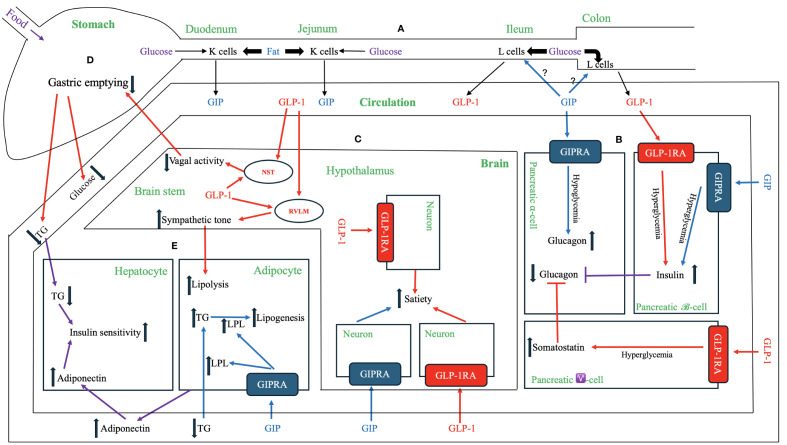
“GLP-1Rs are also found in circumventricular organs (CVO), the hind brain, and the thalamus.”
BackgroundInfluentialKnudsen, L. B., Nielsen, P. F., Huusfeldt, P. O., Johansen, N. L., Madsen, K., Pedersen, F. Z., Thøgersen, H., Wilken, M., & Agersø, H. (2000) · Journal of Medicinal Chemistry · doi:10.1021/jm9909645 · Cited by 700
Unimolecular Dual Incretins Maximize Metabolic Benefits in Rodents, Monkeys, and Humans
Finan, B., Ma, T., Ottaway, N., Müller, T. D., Habegger, K. M., Heppner, K. M., Kirchner, H., Holland, J., Hembree, J., Raver, C., et al. (2013) · Science Translational Medicine · doi:10.1126/scitranslmed.3007218 · Cited by 696
Elliott, R. M., Morgan, L. M., Tredger, J. A., Deacon, S., Wright, J., & Marks, V. (1993) · Journal of Endocrinology · doi:10.1677/joe.0.1380159 · Cited by 695
Blundell, J., Finlayson, G., Axelsen, M., Flint, A., Gibbons, C., Kvist, T., & Hjerpsted, J. B. (2017) · Diabetes, Obesity and Metabolism · doi:10.1111/dom.12932 · Cited by 693
Del Prato, S., Kahn, S. E., Pavo, I., Weerakkody, G. J., Yang, Z., Doupis, J., Aizenberg, D., Wynne, A. G., Riesmeyer, J. S., Heine, R. J., et al. (2021) · The Lancet · doi:10.1016/s0140-6736(21)02188-7 · Cited by 684
Larsen, P. J., Tang-Christensen, M., Holst, J. J., & Ørskov, C. (1997) · Neuroscience · doi:10.1016/s0306-4522(96)00434-4 · Cited by 663 · cited 1×
“Unlike GIP, the fully processed GLP-1 is produced by the neurons within the nucleus of the solitary tract (NST) in the brainstem of rats (139).”
Background9. Pharmacologic Approaches to Glycemic Treatment: Standards of Care in Diabetes—2024
American Diabetes Association Professional Practice Committee, ElSayed, N. A., Aleppo, G., Bannuru, R. R., Bruemmer, D., Collins, B. S., Ekhlaspour, L., Gaglia, J. L., Hilliard, M. E., Johnson, E. L., et al. (2024) · Diabetes Care · doi:10.2337/dc24-s009 · Cited by 662
Hamster preproglucagon contains the sequence of glucagon and two related peptides
Bell, G. I., Santerre, R. F., & Mullenbach, G. T. (1983) · Nature · doi:10.1038/302716a0 · Cited by 649
Berndt, S. I., Gustafsson, S., Mägi, R., Ganna, A., Wheeler, E., Feitosa, M. F., Justice, A. E., Monda, K. L., Croteau-Chonka, D. C., Day, F. R., et al. (2013) · Nature Genetics · doi:10.1038/ng.2606 · Cited by 646
A rationally designed monomeric peptide triagonist corrects obesity and diabetes in rodents
Finan, B., Yang, B., Ottaway, N., Smiley, D. L., Ma, T., Clemmensen, C., Chabenne, J., Zhang, L., Habegger, K. M., Fischer, K., et al. (2015) · Nature Medicine · doi:10.1038/nm.3761 · Cited by 645
A new glucagon and GLP-1 co-agonist eliminates obesity in rodents
Day, J. W., Ottaway, N., Patterson, J. T., Gelfanov, V., Smiley, D., Gidda, J., Findeisen, H., Bruemmer, D., Drucker, D. J., Chaudhary, N., et al. (2009) · Nature Chemical Biology · doi:10.1038/nchembio.209 · Cited by 641
Ludvik, B., Giorgino, F., Jódar, E., Frias, J. P., Fernández Landó, L., Brown, K., Bray, R., & Rodríguez, Á. (2021) · The Lancet · doi:10.1016/s0140-6736(21)01443-4 · Cited by 639
Truncated glucagon‐like peptide I, an insulin‐releasing hormone from the distal gut
Holst, J. J., Ørskov, C., Vagn Nielsen, O., & Schwartz, T. W. (1987) · FEBS Letters · doi:10.1016/0014-5793(87)81430-8 · Cited by 615 · cited 2×
“Subsequently, these two groups independently reported that the synthetic GLP-1 peptide acted as a potent stimulator of insulin secretion in isolated perfused rat pancreas (24) and isolated perfused pig pancreas (23), respectively, thus implicating GLP-1 as the second incretin.”
BackgroundMethodNauck, M. A., Heimesaat, M. M., Behle, K., Holst, J. J., Nauck, M. S., Ritzel, R., Hüfner, M., & Schmiegel, W. H. (2002) · The Journal of Clinical Endocrinology & Metabolism · doi:10.1210/jcem.87.3.8355 · Cited by 605
Central administration of GLP-1-(7-36) amide inhibits food and water intake in rats
Tang-Christensen, M., Larsen, P. J., Goke, R., Fink-Jensen, A., Jessop, D. S., Moller, M., & Sheikh, S. P. (1996) · American Journal of Physiology-Regulatory, Integrative and Comparative Physiology · doi:10.1152/ajpregu.1996.271.4.r848 · Cited by 597 · cited 3×
“Intracerebroventricular GLP-1 injection stimulated the urinary excretion of water and sodium in a preclinical study of rats (72).”
BackgroundInfluentialExon duplication and divergence in the human preproglucagon gene
Bell, G. I., Sanchez-Pescador, R., Laybourn, P. J., & Najarian, R. C. (1983) · Nature · doi:10.1038/304368a0 · Cited by 593 · cited 1×
“In 1983, Bell et al. reported the human and hamster GLP-1 gene and the deduced peptide sequences using cDNA hybridization technology and analysis of the human preproglucagon gene (20, 21).”
MethodThe Influence of GLP-1 on Glucose-Stimulated Insulin Secretion
Kjems, L. L., Holst, J. J., Vølund, A., & Madsbad, S. (2003) · Diabetes · doi:10.2337/diabetes.52.2.380 · Cited by 582
α-Cells of the Endocrine Pancreas: 35 Years of Research but the Enigma Remains
Gromada, J., Franklin, I., & Wollheim, C. B. (2007) · Endocrine Reviews · doi:10.1210/er.2006-0007 · Cited by 581 · cited 1×
“Insulin has also been suggested to play a signi fi cant role as a paracrine regulator of glucagon secretion (the intra-islet hypothesis), although the mechanism by which this inhibition occurs is not well elucidated (133).”
BackgroundCryo-EM structure of the activated GLP-1 receptor in complex with a G protein
Zhang, Y., Sun, B., Feng, D., Hu, H., Chu, M., Qu, Q., Tarrasch, J. T., Li, S., Sun Kobilka, T., Kobilka, B. K., et al. (2017) · Nature · doi:10.1038/nature22394 · Cited by 576 · cited 2×
“Both GIPR and GLP-1R belong to the class B family of 7-transmembrane G protein-coupled receptors (GPCR) within the glucagon receptor superfamily (43).”
BackgroundTranscellular Stomach Absorption of a Derivatized Glucagon-Like Peptide-1 Receptor Agonist
Buckley, S. T., Bækdal, T. A., Vegge, A., Maarbjerg, S. J., Pyke, C., Ahnfelt-Rønne, J., Madsen, K. G., Schéele, S. G., Alanentalo, T., Kirk, R. K., et al. (2018) · Science Translational Medicine · doi:10.1126/scitranslmed.aar7047 · Cited by 553
Ross, C. A., Ruggiero, D. A., Joh, T. H., Park, D. H., & Reis, D. J. (1984) · Journal of Comparative Neurology · doi:10.1002/cne.902280204 · Cited by 545
Tirzepatide is an imbalanced and biased dual GIP and GLP-1 receptor agonist
Willard, F. S., Douros, J. D., Gabe, M. B. N., Showalter, A. D., Wainscott, D. B., Suter, T. M., Capozzi, M. E., van der Velden, W. J. C., Stutsman, C., Cardona, G. R., et al. (2020) · JCI Insight · doi:10.1172/jci.insight.140532 · Cited by 541
The Journal of Comparative Neurology
(2006) · The Journal of Comparative Neurology · doi:10.1002/(issn)1096-9861 · Cited by 535
Usdin, T. B., Mezey, E., Button, D. C., Brownstein, M. J., & Bonner, T. I. (1993) · Endocrinology · doi:10.1210/endo.133.6.8243312 · Cited by 534
FEHMANN, H.-C., GÖKE, R., & GÖKE, B. (1995) · Endocrine Reviews · doi:10.1210/edrv-16-3-390 · Cited by 528
Kim, M., Platt, M. J., Shibasaki, T., Quaggin, S. E., Backx, P. H., Seino, S., Simpson, J. A., & Drucker, D. J. (2013) · Nature Medicine · doi:10.1038/nm.3128 · Cited by 514 · cited 1×
“Liraglutide has been shown to enhance atrial natriuretic peptide secretion in mice (205), and this cardiac hormone reduces blood pressure mediated by natriuresis and vasodilatation.”
BackgroundRakipovski, G., Rolin, B., Nøhr, J., Klewe, I., Frederiksen, K. S., Augustin, R., Hecksher-Sørensen, J., Ingvorsen, C., Polex-Wolf, J., & Knudsen, L. B. (2018) · JACC: Basic to Translational Science · doi:10.1016/j.jacbts.2018.09.004 · Cited by 509 · cited 1×
“Despite the lack of expression of GIPR (41, 191) and GLP-1R (192, 193) in hepatocytes, both GIP and GLP-1 have indirect effects on hepatic lipid and glucose metabolism (194).”
BackgroundNauck, M. A. (1993) · Journal of Clinical Endocrinology & Metabolism · doi:10.1210/jc.76.4.912 · Cited by 506
Hunter, K., & Hölscher, C. (2012) · BMC Neuroscience · doi:10.1186/1471-2202-13-33 · Cited by 504
Willms, B., Werner, J., Holst, J. J., Orskov, C., Creutzfeldt, W., & Nauck, M. A. (1996) · The Journal of Clinical Endocrinology & Metabolism · doi:10.1210/jcem.81.1.8550773 · Cited by 502
Glucagon-like peptide-1 promotes islet cell growth and inhibits apoptosis in Zucker diabetic rats
Farilla, L., Hui, H., Bertolotto, C., Kang, E., Bulotta, A., Di Mario, U., & Perfetti, R. (2002) · Endocrinology · doi:10.1210/en.2002-220405 · Cited by 502
Aroda, V. R., Rosenstock, J., Terauchi, Y., Altuntas, Y., Lalic, N. M., Morales Villegas, E. C., Jeppesen, O. K., Christiansen, E., Hertz, C. L., Haluzík, M., et al. (2019) · Diabetes Care · doi:10.2337/dc19-0749 · Cited by 493
Dungan, K. M., Povedano, S. T., Forst, T., González, J. G. G., Atisso, C., Sealls, W., & Fahrbach, J. L. (2014) · The Lancet · doi:10.1016/s0140-6736(14)60976-4 · Cited by 486
10. Cardiovascular Disease and Risk Management: Standards of Care in Diabetes—2025
American Diabetes Association Professional Practice Committee, ElSayed, N. A., McCoy, R. G., Aleppo, G., Balapattabi, K., Beverly, E. A., Briggs Early, K., Bruemmer, D., Das, S. R., Echouffo-Tcheugui, J. B., et al. (2025) · Diabetes Care · doi:10.2337/dc25-s010 · Cited by 486
Göke, R., Larsen, P. J., Mikkelsen, J. D., & Sheikh, S. P. (1995) · European Journal of Neuroscience · doi:10.1111/j.1460-9568.1995.tb00650.x · Cited by 474 · cited 1×
“The presence of GLP-1R in the phylogenetically oldest parts of the brain but not in the cortex emphasizes that GLP-1 is involved in the regulation of vital functions like feeding and satiety (141).”
BackgroundGlucagon-Like Peptide 1 Induces Natriuresis in Healthy Subjects and in Insulin-Resistant Obese Men
Gutzwiller, J.-P., Tschopp, S., Bock, A., Zehnder, C. E., Huber, A. R., Kreyenbuehl, M., Gutmann, H., Drewe, J., Henzen, C., Goeke, B., et al. (2004) · The Journal of Clinical Endocrinology & Metabolism · doi:10.1210/jc.2003-031403 · Cited by 442 · cited 1×
“Gutzwiller et al. (207) reported that GLP-1 infusion evoked a dose-dependent increase in urinary sodium excretion in both healthy subjects and insulin-resistant men with obesity.”
BackgroundYoung, A. A., Gedulin, B. R., Bhavsar, S., Bodkin, N., Jodka, C., Hansen, B., & Denaro, M. (1999) · Diabetes · doi:10.2337/diabetes.48.5.1026 · Cited by 440
10. Cardiovascular Disease and Risk Management: Standards of Care in Diabetes—2024
American Diabetes Association Professional Practice Committee, ElSayed, N. A., Aleppo, G., Bannuru, R. R., Bruemmer, D., Collins, B. S., Das, S. R., Ekhlaspour, L., Hilliard, M. E., Johnson, E. L., et al. (2024) · Diabetes Care · doi:10.2337/dc24-s010 · Cited by 438
Kolterman, O. G., Kim, D. D., Shen, L., Ruggles, J. A., Nielsen, L. L., Fineman, M. S., & Baron, A. D. (2005) · American Journal of Health-System Pharmacy · doi:10.1093/ajhp/62.2.173 · Cited by 434
Glucagon-like peptide-1 inhibits gastric emptying via vagal afferent-mediated central mechanisms
I˙meryüz, N., Yeğen, B. Ç., Bozkurt, A., Coşkun, T., Villanueva-Peñacarrillo, M. L., & Ulusoy, N. B. (1997) · American Journal of Physiology-Gastrointestinal and Liver Physiology · doi:10.1152/ajpgi.1997.273.4.g920 · Cited by 432
Knop, F. K., Aroda, V. R., do Vale, R. D., Holst-Hansen, T., Laursen, P. N., Rosenstock, J., Rubino, D. M., & Garvey, W. T. (2023) · The Lancet · doi:10.1016/s0140-6736(23)01185-6 · Cited by 431
How May GIP Enhance the Therapeutic Efficacy of GLP-1?
Samms, R. J., Coghlan, M. P., & Sloop, K. W. (2020) · Trends in Endocrinology & Metabolism · doi:10.1016/j.tem.2020.02.006 · Cited by 419
Capehorn, M. S., Catarig, A.-M., Furberg, J. K., Janez, A., Price, H. C., Tadayon, S., Vergès, B., & Marre, M. (2020) · Diabetes & Metabolism · doi:10.1016/j.diabet.2019.101117 · Cited by 412
Neuronal GLP1R mediates liraglutide’s anorectic but not glucose-lowering effect
Sisley, S., Gutierrez-Aguilar, R., Scott, M., D’Alessio, D. A., Sandoval, D. A., & Seeley, R. J. (2014) · Journal of Clinical Investigation · doi:10.1172/jci72434 · Cited by 397 · cited 1×
“Studies in mice with CNS neuron-speci fi c GLP-1R knockout showed that liraglutide failed to induce weight loss but still improved glucose levels, suggesting that brain GLP-1Rs are necessary for the weight-lowering effect of GLP-1RAs but not essential for their glucose-lowering effects (142).”
BackgroundWysham, C., Blevins, T., Arakaki, R., Colon, G., Garcia, P., Atisso, C., Kuhstoss, D., & Lakshmanan, M. (2014) · Diabetes Care · doi:10.2337/dc13-2760 · Cited by 396
Nauck, M. A., Kemmeries, G., Holst, J. J., & Meier, J. J. (2011) · Diabetes · doi:10.2337/db10-0474 · Cited by 392
Baggio, L. L., Huang, Q., Brown, T. J., & Drucker, D. J. (2004) · Diabetes · doi:10.2337/diabetes.53.9.2492 · Cited by 386
Meier, J. J., Gallwitz, B., Salmen, S., Goetze, O., Holst, J. J., Schmidt, W. E., & Nauck, M. A. (2003) · The Journal of Clinical Endocrinology & Metabolism · doi:10.1210/jc.2003-030049 · Cited by 369
Cefalu, W. T., Kaul, S., Gerstein, H. C., Holman, R. R., Zinman, B., Skyler, J. S., Green, J. B., Buse, J. B., Inzucchi, S. E., Leiter, L. A., et al. (2018) · Diabetes Care · doi:10.2337/dci17-0057 · Cited by 363
Vollmer, K., Holst, J. J., Baller, B., Ellrichmann, M., Nauck, M. A., Schmidt, W. E., & Meier, J. J. (2008) · Diabetes · doi:10.2337/db07-1124 · Cited by 356 · cited 1×
“Under physiological conditions, postprandial GIP levels are approximately 3 – 4 times higher in molar concentration compared to GLP-1, irrespective of diabetic status (28, 39).”
BackgroundGlucose-Dependent Insulinotropic Polypeptide
Christensen, M., Vedtofte, L., Holst, J. J., Vilsbøll, T., & Knop, F. K. (2011) · Diabetes · doi:10.2337/db11-0979 · Cited by 353
Panjwani, N., Mulvihill, E. E., Longuet, C., Yusta, B., Campbell, J. E., Brown, T. J., Streutker, C., Holland, D., Cao, X., Baggio, L. L., et al. (2013) · Endocrinology · doi:10.1210/en.2012-1937 · Cited by 346
Tirzepatide cardiovascular event risk assessment: A pre-specified meta-analysis
Sattar, N., McGuire, D. K., Pavo, I., Weerakkody, G. J., Nishiyama, H., Wiese, R. J., & Zoungas, S. (2022) · Nature Medicine · doi:10.1038/s41591-022-01707-4 · Cited by 346
Thomas, M. K., Nikooienejad, A., Bray, R., Cui, X., Wilson, J., Duffin, K., Milicevic, Z., Haupt, A., & Robins, D. A. (2021) · The Journal of Clinical Endocrinology & Metabolism · doi:10.1210/clinem/dgaa863 · Cited by 345
Glucagon-like peptide-1 reduces hepatic lipogenesis via activation of AMP-activated protein kinase
Ben-Shlomo, S., Zvibel, I., Shnell, M., Shlomai, A., Chepurko, E., Halpern, Z., Barzilai, N., Oren, R., & Fishman, S. (2011) · Journal of Hepatology · doi:10.1016/j.jhep.2010.09.032 · Cited by 328
Pratley, R. E., Nauck, M. A., Barnett, A. H., Feinglos, M. N., Ovalle, F., Harman-Boehm, I., Ye, J., Scott, R., Johnson, S., Stewart, M., et al. (2014) · The Lancet Diabetes & Endocrinology · doi:10.1016/s2213-8587(13)70214-6 · Cited by 326
Adriaenssens, A. E., Biggs, E. K., Darwish, T., Tadross, J., Sukthankar, T., Girish, M., Polex-Wolf, J., Lam, B. Y., Zvetkova, I., Pan, W., et al. (2019) · Cell Metabolism · doi:10.1016/j.cmet.2019.07.013 · Cited by 324
Zhang, Q., Delessa, C. T., Augustin, R., Bakhti, M., Colldén, G., Drucker, D. J., Feuchtinger, A., Caceres, C. G., Grandl, G., Harger, A., et al. (2021) · Cell Metabolism · doi:10.1016/j.cmet.2021.01.015 · Cited by 322 · cited 2×
“These effects were blunted in CNS-speci fi c GIPR knockout mice, suggesting a key role of CNS GIPR in the control of energy metabolism (138) (Figure 1 – Section C).”
BackgroundFrias, J. P., Bastyr, E. J., Vignati, L., Tschöp, M. H., Schmitt, C., Owen, K., Christensen, R. H., & DiMarchi, R. D. (2017) · Cell Metabolism · doi:10.1016/j.cmet.2017.07.011 · Cited by 321 · cited 2×
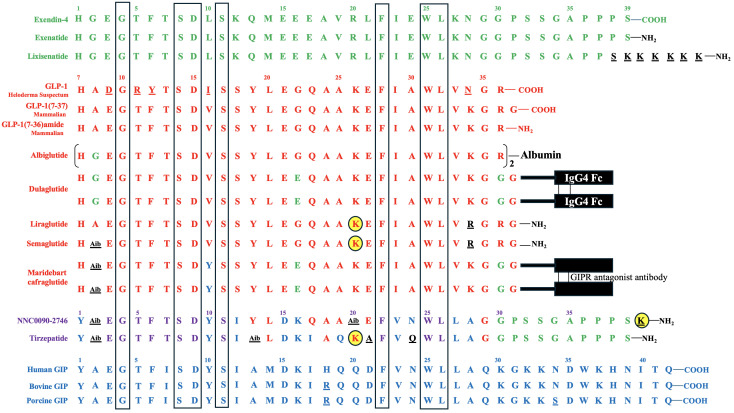
“In the phase 2b trial, however, the reductions in glycated hemoglobin and body weight in participants treated with NNC0090-2746 were similar to those in the group treated with liraglutide (76), and no phase 3 trial of NNC0090-2746 has been reported yet.”
BackgroundVahl, T. P., Tauchi, M., Durler, T. S., Elfers, E. E., Fernandes, T. M., Bitner, R. D., Ellis, K. S., Woods, S. C., Seeley, R. J., Herman, J. P., et al. (2007) · Endocrinology · doi:10.1210/en.2006-0153 · Cited by 318
Coskun, T., Urva, S., Roell, W. C., Qu, H., Loghin, C., Moyers, J. S., O’Farrell, L. S., Briere, D. A., Sloop, K. W., Thomas, M. K., et al. (2022) · Cell Metabolism · doi:10.1016/j.cmet.2022.07.013 · Cited by 316
Glaesner, W., Mark Vick, A., Millican, R., Ellis, B., Tschang, S., Tian, Y., Bokvist, K., Brenner, M., Koester, A., Porksen, N., et al. (2010) · Diabetes/Metabolism Research and Reviews · doi:10.1002/dmrr.1080 · Cited by 305
Review of head‐to‐head comparisons of glucagon‐like peptide‐1 receptor agonists
Madsbad, S. (2016) · Diabetes, Obesity and Metabolism · doi:10.1111/dom.12596 · Cited by 305 · cited 1×
“The large molecular entities of both albiglutide and dulaglutide delay their renal clearance (92, 93).”
BackgroundØrskov, C., Poulsen, S. S., Mørten, M., & Holst, J. J. (1996) · Diabetes · doi:10.2337/diab.45.6.832 · Cited by 304
Wong, C. K., McLean, B. A., Baggio, L. L., Koehler, J. A., Hammoud, R., Rittig, N., Yabut, J. M., Seeley, R. J., Brown, T. J., & Drucker, D. J. (2024) · Cell Metabolism · doi:10.1016/j.cmet.2023.11.009 · Cited by 304
Deacon, C. F., Knudsen, L. B., Madsen, K., Wiberg, F. C., Jacobsen, O., & Holst, J. J. (1998) · Diabetologia · doi:10.1007/s001250050903 · Cited by 303
Orskov, C., Poulsen, S. S., Moller, M., & Holst, J. J. (1996) · Diabetes · doi:10.2337/diabetes.45.6.832 · Cited by 303
Ambery, P., Parker, V. E., Stumvoll, M., Posch, M. G., Heise, T., Plum-Moerschel, L., Tsai, L.-F., Robertson, D., Jain, M., Petrone, M., et al. (2018) · The Lancet · doi:10.1016/s0140-6736(18)30726-8 · Cited by 298
Fehse, F., Trautmann, M., Holst, J. J., Halseth, A. E., Nanayakkara, N., Nielsen, L. L., Fineman, M. S., Kim, D. D., & Nauck, M. A. (2005) · The Journal of Clinical Endocrinology & Metabolism · doi:10.1210/jc.2005-1093 · Cited by 297
Nakagawa, A., Satake, H., Nakabayashi, H., Nishizawa, M., Furuya, K., Nakano, S., Kigoshi, T., Nakayama, K., & Uchida, K. (2004) · Autonomic Neuroscience · doi:10.1016/j.autneu.2003.11.001 · Cited by 295
Pancreatic preproglucagon cDNA contains two glucagon-related coding sequences arranged in tandem
Lund, P. K., Goodman, R. H., Dee, P. C., & Habener, J. F. (1982) · Proceedings of the National Academy of Sciences · doi:10.1073/pnas.79.2.345 · Cited by 295
Glucagon-like peptide-1, a new hormone of the entero-insular axis
Ørskov, C. (1992) · Diabetologia · doi:10.1007/bf00429088 · Cited by 293
Riddle, M. C., Aronson, R., Home, P., Marre, M., Niemoeller, E., Miossec, P., Ping, L., Ye, J., & Rosenstock, J. (2013) · Diabetes Care · doi:10.2337/dc12-2454 · Cited by 288
15. Management of Diabetes in Pregnancy:Standards of Care in Diabetes—2023
ElSayed, N. A., Aleppo, G., Aroda, V. R., Bannuru, R. R., Brown, F. M., Bruemmer, D., Collins, B. S., Hilliard, M. E., Isaacs, D., Johnson, E. L., et al. (2023) · Diabetes Care · doi:10.2337/dc23-s015 · Cited by 284
Loss of Incretin Effect Is a Specific, Important, and Early Characteristic of Type 2 Diabetes
Holst, J. J., Knop, F. K., Vilsbøll, T., Krarup, T., & Madsbad, S. (2011) · Diabetes Care · doi:10.2337/dc11-s227 · Cited by 280
Meier, J. J., Gethmann, A., Götze, O., Gallwitz, B., Holst, J. J., Schmidt, W. E., & Nauck, M. A. (2006) · Diabetologia · doi:10.1007/s00125-005-0126-y · Cited by 276
Roberge, J. N. (1993) · Endocrinology · doi:10.1210/en.133.1.233 · Cited by 276
Further purification of a polypeptide demonstrating enterogastrone activity
Brown, J. C., Mutt, V., & Pederson, R. A. (1970) · The Journal of Physiology · doi:10.1113/jphysiol.1970.sp009155 · Cited by 276
Sequencing of 640,000 exomes identifies GPR75 variants associated with protection from obesity
Akbari, P., Gilani, A., Sosina, O., Kosmicki, J. A., Khrimian, L., Fang, Y.-Y., Persaud, T., Garcia, V., Sun, D., Li, A., et al. (2021) · Science · doi:10.1126/science.abf8683 · Cited by 276
Heise, T., Mari, A., DeVries, J. H., Urva, S., Li, J., Pratt, E. J., Coskun, T., Thomas, M. K., Mather, K. J., Haupt, A., et al. (2022) · The Lancet Diabetes & Endocrinology · doi:10.1016/s2213-8587(22)00085-7 · Cited by 268
Glucagon gene expression in vertebrate brain.
Drucker, D. J., & Asa, S. (1988) · Journal of Biological Chemistry · doi:10.1016/s0021-9258(18)68261-4 · Cited by 264 · cited 1×
“The expression of pre-proglucagon gene and GLP-1 has been detected in the human brainstem and hypothalamus (140).”
BackgroundMeier, J. J., Rosenstock, J., Hincelin-Méry, A., Roy-Duval, C., Delfolie, A., Coester, H.-V., Menge, B. A., Forst, T., & Kapitza, C. (2015) · Diabetes Care · doi:10.2337/dc14-1984 · Cited by 262
GIPR agonism mediates weight-independent insulin sensitization by tirzepatide in obese mice
Samms, R. J., Christe, M. E., Collins, K. A. L., Pirro, V., Droz, B. A., Holland, A. K., Friedrich, J. L., Wojnicki, S., Konkol, D. L., Cosgrove, R., et al. (2021) · Journal of Clinical Investigation · doi:10.1172/jci146353 · Cited by 256
Calanna, S., Christensen, M., Holst, J. J., Laferrère, B., Gluud, L. L., Vilsbøll, T., & Knop, F. K. (2013) · Diabetologia · doi:10.1007/s00125-013-2841-0 · Cited by 251
ElSayed, N. A., Aleppo, G., Aroda, V. R., Bannuru, R. R., Brown, F. M., Bruemmer, D., Collins, B. S., Hilliard, M. E., Isaacs, D., Johnson, E. L., et al. (2023) · Diabetes Care · doi:10.2337/dc23-s008 · Cited by 244 · cited 1×
“%) may lead to diabetes remission (237).”
Role of prohormone convertases in the tissue-specific processing of proglucagon
Dhanvantari, S. (1996) · Molecular Endocrinology · doi:10.1210/me.10.4.342 · Cited by 242
Kim, S.-J., Winter, K., Nian, C., Tsuneoka, M., Koda, Y., & McIntosh, C. H. S. (2005) · Journal of Biological Chemistry · doi:10.1074/jbc.m500540200 · Cited by 241
DeYoung, M. B., MacConell, L., Sarin, V., Trautmann, M., & Herbert, P. (2011) · Diabetes Technology & Therapeutics · doi:10.1089/dia.2011.0050 · Cited by 241
de Heer, J., Rasmussen, C., Coy, D. H., & Holst, J. J. (2008) · Diabetologia · doi:10.1007/s00125-008-1149-y · Cited by 239
Trümper, A., Trümper, K., Trusheim, H., Arnold, R., Göke, B., & Hörsch, D. (2001) · Molecular Endocrinology · doi:10.1210/mend.15.9.0688 · Cited by 238
Killion, E. A., Wang, J., Yie, J., Shi, S. D.-H., Bates, D., Min, X., Komorowski, R., Hager, T., Deng, L., Atangan, L., et al. (2018) · Science Translational Medicine · doi:10.1126/scitranslmed.aat3392 · Cited by 237
le Roux, C. W., Steen, O., Lucas, K. J., Startseva, E., Unseld, A., & Hennige, A. M. (2024) · The Lancet Diabetes & Endocrinology · doi:10.1016/s2213-8587(23)00356-x · Cited by 237
Optimized GIP analogs promote body weight lowering in mice through GIPR agonism not antagonism
Mroz, P. A., Finan, B., Gelfanov, V., Yang, B., Tschöp, M. H., DiMarchi, R. D., & Perez-Tilve, D. (2019) · Molecular Metabolism · doi:10.1016/j.molmet.2018.12.001 · Cited by 229
Skov, J., Dejgaard, A., Frøkiær, J., Holst, J. J., Jonassen, T., Rittig, S., & Christiansen, J. S. (2013) · The Journal of Clinical Endocrinology & Metabolism · doi:10.1210/jc.2012-3855 · Cited by 228
Gastric Inhibitory Polypeptide Enhanced Lipoprotein Lipase Activity in Cultured Preadipocytes
Eckel, R. H., Fujimoto, W. Y., & Brunzell, J. D. (1979) · Diabetes · doi:10.2337/diab.28.12.1141 · Cited by 219
Véniant, M. M., Lu, S.-C., Atangan, L., Komorowski, R., Stanislaus, S., Cheng, Y., Wu, B., Falsey, J. R., Hager, T., Thomas, V. A., et al. (2024) · Nature Metabolism · doi:10.1038/s42255-023-00966-w · Cited by 218
Meier, J. J., & Nauck, M. A. (2010) · Diabetes · doi:10.2337/db09-1899 · Cited by 215 · cited 1×
“On the other hand, fasting plasma levels of bioactive GLP-1 typically fall within the ranges of 5 - 15 pM (33, 37, 38) and could increase 3 – 5 fold postprandially.”
BackgroundDoehner, W., Erdmann, E., Cairns, R., Clark, A. L., Dormandy, J. A., Ferrannini, E., & Anker, S. D. (2012) · International Journal of Cardiology · doi:10.1016/j.ijcard.2011.09.039 · Cited by 215
Creutzfeldt, W., Ebert, R., Willms, B., Frerichs, H., & Brown, J. C. (1978) · Diabetologia · doi:10.1007/bf00429703 · Cited by 211
Pancreatic and intestinal processing of proglucagon in man
Ørskov, C., Holst, J. J., Poulsen, S. S., & Kirkegaard, P. (1987) · Diabetologia · doi:10.1007/bf00274797 · Cited by 210
Buchan, A. M. J., Polak, J. M., Capella, C., Solcia, E., & Pearse, A. G. E. (1978) · Histochemistry · doi:10.1007/bf00492251 · Cited by 210
Chang, A. M., Jakobsen, G., Sturis, J., Smith, M. J., Bloem, C. J., An, B., Galecki, A., & Halter, J. B. (2003) · Diabetes · doi:10.2337/diabetes.52.7.1786 · Cited by 207 · cited 1×
“Marked insulinotropic effects have been observed in T2DM patients with a single injection of liraglutide (120) or acute infusion of exenatide (121).”
BackgroundWharton, S., Calanna, S., Davies, M., Dicker, D., Goldman, B., Lingvay, I., Mosenzon, O., Rubino, D. M., Thomsen, M., Wadden, T. A., et al. (2022) · Diabetes, Obesity and Metabolism · doi:10.1111/dom.14551 · Cited by 200
Mentis, N., Vardarli, I., Köthe, L. D., Holst, J. J., Deacon, C. F., Theodorakis, M., Meier, J. J., & Nauck, M. A. (2011) · Diabetes · doi:10.2337/db10-1332 · Cited by 197
Trumper, A., Trumper, K., & Horsch, D. (2002) · Journal of Endocrinology · doi:10.1677/joe.0.1740233 · Cited by 193
Umapathysivam, M. M., Lee, M. Y., Jones, K. L., Annink, C. E., Cousins, C. E., Trahair, L. G., Rayner, C. K., Chapman, M. J., Nauck, M. A., Horowitz, M., et al. (2014) · Diabetes · doi:10.2337/db13-0893 · Cited by 193
Gasbjerg, L. S., Helsted, M. M., Hartmann, B., Jensen, M. H., Gabe, M. B. N., Sparre-Ulrich, A. H., Veedfald, S., Stensen, S., Lanng, A. R., Bergmann, N. C., et al. (2019) · Diabetes · doi:10.2337/db18-1123 · Cited by 193
Gastric Inhibitory Polypeptide (GIP) Stimulated by Fat Ingestion in Man
FALKO, J. M., CROCKETT, S. E., CATALAND, S., & MAZZAFERRI, E. L. (1975) · The Journal of Clinical Endocrinology & Metabolism · doi:10.1210/jcem-41-2-260 · Cited by 191
Granhall, C., Donsmark, M., Blicher, T. M., Golor, G., Søndergaard, F. L., Thomsen, M., & Bækdal, T. A. (2019) · Clinical Pharmacokinetics · doi:10.1007/s40262-018-0728-4 · Cited by 190
Preparation of highly active enterogastrone
Brown, J. C., Pederson, R. A., Jorpes, E., & Mutt, V. (1969) · Canadian Journal of Physiology and Pharmacology · doi:10.1139/y69-020 · Cited by 189 · cited 2×
“The fi rst incretin, GIP, was puri fi ed from canine intestinal extracts in the late 1960s (8) and initially named gastric inhibitory polypeptide (9) because the peptide inhibited gastrin-stimulated H + secretion (10).”
BackgroundSalameh, T. S., Rhea, E. M., Talbot, K., & Banks, W. A. (2020) · Biochemical Pharmacology · doi:10.1016/j.bcp.2020.114187 · Cited by 188
Asmar, M., Simonsen, L., Madsbad, S., Stallknecht, B., Holst, J. J., & Bülow, J. (2010) · Diabetes · doi:10.2337/db10-0098 · Cited by 184
Nogueiras, R., Pérez-Tilve, D., Veyrat-Durebex, C., Morgan, D. A., Varela, L., Haynes, W. G., Patterson, J. T., Disse, E., Pfluger, P. T., López, M., et al. (2009) · The Journal of Neuroscience · doi:10.1523/jneurosci.5977-08.2009 · Cited by 182
Kim, S.-J., Nian, C., Karunakaran, S., Clee, S. M., Isales, C. M., & McIntosh, C. H. S. (2012) · PLoS ONE · doi:10.1371/journal.pone.0040156 · Cited by 182
Bush, M. A., Matthews, J. E., De Boever, E. H., Dobbins, R. L., Hodge, R. J., Walker, S. E., Holland, M. C., Gutierrez, M., & Stewart, M. W. (2009) · Diabetes, Obesity and Metabolism · doi:10.1111/j.1463-1326.2008.00992.x · Cited by 181 · cited 1×
“Albiglutide is generated from a genetic fusion of two modi fi ed recombinant GLP-1 (7 – 36) molecules linked in tandem to recombinant human albumin (90), while dulaglutide is created by conjugating two GLP-1 (7 – 37) analogues to the Fc fragment of a modi fi ed monoclonal antibody (IgG4) via peptide…”
MethodChia, C. W., Carlson, O. D., Kim, W., Shin, Y.-K., Charles, C. P., Kim, H. S., Melvin, D. L., & Egan, J. M. (2009) · Diabetes · doi:10.2337/db08-0958 · Cited by 176
Glucagon-like peptide-1 can reverse the age-related decline in glucose tolerance in rats.
Wang, Y., Perfetti, R., Greig, N. H., Holloway, H. W., DeOre, K. A., Montrose-Rafizadeh, C., Elahi, D., & Egan, J. M. (1997) · Journal of Clinical Investigation · doi:10.1172/jci119482 · Cited by 172
Amino acid sequence and heterogeneity of gastric inhibitory polypeptide (GIP)
Jörnvall, H., Carlquist, M., Kwauk, S., Otte, S. C., McIntosh, C. H. S., Brown, J. C., & Mutt, V. (1981) · FEBS Letters · doi:10.1016/0014-5793(81)80288-8 · Cited by 171
Sposito, A. C., Berwanger, O., de Carvalho, L. S. F., & Saraiva, J. F. K. (2018) · Cardiovascular Diabetology · doi:10.1186/s12933-018-0800-2 · Cited by 171
Lovshin, J. A., Barnie, A., DeAlmeida, A., Logan, A., Zinman, B., & Drucker, D. J. (2015) · Diabetes Care · doi:10.2337/dc14-1958 · Cited by 168
Chen, Y. E., & Drucker, D. J. (1997) · Journal of Biological Chemistry · doi:10.1074/jbc.272.7.4108 · Cited by 166
Wilson, J. M., Nikooienejad, A., Robins, D. A., Roell, W. C., Riesmeyer, J. S., Haupt, A., Duffin, K. L., Taskinen, M., & Ruotolo, G. (2020) · Diabetes, Obesity and Metabolism · doi:10.1111/dom.14174 · Cited by 164
Ehses, J. A., Casilla, V. R., Doty, T., Pospisilik, J. A., Winter, K. D., Demuth, H.-U., Pederson, R. A., & McIntosh, C. H. S. (2003) · Endocrinology · doi:10.1210/en.2002-0068 · Cited by 159
Secretion of Glucose-Dependent Insulinotropic Polypeptide in Patients With Type 2 Diabetes
Calanna, S., Christensen, M., Holst, J. J., Laferrère, B., Gluud, L. L., Vilsbøll, T., & Knop, F. K. (2013) · Diabetes Care · doi:10.2337/dc13-0465 · Cited by 158
Liraglutide: short‐lived effect on gastric emptying—long lasting effects on body weight
Jelsing, J., Vrang, N., Hansen, G., Raun, K., Tang‐Christensen, M., & Bjerre Knudsen, L. (2012) · Diabetes, Obesity and Metabolism · doi:10.1111/j.1463-1326.2012.01557.x · Cited by 155 · cited 1×
“…twice daily for 14 days had markedly diminished gastric emptying while those treated with exenatide (with half-life of 2 – 3 hours) twice daily over the same period still displayed a profound reduction in gastric emptying, although both compounds had similar effects on body weight reduction (158).”
BackgroundMechanisms by which adiponectin reverses high fat diet-induced insulin resistance in mice
Li, X., Zhang, D., Vatner, D. F., Goedeke, L., Hirabara, S. M., Zhang, Y., Perry, R. J., & Shulman, G. I. (2020) · Proceedings of the National Academy of Sciences · doi:10.1073/pnas.1922169117 · Cited by 150 · cited 1×
“The opposing effects of GIP and GLP-1 on lipogenesis and lipolysis, respectively, help maintain adipocytes in young and healthy state, fostering higher levels of adiponectin – a key adipokine known for its potential antidiabetic, anti-in fl ammatory, and antiatherogenic properties (185).”
BackgroundZhao, F., Zhou, Q., Cong, Z., Hang, K., Zou, X., Zhang, C., Chen, Y., Dai, A., Liang, A., Ming, Q., et al. (2022) · Nature Communications · doi:10.1038/s41467-022-28683-0 · Cited by 149
Krarup, T., Saurbrey, N., Moody, A. J., Kühl, C., & Madsbad, S. (1987) · Metabolism · doi:10.1016/0026-0495(87)90153-3 · Cited by 146
Meier, J. J., Kemmeries, G., Holst, J. J., & Nauck, M. A. (2005) · Diabetes · doi:10.2337/diabetes.54.7.2212 · Cited by 146
Recent Advances in Incretin-Based Pharmacotherapies for the Treatment of Obesity and Diabetes
Tan, Q., Akindehin, S. E., Orsso, C. E., Waldner, R. C., DiMarchi, R. D., Müller, T. D., & Haqq, A. M. (2022) · Frontiers in Endocrinology · doi:10.3389/fendo.2022.838410 · Cited by 146
Schirra, J., Houck, P., Wank, U., Arnold, R., Göke, B., & Katschinski, M. (2000) · Gut · doi:10.1136/gut.46.5.622 · Cited by 145
Bolli, G. B., Munteanu, M., Dotsenko, S., Niemoeller, E., Boka, G., Wu, Y., & Hanefeld, M. (2014) · Diabetic Medicine · doi:10.1111/dme.12328 · Cited by 144
Cited by
Moiz, A., Filion, K. B., Tsoukas, M. A., Yu, O. H. Y., Peters, T. M., & Eisenberg, M. J. (2025) · EClinicalMedicine · doi:10.1016/j.eclinm.2025.103363 · Cited by 157
“39”
Stefanakis, K., Kokkorakis, M., & Mantzoros, C. S. (2024) · Metabolism · doi:10.1016/j.metabol.2024.156057 · Cited by 142
Emerging Frontiers in GLP-1 Therapeutics: A Comprehensive Evidence Base (2025)
Patel, S., & Niazi, S. K. (2025) · Pharmaceutics · doi:10.3390/pharmaceutics17081036 · Cited by 54
Movahednasab, M., Dianat‐Moghadam, H., Khodadad, S., Nedaeinia, R., Safabakhsh, S., Ferns, G. A., & Salehi, R. (2025) · Diabetology & Metabolic Syndrome · doi:10.1186/s13098-025-01623-w · Cited by 47
Urkon, M., Ferencz, E., Szász, J. A., Szabó, M. I. M., Orbán-Kis, K., Szatmári, S., & Nagy, E. E. (2025) · Pharmaceuticals · doi:10.3390/ph18050614 · Cited by 45
“Therefore, unimolecular dual GLP-1/GIP receptor agonists have been developed and clinically tested for the management of T2DM and obesity [124,125].”
Metadata
- Authors
- Liu, Q. K.
- Affiliations
- Montgomery General Hospital (US)
- Corresponding author
- Liu, Qiyuan Keith
- Venue
- Frontiers in Endocrinology
- Publisher
- Frontiers Media SA
- Published
- 2024-07-24
- Volume
- 15
- Pages
- 1431292-1431292
- ISSN
- 1664-2392 (ISSN-L)
- PMC
- PMC11304055
- OpenAlex
- W4400956092
- Cited by
- 265
- References
- 279
- Citations by year
- 2026: 156 · 2025: 107 · 2024: 2
- FWCI
- 15.55
- Type
- journal article
- Language
- en
- Open access
- gold
- doi.org
- Licence
- Locations
- Frontiers in Endocrinology (publishedVersion, cc-by)
- PubMed Central (publishedVersion, cc-by)
- PubMed (publishedVersion)
- DOAJ (DOAJ: Directory of Open Access Journals) (submittedVersion, cc-by-sa)
- Topics
- Health Sciences › Medicine › Endocrinology, Diabetes and Metabolism › Diabetes Treatment and Management
- Life Sciences › Neuroscience › Endocrine and Autonomic Systems › Regulation of Appetite and Obesity
- Health Sciences › Medicine › Endocrinology, Diabetes and Metabolism › Adipokines, Inflammation, and Metabolic Diseases
- Keywords
- glucagon-like peptide-1, glucose-dependent insulinotropic polypeptide, GIP/GLP-1 receptor agonist, incretin mimetics, type 2 diabetes, obesity, insulin secretion, satiety, lipogenesis, lipolysis, adiponectin, cardiovascular disease prevention, weight management, dyslipidemia, metabolic homeostasis
- MeSH terms
- Glucagon-Like Peptide-1 Receptor, Glucagon-Like Peptide-1 Receptor Agonists, Animals, Diabetes Mellitus, Type 2, Gastric Inhibitory Polypeptide, Humans, Hypoglycemic Agents, Receptors, Gastrointestinal Hormone, Glucagon-Like Peptide 1, Incretins
About these checks
Registry, retraction, Cites and statistics results are computed, not judged, with one exception: a printed reference that no index lists is read once by a model before it counts as a citation error. Claims are extracted by a model and kept only when their quote appears verbatim in the text; each cited source is then checked, with a model’s help, for whether it says what the claim relies on. Those verdicts can be wrong — read the claim’s quote and the cited source before relying on one.
Statistics and arithmetic are recomputed, not judged.
Confidence bands are shown only for fields calibrated on our annotated test set. None is calibrated yet, so no band is shown.
What counts as a claim ›How we measure confidence ›How we check this ›
Are you an author, or do you see a problem with this page? Request a review
Data sources
Bibliographic data: Semantic Scholar, OpenAlex, Crossref.
Contains information from the Semantic Scholar Academic Graph Datasets, made available under the ODC Attribution License (ODC-BY 1.0).
Semantic Scholar’s data is described in: Kinney, R., et al. (2023). The Semantic Scholar Open Data Platform. arXiv:2301.10140.
