

Lactic Acid Bacteria in Raw-Milk Cheeses: From Starter Cultures to Probiotic Functions
Open accessThe DOI matches its Crossref record; 299 of the 305 references it cites were found in a registry or an index; 119 of the 458 sources its claims cite were checked for support.
Abstract
Lactic acid bacteria (LAB) play an essential role in traditional cheese making, either as starter cultures that cause the rapid acidification of milk or as secondary microbiota that play an important role during cheese ripening.
Overview
CoChat Summary
## TL;DR
This review summarizes how lactic acid bacteria (LAB) shape raw-milk cheese fermentation, ripening, preservation, and sensory quality, while also highlighting their probiotic and bioactive-compound potential. It argues that LAB from traditional cheeses are promising sources of starter, adjunct, protective, and probiotic cultures, but notes that more in vitro and in vivo evidence is still needed for human health claims.
## Key findings
- LAB are central to raw-milk cheese making: they acidify milk rapidly, help drive ripening, and contribute to texture, flavor, and aroma through proteolysis and lipolysis.
- Raw-milk cheeses host diverse LAB communities, with frequent dominance of Lactococcus, Lactobacillus, Enterococcus, Streptococcus, and Leuconostoc in cheese cores; the paper notes that traditional raw-milk cheeses often have richer and more distinctive flavors than pasteurized-milk cheeses.
- As starter cultures, LAB must acidify milk to below pH 5.3 within 6 h at 30–37 °C; mesophilic starters are mainly Lactococcus and Leuconostoc, while thermophilic starters include S. salivarius subsp. thermophilus and some Lactobacillus species.
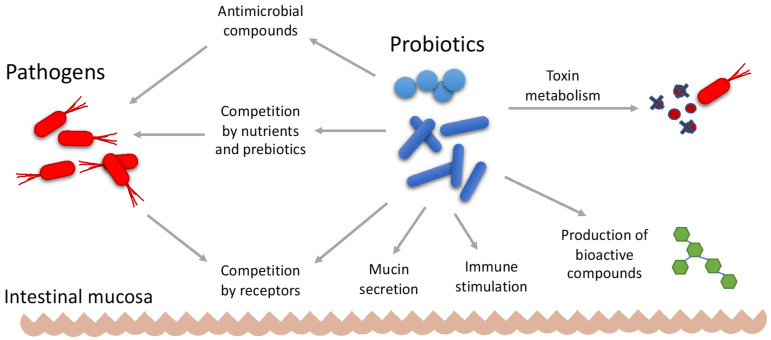
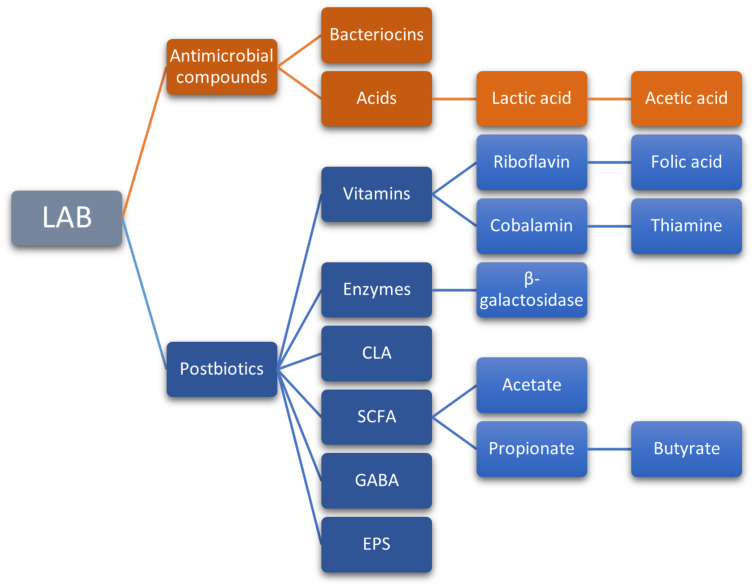
- LAB can inhibit pathogens and spoilage organisms through metabolites such as lactic/acetic acids, hydrogen peroxide, diacetyl, reuterin, phenyllactic acid, fatty acids, cyclic dipeptides, and bacteriocins; the paper gives examples where bacteriocin-producing Lc. lactis reduced L. monocytogenes to undetectable levels in fermented milk and reduced it in cheese.
- The review highlights probiotic-associated bioactives from LAB, including CLA, SCFA, GABA, EPS, vitamins, and bacteriocins, but states that further in vitro and in vivo studies are still necessary to demonstrate health benefits from traditional cheeses.
## Methods
- Narrative review of the literature on LAB in traditional raw-milk cheeses, spanning LAB characterization, starter and adjunct culture use, antimicrobial activity, and probiotic/bioactive functions.
- The paper synthesizes studies on raw-milk cheeses from cow, sheep, and goat milk, and draws on culture-dependent and culture-independent/HTS studies of cheese microbiota.
- Main analysis is qualitative and integrative: it compiles reported LAB species, functions, and example outcomes from prior studies rather than presenting a new experimental dataset.
## Limitations
- The paper explicitly states that further in vitro and in vivo studies are still necessary to demonstrate the human health benefits derived from consumption of traditional cheeses.
- The text makes evident that much of the probiotic and bioactive-compound discussion is based on mechanistic, in vitro, or animal evidence rather than direct clinical evidence in humans (text evident).
- The review notes that Enterococcus includes strains with virulence and antibiotic-resistance concerns, so not all LAB discussed are equally safe or suitable for starter/probiotic use (text evident).
Model-written summary. Check it against the paper before relying on it.
Integrity signals
Registry
Cites
Statistics
Figures
Verification
Claims the paper makes
91 Valid · 1 Not valid · 159 Not checked · 11 Own results and interpretations
The cited sources support only part of this claim — read each source’s verdict below.
In the paper
“During cheese ripening, proteolysis is of great importance because it contributes to textural and sensory changes in the matrix of this product [30].”
- Also stated in: § 2. Raw-Milk Cheeses · plain
“The free amino acids resulting from proteolysis and the fatty acids released by lipolysis play an active role as substrates for a number of secondary reactions, which give rise to many important flavor compounds [31,32,33].”
§ Lactic Acid Bacteria in Raw-Milk Cheeses: From Starter Cultures to Probiotic Functions > 2. Raw-Milk Cheeses
What the sources say
- Not checked — no full text of the sourcecites [30] Murtaza M.A. Ur-Rehman S. Anjum F.M. Huma N. Hafiz I. Cheddar cheese ripening and flavor characterization: A review Crit. Rev. Food Sci. Nutr. 2014 54 1309 1321 10.1080/10408398.2011.634531 24564588 source
- Partly supportedcites [31] Bottari B. Levante A. Neviani E. Gatti M. How the fewest become the greatest. L. casei’s impact on long ripened cheeses Front. Microbiol. 2018 9 2866 10.3389/fmicb.2018.02866 30524419 PMC6262004 sourceExperimental — accuracy not yet measured
In the Introduction’s “What’s Their Effect?” section, the paper identifies proteolysis as a major pathway in flavor formation during cheese ripening, supporting the citing sentence’s sensory-change point. It does not say that proteolysis causes textural changes; its “Who Are They?” section instead links curd texture to cooking and starter-LAB acidity. (LLM, conf=0.84)
- Not checked — no full text of the sourcecites [32] Santiago-López L. Aguilar-Toalá J.E. Hernández-Mendoza A. Vallejo-Cordoba B. Liceaga A.M. González-Córdova A.F. Invited review: Bioactive compounds produced during cheese ripening and health effects associated with aged cheese consumption J. Dairy Sci. 2018 101 3742 3757 10.3168/jds.2017-13465 29477517 source
- Not matchedcites [33] Inácio R.S. Gomes A.M. Saraiva J.A. Serra da Estrela cheese: A review J. Food Process. Preserv. 2020 44 e14412 10.1111/jfpp.14412
We searched by its title and found no matching paper.
plainstates a cause- Asserted: passes — The authors put it forward as true.
- Checkable: passes — It can be checked against evidence.
- Load-bearing: unclear — It is unclear whether the paper’s conclusions depend on it.
- Based: passes — The paper gives a reason why it holds.
- Also stated in: § 2. Raw-Milk Cheeses · plain
The cited sources support only part of this claim — read each source’s verdict below.
In the paper
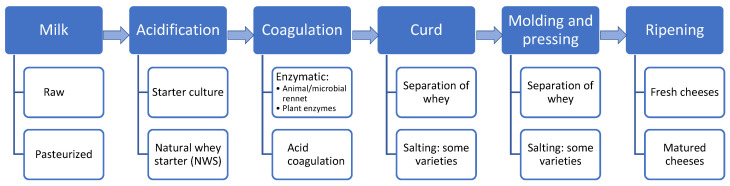
“Traditional cheeses produced from raw milk exhibit a complex microbiota, characterized by a sequence of different microorganisms from milk coagulation and throughout maturation.”
- Also stated in: § 4. Main LAB Identified in Raw-Milk Artisanal Cheeses · plain
“These cheeses have a complex microbiota characterized by the succession of different microorganisms throughout cheesemaking [58,59].”
§ Lactic Acid Bacteria in Raw-Milk Cheeses: From Starter Cultures to Probiotic Functions > Abstract
What the sources say
- Partly supportedcites [58] Irlinger F. Mounier J. Microbial interactions in cheese: Implications for cheese quality and safety Curr. Opin. Biotechnol. 2009 20 142 148 10.1016/j.copbio.2009.02.016 19342218 sourceExperimental — accuracy not yet measured
The 'Cheese-making and microbial diversity' section states that 'Most cheeses harbour a complex microbiota that is characterised by a succession of microbial groups during milk fermentation, curd maturation and storage', which matches the claim's core content (complex microbiota, successive microbial groups from early processing through ripening). However, the source frames this for cheeses in general, not specifically for traditional cheeses made from raw milk — the only raw-milk references in our copy are cited titles (Little et al. on retail cheese quality; Delbès et al.; Callon et al. on raw milk Salers yeasts) and the paper's own succession narrative starts with added LAB starter cultures acidifying milk, not with coagulation of raw milk. The population qualifier carried by the citing sentence is therefore not what this source states. (LLM, conf=0.70)
- Supportedcites [59] Gori K. Ryssel M. Arneborg N. Jespersen L. Isolation and identification of the microbiota of Danish farmhouse and industrially produced surface-ripened cheeses Microb. Ecol. 2013 65 602 615 10.1007/s00248-012-0138-3 23224222 PMC3621994 source
The Introduction states that cheeses have a complex microbiota with a succession of microorganisms during milk coagulation and ripening. The Cheese Manufacture section identifies one farmhouse cheese made from raw milk, so the source addresses the kind of cheese named in the claim. Page numbers were not available in our copy. (LLM, conf=0.88)
plainstates an association- Asserted: passes — The authors put it forward as true.
- Checkable: passes — It can be checked against evidence.
- Load-bearing: passes — The paper’s conclusions depend on it.
- Based: passes — The paper gives a reason why it holds.
- Also stated in: § 4. Main LAB Identified in Raw-Milk Artisanal Cheeses · plain
The sources with a verdict support this claim; the rest weren’t checked yet, have no full text we could read, or their verdicts aren’t rated yet.
In the paper
“Therefore, LAB can be used as a bioprotective culture to increase microbiological safety, extend shelf life, improve texture, and contribute to a pleasant sensory profile of the final product [42,43,47].”
§ Lactic Acid Bacteria in Raw-Milk Cheeses: From Starter Cultures to Probiotic Functions > 3. LAB Characterization
What the sources say
- Not checked — no full text of the sourcecites [42] Leroy F. de Vuyst L. Lactic acid bacteria as functional starter cultures for the food fermentation industry Trends Food Sci. Technol. 2004 15 67 78 10.1016/j.tifs.2003.09.004 source
- Supportedcites [43] Bintsis T. Lactic acid bacteria as starter cultures: An update in their metabolism and genetics AIMS Microbiol. 2018 4 665 10.3934/microbiol.2018.4.665 31294241 PMC6613329 source
The Introduction states that LAB inhibit spoilage and pathogenic microorganisms and are therefore used as bio-protective cultures. This directly supports the attributed claim. (LLM, conf=0.94)
- Supportedcites [47] Settanni L. Franciosi E. Cavazza A. Cocconcelli P.S. Poznanski E. Extension of Tosèla cheese shelf-life using non-starter lactic acid bacteria Food Microbiol. 2011 28 883 890 10.1016/j.fm.2010.12.003 21569930 source
The Introduction says LAB inhibit unwanted pathogenic and spoilage microorganisms and are added to foods to preserve them. Section 3.3 reports that an added LAB culture controlled coliforms and staphylococci in Tosèla cheese. Page numbers were not provided in our copy. (LLM, conf=0.94)
plainstates a cause- Asserted: passes — The authors put it forward as true.
- Checkable: passes — It can be checked against evidence.
- Load-bearing: passes — The paper’s conclusions depend on it.
- Based: passes — The paper gives a reason why it holds.
Every source the paper cites for this claim was checked and supports it.
In the paper
“Phages targeting key starter or adjunct cultures have been associated with changes in fermentation resulting in slow acidification and undesirable organoleptic characteristics of the cheese [24].”
§ Lactic Acid Bacteria in Raw-Milk Cheeses: From Starter Cultures to Probiotic Functions > 2. Raw-Milk Cheeses
What the sources say
- Supportedcites [24] Quigley L. O’Sullivan O. Stanton C. Beresford T.P. Ross R.P. Fitzgerald G.F. Cotter P.D. The complex microbiota of raw milk FEMS Microbiol. Rev. 2013 37 664 698 10.1111/1574-6976.12030 23808865 source
The Bacteriophage section directly states that phages targeting important starter or adjunct species are associated with disrupted fermentation, slow acidification, and undesirable organoleptic properties. It discusses these effects in the context of dairy products, particularly cheese. (LLM, conf=0.95)
plainstates an association- Asserted: passes — The authors put it forward as true.
- Checkable: passes — It can be checked against evidence.
- Load-bearing: unclear — It is unclear whether the paper’s conclusions depend on it.
- Based: passes — The paper gives a reason why it holds.
- Supported
Every source the paper cites for this claim was checked and supports it.
In the paper
“The inhibitory properties of LAB depend on the species, pathogenic bacterium load, sanitary processes, and the amount of LAB in food [48].”
§ Lactic Acid Bacteria in Raw-Milk Cheeses: From Starter Cultures to Probiotic Functions > 3. LAB Characterization
What the sources say
- Supportedcites [48] Powthong P. Suntornthiticharoen P. Isolation, identification and analysis of probiotic properties of lactic acid bacteria from selective various traditional thai fermented food and kefir Pak. J. Nutr. 2015 14 67 10.3923/pjn.2015.67.74 source
The Introduction (p. 2) explicitly says the inhibitory effect depends on the species and loads of pathogenic bacteria, sanitation processes, and the number of LAB in fermented foods. This directly matches the attributed claim. (LLM, conf=0.94)
plainstates a cause- Asserted: passes — The authors put it forward as true.
- Checkable: passes — It can be checked against evidence.
- Load-bearing: unclear — It is unclear whether the paper’s conclusions depend on it.
- Based: passes — The paper gives a reason why it holds.
- Supported
119 more claims · 39 with their cited sources checked
Create a free account to see all 262 claims and to verify the 31 references still open.
- Probably not a substantial claim. 72
- It may state two separate claims as one. 94
Citations
Cites
Items 201–299 of 299
Ribeiro, S. C., Domingos‐Lopes, M. F. P., Stanton, C., Ross, R. P., & Silva, C. C. G. (2018) · International Journal of Dairy Technology · doi:10.1111/1471-0307.12527 · Cited by 53 · cited 1×
“Among lactobacilli, there are numerous GABA-pro-ducing species, such as L. brevis, L. buchneri, L. delbrueckii ssp. bulgaricus, L. fermentum, L. helveticus, L. paracasei, and L. plantarum [272,276,294,295].”
Self-citationShifts of microbiota during cheese production: Impact on production and quality
Nam, J. H., Cho, Y. S., Rackerby, B., Goddik, L., & Park, S. H. (2021) · Applied Microbiology and Biotechnology · doi:10.1007/s00253-021-11201-5 · Cited by 53 · cited 1×
“For this reason, the use of culture-independent techniques, as well as state-of-the-art sequencing techniques, have played a key role in the study of microbial populations in this type of cheese [5,13].”
BackgroundEl Roz, A., Bard, J. M., Huvelin, J. M., & Nazih, H. (2013) · Prostaglandins Leukotrienes and Essential Fatty Acids · doi:10.1016/j.plefa.2012.12.006 · Cited by 52 · cited 1×
“The trans-9, trans-11 C18:2 isomer also has potent growth inhibitory and antiproliferative effects on the growth of human colon and breast cancer cells [259,260].”
Next-generation sequencing as an approach to dairy starter selection
Kelleher, P., Murphy, J., Mahony, J., & van Sinderen, D. (2015) · Dairy Science & Technology · doi:10.1007/s13594-015-0227-4 · Cited by 51 · cited 1×
“They have usually been isolated from mixed cultures and selected based on important characteristics such as phage resistance, acid production, citrate utilization, and aroma and flavor formation [26,111].”
BackgroundThwe, S. M., Kobayashi, T., Luan, T., Shirai, T., Onodera, M., Hamada‐Sato, N., & Imada, C. (2011) · Fisheries Science · doi:10.1007/s12562-011-0328-9 · Cited by 51 · cited 1×
“Gamma-Aminobutyric Acid (GABA) γ -Aminobutyric acid (GABA) is a non-protein amino acid that is widely distributed in microorganisms, plants, and animals [268 – 270].”
Barla, F., Koyanagi, T., Tokuda, N., Matsui, H., Katayama, T., Kumagai, H., Michihata, T., Sasaki, T., Tsuji, A., & Enomoto, T. (2016) · Biotechnology Reports · doi:10.1016/j.btre.2016.04.002 · Cited by 51 · cited 1×
“LAB from food sources has been shown to hold a greater ability to produce GABA [274,293].”
Rzepkowska, A., Zielińska, D., Ołdak, A., & Kołożyn-Krajewska, D. (2017) · International Journal of Food Science and Technology · doi:10.1111/ijfs.13471 · Cited by 51 · cited 1×
“The bacteria most commonly used as starter cultures in cheeses are LAB [96].”
BackgroundCurrent state of Portuguese dairy products from ovine and caprine milks
Reis, P. J. M., & Malcata, F. X. (2011) · Small Ruminant Research · doi:10.1016/j.smallrumres.2011.09.032 · Cited by 50
Self-citationAn anti-listerial Lactococcus lactis strain isolated from Azorean Pico cheese produces lacticin 481
Ribeiro, S. C., O'Connor, P. M., Ross, R. P., Stanton, C., & Silva, C. C. G. (2016) · International Dairy Journal · doi:10.1016/j.idairyj.2016.07.017 · Cited by 49 · cited 1×
“Several other studies have also shown a reduction in L. monocytogenes in various cheeses by using Lc. lactis strains that produce bacteriocins [17,142].”
Self-citationBroadbent, J. R., Houck, K., Johnson, M. E., & Oberg, C. J. (2003) · Journal of Dairy Science · doi:10.3168/jds.s0022-0302(03)73874-0 · Cited by 48 · cited 1×
“As lactose is metabolized during the first weeks of ripening, adventitious LAB can obtain energy from compounds such as lactic acid, citric acid, ribose, fatty acids, glycerol, and amino acids [26,119].”
Antifungal Activity of Lactic Acid Bacteria Isolated from Kimchi Against Aspergillus fumigatus
Kim, J.-D. (2005) · Mycobiology · doi:10.4489/myco.2005.33.4.210 · Cited by 47 · cited 1×
“Filamentous fungi belonging to the genera Aspergillus , Fusarium , and Penicillium can grow on the cheese surface and produce mycotoxins that are highly toxic [133,138,150,156 – 158].”
Xie, Z., Xia, S., & Le, G. (2014) · Journal of Functional Foods · doi:10.1016/j.jff.2014.03.003 · Cited by 47 · cited 1×
“There is scientific evidence of GABA’s effect on regulating thyro id hormones and improving thyroid function, with implications for regulating obesity [286 – 290].”
Kwak, M.-K., Liu, R., & Kang, S.-O. (2018) · Food Control · doi:10.1016/j.foodcont.2017.10.001 · Cited by 45 · cited 1×
“The broad spectrum of antimicrobial effects of cyclic dipeptides produced by LAB has been demonstrated in several studies [134,176,177].”
How the fewest become the greatest. L. casei’ s impact on long ripened cheeses.
Bottari, B., Levante, A., Neviani, E., & Gatti, M. (2018) · Frontiers in Microbiology · doi:10.3389/fmicb.2018.02866 · Cited by 45
Human Studies on Probiotics: What Is Scientifically Proven
Salminen, S., & Gueimonde, M. (2004) · Journal of Food Science · doi:10.1111/j.1365-2621.2004.tb10723.x · Cited by 44 · cited 1×
“The safety and efficacy of probiotics must be scientifically proven in advance for each strain and product [213].”
Vandera, E., Lianou, A., Kakouri, A., Feng, J., Koukkou, A.-I., & Samelis, J. (2017) · Journal of Food Protection · doi:10.4315/0362-028x.jfp-16-082 · Cited by 44
Probiotics in human mental health and diseases—A minireview
Sivamaruthi, B. S., Prasanth, M. I., Kesika, P., & Chaiyasut, C. (2021) · Tropical Journal of Pharmaceutical Research · doi:10.4314/tjpr.v18i4.29 · Cited by 44 · cited 1×
“…the improvement of lactose tolerance and digestion [199,205], the prevention and treatment of gastrointestinal infections [206], the prevention of colorectal cancer [203,207], reduction in blood cholesterol levels [208 – 210], and the improvement of mental health via the gut-brain axis [211].”
Survival of Listeria innocua in Minas Traditional Serro cheese during ripening
Pinto, M. S., de Carvalho, A. F., Pires, A. C. D. S., de Paula, J. C. J., Sobral, D., & Magalhães, F. A. R. (2009) · Food Control · doi:10.1016/j.foodcont.2009.02.007 · Cited by 42
Kuhl, G. C., & Lindner, J. D. D. (2016) · Foods · doi:10.3390/foods5010013 · Cited by 42 · cited 1×
“…fat deposition, reducing atherosclerosis [261,262], modulating the immune system [263], reducing blood glucose levels [264], reducing osteoporosis [265], preventing and treating cardiovascular disease, controlling serum levels of cholesterol and triglycerides, and improving insulin resistance…”
Milk and Dairy Products as Functional Foods
(2014) · doi:10.1002/9781118635056 · Cited by 42
Characterization and application of antilisterial enterocins on model fresh cheese
Ribeiro, S. C., Ross, R. P., Stanton, C., & Silva, C. C. G. (2017) · Journal of Food Protection · doi:10.4315/0362-028x.jfp-17-031 · Cited by 42 · cited 1×
“Such bacteriocin-producing LAB species as L. plantarum , Streptococcus spp. and Enterococcus spp. have been shown to reduce L. monocytogenes and S. aureus contamination in various dairy products [17,128,143 – 146].”
Self-citationHe, Y., Ouyang, J., Hu, Z., Yang, J., Chu, Y., Huang, S., Yang, Y., & Liu, C. (2018) · Psychiatry Research · doi:10.1016/j.psychres.2018.12.025 · Cited by 42
Shuwen, H., Miao, D., Quan, Q., Wei, W., Zhongshan, Z., Chun, Z., & Xi, Y. (2019) · Journal of Cancer Research and Clinical Oncology · doi:10.1007/s00432-019-02997-x · Cited by 42 · cited 3×
“These SCFAs are produced by some intestinal microorganisms, such as Clostridium , Bacteroides , Lactobacillus , and Bifidobacterium from the fermentation of dietary fiber, resistant starch, oligosaccharides, and other compounds that are not directly digested by intestinal digestive enzymes [250].”
InfluentialTyagi, P., Tasleem, M., Prakash, S., & Chouhan, G. (2020) · Food Research International · doi:10.1016/j.foodres.2020.109489 · Cited by 42 · cited 1×
“These act through the brain-gut axis, and exert antidepressant effects by altering emotional, cognitive, and neuronal indices [236,239].”
Liang, N., Neužil-Bunešová, V., Tejnecký, V., Gänzle, M., & Schwab, C. (2021) · Food Microbiology · doi:10.1016/j.fm.2020.103720 · Cited by 42 · cited 2×
“It consists of acrolein and 3-hydroxy-propionaldehyde (3-HPA), which can be further metabolized to 1,3-propanediol and 3-hydroxypropionic acid (3-HP)[169].”
Advances and Trends in Starter Cultures for Dairy Fermentations
Carminati, D., Giraffa, G., Quiberoni, A. D. L., Binetti, A. G., Suárez, V., & Reinheimer, J. A. (2010) · doi:10.1002/9780813820866.ch10 · Cited by 41 · cited 2×
“Starter cultures can be categorized as mesophilic or thermophilic, depending on the incubation and manufacturing temperatures at which they are used [98].”
BackgroundCharacterisation of the non-starter lactic acid bacteria (NSLAB) of Gruyère PDO cheese
Casey, M. G., Häni, J. P., Gruskovnjak, J., Schaeren, W., & Wechsler, D. (2006) · Le Lait · doi:10.1051/lait:2006020 · Cited by 41 · cited 12×
“Natural adjunct cultures are often adventitious cultures LAB, which are not part of the added starter culture [114,115].”
InfluentialKook, S.-Y., Chung, E.-C., Lee, Y., Lee, D. W., & Kim, S. (2019) · PLOS ONE · doi:10.1371/journal.pone.0223913 · Cited by 41 · cited 2×
“Therefore, probiotics are preparations of viable and non-pathogenic microorganisms included in foods or dietary supplements that interact directly with the gastrointestinal microbiota and immune system, so as to produce health-promoting effects [203,204].”
Editorial: Application of Protective Cultures and Bacteriocins for Food Biopreservation
Hammami, R., Fliss, I., & Corsetti, A. (2019) · Frontiers in Microbiology · doi:10.3389/fmicb.2019.01561 · Cited by 41
Inoculated ecosystems in a milk environment
Marshall, V. M. (1992) · Journal of Applied Bacteriology · doi:10.1111/j.1365-2672.1992.tb03632.x · Cited by 40 · cited 1×
“Handling characteristics and stability during production are also criteria for starter culture selection [108].”
BackgroundBenkerroum, N., Ghouati, Y., Ghalfi, H., Elmejdoub, T., Roblain, D., Jacques, P., & Thonart, P. (2002) · International Journal of Dairy Technology · doi:10.1046/j.1471-0307.2002.00053.x · Cited by 40 · cited 1×
“In fermented milk, the application of a bacteriocin-producing strain of Lc. lactis ssp. lactis reduced L. monocytogenes contamination to undetectable levels [141].”
Castañeda, J. S., Hernández‐Mendoza, A., Astiazarán‐García, H., Garcia, H. S., Estrada-Montoya, M. C., González-Córdova, A. F., & Vallejo‐Córdoba, B. (2015) · Journal of Dairy Science · doi:10.3168/jds.2014-8515 · Cited by 39 · cited 2×
“One of the most effective methods to increase CLA intake in humans is to produce foods containing strains with a high potential for CLA production [266].”
Celiberto, L. S., Pinto, R. A., Rossi, E. A., Vallance, B. A., & Cavallini, D. C. U. (2018) · Nutrients · doi:10.3390/nu10111684 · Cited by 39 · cited 1×
“Most microorganisms residing in the gastrointestinal tract are harmless or otherwise beneficial to the host, thus resulting in a generally harmonious and symbiotic relationship [200].”
Safety of Lactic Acid Bacteria
Franz, C. M. A. P., Cho, G., Holzapfel, W. H., & Gálvez, A. (2010) · Biotechnology of Lactic Acid Bacteria · doi:10.1002/9780813820866.ch19 · Cited by 38 · cited 1×
“The concerns associated with these bacteria arise from their virulence factors and resistance to a variety of antibiotics [52,53].”
BackgroundRenes, E., Linares, D. M., González, L., Fresno, J. M., Tornadijo, M. E., & Stanton, C. (2017) · Journal of Functional Foods · doi:10.1016/j.jff.2017.05.014 · Cited by 38 · cited 2×
“…anticarcinogenic, anti-inflammatory, reducing and preventing body fat deposition, reducing atherosclerosis [261,262], modulating the immune system [263], reducing blood glucose levels [264], reducing osteoporosis [265], preventing and treating cardiovascular disease, controlling serum levels of…”
Sánchez-Juanes, F., Teixeira-Martín, V., González-Buitrago, J. M., Velázquez, E., & Flores-Félix, J. D. (2020) · Microorganisms · doi:10.3390/microorganisms8020301 · Cited by 38
Lee, K. W., Shim, J. M., Yao, Z., Kim, J., Kim, J. H., & Kim, J. H. (2017) · Journal of Microbiology and Biotechnology · doi:10.4014/jmb.1701.01058 · Cited by 37 · cited 1×
“GABA is synthesized by glutamate de-carboxylase (GAD), which catalyzes the irreversible α -decarboxylation of L-glutamate or its salts to GABA [271].”
A Mini-Review of Human Studies on Cholesterol-Lowering Properties of Probiotics
Sivamaruthi, B. S., Kesika, P., & Chaiyasut, C. (2019) · Scientia Pharmaceutica · doi:10.3390/scipharm87040026 · Cited by 37 · cited 1×
“…the improvement of lactose tolerance and digestion [199,205], the prevention and treatment of gastrointestinal infections [206], the prevention of colorectal cancer [203,207], reduction in blood cholesterol levels [208 – 210], and the improvement of mental health via the gut-brain axis [211].”
Zhou, H., Wang, R., Zhang, S., Zhang, X., Zhou, H., Wen, T., & Wang, J. (2022) · Biochemical and Biophysical Research Communications · doi:10.1016/j.bbrc.2022.01.026 · Cited by 37 · cited 1×
“Some studies demonstrate a positive effect of GABA in the treatment of insomnia[276], depression [277], and chronic symptoms associated with alcohol problems [269].”
Al-Gamal, M. S., Ibrahim, G. A., Sharaf, O. M., Radwan, A. A., Dabiza, N. M., Youssef, A. M., & El-ssayad, M. F. (2019) · Heliyon · doi:10.1016/j.heliyon.2019.e01362 · Cited by 36 · cited 3×
“…the main bacterial pathogens that need to be controlled are those that can survive and multiply in products produced from raw milk, or that arise from contamination after pasteurization, such as Listeria monocytogenes , Staphylococcus aureus, Escherichia coli , and Salmonella spp. [128 – 130].”
Domingos-Lopes, M. F. P., Nagy, A., Stanton, C., Ross, P. R., Gelencsér, E., & Silva, C. C. G. (2017) · Journal of Functional Foods · doi:10.1016/j.jff.2017.03.054 · Cited by 35 · cited 4×
“EPS exhibit various health-promoting effects such as antitumor, antioxidant, immunomodulatory, and prebiotic effects [231,299].”
InfluentialSelf-citationBasic Characteristics of Sporolactobacillus inulinus BCRC 14647 for Potential Probiotic Properties
Huang, H.-Y., Huang, S., Chen, P., King, V. A., Lin, Y., & Tsen, J. (2007) · Current Microbiology · doi:10.1007/s00284-006-0496-5 · Cited by 34 · cited 1×
“LAB also include the only sporulated LAB, which belong to the genus Sporolactobacillus [57].”
BackgroundExtension of Tosèla cheese shelf-life using non-starter lactic acid bacteria
Settanni, L., Franciosi, E., Cavazza, A., Cocconcelli, P. S., & Poznanski, E. (2011) · Food Microbiology · doi:10.1016/j.fm.2010.12.003 · Cited by 33 · cited 2×
“Some LAB are also capable of producing metabolites with specific antagonistic and antibacterial activities, such as antifungal compounds and bacteriocins, which hold an enormous potential to inhibit various types of microorganisms [47].”
BackgroundLeite, J. A., Tulini, F. L., Reis-Teixeira, F. B. D., Rabinovitch, L., Chaves, J. Q., Rosa, N. G., Cabral, H., & De Martinis, E. C. P. (2016) · LWT - Food Science and Technology · doi:10.1016/j.lwt.2016.04.058 · Cited by 33 · cited 2×
“Bacteriocins are produced by only a few strains of different bacterial species, including LAB [189].”
Applications of Lactic Acid Bacteria‐Produced Bacteriocins
Collins, B., Cotter, P. D., Hill, C., & Ross, P. (2010) · Biotechnology of Lactic Acid Bacteria · doi:10.1002/9780813820866.ch5 · Cited by 32 · cited 1×
“Species of the genus Enterococcus and some species of Streptococcus can be pathogenic and are therefore not eligible for GRAS status [49].”
BackgroundFungal biota isolated from Spanish cheeses
BARRIOS, M. J., MEDINA, L. M., LOPEZ, M. C., & JORDANO, R. (1998) · Journal of Food Safety · doi:10.1111/j.1745-4565.1998.tb00210.x · Cited by 32
(2012) · Cited by 31
Dairy Microbiology and Biochemistry
(2014) · doi:10.1201/b17297 · Cited by 31
Endres, C. M., de Castro, Í. M. S., Trevisol, L. D., Severo, J. M., Mann, M. B., Varela, A. P. M., Frazzon, A. P. G., Mayer, F. Q., & Frazzon, J. (2021) · LWT · doi:10.1016/j.lwt.2021.111579 · Cited by 31
The genus Enterococcus: biotechnological and safety issues.
Franz, C. M. A. P., Holzapfel, W. H., Salminen, S., & Ouwehand, A. C. (2004) · doi:10.1201/9780824752033-11 · Cited by 30 · cited 3×
“Enterococci are found in a variety of environments, including soils, surface water, sewage, plants, and the gastrointestinal tract of humans and animals [74,81].”
BackgroundLactic Acid Bacteria: An Introduction
AXELSSON, A. V. W. A. L. (2011) · CRC Press eBooks · doi:10.1201/b11503-5 · Cited by 30
Vázquez-Velázquez, R., Salvador-Figueroa, M., Adriano-Anaya, L., DeGyves–Córdova, G., & Vázquez-Ovando, A. (2018) · CyTA - Journal of Food · doi:10.1080/19476337.2017.1420694 · Cited by 29
Kongo, J. M., Ho, A. J., Malcata, F. X., & Wiedmann, M. (2007) · Journal of Applied Microbiology · doi:10.1111/j.1365-2672.2007.03423.x · Cited by 28 · cited 2×
“lactis is the species most commonly found in raw milk and dairy products [69,70].”
BackgroundSelf-citationSedaghat, H., Eskandari, M. H., Moosavi-Nasab, M., & Shekarforoush, S. S. (2016) · International Dairy Journal · doi:10.1016/j.idairyj.2016.01.006 · Cited by 27
The Lesser LAB Gods: Pediococcus, Leuconostoc, Weissella, Carnobacterium, and Affiliated Genera
Huys, G. R. B., Leisner, J. J., & Björkroth, J. K. (2011) · CRC Press eBooks · doi:10.1201/b11503-10 · Cited by 27 · cited 2×
“All species require a medium rich in complex growth factors and amino acids and exhibit slow growth and low acidification capacity [43,88,89,91].”
BackgroundCamargo, A. C., Costa, E. A., Fusieger, A., Freitas, R. D., Nero, L. A., & Carvalho, A. F. D. (2021) · Food Research International · doi:10.1016/j.foodres.2020.109803 · Cited by 27 · cited 1×
“Bacterial communities differ among raw milk cheeses depending on the manufacturing process, but the bacteria in the cheese core are dominated by LAB belonging to the genera Lactococcus , Lactobacillus , Enterococcus , Streptococcus , and Leuconostoc [4,7,8,60,62 – 64].”
Probiotics: Biology, Genetics and Health Aspects
(2011) · Microbiology Monographs · doi:10.1007/978-3-642-20838-6 · Cited by 27
Yu, H.-H., Choi, J.-H., Kang, K. M., & Hwang, H. (2017) · Food Science and Biotechnology · doi:10.1007/s10068-017-0161-8 · Cited by 26 · cited 2×
“Gamma-Aminobutyric Acid (GABA) γ -Aminobutyric acid (GABA) is a non-protein amino acid that is widely distributed in microorganisms, plants, and animals [268 – 270].”
Varghese, T., Rejish Kumar, V. J., Anand, G., Dasgupta, S., & Pal, A. K. (2019) · Fish Physiology and Biochemistry · doi:10.1007/s10695-019-00708-4 · Cited by 26
Microbial characterization of an artisanal production of Robiola di Roccaverano cheese
Biolcati, F., Andrighetto, C., Bottero, M. T., & Dalmasso, A. (2020) · Journal of Dairy Science · doi:10.3168/jds.2019-17451 · Cited by 26 · cited 1×
“Within the genus Leuconostoc , the species Ln. mesenteroides, Ln. peseudomesenteroides , and Ln. citreum have been detected in artisanal cheeses produced from raw milk [122 – 125].”
Lactic microbiota of the minas artisanal cheese produced in the serro region, Minas Gerais, Brazil
Nero, L. A., Andretta, M., Almeida, T. T., Ferreira, L. R., Camargo, A. C., Yamatogi, R. S., Carvalho, A. F., & Call, D. R. (2021) · LWT · doi:10.1016/j.lwt.2021.111698 · Cited by 26
Cunha, D. S., Coelho, M. C., Ribeiro, S. C., & Silva, C. C. G. (2022) · Foods · doi:10.3390/foods11030447 · Cited by 26 · cited 1×
“There are several reports on the production of LAB-fermented products that can accumulate high amounts of GABA [296,297].”
Self-citationAcetaldehyde metabolism by Leuconostoc mesenteroides subsp. cremoris under stress conditions
Liu, S.-Q., Asmundson, R. V., Holland, R., & Crow, V. L. (1997) · International Dairy Journal · doi:10.1016/s0958-6946(96)00055-6 · Cited by 25 · cited 2×
“Certain strains also produce diacetyl and acetoin from citrate, contributing to the typical aroma and flavor of dairy products [88,91,93].”
BackgroundTerzić-Vidojević, A., Tolinački, M., Nikolić, M., Veljović, K., Jovanovic, S. T., Macej, O. D., & Topisirović, L. (2013) · AgroSpace (University of Belgrade, Faculty of Agriculture) · Cited by 25
The GABA–Working Memory Relationship in Alzheimer’s Disease
Mandal, P. K., Kansara, K., & Dabas, A. (2017) · Journal of Alzheimer s Disease Reports · doi:10.3233/adr-170003 · Cited by 25
Potential Use of Biotherapeutic Bacteria to Target Colorectal Cancer-Associated Taxa
Lawrence, G. W., Begley, M., Cotter, P. D., & Guinane, C. M. (2020) · International Journal of Molecular Sciences · doi:10.3390/ijms21030924 · Cited by 25 · cited 1×
“Some studies have shown promising results regarding the use of probiotics as a prevention strategy for colorectal cancer; however, clinical trials are still needed to demonstrate this therapeutic effect [228].”
(2018) · SSRN Electronic Journal · Cited by 25
Domingos-Lopes, M. F. P., Stanton, C., Ross, R. P., & Silva, C. C. G. (2020) · Journal of Applied Microbiology · doi:10.1111/jam.14733 · Cited by 25 · cited 1×
“…the improvement of lactose tolerance and digestion [199,205], the prevention and treatment of gastrointestinal infections [206], the prevention of colorectal cancer [203,207], reduction in blood cholesterol levels [208 – 210], and the improvement of mental health via the gut-brain axis [211].”
Self-citationDevelopment of Lactococcus lactis Biosensors for Detection of Diacetyl
Hernandez-Valdes, J. A., Solopova, A., & Kuipers, O. P. (2020) · Frontiers in Microbiology · doi:10.3389/fmicb.2020.01032 · Cited by 24 · cited 1×
“Diacetyl (also known as 2,3-butanedione) is an aromatic compound, characterized by its buttery taste when associated with dairy products [165].”
Cheese‐Ripening and Cheese Flavour Technology
Law, B. A. (2010) · Technology of Cheesemaking · doi:10.1002/9781444323740.ch7 · Cited by 22 · cited 1×
“The chief role of these cultures is to acidify the milk, and thereby inhibit the growth of other (undesired) bacteria [84,97 – 99].”
Sato, K., Komaru, T., Arima, T., Jardson, C., Yanaka, N., & Kumrungsee, T. (2021) · Journal of Functional Foods · doi:10.1016/j.jff.2021.104367 · Cited by 22 · cited 1×
“There is scientific evidence of GABA’s effect on regulating thyro id hormones and improving thyroid function, with implications for regulating obesity [286 – 290].”
Lee, H., Lee, G., Hoang, T., Kim, Y., Jang, G.-H., Seok, C.-H., Gwak, Y.-G.-S., Lim, J., Kim, J., & Chae, H. (2022) · Nutrients · doi:10.3390/nu14081680 · Cited by 22
Taxonomy of Probiotic Microorganisms
Felis, G. E., Dellaglio, F., & Torriani, S. (2009) · Springer eBooks · doi:10.1007/978-0-387-79058-9_15 · Cited by 21 · cited 1×
“Other genera with species that exhibit probiotic properties include Pediococcus , Lactococcus , and Enterococcus [48,79,223].”
Biolcati, F., Ferrocino, I., Bottero, M. T., & Dalmasso, A. (2022) · Frontiers in Microbiology · doi:10.3389/fmicb.2021.776862 · Cited by 21 · cited 2×
“Several studies have attempted to comprehensively describe the microbiota in traditional cheeses at different stages of the ripening process [4 – 11].”
Kanmani, P., & Kim, H. (2019) · Frontiers in Immunology · doi:10.3389/fimmu.2019.01536 · Cited by 21 · cited 1×
“With the increasing recognition of the importance of healthy gut microbiota in the development of autoimmune diseases, many studies have focused on the immunomodulatory effects of some probiotic strains [230,232,233].”
Biolcati, F., Ferrocino, I., Bottero, M. T., & Dalmasso, A. (2020) · Journal of Dairy Science · doi:10.3168/jds.2020-18208 · Cited by 20 · cited 1×
“Bacterial communities differ among raw milk cheeses depending on the manufacturing process, but the bacteria in the cheese core are dominated by LAB belonging to the genera Lactococcus , Lactobacillus , Enterococcus , Streptococcus , and Leuconostoc [4,7,8,60,62 – 64].”
The Administration of Probiotics against Hypercholesterolemia: A Systematic Review
Sivamaruthi, B. S., Bharathi, M., Kesika, P., Suganthy, N., & Chaiyasut, C. (2021) · Applied Sciences · doi:10.3390/app11156913 · Cited by 20
Ramalho, J. B., Spiazzi, C. C., Bicca, D. F., Rodrigues, J. F., Sehn, C. P., da Silva, W. P., & Cibin, F. W. S. (2022) · Behavioural Brain Research · doi:10.1016/j.bbr.2022.113847 · Cited by 20 · cited 1×
“With the increasing recognition of the importance of healthy gut microbiota in the development of autoimmune diseases, many studies have focused on the immunomodulatory effects of some probiotic strains [230,232,233].”
Terzic-Vidojevic, A., Mihajlovic, S., Uzelac, G., Golic, N., Fira, D., Kojic, M., & Topisirovic, L. (2014) · Archives of Biological Sciences · doi:10.2298/abs1401179t · Cited by 18
Nayyeri, N., Edalatian Dovom, M. R., Habibi Najafi, M. B., & Bahreini, M. (2017) · Journal of Food Measurement and Characterization · doi:10.1007/s11694-017-9554-x · Cited by 18 · cited 1×
“Different strains of L. plantarum and its metabolites have been tested in a variety of foods, where they were able to inhibit various fungal species belonging to the genera Aspergillus , Penicillium , Rhizopus , and Rhodotorula [150,153].”
Serra da Estrela cheese: A review
Inácio, R. S., Gomes, A., & Saraiva, J. A. (2020) · Journal of Food Processing and Preservation · doi:10.1111/jfpp.14412 · Cited by 18
(2004) · Cheese · doi:10.1016/s1874-558x(04)80066-6 · Cited by 17 · cited 1×
“30 ◦C, while thermophilic starter cultures grow best between 40 and 45 ◦C [104].”
BackgroundBiology of Prokaryotic Probiotics
Otieno, D. O. (2011) · Microbiology monographs · doi:10.1007/978-3-642-20838-6_1 · Cited by 16 · cited 4×
“Enterococci are Gram-positive cocci that occur singly, in pairs, or in short chains, and are facultative anaerobes [39,74,80].”
BackgroundInfluentialSingle-dose L-dopa increases upper brainstem GABA in Parkinson's disease: A preliminary study
Song, Y., Gong, T., Xiang, Y., Mikkelsen, M. E., Wang, G., & Edden, R. A. E. (2021) · Journal of the Neurological Sciences · doi:10.1016/j.jns.2021.117309 · Cited by 16 · cited 1×
“GABA intake may also help in the treatment of various neurological disorders, such as Parkinson ’ s disease, dementia, seizures, and schizophrenia [281].”
MIRHOSSEINI, M., NAHVI, I., EMTIAZI, G., & TAVASSOLI, M. (2010) · International Journal of Dairy Technology · doi:10.1111/j.1471-0307.2009.00543.x · Cited by 15
Immunological Effects of Probiotics and their Significance to Human Health
Gill, H. S., Grover, S., Batish, V. K., & Gill, P. (2009) · Prebiotics and Probiotics Science and Technology · doi:10.1007/978-0-387-79058-9_23 · Cited by 13 · cited 1×
“Species belonging to the genera Lactobacillus and Bifidobacterium are most commonly used as probiotics because they play a very important role in maintaining proper intestinal function and stimulating the host immune system [212,221,222].”
Lactococcus allomyrinae sp. nov., isolated from gut of larvae of Allomyrina dichotoma
Heo, J., Cho, H., Tamura, T., Saitou, S., Park, K., Kim, J.-S., Hong, S., Kwon, S.-W., & Kim, S. (2019) · INTERNATIONAL JOURNAL OF SYSTEMATIC AND EVOLUTIONARY MICROBIOLOGY · doi:10.1099/ijsem.0.003461 · Cited by 12
Barrangou, R., Lahtinen, S. J., Ibrahim, F., & Ouwehand, A. C. (2011) · CRC Press eBooks · doi:10.1201/b11503-9 · Cited by 12
(2012) · ePrints@Bangalore University (Bangalore University) · Cited by 11
Noda, S., Sakamoto, M., Aihara, C., et al. (2018) · INTERNATIONAL JOURNAL OF SYSTEMATIC AND EVOLUTIONARY MICROBIOLOGY · doi:10.1099/ijsem.0.003068 · Cited by 9 · cited 1×
“…and tructae), Lc. garvieae , Lc. plantarum , Lc. raffinolactis , Lc. piscium , Lc. chun-gangensis , Lc. fujiensis , Lc. taiwanensis , Lc. hircilactis , Lc. nasutitermitis , Lc. petauri , Lc. formo-sensis , Lc. reticulitismitis , Lc. laudensis , Lc. termiticola , and Lc. allomyrinae [67 – 69].”
Evaluation of the probiotic potential of Pediococcus strains from fermented dairy product kefir
Dogan, M., & Ay, M. (2021) · Czech Journal of Food Sciences · doi:10.17221/71/2021-cjfs · Cited by 9
Powthong, P., & Suntornthiticharoen, P. (2015) · Pakistan Journal of Nutrition · doi:10.3923/pjn.2015.67.74 · Cited by 7 · cited 2×
“Other genera with species that exhibit probiotic properties include Pediococcus , Lactococcus , and Enterococcus [48,79,223].”
(2020) · Portuguese National Funding Agency for Science, Research and Technology (RCAAP Project by FCT) · Cited by 7
Antifungal Activity of Lactic Acid Bacteria, Isolated from Bulgarian Wheat and Rye Flour
Sevgi, E., & Tsveteslava, I.-I. (2015) · Journal of Life Sciences · doi:10.17265/1934-7391/2015.01.001 · Cited by 6 · cited 1×
“Molds and yeasts are ubiquitous contaminants of dairy products, especially under conditions that favor their growth [130,136].”
Biopreservation by Lactic Acid Bacteria
Saris, P. E. J. (2014) · CRC Press eBooks · doi:10.1201/b17297-7 · Cited by 6
Streptococcus: A Brief Update on the Current Taxonomic Status of the Genus
Tagg, J. R., Wescombe, P. A., & Burton, J. P. (2011) · CRC Press eBooks · doi:10.1201/b11503-11 · Cited by 5 · cited 2×
“The production of complete hemolysis zones (β-hemolysis) by some streptococci is an indicator of the presence of potentially pathogenic streptococci [87].”
BackgroundHippe, B., Zwielehner, J., Pirker, A., Smith, W. M., & Haslberger, A. G. (2011) · Microbiology monographs · doi:10.1007/978-3-642-20838-6_3 · Cited by 3 · cited 1×
“They are fastidious, acid-tolerant, and have a strictly fermentative metabolism, with lactic acid being the major end product of sugar fermentation [35,38].”
BackgroundGenetic Engineering of Probiotic Microorganisms
Bamunuarachchige, T. C., Wickramasinghe, H. A. M., Dissanayaka, D. M. J. C., & Wickramarathna, N. A. D. (2011) · Microbiology monographs · doi:10.1007/978-3-642-20838-6_5 · Cited by 3 · cited 1×
“Lactobacilli are characterized by being Gram-positive, non-spore-forming, catatasenegative bacilli or coccobacilli [73,74].”
BackgroundProbiotics in the modulation of maternal–infant immunity: Implications for allergic diseases
Saliganti, V., Kapila, R., Kapila, S., & Bhat, M. I. (2016) · Food Reviews International · doi:10.1080/87559129.2016.1198913 · Cited by 3 · cited 1×
“With the increasing recognition of the importance of healthy gut microbiota in the development of autoimmune diseases, many studies have focused on the immunomodulatory effects of some probiotic strains [230,232,233].”
Research works printed but not linked: 7
- Guinee T. O’Brien B. The quality of milk for cheese manufacture Technology of Cheesemaking 2nd ed. Law B.A. Tamime A.Y. Wiley-Blackwell Chichester, UK 2010 1 67 · DOI · Paper page
- Willey J.M. Sherwood L. Woolverton C.J. Prescott’s Principles of Microbiology McGraw-Hill New York, NY, USA 2009
- Lavanya K. Dayakar Y. Isolation and characterization of probiotic bacteria from the soil samples of the coastal areas of (Gudur division, Nellore Dt.) for utilization in Shrimp farming Int. J. Fish. Aquafic Stud. 2017 5 371 376
- Pintado M. Da Cruz A.G. de Sá P. Cheese microbiology Dairy Microbiology and Biochemistry: Recent Developments Özer B.H. Akdemir-Evrendilek G. CRC Press Boca Raton, FL, USA 2014 Volume 1 113 133
- Johnson M. Law B. The origins, development and basic operations of cheesemaking technology Technology of Cheesemaking 2nd ed. Law B.A. Tamime A.Y. Wiley-Blackwell Chichester, UK 2010 68 97 · DOI · Paper page
- Shehata M.G. Badr A.N. El Sohaimy S.A. Novel antifungal bacteriocin from Lactobacillus paracasei KC39 with anti-mycotoxigenic properties Biosci. Res. 2018 15 4171 4183
- Abdullah-Al-Mamun M. Rahman S. Assessment of Probiotic Properties of Isolated Lactic Acid Bacteria from Human Milk Sample Adv. Biores. 2017 8 140 146
Cited by
Microbial interactions and ecology in fermented food ecosystems
Auchtung, J. M., Hallen‐Adams, H. E., & Hutkins, R. W. (2025) · Nature Reviews Microbiology · doi:10.1038/s41579-025-01191-w · Cited by 134
“However, low-abundance microorganisms that contribute to flavour, texture and other functional properties may be lost 82 .”
Biopolymers Produced by Lactic Acid Bacteria: Characterization and Food Application
Nicolescu, C. M., Bumbac, M., Buruleanu, C. L., Popescu, E. C., Stănescu, S. G., Georgescu, A. A., & Toma, S. M. (2023) · Polymers · doi:10.3390/polym15061539 · Cited by 79
“LAB are commonly found in vegetables, dairy and meat products, beverages, soil, and sewage, as well as in the gastrointestinal and genital tract of humans and higher animals [45,54].”
BackgroundInfluentialLactic acid bacteria: Nature, characterization, mode of action, products and applications
Akpoghelie, P. O., Edo, G. I., Ali, A. B. M., Yousif, E., Zainulabdeen, K., Owheruo, J. O., Isoje, E. F., Igbuku, U. A., Essaghah, A. E. A., Makia, R. S., et al. (2025) · Process Biochemistry · doi:10.1016/j.procbio.2025.02.010 · Cited by 91
Lactococcus lactis in Dairy Fermentation—Health-Promoting and Probiotic Properties
Kondrotienė, K., Zavistanavičiūtė, P., Aksomaitienė, J., Novoslavskij, A., & Malakauskas, M. (2023) · Fermentation · doi:10.3390/fermentation10010016 · Cited by 98
“For instance, ropy EPS-producing starter L. lactis ssp. cremoris DPC6532 [134,175], as well as L. lactis subsp. lactis [176,177], remarkably improved the low-fat cheese yield, texture, and cooking properties without negative impact on sensory parameters [178–180].”
BackgroundFalih, M. A., Altemimi, A. B., ALKaisy, Q. H., Awlqadr, F. H., Abedelmaksoud, T. G., Amjadi, S., & Hesarinejad, M. A. (2024) · Heliyon · doi:10.1016/j.heliyon.2024.e40459 · Cited by 75
Metadata
- Authors
- Coelho, M. C., Malcata, F. X., & Silva, C. C. G.
- Affiliations
- Universidade dos Açores (PT)
- Universidade do Porto (PT)
- Corresponding author
- Silva, Célia C. G.
- Venue
- Foods
- Publisher
- MDPI AG
- Published
- 2022-07-29
- Volume
- 11
- Issue
- 15
- Pages
- 2276
- ISSN
- 2304-8158 (ISSN-L)
- PMC
- PMC9368153
- OpenAlex
- W4289134373
- Semantic Scholar
- 687ce0d9d53b324863bb77357dd64894eeae1e22
- Cited by
- 276
- References
- 305
- Citations by year
- 2026: 81 · 2025: 89 · 2024: 59 · 2023: 42 · 2022: 5
- FWCI
- 4.46
- Type
- journal article
- Language
- en
- Open access
- gold
- doi.org
- Licence
- Locations
- Foods (publishedVersion, cc-by)
- PubMed Central (publishedVersion, cc-by)
- PubMed (publishedVersion)
- DOAJ (DOAJ: Directory of Open Access Journals) (submittedVersion, cc-by-sa)
- Funders
- Fundação para a Ciência e Tecnologia (FCT) (UID/CVT/00153/2019, LA/P/0045/2020, UIDB/00511/2020, UIDP/00511/2020)
- ALiCE (UID/CVT/00153/2019, LA/P/0045/2020, UIDB/00511/2020, UIDP/00511/2020)
- LEPABE (UID/CVT/00153/2019, LA/P/0045/2020, UIDB/00511/2020, UIDP/00511/2020)
- FCT/MCTES (PIDDAC) (UID/CVT/00153/2019, LA/P/0045/2020, UIDB/00511/2020, UIDP/00511/2020)
- Topics
- Life Sciences › Agricultural and Biological Sciences › Food Science › Probiotics and Fermented Foods
- Life Sciences › Agricultural and Biological Sciences › Food Science › Fermentation and Sensory Analysis
- Life Sciences › Agricultural and Biological Sciences › Food Science › Food Nutrient Composition and Product Development
- Keywords
- lactic acid bacteria, raw milk cheese, starter cultures, probiotics, cheese ripening, cheese microbiota, proteolysis, lipolysis, bioactive compounds, cow's milk, sheep milk, goat milk
About these checks
Registry, retraction, Cites and statistics results are computed, not judged, with one exception: a printed reference that no index lists is read once by a model before it counts as a citation error. Claims are extracted by a model and kept only when their quote appears verbatim in the text; each cited source is then checked, with a model’s help, for whether it says what the claim relies on. Those verdicts can be wrong — read the claim’s quote and the cited source before relying on one.
The claim verdicts this report counts are experimental: their accuracy is not yet measured.
A language model drew the claims from the paper on 2026-10-11, under version 3 of the claim definition (model deepseek-v4.1-flash, prompt extract-v3).
A second model labelled each claim on 2026-10-11 (model jev-1.13-20260917, definition revision gold-guideline-v0.2).
Cited sources are checked with a language model’s help (gpt-6-sol and qwen3.8-omni-flash).
Statistics and arithmetic are recomputed, not judged.
Confidence bands are shown only for fields calibrated on our annotated test set. None is calibrated yet, so no band is shown.
What counts as a claim ›How we measure confidence ›How we check this ›
Are you an author, or do you see a problem with this page? Request a review
Data sources
Bibliographic data: Semantic Scholar, OpenAlex, Crossref.
Contains information from the Semantic Scholar Academic Graph Datasets, made available under the ODC Attribution License (ODC-BY 1.0).
Semantic Scholar’s data is described in: Kinney, R., et al. (2023). The Semantic Scholar Open Data Platform. arXiv:2301.10140.
