

Intermittent Fasting: Myths, Fakes and Truth on This Dietary Regimen Approach
Open accessPublished version of a preprint
The DOI matches its Crossref record; 190 of the 191 references it cites were found in a registry or an index, and 1 are not checked yet.
Abstract
Intermittent fasting (IF) has been indicated as a valuable alternative to the classical caloric restriction dietary regimen for lowering body weight and preventing obesity-related complications, such as metabolic syndrome and type II diabetes. However, is it effective? In this review article, we analyzed over 50 clinical studies in which IF, conducted by alternate day fasting (ADF) or time-restricted feeding (TRF), was compared with the caloric restriction approach. We evaluated the different roles of IF in treating and preventing human disorders such as metabolic syndrome, type II diabetes, and some types of cancer, as well as the usefulness of IF in reducing body weight and cardiovascular risk factors such as hypertension. Furthermore, we explored the cellular pathways targeted by IF to exert their beneficial effects by activating effector proteins that modulate cell functions and resistance to oxidative stress. In contrast, we investigated concerns regarding human health related to the adoption of IF dietary regimens, highlighting the profound debate surrounding weight loss regimens. We examined and compared several clinical trials to formulate an updated concept regarding IF and its therapeutic potential.
Overview
The claims and statistics of this paper haven’t been checked yet.
Free: it reads the open-access text and checks the first 5 claims that cite a source we can check. Create a free account to check every claim.
Integrity signals
Registry
Cites
Statistics
Figures
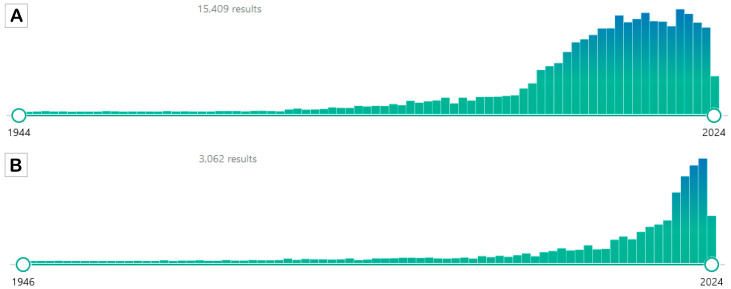
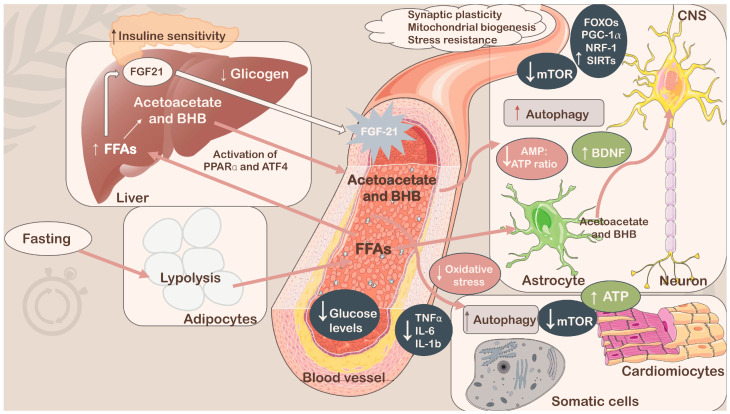
Verification
Claims the paper makes
The claims and statistics of this paper haven’t been checked yet.
Free: it reads the open-access text and checks the first 5 claims that cite a source we can check. Create a free account to check every claim.
Claims other papers make about this one
Each is checked against this paper’s own text: does it say what the citing paper says it does?
The source backs part of the claim, not all of it — or backs it for a different population, condition or comparison.
In the citing paper
“Decreased adherence to dietary protocols exert a influence on this phenomenon [94].”
From Comparing caloric restriction regimens for effective weight management in adults: a systematic review and network meta-analysis (2024) · cites this paper as [94]
Experimental — accuracy not yet measured
Self-check
Percentages, sums and reported differences re-computed from the paper’s own numbers.
The self-check needs the paper’s full text.
Citations
Cites
SF-36 health survey: Manual and interpretation guide
Ware, J. (2003) · Medical Entomology and Zoology · Cited by 11,424
Beck, A. T., Steer, R. A., & Brown, G. (2011) · PsycTESTS Dataset · doi:10.1037/t00742-000 · Cited by 7,535
2013 AHA/ACC/TOS Guideline for the Management of Overweight and Obesity in Adults
Jensen, M. D., Ryan, D. H., Apovian, C. M., Ard, J. D., Comuzzie, A. G., Donato, K. A., Hu, F. B., Hubbard, V. S., Jakicic, J. M., Kushner, R. F., et al. (2014) · Journal of the American College of Cardiology · doi:10.1016/j.jacc.2013.11.004 · Cited by 4,058 · cited 1×
“This latter therapy, which has been used for over 10 years, is the gold-standard therapy for weight reduction in patients with obesity [58].”
Jensen, M. D., Ryan, D. H., Apovian, C. M., Ard, J. D., Comuzzie, A. G., Donato, K. A., Hu, F. B., Hubbard, V. S., Jakicic, J. M., Kushner, R. F., et al. (2014) · Circulation · doi:10.1161/01.cir.0000437739.71477.ee · Cited by 2,735
The Effect of Retarded Growth Upon the Length of Life Span and Upon the Ultimate Body Size
McCay, C. M., Crowell, M. F., & Maynard, L. A. (1935) · The Journal of Nutrition · doi:10.1093/jn/10.1.63 · Cited by 2,264 · cited 1×
“The pioneering work of McCay on the effect of CR demonstrated a significant impact on longevity and lifespan [54,55].”
Comparison of Weight-Loss Diets with Different Compositions of Fat, Protein, and Carbohydrates
Sacks, F. M., Bray, G. A., Carey, V. J., Smith, S. R., Ryan, D. H., Anton, S. D., McManus, K., Champagne, C. M., Bishop, L. M., Laranjo, N., et al. (2009) · New England Journal of Medicine · doi:10.1056/nejmoa0804748 · Cited by 1,966 · cited 1×
“Accordingly, it has been observed that adherence to continuous CR declines after approximately 1 month of intervention and continues to decrease afterward [7,60,61].”
Dansinger, M. L., Gleason, J. A., Griffith, J. L., Selker, H. P., & Schaefer, E. J. (2005) · JAMA · doi:10.1001/jama.293.1.43 · Cited by 1,726 · cited 2×
“In fact, it has been established that adherence to CR, in which a reduction of 20–40% of caloric intake occurs, sharply declines over a long period of time, and many people acquire noticeable weight by the year’s end [7,8].”
mTOR is a key modulator of ageing and age-related disease
Johnson, S. C., Rabinovitch, P. S., & Kaeberlein, M. (2013) · Nature · doi:10.1038/nature11861 · Cited by 1,676 · cited 1×
“Moreover, the mTOR pathway becomes less active during Moreover, the mTOR pathway becomes less active during fasting because of decreased glucose levels, which trigger autophagy [205]. fasting because of decreased glucose levels, which trigger autophagy [205].”
Effects of intermittent fasting on health, aging, and disease
de Cabo, R., & Mattson, M. P. (2019) · New England Journal of Medicine · doi:10.1056/nejmra1905136 · Cited by 1,605 · cited 7×
“IF can stimulate autophagic processes, leading to the removal of oxidatively injured cells [1].”
InfluentialSutton, E. F., Beyl, R., Early, K. S., Cefalu, W. T., Ravussin, E., & Peterson, C. M. (2018) · Cell Metabolism · doi:10.1016/j.cmet.2018.04.010 · Cited by 1,531 · cited 1×
“This study was the first randomized controlled experiment to demonstrate the benefits of IF for human weight loss and food intake [108].”
Fasting: molecular mechanisms and clinical applications
Longo, V. D., & Mattson, M. P. (2014) · Cell Metabolism · doi:10.1016/j.cmet.2013.12.008 · Cited by 1,425 · cited 2×
“Currently, CR is considered the typical dietary method for losing or maintaining weight; however, it has been proven to be difficult to sustain for many people, with a high risk of late weight rebound when used for an extended period.”
Long-term weight-loss maintenance: a meta-analysis of US studies
Anderson, J. W., Konz, E. C., Frederich, R. C., & Wood, C. L. (2001) · The American Journal of Clinical Nutrition · doi:10.1093/ajcn/74.5.579 · Cited by 1,351 · cited 1×
“In fact, it has been established that adherence to CR, in which a reduction of 20–40% of caloric intake occurs, sharply declines over a long period of time, and many people acquire noticeable weight by the year’s end [7,8].”
Hallmarks of Brain Aging: Adaptive and Pathological Modification by Metabolic States
Mattson, M. P., & Arumugam, T. V. (2018) · Cell Metabolism · doi:10.1016/j.cmet.2018.05.011 · Cited by 1,242 · cited 2×
“By enhancing mitochondrial activity, promoting autophagy, the synthesis of neurotrophic factors, antioxidant defenses, and DNA repair, among other processes, IF could boost the resilience of neurons to stress [154,155].”
Impact of intermittent fasting on health and disease processes
Mattson, M. P., Longo, V. D., & Harvie, M. (2017) · Ageing Research Reviews · doi:10.1016/j.arr.2016.10.005 · Cited by 1,187 · cited 3×
“Depending on the beginning hepatic glycogen content, the make-up of the last meal, and the quantity of energy expended by the individual throughout the fast, this process takes place from 12 to 36 h after the fasting period starts [3,152,198].”
Autophagy and Neurodegeneration: Pathogenic Mechanisms and Therapeutic Opportunities
Menzies, F. M., Fleming, A., Caricasole, A., Bento, C. F., Andrews, S. P., Ashkenazi, A., Füllgrabe, J., Jackson, A., Jimenez Sanchez, M., Karabiyik, C., et al. (2017) · Neuron · doi:10.1016/j.neuron.2017.01.022 · Cited by 1,134 · cited 3×
“…which involves the build-up of dangerous free radicals and is a condition that worsens with age and the progression of neurodegenerative disorders [155]. oxidative stress, which involves the build-up of dangerous free radicals and is a condition that worsens with age and the progression of…”
Fasting, Circadian Rhythms, and Time-Restricted Feeding in Healthy Lifespan
Longo, V. D., & Panda, S. (2016) · Cell Metabolism · doi:10.1016/j.cmet.2016.06.001 · Cited by 1,013
Brandhorst, S., Choi, I. Y., Wei, M., Cheng, C. W., Sedrakyan, S., Navarrete, G., Dubeau, L., Yap, L. P., Park, R., Vinciguerra, M., et al. (2015) · Cell Metabolism · doi:10.1016/j.cmet.2015.05.012 · Cited by 850
The effect of retarded growth upon the length of life span and upon the ultimate body size. 1935.
Cm, M., Crowell, M. F., & MAYNARD, L. A. (1989) · PubMed · Cited by 793
Flipping the Metabolic Switch: Understanding and Applying the Health Benefits of Fasting
Anton, S. D., Moehl, K., Donahoo, W. T., Marosi, K., Lee, S. A., Mainous, A. G., Leeuwenburgh, C., & Mattson, M. P. (2018) · Obesity · doi:10.1002/oby.22065 · Cited by 756 · cited 1×
“Depending on the beginning hepatic glycogen content, the make-up of the last meal, and the quantity of energy expended by the individual throughout the fast, this process takes place from 12 to 36 h after the fasting period starts [3,152,198].”
Moro, T., Tinsley, G., Bianco, A., Marcolin, G., Pacelli, Q. F., Battaglia, G., Palma, A., Gentil, P., Neri, M., & Paoli, A. (2016) · Journal of Translational Medicine · doi:10.1186/s12967-016-1044-0 · Cited by 732 · cited 4×
“Unfortunately, at present, there are no large clinical studies on this novel dietary intervention [98,99].”
InfluentialAnson, R. M., Guo, Z., de Cabo, R., Iyun, T., Rios, M., Hagepanos, A., Ingram, D. K., Lane, M. A., & Mattson, M. P. (2003) · Proceedings of the National Academy of Sciences · doi:10.1073/pnas.1035720100 · Cited by 731 · cited 1×
“Accordingly, human [89,122,123] and animal studies [124,125] have provided evidence concerning ADF and the risk of certain chronic diseases, such as T2DM, cardiovascular and neurological diseases, and cancer.”
Calorie restriction and aging: review of the literature and implications for studies in humans
Heilbronn, L. K., & Ravussin, E. (2003) · The American Journal of Clinical Nutrition · doi:10.1093/ajcn/78.3.361 · Cited by 701 · cited 1×
“In fact, as nicely reviewed by Varady and colleagues [117], ADF could represent a promising strategy for preventing diseases, including chronic diseases, by modifying the impact of different (chronic) disorder risk factors, as highlighted for the CR dietary regimen [118–121].”
Response of blood lipids to exercise training alone or combined with dietary intervention
LEON, A. S., & SANCHEZ, O. A. (2001) · Medicine and Science in Sports and Exercise · doi:10.1097/00005768-200106001-00021 · Cited by 662 · cited 1×
“In fact, HDL-C is rarely improved by changing dietary patterns alone, but it is generally augmented as an answer to endurance exercise training [84,160,187– 190].”
Trepanowski, J. F., Kroeger, C. M., Barnosky, A., Klempel, M. C., Bhutani, S., Hoddy, K. K., Gabel, K., Freels, S., Rigdon, J., Rood, J., et al. (2017) · JAMA Internal Medicine · doi:10.1001/jamainternmed.2017.0936 · Cited by 645
Nuclear activators and coactivators in mammalian mitochondrial biogenesis
Scarpulla, R. C. (2002) · Biochimica et Biophysica Acta (BBA) - Gene Structure and Expression · doi:10.1016/s0167-4781(02)00343-3 · Cited by 631 · cited 1×
“However, as a coactivator protein, PGC-1 α reacts to external stimuli and then modulates many pathways in a highly coordinated, tissue-specific way [199,200].”
Gabel, K., Hoddy, K. K., Haggerty, N., Song, J., Kroeger, C. M., Trepanowski, J. F., Panda, S., & Varady, K. A. (2018) · Nutrition and Healthy Aging · doi:10.3233/nha-170036 · Cited by 626 · cited 2×
“Unfortunately, at present, there are no large clinical studies on this novel dietary intervention [98,99].”
Intermittent metabolic switching, neuroplasticity and brain health
Mattson, M. P., Moehl, K., Ghena, N., Schmaedick, M., & Cheng, A. (2018) · Nature Reviews Neuroscience · doi:10.1038/nrn.2017.156 · Cited by 624 · cited 3×
“…cellular plasticity and defense against oxidative stress are linked to upregulation of IIS activity, which also lowers the activity of the mTOR pathway [153]. defense against oxidative stress are linked to upregulation of IIS activity, which also lowers the activity of the mTOR pathway [153].”
Cienfuegos, S., Gabel, K., Kalam, F., Ezpeleta, M., Wiseman, E., Pavlou, V., Lin, S., Oliveira, M. L., & Varady, K. A. (2020) · Cell Metabolism · doi:10.1016/j.cmet.2020.06.018 · Cited by 597
Caloric restriction improves memory in elderly humans
Witte, A. V., Fobker, M., Gellner, R., Knecht, S., & Flöel, A. (2009) · Proceedings of the National Academy of Sciences · doi:10.1073/pnas.0808587106 · Cited by 574 · cited 1×
“Higher synaptic plasticity and neurofacilitatory pathway stimulation in the brain due to enhanced insulin sensitivity and decreased inflammatory activity could be the mechanisms behind this improvement [142].”
The neuroprotective properties of calorie restriction, the ketogenic diet, and ketone bodies
Maalouf, M., Rho, J. M., & Mattson, M. P. (2009) · Brain Research Reviews · doi:10.1016/j.brainresrev.2008.09.002 · Cited by 574 · cited 1×
“The hippocampus, amygdala, and cortex of mice given a precursor of ketone bodies exhibited reduced A β and hyperphosphorylated tau deposits [156,157].”
Wei, M., Brandhorst, S., Shelehchi, M., Mirzaei, H., Cheng, C. W., Budniak, J., Groshen, S., Mack, W. J., Guen, E., Di Biase, S., et al. (2017) · Science Translational Medicine · doi:10.1126/scitranslmed.aai8700 · Cited by 553
Lowe, D. A., Wu, N., Rohdin-Bibby, L., Moore, A. H., Kelly, N., Liu, Y. E., Philip, E., Vittinghoff, E., Heymsfield, S. B., Olgin, J. E., et al. (2020) · JAMA Internal Medicine · doi:10.1001/jamainternmed.2020.4153 · Cited by 553 · cited 1×
“On the other hand, randomization, practical prescription-based intervention, and a suitable control group were some of the study’s strong points [100].”
Calorie restriction with or without time-restricted eating in weight loss
Liu, D., Huang, Y., Huang, C., Yang, S., Wei, X., Zhang, P., Guo, D., Lin, J., Xu, B., Li, C., et al. (2022) · New England Journal of Medicine · doi:10.1056/nejmoa2114833 · Cited by 516 · cited 1×
“…mentioned for other studies, during the investigated trial, no relevant adverse effects (death or severe undesired effects) were detected, whereas minor undesired effects, including headache, appetite decrease, dizziness, fatigue etc. were found to occur with similar frequency in both groups [103].”
Di Francesco, A., Di Germanio, C., Bernier, M., & de Cabo, R. (2018) · Science · doi:10.1126/science.aau2095 · Cited by 497 · cited 1×
“…and improvement of metabolic health but also the timing of meals matters, favoring early intake of calories rather than late in the evening [82], although participants generally prefer to consume the meal at dinner time so they can engage in their habitual social eating patterns [4,83–87].”
Ketogenic Diet Reduces Midlife Mortality and Improves Memory in Aging Mice
Newman, J. C., Covarrubias, A. J., Zhao, M., Yu, X., Gut, P., Ng, C.-P., Huang, Y., Haldar, S., & Verdin, E. (2017) · Cell Metabolism · doi:10.1016/j.cmet.2017.08.004 · Cited by 493 · cited 1×
“Furthermore, serum levels of ketone bodies such as BHB, which is related to anti-aging and cardioprotective properties [185], were found to be still elevated after >6 months of ADF on fasting days; interestingly, after 4-weeks intervention BHB levels were high even on samplings collected on…”
Hutchison, A. T., Regmi, P., Manoogian, E. N. C., Fleischer, J. G., Wittert, G. A., Panda, S., & Heilbronn, L. K. (2019) · Obesity · doi:10.1002/oby.22449 · Cited by 466 · cited 1×
“As a result, regardless of when TRF is started (eTRF or lTRF), this study has shown that in men at risk for T2DM, a week of TRF improves glucose responses to meals [107].”
The impact of religious fasting on human health
Trepanowski, J. F., & Bloomer, R. J. (2010) · Nutrition Journal · doi:10.1186/1475-2891-9-57 · Cited by 434 · cited 4×
“Drinking liquids is prohibited during Ramadan fast periods, but it is allowed at all times under any IF nutritional regimen, which represents a marked distinction between the two types of fasting [27,33].”
InfluentialStekovic, S., Hofer, S. J., Tripolt, N., Aon, M. A., Royer, P., Pein, L., Stadler, J. T., Pendl, T., Prietl, B., Url, J., et al. (2019) · Cell Metabolism · doi:10.1016/j.cmet.2019.07.016 · Cited by 412 · cited 3×
“Lastly, the introduction of accidental bias during the recruitment phase, rather than missing participant outcome data or self-reporting records, may have resulted in misstatements [1,84,172,180].”
Heilbronn, L. K., Smith, S. R., Martin, C. K., Anton, S. D., & Ravussin, E. (2005) · The American Journal of Clinical Nutrition · doi:10.1093/ajcn/81.1.69 · Cited by 393 · cited 3×
“Regarding cardiovascular risk factors, ADF could lower total cholesterol and triacylglycerol levels, increasing HDL-C concentrations, whereas controversial results were reported considering blood pressure values [89].”
INTERMITTENT FASTING AND HUMAN METABOLIC HEALTH
Patterson, R. E., Laughlin, G. A., LaCroix, A. Z., Hartman, S. J., Natarajan, L., Senger, C. M., Martínez, M. E., Villaseñor, A., Sears, D. D., Marinac, C. R., et al. (2015) · Journal of the Academy of Nutrition and Dietetics · doi:10.1016/j.jand.2015.02.018 · Cited by 390 · cited 1×
“In dramatic contrast, other studies have reported that ADF could not be a possible dietary regimen because of extensive and constant hunger, as reported in different studies [89,90].”
Effects of intermittent fasting on body composition and clinical health markers in humans
Tinsley, G. M., & La Bounty, P. M. (2015) · Nutrition Reviews · doi:10.1093/nutrit/nuv041 · Cited by 382 · cited 1×
“In summary, ADF is a safe, efficacious, and tolerable approach to weight loss [81,159] and a viable diet option to help obese individuals lose weight and decrease CAD risk [160] (UIC-004-2009).”
Varady, K. A., Bhutani, S., Church, E. C., & Klempel, M. C. (2009) · The American Journal of Clinical Nutrition · doi:10.3945/ajcn.2009.28380 · Cited by 365 · cited 4×
“In summary, ADF is a safe, efficacious, and tolerable approach to weight loss [81,159] and a viable diet option to help obese individuals lose weight and decrease CAD risk [160] (UIC-004-2009).”
InfluentialKashiwaya, Y., Bergman, C., Lee, J.-H., Wan, R., King, M. T., Mughal, M. R., Okun, E., Clarke, K., Mattson, M. P., & Veech, R. L. (2013) · Neurobiology of Aging · doi:10.1016/j.neurobiolaging.2012.11.023 · Cited by 363 · cited 1×
“The hippocampus, amygdala, and cortex of mice given a precursor of ketone bodies exhibited reduced A β and hyperphosphorylated tau deposits [156,157].”
Alternate-day fasting and chronic disease prevention: a review of human and animal trials
Varady, K. A., & Hellerstein, M. K. (2007) · The American Journal of Clinical Nutrition · doi:10.1093/ajcn/86.1.7 · Cited by 358 · cited 1×
“In fact, as nicely reviewed by Varady and colleagues [117], ADF could represent a promising strategy for preventing diseases, including chronic diseases, by modifying the impact of different (chronic) disorder risk factors, as highlighted for the CR dietary regimen [118–121].”
Clinical application of intermittent fasting for weight loss: progress and future directions
Varady, K. A., Cienfuegos, S., Ezpeleta, M., & Gabel, K. (2022) · Nature Reviews Endocrinology · doi:10.1038/s41574-022-00638-x · Cited by 357 · cited 5×
“Fast days can occur on consecutive or non-consecutive days throughout the week [84].”
InfluentialSchmidt, J. A., Rinaldi, S., Scalbert, A., Ferrari, P., Achaintre, D., Gunter, M. J., Appleby, P. N., Key, T. J., & Travis, R. C. (2016) · European Journal of Clinical Nutrition · doi:10.1038/ejcn.2015.144 · Cited by 349 · cited 3×
“Historically, religious fasting was a common divinatory practice that involved pursuing certain types of food abstinence for spiritual purposes [20].”
InfluentialBhutani, S., Klempel, M. C., Kroeger, C. M., Trepanowski, J. F., & Varady, K. A. (2013) · Obesity · doi:10.1002/oby.20353 · Cited by 349 · cited 1×
“Interestingly, exercise during ADF appears to attenuate the dropout rate [188,196,197].”
Rynders, C. A., Thomas, E. A., Zaman, A., Pan, Z., Catenacci, V. A., & Melanson, E. L. (2019) · Nutrients · doi:10.3390/nu11102442 · Cited by 339 · cited 1×
“Since fasting is known to stimulate adaptive cellular responses, including improved glucose regulation, increased stress resistance, suppressed inflammation, and autophagy upregulation, it is hypothesized that altering body metabolism will lead to long-term health benefits [1,115,116].”
Catenacci, V. A., Pan, Z., Ostendorf, D., Brannon, S., Gozansky, W. S., Mattson, M. P., Martin, B., MacLean, P. S., Melanson, E. L., & Troy Donahoo, W. (2016) · Obesity · doi:10.1002/oby.21581 · Cited by 332 · cited 5×
“In summary, ADF is a safe, efficacious, and tolerable approach to weight loss [81,159] and a viable diet option to help obese individuals lose weight and decrease CAD risk [160] (UIC-004-2009).”
InfluentialCaloric restriction attenuates Aβ-deposition in Alzheimer transgenic models
Patel, N. V., Gordon, M. N., Connor, K. E., Good, R. A., Engelman, R. W., Mason, J., Morgan, D. G., Morgan, T. E., & Finch, C. E. (2005) · Neurobiology of Aging · doi:10.1016/j.neurobiolaging.2004.09.014 · Cited by 329 · cited 1×
“In fact, after relevant evidence in preclinical investigations [138–141], in the first clinical study on this field, Witte and coworkers conducted a prospective interventional clinical trial to evaluate possible improvements in cognitive function after CR dietary intervention.”
Fasting: the history, pathophysiology and complications.
Kerndt, P. R., Naughton, J., Driscoll, C. E., & Loxterkamp, D. A. (1982) · PubMed · Cited by 316
Das, S. K., Gilhooly, C. H., Golden, J. K., Pittas, A. G., Fuss, P. J., Cheatham, R. A., Tyler, S., Tsay, M., McCrory, M. A., Lichtenstein, A. H., et al. (2007) · The American Journal of Clinical Nutrition · doi:10.1093/ajcn/85.4.1023 · Cited by 314 · cited 1×
“Accordingly, it has been observed that adherence to continuous CR declines after approximately 1 month of intervention and continues to decrease afterward [7,60,61].”
The changes of metabolic profile and weight during Ramadan fasting.
Ziaee, V., Razaei, M., Ahmadinejad, Z., shaikh, H. A., Yousefi, R., Yarmohammadi, L., Bozorgi, F., & Behjati, M. (2006) · PubMed · Cited by 307
Patikorn, C., Roubal, K., Veettil, S. K., Chandran, V., Pham, T., Lee, Y. Y., Giovannucci, E. L., Varady, K. A., & Chaiyakunapruk, N. (2021) · JAMA Network Open · doi:10.1001/jamanetworkopen.2021.39558 · Cited by 298 · cited 1×
“Since fasting is known to stimulate adaptive cellular responses, including improved glucose regulation, increased stress resistance, suppressed inflammation, and autophagy upregulation, it is hypothesized that altering body metabolism will lead to long-term health benefits [1,115,116].”
Intermittent Fasting and Metabolic Health
Vasim, I., Majeed, C. N., & DeBoer, M. D. (2022) · Nutrients · doi:10.3390/nu14030631 · Cited by 285
Jamshed, H., Steger, F. L., Bryan, D. R., Richman, J. S., Warriner, A. H., Hanick, C. J., Martin, C. K., Salvy, S.-J., & Peterson, C. M. (2022) · JAMA Internal Medicine · doi:10.1001/jamainternmed.2022.3050 · Cited by 280 · cited 1×
“Results showed that, compared to eating throughout a period of 12 or more h at 14 weeks, eTRF was more effective for weight loss, diastolic blood pressure improvement, and mood enhancement [110].”
Sundfør, T. M., Svendsen, M., & Tonstad, S. (2018) · Nutrition, Metabolism and Cardiovascular Diseases · doi:10.1016/j.numecd.2018.03.009 · Cited by 278 · cited 3×
“…is as effective, but not superior to continuous energy restriction, at inducing clinically significant weight loss and maintenance and improving cardiometabolic risk factors in free-living men and women with abdominal obesity and at least one additional component of metabolic syndrome [167].”
Intermittent versus daily calorie restriction: which diet regimen is more effective for weight loss?
Varady, K. A. (2011) · Obesity Reviews · doi:10.1111/j.1467-789x.2011.00873.x · Cited by 277 · cited 1×
“Furthermore, ADF, compared with CR, could exhibit superior compliance with respect to CR [10,88], lacking the burden of persistent nutritional deprivation and other negative effects [5].”
Effect of intermittent fasting and refeeding on insulin action in healthy men
Halberg, N., Henriksen, M., Söderhamn, N., Stallknecht, B., Ploug, T., Schjerling, P., & Dela, F. (2005) · Journal of Applied Physiology · doi:10.1152/japplphysiol.00683.2005 · Cited by 259 · cited 2×
“Accordingly, human [89,122,123] and animal studies [124,125] have provided evidence concerning ADF and the risk of certain chronic diseases, such as T2DM, cardiovascular and neurological diseases, and cancer.”
Time-restricted feeding and risk of metabolic disease: A review of human and animal studies
Rothschild, J., Hoddy, K. K., Jambazian, P., & Varady, K. A. (2014) · Nutrition Reviews · doi:10.1111/nure.12104 · Cited by 241 · cited 1×
“…feeding (TRF), also known as time-restricted eating (TRE), is another popular approach in which fasting occurs every day with variable hours; it is a unique form of IF in that it does not require individuals to monitor their energy intake or to count calories during the eating window [97].”
Health effects of intermittent fasting: hormesis or harm? A systematic review
Horne, B. D., Muhlestein, J. B., & Anderson, J. L. (2015) · The American Journal of Clinical Nutrition · doi:10.3945/ajcn.115.109553 · Cited by 239 · cited 1×
“Furthermore, IF has been shown not to have an economic impact on subjects with limited resources, which is an incisive factor in maintaining a patient’s nutritional path [71,72].”
Wilhelmi de Toledo, F., Grundler, F., Bergouignan, A., Drinda, S., & Michalsen, A. (2019) · PLOS ONE · doi:10.1371/journal.pone.0209353 · Cited by 239 · cited 1×
“The main was the fact that this was an observational cohort study, which is known to have limitations when it comes to interpreting efficacy, and one year is not a sufficient long-term period to reach a convincing conclusion [68].”
Kul, S., Savaş, E., Öztürk, Z. A., & Karadağ, G. (2014) · Journal of Religion and Health · doi:10.1007/s10943-013-9687-0 · Cited by 233 · cited 1×
“…this feeding approach did not reach convergent results with respect to healthy benefits, including nutrient intake, improvements in BMI and body weight [36,37], blood pressure [38,39], total cholesterol, low-density lipoprotein cholesterol (LDL-C), and high-density lipoprotein cholesterol (HDL-C).”
The Effects of Time Restricted Feeding on Overweight, Older Adults: A Pilot Study
Anton, S. D., Lee, S. A., Donahoo, W. T., McLaren, C., Manini, T., Leeuwenburgh, C., & Pahor, M. (2019) · Nutrients · doi:10.3390/nu11071500 · Cited by 232 · cited 1×
“Clearly, the small sample size is a limitation, as is the absence of a control or comparison group with other dietary regimens [148].”
Meydani, S. N., Das, S. K., Pieper, C. F., Lewis, M. R., Klein, S., Dixit, V. D., Gupta, A. K., Villareal, D. T., Bhapkar, M., Huang, M., et al. (2016) · Aging · doi:10.18632/aging.100994 · Cited by 228 · cited 1×
“On the other hand, >6 months of ADF did not cause a decline in bone mineral density or white blood cell count, as reported for longer periods of constant CR [177,183,184], which makes this nutritional intervention a suitable alternative to continuous CR.”
Corley, B. T., Carroll, R. W., Hall, R. M., Weatherall, M., Parry‐Strong, A., & Krebs, J. D. (2018) · Diabetic Medicine · doi:10.1111/dme.13595 · Cited by 217 · cited 1×
“Moreover, the intervention resulted in weight loss, reduced HbA1c levels, and a small improvement in the quality of life experienced by patients in both arms [170].”
Diabetes and Altered Glucose Metabolism with Aging
Kalyani, R. R., & Egan, J. M. (2013) · Endocrinology and Metabolism Clinics of North America · doi:10.1016/j.ecl.2013.02.010 · Cited by 207
Seimon, R. V., Roekenes, J. A., Zibellini, J., Zhu, B., Gibson, A. A., Hills, A. P., Wood, R. E., King, N. A., Byrne, N. M., & Sainsbury, A. (2015) · Molecular and Cellular Endocrinology · doi:10.1016/j.mce.2015.09.014 · Cited by 202 · cited 1×
“• The effect of diet on mood may also influence adherence: some trials showed that IF had a positive effect on mood over CR, with bad temper being reported only in 3% of the participants; however, in a trial with lean participants, an overall worsening of mood was reported [195].”
Sleep during Ramadan intermittent fasting
Roky, R., Chapotot, F., Hakkou, F., Benchekroun, M. T., & Buguet, A. (2001) · Journal of Sleep Research · doi:10.1046/j.1365-2869.2001.00269.x · Cited by 202 · cited 1×
“However, some Muslims eat one more meal before going to bed [34].”
The Effects of Intermittent Fasting on Brain and Cognitive Function
Gudden, J., Arias Vasquez, A., & Bloemendaal, M. (2021) · Nutrients · doi:10.3390/nu13093166 · Cited by 199 · cited 2×
“Accordingly, the current findings further imply that, given its greater applicability and simplicity of use, particularly for older adults and those receiving clinical intervention, IF may be a more effective way to counteract cognitive deterioration associated with aging [151,152].”
Kang, S. M., Yoon, J. W., Ahn, H. Y., Kim, S. Y., Lee, K. H., Shin, H., Choi, S. H., Park, K. S., Jang, H. C., & Lim, S. (2011) · PLoS ONE · doi:10.1371/journal.pone.0027694 · Cited by 197 · cited 1×
“Analyses of body composition by dual-energy X-ray absorptiometry (DEXA) revealed that fat reduction preferably influenced the trunk fat, in particular the android area, which is believed to be the most lipotoxic one [181,182].”
Sievert, K., Hussain, S. M., Page, M. J., Wang, Y., Hughes, H. J., Malek, M., & Cicuttini, F. M. (2019) · BMJ · doi:10.1136/bmj.l42 · Cited by 196 · cited 1×
“Moreover, some studies have shown the adverse effects of recurring fasting periods, as discussed in some cohorts where skipping breakfast is associated with an elevated risk of coronary heart disease, T2DM, and other adverse factors [178,179].”
Villareal, D. T., Fontana, L., Das, S. K., Redman, L., Smith, S. R., Saltzman, E., Bales, C., Rochon, J., Pieper, C., Huang, M., et al. (2016) · Journal of Bone and Mineral Research · doi:10.1002/jbmr.2701 · Cited by 191 · cited 2×
“On the other hand, >6 months of ADF did not cause a decline in bone mineral density or white blood cell count, as reported for longer periods of constant CR [177,183,184], which makes this nutritional intervention a suitable alternative to continuous CR.”
Guo, Y., Luo, S., Ye, Y., Yin, S., Fan, J., & Xia, M. (2021) · The Journal of Clinical Endocrinology & Metabolism · doi:10.1210/clinem/dgaa644 · Cited by 191 · cited 1×
“Significant improvements were also observed in serum triglycerides, insulin, and HOMA-IR within the IF group although the was not a significant effect of 8-week 2-day IF on dyslipidemia and glucose metabolism compared with the control group [173].”
Duan, W., Lee, J., Guo, Z., & Mattson, M. P. (2001) · Journal of Molecular Neuroscience · doi:10.1385/jmn:16:1:1 · Cited by 183
Dietary Methionine Restriction Increases Fat Oxidation in Obese Adults with Metabolic Syndrome
Plaisance, E. P., Greenway, F. L., Boudreau, A., Hill, K. L., Johnson, W. D., Krajcik, R. A., Perrone, C. E., Orentreich, N., Cefalu, W. T., & Gettys, T. W. (2011) · The Journal of Clinical Endocrinology & Metabolism · doi:10.1210/jc.2010-2493 · Cited by 181 · cited 2×
“[19].”
Ezpeleta, M., Gabel, K., Cienfuegos, S., Kalam, F., Lin, S., Pavlou, V., Song, Z., Haus, J. M., Koppe, S., Alexandria, S. J., et al. (2023) · Cell Metabolism · doi:10.1016/j.cmet.2022.12.001 · Cited by 181 · cited 1×
“Interestingly, exercise during ADF appears to attenuate the dropout rate [188,196,197].”
Islamic fasting and weight loss: a systematic review and meta-analysis
Sadeghirad, B., Motaghipisheh, S., Kolahdooz, F., Zahedi, M. J., & Haghdoost, A. A. (2014) · Public Health Nutrition · doi:10.1017/s1368980012005046 · Cited by 180 · cited 1×
“…this feeding approach did not reach convergent results with respect to healthy benefits, including nutrient intake, improvements in BMI and body weight [36,37], blood pressure [38,39], total cholesterol, low-density lipoprotein cholesterol (LDL-C), and high-density lipoprotein cholesterol (HDL-C).”
Glucose Tolerance and Skeletal Muscle Gene Expression in Response to Alternate Day Fasting
Heilbronn, L. K., Civitarese, A. E., Bogacka, I., Smith, S. R., Hulver, M., & Ravussin, E. (2005) · Obesity Research · doi:10.1038/oby.2005.61 · Cited by 175 · cited 1×
“Accordingly, human [89,122,123] and animal studies [124,125] have provided evidence concerning ADF and the risk of certain chronic diseases, such as T2DM, cardiovascular and neurological diseases, and cancer.”
Horie, N. C., Serrao, V. T., Simon, S. S., Gascon, M. R. P., dos Santos, A. X., Zambone, M. A., del Bigio de Freitas, M. M., Cunha-Neto, E., Marques, E. L., Halpern, A., et al. (2016) · The Journal of Clinical Endocrinology & Metabolism · doi:10.1210/jc.2015-2315 · Cited by 166 · cited 1×
“Improvements in cognition tests were also linked to dietary modifications and modifications in metabolic indicators [143].”
Changes in certain blood constituents during Ramadan
Fedail, S. S., Murphy, D., Salih, S., Bolton, C., & Harvey, R. F. (1982) · American Journal of Clinical Nutrition · doi:10.1093/ajcn/36.2.350 · Cited by 164 · cited 1×
“Additionally, during Ramadan, sweet foods and beverages are consumed more frequently [35].”
Ballon, A., Neuenschwander, M., & Schlesinger, S. (2019) · The Journal of Nutrition · doi:10.1093/jn/nxy194 · Cited by 161 · cited 1×
“Moreover, some studies have shown the adverse effects of recurring fasting periods, as discussed in some cohorts where skipping breakfast is associated with an elevated risk of coronary heart disease, T2DM, and other adverse factors [178,179].”
Pavlou, V., Cienfuegos, S., Lin, S., Ezpeleta, M., Ready, K., Corapi, S., Wu, J., Lopez, J., Gabel, K., Tussing-Humphreys, L., et al. (2023) · JAMA Network Open · doi:10.1001/jamanetworkopen.2023.39337 · Cited by 156 · cited 1×
“Blood pressure, plasma lipid levels, medication effect score, and time in the euglycemic range were all the same in all groups [105].”
Maislos, M., Khamaysi, N., Assali, A. R., Abou-Rabiah, Y., Zvili, I., & Shany, S. (1993) · American Journal of Clinical Nutrition · doi:10.1093/ajcn/57.5.640 · Cited by 148
Trepanowski, J. F., Kroeger, C. M., Barnosky, A., Klempel, M., Bhutani, S., Hoddy, K. K., Rood, J., Ravussin, E., & Varady, K. A. (2018) · Clinical Nutrition · doi:10.1016/j.clnu.2017.11.018 · Cited by 148 · cited 2×
“Inter-estingly, ADF and CR similarly increased the free fat mass:total mass ratio and decreased circulating leptin, without affecting the VAT (visceral adipose tissue):SAT (subcutaneous adipose tissue) ratio or other measured adipokines [163].”
Unraveling the metabolic health benefits of fasting related to religious beliefs: A narrative review
Persynaki, A., Karras, S. Ν., & Pichard, C. (2016) · Nutrition · doi:10.1016/j.nut.2016.10.005 · Cited by 147 · cited 1×
“Drinking liquids is prohibited during Ramadan fast periods, but it is allowed at all times under any IF nutritional regimen, which represents a marked distinction between the two types of fasting [27,33].”
Eshghinia, S., & Mohammadzadeh, F. (2013) · Journal of Diabetes & Metabolic Disorders · doi:10.1186/2251-6581-12-4 · Cited by 146 · cited 1×
“In fact, all obese subjects enrolled in these studies showed a decrease in body weight, percentage body fat, total cholesterol, LDL-C, triacylglycerol concentrations, and systolic blood pressure after 8 weeks of diet [159–161].”
Sarrafzadegan, N., Atashi, M., Naderi, G. A., Baghai, A., Asgary, S., Fatehifar, M. R., Samarian, H., & Zarei, M. (2000) · Annals of Saudi Medicine · doi:10.5144/0256-4947.2000.377 · Cited by 145
Hutchison, A. T., Liu, B., Wood, R. E., Vincent, A. D., Thompson, C. H., O’Callaghan, N. J., Wittert, G. A., & Heilbronn, L. K. (2019) · Obesity · doi:10.1002/oby.22345 · Cited by 145 · cited 1×
“However, IF prescribed for energy balance did not improve health compared with other groups, despite modest weight loss [166] (NCT01769976).”
Differential Effects of Alternate-Day Fasting Versus Daily Calorie Restriction on Insulin Resistance
Gabel, K., Kroeger, C. M., Trepanowski, J. F., Hoddy, K. K., Cienfuegos, S., Kalam, F., & Varady, K. A. (2019) · Obesity · doi:10.1002/oby.22564 · Cited by 144 · cited 1×
“Nevertheless, ADF produced greater decreases in fasting insulin and insulin resistance compared with CR and the control regimen by month 12 [171].”
Lin, S., Cienfuegos, S., Ezpeleta, M., Gabel, K., Pavlou, V., Mulas, A., Chakos, K., McStay, M., Wu, J., Tussing-Humphreys, L., et al. (2023) · Annals of Internal Medicine · doi:10.7326/m23-0052 · Cited by 141 · cited 2×
“In a secondary analysis of the previously discussed study [104], Lin and colleagues assessed for the first time different psychological/psychiatric parameters related to IF (TRF) and CR dietary interventions, such as Beck Depression Inventory II (BDI-II) [131], Profile of Mood States (POMS) [132],…”
Does Fasting during Ramadan Alter Body Composition, Blood Constituents and Physical Performance?
Ramadan, J. M. (2002) · Medical Principles and Practice · doi:10.1159/000066413 · Cited by 136 · cited 1×
“Blood glucose levels and the total lipid profile are also found to have similar inconsistencies [42,43].”
Hoddy, K. K., Kroeger, C. M., Trepanowski, J. F., Barnosky, A., Bhutani, S., & Varady, K. A. (2014) · Obesity · doi:10.1002/oby.20909 · Cited by 134 · cited 3×
“However, levels of HDL-C, by contrast, generally remain unchanged or slightly decrease with IF [159,162,165].”
Taherzadeh-Fard, E., Saft, C., Akkad, D. A., Wieczorek, S., Haghikia, A., Chan, A., Epplen, J. T., & Arning, L. (2011) · Molecular Neurodegeneration · doi:10.1186/1750-1326-6-32 · Cited by 134 · cited 1×
“However, as a coactivator protein, PGC-1 α reacts to external stimuli and then modulates many pathways in a highly coordinated, tissue-specific way [199,200].”
Tang, D., Tao, S., Chen, Z., Koliesnik, I. O., Calmes, P. G., Hoerr, V., Han, B., Gebert, N., Zörnig, M., Löffler, B., et al. (2016) · Journal of Experimental Medicine · doi:10.1084/jem.20151100 · Cited by 133
Elortegui Pascual, P., Rolands, M. R., Eldridge, A. L., Kassis, A., Mainardi, F., Lê, K., Karagounis, L. G., Gut, P., & Varady, K. A. (2023) · Obesity · doi:10.1002/oby.23568 · Cited by 133 · cited 1×
“In fact, based on the discussed meta-analysis, it can be concluded that IF is a viable weight loss approach and equivalent to CR, although some differences were observed related to different IF approaches [64].”
Ooi, T. C., Meramat, A., Rajab, N. F., Shahar, S., Ismail, I. S., Azam, A. A., & Sharif, R. (2020) · Nutrients · doi:10.3390/nu12092644 · Cited by 132 · cited 1×
“At the 36-month follow-up, individuals who frequently practiced IF (regular IF, 2 days fasting per week on Monday and Thursday) showed improved cognitive scores considering several cognitive tests and returned to better cognitive function groups [149].”
Intermittent Fasting and Metabolic Health: From Religious Fast to Time‐Restricted Feeding
Hoddy, K. K., Marlatt, K. L., Çetinkaya, H., & Ravussin, E. (2020) · Obesity · doi:10.1002/oby.22829 · Cited by 129 · cited 1×
“• Adherence to IF regimens could be superior with respect to CR intervention; however, it usually decreases when the duration of intervention reaches 12 weeks or longer [194].”
Wahl, D., Coogan, S. C. P., Solon‐Biet, S. M., de Cabo, R., Haran, J. B., Raubenheimer, D., Cogger, V. C., Mattson, M. P., Simpson, S. J., & Couteur, D. G. L. (2017) · Clinical Interventions in Aging · doi:10.2147/cia.s145247 · Cited by 126 · cited 1×
“In fact, after relevant evidence in preclinical investigations [138–141], in the first clinical study on this field, Witte and coworkers conducted a prospective interventional clinical trial to evaluate possible improvements in cognitive function after CR dietary intervention.”
Del Corral, P., Chandler-Laney, P. C., Casazza, K., Gower, B. A., & Hunter, G. R. (2009) · The Journal of Clinical Endocrinology & Metabolism · doi:10.1210/jc.2008-1057 · Cited by 125 · cited 1×
“In contrast, IF has been hypothesized to be Foods 2024 , 13 , 1960 2 of 44 superior in terms of patients’ compliance [9–11], although other studies revealed that IF’s high dropout rate—which was 38% for IF compared with CR—limited its ability to maintain compliance over the long run [12,13].”
Carbotoxicity—Noxious Effects of Carbohydrates
Kroemer, G., López-Otín, C., Madeo, F., & de Cabo, R. (2018) · Cell · doi:10.1016/j.cell.2018.07.044 · Cited by 117 · cited 1×
“In fact, although chronically increased caloric intake has negative effects on human health and CR is known to extend health span and lifespan in model organisms, continuous CR has also been associated with depleted circulating leukocytes, immunosuppression, and reduced bone density [175–177].”
Li, C., Sadraie, B., Steckhan, N., Kessler, C., Stange, R., Jeitler, M., & Michalsen, A. (2017) · Experimental and Clinical Endocrinology & Diabetes · doi:10.1055/s-0043-101700 · Cited by 113
Minamiyama, Y., Bito, Y., Takemura, S., Takahashi, Y., Kodai, S., Mizuguchi, S., Nishikawa, Y., Suehiro, S., & Okada, S. (2006) · Journal of Pharmacology and Experimental Therapeutics · doi:10.1124/jpet.106.110460 · Cited by 106 · cited 1×
“In fact, as nicely reviewed by Varady and colleagues [117], ADF could represent a promising strategy for preventing diseases, including chronic diseases, by modifying the impact of different (chronic) disorder risk factors, as highlighted for the CR dietary regimen [118–121].”
Parvaresh, A., Razavi, R., Abbasi, B., Yaghoobloo, K., Hassanzadeh, A., Mohammadifard, N., Safavi, S. M., Hadi, A., & Clark, C. C. T. (2019) · Complementary Therapies in Medicine · doi:10.1016/j.ctim.2019.08.021 · Cited by 105 · cited 3×
“Lastly, the introduction of accidental bias during the recruitment phase, rather than missing participant outcome data or self-reporting records, may have resulted in misstatements [1,84,172,180].”
Conley, M., Le Fevre, L., Haywood, C., & Proietto, J. (2018) · Nutrition & Dietetics · doi:10.1111/1747-0080.12372 · Cited by 104 · cited 1×
“In addition, there was no significant difference in the amount of weight loss or WC reduction, diastolic blood pressure, fasting blood glucose, or blood lipids in either dietary group [164] (ACTRN12614000396628).”
Berthelot, E., Etchecopar‐Etchart, D., Thellier, D., Lançon, C., Boyer, L., & Fond, G. B. (2021) · Nutrients · doi:10.3390/nu13113947 · Cited by 104 · cited 2×
“Accordingly, the sensitivity was low due to the insufficient number of studies [136].”
Cho, A.-R., Moon, J.-Y., Kim, S., An, K.-Y., Oh, M., Jeon, J. Y., Jung, D.-H., Choi, M. H., & Lee, J.-W. (2019) · Metabolism · doi:10.1016/j.metabol.2019.01.002 · Cited by 99 · cited 3×
“IF may benefit several different populations, including those with obesity and over-weight [159,160,162–165, 167, 168 ], insulin resistance, prediabetes, T2DM [ 169–”
Seidler, K., & Barrow, M. (2021) · Frontiers in Neuroendocrinology · doi:10.1016/j.yfrne.2021.100971 · Cited by 98 · cited 1×
“Although limited randomized clinical studies are currently available, there is growing interest in evidence that IF may be associated with improvements in cognitive function [145].”
O'Connor, S. G., Boyd, P., Bailey, C. P., Shams-White, M. M., Agurs-Collins, T., Hall, K., Reedy, J., Sauter, E. R., & Czajkowski, S. M. (2021) · Advances in Nutrition · doi:10.1093/advances/nmaa168 · Cited by 97 · cited 1×
“Thus, some improvements in this scenario have been achieved by combining intermittent CR and temporal management, replacing the basic long-term CR regimen [6].”
Alhamdan, B. A., Garcia‐Alvarez, A., Alzahrnai, A. H., Karanxha, J., Stretchberry, D. R., Contrera, K. J., Utria, A. F., & Cheskin, L. J. (2016) · Obesity Science & Practice · doi:10.1002/osp4.52 · Cited by 94 · cited 2×
“Furthermore, ADF, compared with CR, could exhibit superior compliance with respect to CR [10,88], lacking the burden of persistent nutritional deprivation and other negative effects [5].”
Effects of intermittent fasting on cognitive health and Alzheimer’s disease
Elias, A., Padinjakara, N., & Lautenschlager, N. T. (2023) · Nutrition Reviews · doi:10.1093/nutrit/nuad021 · Cited by 92 · cited 1×
“The limitations of IF trials may be solved by enrichment studies aimed at dementia-risk populations [158].”
Effect of Ramadan Fasting on Clinical and Biochemical Parameters in Healthy Adults
Fakhrzadeh, H., Lariiani, B., Sanjari, M., Baradar-Jalili, R., & Amini, M. R. (2003) · Annals of Saudi Medicine · doi:10.5144/0256-4947.2003.223 · Cited by 90 · cited 1×
“…this feeding approach did not reach convergent results with respect to healthy benefits, including nutrient intake, improvements in BMI and body weight [36,37], blood pressure [38,39], total cholesterol, low-density lipoprotein cholesterol (LDL-C), and high-density lipoprotein cholesterol (HDL-C).”
Liu, J., Yi, P., & Liu, F. (2023) · The Journal of Clinical Endocrinology & Metabolism · doi:10.1210/clinem/dgad036 · Cited by 89 · cited 1×
“According to the meta-analysis, there was no relevance to which methods could be chosen to effectively manage weight and obtain metabolic benefits [109].”
Caloric Restriction and Cancer.
Kritchevsky, D. (2001) · Journal of Nutritional Science and Vitaminology · doi:10.3177/jnsv.47.13 · Cited by 88
Testai, L., Piragine, E., Piano, I., Flori, L., Da Pozzo, E., Miragliotta, V., Pirone, A., Citi, V., Di Cesare Mannelli, L., Brogi, S., et al. (2020) · Oxidative Medicine and Cellular Longevity · doi:10.1155/2020/4650207 · Cited by 86 · cited 1×
“For example, in cardiomyocytes the activation of SIRT1, leading to the activation of PGC-1 α , was related to cardioprotective effects [201–203].”
Self-citationEffect of Methionine Restriction on Aging: Its Relationship to Oxidative Stress
Kitada, M., Ogura, Y., Monno, I., Xu, J., & Koya, D. (2021) · Biomedicines · doi:10.3390/biomedicines9020130 · Cited by 84 · cited 3×
“MR also resulted in decreased uric acid, blood urea nitrogen (BUN), and 8-isoprostane levels and increased hepatic fibroblast growth factor 21 (FGF-21) levels in healthy adults [15].”
Resveratrol-like Compounds as SIRT1 Activators
Ciccone, L., Piragine, E., Brogi, S., Camodeca, C., Fucci, R., Calderone, V., Nencetti, S., Martelli, A., & Orlandini, E. (2022) · International Journal of Molecular Sciences · doi:10.3390/ijms232315105 · Cited by 84 · cited 1×
“For example, in cardiomyocytes the activation of SIRT1, leading to the activation of PGC-1 α , was related to cardioprotective effects [201–203].”
Self-citationDietetics in ancient Greek philosophy: Plato's concepts of healthy diet
Skiadas, P., & Lascaratos, J. (2001) · European Journal of Clinical Nutrition · doi:10.1038/sj.ejcn.1601179 · Cited by 83 · cited 2×
“Plato’s nutritional indications shared several features with the Mediterranean diet [23].”
Culletta, G., Buttari, B., Arese, M., Brogi, S., Almerico, A. M., Saso, L., & Tutone, M. (2024) · European Journal of Medicinal Chemistry · doi:10.1016/j.ejmech.2024.116355 · Cited by 83 · cited 1×
“Furthermore, PGC-1 α can regulate the transcription of NRF2, leading to the activation of the KEAP1/NRF2 pathway, culminating in the transcription of several antioxidant and cytoprotective genes (i.e., superoxide dismutase (SOD), heme oxygenase 1 (HO-1), catalase, etc.) [204].”
Self-citationCienfuegos, S., Corapi, S., Gabel, K., Ezpeleta, M., Kalam, F., Lin, S., Pavlou, V., & Varady, K. A. (2022) · Nutrients · doi:10.3390/nu14112343 · Cited by 82
Kim, C., Pinto, A. M., Bordoli, C., Buckner, L., Kaplan, P. C., del Arenal, I. M., Jeffcock, E. J., Hall, W. L., & Thuret, S. (2020) · Nutrients · doi:10.3390/nu12030638 · Cited by 81 · cited 1×
“In fact, considering this study, improvement in cognitive function was not the primary outcome of the research; the presence of a higher number of women could constitute a gender-biased analysis, as could the lack of a non-intervention control group [146].”
The effect of caloric restriction on working memory in healthy non-obese adults
Leclerc, E., Trevizol, A. P., Grigolon, R. B., Subramaniapillai, M., McIntyre, R. S., Brietzke, E., & Mansur, R. B. (2020) · CNS Spectrums · doi:10.1017/s1092852918001566 · Cited by 79 · cited 1×
“Furthermore, a 2-year intervention conducted in a randomized clinical study enrolling 220 volunteers with a BMI ranging from 22 to 28 kg/m 2 centered on CR showed significant improvement in working memory [144].”
Kord Varkaneh, H., Salehi sahlabadi, A., Găman, M.-A., Rajabnia, M., Sedanur Macit-Çelebi, M., Santos, H. O., & Hekmatdoost, A. (2022) · Frontiers in Nutrition · doi:10.3389/fnut.2022.948655 · Cited by 75 · cited 1×
“Results were in line with the higher degree of discrepancies found by applying the IF 5:2 diet, although, interestingly, the use of IF in individuals suffering from a specific metabolic disorder such as NAFLD significantly reduced the parameters related to the pathological condition [96].”
Low Serum Free Triiodothyronine Levels Mark Familial Longevity: The Leiden Longevity Study
Rozing, M. P., Westendorp, R. G. J., de Craen, A. J. M., Frolich, M., Heijmans, B. T., Beekman, M., Wijsman, C., Mooijaart, S. P., Blauw, G.-J., Slagboom, P. E., et al. (2010) · The Journals of Gerontology Series A: Biological Sciences and Medical Sciences · doi:10.1093/gerona/glp200 · Cited by 73 · cited 1×
“Because there was no difference in the circulating levels of thyroid-stimulating hormone (TSH) and free thyroxine, providing evidence for normal function of the thyroid gland, low levels of fT3 have been intensively linked to longevity in humans [186].”
Alkurd, R. A. F., Mahrous, L., Zeb, F., Khan, M. A., Alhaj, H. A., Khraiwesh, H. M., & Faris, M. E. (2024) · Medicina · doi:10.3390/medicina60010191 · Cited by 73 · cited 1×
“Accordingly, the current findings further imply that, given its greater applicability and simplicity of use, particularly for older adults and those receiving clinical intervention, IF may be a more effective way to counteract cognitive deterioration associated with aging [151,152].”
Traditional and Medical Applications of Fasting
Visioli, F., Mucignat‐Caretta, C., Anile, F., & Panaite, S.-A. (2022) · Nutrients · doi:10.3390/nu14030433 · Cited by 72 · cited 1×
“The Yom Kippur fast persists for 25 h, starting before nightfall on the evening before the holiday and ending after sunset on the actual day of Yom Kippur) [31,32].”
Rajpal, A., & Ismail‐Beigi, F. (2020) · Diabetes, Obesity and Metabolism · doi:10.1111/dom.14080 · Cited by 70
Teong, X. T., Hutchison, A. T., Liu, B., Wittert, G., Lange, K. M., Banks, S., & Heilbronn, L. K. (2021) · Nutrition Research · doi:10.1016/j.nutres.2021.06.006 · Cited by 69 · cited 1×
“However, also in this study, there were some limitations: a small group of healthy overweight or obese healthy women, which precludes generalization, and the lack of a noninterventional group [147].”
Honoring Clive McCay and 75 Years of Calorie Restriction Research ,
McDonald, R. B., & Ramsey, J. J. (2010) · The Journal of Nutrition · doi:10.3945/jn.110.122804 · Cited by 68 · cited 1×
“This narrative and fascinating history of the involvement of McCay in investigating CR was nicely reviewed by McDonald and Ramsey [56].”
Does intermittent fasting impact mental disorders? A systematic review with meta-analysis
Fernández‐Rodríguez, R., Martínez‐Vizcaíno, V., Mesas, A. E., Notario‐Pacheco, B., Medrano, M., & Heilbronn, L. K. (2022) · Critical Reviews in Food Science and Nutrition · doi:10.1080/10408398.2022.2088687 · Cited by 67 · cited 3×
“IF had a moderate influence on decreasing depression scores, with no significant modification in anxiety and mood [130].”
Impact of Intermittent Fasting on Lipid Profile–A Quasi-Randomized Clinical Trial
Ahmed, N., Farooq, J., Siddiqi, H. S., Meo, S. A., Kulsoom, B., Laghari, A. H., Jamshed, H., & Pasha, F. (2021) · Frontiers in Nutrition · doi:10.3389/fnut.2020.596787 · Cited by 66 · cited 1×
“Blood glucose levels and the total lipid profile are also found to have similar inconsistencies [42,43].”
Intermittent fasting: A promising dietary intervention for autoimmune diseases
Barati, M., Ghahremani, A., & Ahmadabad, H. N. (2023) · Autoimmunity Reviews · doi:10.1016/j.autrev.2023.103408 · Cited by 64 · cited 1×
“Given the importance of this topic related to ADF, further investigation is required to establish the best practices for IF and its long-term impact [126,127].”
Klempel, M. C., Kroeger, C. M., & Varady, K. A. (2013) · European Journal of Clinical Nutrition · doi:10.1038/ejcn.2013.83 · Cited by 62
Schroor, M. M., Joris, P. J., Plat, J., & Mensink, R. P. (2024) · Advances in Nutrition · doi:10.1016/j.advnut.2023.10.003 · Cited by 61 · cited 1×
“However, there were larger decreases in WC and fat-free mass [65].”
Health effects of alternate-day fasting in adults: a systematic review and meta-analysis
Cui, Y., Cai, T., Zhou, Z., Mu, Y., Lu, Y., Gao, Z., Wu, J., & Zhang, Y. (2020) · Frontiers in Nutrition · doi:10.3389/fnut.2020.586036 · Cited by 60
Gu, L., Fu, R., Hong, J., Ni, H., Yu, K., & Lou, H. (2022) · Frontiers in Nutrition · doi:10.3389/fnut.2022.871682 · Cited by 60 · cited 2×
“Furthermore, not all men and women, or the overweight or obese population, experienced the same effects of IF [62].”
Moreira, E. A. M., Most, M., Howard, J., & Ravussin, E. (2011) · Nutrition in Clinical Practice · doi:10.1177/0884533611405992 · Cited by 59 · cited 1×
“Nevertheless, as previously mentioned, a lot of patients experienced significant difficulties in properly adhering to a continuous CR nutritional plan due to daily limitations in food consumption [59].”
Hsieh, E. A., Chai, C. M., & Hellerstein, M. K. (2004) · American Journal of Physiology-Endocrinology and Metabolism · doi:10.1152/ajpendo.00368.2004 · Cited by 59 · cited 1×
“Accordingly, human [89,122,123] and animal studies [124,125] have provided evidence concerning ADF and the risk of certain chronic diseases, such as T2DM, cardiovascular and neurological diseases, and cancer.”
A scoping review of intermittent fasting, chronobiology, and metabolism
Santos, H. O., Genário, R., Tinsley, G. M., de Carvalho, P. R., Carteri, R. B., Coelho‐Ravagnani, C. D. F., & Mota, J. F. (2021) · American Journal of Clinical Nutrition · doi:10.1093/ajcn/nqab433 · Cited by 59
From Religion to Secularism: the Benefits of Fasting
Venegas-Borsellino, C. P., Sonikpreet, & Martindale, R. G. (2018) · Current Nutrition Reports · doi:10.1007/s13668-018-0233-2 · Cited by 57 · cited 1×
“The Yom Kippur fast persists for 25 h, starting before nightfall on the evening before the holiday and ending after sunset on the actual day of Yom Kippur) [31,32].”
The Origins, Evolution, and Future of Dietary Methionine Restriction
Fang, H., Stone, K. P., Wanders, D., Forney, L. A., & Gettys, T. W. (2022) · Annual Review of Nutrition · doi:10.1146/annurev-nutr-062320-111849 · Cited by 55 · cited 1×
“In particular, amino acid restriction approaches, such as methionine restriction (MR), are believed to exert benefits on lifespan extension and metabolic health [15–18].”
Kalam, F., Gabel, K., Cienfuegos, S., Wiseman, E., Ezpeleta, M., Steward, M., Pavlou, V., & Varady, K. A. (2019) · Obesity Science & Practice · doi:10.1002/osp4.367 · Cited by 49 · cited 3×
“However, levels of HDL-C, by contrast, generally remain unchanged or slightly decrease with IF [159,162,165].”
Lin, S., Cienfuegos, S., Ezpeleta, M., Pavlou, V., Chakos, K., McStay, M., Runchey, M.-C., Alexandria, S. J., & Varady, K. A. (2023) · Nutrients · doi:10.3390/nu15204313 · Cited by 49 · cited 1×
“In summary, compared with the no intervention controls, the findings showed that 12-month treatment with TRF and CR had similar impacts on weight loss but no influence on mood, mental health, or quality of life [134].”
Attinà, A., Leggeri, C., Paroni, R., Pivari, F., Dei Cas, M., Mingione, A., Dri, M., Marchetti, M., & Di Renzo, L. (2021) · Nutrients · doi:10.3390/nu13051570 · Cited by 47 · cited 1×
“For medical, spiritual, or political purposes, fasting is generally understood as an intentional period of time during which one abstains from eating [22].”
Dietary Methionine and Total Sulfur Amino Acid Restriction in Healthy Adults
Richie, J. P., Sinha, R., Dong, Z., Nichenametla, S. N., Ables, G. P., Ciccarella, A., Sinha, I., Calcagnotto, A. M., Chinchilli, V. M., Reinhart, L., et al. (2023) · The Journal of nutrition, health and aging · doi:10.1007/s12603-023-1883-3 · Cited by 46 · cited 2×
“In particular, amino acid restriction approaches, such as methionine restriction (MR), are believed to exert benefits on lifespan extension and metabolic health [15–18].”
Relation of Changes in Body Fat Distribution to Oxidative Stress
Kelli, H. M., Corrigan, F. E., Heinl, R. E., Dhindsa, D. S., Hammadah, M., Samman‐Tahhan, A., Sandesara, P. B., O’Neal, W. T., Mheid, I. A., Ko, Y., et al. (2017) · The American Journal of Cardiology · doi:10.1016/j.amjcard.2017.08.053 · Cited by 45 · cited 1×
“Analyses of body composition by dual-energy X-ray absorptiometry (DEXA) revealed that fat reduction preferably influenced the trunk fat, in particular the android area, which is believed to be the most lipotoxic one [181,182].”
Lin, S., Oliveira, M. L., Gabel, K., Kalam, F., Cienfuegos, S., Ezpeleta, M., Bhutani, S., & Varady, K. A. (2020) · Nutrition Metabolism and Cardiovascular Diseases · doi:10.1016/j.numecd.2020.10.018 · Cited by 45
Batitucci, G., Faria, E. V., Nogueira, J. E., Brandão, C., Abud, G. F., Ortiz, G. U., Marchini, J. S., & de Freitas, E. C. (2022) · Frontiers in Nutrition · doi:10.3389/fnut.2022.884305 · Cited by 44 · cited 1×
“Interestingly, exercise during ADF appears to attenuate the dropout rate [188,196,197].”
Wang, W., Wei, R., Pan, Q., & Guo, L. (2022) · Nutrition & Metabolism · doi:10.1186/s12986-022-00711-2 · Cited by 43 · cited 1×
“…countries), in which a similar trend was observed, but the authors indicated a significant reduction in systolic blood pressure ( − 4.15 mmHg) [67], while longer IF interventions were found to positively modify the pressure outcome with statistically significant results (one-year…”
InfluentialOlsén, T., Stolt, E. T. K., Øvrebø, B., Elshorbagy, A. K., Tore, E. C., Lee-Ødegård, S., Troensegaard, H., Johannessen, H., Doeland, B., Vo, A. A. D., et al. (2024) · Journal of Translational Medicine · doi:10.1186/s12967-023-04833-w · Cited by 42 · cited 2×
“16,21].”
Sharifi, S., Rostami, F., Khorzoughi, K. B., & Rahmati, M. (2024) · Preventive Medicine Reports · doi:10.1016/j.pmedr.2024.102757 · Cited by 42 · cited 1×
“However, the previously reported limitations also affected this systematic review, and the conclusions should be taken with caution [137].”
The Effects of Intermittent Fasting on Brain and Cognitive FunctionPreprint
Gudden, J., Vásquez, A. A., & Bloemendaal, M. (2021) · Preprints.org · doi:10.20944/preprints202108.0528.v1 · Cited by 40
A randomised controlled trial of the 5:2 diet
Hájek, P., Przulj, D., Pesola, F., McRobbie, H. J., Peerbux, S., Phillips‐Waller, A., Bisal, N., & Smith, K. M. (2021) · PLoS ONE · doi:10.1371/journal.pone.0258853 · Cited by 39 · cited 2×
“However, even 5:2 places a lot of pressure on fasting days, and its overall adherence may be just as low as that of other regimens [93].”
Fasting and Prophecy in Pagan and Christian Antiquity
Arbesmann, R. (1951) · Traditio · doi:10.1017/s0362152900015117 · Cited by 36 · cited 1×
“Finally, the monastic practice of fasting had great prosperity in the fourth and fifth centuries, with asceticism—driven by a sense of penance and self-humiliation as a monk sought communion with his God—serving as the primary motivation [29].”
Sainsbury, A., Wood, R. E., Seimon, R. V., Hills, A. P., King, N. A., Gibson, A. A., & Byrne, N. M. (2018) · Obesity Reviews · doi:10.1111/obr.12787 · Cited by 36
Intermittent fasting for obesity and related disorders: unveiling myths, facts, and presumptions
Halpern, B., & Mendes, T. B. (2021) · Archives of Endocrinology and Metabolism · doi:10.20945/2359-3997000000322 · Cited by 36
Pannen, S. T., Maldonado, S. G., Nonnenmacher, T., Sowah, S. A., Gruner, L. F., Watzinger, C., Nischwitz, K., Ulrich, C. M., Kaaks, R., Schübel, R., et al. (2021) · Nutrients · doi:10.3390/nu13041195 · Cited by 36 · cited 1×
“In contrast, IF has been hypothesized to be Foods 2024 , 13 , 1960 2 of 44 superior in terms of patients’ compliance [9–11], although other studies revealed that IF’s high dropout rate—which was 38% for IF compared with CR—limited its ability to maintain compliance over the long run [12,13].”
Overland, J., Toth, K., Gibson, A. A., Sainsbury, A., Franklin, J., Gauld, A., & Wong, J. (2018) · Obesity Medicine · doi:10.1016/j.obmed.2018.11.001 · Cited by 34
Kalam, F., Gabel, K., Cienfuegos, S., Ezpeleta, M., Wiseman, E., & Varady, K. A. (2021) · Nutrients · doi:10.3390/nu13010211 · Cited by 34 · cited 1×
“…and improvement of metabolic health but also the timing of meals matters, favoring early intake of calories rather than late in the evening [82], although participants generally prefer to consume the meal at dinner time so they can engage in their habitual social eating patterns [4,83–87].”
Feasibility and acceptability of time-restricted eating in a group of adults with multiple sclerosis
Wingo, B. C., Rinker, J. R., Green, K., & Peterson, C. M. (2023) · Frontiers in Neurology · doi:10.3389/fneur.2022.1087126 · Cited by 34 · cited 1×
“Given the importance of this topic related to ADF, further investigation is required to establish the best practices for IF and its long-term impact [126,127].”
Nery, L. D. D. M., Seixas, D., Harada, L., Damiano, R. F., & Zanetti, M. V. (2023) · International Journal of Molecular Sciences · doi:10.3390/ijms242115551 · Cited by 34 · cited 1×
“Although IF may have physiological effects that could be important in mood disorders, more thorough research and controlled trials are required to determine whether or not IF is effective in treating major depression, especially in psychiatric patients [135].”
Decline in Bone Mass During Weight Loss: A Cause for Concern?
Schafer, A. L. (2016) · Journal of Bone and Mineral Research · doi:10.1002/jbmr.2754 · Cited by 33 · cited 1×
“On the other hand, >6 months of ADF did not cause a decline in bone mineral density or white blood cell count, as reported for longer periods of constant CR [177,183,184], which makes this nutritional intervention a suitable alternative to continuous CR.”
Xiaoyu, W., Yuxin, X., & Li, L. (2024) · Frontiers in Nutrition · doi:10.3389/fnut.2024.1325894 · Cited by 32 · cited 1×
“Among them, the modified ADF approach, the IF 5:2 diet, was more effective in improving fasting blood glucose, HbA1c, and insulin resistance, although some studies did not show significant differences among various IF regimens [174].”
Amino acid restriction, aging, and longevity: an update
Austad, S. N., Smith, J. R., & Hoffman, J. M. (2024) · Frontiers in Aging · doi:10.3389/fragi.2024.1393216 · Cited by 32
Kim, J., & Song, Y. (2022) · Obesity Facts · doi:10.1159/000527838 · Cited by 30
Tsameret, S., Chapnik, N., & Froy, O. (2023) · Cellular and Molecular Life Sciences · doi:10.1007/s00018-023-04834-4 · Cited by 30 · cited 1×
“These statistics emphasize the importance of timing meals compared with ad libitum food, especially during the first several hours of the activity period [106].”
Ellison, R. C., Myers, R. H., Zhang, Y., Djoussé, L., Knox, S. S., Williams, R. R., Province, M. A., & NHLBI Family Heart Investigators (1999) · American Journal of Epidemiology · doi:10.1093/oxfordjournals.aje.a010099 · Cited by 28 · cited 1×
“In fact, HDL-C is rarely improved by changing dietary patterns alone, but it is generally augmented as an answer to endurance exercise training [84,160,187– 190].”
Höhn, S., Dozières‐Puyravel, B., & Auvin, S. (2019) · Epilepsy & Behavior · doi:10.1016/j.yebeh.2019.03.018 · Cited by 28 · cited 1×
“Remarkably, some studies have evaluated the effects of ADF on neurological diseases such as epilepsy [128], resistant anxiety [129], and depression and psychiatric disorders [130].”
Effects of weight loss and calorie restriction on carbohydrate metabolism
Manco, M., & Mingrone, G. (2005) · Current Opinion in Clinical Nutrition and Metabolic Care · doi:10.1097/01.mco.0000172585.09762.8e · Cited by 27
Kim, K. K., Kang, J., & Kim, E. M. (2022) · Journal of Obesity & Metabolic Syndrome · doi:10.7570/jomes22050 · Cited by 25
Wang, R., Lv, X., Xu, W., Li, X., Tang, X., Huang, H., Yang, M., Ma, S., Wang, N., & Niu, Y. (2024) · Nutrition Reviews · doi:10.1093/nutrit/nuae003 · Cited by 24
Anorexia Nervosa and Anorexia Mirabilis
Harris, J. C. (2014) · JAMA Psychiatry · doi:10.1001/jamapsychiatry.2013.2765 · Cited by 23 · cited 1×
“Anorexia mirabilis appeared to vanish during the Renaissance, only to resurface later as a form of protest, heretical, socially harmful, and occasionally thought to have Satanic roots [30].”
Adult-onset calorie restriction attenuates kainic acid excitotoxicity in the rat hippocampal slice
Youssef, F. F., Ramchandani, J., Manswell, S., & McRae‐Degueurce, A. (2008) · Neuroscience Letters · doi:10.1016/j.neulet.2007.11.064 · Cited by 22
Cheung, K., Chan, V. W.-K., Chan, S., Wong, M. M. H., Chung, G. K.-K., Cheng, W., Lo, K. K.-H., & Zeng, F. (2024) · Nutrients · doi:10.3390/nu16030357 · Cited by 20 · cited 2×
“In fact, a recent meta-analysis using a random-effects model, conducted by Cheung and collaborators, in which the Chinese population was considered, demonstrated heterogeneity n the considered outcomes [66].”
Diet of the classical period of Greece and Rome.
Waterlow, J. C. (1989) · PubMed · Cited by 18
Lynch, S., Johnston, J. D., & Robertson, M. D. (2020) · Nutrition Bulletin · doi:10.1111/nbu.12479 · Cited by 18 · cited 1×
“Despite the interesting outcomes to be discussed, at the moment of writing this review article, the results have not been published because the study was recently completed and the related publications were planned for April 2024 [80].”
A Bibliometric and Visualization Analysis of Intermittent Fasting
Chen, S., Han, R., & Liu, H. (2022) · Frontiers in Public Health · doi:10.3389/fpubh.2022.946795 · Cited by 17 · cited 1×
“…and improvement of metabolic health but also the timing of meals matters, favoring early intake of calories rather than late in the evening [82], although participants generally prefer to consume the meal at dinner time so they can engage in their habitual social eating patterns [4,83–87].”
Compliance of participants undergoing a ‘5-2’ intermittent fasting diet and impact on body weight
Cook, F., Langdon-Daly, J., & Serpell, L. (2022) · Clinical Nutrition ESPEN · doi:10.1016/j.clnesp.2022.08.012 · Cited by 17 · cited 1×
“The strategy has an added benefit in that, should it prove successful, underprivileged populations may benefit most from it [91,92].”
Senderovich, H., Farahneh, O., & Waicus, S. (2023) · Medical Principles and Practice · doi:10.1159/000530269 · Cited by 17 · cited 1×
“It was discovered that people with a history of cardiovascular disease may have complained more severely about their inability to solve problems as a result of extensive lifestyle measures [150].”
Witjaksono, F., Prafiantini, E., & Rahmawati, A. (2022) · BMC Research Notes · doi:10.1186/s13104-022-06209-7 · Cited by 16 · cited 1×
“Unfortunately, no comparison with CR can be performed because there was not a CR group as a control [94].”
Does time‐restricted eating add benefits to calorie restriction? A systematic review
Ezzati, A., McLaren, C., Bohlman, C., Tamargo, J. A., Lin, Y., & Anton, S. D. (2024) · Obesity · doi:10.1002/oby.23984 · Cited by 16 · cited 1×
“In contrast, improvements in blood pressure parameters and LDL-C levels were more significant in the TRF group than in the CR intervention group, in accordance with previous studies [101].”
Identification of novel SIRT1 activators endowed with cardioprotective profile
Flori, L., Petrarolo, G., Brogi, S., Motta, C. L., Testai, L., & Calderone, V. (2021) · European Journal of Pharmaceutical Sciences · doi:10.1016/j.ejps.2021.105930 · Cited by 15
Self-citationDiets and dietary recommendations in ancient Greece and Rome and the school of Salerno.
Fidanza, F. (1979) · PubMed · Cited by 13
Galassi, F. M., Bender, N., Habicht, M. E., Armocida, E., Toscano, F., Menassa, D. A., & Cerri, M. (2018) · Neurological Sciences · doi:10.1007/s10072-018-3285-6 · Cited by 10 · cited 1×
“Known by the name inedia prodigiosa, this disorder is categorized as anorexia mirabilis [28].”
Safety and efficacy of alternate day fasting
Varady, K. A., & Gabel, K. (2019) · Nature Reviews Endocrinology · doi:10.1038/s41574-019-0270-y · Cited by 9
Fudla, H., Mudjihartini, N., & Khusun, H. (2021) · Obesity Medicine · doi:10.1016/j.obmed.2021.100353 · Cited by 9 · cited 1×
“A similar trend was observed when considering fat intake [95].”
Wiersielis, K., Yasrebi, A., Degroat, T. J., Knox, N., Rojas, C. M., Feltri, S., & Roepke, T. A. (2023) · Physiology & Behavior · doi:10.1016/j.physbeh.2023.114431 · Cited by 8 · cited 1×
“Remarkably, some studies have evaluated the effects of ADF on neurological diseases such as epilepsy [128], resistant anxiety [129], and depression and psychiatric disorders [130].”
Kodama, S. (2007) · Archives of Internal Medicine · doi:10.1001/archinte.167.10.999 · Cited by 5
Hamer, O., Abouzaid, A., & Hill, J. E. (2023) · British Journal of Cardiac Nursing · doi:10.12968/bjca.2023.0058 · Cited by 2 · cited 1×
“On the other hand, neither IF’+s impact nor its attrition rate were greater than that of CR [70].”
Schoonakker, M. P., van den Burg, E. L., van Peet, P. G., Lamb, H. J., Numans, M. E., & Pijl, H. (2023) · Elsevier eBooks · doi:10.1016/b978-0-12-822186-0.00025-0 · Cited by 2
Hamer, O. (2023) · British Journal of Cardiac Nursing · doi:10.12968/bjca.2023.0085 · Cited by 1
Research works printed but not linked: 3
- Jack H.A. The Gandhi Reader: A Sourcebook of His Life and Writings Grove Press New York, NY, USA 1994
- Stella A. SCRITTI DI ALDO CAPITINI Ann. Della Sc. Norm. Super. Pisa. Cl. Lett. E Filos. 1975 5 379 412
- Higgins J.P.T. Green S. Cochrane Handbook for Systematic Reviews of Interventions Wiley Hoboken, NJ, USA 2011
Cited by
Reytor-González, C., Simancas-Racines, D., Román-Galeano, N. M., Annunziata, G., Galasso, M., Zambrano-Villacres, R., Verde, L., Muscogiuri, G., Frias-Toral, E., & Barrea, L. (2025) · Nutrients · doi:10.3390/nu17132135 · Cited by 88
“In contrast, IF encompasses various patterns, including alternate-day fasting, the 5:2 diet (five days of normal eating and two non-consecutive days of reduced caloric intake), and periodic fasting, where fasting occurs for extended periods intermittently [161–163].”
Xie, Y., Gu, Y., Li, Z., He, B., & Zhang, L. (2024) · Nutrients · doi:10.3390/nu16173007 · Cited by 62
“Unlike calorie restriction, intermittent fasting offers flexibility in food selection, integrating seamlessly with existing dietary regimes and presenting a viable, low-maintenance approach to health improvement [30].”
BackgroundCui, T., Sun, Y., Ye, W., Liu, Y., & Korivi, M. (2025) · Journal of the International Society of Sports Nutrition · doi:10.1080/15502783.2025.2481127 · Cited by 37
“However, practicing CR (20–40% decrease in daily energy intake) is difficult, and may increase the risk of malnutrition over a period of time [12,13].”
Huang, J., Li, Y., Chen, M., Cai, Z., Cai, Z., & Jiang, Z. (2024) · International Journal of Behavioral Nutrition and Physical Activity · doi:10.1186/s12966-024-01657-9 · Cited by 25
“Decreased adherence to dietary protocols exert a influence on this phenomenon [94].”
BackgroundAremu, S. O., Akute, B., Aremu, D. O., Zando, C., Aremu, D. E., Nwachukwu, O. J., Omosebi, M. O., Akute, V. O., Oluwole, S. T., Barkhadle, A. A., et al. (2025) · Discover Public Health · doi:10.1186/s12982-025-00818-w · Cited by 22
“This strategy recognizes that no single dietary pattern works for everyone, as individuals vary significantly in their responses to food [58–60].”
Metadata
- Authors
- Brogi, S., Tabanelli, R., Puca, S., & Calderone, V.
- Affiliations
- University of Pisa (IT)
- Corresponding author
- Brogi, Simone
- Venue
- Foods
- Publisher
- MDPI AG
- Published
- 2024-06-21
- Volume
- 13
- Issue
- 13
- Pages
- 1960
- ISSN
- 2304-8158 (ISSN-L)
- PMC
- PMC11241639
- OpenAlex
- W4399890745
- Semantic Scholar
- e38ee7b3e9a272e6e5171e5507b5589a8c450f4e
- Cited by
- 26
- References
- 191
- Citations by year
- 2026: 9 · 2025: 14 · 2024: 3
- FWCI
- 1.48
- Type
- journal article
- Language
- en
- Open access
- gold
- doi.org
- Licence
- Locations
- Foods (publishedVersion, cc-by)
- Preprints.org (acceptedVersion, cc-by)
- PubMed Central (publishedVersion, cc-by)
- PubMed (publishedVersion)
- CINECA IRIS Institutial research information system (University of Pisa) (submittedVersion, cc-by)
- DOAJ (DOAJ: Directory of Open Access Journals) (submittedVersion)
- Topics
- Health Sciences › Medicine › Physiology (medical) › Dietary Effects on Health
- Health Sciences › Medicine › Physiology (medical) › Diet and metabolism studies
- Health Sciences › Medicine › Public Health, Environmental and Occupational Health › Nutritional Studies and Diet
- Keywords
- intermittent fasting, alternate-day fasting, time-restricted feeding, caloric restriction, weight loss, obesity, metabolic syndrome, type 2 diabetes, cancer, hypertension, cardiovascular risk factors, oxidative stress, cellular signaling pathways
About these checks
Registry, retraction, Cites and statistics results are computed, not judged, with one exception: a printed reference that no index lists is read once by a model before it counts as a citation error. Claims are extracted by a model and kept only when their quote appears verbatim in the text; each cited source is then checked, with a model’s help, for whether it says what the claim relies on. Those verdicts can be wrong — read the claim’s quote and the cited source before relying on one.
Statistics and arithmetic are recomputed, not judged.
Confidence bands are shown only for fields calibrated on our annotated test set. None is calibrated yet, so no band is shown.
What counts as a claim ›How we measure confidence ›How we check this ›
Are you an author, or do you see a problem with this page? Request a review
Data sources
Bibliographic data: Semantic Scholar, OpenAlex, Crossref.
Contains information from the Semantic Scholar Academic Graph Datasets, made available under the ODC Attribution License (ODC-BY 1.0).
Semantic Scholar’s data is described in: Kinney, R., et al. (2023). The Semantic Scholar Open Data Platform. arXiv:2301.10140.
