

The DOI matches its Crossref record; 371 of the 379 references it cites were found in a registry or an index.
Aryl Hydrocarbon Receptor in Oxidative Stress as a Double Agent and Its Biological and Therapeutic Significance
Open accessAbstract
The aryl hydrocarbon receptor (AhR) has long been implicated in the induction of a battery of genes involved in the metabolism of xenobiotics and endogenous compounds. AhR is a ligand-activated transcription factor necessary for the launch of transcriptional responses important in health and disease. In past decades, evidence has accumulated that AhR is associated with the cellular response to oxidative stress, and this property of AhR must be taken into account during investigations into a mechanism of action of xenobiotics that is able to activate AhR or that is susceptible to metabolic activation by enzymes encoded by the genes that are under the control of AhR. In this review, we examine various mechanisms by which AhR takes part in the oxidative-stress response, including antioxidant and prooxidant enzymes and cytochrome P450. We also show that AhR, as a participant in the redox balance and as a modulator of redox signals, is being increasingly studied as a target for a new class of therapeutic compounds and as an explanation for the pathogenesis of some disorders.
Overview
The claims and statistics of this paper haven’t been checked yet.
Run the check — free, no account needed. It reads the open-access text and checks the sources it cites.
Integrity signals
Registry
Cites
Statistics
Figures
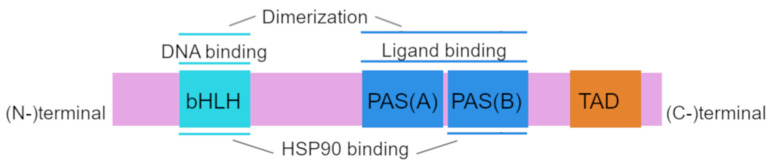
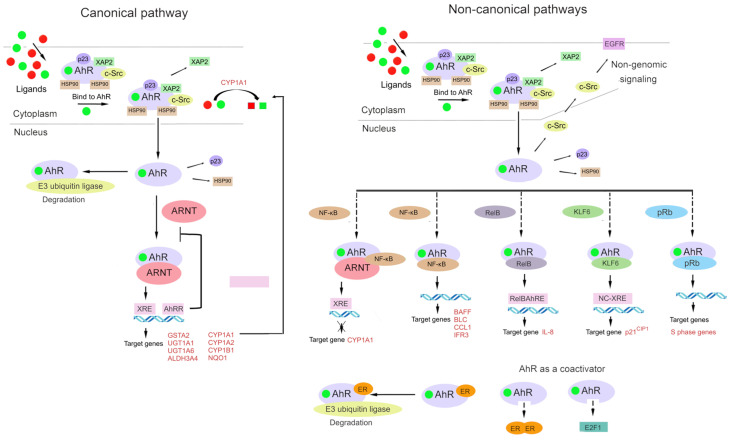
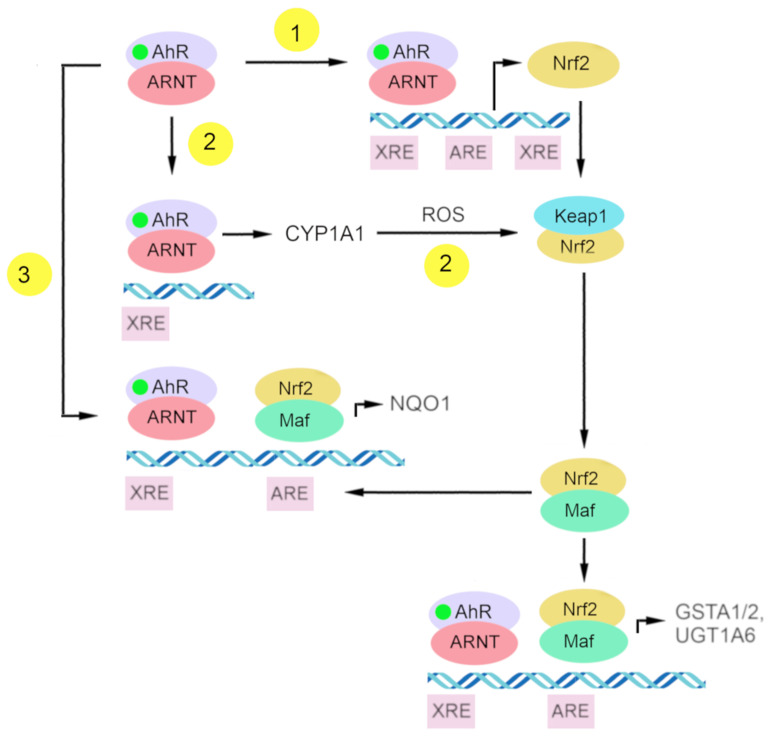
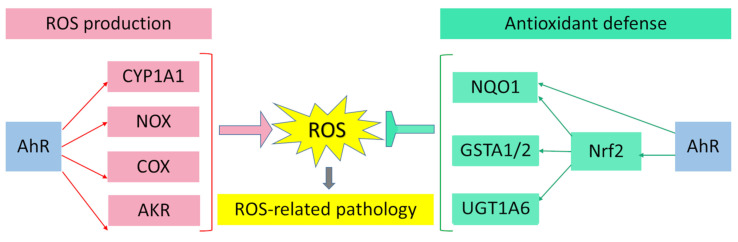
Verification
Claims the paper makes
The claims and statistics of this paper haven’t been checked yet.
Run the check — free, no account needed. It reads the open-access text and checks the sources it cites.
Claims other papers make about this one
Each is checked against this paper’s own text: does it say what the citing paper says it does?
In the citing paper
“AhR ligands can also signal via Nuclear factor erythroid 2-related factor 2 (Nrf2)48–51, a pleiotropic transcription factor involved in redox homeostasis, metabolism, and immune modulation52.”
From Exercise-induced microbiota metabolite enhances CD8 T cell antitumor immunity promoting immunotherapy efficacy (2025) · cites this paper as [51]
Self-check
Percentages, sums and reported differences re-computed from the paper’s own numbers.
The self-check needs the paper’s full text.
Citations
Cites
Free radicals and antioxidants in normal physiological functions and human disease
Valko, M., Leibfritz, D., Moncol, J., Cronin, M. T. D., Mazur, M., & Telser, J. (2007) · The International Journal of Biochemistry & Cell Biology · doi:10.1016/j.biocel.2006.07.001 · Cited by 14,269
Free Radicals in the Physiological Control of Cell Function
Dröge, W. (2002) · Physiological Reviews · doi:10.1152/physrev.00018.2001 · Cited by 9,855
Oxidants, oxidative stress and the biology of ageing
Finkel, T., & Holbrook, N. J. (2000) · Nature · doi:10.1038/35041687 · Cited by 9,413
How mitochondria produce reactive oxygen species
Murphy, M. P. (2009) · Biochemical Journal · doi:10.1042/bj20081386 · Cited by 8,207
The NOX Family of ROS-Generating NADPH Oxidases: Physiology and Pathophysiology
Bedard, K., & Krause, K.-H. (2007) · Physiological Reviews · doi:10.1152/physrev.00044.2005 · Cited by 6,989
Oxidative stress, inflammation, and cancer: How are they linked?
Reuter, S., Gupta, S. C., Chaturvedi, M. M., & Aggarwal, B. B. (2010) · Free Radical Biology and Medicine · doi:10.1016/j.freeradbiomed.2010.09.006 · Cited by 5,441
Oxyl radicals, redox-sensitive signalling cascades and antioxidants
Genestra, M. (2007) · Cellular Signalling · doi:10.1016/j.cellsig.2007.04.009 · Cited by 4,930
Oxidative Stress: Harms and Benefits for Human Health
Pizzino, G., Irrera, N., Cucinotta, M., Pallio, G., Mannino, F., Arcoraci, V., Squadrito, F., Altavilla, D., & Bitto, A. (2017) · Oxidative Medicine and Cellular Longevity · doi:10.1155/2017/8416763 · Cited by 4,837
Itoh, K., Chiba, T., Takahashi, S., Ishii, T., Igarashi, K., Katoh, Y., Oyake, T., Hayashi, N., Satoh, K., Hatayama, I., et al. (1997) · Biochemical and Biophysical Research Communications · doi:10.1006/bbrc.1997.6943 · Cited by 3,999
Uttara, B., Singh, A., Zamboni, P., & Mahajan, R. (2009) · Current Neuropharmacology · doi:10.2174/157015909787602823 · Cited by 3,378
Free Radicals, Antioxidants in Disease and Health
Department of Pharmacy, L. S. P. C. H., Pham-Huy, L. A., He, H., Department of Analytical Chemistry, C. P. U., Pham-Huyc, C., & Laboratory of Toxicology, F. O. P. (2008) · International Journal of Biomedical Science · doi:10.59566/ijbs.2008.4089 · Cited by 3,058
NAD(P)H Oxidase: Role in Cardiovascular Biology and Disease
Griendling, K. K., Sorescu, D., & Ushio-Fukai, M. (2000) · Circulation Research · doi:10.1161/01.res.86.5.494 · Cited by 2,886
Poland, A., & Knutson, J. C. (1982) · Annual Review of Pharmacology and Toxicology · doi:10.1146/annurev.pa.22.040182.002505 · Cited by 2,515
Oxidative Stress: A Key Modulator in Neurodegenerative Diseases
Singh, A., Kukreti, R., Saso, L., & Kukreti, S. (2019) · Molecules · doi:10.3390/molecules24081583 · Cited by 2,398
Transcriptional Regulation by Nrf2
Tonelli, C., Chio, I. I. C., & Tuveson, D. A. (2017) · Antioxidants and Redox Signaling · doi:10.1089/ars.2017.7342 · Cited by 2,280
The Nrf2 regulatory network provides an interface between redox and intermediary metabolism
Hayes, J. D., & Dinkova‐Kostova, A. T. (2014) · Trends in Biochemical Sciences · doi:10.1016/j.tibs.2014.02.002 · Cited by 2,210
Oxidative Stress and Inflammation: What Polyphenols Can Do for Us?
Hussain, T., Tan, B., Yin, Y., Blachier, F., Tossou, M. C. B., & Rahu, N. (2016) · Oxidative Medicine and Cellular Longevity · doi:10.1155/2016/7432797 · Cited by 2,182
The Role of Oxidative Stress in the Pathogenesis of Age-Related Macular Degeneration
Beatty, S., Koh, H.-H., Phil, M., Henson, D., & Boulton, M. (2000) · Survey of Ophthalmology · doi:10.1016/s0039-6257(00)00140-5 · Cited by 2,051
30 Years of NF-κB: A Blossoming of Relevance to Human Pathobiology
Zhang, Q., Lenardo, M. J., & Baltimore, D. (2017) · Cell · doi:10.1016/j.cell.2016.12.012 · Cited by 1,979
Sharifi-Rad, M., Anil Kumar, N. V., Zucca, P., Varoni, E. M., Dini, L., Panzarini, E., Rajkovic, J., Tsouh Fokou, P. V., Azzini, E., Peluso, I., et al. (2020) · Frontiers in Physiology · doi:10.3389/fphys.2020.00694 · Cited by 1,971
The KEAP1-NRF2 system: a thiol-based sensor-effector apparatus for maintaining redox homeostasis
Yamamoto, M., Kensler, T. W., & Motohashi, H. (2018) · Physiological Reviews · doi:10.1152/physrev.00023.2017 · Cited by 1,968
Control of Treg and TH17 cell differentiation by the aryl hydrocarbon receptor
Quintana, F. J., Basso, A. S., Iglesias, A. H., Korn, T., Farez, M. F., Bettelli, E., Caccamo, M., Oukka, M., & Weiner, H. L. (2008) · Nature · doi:10.1038/nature06880 · Cited by 1,865
NRF2, a Transcription Factor for Stress Response and Beyond
He, F., Ru, X., & Wen, T. (2020) · International Journal of Molecular Sciences · doi:10.3390/ijms21134777 · Cited by 1,820
Inflammatory mechanisms in patients with chronic obstructive pulmonary disease
Barnes, P. J. (2016) · Journal of Allergy and Clinical Immunology · doi:10.1016/j.jaci.2016.05.011 · Cited by 1,808
Role of Genes and Environments for Explaining Alzheimer Disease
Gatz, M., Reynolds, C. A., Fratiglioni, L., Johansson, B., Mortimer, J. A., Berg, S., Fiske, A., & Pedersen, N. L. (2006) · Archives of General Psychiatry · doi:10.1001/archpsyc.63.2.168 · Cited by 1,798
Role of ROS and RNS Sources in Physiological and Pathological Conditions
Meo, S. D., Reed, T. T., Venditti, P., & Víctor, V. M. (2016) · Oxidative Medicine and Cellular Longevity · doi:10.1155/2016/1245049 · Cited by 1,712
Rothhammer, V., Mascanfroni, I. D., Bunse, L., Takenaka, M. C., Kenison, J. E., Mayo, L., Chao, C.-C., Patel, B., Yan, R., Blain, M., et al. (2016) · Nature Medicine · doi:10.1038/nm.4106 · Cited by 1,559
Seibert, K., Zhang, Y., Leahy, K., Hauser, S. D., Masferrer, J. L., Perkins, W., Lee, L., & Isakson, P. C. (1994) · Proceedings of the National Academy of Sciences · doi:10.1073/pnas.91.25.12013 · Cited by 1,551
Therapeutic targeting of the NRF2 and KEAP1 partnership in chronic diseases
Cuadrado, A., Rojo, A. I., Wells, G., Hayes, J. D., Cousin, S. P., Rumsey, W. L., Attucks, O. C., Franklin, S., Levonen, A., Kensler, T. W., et al. (2019) · Nature Reviews Drug Discovery · doi:10.1038/s41573-018-0008-x · Cited by 1,510
Rushmore, T. H., Morton, M. R., & Pickett, C. B. (1991) · Journal of Biological Chemistry · doi:10.1016/s0021-9258(18)99004-6 · Cited by 1,464
Alterations of the human gut microbiome in multiple sclerosis
Jangi, S., Gandhi, R., Cox, L. M., Li, N., von Glehn, F., Yan, R., Patel, B., Mazzola, M. A., Liu, S., Glanz, B. L., et al. (2016) · Nature Communications · doi:10.1038/ncomms12015 · Cited by 1,307
Gelboin, H. V. (1980) · Physiological Reviews · doi:10.1152/physrev.1980.60.4.1107 · Cited by 1,280
Nrf2 signaling in coordinated activation of antioxidant gene expression
Jaiswal, A. K. (2004) · Free Radical Biology and Medicine · doi:10.1016/j.freeradbiomed.2004.02.074 · Cited by 1,263
Regulatory Mechanisms Controlling Gene Expression Mediated by the Antioxidant Response Element
Nguyen, T., Sherratt, P. J., & Pickett, C. B. (2003) · The Annual Review of Pharmacology and Toxicology · doi:10.1146/annurev.pharmtox.43.100901.140229 · Cited by 1,232
Antioxidants and Prevention of Chronic Disease
Willcox, J. K., Ash, S. L., & Catignani, G. L. (2004) · Critical Reviews in Food Science and Nutrition · doi:10.1080/10408690490468489 · Cited by 1,200
Rothhammer, V., & Quintana, F. J. (2019) · Nature Reviews Immunology · doi:10.1038/s41577-019-0125-8 · Cited by 1,197
(2002) · PubMed · Cited by 1,190
Masella, R., Benedetto, R. D., Varı́, R., Filesi, C., & Giovannini, C. (2005) · The Journal of Nutritional Biochemistry · doi:10.1016/j.jnutbio.2005.05.013 · Cited by 1,109
Mechanistic Studies of the Nrf2-Keap1 Signaling Pathway
Zhang, D. D. (2006) · Drug Metabolism Reviews · doi:10.1080/03602530600971974 · Cited by 1,105
Ramos-Gomez, M., Kwak, M.-K., Dolan, P. M., Itoh, K., Yamamoto, M., Talalay, P., & Kensler, T. W. (2001) · Proceedings of the National Academy of Sciences · doi:10.1073/pnas.051618798 · Cited by 1,102
Microglial control of astrocytes in response to microbial metabolites
Rothhammer, V., Borucki, D. M., Tjon, E. C., Takenaka, M. C., Chao, C.-C., Ardura-Fabregat, A., de Lima, K. A., Gutiérrez-Vázquez, C., Hewson, P., Staszewski, O., et al. (2018) · Nature · doi:10.1038/s41586-018-0119-x · Cited by 1,051
Nebert, D. W., Roe, A. L., Dieter, M. Z., Solis, W. A., Yang, Y., & Dalton, T. P. (2000) · Biochemical Pharmacology · doi:10.1016/s0006-2952(99)00310-x · Cited by 1,008
Regulation of the immune response by the aryl hydrocarbon receptor
Gutiérrez-Vázquez, C., & Quintana, F. J. (2018) · Immunity · doi:10.1016/j.immuni.2017.12.012 · Cited by 985
Cloning of a Factor Required for Activity of the Ah (Dioxin) Receptor
Hoffman, E. C., Reyes, H., Chu, F., Sander, F. C., Conley, L. H., Brooks, B. A., & Hankinson, O. (1991) · Science · doi:10.1126/science.1852076 · Cited by 958
Aryl hydrocarbon receptor ligands in cancer: friend and foe
Murray, I. A., Patterson, A. D., & Perdew, G. H. (2014) · Nature reviews. Cancer · doi:10.1038/nrc3846 · Cited by 916
The aryl hydrocarbon receptor: multitasking in the immune system
Stockinger, B., Meglio, P. D., Gialitakis, M., & Duarte, J. H. (2014) · Annual Review of Immunology · doi:10.1146/annurev-immunol-032713-120245 · Cited by 909
AH RECEPTOR SIGNALING PATHWAYS
Schmidt, J. V., & Bradfield, C. A. (1996) · Annual Review of Cell and Developmental Biology · doi:10.1146/annurev.cellbio.12.1.55 · Cited by 899
Tobacco smoking leads to extensive genome-wide changes in DNA methylation
Zeilinger, S., Kühnel, B., Klopp, N., Baurecht, H., Kleinschmidt, A., Gieger, C., Weidinger, S., Lattka, E., Adamski, J., Peters, A., et al. (2013) · PLoS ONE · doi:10.1371/journal.pone.0063812 · Cited by 824
Polycyclic Aromatic Hydrocarbons: From Metabolism to Lung Cancer
Moorthy, B., Chu, C., & Carlin, D. J. (2015) · Toxicological Sciences · doi:10.1093/toxsci/kfv040 · Cited by 807
Functional role of AhR in the expression of toxic effects by TCDD
Mimura, J., & Fujii‐Kuriyama, Y. (2003) · Biochimica et Biophysica Acta (BBA) - General Subjects · doi:10.1016/s0304-4165(02)00485-3 · Cited by 754
Denison, M. S., Soshilov, A. A., He, G., DeGroot, D. E., & Zhao, B. (2011) · Toxicological Sciences · doi:10.1093/toxsci/kfr218 · Cited by 748
Jones, D. A., Carlton, D. P., McIntyre, T. M., Zimmerman, G. A., & Prescott, S. M. (1993) · Journal of Biological Chemistry · doi:10.1016/s0021-9258(18)52976-8 · Cited by 701
Microbial tryptophan metabolites regulate gut barrier function via the aryl hydrocarbon receptor
Scott, S. A., Fu, J., & Chang, P. V. (2020) · Proceedings of the National Academy of Sciences · doi:10.1073/pnas.2000047117 · Cited by 696
Indole and Tryptophan Metabolism: Endogenous and Dietary Routes to Ah Receptor Activation
Hubbard, T. D., Murray, I. A., & Perdew, G. H. (2015) · Drug Metabolism and Disposition · doi:10.1124/dmd.115.064246 · Cited by 670
AhR signaling pathways and regulatory functions
Larigot, L., Juricek, L., Dairou, J., & Coumoul, X. (2018) · Biochimie Open · doi:10.1016/j.biopen.2018.05.001 · Cited by 563
Kimura, A., Naka, T., Nohara, K., Fujii‐Kuriyama, Y., & Kishimoto, T. (2008) · Proceedings of the National Academy of Sciences · doi:10.1073/pnas.0804231105 · Cited by 561
Oxidative stress and lung inflammation in airways disease
MacNee, W. (2001) · European Journal of Pharmacology · doi:10.1016/s0014-2999(01)01320-6 · Cited by 557
Mechanisms that regulate production of reactive oxygen species by cytochrome P450
Zangar, R. C. (2004) · Toxicology and Applied Pharmacology · doi:10.1016/j.taap.2004.01.018 · Cited by 555
Aryl hydrocarbon receptor and intestinal immunity
Lamas, B., Natividad, J. M., & Sokol, H. (2018) · Mucosal Immunology · doi:10.1038/s41385-018-0019-2 · Cited by 551
Miao, W., Hu, L., Scrivens, P. J., & Batist, G. (2005) · Journal of Biological Chemistry · doi:10.1074/jbc.m412081200 · Cited by 541
Modulating NRF2 in Disease: Timing Is Everything
Dodson, M. B., de la Vega, M. R., Cholanians, A. B., Schmidlin, C. J., Chapman, E., & Zhang, D. D. (2018) · The Annual Review of Pharmacology and Toxicology · doi:10.1146/annurev-pharmtox-010818-021856 · Cited by 540
Vogel, C. F. A., Winkle, L. S. V., Esser, C., & Haarmann‐Stemmann, T. (2020) · Redox Biology · doi:10.1016/j.redox.2020.101530 · Cited by 538
The Aryl Hydrocarbon Receptor in Barrier Organ Physiology, Immunology, and Toxicology
Esser, C., & Rannug, A. (2015) · Pharmacological Reviews · doi:10.1124/pr.114.009001 · Cited by 501
Transcriptional regulation of the rat NAD(P)H:quinone reductase gene
Favreau, L. V., & Pickett, C. B. (1991) · Journal of Biological Chemistry · doi:10.1016/s0021-9258(20)64358-7 · Cited by 497
Cyclooxygenase-2 and carcinogenesis
Prescott, S. M., & Fitzpatrick, F. A. (2000) · Biochimica et Biophysica Acta (BBA) - Reviews on Cancer · doi:10.1016/s0304-419x(00)00006-8 · Cited by 483
The Nox Family of NAD(P)H Oxidases: Host Defense and Beyond
Geiszt, M., & Leto, T. L. (2004) · Journal of Biological Chemistry · doi:10.1074/jbc.r400024200 · Cited by 464
The complexity of the Nrf2 pathway: beyond the antioxidant response
Huang, Y. S., Li, W., Su, Z., & Kong, A. T. (2015) · The Journal of Nutritional Biochemistry · doi:10.1016/j.jnutbio.2015.08.001 · Cited by 460
Denison, M. S., Fisher, J. M., & Whitlock, J. P. (1988) · Journal of Biological Chemistry · doi:10.1016/s0021-9258(19)77819-3 · Cited by 451
Mitochondrial free radical production and cell signaling
Cadenas, E. (2004) · Molecular Aspects of Medicine · doi:10.1016/j.mam.2004.02.005 · Cited by 442
Fritsche, E., Schäfer, C., Calles, C., Bernsmann, T., Bernshausen, T., Wurm, M., Hübenthal, U., Cline, J. E., Hajimiragha, H., Schroeder, P., et al. (2007) · Proceedings of the National Academy of Sciences · doi:10.1073/pnas.0701764104 · Cited by 437
Sun, Y., Meng, Q., Zeibecoglou, K., Robinson, D. S., Macfarlane, A., Humbert, M. J. C., & Kay, A. B. (1999) · The Journal of Immunology · doi:10.4049/jimmunol.163.11.6321 · Cited by 411
The aryl hydrocarbon receptor cross-talks with multiple signal transduction pathways
Puga, A., Ma, C., & Marlowe, J. L. (2008) · Biochemical Pharmacology · doi:10.1016/j.bcp.2008.08.031 · Cited by 409
The role of antioxidants in photoprotection: A critical review
Chen, L., Hu, J. Y., & Wang, S. Q. (2012) · Journal of the American Academy of Dermatology · doi:10.1016/j.jaad.2012.02.009 · Cited by 402
Wirthgen, E., Hoeflich, A., Rebl, A., & Günther, J. (2018) · Frontiers in Immunology · doi:10.3389/fimmu.2017.01957 · Cited by 401
Ciolino, H. P., Daschner, P. J., & Yeh, G. C. (1999) · Biochemical Journal · doi:10.1042/bj3400715 · Cited by 391
Role of cytochrome P450s in the generation and metabolism of reactive oxygen species
Veith, A. C., & Moorthy, B. (2017) · Current Opinion in Toxicology · doi:10.1016/j.cotox.2017.10.003 · Cited by 389
Chronic Kidney Disease as Oxidative Stress- and Inflammatory-Mediated Cardiovascular Disease
Podkowińska, A., & Formanowicz, D. (2020) · Antioxidants · doi:10.3390/antiox9080752 · Cited by 378
Activation of the Aryl Hydrocarbon Receptor Dampens the Severity of Inflammatory Skin Conditions
Di Meglio, P., Duarte, J. H., Ahlfors, H., Owens, N. D. L., Li, Y., Villanova, F., Tosi, I., Hirota, K., Nestle, F. O., Mrowietz, U., et al. (2014) · Immunity · doi:10.1016/j.immuni.2014.04.019 · Cited by 373
Coal tar induces AHR-dependent skin barrier repair in atopic dermatitis
van den Bogaard, E. H., Bergboer, J. G. M., Vonk-Bergers, M., van Vlijmen-Willems, I. M. J. J., Hato, S. V., van der Valk, P. G. M., Schröder, J. M., Joosten, I., Zeeuwen, P. L. J. M., & Schalkwijk, J. (2013) · Journal of Clinical Investigation · doi:10.1172/jci65642 · Cited by 373
The Multitasking Organ: Recent Insights into Skin Immune Function
Meglio, P. D., Perera, G. K., & Nestle, F. O. (2011) · Immunity · doi:10.1016/j.immuni.2011.12.003 · Cited by 370
Coordinate regulation of Phase I and II xenobiotic metabolisms by the Ah receptor and Nrf2
Köhle, C., & Bock, K. W. (2007) · Biochemical Pharmacology · doi:10.1016/j.bcp.2007.01.009 · Cited by 364
NRF2 Modulates Aryl Hydrocarbon Receptor Signaling: Influence on Adipogenesis
Shin, S., Wakabayashi, N., Misra, V., Biswal, S., Lee, G., Agoston, E., Yamamoto, M., & Kensler, T. (2007) · Molecular and Cellular Biology · doi:10.1128/mcb.00915-07 · Cited by 355
Mammalian Per-Arnt-Sim Proteins in Environmental Adaptation
McIntosh, B. E., Hogenesch, J. B., & Bradfield, C. A. (2010) · Annual Review of Physiology · doi:10.1146/annurev-physiol-021909-135922 · Cited by 352
Cloning and expression of a human Ah receptor cDNA.
Dolwick, K. M., Schmidt, J. V., Carver, L. A., Swanson, H. I., & Bradfield, C. A. (1993) · Molecular Pharmacology · doi:10.1016/s0026-895x(25)13282-3 · Cited by 348
Jin, U.-H., Lee, S., Sridharan, G. V., Lee, K., Davidson, L. A., Jayaraman, A., Chapkin, R. S., Alaniz, R. C., & Safe, S. H. (2014) · Molecular Pharmacology · doi:10.1124/mol.113.091165 · Cited by 342
Cross talk between ER stress, oxidative stress, and inflammation in health and disease.
Dandekar, A. P., Mendez, R., & Zhang, K.-Z. (2015) · Methods in molecular biology · doi:10.1007/978-1-4939-2522-3_15 · Cited by 341
Natural product-derived pharmacological modulators of Nrf2/ARE pathway for chronic diseases
Kumar, H., Kim, I., More, S. V., Kim, B.-W., & Choi, D. (2013) · Natural Product Reports · doi:10.1039/c3np70065h · Cited by 338
RelB, a New Partner of Aryl Hydrocarbon Receptor-Mediated Transcription
Vogel, C. F. A., Sciullo, E. M., Li, W., Wong, P., Lazennec, G., & Matsumura, F. (2007) · Molecular Endocrinology · doi:10.1210/me.2007-0211 · Cited by 332
Activation of the Ah Receptor Signal Transduction Pathway by Bilirubin and Biliverdin
Phelan, D., Winter, G. M., Rogers, W. J., Lam, J., & Denison, M. S. (1998) · Archives of Biochemistry and Biophysics · doi:10.1006/abbi.1998.0814 · Cited by 318
Puga, A., Barnes, S., Dalton, T. P., Chang, C., Knudsen, E. S., & Maier, M. A. (2000) · Journal of Biological Chemistry · doi:10.1074/jbc.275.4.2943 · Cited by 315
Fujisawa‐Sehara, A., Sogawa, K., Yamane, M., & Fujii‐Kuriyama, Y. (1987) · Nucleic Acids Research · doi:10.1093/nar/15.10.4179 · Cited by 313
The Role of the Aryl Hydrocarbon Receptor (AHR) in Immune and Inflammatory Diseases
Neavin, D. R., Liu, D., Ray, B., & Weinshilboum, R. M. (2018) · International Journal of Molecular Sciences · doi:10.3390/ijms19123851 · Cited by 310
An introduction to the molecular basics of aryl hydrocarbon receptor biology
Abel, J., & Haarmann‐Stemmann, T. (2010) · Biological Chemistry · doi:10.1515/bc.2010.128 · Cited by 309
Tumour promotion by TCDD in skin of HRS/J hairless mice
Poland, A., Palen, D., & Glover, E. A. (1982) · Nature · doi:10.1038/300271a0 · Cited by 294
Nebert, D. W. (2017) · Progress in Lipid Research · doi:10.1016/j.plipres.2017.06.001 · Cited by 286
Prostaglandin H Synthase and Xenobiotic Oxidation
Eling, T. E., Thompson, D. C., Foureman, G. L., Curtis, J. F., & Hughes, M. F. (1990) · The Annual Review of Pharmacology and Toxicology · doi:10.1146/annurev.pa.30.040190.000245 · Cited by 282
Kim, D. W., Gazourian, L., Quadri, S. A., Raphaëlle, Sherr, D. H., & Sonenshein, G. E. (2000) · Oncogene · doi:10.1038/sj.onc.1203945 · Cited by 280
Hidaka, T., Ogawa, E., Kobayashi, E. H., Suzuki, T., Funayama, R., Nagashima, T., Fujimura, T., Aiba, S., Nakayama, K., Okuyama, R., et al. (2017) · Nature Immunology · doi:10.1038/ni.3614 · Cited by 274
Role of inducible cyclooxygenase (COX-2) in inflammation.
Seibert, K., & Masferrer, J. L. (1994) · PubMed · Cited by 273
Lipoxin A4: A New Class of Ligand for the Ah Receptor
Schaldach, C., Riby, J. E., & Bjeldanes, L. F. (1999) · Biochemistry · doi:10.1021/bi982861e · Cited by 272
Perrais, M., Pigny, P., Copin, M., Aubert, J., & SEUNINGEN, I. V. (2002) · Journal of Biological Chemistry · doi:10.1074/jbc.m204862200 · Cited by 271
Redox signaling across cell membranes
Fisher, A. B. (2009) · Antioxidants & Redox Signaling · doi:10.1089/ars.2008.2378 · Cited by 269
Introducing the “TCDD-Inducible AhR-Nrf2 Gene Battery”
Yeager, R. L., Reisman, S. A., Aleksunes, L. M., & Klaassen, C. D. (2009) · Toxicological Sciences · doi:10.1093/toxsci/kfp115 · Cited by 267
New Trends in Aryl Hydrocarbon Receptor Biology
Mulero‐Navarro, S., & Fernández‐Salguero, P. M. (2016) · Frontiers in Cell and Developmental Biology · doi:10.3389/fcell.2016.00045 · Cited by 262
Sallée, M., Dou, L., Cérini, C., Poitevin, S., Brunet, P., & Burtey, S. (2014) · Toxins · doi:10.3390/toxins6030934 · Cited by 261
A Direct Interaction between the Aryl Hydrocarbon Receptor and Retinoblastoma Protein
Ge, N.-L., & Elferink, C. J. (1998) · Journal of Biological Chemistry · doi:10.1074/jbc.273.35.22708 · Cited by 258
Yao, H., & Rahman, I. (2011) · Toxicology and Applied Pharmacology · doi:10.1016/j.taap.2009.10.022 · Cited by 254
Role of Oxidants in Lung Injury During Sepsis
Guo, R., & Ward, P. A. (2007) · Antioxidants and Redox Signaling · doi:10.1089/ars.2007.1785 · Cited by 247
Proinflammatory Properties of Coplanar PCBs: In Vitro and in Vivo Evidence
Hennig, B., Meerarani, P., Slim, R. M., Toborek, M. J., Daugherty, A., Silverstone, A. E., & Robertson, L. W. (2002) · Toxicology and Applied Pharmacology · doi:10.1006/taap.2002.9408 · Cited by 247
Loss of Mitochondrial Function Impairs Lysosomes
Demers-Lamarche, J., Guillebaud, G., Tlili, M., Todkar, K. J., Bélanger, N., Grondin, M., Nguyen, A., Michel, J. J. C., & Germain, M. (2016) · Journal of Biological Chemistry · doi:10.1074/jbc.m115.695825 · Cited by 242
Cyclooxygenase-2 and prostate carcinogenesis
Hussain, T., Gupta, S., & Mukhtar, H. (2003) · Cancer Letters · doi:10.1016/s0304-3835(02)00524-4 · Cited by 240
Yoshikawa, T., & Naito, Y. (2002) · Cited by 237
Ebert, B., Seidel, A., & Lampen, A. (2005) · Carcinogenesis · doi:10.1093/carcin/bgi139 · Cited by 235
Penning, T. M., Ohnishi, S. T., Ohnishi, T., & Harvey, R. G. (1996) · Chemical Research in Toxicology · doi:10.1021/tx950055s · Cited by 234
The emerging roles of AhR in physiology and immunity
Hao, N., & Whitelaw, M. L. (2013) · Biochemical Pharmacology · doi:10.1016/j.bcp.2013.07.004 · Cited by 231
Endogenous and Exogenous Ligands of Aryl Hydrocarbon Receptor: Current State of Art
Stejskalová, L., Dvořák, Z., & Pávek, P. (2011) · Current Drug Metabolism · doi:10.2174/138920011795016818 · Cited by 231
Datla, K. P., Christidou, M., Widmer, W. W., ROOPRAI, H. K., & Dexter, D. T. (2001) · Neuroreport · doi:10.1097/00001756-200112040-00053 · Cited by 224
(2007) · CRC Press eBooks · doi:10.1201/9781420005523 · Cited by 222
Wincent, E., Bengtsson, J., Mohammadi‐Bardbori, A., Alsberg, T. E., Luecke-Johansson, S., Rannug, U., & Rannug, A. (2012) · Proceedings of the National Academy of Sciences · doi:10.1073/pnas.1118467109 · Cited by 221
Ma, Q., Kinneer, K., Bi, Y., Chan, J. Y., & Kan, Y. W. (2004) · Biochemical Journal · doi:10.1042/bj20031123 · Cited by 220
Liu, J., Miao, H., Deng, D.-Q., Vaziri, N. D., Li, P., & Zhao, Y. (2020) · Cellular and Molecular Life Sciences · doi:10.1007/s00018-020-03645-1 · Cited by 220
Fukui, S., Iwamoto, N., Takatani, A., Igawa, T., Shimizu, T., Umeda, M., Nishino, A., Horai, Y., Hirai, Y., Koga, T., et al. (2018) · Frontiers in Immunology · doi:10.3389/fimmu.2017.01958 · Cited by 216
Possible role of oxidative stress in the pathogenesis of hypertension
Ceriello, A. (2008) · Diabetes Care · doi:10.2337/dc08-s245 · Cited by 215
Mackenzie, I. R., & Rademakers, R. (2008) · Current Opinion in Neurology · doi:10.1097/wco.0b013e3283168d1d · Cited by 214
Tsuji, G., Takahara, M., Uchi, H., Takeuchi, S., Mitoma, C., Moroi, Y., & Furue, M. (2011) · Journal of Dermatological Science · doi:10.1016/j.jdermsci.2010.10.017 · Cited by 209
Smoking: effects on multiple sclerosis susceptibility and disease progression
Wingerchuk, D. M. (2011) · Therapeutic Advances in Neurological Disorders · doi:10.1177/1756285611425694 · Cited by 209
Biosynthetic Manipulation of Tryptophan in Bacteria: Pathways and Mechanisms
Alkhalaf, L. M., & Ryan, K. S. (2015) · Chemistry & Biology · doi:10.1016/j.chembiol.2015.02.005 · Cited by 206
Serum Antioxidants, Inflammation, and Total Mortality in Older Women
Walston, J. D., Xue, Q., Semba, R. D., Ferrucci, L., Cappola, A. R., Ricks, M. O., Guralnik, J. M., & Fried, L. P. (2005) · American Journal of Epidemiology · doi:10.1093/aje/kwj007 · Cited by 205
Marshall, N. B., & Kerkvliet, N. I. (2010) · Annals of the New York Academy of Sciences · doi:10.1111/j.1749-6632.2009.05125.x · Cited by 202
Comparative analysis of dioxin response elements in human, mouse and rat genomic sequences
Sun, Y., Boverhof, D. R., Burgoon, L. D., Fielden, M. R., & Zacharewski, T. R. (2004) · Nucleic Acids Research · doi:10.1093/nar/gkh782 · Cited by 201
Gao, X., Dinkova‐Kostova, A. T., & Talalay, P. (2001) · Proceedings of the National Academy of Sciences · doi:10.1073/pnas.261572998 · Cited by 198
Oxidase and Oxygenase Function of the Microsomal Cytochrome P450 Monooxygenase System
Kuthan, H., & Ullrich, V. (1982) · European Journal of Biochemistry · doi:10.1111/j.1432-1033.1982.tb06820.x · Cited by 197
Cytochrome P450 1 family and cancers
Go, R., Hwang, K., & Choi, K. (2014) · The Journal of Steroid Biochemistry and Molecular Biology · doi:10.1016/j.jsbmb.2014.11.003 · Cited by 195
Matsumura, F. (2008) · Biochemical Pharmacology · doi:10.1016/j.bcp.2008.10.013 · Cited by 194
Vasiliou, V., & Gonzalez, F. J. (2007) · The Annual Review of Pharmacology and Toxicology · doi:10.1146/annurev.pharmtox.48.061807.154729 · Cited by 193
Burczynski, M. E., Hseuh-Kung, L. I. N., & Penning, T. M. (1999) · PubMed · Cited by 189
Lee, C.-W., Lin, Z.-C., Hu, S. C.-S., Chiang, Y.-C., Hsu, L.-F., Lin, Y.-C., Lee, I.-T., Tsai, M.-H., & Fang, J.-Y. (2016) · Scientific Reports · doi:10.1038/srep27995 · Cited by 188
Induction of cellular oxidative stress by aryl hydrocarbon receptor activation
Dalton, T. P., Puga, A., & Shertzer, H. G. (2002) · Chemico-Biological Interactions · doi:10.1016/s0009-2797(02)00067-4 · Cited by 188
Functions of the aryl hydrocarbon receptor in the skin
Esser, C., Bargen, I., Weighardt, H., Haarmann-Stemmann, T., & Krutmann, J. (2013) · Seminars in Immunopathology · doi:10.1007/s00281-013-0394-4 · Cited by 187
Role of the aryl hydrocarbon receptor in carcinogenesis and potential as an anti-cancer drug target
Kolluri, S. K., Jin, U.-H., & Safe, S. H. (2017) · Archives of Toxicology · doi:10.1007/s00204-017-1981-2 · Cited by 181
The role of transcription factor Nrf2 in skin cells metabolism
Gęgotek, A., & Skrzydlewska, E. (2015) · Archives of Dermatological Research · doi:10.1007/s00403-015-1554-2 · Cited by 180
Free Radicals and Antioxidants in Cardiovascular Health and Disease
Bahoran, T., Soobrattee, M. A., Luximon‐Ramma, A., & Aruoma, O. I. (2007) · Internet Journal of Medical Update - EJOURNAL · doi:10.4314/ijmu.v1i2.39839 · Cited by 176
Balancing the generation and elimination of reactive oxygen species
Rodriguez, R. J., & Redman, R. S. (2005) · Proceedings of the National Academy of Sciences · doi:10.1073/pnas.0500367102 · Cited by 175
Haarmann‐Stemmann, T., Bothe, H., & Abel, J. (2008) · Biochemical Pharmacology · doi:10.1016/j.bcp.2008.09.013 · Cited by 173
Thatcher, T. H., Maggirwar, S. B., Baglole, C. J., Lakatos, H. F., Gasiewicz, T. A., Phipps, R. P., & Sime, P. J. (2007) · American Journal Of Pathology · doi:10.2353/ajpath.2007.060391 · Cited by 171
Tsuji, G., Takahara, M., Uchi, H., Matsuda, T., Chiba, T., Takeuchi, S., Yasukawa, F., Moroi, Y., & Furue, M. (2012) · Journal of Investigative Dermatology · doi:10.1038/jid.2011.194 · Cited by 169
Dioxins and Cardiovascular Disease Mortality
Humblet, O., Birnbaum, L. S., Rimm, E. B., Mittleman, M. A., & Hauser, R. B. (2008) · Environmental Health Perspectives · doi:10.1289/ehp.11579 · Cited by 167
Vogel, C. F. A., Sciullo, E. M., Wong, P., Kuzmicky, P. A., Kado, N. Y., & Matsumura, F. (2005) · Environmental Health Perspectives · doi:10.1289/ehp.8094 · Cited by 166
Nebert, D. W., & Karp, C. L. (2008) · Journal of Biological Chemistry · doi:10.1074/jbc.r800053200 · Cited by 165
Marlowe, J. L., Knudsen, E. S., Schwemberger, S. J., & Puga, A. (2004) · Journal of Biological Chemistry · doi:10.1074/jbc.m404315200 · Cited by 159
Structural Basis for Aryl Hydrocarbon Receptor-Mediated Gene Activation
Schulte, K. W., Green, E., Wilz, A., Platten, M., & Daumke, O. (2017) · Structure · doi:10.1016/j.str.2017.05.008 · Cited by 157
Ryu, Y. S., Kang, K. A., Piao, M. J., Ahn, M. J., Yi, J. M., Hyun, Y., Kim, S. H., Ko, M. K., Park, C. O., & Hyun, J. W. (2018) · Redox Biology · doi:10.1016/j.redox.2018.101080 · Cited by 155
Pulmonary epithelium, cigarette smoke, and chronic obstructive pulmonary disease.
Thorley, A. J., & Tetley, T. D. (2007) · Europe PMC (PubMed Central) · Cited by 155
Blank, V. (2007) · Journal of Molecular Biology · doi:10.1016/j.jmb.2007.11.074 · Cited by 154
Endosomal nox2 oxidase exacerbates virus pathogenicity and is a target for antiviral therapy
To, E. E., Vlahos, R., Luong, R., Halls, M. L., Reading, P. C., King, P. T., Chan, C., Drummond, G. R., Sobey, C. G., Broughton, B. R. S., et al. (2017) · Nature Communications · doi:10.1038/s41467-017-00057-x · Cited by 154
AhR and ARNT modulate ER signaling
Swedenborg, E., & Pongratz, I. (2009) · Toxicology · doi:10.1016/j.tox.2009.09.007 · Cited by 153
Nadeem, A., Masood, A., & Siddiqui, N. M. (2008) · Therapeutic Advances in Respiratory Disease · doi:10.1177/1753465808094971 · Cited by 147
Expression of the Human Aryl Hydrocarbon Receptor Complex in Yeast
Miller, C. A. (1997) · Journal of Biological Chemistry · doi:10.1074/jbc.272.52.32824 · Cited by 146
Reynolds, L. M., Wan, M., Ding, J., Taylor, J. R., Lohman, K., Su, D., Bennett, B. D., Porter, D. K., Gimple, R. C., Pittman, G. S., et al. (2015) · Circulation Cardiovascular Genetics · doi:10.1161/circgenetics.115.001097 · Cited by 146
Kaye, J., Piryatinsky, V., Birnberg, T., Hingaly, T., Raymond, E., Kashi, R., Amit‐Romach, E., Caballero, I. S., Towfic, F., Ator, M. A., et al. (2016) · Proceedings of the National Academy of Sciences · doi:10.1073/pnas.1607843113 · Cited by 146
Aryl hydrocarbon receptor is activated in patients and mice with chronic kidney disease
Dou, L., Poitevin, S., Sallée, M., Addi, T., Gondouin, B., McKay, N., Denison, M. S., Jourde‐Chiche, N., Duval-Sabatier, A., Cérini, C., et al. (2018) · Kidney International · doi:10.1016/j.kint.2017.11.010 · Cited by 146
Barhoover, M. A., Hall, J. M., Greenlee, W. F., & Thomas, R. S. (2009) · Molecular Pharmacology · doi:10.1124/mol.109.059675 · Cited by 144
Han, S. G., Han, S., Toborek, M. J., & Hennig, B. (2012) · Toxicology and Applied Pharmacology · doi:10.1016/j.taap.2012.03.024 · Cited by 141
Denison, M. S., & Faber, S. C. (2017) · Current Opinion in Toxicology · doi:10.1016/j.cotox.2017.01.006 · Cited by 137
Kawajiri, K., & Fujii‐Kuriyama, Y. (2016) · EXPERIMENTAL ANIMALS · doi:10.1538/expanim.16-0092 · Cited by 137
Nakahama, T., Kimura, A., Nguyen, N. T., Chinen, I., Hanieh, H., Nohara, K., Fujii‐Kuriyama, Y., & Kishimoto, T. (2011) · Proceedings of the National Academy of Sciences · doi:10.1073/pnas.1111786108 · Cited by 136
Fujii‐Kuriyama, Y., & Kawajiri, K. (2010) · Proceedings of the Japan Academy Series B · doi:10.2183/pjab.86.40 · Cited by 135
Burczynski, M. E., Harvey, R. G., & Penning, T. M. (1998) · Biochemistry · doi:10.1021/bi972725u · Cited by 134
The Tumor Suppressor Kruppel-Like Factor 6 Is a Novel Aryl Hydrocarbon Receptor DNA Binding Partner
Wilson, S. R., Joshi, A., & Elferink, C. J. (2013) · Journal of Pharmacology and Experimental Therapeutics · doi:10.1124/jpet.113.203786 · Cited by 133
Hockley, S. L., Arlt, V. M., Brewer, D. S., Giddings, I., & Phillips, D. H. (2006) · BMC Genomics · doi:10.1186/1471-2164-7-260 · Cited by 131
Guo, Y. L., Yu, M. L., Hsu, C. C., & Rogan, W. J. (1999) · Environmental Health Perspectives · doi:10.1289/ehp.99107715 · Cited by 130
Human Aldo-Keto Reductases and the Metabolic Activation of Polycyclic Aromatic Hydrocarbons
Penning, T. M. (2014) · Chemical Research in Toxicology · doi:10.1021/tx500298n · Cited by 130
Pathak, S., Sharma, R. A., Steward, W. P., Mellon, J. K., Griffiths, T. R. L., & Gescher, A. (2004) · European Journal of Cancer · doi:10.1016/j.ejca.2004.09.028 · Cited by 129
Alexandrov, K., Rojas, M., & Satarug, S. (2010) · Toxicology Letters · doi:10.1016/j.toxlet.2010.04.009 · Cited by 129
Soshilov, A. A., & Denison, M. S. (2014) · Molecular and Cellular Biology · doi:10.1128/mcb.01183-13 · Cited by 128
Duarte, J. H., Meglio, P. D., Hirota, K., Ahlfors, H., & Stockinger, B. (2013) · PLoS ONE · doi:10.1371/journal.pone.0079819 · Cited by 128
Iqbal, J., Sun, L., Cao, J., Yuen, T., Lu, P., Bab, I., Leu, N. A., Srinivasan, S., Wagage, S., Hunter, C. A., et al. (2013) · Proceedings of the National Academy of Sciences · doi:10.1073/pnas.1220919110 · Cited by 126
Quattrochi, L. C., & Tukey, R. H. (1993) · Molecular Pharmacology · doi:10.1016/s0026-895x(25)13403-2 · Cited by 126
Smirnova, A. V., Wincent, E., Bergander, L. V., Alsberg, T. E., Bergman, J., Rannug, A., & Rannug, U. (2015) · Chemical Research in Toxicology · doi:10.1021/acs.chemrestox.5b00416 · Cited by 125
Clinical management of the uraemic syndrome in chronic kidney disease
Vanholder, R., Fouque, D. P., Glorieux, G., Heine, G. H., Kanbay, M., Mallamaci, F., Massy, Z. A., Ortíz, A., Rossignol, P., Więcek, A., et al. (2016) · The Lancet Diabetes & Endocrinology · doi:10.1016/s2213-8587(16)00033-4 · Cited by 125
Aryl Hydrocarbon Receptor–Dependent Induction of Liver Fibrosis by Dioxin
Pierre, S., Chevallier, A., Teixeira-Clerc, F., Ambolet-Camoit, A., Bui, L. C., Bats, A., Fournet, J., Fernández‐Salguero, P. M., Aggerbeck, Μ., Lotersztajn, S., et al. (2013) · Toxicological Sciences · doi:10.1093/toxsci/kft236 · Cited by 121
Park, J., Troxel, A. B., Harvey, R. G., & Penning, T. M. (2006) · Chemical Research in Toxicology · doi:10.1021/tx0600245 · Cited by 120
Palackal, N. T., Burczynski, M. E., Harvey, R. G., & Penning, T. M. (2001) · Biochemistry · doi:10.1021/bi010872t · Cited by 120
Telakowski-Hopkins, C. A., King, R. G., & Pickett, C. B. (1988) · Proceedings of the National Academy of Sciences · doi:10.1073/pnas.85.4.1000 · Cited by 118
Huang, P., Rannug, A., Ahlbom, E., Håkansson, H., & Ceccatelli, S. (2000) · Toxicology and Applied Pharmacology · doi:10.1006/taap.2000.9064 · Cited by 118
Podocyte Injury Caused by Indoxyl Sulfate, a Uremic Toxin and Aryl-Hydrocarbon Receptor Ligand
Ichii, O., Otsuka-Kanazawa, S., Nakamura, T., Masaaki, U., Kon, Y., Chen, W., Rosenberg, A. Z., & Kopp, J. B. (2014) · PLoS ONE · doi:10.1371/journal.pone.0108448 · Cited by 118
Masai, N., Tatebe, J., Yoshino, G., & Morita, T. (2010) · Circulation Journal · doi:10.1253/circj.cj-10-0117 · Cited by 117
The activation mechanism of the aryl hydrocarbon receptor (AhR) by molecular chaperone HSP90
Tsuji, N., Fukuda, K., Nagata, Y., Okada, H., Haga, A., Hatakeyama, S., Yoshida, S., Okamoto, T., Hosaka, M., Sekine, K., et al. (2014) · FEBS Open Bio · doi:10.1016/j.fob.2014.09.003 · Cited by 117
Redox regulation of proteasome function
Lefaki, M., Papaevgeniou, N., & Chondrogianni, N. (2017) · Redox Biology · doi:10.1016/j.redox.2017.07.005 · Cited by 117
Kubli, S. P., Bassi, C., Roux, C., Wakeham, A. C., Göbl, C., Zhou, W., Jafari, S. M., Snow, B. E., Jones, L., Palomero, L., et al. (2019) · Proceedings of the National Academy of Sciences · doi:10.1073/pnas.1815126116 · Cited by 116
Signal Transduction-mediated Activation of the Aryl Hydrocarbon Receptor in Rat Hepatoma H4IIE Cells
Backlund, M., Johansson, I., Mkrtchian, S., & Ingelman‐Sundberg, M. (1997) · Journal of Biological Chemistry · doi:10.1074/jbc.272.50.31755 · Cited by 115
Chopra, M., & Schrenk, D. (2011) · Critical Reviews in Toxicology · doi:10.3109/10408444.2010.524635 · Cited by 114
The relationships between cytochromes P450 and H 2 O 2 : Production, reaction, and inhibition
Albertolle, M. E., & Guengerich, F. P. (2018) · Journal of Inorganic Biochemistry · doi:10.1016/j.jinorgbio.2018.05.014 · Cited by 114
Bock, K. W. (2019) · Biochemical Pharmacology · doi:10.1016/j.bcp.2019.06.015 · Cited by 114
Furue, M., Uchi, H., Mitoma, C., Hashimoto-Hachiya, A., Chiba, T., Ito, T., Nakahara, T., & Tsuji, G. (2017) · Nutrients · doi:10.3390/nu9030223 · Cited by 113
Shou, M., Harvey, R. G., & Penning, T. M. (1993) · Carcinogenesis · doi:10.1093/carcin/14.3.475 · Cited by 113
Vogel, C. F. A., Wu, D., Goth, S. R., Baek, J., Lollies, A., Domhardt, R., Grindel, A., & Pessah, I. N. (2013) · Immunology and Cell Biology · doi:10.1038/icb.2013.43 · Cited by 111
Oxidative Stress in Chronic Obstructive Pulmonary Disease: A Lung and Systemic Process
van Eeden, S. F., & Sin, D. D. (2013) · Canadian Respiratory Journal · doi:10.1155/2013/509130 · Cited by 111
Yamamoto, J., Ihara, K., Nakayama, H., Hikino, S., Satoh, K., Kubo, N., Iida, T., Fujii, Y., & Hara, T. (2003) · Life Sciences · doi:10.1016/j.lfs.2003.07.022 · Cited by 110
PCB-induced oxidative stress in endothelial cells: modulation by nutrients
Hennig, B., Hammock, B. D., Slim, R. M., Toborek, M. J., Saraswathi, V., & Robertson, L. W. (2002) · International Journal of Hygiene and Environmental Health · doi:10.1078/1438-4639-00134 · Cited by 110
Research works printed but not linked: 1
- Prescott, 2000, Cyclooxygellase-2 and carcinogenesis, BBA-Rev. Cancer, 1470, M69
Cited by
Sorted by citations
Functions of the aryl hydrocarbon receptor (AHR) beyond the canonical AHR/ARNT signaling pathway
Sondermann, N. C., Faßbender, S., Hartung, F., Hätälä, A. M., Rolfes, K. M., Vogel, C. F. A., & Haarmann‐Stemmann, T. (2022) · Biochemical Pharmacology · doi:10.1016/j.bcp.2022.115371 · Cited by 205
Extracellular Matrix Regulation in Physiology and in Brain Disease
Soles, A., Selimovic, A., Sbrocco, K., Ghannoum, F. J., Hamel, K. A., Labrada-Moncada, F. E., Gilliat, S., & Cvetanović, M. (2023) · International Journal of Molecular Sciences · doi:10.3390/ijms24087049 · Cited by 171
Bahman, F., Choudhry, K., Al‐Rashed, F., Al‐Mulla, F., Sindhu, S. T. A. K., & Ahmad, R. (2024) · Frontiers in Immunology · doi:10.3389/fimmu.2024.1421346 · Cited by 106
Environmental Air Pollutants Affecting Skin Functions with Systemic Implications
Bocheva, G., Slominski, R. M., & Slominski, A. T. (2023) · International Journal of Molecular Sciences · doi:10.3390/ijms241310502 · Cited by 94
Phelps, C. M., Willis, N. B., Duan, T., Lee, A. H., Zhang, Y., Rodriguez J, D. M., Pandey, S. P., Laughlin, C. R., Rosen, A. B. I., McPherson, A. C., et al. (2025) · Cell · doi:10.1016/j.cell.2025.06.018 · Cited by 91
Metadata
- Authors
- Grishanova, A. Y., & Perepechaeva, M. L.
- Affiliations
- Federal Research Center of Fundamental and Translational Medicine (RU)
- Corresponding author
- Perepechaeva, Maria L.
- Venue
- International Journal of Molecular Sciences
- Publisher
- MDPI AG
- Published
- 2022-06-16
- Volume
- 23
- Issue
- 12
- Pages
- 6719
- ISSN
- 1422-0067 (ISSN-L)
- PMC
- PMC9224361
- OpenAlex
- W4283017800
- Cited by
- 130
- References
- 379
- Citations by year
- 2026: 38 · 2025: 39 · 2024: 32 · 2023: 19 · 2022: 2
- FWCI
- 2.24
- Type
- journal article
- Language
- en
- Open access
- gold
- doi.org
- Licence
- Locations
- International Journal of Molecular Sciences (publishedVersion, cc-by)
- PubMed Central (publishedVersion, cc-by)
- PubMed (publishedVersion)
- Funders
- budgetary financing project (FGMU-2022-0004, N1021050601082-2-1.6.4;3.1.6)
- Topics
- Physical Sciences › Environmental Science › Health, Toxicology and Mutagenesis › Toxic Organic Pollutants Impact
- Life Sciences › Biochemistry, Genetics and Molecular Biology › Molecular Biology › Genomics, phytochemicals, and oxidative stress
- Life Sciences › Pharmacology, Toxicology and Pharmaceutics › Pharmacology › Pharmacogenetics and Drug Metabolism
- Keywords
- aryl hydrocarbon receptor, oxidative stress, xenobiotic metabolism, cytochrome P450, antioxidant enzymes, redox signaling, transcriptional regulation, therapeutic target, pathogenesis
- MeSH terms
- Gene Expression Regulation, Humans, Xenobiotics, Reactive Oxygen Species, Receptors, Aryl Hydrocarbon, Oxidative Stress
About these checks
Registry, retraction, Cites and statistics results are computed, not judged, with one exception: a printed reference that no index lists is read once by a model before it counts as a citation error. Claims are extracted by a model and kept only when their quote appears verbatim in the text; each cited source is then checked, with a model’s help, for whether it says what the claim relies on. Those verdicts can be wrong — read the claim’s quote and the cited source before relying on one.
Statistics and arithmetic are recomputed, not judged.
Confidence bands are shown only for fields calibrated on our annotated test set. None is calibrated yet, so no band is shown.
What counts as a claim ›How we measure confidence ›How we check this ›
Are you an author, or do you see a problem with this page? Request a review
