

Exercise in the Management of Metabolic-Associated Fatty Liver Disease (MAFLD) in Adults: A Position Statement from Exercise and Sport Science Australia
Open accessThe DOI matches its Crossref record; 184 of the 184 references it cites were found in a registry or an index.
Abstract
Metabolic-associated fatty liver disease (MAFLD) is the most prevalent chronic liver disease worldwide, affecting 25% of people globally and up to 80% of people with obesity. MAFLD is characterised by fat accumulation in the liver (hepatic steatosis) with varying degrees of inflammation and fibrosis. MAFLD is strongly linked with cardiometabolic disease and lifestyle-related cancers, in addition to heightened liver-related morbidity and mortality. This position statement examines evidence for exercise in the management of MAFLD and describes the role of the exercise professional in the context of the multi-disciplinary care team. The purpose of these guidelines is to equip the exercise professional with a broad understanding of the pathophysiological underpinnings of MAFLD, how it is diagnosed and managed in clinical practice, and to provide evidence- and consensus-based recommendations for exercise therapy in MAFLD management. The majority of research evidence indicates that 150–240 min per week of at least moderate-intensity aerobic exercise can reduce hepatic steatosis by ~ 2–4% (absolute reduction), but as little as 135 min/week has been shown to be effective. While emerging evidence shows that high-intensity interval training (HIIT) approaches may provide comparable benefit on hepatic steatosis, there does not appear to be an intensity-dependent benefit, as long as the recommended exercise volume is achieved. This dose of exercise is likely to also reduce central adiposity, increase cardiorespiratory fitness and improve cardiometabolic health, irrespective of weight loss. Resistance training should be considered in addition to, and not instead of, aerobic exercise targets. The information in this statement is relevant and appropriate for people living with the condition historically termed non-alcoholic fatty liver disease (NAFLD), regardless of terminology.
Overview
The claims and statistics of this paper haven’t been checked yet.
Free: it reads the open-access text and checks the first 5 claims that cite a source we can check. Create a free account to check every claim.
Integrity signals
Registry
Cites
Statistics
Figures
Verification
Claims the paper makes
The claims and statistics of this paper haven’t been checked yet.
Free: it reads the open-access text and checks the first 5 claims that cite a source we can check. Create a free account to check every claim.
Self-check
Percentages, sums and reported differences re-computed from the paper’s own numbers.
The self-check needs the paper’s full text.
Citations
Cites
The Pittsburgh Sleep Quality Index: a new instrument for psychiatric practice and research
Buysse, D. J., Reynolds, C. F., Monk, T. H., Berman, S. R., & Kupfer, D. J. (1989) · Psychiatry Research · doi:10.1016/0165-1781(89)90047-4 · Cited by 35,234 · cited 2×
“…of participants, and a one-stage regression in hepatocyte ballooning in 67% of participants ( n = 12) following 12 weeks of moder-ate-to-vigorous [40–75% heart rate reserve (HRR)] aerobic exercise intervention on 3–5 days per week; however, there was no control group for comparison and there was…”
Younossi, Z. M., Koenig, A. B., Abdelatif, D., Fazel, Y., Henry, L., & Wymer, M. (2016) · Hepatology · doi:10.1002/hep.28431 · Cited by 10,781
Guralnik, J. M., Simonsick, E. M., Ferrucci, L., Glynn, R. J., Berkman, L. F., Blazer, D. G., Scherr, P. A., & Wallace, R. B. (1994) · Journal of Gerontology · doi:10.1093/geronj/49.2.m85 · Cited by 9,792 · cited 1×
“Further clinical assessment to establish sarcopenia [37] and frailty via imaging and/ or relevant clinical measures such as the short physical performance battery (SPPB) [38] may be clinically appropriate to consider based on individual presentation.”
(2014) · Medical Entomology and Zoology · Cited by 9,400
Chalasani, N., Younossi, Z., Lavine, J. E., Charlton, M., Cusi, K., Rinella, M., Harrison, S. A., Brunt, E. M., & Sanyal, A. J. (2018) · Hepatology · doi:10.1002/hep.29367 · Cited by 7,239
Global burden of NAFLD and NASH: trends, predictions, risk factors and prevention
Younossi, Z., Anstee, Q. M., Marietti, M., Hardy, T., Henry, L., Eslam, M., George, J., & Bugianesi, E. (2018) · Nature Reviews Gastroenterology & Hepatology · doi:10.1038/nrgastro.2017.109 · Cited by 5,249 · cited 1×
“…end-stage liver disease and primary liver cancer, MAFLD plays a central role in the development of type 2 diabetes (T2D), cardiovascular disease (CVD) and extrahepatic lifestyle-related cancers [5], reducing life expectancy by 4 years and increasing time spent living with high metabolic burden [6].”
Self-citationEASL–EASD–EASO Clinical Practice Guidelines for the management of non-alcoholic fatty liver disease
(2016) · Journal of Hepatology · doi:10.1016/j.jhep.2015.11.004 · Cited by 4,836
Eslam, M., Newsome, P. N., Sarin, S. K., Anstee, Q. M., Targher, G., Romero-Gomez, M., Zelber-Sagi, S., Wai-Sun Wong, V., Dufour, J.-F., Schattenberg, J. M., et al. (2020) · Journal of Hepatology · doi:10.1016/j.jhep.2020.03.039 · Cited by 4,472 · cited 3×
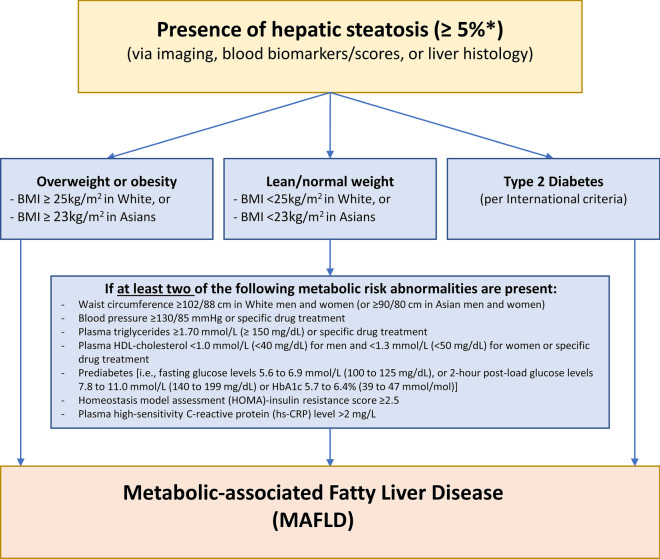
“MAFLD is defined by the presence of hepatic steatosis in the setting of metabolic dysfunction characterised by having overweight/obesity or T2D, or specific features of metabolic dysregulation [1] (Fig.”
InfluentialSelf-citationBurden of liver diseases in the world
Asrani, S. K., Devarbhavi, H., Eaton, J., & Kamath, P. S. (2019) · Journal of Hepatology · doi:10.1016/j.jhep.2018.09.014 · Cited by 3,783 · cited 1×
“MAFLD affects at least 25% of people globally and within Australia [2–4].”
Donnelly, K. L., Smith, C. I., Schwarzenberg, S. J., Jessurun, J., Boldt, M. D., & Parks, E. J. (2005) · Journal of Clinical Investigation · doi:10.1172/jci23621 · Cited by 3,604 · cited 2×
“Dietary fats, which deliver FFA from the gut via chylomicrons, account for the remaining 15% [13].”
Exercise as medicine - evidence for prescribing exercise as therapy in 26 different chronic diseases
Pedersen, B. K., & Saltin, B. (2015) · Scandinavian Journal of Medicine & Science in Sports · doi:10.1111/sms.12581 · Cited by 3,514 · cited 1×
“The profound benefits of exercise on cardiometabolic risk [144, 145], vascular health [146] and cardiorespiratory fitness [144, 147] in a broad range of clinical populations [148] are detailed elsewhere.”
Kodama, S. (2009) · JAMA · doi:10.1001/jama.2009.681 · Cited by 3,035
The Natural History of Nonalcoholic Fatty Liver Disease: A Population-Based Cohort Study
Adams, L. A., Lymp, J. F., St. Sauver, J., Sanderson, S. O., Lindor, K. D., Feldstein, A., & Angulo, P. (2005) · Gastroenterology · doi:10.1053/j.gastro.2005.04.014 · Cited by 2,890 · cited 1×
“People with MAFLD have increased overall mortality, with a 34% higher death rate observed over 7.5 years compared with age-and sex-matched individuals in the general population [15].”
InfluentialDONNELLY, J. E., BLAIR, S. N., JAKICIC, J. M., MANORE, M. M., RANKIN, J. W., & SMITH, B. K. (2009) · Medicine & Science in Sports & Exercise · doi:10.1249/mss.0b013e3181949333 · Cited by 2,658
Vilar-Gomez, E., Martinez-Perez, Y., Calzadilla-Bertot, L., Torres-Gonzalez, A., Gra-Oramas, B., Gonzalez-Fabian, L., Friedman, S. L., Diago, M., & Romero-Gomez, M. (2015) · Gastroenterology · doi:10.1053/j.gastro.2015.04.005 · Cited by 2,492 · cited 1×
“In people who achieved ≥ 10% weight loss, 90% had steatohepatitis resolution, 81% had fibrosis regression and all improved hepatic steatosis [36].”
ACSM's guidelines for exercise testing and prescription
Kenney, W. L., Humphrey, R. H., Bryant, C. X., & Mahler, D. A. (1995) · Williams & Wilkins eBooks · Cited by 1,475
Weston, K. S., Wisløff, U., & Coombes, J. S. (2014) · British Journal of Sports Medicine · doi:10.1136/bjsports-2013-092576 · Cited by 1,274 · cited 1×
“Based on comprehensive evidence in other related populations [153, 154], HIIT is likely to provide substantial improvements in cardiorespiratory fitness; however, data are lacking and therefore benefit cannot be assumed.”
Charlton, M. R., Burns, J. M., Pedersen, R. A., Watt, K. D., Heimbach, J. K., & Dierkhising, R. A. (2011) · Gastroenterology · doi:10.1053/j.gastro.2011.06.061 · Cited by 1,106 · cited 1×
“…30% of people with MAFLD will develop metabolic-associated steatohepatitis (characterised by hepatocyte injury and death with associated inflammation and varying degrees of fibrosis, historically called non-alcoholic steatohepatitis/NASH); a burgeoning indication for liver transplantation [17, 18].”
Exercise for overweight or obesity
Shaw, K. A., Gennat, H. C., O'Rourke, P., & Del Mar, C. (2006) · Cochrane Database of Systematic Reviews · doi:10.1002/14651858.cd003817.pub3 · Cited by 950 · cited 1×
“The influence of exercise on body weight [128, 129], waist circumference [130] and body composition [131, 132] has been well described elsewhere.”
KANALEY, J. A., COLBERG, S. R., CORCORAN, M. H., MALIN, S. K., RODRIGUEZ, N. R., CRESPO, C. J., KIRWAN, J. P., & ZIERATH, J. R. (2022) · Medicine & Science in Sports & Exercise · doi:10.1249/mss.0000000000002800 · Cited by 931 · cited 1×
“Other newer emerging studies demonstrate improvement in patient-important outcomes such as pain interference and social roles [139].”
PATEL, A. V., FRIEDENREICH, C. M., MOORE, S. C., HAYES, S. C., SILVER, J. K., CAMPBELL, K. L., WINTERS-STONE, K., GERBER, L. H., GEORGE, S. M., FULTON, J. E., et al. (2019) · Medicine & Science in Sports & Exercise · doi:10.1249/mss.0000000000002117 · Cited by 861 · cited 1×
“The benefit of regular exercise for reducing risk of some extra-hepatic, lifestyle-related cancers is well established [143].”
Testing the reliability and validity of the self-efficacy for exercise scale
Resnick, B., & Jenkins, L. S. (2000) · Nursing Research · doi:10.1097/00006199-200005000-00007 · Cited by 810 · cited 2×
“(iv) Patient-important outcome measures: Practitioners should assess issues particularly relevant to MAFLD such as rating levels of fatigue, energy and exercise-related self-efficacy (e.g. via the Self-Efficacy for Exercise Scale [39]).”
Position statement on physical activity and exercise intensity terminology.
Norton, K., Norton, L., & Sadgrove, D. (2010) · Journal of Science and Medicine in Sport · doi:10.1016/j.jsams.2009.09.008 · Cited by 804 · cited 2×
“[21].”
Kim, D., Kim, R. W., Kim, H. J., & Therneau, T. M. (2013) · Hepatology · doi:10.1002/hep.26156 · Cited by 772 · cited 1×
“The primary causes of death in MAFLD are non-liver related, with CVD and lifestyle-related extra-hepatic cancers accounting for 37% and 21% of deaths, respectively [16].”
Writing SMART rehabilitation goals and achieving goal attainment scaling: a practical guide
Bovend'Eerdt, T. J., Botell, R. E., & Wade, D. T. (2009) · Clinical Rehabilitation · doi:10.1177/0269215508101741 · Cited by 754 · cited 3×
“Behaviour change techniques that may support people with MAFLD include goal setting (e.g. via the Goal Attainment Scale [42]), self-monitoring of outcomes (e.g. waist circumference) and/or behaviours (e.g. via a pedometer, smartwatch-based application or other behaviour tracking application) and…”
InfluentialLai, J. C., Tandon, P., Bernal, W., Tapper, E. B., Ekong, U., Dasarathy, S., & Carey, E. J. (2021) · Hepatology · doi:10.1002/hep.32049 · Cited by 742 · cited 1×
“Further clinical assessment to establish sarcopenia [37] and frailty via imaging and/ or relevant clinical measures such as the short physical performance battery (SPPB) [38] may be clinically appropriate to consider based on individual presentation.”
2019 Global NAFLD Prevalence: A Systematic Review and Meta-analysis
Le, M. H., Yeo, Y. H., Li, X., Li, J., Zou, B., Wu, Y., Ye, Q., Huang, D. Q., Zhao, C., Zhang, J., et al. (2022) · Clinical Gastroenterology and Hepatology · doi:10.1016/j.cgh.2021.12.002 · Cited by 711
Musso, G., Cassader, M., Rosina, F., & Gambino, R. (2012) · Diabetologia · doi:10.1007/s00125-011-2446-4 · Cited by 661 · cited 4×
“However, the effect sizes are comparable to those observed for most pharmacological agents [65] and larger than Mediterranean-style dietary interventions without energy restriction [85, 86].”
InfluentialJohnson, N. A., Sachinwalla, T., Walton, D. W., Smith, K., Armstrong, A., Thompson, M. W., & George, J. (2009) · Hepatology · doi:10.1002/hep.23129 · Cited by 631 · cited 3×
“Effective doses of exercise have primarily involved moderate-to-vigorous intensity aerobic exercise on 3–5 days per week for 30–60 min per session over 4 weeks to 8.6 months [88, 89, 136, 150, 151].”
InfluentialSelf-citationHaddad, E., Wells, G. A., Sigal, R. J., Boul�, N. G., & Kenny, G. P. (2003) · Diabetologia · doi:10.1007/s00125-003-1160-2 · Cited by 601
Korenblat, K. M., Fabbrini, E., Mohammed, B. S., & Klein, S. (2008) · Gastroenterology · doi:10.1053/j.gastro.2008.01.075 · Cited by 592 · cited 2×
“However, the effect sizes are comparable to those observed for most pharmacological agents [65] and larger than Mediterranean-style dietary interventions without energy restriction [85, 86].”
Noureddin, M., Vipani, A., Bresee, C., Todo, T., Kim, I. K., Alkhouri, N., Setiawan, V. W., Tran, T., Ayoub, W. S., Lu, S. C., et al. (2018) · American Journal of Gastroenterology · doi:10.1038/s41395-018-0088-6 · Cited by 578 · cited 1×
“…30% of people with MAFLD will develop metabolic-associated steatohepatitis (characterised by hepatocyte injury and death with associated inflammation and varying degrees of fibrosis, historically called non-alcoholic steatohepatitis/NASH); a burgeoning indication for liver transplantation [17, 18].”
A Meta-Analysis of Randomized Trials for the Treatment of Nonalcoholic Fatty Liver Disease
Musso, G., Gambino, R., Cassader, M., & Pagano, G. (2010) · Hepatology · doi:10.1002/hep.23623 · Cited by 564 · cited 1×
“For the clinical exercise professional, assessment and management priorities for people with known or suspected MAFLD are suggested to include: [33], reduce liver steatosis [8] and achieve MAFLD remission in people with BMI 25 kg/m 2 [34].”
Exercise and non-alcoholic fatty liver disease: A systematic review and meta-analysis
Keating, S. E., Hackett, D. A., George, J., & Johnson, N. A. (2012) · Journal of Hepatology · doi:10.1016/j.jhep.2012.02.023 · Cited by 537
Self-citationHallsworth, K., Fattakhova, G., Hollingsworth, K. G., Thoma, C., Moore, S., Taylor, R., Day, C. P., & Trenell, M. I. (2011) · Gut · doi:10.1136/gut.2011.242073 · Cited by 529 · cited 2×
“There have been several intervention studies utilising different resistance training methodologies; e.g. ‘traditional’ progressive resistance training with varying volumes and intensities in adults [91–96] and adolescents [97–99], or as circuit training [100–102].”
Self-citationAerobic vs. resistance exercise in non-alcoholic fatty liver disease: a systematic review
Hashida, R., Kawaguchi, T., Bekki, M., Omoto, M., Matsuse, H., Nago, T., Takano, Y., Ueno, T., Koga, H., George, J., et al. (2017) · Journal of Hepatology · doi:10.1016/j.jhep.2016.08.023 · Cited by 509 · cited 2×
“…to seven sessions per week (mode: three/week) for 4–52 weeks (mode: 12 weeks) at moderate–vigorous intensity (based predominantly on percentage heart rate maximum or percentage of peak oxygen consumption ( ̇ V O 2 peak) or median effective metabolic equivalents (METs) per session of 4.8 METs [87]).”
InfluentialSelf-citationTreatment of nonalcoholic fatty liver disease: role of AMPK
Smith, B. K., Marcinko, K., Desjardins, E. M., Lally, J. S., Ford, R. J., & Steinberg, G. R. (2016) · American Journal of Physiology-Endocrinology and Metabolism · doi:10.1152/ajpendo.00225.2016 · Cited by 500 · cited 2×
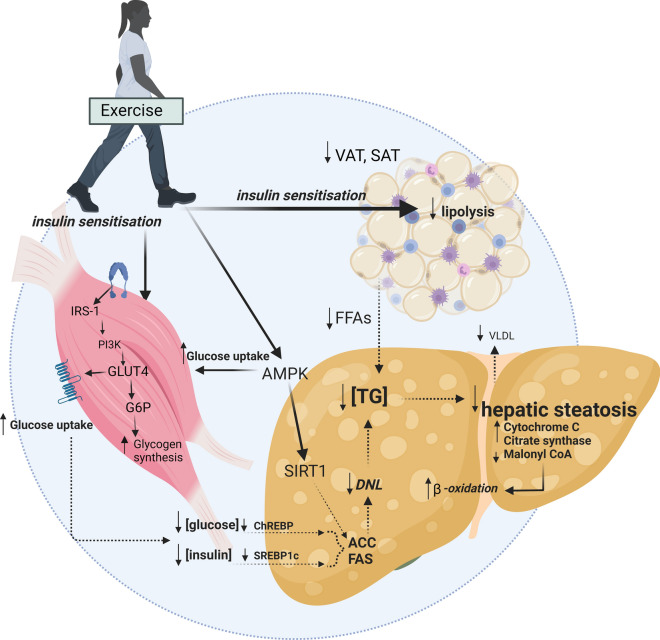
“AMPK activity is reduced in obesity, diabetes and inflammatory states [50] and is increased acutely during and after exercise in mice [51], with indirect evidence suggesting that exercise modulates the AMPK/mTORC1 pathway in people with MAFLD [52].”
Alterations in Liver ATP Homeostasis in Human Nonalcoholic Steatohepatitis: A Pilot Study
Cortez-Pinto, H., Chatham, J., Chacko, V. P., Arnold, C., Rashid, A., & Diehl, A. M. (1999) · JAMA · doi:10.1001/jama.282.17.1659 · Cited by 487
AMPK and the biochemistry of exercise: implications for human health and disease
Richter, E. A., & Ruderman, N. B. (2009) · Biochemical Journal · doi:10.1042/bj20082055 · Cited by 481 · cited 1×
“However, it is important to note that there is no evidence to date conferring that an improvement in these surrogate parameters directly contributes to a reduction in cardiovascular disease mortality.”
Kistler, K. D., Brunt, E. M., Clark, J. M., Diehl, A. M., Sallis, J. F., & Schwimmer, J. B. (2011) · American Journal of Gastroenterology · doi:10.1038/ajg.2010.488 · Cited by 433 · cited 1×
“Only those who self-reported high volumes (150 min/week) of vigorous intensity exercise had a reduced likelihood of advanced fibrosis [114].”
Exercise and metabolic health: beyond skeletal muscle
Thyfault, J. P., & Bergouignan, A. (2020) · Diabetologia · doi:10.1007/s00125-020-05177-6 · Cited by 410 · cited 1×
“There is clear and consistent evidence that regular exercise is cardioprotective and has multiple benefits on musculoskeletal function and mental health, irrespective of weight loss [43].”
Lee, S., Bacha, F., Hannon, T., Kuk, J. L., Boesch, C., & Arslanian, S. (2012) · Diabetes · doi:10.2337/db12-0214 · Cited by 398
Lipid metabolism during endurance exercise
Horowitz, J. F., & Klein, S. (2000) · The American Journal of Clinical Nutrition · doi:10.1093/ajcn/72.2.558s · Cited by 397 · cited 1×
“However, the effect sizes are comparable to those observed for most pharmacological agents [65] and larger than Mediterranean-style dietary interventions without energy restriction [85, 86].”
Farzanegi, P., Dana, A., Ebrahimpoor, Z., Asadi, M., & Azarbayjani, M. A. (2019) · European Journal of Sport Science · doi:10.1080/17461391.2019.1571114 · Cited by 379 · cited 1×
“The mechanisms by which exercise modulates hepatic steatosis have been detailed elsewhere [14, 44–46].”
Allen, A. M., Therneau, T. M., Larson, J. J., Coward, A., Somers, V. K., & Kamath, P. S. (2018) · Hepatology · doi:10.1002/hep.29546 · Cited by 370 · cited 1×
“…end-stage liver disease and primary liver cancer, MAFLD plays a central role in the development of type 2 diabetes (T2D), cardiovascular disease (CVD) and extrahepatic lifestyle-related cancers [5], reducing life expectancy by 4 years and increasing time spent living with high metabolic burden [6].”
Younossi, Z. M., Loomba, R., Rinella, M. E., Bugianesi, E., Marchesini, G., Neuschwander‐Tetri, B. A., Serfaty, L., Negro, F., Caldwell, S. H., Ratziu, V., et al. (2018) · Hepatology · doi:10.1002/hep.29724 · Cited by 357 · cited 1×
“People with histological evidence of steatohepatitis have an increased liver-related mortality rate that is dose-dependent based on the severity of liver fibrosis [20].”
Self-citationWaist circumference and abdominal adipose tissue distribution: influence of age and sex
Kuk, J. L., Lee, S., Heymsfield, S. B., & Ross, R. (2005) · The American Journal of Clinical Nutrition · doi:10.1093/ajcn/81.6.1330 · Cited by 353 · cited 1×
“This magnitude of reduction is likely clinically meaningful given a 1 cm increase in waist circumference is associated with an approximately 2% increase in risk of CVD [74, 133].”
Bacchi, E., Negri, C., Targher, G., Faccioli, N., Lanza, M., Zoppini, G., Zanolin, E., Schena, F., Bonora, E., & Moghetti, P. (2013) · Hepatology · doi:10.1002/hep.26393 · Cited by 350 · cited 4×
“There have been several intervention studies utilising different resistance training methodologies; e.g. ‘traditional’ progressive resistance training with varying volumes and intensities in adults [91–96] and adolescents [97–99], or as circuit training [100–102].”
InfluentialIsmail, I., Keating, S. E., Baker, M. K., & Johnson, N. A. (2012) · Obesity Reviews · doi:10.1111/j.1467-789x.2011.00931.x · Cited by 345 · cited 1×
“The influence of exercise on body weight [128, 129], waist circumference [130] and body composition [131, 132] has been well described elsewhere.”
Self-citationKeating, S. E., Johnson, N. A., Mielke, G. I., & Coombes, J. S. (2017) · Obesity Reviews · doi:10.1111/obr.12536 · Cited by 344 · cited 1×
“The influence of exercise on body weight [128, 129], waist circumference [130] and body composition [131, 132] has been well described elsewhere.”
Self-citationBerzigotti, A., Albillos, A., Villanueva, C., Genescá, J., Ardevol, A., Augustín, S., Calleja, J. L., Bañares, R., García‐Pagán, J. C., Mesonero, F., et al. (2017) · Hepatology · doi:10.1002/hep.28992 · Cited by 334 · cited 1×
“Data from people with broad-aetiology cirrhosis indicate that exercise training is safe and effective for lowering portal pressures [180, 181], with further exercise prescription guidance published (see Tandon et al. [158] for prescription recommendations).”
Rector, R. S., Thyfault, J. P., Morris, R. T., Laye, M. J., Borengasser, S. J., Booth, F. W., & Ibdah, J. A. (2008) · American Journal of Physiology-Gastrointestinal and Liver Physiology · doi:10.1152/ajpgi.00428.2007 · Cited by 321 · cited 1×
“In rodents, exercise-mediated increases in mitochondrial enzymes (e.g. cytochrome c oxidase, citrate synthase and β-hydroxyacyldehydrogenase) and increases in mitochondrial content and oxidative capacity have been shown [49].”
Wong, V. W.-S., Wong, G. L.-H., Chan, R. S.-M., Shu, S. S.-T., Cheung, B. H.-K., Li, L. S., Chim, A. M.-L., Chan, C. K.-M., Leung, J. K.-Y., Chu, W. C.-W., et al. (2018) · Journal of Hepatology · doi:10.1016/j.jhep.2018.08.011 · Cited by 319
Effect of aerobic exercise training dose on liver fat and visceral adiposity
Keating, S. E., Hackett, D. A., Parker, H. M., O’Connor, H. T., Gerofi, J. A., Sainsbury, A., Baker, M. K., Chuter, V. H., Caterson, I. D., George, J., et al. (2015) · Journal of Hepatology · doi:10.1016/j.jhep.2015.02.022 · Cited by 313 · cited 8×
“…mass, effective studies have prescribed interventions of 150–240 min per week of moderate intensity aerobic exercise for 30–60 min three to five times per week for 12 weeks to 12 months [89, 90, 135, 136], or 60 min/week of moderate–vigorous aerobic exercise (60–85% ̇ VO 2 peak) for 6 weeks [137].”
InfluentialSelf-citationSullivan, S., Kirk, E. P., Mittendorfer, B., Patterson, B. W., & Klein, S. (2012) · Hepatology · doi:10.1002/hep.25548 · Cited by 301 · cited 1×
“Effective doses of exercise have primarily involved moderate-to-vigorous intensity aerobic exercise on 3–5 days per week for 30–60 min per session over 4 weeks to 8.6 months [88, 89, 136, 150, 151].”
InfluentialSultana, R. N., Sabag, A., Keating, S. E., & Johnson, N. A. (2019) · Sports Medicine · doi:10.1007/s40279-019-01167-w · Cited by 286 · cited 1×
“Based on comprehensive evidence in other related populations [153, 154], HIIT is likely to provide substantial improvements in cardiorespiratory fitness; however, data are lacking and therefore benefit cannot be assumed.”
Self-citationStine, J. G., Munaganuru, N., Barnard, A., Wang, J. L., Kaulback, K., Argo, C. K., Singh, S., Fowler, K. J., Sirlin, C. B., & Loomba, R. (2021) · Clinical Gastroenterology and Hepatology · doi:10.1016/j.cgh.2020.08.061 · Cited by 283 · cited 1×
“There have been no comparisons of resistance training dose or the effectiveness and safety of resistance training protocols delivered beyond the clinical/ laboratory-based settings in people with MAFLD.”
Self-citationOppert, J., Bellicha, A., van Baak, M. A., Battista, F., Beaulieu, K., Blundell, J. E., Carraça, E. V., Encantado, J., Ermolao, A., Pramono, A., et al. (2021) · Obesity Reviews · doi:10.1111/obr.13273 · Cited by 282
Zhang, H.-J., He, J., Pan, L.-L., Ma, Z.-M., Han, C.-K., Chen, C.-S., Chen, Z., Han, H.-W., Chen, S., Sun, Q., et al. (2016) · JAMA Internal Medicine · doi:10.1001/jamainternmed.2016.3202 · Cited by 276
Kantartzis, K., Thamer, C., Peter, A., Machann, J., Schick, F., Schraml, C., Konigsrainer, A., Konigsrainer, I., Krober, S., Niess, A., et al. (2009) · Gut · doi:10.1136/gut.2008.151977 · Cited by 273 · cited 1×
“Low cardiorespiratory fitness has been reported to be a potent risk factor for MAFLD and is inversely associated with steatohepatitis [29] and liver fibrosis [28], and may predict the degree of steatosis reduction possible with lifestyle intervention [30].”
Hordern, M. D., Dunstan, D. W., Prins, J. B., Baker, M. K., Singh, M. A. F., & Coombes, J. S. (2012) · Journal of Science and Medicine in Sport · doi:10.1016/j.jsams.2011.04.005 · Cited by 273 · cited 1×
“Practitioners may find relevant recommendations for resistance training prescription elsewhere [156, 157].”
Katsagoni, C. N., Georgoulis, M., Papatheodoridis, G. V., Panagiotakos, D. B., & Kontogianni, M. D. (2017) · Metabolism · doi:10.1016/j.metabol.2016.12.006 · Cited by 270 · cited 2×
“…within-group benefits for exercise on hepatic insulin sensitivity [69], the efficacy for improving glycaemic control [54, 65, 73, 75, 79, 80] and the Homeostatic Model Assessment for Insulin Resistance (HOMA-IR) [25, 50, 54, 59, 60, 66, 67, 70, 76, 123] in people with MAFLD is inconsistent.”
InfluentialFat in the liver and insulin resistance
Yki‐Järvinen, H. (2005) · Annals of Medicine · doi:10.1080/07853890510037383 · Cited by 268 · cited 1×
“Hepatic steatosis is a cause and a consequence of insulin resistance [10–12].”
Way, K. L., Hackett, D. A., Baker, M. K., & Johnson, N. A. (2016) · Diabetes & Metabolism Journal · doi:10.4093/dmj.2016.40.4.253 · Cited by 244 · cited 1×
“The profound benefits of exercise on cardiometabolic risk [144, 145], vascular health [146] and cardiorespiratory fitness [144, 147] in a broad range of clinical populations [148] are detailed elsewhere.”
Self-citationSlentz, C. A., Bateman, L. A., Willis, L. H., Shields, A. T., Tanner, C. J., Piner, L. W., Hawk, V. H., Muehlbauer, M. J., Samsa, G. P., Nelson, R. C., et al. (2011) · American Journal of Physiology-Endocrinology and Metabolism · doi:10.1152/ajpendo.00291.2011 · Cited by 235 · cited 1×
“There is no consistent evidence, with an approximately equal number of studies demonstrating benefit [91, 94, 95, 97, 100, 102] or no benefit [92, 93, 98, 99, 101] of resistance training on hepatic steatosis.”
Exercise, Vascular Wall and Cardiovascular Diseases: An Update (Part 1)
Leung, F. P., Yung, L. M., Laher, I., Yao, X., Chen, Z. Y., & Huang, Y. (2008) · Sports Medicine · doi:10.2165/00007256-200838120-00005 · Cited by 219 · cited 1×
“The profound benefits of exercise on cardiometabolic risk [144, 145], vascular health [146] and cardiorespiratory fitness [144, 147] in a broad range of clinical populations [148] are detailed elsewhere.”
Taylor, J. L., Holland, D. J., Spathis, J. G., Beetham, K. S., Wisløff, U., Keating, S. E., & Coombes, J. S. (2019) · Progress in Cardiovascular Diseases · doi:10.1016/j.pcad.2019.01.004 · Cited by 217 · cited 1×
“…people with chronic disease emphasise that medical screening, cardiopulmonary evaluation, modest workload progression and ongoing monitoring of health and medication status are necessary [155], and that high-intensity and sprint interval training may be contrain-dicated in some people with MAFLD.”
Self-citationShojaee-Moradie, F., Baynes, K. C. R., Pentecost, C., Bell, J. D., Thomas, E. L., Jackson, N. C., Stolinski, M., Whyte, M., Lovell, D., Bowes, S. B., et al. (2007) · Diabetologia · doi:10.1007/s00125-006-0498-7 · Cited by 209 · cited 2×
“Similar doses of aerobic exercise have been shown to be efficacious for reduction in waist circumference in MAFLD and related populations [89, 90, 135–137].”
Orci, L. A., Gariani, K., Oldani, G., Delaune, V., Morel, P., & Toso, C. (2016) · Clinical Gastroenterology and Hepatology · doi:10.1016/j.cgh.2016.04.036 · Cited by 209 · cited 1×
“…within-group benefits for exercise on hepatic insulin sensitivity [69], the efficacy for improving glycaemic control [54, 65, 73, 75, 79, 80] and the Homeostatic Model Assessment for Insulin Resistance (HOMA-IR) [25, 50, 54, 59, 60, 66, 67, 70, 76, 123] in people with MAFLD is inconsistent.”
Houghton, D., Thoma, C., Hallsworth, K., Cassidy, S., Hardy, T., Burt, A. D., Tiniakos, D., Hollingsworth, K. G., Taylor, R., Day, C. P., et al. (2017) · Clinical Gastroenterology and Hepatology · doi:10.1016/j.cgh.2016.07.031 · Cited by 209
Self-citationExercise in cirrhosis: Translating evidence and experience to practice
Tandon, P., Ismond, K. P., Riess, K., Duarte-Rojo, A., Al-Judaibi, B., Dunn, M. A., Holman, J., Howes, N., Haykowsky, M. J. F., Josbeno, D. A., et al. (2018) · Journal of Hepatology · doi:10.1016/j.jhep.2018.06.017 · Cited by 209 · cited 3×
“For further information on clinical considerations regarding these complications and recommendations for exercise assessment and prescription for people with cirrhosis (see Tandon et al. [158].”
InfluentialHaigh, L., Kirk, C., El Gendy, K., Gallacher, J., Errington, L., Mathers, J. C., & Anstee, Q. M. (2022) · Clinical Nutrition · doi:10.1016/j.clnu.2022.06.037 · Cited by 209 · cited 1×
“However, the effect sizes are comparable to those observed for most pharmacological agents [65] and larger than Mediterranean-style dietary interventions without energy restriction [85, 86].”
Hallsworth, K., Thoma, C., Hollingsworth, K. G., Cassidy, S., Anstee, Q. M., Day, C. P., & Trenell, M. I. (2015) · Clinical Science · doi:10.1042/cs20150308 · Cited by 201 · cited 1×
“…demonstrated both significant or near significant between-group [89–91, 103, 135] and within-group [138, 139] effects for reduction in VAT in studies employing predominantly aerobic exercise between 8 weeks and 6 months durations, while others have reported no significant changes [136, 140, 141].”
Self-citationO'Donoghue, G., Blake, C., Cunningham, C., Lennon, O., & Perrotta, C. (2021) · Obesity Reviews · doi:10.1111/obr.13137 · Cited by 190 · cited 1×
“The profound benefits of exercise on cardiometabolic risk [144, 145], vascular health [146] and cardiorespiratory fitness [144, 147] in a broad range of clinical populations [148] are detailed elsewhere.”
Current therapies and new developments in NASH
Dufour, J.-F., Anstee, Q. M., Bugianesi, E., Harrison, S., Loomba, R., Paradis, V., Tilg, H., Wong, V. W.-S., & Zelber-sagi, S. (2022) · Gut · doi:10.1136/gutjnl-2021-326874 · Cited by 190
Physical activity and liver diseases
Berzigotti, A., Saran, U., & Dufour, J. (2016) · Hepatology · doi:10.1002/hep.28132 · Cited by 186 · cited 1×
“Exercise prescription should be individually tailored to incorporate both guidelines with modifications to exercise volume, intensity and modality as required to ensure safety.”
Strength Exercise Improves Muscle Mass and Hepatic Insulin Sensitivity in Obese Youth
VAN DER HEIJDEN, G.-J., WANG, Z. J., CHU, Z., TOFFOLO, G., MANESSO, E., SAUER, P. J. J., & SUNEHAG, A. L. (2010) · Medicine & Science in Sports & Exercise · doi:10.1249/mss.0b013e3181df16d9 · Cited by 177 · cited 2×
“There have been several intervention studies utilising different resistance training methodologies; e.g. ‘traditional’ progressive resistance training with varying volumes and intensities in adults [91–96] and adolescents [97–99], or as circuit training [100–102].”
Lee, S., Deldin, A. R., White, D., Kim, Y., Libman, I., Rivera-Vega, M., Kuk, J. L., Sandoval, S., Boesch, C., & Arslanian, S. (2013) · American Journal of Physiology-Endocrinology and Metabolism · doi:10.1152/ajpendo.00285.2013 · Cited by 171 · cited 2×
“There is no consistent evidence, with an approximately equal number of studies demonstrating benefit [91, 94, 95, 97, 100, 102] or no benefit [92, 93, 98, 99, 101] of resistance training on hepatic steatosis.”
Golabi, P., Locklear, C. T., Austin, P., Afdhal, S., Byrns, M., Gerber, L., & Younossi, Z. M. (2016) · World Journal of Gastroenterology · doi:10.3748/wjg.v22.i27.6318 · Cited by 170
Ma, X., Liu, S., Zhang, J., Dong, M., Wang, Y., Wang, M., & Xin, Y. (2020) · BMC Gastroenterology · doi:10.1186/s12876-020-1165-z · Cited by 160 · cited 1×
“Coupled with poor correlation with liver histology [119], these liver enzymes should not be considered as a good surrogate for hepatic steatosis or MAFLD severity in isolation.”
Eckard, C., Cole, R., Lockwood, J., Torres, D. M., Williams, C. D., Shaw, J. C., & Harrison, S. A. (2013) · Therapeutic Advances in Gastroenterology · doi:10.1177/1756283x13484078 · Cited by 155 · cited 2×
“To date, just three trials have undertaken paired liver biopsy across a total of 34 exercising participants with mixed findings [101, 116, 117].”
Effect of resistance training on non-alcoholic fatty-liver disease a randomized-clinical trial
Zelber-Sagi, S. (2014) · World Journal of Gastroenterology · doi:10.3748/wjg.v20.i15.4382 · Cited by 152
Winn, N. C., Liu, Y., Rector, R. S., Parks, E. J., Ibdah, J. A., & Kanaley, J. A. (2017) · Metabolism · doi:10.1016/j.metabol.2017.08.012 · Cited by 151 · cited 2×
“…demonstrated both significant or near significant between-group [89–91, 103, 135] and within-group [138, 139] effects for reduction in VAT in studies employing predominantly aerobic exercise between 8 weeks and 6 months durations, while others have reported no significant changes [136, 140, 141].”
InfluentialHealth‐related fitness and physical activity in patients with nonalcoholic fatty liver disease†‡
Krasnoff, J. B., Painter, P. L., Wallace, J. P., Bass, N. M., & Merriman, R. B. (2008) · Hepatology · doi:10.1002/hep.22137 · Cited by 148 · cited 1×
“Low cardiorespiratory fitness has been reported to be a potent risk factor for MAFLD and is inversely associated with steatohepatitis [29] and liver fibrosis [28], and may predict the degree of steatosis reduction possible with lifestyle intervention [30].”
Golabi, P., Otgonsuren, M., Cable, R., Felix, S., Koenig, A., Sayiner, M., & Younossi, Z. M. (2016) · Health and Quality of Life Outcomes · doi:10.1186/s12955-016-0420-z · Cited by 146 · cited 1×
“People with MAFLD, and notably steatohepatitis, have lower health-related quality of life than the general population [174] and low engagement with physical activity [28, 31, 164, 175].”
Macías-Rodríguez, R. U., Ilarraza-Lomelí, H., Ruiz-Margáin, A., Ponce-de-León-Rosales, S., Vargas-Vorácková, F., García-Flores, O., Torre, A., & Duarte-Rojo, A. (2016) · Clinical and Translational Gastroenterology · doi:10.1038/ctg.2016.38 · Cited by 142 · cited 1×
“…aerobic and resistance exercise, are safe, with no apparent increased risk of variceal haemorrhage or encephalopathy; these programmes also led to increases in lean body mass, reduction in overall adiposity, improved mobility and a marginal reduction in hepatic venous pressure gradient [182–185].”
Armstrong, A., Jungbluth Rodriguez, K., Sabag, A., Mavros, Y., Parker, H. M., Keating, S. E., & Johnson, N. A. (2022) · Obesity Reviews · doi:10.1111/obr.13446 · Cited by 142 · cited 1×
“The influence of exercise on body weight [128, 129], waist circumference [130] and body composition [131, 132] has been well described elsewhere.”
Self-citationSmart, N. A., King, N., McFarlane, J. R., Graham, P. L., & Dieberg, G. (2018) · British Journal of Sports Medicine · doi:10.1136/bjsports-2016-096197 · Cited by 140
Cuthbertson, D. J., Shojaee-Moradie, F., Sprung, V. S., Jones, H., Pugh, C. J. A., Richardson, P., Kemp, G. J., Barrett, M., Jackson, N. C., Thomas, E. L., et al. (2016) · Clinical Science · doi:10.1042/cs20150447 · Cited by 138 · cited 4×
“Similar doses of aerobic exercise have been shown to be efficacious for reduction in waist circumference in MAFLD and related populations [89, 90, 135–137].”
InfluentialBattista, F., Ermolao, A., van Baak, M. A., Beaulieu, K., Blundell, J. E., Busetto, L., Carraça, E. V., Encantado, J., Dicker, D., Farpour‐Lambert, N., et al. (2021) · Obesity Reviews · doi:10.1111/obr.13269 · Cited by 132
Nonalcoholic fatty liver disease burden: Australia, 2019–2030
Adams, L. A., Roberts, S. K., Strasser, S. I., Mahady, S. E., Powell, E., Estes, C., Razavi, H., & George, J. (2020) · Journal of Gastroenterology and Hepatology · doi:10.1111/jgh.15009 · Cited by 130 · cited 1×
“MAFLD affects at least 25% of people globally and within Australia [2–4].”
Self-citationCheng, S., Ge, J., Zhao, C., Le, S., Yang, Y., Ke, D., Wu, N., Tan, X., Zhang, X., Du, X., et al. (2017) · Scientific Reports · doi:10.1038/s41598-017-16159-x · Cited by 127 · cited 1×
“Effective doses of exercise have primarily involved moderate-to-vigorous intensity aerobic exercise on 3–5 days per week for 30–60 min per session over 4 weeks to 8.6 months [88, 89, 136, 150, 151].”
InfluentialShamsoddini, A., Sobhani, V., Ghamar Chehreh, M. E., Alavian, S. M., & Zaree, A. (2015) · Hepatitis Monthly · doi:10.5812/hepatmon.31434 · Cited by 126 · cited 2×
“There have been several intervention studies utilising different resistance training methodologies; e.g. ‘traditional’ progressive resistance training with varying volumes and intensities in adults [91–96] and adolescents [97–99], or as circuit training [100–102].”
Factors associated with histologic response in adult patients with nonalcoholic steatohepatitis
Loomba, R., Sanyal, A. J., Kowdley, K. V., Terrault, N., Chalasani, N. P., Abdelmalek, M. F., McCullough, A. J., Shringarpure, R., Ferguson, B., Lee, L., et al. (2019) · Gastroenterology · doi:10.1053/j.gastro.2018.09.021 · Cited by 124 · cited 1×
“Notably, a clinically significant change in ALT is ≥ 17 IU/ml which represents a cut off that surrogates for fibrosis change, and there are no data to inform the clinical impact of smaller changes in liver enzymes, which are likely to be influenced by natural variability [127].”
Low‐volume high‐intensity interval training for cardiometabolic health
Sabag, A., Little, J. P., & Johnson, N. A. (2022) · The Journal of Physiology · doi:10.1113/jp281210 · Cited by 124 · cited 2×
“High-intensity interval training (HIIT) is characterised by high-intensity bouts of exercise interspersed with passive or low-intensity rest periods [105].”
Self-citationExercise and ectopic fat in type 2 diabetes: A systematic review and meta-analysis
Sabag, A., Way, K. L., Keating, S. E., Sultana, R. N., O’Connor, H. T., Baker, M. K., Chuter, V. H., George, J., & Johnson, N. A. (2017) · Diabetes & Metabolism · doi:10.1016/j.diabet.2016.12.006 · Cited by 123
Self-citationClinical course of non-alcoholic fatty liver disease and the implications for clinical trial design
Allen, A. M., Therneau, T. M., Ahmed, O. T., Gidener, T., Mara, K. C., Larson, J. J., Canning, R. E., Benson, J. T., & Kamath, P. S. (2022) · Journal of Hepatology · doi:10.1016/j.jhep.2022.07.004 · Cited by 121 · cited 1×
“However, unlike the high incidence of progression from MAFLD to metabolic-associated steatohepatitis, the onset of cirrhosis is relatively low with slow progression (~ 3% in 15 years) [19].”
Fernández, T., Viñuela, M., Vidal, C., & Barrera, F. (2022) · PLoS ONE · doi:10.1371/journal.pone.0263931 · Cited by 117 · cited 3×
“A recent meta-analysis that pooled 13 studies, showed a small but significant effect favouring exercise versus control [− 0.78 kg/m 2 (95% CI − 1.07, − 0.48 kg/m 2 )] [121], with absolute non-significant reductions of − 2.43 kg (95% CI − 4.99, 0.14 kg) between exercise and control [72].”
InfluentialExercise training reverses endothelial dysfunction in nonalcoholic fatty liver disease
Pugh, C. J. A., Sprung, V. S., Kemp, G. J., Richardson, P., Shojaee-Moradie, F., Umpleby, A. M., Green, D. J., Cable, N. T., Jones, H., & Cuthbertson, D. J. (2014) · American Journal of Physiology-Heart and Circulatory Physiology · doi:10.1152/ajpheart.00306.2014 · Cited by 116 · cited 1×
“Notably, this magnitude of change has been observed in as little as 4 weeks of moderate to vigorous intensity aerobic exercise for 135 min/week [88].”
Shojaee-Moradie, F., Cuthbertson, D. J., Barrett, M., Jackson, N. C., Herring, R., Thomas, E. L., Bell, J., Kemp, G. J., Wright, J., & Umpleby, A. M. (2016) · The Journal of Clinical Endocrinology & Metabolism · doi:10.1210/jc.2016-2353 · Cited by 116 · cited 1×
“Combined aerobic and resistance training 3 days per week for 45–60 min led to reductions in hepatic steatosis of ~ 2% at 12 weeks [103] and ~ 10% at 16 weeks [104].”
Croci, I., Byrne, N. M., Choquette, S., Hills, A. P., Chachay, V. S., Clouston, A. D., O'Moore-Sullivan, T. M., Macdonald, G. A., Prins, J. B., & Hickman, I. J. (2013) · Gut · doi:10.1136/gutjnl-2012-302789 · Cited by 114 · cited 1×
“The pathophysiology underpinning MAFLD is also associated with exercise intolerance and diastolic and autonomic dysfunction [28, 176, 177], with the severity of impairment related to the severity of liver fibrosis [28].”
Self-citationAbdelbasset, W. K., Tantawy, S. A., Kamel, D. M., Alqahtani, B. A., Elnegamy, T. E., Soliman, G. S., & Ibrahim, A. A. (2020) · Medicine · doi:10.1097/md.0000000000019471 · Cited by 108
Dennis, A., Kelly, M. D., Fernandes, C., Mouchti, S., Fallowfield, J. A., Hirschfield, G., Pavlides, M., Harrison, S., Chakravarthy, M. V., Banerjee, R., et al. (2021) · Frontiers in Endocrinology · doi:10.3389/fendo.2020.575843 · Cited by 108 · cited 1×
“However, the emergence of validated non-invasive alternatives to biopsy such as multi-parametric MRI [159] may facilitate our understanding of the efficacy of exercise on liver fibro-inflammation.”
Sargeant, J. A., Gray, L. J., Bodicoat, D. H., Willis, S. A., Stensel, D. J., Nimmo, M. A., Aithal, G. P., & King, J. A. (2018) · Obesity Reviews · doi:10.1111/obr.12719 · Cited by 105 · cited 1×
“While one meta-analysis demonstrated within-group benefits for exercise on hepatic insulin sensitivity [69], the efficacy for improving glycaemic control [54, 65, 73, 75, 79, 80] and the Homeostatic Model Assessment for Insulin Resistance (HOMA-IR) [25, 50, 54, 59, 60, 66, 67, 70, 76, 123] in…”
Younossi, Z. M., Stepanova, M., Henry, L., Racila, A., Lam, B., Pham, H. T., & Hunt, S. (2017) · Liver International · doi:10.1111/liv.13391 · Cited by 104 · cited 1×
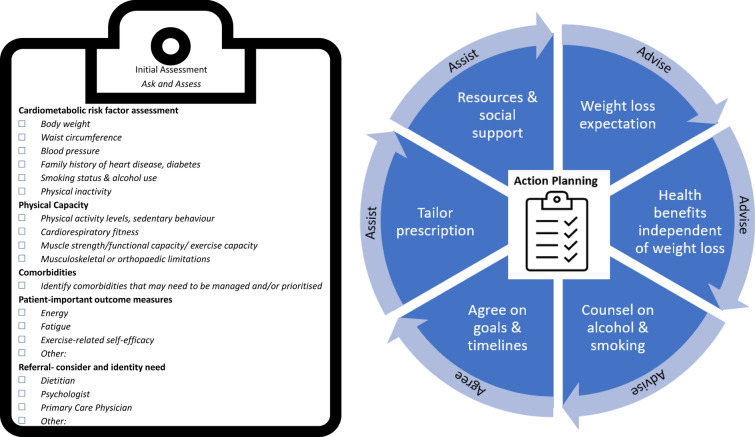
“…Pittsburgh Sleep Quality Index [40]), low-mood, ability to undertake activities of daily living and health-related quality of life (e.g. via the Chronic Liver Disease Questionnaire – Non-Alcoholic Fatty Liver Disease version [41]) or other goals specific to the patient that exercise may address.”
Liver Transplantation in the Obese Cirrhotic Patient
Spengler, E. K., O’Leary, J. G., Te, H. S., Rogal, S., Pillai, A. A., Al-Osaimi, A., Desai, A., Fleming, J. N., Ganger, D., Seetharam, A., et al. (2017) · Transplantation · doi:10.1097/tp.0000000000001794 · Cited by 102 · cited 1×
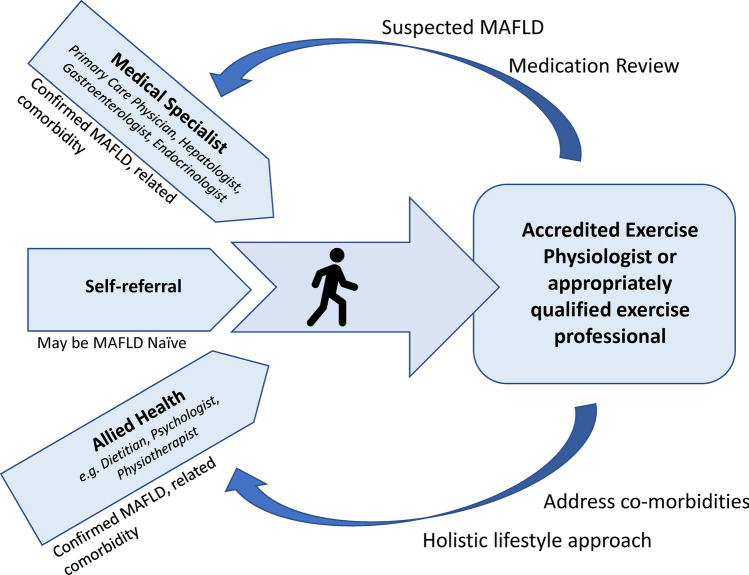
“In the presence of one or more comorbidity (e.g. T2D, hypertension, chronic kidney disease) specific exercise guidelines pertaining to the comorbid condition(s) should be considered.”
Importance of fatigue and its measurement in chronic liver disease
Gerber, L. H., Weinstein, A. A., Mehta, R., & Younossi, Z. M. (2019) · World Journal of Gastroenterology · doi:10.3748/wjg.v25.i28.3669 · Cited by 102
Frith, J., Day, C. P., Robinson, L. J., Elliott, C., Jones, D. E. J., & Newton, J. L. (2009) · Journal of Hepatology · doi:10.1016/j.jhep.2009.10.010 · Cited by 99 · cited 2×
“Patients have reported not knowing how to exercise/what to do, which resulted in a lack of confidence to commence [164, 169, 170].”
Home‐Based Exercise in Patients Awaiting Liver Transplantation: A Feasibility Study
Williams, F. R., Vallance, A., Faulkner, T., Towey, J., Durman, S., Kyte, D., Elsharkawy, A. M., Perera, T., Holt, A., Ferguson, J., et al. (2019) · Liver Transplantation · doi:10.1002/lt.25442 · Cited by 99
Effects of exercise training on intrahepatic lipid content in humans
Brouwers, B., Hesselink, M. K. C., Schrauwen, P., & Schrauwen-Hinderling, V. B. (2016) · Diabetologia · doi:10.1007/s00125-016-4037-x · Cited by 94
Improvement in histological endpoints of MAFLD following a 12-week aerobic exercise intervention
O’Gorman, P., Naimimohasses, S., Monaghan, A., Kennedy, M., Melo, A. M., Ní Fhloinn, D., Doherty, D. G., Beddy, P., Finn, S. P., Moore, J. B., et al. (2020) · Alimentary Pharmacology & Therapeutics · doi:10.1111/apt.15989 · Cited by 94 · cited 3×
“…in 67% of participants ( n = 12) following 12 weeks of moder-ate-to-vigorous [40–75% heart rate reserve (HRR)] aerobic exercise intervention on 3–5 days per week; however, there was no control group for comparison and there was heterogeneity in the histological phenotype of participants [117].”
Houttu, V., Csader, S., Nieuwdorp, M., Holleboom, A. G., & Schwab, U. (2021) · Frontiers in Nutrition · doi:10.3389/fnut.2021.716783 · Cited by 94 · cited 1×
“However, the effect sizes are comparable to those observed for most pharmacological agents [65] and larger than Mediterranean-style dietary interventions without energy restriction [85, 86].”
Stine, J. G., DiJoseph, K., Pattison, Z., Harrington, A., Chinchilli, V. M., Schmitz, K. H., & Loomba, R. (2023) · American Journal of Gastroenterology · doi:10.14309/ajg.0000000000002098 · Cited by 94 · cited 2×
“Pooled analyses of exercise trials compared with non-exercise con-trol show that exercise training participants with MAFLD are 3.5 times more likely to achieve this threshold than patients receiving usual care [77].”
InfluentialSelf-citationBabu, A. F., Csader, S., Lok, J., Gómez-Gallego, C., Hanhineva, K., El-Nezami, H., & Schwab, U. (2021) · Nutrients · doi:10.3390/nu13093135 · Cited by 88 · cited 5×
“…one meta-analysis demonstrated within-group benefits for exercise on hepatic insulin sensitivity [69], the efficacy for improving glycaemic control [54, 65, 73, 75, 79, 80] and the Homeostatic Model Assessment for Insulin Resistance (HOMA-IR) [25, 50, 54, 59, 60, 66, 67, 70, 76, 123] in people…”
InfluentialSabag, A., Barr, L., Armour, M., Armstrong, A., Baker, C. J., Twigg, S. M., Chang, D., Hackett, D. A., Keating, S. E., George, J., et al. (2022) · The Journal of Clinical Endocrinology & Metabolism · doi:10.1210/clinem/dgab795 · Cited by 88 · cited 4×
“These findings were corroborated by a meta-regression demonstrating no association between either total exercise volume in minutes per week or energy expenditure (Kcal) per week and reductions in hepatic steatosis across 18 RCTs [67].”
InfluentialSelf-citationCarobene, A., Braga, F., Roraas, T., Sandberg, S., & Bartlett, W. A. (2013) · Clinical Chemistry and Laboratory Medicine (CCLM) · doi:10.1515/cclm-2013-0096 · Cited by 84 · cited 1×
“Liver enzymes ALT and AST are commonly measured as indicators of liver injury; however, there is significant biological variation in repeat measures of ALT and AST, and AST of muscle origin may increase dramatically following acute exercise [118].”
Pharmacological Treatment for Non-alcoholic Fatty Liver Disease
Francque, S., & Vonghia, L. (2019) · Advances in Therapy · doi:10.1007/s12325-019-00898-6 · Cited by 84 · cited 1×
“Although there are several promising agents for MAFLD in stage II and III clinical trials, at present there is no approved drug therapy [178].”
Sayiner, M., Stepanova, M., Pham, H., Noor, B., Walters, M., & Younossi, Z. M. (2016) · BMJ Open Gastroenterology · doi:10.1136/bmjgast-2016-000106 · Cited by 81 · cited 1×
“People with MAFLD, and notably steatohepatitis, have lower health-related quality of life than the general population [174] and low engagement with physical activity [28, 31, 164, 175].”
The early identification of poor treatment outcome in a women's weight loss program
Carels, R. A., Cacciapaglia, H., Douglass, O. M., Rydin, S., & O’Brien, W. H. (2003) · Eating Behaviors · doi:10.1016/s1471-0153(03)00029-1 · Cited by 76 · cited 1×
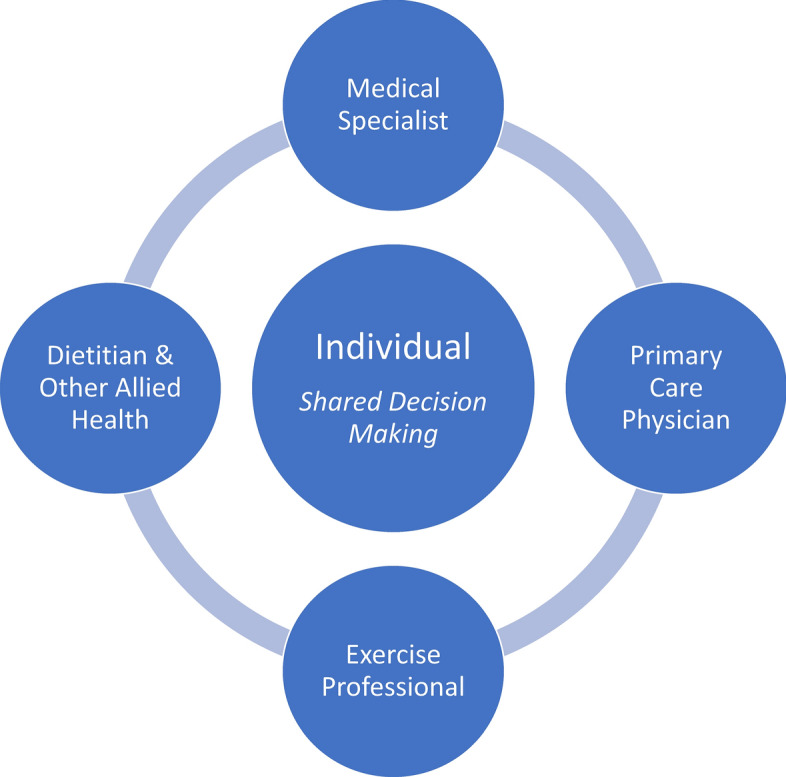
“4 Patient-centred multi-disciplinary approach to MAFLD management targets has proved to be associated with programme drop out and feelings of guilt and failure [162], which may be detrimental to holistic treatment plans.”
Tincopa, M. A., Wong, J. J., Fetters, M. D., & Lok, A. S.-F. (2021) · BMJ Open Gastroenterology · doi:10.1136/bmjgast-2021-000634 · Cited by 75 · cited 3×
“Traditional barriers to exercise, such as lack of time [164, 167, 170, 172], cost [164, 172], access to equipment/ facilities [164, 172], lack of support from family/friends to make changes [164, 165, 167] and work/family commitments [164, 167], were also frequently reported by people with MAFLD.”
Cusi, K., Alkhouri, N., Harrison, S. A., Fouqueray, P., Moller, D. E., Hallakou-Bozec, S., Bolze, S., Grouin, J.-M., Jeannin Megnien, S., Dubourg, J., et al. (2021) · The Lancet Gastroenterology & Hepatology · doi:10.1016/s2468-1253(21)00300-9 · Cited by 75 · cited 1×
“A recent phase 2a pharmacological trial targeting AMPK activation observed reduction in liver fat and metabolic parameters in some people with MAFLD [53].”
Solomon, T. P. J., Haus, J. M., Marchetti, C. M., Stanley, W. C., & Kirwan, J. P. (2009) · American Journal of Physiology-Endocrinology and Metabolism · doi:10.1152/ajpendo.00220.2009 · Cited by 73 · cited 1×
“Briefly, putative mechanisms centre on altering the flux of free fatty acids (FFA) to and from the liver via changes to substrate metabolism within the muscle, adipose tissue and liver [11, 47, 48].”
Lifestyle interventions for patients with nonalcoholic fatty liver disease: a network meta-analysis
Zou, T.-T., Zhang, C., Zhou, Y.-F., Han, Y.-J., Xiong, J.-J., Wu, X.-X., Chen, Y.-P., & Zheng, M.-H. (2018) · European Journal of Gastroenterology & Hepatology · doi:10.1097/meg.0000000000001135 · Cited by 73 · cited 3×
“Two recent network meta-analyses found no benefit for any modality of exercise (including aerobic, resistance, combined aerobic plus resistance or HIIT) on ALT or AST [122, 123].”
Hallsworth, K., Dombrowski, S. U., McPherson, S., Anstee, Q. M., & Avery, L. (2019) · Translational Behavioral Medicine · doi:10.1093/tbm/ibz080 · Cited by 70
Self-citationBreaking Down Barriers to Physical Activity in Patients with Nonalcoholic Fatty Liver Disease
Stine, J. G., Soriano, C., Schreibman, I., Rivas, G., Hummer, B., Yoo, E., Schmitz, K., & Sciamanna, C. (2021) · Digestive Diseases and Sciences · doi:10.1007/s10620-020-06673-w · Cited by 70 · cited 5×
“A key barrier to exercise cited in the literature is a lack of information provision for patients highlighting the benefits of exercise in relation to treatment of MAFLD and a lack of personalised exercise advice/planning thereafter [164–168].”
InfluentialSelf-citationBaker, C. J., Martinez‐Huenchullan, S. F., D'Souza, M., Xu, Y., Li, M., Bi, Y., Johnson, N. A., & Twigg, S. M. (2021) · Journal of Diabetes · doi:10.1111/1753-0407.13086 · Cited by 69 · cited 5×
“Specific to the included reviews (in MAFLD populations), the available evidence appears to demonstrate that regular exercise improves BMI by a small amount in people with MAFLD or related populations reporting liver outcomes [55, 64, 70–74, 121, 123, 126].”
InfluentialSelf-citationWang, S.-T., Zheng, J., Peng, H.-W., Cai, X.-L., Pan, X.-T., Li, H.-Q., Hong, Q.-Z., & Peng, X.-E. (2020) · BMC Gastroenterology · doi:10.1186/s12876-020-01204-3 · Cited by 68
Association between anxiety and depression and nonalcoholic fatty liver disease
Choi, J. M., Chung, G. E., Kang, S. J., Kwak, M.-S., Yang, J. I., Park, B., & Yim, J. Y. (2021) · Frontiers in Medicine · doi:10.3389/fmed.2020.585618 · Cited by 68 · cited 1×
“This may be exacerbated by the high levels of anxiety and depression observed in this population [173], alongside the impact that MAFLD can have on emotional and cognitive functioning [31].”
González-Ruiz, K., Ramírez-Vélez, R., Correa-Bautista, J. E., Peterson, M. D., & García-Hermoso, A. (2017) · Childhood Obesity · doi:10.1089/chi.2017.0027 · Cited by 66
Sabag, A., Way, K. L., Sultana, R. N., Keating, S. E., Gerofi, J. A., Chuter, V. H., Byrne, N. M., Baker, M. K., George, J., Caterson, I. D., et al. (2020) · Diabetes Care · doi:10.2337/dc19-2523 · Cited by 66 · cited 2×
“Of the three studies to report both outcomes [138, 141, 152], all reported an improvement in hepatic steatosis but only two reported improvements in cardiorespiratory fitness [mean difference ~ 2.2 ml/kg/min (95% CI − 0.96, 5.39 ml/kg/min) compared with control] [138, 152] using one to three 4 min…”
InfluentialSelf-citationStine, J. G., Schreibman, I. R., Faust, A. J., Dahmus, J., Stern, B., Soriano, C., Rivas, G., Hummer, B., Kimball, S. R., Geyer, N. R., et al. (2022) · Hepatology · doi:10.1002/hep.32274 · Cited by 65 · cited 3×
“Small laboratory-based aerobic exercise trials have shown a benefit on endothelial function [136], peripheral insulin sensitivity [142] and novel risk factors such as thrombotic biomarker plasminogen activator inhibitor 1 (PAI-1) [139].”
Self-citationKawaguchi, T., Shiba, N. N., Maeda, T., Matsugaki, T., Takano, Y., Itou, M., Sakata, M., Taniguchi, E., Nagata, K., & Sata, M. (2011) · Journal of Gastroenterology · doi:10.1007/s00535-011-0378-x · Cited by 63 · cited 1×
“…vibration (including acceleration training) [107–109] and hybrid training (involving antagonist muscle electrical stimulation during agonist contraction) [110–112] and Pilates [113], with very low certainty of evidence for benefit [107, 108, 111, 112] or no benefit [109, 110] on hepatic steatosis.”
Duarte‐Rojo, A., Bloomer, P. M., Rogers, R. J., Hassan, M. A., Dunn, M. A., Tevar, A. D., Vivis, S. L., Bataller, R., Hughes, C. B., Ferrando, A. A., et al. (2021) · Liver Transplantation · doi:10.1002/lt.25950 · Cited by 61 · cited 1×
“Priority should be given to the condition(s) that represent the most immediate risk or present a barrier to achieving exercise targets.”
Avery, L., Exley, C., McPherson, S., Trenell, M. I., Anstee, Q. M., & Hallsworth, K. (2017) · Clinical Gastroenterology and Hepatology · doi:10.1016/j.cgh.2017.06.011 · Cited by 60 · cited 1×
“A key barrier to exercise cited in the literature is a lack of information provision for patients highlighting the benefits of exercise in relation to treatment of MAFLD and a lack of personalised exercise advice/planning thereafter [164–168].”
Self-citationDoward, L. C., Balp, M.-M., Twiss, J., Slota, C., Cryer, D., Brass, C. A., Anstee, Q. M., & Sanyal, A. J. (2021) · The Patient - Patient-Centered Outcomes Research · doi:10.1007/s40271-020-00485-w · Cited by 57 · cited 4×
“A key barrier to exercise cited in the literature is a lack of information provision for patients highlighting the benefits of exercise in relation to treatment of MAFLD and a lack of personalised exercise advice/planning thereafter [164–168].”
InfluentialPugh, C. J. A., Sprung, V. S., Jones, H., Richardson, P., Shojaee‐Moradie, F., Umpleby, A. M., GREEN, D. J., Cable, N. T., Trenell, M. I., Kemp, G. J., et al. (2016) · International Journal of Obesity · doi:10.1038/ijo.2016.123 · Cited by 56 · cited 1×
“4.3 and further extensive review by Tandon and co-workers [158]).”
InfluentialCanada, J. M., Abbate, A., Collen, R., Billingsley, H., Buckley, L. F., Carbone, S., Trankle, C. R., Idowu, M. O., Kadariya, D., Van Tassell, B., et al. (2019) · The American Journal of Cardiology · doi:10.1016/j.amjcard.2018.10.027 · Cited by 56 · cited 4×
“People with MAFLD have lower levels of cardiorespiratory fitness than the general population [27, 28].”
InfluentialSimple resistance exercise helps patients with non-alcoholic fatty liver disease
Takahashi, A., Abe, K., Usami, K., Imaizumi, H., Hayashi, M., Okai, K., Kanno, Y., Tanji, N., Watanabe, H., & Ohira, H. (2015) · International Journal of Sports Medicine · doi:10.1055/s-0035-1549853 · Cited by 53 · cited 1×
“There is no consistent evidence, with an approximately equal number of studies demonstrating benefit [91, 94, 95, 97, 100, 102] or no benefit [92, 93, 98, 99, 101] of resistance training on hepatic steatosis.”
Xiong, Y., Peng, Q., Cao, C., Xu, Z., & Zhang, B. (2021) · International Journal of Environmental Research and Public Health · doi:10.3390/ijerph18063242 · Cited by 53 · cited 5×
“Specific to the included reviews (in MAFLD populations), the available evidence appears to demonstrate that regular exercise improves BMI by a small amount in people with MAFLD or related populations reporting liver outcomes [55, 64, 70–74, 121, 123, 126].”
InfluentialChai, X.-N., Zhou, B.-Q., Ning, N., Pan, T., Xu, F., He, S.-H., Chen, N.-N., & Sun, M. (2023) · Frontiers in Endocrinology · doi:10.3389/fendo.2023.1081096 · Cited by 52 · cited 1×
“Three reviews have examined the efficacy of exercise for reducing waist circumference in people with MAFLD, with these showing moderate pooled effect sizes favouring exercise [60, 65, 73] that translate to reductions of − 1.24 cm (95% CI − 2.15, − 0.34 cm) [65].”
InfluentialMetabolic syndrome and its association with nonalcoholic steatohepatitis
Bril, F., Sanyal, A., & Cusi, K. (2023) · Clinics in Liver Disease · doi:10.1016/j.cld.2023.01.002 · Cited by 52 · cited 1×
“There have been no comparisons of resistance training dose or the effectiveness and safety of resistance training protocols delivered beyond the clinical/ laboratory-based settings in people with MAFLD.”
Medrano, M., Cadenas-Sanchez, C., Álvarez-Bueno, C., Cavero-Redondo, I., Ruiz, J. R., Ortega, F. B., & Labayen, I. (2018) · Progress in Cardiovascular Diseases · doi:10.1016/j.pcad.2018.01.013 · Cited by 49 · cited 1×
“Potentially, people with more severe metabolic derangements (e.g. established T2D) and greater baseline levels of hepatic steatosis may achieve reductions in hepatic steatosis with resistance training in isolation [55].”
Nam, H., Yoo, J., Cho, Y., Kang, S. H., Ahn, S. B., Lee, H. W., Jun, D. W., Song, D. S., & Choi, M. (2023) · Digestive and Liver Disease · doi:10.1016/j.dld.2022.12.013 · Cited by 48 · cited 1×
“…within-group benefits for exercise on hepatic insulin sensitivity [69], the efficacy for improving glycaemic control [54, 65, 73, 75, 79, 80] and the Homeostatic Model Assessment for Insulin Resistance (HOMA-IR) [25, 50, 54, 59, 60, 66, 67, 70, 76, 123] in people with MAFLD is inconsistent.”
Johnson, N. A., Sultana, R. N., Brown, W. J., Bauman, A. E., & Gill, T. (2021) · Journal of Science and Medicine in Sport · doi:10.1016/j.jsams.2021.07.009 · Cited by 47 · cited 1×
“For individuals in whom weight loss is a primary target, the practitioner should refer to specific recommendations [163] that provide guidance on the volume of exercise required for weight loss with exercise and consider referral a dietitian for concurrent dietary changes.”
Self-citationInsulin resistance, adipose depots and gut: Interactions and pathological implications
Gastaldelli, A., Natali, A., Vettor, R., & Corradini, S. G. (2010) · Digestive and Liver Disease · doi:10.1016/j.dld.2010.01.013 · Cited by 46
Keating, S. E., Hackett, D. A., Parker, H. M., Way, K. L., O'Connor, H. T., Sainsbury, A., Baker, M. K., Chuter, V. H., Caterson, I. D., George, J., et al. (2017) · Hepatology Research · doi:10.1111/hepr.12781 · Cited by 40 · cited 1×
“There is no consistent evidence, with an approximately equal number of studies demonstrating benefit [91, 94, 95, 97, 100, 102] or no benefit [92, 93, 98, 99, 101] of resistance training on hepatic steatosis.”
Self-citationGlass, O., Liu, D., Bechard, E. M., Guy, C. D., Pendergast, J., Diehl, A. M., & Abdelmalek, M. F. (2021) · Hepatology Communications · doi:10.1002/hep4.1808 · Cited by 40 · cited 4×
“It is therefore critical to appropriately communicate the small weight loss typical with exercise intervention alone, particularly in the initial phase where exercise volume may be relatively low to accommodate low physical capacity.”
InfluentialHouttu, V., Bouts, J., Vali, Y., Daams, J. G., Grefhorst, A., Nieuwdorp, M., & Holleboom, A. G. (2022) · Frontiers in Endocrinology · doi:10.3389/fendo.2022.1032164 · Cited by 40 · cited 4×
“…demonstrated within-group benefits for exercise on hepatic insulin sensitivity [69], the efficacy for improving glycaemic control [54, 65, 73, 75, 79, 80] and the Homeostatic Model Assessment for Insulin Resistance (HOMA-IR) [25, 50, 54, 59, 60, 66, 67, 70, 76, 123] in people with MAFLD is…”
InfluentialHens, W., Taeymans, J., Cornelis, J., Gielen, J., Gaal, L. V., & Vissers, D. K. (2015) · Journal of Physical Activity and Health · doi:10.1123/jpah.2015-0560 · Cited by 39
Słomko, J., Zalewska, M., Niemiro, W., Kujawski, S., Słupski, M., Januszko‐Giergielewicz, B., Zawadka‐Kunikowska, M., Newton, J. L., Hodges, L. D., Kubica, J., et al. (2021) · Journal of Clinical Medicine · doi:10.3390/jcm10081659 · Cited by 38 · cited 4×
“Previous reviews have reported similar magnitude of effects [64, 70].”
InfluentialConcordance between MAFLD and NAFLD diagnostic criteria in ‘real‐world’ data
Targher, G. (2020) · Liver International · doi:10.1111/liv.14623 · Cited by 37 · cited 1×
“There is marked overlap between NAFLD as previously defined and MAFLD [1, 8] with high overall concordance of the two definitions (Cohen’s kappa of up to 0.92) [9].”
InfluentialKeating, S. E., Croci, I., Wallen, M. P., Cox, E. R., Thuzar, M., Pham, U., Mielke, G. I., Coombes, J. S., Macdonald, G. A., & Hickman, I. J. (2023) · Digestive Diseases and Sciences · doi:10.1007/s10620-022-07779-z · Cited by 37 · cited 2×
“Small laboratory-based aerobic exercise trials have shown a benefit on endothelial function [136], peripheral insulin sensitivity [142] and novel risk factors such as thrombotic biomarker plasminogen activator inhibitor 1 (PAI-1) [139].”
Self-citationKhalafi, M., & Symonds, M. E. (2021) · Physiology & Behavior · doi:10.1016/j.physbeh.2021.113416 · Cited by 34 · cited 2×
“Emerging evidence suggests that HIIT may be beneficial for reducing hepatic steatosis [62, 83], with one meta-analysis reporting a medium pooled effect for HIIT compared with control translating to absolute reductions of − 2.85% (95% CI − 0.95%, − 0.23”
InfluentialGonzález, A., Valero‐Breton, M., Huerta-Salgado, C., Achiardi, O. A., Simón, F., & Cabello‐Verrugio, C. (2021) · European Journal of Translational Myology · doi:10.4081/ejtm.2021.9630 · Cited by 31 · cited 3×
“While health-related quality of life is an important outcome across all chronic disease groups, there is limited experimental evidence available that this improves with exercise in MAFLD [72, 134].”
InfluentialWallen, M. P., Skinner, T. L., Pavey, T. G., Hall, A., Macdonald, G. A., & Coombes, J. S. (2016) · Transplantation Reviews · doi:10.1016/j.trre.2016.07.004 · Cited by 30
Self-citationHens, W., Vissers, D. K., Hansen, D., Peeters, S., Gielen, J., Gaal, L. V., & Taeymans, J. (2017) · Obesity Reviews · doi:10.1111/obr.12577 · Cited by 30 · cited 1×
“…within-group benefits for exercise on hepatic insulin sensitivity [69], the efficacy for improving glycaemic control [54, 65, 73, 75, 79, 80] and the Homeostatic Model Assessment for Insulin Resistance (HOMA-IR) [25, 50, 54, 59, 60, 66, 67, 70, 76, 123] in people with MAFLD is inconsistent.”
Motiani, K. K., Savolainen, A., Toivanen, J., Eskelinen, J., Yli-Karjanmaa, M., Virtanen, K. A., Saunavaara, V., Heiskanen, M. A., Parkkola, R., Haaparanta‐Solin, M., et al. (2019) · Journal of Applied Physiology · doi:10.1152/japplphysiol.00900.2018 · Cited by 30 · cited 1×
“The effect of sprint interval training (SIT), characterised by ‘all-out’ or supramaximal (> 100% V ̇ O 2 max) bouts lasting between 8 and 30 s, on hepatic steatosis has been investigated in a 2 week study in people with, or at risk of, T2D [106].”
Acceleration training for managing nonalcoholic fatty liver disease: a pilot study
Oh, S., Shida, T., Sawai, A., Maruyama, T., Isobe, T., Okamoto, Y., Someya, N., Tanaka, K., Arai, E., Tozawa, A., et al. (2014) · Therapeutics and Clinical Risk Management · doi:10.2147/tcrm.s68322 · Cited by 29 · cited 2×
“…vibration (including acceleration training) [107–109] and hybrid training (involving antagonist muscle electrical stimulation during agonist contraction) [110–112] and Pilates [113], with very low certainty of evidence for benefit [107, 108, 111, 112] or no benefit [109, 110] on hepatic steatosis.”
Hejazi, K., & Hackett, D. (2023) · Journal of Clinical Medicine · doi:10.3390/jcm12083011 · Cited by 29 · cited 1×
“…within-group benefits for exercise on hepatic insulin sensitivity [69], the efficacy for improving glycaemic control [54, 65, 73, 75, 79, 80] and the Homeostatic Model Assessment for Insulin Resistance (HOMA-IR) [25, 50, 54, 59, 60, 66, 67, 70, 76, 123] in people with MAFLD is…”
Nuala M Byrne, I. J. H. (2013) · Journal of Diabetes & Metabolism · doi:10.4172/2155-6156.1000300 · Cited by 28 · cited 2×
“To date, just three trials have undertaken paired liver biopsy across a total of 34 exercising participants with mixed findings [101, 116, 117].”
Self-citationDamor, K., Mittal, K., Bhalla, A. S., Sood, R., Pandey, R. M., Guleria, R., Luthra, K., & Vikram, N. K. (2014) · Journal of Advances in Medicine and Medical Research · doi:10.9734/bjmmr/2014/4845 · Cited by 27 · cited 1×
“There have been several intervention studies utilising different resistance training methodologies; e.g. ‘traditional’ progressive resistance training with varying volumes and intensities in adults [91–96] and adolescents [97–99], or as circuit training [100–102].”
Exercise prescription in patients with cirrhosis: Recommendations for clinical practice
Macías‐Rodríguez, R. U., Ruiz‐Margáin, A., Román-Calleja, B. M., Moreno-Tavarez, E., Weber-Sangri, L., González-Arellano, M. F., Fernández-del-Rivero, G., & Ramírez-Soto, K. (2019) · Revista de Gastroenterología de México (English Edition) · doi:10.1016/j.rgmxen.2019.02.013 · Cited by 27
Exercise Is Medicine for Nonalcoholic Fatty Liver Disease: Exploration of Putative Mechanisms
Heinle, J. W., DiJoseph, K., Sabag, A., Oh, S., Kimball, S. R., Keating, S., & Stine, J. G. (2023) · Nutrients · doi:10.3390/nu15112452 · Cited by 26 · cited 1×
“The mechanisms by which exercise modulates hepatic steatosis have been detailed elsewhere [14, 44–46].”
Self-citationHughes, A. J., Dahmus, J., Rivas, G., Hummer, B. L., See, J. R. C., Wright, J., Lamendella, R., Schmitz, K. H., Sciamanna, C., Ruffin, M. T., et al. (2020) · Clinical Gastroenterology and Hepatology · doi:10.1016/j.cgh.2020.08.063 · Cited by 25 · cited 2×
“Given its strong association with obesity, and in the absence of pharmacological agents approved for the long-term management of MAFLD, lifestyle modifications with dietary changes and increased physical activity/exercise remain the cornerstone of MAFLD management.”
Self-citationOh, S., Maruyama, T., Eguchi, K., Shida, T., Arai, E., Isobe, T., Okamoto, Y., & Shoda, J. (2015) · Therapeutics and Clinical Risk Management · doi:10.2147/tcrm.s75109 · Cited by 24 · cited 1×
“HIIT approaches which have been shown to improve steatosis involved one to five intervals of high-intensity aerobic exercise lasting 2–4 min with 2–3 min rest between intervals.”
Whole‐body vibration for patients with nonalcoholic fatty liver disease: a 6‐month prospective study
Oh, S., Oshida, N., Someya, N., Maruyama, T., Isobe, T., Okamoto, Y., Kim, T., Kim, B., & Shoda, J. (2019) · Physiological Reports · doi:10.14814/phy2.14062 · Cited by 23 · cited 1×
“…vibration (including acceleration training) [107–109] and hybrid training (involving antagonist muscle electrical stimulation during agonist contraction) [110–112] and Pilates [113], with very low certainty of evidence for benefit [107, 108, 111, 112] or no benefit [109, 110] on hepatic steatosis.”
Gao, Y., Lu, J., Liu, X., Liu, J., Ma, Q., Shi, Y., & Su, H. (2021) · Frontiers in Physiology · doi:10.3389/fphys.2021.748517 · Cited by 23 · cited 1×
“The majority of evidence supports the benefits of exercise on total cholesterol [64, 71, 74, 75, 121, 124, 125], potentially driven by benefits on LDL-cholesterol [54, 64, 65, 75, 79, 82, 121, 124, 125].”
Exercise Attenuates Ribosomal Protein Six Phosphorylation in Fatty Liver Disease
Stine, J. G., Xu, D., Schmitz, K., Sciamanna, C., & Kimball, S. R. (2020) · Digestive Diseases and Sciences · doi:10.1007/s10620-020-06226-1 · Cited by 22 · cited 1×
“AMPK activity is reduced in obesity, diabetes and inflammatory states [50] and is increased acutely during and after exercise in mice [51], with indirect evidence suggesting that exercise modulates the AMPK/mTORC1 pathway in people with MAFLD [52].”
Self-citationSherry, A. P., Willis, S. A., Yates, T., Johnson, W., Razieh, C., Sargeant, J. A., Malaikah, S., Stensel, D. J., Aithal, G. P., & King, J. A. (2023) · JHEP Reports · doi:10.1016/j.jhepr.2022.100622 · Cited by 22 · cited 1×
“…that device-measured moderate–vigorous physical activity was inversely associated with hepatic fibro-inflammation (quantified using multi-parametric MRI), even in those without pre-existing MAFLD, and independent of sociodemographic and other significant lifestyle factors, including diet [115].”
Prescripción de ejercicio en pacientes con cirrosis: recomendaciones para la atención clínica
Macías‐Rodríguez, R. U., Ruiz‐Margáin, A., Román-Calleja, B. M., Moreno-Tavarez, E., Weber-Sangri, L., González-Arellano, M. F., Fernández-del-Rivero, G., & Ramírez-Soto, K. (2019) · Revista de Gastroenterología de México · doi:10.1016/j.rgmx.2019.02.011 · Cited by 21
Argo, C. K., Stine, J. G., Henry, Z. H., Lackner, C., Patrie, J. T., Weltman, A. L., & Caldwell, S. H. (2018) · Alimentary Pharmacology & Therapeutics · doi:10.1111/apt.14803 · Cited by 20 · cited 1×
“People with MAFLD have lower levels of cardiorespiratory fitness than the general population [27, 28].”
Self-citationA qualitative study of self‐management experiences in people with non‐alcoholic fatty liver disease
Jang, Y., Lee, J. Y., Kim, S. U., & Kim, B. K. (2021) · Nursing Open · doi:10.1002/nop2.1025 · Cited by 20 · cited 1×
“Traditional barriers to exercise, such as lack of time [164, 167, 170, 172], cost [164, 172], access to equipment/ facilities [164, 172], lack of support from family/friends to make changes [164, 165, 167] and work/family commitments [164, 167], were also frequently reported by people with MAFLD.”
Hong, F., Liu, Y., Lebaka, V. R., Mohammed, A., Ye, W., Chen, B., & Korivi, M. (2022) · Frontiers in Physiology · doi:10.3389/fphys.2022.894044 · Cited by 19 · cited 2×
“Two recent network meta-analyses found no benefit for any modality of exercise (including aerobic, resistance, combined aerobic plus resistance or HIIT) on ALT or AST [122, 123].”
Iwanaga, S., Hashida, R., Takano, Y., Bekki, M., Nakano, D., Omoto, M., Nago, T., Kawaguchi, T., Matsuse, H., Torimura, T., et al. (2020) · The Tohoku Journal of Experimental Medicine · doi:10.1620/tjem.252.23 · Cited by 18 · cited 1×
“…vibration (including acceleration training) [107–109] and hybrid training (involving antagonist muscle electrical stimulation during agonist contraction) [110–112] and Pilates [113], with very low certainty of evidence for benefit [107, 108, 111, 112] or no benefit [109, 110] on hepatic steatosis.”
Saldıran, T. Ç., Mutluay, F., Yağcı, İ., & Yilmaz, Y. N. (2020) · Annales d Endocrinologie · doi:10.1016/j.ando.2020.05.003 · Cited by 17
Rahimi, G. R. M., & Hosseini, S. R. A. (2022) · Biological Research For Nursing · doi:10.1177/10998004211068026 · Cited by 17
Liu, Y., Xie, W., Li, J., & Ossowski, Z. M. (2023) · Medicine · doi:10.1097/md.0000000000033147 · Cited by 17 · cited 2×
“The majority of evidence supports the benefits of exercise on total cholesterol [64, 71, 74, 75, 121, 124, 125], potentially driven by benefits on LDL-cholesterol [54, 64, 65, 75, 79, 82, 121, 124, 125].”
InfluentialO’Gorman, P., Monaghan, A., McGrath, M., Naimimohasses, S., Gormley, J., & Norris, S. (2020) · Physical Therapy · doi:10.1093/ptj/pzaa195 · Cited by 13 · cited 4×
“Traditional barriers to exercise, such as lack of time [164, 167, 170, 172], cost [164, 172], access to equipment/ facilities [164, 172], lack of support from family/friends to make changes [164, 165, 167] and work/family commitments [164, 167], were also frequently reported by people with MAFLD.”
InfluentialYu, X., Wang, Y., Lai, J., Song, T., & Duan, J. (2022) · Irish Journal of Medical Science (1971 -) · doi:10.1007/s11845-022-02988-x · Cited by 13 · cited 3×
“[116] favouring exercise versus control [126].”
Keymasi, Z., Sadeghi, A., & Pourrazi, H. (2020) · Journal of Shahrekord University of Medical Sciences · doi:10.34172/jsums.2020.05 · Cited by 12 · cited 1×
“…vibration (including acceleration training) [107–109] and hybrid training (involving antagonist muscle electrical stimulation during agonist contraction) [110–112] and Pilates [113], with very low certainty of evidence for benefit [107, 108, 111, 112] or no benefit [109, 110] on hepatic steatosis.”
Sadeghiyan, S., Ghafari, M., Faramarzi, M., Moghaddam, M., & Baghurst, T. M. (2022) · The Journal of Sports Medicine and Physical Fitness · doi:10.23736/s0022-4707.22.13801-6 · Cited by 12
Keating, S. E., Croci, I., Wallen, M. P., Cox, E. R., Coombes, J. S., Burton, N. W., Macdonald, G. A., & Hickman, I. J. (2023) · Journal of Clinical and Translational Hepatology · doi:10.14218/jcth.2022.00091s · Cited by 11
Self-citationZhou, B.-J., Huang, G., Wang, W., Zhu, L.-H., Deng, Y.-X., He, Y.-Y., & Ma, F.-H. (2021) · PubMed · doi:10.26355/eurrev_202112_27615 · Cited by 10 · cited 1×
“Notably, a clinically significant change in ALT is ≥ 17 IU/ml which represents a cut off that surrogates for fibrosis change, and there are no data to inform the clinical impact of smaller changes in liver enzymes, which are likely to be influenced by natural variability [127].”
Fu, L., Zhang, W., Ao, Y., Zheng, Z., & Hu, H. (2022) · Zeitschrift für Gastroenterologie · doi:10.1055/a-1742-4257 · Cited by 10 · cited 4×
“This magnitude of reduction is likely clinically meaningful given a 1 cm increase in waist circumference is associated with an approximately 2% increase in risk of CVD [74, 133].”
Influential
Research works printed but not linked: 3
- European Association for the Study of the Liver (EASL); European Association for the Study of Diabetes (EASD); European Association for the Study of Obesity (EASO). EASL-EASD-EASO Clinical Practice Guidelines for the management of non-alcoholic fatty liver disease. J Hepatol. 2016;64(6):1388–402. 10.1016/j.jhep.2015.11.004. 27062661 · DOI · Paper page
- Sabag A Barr L Armour M The effect of high-intensity interval training vs moderate-intensity continuous training on liver fat: a systematic review and meta-analysis J Clin Endocrinol Metab 2022 107 3 862 881 10.1210/clinem/dgab795 34724062 · DOI · Paper page
- Ye YCL Yang X The efficacy of resistance training for non-alcoholic fatty liver disease: a meta-anlaysis of randomized controlled trials Int J Clin Exp Med 2019 12 2 13188 13195
Cited by
Eslam, M., Fan, J.-G., Yu, M.-L., Wong, V. W.-S., Cua, I. H., Liu, C.-J., Tanwandee, T., Gani, R., Seto, W.-K., Alam, S., et al. (2025) · Hepatology International · doi:10.1007/s12072-024-10774-3 · Cited by 170
“There are no evidence-supported recommendations regarding the intensity, frequency, number of sets and repetitions of resistance exercise required for hepatic benefit [170].”
InfluentialSelf-citationMiller, D. M., McCauley, K. F., & Dunham‐Snary, K. J. (2025) · Endocrinology Diabetes & Metabolism · doi:10.1002/edm2.70132 · Cited by 155
“Conversely, structured physical activity (e.g., moderate- to-vigorous aerobic exercise for 135–240 min/week) improves hepatic steatosis and reduces intrahepatic triglycerides, even without significant weight loss [24].”
Cól, J. P. D., de Lima, E. P., Pompeu, F. M., Araújo, A. C., Goulart, R. D. Á., Bechara, M. D., Laurindo, L. F., Méndez‐Sánchez, N., & Barbalho, S. M. (2024) · International Journal of Molecular Sciences · doi:10.3390/ijms25073694 · Cited by 92
“Currently, non-drug treatment for MAFLD is based on changing eating habits, aiming to reduce visceral lipid accumulation, combined with the initiation of physical activity, responsible for reducing the inflammatory markers characteristic of the pathophysiology of the disease [188,189].”
BackgroundBeygi, M., Ahi, S., Zolghadri, S., & Stanek, A. (2024) · Nutrients · doi:10.3390/nu16142220 · Cited by 78
“Incorporating activities such as lifting weights, resistance band exercises, and bodyweight exercises into a workout regimen can be highly beneficial [37].”
BackgroundDua, A., KUMARI, R. R., Singh, M., Kumar, R., Pradeep, S., Ojesina, A. I., & Kumar, R. (2025) · Frontiers in Medicine · doi:10.3389/fmed.2025.1618275 · Cited by 72
Metadata
- Authors
- Keating, S. E., Sabag, A., Hallsworth, K., Hickman, I. J., Macdonald, G. A., Stine, J. G., George, J., & Johnson, N. A.
- Affiliations
- The University of Queensland (AU)
- The University of Sydney (AU)
- Newcastle upon Tyne Hospitals NHS Foundation Trust (GB)
- Pennsylvania State University (US)
- Corresponding author
- Keating, Shelley E.
- ORCID
- Venue
- Sports Medicine
- Published
- 2023-09-11
- Volume
- 53
- Issue
- 12
- Pages
- 2347-2371
- ISSN
- 0112-1642 (ISSN-L)
- 1179-2035
- PMC
- PMC10687186
- OpenAlex
- W4386592430
- Cited by
- 119
- References
- 184
- Citations by year
- 2026: 49 · 2025: 47 · 2024: 22 · 2023: 1
- FWCI
- 23.76
- Type
- journal article
- Language
- en
- Open access
- hybrid
- doi.org
- Licence
- cc-by
- creativecommons.org/licenses/by/4.0 (tdm)
- creativecommons.org/licenses/by/4.0 (vor)
- Locations
- Sports Medicine (publishedVersion, cc-by)
- PubMed Central (publishedVersion, cc-by)
- PubMed (publishedVersion)
- Newcastle University ePrints (Newcastle Univesity) (cc-by)
- Funders
- The University of Queensland
- Topics
- Health Sciences › Medicine › Hepatology › Liver Disease Diagnosis and Treatment
- Health Sciences › Medicine › Public Health, Environmental and Occupational Health › Physical Activity and Health
- Health Sciences › Medicine › Physiology (medical) › Cardiovascular and exercise physiology
- Keywords
- metabolic-associated fatty liver disease, exercise therapy, aerobic exercise, high-intensity interval training, resistance training, hepatic steatosis, cardiometabolic health, abdominal obesity, fitness professionals, multidisciplinary care, non-alcoholic fatty liver disease, obesity
- MeSH terms
- Adult, Australia, Exercise Therapy, Humans, Obesity, Sports, Exercise, Non-alcoholic Fatty Liver Disease
About these checks
Registry, retraction, Cites and statistics results are computed, not judged, with one exception: a printed reference that no index lists is read once by a model before it counts as a citation error. Claims are extracted by a model and kept only when their quote appears verbatim in the text; each cited source is then checked, with a model’s help, for whether it says what the claim relies on. Those verdicts can be wrong — read the claim’s quote and the cited source before relying on one.
Statistics and arithmetic are recomputed, not judged.
Confidence bands are shown only for fields calibrated on our annotated test set. None is calibrated yet, so no band is shown.
What counts as a claim ›How we measure confidence ›How we check this ›
Are you an author, or do you see a problem with this page? Request a review
Data sources
Bibliographic data: Semantic Scholar, OpenAlex, Crossref.
Contains information from the Semantic Scholar Academic Graph Datasets, made available under the ODC Attribution License (ODC-BY 1.0).
Semantic Scholar’s data is described in: Kinney, R., et al. (2023). The Semantic Scholar Open Data Platform. arXiv:2301.10140.
