

The DOI matches its Crossref record; 1,858 of the 1,862 references it cites were found in a registry or an index.
Recent advances in 2D and 3D in vitro systems using primary hepatocytes, alternative hepatocyte sources and non-parenchymal liver cells and their use in investigating mechanisms of hepatotoxicity, cell signaling and ADME
Open accessAbstract
This review encompasses the most important advances in liver functions and hepatotoxicity and analyzes which mechanisms can be studied in vitro. In a complex architecture of nested, zonated lobules, the liver consists of approximately 80 % hepatocytes and 20 % non-parenchymal cells, the latter being involved in a secondary phase that may dramatically aggravate the initial damage. Hepatotoxicity, as well as hepatic metabolism, is controlled by a set of nuclear receptors (including PXR, CAR, HNF-4α, FXR, LXR, SHP, VDR and PPAR) and signaling pathways. When isolating liver cells, some pathways are activated, e.g., the RAS/MEK/ERK pathway, whereas others are silenced (e.g. HNF-4α), resulting in up- and downregulation of hundreds of genes. An understanding of these changes is crucial for a correct interpretation of in vitro data. The possibilities and limitations of the most useful liver in vitro systems are summarized, including three-dimensional culture techniques, co-cultures with non-parenchymal cells, hepatospheres, precision cut liver slices and the isolated perfused liver. Also discussed is how closely hepatoma, stem cell and iPS cell-derived hepatocyte-like-cells resemble real hepatocytes. Finally, a summary is given of the state of the art of liver in vitro and mathematical modeling systems that are currently used in the pharmaceutical industry with an emphasis on drug metabolism, prediction of clearance, drug interaction, transporter studies and hepatotoxicity. One key message is that despite our enthusiasm for in vitro systems, we must never lose sight of the in vivo situation. Although hepatocytes have been isolated for decades, the hunt for relevant alternative systems has only just begun.
Overview
The claims and statistics of this paper haven’t been checked yet.
Run the check — free, no account needed. It reads the open-access text and checks the sources it cites.
Integrity signals
Registry
Cites
Statistics
Figures
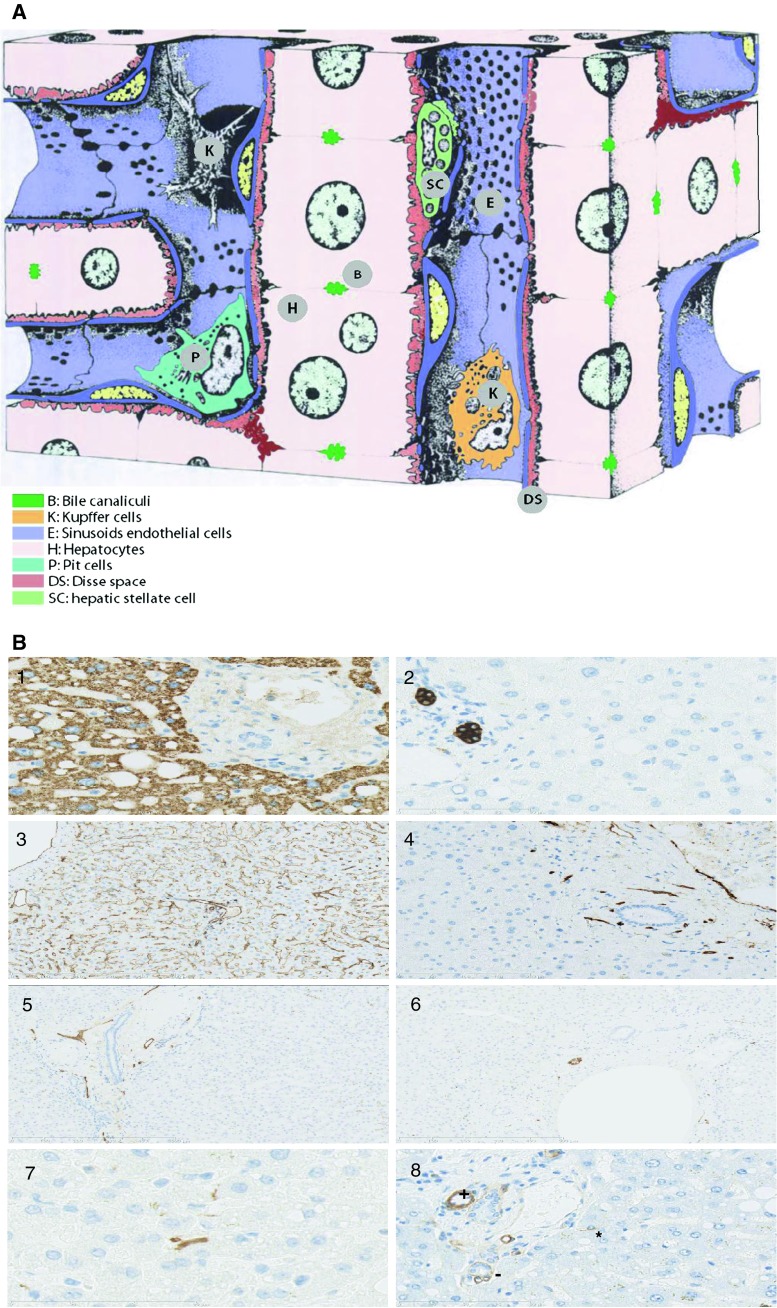
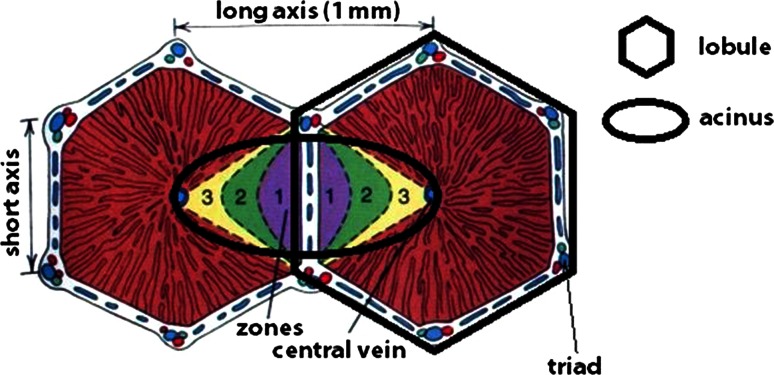
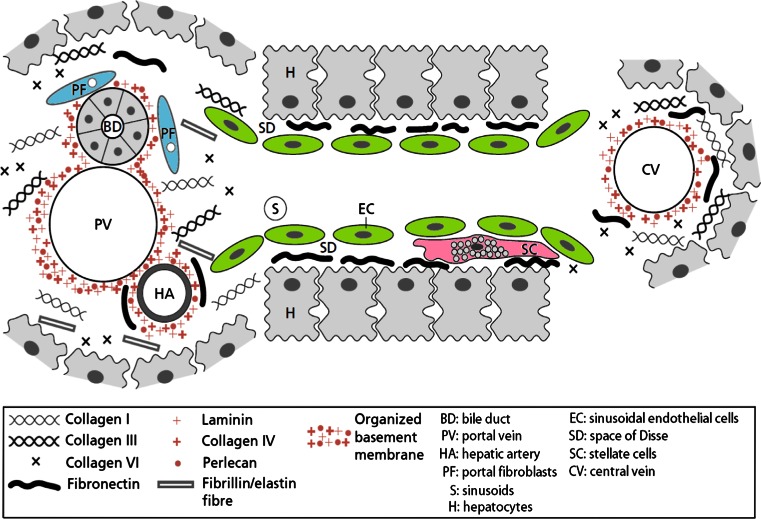
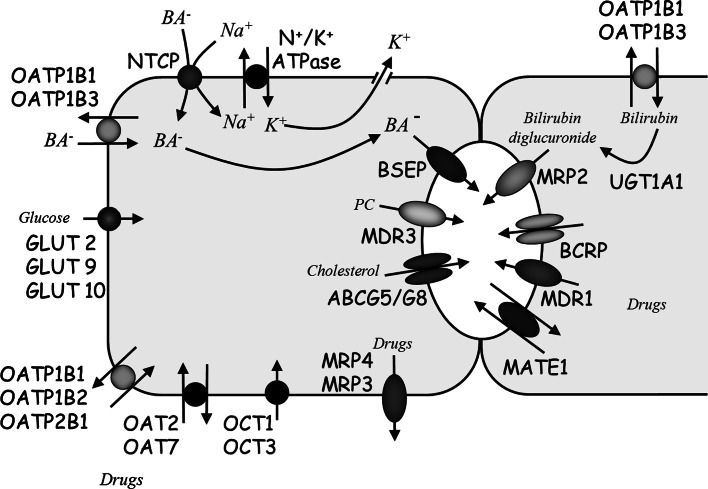
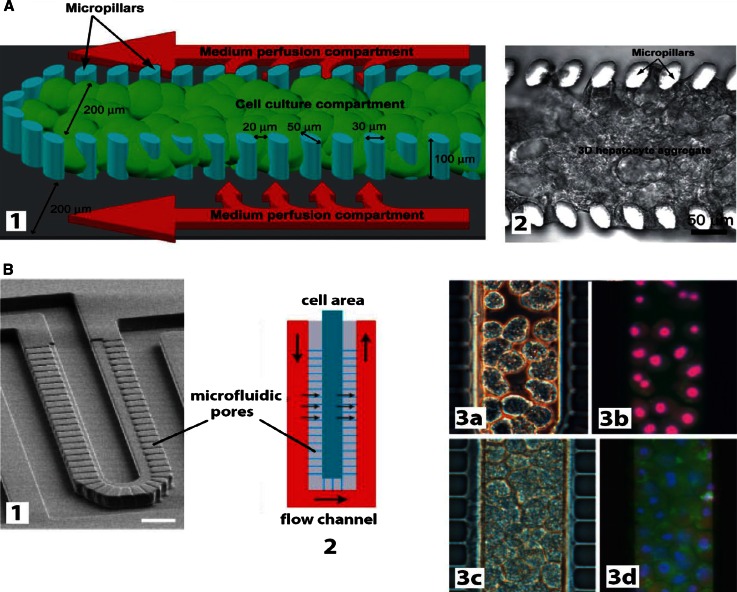
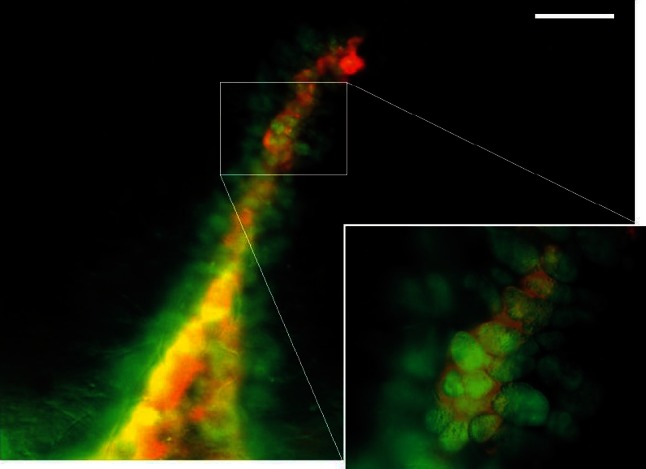
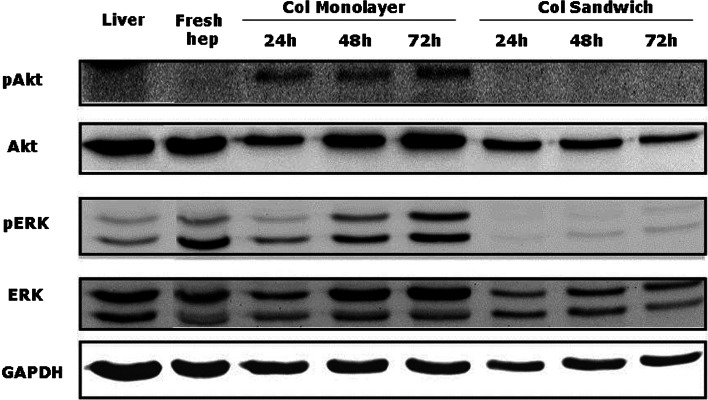
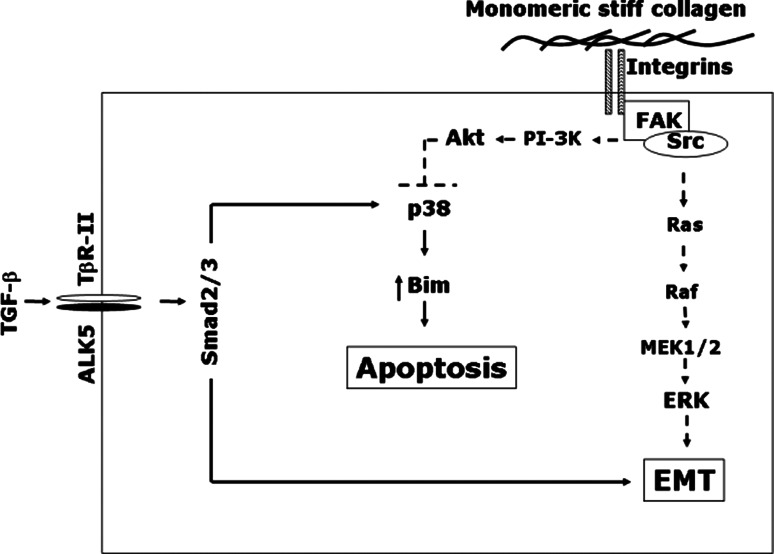
Verification
Claims the paper makes
The claims and statistics of this paper haven’t been checked yet.
Run the check — free, no account needed. It reads the open-access text and checks the sources it cites.
Claims other papers make about this one
Each is checked against this paper’s own text: does it say what the citing paper says it does?
The source backs part of the claim, not all of it — or backs it for a different population, condition or comparison.
In the citing paper
“Already in the first few days of cultivation, a reduction of hepatic functions can be observed, e.g. production of plasma proteins, drug metabolizing enzyme activities, glucose metabolism and urea synthesis (Godoy et al., 2013[15]).”
From Optimization of extracellular matrix for primary human hepatocyte cultures using mixed collagen-matrigel matrices (2023) · cites this paper as Godoy et al., 2013[15]
Experimental — accuracy not yet measuredThe source backs part of the claim, not all of it — or backs it for a different population, condition or comparison.
In the citing paper
“Primary human hepatocytes (PHHs) are an important tool for studying human liver disease and drug-induced liver injury (DILI), with other models, such as rat hepatocytes, hepatic cell lines and stem cell-derived hepatocyte-like cells failing to offer metabolically competent and species-relevant alternatives (Godoy et al. 2013).”
From Mechanistic evaluation of primary human hepatocyte culture using global proteomic analysis reveals a selective dedifferentiation profile (2017) · cites this paper as Godoy et al. 2013
Experimental — accuracy not yet measuredThe source backs part of the claim, not all of it — or backs it for a different population, condition or comparison.
In the citing paper
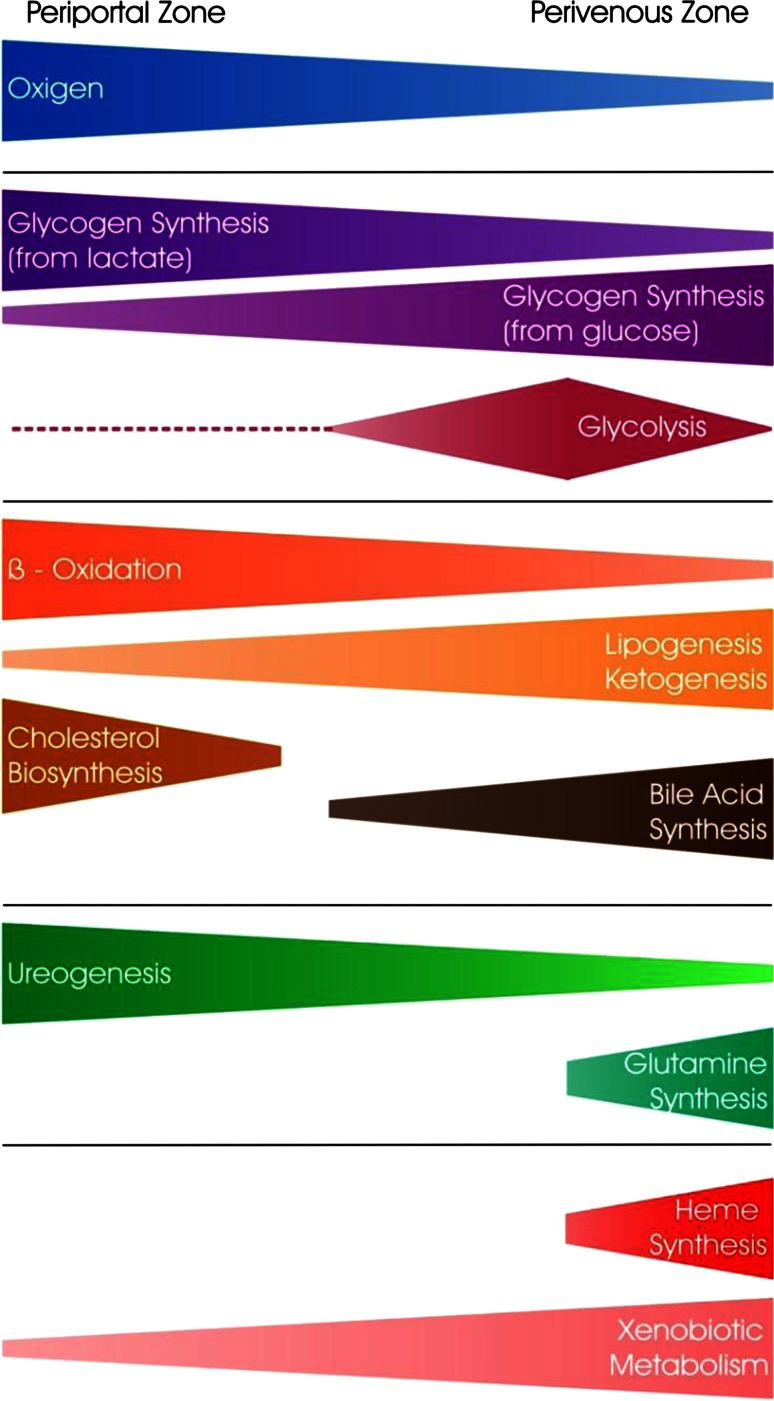
“In fact, zonation appears to be a large influencing factor on variation during culture as our pathway analysis of the most variable proteins revealed significant association with ketogenesis, cholesterol biosynthesis, fatty acid β oxidation and glutamine synthesis (table S4), all of these are related to the portocentral axis gradient of the lobule (Godoy et al. 2013).”
From Mechanistic evaluation of primary human hepatocyte culture using global proteomic analysis reveals a selective dedifferentiation profile (2017) · cites this paper as Godoy et al. 2013
Experimental — accuracy not yet measuredThe cited source says what the claim attributes to it.
In the citing paper
“although cytotoxicity measures are fundamental in the assessment of a drug’s potential for hepatotoxicity in vitro33,34, gene expression and various phenotypic changes can occur at much lower concentrations35,36.”
From Performance assessment and economic analysis of a human Liver-Chip for predictive toxicology (2022) · cites this paper as [34]
The cited source says what the claim attributes to it.
In the citing paper
“The apical membrane is equipped with transport proteins that eliminate bile acids and xenobiotics from the cell, like multidrug resistance-associated protein 2 (MRP2) (Godoy et al., 2013[15]; Ito et al., 2005[20]).”
From Optimization of extracellular matrix for primary human hepatocyte cultures using mixed collagen-matrigel matrices (2023) · cites this paper as Godoy et al., 2013[15]
The cited source says what the claim attributes to it.
In the citing paper
“The hepatocyte's basal membrane faces the sinusoid. It expresses several transmembrane transporters that manage the exchange of substances with the sinusoidal blood stream (Godoy et al., 2013[15]).”
From Optimization of extracellular matrix for primary human hepatocyte cultures using mixed collagen-matrigel matrices (2023) · cites this paper as Godoy et al., 2013[15]
The cited source says what the claim attributes to it.
In the citing paper
“In vivo, the distribution of ECM components varies between the different parts of the liver acinus, the smallest organizational unit of the liver (Godoy et al., 2013[15]; Martinez-Hernandez and Amenta, 1993[26]).”
From Optimization of extracellular matrix for primary human hepatocyte cultures using mixed collagen-matrigel matrices (2023) · cites this paper as Godoy et al., 2013[15]
The cited source says what the claim attributes to it.
In the citing paper
“The application of primary human hepatocytes following isolation from human tissue is well accepted to be compromised by the process of dedifferentiation.”
From Mechanistic evaluation of primary human hepatocyte culture using global proteomic analysis reveals a selective dedifferentiation profile (2017) · cites this paper as Godoy et al. 2013
The check wasn’t confident either way, so it gives no verdict — never disputed.
In the citing paper
“In practice, strategies for optimizing HepG2 can be divided into several approaches. The first approach is based on genetic modification of cells to express key biotransformation enzymes, in particular cytochrome P450 isoforms [109]. The second approach involves epigenetic and cultural maturation of cells, which allows for increased expression of nuclear receptors and, consequently, of xenobiotic”
From The HepG2 Cell Line as a Model for Studying Metabolic Dysfunction-Associated Steatotic Liver Disease (2026) · cites this paper as [163]
Experimental — accuracy not yet measured
Self-check
Percentages, sums and reported differences re-computed from the paper’s own numbers.
The self-check needs the paper’s full text.
Citations
Cites
1 retracted
RETRACTED: Wheat proteins improve cryopreservation of rat hepatocytes
Grondin, M., Hamel, F., Averill‐Bates, D. A., & Sarhan, F. (2009) · Biotechnology and Bioengineering · doi:10.1002/bit.22270 · Cited by 18
RetractedBartel (2004) · doi:10.1016/s0092-8674(04)00045-5 · Cited by 34,714
Computer Simulation of Liquids
Allen, M. P., & Tildesley, D. J. (2017) · doi:10.1093/oso/9780198803195.001.0001 · Cited by 20,945
Induction of Pluripotent Stem Cells from Adult Human Fibroblasts by Defined Factors
Takahashi, K., Tanabe, K., Ohnuki, M., Narita, M., Ichisaka, T., Tomoda, K., & Yamanaka, S. (2007) · Cell · doi:10.1016/j.cell.2007.11.019 · Cited by 20,221
Computer Simulation of Liquids
P, S., & J, K. (1988) · Journal of Molecular Liquids · doi:10.1016/0167-7322(88)80022-9 · Cited by 16,088
Apoptosis: A Basic Biological Phenomenon with Wideranging Implications in Tissue Kinetics
Kerr, J. F. R., Wyllie, A. H., & Currie, A. R. (1972) · British Journal of Cancer · doi:10.1038/bjc.1972.33 · Cited by 15,673
Adverse Renal Effects of Immune Checkpoint Inhibitors: A Narrative Review
Wanchoo, R., Karam, S., Uppal, N. N., Barta, V. S., Deray, G., Devoe, C., Launay‐Vacher, V., Jhaveri, K. D., & on behalf of Cancer and Kidney International Network Workgroup on Immune Checkpoint Inhibitors (2017) · American Journal of Nephrology · doi:10.1159/000455014 · Cited by 15,320
Lewis, B. P., Burge, C. B., & Bartel, D. P. (2005) · Cell · doi:10.1016/j.cell.2004.12.035 · Cited by 11,855
Induced Pluripotent Stem Cell Lines Derived from Human Somatic Cells
Yu, J., Vodyanik, M. A., Smuga-Otto, K., Antosiewicz-Bourget, J., Frane, J. L., Tian, S., Nie, J., Jonsdottir, G. A., Ruotti, V., Stewart, R., et al. (2007) · Science · doi:10.1126/science.1151526 · Cited by 10,310
Two-photon laser scanning fluorescence microscopy
Denk, W., Strickler, J. H., & Webb, W. W. (1990) · Science · doi:10.1126/science.2321027 · Cited by 9,488
Research works printed but not linked: 9
- Bode JG (2011) Inflammation and liver regeneration. In: Häussinger D (ed) Liver regneration. DeGruyter Verlag, Berlin
- Bücher T, Sies H (1976) Mitochondrial and cytosolic redox states in perfused rat liver: methods and problems in metabolic compartmentation. In: Tager jm WJ, Söling D (eds) Use of isolated liver cells and kidney tubules in metabolic studies. North Holland Publishing Company/American Elsevier, New York/Amsterdam
- EPA (2012) EPA’s reanalysis of key issues related to dioxin toxicity and response to NAS Comments. Environmental Protection Agency (EPA), Washington, DC
- Hallifax D, Foster JA, Houston JB (2010) Prediction of human metabolic clearance from in vitro systems: retrospective analysis and prospective view. Pharm Res 27:2150–2161 · DOI
- ITC (International Transporter Consortium) (2010) Membrane transporters in drug development (Report from the FDA Critical Path Workshop). Nat Rev Drug Discov 9:215–236 · DOI · Paper page
- Lamers W, Moorman A, Charles R (1989) The metabolic lobulus, a key to the architecture of the liver. In: Revisiones Sobre Biologia Celular, Springer, New York
- Sahin S (2003) Perfused liver preparation and its applications. FABAD J Pharm Sci 28:39–49
- Waddington CH (1942) The epigenotype. Endeavour 1:18–20
- Warburg O (1923) Versuche an überlebendem Karzinomgewebe. Biochem Z 142:317
Cited by
Sorted by citations
Items 801–900 of 1,002
Smith, A. A., Xu, Y., Ropella, G. E. P., & Hunt, C. A. (2018) · Journal of Pharmacology and Experimental Therapeutics · doi:10.1124/jpet.117.245019 · Cited by 7
Inoue, T., Iwazaki, N., Araki, T., & Hitotsumachi, H. (2020) · Current Pharmaceutical Biotechnology · doi:10.2174/1389201021666200131123524 · Cited by 7
Lee, W., Koyama, S., Morita, K., Kiriake, A., Kikuchi, R., Chu, X., Lee, N., Scialis, R. J., Shen, H., Kimoto, E., et al. (2020) · The AAPS Journal · doi:10.1208/s12248-020-00512-6 · Cited by 7
Self-citationPluta, K. D., Ciężkowska, M., Wisniewska, M. J., Wencel, A., & Pijanowska, D. G. (2021) · Journal of Applied Biomedicine · doi:10.1016/j.bbe.2021.06.005 · Cited by 7
In silico modeling for the hepatic circulation and transport: From the liver organ to lobules
Ho, H., Means, S., Safaei, S., & Hunter, P. J. (2022) · WIREs Mechanisms of Disease · doi:10.1002/wsbm.1586 · Cited by 8
α5 integrin regulates hepatic tight junctions through SRC-TET1-mediated DNA hydroxymethylation
Ma, Y., Zhang, W., Li, W., Lü, X., Li, Y., Han, X., Wang, P., & Zhang, H. (2022) · iScience · doi:10.1016/j.isci.2022.105611 · Cited by 7
Zerdoug, A., Vée, M. L., Uehara, S., Jamin, A., Higuchi, Y., Yoneda, N., Lopez, B., Chesné, C., Suemizu, H., & Fardel, O. (2023) · Toxicology in Vitro · doi:10.1016/j.tiv.2023.105592 · Cited by 10
Du, Z., Zhao, X. S., Sun, L., Chi, B., Ma, Z., Tian, Z., & Liu, Y. (2023) · Journal of Chromatography B · doi:10.1016/j.jchromb.2023.123889 · Cited by 7
Liver tissue engineering using functional marine biomaterials
Jiang, T., Singh, B., Choi, Y., Akaike, T., & Cho, C.-S. (2015) · Elsevier eBooks · doi:10.1016/b978-1-78242-086-6.00006-6 · Cited by 7
Self-citationShen, C., Meng, Q., He, W., Wang, Q., & Zhang, G. (2014) · Colloids and Surfaces B Biointerfaces · doi:10.1016/j.colsurfb.2014.10.023 · Cited by 7
Efficient programming of human mesenchymal stem cell‐derived hepatocytes by epigenetic regulations
Tsai, W., Yeh, P., Tsai, C.-Y., Ting, C., Chiu, Y., Tao, M., Li, W., & Hung, S. (2016) · Journal of Gastroenterology and Hepatology · doi:10.1111/jgh.13451 · Cited by 7
Assessment of liver slices for research on metabolic drug–drug interactions in cattle
Viviani, P., Lifschitz, A., García, J. P., Maté, L., Quiroga, M., Lanusse, C., & Virkel, G. (2016) · Xenobiotica · doi:10.1080/00498254.2016.1246782 · Cited by 7
Feng, R., Morine, Y., Ikemoto, T., Imura, S., Iwahashi, S., Saito, Y., & Shimada, M. (2018) · Hepatology Research · doi:10.1111/hepr.13182 · Cited by 7
Therapeutic Potential of Umbilical Cord Stem Cells for Liver Regeneration
Anwar, I., Ashfaq, U. A., & Shokat, Z. (2020) · Current Stem Cell Research & Therapy · doi:10.2174/1568026620666200220122536 · Cited by 7
Izat, N., & Şahin, S. (2021) · Biopharmaceutics & Drug Disposition · doi:10.1002/bdd.2262 · Cited by 7
Moldovan, N. I. (2021) · Tissue Engineering Part C Methods · doi:10.1089/ten.tec.2020.0293 · Cited by 7
Kumar, S., Curran, J. E., Williams‐Blangero, S., & Blangero, J. (2021) · Methods in molecular biology · doi:10.1007/7651_2021_375 · Cited by 7
Gil-Recio, C., Montori, S., Demour, S. A., Ababneh, M., Ferrés‐Padró, E., Marti, C., Ferrés-Amat, E., Barajas, M., Madhoun, A. S. A., & Atari, M. (2021) · Stem Cells International · doi:10.1155/2021/5212852 · Cited by 7
Liver Organoid Potential Application for Hepatitis E Virus Infection
Xiang, K., & Zhuang, H. (2023) · Advances in experimental medicine and biology · doi:10.1007/978-981-99-1304-6_9 · Cited by 7
Buesch, S., Schroeder, J., Bunger, M. K., D’Souza, T., & Stosik, M. (2018) · Applied In Vitro Toxicology · doi:10.1089/aivt.2018.0009 · Cited by 7
Jeong, C. G., Negro, G. D., Getsios, S., & Ekert, J. E. (2018) · Elsevier eBooks · doi:10.1016/b978-0-12-813671-3.00005-0 · Cited by 8
Bteich, M., Poulin, P., Piette, S., & Haddad, S. (2020) · Journal of Pharmaceutical Sciences · doi:10.1016/j.xphs.2020.07.003 · Cited by 7
The cytoprotective and the dark side of Nrf2
Marchan, R., & Bolt, H. M. (2013) · Archives of Toxicology · doi:10.1007/s00204-013-1165-7 · Cited by 8
Standard compounds for establishment of in vitro test systems
Hengstler, J. G., Marchan, R., & Bolt, H. M. (2014) · Archives of Toxicology · doi:10.1007/s00204-014-1398-0 · Cited by 7
Self-citationRecent developments in in vitro toxicology: perspectives of European research and Tox21
Marchan, R., van Thriel, C., & Bolt, H. M. (2013) · Archives of Toxicology · doi:10.1007/s00204-013-1164-8 · Cited by 7
Park, S., Song, S.-S., Jung, W., Yun, H., Lee, S., Kang, S., & Chae, J. (2025) · Computational and Structural Biotechnology Journal · doi:10.1016/j.csbj.2025.05.036 · Cited by 6
Liver-on-a-Chip (LoC) Models: Case Studies of Academic Platforms and Commercial Products
Benzait, Z., Tomsuk, Ö., Ebrahimi, A., Ghorbanpoor, H., Özel, C., Didarian, R., Cevizlidere, B. D., Kaya, M., Gür, T., Gasimzade, N., et al. (2026) · Molecular Pharmaceutics · doi:10.1021/acs.molpharmaceut.5c01122 · Cited by 6
The promise and potential of liver organoids: Development, classification and application
Wang, Y., Ye, Z., Lin, Y., Zhao, Y., Zhong, D., Chen, J., Yin, J., Yan, J., & Wang, Y. (2026) · TransMed · doi:10.1016/j.tmed.2026.100003 · Cited by 6
Highlight report: Functional consequences of urinary bladder cancer risk variants.
Selinski, S. (2013) · EXCLI journal · Cited by 6
Alterations in the hepatocyte epigenetic landscape in steatosis
Maji, R. K., Czepukojc, B., Scherer, M., Tierling, S., Cadenas, C., Gianmoena, K., Gasparoni, N., Nordström, K. J. V., Gasparoni, G., Laggai, S., et al. (2023) · Epigenetics & Chromatin · doi:10.1186/s13072-023-00504-8 · Cited by 7
Self-citationSaydé, T., Hamoui, O. E., Aliès, B., Bégaud, G., Bessette, B., Lacomme, S., Barthélémy, P., Lespès, G., Battu, S., & Gaudin, K. (2024) · Journal of Chromatography A · doi:10.1016/j.chroma.2024.465393 · Cited by 8
Biopolymers for Liver Tissue Engineering: A Systematic Review
Ong, J., Zhao, J., Swift, C., & Markaki, A. E. (2025) · Gels · doi:10.3390/gels11070525 · Cited by 6
Negi, C. K., Sakolish, C., Tsai, H.-H. D., Nitsche, K. S., Gang, H., Bajaj, P., Ferguson, S., Stanko, J. P., Hewitt, P. G., Kukla, D. A., et al. (2025) · ACS Pharmacology & Translational Science · doi:10.1021/acsptsci.5c00554 · Cited by 6
Self-citationSun, L., Wu, H., Ren, L., Cong, J., Qin, X., Wang, X., Qi, X., Kang, L., Zhang, J., & Wu, C. (2018) · Journal of Chromatography B · doi:10.1016/j.jchromb.2018.04.026 · Cited by 6
Bile Acids and TGR5 (Gpbar1) Signaling
Keitel, V., Gertzen, C. G. W., Schäfer, S., Klindt, C., Wöhler, C., Deutschmann, K., Reich, M., Gohlke, H., & Häussinger, D. (2020) · Springer eBooks · doi:10.1007/978-3-030-39684-8_4 · Cited by 7
Self-citationBachour-El Azzi, P., Chesné, C., & Uehara, S. (2022) · Advances in Pharmacology · doi:10.1016/bs.apha.2022.05.009 · Cited by 6
Deconvolution of images from 3D printed cells in layers on a chip
Yu, S., Joshi, P., Park, Y. J., Yu, K., & Lee, M. (2017) · Biotechnology Progress · doi:10.1002/btpr.2591 · Cited by 6
Mechanisms of Drug Interactions I: Absorption, Metabolism, and Excretion
Burger, D. M., Brake, L. H. M. T., & Aarnoutse, R. E. (2018) · Springer eBooks · doi:10.1007/978-3-319-72422-5_2 · Cited by 6
Su, S., Poto, C. D., Kroemer, A., Cui, W., Roy, R., Liu, X., & Ressom, H. W. (2019) · Experimental Cell Research · doi:10.1016/j.yexcr.2019.111621 · Cited by 6
Singh, A., Joshi, S., Joshi, A., Patni, P., & Tewari, D. (2020) · Elsevier eBooks · doi:10.1016/b978-0-12-816488-4.00001-2 · Cited by 6
Influence of bile acids on the cytotoxicity of chemicals in cultivated human hepatocytes
Brecklinghaus, T., Albrecht, W., Kappenberg, F., Duda, J., Zhang, M., Gardner, I. B., Marchan, R., Ghallab, A., Turgunbayer, Ö. D., Rahnenführer, J., et al. (2022) · Toxicology in Vitro · doi:10.1016/j.tiv.2022.105344 · Cited by 6
Self-citationTranscriptomic Profile of the Mouse Postnatal Liver Development by Single-Nucleus RNA Sequencing
Xu, J., Hao, S., Shi, Q., Deng, Q., Jiang, Y., Guo, P., Yuan, Y., Shi, X., Shangguan, S., Zheng, H., et al. (2022) · Frontiers in Cell and Developmental Biology · doi:10.3389/fcell.2022.833392 · Cited by 6
Self-citationMakena, W., Aribiyun, Y. S., Aminu, A., Ishaku, B., Ayuba, Y., & Inemesit, E. E. (2022) · Egyptian Journal of Basic and Applied Sciences · doi:10.1080/2314808x.2022.2059140 · Cited by 6
The native liver as inspiration to create superior in vitro hepatic models
Carpentier, N., Urbani, L., Dubruel, P., & Vlierberghe, S. V. (2023) · Biomaterials Science · doi:10.1039/d2bm01646j · Cited by 6
Hepatic Stellate Cell Culture Models
Rombouts, K. (2015) · Elsevier eBooks · doi:10.1016/b978-0-12-800134-9.00002-6 · Cited by 7
6.28 Liver Tissue Engineering ☆
Gupta, K., Song, Z., Tang, H., Fong, E. L. S., Ng, I. C., & Yu, H. (2016) · Elsevier eBooks · doi:10.1016/b978-0-12-803581-8.10163-8 · Cited by 6
Engineered Human Liver Cocultures for Investigating Drug-Induced Liver Injury
Monckton, C. P., & Khetani, S. R. (2018) · Methods in pharmacology and toxicology · doi:10.1007/978-1-4939-7677-5_11 · Cited by 6
Genome-wide evidences of bisphenol a toxicity using Schizosaccharomyces pombe
Kim, D.-M., Heo, J., Lee, D. W., Tsuji, M., & Yang, M. (2018) · Archives of Pharmacal Research · doi:10.1007/s12272-018-1058-7 · Cited by 6
Novel Perspectives of Stem Cell Manufacturing and Therapies
Kitala, D., & Maurício, A. C. (2020) · IntechOpen eBooks · doi:10.5772/intechopen.82986 · Cited by 6
Progress in ‘body-on-a-chip’ research
Kelm, J. M., & Marchan, R. (2014) · Archives of Toxicology · doi:10.1007/s00204-014-1353-0 · Cited by 6
Self-citationThe HepG2 Cell Line as a Model for Studying Metabolic Dysfunction-Associated Steatotic Liver Disease
Kotlyarova, A., Iskrina, A., & Kotlyarov, S. (2026) · International journal of molecular sciences · doi:10.3390/ijms27083399 · Cited by 10
Enhanced hepatitis E virus infection of polarised hepatocytes in vitro
Brown, H. M., Marlet, J., León-Janampa, N., Brand, D., & Fletcher, N. F. (2025) · Scientific Reports · doi:10.1038/s41598-025-92164-9 · Cited by 5
Liu, X., Higuchi, Y., Sakamoto, Y., Yanagida, S., Uehara, S., Suemizu, H., Kanda, Y., & Kawagishi, H. (2025) · Journal of Applied Toxicology · doi:10.1002/jat.4863 · Cited by 5
The validation of quality attributes in Primary Human Hepatocytes Standard
Peng, Z., Wu, J., Zhang, F., Jia, X., Wu, Z., Dai, H., Huang, D., Cheng, X., Pan, G., & Huang, R. (2025) · Cell Regeneration · doi:10.1186/s13619-025-00258-6 · Cited by 6
Jadhav, V., Gurgude, R., & Sawant, R. (2025) · Next research. · doi:10.1016/j.nexres.2025.100986 · Cited by 5
Sherfey, J. S., Rajan, S. A. P., Nichols, L. M., Parekh, P., Smith, J. T., Gregory, L., Clark, F., Kadar, E. P., Ohri, S., George, B. T., et al. (2026) · Lab on a Chip · doi:10.1039/d6lc00008h · Cited by 5
Widera, A. (2014) · Europe PMC (PubMed Central) · doi:10.17877/de290r-7274 · Cited by 5
Self-citationGandhi, N. N., Wills, L. P., Akers, K., Su, Y., Niccum, P., Murali, T. M., & Rajagopalan, P. (2024) · Cell and Tissue Research · doi:10.1007/s00441-024-03868-9 · Cited by 5
Panday, R., Rogy, K. M., Han, Y. D., & Khetani, S. R. (2025) · Acta Biomaterialia · doi:10.1016/j.actbio.2025.03.020 · Cited by 5
Nitsche, K. S., Carmichael, P. L., Malcomber, S., Müller, I. I., & Bouwmeester, H. (2025) · Frontiers in Toxicology · doi:10.3389/ftox.2025.1649393 · Cited by 5
Noor, F. (2019) · BRILL eBooks · doi:10.1163/9789004391192_026 · Cited by 5
Highlight report: Monitoring cytochrome P450 activities in living hepatocytes
Ghallab, A. (2017) · EXCLI journal · doi:10.17179/excli2017-1039 · Cited by 5
Muñoz, A. S., Theusch, E., Kuang, Y., Nalula, G., Peaslee, C., Dorlhiac, G., Landry, M. P., Streets, A., Krauss, R. M., Iribarren, C., et al. (2022) · Cellular and Molecular Gastroenterology and Hepatology · doi:10.1016/j.jcmgh.2022.07.009 · Cited by 5
Abbott, A., Gravina, M. E., Vandadi, M., Rahbar, N., & Coburn, J. M. (2022) · Journal of Biomedical Materials Research Part A · doi:10.1002/jbm.a.37451 · Cited by 5
Ohtsuki, Y., Sanoh, S., Yamao, M., Kojima, Y., Kotake, Y., & Tateno, C. (2023) · The Journal of Toxicological Sciences · doi:10.2131/jts.48.99 · Cited by 5
He, Y., Gao, M., Zhu, X., Peng, W., Zhou, Y., Cheng, J., Bai, L., & Bao, J. (2024) · Xenotransplantation · doi:10.1111/xen.12878 · Cited by 5
The role of tissue oxygenation in obesity-related cardiometabolic complications
Li, G., Meex, R. C. R., & Goossens, G. H. (2024) · Reviews in Endocrine and Metabolic Disorders · doi:10.1007/s11154-024-09910-z · Cited by 5
Hui, Q., Du, X., Li, M., Liu, S., Wang, Z., Song, S., Gao, Y., Yang, Y., Zhou, C., & Li, Y. (2025) · Frontiers in Immunology · doi:10.3389/fimmu.2025.1552150 · Cited by 5
Transcriptomics in developmental toxicity testing
Bolt, H. M. (2013) · EXCLI journal · doi:10.17877/de290r-7357 · Cited by 5
Goldring, C. E., Norris, A. M., Kitteringham, N. R., Aleo, M. D., Antoine, D. J., Heslop, J. A., Howell, B. A., Ingelman‐Sundberg, M., Kia, R., Kamalian, L., et al. (2015) · Applied In Vitro Toxicology · doi:10.1089/aivt.2015.0001 · Cited by 5
Self-citationMcAninch, E. A., Miller, B. T., Ueta, C. B., Jo, S., & Kim, B. W. (2015) · Endocrinology · doi:10.1210/en.2015-1221 · Cited by 5
Fernekorn, U., Hampl, J., Weise, F., Klett, M., Läffert, A., Friedel, K., & Schober, A. (2015) · Engineering in Life Sciences · doi:10.1002/elsc.201400083 · Cited by 5
Interspecies extrapolation by physiologically based pharmacokinetic modeling
Ghallab, A. (2015) · EXCLI journal · doi:10.17179/excli2015-759 · Cited by 5
Petzuch, B., Groll, N., Schwarz, M., & Braeuning, A. (2015) · Drug Metabolism and Disposition · doi:10.1124/dmd.115.064659 · Cited by 5
Self-citationHepatic Spheroids for Long-Term Toxicity Studies
Jakubek, L. M., Ulinski, G., Leite, D., Slavsky, M., Rajanna, S., Morelli, J. K., Kelly, M., Dwyer, J., Fitzgerald, M., Piepenhagen, P. A., et al. (2016) · Applied In Vitro Toxicology · doi:10.1089/aivt.2016.0016 · Cited by 5
Venuto, C. S., Markatou, M., Woolwine-Cunningham, Y., Furlage, R. L., Ocque, A. J., DiFrancesco, R., Dumas, E. O., Wallace, P. K., Morse, G. D., & Talal, A. H. (2017) · Antimicrobial Agents and Chemotherapy · doi:10.1128/aac.02283-16 · Cited by 5
Discover Toxicology: An Early Safety Assessment Approach
Baker, T. K., Engle, S. K., Halstead, B. W., Paisley, B. M., Searfoss, G. H., & Willy, J. A. (2017) · AAPS advances in the pharmaceutical sciences series · doi:10.1007/978-3-319-50042-3_5 · Cited by 5
Pros and cons of insulin administration on liver glucose metabolism in strength-trained healthy mice
Pereira, V. A. R., Vedovelli, K. S., Muller, G. Y., Depieri, Y. F., Avelar, D. H. C. G., de Amo, A. H. E., Jimenes, D. R., Martins, J., Silvério, A. C., Gomes, C. R. G., et al. (2019) · Brazilian Journal of Medical and Biological Research · doi:10.1590/1414-431x20187637 · Cited by 5
Fluoride: no evidence of developmental neurotoxicity due to current exposure levels in Europe
Seddek, A., & Ghallab, A. (2020) · Archives of Toxicology · doi:10.1007/s00204-020-02823-1 · Cited by 5
Construction of Lung Tumor Model for Drug Screening Based on 3D Bio-Printing Technology
Yang, Y., Yang, G., Liu, X., Xu, Y., Zhao, S., Zhang, W., & Xu, M. (2021) · Journal of Biomaterials and Tissue Engineering · doi:10.1166/jbt.2021.2706 · Cited by 5
Personalized Drug Screening for Functional Tumor Profiling
El‐Khoury, V., Michel, T., Kim, H., & Kwon, Y. (2022) · Cambridge University Press eBooks · doi:10.1017/9781009037877 · Cited by 5
Sugiura, S., Satoh, T., Shin, K., Onuki-Nagasaki, R., & Kanamori, T. (2022) · Journal of Bioscience and Bioengineering · doi:10.1016/j.jbiosc.2022.07.001 · Cited by 5
Physical Activity and Well-being Status among Employees of University of Medical Sciences
Rampisheh, Z., Ramezani, M., Khalili, N., Massahikhaleghi, P., Hoveidamanesh, S., Darroudi, S., SoleimanvandiAzar, N., & Tayefi, B. (2022) · Medical Journal of the Islamic Republic of Iran · doi:10.47176/mjiri.36.97 · Cited by 9
Degradable Biocompatible Porous Microtube Scaffold for Extended Donor Cell Survival and Activity
Nguyen, H. H., Chen, C., Czosseck, A., Chen, M. M., George, T. A., & Lundy, D. J. (2023) · ACS Biomaterials Science & Engineering · doi:10.1021/acsbiomaterials.2c00899 · Cited by 5
Grinberg, M. (2015) · EXCLI journal · doi:10.17179/excli2015-760 · Cited by 5
Epigenetic Modifications as Antidedifferentiation Strategy for Primary Hepatocytes in Culture
Bolleyn, J., Fraczek, J., Rogiers, V., & Vanhaecke, T. (2014) · Methods in molecular biology · doi:10.1007/978-1-4939-2074-7_14 · Cited by 5
Self-citationChoi, Y., Kim, H., Kim, J., Yoon, S., & Park, H. (2018) · Biotechnology Letters · doi:10.1007/s10529-018-2528-1 · Cited by 5
Self-citationYu, Y., Ananthanarayanan, A., Singh, N. H., Hong, X., Sakban, R. B., Mittal, N., Luo, X., Robens, J., Lei, X., McMillian, M., et al. (2018) · Toxicology in Vitro · doi:10.1016/j.tiv.2018.01.015 · Cited by 5
Sato, T., Semura, K., & Fujimoto, I. (2019) · International Journal of Molecular Medicine · doi:10.3892/ijmm.2019.4251 · Cited by 5
Araújo, A. M., Enea, M., Fernandes, E. G. R., Carvalho, F. D., Bastos, M. D. L., Carvalho, M. C., & de Pinho, P. G. (2020) · Journal of Proteome Research · doi:10.1021/acs.jproteome.9b00741 · Cited by 5
Hong, S., Oh, S. J., Choi, D., Hwang, Y., & Kim, S. (2020) · International Journal of Molecular Sciences · doi:10.3390/ijms21134605 · Cited by 5
Megahed, F. A. K., Zhou, X., Sun, P., & Elmaghrabi, M. M. (2021) · Egyptian Liver Journal · doi:10.1186/s43066-021-00084-w · Cited by 5
Generation of Human Pluripotent Stem Cell‐Derived Polarized Hepatocytes
Bushweller, L., Zhao, Y., Zhang, F., & Wu, X. (2022) · Current Protocols · doi:10.1002/cpz1.345 · Cited by 5
Rodrigues, J. S., Faria‐Pereira, A., Camões, S. P., Serras, A. S., Morais, V. A., Ruas, J. L., & Miranda, J. P. (2023) · Frontiers in Endocrinology · doi:10.3389/fendo.2022.1043543 · Cited by 5
Rodrigues, R. M., & Kock, J. D. (2014) · Archives of Toxicology · doi:10.1007/s00204-014-1199-5 · Cited by 5
Highlight report: metabolism and toxicity by fumonisins
Degen, G. H. (2015) · Archives of Toxicology · doi:10.1007/s00204-015-1645-z · Cited by 5
Highlight report: acetaminophen hepatotoxicity
Ghallab, A. (2015) · Archives of Toxicology · doi:10.1007/s00204-015-1631-5 · Cited by 5
Müsch, A., & Arias, I. M. (2020) · Wiley eBooks · doi:10.1002/9781119436812.ch4 · Cited by 5
Yamazaki, M., Yamada, H., Munetsuna, E., Ando, Y., Mizuno, G., Teshigawara, A., Ichikawa, H., Nouchi, Y., Kageyama, I., Wakasugi, T., et al. (2024) · The Journal of Nutritional Biochemistry · doi:10.1016/j.jnutbio.2024.109671 · Cited by 4
Kamińska, D. (2024) · Genes · doi:10.3390/genes15091181 · Cited by 4
Metadata
- Authors
- Godoy, P., Hewitt, N. J., Albrecht, U., Andersen, M. E., Ansari, N., Bhattacharya, S., Bode, J. G., Bolleyn, J., Borner, C., Böttger, J., Braeuning, A., Budinsky, R. A., Burkhardt, B., Cameron, N. R., Camussi, G., Cho, C.-S., Choi, Y.-J., Craig Rowlands, J., Dahmen, U., Damm, G., Dirsch, O., Donato, M. T., Dong, J., Dooley, S., Drasdo, D., Eakins, R., Ferreira, K. S., Fonsato, V., Fraczek, J., Gebhardt, R., Gibson, A., Glanemann, M., Goldring, C. E. P., Gómez-Lechón, M. J., Groothuis, G. M. M., Gustavsson, L., Guyot, C., Hallifax, D., Hammad, S., Hayward, A., Häussinger, D., Hellerbrand, C., Hewitt, P., Hoehme, S., Holzhütter, H.-G., Houston, J. B., Hrach, J., Ito, K., Jaeschke, H., Keitel, V., Kelm, J. M., Kevin Park, B., Kordes, C., Kullak-Ublick, G. A., LeCluyse, E. L., Lu, P., Luebke-Wheeler, J., Lutz, A., Maltman, D. J., Matz-Soja, M., McMullen, P., Merfort, I., Messner, S., Meyer, C., Mwinyi, J., Naisbitt, D. J., Nussler, A. K., Olinga, P., Pampaloni, F., Pi, J., Pluta, L., Przyborski, S. A., Ramachandran, A., Rogiers, V., Rowe, C., Schelcher, C., Schmich, K., Schwarz, M., Singh, B., Stelzer, E. H. K., Stieger, B., Stöber, R., Sugiyama, Y., Tetta, C., Thasler, W. E., Vanhaecke, T., Vinken, M., Weiss, T. S., Widera, A., Woods, C. G., Xu, J. J., Yarborough, K. M., & Hengstler, J. G.
- Affiliations
- University of Zurich (CH)
- Leibniz Research Centre for Working Environment and Human Factors (DE)
- The Hamner Institutes for Health Sciences (US)
- Goethe University Frankfurt (DE)
- Vrije Universiteit Brussel (BE)
- University of Freiburg (DE)
- Leipzig University (DE)
- Dow Chemical (United States) (US)
- Durham University (GB)
- Seoul National University (KR)
- Instituto de Investigación Sanitaria La Fe (ES)
- Heidelberg University (DE)
- University of Liverpool (GB)
- University of Groningen (NL)
- Lund University (SE)
- University of Manchester (GB)
- South Valley University (EG)
- Heinrich Heine University Düsseldorf (DE)
- University Hospital Regensburg (DE)
- Merck KGaA, Darmstadt (Germany) (DE)
- Charité – Universitätsmedizin Berlin (DE)
- Musashino University (JP)
- University Hospital Zurich (CH)
- Merck & Co., Inc., Rahway, NJ, USA (United States) (US)
- Corresponding author
- Hewitt, Nicola J.
- ORCID
- Hewitt, Nicola J.
- Andersen, Melvin E.
- Bhattacharya, Sudin
- Bode, Johannes Georg
- Borner, Christoph
- Böttger, Jan
- Braeuning, Albert
- Budinsky, Robert A.
- Cameron, Neil R.
- Camussi, Giovanni
- Cho, Chong-Su
- Choi, Yun-Jaie
- Dahmen, Uta
- Damm, Georg
- Dirsch, Olaf
- Donato, María Teresa
- Dong, Jian
- Dooley, Steven
- Drasdo, Dirk
- Gibson, Andrew
- Glanemann, Matthias
- Groothuis, Geny M. M.
- Hallifax, David
- Hammad, Seddik
- Hayward, Adam
- Häussinger, Dieter
- Hellerbrand, Claus
- Hewitt, Philip
- Hoehme, Stefan
- Holzhütter, Hermann-Georg
- Houston, J. Brian
- Ito, Kiyomi
- Jaeschke, Hartmut
- Keitel, Verena
- Kordes, Claus
- Kullak-Ublick, Gerd A.
- LeCluyse, Edward L.
- Maltman, Daniel J.
- McMullen, Patrick
- Merfort, Irmgard
- Meyer, Christoph
- Mwinyi, Jessica
- Naisbitt, Dean J.
- Nussler, Andreas K.
- Olinga, Peter
- Pampaloni, Francesco
- Pi, Jingbo
- Pluta, Linda
- Przyborski, Stefan A.
- Ramachandran, Anup
- Rogiers, Vera
- Schwarz, Michael
- Singh, Bijay
- Stelzer, Ernst H. K.
- Stieger, Bruno
- Sugiyama, Yuichi
- Vanhaecke, Tamara
- Vinken, Mathieu
- Weiss, Thomas S.
- Woods, Courtney G.
- Hengstler, Jan G.
- Venue
- Archives of Toxicology
- Published
- 2013-08
- Volume
- 87
- Issue
- 8
- Pages
- 1315-1530
- ISSN
- 0340-5761 (ISSN-L)
- 1432-0738
- PMC
- PMC3753504
- OpenAlex
- W2134520937
- Cited by
- 1,280
- References
- 1,862
- Citations by year
- 2026: 54 · 2025: 63 · 2024: 59 · 2023: 80 · 2022: 98 · 2021: 96 · 2020: 130 · 2019: 132 · 2018: 129 · 2017: 102 · 2016: 118 · 2015: 110 · 2014: 91 · 2013: 12
- FWCI
- 18.06
- Type
- journal article
- Language
- en
- Open access
- hybrid
- doi.org
- Licence
- Locations
- Archives of Toxicology (publishedVersion, other-oa)
- Europe PMC (PubMed Central) (publishedVersion)
- PubMed Central (publishedVersion, cc-by-nc)
- PubMed (publishedVersion)
- Research Explorer (The University of Manchester) (publishedVersion)
- University of Regensburg Publication Server (University of Regensburg) (acceptedVersion)
- Zurich Open Repository and Archive (University of Zurich) (acceptedVersion, other-oa)
- Durham Research Online (Durham University) (acceptedVersion, other-oa)
- Durham Research Online (Durham University) (submittedVersion, cc-by)
- HAL (submittedVersion)
- Institutional Research Information System University of Turin (University of Turin) (submittedVersion)
- Lund University Publications (Lund University) (submittedVersion, other-oa)
- University of Groningen research database (University of Groningen / Centre for Information Technology) (submittedVersion, cc-by)
- Repository of Digital Objects for Teaching Research and Culture (University of Valencia) (submittedVersion, cc-by-nc)
- VUBIR (Vrije Universiteit Brussel) (submittedVersion)
- Zurich Open Repository and Archive (University of Zurich) (submittedVersion, other-oa)
- Zurich Open Repository and Archive (University of Zurich)
- University of Regensburg Publication Server (University of Regensburg)
- Funders
- Leibniz-Institut für Arbeitsforschung an der TU Dortmund
- Deutsche Forschungsgemeinschaft (GRK1104, (EXC 294))
- Agence Nationale de la Recherche
- Bundesministerium für Bildung und Forschung
- Belgian Federal Science Policy Office
- Fonds Wetenschappelijk Onderzoek
- National Research Foundation of Korea
- Innoviris
- Universität Regensburg
- Vlaamse regering
- National Institutes of Health (AA12916)
- Biotechnology and Biological Sciences Research Council (1233823)
- Leibniz-Gemeinschaft
- Japan Society for the Promotion of Science (23590204)
- National Institute on Alcohol Abuse and Alcoholism (R56AA012916, R01AA012916)
- National Institute of Diabetes and Digestive and Kidney Diseases (R01DK070195)
- Topics
- Life Sciences › Pharmacology, Toxicology and Pharmaceutics › Pharmacology › Drug-Induced Hepatotoxicity and Protection
- Health Sciences › Medicine › Hepatology › Liver physiology and pathology
- Health Sciences › Veterinary › Small Animals › Animal testing and alternatives
- Keywords
- hepatotoxicity, primary hepatocytes, non-parenchymal liver cells, hepatocyte co-culture, precision-cut liver slices, isolated perfused liver, stem cell-derived hepatocytes, induced pluripotent stem cell-derived hepatocytes, nuclear receptors, Ras/MEK/ERK pathway, HNF4α, drug metabolism, ADME, drug interactions
- MeSH terms
- Animals, Gene Expression Regulation, Humans, Liver, Inactivation, Metabolic, Organ Culture Techniques, Signal Transduction, Receptors, Cytoplasmic and Nuclear, Toxicity Tests, Coculture Techniques, Hepatocytes, Toxicogenetics, Culture Techniques, High-Throughput Screening Assays
About these checks
Registry, retraction, Cites and statistics results are computed, not judged, with one exception: a printed reference that no index lists is read once by a model before it counts as a citation error. Claims are extracted by a model and kept only when their quote appears verbatim in the text; each cited source is then checked, with a model’s help, for whether it says what the claim relies on. Those verdicts can be wrong — read the claim’s quote and the cited source before relying on one.
Statistics and arithmetic are recomputed, not judged.
Confidence bands are shown only for fields calibrated on our annotated test set. None is calibrated yet, so no band is shown.
What counts as a claim ›How we measure confidence ›How we check this ›
Are you an author, or do you see a problem with this page? Request a review
