

The DOI matches its Crossref record; 1,858 of the 1,862 references it cites were found in a registry or an index.
Recent advances in 2D and 3D in vitro systems using primary hepatocytes, alternative hepatocyte sources and non-parenchymal liver cells and their use in investigating mechanisms of hepatotoxicity, cell signaling and ADME
Open accessAbstract
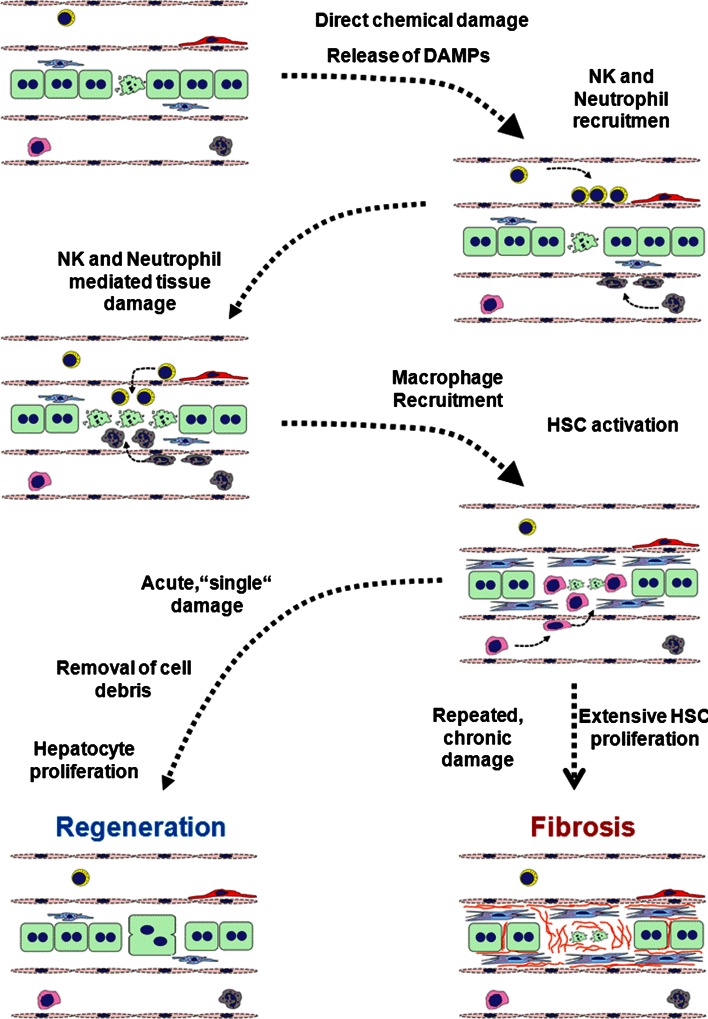
This review encompasses the most important advances in liver functions and hepatotoxicity and analyzes which mechanisms can be studied in vitro. In a complex architecture of nested, zonated lobules, the liver consists of approximately 80 % hepatocytes and 20 % non-parenchymal cells, the latter being involved in a secondary phase that may dramatically aggravate the initial damage. Hepatotoxicity, as well as hepatic metabolism, is controlled by a set of nuclear receptors (including PXR, CAR, HNF-4α, FXR, LXR, SHP, VDR and PPAR) and signaling pathways. When isolating liver cells, some pathways are activated, e.g., the RAS/MEK/ERK pathway, whereas others are silenced (e.g. HNF-4α), resulting in up- and downregulation of hundreds of genes. An understanding of these changes is crucial for a correct interpretation of in vitro data. The possibilities and limitations of the most useful liver in vitro systems are summarized, including three-dimensional culture techniques, co-cultures with non-parenchymal cells, hepatospheres, precision cut liver slices and the isolated perfused liver. Also discussed is how closely hepatoma, stem cell and iPS cell-derived hepatocyte-like-cells resemble real hepatocytes. Finally, a summary is given of the state of the art of liver in vitro and mathematical modeling systems that are currently used in the pharmaceutical industry with an emphasis on drug metabolism, prediction of clearance, drug interaction, transporter studies and hepatotoxicity. One key message is that despite our enthusiasm for in vitro systems, we must never lose sight of the in vivo situation. Although hepatocytes have been isolated for decades, the hunt for relevant alternative systems has only just begun.
Overview
The claims and statistics of this paper haven’t been checked yet.
Run the check — free, no account needed. It reads the open-access text and checks the sources it cites.
Integrity signals
Registry
Cites
Statistics
Figures
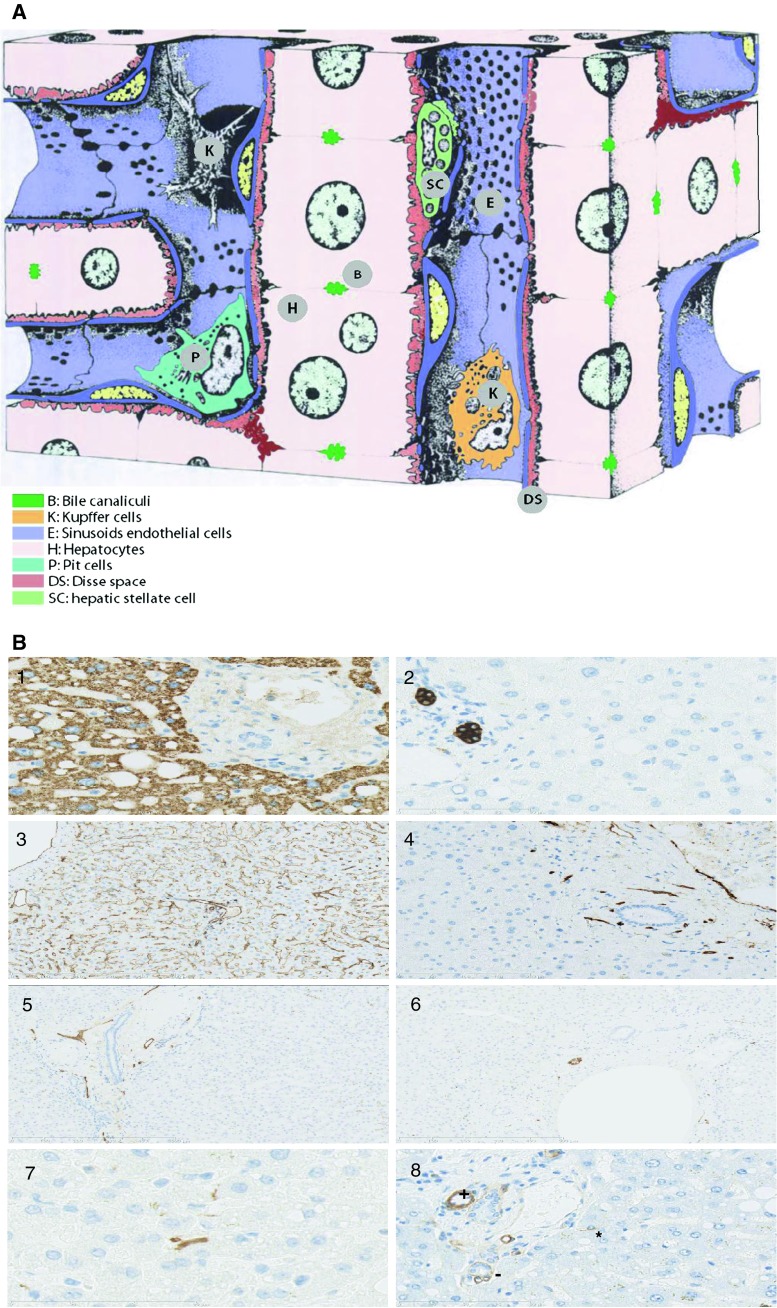
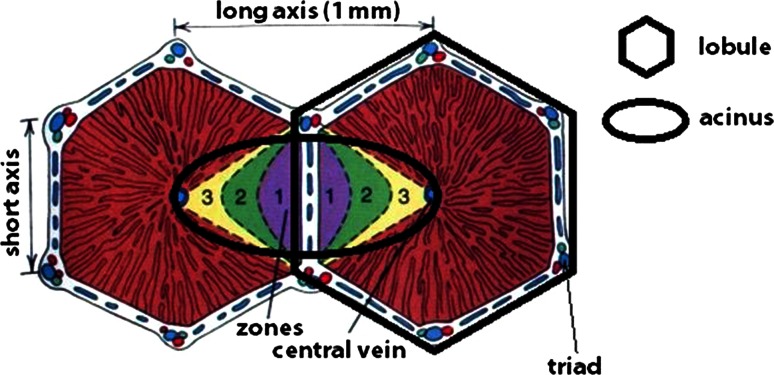
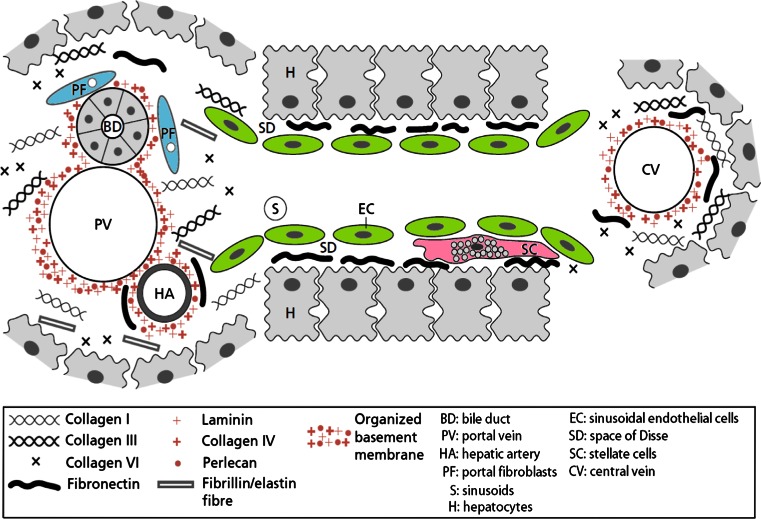
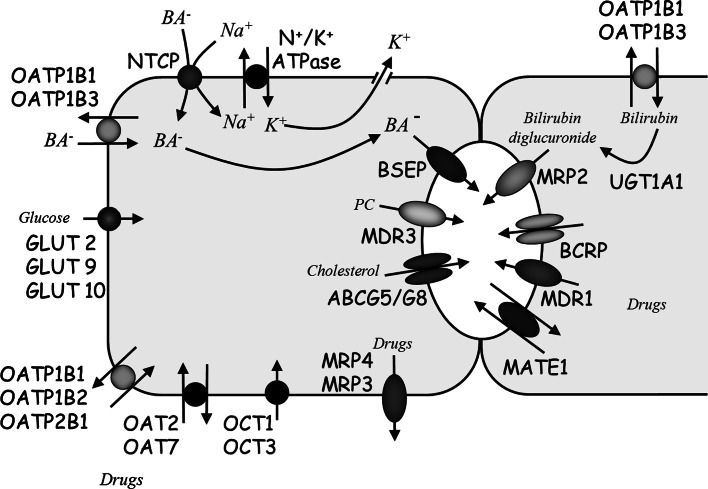
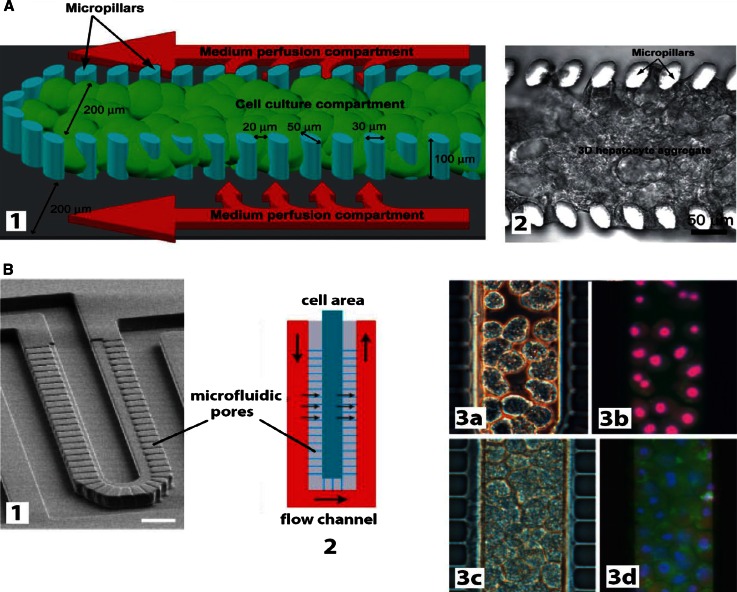
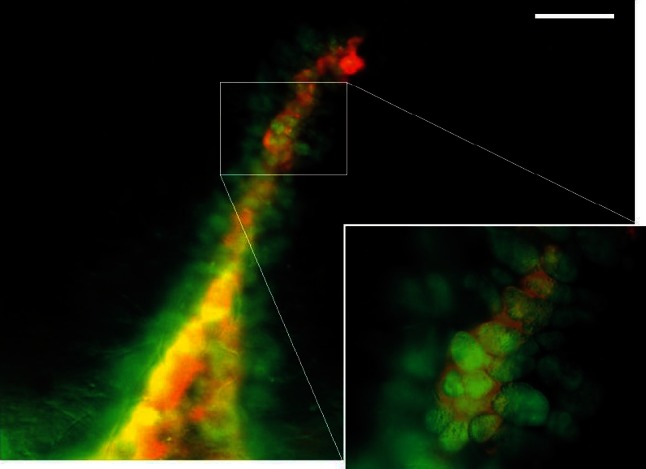
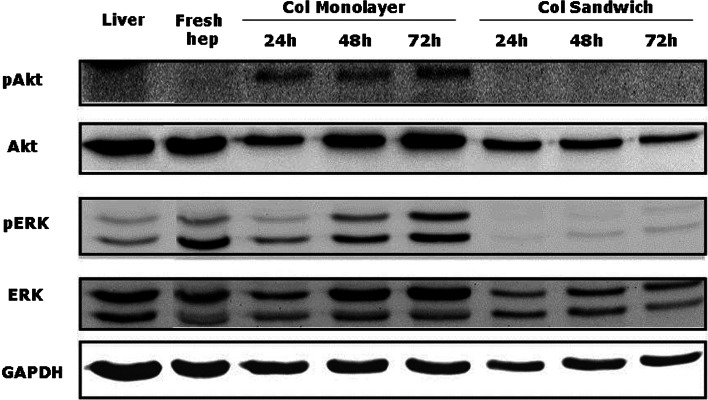
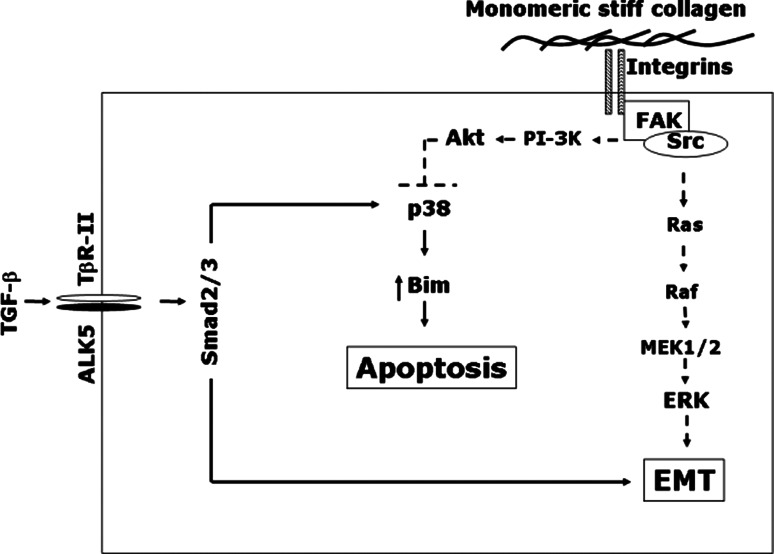
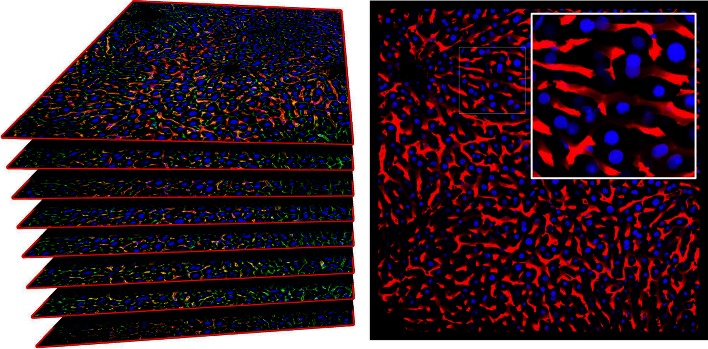
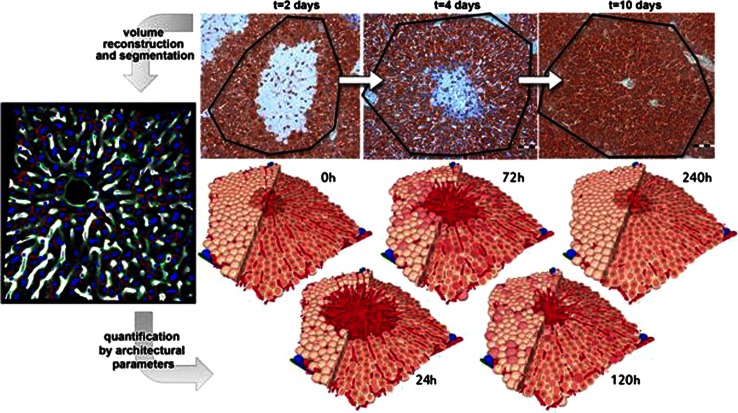
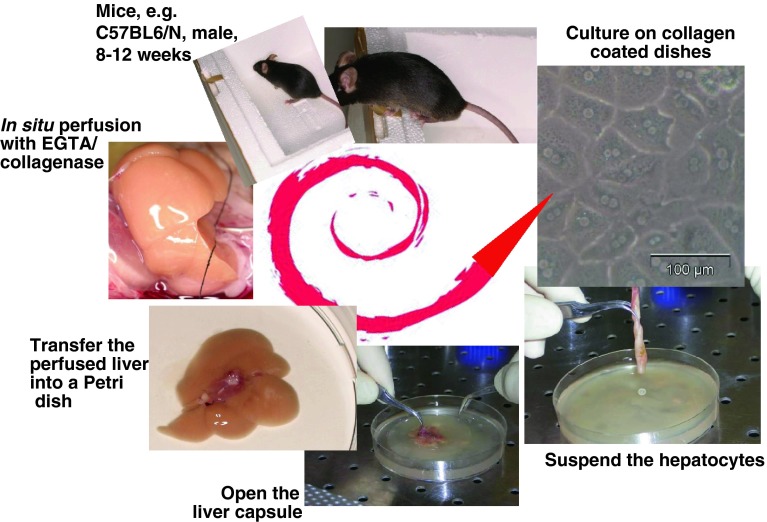
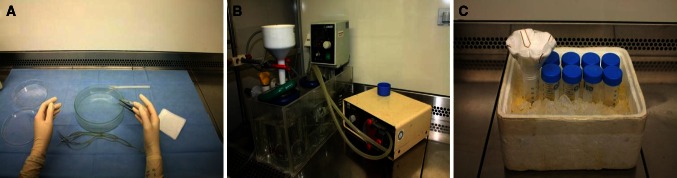
Verification
Claims the paper makes
The claims and statistics of this paper haven’t been checked yet.
Run the check — free, no account needed. It reads the open-access text and checks the sources it cites.
Claims other papers make about this one
Each is checked against this paper’s own text: does it say what the citing paper says it does?
The source backs part of the claim, not all of it — or backs it for a different population, condition or comparison.
In the citing paper
“Already in the first few days of cultivation, a reduction of hepatic functions can be observed, e.g. production of plasma proteins, drug metabolizing enzyme activities, glucose metabolism and urea synthesis (Godoy et al., 2013[15]).”
From Optimization of extracellular matrix for primary human hepatocyte cultures using mixed collagen-matrigel matrices (2023) · cites this paper as Godoy et al., 2013[15]
Experimental — accuracy not yet measuredThe source backs part of the claim, not all of it — or backs it for a different population, condition or comparison.
In the citing paper
“Primary human hepatocytes (PHHs) are an important tool for studying human liver disease and drug-induced liver injury (DILI), with other models, such as rat hepatocytes, hepatic cell lines and stem cell-derived hepatocyte-like cells failing to offer metabolically competent and species-relevant alternatives (Godoy et al. 2013).”
From Mechanistic evaluation of primary human hepatocyte culture using global proteomic analysis reveals a selective dedifferentiation profile (2017) · cites this paper as Godoy et al. 2013
Experimental — accuracy not yet measuredThe source backs part of the claim, not all of it — or backs it for a different population, condition or comparison.
In the citing paper
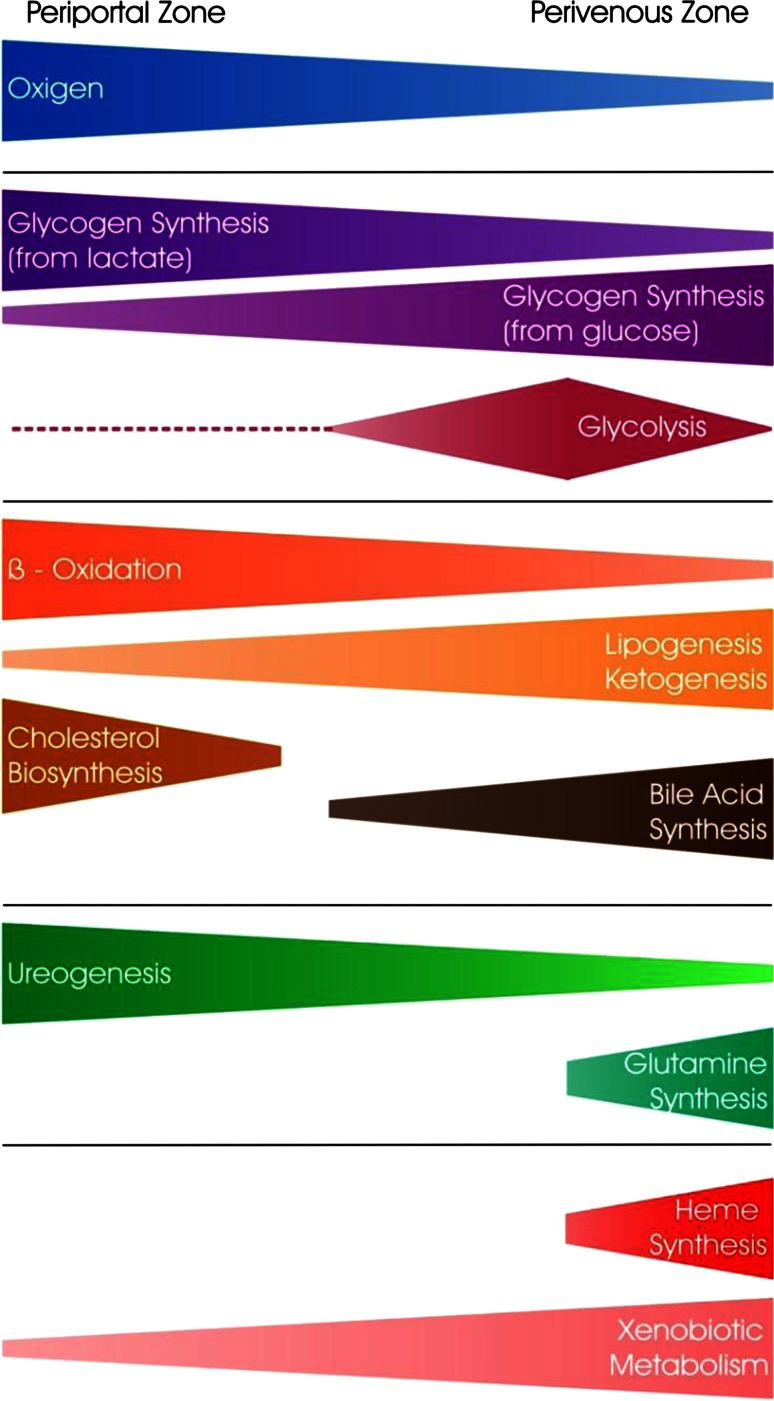
“In fact, zonation appears to be a large influencing factor on variation during culture as our pathway analysis of the most variable proteins revealed significant association with ketogenesis, cholesterol biosynthesis, fatty acid β oxidation and glutamine synthesis (table S4), all of these are related to the portocentral axis gradient of the lobule (Godoy et al. 2013).”
From Mechanistic evaluation of primary human hepatocyte culture using global proteomic analysis reveals a selective dedifferentiation profile (2017) · cites this paper as Godoy et al. 2013
Experimental — accuracy not yet measuredThe cited source says what the claim attributes to it.
In the citing paper
“although cytotoxicity measures are fundamental in the assessment of a drug’s potential for hepatotoxicity in vitro33,34, gene expression and various phenotypic changes can occur at much lower concentrations35,36.”
From Performance assessment and economic analysis of a human Liver-Chip for predictive toxicology (2022) · cites this paper as [34]
The cited source says what the claim attributes to it.
In the citing paper
“The apical membrane is equipped with transport proteins that eliminate bile acids and xenobiotics from the cell, like multidrug resistance-associated protein 2 (MRP2) (Godoy et al., 2013[15]; Ito et al., 2005[20]).”
From Optimization of extracellular matrix for primary human hepatocyte cultures using mixed collagen-matrigel matrices (2023) · cites this paper as Godoy et al., 2013[15]
The cited source says what the claim attributes to it.
In the citing paper
“The hepatocyte's basal membrane faces the sinusoid. It expresses several transmembrane transporters that manage the exchange of substances with the sinusoidal blood stream (Godoy et al., 2013[15]).”
From Optimization of extracellular matrix for primary human hepatocyte cultures using mixed collagen-matrigel matrices (2023) · cites this paper as Godoy et al., 2013[15]
The cited source says what the claim attributes to it.
In the citing paper
“In vivo, the distribution of ECM components varies between the different parts of the liver acinus, the smallest organizational unit of the liver (Godoy et al., 2013[15]; Martinez-Hernandez and Amenta, 1993[26]).”
From Optimization of extracellular matrix for primary human hepatocyte cultures using mixed collagen-matrigel matrices (2023) · cites this paper as Godoy et al., 2013[15]
The cited source says what the claim attributes to it.
In the citing paper
“The application of primary human hepatocytes following isolation from human tissue is well accepted to be compromised by the process of dedifferentiation.”
From Mechanistic evaluation of primary human hepatocyte culture using global proteomic analysis reveals a selective dedifferentiation profile (2017) · cites this paper as Godoy et al. 2013
The check wasn’t confident either way, so it gives no verdict — never disputed.
In the citing paper
“In practice, strategies for optimizing HepG2 can be divided into several approaches. The first approach is based on genetic modification of cells to express key biotransformation enzymes, in particular cytochrome P450 isoforms [109]. The second approach involves epigenetic and cultural maturation of cells, which allows for increased expression of nuclear receptors and, consequently, of xenobiotic”
From The HepG2 Cell Line as a Model for Studying Metabolic Dysfunction-Associated Steatotic Liver Disease (2026) · cites this paper as [163]
Experimental — accuracy not yet measured
Self-check
Percentages, sums and reported differences re-computed from the paper’s own numbers.
The self-check needs the paper’s full text.
Citations
Cites
1 retracted
RETRACTED: Wheat proteins improve cryopreservation of rat hepatocytes
Grondin, M., Hamel, F., Averill‐Bates, D. A., & Sarhan, F. (2009) · Biotechnology and Bioengineering · doi:10.1002/bit.22270 · Cited by 18
RetractedBartel (2004) · doi:10.1016/s0092-8674(04)00045-5 · Cited by 34,714
Computer Simulation of Liquids
Allen, M. P., & Tildesley, D. J. (2017) · doi:10.1093/oso/9780198803195.001.0001 · Cited by 20,945
Induction of Pluripotent Stem Cells from Adult Human Fibroblasts by Defined Factors
Takahashi, K., Tanabe, K., Ohnuki, M., Narita, M., Ichisaka, T., Tomoda, K., & Yamanaka, S. (2007) · Cell · doi:10.1016/j.cell.2007.11.019 · Cited by 20,221
Computer Simulation of Liquids
P, S., & J, K. (1988) · Journal of Molecular Liquids · doi:10.1016/0167-7322(88)80022-9 · Cited by 16,088
Apoptosis: A Basic Biological Phenomenon with Wideranging Implications in Tissue Kinetics
Kerr, J. F. R., Wyllie, A. H., & Currie, A. R. (1972) · British Journal of Cancer · doi:10.1038/bjc.1972.33 · Cited by 15,673
Adverse Renal Effects of Immune Checkpoint Inhibitors: A Narrative Review
Wanchoo, R., Karam, S., Uppal, N. N., Barta, V. S., Deray, G., Devoe, C., Launay‐Vacher, V., Jhaveri, K. D., & on behalf of Cancer and Kidney International Network Workgroup on Immune Checkpoint Inhibitors (2017) · American Journal of Nephrology · doi:10.1159/000455014 · Cited by 15,320
Lewis, B. P., Burge, C. B., & Bartel, D. P. (2005) · Cell · doi:10.1016/j.cell.2004.12.035 · Cited by 11,855
Induced Pluripotent Stem Cell Lines Derived from Human Somatic Cells
Yu, J., Vodyanik, M. A., Smuga-Otto, K., Antosiewicz-Bourget, J., Frane, J. L., Tian, S., Nie, J., Jonsdottir, G. A., Ruotti, V., Stewart, R., et al. (2007) · Science · doi:10.1126/science.1151526 · Cited by 10,310
Two-photon laser scanning fluorescence microscopy
Denk, W., Strickler, J. H., & Webb, W. W. (1990) · Science · doi:10.1126/science.2321027 · Cited by 9,488
The language of covalent histone modifications
Strahl, B. D., & Allis, C. D. (2000) · Nature · doi:10.1038/47412 · Cited by 8,679
Circulating microRNAs as stable blood-based markers for cancer detection
Mitchell, P. S., Parkin, R. K., Kroh, E. M., Fritz, B. R., Wyman, S. K., Pogosova-Agadjanyan, E. L., Peterson, A., Noteboom, J., O'Briant, K. C., Allen, A., et al. (2008) · Proceedings of the National Academy of Sciences · doi:10.1073/pnas.0804549105 · Cited by 7,969
Mizgerd, J. P., Kubo, H., Kutkoski, G. J., Bhagwan, S. D., Scharffetter-Kochanek, K., Beaudet, A. L., & Doerschuk, C. M. (1997) · The Journal of Experimental Medicine · doi:10.1084/jem.186.8.1357 · Cited by 7,332
Acute-Phase Proteins and Other Systemic Responses to Inflammation
Gabay, C., & Kushner, I. (1999) · New England Journal of Medicine · doi:10.1056/nejm199902113400607 · Cited by 6,734
Alternative activation of macrophages
Gordon, S. (2003) · Nature Reviews Immunology · doi:10.1038/nri978 · Cited by 6,189
Chapter 4 Preparation of Isolated Rat Liver Cells
Seglen, P. O. (1976) · Methods in cell biology · doi:10.1016/s0091-679x(08)61797-5 · Cited by 5,297
Cillà, S. D., Farruggio, S., Vujosevic, S., Raina, G., Filippini, D. A., Gatti, V., Clemente, N., Mary, D., Vezzola, D., Casini, G., et al. (2017) · Cellular Physiology and Biochemistry · doi:10.1159/000479441 · Cited by 5,154
Bataller, R., & Brenner, D. A. (2005) · Journal of Clinical Investigation · doi:10.1172/jci24282 · Cited by 4,958
In Vivo Gene Delivery and Stable Transduction of Nondividing Cells by a Lentiviral Vector
Naldini, L., Blömer, U., Gallay, P., Ory, D., Mulligan, R., Gage, F. H., Verma, I. M., & Trono, D. (1996) · Science · doi:10.1126/science.272.5259.263 · Cited by 4,903
The HCV Life Cycle: In vitro Tissue Culture Systems and Therapeutic Targets
Gerold, G., & Pietschmann, T. (2014) · Digestive Diseases · doi:10.1159/000360830 · Cited by 4,871
The BCL-2 protein family: opposing activities that mediate cell death
Youle, R. J., & Strasser, A. (2007) · Nature Reviews Molecular Cell Biology · doi:10.1038/nrm2308 · Cited by 4,806
Cleavage of BID by Caspase 8 Mediates the Mitochondrial Damage in the Fas Pathway of Apoptosis
Li, H., Zhu, H., Xu, C.-J., & Yuan, J. (1998) · Cell · doi:10.1016/s0092-8674(00)81590-1 · Cited by 4,445
Generation of germline-competent induced pluripotent stem cells
Okita, K., Ichisaka, T., & Yamanaka, S. (2007) · Nature · doi:10.1038/nature05934 · Cited by 4,438
HIGH-YIELD PREPARATION OF ISOLATED RAT LIVER PARENCHYMAL CELLS
Berry, M. N., & Friend, D. S. (1969) · The Journal of Cell Biology · doi:10.1083/jcb.43.3.506 · Cited by 4,407
Steatohepatitis: A tale of two “hits”?
Day, C. P., & James, O. F. W. (1998) · Gastroenterology · doi:10.1016/s0016-5085(98)70599-2 · Cited by 4,285
Porous scaffold design for tissue engineering
Hollister, S. J. (2005) · Nature Materials · doi:10.1038/nmat1421 · Cited by 3,979
Silencing of microRNAs in vivo with ‘antagomirs’
Krützfeldt, J., Rajewsky, N., Braich, R., Rajeev, K. G., Tuschl, T., Manoharan, M., & Stoffel, M. (2005) · Nature · doi:10.1038/nature04303 · Cited by 3,949
Van den Berg, M., Birnbaum, L. S., Denison, M., De Vito, M., Farland, W., Feeley, M., Fiedler, H., Hakansson, H., Hanberg, A., Haws, L., et al. (2006) · Toxicological Sciences · doi:10.1093/toxsci/kfl055 · Cited by 3,785
Blood Monocytes Consist of Two Principal Subsets with Distinct Migratory Properties
Geissmann, F., Jung, S., & Littman, D. R. (2003) · Immunity · doi:10.1016/s1074-7613(03)00174-2 · Cited by 3,504
The Pathophysiology of Mitochondrial Cell Death
Green, D. R., & Kroemer, G. (2004) · Science · doi:10.1126/science.1099320 · Cited by 3,487
Identification of tissue-specific microRNAs from mouse
Lagos-Quintana, M., Rauhut, R., Yalcin, A., Meyer, J., Lendeckel, W., & Tuschl, T. (2002) · Current Biology · doi:10.1016/s0960-9822(02)00809-6 · Cited by 3,355
Membrane transporters in drug development
The International Transporter Consortium, Giacomini, K. M., Huang, S.-M., Tweedie, D. J., Benet, L. Z., Brouwer, K. L. R., Chu, X., Dahlin, A., Evers, R., Fischer, V., et al. (2010) · Nature Reviews Drug Discovery · doi:10.1038/nrd3028 · Cited by 3,340
Self-citationPolakis, P. (2000) · Genes & Development · doi:10.1101/gad.14.15.1837 · Cited by 3,183 · cited 1×
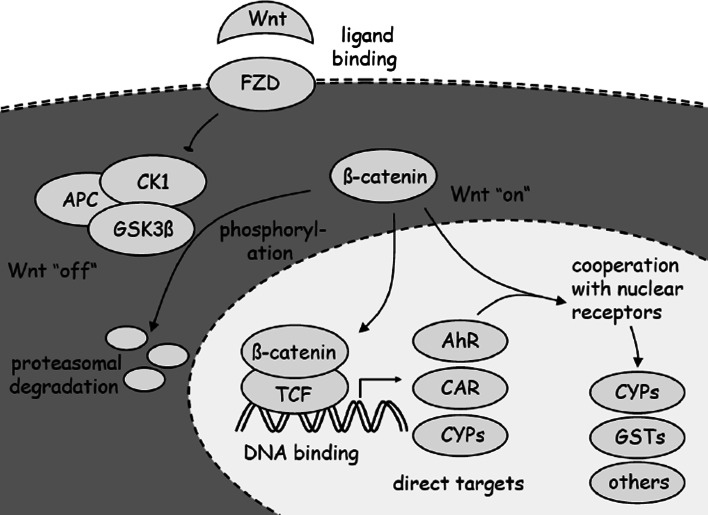
“Detailed information about Wnt signaling and its functions can be found in Barker and Clevers (2000), Huelsken and Behrens (2002), Lustig and Behrens (2003), Polakis (2000), Willert and Nusse (1998) (see also Fig.”
Fadok, V. A., Bratton, D. L., Konowal, A., Freed, P. W., Westcott, J. Y., & Henson, P. M. (1998) · Journal of Clinical Investigation · doi:10.1172/jci1112 · Cited by 3,166 · cited 3×
“…which IM promote the wound healing process during hepatotoxicity might depend on the secretion of cytokines that repress inflammation and contribute to the regeneration (IL-1ra, TGF-b, IL-10) (Geissmann et al. 2003; Fadok et al. 1998), but also in their ability to promote apoptosis of neutrophils.”
Neutrophils in the activation and regulation of innate and adaptive immunity
Mantovani, A., Cassatella, M. A., Costantini, C., & Jaillon, S. (2011) · Nature reviews. Immunology · doi:10.1038/nri3024 · Cited by 3,159
Sterile inflammation: sensing and reacting to damage
Chen, G. Y., & Nuñez, G. (2010) · Nature Reviews Immunology · doi:10.1038/nri2873 · Cited by 3,051
Development of Monocytes, Macrophages, and Dendritic Cells
Geissmann, F., Manz, M. G., Jung, S., Sieweke, M. H., Merad, M., & Ley, K. (2010) · Science · doi:10.1126/science.1178331 · Cited by 3,049
Two CD95 (APO‐1/Fas) signaling pathways
Scaffidi, C., Fulda, S., Srinivasan, A., Friesen, C., Li, F., Tomaselli, K. J., Debatin, K., Krammer, P. H., & Peter, M. E. (1998) · The EMBO Journal · doi:10.1093/emboj/17.6.1675 · Cited by 3,000
Selective recognition of methylated lysine 9 on histone H3 by the HP1 chromo domain
Bannister, A. J., Zegerman, P., Partridge, J. F., Miska, E. A., Thomas, J. O., Allshire, R. C., & Kouzarides, T. (2001) · Nature · doi:10.1038/35065138 · Cited by 2,903
Methylation of histone H3 lysine 9 creates a binding site for HP1 proteins
Lachner, M., O'Carroll, D., Rea, S., Mechtler, K., & Jenuwein, T. (2001) · Nature · doi:10.1038/35065132 · Cited by 2,868
Hepatic Stellate Cells: Protean, Multifunctional, and Enigmatic Cells of the Liver
Friedman, S. L. (2008) · Physiological Reviews · doi:10.1152/physrev.00013.2007 · Cited by 2,842
The third dimension bridges the gap between cell culture and live tissue
Pampaloni, F., Reynaud, E. G., & Stelzer, E. H. K. (2007) · Nature Reviews Molecular Cell Biology · doi:10.1038/nrm2236 · Cited by 2,817
Self-citationInduction of TNF receptor I-mediated apoptosis via two sequential signaling complexes
Micheau, O., & Tschopp, J. (2003) · Cell · doi:10.1016/s0092-8674(03)00521-x · Cited by 2,738
Identification of a nuclear receptor for bile acids
Makishima, M., Okamoto, A. Y., Repa, J. J., Tu, H., Learned, R. M., Luk, A., Hull, M. V., Lustig, K. D., Mangelsdorf, D. J., & Shan, B. (1999) · Science · doi:10.1126/science.284.5418.1362 · Cited by 2,714
NF-κB at the crossroads of life and death
Karin, M., & Lin, A. (2002) · Nature Immunology · doi:10.1038/ni0302-221 · Cited by 2,709
Nuclear Export of MicroRNA Precursors
Lund, E., Güttinger, S., Calado, Â., Dahlberg, J. E., & Kutay, U. (2003) · Science · doi:10.1126/science.1090599 · Cited by 2,705
Tumor necrosis factor signaling
Wajant, H., Pfizenmaier, K., & Scheurich, P. (2003) · Cell Death and Differentiation · doi:10.1038/sj.cdd.4401189 · Cited by 2,422
Epigenetic memory in induced pluripotent stem cells
Kim, K., Doi, A., Wen, B., Ng, K., Zhao, R. C., Cahan, P., Kim, J., Aryee, M. J., Ji, H., Ehrlich, L. I. R., et al. (2010) · Nature · doi:10.1038/nature09342 · Cited by 2,407
Alginate hydrogels as synthetic extracellular matrix materials
Rowley, J. A., Madlambayan, G., & Mooney, D. J. (1999) · Biomaterials · doi:10.1016/s0142-9612(98)00107-0 · Cited by 2,342
Bile Acids: Natural Ligands for an Orphan Nuclear Receptor
Parks, D. J., Blanchard, S. G., Bledsoe, R. K., Chandra, G., Consler, T. G., Kliewer, S. A., Stimmel, J. B., Willson, T. M., Zavacki, A. M., Moore, D. D., et al. (1999) · Science · doi:10.1126/science.284.5418.1365 · Cited by 2,274
Braissant, O., Foufelle, F., Scotto, C., Dauça, M., & Wahli, W. (1996) · Endocrinology · doi:10.1210/endo.137.1.8536636 · Cited by 2,217
Kischkel, F. C., Hellbardt, S., Behrmann, I., Germer, M., Pawlita, M., Krammer, P. H., & Peter, M. E. (1995) · The EMBO Journal · doi:10.1002/j.1460-2075.1995.tb00245.x · Cited by 2,181
Vascularized and functional human liver from an iPSC-derived organ bud transplant
Takebe, T., Sekine, K., Enomura, M., Koike, H., Kimura, M., Ogaeri, T., Zhang, R.-R., Ueno, Y., Zheng, Y.-W., Koike, N., et al. (2013) · Nature · doi:10.1038/nature12271 · Cited by 2,170
miR-122 regulation of lipid metabolism revealed by in vivo antisense targeting
Esau, C., Davis, S., Murray, S. F., Yu, X. X., Pandey, S. K., Pear, M., Watts, L., Booten, S. L., Graham, M., McKay, R., et al. (2006) · Cell Metabolism · doi:10.1016/j.cmet.2006.01.005 · Cited by 2,082
Towards a systems understanding of MHC class I and MHC class II antigen presentation
Neefjes, J., Jongsma, M. L. M., Paul, P., & Bakke, O. (2011) · Nature Reviews Immunology · doi:10.1038/nri3084 · Cited by 2,044
SLCO1B1 Variants and Statin-Induced Myopathy — A Genomewide Study
(2008) · New England Journal of Medicine · doi:10.1056/nejmoa0801936 · Cited by 2,043 · cited 1×
“Notably, the genetic variant OATP1B1*5 has been shown to be significantly associated with a higher risk for statin-induced myopathy (Link et al. 2008).”
Senescence of Activated Stellate Cells Limits Liver Fibrosis
Krizhanovsky, V., Yon, M., Dickins, R. A., Hearn, S., Simon, J., Miething, C., Yee, H., Zender, L., & Lowe, S. W. (2008) · Cell · doi:10.1016/j.cell.2008.09.015 · Cited by 2,027
Evolving functions of endothelial cells in inflammation
Pober, J. S., & Sessa, W. C. (2007) · Nature Reviews Immunology · doi:10.1038/nri2171 · Cited by 2,022
TLR4 enhances TGF-β signaling and hepatic fibrosis
Seki, E., De Minicis, S., Österreicher, C. H., Kluwe, J., Osawa, Y., Brenner, D. A., & Schwabe, R. F. (2007) · Nature Medicine · doi:10.1038/nm1663 · Cited by 1,942
A regulatory cascade of the nuclear receptors FXR, SHP-1, and LRH-1 represses bile acid biosynthesis
Goodwin, B., Jones, S. A., Price, R. R., Watson, M. A., McKee, D. D., Moore, L. B., Galardi, C., Wilson, J. G., Lewis, M. C., Roth, M. E., et al. (2000) · Molecular Cell · doi:10.1016/s1097-2765(00)00051-4 · Cited by 1,940
Production of pancreatic hormone–expressing endocrine cells from human embryonic stem cells
D’Amour, K. A., Bang, A. G., Eliazer, S., Kelly, O., Agulnick, A. D., Smart, N. G., Moorman, M. A., KROON, E. J., Carpenter, M. K., & Baetge, E. E. (2006) · Nature Biotechnology · doi:10.1038/nbt1259 · Cited by 1,913
Lethal effect of the anti-Fas antibody in mice
Ogasawara, J., Watanabe-Fukunaga, R., Adachi, M., Matsuzawa, A., Kasugai, T., Kitamura, Y., Itoh, N., Suda, T., & Nagata, S. (1993) · Nature · doi:10.1038/364806a0 · Cited by 1,881
Estrogen receptors: how do they signal and what are their targets
Heldring, N., Pike, A., Andersson, S., Matthews, J., Cheng, G., Hartman, J., Tujague, M., Ström, A., Treuter, E., Warner, M., et al. (2007) · Physiological Reviews · doi:10.1152/physrev.00026.2006 · Cited by 1,857
From 3D cell culture to organs-on-chips
Huh, D., Hamilton, G. A., & Ingber, D. E. (2011) · Trends in Cell Biology · doi:10.1016/j.tcb.2011.09.005 · Cited by 1,834
Targeted Disruption of the Nuclear Receptor FXR/BAR Impairs Bile Acid and Lipid Homeostasis
Sinal, C. J., Tohkin, M., Miyata, M., Ward, J. M., Lambert, G., & Gonzalez, F. J. (2000) · Cell · doi:10.1016/s0092-8674(00)00062-3 · Cited by 1,819
Kamata, H., Honda, S.-I., Maeda, S., Chang, L., Hirata, H., & Karin, M. (2005) · Cell · doi:10.1016/j.cell.2004.12.041 · Cited by 1,792
van Rooijen, N., & Sanders, A. (1994) · Journal of Immunological Methods · doi:10.1016/0022-1759(94)90012-4 · Cited by 1,763
Spheroid-based drug screen: Considerations and practical approach
Friedrich, J., Seidel, C., Ebner, R., & Kunz-Schughart, L. A. (2009) · Nature Protocols · doi:10.1038/nprot.2008.226 · Cited by 1,742
Suppression of Human Colorectal Carcinoma Cell Growth by Wild-Type p53
Baker, S. J., Markowitz, S. D., Fearon, E. R., Willson, J. K. V., & Vogelstein, B. (1990) · Science · doi:10.1126/science.2144057 · Cited by 1,742
How dying cells alert the immune system to danger
Kono, H., & Rock, K. L. (2008) · Nature Reviews Immunology · doi:10.1038/nri2215 · Cited by 1,737
Role of Bile Acids and Bile Acid Receptors in Metabolic Regulation
Lefebvre, P., Cariou, B., Lien, F., Kuipers, F., & Staels, B. (2009) · Physiological Reviews · doi:10.1152/physrev.00010.2008 · Cited by 1,678
Korpal, M., Lee, E. S., Hu, G., & Kang, Y. (2008) · Journal of Biological Chemistry · doi:10.1074/jbc.c800074200 · Cited by 1,677
Selective depletion of macrophages reveals distinct, opposing roles during liver injury and repair
Duffield, J. S., Forbes, S. J., Constandinou, C. M., Clay, S., Partolina, M., Vuthoori, S., Wu, S., Lang, R., & Iredale, J. P. (2005) · Journal of Clinical Investigation · doi:10.1172/jci200522675 · Cited by 1,649
Endogenous Bile Acids Are Ligands for the Nuclear Receptor FXR/BAR
Wang, H., Chen, J., Hollister, K., Sowers, L. C., & Forman, B. M. (1999) · Molecular Cell · doi:10.1016/s1097-2765(00)80348-2 · Cited by 1,636
A G Protein-coupled Receptor Responsive to Bile Acids
Kawamata, Y., Fujii, R., Hosoya, M., Harada, M., Yoshida, H., Miwa, M., Fukusumi, S., Habata, Y., Itoh, T., Shintani, Y., et al. (2003) · Journal of Biological Chemistry · doi:10.1074/jbc.m209706200 · Cited by 1,628
The Liver: Biology and Pathobiology.
(1983) · Annals of Internal Medicine · doi:10.7326/0003-4819-98-5-690_3 · Cited by 1,615
Kim, J., Auerbach, J. M., Rodríguez‐Gómez, J. A., Velasco, I., Gavin, D. K., Lumelsky, N. L., Lee, S., Nguyen, J., Sánchez‐Pernaute, R., Bankiewicz, K. S., et al. (2002) · Nature · doi:10.1038/nature00900 · Cited by 1,598
Lee, W. M. (2003) · New England Journal of Medicine · doi:10.1056/nejmra021844 · Cited by 1,594
LNA-mediated microRNA silencing in non-human primates
Elmén, J., Lindow, M., Schütz, S., Lawrence, M., Petri, A., Obad, S., Lindholm, M., Hedtjärn, M., Hansen, H. F., Berger, U., et al. (2008) · Nature · doi:10.1038/nature06783 · Cited by 1,589
Liver regeneration: from myth to mechanism
Taub, R. (2004) · Nature Reviews Molecular Cell Biology · doi:10.1038/nrm1489 · Cited by 1,567
Proceedings of the IEEE International Conference on Image Processing
Calway, A. D. (1996) · The Institute of Electrical and Electronics Engineers · Cited by 1,566
Fas and Perforin Pathways as Major Mechanisms of T Cell-Mediated Cytotoxicity
Kägi, D., Vignaux, F., Ledermann, B., Bürki, K., Depraetere, V., Nagata, S., Hengartner, H., & Golstein, P. (1994) · Science · doi:10.1126/science.7518614 · Cited by 1,544
Sequence and Structure of a Human Glucose Transporter
Mueckler, M. M., Caruso, C., Baldwin, S. A., Panico, M., Blench, I., Morris, H. R., Allard, W. J., Lienhard, G. E., & Lodish, H. F. (1985) · Science · doi:10.1126/science.3839598 · Cited by 1,529
Basement membrane complexes with biological activity
Kleinman, H. K., McGarvey, M. L., Hassell, J. R., Star, V. L., Cannon, F. B., Laurie, G. W., & Martin, G. R. (1986) · Biochemistry · doi:10.1021/bi00350a005 · Cited by 1,502
Bataller, R. A. (2005) · Journal of Clinical Investigation · doi:10.1172/jci200524282c1 · Cited by 1,480
Powell, E. E., Cooksley, G. W. E., Hanson, R., Searle, J., Halliday, J. W., & Powell, L. W. (1990) · Hepatology · doi:10.1002/hep.1840110114 · Cited by 1,473
Peet, D. J., Turley, S. D., Ma, W., Janowski, B. A., Lobaccaro, J. A., Hammer, R. E., & Mangelsdorf, D. J. (1998) · Cell · doi:10.1016/s0092-8674(00)81432-4 · Cited by 1,466
Therapeutic silencing of microRNA-122 in primates with chronic hepatitis C virus infection
Lanford, R. E., Hildebrandt-Eriksen, E. S., Petri, A., Persson, R., Lindow, M., Munk, M. E., Kauppinen, S., & Ørum, H. (2010) · Science · doi:10.1126/science.1178178 · Cited by 1,459
Micromanagers of gene expression: the potentially widespread influence of metazoan microRNAs
Bartel, D. P., & Chen, C. (2004) · Nature Reviews Genetics · doi:10.1038/nrg1328 · Cited by 1,439
Bile acids lower triglyceride levels via a pathway involving FXR, SHP, and SREBP-1c
渡辺, 光., Houten, S. M., Wang, L., Moschetta, A., Mangelsdorf, D. J., Heyman, R. A., Moore, D. D., & Auwerx, J. H. (2004) · Journal of Clinical Investigation · doi:10.1172/jci21025 · Cited by 1,425
Targeting bile‐acid signalling for metabolic diseases
Thomas, C., Pellicciari, R., Pruzanski, M., Auwerx, J., & Schoonjans, K. (2008) · Nature Reviews Drug Discovery · doi:10.1038/nrd2619 · Cited by 1,422 · cited 2×
“In hepatocytes, FXR is an important regulator of bile acid synthesis, detoxification and transport (for recent reviews including overviews of FXR target genes see (Calkin and Tontonoz 2012; Modica et al. 2010; Lefebvre et al. 2009; Keitel et al. 2008a; Thomas et al. 2008; Kalaany and Mangelsdorf 2006).”
Michalopoulos, G. K. (2007) · Journal of Cellular Physiology · doi:10.1002/jcp.21172 · Cited by 1,384
MicroRNA-10a binds the 5’UTR of ribosomal protein mRNAs and enhances their translation
Ørom, U. A., Nielsen, F. C., & Lund, A. H. (2008) · Molecular Cell · doi:10.1016/j.molcel.2008.05.001 · Cited by 1,384
Mallal, S., Nolan, D., Witt, C., Masel, G., Martin, A., Moore, C., Sayer, D., Castley, A., Mamotte, C., Maxwell, D., et al. (2002) · The Lancet · doi:10.1016/s0140-6736(02)07873-x · Cited by 1,380
The nuclear receptor PXR is a lithocholic acid sensor that protects against liver toxicity
Staudinger, J. L., Goodwin, B. J., Jones, S. A., Hawkins‐Brown, D., MacKenzie, K. I., Latour, A. M., Liu, Y., Klaassen, C. D., Brown, K. K., Reinhard, J. F., et al. (2001) · Proceedings of the National Academy of Sciences · doi:10.1073/pnas.051551698 · Cited by 1,378
Global reconstruction of the human metabolic network based on genomic and bibliomic data
Duarte, N. C., Becker, S. A., Jamshidi, N., Thiele, I., Mo, M. L., Vo, T. D., Srivas, R., & Palsson, B. Ø. (2007) · Proceedings of the National Academy of Sciences · doi:10.1073/pnas.0610772104 · Cited by 1,374
Uygun, B. E., Soto-Gutierrez, A., Yagi, H., Izamis, M.-L., Guzzardi, M. A., Shulman, C., Milwid, J., Kobayashi, N., Tilles, A., Berthiaume, F., et al. (2010) · Nature Medicine · doi:10.1038/nm.2170 · Cited by 1,370
Sachlos, E., & Czernuszka, J. T. (2003) · European Cells and Materials · doi:10.22203/ecm.v005a03 · Cited by 1,305
tBID, a membrane-targeted death ligand, oligomerizes BAK to release cytochrome cPreprint
Wei, M. C., Lindsten, T., Mootha, V. K., Weiler, S., Gross, A., Ashiya, M., Thompson, C. B., & Korsmeyer, S. J. (2000) · Genes & Development · doi:10.1101/gad.14.16.2060 · Cited by 1,292
Highly efficient generation of human hepatocyte-like cells from induced pluripotent stem cells
Si-Tayeb, K., Noto, F. K., Nagaoka, M., Li, J., Battle, M. A., Duris, C., North, P. E., Dalton, S., & Duncan, S. A. (2010) · Hepatology · doi:10.1002/hep.23354 · Cited by 1,282
Recent advances in three‐dimensional multicellular spheroid culture for biomedical research
Lin, R., & Chang, H. (2008) · Biotechnology Journal · doi:10.1002/biot.200700228 · Cited by 1,264
Desagher, S., Osen‐Sand, A., Nichols, A. C., Eskes, R., Montessuit, S., Lauper, S., Maundrell, K., Antonsson, B. E., & Martinou, J. (1999) · The Journal of Cell Biology · doi:10.1083/jcb.144.5.891 · Cited by 1,260
Peroxisome proliferator-activated receptor a target genes
Mandard, S., M�ller, M., & Kersten, S. (2004) · Cellular and Molecular Life Sciences · doi:10.1007/s00018-003-3216-3 · Cited by 1,222
Microscale culture of human liver cells for drug development
Khetani, S. R., & Bhatia, S. N. (2008) · Nature Biotechnology · doi:10.1038/nbt1361 · Cited by 1,219
Intravascular Danger Signals Guide Neutrophils to Sites of Sterile Inflammation
McDonald, B., Pittman, K., Menezes, G. B., Hirota, S. A., Slaba, I., Waterhouse, C. C. M., Beck, P. L., Muruve, D. A., & Kubes, P. (2010) · Science · doi:10.1126/science.1195491 · Cited by 1,210
Identification of a nuclear receptor that is activated by farnesol metabolites
Forman, B. M., Goode, E., Chen, J., Oro, A. E., Bradley, D. J., Perlmann, T., Noonan, D. J., Burka, L. T., McMorris, T., Lamph, W. W., et al. (1995) · Cell · doi:10.1016/0092-8674(95)90530-8 · Cited by 1,210
ACETAMINOPHEN-INDUCED HEPATIC NECROSIS. II. ROLE OF COVALENT BINDING IN VIVO
Jollow, D. J., Mitchell, J. R., Potter, W. Z., Davis, D. C., Gillette, J. R., & Brodie, B. B. (1973) · Journal of Pharmacology and Experimental Therapeutics · doi:10.1016/s0022-3565(25)29664-1 · Cited by 1,203
Drug Metabolism and Variability among Patients in Drug Response
Wilkinson, G. R. (2005) · New England Journal of Medicine · doi:10.1056/nejmra032424 · Cited by 1,185
Vitamin D Receptor As an Intestinal Bile Acid Sensor
Makishima, M., Lu, T. T., Xie, W., Whitfield, G. K., Domoto, H., Evans, R. M., Haussler, M. R., & Mangelsdorf, D. J. (2002) · Science · doi:10.1126/science.1070477 · Cited by 1,176
Rendić, S., & Carlo, F. J. D. (1997) · Drug Metabolism Reviews · doi:10.3109/03602539709037591 · Cited by 1,165
Schiff, L., & Schiff, E. R. (1975) · Andalas University Repository (Andalas University) · Cited by 1,141
Defense Strategies Against Hypoxia and Hypothermia
Hochachka, P. W. (1986) · Science · doi:10.1126/science.2417316 · Cited by 1,104
The role of matrix stiffness in regulating cell behavior†
Wells, R. G. (2008) · Hepatology · doi:10.1002/hep.22193 · Cited by 1,094
Acetaminophen-Induced Hepatic Necrosis
Jollow, D. J., Thorgeirsson, S. S., Potter, W. Z., Hashimoto, M., & Mitchell, J. R. (2008) · Pharmacology · doi:10.1159/000136547 · Cited by 1,091
Hepatocyte apoptosis and fas expression are prominent features of human nonalcoholic steatohepatitis
Feldstein, A. E., Canbay, A., Angulo, P., Taniai, M., Burgart, L. J., Lindor, K. D., & Gores, G. J. (2003) · Gastroenterology · doi:10.1016/s0016-5085(03)00907-7 · Cited by 1,085
N-acetyl-p-benzoquinone imine: a cytochrome P-450-mediated oxidation product of acetaminophen.
Dahlin, D. C., Miwa, G. T., Lu, A. Y., & Nelson, S. D. (1984) · Proceedings of the National Academy of Sciences · doi:10.1073/pnas.81.5.1327 · Cited by 1,078
The CD95(APO-1/Fas) DISC and beyond
Peter, M. E., & Krammer, P. H. (2003) · Cell Death and Differentiation · doi:10.1038/sj.cdd.4401186 · Cited by 1,075
HDAC family: What are the cancer relevant targets?
Witt, O., Deubzer, H. E., Milde, T., & Oehme, I. (2009) · Cancer Letters · doi:10.1016/j.canlet.2008.08.016 · Cited by 1,069
Synthetic nano-scale fibrous extracellular matrix
Ma, P. X., & Zhang, R. (1999) · Journal of Biomedical Materials Research · doi:10.1002/(sici)1097-4636(199907)46:1 · Cited by 1,065
HLA-B*5701 genotype is a major determinant of drug-induced liver injury due to flucloxacillin
study, F. T. D., Daly, A. K., Donaldson, P. T., Bhatnagar, P., Shen, Y., Pe’er, I., Floratos, A., Daly, M. J., Goldstein, D. B., John, S., et al. (2009) · Nature Genetics · doi:10.1038/ng.379 · Cited by 1,050
Rubbia‐Brandt, L., Audard, V., Sartoretti, P., Roth, A., Brézault, C., Charpentier, M. L., Dousset, B. E., Morel, P., Soubrane, O., Chaussade, S., et al. (2004) · Annals of Oncology · doi:10.1093/annonc/mdh095 · Cited by 1,032
Meier, P., Finch, A. J., & Evan, G. I. (2000) · Nature · doi:10.1038/35037734 · Cited by 1,027
The Methyl-CpG-binding Protein MeCP2 Links DNA Methylation to Histone Methylation
Fuks, F., Hurd, P. J., Wolf, D., Nan, X., Bird, A. P., & Kouzarides, T. (2003) · Journal of Biological Chemistry · doi:10.1074/jbc.m210256200 · Cited by 1,026
Peroxisome Proliferator-Activated Receptor Alpha Target Genes
Rakhshandehroo, M., Knoch, B., Müller, M., & Kersten, S. (2010) · PPAR Research · doi:10.1155/2010/612089 · Cited by 1,020
Glucose transporters in the 21st Century
Thorens, B., & Mueckler, M. (2010) · American Journal of Physiology-Endocrinology and Metabolism · doi:10.1152/ajpendo.00712.2009 · Cited by 1,013
Hagenbuch, B., & Meier, P. J. (2004) · Pflügers Archiv - European Journal of Physiology · doi:10.1007/s00424-003-1168-y · Cited by 1,013
Extracellular matrix dynamics in development and regenerative medicine
Daley, W. P., Peters, S. B., & Larsen, M. (2008) · Journal of Cell Science · doi:10.1242/jcs.006064 · Cited by 1,006
Bid-deficient mice are resistant to Fas-induced hepatocellular apoptosis
Yin, X.-M., Wang, K., Gross, A., Zhao, Y., Zinkel, S., Klocke, B., Roth, K. A., & Korsmeyer, S. J. (1999) · Nature · doi:10.1038/23730 · Cited by 1,004
Impact of OATP transporters on pharmacokinetics
Kalliokoski, A., & Niemi, M. (2009) · British Journal of Pharmacology · doi:10.1111/j.1476-5381.2009.00430.x · Cited by 994
Identification of membrane-type receptor for bile acids (M-BAR)
Maruyama, T., Miyamoto, Y., Nakamura, T., Tamai, Y., Okada, H., Sugiyama, E., Nakamura, T., Itadani, H., & Tanaka, K. (2002) · Biochemical and Biophysical Research Communications · doi:10.1016/s0006-291x(02)02550-0 · Cited by 993
Crispe, I. N. (2009) · Annual Review of Immunology · doi:10.1146/annurev.immunol.021908.132629 · Cited by 986
Koepsell, H., Lips, K. S., & Volk, C. (2007) · Pharmaceutical Research · doi:10.1007/s11095-007-9254-z · Cited by 984
Liver X receptors as integrators of metabolic and inflammatory signaling
Zelcer, N. (2006) · Journal of Clinical Investigation · doi:10.1172/jci27883 · Cited by 978
Hediger, M. A., Romero, M. F., Peng, J., Rolfs, A., Takanaga, H., & Bruford, E. A. (2004) · Pflügers Archiv - European Journal of Physiology · doi:10.1007/s00424-003-1192-y · Cited by 978
Jaeschke, H., McGill, M. R., & Ramachandran, A. (2012) · Drug Metabolism Reviews · doi:10.3109/03602532.2011.602688 · Cited by 972
Self-citationThe many roles of FAS receptor signaling in the immune system
Strasser, A., Jost, P. J., & Nagata, S. (2009) · Immunity · doi:10.1016/j.immuni.2009.01.001 · Cited by 968
Sorting out the roles of PPAR in energy metabolism and vascular homeostasis
Lefebvre, P. (2006) · Journal of Clinical Investigation · doi:10.1172/jci27989 · Cited by 962
Yang, X.-J., & Seto, E. (2007) · Oncogene · doi:10.1038/sj.onc.1210599 · Cited by 940
Kelm, J. M., Timmins, N. E., Brown, C. J., Fussenegger, M., & Nielsen, L. K. (2003) · Biotechnology and Bioengineering · doi:10.1002/bit.10655 · Cited by 934
Self-citationSelective Anchoring of TFIID to Nucleosomes by Trimethylation of Histone H3 Lysine 4
Vermeulen, M., Mulder, K. W., Denissov, S., Pijnappel, W. W. M. P., van Schaik, F. M. A., Varier, R. A., Baltissen, M. P. A., Stunnenberg, H. G., Mann, M., & Timmers, H. T. M. (2007) · Cell · doi:10.1016/j.cell.2007.08.016 · Cited by 930
Utility of in vitro drug metabolism data in predicting in vivo metabolic clearance
Brian Houston, J. (1994) · Biochemical Pharmacology · doi:10.1016/0006-2952(94)90520-7 · Cited by 925
Self-citationA direct link between core histone acetylation and transcriptionally active chromatin.
Hebbes, T. R., Thorne, A. W., & Crane‐Robinson, C. (1988) · The EMBO Journal · doi:10.1002/j.1460-2075.1988.tb02956.x · Cited by 921
Drug resistance in brain diseases and the role of drug efflux transporters
Löscher, W., & Potschka, H. (2005) · Nature reviews. Neuroscience · doi:10.1038/nrn1728 · Cited by 920
Kast, H. R., Goodwin, B., Tarr, P. T., Jones, S. A., Anisfeld, A. M., Stoltz, C. M., Tontonoz, P., Kliewer, S., Willson, T. M., & Edwards, P. A. (2002) · Journal of Biological Chemistry · doi:10.1074/jbc.m109326200 · Cited by 916
The natural history of nonalcoholic fatty liver: A follow-up study
Teli, M. R., James, O., Burt, A. D., Bennett, M. K., & Day, C. P. (1995) · Hepatology · doi:10.1002/hep.1840220616 · Cited by 913
Molecular Signals of Epigenetic States
Bonasio, R., Tu, S., & Reinberg, D. (2010) · Science · doi:10.1126/science.1191078 · Cited by 912
The differential adhesion hypothesis: a direct evaluation
Foty, R. A., & Steinberg, M. S. (2005) · Developmental Biology · doi:10.1016/j.ydbio.2004.11.012 · Cited by 908
The Biochemistry of Glycoproteins and Proteoglycans
Lennarz, W. (1980) · Springer US · doi:10.1007/978-1-4684-1006-8 · Cited by 907
Bhatia, S. N., Balis, U. J., Yarmush, M. L., & Toner, M. (1999) · The FASEB Journal · doi:10.1096/fasebj.13.14.1883 · Cited by 890
Caspase-8 regulates TNF-α-induced epithelial necroptosis and terminal ileitis
Günther, C., Martini, E., Wittkopf, N., Amann, K., Weigmann, B., Neumann, H., Waldner, M. J., Hedrick, S. Μ., Tenzer, S., Neurath, M. F., et al. (2011) · Nature · doi:10.1038/nature10400 · Cited by 882
Kool, M., de Haas, M., Scheffer, G. L., Scheper, R. J., van Eijk, M. J., Juijn, J. A., Baas, F., & Borst, P. (1997) · PubMed · Cited by 882
Uric acid transport and disease
So, A. K.-L., & Thorens, B. (2010) · Journal of Clinical Investigation · doi:10.1172/jci42344 · Cited by 879
Feoktistova, M., Geserick, P., Kellert, B., Panayotova‐Dimitrova, D., Langlais, C., Hupe, M., Cain, K., MacFarlane, M., Häcker, G. A., & Leverkus, M. (2011) · Molecular Cell · doi:10.1016/j.molcel.2011.06.011 · Cited by 878
Electromechanical integration of cardiomyocytes derived from human embryonic stem cells
Kehat, I., Khimovich, L., Caspi, O., Gepstein, A., Shofti, R., Arbel, G., Huber, I., Satin, J., Itskovitz‐Eldor, J., & Gepstein, L. (2004) · Nature Biotechnology · doi:10.1038/nbt1014 · Cited by 875
Gadaleta, R. M., van Erpecum, K. J., Oldenburg, B., Willemsen, E. C. L., Renooij, W., Murzilli, S., Klomp, L. W. J., Siersema, P. D., Schipper, M. E. I., Danese, S., et al. (2011) · Gut · doi:10.1136/gut.2010.212159 · Cited by 870 · cited 1×
“Treatment of isolated human mononuclear cells with the FXR agonist obeticholic acid (INT- 747) decreased TNFa secretion and prevented differentiation of CD14? monocytes into dendritic cells (Gadaleta et al. 2011).”
Induction of functional hepatocyte-like cells from mouse fibroblasts by defined factors
Huang, P., He, Z., Ji, S., Sun, H., Xiang, D., Liu, C., Hu, Y., Wang, X., & Hui, L. (2011) · Nature · doi:10.1038/nature10116 · Cited by 864
Molecular mechanisms of hepatic ischemia-reperfusion injury and preconditioning
Jaeschke, H. (2003) · American Journal of Physiology-Gastrointestinal and Liver Physiology · doi:10.1152/ajpgi.00342.2002 · Cited by 864
Self-citationInductive angiocrine signals from sinusoidal endothelium are required for liver regeneration
Ding, B., Nolan, D. J., Butler, J. M., James, D., Babazadeh, A. O., Rosenwaks, Z., Mittal, V., Kobayashi, H., Shido, K., Lyden, D. C., et al. (2010) · Nature · doi:10.1038/nature09493 · Cited by 853
Direct conversion of mouse fibroblasts to hepatocyte-like cells by defined factors
Sekiya, S., & Suzuki, A. (2011) · Nature · doi:10.1038/nature10263 · Cited by 846
Nuclear Receptor Response Elements Mediate Induction of Intestinal MDR1 by Rifampin
Geick, A., Eichelbaum, M. F., & Burk, O. (2001) · Journal of Biological Chemistry · doi:10.1074/jbc.m010173200 · Cited by 845
The orphan nuclear receptor SXR coordinately regulates drug metabolism and efflux
Synold, T. W., Dussault, I., & FORMAN, B. M. (2001) · Nature Medicine · doi:10.1038/87912 · Cited by 840
Fernández‐Salguero, P. M., Hilbert, D. M., Rudikoff, S., Ward, J. M., & Gonzalez, F. J. (1996) · Toxicology and Applied Pharmacology · doi:10.1006/taap.1996.0210 · Cited by 835
Hypolipidaemic hepatic peroxisome proliferators form a novel class of chemical carcinogens
Reddy, J. K., Azarnoff, D. L., & Hignite, C. E. (1980) · Nature · doi:10.1038/283397a0 · Cited by 835
Chang, J., Nicolas, É., Marks, D. S., Sander, C., Lerro, A., Buendia, M. A., Xu, C., Mason, W. S., Moloshok, T. D., Bort, R., et al. (2004) · RNA Biology · doi:10.4161/rna.1.2.1066 · Cited by 823
Congenital Jaundice in Rats with a Mutation in a Multidrug Resistance-Associated Protein Gene
Paulusma, C. C., Bosma, P. J., Zaman, G. J. R., Bakker, C., Otter, M. Y., Scheffer, G. L., Scheper, R. J., Borst, P., & Elferink, R. P. J. O. (1996) · Science · doi:10.1126/science.271.5252.1126 · Cited by 817
THE DOMINANT ROLE OF THE LIVER IN PLASMA PROTEIN SYNTHESIS
Miller, L. L., Bly, C. G., Watson, M. L., & Bale, W. F. (1951) · The Journal of Experimental Medicine · doi:10.1084/jem.94.5.431 · Cited by 800
König, J., Nies, A. T., Cui, Y., Leier, I., & KEPPLER, D. O. R. (1999) · Biochimica et Biophysica Acta (BBA) - Biomembranes · doi:10.1016/s0005-2736(99)00169-8 · Cited by 786
Bcl‐2 and Fas/APO‐1 regulate distinct pathways to lymphocyte apoptosis.
Strasser, A., Harris, A. W., Huang, D. C., Krammer, P. H., & Cory, S. (1995) · The EMBO Journal · doi:10.1002/j.1460-2075.1995.tb00304.x · Cited by 784
Transcriptional integration of metabolism by the nuclear sterol-activated receptors LXR and FXR
Calkin, A. C., & Tontonoz, P. (2012) · Nature Reviews Molecular Cell Biology · doi:10.1038/nrm3312 · Cited by 779
n-Butyrate causes histone modification in HeLa and Friend erythroleukaemia cells
Riggs, M. G., WHITTAKER, R. G., Neumann, J. R., & Ingram, V. M. (1977) · Nature · doi:10.1038/268462a0 · Cited by 777
McGill, M. R., Sharpe, M. R., Williams, C. D., Taha, M., Curry, S. C., & Jaeschke, H. (2012) · Journal of Clinical Investigation · doi:10.1172/jci59755 · Cited by 764
Self-citationRoth, M. E., Obaidat, A., & Hagenbuch, B. (2011) · British Journal of Pharmacology · doi:10.1111/j.1476-5381.2011.01724.x · Cited by 764
β-catenin: a key mediator of Wnt signaling
Willert, K., & Nusse, R. (1998) · Current Opinion in Genetics & Development · doi:10.1016/s0959-437x(98)80068-3 · Cited by 753
An essential role for nuclear receptors SXR/PXR in detoxification of cholestatic bile acids
Xie, W., Radominska-p, A., Shi, Y., Simon, C. M., Nelson, M. C., Ong, E. S., Waxman, D. J., & Evans, R. M. (2001) · Proceedings of the National Academy of Sciences · doi:10.1073/pnas.051014398 · Cited by 751
Denison, M. S., Soshilov, A. A., He, G., DeGroot, D. E., & Zhao, B. (2011) · Toxicological Sciences · doi:10.1093/toxsci/kfr218 · Cited by 748
Hewitt, N. J., Gómez Lechón, M. J., Houston, J. B., Hallifax, D., Brown, H. S., Maurel, P., Kenna, J. G., Gustavsson, L., Lohmann, C., Skonberg, C., et al. (2007) · Drug Metabolism Reviews · doi:10.1080/03602530601093489 · Cited by 735
Self-citationConformation of the Bax C‐terminus regulates subcellular location and cell death
Nechushtan, A., Smith, C. L., Hsu, Y., & Youle, R. J. (1999) · The EMBO Journal · doi:10.1093/emboj/18.9.2330 · Cited by 732
Hepatocyte function and extracellular matrix geometry: long‐term culture in a sandwich configuration
Dunn, J., Yarmush, M. L., Koebe, H. G., & Tompkins, R. G. (1989) · The FASEB Journal · doi:10.1096/fasebj.3.2.2914628 · Cited by 730
Life and death by death receptors
Guicciardi, M. E., & Gores, G. J. (2009) · The FASEB Journal · doi:10.1096/fj.08-111005 · Cited by 727
Disruption of Abcg5 and Abcg8 in mice reveals their crucial role in biliary cholesterol secretion
Yu, L., Hammer, R. E., Li-Hawkins, J., von Bergmann, K., Lütjohann, D., Cohen, J. C., & Hobbs, H. H. (2002) · Proceedings of the National Academy of Sciences · doi:10.1073/pnas.252582399 · Cited by 722
Liver regeneration and repair: Hepatocytes, progenitor cells, and stem cells
Fausto, N. (2004) · Hepatology · doi:10.1002/hep.20214 · Cited by 720
Pharmacogenomics and Individualized Drug Therapy
Eichelbaum, M. F., Ingelman‐Sundberg, M., & Evans, W. E. (2005) · Annual Review of Medicine · doi:10.1146/annurev.med.56.082103.104724 · Cited by 719
TGF-β in progression of liver disease
Dooley, S., & ten Dijke, P. (2012) · Cell and Tissue Research · doi:10.1007/s00441-011-1246-y · Cited by 718
Self-citationKullak-Ublick, G. A., Ismair, M. G., Stieger, B., Landmann, L., Huber, R., Pizzagalli, F., Fattinger, K. E., Meier, P. J., & Hagenbuch, B. (2001) · Gastroenterology · doi:10.1053/gast.2001.21176 · Cited by 718
Self-citationGuillouzo, A., Corlu, A., Aninat, C., Glaise, D., Morel, F., & Guguen‐Guillouzo, C. (2006) · Chemico-Biological Interactions · doi:10.1016/j.cbi.2006.12.003 · Cited by 714
The Bcl-2 protein family: sensors and checkpoints for life-or-death decisions
Borner, C. (2002) · Molecular Immunology · doi:10.1016/s0161-5890(02)00252-3 · Cited by 709
Self-citationAninat, C., Piton, A., Glaise, D., Charpentier, T. L., Langouët, S., Morel, F., Guguen‐Guillouzo, C., & Guillouzo, A. (2005) · Drug Metabolism and Disposition · doi:10.1124/dmd.105.006759 · Cited by 708
Chang, L., Kamata, H., Solinas, G., Luo, J.-L., Maeda, S., Venuprasad, K., Liu, Y.-C., & Karin, M. (2006) · Cell · doi:10.1016/j.cell.2006.01.021 · Cited by 706
Manne, N. D. P. K., Arvapalli, R., Graffeo, V. A., Bandarupalli, V. V. K., Shokuhfar, T., Patel, S. B., Rice, K. M., Ginjupalli, G. K., & Blough, E. R. (2017) · Cellular Physiology and Biochemistry · doi:10.1159/000479540 · Cited by 702
BAX activation is initiated at a novel interaction site
Gavathiotis, E., Suzuki, M., Davis, M. L., Pitter, K., Bird, G. H., Katz, S. G., Tu, H.-C., Kim, H., Cheng, E. H.-Y., Tjandra, N., et al. (2008) · Nature · doi:10.1038/nature07396 · Cited by 700
Apoptosis and Necrosis in the Liver: A Tale of Two Deaths?
Malhi, H., Gores, G. J., & Lemasters, J. J. (2006) · Hepatology · doi:10.1002/hep.21062 · Cited by 694
Long‐Term in Vitro Function of Adult Hepatocytes in a Collagen Sandwich Configuration
Dunn, J., Tompkins, R. G., & Yarmush, M. L. (1991) · Biotechnology Progress · doi:10.1021/bp00009a007 · Cited by 687
Dawson, P. A., Lan, T., & Rao, A. (2009) · Journal of Lipid Research · doi:10.1194/jlr.r900012-jlr200 · Cited by 683
Elmén, J., Lindow, M., Silahtaroglu, A., Bak, M., Christensen, M., Lind-Thomsen, A., Hedtjärn, M., Hansen, J. B., Hansen, H. F., Straarup, E. M., et al. (2007) · Nucleic Acids Research · doi:10.1093/nar/gkm1113 · Cited by 683
Metabolic networks in motion: 13C‐based flux analysis
Sauer, U. (2006) · Molecular Systems Biology · doi:10.1038/msb4100109 · Cited by 681
Identification of a mammalian protein that binds specifically to DNA containing methylated CpGs
Meehan, R. R., Lewis, J., McKay, S. J., Kleiner, E., & Bird, A. P. (1989) · Cell · doi:10.1016/0092-8674(89)90430-3 · Cited by 677
Cui, Y., König, J., Buchholz, U., Spring, H., Leier, I., & KEPPLER, D. O. R. (1999) · Molecular Pharmacology · doi:10.1016/s0026-895x(24)23190-4 · Cited by 674
Schuster, S. (1999) · Trends in biotechnology · doi:10.1016/s0167-7799(98)01290-6 · Cited by 665
Phosphorylation of the R domain by cAMP-dependent protein kinase regulates the CFTR chloride channel
Cheng, S. H., Rich, D. P., Marshall, J., Gregory, R. J., Welsh, M. J., & Smith, A. E. (1991) · Cell · doi:10.1016/0092-8674(91)90446-6 · Cited by 664
Maglich, J. M., Stoltz, C. M., Goodwin, B. J., Hawkins‐Brown, D., Moore, J. T., & Kliewer, S. A. (2002) · Molecular Pharmacology · doi:10.1124/mol.62.3.638 · Cited by 662
Research works printed but not linked: 9
- Bode JG (2011) Inflammation and liver regeneration. In: Häussinger D (ed) Liver regneration. DeGruyter Verlag, Berlin
- Bücher T, Sies H (1976) Mitochondrial and cytosolic redox states in perfused rat liver: methods and problems in metabolic compartmentation. In: Tager jm WJ, Söling D (eds) Use of isolated liver cells and kidney tubules in metabolic studies. North Holland Publishing Company/American Elsevier, New York/Amsterdam
- EPA (2012) EPA’s reanalysis of key issues related to dioxin toxicity and response to NAS Comments. Environmental Protection Agency (EPA), Washington, DC
- Hallifax D, Foster JA, Houston JB (2010) Prediction of human metabolic clearance from in vitro systems: retrospective analysis and prospective view. Pharm Res 27:2150–2161 · DOI
- ITC (International Transporter Consortium) (2010) Membrane transporters in drug development (Report from the FDA Critical Path Workshop). Nat Rev Drug Discov 9:215–236 · DOI · Paper page
- Lamers W, Moorman A, Charles R (1989) The metabolic lobulus, a key to the architecture of the liver. In: Revisiones Sobre Biologia Celular, Springer, New York
- Sahin S (2003) Perfused liver preparation and its applications. FABAD J Pharm Sci 28:39–49
- Waddington CH (1942) The epigenotype. Endeavour 1:18–20
- Warburg O (1923) Versuche an überlebendem Karzinomgewebe. Biochem Z 142:317
Cited by
Sorted by citations
Current advances and future perspectives in extrusion-based bioprinting
Ozbolat, I. T., & Hospodiuk, M. (2015) · Biomaterials · doi:10.1016/j.biomaterials.2015.10.076 · Cited by 1,642
EASL Clinical Practice Guidelines: Drug-induced liver injury
Andrade, R. J., Aithal, G. P., Björnsson, E. S., Kaplowitz, N., Kullak-Ublick, G. A., Larrey, D., & Karlsen, T. H. (2019) · Journal of Hepatology · doi:10.1016/j.jhep.2019.02.014 · Cited by 1,276
Self-citationBell, C. C., Hendriks, D. F. G., Moro, S. M. L., Ellis, E., Walsh, J., Renblom, A., Fredriksson Puigvert, L., Dankers, A. C. A., Jacobs, F., Snoeys, J., et al. (2016) · Scientific Reports · doi:10.1038/srep25187 · Cited by 739
Self-citationOrgans-on-a-Chip: A Fast Track for Engineered Human Tissues in Drug Development
Ronaldson-Bouchard, K., & Vunjak-Novakovic, G. (2018) · Cell Stem Cell · doi:10.1016/j.stem.2018.02.011 · Cited by 657
Du, K., Ramachandran, A., & Jaeschke, H. (2016) · Redox Biology · doi:10.1016/j.redox.2016.10.001 · Cited by 573
Self-citation
Metadata
- Authors
- Godoy, P., Hewitt, N. J., Albrecht, U., Andersen, M. E., Ansari, N., Bhattacharya, S., Bode, J. G., Bolleyn, J., Borner, C., Böttger, J., Braeuning, A., Budinsky, R. A., Burkhardt, B., Cameron, N. R., Camussi, G., Cho, C.-S., Choi, Y.-J., Craig Rowlands, J., Dahmen, U., Damm, G., Dirsch, O., Donato, M. T., Dong, J., Dooley, S., Drasdo, D., Eakins, R., Ferreira, K. S., Fonsato, V., Fraczek, J., Gebhardt, R., Gibson, A., Glanemann, M., Goldring, C. E. P., Gómez-Lechón, M. J., Groothuis, G. M. M., Gustavsson, L., Guyot, C., Hallifax, D., Hammad, S., Hayward, A., Häussinger, D., Hellerbrand, C., Hewitt, P., Hoehme, S., Holzhütter, H.-G., Houston, J. B., Hrach, J., Ito, K., Jaeschke, H., Keitel, V., Kelm, J. M., Kevin Park, B., Kordes, C., Kullak-Ublick, G. A., LeCluyse, E. L., Lu, P., Luebke-Wheeler, J., Lutz, A., Maltman, D. J., Matz-Soja, M., McMullen, P., Merfort, I., Messner, S., Meyer, C., Mwinyi, J., Naisbitt, D. J., Nussler, A. K., Olinga, P., Pampaloni, F., Pi, J., Pluta, L., Przyborski, S. A., Ramachandran, A., Rogiers, V., Rowe, C., Schelcher, C., Schmich, K., Schwarz, M., Singh, B., Stelzer, E. H. K., Stieger, B., Stöber, R., Sugiyama, Y., Tetta, C., Thasler, W. E., Vanhaecke, T., Vinken, M., Weiss, T. S., Widera, A., Woods, C. G., Xu, J. J., Yarborough, K. M., & Hengstler, J. G.
- Affiliations
- University of Zurich (CH)
- Leibniz Research Centre for Working Environment and Human Factors (DE)
- The Hamner Institutes for Health Sciences (US)
- Goethe University Frankfurt (DE)
- Vrije Universiteit Brussel (BE)
- University of Freiburg (DE)
- Leipzig University (DE)
- Dow Chemical (United States) (US)
- Durham University (GB)
- Seoul National University (KR)
- Instituto de Investigación Sanitaria La Fe (ES)
- Heidelberg University (DE)
- University of Liverpool (GB)
- University of Groningen (NL)
- Lund University (SE)
- University of Manchester (GB)
- South Valley University (EG)
- Heinrich Heine University Düsseldorf (DE)
- University Hospital Regensburg (DE)
- Merck KGaA, Darmstadt (Germany) (DE)
- Charité – Universitätsmedizin Berlin (DE)
- Musashino University (JP)
- University Hospital Zurich (CH)
- Merck & Co., Inc., Rahway, NJ, USA (United States) (US)
- Corresponding author
- Hewitt, Nicola J.
- ORCID
- Hewitt, Nicola J.
- Andersen, Melvin E.
- Bhattacharya, Sudin
- Bode, Johannes Georg
- Borner, Christoph
- Böttger, Jan
- Braeuning, Albert
- Budinsky, Robert A.
- Cameron, Neil R.
- Camussi, Giovanni
- Cho, Chong-Su
- Choi, Yun-Jaie
- Dahmen, Uta
- Damm, Georg
- Dirsch, Olaf
- Donato, María Teresa
- Dong, Jian
- Dooley, Steven
- Drasdo, Dirk
- Gibson, Andrew
- Glanemann, Matthias
- Groothuis, Geny M. M.
- Hallifax, David
- Hammad, Seddik
- Hayward, Adam
- Häussinger, Dieter
- Hellerbrand, Claus
- Hewitt, Philip
- Hoehme, Stefan
- Holzhütter, Hermann-Georg
- Houston, J. Brian
- Ito, Kiyomi
- Jaeschke, Hartmut
- Keitel, Verena
- Kordes, Claus
- Kullak-Ublick, Gerd A.
- LeCluyse, Edward L.
- Maltman, Daniel J.
- McMullen, Patrick
- Merfort, Irmgard
- Meyer, Christoph
- Mwinyi, Jessica
- Naisbitt, Dean J.
- Nussler, Andreas K.
- Olinga, Peter
- Pampaloni, Francesco
- Pi, Jingbo
- Pluta, Linda
- Przyborski, Stefan A.
- Ramachandran, Anup
- Rogiers, Vera
- Schwarz, Michael
- Singh, Bijay
- Stelzer, Ernst H. K.
- Stieger, Bruno
- Sugiyama, Yuichi
- Vanhaecke, Tamara
- Vinken, Mathieu
- Weiss, Thomas S.
- Woods, Courtney G.
- Hengstler, Jan G.
- Venue
- Archives of Toxicology
- Published
- 2013-08
- Volume
- 87
- Issue
- 8
- Pages
- 1315-1530
- ISSN
- 0340-5761 (ISSN-L)
- 1432-0738
- PMC
- PMC3753504
- OpenAlex
- W2134520937
- Cited by
- 1,280
- References
- 1,862
- Citations by year
- 2026: 54 · 2025: 63 · 2024: 59 · 2023: 80 · 2022: 98 · 2021: 96 · 2020: 130 · 2019: 132 · 2018: 129 · 2017: 102 · 2016: 118 · 2015: 110 · 2014: 91 · 2013: 12
- FWCI
- 18.06
- Type
- journal article
- Language
- en
- Open access
- hybrid
- doi.org
- Licence
- Locations
- Archives of Toxicology (publishedVersion, other-oa)
- Europe PMC (PubMed Central) (publishedVersion)
- PubMed Central (publishedVersion, cc-by-nc)
- PubMed (publishedVersion)
- Research Explorer (The University of Manchester) (publishedVersion)
- University of Regensburg Publication Server (University of Regensburg) (acceptedVersion)
- Zurich Open Repository and Archive (University of Zurich) (acceptedVersion, other-oa)
- Durham Research Online (Durham University) (acceptedVersion, other-oa)
- Durham Research Online (Durham University) (submittedVersion, cc-by)
- HAL (submittedVersion)
- Institutional Research Information System University of Turin (University of Turin) (submittedVersion)
- Lund University Publications (Lund University) (submittedVersion, other-oa)
- University of Groningen research database (University of Groningen / Centre for Information Technology) (submittedVersion, cc-by)
- Repository of Digital Objects for Teaching Research and Culture (University of Valencia) (submittedVersion, cc-by-nc)
- VUBIR (Vrije Universiteit Brussel) (submittedVersion)
- Zurich Open Repository and Archive (University of Zurich) (submittedVersion, other-oa)
- Zurich Open Repository and Archive (University of Zurich)
- University of Regensburg Publication Server (University of Regensburg)
- Funders
- Leibniz-Institut für Arbeitsforschung an der TU Dortmund
- Deutsche Forschungsgemeinschaft (GRK1104, (EXC 294))
- Agence Nationale de la Recherche
- Bundesministerium für Bildung und Forschung
- Belgian Federal Science Policy Office
- Fonds Wetenschappelijk Onderzoek
- National Research Foundation of Korea
- Innoviris
- Universität Regensburg
- Vlaamse regering
- National Institutes of Health (AA12916)
- Biotechnology and Biological Sciences Research Council (1233823)
- Leibniz-Gemeinschaft
- Japan Society for the Promotion of Science (23590204)
- National Institute on Alcohol Abuse and Alcoholism (R56AA012916, R01AA012916)
- National Institute of Diabetes and Digestive and Kidney Diseases (R01DK070195)
- Topics
- Life Sciences › Pharmacology, Toxicology and Pharmaceutics › Pharmacology › Drug-Induced Hepatotoxicity and Protection
- Health Sciences › Medicine › Hepatology › Liver physiology and pathology
- Health Sciences › Veterinary › Small Animals › Animal testing and alternatives
- Keywords
- hepatotoxicity, primary hepatocytes, non-parenchymal liver cells, hepatocyte co-culture, precision-cut liver slices, isolated perfused liver, stem cell-derived hepatocytes, induced pluripotent stem cell-derived hepatocytes, nuclear receptors, Ras/MEK/ERK pathway, HNF4α, drug metabolism, ADME, drug interactions
- MeSH terms
- Animals, Gene Expression Regulation, Humans, Liver, Inactivation, Metabolic, Organ Culture Techniques, Signal Transduction, Receptors, Cytoplasmic and Nuclear, Toxicity Tests, Coculture Techniques, Hepatocytes, Toxicogenetics, Culture Techniques, High-Throughput Screening Assays
About these checks
Registry, retraction, Cites and statistics results are computed, not judged, with one exception: a printed reference that no index lists is read once by a model before it counts as a citation error. Claims are extracted by a model and kept only when their quote appears verbatim in the text; each cited source is then checked, with a model’s help, for whether it says what the claim relies on. Those verdicts can be wrong — read the claim’s quote and the cited source before relying on one.
Statistics and arithmetic are recomputed, not judged.
Confidence bands are shown only for fields calibrated on our annotated test set. None is calibrated yet, so no band is shown.
What counts as a claim ›How we measure confidence ›How we check this ›
Are you an author, or do you see a problem with this page? Request a review
