

Atypical frontal-posterior synchronization of Theory of Mind regions in autism during mental state attribution
Open accessThe DOI matches its Crossref record; 80 of the 80 references it cites were found in a registry or an index.
Abstract
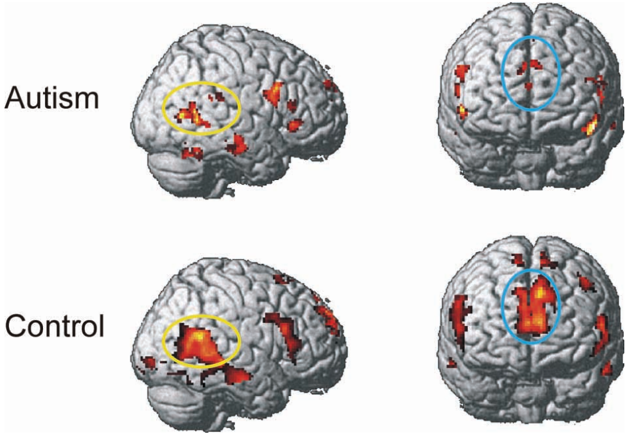
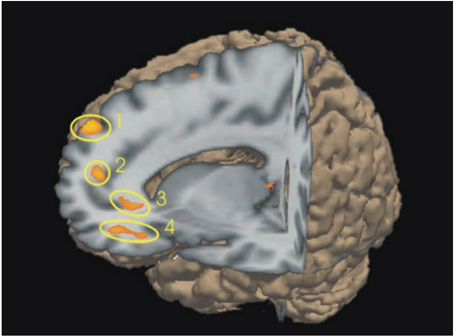
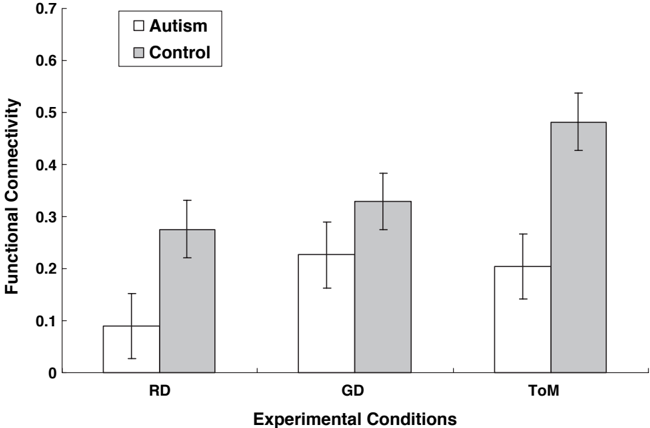
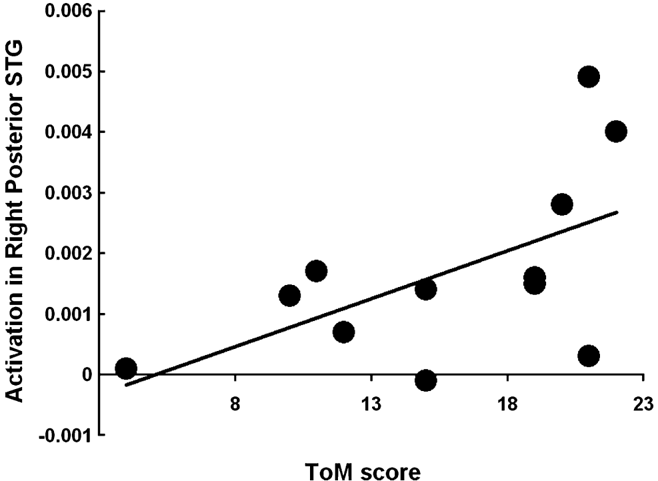
This study used fMRI to investigate the functioning of the Theory of Mind (ToM) cortical network in autism during the viewing of animations that in some conditions entailed the attribution of a mental state to animated geometric figures. At the cortical level, mentalizing (attribution of metal states) is underpinned by the coordination and integration of the components of the ToM network, which include the medial frontal gyrus, the anterior paracingulate, and the right temporoparietal junction. The pivotal new finding was a functional underconnectivity (a lower degree of synchronization) in autism, especially in the connections between frontal and posterior areas during the attribution of mental states. In addition, the frontal ToM regions activated less in participants with autism relative to control participants. In the autism group, an independent psychometric assessment of ToM ability and the activation in the right temporoparietal junction were reliably correlated. The results together provide new evidence for the biological basis of atypical processing of ToM in autism, implicating the underconnectivity between frontal regions and more posterior areas.
Overview
The claims and statistics of this paper haven’t been checked yet.
Free: it reads the open-access text and checks the first 5 claims that cite a source we can check. Create a free account to check every claim.
Integrity signals
Registry
Cites
Statistics
Figures
Verification
Claims the paper makes
The claims and statistics of this paper haven’t been checked yet.
Free: it reads the open-access text and checks the first 5 claims that cite a source we can check. Create a free account to check every claim.
Self-check
Percentages, sums and reported differences re-computed from the paper’s own numbers.
The self-check needs the paper’s full text.
Citations
Cites
Tzourio-Mazoyer, N., Landeau, B., Papathanassiou, D., Crivello, F., Etard, O., Delcroix, N., Mazoyer, B., & Joliot, M. (2002) · NeuroImage · doi:10.1006/nimg.2001.0978 · Cited by 16,319
Statistical parametric maps in functional imaging: A general linear approach
Friston, K. J., Holmes, A. P., Worsley, K. J., Poline, J. ‐., Frith, C. D., & Frackowiak, R. S. J. (1994) · Human Brain Mapping · doi:10.1002/hbm.460020402 · Cited by 9,688 · cited 3×
“To compare the participating groups in terms of the distribution of activation, the data were analyzed using SPM99.”
Lord, C., Rutter, M., & Le Couteur, A. (1994) · Journal of Autism and Developmental Disorders · doi:10.1007/bf02172145 · Cited by 9,065 · cited 1×
“The diagnosis of autism was established using two structured research diagnostic instruments, the ADI-R (Autism Diagnostic Interview—Revised; Lord, Rutter, & LeCouteur, 1994 ) and the ADOS-G (Autism Diagnostic Observation Schedule—Generic, Lord et al, 2000 ), supplemented with confirmation by expert opinion.”
Does the autistic child have a “theory of mind” ?
Baron-Cohen, S., Leslie, A. M., & Frith, U. (1985) · Cognition · doi:10.1016/0010-0277(85)90022-8 · Cited by 8,599 · cited 1×
“Even though difficulty with Theory of Mind (ToM) processing in autism has been demonstrated in many studies (e.g., Baron-Cohen, Leslie, & Frith, 1985; Baron-Cohen, Campbell, Karmiloff-Smith, Grant, & Walker, 1995; Leekam & Perner, 1991; Perner, Frith, Leslie, & Leekam, 1989; Reed & Peterson, 1990; Swettenham, 1996; Sw…”
Lord, C., Risi, S., Lambrecht, L., Cook, E. H., Leventhal, B. L., DiLavore, P. C., Pickles, A., & Rutter, M. (2000) · Journal of Autism and Developmental Disorders · doi:10.1023/a:1005592401947 · Cited by 7,520 · cited 3×
“…of autism was established using two structured research diagnostic instruments, the ADI-R (Autism Diagnostic Interview*Revised; Lord, Rutter, & LeCouteur, 1994) and the ADOS-G (Autism Diagnostic Observation Schedule*Generic, Lord et al., 2000), supplemented with confirmation by expert opinion.”
Meeting of minds: the medial frontal cortex and social cognition
Amodio, D. M., & Frith, C. D. (2006) · Nature Reviews Neuroscience · doi:10.1038/nrn1884 · Cited by 3,782 · cited 2×
“From an anatomical perspective, major afferents to the medial frontal regions come from the dorsolateral prefrontal cortex, temporal pole, anterior superior temporal gyrus, parietotemporal cortex, and posterior cingulate cortex (Barbas, Ghashghaei, Dombrowski, & Rempel-Clower, 1999; Carmichael & Price, 1996; see Amodi…”
Gusnard, D. A., Akbudak, E., Shulman, G. L., & Raichle, M. E. (2001) · Proceedings of the National Academy of Sciences · doi:10.1073/pnas.071043098 · Cited by 2,997 · cited 1×
“The medial prefrontal cortex has been credited with involvement in any kind of thought that uses the self as a referent (Gusnard, Akbudak, Shulman, & Raichle, 2001 ), the anterior paracingulate cortex is believed to be involved in the decoupling mechanism that distinguishes mental states from reality (Gallagher & Frit…”
Happé, F. G. E. (1994) · Journal of Autism and Developmental Disorders · doi:10.1007/bf02172093 · Cited by 2,352 · cited 2×
“…ability The brain activation in two regions of interest (the medial frontal gyrus, and the right posterior superior temporal gyrus), which are associated with processing of ToM, was correlated with the ToM score of the autism participants from the Happé strange stories test (Happé, 1994).”
People thinking about thinking peopleThe role of the temporo-parietal junction in “theory of mind”
Saxe, R., & Kanwisher, N. (2003) · NeuroImage · doi:10.1016/s1053-8119(03)00230-1 · Cited by 2,316 · cited 1×
“Others argue that the right temporoparietal junction is the central player in mental state reasoning, not only collating but also processing the cues to compute a mental state (Saxe & Kanwisher, 2003).”
Functional imaging of ‘theory of mind’
Gallagher, H. L., & Frith, C. D. (2003) · Trends in Cognitive Sciences · doi:10.1016/s1364-6613(02)00025-6 · Cited by 2,092 · cited 6×
“Gallagher and Frith (2003) propose that while the posterior superior temporal sulcus provides the cues for mentalizing, the medial prefrontal cortex does the mental state reasoning.”
Influential
Research works printed but not linked: 2
- Brothers, L. (1990). The social brain: A project for integrating primate behavior and neurophysiology in a new domain. Concepts in Neuroscience, 1, 27Á 51.
- Buxhoeveden, D. P., Semendeferi, K., Schenker, N., & Courchesne, E. (2004). Decreased cell column spa- cing in autism [abstract]. Social Neuroscience, 30, 582.
Cited by
Neurophysiological and Computational Principles of Cortical Rhythms in Cognition
Wang, X.-J. (2010) · Physiological Reviews · doi:10.1152/physrev.00035.2008 · Cited by 1,939
Fractionating theory of mind: a meta-analysis of functional brain imaging studies
Schurz, M., Radua, J., Aichhorn, M., Richlan, F., & Perner, J. (2014) · Neuroscience & Biobehavioral Reviews · doi:10.1016/j.neubiorev.2014.01.009 · Cited by 1,656
Identification of autism spectrum disorder using deep learning and the ABIDE dataset
Heinsfeld, A. S., Franco, A. R., Craddock, R. C., Buchweitz, A., & Meneguzzi, F. (2018) · NeuroImage: Clinical · doi:10.1016/j.nicl.2017.08.017 · Cited by 1,016
The Neural Bases of Social Cognition and Story Comprehension
Mar, R. A. (2011) · Annual Review of Psychology · doi:10.1146/annurev-psych-120709-145406 · Cited by 950
“…11 11 Hooker et al. (2008) Infer emotion during false belief Recognize emotion during false belief fMRI 20 17 No emotional content in pictures Kana et al. (2009) ToM animated shapes Randomly moving shapes fMRI 12 12 Kircher et al. (2009) Play game against a human Play against a computer…”
BackgroundModabbernia, A., Velthorst, E., & Reichenberg, A. (2017) · Molecular Autism · doi:10.1186/s13229-017-0121-4 · Cited by 809
Mindblind eyes: an absence of spontaneous theory of mind in Asperger syndrome
Senju, A., Southgate, V., White, S., & Frith, U. (2009) · Science · doi:10.1126/science.1176170 · Cited by 769
Autism Spectrum Disorder: Classification, diagnosis and therapy
Sharma, S. R., Gonda, X., & Tarazi, F. I. (2018) · Pharmacology & Therapeutics · doi:10.1016/j.pharmthera.2018.05.007 · Cited by 673
“While further studies are required to determine if this same pattern of activation remains in adultswithASD, this finding provides a compelling potential mechanism for how and why music may heighten mentalization and access to emotional attunement for ASD individuals: binding what Kana and colleagues wrote in 2009: “i…”
Schurz, M., Radua, J., Tholen, M. G., Maliske, L., Margulies, D. S., Mars, R. B., Sallet, J., & Kanske, P. (2021) · Psychological Bulletin · doi:10.1037/bul0000303 · Cited by 619
“To further characterize functional relations between the intermediate and the cognitive and affective clusters, we projected our clusters’ activation maps along a principal gradient of macroscale cortical organization, which describes a functional spectrum along the cortical surface based on functional connectivity pa…”
BackgroundResultInfluentialAbnormal functional connectivity of default mode sub-networks in autism spectrum disorder patients
Assaf, M., Jagannathan, K., Calhoun, V. D., Miller, L., Stevens, M. C., Sahl, R., O'Boyle, J. G., Schultz, R. T., & Pearlson, G. D. (2010) · NeuroImage · doi:10.1016/j.neuroimage.2010.05.067 · Cited by 680
“A few studies have explored activation and functional connectivity of this network in individuals with ASDs using tasks of mental state attribution (Baron-Cohen et al., 1999; Castelli et al., 2002; Kana et al., 2009; Piggot et al., 2004) and narrative comprehension (Happé et al.”
BackgroundNeuroanatomical and neurochemical bases of theory of mind
Abu-Akel, A., & Shamay-Tsoory, S. (2011) · Neuropsychologia · doi:10.1016/j.neuropsychologia.2011.07.012 · Cited by 618
Salience Network–Based Classification and Prediction of Symptom Severity in Children With Autism
Uddin, L. Q., Supekar, K., Lynch, C. J., Khouzam, A., Phillips, J., Feinstein, C., Ryali, S., & Menon, V. (2013) · JAMA Psychiatry · doi:10.1001/jamapsychiatry.2013.104 · Cited by 621
“The underconnectivity theory is based largely on analysis of task-related changes in interregional connectivity during tasks that involve language,(6,7) working memory,(8) mental imagery,(9) executive functions,(10) cognitive control,(11,12) and social cognition.(13,14) However, several reports of brain hyperconnectiv…”
Reconceptualizing functional brain connectivity in autism from a developmental perspective
Uddin, L. Q., Supekar, K., & Menon, V. (2013) · Frontiers in Human Neuroscience · doi:10.3389/fnhum.2013.00458 · Cited by 576
“…mental imagery (Kana et al., 2006), executive functions (Just et al., 2007), cognitive control (Kana et al., 2007; Solomon et al., 2009; Agam et al., 2010), visuomotor coordination (Villalobos et al., 2005) and social cognition (Kleinhans et al., 2008; Kana et al., 2009) have been documented.”
Young, L., Camprodon, J. A., Hauser, M., Pascual-Leone, A., & Saxe, R. (2010) · Proceedings of the National Academy of Sciences · doi:10.1073/pnas.0914826107 · Cited by 584
“Furthermore, reduced capacity for processingmental states inASDs is associated with reduced RTPJ activity (49).”
BackgroundAutism as a neural systems disorder: A theory of frontal-posterior underconnectivity
Just, M. A., Keller, T. A., Malave, V. L., Kana, R. K., & Varma, S. (2012) · Neuroscience & Biobehavioral Reviews · doi:10.1016/j.neubiorev.2012.02.007 · Cited by 578
Self-citationPrefrontal Cortex and Social Cognition in Mouse and Man
Bicks, L. K., Koike, H., Akbarian, S., & Morishita, H. (2015) · Frontiers in Psychology · doi:10.3389/fpsyg.2015.01805 · Cited by 500
“ASD patients performing a ToM task that involves attributing mental states to geometric figures show decreased activity within the mPFC relative to controls (Castelli et al., 2002; Kana et al., 2015) and decreased functional connectivity between mPFC and parietal regions (Kana et al., 2009).”
BackgroundThe impact of atypical sensory processing on social impairments in autism spectrum disorder
Thye, M. D., Bednarz, H. M., Herringshaw, A. J., Sartin, E. B., & Kana, R. K. (2018) · Developmental Cognitive Neuroscience · doi:10.1016/j.dcn.2017.04.010 · Cited by 513
Self-citationSocial cognition and the cerebellum: A meta-analysis of over 350 fMRI studies
Van Overwalle, F., Baetens, K., Mariën, P., & Vandekerckhove, M. (2014) · NeuroImage · doi:10.1016/j.neuroimage.2013.09.033 · Cited by 474
Müller, R.-A., Shih, P., Keehn, B., Deyoe, J. R., Leyden, K. M., & Shukla, D. K. (2011) · Cerebral Cortex · doi:10.1093/cercor/bhq296 · Cited by 456
“…the theory has found broad support in many fcMRI studies (Just et al. 2004, 2007; Villalobos et al. 2005; Bird et al. 2006; Cherkassky et al. 2006; Kana et al., 2006, 2007, 2009; Kennedy and Courchesne 2008; Kleinhans et al. 2008; Koshino et al. 2008; Mason et al., 2008; Lee et al. 2009;…”
Diffusion tensor imaging in autism spectrum disorder: a review
Travers, B. G., Adluru, N., Ennis, C., Tromp, D. P. M., Destiche, D., Doran, S., Bigler, E. D., Lange, N., Lainhart, J. E., & Alexander, A. L. (2012) · Autism Research · doi:10.1002/aur.1243 · Cited by 450
The social brain: allowing humans to boldly go where no other species has been
Frith, U., & Frith, C. (2010) · Philosophical Transactions of the Royal Society B: Biological Sciences · doi:10.1098/rstb.2009.0160 · Cited by 443
“Mirror neurons have yet to be definitively identified in humans (Dinstein et al. 2008; but see Kilner et al. 2009).”
BackgroundA systematic review and meta-analysis of the fMRI investigation of autism spectrum disorders
Philip, R. C. M., Dauvermann, M. R., Whalley, H. C., Baynham, K., Lawrie, S. M., & Stanfield, A. C. (2012) · Neuroscience & Biobehavioral Reviews · doi:10.1016/j.neubiorev.2011.10.008 · Cited by 392
The Default Mode Network in Autism
Padmanabhan, A., Lynch, C. J., Schaer, M., & Menon, V. (2017) · Biological Psychiatry: Cognitive Neuroscience and Neuroimaging · doi:10.1016/j.bpsc.2017.04.004 · Cited by 375
“Few studies have examined functional connectivity during such tasks and report decreased interhemispheric connectivity of the TPJ with the left lateral temporal cortex (44) and between TPJ and mPFC (45) in adults with ASD.”
BackgroundFunctional connectivity magnetic resonance imaging classification of autism
Anderson, J. S., Nielsen, J. A., Froehlich, A. L., DuBray, M. B., Druzgal, T. J., Cariello, A. N., Cooperrider, J. R., Zielinski, B. A., Ravichandran, C., Fletcher, P. T., et al. (2011) · Brain · doi:10.1093/brain/awr263 · Cited by 405
“…theory of mind (Mason et al., 2008), executive function (Just et al., 2007), long-range anterior–posterior connections (Cherkassky et al., 2006; Kana et al., 2009), interhemispheric connections (Anderson et al., 2011b; Dinstein et al., 2011), visual attention (Belmonte et al., 2010), the…”
BackgroundVissers, M. E., X Cohen, M., & Geurts, H. M. (2012) · Neuroscience & Biobehavioral Reviews · doi:10.1016/j.neubiorev.2011.09.003 · Cited by 397
Impaired theory of mind for moral judgment in high-functioning autism
Moran, J. M., Young, L. L., Saxe, R., Lee, S. M., O'Young, D., Mavros, P. L., & Gabrieli, J. D. (2011) · Proceedings of the National Academy of Sciences · doi:10.1073/pnas.1011734108 · Cited by 336
“Reduced ToM ability in autism is associated with reduced activation of the rTPJ, a key region in these judgments (13).”
BackgroundEnhanced visual functioning in autism: An ALE meta-analysis
Samson, F., Mottron, L., Soulières, I., & Zeffiro, T. A. (2012) · Human Brain Mapping · doi:10.1002/hbm.21307 · Cited by 351
“…as well, ranging from passive viewing of faces (e.g. Bird et al., 2006] and stimulus matching (e.g. Bookheimer et al., 2008; Lee et al., 2007] to sentence comprehension (e.g. Mason et al., 2008], mental state inference (e.g. Kana et al., 2009] and abstract reasoning [Soulières et al., 2009].”
BackgroundCerliani, L., Mennes, M., Thomas, R. M., Di Martino, A., Thioux, M., & Keysers, C. (2015) · JAMA Psychiatry · doi:10.1001/jamapsychiatry.2015.0101 · Cited by 339
Automated Detection of Autism Spectrum Disorder Using a Convolutional Neural Network
Sherkatghanad, Z., Akhondzadeh, M., Salari, S., Zomorodi-Moghadam, M., Abdar, M., Acharya, U. R., Khosrowabadi, R., & Salari, V. (2020) · Frontiers in Neuroscience · doi:10.3389/fnins.2019.01325 · Cited by 278
“In addition, these results support the idea of the disruption of anterior-posterior brain connectivity in ASD, which has been shown in Just (2004), Kana et al. (2009), and Cherkassky et al. (2006).”
ResultReward circuitry function in autism spectrum disorders
Dichter, G. S., Felder, J. N., Green, S. R., Rittenberg, A. M., Sasson, N. J., & Bodfish, J. W. (2012) · Social Cognitive and Affective Neuroscience · doi:10.1093/scan/nsq095 · Cited by 296
“…cluster that showed ASD hyperactivity in response to object incentives was localized to the paracingulate gyrus, a region that mediates representations of others’ mental states (Gobbini et al. , 2007) and that has shown decreased synchrony in autism during mentalizing tasks (Kana et al. , 2009).”
BackgroundThe nature of brain dysfunction in autism: Functional brain imaging studies
Minshew, N. J., & Keller, T. A. (2010) · Current Opinion in Neurology · doi:10.1097/wco.0b013e32833782d4 · Cited by 291
Self-citationLombardo, M. V., Chakrabarti, B., Bullmore, E. T., & Baron-Cohen, S. (2011) · NeuroImage · doi:10.1016/j.neuroimage.2011.02.067 · Cited by 275
“Unlike prior work, which observed hypoactivation of dMPFC during mentalizing in ASC (Castelli et al., 2002; Happé et al., 1996; Kana et al., 2009; Kennedy and Courchesne, 2008; Silani et al., 2008; Wang et al., 2007),we did not observe any group-difference in this region.”
BackgroundResultInfluentialDevelopmental changes in large-scale network connectivity in autism
Nomi, J. S., & Uddin, L. Q. (2015) · NeuroImage: Clinical · doi:10.1016/j.nicl.2015.02.024 · Cited by 274
“These experiments found hypo-connectivity within the temporal–parietal junction in a theory of mind task (Kana et al., 2009), the limbic system in a face perception task (Kleinhans et al.”
BackgroundDisrupted cortical connectivity theory as an explanatory model for autism spectrum disorders
Kana, R. K., Libero, L. E., & Moore, M. S. (2011) · Physics of Life Reviews · doi:10.1016/j.plrev.2011.10.001 · Cited by 251
Self-citationThe implications of brain connectivity in the neuropsychology of autism
Maximo, J. O., Cadena, E. J., & Kana, R. K. (2014) · Neuropsychology Review · doi:10.1007/s11065-014-9250-0 · Cited by 259
“…tasks (Rudie et al. 2012b; Schipul et al. 2012), problem-solving (Just et al. 2007), response inhibition (Kana et al. 2007), Theory-of-Mind (Kana et al. 2009; Mason et al. 2008; Washington et al. 2013), visuospatial attention (Agam et al. 2010; Damarla et al. 2010), global processing (Liu…”
Self-citationInter-Regional Brain Communication and Its Disturbance in Autism
Schipul, S. E., Keller, T. A., & Just, M. A. (2011) · Frontiers in Systems Neuroscience · doi:10.3389/fnsys.2011.00010 · Cited by 224
“, 2010), between the anterior cingulate figures, individuals with autism had lower functional connectivity between frontal and posterior Theory of Mind areas (Kana et al., 2009).”
Self-citationShukla, D. K., Keehn, B., & Müller, R. (2011) · Journal of Child Psychology and Psychiatry · doi:10.1111/j.1469-7610.2010.02342.x · Cited by 230
“Abnormal early growth patterns in ASD likely relate to atypical interregional connectivity later in life (Belmonte et al., 2004; Kana et al., 2008; Kleinhans et al., 2008; Koshino et al., 2005; Müller, 2007; Rippon et al., 2007; Villalobos et al., 2005).”
BackgroundAbbott, A. E., Nair, A., Keown, C. L., Datko, M., Jahedi, A., Fishman, I., & Müller, R.-A. (2016) · Cerebral Cortex · doi:10.1093/cercor/bhv191 · Cited by 214
“Reduced activation in this region during ToM tasks has been observed in several ASD studies (Happé et al. 1996; Castelli et al. 2002; Kana et al. 2009).”
ResultFunctional magnetic resonance imaging of autism spectrum disorders
Dichter, G. S. (2012) · Dialogues in Clinical Neuroscience · doi:10.31887/dcns.2012.14.3/gdichter · Cited by 215
Evidence of microglial activation in autism and its possible role in brain underconnectivity
Rodriguez, J. I., & Kern, J. K. (2011) · Neuron Glia Biology · doi:10.1017/s1740925x12000142 · Cited by 205
Schurz, M., Aichhorn, M., Martin, A., & Perner, J. (2013) · Frontiers in Human Neuroscience · doi:10.3389/fnhum.2013.00712 · Cited by 203
“White circles in Figure 2 indicate activation-peaks reported for social animations (Castelli et al., 2000; Blakemore et al., 2003; Gobbini et al., 2007; Kana et al., 2009; Das et al., 2012).”
BackgroundRudie, J. D., Shehzad, Z., Hernandez, L. M., Colich, N. L., Bookheimer, S. Y., Iacoboni, M., & Dapretto, M. (2012) · Cerebral Cortex · doi:10.1093/cercor/bhr171 · Cited by 195
“…involving working memory (Koshino et al. 2005), visuomotor coordination (Villalobos et al. 2005), visual imagery (Kana et al. 2006), executive functioning (Just et al. 2007), response inhibition (Kana et al. 2007), face processing (Kleinhans et al. 2008), and theory of mind (Kana et al. 2009).”
BackgroundKlin, A., Shultz, S., & Jones, W. (2015) · Neuroscience & Biobehavioral Reviews · doi:10.1016/j.neubiorev.2014.10.006 · Cited by 180
“…an increasing number of anatomical and functional neuroimaging studies have highlighted atypical cortical connectivity in individuals with ASD (Just et al., 2012; Kana et al., 2009; Keown et al., 2013; Supekar et al, 2013), including in infants and toddlers (Wolff et al, 2012; Keehn et al., 2013).”
Reproducibility of Single-Subject Functional Connectivity Measurements
Anderson, J. S., Ferguson, M. A., Lopez-Larson, M., & Yurgelun-Todd, D. (2011) · American Journal of Neuroradiology · doi:10.3174/ajnr.a2330 · Cited by 196
Functional brain networks and white matter underlying theory-of-mind in autism
Kana, R. K., Libero, L. E., Hu, C. P., Deshpande, H. D., & Colburn, J. S. (2014) · Social Cognitive and Affective Neuroscience · doi:10.1093/scan/nss106 · Cited by 196
“The functional connectivity described in this study is task-based, and the analysis was conducted using an in-house script and followed the method used in our previous studies (see Just et al., 2007; Kana et al., 2009).”
BackgroundMethodResultInfluentialSelf-citationNeuroanatomical and neurofunctional markers of social cognition in autism spectrum disorder
Patriquin, M. A., DeRamus, T., Libero, L. E., Laird, A., & Kana, R. K. (2016) · Human Brain Mapping · doi:10.1002/hbm.23288 · Cited by 175
Self-citationDamarla, S. R., Keller, T. A., Kana, R. K., Cherkassky, V. L., Williams, D. L., Minshew, N. J., & Just, M. A. (2010) · Autism Research · doi:10.1002/aur.153 · Cited by 164
Self-citationIdentification of neural connectivity signatures of autism using machine learning
Deshpande, G., Libero, L. E., Sreenivasan, K. R., Deshpande, H. D., & Kana, R. K. (2013) · Frontiers in Human Neuroscience · doi:10.3389/fnhum.2013.00670 · Cited by 180
“…alterations in social brain and visuospatial brain regions (e.g., TPJ, IFG, IPL, FFG, etc.) seen previously in functional connectivity findings (Kana et al., 2006, 2009, 2012; Just et al., 2007; Koshino et al., 2008; Mason et al., 2008), suggesting some consistency in disrupted connectivity…”
BackgroundSelf-citationWhite, S. J., Coniston, D., Rogers, R., & Frith, U. (2011) · Autism Research · doi:10.1002/aur.174 · Cited by 171
Spengler, S., Bird, G., & Brass, M. (2010) · Biological Psychiatry · doi:10.1016/j.biopsych.2010.09.017 · Cited by 170
Bersani, F. S., Minichino, A., Enticott, P. G., Mazzarini, L., Khan, N., Antonacci, G., Raccah, R. N., Salviati, M., Delle Chiaie, R., Bersani, G., et al. (2013) · European Psychiatry · doi:10.1016/j.eurpsy.2012.02.006 · Cited by 169
Functional and structural connectivity of frontostriatal circuitry in Autism Spectrum Disorder
Delmonte, S., Gallagher, L., O'Hanlon, E., McGrath, J., & Balsters, J. H. (2013) · Frontiers in Human Neuroscience · doi:10.3389/fnhum.2013.00430 · Cited by 156
Aberrant functioning of the theory-of-mind network in children and adolescents with autism
Kana, R. K., Maximo, J. O., Williams, D. L., Keller, T. A., Schipul, S. E., Cherkassky, V. L., Minshew, N. J., & Just, M. A. (2015) · Molecular Autism · doi:10.1186/s13229-015-0052-x · Cited by 150
Self-citationCiaramidaro, A., Bölte, S., Schlitt, S., Hainz, D., Poustka, F., Weber, B., Bara, B. G., Freitag, C., & Walter, H. (2015) · Schizophrenia Bulletin · doi:10.1093/schbul/sbu124 · Cited by 151
“25 Consistent with these studies, it has been hypothesized that ASD and SCZ thus may be located at the extreme ends of a cognitive architecture ranging from a mechanistic hypo-intentional (to treat person as objects) to a mentalistic hyper-intentional (to treat objects as persons) mode of…”
BackgroundResultAtypical Cross Talk Between Mentalizing and Mirror Neuron Networks in Autism Spectrum Disorder
Fishman, I., Keown, C. L., Lincoln, A. J., Pineda, J. A., & Müller, R.-A. (2014) · JAMA Psychiatry · doi:10.1001/jamapsychiatry.2014.83 · Cited by 152
A Shift to Randomness of Brain Oscillations in People with Autism
Lai, M.-C., Lombardo, M. V., Chakrabarti, B., Sadek, S. A., Pasco, G., Wheelwright, S. J., Bullmore, E. T., Baron-Cohen, S., & Suckling, J. (2010) · Biological Psychiatry · doi:10.1016/j.biopsych.2010.06.027 · Cited by 153
Abnormal brain synchrony in Down Syndrome
Anderson, J. S., Nielsen, J. A., Ferguson, M. A., Burback, M. C., Cox, E. T., Dai, L., Gerig, G., Edgin, J. O., & Korenberg, J. R. (2013) · NeuroImage: Clinical · doi:10.1016/j.nicl.2013.05.006 · Cited by 134
“…attentional networks is intriguing, given the well characterized abnormalities of default mode network connectivity in autism (Assaf et al., 2010; Kana et al., 2009; Kennedy and Courchesne, 2008; Lombardo et al., 2010; Mason et al., 2008; Monk et al., 2009;Weng et al., 2009), and the failure of…”
BackgroundNeural Signatures of Autism Spectrum Disorders: Insights into Brain Network Dynamics
Hernandez, L. M., Rudie, J. D., Green, S. A., Bookheimer, S. Y., & Dapretto, M. (2014) · Neuropsychopharmacology · doi:10.1038/npp.2014.172 · Cited by 164
“In ASD, neuroimaging studies of TOM have shown reduced activity in the left inferior frontal gyrus (Harris et al, 2006; Just et al, 2004), MPFC (Castelli et al, 2002; Kana et al, 2009, 2014; Nieminen-von Wendt et al, 2003; Wang et al, 2007), and temporo-parietal junction (Kana et al, 2014).”
BackgroundThe Impact of Neuroimmune Alterations in Autism Spectrum Disorder
Gottfried, C., Bambini-Junior, V., Francis, F., Riesgo, R., & Savino, W. (2015) · Frontiers in Psychiatry · doi:10.3389/fpsyt.2015.00121 · Cited by 143
“This latter region is associated with social perception, and gray matter structure and functional connectivity differences have also previously been identified (47).”
BackgroundSelective Disruption of Sociocognitive Structural Brain Networks in Autism and Alexithymia
Bernhardt, B. C., Valk, S. L., Silani, G., Bird, G., Frith, U., & Singer, T. (2014) · Cerebral Cortex · doi:10.1093/cercor/bht182 · Cited by 131
Shih, P., Keehn, B., Oram, J. K., Leyden, K. M., Keown, C. L., & Müller, R.-A. (2011) · Biological Psychiatry · doi:10.1016/j.biopsych.2011.03.040 · Cited by 123
(2012) · Handbook of Clinical Neurology · doi:10.1016/b978-0-444-52002-9.00023-1 · Cited by 115
“, 2008), attribution of mental states during viewing of animations (Castelli et al., 2002; Kana et al., 2008), language processing (Just et al.”
BackgroundOrganizational effects of fetal testosterone on human corpus callosum size and asymmetry
Chura, L. R., Lombardo, M. V., Ashwin, E., Auyeung, B., Chakrabarti, B., Bullmore, E. T., & Baron‐Cohen, S. (2009) · Psychoneuroendocrinology · doi:10.1016/j.psyneuen.2009.09.009 · Cited by 130
“One of the most replicated neuroanatomical findings in autism is the distinct reduction in midsaggital callosal size (Egaas et al., 1995; Piven et al., 1997; Manes et al., 1999; Hardan et al., 2000; Boger-Megiddo et al., 2006; Kana et al., 2006, 2009; Vidal et al., 2006; Alexander et al., 2007; Just et al., 2007; Maso…”
Neurobiological correlates of social functioning in autism
Neuhaus, E., Beauchaine, T. P., & Bernier, R. (2010) · Clinical Psychology Review · doi:10.1016/j.cpr.2010.05.007 · Cited by 122
Atypical network connectivity for imitation in autism spectrum disorder
Shih, P., Shen, M., Öttl, B., Keehn, B., Gaffrey, M. S., & Müller, R.-A. (2010) · Neuropsychologia · doi:10.1016/j.neuropsychologia.2010.05.035 · Cited by 120
Direct modulation of aberrant brain network connectivity through real-time NeuroFeedback
Ramot, M., Kimmich, S., González-Castillo, J., Roopchansingh, V., Popal, H. S., White, E. I., Gotts, S. J., & Martin, A. D. (2017) · eLife · doi:10.7554/elife.28974 · Cited by 125
Murdaugh, D. L., Shinkareva, S. V., Deshpande, H. R., Wang, J., Pennick, M. R., & Kana, R. K. (2012) · PLoS ONE · doi:10.1371/journal.pone.0050064 · Cited by 114
“and self-referential thinking are atypical in autism [23,24,1,2],”
BackgroundMethodSelf-citationAre ASD and ADHD a Continuum? A Comparison of Pathophysiological Similarities Between the Disorders
Kern, J. K., Geier, D. A., Sykes, L. K., Geier, M. R., & Deth, R. C. (2015) · Journal of Attention Disorders · doi:10.1177/1087054712459886 · Cited by 105
Atypical Social Modulation of Imitation in Autism Spectrum Conditions
Cook, J. L., & Bird, G. (2012) · Journal of Autism and Developmental Disorders · doi:10.1007/s10803-011-1341-7 · Cited by 111
“Similarly, Kana et al. (2009) demonstrated underconnectivity between frontal and posterior regions during a mentalising task.”
BackgroundZhang, F., & Roeyers, H. (2019) · International Journal of Psychophysiology · doi:10.1016/j.ijpsycho.2019.01.003 · Cited by 119
“An under-connectivity was observed in autism between the frontal gyrus and posterior regions involved in “theory of mind (ToM)” – the social ability of attributing mental states to oneself or others’(Baron-Cohen, 2001; Kana et al., 2009; Paynter et al., 2016), the left hemispheric posterior superior temporal gyrus (pS…”
BackgroundAtypical resting synchrony in autism spectrum disorder: Resting MEG Synchrony in ASD
Ye, A. X., Leung, R. C., Schäfer, C. B., Taylor, M. J., & Doesburg, S. M. (2014) · Human Brain Mapping · doi:10.1002/hbm.22604 · Cited by 97
“The impairment of ToM (processing of mental states of others) in ASD has been linked to difficulties with the communications and interactions in everyday life [Kana et al. 2009].”
BackgroundThe Role of the Theory‐of‐Mind Cortical Network in the Comprehension of Narratives
Mason, R. A., & Just, M. A. (2009) · Language and Linguistics Compass · doi:10.1111/j.1749-818x.2008.00122.x · Cited by 98
“autism, who are known to have difficulty with Theory of Mind processing, the degree of synchronization among the components of the Theory of Mind network is lower than in a control group ( Kana et al. 2008; Mason et al. 2008).”
BackgroundSelf-citationDeRamus, T. P., & Kana, R. K. (2015) · NeuroImage: Clinical · doi:10.1016/j.nicl.2014.11.004 · Cited by 93
“Numerous neurons packed in smaller columns can lead to altered patterns of connectivity favoring local overconnectivity and long-distance underconnectivity (Cherkassky et al., 2006; Courchesne and Pierce, 2005; Kana et al., 2009).”
BackgroundSelf-citationThe neural basis of deictic shifting in linguistic perspective-taking in high-functioning autism
Mizuno, A., Liu, Y., Williams, D. L., Keller, T. A., Minshew, N. J., & Just, M. A. (2011) · Brain · doi:10.1093/brain/awr151 · Cited by 91
“BRAIN A JOURNAL OF NEUROLOGY The neural basis of deictic shifting in linguistic perspective-taking in high-functioning autism”
Self-citationFronto-temporal disconnectivity and symptom severity in children with autism spectrum disorder
Poustka, L., Jennen-Steinmetz, C., Henze, R., Vomstein, K., Haffner, J., & Sieltjes, B. (2012) · The World Journal of Biological Psychiatry · doi:10.3109/15622975.2011.591824 · Cited by 98
“…demonstrated functional underconnectivity in the sense of a lower degree of synchronization between frontal-temporal regions during the attribution of mental states (Castelli et al. 2002; Kana et al. 2009), highlighting the serious functional implications of microstructural changes of WM circuits.”
BackgroundVasa, R. A., Mostofsky, S. H., & Ewen, J. B. (2016) · Biological Psychiatry: Cognitive Neuroscience and Neuroimaging · doi:10.1016/j.bpsc.2016.02.003 · Cited by 97
“Many task-based fMRI studies show that individuals with ASD exhibit reduced functional connectivity between multiple cortical regions or between cortical and subcortical regions (13-15).”
BackgroundO'Nions, E., Sebastian, C. L., McCrory, E., Chantiluke, K., Happé, F., & Viding, E. (2014) · Developmental Science · doi:10.1111/desc.12167 · Cited by 97
“A further a priori region of interest was the TPJ, strongly implicated in ToM (Gweon, Dodell-Feder, Bedny & Saxe, 2012; Saxe & Kanwisher, 2003) and showing reduced responses during ToM in ASD compared with controls in previous studies (Kana et al., 2009; Lombardo et al., 2011).”
BackgroundResultInfluentialAutism Spectrum Disorder Studies Using fMRI Data and Machine Learning: A Review
Liu, M., Li, B., & Hu, D. (2021) · Frontiers in Neuroscience · doi:10.3389/fnins.2021.697870 · Cited by 106
“In the work of Heinsfeld et al. (2018), the most contributing conclusion is the anterior-posterior disruption in the connectivity of ASD, which has been reported to be shown in previous task-related (Adam et al., 2004; Kana et al., 2009) and rs-fMRI studies of ASD patients (Cherkassky et al., 2006).”
ResultLibero, L. E., DeRamus, T. P., Deshpande, H. D., & Kana, R. K. (2014) · Neuropsychologia · doi:10.1016/j.neuropsychologia.2014.07.001 · Cited by 95
Self-citationZwickel, J., White, S. J., Coniston, D., Senju, A., & Frith, U. (2011) · Social Cognitive and Affective Neuroscience · doi:10.1093/scan/nsq088 · Cited by 82
“(2000) showed higher activation in brain areas associated with mentalizing for ToM compared with R and GD animations (medial prefrontal cortex, temporo-parietal junction and basal temporal regions), but to a lesser extent in individuals with autism compared with healthy volunteers (Castelli et al., 2002; Kana et al.,…”
Guo, X., Duan, X., Suckling, J., Chen, H., Liao, W., Cui, Q., & Chen, H. (2018) · Human Brain Mapping · doi:10.1002/hbm.24447 · Cited by 96
“Individuals with ASD displayed diminished deactivation in the anterior DMN node during mentalizing tasks in comparison with a TD group (Kana et al., 2009; Kennedy, Elizabeth, & Eric, 2006).”
ResultJust, M. A., Cherkassky, V. L., Buchweitz, A., Keller, T. A., & Mitchell, T. M. (2014) · PLoS ONE · doi:10.1371/journal.pone.0113879 · Cited by 93
“A second type of social task in which altered activation was found in autism was in Theory of Mind processing in which participants must understand the mental state of another individual (and in which there is altered activation in autism in the medial frontal and temporoparietal junction regions) [7].”
BackgroundSelf-citationKeehn, B., Shih, P., Brenner, L. A., Townsend, J., & Müller, R.-A. (2013) · Human Brain Mapping · doi:10.1002/hbm.22084 · Cited by 82
“These studies have employed experimental paradigms examining domains of impairment in ASD, including theory of mind [Kana et al., 2009; Mason et al., 2008], executive function [Agam et al.”
MethodImpact of methodological variables on functional connectivity findings in autism spectrum disorders
Nair, A., Keown, C. L., Datko, M., Shih, P., Keehn, B., & Müller, R. (2014) · Human Brain Mapping · doi:10.1002/hbm.22456 · Cited by 86
“…[Villalo- bos et al., 2005], face processing [Kleinhans et al., 2008], verbal working memory [Koshino et al., 2005], sentence comprehension [Kana et al., 2006], response inhibition [Kana et al., 2007; Lee et al., 2009], embedded figures [Damarla et al., 2010], problem solving [Just et…”
BackgroundKrach, S., Kamp‐Becker, I., Einhäuser, W., Sommer, J., Frässle, S., Jansen, A., Rademacher, L., Müller‐Pinzler, L., Gazzola, V., & Paulus, F. M. (2015) · Human Brain Mapping · doi:10.1002/hbm.22949 · Cited by 87
“different theory of mind tasks showing that persons with ASD were likely to give correct verbal reports that did not correspond to their spontaneous behavior [Abell et al., 2000; Castelli, 2002; Kana et al., 2009; Klin, 2000] or anticipatory looks [Ruffman et al.”
BackgroundDistinctive Neural Processes during Learning in Autism
Schipul, S. E., Williams, D. L., Keller, T. A., Minshew, N. J., & Just, M. A. (2012) · Cerebral Cortex · doi:10.1093/cercor/bhr162 · Cited by 75
“Previous research has shown atypical brain activation and synchronization in social tasks in autism (Pelphrey et al. 2004; Kana et al. 2009), which could arise as a result of”
BackgroundSelf-citationTop-down modulation of the perception of other people in schizophrenia and autism
Cook, J., Barbalat, G., & Blakemore, S.-J. (2012) · Frontiers in Human Neuroscience · doi:10.3389/fnhum.2012.00175 · Cited by 73
“Such feedback connections are thought to play a role in amplifying activity in stimulus-specific neural regions (Kastner and Ungerleider, 2001; Pessoa et al., 2002).”
BackgroundDiminished Medial Prefrontal Activity behind Autistic Social Judgments of Incongruent Information
Watanabe, T., Yahata, N., Abe, O., Kuwabara, H., Inoue, H., Takano, Y., Iwashiro, N., Natsubori, T., Aoki, Y., Takao, H., et al. (2012) · PLoS ONE · doi:10.1371/journal.pone.0039561 · Cited by 82
“In contrast, even individuals with high functioning ASD show difficulties in psychological tasks that require spontaneous mentalizing [3,18,19,62,63].”
BackgroundMulticenter mapping of structural network alterations in autism
Valk, S. L., Di Martino, A., Milham, M. P., & Bernhardt, B. C. (2015) · Human Brain Mapping · doi:10.1002/hbm.22776 · Cited by 85
Whole-brain functional hypoconnectivity as an endophenotype of autism in adolescents
Moseley, R. L., Ypma, R. J. F., Holt, R. J., Floris, D., Chura, L. R., Spencer, M. D., Baron-Cohen, S., Suckling, J., Bullmore, E., & Rubinov, M. (2015) · NeuroImage: Clinical · doi:10.1016/j.nicl.2015.07.015 · Cited by 84
“There has been suggestion that people with ASC show weaker connections between anterior and posterior brain regions (Just et al., 2004, 2007; Koshino et al., 2005; Kana et al., 2009; Damarla et al., 2010).”
BackgroundBarttfeld, P., Wicker, B., Cukier, S., Navarta, S., Lew, S., Leiguarda, R., & Sigman, M. (2012) · Neuropsychologia · doi:10.1016/j.neuropsychologia.2012.09.047 · Cited by 80
García-González, S., Lugo‐Marín, J., Setién-Ramos, I., Gisbert, L., Arteaga-Henríquez, G., Villoria, E. D., & Ramos‐Quiroga, J. A. (2021) · European Neuropsychopharmacology · doi:10.1016/j.euroneuro.2021.02.017 · Cited by 89
Corpus callosum area in children and adults with autism
Prigge, M. B. D., Lange, N., Bigler, E. D., Merkley, T. L., Neeley, E. S., Abildskov, T. J., Froehlich, A. L., Nielsen, J. A., Cooperrider, J. R., Cariello, A. N., et al. (2012) · Research in Autism · doi:10.1016/j.rasd.2012.09.007 · Cited by 90
“…between the size of CC subregions and functional connectivity measured during tasks that tap cognitive skills frequently impaired or relatively preserved in autism (Damarla et al., 2010; Just et al., 2007, 2004; Kana et al., 2009, 2006; Keary et al., 2009; Mason et al., 2008; Schipul et al., 2011).”
BackgroundAtypical developmental trajectory of local spontaneous brain activity in autism spectrum disorder
Guo, X., Chen, H., Long, Z., Duan, X., Zhang, Y., & Chen, H. (2017) · Scientific Reports · doi:10.1038/srep39822 · Cited by 89
Lee, J. M., Kyeong, S., Kim, E., & Cheon, K.-A. (2016) · Frontiers in Neuroscience · doi:10.3389/fnins.2016.00191 · Cited by 76
“Furthermore, a decreased size of the corpus callosum was observed in the ASD group in a structural magnetic resonance imaging (MRI) study (Keary et al., 2009).”
BackgroundThe role of mirroring and mentalizing networks in mediating action intentions in autism
Libero, L. E., Maximo, J. O., Deshpande, H., Klinger, L. G., Klinger, M. R., & Kana, R. K. (2014) · Molecular Autism · doi:10.1186/2040-2392-5-50 · Cited by 85
“This weaker connectivity in ASD is in line with previous studies in adults with ASD reporting significant disruptions in frontal to posterior connectivity [58,60-62].”
BackgroundResultSelf-citationExecutive Functioning Theory and Autism
Geurts, H. M., de Vries, M., & van den Bergh, S. F. W. M. (2013) · Springer eBooks · doi:10.1007/978-1-4614-8106-5_8 · Cited by 97
scMRI Reveals Large-Scale Brain Network Abnormalities in Autism
Zielinski, B. A., Anderson, J. S., Froehlich, A. L., Prigge, M. B. D., Nielsen, J. A., Cooperrider, J. R., Cariello, A. N., Fletcher, P. T., Alexander, A. L., Lange, N., et al. (2012) · PLoS ONE · doi:10.1371/journal.pone.0049172 · Cited by 80
“Many brain regions with reported abnormalities in autism, including those exhibiting weaker connectivity [22,23,36], in addition to those with stronger connectivity [29,36], lie within canonical ICNs.”
BackgroundBrain Function Differences in Language Processing in Children and Adults with Autism
Williams, D. L., Cherkassky, V. L., Mason, R. A., Keller, T. A., Minshew, N. J., & Just, M. A. (2013) · Autism Research · doi:10.1002/aur.1291 · Cited by 82
Self-citationAltered Medial Frontal and Superior Temporal Response to Implicit Processing of Emotions in Autism
Kana, R. K., Patriquin, M. A., Black, B. S., Channell, M. M., & Wicker, B. (2015) · Autism Research · doi:10.1002/aur.1496 · Cited by 81
“The functional connectivity described in this study is task-based, and the analysis was conducted using an in-house script and followed the method used in our previous studies [see Kana et al., 2009; Kana, Libero, Hu, Deshpande, & Colburn, 2014].”
MethodSelf-citationConnecting brain and behavior in clinical neuroscience: A network approach
Blanken, T. F., Bathelt, J., Deserno, M. K., Voge, L., Borsboom, D., & Douw, L. (2021) · Neuroscience & Biobehavioral Reviews · doi:10.1016/j.neubiorev.2021.07.027 · Cited by 80
“A consistent finding in the first wave of studies on rsfMRI connectivity was reduced long-range connectivity in ASD, particularly between parietal and frontal areas (Just et al., 2007; Kana et al., 2009).”
Background
Metadata
- Authors
- Kana, R. K., Keller, T. A., Cherkassky, V. L., Minshew, N. J., & Just, M. A.
- Affiliations
- University of Alabama at Birmingham (US)
- Carnegie Mellon University (US)
- University of Pittsburgh (US)
- Corresponding author
- Kana, Rajesh K.
- Venue
- Social Neuroscience
- Publisher
- Informa UK Limited
- Published
- 2009-04
- Volume
- 4
- Issue
- 2
- Pages
- 135-152
- ISSN
- 1747-0919 (ISSN-L)
- 1747-0927
- PMC
- PMC3086301
- OpenAlex
- W2116442163
- Cited by
- 319
- References
- 80
- Citations by year
- 2026: 8 · 2025: 8 · 2024: 6 · 2023: 16 · 2022: 15 · 2021: 14 · 2020: 16 · 2019: 13 · 2018: 19 · 2017: 21 · 2016: 15 · 2015: 26 · 2014: 30 · 2013: 26 · 2012: 29
- FWCI
- 9.85
- Type
- journal article
- Language
- en
- Open access
- green
- www.ncbi.nlm.nih.gov
- Locations
- Social Neuroscience (publishedVersion)
- PubMed (publishedVersion)
- PubMed Central (acceptedVersion)
- Figshare (submittedVersion, cc-by)
- KiltHub Repository (submittedVersion)
- KiltHub Repository
- Funders
- King's College London
- Menzies Centre for Australian Studies, King's College London, University of London
- National Institute of Child Health and Human Development (HD 35469)
- Eunice Kennedy Shriver National Institute of Child Health and Human Development (P01HD035469, HD35469, U19HD035469, P50HD055748)
- Topics
- Life Sciences › Neuroscience › Cognitive Neuroscience › Autism Spectrum Disorder Research
- Social Sciences › Psychology › Developmental and Educational Psychology › Child and Animal Learning Development
- Social Sciences › Psychology › Social Psychology › Action Observation and Synchronization
- Keywords
- autism spectrum disorder, theory of mind, mental state attribution, functional connectivity, right temporoparietal junction, medial frontal gyrus, mentalization
- MeSH terms
- Adolescent, Adult, Analysis of Variance, Autistic Disorder, Brain Mapping, Corpus Callosum, Female, Frontal Lobe, Humans, Image Processing, Computer-Assisted, Magnetic Resonance Imaging, Male, Mental Processes, Models, Psychological, Neural Pathways, Neuropsychological Tests, Oxygen, Photic Stimulation, Psychometrics, Reaction Time, Temporal Lobe, Young Adult
About these checks
Registry, retraction, Cites and statistics results are computed, not judged, with one exception: a printed reference that no index lists is read once by a model before it counts as a citation error. Claims are extracted by a model and kept only when their quote appears verbatim in the text; each cited source is then checked, with a model’s help, for whether it says what the claim relies on. Those verdicts can be wrong — read the claim’s quote and the cited source before relying on one.
Statistics and arithmetic are recomputed, not judged.
Confidence bands are shown only for fields calibrated on our annotated test set. None is calibrated yet, so no band is shown.
What counts as a claim ›How we measure confidence ›How we check this ›
Are you an author, or do you see a problem with this page? Request a review
Data sources
Bibliographic data: Semantic Scholar, OpenAlex, Crossref.
Contains information from the Semantic Scholar Academic Graph Datasets, made available under the ODC Attribution License (ODC-BY 1.0).
Semantic Scholar’s data is described in: Kinney, R., et al. (2023). The Semantic Scholar Open Data Platform. arXiv:2301.10140.
