

The DOI matches its Crossref record; 343 of the 343 references it cites were found in a registry or an index.
From inflammaging to healthy aging by dietary lifestyle choices: is epigenetics the key to personalized nutrition?
Open accessAbstract
The progressively older population in developed countries is reflected in an increase in the number of people suffering from age-related chronic inflammatory diseases such as metabolic syndrome, diabetes, heart and lung diseases, cancer, osteoporosis, arthritis, and dementia. The heterogeneity in biological aging, chronological age, and aging-associated disorders in humans have been ascribed to different genetic and environmental factors (i.e., diet, pollution, stress) that are closely linked to socioeconomic factors. The common denominator of these factors is the inflammatory response. Chronic low-grade systemic inflammation during physiological aging and immunosenescence are intertwined in the pathogenesis of premature aging also defined as 'inflammaging.' The latter has been associated with frailty, morbidity, and mortality in elderly subjects. However, it is unknown to what extent inflammaging or longevity is controlled by epigenetic events in early life. Today, human diet is believed to have a major influence on both the development and prevention of age-related diseases. Most plant-derived dietary phytochemicals and macro- and micronutrients modulate oxidative stress and inflammatory signaling and regulate metabolic pathways and bioenergetics that can be translated into stable epigenetic patterns of gene expression. Therefore, diet interventions designed for healthy aging have become a hot topic in nutritional epigenomic research. Increasing evidence has revealed that complex interactions between food components and histone modifications, DNA methylation, non-coding RNA expression, and chromatin remodeling factors influence the inflammaging phenotype and as such may protect or predispose an individual to many age-related diseases. Remarkably, humans present a broad range of responses to similar dietary challenges due to both genetic and epigenetic modulations of the expression of target proteins and key genes involved in the metabolism and distribution of the dietary constituents. Here, we will summarize the epigenetic actions of dietary components, including phytochemicals, and macro- and micronutrients as well as metabolites, that can attenuate inflammaging. We will discuss the challenges facing personalized nutrition to translate highly variable interindividual epigenetic diet responses to potential individual health benefits/risks related to aging disease.
Overview
The claims and statistics of this paper haven’t been checked yet.
Run the check — free, no account needed. It reads the open-access text and checks the sources it cites.
Integrity signals
Registry
Cites
Statistics
Figures
Verification
Claims the paper makes
The claims and statistics of this paper haven’t been checked yet.
Run the check — free, no account needed. It reads the open-access text and checks the sources it cites.
Claims other papers make about this one
Each is checked against this paper’s own text: does it say what the citing paper says it does?
The source backs part of the claim, not all of it — or backs it for a different population, condition or comparison.
In the citing paper
“Other procedures such as healthy diets, wine consumption, and flavonoid supplements are able to modify activity of certain genes, and various types of mediation and anti-stress methods are recommended to improve gene expression [65,66].”
From Regenerative and Protective Actions of the GHK-Cu Peptide in the Light of the New Gene Data (2018) · cites this paper as [65]
Experimental — accuracy not yet measuredThe source backs part of the claim, not all of it — or backs it for a different population, condition or comparison.
In the citing paper
“It is now known that some age-related changes in gene expression are not permanent and can be reversed.”
From Regenerative and Protective Actions of the GHK-Cu Peptide in the Light of the New Gene Data (2018) · cites this paper as [65]
Experimental — accuracy not yet measuredThe check wasn’t confident either way, so it gives no verdict — never disputed.
In the citing paper
“Studies show that regular physical exercise of older humans, as little as 30 min daily three times a week, can reset mitochondrial human DNA to a gene expression more like that of a younger person.”
From Regenerative and Protective Actions of the GHK-Cu Peptide in the Light of the New Gene Data (2018) · cites this paper as [65]
Experimental — accuracy not yet measuredIn the citing paper
“Potential influences of diet on epigenetic changes (e.g., DNA methylation) and subsequent cardiometabolic risk pathways are also of considerable interest,88 but relevant between-individual variation in these diet-epigenetic responses has yet to be identified.”
From Dietary and Policy Priorities for Cardiovascular Disease, Diabetes, and Obesity: A Comprehensive Review (2016) · cites this paper as [88]
In the citing paper
“Other studies showed positive effects of diet, moderate wine consumption, and meditation [14,15].”
From Skin Regenerative and Anti-Cancer Actions of Copper Peptides (2018) · cites this paper as [15]
In the citing paper
“The fact that GHK has gene-modulating effects is important, because as science has now demonstrated, age-related changes in gene expression are not permanent and can be reversed.”
From Skin Regenerative and Anti-Cancer Actions of Copper Peptides (2018) · cites this paper as [15]
In the citing paper
“Recent studies have demonstrated that physical exercise for 30 min a day, three times a week can revert gene expression in mitochondrial human DNA in older humans to a gene expression that is more like that of a younger person.”
From Skin Regenerative and Anti-Cancer Actions of Copper Peptides (2018) · cites this paper as [15]
Self-check
Percentages, sums and reported differences re-computed from the paper’s own numbers.
The self-check needs the paper’s full text.
Citations
Cites
1 retracted
Reddy, M. A., Villeneuve, L. M., Wang, M., Lanting, L. L., & Natarajan, R. D. (2008) · Circulation Research · doi:10.1161/circresaha.108.175190 · Cited by 83
RetractedAn integrated encyclopedia of DNA elements in the human genome
The ENCODE Project Consortium (2012) · Nature · doi:10.1038/nature11247 · Cited by 18,072
López-Otín, C., Blasco, M. A., Partridge, L., Serrano, M., & Kroemer, G. (2013) · Cell · doi:10.1016/j.cell.2013.05.039 · Cited by 14,982
Finding the missing heritability of complex diseases
Manolio, T. A., Collins, F. S., Cox, N. J., Goldstein, D. B., Hindorff, L. A., Hunter, D. J., McCarthy, M. I., Ramos, E. M., Cardon, L. R., Chakravarti, A., et al. (2009) · Nature · doi:10.1038/nature08494 · Cited by 8,336
Polyphenols: Food sources and bioavailability
Manach, C., Scalbert, A., Morand, C., Rémésy, C., & Jiménez, L. (2004) · The American Journal of Clinical Nutrition · doi:10.1093/ajcn/79.5.727 · Cited by 8,175
DNA methylation patterns and epigenetic memory
Bird, A. (2002) · Genes & Development · doi:10.1101/gad.947102 · Cited by 7,124
Integrative analysis of 111 reference human epigenomes
Roadmap Epigenomics Consortium, Kundaje, A., Meuleman, W., Ernst, J., Bilenky, M., Yen, A., Heravi-Moussavi, A., Kheradpour, P., Zhang, Z., Wang, J., et al. (2015) · Nature · doi:10.1038/nature14248 · Cited by 6,368
Genome-wide methylation profiles reveal quantitative views of human aging rates
Hannum, G., Guinney, J., Zhao, L., Zhang, L., Hughes, G., Sadda, S., Klotzle, B., Bibikova, M., Fan, J.-B., Gao, Y., et al. (2013) · Molecular Cell · doi:10.1016/j.molcel.2012.10.016 · Cited by 4,270
Bioavailability and bioefficacy of polyphenols in humans. I. Review of 97 bioavailability studies
Manach, C., Williamson, G., Morand, C., Scalbert, A., & Rémésy, C. (2005) · The American Journal of Clinical Nutrition · doi:10.1093/ajcn/81.1.230s · Cited by 4,219 · cited 1×
“Pharmacogenomic and -kinomic studies demonstrate that for some drugs and/or bioactive nutrients, individuals can be categorized into poor, intermediate, or extensive absorbers or metabolizers and dosing has to be personalized [102,143,160,161,203,292-295].”
BackgroundTherapeutic potential of resveratrol: the in vivo evidence
Baur, J. A., & Sinclair, D. A. (2006) · Nature Reviews Drug Discovery · doi:10.1038/nrd2060 · Cited by 3,958
Establishing, maintaining and modifying DNA methylation patterns in plants and animals
Law, J. A., & Jacobsen, S. E. (2010) · Nature Reviews Genetics · doi:10.1038/nrg2719 · Cited by 3,925
Effect of In Utero and Early-Life Conditions on Adult Health and Disease
Gluckman, P. D., Hanson, M. A., Cooper, C., & Thornburg, K. L. (2008) · New England Journal of Medicine · doi:10.1056/nejmra0708473 · Cited by 3,898
Esteller, M. (2008) · New England Journal of Medicine · doi:10.1056/nejmra072067 · Cited by 3,767
Epigenetic differences arise during the lifetime of monozygotic twins
Fraga, M. F., Ballestar, E., Paz, M. F., Ropero, S., Setien, F., Ballestar, M. L., Heine-Suñer, D., Cigudosa, J. C., Urioste, M., Benitez, J., et al. (2005) · Proceedings of the National Academy of Sciences · doi:10.1073/pnas.0500398102 · Cited by 3,602
Metabolic Reprogramming: A Cancer Hallmark Even Warburg Did Not Anticipate
Ward, P. S., & Thompson, C. B. (2012) · Cancer Cell · doi:10.1016/j.ccr.2012.02.014 · Cited by 3,233
Cancer chemoprevention with dietary phytochemicals
Surh, Y.-J. (2003) · Nature reviews. Cancer · doi:10.1038/nrc1189 · Cited by 2,955
Mapping and analysis of chromatin state dynamics in nine human cell types
Ernst, J., Kheradpour, P., Mikkelsen, T. S., Shoresh, N., Ward, L. D., Epstein, C. B., Zhang, X., Wang, L., Issner, R., Coyne, M., et al. (2011) · Nature · doi:10.1038/nature09906 · Cited by 2,898
Figueroa, M. E., Abdel-Wahab, O., Lu, C., Ward, P. S., Patel, J., Shih, A., Li, Y., Bhagwat, N., Vasanthakumar, A., Fernandez, H. F., et al. (2010) · Cancer Cell · doi:10.1016/j.ccr.2010.11.015 · Cited by 2,766
Cancer is a preventable disease that requires major lifestyle changes
Anand, P., Kunnumakara, A. B., Sundaram, C., Harikumar, K. B., Tharakan, S. T., Lai, O. S., Sung, B., & Aggarwal, B. B. (2008) · Pharmaceutical Research · doi:10.1007/s11095-008-9661-9 · Cited by 2,632
Epigenetic Transgenerational Actions of Endocrine Disruptors and Male Fertility
Anway, M. D., Cupp, A. S., Uzumcu, M., & Skinner, M. K. (2005) · Science · doi:10.1126/science.1108190 · Cited by 2,563
Environmental epigenomics and disease susceptibility
Jirtle, R. L., & Skinner, M. K. (2007) · Nature Reviews Genetics · doi:10.1038/nrg2045 · Cited by 2,492
Elective induction versus spontaneous labor after sonographic diagnosis of fetal macrosomia.
Combs, C. A., Singh, N. B., & Khoury, J. C. (1993) · PubMed · Cited by 2,463
ATP-citrate lyase links cellular metabolism to histone acetylation
Wellen, K. E., Hatzivassiliou, G., Sachdeva, U. M., Bui, T. V., Cross, J. R., & Thompson, C. B. (2009) · Science · doi:10.1126/science.1164097 · Cited by 2,298
Caloric Restriction Delays Disease Onset and Mortality in Rhesus Monkeys
Colman, R. J., Anderson, R. M., Johnson, S. C., Kastman, E. K., Kosmatka, K. J., Beasley, T. M., Allison, D. B., Cruzen, C., Simmons, H. A., Kemnitz, J. W., et al. (2009) · Science · doi:10.1126/science.1173635 · Cited by 2,277
Cancer epigenomics: DNA methylomes and histone-modification maps
Esteller, M. (2007) · Nature Reviews Genetics · doi:10.1038/nrg2005 · Cited by 2,190
Franceschi, C., Capri, M., Monti, D., Giunta, S., Olivieri, F., Sevini, F., Panourgia, M. P., Invidia, L., Celani, L., Scurti, M., et al. (2007) · Mechanisms of Ageing and Development · doi:10.1016/j.mad.2006.11.016 · Cited by 2,087
Function and information content of DNA methylation
Schübeler, D. (2015) · Nature · doi:10.1038/nature14192 · Cited by 2,060
Denison, M. S., & Nagy, S. R. (2003) · Annual Review of Pharmacology and Toxicology · doi:10.1146/annurev.pharmtox.43.100901.135828 · Cited by 1,895
Personal genomes: The case of the missing heritability
Maher, B. (2008) · Nature · doi:10.1038/456018a · Cited by 1,737
Histone deacetylases and their inhibitors in cancer, neurological diseases and immune disorders
Falkenberg, K. J., & Johnstone, R. W. (2014) · Nature Reviews Drug Discovery · doi:10.1038/nrd4360 · Cited by 1,564
Morris, K. V., & Mattick, J. S. (2014) · Nature Reviews Genetics · doi:10.1038/nrg3722 · Cited by 1,447
The IKK NF-κB system: a treasure trove for drug development
Karin, M., Yamamoto, Y., & Wang, Q. M. (2004) · Nature Reviews Drug Discovery · doi:10.1038/nrd1279 · Cited by 1,364
Bioavailability and bioefficacy of polyphenols in humans. II. Review of 93 intervention studies
Williamson, G., & Manach, C. (2005) · American Journal of Clinical Nutrition · doi:10.1093/ajcn/81.1.243s · Cited by 1,340
Epigenetic protein families: a new frontier for drug discovery
Arrowsmith, C. H., Bountra, C., Fish, P. V., Lee, K., & Schapira, M. (2012) · Nature Reviews Drug Discovery · doi:10.1038/nrd3674 · Cited by 1,327
Prevention and management of type 2 diabetes: dietary components and nutritional strategies
Ley, S. H., Hamdy, O., Mohan, V., & Hu, F. B. (2014) · The Lancet · doi:10.1016/s0140-6736(14)60613-9 · Cited by 1,301
Epidermal homeostasis: a balancing act of stem cells in the skin
Blanpain, C., & Fuchs, E. (2009) · Nature Reviews Molecular Cell Biology · doi:10.1038/nrm2636 · Cited by 1,270
Kogo, R., Shimamura, T., Mimori, K., Kawahara, K., Imoto, S., Sudo, T., Tanaka, F., Shibata, K., Suzuki, A., Komune, S., et al. (2011) · Cancer Research · doi:10.1158/0008-5472.can-11-1021 · Cited by 1,253
Cancer Genetics and Epigenetics: Two Sides of the Same Coin?
You, J. S., & Jones, P. A. (2012) · Cancer Cell · doi:10.1016/j.ccr.2012.06.008 · Cited by 1,206
Nutritional Control of Reproductive Status in Honeybees via DNA Methylation
Kucharski, R., Maleszka, J., Forêt, S., & Maleszka, R. (2008) · Science · doi:10.1126/science.1153069 · Cited by 1,173
Lillycrop, K. A., Phillips, E. S., Jackson, A. A., Hanson, M. A., & Burdge, G. C. (2005) · Journal of Nutrition · doi:10.1093/jn/135.6.1382 · Cited by 1,139
The Dutch Famine and Its Long-Term Consequences for Adult Health
Roseboom, T., de Rooij, S., & Painter, R. (2006) · Early Human Development · doi:10.1016/j.earlhumdev.2006.07.001 · Cited by 1,137
Covalent histone modifications — miswritten, misinterpreted and mis-erased in human cancers
Chi, P., Allis, C. D., & Wang, G. G. (2010) · Nature reviews. Cancer · doi:10.1038/nrc2876 · Cited by 1,131
El-Osta, A., Brasacchio, D., Yao, D., Pocai, A., Jones, P. L., Roeder, R. G., Cooper, M. E., & Brownlee, M. (2008) · The Journal of Experimental Medicine · doi:10.1084/jem.20081188 · Cited by 1,115
Christensen, B. C., Houseman, E. A., Marsit, C. J., Zheng, S., Wrensch, M., Wiemels, J. L., Nelson, H. H., Karagas, M. R., Padbury, J. F., Bueno, R., et al. (2009) · PLoS Genetics · doi:10.1371/journal.pgen.1000602 · Cited by 1,102
Discovery and characterization of chromatin states for systematic annotation of the human genome
Ernst, J., & Kellis, M. (2010) · Nature Biotechnology · doi:10.1038/nbt.1662 · Cited by 1,075
RNA-mediated epigenetic regulation of gene expression
Holoch, D., & Moazed, D. (2015) · Nature Reviews Genetics · doi:10.1038/nrg3863 · Cited by 1,039
The oncometabolite 2-hydroxyglutarate inhibits histone lysine demethylases
Chowdhury, R., Yeoh, K. K., Tian, Y., Hillringhaus, L., Bagg, E. A., Rose, N. R., Leung, I. K. H., Li, X. S., Woon, E. C. Y., Yang, M., et al. (2011) · The EMBO Reports · doi:10.1038/embor.2011.43 · Cited by 1,035 · cited 1×
“Furthermore, mutated isoforms of the core metabolic enzymes isocitrate dehydrogenase (IDH), succinate dehydrogenase (SDH), and fumarate hydratase (FH) result in accumulation of particular metabolites which inhibit TET enzymes responsible for oxidizing 5-mC, leading to pervasive DNA hypermethylation [111,134-136].”
BackgroundLiu, Y., Aryee, M. J., Padyukov, L., Fallin, M. D., Hesselberg, E., Rúnarsson, Á. R., Reinius, L. E., Acevedo, N., Taub, M. A., Ronninger, M., et al. (2013) · Nature Biotechnology · doi:10.1038/nbt.2487 · Cited by 997
De Santa, F., Totaro, M. G., Prosperini, E., Notarbartolo, S., Testa, G., & Natoli, G. (2007) · Cell · doi:10.1016/j.cell.2007.08.019 · Cited by 965
Dolinoy, D. C., Weidman, J. R., Waterland, R. A., & Jirtle, R. L. (2006) · Environmental Health Perspectives · doi:10.1289/ehp.8700 · Cited by 943
Influence of Metabolism on Epigenetics and Disease
Kaelin, W. G., & McKnight, S. L. (2013) · Cell · doi:10.1016/j.cell.2013.03.004 · Cited by 920
Kaati, G., Bygren, L., & Edvinsson, S. (2002) · European Journal of Human Genetics · doi:10.1038/sj.ejhg.5200859 · Cited by 896
Diet, metabolites, and “western-lifestyle” inflammatory diseases
Thorburn, A. N., Macia, L., & Mackay, C. R. (2014) · Immunity · doi:10.1016/j.immuni.2014.05.014 · Cited by 879 · cited 1×
“Inflammation also profoundly affects the metabolic bioenergetic profile of target cells, promoting aerobic glycolysis, a process called the ‘Warburg effect’, first described in tumor cells [107].”
BackgroundVitamin C induces Tet-dependent DNA demethylation and a blastocyst-like state in ES cells
Blaschke, K., Ebata, K. T., Karimi, M. M., Zepeda-Martínez, J. A., Goyal, P., Mahapatra, S., Tam, A., Laird, D. J., Hirst, M., Rao, A., et al. (2013) · Nature · doi:10.1038/nature12362 · Cited by 865
Rethinking how DNA methylation patterns are maintained
Jones, P. A., & Liang, G. (2009) · Nature Reviews Genetics · doi:10.1038/nrg2651 · Cited by 799
Stem cell aging: mechanisms, regulators and therapeutic opportunities
Oh, J., Lee, Y. D., & Wagers, A. J. (2014) · Nature Medicine · doi:10.1038/nm.3651 · Cited by 796
5-Hydroxymethylcytosine in the mammalian zygote is linked with epigenetic reprogramming
Wossidlo, M., Nakamura, T., Lepikhov, K., Marques, C. J., Zakhartchenko, V., Boiani, M., Arand, J., Nakano, T., Reik, W., & Walter, J. (2011) · Nature Communications · doi:10.1038/ncomms1240 · Cited by 793
Waterland, R. A., & Jirtle, R. L. (2003) · Nutrition · doi:10.1016/j.nut.2003.09.011 · Cited by 790
Developmental origins of non-communicable disease: Implications for research and public health
Barouki, R., Gluckman, P. D., Grandjean, P., Hanson, M. A., & Heindel, J. J. (2012) · Environmental Health · doi:10.1186/1476-069x-11-42 · Cited by 788
DNA methylation and body-mass index: a genome-wide analysis
Dick, K. J., Nelson, C. P., Tsaprouni, L., Sandling, J. K., Aïssi, D., Wahl, S., Meduri, E., Morange, P.-E., Gagnon, F., Grallert, H., et al. (2014) · The Lancet · doi:10.1016/s0140-6736(13)62674-4 · Cited by 778
Valinluck, V. (2004) · Nucleic Acids Research · doi:10.1093/nar/gkh739 · Cited by 756
Painter, R., Osmond, C., Gluckman, P., Hanson, M., Phillips, D., & Roseboom, T. (2008) · BJOG: An International Journal of Obstetrics & Gynaecology · doi:10.1111/j.1471-0528.2008.01822.x · Cited by 733
Caloric restriction reduces age-related and all-cause mortality in rhesus monkeys
Colman, R. J., Beasley, T. M., Kemnitz, J. W., Johnson, S. C., Weindruch, R., & Anderson, R. M. (2014) · Nature Communications · doi:10.1038/ncomms4557 · Cited by 711
Ten Putative Contributors to the Obesity Epidemic
McAllister, E. J., Dhurandhar, N. V., Keith, S. W., Aronne, L. J., Barger, J., Baskin, M., Benca, R. M., Biggio, J., Boggiano, M. M., Eisenmann, J. C., et al. (2009) · Critical Reviews in Food Science and Nutrition · doi:10.1080/10408390903372599 · Cited by 710
Metabolic Regulation of Epigenetics
Lu, C., & Thompson, C. B. (2012) · Cell Metabolism · doi:10.1016/j.cmet.2012.06.001 · Cited by 699
Epigenetics and aging: the targets and the marks
Fraga, M. F., & Esteller, M. (2007) · Trends in Genetics · doi:10.1016/j.tig.2007.05.008 · Cited by 690 · cited 1×
“Tissues and cells of aging organisms also show age-associated changes in histone chromatin marks such as increased histone H4 lysine(K)16 acetylation, H4K20 trimethylation, or H3K4 trimethylation, as well as decreased H3K9 methylation [73-75].”
BackgroundPolyphenols and prevention of cardiovascular diseases
Manach, C., Mazur, A., & Scalbert, A. (2005) · Current Opinion in Lipidology · doi:10.1097/00041433-200502000-00013 · Cited by 680
DNA methylation profiles in monozygotic and dizygotic twins
Kaminsky, Z. A., Tang, T., Wang, S.-C., Ptak, C., Oh, G., Wong, A. H. C., Feldcamp, L. A., Virtanen, C., Halfvarson, J., Tysk, C., et al. (2009) · Nature Genetics · doi:10.1038/ng.286 · Cited by 680
Reading protein modifications with interaction domains
Seet, B. T., Đikić, I., Zhou, M., & Pawson, T. J. (2006) · Nature Reviews Molecular Cell Biology · doi:10.1038/nrm1960 · Cited by 665
Transgenerational epigenetic inheritance of longevity in Caenorhabditis elegans
Greer, E. L., Maures, T. J., Ucar, D., Hauswirth, A. G., Mancini, E., Lim, J. P., Benayoun, B. A., Shi, Y., & Brunet, A. (2011) · Nature · doi:10.1038/nature10572 · Cited by 660
Royalactin induces queen differentiation in honeybees
Kamakura, M. (2011) · Nature · doi:10.1038/nature10093 · Cited by 659
Chromatin dynamics during epigenetic reprogramming in the mouse germ line
Hájková, P., Ancelin, K., Waldmann, T., Lacoste, N., Lange, U. C., Cesari, F., Lee, C., Almouzni, G., Schneider, R., & Surani, M. (2008) · Nature · doi:10.1038/nature06714 · Cited by 658
In utero undernourishment perturbs the adult sperm methylome and intergenerational metabolism
Radford, E. J., Ito, M., Shi, H., Corish, J. A., Yamazawa, K., ISGANAITIS, E. M., Seisenberger, S., Hore, T. A., Reik, W., Erkek, S., et al. (2014) · Science · doi:10.1126/science.1255903 · Cited by 627
Yang, L., Lin, C., Liu, W., Zhang, J., Ohgi, K. A., Grinstein, J. D., Dorrestein, P. C., & Rosenfeld, M. G. (2011) · Cell · doi:10.1016/j.cell.2011.08.054 · Cited by 612
Yin, R., Mao, S.-Q., Zhao, B., Chong, Z., Yang, Y., Zhao, C., Zhang, D., Huang, H., Gao, J., Li, Z., et al. (2013) · Journal of the American Chemical Society · doi:10.1021/ja4028346 · Cited by 609
Non-CpG methylation of the PGC-1α promoter through DNMT3B controls mitochondrial density.
Barrès, R., Osler, M. E., Yan, J., Rune, A., Fritz, T., Caidahl, K., Krook, A., & Zierath, J. R. (2009) · Cell Metabolism · doi:10.1016/j.cmet.2009.07.011 · Cited by 602
Transgenerational Epigenetic Effects
Youngson, N. A., & Whitelaw, E. (2008) · Annual Review of Genomics and Human Genetics · doi:10.1146/annurev.genom.9.081307.164445 · Cited by 594
A conceptual framework for the developmental origins of health and disease
Gluckman, P. D., Hanson, M. A., & Buklijas, T. (2010) · Journal of Developmental Origins of Health and Disease · doi:10.1017/s2040174409990171 · Cited by 592
Small molecule SIRT1 activators for the treatment of aging and age-related diseases
Hubbard, B. P., & Sinclair, D. A. (2014) · Trends in Pharmacological Sciences · doi:10.1016/j.tips.2013.12.004 · Cited by 588
Ketones and lactate “fuel” tumor growth and metastasis
Bonuccelli, G., Tsirigos, A., Whitaker‐Menezes, D., Pavlides, S., Pestell, R. G., Chiavarina, B., Frank, P. G., Flomenberg, N., Howell, A., Martinez‐Outschoorn, U., et al. (2010) · Cell Cycle · doi:10.4161/cc.9.17.12731 · Cited by 578
Heterogeneity in Healthy Aging
Lowsky, D. J., Olshansky, S. J., Bhattacharya, J., & Goldman, D. P. (2013) · The Journals of Gerontology Series A · doi:10.1093/gerona/glt162 · Cited by 554
Widespread and tissue specific age-related DNA methylation changes in mice
Maegawa, S., Hinkal, G., Kim, H. S., Shen, L., Zhang, L., Zhang, J., Zhang, N., Liang, S., Donehower, L. A., & Issa, J.-P. J. (2010) · Genome Research · doi:10.1101/gr.096826.109 · Cited by 553
Genome-wide Chromatin State Transitions Associated with Developmental and Environmental Cues
Zhu, J., Adli, M., Zou, J., Verstappen, G., Coyne, M. J., Zhang, X., Durham, T., Miri, M., Deshpande, V., Jager, P. L. D., et al. (2013) · Cell · doi:10.1016/j.cell.2012.12.033 · Cited by 551
DNA Oxidation as Triggered by H3K9me2 Demethylation Drives Estrogen-Induced Gene Expression
Perillo, B., Ombra, M. N., Bertoni, A., Cuozzo, C., Sacchetti, S., Sasso, A., Chiariotti, L., Malorni, A., Abbondanza, C., & Avvedimento, E. V. (2008) · Science · doi:10.1126/science.1147674 · Cited by 550
Non-coding RNAs as direct and indirect modulators of epigenetic regulation
Peschansky, V. J., & Wahlestedt, C. (2013) · Epigenetics · doi:10.4161/epi.27473 · Cited by 539
Brasacchio, D., Okabe, J., Tikellis, C., Balcerczyk, A., George, P., Baker, E. K., Calkin, A. C., Brownlee, M., Cooper, M. E., & El‐Osta, A. (2009) · Diabetes · doi:10.2337/db08-1666 · Cited by 538
Polycomb group proteins: navigators of lineage pathways led astray in cancer
Bracken, A. P., & Helin, K. (2009) · Nature Reviews Cancer · doi:10.1038/nrc2736 · Cited by 523
Cancer chemoprevention by dietary polyphenols: Promising role for epigenetics
Link, A., Balaguer, F., & Goel, A. (2010) · Biochemical Pharmacology · doi:10.1016/j.bcp.2010.06.036 · Cited by 510
Valinluck, V., & Sowers, L. C. (2007) · Cancer Research · doi:10.1158/0008-5472.can-06-3123 · Cited by 502
Fuente, M., & Miquel, J. (2009) · Current Pharmaceutical Design · doi:10.2174/138161209789058110 · Cited by 496
Developmental origins of metabolic disease: Life course and intergenerational perspectives
Godfrey, K. M., Gluckman, P. D., & Hanson, M. A. (2010) · Trends in Endocrinology & Metabolism · doi:10.1016/j.tem.2009.12.008 · Cited by 485
Dietary Polyphenols May Affect DNA Methylation
Fang, M., Chen, D., & Yang, C. S. (2007) · Journal of Nutrition · doi:10.1093/jn/137.1.223s · Cited by 476
Inflammation and oncogenesis: a vicious connection
Grivennikov, S. I., & Karin, M. (2009) · Current Opinion in Genetics & Development · doi:10.1016/j.gde.2009.11.004 · Cited by 474
Manach, C., & Donovan, J. L. (2004) · Free Radical Research · doi:10.1080/10715760410001727858 · Cited by 456
Epigenetic Transgenerational Actions of Endocrine Disruptors
Anway, M. D., & Skinner, M. K. (2006) · Endocrinology · doi:10.1210/en.2005-1058 · Cited by 455
Chromatin proteins and modifications as drug targets
Helin, K., & Dhanak, D. (2013) · Nature · doi:10.1038/nature12751 · Cited by 448
Role of Jhdm2a in regulating metabolic gene expression and obesity resistance
Tateishi, K., Okada, Y., Kallin, E. M., & Zhang, Y. (2009) · Nature · doi:10.1038/nature07777 · Cited by 442
Plagemann, A., Harder, T., Brunn, M., Harder, A., Roepke, K., Wittrock‐Staar, M., Ziska, T., Schellong, K., Rodekamp, E., Melchior, K., et al. (2009) · The Journal of Physiology · doi:10.1113/jphysiol.2009.176156 · Cited by 439
New concepts in DNA methylation
Jeltsch, A., & Jurkowska, R. Z. (2014) · Trends in Biochemical Sciences · doi:10.1016/j.tibs.2014.05.002 · Cited by 435
Burdge, G. C., Slater-Jefferies, J. L., Torrens, C., Phillips, E. S., Hanson, M. A., & Lillycrop, K. A. (2007) · British Journal Of Nutrition · doi:10.1017/s0007114507352392 · Cited by 431
Methyl donor supplementation prevents transgenerational amplification of obesity
Waterland, R. A., Travisano, M., Tahiliani, K. G., Rached, M.-T., & Mirza, S. (2008) · International Journal of Obesity · doi:10.1038/ijo.2008.100 · Cited by 418
Epigenetics and cardiovascular disease
Ordovás, J. M., & Smith, C. E. (2010) · Nature Reviews Cardiology · doi:10.1038/nrcardio.2010.104 · Cited by 413
Understanding how we age: insights into inflammaging
Baylis, D., Bartlett, D. B., Patel, H. P., & Roberts, H. C. (2013) · Longevity & Healthspan · doi:10.1186/2046-2395-2-8 · Cited by 413
Inflammation and Cancer: How Friendly Is the Relationship For Cancer Patients?
Aggarwal, B., & Gehlot, P. (2009) · Current opinion in pharmacology (Print) · doi:10.1016/j.coph.2009.06.020 · Cited by 412
Evidence for an epigenetic mechanism by which Hsp90 acts as a capacitor for morphological evolution
Sollars, V., Lu, X., Xiao, L., Wang, X., Garfinkel, M. D., & Ruden, D. M. (2003) · Nature Genetics · doi:10.1038/ng1067 · Cited by 409
Nilsson, E., Jansson, P. A., Perfilyev, A., Volkov, P., Pedersen, M., Svensson, M. K. E., Poulsen, P., Ribel‐Madsen, R., Pedersen, N. L., Almgren, P., et al. (2014) · Diabetes · doi:10.2337/db13-1459 · Cited by 407
Ten years of NAD-dependent SIR2 family deacetylases: implications for metabolic diseases
Imai, S., & Guarente, L. (2010) · Trends in Pharmacological Sciences · doi:10.1016/j.tips.2010.02.003 · Cited by 394
Natural products as a gold mine for arthritis treatment
Khanna, D., Sethi, G., AHN, K., PANDEY, M., Kunnumakkara, A. B., SUNG, B., Aggarwal, A. N., & Aggarwal, B. B. (2007) · Current Opinion in Pharmacology · doi:10.1016/j.coph.2007.03.002 · Cited by 391
Nutrition, epigenetics, and developmental plasticity: implications for understanding human disease
Burdge, G. C., & Lillycrop, K. A. (2010) · Annual Review of Nutrition · doi:10.1146/annurev.nutr.012809.104751 · Cited by 372
Structural insight into autoinhibition and histone H3-induced activation of DNMT3A
Guo, X., Wang, L., Li, J., Ding, Z., Xiao, J., Yin, X., He, S., Shi, P., Dong, L., Li, G., et al. (2015) · Nature · doi:10.1038/nature13899 · Cited by 361
Individualized Medicine from Prewomb to Tomb
Topol, E. J. (2014) · Cell · doi:10.1016/j.cell.2014.02.012 · Cited by 358
Cancer is a Preventable Disease that Requires Major Lifestyle Changes
Anand, P., Kunnumakkara, A. B., Sundaram, C., Harikumar, K. B., Tharakan, S. T., Lai, O. S., Sung, B., & Aggarwal, B. B. (2008) · Pharmaceutical Research · doi:10.1007/s11095-008-9690-4 · Cited by 358
DNA Methylation as a Biomarker for Cardiovascular Disease Risk
Kim, M.-J., Long, T. I., Arakawa, K., Wang, R., Yu, M. C., & Laird, P. W. (2010) · PLoS ONE · doi:10.1371/journal.pone.0009692 · Cited by 357
From promises to practical strategies in epigenetic epidemiology
Mill, J. S., & Heijmans, B. T. (2013) · Nature Reviews Genetics · doi:10.1038/nrg3405 · Cited by 356
DNA methylation dynamics, metabolic fluxes, gene splicing, and alternative phenotypes in honey bees
Forêt, S., Kucharski, R., Pellegrini, M. A., Feng, S., Jacobsen, S. E., Robinson, G. E., & Maleszka, R. (2012) · Proceedings of the National Academy of Sciences · doi:10.1073/pnas.1202392109 · Cited by 353
Toperoff, G., Aran, D., Kark, J. D., Rosenberg, M. H., Dubnikov, T., Nissan, B., Wainstein, J., Friedlander, Y., Levy‐Lahad, E., Gläser, B., et al. (2011) · Human Molecular Genetics · doi:10.1093/hmg/ddr472 · Cited by 353
Teh, A. L., Pan, H., Chen, L., Ong, M.-L., Dogra, S., Wong, J., MacIsaac, J. L., Mah, S. M., McEwen, L. M., Saw, S.-M., et al. (2014) · Genome Research · doi:10.1101/gr.171439.113 · Cited by 352
Acute Consumption of Flavanol-Rich Cocoa and the Reversal of Endothelial Dysfunction in Smokers
Heiß, C., Kleinbongard, P., Dejam, A., Perré, S., Schroeter, H., Sies, H., & Kelm, M. (2005) · Journal of the American College of Cardiology · doi:10.1016/j.jacc.2005.06.055 · Cited by 349
Personalized medicine in oncology: the future is now
Schilsky, R. L. (2010) · Nature Reviews Drug Discovery · doi:10.1038/nrd3181 · Cited by 347
Martinez‐Outschoorn, U., di Prisco, M., Ertel, A., Tsirigos, A., Lin, Z., Pavlides, S., Wang, C., Flomenberg, N., Knudsen, E. S., Howell, A., et al. (2011) · Cell Cycle · doi:10.4161/cc.10.8.15330 · Cited by 341
Environmental epigenomics in human health and disease
Dolinoy, D. C., & Jirtle, R. L. (2008) · Environmental and Molecular Mutagenesis · doi:10.1002/em.20366 · Cited by 332
Age-associated epigenetic drift: implications, and a case of epigenetic thrift?
Teschendorff, A. E., West, J., & Beck, S. (2013) · Human Molecular Genetics · doi:10.1093/hmg/ddt375 · Cited by 330
The maternal and fetal origins of cardiovascular disease.
Barker, D. J. P., & Martyn, C. N. (1992) · Journal of Epidemiology & Community Health · doi:10.1136/jech.46.1.8 · Cited by 328
Pembrey, M., Saffery, R., Bygren, L. O., & Network in Epigenetic Epidemiology (2014) · Journal of Medical Genetics · doi:10.1136/jmedgenet-2014-102577 · Cited by 325
DNA methylomes, histone codes and miRNAs: Tying it all together
Guil, S., & Esteller, M. (2008) · The International Journal of Biochemistry & Cell Biology · doi:10.1016/j.biocel.2008.09.005 · Cited by 323
Dietary factors, epigenetic modifications and obesity outcomes: Progresses and perspectives
Milagro, F. I., Mansego, M. L., de Miguel, C., & Martínez, J. A. (2012) · Molecular Aspects of Medicine · doi:10.1016/j.mam.2012.06.010 · Cited by 323
Gasper, A. V., Al-janobi, A., Smith, J. A., Bacon, J. R., Fortun, P., Atherton, C. T., Taylor, M. A., Hawkey, C. J., Barrett, D. A., & Mithen, R. F. (2005) · American Journal of Clinical Nutrition · doi:10.1093/ajcn/82.6.1283 · Cited by 317
Cevenini, E., Monti, D., & Franceschi, C. (2013) · Current Opinion in Clinical Nutrition and Metabolic Care · doi:10.1097/mco.0b013e32835ada13 · Cited by 317
Connecting threads: epigenetics and metabolism
Katada, S., Imhof, A., & Sassone-Corsi, P. (2012) · Cell · doi:10.1016/j.cell.2012.01.001 · Cited by 315
Natural products as targeted modulators of the nuclear factor-κB pathway
Bremner, P., & Heinrich, M. (2002) · Journal of Pharmacy and Pharmacology · doi:10.1211/0022357021778637 · Cited by 312
Xenohormesis: Sensing the Chemical Cues of Other Species
Howitz, K. T., & Sinclair, D. A. (2008) · Cell · doi:10.1016/j.cell.2008.04.019 · Cited by 309
Environmental Epigenetics and Asthma
Miller, R. L., & Ho, S. (2008) · American Journal of Respiratory and Critical Care Medicine · doi:10.1164/rccm.200710-1511pp · Cited by 305
Environmental estrogens and obesity
Newbold, R. R., Padilla‐Banks, E., & Jefferson, W. N. (2009) · Molecular and Cellular Endocrinology · doi:10.1016/j.mce.2009.02.024 · Cited by 301
The role of epigenetics in the pathology of diabetic complications
Villeneuve, L. M., & Natarajan, R. D. (2010) · American Journal of Physiology-Renal Physiology · doi:10.1152/ajprenal.00200.2010 · Cited by 299
Ten-Eleven Translocation-2 (TET2) Is a Master Regulator of Smooth Muscle Cell Plasticity
Liu, R., Yu, J. H., Tang, W. H., Qin, L., Zhang, X., Tellides, G., Hwa, J., Yu, J., & Martin, K. A. (2013) · Circulation · doi:10.1161/circulationaha.113.002887 · Cited by 289
Grapes, Wines, Resveratrol, and Heart Health
Bertelli, A. A. A., & Das, D. K. (2009) · Journal of Cardiovascular Pharmacology · doi:10.1097/fjc.0b013e3181bfaff3 · Cited by 285
Histone Methyl Transferases and Demethylases; Can They Link Metabolism and Transcription?
Teperino, R., Schoonjans, K., & Auwerx, J. H. (2010) · Cell Metabolism · doi:10.1016/j.cmet.2010.09.004 · Cited by 281
Nutritional Epigenomics of Metabolic Syndrome
Gallou‐Kabani, C., & Junien, C. (2005) · Diabetes · doi:10.2337/diabetes.54.7.1899 · Cited by 278
DNA Methylation Map of Human Atherosclerosis
Zaina, S., Heyn, H., Carmona, F. J., Varol, N., Sayols, S., Condom, E., Ramírez, J., Gómez, A., Gonçalves, I., Morán, S., et al. (2014) · Circulation Cardiovascular Genetics · doi:10.1161/circgenetics.113.000441 · Cited by 272
Clocks, metabolism, and the epigenome
Feng, D., & Lazar, M. A. (2012) · Molecular Cell · doi:10.1016/j.molcel.2012.06.026 · Cited by 271 · cited 1×
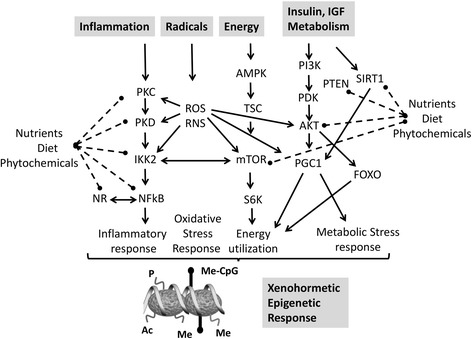
“dehydrogenase kinase; AKT/PKB, protein kinase B; PGC1, peroxisome proliferat metabolism, cellular signaling, and the epigenetic control of transcription programs [108-116] (Figure 3).”
BackgroundFrom monogenic to polygenic obesity: recent advances
Hinney, A., Vogel, C. I. G., & Hebebrand, J. (2010) · European Child & Adolescent Psychiatry · doi:10.1007/s00787-010-0096-6 · Cited by 269
Heterogeneity of Human Macrophages in Culture and in Atherosclerotic Plaques
Waldo, S. W., Li, Y., Buono, C., Zhao, B. N., Billings, E. M., Chang, J., & Kruth, H. S. (2008) · American Journal Of Pathology · doi:10.2353/ajpath.2008.070513 · Cited by 259
Jin, C., Li, J., Green, C. D., Yu, X., Tang, X., Han, D., Xian, B., Wang, D., Huang, X., Cao, X., et al. (2011) · Cell Metabolism · doi:10.1016/j.cmet.2011.07.001 · Cited by 258
Maures, T. J., Greer, E. L., Hauswirth, A. G., & Brunet, A. (2011) · Aging Cell · doi:10.1111/j.1474-9726.2011.00738.x · Cited by 256
Eisenberg, T., Schroeder, S., Andryushkova, A., Pendl, T., Küttner, V., Bhukel, A., Mariño, G., Pietrocola, F., Harger, A., Zimmermann, A., et al. (2014) · Cell Metabolism · doi:10.1016/j.cmet.2014.02.010 · Cited by 256
Dynamic Reprogramming of DNA Methylation at an Epigenetically Sensitive Allele in Mice
Blewitt, M. E., Vickaryous, N. K., Páldi, A., Koseki, H., & Whitelaw, E. (2006) · PLoS Genetics · doi:10.1371/journal.pgen.0020049 · Cited by 255
Epigenetics and environment: a complex relationship
Aguilera, O., Fernández, A. F., Múñoz, A., & Fraga, M. F. (2010) · Journal of Applied Physiology · doi:10.1152/japplphysiol.00068.2010 · Cited by 249
Bouchard, L., RABASA-LHORET, R. P. R., Faraj, M., Lavoie, M.-È., Mill, J. S., Përusse, L., & Vohl, M. (2009) · American Journal of Clinical Nutrition · doi:10.3945/ajcn.2009.28085 · Cited by 248
Berghe, W. V. (2012) · Pharmacological Research · doi:10.1016/j.phrs.2012.03.007 · Cited by 245
Milagro, F., Campión, J., Cordero, P., Goyenechea, E., GGómez-Uriz, A. M., Abete, I., Zulet, M., & Martinez, J. (2011) · The FASEB Journal · doi:10.1096/fj.10-170365 · Cited by 245
Molecular insight in the multifunctional activities of Withaferin A
Berghe, W. V., Sabbe, L., Kaileh, M., Haegeman, G., & Heyninck, K. (2012) · Biochemical Pharmacology · doi:10.1016/j.bcp.2012.08.027 · Cited by 244
Epigenetic Regulation of Macrophage Polarization by DNA Methyltransferase 3b
Yang, X., Wang, X., Liu, D., Yu, L., Xue, B., & Shi, H. (2014) · Molecular Endocrinology · doi:10.1210/me.2013-1293 · Cited by 243
Mammalian circadian clock and metabolism – the epigenetic link
Bellet, M. M., & Sassone‐Corsi, P. (2010) · Journal of Cell Science · doi:10.1242/jcs.051649 · Cited by 240
Cocoa polyphenols and inflammatory mediators
Sies, H., SCHEWE, T., Heiß, C., & Kelm, M. (2005) · American Journal of Clinical Nutrition · doi:10.1093/ajcn/81.1.304s · Cited by 224
Obesity related methylation changes in DNA of peripheral blood leukocytes
Wang, X., Zhu, H., Snieder, H., Su, S., Munn, D. H., Harshfield, G. A., Maria, B. L., Dong, Y., Treiber, F. A., Gutin, B., et al. (2010) · BMC Medicine · doi:10.1186/1741-7015-8-87 · Cited by 220
Epigenetics and atherosclerosis
Turunen, M. P., Aavik, E., & Ylä‐Herttuala, S. (2009) · Biochimica et Biophysica Acta (BBA) - General Subjects · doi:10.1016/j.bbagen.2009.02.008 · Cited by 219
Epigenetics of discordant monozygotic twins: implications for disease
Fernandez, J. C., Spector, T. D., & Bell, J. T. (2014) · Genome Medicine · doi:10.1186/s13073-014-0060-z · Cited by 214
Fetal programming: link between early nutrition, DNA methylation, and complex diseases
Chmurzyńska, A. (2010) · Nutrition Reviews · doi:10.1111/j.1753-4887.2009.00265.x · Cited by 212
Chromatin structure as a mediator of aging
Feser, J., & Tyler, J. K. (2010) · FEBS Letters · doi:10.1016/j.febslet.2010.11.016 · Cited by 206
NF-κB pathway inhibitors preferentially inhibit breast cancer stem-like cells
Zhou, J., Zhang, H., Gu, P., Bai, J., Margolick, J. B., & Zhang, Y. (2007) · Breast Cancer Research and Treatment · doi:10.1007/s10549-007-9798-y · Cited by 205
Histone methylation makes its mark on longevity
Han, S., & Brunet, A. (2012) · Trends in Cell Biology · doi:10.1016/j.tcb.2011.11.001 · Cited by 204
Martínez, D., Pentinat, T., Ribó, S., Daviaud, C., Bloks, V. W., Cebrià, J., Villalmanzo, N., Kalko, S. G., Ramon‐Krauel, M., Díaz, R., et al. (2014) · Cell Metabolism · doi:10.1016/j.cmet.2014.03.026 · Cited by 202
Ghoshal, K., Li, X., Datta, J., Bai, S., Pogribny, I. P., Pogribny, M., Huang, Y., Young, D., & Jacob, S. T. (2006) · Journal of Nutrition · doi:10.1093/jn/136.6.1522 · Cited by 200
Dayeh, T. A., Olsson, A. H., Volkov, P., Almgren, P., Rönn, T., & Ling, C. (2013) · Diabetologia · doi:10.1007/s00125-012-2815-7 · Cited by 199
Warburg effect revisited: an epigenetic link between glycolysis and gastric carcinogenesis
Liu, X., Wang, X., Zhang, J., Lam, E. K. Y., Shin, V. Y., Cheng, A. S. L., Yu, J. Q., Chan, F. K. L., Sung, J. J. �., & Jin, H. (2009) · Oncogene · doi:10.1038/onc.2009.332 · Cited by 196
Epigenetics and twins: three variations on the theme
Petronis, A. (2006) · Trends in Genetics · doi:10.1016/j.tig.2006.04.010 · Cited by 195
Epigenetic regulation of caloric restriction in aging
Li, Y., Daniel, M. G., & Tollefsbol, T. O. (2011) · BMC Medicine · doi:10.1186/1741-7015-9-98 · Cited by 195
Cancer Chemoprevention and Nutri-Epigenetics: State of the Art and Future Challenges
Gerhauser, C. (2012) · Topics in Current Chemistry · doi:10.1007/128_2012_360 · Cited by 194
Chromatin remodeling in the aging genome of Drosophila
Wood, J. G., Hillenmeyer, S., Lawrence, C., Chang, C., Hosier, S., Lightfoot, W., Mukherjee, E., Jiang, N., Schorl, C., Brodsky, A. S., et al. (2010) · Aging Cell · doi:10.1111/j.1474-9726.2010.00624.x · Cited by 192
Li, Y., Kong, D., Wang, Z., & Sarkar, F. H. (2010) · Pharmaceutical Research · doi:10.1007/s11095-010-0105-y · Cited by 192
Moving AHEAD with an international human epigenome project
Jones, P. A., Archer, T., Baylin, S. B., Beck, S., Berger, S. L., Bernstein, B., Carpten, J. D., Clark, S. J., Costello, J., Doerge, R. W., et al. (2008) · Nature · doi:10.1038/454711a · Cited by 191
Kittan, N. A., Allen, R., Dhaliwal, A., Cavassani, K. A., Schaller, M. A., Gallagher, K. A., Carson, W. F., Mukherjee, S., Grembecka, J. E., Cierpicki, T., et al. (2013) · PLoS ONE · doi:10.1371/journal.pone.0078045 · Cited by 186
de Groote, M. L., Verschure, P. J., & Rots, M. G. (2012) · Nucleic Acids Research · doi:10.1093/nar/gks863 · Cited by 180
Pons, D., de Vries, F. R., van den Elsen, P. J., Heijmans, B. T., Quax, P. H. A., & Jukema, J. W. (2008) · European Heart Journal · doi:10.1093/eurheartj/ehn603 · Cited by 173
Curcumin Modulates DNA Methylation in Colorectal Cancer Cells
Link, A., Balaguer, F., Shen, Y., Lozano, J. J., Leung, H. E., Boland, C. R., & Goel, A. (2013) · PLoS ONE · doi:10.1371/journal.pone.0057709 · Cited by 172
Sharma, P., Senthilkumar, R., Brahmachari, V., Sundaramoorthy, E., Mahajan, A., Sharma, A., & Sengupta, S. (2006) · Lipids in Health and Disease · doi:10.1186/1476-511x-5-1 · Cited by 171
Cancer Chemoprevention by Targeting the Epigenome
Huang, P.-H., Plass, C., & Gerhäuser, C. (2011) · Current Drug Targets · doi:10.2174/138945011798184155 · Cited by 168
Vandegehuchte, M., Lemière, F., Vanhaecke, L., Berghe, W. V., & Janssen, C. (2009) · Comparative Biochemistry and Physiology Part C Toxicology & Pharmacology · doi:10.1016/j.cbpc.2009.11.007 · Cited by 166
Epigenetic malprogramming of the insulin receptor promoter due to developmental overfeeding
Plagemann, A., Roepke, K., Harder, T., Brunn, M., Harder, A., Wittrock-Staar, M. J., Ziska, T., Schellong, K., Rodekamp, E., Melchior, K., et al. (2010) · Journal of Perinatal Medicine · doi:10.1515/jpm.2010.051 · Cited by 163
Epigenetics in atherosclerosis and inflammation
Wierda, R. J., Geutskens, S. B., Jukema, J. W., Quax, P. H. A., & van den Elsen, P. J. (2010) · Journal of Cellular and Molecular Medicine · doi:10.1111/j.1582-4934.2010.01022.x · Cited by 163
Epigenetic mechanisms of importance for drug treatment
Ivanov, M., Barragán, I., & Ingelman‐Sundberg, M. (2014) · Trends in Pharmacological Sciences · doi:10.1016/j.tips.2014.05.004 · Cited by 161
Prostaglandin E2 promotes intestinal tumor growth via DNA methylation
Xia, D., Wang, D., Kim, S., Katoh, H., & DuBois, R. N. (2012) · Nature Medicine · doi:10.1038/nm.2608 · Cited by 161
Hypothesis: Environmental regulation of 5-hydroxymethylcytosine by oxidative stress
Chia, N., Wang, L., Lu, X., Senut, M., Brenner, C. A., & Ruden, D. M. (2011) · Epigenetics · doi:10.4161/epi.6.7.16461 · Cited by 161
Regulation of homocysteine metabolism and methylation in human and mouse tissues
Chen, N. C., Yang, F., Capecci, L. M., Gu, Z., Schafer, A. I., Durante, W., Yang, X., & Wang, H. (2010) · The FASEB Journal · doi:10.1096/fj.09-143651 · Cited by 161
Dietary Manipulation of Histone Structure and Function
Delage, B., & Dashwood, R. H. (2008) · Annual Review of Nutrition · doi:10.1146/annurev.nutr.28.061807.155354 · Cited by 160
Calorie restriction and the exercise of chromatinPreprint
Vaquero, A., & Reinberg, D. (2009) · Genes & Development · doi:10.1101/gad.1807009 · Cited by 157
Epigenetic regulation of the honey bee transcriptome: unravelling the nature of methylated genes
Forêt, S., Kucharski, R., Pittelkow, Y., Lockett, G. A., & Maleszka, R. (2009) · BMC Genomics · doi:10.1186/1471-2164-10-472 · Cited by 155
Maleszka, R. (2008) · Epigenetics · doi:10.4161/epi.3.4.6697 · Cited by 153
Ndlovu, M. N., Lint, C. M. V., Wesemael, K. V., Callebert, P., Chalbos, D., Haegeman, G., & Berghe, W. V. (2009) · Molecular and Cellular Biology · doi:10.1128/mcb.01657-08 · Cited by 153
Age‐associated increase in heterochromatic marks in murine and primate tissues
Kreiling, J. A., Tamamori‐Adachi, M., Sexton, A. N., Jeyapalan, J. C., Munoz‐Najar, U., Peterson, A. L., Manivannan, J., Rogers, E. S., Pchelintsev, N. A., Adams, P. D., et al. (2011) · Aging Cell · doi:10.1111/j.1474-9726.2010.00666.x · Cited by 152
van Straten, E. M. E., Bloks, V. W., Huijkman, N., Baller, J. F. W., van Meer, H., Lütjohann, D., Kuipers, F., & Plösch, T. (2009) · American Journal of Physiology-Regulatory, Integrative and Comparative Physiology · doi:10.1152/ajpregu.00413.2009 · Cited by 151
Zamora‐Ros, R., Forouhi, N. G., Sharp, S. J., Gonzalez, C. A., Buijsse, B., Guevara, M., van der Schouw, Y. T., Amiano, P., Boeing, H., Bredsdorff, L., et al. (2013) · Journal of Nutrition · doi:10.3945/jn.113.184945 · Cited by 150
Lehnen, H., Zechner, U., & Haaf, T. (2013) · Molecular Human Reproduction · doi:10.1093/molehr/gat020 · Cited by 148
The curious case of aging plasticity in honey bees
Münch, D., & Amdam, G. V. (2010) · FEBS Letters · doi:10.1016/j.febslet.2010.04.007 · Cited by 147
Salminen, A., Kauppinen, A., Hiltunen, M. O., & Kaarniranta, K. (2014) · Ageing Research Reviews · doi:10.1016/j.arr.2014.05.004 · Cited by 145
Epigenetic flexibility in metabolic regulation: disease cause and prevention
Kirchner, H., Osler, M. E., Krook, A., & Zierath, J. R. (2013) · Trends in Cell Biology · doi:10.1016/j.tcb.2012.11.008 · Cited by 143 · cited 3×
“dehydrogenase kinase; AKT/PKB, protein kinase B; PGC1, peroxisome proliferat metabolism, cellular signaling, and the epigenetic control of transcription programs [108-116] (Figure 3).”
BackgroundLee, D., Jacobs, D. R., & Porta, M. S. (2009) · Environmental Health Perspectives · doi:10.1289/ehp.0900741 · Cited by 142
MicroRNAs and cancer epigenetics: a macrorevolution
Dávalos, V., & Esteller, M. (2009) · Current Opinion in Oncology · doi:10.1097/cco.0b013e328333dcbb · Cited by 142
Is Epigenetics an Important Link between Early Life Events and Adult Disease?
Waterland, R. A. (2009) · Hormone Research in Paediatrics · doi:10.1159/000178030 · Cited by 141
Moleres, A., Campión, J., Milagro, F., Marcos, A., Campoy, C., Garagorri, J., Gómez-Martínez, S., Martinez, J., Azcona-Sanjulian, M. C., & Martí, A. (2013) · The FASEB Journal · doi:10.1096/fj.12-215566 · Cited by 140
Research works printed but not linked: 1
- Luo J, Kuo MH. Linking nutrient metabolism to epigenetics. Cell Sci Rev. 2009;6:49–54.
Cited by
Sorted by citations
Mozaffarian, D. (2016) · Circulation · doi:10.1161/circulationaha.115.018585 · Cited by 2,216
Immunosenescence and Inflamm-Aging As Two Sides of the Same Coin: Friends or Foes?
Fulop, T., Larbi, A., Dupuis, G., Le Page, A., Frost, E. H., Cohen, A. A., Witkowski, J. M., & Franceschi, C. (2018) · Frontiers in Immunology · doi:10.3389/fimmu.2017.01960 · Cited by 1,364
Epigenetic Signatures of Cigarette Smoking
Joehanes, R., Just, A. C., Marioni, R. E., Pilling, L. C., Reynolds, L. M., Mandaviya, P. R., Guan, W., Xu, T., Elks, C. E., Aslibekyan, S. W., et al. (2016) · Circulation Cardiovascular Genetics · doi:10.1161/circgenetics.116.001506 · Cited by 934
Western Diet and the Immune System: An Inflammatory Connection
Christ, A., Lauterbach, M., & Latz, E. (2019) · Immunity · doi:10.1016/j.immuni.2019.09.020 · Cited by 907
Inflammaging and Oxidative Stress in Human Diseases: From Molecular Mechanisms to Novel Treatments
Zuo, L., Prather, E. R., Stetskiv, M., Garrison, D. E., Meade, J. R., Peace, T. I., & Zhou, T. (2019) · International Journal of Molecular Sciences · doi:10.3390/ijms20184472 · Cited by 560
Metadata
- Authors
- vel Szic, K. S., Declerck, K., Vidaković, M., & Vanden Berghe, W.
- Affiliations
- University of Antwerp (BE)
- University of Belgrade (RS)
- Corresponding author
- Declerck, Ken
- Vidaković, Melita
- Venue
- Clinical Epigenetics
- Published
- 2015-03-25
- Volume
- 7
- Issue
- 1
- Pages
- 33-33
- ISSN
- 1868-7075 (ISSN-L)
- 1868-7083
- PMC
- PMC4389409
- OpenAlex
- W2062149404
- Cited by
- 192
- References
- 343
- Citations by year
- 2026: 9 · 2025: 14 · 2024: 11 · 2023: 8 · 2022: 12 · 2021: 20 · 2020: 14 · 2019: 23 · 2018: 20 · 2017: 21 · 2016: 31 · 2015: 9
- FWCI
- 11.73
- Type
- journal article
- Language
- en
- Open access
- gold
- doi.org
- Locations
- Clinical Epigenetics (publishedVersion, cc-by)
- Europe PMC (PubMed Central) (publishedVersion, cc-by)
- PubMed Central (publishedVersion, cc-by)
- PubMed (publishedVersion)
- Funders
- Fonds Wetenschappelijk Onderzoek
- Ministarstvo Prosvete, Nauke i Tehnološkog Razvoja (173020)
- Topics
- Life Sciences › Biochemistry, Genetics and Molecular Biology › Molecular Biology › Epigenetics and DNA Methylation
- Life Sciences › Biochemistry, Genetics and Molecular Biology › Genetics › Nutrition, Genetics, and Disease
- Life Sciences › Biochemistry, Genetics and Molecular Biology › Aging › Genetics, Aging, and Longevity in Model Organisms
- Keywords
- inflammaging, healthy aging, epigenetics, personalized nutrition, dietary phytochemicals, macro and micronutrients, DNA methylation, histone modifications, non-coding RNA, chromatin remodeling, immunosenescence, dietary metabolites, oxidative stress
About these checks
Registry, retraction, Cites and statistics results are computed, not judged, with one exception: a printed reference that no index lists is read once by a model before it counts as a citation error. Claims are extracted by a model and kept only when their quote appears verbatim in the text; each cited source is then checked, with a model’s help, for whether it says what the claim relies on. Those verdicts can be wrong — read the claim’s quote and the cited source before relying on one.
Statistics and arithmetic are recomputed, not judged.
Confidence bands are shown only for fields calibrated on our annotated test set. None is calibrated yet, so no band is shown.
What counts as a claim ›How we measure confidence ›How we check this ›
Are you an author, or do you see a problem with this page? Request a review
