

The Impact of Social Media & Technology on Child and Adolescent Mental Health
Open accessThe DOI matches its Crossref record; 123 of the 123 references it cites were found in a registry or an index; 117 of the 172 sources its claims cite were checked for support.
Abstract
The prevalence of mental health disorders among youth and adolescents has been rising at an alarming rate over the past few decades, with conditions such as anxiety, depression, attention deficit hyperreactivity disorder, autism spectrum disorder, and body dysmorphic disorder becoming increasingly common. One contributing factor that has received growing attention is the role of social media and technology in shaping adolescent brain development, behavior, and emotional well-being.
Overview
CoChat Summary
TL;DR
This review synthesizes literature on social media/technology and child/adolescent mental health, linking excessive use to dopaminergic reward reinforcement, social comparison, cyberbullying, and symptom exacerbation across ADHD, ASD, bipolar disorder, BDD, anxiety, and depression. It concludes that digital platforms can also provide connection and support, and calls for multidisciplinary interventions plus longitudinal research.
Key findings
- Approximately 24.4% of adolescents meet criteria for social media addiction; more than 3 hours/day on social media is associated with increased anxiety/depression symptoms, and problematic social networking is linked to higher depression, anxiety, stress, OCD, and ADHD.
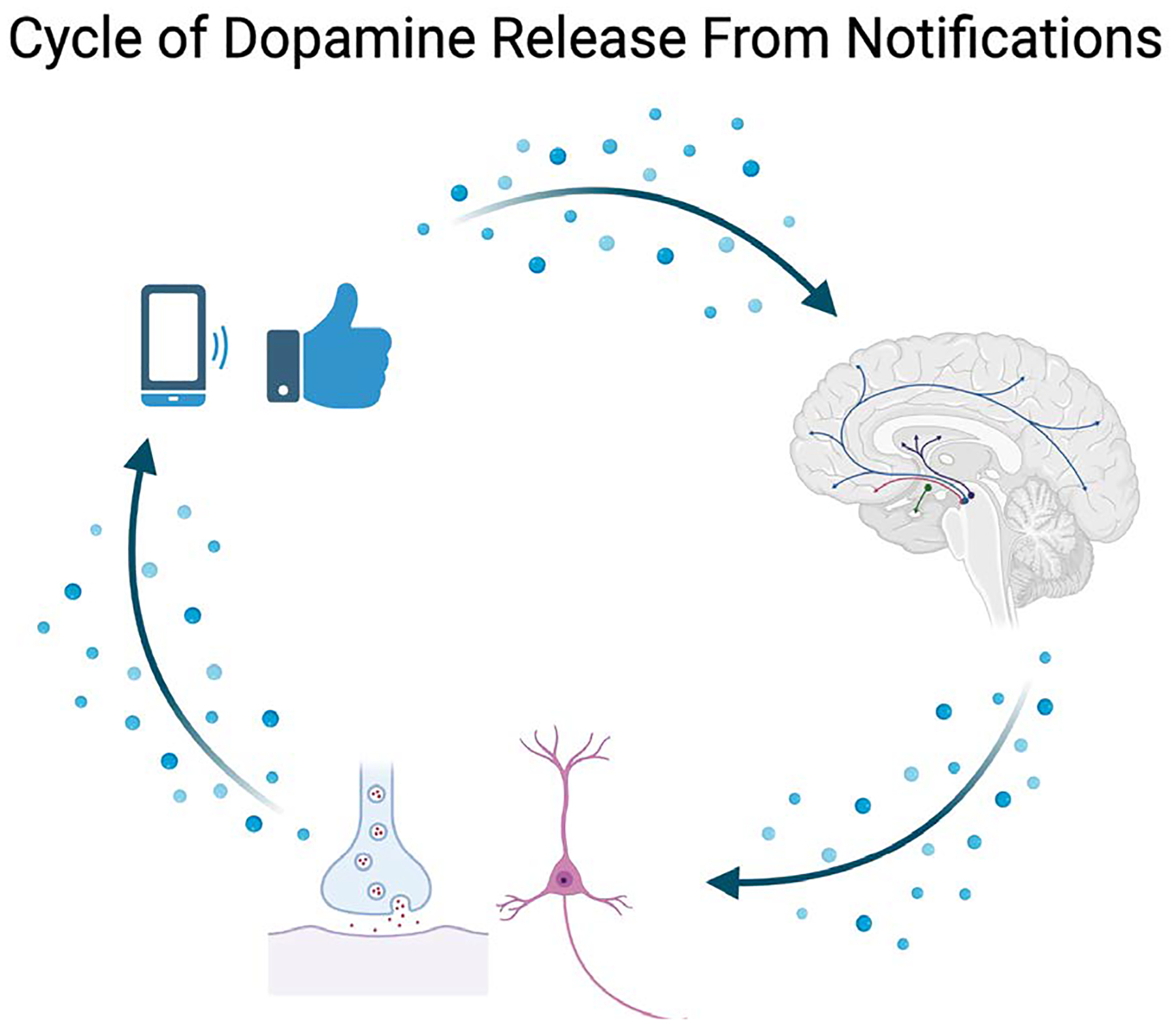
- Neurobiologically, unpredictable social media rewards (likes, comments, notifications) engage mesolimbic dopamine/VTA–NAc pathways and reinforce compulsive checking; ADHD is associated with attenuated tonic and enhanced phasic dopamine release in the right caudate, and serotonin dysregulation may increase vulnerability to internet addiction and emotional dysregulation.
- Disorder-specific evidence includes ASD prevalence rising from 0.18% (1997) to 3.36% (2019) and 3.42% (2021–2022), ADHD prevalence rising from 6.1% (1997–1998) to 10.5% (2022), screen time linked to ASD symptoms/connectivity and lower developmental quotients, and BDD linked to filters/selfies/cosmetic procedure consideration; ASD comorbidity in BDD reported as high as 16%.
- Interventions: CBT-IA in 128 clients showed >95% managed symptoms after 12 weekly sessions and 78% sustained recovery at 6 months; anti-cyberbullying programs reduced perpetration ~10–15% and victimization ~14%; antibullying programs reduced perpetration 18–19% and victimization 15–16%; SSRI response rates in BDD were 53–65%; digital detox meta-analysis found reduced depressive symptoms but non-significant effects on well-being, life satisfaction, and stress.
Methods
- Design: narrative review/synthesis of existing literature, not a primary study; it covers neurobiological pathways, thematic findings by disorder, and treatment/prevention strategies.
- Data/sample: no original sample; draws on prior studies, systematic reviews, meta-analyses, clinical trials, surveys, and guidelines, including specific samples such as 128 CBT-IA clients and 21 digital detox studies with 3,625 participants.
- Main analysis: thematic/qualitative synthesis organized by disorder and intervention domain; no stated systematic search strategy, risk-of-bias assessment, or meta-analytic pooling.
Limitations
- Stated: future research should prioritize longitudinal studies to clarify long-term psychological effects and distinguish adaptive from maladaptive digital behaviors; the ASD–screen time relationship may be bidirectional rather than purely causal, with debates about causation and confounding; for social skills training, specific details about duration-outcome impact were not provided in available sources.
- Evident: as a narrative review, it lacks a described systematic search/selection method and formal quality appraisal, so findings rely on cited literature and may be subject to selection/reporting bias; many reported links are associational rather than causal.
Model-written summary. Check it against the paper before relying on it.
Integrity signals
Registry
Cites
Statistics
Figures
Verification
Claims the paper makes
97 Valid · 19 Not valid · 56 Not checked · 5 Own results and interpretations
At least one cited source doesn’t support this claim or points to a different paper, and none confirmed it — see the verdicts below.
In the paper
“In addition, serotonin imbalances, commonly observed in depression and anxiety, are exacerbated by online interactions [29].”
§ The Impact of Social Media & Technology on Child and Adolescent Mental Health > Neurological Pathways > Serotonin and Emotional Dysregulation
What the sources say
- Disputedcites [29] Zhang HX, Jiang WQ, Lin ZG,, Comparison of psychological symptoms and serum levels of neurotransmitters in Shanghai adolescents with and without internet addiction disorder: a case-control study. PLoS One 8 (2013): e63089. 23658801 PMC3643902 sourceExperimental — accuracy not yet measured
The Introduction links serotonin imbalance to mood and anxiety disorders, but the Results found no significant difference in serotonin levels between adolescents with internet addiction disorder and controls. The Discussion says serotonin was not implicated and cautions that the study cannot establish causation; it does not support the claim that online interactions exacerbate serotonin imbalances. Page numbers are unavailable in our copy. (LLM, conf=0.88)
Checked by a reasoning model — may be wrong.
plainstates a cause- Asserted: passes — The authors put it forward as true.
- Checkable: passes — It can be checked against evidence.
- Load-bearing: passes — The paper’s conclusions depend on it.
- Based: passes — The paper gives a reason why it holds.
- Disputed
The cited sources support only part of this claim — read each source’s verdict below.
In the paper
“Research shows that such rapid reward structures, including short TikTok videos or Instagram reels, can significantly reduce attention control over time [14].”
§ The Impact of Social Media & Technology on Child and Adolescent Mental Health > Neurological Pathways > Dopaminergic Pathways in Social Media Engagement
What the sources say
- Partly supportedcites [14] Xie J, Xu X, Zhang Y,, The effect of short-form video addiction on undergraduates’ academic procrastination: a moderated mediation model. Front Psychol 14 (2023): 1298361. 38162977 PMC10756502 sourceExperimental — accuracy not yet measured
The Results (Descriptive statistics; no page supplied) report a significant negative correlation between short-form video addiction and attentional control in undergraduates. The Discussion (The mediating role of attentional control) links rapidly switching videos and immediate gratification to attention difficulties. But the Implications and limitations section says the cross-sectional data cannot establish causality or change over time; the study does not establish that TikTok videos or Instagram reels themselves significantly reduce attention control. (LLM, conf=0.89)
plainstates a cause- Asserted: passes — The authors put it forward as true.
- Checkable: passes — It can be checked against evidence.
- Load-bearing: passes — The paper’s conclusions depend on it.
- Based: passes — The paper gives a reason why it holds.
- Partly supported
The cited sources support only part of this claim — read each source’s verdict below.
In the paper
“The prospect of obtaining a reward, such as a like or a comment, causes persistent dopamine release, encouraging the habit of monitoring social media regularly [12].”
§ The Impact of Social Media & Technology on Child and Adolescent Mental Health > Neurological Pathways > Dopaminergic Pathways in Social Media Engagement
What the sources say
- Partly supportedcites [12] Goedhoop J, Arbab T, Willuhn I. Anticipation of Appetitive Operant Action Induces Sustained Dopamine Release in the Nucleus Accumbens. J Neurosci 43(2023): 3922– 3932. 37185100 PMC10217991 sourceExperimental — accuracy not yet measured
The Discussion reports sustained dopamine release in rats when a cue signaled an opportunity to act for a food reward, but not when it signaled reward delivery alone. The paper does not study likes, comments, social media, or habitual monitoring, so it does not support extending that finding to those behaviors. (LLM, conf=0.88)
plainstates a cause- Asserted: passes — The authors put it forward as true.
- Checkable: passes — It can be checked against evidence.
- Load-bearing: passes — The paper’s conclusions depend on it.
- Based: passes — The paper gives a reason why it holds.
- Partly supported
The sources with a verdict support this claim; the rest weren’t checked yet, have no full text we could read, or their verdicts aren’t rated yet.
In the paper
“The mesolimbic dopaminergic pathway has been associated with addictive behaviors, including drug use and binge eating disorders [7, 8].”
§ The Impact of Social Media & Technology on Child and Adolescent Mental Health > Neurological Pathways > Dopaminergic Pathways in Social Media Engagement
What the sources say
- Not checked — no full text of the sourcecites [7] Pierce RC, Kumaresan V. The mesolimbic dopamine system: the final common pathway for the reinforcing effect of drugs of abuse? Neurosci Biobehav Rev 30 (2006): 215– 238. 16099045 source
- Supportedcites [8] Yohn SE, Galbraith J, Calipari ES,, Shared Behavioral and Neurocircuitry Disruptions in Drug Addiction, Obesity, and Binge Eating Disorder: Focus on Group I mGluRs in the Mesolimbic Dopamine Pathway. ACS Chem Neurosci 10 (2019): 2125– 2143. 30933466 PMC7898461 source
The Mesolimbic Dopamine Pathway section says the pathway has long been implicated in reward and reinforcement responses to drugs of abuse. The Conclusions link abnormalities in the mesolimbic system to both addiction and binge eating disorder (BED), supporting the claimed association. (LLM, conf=0.93)
plainstates an association- Asserted: passes — The authors put it forward as true.
- Checkable: passes — It can be checked against evidence.
- Load-bearing: unclear — It is unclear whether the paper’s conclusions depend on it.
- Based: passes — The paper gives a reason why it holds.
The cited sources support only part of this claim — read each source’s verdict below.
In the paper
“Research suggests that adolescents who frequently encounter depictions of alcohol and drug use on these platforms are at higher risk of engaging in these behaviors themselves [6].”
§ The Impact of Social Media & Technology on Child and Adolescent Mental Health > Introduction
What the sources say
- Partly supportedcites [6] Cheng B, Lim CCW, Rutherford BN,, A systematic review and meta-analysis of the relationship between youth drinking, self-posting of alcohol use and other social media engagement (2012–21). Addiction 119 (2024): 28– 46. 37751678 sourceExperimental — accuracy not yet measured
The Discussion (page unavailable) reports that greater exposure to alcohol-related social media content is associated with greater alcohol consumption, and the prospective-studies section reports this association in adolescents. The paper does not establish that exposure increases adolescents’ risk of drug use; its mention of alcohol- and drug-related videos concerns alcohol consumption as the outcome. (LLM, conf=0.88)
hedgedstates an association- Asserted: passes — The authors put it forward as true.
- Checkable: passes — It can be checked against evidence.
- Load-bearing: passes — The paper’s conclusions depend on it.
- Based: passes — The paper gives a reason why it holds.
- Rests on an assumption not shown here.
- Partly supported
89 more claims · 59 with their cited sources checked
Create a free account to see all 177 claims and to verify the 6 references still open.
- It may state two separate claims as one. 76
- Probably not a substantial claim. 9
- The quote only partly states this claim. 1
Self-check
Percentages, sums and reported differences re-computed from the paper’s own numbers.
Each contradiction between two passages listed here was confirmed by an independent check.
Rated minor: it would not touch a result — a value no result rests on, a p-value that stays on the same side of the significance level, or a conflict that is clerical, resolved elsewhere in the paper, or outside its own findings.
In the paper
§ The Impact of Social Media & Technology on Child and Adolescent Mental Health > Treatment Strategies, Behavioral Modifications, and Reducing Negative Impact of Social Media > Behavioral and Psychosocial Interventions
“Similarly, Bandelow et al. (2020) examined long-term outcomes”
§ The Impact of Social Media & Technology on Child and Adolescent Mental Health > References
“89. Bandelow B, Reitt M, Röver C,, Efficacy of treatments for anxiety disorders: a meta-analysis. Int Clin Psychopharmacol 30 (2015): 183– 192.”
Rated minor: it would not touch a result — a value no result rests on, a p-value that stays on the same side of the significance level, or a conflict that is clerical, resolved elsewhere in the paper, or outside its own findings.
In the paper
§ The Impact of Social Media & Technology on Child and Adolescent Mental Health > Introduction
“A study using data from the National Health Interview Survey reported that the prevalence of ASD increased from 0.18% in 1997 to 3.36% in 2019 [1].”
§ The Impact of Social Media & Technology on Child and Adolescent Mental Health > References
“1. Chihuri S, Blanchard A, DiGuiseppi CG,, Epidemiologic Patterns of Autism Spectrum Disorder in Pediatric Inpatients in the United States, 1997–2019.”
Rated minor: it would not touch a result — a value no result rests on, a p-value that stays on the same side of the significance level, or a conflict that is clerical, resolved elsewhere in the paper, or outside its own findings.
In the paper
§ The Impact of Social Media & Technology on Child and Adolescent Mental Health > Treatment Strategies, Behavioral Modifications, and Reducing Negative Impact of Social Media > Behavioral and Psychosocial Interventions
“A systematic review published in the Journal of Medical Internet Research Mental Health highlighted the potential of digital peer support systems in promoting mental well-being [111].”
§ The Impact of Social Media & Technology on Child and Adolescent Mental Health > References
“111. Dodd S, Widnall E, Russell AE,, School-based peer education interventions to improve health: a global systematic review of effectiveness. BMC Public Health 22 (2022): 2247.”
Citations
Cites
Keles, B., McCrae, N., & Grealish, A. (2020) · International Journal of Adolescence and Youth · doi:10.1080/02673843.2019.1590851 · Cited by 1,909
Social comparison, social media, and self-esteem.
Vogel, E. A., Rose, J. P., Roberts, L. R., & Eckles, K. (2014) · Psychology of Popular Media Culture · doi:10.1037/ppm0000047 · Cited by 1,418 · cited 2×
“This reluctance can lead to increased social withdrawal and contribute to depressive symptoms [43].”
Twenge, J. M., & Campbell, W. K. (2018) · Preventive Medicine Reports · doi:10.1016/j.pmedr.2018.10.003 · Cited by 1,304 · cited 2×
“This constant exposure to thoughtfully selected content has been linked to increased symptoms of depression, particularly among female adolescents, who may be more vulnerable to body image concerns [41].”
Gorwa, R., Binns, R., & Katzenbach, C. (2020) · Big Data & Society · doi:10.1177/2053951719897945 · Cited by 1,097 · cited 1×
“These include potential algorithmic bias, issues with accuracy in detecting nuanced content, and concerns about transparency and accountability [101].”
Lissak, G. (2018) · Environmental Research · doi:10.1016/j.envres.2018.01.015 · Cited by 1,024
Autism Spectrum Disorder: A Review
Hirota, T., & King, B. H. (2023) · JAMA · doi:10.1001/jama.2022.23661 · Cited by 957
Pierce, R. C., & Kumaresan, V. (2006) · Neuroscience & Biobehavioral Reviews · doi:10.1016/j.neubiorev.2005.04.016 · Cited by 913
Social media use and perceived social isolation among young adults in the U.S
Primack, B. A., Shensa, A., Sidani, J. E., Whaite, E. O., Lin, L. Y., Rosen, D., Colditz, J. B., Radovic, A., & Miller, E. (2017) · American Journal of Preventive Medicine · doi:10.1016/j.amepre.2017.01.010 · Cited by 889 · cited 2×
“Studies indicate that adolescents who spend significant time on social media are more likely to experience negative mental health outcomes, including decreased self-esteem and increased feelings of loneliness or social isolation [39].”
Carpenter, J. K., Andrews, L. A., Witcraft, S. M., Powers, M. B., Smits, J. A. J., & Hofmann, S. G. (2018) · Depression and Anxiety · doi:10.1002/da.22728 · Cited by 846 · cited 2×
“The study highlighted CBT’s ability to help individuals challenge cognitive distortions and develop coping strategies, leading to improved outcomes [88].”
Social Networking Sites, Depression, and Anxiety: A Systematic Review
Seabrook, E. M., Kern, M. L., & Rickard, N. S. (2016) · JMIR Mental Health · doi:10.2196/mental.5842 · Cited by 763 · cited 3×
“Without these everyday social experiences, it becomes harder to build confidence, manage stress, and develop the coping skills needed for healthy relationships, which can make symptoms of social anxiety and generalized anxiety disorder even worse [44].”
InfluentialNesi, J., & Prinstein, M. J. (2015) · Journal of Abnormal Child Psychology · doi:10.1007/s10802-015-0020-0 · Cited by 758
Social Media and Mental Health: Benefits, Risks, and Opportunities for Research and Practice
Naslund, J. A., Bondre, A., Torous, J., & Aschbrenner, K. A. (2020) · Journal of Technology in Behavioral Science · doi:10.1007/s41347-020-00134-x · Cited by 746
Adolescent risk taking, impulsivity, and brain development: Implications for prevention
Romer, D. (2010) · Developmental Psychobiology · doi:10.1002/dev.20442 · Cited by 691
Marino, C., Gini, G., Vieno, A., & Spada, M. M. (2018) · Journal of Affective Disorders · doi:10.1016/j.jad.2017.10.007 · Cited by 658 · cited 1×
“These impulsive behaviors frequently lead to regret and distress once the individual transitions into a depressive phase, exacerbating feelings of shame and social withdrawal [55].”
Self-harm, suicidal behaviours, and cyberbullying in children and young people: systematic review
John, A., Glendenning, A. C., Marchant, A., Montgomery, P., Stewart, A., Wood, S., Lloyd, K., & Hawton, K. (2018) · Journal of Medical Internet Research · doi:10.2196/jmir.9044 · Cited by 580 · cited 2×
“The rise of online anonymity has facilitated an increase in cyberbullying, which has been directly linked to self-harm behaviors among adolescents [77].”
Brand, M., Young, K. S., & Laier, C. (2014) · Frontiers in Human Neuroscience · doi:10.3389/fnhum.2014.00375 · Cited by 565 · cited 1×
“The neurobiological similarities between substance addiction and compulsive social media usage are striking, particularly in terms of prefrontal cortex (PFC) dysfunction, which is critical for impulse control and decision-making [32, 33].”
Efficacy of treatments for anxiety disorders: a meta-analysis
Bandelow, B., Reitt, M., Röver, C., Michaelis, S., Görlich, Y., & Wedekind, D. (2015) · International Clinical Psychopharmacology · doi:10.1097/yic.0000000000000078 · Cited by 555 · cited 1×
“Similarly, Bandelow et al. (2020) examined long-term outcomes and found that CBT’s benefits persisted over time, particularly for conditions like social anxiety disorder and post-traumatic stress disorder [89].”
Instagram photos reveal predictive markers of depression
Reece, A. G., & Danforth, C. M. (2017) · EPJ Data Science · doi:10.1140/epjds/s13688-017-0110-z · Cited by 519
Riehm, K. E., Feder, K. A., Tormohlen, K. N., Crum, R. M., Young, A. S., Green, K. M., Pacek, L. R., La Flair, L. N., & Mojtabai, R. (2019) · JAMA Psychiatry · doi:10.1001/jamapsychiatry.2019.2325 · Cited by 511
Xu, G., Strathearn, L., Liu, B., Yang, B., & Bao, W. (2018) · JAMA Network Open · doi:10.1001/jamanetworkopen.2018.1471 · Cited by 510
Social media’s enduring effect on adolescent life satisfaction
Orben, A., Dienlin, T., & Przybylski, A. K. (2019) · Proceedings of the National Academy of Sciences · doi:10.1073/pnas.1902058116 · Cited by 485 · cited 1×
“Developing evidence-informed policies, educational initiatives, and accessible support systems will be essential in creating online environments that foster mental well-being in adolescents [127].”
Children and young people’s rights in the digital age: An emerging agenda
Livingstone, S., & Third, A. (2017) · New Media & Society · doi:10.1177/1461444816686318 · Cited by 461
Time spent on social network sites and psychological well-being: a meta-analysis
Huang, C. (2017) · Cyberpsychology, Behavior, and Social Networking · doi:10.1089/cyber.2016.0758 · Cited by 457 · cited 1×
“Excessive social media use has been associated with increased loneliness, social comparison, and fear of missing out (FOMO), all of which are risk factors for developing or exacerbating depression and anxiety in adolescents [38].”
Hamm, M. P., Newton, A. S., Chisholm, A., Shulhan, J., Milne, A., Sundar, P., Ennis, H., Scott, S. D., & Hartling, L. (2015) · JAMA Pediatrics · doi:10.1001/jamapediatrics.2015.0944 · Cited by 449 · cited 2×
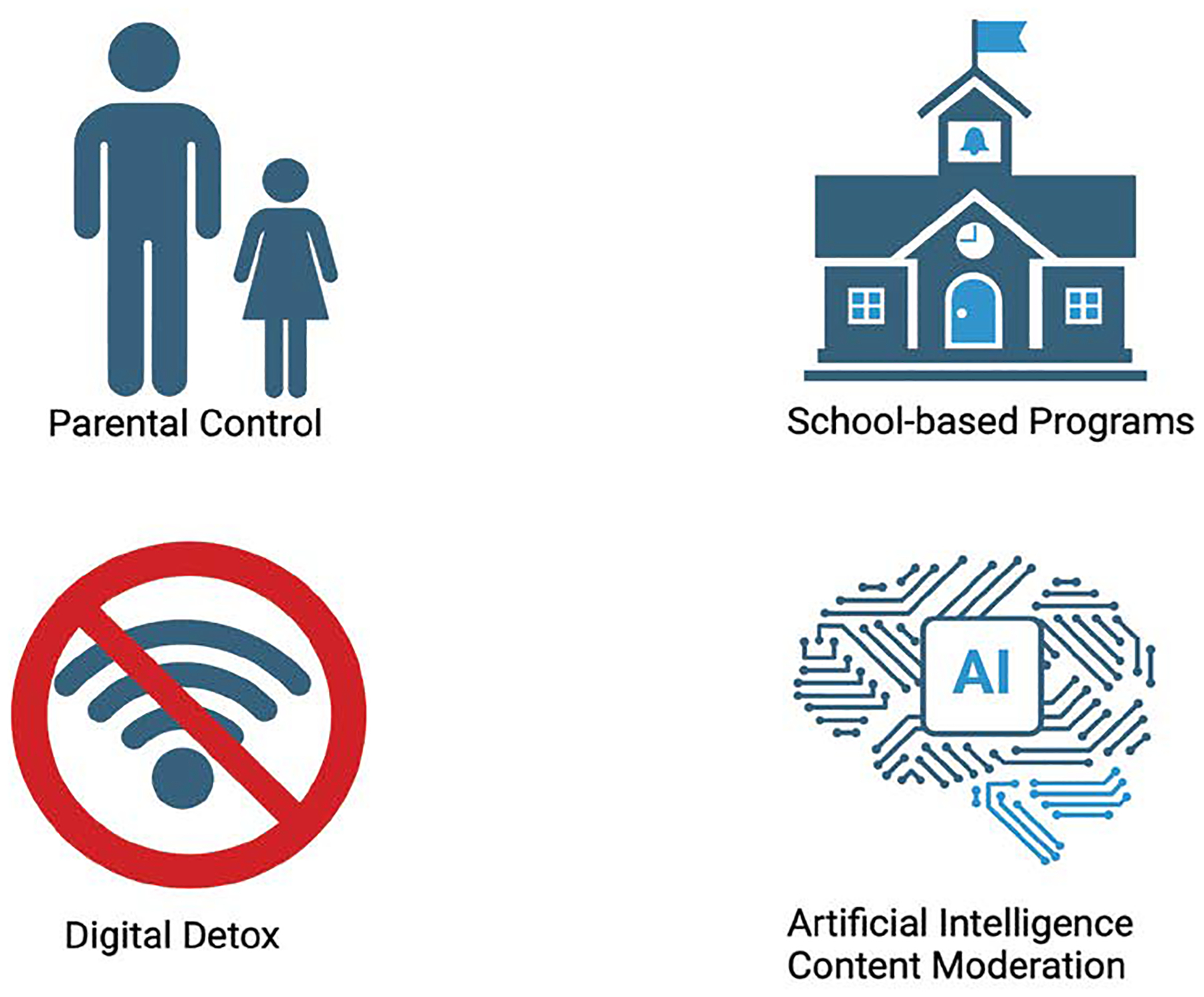
“More comprehensive and proactive moderation strategies, including AI-driven detection, improved reporting systems, and stricter regulations, are necessary to mitigate harmful impact of cyberbullying [82, 77].”
Motivation Deficit in ADHD is Associated with Dysfunction of the Dopamine Reward Pathway
Volkow, N. D., Wang, G.-J., Newcorn, J. H., Kollins, S. H., Wigal, T. L., Telang, F., Fowler, J. S., Goldstein, R. Z., Klein, N., Logan, J., et al. (2011) · Molecular Psychiatry · doi:10.1038/mp.2010.97 · Cited by 429
Catalá-López, F., Hutton, B., Núñez-Beltrán, A., Page, M. J., Ridao, M., Macías Saint-Gerons, D., Catalá, M. A., Tabarés-Seisdedos, R., & Moher, D. (2017) · PLOS ONE · doi:10.1371/journal.pone.0180355 · Cited by 396 · cited 5×
“Studies emphasize the importance of regular monitoring and individualized treatment adjustments to ensure optimal management and minimize risks [112].”
InfluentialDanielson, M. L., Claussen, A. H., Bitsko, R. H., Katz, S. M., Newsome, K., Blumberg, S. J., Kogan, M. D., & Ghandour, R. (2024) · Journal of Clinical Child & Adolescent Psychology · doi:10.1080/15374416.2024.2335625 · Cited by 347 · cited 1×
“In the United States, the prevalence of diagnosed ADHD among children and adolescents increased from 6.1% in 1997-1998 to 10.5% in 2022, which proved to be significantly observed across all subgroups by age, sex, race/ethnicity, family income, and geographic regions (60, 61).”
InfluentialDigital detox: An effective solution in the smartphone era? A systematic literature review
Radtke, T., Apel, T., Schenkel, K., Keller, J., & von Lindern, E. (2022) · Mobile Media & Communication · doi:10.1177/20501579211028647 · Cited by 342 · cited 1×
“A systematic literature review of 21 studies with 3,625 participants, found mixed results, with some studies reporting positive intervention effects and others showing no effect or even negative consequences for well-being (96).”
Walter, H. J., Bukstein, O. G., Abright, A. R., Keable, H., Ramtekkar, U., Ripperger-Suhler, J., & Rockhill, C. (2020) · Journal of the American Academy of Child & Adolescent Psychiatry · doi:10.1016/j.jaac.2020.05.005 · Cited by 335 · cited 2×
“Anxiety disorders in children and adolescents are commonly treated with SSRIs, which are both safe and effective for generalized anxiety disorder (GAD), social anxiety disorder, and separation anxiety disorder [118].”
Gaffney, H., Ttofi, M. M., & Farrington, D. P. (2021) · Campbell Systematic Reviews: Better Evidence for a Better World · doi:10.1002/cl2.1143 · Cited by 313 · cited 1×
“A systematic review and meta-analysis found that antibullying programs are effective in reducing bullying perpetration by approximately 18-19% and bullying victimization by 15-16% [105].”
Brummelte, S., Mc Glanaghy, E., Bonnin, A., & Oberlander, T. F. (2017) · Neuroscience · doi:10.1016/j.neuroscience.2016.02.037 · Cited by 306
Rodgers, R. F., Slater, A., Gordon, C. S., McLean, S. A., Jarman, H. K., & Paxton, S. J. (2020) · Journal of Youth and Adolescence · doi:10.1007/s10964-019-01190-0 · Cited by 296 · cited 2×
“Social media's reinforcement of unattainable beauty standards can contribute to heightened anxiety, disordered eating behaviors, and depressive symptoms in teenage girls [42].”
Cyberbullying via social media and well-being
Giumetti, G. W., & Kowalski, R. M. (2022) · Current Opinion in Psychology · doi:10.1016/j.copsyc.2022.101314 · Cited by 278 · cited 1×
“The persistent and public nature of online harassment differentiates it from traditional bullying, as the audience is potentially unlimited, leading to increased humiliation and long-lasting emotional scars [83].”
Sleep Disturbance in Bipolar Disorder: Therapeutic Implications
Plante, D. T., & Winkelman, J. W. (2008) · American Journal of Psychiatry · doi:10.1176/appi.ajp.2008.08010077 · Cited by 268 · cited 1×
“Since sleep disturbances are a well-established trigger for both manic and depressive episodes, prolonged nighttime social media use can significantly impact mood stability [57].”
Treatment of Attention-Deficit/Hyperactivity Disorder in Adolescents: A Systematic Review
Chan, E., Fogler, J. M., & Hammerness, P. G. (2016) · JAMA · doi:10.1001/jama.2016.5453 · Cited by 261 · cited 5×
“Extended-release formulations offer sustained symptom control, making them particularly beneficial for school-aged children and adolescents [113].”
InfluentialAlcohol, stress, and glucocorticoids: From risk to dependence and relapse in alcohol use disorders
Blaine, S. K., & Sinha, R. (2017) · Neuropharmacology · doi:10.1016/j.neuropharm.2017.01.037 · Cited by 257 · cited 1×
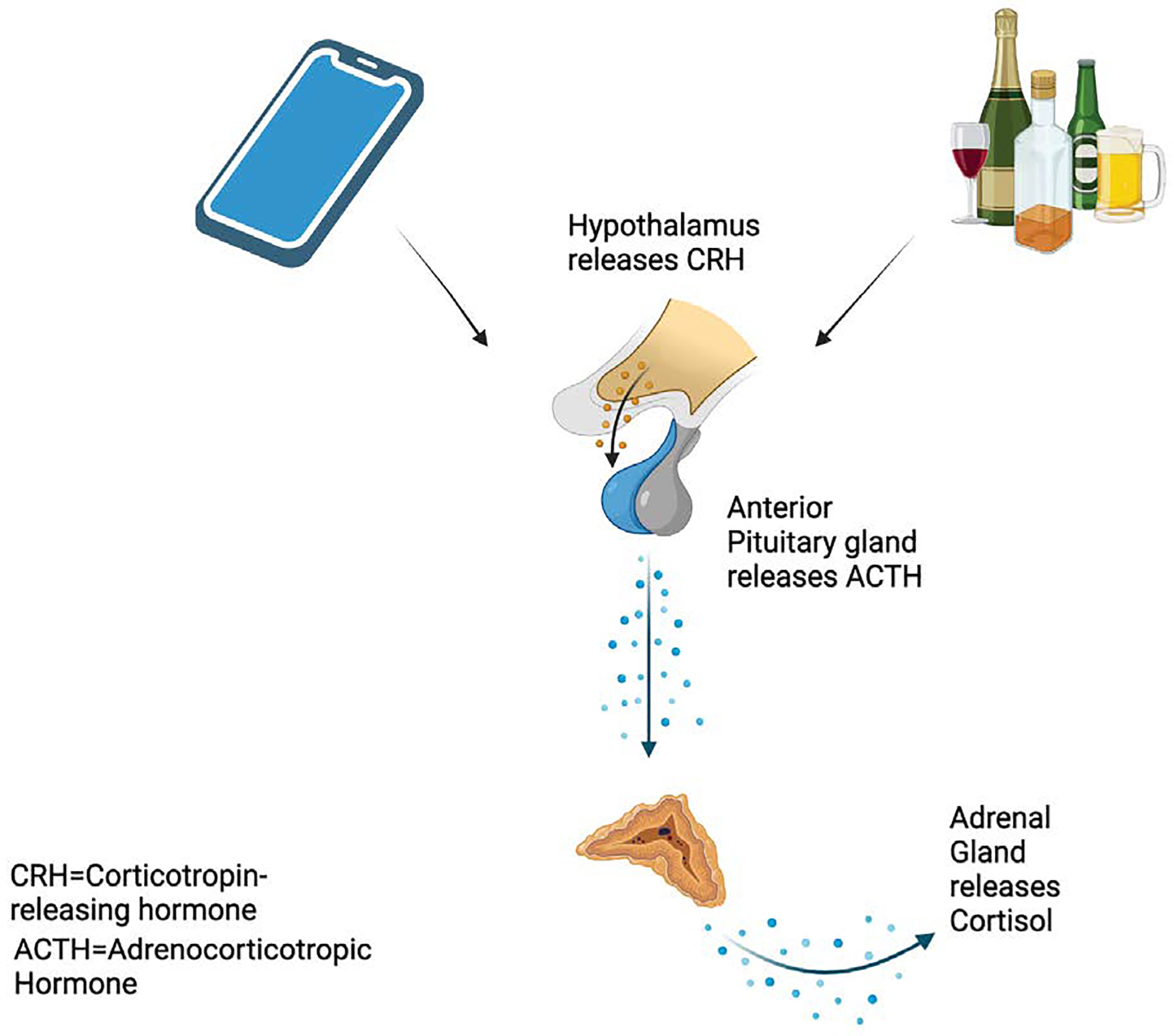
“Chronic activation of the HPA axis causes sustained cortisol to increase and altered stress responses, which is a common occurrence in substance addiction [35].”
Frank, M. J., Santamaria, A., O'Reilly, R. C., & Willcutt, E. (2007) · Neuropsychopharmacology · doi:10.1038/sj.npp.1301278 · Cited by 227 · cited 1×
“There have been computational studies performed that also show low striatal dopamine levels in ADHD patients which leads to deficits in goal-oriented learning with positive reinforcements, which is often enhanced exogenously with stimulant medications [19].”
The Impact of Social Media on Youth Mental Health: Challenges and Opportunities
Nesi, J. (2020) · North Carolina Medical Journal · doi:10.18043/ncm.81.2.116 · Cited by 204
Treatment outcomes using CBT-IA with Internet-addicted patients
Young, K. S. (2013) · Journal of Behavioral Addictions · doi:10.1556/jba.2.2013.4.3 · Cited by 199
Soares, E. E., Bausback, K., Beard, C. L., Higinbotham, M., Bunge, E. L., & Gengoux, G. W. (2020) · Journal of Technology in Behavioral Science · doi:10.1007/s41347-020-00177-0 · Cited by 192 · cited 1×
“For instance, a meta-analysis comparing face-to-face SST (F2F-SST) and technology-based interventions (BITs-SST) found no significant differences in effectiveness between the two approaches, with effect sizes consistently in the medium to high range [92].”
Sibley, M. H., Kuriyan, A. B., Evans, S. W., Waxmonsky, J. G., & Smith, B. H. (2014) · Clinical Psychology Review · doi:10.1016/j.cpr.2014.02.001 · Cited by 190 · cited 2×
“Studies have shown that behavioral interventions, including cognitive-behavioral therapy, skills training, and contingency management, improve academic performance and social functioning [114].”
Screen media use and ADHD-related behaviors: Four decades of research
Beyens, I., Valkenburg, P. M., & Piotrowski, J. T. (2018) · Proceedings of the National Academy of Sciences · doi:10.1073/pnas.1611611114 · Cited by 190
Dodd, S., Widnall, E., Russell, A. E., Curtin, E. L., Simmonds, R., Limmer, M., & Kidger, J. (2022) · BMC Public Health · doi:10.1186/s12889-022-14688-3 · Cited by 189
Depression like characteristics of 5HTTLPR polymorphism and temperament in excessive internet users
Lee, Y. S., Han, D. H., Yang, K. C., Daniels, M. A., Na, C., Kee, B. S., & Renshaw, P. F. (2008) · Journal of Affective Disorders · doi:10.1016/j.jad.2007.10.020 · Cited by 188
Lavis, A., & Winter, R. (2020) · Journal of Child Psychology and Psychiatry · doi:10.1111/jcpp.13245 · Cited by 170 · cited 2×
“Research suggests that adolescents who experience cyberbullying often feel powerless, as the digital nature of harassment makes it difficult to escape [80].”
Smartphone data as an electronic biomarker of illness activity in bipolar disorder
Faurholt‐Jepsen, M., Vinberg, M., Frost, M., Christensen, E. M., Bardram, J. E., & Kessing, L. V. (2015) · Bipolar Disorders · doi:10.1111/bdi.12332 · Cited by 169 · cited 1×
“These apps allow individuals to track mood fluctuations, medication adherence, and sleep patterns, providing insights into treatment strategies [58].”
Social-emotional learning in schools: the importance of educator competence
Gimbert, B. G., Miller, D., Herman, E., Breedlove, M., & Molina, C. E. (2023) · Journal of Research on Leadership Education · doi:10.1177/19427751211014920 · Cited by 168
Nucleus Accumbens Modulation in Reward and Aversion
Klawonn, A. M., & Malenka, R. C. (2018) · Cold Spring Harbor Symposia on Quantitative Biology · doi:10.1101/sqb.2018.83.037457 · Cited by 163 · cited 1×
“Among these, the nucleus accumbens (NAc) is critical to forming reward and aversion behaviors [9].”
Social media use and health risk behaviours in young people: systematic review and meta-analysis
Purba, A. K., Thomson, R. M., Henery, P. M., Pearce, A., Henderson, M., & Katikireddi, S. V. (2023) · BMJ · doi:10.1136/bmj-2022-073552 · Cited by 158 · cited 2×
“Recent studies indicate that approximately 24.4% of adolescents meet the criteria for social media addiction [3].”
InfluentialBoer, M., Stevens, G., Finkenauer, C., & van den Eijnden, R. (2020) · Child Development · doi:10.1111/cdev.13334 · Cited by 157 · cited 1×
“Boer at al, further investigated problematic social media use and found that this was linked to increased ADHD symptoms over time, more than in patients who used social media platforms with long sessions and frequent episodes, referred to as intense social media use [65].”
Gongane, V. U., Munot, M. V., & Anuse, A. D. (2022) · Social Network Analysis and Mining · doi:10.1007/s13278-022-00951-3 · Cited by 153 · cited 1×
“FastTex, multi-lingual model XLM-R (RoBERTa), and Reasoning Intention-Oriented Objects (RIO) to detect and filter unwanted content [100].”
Ceceli, A. O., Bradberry, C. W., & Goldstein, R. Z. (2022) · Neuropsychopharmacology · doi:10.1038/s41386-021-01153-9 · Cited by 150 · cited 1×
“The neurobiological similarities between substance addiction and compulsive social media usage are striking, particularly in terms of prefrontal cortex (PFC) dysfunction, which is critical for impulse control and decision-making [32, 33].”
Xie, J., Xu, X., Zhang, Y., Tan, Y., Wu, D., Shi, M., & Huang, H. (2023) · Frontiers in Psychology · doi:10.3389/fpsyg.2023.1298361 · Cited by 125
Dorol--Beauroy-Eustache, O., & Mishara, B. L. (2021) · Preventive Medicine · doi:10.1016/j.ypmed.2021.106684 · Cited by 125
Doremus-Fitzwater, T. L., & Spear, L. P. (2016) · Neuroscience & Biobehavioral Reviews · doi:10.1016/j.neubiorev.2016.08.015 · Cited by 125 · cited 1×
“Dopamine dysregulation has a major impact on ADHD symptoms in digital environments, altering brain areas involved in impulse control, decision-making, and reward may also make individuals, especially the youth, susceptible to compulsive behaviors [10].”
Torous, J., Staples, P., Barnett, I., Sandoval, L. R., Keshavan, M., & Onnela, J.-P. (2018) · npj Digital Medicine · doi:10.1038/s41746-018-0022-8 · Cited by 123 · cited 1×
“Some studies suggest that when used in conjunction with clinical interventions, digital tools such as smartphone-based monitoring can enhance symptom tracking and may help reduce relapse rates in individuals with bipolar disorder [59].”
Dopamine Invigorates Reward Seeking by Promoting Cue-Evoked Excitation in the Nucleus Accumbens
du Hoffmann, J., & Nicola, S. M. (2014) · The Journal of Neuroscience · doi:10.1523/jneurosci.3492-14.2014 · Cited by 122 · cited 1×
“This release encourages reward-seeking behavior by increasing cue-evoked excitement in NAc neurons [11].”
Kolubinski, D. C., Frings, D., Nikčević, A. V., Lawrence, J. A., & Spada, M. M. (2018) · Psychiatry Research · doi:10.1016/j.psychres.2018.06.025 · Cited by 118 · cited 2×
“Regarding self-esteem issues, Kolubinski et al. (2018) conducted a systematic review and meta-analysis of CBT-based interventions based on the Fennell model of low self-esteem.”
Kushima, M., Kojima, R., Shinohara, R., Horiuchi, S., Otawa, S., Ooka, T., Akiyama, Y., Miyake, K., Yokomichi, H., Yamagata, Z., et al. (2022) · JAMA Pediatrics · doi:10.1001/jamapediatrics.2021.5778 · Cited by 114
Dong, H.-Y., Wang, B., Li, H.-H., Yue, X.-J., & Jia, F.-Y. (2021) · Frontiers in Psychiatry · doi:10.3389/fpsyt.2021.619994 · Cited by 110 · cited 3×
“The study found that higher screen exposure was linked to lower DQs, suggesting potential delays in cognitive, language, and motor development [49].”
InfluentialWilhelm, S., Phillips, K. A., Greenberg, J. L., O’Keefe, S. M., Hoeppner, S. S., Keshaviah, A., Sarvode-Mothi, S., & Schoenfeld, D. A. (2019) · JAMA Psychiatry · doi:10.1001/jamapsychiatry.2018.4156 · Cited by 99 · cited 2×
“Pharmacological treatments for ADHD remain the most effective approach for symptom management, with stimulant medications being the first-line option.”
Saleem, N., Young, P., & Yousuf, S. (2024) · Cyberpsychology Behavior and Social Networking · doi:10.1089/cyber.2023.0456 · Cited by 90
Attenuated Tonic and Enhanced Phasic Release of Dopamine in Attention Deficit Hyperactivity Disorder
Badgaiyan, R. D., Sinha, S., Sajjad, M., & Wack, D. S. (2015) · PLOS ONE · doi:10.1371/journal.pone.0137326 · Cited by 84 · cited 1×
“Badgaiyan et al. most recently demonstrated that ADHD is associated with both the attenuated tonic dopamine release and enhanced phasic dopamine release in the right caudate nucleus [17].”
Afifi, T. D., Zamanzadeh, N., Harrison, K., & Acevedo Callejas, M. (2018) · Computers in Human Behavior · doi:10.1016/j.chb.2017.12.010 · Cited by 75 · cited 1×
“Excessive screen time, particularly on social media, has been found to cause chronic activation of the HPA axis, which mirrors the stress dysregulation seen in substance use [36].”
(2019) · PubMed · Cited by 72
Wallace, J., Boers, E., Ouellet, J., Afzali, M. H., & Conrod, P. (2023) · Scientific Reports · doi:10.1038/s41598-023-44105-7 · Cited by 70 · cited 2×
“Wallace et al. showed that increasing the screen time in adolescents with ADHD was associated with a significant increase in impulsivity and to a lesser extent an increase in their inattention and hyperactivity [62].”
Problematic Social Networking Site use-effects on mental health and the brain
Weinstein, A. M. (2023) · Frontiers in Psychiatry · doi:10.3389/fpsyt.2022.1106004 · Cited by 70 · cited 2×
“These imbalances exacerbate mental health issues among teenagers, particularly in those who are prone to such illnesses [30, 15].”
Pandian, G. S. B., Jain, A., Raza, Q., & Sahu, K. K. (2021) · Psychiatry Research · doi:10.1016/j.psychres.2021.113742 · Cited by 66
Oh, S., Choi, J., Han, D. H., & Kim, E. (2024) · European Child & Adolescent Psychiatry · doi:10.1007/s00787-023-02174-z · Cited by 63
Hermans, A.-M., Boerman, S. C., & Veldhuis, J. (2022) · Body Image · doi:10.1016/j.bodyim.2022.10.004 · Cited by 63
Clark, L., & Zack, M. (2023) · Addictive Behaviors · doi:10.1016/j.addbeh.2023.107626 · Cited by 59
Heffler, K. F., & Oestreicher, L. M. (2016) · Medical Hypotheses · doi:10.1016/j.mehy.2015.06.019 · Cited by 59 · cited 1×
“The absence of facial expressions, body language, and vocal tone can make it difficult to discern sarcasm, subtext, or emotional intent conveyed through text [48].”
Screen Time and Autism Spectrum Disorder: A Systematic Review and Meta-Analysis
Ophir, Y., Rosenberg, H., Tikochinski, R., Dalyot, S., & Lipshits-Braziler, Y. (2023) · JAMA Network Open · doi:10.1001/jamanetworkopen.2023.46775 · Cited by 57
Gillespie-Smith, K., Hendry, G., Anduuru, N., Laird, T., & Ballantyne, C. (2021) · Research in Developmental Disabilities · doi:10.1016/j.ridd.2021.104081 · Cited by 52 · cited 1×
“Digital platforms remove barriers such as loud environments, unexpected physical contact, and rapid conversational shifts, allowing autistic individuals to interact at their own pace and in a controlled setting [47].”
Enander, J., Ivanov, V. Z., Andersson, E., Mataix-Cols, D., Ljótsson, B., & Rück, C. (2014) · BMJ Open · doi:10.1136/bmjopen-2014-005923 · Cited by 51 · cited 1×
“Additionally, therapist-guided internet-based CBT is effective in cases where access to in-person treatment is limited, with benefits comparable to traditional face-to-face therapy [123].”
Managing Screen Use in the Under-Fives: Recommendations for Parenting Intervention Development
Morawska, A., Mitchell, A. E., & Tooth, L. R. (2023) · Clinical Child and Family Psychology Review · doi:10.1007/s10567-023-00435-6 · Cited by 51
Comparison of frontostriatal circuits in adolescent nicotine addiction and internet gaming disorder
von Deneen, K. M., Hussain, H., Waheed, J., Xinwen, W., Yu, D., & Yuan, K. (2022) · Journal of Behavioral Addictions · doi:10.1556/2006.2021.00086 · Cited by 51 · cited 1×
“According to Von Deenen et al. (2022), excessive internet gaming and nicotine addiction in adolescents result in similar deficits in functional connectivity throughout the frontostriatal network, which is required for both cognitive regulation and reward processing [34].”
Ateq, K., Alhajji, M., & Alhusseini, N. (2024) · Frontiers in Public Health · doi:10.3389/fpubh.2024.1324092 · Cited by 49 · cited 1×
“This trend has increased over the years with social media advancement and the widespread access to photo-editing apps on cellular devices which can encourage one to distort their natural appearance, leading to the ensuing dissatisfaction when those standards are not met in reality [68, 69, 70].”
Strawn, J. R., Mills, J. A., Suresh, V., Peris, T. S., Walkup, J. T., & Croarkin, P. E. (2022) · Journal of Affective Disorders · doi:10.1016/j.jad.2021.10.047 · Cited by 49 · cited 2×
“A growing body of research supports the combination of SSRIs and CBT as the most effective treatment for both depression and anxiety in youth [117].”
Diefenbach, S., & Anders, L. (2022) · Psychology of Popular Media · doi:10.1037/ppm0000360 · Cited by 44
Yang, C., Chen, C., Lin, X., & Chan, M.-K. (2021) · School Psychology · doi:10.1037/spq0000423 · Cited by 40 · cited 1×
“The study found that specific SEL competencies, such as self-management and responsible decision-making, were associated with reduced cyberbullying victimization [108].”
Impacts of digital social media detox for mental health: A systematic review and meta-analysis
Ramadhan, R. N., Rampengan, D. D., Yumnanisha, D. A., Setiono, S. B., Tjandra, K. C., Ariyanto, M. V., Idrisov, B., & Empitu, M. (2024) · Narra J · doi:10.52225/narra.v4i2.786 · Cited by 38 · cited 1×
“However, the effects on other mental health indicators such as overall well-being, life satisfaction, and stress were not statistically significant [94].”
Yohn, S. E., Galbraith, J., Calipari, E. S., & Conn, P. J. (2019) · ACS Chemical Neuroscience · doi:10.1021/acschemneuro.8b00601 · Cited by 36 · cited 1×
“The mesolimbic dopaminergic pathway has been associated with addictive behaviors, including drug use and binge eating disorders [7, 8].”
Sethi, A., Voon, V., Critchley, H. D., Cercignani, M., & Harrison, N. A. (2018) · Brain · doi:10.1093/brain/awy048 · Cited by 36 · cited 1×
“This is further validated by the findings that stimulant medications can improve task performance and reward-learning rates in ADHD patients by specifically modulating dopaminergic activity in the brain [20].”
Rück, C., Mataix-Cols, D., Feusner, J. D., Shavitt, R. G., Veale, D., Krebs, G., & Fernández de la Cruz, L. (2024) · Nature Reviews Disease Primers · doi:10.1038/s41572-024-00577-z · Cited by 35
Excessive reassurance seeking mediates relations between rumination and problematic smartphone use
Elhai, J. D., Rozgonjuk, D., Alghraibeh, A. M., Levine, J. C., Alafnan, A. A., Aldraiweesh, A. A., Aljomaa, S. S., & Hall, B. J. (2020) · Bulletin of the Menninger Clinic · doi:10.1521/bumc_2020_84_07 · Cited by 35 · cited 1×
“The addictive nature of smartphone use exacerbates this loop, with excessive reassurance-seeking behavior (ERSB) mediating the link between rumination and problematic use of these platforms [24].”
Rautio, D., Gumpert, M., Jassi, A., Krebs, G., Flygare, O., Andrén, P., Monzani, B., Peile, L., Jansson-Fröjmark, M., Lundgren, T., et al. (2022) · Behavior Therapy · doi:10.1016/j.beth.2022.04.010 · Cited by 32 · cited 1×
“Studies conducted at specialist clinics in Stockholm and London demonstrated that CBT leads to significant reductions in BDD severity among adolescents, with improvements persisting up to one year after treatment [122].”
Social Media under the Skin: Facebook Use after Acute Stress Impairs Cortisol Recovery
Rus, H. M., & Tiemensma, J. (2017) · Frontiers in Psychology · doi:10.3389/fpsyg.2017.01609 · Cited by 32 · cited 1×
“Additionally, using social media following a stressful incident can hinder cortisol recovery, exacerbating stress dysregulation and perpetuating the dysfunctional cycle [37].”
New perspectives in the treatment of body dysmorphic disorder
Hong, K., Nezgovorova, V., & Hollander, E. (2018) · F1000Research · doi:10.12688/f1000research.13700.1 · Cited by 31 · cited 1×
“SSRIs, including fluoxetine, sertraline, and escitalopram, have been demonstrated to significantly reduce BDD-related obsessive thoughts and compulsive behaviors [124].”
(2020) · Pediatrics · doi:10.1542/peds.2019-3997 · Cited by 31
Zhang, H.-X., Jiang, W.-Q., Lin, Z.-G., Du, Y.-S., & Vance, A. (2013) · PLoS ONE · doi:10.1371/journal.pone.0063089 · Cited by 30 · cited 1×
“In addition, serotonin imbalances, commonly observed in depression and anxiety, are exacerbated by online interactions [29].”
‘I'm not perfect’: Navigating screen time among parents of young children during COVID‐19
Findley, E., LaBrenz, C. A., Childress, S., Vásquez‐Schut, G., & Bowman, K. (2022) · Child: Care, Health and Development · doi:10.1111/cch.13038 · Cited by 29 · cited 2×
“However, parents of young children have reported challenges in navigating screen time during the pandemic, highlighting the need for balanced approaches that consider the realities of modern family life [99].”
Calandri, E., Graziano, F., & Rollé, L. (2021) · Frontiers in Psychology · doi:10.3389/fpsyg.2021.660740 · Cited by 28 · cited 2×
“Social media use has been linked to increased depression and lower self-esteem, particularly in adolescents with low emotional self-efficacy [27].”
Psychosocial issues and body dysmorphic disorder in aesthetics: Review and debate
Sun, M. D., & Rieder, E. A. (2022) · Clinics in Dermatology · doi:10.1016/j.clindermatol.2021.08.008 · Cited by 28
Goedhoop, J., Arbab, T., & Willuhn, I. (2023) · The Journal of Neuroscience · doi:10.1523/jneurosci.1527-22.2023 · Cited by 24
Rahman, E., Webb, W. R., Rao, P., Yu, N., Garcia, P. E., Ioannidis, S., Sayed, K., Philipp-Dormston, W. G., Carruthers, J. D., & Mosahebi, A. (2024) · Aesthetic Plastic Surgery · doi:10.1007/s00266-024-04016-y · Cited by 23 · cited 1×
“In addition, Rahman et al. showed that the more engaged the individual was on a social media platform, the more likely they were to consider enhancement procedures, suggesting that spending increased time looking at idealized images could be one of the factors advancing this process [72].”
Evaluation of Selfies and Filtered Selfies and Effects on First Impressions
Cristel, R. T., Dayan, S. H., Akinosun, M., & Russell, P. T. (2021) · Aesthetic Surgery Journal · doi:10.1093/asj/sjz362 · Cited by 22
Disrupted reinforcement learning during post-error slowing in ADHD
Chevrier, A., Bhaijiwala, M., Lipszyc, J., Cheyne, D., Graham, S., & Schachar, R. (2019) · PLOS ONE · doi:10.1371/journal.pone.0206780 · Cited by 21 · cited 1×
“It has also been demonstrated by Chevrier et al. that patients with ADHD demonstrate disruptions to the normal reinforcement learning process, especially during the post-error slowing, with altered activity in the ventral and dorsal striatum as well as a heightened amygdala response to errors [18].”
Yuan, G., Zhu, Z., Guo, H., Yang, H., Zhang, J., Zhang, K., Zhang, X., Lu, X., Du, J., Shi, H., et al. (2026) · Journal of Autism and Developmental Disorders · doi:10.1007/s10803-024-06665-z · Cited by 20 · cited 1×
“Findings suggest that excessive digital engagement during critical neurodevelopmental periods may lead to deficits in social engagement and communication skills, which are core features of ASD [51].”
Touloupis, T., & Athanasiades, C. (2022) · Frontiers in Psychology · doi:10.3389/fpsyg.2022.980091 · Cited by 20 · cited 1×
“A study evaluating a European-funded preventive program (TABBY) found that while students' cyberbullying engagement decreased significantly immediately after and six months following the intervention, the effects were more pronounced for students with special educational needs [109].”
Bullo, A., & Schulz, P. J. (2022) · Journal of Youth and Adolescence · doi:10.1007/s10964-022-01625-1 · Cited by 19 · cited 2×
“Excessive monitoring without open communication can weaken the parent-child relationship and reduce children's willingness to disclose online concerns, highlighting the need for a balanced approach [110].”
Saltz, S. B., Rozon, M., Pogge, D. L., & Harvey, P. D. (2020) · The Journal of Clinical Psychiatry · doi:10.4088/jcp.18m12170 · Cited by 18
Lyu, Z., Wang, Y., Chen, C., & Zheng, P. (2023) · Psychology, Health & Medicine · doi:10.1080/13548506.2022.2148699 · Cited by 17 · cited 1×
“Additionally, Lyu et al. proved that selfie behavior in the adolescent population predicted higher levels of cosmetic surgery consideration, which was mediated by the physical appearance comparisons to the individuals they looked up to [76].”
Seetan, K., Yassin, R. Y., Khamees, A., Alzaqh, M., Muhanna, S. I. J., Ananzeh, G., & Abu Jubran, M. A. (2025) · Aesthetic Plastic Surgery · doi:10.1007/s00266-024-04470-8 · Cited by 17 · cited 1×
“Seetan et al. showed that individuals using these platforms more frequently were more inclined to pursue aesthetic treatments, with Snapchat being the most notable influencer [71].”
Kamaruddin, I. K., Ma’rof, A. M., Mohd Nazan, A. I. N., & Ab Jalil, H. (2023) · Frontiers in Psychiatry · doi:10.3389/fpsyt.2023.1014258 · Cited by 15 · cited 1×
“Recent studies have shown that anti-cyberbullying programs can reduce cyberbullying perpetration by approximately 10-15% and cyberbullying victimization by approximately 14% [103].”
Practitioner Review: Assessment and treatment of body dysmorphic disorder in young people
Krebs, G., Rautio, D., Fernández de la Cruz, L., Hartmann, A. S., Jassi, A., Martin, A., Stringaris, A., & Mataix‐Cols, D. (2024) · Journal of Child Psychology and Psychiatry · doi:10.1111/jcpp.13984 · Cited by 14 · cited 3×
“Adolescents with BDD frequently experience co-occurring conditions such as MDD, OCD, anxiety disorders, and eating disorders [120].”
InfluentialÖzkan, Y., Öztürk, M., Tvrtkovic, S., Aydın, O., & Ünal-Aydın, P. (2025) · Addictive Behaviors · doi:10.1016/j.addbeh.2024.108169 · Cited by 14 · cited 1×
“Özkan et al further studied social media effects on ADHD patients with a focus on individuals who exhibited problematic social media use [64].”
Barriers and enablers to the moderation of self-harm content for a young person’s online forum
Perowne, R., & Gutman, L. M. (2024) · Journal of Mental Health · doi:10.1080/09638237.2022.2069721 · Cited by 14
Ong, S. H., Tan, Y. R., Khong, J. Z. N., Elliott, J. M., Sourander, A., & Fung, D. S. S. (2021) · Cyberpsychology, Behavior, and Social Networking · doi:10.1089/cyber.2020.0630 · Cited by 13 · cited 2×
“The lack of effective moderation allows cyberbullying to persist unchecked, leaving many adolescents vulnerable to its damaging effects [84].”
Su, W.-C., Cleffi, C., Srinivasan, S., & Bhat, A. (2023) · American Journal of Occupational Therapy · doi:10.5014/ajot.2023.050282 · Cited by 12
Yan, X., Li, Y., Li, Q., Li, Q., Xu, G., Lu, J., & Yang, W. (2026) · Journal of Autism and Developmental Disorders · doi:10.1007/s10803-024-06390-7 · Cited by 11 · cited 1×
“Another study found that the prevalence of ASD among individuals aged 3–17 years reached 3.42% in years 2021–2022, continuing a decade-long upward trend [2].”
InfluentialXue, Y., Bai, M.-S., Dong, H.-Y., Wang, T.-T., Mohamed, Z. A., & Jia, F.-Y. (2024) · European Journal of Pediatrics · doi:10.1007/s00431-024-05500-y · Cited by 11
Hong, M., Liang, D., Lu, T., & Liu, S. (2023) · Frontiers in Psychology · doi:10.3389/fpsyg.2023.1213089 · Cited by 10 · cited 1×
“Research on digital detox and mindfulness practices suggests that strategies such as mindfulness and gratitude may be effective in promoting healthier digital habits [98].”
Liu, X., Liu, M., Kang, X., Han, N., Liao, Y., & Ren, Z. (2025) · Journal of Medical Internet Research · doi:10.2196/64451 · Cited by 10 · cited 2×
“Studies have also found that social media policies vary significantly across platforms, leading to gaps in protection for at-risk users [85].”
The effect of online social evaluation on mood and cognition in young people
Grunewald, K., Deng, J., Wertz, J., & Schweizer, S. (2022) · Scientific Reports · doi:10.1038/s41598-022-24932-w · Cited by 9 · cited 1×
“Additionally, online social evaluation significantly impacts mood and cognition in young individuals, reinforcing the notion that serotonin-controlled emotional responses can be dysregulated by digital social interactions [28].”
Taritsa, I. C., Foppiani, J. A., Escobar, M. J., Lee, D., Nguyen, K., Hernandez Alvarez, A., Schuster, K. A., Lee, B. T., & Lin, S. J. (2025) · Aesthetic Plastic Surgery · doi:10.1007/s00266-024-04635-5 · Cited by 8
The Effects of a Cyberbullying Intervention Programme Among Primary School Students
Lukács J., Á., Takács, J., Soósné Kiss, Z., Kapitány-Fövény, M., Falus, A., & Feith, H. J. (2023) · Child & Youth Care Forum · doi:10.1007/s10566-022-09714-9 · Cited by 8
Li, Y., Chen, H., Zou, Y., Guo, Y., Gao, L., & Xu, X. (2025) · PLOS ONE · doi:10.1371/journal.pone.0318245 · Cited by 8 · cited 1×
“Li et al. found that selfie behaviors, especially viewing one’s selfies, is a key factor affecting the consideration of surgical procedures among teenage girls, due to appearance comparisons and body dissatisfaction [75].”
Bipolar disorder and regretted behavior in relation to use of social media and online dating
Rydahl, K. F. K., Brund, R. B. K., Medici, C. R., Straarup, K. M. N., Straszek, S. P. V., & Østergaard, S. D. (2022) · Bipolar Disorders · doi:10.1111/bdi.13169 · Cited by 6
Cyberincivility among Adolescents: A Systematic Review of Qualitative Evidence
Kim, J., Scroggins, J. K., Ledbetter, L., & De Gagne, J. C. (2024) · Journal of School Health · doi:10.1111/josh.13484 · Cited by 5 · cited 2×
“The psychological distress from cyberbullying can also manifest in reduced academic performance and decreased participation in offline social activities, reinforcing a cycle of isolation and emotional suffering [86].”
Lien, A., Li, X., Keown-Stoneman, C. D. G., Cost, K. T., Vanderloo, L. M., Carsley, S., Maguire, J., & Birken, C. S. (2024) · Frontiers in Child and Adolescent Psychiatry · doi:10.3389/frcha.2024.1293404 · Cited by 5 · cited 1×
“…children under 12 years of age from May 2020 to May 2021 revealed that lower parental use of routines and setting limits was associated with higher child screen time and lower odds of meeting the Canadian 24-hour screen time guideline, particularly among children aged 5 years and older [95].”
Chihuri, S., Blanchard, A., DiGuiseppi, C. G., & Li, G. (2024) · Journal of Autism and Developmental Disorders · doi:10.1007/s10803-023-06091-7 · Cited by 5
Findon, J. L., Muck, A., Tóthpál- Davison, B., & Dommett, E. J. (2025) · PLOS ONE · doi:10.1371/journal.pone.0317525 · Cited by 4 · cited 1×
“This dysregulation makes it difficult for those with ADHD to resist distractions and delay satisfaction, which is especially troublesome in digital settings [22].”
Research works printed but not linked: 4
- [6]Cheng B, Lim CCW, Rutherford BN,, A systematic review and meta-analysis of the relationship between youth drinking, self-posting of alcohol use and other social media engagement (2012–21). Addiction 119 (2024): 28– 46. 37751678
- [40]Griffiths MD, Kuss DJ, Demetrovics Z. Social networking addiction: An overview of preliminary findings. In: Rosenberg KP, Feder LC, editors. Behavioral addictions: Criteria, evidence, and treatment. San Diego: Academic Press (2014): 119– 141.
- [102]Banchio PR. Legal, ethical and practical challenges of AI-driven content moderation. SSRN. (2024).
- [104]Nahmias Y, Perel M. The oversight of content moderation by AI: Impact assessments and their limitations. Harv J Legis 58 (2021): 146– 193.
Cited by
Connected but at Risk: Social Media Exposure and Psychiatric and Psychological Outcomes in Youth
Marano, G., Lisci, F. M., Rossi, S., Marzo, E. M., Boggio, G., Brisi, C., Traversi, G., Mazza, O., Pola, R., Gaetani, E., et al. (2025) · Children · doi:10.3390/children12101322 · Cited by 39
Zayer, L. T., Coleman, C. A., Chu, S., & Gruber, V. (2026) · Journal of Advertising · doi:10.1080/00913367.2026.2617048 · Cited by 4
“For example, online gaming and social media consumption have been linked to negative well-being outcomes among adolescents (e.g., Masri-Zada et al. 2025; Wright and Wachs 2022).”
Guerrero-Gutiérrez, N., Rojas-Cadena, S. J., Casadiegos, E. M. I., Rozo-Sánchez, A., Cepeda-Pineda, D., Carrillo-Sierra, S.-M., Bermudez, V., Contreras-Velásquez, J., Gómez-Charris, Y., & Rivera-Porras, D. (2026) · BMC Psychology · doi:10.1186/s40359-026-04109-0 · Cited by 4
“Previous research has linked problematic usage patterns with higher levels of social isolation, anxiety, diminished self-esteem and challenges in emotional self-regulation [20, 21].”
Domingo, J. L., & Shomar, B. (2026) · Human and Ecological Risk Assessment An International Journal · doi:10.1080/10807039.2026.2670401 · Cited by 1
Rahmat, W., Tiawati, R. L., Tatalia, R. G., & Azri, H. (2026) · Multidisciplinary Science Journal · doi:10.31893/multiscience.2026733 · Cited by 2
Metadata
- Authors
- Masri-zada, T., Martirosyan, S., Abdou, A., Barbar, R., Kades, S., Makki, H., Haley, G., & K Agrawal, D.
- Affiliations
- Western University of Health Sciences (US)
- Venue
- Journal of Psychiatry and Psychiatric Disorders
- Publisher
- Fortune Journals
- Published
- 2025
- Volume
- 9
- Issue
- 2
- Pages
- 111-130
- ISSN
- 2572-519X (ISSN-L)
- PMC
- PMC12165459
- OpenAlex
- W4411315511
- Semantic Scholar
- 606975b5b283a17e56f071a90e889ad61d3348d6
- Cited by
- 45
- References
- 1
- Citations by year
- 2026: 41 · 2025: 4
- FWCI
- 77.51
- Type
- journal article
- Language
- en
- Open access
- hybrid
- doi.org
- Licence
- cc-by
- Locations
- Journal of Psychiatry and Psychiatric Disorders (publishedVersion, cc-by)
- PubMed (publishedVersion)
- Europe PMC (PubMed Central) (acceptedVersion, cc-by)
- PubMed Central (acceptedVersion, cc-by)
- Funders
- National Institutes of Health
- National Heart, Lung, and Blood Institute (R01HL147662)
- National Institute of Allergy and Infectious Diseases (R25AI179582)
- Topics
- Social Sciences › Sociology and Political Science › Impact of Technology on Adolescents
- Social Sciences › Education › Child Development and Digital Technology
- Social Sciences › Psychology › Clinical Psychology › Body Image and Dysmorphia Studies
- Keywords
- social media, technology, child mental health, adolescent mental health
About these checks
Registry, retraction, Cites and statistics results are computed, not judged, with one exception: a printed reference that no index lists is read once by a model before it counts as a citation error. Claims are extracted by a model and kept only when their quote appears verbatim in the text; each cited source is then checked, with a model’s help, for whether it says what the claim relies on. Those verdicts can be wrong — read the claim’s quote and the cited source before relying on one.
The claim verdicts this report counts are experimental: their accuracy is not yet measured.
A language model drew the claims from the paper on 2026-10-12, under version 3 of the claim definition (model deepseek-v4.1-flash, prompt extract-v3).
A second model labelled each claim on 2026-10-12 (model jev-1.13-20260917, definition revision gold-guideline-v0.2).
Cited sources are checked with a language model’s help (gpt-6-sol).
Statistics and arithmetic are recomputed, not judged.
Confidence bands are shown only for fields calibrated on our annotated test set. None is calibrated yet, so no band is shown.
What counts as a claim ›How we measure confidence ›How we check this ›
Are you an author, or do you see a problem with this page? Request a review
Data sources
Bibliographic data: Semantic Scholar, OpenAlex, Crossref.
Contains information from the Semantic Scholar Academic Graph Datasets, made available under the ODC Attribution License (ODC-BY 1.0).
Semantic Scholar’s data is described in: Kinney, R., et al. (2023). The Semantic Scholar Open Data Platform. arXiv:2301.10140.
