

DNA Data Storage.
Open accessThe DOI matches its Crossref record; 79 of the 80 references it cites were found in a registry or an index; 27 of the 49 sources its claims cite were checked for support.
Abstract
The demand for data storage is growing at an unprecedented rate, and current methods are not sufficient to accommodate such rapid growth due to their cost, space requirements, and energy consumption. Therefore, there is a need for a new, long-lasting data storage medium with high capacity, high data density, and high durability against extreme conditions. DNA is one of the most promising next-generation data carriers, with a storage density of 10¹⁹ bits of data per cubic centimeter, and its three-dimensional structure makes it about eight orders of magnitude denser than other storage media.
Overview
CoChat Summary
TL;DR
This paper is a brief review of DNA data storage, arguing that DNA is a promising next-generation medium because of its very high density, durability, and low-copying cost. It also surveys the main bottlenecks—encoding, synthesis, preservation, sequencing, and error correction—and notes that these challenges still prevent practical large-scale deployment.
Key findings
- The paper states that DNA storage can reach a density of 10¹⁹ bits per cubic centimeter, and that 1.7 × 10¹⁹ bits can be stored in 1 g of DNA.
- It reports that current conventional storage media are limited by cost, space, energy use, and durability, with maximum durability of about 50 years in optimal conditions.
- For preservation, it states that ordinary solution storage can keep DNA for only about a year, while dehydration and other approaches can extend durability; one cited method achieved stability for 35 days at 65 °C (equivalent to two years at room temperature), and another micro-disc approach reached up to 10¹² bit/mm³ with durability of dehydrated DNA over 100 years.
- In vivo storage examples include 455 KB of digital files encoded into 2304 kbp synthetic oligonucleotides in *E. coli*, and a 255 kbp yeast artificial chromosome encoding 38 KB of digital data with no mutation after the 100th generation.
Methods
- The article is a narrative overview/review, not an original experimental study.
- It synthesizes previously published work on DNA encoding, synthesis, preservation, sequencing, and error correction, citing examples such as Huffman coding, fountain codes, Reed–Solomon codes, Illumina sequencing, and Nanopore sequencing.
- Its main analysis is descriptive: it compares reported approaches and performance figures from the literature, including storage density, error rates, and preservation durability.
Limitations
- The paper explicitly states that there is still a need to refine methods for the fast and error-free synthesis of oligonucleotides and, longer term, long DNA chains, and that nucleotide-sequence reading must evolve toward greater credibility.
- It also notes that current DNA storage methods remain limited by errors during synthesis, storage, and sequencing, and by reduced storage density from protective additives and indexing.
- Evident from the text: this is a review article rather than a new empirical study, so it does not present a single unified dataset or original experimental results.
Model-written summary. Check it against the paper before relying on it.
Integrity signals
Registry
Cites
Statistics
Figures

Verification
Claims the paper makes
25 Valid · 1 Not valid · 22 Not checked · 6 Own results and interpretations
Every source the paper cites for this claim was checked and supports it.
In the paper
“Escherichia coli has a storage density of 1019 bits of data per cubic centimeter [5].”
§ DNA Data Storage > 1. Introduction
What the sources say
- Supportedcites [5] Zhirnov, 2016, Nucleic Acid Memory, Nat. Mater. source
The ‘Nucleic acid memory as a material’ section states that the storage density of Escherichia coli is approximately 10^19 bits per cubic centimeter. The citing sentence preserves that magnitude, though it omits the source’s approximation. (LLM, conf=0.95)
plain- Asserted: passes — The authors put it forward as true.
- Checkable: passes — It can be checked against evidence.
- Load-bearing: unclear — It is unclear whether the paper’s conclusions depend on it.
- Based: passes — The paper gives a reason why it holds.
- Supported
Every source the paper cites for this claim was checked and supports it.
In the paper
“The MAFFT algorithm was chosen for the analysis, which has been shown to be able to correct more than 95% of errors at a sequencing depth reaching 100× when the error rate is lower than 15%.”
§ DNA Data Storage > 4. New Storage Medium, Old Problems, and Solutions
What the sources say
- Supportedcites [34] Xie, R., Zan, X., Chu, L., Su, Y., Xu, P., and Liu, W. (2023). Study of the Error Correction Capability of Multiple Sequence Alignment Algorithm(MAFFT) in DNA Storage. BMC Bioinform., 24. source
The Results section, under “The error correction capability,” states that MAFFT could correct more than 95% of errors at sequencing depth 100 when the error rate is below 15%. This directly matches the attributed claim. (LLM, conf=0.95)
plainstates a cause- Asserted: passes — The authors put it forward as true.
- Checkable: passes — It can be checked against evidence.
- Load-bearing: passes — The paper’s conclusions depend on it.
- Based: passes — The paper gives a reason why it holds.
- Supported
The cited sources that could be checked couldn’t confirm or dispute this claim.
In the paper
“On the contrary, solid-state DNA appears to be more stable due to its reduced molecular mobility and lack of water, which causes hydrolytic damage [35].”
§ DNA Data Storage > 5. DNA Preservation > 5.1. In Vitro Preservation
What the sources say
- Could not verifycites [35] Erlich, 2017, DNA Fountain Enables a Robust and Efficient Storage Architecture, Science sourceExperimental — accuracy not yet measured
The Text section calls DNA a durable storage medium and mentions degradation over time, but does not compare solid-state DNA with other forms. Searches for solid-state storage, molecular mobility, water, and hydrolytic damage found no passage addressing the claimed explanation for greater stability; page numbers are unavailable in our copy. (LLM, conf=0.72)
hedgedstates a possible cause- Asserted: passes — The authors put it forward as true.
- Checkable: passes — It can be checked against evidence.
- Load-bearing: passes — The paper’s conclusions depend on it.
- Based: passes — The paper gives a reason why it holds.
- Could not verify
The cited sources support only part of this claim — read each source’s verdict below.
In the paper
“In 2017, Shipman et al. encoded five frames of a galloping mare from Eadweard Muybridge’s “The Human and Animal Locomotion Photographs” [19]. In their experiment, CRISPR-Cas was used to integrate an encoded short movie into the genomes of a population of living bacteria.”
§ DNA Data Storage > 2. Coding Files in DNA
What the sources say
- Partly supportedcites [19] Shipman, 2017, CRISPR-Cas Encoding of a Digital Movie into the Genomes of a Population of Living Bacteria, Nature sourceExperimental — accuracy not yet measured
The paper’s Abstract says the authors encoded five frames of Eadweard Muybridge’s Horse in Motion as a short movie in a population of bacteria. It also explains that the CRISPR-Cas system acquired the encoded sequences into genomic arrays. Our copy does not identify the frames as coming from “The Human and Animal Locomotion Photographs”; it calls the work Horse in Motion. (LLM, conf=0.87)
plainstates a cause- Asserted: passes — The authors put it forward as true.
- Checkable: passes — It can be checked against evidence.
- Load-bearing: unclear — It is unclear whether the paper’s conclusions depend on it.
- Based: passes — The paper gives a reason why it holds.
- Partly supported
Every source the paper cites for this claim was checked and supports it.
In the paper
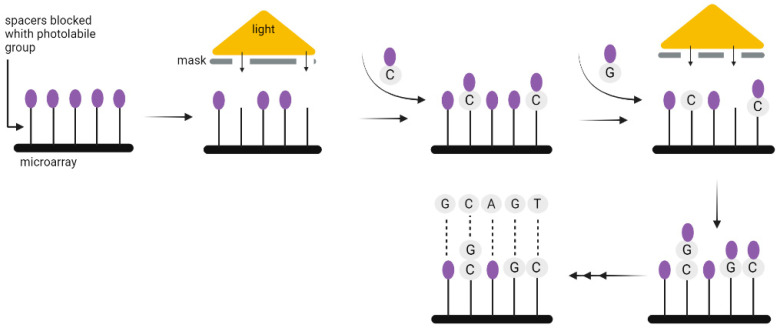
“Microarrays have enabled the high-fidelity synthesis of oligo pools of about 300 nucleotides in length [30].”
§ DNA Data Storage > 3. Synthesis of DNA Strings
What the sources say
- Supportedcites [30] Song, 2021, Large-Scale de Novo Oligonucleotide Synthesis for Whole-Genome Synthesis and Data Storage: Challenges and Opportunities, Front. Bioeng. Biotechnol. source
The Microchip-Based Oligo Synthesis section identifies microchip-based synthesis as microarray-based and states that, after procedure optimization, it has enabled high-fidelity synthesis of oligo pools approximately 300 nucleotides long. The cited claim matches that statement. (LLM, conf=0.94)
plainstates a cause- Asserted: passes — The authors put it forward as true.
- Checkable: passes — It can be checked against evidence.
- Load-bearing: unclear — It is unclear whether the paper’s conclusions depend on it.
- Based: passes — The paper gives a reason why it holds.
- Supported
26 more claims · 10 with their cited sources checked
Create a free account to see all 54 claims and every source verdict.
- Probably not a substantial claim. 9
- It may state two separate claims as one. 18
Self-check
Percentages, sums and reported differences re-computed from the paper’s own numbers.
Rated minor: it would not touch a result — a value no result rests on, a p-value that stays on the same side of the significance level, or a conflict that is clerical, resolved elsewhere in the paper, or outside its own findings.
In the paper
“Escherichia coli has a storage density of 1019 bits of data per cubic centimeter [5]. This means that 1.7 × 1019 bits can be stored in just 1 g of DNA.”
§ DNA Data Storage > 1. Introduction
Reported 17000000000000000000 · recomputed 10000000000000000000
Citations
Cites
Next-Generation Digital Information Storage in DNA
Church, G. M., Gao, Y., & Kosuri, S. (2012) · Science · doi:10.1126/science.1226355 · Cited by 1,441 · cited 2×
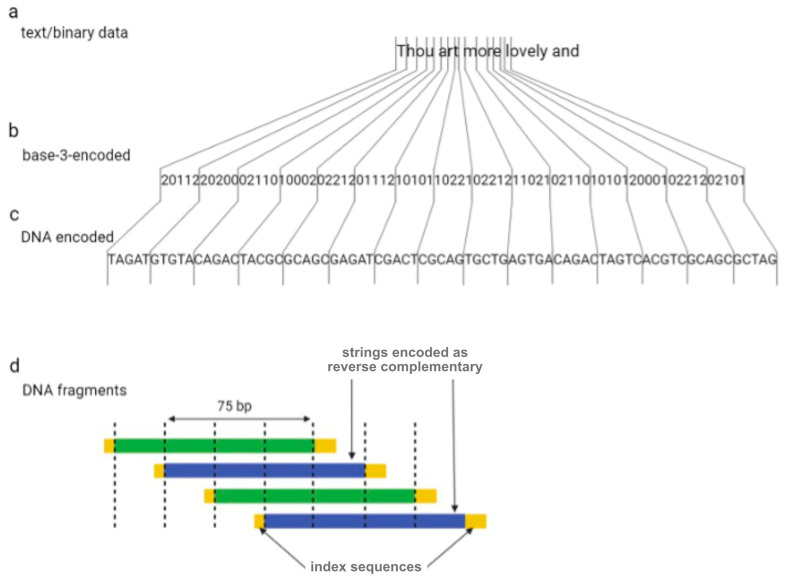
“…their modifications, and other algorithms of a similar kind generate proper DNA strings [13,14], which are capable of long data storage. first [15]. time, encoded a draft of a book, eleven and one JavaScript program in DNA For this purpose, they used a simple encoding method involving the…”
BackgroundMethodTowards Practical, High-Capacity, Low-Maintenance Information Storage in Synthesized DNA
Goldman, N., Bertone, P., Chen, S., Dessimoz, C., LeProust, E. M., Sipos, B., & Birney, E. (2013) · Nature · doi:10.1038/nature11875 · Cited by 1,220 · cited 2×
“The authors encoded all 154 of Shakespeare’s One year later, Goldman et al. (2013) tried to overcome the sequencing errors occurring by encoding data with redundancy [16]. speech using the Huffman algorithm to covert numeric data into a nucleotide sequence [16].”
BackgroundMethodUltraviolet radiation-mediated damage to cellular DNA
Cadet, J., Sage, E., & Douki, T. (2005) · Mutation Research - Fundamental and Molecular Mechanisms of Mutagenesis · doi:10.1016/j.mrfmmm.2004.09.012 · Cited by 932 · cited 1×
“In vegetative cells, this UV irradiance leads to DNA mutations, such as cyclobutane pyrimidine dimers and pyrimidine–pyrimidone photo products [9].”
BackgroundDNA Fountain enables a robust and efficient storage architecture
Erlich, Y., & Zielinski, D. (2017) · Science · doi:10.1126/science.aaj2038 · Cited by 898 · cited 2×
“Erlich and Zielinski (2017) used the fountain algorithm to encode 2.14 × 10 6 bytes of data [35].”
BackgroundMethodInfluentialRandom access in large-scale DNA data storage
Organick, L., Ang, S. D., Chen, Y.-J., Lopez, R., Yekhanin, S., Makarychev, K., Racz, M. Z., Kamath, G., Gopalan, P., Nguyen, B., et al. (2018) · Nature Biotechnology · doi:10.1038/nbt.4079 · Cited by 775 · cited 1×
“200 MB ~150 Base-4 Reed–Solomon – [22] Choi et al.”
Robust Chemical Preservation of Digital Information on DNA in Silica with Error-Correcting Codes
Grass, R. N., Heckel, R., Puddu, M., Paunescu, D., & Stark, W. J. (2015) · Angewandte Chemie International Edition · doi:10.1002/anie.201411378 · Cited by 754 · cited 2×
“Moreover, their durability reaches a maximum of 50 years in perfectly optimal conditions [4].”
BackgroundLee, H., Popodi, E., Tang, H., & Foster, P. L. (2012) · Proceedings of the National Academy of Sciences · doi:10.1073/pnas.1210309109 · Cited by 681 · cited 1×
“However, during bacterial replication, the spontaneous mutation rate is 2.2 × 10 − 10 mutations per nucleotide per generation, or 1.0 × 10 − 3 mutations per genome per generation [68].”
BackgroundInfluentialThe half-life of DNA in bone: measuring decay kinetics in 158 dated fossils
Allentoft, M. E., Collins, M., Harker, D., Haile, J., Oskam, C. L., Hale, M. L., Campos, P. F., Samaniego, J. A., Gilbert, M. T. P., Willerslev, E., et al. (2012) · Proceedings of the Royal Society B: Biological Sciences · doi:10.1098/rspb.2012.1745 · Cited by 633 · cited 1×
“Dehydratation Ancient bone 521 years 13 ◦C x [52] Filter Paper 4 years RT 82.”
BackgroundHorneck, G., Klaus, D. M., & Mancinelli, R. L. (2010) · Microbiology and Molecular Biology Reviews · doi:10.1128/mmbr.00016-09 · Cited by 619 · cited 1×
“Due to solar UV radiance, the space vacuum, and extreme temperature conditions, space is considered one of the most hostile environments [7].”
BackgroundMolecular Digital Data Storage Using DNA
Ceze, L., Nivala, J., & Strauss, K. (2019) · Nature Reviews Genetics · doi:10.1038/s41576-019-0125-3 · Cited by 551 · cited 3×
“It is also necessary to add indexes to each fragment, or sequence overlapping in successive DNA fragments [3], unless—as discussed above—the CRISPR method is used to record information in the bacterial genome.”
BackgroundMethodInfluentialCRISPR-Cas Encoding of a Digital Movie into the Genomes of a Population of Living Bacteria
Shipman, S. L., Nivala, J., Macklis, J. D., & Church, G. M. (2017) · Nature · doi:10.1038/nature23017 · Cited by 361 · cited 1×
“In 2017, Shipman et al. encoded five frames of a from Eadweard Muybridge’s “The Human and Animal Locomotion Photographs” In 2017, Shipman et al. encoded five frames of a galloping mare from Eadweard Muybridge’s “The Human and Animal Locomotion Photographs” [19].”
BackgroundPortable and Error-Free DNA-Based Data Storage
Yazdi, S. M. H. T., Gabrys, R., & Milenkovic, O. (2017) · Scientific Reports · doi:10.1038/s41598-017-05188-1 · Cited by 361 · cited 1×
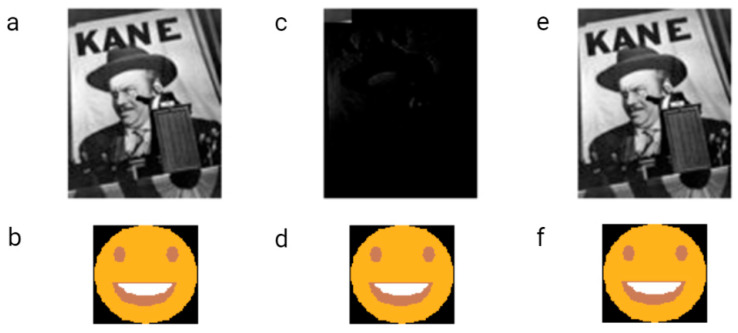
“Yazdi et al. (2017) managed to encode The Citizen Kane poster photograph and Smiley Face emoji (Figure 5) [18].”
Million-year-old DNA sheds light on the genomic history of mammoths
van der Valk, T., Pečnerová, P., Díez-del-Molino, D., Bergström, A., Oppenheimer, J., Hartmann, S., Xenikoudakis, G., Thomas, J. A., Dehasque, M., Sağlıcan, E., et al. (2021) · Nature · doi:10.1038/s41586-021-03224-9 · Cited by 345 · cited 1×
“DNA extracted from mammoth teeth was successfully extracted and sequenced [6].”
MethodForward Error Correction for DNA Data Storage
Blawat, M., Gaedke, K., Hütter, I., Chen, X.-M., Turczyk, B., Inverso, S., Pruitt, B. W., & Church, G. M. (2016) · Procedia Computer Science · doi:10.1016/j.procs.2016.05.398 · Cited by 333 · cited 1×
“22 MB 230 Own bit mapping BCH code – [21] Organick et al.”
BackgroundA DNA-Based Archival Storage System
Bornholt, J., Lopez, R., Carmean, D. M., Ceze, L., Seelig, G., & Strauss, K. (2016) · Proceedings of the Twenty-First International Conference on Architectural Support for Programming Languages and Operating Systems · doi:10.1145/2872362.2872397 · Cited by 316 · cited 1×
“51 KB 120 Huffman code DNA string exclusive-or – [20]”
BackgroundZhirnov, V., Zadegan, R. M., Sandhu, G. S., Church, G. M., & Hughes, W. L. (2016) · Nature Materials · doi:10.1038/nmat4594 · Cited by 307
Empirical evaluation of preservation methods for faecal DNA
FRANTZEN, M. A. J., SILK, J. B., FERGUSON, J. W. H., WAYNE, R. K., & KOHN, M. H. (1998) · Molecular Ecology · doi:10.1046/j.1365-294x.1998.00449.x · Cited by 285 · cited 2×
“Solution Preservation ”DNA stable” 4 years RT 98% [42] DMSO salt solution 4 months RT 42% [45] DMSO salt solution 2 years RT x [46] 70% ethanol 4 months RT 27% [45] 70% ethanol 2 years RT x [46] 90% ethanol 6 months RT 96% [47] Formalin-fixed 30 years RT 30% [48] Formalin-fixed 2–6 years RT x [49] Paraffin-embedded ti…”
BackgroundMethodLong-Term Survival of Bacterial Spores in Space
Horneck, G., Bücker, H., & Reitz, G. (1994) · Advances in Space Research · doi:10.1016/0273-1177(94)90448-0 · Cited by 266 · cited 2×
“It also replaces water molecules, thereby stabilizing the macromolecular structure [8].”
BackgroundEnzymatic DNA synthesis for digital information storage.
Lee, H. H., Kalhor, R., Goela, N., Bolot, J., & Church, G. M. (2018) · doi:10.1101/348987 · Cited by 265 · cited 1×
“96 B ~50 ASCII codec Enzymatic DNA synthesis [24]”
Lichens Survive in Space: Results from the 2005 LICHENS Experiment
Sancho, L. G., de la Torre, R., Horneck, G., Ascaso, C., de los Rios, A., Pintado, A., Wierzchos, J., & Schuster, M. (2007) · Astrobiology · doi:10.1089/ast.2006.0046 · Cited by 249 · cited 1×
“After that time, the lichens completely restored their photosynthetic activity and no ultrastructural changes were revealed in most of the fungal and algal cells of lichens [11].”
BackgroundEmerging Approaches to DNA Data Storage: Challenges and Prospects
Doricchi, A., Platnich, C. M., Gimpel, A., Horn, F., Earle, M., Lanzavecchia, G., Cortajarena, A. L., Liz-Marzán, L. M., Liu, N., Heckel, R., et al. (2022) · ACS Nano · doi:10.1021/acsnano.2c06748 · Cited by 235 · cited 4×
“Therefore, at the moment, for DNA data storage purposes, the most commonly used is Illumina sequencing [37].”
BackgroundMethodInfluentialIdentity and function of a large gene network underlying mutagenic repair of DNA breaks
Al Mamun, A. A. M., Lombardo, M.-J., Shee, C., Lisewski, A. M., Gonzalez, C., Lin, D., Nehring, R. B., Saint-Ruf, C., Gibson, J. L., Frisch, R. L., et al. (2012) · Science · doi:10.1126/science.1226683 · Cited by 224 · cited 1×
“coli populations has shown that stress responses are required for the mutagenic repair of DNA breaks [75].”
BackgroundA DNA-of-things storage architecture to create materials with embedded memory.
Koch, J., Gantenbein, S., Masania, K., Stark, W. J., Erlich, Y., & Grass, R. N. (2020) · Nature Biotechnology · doi:10.1038/s41587-019-0356-z · Cited by 183 · cited 1×
“Chemical encapsulation Silica nanoparticles 2 weeks 70 ◦C 50% 20–90 years 20 ◦C 90% [43] Silica nanoparticles 10 days 60 ◦C 50% 5 months RT 65% [55]”
BackgroundChain and conformation stability of solid-state DNA: implications for room temperature storage
Bonnet, J., Colotte, M., Coudy, D., Couallier, V., Portier, J., Morin, B., & Tuffet, S. (2010) · Nucleic Acids Research · doi:10.1093/nar/gkp1060 · Cited by 182
Reading and Writing Digital Data in DNA
Meiser, L. C., Antkowiak, P. L., Koch, J., Chen, W. D., Kohll, A. X., Stark, W. J., Heckel, R., & Grass, R. N. (2020) · Nature Protocols · doi:10.1038/s41596-019-0244-5 · Cited by 164 · cited 1×
“Meiser et al. (2020) have used a Reed–Solomon code for storing a full album of music in DNA [33].”
MethodFerrer, I., Armstrong, J., Capellari, S., Parchi, P., Arzberger, T., Bell, J. E., Budka, H., Ströbel, T., Giaccone, G., Rossi, G., et al. (2007) · Brain Pathology · doi:10.1111/j.1750-3639.2007.00073.x · Cited by 155
Paunescu, D., Puddu, M., Soellner, J. O. B., Stoessel, P. R., & Grass, R. N. (2013) · Nature Protocols · doi:10.1038/nprot.2013.154 · Cited by 151 · cited 1×
“Based on this discovery, Grass and co-workers proposed DNA silica fossilization technology, through which they obtained stable DNA after 35 days in 65 ◦ C (equivalent to two years at room temperature) [38].”
An evaluation of long-term preservation methods for brown bear (Ursus arctos) faecal DNA samples
Murphy, M. A., Waits, L. P., Kendall, K. C., Wasser, S. K., Higbee, J. A., & Bogden, R. (2002) · Conservation Genetics · doi:10.1023/a:1020503330767 · Cited by 144 · cited 3×
“DETs buffer 6 months RT 92% [47] TE buffer 1 night −20 ◦C 100% [50] TE buffer 3 years −20 ◦C x [51]”
BackgroundMethodHigh Density DNA Data Storage Library via Dehydration with Digital Microfluidic Retrieval
Newman, S., Stephenson, A. P., Willsey, M., Nguyen, B. H., Takahashi, C. N., Strauss, K., & Ceze, L. (2019) · Nature Communications · doi:10.1038/s41467-019-09517-y · Cited by 144 · cited 2×
“Furthermore, Newman et al. (2019) developed a method for the preservation of dehydrated DNA spots on glass cartridges, which can subsequently be recovered by a water droplet.”
BackgroundMethodPuddu, M., Păunescu, D., Stark, W. J., & Grass, R. N. (2014) · ACS Nano · doi:10.1021/nn4063853 · Cited by 136
An Artificial Chromosome for Data Storage
Chen, W., Han, M., Zhou, J., Ge, Q., Wang, P., Zhang, X., Zhu, S., Song, L., & Yuan, Y. (2021) · National Science Review · doi:10.1093/nsr/nwab028 · Cited by 136 · cited 2×
“In 2021, Chen et al. created a circular 255 kbp yeast artificial chromosome (a data-carrying chromosome; dChr) encoding a total of 38 KB of digital data (two pictures and a video) [69].”
BackgroundMethodEvans, R. K., Xu, Z. Z., Bohannon, K. E., Wang, B., Bruner, M. W., & Volkin, D. B. (2000) · Journal of Pharmaceutical Sciences · doi:10.1002/(sici)1520-6017(200001)89:1<76::aid-jps8>3.0.co;2-u · Cited by 130
Choi, Y., Ryu, T., Lee, A. C., Choi, H., Lee, H., Park, J., Song, S.-H., Kim, S., Kim, H., Park, W., et al. (2019) · Scientific Reports · doi:10.1038/s41598-019-43105-w · Cited by 128 · cited 1×
“854 B 85 Own bit mapping Reed–Solomon Degenerate bases [23]”
BackgroundFundamental limits of DNA storage systems
Heckel, R., Shomorony, I., Ramchandran, K., & Tse, D. N. C. (2017) · 2017 IEEE International Symposium on Information Theory (ISIT) · doi:10.1109/isit.2017.8007106 · Cited by 123 · cited 1×
“considered the storage capacity using both assembly methods and have shown that an index-based coding system is optimal for data storage purposes [31].”
MethodDNA punch cards for storing data on native DNA sequences via enzymatic nicking
Tabatabaei, S. K., Wang, B., Athreya, N. B. M., Enghiad, B., Hernandez, A. G., Fields, C. J., Leburton, J.-P., Soloveichik, D., Zhao, H., & Milenkovic, O. (2020) · Nature Communications · doi:10.1038/s41467-020-15588-z · Cited by 120 · cited 1×
“2 KB; 392 KB 450 Own bit mapping Not needed Enzymatic nicking (Pf Ago) [25]”
BackgroundNoncryogenic Preservation of Mammalian Tissues for DNA Extraction: An Assessment of Storage Methods
Kilpatrick, C. W. (2002) · Biochemical Genetics · doi:10.1023/a:1014541222816 · Cited by 113 · cited 1×
“Solution Preservation ”DNA stable” 4 years RT 98% [42] DMSO salt solution 4 months RT 42% [45] DMSO salt solution 2 years RT x [46] 70% ethanol 4 months RT 27% [45] 70% ethanol 2 years RT x [46] 90% ethanol 6 months RT 96% [47] Formalin-fixed 30 years RT 30% [48] Formalin-fixed 2–6 years RT x [49] Paraffin-embedded ti…”
MethodOptimal Storage Conditions for Highly Dilute DNA Samples: A Role for Trehalose as a Preserving Agent
Smith, S., & Morin, P. A. (2005) · Journal of Forensic Sciences · doi:10.1520/jfs2004411 · Cited by 113 · cited 1×
“DETs buffer 6 months RT 92% [47] TE buffer 1 night −20 ◦C 100% [50] TE buffer 3 years −20 ◦C x [51]”
BackgroundH3K36me3, message from chromatin to DNA damage repair
Sun, Z., Zhang, Y., Jia, J., Fang, Y., Tang, Y., Wu, H., & Fang, D. (2020) · Cell & Bioscience · doi:10.1186/s13578-020-0374-z · Cited by 109 · cited 1×
“As it is known that nucleosomes regulate DNA repair mechanisms [71,72], the utilization of eukaryotic organisms, such as Saccharomyces cerevisiae , carrying dChr is one of the promising approaches for DNA data storage.”
BackgroundAnchordoquy, T. J., & Molina, M. C. (2007) · Cell Preservation Technology · doi:10.1089/cpt.2007.0511 · Cited by 105 · cited 1×
“Moreover, the estimated annual cost of maintaining frozen samples around the globe likely surpasses USD 100 million each year [41].”
BackgroundChen, W. D., Kohll, A. X., Nguyen, B. H., Koch, J., Heckel, R., Stark, W. J., Ceze, L., Strauss, K., & Grass, R. N. (2019) · Advanced Functional Materials · doi:10.1002/adfm.201901672 · Cited by 104
Xue, Y., & Nicholson, W. L. (1996) · Applied and Environmental Microbiology · doi:10.1128/aem.62.7.2221-2227.1996 · Cited by 94 · cited 1×
“Spores possess an additional SP-specific repair pathway that makes spores significantly more resistant to UV radiance than vegetative cells [10].”
BackgroundHao, Y., Li, Q., Fan, C., & Wang, F. (2021) · Small Structures · doi:10.1002/sstr.202000046 · Cited by 90 · cited 1×
“This can be achieved using DNA-modifying enzymes such as nucleases, integrases, or recombinases, although recently, the CRISPR-Cas9 system has gained much popularity [73].”
BackgroundNew Trends of Digital Data Storage in DNA
Silva, P. Y. D., & Ganegoda, G. U. (2016) · BioMed Research International · doi:10.1155/2016/8072463 · Cited by 88 · cited 3×
“7 ZB [1], in 2018 it reached 33 ZB, only to rise two-fold in 2020.”
BackgroundInfluentialAn Improved Huffman Coding Method for Archiving Text, Images, and Music Characters in DNA
Ailenberg, M., & Rotstein, O. D. (2009) · BioTechniques · doi:10.2144/000113218 · Cited by 83 · cited 3×
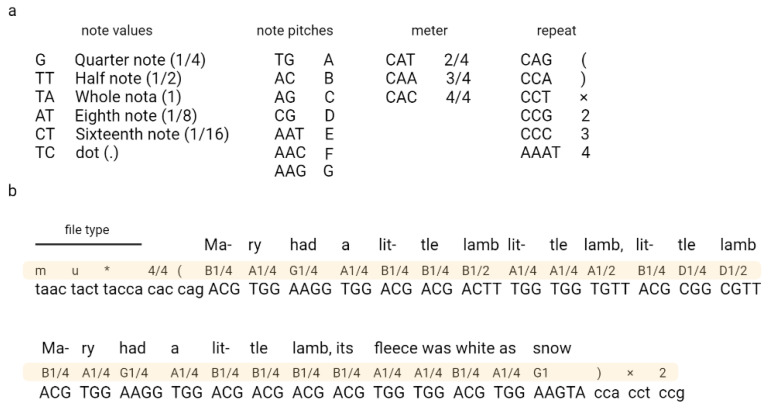
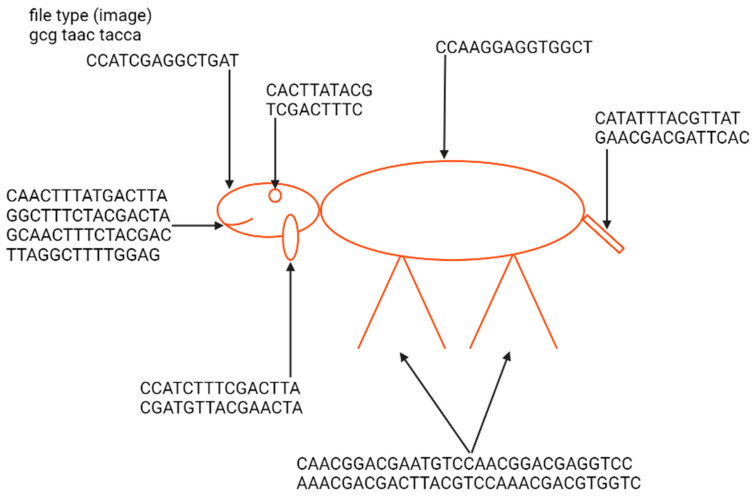
“Rotstein (2009) encoded text, music, and images in DNA by using coding (Figure 3) [17].”
BackgroundMethodInfluentialPhotoinhibition in lichens depends on cortical characteristics and hydration
Gauslaa, Y., & Solhaug, K. A. (2004) · The Lichenologist · doi:10.1017/s0024282904014045 · Cited by 83 · cited 1×
“It is supposed that their thick cortex with UV-screening pigments (rhizocarpic and parietin phenolic acids) are responsible for their survival [12].”
BackgroundChoi, Y., Bae, H. J., Lee, A. C., Choi, H., Lee, D., Ryu, T., Hyun, J., Kim, S., Kim, H., Song, S., et al. (2020) · Advanced Materials · doi:10.1002/adma.202001249 · Cited by 77 · cited 1×
“Eventually, Choi et al. (2020) reached a density of up to 10 12 bit/mm 3 for a single micro-disc and assessed the durability of dehydrated DNA over 100 years at a temperature below 10 ◦ C [40].”
BackgroundSong, L.-F., Deng, Z.-H., Gong, Z.-Y., Li, L.-L., & Li, B.-Z. (2021) · Frontiers in Bioengineering and Biotechnology · doi:10.3389/fbioe.2021.689797 · Cited by 74 · cited 1×
“Microarrays have enabled the high-fidelity synthesis of oligo pools of about 300 nucleotides in length [30].”
BackgroundProtocols for dry DNA storage and shipment at room temperature
Ivanova, N. V., & Kuzmina, M. L. (2013) · Molecular Ecology Resources · doi:10.1111/1755-0998.12134 · Cited by 72 · cited 1×
“Diluted DNA in trehalose solution stored for a month at room temperature granted only 46% PCR success, and 2-year preservation in Tris-buffered PVA granted 50% PCR success, where PCR success was calculated as a percentage of positive wells per plate (96 samples) [42].”
An Empirical Comparison of Preservation Methods for Synthetic DNA Data Storage
Organick, L., Nguyen, B. H., McAmis, R., Chen, W. D., Kohll, A. X., Ang, S. D., Grass, R. N., Ceze, L., & Strauss, K. (2021) · Small Methods · doi:10.1002/smtd.202001094 · Cited by 67 · cited 2×
“Solution Preservation ”DNA stable” 1 week 65 ◦C 50% 4 years 25 ◦C 10% [4] ”GenTra” 1 week 65 ◦C 50% 2 years 25 ◦C 50% [59] TE buffer 20 days 65 ◦C 50% 20 years −20 ◦C x [51]”
Stabilizing synthetic DNA for long-term data storage with earth alkaline salts
Kohll, A. X., Antkowiak, P. L., Chen, W. D., Nguyen, B. H., Stark, W. J., Ceze, L., Strauss, K., & Grass, R. N. (2020) · Chemical Communications · doi:10.1039/d0cc00222d · Cited by 66 · cited 1×
“Dehydration with earth alkaline salts 6 days 70 ◦C 50% 750 years 10 ◦C 10% [62]”
BackgroundTabatabaei, S. K., Pham, B., Pan, C., Liu, J., Chandak, S., Shorkey, S. A., Hernandez, A. G., Aksimentiev, A., Chen, M., Schroeder, C. M., et al. (2022) · Nano Letters · doi:10.1021/acs.nanolett.1c04203 · Cited by 63 · cited 1×
“The applicability of such an extended alphabet could significantly improve data storage in DNA by increasing storage density and, possibly, writing speed [79].”
BackgroundLong Term Stability of Poly((2-dimethylamino)ethyl Methacrylate)-Based Gene Delivery Systems
Cherng, J., Talsma, H., Crommelin, D. J. A., & Hennink, W. E. (1999) · Pharmaceutical Research · doi:10.1023/a:1018907310472 · Cited by 60
Assessment of DNA Encapsulation, a New Room-Temperature DNA Storage Method
Clermont, D., Santoni, S., Saker, S., Gomard, M., Gardais, E., & Bizet, C. (2014) · Biopreservation and Biobanking · doi:10.1089/bio.2013.0082 · Cited by 55 · cited 1×
“”DNAshell” 30 h 76 ◦C 50% 100 years 25 ◦C x [58] ”DNAshell” + trehalose 1 month 76 ◦C 50% 2000 years 25 ◦C x [58]”
DNA‐Based Concatenated Encoding System for High‐Reliability and High‐Density Data Storage
Ren, Y., Zhang, Y., Liu, Y., Wu, Q., Su, J., Wang, F., Chen, D., Fan, C., Liu, K., & Zhang, H. (2022) · Small Methods · doi:10.1002/smtd.202101335 · Cited by 55 · cited 1×
“682 B; 39 KB; 28 MB ~100 RABR; RALR Reed–Solomon Artificial nucleotides [27]”
Long-Term Stability and Integrity of Plasmid-Based DNA Data Storage
Nguyen, H., Park, J., Park, S., Lee, C.-S., Hwang, S., Shin, Y.-B., Ha, T., & Kim, M. (2018) · Polymers · doi:10.3390/polym10010028 · Cited by 50 · cited 2×
“DETs buffer 6 months RT 92% [47] TE buffer 1 night −20 ◦C 100% [50] TE buffer 3 years −20 ◦C x [51]”
BackgroundInformation stored in nanoscale: Encoding data in a single DNA strand with Base64
Zhang, Y., Kong, L., Wang, F., Li, B., Ma, C., Chen, D., Liu, K., Fan, C., & Zhang, H. (2020) · Nano Today · doi:10.1016/j.nantod.2020.100871 · Cited by 49 · cited 1×
“Two examples of coding systems, their modifications, and other algorithms of a similar kind generate proper DNA strings [13,14], which are capable of long data storage. first [15]. time, encoded a draft of a book, eleven and one JavaScript program in DNA For this purpose, they used a simple encoding…”
MethodAn Epigenetics‐Inspired DNA‐Based Data Storage System
Mayer, C., McInroy, G. R., Murat, P., van Delft, P., & Balasubramanian, S. (2016) · Angewandte Chemie International Edition · doi:10.1002/anie.201605531 · Cited by 47
Liu, Y., Ren, Y., Li, J., Wang, F., Wang, F., Ma, C., Chen, D., Jiang, X., Fan, C., Zhang, H., et al. (2022) · Science Advances · doi:10.1126/sciadv.abo7415 · Cited by 45 · cited 2×
“Ultimately, the rewriting reliability reached 94% and the information sequenced from the 252nd generation was 100% correct [74].”
BackgroundChaorattanakawee, S., Natalang, O., Hananantachai, H., et al. (2003) · American Journal of Tropical Medicine and Hygiene · doi:10.4269/ajtmh.2003.69.42 · Cited by 42 · cited 1×
“5% [53] Dried DNA 4 months RT 35% [45] FTA cards up to 128 days RT 95% [54] Silica Gel 6 months RT 50% [47] Oven-dried 6 months RT 72% [47] Oven-dried 6 months −20 ◦C 86% [47]”
BackgroundA Mixed Culture of Bacterial Cells Enables an Economic DNA Storage on a Large Scale
Hao, M., Qiao, H., Gao, Y., Wang, Z., Qiao, X., Chen, X., & Qi, H. (2020) · Communications Biology · doi:10.1038/s42003-020-01141-7 · Cited by 41 · cited 2×
“Preservation within a living cell allows the DNA to be replicated with a few orders of magnitude, much faster than by PCR, during the cell’s proliferation processes [67].”
BackgroundMethodReading and Writing Digital Information in TNA
Yang, K., McCloskey, C. M., & Chaput, J. C. (2020) · ACS Synthetic Biology · doi:10.1021/acssynbio.0c00361 · Cited by 41 · cited 1×
“There are even new ideas related to the use of chemical analogues of DNA, such as TNA, with even higher possible storage densities [26].”
BackgroundSaieg, M. A., Geddie, W. R., Boerner, S. L., et al. (2012) · Cancer Cytopathology · doi:10.1002/cncy.20205 · Cited by 40
Long term conservation of DNA at ambient temperature. Implications for DNA data storage
Coudy, D., Colotte, M., Luis, A., Tuffet, S., & Bonnet, J. (2021) · PLOS ONE · doi:10.1371/journal.pone.0259868 · Cited by 37 · cited 1×
“”DNAshell” 2 days 100 ◦C 50% 1 million years 25 ◦C x [57]”
Long-term whole blood DNA preservation by cost-efficient cryosilicification
Zhou, L., Lei, Q., Guo, J., Gao, Y., Shi, J., Yu, H., Yin, W., Cao, J., Xiao, B., Andreo, J., et al. (2022) · Nature Communications · doi:10.1038/s41467-022-33759-y · Cited by 36
Spontaneous mutation in Escherichia coli containing the dnaE911 DNA polymerase antimutator allele
Oller, A. R., & Schaaper, R. M. (1994) · Genetics · doi:10.1093/genetics/138.2.263 · Cited by 33
Xie, R., Zan, X., Chu, L., Su, Y., Xu, P., & Liu, W. (2023) · BMC Bioinformatics · doi:10.1186/s12859-023-05237-9 · Cited by 32 · cited 2×
“Recently, Xie et al. (2023) conducted an analysis showing the value of the sequencing depth for retrieving the right string of data [34].”
BackgroundMethodMolina, M. D. C., & Anchordoquy, T. J. (2008) · Biochimica et Biophysica Acta (BBA) - Biomembranes · doi:10.1016/j.bbamem.2008.04.003 · Cited by 31 · cited 1×
“Trehalose 2 months 60 ◦C 50% 2 years RT x [65] Cryosilicified samples 4 weeks 70 ◦C 60% 1200 years 20 ◦C 31% [66]”
Preservation of DNA for Data Storage
Tan, X., Ge, L., Zhang, T., & Lu, Z. (2021) · Russian Chemical Reviews · doi:10.1070/rcr4994 · Cited by 31 · cited 3×
“Furthermore, DNA without protection is liable to degradation due to physical and chemical factors, such as temperature, water, UV irradiation, oxidation, or extreme pH values [36].”
BackgroundInfluentialHeterogeneity of spontaneous DNA replication errors in single isogenic Escherichia coli cells
Woo, A. C., Faure, L., Dapa, T., & Matic, I. (2018) · Science Advances · doi:10.1126/sciadv.aat1608 · Cited by 29
Kim, T. W., Kim, I. Y., Park, D., Choy, J., & Hwang, S. (2016) · Scientific Reports · doi:10.1038/srep21993 · Cited by 28 · cited 1×
“Chemical encapsulation Silica nanoparticles 9 months RT x [43] DNA-layered titanate nanohybrid 1 month x x [44]”
Nucleosomes regulate base excision repair in chromatin
Meas, R., Wyrick, J. J., & Smerdon, M. J. (2019) · Mutation Research/Reviews in Mutation Research · doi:10.1016/j.mrrev.2017.10.002 · Cited by 28 · cited 1×
“As it is known that nucleosomes regulate DNA repair mechanisms [71,72], the utilization of eukaryotic organisms, such as Saccharomyces cerevisiae , carrying dChr is one of the promising approaches for DNA data storage.”
BackgroundPreservation and Encryption in DNA Digital Data Storage
Zhang, Y., Ren, Y., Liu, Y., Wang, F., Zhang, H., & Liu, K. (2022) · ChemPlusChem · doi:10.1002/cplu.202200183 · Cited by 28
Suppressors of Escherichia coli mutT: antimutators for DNA replication errors
Schaaper, R. M. (1996) · Mutation research. Fundamental and molecular mechanisms of mutagenesis · doi:10.1016/0027-5107(95)00086-0 · Cited by 27 · cited 1×
“However, these alleles also reduce specific transition mutations, making it unclear whether replication errors in wild-type cells stem from the intrinsic fidelity of DNA polymerase III or specific subpopulations with unique properties [77].”
BackgroundAnhydrous calcium phosphate crystals stabilize DNA for dry storage
Antkowiak, P. L., Koch, J., Rzepka, P., Nguyen, B. H., Strauß, K., Stark, W. J., & Grass, R. N. (2022) · Chemical Communications · doi:10.1039/d2cc00414c · Cited by 25
Exogenous artificial DNA forms chromatin structure with active transcription in yeast
Zhou, J., Zhang, C., Wei, R., Han, M., Wang, S., Yang, K., Zhang, L., Chen, W., Wen, M., Li, C., et al. (2022) · Science China Life Sciences · doi:10.1007/s11427-021-2044-x · Cited by 24 · cited 1×
“The high fidelity of dChr replication could be achieved due to its chromatin-like structure formed in vivo [70].”
BackgroundVitošević, K., Todorović, M., Slović, Ž., Varljen, T., Matić, S., & Todorović, D. (2020) · Forensic Science Medicine and Pathology · doi:10.1007/s12024-020-00327-z · Cited by 19 · cited 1×
“Solution Preservation ”DNA stable” 4 years RT 98% [42] DMSO salt solution 4 months RT 42% [45] DMSO salt solution 2 years RT x [46] 70% ethanol 4 months RT 27% [45] 70% ethanol 2 years RT x [46] 90% ethanol 6 months RT 96% [47] Formalin-fixed 30 years RT 30% [48] Formalin-fixed 2–6 years RT x [49] Paraffin-embedded ti…”
MethodDeveloping a New Hybrid Cipher Algorithm using DNA and RC4
k., R., & Imad, J. (2017) · International Journal of Advanced Computer Science and Applications · doi:10.14569/ijacsa.2017.081023 · Cited by 12 · cited 1×
“Two examples of coding systems, their modifications, and other algorithms of a similar kind generate proper DNA strings [13,14], which are capable of long data storage. first [15]. time, encoded a draft of a book, eleven and one JavaScript program in DNA For this purpose, they used a simple encoding…”
MethodApplication of Array-Based Oligonucleotides for Synthesis of Genetic Designs
Sinyakov, A. N., Ryabinin, V. A., & Kostina, E. V. (2021) · Molecular Biology · doi:10.1134/s0026893321030109 · Cited by 9 · cited 3×
“By using it, the time and cost needed for the synthesis of large-scale DNA libraries might be greatly reduced [29].”
BackgroundInfluentialLong term conservation of DNA at ambient temperature. Implications for DNA data storagePreprint
Coudy, D., Colotte, M., Luis, A., et al. (2021) · bioRxiv (Cold Spring Harbor Laboratory) · doi:10.1101/2021.07.28.454193 · Cited by 5
Cited by
A Deniable Encryption Method for Modulation-Based DNA Storage
Chu, L., Su, Y., Zan, X., Lin, W., Yao, X., Xu, P., & Liu, W. (2024) · Interdisciplinary Sciences Computational Life Sciences · doi:10.1007/s12539-024-00648-5 · Cited by 49
Efficient data reconstruction: The bottleneck of large-scale application of DNA storage
Cao, B., Zheng, Y., Shao, Q., Liu, Z., Xie, L., Zhao, Y., Wang, B., Zhang, Q., & Wei, X. (2024) · Cell Reports · doi:10.1016/j.celrep.2024.113699 · Cited by 38
Polymerase Elongation onto Patterned DNA for Random Accessed DNA Data Storage
Kang, T., Lim, D., Lee, W. J., & Song, Y. (2025) · BioChip Journal · doi:10.1007/s13206-025-00214-1 · Cited by 7
“The payload of QR pixel data with parity bits of ECC was assigned to six 51 base pairs, with 3 bp for ECC level M, which has 33% redundancy for a 15% correction, using Reed Solomon code and mask pattern which recognizes the stable QR image to reduce homopolymer [54–56].”
Advances and challenges in non-canonical nucleic acids data storage
Wang, Y., Pei, Y., Tang, L., Sun, X., Zhou, S., & Song, J. (2026) · Nature Communications · doi:10.1038/s41467-026-68708-6 · Cited by 9
“3b, left) 5 .”
InfluentialSequencing and Optical Genome Mapping for the Adventurous Chemist
Ruppeka‐Rupeika, E., D’Huys, L., Leen, V., & Hofkens, J. (2024) · Chemical & Biomedical Imaging · doi:10.1021/cbmi.4c00060 · Cited by 3
Metadata
- Authors
- Buko, T., Tuczko, N., & Ishikawa, T.
- Affiliations
- University of Warsaw (PL)
- Corresponding author
- Ishikawa, Takao
- ORCID
- Ishikawa, Takao
- Venue
- BioTech
- Publisher
- MDPI AG
- Published
- 2023-06-01
- Volume
- 12
- Issue
- 2
- Pages
- 44
- ISSN
- 2673-6284 (ISSN-L)
- PMC
- PMC10296570
- OpenAlex
- W4379232032
- Cited by
- 21
- References
- 80
- Citations by year
- 2026: 11 · 2025: 6 · 2024: 4
- FWCI
- 0.55
- Type
- journal article
- Language
- en
- Open access
- gold
- doi.org
- Licence
- Locations
- BioTech (publishedVersion, cc-by)
- PubMed Central (publishedVersion, cc-by)
- PubMed (publishedVersion)
- DOAJ (DOAJ: Directory of Open Access Journals) (submittedVersion, cc-by-sa)
- Topics
- Physical Sciences › Mathematics › Theoretical Computer Science › DNA and Biological Computing
- Physical Sciences › Computer Science › Computer Networks and Communications › Advanced Data Storage Technologies
- Physical Sciences › Mathematics › Theoretical Computer Science › Algorithms and Data Compression
- Keywords
- DNA data storage, data density, storage durability, PCR amplification, oligonucleotide synthesis, long-term data preservation
About these checks
Registry, retraction, Cites and statistics results are computed, not judged, with one exception: a printed reference that no index lists is read once by a model before it counts as a citation error. Claims are extracted by a model and kept only when their quote appears verbatim in the text; each cited source is then checked, with a model’s help, for whether it says what the claim relies on. Those verdicts can be wrong — read the claim’s quote and the cited source before relying on one.
The claim verdicts this report counts are experimental: their accuracy is not yet measured.
A language model drew the claims from the paper on 2026-10-09, under version 3 of the claim definition (model deepseek-v4.1-flash, prompt extract-v3).
A second model labelled each claim on 2026-10-09 (model jev-1.13-20260917, definition revision gold-guideline-v0.2).
Cited sources are checked with a language model’s help (gpt-6-sol).
Statistics and arithmetic are recomputed, not judged.
Confidence bands are shown only for fields calibrated on our annotated test set. None is calibrated yet, so no band is shown.
What counts as a claim ›How we measure confidence ›How we check this ›
Are you an author, or do you see a problem with this page? Request a review
Data sources
Bibliographic data: Semantic Scholar, OpenAlex, Crossref.
Contains information from the Semantic Scholar Academic Graph Datasets, made available under the ODC Attribution License (ODC-BY 1.0).
Semantic Scholar’s data is described in: Kinney, R., et al. (2023). The Semantic Scholar Open Data Platform. arXiv:2301.10140.
