

The DOI matches its Crossref record; 589 of the 615 references it cites were found in a registry or an index; none of the 262 sources its claims cite is checked for support yet.
The biology of ergothioneine, an antioxidant nutraceutical
Open accessAbstract
Ergothioneine (ERG) is an unusual thio-histidine betaine amino acid that has potent antioxidant activities. It is synthesised by a variety of microbes, especially fungi (including in mushroom fruiting bodies) and actinobacteria, but is not synthesised by plants and animals who acquire it via the soil and their diet, respectively. Animals have evolved a highly selective transporter for it, known as solute carrier family 22, member 4 (SLC22A4) in humans, signifying its importance, and ERG may even have the status of a vitamin. ERG accumulates differentially in various tissues, according to their expression of SLC22A4, favouring those such as erythrocytes that may be subject to oxidative stress. Mushroom or ERG consumption seems to provide significant prevention against oxidative stress in a large variety of systems. ERG seems to have strong cytoprotective status, and its concentration is lowered in a number of chronic inflammatory diseases. It has been passed as safe by regulatory agencies, and may have value as a nutraceutical and antioxidant more generally.
Overview
AI snapshot
Written from the paper’s full text.
TL;DR
Ergothioneine (ERG) is a diet-derived thio-histidine betaine antioxidant synthesised mainly by fungi and actinobacteria, not by plants or animals, and taken up in animals by the selective transporter SLC22A4/OCTN1. The review argues ERG is a promising nutraceutical with broad cytoprotective and antioxidant actions, but that definitive clinical benefit remains mostly circumstantial.
Key findings
- ERG is not biosynthesised by plants or animals; humans and other animals acquire it via diet and a highly selective transporter, SLC22A4 (OCTN1), a 551-amino-acid transporter coupled in humans to influx of 2 or 3 Na+ per ERG. In engineered HEK293 cells, ERG was taken up about 100 times more quickly than tetraethylammonium.
- Mushrooms are the prime dietary source. Reported amounts include oyster mushrooms (*Pleurotus* spp.) up to 4 mg/g DM, golden oyster *Pleurotus citrinopileatus* 10·65 mg/g DM, shiitake about 1 mg/g DM, porcini/ceps >7 mg/g DM, and button mushrooms *Agaricus bisporus* about 0·4 mg/g DM.
- ERG is metabolised and excreted slowly: after 5–25 mg daily doses for 7 d in humans, urinary excretion was <4%, with hercynine and lesser S-methyl-ERG as main metabolites. It has been declared safe by bodies such as the European Food Standards Agency and lacks detectable mutagenicity or genotoxicity in high-dose assays.
- In a 3236-participant Swedish study, ERG was associated with lower risk of coronary disease (HR per 1 sd increment = 0·85; P = 0·01), cardiovascular mortality (HR = 0·79; P = 0·002) and overall mortality (HR = 0·86; P = 4 × 10⁻⁵). Observational data also linked 1·5 mushroom servings/week to halving of mild cognitive impairment incidence and nine servings/week to a five-fold decrease.
Methods
- Narrative review synthesising published literature on ERG discovery, structure, biosynthesis, phylogenetics, SLC22A4 biology, oxidative stress, nutritional sources, safety, analytics, serum concentrations, metabolism, bioactivities and mechanisms.
- Includes compiled tables of ERG concentrations in human serum, fermentative production in recombinant micro-organisms, and biological properties altered by ERG or SLC22A4 modulation, plus references to phylogenetic and structural analyses.
- No systematic search strategy, inclusion criteria or meta-analysis is stated; the synthesis is qualitative and literature-based.
Limitations
- The authors state that evidence for ERG as a preventive or palliative nutraceutical in inflammatory diseases is “mostly circumstantial rather than definitive,” and that they lack examples where ERG is both low in a syndrome and exogenous administration produces functional improvement. They note that randomised controlled trials are only beginning, with one pure-ERG trial registered.
- The authors state that mechanisms are often unclear and studies “rather descriptive in nature”; effects on host microbiomes “do not yet seem to have been studied”; mitochondrial expression remains uncertain because antibody evidence is hazardous; and old animal ERG-deprivation experiments need repeating with modern lower-detection-limit techniques.
- Evident from the text: as a narrative review without systematic search or quantitative pooling, it may be subject to selection and interpretation bias, and many cited findings come from animal, cell-culture or observational studies rather than definitive human trials.
Model-written summary. Check it against the paper before relying on it.
Integrity signals
Registry
Cites
Statistics
Figures
Verification
Claims the paper makes
77 Not checked yet · 12 Own interpretation · 3 No basis given · 2 Own result
A result the paper reports from its own data — it cites no other source for it, so there is none to check. The quote shows it is in the paper.
In the paper
“Fed-batch cultivation resulted in 598 (sd 18) mg/l ERG after an 84-h fermentation.”
§ The biology of ergothioneine, an antioxidant nutraceutical > Biosynthesis and phylogenetic distribution
plaindirect- Asserted: passes — The authors put it forward as true.
- Checkable: passes — It can be checked against evidence.
- Load-bearing: passes — The paper’s conclusions depend on it.
- Based: passes — The paper gives a reason why it holds.
None of the sources cited for this claim have been checked yet.
In the paper
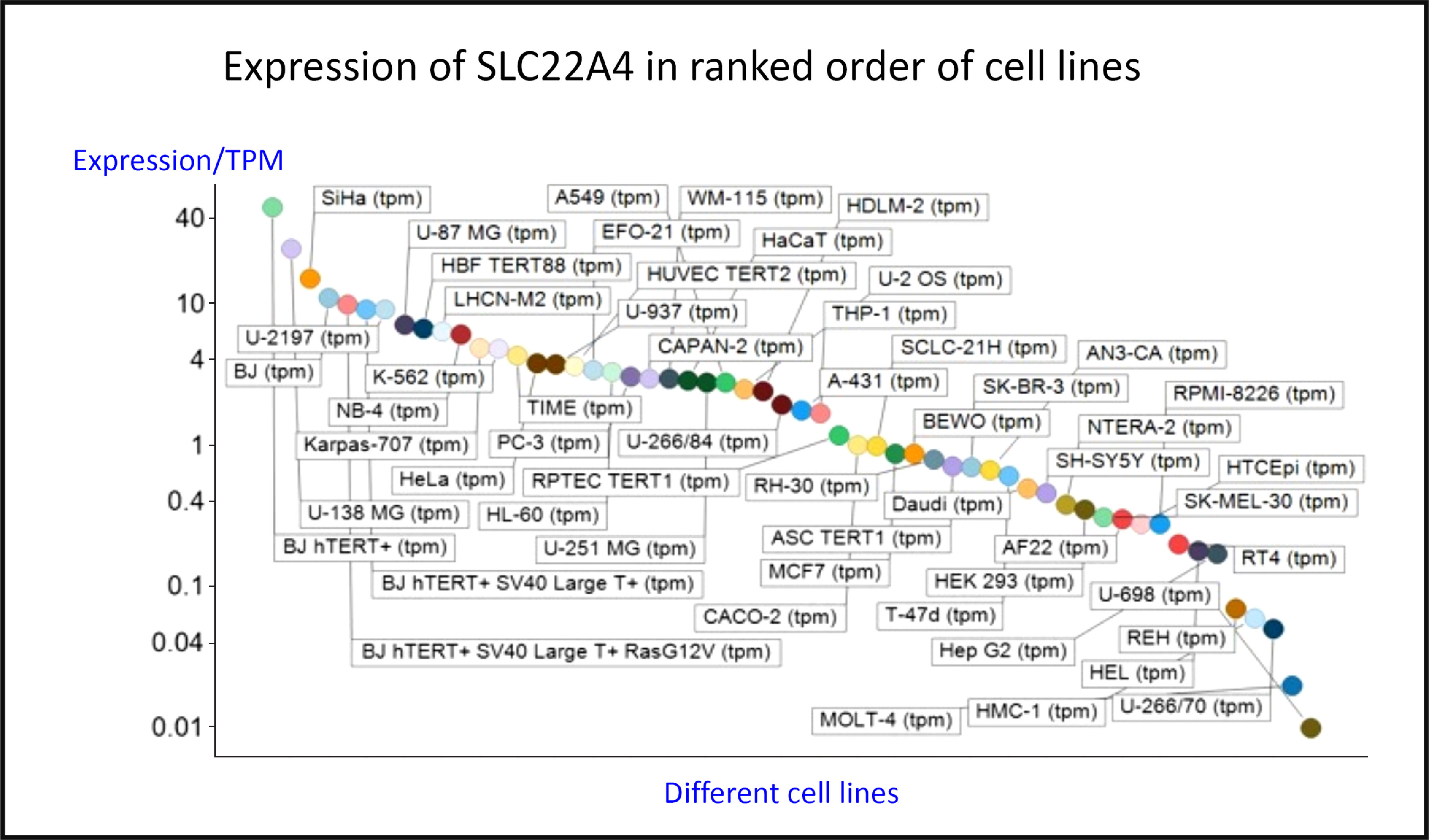
“Fig. 4 shows the expression of the transcript for SLC22A4 in fifty-six cell lines using previous data(119) taken from the human protein atlas(186), indicating a range in expression levels between different cell lines of more than 4000-fold, a number not atypical for human transporters(119).”
§ The biology of ergothioneine, an antioxidant nutraceutical > SLC22A4: the ergothioneine transporter > Expression patterns
What the sources say
- Not checked yetcites [119] O’Hagan S, Wright Muelas M, Day PJ, et al. (2018) GeneGini: assessment via the Gini coefficient of reference “housekeeping” genes and diverse human transporter expression profiles. Cell Syst 6, 230– 244. 29428416 PMC5840522
- Not checked yetcites [186] Thul PJ, Åkesson L, Wiking M, et al. (2017) A subcellular map of the human proteome. Science 356, eaal3321. 28495876
hedgedn = 6- Asserted: passes — The authors put it forward as true.
- Checkable: passes — It can be checked against evidence.
- Load-bearing: unclear — It is unclear whether the paper’s conclusions depend on it.
- Based: passes — The paper gives a reason why it holds.
A conclusion the paper draws from its own results — it cites no other source for it, so there is none to check. The quote shows it is in the paper.
In the paper
“It has been passed as safe by regulatory agencies, and may have value as a nutraceutical and antioxidant more generally.”
§ The biology of ergothioneine, an antioxidant nutraceutical > Abstract
hedgedconditional- Asserted: passes — The authors put it forward as true.
- Checkable: passes — It can be checked against evidence.
- Load-bearing: passes — The paper’s conclusions depend on it.
- Based: passes — The paper gives a reason why it holds.
- Rests on an assumption: ERG classes as a nutraceutical.
None of the sources cited for this claim have been checked yet.
In the paper
“The chief organisms capable of its synthesis are fungi and certain yeasts(59,60), though actinobacteria and certain other micro-organisms(60–66), including the slime mould Physarum polycephalum (65), cyanobacteria(67–71) and methylotrophs(72) are also naturally capable of its production.”
§ The biology of ergothioneine, an antioxidant nutraceutical > Biosynthesis and phylogenetic distribution
What the sources say
- Not checked yetcites [59] Melville DB, Genghof DS, Inamine E, et al. (1956) Ergothioneine in microorganisms. J Biol Chem 223, 9– 17. 13376573 source
- Not checked yetcites [60] Jones GW, Doyle S & Fitzpatrick DA (2014) The evolutionary history of the genes involved in the biosynthesis of the antioxidant ergothioneine. Gene 549, 161– 170. 25068406 source
- Not checked yetcites [61] Newton GL, Arnold K, Price MS, et al. (1996) Distribution of thiols in microorganisms: mycothiol is a major thiol in most actinomycetes. J Bacteriol 178, 1990– 1995. 8606174 PMC177895 source
- Not checked yetcites [62] Dosanjh M, Newton GL & Davies J (2008) Characterization of a mycothiol ligase mutant of Rhodococcus jostii RHA1. Res Microbiol 159, 643– 650. 18832026 source
- Not checked yetcites [63] Genghof DS & Van Damme O (1964) Biosynthesis of ergothioneine and hercynine by mycobacteria. J Bacteriol 87, 852– 862. 14137624 PMC277104 source
- Not checked yetcites [64] Genghof DS & Van Damme O (1968) Biosynthesis of ergothioneine from endogenous hercynine in Mycobacterium smegmatis. J Bacteriol 95, 340– 344. 5644441 PMC252023 source
- Not checked yetcites [65] Genghof DS (1970) Biosynthesis of ergothioneine and hercynine by fungi and Actinomycetales. J Bacteriol 103, 475– 478. 5432011 PMC248105 source
- Not checked yetcites [66] Trivedi A, Singh N, Bhat SA, et al. (2012) Redox biology of tuberculosis pathogenesis. Adv Microb Physiol 60, 263– 324. 22633061 source
- Not checked yetcites [72] Alamgir KM, Masuda S, Fujitani Y, et al. (2015) Production of ergothioneine by Methylobacterium species. Front Microbiol 6, 1185. 26579093 PMC4621440 source
plain- Asserted: passes — The authors put it forward as true.
- Checkable: passes — It can be checked against evidence.
- Load-bearing: unclear — It is unclear whether the paper’s conclusions depend on it.
- Based: passes — The paper gives a reason why it holds.
In the paper
“Mushroom or ERG consumption seems to provide significant prevention against oxidative stress in a large variety of systems.”
§ The biology of ergothioneine, an antioxidant nutraceutical > Abstract
What the sources say
- Not checked yetcites 125,271,318–351
hedgedconditional- Asserted: passes — The authors put it forward as true.
- Checkable: passes — It can be checked against evidence.
- Load-bearing: passes — The paper’s conclusions depend on it.
- Based: passes — The paper gives a reason why it holds.
The paper states this without a source or data behind it here, so there is nothing to check it against. The quote shows it is in the paper.
In the paper
“ERG seems to have strong cytoprotective status, and its concentration is lowered in a number of chronic inflammatory diseases.”
§ The biology of ergothioneine, an antioxidant nutraceutical > Abstract
hedged- Asserted: passes — The authors put it forward as true.
- Checkable: passes — It can be checked against evidence.
- Load-bearing: passes — The paper’s conclusions depend on it.
- Based: unclear — It is unclear why the paper says it holds.
None of the sources cited for this claim have been checked yet.
In the paper
“ERG accumulates differentially in various tissues, according to their expression of SLC22A4, favouring those such as erythrocytes that may be subject to oxidative stress.”
§ The biology of ergothioneine, an antioxidant nutraceutical > Abstract
What the sources say
- Not checked yetcites [4] Cheah IK & Halliwell B (2012) Ergothioneine; antioxidant potential, physiological function and role in disease. Biochim Biophys Acta 1822, 784– 793. 22001064
- Not checked yetcites [120] Chaleckis R, Ebe M, Pluskal T, et al. (2014) Unexpected similarities between the Schizosaccharomyces and human blood metabolomes, and novel human metabolites. Mol Biosyst 10, 2538– 2551. 25010571
- Not checked yetcites [121] McMenamy RH, Lund CC & Wallach DF (1960) Unbound amino acid concentrations in plasma, erythrocytes, leukocytes and urine of patients with leukemia. J Clin Invest 39, 1688– 1705. 16695837 PMC293409
- Not checked yetcites [122] McMenamy RH, Lund CC, Neville GJ, et al. (1960) Studies of unbound amino acid distributions in plasma, erythrocytes, leukocytes and urine of normal human subjects. J Clin Invest 39, 1675– 1687. 16695836 PMC293408
- Not checked yetcites [123] Arduini A, Mancinelli G, Radatti GL, et al. (1992) Possible mechanism of inhibition of nitrite-induced oxidation of oxyhemoglobin by ergothioneine and uric acid. Arch Biochem Biophys 294, 398– 402. 1567195
- Not checked yetcites [124] Li RWS, Yang C, Sit ASM, et al. (2014) Uptake and protective effects of ergothioneine in human endothelial cells. J Pharmacol Exp Ther 350, 691– 700. 25022513
- Not checked yetcites [125] Weigand-Heller AJ, Kris-Etherton PM & Beelman RB (2012) The bioavailability of ergothioneine from mushrooms (Agaricus bisporus) and the acute effects on antioxidant capacity and biomarkers of inflammation. Prev Med 54, Suppl., S75–S78. 22230474
- Not checked yetcites [126] Reglinski J, Smith WE, Wilson R, et al. (1991) Clinical analysis in intact erythrocytes using 1H spin echo NMR. Clin Chim Acta 201, 45– 57. 1790625
- Not checked yetcites [127] Wang LZ, Thuya WL, Toh DS, et al. (2013) Quantification of l-ergothioneine in human plasma and erythrocytes by liquid chromatography–tandem mass spectrometry. J Mass Spectrom 48, 406– 412. 23494799
- Not checked yetcites [128] Turner E, Brewster JA, Simpson NA, et al. (2009) Imidazole-based erythrocyte markers of oxidative stress in preeclampsia – an NMR investigation. Reprod Sci 16, 1040– 1051. 19657142
plaindirect- Asserted: passes — The authors put it forward as true.
- Checkable: passes — It can be checked against evidence.
- Load-bearing: passes — The paper’s conclusions depend on it.
- Based: passes — The paper gives a reason why it holds.
None of the sources cited for this claim have been checked yet.
In the paper
“It has been passed as safe by regulatory agencies, and may have value as a nutraceutical and antioxidant more generally.”
§ The biology of ergothioneine, an antioxidant nutraceutical > Abstract
What the sources say
- Not checked yetcites [361] Turck D, Bresson JL, Burlingame B, et al. (2016) Safety of synthetic l-ergothioneine (Ergoneine (R)) as a novel food pursuant to Regulation (EC) No 258/97. EFSA J 14, 4629.
- Not checked yetcites [362] Turck D, Bresson JL, Burlingame B, et al. (2017) Statement on the safety of synthetic l-ergothioneine as a novel food – supplementary dietary exposure and safety assessment for infants and young children, pregnant and breastfeeding women. EFSA J 15, 5060. PMC7010164 32625352
plain- Asserted: passes — The authors put it forward as true.
- Checkable: passes — It can be checked against evidence.
- Load-bearing: unclear — It is unclear whether the paper’s conclusions depend on it.
- Based: passes — The paper gives a reason why it holds.
None of the sources cited for this claim have been checked yet.
In the paper
“Animals have evolved a highly selective transporter for it, known as solute carrier family 22, member 4 (SLC22A4) in humans, signifying its importance, and ERG may even have the status of a vitamin.”
§ The biology of ergothioneine, an antioxidant nutraceutical > Abstract
What the sources say
- Not checked yetcites [157] Koepsell H (2013) The SLC22 family with transporters of organic cations, anions and zwitterions. Mol Aspects Med 34, 413– 435. 23506881
- Not checked yetcites [158] Pochini L, Galluccio M, Scalise M, et al. (2019) OCTN: a small transporter subfamily with great relevance to human pathophysiology, drug discovery, and diagnostics. SLAS Discov 24, 89– 110. 30523710
plain- Asserted: passes — The authors put it forward as true.
- Checkable: passes — It can be checked against evidence.
- Load-bearing: passes — The paper’s conclusions depend on it.
- Based: passes — The paper gives a reason why it holds.
None of the sources cited for this claim have been checked yet.
In the paper
“Its midpoint potential for a thiol is consequently unusually high, being +0·06 V v. −0·2 to −0·4 V for typical thiols including glutathione(4,39–41) and mycothiol(42,43), and −0·193 V for the also somewhat oxidising thiol cofactor coenzyme M, which is 2-mercaptoethanesulfonate(44).”
§ The biology of ergothioneine, an antioxidant nutraceutical > Discovery and structure
What the sources say
- Not checked yetcites [4] Cheah IK & Halliwell B (2012) Ergothioneine; antioxidant potential, physiological function and role in disease. Biochim Biophys Acta 1822, 784– 793. 22001064 source
- Not checked yetcites [39] Jacob C (2006) A scent of therapy: pharmacological implications of natural products containing redox-active sulfur atoms. Nat Prod Rep 23, 851– 863. 17119635 source
- Not checked yetcites [40] Clark WM (1960) Oxidation-reduction Potentials of Organic Systems. Baltimore, MD: The Williams and Wilkins Co. source
- Not checked yetcites [41] Walz D (1979) Thermodynamics of oxidation–reduction reactions and its application to bioenergetics. Biochim Biophys Acta 505, 279– 353. 219888 source
- Not checked yetcites [42] Reyes AM, Pedre B, De Armas MI, et al. (2018) Chemistry and redox biology of mycothiol. Antioxid Redox Signal 28, 487– 504. 28372502 source
- Not checked yetcites [43] Sharma SV, Van Laer K, Messens J, et al. (2016) Thiol redox and pKa properties of mycothiol, the predominant low-molecular-weight thiol cofactor in the actinomycetes. Chembiochemistry 17, 1689– 1692. 27332744 source
plain- Asserted: passes — The authors put it forward as true.
- Checkable: passes — It can be checked against evidence.
- Load-bearing: unclear — It is unclear whether the paper’s conclusions depend on it.
- Based: passes — The paper gives a reason why it holds.
- It may state two separate claims as one. 41
- Probably not a substantial claim. 9
A result the paper reports from its own data — it cites no other source for it, so there is none to check. The quote shows it is in the paper.
In the paper
“Some 60 % of the measured ERG was extracellular and the rest accumulated in the cells.”
§ The biology of ergothioneine, an antioxidant nutraceutical > Biosynthesis and phylogenetic distribution
plain- Asserted: passes — The authors put it forward as true.
- Checkable: passes — It can be checked against evidence.
- Load-bearing: unclear — It is unclear whether the paper’s conclusions depend on it.
- Based: passes — The paper gives a reason why it holds.
It may state two separate claims as one.
None of the sources cited for this claim have been checked yet.
In the paper
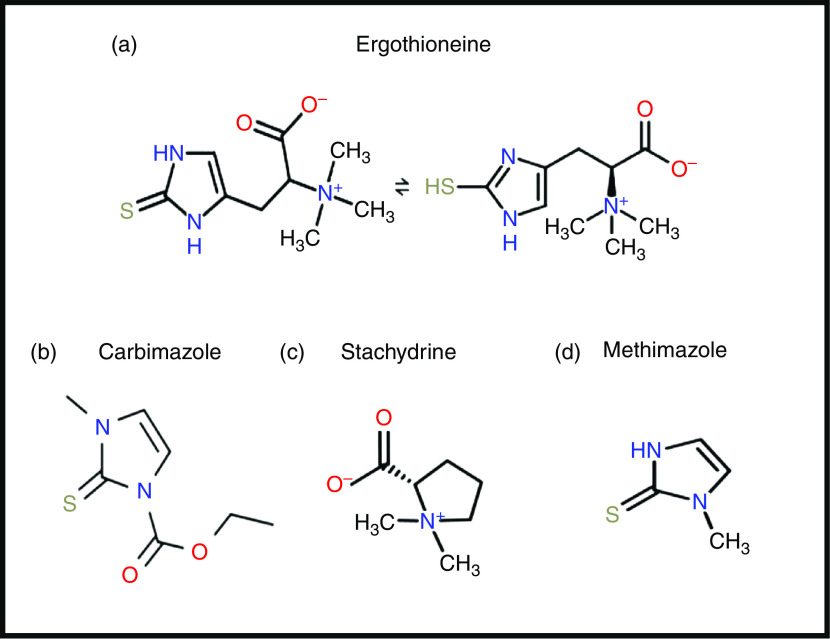
“From a pharmaco-chemical point of view ERG is also unusual, since – using our standard substructure analysis(53,54) in KNIME(55) – we note that just two drugs marketed for human consumption (the anti-thyroxine-production drug methimazole and its pro-drug carbimazole, Fig. 1), and no endogenous genome-encoded metabolites from Recon2(56) contain the imidazole-2-thione substructure(57).”
§ The biology of ergothioneine, an antioxidant nutraceutical > Discovery and structure
What the sources say
- Not checked yetcites [53] O’Hagan S & Kell DB (2017) Analysis of drug-endogenous human metabolite similarities in terms of their maximum common substructures. J Cheminform 9, 18. 28316656 PMC5344883
- Not checked yetcites [54] O’Hagan S & Kell DB (2016) MetMaxStruct: a Tversky-similarity-based strategy for analysing the (sub)structural similarities of drugs and endogenous metabolites. Front Pharmacol 7, 266. 27597830 PMC4992690
- Not checked yetcites [55] O’Hagan S & Kell DB (2015) The KNIME workflow environment and its applications in genetic programming and machine learning. Genetic Progr Evol Mach 16, 387– 391.
- Not checked yetcites [56] Thiele I, Swainston N, Fleming RMT, et al. (2013) A community-driven global reconstruction of human metabolism. Nat Biotechnol 31, 419– 425. 23455439 PMC3856361
plain- Asserted: passes — The authors put it forward as true.
- Checkable: passes — It can be checked against evidence.
- Load-bearing: unclear — It is unclear whether the paper’s conclusions depend on it.
- Based: passes — The paper gives a reason why it holds.
It may state two separate claims as one.
The paper states this without a source or data behind it here, so there is nothing to check it against. The quote shows it is in the paper.
In the paper
“ERG seems to have strong cytoprotective status, and its concentration is lowered in a number of chronic inflammatory diseases.”
§ The biology of ergothioneine, an antioxidant nutraceutical > Abstract
hedgedcorrelational- Asserted: passes — The authors put it forward as true.
- Checkable: passes — It can be checked against evidence.
- Load-bearing: fails — The paper’s conclusions may not depend on it.
- Based: fails — The paper may give no reason why it holds.
Probably not a substantial claim. The paper’s conclusions may not depend on it. The paper may give no reason why it holds.
None of the sources cited for this claim have been checked yet.
In the paper
“Recently, however, l-(+)-ergothioneine, hereafter ergothioneine (ERG), has emerged(3–10) as an important nutrient, and indeed possible vitamin(3), that has precisely these properties of a very widespread occurrence coupled, commonly, to a functional undersupply.”
§ The biology of ergothioneine, an antioxidant nutraceutical > Introduction
What the sources say
- Not checked yetcites [3] Paul BD & Snyder SH (2010) The unusual amino acid l-ergothioneine is a physiologic cytoprotectant. Cell Death Differ 17, 1134– 1140. 19911007 PMC2885499
- Not checked yetcites [4] Cheah IK & Halliwell B (2012) Ergothioneine; antioxidant potential, physiological function and role in disease. Biochim Biophys Acta 1822, 784– 793. 22001064
- Not checked yetcites [5] Halliwell B, Cheah IK & Drum CL (2016) Ergothioneine, an adaptive antioxidant for the protection of injured tissues? A hypothesis. Biochem Biophys Res Commun 470, 245– 250. 26772879
- Not checked yetcites [6] Halliwell B, Cheah IK & Tang RMY (2018) Ergothioneine – a diet-derived antioxidant with therapeutic potential. FEBS Lett 592, 3357– 3366. 29851075
- Not checked yetcites [7] Ames BN (2018) Prolonging healthy aging: longevity vitamins and proteins. Proc Natl Acad Sci U S A 115, 10836– 10844. 30322941 PMC6205492
- Not checked yetcites [8] Kerley RN, McCarthy C, Kell DB, et al. (2018) The potential therapeutic effects of ergothioneine in pre-eclampsia. Free Radic Biol Med 117, 145– 157. 29284116
- Not checked yetcites [9] Anonymous (2015) l-Ergothioneine. http://www.tetrahedron.fr/products/research/l-ergothioneine (accessed August 2019).
- Not checked yetcites [10] Beelman RB, Kalaras MD, John P, et al. (2019) Micronutrients and bioactive compounds in mushrooms: a recipe for healthy aging? Nutr Today 54, 16– 22.
hedged- Asserted: passes — The authors put it forward as true.
- Checkable: passes — It can be checked against evidence.
- Load-bearing: passes — The paper’s conclusions depend on it.
- Based: passes — The paper gives a reason why it holds.
It may state two separate claims as one.
A conclusion the paper draws from its own results — it cites no other source for it, so there is none to check. The quote shows it is in the paper.
In the paper
“ERG may even have the status of a vitamin.”
§ The biology of ergothioneine, an antioxidant nutraceutical > Abstract
hedged- Asserted: passes — The authors put it forward as true.
- Checkable: passes — It can be checked against evidence.
- Load-bearing: fails — The paper’s conclusions may not depend on it.
- Based: passes — The paper gives a reason why it holds.
Probably not a substantial claim. The paper’s conclusions may not depend on it.
None of the sources cited for this claim have been checked yet.
In the paper
“Thus higher plants contain it but do not biosynthesise it(74); instead they and other organisms(68,75) take it up from fungal production in the soil(76–79), and possibly via actinobacterial(80) or fungal(80,81) symbionts.”
- Also stated in: § Biosynthesis and phylogenetic distribution · hedged
“Animals are also considered not to biosynthesise it(82,83), and accumulate it using a particular transporter, detailed below, via the plants and animals that they eat.”
§ The biology of ergothioneine, an antioxidant nutraceutical > Biosynthesis and phylogenetic distribution
What the sources say
- Not checked yetcites [74] Melville DB & Eich S (1956) The occurrence of ergothioneine in plant material. J Biol Chem 218, 647– 651. 13295219
- Not checked yetcites [82] Melville DB, Otken CC & Kovalenko V (1955) On the origin of animal ergothioneine. J Biol Chem 216, 325– 331. 13252032
- Not checked yetcites [83] Melville DB, Horner WH, Otken CC, et al. (1955) Studies on the origin of ergothioneine in animals. J Biol Chem 213, 61– 68. 14353906
plain- Asserted: passes — The authors put it forward as true.
- Checkable: passes — It can be checked against evidence.
- Load-bearing: passes — The paper’s conclusions depend on it.
- Based: passes — The paper gives a reason why it holds.
It may state two separate claims as one.
- Also stated in: § Biosynthesis and phylogenetic distribution · hedged
None of the sources cited for this claim have been checked yet.
In the paper
“Thus higher plants contain it but do not biosynthesise it(74); instead they and other organisms(68,75) take it up from fungal production in the soil(76–79), and possibly via actinobacterial(80) or fungal(80,81) symbionts.”
- Also stated in: § Biosynthesis and phylogenetic distribution · plain
“Animals are also considered not to biosynthesise it(82,83), and accumulate it using a particular transporter, detailed below, via the plants and animals that they eat.”
§ The biology of ergothioneine, an antioxidant nutraceutical > Biosynthesis and phylogenetic distribution
What the sources say
- Not checked yetcites [74] Melville DB & Eich S (1956) The occurrence of ergothioneine in plant material. J Biol Chem 218, 647– 651. 13295219
- Not checked yetcites [82] Melville DB, Otken CC & Kovalenko V (1955) On the origin of animal ergothioneine. J Biol Chem 216, 325– 331. 13252032
- Not checked yetcites [83] Melville DB, Horner WH, Otken CC, et al. (1955) Studies on the origin of ergothioneine in animals. J Biol Chem 213, 61– 68. 14353906
plaindirect- Asserted: passes — The authors put it forward as true.
- Checkable: passes — It can be checked against evidence.
- Load-bearing: unclear — It is unclear whether the paper’s conclusions depend on it.
- Based: passes — The paper gives a reason why it holds.
It may state two separate claims as one.
- Also stated in: § Biosynthesis and phylogenetic distribution · plain
None of the sources cited for this claim have been checked yet.
In the paper
“Ergothioneine (ERG) is an unusual thio-histidine betaine amino acid that has potent antioxidant activities.”
§ The biology of ergothioneine, an antioxidant nutraceutical > Abstract
What the sources say
- Not checked yetcites [32] Servillo L, Castaldo D, Casale R, et al. (2015) An uncommon redox behavior sheds light on the cellular antioxidant properties of ergothioneine. Free Radic Biol Med 79, 228– 236. 25483556
- Not checked yetcites [33] Franzoni F, Colognato R, Galetta F, et al. (2006) An in vitro study on the free radical scavenging capacity of ergothioneine: comparison with reduced glutathione, uric acid and trolox. Biomed Pharmacother 60, 453– 457. 16930933
plain- Asserted: passes — The authors put it forward as true.
- Checkable: passes — It can be checked against evidence.
- Load-bearing: passes — The paper’s conclusions depend on it.
- Based: passes — The paper gives a reason why it holds.
It may state two separate claims as one.
None of the sources cited for this claim have been checked yet.
In the paper
“Subsequent work(87,169–172) has confirmed and reinforced this view of SLC22A4 and its homologues(173) as having significant specificity for ERG, and weak activity for various drugs(174–177).”
§ The biology of ergothioneine, an antioxidant nutraceutical > SLC22A4: the ergothioneine transporter
What the sources say
- Not checked yetcites [87] Tucker RAJ, Cheah IK & Halliwell B (2019) Specificity of the ergothioneine transporter natively expressed in HeLa cells. Biochem Biophys Res Commun 513, 22– 27. 30929922 source
- Not checked yetcites [169] Bacher P, Giersiefer S, Bach M, et al. (2009) Substrate discrimination by ergothioneine transporter SLC22A4 and carnitine transporter SLC22A5: gain-of-function by interchange of selected amino acids. Biochim Biophys Acta 1788, 2594– 2602. 19814996 source
- Not checked yetcites [170] Grigat S, Harlfinger S, Pal S, et al. (2007) Probing the substrate specificity of the ergothioneine transporter with methimazole, hercynine, and organic cations. Biochem Pharmacol 74, 309– 316. 17532304 source
- Not checked yetcites [171] Gründemann D (2012) The ergothioneine transporter controls and indicates ergothioneine activity – a review. Prev Med 54, Suppl., S71– S74. 22182480 source
- Not checked yetcites [172] Tschirka J, Kreisor M, Betz J, et al. (2018) Substrate selectivity check of the ergothioneine transporter. Drug Metab Dispos 46, 779– 785. 29530864 source
- Not checked yetcites [173] Shimizu T, Masuo Y, Takahashi S, et al. (2015) Organic cation transporter OCTN1-mediated uptake of food-derived antioxidant ergothioneine into infiltrating macrophages during intestinal inflammation in mice. Drug Metab Pharmacokinet 30, 231– 239. 26003890 source
- Not checked yetcites [174] Yabuuchi H, Tamai I, Nezu J, et al. (1999) Novel membrane transporter OCTN1 mediates multispecific, bidirectional, and pH-dependent transport of organic cations. J Pharmacol Exp Ther 289, 768– 773. 10215651 source
- Not checked yetcites [175] Akamine T, Koyanagi S, Kusunose N, et al. (2015) Dosing time-dependent changes in the analgesic effect of pregabalin on diabetic neuropathy in mice. J Pharmacol Exp Ther 354, 65– 72. 25962390 source
- Not checked yetcites [176] Shimizu T, Kijima A, Masuo Y, et al. (2015) Gene ablation of carnitine/organic cation transporter 1 reduces gastrointestinal absorption of 5-aminosalicylate in mice. Biol Pharm Bull 38, 774– 780. 25947923 source
- Not checked yetcites [177] Tamai I (2013) Pharmacological and pathophysiological roles of carnitine/organic cation transporters (OCTNs: SLC22A4, SLC22A5 and Slc22a21). Biopharm Drug Dispos 34, 29– 44. 22952014 source
boostedcorrelational- Asserted: passes — The authors put it forward as true.
- Checkable: passes — It can be checked against evidence.
- Load-bearing: passes — The paper’s conclusions depend on it.
- Based: passes — The paper gives a reason why it holds.
It may state two separate claims as one.
In the paper
“It is concentrative, coupled in humans to influx of 2 or 3 Na+ ions per ERG transported(130).”
§ The biology of ergothioneine, an antioxidant nutraceutical > SLC22A4: the ergothioneine transporter
What the sources say
- Not checked yetcites [130] Gründemann D, Harlfinger S, Golz S, et al. (2005) Discovery of the ergothioneine transporter. Proc Natl Acad Sci U S A 102, 5256– 5261. 15795384 PMC555966
plaindirect- Asserted: passes — The authors put it forward as true.
- Checkable: passes — It can be checked against evidence.
- Load-bearing: unclear — It is unclear whether the paper’s conclusions depend on it.
- Based: passes — The paper gives a reason why it holds.
It may state two separate claims as one.
None of the sources cited for this claim have been checked yet.
In the paper
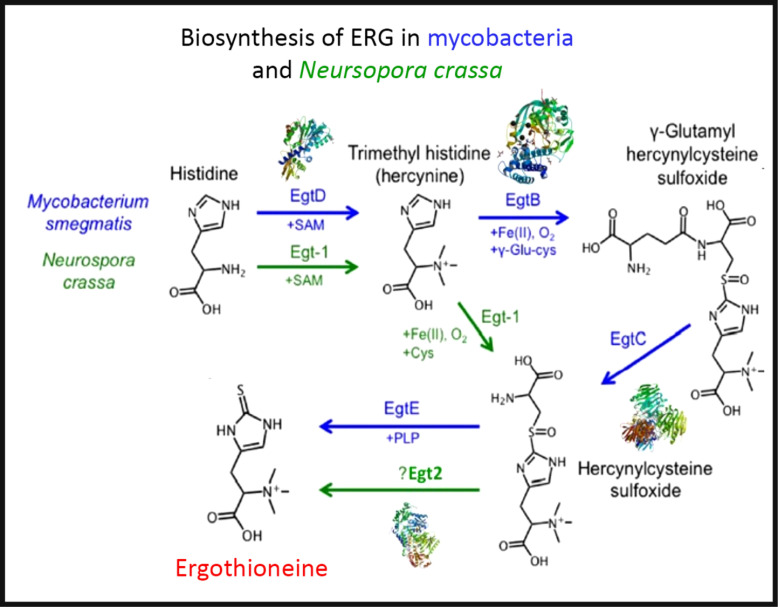
“Thus (Fig. 2), histidine is trimethylated using S-adenosyl methionine to form trimethyl histidine, also known as hercynine(95,96). This reacts oxidatively with cysteine to form hercynylcysteine sulfoxide(97), which is converted to ERG. In some organisms, hercynine takes a more convoluted route via γ-glutamylhercynylcysteine sulfoxide (Fig. 2)(94).”
§ The biology of ergothioneine, an antioxidant nutraceutical > Biosynthesis and phylogenetic distribution
What the sources say
- Not checked yetcites [95] Reinhold VN, Ishikawa Y & Melville DB (1970) Conversion of histidine to hercynine by Neurospora crassa. J Bacteriol 101, 881– 884. 5438052 PMC250405
- Not checked yetcites [96] Melville DB, Ludwig ML, Inamine E, et al. (1959) Transmethylation in the biosynthesis of ergothioneine. J Biol Chem 234, 1195– 1198. 13654346
- Not checked yetcites [97] Ishikawa Y, Israel SE & Melville DB (1974) Participation of an intermediate sulfoxide in the enzymatic thiolation of the imidazole ring of hercynine to form ergothioneine. J Biol Chem 249, 4420– 4427. 4276459
- Not checked yetcites [94] Naowarojna N, Cheng R, Chen L, et al. (2018) Mini-review: ergothioneine and ovothiol biosyntheses, an unprecedented trans-sulfur strategy in natural product biosynthesis. Biochemistry 57, 3309– 3325. 29589901 PMC6008215
plaindirect- Asserted: passes — The authors put it forward as true.
- Checkable: passes — It can be checked against evidence.
- Load-bearing: unclear — It is unclear whether the paper’s conclusions depend on it.
- Based: passes — The paper gives a reason why it holds.
It may state two separate claims as one.
In the paper
“Incubating the cells just with ERG showed that it was taken up about 100 times more quickly than was tetraethylammonium, leading to the designation of SLC22A4 as ‘the’ ERG transporter(130).”
§ The biology of ergothioneine, an antioxidant nutraceutical > SLC22A4: the ergothioneine transporter
What the sources say
- Not checked yetcites [130] Gründemann D, Harlfinger S, Golz S, et al. (2005) Discovery of the ergothioneine transporter. Proc Natl Acad Sci U S A 102, 5256– 5261. 15795384 PMC555966
plaindirect- Asserted: passes — The authors put it forward as true.
- Checkable: passes — It can be checked against evidence.
- Load-bearing: passes — The paper’s conclusions depend on it.
- Based: passes — The paper gives a reason why it holds.
It may state two separate claims as one.
None of the sources cited for this claim have been checked yet.
In the paper
“Tissue levels of ERG depend on an exogenous supply(179), but are then well correlated with the expression levels of SLC22A4(3,180).”
§ The biology of ergothioneine, an antioxidant nutraceutical > SLC22A4: the ergothioneine transporter
What the sources say
- Not checked yetcites [179] Darghouth D, Giarratana MC, Oliveira L, et al. (2016) Bio-engineered and native red blood cells from cord blood exhibit the same metabolomic profile. Haematologica 101, e220– e222. 26969083 PMC5013952 source
- Not checked yetcites [3] Paul BD & Snyder SH (2010) The unusual amino acid l-ergothioneine is a physiologic cytoprotectant. Cell Death Differ 17, 1134– 1140. 19911007 PMC2885499 source
- Not checked yetcites [180] Taubert D, Lazar A, Grimberg G, et al. (2006) Association of rheumatoid arthritis with ergothioneine levels in red blood cells: a case control study. J Rheumatol 33, 2139– 2145. 17086603
boostedcorrelational- Asserted: passes — The authors put it forward as true.
- Checkable: passes — It can be checked against evidence.
- Load-bearing: unclear — It is unclear whether the paper’s conclusions depend on it.
- Based: passes — The paper gives a reason why it holds.
It may state two separate claims as one.
None of the sources cited for this claim have been checked yet.
In the paper
“In addition, enantiopure l-ERG has been synthesised chemically(76,110–112), and by fermentation of genetically engineered micro-organisms (Table 2).”
§ The biology of ergothioneine, an antioxidant nutraceutical > Biosynthesis and phylogenetic distribution
What the sources say
- Not checked yetcites [76] Melville DB (1959) Ergothioneine. Vitam Horm 17, 155– 204.
- Not checked yetcites [110] Daunay S, Lebel R, Farescour L, et al. (2016) Short protecting-group-free synthesis of 5-acetylsulfanyl-histidines in water: novel precursors of 5-sulfanyl-histidine and its analogues. Org Biomol Chem 14, 10473– 10480. 27759126
- Not checked yetcites [111] Xu JZ & Yadan JC (1995) Synthesis of l-(+)-ergothioneine. J Org Chem 60, 6296– 6301.
- Not checked yetcites [112] Khonde PL & Jardine A (2015) Improved synthesis of the super antioxidant, ergothioneine, and its biosynthetic pathway intermediates. Org Biomol Chem 13, 1415– 1419. 25467279
plain- Asserted: passes — The authors put it forward as true.
- Checkable: passes — It can be checked against evidence.
- Load-bearing: unclear — It is unclear whether the paper’s conclusions depend on it.
- Based: passes — The paper gives a reason why it holds.
It may state two separate claims as one.
None of the sources cited for this claim have been checked yet.
In the paper
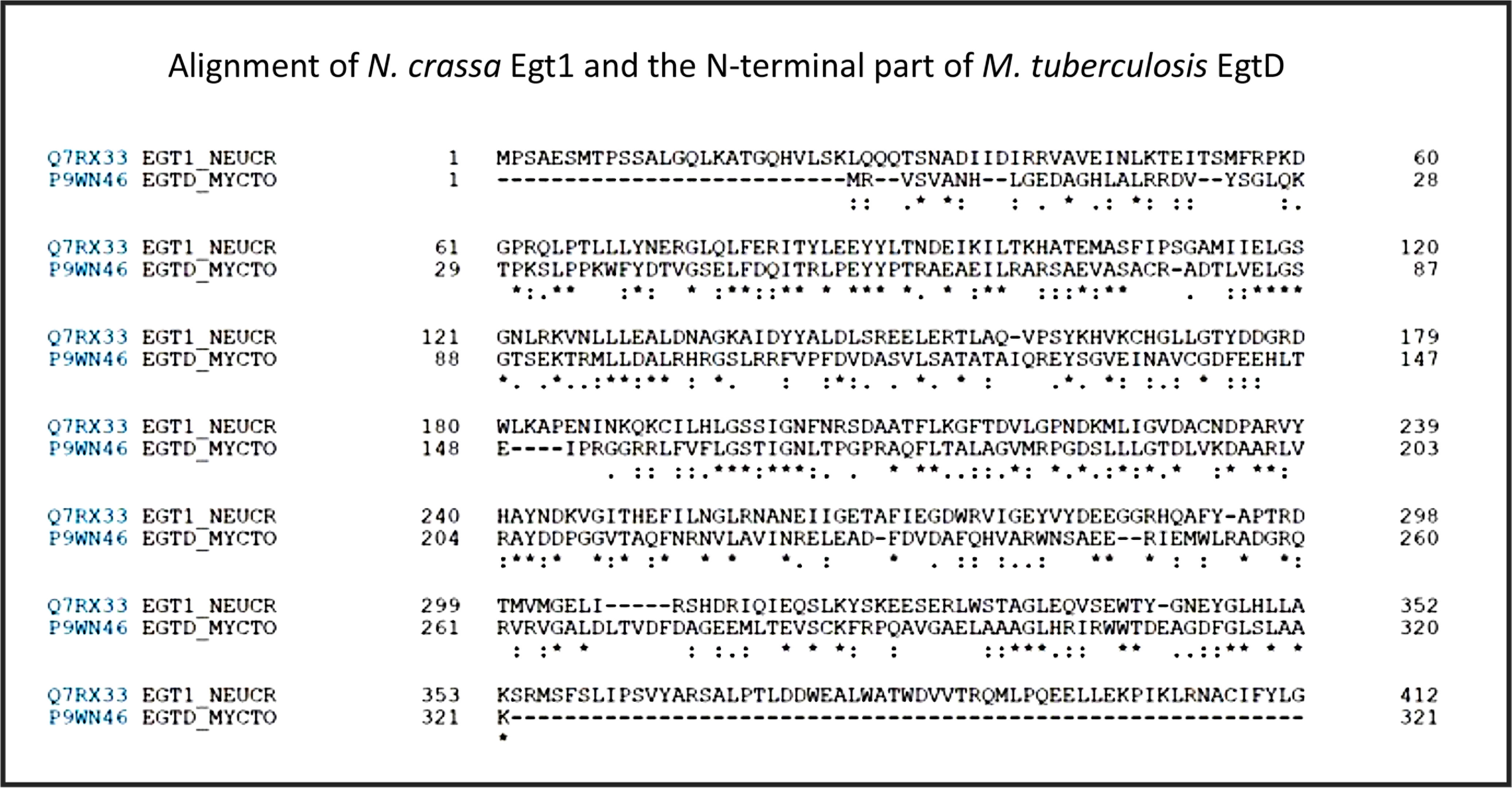
“Egt1 from N. crassa is 876 amino acids long(108), while egtD (from Mycobacterium tuberculosis (109)) is just 321 amino acids long; since the N-terminal sequences are well conserved (Fig. 3), this implies an extra C-terminal domain catalysing the production of hercynylcysteine sulfoxide from hercynine.”
§ The biology of ergothioneine, an antioxidant nutraceutical > Biosynthesis and phylogenetic distribution
What the sources say
- Not checked yetcites [108] Uniprot (2019) Neurospora crassa EGT1. https://www.uniprot.org/uniprot/Q7RX33 (accessed August 2019).
- Not checked yetcites [109] Uniprot (2019) Mycobacterium tuberculosis EGTD. https://www.uniprot.org/uniprot/P9WN46 (accessed August 2019).
hedgeddirect- Asserted: passes — The authors put it forward as true.
- Checkable: passes — It can be checked against evidence.
- Load-bearing: unclear — It is unclear whether the paper’s conclusions depend on it.
- Based: passes — The paper gives a reason why it holds.
It may state two separate claims as one.
None of the sources cited for this claim have been checked yet.
In the paper
“Although it is a thiol, and hence an antioxidant(32,33), the thione tautomer is predominant at physiological pH(34,35), and this makes it unusually resistant to autoxidation, i.e. simple oxidation by molecular O2 (32,36–38).”
§ The biology of ergothioneine, an antioxidant nutraceutical > Discovery and structure
What the sources say
- Not checked yetcites [34] Hand CE, Taylor NJ & Honek JF (2005) Ab initio studies of the properties of intracellular thiols ergothioneine and ovothiol. Bioorg Med Chem Lett 15, 1357– 1360. 15713386
- Not checked yetcites [35] Hand CE & Honek JF (2005) Biological chemistry of naturally occurring thiols of microbial and marine origin. J Nat Prod 68, 293– 308. 15730267
- Not checked yetcites [32] Servillo L, Castaldo D, Casale R, et al. (2015) An uncommon redox behavior sheds light on the cellular antioxidant properties of ergothioneine. Free Radic Biol Med 79, 228– 236. 25483556
- Not checked yetcites [36] Fahey RC (2013) Glutathione analogs in prokaryotes. Biochim Biophys Acta 1830, 3182– 3198. 23075826
- Not checked yetcites [37] Sheridan KJ, Dolan SK & Doyle S (2015) Endogenous cross-talk of fungal metabolites. Front Microbiol 5, 732. 25601857 PMC4283610
- Not checked yetcites [38] Fahey RC (2001) Novel thiols of prokaryotes. Annu Rev Microbiol 55, 333– 356. 11544359
plaindirect- Asserted: passes — The authors put it forward as true.
- Checkable: passes — It can be checked against evidence.
- Load-bearing: passes — The paper’s conclusions depend on it.
- Based: passes — The paper gives a reason why it holds.
It may state two separate claims as one.
In the paper
“Its reaction with hydroxyl radicals (OH•) is virtually instantaneous, while it reacts only more slowly with H2O2 and/or O2 •− (38).”
§ The biology of ergothioneine, an antioxidant nutraceutical > Discovery and structure
What the sources say
- Not checked yetcites [38] Fahey RC (2001) Novel thiols of prokaryotes. Annu Rev Microbiol 55, 333– 356. 11544359
plaindirect- Asserted: passes — The authors put it forward as true.
- Checkable: passes — It can be checked against evidence.
- Load-bearing: unclear — It is unclear whether the paper’s conclusions depend on it.
- Based: passes — The paper gives a reason why it holds.
It may state two separate claims as one.
None of the sources cited for this claim have been checked yet.
In the paper
“This also seems true of mushrooms(271,272), where ERG is typically the main antioxidant(273–275), and where it may also inhibit the oxidative enzyme tyrosinase(276).”
§ The biology of ergothioneine, an antioxidant nutraceutical > Roles in the producer
What the sources say
- Not checked yetcites [271] Savoie J-M, Minvielle N & Largeteau ML (2008) Radical-scavenging properties of extracts from the white button mushroom, Agaricus bisporus. J Sci Food Agric 88, 870– 875. source
- Not checked yetcites [272] Yokota ME, Frison PS, Marcante RC, et al. (2016) Iron translocation in Pleurotus ostreatus basidiocarps: production, bioavailability, and antioxidant activity. Genet Mol Res 15. 26909996 source
- Not checked yetcites [273] Kozarski M, Klaus A, Jakovljevic D, et al. (2015) Antioxidants of edible mushrooms. Molecules 20, 19489– 19525. 26516828 PMC6331815 source
- Not checked yetcites [274] Zhao H, Zhang M, Liu Q, et al. (2018) A comprehensive screening shows that ergothioneine is the most abundant antioxidant in the wild macrofungus Phylloporia ribis Ryvarden. J Environ Sci Health C 36, 98– 111. 29667505 source
- Not checked yetcites [275] Dubost NJ, Ou B & Beelman RB (2007) Quantification of polyphenols and ergothioneine in cultivated mushrooms and correlation to total antioxidant capacity. Food Chem 105, 727– 735. source
- Not checked yetcites [276] Liao WC, Wu WH, Tsai PC, et al. (2012) Kinetics of ergothioneine inhibition of mushroom tyrosinase. Appl Biochem Biotechnol 166, 259– 267. 22068690 source
hedgedconditional- Asserted: passes — The authors put it forward as true.
- Checkable: passes — It can be checked against evidence.
- Load-bearing: unclear — It is unclear whether the paper’s conclusions depend on it.
- Based: passes — The paper gives a reason why it holds.
It may state two separate claims as one.
None of the sources cited for this claim have been checked yet.
In the paper
“Although the literature is somewhat scattered and heterogeneous, it seems clear that as well as hydroxyl radicals(228–232), ERG can also react with and detoxify, or prevent the formation of, singlet oxygen(233–242), ozone(243), superoxide(231,241,244–246), peroxide(32,124,247,248), hypochlorite(32,232,249) and peroxynitrite(224,231,250,251).”
§ The biology of ergothioneine, an antioxidant nutraceutical > Oxidative stress
What the sources say
- Not checked yetcites [228] Akanmu D, Cecchini R, Aruoma OI, et al. (1991) The antioxidant action of ergothioneine. Arch Biochem Biophys 288, 10– 16. 1654816 source
- Not checked yetcites [229] Asmus KD, Bensasson RV, Bernier JL, et al. (1996) One-electron oxidation of ergothioneine and analogues investigated by pulse radiolysis: redox reaction involving ergothioneine and vitamin C. Biochem J 315, 625– 629. 8615839 PMC1217242 source
- Not checked yetcites [230] Motohashi N & Mori I (1986) Thiol-induced hydroxyl radical formation and scavenger effect of thiocarbamides on hydroxyl radicals. J Inorg Biochem 26, 205– 212. 3009712 source
- Not checked yetcites [231] Jang JH, Aruoma OI, Jen LS, et al. (2004) Ergothioneine rescues PC12 cells from β-amyloid-induced apoptotic death. Free Radic Biol Med 36, 288– 299. 15036348 source
- Not checked yetcites [232] Chaudière J & Ferrari-Iliou R (1999) Intracellular antioxidants: from chemical to biochemical mechanisms. Food Chem Toxicol 37, 949– 962. 10541450 source
- Not checked yetcites [233] Oumari M, Goldfuss B, Stoffels C, et al. (2019) Regeneration of ergothioneine after reaction with singlet oxygen. Free Radic Biol Med 134, 498– 504. 30721726 source
- Not checked yetcites [234] Devasagayam TPA, Sundquist AR, Di Mascio P, et al. (1991) Activity of thiols as singlet molecular oxygen quenchers. J Photochem Photobiol B 9, 105– 116. 1907641 source
- Not checked yetcites [235] Hartman PE, Hartman Z & Ault KT (1990) Scavenging of singlet molecular oxygen by imidazole compounds: high and sustained activities of carboxy terminal histidine dipeptides and exceptional activity of imidazole-4-acetic acid. Photochem Photobiol 51, 59– 66. 2304979 source
- Not checked yetcites [236] van den Broeke LT & Beyersbergen van Henegouwen GM (1993) Thiols as potential UV radiation protectors: an in vitro study. J Photochem Photobiol B 17, 279– 286. 8492245 source
- Not checked yetcites [237] Egorov S, Kurella EG, Boldyrev AA, et al. (1997) Quenching of singlet molecular oxygen by carnosine and related antioxidants. Monitoring 1270-nm phosphorescence in aqueous media. Biochem Mol Biol Int 41, 687– 694. 9111930 source
boosteddirect- Asserted: passes — The authors put it forward as true.
- Checkable: passes — It can be checked against evidence.
- Load-bearing: passes — The paper’s conclusions depend on it.
- Based: passes — The paper gives a reason why it holds.
It may state two separate claims as one.
None of the sources cited for this claim have been checked yet.
In the paper
“In M. tuberculosis and other mycobacteria(254), and also in other actinobacteria(255) and in fungi(247,256,257), it is clear that ERG can have a role as an antioxidant(66,258–260) and also act as a buffer against reductive stress(261).”
§ The biology of ergothioneine, an antioxidant nutraceutical > Roles in the producer
What the sources say
- Not checked yetcites [254] Sao Emani C, Williams MJ, Wiid IJ, et al. (2013) Ergothioneine is a secreted antioxidant in Mycobacterium smegmatis. Antimicrob Agents Chemother 57, 3202– 3207. 23629716 PMC3697313 source
- Not checked yetcites [255] Nakajima S, Satoh Y, Yanashima K, et al. (2015) Ergothioneine protects Streptomyces coelicolor A3(2) from oxidative stresses. J Biosci Bioeng 120, 294– 298. 25683449 source
- Not checked yetcites [247] Bello MH, Barrera-Perez V, Morin D, et al. (2012) The Neurospora crassa mutant NcΔEgt-1 identifies an ergothioneine biosynthetic gene and demonstrates that ergothioneine enhances conidial survival and protects against peroxide toxicity during conidial germination. Fungal Genet Biol 49, 160– 172. 22209968 source
- Not checked yetcites [256] Liu H, Zhao X, Guo M, et al. (2015) Growth and metabolism of Beauveria bassiana spores and mycelia. BMC Microbiol 15, 267. 26581712 PMC4652391 source
- Not checked yetcites [257] Sheridan KJ, Lechner BE, Keeffe GO, et al. (2016) Ergothioneine biosynthesis and functionality in the opportunistic fungal pathogen, Aspergillus fumigatus. Sci Rep 6, 35306. 27748436 PMC5066259 source
boostedconditional- Asserted: passes — The authors put it forward as true.
- Checkable: passes — It can be checked against evidence.
- Load-bearing: unclear — It is unclear whether the paper’s conclusions depend on it.
- Based: passes — The paper gives a reason why it holds.
It may state two separate claims as one.
In the paper
“SLC22A4 is known to express in the intestinal lumen(185), acting to take up ERG, as well as some xenobiotics including pyrilamine, quinidine and verapamil, and having multiple known but weak inhibitors.”
§ The biology of ergothioneine, an antioxidant nutraceutical > SLC22A4: the ergothioneine transporter > Expression patterns
What the sources say
- Not checked yetcites [185] Wolf KK & Paine MF (2018) Metabolic barrier of the gastrointestinal tract In Comprehensive Toxicology, 3rd ed, pp. 74– 98 [ C McQueen, editor]. Amsterdam: Elsevier.
boosteddirect- Asserted: passes — The authors put it forward as true.
- Checkable: passes — It can be checked against evidence.
- Load-bearing: unclear — It is unclear whether the paper’s conclusions depend on it.
- Based: passes — The paper gives a reason why it holds.
It may state two separate claims as one.
None of the sources cited for this claim have been checked yet.
In the paper
“Oxidative stress is widespread to the point of ubiquity in chronic, inflammatory diseases(206,207), with over fifty papers having the words ‘oxidative’, ‘stress’ and ‘review’ in their titles at PubMed in 2018 alone!”
§ The biology of ergothioneine, an antioxidant nutraceutical > Oxidative stress
What the sources say
- Not checked yetcites [206] Kell DB & Pretorius E (2018) No effects without causes. The iron dysregulation and dormant microbes hypothesis for chronic, inflammatory diseases. Biol Rev 93, 1518– 1557. 29575574 PMC6055827
- Not checked yetcites [207] Butterfield DA & Halliwell B (2019) Oxidative stress, dysfunctional glucose metabolism and Alzheimer disease. Nat Rev Neurosci 20, 148– 160. 30737462 PMC9382875
plaincorrelational- Asserted: passes — The authors put it forward as true.
- Checkable: passes — It can be checked against evidence.
- Load-bearing: fails — The paper’s conclusions may not depend on it.
- Based: passes — The paper gives a reason why it holds.
Probably not a substantial claim. The paper’s conclusions may not depend on it.
None of the sources cited for this claim have been checked yet.
In the paper
“A useful feature is that ERG is unusually stable, in that anhydrous ERG decomposes only at 275–276°C(76), allowing its isolation at temperatures close to that of boiling water(72).”
§ The biology of ergothioneine, an antioxidant nutraceutical > Analytics
What the sources say
- Not checked yetcites [76] Melville DB (1959) Ergothioneine. Vitam Horm 17, 155– 204.
- Not checked yetcites [72] Alamgir KM, Masuda S, Fujitani Y, et al. (2015) Production of ergothioneine by Methylobacterium species. Front Microbiol 6, 1185. 26579093 PMC4621440
plaindirect- Asserted: passes — The authors put it forward as true.
- Checkable: passes — It can be checked against evidence.
- Load-bearing: fails — The paper’s conclusions may not depend on it.
- Based: passes — The paper gives a reason why it holds.
Probably not a substantial claim. The paper’s conclusions may not depend on it. It may state two separate claims as one.
None of the sources cited for this claim have been checked yet.
In the paper
“Interestingly, ERG is also present in seminal fluid(394–396) and human breast milk(6).”
§ The biology of ergothioneine, an antioxidant nutraceutical > Serum and other concentrations
What the sources say
- Not checked yetcites [394] Leone E, Mann T (1951) Ergothioneine in the seminal vesicle secretion. Nature 168, 205– 206. 14875049
- Not checked yetcites [395] Strzeżek R, Koziorowska-Gilun M, Kowalowka M, et al. (2009) Characteristics of antioxidant system in dog semen. Pol J Vet Sci 12, 55– 60. 19459440
- Not checked yetcites [396] Strzeżek R, Koziorowska-Gilun M, Kielczewski K, et al. (2015) Effect of dialysis of dog semen on sperm characteristics and some biochemical components of seminal plasma. Pol J Vet Sci 18, 447– 448. 26172197
- Not checked yetcites [6] Halliwell B, Cheah IK & Tang RMY (2018) Ergothioneine – a diet-derived antioxidant with therapeutic potential. FEBS Lett 592, 3357– 3366. 29851075
plain- Asserted: passes — The authors put it forward as true.
- Checkable: passes — It can be checked against evidence.
- Load-bearing: fails — The paper’s conclusions may not depend on it.
- Based: passes — The paper gives a reason why it holds.
Probably not a substantial claim. The paper’s conclusions may not depend on it. It may state two separate claims as one.
None of the sources cited for this claim have been checked yet.
In the paper
“Unsurprisingly it varies with diet(388,389), starvation(390), age(391,392) and other factors, including diseases of oxidative stress(393), with typical values of 20–100 µg/ml.”
§ The biology of ergothioneine, an antioxidant nutraceutical > Serum and other concentrations
What the sources say
- Not checked yetcites [388] Baldridge RC & Lewis HB (1953) Diet and the ergothioneine content of blood. J Biol Chem 202, 169– 176. 13061442
- Not checked yetcites [389] Baldridge RC (1955) Blood ergothioneine and dietary oats. J Nutr 56, 107– 113. 14368376
- Not checked yetcites [390] Teruya T, Chaleckis R, Takada J, et al. (2019) Diverse metabolic reactions activated during 58-hr fasting are revealed by non-targeted metabolomic analysis of human blood. Sci Rep 9, 854. 30696848 PMC6351603
- Not checked yetcites [391] Cheah IK, Feng L, Tang RMY, et al. (2016) Ergothioneine levels in an elderly population decrease with age and incidence of cognitive decline; a risk factor for neurodegeneration? Biochem Biophys Res Commun 478, 162– 167. 27444382
- Not checked yetcites [392] Yan S, Wu B, Lin Z, et al. (2009) Metabonomic characterization of aging and investigation on the anti-aging effects of total flavones of Epimedium. Mol Biosyst 5, 1204– 1213. 19756310
plaincorrelational- Asserted: passes — The authors put it forward as true.
- Checkable: passes — It can be checked against evidence.
- Load-bearing: unclear — It is unclear whether the paper’s conclusions depend on it.
- Based: passes — The paper gives a reason why it holds.
It may state two separate claims as one.
None of the sources cited for this claim have been checked yet.
In the paper
“Notwithstanding the highly variable intake between individuals(358), however, a number of high-dose studies have indicated that ERG is safe for mammalian consumption at levels far in excess of those likely to be encountered in foodstuffs(125,131,359,360), and it has been declared safe by relevant committees such as those of the European Food Standards Agency(361,362).”
§ The biology of ergothioneine, an antioxidant nutraceutical > Safety
What the sources say
- Not checked yetcites [125] Weigand-Heller AJ, Kris-Etherton PM & Beelman RB (2012) The bioavailability of ergothioneine from mushrooms (Agaricus bisporus) and the acute effects on antioxidant capacity and biomarkers of inflammation. Prev Med 54, Suppl., S75–S78. 22230474 source
- Not checked yetcites [131] Tang RMY, Cheah IK, Yew TSK, et al. (2018) Distribution and accumulation of dietary ergothioneine and its metabolites in mouse tissues. Sci Rep 8, 1601. 29371632 PMC5785509 source
- Not checked yetcites [359] Marone PA, Trampota J, Weisman S (2016) A safety evaluation of a nature-identical l-ergothioneine in Sprague Dawley rats. Int J Toxicol 35, 568– 583. 27306320 source
- Not checked yetcites [360] Cheah IK, Tang RMY, Yew TSZ, et al. (2017) Administration of pure ergothioneine to healthy human subjects: uptake, metabolism, and effects on biomarkers of oxidative damage and inflammation. Antioxid Redox Signal 26, 193– 206. 27488221 source
- Not checked yetcites [361] Turck D, Bresson JL, Burlingame B, et al. (2016) Safety of synthetic l-ergothioneine (Ergoneine (R)) as a novel food pursuant to Regulation (EC) No 258/97. EFSA J 14, 4629. source
- Not checked yetcites [362] Turck D, Bresson JL, Burlingame B, et al. (2017) Statement on the safety of synthetic l-ergothioneine as a novel food – supplementary dietary exposure and safety assessment for infants and young children, pregnant and breastfeeding women. EFSA J 15, 5060. PMC7010164 32625352 source
hedged- Asserted: passes — The authors put it forward as true.
- Checkable: passes — It can be checked against evidence.
- Load-bearing: unclear — It is unclear whether the paper’s conclusions depend on it.
- Based: passes — The paper gives a reason why it holds.
It may state two separate claims as one.
None of the sources cited for this claim have been checked yet.
In the paper
“Indeed, ERG has been proposed as a nutritional biomarker for mushroom consumption(296,297), albeit that different mushrooms typically contain different amounts(275,298–300), and these can vary with physiological or environmental conditions(301–305).”
§ The biology of ergothioneine, an antioxidant nutraceutical > Nutritional sources
What the sources say
- Not checked yetcites [296] Wang Y, Gapstur SM, Carter BD, et al. (2018) Untargeted metabolomics identifies novel potential biomarkers of habitual food intake in a cross-sectional study of postmenopausal women. J Nutr 148, 932– 943. 29767735
- Not checked yetcites [297] Pallister T, Jennings A, Mohney RP, et al. (2016) Characterizing blood metabolomics profiles associated with self-reported food intakes in female twins. PLOS ONE 11, e0158568. 27355821 PMC4927065
- Not checked yetcites [275] Dubost NJ, Ou B & Beelman RB (2007) Quantification of polyphenols and ergothioneine in cultivated mushrooms and correlation to total antioxidant capacity. Food Chem 105, 727– 735.
- Not checked yetcites [298] Dubost NJ, Beelman RB, Peterson D, et al. (2005) Identification and quantification of ergothioneine in cultivated mushrooms by liquid chromatography–mass spectroscopy. Int J Med Mush 8, 215– 222.
- Not checked yetcites [299] Dubost NJ, Beelman RB & Royse DJ (2007) Influence of selected cultural factors and postharvest storage on ergothioneine content of common button mushroom Agaricus bisporus (J. Lge) Imbach (Agaricomycetideae). Int J Med Mush 9, 163– 176.
- Not checked yetcites [300] Kalaras MD, Richie JP, Calcagnotto A, et al. (2017) Mushrooms: a rich source of the antioxidants ergothioneine and glutathione. Food Chem 233, 429– 433. 28530594
- Not checked yetcites [301] Tepwong P & Ohshima T (2009) Biosynthesis of ergothioneine during different stages of submerged fermentation of “Shiitake” (Lentinus edodes) mushroom and their bioactive properties. J Biosci Bioeng 108, S4– S5.
- Not checked yetcites [302] Tepwong P, Giri A & Ohshima T (2012) Effect of mycelial morphology on ergothioneine production during liquid fermentation of Lentinula edodes. Mycoscience 53, 102– 112.
- Not checked yetcites [303] Tepwong P, Giri A, Sasaki F, et al. (2012) Mycobial enhancement of ergothioneine by submerged cultivation of edible mushroom mycelia and its application as an antioxidative compound. Food Chem 131, 247– 258.
- Not checked yetcites [304] Kalaras MD, Beelman RB & Elias RJ (2012) Effects of postharvest pulsed UV light treatment of white button mushrooms (Agaricus bisporus) on vitamin D-2 content and quality attributes. J Agric Food Chem 60, 220– 225. 22132934
plaincorrelational- Asserted: passes — The authors put it forward as true.
- Checkable: passes — It can be checked against evidence.
- Load-bearing: unclear — It is unclear whether the paper’s conclusions depend on it.
- Based: passes — The paper gives a reason why it holds.
It may state two separate claims as one.
None of the sources cited for this claim have been checked yet.
In the paper
“studies of the effects of ERG have in general(449) been rather descriptive in nature. Many have been at the level of processes rather than mechanisms”
§ The biology of ergothioneine, an antioxidant nutraceutical > Mechanisms of action
What the sources say
- Not checked yetcites [449] Kell DB & Oliver SG (2004) Here is the evidence, now what is the hypothesis? The complementary roles of inductive and hypothesis-driven science in the post-genomic era. Bioessays 26, 99– 105. 14696046 source
- Not checked yetcites [3] Paul BD & Snyder SH (2010) The unusual amino acid l-ergothioneine is a physiologic cytoprotectant. Cell Death Differ 17, 1134– 1140. 19911007 PMC2885499 source
- Not checked yetcites [360] Cheah IK, Tang RMY, Yew TSZ, et al. (2017) Administration of pure ergothioneine to healthy human subjects: uptake, metabolism, and effects on biomarkers of oxidative damage and inflammation. Antioxid Redox Signal 26, 193– 206. 27488221 source
plain- Asserted: passes — The authors put it forward as true.
- Checkable: fails — It may be too vague to check against evidence.
- Load-bearing: fails — The paper’s conclusions may not depend on it.
- Based: passes — The paper gives a reason why it holds.
Probably not a substantial claim. It may be too vague to check against evidence. The paper’s conclusions may not depend on it. It may state two separate claims as one.
None of the sources cited for this claim have been checked yet.
In the paper
“is itself redox-sensitive(455–458)”
§ The biology of ergothioneine, an antioxidant nutraceutical > Mechanisms of action
What the sources say
- Not checked yetcites [455] Buelna-Chontal M & Zazueta C (2013) Redox activation of Nrf2 & NF-κB: a double end sword? Cell Signal 25, 2548– 2557. 23993959
- Not checked yetcites [456] Kaur U, Banerjee P, Bir A, et al. (2015) Reactive oxygen species, redox signaling and neuroinflammation in Alzheimer’s disease: the NF-κB connection. Curr Top Med Chem 15, 446– 457. 25620241
- Not checked yetcites [457] Lepetsos P, Papavassiliou KA & Papavassiliou AG (2019) Redox and NF-κB signaling in osteoarthritis. Free Radic Biol Med 132, 90– 100. 30236789
- Not checked yetcites [458] Gao G & Dudley SC Jr (2009) Redox regulation, NF-κB, and atrial fibrillation. Antioxid Redox Signal 11, 2265– 2277. 19309257 PMC2819799
plaincorrelational- Asserted: passes — The authors put it forward as true.
- Checkable: passes — It can be checked against evidence.
- Load-bearing: fails — The paper’s conclusions may not depend on it.
- Based: passes — The paper gives a reason why it holds.
Probably not a substantial claim. The paper’s conclusions may not depend on it.
None of the sources cited for this claim have been checked yet.
In the paper
“Polymorphisms in SLC22A4, of which there can be many(177,412–415), under selection(416), have also been associated with ischaemic stroke(417), erythroid differentiation(418), hearing loss(412), rheumatoid arthritis(126,180,419–427), lupus(428), Crohn’s disease(401,429–436), hearing loss(412), type 1 diabetes(437) and diabetic embryopathy(438).”
§ The biology of ergothioneine, an antioxidant nutraceutical > Apparent fitness benefits and bioactivities of ERG and the role of SLC22A4
What the sources say
- Not checked yetcites [417] Yamase Y, Horibe H, Ueyama C, et al. (2015) Association of TOMM40 and SLC22A4 polymorphisms with ischemic stroke. Biomed Rep 3, 491– 498. 26171154 PMC4487021
- Not checked yetcites [401] Kato Y, Kubo Y, Iwata D, et al. (2010) Gene knockout and metabolome analysis of carnitine/organic cation transporter OCTN1. Pharm Res 27, 832– 840. 20224991
- Not checked yetcites [429] Taubert D, Grimberg G, Jung N, et al. (2005) Functional role of the 503F variant of the organic cation transporter OCTN1 in Crohn’s disease. Gut 54, 1505– 1506. 16162962 PMC1774715
- Not checked yetcites [430] Taubert D, Jung N, Goeser T, et al. (2009) Increased ergothioneine tissue concentrations in carriers of the Crohn’s disease risk-associated 503F variant of the organic cation transporter OCTN1. Gut 58, 312– 314. 19136526
- Not checked yetcites [431] Jung ES, Park HJ, Kong KA, et al. (2017) Association study between OCTN1 functional haplotypes and Crohn’s disease in a Korean population. Korean J Physiol Pharmacol 21, 11– 17. 28066136 PMC5214902
- Not checked yetcites [432] Lai Y, Xue J, Liu CW, et al. (2019) Serum metabolomics identifies altered bioenergetics, signaling cascades in parallel with exposome markers in Crohn’s disease. Molecules 24, 449. PMC6385106 30691236
- Not checked yetcites [433] Huff CD, Witherspoon DJ, Zhang Y, et al. (2012) Crohn’s disease and genetic hitchhiking at IBD5. Mol Biol Evol 29, 101– 111. 21816865 PMC3245542
- Not checked yetcites [434] Peltekova VD, Wintle RF, Rubin LA, et al. (2004) Functional variants of OCTN cation transporter genes are associated with Crohn disease. Nat Genet 36, 471– 475. 15107849
- Not checked yetcites [435] Newman B, Gu X, Wintle R, et al. (2005) A risk haplotype in the solute carrier family 22A4/22A5 gene cluster influences phenotypic expression of Crohn’s disease. Gastroenterology 128, 260– 269. 15685536
- Not checked yetcites [436] Leung E, Hong J, Fraser AG, et al. (2006) Polymorphisms in the organic cation transporter genes SLC22A4 and SLC22A5 and Crohn’s disease in a New Zealand Caucasian cohort. Immunol Cell Biol 84, 233– 236. 16519742
plaincorrelational- Asserted: passes — The authors put it forward as true.
- Checkable: passes — It can be checked against evidence.
- Load-bearing: unclear — It is unclear whether the paper’s conclusions depend on it.
- Based: passes — The paper gives a reason why it holds.
It may state two separate claims as one.
In the paper
“In a recent and detailed study, Cheah et al. (360) administered 5–25 mg daily doses of ERG to human volunteers for 7 d. There was little urinary excretion (<4 %), and the main metabolites were hercynine, plus lesser amounts of S-methyl-ERG, whose concentrations were well correlated with the level of ERG and the dose of ERG given.”
§ The biology of ergothioneine, an antioxidant nutraceutical > Metabolism and excretion
What the sources say
- Not checked yetcites [360] Cheah IK, Tang RMY, Yew TSZ, et al. (2017) Administration of pure ergothioneine to healthy human subjects: uptake, metabolism, and effects on biomarkers of oxidative damage and inflammation. Antioxid Redox Signal 26, 193– 206. 27488221 source
plaincorrelational- Asserted: passes — The authors put it forward as true.
- Checkable: passes — It can be checked against evidence.
- Load-bearing: unclear — It is unclear whether the paper’s conclusions depend on it.
- Based: passes — The paper gives a reason why it holds.
It may state two separate claims as one.
In the paper
“The thiolurocanic acid can be further degraded to glutamate(410).”
§ The biology of ergothioneine, an antioxidant nutraceutical > Metabolism and excretion
What the sources say
- Not checked yetcites [410] Booth JS, Appleman MD (1963) Degradation of ergothioneine by cell-free extracts of Alcaligenes faecalis. II. Production of glutamic acid. J Bacteriol 85, 654– 657. 14042946 PMC278197
plaindirect- Asserted: passes — The authors put it forward as true.
- Checkable: passes — It can be checked against evidence.
- Load-bearing: fails — The paper’s conclusions may not depend on it.
- Based: passes — The paper gives a reason why it holds.
Probably not a substantial claim. The paper’s conclusions may not depend on it.
None of the sources cited for this claim have been checked yet.
In the paper
“Various other biomarkers of oxidative stress (for example, 8-iso-PGF2α from lipid peroxidation) were lowered concomitantly in the human study, attesting to the antioxidant functions of ERG in vivo, although in this case the healthy young subjects were probably not suffering from oxidative stress.”
§ The biology of ergothioneine, an antioxidant nutraceutical > Metabolism and excretion
hedgeddirect- Asserted: passes — The authors put it forward as true.
- Checkable: passes — It can be checked against evidence.
- Load-bearing: passes — The paper’s conclusions depend on it.
- Based: passes — The paper gives a reason why it holds.
It may state two separate claims as one.
In the paper
“ERG is also present in eye lens, where its concentration is lower in individuals with cataracts(400).”
§ The biology of ergothioneine, an antioxidant nutraceutical > Serum and other concentrations
What the sources say
- Not checked yetcites [400] Shukla Y, Kulshrestha OP & Khuteta KP (1981) Ergothioneine content in normal and senile human cataractous lenses. Indian J Med Res 73, 472– 473. 7275246
plaincorrelational- Asserted: passes — The authors put it forward as true.
- Checkable: passes — It can be checked against evidence.
- Load-bearing: unclear — It is unclear whether the paper’s conclusions depend on it.
- Based: passes — The paper gives a reason why it holds.
It may state two separate claims as one.
None of the sources cited for this claim have been checked yet.
In the paper
“Mushrooms have been shown to have very substantial effects on cognitive function(341,348,510–513), and this is mainly ascribed to their ERG content”
§ The biology of ergothioneine, an antioxidant nutraceutical > Ergothioneine as a therapeutic for chronic inflammatory diseases? > Neurological diseases and cognitive function
What the sources say
- Not checked yetcites [341] Mori K, Inatomi S, Ouchi K, et al. (2009) Improving effects of the mushroom Yamabushitake (Hericium erinaceus) on mild cognitive impairment: a double-blind placebo-controlled clinical trial. Phytother Res 23, 367– 372. 18844328
- Not checked yetcites [348] Feng L, Cheah IK, Ng MM, et al. (2019) The association between mushroom consumption and mild cognitive impairment: a community-based cross-sectional study in Singapore. J Alzheimers Dis 68, 197– 203. 30775990
- Not checked yetcites [510] Nurk E, Refsum H, Drevon CA, et al. (2010) Cognitive performance among the elderly in relation to the intake of plant foods. The Hordaland Health Study. Br J Nutr 104, 1190– 1201. 20550741
- Not checked yetcites [511] Zhang S, Tomata Y, Sugiyama K, et al. (2017) Mushroom consumption and incident dementia in elderly Japanese: the Ohsaki Cohort 2006 Study. J Am Geriatr Soc 65, 1462– 1469. 28295137
- Not checked yetcites [512] Phan CW, David P & Sabaratnam V (2017) Edible and medicinal mushrooms: emerging brain food for the mitigation of neurodegenerative diseases. J Med Food 20, 1– 10. 28098514
- Not checked yetcites [513] Thangthaeng N, Miller MG, Gomes SM, et al. (2015) Daily supplementation with mushroom (Agaricus bisporus) improves balance and working memory in aged rats. Nutr Res 35, 1079– 1084. 26475179
boosteddirect- Asserted: passes — The authors put it forward as true.
- Checkable: passes — It can be checked against evidence.
- Load-bearing: passes — The paper’s conclusions depend on it.
- Based: passes — The paper gives a reason why it holds.
It may state two separate claims as one.
A conclusion the paper draws from its own results — it cites no other source for it, so there is none to check. The quote shows it is in the paper.
In the paper
“This is not an issue with ERG, however, partly because it can chelate them”
§ The biology of ergothioneine, an antioxidant nutraceutical > Ergothioneine as a therapeutic for chronic inflammatory diseases?
plaindirect- Asserted: passes — The authors put it forward as true.
- Checkable: passes — It can be checked against evidence.
- Load-bearing: passes — The paper’s conclusions depend on it.
- Based: passes — The paper gives a reason why it holds.
It may state two separate claims as one.
In the paper
“in a 3236-participant Swedish study, ERG was the metabolite most strongly connected to a ‘health conscious food pattern’ and was associated with a lower risk of coronary disease (hazard ratio (HR) per 1 sd increment of ERG, HR = 0·85; P = 0·01), cardiovascular mortality (HR = 0·79; P = 0·002) and overall mortality (HR = 0·86; P = 4 × 10⁻⁵)(509).”
§ The biology of ergothioneine, an antioxidant nutraceutical > Ergothioneine as a therapeutic for chronic inflammatory diseases?
What the sources say
- Not checked yetcites [509] Smith E, Ottosson F, Hellstrand S, et al. (2019) Ergothioneine is associated with reduced mortality and decreased risk of cardiovascular disease. Heart 2019, heartjnl-2019-315485 (epublication ahead of print version 31 October 2019). PMC7229907 31672783
plaincorrelational- Asserted: passes — The authors put it forward as true.
- Checkable: passes — It can be checked against evidence.
- Load-bearing: passes — The paper’s conclusions depend on it.
- Based: passes — The paper gives a reason why it holds.
It may state two separate claims as one.
In the paper
“consuming 1·5 mushroom servings per week was associated with a halving of the incidence of mild cognitive impairment (a precursor of Alzheimer’s dementia), while intake of nine servings per week was associated with a five-fold decrease(348).”
§ The biology of ergothioneine, an antioxidant nutraceutical > Ergothioneine as a therapeutic for chronic inflammatory diseases? > Neurological diseases and cognitive function
What the sources say
- Not checked yetcites [348] Feng L, Cheah IK, Ng MM, et al. (2019) The association between mushroom consumption and mild cognitive impairment: a community-based cross-sectional study in Singapore. J Alzheimers Dis 68, 197– 203. 30775990
plaincorrelational- Asserted: passes — The authors put it forward as true.
- Checkable: passes — It can be checked against evidence.
- Load-bearing: passes — The paper’s conclusions depend on it.
- Based: passes — The paper gives a reason why it holds.
It may state two separate claims as one.
None of the sources cited for this claim have been checked yet.
In the paper
“ERG levels are decreased, or ERG has been proposed as a useful antioxidant, in diseases such as acute respiratory distress syndrome(505), CVD(506,507), chronic obstructive pulmonary disease(223), pre-eclampsia(8) (see also Turner et al. (128)), overhydrated hereditary stomatocytosis(508), and is significantly lowered in others such as certain leukaemias(121,122).”
§ The biology of ergothioneine, an antioxidant nutraceutical > Ergothioneine as a therapeutic for chronic inflammatory diseases?
What the sources say
- Not checked yetcites [505] Repine JE & Elkins ND (2012) Effect of ergothioneine on acute lung injury and inflammation in cytokine insufflated rats. Prev Med 54, Suppl., S79– S82. 22197759 PMC3355229
- Not checked yetcites [506] Martin KR (2010) The bioactive agent ergothioneine, a key component of dietary mushrooms, inhibits monocyte binding to endothelial cells characteristic of early cardiovascular disease. J Med Food 13, 1340– 1346. 21091247
- Not checked yetcites [507] Servillo L, D’Onofrio N & Balestrieri ML (2017) Ergothioneine antioxidant function: from chemistry to cardiovascular therapeutic potential. J Cardiovasc Pharmacol 69, 183– 191. 28375902
- Not checked yetcites [223] Rahman I (2012) Pharmacological antioxidant strategies as therapeutic interventions for COPD. Biochim Biophys Acta 1822, 714– 728. 22101076 PMC3295924
plaincorrelational- Asserted: passes — The authors put it forward as true.
- Checkable: passes — It can be checked against evidence.
- Load-bearing: passes — The paper’s conclusions depend on it.
- Based: passes — The paper gives a reason why it holds.
It may state two separate claims as one.
None of the sources cited for this claim have been checked yet.
In the paper
“ERG has been shown to decrease oxidative stress in the liver and kidney of rats(469), rescued cells from β-amyloid-induced apoptotic death(231), protected against palmitic acid-induced cell death(470), mercuric chloride-induced cellular dysfunction(471), and prevented Cu-induced oxidative damage to DNA(472,473).”
§ The biology of ergothioneine, an antioxidant nutraceutical > Mechanisms of action > Oxidative stress
What the sources say
- Not checked yetcites [469] Deiana M, Rosa A, Casu V, et al. (2004) l-Ergothioneine modulates oxidative damage in the kidney and liver of rats in vivo: studies upon the profile of polyunsaturated fatty acids. Clin Nutr 23, 183– 193. 15030958 source
- Not checked yetcites [231] Jang JH, Aruoma OI, Jen LS, et al. (2004) Ergothioneine rescues PC12 cells from β-amyloid-induced apoptotic death. Free Radic Biol Med 36, 288– 299. 15036348 source
- Not checked yetcites [472] Rai RK, Chalana A, Karri R, et al. (2019) Role of hydrogen bonding by thiones in protecting biomolecules from copper(I)-mediated oxidative damage. Inorg Chem 58, 6628– 6638 31067034 source
- Not checked yetcites [473] Zhu BZ, Mao L, Fan RM, et al. (2011) Ergothioneine prevents copper-induced oxidative damage to DNA and protein by forming a redox-inactive ergothioneine–copper complex. Chem Res Toxicol 24, 30– 34. 21047085 source
plaindirect- Asserted: passes — The authors put it forward as true.
- Checkable: passes — It can be checked against evidence.
- Load-bearing: passes — The paper’s conclusions depend on it.
- Based: passes — The paper gives a reason why it holds.
It may state two separate claims as one.
None of the sources cited for this claim have been checked yet.
In the paper
“nominally antioxidant molecules such as ascorbate have complex, multi-electron redox chemistry, and can in fact act as pro-oxidants(502,503), especially in the presence of free Fe(208,213) or Cu(504).”
§ The biology of ergothioneine, an antioxidant nutraceutical > Ergothioneine as a therapeutic for chronic inflammatory diseases?
What the sources say
- Not checked yetcites [502] Mendes-da-Silva RF, Lopes-de-Morais AA, Bandim-da-Silva ME, et al. (2014) Prooxidant versus antioxidant brain action of ascorbic acid in well-nourished and malnourished rats as a function of dose: a cortical spreading depression and malondialdehyde analysis. Neuropharmacology 86, 155– 160. 25008558 source
- Not checked yetcites [503] Zhang P & Omaye ST (2001) Antioxidant and prooxidant roles for β-carotene, α-tocopherol and ascorbic acid in human lung cells. Toxicol In Vitro 15, 13– 24. 11259865 source
- Not checked yetcites [208] Kell DB (2009) Iron behaving badly: inappropriate iron chelation as a major contributor to the aetiology of vascular and other progressive inflammatory and degenerative diseases. BMC Med Genomics 2, 2. 19133145 PMC2672098 source
- Not checked yetcites [213] Kell DB (2010) Towards a unifying, systems biology understanding of large-scale cellular death and destruction caused by poorly liganded iron: Parkinson’s, Huntington’s, Alzheimer’s, prions, bactericides, chemical toxicology and others as examples. Arch Toxicol 577, 825– 889. PMC2988997 20967426 source
- Not checked yetcites [504] Ullah MF, Khan HY, Zubair H, et al. (2011) The antioxidant ascorbic acid mobilizes nuclear copper leading to a prooxidant breakage of cellular DNA: implications for chemotherapeutic action against cancer. Cancer Chemother Pharmacol 67, 103– 110. 20213077 source
plaindirect- Asserted: passes — The authors put it forward as true.
- Checkable: passes — It can be checked against evidence.
- Load-bearing: passes — The paper’s conclusions depend on it.
- Based: passes — The paper gives a reason why it holds.
It may state two separate claims as one.
In the paper
“NF-κB increases the rates of SC22A4 transcription(419).”
§ The biology of ergothioneine, an antioxidant nutraceutical > Mechanisms of action
What the sources say
- Not checked yetcites [419] Maeda T, Hirayama M, Kobayashi D, et al. (2007) Mechanism of the regulation of organic cation/carnitine transporter 1 (SLC22A4) by rheumatoid arthritis-associated transcriptional factor RUNX1 and inflammatory cytokines. Drug Metab Dispos 35, 394– 401. 17142562
plaindirect- Asserted: passes — The authors put it forward as true.
- Checkable: passes — It can be checked against evidence.
- Load-bearing: fails — The paper’s conclusions may not depend on it.
- Based: passes — The paper gives a reason why it holds.
Probably not a substantial claim. The paper’s conclusions may not depend on it.
None of the sources cited for this claim have been checked yet.
In the paper
“ERG has been widely used(543–547), since much skin damage is caused by UV-mediated reactive oxygen species production(548); indeed, ERG is known as a skin protectant(240–244,549–551).”
§ The biology of ergothioneine, an antioxidant nutraceutical > Use of ergothioneine in cosmetics
What the sources say
- Not checked yetcites [543] Taofiq O, González-Paramás AM, Martins A, et al. (2016) Mushrooms extracts and compounds in cosmetics, cosmeceuticals and nutricosmetics – a review. Industrial Crops Products 90, 38– 48.
- Not checked yetcites [544] Wu Y, Choi M-H, Li J, et al. (2016) Mushroom cosmetics: the present and future. Cosmetics 3, 22.
- Not checked yetcites [545] Linder J (2012) Cosmeceutical treatment of the aging face In Aesthetic Medicine, pp. 69– 84 [ PM Prendergast and MA Shiffman, editors]. Berlin: Springer.
- Not checked yetcites [546] Cronin H, Draelos ZD (2010) Top 10 botanical ingredients in 2010 anti-aging creams. J Cosmet Dermatol 9, 218– 225. 20883295
- Not checked yetcites [547] Souyoul SA, Saussy KP & Lupo MP (2018) Nutraceuticals: a review. Dermatol Ther (Heidelb) 8, 5– 16. 29411317 PMC5825326
- Not checked yetcites [240] Dong KK, Damaghi N, Kibitel J, et al. (2007) A comparison of the relative antioxidant potency of l-ergothioneine and idebenone. J Cosmet Dermatol 6, 183– 188. 17760697
- Not checked yetcites [241] Obayashi K, Kurihara K, Okano Y, et al. (2005) l-Ergothioneine scavenges superoxide and singlet oxygen and suppresses TNF-α and MMP-1 expression in UV-irradiated human dermal fibroblasts. J Cosmet Sci 56, 17– 27. 15744438
- Not checked yetcites [242] Stoffels C, Oumari M, Perrou A, et al. (2017) Ergothioneine stands out from hercynine in the reaction with singlet oxygen: resistance to glutathione and TRIS in the generation of specific products indicates high reactivity. Free Radic Biol Med 113, 385– 394. 29074402
- Not checked yetcites [243] He QC, Krone K, Scherl D, et al. (2004) The use of ozone as an oxidizing agent to evaluate antioxidant activities of natural substrates. Skin Pharmacol Physiol 17, 183– 189. 15258449
- Not checked yetcites [244] Markova NG, Karaman-Jurukovska N, Dong KK, et al. (2009) Skin cells and tissue are capable of using l-ergothioneine as an integral component of their antioxidant defense system. Free Radic Biol Med 46, 1168– 1176. 19439218
boosted- Asserted: passes — The authors put it forward as true.
- Checkable: passes — It can be checked against evidence.
- Load-bearing: unclear — It is unclear whether the paper’s conclusions depend on it.
- Based: passes — The paper gives a reason why it holds.
It may state two separate claims as one.
None of the sources cited for this claim have been checked yet.
In the paper
“Brain and serum ERG levels are also markedly different in Parkinson’s disease(515), reviewed in Hang et al. (516), Shao & Le(517) and Shah & Duda(518), and even in sudden infant death syndrome(519)”
§ The biology of ergothioneine, an antioxidant nutraceutical > Ergothioneine as a therapeutic for chronic inflammatory diseases? > Neurological diseases and cognitive function
What the sources say
- Not checked yetcites [515] Hatano T, Saiki S, Okuzumi A, et al. (2016) Identification of novel biomarkers for Parkinson’s disease by metabolomic technologies. J Neurol Neurosurg Psychiatry 87, 295– 301. 25795009
- Not checked yetcites [519] Graham SF, Chevallier OP, Kumar P, et al. (2017) Metabolomic profiling of brain from infants who died from sudden infant death syndrome reveals novel predictive biomarkers. J Perinatol 37, 91– 97. 27608295
plaincorrelational- Asserted: passes — The authors put it forward as true.
- Checkable: passes — It can be checked against evidence.
- Load-bearing: unclear — It is unclear whether the paper’s conclusions depend on it.
- Based: passes — The paper gives a reason why it holds.
It may state two separate claims as one.
A conclusion the paper draws from its own results — it cites no other source for it, so there is none to check. The quote shows it is in the paper.
In the paper
“While the evidence that ERG may be a useful nutraceutical as a preventive or palliative for various inflammatory diseases is extensive, it is mostly circumstantial rather than definitive”
§ The biology of ergothioneine, an antioxidant nutraceutical > Conclusions
hedgedconditional- Asserted: passes — The authors put it forward as true.
- Checkable: passes — It can be checked against evidence.
- Load-bearing: passes — The paper’s conclusions depend on it.
- Based: passes — The paper gives a reason why it holds.
It may state two separate claims as one.
A conclusion the paper draws from its own results — it cites no other source for it, so there is none to check. The quote shows it is in the paper.
In the paper
“ERG, a potent and effective antioxidant, seems to be an important nutraceutical”
§ The biology of ergothioneine, an antioxidant nutraceutical > Conclusions
hedged- Asserted: passes — The authors put it forward as true.
- Checkable: passes — It can be checked against evidence.
- Load-bearing: passes — The paper’s conclusions depend on it.
- Based: passes — The paper gives a reason why it holds.
It may state two separate claims as one.
None of the sources cited for this claim have been checked yet.
In the paper
“ERG has been shown to be protective against β-amyloid-induced neuronal injury(520) and cytotoxicity(521).”
§ The biology of ergothioneine, an antioxidant nutraceutical > Ergothioneine as a therapeutic for chronic inflammatory diseases? > Neurological diseases and cognitive function
What the sources say
- Not checked yetcites [520] Yang NC, Lin HC, Wu JH, et al. (2012) Ergothioneine protects against neuronal injury induced by β-amyloid in mice. Food Chem Toxicol 50, 3902– 3911. 22921351
- Not checked yetcites [521] Cheah IK, Ng LT, Ng LF, et al. (2019) Inhibition of amyloid-induced toxicity by ergothioneine in a transgenic Caenorhabditis elegans model. FEBS Lett 593, 2139– 2150. 31211853
plaindirect- Asserted: passes — The authors put it forward as true.
- Checkable: passes — It can be checked against evidence.
- Load-bearing: unclear — It is unclear whether the paper’s conclusions depend on it.
- Based: passes — The paper gives a reason why it holds.
It may state two separate claims as one.
The paper relies on this without support.
ERG classes as a nutraceutical.
“Since ERG classes as a nutraceutical, it seems timely to bring together the extensive but widespread knowledge of its biology so that it may be made more widely available, and that is the purpose of this review.”
The paper relies on this without support.
The chief source of ERG in the human diet is mushrooms.
“The chief source of ERG in the human diet is mushrooms (usually the fruiting bodies of Basidiomycetes).”
The paper relies on this without support.
SLC22A4 has evolved and been selected to effect ERG uptake in all known animals.
“The fact that a specific transporter known as SLC22A4 has evolved and been selected to effect ERG uptake in all known animals”
Claims other papers make about this one
Each is checked against this paper’s own text: does it say what the citing paper says it does?
In the citing paper
“ERG is a very good cytoprotecting agent against various cellular insults (Borodina et al. 2020).”
From Reactive Oxygen Species, Toxicity, Oxidative Stress, and Antioxidants: Chronic Diseases and Aging (2023) · cites this paper as Borodina et al. 2020
In the citing paper
“Ergothioneine (ERG) is a sulfur-histidine betaine amino acid possessing antioxidant properties (Fig. 14) (Borodina et al. 2020).”
From Reactive Oxygen Species, Toxicity, Oxidative Stress, and Antioxidants: Chronic Diseases and Aging (2023) · cites this paper as Borodina et al. 2020
In the citing paper
“ERG occurs in two tautomeric thione and thiol forms, the thione form being more abundant at physiological pH (Borodina et al. 2020).”
From Reactive Oxygen Species, Toxicity, Oxidative Stress, and Antioxidants: Chronic Diseases and Aging (2023) · cites this paper as Borodina et al. 2020
Self-check
Percentages, sums and reported differences re-computed from the paper’s own numbers.
Each contradiction between two passages listed here was confirmed by an independent check.
Rated minor: it would not touch a result — a value no result rests on, a p-value that stays on the same side of the significance level, or a conflict that is clerical, resolved elsewhere in the paper, or outside its own findings.
In the paper
§ The biology of ergothioneine, an antioxidant nutraceutical > Serum and other concentrations
“| Healthy 1–10 years | 15–20 µg/ml | | (387) |”
§ The biology of ergothioneine, an antioxidant nutraceutical > References
“387. Kumosani TA (2001) l-Ergothioneine level in red blood cells of healthy human males in the Western province of Saudi Arabia.”
Rated minor: it would not touch a result — a value no result rests on, a p-value that stays on the same side of the significance level, or a conflict that is clerical, resolved elsewhere in the paper, or outside its own findings.
In the paper
§ The biology of ergothioneine, an antioxidant nutraceutical > Conclusions
“The fact that a specific transporter known as SLC22A4 has evolved and been selected to effect ERG uptake in all known animals”
§ The biology of ergothioneine, an antioxidant nutraceutical > SLC22A4: the ergothioneine transporter > Evolution and phylogenetic distribution of SLC22A4
“Phylogenetic analyses(201,202) indicate that homologues of SLC22A4, a relative of the major facilitator superfamily 2, exist only in vertebrate animals, especially mammals, birds and fish, with occasional examples in reptiles (for example, Xenopus spp.).”
Rated minor: it would not touch a result — a value no result rests on, a p-value that stays on the same side of the significance level, or a conflict that is clerical, resolved elsewhere in the paper, or outside its own findings.
In the paper
§ The biology of ergothioneine, an antioxidant nutraceutical > Mechanisms of action
“Zn++>Cd++>Co++”
§ The biology of ergothioneine, an antioxidant nutraceutical > Mechanisms of action
“Co++>Zn++”
Rated minor: it would not touch a result — a value no result rests on, a p-value that stays on the same side of the significance level, or a conflict that is clerical, resolved elsewhere in the paper, or outside its own findings.
In the paper
§ The biology of ergothioneine, an antioxidant nutraceutical > Serum and other concentrations
“Table: Table 3. Concentrations of ergothioneine in human serum”
§ The biology of ergothioneine, an antioxidant nutraceutical > Serum and other concentrations
“| Mice on normal diet | 58 µg/ml | | (131) |”
Citations
Cites
Free radicals in biology and medicine
Gutteridge, J. M. C. (1991) · General Pharmacology The Vascular System · doi:10.1016/0306-3623(91)90478-o · Cited by 17,178
Free Radicals in Biology and Medicine
Halliwell, B., & Gutteridge, J. M. C. (2015) · doi:10.1093/acprof:oso/9780198717478.001.0001 · Cited by 8,990
The NOX Family of ROS-Generating NADPH Oxidases: Physiology and Pathophysiology
Bedard, K., & Krause, K.-H. (2007) · Physiological Reviews · doi:10.1152/physrev.00044.2005 · Cited by 6,989 · cited 1×
“Peroxides are also produced in vivo by various oxidases and peroxidases, such as xanthine oxidase, by reduction of dioxygen (for example, Babior (209) , Cave et al. (210) and Bedard & Krause (211) ).”
BackgroundMembrane transporters in drug development
The International Transporter Consortium, Giacomini, K. M., Huang, S.-M., Tweedie, D. J., Benet, L. Z., Brouwer, K. L. R., Chu, X., Dahlin, A., Evers, R., Fischer, V., et al. (2010) · Nature Reviews Drug Discovery · doi:10.1038/nrd3028 · Cited by 3,340
The Human Serum Metabolome (HUSERMET) Consortium, Dunn, W. B., Broadhurst, D., Begley, P., Zelena, E., Francis-McIntyre, S., Anderson, N., Brown, M., Knowles, J. D., Halsall, A., et al. (2011) · Nature Protocols · doi:10.1038/nprot.2011.335 · Cited by 3,294
Self-citationA subcellular map of the human proteome
Thul, P. J., Åkesson, L., Wiking, M., Mahdessian, D., Geladaki, A., Ait Blal, H., Alm, T., Asplund, A., Björk, L., Breckels, L. M., et al. (2017) · Science · doi:10.1126/science.aal3321 · Cited by 2,813 · cited 2×
“protein atlas(186), indicating a range in expression levels between”
BackgroundMethodMeta-Analysis: High-Dosage Vitamin E Supplementation May Increase All-Cause Mortality
Miller, E. R., Pastor-Barriuso, R., Dalal, D., Riemersma, R. A., Appel, L. J., & Guallar, E. (2005) · Annals of Internal Medicine · doi:10.7326/0003-4819-142-1-200501040-00110 · Cited by 2,577
Bjelakovic, G., Nikolova, D., Gluud, L. L., Simonetti, R. G., & Gluud, C. (2007) · JAMA · doi:10.1001/jama.297.8.842 · Cited by 2,275
Kurutas, E. B. (2015) · Nutrition Journal · doi:10.1186/s12937-016-0186-5 · Cited by 2,152 · cited 1×
“In nature many organisms can be subjected to oxidative stress, and produce a variety of molecules to combat it (262 – 270) .”
BackgroundAn international database for pesticide risk assessments and management
Lewis, K. A., Tzilivakis, J., Warner, D., & Green, A. (2016) · Human and Ecological Risk Assessment An International Journal · doi:10.1080/10807039.2015.1133242 · Cited by 2,068 · cited 1×
“fungicides do contain the benzimidazole substructure(58),”
Oxidative stress, dysfunctional glucose metabolism and Alzheimer disease
Butterfield, D. A., & Halliwell, B. (2019) · Nature Reviews Neuroscience · doi:10.1038/s41583-019-0132-6 · Cited by 1,954 · cited 1×
“inflammatory diseases(206,207), with over fifty papers having the”
BackgroundExtensive impact of non-antibiotic drugs on human gut bacteria
Maier, L., Pruteanu, M., Kuhn, M., Zeller, G., Telzerow, A., Anderson, E. E., Brochado, A. R., Fernandez, K. C., Dose, H., Mori, H., et al. (2018) · Nature · doi:10.1038/nature25979 · Cited by 1,905
Sensitivity Analysis in Practice: A Guide to Assessing Scientific Models
McCulloch, A. (2005) · Journal of the Royal Statistical Society Series A (Statistics in Society) · doi:10.1111/j.1467-985x.2005.358_16.x · Cited by 1,866
Sensitivity Analysis in Practice: A Guide to Assessing Scientific Models
Saltelli, A., Tarantola, S., Campolongo, F., & Ratto, M. (2004) · Cited by 1,797
Antioxidant activity of food constituents: an overview
Gülçın, İ. (2011) · Archives of Toxicology · doi:10.1007/s00204-011-0774-2 · Cited by 1,728 · cited 1×
“Just as living beings exploit antioxidants, most foodstuffs can also be oxidised to produce taints, rancidity or other undesirable products (523 – 525) , often via the Fenton reaction (208,526) .”
BackgroundJones, D. P. (2006) · Antioxidants & Redox Signaling · doi:10.1089/ars.2006.8.1865 · Cited by 1,726
The effects of oxidative stress on female reproduction: a review
Agarwal, A. K., Aponte, A., Premkumar, B. J., Shaman, A. A., & Gupta, S. (2012) · Reproductive Biology and Endocrinology · doi:10.1186/1477-7827-10-49 · Cited by 1,721 · cited 1×
“Oxidative stress can be defined and measured in many ways (461 – 468) , but is broadly taken to involve a dysregulation in the various redox systems of the organism of interest, coupled to the production of various ‘ reactive oxygen species ’ , principally peroxide, superoxide, hydroxyl radical,…”
BackgroundGenome-wide patterns of selection in 230 ancient Eurasians
Mathieson, I., Lazaridis, I., Rohland, N., Mallick, S., Patterson, N., Roodenberg, S. A., Harney, E., Stewardson, K., Fernandes, D., Novak, M., et al. (2015) · Nature · doi:10.1038/nature16152 · Cited by 1,515 · cited 1×
“in SLC22A4, of which there can be many(177,412–415), under selection(416), have also been associated with ischaemic stroke(417), erythroid differentiation(418), hearing loss(412),”
BackgroundThe Haber–Weiss reaction and mechanisms of toxicity
Kehrer, J. P. (2000) · Toxicology · doi:10.1016/s0300-483x(00)00231-6 · Cited by 1,418 · cited 1×
“Superoxide can also react with ferric Fe in the Haber – Weiss reaction (214 – 216) to produce Fe(II) again, thereby effecting redox cycling, and meaning the ‘ iron ’ is catalytic (Fig.”
BackgroundANTIOXIDANT AND ANTI-INFLAMMATORY PROPERTIES OF CURCUMIN
Menon, V. P., & Sudheer, A. R. (2007) · Springer eBooks · doi:10.1007/978-0-387-46401-5_3 · Cited by 1,407
A Review of the Antioxidant Mechanisms of Polyphenol Compounds Related to Iron Binding
Perron, N. R., & Brumaghim, J. L. (2009) · Cell Biochemistry and Biophysics · doi:10.1007/s12013-009-9043-x · Cited by 1,370
Ganz, T., & Nemeth, E. (2012) · Biochimica et Biophysica Acta (BBA) - Molecular Cell Research · doi:10.1016/j.bbamcr.2012.01.014 · Cited by 1,282
Oscillations in NF-κB Signaling Control the Dynamics of Gene Expression
Nelson, D. E., Ihekwaba, A. E. C., Elliott, M., Johnson, J. R., Gibney, C. A., Foreman, B. E., Nelson, G., See, V., Horton, C. A., Spiller, D. G., et al. (2004) · Science · doi:10.1126/science.1099962 · Cited by 1,186 · cited 1×
“of enzymes(453,454), is itself redox-sensitive(455–458), and is affected”
BackgroundSelf-citationKempf, B., & Bremer, E. (1998) · Archives of Microbiology · doi:10.1007/s002030050649 · Cited by 1,133 · cited 1×
“Betaines are generally seen as nutritionally beneficial (287) , and many are ‘ compatible solutes ’ (288 – 293) , defined as solutes whose accumulation assists the survival of the organism when undergoing various kinds of stress such as osmotic or thermal stress.”
BackgroundCuzzocrea, S., Riley, D. P., Caputi, A. P., & Salvemini, D. (2001) · Pharmacological Reviews · doi:10.1016/s0031-6997(24)01484-4 · Cited by 1,087
Phagocytes and oxidative stress
Babior, B. M. (2000) · The American Journal of Medicine · doi:10.1016/s0002-9343(00)00481-2 · Cited by 1,061 · cited 2×
“oxidase, by reduction of dioxygen (for example, Babior(209), Cave et al.”
BackgroundEdible Mushrooms: Improving Human Health and Promoting Quality Life
Valverde, M. E., Hernández‐Pérez, T., & Paredes‐López, O. (2015) · International Journal of Microbiology · doi:10.1155/2015/376387 · Cited by 1,036
A community-driven global reconstruction of human metabolism
Thiele, I., Swainston, N., Fleming, R. M. T., Hoppe, A., Sahoo, S., Aurich, M. K., Haraldsdottir, H., Mo, M. L., Rolfsson, O., Stobbe, M. D., et al. (2013) · Nature Biotechnology · doi:10.1038/nbt.2488 · Cited by 1,019 · cited 2×
“1), and no endogenous genome-encoded metabolites from Recon2(56) contain the”
BackgroundSelf-citationA Review of Curcumin and Its Derivatives as Anticancer Agents
Tomeh, M. A., Hadianamrei, R., & Zhao, X. (2019) · International Journal of Molecular Sciences · doi:10.3390/ijms20051033 · Cited by 983 · cited 1×
“In a similar vein, and although outwith our scope here, we note the potential of other antioxidant natural products such as curcumin (281 – 286) .”
BackgroundNF-kappaB Signaling Pathways in Neurological Inflammation: A Mini Review
Shih, R., Wang, C.-Y., & Yang, C. (2015) · Frontiers in Molecular Neuroscience · doi:10.3389/fnmol.2015.00077 · Cited by 935
Bjelakovic, G., Nikolova, D., Gluud, L. L., Simonetti, R. G., & Gluud, C. (2012) · Cochrane Database of Systematic Reviews · doi:10.1002/14651858.cd007176.pub2 · Cited by 924
Oxidation-reduction potentials of organic systems
(1960) · Journal of the Franklin Institute · doi:10.1016/0016-0032(60)90644-x · Cited by 889
Davey, H. M., & Kell, D. B. (1996) · Microbiological Reviews · doi:10.1128/mr.60.4.641-696.1996 · Cited by 886
Self-citationThe diverse and complex roles of NF-κB subunits in cancer
Perkins, N. D. (2012) · Nature reviews. Cancer · doi:10.1038/nrc3204 · Cited by 860
Functional variants of OCTN cation transporter genes are associated with Crohn disease
Peltekova, V. D., Wintle, R. F., Rubin, L. A., Amos, C. I., Huang, Q., Gu, X., Newman, W. G., Oene, M. V., Cescon, D. W., Greenberg, G. R., et al. (2004) · Nature Genetics · doi:10.1038/ng1339 · Cited by 837
Nutraceuticals: Facts and fiction
Espı́n, J. C., García‐Conesa, M., & Tomás-Barberán, F. A. (2007) · Phytochemistry · doi:10.1016/j.phytochem.2007.09.014 · Cited by 815
Poston, L., Briley, A. L., Seed, P. T., Kelly, F., & Shennan, A. H. (2006) · The Lancet · doi:10.1016/s0140-6736(06)68433-x · Cited by 764
Chen, Z., Shi, T., Zhang, L., Zhu, P., Deng, M., Huang, C., Hu, T., Jiang, L., & Li, J. (2015) · Cancer Letters · doi:10.1016/j.canlet.2015.10.010 · Cited by 732 · cited 1×
“efflux transporters mainly being classed as ABC families(156).”
BackgroundOxidative quality and shelf life of meats
Gray, J., Gomaa, E., & Buckley, D. J. (1996) · Meat Science · doi:10.1016/0309-1740(96)00059-9 · Cited by 715
Flavonoids in Health and Disease
Rice-Evans, C. A., & Packer, L. (2003) · CRC Press eBooks · doi:10.1201/9780367803681 · Cited by 693
Intracellular Antioxidants: from Chemical to Biochemical Mechanisms
Chaudière, J., & Ferrari-Iliou, R. (1999) · Food and Chemical Toxicology · doi:10.1016/s0278-6915(99)00090-3 · Cited by 671 · cited 1×
“of, singlet oxygen(233–242), ozone(243), superoxide(231,241,244–246), peroxide(32,124,247,248), hypochlorite(32,232,249) and peroxynitrite(224,231,250,251).”
Kell, D. B., & Pretorius, E. (2014) · Metallomics · doi:10.1039/c3mt00347g · Cited by 667
Self-citationOrganic compatible solutes of halotolerant and halophilic microorganisms
Roberts, M. F. (2005) · Saline Systems · doi:10.1186/1746-1448-1-5 · Cited by 665
Biochemistry of Peroxynitrite and Protein Tyrosine Nitration
Ferrer‐Sueta, G., Campolo, N., Trujillo, M., Bartesaghi, S., Carballal, S., Romero, N., Álvarez, B., & Radí, R. (2018) · Chemical Reviews · doi:10.1021/acs.chemrev.7b00568 · Cited by 653 · cited 1×
“possibly formed more commonly via superoxide(225,226)), 4-hydroxy-nonenal(227), and many others reviewed previously(208).”
BackgroundThe ABCs of membrane transporters in health and disease (SLC series): Introduction
Hediger, M. A., Clémençon, B., Burrier, R. E., & Bruford, E. A. (2013) · Molecular Aspects of Medicine · doi:10.1016/j.mam.2012.12.009 · Cited by 647 · cited 1×
“now catalogued formally as SLC for solute carriers(154,155), with”
BackgroundOxidative Stress in Preeclampsia and Placental Diseases
Aouache, R., Biquard, L., Vaiman, D., & Miralles, F. (2018) · International Journal of Molecular Sciences · doi:10.3390/ijms19051496 · Cited by 645
The mitochondrial transporter family SLC25: Identification, properties and physiopathology
Palmieri, F. (2012) · Molecular Aspects of Medicine · doi:10.1016/j.mam.2012.05.005 · Cited by 636 · cited 1×
“transporters have an SLC25 family designation(199,200).”
NADPH Oxidases in Cardiovascular Health and Disease
Cave, A. C., Brewer, A. C., Narayanapanicker, A., Ray, R., Grieve, D. J., Walker, S., & Shah, A. M. (2006) · Antioxidants & Redox Signaling · doi:10.1089/ars.2006.8.691 · Cited by 630 · cited 1×
“oxidase, by reduction of dioxygen (for example, Babior(209), Cave et al.(210) and Bedard & Krause(211)).”
BackgroundTokuhiro, S., Yamada, R., Chang, X., Suzuki, A., Kochi, Y., Sawada, T., Suzuki, M., Nagasaki, M., Ohtsuki, M., Ono, M., et al. (2003) · Nature Genetics · doi:10.1038/ng1267 · Cited by 624
Discovery of the ergothioneine transporter
Gründemann, D., Harlfinger, S., Gölz, S., Geerts, A., Lazar, A., Berkels, R., Jung, N., RUBBERT, A., & Schömig, E. (2005) · Proceedings of the National Academy of Sciences · doi:10.1073/pnas.0408624102 · Cited by 613
The Role of Hepcidin in Iron Metabolism
Nemeth, E., & Ganz, T. (2009) · Acta Haematologica · doi:10.1159/000243791 · Cited by 607
Dietary polyphenols as potential nutraceuticals in management of diabetes: a review
Bahadoran, Z., Mirmiran, P., & Azizi, F. (2013) · Journal of Diabetes & Metabolic Disorders · doi:10.1186/2251-6581-12-43 · Cited by 601
Mass appeal: metabolite identification in mass spectrometry-focused untargeted metabolomics
Dunn, W. B., Erban, A., Weber, R. J. M., Creek, D. J., Brown, M., Breitling, R., Hankemeier, T., Goodacre, R., Neumann, S., Kopka, J., et al. (2012) · Metabolomics · doi:10.1007/s11306-012-0434-4 · Cited by 594
A Call for Systematic Research on Solute Carriers
César‐Razquin, A., Snijder, B., Frappier‐Brinton, T., Isserlin, R., Gyimesi, G., Bai, X., Reithmeier, R. A., Hepworth, D., Hediger, M. A., Edwards, A. M., et al. (2015) · Cell · doi:10.1016/j.cell.2015.07.022 · Cited by 593 · cited 1×
“have remained somewhat understudied(153), those transporters”
The Role of Functional Foods, Nutraceuticals, and Food Supplements in Intestinal Health
Čenčič, A., & Chingwaru, W. (2010) · Nutrients · doi:10.3390/nu2060611 · Cited by 591 · cited 1×
“amalgamationof ‘nutrition’ and ‘pharmaceutical’(11).”
Fenton Chemistry: An Introduction
Wardman, P., & Candeias, L. P. (1996) · Radiation Research · doi:10.2307/3579270 · Cited by 587 · cited 1×
“Thus an important reaction of H2O2 with (free or poorly liganded) Fe(II) is the Fenton reaction(208,212,213), leading to the”
BackgroundCurrent Overview of Mushroom Production in the World
Royse, D. J., Baars, J. J. P., & Tan, Q. (2017) · doi:10.1002/9781119149446.ch2 · Cited by 576 · cited 1×
“than 30-fold since 1978, whereas the population has only increased by about 1·7-fold during the same period’(10,317).”
BackgroundAntioxidant Therapy in Acute Central Nervous System Injury: Current State
Gilgun-Sherki, Y., Rosenbaum, Z., Melamed, E., & Offen, D. (2002) · Pharmacological Reviews · doi:10.1124/pr.54.2.271 · Cited by 568
Kell, D. B. (2009) · BMC Medical Genomics · doi:10.1186/1755-8794-2-2 · Cited by 554 · cited 7×
“also be oxidised to produce taints, rancidity or other undesirable products(523–525), often via the Fenton reaction(208,526).”
BackgroundInfluentialSelf-citationPulsatile Stimulation Determines Timing and Specificity of NF-κB-Dependent Transcription
Ashall, L., Horton, C. A., Nelson, D. E., Paszek, P., Harper, C. V., Sillitoe, K., Ryan, S., Spiller, D. G., Unitt, J. F., Broomhead, D. S., et al. (2009) · Science · doi:10.1126/science.1164860 · Cited by 543 · cited 1×
“of enzymes(453,454), is itself redox-sensitive(455–458), and is affected”
BackgroundSelf-citationKell, D. B., & Oliver, S. G. (2004) · BioEssays · doi:10.1002/bies.10385 · Cited by 535 · cited 1×
“this last part, and so studies of the effects of ERG have in general(449) been rather descriptive in nature.”
BackgroundSelf-citationDistribution of thiols in microorganisms: mycothiol is a major thiol in most actinomycetes
Newton, G. L., Arnold, K., Price, M. S., Sherrill, C., Delcardayre, S. B., Aharonowitz, Y., Cohen, G., Davies, J., Fahey, R. C., & Davis, C. (1996) · Journal of Bacteriology · doi:10.1128/jb.178.7.1990-1995.1996 · Cited by 523
Ergothioneine; antioxidant potential, physiological function and role in disease
Cheah, I. K., & Halliwell, B. (2012) · Biochimica et Biophysica Acta (BBA) - Molecular Basis of Disease · doi:10.1016/j.bbadis.2011.09.017 · Cited by 514 · cited 5×
“A detailed list is provided by Cheah & Halliwell (4) ; a smaller listing is given in Table 3.”
BackgroundMethodInfluentialThe therapeutic potential of curcumin: A review of clinical trials
Salehi, B., Stojanović-Radić, Z. Z., Matejić, J. S., Sharifi‐Rad, M., Kumar, N. V. A., Martins, N. A., & Sharifi‐Rad, J. (2018) · European Journal of Medicinal Chemistry · doi:10.1016/j.ejmech.2018.12.016 · Cited by 497
Fundamentals on the biochemistry of peroxynitrite and protein tyrosine nitration
Bartesaghi, S., & Radi, R. (2018) · Redox Biology · doi:10.1016/j.redox.2017.09.009 · Cited by 485
Carrier-mediated cellular uptake of pharmaceutical drugs: an exception or the rule?
Dobson, P. D., & Kell, D. B. (2008) · Nature Reviews Drug Discovery · doi:10.1038/nrd2438 · Cited by 475
Self-citationAn accelerated workflow for untargeted metabolomics using the METLIN database
Tautenhahn, R., Cho, K., Uritboonthai, W., Zhu, Z., Patti, G. J., & Siuzdak, G. E. (2012) · Nature Biotechnology · doi:10.1038/nbt.2348 · Cited by 474
Free radicals in biology and medicine
Rice-Evans, C. A. (1985) · Trends in Biochemical Sciences · doi:10.1016/0968-0004(85)90074-x · Cited by 473
What nitrates tyrosine? Is nitrotyrosine specific as a biomarker of peroxynitrite formation in vivo?
Halliwell, B. (1997) · FEBS Letters · doi:10.1016/s0014-5793(97)00469-9 · Cited by 472 · cited 1×
“possibly formed more commonly via superoxide(225,226)), 4-hydroxy-nonenal(227), and many others reviewed previously(208).”
BackgroundNewton, G. L., Dorian, R., & Fahey, R. C. (1981) · Analytical Biochemistry · doi:10.1016/0003-2697(81)90498-x · Cited by 454
Mushroom nutraceuticals for improved nutrition and better human health: A review
Rathore, H., Prasad, S., & Sharma, S. (2017) · PharmaNutrition · doi:10.1016/j.phanu.2017.02.001 · Cited by 452 · cited 1×
“mushrooms that are the prime sources for humans(18,294).”
BackgroundMechanisms of Disease: oxidative stress and inflammation in the pathogenesis of hypertension
Vaziri, N. D., & Rodríguez-Iturbe, B. (2006) · Nature Clinical Practice Nephrology · doi:10.1038/ncpneph0283 · Cited by 442
Plant Polyphenol Antioxidants and Oxidative Stress
Urquiaga, I., & Leighton, F. (2000) · Biological Research · doi:10.4067/s0716-97602000000200004 · Cited by 441
Edible mushrooms: Role in the prevention of cardiovascular diseases
Guillamón, E., Garcia-Lafuente, A. M., Lozano, M., D’Arrigo, M., Rostagno, M. A., Villares, A., & Martínez, J. A. (2010) · Fitoterapia · doi:10.1016/j.fitote.2010.06.005 · Cited by 435
Anti-inflammatory properties of edible mushrooms: A review
Muszyńska, B., Grzywacz, A., Kała, K., & Gdula‐Argasińska, J. (2017) · Food Chemistry · doi:10.1016/j.foodchem.2017.09.149 · Cited by 420
Antioxidants of Edible Mushrooms
Kozarski, M., Klaus, A., Jakovljevic, D., Todorovic, N., Vunduk, J., Petrović, P., Niksic, M., Vrvic, M., & Van Griensven, L. (2015) · Molecules · doi:10.3390/molecules201019489 · Cited by 413 · cited 1×
“This also seems true of mushrooms (271,272) , where ERG is typically the main antioxidant (273 – 275) , and where it may also inhibit the oxidative enzyme tyrosinase (276) .”
BackgroundRedox and NF-κB signaling in osteoarthritis
Lepetsos, P., Papavassiliou, K. A., & Papavassiliou, A. G. (2018) · Free Radical Biology and Medicine · doi:10.1016/j.freeradbiomed.2018.09.025 · Cited by 412
Tempe fermentation, innovation and functionality: update into the third millenium
Nout, M. J. R., & Kiers, J. L. (2005) · Journal of Applied Microbiology · doi:10.1111/j.1365-2672.2004.02471.x · Cited by 399
Reactions of 4-hydroxynonenal with proteins and cellular targets
Petersen, D. R., & Doorn, J. A. (2004) · Free Radical Biology and Medicine · doi:10.1016/j.freeradbiomed.2004.06.012 · Cited by 394 · cited 1×
“possibly formed more commonly via superoxide(225,226)), 4-hydroxy-nonenal(227), and many others reviewed previously(208).”
BackgroundThe SLC22 family with transporters of organic cations, anions and zwitterions
Koepsell, H. (2013) · Molecular Aspects of Medicine · doi:10.1016/j.mam.2012.10.010 · Cited by 390 · cited 3×
“In a similar vein, ERG can be present in cell culture media and cells with organic cation transporter N1 (OCTN1)/solute carrier family 22, member 4 (SLC22A4) can accumulate it (87) , a fact little considered to date in cell culture studies.”
BackgroundFahey, R. C., & Newton, G. L. (1987) · Methods in enzymology on CD-ROM/Methods in enzymology · doi:10.1016/0076-6879(87)43016-4 · Cited by 380
Gasteiger, J., & Engel, T. (2003) · Wiley eBooks · doi:10.1002/3527601643 · Cited by 374
Jacob, C. (2006) · Natural Product Reports · doi:10.1039/b609523m · Cited by 373 · cited 1×
“…midpoint potential for a thiol is consequently unusually high, being þ 0 · 06 V v. − 0 · 2 to − 0 · 4 V for typical thiols including glutathione (4,39 – 41) and mycothiol (42,43) , and − 0 · 193 V for the also somewhat oxidising thiol cofactor coenzyme M, which is 2-mercaptoethanesulfonate (44) .”
BackgroundIndividual variability in human blood metabolites identifies age-related differences
Chaleckis, R., Murakami, I., Takada, J., Kondoh, H., & Yanagida, M. (2016) · Proceedings of the National Academy of Sciences · doi:10.1073/pnas.1603023113 · Cited by 373 · cited 1×
“ERG is metabolised and excreted only slowly(360,371,401,402).”
DUBOST, N., OU, B., & BEELMAN, R. (2007) · Food Chemistry · doi:10.1016/j.foodchem.2007.01.030 · Cited by 365 · cited 1×
“However, even common field or ‘button’ mushrooms, Agaricus bisporus, contain some 0·4 mg/g DM(275,299,300,309).”
BackgroundBiosynthesis and Functions of Mycothiol, the Unique Protective Thiol of Actinobacteria
Newton, G. L., Buchmeier, N. A., & Fahey, R. C. (2008) · Microbiology and Molecular Biology Reviews · doi:10.1128/mmbr.00008-08 · Cited by 361
Kell, D. B. (2010) · Archives of Toxicology · doi:10.1007/s00204-010-0577-x · Cited by 361 · cited 3×
“in fact act as pro-oxidants(502,503), especially in the presence of free Fe(208,213) or Cu(504).”
BackgroundSelf-citationFennema, D., Phillips, I. R., & Shephard, E. A. (2016) · Drug Metabolism and Disposition · doi:10.1124/dmd.116.070615 · Cited by 355
Current concepts and prospects of herbal nutraceutical: A review
Ansari, S., Chauhan, B., Kumar, G., & Kalam, N. (2013) · Journal of Advanced Pharmaceutical Technology amp Research · doi:10.4103/2231-4040.107494 · Cited by 347
Mushrooms: A rich source of the antioxidants ergothioneine and glutathione
Kalaras, M. D., Richie, J. P., Calcagnotto, A., & Beelman, R. B. (2017) · Food Chemistry · doi:10.1016/j.foodchem.2017.04.109 · Cited by 346 · cited 2×
“However, even common field or ‘button’ mushrooms, Agaricus bisporus, contain some 0·4 mg/g DM(275,299,300,309).”
BackgroundCurcumin, the golden spice in treating cardiovascular diseases
Li, H., Sureda, A., Devkota, H. P., Pittalà, V., Barreca, D., Sanches-Silva, A. T., Tewari, D., Xu, S., & Nabavi, S. M. (2019) · Biotechnology Advances · doi:10.1016/j.biotechadv.2019.01.010 · Cited by 345
Oxidative stress in blood in Alzheimer's disease and mild cognitive impairment: A meta-analysis
Schrag, M., Mueller, C., Zabel, M. K., Crofton, A. R., Kirsch, W. M., Ghribi, O., Squitti, R., & Perry, G. L. (2013) · Neurobiology of Disease · doi:10.1016/j.nbd.2013.07.005 · Cited by 342
Friedman, M. (2015) · Journal of Agricultural and Food Chemistry · doi:10.1021/acs.jafc.5b02914 · Cited by 332
Yabuuchi, H., Tamai, I., Nezu, J.-I., Sakamoto, K., Oku, A., Shimane, M., Sai, Y., & Tsuji, A. (1999) · The Journal of Pharmacology and Experimental Therapeutics · doi:10.1016/s0022-3565(24)38199-6 · Cited by 316 · cited 1×
“Subsequent work (87,169 – 172) has confirmed and reinforced this view of SLC22A4 and its homologues (173) as having significant specificity for ERG, and weak activity for various drugs (174 – 177) .”
BackgroundDietary Sources and Antioxidant Effects of Ergothioneine
Ey, J., Schömig, E., & Taubert, D. (2007) · Journal of Agricultural and Food Chemistry · doi:10.1021/jf071328f · Cited by 314 · cited 3×
“DM), while of those more common outside Asia, porcini or ceps (Boletus edulis, > 7 mg/g DM), stand out(6,294,300).”
BackgroundBjelaković, G., Nikolova, D., Gluud, L. L., Simonetti, R. G., & Gluud, C. N. (2008) · Cochrane Database of Systematic Reviews · doi:10.1002/14651858.cd007176 · Cited by 313
Molecular Strategies for Targeting Antioxidants to Mitochondria: Therapeutic Implications
Apostolova, N., & Víctor, V. M. (2014) · Antioxidants and Redox Signaling · doi:10.1089/ars.2014.5952 · Cited by 311 · cited 1×
“The intracellular expression patterns are as yet uncertain, with early claims for a mitochondrial expression (86,187 – 190) being based on very weak and contradictory evidence (8) .”
BackgroundErgothioneine – a diet‐derived antioxidant with therapeutic potential
Halliwell, B., Cheah, I. K., & Tang, R. M. Y. (2018) · FEBS Letters · doi:10.1002/1873-3468.13123 · Cited by 305 · cited 5×
“While most ERG is inside erythrocytes in whole blood (6,121,122,129,387) , there have been a number of measurements of ERG concentrations in serum.”
BackgroundInfluentialThe unusual amino acid L-ergothioneine is a physiologic cytoprotectant
Paul, B. D., & Snyder, S. H. (2010) · Cell Death & Differentiation · doi:10.1038/cdd.2009.163 · Cited by 304 · cited 6×
“Lipid peroxidation HeLa, RAW 264·7, HaCaT, PC12 cells siRNA knockdown of SLC22A4 (3)”
BackgroundInfluentialAbrahams, S., Haylett, W. L., Johnson, G., Carr, J. A., & Bardien, S. (2019) · Neuroscience · doi:10.1016/j.neuroscience.2019.02.020 · Cited by 301
A Critical Review on Health Promoting Benefits of Edible Mushrooms through Gut Microbiota
Jayachandran, M., Xiao, J., & Xu, B. (2017) · International Journal of Molecular Sciences · doi:10.3390/ijms18091934 · Cited by 299 · cited 1×
“sition of the gut microflora(352), that are of course themselves”
BackgroundCompatible Solute Engineering in Plants for Abiotic Stress Tolerance - Role of Glycine Betaine
Wani, S. H., Singh, N. B., Haribhushan, A., et al. (2013) · Current Genomics · doi:10.2174/1389202911314030001 · Cited by 297
Reactive oxygen species and antioxidant properties from mushrooms
Sánchez, C. (2016) · Synthetic and Systems Biotechnology · doi:10.1016/j.synbio.2016.12.001 · Cited by 295
In Vitro Reconstitution of Mycobacterial Ergothioneine Biosynthesis
Seebeck, F. P. (2010) · Journal of the American Chemical Society · doi:10.1021/ja101721e · Cited by 293
Analyzing antibody specificity with whole proteome microarrays
Michaud, G. A., Salcius, M., Zhou, F. X., Bangham, R., Bonin, J., Guo, H., Snyder, M. P., Predki, P. F., & Schweitzer, B. I. (2003) · Nature Biotechnology · doi:10.1038/nbt910 · Cited by 276 · cited 1×
“However, as is well known, antibody specificities are rarely either known or absolute (192 – 198) .”
BackgroundProlonging healthy aging: Longevity vitamins and proteins
Ames, B. N. (2018) · Proceedings of the National Academy of Sciences · doi:10.1073/pnas.1809045115 · Cited by 273
Heinzmann, S. S., Brown, I. J., Chan, Q., Bictash, M., Dumas, M.-E., Kochhar, S., Stamler, J., Holmes, E., Elliott, P., & Nicholson, J. K. (2010) · The American Journal of Clinical Nutrition · doi:10.3945/ajcn.2010.29672 · Cited by 271
Ahsan, H. (2013) · Human Immunology · doi:10.1016/j.humimm.2013.06.009 · Cited by 269
Functional foods based on extracts or compounds derived from mushrooms
Reis, F. S., Martins, A., Vasconcelos, M. H., et al. (2017) · Trends in Food Science & Technology · doi:10.1016/j.tifs.2017.05.010 · Cited by 267
Fahey, R. C. (2001) · Annual Review of Microbiology · doi:10.1146/annurev.micro.55.1.333 · Cited by 266 · cited 2×
“Its reaction with hydroxyl radicals (OH (cid:129) ) is virtually instantaneous, while it reacts only more slowly with H 2 O 2 and/or O 2 (cid:129) − (38) .”
BackgroundNigám, S. K. (2018) · The Annual Review of Pharmacology and Toxicology · doi:10.1146/annurev-pharmtox-010617-052713 · Cited by 263
Clinical trials of antioxidants as cancer prevention agents: Past, present, and future
Goodman, M. G., Bostick, R. M., Küçük, Ö., & Jones, D. P. (2011) · Free Radical Biology and Medicine · doi:10.1016/j.freeradbiomed.2011.05.018 · Cited by 262 · cited 1×
“…many chronic, inflammatory diseases are recognised as having an oxidative stress component (223) , the history of treating them with antioxidants such as ascorbate has largely been a litany of failure, with the treatment arm often even giving worse prognoses than the placebo (6,223,489 – 501) .”
BackgroundMori, K., Inatomi, S., Ouchi, K., Azumi, Y., & Tuchida, T. (2008) · Phytotherapy Research · doi:10.1002/ptr.2634 · Cited by 260 · cited 1×
“The kinds of evidence include both doubleblind, placebo-controlled clinical trials(341) and observational Erg”
BackgroundIdentification of novel biomarkers for Parkinson's disease by metabolomic technologies
Hatano, T., Saiki, S., Okuzumi, A., Mohney, R., & Hattori, N. (2015) · Journal of Neurology Neurosurgery & Psychiatry · doi:10.1136/jnnp-2014-309676 · Cited by 257 · cited 1×
“are also markedly different in Parkinson’s disease(515), reviewed in Hang et al.”
BackgroundThe antioxidant action of ergothioneine
Akanmu, D., Cecchini, R., Aruoma, O. I., & Halliwell, B. (1991) · Archives of Biochemistry and Biophysics · doi:10.1016/0003-9861(91)90158-f · Cited by 251 · cited 1×
“Although the literature is somewhat scattered and heterogeneous, it seems clear that as well as hydroxyl radicals (228 – 232) , ERG can also react with and detoxify, or prevent the formation of, singlet oxygen (233 – 242) , ozone (243) , superoxide (231,241,244 – 246) , peroxide (32,124,247,248) ,…”
BackgroundRecent advances and perspectives of metabolomics-based investigations in Parkinson’s disease
Shao, Y., & Le, W. (2019) · Molecular Neurodegeneration · doi:10.1186/s13024-018-0304-2 · Cited by 243 · cited 1×
“(516), Shao & Le(517) and Shah & Duda(518), and even”
Yamashita, Y., & Yamashita, M. (2010) · Journal of Biological Chemistry · doi:10.1074/jbc.c110.106377 · Cited by 240
Redox activation of Nrf2 & NF-κB: A double end sword?
Buelna-Chontal, M., & Zazueta, C. (2013) · Cellular Signalling · doi:10.1016/j.cellsig.2013.08.007 · Cited by 239
The Escherichia coli transcriptome mostly consists of independently regulated modules
Sastry, A. V., Gao, Y., Szubin, R., Hefner, Y., Xu, S., Kim, D., Choudhary, K. S., Yang, L., King, Z. A., & Palsson, B. Ø. (2019) · Nature Communications · doi:10.1038/s41467-019-13483-w · Cited by 235
Metabolomic Analysis of Pressure-Overloaded and Infarcted Mouse Hearts
Sansbury, B. E., DeMartino, A. M., Xie, Z., Brooks, A. C., Brainard, R. E., Watson, L. J., DeFilippis, A. P., Cummins, T. D., Harbeson, M. A., Brittian, K. R., et al. (2014) · Circulation Heart Failure · doi:10.1161/circheartfailure.114.001151 · Cited by 234 · cited 1×
“infarction and heart failure(477), and in a rat model of optic nerve crush(478).”
BackgroundExometabolite niche partitioning among sympatric soil bacteria
Baran, R., Brodie, E., Mayberry-Lewis, J., Hummel, E., da Rocha, U. N., Chakraborty, R., Bowen, B. P., Karaöz, U., Cadillo‐Quiroz, H., García‐Pichel, F., et al. (2015) · Nature Communications · doi:10.1038/ncomms9289 · Cited by 234 · cited 1×
“biosynthesise it(74); instead they and other organisms(68,75) take”
BackgroundChen, S., Ho, K.-J., Hsieh, Y.-J., et al. (2012) · LWT · doi:10.1016/j.lwt.2012.01.019 · Cited by 229 · cited 1×
“However, even common field or ‘button’ mushrooms, Agaricus bisporus, contain some 0·4 mg/g DM(275,299,300,309).”
BackgroundLloret, A., Badía, M.-C., Mora, N. J., Pallardó, F. V., Alonso, M.-D., & Viña, J. (2009) · Journal of Alzheimer s Disease · doi:10.3233/jad-2009-1033 · Cited by 225
The beneficial role of edible mushrooms in human health
Roncero‐Ramos, I., & Delgado‐Andrade, C. (2017) · Current Opinion in Food Science · doi:10.1016/j.cofs.2017.04.002 · Cited by 221
Glutathione analogs in prokaryotes
Fahey, R. C. (2012) · Biochimica et Biophysica Acta (BBA) - General Subjects · doi:10.1016/j.bbagen.2012.10.006 · Cited by 220 · cited 2×
“Although it is possible that the role of ERG lies simply in being an antioxidant capable of mopping up hydroxyl radicals and other reactive oxygen species, especially in prokaryotes (36,66,93,254,255,258 – 260, 552, 553) , the roles of”
BackgroundMestres, J., Gregori‐Puigjané, E., Valverde, S., & Solé, R. V. (2009) · Molecular BioSystems · doi:10.1039/b905821b · Cited by 213 · cited 1×
“molecular target(147), have, on average, six known binding targets(440).”
BackgroundSystems Biology: Constraint-based Reconstruction and Analysis
Palsson, B. Ø. (2015) · doi:10.1017/cbo9781139854610 · Cited by 210
Moro, C., Palacios, I., Lozano, M., D’Arrigo, M., Guillamón, E., Villares, A., Martínez, J. A., & Garcia-Lafuente, A. M. (2011) · Food Chemistry · doi:10.1016/j.foodchem.2011.07.049 · Cited by 208
Mushroom poisoning: A proposed new clinical classification
White, J., Weinstein, S. A., de Haro, L., Bédry, R., Schaper, A., Rumack, B. H., & Zilker, T. R. (2018) · Toxicon · doi:10.1016/j.toxicon.2018.11.007 · Cited by 207 · cited 1×
“many secondary metabolites, some of which can be highly toxic(354–356) and by various mechanisms(357).”
BackgroundGene Knockout and Metabolome Analysis of Carnitine/Organic Cation Transporter OCTN1
Kato, Y., Kubo, Y., Iwata, D., Kato, S., Sudo, T., Sugiura, T., Kagaya, T., Wakayama, T., Hirayama, A., Sugimoto, M., et al. (2010) · Pharmaceutical Research · doi:10.1007/s11095-010-0076-z · Cited by 206 · cited 2×
“ERG is metabolised and excreted only slowly(360,371,401,402).”
BackgroundMedicinal mushroom: boon for therapeutic applications
Chaturvedi, V. K., Agarwal, S., Gupta, K. K., Ramteke, P. W., & Singh, M. P. (2018) · 3 Biotech · doi:10.1007/s13205-018-1358-0 · Cited by 206
Mitochondrial transporters of the SLC25 family and associated diseases: a review
Palmieri, F. (2014) · Journal of Inherited Metabolic Disease · doi:10.1007/s10545-014-9708-5 · Cited by 205 · cited 1×
“transporters have an SLC25 family designation(199,200).”
Intermediary Metabolism and Antibiotic Synthesis
Bu'Lock, J. D. (1961) · Advances in applied microbiology · doi:10.1016/s0065-2164(08)70514-8 · Cited by 203 · cited 1×
“To the extent that ERG is a ‘secondary’metabolite, defined(88)”
BackgroundRehman, A., Collis, C. S., Yang, M., Kelly, M., Diplock, A. T., Halliwell, B., & Rice-Evans, C. (1998) · Biochemical and Biophysical Research Communications · doi:10.1006/bbrc.1998.8592 · Cited by 202
Coene, K. L. M., Kluijtmans, L. A. J., van der Heeft, E., Engelke, U. F. H., de Boer, S., Hoegen, B., Kwast, H. J. T., van de Vorst, M., Huigen, M. C. D. G., Keularts, I. M. L. W., et al. (2018) · Journal of Inherited Metabolic Disease · doi:10.1007/s10545-017-0131-6 · Cited by 200
[32] Ergothioneine as antioxidant
Hartman, P. E. (1990) · Methods in enzymology on CD-ROM/Methods in enzymology · doi:10.1016/0076-6879(90)86124-e · Cited by 197
Betaine is the main compatible solute of halophilic eubacteria
Imhoff, J. F., & Rodríguez‐Valera, F. (1984) · Journal of Bacteriology · doi:10.1128/jb.160.1.478-479.1984 · Cited by 196
Cheah, I. K., Tang, R. M. Y., Yew, T. S. Z., Lim, K. H. C., & Halliwell, B. (2017) · Antioxidants & Redox Signaling · doi:10.1089/ars.2016.6778 · Cited by 196
Medicinal mushrooms: Valuable biological resources of high exploitation potential
Gargano, M. L., Griensven, L. J. L. D. V., Isikhuemhen, O. S., Lindequist, U., Venturella, G., Wasser, S. P., & Zervakis, G. I. (2017) · Plant Biosystems - An International Journal Dealing with all Aspects of Plant Biology · doi:10.1080/11263504.2017.1301590 · Cited by 196
Nutraceuticals for Skin Care: A Comprehensive Review of Human Clinical Studies
Pérez-Sánchez, A., Barrajón‐Catalán, E., Herranz‐López, M., & Micol, V. (2018) · Nutrients · doi:10.3390/nu10040403 · Cited by 194
Mushrooms extracts and compounds in cosmetics, cosmeceuticals and nutricosmetics—A review
Taofiq, O., Gonzaléz‐Paramás, A. M., Martins, A., Barreiro, M. F., & Ferreira, I. C. F. R. (2016) · Industrial Crops and Products · doi:10.1016/j.indcrop.2016.06.012 · Cited by 193
Membrane transporter engineering in industrial biotechnology and whole cell biocatalysis
Kell, D. B., Swainston, N., Pir, P., & Oliver, S. G. (2015) · Trends in biotechnology · doi:10.1016/j.tibtech.2015.02.001 · Cited by 192 · cited 1×
“Xenobiotics in particular need to ‘ hitchhike ’ on protein transporters that have presumably evolved for ‘ natural ’ substrates but that are capable of their uptake (142 – 152) .”
BackgroundSelf-citationKell, D. B., Dobson, P. D., & Oliver, S. G. (2011) · Drug Discovery Today · doi:10.1016/j.drudis.2011.05.010 · Cited by 189
Self-citationTang, C., Hoo, P. C.-X., Tan, L. T., Pusparajah, P., Khan, T. M., Lee, L., Goh, B. H., & Chan, K. (2016) · Frontiers in Pharmacology · doi:10.3389/fphar.2016.00474 · Cited by 183
Ergothioneine is associated with reduced mortality and decreased risk of cardiovascular disease
Smith, E., Ottosson, F. A., Hellstrand, S., Ericson, U., Orho‐Melander, M., Fernandez, C., & Melander, O. (2019) · Heart · doi:10.1136/heartjnl-2019-315485 · Cited by 180 · cited 2×
“from a variety of sources, including metabolite measurements in human subjects(121,122,509), and intervention studies in both animals(505) and cell lines(3,124,506).”
BackgroundFranzoni, F., Colognato, R., Galetta, F., Laurenza, I., Barsotti, M., Stefano, R. D., Bocchetti, R., Regoli, F., Carpi, A., Balbarini, A., et al. (2006) · Biomedicine & Pharmacotherapy · doi:10.1016/j.biopha.2006.07.015 · Cited by 179 · cited 1×
“hence an antioxidant(32,33), the thione tautomer is predominant at”
BackgroundActivity of thiols as singlet molecular oxygen quenchers
Devasagayam, T. P. A., Sundquist, A. R., Di Mascio, P., Kaiser, S., & Sies, H. (1991) · Journal of Photochemistry and Photobiology B: Biology · doi:10.1016/1011-1344(91)80008-6 · Cited by 175
Herbs and Spices- Biomarkers of Intake Based on Human Intervention Studies – A Systematic Review
Vázquez‐Fresno, R., Rosana, A. R. R., Sajed, T., Onookome-Okome, T., Wishart, N. A., & Wishart, D. S. (2019) · Genes & Nutrition · doi:10.1186/s12263-019-0636-8 · Cited by 173 · cited 1×
“In a similar vein, and although outwith our scope here, we note the potential of other antioxidant natural products such as curcumin (281 – 286) .”
BackgroundThe Hepcidin-Ferroportin System as a Therapeutic Target in Anemias and Iron Overload Disorders
Ganz, T., & Nemeth, E. (2011) · Hematology · doi:10.1182/asheducation-2011.1.538 · Cited by 172
SOME PREVALENT BIOMOLECULES AS DEFENSES AGAINST SINGLET OXYGEN DAMAGE
Dahl, T. A., Midden, W. R., & Hartman, P. E. (1988) · Photochemistry and Photobiology · doi:10.1111/j.1751-1097.1988.tb02737.x · Cited by 172
Cheah, I. K.-M., Feng, L., Tang, R. M. Y., Lim, K. H. C., & Halliwell, B. B. (2016) · Biochemical and Biophysical Research Communications · doi:10.1016/j.bbrc.2016.07.074 · Cited by 171 · cited 2×
“to their ERG content, that also deceases with the age of the consumer(391).”
BackgroundKell, D. B., & Pretorius, E. (2015) · Integrative Biology · doi:10.1039/c5ib00158g · Cited by 170 · cited 1×
“wall components that can lead to their generation(206,488)),”
BackgroundSelf-citationSalinaro, A. T., Pennisi, M., Paola, R. D., Scuto, M. C., Crupi, R., Cambria, M. T., Ontario, M. L., Tomasello, M., Uva, M. G., Maiolino, L., et al. (2018) · Immunity & Ageing · doi:10.1186/s12979-017-0108-1 · Cited by 170
Li, X. S., Wang, Z., Čajka, T., Buffa, J. A., Nemet, I., Hurd, A. G., Gu, X., Skye, S. M., Roberts, A. B., Wu, Y., et al. (2018) · JCI Insight · doi:10.1172/jci.insight.99096 · Cited by 167
Nutritional and Medicinal Importance ofPleurotusMushrooms: An Overview
Khan, M. A., & Tania, M. (2012) · Food Reviews International · doi:10.1080/87559129.2011.637267 · Cited by 165
The Effectiveness of Vitamin E Treatment in Alzheimer’s Disease
Lloret, A., Esteve, D., Monllor, P., Cervera‐Ferri, A., & Lloret, Á. (2019) · International Journal of Molecular Sciences · doi:10.3390/ijms20040879 · Cited by 165
Distribution and accumulation of dietary ergothioneine and its metabolites in mouse tissues
Tang, R. M. Y., Cheah, I. K.-M., Yew, T. S. K., & Halliwell, B. (2018) · Scientific Reports · doi:10.1038/s41598-018-20021-z · Cited by 163 · cited 2×
“to be encountered in foodstuffs(125,131,359,360), and it has been”
BackgroundVaughan, T. J., Osbourn, J. K., & Tempest, P. R. (1998) · Nature Biotechnology · doi:10.1038/nbt0698-535 · Cited by 161
Mushrooms and Health Summit Proceedings
Feeney, M. J., Dwyer, J. T., Hasler-Lewis, C. M., et al. (2014) · Journal of Nutrition · doi:10.3945/jn.114.190728 · Cited by 161
Souyoul, S. A., Saussy, K. P., & Lupo, M. P. (2018) · Dermatology and Therapy · doi:10.1007/s13555-018-0221-x · Cited by 159 · cited 1×
“Here too, ERG has been widely used (543 – 547) , since much skin damage is caused by UV-mediated reactive oxygen species production (548) ; indeed, ERG is known as a skin protectant (240 – 244”
Rabia, L. A., Desai, A. A., Jhajj, H. S., & Tessier, P. M. (2018) · Biochemical Engineering Journal · doi:10.1016/j.bej.2018.06.003 · Cited by 159
Biological Chemistry of Naturally Occurring Thiols of Microbial and Marine Origin
Hand, C. E., & Honek, J. F. (2005) · Journal of Natural Products · doi:10.1021/np049685x · Cited by 158 · cited 1×
“physiological pH(34,35), and this makes it unusually resistant to”
BackgroundKell, D. B., & Oliver, S. G. (2014) · Frontiers in Pharmacology · doi:10.3389/fphar.2014.00231 · Cited by 158
Self-citationMushroom Cosmetics: The Present and Future
Wu, Y., Choi, M., Li, J., Yang, H., & Shin, H. (2016) · Cosmetics · doi:10.3390/cosmetics3030022 · Cited by 158
Jothivasan, V. K., & Hamilton, C. J. (2008) · Natural Product Reports · doi:10.1039/b616489g · Cited by 155
Cyanobacteria produce high levels of ergothioneine
Pfeiffer, C., Bauer, T., Surek, B., Schömig, E., & Gründemann, D. (2011) · Food Chemistry · doi:10.1016/j.foodchem.2011.06.047 · Cited by 153
Lloyd, A. J., Beckmann, M., Favé, G., Mathers, J. C., & Draper, J. (2011) · British Journal Of Nutrition · doi:10.1017/s0007114511001164 · Cited by 152
Dubost, N. J., Beelman, R. B., Peterson, D. G., & Royse, D. J. (2006) · International journal of medicinal mushrooms · doi:10.1615/intjmedmushr.v8.i3.30 · Cited by 151 · cited 1×
“Indeed, ERG has been proposed as a nutritional biomarker for mushroom consumption (296,297) , albeit that different mushrooms typically contain different amounts (275,298 – 300) , and these can vary with physiological or environmental conditions (301 – 305) .”
BackgroundMigliore, L., Fontana, I., Colognato, R., Coppedè, F., Siciliano, G., & Murri, L. (2004) · Neurobiology of Aging · doi:10.1016/j.neurobiolaging.2004.10.002 · Cited by 149 · cited 1×
“These include 8-oxo-guanine derivatives(219), nitrotyrosine(220–222) (itself formed from peroxynitrite(223,224),”
BackgroundKell, D. B. (2006) · FEBS Journal · doi:10.1111/j.1742-4658.2006.05136.x · Cited by 148
Self-citationProtection Against Oxidative Damage and Cell Death by the Natural Antioxidant Ergothioneine
Aruoma, O. I., Spencer, J. P. E., & Mahmood, N. (1999) · Food and Chemical Toxicology · doi:10.1016/s0278-6915(99)00098-8 · Cited by 146 · cited 3×
“of, singlet oxygen(233–242), ozone(243), superoxide(231,241,244–246), peroxide(32,124,247,248), hypochlorite(32,232,249) and peroxynitrite(224,231,250,251).”
BackgroundIn-vitro and in-vivo antioxidant effects of the oyster mushroom Pleurotus ostreatus
Jayakumar, T., Thomas, P. A., Sheu, J., & Geraldine, P. (2011) · Food Research International · doi:10.1016/j.foodres.2011.03.015 · Cited by 145
Kell, D. B., Dobson, P. D., Bilsland, E., & Oliver, S. G. (2012) · Drug Discovery Today · doi:10.1016/j.drudis.2012.11.008 · Cited by 144
Self-citationIhekwaba, A., Benson, N., Kell, D. B., Broomhead, D. S., & Grimley, R. L. (2004) · Systems Biology · doi:10.1049/sb:20045009 · Cited by 143
Self-citationSalivary biomarkers of oxidative stress: A critical review
Wang, J., Schipper, H. M., Velly, A. M., Mohit, S., & Gornitsky, M. (2015) · Free Radical Biology and Medicine · doi:10.1016/j.freeradbiomed.2015.04.005 · Cited by 141
Tamai, I. (2013) · Biopharmaceutics & Drug Disposition · doi:10.1002/bdd.1816 · Cited by 141 · cited 2×
“Subsequent work (87,169 – 172) has confirmed and reinforced this view of SLC22A4 and its homologues (173) as having significant specificity for ERG, and weak activity for various drugs (174 – 177) .”
BackgroundD’Onofrio, N., Servillo, L., Giovane, A., Casale, R., Vitiello, M., Marfella, R., Paolisso, G., & Balestrieri, M. L. (2016) · Free Radical Biology and Medicine · doi:10.1016/j.freeradbiomed.2016.04.013 · Cited by 139 · cited 1×
“It serves to resist H2O2-induced cell death(479), pyrogallolinduced toxicity(124), cisplatin-(480) or oxaliplatin-induced(481) toxicity, glucose-induced senescence(246,482), as well as”
BackgroundRole of Ergothioneine in Microbial Physiology and Pathogenesis
Cumming, B. M., Chinta, K. C., Reddy, V. P., & Steyn, A. J. C. (2017) · Antioxidants and Redox Signaling · doi:10.1089/ars.2017.7300 · Cited by 139
Newman, W. G., Gu, X., Wintle, R. F., Cescon, D. W., Yazdanpanah, M., Liu, X., Peltekova, V. D., Oene, M. V., Amos, C. I., & Siminovitch, K. A. (2005) · Gastroenterology · doi:10.1053/j.gastro.2004.11.056 · Cited by 137
Metabolic coupling of two small-molecule thiols programs the biosynthesis of lincomycin A
Zhao, Q., Wang, M., Xu, D., Zhang, Q., & Liu, W. (2015) · Nature · doi:10.1038/nature14137 · Cited by 137
Antioxidant Action of Ergothioneine: Assessment of Its Ability to Scavenge Peroxynitrite
Aruoma, O. I., Whiteman, M., England, T. G., & Halliwell, B. B. (1997) · Biochemical and Biophysical Research Communications · doi:10.1006/bbrc.1997.6109 · Cited by 136 · cited 2×
“of, singlet oxygen(233–242), ozone(243), superoxide(231,241,244–246), peroxide(32,124,247,248), hypochlorite(32,232,249) and peroxynitrite(224,231,250,251).”
BackgroundHseu, Y., Lo, H.-W., Korivi, M., Tsai, Y.-C., Tang, M.-J., & Yang, H. (2015) · Free Radical Biology and Medicine · doi:10.1016/j.freeradbiomed.2015.05.026 · Cited by 135 · cited 1×
“Nrf2 HaCaT skin cells Anti-apoptotic following UV irradiation (549)”
BackgroundLedoux, A., & Perkins, N. D. (2014) · Biochemical Society Transactions · doi:10.1042/bst20130156 · Cited by 135
Mushrooms—Biologically Distinct and Nutritionally Unique
Feeney, M. J., Miller, A. M., & Roupas, P. (2014) · Nutrition Today · doi:10.1097/nt.0000000000000063 · Cited by 130 · cited 1×
“standard’ of randomised controlled trials may take time and money, but – as with mushrooms(335,563) – are beginning.”
BackgroundPluskal, T., Ueno, M., & Yanagida, M. (2014) · PLoS ONE · doi:10.1371/journal.pone.0097774 · Cited by 128 · cited 1×
“and glucose starvation conditions causing long quiescence led to the maximum ERG production of 1606·3 μM while the wildtype strain produced 0·3 μM(50).”
BackgroundStructure of the Sulfoxide Synthase EgtB from the Ergothioneine Biosynthetic Pathway
Goncharenko, K. V., Vit, A., Blankenfeldt, W., & Seebeck, F. P. (2015) · Angewandte Chemie International Edition · doi:10.1002/anie.201410045 · Cited by 127 · cited 3×
“Very recently, EgtB from Candidatus Chloracidobacterium thermophilum was crystallised (107) , and engineered towards Egt1 activity.”
BackgroundWinston, G. W., Feierman, D. E., & Cederbaum, A. I. (1984) · Archives of Biochemistry and Biophysics · doi:10.1016/0003-9861(84)90553-8 · Cited by 126
Semba, R. D. (2012) · International Journal for Vitamin and Nutrition Research · doi:10.1024/0300-9831/a000124 · Cited by 126 · cited 1×
“Nutrition Research Reviews, 33(2), 190-217.”
Bello, M. H., Barrera-Perez, V., Morin, D., & Epstein, L. (2012) · Fungal Genetics and Biology · doi:10.1016/j.fgb.2011.12.007 · Cited by 126 · cited 2×
“of, singlet oxygen(233–242), ozone(243), superoxide(231,241,244–246), peroxide(32,124,247,248), hypochlorite(32,232,249) and peroxynitrite(224,231,250,251).”
BackgroundRahman, I., Gilmour, P. S., Jimenez, L. A., Biswas, S. K., Antonicelli, F. D., & Aruoma, O. I. (2003) · Biochemical and Biophysical Research Communications · doi:10.1016/s0006-291x(03)00224-9 · Cited by 125 · cited 1×
“by ERG(459,460), while NF-κB increases the rates of SC22A4 transcription(419).”
BackgroundOxidative Stress in Critical Care
OLDHAM, K. M., & BOWEN, P. E. (1998) · Journal of the American Dietetic Association · doi:10.1016/s0002-8223(98)00230-2 · Cited by 125
Discovery of the strong antioxidant selenoneine in tuna and selenium redox metabolism
Yamashita, Y. (2010) · World Journal of Biological Chemistry · doi:10.4331/wjbc.v1.i5.144 · Cited by 124 · cited 1×
“Its Se equivalent is known as selenoneine and also has strong antioxidant properties (45 – 52) , but is not otherwise discussed here.”
BackgroundClinical pharmacology and therapeutic use of antioxidant vitamins
Rodrigo, R., Guichard, C., & Charles, R. (2007) · Fundamental & Clinical Pharmacology · doi:10.1111/j.1472-8206.2006.00466.x · Cited by 124
Ergothioneine protects against neuronal injury induced by β-amyloid in mice
Yang, N.-C., Lin, H.-C., Wu, J.-H., Ou, H.-C., Chai, Y.-C., Tseng, C.-Y., Liao, J.-W., & Song, T.-Y. (2012) · Food and Chemical Toxicology · doi:10.1016/j.fct.2012.08.021 · Cited by 123 · cited 2×
“The evidence for this comes from direct studies(520) and feeding experiments(522) in mice, as well as via the reduction of β-amyloid peptide in a transgenic C.”
BackgroundErgothioneine, an adaptive antioxidant for the protection of injured tissues? A hypothesis
Halliwell, B., Cheah, I. K., & Drum, C. L. (2016) · Biochemical and Biophysical Research Communications · doi:10.1016/j.bbrc.2015.12.124 · Cited by 123
Zhu, B.-Z., Mao, L., Fan, R.-M., Zhu, J.-G., Zhang, Y.-N., Wang, J., Kalyanaraman, B., & Frei, B. (2011) · Chemical Research in Toxicology · doi:10.1021/tx100214t · Cited by 122
Kell, D. B. (2013) · FEBS Journal · doi:10.1111/febs.12268 · Cited by 121 · cited 1×
“molecular target(147), have, on average, six known binding targets(440).”
BackgroundSelf-citationThermodynamics of oxidation-reduction reactions and its application to bioenergetics
Walz, D. (1979) · Biochimica et Biophysica Acta (BBA) - Reviews on Bioenergetics · doi:10.1016/0304-4173(79)90007-7 · Cited by 121 · cited 1×
“…midpoint potential for a thiol is consequently unusually high, being þ 0 · 06 V v. − 0 · 2 to − 0 · 4 V for typical thiols including glutathione (4,39 – 41) and mycothiol (42,43) , and − 0 · 193 V for the also somewhat oxidising thiol cofactor coenzyme M, which is 2-mercaptoethanesulfonate (44) .”
BackgroundHartman, P. E., Hartman, Z., & Ault, K. T. (1990) · Photochemistry and Photobiology · doi:10.1111/j.1751-1097.1990.tb01684.x · Cited by 121
Systems biology constraint-based reconstruction and analysis
Palsson, B. Ø. (2015) · Cited by 120
Research works printed but not linked: 11
- 381. Bashir, R (2017) Bio-analytical screening and characterization of antioxidant compounds using online liquid chromatography techniques and mass spectrometry. Thesis for Doctor of Philosophy, Swinburne University of Technology.
- van der Hoek, 2019, Engineering the yeast Saccharomyces cerevisiae for the production of l-(+)-ergothioneine, bioRxiv, 2019, 667592
- Tanret, 1909, A new base taken from rye ergot, ergothioneine, Ann Chim Phys, 18, 114
- Rahman, 2017, Corroborative assessment of mushroom as the graceful ageing and lifespan promoting agent, Biointerface Res App, 7, 2072
- Hartman, 1986, Ergothioneine (2-thiol-l-histidine betaine = Et) as an antimutagen – interception of direct-acting mutagens formed from nitrosation of spermidine, Environ Mol Mutagen, 8, 36
- 10.1023/a:1006914028195 · DOI
- Logan, 2013, Lipid Oxidation: Challenges in Food Systems
- 403. Jose, JM (2011) Ergothioneine degradation and properties of ergothionase from Agrobacterium radiobacter. BSc Thesis, Penn State University.
- Tanret, 1909, The new base drawn from rye ergot, ergothioneine, Cr Hebd Acad Sci, 149, 222
- Hartman, 1986, Protection afforded by carnosine and by ergothioneine against bacteriophage-P22 inactivation by gamma-irradiation, Environ Mol Mutagen, 8, 35
- Kell, 2009, Proceedings of the International Beilstein Symposium on Systems Chemistry, 149
Cited by
Sorted by citations
Reactive Oxygen Species, Toxicity, Oxidative Stress, and Antioxidants: Chronic Diseases and Aging
Jomova, K., Raptova, R., Alomar, S. Y., Alwasel, S. H., Nepovimova, E., Kuca, K., & Valko, M. (2023) · Archives of Toxicology · doi:10.1007/s00204-023-03562-9 · Cited by 2,638
Kell, D. B., Heyden, E. L., & Pretorius, E. (2020) · Frontiers in Immunology · doi:10.3389/fimmu.2020.01221 · Cited by 460
Self-citationShi, C., Han, X., Guo, W., Wu, Q., Yang, X., Wang, Y., Tang, G., Wang, S., Wang, Z., Liu, Y., et al. (2022) · Environment International · doi:10.1016/j.envint.2022.107273 · Cited by 219
Macrofungi as a Nutraceutical Source: Promising Bioactive Compounds and Market Value
Niego, A. G. T., Rapior, S., Thongklang, N., et al. (2021) · Journal of Fungi · doi:10.3390/jof7050397 · Cited by 198
Ergothioneine, recent developments
Cheah, I. K.-M., & Halliwell, B. B. (2021) · Redox Biology · doi:10.1016/j.redox.2021.101868 · Cited by 203
Metadata
- Authors
- Borodina, I., Kenny, L. C., McCarthy, C. M., Paramasivan, K., Pretorius, E., Roberts, T. J., van der Hoek, S. A., & Kell, D. B.
- Affiliations
- Novo Nordisk Foundation (DK)
- University of Liverpool (GB)
- University College Cork (IE)
- Stellenbosch University (ZA)
- Corresponding author
- Kell, Douglas B.
- ORCID
- Venue
- Nutrition Research Reviews
- Publisher
- Cambridge University Press (CUP)
- Published
- 2020-02-13
- Volume
- 33
- Issue
- 2
- Pages
- 190-217
- ISSN
- 0954-4224 (ISSN-L)
- 1475-2700
- PMC
- PMC7653990
- OpenAlex
- W3006322261
- Semantic Scholar
- 5524d0186c44a8298e41eefc7977e93586a821c5
- Cited by
- 296
- References
- 615
- Citations by year
- 2026: 58 · 2025: 59 · 2024: 54 · 2023: 37 · 2022: 42 · 2021: 33 · 2020: 13
- FWCI
- 3.02
- Type
- journal article
- Language
- en
- Open access
- hybrid
- doi.org
- Locations
- Nutrition Research Reviews (publishedVersion, cc-by)
- PubMed Central (publishedVersion, cc-by)
- PubMed (publishedVersion)
- Technical University of Denmark, DTU Orbit (Technical University of Denmark, DTU) (submittedVersion, other-oa)
- Funders
- Novo Nordisk (NNF10CC1016517)
- Novo Nordisk Fonden (NNF20OC0060809, NNF10CC1016517)
- Directorate for Biological Sciences
- Biotechnology and Biological Sciences Research Council (BB/P009042/1, BB/P009042/2, BB/R000093/1)
- Topics
- Life Sciences › Biochemistry, Genetics and Molecular Biology › Biochemistry › Sulfur Compounds in Biology
- Health Sciences › Medicine › Biochemistry (medical) › Antioxidant Activity and Oxidative Stress
- Health Sciences › Nursing › Nutrition and Dietetics › Selenium in Biological Systems
- Keywords
- ergothioneine, antioxidants, nutraceuticals, SLC22A4, amino acid transporters, fungal biosynthesis, actinobacteria, mushroom fruiting bodies, dietary intake, erythrocytes, oxidative stress, cytoprotection, chronic inflammatory diseases, food safety
- MeSH terms
- Animals, Antioxidants, Biological Products, Ergothioneine, Fungi, Humans, Oxidative Stress, Dietary Supplements, Organic Cation Transport Proteins, Symporters, Actinobacteria
About these checks
Registry, retraction, Cites and statistics results are computed, not judged, with one exception: a printed reference that no index lists is read once by a model before it counts as a citation error. Claims are extracted by a model and kept only when their quote appears verbatim in the text; each cited source is then checked, with a model’s help, for whether it says what the claim relies on. Those verdicts can be wrong — read the claim’s quote and the cited source before relying on one.
A language model drew the claims from the paper on 2026-10-10, under version 3 of the claim definition (model deepseek-v4.1-flash, prompt extract-v3).
A second model labelled each claim on 2026-10-10 (model jev-1.13-20260917, definition revision gold-guideline-v0.2).
Statistics and arithmetic are recomputed, not judged.
Confidence bands are shown only for fields calibrated on our annotated test set. None is calibrated yet, so no band is shown.
What counts as a claim ›How we measure confidence ›How we check this ›
Are you an author, or do you see a problem with this page? Request a review
