

Antiageing strategy for neurodegenerative diseases: from mechanisms to clinical advances
Open accessThe DOI matches its Crossref record; 546 of the 555 references it cites were found in a registry or an index, and 9 are not checked yet; 131 of the 460 sources its claims cite were checked for support.
Abstract
In the context of global ageing, the prevalence of neurodegenerative diseases and dementia, such as Alzheimer’s disease (AD), is increasing. However, the current symptomatic and disease-modifying therapies have achieved limited benefits for neurodegenerative diseases in clinical settings. Halting the progress of neurodegeneration and cognitive decline or even improving impaired cognition and function are the clinically meaningful goals of treatments for neurodegenerative diseases. Ageing is the primary risk factor for neurodegenerative diseases and their associated comorbidities, such as vascular pathologies, in elderly individuals. Thus, we aim to elucidate the role of ageing in neurodegenerative diseases from the perspective of a complex system, in which the brain is the core and peripheral organs and tissues form a holistic network to support brain functions. During ageing, the progressive deterioration of the structure and function of the entire body hampers its active and adaptive responses to various stimuli, thereby rendering individuals more vulnerable to neurodegenerative diseases. Consequently, we propose that the prevention and treatment of neurodegenerative diseases should be grounded in holistic antiageing and rejuvenation means complemented by interventions targeting disease-specific pathogenic events. This integrated approach is a promising strategy to effectively prevent, pause or slow down the progression of neurodegenerative diseases.
Verified 2026-10-05 · 9 references not checked yet
Overview
CoChat Summary
TL;DR
This review argues that because ageing is the primary risk factor for neurodegenerative diseases, treatment should be grounded in holistic antiageing and rejuvenation strategies across molecular, cellular, systemic and individual levels, complemented by interventions targeting disease-specific pathogenic events. It synthesizes preclinical and clinical evidence for such an integrated approach to preventing, pausing or slowing neurodegeneration.
Key findings
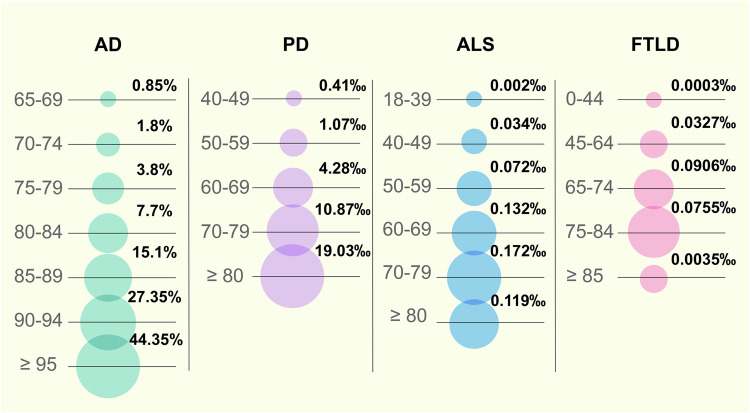
- Ageing is presented as an "accelerator" of neurodegeneration: AD prevalence rises from 5% at ages 65–74 to 13.1% at 75–84 and 33.2% at 85+ (US, 2022); PD prevalence rises from 41 per 100,000 at ages 40–49 to 1,903 per 100,000 at 80+; ALS prevalence is 0.2 per 100,000 at ages 18–39 versus 17.2 per 100,000 at 70–79.
- Comorbidities are the rule rather than the exception: in the ROS/MAP cohort, ~97% of persons with probable AD had other neurodegenerative or vascular comorbidities, and >86% of cognitively unimpaired older persons had vascular, AD or other degenerative comorbidities.
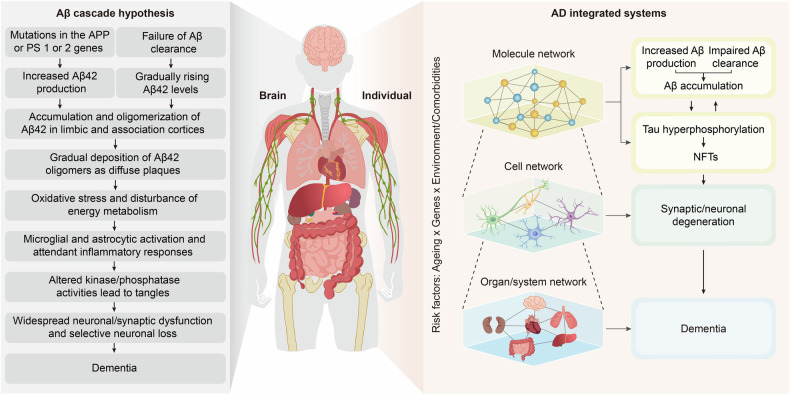
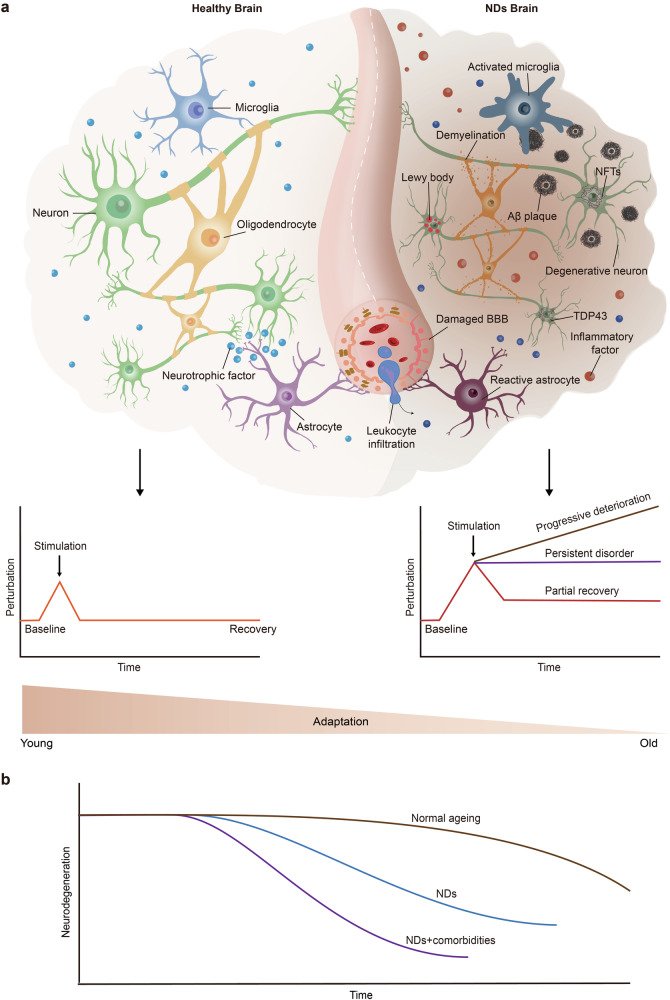
- The authors propose a complex adaptive systems (CAS) framework in which neurodegeneration arises from emergent homeostatic imbalance across molecular, cellular, organ and organismal scales, rather than from a single molecule or cell.
- Antiageing interventions are catalogued across levels: molecular (e.g., GDF11, klotho, metformin lowering epigenetic age by up to 6.1 years in the frontal lobe of monkeys; rapamycin/acarbose/phenylbutyrate cocktails), cellular (senolytics extending lifespan up to 35% in pre-ageing mice; young plasma extracellular vesicles increasing median lifespan 12.4%), systemic (young blood, bone marrow transplantation increasing maximum lifespan 30%, FMT, anti-inflammation such as IL-11 neutralization extending average mouse lifespan 24.9%), and individual (caloric restriction, exercise, sleep/diet; a multimodal diet-exercise-sleep intervention reversed epigenetic age by 3.2 years).
- Clinical trials reviewed include effective results for allopregnanolone, isoflavones, benfotiamine, fish oil/lipoic acid, and plasma exchange, while intranasal insulin, naproxen/celecoxib and nilotinib were ineffective; senolytics showed phase 1 safety in AD.
Methods
- Narrative review (no systematic search or meta-analytic protocol described) synthesizing epidemiological, mechanistic, preclinical and clinical literature on ageing and neurodegenerative diseases (AD, PD, ALS, FTLD, HD).
- Evidence drawn from population/epidemiological datasets (WHO, CDC, ROS/MAP, UK Biobank, CALERIE, REACT), animal and cell models, and a tabulated set of clinical trials (Table 2) with identifiers, phases and reported results.
- Organizes evidence by mechanistic level (molecular, cellular, tissue/organ, circuit, functional), by body–brain axes (heart, liver, gut, kidney, lung, muscle, bone, blood, immune, endocrine), and by intervention level (molecular, cellular, systemic, individual).
Limitations
- Stated by the paper: most studies are conducted in artificially induced animal models (e.g., APP/PS1 mice) that do not reflect sporadic disease, since familial AD accounts for less than 5% of cases; such models may underestimate peripheral and brain ageing contributions.
- Stated by the paper: mouse, Drosophila and nematode lifespans are inadequate for modelling gradual human ageing, so antiageing therapies should be validated in longer-lived species (non-human primates, naked mole rats).
- Stated by the paper: the magnitude and duration of antiageing effects require long-term follow-up; individual heterogeneity (age, personality, comorbidities, lifestyle, education) is poorly understood; and side effects/adverse reactions are often downplayed.
- Evident from the text: as a narrative review without a systematic search strategy, selection of cited evidence may be subject to the authors' framing, and several cited clinical trials are ongoing with results not yet reported (blank entries in Table 2).
Model-written summary. Check it against the paper before relying on it.
Integrity signals
Registry
Cites
Statistics
Figures
Verification
Claims the paper makes
89 Valid · 5 Not valid · 242 Not checked · 87 Own results and interpretations
The cited sources support only part of this claim — read each source’s verdict below.
In the paper
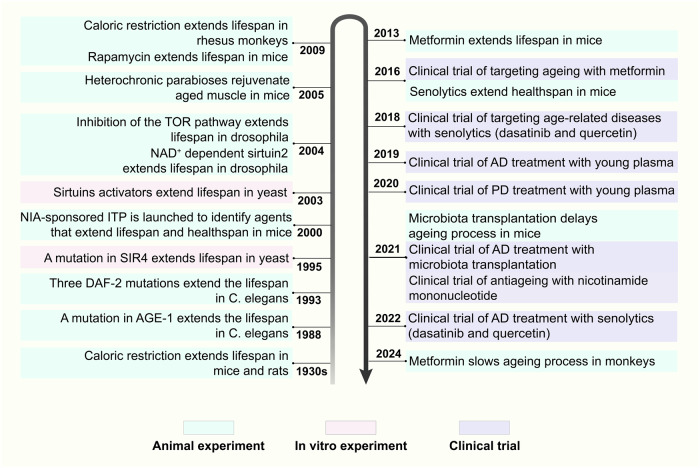
“Subsequent clinical trials have indicated that cognitive and behavioural improvements could be achieved through fecal microbiota transplantation (FMT) in patients with mild cognitive impairment as well as those suffering from PD.76,77”
§ Antiageing strategy for neurodegenerative diseases: from mechanisms to clinical advances > Milestone events of studies on antiageing strategies
What the sources say
- Partly supportedcites [76] Chen, X. et al. Preliminary evidence for developing safe and efficient fecal microbiota transplantation as potential treatment for aged related cognitive impairments. Front. Cell Infect. Microbiol. 13, 1103189 (2023). 37113132 PMC10127103 sourceExperimental — accuracy not yet measured
The Results section reports that, after FMT, cognitive scores in two patients with mild cognitive impairment improved slightly or were maintained, while daily-living scores improved. The paper does not report an FMT trial in patients with Parkinson’s disease or a distinct behavioural-improvement outcome. (LLM, conf=0.88)
- Partly supportedcites [77] Huang, H. et al. Fecal microbiota transplantation to treat Parkinson’s disease with constipation: A case report. Medicine 98, e16163 (2019). 31261545 PMC6616439 sourceExperimental — accuracy not yet measured
The Case presentation (page unavailable) reports reduced tremor and improved constipation after FMT in one patient with Parkinson’s disease. It does not report cognitive or behavioural improvements, study patients with mild cognitive impairment, or describe a clinical trial; the Discussion calls it a first attempt to treat PD with FMT. (LLM, conf=0.86)
hedgedstates a possible cause- Asserted: passes — The authors put it forward as true.
- Checkable: passes — It can be checked against evidence.
- Load-bearing: unclear — It is unclear whether the paper’s conclusions depend on it.
- Based: passes — The paper gives a reason why it holds.
- Rests on an assumption not shown here.
- Partly supported
The cited sources support only part of this claim — read each source’s verdict below.
In the paper
“Two recent clinical trials involving young plasma infusion in patients with AD and PD, respectively, have further validated this intervention strategy for neurodegenerative diseases.73,74”
§ Antiageing strategy for neurodegenerative diseases: from mechanisms to clinical advances > Milestone events of studies on antiageing strategies
What the sources say
- Partly supportedcites [73] Sha, S. J. et al. Safety, Tolerability, and Feasibility of Young Plasma Infusion in the Plasma for Alzheimer Symptom Amelioration Study: A Randomized Clinical Trial. JAMA Neurol. 76, 35–40 (2019). 30383097 PMC6439869 sourceExperimental — accuracy not yet measured
The Key Points identify a clinical trial of young-plasma infusions in patients with mild to moderate AD and report that the infusions were tolerated. The Discussion says the trial established safety and feasibility, but that efficacy could not be determined; it therefore does not validate young plasma as an effective intervention for AD. The separate PD trial is not assessed under this citation. (LLM, conf=0.88)
- Partly supportedcites [74] Parker, J. E. et al. Safety of Plasma Infusions in Parkinson’s Disease. Mov. Disord. 35, 1905–1913 (2020). 32633860 PMC7361360 sourceExperimental — accuracy not yet measured
The paper's Conclusions report that young plasma infusion was safe and feasible in people with PD, with preliminary signs of improvement. But the Discussion describes the study as an uncontrolled phase I trial and cautions that its improvement finding is preliminary; it does not validate young plasma as an effective treatment for PD or neurodegenerative diseases more broadly. This verdict addresses the PD trial attributed to this source, not the separately cited AD trial. (LLM, conf=0.90)
boostedstates a cause- Asserted: passes — The authors put it forward as true.
- Checkable: passes — It can be checked against evidence.
- Load-bearing: passes — The paper’s conclusions depend on it.
- Based: passes — The paper gives a reason why it holds.
- Rests on an assumption not shown here.
- Partly supported
Every source the paper cites for this claim was checked and supports it.
In the paper
“In 2009, rapamycin, an inhibitor of the mammalian target of rapamycin (mTOR) pathway, was shown to significantly extend the lifespan of mammals.58”
§ Antiageing strategy for neurodegenerative diseases: from mechanisms to clinical advances > Milestone events of studies on antiageing strategies
What the sources say
- Supportedcites [58] Harrison, D. E. et al. Rapamycin fed late in life extends lifespan in genetically heterogeneous mice. Nature 460, 392–395 (2009). 19587680 PMC2786175 source
The Abstract reports that rapamycin, an mTOR-pathway inhibitor, extended median and maximal lifespan in male and female mice. It also reports statistically significant survival benefits compared with controls (p < 0.0001). The mammalian evidence in this paper is specifically from mice. (LLM, conf=0.94)
plainstates a cause- Asserted: passes — The authors put it forward as true.
- Checkable: passes — It can be checked against evidence.
- Load-bearing: unclear — It is unclear whether the paper’s conclusions depend on it.
- Based: passes — The paper gives a reason why it holds.
- Supported
Every source the paper cites for this claim was checked and supports it.
In the paper
“The expression of aquaporin-4 (AQP4) in astrocytes significantly influences the transport and clearance functions of the glymphatic system.155”
§ Antiageing strategy for neurodegenerative diseases: from mechanisms to clinical advances > Systemic regulatory mechanisms of ageing in neurodegenerative diseases > Molecular and cellular networks of ageing in neurodegenerative diseases
What the sources say
- Supportedcites [155] Iliff, J. J. et al. A paravascular pathway facilitates CSF flow through the brain parenchyma and the clearance of interstitial solutes, including amyloid β. Sci. Transl. Med. 4, 147ra111 (2012). 22896675 PMC3551275 source
The DISCUSSION of our copy proposes the name 'glymphatic' for this para-arterial CSF influx / paravenous ISF clearance pathway and states that 'Interstitial bulk flow between these influx and efflux pathways depends upon trans-astrocytic water movement.' The RESULTS ('Astroglial water transport supports CSF flux into the parenchyma'; 'Astroglial water transport facilitates bulk ISF solute clearance from the parenchyma') show that in Aqp4-null mice TR-d3 movement from the paravascular space into the interstitium was effectively abolished and [3H]mannitol clearance was reduced by ~70%, with Aβ1-40 clearance reduced by ~55% (RESULTS, 'AQP4 facilitates the para-vascular clearance of interstitial amyloid β'). The paper also links the degree/polarization of AQP4 expression in periarterial versus perivenous astroglial endfeet to directional bulk flow (RESULTS; DISCUSSION, 'Role of AQP4 in paravascular pathway function'), covering both the transport and clearance limbs of the claim. (LLM, conf=0.90)
plainstates a cause- Asserted: passes — The authors put it forward as true.
- Checkable: passes — It can be checked against evidence.
- Load-bearing: unclear — It is unclear whether the paper’s conclusions depend on it.
- Based: passes — The paper gives a reason why it holds.
- Supported
The cited sources support only part of this claim — read each source’s verdict below.
In the paper
“The expression and functionality of proteins that form tight junctions between endothelial cells, such as occludin and claudin, are reduced.151,152”
§ Antiageing strategy for neurodegenerative diseases: from mechanisms to clinical advances > Systemic regulatory mechanisms of ageing in neurodegenerative diseases > Molecular and cellular networks of ageing in neurodegenerative diseases
What the sources say
- Partly supportedcites [151] Geng, J. et al. Blood-Brain Barrier Disruption Induced Cognitive Impairment Is Associated With Increase of Inflammatory Cytokine. Front. Aging Neurosci. 10, 129 (2018). 29867440 PMC5949351 sourceExperimental — accuracy not yet measured
The Results section reports reduced occludin and claudin-5 expression and disrupted tight-junction staining in 8-week diabetic rats compared with normal rats. The Discussion links these changes to impaired blood–brain barrier function. The paper does not establish that these changes occur with ageing; the eight weeks describe time after diabetes induction, not the rats’ age. Page numbers are unavailable in our copy. (LLM, conf=0.88)
- Partly supportedcites [152] Bony, B. A. et al. Claudin-1-Targeted Nanoparticles for Delivery to Aging-Induced Alterations in the Blood-Brain Barrier. ACS Nano 15, 18520–18531 (2021). 34748307 PMC9079187 sourceExperimental — accuracy not yet measured
The introductory passage says claudin-5 expression decreases during aging and links altered tight-junction protein expression to BBB leakiness. But the Conclusions report increased claudin-1 expression in aging brain endothelial cells, while Results and Discussion found no difference in total claudin-1 or claudin-5 protein levels between the mouse age groups studied. The supplied passages do not establish that occludin expression or tight-junction protein functionality generally decreases with age. Page numbers were not provided. (LLM, conf=0.88)
plainstates a cause- Asserted: passes — The authors put it forward as true.
- Checkable: passes — It can be checked against evidence.
- Load-bearing: passes — The paper’s conclusions depend on it.
- Based: passes — The paper gives a reason why it holds.
- Partly supported
177 more claims · 37 with their cited sources checked
Create a free account to see all 423 claims and to verify the 329 references still open.
- It may state two separate claims as one. 214
- Probably not a substantial claim. 45
Claims other papers make about this one
Each is checked against this paper’s own text: does it say what the citing paper says it does?
The cited source says what the claim attributes to it.
In the citing paper
“Increasingly, AD is being reframed as a systemic disorder linked to global aging processes rather than a purely localized brain disease [4,5].”
From Primary Cilia and Cardiovascular Risk Factors in Alzheimer's Disease (2025) · cites this paper as [5]
Self-check
Percentages, sums and reported differences re-computed from the paper’s own numbers.
Each contradiction between two passages listed here was confirmed by an independent check.
Rated minor: it would not touch a result — a value no result rests on, a p-value that stays on the same side of the significance level, or a conflict that is clerical, resolved elsewhere in the paper, or outside its own findings.
In the paper
§ Antiageing strategy for neurodegenerative diseases: from mechanisms to clinical advances > Antiageing strategies for neurodegenerative diseases: clinical trials > Neuroprotection
“Drugs such as PYC857 are being studied for their antioxidant and anti-inflammatory effects on treating ALS.”
§ Antiageing strategy for neurodegenerative diseases: from mechanisms to clinical advances > Antiageing strategies for neurodegenerative diseases: clinical trials
“| Anti-inflammation | PTC857 | NCT05349721 | ALS | Phase 2 | | |”
Rated minor: it would not touch a result — a value no result rests on, a p-value that stays on the same side of the significance level, or a conflict that is clerical, resolved elsewhere in the paper, or outside its own findings.
In the paper
§ Antiageing strategy for neurodegenerative diseases: from mechanisms to clinical advances > Systemic regulatory mechanisms of ageing in neurodegenerative diseases > Body‒brain axes in relation to ageing and neurodegenerative diseases
“Studies in humans have revealed that liver function decreases with age, as indicated by increased serum γ-glutamyl transpeptidase and alanine aminotransferase levels.219”
§ Antiageing strategy for neurodegenerative diseases: from mechanisms to clinical advances > References
“219. Dong, M. H., Bettencourt, R., Barrett-Connor, E. & Loomba, R. Alanine aminotransferase decreases with age: the Rancho Bernardo Study.”
Citations
Cites
1 retracted
Items 401–555 of 555
Ortega-Hombrados, L., Molina-Torres, G., Galán-Mercant, A., Sánchez-Guerrero, E., González-Sánchez, M., & Ruiz-Muñoz, M. (2021) · International Journal of Environmental Research and Public Health · doi:10.3390/ijerph18031074 · Cited by 62
Aging of the brain, neurotrophin signaling, and Alzheimer's disease: Is IGF1-R the common culprit?
Puglielli, L. (2008) · Neurobiology of Aging · doi:10.1016/j.neurobiolaging.2007.01.010 · Cited by 61
Mechanisms of Dendritic Cell Trafficking Across the Blood–brain Barrier
Sagar, D., Foss, C., El Baz, R., Pomper, M. G., Khan, Z. K., & Jain, P. (2012) · Journal of Neuroimmune Pharmacology · doi:10.1007/s11481-011-9302-7 · Cited by 60
Aging Biomarker Consortium, Zhang, L., Guo, J., Liu, Y., Sun, S., Liu, B., Yang, Q., Tao, J., Tian, X.-L., Pu, J., et al. (2023) · Life Medicine · doi:10.1093/lifemedi/lnad033 · Cited by 60
Self-citationCognitive training can reduce the rate of cognitive aging: a neuroimaging cohort study
Li, T., Yao, Y., Cheng, Y., Xu, B., Cao, X., Waxman, D., Feng, W., Shen, Y., Li, Q., Wang, J., et al. (2016) · BMC Geriatrics · doi:10.1186/s12877-016-0194-5 · Cited by 59 · cited 1×
“486 Time-restricted feeding (TRF), a healthy diet, extends the Drosophila lifespan and delays the onset of ageing markers in the muscles and gut by stimulating circadian-regulated autophagy.”
Self-citationPark, M. H., Jin, H. K., & Bae, J.-S. (2020) · Experimental & Molecular Medicine · doi:10.1038/s12276-020-0399-8 · Cited by 59 · cited 1×
“320,392 Additionally, vascular cell adhesion molecule 1 (VCAM1) and acid sphingomye-linase (ASM) play a curcial role in destroying the cerebrovascular system, 393,394 while cyclophilin A (CyPA) decreases the levels of synapse-related proteins such as the NMDAR subunit NR2B and synaptophysin.”
Reyes, J. F., Ekmark-Léwen, S., Perdiki, M., Klingstedt, T., Hoffmann, A., Wiechec, E., Nilsson, P., Nilsson, K. P. R., Alafuzoff, I., Ingelsson, M., et al. (2021) · Acta Neuropathologica Communications · doi:10.1186/s40478-021-01136-3 · Cited by 59 · cited 1×
“230 In PD, brain-derived α - syn accumulates in the livers of both mice and humans; thus, the liver may participate in the clearance and detoxi fi cation of α -syn, 231 suggesting that a decrease in aged liver function increases α -syn deposition in the brain.”
Chronic graft-versus-host disease. Part I: Epidemiology, pathogenesis, and clinical manifestations
Baumrin, E., Loren, A. W., Falk, S. J., Mays, J. W., & Cowen, E. W. (2024) · Journal of the American Academy of Dermatology · doi:10.1016/j.jaad.2022.12.024 · Cited by 59 · cited 1×
“These include rejection of allogeneic cells by host immune cells, 437 graft-versus-host disease, 438 infections resulting from long-term suppression of the immune system, and tumorigenicity.”
Energy expenditure in frontotemporal dementia: a behavioural and imaging study
Ahmed, R. M., Landin-Romero, R., Collet, T.-H., van der Klaauw, A. A., Devenney, E., Henning, E., Kiernan, M. C., Piguet, O., Farooqi, I. S., & Hodges, J. R. (2017) · Brain · doi:10.1093/brain/aww263 · Cited by 58 · cited 4×
“216 The measurement of vascular risk may serve as a valuable tool for the early diagnosis of patients with PD or the identi fi cation of those individuals who are at high risk, thereby con fi rming the potentially intricate relationship between cardiac health and PD. 217 In addition, alterations in heart rate and the AN…”
InfluentialA New Hypothesis for Alzheimer’s Disease: The Lipid Invasion Model
Rudge, J. D. (2022) · Journal of Alzheimer's Disease Reports · doi:10.3233/adr-210299 · Cited by 58 · cited 1×
“Alternative hypotheses for AD have also been proposed, including but not limited to the tau protein hypothesis, 31 abnormal lipid 32 and glucose metabolism hypothesis, 33 in fl ammation hypothesis, 34 oxidative stress hypothesis (mitochondrial dysfunction), 35 and the cholinergic hypothesis.”
Yang, Y., & Zhang, L. (2020) · Food & Function · doi:10.1039/c9fo02611h · Cited by 57 · cited 1×
“496 CR also protects the survival of dopaminergic neurons in the substantia nigra, dopamine metabolism and neurotrophic factors in the striatum of PD animals.”
Sawicka-Gutaj, N., Zawalna, N., Gut, P., & Ruchała, M. (2022) · Pharmacological Reports · doi:10.1007/s43440-022-00377-w · Cited by 57 · cited 1×
“360,361 Moreover, elevated levels of circulating luteinizing hormone (LH) during ageing process impair BDNF expression and synaptic plasticity.”
Blood cell-produced amyloid-β induces cerebral Alzheimer-type pathologies and behavioral deficits
Sun, H.-L., Chen, S.-H., Yu, Z.-Y., Cheng, Y., Tian, D.-Y., Fan, D.-Y., He, C.-Y., Wang, J., Sun, P.-Y., Chen, Y., et al. (2021) · Molecular Psychiatry · doi:10.1038/s41380-020-0842-1 · Cited by 56
Self-citationCarskadon, M. A., Chappell, K. R., Barker, D. H., Hart, A. C., Dwyer, K., Gredvig-Ardito, C., Starr, C., & McGeary, J. E. (2019) · BMC Research Notes · doi:10.1186/s13104-019-4633-1 · Cited by 56
Bacon, E. R., & Brinton, R. D. (2021) · Neuroscience & Biobehavioral Reviews · doi:10.1016/j.neubiorev.2021.02.040 · Cited by 56 · cited 1×
“103,104 Chronic sterile low-grade in fl ammation, often referred to as “ in fl ammageing ” is another signi fi cant molecular feature.”
Chen, X., Zhang, W., Lin, Z., Zheng, C., Chen, S., Zhou, H., & Liu, Z. (2023) · Frontiers in Cellular and Infection Microbiology · doi:10.3389/fcimb.2023.1103189 · Cited by 55
Self-citationMehdi, M. M., Solanki, P., & Singh, P. (2021) · Archives of Gerontology and Geriatrics · doi:10.1016/j.archger.2021.104413 · Cited by 54
Kwon, M. J., Kim, J.-H., Kim, J. H., Cho, S. J., Nam, E. S., & Choi, H. G. (2021) · Frontiers in Aging Neuroscience · doi:10.3389/fnagi.2021.786337 · Cited by 54 · cited 1×
“297 Accordingly, in a study of a large number of postmenopausal women, osteoporosis increased the risk of PD by 1.4 times.”
InfluentialAmyloid processing in COVID‐19‐associated neurological syndromes
Ziff, O. J., Ashton, N. J., Mehta, P. R., Brown, R., Athauda, D., Heaney, J., Heslegrave, A. J., Benedet, A. L., Blennow, K., Checkley, A. M., et al. (2022) · Journal of Neurochemistry · doi:10.1111/jnc.15585 · Cited by 54 · cited 1×
“Furthermore, SARS-CoV-2 directly induces AD pathogenesis such as neuronal damage and amyloid processing, 278 – 280 as well as PD pathogenesis including α -syn aggregation and dopaminergic neuronal loss in various models.”
Rosenbloom, M. H., Barclay, T. R., Kashyap, B., Hage, L. M., O'Keefe, L. R., Svitak, A. L., Pyle, M., Frey, W. H., & Hanson, L. R. (2021) · Drugs & Aging · doi:10.1007/s40266-021-00845-7 · Cited by 54
Song, J., & Kim, O. Y. (2018) · Clinical Nutrition Research · doi:10.7762/cnr.2018.7.1.1 · Cited by 53
Shan, C., Zhang, D., Ma, D.-N., Hou, Y.-F., Zhuang, Q.-Q., Gong, Y.-L., Sun, L.-H., Zhao, H.-Y., Tao, B., Yang, Y.-Y., et al. (2023) · Cell Death Discovery · doi:10.1038/s41420-023-01343-y · Cited by 53 · cited 1×
“301 For example, OCN decreases the A β load, increases glycolysis in microglia and astrocytes, 302 and ameliorates motor de fi cits and dopaminergic neuronal loss in PD mice.”
Self-citationLineage tracing of direct astrocyte-to-neuron conversion in the mouse cortex
Wang, Q., Li, W., Lei, W., Chen, G., Xiang, Z., Xu, L., & Liu, M. (2021) · Neural Regeneration Research · doi:10.4103/1673-5374.295925 · Cited by 53
Lloret, A., & Beal, M. F. (2019) · Neurochemical Research · doi:10.1007/s11064-019-02809-1 · Cited by 52
Liu, T., Wang, P., Yin, H., Wang, X., Lv, J., Jiang, Y., Zhu, J. F., & Wang, Y. (2023) · Neural Regeneration Research · doi:10.4103/1673-5374.371381 · Cited by 52
Self-citationKim, E., Nohara, K., Wirianto, M., Escobedo, G., Lim, J. Y., Morales, R., Yoo, S.-H., & Chen, Z. (2021) · Biomolecules · doi:10.3390/biom11071004 · Cited by 51 · cited 1×
“493 Correspondingly, the management of circadian rhythms improves cognitive function and apathy in HD model mice.”
A framework of biomarkers for brain aging: a consensus statement by the Aging Biomarker Consortium
Aging Biomarker Consortium, Jia, Y.-J., Wang, J., Ren, J.-R., Chan, P., Chen, S., Chen, X.-C., Chhetri, J. K., Guo, J., Guo, Q., et al. (2023) · Life Medicine · doi:10.1093/lifemedi/lnad017 · Cited by 51
Self-citationThe Interaction Between NF-κB and Estrogen in Alzheimer’s Disease
Mishra, P., Davies, D. A., & Albensi, B. C. (2023) · Molecular Neurobiology · doi:10.1007/s12035-022-03152-3 · Cited by 51
Beneficial effects of novel antagonists of GHRH in different models of Alzheimer's disease
Jaszberenyi, M., Rick, F. G., Szalontay, L., Block, N. L., Zarandi, M., Cai, R.-Z., & Schally, A. V. (2012) · Aging · doi:10.18632/aging.100504 · Cited by 48
Active lifestyles moderate clinical outcomes in autosomal dominant frontotemporal degeneration
Casaletto, K. B., Staffaroni, A. M., Wolf, A., Appleby, B., Brushaber, D., Coppola, G., Dickerson, B., Domoto‐Reilly, K., Elahi, F. M., Fields, J., et al. (2020) · Alzheimer's & Dementia · doi:10.1002/alz.12001 · Cited by 48 · cited 1×
“491 TRF modulates the circadian rhythm to mitigate the A β load and impaired hippocampal transcription in AD models.”
The Role of Oxygen Homeostasis and the HIF-1 Factor in the Development of Neurodegeneration
Mitroshina, E. V., & Vedunova, M. V. (2024) · International Journal of Molecular Sciences · doi:10.3390/ijms25094581 · Cited by 48 · cited 1×
“265 Additionally, a large-scale epidemiological study demonstrated that infectious diseases, including pulmonary infections, increase the risk of AD and PD dementia (PDD).”
Characteristics of Neural Network Changes in Normal Aging and Early Dementia
Watanabe, H., Bagarinao, E., Maesawa, S., Hara, K., Kawabata, K., Ogura, A., Ohdake, R., Shima, S., Mizutani, Y., Ueda, A., et al. (2021) · Frontiers in Aging Neuroscience · doi:10.3389/fnagi.2021.747359 · Cited by 48 · cited 1×
“169 Ageing also affects various neuro-transmitter systems, including those involving dopamine, serotonin, and acetylcholine.”
New Approaches to the Treatment of Frontotemporal Dementia
Neylan, K. D., & Miller, B. L. (2023) · Neurotherapeutics · doi:10.1007/s13311-023-01380-6 · Cited by 48 · cited 1×
“11 Although electroencephalogram-based brain ‒ computer interface (BCI) technology can help ALS patients communicate with the outside world via real-time speech synthesis and robotic arms, 12,13 disease progression cannot be affected.”
Katsimpardi, L., Kuperwasser, N., Camus, C., Moigneu, C., Chiche, A., Tolle, V., Li, H., Kokovay, E., & Lledo, P. (2020) · Aging Cell · doi:10.1111/acel.13038 · Cited by 47
Alrouji, M., Al-Kuraishy, H. M., Al-Gareeb, A. I., Saad, H. M., & Batiha, G. E.-S. (2023) · Inflammopharmacology · doi:10.1007/s10787-023-01192-2 · Cited by 47
Parp mutations protect from mitochondrial toxicity in Alzheimer’s disease
Yu, Y., Fedele, G., Celardo, I., Loh, S. H. Y., & Martins, L. M. (2021) · Cell Death & Disease · doi:10.1038/s41419-021-03926-y · Cited by 46 · cited 1×
“125 Supplementation with the NAD + precursor NAM rescues mitochondrial defects and behavioural impairments in AD models 410 but suppresses dopaminergic neurodegeneration in a Drosophila PD model.”
Gao, G., Li, C., Ma, Y., Liang, Z., Li, Y., Li, X., Fu, S., Wang, Y., Xia, X., & Zheng, J. C. (2023) · Signal Transduction and Targeted Therapy · doi:10.1038/s41392-023-01436-1 · Cited by 46
Self-citationXia, Y., Qadota, H., Wang, Z.-H., Liu, P., Liu, X., Ye, K. X., Matheny, C. J., Berglund, K., Yu, S. P., Drake, D., et al. (2022) · Science Advances · doi:10.1126/sciadv.abj8658 · Cited by 46
Self-citationSun, P.-Y., Liu, J., Hu, J.-N., Tu, Y.-F., Jiang, Q., Jia, Y.-J., Sun, H.-L., Chen, S.-H., Xin, J.-Y., Yu, Z.-Y., et al. (2024) · Science Advances · doi:10.1126/sciadv.adl1123 · Cited by 46
Self-citationLinking chronic kidney disease and Parkinson’s disease: a literature review
Meléndez-Flores, J. D., & Estrada-Bellmann, I. (2021) · Metabolic Brain Disease · doi:10.1007/s11011-020-00623-1 · Cited by 44 · cited 1×
“This induces oxidative stress and in fl ammation, thereby increasing the risk of PD. 258,259 Lung – brain axis .”
Peripheral insulin and amylin levels in Parkinson's disease
Sánchez-Gómez, A., Alcarraz-Vizán, G., Fernández, M., Fernández-Santiago, R., Ezquerra, M., Cámara, A., Serrano, M., Novials, A., Muñoz, E., Valldeoriola, F., et al. (2020) · Parkinsonism & Related Disorders · doi:10.1016/j.parkreldis.2020.08.018 · Cited by 44 · cited 18×
“Among them, mitochondrial dysfunction and bioenergetic failure have been implicated as primary mechanisms for the development of PD. 187 Dopaminergic neurons are more vulnerable to the age-related loss of mitochondrial function, resulting in bioenergetic stress due to their highly rami fi ed processes that harbour dens…”
InfluentialTherapies modulating insulin resistance in Parkinson’s disease: A cross talk
Sharma, T., Kaur, D., Grewal, A. K., & Singh, T. G. (2021) · Neuroscience Letters · doi:10.1016/j.neulet.2021.135754 · Cited by 44 · cited 1×
“…induces the loss and apoptosis of dopaminergic neurons in individuals with PD by inhibiting the neuroprotective protein kinase B (Akt) pathway, 363 and the severity of insulin resistance correlates with that of nonmotor disorders in patients with PD. 364 Moreover, several studies have shown…”
Mitophagy in Huntington's disease
Šonský, I., Vodička, P., Kepková, K. V., & Hansíková, H. (2021) · Neurochemistry International · doi:10.1016/j.neuint.2021.105147 · Cited by 44
Epidemiology of Huntington disease: first post‐HTT gene analysis of prevalence in Italy
Squitieri, F., Griguoli, A., Capelli, G., Porcellini, A., & D'Alessio, B. (2016) · Clinical Genetics · doi:10.1111/cge.12574 · Cited by 43
Neuroinvasion of SARS‐CoV‐2 may play a role in the breakdown of the respiratory center of the brain
Dey, J., Alam, M. T., Chandra, S., Gupta, J., Ray, U., Srivastava, A. K., & Tripathi, P. P. (2021) · Journal of Medical Virology · doi:10.1002/jmv.26521 · Cited by 43 · cited 1×
“273,274 The elderly population demonstrates a elevated susceptibility to SARS-CoV-2 infection.”
Sakai, K., Senda, T., Hata, R., Kuroda, M., Hasegawa, M., Kato, M., Abe, M., Kawaguchi, K., Nakai, S., Hiki, Y., et al. (2016) · Journal of Alzheimer’s Disease · doi:10.3233/jad-151139 · Cited by 43 · cited 1×
“256 In addition, renal insuf fi ciency also leads to increased levels of circulating uraemic neurotoxins such as parathyroid hormone and neuropeptide Y, which adversely affect hippocampal neuronal apoptosis and the permeability of the BBB, respectively.”
Shin, Y.-A., & Lee, K.-Y. (2016) · Journal of Exercise Rehabilitation · doi:10.12965/jer.1632584.292 · Cited by 42 · cited 1×
“350 Moreover, elderly people with type 2 diabetes have an average increase of 4.6 years in the brain age gap estimation (brainAGE).”
InfluentialLi, Z., Chen, X., Vong, J. S. L., Zhao, L., Huang, J., Yan, L. Y. C., Ip, B., Wing, Y. K., Lai, H.-M., Mok, V. C. T., et al. (2021) · Communications Biology · doi:10.1038/s42003-021-02208-9 · Cited by 42
Self-citationChronic Cerebral Hypoperfusion Promotes Amyloid-Beta Pathogenesis via Activating β/γ-Secretases
Cai, Z., Liu, Z., Xiao, M., Wang, C., & Tian, F. (2017) · Neurochemical Research · doi:10.1007/s11064-017-2391-9 · Cited by 42
Tao, W., Wang, X., Zhang, G., Guo, M., Ma, H., Zhao, D., Sun, Y., He, J., Liu, L., Zhang, K., et al. (2021) · Protein & Cell · doi:10.1007/s13238-020-00778-8 · Cited by 42 · cited 2×
“270,271 Autopsy evidences from COVID-19 patients directly demonstrated that SARS-CoV-2 enters the CNS partly through the olfactory mucosal-nervous milieu.”
Self-citationBony, B. A., Tarudji, A. W., Miller, H. A., Gowrikumar, S., Roy, S., Curtis, E. T., Gee, C. C., Vecchio, A., Dhawan, P., & Kievit, F. M. (2021) · ACS Nano · doi:10.1021/acsnano.1c08432 · Cited by 42 · cited 1×
“151,152 The structure and function of the BBB also undergo signi fi cant alterations with ageing, which contribute to the progression of neurodegenerative diseases and cognitive decline.”
Pharaoh, G., Owen, D., Yeganeh, A., Premkumar, P., Farley, J., Bhaskaran, S., Ashpole, N., Kinter, M., Van Remmen, H., & Logan, S. (2020) · Molecular Neurobiology · doi:10.1007/s12035-019-01821-4 · Cited by 42
Carosi, J. M., & Sargeant, T. J. (2023) · Autophagy · doi:10.1080/15548627.2023.2175569 · Cited by 41 · cited 1×
“416,417 In PD mice, rapamycin activates autophagy to inhibit ferroptosis, exerting a bene fi cial effect on behavioural symptoms and the loss of dopaminergic neurons in the substantia nigra pars compacta.”
Age-related white matter integrity differences in oldest-old without dementia
Bennett, I. J., Greenia, D. E., Maillard, P., Sajjadi, S. A., DeCarli, C., Corrada, M. M., & Kawas, C. H. (2017) · Neurobiology of Aging · doi:10.1016/j.neurobiolaging.2017.04.013 · Cited by 41 · cited 1×
“163 This degradation can lead to slower neural signal transmission and impaired connectivity between different brain regions.”
Wu, Z., Xia, Y., Wang, Z., Su Kang, S., Lei, K., Liu, X., Jin, L., Wang, X., Cheng, L., & Ye, K. (2021) · Molecular Psychiatry · doi:10.1038/s41380-020-0687-7 · Cited by 41
Self-citationImpaired Cardiac Function and Cognitive Brain Aging
van der Velpen, I. F., Yancy, C. W., Sorond, F. A., & Sabayan, B. (2017) · Canadian Journal of Cardiology · doi:10.1016/j.cjca.2017.07.008 · Cited by 41 · cited 1×
“204,205 Additionally, the autonomic nervous system (ANS) of the heart in the elderly experiences pathological oscillations, leading to myocardial electrophysiological changes and defective activation and recovery of the myocardium, resulting in a loss of the ability to regulate the heart rate and…”
Taking Systems Medicine to Heart
Trachana, K., Bargaje, R., Glusman, G., Price, N. D., Huang, S., & Hood, L. E. (2018) · Circulation Research · doi:10.1161/circresaha.117.310999 · Cited by 41 · cited 1×
“82 These networks include horizontal connections among molecules, cells, organs, systems, and individuals, as well as vertical connections within each layer.”
Self-citationEffect of Ibuprofen on BrainAGE: A Randomized, Placebo-Controlled, Dose-Response Exploratory Study
Le, T. T., Kuplicki, R., Yeh, H., Aupperle, R. L., Khalsa, S. S., Simmons, W. K., & Paulus, M. P. (2018) · Biological Psychiatry Cognitive Neuroscience and Neuroimaging · doi:10.1016/j.bpsc.2018.05.002 · Cited by 41
Exercise in Huntington’s Disease: Current State and Clinical Significance
Mueller, S. M., Petersen, J. A., & Jung, H. H. (2019) · Tremor and Other Hyperkinetic Movements · doi:10.5334/tohm.515 · Cited by 40
Schwarz, K. G., Vicencio, S. C., Inestrosa, N. C., Villaseca, P., & Del Rio, R. (2024) · The Journal of Physiology · doi:10.1113/jp285126 · Cited by 40 · cited 1×
“216 The measurement of vascular risk may serve as a valuable tool for the early diagnosis of patients with PD or the identi fi cation of those individuals who are at high risk, thereby con fi rming the potentially intricate relationship between cardiac health and PD. 217 In addition, alterations in…”
Chung, H.-K., Tymula, A., & Glimcher, P. (2017) · The Journal of Neuroscience · doi:10.1523/jneurosci.1171-17.2017 · Cited by 40 · cited 1×
“161 Ageing is associated with a decrease in grey matter volume, which consists of neuronal cell bodies, dendrites, and synapses.”
Deciphering therapeutic options for neurodegenerative diseases: insights from SIRT1
Wang, R., Wu, Y., Liu, R., Liu, M., Li, Q., Ba, Y., & Huang, H. (2022) · Journal of Molecular Medicine · doi:10.1007/s00109-022-02187-2 · Cited by 40 · cited 1×
“120 SIRT1 transcription decreases in the aged brain, 121 worsening pathological protein aggregation and neuron loss and sharply increasing the risk of neurodegenerative diseases.”
Pirasteh, A., Ghiyasvand, M. S., & Pouladian, M. (2024) · Disability and Rehabilitation Assistive Technology · doi:10.1080/17483107.2024.2316312 · Cited by 40 · cited 1×
“11 Although electroencephalogram-based brain ‒ computer interface (BCI) technology can help ALS patients communicate with the outside world via real-time speech synthesis and robotic arms, 12,13 disease progression cannot be affected.”
Senescent-like Blood Lymphocytes and Disease Progression in Amyotrophic Lateral Sclerosis
Yildiz, O., Schroth, J., Tree, T., Turner, M. R., Shaw, P. J., Henson, S. M., & Malaspina, A. (2023) · Neurology Neuroimmunology & Neuroinflammation · doi:10.1212/nxi.0000000000200042 · Cited by 39 · cited 1×
“334 Despite the lack of direct evidence, alterations in immune-regulatory factors, such as elevated levels of interleukin (IL)-6 and monocyte activation, observed in the plasma of early HD patients or even prior to HD onset, provide support for early activation of the immune system in the periphery.”
Mehdipour, M., Etienne, J., Chen, C.-C., Gathwala, R., Rehman, M., Kato, C., Liu, C., Liu, Y., Zuo, Y., Conboy, M. J., et al. (2019) · Aging · doi:10.18632/aging.102148 · Cited by 39 · cited 1×
“251 Compared with monotherapy, combination therapy with transforming growth factor-β receptor I (ALK5) inhibitors and oxytocin synergistically reverses the ageing phenotype in multiple organs, 388 indicating that simultaneous intervention of multiple antiageing pathways yields better outcomes.”
MRI assessment of whole-brain structural changes in aging
Guo, H., Siu, W., D’Arcy, R., Black, S., Grajauskas, L., Singh, S., Zhang, Y., Rockwood, K., & Song, X. (2017) · Clinical Interventions in Aging · doi:10.2147/cia.s139515 · Cited by 39 · cited 1×
“160 This thinning is particularly evident in the prefrontal cortex, which is responsible for executive functions such as decision-making, problem-solving, and planning.”
Crosstalk between bone and brain in Alzheimer's disease: Mechanisms, applications, and perspectives
Liu, Z., Liu, M., Xiong, Y., Wang, Y., & Bu, X. (2024) · Alzheimer's & Dementia · doi:10.1002/alz.13864 · Cited by 39 · cited 1×
“301 For example, OCN decreases the A β load, increases glycolysis in microglia and astrocytes, 302 and ameliorates motor de fi cits and dopaminergic neuronal loss in PD mice.”
Self-citationSpectral Variability in the Aged Brain during Fine Motor Control
Quandt, F., Bönstrup, M., Schulz, R., Timmermann, J. E., Zimerman, M., Nolte, G., & Hummel, F. C. (2016) · Frontiers in Aging Neuroscience · doi:10.3389/fnagi.2016.00305 · Cited by 38 · cited 1×
“171 The decline in fi ne motor ability is consistently observed with advancing age, 172 making it a reliable indicator for predicting brain ageing.”
Irisin enhances longevity by boosting SIRT1, AMPK, autophagy and telomerase
Sánchez, B., Muñoz-Pinto, M. F., & Cano, M. (2023) · Expert Reviews in Molecular Medicine · doi:10.1017/erm.2022.41 · Cited by 38 · cited 1×
“288 During ageing, the secretion of these myokines decreases.”
Platelets in aging and cancer—“double-edged sword”
Faria, A. V. S., Andrade, S. S., Peppelenbosch, M. P., Ferreira-Halder, C. V., & Fuhler, G. M. (2020) · Cancer and Metastasis Reviews · doi:10.1007/s10555-020-09926-2 · Cited by 38 · cited 1×
“312 Platelets, which are responsible for approximately 90% of circulating A β , 313 are overactivated with ageing 314,315 and are reported to release more A β and subsequently induce A β deposition in the brain and cognitive impairment.”
Hong, D., Zhang, C., Wu, W., Lu, X., & Zhang, L. (2023) · Frontiers in Neurology · doi:10.3389/fneur.2023.1133546 · Cited by 38
Adlimoghaddam, A., Odero, G. G., Glazner, G., Turner, R. S., & Albensi, B. C. (2021) · Aging and disease · doi:10.14336/ad.2020.0910 · Cited by 38 · cited 1×
“515,516 Nilotinib, proven to improve mitochondrial function, 517 and clinical trials have been initiated to explore its application in PD. 518,519 Metabolic and nutritional regulation The metabolism of glucose, lipids, proteins and vitamins in the body supplies energy and nutrients to the organism…”
C/EBPβ/AEP Signaling Drives Alzheimer’s Disease Pathogenesis
Xiong, J., Zhang, Z., & Ye, K. (2023) · Neuroscience Bulletin · doi:10.1007/s12264-023-01025-w · Cited by 37
Self-citationHeart Matters: Cardiac Dysfunction and Other Autonomic Changes in Parkinson’s Disease
Gonçalves, V. C., Cuenca-Bermejo, L., Fernandez-Villalba, E., Martin-Balbuena, S., da Silva Fernandes, M. J., Scorza, C. A., & Herrero, M.-T. (2022) · The Neuroscientist · doi:10.1177/1073858421990000 · Cited by 37
Urayama, A., Moreno-Gonzalez, I., Morales-Scheihing, D., Kharat, V., Pritzkow, S., & Soto, C. (2022) · Molecular Psychiatry · doi:10.1038/s41380-022-01679-4 · Cited by 37
N. Nalivaeva, N., & J. Turner, A. (2017) · Current Aging Science · doi:10.2174/1874609809666161111101111 · Cited by 36
Buck, E., Bayer, H., Lindenberg, K. S., Hanselmann, J., Pasquarelli, N., Ludolph, A. C., Weydt, P., & Witting, A. (2017) · Frontiers in Molecular Neuroscience · doi:10.3389/fnmol.2017.00156 · Cited by 36 · cited 1×
“413 Likewise, SIRT1 inhibits A β production and neuroin fl ammation and prevents neuronal apoptosis in AD models.”
de Carvalho, T. (2022) · Neural Regeneration Research · doi:10.4103/1673-5374.332126 · Cited by 36 · cited 1×
“497 Similarly, abnormal eating behaviours, such as increased appetite and increased intake of sugar and carbohydrates, are universal in FTLD patients and correlate with atrophy in discrete neural networks, 498,499 suggesting that dietary restriction may exert a positive effect.”
COVID-19 Stats: COVID-19 Incidence,* by Age Group† — United States, March 1–November 14, 2020§
(2021) · MMWR. Morbidity and Mortality Weekly Report · doi:10.15585/mmwr.mm695152a8 · Cited by 36 · cited 1×
“275 Infection with SARS-CoV-2 triggers a cytokine storm, in fl ammation, cellular senescence, age-related immunosenescence, as well as diminished physiological reserves in the respiratory system and other organs.”
Hernandez, G. D., Solinsky, C. M., Mack, W. J., Kono, N., Rodgers, K. E., Wu, C., Mollo, A. R., Lopez, C. M., Pawluczyk, S., Bauer, G., et al. (2020) · Alzheimer s & Dementia Translational Research & Clinical Interventions · doi:10.1002/trc2.12107 · Cited by 36
Mitochondria: A Potential Rejuvenation Tool against Aging
Phua, Q. H., Ng, S., & Soh, B.-S. (2023) · Aging and Disease · doi:10.14336/ad.2023.0712 · Cited by 36
Mitochondrial DNA Damage and Brain Aging in Human Immunodeficiency Virus
Roca-Bayerri, C., Robertson, F. M., Pyle, A., Hudson, G., & Payne, B. A. I. (2020) · Clinical Infectious Diseases · doi:10.1093/cid/ciaa984 · Cited by 35
Clement, J., Yan, Q., Agrawal, M., Coronado, R. E., Sturges, J. A., Horvath, M., Lu, A. T., Brooke, R. T., & Horvath, S. (2022) · Aging Cell · doi:10.1111/acel.13696 · Cited by 34
Wang, J., Dove, A., Song, R., Qi, X., Ma, J., Bennett, D. A., & Xu, W. (2022) · Alzheimer's & Dementia · doi:10.1002/alz.12625 · Cited by 34 · cited 1×
“263 The potential mechanisms may involve the induction of chronic hypoxia and subsequent activation of hypoxia-inducible factor 1 (HIF1), which in turn accelerates the production of A β via the overexpression of β -secretase and γ -secretase while impairing A β clearance through microglial…”
Self-citationAxon Biology in ALS: Mechanisms of Axon Degeneration and Prospects for Therapy
Coleman, M. P. (2022) · Neurotherapeutics · doi:10.1007/s13311-022-01297-6 · Cited by 33
Liu, R., Xiang, M., Pilling, L. C., Melzer, D., Wang, L., Manning, K. J., Steffens, D. C., Bowden, J., Fortinsky, R. H., Kuchel, G. A., et al. (2023) · Aging Cell · doi:10.1111/acel.13808 · Cited by 33 · cited 1×
“332 Additionally, during abnormal immune ageing, the typical age-associated shift towards senescence in the CD8 + T-cell population may be attenuated, resulting in a heightened immune response to misfolded α -syn and thereby increasing the risk of PD. 333 Similarly, in a single-centre,…”
Chu, M., Wen, L., Jiang, D., Liu, L., Nan, H., Yue, A., Wang, Y., Wang, Y., Qu, M., Wang, N., et al. (2023) · Journal of Neuroinflammation · doi:10.1186/s12974-023-02746-5 · Cited by 33
Self-citationLiu, X., Shen, L., Wan, M., Xie, H., & Wang, Z. (2024) · Journal of Nanobiotechnology · doi:10.1186/s12951-024-02428-1 · Cited by 33
Santana, I. R., Mestre, T., Squitieri, F., Willock, R., Arnesen, A., Clarke, A., D’Alessio, B., Fisher, A., Fuller, R. L. M., Hamilton, J. L., et al. (2022) · European Journal of Neurology · doi:10.1111/ene.15645 · Cited by 32 · cited 1×
“7,8 The ageing process is accompanied by the accumulation of genetic mutations and epigenetic changes, which gradually disrupt functional homoeostasis at the molecular and cellular levels, leading to loss of proteostasis and abnormal mitochondrial function.”
Adhikari, J., Sharma, P., & Bhatt, V. R. (2015) · Future Oncology · doi:10.2217/fon.15.252 · Cited by 31 · cited 1×
“439 Alternatively, extracellular vesicles derived from stem cells offer a more feasible approach for application.”
Comerota, M. M., Gedam, M., Xiong, W., Jin, F., Deng, L., Wang, M. C., Wang, J., & Zheng, H. (2023) · Molecular Neurodegeneration · doi:10.1186/s13024-023-00648-x · Cited by 31
Self-citationThe aged hematopoietic system promotes hippocampal‐dependent cognitive decline
Smith, L. K., Verovskaya, E., Bieri, G., Horowitz, A. M., von Ungern‐Sternberg, S. N. I., Lin, K., Seizer, P., Passegué, E., & Villeda, S. A. (2020) · Aging Cell · doi:10.1111/acel.13192 · Cited by 31 · cited 1×
“395 Reducing the levels of these factors in aged plasma partially mitigates their detrimental effects on young brains.”
Dai, Z., Yang, Z., Chen, X., Zheng, W., Zhuang, Z., Liao, Y., Li, M., Chen, S., Lin, D., Wu, X., et al. (2023) · Cerebral Cortex · doi:10.1093/cercor/bhad086 · Cited by 30 · cited 1×
“181,182 Importantly, brain cells do not function independently but interact in the form of cellular networks such as neurovascular units.”
Self-citationAnkudowich, E., Pasvanis, S., & Rajah, M. N. (2019) · Psychology and Aging · doi:10.1037/pag0000310 · Cited by 29 · cited 1×
“168 These disruptions can impair the encoding and retrieval of memories.”
Erythropoietin signaling in peripheral macrophages is required for systemic β‐amyloid clearance
Xu, L., Li, L., Pan, C., Song, J., Zhang, C., Wu, X., Hu, F., Liu, X., Zhang, Z., & Zhang, Z. (2022) · The EMBO Journal · doi:10.15252/embj.2022111038 · Cited by 29 · cited 1×
“The phagocytic capacity of aged peripheral myeloid cells decreases during ageing and in AD, 329,330 and adaptive immune cells produce a disordered antibody pro fi le, leading to impaired A β clearance.”
Association between thyroid function and Alzheimer's disease: A systematic review
Figueroa, P. B. S., Ferreira, A. F. F., Britto, L. R., Doussoulin, A. P., & Torrão, A. D. S. (2021) · Metabolic Brain Disease · doi:10.1007/s11011-021-00760-1 · Cited by 28 · cited 1×
“360,361 Moreover, elevated levels of circulating luteinizing hormone (LH) during ageing process impair BDNF expression and synaptic plasticity.”
Goodman, A. O. G., & Barker, R. A. (2011) · PLoS Currents · doi:10.1371/currents.rrn1214 · Cited by 28 · cited 1×
“299 Additionally, osteoblasts have been reported to produce A β , this might be involved in the development of AD.”
Li, H., Lv, C., Zhang, T., Chen, K., Chen, C., Gai, G., Hu, L., Wang, Y., & Zhang, Z. (2014) · Current Alzheimer Research · doi:10.2174/156720501108140910123112 · Cited by 28 · cited 1×
“171 The decline in fi ne motor ability is consistently observed with advancing age, 172 making it a reliable indicator for predicting brain ageing.”
Self-citationChen, G., Ahn, E. H., Kang, S. S., Xia, Y., Liu, X., Zhang, Z., & Ye, K. (2022) · Advanced Science · doi:10.1002/advs.202103396 · Cited by 28 · cited 1×
“245 248 Kidney – brain axis .”
Self-citationTomita, K., Aida, J., Izumiyama‐Shimomura, N., Nakamura, K., Ishikawa, N., Matsuda, Y., Arai, T., Ishiwata, T., Kumasaka, T., Takahashi‐Fujigasaki, J., et al. (2018) · Geriatrics & Gerontology International · doi:10.1111/ggi.13500 · Cited by 28
Reduced Cardiovascular Functions in Patients with Alzheimer’s Disease
Jin, W.-S., Bu, X.-L., Wang, Y.-R., Li, L., Li, W.-W., Liu, Y.-H., Zhu, C., Yao, X.-Q., Chen, Y., Gao, C.-Y., et al. (2017) · Journal of Alzheimer's Disease · doi:10.3233/jad-170088 · Cited by 27 · cited 1×
“208,209 CBH during ageing has been widely reported to contribute to AD pathogenesis.”
Self-citationRole of the Insulin-like Growth Factor System in Neurodegenerative Disease
LEWITT, M. S., & Boyd, G. W. (2024) · International Journal of Molecular Sciences · doi:10.3390/ijms25084512 · Cited by 27 · cited 1×
“112 115 In addition, mTOR, known as a modulator of key cellular processes, participates in the activation of protein synthesis, biomass accumulation and the repression of autophagy.”
Aging impact on amyloid precursor protein neuronal trafficking
Burrinha, T., & Guimas Almeida, C. (2022) · Current Opinion in Neurobiology · doi:10.1016/j.conb.2022.102524 · Cited by 26
Shattered: Medawar’s test tubes and their enduring legacy of chaos
Bowles, J. (2000) · Medical Hypotheses · doi:10.1054/mehy.1999.0856 · Cited by 26 · cited 1×
“41 In 1954, Denham Harman et al. proposed the free radical theory.”
Post-COVID-19 Parkinsonism and Parkinson’s Disease Pathogenesis: The Exosomal Cargo Hypothesis
Mysiris, D. S., Vavougios, G. D., Karamichali, E., Papoutsopoulou, S., Stavrou, V. T., Papayianni, E., Boutlas, S., Mavridis, T., Foka, P., Zarogiannis, S. G., et al. (2022) · International Journal of Molecular Sciences · doi:10.3390/ijms23179739 · Cited by 25 · cited 1×
“281 Previous studies have demonstrated an association between COVID-19 and long-term brain atrophy and cognitive impairment in older individuals.”
Dhiman, S., Mannan, A., Taneja, A., Mohan, M., & Singh, T. G. (2024) · Life Sciences · doi:10.1016/j.lfs.2024.122537 · Cited by 25 · cited 18×
“…sirtuin family adjusts pathways related to mitochondrial biogenesis and dysfunction, oxidative stress and α -syn aggregation in individuals with PD. 415 Unexpect-edly, SIRT regulates TDP-43 posttranslational modi fi cations, reducing the aggregation propensity via deacetylation, 123 and further in…”
InfluentialCorticobasal syndrome: a practical guide
Wilson, D., Le Heron, C., & Anderson, T. (2021) · Practical Neurology · doi:10.1136/practneurol-2020-002835 · Cited by 25
Aducanumab for the treatment of Alzheimer's disease
Tagliapietra, M. (2022) · Drugs of Today · doi:10.1358/dot.2022.58.10.3422314 · Cited by 24
Kovina, M. V., Karnaukhov, A. V., Krasheninnikov, M. E., Kovin, A. L., Gazheev, S. T., Sergievich, L. A., Karnaukhova, E. V., Bogdanenko, E. V., Balyasin, M. V., Khodarovich, Y. M., et al. (2019) · Frontiers in Genetics · doi:10.3389/fgene.2019.00310 · Cited by 24
The Role of the Gastrointestinal System in Neuroinvasion by SARS-CoV-2
Xu, J., Wu, Z., Zhang, M., Liu, S., Zhou, L., Yang, C., & Liu, C. (2021) · Frontiers in Neuroscience · doi:10.3389/fnins.2021.694446 · Cited by 24 · cited 1×
“272 Furthermore, autopsy evidence from two cases reveals immunohistochemical detection of SARS-CoV-2 in the vagus nerve fi bres located on the surface of the brainstem, suggesting potential transportation of virus from lungs to brain through this pathway.”
Change of the hepatic cells in parabiosis between old and young rats
Tauchi, H., & Hasegawa, K. (1977) · Mechanisms of Ageing and Development · doi:10.1016/0047-6374(77)90034-3 · Cited by 24 · cited 1×
“65 In 2005, muscle regeneration and muscle stem cell viability in aged mice were restored by exposure to a young systemic environment.”
Safety of Plasma Infusions in Parkinson's Disease
Parker, J. E., Martinez, A., Deutsch, G. K., Prabhakar, V., Lising, M., Kapphahn, K. I., Anidi, C. M., Neuville, R., Coburn, M., Shah, N., et al. (2020) · Movement Disorders · doi:10.1002/mds.28198 · Cited by 23
Raikes, A. C., Hernandez, G. D., Matthews, D. C., Lukic, A. S., Law, M., Shi, Y., Schneider, L. S. S., & Brinton, R. D. (2022) · Alzheimer s & Dementia Translational Research & Clinical Interventions · doi:10.1002/trc2.12258 · Cited by 23 · cited 1×
“529 – 531 Other hormone-related treatments include GHRH supplementation in healthy elderly individuals and patients with mild cognitive impairment, and this treatment has favourable effects on cognition and metabolism.”
Associations of Pulmonary Function with MRI Brain Volumes: A Coordinated Multi-Study Analysis
Frenzel, S., Bis, J. C., Gudmundsson, E. F., O’Donnell, A., Simino, J., Yaqub, A., Bartz, T. M., Brusselle, G. G. O., Bülow, R., DeCarli, C. S., et al. (2022) · Journal of Alzheimer's Disease · doi:10.3233/jad-220667 · Cited by 22 · cited 1×
“261 According to population surveys, poorer pulmonary function (PF) is associated with a decreased brain volume and increased white matter hyperintensity (WMH), 262 and a 1-year increase in the lung BA increases the brain BA by 25 days.”
Xia, E., Xu, F., Hu, C., Kumal, J. P. P., Tang, X., Mao, D., Li, Y., Wu, D., Zhang, R., Wu, S., et al. (2019) · Neuroscience · doi:10.1016/j.neuroscience.2019.08.010 · Cited by 22 · cited 1×
“449,450 After organ transplantation from old to young individuals, the transplanted organs remain functional after the maximum lifespan of the original donor, indicating the rejuvenation of the aged organs in a young systemic environment.”
Bae, I.-S., Kim, J. M., Cheong, J. H., Ryu, J. I., & Han, M.-H. (2019) · Aging · doi:10.18632/aging.102316 · Cited by 22 · cited 1×
“296 Osteoporosis may accelerate atrophy of the entorhinal cortex and hippocampus, increasing the risk of AD by 1.27 times.”
InfluentialFitzgerald, G. S., Chuchta, T. G., & McNay, E. C. (2023) · CNS Neuroscience & Therapeutics · doi:10.1111/cns.14160 · Cited by 22 · cited 1×
“467 Moreover, oestrogen signalling is involved in AD pathogenesis.”
Kang, S., Moser, V. A., Svendsen, C. N., & Goodridge, H. S. (2020) · Communications Biology · doi:10.1038/s42003-020-0797-4 · Cited by 22 · cited 1×
“379,448 The possible mechanisms include the activation of cAMP response element binding protein (CREB) in the hippocampus and canonical neuroprotective mechanisms.”
Graves, A. J., Danoff, J. S., Kim, M., Brindley, S. R., Skyberg, A. M., Giamberardino, S. N., Lynch, M. E., Straka, B., Lillard, T. S., Gregory, S. G., et al. (2024) · Scientific Reports · doi:10.1038/s41598-024-60311-3 · Cited by 22 · cited 1×
“103,104 Chronic sterile low-grade in fl ammation, often referred to as “ in fl ammageing ” is another signi fi cant molecular feature.”
MacDonald, M. E., Williams, R. J., Rajashekar, D., Stafford, R. B., Hanganu, A., Sun, H., Berman, A. J. L., McCreary, C. R., Frayne, R., Forkert, N. D., et al. (2020) · Neurobiology of Aging · doi:10.1016/j.neurobiolaging.2020.06.019 · Cited by 21
Jiang, Z., Wang, J., Imai, D., Snider, T., Klug, J., Mangalindan, R., Morton, J., Zhu, L., Salmon, A. B., Wezeman, J., et al. (2022) · Scientific Reports · doi:10.1038/s41598-022-11229-1 · Cited by 21
Self-citationCen, J., Zhang, H., Liu, Y., Deng, M., Tang, S., Liu, W., & Zhang, Z. (2015) · PubMed · doi:10.3109/09513590.2015.1065478 · Cited by 21 · cited 1×
“463 Additionally, oestrogen supplementation in ovariectomized rats is capable of rejuvenating multiple organs by increasing telomerase activity and TERT expression, 464 but the utility of oestrogen replacement therapy in the general population is still debatable.”
Healthy and unhealthy aging on kidney structure and function: human studies
Denic, A., Rule, A. D., & Glassock, R. J. (2022) · Current Opinion in Nephrology & Hypertension · doi:10.1097/mnh.0000000000000780 · Cited by 20 · cited 1×
“250 Moreover, the kidney is capable of secreting antiageing factors, such as klotho, which has been shown to enhance cognition and neural resilience.”
Tracking cognitive trajectories in older survivors of COVID-19 up to 2.5 years post-infection
Liu, Y.-H., Wu, Q.-X., Wang, Q.-H., Zhang, Q.-F., Tang, Y., Liu, D., Wang, J.-J., Liu, X.-Y., Wang, L.-R., Li, L., et al. (2024) · Nature Aging · doi:10.1038/s43587-024-00667-3 · Cited by 20 · cited 1×
“282,283 The Real-time Assessment of Community Transmission (REACT) study conducted in England involving over 140,000 participants revealed that COVID-19 leads to persistent objective cognitive de fi cits lasting for one year or more after infection.”
Self-citationAge-Related Adaptive Immune Changes in Parkinson’s Disease
Kouli, A., & Williams-Gray, C. H. (2022) · Journal of Parkinson's Disease · doi:10.3233/jpd-223228 · Cited by 20 · cited 18×
“…the CD8 + T-cell population may be attenuated, resulting in a heightened immune response to misfolded α -syn and thereby increasing the risk of PD. 333 Similarly, in a single-centre, retrospective study, increased numbers of senescent and late memory T and B lymphocytes were characteristic of…”
InfluentialCellular therapy for multiple pathogen infections after hematopoietic stem cell transplant
Sutrave, G., Blyth, E., & Gottlieb, D. J. (2017) · Cytotherapy · doi:10.1016/j.jcyt.2017.07.012 · Cited by 20 · cited 1×
“These include rejection of allogeneic cells by host immune cells, 437 graft-versus-host disease, 438 infections resulting from long-term suppression of the immune system, and tumorigenicity.”
Wu, B.-W., Guo, J.-D., Wu, M.-S., Liu, Y., Lu, M., Zhou, Y.-H., & Han, H.-W. (2020) · Epigenomics · doi:10.2217/epi-2019-0215 · Cited by 20 · cited 1×
“303 308 Blood ‒ brain axis .”
Metformin to treat Huntington disease: A pleiotropic drug against a multi-system disorder
Trujillo-Del Río, C., Tortajada-Pérez, J., Gómez-Escribano, A. P., Casterá, F., Peiró, C., Millán, J. M., Herrero, M. J., & Vázquez-Manrique, R. P. (2022) · Mechanisms of Ageing and Development · doi:10.1016/j.mad.2022.111670 · Cited by 19 · cited 1×
“423,424 Notably, metformin also improves behaviour and pathology in ALS/FTD mice.”
Targeting aging with the healthy skeletal system: The endocrine role of bone
Zheng, X.-Q., Lin, J.-L., Huang, J., Wu, T., & Song, C.-L. (2023) · Reviews in Endocrine and Metabolic Disorders · doi:10.1007/s11154-023-09812-6 · Cited by 19 · cited 1×
“295 During ageing, bone support is diminished due to decreased OCN levels, as well as increased LCN2 and sclerostin levels.”
Functional alterations of the prefrontal circuit underlying cognitive aging in mice
Chong, H. R., Ranjbar-Slamloo, Y., Ho, M. Z. H., Ouyang, X., & Kamigaki, T. (2023) · Nature Communications · doi:10.1038/s41467-023-43142-0 · Cited by 19 · cited 1×
“165 Conversely, an increase in local connectivity may be present within certain regions, which can lead to less ef fi cient information processing.”
Luteinizing hormone and the aging brain
(2021) · Vitamins and Hormones · doi:10.1016/bs.vh.2020.12.005 · Cited by 17 · cited 1×
“362 Additionally, insulin resistance induces the loss and apoptosis of dopaminergic neurons in individuals with PD by inhibiting the neuroprotective protein kinase B (Akt) pathway, 363 and the severity of insulin resistance correlates with that of nonmotor disorders in patients with PD. 364…”
Lipocalin‐2 is increased in amyotrophic lateral sclerosis
Petrozziello, T., Mills, A. N., Farhan, S. M. K., Mueller, K. A., Granucci, E. J., Glajch, K. E., Chan, J., Chew, S., Berry, J. D., & Sadri‐Vakili, G. (2020) · Muscle & Nerve · doi:10.1002/mus.26911 · Cited by 17
Chang, M. C., Kwak, S. G., Park, J.-S., & Park, D. (2020) · Scientific Reports · doi:10.1038/s41598-020-71813-1 · Cited by 17
Li, C., Chen, Y.-H., & Zhang, K. (2020) · American Journal of Alzheimer's Disease & Other Dementias® · doi:10.1177/1533317520927169 · Cited by 17 · cited 1×
“456 A recent study revealed that the transplantation of bone marrow stem cells from young AD mice to old AD mice reversed the expression of ageing-related differentially expressed genes (DEGs), compromised phagocytosis of monocytes, and cognitive impairment.”
How viral infections cause neuronal dysfunction: a focus on the role of microglia and astrocytes
Hosseini, S., & Korte, M. (2023) · Biochemical Society Transactions · doi:10.1042/bst20220771 · Cited by 17 · cited 1×
“341 342 – 344 Finally, the systemic chronic in fl ammation resulting from immunosenescence and non-neurotropic viral infection compels immune cells in the peripheral blood to penetrate the blood-brain barrier (BBB) and choroid plexus and enter the brain, 345,346 Additionally, immune cells…”
Shafer, A. T., Beason-Held, L., An, Y., Williams, O. A., Huo, Y., Landman, B. A., Caffo, B. S., & Resnick, S. M. (2021) · Neurobiology of Aging · doi:10.1016/j.neurobiolaging.2021.03.013 · Cited by 16 · cited 1×
“167 The circuitry of the hippocampus, crucial for memory formation, undergoes alterations.”
Asken, B. M., Ljubenkov, P. A., Staffaroni, A. M., Casaletto, K. B., Vandevrede, L., Cobigo, Y., Rojas-Rodriguez, J. C., Rankin, K. P., Kornak, J., Heuer, H., et al. (2023) · Journal of Neurology, Neurosurgery & Psychiatry · doi:10.1136/jnnp-2022-330866 · Cited by 16
Miller, S. J., Darji, R. Y., Walaieh, S., Lewis, J. A., & Logan, R. (2023) · Frontiers in Neurology · doi:10.3389/fneur.2023.1271941 · Cited by 16 · cited 1×
“431 Despite all the bene fi ts, the utility of senolytics is not undisputed.”
Roth, J. R., Moraes, R. C. M. D., Xu, B. P., Crawley, S. R., Khan, M. A., & Melkani, G. C. (2023) · Frontiers in Aging Neuroscience · doi:10.3389/fnagi.2023.1223911 · Cited by 16 · cited 1×
“…enhanced autophagy, rapamycin can ameliorate the changes in locomotor performance and reduce HTT aggregation in the brains of Drosophila HD models, 419 while rapamycin has also been shown to be neuroprotective in ALS and FTD. 420 Previous studies have revealed that AD/PD and type 2 diabetes…”
Makav, M., & Eroğlu, H. A. (2021) · Environmental Science and Pollution Research · doi:10.1007/s11356-020-11985-5 · Cited by 16 · cited 1×
“471 Anti-in fl ammation .”
Bone Mineral Density and the Risk of Parkinson's Disease in Postmenopausal Women
Park, K., Jung, J., Hwang, H., Park, H., Han, K., & Nam, G. E. (2023) · Movement Disorders · doi:10.1002/mds.29579 · Cited by 15 · cited 1×
“298 Even if no obvious evidence for the relationship between osteoporosis and HD is available, bone mineral density is signi fi cantly lower in pre-HD carriers than in healthy controls.”
Immunological signatures in frontotemporal lobar degeneration
Sirkis, D. W., Bonham, L. W., Karch, C. M., & Yokoyama, J. S. (2019) · Current Opinion in Neurology · doi:10.1097/wco.0000000000000665 · Cited by 14 · cited 1×
“197 Additionally, brain ageing is accompanied by lysosomal dysfunction and neuroin fl ammation, 198 which collectively accelerate the occurrence and development of FTLD. HD is a relatively rare neurodegenerative disease, with an average prevalence of 4.88 per 100,000 individuals.”
InfluentialReduced Insulin-Like Growth Factor-I Effects in the Basal Forebrain of Aging Mouse
Zegarra-Valdivia, J. A., Chaves‐Coira, I., de Sevilla, M. E. F., Martinez‐Rachadell, L., Esparza, J., Torres‐Alemán, I., & Núñez, Á. (2021) · Frontiers in Aging Neuroscience · doi:10.3389/fnagi.2021.682388 · Cited by 13 · cited 1×
“112 115 In addition, mTOR, known as a modulator of key cellular processes, participates in the activation of protein synthesis, biomass accumulation and the repression of autophagy.”
Zhang, K., Liu, P., Yuan, L., Geng, Z., Li, B., & Zhang, B. (2022) · Biochemical and Biophysical Research Communications · doi:10.1016/j.bbrc.2022.07.058 · Cited by 12
Chen, X., Wu, F., Chen, C., Ren, Q., & Zhang, A. (2024) · Biological Trace Element Research · doi:10.1007/s12011-023-04021-3 · Cited by 11
Self-citationAge-associated changes in microglia activation and Sirtuin-1- chromatin binding patterns
Basova, L., Bortell, N., Conti, B., Fox, H. S., Milner, R., & Marcondes, M. C. G. (2022) · Aging · doi:10.18632/aging.204329 · Cited by 11 · cited 1×
“120 SIRT1 transcription decreases in the aged brain, 121 worsening pathological protein aggregation and neuron loss and sharply increasing the risk of neurodegenerative diseases.”
Jiang, Z., He, Q., Wezeman, J., Darvas, M., & Ladiges, W. (2024) · GeroScience · doi:10.1007/s11357-024-01198-w · Cited by 10 · cited 1×
“409 Antiageing drugs have favourable effects on neurodegenerative diseases.”
Zhou, L., Li, Y., Wang, M., Han, W., Chen, Q., Zhang, J., Sun, B., & Fan, Y. (2023) · Neuroscience · doi:10.1016/j.neuroscience.2023.05.013 · Cited by 10
Targeting healthspan to optimally combat non-communicable disease in an aging world
Drake, J. C., & Yan, Z. (2019) · Sports Medicine and Health Science · doi:10.1016/j.smhs.2019.08.005 · Cited by 10
Differences in peripheral immune system gene expression in frontotemporal degeneration
Sawyer, R. P., Hill, E. J., Yokoyama, J., Medvedovic, M., Ren, Y., Zhang, X., Choubey, D., Shatz, R. S., Miller, B., & Woo, D. (2022) · Medicine · doi:10.1097/md.0000000000028645 · Cited by 9 · cited 1×
“335 Moreover, in elderly patients with FTLD, genes associated with phagosomes and lysosomes in peripheral blood mononuclear cells are downregulated, 336 indicating a potential link between the peripheral immune system and FTLD. Additionally, peripheral in fl ammatory markers, including IL-2, IL-17A,…”
Fuller, O. K., McLennan, E. D., Egan, C. L., Burrows, E. L., & Febbraio, M. A. (2024) · Behavioural Brain Research · doi:10.1016/j.bbr.2023.114810 · Cited by 6
Ullah, R., Dawson, V. L., & Dawson, T. M. (2023) · Ageing and Neurodegenerative Diseases · doi:10.20517/and.2023.07 · Cited by 4
Wezeman, J., Darvas, M., Postupna, N., Klug, J., Mangalindan, R. S., Keely, A., Nguyen, K., Johnson, C., Rosenfeld, M., & Ladiges, W. (2024) · doi:10.1101/2024.01.26.577437 · Cited by 3 · cited 1×
“428 This result highlights the ef fi cacy of multi-target antiageing interventions.”
[The biologic age and life expectancy].
JALAVISTO, E. (1952) · PubMed · Cited by 1
[Cardiac insufficiency with normal systolic function. Physiopathology and therapeutic implications].
Bounhoure, J. (1997) · PubMed · Cited by 1
Research works printed but not linked: 1
- Gao, Y. et al. beta2-microglobulin functions as an endogenous NMDAR antagonist to impair synaptic function. Cell 186, 1026–1038 e1020 (2023). 36868208 · DOI · Paper page
Cited by
Voicu, V. A., Toader, C., Șerban, M., Covache-Busuioc, R.-A., & Ciurea, A. V. (2025) · Biomedicines · doi:10.3390/biomedicines13082025 · Cited by 70
“The emergence of functional disconnectivity—progressive loss of connectivity in neuronal circuits—occurs due to non-synaptic loss and the loss of a dynamic, self-organizing architecture of the factors that permit the integration of regions of the brain [163].”
Ткаченко, Г. М., Buyun, L., Kołodziejska, R., Kamiński, P., & Kurhaluk, N. (2025) · International Journal of Molecular Sciences · doi:10.3390/ijms26188907 · Cited by 55
“Unfortunately, current therapeutic options are very limited, with no interventions capable of halting or reversing the progression of these diseases [5].”
Li, Z., He, B., Li, Y., Liu, B.-F., Zhang, G., Liu, S., Hu, Y., & Li, Y. (2025) · ACS Nano · doi:10.1021/acsnano.5c04337 · Cited by 43
Goel, F. (2025) · Inflammopharmacology · doi:10.1007/s10787-025-01794-y · Cited by 39
“Since the number of elderly individuals is on the rise, the incidence of neurodegenerative diseases is also increasing and will continue to rise and will need cheaper and more effective therapeutic regimens (Jiang, Liu et al. 2025).”
HDACs in the Brain: From Chromatin Remodeling to Neurodegenerative Disease
Diniz, L. P., Pinheiro, P. D. S. M., Franco, L. S., & Gomes, F. C. A. (2025) · Cells · doi:10.3390/cells14171338 · Cited by 30
Metadata
- Authors
- Jiang, Q., Liu, J., Huang, S., Wang, X.-Y., Chen, X., Liu, G.-H., Ye, K., Song, W., Masters, C. L., Wang, J., & Wang, Y.-J.
- Affiliations
- Army Medical University (CN)
- Chongqing Institute for Brain and Intelligence (CN)
- Chinese Academy of Sciences (CN)
- Wenzhou Medical University (CN)
- The University of Melbourne (AU)
- Corresponding author
- Masters, Colin L.
- Wang, Yan-Jiang
- ORCID
- Venue
- Signal Transduction and Targeted Therapy
- Published
- 2025-03-10
- Volume
- 10
- Issue
- 1
- Pages
- 76-76
- ISSN
- 2059-3635 (ISSN-L)
- PMC
- PMC11891338
- OpenAlex
- W4408266534
- Cited by
- 165
- References
- 553
- Citations by year
- 2026: 100 · 2025: 65
- FWCI
- 21.44
- Type
- journal article
- Language
- en
- Open access
- gold
- doi.org
- Licence
- cc-by
- creativecommons.org/licenses/by/4.0 (tdm)
- creativecommons.org/licenses/by/4.0 (vor)
- Locations
- Signal Transduction and Targeted Therapy (publishedVersion, cc-by)
- Europe PMC (PubMed Central) (publishedVersion, cc-by)
- PubMed Central (publishedVersion, cc-by)
- PubMed (publishedVersion)
- DOAJ (DOAJ: Directory of Open Access Journals) (submittedVersion, cc-by-sa)
- Minerva Access (University of Melbourne) (submittedVersion, cc-by)
- Topics
- Life Sciences › Neuroscience › Cellular and Molecular Neuroscience › Alzheimer's disease research and treatments
- Health Sciences › Medicine › Psychiatry and Mental health › Dementia and Cognitive Impairment Research
- Life Sciences › Neuroscience › Neurology › Neuroinflammation and Neurodegeneration Mechanisms
- Keywords
- neurodegenerative diseases, Alzheimer's disease, dementia, aging, cognitive decline, disease-modifying therapy, neuroprotection, vascular comorbidities, rejuvenation
- MeSH terms
- Aging, Alzheimer Disease, Brain, Humans, Neurodegenerative Diseases
About these checks
Registry, retraction, Cites and statistics results are computed, not judged, with one exception: a printed reference that no index lists is read once by a model before it counts as a citation error. Claims are extracted by a model and kept only when their quote appears verbatim in the text; each cited source is then checked, with a model’s help, for whether it says what the claim relies on. Those verdicts can be wrong — read the claim’s quote and the cited source before relying on one.
The claim verdicts this report counts are experimental: their accuracy is not yet measured.
A language model drew the claims from the paper on 2026-10-05, under version 3 of the claim definition (model deepseek-v4.1-flash, prompt extract-v3).
A second model labelled each claim on 2026-10-05 (model jev-1.13-20260917, definition revision gold-guideline-v0.2).
Cited sources are checked with a language model’s help (gpt-6-sol and qwen3.8-omni-flash).
Statistics and arithmetic are recomputed, not judged.
Confidence bands are shown only for fields calibrated on our annotated test set. None is calibrated yet, so no band is shown.
What counts as a claim ›How we measure confidence ›How we check this ›
Are you an author, or do you see a problem with this page? Request a review
Data sources
Bibliographic data: Semantic Scholar, OpenAlex, Crossref.
Contains information from the Semantic Scholar Academic Graph Datasets, made available under the ODC Attribution License (ODC-BY 1.0).
Semantic Scholar’s data is described in: Kinney, R., et al. (2023). The Semantic Scholar Open Data Platform. arXiv:2301.10140.
