

Antiageing strategy for neurodegenerative diseases: from mechanisms to clinical advances
Open accessThe DOI matches its Crossref record; 546 of the 555 references it cites were found in a registry or an index, and 9 are not checked yet; 131 of the 460 sources its claims cite were checked for support.
Abstract
In the context of global ageing, the prevalence of neurodegenerative diseases and dementia, such as Alzheimer’s disease (AD), is increasing. However, the current symptomatic and disease-modifying therapies have achieved limited benefits for neurodegenerative diseases in clinical settings. Halting the progress of neurodegeneration and cognitive decline or even improving impaired cognition and function are the clinically meaningful goals of treatments for neurodegenerative diseases. Ageing is the primary risk factor for neurodegenerative diseases and their associated comorbidities, such as vascular pathologies, in elderly individuals. Thus, we aim to elucidate the role of ageing in neurodegenerative diseases from the perspective of a complex system, in which the brain is the core and peripheral organs and tissues form a holistic network to support brain functions. During ageing, the progressive deterioration of the structure and function of the entire body hampers its active and adaptive responses to various stimuli, thereby rendering individuals more vulnerable to neurodegenerative diseases. Consequently, we propose that the prevention and treatment of neurodegenerative diseases should be grounded in holistic antiageing and rejuvenation means complemented by interventions targeting disease-specific pathogenic events. This integrated approach is a promising strategy to effectively prevent, pause or slow down the progression of neurodegenerative diseases.
Verified 2026-10-05 · 9 references not checked yet
Overview
CoChat Summary
TL;DR
This review argues that because ageing is the primary risk factor for neurodegenerative diseases, treatment should be grounded in holistic antiageing and rejuvenation strategies across molecular, cellular, systemic and individual levels, complemented by interventions targeting disease-specific pathogenic events. It synthesizes preclinical and clinical evidence for such an integrated approach to preventing, pausing or slowing neurodegeneration.
Key findings
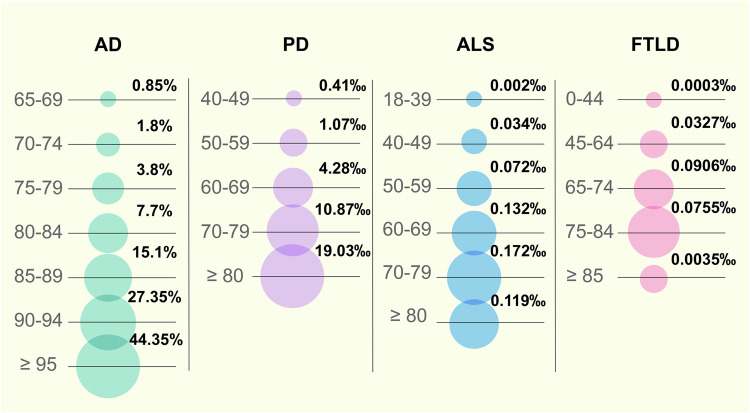
- Ageing is presented as an "accelerator" of neurodegeneration: AD prevalence rises from 5% at ages 65–74 to 13.1% at 75–84 and 33.2% at 85+ (US, 2022); PD prevalence rises from 41 per 100,000 at ages 40–49 to 1,903 per 100,000 at 80+; ALS prevalence is 0.2 per 100,000 at ages 18–39 versus 17.2 per 100,000 at 70–79.
- Comorbidities are the rule rather than the exception: in the ROS/MAP cohort, ~97% of persons with probable AD had other neurodegenerative or vascular comorbidities, and >86% of cognitively unimpaired older persons had vascular, AD or other degenerative comorbidities.
- The authors propose a complex adaptive systems (CAS) framework in which neurodegeneration arises from emergent homeostatic imbalance across molecular, cellular, organ and organismal scales, rather than from a single molecule or cell.
- Antiageing interventions are catalogued across levels: molecular (e.g., GDF11, klotho, metformin lowering epigenetic age by up to 6.1 years in the frontal lobe of monkeys; rapamycin/acarbose/phenylbutyrate cocktails), cellular (senolytics extending lifespan up to 35% in pre-ageing mice; young plasma extracellular vesicles increasing median lifespan 12.4%), systemic (young blood, bone marrow transplantation increasing maximum lifespan 30%, FMT, anti-inflammation such as IL-11 neutralization extending average mouse lifespan 24.9%), and individual (caloric restriction, exercise, sleep/diet; a multimodal diet-exercise-sleep intervention reversed epigenetic age by 3.2 years).
- Clinical trials reviewed include effective results for allopregnanolone, isoflavones, benfotiamine, fish oil/lipoic acid, and plasma exchange, while intranasal insulin, naproxen/celecoxib and nilotinib were ineffective; senolytics showed phase 1 safety in AD.
Methods
- Narrative review (no systematic search or meta-analytic protocol described) synthesizing epidemiological, mechanistic, preclinical and clinical literature on ageing and neurodegenerative diseases (AD, PD, ALS, FTLD, HD).
- Evidence drawn from population/epidemiological datasets (WHO, CDC, ROS/MAP, UK Biobank, CALERIE, REACT), animal and cell models, and a tabulated set of clinical trials (Table 2) with identifiers, phases and reported results.
- Organizes evidence by mechanistic level (molecular, cellular, tissue/organ, circuit, functional), by body–brain axes (heart, liver, gut, kidney, lung, muscle, bone, blood, immune, endocrine), and by intervention level (molecular, cellular, systemic, individual).
Limitations
- Stated by the paper: most studies are conducted in artificially induced animal models (e.g., APP/PS1 mice) that do not reflect sporadic disease, since familial AD accounts for less than 5% of cases; such models may underestimate peripheral and brain ageing contributions.
- Stated by the paper: mouse, Drosophila and nematode lifespans are inadequate for modelling gradual human ageing, so antiageing therapies should be validated in longer-lived species (non-human primates, naked mole rats).
- Stated by the paper: the magnitude and duration of antiageing effects require long-term follow-up; individual heterogeneity (age, personality, comorbidities, lifestyle, education) is poorly understood; and side effects/adverse reactions are often downplayed.
- Evident from the text: as a narrative review without a systematic search strategy, selection of cited evidence may be subject to the authors' framing, and several cited clinical trials are ongoing with results not yet reported (blank entries in Table 2).
Model-written summary. Check it against the paper before relying on it.
Integrity signals
Registry
Cites
Statistics
Figures
Verification
Claims the paper makes
89 Valid · 5 Not valid · 242 Not checked · 87 Own results and interpretations
The cited sources support only part of this claim — read each source’s verdict below.
In the paper
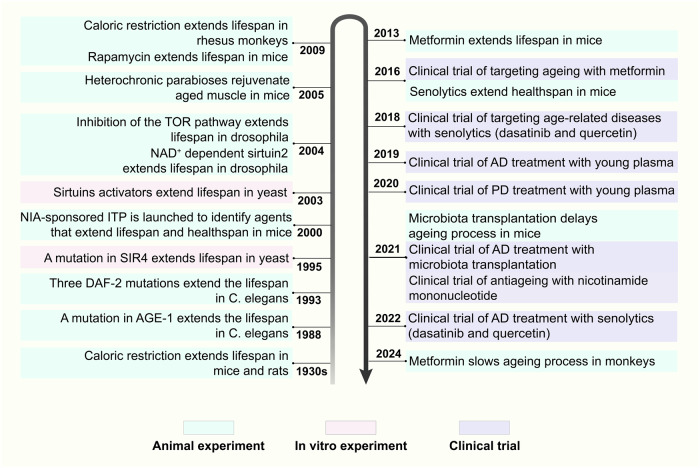
“Subsequent clinical trials have indicated that cognitive and behavioural improvements could be achieved through fecal microbiota transplantation (FMT) in patients with mild cognitive impairment as well as those suffering from PD.76,77”
§ Antiageing strategy for neurodegenerative diseases: from mechanisms to clinical advances > Milestone events of studies on antiageing strategies
What the sources say
- Partly supportedcites [76] Chen, X. et al. Preliminary evidence for developing safe and efficient fecal microbiota transplantation as potential treatment for aged related cognitive impairments. Front. Cell Infect. Microbiol. 13, 1103189 (2023). 37113132 PMC10127103 sourceExperimental — accuracy not yet measured
The Results section reports that, after FMT, cognitive scores in two patients with mild cognitive impairment improved slightly or were maintained, while daily-living scores improved. The paper does not report an FMT trial in patients with Parkinson’s disease or a distinct behavioural-improvement outcome. (LLM, conf=0.88)
- Partly supportedcites [77] Huang, H. et al. Fecal microbiota transplantation to treat Parkinson’s disease with constipation: A case report. Medicine 98, e16163 (2019). 31261545 PMC6616439 sourceExperimental — accuracy not yet measured
The Case presentation (page unavailable) reports reduced tremor and improved constipation after FMT in one patient with Parkinson’s disease. It does not report cognitive or behavioural improvements, study patients with mild cognitive impairment, or describe a clinical trial; the Discussion calls it a first attempt to treat PD with FMT. (LLM, conf=0.86)
hedgedstates a possible cause- Asserted: passes — The authors put it forward as true.
- Checkable: passes — It can be checked against evidence.
- Load-bearing: unclear — It is unclear whether the paper’s conclusions depend on it.
- Based: passes — The paper gives a reason why it holds.
- Rests on an assumption not shown here.
- Partly supported
The cited sources support only part of this claim — read each source’s verdict below.
In the paper
“Two recent clinical trials involving young plasma infusion in patients with AD and PD, respectively, have further validated this intervention strategy for neurodegenerative diseases.73,74”
§ Antiageing strategy for neurodegenerative diseases: from mechanisms to clinical advances > Milestone events of studies on antiageing strategies
What the sources say
- Partly supportedcites [73] Sha, S. J. et al. Safety, Tolerability, and Feasibility of Young Plasma Infusion in the Plasma for Alzheimer Symptom Amelioration Study: A Randomized Clinical Trial. JAMA Neurol. 76, 35–40 (2019). 30383097 PMC6439869 sourceExperimental — accuracy not yet measured
The Key Points identify a clinical trial of young-plasma infusions in patients with mild to moderate AD and report that the infusions were tolerated. The Discussion says the trial established safety and feasibility, but that efficacy could not be determined; it therefore does not validate young plasma as an effective intervention for AD. The separate PD trial is not assessed under this citation. (LLM, conf=0.88)
- Partly supportedcites [74] Parker, J. E. et al. Safety of Plasma Infusions in Parkinson’s Disease. Mov. Disord. 35, 1905–1913 (2020). 32633860 PMC7361360 sourceExperimental — accuracy not yet measured
The paper's Conclusions report that young plasma infusion was safe and feasible in people with PD, with preliminary signs of improvement. But the Discussion describes the study as an uncontrolled phase I trial and cautions that its improvement finding is preliminary; it does not validate young plasma as an effective treatment for PD or neurodegenerative diseases more broadly. This verdict addresses the PD trial attributed to this source, not the separately cited AD trial. (LLM, conf=0.90)
boostedstates a cause- Asserted: passes — The authors put it forward as true.
- Checkable: passes — It can be checked against evidence.
- Load-bearing: passes — The paper’s conclusions depend on it.
- Based: passes — The paper gives a reason why it holds.
- Rests on an assumption not shown here.
- Partly supported
Every source the paper cites for this claim was checked and supports it.
In the paper
“In 2009, rapamycin, an inhibitor of the mammalian target of rapamycin (mTOR) pathway, was shown to significantly extend the lifespan of mammals.58”
§ Antiageing strategy for neurodegenerative diseases: from mechanisms to clinical advances > Milestone events of studies on antiageing strategies
What the sources say
- Supportedcites [58] Harrison, D. E. et al. Rapamycin fed late in life extends lifespan in genetically heterogeneous mice. Nature 460, 392–395 (2009). 19587680 PMC2786175 source
The Abstract reports that rapamycin, an mTOR-pathway inhibitor, extended median and maximal lifespan in male and female mice. It also reports statistically significant survival benefits compared with controls (p < 0.0001). The mammalian evidence in this paper is specifically from mice. (LLM, conf=0.94)
plainstates a cause- Asserted: passes — The authors put it forward as true.
- Checkable: passes — It can be checked against evidence.
- Load-bearing: unclear — It is unclear whether the paper’s conclusions depend on it.
- Based: passes — The paper gives a reason why it holds.
- Supported
Every source the paper cites for this claim was checked and supports it.
In the paper
“The expression of aquaporin-4 (AQP4) in astrocytes significantly influences the transport and clearance functions of the glymphatic system.155”
§ Antiageing strategy for neurodegenerative diseases: from mechanisms to clinical advances > Systemic regulatory mechanisms of ageing in neurodegenerative diseases > Molecular and cellular networks of ageing in neurodegenerative diseases
What the sources say
- Supportedcites [155] Iliff, J. J. et al. A paravascular pathway facilitates CSF flow through the brain parenchyma and the clearance of interstitial solutes, including amyloid β. Sci. Transl. Med. 4, 147ra111 (2012). 22896675 PMC3551275 source
The DISCUSSION of our copy proposes the name 'glymphatic' for this para-arterial CSF influx / paravenous ISF clearance pathway and states that 'Interstitial bulk flow between these influx and efflux pathways depends upon trans-astrocytic water movement.' The RESULTS ('Astroglial water transport supports CSF flux into the parenchyma'; 'Astroglial water transport facilitates bulk ISF solute clearance from the parenchyma') show that in Aqp4-null mice TR-d3 movement from the paravascular space into the interstitium was effectively abolished and [3H]mannitol clearance was reduced by ~70%, with Aβ1-40 clearance reduced by ~55% (RESULTS, 'AQP4 facilitates the para-vascular clearance of interstitial amyloid β'). The paper also links the degree/polarization of AQP4 expression in periarterial versus perivenous astroglial endfeet to directional bulk flow (RESULTS; DISCUSSION, 'Role of AQP4 in paravascular pathway function'), covering both the transport and clearance limbs of the claim. (LLM, conf=0.90)
plainstates a cause- Asserted: passes — The authors put it forward as true.
- Checkable: passes — It can be checked against evidence.
- Load-bearing: unclear — It is unclear whether the paper’s conclusions depend on it.
- Based: passes — The paper gives a reason why it holds.
- Supported
The cited sources support only part of this claim — read each source’s verdict below.
In the paper
“The expression and functionality of proteins that form tight junctions between endothelial cells, such as occludin and claudin, are reduced.151,152”
§ Antiageing strategy for neurodegenerative diseases: from mechanisms to clinical advances > Systemic regulatory mechanisms of ageing in neurodegenerative diseases > Molecular and cellular networks of ageing in neurodegenerative diseases
What the sources say
- Partly supportedcites [151] Geng, J. et al. Blood-Brain Barrier Disruption Induced Cognitive Impairment Is Associated With Increase of Inflammatory Cytokine. Front. Aging Neurosci. 10, 129 (2018). 29867440 PMC5949351 sourceExperimental — accuracy not yet measured
The Results section reports reduced occludin and claudin-5 expression and disrupted tight-junction staining in 8-week diabetic rats compared with normal rats. The Discussion links these changes to impaired blood–brain barrier function. The paper does not establish that these changes occur with ageing; the eight weeks describe time after diabetes induction, not the rats’ age. Page numbers are unavailable in our copy. (LLM, conf=0.88)
- Partly supportedcites [152] Bony, B. A. et al. Claudin-1-Targeted Nanoparticles for Delivery to Aging-Induced Alterations in the Blood-Brain Barrier. ACS Nano 15, 18520–18531 (2021). 34748307 PMC9079187 sourceExperimental — accuracy not yet measured
The introductory passage says claudin-5 expression decreases during aging and links altered tight-junction protein expression to BBB leakiness. But the Conclusions report increased claudin-1 expression in aging brain endothelial cells, while Results and Discussion found no difference in total claudin-1 or claudin-5 protein levels between the mouse age groups studied. The supplied passages do not establish that occludin expression or tight-junction protein functionality generally decreases with age. Page numbers were not provided. (LLM, conf=0.88)
plainstates a cause- Asserted: passes — The authors put it forward as true.
- Checkable: passes — It can be checked against evidence.
- Load-bearing: passes — The paper’s conclusions depend on it.
- Based: passes — The paper gives a reason why it holds.
- Partly supported
177 more claims · 37 with their cited sources checked
Create a free account to see all 423 claims and to verify the 329 references still open.
- It may state two separate claims as one. 214
- Probably not a substantial claim. 45
Claims other papers make about this one
Each is checked against this paper’s own text: does it say what the citing paper says it does?
The cited source says what the claim attributes to it.
In the citing paper
“Increasingly, AD is being reframed as a systemic disorder linked to global aging processes rather than a purely localized brain disease [4,5].”
From Primary Cilia and Cardiovascular Risk Factors in Alzheimer's Disease (2025) · cites this paper as [5]
Self-check
Percentages, sums and reported differences re-computed from the paper’s own numbers.
Each contradiction between two passages listed here was confirmed by an independent check.
Rated minor: it would not touch a result — a value no result rests on, a p-value that stays on the same side of the significance level, or a conflict that is clerical, resolved elsewhere in the paper, or outside its own findings.
In the paper
§ Antiageing strategy for neurodegenerative diseases: from mechanisms to clinical advances > Antiageing strategies for neurodegenerative diseases: clinical trials > Neuroprotection
“Drugs such as PYC857 are being studied for their antioxidant and anti-inflammatory effects on treating ALS.”
§ Antiageing strategy for neurodegenerative diseases: from mechanisms to clinical advances > Antiageing strategies for neurodegenerative diseases: clinical trials
“| Anti-inflammation | PTC857 | NCT05349721 | ALS | Phase 2 | | |”
Rated minor: it would not touch a result — a value no result rests on, a p-value that stays on the same side of the significance level, or a conflict that is clerical, resolved elsewhere in the paper, or outside its own findings.
In the paper
§ Antiageing strategy for neurodegenerative diseases: from mechanisms to clinical advances > Systemic regulatory mechanisms of ageing in neurodegenerative diseases > Body‒brain axes in relation to ageing and neurodegenerative diseases
“Studies in humans have revealed that liver function decreases with age, as indicated by increased serum γ-glutamyl transpeptidase and alanine aminotransferase levels.219”
§ Antiageing strategy for neurodegenerative diseases: from mechanisms to clinical advances > References
“219. Dong, M. H., Bettencourt, R., Barrett-Connor, E. & Loomba, R. Alanine aminotransferase decreases with age: the Rancho Bernardo Study.”
Citations
Cites
1 retracted
Items 201–400 of 555
Free‐Radical Theory of Aging: Increasing the Functional Life Span
HARMAN, D. (1994) · Annals of the New York Academy of Sciences · doi:10.1111/j.1749-6632.1994.tb12069.x · Cited by 224
A complex systems approach to aging biology
Cohen, A. A., Ferrucci, L., Fülöp, T., Gravel, D., Hao, N., Kriete, A., Levine, M. E., Lipsitz, L. A., Olde Rikkert, M. G. M., Rutenberg, A., et al. (2022) · Nature Aging · doi:10.1038/s43587-022-00252-6 · Cited by 221 · cited 2×
“83 85 The intricate nature of ageing substantiates that ageing constitutes a nonlinear dynamic process characterized by variability across different organs and systems.”
Advanced BrainAGE in older adults with type 2 diabetes mellitus
Franke, K., Gaser, C., Manor, B., & Novak, V. (2013) · Frontiers in Aging Neuroscience · doi:10.3389/fnagi.2013.00090 · Cited by 221 · cited 1×
“351 Furthermore, insulin resistance has been found to reduce life expectancy through epigenetic clocks.”
Origin and evolution of the free radical theory of aging: a brief personal history, 1954–2009
Harman, D. (2009) · Biogerontology · doi:10.1007/s10522-009-9234-2 · Cited by 219 · cited 1×
“42,43 Then, George C. William et al. suggested the antagonistic pleiotropy theory that genes are favoured by natural selection if these genes exert bene fi cial effects on early fi tness components as well as pleiotropic deleterious effects on late fi tness components throughout life.”
Waziry, R., Ryan, C. P., Corcoran, D. L., Huffman, K. M., Kobor, M. S., Kothari, M., Graf, G. H., Kraus, V. B., Kraus, W. E., Lin, D. T. S., et al. (2023) · Nature Aging · doi:10.1038/s43587-022-00357-y · Cited by 217
Neuronal NLRP3 is a parkin substrate that drives neurodegeneration in Parkinson’s disease
Panicker, N., Kam, T.-I., Wang, H., Neifert, S., Chou, S.-C., Kumar, M., Brahmachari, S., Jhaldiyal, A., Hinkle, J. T., Akkentli, F., et al. (2022) · Neuron · doi:10.1016/j.neuron.2022.05.009 · Cited by 215
Protective effects and mechanisms of sirtuins in the nervous system
Zhang, F., Wang, S., Gan, L., Vosler, P. S., Gao, Y., Zigmond, M. J., & Chen, J. (2011) · Progress in Neurobiology · doi:10.1016/j.pneurobio.2011.09.001 · Cited by 211 · cited 1×
“122,123 Similarly, alterations in other ageing-related pathways, such as adenosine 5 ’ -monophosphate-activated protein kinase (AMPK) and NAD + , with ageing also contribute to neurodegeneration.”
Systemic Catabolism of Alzheimer's Aβ40 and Aβ42
Ghiso, J., Shayo, M., Calero, M., Ng, D., Tomidokoro, Y., Gandy, S., Rostagno, A., & Frangione, B. (2004) · Journal of Biological Chemistry · doi:10.1074/jbc.m407668200 · Cited by 209
Salminen, A., Kaarniranta, K., & Kauppinen, A. (2016) · Ageing Research Reviews · doi:10.1016/j.arr.2016.04.003 · Cited by 209 · cited 1×
“126,396,397 The expression of the transcription factor C/EBP β has been found to increase with age, resulting in the activation of AEP (also known as δ -secretase) transcription and ultimately leading to excitatory neurotoxicity and a shortened lifespan.”
Morale, M. C., Serra, P. A., L’Episcopo, F., Tirolo, C., Caniglia, S., Testa, N., Gennuso, F., Giaquinta, G., Rocchitta, G., Desole, M. S., et al. (2006) · Neuroscience · doi:10.1016/j.neuroscience.2005.07.060 · Cited by 207
Therapeutic B-cell depletion reverses progression of Alzheimer’s disease
Kim, K., Wang, X., Ragonnaud, E., Bodogai, M., Illouz, T., DeLuca, M., McDevitt, R. A., Gusev, F., Okun, E., Rogaev, E., et al. (2021) · Nature Communications · doi:10.1038/s41467-021-22479-4 · Cited by 206 · cited 1×
“331 A longer leukocyte telomere length is related to a greater hippocampal volume and lower WMHs, predicting a lower AD risk.”
Self-citationChidambaram, S. B., Essa, M. M., Rathipriya, A. G., Bishir, M., Ray, B., Mahalakshmi, A. M., Tousif, A. H., Sakharkar, M. K., Kashyap, R. S., Friedland, R. P., et al. (2022) · Pharmacology & Therapeutics · doi:10.1016/j.pharmthera.2021.107988 · Cited by 204 · cited 1×
“245 248 Kidney – brain axis .”
Gonzales, M. M., Garbarino, V. R., Marques Zilli, E., Petersen, R. C., Kirkland, J. L., Tchkonia, T., Musi, N., Seshadri, S., Craft, S., & Orr, M. E. (2022) · The Journal of Prevention of Alzheimer's Disease · doi:10.14283/jpad.2021.62 · Cited by 203
Fiorito, G., Caini, S., Palli, D., Bendinelli, B., Saieva, C., Ermini, I., Valentini, V., Assedi, M., Rizzolo, P., Ambrogetti, D., et al. (2021) · Aging Cell · doi:10.1111/acel.13439 · Cited by 202
Clinical Features of Huntington’s Disease
Ghosh, R., & Tabrizi, S. J. (2018) · Advances in Experimental Medicine and Biology · doi:10.1007/978-3-319-71779-1_1 · Cited by 202
Fecal microbiota transplantation to treat Parkinson's disease with constipation: A case report
Huang, H., Xu, H., Luo, Q., He, J., Li, M., Chen, H., Tang, W., Nie, Y., & Zhou, Y. (2019) · Medicine · doi:10.1097/md.0000000000016163 · Cited by 201
Sipilä, P. N., Heikkilä, N., Lindbohm, J. V., Hakulinen, C., Vahtera, J., Elovainio, M., Suominen, S., Väänänen, A., Koskinen, A., Nyberg, S. T., et al. (2021) · The Lancet Infectious Diseases · doi:10.1016/s1473-3099(21)00144-4 · Cited by 197 · cited 1×
“266,267 Additionally, a special type of pathogen, M. tuberculosis , which primarily targets the lung, increases the risk of PD by 1.38 times.”
InfluentialTreating the whole body in Huntington's disease
Carroll, J. B., Bates, G. P., Steffan, J. S., Saft, C., & Tabrizi, S. J. (2015) · The Lancet Neurology · doi:10.1016/s1474-4422(15)00177-5 · Cited by 197 · cited 1×
“378 We will elaborate on potential systemic antiageing interventions at the molecular, cell, organ/ system, and organism levels, to provide an ef fi cient and insightful approach for treating neurodegenerative diseases (Fig.”
AMPK activation: Role in the signaling pathways of neuroinflammation and neurodegeneration
Peixoto, C. A., Oliveira, W. H. D., Araújo, S. M. D. R., & Nunes, A. K. S. (2017) · Experimental Neurology · doi:10.1016/j.expneurol.2017.08.013 · Cited by 196
Systemic factors as mediators of brain homeostasis, ageing and neurodegeneration
Pluvinage, J. V., & Wyss-Coray, T. (2020) · Nature Reviews Neuroscience · doi:10.1038/s41583-019-0255-9 · Cited by 191 · cited 1×
“309 Exposing a young mouse to plasma from old mice impairs synaptic plasticity, neurogenesis and cognition, 310,311 suggesting that aged blood contributes to brain ageing.”
Getting to the Heart of Alzheimer Disease
Tublin, J. M., Adelstein, J. M., del Monte, F., Combs, C. K., & Wold, L. E. (2019) · Circulation Research · doi:10.1161/circresaha.118.313563 · Cited by 188 · cited 1×
“212 On the other hand, the elderly heart is prone to chronotropic insuf fi ciency, and the inability to regulate heart rate is affected by the ageing ANS.”
Weinstein, G., Zelber-Sagi, S., Preis, S. R., Beiser, A. S., DeCarli, C., Speliotes, E. K., Satizabal, C. L., Vasan, R. S., & Seshadri, S. (2018) · JAMA Neurology · doi:10.1001/jamaneurol.2017.3229 · Cited by 186 · cited 1×
“221 In addition, the liver secretes neuroprotective molecules such as fi broblast growth factor 21 (FGF21) and glycosylphosphatidylinositol-speci fi c phospholipase D1 (Gpld1), which are reported to prevent neuronal apoptosis, 222 improve neurogenesis 223 and even prolong the lifespan of mice.”
Effects of COVID‐19 on Parkinson's Disease Clinical Features: A Community‐Based Case‐Control Study
Cilia, R., Bonvegna, S., Straccia, G., Andreasi, N. G., Elia, A. E., Romito, L. M., Devigili, G., Cereda, E., & Eleopra, R. (2020) · Movement Disorders · doi:10.1002/mds.28170 · Cited by 185 · cited 1×
“285,286 In conclusion, SARS-CoV-2 may accelerate the ageing process while increasing the risk of neurodegenerative diseases among older adults.”
Harman, D. (2009) · Biogerontology · doi:10.1007/s10522-009-9253-z · Cited by 185
Aleman, A., & Torres-Alemán, I. (2009) · Progress in Neurobiology · doi:10.1016/j.pneurobio.2009.07.008 · Cited by 184
Dysfunction of the blood–brain barrier in Alzheimer's disease: Evidence from human studies
Kurz, C., Walker, L., Rauchmann, B., & Perneczky, R. (2022) · Neuropathology and Applied Neurobiology · doi:10.1111/nan.12782 · Cited by 183 · cited 1×
“181,182 Importantly, brain cells do not function independently but interact in the form of cellular networks such as neurovascular units.”
From Chronic Cerebral Hypoperfusion to Alzheimer-Like Brain Pathology and Neurodegeneration
Zhao, Y., & Gong, C.-X. (2015) · Cellular and Molecular Neurobiology · doi:10.1007/s10571-014-0127-9 · Cited by 180 · cited 1×
“210 CBH directly enhances the synthesis and amyloidogenic processing of APP by increasing the activities of β -secretase and γ -secretase to produce A β .”
Cryo-EM structure of islet amyloid polypeptide fibrils reveals similarities with amyloid-β fibrils
Röder, C., Kupreichyk, T., Gremer, L., Schäfer, L. U., Pothula, K. R., Ravelli, R. B. G., Willbold, D., Hoyer, W., & Schröder, G. F. (2020) · Nature Structural & Molecular Biology · doi:10.1038/s41594-020-0442-4 · Cited by 180
Antidiabetic agents as a novel treatment for Alzheimer’s and Parkinson’s disease
Nowell, J., Blunt, E., Gupta, D., & Edison, P. (2023) · Ageing Research Reviews · doi:10.1016/j.arr.2023.101979 · Cited by 179 · cited 2×
“423,424 Notably, metformin also improves behaviour and pathology in ALS/FTD mice.”
Frontotemporal lobar degeneration
Grossman, M., Seeley, W. W., Boxer, A. L., Hillis, A. E., Knopman, D. S., Ljubenov, P. A., Miller, B., Piguet, O., Rademakers, R., Whitwell, J. L., et al. (2023) · Nature Reviews Disease Primers · doi:10.1038/s41572-023-00447-0 · Cited by 178 · cited 1×
“94 Although ALS and FTLD have different disease manifestations, many genetic and pathological mechanisms overlap.”
The Effect of the COVID-19 Pandemic on People with Parkinson’s Disease
Brown, E. G., Chahine, L. M., Goldman, S. M., Korell, M., Mann, E., Kinel, D. R., Arnedo, V., Marek, K. L., & Tanner, C. M. (2020) · Journal of Parkinson's Disease · doi:10.3233/jpd-202249 · Cited by 177 · cited 1×
“285,286 In conclusion, SARS-CoV-2 may accelerate the ageing process while increasing the risk of neurodegenerative diseases among older adults.”
Astrocyte Senescence and Alzheimer’s Disease: A Review
Han, X., Zhang, T., Liu, H., Mi, Y., & Gou, X. (2020) · Frontiers in Aging Neuroscience · doi:10.3389/fnagi.2020.00148 · Cited by 177 · cited 2×
“90 Furthermore, oligodendrocytes provide energy and nutrients for neuronal axons and protect them from injury.”
Inflammation in Parkinson’s disease: role of glucocorticoids
Herrero, M.-T., Estrada, C., Maatouk, L., & Vyas, S. (2015) · Frontiers in Neuroanatomy · doi:10.3389/fnana.2015.00032 · Cited by 175
Huntington's disease: The current state of research with peripheral tissues
Sassone, J., Colciago, C., Cislaghi, G., Silani, V., & Ciammola, A. (2009) · Experimental Neurology · doi:10.1016/j.expneurol.2009.05.012 · Cited by 175 · cited 1×
“335 Moreover, in elderly patients with FTLD, genes associated with phagosomes and lysosomes in peripheral blood mononuclear cells are downregulated, 336 indicating a potential link between the peripheral immune system and FTLD. Additionally, peripheral in fl ammatory markers, including IL-2, IL-17A,…”
Chen, X., Luo, Y., Zhu, Q., Zhang, J., Huang, H., Kan, Y., Li, D., Xu, M., Liu, S., Li, J., et al. (2024) · Nature Aging · doi:10.1038/s43587-024-00612-4 · Cited by 174
Self-citationGlobal Prevalence and Incidence of Amyotrophic Lateral Sclerosis: A Systematic Review
Wolfson, C. M., Gauvin, D. E., Ishola, F., & Oskoui, M. (2023) · Neurology · doi:10.1212/wnl.0000000000207474 · Cited by 174
Habes, M., Pomponio, R., Shou, H., Doshi, J., Mamourian, E., Erus, G., Nasrallah, I., Launer, L. J., Rashid, T., Bilgel, M., et al. (2021) · Alzheimer's & Dementia · doi:10.1002/alz.12178 · Cited by 173 · cited 1×
“162 The white matter, which contains myelinated axons, also undergoes signi fi cant changes.”
Self-citationRapamycin and Alzheimer’s disease: Time for a clinical trial?
Kaeberlein, M., & Galvan, V. (2019) · Science Translational Medicine · doi:10.1126/scitranslmed.aar4289 · Cited by 171 · cited 1×
“These drugs include those targeting glucose metabolism, such as rapamycin, insulin, metformin, and GLP-1 RAs, for treatment of AD and PD. 520,521 For example, a study randomized 38 AD patients to receive liraglutide or placebo and reported that liraglutide reversed AD-related glucose transporter…”
Agarwal, P., Leurgans, S. E., Agrawal, S., Aggarwal, N. T., Cherian, L. J., James, B. D., Dhana, K., Barnes, L. L., Bennett, D. A., & Schneider, J. A. (2023) · Neurology · doi:10.1212/wnl.0000000000207176 · Cited by 170
Lei, Q., Gao, F., Liu, T., Ren, W., Chen, L., Cao, Y., Chen, W., Guo, S., Zhang, Q., Chen, W., et al. (2021) · Science Translational Medicine · doi:10.1126/scitranslmed.aaz8697 · Cited by 170
Diabetes mellitus in Huntington disease
Farrer, L. A. (1985) · Clinical Genetics · doi:10.1111/j.1399-0004.1985.tb00185.x · Cited by 170 · cited 1×
“…increased vulnerability of dopamine neurons in PD. 366 Ultimately, excessive ACTH leads to activation and hypertrophy of the adrenal cortex in aged HD mice, resulting in elevated cortisol levels, 367 that may contribute to impaired glucose metabolism, 368 skeletal muscle atrophy, and weight loss.”
Astrocytes aged in vitro show a decreased neuroprotective capacity
Pertusa, M., García‐Matas, S., Rodríguez‐Farré, E., Sanfeliu, C., & Cristòfol, R. (2007) · Journal of Neurochemistry · doi:10.1111/j.1471-4159.2006.04369.x · Cited by 168 · cited 1×
“143,144 Under in fl ammatory conditions, astrocytes may be transformed into the neurotoxic A1 state or the neuroprotective A2 state.”
Kuo, Y.-M., Kokjohn, T. A., Watson, M. D., Woods, A. S., Cotter, R. J., Sue, L. I., Kalback, W. M., Emmerling, M. R., Beach, T. G., & Roher, A. E. (2000) · The American Journal of Pathology · doi:10.1016/s0002-9440(10)64947-4 · Cited by 167
Epidemiología de la enfermedad de Alzheimer y otras demencias
Garre Olmo, J. (2018) · Revista de Neurología · doi:10.33588/rn.6611.2017519 · Cited by 166
Sarcopenia and Cognitive Decline in Older Adults: Targeting the Muscle–Brain Axis
Arosio, B., Calvani, R., Ferri, E., Coelho-Junior, H. J., Carandina, A., Campanelli, F., Ghiglieri, V., Marzetti, E., & Picca, A. (2023) · Nutrients · doi:10.3390/nu15081853 · Cited by 165 · cited 2×
“289 Additionally, a 1-year increase in the muscle BA increases the brain BA by 13 days.”
Targeting aging mechanisms: pharmacological perspectives
Moskalev, A., Guvatova, Z., Lopes, I. D. A., Beckett, C. W., Kennedy, B. K., De Magalhaes, J. P., & Makarov, A. A. (2022) · Trends in Endocrinology & Metabolism · doi:10.1016/j.tem.2022.01.007 · Cited by 164
Bonello, F., Hassoun, S.-M., Mouton-Liger, F., Shin, Y. S., Muscat, A., Tesson, C., Lesage, S., Beart, P. M., Brice, A., Krupp, J., et al. (2019) · Human Molecular Genetics · doi:10.1093/hmg/ddz004 · Cited by 163
Blood-Brain Glucose Transfer in Alzheimer’s disease: Effect of GLP-1 Analog Treatment
Gejl, M., Brock, B., Egefjord, L., Vang, K., Rungby, J., & Gjedde, A. (2017) · Scientific Reports · doi:10.1038/s41598-017-17718-y · Cited by 163 · cited 1×
“522 Another single-blind, phase 2 trial evaluated exenatide, which improved motor de fi cits in PD patients for more than 12 months.”
BODY WEIGHT AND DIETARY FACTORS IN HUNTINGTON'S DISEASE PATIENTS COMPARED WITH MATCHED CONTROLS
Sanberg, P. R., Fibiger, H. C., & Mark, R. F. (1981) · Medical Journal of Australia · doi:10.5694/j.1326-5377.1981.tb135681.x · Cited by 161
Prevalence of AD among whites: A summary by levels of severity
Hy, L. X., & Keller, D. M. (2000) · Neurology · doi:10.1212/wnl.55.2.198 · Cited by 161
Crosstalk between the nervous system and the kidney
Tanaka, S., & Okusa, M. D. (2020) · Kidney International · doi:10.1016/j.kint.2019.10.032 · Cited by 160 · cited 1×
“249 Kidney biopsy data from elderly individuals indicate that ageing is associated with a decline in the glomerular fi ltration rate.”
Distribution of cardiac output to the brain across the adult lifespan
Xing, C.-Y., Tarumi, T., Liu, J., Zhang, Y., Turner, M., Riley, J., Tinajero, C. D., Yuan, L.-J., & Zhang, R. (2017) · Journal of Cerebral Blood Flow & Metabolism · doi:10.1177/0271678x16676826 · Cited by 160 · cited 1×
“However, the ageing process results in decreases in the ejection fraction and the portion of cardiac output allocated to the brain, 203 as well as the contraction of the cerebral vasculature, which jointly result in chronic brain hypoperfusion (CBH).”
Self-citationExercise and Parkinson's disease
Xu, X., Fu, Z., & Le, W. (2019) · International Review of Neurobiology · doi:10.1016/bs.irn.2019.06.003 · Cited by 158
Uddin, M. S., Rahman, M. M., Jakaria, M., Rahman, M. S., Hossain, M. S., Islam, A., Ahmed, M., Mathew, B., Omar, U. M., Barreto, G. E., et al. (2020) · Molecular Neurobiology · doi:10.1007/s12035-020-01911-8 · Cited by 156 · cited 1×
“468 Moreover, oestrogen regulates transcription factors related to in fl ammation and oxidative stress, such as nuclear factor kappa-B (NF-κ B) and nuclear factor erythroid 2-related factor 2 (Nrf2), to alleviate neuroin fl ammation and other AD pathologies.”
Blood-to-brain communication in aging and rejuvenation
Bieri, G., Schroer, A. B., & Villeda, S. A. (2023) · Nature Neuroscience · doi:10.1038/s41593-022-01238-8 · Cited by 156 · cited 2×
“201 Recent investigations propose that ageing constitutes a nonlinear dynamic procedure demarcated by heterogeneity among diverse organs and systems.”
COVID-19 and cellular senescence
Schmitt, C. A., Tchkonia, T., Niedernhofer, L. J., Robbins, P. D., Kirkland, J. L., & Lee, S. (2023) · Nature Reviews Immunology · doi:10.1038/s41577-022-00785-2 · Cited by 153 · cited 1×
“276,277 These processes are commonly associated with ageing and also implicated in the pathogenesis of neurodegenerative diseases.”
Koronyo, Y., Salumbides, B. C., Sheyn, J., Pelissier, L., Li, S., Ljubimov, V., Moyseyev, M., Daley, D., Fuchs, D.-T., Pham, M., et al. (2015) · Brain · doi:10.1093/brain/awv150 · Cited by 153
López-Ortiz, S., Valenzuela, P. L., Seisdedos, M. M., Morales, J. S., Vega, T., Castillo-García, A., Nisticò, R., Mercuri, N. B., Lista, S., Lucia, A., et al. (2021) · Ageing Research Reviews · doi:10.1016/j.arr.2021.101479 · Cited by 152
Brandenberger, C., & Mühlfeld, C. (2017) · Cell and Tissue Research · doi:10.1007/s00441-016-2511-x · Cited by 152
Miranda, C. J., Braun, L., Jiang, Y., Hester, M. E., Zhang, L., Riolo, M., Wang, H., Rao, M., Altura, R. A., & Kaspar, B. K. (2012) · Aging Cell · doi:10.1111/j.1474-9726.2012.00816.x · Cited by 152 · cited 1×
“143,144 Under in fl ammatory conditions, astrocytes may be transformed into the neurotoxic A1 state or the neuroprotective A2 state.”
GOMI, I., FUKUSHIMA, H., SHIRAKI, M., MIWA, Y., ANDO, T., TAKAI, K., & MORIWAKI, H. (2007) · Journal of Nutritional Science and Vitaminology · doi:10.3177/jnsv.53.37 · Cited by 149
Simuni, T., Fiske, B., Merchant, K., Coffey, C. S., Klingner, E., Caspell-Garcia, C., Lafontant, D.-E., Matthews, H., Wyse, R. K., Brundin, P., et al. (2021) · JAMA Neurology · doi:10.1001/jamaneurol.2020.4725 · Cited by 149
Whittaker, D. S., Akhmetova, L., Carlin, D., Romero, H., Welsh, D. K., Colwell, C. S., & Desplats, P. (2023) · Cell Metabolism · doi:10.1016/j.cmet.2023.07.014 · Cited by 147 · cited 1×
“492 Similarly, directly improving circadian rhythms activates various clock-controlled metabolic genes involved in insulin signalling and mitochondrial function and ameliorates A β pathology.”
The Role of Antioxidants in the Interplay between Oxidative Stress and Senescence
Varesi, A., Chirumbolo, S., Campagnoli, L. I. M., Pierella, E., Piccini, G. B., Carrara, A., Ricevuti, G., Scassellati, C., Bonvicini, C., & Pascale, A. (2022) · Antioxidants · doi:10.3390/antiox11071224 · Cited by 145 · cited 1×
“513 Furthermore, antioxidants delay the ageing process of various organs/systems in elderly individuals, including the skin, ovaries, immune system, circulatory system, and brain.”
Erickson, M. A., Hartvigson, P. E., Morofuji, Y., Owen, J. B., Butterfield, D. A., & Banks, W. A. (2012) · Journal of Neuroinflammation · doi:10.1186/1742-2094-9-150 · Cited by 145
Incidence and extent of TDP-43 accumulation in aging human brain
Uchino, A., Takao, M., Hatsuta, H., Sumikura, H., Nakano, Y., Nogami, A., Saito, Y., Arai, T., Nishiyama, K., & Murayama, S. (2015) · Acta Neuropathologica Communications · doi:10.1186/s40478-015-0215-1 · Cited by 144
Shi, Q., Liu, S., Fonseca, V. A., Thethi, T. K., & Shi, L. (2019) · BMJ Open · doi:10.1136/bmjopen-2018-024954 · Cited by 144 · cited 1×
“524,525 The fi rst human clinical trial of NMN was conducted in 2021; NMN was administered to 25 older women, and the results revealed signi fi cant improvements in the muscle repair and regeneration capacity.”
Experimental evidence for the age dependence of tau protein spread in the brain
Wegmann, S., Bennett, R. E., Delorme, L., Robbins, A. B., Hu, M., MacKenzie, D., Kirk, M. J., Schiantarelli, J., Tunio, N., Amaral, A. C., et al. (2019) · Science Advances · doi:10.1126/sciadv.aaw6404 · Cited by 144
Single-cell omics in ageing: a young and growing field
He, X., Memczak, S., Qu, J. T., Belmonte, J. C. I., & Liu, G. (2020) · Nature Metabolism · doi:10.1038/s42255-020-0196-7 · Cited by 144 · cited 1×
“In recent years, due to advances in high-throughput single-cell omics technologies and large-scale pro fi ling, 81 the research paradigm has shifted.”
Self-citationBoada, M., López, O. L., Olazarán, J., Núñez, L., Pfeffer, M., Paricio, M., Lorites, J., Piñol‐Ripoll, G., Gámez, J. E., Anaya, F., et al. (2020) · Alzheimer's & Dementia · doi:10.1002/alz.12137 · Cited by 143
Microglial activation in healthy aging
Schuitemaker, A., van der Doef, T. F., Boellaard, R., van der Flier, W. M., Yaqub, M., Windhorst, A. D., Barkhof, F., Jonker, C., Kloet, R. W., Lammertsma, A. A., et al. (2012) · Neurobiology of Aging · doi:10.1016/j.neurobiolaging.2010.09.016 · Cited by 142 · cited 1×
“The states of microglia, such as telomerase activity, 131 morphology and distribution pattern, 132 degree of activation, 133 cell migration and the speed of the response to in fl ammation, 134 signi fi cantly change with ageing.”
The role of astrocyte structural plasticity in regulating neural circuit function and behavior
Lawal, O., Ulloa Severino, F. P., & Eroglu, C. (2022) · Glia · doi:10.1002/glia.24191 · Cited by 142 · cited 1×
“140,141 During the ageing process, astrocytes exhibit ageing-related phenotypes, such as an increased stress response, reduced telomere length and mitochondrial activity, 142 and their ability to maintain neuronal activity and promote the proliferation of neural precursor cells is also signi fi…”
Baker, L. D., Barsness, S. M., Borson, S., Merriam, G. R., Friedman, S. D., Craft, S., & Vitiello, M. V. (2012) · Archives of Neurology · doi:10.1001/archneurol.2012.1970 · Cited by 138
Björkqvist, M., Petersén, Å., Bacos, K., Isaacs, J., Norlén, P., Gil, J., Popovic, N., Sundler, F., Bates, G. P., Tabrizi, S. J., et al. (2006) · Human Molecular Genetics · doi:10.1093/hmg/ddl094 · Cited by 138 · cited 1×
“…increased vulnerability of dopamine neurons in PD. 366 Ultimately, excessive ACTH leads to activation and hypertrophy of the adrenal cortex in aged HD mice, resulting in elevated cortisol levels, 367 that may contribute to impaired glucose metabolism, 368 skeletal muscle atrophy, and weight loss.”
Exposure to bacterial endotoxin generates a distinct strain of α-synuclein fibril
Kim, C., Lv, G., Lee, J. S., Jung, B. C., Masuda-Suzukake, M., Hong, C.-S., Valera, E., Lee, H.-J., Paik, S. R., Hasegawa, M., et al. (2016) · Scientific Reports · doi:10.1038/srep30891 · Cited by 138
Adding fuel to the fire: the impact of stress on the ageing brain
Prenderville, J. A., Kennedy, P. J., Dinan, T. G., & Cryan, J. F. (2015) · Trends in Neurosciences · doi:10.1016/j.tins.2014.11.001 · Cited by 136
Chen, C., Zhou, Y., Wang, H., Alam, A., Kang, S. S., Ahn, E. H., Liu, X., Jia, J., & Ye, K. (2021) · The EMBO Journal · doi:10.15252/embj.2020106320 · Cited by 136
Self-citationMulti-omic rejuvenation and lifespan extension on exposure to youthful circulation
Zhang, B., Lee, D. E., Trapp, A., Tyshkovskiy, A., Lu, A. T., Bareja, A., Kerepesi, C., McKay, L. K., Shindyapina, A. V., Dmitriev, S. E., et al. (2023) · Nature Aging · doi:10.1038/s43587-023-00451-9 · Cited by 134
Hong, C.-T., Chen, K.-Y., Wang, W., Chiu, J.-Y., Wu, D., Chao, T.-Y., Hu, C.-J., Chau, K.-Y., & Bamodu, O. (2020) · Cells · doi:10.3390/cells9030740 · Cited by 133 · cited 1×
“356,357 Moreover, hyperglycaemia aggravates the phosphorylation and aggregation of α -syn, neuroin fl ammation and dopaminergic neuronal loss in PD mice.”
Metformin inhibits RAN translation through PKR pathway and mitigates disease in C9orf72 ALS/FTD mice
Zu, T., Guo, S., Bardhi, O., Ryskamp, D. A., Li, J., Khoramian Tusi, S., Engelbrecht, A., Klippel, K., Chakrabarty, P., Nguyen, L., et al. (2020) · Proceedings of the National Academy of Sciences · doi:10.1073/pnas.2005748117 · Cited by 133
The Immunologic Theory of Aging
Walford, R. L. (1964) · The Gerontologist · doi:10.1093/geront/4.4.195 · Cited by 133
Frontotemporal Lobar Degeneration: Epidemiology, Pathology, Diagnosis and Management
Seltman, R. E., & Matthews, B. R. (2012) · CNS Drugs · doi:10.2165/11640070-000000000-00000 · Cited by 132
Sanz-Ros, J., Romero-García, N., Mas-Bargues, C., Monleón, D., Gordevicius, J., Brooke, R. T., Dromant, M., Díaz, A., Derevyanko, A., Guío-Carrión, A., et al. (2022) · Science Advances · doi:10.1126/sciadv.abq2226 · Cited by 131
HSV-1 and Alzheimer’s disease: more than a hypothesis
Piacentini, R., De Chiara, G., Li Puma, D. D., Ripoli, C., Marcocci, M. E., Garaci, E., Palamara, A. T., & Grassi, C. (2014) · Frontiers in Pharmacology · doi:10.3389/fphar.2014.00097 · Cited by 130
Spirometric reference equations for European females and males aged 65–85 yrs
García-Río, F., Pino, J. M., Dorgham, A., Alonso, A., & Villamor, J. (2004) · European Respiratory Journal · doi:10.1183/09031936.04.00088403 · Cited by 128
Boyd, T. D., Bennett, S. P., Mori, T., Governatori, N., Runfeldt, M., Norden, M., Padmanabhan, J., Neame, P., Wefes, I., Sanchez-Ramos, J., et al. (2010) · Journal of Alzheimer's Disease · doi:10.3233/jad-2010-091471 · Cited by 128
Co-transplantation of autologous Treg cells in a cell therapy for Parkinson’s disease
Park, T.-Y., Jeon, J., Lee, N., Kim, J., Song, B., Kim, J.-H., Lee, S.-K., Liu, D., Cha, Y., Kim, M., et al. (2023) · Nature · doi:10.1038/s41586-023-06300-4 · Cited by 128
Inflammation of the Embryonic Choroid Plexus Barrier following Maternal Immune Activation
Cui, J., Shipley, F. B., Shannon, M. L., Alturkistani, O., Dani, N., Webb, M. D., Sugden, A. U., Andermann, M. L., & Lehtinen, M. K. (2020) · Developmental Cell · doi:10.1016/j.devcel.2020.09.020 · Cited by 128
Gannon, O. J., Robison, L. S., Salinero, A. E., Abi-Ghanem, C., Mansour, F. M., Kelly, R. D., Tyagi, A., Brawley, R. R., Ogg, J. D., & Zuloaga, K. L. (2022) · Journal of Neuroinflammation · doi:10.1186/s12974-022-02466-2 · Cited by 127 · cited 1×
“373,374 Therefore, healthy lifestyles, such as regular physical activity and healthy diet, are associated with weigh loss and reduced the risk of dementia by 0.68 times.”
InfluentialAmelioration of pathologic α-synuclein-induced Parkinson’s disease by irisin
Kam, T.-I., Park, H., Chou, S.-C., Van Vranken, J. G., Mittenbühler, M. J., Kim, H., A, M., Choi, Y. R., Biswas, D., Wang, J., et al. (2022) · Proceedings of the National Academy of Sciences · doi:10.1073/pnas.2204835119 · Cited by 125
Self-citationHypoxia compromises the mitochondrial metabolism of Alzheimer’s disease microglia via HIF1
March-Diaz, R., Lara-Ureña, N., Romero-Molina, C., Heras-Garvin, A., Ortega-de San Luis, C., Alvarez-Vergara, M. I., Sanchez-Garcia, M. A., Sanchez-Mejias, E., Davila, J. C., Rosales-Nieves, A. E., et al. (2021) · Nature Aging · doi:10.1038/s43587-021-00054-2 · Cited by 125 · cited 1×
“264 Moreover, chronic hypoxia is thought to trigger α -syn phosphorylation and aggregation, which interacts with hypoxia-induced mitochondrial dysfunction to worsen PD progression.”
Age-related shifts in gut microbiota contribute to cognitive decline in aged rats
Li, Y., Ning, L., Yin, Y., Wang, R., Zhang, Z., Hao, L., Wang, B., Zhao, X., Yang, X., Yin, L., et al. (2020) · Aging · doi:10.18632/aging.103093 · Cited by 125
Infection and Risk of Parkinson’s Disease
Smeyne, R. J., Noyce, A. J., Byrne, M., Savica, R., & Marras, C. (2021) · Journal of Parkinson's Disease · doi:10.3233/jpd-202279 · Cited by 125 · cited 1×
“269 The coronavirus disease 2019 (COVID-19) pandemic has emerged as the most extensive and persistent global health crisis in recorded history.”
Fecal microbiota transplant as a potential treatment for Parkinson's disease – A case series
Segal, A., Zlotnik, Y., Moyal-Atias, K., Abuhasira, R., & Ifergane, G. (2021) · Clinical Neurology and Neurosurgery · doi:10.1016/j.clineuro.2021.106791 · Cited by 124 · cited 1×
“462 These studies highlight the importance of rejuvenating the aged immune system for a healthy lifespan and for the treatment of neurodegenerative diseases.”
Is Alzheimer’s Disease a Liver Disease of the Brain?
Bassendine, M. F., Taylor-Robinson, S. D., Fertleman, M., Khan, M., & Neely, D. (2020) · Journal of Alzheimer's Disease · doi:10.3233/jad-190848 · Cited by 124
Psychological and biological resilience modulates the effects of stress on epigenetic aging
Harvanek, Z. M., Fogelman, N., Xu, K., & Sinha, R. (2021) · Translational Psychiatry · doi:10.1038/s41398-021-01735-7 · Cited by 123 · cited 2×
“352 Ageing-related changes in the endocrine system are linked to neurodegenerative diseases, partly because of their impacts on pathological proteins.”
Jiang, S.-Y., Tian, T., Yao, H., Xia, X.-M., Wang, C., Cao, L., Hu, G., Du, R.-H., & Lu, M. (2023) · Cell Death & Differentiation · doi:10.1038/s41418-023-01216-y · Cited by 123
Infectious agents and Alzheimer's disease
Piekut, T., Hurła, M., Banaszek, N., Szejn, P., Dorszewska, J., Kozubski, W., & Prendecki, M. (2022) · Journal of Integrative Neuroscience · doi:10.31083/j.jin2102073 · Cited by 123 · cited 1×
“Furthermore, SARS-CoV-2 directly induces AD pathogenesis such as neuronal damage and amyloid processing, 278 – 280 as well as PD pathogenesis including α -syn aggregation and dopaminergic neuronal loss in various models.”
Geng, J., Wang, L., Zhang, L., Qin, C., Song, Y., Ma, Y., Chen, Y., Chen, S., Wang, Y., Zhang, Z., et al. (2018) · Frontiers in Aging Neuroscience · doi:10.3389/fnagi.2018.00129 · Cited by 123
Self-citationLeon, J., Moreno, A. J., Garay, B. I., Chalkley, R. J., Burlingame, A. L., Wang, D., & Dubal, D. B. (2017) · Cell Reports · doi:10.1016/j.celrep.2017.07.024 · Cited by 123 · cited 2×
“251,252 Additionally, the kidneys also release various proteins that promote brain ageing, such as kidney-associated antigen 1.”
Triggering endogenous neuroprotective processes through exercise in models of dopamine deficiency
Zigmond, M. J., Cameron, J. L., Leak, R. K., Mirnics, K., Russell, V. A., Smeyne, R. J., & Smith, A. D. (2009) · Parkinsonism & Related Disorders · doi:10.1016/s1353-8020(09)70778-3 · Cited by 121 · cited 1×
“502,503 508 However, much more exploration into personalized, quantitative, and concrete lifestyle parameters, such as the type, duration and intensity of exercise, is needed.”
Quantifying the Eating Abnormalities in Frontotemporal Dementia
Ahmed, R. M., Irish, M., Kam, J., van Keizerswaard, J., Bartley, L., Samaras, K., Hodges, J. R., & Piguet, O. (2014) · JAMA Neurology · doi:10.1001/jamaneurol.2014.1931 · Cited by 120 · cited 1×
“497 Similarly, abnormal eating behaviours, such as increased appetite and increased intake of sugar and carbohydrates, are universal in FTLD patients and correlate with atrophy in discrete neural networks, 498,499 suggesting that dietary restriction may exert a positive effect.”
Tamaki, C., Ohtsuki, S., Iwatsubo, T., Hashimoto, T., Yamada, K., Yabuki, C., & Terasaki, T. (2006) · Pharmaceutical Research · doi:10.1007/s11095-006-0208-7 · Cited by 119
Yu, Y., Bai, F., Wang, W., Liu, Y., Yuan, Q., Qu, S., Zhang, T., Tian, G., Li, S., Li, D., et al. (2015) · Pharmacology Biochemistry and Behavior · doi:10.1016/j.pbb.2015.03.020 · Cited by 119 · cited 1×
“221 In addition, the liver secretes neuroprotective molecules such as fi broblast growth factor 21 (FGF21) and glycosylphosphatidylinositol-speci fi c phospholipase D1 (Gpld1), which are reported to prevent neuronal apoptosis, 222 improve neurogenesis 223 and even prolong the lifespan of mice.”
Neuromuscular Junction Dismantling in Amyotrophic Lateral Sclerosis
Cappello, V., & Francolini, M. (2017) · International Journal of Molecular Sciences · doi:10.3390/ijms18102092 · Cited by 119 · cited 1×
“293 In addition, a well-recognized observation in HD patients is defects in energy metabolism in skeletal muscle. mHTT affects mitochondrial complex activation and dysfunction of the mitochondrial respiratory chain in skeletal muscle, which may be markers of HD progression.”
Implicating endothelial cell senescence to dysfunction in the ageing and diseased brain
Graves, S. I., & Baker, D. J. (2020) · Basic & Clinical Pharmacology & Toxicology · doi:10.1111/bcpt.13403 · Cited by 118 · cited 2×
“149 The basement membrane, which supports endothelial cells, also undergoes thickening and structural alterations.”
Gibson, G. E., Luchsinger, J. A., Cirio, R. T., Chen, H., Franchino‐Elder, J., Hirsch, J. A., Bettendorff, L., Chen, Z., Flowers, S. A., Gerber, L. M., et al. (2020) · Journal of Alzheimer s Disease · doi:10.3233/jad-200896 · Cited by 118 · cited 1×
“527,528 Hormone supplementation or regulation Various hormones are closely linked to maintaining the normal function of the central nervous system.”
Juricic, P., Lu, Y.-X., Leech, T., Drews, L. F., Paulitz, J., Lu, J., Nespital, T., Azami, S., Regan, J. C., Funk, E., et al. (2022) · Nature Aging · doi:10.1038/s43587-022-00278-w · Cited by 118
Gaikwad, S., Senapati, S., Haque, M. A., & Kayed, R. (2024) · Alzheimer's & Dementia · doi:10.1002/alz.13490 · Cited by 117
Hill, C. M., Albarado, D. C., Coco, L. G., Spann, R. A., Khan, M. S., Qualls-Creekmore, E., Burk, D. H., Burke, S. J., Collier, J. J., Yu, S., et al. (2022) · Nature Communications · doi:10.1038/s41467-022-29499-8 · Cited by 117 · cited 1×
“224 The aged liver secretes fewer neuroprotective molecules and eliminates fewer neurotoxic substances (e.g., superoxide radicals), exacerbating the accumulation of excessive oxidation products in the brain.”
Hyperammonemia in Hepatic Encephalopathy
Jayakumar, A. R., & Norenberg, M. D. (2018) · Journal of Clinical and Experimental Hepatology · doi:10.1016/j.jceh.2018.06.007 · Cited by 115
Systemic induction of senescence in young mice after single heterochronic blood exchange
Jeon, O. H., Mehdipour, M., Gil, T.-H., Kang, M., Aguirre, N. W., Robinson, Z. R., Kato, C., Etienne, J., Lee, H. G., Alimirah, F., et al. (2022) · Nature Metabolism · doi:10.1038/s42255-022-00609-6 · Cited by 114 · cited 1×
“429 The eradication of senescent cells in pre-ageing mice partially counteracts the age-related functional decline and extends the lifespan by up to 35%.”
Longevity factor klotho enhances cognition in aged nonhuman primates
Castner, S. A., Gupta, S., Wang, D., Moreno, A. J., Park, C., Chen, C., Poon, Y., Groen, A., Greenberg, K., David, N., et al. (2023) · Nature Aging · doi:10.1038/s43587-023-00441-x · Cited by 114
Gan, K. J., & Südhof, T. C. (2019) · Proceedings of the National Academy of Sciences · doi:10.1073/pnas.1902672116 · Cited by 114
Inflammation Induces TDP-43 Mislocalization and Aggregation
Correia, A. S., Patel, P., Dutta, K., & Julien, J.-P. (2015) · PLOS ONE · doi:10.1371/journal.pone.0140248 · Cited by 114
Sun, M., Ma, K., Wen, J., Wang, G., Zhang, C., Li, Q., Bao, X., & Wang, H. (2020) · Journal of Alzheimer’s Disease · doi:10.3233/jad-190872 · Cited by 113 · cited 1×
“237 In addition, LPS impedes A β clearance by increasing the vascular sequestration of A β , reducing the bulk fl ow of cerebrospinal fl uid and impairing A β transport across the BBB. 238 Moreover, LPS induces Fig.”
Physiological β-amyloid clearance by the liver and its therapeutic potential for Alzheimer’s disease
Cheng, Y., He, C.-Y., Tian, D.-Y., Chen, S.-H., Ren, J.-R., Sun, H.-L., Xu, M.-Y., Tan, C.-R., Fan, D.-Y., Jian, J.-M., et al. (2023) · Acta Neuropathologica · doi:10.1007/s00401-023-02559-z · Cited by 110
Self-citationPatrick, K. L., Bell, S. L., Weindel, C. G., & Watson, R. O. (2019) · Frontiers in Cellular and Infection Microbiology · doi:10.3389/fcimb.2019.00138 · Cited by 110 · cited 17×
“Among them, mitochondrial dysfunction and bioenergetic failure have been implicated as primary mechanisms for the development of PD. 187 Dopaminergic neurons are more vulnerable to the age-related loss of mitochondrial function, resulting in bioenergetic stress due to their highly rami fi ed processes that harbour dens…”
InfluentialAssessment of Eating Behavior Disturbance and Associated Neural Networks in Frontotemporal Dementia
Ahmed, R. M., Irish, M., Henning, E., Dermody, N., Bartley, L., Kiernan, M. C., Piguet, O., Farooqi, S., & Hodges, J. R. (2016) · JAMA Neurology · doi:10.1001/jamaneurol.2015.4478 · Cited by 110 · cited 1×
“497 Similarly, abnormal eating behaviours, such as increased appetite and increased intake of sugar and carbohydrates, are universal in FTLD patients and correlate with atrophy in discrete neural networks, 498,499 suggesting that dietary restriction may exert a positive effect.”
Effects of Resveratrol on the Renin-Angiotensin System in the Aging Kidney
Jang, I.-A., Kim, E. N., Lim, J. H., Kim, M. Y., Ban, T. H., Yoon, H. E., Park, C. W., Chang, Y. S., & Choi, B. S. (2018) · Nutrients · doi:10.3390/nu10111741 · Cited by 110 · cited 17×
“Among them, mitochondrial dysfunction and bioenergetic failure have been implicated as primary mechanisms for the development of PD. 187 Dopaminergic neurons are more vulnerable to the age-related loss of mitochondrial function, resulting in bioenergetic stress due to their highly rami fi ed processes that harbour dens…”
InfluentialIn Alzheimer Research, Glucose Metabolism Moves to Center Stage
Kuehn, B. M. (2020) · JAMA · doi:10.1001/jama.2019.20939 · Cited by 110 · cited 1×
“Alternative hypotheses for AD have also been proposed, including but not limited to the tau protein hypothesis, 31 abnormal lipid 32 and glucose metabolism hypothesis, 33 in fl ammation hypothesis, 34 oxidative stress hypothesis (mitochondrial dysfunction), 35 and the cholinergic hypothesis.”
Analysis the Link between Periodontal Diseases and Alzheimer’s Disease: A Systematic Review
Borsa, L., Dubois, M., Sacco, G., & Lupi, L. (2021) · International Journal of Environmental Research and Public Health · doi:10.3390/ijerph18179312 · Cited by 109 · cited 1×
“338 Immunosenescence renders elderly individuals more susceptible to infection by speci fi c pathogens and neurotropic virus, which are con fi rmed to increase the risk of neurodegenerative diseases, such as pathogens causing periodontitis, 339,340 herpes simplex virus 1 and hepatitis C virus.”
Sha, S. J., Deutsch, G. K., Tian, L., Richardson, K., Coburn, M., Gaudioso, J. L., Marcal, T., Solomon, E., Boumis, A., Bet, A., et al. (2019) · JAMA Neurology · doi:10.1001/jamaneurol.2018.3288 · Cited by 109
DNA damage in the oligodendrocyte lineage and its role in brain aging
Tse, K.-H., & Herrup, K. (2017) · Mechanisms of Ageing and Development · doi:10.1016/j.mad.2016.05.006 · Cited by 108 · cited 1×
“147 The myelinogenesis and remyelination capacities of oligodendrocyte precursor cells (OPCs) also decrease.”
Bagarinao, E., Watanabe, H., Maesawa, S., Mori, D., Hara, K., Kawabata, K., Yoneyama, N., Ohdake, R., Imai, K., Masuda, M., et al. (2019) · Scientific Reports · doi:10.1038/s41598-019-47922-x · Cited by 108 · cited 1×
“166 The default mode network (DMN), which is active during rest and is involved in self-referential thinking, shows altered activity patterns with ageing.”
Skeletal muscle NOX4 is required for adaptive responses that prevent insulin resistance
Xirouchaki, C. E., Jia, Y., McGrath, M. J., Greatorex, S., Tran, M., Merry, T. L., Hong, D., Eramo, M. J., Broome, S. C., Woodhead, J. S. T., et al. (2021) · Science Advances · doi:10.1126/sciadv.abl4988 · Cited by 107
Brain-Computer Interface: Applications to Speech Decoding and Synthesis to Augment Communication
Luo, S., Rabbani, Q., & Crone, N. E. (2022) · Neurotherapeutics · doi:10.1007/s13311-022-01190-2 · Cited by 106 · cited 1×
“11 Although electroencephalogram-based brain ‒ computer interface (BCI) technology can help ALS patients communicate with the outside world via real-time speech synthesis and robotic arms, 12,13 disease progression cannot be affected.”
Innate immunesenescence: underlying mechanisms and clinical relevance
Hazeldine, J., & Lord, J. M. (2015) · Biogerontology · doi:10.1007/s10522-014-9514-3 · Cited by 104 · cited 1×
“326 Immunosenescence is characterized by dysfunctions in monocyte and neutrophil phagocytosis, decreased numbers of naive T cells, increased numbers of memory T cells, 327 and increased SASP secretion by these cells, 327,328 thereby weakening the immune response to foreign antigens.”
Alanine Aminotransferase Decreases with Age: The Rancho Bernardo Study
Dong, M. H., Bettencourt, R., Barrett-Connor, E., & Loomba, R. (2010) · PLoS ONE · doi:10.1371/journal.pone.0014254 · Cited by 103
The effects of endurance exercise on the heart: panacea or poison?
Parry-Williams, G., & Sharma, S. (2020) · Nature Reviews Cardiology · doi:10.1038/s41569-020-0354-3 · Cited by 102 · cited 1×
“500 Furthermore, exercise is also associated with the modulation of redox balance, age-related insulin resistance, and improvements in metabolic function.”
Tian, D.-Y., Cheng, Y., Zhuang, Z.-Q., He, C.-Y., Pan, Q.-G., Tang, M.-Z., Hu, X.-L., Shen, Y.-Y., Wang, Y.-R., Chen, S.-H., et al. (2021) · Molecular Psychiatry · doi:10.1038/s41380-021-01073-6 · Cited by 100
Self-citationCognitive Effects of Soy Isoflavones in Patients with Alzheimer’s Disease
Gleason, C. E., Fischer, B. L., Dowling, N. M., Setchell, K. D. R., Atwood, C. S., Carlsson, C. M., & Asthana, S. (2015) · Journal of Alzheimer’s Disease · doi:10.3233/jad-142958 · Cited by 100 · cited 1×
“529 – 531 Other hormone-related treatments include GHRH supplementation in healthy elderly individuals and patients with mild cognitive impairment, and this treatment has favourable effects on cognition and metabolism.”
BMP4 and Gremlin 1 regulate hepatic cell senescence during clinical progression of NAFLD/NASH
Baboota, R. K., Rawshani, A., Bonnet, L., Li, X., Yang, H., Mardinoglu, A., Tchkonia, T., Kirkland, J. L., Hoffmann, A., Dietrich, A., et al. (2022) · Nature Metabolism · doi:10.1038/s42255-022-00620-x · Cited by 99 · cited 1×
“219 Liver biopsies from older adults revealed that the degree of liver ageing is related to the severity of nonalcoholic fatty liver disease (NAFLD), 220 which increases the brain age by approximately 4.2 years.”
InfluentialRapamycin and Alzheimer disease: a double-edged sword?
Carosi, J. M., & Sargeant, T. J. (2019) · Autophagy · doi:10.1080/15548627.2019.1615823 · Cited by 99 · cited 1×
“416,417 In PD mice, rapamycin activates autophagy to inhibit ferroptosis, exerting a bene fi cial effect on behavioural symptoms and the loss of dopaminergic neurons in the substantia nigra pars compacta.”
The effects of donor age on organ transplants: A review and implications for aging research
Dayoub, J. C., Cortese, F., Anžič, A., Grum, T., & de Magalhães, J. P. (2018) · Experimental Gerontology · doi:10.1016/j.exger.2018.06.019 · Cited by 99
Young bone marrow transplantation preserves learning and memory in old mice
Das, M. M., Godoy, M., Chen, S., Moser, V. A., Avalos, P., Roxas, K. M., Dang, I., Yáñez, A., Zhang, W., Bresee, C., et al. (2019) · Communications Biology · doi:10.1038/s42003-019-0298-5 · Cited by 98 · cited 1×
“Research suggests that transplantation of young bone marrow plays a positive role in preserving synaptic connections and cognitive manifestations in aged mice, 454 increasing the maximum lifespan by 30%.”
Self-citationClinical correlates of mitochondrial function in Huntington's disease muscle
Turner, C., Cooper, J. M., & Schapira, A. H. V. (2007) · Movement Disorders · doi:10.1002/mds.21540 · Cited by 97 · cited 1×
“294 Bone – brain axis .”
Glucocorticoid impairs mitochondrial quality control in neurons
Choi, G. E., & Han, H. J. (2021) · Neurobiology of Disease · doi:10.1016/j.nbd.2021.105301 · Cited by 95 · cited 1×
“352,365 The persistent and chronic elevation in GC levels has a detrimental impact on the functionality of the glucocorticoid receptor (GR).”
Chiang, M.-C., Chen, H.-M., Lee, Y.-H., Chang, H.-H., Wu, Y.-C., Soong, B.-W., Chen, C.-M., Wu, Y.-R., Liu, C.-S., Niu, D.-M., et al. (2007) · Human Molecular Genetics · doi:10.1093/hmg/ddl481 · Cited by 95
Sluggett, J. K., Koponen, M., Bell, J. S., Taipale, H., Tanskanen, A., Tiihonen, J., Uusitupa, M., Tolppanen, A.-M., & Hartikainen, S. (2020) · The Journal of Clinical Endocrinology & Metabolism · doi:10.1210/clinem/dgz234 · Cited by 95
Waziry, R., Ryan, C. P., Corcoran, D. L., Huffman, K. M., Kobor, M. S., Kothari, M., Graf, G. H., Kraus, V. B., Kraus, W. E., Lin, D. T. S., et al. (2023) · Nature Aging · doi:10.1038/s43587-023-00432-y · Cited by 95
Martínez-Mármol, R., Giordano-Santini, R., Kaulich, E., Cho, A.-N., Przybyla, M., Riyadh, M. A., Robinson, E., Chew, K. Y., Amor, R., Meunier, F. A., et al. (2023) · Science Advances · doi:10.1126/sciadv.adg2248 · Cited by 94
Garcia Morato, J., Hans, F., von Zweydorf, F., Feederle, R., Elsässer, S. J., Skodras, A. A., Gloeckner, C. J., Buratti, E., Neumann, M., & Kahle, P. J. (2022) · Nature Communications · doi:10.1038/s41467-022-28822-7 · Cited by 94
Boada, M., Anaya, F., Ortiz, P., Olazarán, J., Shua-Haim, J. R., Obisesan, T. O., Hernández, I., Muñoz, J., Buendia, M., Alegret, M., et al. (2017) · Journal of Alzheimer’s Disease · doi:10.3233/jad-160565 · Cited by 94
Aging and sex: Impact on microglia phagocytosis
Yanguas‐Casás, N., Crespo‐Castrillo, A., Arevalo, M., & Garcia‐Segura, L. M. (2020) · Aging Cell · doi:10.1111/acel.13182 · Cited by 93 · cited 1×
“139 Astrocytes play an indispensable role in maintaining the homoeostasis of the nervous system.”
Calsolaro, V., & Edison, P. (2015) · CNS Drugs · doi:10.1007/s40263-015-0301-8 · Cited by 93 · cited 1×
“426 However, GLP-1 RAs enhance motor performance and dopamine signalling and inhibit the aggregation of α -syn in PD models, possibly by regulating the Akt pathway.”
Zhu, H., Li, X., Qiao, M., Sun, X., & Li, G. (2023) · The Journals of Gerontology: Series A · doi:10.1093/gerona/glad009 · Cited by 92
The Role of Rapamycin in Healthspan Extension via the Delay of Organ Aging
Zhang, Y., Zhang, J., & Wang, S. (2021) · Ageing Research Reviews · doi:10.1016/j.arr.2021.101376 · Cited by 92
Preininger, M. K., & Kaufer, D. (2022) · International Journal of Molecular Sciences · doi:10.3390/ijms23116217 · Cited by 91 · cited 1×
“179 The process of ageing in astrocytes results in neuronal energy and nutrient de fi ciency, an augmented SASP and BBB permeability.”
Incidence of Syndromes Associated With Frontotemporal Lobar Degeneration in 9 European Countries
Logroscino, G., Piccininni, M., Graff, C., Hardiman, O., Ludolph, A. C., Moreno, F., Otto, M., Remes, A. M., Rowe, J. B., Seelaar, H., et al. (2023) · JAMA Neurology · doi:10.1001/jamaneurol.2022.5128 · Cited by 91 · cited 1×
“28 Furthermore, according to an Italian epidemiological report, the prevalence rate of HD ranges from 4.35 per 100,000 individuals aged 40 – 44 years to 49.67 per 100,000 individuals aged 65 – 69 years.”
InfluentialDonanemab for Alzheimer’s Disease: A Systematic Review of Clinical Trials
Rashad, A., Rasool, A., Shaheryar, M., Sarfraz, A., Sarfraz, Z., Robles-Velasco, K., & Cherrez-Ojeda, I. (2022) · Healthcare · doi:10.3390/healthcare11010032 · Cited by 91 · cited 1×
“15 18 These realities highlight the urgent need to explore more effective therapeutic strategies for ageing-related neurodegenerative diseases.”
Lee, E. J., Choi, Y., Lee, H. J., Hwang, D. W., & Lee, D. S. (2022) · Journal of Nanobiotechnology · doi:10.1186/s12951-022-01356-2 · Cited by 89
McCay, C. M., Maynard, L. A., Sperling, G., & Barnes, L. L. (2009) · Nutrition Reviews · doi:10.1111/j.1753-4887.1975.tb05227.x · Cited by 89
Amyloid-beta uptake by blood monocytes is reduced with ageing and Alzheimer’s disease
Chen, S.-H., Tian, D.-Y., Shen, Y.-Y., Cheng, Y., Fan, D.-Y., Sun, H.-L., He, C.-Y., Sun, P.-Y., Bu, X.-L., Zeng, F., et al. (2020) · Translational Psychiatry · doi:10.1038/s41398-020-01113-9 · Cited by 89 · cited 6×
“The phagocytic capacity of aged peripheral myeloid cells decreases during ageing and in AD, 329,330 and adaptive immune cells produce a disordered antibody pro fi le, leading to impaired A β clearance.”
InfluentialSelf-citationInfluences of dopaminergic system dysfunction on late-life depression
Taylor, W. D., Zald, D. H., Felger, J. C., Christman, S., Claassen, D. O., Horga, G., Miller, J. M., Gifford, K., Rogers, B., Szymkowicz, S. M., et al. (2022) · Molecular Psychiatry · doi:10.1038/s41380-021-01265-0 · Cited by 89
Serum albumin and beta-amyloid deposition in the human brain
Kim, J. W., Byun, M. S., Lee, J. H., Yi, D., Jeon, S. Y., Sohn, B. K., Lee, J.-Y., Shin, S. A., Kim, Y. K., Kang, K. M., et al. (2020) · Neurology · doi:10.1212/wnl.0000000000010005 · Cited by 87
Shi, T., Shen, S., Shi, Y., Wang, Q., Zhang, G., Lin, J., Chen, J., Bai, F., Zhang, L., Wang, Y., et al. (2024) · Nature Metabolism · doi:10.1038/s42255-024-00989-x · Cited by 87
Self-citationPallier, P. N., & Morton, A. J. (2009) · Brain Research · doi:10.1016/j.brainres.2009.03.072 · Cited by 86 · cited 1×
“494 A disturbed circadian rhythm appears to be a frequent comorbidity of FTLD; thus, addressing sleep disturbances could improve the quality of life of patients.”
Prevalence of amyotrophic lateral sclerosis (ALS), United States, 2016
Mehta, P., Raymond, J., Punjani, R., Larson, T., Bove, F., Kaye, W., Nelson, L. M., Topol, B., Han, M., Muravov, O., et al. (2022) · Amyotrophic Lateral Sclerosis and Frontotemporal Degeneration · doi:10.1080/21678421.2021.1949021 · Cited by 84
Muzambi, R., Bhaskaran, K., Smeeth, L., Brayne, C., Chaturvedi, N., & Warren-Gash, C. (2021) · The Lancet Healthy Longevity · doi:10.1016/s2666-7568(21)00118-5 · Cited by 84 · cited 1×
“266,267 Additionally, a special type of pathogen, M. tuberculosis , which primarily targets the lung, increases the risk of PD by 1.38 times.”
InfluentialWu, Y., Dong, J.-H., Dai, Y.-F., Zhu, M.-Z., Wang, M.-Y., Zhang, Y., Pan, Y.-D., Yuan, X.-R., Guo, Z.-X., Wang, C.-X., et al. (2023) · Neuron · doi:10.1016/j.neuron.2023.06.002 · Cited by 84
Blood-Borne Revitalization of the Aged Brain
Castellano, J. M., Kirby, E. D., & Wyss-Coray, T. (2015) · JAMA Neurology · doi:10.1001/jamaneurol.2015.1616 · Cited by 83 · cited 2×
“379,448 The possible mechanisms include the activation of cAMP response element binding protein (CREB) in the hippocampus and canonical neuroprotective mechanisms.”
Brainstem neuropathology in two cases of COVID-19: SARS-CoV-2 trafficking between brain and lung
Bulfamante, G., Bocci, T., Falleni, M., Campiglio, L., Coppola, S., Tosi, D., Chiumello, D., & Priori, A. (2021) · Journal of Neurology · doi:10.1007/s00415-021-10604-8 · Cited by 83
Liu, Y.-H., Xiang, Y., Wang, Y.-R., Jiao, S.-S., Wang, Q.-H., Bu, X.-L., Zhu, C., Yao, X.-Q., Giunta, B., Tan, J., et al. (2015) · Molecular Neurobiology · doi:10.1007/s12035-014-8854-y · Cited by 83
Self-citationLv, Y.-Q., Yuan, L., Sun, Y., Dou, H.-W., Su, J.-H., Hou, Z.-P., Li, J.-Y., & Li, W. (2022) · Translational Neurodegeneration · doi:10.1186/s40035-022-00288-z · Cited by 82
Program for testing biological interventions to promote healthy aging
Warner, H. R., Ingram, D. K., Miller, R. A., Nadon, N. L., & Richardson, A. G. (2000) · Mechanisms of Ageing and Development · doi:10.1016/s0047-6374(00)00118-4 · Cited by 82 · cited 1×
“49 A novel fi nding is emerging in this fi eld: the awakening of endogenous retroviruses (ERVs) is a biomarker and powerful driver of cellular senescence and tissue ageing.”
Sun, S., Ma, S., Cai, Y., Wang, S., Ren, J., Yang, Y., Ping, J., Wang, X., Zhang, Y., Yan, H., et al. (2023) · The Innovation · doi:10.1016/j.xinn.2023.100380 · Cited by 81
Self-citationDevanand, D. P., Andrews, H., Kreisl, W. C., Razlighi, Q., Gershon, A., Stern, Y., Mintz, A., Wisniewski, T., Acosta, E., Pollina, J., et al. (2020) · BMJ Open · doi:10.1136/bmjopen-2019-032112 · Cited by 81
Xie, Z., Zhang, M., Luo, Y., Jin, D., Guo, X., Yang, W., Zheng, J., Zhang, H., Zhang, L., Deng, C., et al. (2023) · Aging and disease · doi:10.14336/ad.2023.0309 · Cited by 80 · cited 1×
“461 Small-scale research has veri fi ed the safety and ef fi cacy of faecal microbiota transplantation, as re fl ected in improvements in motor and nonmotor symptoms in PD patients.”
The mitochondrial genome in aging and senescence
Lauri, A., Pompilio, G., & Capogrossi, M. C. (2014) · Ageing Research Reviews · doi:10.1016/j.arr.2014.07.001 · Cited by 80 · cited 1×
“106 Mitochondrial DNA mutations accumulate, further impairing cellular energy metabolism and promoting apoptotic pathways.”
Kiyota, T., Machhi, J., Lu, Y., Dyavarshetty, B., Nemati, M., Yokoyama, I., Mosley, R. L., & Gendelman, H. E. (2018) · Journal of Neuroimmunology · doi:10.1016/j.jneuroim.2018.03.009 · Cited by 80 · cited 1×
“324 Similarly, in PD animal models, GDF11 overexpression inhibits oxidative stress, cell senescence and apoptosis of dopaminergic neurons.”
Stefani, A., Sancesario, G., Pierantozzi, M., Leone, G., Galati, S., Hainsworth, A. H., & Diomedi, M. (2009) · Journal of the Neurological Sciences · doi:10.1016/j.jns.2009.02.343 · Cited by 80 · cited 1×
“208,209 CBH during ageing has been widely reported to contribute to AD pathogenesis.”
Sleep Disturbances in Frontotemporal Dementia
McCarter, S. J., St. Louis, E. K., & Boeve, B. F. (2016) · Current Neurology and Neuroscience Reports · doi:10.1007/s11910-016-0680-3 · Cited by 80 · cited 1×
“495 Additionally, CR induces autophagy to alleviate A β and tau pathologies and enhances cognitive in AD models.”
Physical Exercise-Induced Myokines in Neurodegenerative Diseases
Lee, B., Shin, M., Park, Y., Won, S.-Y., & Cho, K. S. (2021) · International Journal of Molecular Sciences · doi:10.3390/ijms22115795 · Cited by 79 · cited 1×
“502,503 508 However, much more exploration into personalized, quantitative, and concrete lifestyle parameters, such as the type, duration and intensity of exercise, is needed.”
Yulug, B., Altay, O., Li, X., Hanoglu, L., Cankaya, S., Lam, S., Velioglu, H. A., Yang, H., Coskun, E., Idil, E., et al. (2023) · Translational Neurodegeneration · doi:10.1186/s40035-023-00336-2 · Cited by 79 · cited 1×
“526 Additionally, vitamins or their derivatives, such as benfotiamine, as well as nutritional supplements, such as fi sh oil and caffeine, are also studied for AD treatment.”
Calcium, Bioenergetics, and Parkinson’s Disease
Zampese, E., & Surmeier, D. J. (2020) · Cells · doi:10.3390/cells9092045 · Cited by 79
Preserving Lysosomal Function in the Aging Brain: Insights from Neurodegeneration
Peng, W., Minakaki, G., Nguyen, M., & Krainc, D. (2019) · Neurotherapeutics · doi:10.1007/s13311-019-00742-3 · Cited by 79
Exploring the genetics and non-cell autonomous mechanisms underlying ALS/FTLD
Chen, H., Kankel, M. W., Su, S. C., Han, S., & Ofengeim, D. (2018) · Cell Death and Differentiation · doi:10.1038/s41418-018-0060-4 · Cited by 78 · cited 1×
“95 Furthermore, HD is a progressive neurodegenerative disorder with a distinct phenotype, including chorea and dystonia, incoordination, cognitive decline, and behavioural dif fi culties.”
Is cardiac function impaired in premotor Parkinson's disease? A retrospective cohort study
Palma, J., Carmona‐Abellan, M., Barriobero, N., Trevino-Peinado, C., Garcia‐Lopez, M., Fernandez‐Jarne, E., & Luquin, M. R. (2013) · Movement Disorders · doi:10.1002/mds.25431 · Cited by 77 · cited 1×
“213 This change is considered an early sign of PD 214 and HD, 215 as well as one mechanism of cognitive decline in elderly women.”
Liu, P., Wang, Z.-H., Kang, S. S., Liu, X., Xia, Y., Chan, C.-B., & Ye, K. (2022) · Molecular Psychiatry · doi:10.1038/s41380-022-01600-z · Cited by 77
Self-citationAgeing, the autonomic nervous system and arrhythmia: From brain to heart
Chadda, K. R., Ajijola, O. A., Vaseghi, M., Shivkumar, K., Huang, C. L.-H., & Jeevaratnam, K. (2018) · Ageing Research Reviews · doi:10.1016/j.arr.2018.09.005 · Cited by 77 · cited 1×
“206 A recent study established the biological age (BA) of multiple human organ systems using data from the UK Biobank and revealed that cardiovascular age has the strongest in fl uence on brain age, with a 1-year increase in the cardiovascular age increasing the brain BA by 27 days.”
Knock-on effect of periodontitis to the pathogenesis of Alzheimer’s disease?
Leblhuber, F., Huemer, J., Steiner, K., Gostner, J. M., & Fuchs, D. (2020) · Wiener klinische Wochenschrift · doi:10.1007/s00508-020-01638-5 · Cited by 77
Bone Marrow Transplantation Confers Modest Benefits in Mouse Models of Huntington's Disease
Kwan, W., Magnusson, A., Chou, A., Adame, A., Carson, M. J., Kohsaka, S., Masliah, E., Möller, T., Ransohoff, R., Tabrizi, S. J., et al. (2012) · The Journal of Neuroscience · doi:10.1523/jneurosci.4846-11.2012 · Cited by 75
β2-microglobulin functions as an endogenous NMDAR antagonist to impair synaptic function
Gao, Y., Hong, Y., Huang, L., Zheng, S., Zhang, H., Wang, S., Yao, Y., Zhao, Y., Zhu, L., Xu, Q., et al. (2023) · Cell · doi:10.1016/j.cell.2023.01.021 · Cited by 75
Self-citationNeural ageing and synaptic plasticity: prioritizing brain health in healthy longevity
Navakkode, S., & Kennedy, B. K. (2024) · Frontiers in Aging Neuroscience · doi:10.3389/fnagi.2024.1428244 · Cited by 75
Zhang, R., Chen, H., & Liu, D. (2015) · Cell Systems · doi:10.1016/j.cels.2015.09.002 · Cited by 74 · cited 1×
“Ageing encompasses suborganismal biological processes leading to declines in organismal survival and function over time, 19 which is the basis of many chronic diseases.”
Mizoguchi, Y., Yao, H., Imamura, Y., Hashimoto, M., & Monji, A. (2020) · Scientific Reports · doi:10.1038/s41598-020-73576-1 · Cited by 73 · cited 1×
“128 Neuronal excitability and plasticity decline, and metabolic activity, such as ATP production, is reduced.”
Peng, W., Zhou, R., Sun, Z.-F., Long, J.-W., & Gong, Y.-Q. (2022) · Aging and disease · doi:10.14336/ad.2021.0928 · Cited by 71
Anti‐inflammatory treatment rescues memory deficits during aging in nfkb1−/− mice
Fielder, E., Tweedy, C., Wilson, C., Oakley, F., LeBeau, F. E. N., Passos, J. F., Mann, D. A., von Zglinicki, T., & Jurk, D. (2020) · Aging Cell · doi:10.1111/acel.13188 · Cited by 71
Sanchez-Contreras, M., Sweetwyne, M. T., Tsantilas, K. A., Whitson, J. A., Campbell, M. D., Kohrn, B. F., Kim, H. J., Hipp, M. J., Fredrickson, J., Nguyen, M. M., et al. (2023) · eLife · doi:10.7554/elife.83395 · Cited by 71 · cited 1×
“189 These changes lead to increased production of ROS, causing oxidative stress and damage to cellular components, including proteins, lipids, and nucleic acids.”
Zhou, H.-J., Zeng, C.-Y., Yang, T.-T., Long, F.-Y., Kuang, X., & Du, J.-R. (2018) · Life Sciences · doi:10.1016/j.lfs.2018.03.027 · Cited by 70
Early sympathetic hyperactivity in Huntington's disease
Kobal, J., Meglič, B., Mesec, A., & Peterlin, B. (2004) · European Journal of Neurology · doi:10.1111/j.1468-1331.2004.00894.x · Cited by 70 · cited 3×
“For HD, clinical trials of drugs targeting proximal molecules, namely, HTT DNA, RNA and protein, are underway and may be available to modify the disease course in the future.”
Systemic metabolism in frontotemporal dementia
Ahmed, R. M., MacMillan, M., Bartley, L., Halliday, G. M., Kiernan, M. C., Hodges, J. R., & Piguet, O. (2014) · Neurology · doi:10.1212/wnl.0000000000000993 · Cited by 70 · cited 1×
“359 For example, the levels of tetraiodothyronine (T4) and triiodothyr-onine (T3) decrease in elderly individuals, resulting in AD-related reducion in blood perfusion in memory-related regions and decrease in energy supply to the CNS due to low glucose metabolism.”
Lehmann, S., Costa, A. C., Celardo, I., Loh, S. H. Y., & Martins, L. M. (2016) · Cell Death & Disease · doi:10.1038/cddis.2016.72 · Cited by 69 · cited 1×
“411 Additionally, another NAD + precursor, NR, improves HD motor and molecular phenotypes, possibly through the activation of SIRT1-PGC-1 α and SIRT3-related pathways.”
Effects of aerobic training on markers of autophagy in the elderly
Mejías-Peña, Y., Rodriguez-Miguelez, P., Fernandez-Gonzalo, R., Martínez-Flórez, S., Almar, M., de Paz, J. A., Cuevas, M. J., & González-Gallego, J. (2016) · AGE · doi:10.1007/s11357-016-9897-y · Cited by 69
Altered functions of platelets during aging
Montenont, E., Rondina, M. T., & Campbell, R. A. (2019) · Current Opinion in Hematology · doi:10.1097/moh.0000000000000526 · Cited by 66 · cited 1×
“312 Platelets, which are responsible for approximately 90% of circulating A β , 313 are overactivated with ageing 314,315 and are reported to release more A β and subsequently induce A β deposition in the brain and cognitive impairment.”
Age‐related ultrastructural changes of the basement membrane in the mouse blood‐brain barrier
Ceafalan, L. C., Fertig, T. E., Gheorghe, T. C., Hinescu, M. E., Popescu, B. O., Pahnke, J., & Gherghiceanu, M. (2019) · Journal of Cellular and Molecular Medicine · doi:10.1111/jcmm.13980 · Cited by 66 · cited 1×
“150 These changes compromise the structural integrity of the barrier.”
Influence of non-steroidal anti-inflammatory drugs on Drosophila melanogaster longevity
Danilov, A., Shaposhnikov, M., Shevchenko, O., Zemskaya, N., Zhavoronkov, A., & Moskalev, A. (2015) · Oncotarget · doi:10.18632/oncotarget.5118 · Cited by 64
Neuronal identity defines α-synuclein and tau toxicity
Praschberger, R., Kuenen, S., Schoovaerts, N., Kaempf, N., Singh, J., Janssens, J., Swerts, J., Nachman, E., Calatayud, C., Aerts, S., et al. (2023) · Neuron · doi:10.1016/j.neuron.2023.02.033 · Cited by 64
Tau Toxicity in Neurodegeneration
Liang, S., Wang, Z.-T., Tan, L., & Yu, J. (2022) · Molecular Neurobiology · doi:10.1007/s12035-022-02809-3 · Cited by 64 · cited 1×
“For Tau pathology is the result of an imbalance between tau phosphorylation and dephosphorylation induced by various triggers, 88 principally A β .”
Research works printed but not linked: 1
- Gao, Y. et al. beta2-microglobulin functions as an endogenous NMDAR antagonist to impair synaptic function. Cell 186, 1026–1038 e1020 (2023). 36868208 · DOI · Paper page
Cited by
Voicu, V. A., Toader, C., Șerban, M., Covache-Busuioc, R.-A., & Ciurea, A. V. (2025) · Biomedicines · doi:10.3390/biomedicines13082025 · Cited by 70
“The emergence of functional disconnectivity—progressive loss of connectivity in neuronal circuits—occurs due to non-synaptic loss and the loss of a dynamic, self-organizing architecture of the factors that permit the integration of regions of the brain [163].”
Ткаченко, Г. М., Buyun, L., Kołodziejska, R., Kamiński, P., & Kurhaluk, N. (2025) · International Journal of Molecular Sciences · doi:10.3390/ijms26188907 · Cited by 55
“Unfortunately, current therapeutic options are very limited, with no interventions capable of halting or reversing the progression of these diseases [5].”
Li, Z., He, B., Li, Y., Liu, B.-F., Zhang, G., Liu, S., Hu, Y., & Li, Y. (2025) · ACS Nano · doi:10.1021/acsnano.5c04337 · Cited by 43
Goel, F. (2025) · Inflammopharmacology · doi:10.1007/s10787-025-01794-y · Cited by 39
“Since the number of elderly individuals is on the rise, the incidence of neurodegenerative diseases is also increasing and will continue to rise and will need cheaper and more effective therapeutic regimens (Jiang, Liu et al. 2025).”
HDACs in the Brain: From Chromatin Remodeling to Neurodegenerative Disease
Diniz, L. P., Pinheiro, P. D. S. M., Franco, L. S., & Gomes, F. C. A. (2025) · Cells · doi:10.3390/cells14171338 · Cited by 30
Metadata
- Authors
- Jiang, Q., Liu, J., Huang, S., Wang, X.-Y., Chen, X., Liu, G.-H., Ye, K., Song, W., Masters, C. L., Wang, J., & Wang, Y.-J.
- Affiliations
- Army Medical University (CN)
- Chongqing Institute for Brain and Intelligence (CN)
- Chinese Academy of Sciences (CN)
- Wenzhou Medical University (CN)
- The University of Melbourne (AU)
- Corresponding author
- Masters, Colin L.
- Wang, Yan-Jiang
- ORCID
- Venue
- Signal Transduction and Targeted Therapy
- Published
- 2025-03-10
- Volume
- 10
- Issue
- 1
- Pages
- 76-76
- ISSN
- 2059-3635 (ISSN-L)
- PMC
- PMC11891338
- OpenAlex
- W4408266534
- Cited by
- 165
- References
- 553
- Citations by year
- 2026: 100 · 2025: 65
- FWCI
- 21.44
- Type
- journal article
- Language
- en
- Open access
- gold
- doi.org
- Licence
- cc-by
- creativecommons.org/licenses/by/4.0 (tdm)
- creativecommons.org/licenses/by/4.0 (vor)
- Locations
- Signal Transduction and Targeted Therapy (publishedVersion, cc-by)
- Europe PMC (PubMed Central) (publishedVersion, cc-by)
- PubMed Central (publishedVersion, cc-by)
- PubMed (publishedVersion)
- DOAJ (DOAJ: Directory of Open Access Journals) (submittedVersion, cc-by-sa)
- Minerva Access (University of Melbourne) (submittedVersion, cc-by)
- Topics
- Life Sciences › Neuroscience › Cellular and Molecular Neuroscience › Alzheimer's disease research and treatments
- Health Sciences › Medicine › Psychiatry and Mental health › Dementia and Cognitive Impairment Research
- Life Sciences › Neuroscience › Neurology › Neuroinflammation and Neurodegeneration Mechanisms
- Keywords
- neurodegenerative diseases, Alzheimer's disease, dementia, aging, cognitive decline, disease-modifying therapy, neuroprotection, vascular comorbidities, rejuvenation
- MeSH terms
- Aging, Alzheimer Disease, Brain, Humans, Neurodegenerative Diseases
About these checks
Registry, retraction, Cites and statistics results are computed, not judged, with one exception: a printed reference that no index lists is read once by a model before it counts as a citation error. Claims are extracted by a model and kept only when their quote appears verbatim in the text; each cited source is then checked, with a model’s help, for whether it says what the claim relies on. Those verdicts can be wrong — read the claim’s quote and the cited source before relying on one.
The claim verdicts this report counts are experimental: their accuracy is not yet measured.
A language model drew the claims from the paper on 2026-10-05, under version 3 of the claim definition (model deepseek-v4.1-flash, prompt extract-v3).
A second model labelled each claim on 2026-10-05 (model jev-1.13-20260917, definition revision gold-guideline-v0.2).
Cited sources are checked with a language model’s help (gpt-6-sol and qwen3.8-omni-flash).
Statistics and arithmetic are recomputed, not judged.
Confidence bands are shown only for fields calibrated on our annotated test set. None is calibrated yet, so no band is shown.
What counts as a claim ›How we measure confidence ›How we check this ›
Are you an author, or do you see a problem with this page? Request a review
Data sources
Bibliographic data: Semantic Scholar, OpenAlex, Crossref.
Contains information from the Semantic Scholar Academic Graph Datasets, made available under the ODC Attribution License (ODC-BY 1.0).
Semantic Scholar’s data is described in: Kinney, R., et al. (2023). The Semantic Scholar Open Data Platform. arXiv:2301.10140.
