

Modulation of bone remodeling by the gut microbiota: a new therapy for osteoporosis
Open accessThe DOI matches its Crossref record; 228 of the 228 references it cites were found in a registry or an index.
Abstract
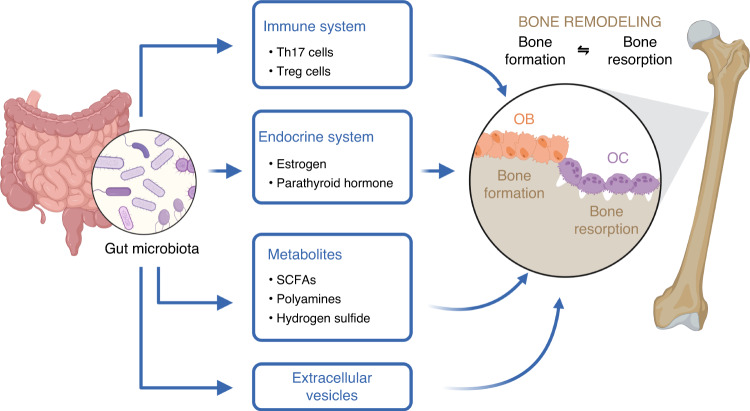
The gut microbiota (GM) plays a crucial role in maintaining the overall health and well-being of the host. Recent studies have demonstrated that the GM may significantly influence bone metabolism and degenerative skeletal diseases, such as osteoporosis (OP). Interventions targeting GM modification, including probiotics or antibiotics, have been found to affect bone remodeling. This review provides a comprehensive summary of recent research on the role of GM in regulating bone remodeling and seeks to elucidate the regulatory mechanism from various perspectives, such as the interaction with the immune system, interplay with estrogen or parathyroid hormone (PTH), the impact of GM metabolites, and the effect of extracellular vesicles (EVs). Moreover, this review explores the potential of probiotics as a therapeutic approach for OP. The insights presented may contribute to the development of innovative GM-targeted therapies for OP.
Overview
The claims and statistics of this paper haven’t been checked yet.
Free: it reads the open-access text and checks the first 5 claims that cite a source we can check. Create a free account to check every claim.
Integrity signals
Registry
Cites
Statistics
Figures
Verification
Claims the paper makes
The claims and statistics of this paper haven’t been checked yet.
Free: it reads the open-access text and checks the first 5 claims that cite a source we can check. Create a free account to check every claim.
Claims other papers make about this one
Each is checked against this paper’s own text: does it say what the citing paper says it does?
The source backs part of the claim, not all of it — or backs it for a different population, condition or comparison.
In the citing paper
“microbial dysbiosis not only perturbs the balance between bone formation and resorption but also resets immune thresholds within niches such as bone marrow and synovium. These shifts give rise to “immuno-metabolic–endocrine” phenotypes that underlie OP, inflammatory bone loss, and degenerative joint disease [55]”
From Interorgan Communications in Skeletal Pathophysiology: From Molecular Pathways to Multidisciplinary Therapies (2026) · cites this paper as [55]
Experimental — accuracy not yet measured
Self-check
Percentages, sums and reported differences re-computed from the paper’s own numbers.
The self-check needs the paper’s full text.
Citations
Cites
Human gut microbiome viewed across age and geography
Yatsunenko, T., Rey, F. E., Manary, M. J., Trehan, I., Dominguez-Bello, M. G., Contreras, M., Magris, M., Hidalgo, G., Baldassano, R. N., Anokhin, A. P., et al. (2012) · Nature · doi:10.1038/nature11053 · Cited by 7,815 · cited 1×
“Evidence from experiments in antibiotic-treated mice The administration of antibiotics is a model that is widely used to investigate the relationship between the GM and host metabolism.(24) Weaned female mice exhibited a higher BMD after antibiotic therapy (penicillin, vancomycin, penicillin plus vancomycin, or chlort…”
MethodInduction of Intestinal Th17 Cells by Segmented Filamentous Bacteria
Ivanov, I. I., Atarashi, K., Manel, N., Brodie, E. L., Shima, T., Karaoz, U., Wei, D., Goldfarb, K. C., Santee, C. A., Lynch, S. V., et al. (2009) · Cell · doi:10.1016/j.cell.2009.09.033 · Cited by 4,554
Cross-talk between Akkermansia muciniphila and intestinal epithelium controls diet-induced obesity
Everard, A., Belzer, C., Geurts, L., Ouwerkerk, J. P., Druart, C., Bindels, L. B., Guiot, Y., Derrien, M., Muccioli, G. G., Delzenne, N. M., et al. (2013) · Proceedings of the National Academy of Sciences · doi:10.1073/pnas.1219451110 · Cited by 4,511
Sokol, H., Pigneur, B., Watterlot, L., Lakhdari, O., Bermúdez-Humarán, L. G., Gratadoux, J.-J., Blugeon, S., Bridonneau, C., Furet, J.-P., Corthier, G., et al. (2008) · Proceedings of the National Academy of Sciences · doi:10.1073/pnas.0804812105 · Cited by 4,413
Interactions Between the Microbiota and the Immune System
Hooper, L. V., Littman, D. R., & Macpherson, A. J. (2012) · Science · doi:10.1126/science.1223490 · Cited by 4,173
Formation of short chain fatty acids by the gut microbiota and their impact on human metabolism
Morrison, D. J., & Preston, T. (2016) · Gut Microbes · doi:10.1080/19490976.2015.1134082 · Cited by 3,781 · cited 1×
“While acetate can be produced by various bacterial species, the production pathways for propionate and butyrate are more limited and involve specific bacterial strains.(115) Akkermansia muciniphila (A.”
BackgroundInduction of Colonic Regulatory T Cells by Indigenous Clostridium Species
Atarashi, K., Tanoue, T., Shima, T., Imaoka, A., Kuwahara, T., Momose, Y., Cheng, G., Yamasaki, S., Saito, T., Ohba, Y., et al. (2011) · Science · doi:10.1126/science.1198469 · Cited by 3,752 · cited 1×
“A mixture of Clostridia strains belonging to clusters IV, XIVa, and XVIII can activate intestinal epithelial cells to produce TGF-β in the colon.(69) Furthermore, Treg cells have the capacity to stimulate CD8 T cells to secrete the Wnt ligand Wnt10b, which stimulates bone formation by activating Wnt signaling in OBs.”
BackgroundTreg induction by a rationally selected mixture of Clostridia strains from the human microbiota
Atarashi, K., Tanoue, T., Oshima, K., Suda, W., Nagano, Y., Nishikawa, H., Fukuda, S., Saito, T., Narushima, S., Hase, K., et al. (2013) · Nature · doi:10.1038/nature12331 · Cited by 2,872
Compston, J. E., McClung, M. R., & Leslie, W. D. (2019) · The Lancet · doi:10.1016/s0140-6736(18)32112-3 · Cited by 2,449
Depommier, C., Everard, A., Druart, C., Plovier, H., Van Hul, M., Vieira-Silva, S., Falony, G., Raes, J., Maiter, D., Delzenne, N. M., et al. (2019) · Nature Medicine · doi:10.1038/s41591-019-0495-2 · Cited by 2,357
Lips, P. (2001) · Endocrine Reviews · doi:10.1210/edrv.22.4.0437 · Cited by 2,118
Akkermansia muciniphila gen. nov., sp. nov., a human intestinal mucin-degrading bacterium
Derrien, M., Vaughan, E. E., Plugge, C. M., & de Vos, W. M. (2004) · International Journal of Systematic and Evolutionary Microbiology · doi:10.1099/ijs.0.02873-0 · Cited by 2,094 · cited 2×
“muciniphila, a newly identified genus in the phylum Verrucomicrobia that is a symbiotic bacterium in the mucus layer and utilizes mucus as a single nutrient source.(116,194) Given its safety and pivotal roles in alleviating obesity and IBD, A.”
BackgroundGut microbiota-derived metabolites as key actors in inflammatory bowel disease
Lavelle, A., & Sokol, H. (2020) · Nature Reviews Gastroenterology & Hepatology · doi:10.1038/s41575-019-0258-z · Cited by 2,015 · cited 2×
“The instrumental role of the GM in immune maturation, homeostasis, and inflammatory diseases has been widely recognized.(36) A dysbiotic GM is associated with increased intestinal permeability, characterized by decreased expression of intestinal tight junction proteins and leading to bacterial translocation, chronic i…”
BackgroundOsteoimmunology: shared mechanisms and crosstalk between the immune and bone systems
Takayanagi, H. (2007) · Nature Reviews Immunology · doi:10.1038/nri2062 · Cited by 1,878 · cited 1×
“The term “osteoimmunology” highlights the reciprocal interactions between the skeletal and immune systems.(44,45)”
BackgroundCox, L. M., Yamanishi, S., Sohn, J., Alekseyenko, A. V., Leung, J. M., Cho, I., Kim, S. G., Li, H., Gao, Z., Mahana, D., et al. (2014) · Cell · doi:10.1016/j.cell.2014.05.052 · Cited by 1,859 · cited 2×
“Compared to the control group, male mice displayed decreased bone mineral content (BMC) and bone area (BA) but unchanged BMD, while female mice exhibited increased BMD with no significant changes in BMC or BA.(20) One study showed that female mice exposed to therapeutic doses of amoxicillin, tylosin, or a mixture of t…”
BackgroundAntibiotics in early life alter the murine colonic microbiome and adiposity
Cho, I., Yamanishi, S., Cox, L., Methé, B. A., Zavadil, J., Li, K., Gao, Z., Mahana, D., Raju, K., Teitler, I., et al. (2012) · Nature · doi:10.1038/nature11400 · Cited by 1,613 · cited 1×
“Weaned female mice exhibited a higher BMD after antibiotic therapy (penicillin, vancomycin, penicillin plus vancomycin, or chlortetracycline; 1 μg·g body weight) for three weeks than untreated mice.(21) Treating parental mice with antibiotics also altered the skeletal structure of their offspring in a gender-specific…”
BackgroundInteractions between commensal intestinal bacteria and the immune system
Macpherson, A. J., & Harris, N. L. (2004) · Nature Reviews Immunology · doi:10.1038/nri1373 · Cited by 1,610 · cited 1×
“The underdeveloped lymphoid organs of GF animals, due to a lack of antigenic stimulus, may not reflect real-life scenarios and result in inaccurate findings regarding immunity and related pathways.(30,31) The use of broad-spectrum antibiotics can have a profound and long-lasting effect on GM composition.”
BackgroundSato, K., Suematsu, A., Okamoto, K., Yamaguchi, A., Morishita, Y., Kadono, Y., Tanaka, S., Kodama, T., Akira, S., Iwakura, Y., et al. (2006) · The Journal of Experimental Medicine · doi:10.1084/jem.20061775 · Cited by 1,554 · cited 2×
“Bone marrow (BM) Th17 TNF-α+ cells not only promote OC differentiation in the absence of exogenous osteoclastogenic factors but also stimulate bone marrow mesenchymal stem cells (BMSCs) to secrete chemokines (Mcp1, Mip1α, and RANKL) and recruit inflammatory monocytes (pre-OC) to the BM, resulting in increased bone res…”
BackgroundBiological Functions and Biogenesis of Secreted Bacterial Outer Membrane Vesicles
Kulp, A., & Kuehn, M. J. (2010) · Annual Review of Microbiology · doi:10.1146/annurev.micro.091208.073413 · Cited by 1,533 · cited 1×
“Their unique nanoscale structure ensures the long-distance transport of EVs and their interior molecules throughout the intracellular compartments in a concentrated, protected, and targeted manner.(151) Moreover, EVs released by different microbes Gut microbiota and bone remodeling Z Lyu et al.”
BackgroundBlautia —a new functional genus with potential probiotic properties?
Liu, X., Mao, B., Gu, J., Wu, J., Cui, S., Wang, G., Zhao, J., Zhang, H., & Chen, W. (2021) · Gut Microbes · doi:10.1080/19490976.2021.1875796 · Cited by 1,381
Oliphant, K., & Allen-Vercoe, E. (2019) · Microbiome · doi:10.1186/s40168-019-0704-8 · Cited by 1,327
Probiotics, prebiotics and synbiotics- a review
Pandey, K. R., Naik, S. R., & Vakil, B. V. (2015) · Journal of Food Science and Technology · doi:10.1007/s13197-015-1921-1 · Cited by 1,291
Sambrook, P., & Cooper, C. (2006) · The Lancet · doi:10.1016/s0140-6736(06)68891-0 · Cited by 1,165
Nongenotropic, Sex-Nonspecific Signaling through the Estrogen or Androgen Receptors
Kousteni, S., Bellido, T., Plotkin, L. I., O'Brien, C. A., Bodenner, D. L., Han, L., Han, K., DiGregorio, G. B., Katzenellenbogen, J. A., Katzenellenbogen, B. S., et al. (2001) · Cell · doi:10.1016/s0092-8674(01)00268-9 · Cited by 1,113
Th17 cell induction by adhesion of microbes to intestinal epithelial cells
Atarashi, K., Tanoue, T., Ando, M., Kamada, N., Nagano, Y., Narushima, S., Suda, W., Imaoka, A., Setoyama, H., Nagamori, T., et al. (2015) · Cell · doi:10.1016/j.cell.2015.08.058 · Cited by 1,071
Next-Generation Beneficial Microbes: The Case of Akkermansia muciniphila
Cani, P. D., & de Vos, W. M. (2017) · Frontiers in Microbiology · doi:10.3389/fmicb.2017.01765 · Cited by 1,058
Akkermansia muciniphila and its role in regulating host functions
Derrien, M., Belzer, C., & de Vos, W. M. (2017) · Microbial Pathogenesis · doi:10.1016/j.micpath.2016.02.005 · Cited by 1,044
Wong, B. R., Rho, J., Arron, J., Robinson, E., Orlinick, J., Chao, M., Kalachikov, S., Cayani, E., Bartlett, F. S., Frankel, W. N., et al. (1997) · Journal of Biological Chemistry · doi:10.1074/jbc.272.40.25190 · Cited by 1,042
Sodium butyrate inhibits histone deacetylation in cultured cells
Candido, E. (1978) · Cell · doi:10.1016/0092-8674(78)90305-7 · Cited by 1,036
Links between diet, gut microbiota composition and gut metabolism
Flint, H. J., Duncan, S. H., Scott, K. P., & Louis, P. (2015) · Proceedings of the Nutrition Society · doi:10.1017/s0029665114001463 · Cited by 1,020
Osteoporosis treatment: recent developments and ongoing challenges
Khosla, S., & Hofbauer, L. C. (2017) · The Lancet Diabetes & Endocrinology · doi:10.1016/s2213-8587(17)30188-2 · Cited by 1,019
Next-generation probiotics: the spectrum from probiotics to live biotherapeutics
O’Toole, P. W., Marchesi, J. R., & Hill, C. (2017) · Nature Microbiology · doi:10.1038/nmicrobiol.2017.57 · Cited by 971
Khosla, S., Oursler, M. J., & Monroe, D. G. (2012) · Trends in Endocrinology & Metabolism · doi:10.1016/j.tem.2012.03.008 · Cited by 943 · cited 2×
“The activation of nuclear factor kappa-light-chain-enhancer of activated B cells (NF-κB) in response to sex steroid deficiency promotes bone resorption and impedes bone formation.(90) The role of the GM in regulating estrogen metabolism is attracting growing interest.”
BackgroundMcFarland, L. V. (2006) · The American Journal of Gastroenterology · doi:10.1111/j.1572-0241.2006.00465.x · Cited by 872
Wong, B. R., Josien, R., Lee, S. Y., Sauter, B., Li, H.-L., Steinman, R. M., & Choi, Y. (1997) · The Journal of Experimental Medicine · doi:10.1084/jem.186.12.2075 · Cited by 853
Arron, J. R., & Choi, Y. (2000) · Nature · doi:10.1038/35046196 · Cited by 827 · cited 4×
“Oral administration of synthetic retinoid AM80 upregulates the expression of gut-homing molecule α4β7 on T cells, transferring T follicular helper cells (CD19− CD4+ CXCR+ PD-1+ T cells) from the inflammation site to PPs and thereby reducing the inflammatory response.61 Increasing the migration of T cells from bone to…”
BackgroundInfluentialRole of RANK ligand in mediating increased bone resorption in early postmenopausal women
Eghbali-Fatourechi, G., Khosla, S., Sanyal, A., Boyle, W. J., Lacey, D. L., & Riggs, B. L. (2003) · Journal of Clinical Investigation · doi:10.1172/jci17215 · Cited by 825
The gut microbiota regulates bone mass in mice
Sjögren, K., Engdahl, C., Henning, P., Lerner, U. H., Tremaroli, V., Lagerquist, M. K., Bäckhed, F., & Ohlsson, C. (2012) · Journal of Bone and Mineral Research · doi:10.1002/jbmr.1588 · Cited by 822 · cited 1×
“The initial study that investigated the effect of the GM on bone mass discovered that GF mice exhibited a higher BMD and fewer OCs than wild-type (WT) mice.(15) Moreover, male GF mice had higher BMD, a higher ratio of bone volume to total volume (BV/TV), and an increased trabecular bone (Tb) number (Tb.”
BackgroundScher, J. U., Ubeda, C., Artacho, A., Attur, M., Isaac, S., Reddy, S. M., Marmon, S., Neimann, A., Brusca, S., Patel, T., et al. (2015) · Arthritis & Rheumatology · doi:10.1002/art.38892 · Cited by 815
Short-chain fatty acids regulate systemic bone mass and protect from pathological bone loss
Lucas, S., Omata, Y., Hofmann, J., Böttcher, M., Iljazovic, A., Sarter, K., Albrecht, O., Schulz, O., Krishnacoumar, B., Krönke, G., et al. (2018) · Nature Communications · doi:10.1038/s41467-017-02490-4 · Cited by 815 · cited 2×
“Butyrate inhibits osteoclastogenesis by suppressing c-Fos, tumor necrosis factor receptor associated Factor 6 (TRAF6), and nuclear factor of activated T cells cytoplasmic 1 (NFATc1) expression.(120,125,126) Studies of SCFAs in bone formation have mainly focused on butyrate.”
BackgroundSchneeberger, M., Everard, A., Gómez-Valadés, A. G., Matamoros, S., Ramírez, S., Delzenne, N. M., Gomis, R., Claret, M., & Cani, P. D. (2015) · Scientific Reports · doi:10.1038/srep16643 · Cited by 798
Commensal bacteria protect against food allergen sensitization
Stefka, A. T., Feehley, T., Tripathi, P., Qiu, J., McCoy, K., Mazmanian, S. K., Tjota, M. Y., Seo, G.-Y., Cao, S., Theriault, B. R., et al. (2014) · Proceedings of the National Academy of Sciences · doi:10.1073/pnas.1412008111 · Cited by 795
n-Butyrate causes histone modification in HeLa and Friend erythroleukaemia cells
RIGGS, M. G., WHITTAKER, R. G., NEUMANN, J. R., & INGRAM, V. M. (1977) · Nature · doi:10.1038/268462a0 · Cited by 787
Mammalian polyamine metabolism and function
Pegg, A. E. (2009) · IUBMB Life · doi:10.1002/iub.230 · Cited by 783
Gut microbiota induce IGF-1 and promote bone formation and growth
Yan, J., Herzog, J. W., Tsang, K., Brennan, C. A., Bower, M. A., Garrett, W. S., Sartor, B. R., Aliprantis, A. O., & Charles, J. F. (2016) · Proceedings of the National Academy of Sciences · doi:10.1073/pnas.1607235113 · Cited by 750 · cited 2×
“Oral vancomycin alone also increased bone mass, suggesting that gram-positive bacteria may play a substantial role in bone remodeling.(19) However, administering a four-week course of antibiotics has been shown to disrupt the Tb architecture of the femur.”
BackgroundKousteni, S. (2001) · Cell · doi:10.1016/s0092-8674(02)08100-x · Cited by 746
Taylor, A., Verhagen, J., Blaser, K., Akdis, M., & Akdis, C. A. (2006) · Immunology · doi:10.1111/j.1365-2567.2006.02321.x · Cited by 720
Molecular and cellular mechanisms of the anabolic effect of intermittent PTH
Jilka, R. L. (2007) · Bone · doi:10.1016/j.bone.2007.03.017 · Cited by 720 · cited 2×
“The activation of Wnt signaling in osteoblastic cells drives these effects, which are characterized by enhanced OB formation, extended lifespan, and reactivation of bone lining cells.(110,111) A recent study revealed that the permissive levels of butyrate produced by the GM are essential for iPTH to induce bone anabol…”
BackgroundEstrogen deficiency induces bone loss by enhancing T-cell production of TNF-α
Cenci, S., Weitzmann, M. N., Roggia, C., Namba, N., Novack, D., Woodring, J., & Pacifici, R. (2000) · Journal of Clinical Investigation · doi:10.1172/jci11066 · Cited by 705
Hofbauer, L. C., Khosla, S., Dunstan, C. R., Lacey, D. L., Spelsberg, T. C., & Riggs, B. L. (1999) · Endocrinology · doi:10.1210/endo.140.9.7131 · Cited by 692 · cited 1×
“production of OPG in osteoblastic cells.(89,90) Bone loss resulting from decreased estrogen is due to the T-cell-mediated increase in TNF-α, which indirectly enhances OC differentiation.”
BackgroundMariño, E., Richards, J. L., McLeod, K. H., Stanley, D., Yap, Y. A., Knight, J., McKenzie, C., Kranich, J., Oliveira, A. C., Rossello, F. J., et al. (2017) · Nature Immunology · doi:10.1038/ni.3713 · Cited by 686
Migliaccio, A. (2000) · The EMBO Journal · doi:10.1093/emboj/19.20.5406 · Cited by 672
Sex steroid deficiency-associated bone loss is microbiota dependent and prevented by probiotics
Li, J.-Y., Chassaing, B., Tyagi, A. M., Vaccaro, C., Luo, T., Adams, J., Darby, T. M., Weitzmann, M. N., Mulle, J. G., Gewirtz, A. T., et al. (2016) · Journal of Clinical Investigation · doi:10.1172/jci86062 · Cited by 643 · cited 3×
“Th17 cells play a vital role in OVX-induced bone loss.(30,55) These cells stimulate osteoclastogenesis and bone resorption through the elevated production of IL-17, RANKL, and TNF-α.”
BackgroundWang, L., Tang, L., Feng, Y., Zhao, S., Han, M., Zhang, C., Yuan, G., Zhu, J., Cao, S., Wu, Q., et al. (2020) · Gut · doi:10.1136/gutjnl-2019-320105 · Cited by 630
Skeletal disease in primary hyperparathyroidism
Silverberg, S. J., Shane, E., de la Cruz, L., Dempster, D. W., Feldman, F., Seldin, D., Jacobs, T. P., Siris, E. S., Cafferty, M., Parisien, M. V., et al. (1989) · Journal of Bone and Mineral Research · doi:10.1002/jbmr.5650040302 · Cited by 625
Flores, R., Shi, J., Fuhrman, B., Xu, X., Veenstra, T. D., Gail, M. H., Gajer, P., Ravel, J., & Goedert, J. J. (2012) · Journal of Translational Medicine · doi:10.1186/1479-5876-10-253 · Cited by 615
Lactobacillus plantarum strain maintains growth of infant mice during chronic undernutrition
Schwarzer, M., Makki, K., Storelli, G., Machuca-Gayet, I., Srutkova, D., Hermanova, P., Martino, M. E., Balmand, S., Hudcovic, T., Heddi, A., et al. (2016) · Science · doi:10.1126/science.aad8588 · Cited by 597
Clostridium species as probiotics: potentials and challenges
Guo, P., Zhang, K., Ma, X., & He, P. (2020) · Journal of Animal Science and Biotechnology · doi:10.1186/s40104-019-0402-1 · Cited by 597
TRANCE, a TNF Family Member, Activates Akt/PKB through a Signaling Complex Involving TRAF6 and c-Src
Wong, B. R., Besser, D., Kim, N., Arron, J. R., Vologodskaia, M., Hanafusa, H., & Choi, Y. (1999) · Molecular Cell · doi:10.1016/s1097-2765(00)80232-4 · Cited by 592
Hernandez, C. J., Beaupr�, G. S., & Carter, D. R. (2003) · Osteoporosis International · doi:10.1007/s00198-003-1454-8 · Cited by 570
In vivo imaging of Treg cells providing immune privilege to the haematopoietic stem-cell niche
Fujisaki, J., Wu, J., Carlson, A. L., Silberstein, L., Putheti, P., Larocca, R., Gao, W., Saito, T. I., Celso, C. L., Tsuyuzaki, H., et al. (2011) · Nature · doi:10.1038/nature10160 · Cited by 567 · cited 1×
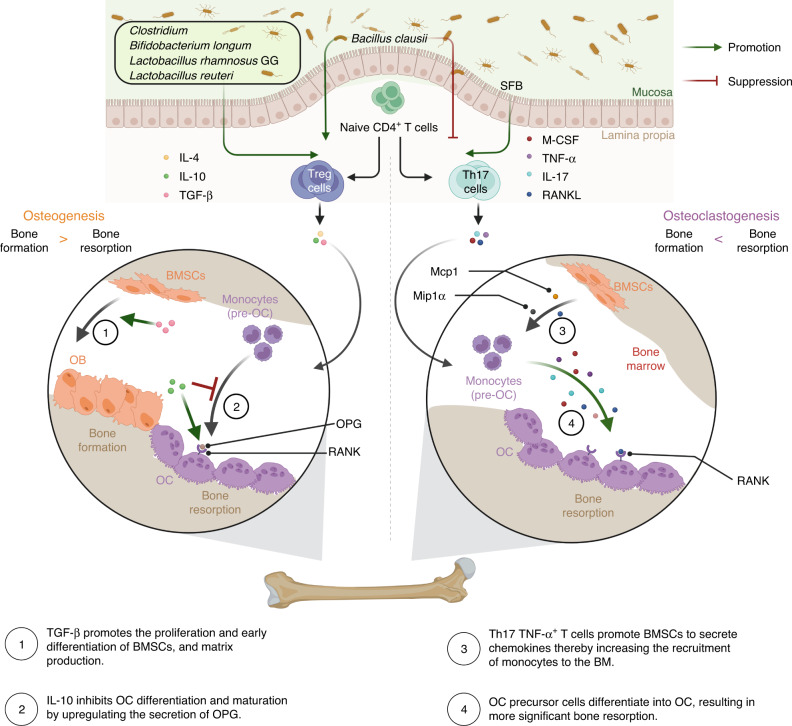
“Treg cells inhibit osteoclastogenesis and promote bone formation by secreting anti-inflammatory cytokines such as IL-4, IL-10, and transforming growth factor-β (TGF-β).(44,75,76) IL-10, an inhibitory cytokine, helps to downregulate the expression of RANKL and M-CSF and enhances the secretion of osteoprotegerin (OPG),…”
BackgroundWalker, M. D., & Silverberg, S. J. (2018) · Nature Reviews Endocrinology · doi:10.1038/nrendo.2017.104 · Cited by 566
Tyagi, A. M., Yu, M., Darby, T. M., Vaccaro, C., Li, J.-Y., Owens, J. A., Hsu, E., Adams, J., Weitzmann, M. N., Jones, R. M., et al. (2018) · Immunity · doi:10.1016/j.immuni.2018.10.013 · Cited by 564 · cited 8×
“The increase in femoral BV/TV by butyrate disappeared following inhibition of Treg cells with a CD25 antibody, demonstrating that the capacity of butyrate to stimulate bone formation was Treg-dependent.(33) While Lucas et al.”
BackgroundResultInfluentialParathyroid hormone: anabolic and catabolic actions on the skeleton
Silva, B. C., & Bilezikian, J. P. (2015) · Current Opinion in Pharmacology · doi:10.1016/j.coph.2015.03.005 · Cited by 557 · cited 1×
“Maximizing the bone anabolic effects of PTH can be achieved by administering daily injections of intermittent PTH (iPTH) in young mice.(107,108) This intervention results in a marked increase in both BV and strength by stimulating bone formation.”
BackgroundKang, C.-S., Ban, M., Choi, E.-J., Moon, H.-G., Jeon, J.-S., Kim, D.-K., Park, S.-K., Jeon, S. G., Roh, T.-Y., Myung, S.-J., et al. (2013) · PLoS ONE · doi:10.1371/journal.pone.0076520 · Cited by 543
Osteoimmunology: The conceptual framework unifying the immune and skeletal systems
Okamoto, K., Nakashima, T., Shinohara, M., Negishi-Koga, T., Komatsu, N., Terashima, A., Sawa, S., Nitta, T., & Takayanagi, H. (2017) · Physiological Reviews · doi:10.1152/physrev.00036.2016 · Cited by 534 · cited 2×
“The term “osteoimmunology” highlights the reciprocal interactions between the skeletal and immune systems.(44,45)”
BackgroundDi Giacinto, C., Marinaro, M., Sanchez, M., Strober, W., & Boirivant, M. (2005) · The Journal of Immunology · doi:10.4049/jimmunol.174.6.3237 · Cited by 524
The Intestinal Microbiome and Estrogen Receptor–Positive Female Breast Cancer
(2016) · JNCI: Journal of the National Cancer Institute · doi:10.1093/jnci/djw029 · Cited by 523 · cited 1×
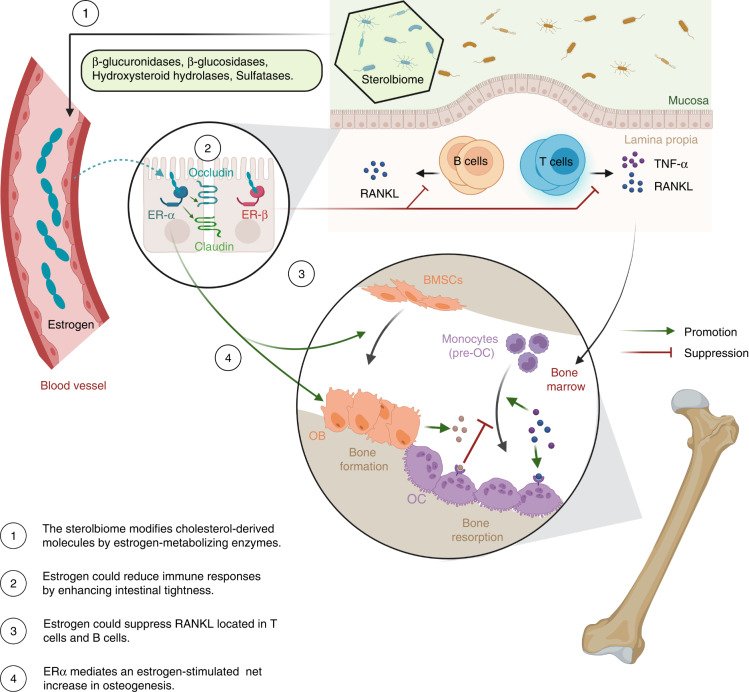
“The most critical estrogen-metabolizing enzymes encoded by the sterolbiome are β-glucuronidases, β-glucosidases, hydroxysteroid hydrolases, and sulfatases, which deconjugate estrogens to enhance intestinal reuptake.(97,98) These enzymes and their activities are well represented in the human GM and are modulated by die…”
BackgroundButyrate-producing human gut symbiont, Clostridium butyricum , and its role in health and disease
Stoeva, M. K., Garcia-So, J., Justice, N., Myers, J., Tyagi, S., Nemchek, M., McMurdie, P. J., Kolterman, O., & Eid, J. (2021) · Gut Microbes · doi:10.1080/19490976.2021.1907272 · Cited by 518 · cited 1×
“butyricum) is a strain of the Clostridium genus found in various environments, including soil, cultured milk products, vegetables, and the human colon.(210) C.”
BackgroundRoggia, C., Gao, Y., Cenci, S., Weitzmann, M. N., Toraldo, G., Isaia, G., & Pacifici, R. (2001) · Proceedings of the National Academy of Sciences · doi:10.1073/pnas.251534698 · Cited by 513
Probiotic L. reuteri Treatment Prevents Bone Loss in a Menopausal Ovariectomized Mouse Model
Britton, R. A., Irwin, R., Quach, D., Schaefer, L., Zhang, J., Lee, T., Parameswaran, N., & McCabe, L. R. (2014) · Journal of Cellular Physiology · doi:10.1002/jcp.24636 · Cited by 499
Nondigestible carbohydrates, butyrate, and butyrate-producing bacteria
Fu, X., Liu, Z., Zhu, C., Mou, H., & Kong, Q. (2019) · Critical Reviews in Food Science and Nutrition · doi:10.1080/10408398.2018.1542587 · Cited by 497 · cited 2×
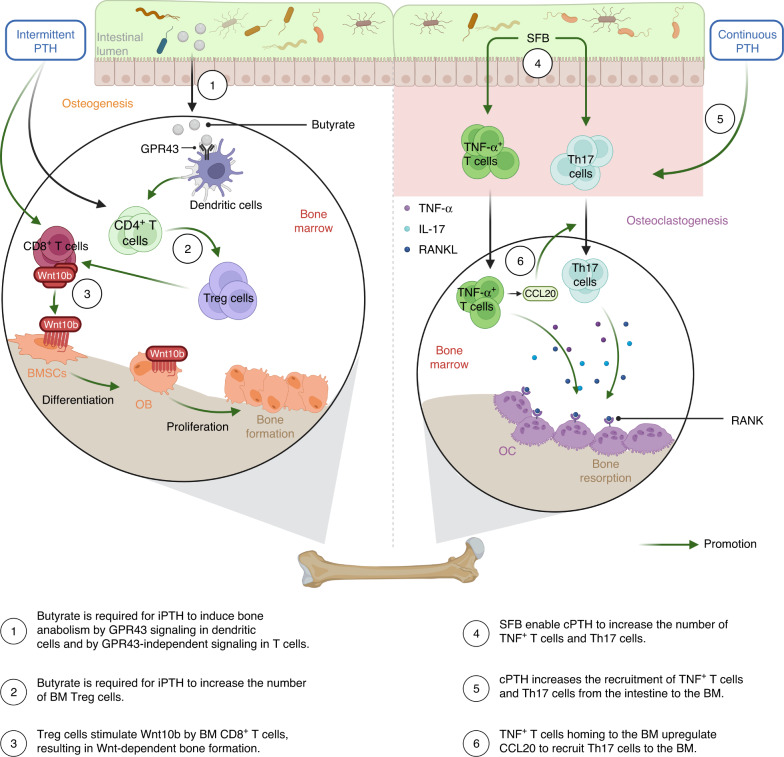
“The majority of butyrate-producing bacteria in the human gut belong to the families Clostridiaceae, Eubacteriaceae, Lachnospiraceae, and Ruminococcaceae.(118) Representative species of these families, such as Faecalibacterium prausnitzii, 4 SFB enable cPTH to increase the number of TNF T cells and Th17 cells.”
BackgroundInhibition of osteoblastic bone formation by nuclear factor-κB
Chang, J., Wang, Z., Tang, E., Fan, Z., McCauley, L., Franceschi, R., Guan, K., Krebsbach, P. H., & Wang, C.-Y. (2009) · Nature Medicine · doi:10.1038/nm.1954 · Cited by 481
Goto, Y., Panea, C., Nakato, G., Cebula, A., Lee, C., Diez, M. G., Laufer, T. M., Ignatowicz, L., & Ivanov, I. I. (2014) · Immunity · doi:10.1016/j.immuni.2014.03.005 · Cited by 465 · cited 1×
“Th17 cells, which contain the vβ14 chain on their T-cell receptor, are typically only found in the lamina propria under noninflammatory conditions.(58) However, the administration of continuous parathyroid hormone (cPTH) has been shown to increase the number of vβ14 Th17 cells in the BM, which depends on the presence…”
BackgroundGram-negative and Gram-positive bacterial extracellular vesicles
Kim, J. H., Lee, J., Park, J., & Gho, Y. S. (2015) · Seminars in Cell & Developmental Biology · doi:10.1016/j.semcdb.2015.02.006 · Cited by 454 · cited 1×
“These nanostructures are comprised of various components, including bioactive proteins, lipids, nucleic acids, and virulence factors.(150) Their unique nanoscale structure ensures the long-distance transport of EVs and their interior molecules throughout the intracellular compartments in a concentrated, protected, and…”
BackgroundThe role of the intestinal microbiota in type 1 diabetes mellitus
Knip, M., & Siljander, H. (2016) · Nature Reviews Endocrinology · doi:10.1038/nrendo.2015.218 · Cited by 434
A next generation probiotic, Akkermansia muciniphila
Zhai, Q., Feng, S., Arjan, N., & Chen, W. (2019) · Critical Reviews in Food Science and Nutrition · doi:10.1080/10408398.2018.1517725 · Cited by 434
Important Metabolic Pathways and Biological Processes Expressed by Chicken Cecal Microbiota
Polansky, O., Sekelova, Z., Faldynova, M., Sebkova, A., Sisak, F., & Rychlik, I. (2016) · Applied and Environmental Microbiology · doi:10.1128/aem.03473-15 · Cited by 429
Dissecting the in Vivo Metabolic Potential of Two Human Gut Acetogens
Rey, F. E., Faith, J. J., Bain, J., Muehlbauer, M. J., Stevens, R. D., Newgard, C. B., & Gordon, J. I. (2010) · Journal of Biological Chemistry · doi:10.1074/jbc.m110.117713 · Cited by 421
The gut-bone axis: How bacterial metabolites bridge the distance
Zaiss, M. M., Jones, R. M., Schett, G., & Pacifici, R. (2019) · Journal of Clinical Investigation · doi:10.1172/jci128521 · Cited by 403
Metabolic and metagenomic outcomes from early-life pulsed antibiotic treatment
Nobel, Y. R., Cox, L. M., Kirigin, F. F., Bokulich, N. A., Yamanishi, S., Teitler, I., Chung, J., Sohn, J., Barber, C. M., Goldfarb, D. S., et al. (2015) · Nature Communications · doi:10.1038/ncomms8486 · Cited by 377 · cited 1×
“One study showed that female mice exposed to therapeutic doses of amoxicillin, tylosin, or a mixture of the two (alternating courses of amoxicillin and tylosin) on days 10–15, 28–31, and 37–40 displayed an increase in BMC and BA across all administrations, with amoxicillin having the most significant effect.(22) Femal…”
Karimi, K., Inman, M. D., Bienenstock, J., & Forsythe, P. (2009) · American Journal of Respiratory and Critical Care Medicine · doi:10.1164/rccm.200806-951oc · Cited by 361
Probiotics Protect Mice from Ovariectomy-Induced Cortical Bone Loss
Ohlsson, C., Engdahl, C., Fåk, F., Andersson, A., Windahl, S. H., Farman, H. H., Movérare-Skrtic, S., Islander, U., & Sjögren, K. (2014) · PLoS ONE · doi:10.1371/journal.pone.0092368 · Cited by 339
Early life: gut microbiota and immune development in infancy
Martin, R., Nauta, A., Ben Amor, K., Knippels, L., Knol, J., & Garssen, J. (2010) · Beneficial Microbes · doi:10.3920/bm2010.0027 · Cited by 338
Dabek, M., McCrae, S. I., Stevens, V. J., Duncan, S. H., & Louis, P. (2008) · FEMS Microbiology Ecology · doi:10.1111/j.1574-6941.2008.00520.x · Cited by 332 · cited 1×
“These enzymes and their activities are well represented in the human GM and are modulated by diet and bacterial density, leading to changes in local and systemic estrogen levels.(99,100) Li et al.”
BackgroundDziarski, R., Park, S. Y., Kashyap, D. R., Dowd, S. E., & Gupta, D. (2016) · PLOS ONE · doi:10.1371/journal.pone.0146162 · Cited by 328
Nilsson, A. G., Sundh, D., Bäckhed, F., & Lorentzon, M. (2018) · Journal of Internal Medicine · doi:10.1111/joim.12805 · Cited by 323
Methods of isolation and purification of outer membrane vesicles from gram-negative bacteria
Klimentová, J., & Stulík, J. (2015) · Microbiological Research · doi:10.1016/j.micres.2014.09.006 · Cited by 322 · cited 1×
“However, producing sufficient quantities of EVs with high purity and reproducibility remains a critical challenge for subsequent studies.(160)”
BackgroundJosien, R., Wong, B. R., Li, H.-L., Steinman, R. M., & Choi, Y. (1999) · The Journal of Immunology · doi:10.4049/jimmunol.162.5.2562 · Cited by 317
Interleukin-17A upregulates receptor activator of NF-κB on osteoclast precursors
Adamopoulos, I. E., Chao, C.-C., Geissler, R., Laface, D., Blumenschein, W., Iwakura, Y., McClanahan, T., & Bowman, E. P. (2010) · Arthritis Research & Therapy · doi:10.1186/ar2936 · Cited by 307
Tofalo, R., Cocchi, S., & Suzzi, G. (2019) · Frontiers in Nutrition · doi:10.3389/fnut.2019.00016 · Cited by 306 · cited 1×
“Gut microbes primarily produce polyamines through the transamination of ingested amino acids, particularly arginine, by catalytic enzymes.(134,135) The decrease in total bacteria by antibiotic administration resulted in the depletion of spermine levels in the intestine.”
BackgroundTGF-β Family Signaling in Mesenchymal Differentiation
Grafe, I., Alexander, S., Peterson, J. R., Snider, T. N., Levi, B., Lee, B., & Mishina, Y. (2018) · Cold Spring Harbor Perspectives in Biology · doi:10.1101/cshperspect.a022202 · Cited by 272 · cited 1×
“TGF-β plays a critical role in regulating various stages of OB differentiation, promoting the proliferation and early differentiation of OB progenitor cells and stimulating matrix production but inhibiting later differentiation and matrix mineralization.(78) A mixture of Clostridia strains belonging to clusters IV, XI…”
BackgroundKousteni, S., Li, H., Chen, J., Almeida, M., Plotkin, L. I., Bellido, T., & Manolagas, S. C. (2003) · Journal of Clinical Investigation · doi:10.1172/jci17261 · Cited by 270
Liu, Y., Yang, R., Liu, X., Zhou, Y., Qu, C., Kikuiri, T., Wang, S., Zandi, E., Du, J., Ambudkar, I. S., et al. (2014) · Cell Stem Cell · doi:10.1016/j.stem.2014.03.005 · Cited by 269 · cited 7×
“H2S has been implicated in bone formation and postnatal skeletal development, with the ability to maintain the self-renewal and osteogenic differentiation of BMSCs through the Wnt/ β-catenin signaling pathway.(146) Sodium hydrosulfide (NaHS), a common H2S donor, has been shown to decrease the RANKL/OPG mRNA ratio in h…”
BackgroundInfluentialDepommier, C., Van Hul, M., Everard, A., Delzenne, N. M., De Vos, W. M., & Cani, P. D. (2020) · Gut Microbes · doi:10.1080/19490976.2020.1737307 · Cited by 269
Osteoporosis in Inflammatory Bowel Disease
Ali, T., Lam, D., Bronze, M. S., & Humphrey, M. B. (2009) · The American Journal of Medicine · doi:10.1016/j.amjmed.2009.01.022 · Cited by 266 · cited 1×
“in the bone, as seen in IBD or Crohn’s disease (CD).(37) Significant bone loss has been observed in various models of intestinal inflammation, including in dextran sulfate sodium (DSS)-induced chemical injury, adoptive T-cell transfer of colitis, and Salmonella enterica infection.”
BackgroundParathyroid hormone: a double-edged sword for bone metabolism
Qin, L., Raggatt, L. J., & Partridge, N. C. (2004) · Trends in Endocrinology & Metabolism · doi:10.1016/j.tem.2004.01.006 · Cited by 263 · cited 1×
“The activation of Wnt signaling in osteoblastic cells drives these effects, which are characterized by enhanced OB formation, extended lifespan, and reactivation of bone lining cells.(110,111) A recent study revealed that the permissive levels of butyrate produced by the GM are essential for iPTH to induce bone anabol…”
BackgroundAden, K., Rehman, A., Waschina, S., Pan, W.-H., Walker, A., Lucio, M., Nunez, A. M., Bharti, R., Zimmerman, J., Bethge, J., et al. (2019) · Gastroenterology · doi:10.1053/j.gastro.2019.07.025 · Cited by 263
A next-generation beneficial microbe: Akkermansia muciniphila
Naito, Y., Uchiyama, K., & Takagi, T. (2018) · Journal of Clinical Biochemistry and Nutrition · doi:10.3164/jcbn.18-57 · Cited by 262
Human gut bacterial metabolism drives Th17 activation and colitis
Alexander, M., Ang, Q. Y., Nayak, R. R., Bustion, A. E., Sandy, M., Zhang, B., Upadhyay, V., Pollard, K. S., Lynch, S. V., & Turnbaugh, P. J. (2022) · Cell Host & Microbe · doi:10.1016/j.chom.2021.11.001 · Cited by 260
Food-Grade Bacteria Expressing Elafin Protect Against Inflammation and Restore Colon Homeostasis
Motta, J.-P., Bermúdez-Humarán, L. G., Deraison, C., Martin, L., Rolland, C., Rousset, P., Boue, J., Dietrich, G., Chapman, K., Kharrat, P., et al. (2012) · Science Translational Medicine · doi:10.1126/scitranslmed.3004212 · Cited by 257 · cited 2×
“In addition, Lactobacillus and Bifidobacterium have been engineered as delivery vectors for specific molecules.(191,192) The premise is that such bacterial vectors do not produce any virulence factors and are tolerated by the host.”
BackgroundAshrafian, F., Shahriary, A., Behrouzi, A., Moradi, H. R., Keshavarz Azizi Raftar, S., Lari, A., Hadifar, S., Yaghoubfar, R., Ahmadi Badi, S., Khatami, S., et al. (2019) · Frontiers in Microbiology · doi:10.3389/fmicb.2019.02155 · Cited by 254 · cited 1×
“muciniphila-released EVs was also found to regulate lipid metabolism and inhibit inflammation in the colon, adipose tissue, and liver, thereby ameliorating high-fat diet-induced obesity.(157,158) The “gut-bone axis” has received limited attention regarding research on EVs, with only one study demonstrating that the pr…”
BackgroundPrevention of antibiotic‐associated diarrhea in children by Clostridium butyricum MIYAIRI
SEKI, H., SHIOHARA, M., MATSUMURA, T., MIYAGAWA, N., TANAKA, M., KOMIYAMA, A., & KURATA, S. (2003) · Pediatrics International · doi:10.1046/j.1442-200x.2003.01671.x · Cited by 253
Extracellular Vesicles from Child Gut Microbiota Enter into Bone to Preserve Bone Mass and Strength
Liu, J., Chen, C., Liu, Z., Luo, Z., Rao, S., Jin, L., Wan, T., Yue, T., Tan, Y., Yin, H., et al. (2021) · Advanced Science · doi:10.1002/advs.202004831 · Cited by 249 · cited 3×
“muciniphila than mice with sham operations (Sham).(159) Warm-exposed-FMT increased tibial breaking strength and BV in OVX mice compared with RT-exposedFMT.”
BackgroundResultInfluentialSelf-citationHao, H., Zhang, X., Tong, L., Liu, Q., Liang, X., Bu, Y., Gong, P., Liu, T., Zhang, L., Xia, Y., et al. (2021) · Frontiers in Immunology · doi:10.3389/fimmu.2021.777147 · Cited by 243
Rossi, O., van Berkel, L. A., Chain, F., Tanweer Khan, M., Taverne, N., Sokol, H., Duncan, S. H., Flint, H. J., Harmsen, H. J. M., Langella, P., et al. (2016) · Scientific Reports · doi:10.1038/srep18507 · Cited by 242
Regulation of Bone Remodeling by Parathyroid Hormone
Wein, M. N., & Kronenberg, H. M. (2018) · Cold Spring Harbor Perspectives in Medicine · doi:10.1101/cshperspect.a031237 · Cited by 241 · cited 1×
“The role of the GM in parathyroid hormone regulation of bone metabolism As a pivotal hormone regulating calcium balance, PTH plays a critical role in postnatal skeletal development.(101) The effect of PTH on bone remodeling, as depicted in Fig.”
BackgroundThe Microbiome–Estrogen Connection and Breast Cancer Risk
Parida, S., & Sharma, D. (2019) · Cells · doi:10.3390/cells8121642 · Cited by 241 · cited 1×
“The most critical estrogen-metabolizing enzymes encoded by the sterolbiome are β-glucuronidases, β-glucosidases, hydroxysteroid hydrolases, and sulfatases, which deconjugate estrogens to enhance intestinal reuptake.(97,98) These enzymes and their activities are well represented in the human GM and are modulated by die…”
BackgroundDiversity analysis of gut microbiota in osteoporosis and osteopenia patients
Wang, J., Wang, Y., Gao, W., Wang, B., Zhao, H., Zeng, Y., Ji, Y., & Hao, D. (2017) · PeerJ · doi:10.7717/peerj.3450 · Cited by 238
Kousteni, S., Li, H., Chen, J., et al. (2003) · Journal of Clinical Investigation · doi:10.1172/jci200317261 · Cited by 237
Charatcharoenwitthaya, N., Khosla, S., Atkinson, E. J., McCready, L. K., & Riggs, B. L. (2007) · Journal of Bone and Mineral Research · doi:10.1359/jbmr.070207 · Cited by 235
Lyons, A., O'Mahony, D., O'Brien, F., MacSharry, J., Sheil, B., Ceddia, M., Russell, W. M., Forsythe, P., Bienenstock, J., Kiely, B., et al. (2010) · Clinical & Experimental Allergy · doi:10.1111/j.1365-2222.2009.03437.x · Cited by 233
TRANCE is a TNF family member that regulates dendritic cell and osteoclast function
Wong, B. R., Josien, R., & Choi, Y. (1999) · Journal of Leukocyte Biology · doi:10.1002/jlb.65.6.715 · Cited by 232
Parvaneh, K., Ebrahimi, M., Sabran, M. R., Karimi, G., Hwei, A. N. M., Abdul-Majeed, S., Ahmad, Z., Ibrahim, Z., & Jamaluddin, R. (2015) · BioMed Research International · doi:10.1155/2015/897639 · Cited by 226
Dietary and Gut Microbiota Polyamines in Obesity- and Age-Related Diseases
Ramos-Molina, B., Queipo-Ortuño, M. I., Lambertos, A., Tinahones, F. J., & Peñafiel, R. (2019) · Frontiers in Nutrition · doi:10.3389/fnut.2019.00024 · Cited by 226 · cited 1×
“Gut microbes primarily produce polyamines through the transamination of ingested amino acids, particularly arginine, by catalytic enzymes.(134,135) The decrease in total bacteria by antibiotic administration resulted in the depletion of spermine levels in the intestine.”
BackgroundHydrogen Sulfide Signaling in the Gastrointestinal Tract
Linden, D. R. (2014) · Antioxidants & Redox Signaling · doi:10.1089/ars.2013.5312 · Cited by 224
Bui, T. P. N., Mannerås-Holm, L., Puschmann, R., Wu, H., Troise, A. D., Nijsse, B., Boeren, S., Bäckhed, F., Fiedler, D., & deVos, W. M. (2021) · Nature Communications · doi:10.1038/s41467-021-25081-w · Cited by 220
Rahman, M. M., Kukita, A., Kukita, T., Shobuike, T., Nakamura, T., & Kohashi, O. (2003) · Blood · doi:10.1182/blood-2002-08-2622 · Cited by 217 · cited 1×
“Butyrate inhibits osteoclastogenesis by suppressing c-Fos, tumor necrosis factor receptor associated Factor 6 (TRAF6), and nuclear factor of activated T cells cytoplasmic 1 (NFATc1) expression.(120,125,126) Studies of SCFAs in bone formation have mainly focused on butyrate.”
BackgroundCatabolic and anabolic actions of parathyroid hormone on the skeleton.
da Silva, B. C., Costa, A. G., Cusano, N. E., Kousteni, S., & Bilezikian, J. P. (2011) · PubMed · doi:10.3275/7925 · Cited by 215 · cited 1×
“Maximizing the bone anabolic effects of PTH can be achieved by administering daily injections of intermittent PTH (iPTH) in young mice.(107,108) This intervention results in a marked increase in both BV and strength by stimulating bone formation.”
BackgroundThe human gut sterolbiome: bile acid-microbiome endocrine aspects and therapeutics
Ridlon, J. M., & Bajaj, J. S. (2015) · Acta Pharmaceutica Sinica B · doi:10.1016/j.apsb.2015.01.006 · Cited by 210 · cited 1×
“The term “sterolbiome” refers to the collection of gut microbes that modify these cholesterolderived molecules.(96) The most critical estrogen-metabolizing enzymes encoded by the sterolbiome are β-glucuronidases, β-glucosidases, hydroxysteroid hydrolases, and sulfatases, which deconjugate estrogens to enhance intestin…”
BackgroundEstrogen receptor specificity in the regulation of the skeleton in female mice
Lindberg, M., Alatalo, S., Halleen, J., Mohan, S., Gustafsson, J., & Ohlsson, C. (2001) · Journal of Endocrinology · doi:10.1677/joe.0.1710229 · Cited by 209 · cited 1×
“A lack of ERα results in reduced femur length in female adult mice.(86) The regulation of bone metabolism by estrogen also has close ties to the immune system, as it protects bone mass through the downregulation of immune responses and modulation of the balance between OB and OC.”
BackgroundLuo, C., Wang, L., Sun, C., & Li, D. (2011) · Cellular & Molecular Immunology · doi:10.1038/cmi.2010.54 · Cited by 203 · cited 1×
“Treg cells inhibit osteoclastogenesis and promote bone formation by secreting anti-inflammatory cytokines such as IL-4, IL-10, and transforming growth factor-β (TGF-β).(44,75,76) IL-10, an inhibitory cytokine, helps to downregulate the expression of RANKL and M-CSF and enhances the secretion of osteoprotegerin (OPG),…”
BackgroundParathyroid hormone-dependent bone formation requires butyrate production by intestinal microbiota
Li, J.-Y., Yu, M., Pal, S., Tyagi, A. M., Dar, H., Adams, J., Weitzmann, M. N., Jones, R. M., & Pacifici, R. (2020) · Journal of Clinical Investigation · doi:10.1172/jci133473 · Cited by 198 · cited 3×
“A recent study revealed that the permissive levels of butyrate produced by the GM are essential for iPTH to induce bone anabolism in mice.(54) In the absence of the GM, the anabolic effects of iPTH and antibiotic treatment resulted in no increase in Treg cells in the gut and BM.”
BackgroundMicrobial regulation of host hydrogen sulfide bioavailability and metabolism
Shen, X., Carlström, M., Borniquel, S., Jädert, C., Kevil, C. G., & Lundberg, J. O. (2013) · Free Radical Biology and Medicine · doi:10.1016/j.freeradbiomed.2013.02.024 · Cited by 194
Dar, H. Y., Shukla, P., Mishra, P. K., Anupam, R., Mondal, R. K., Tomar, G. B., Sharma, V., & Srivastava, R. K. (2018) · Bone Reports · doi:10.1016/j.bonr.2018.02.001 · Cited by 194
Schwiertz, A., Hold, G. L., Duncan, S. H., Gruhl, B., Collins, M. D., Lawson, P. A., Flint, H. J., & Blaut, M. (2002) · Systematic and Applied Microbiology · doi:10.1078/0723-2020-00096 · Cited by 193
Senescent immune cells release grancalcin to promote skeletal aging
Li, C.-J., Xiao, Y., Sun, Y.-C., He, W.-Z., Liu, L., Huang, M., He, C., Huang, M., Chen, K.-X., Hou, J., et al. (2021) · Cell Metabolism · doi:10.1016/j.cmet.2021.08.009 · Cited by 190 · cited 6×
“The abundance of grancalcin (GCA) secreted by neutrophils and monocytes-macrophages in the BM disrupts skeletal microarchitecture by promoting adipogenic differentiation and suppressing bone turnover at the expense of ossification, which are well-known characteristics of senescent BMSCs.(59,60) The following treatment…”
BackgroundInfluentialTong, L., Zhang, X., Hao, H., Liu, Q., Zhou, Z., Liang, X., Liu, T., Gong, P., Zhang, L., Zhai, Z., et al. (2021) · Nutrients · doi:10.3390/nu13103319 · Cited by 188 · cited 1×
“muciniphila and Bifidobacterium animalis clustering in the LGG-EV group.(153) Administration of L.”
Ovariectomy disregulates osteoblast and osteoclast formation through the T-cell receptor CD40 ligand
Li, J.-Y., Tawfeek, H., Bedi, B., Yang, X., Adams, J., Gao, K. Y., Zayzafoon, M., Weitzmann, M. N., & Pacifici, R. (2011) · Proceedings of the National Academy of Sciences · doi:10.1073/pnas.1013492108 · Cited by 186 · cited 1×
“Th17 cells play a vital role in OVX-induced bone loss.(30,55) These cells stimulate osteoclastogenesis and bone resorption through the elevated production of IL-17, RANKL, and TNF-α.”
BackgroundLi, C., Huang, Q., Yang, R., Dai, Y., Zeng, Y., Tao, L., Li, X., Zeng, J., & Wang, Q. (2019) · Osteoporosis International · doi:10.1007/s00198-019-04855-5 · Cited by 185
Schepper, J. D., Collins, F. L., Rios-Arce, N. D., Raehtz, S., Schaefer, L., Gardinier, J. D., Britton, R. A., Parameswaran, N., & McCabe, L. R. (2019) · Journal of Bone and Mineral Research · doi:10.1002/jbmr.3635 · Cited by 182 · cited 3×
“Research has also revealed that antibiotic treatment can dramatically reduce the abundance of Bacteroidetes, whose reduction is associated with inflammatory bowel disease (IBD) and type 1 diabetes, both of which involve excessive bone loss.(25,34,35) In summary, various factors, including the host’s sex and genetics,…”
BackgroundHu, R., Lin, H., Wang, M., Zhao, Y., Liu, H., Min, Y., Yang, X., Gao, Y., & Yang, M. (2021) · Journal of Animal Science and Biotechnology · doi:10.1186/s40104-020-00532-4 · Cited by 181 · cited 1×
“reuteri-EVs attenuated LPS-induced inflammation in broilers, thereby improving growth performance, reducing mortality, and reducing intestinal injury.(154) Administration of EVs released from Lactobacillus sakei NBRC15893 was reported to enhance immunoglobulin A production by activating host TLR2 signaling.”
BackgroundWarmth Prevents Bone Loss Through the Gut Microbiota
Chevalier, C., Kieser, S., Çolakoğlu, M., Hadadi, N., Brun, J., Rigo, D., Suárez-Zamorano, N., Spiljar, M., Fabbiano, S., Busse, B., et al. (2020) · Cell Metabolism · doi:10.1016/j.cmet.2020.08.012 · Cited by 179 · cited 11×
“muciniphila may be associated with polyamine biosynthesis.(8) Polyamines have been shown to promote osteogenic differentiation of goat adipose tissue‐derived mesenchymal stem cells (ADSCs) and mouse BMSCs.”
BackgroundMethodInfluentialInterferon-γ plays a role in bone formation in vivo and rescues osteoporosis in ovariectomized mice
Duque, G., Huang, D. C., Dion, N., Macoritto, M., Rivas, D., Li, W., Yang, X. F., Li, J., Lian, J., Marino, F. T., et al. (2011) · Journal of Bone and Mineral Research · doi:10.1002/jbmr.350 · Cited by 167
UZAWA, T. (1995) · EMC - Cardiologie-Ang�iologie · doi:10.1016/8756-3282(95)90194-9 · Cited by 163 · cited 1×
“This intervention results in a marked increase in both BV and strength by stimulating bone formation.(109,110) The activation of Wnt signaling in osteoblastic cells drives these effects, which are characterized by enhanced OB formation, extended lifespan, and reactivation of bone lining cells.”
BackgroundJansson, P.-A., Curiac, D., Lazou Ahrén, I., Hansson, F., Martinsson Niskanen, T., Sjögren, K., & Ohlsson, C. (2019) · The Lancet Rheumatology · doi:10.1016/s2665-9913(19)30068-2 · Cited by 156
Molina-Tijeras, J. A., Gálvez, J., & Rodríguez-Cabezas, M. E. (2019) · Nutrients · doi:10.3390/nu11051038 · Cited by 155
Zhang, J., Motyl, K. J., Irwin, R., MacDougald, O. A., Britton, R. A., & McCabe, L. R. (2015) · Endocrinology · doi:10.1210/en.2015-1308 · Cited by 153 · cited 1×
“Research has also revealed that antibiotic treatment can dramatically reduce the abundance of Bacteroidetes, whose reduction is associated with inflammatory bowel disease (IBD) and type 1 diabetes, both of which involve excessive bone loss.(25,34,35) In summary, various factors, including the host’s sex and genetics,…”
BackgroundFrossard, C. P., Steidler, L., & Eigenmann, P. A. (2007) · Journal of Allergy and Clinical Immunology · doi:10.1016/j.jaci.2006.12.615 · Cited by 153 · cited 1×
“lactis) was engineered to deliver IL-10 to control allergen sensitivity.(193) Oral administration of L.”
MethodAshrafian, F., Raftar, S. K. A., Lari, A., Shahryari, A., Abdollahiyan, S., Moradi, H. R., Masoumi, M., Davari, M., Khatami, S., Omrani, M. D., et al. (2021) · Microbial Cell Factories · doi:10.1186/s12934-021-01709-w · Cited by 151 · cited 1×
“muciniphila-released EVs was also found to regulate lipid metabolism and inhibit inflammation in the colon, adipose tissue, and liver, thereby ameliorating high-fat diet-induced obesity.(157,158) The “gut-bone axis” has received limited attention regarding research on EVs, with only one study demonstrating that the pr…”
BackgroundPTH induces bone loss via microbial-dependent expansion of intestinal TNF+ T cells and Th17 cells
Yu, M., Malik Tyagi, A., Li, J.-Y., Adams, J., Denning, T. L., Weitzmann, M. N., Jones, R. M., & Pacifici, R. (2020) · Nature Communications · doi:10.1038/s41467-019-14148-4 · Cited by 148 · cited 5×
“TNF increases Th17 cells (CD4 IL-17A T cells) in the gut in concert with SFB and guides the migration of intestinal Th17 cells to BM through the upregulation of CCL20.(5) A recent study found that aging leads to an accumulation of immune cells (including neutrophils, monocytes-macrophages, and M1-like macrophages) in…”
BackgroundInfluentialEmerging roles of hydrogen sulfide in inflammatory and neoplastic colonic diseases
Guo, F.-F., Yu, T.-C., Hong, J., & Fang, J.-Y. (2016) · Frontiers in Physiology · doi:10.3389/fphys.2016.00156 · Cited by 146 · cited 1×
“Sulfate-reducing bacteria, including Desulfovibrio, Desulfobacter, Desulfobulbus, and Desulfotomaculum, are responsible for producing H2S, with Desulfovibrio being the dominant genus, and Desulfovibrio piger and Desulfovibrio desulfuricans being the dominant species.(145) H2S serves as a critical metabolite for GM-med…”
BackgroundBone marrow Th17 TNFα cells induce osteoclast differentiation, and link bone destruction to IBD
Ciucci, T., Ibáñez, L., Boucoiran, A., Birgy-Barelli, E., Pène, J., Abou-Ezzi, G., Arab, N., Rouleau, M., Hébuterne, X., Yssel, H., et al. (2015) · Gut · doi:10.1136/gutjnl-2014-306947 · Cited by 145 · cited 3×
“Research has also revealed that antibiotic treatment can dramatically reduce the abundance of Bacteroidetes, whose reduction is associated with inflammatory bowel disease (IBD) and type 1 diabetes, both of which involve excessive bone loss.(25,34,35) In summary, various factors, including the host’s sex and genetics,…”
BackgroundWillers, M., Ulas, T., Völlger, L., Vogl, T., Heinemann, A. S., Pirr, S., Pagel, J., Fehlhaber, B., Halle, O., Schöning, J., et al. (2020) · Gastroenterology · doi:10.1053/j.gastro.2020.08.019 · Cited by 145
Faecalibacterium prausnitzii Inhibits Interleukin-17 to Ameliorate Colorectal Colitis in Rats
Zhang, M., Qiu, X., Zhang, H., Yang, X., Hong, N., Yang, Y., Chen, H., & Yu, C. (2014) · PLoS ONE · doi:10.1371/journal.pone.0109146 · Cited by 139
Haak, B. W., Lankelma, J. M., Hugenholtz, F., Belzer, C., de Vos, W. M., & Wiersinga, W. J. (2018) · Journal of Antimicrobial Chemotherapy · doi:10.1093/jac/dky471 · Cited by 137 · cited 1×
“While the GM eventually returns to baseline within 8 to 31 months, the composition of bacterial communities often remains altered.(32) In addition, antibiotics can significantly reduce the abundance of bacteria capable of producing butyrate,(32) which has been shown to promote bone formation.”
BackgroundLi, L., Chen, B., Zhu, R., Li, R., Tian, Y., Liu, C., Jia, Q., Wang, L., Tang, J., Zhao, D., et al. (2019) · Aging · doi:10.18632/aging.102376 · Cited by 137 · cited 1×
“Bifidobacterium, on the other hand, was markedly reduced in the senescenceinduced OP model.(182) Mice fed a low-calcium diet also had lower BMD and a decreased abundance of Bifidobacterium.”
BackgroundHatakka, K., Holma, R., El-Nezami, H. S., Suomalainen, T., Kuisma, M., Saxelin, M., Poussa, T. A., Mykkänen, H. M., & Korpela, R. (2008) · International Journal of Food Microbiology · doi:10.1016/j.ijfoodmicro.2008.09.010 · Cited by 130
Bassaganya-Riera, J., Viladomiu, M., Pedragosa, M., De Simone, C., & Hontecillas, R. (2012) · PLoS ONE · doi:10.1371/journal.pone.0034676 · Cited by 128
Chiang, S.-S., & Pan, T.-M. (2011) · Journal of Agricultural and Food Chemistry · doi:10.1021/jf2013716 · Cited by 128
IL‐17 mediates estrogen‐deficient osteoporosis in an Act1‐dependent manner
DeSelm, C. J., Takahata, Y., Warren, J., Chappel, J. C., Khan, T., Li, X., Liu, C., Choi, Y., Kim, Y. F., Zou, W., et al. (2012) · Journal of Cellular Biochemistry · doi:10.1002/jcb.24165 · Cited by 125 · cited 1×
“Deficiency of IL-17RA or Act1, an IL-17RA-interacting protein, protects mice from OVX-induced bone loss.(65)”
BackgroundT Cell Responses to the Microbiota
Ivanov, I. I., Tuganbaev, T., Skelly, A. N., & Honda, K. (2022) · Annual Review of Immunology · doi:10.1146/annurev-immunol-101320-011829 · Cited by 124 · cited 1×
“Contrary to the impact of Th17 cells, Treg cells, which are CD4 T cells with immunosuppressive functions, have a beneficial impact on bone remodeling.(48) Certain microbes regulate bone remodeling by altering the balance between Th17 cells and Treg cells.”
ResultTan, J., Xu, X., Tong, Z., Lin, J., Yu, Q., Lin, Y., & Kuang, W. (2015) · Bone Research · doi:10.1038/boneres.2015.3 · Cited by 123
Polyamine metabolism links gut microbiota and testicular dysfunction
Zhao, Q., Huang, J., Cheng, Y., Dai, M., Zhu, W., Yang, X., Gonzalez, F. J., & Li, F. (2021) · Microbiome · doi:10.1186/s40168-021-01157-z · Cited by 123 · cited 7×
“While the GM eventually returns to baseline within 8 to 31 months, the composition of bacterial communities often remains altered.32 In addition, antibiotics can significantly reduce the abundance of bacteria capable of producing butyrate,32 which has been shown to promote bone formation.33 Research has also revealed…”
BackgroundInfluentialNovince, C. M., Whittow, C. R., Aartun, J. D., Hathaway, J. D., Poulides, N., Chavez, M. B., Steinkamp, H. M., Kirkwood, K. A., Huang, E., Westwater, C., et al. (2017) · Scientific Reports · doi:10.1038/s41598-017-06126-x · Cited by 121 · cited 1×
“) in the proximal tibia in comparison to specific pathogen-free (SPF) mice.(16) Furthermore, the alveolar BMD of GF mice was found to be higher than that of SPF mice.”
Huck, O., Mulhall, H., Rubin, G., Kizelnik, Z., Iyer, R., Perpich, J. D., Haque, N., Cani, P. D., de Vos, W. M., & Amar, S. (2020) · Journal of Clinical Periodontology · doi:10.1111/jcpe.13214 · Cited by 121
Sodium butyrate activates ERK to regulate differentiation of mesenchymal stem cells
Chen, T.-H., Chen, W., Hsu, K., Kuo, C., & Hung, S. (2007) · Biochemical and Biophysical Research Communications · doi:10.1016/j.bbrc.2007.02.057 · Cited by 119 · cited 5×
“After treatment with butyrate, mice exhibited a substantial increase in BV/TV, serum osteocalcin (OCN), and mineral apposition rate (MAR) after two and four weeks compared to those treated with a control vehicle.33 The increase in femoral BV/TV by butyrate disappeared following inhibition of Treg cells with a CD25 ant…”
BackgroundInfluentialSchleier, L., Wiendl, M., Heidbreder, K., Binder, M.-T., Atreya, R. N., Räth, T., Becker, E., Schulz-Kuhnt, A., Stahl, A., Schulze, L. L., et al. (2019) · Gut · doi:10.1136/gutjnl-2018-316772 · Cited by 119
Grassi, F., Tyagi, A. M., Calvert, J. W., Gambari, L., Walker, L. D., Yu, M., Robinson, J. W., Li, J., Lisignoli, G., Vaccaro, C., et al. (2015) · Journal of Bone and Mineral Research · doi:10.1002/jbmr.2757 · Cited by 114 · cited 11×
“The administration of GYY4137 increases serum H2S levels and bone formation by activating Wnt signaling via increased Wnt10b production and prevents the loss of Tb.(148)”
BackgroundInfluentialHamady, Z. Z. R., Scott, N., Farrar, M. D., Wadhwa, M., Dilger, P., Whitehead, T. R., Thorpe, R., Holland, K. T., Lodge, P. J. A., & Carding, S. R. (2011) · Inflammatory Bowel Diseases · doi:10.1002/ibd.21565 · Cited by 110
Tu, M.-Y., Chen, H.-L., Tung, Y.-T., Kao, C.-C., Hu, F.-C., & Chen, C.-M. (2015) · PLOS ONE · doi:10.1371/journal.pone.0144231 · Cited by 110
Kim, D. S., Kwon, J.-E., Lee, S. H., Kim, E. K., Ryu, J.-G., Jung, K.-A., Choi, J.-W., Park, M.-J., Moon, Y.-M., Park, S.-H., et al. (2018) · Frontiers in Immunology · doi:10.3389/fimmu.2018.01525 · Cited by 110
Yamamoto, T., Hinoi, E., Fujita, H., Iezaki, T., Takahata, Y., Takamori, M., & Yoneda, Y. (2012) · British Journal of Pharmacology · doi:10.1111/j.1476-5381.2012.01856.x · Cited by 109 · cited 2×
“Either spermine or spermidine could reduce the number of multinucleated tartrate-resistant acid phosphatase (TRAP) cells in a concentration-dependent manner in vitro.(138) More recently, daily oral supplementation of a diet containing polyamine-rich yeast was found to inhibit osteoclastic activation in OVX mice.”
BackgroundDar, H. Y., Pal, S., Shukla, P., Mishra, P. K., Tomar, G. B., Chattopadhyay, N., & Srivastava, R. K. (2018) · Nutrition · doi:10.1016/j.nut.2018.02.013 · Cited by 108 · cited 1×
“For example, oral administration of Bacillus clausii has been shown to significantly increase the population of CD4 Foxp3 Treg cells and decrease the proportion of CD4 Rorγt Th17 cells in the BM and spleen, thereby preventing OVXinduced bone loss.(66) Clostridia have demonstrated considerable benefits in Treg cell pop…”
BackgroundT Lymphocyte–Deficient Mice Lose Trabecular Bone Mass With Ovariectomy
Lee, S.-K., Kadono, Y., Okada, F., Jacquin, C., Koczon-Jaremko, B., Gronowicz, G., Adams, D. J., Aguila, H. L., Choi, Y., & Lorenzo, J. A. (2006) · Journal of Bone and Mineral Research · doi:10.1359/jbmr.060726 · Cited by 106
Immune responses and bone loss: the estrogen connection
Carlsten, H. (2005) · Immunological Reviews · doi:10.1111/j.0105-2896.2005.00326.x · Cited by 103
Nash, M. J., Frank, D. N., & Friedman, J. E. (2017) · Frontiers in Endocrinology · doi:10.3389/fendo.2017.00349 · Cited by 101
Shimizu, J., Kubota, T., Takada, E., Takai, K., Fujiwara, N., Arimitsu, N. N., Murayama, M. A., Ueda, Y., Wakisaka, S., Tomoko, S., et al. (2018) · PLoS ONE · doi:10.1371/journal.pone.0203657 · Cited by 99 · cited 1×
“bromii), Bacteroides eggerthii, Bacteroides fragilis, and Veillonella parvula, have been linked to propionate production in the intestine.(117) The majority of butyrate-producing bacteria in the human gut belong to the families Clostridiaceae, Eubacteriaceae, Lachnospiraceae, and Ruminococcaceae.”
BackgroundMediterranean diet and bone mineral density in two age groups of women
Rivas, A., Romero, A., Mariscal-Arcas, M., Monteagudo, C., Feriche, B., Lorenzo, M. L., & Olea, F. (2013) · International Journal of Food Sciences and Nutrition · doi:10.3109/09637486.2012.718743 · Cited by 97 · cited 1×
“Researchers have reported that a vegetarian diet or a Mediterranean diet is beneficial to bone health.(129,130) Maximizing SCFA levels by supplementing a diet rich in vegetable fiber or SCFAproducing bacteria may provide an approach to prevent against OP.”
BackgroundRobinson, L. J., Yaroslavskiy, B. B., Griswold, R. D., Zadorozny, E. V., Guo, L., Tourkova, I. L., & Blair, H. C. (2009) · Experimental Cell Research · doi:10.1016/j.yexcr.2009.01.014 · Cited by 95
Liu, J., Yue, T., Luo, Z., Cao, J., Yan, Z., Jin, L., Wan, T., Shuai, C., Wang, Z., Zhou, Y., et al. (2020) · Disease Models & Mechanisms · doi:10.1242/dmm.043620 · Cited by 93
Katono, T., Kawato, T., Tanabe, N., Suzuki, N., Iida, T., Morozumi, A., Ochiai, K., & Maeno, M. (2008) · Archives of Oral Biology · doi:10.1016/j.archoralbio.2008.02.016 · Cited by 89 · cited 5×
“After treatment with butyrate, mice exhibited a substantial increase in BV/TV, serum osteocalcin (OCN), and mineral apposition rate (MAR) after two and four weeks compared to those treated with a control vehicle.33 The increase in femoral BV/TV by butyrate disappeared following inhibition of Treg cells with a CD25 ant…”
BackgroundInfluentialGambari, L., Lisignoli, G., Cattini, L., Manferdini, C., Facchini, A., & Grassi, F. (2014) · Pharmacological Research · doi:10.1016/j.phrs.2014.06.014 · Cited by 88 · cited 6×
“After treatment with butyrate, mice exhibited a substantial increase in BV/TV, serum osteocalcin (OCN), and mineral apposition rate (MAR) after two and four weeks compared to those treated with a control vehicle.33 The increase in femoral BV/TV by butyrate disappeared following inhibition of Treg cells with a CD25 ant…”
BackgroundInfluentialCortical bone density of adult lacto-ovo-vegetarian and omnivorous women
MARSH, A. G., SANCHEZ, T. V., MICKELSEN, O., KEISER, J., & MAYOR, G. (1980) · Journal of the American Dietetic Association · doi:10.1016/s0002-8223(21)05128-2 · Cited by 88 · cited 1×
“Researchers have reported that a vegetarian diet or a Mediterranean diet is beneficial to bone health.(129,130) Maximizing SCFA levels by supplementing a diet rich in vegetable fiber or SCFAproducing bacteria may provide an approach to prevent against OP.”
BackgroundTu, M.-Y., Han, K.-Y., Chang, G. R.-L., Lai, G.-D., Chang, K.-Y., Chen, C.-F., Lai, J.-C., Lai, C.-Y., Chen, H.-L., & Chen, C.-M. (2020) · Nutrients · doi:10.3390/nu12113432 · Cited by 88
Osteoimmunology: The Regulatory Roles of T Lymphocytes in Osteoporosis
Zhang, W., Dang, K., Huai, Y., & Qian, A. (2020) · Frontiers in Endocrinology · doi:10.3389/fendo.2020.00465 · Cited by 87
The Interplay of Sex Steroids, the Immune Response, and the Intestinal Microbiota
de Pace, F., & Watnick, P. I. (2020) · Trends in Microbiology · doi:10.1016/j.tim.2020.11.001 · Cited by 86 · cited 1×
“The GM directly contributes to the control of host sex steroid levels.(95) The term “sterolbiome” refers to the collection of gut microbes that modify these cholesterolderived molecules.”
BackgroundOsteomicrobiology: The influence of gut microbiota on bone in health and disease
Jones, R. M., Mullé, J. G., & Pacifici, R. (2017) · Bone · doi:10.1016/j.bone.2017.04.009 · Cited by 82
Li, J.-Y., Yu, M., Tyagi, A. M., Vaccaro, C., Hsu, E., Adams, J., Bellido, T., Weitzmann, M. N., & Pacifici, R. (2019) · Journal of Bone and Mineral Research · doi:10.1002/jbmr.3600 · Cited by 82 · cited 1×
“This condition, which is a common cause of OP and fractures,(104,105) is characterized by the critical role of osteocyte-derived RANKL and T-cell-derived IL-17A in promoting bone catabolism.(106) However, cPTH was unable to induce bone loss in either antibiotic-treated or GF mice.”
BackgroundPouikli, A., Parekh, S., Maleszewska, M., Nikopoulou, C., Baghdadi, M., Tripodi, I., Folz-Donahue, K., Hinze, Y., Mesaros, A., Hoey, D., et al. (2021) · Nature Aging · doi:10.1038/s43587-021-00105-8 · Cited by 79 · cited 6×
“The abundance of grancalcin (GCA) secreted by neutrophils and monocytes-macrophages in the BM disrupts skeletal microarchitecture by promoting adipogenic differentiation and suppressing bone turnover at the expense of ossification, which are well-known characteristics of senescent BMSCs.(59,60) The following treatment…”
BackgroundInfluentialWen, K., Tao, L., Tao, Z., Meng, Y., Zhou, S., Chen, J., Yang, K., Da, W., & Zhu, Y. (2020) · Frontiers in Cellular and Infection Microbiology · doi:10.3389/fcimb.2020.535310 · Cited by 76
IgA-enhancing effects of membrane vesicles derived from Lactobacillus sakei subsp. sakei NBRC15893
Yamasaki-Yashiki, S., Miyoshi, Y., NAKAYAMA, T., Kunisawa, J., & Katakura, Y. (2018) · Bioscience of Microbiota Food and Health · doi:10.12938/bmfh.18-015 · Cited by 72
Wei, H., Xu, Y., Wang, Y., Xu, L., Mo, C., Li, L., Shen, B., Sun, Y., Cheng, P., Yang, L., et al. (2020) · Cell Reports · doi:10.1016/j.celrep.2020.108252 · Cited by 72
Lei, M., Hua, L.-M., & Wang, D.-W. (2016) · Beneficial Microbes · doi:10.3920/bm2016.0067 · Cited by 71
Toxicological safety evaluation of pasteurized Akkermansia muciniphila
Druart, C., Plovier, H., Van Hul, M., Brient, A., Phipps, K. R., de Vos, W. M., & Cani, P. D. (2021) · Journal of Applied Toxicology · doi:10.1002/jat.4044 · Cited by 68
Iida-Klein, A., Lu, S. S., Kapadia, R., Burkhart, M., Moreno, A., Dempster, D. W., & Lindsay, R. (2005) · Journal of Endocrinology · doi:10.1677/joe.1.06270 · Cited by 61 · cited 1×
“Primary hyperparathyroidism, a condition characterized by chronic continuous overproduction of PTH by the parathyroid glands,(102) can be modeled in animals through cPTH infusion.(103) This condition, which is a common cause of OP and fractures,(104,105) is characterized by the critical role of osteocyte-derived RANKL…”
BackgroundBehera, J., Kelly, K. E., Voor, M. J., Metreveli, N., Tyagi, S. C., & Tyagi, N. (2018) · Scientific Reports · doi:10.1038/s41598-018-33149-9 · Cited by 59
Tjabringa, G. S., Vezeridis, P. S., Zandieh‐Doulabi, B., Helder, M. N., Wuisman, P. I. J. M., & Klein‐Nulend, J. (2006) · Stem Cells · doi:10.1634/stemcells.2005-0625 · Cited by 58 · cited 5×
“Polyamines have been shown to promote osteogenic differentiation of goat adipose tissue‐derived mesenchymal stem cells (ADSCs) and mouse BMSCs.(8,136,137) Lee et al.”
BackgroundInfluentialPeptidoglycan and lipopolysaccharide synergistically enhance bone resorption and osteoclastogenesis
Kishimoto, T., Kaneko, T., Ukai, T., Yokoyama, M., Ayon Haro, R., Yoshinaga, Y., Yoshimura, A., & Hara, Y. (2012) · Journal of Periodontal Research · doi:10.1111/j.1600-0765.2011.01452.x · Cited by 56 · cited 1×
“These metabolites are now commonly referred to as “postbiotics”.(113)”
BackgroundCommensal Microbiota Enhance Both Osteoclast and Osteoblast Activities
Uchida, Y., Irie, K., Fukuhara, D., Kataoka, K., Hattori, T., Ono, M., Ekuni, D., Kubota, S., & Morita, M. (2018) · Molecules · doi:10.3390/molecules23071517 · Cited by 55 · cited 1×
“Furthermore, the alveolar BMD of GF mice was found to be higher than that of SPF mice.(17) However, Schwarzer et al.”
BackgroundMulhall, H., DiChiara, J. M., Deragon, M., Iyer, R., Huck, O., & Amar, S. (2020) · Infection and Immunity · doi:10.1128/iai.00500-20 · Cited by 53
The gut microbiota is a transmissible determinant of skeletal maturation
Tyagi, A. M., Darby, T. M., Hsu, E., Yu, M., Pal, S., Dar, H. Y., Li, J., Adams, J., Jones, R. M., & Pacifici, R. (2021) · eLife · doi:10.7554/elife.64237 · Cited by 53 · cited 4×
“Even the same strain of mice from different laboratories may have different GMs.23 As a result, it is crucial to focus on the function of individual bacterial strains when evaluating the potential of probiotics as a treatment for OP.”
BackgroundInfluentialIsa, K., Oka, K., Beauchamp, N., Sato, M., Wada, K., Ohtani, K., Nakanishi, S., McCartney, E., Tanaka, M., Shimizu, T., et al. (2016) · Human & Experimental Toxicology · doi:10.1177/0960327115607372 · Cited by 52
Collins, F. L., Rios‐Arce, N. D., Schepper, J. D., Jones, A. D., Schaefer, L., Britton, R. A., McCabe, L. R., & Parameswaran, N. (2019) · Scientific Reports · doi:10.1038/s41598-019-51293-8 · Cited by 52 · cited 1×
“Lactobacillus supplementation has been shown to prevent bone loss induced by OVX, reduce the number of TRAP cells, receptor activator of nuclear factor kappa-B (RANK) cells, and RANKL cells in rheumatoid arthritis (RA) mice,(180) and improve skeletal health in intact animals.(33,181) Bifidobacterium, on the other hand…”
BackgroundOng, A. M., Kang, K., Weiler, H., & Morin, S. (2019) · Advances in Nutrition · doi:10.1093/advances/nmz108 · Cited by 52
Bifidobacterium adolescentis supplementation attenuates fracture-induced systemic sequelae
Roberts, J. L., Liu, G., Darby, T. M., Fernandes, L. M., Diaz-Hernandez, M. E., Jones, R. M., & Drissi, H. (2020) · Biomedicine & Pharmacotherapy · doi:10.1016/j.biopha.2020.110831 · Cited by 52 · cited 1×
“Bifidobacterium has been proven to prevent bone loss induced by OVX or obesity,(184,185) inhibit pre-OC differentiation in vitro,(186) and accelerate callus cartilage remodeling in fractured mice.(187) Administration of a probiotic cocktail (VSL#3 or a mixture of Lactobacillus paracasei (L.”
BackgroundFernández-Murga, M. L., Olivares, M., & Sanz, Y. (2020) · Bone · doi:10.1016/j.bone.2020.115580 · Cited by 50
Kim, H., Ha, H., Lee, J.-H., Jung, K., Yang, D., Woo, K. M., & Lee, Z. H. (2009) · European Journal of Pharmacology · doi:10.1016/j.ejphar.2009.09.025 · Cited by 49 · cited 1×
“Butyrate inhibits osteoclastogenesis by suppressing c-Fos, tumor necrosis factor receptor associated Factor 6 (TRAF6), and nuclear factor of activated T cells cytoplasmic 1 (NFATc1) expression.(120,125,126) Studies of SCFAs in bone formation have mainly focused on butyrate.”
BackgroundPasteurized Akkermansia muciniphila protects from fat mass gain but not from bone loss
Lawenius, L., Scheffler, J. M., Gustafsson, K. L., Henning, P., Nilsson, K. H., Colldén, H., Islander, U., Plovier, H., Cani, P. D., de Vos, W. M., et al. (2020) · American Journal of Physiology-Endocrinology and Metabolism · doi:10.1152/ajpendo.00425.2019 · Cited by 49 · cited 1×
“muciniphila provides no protection against OVX-induced bone loss.(209) Despite the growing interest in the use of next-generation probiotics as a potential therapy for OP, research in this field remains in its infancy.”
BackgroundAdeel, S., Singh, K., Vydareny, K. H., Kumari, M., Shah, E., Weitzmann, M. N., & Tangpricha, V. (2013) · Journal of Investigative Medicine · doi:10.2310/jim.0000000000000016 · Cited by 48 · cited 1×
“Premenopausal women who underwent OVX have higher numbers of activated circulating CD3 CD69 T cells and CD3 TNF cells in their peripheral blood than healthy individuals.(57) An increase in Th17 TNF-α T-cell-mediated TNF-α is considered the predominant factor involved in PTH-induced bone loss.”
Background
Cited by
Diets intervene osteoporosis via gut-bone axis
Zhang, Y.-W., Song, P.-R., Wang, S.-C., Liu, H., Shi, Z.-M., & Su, J.-C. (2024) · Gut Microbes · doi:10.1080/19490976.2023.2295432 · Cited by 176
“52 Recent studies have also revealed that probiotic therapy could inhibit the activity of osteoclasts in ovariectomy (OVX)-induced mice by inhibiting the secretion of IL-6 and intestinal inflammatory response, thus enhancing the bone mass. 53,54 Figure 2.”
BackgroundXu, L., Zhang, Y., Li, X., Li, C., Hu, H., Hu, J., Liu, M., Yang, Q. Z., Gu, P., Li, J., et al. (2025) · iMeta · doi:10.1002/imt2.270 · Cited by 154
Inflammatory Processes Affecting Bone Health and Repair
de Oliveira, H. T., Arnold, K. M., Oviedo, M., Westendorf, J. J., & Weaver, S. R. (2023) · Current Osteoporosis Reports · doi:10.1007/s11914-023-00824-4 · Cited by 150
“New therapies for osteoporosis based on modulation of the gut microbiota and the immuno-inflammatory response are under investigation, including modulation of T helper 17 (T h 17) cells [139, 140].”
Liu, H., Song, P., Zhang, H., Zhou, F., Ji, N., Wang, M., Zhou, G., Han, R., Liu, X., Weng, W., et al. (2024) · Journal of Extracellular Vesicles · doi:10.1002/jev2.12429 · Cited by 112
“Recently, the influence of gut microbes on bone metabolism has received increasing attention (Lyu et al., 2023).”
BackgroundHu, X., Wang, Z., Wang, W., Cui, P., Kong, C., Chen, X., & Lu, S. (2023) · Journal of Advanced Research · doi:10.1016/j.jare.2023.09.001 · Cited by 99
“Various strategies, such as antibiotic therapy, dietary changes, probiotic supplementation, and fecal microbiota transplantation (FMT), have been developed to address these microbiota disruptions [114–116].”
Background
Metadata
- Authors
- Lyu, Z., Hu, Y., Guo, Y., & Liu, D.
- Affiliations
- State Key Laboratory of Animal Nutrition (CN)
- Corresponding author
- Liu, Dan
- Venue
- Bone Research
- Published
- 2023-06-09
- Volume
- 11
- Issue
- 1
- Pages
- 31-31
- ISSN
- 2095-4700 (ISSN-L)
- 2095-6231
- PMC
- PMC10256815
- OpenAlex
- W4380090157
- Semantic Scholar
- 109243aece0b620d1473765eb8d657a9c49a33cd
- Cited by
- 207
- References
- 227
- Citations by year
- 2026: 70 · 2025: 80 · 2024: 49 · 2023: 8
- FWCI
- 5.47
- Type
- journal article
- Language
- en
- Open access
- gold
- doi.org
- Licence
- cc-by
- creativecommons.org/licenses/by/4.0 (tdm)
- creativecommons.org/licenses/by/4.0 (vor)
- Locations
- Bone Research (publishedVersion, cc-by)
- PubMed Central (publishedVersion, cc-by)
- PubMed (publishedVersion)
- DOAJ (DOAJ: Directory of Open Access Journals) (submittedVersion, cc-by-sa)
- Funders
- China Agricultural University (2022YFD1300400)
- National Key Research and Development Program of China (2022YFD1300400)
- Topics
- Life Sciences › Biochemistry, Genetics and Molecular Biology › Molecular Biology › Gut microbiota and health
- Life Sciences › Biochemistry, Genetics and Molecular Biology › Molecular Biology › Bone Metabolism and Diseases
- Health Sciences › Medicine › Orthopedics and Sports Medicine › Bone health and osteoporosis research
- Keywords
- gut microbiota, bone remodeling, osteoporosis, bone metabolism, probiotics, antibiotics, microbiota-immune interactions, estrogen, parathyroid hormone, microbial metabolites, extracellular vesicles, microbiota-targeted therapy
About these checks
Registry, retraction, Cites and statistics results are computed, not judged, with one exception: a printed reference that no index lists is read once by a model before it counts as a citation error. Claims are extracted by a model and kept only when their quote appears verbatim in the text; each cited source is then checked, with a model’s help, for whether it says what the claim relies on. Those verdicts can be wrong — read the claim’s quote and the cited source before relying on one.
Statistics and arithmetic are recomputed, not judged.
Confidence bands are shown only for fields calibrated on our annotated test set. None is calibrated yet, so no band is shown.
What counts as a claim ›How we measure confidence ›How we check this ›
Are you an author, or do you see a problem with this page? Request a review
Data sources
Bibliographic data: Semantic Scholar, OpenAlex, Crossref.
Contains information from the Semantic Scholar Academic Graph Datasets, made available under the ODC Attribution License (ODC-BY 1.0).
Semantic Scholar’s data is described in: Kinney, R., et al. (2023). The Semantic Scholar Open Data Platform. arXiv:2301.10140.
