

“ Candida Albicans Interactions With The Host: Crossing The Intestinal Epithelial Barrier”
Open accessThe DOI matches its Crossref record; 236 of the 279 references it cites were found in a registry or an index.
Abstract
Formerly a commensal organism of the mucosal surfaces of most healthy individuals, Candida albicans is an opportunistic pathogen that causes infections ranging from superficial to the more life-threatening disseminated infections, especially in the ever-growing population of vulnerable patients in the hospital setting.In these situations, the fungus takes advantage of its host following a disturbance in the host defense system and/or the mucosal microbiota.Overwhelming evidence suggests that the gastrointestinal tract is the main source of disseminated C. albicans infections.Major risk factors for disseminated candidiasis include damage to the mucosal intestinal barrier, immune dysfunction, and dysbiosis of the resident microbiota.A better understanding of C. albicans' interaction with the intestinal epithelial barrier will be useful for designing future therapies to avoid systemic candidiasis.In this review, we provide an overview of the current knowledge regarding the mechanisms of pathogenicity that allow the fungus to reach and translocate the gut barrier.Invasion of C. albicans through the intestinal epithelial barrier.
Overview
The claims and statistics of this paper haven’t been checked yet.
Free: it reads the open-access text and checks the first 5 claims that cite a source we can check. Create a free account to check every claim.
Integrity signals
Registry
Cites
Statistics
Figures
Verification
Claims the paper makes
The claims and statistics of this paper haven’t been checked yet.
Free: it reads the open-access text and checks the first 5 claims that cite a source we can check. Create a free account to check every claim.
Claims other papers make about this one
Each is checked against this paper’s own text: does it say what the citing paper says it does?
The cited source says what the claim attributes to it.
In the citing paper
“C. albicans invasins include Als3 and the heat shock protein Ssa1 [195, 199, 200].”
From Mechanisms of fungal dissemination (2021) · cites this paper as [200]
Self-check
Percentages, sums and reported differences re-computed from the paper’s own numbers.
The self-check needs the paper’s full text.
Citations
Cites
Diet rapidly and reproducibly alters the human gut microbiome
David, L. A., Maurice, C. F., Carmody, R. N., Gootenberg, D. B., Button, J. E., Wolfe, B. E., Ling, A. V., Devlin, A. S., Varma, Y., Fischbach, M. A., et al. (2014) · Nature · doi:10.1038/nature12820 · Cited by 10,100 · cited 1×
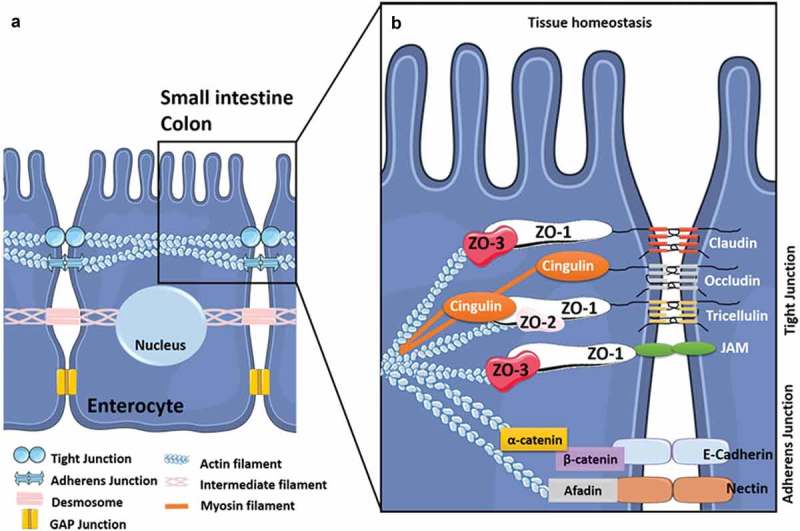
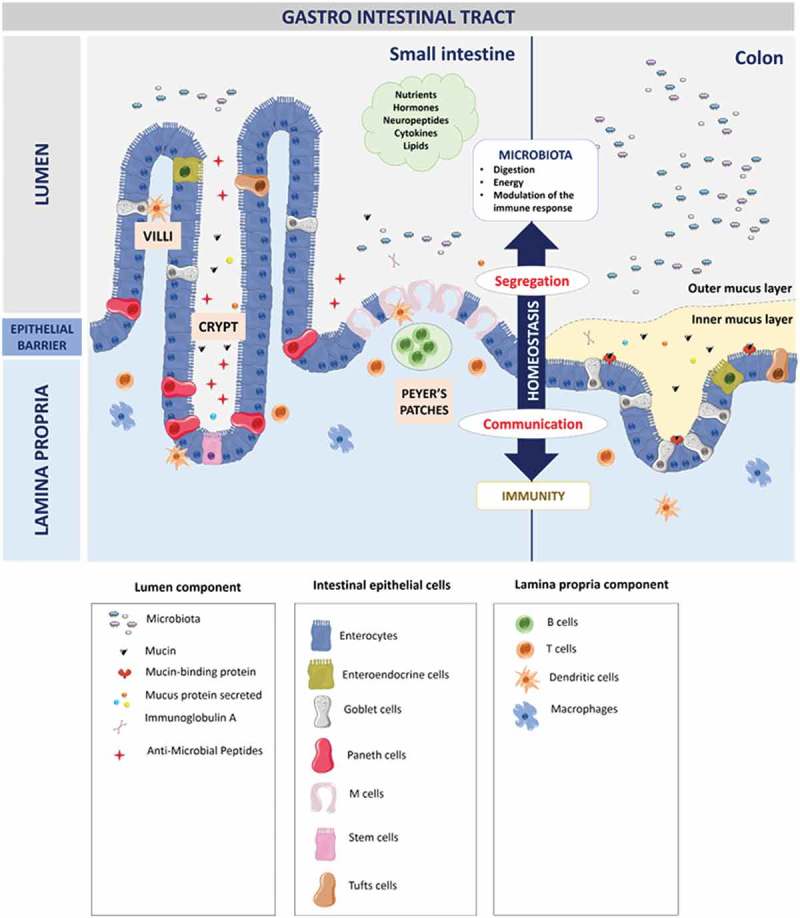
“It differs along the digestive tract(24) and varies according to environmental and lifestyle stimuli.(25) Although specialized in the digestion of nutrients, the GM contributes to the host’s gut homeostasis by (i) modulating the host’s energy metabolism,(26) (ii) sustaining gut integrity,(26) (iii) preventing gut colo…”
BackgroundChanges of Intestinal Functions in Liver Cirrhosis
Fukui, H., & Wiest, R. (2016) · Inflammatory Intestinal Diseases · doi:10.1159/000444436 · Cited by 6,808
Gut microbiota in health and disease
Sekirov, I., Russell, S. L., Antunes, L. C. M., & Finlay, B. B. (2010) · Physiological Reviews · doi:10.1152/physrev.00045.2009 · Cited by 4,182
Interactions Between the Microbiota and the Immune System
Hooper, L. V., Littman, D. R., & Macpherson, A. J. (2012) · Science · doi:10.1126/science.1223490 · Cited by 4,173 · cited 1×
“intestinal injury.(106,107) Another important line of immune cells for maintaining intestinal homeostasis are the CD4 regulatory T cells (Tregs).”
BackgroundThe gut microbiota--masters of host development and physiology
Sommer, F., & Bäckhed, F. (2013) · Nature Reviews Microbiology · doi:10.1038/nrmicro2974 · Cited by 3,681
Cell Adhesion: The Molecular Basis of Tissue Architecture and Morphogenesis
Gumbiner, B. M. (1996) · Cell · doi:10.1016/s0092-8674(00)81279-9 · Cited by 3,471
Gut microbiota, metabolites and host immunity
Rooks, M. G., & Garrett, W. S. (2016) · Nature reviews. Immunology · doi:10.1038/nri.2016.42 · Cited by 3,409 · cited 1×
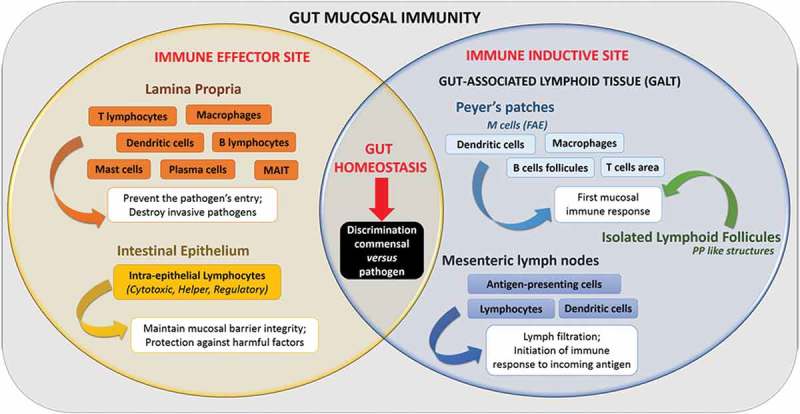
“They are challenged with discriminating entero-pathogenic microorganisms from the resident commensal flora, and adapting the immune response as needed, from tolerance to inflammation.(103) These aspects have been extensively addressed elsewhere27 and will not be developed in this review.”
BackgroundIntestinal epithelial cells: regulators of barrier function and immune homeostasis
Peterson, L. W., & Artis, D. (2014) · Nature Reviews Immunology · doi:10.1038/nri3608 · Cited by 3,173
Zelante, T., Iannitti, R. G., Cunha, C., De Luca, A., Giovannini, G., Pieraccini, G., Zecchi, R., D’Angelo, C., Massi-Benedetti, C., Fallarino, F., et al. (2013) · Immunity · doi:10.1016/j.immuni.2013.08.003 · Cited by 2,614 · cited 1×
“Indeed, tryptophan promotes the local transcription of a bacterial gene that triggers IL22 productive cells and the proliferation of IL-22producing innate lymphoid cells in the GI tract.(148) As a result of its pivotal role in innate antifungal resistance,(149,150) the resulting increased production of IL-22 promotes…”
BackgroundMultifunctional strands in tight junctions
Tsukita, S., Furuse, M., & Itoh, M. (2001) · Nature Reviews Molecular Cell Biology · doi:10.1038/35067088 · Cited by 2,509
Nasir, O. (2013) · Kidney and Blood Pressure Research · doi:10.1159/000350152 · Cited by 2,331
The Long-Term Stability of the Human Gut Microbiota
Faith, J. J., Guruge, J. L., Charbonneau, M., Subramanian, S., Seedorf, H., Goodman, A. L., Clemente, J. C., Knight, R., Heath, A. C., Leibel, R. L., et al. (2013) · Science · doi:10.1126/science.1237439 · Cited by 2,058 · cited 1×
“21,22 In healthy adults, the composition of the GM is unique to each individual.(23) It differs along the digestive tract(24) and varies according to environmental and lifestyle stimuli.”
BackgroundDysbiosis of the gut microbiota in disease
Carding, S., Verbeke, K., Vipond, D. T., Corfe, B. M., & Owen, L. J. (2015) · Microbial Ecology in Health & Disease · doi:10.3402/mehd.v26.26191 · Cited by 1,710
Adherens and tight junctions: Structure, function and connections to the actin cytoskeleton
Hartsock, A., & Nelson, W. J. (2008) · Biochimica et Biophysica Acta (BBA) - Biomembranes · doi:10.1016/j.bbamem.2007.07.012 · Cited by 1,559
Tight junctions: from simple barriers to multifunctional molecular gates
Zihni, C., Mills, C., Matter, K., & Balda, M. S. (2016) · Nature Reviews Molecular Cell Biology · doi:10.1038/nrm.2016.80 · Cited by 1,496
Mucin dynamics and enteric pathogens
McGuckin, M. A., Lindén, S. K., Sutton, P., & Florin, T. H. (2011) · Nature Reviews Microbiology · doi:10.1038/nrmicro2538 · Cited by 1,428
Regulation of intestinal epithelial permeability by tight junctions
Suzuki, T. (2013) · Cellular and Molecular Life Sciences · doi:10.1007/s00018-012-1070-x · Cited by 1,343
Fungal microbiota dysbiosis in IBD
Sokol, H., Leducq, V., Aschard, H., Pham, H.-P., Jegou, S., Landman, C., Cohen, D., Liguori, G., Bourrier, A., Nion-Larmurier, I., et al. (2017) · Gut · doi:10.1136/gutjnl-2015-310746 · Cited by 1,314
Secretory IgA's complex roles in immunity and mucosal homeostasis in the gut
Mantis, N. J., Rol, N., & Corthésy, B. (2011) · Mucosal Immunology · doi:10.1038/mi.2011.41 · Cited by 1,283 · cited 1×
“They provide an adaptive immune component which is crucial for maintaining gut homeostasis by (i) inhibiting microbial motility and improving the mucus’ ability to trap microorganisms,(87) (ii) clearing the microorganisms through peristalsis or mucocilary exclusion,(88) (iii) shaping and maintaining the GM composition…”
BackgroundPaneth cells, antimicrobial peptides and maintenance of intestinal homeostasis
Bevins, C. L., & Salzman, N. H. (2011) · Nature Reviews Microbiology · doi:10.1038/nrmicro2546 · Cited by 1,238
Mammalian defensins in the antimicrobial immune response
Selsted, M. E., & Ouellette, A. J. (2005) · Nature Immunology · doi:10.1038/ni1206 · Cited by 1,203
Jung, H. C., Eckmann, L., Yang, S. K., Panja, A., Fierer, J., Morzycka-Wroblewska, E., & Kagnoff, M. F. (1995) · Journal of Clinical Investigation · doi:10.1172/jci117676 · Cited by 1,197
Candida albicans Secreted Aspartyl Proteinases in Virulence and Pathogenesis
Naglik, J. R., Challacombe, S. J., & Hube, B. (2003) · Microbiology and Molecular Biology Reviews · doi:10.1128/mmbr.67.3.400-428.2003 · Cited by 1,179
Regulation of Tight Junction Permeability by Intestinal Bacteria and Dietary Components1,2
Ulluwishewa, D., Anderson, R. C., McNabb, W. C., Moughan, P. J., Wells, J. M., & Roy, N. C. (2011) · The Journal of Nutrition · doi:10.3945/jn.110.135657 · Cited by 1,177
Attributable Mortality of Nosocomial Candidemia, Revisited
Gudlaugsson, O., Gillespie, S., Lee, K., Berg, J. V., Hu, J., Messer, S., Herwaldt, L., Pfaller, M., & Diekema, D. (2003) · Clinical Infectious Diseases · doi:10.1086/378745 · Cited by 1,140
Interactions between commensal fungi and the C-type lectin receptor Dectin-1 influence colitis
Iliev, I. D., Funari, V. A., Taylor, K. D., Nguyen, Q., Reyes, C. N., Strom, S. P., Brown, J., Becker, C. A., Fleshner, P. R., Dubinsky, M., et al. (2012) · Science · doi:10.1126/science.1221789 · Cited by 1,073 · cited 1×
“who reported the existence of mixed fungal-bacterial biofilms in the GI tract of mice.(141) Fungal-bacterial interactions create a complex balance between synergism (e.”
BackgroundSecretion of microbicidal α-defensins by intestinal Paneth cells in response to bacteria
Ayabe, T., Satchell, D. P., Wilson, C. L., Parks, W. C., Selsted, M. E., & Ouellette, A. J. (2000) · Nature Immunology · doi:10.1038/77783 · Cited by 1,060
Candida Infections of Medical Devices
Kojic, E. M., & Darouiche, R. O. (2004) · Clinical Microbiology Reviews · doi:10.1128/cmr.17.2.255-267.2004 · Cited by 1,055
Microbial modulation of innate defense: goblet cells and the intestinal mucus layer
Deplancke, B., & Gaskins, H. R. (2001) · The American Journal of Clinical Nutrition · doi:10.1093/ajcn/73.6.1131s · Cited by 1,012
Immunological aspects of intestinal mucus and mucins
Johansson, M. E. V., & Hansson, G. C. (2016) · Nature Reviews Immunology · doi:10.1038/nri.2016.88 · Cited by 1,007
Horn, D. L., Neofytos, D., Anaissie, E. J., Fishman, J. A., Steinbach, W. J., Olyaei, A. J., Marr, K. A., Pfaller, M. A., Chang, C., & Webster, K. M. (2009) · Clinical Infectious Diseases · doi:10.1086/599039 · Cited by 956
Candidalysin is a fungal peptide toxin critical for mucosal infection
Moyes, D. L., Wilson, D., Richardson, J. P., Mogavero, S., Tang, S. X., Wernecke, J., Höfs, S., Gratacap, R. L., Robbins, J., Runglall, M., et al. (2016) · Nature · doi:10.1038/nature17625 · Cited by 942
The intestinal epithelium: central coordinator of mucosal immunity
Allaire, J. M., Crowley, S. M., Law, H. T., Chang, S.-Y., Ko, H.-J., & Vallance, B. A. (2018) · Trends in Immunology · doi:10.1016/j.it.2018.04.002 · Cited by 933 · cited 10×
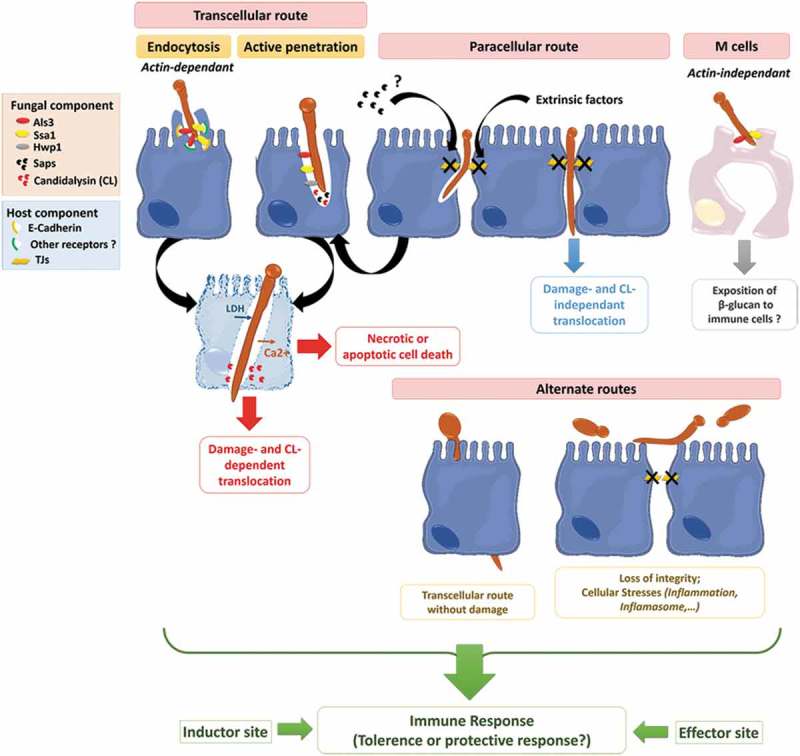
“Several studies have suggested a paracellular route involving the proteolytic cleavage of the intercellular adherens junction (AJ) protein E-cadherin in both oral epithelial cells225,232 and IECs.233 AJs are located immediately below the TJs, and are mainly composed of proteins of the cadherin family including E-cadhe…”
BackgroundResultInfluentialAngiogenins: a new class of microbicidal proteins involved in innate immunity
Hooper, L. V., Stappenbeck, T. S., Hong, C. V., & Gordon, J. I. (2003) · Nature Immunology · doi:10.1038/ni888 · Cited by 929
Calderone, R. (2012) · ASM Press eBooks · Cited by 912
Jones, B. D., Ghori, N., & Falkow, S. (1994) · The Journal of experimental medicine · doi:10.1084/jem.180.1.15 · Cited by 883
Structure and Function of the Cell Surface (Tethered) Mucins
Hattrup, C. L., & Gendler, S. J. (2008) · Annual Review of Physiology · doi:10.1146/annurev.physiol.70.113006.100659 · Cited by 779
Nosocomial fungal infections: epidemiology, diagnosis, and treatment
Perlroth, J., Choi, B., & Spellberg, B. (2007) · Medical Mycology · doi:10.1080/13693780701218689 · Cited by 738
Interactions of commensal and pathogenic microorganisms with the intestinal mucosal barrier
Martens, E. C., Neumann, M., & Desai, M. S. (2018) · Nature Reviews Microbiology · doi:10.1038/s41579-018-0036-x · Cited by 711
Brandt, M. E. (2002) · Emerging Infectious Diseases · doi:10.3201/eid0808.020059 · Cited by 644
Als3 Is a Candida albicans Invasin That Binds to Cadherins and Induces Endocytosis by Host Cells
Phan, Q. T., Myers, C. L., Fu, Y., Sheppard, D. C., Yeaman, M. R., Welch, W. H., Ibrahim, A. S., Edwards, J. E., & Filler, S. G. (2007) · PLoS Biology · doi:10.1371/journal.pbio.0050064 · Cited by 641 · cited 4×
“N- or E-cadherin expressed at the surface of endothelial and oral epithelial cells, respectively, were identified as putative host cell receptors for this invasin.(194,229) Finally, in silico analysis reported molecular similarities between Als3/E-cadherin and E-cadherin/Ecadherin interactions, suggesting the molecula…”
BackgroundInfluentialConversion by Peyer's Patch Lymphocytes of Human Enterocytes into M Cells that Transport Bacteria
Kernéis, S., Bogdanova, A., Kraehenbuhl, J.-P., & Pringault, E. (1997) · Science · doi:10.1126/science.277.5328.949 · Cited by 631
Risk factors for candidemia in Neonatal Intensive Care Unit patients
SAIMAN, L., LUDINGTON, E., PFALLER, M., RANGEL-FRAUSTO, S., WIBLIN, T. R., DAWSON, J., BLUMBERG, H. M., PATTERSON, J. E., RINALDI, M., EDWARDS, J. E., et al. (2000) · The Pediatric Infectious Disease Journal · doi:10.1097/00006454-200004000-00011 · Cited by 587
"White-opaque transition": a second high-frequency switching system in Candida albicans
Slutsky, B., Staebell, M., Anderson, J., Risen, L., Pfaller, M., & Soll, D. R. (1987) · Journal of Bacteriology · doi:10.1128/jb.169.1.189-197.1987 · Cited by 570
Mucins: A biologically relevant glycan barrier in mucosal protection
Corfield, A. P. (2015) · Biochimica et Biophysica Acta (BBA) - General Subjects · doi:10.1016/j.bbagen.2014.05.003 · Cited by 568
Miller, M. G., & Johnson, A. D. (2002) · Cell · doi:10.1016/s0092-8674(02)00837-1 · Cited by 568
A comprehensive summary of LL-37, the factotum human cathelicidin peptide
Vandamme, D., Landuyt, B., Luyten, W., & Schoofs, L. (2012) · Cellular Immunology · doi:10.1016/j.cellimm.2012.11.009 · Cited by 567
Fungi in the healthy human gastrointestinal tract
Hallen-Adams, H. E., & Suhr, M. J. (2017) · Virulence · doi:10.1080/21505594.2016.1247140 · Cited by 526
Candida albicans Cell Wall Proteins
Chaffin, W. L. (2008) · Microbiology and Molecular Biology Reviews · doi:10.1128/mmbr.00032-07 · Cited by 515 · cited 1×
“albicans can also adhere to enterocytes through polysaccharidic molecules expressed at the cell wall surface.(204,209) Indeed, Timpel et al.”
BackgroundThe outer mucus layer hosts a distinct intestinal microbial niche
Li, H., Limenitakis, J. P., Fuhrer, T., Geuking, M. B., Lawson, M. A., Wyss, M., Brugiroux, S., Keller, I., Macpherson, J. A., Rupp, S., et al. (2015) · Nature Communications · doi:10.1038/ncomms9292 · Cited by 511
Anderson, R. C., Cookson, A. L., McNabb, W. C., Park, Z., McCann, M. J., Kelly, W. J., & Roy, N. C. (2010) · BMC Microbiology · doi:10.1186/1471-2180-10-316 · Cited by 510
Fungal morphogenesis and host invasion
Gow, N. A. R., Brown, A. J. P., & Odds, F. C. (2002) · Current Opinion in Microbiology · doi:10.1016/s1369-5274(02)00338-7 · Cited by 482
Protection of the intestinal mucosa by intraepithelial γδ T cells
Chen, Y., Chou, K., Fuchs, E., Havran, W. L., & Boismenu, R. (2002) · Proceedings of the National Academy of Sciences · doi:10.1073/pnas.212290499 · Cited by 480
Human zonulin, a potential modulator of intestinal tight junctions
Wang, W., Uzzau, S., Goldblum, S. E., & Fasano, A. (2000) · Journal of Cell Science · doi:10.1242/jcs.113.24.4435 · Cited by 470
The role of the microbiome for human health: From basic science to clinical applications
Mohajeri, M. H., Brummer, R. J. M., Rastall, R. A., Weersma, R. K., Harmsen, H. J. M., Faas, M., & Eggersdorfer, M. (2018) · European Journal of Nutrition · doi:10.1007/s00394-018-1703-4 · Cited by 440
Activation of HIF-1α and LL-37 by commensal bacteria inhibits Candida albicans colonization
Fan, D., Coughlin, L. A., Neubauer, M. M., Kim, J., Kim, M. S., Zhan, X., Simms-Waldrip, T. R., Xie, Y., Hooper, L. V., & Koh, A. Y. (2015) · Nature Medicine · doi:10.1038/nm.3871 · Cited by 426 · cited 5×
“albicans since Bacteroides thetaiotamicron was capable of inhibiting colonization through the activation of the Hypoxia Inducible Factor (HIF)-1α.(158) This transcription factor is an essential regulator of mammalian innate defense, that, once activated, induces the production of the Cathelicidin-AMPs LL37, a critical…”
BackgroundInfluentialImmunological Consequences of Intestinal Fungal Dysbiosis
Wheeler, M. L., Limon, J. J., Bar, A. S., Leal, C. A., Gargus, M., Tang, J., Brown, J., Funari, V. A., Wang, H. L., Crother, T. R., et al. (2016) · Cell Host & Microbe · doi:10.1016/j.chom.2016.05.003 · Cited by 422
Awad, W., Hess, C., & Hess, M. (2017) · Toxins · doi:10.3390/toxins9020060 · Cited by 405
Fungal dysbiosis: immunity and interactions at mucosal barriers
Iliev, I. D., & Leonardi, I. (2017) · Nature Reviews Immunology · doi:10.1038/nri.2017.55 · Cited by 393
Morphogenesis in Candida albicans
Whiteway, M., & Bachewich, C. (2007) · Annual Review of Microbiology · doi:10.1146/annurev.micro.61.080706.093341 · Cited by 388
Importance and regulation of the colonic mucus barrier in a mouse model of colitis
Petersson, J., Schreiber, O., Hansson, G. C., Gendler, S. J., Velcich, A., Lundberg, J. O., Roos, S., Holm, L., & Phillipson, M. (2011) · American Journal of Physiology-Gastrointestinal and Liver Physiology · doi:10.1152/ajpgi.00422.2010 · Cited by 385
Watanabe, M., Ueno, Y., Yajima, T., Iwao, Y., Tsuchiya, M., Ishikawa, H., Aiso, S., Hibi, T., & Ishii, H. (1995) · Journal of Clinical Investigation · doi:10.1172/jci118002 · Cited by 380
Moyes, D. L., Runglall, M., Murciano, C., Shen, C., Nayar, D., Thavaraj, S., Kohli, A., Islam, A., Mora-Montes, H., Challacombe, S. J., et al. (2010) · Cell Host & Microbe · doi:10.1016/j.chom.2010.08.002 · Cited by 372
Zaborin, A., Smith, D., Garfield, K., Quensen, J., Shakhsheer, B., Kade, M., Tirrell, M., Tiedje, J., Gilbert, J. A., Zaborina, O., et al. (2014) · mBio · doi:10.1128/mbio.01361-14 · Cited by 367
Zonulin, regulation of tight junctions, and autoimmune diseases
Fasano, A. (2012) · Annals of the New York Academy of Sciences · doi:10.1111/j.1749-6632.2012.06538.x · Cited by 364
Asmar, R. E., Panigrahi, P., Bamford, P., Berti, I., Not, T., Coppa, G. V., Catassi, C., & Fasano, A. (2002) · Gastroenterology · doi:10.1053/gast.2002.36578 · Cited by 363
Mucosal damage and neutropenia are required for Candida albicans dissemination
Koh, A. Y., Köhler, J. R., Coggshall, K. T., Van Rooijen, N., & Pier, G. B. (2008) · PLoS Pathogens · doi:10.1371/journal.ppat.0040035 · Cited by 360
Cellular interactions of Candida albicans with human oral epithelial cells and enterocytes
Dalle, F., Wächtler, B., L'Ollivier, C., Holland, G., Bannert, N., Wilson, D., Labruère, C., Bonnin, A., & Hube, B. (2010) · Cellular Microbiology · doi:10.1111/j.1462-5822.2009.01394.x · Cited by 347
Self-citationCommensal Fungi in Health and Disease
Limon, J. J., Skalski, J. H., & Underhill, D. M. (2017) · Cell Host & Microbe · doi:10.1016/j.chom.2017.07.002 · Cited by 336
Antimicrobial peptides and gut microbiota in homeostasis and pathology
Ostaff, M. J., Stange, E. F., & Wehkamp, J. (2013) · EMBO Molecular Medicine · doi:10.1002/emmm.201201773 · Cited by 329
Mucosal Ecological Network of Epithelium and Immune Cells for Gut Homeostasis and Tissue Healing
Kurashima, Y., & Kiyono, H. (2017) · Annual Review of Immunology · doi:10.1146/annurev-immunol-051116-052424 · Cited by 329
Adhesins in human fungal pathogens: glue with plenty of stick.
de Groot, P. W. J., Bader, O., de Boer, A. D., Weig, M., & Chauhan, N. (2013) · Eukaryotic Cell · doi:10.1128/ec.00364-12 · Cited by 319
Virulence factors of Candida species.
Yang, Y.-L. (2003) · PubMed · Cited by 317
The Intestinal Epithelium: Central Coordinator of Mucosal Immunity
Allaire, J. M., Crowley, S. M., Law, H. T., Chang, S.-Y., Ko, H.-J., & Vallance, B. A. (2019) · Trends in Immunology · doi:10.1016/j.it.2018.12.008 · Cited by 315
des Rieux, A., Fievez, V., Théate, I., Mast, J., Préat, V., & Schneider, Y.-J. (2007) · European Journal of Pharmaceutical Sciences · doi:10.1016/j.ejps.2006.12.006 · Cited by 310
Pande, K., Chen, C., & Noble, S. M. (2013) · Nature Genetics · doi:10.1038/ng.2710 · Cited by 306 · cited 2×
“Indeed, when the Wor1 transcription factor is necessary and sufficient to drive the switch from the white to the opaque state, WOR1 overexpression triggered the switch to a GastrointestinallyIndUced Transition (GUT) morphotype optimized to the gut living in a commensal state.(137) Finally, the gut niche appears to be…”
BackgroundQuantitative variation of biofilms among strains in natural populations of Candida albicans
Li, X., Yan, Z., & Xu, J. (2003) · Microbiology · doi:10.1099/mic.0.25932-0 · Cited by 304
Zordan, R. E., Galgoczy, D. J., & Johnson, A. D. (2006) · Proceedings of the National Academy of Sciences · doi:10.1073/pnas.0605138103 · Cited by 304
Ismail, A. S., Severson, K. M., Vaishnava, S., Behrendt, C. L., Yu, X., Benjamin, J. L., Ruhn, K. A., Hou, B., DeFranco, A. L., Yarovinsky, F., et al. (2011) · Proceedings of the National Academy of Sciences · doi:10.1073/pnas.1019574108 · Cited by 302
The intestinal epithelium tuft cells: specification and function
Gerbe, F., Legraverend, C., & Jay, P. (2012) · Cellular and Molecular Life Sciences · doi:10.1007/s00018-012-0984-7 · Cited by 295
Bistable expression of WOR1 , a master regulator of white–opaque switching in Candida albicans
Huang, G., Wang, H., Chou, S., Nie, X., Chen, J., & Liu, H. (2006) · Proceedings of the National Academy of Sciences · doi:10.1073/pnas.0605270103 · Cited by 293
Hase, K., Eckmann, L., Leopard, J. D., Varki, N., & Kagnoff, M. F. (2002) · Infection and Immunity · doi:10.1128/iai.70.2.953-963.2002 · Cited by 293
Zakikhany, K., Naglik, J. R., Schmidt-Westhausen, A., Holland, G., Schaller, M., & Hube, B. (2007) · Cellular Microbiology · doi:10.1111/j.1462-5822.2007.01009.x · Cited by 288
Antimicrobial Peptides as Mediators of Epithelial Host Defense
Huttner, K. M., & Bevins, C. L. (1999) · Pediatric Research · doi:10.1203/00006450-199906000-00001 · Cited by 280
Wächtler, B., Wilson, D., Haedicke, K., Dalle, F., & Hube, B. (2011) · PLoS ONE · doi:10.1371/journal.pone.0017046 · Cited by 270
Self-citationExpression of specific markers and particle transport in a new human intestinal M-cell model
Gullberg, E., Leonard, M., Karlsson, J., Hopkins, A. M., Brayden, D., Baird, A. W., & Artursson, P. (2000) · Biochemical and Biophysical Research Communications · doi:10.1006/bbrc.2000.4038 · Cited by 270
Obesity changes the human gut mycobiome
Mar Rodríguez, M., Pérez, D., Javier Chaves, F., Esteve, E., Marin-Garcia, P., Xifra, G., Vendrell, J., Jové, M., Pamplona, R., Ricart, W., et al. (2015) · Scientific Reports · doi:10.1038/srep14600 · Cited by 268
Corfield, A. P., Wagner, S. A., Clamp, J. R., Kriaris, M. S., & Hoskins, L. C. (1992) · Infection and Immunity · doi:10.1128/iai.60.10.3971-3978.1992 · Cited by 266
Fungal Signature in the Gut Microbiota of Pediatric Patients With Inflammatory Bowel Disease
Chehoud, C., Albenberg, L. G., Judge, C., Hoffmann, C., Grunberg, S., Bittinger, K., Baldassano, R. N., Lewis, J. D., Bushman, F. D., & Wu, G. D. (2015) · Inflammatory Bowel Diseases · doi:10.1097/mib.0000000000000454 · Cited by 266
IL-22 defines a novel immune pathway of antifungal resistance
De Luca, A., Zelante, T., D'Angelo, C., Zagarella, S., Fallarino, F., Spreca, A., Iannitti, R. G., Bonifazi, P., Renauld, J.-C., Bistoni, F., et al. (2010) · Mucosal Immunology · doi:10.1038/mi.2010.22 · Cited by 265 · cited 1×
“albicans.(149) As a consequence, disturbances in the bacterial community (or dysbiosis) are associated with enhanced C.”
BackgroundFelk, A., Kretschmar, M., Albrecht, A., Schaller, M., Beinhauer, S., Nichterlein, T., Sanglard, D., Korting, H. C., Schäfer, W., & Hube, B. (2002) · Infection and Immunity · doi:10.1128/iai.70.7.3689-3700.2002 · Cited by 260
Lidell, M. E., Moncada, D. M., Chadee, K., & Hansson, G. C. (2006) · Proceedings of the National Academy of Sciences · doi:10.1073/pnas.0600623103 · Cited by 254
Regulation of Candida albicans Morphogenesis by Fatty Acid Metabolites
Noverr, M. C., & Huffnagle, G. B. (2004) · Infection and Immunity · doi:10.1128/iai.72.11.6206-6210.2004 · Cited by 254
Wächtler, B., Citiulo, F., Jablonowski, N., Förster, S., Dalle, F., Schaller, M., Wilson, D., & Hube, B. (2012) · PLoS ONE · doi:10.1371/journal.pone.0036952 · Cited by 250 · cited 3×
“Endocytosis is considered an early event, seeing as it occurs within the first 4 hours of the interaction,(224) whereas invasion at later stages seems mainly driven by active penetration.(10,217,225) In fact, these two mechanistically distinct routes of invasion probably occur differentially depending on the epithelia…”
Self-citationImmune exclusion is a function of IgA
STOKES, C. R., SOOTHILL, J. F., & TURNER, M. W. (1975) · Nature · doi:10.1038/255745a0 · Cited by 244
Höfs, S., Mogavero, S., & Hube, B. (2016) · Journal of Microbiology · doi:10.1007/s12275-016-5514-0 · Cited by 238
Howe, K. L., Reardon, C., Wang, A., Nazli, A., & McKay, D. M. (2005) · The American Journal of Pathology · doi:10.1016/s0002-9440(10)61243-6 · Cited by 235
Mice with Disseminated Candidiasis Die of Progressive Sepsis
Spellberg, B., Ibrahim, A. S., Edwards Jr., J. E., & Filler, S. G. (2005) · The Journal of Infectious Diseases · doi:10.1086/430952 · Cited by 230
Kanaya, T., Hase, K., Takahashi, D., Fukuda, S., Hoshino, K., Sasaki, I., Hemmi, H., Knoop, K. A., Kumar, N., Sato, M., et al. (2012) · Nature Immunology · doi:10.1038/ni.2352 · Cited by 228
The interplay between the gut microbiota and the immune system
Geuking, M. B., Köller, Y., Rupp, S., & McCoy, K. D. (2014) · Gut Microbes · doi:10.4161/gmic.29330 · Cited by 228
Interactions of Candida albicans with epithelial cells
Zhu, W., & Filler, S. G. (2010) · Cellular Microbiology · doi:10.1111/j.1462-5822.2009.01412.x · Cited by 223 · cited 1×
“However, various observations strongly suggest that invasive candidiasis are mostly of endogenous origin with the gastrointestinal (GI) tract being the main portal of entry into the bloodstream.(5,6) Indeed, molecular typing studies have pointed to gut mycobiota as the main origin of disseminating C.”
BackgroundOhno, H. (2016) · Journal of Biochemistry · doi:10.1093/jb/mvv121 · Cited by 222
Ahluwalia, B., Magnusson, M. K., & Öhman, L. (2017) · Scandinavian Journal of Gastroenterology · doi:10.1080/00365521.2017.1349173 · Cited by 221
Host Cell Invasion and Virulence Mediated by Candida albicans Ssa1
Sun, J. N., Solis, N. V., Phan, Q. T., Bajwa, J. S., Kashleva, H., Thompson, A., Liu, Y., Dongari-Bagtzoglou, A., Edgerton, M., & Filler, S. G. (2010) · PLoS Pathogens · doi:10.1371/journal.ppat.1001181 · Cited by 220 · cited 3×
“Two fungal invasins were reported as major stimulators of the endocytic machinery.(194,228) First, the multifunctional hypha-specific surface protein Als3, a key virulence factor for C.”
BackgroundChemokine receptor expression by human intestinal epithelial cells
Dwinell, M. B., Eckmann, L., Leopard, J. D., Varki, N. M., & Kagnoff, M. F. (1999) · Gastroenterology · doi:10.1053/gast.1999.0029900359 · Cited by 215
Zwielehner, J., Lassl, C., Hippe, B., Pointner, A., Switzeny, O. J., Remely, M., Kitzweger, E., Ruckser, R., & Haslberger, A. G. (2011) · PLoS ONE · doi:10.1371/journal.pone.0028654 · Cited by 210
TOS9 Regulates White-Opaque Switching in Candida albicans
Srikantha, T., Borneman, A. R., Daniels, K. J., Pujol, C., Wu, W., Seringhaus, M. R., Gerstein, M., Yi, S., Snyder, M., & Soll, D. R. (2006) · Eukaryotic Cell · doi:10.1128/ec.00252-06 · Cited by 209
Candida albicans-Induced Epithelial Damage Mediates Translocation through Intestinal Barriers
Allert, S., Förster, T. M., Svensson, C.-M., Richardson, J. P., Pawlik, T., Hebecker, B., Rudolphi, S., Juraschitz, M., Schaller, M., Blagojevic, M., et al. (2018) · mBio · doi:10.1128/mbio.00915-18 · Cited by 208 · cited 10×
“observed the ability of the ece1Δ/Δ mutant to compromise epithelium integrity and to translocate across the intestinal epithelial barrier through damage-independent factors and without damaging the cells.(179) The authors hypothesized that these factors probably alter the cell-cell connections (i.”
InfluentialPark, H., Myers, C. L., Sheppard, D. C., Phan, Q. T., Sanchez, A. A., E. Edwards, J., & Filler, S. G. (2004) · Cellular Microbiology · doi:10.1111/j.1462-5822.2004.00476.x · Cited by 207 · cited 3×
“produced by viable forms of the fungus may be necessary to cause cellular damage in both endothelial and oral epithelial cells.(220,227) Two fungal invasins were reported as major stimulators of the endocytic machinery.”
Fox, E. P., Cowley, E. S., Nobile, C. J., Hartooni, N., Newman, D. K., & Johnson, A. D. (2014) · Current Biology · doi:10.1016/j.cub.2014.08.057 · Cited by 207
Microbiota Signaling Pathways that Influence Neurologic Disease
Cox, L. M., & Weiner, H. L. (2018) · Neurotherapeutics · doi:10.1007/s13311-017-0598-8 · Cited by 207
Candida albicans Colonization and ASCA in Familial Crohn's Disease
Standaert-Vitse, A., Sendid, B., Joossens, M., François, N., Vandewalle-El Khoury, P., Branche, J., Van Kruiningen, H., Jouault, T., Rutgeerts, P., Gower-Rousseau, C., et al. (2009) · The American Journal of Gastroenterology · doi:10.1038/ajg.2009.225 · Cited by 206
To respond or not to respond — a personal perspective of intestinal tolerance
Mowat, A. M. (2018) · Nature Reviews Immunology · doi:10.1038/s41577-018-0002-x · Cited by 206 · cited 1×
“In parallel, the mucosal biochemical and immune systems orchestrate appropriate immune responses to these microbial signals that can range from the tolerance of commensal microorganisms to anti-pathogenic responses.(37)”
BackgroundBotschuijver, S., Roeselers, G., Levin, E., Jonkers, D. M., Welting, O., Heinsbroek, S. E. M., de Weerd, H. H., Boekhout, T., Fornai, M., Masclee, A. A., et al. (2017) · Gastroenterology · doi:10.1053/j.gastro.2017.06.004 · Cited by 202
Secretory IgA in the Coordination of Establishment and Maintenance of the Microbiota
Pabst, O., Cerovic, V., & Hornef, M. (2016) · Trends in Immunology · doi:10.1016/j.it.2016.03.002 · Cited by 201
Villar, C. C., Kashleva, H., Nobile, C. J., Mitchell, A. P., & Dongari-Bagtzoglou, A. (2007) · Infection and Immunity · doi:10.1128/iai.00054-07 · Cited by 200
Mucin and Toll-like receptors in host defense against intestinal parasites
Moncada, D. M., Kammanadiminti, S. J., & Chadee, K. (2003) · Trends in Parasitology · doi:10.1016/s1471-4922(03)00122-3 · Cited by 197
Virulence factors of Candida species.
Rüchel, R., Samaranayake, L. P., & MacFarlane, T. W. (1990) · Cited by 191
Longman, R. J., Douthwaite, J., Sylvester, P. A., Poulsom, R., Corfield, A. P., Thomas, M. G., & Wright, N. A. (2000) · Gut · doi:10.1136/gut.47.6.792 · Cited by 189
Localization of human intestinal defensin 5 in Paneth cell granules
Porter, E. M., Liu, L., Oren, A., Anton, P. A., & Ganz, T. (1997) · Infection and Immunity · doi:10.1128/iai.65.6.2389-2395.1997 · Cited by 186
Bouhet, S., & Oswald, I. P. (2005) · Veterinary Immunology and Immunopathology · doi:10.1016/j.vetimm.2005.08.010 · Cited by 184
Penetration and damage of endothelial cells by Candida albicans
Filler, S. G., Swerdloff, J. N., Hobbs, C., & Luckett, P. M. (1995) · Infection and Immunity · doi:10.1128/iai.63.3.976-983.1995 · Cited by 184 · cited 1×
“produced by viable forms of the fungus may be necessary to cause cellular damage in both endothelial and oral epithelial cells.(220,227) Two fungal invasins were reported as major stimulators of the endocytic machinery.”
BackgroundMadsen, K., Lewis, S., Tavernini, M., Hibbard, J., & Fedorak, R. (1997) · Gastroenterology · doi:10.1016/s0016-5085(97)70090-8 · Cited by 183
Candida albicans cell wall glycans, host receptors and responses: elements for a decisive crosstalk
Poulain, D., & Jouault, T. (2004) · Current Opinion in Microbiology · doi:10.1016/j.mib.2004.06.011 · Cited by 182
Self-Regulation of Candida albicans Population Size during GI Colonization
White, S. J., Rosenbach, A., Lephart, P., Nguyen, D., Benjamin, A., Tzipori, S., Whiteway, M., Mecsas, J., & Kumamoto, C. A. (2007) · PLoS Pathogens · doi:10.1371/journal.ppat.0030184 · Cited by 181
Tahoun, A., Mahajan, S., Paxton, E., Malterer, G., Donaldson, D. S., Wang, D., Tan, A., Gillespie, T. L., O’Shea, M., Roe, A. J., et al. (2012) · Cell Host & Microbe · doi:10.1016/j.chom.2012.10.009 · Cited by 181
Zhu, W., Phan, Q. T., Boontheung, P., Solis, N. V., Loo, J. A., & Filler, S. G. (2012) · Proceedings of the National Academy of Sciences · doi:10.1073/pnas.1117676109 · Cited by 180 · cited 1×
“albicans into oral epithelial cells.(230) However, the exact nature and function of such invasins and host receptors in the endocytosis of C.”
BackgroundCandida albicans-epithelial interactions and pathogenicity mechanisms: scratching the surface
Moyes, D. L., Richardson, J. P., & Naglik, J. R. (2015) · Virulence · doi:10.1080/21505594.2015.1012981 · Cited by 179
Diagnostic Issues, Clinical Characteristics, and Outcomes for Patients with Fungemia
Arendrup, M. C., Sulim, S., Holm, A., Nielsen, L., Nielsen, S. D., Knudsen, J. D., Drenck, N. E., Christensen, J. J., & Johansen, H. K. (2011) · Journal of Clinical Microbiology · doi:10.1128/jcm.00179-11 · Cited by 178
Ortega, M., Marco, F., Soriano, À., Almela, M., Martínez, J. A., López, J. D. S., Pitart, C., & Mensa, J. (2011) · Journal of Hospital Infection · doi:10.1016/j.jhin.2010.09.026 · Cited by 175
Aspects of Fungal Pathogenesis in Humans
van Burik, J.-A. H., & Magee, P. T. (2001) · Annual Review of Microbiology · doi:10.1146/annurev.micro.55.1.743 · Cited by 175
Romani, L. R., Bistoni, F., & Puccetti, P. (2003) · Current Opinion in Microbiology · doi:10.1016/s1369-5274(03)00081-x · Cited by 171
Sundstrom, P. (1999) · Current Opinion in Microbiology · doi:10.1016/s1369-5274(99)80062-9 · Cited by 167
Masuoka, J. (2004) · Clinical Microbiology Reviews · doi:10.1128/cmr.17.2.281-310.2004 · Cited by 166
Banan, A., Choudhary, S., Zhang, Y., Fields, J. Z., & Keshavarzian, A. (1999) · The Journal of Pharmacology and Experimental Therapeutics · doi:10.1016/s0022-3565(24)35212-7 · Cited by 166
Role of gut microbiota in intestinal wound healing and barrier function
Alam, A., & Neish, A. (2018) · Tissue Barriers · doi:10.1080/21688370.2018.1539595 · Cited by 166
Role of intestinal epithelial cells in the innate immune defence of the pig intestine
Oswald, I. P. (2006) · Veterinary Research · doi:10.1051/vetres:2006006 · Cited by 165
Multiple Functions of Pmt1p-mediated ProteinO-Mannosylation in the Fungal Pathogen Candida albicans
Timpel, C., Strahl-Bolsinger, S., Ziegelbauer, K., & Ernst, J. F. (1998) · Journal of Biological Chemistry · doi:10.1074/jbc.273.33.20837 · Cited by 161
Evidence for degradation of gastrointestinal mucin by Candida albicans secretory aspartyl proteinase
Colina, A. R., Aumont, F., Deslauriers, N., Belhumeur, P., & de Repentigny, L. (1996) · Infection and Immunity · doi:10.1128/iai.64.11.4514-4519.1996 · Cited by 161
When pathogenic bacteria meet the intestinal microbiota
Rolhion, N., & Chassaing, B. (2016) · Philosophical Transactions of the Royal Society B: Biological Sciences · doi:10.1098/rstb.2015.0504 · Cited by 160
Commodity scale production of sugars from starches
Crabb, W. D., & Shetty, J. K. (1999) · Current Opinion in Microbiology · doi:10.1016/s1369-5274(99)80044-7 · Cited by 159
Lymphoid microenvironments and innate lymphoid cells in the gut
Pearson, C. F., Uhlig, H. H., & Powrie, F. M. (2012) · Trends in Immunology · doi:10.1016/j.it.2012.04.004 · Cited by 158
White–opaque switching in Candida albicans
Lohse, M. B., & Johnson, A. D. (2009) · Current Opinion in Microbiology · doi:10.1016/j.mib.2009.09.010 · Cited by 156
Fungi in Gastrointestinal Tracts of Human and Mice: from Community to Functions
Li, J., Chen, D., Yu, B., He, J., Zheng, P., Mao, X., Yu, J., Luo, J., Tian, G., Huang, Z., et al. (2017) · Microbial Ecology · doi:10.1007/s00248-017-1105-9 · Cited by 152
Risk factors for invasive fungal disease in critically ill adult patients: a systematic review
Muskett, H., Shahin, J., Eyres, G., Harvey, S., Rowan, K., & Harrison, D. (2011) · Critical Care · doi:10.1186/cc10574 · Cited by 150
Microbiology: Ditch the term pathogen
Casadevall, A., & Pirofski, L. (2014) · Nature · doi:10.1038/516165a · Cited by 149
Adaptations of Candida albicans for Growth in the Mammalian Intestinal Tract
Rosenbach, A., Dignard, D., Pierce, J. V., Whiteway, M., & Kumamoto, C. A. (2010) · Eukaryotic Cell · doi:10.1128/ec.00034-10 · Cited by 143
Heterogeneity of M-cell-associated B and T cells in human Peyer's patches.
Farstad, I. N., Halstensen, T. S., FAUSA, O., & Brandtzaeg, P. (1994) · PubMed Central · Cited by 141
Intestinal microbiota and the immune system in metabolic diseases
Sittipo, P., Lobionda, S., Lee, Y. K., & Maynard, C. L. (2018) · Journal of Microbiology · doi:10.1007/s12275-018-7548-y · Cited by 141
Inborn errors of mucocutaneous immunity to Candida albicans in humans: a role for IL-17 cytokines?
Puel, A., Picard, C., Cypowyj, S., Lilic, D., Abel, L., & Casanova, J.-L. (2010) · Current Opinion in Immunology · doi:10.1016/j.coi.2010.06.009 · Cited by 140
Meiller, T. F., Hube, B., Schild, L., Shirtliff, M. E., Scheper, M. A., Winkler, R., Ton, A., & Jabra-Rizk, M. A. (2009) · PLoS ONE · doi:10.1371/journal.pone.0005039 · Cited by 140
Mucins Suppress Virulence Traits of Candida albicans
Kavanaugh, N. L., Zhang, A. Q., Nobile, C. J., Johnson, A. D., & Ribbeck, K. (2014) · mBio · doi:10.1128/mbio.01911-14 · Cited by 140
MacCallum, D. M., & Odds, F. C. (2005) · Mycoses · doi:10.1111/j.1439-0507.2005.01121.x · Cited by 140
Enterocytes’ tight junctions: From molecules to diseases
Assimakopoulos, S. F., Papageorgiou, I., & Charonis, A. (2011) · World Journal of Gastrointestinal Pathophysiology · doi:10.4291/wjgp.v2.i6.123 · Cited by 139
Candida albicans commensalism in the gastrointestinal tract
Neville, B. A., d'Enfert, C., & Bougnoux, M.-E. (2015) · FEMS Yeast Research · doi:10.1093/femsyr/fov081 · Cited by 139
Digestive tract mycobiota: a source of infection
Gouba, N., & Drancourt, M. (2015) · Médecine et Maladies Infectieuses · doi:10.1016/j.medmal.2015.01.007 · Cited by 138 · cited 3×
“In healthy humans, this mycobiota encompasses almost 66 genera of fungi, mainly including Saccharomyces and Candida species.(7) The equilibrium of the healthy microbiome is under the control of transkingdom interactions between the different inhabitants of the microbiota.”
BackgroundInfluentialKANDORI, H., HIRAYAMA, K., TAKEDA, M., & DOI, K. (1996) · Experimental Animals · doi:10.1538/expanim.45.155 · Cited by 138
Review article: fungal microbiota and digestive diseases
Wang, Z. K., Yang, Y. S., Stefka, A. T., Sun, G., & Peng, L. H. (2014) · Alimentary Pharmacology & Therapeutics · doi:10.1111/apt.12665 · Cited by 136
Candida albicans internalization by host cells is mediated by a clathrin-dependent mechanism
Moreno-Ruiz, E., Galán-Díez, M., Zhu, W., Fernández-Ruiz, E., d'Enfert, C., Filler, S. G., Cossart, P., & Veiga, E. (2009) · Cellular Microbiology · doi:10.1111/j.1462-5822.2009.01319.x · Cited by 133 · cited 1×
“However, additional molecular processes contribute to endocytosis of the fungus, including macropinocytosis(10) and the clathrin-dependent endocytic machinery.(226) In addition, endocytosis is independent of the viability of the fungus since heat-killed hyphal forms of C.”
BackgroundInterplay between Candida albicans and the Antimicrobial Peptide Armory
Swidergall, M., & Ernst, J. F. (2014) · Eukaryotic Cell · doi:10.1128/ec.00093-14 · Cited by 131
Pearce, S. C., Al-Jawadi, A., Kishida, K., Yu, S., Hu, M., Fritzky, L. F., Edelblum, K. L., Gao, N., & Ferraris, R. P. (2018) · BMC Biology · doi:10.1186/s12915-018-0481-z · Cited by 131
Differential Phagocytosis of White versus Opaque Candida albicans by Drosophila and Mouse Phagocytes
Lohse, M. B., & Johnson, A. D. (2008) · PLoS ONE · doi:10.1371/journal.pone.0001473 · Cited by 130
Schulte, R., Kerneis, S., Klinke, S., Bartels, H., Preger, S., Kraehenbuhl, J.-P., Pringault, E., & Autenrieth, I. B. (2000) · Cellular Microbiology · doi:10.1046/j.1462-5822.2000.00047.x · Cited by 129
New insights into innate immune mechanisms underlying allergenicity
Wills-Karp, M., Nathan, A., Page, K., & Karp, C. L. (2010) · Mucosal Immunology · doi:10.1038/mi.2009.138 · Cited by 129
Interaction of Yersinia enterocolitica with epithelial cells: invasin beyond invasion
Graßl, G. A., Bohn, E., Muller, Y. M. F., Bühler, O. T., & Autenrieth, I. B. (2003) · International Journal of Medical Microbiology · doi:10.1078/1438-4221-00243 · Cited by 127
Skin Facilitates Candida albicans Mating
Lachke, S. A., Lockhart, S. R., Daniels, K. J., & Soll, D. R. (2003) · Infection and Immunity · doi:10.1128/iai.71.9.4970-4976.2003 · Cited by 127
Murine Models of Candida Gastrointestinal Colonization and Dissemination
Koh, A. Y. (2013) · Eukaryotic Cell · doi:10.1128/ec.00196-13 · Cited by 125
de Repentigny, L., Aumont, F., Bernard, K., & Belhumeur, P. (2000) · Infection and Immunity · doi:10.1128/iai.68.6.3172-3179.2000 · Cited by 124
Modulation of epithelial permeability by extracellular macromolecules
Lewis, S. A., Berg, J. R., & Kleine, T. J. (1995) · Physiological Reviews · doi:10.1152/physrev.1995.75.3.561 · Cited by 124
Intestinal microbiota and its effects on the immune system: The immune system and the microbiota
Rescigno, M. (2014) · Cellular Microbiology · doi:10.1111/cmi.12301 · Cited by 121
Sato, S., Kaneto, S., Shibata, N., Takahashi, Y., Okura, H., Yuki, Y., Kunisawa, J., & Kiyono, H. (2012) · Mucosal Immunology · doi:10.1038/mi.2012.122 · Cited by 121
Torres-Flores, J. M., & Arias, C. F. (2015) · Viruses · doi:10.3390/v7092865 · Cited by 116
The Missing Link between Candida albicans Hyphal Morphogenesis and Host Cell Damage
Wilson, D., Naglik, J. R., & Hube, B. (2016) · PLOS Pathogens · doi:10.1371/journal.ppat.1005867 · Cited by 116
De Bernardis, F., Liu, H., O’Mahony, R., La Valle, R., Bartollino, S., Sandini, S., Grant, S., Brewis, N., Tomlinson, I., Basset, R. C., et al. (2007) · The Journal of Infectious Diseases · doi:10.1086/509891 · Cited by 114
Paneth cell α-defensins and enteric microbiota in health and disease
NAKAMURA, K., SAKURAGI, N., TAKAKUWA, A., & AYABE, T. (2016) · Bioscience of Microbiota, Food and Health · doi:10.12938/bmfh.2015-019 · Cited by 114
N-cadherin Mediates Endocytosis of Candida albicans by Endothelial Cells
Phan, Q. T., Fratti, R. A., Prasadarao, N. V., Edwards, J. E., & Filler, S. G. (2005) · Journal of Biological Chemistry · doi:10.1074/jbc.m412592200 · Cited by 113
Corfield, A. P., WAGNER, S. A., O'Donnell, L. J. D., Durdey, P., Mountford, R. A., & Clamp, J. R. (1993) · Glycoconjugate Journal · doi:10.1007/bf00731190 · Cited by 112
Tu, Q. V., McGuckin, M. A., & Mendz, G. L. (2008) · Journal of Medical Microbiology · doi:10.1099/jmm.0.47752-0 · Cited by 112
Regulation of white-opaque switching in Candida albicans
Morschhäuser, J. (2010) · Medical Microbiology and Immunology · doi:10.1007/s00430-010-0147-0 · Cited by 110
The Gut Microbiota and Mucosal T Cells
Smith, P. M., & Garrett, W. S. (2011) · Frontiers in Microbiology · doi:10.3389/fmicb.2011.00111 · Cited by 110
Stringer, A., Gibson, R., Bowen, J., & Keefe, D. (2009) · Current Drug Metabolism · doi:10.2174/138920009787048419 · Cited by 109
Infection Strategies of Intestinal Parasite Pathogens and Host Cell Responses
Di Genova, B. M., & Tonelli, R. R. (2016) · Frontiers in Microbiology · doi:10.3389/fmicb.2016.00256 · Cited by 109
Adherence of Candida sp. to host tissues and cells as one of its pathogenicity features.
Modrzewska, B., & Kurnatowski, P. (2015) · PubMed · Cited by 107
Moyes, D. L., Shen, C., Murciano, C., Runglall, M., Richardson, J. P., Arno, M., Aldecoa-Otalora, E., & Naglik, J. R. (2014) · The Journal of Infectious Diseases · doi:10.1093/infdis/jit824 · Cited by 106
The Hog1 MAP kinase controls respiratory metabolism in the fungal pathogen Candida albicans
Alonso-Monge, R., Carvaihlo, S., Nombela, C., Rial, E., & Pla, J. (2009) · Microbiology · doi:10.1099/mic.0.023309-0 · Cited by 105 · cited 5×
“This is exemplified by the Msb2 membrane glycoprotein whose extracellular domain, i.e. Msb2*, is released after cleavage in large amount in the extracellular environment, inactivating a large panel of AMPs.167–172 Interestingly, some data suggest the involvement of secreted aspartyl proteases (Saps) in the cleavage an…”
InfluentialSatoh, Y., Habara, Y., Ono, K., & Kanno, T. (1995) · Gastroenterology · doi:10.1016/0016-5085(95)90681-9 · Cited by 104
Helstrom, P. B., & Balish, E. (1979) · Infection and Immunity · doi:10.1128/iai.23.3.764-774.1979 · Cited by 102
Alteri, C. J., & Mobley, H. L. T. (2007) · Infection and Immunity · doi:10.1128/iai.00076-06 · Cited by 102
Microbial Interference Between Indigenous Yeast and Lactobacilli in the Rodent Stomach
Savage, D. C. (1969) · Journal of Bacteriology · doi:10.1128/jb.98.3.1278-1283.1969 · Cited by 99
Skoog, E. C., Sjöling, Å., Navabi, N., Holgersson, J., Lundin, S. B., & Lindén, S. K. (2012) · PLoS ONE · doi:10.1371/journal.pone.0036378 · Cited by 99
Candida–Epithelial Interactions
Richardson, J., Ho, J., & Naglik, J. (2018) · Journal of Fungi · doi:10.3390/jof4010022 · Cited by 98
Frank, C. F., & Hostetter, M. K. (2007) · Translational research · doi:10.1016/j.trsl.2006.11.006 · Cited by 97
Fausther‐Bovendo, H., Vieillard, V., Sagan, S., Bismuth, G., & Debré, P. (2010) · PLoS Pathogens · doi:10.1371/journal.ppat.1000975 · Cited by 95
The yeast form of the fungus Candida albicans promotes persistence in the gut of gnotobiotic mice
Böhm, L., Torsin, S., Tint, S. H., Eckstein, M. T., Ludwig, T., & Pérez, J. C. (2017) · PLOS Pathogens · doi:10.1371/journal.ppat.1006699 · Cited by 95
Pathogenicity mechanisms and host response during oral Candida albicans infections
Hebecker, B., Naglik, J. R., Hube, B., & Jacobsen, I. D. (2014) · Expert Review of Anti-infective Therapy · doi:10.1586/14787210.2014.916210 · Cited by 91
Li, D., Chen, H., Florentino, A., Alex, D., Sikorski, P., Fonzi, W. A., & Calderone, R. (2011) · Eukaryotic Cell · doi:10.1128/ec.00303-10 · Cited by 91
In vitro utilization of mucin by Bacteroides fragilis
Roberton, A. M., & Stanley, R. A. (1982) · Applied and Environmental Microbiology · doi:10.1128/aem.43.2.325-330.1982 · Cited by 89
Host Cell Invasion by Medically Important Fungi
Sheppard, D. C., & Filler, S. G. (2015) · Cold Spring Harbor Perspectives in Medicine · doi:10.1101/cshperspect.a019687 · Cited by 89
Msb2 Shedding Protects Candida albicans against Antimicrobial Peptides
Szafranski-Schneider, E., Swidergall, M., Cottier, F., Tielker, D., Román, E., Pla, J., & Ernst, J. F. (2012) · PLoS Pathogens · doi:10.1371/journal.ppat.1002501 · Cited by 88
Vylkova, S., Jang, W. S., Li, W., Nayyar, N., & Edgerton, M. (2007) · Eukaryotic Cell · doi:10.1128/ec.00039-07 · Cited by 88
Cited by
Candida albicans—The Virulence Factors and Clinical Manifestations of Infection
Talapko, J., Juzbašić, M., Matijević, T., Pustijanac, E., Bekić, S., Kotris, I., & Škrlec, I. (2021) · Journal of Fungi · doi:10.3390/jof7020079 · Cited by 794
Tight Junction Structure and Function Revisited
Otani, T., & Furuse, M. (2020) · Trends in Cell Biology · doi:10.1016/j.tcb.2020.08.004 · Cited by 665
Lass-Flörl, C., Kanj, S. S., Govender, N. P., Thompson, G. R., Ostrosky- Zeichner, L., & Govrins, M. A. (2024) · Nature Reviews Disease Primers · doi:10.1038/s41572-024-00503-3 · Cited by 298
Kumamoto, C. A., Gresnigt, M. S., & Hube, B. (2020) · Current Opinion in Microbiology · doi:10.1016/j.mib.2020.05.006 · Cited by 208
“albicans invasion are reviewed in [17,37].”
Intestinal mycobiota in health and diseases: from a disrupted equilibrium to clinical opportunities
Wu, X., Xia, Y., He, F., Zhu, C., & Ren, W. (2021) · Microbiome · doi:10.1186/s40168-021-01024-x · Cited by 162
Metadata
- Authors
- Basmaciyan, L., Bon, F., Paradis, T., Lapaquette, P., & Dalle, F.
- Affiliations
- Procédés Alimentaires et Microbiologiques (FR)
- Corresponding author
- Dalle, Frédéric
- Venue
- Tissue Barriers
- Publisher
- Informa UK Limited
- Published
- 2019-04-03
- Volume
- 7
- Issue
- 2
- Pages
- 1612661-1612661
- ISSN
- 2168-8362 (ISSN-L)
- 2168-8370
- PMC
- PMC6619947
- OpenAlex
- W2950110036
- Cited by
- 89
- References
- 279
- Citations by year
- 2026: 10 · 2025: 17 · 2024: 13 · 2023: 10 · 2022: 14 · 2021: 13 · 2020: 11 · 2019: 1
- FWCI
- 1.36
- Type
- journal article
- Language
- en
- Open access
- hybrid
- doi.org
- Licence
- Locations
- Tissue Barriers (publishedVersion, cc-by-nc-nd)
- Europe PMC (PubMed Central) (publishedVersion, cc-by-nc-nd)
- PubMed Central (publishedVersion, cc-by-nc-nd)
- PubMed (publishedVersion)
- HAL (submittedVersion)
- Funders
- Conseil régional de Bourgogne-Franche-Comté
- FEDER
- Topics
- Health Sciences › Medicine › Infectious Diseases › Antifungal resistance and susceptibility
- Life Sciences › Biochemistry, Genetics and Molecular Biology › Molecular Biology › Fungal and yeast genetics research
- Life Sciences › Biochemistry, Genetics and Molecular Biology › Molecular Biology › Gut microbiota and health
- Keywords
- Candida albicans, intestinal epithelial barrier, systemic candidiasis, host-pathogen interaction, immune dysfunction, opportunistic fungal infection
- MeSH terms
- Candida albicans, Humans, Intestinal Mucosa, Host-Pathogen Interactions
About these checks
Registry, retraction, Cites and statistics results are computed, not judged, with one exception: a printed reference that no index lists is read once by a model before it counts as a citation error. Claims are extracted by a model and kept only when their quote appears verbatim in the text; each cited source is then checked, with a model’s help, for whether it says what the claim relies on. Those verdicts can be wrong — read the claim’s quote and the cited source before relying on one.
Statistics and arithmetic are recomputed, not judged.
Confidence bands are shown only for fields calibrated on our annotated test set. None is calibrated yet, so no band is shown.
What counts as a claim ›How we measure confidence ›How we check this ›
Are you an author, or do you see a problem with this page? Request a review
Data sources
Bibliographic data: Semantic Scholar, OpenAlex, Crossref.
Contains information from the Semantic Scholar Academic Graph Datasets, made available under the ODC Attribution License (ODC-BY 1.0).
Semantic Scholar’s data is described in: Kinney, R., et al. (2023). The Semantic Scholar Open Data Platform. arXiv:2301.10140.
