

The DOI matches its Crossref record; 84 of the 84 references it cites were found in a registry or an index.
Immunological memory to SARS-CoV-2 assessed for up to 8 months after infection.
Open accessAbstract
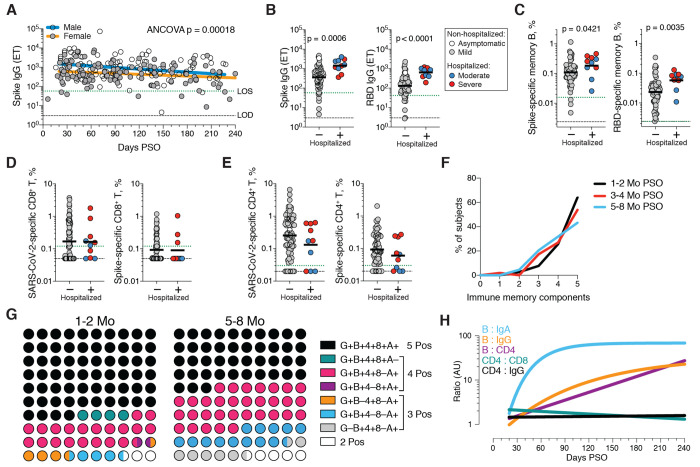
Variable memory: Immune memory against severe acute respiratory syndrome coronavirus 2 (SARS-CoV-2) helps to determine protection against reinfection, disease risk, and vaccine efficacy. Using 188 human cases across the range of severity of COVID-19, Dan et al. analyzed cross-sectional data describing the dynamics of SARS-CoV-2 memory B cells, CD8 + T cells, and CD4 + T cells for more than 6 months after infection. The authors found a high degree of heterogeneity in the magnitude of adaptive immune responses that persisted into the immune memory phase to the virus. However, immune memory in three immunological compartments remained measurable in greater than 90% of subjects for more than 5 months after infection. Despite the heterogeneity of immune responses, these results show that durable immunity against secondary COVID-19 disease is a possibility for most individuals. Science , this issue p. eabf4063
Overview
The claims and statistics of this paper haven’t been checked yet.
Run the check — free, no account needed. It reads the open-access text and checks the sources it cites.
Integrity signals
Registry
Cites
Statistics
Figures
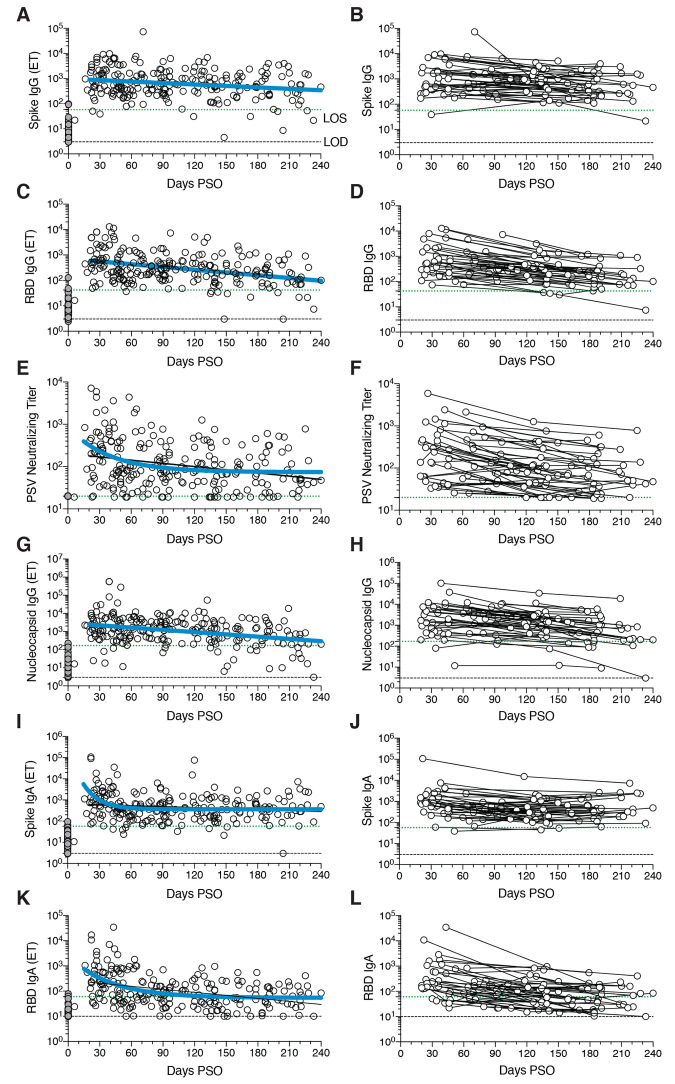
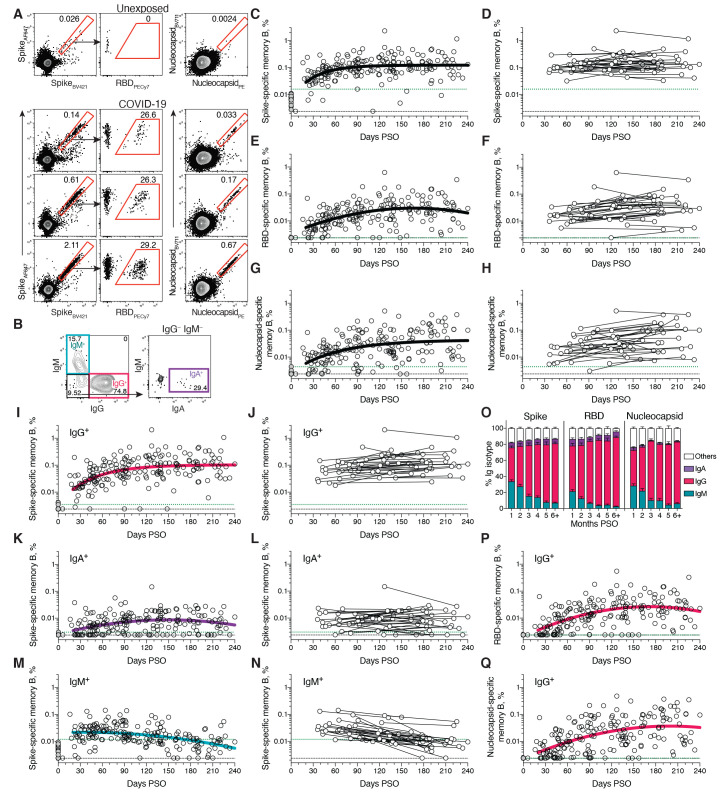
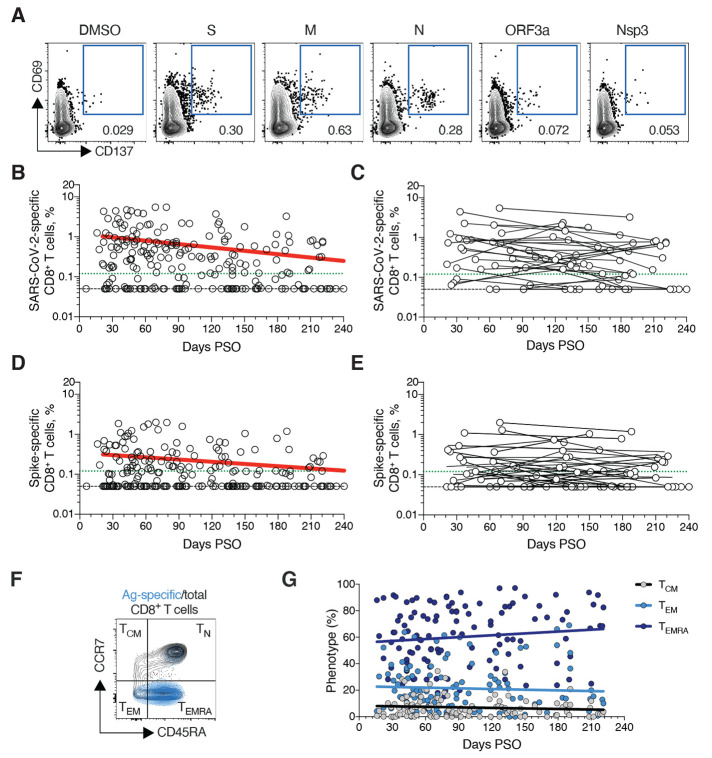
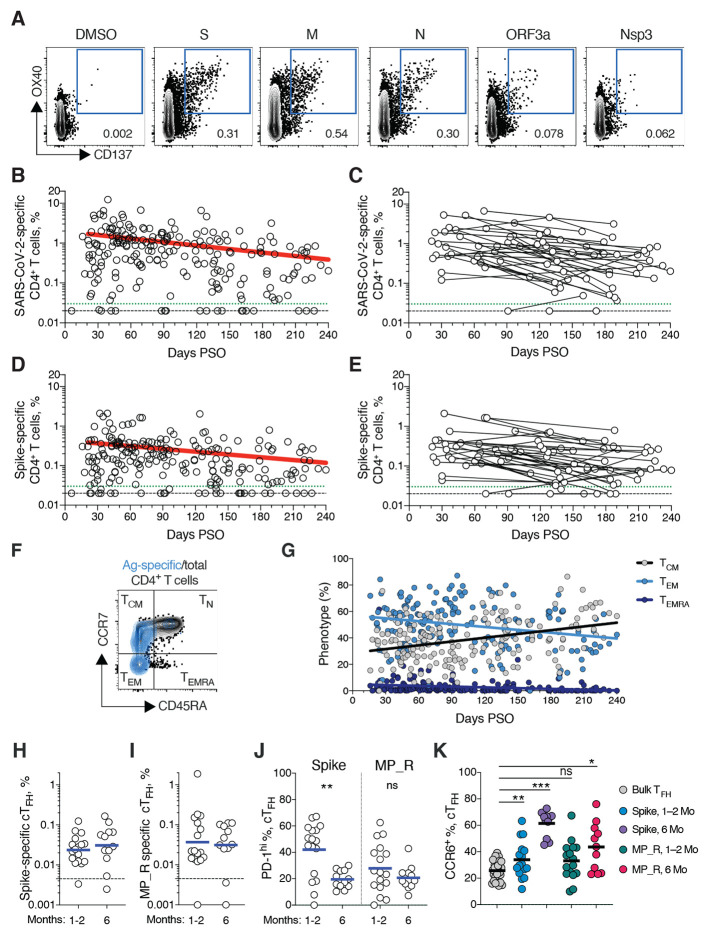
Verification
Claims the paper makes
The claims and statistics of this paper haven’t been checked yet.
Run the check — free, no account needed. It reads the open-access text and checks the sources it cites.
Claims other papers make about this one
Each is checked against this paper’s own text: does it say what the citing paper says it does?
The source backs part of the claim, not all of it — or backs it for a different population, condition or comparison.
In the citing paper
“Memory B cells might contribute to the durability of antibody responses38,39; B cell germinal centre responses and the durability of protective efficacy following CV2CoV vaccination remain to be determined.”
From Optimization of non-coding regions for a non-modified mRNA COVID-19 vaccine (2022) · cites this paper as [39]
Experimental — accuracy not yet measuredThe cited source says what the claim attributes to it.
In the citing paper
“Although it is unclear how long protective effects last beyond the first few months after vaccination, some studies suggest that the elicited neutralizing activity is maintained for up to 8 months after the natural infection with SARS-CoV-2 (refs. 41,42).”
From Modeling vaccination rollouts, SARS-CoV-2 variants and the requirement for non-pharmaceutical interventions in Italy (2021) · cites this paper as [42]
In the citing paper
“The mRNA vaccine clinical trials were not powered to address severe disease, including complications after hospitalization.29,30”
From Association Between mRNA Vaccination and COVID-19 Hospitalization and Disease Severity (2021) · cites this paper as [30]
In the citing paper
“Data from medium-term follow-up of individuals after infection suggest that T cell responses wane more rapidly than antibody responses80.”
From Immunological mechanisms of vaccine-induced protection against COVID-19 in humans (2021) · cites this paper as [80]
In the citing paper
“Immunological studies of SARS-CoV-2 infection show that memory B and T cell responses appear to persist for at least 8 months after symptom onset (28, 29).”
From mRNA vaccines induce durable immune memory to SARS-CoV-2 and variants of concern (2021) · cites this paper as [28]
In the citing paper
“These results are consistent with published observations of convalescent patients with Covid-19 through 8 months after symptom onset.5”
From Antibody Persistence through 6 Months after the Second Dose of mRNA-1273 Vaccine for Covid-19 (2021) · cites this paper as [5]
In the citing paper
“Robust CD4+ and CD8+ T cell memory is induced after COVID-19,22,39, 40, 41 and multiple COVID-19 vaccines elicit CD4+ and CD8+ T cell responses.26,42, 43, 44, 45”
From Impact of SARS-CoV-2 variants on the total CD4+ and CD8+ T cell reactivity in infected or vaccinated individuals (2021) · cites this paper as [39]
In the citing paper
“SARS-CoV-2 infection rapidly elicits nAbs (16, 21–24) that decline, but remain detectable, over several months (25–29).”
From mRNA vaccination boosts cross-variant neutralizing antibodies elicited by SARS-CoV-2 infection (2021) · cites this paper as [25]
In the citing paper
“Overall, the accumulating evidence from our study and others22-25 shows that long-term humoral response and vaccine effectiveness in previously infected persons were superior to that in recipients of two doses of vaccine.”
From Waning Immune Humoral Response to BNT162b2 Covid-19 Vaccine over 6 Months (2021) · cites this paper as [22]
In the citing paper
“Several studies on the durability of humoral response in persons who have recovered from SARS-CoV-2 infection showed that both IgG and neutralizing antibody levels decrease only modestly at 8 to 10 months after the infection.22,23”
From Waning Immune Humoral Response to BNT162b2 Covid-19 Vaccine over 6 Months (2021) · cites this paper as [22]
In the citing paper
“this measurement does not account for Fc effector functions; Fcγ receptor or complement protein engagement by non-, weakly-, or strongly- neutralizing antibodies that bind the SARS-CoV-2 spike protein on the surface of infected cells could confer substantial protection39–41.”
From Resistance of SARS-CoV-2 variants to neutralization by monoclonal and serum-derived polyclonal antibodies (2021) · cites this paper as [41]
In the citing paper
“Although neutralizing antibody titers have not correlated with reduced COVID-19 severity (Dan et al., 2021; Piccoli et al., 2020; Robbiani et al., 2020), SARS-CoV-2 cTfh cell frequencies have been associated with reduced disease severity (Rydyznski Moderbacher et al., 2020).”
From Adaptive immunity to SARS-CoV-2 and COVID-19 (2021) · cites this paper as Dan et al., 2021
In the citing paper
“However, it should also be noted that circulating SARS-CoV-2 neutralizing antibody titers are relatively low in a substantial fraction of recovered COVID-19 cases (Dan et al., 2021; Robbiani et al., 2020; Wajnberg et al., 2020), indicating that either the neutralizing antibody potency or the serum concentration is suboptimal in this subset.”
From Adaptive immunity to SARS-CoV-2 and COVID-19 (2021) · cites this paper as Dan et al., 2021
In the citing paper
“Serum antibody titers were poorly predictive of the presence of SARS-CoV-2 CD4+ T cells in a study of 188 COVID-19 cases (Dan et al., 2021).”
From Adaptive immunity to SARS-CoV-2 and COVID-19 (2021) · cites this paper as Dan et al., 2021
In the citing paper
“In a cohort of 188 cases, memory B cells specific for Spike, RBD, and nucleocapsid were each detectable in 100% of subjects at 6+ months post-infection (Dan et al., 2021).”
From Adaptive immunity to SARS-CoV-2 and COVID-19 (2021) · cites this paper as Dan et al., 2021
In the citing paper
“data so far indicate that T cell memory, B cell memory, and antibodies are all likely to persist for years in most individuals infected by SARS-CoV-2 (Dan et al., 2021; Gaebler et al., 2020; Wajnberg et al., 2020; Zuo et al., 2020a).”
From Adaptive immunity to SARS-CoV-2 and COVID-19 (2021) · cites this paper as Dan et al., 2021
In the citing paper
“Antibody titers were not a surrogate indicator of the magnitude of memory T cells (Dan et al., 2021), suggesting that simple antibody serodiagnostic tests will not be a robust indicator of protective immunity in people previously infected with SARS-CoV-2.”
From Adaptive immunity to SARS-CoV-2 and COVID-19 (2021) · cites this paper as Dan et al., 2021
In the citing paper
“A previous study24 showed a decrease in neutralising antibody titres over the first 8 months of infection, with a half-life of around 3–4 months”
From Neutralising antibody titres as predictors of protection against SARS-CoV-2 variants and the impact of boosting: a meta-analysis (2022) · cites this paper as [24]
Self-check
Percentages, sums and reported differences re-computed from the paper’s own numbers.
The self-check needs the paper’s full text.
Citations
Cites
Zhou, F., Yu, T., Du, R., Fan, G., Liu, Y., Liu, Z., Xiang, J., Wang, Y., Song, B., Gu, X., et al. (2020) · The Lancet · doi:10.1016/s0140-6736(20)30566-3 · Cited by 27,263
Cryo-EM structure of the 2019-nCoV spike in the prefusion conformation
Wrapp, D., Wang, N., Corbett, K. S., Goldsmith, J. A., Hsieh, C.-L., Abiona, O., Graham, B. S., & McLellan, J. S. (2020) · Science · doi:10.1126/science.abb2507 · Cited by 8,897 · cited 1×
“Stabilized spike protein [2P (81)] and the RBD were expressed in HEK293F cells.”
BackgroundRemdesivir for the Treatment of Covid-19 — Final Report
Beigel, J. H., Tomashek, K. M., Dodd, L. E., Mehta, A. K., Zingman, B. S., Kalil, A. C., Hohmann, E., Chu, H. Y., Luetkemeyer, A., Kline, S., et al. (2020) · New England Journal of Medicine · doi:10.1056/nejmoa2007764 · Cited by 7,267 · cited 1×
“COVID-19 disease severity was scored from 0 to 10 using a numerical scoring systembased on the NIH ordinal scale (5, 80).”
MethodImbalanced Host Response to SARS-CoV-2 Drives Development of COVID-19
Blanco-Melo, D., Nilsson-Payant, B. E., Liu, W.-C., Uhl, S., Hoagland, D., Møller, R., Jordan, T. X., Oishi, K., Panis, M., Sachs, D., et al. (2020) · Cell · doi:10.1016/j.cell.2020.04.026 · Cited by 4,222
Grifoni, A., Weiskopf, D., Ramirez, S. I., Mateus, J., Dan, J. M., Moderbacher, C. R., Rawlings, S. A., Sutherland, A., Premkumar, L., Jadi, R. S., et al. (2020) · Cell · doi:10.1016/j.cell.2020.05.015 · Cited by 3,595 · cited 9×
“This could potentially underestimate CD8 T cell memory, as 15-mer peptides can be suboptimal for detection of some antigen-specific CD8 T cells (53); however, pools of predicted SARS-CoV2 class I epitope of optimal size also detected virus-specific CD8 T cells in ~70% of individuals 1 to 2 months PSO, indicating consi…”
MethodResultInfluentialSelf-citationClinical and immunological assessment of asymptomatic SARS-CoV-2 infections
Long, Q.-X., Tang, X.-J., Shi, Q.-L., Li, Q., Deng, H.-J., Yuan, J., Hu, J.-L., Xu, W., Zhang, Y., Lv, F.-J., et al. (2020) · Nature Medicine · doi:10.1038/s41591-020-0965-6 · Cited by 2,686
Autoantibodies against type I IFNs in patients with life-threatening COVID-19
Bastard, P., Rosen, L. B., Zhang, Q., Michailidis, E., Hoffmann, H.-H., Zhang, Y., Dorgham, K., Philippot, Q., Rosain, J., Béziat, V., et al. (2020) · Science · doi:10.1126/science.abd4585 · Cited by 2,662
Single-cell landscape of bronchoalveolar immune cells in patients with COVID-19
Liao, M., Liu, Y., Yuan, J., Wen, Y., Xu, G., Zhao, J., Cheng, L., Li, J., Wang, X., Wang, F., et al. (2020) · Nature Medicine · doi:10.1038/s41591-020-0901-9 · Cited by 2,614
Projecting the transmission dynamics of SARS-CoV-2 through the postpandemic period
Kissler, S. M., Tedijanto, C., Goldstein, E., Grad, Y. H., & Lipsitch, M. (2020) · Science · doi:10.1126/science.abb5793 · Cited by 2,611 · cited 1×
“The findings have implications for immunity against secondary COVID-19, and thus the potential future course of the pandemic (41, 42).”
BackgroundAn inflammatory cytokine signature predicts COVID-19 severity and survival
Del Valle, D. M., Kim-Schulze, S., Huang, H.-H., Beckmann, N. D., Nirenberg, S., Wang, B., Lavin, Y., Swartz, T. H., Madduri, D., Stock, A., et al. (2020) · Nature Medicine · doi:10.1038/s41591-020-1051-9 · Cited by 2,605
Inborn errors of type I IFN immunity in patients with life-threatening COVID-19
Zhang, Q., Bastard, P., Liu, Z., Le Pen, J., Moncada-Velez, M., Chen, J., Ogishi, M., Sabli, I. K. D., Hodeib, S., Korol, C., et al. (2020) · Science · doi:10.1126/science.abd4570 · Cited by 2,229
SARS-CoV-2 vaccines in development
Krammer, F. (2020) · Nature · doi:10.1038/s41586-020-2798-3 · Cited by 2,098 · cited 3×
“Thus, COVID-19 vaccine development relies on immunological memory (1, 3).”
BackgroundInfluentialSelf-citationSARS-CoV-2-specific T cell immunity in cases of COVID-19 and SARS, and uninfected controls
Le Bert, N., Tan, A. T., Kunasegaran, K., Tham, C. Y. L., Hafezi, M., Chia, A., Chng, M. H. Y., Lin, M., Tan, N., Linster, M., et al. (2020) · Nature · doi:10.1038/s41586-020-2550-z · Cited by 1,887 · cited 1×
“Using different approaches, studies determined the long-term durability of memory CD4 T cells to smallpox, over a period of many years, to be an estimated t1/2 of ~10 years (61, 64), which is also consistentwith recent detection of SARS-CoV-specific T cells 17 years after the initial infection (65).”
Convergent Antibody Responses to SARS-CoV-2 in Convalescent Individuals
Robbiani, D. F., Gaebler, C., Muecksch, F., Lorenzi, J. C. C., Wang, Z., Cho, A., Agudelo, M., Barnes, C. O., Gazumyan, A., Finkin, S., et al. (2020) · Nature · doi:10.1038/s41586-020-2456-9 · Cited by 1,853 · cited 4×
“1, C and D), as RBD is the target of most neutralizing antibodies against SARS-CoV-2 (4, 27, 46, 47).”
BackgroundResultInfluentialRydyznski Moderbacher, C., Ramirez, S. I., Dan, J. M., Grifoni, A., Hastie, K. M., Weiskopf, D., Belanger, S., Abbott, R. K., Kim, C., Choi, J., et al. (2020) · Cell · doi:10.1016/j.cell.2020.09.038 · Cited by 1,790 · cited 9×
“Neutralizing antibodies have generally not correlated with lessenedCOVID-19disease severity (5, 19,20), which was also observed for Middle Eastern respiratory syndrome (MERS), causedbyMERSCoV (21).”
BackgroundMethodResultInfluentialSelf-citationA serological assay to detect SARS-CoV-2 seroconversion in humans
Amanat, F., Stadlbauer, D., Strohmeier, S., Nguyen, T. H. O., Chromikova, V., McMahon, M., Jiang, K., Arunkumar, G. A., Jurczyszak, D., Polanco, J., et al. (2020) · Nature Medicine · doi:10.1038/s41591-020-0913-5 · Cited by 1,769 · cited 1×
“SARS-CoV-2 ELISAs were performed as previously described (2, 5, 82).”
MethodSelf-citationEvolution of antibody immunity to SARS-CoV-2
Gaebler, C., Wang, Z., Lorenzi, J. C. C., Muecksch, F., Finkin, S., Tokuyama, M., Cho, A., Jankovic, M., Schaefer-Babajew, D., Oliveira, T. Y., et al. (2021) · Nature · doi:10.1038/s41586-021-03207-w · Cited by 1,674
REGN-COV2, a Neutralizing Antibody Cocktail, in Outpatients with Covid-19
Weinreich, D. M., Sivapalasingam, S., Norton, T., Ali, S., Gao, H., Bhore, R., Musser, B. J., Soo, Y., Rofail, D., Im, J., et al. (2021) · New England Journal of Medicine · doi:10.1056/nejmoa2035002 · Cited by 1,642
T follicular helper cell biology: a decade of discovery and diseases
Crotty, S. (2019) · Immunity · doi:10.1016/j.immuni.2019.04.011 · Cited by 1,591
Self-citationDevelopment of an inactivated vaccine candidate for SARS-CoV-2
Gao, Q., Bao, L., Mao, H., Wang, L., Xu, K., Yang, M., Li, Y., Zhu, L., Wang, N., Lv, Z., et al. (2020) · Science · doi:10.1126/science.abc1932 · Cited by 1,434 · cited 1×
“Notably, even low circulating neutralizing antibody titers (≥1:20) were associated with a substantial degree of protection against COVID-19 in nonhuman primates (24, 48).”
BackgroundPiccoli, L., Park, Y.-J., Tortorici, M. A., Czudnochowski, N., Walls, A. C., Beltramello, M., Silacci-Fregni, C., Pinto, D., Rosen, L. E., Bowen, J. E., et al. (2020) · Cell · doi:10.1016/j.cell.2020.09.037 · Cited by 1,395
Rogers, T. F., Zhao, F., Huang, D., Beutler, N., Burns, A., He, W.-T., Limbo, O., Smith, C., Song, G., Woehl, J., et al. (2020) · Science · doi:10.1126/science.abc7520 · Cited by 1,230 · cited 1×
“1, C and D), as RBD is the target of most neutralizing antibodies against SARS-CoV-2 (4, 27, 46, 47).”
BackgroundSelf-citationRobust neutralizing antibodies to SARS-CoV-2 infection persist for months
Wajnberg, A., Amanat, F., Firpo, A., Altman, D. R., Bailey, M. J., Mansour, M., McMahon, M., Meade, P., Mendu, D. R., Muellers, K., et al. (2020) · Science · doi:10.1126/science.abd7728 · Cited by 1,195 · cited 5×
“1016/S0140-6736(20)30566-3; pmid: 32171076”
BackgroundInfluentialSelf-citationSystems biological assessment of immunity to mild versus severe COVID-19 infection in humans
Arunachalam, P. S., Wimmers, F., Mok, C. K. P., Perera, R. A. P. M., Scott, M., Hagan, T., Sigal, N., Feng, Y., Bristow, L., Tak-Yin Tsang, O., et al. (2020) · Science · doi:10.1126/science.abc6261 · Cited by 1,186
Evaluation of the mRNA-1273 Vaccine against SARS-CoV-2 in Nonhuman Primates
Corbett, K. S., Flynn, B., Foulds, K. E., Francica, J. R., Boyoglu-Barnum, S., Werner, A. P., Flach, B., O’Connell, S., Bock, K. W., Minai, M., et al. (2020) · New England Journal of Medicine · doi:10.1056/nejmoa2024671 · Cited by 1,066 · cited 2×
“Immunization studies in nonhuman primates have indicated that circulating neutralization titers of ~200 may provide sterilizing immunity against a relatively high-dose URT challenge (66), and neutralizing titers of ~3400 may provide sterilizing immunity against a very high doseURT challenge (67), although direct compa…”
BackgroundPotently neutralizing and protective human antibodies against SARS-CoV-2
Zost, S. J., Gilchuk, P., Case, J. B., Binshtein, E., Chen, R. E., Nkolola, J. P., Schäfer, A., Reidy, J. X., Trivette, A., Nargi, R. S., et al. (2020) · Nature · doi:10.1038/s41586-020-2548-6 · Cited by 1,041
DNA vaccine protection against SARS-CoV-2 in rhesus macaques
Yu, J., Tostanoski, L. H., Peter, L., Mercado, N. B., McMahan, K., Mahrokhian, S. H., Nkolola, J. P., Liu, J., Li, Z., Chandrashekar, A., et al. (2020) · Science · doi:10.1126/science.abc6284 · Cited by 997 · cited 2×
“The presence of substerilizing neutralizing antibody titers at the time of SARS-CoV-2 exposure would blunt the size of the initial infection, and may provide an added contribution to limiting COVID-19 severity, on the basis of observations of protective immunity for other human respiratory viral infections (37, 72–74)…”
BackgroundDuration of antiviral immunity after smallpox vaccination
Hammarlund, E., Lewis, M. W., Hansen, S. G., Strelow, L. I., Nelson, J. A., Sexton, G. J., Hanifin, J. M., & Slifka, M. K. (2003) · Nature Medicine · doi:10.1038/nm917 · Cited by 946 · cited 1×
“Using different approaches, studies determined the long-term durability of memory CD4 T cells to smallpox, over a period of many years, to be an estimated t1/2 of ~10 years (61, 64), which is also consistentwith recent detection of SARS-CoV-specific T cells 17 years after the initial infection (65).”
A dynamic COVID-19 immune signature includes associations with poor prognosis
Laing, A. G., Lorenc, A., del Molino del Barrio, I., Das, A., Fish, M., Monin, L., Muñoz-Ruiz, M., McKenzie, D. R., Hayday, T. S., Francos-Quijorna, I., et al. (2020) · Nature Medicine · doi:10.1038/s41591-020-1038-6 · Cited by 946
Antibody Status and Incidence of SARS-CoV-2 Infection in Health Care Workers
Lumley, S. F., O’Donnell, D., Stoesser, N. E., Matthews, P. C., Howarth, A., Hatch, S. B., Marsden, B. D., Cox, S., James, T., Warren, F., et al. (2021) · New England Journal of Medicine · doi:10.1056/nejmoa2034545 · Cited by 940
ChAdOx1 nCoV-19 vaccine prevents SARS-CoV-2 pneumonia in rhesus macaques
van Doremalen, N., Lambe, T., Spencer, A., Belij-Rammerstorfer, S., Purushotham, J. N., Port, J. R., Avanzato, V. A., Bushmaker, T., Flaxman, A., Ulaszewska, M., et al. (2020) · Nature · doi:10.1038/s41586-020-2608-y · Cited by 914 · cited 1×
“The presence of sub-sterilizing neutralizing antibody titers at the time of SARS-CoV-2 exposure would blunt the size of the initial infection, and may provide an added contribution to limiting COVID-19 severity, based on observations of protective immunity for other human respiratory viral infections (37, 72–74) and o…”
BackgroundHumoral Immune Response to SARS-CoV-2 in Iceland
Gudbjartsson, D. F., Norddahl, G. L., Melsted, P., Gunnarsdottir, K., Holm, H., Eythorsson, E., Arnthorsson, A. O., Helgason, D., Bjarnadottir, K., Ingvarsson, R. F., et al. (2020) · New England Journal of Medicine · doi:10.1056/nejmoa2026116 · Cited by 903 · cited 2×
“1K), consistent with observations 3 months PSO (44, 49).”
BackgroundCellular immune correlates of protection against symptomatic pandemic influenza
Sridhar, S., Begom, S., Bermingham, A., Hoschler, K., Adamson, W., Carman, W., Bean, T., Barclay, W., Deeks, J. J., & Lalvani, A. (2013) · Nature Medicine · doi:10.1038/nm.3350 · Cited by 862 · cited 1×
“In the context of influenza, CD8 TEMRA cells were associated with protection against severe disease in humans (55).”
BackgroundVaccines: Correlates of Vaccine‐Induced Immunity
Plotkin, S. A. (2008) · Clinical Infectious Diseases · doi:10.1086/589862 · Cited by 829
Persistence of serum and saliva antibody responses to SARS-CoV-2 spike antigens in COVID-19 patients
Isho, B., Abe, K. T., Zuo, M., Jamal, A. J., Rathod, B., Wang, J. H., Li, Z., Chao, G., Rojas, O. L., Bang, Y. M., et al. (2020) · Science Immunology · doi:10.1126/sciimmunol.abe5511 · Cited by 822 · cited 1×
“1K), consistent with observations 3 months PSO (44, 49).”
BackgroundSARS-CoV-2 infection protects against rechallenge in rhesus macaques
Chandrashekar, A., Liu, J., Martinot, A. J., McMahan, K., Mercado, N. B., Peter, L., Tostanoski, L. H., Yu, J., Maliga, Z., Nekorchuk, M., et al. (2020) · Science · doi:10.1126/science.abc4776 · Cited by 816
Evolution of Antibody Immunity to SARS-CoV-2Preprint
Gaebler, C., Wang, Z., Lorenzi, J. C. C., et al. (2020) · bioRxiv · doi:10.1101/2020.11.03.367391 · Cited by 810 · cited 1×
“Other studies of RBD memory B cells report similar findings (50, 60).”
ResultSingle-Shot Ad26 Vaccine Protects Against SARS-CoV-2 in Rhesus Macaques
Mercado, N. B., Zahn, R., Wegmann, F., Loos, C., Chandrashekar, A., Yu, J., Liu, J., Peter, L., McMahan, K., Tostanoski, L. H., et al. (2020) · Nature · doi:10.1038/s41586-020-2607-z · Cited by 789 · cited 1×
“Immunization studies in nonhuman primates have indicated that circulating neutralization titers of ~200 may provide sterilizing immunity against a relatively high-dose URT challenge (66), and neutralizing titers of ~3400 may provide sterilizing immunity against a very high doseURT challenge (67), although direct compa…”
BackgroundGenomic evidence for reinfection with SARS-CoV-2: a case study
Tillett, R. L., Sevinsky, J. R., Hartley, P. D., Kerwin, H., Crawford, N. F., Gorzalski, A. J., Laverdure, C., Verma, S. C., Rossetto, C. C., Jackson, D. K., et al. (2020) · The Lancet Infectious Diseases · doi:10.1016/s1473-3099(20)30764-7 · Cited by 755
To, K. K.-W., Hung, I. F.-N., Ip, J. D., Chu, A. W.-H., Chan, W.-M., Tam, A. R., Fong, C. H.-Y., Yuan, S., Tsoi, H.-W., Ng, A. C.-K., et al. (2021) · Clinical Infectious Diseases · doi:10.1093/cid/ciaa1275 · Cited by 746
Tan, A. T., Linster, M., Tan, C. W., Le Bert, N., Chia, W. N., Kunasegaran, K., Zhuang, Y., Tham, C. Y. L., Chia, A., Smith, G. J. D., et al. (2021) · Cell Reports · doi:10.1016/j.celrep.2021.108728 · Cited by 740
Comprehensive mapping of immune perturbations associated with severe COVID-19
Kuri-Cervantes, L., Pampena, M. B., Meng, W., Rosenfeld, A. M., Ittner, C. A. G., Weisman, A. R., Agyekum, R. S., Mathew, D., Baxter, A. E., Vella, L. A., et al. (2020) · Science Immunology · doi:10.1126/sciimmunol.abd7114 · Cited by 723
Cutting edge: long-term B cell memory in humans after smallpox vaccination
Crotty, S., Felgner, P., Davies, H., Glidewell, J., Villarreal, L., & Ahmed, R. (2003) · The Journal of Immunology · doi:10.4049/jimmunol.171.10.4969 · Cited by 695
Self-citationFrom Vaccines to Memory and Back
Sallusto, F., Lanzavecchia, A., Araki, K., & Ahmed, R. (2010) · Immunity · doi:10.1016/j.immuni.2010.10.008 · Cited by 659
Functional SARS-CoV-2-Specific Immune Memory Persists after Mild COVID-19
Rodda, L. B., Netland, J., Shehata, L., Pruner, K. B., Morawski, P. A., Thouvenel, C. D., Takehara, K. K., Eggenberger, J., Hemann, E. A., Waterman, H. R., et al. (2021) · Cell · doi:10.1016/j.cell.2020.11.029 · Cited by 647
Tissue-Resident T Cells and Other Resident Leukocytes
Masopust, D., & Soerens, A. G. (2019) · Annual Review of Immunology · doi:10.1146/annurev-immunol-042617-053214 · Cited by 608
Acute SARS-CoV-2 Infection Impairs Dendritic Cell and T Cell Responses
Zhou, R., To, K. K.-W., Wong, Y.-C., Liu, L., Zhou, B., Li, X., Huang, H., Mo, Y., Luk, T.-Y., Lau, T. T.-K., et al. (2020) · Immunity · doi:10.1016/j.immuni.2020.07.026 · Cited by 531
Origin and differentiation of human memory CD8 T cells after vaccination
Akondy, R. S., Fitch, M., Edupuganti, S., Yang, S., Kissick, H. T., Li, K. W., Youngblood, B. A., Abdelsamed, H. A., McGuire, D. J., Cohen, K. W., et al. (2017) · Nature · doi:10.1038/nature24633 · Cited by 517
Schurink, B., Roos, E., Radonic, T., Barbé, E., Bouman, C. S. C., de Boer, H. H., de Bree, G. J., Bulle, E., Aronica, E., Florquin, S., et al. (2020) · The Lancet Microbe · doi:10.1016/s2666-5247(20)30144-0 · Cited by 517
REGN-COV2 antibodies prevent and treat SARS-CoV-2 infection in rhesus macaques and hamsters
Baum, A., Ajithdoss, D., Copin, R., Zhou, A., Lanza, K., Negron, N., Ni, M., Wei, Y., Mohammadi, K., Musser, B., et al. (2020) · Science · doi:10.1126/science.abe2402 · Cited by 517
A strategic approach to COVID-19 vaccine R&D
Corey, L., Mascola, J. R., Fauci, A. S., & Collins, F. S. (2020) · Science · doi:10.1126/science.abc5312 · Cited by 509
Rapid Generation of Neutralizing Antibody Responses in COVID-19 Patients
Suthar, M. S., Zimmerman, M. G., Kauffman, R. C., Mantus, G., Linderman, S. L., Hudson, W. H., Vanderheiden, A., Nyhoff, L., Davis, C. W., Adekunle, O., et al. (2020) · Cell Reports Medicine · doi:10.1016/j.xcrm.2020.100040 · Cited by 508 · cited 1×
“1, C and D), as RBD is the target of most neutralizing antibodies against SARS-CoV-2 (4, 27, 46, 47).”
BackgroundAirway Memory CD4+ T Cells Mediate Protective Immunity against Emerging Respiratory Coronaviruses
Zhao, J., Zhao, J., Mangalam, A. K., Channappanavar, R., Fett, C., Meyerholz, D. K., Agnihothram, S., Baric, R. S., David, C. S., & Perlman, S. (2016) · Immunity · doi:10.1016/j.immuni.2016.05.006 · Cited by 496
Neutralizing antibodies derived from the B cells of 1918 influenza pandemic survivors
Yu, X., Tsibane, T., McGraw, P. A., House, F. S., Keefer, C. J., Hicar, M. D., Tumpey, T. M., Pappas, C., Perrone, L. A., Martinez, O., et al. (2008) · Nature · doi:10.1038/nature07231 · Cited by 457
Simply put: Vaccination saves lives
Orenstein, W. A., & Ahmed, R. (2017) · Proceedings of the National Academy of Sciences · doi:10.1073/pnas.1704507114 · Cited by 449
Primary exposure to SARS-CoV-2 protects against reinfection in rhesus macaques
Deng, W., Bao, L., Liu, J., Xiao, C., Liu, J., Xue, J., Lv, Q., Qi, F., Gao, H., Yu, P., et al. (2020) · Science · doi:10.1126/science.abc5343 · Cited by 440
Humoral and circulating follicular helper T cell responses in recovered patients with COVID-19
Juno, J. A., Tan, H.-X., Lee, W. S., Reynaldi, A., Kelly, H. G., Wragg, K., Esterbauer, R., Kent, H. E., Batten, C. J., Mordant, F. L., et al. (2020) · Nature Medicine · doi:10.1038/s41591-020-0995-0 · Cited by 437 · cited 1×
“CCR6 SARS-CoV-2–specific cTFH cells have been associated with reduced COVID-19 disease severity (5) and have been reported to be a major fraction of spike-specific cTFH cells in some studies (5, 50, 58).”
BackgroundRobust SARS-CoV-2-specific T cell immunity is maintained at 6 months following primary infection
Zuo, J., Dowell, A. C., Pearce, H., Verma, K., Long, H. M., Begum, J., Aiano, F., Amin-Chowdhury, Z., Hoschler, K., Brooks, T., et al. (2021) · Nature Immunology · doi:10.1038/s41590-021-00902-8 · Cited by 392 · cited 1×
“SARS-CoV-2 T cell memory at 6 months has also now been reported in another study (63).”
Radermecker, C., Detrembleur, N., Guiot, J., Cavalier, E., Henket, M. A., D'Emal, C., Vanwinge, C., Cataldo, D. D., Oury, C., Delvenne, P., et al. (2020) · The Journal of Experimental Medicine · doi:10.1084/jem.20201012 · Cited by 347
Lessons for COVID-19 immunity from other coronavirus infections
Sariol, A., & Perlman, S. (2020) · Immunity · doi:10.1016/j.immuni.2020.07.005 · Cited by 317 · cited 2×
“Neutralizing antibodies have generally not correlated with lessenedCOVID-19disease severity (5, 19,20), which was also observed for Middle Eastern respiratory syndrome (MERS), causedbyMERSCoV (21).”
BackgroundMemory B Cells of Mice and Humans
Weisel, F. J., & Shlomchik, M. J. (2017) · Annual Review of Immunology · doi:10.1146/annurev-immunol-041015-055531 · Cited by 316
Immune life history, vaccination, and the dynamics of SARS-CoV-2 over the next 5 years
Saad-Roy, C. M., Wagner, C. E., Baker, R. E., Morris, S. E., Farrar, J., Graham, A. L., Levin, S. A., Mina, M. J., Metcalf, C. J. E., & Grenfell, B. T. (2020) · Science · doi:10.1126/science.abd7343 · Cited by 283 · cited 1×
“The findings have implications for immunity against secondary COVID-19, and thus the potential future course of the pandemic (41, 42).”
BackgroundClinical and pathological investigation of patients with severe COVID-19
Li, S., Jiang, L., Li, X., Lin, F., Wang, Y., Li, B., Jiang, T., An, W., Liu, S., Liu, H., et al. (2020) · JCI Insight · doi:10.1172/jci.insight.138070 · Cited by 276
Purtha, W. E., Tedder, T. F., Johnson, S., Bhattacharya, D., & Diamond, M. (2011) · The Journal of Experimental Medicine · doi:10.1084/jem.20110740 · Cited by 254
SARS-CoV-2 T cell immunity: Specificity, function, durability, and role in protection
Altmann, D. M., & Boyton, R. J. (2020) · Science Immunology · doi:10.1126/sciimmunol.abd6160 · Cited by 243 · cited 2×
“Thus, studying antibody, memory B cell, CD4 T cell, and CD8 T cell memory to SARS-CoV-2 in an integrated manner is likely important for understanding the durability of protective immunity against COVID-19 generated by primary SARS-CoV-2 infection (1, 19, 31).”
BackgroundImmunological memory in humans
Crotty, S., & Ahmed, R. (2004) · Seminars in Immunology · doi:10.1016/j.smim.2004.02.008 · Cited by 231
Self-citationCOVID-19 and the Path to Immunity
Stephens, D. S., & McElrath, M. J. (2020) · JAMA · doi:10.1001/jama.2020.16656 · Cited by 217
Vascular Disease and Thrombosis in SARS-CoV-2-Infected Rhesus Macaques
Aid, M., Busman-Sahay, K., Vidal, S. J., Maliga, Z., Bondoc, S., Starke, C., Terry, M., Jacobson, C. A., Wrijil, L., Ducat, S., et al. (2020) · Cell · doi:10.1016/j.cell.2020.10.005 · Cited by 215
Immunization: vital progress, unfinished agenda
Piot, P., Larson, H. J., O’Brien, K. L., N’kengasong, J., Ng, E., Sow, S., & Kampmann, B. (2019) · Nature · doi:10.1038/s41586-019-1656-7 · Cited by 206
Neidleman, J., Luo, X., Frouard, J., Xie, G., Gill, G., Stein, E. S., McGregor, M., Ma, T., George, A. F., Kosters, A., et al. (2020) · Cell Reports Medicine · doi:10.1016/j.xcrm.2020.100081 · Cited by 188 · cited 7×
“Phenotypic markers indicated that the majority of SARS-CoV-2–specific memory CD8 T cells were terminally differentiated effector memory cells (TEMRA) (54), with small populations of central memory (TCM) and effector memory (TEM) (Fig.”
BackgroundInfluentialWhittle, H. C., Aaby, P., Samb, B., Jensen, H., Bennett, J. V., & Simondon, F. (1999) · The Lancet · doi:10.1016/s0140-6736(98)02364-2 · Cited by 176
Longitudinal Analysis of the Human B Cell Response to Ebola Virus Infection
Davis, C. W., Jackson, K., McElroy, A. K., Halfmann, P., Huang, J. Y., Chennareddy, C., Piper, A. E., Leung, Y., Albariño, C. G., Crozier, I., et al. (2019) · Cell · doi:10.1016/j.cell.2019.04.036 · Cited by 161 · cited 3×
“For other acute infectious diseases, we are not currently aware of other cross-sectional or longitudinal analyses of antigen-specific memory B cells by flow cytometry covering a 6+-month window after infection, except for four individuals with Ebola (51) and two individuals studied after yellow fever virus immunizatio…”
BackgroundInfluentialSelf-citationA review of the long-term protection after hepatitis A and B vaccination
Damme, P. V., & Herck, K. V. (2006) · Travel Medicine and Infectious Disease · doi:10.1016/j.tmaid.2006.04.004 · Cited by 140
Kotturi, M. F., Peters, B., Buendia-Laysa, F., Sidney, J., Oseroff, C., Botten, J., Grey, H. M., Buchmeier, M. J., & Sette, A. (2007) · Journal of Virology · doi:10.1128/jvi.02632-06 · Cited by 124 · cited 1×
“This could potentially underestimate CD8 T cell memory, as 15-mer peptides can be suboptimal for detection of some antigen-specific CD8 T cells (53); however, pools of predicted SARS-CoV2 class I epitope of optimal size also detected virus-specific CD8 T cells in ~70% of individuals 1 to 2 months PSO, indicating consi…”
Self-citationWhat Is Wrong with Pertussis Vaccine Immunity?Preprint
Burdin, N., Handy, L., & Plotkin, S. A. (2017) · Cold Spring Harbor Perspectives in Biology · doi:10.1101/cshperspect.a029454 · Cited by 112
Wyllie, D., Jones, H. E., Mulchandani, R., Trickey, A., Taylor-Phillips, S., Brooks, T., Charlett, A., Ades, A., EDSAB-HOME investigators, Moore, P., et al. (2020) · doi:10.1101/2020.11.02.20222778 · Cited by 96 · cited 1×
“However, a 2800-person study found no symptomatic re-infections over a ~118-day window (78), and a 1246-person study observed no symptomatic reinfections over 6 months (79).”
BackgroundLongitudinal dynamics of the human B cell response to the yellow fever 17D vaccine
Wec, A. Z., Haslwanter, D., Abdiche, Y. N., Shehata, L., Pedreño-López, N., Moyer, C. L., Bornholdt, Z. A., Lilov, A., Nett, J. H., Jangra, R. K., et al. (2020) · Proceedings of the National Academy of Sciences · doi:10.1073/pnas.1921388117 · Cited by 95 · cited 1×
“yellow fever virus immunization (52) (we exclude influenza”
BackgroundAntibody Responses to SARS-CoV-2: Let’s Stick to Known Knowns
Baumgarth, N., Nikolich-Žugich, J., Lee, F. E.-H., & Bhattacharya, D. (2020) · The Journal of Immunology · doi:10.4049/jimmunol.2000839 · Cited by 84
Robust SARS-CoV-2-specific T-cell immunity is maintained at 6 months following primary infectionPreprint
Zuo, J., Dowell, A., Pearce, H., et al. (2020) · bioRxiv (Cold Spring Harbor Laboratory) · doi:10.1101/2020.11.01.362319 · Cited by 80
Rosado, M. M., Scarsella, M., Pandolfi, E., Cascioli, S., Giorda, E., Chionne, P., Madonne, E., Gesualdo, F., Romano, M., Ausiello, C. M., et al. (2011) · European Journal of Immunology · doi:10.1002/eji.201041187 · Cited by 61
Antibodies to SARS-CoV-2 are associated with protection against reinfectionPreprint
Lumley, S., O’Donnell, D., Stoesser, N. E., et al. (2020) · medRxiv · doi:10.1101/2020.11.18.20234369 · Cited by 60 · cited 1×
“However, a 2800-person study found no symptomatic re-infections over a ~118-day window (78), and a 1246-person study observed no symptomatic reinfections over 6 months (79).”
BackgroundMestecky, J. F., Hamilton, R. G., Magnusson, C. G. M., Jefferis, R., Vaerman, J., Goodall, M. D., de Lange, G. G., Moro, I., Aucouturier, P., Radl, J., et al. (1996) · Journal of Immunological Methods · doi:10.1016/0022-1759(95)00289-8 · Cited by 36 · cited 1×
“The HP6123 monoclonal anti-IgA was used because of its CDC and WHO validated specificity for human IgA1 and IgA2 and lack of crossreactivity with non-IgA isotypes (83).”
MethodSARS-CoV-2: A New Song Recalls an Old Melody
Subbarao, K. (2020) · Cell Host & Microbe · doi:10.1016/j.chom.2020.04.019 · Cited by 20
Tan, A. T., Linster, M., Tan, C. W., et al. (2020) · bioRxiv (Cold Spring Harbor Laboratory) · doi:10.1101/2020.10.15.341958 · Cited by 13 · cited 1×
“T cell memory did not follow the same pattern, consistent with indications that hospitalized cases of COVID-19 can be associated with poorer T cell responses in the acute phase (5, 59).”
Result
Research works printed but not linked: 2
- S. Plotkin W. Orenstein P. Offit Plotkin’s Vaccines (Elsevier ed. 7 2018).
- 10.1126/science.abd7728 · DOI · Paper page
Cited by
Sorted by citations
Khoury, D. S., Cromer, D., Reynaldi, A., Schlub, T. E., Wheatley, A. K., Juno, J. A., Subbarao, K., Kent, S. J., Triccas, J. A., & Davenport, M. P. (2021) · Nature Medicine · doi:10.1038/s41591-021-01377-8 · Cited by 3,742
Adaptive immunity to SARS-CoV-2 and COVID-19
Sette, A., & Crotty, S. (2021) · Cell · doi:10.1016/j.cell.2021.01.007 · Cited by 1,860
“Antibody titers are higher in men in some studies (Dan et al., 2021; Robbiani et al., 2020; Shrock et al., 2020).”
InfluentialSelf-citationWaning Immune Humoral Response to BNT162b2 Covid-19 Vaccine over 6 Months
Levin, E. G., Lustig, Y., Cohen, C., Fluss, R., Indenbaum, V., Amit, S., Doolman, R., Asraf, K., Mendelson, E., Ziv, A., et al. (2021) · New England Journal of Medicine · doi:10.1056/nejmoa2114583 · Cited by 1,703
Evolution of antibody immunity to SARS-CoV-2
Gaebler, C., Wang, Z., Lorenzi, J. C. C., Muecksch, F., Finkin, S., Tokuyama, M., Cho, A., Jankovic, M., Schaefer-Babajew, D., Oliveira, T. Y., et al. (2021) · Nature · doi:10.1038/s41586-021-03207-w · Cited by 1,674
Chen, R. E., Zhang, X., Case, J. B., Winkler, E. S., Liu, Y., VanBlargan, L. A., Liu, J., Errico, J. M., Xie, X., Suryadevara, N., et al. (2021) · Nature Medicine · doi:10.1038/s41591-021-01294-w · Cited by 881
Metadata
- Authors
- Dan, J. M., Mateus, J., Kato, Y., Hastie, K. M., Yu, E. D., Faliti, C. E., Grifoni, A., Ramirez, S. I., Haupt, S., Frazier, A., Nakao, C., Rayaprolu, V., Rawlings, S. A., Peters, B., Krammer, F., Simon, V., Saphire, E. O., Smith, D. M., Weiskopf, D., Sette, A., & Crotty, S.
- Affiliations
- La Jolla Institute for Immunology (US)
- Center for Infectious Disease and Vaccine Research, La Jolla Institute for Immunology (LJI), La Jolla, CA 92037, USA.
- University of California San Diego (US)
- Icahn School of Medicine at Mount Sinai (US)
- Corresponding author
- Dan, Jennifer M.
- Kato, Yu
- Weiskopf, Daniela
- Sette, Alessandro
- Crotty, Shane
- ORCID
- Dan, Jennifer M.
- Mateus, Jose
- Kato, Yu
- Hastie, Kathryn M.
- Yu, Esther Dawen
- Faliti, Caterina E.
- Grifoni, Alba
- Ramirez, Sydney I.
- Haupt, Sonya
- Frazier, April
- Nakao, Catherine
- Rayaprolu, Vamseedhar
- Rawlings, Stephen A.
- Peters, Bjoern
- Krammer, Florian
- Simon, Viviana
- Saphire, Erica Ollmann
- Smith, Davey M.
- Weiskopf, Daniela
- Sette, Alessandro
- Crotty, Shane
- Venue
- Science
- Published
- 2021-02-05
- Volume
- 371
- Issue
- 6529
- ISSN
- 0036-8075 (ISSN-L)
- 1095-9203
- PMC
- PMC7919858
- OpenAlex
- W3121008609
- Cited by
- 2,656
- References
- 80
- Citations by year
- 2026: 84 · 2025: 152 · 2024: 218 · 2023: 384 · 2022: 839 · 2021: 972
- FWCI
- 191.29
- Type
- journal article
- Language
- en
- Open access
- hybrid
- doi.org
- Licence
- Locations
- Science (publishedVersion, cc-by)
- PubMed Central (publishedVersion, cc-by)
- PubMed (publishedVersion)
- Informationszentrum Lebenswissenschaften (ZB MED) (submittedVersion, cc-by)
- eScholarship (California Digital Library) (submittedVersion)
- ImmPort
- Funders
- National Institutes of Health (Nr. 75N9301900065)
- National Institute of Allergy and Infectious Diseases (AI142742, AI135078, HHSN272201400008C, 75N93019C00051, AI007036, U01 AI141995, AI141995-03, U01 CA260541-01, AI007384)
- Bill and Melinda Gates Foundation (INV-006133)
- Wellcome (INV-006133)
- Mastercard Incorporated (INV-006133)
- JPB Foundation
- Open Philanthropy Project (2020-215611)
- Steven and Alexandra Cohen Foundation
- John and Mary Tu Foundation
- Topics
- Health Sciences › Medicine › Infectious Diseases › SARS-CoV-2 and COVID-19 Research
- Life Sciences › Immunology and Microbiology › Immunology › Immune responses and vaccinations
- Health Sciences › Medicine › Infectious Diseases › COVID-19 Clinical Research Studies
- Keywords
- SARS-CoV-2, COVID-19 pandemic, immunological memory, memory B cells, CD8+ T cells, CD4+ T cells, adaptive immune response, long-term immunity, reinfection, vaccine efficacy, immune response heterogeneity
- MeSH terms
- COVID-19, Adult, Aged, Aged, 80 and over, Antibodies, Viral, B-Lymphocytes, Cross-Sectional Studies, Female, Humans, Immunologic Memory, Longitudinal Studies, Male, Middle Aged, United States, CD4-Positive T-Lymphocytes, CD8-Positive T-Lymphocytes, Young Adult, Antibodies, Neutralizing, Spike Glycoprotein, Coronavirus
About these checks
Registry, retraction, Cites and statistics results are computed, not judged, with one exception: a printed reference that no index lists is read once by a model before it counts as a citation error. Claims are extracted by a model and kept only when their quote appears verbatim in the text; each cited source is then checked, with a model’s help, for whether it says what the claim relies on. Those verdicts can be wrong — read the claim’s quote and the cited source before relying on one.
Statistics and arithmetic are recomputed, not judged.
Confidence bands are shown only for fields calibrated on our annotated test set. None is calibrated yet, so no band is shown.
What counts as a claim ›How we measure confidence ›How we check this ›
Are you an author, or do you see a problem with this page? Request a review
