

The DOI matches its Crossref record; 169 of the 173 references it cites were found in a registry or an index; 4 of the 267 sources its claims cite were checked for support.
Exercise-induced stress behavior, gut-microbiota-brain axis and diet: a systematic review for athletes
Open accessAbstract
Fatigue, mood disturbances, under performance and gastrointestinal distress are common among athletes during training and competition. The psychosocial and physical demands during intense exercise can initiate a stress response activating the sympathetic-adrenomedullary and hypothalamus-pituitary-adrenal (HPA) axes, resulting in the release of stress and catabolic hormones, inflammatory cytokines and microbial molecules. The gut is home to trillions of microorganisms that have fundamental roles in many aspects of human biology, including metabolism, endocrine, neuronal and immune function. The gut microbiome and its influence on host behavior, intestinal barrier and immune function are believed to be a critical aspect of the brain-gut axis. Recent evidence in murine models shows that there is a high correlation between physical and emotional stress during exercise and changes in gastrointestinal microbiota composition. For instance, induced exercise-stress decreased cecal levels of Turicibacter spp and increased Ruminococcus gnavus, which have well defined roles in intestinal mucus degradation and immune function.Diet is known to dramatically modulate the composition of the gut microbiota. Due to the considerable complexity of stress responses in elite athletes (from leaky gut to increased catabolism and depression), defining standard diet regimes is difficult. However, some preliminary experimental data obtained from studies using probiotics and prebiotics studies show some interesting results, indicating that the microbiota acts like an endocrine organ (e.g. secreting serotonin, dopamine or other neurotransmitters) and may control the HPA axis in athletes. What is troubling is that dietary recommendations for elite athletes are primarily based on a low consumption of plant polysaccharides, which is associated with reduced microbiota diversity and functionality (e.g. less synthesis of byproducts such as short chain fatty acids and neurotransmitters). As more elite athletes suffer from psychological and gastrointestinal conditions that can be linked to the gut, targeting the microbiota therapeutically may need to be incorporated in athletes’ diets that take into consideration dietary fiber as well as microbial taxa not currently present in athlete’s gut.
Overview
AI snapshot
Written from the paper’s full text.
TL;DR
This systematic review argues that intense exercise-induced stress activates the SAM/HPA axes and the gut-microbiota-brain axis, contributing to gastrointestinal distress, mood disturbance, fatigue, and underperformance in athletes. It suggests that athlete diets low in fiber may reduce microbiota diversity and SCFA/neurotransmitter production, while prebiotics/probiotics and complex plant polysaccharides are promising but preliminary interventions.
Key findings
- Exercise-induced stress affects an estimated 20–60% of athletes, and gastrointestinal symptoms affect 20–50%; in 29 highly trained male triathletes, 93% reported digestive disturbances during competition. Among exhausted marathon runners, 81% showed endotoxemia, 2% had lethal levels above 1 ng/mL, and 58 of 72 with high LPS levels reported GI upset versus 3 of 17 with low plasma endotoxin.
- Stress hormone release has an intensity threshold around 50–60% VO2max; exercising at 80% capacity significantly increased ACTH, and 60–80% of athletes in early chronic stress showed higher pituitary CRH-stimulated ACTH responses.
- In murine exercise models, forced treadmill running increased Ruminococcus gnavus versus sedentary controls, along with Butyrivibrio spp., Oscillospira spp., and Coprococcus spp., while Turicibacter spp. were lower in voluntary runners than in forced runners. Voluntary wheel running increased cecal N-butyrate to 8.14 ± 1.36 mmol/g versus 4.87 ± 0.41 mmol/g in controls.
- Diet can account for up to 57% of gut microbiota changes versus no more than 12% for genes, and short-term animal- or plant-based diets can alter microbiota as fast as 24 hours. ADA athlete guidelines recommend high simple carbohydrate intake (6–10 g/kg/day), protein 1.2–1.7 g/kg/day, and low fat and fiber, but low fiber is associated with reduced microbiota diversity and SCFA production.
Methods
- Design: the paper describes itself as a systematic review and provides a narrative synthesis of evidence on exercise-induced stress, the gut-microbiota-brain axis, and diet in athletes, with a secondary aim of defining dietary strategies.
- Data: published human athlete studies and murine/animal models covering stress hormones, intestinal permeability and endotoxemia, microbiota composition, SCFAs, and probiotics/prebiotics; two summary tables are included.
- Analysis: narrative synthesis; no meta-analysis is reported. The paper does not report search databases, inclusion/exclusion criteria, or risk-of-bias assessment.
Limitations
- The paper states that there is no consensus on which symptoms or biomarkers define stress, that defining standard diet regimes is difficult because of the complexity of elite athlete stress responses, and that the role of microbiota in controlling exercise-induced stress adaptation remains unknown.
- The paper states that only one study has shown exercise-induced stress directly modifies gut microbiota composition in non-germ-free or specific-pathogen-free animals, and that solid evidence demonstrating gut microbiota causality in stress is still missing.
- Evident from the text: the evidence base is largely preliminary, animal-based, or from small human studies, and the review lacks a formal systematic search strategy, quality appraisal, or meta-analysis.
Model-written summary. Check it against the paper before relying on it.
Integrity signals
Registry
Cites
Statistics
Figures
Verification
Claims the paper makes
212 Not checked yet · 16 Own interpretation · 13 No basis given · 2 Partly supported · 1 Supported · accuracy not yet measured
None of the sources cited for this claim have been checked yet.
In the paper
“There is a critical threshold of exercise intensity that must be reached (~50–60% of maximal oxygen uptake [VO2max]) before circulating levels increase in response to exercise [170, 171]”
§ Exercise-induced stress behavior, gut-microbiota-brain axis and diet: a systematic review for athletes > Background
What the sources say
- Could not verifycites [170] Brooks K, 2013, J Nov Physiother sourceExperimental — accuracy not yet measured
The Abstract and Discussion (pages not provided) compare VO2 measurements from two devices during treadmill exercise. Searches for a 50–60% VO2max threshold and circulating levels found no passage addressing whether circulating levels increase only above that intensity. (LLM, conf=0.76)
- Not checked yetcites [171] Luger A, 1987, N Engl J Med source
plaindirect- Asserted: passes — The authors put it forward as true.
- Checkable: passes — It can be checked against evidence.
- Load-bearing: unclear — It is unclear whether the paper’s conclusions depend on it.
- Based: passes — The paper gives a reason why it holds.
- Could not verify
The cited sources support only part of this claim — read each source’s verdict below.
In the paper
“The rats that ate PPC and low protein diets also presented deeper cecal crypts, illustrating that they had more cell proliferation and renewal which is necessary for epithelial repair [136].”
§ Exercise-induced stress behavior, gut-microbiota-brain axis and diet: a systematic review for athletes > Main text > Dietary recommendations to reduce the exercise-induced stress behavior and symptoms and to improve the gut microbiota composition and function for athletes
What the sources say
- Partly supportedcites [136] Taciak M, 2015, PloS One sourceExperimental — accuracy not yet measured
The Results and Discussion report deeper cecal crypts in rats fed PPC versus casein and low-protein versus high-protein diets. The Discussion suggests this *can be attributed* to greater cell proliferation and renewal needed to replace epithelial cells; it does not establish that proliferation occurred or that the cells were undergoing repair. The Abstract also inconsistently says crypt depth was greater with high-protein diets. (LLM, conf=0.84)
plaindirect- Asserted: passes — The authors put it forward as true.
- Checkable: passes — It can be checked against evidence.
- Load-bearing: unclear — It is unclear whether the paper’s conclusions depend on it.
- Based: passes — The paper gives a reason why it holds.
- Partly supported
The cited sources support only part of this claim — read each source’s verdict below.
In the paper
“Consequently, the microbiota composition of vegans, vegetarians, omnivores and diets high in red meat consumption differ greatly [134].”
§ Exercise-induced stress behavior, gut-microbiota-brain axis and diet: a systematic review for athletes > Main text > Dietary recommendations to reduce the exercise-induced stress behavior and symptoms and to improve the gut microbiota composition and function for athletes
What the sources say
- Partly supportedcites [134] Koeth RA, 2013, Nat Med sourceExperimental — accuracy not yet measured
The Results section (“TMAO levels associate with human gut microbial taxa”) reports differences in microbial taxa between a combined vegan/vegetarian group and omnivores. It does not establish distinct microbiota compositions for vegans versus vegetarians, or separately compare people on high-red-meat diets with those groups. The red-meat discussion in the Results (“Vegans and vegetarians produce less TMAO from L-carnitine”) concerns TMAO production rather than a microbiota-composition comparison. (LLM, conf=0.84)
plaincorrelational- Asserted: passes — The authors put it forward as true.
- Checkable: passes — It can be checked against evidence.
- Load-bearing: unclear — It is unclear whether the paper’s conclusions depend on it.
- Based: passes — The paper gives a reason why it holds.
- Partly supported
Every source the paper cites for this claim was checked and supports it.
In the paper
“Additionally, dietary fiber and high consumption of plant-based foods appears to inhibit the bacteria from producing harmful metabolites from proteins, emphasizing the importance of eating adequate complex carbohydrates to maintain gut microbiome carbohydrate fermentation [36].”
§ Exercise-induced stress behavior, gut-microbiota-brain axis and diet: a systematic review for athletes > Main text > Dietary recommendations to reduce the exercise-induced stress behavior and symptoms and to improve the gut microbiota composition and function for athletes
What the sources say
- Supportedcites [36] Marchesi JR, 2016, Gut source
In “Metabolic activities of the gut microbiota,” the paper says that amino-acid fermentation produces potentially harmful compounds and that dietary fibre or plant-based foods appear to inhibit this. The same passage highlights the importance of maintaining gut microbiome carbohydrate fermentation. (LLM, conf=0.94)
hedgedconditional- Asserted: passes — The authors put it forward as true.
- Checkable: passes — It can be checked against evidence.
- Load-bearing: passes — The paper’s conclusions depend on it.
- Based: passes — The paper gives a reason why it holds.
- Supported
The paper states this without a source or data behind it here, so there is nothing to check it against. The quote shows it is in the paper.
In the paper
“Recent evidence in murine models shows that there is a high correlation between physical and emotional stress during exercise and changes in gastrointestinal microbiota composition.”
§ Exercise-induced stress behavior, gut-microbiota-brain axis and diet: a systematic review for athletes > Abstract
plaincorrelational- Asserted: passes — The authors put it forward as true.
- Checkable: passes — It can be checked against evidence.
- Load-bearing: passes — The paper’s conclusions depend on it.
- Based: passes — The paper gives a reason why it holds.
In the paper
“Two main distinct but interrelated systems that affect the stress response during exercise are: the sympatho-adrenomedullary (SAM) and hypothalamus-pituitary-adrenal (HPA) axes.”
§ Exercise-induced stress behavior, gut-microbiota-brain axis and diet: a systematic review for athletes > Background
What the sources say
- Not checked yetcites [6] Ulrich-Lai YM, 2009, Nat Rev Neurosci source
plaindirect- Asserted: passes — The authors put it forward as true.
- Checkable: passes — It can be checked against evidence.
- Load-bearing: passes — The paper’s conclusions depend on it.
- Based: passes — The paper gives a reason why it holds.
In the paper
“Diet is known to dramatically modulate the composition of the gut microbiota.”
§ Exercise-induced stress behavior, gut-microbiota-brain axis and diet: a systematic review for athletes > Abstract
What the sources say
- Not checked yetcites [24] Fasano A, 2012, Clin Rev Allergy Immunol source
boosteddirect- Asserted: passes — The authors put it forward as true.
- Checkable: passes — It can be checked against evidence.
- Load-bearing: passes — The paper’s conclusions depend on it.
- Based: passes — The paper gives a reason why it holds.
In the paper
“Stress during exercise also activates the autonomic nervous system (ANS) [7]”
§ Exercise-induced stress behavior, gut-microbiota-brain axis and diet: a systematic review for athletes > Background
What the sources say
- Not checked yetcites [7] Martins AS, 2005, Hypertension source
plaindirect- Asserted: passes — The authors put it forward as true.
- Checkable: passes — It can be checked against evidence.
- Load-bearing: unclear — It is unclear whether the paper’s conclusions depend on it.
- Based: passes — The paper gives a reason why it holds.
In the paper
“Though few studies have studied serum and hippocampal NPY levels in response to exercise, these results suggest it plays a role in reducing the stress response upon intense exercise [41].”
§ Exercise-induced stress behavior, gut-microbiota-brain axis and diet: a systematic review for athletes > Main text > Role of microbiota in controlling hormone release associated with exercise-induced stress
What the sources say
- Not checked yetcites [41] Ramson R, 2012, Eur J Appl Physiol source
hedgedconditional- Asserted: passes — The authors put it forward as true.
- Checkable: passes — It can be checked against evidence.
- Load-bearing: passes — The paper’s conclusions depend on it.
- Based: passes — The paper gives a reason why it holds.
In the paper
“For instance, Bravo et al [49] have found that Lactobacillus strain affects the CNS by regulating emotional behavior and central GABA receptor expression via the vagus nerve.”
§ Exercise-induced stress behavior, gut-microbiota-brain axis and diet: a systematic review for athletes > Main text > Role of microbiota in controlling hormone release associated with exercise-induced stress
What the sources say
- Not checked yetcites [49] Bravo JA, 2011, Proc Natl Acad Sci U S A source
plaindirect- Asserted: passes — The authors put it forward as true.
- Checkable: passes — It can be checked against evidence.
- Load-bearing: unclear — It is unclear whether the paper’s conclusions depend on it.
- Based: passes — The paper gives a reason why it holds.
- It may state two separate claims as one. 104
- Probably not a substantial claim. 32
In the paper
“For instance, induced exercise-stress decreased cecal levels of Turicibacter spp and increased Ruminococcus gnavus, which have well defined roles in intestinal mucus degradation and immune function.”
§ Exercise-induced stress behavior, gut-microbiota-brain axis and diet: a systematic review for athletes > Abstract
What the sources say
- Not checked yetcites [52] Allen JM, 2015, J Appl Physiol (1985) source
plaindirect- Asserted: passes — The authors put it forward as true.
- Checkable: passes — It can be checked against evidence.
- Load-bearing: unclear — It is unclear whether the paper’s conclusions depend on it.
- Based: passes — The paper gives a reason why it holds.
It may state two separate claims as one.
None of the sources cited for this claim have been checked yet.
In the paper
“Other ways of communications between the gut-brain axis are: (i) gut hormones [9] (i.e. gamma aminobutyric acid (GABA), neuropeptide Y, dopamine) and (ii) gut microbiota molecules [10, 11] (i.e. short chain fatty acids (SCFA), tryptophan).”
§ Exercise-induced stress behavior, gut-microbiota-brain axis and diet: a systematic review for athletes > Background
What the sources say
plaindirect- Asserted: passes — The authors put it forward as true.
- Checkable: passes — It can be checked against evidence.
- Load-bearing: fails — The paper’s conclusions may not depend on it.
- Based: passes — The paper gives a reason why it holds.
Probably not a substantial claim. The paper’s conclusions may not depend on it.
The paper states this without a source or data behind it here, so there is nothing to check it against. The quote shows it is in the paper.
In the paper
“The gut microbiome and its influence on host behavior, intestinal barrier and immune function are believed to be a critical aspect of the brain-gut axis.”
§ Exercise-induced stress behavior, gut-microbiota-brain axis and diet: a systematic review for athletes > Abstract
hedgedcorrelational- Asserted: passes — The authors put it forward as true.
- Checkable: passes — It can be checked against evidence.
- Load-bearing: passes — The paper’s conclusions depend on it.
- Based: unclear — It is unclear why the paper says it holds.
It may state two separate claims as one.
In the paper
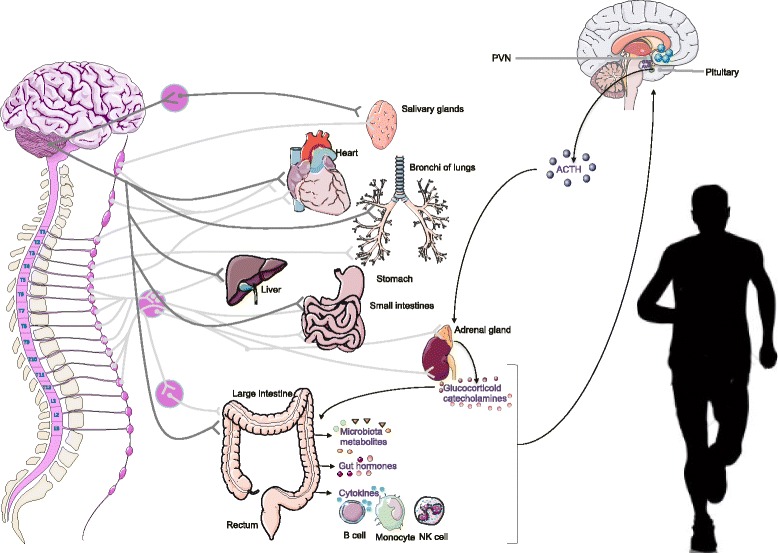
“Briefly, exercise-induced stress results in activation of preganglionic sympathetic neurons in the intermediolateral cell column of the thoracolumbar spinal cord (shown in purple and clear grey). This sympathetic activation represents the classic 'fight or flight' response and it generally increases circulating levels of catecholamines.”
§ Exercise-induced stress behavior, gut-microbiota-brain axis and diet: a systematic review for athletes > Background
What the sources say
- Not checked yetcites [6] Ulrich-Lai YM, 2009, Nat Rev Neurosci source
plaindirect- Asserted: passes — The authors put it forward as true.
- Checkable: passes — It can be checked against evidence.
- Load-bearing: fails — The paper’s conclusions may not depend on it.
- Based: passes — The paper gives a reason why it holds.
Probably not a substantial claim. The paper’s conclusions may not depend on it. It may state two separate claims as one.
In the paper
“The activation of these axes results in the release of catecholamines (norepinephrine (NE) and epinephrine) and glucocorticoids into circulatory system (reviewed by Ulrich-Lai et al [6]”
§ Exercise-induced stress behavior, gut-microbiota-brain axis and diet: a systematic review for athletes > Background
What the sources say
- Not checked yetcites [6] Ulrich-Lai YM, 2009, Nat Rev Neurosci source
plaindirect- Asserted: passes — The authors put it forward as true.
- Checkable: passes — It can be checked against evidence.
- Load-bearing: fails — The paper’s conclusions may not depend on it.
- Based: passes — The paper gives a reason why it holds.
Probably not a substantial claim. The paper’s conclusions may not depend on it.
In the paper
“What is troubling is that dietary recommendations for elite athletes are primarily based on a low consumption of plant polysaccharides, which is associated with reduced microbiota diversity and functionality (e.g. less synthesis of byproducts such as short chain fatty acids and neurotransmitters).”
§ Exercise-induced stress behavior, gut-microbiota-brain axis and diet: a systematic review for athletes > Abstract
What the sources say
- Not checked yetcites [28] Rodriguez NR, 2009, Med Sci Sports Exerc source
plaincorrelational- Asserted: passes — The authors put it forward as true.
- Checkable: passes — It can be checked against evidence.
- Load-bearing: passes — The paper’s conclusions depend on it.
- Based: passes — The paper gives a reason why it holds.
It may state two separate claims as one.
A conclusion the paper draws from its own results — it cites no other source for it, so there is none to check. The quote shows it is in the paper.
In the paper
“some preliminary experimental data obtained from studies using probiotics and prebiotics studies show some interesting results, indicating that the microbiota acts like an endocrine organ (e.g. secreting serotonin, dopamine or other neurotransmitters) and may control the HPA axis in athletes.”
§ Exercise-induced stress behavior, gut-microbiota-brain axis and diet: a systematic review for athletes > Abstract
hedgedconditional- Asserted: passes — The authors put it forward as true.
- Checkable: passes — It can be checked against evidence.
- Load-bearing: passes — The paper’s conclusions depend on it.
- Based: passes — The paper gives a reason why it holds.
It may state two separate claims as one.
- Rests on an assumption: Findings from murine models on exercise-induced stress and gut microbiota can be generalised to human athletes.
In the paper
“The bidirectional communication between the ANS and the enteric nervous system (ENS) in the GI tract, the gut-brain axis, mainly occurs by way of the vagus nerve, which runs from the brain stem through the digestive tract and regulates almost every aspect of the passage of digested material through the intestines (reviewed by Eisenstein [8]).”
§ Exercise-induced stress behavior, gut-microbiota-brain axis and diet: a systematic review for athletes > Background
What the sources say
- Not checked yetcites [8] Eisenstein M, 2016, Nature source
plaindirect- Asserted: passes — The authors put it forward as true.
- Checkable: passes — It can be checked against evidence.
- Load-bearing: fails — The paper’s conclusions may not depend on it.
- Based: passes — The paper gives a reason why it holds.
Probably not a substantial claim. The paper’s conclusions may not depend on it.
In the paper
“Proper intestinal barrier function is crucial for maintaining immune and overall health [53].”
§ Exercise-induced stress behavior, gut-microbiota-brain axis and diet: a systematic review for athletes > Main text > Role of microbiota in controlling gastrointestinal symptoms associated with exercise-induced stress
What the sources say
- Not checked yetcites [53] de Oliveira EP, 2014, Sports Med source
plaindirect- Asserted: passes — The authors put it forward as true.
- Checkable: passes — It can be checked against evidence.
- Load-bearing: fails — The paper’s conclusions may not depend on it.
- Based: passes — The paper gives a reason why it holds.
Probably not a substantial claim. The paper’s conclusions may not depend on it.
In the paper
“This aberrant stress response in GF mice was partially reversed by colonization with fecal matter from SPF animals and fully reversed by mono association of Bacillus infantis in a time dependent manner [47].”
§ Exercise-induced stress behavior, gut-microbiota-brain axis and diet: a systematic review for athletes > Main text > Role of microbiota in controlling hormone release associated with exercise-induced stress
What the sources say
- Not checked yetcites [47] Sudo N, 2004, J Physiol source
plaindirect- Asserted: passes — The authors put it forward as true.
- Checkable: passes — It can be checked against evidence.
- Load-bearing: passes — The paper’s conclusions depend on it.
- Based: passes — The paper gives a reason why it holds.
It may state two separate claims as one.
In the paper
“Within the HPA axis, stress activates hypophysiotropic neurons in the paraventricular nucleus of the hypothalamus (PVN) that secrete releasing hormones, such as corticotrophin-releasing hormone (CRH) and arginine vasopressin (AVP), into the portal circulation of the median eminence. These releasing hormones act on the anterior pituitary to promote the secretion of adrenocorticotropic hormone (ACTH”
§ Exercise-induced stress behavior, gut-microbiota-brain axis and diet: a systematic review for athletes > Background
What the sources say
- Not checked yetcites [6] Ulrich-Lai YM, 2009, Nat Rev Neurosci source
plaindirect- Asserted: passes — The authors put it forward as true.
- Checkable: passes — It can be checked against evidence.
- Load-bearing: fails — The paper’s conclusions may not depend on it.
- Based: passes — The paper gives a reason why it holds.
Probably not a substantial claim. The paper’s conclusions may not depend on it. It may state two separate claims as one.
In the paper
“Additionally, Ruminococcus gnavus, which has well defined roles in intestinal mucus degradation, was increased in the forced group compared to sedentary group [52], together with Butyrivibrio spp., Oscillospira spp., and Coprococcus spp.”
§ Exercise-induced stress behavior, gut-microbiota-brain axis and diet: a systematic review for athletes > Main text > Role of microbiota in controlling hormone release associated with exercise-induced stress
What the sources say
- Not checked yetcites [52] Allen JM, 2015, J Appl Physiol (1985) source
plaincorrelational- Asserted: passes — The authors put it forward as true.
- Checkable: passes — It can be checked against evidence.
- Load-bearing: unclear — It is unclear whether the paper’s conclusions depend on it.
- Based: passes — The paper gives a reason why it holds.
It may state two separate claims as one.
In the paper
“An excessive release of stress hormones induced by physical and psychological stress can cause lipopolysaccharides (LPS) translocation outside of the GI tract triggering immune and inflammatory responses often resulting in increased intestinal permeability [56].”
§ Exercise-induced stress behavior, gut-microbiota-brain axis and diet: a systematic review for athletes > Main text > Role of microbiota in controlling gastrointestinal symptoms associated with exercise-induced stress
What the sources say
- Not checked yetcites [56] Brown WM, 2015, Sports Med Open source
plaindirect- Asserted: passes — The authors put it forward as true.
- Checkable: passes — It can be checked against evidence.
- Load-bearing: passes — The paper’s conclusions depend on it.
- Based: passes — The paper gives a reason why it holds.
It may state two separate claims as one.
In the paper
“Moderate exercise can increase GABA levels in the hypothalamus resulting in lower resting blood pressure, heart rate and sympathetic tone [39].”
§ Exercise-induced stress behavior, gut-microbiota-brain axis and diet: a systematic review for athletes > Main text > Role of microbiota in controlling hormone release associated with exercise-induced stress
What the sources say
- Not checked yetcites [39] Hsu YC, 2011, J Hypertens source
plaindirect- Asserted: passes — The authors put it forward as true.
- Checkable: passes — It can be checked against evidence.
- Load-bearing: unclear — It is unclear whether the paper’s conclusions depend on it.
- Based: passes — The paper gives a reason why it holds.
It may state two separate claims as one.
In the paper
“This preliminary study in exercised and stressed-animals shows that physical activity can alter microbiota composition as well as metabolic function that could either positively or negatively affect performance.”
§ Exercise-induced stress behavior, gut-microbiota-brain axis and diet: a systematic review for athletes > Main text > Role of microbiota in controlling hormone release associated with exercise-induced stress
What the sources say
- Not checked yetcites [52] Allen JM, 2015, J Appl Physiol (1985) source
hedgedconditional- Asserted: passes — The authors put it forward as true.
- Checkable: passes — It can be checked against evidence.
- Load-bearing: passes — The paper’s conclusions depend on it.
- Based: passes — The paper gives a reason why it holds.
It may state two separate claims as one.
- Rests on an assumption: Findings from murine models on exercise-induced stress and gut microbiota can be generalised to human athletes.
In the paper
“Dopamine production is dependent upon several factors: levels of its precursor tyrosine, enteric bacteria that directly produce dopamine, the type of stress experienced and sex [43].”
§ Exercise-induced stress behavior, gut-microbiota-brain axis and diet: a systematic review for athletes > Main text > Role of microbiota in controlling hormone release associated with exercise-induced stress
What the sources say
- Not checked yetcites [43] Eisenhofer G, 1997, J Clin Endocrinol Metab source
plaindirect- Asserted: passes — The authors put it forward as true.
- Checkable: passes — It can be checked against evidence.
- Load-bearing: unclear — It is unclear whether the paper’s conclusions depend on it.
- Based: passes — The paper gives a reason why it holds.
It may state two separate claims as one.
In the paper
“This later stressor, like novelty, caused an increase in hippocampal GABA (120% of baseline), suggesting a stimulatory effect of psychological stress [40].”
§ Exercise-induced stress behavior, gut-microbiota-brain axis and diet: a systematic review for athletes > Main text > Role of microbiota in controlling hormone release associated with exercise-induced stress
What the sources say
- Not checked yetcites [40] de Groote L, 2007, Neuroscience source
hedgeddirect- Asserted: passes — The authors put it forward as true.
- Checkable: passes — It can be checked against evidence.
- Load-bearing: unclear — It is unclear whether the paper’s conclusions depend on it.
- Based: passes — The paper gives a reason why it holds.
It may state two separate claims as one.
The paper states this without a source or data behind it here, so there is nothing to check it against. The quote shows it is in the paper.
In the paper
“Microorganisms that colonize the digestive tract can be involved in the regulation of the HPA axis through the regulation or production of short chain fatty acids and neurotransmitters such as GABA, dopamine and serotonin, as well as cytokines.”
§ Exercise-induced stress behavior, gut-microbiota-brain axis and diet: a systematic review for athletes > Background
plaindirect- Asserted: passes — The authors put it forward as true.
- Checkable: passes — It can be checked against evidence.
- Load-bearing: passes — The paper’s conclusions depend on it.
- Based: fails — The paper may give no reason why it holds.
Probably not a substantial claim. The paper may give no reason why it holds.
In the paper
“NPY is also released in response to various stress stimuli, such as intense exercise, in the GI tract and plays a role in attenuates the HPA axis [41].”
§ Exercise-induced stress behavior, gut-microbiota-brain axis and diet: a systematic review for athletes > Main text > Role of microbiota in controlling hormone release associated with exercise-induced stress
What the sources say
- Not checked yetcites [41] Ramson R, 2012, Eur J Appl Physiol source
plaindirect- Asserted: passes — The authors put it forward as true.
- Checkable: passes — It can be checked against evidence.
- Load-bearing: unclear — It is unclear whether the paper’s conclusions depend on it.
- Based: passes — The paper gives a reason why it holds.
It may state two separate claims as one.
In the paper
“Dietary changes can account for up to 57% of gut microbiota changes, whereas genes account for no more than 12% [25].”
§ Exercise-induced stress behavior, gut-microbiota-brain axis and diet: a systematic review for athletes > Background
What the sources say
- Not checked yetcites [25] Zhang C, 2010, ISME J source
plaindirect- Asserted: passes — The authors put it forward as true.
- Checkable: passes — It can be checked against evidence.
- Load-bearing: unclear — It is unclear whether the paper’s conclusions depend on it.
- Based: passes — The paper gives a reason why it holds.
It may state two separate claims as one.
In the paper
“A systematic review on endurance exercise and gut microbiota [23] suggested that gut microbiota might have a key role in controlling the oxidative stress and inflammatory responses as well as improving metabolism and energy expenditure during intense exercise.”
§ Exercise-induced stress behavior, gut-microbiota-brain axis and diet: a systematic review for athletes > Background
What the sources say
- Not checked yetcites [23] Mach N and Fuster-Botella D: Endurance exercise and gut microbiota: A review. J Sport Health Sci 2016 (In press). source
hedgedconditional- Asserted: passes — The authors put it forward as true.
- Checkable: passes — It can be checked against evidence.
- Load-bearing: fails — The paper’s conclusions may not depend on it.
- Based: passes — The paper gives a reason why it holds.
Probably not a substantial claim. The paper’s conclusions may not depend on it. It may state two separate claims as one.
In the paper
“The human gut harbors more than 100 trillion microorganisms in the GI tract, which represents roughly 9 million genes [12].”
§ Exercise-induced stress behavior, gut-microbiota-brain axis and diet: a systematic review for athletes > Background
What the sources say
- Not checked yetcites [12] Li J, 2014, Nat Biotechnol source
plain- Asserted: passes — The authors put it forward as true.
- Checkable: passes — It can be checked against evidence.
- Load-bearing: fails — The paper’s conclusions may not depend on it.
- Based: passes — The paper gives a reason why it holds.
Probably not a substantial claim. The paper’s conclusions may not depend on it. It may state two separate claims as one.
In the paper
“Voluntary wheel running for 6 weeks attenuated symptoms, whereas forced treadmill running exacerbates intestinal inflammation and clinical outcomes in a colitis mouse model [52].”
§ Exercise-induced stress behavior, gut-microbiota-brain axis and diet: a systematic review for athletes > Main text > Role of microbiota in controlling hormone release associated with exercise-induced stress
What the sources say
- Not checked yetcites [52] Allen JM, 2015, J Appl Physiol (1985) source
plaindirect- Asserted: passes — The authors put it forward as true.
- Checkable: passes — It can be checked against evidence.
- Load-bearing: passes — The paper’s conclusions depend on it.
- Based: passes — The paper gives a reason why it holds.
It may state two separate claims as one.
None of the sources cited for this claim have been checked yet.
In the paper
“The gut microbiota promotes digestion and food absorption for host energy production [14–16] and provide folate [17], vitamin K2 [18] and SCFAs [19].”
§ Exercise-induced stress behavior, gut-microbiota-brain axis and diet: a systematic review for athletes > Background
What the sources say
- Not checked yetcites [14] Hsu YJ, 2015, J Strength Cond Res source
- Not checked yetcites [15] Mach N, 2015, Environ Microbiol Rep source
- Not checked yetcites [16] Ramayo-Caldas Y, Mach N, Lepage P, et al.: Phylogenetic network analysis applied to pig gut microbiota identifies an ecosystem structure linked with growth traits. ISME 2016 (In press). source
- Not checked yetcites [17] Sugahara H, 2015, Biosci Microbiota Food Health source
- Not checked yetcites [18] Marley MG, 1986, Biochemistry source
plaindirect- Asserted: passes — The authors put it forward as true.
- Checkable: passes — It can be checked against evidence.
- Load-bearing: fails — The paper’s conclusions may not depend on it.
- Based: passes — The paper gives a reason why it holds.
Probably not a substantial claim. The paper’s conclusions may not depend on it. It may state two separate claims as one.
In the paper
“Moreover, GF mice treated with Clostridium species, fecal flora from the SPF mice or E. coli showed elevated levels of free catecholamines suggesting that the gut microbiota plays a role in their synthesis through dopamine regulation [48].”
§ Exercise-induced stress behavior, gut-microbiota-brain axis and diet: a systematic review for athletes > Main text > Role of microbiota in controlling hormone release associated with exercise-induced stress
What the sources say
- Not checked yetcites [48] Asano Y, 2012, Am J Physiol Gastrointest Liver Physiol source
hedgedconditional- Asserted: passes — The authors put it forward as true.
- Checkable: passes — It can be checked against evidence.
- Load-bearing: unclear — It is unclear whether the paper’s conclusions depend on it.
- Based: passes — The paper gives a reason why it holds.
It may state two separate claims as one.
In the paper
“Acetate, propionate, and N-butyrate are present at a molar ratio of approximately 60:20:20 in the colon and feces [74].”
§ Exercise-induced stress behavior, gut-microbiota-brain axis and diet: a systematic review for athletes > Main text > Role of microbiota in controlling gastrointestinal symptoms associated with exercise-induced stress
What the sources say
- Not checked yetcites [74] den Besten G, 2013, J Lipid Res source
hedged- Asserted: passes — The authors put it forward as true.
- Checkable: passes — It can be checked against evidence.
- Load-bearing: fails — The paper’s conclusions may not depend on it.
- Based: passes — The paper gives a reason why it holds.
Probably not a substantial claim. The paper’s conclusions may not depend on it.
In the paper
“In healthy young adult male cyclists who performed endurance sports activities during 4–10 hours per week, just one hour of physical activity at 70% maximum workload capacity produced splanchnic hypoperfusion, which can cause decreased GI circulation, increased intestinal permeability and damage to the small intestine [64].”
§ Exercise-induced stress behavior, gut-microbiota-brain axis and diet: a systematic review for athletes > Main text > Role of microbiota in controlling gastrointestinal symptoms associated with exercise-induced stress
What the sources say
- Not checked yetcites [64] van Wijck K, 2012, Am J Physiol Gastrointest Liver Physiol source
plaindirect- Asserted: passes — The authors put it forward as true.
- Checkable: passes — It can be checked against evidence.
- Load-bearing: passes — The paper’s conclusions depend on it.
- Based: passes — The paper gives a reason why it holds.
It may state two separate claims as one.
The paper states this without a source or data behind it here, so there is nothing to check it against. The quote shows it is in the paper.
In the paper
“Conversely, the microbiota’s production of butyrate and propionate can increase transepithelial resistance, which improves intestinal barrier function and decreases inflammation.”
§ Exercise-induced stress behavior, gut-microbiota-brain axis and diet: a systematic review for athletes > Main text > Role of microbiota in controlling gastrointestinal symptoms associated with exercise-induced stress
plaindirect- Asserted: passes — The authors put it forward as true.
- Checkable: passes — It can be checked against evidence.
- Load-bearing: fails — The paper’s conclusions may not depend on it.
- Based: fails — The paper may give no reason why it holds.
Probably not a substantial claim. The paper’s conclusions may not depend on it. The paper may give no reason why it holds. It may state two separate claims as one.
In the paper
“Glucocorticoids released during intense exercise has also been shown to diminish the TLR expression, and therefore the capacity to produce anti-inflammatory cytokines and host antimicrobial defense [68].”
§ Exercise-induced stress behavior, gut-microbiota-brain axis and diet: a systematic review for athletes > Main text > Role of microbiota in controlling gastrointestinal symptoms associated with exercise-induced stress
What the sources say
- Not checked yetcites [68] Gleeson M, 2007, J Appl Physiol (1985) source
plaindirect- Asserted: passes — The authors put it forward as true.
- Checkable: passes — It can be checked against evidence.
- Load-bearing: unclear — It is unclear whether the paper’s conclusions depend on it.
- Based: passes — The paper gives a reason why it holds.
It may state two separate claims as one.
In the paper
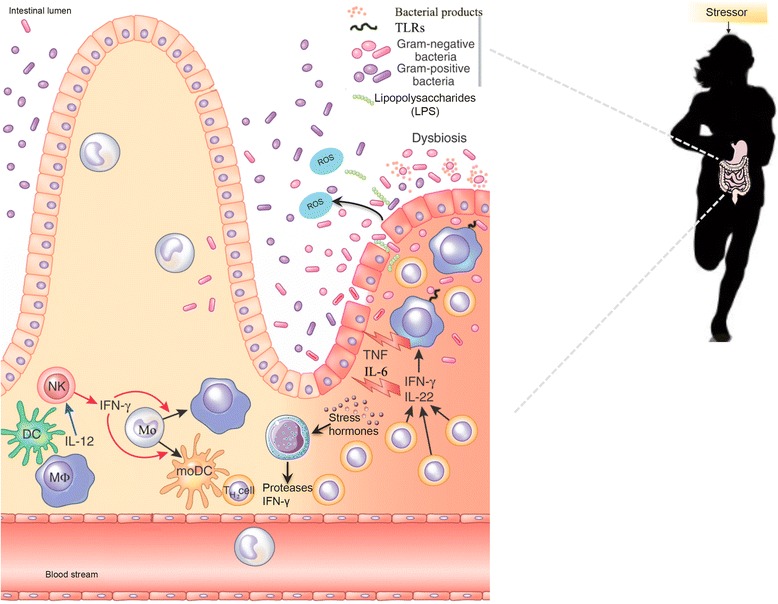
“The translocated LPS are detected by CD14 and toll-like receptor 4 (TLR4), which causes the release of pro-inflammatory cytokines such as tumor necrosis factor alpha (TNFα), interferon alpha (IFNα), interferon-gamma (INFγ) and interleukins (IL1β or IL6), which can eventually result in endotoxemia [57] (Fig. 2).”
§ Exercise-induced stress behavior, gut-microbiota-brain axis and diet: a systematic review for athletes > Main text > Role of microbiota in controlling gastrointestinal symptoms associated with exercise-induced stress
What the sources say
- Not checked yetcites [57] Zuhl M, 2014, Br J Sports Med source
plaindirect- Asserted: passes — The authors put it forward as true.
- Checkable: passes — It can be checked against evidence.
- Load-bearing: unclear — It is unclear whether the paper’s conclusions depend on it.
- Based: passes — The paper gives a reason why it holds.
It may state two separate claims as one.
In the paper
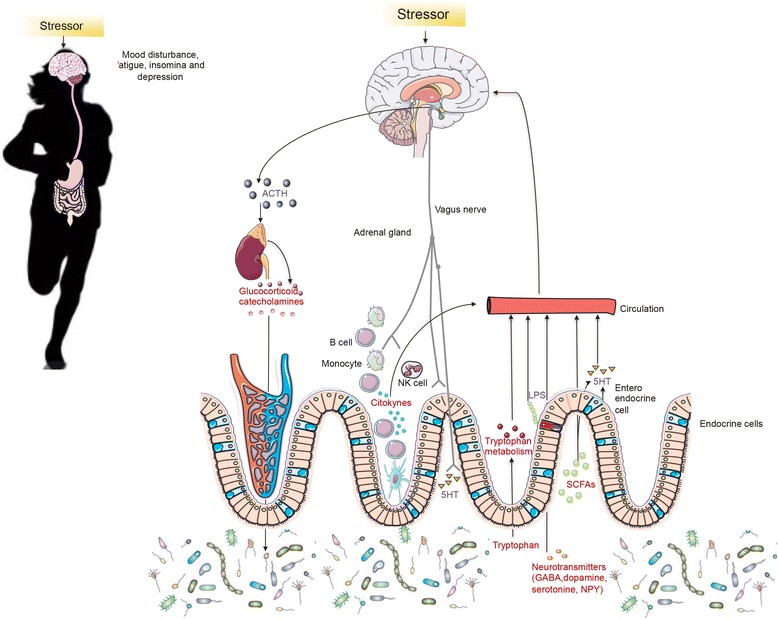
“The central fatigue hypothesis states that increased of the neurotransmitter serotonin (5-hydroxytryptamine; 5-HTP) release is associated with sleep, drowsiness and central fatigue, which contribute to suboptimal physical performance (reviewed by Best et al [82], Fig. 3).”
§ Exercise-induced stress behavior, gut-microbiota-brain axis and diet: a systematic review for athletes > Main text > Role of microbiota in controlling the mood disturbances, fatigue, insomnia and depression associated with exercise-induced stress
What the sources say
- Not checked yetcites [82] Best J, 2010, Theor Biol Med Model source
plaincorrelational- Asserted: passes — The authors put it forward as true.
- Checkable: passes — It can be checked against evidence.
- Load-bearing: fails — The paper’s conclusions may not depend on it.
- Based: passes — The paper gives a reason why it holds.
Probably not a substantial claim. The paper’s conclusions may not depend on it. It may state two separate claims as one.
In the paper
“The cecum was approximately 1.5 times larger in the exercise group than in the control group, and the cecal tissue weights and contents were much greater in the exercise group than in the control group, indicating that a significant change had occurred in the cecal environment in response to voluntary wheel running [80].”
§ Exercise-induced stress behavior, gut-microbiota-brain axis and diet: a systematic review for athletes > Main text > Role of microbiota in controlling gastrointestinal symptoms associated with exercise-induced stress
What the sources say
- Not checked yetcites [80] Matsumoto M, 2008, Biosci Biotechnol Biochem source
hedgeddirectn = 14- Asserted: passes — The authors put it forward as true.
- Checkable: passes — It can be checked against evidence.
- Load-bearing: unclear — It is unclear whether the paper’s conclusions depend on it.
- Based: passes — The paper gives a reason why it holds.
It may state two separate claims as one.
A conclusion the paper draws from its own results — it cites no other source for it, so there is none to check. The quote shows it is in the paper.
In the paper
“Therefore hypoperfusion and ischemia can result in increased intestinal permeability opening the door for LPS and enteric bacteria to circulate the bloodstream, possibly leading to endotoxemia.”
§ Exercise-induced stress behavior, gut-microbiota-brain axis and diet: a systematic review for athletes > Main text > Role of microbiota in controlling gastrointestinal symptoms associated with exercise-induced stress
hedgedconditional- Asserted: passes — The authors put it forward as true.
- Checkable: passes — It can be checked against evidence.
- Load-bearing: passes — The paper’s conclusions depend on it.
- Based: passes — The paper gives a reason why it holds.
It may state two separate claims as one.
In the paper
“In general, exercise-induced stress can diminish intestinal barrier function and cause LPS translocation which results in GI upset, hydration imbalances, poor uptake of nutrients and electrolytes, as well as thermal damage of the intestinal mucosa, all of which negatively affect athletic performance [64].”
§ Exercise-induced stress behavior, gut-microbiota-brain axis and diet: a systematic review for athletes > Main text > Role of microbiota in controlling gastrointestinal symptoms associated with exercise-induced stress
What the sources say
- Not checked yetcites [64] van Wijck K, 2012, Am J Physiol Gastrointest Liver Physiol source
plaindirect- Asserted: passes — The authors put it forward as true.
- Checkable: passes — It can be checked against evidence.
- Load-bearing: passes — The paper’s conclusions depend on it.
- Based: passes — The paper gives a reason why it holds.
It may state two separate claims as one.
The paper states this without a source or data behind it here, so there is nothing to check it against. The quote shows it is in the paper.
In the paper
“Additionally, intense exercise over a prolonged period of time increase stress hormones and lipopolysaccharides (LPS) translocation in the gastrointestinal tract, which triggers immune responses that often results in increased pro-inflammatory cytokines and intestinal permeability.”
§ Exercise-induced stress behavior, gut-microbiota-brain axis and diet: a systematic review for athletes > Main text > Role of microbiota in controlling gastrointestinal symptoms associated with exercise-induced stress
plaindirect- Asserted: passes — The authors put it forward as true.
- Checkable: passes — It can be checked against evidence.
- Load-bearing: passes — The paper’s conclusions depend on it.
- Based: passes — The paper gives a reason why it holds.
It may state two separate claims as one.
In the paper
“Depending on the type of exercise, intensity, age and other factors, between 20-50% of athletes suffer gastrointestinal symptoms, which have been shown to increase with exercise intensity [60].”
§ Exercise-induced stress behavior, gut-microbiota-brain axis and diet: a systematic review for athletes > Main text > Role of microbiota in controlling gastrointestinal symptoms associated with exercise-induced stress
What the sources say
- Not checked yetcites [60] Lamprecht M, 2012, J Int Soc Sports Nutr source
plaindirect- Asserted: passes — The authors put it forward as true.
- Checkable: passes — It can be checked against evidence.
- Load-bearing: unclear — It is unclear whether the paper’s conclusions depend on it.
- Based: passes — The paper gives a reason why it holds.
It may state two separate claims as one.
None of the sources cited for this claim have been checked yet.
In the paper
“In the colon and cecum, complex plant-derived polysaccharides are digested and subsequently fermented by gut microorganisms, such as Lactobacillus, Bifidobacterium, Clostridium, Bacteroides, into SCFAs and gases which are also used as carbon and energy sources by specialized bacteria such as reductive acetogens, sulfate-reducing bacteria and methanogens (reviewed by Marchesi et al [36] and by Flin”
§ Exercise-induced stress behavior, gut-microbiota-brain axis and diet: a systematic review for athletes > Main text > Role of microbiota in controlling gastrointestinal symptoms associated with exercise-induced stress
What the sources say
plaindirect- Asserted: passes — The authors put it forward as true.
- Checkable: passes — It can be checked against evidence.
- Load-bearing: fails — The paper’s conclusions may not depend on it.
- Based: passes — The paper gives a reason why it holds.
Probably not a substantial claim. The paper’s conclusions may not depend on it.
In the paper
“The redistribution of blood flow away from the intestines together with thermal damage to the intestinal mucosa can cause intestinal barrier disruption, followed by an inflammatory response [63].”
§ Exercise-induced stress behavior, gut-microbiota-brain axis and diet: a systematic review for athletes > Main text > Role of microbiota in controlling gastrointestinal symptoms associated with exercise-induced stress
What the sources say
- Not checked yetcites [63] Lambert GP, 2009, J Anim Sci source
plaindirect- Asserted: passes — The authors put it forward as true.
- Checkable: passes — It can be checked against evidence.
- Load-bearing: passes — The paper’s conclusions depend on it.
- Based: passes — The paper gives a reason why it holds.
It may state two separate claims as one.
A conclusion the paper draws from its own results — it cites no other source for it, so there is none to check. The quote shows it is in the paper.
In the paper
“Although there are few studies that show the effect exercise has on SCFA levels in the cecum and energy metabolism, those that do exist, illustrate how intense exercise affect SCFA production, which in turn affects the HPA axis, the GI health and may promote favorable athletic performance.”
§ Exercise-induced stress behavior, gut-microbiota-brain axis and diet: a systematic review for athletes > Main text > Role of microbiota in controlling gastrointestinal symptoms associated with exercise-induced stress
hedgedconditional- Asserted: passes — The authors put it forward as true.
- Checkable: passes — It can be checked against evidence.
- Load-bearing: passes — The paper’s conclusions depend on it.
- Based: passes — The paper gives a reason why it holds.
It may state two separate claims as one.
- Rests on an assumption: Findings from rodent studies on exercise, gut microbiota, SCFA and neurotransmitters can be generalized to human athletes.
In the paper
“According to a review conducted by Best et al [82], about 2% of ingested tryptophan is used for the synthesis of serotonin.”
§ Exercise-induced stress behavior, gut-microbiota-brain axis and diet: a systematic review for athletes > Main text > Role of microbiota in controlling the mood disturbances, fatigue, insomnia and depression associated with exercise-induced stress
What the sources say
- Not checked yetcites [82] Best J, 2010, Theor Biol Med Model source
plaindirect- Asserted: passes — The authors put it forward as true.
- Checkable: passes — It can be checked against evidence.
- Load-bearing: fails — The paper’s conclusions may not depend on it.
- Based: passes — The paper gives a reason why it holds.
Probably not a substantial claim. The paper’s conclusions may not depend on it.
In the paper
“During intense exercise, athletes’ body temperature increases and blood pools away from the gastrointestinal tract to periphery muscles and organs such as the heart and lungs during intense physical activity [62].”
§ Exercise-induced stress behavior, gut-microbiota-brain axis and diet: a systematic review for athletes > Main text > Role of microbiota in controlling gastrointestinal symptoms associated with exercise-induced stress
What the sources say
- Not checked yetcites [62] Qamar MI, 1987, Gut source
plaindirect- Asserted: passes — The authors put it forward as true.
- Checkable: passes — It can be checked against evidence.
- Load-bearing: passes — The paper’s conclusions depend on it.
- Based: passes — The paper gives a reason why it holds.
It may state two separate claims as one.
In the paper
“The redistribution of blood flow away from the intestines together with thermal damage to the intestinal mucosa can cause intestinal barrier disruption, followed by an inflammatory response [63].”
§ Exercise-induced stress behavior, gut-microbiota-brain axis and diet: a systematic review for athletes > Main text > Role of microbiota in controlling gastrointestinal symptoms associated with exercise-induced stress
What the sources say
- Not checked yetcites [63] Lambert GP, 2009, J Anim Sci source
plaindirect- Asserted: passes — The authors put it forward as true.
- Checkable: passes — It can be checked against evidence.
- Load-bearing: passes — The paper’s conclusions depend on it.
- Based: passes — The paper gives a reason why it holds.
It may state two separate claims as one.
In the paper
“Brock-Utne et al [66] discovered that 81% of randomly selected exhausted marathon runners showed endotoxemia (0,1 ng/mL), 2% presented lethal levels above 1 ng/mL and only 19% had normal levels.”
§ Exercise-induced stress behavior, gut-microbiota-brain axis and diet: a systematic review for athletes > Main text > Role of microbiota in controlling gastrointestinal symptoms associated with exercise-induced stress
What the sources say
- Not checked yetcites [66] Brock-Utne JG, 1988, S Afr Med J
plain- Asserted: passes — The authors put it forward as true.
- Checkable: passes — It can be checked against evidence.
- Load-bearing: unclear — It is unclear whether the paper’s conclusions depend on it.
- Based: passes — The paper gives a reason why it holds.
It may state two separate claims as one.
In the paper
“Ischemia also increases reactive oxygen species (ROS) production, which induces leaky gut as activated protein kinases phosphorylate tight junctions proteins resulting in hyperpermeability (Fig. 2) [57].”
§ Exercise-induced stress behavior, gut-microbiota-brain axis and diet: a systematic review for athletes > Main text > Role of microbiota in controlling gastrointestinal symptoms associated with exercise-induced stress
What the sources say
- Not checked yetcites [57] Zuhl M, 2014, Br J Sports Med source
plaindirect- Asserted: passes — The authors put it forward as true.
- Checkable: passes — It can be checked against evidence.
- Load-bearing: passes — The paper’s conclusions depend on it.
- Based: passes — The paper gives a reason why it holds.
It may state two separate claims as one.
In the paper
“Hydrogen peroxide can also serve as a signaling molecule that activates transcription of several pro-inflammatory genes including nuclear factor kappa-light-chain-enhancer of activated B cells (NFKβ), TNFα, IL6, IFNγ, and IL1β [65] that can compromise barrier function.”
§ Exercise-induced stress behavior, gut-microbiota-brain axis and diet: a systematic review for athletes > Main text > Role of microbiota in controlling gastrointestinal symptoms associated with exercise-induced stress
What the sources say
- Not checked yetcites [65] Holland AM, 2015, BMC Res Notes source
plaindirect- Asserted: passes — The authors put it forward as true.
- Checkable: passes — It can be checked against evidence.
- Load-bearing: unclear — It is unclear whether the paper’s conclusions depend on it.
- Based: passes — The paper gives a reason why it holds.
It may state two separate claims as one.
In the paper
“Furthermore, low serotonin in the brain also causes mood disorders and depression as well as changes in gut transit, blood pressure, cardiac function and platelet aggregation (reviewed by Evans et al [83], Fig. 3).”
§ Exercise-induced stress behavior, gut-microbiota-brain axis and diet: a systematic review for athletes > Main text > Role of microbiota in controlling the mood disturbances, fatigue, insomnia and depression associated with exercise-induced stress
What the sources say
- Not checked yetcites [83] Evans JM, 2013, J Endocrinol source
plaindirect- Asserted: passes — The authors put it forward as true.
- Checkable: passes — It can be checked against evidence.
- Load-bearing: unclear — It is unclear whether the paper’s conclusions depend on it.
- Based: passes — The paper gives a reason why it holds.
It may state two separate claims as one.
None of the sources cited for this claim have been checked yet.
In the paper
“Additionally, the activation of the HPA axis may stimulate subepithelial mast cells to secrete immune mediators such as histamine, proteases and pro-inflammatory cytokines [58], trigging intestinal permeability [59].”
§ Exercise-induced stress behavior, gut-microbiota-brain axis and diet: a systematic review for athletes > Main text > Role of microbiota in controlling gastrointestinal symptoms associated with exercise-induced stress
What the sources say
hedgedconditional- Asserted: passes — The authors put it forward as true.
- Checkable: passes — It can be checked against evidence.
- Load-bearing: unclear — It is unclear whether the paper’s conclusions depend on it.
- Based: passes — The paper gives a reason why it holds.
It may state two separate claims as one.
In the paper
“All these studies show that intense exercise during prolonged periods not only can lead to increased intestinal permeability and thus increased plasma LPS levels, but it can also cause immunosuppression [69].”
§ Exercise-induced stress behavior, gut-microbiota-brain axis and diet: a systematic review for athletes > Main text > Role of microbiota in controlling gastrointestinal symptoms associated with exercise-induced stress
What the sources say
- Not checked yetcites [69] Bosenberg AT, 1988, J Appl Physiol (1985) source
plainconditional- Asserted: passes — The authors put it forward as true.
- Checkable: passes — It can be checked against evidence.
- Load-bearing: passes — The paper’s conclusions depend on it.
- Based: passes — The paper gives a reason why it holds.
It may state two separate claims as one.
In the paper
“In a study of 29 highly trained male triathletes, Jeukendrup et al [61] discovered that upon competition, 93% reported digestive disturbances and two participants had to abandon the race because of severe vomiting and diarrhea.”
§ Exercise-induced stress behavior, gut-microbiota-brain axis and diet: a systematic review for athletes > Main text > Role of microbiota in controlling gastrointestinal symptoms associated with exercise-induced stress
What the sources say
- Not checked yetcites [61] Jeukendrup AE, 2000, Clin Sci (Lond) source
plainn = 2- Asserted: passes — The authors put it forward as true.
- Checkable: passes — It can be checked against evidence.
- Load-bearing: unclear — It is unclear whether the paper’s conclusions depend on it.
- Based: passes — The paper gives a reason why it holds.
It may state two separate claims as one.
In the paper
“Many athletes who suffer from stress enter into a vicious cycle of over exerting themselves with strenuous training and competitions, which results in fatigue causing them to over train in order to overcome fatigue and decreased athletic performance [4].”
§ Exercise-induced stress behavior, gut-microbiota-brain axis and diet: a systematic review for athletes > Main text > Role of microbiota in controlling the mood disturbances, fatigue, insomnia and depression associated with exercise-induced stress
What the sources say
- Not checked yetcites [4] Purvis D, 2010, PM R source
plaindirect- Asserted: passes — The authors put it forward as true.
- Checkable: passes — It can be checked against evidence.
- Load-bearing: unclear — It is unclear whether the paper’s conclusions depend on it.
- Based: passes — The paper gives a reason why it holds.
It may state two separate claims as one.
None of the sources cited for this claim have been checked yet.
In the paper
“Approximately 95% of the body's serotonin is produced in the enterochromaffin cells (EC) of the intestines [8, 83], which plays a role in enteric motor and sensory functions such as visceral pain perception, further illustrating the gut-brain connection [84].”
§ Exercise-induced stress behavior, gut-microbiota-brain axis and diet: a systematic review for athletes > Main text > Role of microbiota in controlling the mood disturbances, fatigue, insomnia and depression associated with exercise-induced stress
What the sources say
plaincorrelational- Asserted: passes — The authors put it forward as true.
- Checkable: passes — It can be checked against evidence.
- Load-bearing: unclear — It is unclear whether the paper’s conclusions depend on it.
- Based: passes — The paper gives a reason why it holds.
It may state two separate claims as one.
In the paper
“N-butyrate and propionate can increase transepithelial resistance which improves intestinal barrier function and decreases inflammation [78].”
§ Exercise-induced stress behavior, gut-microbiota-brain axis and diet: a systematic review for athletes > Main text > Role of microbiota in controlling gastrointestinal symptoms associated with exercise-induced stress
What the sources say
- Not checked yetcites [78] Puddu A, 2014, Mediators Inflamm
plaindirect- Asserted: passes — The authors put it forward as true.
- Checkable: passes — It can be checked against evidence.
- Load-bearing: passes — The paper’s conclusions depend on it.
- Based: passes — The paper gives a reason why it holds.
It may state two separate claims as one.
In the paper
“For instance, marathon, triathlete and ultra endurance athletes have been reported to have plasma LPS concentrations of 5 to 284 pg/mL along with up to 93% of athletes reporting digestive disturbances, which could be caused by the LPS-induced cytokine response [61].”
§ Exercise-induced stress behavior, gut-microbiota-brain axis and diet: a systematic review for athletes > Main text > Role of microbiota in controlling gastrointestinal symptoms associated with exercise-induced stress
What the sources say
- Not checked yetcites [61] Jeukendrup AE, 2000, Clin Sci (Lond) source
hedgedconditional- Asserted: passes — The authors put it forward as true.
- Checkable: passes — It can be checked against evidence.
- Load-bearing: unclear — It is unclear whether the paper’s conclusions depend on it.
- Based: passes — The paper gives a reason why it holds.
It may state two separate claims as one.
In the paper
“Nevertheless, Fernstrom et al [95] state that the central fatigue hypothesis is weak because there lacks evidence that shows what specifically causes an increase in brain tryptophan during exercise [95].”
§ Exercise-induced stress behavior, gut-microbiota-brain axis and diet: a systematic review for athletes > Main text > Role of microbiota in controlling the mood disturbances, fatigue, insomnia and depression associated with exercise-induced stress
What the sources say
- Not checked yetcites [95] Fernstrom JD, 2006, J Nutr source
plain- Asserted: fails — The authors may not put it forward as true.
- Checkable: passes — It can be checked against evidence.
- Load-bearing: fails — The paper’s conclusions may not depend on it.
- Based: passes — The paper gives a reason why it holds.
Probably not a substantial claim. The authors may not put it forward as true. The paper’s conclusions may not depend on it.
In the paper
“Like 5-HTP, dopamine cannot easily cross the blood–brain barrier [97]; therefore, neurons must synthesize dopamine from its precursor tyrosine that’s ingested from the diet [97].”
§ Exercise-induced stress behavior, gut-microbiota-brain axis and diet: a systematic review for athletes > Main text > Role of microbiota in controlling the mood disturbances, fatigue, insomnia and depression associated with exercise-induced stress
What the sources say
- Not checked yetcites [97] Foley TE, 2008, Neuromolecular Med source
plaindirect- Asserted: passes — The authors put it forward as true.
- Checkable: passes — It can be checked against evidence.
- Load-bearing: passes — The paper’s conclusions depend on it.
- Based: passes — The paper gives a reason why it holds.
It may state two separate claims as one.
In the paper
“The 5-HTP is then rapidly decarboxylated by the aromatic amino acid decarboxylase (AADC) to produce cytosolic serotonin [82].”
§ Exercise-induced stress behavior, gut-microbiota-brain axis and diet: a systematic review for athletes > Main text > Role of microbiota in controlling the mood disturbances, fatigue, insomnia and depression associated with exercise-induced stress
What the sources say
- Not checked yetcites [82] Best J, 2010, Theor Biol Med Model source
plaindirect- Asserted: passes — The authors put it forward as true.
- Checkable: passes — It can be checked against evidence.
- Load-bearing: fails — The paper’s conclusions may not depend on it.
- Based: passes — The paper gives a reason why it holds.
Probably not a substantial claim. The paper’s conclusions may not depend on it.
In the paper
“Of these enzymes, TPH1 is expressed in the periphery and in the pineal body, whereas TPH2 appears to be responsible for the synthesis of serotonin in the rest of the brain.”
§ Exercise-induced stress behavior, gut-microbiota-brain axis and diet: a systematic review for athletes > Main text > Role of microbiota in controlling the mood disturbances, fatigue, insomnia and depression associated with exercise-induced stress
What the sources say
- Not checked yetcites [87] McKinney J, 2005, J Neurochem source
hedgeddirect- Asserted: passes — The authors put it forward as true.
- Checkable: passes — It can be checked against evidence.
- Load-bearing: fails — The paper’s conclusions may not depend on it.
- Based: passes — The paper gives a reason why it holds.
Probably not a substantial claim. The paper’s conclusions may not depend on it. It may state two separate claims as one.
In the paper
“The authors concluded that this probiotic may have antidepressant effects and illustrates how gut bacteria can ultimately modulate serotonin levels [107].”
§ Exercise-induced stress behavior, gut-microbiota-brain axis and diet: a systematic review for athletes > Main text > Role of microbiota in controlling the mood disturbances, fatigue, insomnia and depression associated with exercise-induced stress
What the sources say
- Not checked yetcites [107] Desbonnet L, 2008, J Psychiatr Res source
hedgedconditional- Asserted: passes — The authors put it forward as true.
- Checkable: passes — It can be checked against evidence.
- Load-bearing: passes — The paper’s conclusions depend on it.
- Based: passes — The paper gives a reason why it holds.
It may state two separate claims as one.
- Rests on an assumption: Findings from rodent studies on exercise, gut microbiota, SCFA and neurotransmitters can be generalized to human athletes.
In the paper
“Moreover, dopamine is an important neurotransmitter associated with motivation and reward [97].”
§ Exercise-induced stress behavior, gut-microbiota-brain axis and diet: a systematic review for athletes > Main text > Role of microbiota in controlling the mood disturbances, fatigue, insomnia and depression associated with exercise-induced stress
What the sources say
- Not checked yetcites [97] Foley TE, 2008, Neuromolecular Med source
plaincorrelational- Asserted: passes — The authors put it forward as true.
- Checkable: passes — It can be checked against evidence.
- Load-bearing: fails — The paper’s conclusions may not depend on it.
- Based: passes — The paper gives a reason why it holds.
Probably not a substantial claim. The paper’s conclusions may not depend on it.
In the paper
“IDO is stimulated by oxidative stress and pro-inflammatory cytokines such as IL6 and TFNα, which are released due to LPS-induced intestinal permeability experienced during intense exercise [89].”
§ Exercise-induced stress behavior, gut-microbiota-brain axis and diet: a systematic review for athletes > Main text > Role of microbiota in controlling the mood disturbances, fatigue, insomnia and depression associated with exercise-induced stress
What the sources say
- Not checked yetcites [89] Xie W, 2014, J Neuroinflammation source
plaindirect- Asserted: passes — The authors put it forward as true.
- Checkable: passes — It can be checked against evidence.
- Load-bearing: passes — The paper’s conclusions depend on it.
- Based: passes — The paper gives a reason why it holds.
It may state two separate claims as one.
In the paper
“However, Walther and et al [88] have reported the existence of two distinct TPH genes in humans: TPH1 and TPH2.”
§ Exercise-induced stress behavior, gut-microbiota-brain axis and diet: a systematic review for athletes > Main text > Role of microbiota in controlling the mood disturbances, fatigue, insomnia and depression associated with exercise-induced stress
What the sources say
- Not checked yetcites [88] Walther DJ, 2003, Science source
plain- Asserted: passes — The authors put it forward as true.
- Checkable: passes — It can be checked against evidence.
- Load-bearing: fails — The paper’s conclusions may not depend on it.
- Based: passes — The paper gives a reason why it holds.
Probably not a substantial claim. The paper’s conclusions may not depend on it.
None of the sources cited for this claim have been checked yet.
In the paper
“Glutamine, a nonessential amino acid that’s the most abundant in the human body [102], is crucial not only for the glutamate and GABA synthesis but also for optimal functioning of leukocytes such as lymphocytes and macrophages, T cell proliferation and function [104], intestinal enterocytes growth [102].”
§ Exercise-induced stress behavior, gut-microbiota-brain axis and diet: a systematic review for athletes > Main text > Role of microbiota in controlling the mood disturbances, fatigue, insomnia and depression associated with exercise-induced stress
What the sources say
plaindirect- Asserted: passes — The authors put it forward as true.
- Checkable: passes — It can be checked against evidence.
- Load-bearing: passes — The paper’s conclusions depend on it.
- Based: passes — The paper gives a reason why it holds.
It may state two separate claims as one.
None of the sources cited for this claim have been checked yet.
In the paper
“Therefore, prolonged intense exercise could negatively affect neurotransmitter homeostasis and immune response when glutamine levels are depleted [80, 81] in order to detoxify ammonia in the brain causing a more excitatory-glutamate driven response to exercise-induced stress and a decline in GABA-mediated inhibitory pathways.”
§ Exercise-induced stress behavior, gut-microbiota-brain axis and diet: a systematic review for athletes > Main text > Role of microbiota in controlling the mood disturbances, fatigue, insomnia and depression associated with exercise-induced stress
What the sources say
hedgeddirect- Asserted: passes — The authors put it forward as true.
- Checkable: passes — It can be checked against evidence.
- Load-bearing: passes — The paper’s conclusions depend on it.
- Based: passes — The paper gives a reason why it holds.
It may state two separate claims as one.
- Rests on an assumption: Findings from rodent studies on exercise, gut microbiota, SCFA and neurotransmitters can be generalized to human athletes.
In the paper
“Although the probiotic had no effect on swim performance, there was a significant reduction of IFNγ, TNFα and IL-6 in the probiotic-treated rats compared to controls, and there was a significant increase in plasma concentrations of tryptophan but also kynurenic acid in the bifidobacteria-supplemented rats.”
§ Exercise-induced stress behavior, gut-microbiota-brain axis and diet: a systematic review for athletes > Main text > Role of microbiota in controlling the mood disturbances, fatigue, insomnia and depression associated with exercise-induced stress
What the sources say
- Not checked yetcites [107] Desbonnet L, 2008, J Psychiatr Res source
plaindirect- Asserted: passes — The authors put it forward as true.
- Checkable: passes — It can be checked against evidence.
- Load-bearing: passes — The paper’s conclusions depend on it.
- Based: passes — The paper gives a reason why it holds.
It may state two separate claims as one.
In the paper
“Under stress, nutrient availability has the potential to affect energy metabolism and protein synthesis as well as endocrine, nervous and immune systems [109].”
§ Exercise-induced stress behavior, gut-microbiota-brain axis and diet: a systematic review for athletes > Main text > Dietary recommendations to reduce the exercise-induced stress behavior and symptoms and to improve the gut microbiota composition and function for athletes
What the sources say
- Not checked yetcites [109] Desborough JP, 2000, Br J Anaesth source
hedgedconditional- Asserted: passes — The authors put it forward as true.
- Checkable: passes — It can be checked against evidence.
- Load-bearing: passes — The paper’s conclusions depend on it.
- Based: passes — The paper gives a reason why it holds.
It may state two separate claims as one.
In the paper
“On the other hand, moderate aerobic exercise has been shown to increase dopamine levels while reducing serotonin levels in the nigrostriatal tract [44], illustrating that exercise can greatly alter neurotransmitter metabolism.”
§ Exercise-induced stress behavior, gut-microbiota-brain axis and diet: a systematic review for athletes > Main text > Role of microbiota in controlling the mood disturbances, fatigue, insomnia and depression associated with exercise-induced stress
What the sources say
- Not checked yetcites [44] Heijnen S, 2015, Front Psychol
plaindirect- Asserted: passes — The authors put it forward as true.
- Checkable: passes — It can be checked against evidence.
- Load-bearing: unclear — It is unclear whether the paper’s conclusions depend on it.
- Based: passes — The paper gives a reason why it holds.
It may state two separate claims as one.
A conclusion the paper draws from its own results — it cites no other source for it, so there is none to check. The quote shows it is in the paper.
In the paper
“Consequently, glucocorticoids and pro-inflammatory cytokines induce TDO and IDO enzymes leading to less serotonin synthesis and possibly fatigue and depression that many athletes who suffer from stress.”
§ Exercise-induced stress behavior, gut-microbiota-brain axis and diet: a systematic review for athletes > Main text > Role of microbiota in controlling the mood disturbances, fatigue, insomnia and depression associated with exercise-induced stress
hedgeddirect- Asserted: passes — The authors put it forward as true.
- Checkable: passes — It can be checked against evidence.
- Load-bearing: passes — The paper’s conclusions depend on it.
- Based: passes — The paper gives a reason why it holds.
It may state two separate claims as one.
In the paper
“Increases in pro-inflammatory cytokines like IFNγ and IL6 have been associated with reduced exercise tolerance, acute viral or bacterial infection and increased tryptophan catabolism which could thus limit brain serotonin synthesis [100], leading to depressive behavior.”
§ Exercise-induced stress behavior, gut-microbiota-brain axis and diet: a systematic review for athletes > Main text > Role of microbiota in controlling the mood disturbances, fatigue, insomnia and depression associated with exercise-induced stress
What the sources say
- Not checked yetcites [100] Dunn AJ, 2006, Clin Neurosci Res source
hedgedcorrelational- Asserted: passes — The authors put it forward as true.
- Checkable: passes — It can be checked against evidence.
- Load-bearing: passes — The paper’s conclusions depend on it.
- Based: passes — The paper gives a reason why it holds.
It may state two separate claims as one.
In the paper
“GF rats on the other hand had lower levels of tryptophan that increase after administering bifidobacteria species [107].”
§ Exercise-induced stress behavior, gut-microbiota-brain axis and diet: a systematic review for athletes > Main text > Role of microbiota in controlling the mood disturbances, fatigue, insomnia and depression associated with exercise-induced stress
What the sources say
- Not checked yetcites [107] Desbonnet L, 2008, J Psychiatr Res source
plaindirect- Asserted: passes — The authors put it forward as true.
- Checkable: passes — It can be checked against evidence.
- Load-bearing: unclear — It is unclear whether the paper’s conclusions depend on it.
- Based: passes — The paper gives a reason why it holds.
It may state two separate claims as one.
In the paper
“It is suggested that altered dopaminergic pathways involving movement lead to fatigue (reviewed by Foley [97]).”
§ Exercise-induced stress behavior, gut-microbiota-brain axis and diet: a systematic review for athletes > Main text > Role of microbiota in controlling the mood disturbances, fatigue, insomnia and depression associated with exercise-induced stress
What the sources say
- Not checked yetcites [97] Foley TE, 2008, Neuromolecular Med source
hedgeddirect- Asserted: passes — The authors put it forward as true.
- Checkable: passes — It can be checked against evidence.
- Load-bearing: fails — The paper’s conclusions may not depend on it.
- Based: passes — The paper gives a reason why it holds.
Probably not a substantial claim. The paper’s conclusions may not depend on it.
The paper states this without a source or data behind it here, so there is nothing to check it against. The quote shows it is in the paper.
In the paper
“As explained above, the gut microbiota serves as an endocrine organ in many ways facilitating the production and regulation of various neurotransmitters and hormones (Table 1), which can affect an athlete’s mood, motivation, and sensation of fatigue (Fig. 3).”
§ Exercise-induced stress behavior, gut-microbiota-brain axis and diet: a systematic review for athletes > Main text > Role of microbiota in controlling the mood disturbances, fatigue, insomnia and depression associated with exercise-induced stress
plaindirect- Asserted: passes — The authors put it forward as true.
- Checkable: passes — It can be checked against evidence.
- Load-bearing: passes — The paper’s conclusions depend on it.
- Based: passes — The paper gives a reason why it holds.
It may state two separate claims as one.
In the paper
“The overall metabolic effect of the hormonal changes is increased metabolism, which mobilizes substrates to provide energy sources, and a mechanism to retain salt and water and maintain fluid volume, cardiovascular homeostasis and immune system response [109].”
§ Exercise-induced stress behavior, gut-microbiota-brain axis and diet: a systematic review for athletes > Main text > Dietary recommendations to reduce the exercise-induced stress behavior and symptoms and to improve the gut microbiota composition and function for athletes
What the sources say
- Not checked yetcites [109] Desborough JP, 2000, Br J Anaesth source
plaindirect- Asserted: passes — The authors put it forward as true.
- Checkable: passes — It can be checked against evidence.
- Load-bearing: unclear — It is unclear whether the paper’s conclusions depend on it.
- Based: passes — The paper gives a reason why it holds.
It may state two separate claims as one.
In the paper
“Once in the CNS, L-tryptophan is converted from tryptophan hydroxylase (TPH) into 5-HTP, the rate limiting step in brain serotonin synthesis [87].”
§ Exercise-induced stress behavior, gut-microbiota-brain axis and diet: a systematic review for athletes > Main text > Role of microbiota in controlling the mood disturbances, fatigue, insomnia and depression associated with exercise-induced stress
What the sources say
- Not checked yetcites [87] McKinney J, 2005, J Neurochem source
plaindirect- Asserted: passes — The authors put it forward as true.
- Checkable: passes — It can be checked against evidence.
- Load-bearing: fails — The paper’s conclusions may not depend on it.
- Based: passes — The paper gives a reason why it holds.
Probably not a substantial claim. The paper’s conclusions may not depend on it.
In the paper
“These findings show that exercise stimulates glutamine synthesis that’s used for ammonia detoxification resulting in decreased production of the excitatory neurotransmitter glutamate possibly causing fatigue in endurance athletes [101].”
§ Exercise-induced stress behavior, gut-microbiota-brain axis and diet: a systematic review for athletes > Main text > Role of microbiota in controlling the mood disturbances, fatigue, insomnia and depression associated with exercise-induced stress
What the sources say
- Not checked yetcites [101] Guezennec CY, Abdelmalki A, Serrurier B, et al. Effects of prolonged exercise on brain ammonia and amino acids. Int J Sports Med. 1998;19:323–7. source
hedgedconditional- Asserted: passes — The authors put it forward as true.
- Checkable: passes — It can be checked against evidence.
- Load-bearing: passes — The paper’s conclusions depend on it.
- Based: passes — The paper gives a reason why it holds.
It may state two separate claims as one.
- Rests on an assumption: Findings from rodent studies on exercise, gut microbiota, SCFA and neurotransmitters can be generalized to human athletes.
In the paper
“They discovered that both trained and untrained rats that ran until exhausted presented an increase in serum ammonia, which can reduce brain energy by stimulating the Krebs cycle and glycolysis.”
§ Exercise-induced stress behavior, gut-microbiota-brain axis and diet: a systematic review for athletes > Main text > Role of microbiota in controlling the mood disturbances, fatigue, insomnia and depression associated with exercise-induced stress
What the sources say
- Not checked yetcites [101] Guezennec CY, Abdelmalki A, Serrurier B, et al. Effects of prolonged exercise on brain ammonia and amino acids. Int J Sports Med. 1998;19:323–7. source
plaindirect- Asserted: passes — The authors put it forward as true.
- Checkable: passes — It can be checked against evidence.
- Load-bearing: passes — The paper’s conclusions depend on it.
- Based: passes — The paper gives a reason why it holds.
It may state two separate claims as one.
In the paper
“The trained exercise group had levels of ammonia 50% higher than the untrained group and also presented lower levels of the excitatory neurotransmitter glutamate as well as a decrease in GABA in the striatum of the brain [101].”
§ Exercise-induced stress behavior, gut-microbiota-brain axis and diet: a systematic review for athletes > Main text > Role of microbiota in controlling the mood disturbances, fatigue, insomnia and depression associated with exercise-induced stress
What the sources say
- Not checked yetcites [101] Guezennec CY, Abdelmalki A, Serrurier B, et al. Effects of prolonged exercise on brain ammonia and amino acids. Int J Sports Med. 1998;19:323–7. source
plaincorrelational- Asserted: passes — The authors put it forward as true.
- Checkable: passes — It can be checked against evidence.
- Load-bearing: passes — The paper’s conclusions depend on it.
- Based: passes — The paper gives a reason why it holds.
It may state two separate claims as one.
In the paper
“When focusing to the interaction between serotonin and exercise, running at low speed appears to increase cerebral serotonin levels and decrease depressive and anxious behavior, whereas high-speed running causes an increase in the gene expression of CRH [93].”
§ Exercise-induced stress behavior, gut-microbiota-brain axis and diet: a systematic review for athletes > Main text > Role of microbiota in controlling the mood disturbances, fatigue, insomnia and depression associated with exercise-induced stress
What the sources say
- Not checked yetcites [93] Otsuka T, 2016, Beh Brain Res source
hedgedconditional- Asserted: passes — The authors put it forward as true.
- Checkable: passes — It can be checked against evidence.
- Load-bearing: unclear — It is unclear whether the paper’s conclusions depend on it.
- Based: passes — The paper gives a reason why it holds.
It may state two separate claims as one.
In the paper
“There is strong evidence that low levels or an absence of gut microbiota (i.e. GF animals) increase tryptophan and serotonin levels and modify central higher order behavior [106].”
§ Exercise-induced stress behavior, gut-microbiota-brain axis and diet: a systematic review for athletes > Main text > Role of microbiota in controlling the mood disturbances, fatigue, insomnia and depression associated with exercise-induced stress
What the sources say
- Not checked yetcites [106] Clarke G, 2013, Mol Psychiatry source
boosteddirect- Asserted: passes — The authors put it forward as true.
- Checkable: passes — It can be checked against evidence.
- Load-bearing: unclear — It is unclear whether the paper’s conclusions depend on it.
- Based: passes — The paper gives a reason why it holds.
It may state two separate claims as one.
In the paper
“Adequate protein intakes enhance host immunity with particularly effects on the T cell system, resulting in decreased incidences of infections.”
§ Exercise-induced stress behavior, gut-microbiota-brain axis and diet: a systematic review for athletes > Main text > Dietary recommendations to reduce the exercise-induced stress behavior and symptoms and to improve the gut microbiota composition and function for athletes
What the sources say
- Not checked yetcites [35] Carabotti M, 2015, Ann Gastroenterol
plaindirect- Asserted: passes — The authors put it forward as true.
- Checkable: passes — It can be checked against evidence.
- Load-bearing: unclear — It is unclear whether the paper’s conclusions depend on it.
- Based: passes — The paper gives a reason why it holds.
It may state two separate claims as one.
In the paper
“High-fat diet microbiota can increase anxiety-like behaviour and neuro-inflammation and disrupt intestinal barrier function [114].”
§ Exercise-induced stress behavior, gut-microbiota-brain axis and diet: a systematic review for athletes > Main text > Dietary recommendations to reduce the exercise-induced stress behavior and symptoms and to improve the gut microbiota composition and function for athletes
What the sources say
- Not checked yetcites [114] Achten J, 2004, J Appl Physiol (1985) source
plaindirect- Asserted: passes — The authors put it forward as true.
- Checkable: passes — It can be checked against evidence.
- Load-bearing: passes — The paper’s conclusions depend on it.
- Based: passes — The paper gives a reason why it holds.
It may state two separate claims as one.
None of the sources cited for this claim have been checked yet.
In the paper
“1.2 to 1.6 g/kg per day in the top elite athletes [41, 42]”
§ Exercise-induced stress behavior, gut-microbiota-brain axis and diet: a systematic review for athletes > Main text > Dietary recommendations to reduce the exercise-induced stress behavior and symptoms and to improve the gut microbiota composition and function for athletes
What the sources say
plain- Asserted: passes — The authors put it forward as true.
- Checkable: passes — It can be checked against evidence.
- Load-bearing: fails — The paper’s conclusions may not depend on it.
- Based: passes — The paper gives a reason why it holds.
Probably not a substantial claim. The paper’s conclusions may not depend on it.
None of the sources cited for this claim have been checked yet.
In the paper
“Low dietary fiber consumption is associated with lower microbiota diversity, fewer anti-pathogenic bacteria and less SCFA production [146], which may lead to inflammation [122] and less sympathetic nervous system stimulation [123]”
- Also stated in: § Dietary recommendations to reduce the exercise-induced stress behavior and symptoms and to improve the gut microbiota composition and function for athletes · plain
“Low dietary fiber consumption is associated with lower microbiota diversity, less SCFA production [112] and fewer anti-pathogenic bacteria [153], all of which may have harmful long-term consequences for the host [112].”
§ Exercise-induced stress behavior, gut-microbiota-brain axis and diet: a systematic review for athletes > Main text > Dietary recommendations to reduce the exercise-induced stress behavior and symptoms and to improve the gut microbiota composition and function for athletes
What the sources say
plaincorrelational- Asserted: passes — The authors put it forward as true.
- Checkable: passes — It can be checked against evidence.
- Load-bearing: passes — The paper’s conclusions depend on it.
- Based: passes — The paper gives a reason why it holds.
It may state two separate claims as one.
- Also stated in: § Dietary recommendations to reduce the exercise-induced stress behavior and symptoms and to improve the gut microbiota composition and function for athletes · plain
None of the sources cited for this claim have been checked yet.
In the paper
“Low dietary fiber consumption is associated with lower microbiota diversity, fewer anti-pathogenic bacteria and less SCFA production [146], which may lead to inflammation [122] and less sympathetic nervous system stimulation [123]”
§ Exercise-induced stress behavior, gut-microbiota-brain axis and diet: a systematic review for athletes > Main text > Dietary recommendations to reduce the exercise-induced stress behavior and symptoms and to improve the gut microbiota composition and function for athletes
What the sources say
hedgedconditional- Asserted: passes — The authors put it forward as true.
- Checkable: passes — It can be checked against evidence.
- Load-bearing: passes — The paper’s conclusions depend on it.
- Based: passes — The paper gives a reason why it holds.
It may state two separate claims as one.
In the paper
“Leucine supplementation can greatly increase leucine and total BCAA concentrations and improve endurance performance [49] and muscle protein synthesis.”
§ Exercise-induced stress behavior, gut-microbiota-brain axis and diet: a systematic review for athletes > Main text > Dietary recommendations to reduce the exercise-induced stress behavior and symptoms and to improve the gut microbiota composition and function for athletes
What the sources say
- Not checked yetcites [49] Bravo JA, 2011, Proc Natl Acad Sci U S A source
plaindirect- Asserted: passes — The authors put it forward as true.
- Checkable: passes — It can be checked against evidence.
- Load-bearing: unclear — It is unclear whether the paper’s conclusions depend on it.
- Based: passes — The paper gives a reason why it holds.
It may state two separate claims as one.
In the paper
“Elite athletes’ dietary plans are also based on the consumption of certain micronutrients such as iron, calcium, amino acids, essential fatty acids and antioxidants [111], but rarely is the health of the gut microbiota ever considered.”
§ Exercise-induced stress behavior, gut-microbiota-brain axis and diet: a systematic review for athletes > Main text > Dietary recommendations to reduce the exercise-induced stress behavior and symptoms and to improve the gut microbiota composition and function for athletes
What the sources say
- Not checked yetcites [111] Antonio J, Stout JR, Willoughby D, et al.: Essentials of sports nutrition and supplements. International society of sports nutrition, Human Press 2008
plain- Asserted: passes — The authors put it forward as true.
- Checkable: passes — It can be checked against evidence.
- Load-bearing: passes — The paper’s conclusions depend on it.
- Based: passes — The paper gives a reason why it holds.
It may state two separate claims as one.
None of the sources cited for this claim have been checked yet.
In the paper
“Although no negative effects have been reported, athletes´ diets enriched with polyphenol extracts (blueberry and green tea), they do not mitigate the physiological stress of heavy exertion nor do they improve recovery speed [120].”
- Also stated in: § Dietary recommendations to reduce the exercise-induced stress behavior and symptoms and to improve the gut microbiota composition and function for athletes · plain
“Although no negative effects have been reported, athletes’ diets enriched with polyphenol extracts (blueberry and green tea) have not mitigated the physiological stress of heavy exertion nor did it improve recovery speed [151].”
§ Exercise-induced stress behavior, gut-microbiota-brain axis and diet: a systematic review for athletes > Main text > Dietary recommendations to reduce the exercise-induced stress behavior and symptoms and to improve the gut microbiota composition and function for athletes
What the sources say
plain- Asserted: passes — The authors put it forward as true.
- Checkable: passes — It can be checked against evidence.
- Load-bearing: passes — The paper’s conclusions depend on it.
- Based: passes — The paper gives a reason why it holds.
It may state two separate claims as one.
- Also stated in: § Dietary recommendations to reduce the exercise-induced stress behavior and symptoms and to improve the gut microbiota composition and function for athletes · plain
In the paper
“An acute dose of oral glutamine 2 h before intense exercise may ameliorate stress-induced intestinal permeability, lower plasma endotoxins and be anti-inflammatory [65]”
§ Exercise-induced stress behavior, gut-microbiota-brain axis and diet: a systematic review for athletes > Main text > Dietary recommendations to reduce the exercise-induced stress behavior and symptoms and to improve the gut microbiota composition and function for athletes
What the sources say
- Not checked yetcites [65] Holland AM, 2015, BMC Res Notes source
hedgedconditional- Asserted: passes — The authors put it forward as true.
- Checkable: passes — It can be checked against evidence.
- Load-bearing: passes — The paper’s conclusions depend on it.
- Based: passes — The paper gives a reason why it holds.
It may state two separate claims as one.
None of the sources cited for this claim have been checked yet.
In the paper
“Tyrosine ingestion does not influence time to exhaustion or several aspects of cognitive function while exercising in heat conditions [99].”
- Also stated in: § Dietary recommendations to reduce the exercise-induced stress behavior and symptoms and to improve the gut microbiota composition and function for athletes · plain
“However, tyrosine ingestion does not influence time to exhaustion or several aspects of cognitive function while exercising in heat conditions [128].”
§ Exercise-induced stress behavior, gut-microbiota-brain axis and diet: a systematic review for athletes > Main text > Dietary recommendations to reduce the exercise-induced stress behavior and symptoms and to improve the gut microbiota composition and function for athletes
What the sources say
plain- Asserted: passes — The authors put it forward as true.
- Checkable: passes — It can be checked against evidence.
- Load-bearing: unclear — It is unclear whether the paper’s conclusions depend on it.
- Based: passes — The paper gives a reason why it holds.
It may state two separate claims as one.
- Also stated in: § Dietary recommendations to reduce the exercise-induced stress behavior and symptoms and to improve the gut microbiota composition and function for athletes · plain
In the paper
“An initial bacterial community is established at birth, but develops as a person matures [8].”
§ Exercise-induced stress behavior, gut-microbiota-brain axis and diet: a systematic review for athletes > Main text > Dietary recommendations to reduce the exercise-induced stress behavior and symptoms and to improve the gut microbiota composition and function for athletes
What the sources say
- Not checked yetcites [8] Eisenstein M, 2016, Nature source
plain- Asserted: passes — The authors put it forward as true.
- Checkable: passes — It can be checked against evidence.
- Load-bearing: fails — The paper’s conclusions may not depend on it.
- Based: passes — The paper gives a reason why it holds.
Probably not a substantial claim. The paper’s conclusions may not depend on it. It may state two separate claims as one.
A conclusion the paper draws from its own results — it cites no other source for it, so there is none to check. The quote shows it is in the paper.
In the paper
“Since diet strongly influences microbiota composition and function, modulation of the gut microbiota via nutritional treatments may improve the stress response in athletes and improve performance.”
§ Exercise-induced stress behavior, gut-microbiota-brain axis and diet: a systematic review for athletes > Main text > Dietary recommendations to reduce the exercise-induced stress behavior and symptoms and to improve the gut microbiota composition and function for athletes
hedgedconditional- Asserted: passes — The authors put it forward as true.
- Checkable: passes — It can be checked against evidence.
- Load-bearing: passes — The paper’s conclusions depend on it.
- Based: fails — The paper may give no reason why it holds.
Probably not a substantial claim. The paper may give no reason why it holds. It may state two separate claims as one.
The paper states this without a source or data behind it here, so there is nothing to check it against. The quote shows it is in the paper.
In the paper
“BCAA supplementation may be effective at reducing fatigue by increasing ammonia production”
§ Exercise-induced stress behavior, gut-microbiota-brain axis and diet: a systematic review for athletes > Main text > Dietary recommendations to reduce the exercise-induced stress behavior and symptoms and to improve the gut microbiota composition and function for athletes
hedgedconditional- Asserted: passes — The authors put it forward as true.
- Checkable: passes — It can be checked against evidence.
- Load-bearing: fails — The paper’s conclusions may not depend on it.
- Based: fails — The paper may give no reason why it holds.
Probably not a substantial claim. The paper’s conclusions may not depend on it. The paper may give no reason why it holds.
None of the sources cited for this claim have been checked yet.
In the paper
“7 to 12 g/kg per day for athletes who train for more than 2 h/day [145] | Restore muscle and liver glycogen stores during intense exercise; Attenuate stress hormone levels and immunosuppression; Reduce fatigue and improve performance and mood [35].”
§ Exercise-induced stress behavior, gut-microbiota-brain axis and diet: a systematic review for athletes > Main text > Dietary recommendations to reduce the exercise-induced stress behavior and symptoms and to improve the gut microbiota composition and function for athletes
What the sources say
- Not checked yetcites [145] Pedersen L, 2016, Cell Metab source
- Not checked yetcites [35] Carabotti M, 2015, Ann Gastroenterol
plaindirect- Asserted: passes — The authors put it forward as true.
- Checkable: passes — It can be checked against evidence.
- Load-bearing: passes — The paper’s conclusions depend on it.
- Based: passes — The paper gives a reason why it holds.
It may state two separate claims as one.
None of the sources cited for this claim have been checked yet.
In the paper
“Adequate fiber intake is 14 g total fiber per 1,000 kcal, or 25 g for adult women and 38 g for adult men, based on research demonstrating protection against various diseases [121].”
- Also stated in: § Dietary recommendations to reduce the exercise-induced stress behavior and symptoms and to improve the gut microbiota composition and function for athletes · boosted
“The Academy of Nutrition and Dietetics has recently established that adequate fiber intake is 14 g total fiber per 1,000 kcal, or 25 g for adult women and 38 g for adult men, based on research demonstrating protection against coronary heart disease among diseases [152].”
§ Exercise-induced stress behavior, gut-microbiota-brain axis and diet: a systematic review for athletes > Main text > Dietary recommendations to reduce the exercise-induced stress behavior and symptoms and to improve the gut microbiota composition and function for athletes
What the sources say
boosted- Asserted: passes — The authors put it forward as true.
- Checkable: passes — It can be checked against evidence.
- Load-bearing: fails — The paper’s conclusions may not depend on it.
- Based: passes — The paper gives a reason why it holds.
Probably not a substantial claim. The paper’s conclusions may not depend on it.
- Also stated in: § Dietary recommendations to reduce the exercise-induced stress behavior and symptoms and to improve the gut microbiota composition and function for athletes · boosted
In the paper
“Inadequate protein intake impairs host immunity with particularly detrimental effects on the T cell system, resulting in increased incidences of infections [113].”
§ Exercise-induced stress behavior, gut-microbiota-brain axis and diet: a systematic review for athletes > Main text > Dietary recommendations to reduce the exercise-induced stress behavior and symptoms and to improve the gut microbiota composition and function for athletes
What the sources say
- Not checked yetcites [113] Gleeson M, 2000, Immunol Cell Biol source
plaindirect- Asserted: passes — The authors put it forward as true.
- Checkable: passes — It can be checked against evidence.
- Load-bearing: passes — The paper’s conclusions depend on it.
- Based: passes — The paper gives a reason why it holds.
It may state two separate claims as one.
In the paper
“Leucine supplementation resulted in significant increases in plasma leucine and total branched chain amino acids concentrations and improved endurance performance and upper body power, affecting the plasma tryptophan: BCAA ratio [124].”
§ Exercise-induced stress behavior, gut-microbiota-brain axis and diet: a systematic review for athletes > Main text > Dietary recommendations to reduce the exercise-induced stress behavior and symptoms and to improve the gut microbiota composition and function for athletes
What the sources say
- Not checked yetcites [124] Crowe MJ, 2006, Eur J Appl Physiol source
plaindirect- Asserted: passes — The authors put it forward as true.
- Checkable: passes — It can be checked against evidence.
- Load-bearing: unclear — It is unclear whether the paper’s conclusions depend on it.
- Based: passes — The paper gives a reason why it holds.
It may state two separate claims as one.
None of the sources cited for this claim have been checked yet.
In the paper
“High carbohydrate diets (8.5 g/Kg/d; 65% total energy intake) [114] and eating carbohydrates ad libitum during intense periods of training can reduce fatigue and improve physical performance and mood [115].”
§ Exercise-induced stress behavior, gut-microbiota-brain axis and diet: a systematic review for athletes > Main text > Dietary recommendations to reduce the exercise-induced stress behavior and symptoms and to improve the gut microbiota composition and function for athletes
What the sources say
plaindirect- Asserted: passes — The authors put it forward as true.
- Checkable: passes — It can be checked against evidence.
- Load-bearing: passes — The paper’s conclusions depend on it.
- Based: passes — The paper gives a reason why it holds.
It may state two separate claims as one.
In the paper
“Moreover, the combination of glucose and fructose have shown to be beneficial since it resulted in higher carbohydrate oxidation rates than the ingestion of a single carbohydrate, attenuating the depletion of endogenous energy stores during exercise and stimulating repletion of these stores during acute post exercise recovery [64].”
§ Exercise-induced stress behavior, gut-microbiota-brain axis and diet: a systematic review for athletes > Main text > Dietary recommendations to reduce the exercise-induced stress behavior and symptoms and to improve the gut microbiota composition and function for athletes
What the sources say
- Not checked yetcites [64] van Wijck K, 2012, Am J Physiol Gastrointest Liver Physiol source
plaindirect- Asserted: passes — The authors put it forward as true.
- Checkable: passes — It can be checked against evidence.
- Load-bearing: passes — The paper’s conclusions depend on it.
- Based: passes — The paper gives a reason why it holds.
It may state two separate claims as one.
In the paper
“On the other hand, an acute dose of oral glutamine 2 h before intense exercise ameliorates stress-induced intestinal permeability and lowered plasma endotoxins and may produce anti-inflammatory effects and is a common supplement used to repair and restore intestinal barrier function [122].”
§ Exercise-induced stress behavior, gut-microbiota-brain axis and diet: a systematic review for athletes > Main text > Dietary recommendations to reduce the exercise-induced stress behavior and symptoms and to improve the gut microbiota composition and function for athletes
What the sources say
- Not checked yetcites [122] Bruunsgaard H, 2000, Immunol Cell Biol source
plaindirect- Asserted: passes — The authors put it forward as true.
- Checkable: passes — It can be checked against evidence.
- Load-bearing: passes — The paper’s conclusions depend on it.
- Based: passes — The paper gives a reason why it holds.
It may state two separate claims as one.
In the paper
“Dietary carbohydrate intake ranges from 7 to 12 g/kg per day and fat intake is usually < 1 g/kg of body mass per day (<20% of total calories consumed) for athletes who train for more than 2 h/day [111].”
§ Exercise-induced stress behavior, gut-microbiota-brain axis and diet: a systematic review for athletes > Main text > Dietary recommendations to reduce the exercise-induced stress behavior and symptoms and to improve the gut microbiota composition and function for athletes
What the sources say
- Not checked yetcites [111] Antonio J, Stout JR, Willoughby D, et al.: Essentials of sports nutrition and supplements. International society of sports nutrition, Human Press 2008
plain- Asserted: passes — The authors put it forward as true.
- Checkable: passes — It can be checked against evidence.
- Load-bearing: unclear — It is unclear whether the paper’s conclusions depend on it.
- Based: passes — The paper gives a reason why it holds.
It may state two separate claims as one.
In the paper
“While athletes may require a higher protein intake, high protein diets can affect the microbiota composition and function through amino acid fermentation in the colon that produces undesirable metabolites (e.g. phenol, hydrogen sulfide and amines) and urea and tend to lead to higher fecal pH (reviewed by Windey et al [129]).”
§ Exercise-induced stress behavior, gut-microbiota-brain axis and diet: a systematic review for athletes > Main text > Dietary recommendations to reduce the exercise-induced stress behavior and symptoms and to improve the gut microbiota composition and function for athletes
What the sources say
- Not checked yetcites [129] Windey K, 2012, Mol Nutr Food Res source
plaindirect- Asserted: passes — The authors put it forward as true.
- Checkable: passes — It can be checked against evidence.
- Load-bearing: passes — The paper’s conclusions depend on it.
- Based: passes — The paper gives a reason why it holds.
It may state two separate claims as one.
None of the sources cited for this claim have been checked yet.
In the paper
“Bifidobacterium longum R0175 (PF) can reduce anxiety and free cortisol levels [133].”
- Also stated in: § Dietary recommendations to reduce the exercise-induced stress behavior and symptoms and to improve the gut microbiota composition and function for athletes · plain
“Bifidobacterium longum R0175 taken for 30 days reduced anxiety-like behaviors and stress levels (indicated by urinary free cortisol levels), and significant improvements in anxiety and depression were observed [165].”
§ Exercise-induced stress behavior, gut-microbiota-brain axis and diet: a systematic review for athletes > Main text > Dietary recommendations to reduce the exercise-induced stress behavior and symptoms and to improve the gut microbiota composition and function for athletes
What the sources say
- Not checked yetcites [133] Hughes R, 2000, Curr Issues Intest Microbiol
- Not checked yetcites [165] Messaoudi M, 2011, Gut Microbes source
plaindirect- Asserted: passes — The authors put it forward as true.
- Checkable: passes — It can be checked against evidence.
- Load-bearing: passes — The paper’s conclusions depend on it.
- Based: passes — The paper gives a reason why it holds.
It may state two separate claims as one.
- Also stated in: § Dietary recommendations to reduce the exercise-induced stress behavior and symptoms and to improve the gut microbiota composition and function for athletes · plain
In the paper
“Nevertheless, diets high in simple and refined carbohydrates do not promote a healthy gut microbiota composition nor do they produce beneficial SCFA [116].”
§ Exercise-induced stress behavior, gut-microbiota-brain axis and diet: a systematic review for athletes > Main text > Dietary recommendations to reduce the exercise-induced stress behavior and symptoms and to improve the gut microbiota composition and function for athletes
What the sources say
- Not checked yetcites [116] De Filippo C, 2010, Proc Natl Acad Sci U S A source
plain- Asserted: passes — The authors put it forward as true.
- Checkable: passes — It can be checked against evidence.
- Load-bearing: passes — The paper’s conclusions depend on it.
- Based: passes — The paper gives a reason why it holds.
It may state two separate claims as one.
None of the sources cited for this claim have been checked yet.
In the paper
“However, a high carbohydrate diet does not improve immune function nor it does prevent decreased plasma glutamine concentrations after heavy periods of training [105, 113].”
§ Exercise-induced stress behavior, gut-microbiota-brain axis and diet: a systematic review for athletes > Main text > Dietary recommendations to reduce the exercise-induced stress behavior and symptoms and to improve the gut microbiota composition and function for athletes
What the sources say
plain- Asserted: passes — The authors put it forward as true.
- Checkable: passes — It can be checked against evidence.
- Load-bearing: passes — The paper’s conclusions depend on it.
- Based: passes — The paper gives a reason why it holds.
It may state two separate claims as one.
None of the sources cited for this claim have been checked yet.
In the paper
“Lactobacillus helveticus also reduces anxiety [133] and plasma ACTH and corticosterone concentrations in response to stress in rats and can restore hippocampal serotonin (5-HT) and NE levels [74].”
- Also stated in: § Dietary recommendations to reduce the exercise-induced stress behavior and symptoms and to improve the gut microbiota composition and function for athletes · plain
“Lactobacillus farciminis and Lactobacillus helveticus NS8 have been shown to decrease plasma ACTH and corticosterone concentrations in response to stress in rats [167, 168], as well as restore hippocampal serotonin and NE levels and decrease neuroinflammation [169].”
§ Exercise-induced stress behavior, gut-microbiota-brain axis and diet: a systematic review for athletes > Main text > Dietary recommendations to reduce the exercise-induced stress behavior and symptoms and to improve the gut microbiota composition and function for athletes
What the sources say
plaindirect- Asserted: passes — The authors put it forward as true.
- Checkable: passes — It can be checked against evidence.
- Load-bearing: unclear — It is unclear whether the paper’s conclusions depend on it.
- Based: passes — The paper gives a reason why it holds.
It may state two separate claims as one.
- Also stated in: § Dietary recommendations to reduce the exercise-induced stress behavior and symptoms and to improve the gut microbiota composition and function for athletes · plain
In the paper
“The authors concluded that diets high in red meat lead to a higher risk in cardiovascular disease due to microbiota-dependent production of TMAO.”
§ Exercise-induced stress behavior, gut-microbiota-brain axis and diet: a systematic review for athletes > Main text > Dietary recommendations to reduce the exercise-induced stress behavior and symptoms and to improve the gut microbiota composition and function for athletes
What the sources say
- Not checked yetcites [134] Koeth RA, 2013, Nat Med source
plaindirect- Asserted: passes — The authors put it forward as true.
- Checkable: passes — It can be checked against evidence.
- Load-bearing: passes — The paper’s conclusions depend on it.
- Based: passes — The paper gives a reason why it holds.
Probably not a substantial claim.
None of the sources cited for this claim have been checked yet.
In the paper
“Acetate, propionate and N-butyrate are mediators of the colonic inflammatory response [154], stimulate sympathetic nervous system [155] and mucosal serotonin release [156].”
§ Exercise-induced stress behavior, gut-microbiota-brain axis and diet: a systematic review for athletes > Main text > Dietary recommendations to reduce the exercise-induced stress behavior and symptoms and to improve the gut microbiota composition and function for athletes
What the sources say
plaindirect- Asserted: passes — The authors put it forward as true.
- Checkable: passes — It can be checked against evidence.
- Load-bearing: unclear — It is unclear whether the paper’s conclusions depend on it.
- Based: passes — The paper gives a reason why it holds.
It may state two separate claims as one.
In the paper
“High dietary casein caused a 2-fold increase in colonic DNA damage compared to a low casein diet and reduced the thickness of the colonic mucus layer by 41%.”
§ Exercise-induced stress behavior, gut-microbiota-brain axis and diet: a systematic review for athletes > Main text > Dietary recommendations to reduce the exercise-induced stress behavior and symptoms and to improve the gut microbiota composition and function for athletes
What the sources say
- Not checked yetcites [135] Toden S, 2006, Cancer Biol Ther source
plaindirect- Asserted: passes — The authors put it forward as true.
- Checkable: passes — It can be checked against evidence.
- Load-bearing: passes — The paper’s conclusions depend on it.
- Based: passes — The paper gives a reason why it holds.
It may state two separate claims as one.
In the paper
“P-cresol, phenols, certain amines and hydrogen sulfide have a known role in irritable bowel disease, colon cancer, increased intestinal permeability, inflammation, DNA damage and more [36].”
§ Exercise-induced stress behavior, gut-microbiota-brain axis and diet: a systematic review for athletes > Main text > Dietary recommendations to reduce the exercise-induced stress behavior and symptoms and to improve the gut microbiota composition and function for athletes
What the sources say
- Not checked yetcites [36] Marchesi JR, 2016, Gut source
boostedcorrelational- Asserted: passes — The authors put it forward as true.
- Checkable: passes — It can be checked against evidence.
- Load-bearing: passes — The paper’s conclusions depend on it.
- Based: passes — The paper gives a reason why it holds.
It may state two separate claims as one.
In the paper
“Fat consumption among athletes tends to be quite low, comprising between 15-30% of the dietary energy [139].”
§ Exercise-induced stress behavior, gut-microbiota-brain axis and diet: a systematic review for athletes > Main text > Dietary recommendations to reduce the exercise-induced stress behavior and symptoms and to improve the gut microbiota composition and function for athletes
What the sources say
- Not checked yetcites [139] Williams C, 1997, World Rev Nutr Diet
hedged- Asserted: passes — The authors put it forward as true.
- Checkable: passes — It can be checked against evidence.
- Load-bearing: fails — The paper’s conclusions may not depend on it.
- Based: passes — The paper gives a reason why it holds.
Probably not a substantial claim. The paper’s conclusions may not depend on it.
In the paper
“There is now a reasonable body of evidence that shows that consuming probiotics regularly may positively modify the gut microbiota’s population and structure and may influence immune function as well as intestinal epithelium cell proliferation, function and protection in individuals who follows exercise (reviewed by Mach et al [23]).”
§ Exercise-induced stress behavior, gut-microbiota-brain axis and diet: a systematic review for athletes > Main text > Dietary recommendations to reduce the exercise-induced stress behavior and symptoms and to improve the gut microbiota composition and function for athletes
What the sources say
- Not checked yetcites [23] Mach N and Fuster-Botella D: Endurance exercise and gut microbiota: A review. J Sport Health Sci 2016 (In press). source
hedgedconditional- Asserted: passes — The authors put it forward as true.
- Checkable: passes — It can be checked against evidence.
- Load-bearing: passes — The paper’s conclusions depend on it.
- Based: passes — The paper gives a reason why it holds.
It may state two separate claims as one.
In the paper
“Little is known about the mechanisms behind NK protection during exercise, but very recently, Pedersen et al [145] have demonstrated in tumor-bearing mice that NK cell infiltration was significantly increased in tumors from running mice, whereas depletion of NK cells enhanced tumor growth and blunted the beneficial effects of exercise.”
§ Exercise-induced stress behavior, gut-microbiota-brain axis and diet: a systematic review for athletes > Main text > Dietary recommendations to reduce the exercise-induced stress behavior and symptoms and to improve the gut microbiota composition and function for athletes
What the sources say
- Not checked yetcites [145] Pedersen L, 2016, Cell Metab source
boosteddirect- Asserted: passes — The authors put it forward as true.
- Checkable: passes — It can be checked against evidence.
- Load-bearing: unclear — It is unclear whether the paper’s conclusions depend on it.
- Based: passes — The paper gives a reason why it holds.
It may state two separate claims as one.
In the paper
“Omega-6 polyunsaturated fatty acids can alter cell membrane fluidity and indirectly affect immune function including reduced IL2 production and suppressed mitogen-induced lymphocyte proliferation producing potentially an undesirable immune function during and after exercise [146].”
§ Exercise-induced stress behavior, gut-microbiota-brain axis and diet: a systematic review for athletes > Main text > Dietary recommendations to reduce the exercise-induced stress behavior and symptoms and to improve the gut microbiota composition and function for athletes
What the sources say
- Not checked yetcites [146] Konig D, 1997, Exerc Immunol Rev
plaindirect- Asserted: passes — The authors put it forward as true.
- Checkable: passes — It can be checked against evidence.
- Load-bearing: unclear — It is unclear whether the paper’s conclusions depend on it.
- Based: passes — The paper gives a reason why it holds.
It may state two separate claims as one.
In the paper
“High levels of cooked meat caused 26% greater DNA damage than the high casein diet but reduced mucus thickness to a similar degree to casein [135].”
§ Exercise-induced stress behavior, gut-microbiota-brain axis and diet: a systematic review for athletes > Main text > Dietary recommendations to reduce the exercise-induced stress behavior and symptoms and to improve the gut microbiota composition and function for athletes
What the sources say
- Not checked yetcites [135] Toden S, 2006, Cancer Biol Ther source
plaindirect- Asserted: passes — The authors put it forward as true.
- Checkable: passes — It can be checked against evidence.
- Load-bearing: unclear — It is unclear whether the paper’s conclusions depend on it.
- Based: passes — The paper gives a reason why it holds.
It may state two separate claims as one.
In the paper
“NK cell activity had increased in the group that had the carbohydrate-rich diet [from 16% to 27%] and decreased in the group that had the fat-rich diet [from 26% to 20%] in response to training [144].”
§ Exercise-induced stress behavior, gut-microbiota-brain axis and diet: a systematic review for athletes > Main text > Dietary recommendations to reduce the exercise-induced stress behavior and symptoms and to improve the gut microbiota composition and function for athletes
What the sources say
- Not checked yetcites [144] Pedersen BK, 2000, Eur J Appl Physiol source
plaindirectn = 10- Asserted: passes — The authors put it forward as true.
- Checkable: passes — It can be checked against evidence.
- Load-bearing: passes — The paper’s conclusions depend on it.
- Based: passes — The paper gives a reason why it holds.
It may state two separate claims as one.
In the paper
“On top of that, consumption of diets high in fat and calories is associated with chronic “low-grade” systemic inflammation, increased intestinal permeability and plasma LPS together with a decrease in total bacterial density and an increase in the relative proportion of Bacteroidales and Clostridiales orders [149].”
§ Exercise-induced stress behavior, gut-microbiota-brain axis and diet: a systematic review for athletes > Main text > Dietary recommendations to reduce the exercise-induced stress behavior and symptoms and to improve the gut microbiota composition and function for athletes
What the sources say
- Not checked yetcites [149] de La Serre CB, 2010, Am J Physiol Gastrointest Liver Physiol source
plaincorrelational- Asserted: passes — The authors put it forward as true.
- Checkable: passes — It can be checked against evidence.
- Load-bearing: passes — The paper’s conclusions depend on it.
- Based: passes — The paper gives a reason why it holds.
It may state two separate claims as one.
In the paper
“On the other hand, high-fat diet can lead to increased anxiety-like behavior with selective disruptions in exploratory, cognitive, and stereotypical behavior, neuroinflammation disrupted markers of intestinal barrier function, as well as increased circulating endotoxin and lymphocyte expression compared to mice with control diet [143].”
§ Exercise-induced stress behavior, gut-microbiota-brain axis and diet: a systematic review for athletes > Main text > Dietary recommendations to reduce the exercise-induced stress behavior and symptoms and to improve the gut microbiota composition and function for athletes
What the sources say
- Not checked yetcites [143] Bruce-Keller AJ, 2015, Biol Psychiatry source
plaindirect- Asserted: passes — The authors put it forward as true.
- Checkable: passes — It can be checked against evidence.
- Load-bearing: unclear — It is unclear whether the paper’s conclusions depend on it.
- Based: passes — The paper gives a reason why it holds.
It may state two separate claims as one.
In the paper
“In Wistar rats, 14-day administration of combined Lactobacillus helveticus and Bifidobacterium longum reduced anxiety-like behavior in the defensive marble burying test possibly because the probiotic reduced HPA acids and ANS activity [165].”
§ Exercise-induced stress behavior, gut-microbiota-brain axis and diet: a systematic review for athletes > Main text > Dietary recommendations to reduce the exercise-induced stress behavior and symptoms and to improve the gut microbiota composition and function for athletes
What the sources say
- Not checked yetcites [165] Messaoudi M, 2011, Gut Microbes source
hedgedconditional- Asserted: passes — The authors put it forward as true.
- Checkable: passes — It can be checked against evidence.
- Load-bearing: unclear — It is unclear whether the paper’s conclusions depend on it.
- Based: passes — The paper gives a reason why it holds.
It may state two separate claims as one.
None of the sources cited for this claim have been checked yet.
In the paper
“An increase in fat metabolism (30-50% dietary energy) during prolonged exercise may have a glycogen sparing effect and may improve endurance performance [140] and health [141].”
§ Exercise-induced stress behavior, gut-microbiota-brain axis and diet: a systematic review for athletes > Main text > Dietary recommendations to reduce the exercise-induced stress behavior and symptoms and to improve the gut microbiota composition and function for athletes
What the sources say
hedgedconditional- Asserted: passes — The authors put it forward as true.
- Checkable: passes — It can be checked against evidence.
- Load-bearing: passes — The paper’s conclusions depend on it.
- Based: passes — The paper gives a reason why it holds.
It may state two separate claims as one.
In the paper
“Koeth et al [134] reported the gut microbiota from mice that were supplemented with L-carnitine had an altered cecum microbiota composition that metabolized trimethylamine into trimethylamine-N-oxide (TMAO), which is associated with atherosclerosis.”
§ Exercise-induced stress behavior, gut-microbiota-brain axis and diet: a systematic review for athletes > Main text > Dietary recommendations to reduce the exercise-induced stress behavior and symptoms and to improve the gut microbiota composition and function for athletes
What the sources say
- Not checked yetcites [134] Koeth RA, 2013, Nat Med source
plaindirect- Asserted: passes — The authors put it forward as true.
- Checkable: passes — It can be checked against evidence.
- Load-bearing: unclear — It is unclear whether the paper’s conclusions depend on it.
- Based: passes — The paper gives a reason why it holds.
It may state two separate claims as one.
In the paper
“NK cells represent a critical component of the innate immune defense, recognizing transformed cells independently of antibodies or major histocompatibility complex restriction [145].”
§ Exercise-induced stress behavior, gut-microbiota-brain axis and diet: a systematic review for athletes > Main text > Dietary recommendations to reduce the exercise-induced stress behavior and symptoms and to improve the gut microbiota composition and function for athletes
What the sources say
- Not checked yetcites [145] Pedersen L, 2016, Cell Metab source
plain- Asserted: passes — The authors put it forward as true.
- Checkable: passes — It can be checked against evidence.
- Load-bearing: fails — The paper’s conclusions may not depend on it.
- Based: passes — The paper gives a reason why it holds.
Probably not a substantial claim. The paper’s conclusions may not depend on it. It may state two separate claims as one.
The paper states this without a source or data behind it here, so there is nothing to check it against. The quote shows it is in the paper.
In the paper
“The gut microbiota has fundamental roles in many aspects of human biology, including metabolism, endocrine, neuronal and immune function.”
§ Exercise-induced stress behavior, gut-microbiota-brain axis and diet: a systematic review for athletes > Conclusions
plaindirect- Asserted: passes — The authors put it forward as true.
- Checkable: passes — It can be checked against evidence.
- Load-bearing: passes — The paper’s conclusions depend on it.
- Based: fails — The paper may give no reason why it holds.
Probably not a substantial claim. The paper may give no reason why it holds.
None of the sources cited for this claim have been checked yet.
In the paper
“Lactobacillus farciminis and Lactobacillus helveticus NS8 have been shown to decrease plasma ACTH and corticosterone concentrations in response to stress in rats [167, 168], as well as restore hippocampal serotonin and NE levels and decrease neuroinflammation [169].”
§ Exercise-induced stress behavior, gut-microbiota-brain axis and diet: a systematic review for athletes > Main text > Dietary recommendations to reduce the exercise-induced stress behavior and symptoms and to improve the gut microbiota composition and function for athletes
What the sources say
plaindirect- Asserted: passes — The authors put it forward as true.
- Checkable: passes — It can be checked against evidence.
- Load-bearing: unclear — It is unclear whether the paper’s conclusions depend on it.
- Based: passes — The paper gives a reason why it holds.
It may state two separate claims as one.
The paper states this without a source or data behind it here, so there is nothing to check it against. The quote shows it is in the paper.
In the paper
“The gut and the microbiota are important organs for athletic performance because they are responsible for the delivery of water, nutrients and hormones during exercise.”
§ Exercise-induced stress behavior, gut-microbiota-brain axis and diet: a systematic review for athletes > Conclusions
plaindirect- Asserted: passes — The authors put it forward as true.
- Checkable: passes — It can be checked against evidence.
- Load-bearing: passes — The paper’s conclusions depend on it.
- Based: fails — The paper may give no reason why it holds.
Probably not a substantial claim. The paper may give no reason why it holds.
A conclusion the paper draws from its own results — it cites no other source for it, so there is none to check. The quote shows it is in the paper.
In the paper
“Supplementing the diet with prebiotics and/or probiotics that stimulate the expansion of specific microorganisms such as Bifidobacteria and Lactobacillus and beneficial metabolites such as SCFA to improve the metabolic, immune and barrier function can be a therapy for athletes.”
§ Exercise-induced stress behavior, gut-microbiota-brain axis and diet: a systematic review for athletes > Conclusions
plaindirect- Asserted: passes — The authors put it forward as true.
- Checkable: passes — It can be checked against evidence.
- Load-bearing: passes — The paper’s conclusions depend on it.
- Based: passes — The paper gives a reason why it holds.
It may state two separate claims as one.
A conclusion the paper draws from its own results — it cites no other source for it, so there is none to check. The quote shows it is in the paper.
In the paper
“Exercise-induced stress modifies stress and catabolic hormones, cytokines and gut microbial molecules, which might result in gastrointestinal disturbances, anxiety, depression, and underperformance.”
§ Exercise-induced stress behavior, gut-microbiota-brain axis and diet: a systematic review for athletes > Conclusions
hedgedconditional- Asserted: passes — The authors put it forward as true.
- Checkable: passes — It can be checked against evidence.
- Load-bearing: passes — The paper’s conclusions depend on it.
- Based: passes — The paper gives a reason why it holds.
It may state two separate claims as one.
The paper relies on this without support.
Findings from murine models on exercise-induced stress and gut microbiota can be generalised to human athletes.
“Recent evidence in murine models shows that there is a high correlation between physical and emotional stress during exercise and changes in gastrointestinal microbiota composition.”
The paper relies on this without support.
The relationship between exercise-induced stress and gut microbiota composition, and the possible pathophysiological mechanisms involved, has not yet been explored.
“However, beyond those functions, we noted that the relationship between exercise-induced stress and gut microbiota composition, as well as the possible pathophysiological mechanisms involved has not yet been explored.”
The paper relies on this without support.
The role of microbiota in controlling exercise-induced stress adaptation remains unknown.
“However, the role of microbiota in controlling exercise-induced stress adaptation remains unknown.”
The authors state this as an assumption.
Each dietary plan is probably accompanied by a simultaneous adjustment of the microbiota.
“It can be assumed that each dietary plan is probably accompanied by a simultaneous adjustment of the microbiota [112].”
The paper relies on this without support.
Findings from rodent studies on exercise, gut microbiota, SCFA and neurotransmitters can be generalized to human athletes.
“Matsumoto et al [80] performed a study in 14 male Wistar rats during five weeks.”
“Desbonnet et al [107] administered the probiotic strain Bifidobacterium infantis during 14 days in naive rats who performed a forced swim test.”
The paper relies on this without support.
The human microbiome is highly diverse.
“Due to the great diversity of the human microbiome, there have not been specific established dietary recommendations for probiotic supplementation for athletes.”
The paper relies on this without support.
Probiotic supplementation is highly variable depending on the strain, microbial composition and metagenome.
“Probiotic supplementation is highly variable depending on the strain, microbial composition and metagenome.”
The paper relies on this without support.
BCAA compete with free tryptophan to cross the blood–brain barrier.
“While BCAA do compete with free tryptophan to cross the blood–brain barrier, evidence that increased brain 5-HTP is driven by an increase in free tryptophan pools in blood is very weak.”
Claims other papers make about this one
Each is checked against this paper’s own text: does it say what the citing paper says it does?
The source backs part of the claim, not all of it — or backs it for a different population, condition or comparison.
In the citing paper
“These authors concluded that the gut microbiota acts as an endocrine organ, secreting neurotransmitters such as serotonin and dopamine, thereby controlling the hypothalamic-pituitary axis in athletes.”
From International Society of Sports Nutrition Position Stand: Probiotics (2019) · cites this paper as [280]
Experimental — accuracy not yet measuredIn the citing paper
“In addition, the gut microbiota with its ability to harvest energy, modulate the immune system, and influence gastrointestinal health, likely plays an important role in athlete health, wellbeing, and sports performance.”
From The athletic gut microbiota (2020) · cites this paper as [15]
In the citing paper
“Many athletes may not be consuming enough fiber that feed commensal bacteria that produce beneficial byproducts for host metabolism and homeostasis [15].”
From The athletic gut microbiota (2020) · cites this paper as [15]
In the citing paper
“Modulation of the gut microbiota reduces systemic inflammation and SNS activity, both of which contribute to hypertension and CKD80,162,208.”
From The gut microbiota and the brain–gut–kidney axis in hypertension and chronic kidney disease (2018) · cites this paper as [208]
Self-check
Percentages, sums and reported differences re-computed from the paper’s own numbers.
Each contradiction between two passages listed here was confirmed by an independent check.
Rated major: it would touch a result — a value a result rests on, reported and recomputed p-values on opposite sides of the significance level, two passages that conflict with no sign which is right, or a cited work retracted before this paper was published.
In the paper
§ Exercise-induced stress behavior, gut-microbiota-brain axis and diet: a systematic review for athletes > Conclusions
“In murine models, intense exercise-induced stress exacerbated intestinal inflammation and clinical outcomes through a decrease of Turicibacter spp. and increase of Ruminococcus gnavus, Butyrivibrio spp., Oscillospira spp., and Coprococcus spp.”
§ Exercise-induced stress behavior, gut-microbiota-brain axis and diet: a systematic review for athletes > Main text > Role of microbiota in controlling hormone release associated with exercise-induced stress
“Fecal and cecal levels of Turicibacter spp., which has been strongly associated with immune function and bowel disease, were significantly lower in voluntary runners compared to the 6 week forced treadmill running group.”
Rated minor: it would not touch a result — a value no result rests on, a p-value that stays on the same side of the significance level, or a conflict that is clerical, resolved elsewhere in the paper, or outside its own findings.
In the paper
§ Exercise-induced stress behavior, gut-microbiota-brain axis and diet: a systematic review for athletes > Background
“However, beyond those functions, we noted that the relationship between exercise-induced stress and gut microbiota composition, as well as the possible pathophysiological mechanisms involved has not yet been explored.”
§ Exercise-induced stress behavior, gut-microbiota-brain axis and diet: a systematic review for athletes > Main text > Role of microbiota in controlling hormone release associated with exercise-induced stress
“Currently, only one study has shown that exercise-induced stress directly modifies gut microbiota composition in non-GF or SPF animals.”
Rated minor: it would not touch a result — a value no result rests on, a p-value that stays on the same side of the significance level, or a conflict that is clerical, resolved elsewhere in the paper, or outside its own findings.
In the paper
§ Exercise-induced stress behavior, gut-microbiota-brain axis and diet: a systematic review for athletes > Main text > Role of microbiota in controlling the mood disturbances, fatigue, insomnia and depression associated with exercise-induced stress
“Serotonin production may also occurs via the kynurenine pathway that is regulated by the tryptophan-degrading enzyme, indoleamine 2,3-dioxygenase (IDO) and tryptophan-2,3-dioxygenase (TDO) [21].”
§ Exercise-induced stress behavior, gut-microbiota-brain axis and diet: a systematic review for athletes > Main text > Role of microbiota in controlling the mood disturbances, fatigue, insomnia and depression associated with exercise-induced stress
“Consequently, glucocorticoids and pro-inflammatory cytokines induce TDO and IDO enzymes leading to less serotonin synthesis and possibly fatigue and depression that many athletes who suffer from stress.”
Rated minor: it would not touch a result — a value no result rests on, a p-value that stays on the same side of the significance level, or a conflict that is clerical, resolved elsewhere in the paper, or outside its own findings.
In the paper
§ Exercise-induced stress behavior, gut-microbiota-brain axis and diet: a systematic review for athletes > Main text > Dietary recommendations to reduce the exercise-induced stress behavior and symptoms and to improve the gut microbiota composition and function for athletes
“moderate-protein, moderate-fat diets (1.6 g protein/kg and 15.4% of calories in fat)”
§ Exercise-induced stress behavior, gut-microbiota-brain axis and diet: a systematic review for athletes > Main text > Dietary recommendations to reduce the exercise-induced stress behavior and symptoms and to improve the gut microbiota composition and function for athletes
“a high-protein and low-fat diet (2.8 g protein/kg and 36.5% of calories in fat)”
Citations
Cites
Diet rapidly and reproducibly alters the human gut microbiome
David, L. A., Maurice, C. F., Carmody, R. N., Gootenberg, D. B., Button, J. E., Wolfe, B. E., Ling, A. V., Devlin, A. S., Varma, Y., Fischbach, M. A., et al. (2014) · Nature · doi:10.1038/nature12820 · Cited by 10,100 · cited 3×
“diet can dramatically alter the microbiota community [26].”
BackgroundDe Filippo, C., Cavalieri, D., Di Paola, M., Ramazzotti, M., Poullet, J. B., Massart, S., Collini, S., Pieraccini, G., & Lionetti, P. (2010) · Proceedings of the National Academy of Sciences · doi:10.1073/pnas.1005963107 · Cited by 5,579 · cited 15×
“Most athletes do not consume sufficient fiber and resistant starch [28] that feed commensal bacteria that produce beneficial byproducts for host metabolism and homeostasis such as SCFA and active neurotransmitters.”
BackgroundInfluentialden Besten, G., van Eunen, K., Groen, A. K., Venema, K., Reijngoud, D.-J., & Bakker, B. M. (2013) · Journal of Lipid Research · doi:10.1194/jlr.r036012 · Cited by 5,048
Host-gut microbiota metabolic interactions
Nicholson, J. K., Holmes, E., Kinross, J., Burcelin, R., Gibson, G., Jia, W., & Pettersson, S. (2012) · Science · doi:10.1126/science.1223813 · Cited by 4,760 · cited 3×
“N-butyrate produced by gut bacteria regulates neutrophil function and migration, inhibits inflammatory cytokine-induced expression of vascular cell adhesion molecule-1, increases expression of tight junction proteins in colon epithelia and exhibits anti-inflammatory effects (reviewed by Nicholson [20]).”
BackgroundInfluentialMind-altering microorganisms: the impact of the gut microbiota on brain and behaviour
Cryan, J. F., & Dinan, T. G. (2012) · Nature Reviews Neuroscience · doi:10.1038/nrn3346 · Cited by 4,572 · cited 4×
“Serotonin production may also occurs via the kynurenine pathway that is regulated by the tryptophandegrading enzyme, indoleamine 2,3-dioxygenase (IDO) and tryptophan-2,3-dioxygenase (TDO) [21].”
BackgroundInfluentialIntestinal microbiota metabolism of l-carnitine, a nutrient in red meat, promotes atherosclerosis
Koeth, R. A., Wang, Z., Levison, B. S., Buffa, J. A., Org, E., Sheehy, B. T., Britt, E. B., Fu, X., Wu, Y., Li, L., et al. (2013) · Nature Medicine · doi:10.1038/nm.3145 · Cited by 4,386
Bravo, J. A., Forsythe, P., Chew, M. V., Escaravage, E., Savignac, H. M., Dinan, T. G., Bienenstock, J., & Cryan, J. F. (2011) · Proceedings of the National Academy of Sciences · doi:10.1073/pnas.1102999108 · Cited by 3,888 · cited 3×
“For instance, Bravo et al [49] have found that Lactobacillus strain affects the CNS by regulating emotional behavior and central GABA receptor expression via the vagus nerve.”
BackgroundIndigenous bacteria from the gut microbiota regulate host serotonin biosynthesis
Yano, J. M., Yu, K., Donaldson, G. P., Shastri, G. G., Ann, P., Ma, L., Nagler, C. R., Ismagilov, R. F., Mazmanian, S. K., & Hsiao, E. Y. (2015) · Cell · doi:10.1016/j.cell.2015.02.047 · Cited by 3,614 · cited 1×
“[92] has demonstrated in mice that indigenous spore-forming microbes directly stimulated intestinal serotonin synthesis and release.”
Neural regulation of endocrine and autonomic stress responses
Ulrich-Lai, Y. M., & Herman, J. P. (2009) · Nature Reviews Neuroscience · doi:10.1038/nrn2647 · Cited by 3,318 · cited 10×
“or neuroendocrine neurons (top-down regulation) [6].”
BackgroundInfluentialSudo, N., Chida, Y., Aiba, Y., Sonoda, J., Oyama, N., Yu, X., Kubo, C., & Koga, Y. (2004) · The Journal of Physiology · doi:10.1113/jphysiol.2004.063388 · Cited by 2,735 · cited 4×
“Lactis (IL 1403), Lactobacillus plantarum (FI8595), Streptococcus thermophilus (NCFB2392), Eschericchia coli K-12, Morganella morganii (NCIMB, 10466), Klebisella pneumoniae (NCIMB, 673), Hafnia alvei (NCIMB, 11999) In vitro model Produce serotonin [47, 139]”
BackgroundInfluential
Research works printed but not linked: 15
- Carabotti M, 2015, Ann Gastroenterol, 28, 203
- Heijnen S, 2015, Front Psychol, 6, 1890
- Foster J, 2015, Europ Neuro Psycho Pharmacol, 25, 14
- Bermon S, 2015, Exerc Immunol Rev, 21, 70
- Brock-Utne JG, 1988, S Afr Med J, 73, 533
- Puddu A, 2014, Mediators Inflamm, 2014, 1
- Gleeson M, 2007, J Appl Physiol, 103, 693, 10.1152/japplphysiol.00008.2007 · DOI · Paper page
- Otsuka T, 2016, Beh Brain Res, 1, 44, 10.1016/j.bbr.2015.10.055 · DOI · Paper page
- van Wijck K, 2012, Am J Physiol Gastroint Liver Physiol, 303, 155, 10.1152/ajpgi.00066.2012 · DOI · Paper page
- Drygas W, 2014, J Sports Sci Med, 13, 632
- Hughes R, 2000, Curr Issues Intest Microbiol, 1, 51
- Williams C, 1997, World Rev Nutr Diet, 82, 33
- Konig D, 1997, Exerc Immunol Rev, 3, 1
- Caccialanza R, 2007, J Sports Sci Med, 6, 538
- de Oliveira EP, 2014, Sports Med, 44, 79, 10.1007/s40279-014-0153-2 · DOI · Paper page
Cited by
Sorted by citations
Items 501–574 of 574
Kearns, R., Dooley, J. S. G., Matthews, M., et al. (2024) · Research Square · doi:10.21203/rs.3.rs-4476204/v1
Fu, J. C., Liu, M., Liu, Y., et al. (2024) · SSRN Electronic Journal · doi:10.2139/ssrn.4897438
Rehydration effect of qingshu buye decoction on exercise and high temperature-induced dehydration
Jiang, H., Gao, J., Wang, H., Zhao, L., Yang, Y., Ma, J., Gu, S., Hu, F., Du, Q., & Wang, F. (2024) · Journal of the International Society of Sports Nutrition · doi:10.1080/15502783.2024.2393364
Kobelkova, I. V., & Korosteleva, M. M. (2024) · Sports medicine research and practice · doi:10.47529/2223-2524.2024.1.7
Maillot, J., Depiesse, F., & Meinadier, E. (2022) · Elsevier eBooks · doi:10.1016/b978-2-294-77582-6.00006-9
Gut Microbiota Regulates Exercise-induced Hormetic Modulation of Cognitive FunctionPreprint
Cintado, E., Muela, P., Martin-Rodriguez, L., et al. (2024) · bioRxiv (Cold Spring Harbor Laboratory) · doi:10.1101/2024.11.07.621818
RESPOSTAS DOS NÍVEIS DE CORTISOL AO EXERCÍCIO FÍSICO: REVISÃO DE LITERATURA
Froes, K. M., de Souza, J. L. B., & Avelino, B. D. S. S. (2024) · Revista Foco · doi:10.54751/revistafoco.v17n11-098
Investigating the Effects of Intestinal Microbiota on the Brain and Human Behavior
Chaudhry, T. S., Senapati, S. G., Gadam, S., Mannam, H. P. S. S., Voruganti, H. V., Abbasi, Z., Abhinav, T., Challa, A. B., Pallipamu, N., Bheemisetty, N., et al. (2024) · International Journal of Pharmaceutical and Phytopharmacological Research · doi:10.51847/awhpq2jhbs
COMPORTAMENTO ALIMENTAR E A RELAÇÃO ENTRE O INTESTINO E O CÉREBRO
Silva, L. F. E., & de Souza, C. S. H. (2024) · RECIMA21 - Revista Científica Multidisciplinar · doi:10.47820/recima21.v5i12.6076 · Cited by 1
Weng, P., Chung, Y., Lin, T.-C., et al. (2024) · International Journal of Medical Sciences · doi:10.7150/ijms.104812
“However, within 1–2 hours of recovery after EEE, lymphocyte counts drop below pre-exercise levels [1-2].”
Jakubczyk, P., Widera, P., Helis, J., Michalik, M., Buczek, A., Bigajski, H., Banaś, A., Bilczewska, O., Janik, W., & Handschuh, M. (2025) · Quality in Sport · doi:10.12775/qs.2025.37.57083
Li, N., Li, M., Zhang, H., Bai, Z., Fei, Z., Dong, Y., Zhang, X., Xiao, P., Sun, X. S., & Zhou, D. (2025) · Applied and Environmental Microbiology · doi:10.1128/aem.02477-24
Sylviana, N., Romadona, N. F., Megantara, I., & Karisa, P. (2025) · Research Square · doi:10.21203/rs.3.rs-6270599/v1
The Bidirectional Role Between Gut Microbiota and Sports Performance
Gaspar, A. S. (2025) · IGI Global eBooks · doi:10.4018/979-8-3693-8699-6.ch002
Olivo-Martínez, Y., Ariza, Á. A. L., Pacheco, L. Á. C., et al. (2025) · medRxiv · doi:10.1101/2025.05.19.25327922
Czerwiec, B., Wojtas, M. M., Skowrońska-Borsuk, J., Pergoł, J. K., Narożniak, M., Borsuk, A., Pękacka, A. E., Borkowska, J., Krupa, Z., & Sposób, J. (2025) · International Journal of Innovative Technologies in Social Science · doi:10.31435/ijitss.2(46).2025.3413
Shirkoohi, N. M., Chegol, A., Mohammadi, H., Shab‐Bidar, S., Choobineh, S., & Djafarian, K. (2025) · Research Square · doi:10.21203/rs.3.rs-6712303/v1
Lewis, G., Reczek, S., Malas, J., Ramanauskas, K., Walker, J. F., Cook, M. D., Horswill, C. A., & Hampton‐Marcell, J. (2025) · Research Square · doi:10.21203/rs.3.rs-6551234/v1
Probiotics in Sports: Modulating the Microbiome for Performance and Health
Moliszewska, K., Kukiełka, P., Kośka, J., et al. (2025) · Quality in Sport · doi:10.12775/qs.2025.43.62412
Kearns, R., Dooley, J. S. G., Matthews, M., & McNeilly, A. (2025) · Sport Sciences for Health · doi:10.1007/s11332-025-01500-z · Cited by 1
“…the occurrence of GI distress, including ischemia–reperfusion injury to the gut lining resulting in tight junction permeability [10], prolonged motion causing injury to the gut lining [11], and altered hormonal function involving the gut–brain axis (GBA) reducing overall GI function capacity [12].”
Gut Microbiota, Formaldehyde Dysmetabolism, and Cognitive Impairment
Liu, K., He, Y., Wen, B., Yan, W., & He, R. (2025) · Springer eBooks · doi:10.1007/978-981-96-7281-3_7
Tan, Y., Park, K.-W., Ryu, B.-J., Lee, S.-M., So, B., Jang, J., Park, J., Kang, C., Lee, H., Hwang, M., et al. (2025) · Exercise Science · doi:10.15857/ksep.2025.00199
Peng, G., Pan, W., Cai, Z., Lin, L., & Ma, X. (2025) · Frontiers in Behavioral Neuroscience · doi:10.3389/fnbeh.2025.1648837
“These responses include the expression of pro-inflammatory factors such as TNF-α and IL-6, which can further contribute to neurological disorders or negatively aect normal physiological states (Vargas and Marino, 2014; Clark and Mach, 2016; Li et al., 2019).”
Markaki, A. G., Nikolakaki, M., Pantezou, D. I., Thalassinos, N., & Raikos, V. (2025) · Nutraceuticals · doi:10.3390/nutraceuticals5040032
“This influence stems from their ability to stimulate glutamine and alanine synthesis, which in turn are known to promote muscle protein synthesis, decrease central fatigue and improve performance [5,43,44].”
Vanutelli, M. E., Adorni, R., Cambieri, V. C., D’Αddario, M., & Steca, P. (2025) · Nutrients · doi:10.3390/nu17213362 · Cited by 1
Jad, M., Al‐Amgad, Z., Al-Amgad, H., El-Aziz, A. A. A., Basher, A. W., Khalifa, M. O., & Madkour, F. A. (2025) · Microscopy and Microanalysis · doi:10.1093/mam/ozaf099
Basu, S., Dhar, G. A., Das, T., Chatterji, N., Adak, A., Bhuiyan, S., & Ganguli, S. (2025) · Elsevier eBooks · doi:10.1016/b978-0-443-26761-1.00015-6
Athari, S. Z., Tabrizi, B. A., Khakpour, M., Kianfar, N., Khani, E., Abbasi, A., & Nourazar, M. A. (2025) · BMC Sports Science Medicine and Rehabilitation · doi:10.1186/s13102-025-01441-7
Relationship between gastrointestinal environment and physical conditions in elite athletes
Akazawa, N., Nakamura, M., Eda, N., Murakami, H., Nakagata, T., Nanri, H., Park, J., Hosomi, K., Mizuguchi, K., Kunisawa, J., et al. (2025) · The Journal of Physical Fitness and Sports Medicine · doi:10.7600/jpfsm.2024.040
Chen, K., Chen, C., Yang, J., et al. (2025) · Research Square · doi:10.21203/rs.3.rs-8185331/v1
Dietary Intake of Canadian Middle‐Aged Endurance Athletes
Ghomeshi, B., McPhee, L., Morello, O., Ismail, M. R., Kebbe, M., & de Zepetnek, J. O. T. (2025) · Journal of Human Nutrition and Dietetics · doi:10.1111/jhn.70182
“…is, most athletes met the DRI AI for daily fiber intake (M 71.4% and F 75.0%), a critical nutrient for gastrointestinal health including gut microbiota composition and function [48], and microbial by-products (e.g. short chain fatty acids) that can subsequently impact athletic performance [49, 50].”
InfluentialSylviana, N., Karisa, P., Romadona, N. F., & Megantara, I. (2025) · Experimental Physiology · doi:10.1113/ep092970 · Cited by 1
“Beyond exercise, dietary strategies such as prebiotics and probiotics may help mitigate the adverse effects of strenuous training by stabilising microbial communities and strengthening barrier function (Clark & Mach, 2016).”
Araç, F. Ö. Ö., Arıkbaş, A. Y., & Mazlum, S. (2025) · Uluslararası Egzersiz Psikolojisi Dergisi · doi:10.51538/intjourexerpsyc.1759065
THE INFLUENCE OF GUT MICROBIOTA ON PERFORMANCE IN ATHLETES
Barszcz, G., Bębenek, N., Błądek, M., Drygała, K., Wit, S., Frączkiewicz, P., Harpula, I., Ramotowski, R., Bogdan, J., Baljon, B., et al. (2025) · International Journal of Innovative Technologies in Social Science · doi:10.31435/ijitss.4(48).2025.4463
Skarpańska-Stejnborn, A., Dziewiecka, H., Buttar, H. S., & Ostapiuk–Karolczuk, J. (2026) · Elsevier eBooks · doi:10.1016/b978-0-443-33716-1.00022-4
Gastrointestinal motility disorders: from pathogenesis to therapeutic strategies
Feng, L., He, Y., Zhai, Y., Yang, C., & Nie, K. (2026) · Acta Materia Medica · doi:10.15212/amm-2025-0075
Kafara, Z., Jurczak, D., Koronczok-Matusiak, J., Kafara, A., Kulka, K., Król, W., Kowalczyk, D., Lechowska, Z., Michta, K., & Szarek, R. (2025) · International Journal of Innovative Technologies in Social Science · doi:10.31435/ijitss.4(48).2025.4397
Su, H., Yin, L., Zhou, R., Lv, Y., He, L., & Yu, L. (2026) · Complementary Therapies in Medicine · doi:10.1016/j.ctim.2026.103328 · Cited by 1
Exercise, eating, and estrogen: What in the gut is going on?
Campbell, S. C., Cheng, A., & Snyder, K. M. (2026) · Sports Medicine and Health Science · doi:10.1016/j.smhs.2026.02.004
Belmonte, G., Gervasi, M., Agostini, D., Zeppa, S. D., Formiglio, E., Mitri, I. R. D., Fernández-Peña, E., Bartolacci, A., Stocchi, V., Paoli, A., et al. (2026) · Nutrients · doi:10.3390/nu18060991
“On the contrary, several studies have reported an inverse correlation between intense exercise and gastrointestinal health, noting a decline in microbial diversity among elite athletes [16,17].”
Lewis, G., Adejumo, S. A., Reczek, S., Malas, J., Ramanauskas, K., Walker, J. F., Cook, M. D., Horswill, C. A., & Hampton‐Marcell, J. (2026) · Physiological Genomics · doi:10.1152/physiolgenomics.00278.2025
The Influence of Exercise on the Endocrine System: Impacts on Adolescent Growth and Development
Severo, J. S., LIMA, R. S. P., de Oliveira, A. M., REINALDO, T. S., Torres-Leal, F. L., & da Silva, M. T. B. (2026) · Advances in experimental medicine and biology · doi:10.1007/978-981-95-7000-3_15
Modulation de l'apport qualitatif post-natal en lipides sur le fonctionnement cérébral du nouveau-né
Aïdoud, N. (2018) · theses.fr (ABES) · doi:10.70675/6e8c9142za1bcz4dbcza6bfzebbdbfbac84a
Cocoa flavanols, exercise and the brain
Decroix, L. (2018) · theses.fr (ABES) · doi:10.70675/a6a02e44z61a4z4d24zadbdz0879e1c3e607
Gao, R., Wang, J., Song, J., Zhang, W., & Quan, L. (2026) · Frontiers in Microbiology · doi:10.3389/fmicb.2026.1790697
“Specific microbial-derived SCFAs, such as acetate and propionate, have also been directly implicated in improved athletic performance (Scheiman et al., 2019; Koh et al., 2016).”
The Role of Nutrition in Exercise and Sports
Ceci, R., & Duranti, G. (2026) · Nutrients · doi:10.3390/nu18091354
“Conversely, exercise-induced stress may also lead to shifts in gastrointestinal microbiota composition [60,61].”
Nutraceuticals as Food Supplements for Athletes
Kesharwani, R., Prakash, S., Srajal, P., Yadav, R., Verma, P., & Patel, D. K. (2026) · Current Nutraceuticals · doi:10.2174/0126659786396429251201124439
Yoshikawa, T., Yokoyama, Y., Kuno, T., NIMURA, Y., & Matsunami, H. (2026) · Nutrients · doi:10.3390/nu18101503
“Recent studies have suggested that gut microbiota play an important role in host immune function, inflammatory responses, and energy metabolism [26,27].”
Testedzésfüggőség és egészségmagatartás a magyar közszolgálati hallgatók körében
Erdős, Á., & Mitiner, M. (2026) · Belügyi Szemle · doi:10.38146/bsz-ajia-ajia.2026.v74.i4.pp851-882
“…hatások körébe tartozik különösen a fizikai sérülések bekö-vetkezésének (Garrick & Requa, 2003), az evési zavarok kialakulásának (Joy, Kussman & Nattiv, 2016), valamint a gyomor és bélrendszeri panaszok (Clark & Mach, 2016), illetve a kiégés (Brenner et al., 2007) megjelenésének kockázata.”
Wu, S., Ma, Q., Zhan, S., & Wang, M. (2026) · Journal of Affective Disorders · doi:10.1016/j.jad.2026.121988
Hemmatinafar, M., Tajanaki, A. S., Jäger, R., & Safari, K. (2026) · Probiotics and Antimicrobial Proteins · doi:10.1007/s12602-026-11087-7
Chung, Y. (2026) · Translational Journal of the American College of Sports Medicine · doi:10.1249/tjx.0000000000000383
Wang, X., Zhang, J., Ge, J., Wu, D., Shao, M., Huang, X., & Chen, Z. (2026) · Frontiers in Microbiology · doi:10.3389/fmicb.2026.1881421
“The gut microbiota greatly impacts host metabolism (Clark and Mach, 2016), and studies have consistently demonstrated that it affects health by directly participating in or regulating various metabolic processes, often reflected by altered levels of microbiota-derived SCFAs (Luo et al., 2022; Lai et…”
Impact of physical activity on selected gastrointestinal conditions
Pawelczyk, K. (2026) · Elsevier eBooks · doi:10.1016/b978-0-443-41638-5.00013-2
Pennella, J. L., & Fuglestad, P. T. (2026) · Frontiers in Psychology · doi:10.3389/fpsyg.2026.1815958
“Multiple studies have also shown a relationship between consistent vigorous activity and gastrointestinal (GI) distress, a sign of inflammation in the gut (Clark and Mach, 2016; Wilson, 2018).”
Carlone, J., Solarino, G., Giampaoli, S., Alladio, E., Rosellini, G., Cibba, M., Parisi, A., Fasano, A., & Tessitore, A. (2026) · Sports · doi:10.3390/sports14070292
“The microbiota-muscle axis has attracted growing scientific attention, with evidence linking microbial composition to energy substrate availability, inflammatory tone, and immune regulation in athletic populations [5–10].”
Jirapak, A., Adams, E., Black, G. M., & Devlin, B. L. (2026) · Nutrition and Health · doi:10.1177/02601060261467643 · Cited by 1
Lin, S., & Bi, M. (2026) · Frontiers in Oncology · doi:10.3389/fonc.2026.1801640
“Probiotics and anti-in fl ammatory lipids, particularly omega-3 PUFAs, may help restore this balance (133 – 135).”
Light, melanin, and the microbial clock: Rewiring the gut–brain–skin axis
Clark, A. P., & Mach, N. (2026) · Frontiers in Neuroendocrinology · doi:10.1016/j.yfrne.2026.101271
Self-citationDietary Microplastic Exposure in Athletes: Implications for Metabolism, Gut Health, and Performance
Meccariello, R., Tafuri, M. G., & D’Angelo, S. (2026) · Nutrients · doi:10.3390/nu18142398 · Cited by 1
“Adequate dietary fiber intake from vegetables, fruits, legumes, whole grains, nuts, and seeds may support microbial diversity and SCFA production [48,56,59].”
InfluentialMerino-País, M., López‐Ortiz, S., Emanuele, E., Imbimbo, C., Imbimbo, B. P., Lista, S., & Santos‐Lozano, A. (2026) · Journal of Functional Morphology and Kinesiology · doi:10.3390/jfmk11030287
“High-intensity PE ( ≥ 60–70% VO 2 max) may even impair gut integrity by increasing stress hormones and reducing mucosal blood flow [83].”
Mănescu, D. C., Cerullo, G., Petri, C., Petcu, C., Bidiugan, R., Voinea, A., Bidiugan, S., IACOBINI, A. R., Dragomir, A., Gavrila, A. A., et al. (2026) · Nutrients · doi:10.3390/nu18152523 · Cited by 1
“[MR] Dietary pattern, fiber diversity, fermented foods, polyphenol exposure, protein source, immune function, and gastrointestinal tolerance may influence response through the gut microbiome [116–120].”
More Than Just Game-Day Fuel: The Mental-Health Benefits of Proper Nutrition
Kinney, D. (2026) · Strategies · doi:10.1080/08924562.2026.2681462
“…research focused on athletes has confirmed that diet plays a key role in regulating stress behavior and brain function through the gut–microbiota–brain axis—a connection that becomes even more important under the physical and psychological demands of training and competition (Clark & Mach, 2016).”
Su, M., Jin, J., Lin, F., Yang, S., Diao, Y., & Lin, Z. (2026) · Frontiers in Microbiology · doi:10.3389/fmicb.2026.1887394
Hutchinson, N. T., Vieytes, C. A. M., Valls, C., Allen, J. M., Rund, L. A., Johnson, R. W., & Woods, J. A. (2026) · mSystems · doi:10.1128/msystems.00876-26
Gut microbiota profiles and potential biomarkers in pre-pubertal females with ADHD
Bao, G., Tan, S., An, Y., & Luo, Y. (2026) · Frontiers in Microbiology · doi:10.3389/fmicb.2026.1894383
“Third, metabolites of this genus can modulate vagal afferent signals by activating free fatty acid receptors on intestinal epithelial cells, thereby influencing HPA axis stress responses (Clark and Mach, 2016; Hamamah et al., 2022; Juárez-Fernández et al., 2023; Wang et al., 2024; Zhang et al., 2025).”
Zhong, H., Jin, Z., Liu, Y., Wang, Y., & Liu, Y. K. (2026) · Microbiology Spectrum · doi:10.1128/spectrum.03549-25
Deptuch, W., Ogorzałek, F. M., Rajzer, P., Zając, M. T., Golińska, Z., Maćko, P. K., Rurkowska, J., Drelich, K., Polczyk, J. K., & Szczuciński, W. (2026) · International Journal of Innovative Technologies in Social Science · doi:10.31435/ijitss.3(51).2026.5952
Yang, W., Liu, Y., Wang, H., & Yang, G. (2026) · Biology · doi:10.3390/biology15181672
“Emerging evidence indicates that exercise-induced modulation of the kynurenine pathway, mediated in part by gut microbiota-derived metabolites, may represent a key mechanism linking physical activity to mood enhancement and fatigue resistance [76].”
Li, H., Zheng, J., Zhang, G., Dong, X., Zhang, Z., Lu, S., & Gao, F. (2026) · Frontiers in Cellular and Infection Microbiology · doi:10.3389/fcimb.2026.1918695
Gut Microbiota in Athletes: Implications for Physical Performance and Recovery
Reczek, K., Zalewska, A., Hariasz, W., Drobik, M., Gądek, K., Borowiec, M., Gontkowska, A., & Lichodij, A. (2026) · Państwo i Społeczeństwo · doi:10.31749/2451-0858-sas-2026-110
Metadata
- Authors
- Clark, A., & Mach, N.
- Affiliations
- Universitat Oberta de Catalunya (ES)
- Corresponding author
- Mach, Núria
- ORCID
- Mach, Núria
- Venue
- Journal of the International Society of Sports Nutrition
- Publisher
- Informa UK Limited
- Published
- 2016-01-05
- Volume
- 13
- Issue
- 1
- Pages
- 43-43
- ISSN
- 1550-2783 (ISSN-L)
- PMC
- PMC5121944
- OpenAlex
- W2552747592
- Semantic Scholar
- 17a154a4ec1298ecd0083d3adb8ce109d5f0a296
- Cited by
- 583
- References
- 173
- Citations by year
- 2026: 50 · 2025: 76 · 2024: 91 · 2023: 91 · 2022: 76 · 2021: 61 · 2020: 40 · 2019: 43 · 2018: 33 · 2017: 21
- FWCI
- 2.92
- Type
- journal article
- Language
- en
- Open access
- gold
- doi.org
- Licence
- Locations
- Journal of the International Society of Sports Nutrition (publishedVersion, cc-by)
- PubMed Central (publishedVersion, cc-by)
- PubMed (publishedVersion)
- HAL (submittedVersion, other-oa)
- LA Referencia (Red Federada de Repositorios Institucionales de Publicaciones Científicas) (submittedVersion, cc-by)
- The Oberta in Open Access (Universitat Oberta de Catalunya) (submittedVersion, cc-by)
- Topics
- Life Sciences › Biochemistry, Genetics and Molecular Biology › Molecular Biology › Gut microbiota and health
- Life Sciences › Agricultural and Biological Sciences › Food Science › Probiotics and Fermented Foods
- Health Sciences › Medicine › Gastroenterology › Gastrointestinal motility and disorders
- Keywords
- exercise stress, gut microbiota, gut-brain axis, athletes, hypothalamic-pituitary-adrenal axis, dietary fiber, probiotics, prebiotics, short-chain fatty acids, gastrointestinal distress, fatigue, mood disturbance, Turicibacter, Ruminococcus gnavus, plant polysaccharides, microbial metabolites
- MeSH terms
- Gastrointestinal Microbiome, Brain, Diet, Food, Hormones, Humans, Stress, Psychological, Probiotics, Gastrointestinal Tract, Athletic Performance, Athletes, Sports Nutritional Physiological Phenomena
About these checks
Registry, retraction, Cites and statistics results are computed, not judged, with one exception: a printed reference that no index lists is read once by a model before it counts as a citation error. Claims are extracted by a model and kept only when their quote appears verbatim in the text; each cited source is then checked, with a model’s help, for whether it says what the claim relies on. Those verdicts can be wrong — read the claim’s quote and the cited source before relying on one.
A language model drew the claims from the paper on 2026-10-08, under version 3 of the claim definition (model deepseek-v4.1-flash, prompt extract-v3).
A second model labelled each claim on 2026-10-08 (model jev-1.13-20260917, definition revision gold-guideline-v0.2).
Cited sources are checked with a language model’s help (gpt-6-sol).
Statistics and arithmetic are recomputed, not judged.
Confidence bands are shown only for fields calibrated on our annotated test set. None is calibrated yet, so no band is shown.
What counts as a claim ›How we measure confidence ›How we check this ›
Are you an author, or do you see a problem with this page? Request a review
