

The DOI matches its Crossref record; 206 of the 209 references it cites were found in a registry or an index.
Childhood Obesity: Immune Response and Nutritional Approaches
Open accessAbstract
Childhood obesity is characterized by a low-grade inflammation status depending on the multicellular release of cytokines, adipokines, and reactive oxygen species. In particular, the imbalance between anti-inflammatory T regulatory cells and inflammatory T helper 17 cells seems to sustain such a phlogistic condition. Alterations of gut microbiota since childhood also contribute to the maintenance of inflammation. Therefore, besides preventive measures and caloric restrictions, dietary intake of natural products endowed with anti-oxidant and anti-inflammatory activities may represent a valid interventional approach for preventing and/or attenuating the pathological consequences of obesity. In this regard, the use of prebiotics, probiotics, polyphenols, polyunsaturated fatty acids, vitamins, and melatonin in human clinical trials will be described.
Overview
The claims and statistics of this paper haven’t been checked yet.
Run the check — free, no account needed. It reads the open-access text and checks the sources it cites.
Integrity signals
Registry
Cites
Statistics
Figures
Verification
Claims the paper makes
The claims and statistics of this paper haven’t been checked yet.
Run the check — free, no account needed. It reads the open-access text and checks the sources it cites.
Claims other papers make about this one
Each is checked against this paper’s own text: does it say what the citing paper says it does?
In the citing paper
“ageing and obesity are both associated with chronic low grade inflammation, immune impairment, and intestinal dysbiosis.”
From Antioxidant, Immunomodulating, and Microbial‐Modulating Activities of the Sustainable and Ecofriendly Spirulina (2017) · cites this paper as [141]
In the citing paper
“Obesity is associated with systemic inflammation and impaired immunity.”
From The influence of obesity on the effects of spirulina supplementation in the human metabolic response of Korean elderly (2016) · cites this paper as [30]
In the citing paper
“In obese individuals, visceral adipose tissue is the major source of proinflammatory cytokines [30].”
From The influence of obesity on the effects of spirulina supplementation in the human metabolic response of Korean elderly (2016) · cites this paper as [30]
Self-check
Percentages, sums and reported differences re-computed from the paper’s own numbers.
The self-check needs the paper’s full text.
Citations
Cites
‘Small Changes' to Diet and Physical Activity Behaviors for Weight Management
Hills, A. P., Byrne, N. M., Lindstrom, R. C., & Hill, J. O. (2013) · Obesity Facts · doi:10.1159/000345030 · Cited by 9,526
The metabolic phenotype in obesity: Fat mass, body fat distribution, and adipose tissue function
Goossens, G. H. (2017) · Obesity Facts · doi:10.1159/000471488 · Cited by 8,481
Diversity of the Human Intestinal Microbial Flora
Eckburg, P. B., Bik, E. M., Bernstein, C. N., Purdom, E., Dethlefsen, L., Sargent, M., Gill, S. R., Nelson, K. E., & Relman, D. A. (2005) · Science · doi:10.1126/science.1110591 · Cited by 7,913 · cited 1×
“In view of the diversity of human intestinal microbiota (198), its variations among different obese”
BackgroundGenetics of Food Intake Self-Regulation in Childhood: Literature Review and Research Opportunities
Faith, M. S., Carnell, S., & Kral, T. V. E. (2013) · Human Heredity · doi:10.1159/000353879 · Cited by 7,633
Adipose Expression of Tumor Necrosis Factor-α: Direct Role in Obesity-Linked Insulin Resistance
Hotamisligil, G. S., Shargill, N. S., & Spiegelman, B. M. (1993) · Science · doi:10.1126/science.7678183 · Cited by 7,518 · cited 2×
“Adipocyte-induced increase of TNFα and PAI-1 is responsible for a prothrombogenic status and insulin resistance in obese people (20, 84).”
BackgroundIncreased oxidative stress in obesity and its impact on metabolic syndrome
Furukawa, S., Fujita, T., Shimabukuro, M., Iwaki, M., Yamada, Y., Nakajima, Y., Nakayama, O., Makishima, M., Matsuda, M., & Shimomura, I. (2004) · Journal of Clinical Investigation · doi:10.1172/jci21625 · Cited by 5,508 · cited 9×
“They secrete in large amounts TNF-α, IL-6, IL-12, IL-1β, and monocyte chemotactic protein-1 (MCP-1), as well as nitric oxide (NO) (24).”
BackgroundInfluentialYamauchi, T., Kamon, J., Waki, H., Terauchi, Y., Kubota, N., Hara, K., Mori, Y., Ide, T., Murakami, K., Tsuboyama-Kasaoka, N., et al. (2001) · Nature Medicine · doi:10.1038/90984 · Cited by 4,915
The global obesity pandemic: shaped by global drivers and local environments
Swinburn, B. A., Sacks, G., Hall, K. D., McPherson, K., Finegood, D. T., Moodie, M. L., & Gortmaker, S. L. (2011) · The Lancet · doi:10.1016/s0140-6736(11)60813-1 · Cited by 4,888 · cited 16×
“In the other group characterized by reduction in BMI and increase in PA, IL-10 salivary levels were higher than those detected in the case of IL-17.”
BackgroundInfluentialCani, P. D., Bibiloni, R., Knauf, C., Waget, A., Neyrinck, A. M., Delzenne, N. M., & Burcelin, R. (2008) · Diabetes · doi:10.2337/db07-1403 · Cited by 4,819 · cited 1×
“Increased endotoxin levels, in turn, might provoke weight gain, insulin resistance, and a higher degree of inflammation, a condition referred to as“metabolic endotoxemia,” also associated to cardiovascular disease (65).”
BackgroundObesity induces a phenotypic switch in adipose tissue macrophage polarization
Lumeng, C. N., Bodzin, J. L., & Saltiel, A. R. (2007) · Journal of Clinical Investigation · doi:10.1172/jci29881 · Cited by 4,664 · cited 2×
“They account for 40–60% of VAT immune cells in obesity and differ from the phenotype of macrophages contained in lean adipose tissue (22, 23).”
BackgroundInduction of Intestinal Th17 Cells by Segmented Filamentous Bacteria
Ivanov, I. I., Atarashi, K., Manel, N., Brodie, E. L., Shima, T., Karaoz, U., Wei, D., Goldfarb, K. C., Santee, C. A., Lynch, S. V., et al. (2009) · Cell · doi:10.1016/j.cell.2009.09.033 · Cited by 4,554 · cited 1×
“For instance, increase in segmented filamentous bacteria induce release of serum amyloid A by epithelial cells which acting upon DCs leads to differentiation and induction of Th17 cells endowed with inflammatory activities (122, 123).”
BackgroundCross-talk between Akkermansia muciniphila and intestinal epithelium controls diet-induced obesity
Everard, A., Belzer, C., Geurts, L., Ouwerkerk, J. P., Druart, C., Bindels, L. B., Guiot, Y., Derrien, M., Muccioli, G. G., Delzenne, N. M., et al. (2013) · Proceedings of the National Academy of Sciences · doi:10.1073/pnas.1219451110 · Cited by 4,511
C-Reactive Protein, Interleukin 6, and Risk of Developing Type 2 Diabetes Mellitus
Pradhan, A. D. (2001) · JAMA · doi:10.1001/jama.286.3.327 · Cited by 4,433 · cited 2×
“developing type 2 diabetes has been documented (21)”
BackgroundPredicting Obesity in Young Adulthood from Childhood and Parental Obesity
Whitaker, R. C., Wright, J. A., PEPE, M. S., Seidel, K. D., & Dietz, W. H. (1997) · New England Journal of Medicine · doi:10.1056/nejm199709253371301 · Cited by 4,433
Interactions Between the Microbiota and the Immune System
Hooper, L. V., Littman, D. R., & Macpherson, A. J. (2012) · Science · doi:10.1126/science.1223490 · Cited by 4,173 · cited 1×
“In humans, a correlation has been found between early-life antibiotic use and obesity (127) and other studies have documented that presence/absence of specific microbiota components can modulate immune response (128).”
BackgroundInflammation, stress, and diabetes
Wellen, K. E., & Hotamisligil, G. S. (2005) · Journal of Clinical Investigation · doi:10.1172/jci25102 · Cited by 4,143 · cited 1×
“Of note, VAT macrophages and adipocytes share common functions in terms of pattern of cytokine released and insulin resistance induction (27).”
BackgroundObesity in children and young people: a crisis in public health
Lobstein, T., Baur, L., & Uauy, R. (2004) · Obesity Reviews · doi:10.1111/j.1467-789x.2004.00133.x · Cited by 3,801
Inflammatory Mechanisms in Obesity
Gregor, M. F., & Hotamisligil, G. S. (2011) · Annual Review of Immunology · doi:10.1146/annurev-immunol-031210-101322 · Cited by 3,754 · cited 1×
“In obese individuals, visceral adipose tissue (VAT) is the major source of pro-inflammatory cytokines, which, in turn, lead to insulin resistance (16, 19).”
BackgroundWine, alcohol, platelets, and the French paradox for coronary heart disease
Renaud, S., & de Lorgeril, M. (1992) · The Lancet · doi:10.1016/0140-6736(92)91277-f · Cited by 3,700
Campfield, L. A., Smith, F. J., Guisez, Y., Devos, R., & Burn, P. (1995) · Science · doi:10.1126/science.7624778 · Cited by 3,243
Extended international ( IOTF ) body mass index cut‐offs for thinness, overweight and obesity
Cole, T. J., & Lobstein, T. (2012) · Pediatric Obesity · doi:10.1111/j.2047-6310.2012.00064.x · Cited by 3,135
Development of Monocytes, Macrophages, and Dendritic Cells
Geissmann, F., Manz, M. G., Jung, S., Sieweke, M. H., Merad, M., & Ley, K. (2010) · Science · doi:10.1126/science.1178331 · Cited by 3,049
Vrieze, A., Van Nood, E., Holleman, F., Salojärvi, J., Kootte, R. S., Bartelsman, J. F. W. M., Dallinga–Thie, G. M., Ackermans, M. T., Serlie, M. J., Oozeer, R., et al. (2012) · Gastroenterology · doi:10.1053/j.gastro.2012.06.031 · Cited by 2,913 · cited 2×
“transplantation attenuated clinical manifestation of MetS (143).”
BackgroundMacrophages, inflammation, and insulin resistance
Olefsky, J. M., & Glass, C. K. (2010) · Annual Review of Physiology · doi:10.1146/annurev-physiol-021909-135846 · Cited by 2,733 · cited 1×
“M1 macrophages seem to favor insulin resistance and in murine models their deactivation protects against insulin resistance (25, 26).”
BackgroundWorldwide trends in childhood overweight and obesity
Wang, Y., & Lobstein, T. (2006) · International Journal of Pediatric Obesity · doi:10.1080/17477160600586747 · Cited by 2,666 · cited 2×
“Of note, overweight and obesity seem to be irrespective of the socio-economic conditions and income status, as reported by Lobstein et al. (5), Popkin and Gordon-Larsen (6), and Wang and Lobstein (7).”
BackgroundCani, P. D., Possemiers, S., Van de Wiele, T., Guiot, Y., Everard, A., Rottier, O., Geurts, L., Naslain, D., Neyrinck, A., Lambert, D. M., et al. (2009) · Gut · doi:10.1136/gut.2008.165886 · Cited by 2,518 · cited 1×
“In prebiotic-fed genetically obese mice reduction of circulating endotoxins, pro-inflammatory cytokines and intestinal permeability was reported (133).”
BackgroundGleeson, M., Bishop, N. C., Stensel, D. J., Lindley, M. R., Mastana, S. S., & Nimmo, M. A. (2011) · Nature Reviews Immunology · doi:10.1038/nri3041 · Cited by 2,470 · cited 1×
“There is experimental evidence that a combination of diet and exercise reduces adipose tissue derived-inflammation and macrophage involvement (61, 62).”
BackgroundNishimura, S., Manabe, I., Nagasaki, M., Eto, K., Yamashita, H., Ohsugi, M., Otsu, M., Hara, K., Ueki, K., Sugiura, S., et al. (2009) · Nature Medicine · doi:10.1038/nm.1964 · Cited by 2,230 · cited 1×
“CD8+ cells accumulate into VAT in murine obesity and their depletion led to reduction of macrophage infiltration and amelioration of insulin sensitivity (41, 42).”
BackgroundPrebiotic effects: metabolic and health benefits
Roberfroid, M. B., Gibson, G. R., Hoyles, L., McCartney, A. L., Rastall, R. A., Rowland, I. R., Wolvers, D. A. W., Watzl, B., Szajewska, H., Stahl, B., et al. (2010) · British Journal Of Nutrition · doi:10.1017/s0007114510003363 · Cited by 2,170 · cited 1×
“growth and activity of gut bacteria (194), induce increase in Bifidobacteria”
BackgroundFeuerer, M., Herrero, L., Cipolletta, D., Naaz, A., Wong, J., Nayer, A., Lee, J., Goldfine, A. B., Benoist, C., Shoelson, S., et al. (2009) · Nature Medicine · doi:10.1038/nm.2002 · Cited by 2,145 · cited 4×
“In murine VAT, depletion of Treg cells led to increased insulin levels and reduced insulin receptor signaling (32).”
BackgroundInfluentialDominant and diet-responsive groups of bacteria within the human colonic microbiota
Walker, A. W., Ince, J., Duncan, S. H., Webster, L. M., Holtrop, G., Ze, X., Brown, D., Stares, M. D., Scott, P., Bergerat, A., et al. (2011) · The ISME Journal · doi:10.1038/ismej.2010.118 · Cited by 1,632 · cited 1×
“In this direction, gut bacteria such as Ruminococcus bromii and Eubacterium rectale were prevalent in individuals under a diet rich in resistant starch who responded to a dietary weight loss program (140).”
BackgroundEder, W., Ege, M. J., & von Mutius, E. (2006) · New England Journal of Medicine · doi:10.1056/nejmra054308 · Cited by 1,621
Antibiotics in early life alter the murine colonic microbiome and adiposity
Cho, I., Yamanishi, S., Cox, L., Methé, B. A., Zavadil, J., Li, K., Gao, Z., Mahana, D., Raju, K., Teitler, I., et al. (2012) · Nature · doi:10.1038/nature11400 · Cited by 1,613 · cited 1×
“Also, exposure of antibiotics in early life may alter the composition of microbiota as observed in mice which underwent changes in hepatic lipid and cholesterol metabolism, thus leading to adiposity (126).”
BackgroundRole of interleukin 10 transcriptional regulation in inflammation and autoimmune disease.
Iyer, S. S., & Cheng, G. (2012) · Critical Reviews™ in Immunology · doi:10.1615/critrevimmunol.v32.i1.30 · Cited by 1,611 · cited 1×
“Interleukin-10, a product of Treg cells (51) inhibits cytokine production, particularly IFN-γ by T and natural killer (NK) cells, and proliferation of T cells, performing primarily at the level of antigen-presenting cells (52).”
BackgroundThe cellular and signaling networks linking the immune system and metabolism in disease
Osborn, O., & Olefsky, J. M. (2012) · Nature Medicine · doi:10.1038/nm.2627 · Cited by 1,551 · cited 1×
“” They secrete in large amounts TNF-α, IL-6, IL-12, IL-1β, and monocyte chemotactic protein-1 (MCP-1), as well as nitric oxide (NO) (24).”
BackgroundThe nutrition transition: worldwide obesity dynamics and their determinants
Popkin, B. M., & Gordon-Larsen, P. (2004) · International Journal of Obesity · doi:10.1038/sj.ijo.0802804 · Cited by 1,538 · cited 2×
“Of note, overweight and obesity seem to be irrespective of the socio-economic conditions and income status, as reported by Lobstein et al. (5), Popkin and Gordon-Larsen (6), and Wang and Lobstein (7).”
BackgroundInsulin and insulin resistance:
Sowers, J. R., & Frohlich, E. D. (2004) · Medical Clinics of North America · doi:10.1016/s0025-7125(03)00128-7 · Cited by 1,528
Keaney, J. F., Larson, M. G., Vasan, R. S., Wilson, P. W. F., Lipinska, I., Corey, D., Massaro, J. M., Sutherland, P., Vita, J. A., & Benjamin, E. J. (2003) · Arteriosclerosis, Thrombosis, and Vascular Biology · doi:10.1161/01.atv.0000058402.34138.11 · Cited by 1,304 · cited 1×
“In humans, studies by Keaney and associates (72) have clearly demonstrated the association between oxidative stress and obesity by monitoring urinary isoprostanes, which are a reliable index of oxidative stress in vivo (73).”
BackgroundAnderson, E. J., Lustig, M. E., Boyle, K. E., Woodlief, T. L., Kane, D. A., Lin, C.-T., Price, J. W., Kang, L., Rabinovitch, P. S., Szeto, H. H., et al. (2009) · Journal of Clinical Investigation · doi:10.1172/jci37048 · Cited by 1,253 · cited 1×
“On the other hand, obesity can induce oxidative stress in adipocytes via production of ROS by mitochondria which can be increased in response to a high-fat diet (79, 80).”
BackgroundDietary factors and low-grade inflammation in relation to overweight and obesity
Calder, P. C., Ahluwalia, N., Brouns, F., Buetler, T., Clement, K., Cunningham, K., Esposito, K., Jönsson, L. S., Kolb, H., Lansink, M., et al. (2011) · British Journal of Nutrition · doi:10.1017/s0007114511005460 · Cited by 1,098 · cited 1×
“In this framework, it is worthwhile mentioning that post-prandial stress is associated to a condition of low-grade inflammation (63) with a massive increase of free radicals and pro-inflammatory cytokines (64).”
BackgroundResistin, an Adipokine with Potent Proinflammatory Properties
Bokarewa, M. I., Nagaev, I., Dahlberg, L., Smith, U., & Tarkowski, A. (2005) · The Journal of Immunology · doi:10.4049/jimmunol.174.9.5789 · Cited by 1,054 · cited 1×
“Resistin is expressed in human macrophages, bone marrow, spleen, and peripheral lymphomonocytes and at low levels in adipose tissue (113).”
BackgroundWiner, D. A., Winer, S., Shen, L., Wadia, P. P., Yantha, J., Paltser, G., Tsui, H., Wu, P., Davidson, M. G., Alonso, M. N., et al. (2011) · Nature Medicine · doi:10.1038/nm.2353 · Cited by 1,050 · cited 2×
“producing immunoglobulin gG, which account for insulin resistance (44)”
BackgroundAdiponectin Reduces Atherosclerosis in Apolipoprotein E-Deficient Mice
Okamoto, Y., Kihara, S., Ouchi, N., Nishida, M., Arita, Y., Kumada, M., Ohashi, K., Sakai, N., Shimomura, I., Kobayashi, H., et al. (2002) · Circulation · doi:10.1161/01.cir.0000042707.50032.19 · Cited by 1,036 · cited 1×
“Finally, inhibition of adiponectin production increases insulin resistance and promotes atherosclerosis (85, 86).”
BackgroundLumeng, C. N., DeYoung, S. M., Bodzin, J. L., & Saltiel, A. R. (2007) · Diabetes · doi:10.2337/db06-1076 · Cited by 1,016 · cited 2×
“They account for 40–60% of VAT immune cells in obesity and differ from the phenotype of macrophages contained in lean adipose tissue (22, 23).”
BackgroundChildhood predictors of adult obesity: a systematic review.
Parsons, T. J., Power, C., Logan, S., & Summerbell, C. (1999) · PubMed · Cited by 1,001
Cabrera-Rubio, R., Collado, M. C., Laitinen, K., Salminen, S., Isolauri, E., & Mira, A. (2012) · The American Journal of Clinical Nutrition · doi:10.3945/ajcn.112.037382 · Cited by 886 · cited 1×
“In this framework, evidence has been provided that milk from obese mothers is enriched in Staphylococcus and Lactobacillus with lower counts of Bifidobacterium when compared to that of normal weight women over the first 6 months of breastfeeding (150).”
BackgroundRecommendations for Treatment of Child and Adolescent Overweight and Obesity
Spear, B. A., Barlow, S. E., Ervin, C., Ludwig, D. S., Saelens, B. E., Schetzina, K. E., & Taveras, E. M. (2007) · PEDIATRICS · doi:10.1542/peds.2007-2329f · Cited by 872
Santacruz, A., Collado, M. C., García-Valdés, L., Segura, M. T., Martín-Lagos, J. A., Anjos, T., Martí-Romero, M., Lopez, R. M., Florido, J., Campoy, C., et al. (2010) · British Journal of Nutrition · doi:10.1017/s0007114510000176 · Cited by 868 · cited 1×
“On the other hand, in overweight adolescents, the response to diet and PA was dependent on the microbiota composition present before treatment (139).”
BackgroundBiochemical and functional characterization of three activated macrophage populations
Edwards, J. P., Zhang, X., Frauwirth, K. A., & Mosser, D. M. (2006) · Journal of Leukocyte Biology · doi:10.1189/jlb.0406249 · Cited by 863
Falagas, M. E., & Kompoti, M. (2006) · The Lancet Infectious Diseases · doi:10.1016/s1473-3099(06)70523-0 · Cited by 847 · cited 1×
“IMMUNITY IN CHILDHOOD OBESITY Obesity is associated to a condition of systemic inflammation, on the one hand (16), and to an impaired immunity, on the other hand (17).”
BackgroundAblation of CD11c-Positive Cells Normalizes Insulin Sensitivity in Obese Insulin Resistant Animals
Patsouris, D., Li, P.-P., Thapar, D., Chapman, J., Olefsky, J. M., & Neels, J. G. (2008) · Cell Metabolism · doi:10.1016/j.cmet.2008.08.015 · Cited by 804 · cited 1×
“M1 macrophages seem to favor insulin resistance and in murine models their deactivation protects against insulin resistance (25, 26).”
BackgroundDevelopment of the Healthy Eating Index-2005
Guenther, P. M., Reedy, J., & Krebs‐Smith, S. M. (2008) · Journal of the American Dietetic Association · doi:10.1016/j.jada.2008.08.016 · Cited by 751 · cited 3×
“Excessive or low calorie intake by the mother during Abbreviations: AGEs, advanced glycation end products; AMP, antimicrobial peptide; BMI, body mass index; DCs, dendritic cells; DHA, docosahexaenoic acid; EGCG, epigallocatechin-3-gallate; EPA, eicosapentaenoic acid; GPCR, G-protein coupled receptor; IFN, interferon;…”
MethodKadooka, Y., Sato, M., Imaizumi, K., Ogawa, A., Ikuyama, K., Akai, Y., Okano, M., Kagoshima, M., & Tsuchida, T. (2010) · European Journal of Clinical Nutrition · doi:10.1038/ejcn.2010.19 · Cited by 700 · cited 2×
“) gasseri SBT2055 (LG2055) administration to overweight subjects could lead to a significant reduction of abdominal adiposity (141).”
BackgroundThe Relationship between Obesity and Serum 1,25-Dihydroxy Vitamin D Concentrations in Healthy Adults
Parikh, S. J., Edelman, M., Uwaifo, G. I., Freedman, R. J., Semega‐Janneh, M., Reynolds, J. C., & Yanovski, J. A. (2004) · The Journal of Clinical Endocrinology & Metabolism · doi:10.1210/jc.2003-031398 · Cited by 659
Mauriz, J. L., Collado, P. S., Veneroso, C. E., Reiter, R. J., & González‐Gallego, J. (2012) · Journal of Pineal Research · doi:10.1111/j.1600-079x.2012.01014.x · Cited by 633
Prevalence and associations of 25-hydroxyvitamin D deficiency in US children: NHANES 2001–2004
Kumar, J., Muntner, P., Kaskel, F. J., Hailpern, S. M., & Melamed, M. L. (2009) · Pediatrics · doi:10.1542/peds.2009-0051 · Cited by 621
Melatonin, energy metabolism, and obesity: a review
Cipolla‐Neto, J., do Amaral, F. G., Afeche, S. C., Tan, D. X., & Reiter, R. J. (2014) · Journal of Pineal Research · doi:10.1111/jpi.12137 · Cited by 611
Black, P., & Scragg, R. K. R. (2005) · CHEST Journal · doi:10.1378/chest.128.6.3792 · Cited by 598
Rausch, M. E., Weisberg, S., Vardhana, P., & Tortoriello, D. V. (2008) · International Journal of Obesity · doi:10.1038/sj.ijo.0803744 · Cited by 585 · cited 1×
“CD8+ cells accumulate into VAT in murine obesity and their depletion led to reduction of macrophage infiltration and amelioration of insulin sensitivity (41, 42).”
BackgroundMechanisms underlying the cardioprotective effects of omega-3 polyunsaturated fatty acids
Adkins, Y. C., & Kelley, D. S. (2010) · The Journal of Nutritional Biochemistry · doi:10.1016/j.jnutbio.2009.12.004 · Cited by 577 · cited 1×
“n-3 PUFAs and their derivatives, eicosapentaenoic acid (EPA) and docosahexaenoic acid (DHA), are able to reduce plasma triglyceride levels and body weight (156, 157).”
BackgroundThe Microbiota of the Gut in Preschool Children With Normal and Excessive Body Weight
Karlsson, C., Önnerfält, J., Xu, J., Molin, G., Ahrné, S., & Thorngren‐Jerneck, K. (2012) · Obesity · doi:10.1038/oby.2012.110 · Cited by 556 · cited 1×
“) muciniphila were found to be related to pediatric obesity (145).”
BackgroundKumada, M., Kihara, S., Ouchi, N., Kobayashi, H., Okamoto, Y., Ohashi, K., Maeda, K., Nagaretani, H., Kishida, K., Maeda, N., et al. (2004) · Circulation · doi:10.1161/01.cir.0000127953.98131.ed · Cited by 555 · cited 1×
“Adiponectin exerts anti-inflammatory activities, inhibiting IL-6 and TNF-α production (112).”
BackgroundPlatelet Activation in Obese Women
Davı̀, G., Guagnano, M. T., Ciabattoni, G., Basili, S., Falco, A., Marinopiccoli, M., Nutini, M., Sensi, S., & Patrono, C. (2002) · JAMA · doi:10.1001/jama.288.16.2008 · Cited by 542
Eating Patterns, Dietary Quality and Obesity
Nicklas, T. A., Baranowski, T., Cullen, K. W., & Berenson, G. S. (2001) · Journal of the American College of Nutrition · doi:10.1080/07315724.2001.10719064 · Cited by 540
Interferon-γ, a Th1 Cytokine, Regulates Fat Inflammation
Rocha, V. Z., Folco, E. J. E., Sukhova, G. K., Shimizu, K., Gotsman, I., Vernon, A. H., & Libby, P. (2008) · Circulation Research · doi:10.1161/circresaha.108.177105 · Cited by 540
DeFuria, J., Belkina, A. C., Jagannathan-Bogdan, M., Snyder-Cappione, J., Carr, J. D., Nersesova, Y. R., Markham, D., Strissel, K. J., Watkins, A. A., Zhu, M., et al. (2013) · Proceedings of the National Academy of Sciences · doi:10.1073/pnas.1215840110 · Cited by 521 · cited 2×
“T regulatory (Treg) cells are decreased in both obese mice and humans (31, 32).”
BackgroundPhysical fitness levels among European adolescents: the HELENA study
Ortega, F. B., Artero, E. G., Ruiz, J. R., España‐Romero, V., Jiménez‐Pavón, D., Vicente‐Rodríguez, G., Moreno, L. A., Μanios, Y., Béghin, L., Ottevaere, C., et al. (2009) · British Journal of Sports Medicine · doi:10.1136/bjsm.2009.062679 · Cited by 521 · cited 1×
“In addition, in the HELENA project (93), it has been demonstrated that more physically active and leaner children undergo higher energy intake than that observed in less active adolescents with more fat-mass.”
BackgroundObesity and inequities in health in the developing world
Monteiro, C., Conde, W., Lu, B., & Popkin, B. (2004) · International Journal of Obesity · doi:10.1038/sj.ijo.0802716 · Cited by 501 · cited 1×
“However, in developed countries, social inequality represents a risk of developing obesity (8).”
BackgroundO’Keefe, J. H., Gheewala, N. M., & O’Keefe, J. O. (2008) · Journal of the American College of Cardiology · doi:10.1016/j.jacc.2007.10.016 · Cited by 497
Adipose Tissue Macrophages, Low Grade Inflammation and Insulin Resistance in Human Obesity
Heilbronn, L. K., & Campbell, L. V. (2008) · Current Pharmaceutical Design · doi:10.2174/138161208784246153 · Cited by 496
Holt, E. M., Steffen, L. M., Moran, A., Basu, S., Steinberger, J., Ross, J. A., Hong, C.-P., & Sinaiko, A. R. (2009) · Journal of the American Dietetic Association · doi:10.1016/j.jada.2008.11.036 · Cited by 496 · cited 1×
“general recommendations associated to other recent dietary guidelines (55, 56) are primarily based on low intakes of saturated and trans fat, cholesterol, added sugar and salt, energy intake, and PA according to the Mediterranean diet (MedDiet) model (57, 58).”
Obesidad infantil y juvenil en España. Resultados del Estudio enKid (1998-2000)
Serra‐Majem, L., Barba, L. R., Bartrina, J. A., Pérez‐Rodrigo, C., Saavedra, P., & Quintana, L. P. (2003) · Medicina Clínica · doi:10.1016/s0025-7753(03)74077-9 · Cited by 492 · cited 4×
“With regard to the etiology of childhood obesity (10), the prenatal period should be considered as a critical period for its development.”
BackgroundInfluentialThe Influence of Smoking Cessation on the Prevalence of Overweight in the United States
Flegal, K. M., Troiano, R. P., Pamuk, E. R., Kuczmarski, R. J., & Campbell, S. M. (1995) · New England Journal of Medicine · doi:10.1056/nejm199511023331801 · Cited by 482 · cited 1×
“Children born from diabetic mothers or mothers who smoked during pregnancy are more exposed to the risk of obesity and type 2 diabetes (11).”
BackgroundLauer, R. M., Lee, J., & Clarke, W. R. (1988) · PEDIATRICS · doi:10.1542/peds.82.3.309 · Cited by 476 · cited 1×
“In addition,Lauer and associates (14) described some factors affecting the relationship between childhood and adult cholesterol levels with special reference to early development of atherosclerosis in children.”
BackgroundKusminski, C. M., Holland, W. L., Sun, K., Park, J., Spurgin, S. B., Lin, Y., Askew, G. R., Simcox, J., McClain, D. A., Li, C., et al. (2012) · Nature Medicine · doi:10.1038/nm.2899 · Cited by 474
Stowe, D. F., & Camara, A. K. S. (2009) · Antioxidants & Redox Signaling · doi:10.1089/ars.2008.2331 · Cited by 471 · cited 1×
“On the other hand, obesity can induce oxidative stress in adipocytes via production of ROS by mitochondria which can be increased in response to a high-fat diet (79, 80).”
BackgroundAilhaud, G. P., Massiéra, F., WEILL, P., Legrand, P., Alessandri, J. M. J. M., & Guesnet, P. (2006) · Progress in Lipid Research · doi:10.1016/j.plipres.2006.01.003 · Cited by 465
Recommendations for Prevention of Childhood Obesity
Davis, M. M., Gance‐Cleveland, B., Hassink, S. G., Johnson, R. M., Paradis, G., & Resnicow, K. (2007) · PEDIATRICS · doi:10.1542/peds.2007-2329e · Cited by 462
Jiménez‐Pavón, D., Kelly, J., & Reilly, J. J. (2010) · International Journal of Pediatric Obesity · doi:10.3109/17477160903067601 · Cited by 442 · cited 1×
“Previous studies have demonstrated the role of PA in the prevention of obesity (91, 92).”
BackgroundHuh, J. Y., Park, Y. J., Ham, M., & Kim, J. B. (2014) · Molecules and Cells · doi:10.14348/molcells.2014.0074 · Cited by 440 · cited 2×
“It is worthwhile mentioning that, in obese mice, neutrophils and mast cells also play an inflammatory role, while the number of eosinophils is decreased (28).”
BackgroundThe impact of obesity on the immune response to infection
Milner, J. J., & Beck, M. A. (2012) · Proceedings of The Nutrition Society · doi:10.1017/s0029665112000158 · Cited by 439 · cited 1×
“For instance, obese individuals were more susceptible to the H1N1 influenza during the 2009 pandemia (18).”
BackgroundLee, H., Lee, Y. J., Choi, H., Ko, E. H., & Kim, J. W. (2009) · Journal of Biological Chemistry · doi:10.1074/jbc.m808742200 · Cited by 428 · cited 1×
“From a pathogenic point of view, evidence has been provided that hydrogen peroxide-induced oxidative stress leads to the differentiation of pre-adipocytes into adipocytes via transcription factors such as CCAAT/enhancer-binding protein-β and peroxisome proliferator-activated receptors-γ (75).”
BackgroundJagannathan‐Bogdan, M., McDonnell, M. E., Shin, H., Rehman, Q., Hastürk, H., Apovian, C. M., & Nikolajczyk, B. S. (2010) · The Journal of Immunology · doi:10.4049/jimmunol.1002615 · Cited by 422
Mitochondrial ROS Generation and Its Regulation: Mechanisms Involved in H 2 O 2 Signaling
Rigoulet, M., Yoboue, E. D., & Devin, A. (2011) · Antioxidants & Redox Signaling · doi:10.1089/ars.2010.3363 · Cited by 394
IL-17 regulates adipogenesis, glucose homeostasis, and obesity
Zúñiga, L. A., Shen, W.-J., Joyce-Shaikh, B., Pyatnova, E. A., Richards, A. G., Thom, C., Andrade, S. M., Cua, D. J., Kraemer, F. B., & Butcher, E. C. (2010) · The Journal of Immunology · doi:10.4049/jimmunol.1001269 · Cited by 394
Obesity predisposes to Th17 bias
Winer, S., Paltser, G., Chan, Y., Tsui, H., Engleman, E. G., Winer, D. A., & Dosch, H. ‐. (2009) · European Journal of Immunology · doi:10.1002/eji.200838893 · Cited by 385
The Relationship Between Gut Microbiota and Weight Gain in Humans
Angelakis, E., Armougom, F., Million, M., & Raoult, D. (2011) · Future Microbiology · doi:10.2217/fmb.11.142 · Cited by 370 · cited 1×
“PROBIOTICS Various strains of bacteria have been found in the gut of obese and lean humans and, according to recent data, it seems that just smaller modifications of intestinal commensals may account for weight gain (138).”
ResultLuoto, R., Laitinen, K., Nermes, M., & Isolauri, E. (2010) · British Journal Of Nutrition · doi:10.1017/s0007114509993898 · Cited by 370
Objectively Measured Physical Activity and Sedentary Time in European Adolescents: The HELENA Study
Ruiz, J. R., Ortega, F. B., Martínez‐Gómez, D., Labayen, I., Moreno, L. A., Bourdeaudhuij, I. D., Μanios, Y., González‐Gross, M., Mauro, B., Molnár, D., et al. (2011) · American Journal of Epidemiology · doi:10.1093/aje/kwr068 · Cited by 360
Tan, D. ‐., Manchester, L. C., Fuentes‐Broto, L., Paredes, S. D., & Reiter, R. J. (2010) · Obesity Reviews · doi:10.1111/j.1467-789x.2010.00756.x · Cited by 353 · cited 1×
“Evidence has been provided that melatonin can promote weight loss in rodents via browning of white adipose tissue (183) and this may represent a new approach to treat human obesity (184).”
BackgroundGlobal strategy for the diagnosis and management of asthma in children 5 years and younger
Pedersen, S., Hurd, S. S., Lemanske, R. F., Becker, A. B., Zar, H. J., Sly, P. D., Soto‐Quiroz, M., Wong, G., & Bateman, E. D. (2010) · Pediatric Pulmonology · doi:10.1002/ppul.21321 · Cited by 325 · cited 1×
“For each group, BMI was calculated and asthma was defined following the Global Initiative for Asthma (GINA) Guidelines (118).”
MethodLuoto, R., Kalliomäki, M. A., Laitinen, K., & Isolauri, E. (2010) · International Journal of Obesity · doi:10.1038/ijo.2010.50 · Cited by 323
Modulation of immune development and function by intestinal microbiota
Kabat, A. M., Srinivasan, N., & Maloy, K. J. (2014) · Trends in Immunology · doi:10.1016/j.it.2014.07.010 · Cited by 320 · cited 3×
“The role of IL-22, in this context is to amplify the release of other AMPs in the gut (121).”
BackgroundInfluentialLaitinen, K., Poussa, T. A., Isolauri, E., & the Nutrition, A. (2008) · British Journal Of Nutrition · doi:10.1017/s0007114508111461 · Cited by 315
The French paradox: lessons for other countries
Ferrières, J. (2003) · Heart · doi:10.1136/heart.90.1.107 · Cited by 303
Koziróg, M., Poliwczak, A. R., Duchnowicz, P., Koter-Michalak, M., Sikora, J., & Broncel, M. (2011) · Journal of Pineal Research · doi:10.1111/j.1600-079x.2010.00835.x · Cited by 299
Procaccini, C., Jirillo, E., & Matarese, G. (2012) · Molecular Aspects of Medicine · doi:10.1016/j.mam.2011.10.012 · Cited by 299 · cited 1×
“Leptin is a plasma protein involved in the regulation of food intake (110) and is able to exert pro-inflammatory effects on dendritic cells (DCs), NK cells, T cells, B cells, and Treg cells (111).”
BackgroundSelf-citationMassiéra, F., Saint-Marc, P., Seydoux, J., Murata, T., Kobayashi, T., Narumiya, S., Guesnet, P., Amri, E., Négrel, R., & Ailhaud, G. P. (2003) · Journal of Lipid Research · doi:10.1194/jlr.m200346-jlr200 · Cited by 298
Casas, R. M., Sacanella, E., & Estruch, R. (2014) · Endocrine Metabolic & Immune Disorders - Drug Targets · doi:10.2174/1871530314666140922153350 · Cited by 294 · cited 1×
“general recommendations associated to other recent dietary guidelines (55, 56) are primarily based on low intakes of saturated and trans fat, cholesterol, added sugar and salt, energy intake, and PA according to the Mediterranean diet (MedDiet) model (57, 58).”
Flachs, P., Rossmeisl, M., Bryhn, M., & Kopecký, J. (2008) · Clinical Science · doi:10.1042/cs20070456 · Cited by 291 · cited 1×
“In terms of early interventions at the level of maternal inflammation, studies in transgenic Fat-1 mice have documented that increase in n-3/n-6 PUFA ratio diminished fetal-placental lipid exposure, thus limiting adverse metabolic effects in adult offsprings (162).”
BackgroundIncreased activity of interleukin-23/interleukin-17 proinflammatory axis in obese women
Šumarac-Dumanović, M., Stevanović, D., Ljubić, A., Jorga, J. B., Simic, M., Stamenkovic-Pejkovic, D., Starcevic, V. P., Trajković, V., & Micić, D. (2008) · International Journal of Obesity · doi:10.1038/ijo.2008.216 · Cited by 287
Regulation of adipocyte differentiation and function by polyunsaturated fatty acids
Madsen, L., Petersen, R. K., & Kristiansen, K. (2005) · Biochimica et Biophysica Acta (BBA) - Molecular Basis of Disease · doi:10.1016/j.bbadis.2005.03.001 · Cited by 286
Wang, H., Storlien, L. H., & Huang, X. (2002) · American Journal of Physiology-Endocrinology and Metabolism · doi:10.1152/ajpendo.00230.2001 · Cited by 280
Fecal Microbiota Transplantation: Indications, Methods, Evidence, and Future Directions
Borody, T. J., Paramsothy, S., & Agrawal, G. (2013) · Current Gastroenterology Reports · doi:10.1007/s11894-013-0337-1 · Cited by 275 · cited 1×
“Just recently, fecal microbiota transplantation has been applied to patients with inflammatory bowel disease and obese patients (142).”
BackgroundCollison, K. S., Zaidi, M. Z., Subhani, S., Al-Rubeaan, K. A., Shoukri, M. M., & Al-Mohanna, F. A. (2010) · BMC Public Health · doi:10.1186/1471-2458-10-234 · Cited by 273 · cited 16×
“In the other group characterized by reduction in BMI and increase in PA, IL-10 salivary levels were higher than those detected in the case of IL-17.”
BackgroundInfluentialDeng, W., Tang, S.-T., Tseng, H.-P., & Wu, K. K. (2006) · Blood · doi:10.1182/blood-2005-09-3691 · Cited by 267
Casas, R. M., Sacanella, E., Urpí-Sardà, M., Chiva‐Blanch, G., Ros, E., Martínez‐González, M. Á., Covas, M., Lamuela-Raventós, R. M., Salas‐Salvadó, J., Fiol, M., et al. (2014) · PLoS ONE · doi:10.1371/journal.pone.0100084 · Cited by 250 · cited 1×
“In this last regard, in a very recent review, Casas and associates (200) have stressed out the immune protective effect of MedDiet, which may act on various immune biomarkers, such as molecules involved in the stability of atheromatous plaque.”
BackgroundReiter, R. J., Tan, D., Korkmaz, A., & Ma, S. (2011) · Annals of Medicine · doi:10.3109/07853890.2011.586365 · Cited by 249
Carbonylation of Adipose Proteins in Obesity and Insulin Resistance
Grimsrud, P. A., Picklo, M. J., Griffin, T. J., & Bernlohr, D. (2007) · Molecular & Cellular Proteomics · doi:10.1074/mcp.m600120-mcp200 · Cited by 249
Socioeconomic status, infant feeding practices and early childhood obesity†
Gibbs, B. G., & Forste, R. (2013) · Pediatric Obesity · doi:10.1111/j.2047-6310.2013.00155.x · Cited by 245 · cited 1×
“Furthermore, breast-milk-fed children have less risk to become obese than infant formula-fed children (125).”
BackgroundFreedman, D. S., Dietz, W. H., Tang, R., Mensah, G. A., Bond, M. G., Urbina, E. M., Srinivasan, S., & Berenson, G. S. (2004) · International Journal of Obesity · doi:10.1038/sj.ijo.0802515 · Cited by 244 · cited 1×
“Data reported by Freedman and associates (13) demonstrated that childhood obesity is associated to the risk of cardiovascular events in adult life.”
BackgroundVitamin D Receptor Negatively Regulates Bacterial-Stimulated NF-κB Activity in Intestine
Wu, S., Liao, A. P., Xia, Y., Li, Y. C., Li, J., Sartor, R. B., & Sun, J. (2010) · American Journal Of Pathology · doi:10.2353/ajpath.2010.090998 · Cited by 241 · cited 2×
“Excessive or low calorie intake by the mother during Abbreviations: AGEs, advanced glycation end products; AMP, antimicrobial peptide; BMI, body mass index; DCs, dendritic cells; DHA, docosahexaenoic acid; EGCG, epigallocatechin-3-gallate; EPA, eicosapentaenoic acid; GPCR, G-protein coupled receptor; IFN, interferon;…”
BackgroundThe Adipose Tissue Phenotype of Hormone‐Sensitive Lipase Deficiency in Mice
Wang, S. P., Laurin, N., Himms‐Hagen, J., Rudnicki, M. A., Levy, E. H., Robert, M., Pan, L., Oligny, L. L., & Mitchell, G. A. (2001) · Obesity Research · doi:10.1038/oby.2001.15 · Cited by 236
Mediterranean Diet and Health: Food Effects on Gut Microbiota and Disease Control
CHIERICO, F. D., Vernocchi, P., Dallapiccola, B., & Putignani, L. (2014) · International Journal of Molecular Sciences · doi:10.3390/ijms150711678 · Cited by 207 · cited 1×
“Advancing data suggest that dietary anti-oxidants may influence both metabolic and inflammatory markers linked to low-grade systemic inflammation (45, 46).”
BackgroundDaubioul, C., Horsmans, Y., Lambert, P., Danse, E. M., & Delzenne, N. M. (2005) · European Journal of Clinical Nutrition · doi:10.1038/sj.ejcn.1602127 · Cited by 202 · cited 1×
“In patients with nonalcoholic steatohepatitis (NASH), administration of oligofructose reduced serum aminotransferases and insulin levels (136).”
BackgroundThe impact of moderate wine consumption on health
Artero, A., Artero, A., Tarín, J. J., & Cano, A. (2014) · Maturitas · doi:10.1016/j.maturitas.2014.09.007 · Cited by 200
Vieira‐Potter, V. J., Valentine, R. J., Wilund, K. R., Antao, N. N., Baynard, T., & Woods, J. A. (2009) · American Journal of Physiology-Endocrinology and Metabolism · doi:10.1152/ajpendo.00054.2009 · Cited by 194 · cited 1×
“In a large prospective survey involving about 22,000 Greek adults, adherence to a Mediterranean-style diet and death was associated to approximately 2/9 increment in the MedDiet score with a 25% reduction in total mortality (60).”
BackgroundMelatonin induces browning of inguinal white adipose tissue in Zucker diabetic fatty rats
Jiménez‐Aranda, A., Fernández‐Vázquez, G., Campos, D., Tassi, M., Velasco‐Perez, L., Tan, D. X., Reiter, R. J., & Agil, A. (2013) · Journal of Pineal Research · doi:10.1111/jpi.12089 · Cited by 192
Kushi, L. H., & Giovannucci, E. L. (2002) · The American Journal of Medicine · doi:10.1016/s0002-9343(01)00994-9 · Cited by 191
Role of fatty acids in adipocyte growth and development1,2
Azain, M. J. (2004) · Journal of Animal Science · doi:10.2527/2004.823916x · Cited by 189
IL-17 in obesity and adipogenesis
Ahmed, M., & Gaffen, S. L. (2010) · Cytokine & Growth Factor Reviews · doi:10.1016/j.cytogfr.2010.10.005 · Cited by 188 · cited 1×
“Despite these controversial results in mice, there is evidence that obesity is associated to autoimmune diseases in both mice and humans likely via a Th17-dependent mechanism (39).”
BackgroundHug, C., & Lodish, H. F. (2004) · Science · doi:10.1126/science.1106933 · Cited by 187 · cited 1×
“Visfatin, known as a pre-B-cell colony-enhancing factor, is able to exert insulin-mimetic effect (114, 115).”
BackgroundTHE ISOPROSTANES: THEIR QUANTIFICATION AS AN INDEX OF OXIDANT STRESS STATUS IN VIVO†
Morrow, J. D. (2000) · Drug Metabolism Reviews · doi:10.1081/dmr-100102340 · Cited by 187 · cited 1×
“In humans, studies by Keaney and associates (72) have clearly demonstrated the association between oxidative stress and obesity by monitoring urinary isoprostanes, which are a reliable index of oxidative stress in vivo (73).”
BackgroundAirway inflammation in obese and nonobese patients with difficult‐to‐treat asthma
van Veen, I. H., Brinke, A. T., Sterk, P. J., Rabe, K. F., & Bel, E. H. (2008) · Allergy · doi:10.1111/j.1398-9995.2007.01597.x · Cited by 186 · cited 1×
“IMMUNE PROFILE IN CHILDHOOD ASTHMA AND OBESITY Evidence has been provided that a correlation exists between obesity and asthma in children (106, 107), which is often independent from allergic sensitization, in accordance with same observation in adults (108).”
ResultToward a unifying hypothesis of metabolic syndrome
Bremer, A. A., Mietus-Snyder, M., & Lustig, R. H. (2012) · PEDIATRICS · doi:10.1542/peds.2011-2912 · Cited by 186 · cited 1×
“Metabolic (high levels of triacylglycerols, low levels of high density lipoproteincholesterol) and clinical modifications (high blood pressure and defective glucose metabolism) are part of the MetS, which represents one of the major complications of childhood obesity (15).”
BackgroundKelley, D. S., Siegel, D., Vemuri, M., & Mackey, B. E. (2007) · The American Journal of Clinical Nutrition · doi:10.1093/ajcn/86.2.324 · Cited by 179 · cited 1×
“n-3 PUFAs and their derivatives, eicosapentaenoic acid (EPA) and docosahexaenoic acid (DHA), are able to reduce plasma triglyceride levels and body weight (156, 157).”
BackgroundSystemic inflammation and insulin sensitivity in obese IFN-γ knockout mice
O’Rourke, R. W., White, A. E., Metcalf, M. D., Winters, B. R., Diggs, B. S., Zhu, X., & Marks, D. L. (2012) · Metabolism · doi:10.1016/j.metabol.2012.01.018 · Cited by 177
Mielgo‐Ayuso, J., Barrenechea, L., Alcorta, P., Larrarte, E., Margareto, J., & Labayen, I. (2013) · British Journal Of Nutrition · doi:10.1017/s0007114513003784 · Cited by 171 · cited 1×
“In obese women administration of green tea (EGCG) did not affect body weight, fat-mass, energy, homeostasis, cardiometabolic risk factor, and liver function (174).”
BackgroundThe immune system's involvement in obesity-driven type 2 diabetes
Shu, C. J., Benoist, C. O., & Mathis, D. J. (2012) · Seminars in Immunology · doi:10.1016/j.smim.2012.12.001 · Cited by 170
Sarı, İ., Baltacı, Y., Bağcı, C., Davutoğlu, V., Erel, Ö., Çelık, H., Özer, O., Aksoy, N., & Aksoy, M. F. (2009) · Nutrition · doi:10.1016/j.nut.2009.05.023 · Cited by 167
Szopa, M., & Dembinska-Kiec, A. (2005) · Jagiellonian University Repository (Jagiellonian University) · Cited by 166
Decline of the Mediterranean diet at a time of economic crisis. Results from the Moli-sani study
Bonaccio, M., Castelnuovo, A. F. D., Bonanni, A., Costanzo, S., Lucia, F. D., Persichillo, M., Zito, F., Donati, M. B., de Gaetano, G., & Iacoviello, L. (2014) · Nutrition Metabolism and Cardiovascular Diseases · doi:10.1016/j.numecd.2014.02.014 · Cited by 163 · cited 1×
“general recommendations associated to other recent dietary guidelines (55, 56) are primarily based on low intakes of saturated and trans fat, cholesterol, added sugar and salt, energy intake, and PA according to the Mediterranean diet (MedDiet) model (57, 58).”
Insulin Inhibits IL-10–Mediated Regulatory T Cell Function: Implications for Obesity
Han, J. M., Patterson, S. J., Speck, M., Ehses, J. A., & Levings, M. K. (2013) · The Journal of Immunology · doi:10.4049/jimmunol.1302181 · Cited by 156
Erbel, C., Akhavanpoor, M., Okuyucu, D., Wangler, S., Dietz, A., Zhao, L., Stellos, K., Little, K. M., Lasitschka, F., Doesch, A. O., et al. (2014) · The Journal of Immunology · doi:10.4049/jimmunol.1400181 · Cited by 153
Does obesity produce a distinct asthma phenotype?
Lugogo, N. L., Kraft, M., & Dixon, A. E. (2009) · Journal of Applied Physiology · doi:10.1152/japplphysiol.00845.2009 · Cited by 152
Relationship between plasma plasminogen activator inhibitor 1 and insulin resistance
Bastard, J., Pi�roni, L., & Hainque, B. (2000) · Diabetes/Metabolism Research and Reviews · doi:10.1002/1520-7560(200005/06)16:3 · Cited by 148
Adiposity, asthma, and airway inflammation
McLachlan, C. R., Poulton, R., Car, G., Cowan, J. O., Filsell, S., Greene, J. M., Taylor, D. R., Welch, D., Williamson, A., Sears, M. R., et al. (2006) · Journal of Allergy and Clinical Immunology · doi:10.1016/j.jaci.2006.10.029 · Cited by 148 · cited 2×
“childhood asthma and obesity outcome (193)”
BackgroundKnoops, K. T. B., de Groot, L. C. P. G. M., Kromhout, D., Perrin, A.-E., Moreiras-Varela, O., Menotti, A., & van Staveren, W. A. (2004) · JAMA · doi:10.1001/jama.292.12.1433 · Cited by 146
Historic perspective: Prebiotics, probiotics, and other alternatives to antibiotics ,
Hume, M. E. (2011) · Poultry Science · doi:10.3382/ps.2010-01030 · Cited by 140 · cited 1×
“confer a health benefit to the host (195).”
BackgroundMitochondrial Reactive Oxygen Species and Risk of Atherosclerosis
Hulsmans, M., Dooren, E. V., & Holvoet, P. (2012) · Current Atherosclerosis Reports · doi:10.1007/s11883-012-0237-0 · Cited by 132
Codoñer‐Franch, P., Tavárez-Alonso, S., Murria-Estal, R., Megías-Vericat, J., Tortajada‐Girbés, M., & Alonso‐Iglesias, E. (2011) · Atherosclerosis · doi:10.1016/j.atherosclerosis.2010.12.035 · Cited by 120
Correlation of intestinal microbiota with overweight and obesity in Kazakh school children
Xu, P., Li, M., Zhang, J., & Zhang, T. (2012) · BMC Microbiology · doi:10.1186/1471-2180-12-283 · Cited by 120 · cited 1×
“With special reference to pediatric obesity, the ratio between Bacteroidetes and Firmicutes seems to play a role in weight gain (144).”
BackgroundObesity reduces the bioavailability of nitric oxide in juveniles
Gruber, H.-J., Mayer, C., Mangge, H., Fauler, G., Grandits, N., & Wilders-Truschnig, M. (2008) · International Journal of Obesity · doi:10.1038/sj.ijo.0803795 · Cited by 119 · cited 1×
“However, other studies have found no modifications of NO levels in obese children (105).”
BackgroundDietary cocoa ameliorates obesity-related inflammation in high fat-fed mice
Gu, Y., Yu, S., & Lambert, J. D. (2013) · European Journal of Nutrition · doi:10.1007/s00394-013-0510-1 · Cited by 114 · cited 1×
“Just recently, evidence has been provided that cocoa power supplementation ameliorated the proinflammatory profile in high fat-fed obese mice (172).”
BackgroundFekete, K., Marosvölgyi, T., Jakobik, V., & Décsi, T. (2009) · American Journal of Clinical Nutrition · doi:10.3945/ajcn.2009.27230i · Cited by 108 · cited 1×
“FATTY ACIDS Fatty acids exert important biological functions in the body as a substrate for energy and the formation of membranes, also acting as regulators of genetic expression (153).”
BackgroundLamont, K. T., Somers, S., Lacerda, L., Opie, L. H., & Lecour, S. (2011) · Journal of Pineal Research · doi:10.1111/j.1600-079x.2010.00853.x · Cited by 104
Obesity in the United States – Dysbiosis from Exposure to Low-Dose Antibiotics?
Riley, L. W., Raphael, E., & Faerstein, E. (2013) · Frontiers in Public Health · doi:10.3389/fpubh.2013.00069 · Cited by 102
Holscher, H. D., Faust, K., Czerkies, L. A., Litov, R. E., Ziegler, E. E., Lessin, H. R., Hatch, T. F., Sun, S. S., & Tappenden, K. A. (2012) · Journal of Parenteral and Enteral Nutrition · doi:10.1177/0148607111430087 · Cited by 101 · cited 2×
“in infants (135) and decrease in serum aminotransferases and insulin”
BackgroundTh17 and Non-Classic Th1 Cells in Chronic Inflammatory Disorders: Two Sides of the Same Coin
Cosmi, L., Liotta, F., Maggi, E., Romagnani, S., & Annunziato, F. (2014) · International Archives of Allergy and Immunology · doi:10.1159/000363502 · Cited by 99 · cited 1×
“Th17 cells release multiple molecules of IL-17 (A–F) (49) and IL-17F was also found to be co-expressed in Th17 cells, thus contributing to host defenses, inflammatory, allergic, and autoimmune functions of Th17 cells (50).”
BackgroundA prospective study of weight change and systemic inflammation over 9 y
Fogarty, A., Glancy, C., Jones, S. G., Lewis, S., McKeever, T. M., & Britton, J. R. (2008) · American Journal of Clinical Nutrition · doi:10.1093/ajcn/87.1.30 · Cited by 98 · cited 1×
“The findings related to the increase in salivary NO concentration in overweight/obese children (89) are in accordance with a series of reports (97–100) in which various other biomarkers were monitored for assessing the inflammatory profile in obesity (101).”
ResultFunctional foods and nutraceuticals as therapeutic tools for the treatment of diet-related diseases
Magrone, T., de Heredia, F. P., Jirillo, E., Morabito, G., Marcos, A., & Serafini, M. (2013) · Canadian Journal of Physiology and Pharmacology · doi:10.1139/cjpp-2012-0307 · Cited by 91 · cited 1×
“CONCLUSION Nowadays, obesity is an epidemic in western and westernized societies, thus representing one of the major consequences of food-related disease (196).”
BackgroundSelf-citationFranco, J. G., Lisboa, P. C., Lima, N. S., Amaral, T. A. S., Peixoto‐Silva, N., Resende, Â. C., OLIVEIRA, E. B. D., Passos, M. C. F., & de Moura, E. G. (2012) · The Journal of Nutritional Biochemistry · doi:10.1016/j.jnutbio.2012.06.019 · Cited by 89 · cited 1×
“Experimentally, administration of resveratrol from red grapes to obese rats reduced visceral obesity and triglycerides and low-density lipoprotein plasma concentration, thus decreasing the risk of hypertension, dyslipidemia, and steatosis (169).”
BackgroundMagrone, T., & Jirillo, E. (2012) · Current Pharmaceutical Design · doi:10.2174/138161213804805793 · Cited by 89 · cited 1×
“For instance, increase in segmented filamentous bacteria induce release of serum amyloid A by epithelial cells which acting upon DCs leads to differentiation and induction of Th17 cells endowed with inflammatory activities (122, 123).”
BackgroundSelf-citationLuteolin inhibits adipogenic differentiation by regulating PPARγ activation
Park, H., Kim, S., Kim, Y. S., Ryu, S. Y., Hwang, J., Yang, H. J., Kim, G., Kwon, D. Y., & Kim, M. (2009) · BioFactors · doi:10.1002/biof.38 · Cited by 85 · cited 1×
“Furthermore, flavonoids hampered both transcription factors and differentiation of pre-adipocytes into mature adipocytes (170).”
BackgroundLoffredo, L., Martino, F., Carnevale, R., Pignatelli, P., Catasca, E., Perri, L., Calabrese, C. M., Palumbo, M. M., Baratta, F., Ben, M. D., et al. (2012) · The Journal of Pediatrics · doi:10.1016/j.jpeds.2012.05.042 · Cited by 81 · cited 2×
“Quite interestingly, NOX-2 (the catalytic core of NADPH oxidase) has been found to be over-expressed in hypercholesterolemic and obese children (82).”
BackgroundProinflammatory, anti-inflammatory cytokines and adiponkines in students with central obesity
Elwakkad, A., Hassan, N. E., Sibaii, H., & El-Zayat, S. R. (2013) · Cytokine · doi:10.1016/j.cyto.2012.11.010 · Cited by 80
Visfatin and its role in obesity development
Stastny, J., Vašků, J. B., & Vašků, A. (2012) · Diabetes & Metabolic Syndrome Clinical Research & Reviews · doi:10.1016/j.dsx.2012.08.011 · Cited by 75 · cited 1×
“Visfatin, known as a pre-B-cell colony-enhancing factor, is able to exert insulin-mimetic effect (114, 115).”
BackgroundBidulescu, A., Liu, J., Hickson, D. A., Hairston, K. G., Fox, E. R., Arnett, D. K., Sumner, A. E., Taylor, H. A., & Gibbons, G. H. (2013) · BMC Cardiovascular Disorders · doi:10.1186/1471-2261-13-9 · Cited by 75 · cited 10×
“They secrete in large amounts TNF-α, IL-6, IL-12, IL-1β, and monocyte chemotactic protein-1 (MCP-1), as well as nitric oxide (NO) (24).”
BackgroundInfluentialEssential Role of CD11a in CD8 + T-Cell Accumulation and Activation in Adipose Tissue
Jiang, E., Perrard, X. D., Yang, D., Khan, I. M., Perrard, J. L., Smith, C. W., Ballantyne, C. M., & Wu, H. (2013) · Arteriosclerosis Thrombosis and Vascular Biology · doi:10.1161/atvbaha.113.302077 · Cited by 74 · cited 2×
“their infiltration of CD8+ into VAT (43)”
BackgroundNovel phytonutrient contributors to antioxidant protection against cardiovascular disease
Riccioni, G., Speranza, L., Pesce, M., Cusenza, S., D’Orazio, N., & Glade, M. J. (2012) · Nutrition · doi:10.1016/j.nut.2011.11.028 · Cited by 72 · cited 1×
“In general terms, consumption of natural oxidants contained in polyphenols with the diet may afford protection against cardiovascular disease acting upon lipid profile, endothelial function, and inflammatory mediators (177, 178).”
BackgroundPereira, S. S., Teixeira, L. G., Aguilar, E. C., Oliveira, M. C., Savassi-Rocha, A. L., Pelaez, J. M. N., Capettini, L. D. S. A., Diniz, M. T. C., Ferreira, A. V. M., & Alvarez-Leite, J. I. (2013) · Nutrition · doi:10.1016/j.nut.2013.11.023 · Cited by 69
Huang, W., Bansode, R. R., Mehta, M., & Mehta, K. D. (2008) · Hepatology · doi:10.1002/hep.22815 · Cited by 68 · cited 1×
“In fact, PKC deficiency increases fatty acid oxidation and reduces fat storage or its loss protects obese mice against hepatic steatosis and insulin resistance (77, 78).”
BackgroundMetabolic Syndrome, its Pathophysiology and the Role of Melatonin
Srinivasan, V., Ohta, Y., Espino, J., Pariente, J. A., Rodríguez, A. B., Mohamed, M., & Zakaria, R. (2012) · Recent Patents on Endocrine Metabolic & Immune Drug Discovery · doi:10.2174/187221413804660953 · Cited by 65 · cited 1×
“In view of its beneficial activities, melatonin has successfully been used in rats with MetS diminishing insulin resistance, release of TNF-α and IL-6 from adipocytes, low-density lipoprotein, and very low-density lipoprotein plasma levels and body weight (182).”
BackgroundPeluso, I., Raguzzini, A., Villaño, D., Cesqui, E., Toti, E., Catasta, G., & Serafini, M. (2012) · Current Pharmaceutical Design · doi:10.2174/138161212798919020 · Cited by 62 · cited 1×
“, polyphenols, which activate gut Treg cells (197).”
BackgroundBalancing Mitochondrial Redox Signaling: A Key Point in Metabolic Regulation
Leloup, C., Casteilla, L., Carrière, A., Galinier, A., Bénani, A., Carneiro, L., & Pénicaud, L. (2010) · Antioxidants and Redox Signaling · doi:10.1089/ars.2010.3424 · Cited by 61
Sedentary behavior in a cohort of 8- to 10-year-old children at elevated risk of obesity
Herman, K. M., Sabiston, C. M., Mathieu, M.-E., Tremblay, A., & Paradis, G. (2014) · Preventive Medicine · doi:10.1016/j.ypmed.2013.12.029 · Cited by 60 · cited 1×
“The progressive increase in body weight results from a daily cumulative effect of even a small caloric excess, which may be related to the reduction of PA (94).”
BackgroundAntioxidants and glucose metabolism disorders
Bisbal, C., Lambert, K., & Avignon, A. (2010) · Current Opinion in Clinical Nutrition & Metabolic Care · doi:10.1097/mco.0b013e32833a5559 · Cited by 58
Mesquita, D. N., Barbieri, M. A., Goldani, H. A. S., Cardoso, V. C., Goldani, M. Z., Kac, G., da Sílva, A. A. M., & Bettiol, H. (2013) · PLoS ONE · doi:10.1371/journal.pone.0066827 · Cited by 58 · cited 1×
“For instance, children delivered by caesarian section exhibit higher risk to become obese in adolescence when compared to children born by vaginal delivery (124).”
BackgroundProtein kinase C isoforms play differential roles in the regulation of adipocyte differentiation
FLEMING, I., MacKenzie, S. J., Vernon, R. G., Anderson, N. G., Houslay, M. D., & Kilgour, E. (1998) · Biochemical Journal · doi:10.1042/bj3330719 · Cited by 57 · cited 1×
“Another molecule, protein kinase C (PKC), is involved in the adipocyte differentiation (76).”
BackgroundEffect of lactulose on establishment of a rat non-alcoholic steatohepatitis model
Fan, J. (2005) · World Journal of Gastroenterology · doi:10.3748/wjg.v11.i32.5053 · Cited by 55 · cited 1×
“In rats with steatohepatitis induced by a high-fat diet, lactulose treatment reduced liver inflammation and endotoxemia (134).”
BackgroundAntioxidant and inflammatory response following high-fat meal consumption in overweight subjects
Miglio, C., Peluso, I., Raguzzini, A., Villaño, D., Cesqui, E., Catasta, G., Toti, E., & Serafini, M. (2012) · European Journal of Nutrition · doi:10.1007/s00394-012-0420-7 · Cited by 54 · cited 1×
“There is experimental evidence that a combination of diet and exercise reduces adipose tissue derived-inflammation and macrophage involvement (61, 62).”
BackgroundEnhanced production of IL-17A during zymosan-induced peritonitis in obese mice
Pini, M., & Fantuzzi, G. (2009) · Journal of Leukocyte Biology · doi:10.1189/jlb.0309188 · Cited by 54
Protein Kinase Cβ Deficiency Increases Fatty Acid Oxidation and Reduces Fat Storage
Bansode, R. R., Huang, W., Roy, S. K., Mehta, M., & Mehta, K. D. (2007) · Journal of Biological Chemistry · doi:10.1074/jbc.m707268200 · Cited by 52 · cited 1×
“In fact, PKC deficiency increases fatty acid oxidation and reduces fat storage or its loss protects obese mice against hepatic steatosis and insulin resistance (77, 78).”
BackgroundGenetic susceptibility to obesity and metabolic syndrome in childhood.
Aguilera, C. M., Olza, J., & Gil, Á. (2013) · PubMed · doi:10.3305/nh.2013.28.sup5.6917 · Cited by 52 · cited 1×
“On the other hand, genetic, epigenetic, environmental factors, and inappropriate life styles (imbalanced diets and sedentary life) greatly contribute to the development of obesity and related diseases, such as insulin resistance, type 2 diabetes, and metabolic syndrome (MetS) (9).”
BackgroundThe Obesity Phenotype in Children with Asthma
Jensen, M. E., Collins, C. E., Gibson, P. G., & Wood, L. G. (2011) · Paediatric Respiratory Reviews · doi:10.1016/j.prrv.2011.01.009 · Cited by 50 · cited 1×
“IMMUNE PROFILE IN CHILDHOOD ASTHMA AND OBESITY Evidence has been provided that a correlation exists between obesity and asthma in children (106, 107), which is often independent from allergic sensitization, in accordance with same observation in adults (108).”
ResultEndogenous Secretory RAGE in Obese Women: Association with Platelet Activation and Oxidative Stress
Vazzana, N., Guagnano, M. T., Cuccurullo, C., Ferrante, E., Lattanzio, S., Liani, R., Romano, M., & Davı̀, G. (2012) · The Journal of Clinical Endocrinology & Metabolism · doi:10.1210/jc.2012-1473 · Cited by 49 · cited 5×
“presence of a deficit of soluble RAGEs (87, 88)”
BackgroundInfluentialThe influence of leptin on Th1/Th2 balance in obese children with asthma
Youssef, D. M., Elbehidy, R. M., Shokry, D. M., & Elbehidy, E. M. (2013) · Jornal Brasileiro de Pneumologia · doi:10.1590/s1806-37132013000500006 · Cited by 45 · cited 1×
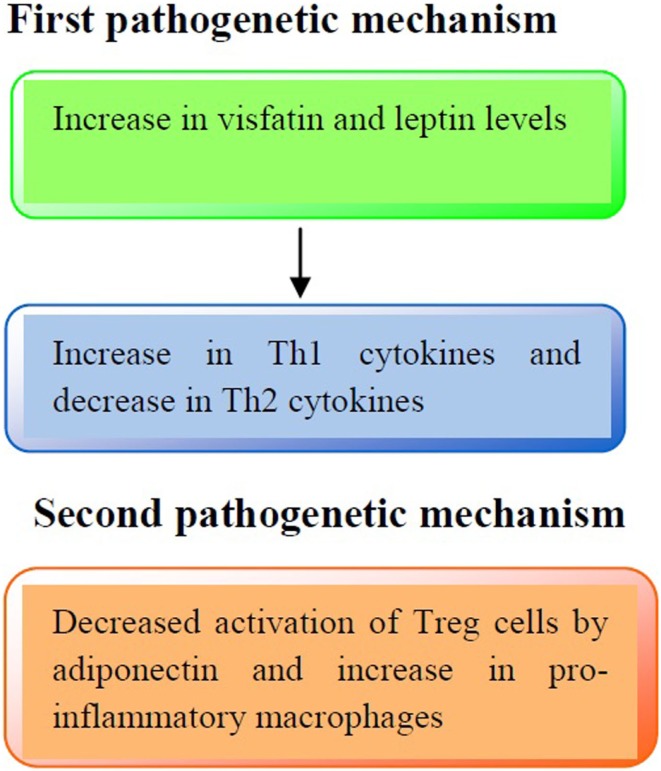
“In conclusion, one can hypothesize that increased levels of leptin may account for the enhancement of Th1 responses (119), while adiponectin reduction may be responsible for a diminished release of IL-10 by Treg cells (120), thus worsening the pro-inflammatory status.”
BackgroundEffects of dark chocolate in a population of normal weight obese women: a pilot study.
Renzo, L. D., Rizzo, M., Sarlo, F., Colica, C., Iacopino, L., Domino, E., Sergi, D., & LORENZO, A. D. (2013) · PubMed · Cited by 44
Cao, A., Yao, S., Stefka, A. T., Liu, Z., Qin, H., Liu, H., Evans‐Marin, H., Elson, C. O., Nagler‐Anderson, C., & Cong, Y. (2014) · Journal of Leukocyte Biology · doi:10.1189/jlb.3a0114-056rr · Cited by 43
The role of dietary fatty acids for early human adipose tissue growth
Hauner, H., Brunner, S., & Amann‐Gassner, U. (2013) · American Journal of Clinical Nutrition · doi:10.3945/ajcn.112.040733 · Cited by 43 · cited 1×
“However, as stated in a recent review by Hauner and associates (163), results on the prevention of childhood obesity obtained through modification of fatty composition during pregnancy and lactation are still contradictory and inconsistent.”
BackgroundKelishadi, R., Farajian, S., Safavi, S. M., Mirlohi, M., & Hashemipour, M. (2013) · Jornal de Pediatria · doi:10.1016/j.jped.2013.07.003 · Cited by 43 · cited 1×
“In a recent clinical trial, Kelishadi and associates (152) have administered overweight children with a synbiotic (ProtexinLondon, England) composed by a combination of viable Lactobacilli of human origin and fructo-oligosaccharides, as prebiotics.”
BackgroundMejía-Barradas, C. M., Del-Rio-Navarro, B. E., Domínguez‐López, A., Campos‐Rodríguez, R., Martínez–Godínez, M. D. L. Á., Rojas-Hernández, S., Lara‐Padilla, E., Abarca‐Rojano, E., & Miliar-García, Á. (2013) · Endocrine · doi:10.1007/s12020-013-9941-y · Cited by 41
Jirillo, E., Jirillo, F., & Magrone, T. (2012) · International Journal for Vitamin and Nutrition Research · doi:10.1024/0300-9831/a000112 · Cited by 39 · cited 1×
“Synbiotics are a mixture of pro- and prebiotics which, when ingested, are able to modulate gut microbiota and intestinal immunity (151).”
BackgroundSelf-citationThe interplay between regulatory T cells and metabolism in immune regulation
Zeng, H., & Chi, H. (2013) · OncoImmunology · doi:10.4161/onci.26586 · Cited by 38 · cited 1×
“Th17 cells release multiple molecules of IL-17 (A–F) (49) and IL-17F was also found to be co-expressed in Th17 cells, thus contributing to host defenses, inflammatory, allergic, and autoimmune functions of Th17 cells (50).”
BackgroundObesity and Oxidative Stress: Potential Roles of Melatonin as Antioxidant and Metabolic Regulator
Bonnefont‐Rousselot, D. (2014) · Endocrine Metabolic & Immune Disorders - Drug Targets · doi:10.2174/1871530314666140604151452 · Cited by 38 · cited 6×
“presence of a deficit of soluble RAGEs (87, 88)”
BackgroundInfluentialNon-Alcoholic Fatty Liver Disease in Children: Focus on Nutritional Interventions
Yang, M., Gong, S., Ye, S. Q., Lyman, B., Geng, L., Chen, P., & Li, D. (2014) · Nutrients · doi:10.3390/nu6114691 · Cited by 36 · cited 1×
“Of note, in western countries NASH is very common in obese children (137).”
BackgroundNitric oxide and clustering of metabolic syndrome components in pediatrics
Ghasemi, A., Zahediasl, S., & Azizi, F. (2009) · European Journal of Epidemiology · doi:10.1007/s10654-009-9382-3 · Cited by 34
Choi, J. W. (2004) · Clinica Chimica Acta · doi:10.1016/j.cccn.2004.04.024 · Cited by 28
Marzulli, G., Magrone, T., Vonghia, L., Kaneko, M., Takimoto, H., Kumazawa, Y., & Jirillo, E. (2014) · Current Pharmaceutical Design · doi:10.2174/138161282006140220120640 · Cited by 26 · cited 1×
“The in vitro demonstration that polyphenols from fermented grape marc differentiate and activate peripheral human Treg cells further supports the anti-inflammatory role of these natural compounds (171).”
BackgroundSelf-citationVitale, E., Jirillo, E., & Magrone, T. (2014) · Endocrine Metabolic & Immune Disorders - Drug Targets · doi:10.2174/1871530314666140307095630 · Cited by 26 · cited 3×
“Data previously discussed (89) as well as other epidemiological studies confirm the inverse relationship between PA and BMI (95, 96).”
BackgroundResultSelf-citationElevated nitric oxide metabolites are associated with obesity in women.
Ghasemi, A., Zahediasl, S., & Azizi, F. (2013) · PubMed · Cited by 26
Metabolic profile response to administration of epigallocatechin-3-gallate in high-fat-fed mice
Moreno, M. F., Laquila, R. D., Okuda, M. H., Lira, F. S., de Souza, G. I. D. M. H., de Souza, C. T., Telles, M. M., Ribeiro, E. B., do Nascimento, C. M. O., & Oyama, L. M. (2014) · Diabetology & Metabolic Syndrome · doi:10.1186/1758-5996-6-84 · Cited by 23 · cited 1×
“Same results have been obtained with the administration of epigallocatechin-3gallate (EGCG) in high fat-fed mice (173).”
BackgroundChildhood obesity-an insight into preventive strategies
Kar, S. S., Dube, R., & Kar, S. S. (2014) · Avicenna Journal of Medicine · doi:10.4103/2231-0770.140653 · Cited by 20
Weight Loss and Melatonin Reduce Obesity-Induced Oxidative Damage in Rat Testis
Atılgan, D., Parlaktaş, B. S., Uluocak, N., Erdemır, F., Kılıç, Ş., Erkorkmaz, Ü., Özyurt, H., & Markoç, F. (2013) · Advances in Urology · doi:10.1155/2013/836121 · Cited by 20 · cited 1×
“In another study, evidence has been provided that malondialdehyde (another biomarker of lipid peroxidation), carbonylated proteins, and SOD activity were increased in testicular tissue and serum of obese rats (71).”
BackgroundObesity and children with special healthcare needs
Abeysekara, P. M., Turchi, R. M., & O’Neil, M. E. (2014) · Current Opinion in Pediatrics · doi:10.1097/mop.0000000000000124 · Cited by 20 · cited 1×
“Advancing data suggest that dietary anti-oxidants may influence both metabolic and inflammatory markers linked to low-grade systemic inflammation (45, 46).”
BackgroundAusten, M. (2020) · Journal of Obesity & Eating Disorders · Cited by 18
Characterization of the Immune Inflammatory Profile in Obese Asthmatic Children
Magrone, T., Simone, M., Altamura, M., & Munno, I. (2014) · Endocrine Metabolic & Immune Disorders - Drug Targets · doi:10.2174/1871530314666140526095211 · Cited by 17 · cited 1×
“On these bases, Magrone and associates (117) have investigated the immunological mechanisms involved in asthma and obesity in terms of cytokine and adipokine release.”
BackgroundSelf-citationCaliff, K. J., González, A., Knight, R. D., & Caporaso, J. G. (2014) · doi:10.1128/microbe.9.410.1 · Cited by 16
Magrone, T., Kumazawa, Y., & Jirillo, E. (2013) · Polyphenols in Human Health and Disease · doi:10.1016/b978-0-12-398456-2.00035-9 · Cited by 12 · cited 6×
“In conclusion, more appropriate diets (e.g., MedDiet) or supplements containing natural products (polyphenols, n-3 PUFA, vitamins, synbiotics) are highly recommended to prevent or attenuate the noxious effects of obesity.”
BackgroundInfluentialSelf-citationLi, G., Zhang, Y., Mbuagbaw, L. C. E., Holbrook, A. M., Levine, M., & Thabane, L. (2014) · BMJ Open · doi:10.1136/bmjopen-2014-004971 · Cited by 11 · cited 1×
“Also, results by Li and associates (175) demonstrated that green tea supplementation did not influence blood pressure among overweight and obese adults.”
Background
Research works printed but not linked: 3
- International Association for the Study of Obesity, 2013, Obesity the Global Epidemic
- Bautista-Castaño, 2004, [Knowledge and gaps on the role of nutrition and physical activity on the onset of childhood obesity], Med Clin (Barc), 123, 782
- Califf, 2014, The human microbiome: getting personal, Microbe, 9, 410
Cited by
Sorted by citations
Cortellini, A., Bersanelli, M., Buti, S., Cannita, K., Santini, D., Perrone, F., Giusti, R., Tiseo, M., Michiara, M., Di Marino, P., et al. (2019) · Journal for ImmunoTherapy of Cancer · doi:10.1186/s40425-019-0527-y · Cited by 413
Morales, F., la Paz, S. M., León, M. J., & Rivero‐Pino, F. (2023) · Nutrients · doi:10.3390/nu16010001 · Cited by 452
“Overall, in the case of obese children needing to improve their health status, the dietary considerations include limiting the number of sugar-sweetened drinks and meals that include portions of fruits and vegetables consumed, avoiding fast food and promoting small serving sizes [80].”
BackgroundGut microbiota role in irritable bowel syndrome: New therapeutic strategies
Distrutti, E., Monaldi, L., Ricci, P., & Fiorucci, S. (2016) · World Journal of Gastroenterology · doi:10.3748/wjg.v22.i7.2219 · Cited by 320
Finamore, A., Palmery, M., Bensehaila, S., & Peluso, I. (2017) · Oxidative Medicine and Cellular Longevity · doi:10.1155/2017/3247528 · Cited by 256
“In this context, ageing [140], obesity [141, 142], and metabolic syndrome [142] are associated not only to chronic low grade inflammation, but also to immune impairment (recurrent infection and low vaccine efficacy).”
BackgroundThe influence of diet on anti-cancer immune responsiveness
Soldati, L., Renzo, L. D., Jirillo, E., Ascierto, P. A., Marincola, F. M., & LORENZO, A. D. (2018) · Journal of Translational Medicine · doi:10.1186/s12967-018-1448-0 · Cited by 249
“Overall, obesity, a diet-related disease, represents a systemic inflammatory condition characterized by an excessive production of IL-17 and IL-21, which, in turn, are strong inducers of Th17 cells [12, 13].”
BackgroundSelf-citation
Metadata
- Authors
- Magrone, T., & Jirillo, E.
- Affiliations
- University of Bari Aldo Moro (IT)
- Corresponding author
- Jirillo, Emilio
- Venue
- Frontiers in Immunology
- Publisher
- Frontiers Media SA
- Published
- 2015-02-24
- Volume
- 6
- Pages
- 76-76
- ISSN
- 1664-3224 (ISSN-L)
- PMC
- PMC4338791
- OpenAlex
- W1989401283
- Cited by
- 67
- References
- 209
- Citations by year
- 2026: 1 · 2025: 2 · 2024: 1 · 2023: 4 · 2022: 7 · 2021: 10 · 2020: 9 · 2019: 8 · 2018: 4 · 2017: 12 · 2016: 5 · 2015: 4
- FWCI
- 1.08
- Type
- journal article
- Language
- en
- Open access
- gold
- doi.org
- Licence
- cc-by
- Locations
- Frontiers in Immunology (publishedVersion, cc-by)
- Europe PMC (PubMed Central) (publishedVersion, cc-by)
- PubMed Central (publishedVersion, cc-by)
- PubMed (publishedVersion)
- DOAJ (DOAJ: Directory of Open Access Journals) (submittedVersion, cc-by-sa)
- CINECA IRIS Institutional Research Information System (University of Bari Aldo Moro) (submittedVersion, other-oa)
- Topics
- Health Sciences › Medicine › Endocrinology, Diabetes and Metabolism › Adipokines, Inflammation, and Metabolic Diseases
- Life Sciences › Biochemistry, Genetics and Molecular Biology › Molecular Biology › Gut microbiota and health
- Health Sciences › Medicine › Public Health, Environmental and Occupational Health › Obesity, Physical Activity, Diet
- Keywords
- childhood obesity, low-grade inflammation, cytokines, adipokines, reactive oxygen species, regulatory T cells, Th17 cells, gut microbiota, prebiotics, probiotics, polyphenols, polyunsaturated fatty acids, vitamins, melatonin, natural antioxidants, dietary intervention
About these checks
Registry, retraction, Cites and statistics results are computed, not judged, with one exception: a printed reference that no index lists is read once by a model before it counts as a citation error. Claims are extracted by a model and kept only when their quote appears verbatim in the text; each cited source is then checked, with a model’s help, for whether it says what the claim relies on. Those verdicts can be wrong — read the claim’s quote and the cited source before relying on one.
Statistics and arithmetic are recomputed, not judged.
Confidence bands are shown only for fields calibrated on our annotated test set. None is calibrated yet, so no band is shown.
What counts as a claim ›How we measure confidence ›How we check this ›
Are you an author, or do you see a problem with this page? Request a review
