

Neuroinflammation in Alzheimer’s Disease
Open accessThe DOI matches its Crossref record; 521 of the 525 references it cites were found in a registry or an index.
Abstract
Alzheimer’s disease (AD) is a neurodegenerative disease associated with human aging. Ten percent of individuals over 65 years have AD and its prevalence continues to rise with increasing age. There are currently no effective disease modifying treatments for AD, resulting in increasingly large socioeconomic and personal costs. Increasing age is associated with an increase in low-grade chronic inflammation (inflammaging) that may contribute to the neurodegenerative process in AD. Although the exact mechanisms remain unclear, aberrant elevation of reactive oxygen and nitrogen species (RONS) levels from several endogenous and exogenous processes in the brain may not only affect cell signaling, but also trigger cellular senescence, inflammation, and pyroptosis. Moreover, a compromised immune privilege of the brain that allows the infiltration of peripheral immune cells and infectious agents may play a role. Additionally, meta-inflammation as well as gut microbiota dysbiosis may drive the neuroinflammatory process. Considering that inflammatory/immune pathways are dysregulated in parallel with cognitive dysfunction in AD, elucidating the relationship between the central nervous system and the immune system may facilitate the development of a safe and effective therapy for AD. We discuss some current ideas on processes in inflammaging that appear to drive the neurodegenerative process in AD and summarize details on a few immunomodulatory strategies being developed to selectively target the detrimental aspects of neuroinflammation without affecting defense mechanisms against pathogens and tissue damage.
Overview
The claims and statistics of this paper haven’t been checked yet.
Free: it reads the open-access text and checks the first 5 claims that cite a source we can check. Create a free account to check every claim.
Integrity signals
Registry
Cites
Statistics
Figures
Verification
Claims the paper makes
The claims and statistics of this paper haven’t been checked yet.
Free: it reads the open-access text and checks the first 5 claims that cite a source we can check. Create a free account to check every claim.
Claims other papers make about this one
Each is checked against this paper’s own text: does it say what the citing paper says it does?
The source backs part of the claim, not all of it — or backs it for a different population, condition or comparison.
In the citing paper
“Activated microglia and astrocytes can phagocytize Aβ through multiple receptors to protect neurons,33,34 but failure to clear the aggregates leads to persistent chronic inflammation and the release of a variety of proinflammatory and toxic products, including cytokines, chemokines, reactive oxygen species (ROS) and nitric oxide (NO), which amplify immune responses and lead to neurotoxicity.35”
From Role of neuroinflammation in neurodegeneration development (2023) · cites this paper as [34]
Experimental — accuracy not yet measuredThe cited source says what the claim attributes to it.
In the citing paper
“Astrocyte and microglial activation and inflammatory factor production are associated with chronic inflammatory responses within the AD brain, hampering the environment around neurons and leading to neuronal damage (Onyango et al., 2021).”
From Picroside II Alleviates the Progression of Alzheimer’s Disease via the NLRP3/Caspase-1/GSDMD Pathway (2025) · cites this paper as Onyango et al., 2021
Self-check
Percentages, sums and reported differences re-computed from the paper’s own numbers.
The self-check needs the paper’s full text.
Citations
Cites
Items 201–400 of 521
Haran, J. P., Bhattarai, S. K., Foley, S. E., Dutta, P., Ward, D. V., Bucci, V., & McCormick, B. A. (2019) · mBio · doi:10.1128/mbio.00632-19 · Cited by 412
Chen, J., Buchanan, J. B., Sparkman, N. L., Godbout, J. P., Freund, G. G., & Johnson, R. W. (2008) · Brain, Behavior, and Immunity · doi:10.1016/j.bbi.2007.08.014 · Cited by 398
Astroglia in dementia and Alzheimer's disease
Rodríguez, J. J., Olabarria, M., Chvatal, A., & Verkhratsky, A. (2009) · Cell Death & Differentiation · doi:10.1038/cdd.2008.172 · Cited by 397
Type 3 Diabetes and Its Role Implications in Alzheimer’s Disease
Nguyen, T. T., Ta, Q. T. H., Nguyen, T. K. O., Nguyen, T. T. D., & Van Giau, V. (2020) · International Journal of Molecular Sciences · doi:10.3390/ijms21093165 · Cited by 393 · cited 1×
“AD has been referred to as “type 3 diabetes” [290,291].”
BackgroundButovsky, O., Koronyo-Hamaoui, M., Kunis, G., Ophir, E., Landa, G., Cohen, H., & Schwartz, M. (2006) · Proceedings of the National Academy of Sciences · doi:10.1073/pnas.0604681103 · Cited by 388
Dietary restriction in Drosophila
Partridge, L., Piper, M. D. W., & Mair, W. (2005) · Mechanisms of Ageing and Development · doi:10.1016/j.mad.2005.03.023 · Cited by 387 · cited 1×
“Its mode of action is to simulate CR, and it increases lifespan and limits the onset of age-associated diseases across species [440,441].”
BackgroundThe interplay between immunosenescence and age-related diseases
Barbé-Tuana, F., Funchal, G., Schmitz, C. R. R., Maurmann, R. M., & Bauer, M. E. (2020) · Seminars in Immunopathology · doi:10.1007/s00281-020-00806-z · Cited by 384
Physical Activity and Brain Health
Di Liegro, C. M., Schiera, G., Proia, P., & Di Liegro, I. (2019) · Genes · doi:10.3390/genes10090720 · Cited by 370
Microglial activation and amyloid deposition in mild cognitive impairment: A PET study
Okello, A., Edison, P., Archer, H. A., Turkheimer, F. E., Kennedy, J., Bullock, R., Walker, Z., Kennedy, A., Fox, N., Rossor, M., et al. (2009) · Neurology · doi:10.1212/01.wnl.0000338622.27876.0d · Cited by 367
Soluble TREM2 induces inflammatory responses and enhances microglial survival
Zhong, L., Chen, X.-F., Wang, T., Wang, Z., Liao, C., Wang, Z., Huang, R., Wang, D., Li, X., Wu, L., et al. (2017) · Journal of Experimental Medicine · doi:10.1084/jem.20160844 · Cited by 362 · cited 1×
“TREM2 modulates microglial functions in response to Aβ plaques and tau tangles [69,70].”
BackgroundInflammaging decreases adaptive and innate immune responses in mice and humans
Frasca, D., & Blomberg, B. B. (2016) · Biogerontology · doi:10.1007/s10522-015-9578-8 · Cited by 357 · cited 5×
“MOTS-c stimulates IL-10 as well as signal transducer and activators of transcription 3 (STAT3) and aryl hydrocarbon receptor (Ahr), which inhibit NFκB expression and proinflammatory cytokine production [206].”
BackgroundInfluentialAttenuating astrocyte activation accelerates plaque pathogenesis in APP/PS1 mice
Kraft, A. W., Hu, X., Yoon, H., Yan, P., Xiao, Q., Wang, Y., Gil, S. C., Brown, J., Wilhelmsson, U., Restivo, J. L., et al. (2013) · The FASEB Journal · doi:10.1096/fj.12-208660 · Cited by 355 · cited 1×
“brains results in Aβ accumulation with increased histopathology [166] and they are associated with cognition [167].”
BackgroundBeyond the neuron–cellular interactions early in Alzheimer disease pathogenesis
Henstridge, C. M., Hyman, B. T., & Spires-Jones, T. L. (2019) · Nature Reviews Neuroscience · doi:10.1038/s41583-018-0113-1 · Cited by 348
NKG2D ligands mediate immunosurveillance of senescent cells
Sagiv, A., Burton, D. G. A., Moshayev, Z., Vadai, E., Wensveen, F., Ben-Dor, S., Golani, O., Polic, B., & Krizhanovsky, V. (2016) · Aging · doi:10.18632/aging.100897 · Cited by 345
Aging, melatonin, and the pro- and anti-inflammatory networks
Hardeland, R. (2019) · International Journal of Molecular Sciences · doi:10.3390/ijms20051223 · Cited by 337 · cited 2×
“polarization towards an M2 phenotype [452].”
BackgroundImmunology and immunotherapy of Alzheimer's disease
Weiner, H. L., & Frenkel, D. (2006) · Nature Reviews Immunology · doi:10.1038/nri1843 · Cited by 335
An overview of the non-canonical inflammasome
Downs, K. P., Nguyen, H., Dorfleutner, A., & Stehlik, C. (2020) · Molecular Aspects of Medicine · doi:10.1016/j.mam.2020.100924 · Cited by 321
Metformin: a review of its potential indications
Wang, Y.-W., He, S.-J., Feng, X., Cheng, J., Luo, Y.-T., Tian, L., & Huang, Q. (2017) · Drug Design, Development and Therapy · doi:10.2147/dddt.s141675 · Cited by 320
Metabolic Reprograming of Microglia in the Regulation of the Innate Inflammatory Response
Lauro, C., & Limatola, C. (2020) · Frontiers in Immunology · doi:10.3389/fimmu.2020.00493 · Cited by 315 · cited 2×
“Increased glycolysis and upregulated expression of glucose transporters as well as glycolytic enzymes in activated microglia are a well-established phenomenon [218,219].”
BackgroundVerkhratsky, A., Parpura, V., Vardjan, N., & Zorec, R. (2019) · Advances in Experimental Medicine and Biology · doi:10.1007/978-981-13-9913-8_3 · Cited by 312
Petersen, E. W., Carey, A. L., Sacchetti, M., Steinberg, G. R., Macaulay, S. L., Febbraio, M. A., & Pedersen, B. K. (2005) · American Journal of Physiology-Endocrinology and Metabolism · doi:10.1152/ajpendo.00257.2004 · Cited by 311
Mechanisms of Inflammatory Responses in Obese Adipose Tissue
Sun, S., Ji, Y., Kersten, S., & Qi, L. (2012) · Annual Review of Nutrition · doi:10.1146/annurev-nutr-071811-150623 · Cited by 306
The Inflammation Hypothesis of Aging: Molecular Modulation by Calorie Restriction
Chung, H. Y., Kim, H. J., Kim, J. W., & Yu, B. P. (2001) · Annals of the New York Academy of Sciences · doi:10.1111/j.1749-6632.2001.tb05662.x · Cited by 305
Oxidative stress, inflamm-aging and immunosenescence
Cannizzo, E. S., Clement, C. C., Sahu, R., Follo, C., & Santambrogio, L. (2011) · Journal of Proteomics · doi:10.1016/j.jprot.2011.06.005 · Cited by 299 · cited 1×
“Given the close association between oxidative stress and inflammaging [461] [461,462], targeting detrimental ROS at the production stage without affecting ROS signaling may improve immune function and ameliorate neuroinflammation [463].”
BackgroundBeta amyloid oligomers and fibrils stimulate differential activation of primary microglia
Sondag, C. M., Dhawan, G., & Combs, C. K. (2009) · Journal of Neuroinflammation · doi:10.1186/1742-2094-6-1 · Cited by 295
Cuollo, L., Antonangeli, F., Santoni, A., & Soriani, A. (2020) · Biology · doi:10.3390/biology9120485 · Cited by 291
Chen, X.-Q., & Mobley, W. C. (2019) · Frontiers in Neuroscience · doi:10.3389/fnins.2019.00659 · Cited by 289
Pan, R.-Y., Ma, J., Kong, X.-X., Wang, X.-F., Li, S.-S., Qi, X.-L., Yan, Y.-H., Cheng, J., Liu, Q., Jin, W., et al. (2019) · Science Advances · doi:10.1126/sciadv.aau6328 · Cited by 288 · cited 1×
“Conversely, in AD models, oxidative phosphorylation increased phagocytosis and migration and reduced proinflammatory cytokine production [221].”
BackgroundThe Beneficial Roles of SIRT1 in Neuroinflammation-Related Diseases
Jiao, F., & Gong, Z. (2020) · Oxidative Medicine and Cellular Longevity · doi:10.1155/2020/6782872 · Cited by 288 · cited 1×
“These findings suggest that SIRT1 may be the potential target treatment of neuroinflammation and neurodegenerative disorders [460].”
BackgroundExercise counteracts declining hippocampal function in aging and Alzheimer's disease
Intlekofer, K. A., & Cotman, C. W. (2013) · Neurobiology of Disease · doi:10.1016/j.nbd.2012.06.011 · Cited by 286 · cited 1×
“, mitohormesis [446,447], and this is especially important in the hippocampus, which is particularly sensitive to oxidative stress [448].”
BackgroundBelarbi, K., Jopson, T., Tweedie, D., Arellano, C., Luo, W., Greig, N. H., & Rosi, S. (2012) · Journal of Neuroinflammation · doi:10.1186/1742-2094-9-23 · Cited by 283
DAMPs as mediators of sterile inflammation in aging-related pathologies
Feldman, N., Rotter-Maskowitz, A., & Okun, E. (2015) · Ageing Research Reviews · doi:10.1016/j.arr.2015.01.003 · Cited by 283
Deciphering the astrocyte reaction in Alzheimer's disease
Perez-Nievas, B. G., & Serrano-Pozo, A. (2018) · Frontiers in Aging Neuroscience · doi:10.3389/fnagi.2018.00114 · Cited by 282
Jaeger, L. B., Dohgu, S., Sultana, R., Lynch, J. L., Owen, J. B., Erickson, M. A., Shah, G. N., Price, T. O., Fleegal-Demotta, M. A., Butterfiled, D. A., et al. (2009) · Brain, Behavior, and Immunity · doi:10.1016/j.bbi.2009.01.017 · Cited by 281
Exercise and the aging immune system
Simpson, R. J., Lowder, T. W., Spielmann, G., Bigley, A. B., LaVoy, E. C., & Kunz, H. (2012) · Ageing Research Reviews · doi:10.1016/j.arr.2012.03.003 · Cited by 281 · cited 1×
“Some of these effects arise from the IL-6 secreted from skeletal muscles into circulation in response to EE [303] and include the acute phase of immune response [304] as well as glucose and lipid metabolism [305,306], and have been shown to reduce the risk and severity of many chronic diseases, and the benefits extend…”
BackgroundCalcium signaling and mitochondrial destabilization in the triggering of the NLRP3 inflammasome
Horng, T. (2014) · Trends in Immunology · doi:10.1016/j.it.2014.02.007 · Cited by 278
Frackowiak, J., Wisniewski, H. M., Wegiel, J., Merz, G. S., Iqbal, K., & Wang, K. C. (1992) · Acta Neuropathologica · doi:10.1007/bf00227813 · Cited by 276 · cited 1×
“In AD, the accumulation of Aβ throughout the brain results partly from the failure of microglia to remove extracellular Aβ [126–128] and AD cortical specimens reveal that the microglia surrounding plaques have impaired Aβ uptake [127,129,130].”
BackgroundMicroglia convert aggregated amyloid-β into neurotoxic forms through the shedding of microvesicles
Joshi, P., Turola, E., Ruiz, A., Bergami, A., Libera, D. D., Benussi, L., Giussani, P., Magnani, G., Comi, G., Legname, G., et al. (2014) · Cell Death & Differentiation · doi:10.1038/cdd.2013.180 · Cited by 275 · cited 1×
“Initially, microglial activation may serve to eliminate Aβ [126,133–135], but their chronic activation may amplify the amyloid cascade [133,136] and lead to neurotoxicity [137,138].”
BackgroundDrivers of age‐related inflammation and strategies for healthspan extension
Goldberg, E. L., & Dixit, V. D. (2015) · Immunological Reviews · doi:10.1111/imr.12295 · Cited by 274 · cited 1×
“The NLRP3 inflammasome significantly contributes to neuroinflammation and age-related cognitive decline and is potently activated by Aβ [381].”
BackgroundImmune cells and CNS physiology: Microglia and beyond
Norris, G. T., & Kipnis, J. (2019) · Journal of Experimental Medicine · doi:10.1084/jem.20180199 · Cited by 274 · cited 1×
“Microglia are the CNS’s immune cells [98] and are different from peripheral and other tissue-resident macrophages [99–104].”
BackgroundOxidative stress and the ageing endocrine system
Vitale, G., Salvioli, S., & Franceschi, C. (2013) · Nature Reviews Endocrinology · doi:10.1038/nrendo.2013.29 · Cited by 270
McAlpine, F. E., Lee, J.-K., Harms, A. S., Ruhn, K. A., Blurton-Jones, M., Hong, J., Das, P., Golde, T. E., LaFerla, F. M., Oddo, S., et al. (2009) · Neurobiology of Disease · doi:10.1016/j.nbd.2009.01.006 · Cited by 268
Fonseca, M. I., Ager, R. R., Chu, S.-H., Yazan, O., Sanderson, S. D., LaFerla, F. M., Taylor, S. M., Woodruff, T. M., & Tenner, A. J. (2009) · The Journal of Immunology · doi:10.4049/jimmunol.0901005 · Cited by 268 · cited 1×
“In vivo tests in Tg2576 that overexpress the human amyloid precursor protein (hAPP) 695 isoform that harbors the Swedish double mutation found in some cases of familial AD, and 3xTg, which contain three mutations associated with familial Alzheimer’s disease (APP Swedish, MAPT P301L, and PSEN1 M146V) mouse models of AD…”
BackgroundKlein, H.-U., McCabe, C., Gjoneska, E., Sullivan, S. E., Kaskow, B. J., Tang, A., Smith, R. V., Xu, J., Pfenning, A. R., Bernstein, B. E., et al. (2019) · Nature Neuroscience · doi:10.1038/s41593-018-0291-1 · Cited by 267 · cited 1×
“Epigenomic analysis shows that AD GWAS loci are preferentially enriched in enhancer sequences involved in innate immune processes [63,64] as well as endocytosis, cholesterol/sterol metabolism, and synaptic function [55,65,66].”
BackgroundHallmarks of Aging: An Autophagic Perspective
Barbosa, M. C., Grosso, R. A., & Fader, C. M. (2019) · Frontiers in Endocrinology · doi:10.3389/fendo.2018.00790 · Cited by 264 · cited 1×
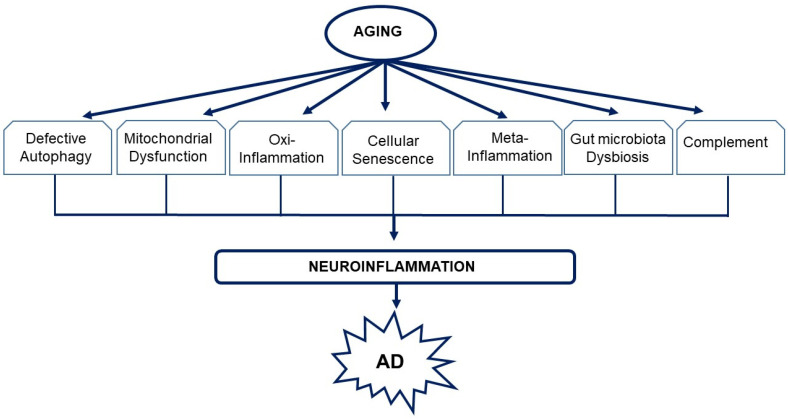
“Aging is characterized by dysregulated immune [1] and metabolic homeostasis [2,3] where there is chronic sterile low-grade inflammation or inflammaging [4] that involves cellular senescence [5,6], immunosenescence [7–10], mitochondrial dysfunction [11,12], defective autophagy [13,14] and mitophagy [15,16], dysregulati…”
BackgroundCD33 Alzheimer’s risk-altering polymorphism, CD33 expression, and exon 2 splicing
Malik, M., Simpson, J. F., Parikh, I., Wilfred, B. R., Fardo, D. W., Nelson, P. T., & Estus, S. (2013) · The Journal of Neuroscience · doi:10.1523/jneurosci.1224-13.2013 · Cited by 262 · cited 1×
“In the brain, it is exclusively expressed by microglia and infiltrating macrophages [406,407], and it has been shown in CD33–/– mouse models that knocking out CD33 reduces Aβ levels and amyloid plaque load in the brain [407].”
BackgroundPropson, N. E., Roy, E. R., Litvinchuk, A., Köhl, J., & Zheng, H. (2021) · Journal of Clinical Investigation · doi:10.1172/jci140966 · Cited by 258
Inactivation of TNF Signaling by Rationally Designed Dominant-Negative TNF Variants
Steed, P. M., Tansey, M. G., Zalevsky, J., Zhukovsky, E. A., Desjarlais, J. R., Szymkowski, D. E., Abbott, C., Carmichael, D., Chan, C., Cherry, L., et al. (2003) · Science · doi:10.1126/science.1081297 · Cited by 256 · cited 1×
“XPro1595, a second-generation TNF-α inhibitor, targeting only the soluble form of TNF-α, thus preserving the neuroprotective transmembrane TNF-α signaling pathways [354], has been evaluated in three different mouse models of AD.”
MethodAlzheimer's disease, a multifactorial disorder seeking multitherapies
Iqbal, K., & Grundke‐Iqbal, I. (2010) · Alzheimer's & Dementia · doi:10.1016/j.jalz.2010.04.006 · Cited by 255
Activation of Sirt1 by Resveratrol Inhibits TNF-α Induced Inflammation in Fibroblasts
Zhu, X., Liu, Q., Wang, M., Liang, M., Yang, X., Xu, X., Zou, H., & Qiu, J. (2011) · PLoS ONE · doi:10.1371/journal.pone.0027081 · Cited by 255
Presenilin-1 mutations and Alzheimer’s disease.
Kelleher, R. J., & Shen, J. (2017) · Proceedings of the National Academy of Sciences · doi:10.1073/pnas.1619574114 · Cited by 255 · cited 5×
“In the 3xTg, which contain three mutations associated with a familial AD (APP Swedish, MAPT P301L, and PSEN1 M146V) mouse model, atrophic astrocytes appear in the entorhinal cortex (EC) as early as 30 days and are present until Aβ plaques begin to emerge at 12 months of age [160].”
BackgroundInfluentialIL-6 regulation of synaptic function in the CNS
Gruol, D. L. (2015) · Neuropharmacology · doi:10.1016/j.neuropharm.2014.10.023 · Cited by 254 · cited 1×
“While IL-6 and TGFβ mRNA are upregulated in AD patients [271,272], an inflammatory response from resident immune cells is also prominent in AD [88].”
BackgroundHumanin: A Novel Central Regulator of Peripheral Insulin Action
Muzumdar, R. H., Huffman, D. M., Atzmon, G., Buettner, C., Cobb, L. J., Fishman, S., Budagov, T., Cui, L., Einstein, F. H., Poduval, A., et al. (2009) · PLoS ONE · doi:10.1371/journal.pone.0006334 · Cited by 248 · cited 1×
“grade inflammation elicited [4] may culminate in immunosenescence [209] and compromise neuronal function [32].”
BackgroundRole of neuroinflammation in neurodegeneration: new insights
McManus, R. M., & Heneka, M. T. (2017) · Alzheimer's Research & Therapy · doi:10.1186/s13195-017-0241-2 · Cited by 247 · cited 1×
“Further, neurobehavioral complications associated with peripheral infections may be facilitated by advancing age because hippocampal processing is more easily disrupted when the peripheral innate immune system is stimulated in older animals [324,325].”
BackgroundThe Role of Micronutrients in Support of the Immune Response against Viral Infections
Pecora, F., Persico, F., Argentiero, A., Neglia, C., & Esposito, S. (2020) · Nutrients · doi:10.3390/nu12103198 · Cited by 247 · cited 1×
“Zinc supplementation elicits inducible regulatory T cells production [510] and decreases ROS production [511].”
BackgroundAlzheimer’s Amyloid-β is an Antimicrobial Peptide: A Review of the Evidence
Gosztyla, M. L., Brothers, H. M., & Robinson, S. R. (2018) · Journal of Alzheimer’s Disease · doi:10.3233/jad-171133 · Cited by 245 · cited 1×
“host from a wide range of infectious agents [145].”
BackgroundVitamin C, Aging and Alzheimer’s Disease
Monacelli, F., Acquarone, E., Giannotti, C., Borghi, R., & Nencioni, A. (2017) · Nutrients · doi:10.3390/nu9070670 · Cited by 243
Plasma multianalyte profiling in mild cognitive impairment and Alzheimer disease
Hu, W. T., Holtzman, D. M., Fagan, A. M., Shaw, L. M., Perrin, R., Arnold, S. E., Grossman, M., Xiong, C., Craig-Schapiro, R., Clark, C. M., et al. (2012) · Neurology · doi:10.1212/wnl.0b013e318266fa70 · Cited by 241
Stratification of astrocytes in healthy and diseased brain
Verkhratsky, A., Zorec, R., & Parpura, V. (2017) · Brain Pathology · doi:10.1111/bpa.12537 · Cited by 236
The dynamics of monocytes and microglia in Alzheimer’s disease
Thériault, P., ElAli, A., & Rivest, S. (2015) · Alzheimer's Research & Therapy · doi:10.1186/s13195-015-0125-2 · Cited by 233 · cited 1×
“In AD, the accumulation of Aβ throughout the brain results partly from the failure of microglia to remove extracellular Aβ [126–128] and AD cortical specimens reveal that the microglia surrounding plaques have impaired Aβ uptake [127,129,130].”
BackgroundTargeting Neuroinflammation to Treat Alzheimer’s Disease
Ardura-Fabregat, A., Boddeke, E. W. G. M., Boza-Serrano, A., Brioschi, S., Castro-Gomez, S., Ceyzériat, K., Dansokho, C., Dierkes, T., Gelders, G., Heneka, M. T., et al. (2017) · CNS Drugs · doi:10.1007/s40263-017-0483-3 · Cited by 233
Desai, M. K., Mastrangelo, M. A., Ryan, D. A., Sudol, K. L., Narrow, W. C., & Bowers, W. J. (2010) · The American Journal of Pathology · doi:10.2353/ajpath.2010.100087 · Cited by 232 · cited 1×
“Aβ not only impairs the survival and maturation of oligodendrocyte progenitor cells (OPCs), but also hampers the formation of the myelin sheath [176].”
BackgroundN-glycomic biomarkers of biological aging and longevity: A link with inflammaging
Dall’Olio, F., Vanhooren, V., Chen, C. C., Slagboom, P. E., Wuhrer, M., & Franceschi, C. (2013) · Ageing Research Reviews · doi:10.1016/j.arr.2012.02.002 · Cited by 231
Oxidative Stress, Inflammaging, and Immunosenescence
Bauer, M. E., & De la Fuente, M. (2014) · Inflammation, Advancing Age and Nutrition · doi:10.1016/b978-0-12-397803-5.00004-6 · Cited by 229
Classical and Nonclassical Intercellular Communication in Senescence and Ageing
Fafián-Labora, J. A., & O’Loghlen, A. (2020) · Trends in Cell Biology · doi:10.1016/j.tcb.2020.05.003 · Cited by 228
The therapeutic potential of interleukin-10 in neuroimmune diseases
Kwilasz, A. J., Grace, P. M., Serbedzija, P., Maier, S. F., & Watkins, L. R. (2015) · Neuropharmacology · doi:10.1016/j.neuropharm.2014.10.020 · Cited by 227 · cited 1×
“In the brain, this results in the upregulation of IL-10 that activates mouse microglia and astrocytes [308,309].”
BackgroundRosenzweig, N., Dvir-Szternfeld, R., Tsitsou-Kampeli, A., Keren-Shaul, H., Ben-Yehuda, H., Weill-Raynal, P., Cahalon, L., Kertser, A., Baruch, K., Amit, I., et al. (2019) · Nature Communications · doi:10.1038/s41467-019-08352-5 · Cited by 227 · cited 3×
“In the 5XFAD AD mouse model and DM-hTAU mouse model of frontotemporal dementia, neuroinflammation and cognitive deficits are shown [398].”
BackgroundMethodNew approaches to symptomatic treatments for Alzheimer’s disease
Cummings, J. (2021) · Molecular Neurodegeneration · doi:10.1186/s13024-021-00424-9 · Cited by 226 · cited 1×
“There are currently no effective therapies for AD [38,39].”
BackgroundTakeda, S., Sato, N., & Morishita, R. (2014) · Frontiers in Aging Neuroscience · doi:10.3389/fnagi.2014.00171 · Cited by 223 · cited 1×
“Numerous mediators are implicated, including ROS and activation of tissue metalloproteinases, but the dominant pathway to BBB breakdown is inflammation, either central or systemic [331,332].”
BackgroundGlial activation in Alzheimer's disease: the role of Aβ and its associated proteins
Meda, L. (2001) · Neurobiology of Aging · doi:10.1016/s0197-4580(01)00307-4 · Cited by 222 · cited 1×
“Initially, microglial activation may serve to eliminate Aβ [126,133–135], but their chronic activation may amplify the amyloid cascade [133,136] and lead to neurotoxicity [137,138].”
BackgroundTREM2 and the neuroimmunology of Alzheimer's disease
Hickman, S. E., & El Khoury, J. (2014) · Biochemical Pharmacology · doi:10.1016/j.bcp.2013.11.021 · Cited by 221 · cited 1×
“In AD, TREM2 variants arise in part because of their reduced capacity to phagocytose Aβ [71].”
BackgroundVieira, P. L., Heystek, H. C., Wormmeester, J., Wierenga, E. A., & Kapsenberg, M. L. (2003) · The Journal of Immunology · doi:10.4049/jimmunol.170.9.4483 · Cited by 219 · cited 1×
“It is thought to mediate its effects by stimulating Th2 response, possibly by suppressing the inflammatory Th1 response [416], increasing the frequency and function of Treg cells, modulating CD8+ T cells,”
BackgroundTherapeutic modulation of inflammasome pathways
Chauhan, D., Vande Walle, L., & Lamkanfi, M. (2020) · Immunological Reviews · doi:10.1111/imr.12908 · Cited by 218
Yeh, C.-Y., Vadhwana, B., Verkhratsky, A., & Rodríguez, J. J. (2011) · ASN Neuro · doi:10.1042/an20110025 · Cited by 214 · cited 1×
“In the 3xTg, which contain three mutations associated with a familial AD (APP Swedish, MAPT P301L, and PSEN1 M146V) mouse model, atrophic astrocytes appear in the entorhinal cortex (EC) as early as 30 days and are present until Aβ plaques begin to emerge at 12 months of age [160].”
BackgroundThe role of ABCA7 in Alzheimer’s disease: evidence from genomics, transcriptomics and methylomics
De Roeck, A., Van Broeckhoven, C., & Sleegers, K. (2019) · Acta Neuropathologica · doi:10.1007/s00401-019-01994-1 · Cited by 212
Therapeutic Inhibition of the Complement System in Diseases of the Central Nervous System
Carpanini, S. M., Torvell, M., & Morgan, B. P. (2019) · Frontiers in Immunology · doi:10.3389/fimmu.2019.00362 · Cited by 207 · cited 2×
“It is important to recognize that complement may be neuroprotective early in the disease process by clearing debris, meaning that an intimate understanding of the therapeutic window where complement inhibition is most effect is crucial [326].”
BackgroundOld Maids: Aging and Its Impact on Microglia Function
Koellhoffer, E., McCullough, L., & Ritzel, R. (2017) · International Journal of Molecular Sciences · doi:10.3390/ijms18040769 · Cited by 207 · cited 1×
“Microglial activity becomes compromised with age as mitochondrial activity declines with age and especially in age-related diseases such as AD [215] and they have a low mitochondrial turnover [213,216].”
BackgroundStress-induced senescence in human and rodent astrocytes
Bitto, A., Sell, C., Crowe, E., Lorenzini, A., Malaguti, M., Hrelia, S., & Torres, C. (2010) · Experimental Cell Research · doi:10.1016/j.yexcr.2010.06.021 · Cited by 204
Tweedie, D., Ferguson, R. A., Fishman, K., Frankola, K. A., Van Praag, H., Holloway, H. W., Luo, W., Li, Y., Caracciolo, L., Russo, I., et al. (2012) · Journal of Neuroinflammation · doi:10.1186/1742-2094-9-106 · Cited by 204 · cited 3×
“This is associated with an increase in TNF-α levels and improved working memory performance [366,363].”
BackgroundMitochondria-Targeted Antioxidants: A Step towards Disease Treatment
Jiang, Q., Yin, J., Chen, J., Ma, X., Wu, M., Liu, G., Yao, K., Tan, B., & Yin, Y. (2020) · Oxidative Medicine and Cellular Longevity · doi:10.1155/2020/8837893 · Cited by 202 · cited 1×
“Mitochondria-targeted antioxidants potently sequester reactive oxygen intermediates (ROIs) and confer greater protection against oxidative damage in the mitochondria than untargeted cellular antioxidants [464,465].”
BackgroundMitochondrial Dysfunction in Aging and Diseases of Aging
Haas, R. H. (2019) · Biology · doi:10.3390/biology8020048 · Cited by 202 · cited 1×
“Aging is characterized by dysregulated immune [1] and metabolic homeostasis [2,3] where there is chronic sterile low-grade inflammation or inflammaging [4] that involves cellular senescence [5,6], immunosenescence [7–10], mitochondrial dysfunction [11,12],”
BackgroundRole of PD-1 in Immunity and Diseases
Chamoto, K., Al-Habsi, M., & Honjo, T. (2017) · Current Topics in Microbiology and Immunology · doi:10.1007/82_2017_67 · Cited by 200 · cited 1×
“This leads to their interaction with their ligands on antigen presenting cells (APCs) that “exhausts” the T cells, inducing a hypofunctional state [390,391].”
BackgroundThe role of gut microbiota in pathogenesis of Alzheimer's disease
Bostanciklioğlu, M. (2019) · Journal of Applied Microbiology · doi:10.1111/jam.14264 · Cited by 200
Fueling Inflamm-Aging through Mitochondrial Dysfunction: Mechanisms and Molecular Targets
Picca, A., Lezza, A., Leeuwenburgh, C., Pesce, V., Calvani, R., Landi, F., Bernabei, R., & Marzetti, E. (2017) · International Journal of Molecular Sciences · doi:10.3390/ijms18050933 · Cited by 200 · cited 1×
“Aging is characterized by dysregulated immune [1] and metabolic homeostasis [2,3] where there is chronic sterile low-grade inflammation or inflammaging [4] that involves cellular senescence [5,6], immunosenescence [7–10], mitochondrial dysfunction [11,12], defective autophagy [13,14] and mitophagy [15,16], dysregulati…”
BackgroundImmune Clearance of Senescent Cells to Combat Ageing and Chronic Diseases
Song, P., An, J., & Zou, M.-H. (2020) · Cells · doi:10.3390/cells9030671 · Cited by 198
Tumor necrosis factor α Inhibition for Alzheimer’s Disease
Chang, R., Yee, K.-L., & Sumbria, R. K. (2017) · Journal of Central Nervous System Disease · doi:10.1177/1179573517709278 · Cited by 195 · cited 15×
“These drugs have been tested on AD rodent models via central and peripheral routes of administration [345,350].”
BackgroundInfluentialComplement in the pathogenesis of Alzheimer’s disease
Morgan, B. P. (2018) · Seminars in Immunopathology · doi:10.1007/s00281-017-0662-9 · Cited by 194 · cited 1×
“Even in the healthy brain, however, there are regions where the BBB is compromised, particularly in the aged normal brain where evidence of barrier loss in and around the hippocampus has been described [330], and this is more severe in the AD brain [327].”
BackgroundCytokine Gene Expression as a Function of the Clinical Progression of Alzheimer Disease Dementia
Luterman, J. D., Haroutunian, V., Yemul, S., Ho, L., Purohit, D., Aisen, P. S., Mohs, R., & Pasinetti, G. M. (2000) · Archives of Neurology · doi:10.1001/archneur.57.8.1153 · Cited by 192 · cited 1×
“While IL-6 and TGFβ mRNA are upregulated in AD patients [271,272], an inflammatory response from resident immune cells is also prominent in AD [88].”
BackgroundShabbir, U., Arshad, M. S., Sameen, A., & Oh, D.-H. (2021) · Nutrients · doi:10.3390/nu13020690 · Cited by 191
Mitophagy: a balance regulator of NLRP3 inflammasome activation
Kim, M.-J., Yoon, J.-H., & Ryu, J.-H. (2016) · BMB Reports · doi:10.5483/bmbrep.2016.49.10.115 · Cited by 189 · cited 1×
“Eliminating damaged and dysfunctional mitochondria by mitophagy may prevent the hyperinflammation triggered by NLRP3 inflammasome activation [212].”
BackgroundRegulation of neuron mitochondrial biogenesis and relevance to brain health
Onyango, I. G., Lu, J., Rodova, M., Lezi, E., Crafter, A. B., & Swerdlow, R. H. (2010) · Biochimica et Biophysica Acta (BBA) - Molecular Basis of Disease · doi:10.1016/j.bbadis.2009.07.014 · Cited by 188 · cited 1×
“, mitohormesis [446,447], and this is especially important in the hippocampus, which is particularly sensitive to oxidative stress [448].”
BackgroundSelf-citationVieira, R., Souto, S. B., Sánchez-López, E., López Machado, A., Severino, P., Jose, S., Santini, A., Fortuna, A., García, M. L., Silva, A. M., et al. (2019) · Pharmaceuticals · doi:10.3390/ph12040152 · Cited by 188
Long-term exercise treatment reduces oxidative stress in the hippocampus of aging rats
Marosi, K., Bori, Z., Hart, N., Sárga, L., Koltai, E., Radák, Z., & Nyakas, C. (2012) · Neuroscience · doi:10.1016/j.neuroscience.2012.09.001 · Cited by 186 · cited 1×
“ecules [226,227], a redox imbalance is detrimental and plays an important role in the inflammatory process in aging as well as in AD [226,228,229].”
BackgroundMicroglial Scavenger Receptors and Their Roles in the Pathogenesis of Alzheimer's Disease
Wilkinson, K., & El Khoury, J. (2012) · International Journal of Alzheimer's Disease · doi:10.1155/2012/489456 · Cited by 186
Focal demyelination in Alzheimer’s disease and transgenic mouse models
Mitew, S., Kirkcaldie, M. T. K., Halliday, G. M., Shepherd, C. E., Vickers, J. C., & Dickson, T. C. (2010) · Acta Neuropathologica · doi:10.1007/s00401-010-0657-2 · Cited by 186 · cited 1×
“Neuroinflammation and oxidative stress may also contribute to oligodendrocyte dysfunction and death [175].”
BackgroundAberrant iPSC-derived human astrocytes in Alzheimer's disease
Jones, V. C., Atkinson-Dell, R., Verkhratsky, A., & Mohamet, L. (2017) · Cell Death & Disease · doi:10.1038/cddis.2017.89 · Cited by 186 · cited 1×
“When astrocytes are created from familial and sporadic AD-induced pluripotent stem cells (iPSC), they have an atrophic phenotype in vitro [165].”
BackgroundAmyloid-β 1–42 Slows Clearance of Synaptically Released Glutamate by Mislocalizing Astrocytic GLT-1
Scimemi, A., Meabon, J. S., Woltjer, R. L., Sullivan, J. M., Diamond, J. S., & Cook, D. G. (2013) · The Journal of Neuroscience · doi:10.1523/jneurosci.5274-12.2013 · Cited by 185 · cited 1×
“This may result in a breach of the blood brain barrier (BBB), leading to an infiltration of peripheral immune cells, aggravating neuroinflammation and inducing neurotoxicity by impairing glutamate homeostasis [168,169], and generating altered Ca2+ signaling [170].”
BackgroundDiversity, compositional and functional differences between gut microbiota of children and adults
Radjabzadeh, D., Boer, C. G., Beth, S. A., van der Wal, P., Kiefte-De Jong, J. C., Jansen, M. A. E., Konstantinov, S. R., Peppelenbosch, M. P., Hays, J. P., Jaddoe, V. W. V., et al. (2020) · Scientific Reports · doi:10.1038/s41598-020-57734-z · Cited by 184
Marcos-Pérez, D., Sánchez-Flores, M., Proietti, S., Bonassi, S., Costa, S., Teixeira, J. P., Fernández-Tajes, J., Pásaro, E., Laffon, B., & Valdiglesias, V. (2020) · GeroScience · doi:10.1007/s11357-020-00247-4 · Cited by 184 · cited 1×
“These are reflected by changes in circulating immune markers including C-reactive protein (CRP) [26], interleukin-6 (IL-6) [27], tumor necrosis factor alpha (TNF-α) [28] and its soluble receptors (tumor necrosis factor receptor I (TNFR-I) and tumor necrosis factor receptor II (TNFR-II)) [28], vascular cell adhesion mo…”
BackgroundMultifactorial Hypothesis and Multi-Targets for Alzheimer’s Disease
Gong, C.-X., Liu, F., & Iqbal, K. (2018) · Journal of Alzheimer's Disease · doi:10.3233/jad-179921 · Cited by 182
Genomic variants, genes, and pathways of Alzheimer's disease: An overview
Naj, A. C., Schellenberg, G. D., & for the Alzheimer's Disease Genetics Consortium (ADGC) (2017) · American Journal of Medical Genetics Part B: Neuropsychiatric Genetics · doi:10.1002/ajmg.b.32499 · Cited by 179
Sreekumar, P. G., Ishikawa, K., Spee, C., Mehta, H. H., Wan, J., Yen, K., Cohen, P., Kannan, R., & Hinton, D. R. (2016) · Investigative Opthalmology & Visual Science · doi:10.1167/iovs.15-17053 · Cited by 179 · cited 1×
“Another mitochondrial peptide, humanin, also has anti-inflammatory effects [207,208].”
BackgroundMorgan, D., Gordon, M. N., Tan, J., Wilcock, D., & Rojiani, A. M. (2005) · Journal of Neuropathology & Experimental Neurology · doi:10.1097/01.jnen.0000178444.33972.e0 · Cited by 178
Mitochondrial Dysfunction and Alzheimer’s Disease: Role of Microglia
Agrawal, I., & Jha, S. (2020) · Frontiers in Aging Neuroscience · doi:10.3389/fnagi.2020.00252 · Cited by 178 · cited 1×
“Microglial activity becomes compromised with age as mitochondrial activity declines with age and especially in age-related diseases such as AD [215] and they have a low mitochondrial turnover [213,216].”
BackgroundMOTS-c: a novel mitochondrial-derived peptide regulating muscle and fat metabolism
Lee, C., Kim, K. H., & Cohen, P. (2016) · Free Radical Biology and Medicine · doi:10.1016/j.freeradbiomed.2016.05.015 · Cited by 178
Astrocytes in Alzheimer's disease: pathological significance and molecular pathways
Preman, P., Alfonso-Triguero, M., Alberdi, E., Verkhratsky, A., & Arranz, A. M. (2021) · Cells · doi:10.3390/cells10030540 · Cited by 176 · cited 2×
“They respond to inflammatory molecules such as cytokines and chemokines and are able to detect aggregated proteins such as Aβ [148,151,152].”
BackgroundLalive, P. H., Neuhaus, O., Benkhoucha, M., Burger, D., Hohlfeld, R., Zamvil, S. S., & Weber, M. S. (2011) · CNS Drugs · doi:10.2165/11588120-000000000-00000 · Cited by 176
Astrocytes in Alzheimer´s Disease: Pathological Significance and Molecular Pathways
Preman, P., Alfonso-Triguero, M., Alberdi, E., Verkhratsky, A., & Arranz, A. M. (2021) · doi:10.20944/preprints202102.0230.v1 · Cited by 176
Yokokura, M., Mori, N., Yagi, S., Yoshikawa, E., Kikuchi, M., Yoshihara, Y., Wakuda, T., Sugihara, G., Takebayashi, K., Suda, S., et al. (2011) · European Journal of Nuclear Medicine and Molecular Imaging · doi:10.1007/s00259-010-1612-0 · Cited by 174
Baierle, M., Nascimento, S. N., Moro, A. M., Brucker, N., Freitas, F., Gauer, B., Durgante, J., Bordignon, S., Zibetti, M., Trentini, C. M., et al. (2015) · Oxidative Medicine and Cellular Longevity · doi:10.1155/2015/804198 · Cited by 172 · cited 1×
“, malondialdehyde (MDA), glutathione peroxidase (GSH-Px), and protein carbonyl (PC)) correlate with raised levels of inflammatory cytokines and both are associated with low cognitive performance in institutionalized elderly people [233].”
BackgroundPereira Diniz, L., Tortelli, V., Matias, I., Morgado, J., Bérgamo Araujo, A. P., Melo, H. M., Seixas da Silva, G. S., Alves-Leon, S. V., de Souza, J. M., Ferreira, S. T., et al. (2017) · The Journal of Neuroscience · doi:10.1523/jneurosci.3351-16.2017 · Cited by 171
“Social Life” of Senescent Cells: What Is SASP and Why Study It?
Borodkina, A. V., Deryabin, P. I., Giukova, А. А., & Nikolsky, N. N. (2018) · Acta Naturae · doi:10.32607/20758251-2018-10-1-4-14 · Cited by 170
Mitochondrial DNA in the regulation of innate immune responses
Fang, C., Wei, X., & Wei, Y. (2016) · Protein & Cell · doi:10.1007/s13238-015-0222-9 · Cited by 168 · cited 2×
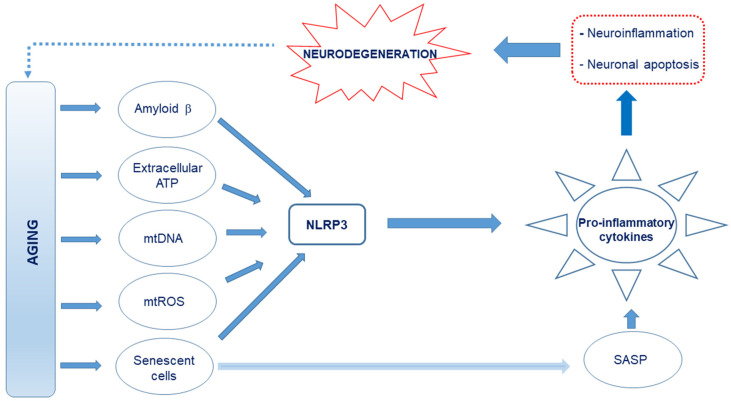
“TNF-α, IL-1β, and MMP-8 [197] and activates the Nod-like receptor 3 (NLRP3) inflammasome, a key regulator of inflammation [198–200], to activate caspase-1 and facilitate IL1β and IL-18 maturation as well as gasdermin D-mediated pyroptotic cell death [201–203].”
BackgroundCarotenoids: How Effective Are They to Prevent Age-Related Diseases?
Tan, B. L., & Norhaizan, M. E. (2019) · Molecules · doi:10.3390/molecules24091801 · Cited by 168
Late-onset vs nonmendelian early-onset Alzheimer disease: A distinction without a difference?
Reitz, C., Rogaeva, E., & Beecham, G. W. (2020) · Neurology Genetics · doi:10.1212/nxg.0000000000000512 · Cited by 168 · cited 3×
“Abbreviations AA Arachidonic acid Aβ Amyloid beta ABCA7 ATP-binding cassette subfamily A member 7 AD Alzheimer’s disease Ahr Aryl hydrocarbon receptor AMPK AMP-activated kinase APP Amyloid precursor protein BBB Blood–brain barrier BIN1 Bridging integrator 1 BMAA α-Amino-β-methylaminopropionic acid CCR2 C-C chemokine r…”
BackgroundAstrocytes aged in vitro show a decreased neuroprotective capacity
Pertusa, M., García‐Matas, S., Rodríguez‐Farré, E., Sanfeliu, C., & Cristòfol, R. (2007) · Journal of Neurochemistry · doi:10.1111/j.1471-4159.2006.04369.x · Cited by 168 · cited 1×
“This compromises their ability to maintain neurons and adversely affects the aging brain [264,265].”
BackgroundFrenkel, D., Maron, R., Burt, D. S., & Weiner, H. L. (2005) · Journal of Clinical Investigation · doi:10.1172/jci23241 · Cited by 167 · cited 1×
“microglia and robustly reduces Aβ fibrils levels [420].”
BackgroundPhysical exercise, reactive oxygen species and neuroprotection
Radak, Z., Suzuki, K., Higuchi, M., Balogh, L., Boldogh, I., & Koltai, E. (2016) · Free Radical Biology and Medicine · doi:10.1016/j.freeradbiomed.2016.01.024 · Cited by 167 · cited 1×
“, mitohormesis [446,447], and this is especially important in the hippocampus, which is particularly sensitive to oxidative stress [448].”
BackgroundMa, L., Zhang, H., Yin, Y., Guo, W.-Z., Ma, Y., Wang, Y.-B., Shu, C., & Dong, L.-Q. (2016) · Cytokine · doi:10.1016/j.cyto.2016.08.033 · Cited by 166 · cited 1×
“Some of these effects arise from the IL-6 secreted from skeletal muscles into circulation in response to EE [303] and include the acute phase of immune response [304] as well as glucose and lipid metabolism [305,306], and have been shown to reduce the risk and severity of many chronic diseases, and the benefits extend…”
BackgroundThe Effect of Zinc and Vitamin A Supplementation on Immune Response in an Older Population
Fortes, C., Forastiere, F., Agabiti, N., Fano, V., Pacifici, R., Virgili, F., Piras, G., Guidi, L., Bartoloni, C., Tricerri, A., et al. (1998) · Journal of the American Geriatrics Society · doi:10.1111/j.1532-5415.1998.tb01008.x · Cited by 164
Clare, R., King, V. G., Wirenfeldt, M., & Vinters, H. V. (2010) · Journal of Neuroscience Research · doi:10.1002/jnr.22392 · Cited by 163 · cited 1×
“Other early-onset processes involved in the etiology of the disease include mitochondrial dysfunction resulting in altered glucose metabolism [92] and oxidative stress [93]; chronic hypoperfusion [94]; and neuronal cell cycle re-entry that leads to neuronal tetraploidization (NT) [94], trisomy 21 mosaicism [95], and s…”
BackgroundInflammasomes in neurological diseases: emerging pathogenic and therapeutic concepts
Mamik, M. K., & Power, C. (2017) · Brain · doi:10.1093/brain/awx133 · Cited by 161
Defective Autophagy and Mitophagy in Aging and Alzheimer’s Disease
Tran, M., & Reddy, P. H. (2021) · Frontiers in Neuroscience · doi:10.3389/fnins.2020.612757 · Cited by 161 · cited 1×
“Aging is characterized by dysregulated immune [1] and metabolic homeostasis [2,3] where there is chronic sterile low-grade inflammation or inflammaging [4] that involves cellular senescence [5,6], immunosenescence [7–10], mitochondrial dysfunction [11,12], defective autophagy [13,14] and mitophagy [15,16], dysregulati…”
BackgroundThanopoulou, K., Fragkouli, A., Stylianopoulou, F., & Georgopoulos, S. (2010) · Proceedings of the National Academy of Sciences · doi:10.1073/pnas.1005888107 · Cited by 161 · cited 1×
“In SR knock out mouse models of AD, Aβ accumulates in the parenchyma and the animals have cognitive deficits [124,182].”
BackgroundMechanisms of Lifespan Regulation by Calorie Restriction and Intermittent Fasting in Model Organisms
Hwangbo, D.-S., Lee, H.-Y., Abozaid, L. S., & Min, K.-J. (2020) · Nutrients · doi:10.3390/nu12041194 · Cited by 160 · cited 2×
“This is thought to be via key nutrient and stressresponsive metabolic signaling pathways including IIS/FOXO, TOR, AMPK, Sirtuins, NRF2, and autophagy [435] that additionally work towards lifespan extension by CR [434].”
BackgroundOligodendroglia and Myelin in Neurodegenerative Diseases: More Than Just Bystanders?
Ettle, B., Schlachetzki, J. C. M., & Winkler, J. (2016) · Molecular Neurobiology · doi:10.1007/s12035-015-9205-3 · Cited by 160 · cited 1×
“Their involvement in AD is not fully understood, although emerging evidence implicates their potential role in pathogenesis and progression of AD [171].”
BackgroundMacPherson, K. P., Sompol, P., Kannarkat, G. T., Chang, J., Sniffen, L., Wildner, M. E., Norris, C. M., & Tansey, M. G. (2017) · Neurobiology of Disease · doi:10.1016/j.nbd.2017.02.010 · Cited by 158
Role of Reactive Oxygen Species in Inflammation: A Minireview
Chelombitko, M. A. (2018) · Moscow University Biological Sciences Bulletin · doi:10.3103/s009639251804003x · Cited by 158 · cited 1×
“Given the close association between oxidative stress and inflammaging [461] [461,462], targeting detrimental ROS at the production stage without affecting ROS signaling may improve immune function and ameliorate neuroinflammation [463].”
BackgroundMicroglial polarization: novel therapeutic mechanism against Alzheimer’s disease
Yao, K., & Zu, H. (2019) · Inflammopharmacology · doi:10.1007/s10787-019-00613-5 · Cited by 158
Zhou, M., Xu, R., Kaelber, D. C., & Gurney, M. E. (2020) · PLOS ONE · doi:10.1371/journal.pone.0229819 · Cited by 157 · cited 1×
“Indeed, patients with rheumatic disorders that are treated with TNF-blocking agents have a lower risk for developing AD [353].”
BackgroundControl of the inflammasome by the ubiquitin system
López‐Castejón, G. (2019) · FEBS Journal · doi:10.1111/febs.15118 · Cited by 157 · cited 1×
“Aging is characterized by dysregulated immune [1] and metabolic homeostasis [2,3] where there is chronic sterile low-grade inflammation or inflammaging [4] that involves cellular senescence [5,6], immunosenescence [7–10], mitochondrial dysfunction [11,12], defective autophagy [13,14] and mitophagy [15,16], dysregulati…”
BackgroundFlores-Dorantes, M. T., Díaz-López, Y. E., & Gutiérrez-Aguilar, R. (2020) · Frontiers in Neuroscience · doi:10.3389/fnins.2020.00863 · Cited by 156 · cited 1×
“Individuals with advanced age, obesity, T2DM, or hypercholesterolemia are more likely to be affected by AD [298,299].”
BackgroundResveratrol Derivatives as Potential Treatments for Alzheimer’s and Parkinson’s Disease
Arbo, B. D., André-Miral, C., Nasre-Nasser, R. G., Schimith, L. E., Santos, M. G., Costa-Silva, D., Muccillo-Baisch, A. L., & Hort, M. A. (2020) · Frontiers in Aging Neuroscience · doi:10.3389/fnagi.2020.00103 · Cited by 154 · cited 1×
“There are, however, conflicting results on the effects of resveratrol on AD subjects [456].”
ResultKoronyo, Y., Salumbides, B. C., Sheyn, J., Pelissier, L., Li, S., Ljubimov, V., Moyseyev, M., Daley, D., Fuchs, D.-T., Pham, M., et al. (2015) · Brain · doi:10.1093/brain/awv150 · Cited by 153
Neuroinflammation as a Factor of Neurodegenerative Disease: Thalidomide Analogs as Treatments
Jung, Y. J., Tweedie, D., Scerba, M. T., & Greig, N. H. (2019) · Frontiers in Cell and Developmental Biology · doi:10.3389/fcell.2019.00313 · Cited by 151 · cited 1×
“Compared with similar anti-inflammatory drugs, currently marketed IMiDs have improved BBB permeability and bioavailability, making them viable candidates for neurological disorders [360].”
BackgroundWu, W., Wang, X., Xiang, Q., Meng, X., Peng, Y., Du, N., Liu, Z., Sun, Q., Wang, C., & Liu, X. (2014) · Food Funct. · doi:10.1039/c3fo60400d · Cited by 146 · cited 1×
“Other such antioxidants include the following: 4,5-dihydroxybenzene-1,3disulfonate (Tiron), which accumulate within the mitochondria by permeabilizing the mitochondrial membrane [467] and astaxanthin, a mitochondrion-permeable antioxidant, that can penetrate the blood–brain barrier and is effective in preventing and t…”
BackgroundDissecting Aging and Senescence—Current Concepts and Open Lessons
Schmeer, C., Kretz, A., Wengerodt, D., Stojiljkovic, M., & Witte, O. W. (2019) · Cells · doi:10.3390/cells8111446 · Cited by 144 · cited 1×
“Senescent neurons have been described in old rodent and human brains [244,244,245], suggesting a proliferation-independent senescence-like mechanism in post-mitotic cells including neurons [246].”
BackgroundTang, Y., Fung, E., Xu, A., & Lan, H. (2017) · Clinical and Experimental Pharmacology and Physiology · doi:10.1111/1440-1681.12758 · Cited by 142 · cited 3×
“Abbreviations AA Arachidonic acid Aβ Amyloid beta ABCA7 ATP-binding cassette subfamily A member 7 AD Alzheimer’s disease Ahr Aryl hydrocarbon receptor AMPK AMP-activated kinase APP Amyloid precursor protein BBB Blood–brain barrier BIN1 Bridging integrator 1 BMAA α-Amino-β-methylaminopropionic acid CCR2 C-C chemokine r…”
BackgroundVemuri, R., Gundamaraju, R., Shastri, M. D., Shukla, S. D., Kalpurath, K., Ball, M., Tristram, S., Shankar, E. M., Ahuja, K., & Eri, R. (2018) · BioMed Research International · doi:10.1155/2018/4178607 · Cited by 141
Pallast, E. G., Schouten, E. G., de Waart, F. G., Fonk, H. C., Doekes, G., von Blomberg, B. M., & Kok, F. J. (1999) · The American Journal of Clinical Nutrition · doi:10.1093/ajcn/69.6.1273 · Cited by 141
CD38 in Neurodegeneration and Neuroinflammation
Guerreiro, S., Privat, A.-L., Bressac, L., & Toulorge, D. (2020) · Cells · doi:10.3390/cells9020471 · Cited by 141 · cited 1×
“CD38 is a NAD glycohydrolase that is expressed by neurons, astrocytes, and microglial cells and plays an important role in neuroinflammatory and brain repair processes [403].”
BackgroundChinnery, H. R., Ruitenberg, M. J., & McMenamin, P. G. (2010) · Journal of Neuropathology & Experimental Neurology · doi:10.1097/nen.0b013e3181edbc1a · Cited by 140 · cited 1×
“Dendritic cells, monocytes, and granulocytes are found in the meninges and are recruited to the brain during or after an insult or other pathology [178,179].”
BackgroundThal, D. R., Capetillo-Zarate, E., Larionov, S., Staufenbiel, M., Zurbruegg, S., & Beckmann, N. (2009) · Neurobiology of Aging · doi:10.1016/j.neurobiolaging.2008.01.017 · Cited by 138 · cited 1×
“Other early-onset processes involved in the etiology of the disease include mitochondrial dysfunction resulting in altered glucose metabolism [92] and oxidative stress [93]; chronic hypoperfusion [94]; and neuronal cell cycle re-entry that leads to neuronal tetraploidization (NT) [94], trisomy 21 mosaicism [95], and s…”
BackgroundCruchaga, C., Del‐Aguila, J. L., Saef, B., Black, K., Fernandez, M. V., Budde, J., Ibanez, L., Deming, Y., Kapoor, M., Tosto, G., et al. (2018) · Alzheimer's & Dementia · doi:10.1016/j.jalz.2017.08.013 · Cited by 138
Alcaín, F. J., & Villalba, J. M. (2009) · Expert Opinion on Therapeutic Patents · doi:10.1517/13543770902762893 · Cited by 137 · cited 1×
“It is a potent natural SIRT1 activator that helps prevent aging-related decline in heart function and neuronal loss [454].”
BackgroundFan, Z., Okello, A. A., Brooks, D. J., & Edison, P. (2015) · Brain · doi:10.1093/brain/awv288 · Cited by 135
Beach, T. G., & McGeer, E. G. (1988) · Brain Research · doi:10.1016/0006-8993(88)90410-6 · Cited by 133 · cited 1×
“Reactive astrocytes are a distinct trait of AD patient brains [155] and are also a feature of AD mouse model brains [156–158].”
BackgroundCholinergic Modulation of Glial Function During Aging and Chronic Neuroinflammation
Gamage, R., Wagnon, I., Rossetti, I., Childs, R., Niedermayer, G., Chesworth, R., & Gyengesi, E. (2020) · Frontiers in Cellular Neuroscience · doi:10.3389/fncel.2020.577912 · Cited by 131 · cited 1×
“moting inflammation that may result in neurodegeneration) [149,150].”
BackgroundVanzulli, I., Papanikolaou, M., De-La-Rocha, I. C., Pieropan, F., Rivera, A. D., Gomez-Nicola, D., Verkhratsky, A., Rodríguez, J. J., & Butt, A. M. (2020) · Neurobiology of Aging · doi:10.1016/j.neurobiolaging.2020.05.016 · Cited by 130 · cited 1×
“In the 3xTg-AD mice AD [269],158], hypertrophic OPCs infiltrate and accumulate around Aβ plaques [270] and in the TgAPP/PS1 mouse model, the OPCs surrounding Aβ plaques have increased Cdkn2a mRNA expression, and SA β-gal and IL-6”
BackgroundMan, A. W. C., Zhou, Y., Xia, N., & Li, H. (2020) · Nutrients · doi:10.3390/nu12103054 · Cited by 128
Cortical neurons develop a senescence-like phenotype promoted by dysfunctional autophagy
Moreno-Blas, D., Gorostieta-Salas, E., Pommer-Alba, A., Muciño-Hernández, G., Gerónimo-Olvera, C., Maciel-Barón, L. A., Konigsberg, M., Massieu, L., & Castro-Obregón, S. (2019) · Aging · doi:10.18632/aging.102181 · Cited by 128 · cited 1×
“Senescent neurons have been described in old rodent and human brains [244,244,245], suggesting a proliferation-independent senescence-like mechanism in post-mitotic cells including neurons [246].”
BackgroundDong, H., Rowland, I., Thomas, L. V., & Yaqoob, P. (2013) · European Journal of Nutrition · doi:10.1007/s00394-012-0487-1 · Cited by 127
Age-related cerebral small vessel disease and inflammaging
Li, T., Huang, Y., Cai, W., Chen, X., Men, X., Lu, T., Wu, A., & Lu, Z. (2020) · Cell Death & Disease · doi:10.1038/s41419-020-03137-x · Cited by 124 · cited 1×
“Aging is characterized by dysregulated immune [1] and metabolic homeostasis [2,3] where there is chronic sterile low-grade inflammation or inflammaging [4] that involves cellular senescence [5,6], immunosenescence [7–10], mitochondrial dysfunction [11,12], defective autophagy [13,14] and mitophagy [15,16], dysregulati…”
BackgroundVitamin E ingestion improves several immune functions in elderly men and women
De la Fuente, M., Hernanz, A., Guayerbas, N., Manuel Victor, V., & Arnalich, F. (2008) · Free Radical Research · doi:10.1080/10715760801898838 · Cited by 124
Lipoxygenase-dependent superoxide release in skeletal muscle
Zuo, L., Christofi, F. L., Wright, V. P., Bao, S., & Clanton, T. L. (2004) · Journal of Applied Physiology · doi:10.1152/japplphysiol.00096.2004 · Cited by 123 · cited 1×
“Alternative mechanisms that produce ROS include NADPH oxidase (NOX), immune activation, xanthine oxidase (XO), arachidonic acids (AA) metabolism, and so on [226,234].”
BackgroundZinc and its role in age‐related inflammation and immune dysfunction
Wong, C. P., & Ho, E. (2011) · Molecular Nutrition & Food Research · doi:10.1002/mnfr.201100511 · Cited by 122
Inhibiting the NLRP3 Inflammasome
El-Sharkawy, L. Y., Brough, D., & Freeman, S. (2020) · Molecules · doi:10.3390/molecules25235533 · Cited by 122 · cited 1×
“Novel specific inhibitors of the NLRP3 inflammasome are currently in pre-clinical or clinical trials [382] (ifmthera.”
BackgroundTang, M., Ryman, D. C., McDade, E., Jasielec, M. S., Buckles, V. D., Cairns, N. J., Fagan, A. M., Goate, A., Marcus, D. S., Xiong, C., et al. (2016) · The Lancet Neurology · doi:10.1016/s1474-4422(16)30229-0 · Cited by 121 · cited 1×
“Three causative genes, including presenilin 1 (PSEN1) [46], presenilin 2 (PSEN2) [47], and amyloid precursor protein (APP) [48], are involved in the pathogenesis of EOAD in an autosomal-dominant trait [49,50].”
BackgroundCounteracting the effects of TNF receptor‐1 has therapeutic potential in Alzheimer's disease
Steeland, S., Gorlé, N., Vandendriessche, C., Balusu, S., Brkic, M., Van Cauwenberghe, C., Van Imschoot, G., Van Wonterghem, E., De Rycke, R., Kremer, A., et al. (2018) · EMBO Molecular Medicine · doi:10.15252/emmm.201708300 · Cited by 121
CD33 in Alzheimer’s Disease – Biology, Pathogenesis, and Therapeutics: A Mini-Review
Zhao, L. (2019) · Gerontology · doi:10.1159/000492596 · Cited by 121 · cited 1×
“CD33 has been identified by GWAS among the leading risk factors for AD [405].”
BackgroundThe role of vitamins and minerals on the immune system
Alpert, P. T. (2017) · Home Health Care Management & Practice · doi:10.1177/1084822317713300 · Cited by 120
Littlefield, A. M., Setti, S. E., Priester, C., & Kohman, R. A. (2015) · Journal of Neuroinflammation · doi:10.1186/s12974-015-0362-0 · Cited by 120 · cited 2×
“The modulatory effects of exercise on inflammation both centrally and peripherally have a protective effect on cognitive function and may be beneficial to patients with AD [310,311], as it elevates levels of circulating growth factors (such as insulin-like growth factor 1, IGF-1) and neurotrophins (such as the brainde…”
BackgroundMitochondrial Regulation of Microglial Immunometabolism in Alzheimer’s Disease
Fairley, L. H., Wong, J. H., & Barron, A. M. (2021) · Frontiers in Immunology · doi:10.3389/fimmu.2021.624538 · Cited by 120 · cited 1×
“Microglia exhibit high metabolic flexibility to cope with their high energy demands [214].”
BackgroundFernández-Arjona, M. D. M., Grondona, J. M., Fernández-Llebrez, P., & López-Ávalos, M. D. (2019) · Frontiers in Cellular Neuroscience · doi:10.3389/fncel.2019.00472 · Cited by 119
Zinc, aging, and immunosenescence: an overview
Cabrera, Á. (2015) · Pathobiology of Aging & Age-related Diseases · doi:10.3402/pba.v5.25592 · Cited by 118
Of Flies, Mice, and Men: Evolutionarily Conserved Tissue Damage Responses and Aging
Neves, J., Demaria, M., Campisi, J., & Jasper, H. (2015) · Developmental Cell · doi:10.1016/j.devcel.2014.11.028 · Cited by 118
Calvani, R., Picca, A., Marini, F., Biancolillo, A., Gervasoni, J., Persichilli, S., Primiano, A., Coelho-Junior, H. J., Bossola, M., Urbani, A., et al. (2018) · Nutrients · doi:10.3390/nu10111691 · Cited by 117 · cited 1×
“While cells of innate immunity produce copious amounts ROS within the central nervous system (CNS), it is not clear whether neuroinflammation induces oxidative stress or if it is the elevated levels of ROS that cause neuroinflammation [230,231], especially in a situation where there is already excess oxidant productio…”
BackgroundRêgo, M. L. D. M., Cabral, D. A. R., Costa, E. C., & Fontes, E. B. (2019) · Clinical Medicine Insights Cardiology · doi:10.1177/1179546819839411 · Cited by 117 · cited 1×
“The modulatory effects of exercise on inflammation both centrally and peripherally have a protective effect on cognitive function and may be beneficial to patients with AD [310,311], as it elevates levels of circulating growth factors (such as insulin-like growth factor 1, IGF-1) and neurotrophins (such as the brainde…”
BackgroundMitochondria-Targeted Antioxidants for Treatment of Hearing Loss: A Systematic Review
Fujimoto, C., & Yamasoba, T. (2019) · Antioxidants · doi:10.3390/antiox8040109 · Cited by 117 · cited 1×
“Mitochondria-targeted antioxidants potently sequester reactive oxygen intermediates (ROIs) and confer greater protection against oxidative damage in the mitochondria than untargeted cellular antioxidants [464,465].”
BackgroundAlzheimer's disease pathology is attenuated in a CD 38‐deficient mouse model
Blacher, E., Dadali, T., Bespalko, A., Haupenthal, V. J., Grimm, M. O. W., Hartmann, T., Lund, F. E., Stein, R., & Levy, A. (2015) · Annals of Neurology · doi:10.1002/ana.24425 · Cited by 117 · cited 2×
“CD38-/- mice, both β- and γ-secretase activities are reduced, suggesting that the loss of CD38 is neuroprotective in this AD model [404].”
BackgroundApolipoprotein E, amyloid-beta, and neuroinflammation in Alzheimer’s disease
Dorey, E., Chang, N., Liu, Q. Y., Yang, Z., & Zhang, W. (2014) · Neuroscience Bulletin · doi:10.1007/s12264-013-1422-z · Cited by 116
Astrocytes from old Alzheimer's disease mice are impaired in Aβ uptake and in neuroprotection
Iram, T., Trudler, D., Kain, D., Kanner, S., Galron, R., Vassar, R., Barzilai, A., Blinder, P., Fishelson, Z., & Frenkel, D. (2016) · Neurobiology of Disease · doi:10.1016/j.nbd.2016.08.001 · Cited by 115
Microbiota modulation as preventative and therapeutic approach in Alzheimer’s disease
Bonfili, L., Cecarini, V., Gogoi, O., Gong, C., Cuccioloni, M., Angeletti, M., Rossi, G., & Eleuteri, A. M. (2021) · The FEBS Journal · doi:10.1111/febs.15571 · Cited by 115
Cellular senescence in aging and age-related diseases: Implications for neurodegenerative diseases
(2020) · International Review of Neurobiology · doi:10.1016/bs.irn.2020.03.019 · Cited by 114
Neuronal failure in Alzheimer’s disease: a view through the oxidative stress looking-glass
Bonda, D. J., Wang, X., Lee, H.-G., Smith, M. A., Perry, G., & Zhu, X. (2014) · Neuroscience Bulletin · doi:10.1007/s12264-013-1424-x · Cited by 114
Oh, Y. K., Bachar, A. R., Zacharias, D. G., Kim, S. G., Wan, J., Cobb, L. J., Lerman, L. O., Cohen, P., & Lerman, A. (2011) · Atherosclerosis · doi:10.1016/j.atherosclerosis.2011.06.038 · Cited by 113 · cited 1×
“Another mitochondrial peptide, humanin, also has anti-inflammatory effects [207,208].”
BackgroundResveratrol in mammals: effects on aging biomarkers, age‐related diseases, and life span
Marchal, J., Pifferi, F., & Aujard, F. (2013) · Annals of the New York Academy of Sciences · doi:10.1111/nyas.12214 · Cited by 113 · cited 1×
“Resveratrol has been shown to affect aging and lifespan in mammals [453].”
BackgroundT Cells as an Emerging Target for Chronic Pain Therapy
Laumet, G., Ma, J., Robison, A. J., Kumari, S., Heijnen, C. J., & Kavelaars, A. (2019) · Frontiers in Molecular Neuroscience · doi:10.3389/fnmol.2019.00216 · Cited by 113
New tricks for an ancient system: Physiological and pathological roles of complement in the CNS
Tenner, A. J., Stevens, B., & Woodruff, T. M. (2018) · Molecular Immunology · doi:10.1016/j.molimm.2018.06.264 · Cited by 112
Molecular basis of ageing in chronic metabolic diseases
Spinelli, R., Parrillo, L., Longo, M., Florese, P., Desiderio, A., Zatterale, F., Miele, C., Raciti, G. A., & Bèguinot, F. (2020) · Journal of Endocrinological Investigation · doi:10.1007/s40618-020-01255-z · Cited by 111 · cited 1×
“Aging is characterized by dysregulated immune [1] and metabolic homeostasis [2,3] where there is chronic sterile low-grade inflammation or inflammaging [4] that involves cellular senescence [5,6], immunosenescence [7–10], mitochondrial dysfunction [11,12], defective autophagy [13,14] and mitophagy [15,16], dysregulati…”
BackgroundRole of Insulin Resistance in the Alzheimer's Disease Progression
Nguyen, T. T., Ta, Q. T. H., Nguyen, T. T. D., Le, T. T. H., & Giau, V. V. (2020) · Neurochemical Research · doi:10.1007/s11064-020-03031-0 · Cited by 110 · cited 1×
“Indeed, peripheral insulin resistance leads to decreased insulin signaling in CNS that is associated with an alteration in brain metabolism and activation of inflammatory pathways [296].”
BackgroundTondo, G., Iaccarino, L., Caminiti, S. P., Presotto, L., Santangelo, R., Iannaccone, S., Magnani, G., & Perani, D. (2020) · Alzheimer's Research & Therapy · doi:10.1186/s13195-020-00619-0 · Cited by 107
Bachmann, M. C., Bellalta, S., Basoalto, R., Gómez‐Valenzuela, F., Jalil, Y., Lépez, M., Matamoros, A., & Rommy von Bernhardi, M. (2020) · Frontiers in Immunology · doi:10.3389/fimmu.2020.570083 · Cited by 107 · cited 1×
“Given the close association between oxidative stress and inflammaging [461] [461,462], targeting detrimental ROS at the production stage without affecting ROS signaling may improve immune function and ameliorate neuroinflammation [463].”
BackgroundProkopenko, D., Morgan, S. L., Mullin, K., Hofmann, O., Chapman, B., Kirchner, R., (ADNI), A. D. N. I., Amberkar, S., Wohlers, I., Lange, C., et al. (2021) · Alzheimer's & Dementia · doi:10.1002/alz.12319 · Cited by 105 · cited 1×
“Recent large scale studies of AD genetics, employing genome-wide association studies (GWAS), whole exome sequencing (WES), and whole genome sequencing (WGS), have defined additional genes whose variants contribute to increased risk [53,54].”
BackgroundLansita, J. A., Mease, K. M., Qiu, H., Yednock, T., Sankaranarayanan, S., & Kramer, S. (2017) · International Journal of Toxicology · doi:10.1177/1091581817740873 · Cited by 104
Kuo, C.-Y., Stachiv, I., & Nikolai, T. (2020) · International Journal of Environmental Research and Public Health · doi:10.3390/ijerph17207475 · Cited by 104 · cited 1×
“AD is a chronic devastating neurodegenerative disorder in which increasing age is the strongest non-modifiable disease risk factor [36,37].”
BackgroundDorling, J. L., Martin, C. K., & Redman, L. M. (2020) · Ageing Research Reviews · doi:10.1016/j.arr.2020.101038 · Cited by 104 · cited 1×
“This is thought to be via key nutrient and stressresponsive metabolic signaling pathways including IIS/FOXO, TOR, AMPK, Sirtuins, NRF2, and autophagy [435] that additionally work towards lifespan extension by CR [434].”
BackgroundThe C3a receptor antagonist SB 290157 has agonist activity
Mathieu, M., Sawyer, N., Greig, G. M., Hamel, M., Kargman, S., Ducharme, Y., Lau, C. K., Friesen, R. W., O’Neill, G. P., Gervais, F. G., et al. (2005) · Immunology Letters · doi:10.1016/j.imlet.2005.03.003 · Cited by 103
Microbiomes other than the gut: inflammaging and age-related diseases
Santoro, A., Zhao, J., Wu, L., Carru, C., Biagi, E., & Franceschi, C. (2020) · Seminars in Immunopathology · doi:10.1007/s00281-020-00814-z · Cited by 103
Rozkalne, A., Hyman, B. T., & Spires-Jones, T. L. (2011) · Neurobiology of Disease · doi:10.1016/j.nbd.2010.11.014 · Cited by 103 · cited 1×
“It also reduces spleen cytokine levels, microgliosis, and Aβ plaque burden in APP/PS1 mice [424] and ameliorates dendritic spine density deficits in plaque-bearing AD model mice [425].”
BackgroundAstrocytes in Alzheimer's Disease: Emerging Roles in Calcium Dysregulation and Synaptic Plasticity
Vincent, A. J., Gasperini, R., Foa, L., & Small, D. H. (2010) · Journal of Alzheimer's Disease · doi:10.3233/jad-2010-101089 · Cited by 102 · cited 1×
“This may result in a breach of the blood brain barrier (BBB), leading to an infiltration of peripheral immune cells, aggravating neuroinflammation and inducing neurotoxicity by impairing glutamate homeostasis [168,169], and generating altered Ca2+ signaling [170].”
BackgroundMitochondria, immunosenescence and inflammaging: a role for mitokines?
Conte, M., Martucci, M., Chiariello, A., Franceschi, C., & Salvioli, S. (2020) · Seminars in Immunopathology · doi:10.1007/s00281-020-00813-0 · Cited by 102 · cited 1×
“Aging is characterized by dysregulated immune [1] and metabolic homeostasis [2,3] where there is chronic sterile low-grade inflammation or inflammaging [4] that involves cellular senescence [5,6], immunosenescence [7–10], mitochondrial dysfunction [11,12],”
BackgroundThe Carmis Study Group, Piermarocchi, S., Saviano, S., Parisi, V., Tedeschi, M., Panozzo, G., Scarpa, G., Boschi, G., Giudice, G. L., The Carmis Study Group, et al. (2012) · European Journal of Ophthalmology · doi:10.5301/ejo.5000069 · Cited by 101 · cited 1×
“Other such antioxidants include the following: 4,5-dihydroxybenzene-1,3disulfonate (Tiron), which accumulate within the mitochondria by permeabilizing the mitochondrial membrane [467] and astaxanthin, a mitochondrion-permeable antioxidant, that can penetrate the blood–brain barrier and is effective in preventing and t…”
BackgroundAn, S. S., Cai, Y., & Kim, S. (2015) · Clinical Interventions in Aging · doi:10.2147/cia.s85808 · Cited by 100 · cited 2×
“Abbreviations AA Arachidonic acid Aβ Amyloid beta ABCA7 ATP-binding cassette subfamily A member 7 AD Alzheimer’s disease Ahr Aryl hydrocarbon receptor AMPK AMP-activated kinase APP Amyloid precursor protein BBB Blood–brain barrier BIN1 Bridging integrator 1 BMAA α-Amino-β-methylaminopropionic acid CCR2 C-C chemokine r…”
BackgroundBeauquis, J., Vinuesa, A., Pomilio, C., Pavía, P., Galván, V., & Saravia, F. (2014) · Hippocampus · doi:10.1002/hipo.22219 · Cited by 100
Nuclear and Cytoplasmic Functions of Vitamin C
Zhitkovich, A. (2020) · Chemical Research in Toxicology · doi:10.1021/acs.chemrestox.0c00348 · Cited by 99 · cited 2×
“It also augments humoral response and cell-mediated immunity [500].”
BackgroundKobayashi, E., Nakano, M., Kubota, K., Himuro, N., Mizoguchi, S., Chikenji, T., Otani, M., Mizue, Y., Nagaishi, K., & Fujimiya, M. (2018) · Scientific Reports · doi:10.1038/s41598-018-19442-7 · Cited by 98 · cited 1×
“brains results in Aβ accumulation with increased histopathology [166] and they are associated with cognition [167].”
BackgroundAfridi, R., Kim, J.-H., Rahman, M. H., & Suk, K. (2020) · Frontiers in Cellular Neuroscience · doi:10.3389/fncel.2020.00020 · Cited by 98 · cited 1×
“Increased glycolysis and upregulated expression of glucose transporters as well as glycolytic enzymes in activated microglia are a well-established phenomenon [218,219].”
BackgroundAdalimumab in the Treatment of Immune-Mediated Diseases
Lapadula, G., Marchesoni, A., Armuzzi, A., Blandizzi, C., Caporali, R. F., Chimenti, S., Cimaz, R., Cimino, L., Gionchetti, P., Girolomoni, G., et al. (2014) · International Journal of Immunopathology and Pharmacology · doi:10.1177/03946320140270s103 · Cited by 98 · cited 1×
“conditions and have been demonstrated to be effective and well tolerated in patients with a wide range of inflammatory conditions [349].”
BackgroundKang, E. ‐., Koo, J. ‐., Jang, Y. ‐., Yang, C. ‐., Lee, Y., Cosio‐Lima, L. M., & Cho, J. ‐. (2016) · Journal of Neuroendocrinology · doi:10.1111/jne.12385 · Cited by 95 · cited 1×
“Endurance exercise (EE) is neuroprotective against AD [444,445].”
Background
Research works printed but not linked: 2
- Xia S. Shen Y. Yu W. Inflamm-aging related genes expression in aged rat hippocampus and Icariin intervention outcome Geriatr. Health Care 2008 14 340 344
- Han G. Zhang C. Qian C. Na M. Ding Y. Zhao H. Total Flavonoids of Epimedium Reduce Inflammatory Reaction via AMPK/SIRT1/NFκB Signaling Pathway in Testes of Natural Aging Rats Nat. Prod. Res. Dev. 2018 30 1489 1493
Cited by
Role of neuroinflammation in neurodegeneration development
Zhang, W., Xiao, D., Mao, Q., & Xia, H. (2023) · Signal Transduction and Targeted Therapy · doi:10.1038/s41392-023-01486-5 · Cited by 1,668
Malnutrition in Older Adults—Recent Advances and Remaining Challenges
Norman, K., Haß, U., & Pirlich, M. (2021) · Nutrients · doi:10.3390/nu13082764 · Cited by 768
Adamu, A., Li, S., Gao, F., & Xue, G. (2024) · Frontiers in Aging Neuroscience · doi:10.3389/fnagi.2024.1347987 · Cited by 564
Inflammatory Processes in Alzheimer’s Disease—Pathomechanism, Diagnosis and Treatment: A Review
Twarowski, B., & Herbet, M. (2023) · International Journal of Molecular Sciences · doi:10.3390/ijms24076518 · Cited by 412
Facchin, S., Bertin, L., Bonazzi, E., Lorenzon, G., De Barba, C., Barberio, B., Zingone, F., Maniero, D., Scarpa, M., Ruffolo, C., et al. (2024) · Life · doi:10.3390/life14050559 · Cited by 380
Metadata
- Authors
- Onyango, I. G., Jauregui, G. V., Čarná, M., Bennett, J. P., & Stokin, G. B.
- Affiliations
- University Hospital Brno (CZ)
- Centre for Translational Medicine International Clinical Research Centre, St. Anne’s University Hospital, CZ-65691 Brno, Czech Republic
- Neurodegeneration Therapeutics, 3050A Berkmar Drive, Charlottesville, VA 22901, USA
- Mayo Clinic (US)
- Corresponding author
- Onyango, Isaac G.
- Stokin, Gorazd B.
- Venue
- Biomedicines
- Publisher
- MDPI AG
- Published
- 2021-05-07
- Volume
- 9
- Issue
- 5
- Pages
- 524
- ISSN
- 2227-9059 (ISSN-L)
- PMC
- PMC8150909
- OpenAlex
- W3159907306
- Semantic Scholar
- ec1964c7f178295bd9a6264537a2067d46eaf19c
- Cited by
- 330
- References
- 525
- Citations by year
- 2026: 54 · 2025: 83 · 2024: 66 · 2023: 70 · 2022: 43 · 2021: 13
- FWCI
- 5.61
- Type
- journal article
- Language
- en
- Open access
- gold
- doi.org
- Licence
- Locations
- Biomedicines (publishedVersion, cc-by)
- PubMed Central (publishedVersion, cc-by)
- PubMed (publishedVersion)
- DOAJ (DOAJ: Directory of Open Access Journals) (submittedVersion, cc-by-sa)
- Funders
- European Regional Development Fund- Project ENOCH 750 (CZ.02.1.01/0.0/0.0/16_019/0000868)
- Topics
- Life Sciences › Neuroscience › Neurology › Neuroinflammation and Neurodegeneration Mechanisms
- Life Sciences › Neuroscience › Cellular and Molecular Neuroscience › Alzheimer's disease research and treatments
- Life Sciences › Neuroscience › Neurology › Neurological Disease Mechanisms and Treatments
- Keywords
- Alzheimer's disease, neuroinflammation, inflammaging, reactive oxygen and nitrogen species, cellular senescence, pyroptosis, blood-brain barrier, immune privilege, peripheral immune cell infiltration, meta-inflammation, gut dysbiosis, immunomodulatory therapy, cognitive impairment
About these checks
Registry, retraction, Cites and statistics results are computed, not judged, with one exception: a printed reference that no index lists is read once by a model before it counts as a citation error. Claims are extracted by a model and kept only when their quote appears verbatim in the text; each cited source is then checked, with a model’s help, for whether it says what the claim relies on. Those verdicts can be wrong — read the claim’s quote and the cited source before relying on one.
Statistics and arithmetic are recomputed, not judged.
Confidence bands are shown only for fields calibrated on our annotated test set. None is calibrated yet, so no band is shown.
What counts as a claim ›How we measure confidence ›How we check this ›
Are you an author, or do you see a problem with this page? Request a review
Data sources
Bibliographic data: Semantic Scholar, OpenAlex, Crossref.
Contains information from the Semantic Scholar Academic Graph Datasets, made available under the ODC Attribution License (ODC-BY 1.0).
Semantic Scholar’s data is described in: Kinney, R., et al. (2023). The Semantic Scholar Open Data Platform. arXiv:2301.10140.
