

Exposure to Per- and Polyfluoroalkyl Substances (PFASs) in Healthcare: Environmental and Clinical Insights
Open accessThe DOI matches its Crossref record; 126 of the 126 references it cites were found in a registry or an index; 69 of the 118 sources its claims cite were checked for support.
Abstract
Per- and polyfluoroalkyl substances (PFASs) are synthetic chemicals extensively used in various industries due to their unique physicochemical properties. Their persistence in the environment and potential for bioaccumulation have raised significant health concerns. This review aims to elucidate the sources, exposure pathways, toxicological effects, and regulatory measures related to PFASs, with a particular focus on pediatric populations and medical applications. A comprehensive narrative review was conducted using PubMed, Scopus, and Web of Science to identify peer-reviewed literature published between 2000 and 2025. The search focused on PFAS use in healthcare, environmental contamination, exposure pathways, health effects, and regulatory actions. Relevant studies, reports, and policy documents were screened and thematically synthesized by the authors to evaluate clinical and environmental risks, particularly in pediatric populations. PFAS exposure is linked to various adverse health effects, including immunotoxicity, endocrine disruption, metabolic disorders, and carcinogenicity. Children are particularly vulnerable due to developmental susceptibilities and exposure through medical devices and environmental sources. Regulatory measures are evolving, but gaps remain, especially concerning medical device applications. There is an urgent need for comprehensive strategies to monitor and mitigate PFAS exposure, particularly in vulnerable populations. Enhanced regulatory frameworks, safer alternatives in medical devices, and public health interventions are essential to address the challenges posed by PFASs.
Overview
CoChat Summary
TL;DR
This narrative review synthesizes evidence that PFAS exposure occurs through both environmental contamination and healthcare-related pathways, with children and intensive-care patients especially vulnerable. It highlights persistent toxicological risks—immunotoxicity, endocrine disruption, metabolic disease, and carcinogenicity—while noting major gaps in quantifying PFAS leaching from medical devices and regulating PFAS in medical products.
Key findings
- Environmental contamination is widespread: a 2024 global survey of >45,000 surface and groundwater samples found ~31% exceeded PFAS thresholds harmful to human health; PFASs were detected in 45% of surveyed North American tap water sources, and the U.S. EPA indicated 70 million Americans receive drinking water with detectable PFASs. In Canada, nearly 69% of groundwater samples in regulated regions surpassed national PFAS thresholds, and biosolid-amended soils reached PFAS levels as high as 300 µg/kg.
- Pediatric exposure is elevated: the CHARGE study reported median PFOS serum levels of 8.1 ng/mL (range 5.0–31.5) in children aged 2–5, exceeding maternal levels; Norwegian cohort data found about 20% of children under 12 exceeded current safety thresholds; a PBPK model estimated mean PFOS 7–12 ng/mL and PFOA 3–6 ng/mL in children aged 6–12.
- Health effects include immunotoxicity, endocrine disruption, metabolic disruption, neurodevelopmental harm, and cancer: IARC Monograph 135 (2023) classifies PFOA as Group 1 and PFOS as Group 2B; prenatal PFOS, PFOA, and PFHxS were linked to 1.6–2.0 point reductions in boys’ performance IQ per log-unit increase; PFAS exposure was associated with reduced birth weight (up to 181 g per ng/mL increase in PFHpS).
- Regulatory action is advancing but incomplete: the EU Drinking Water Directive sets 0.1 µg/L for the sum of 20 PFASs and 0.5 µg/L for total PFASs by January 12, 2026; the U.S. EPA set MCLs of 4 ppt for PFOA and PFOS and a cumulative hazard index of 1.0 for PFNA, PFHxS, PFBS, and GenX. However, specific regulations for PFASs in medical devices remain limited, and direct patient exposure from devices such as ECMO circuits and ICU tubing is largely unquantified.
Methods
- Narrative review designed to synthesize evidence on PFAS exposure through environmental pathways relevant to child health and healthcare settings, particularly PICUs, NICUs, and general pediatric departments.
- Literature search across PubMed, Scopus, and Web of Science for peer-reviewed publications from January 2000 to March 2025, plus gray literature from ECHA, U.S. EPA, and WHO; English-language publications only.
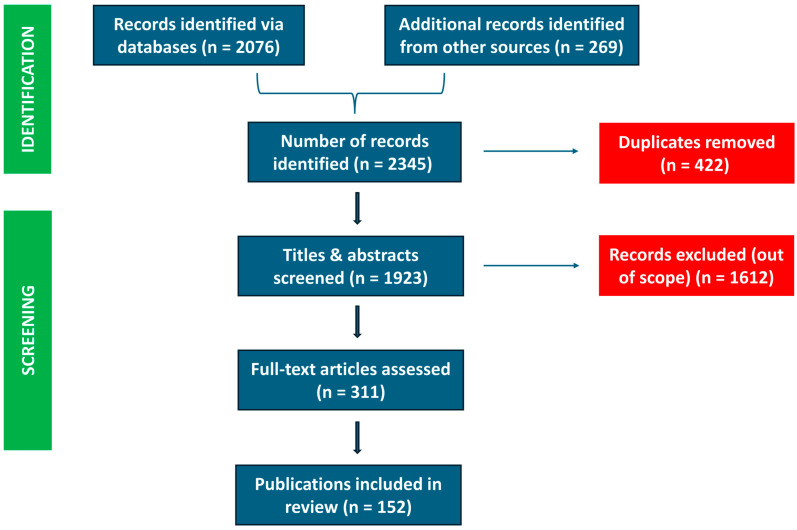
- PRISMA-style screening: 2345 records retrieved, 422 duplicates removed, 1923 title/abstract screened, 1612 excluded, 311 full-text reviewed, and 152 publications included in a final qualitative synthesis organized into thematic sections.
Limitations
- The paper states that direct measurement of PFAS exposure in patients on ECMO has not yet been reported, quantitative assessments of PFAS leaching from ICU tubing and other in-hospital devices are absent, and clinical exposure via medical devices remains largely unquantified.
- The paper notes that proposed short-chain PFAS substitutes such as GenX remain under-investigated and may carry similar risks, and that regulatory frameworks are inconsistent and incomplete, especially for medical devices.
- Evident from the text: as a narrative review with qualitative synthesis, it does not pool effect estimates or formally assess risk of bias; inclusion was limited to English-language literature and gray literature from selected agencies, which may introduce selection and language bias.
Model-written summary. Check it against the paper before relying on it.
Integrity signals
Registry
Cites
Statistics
Figures
Verification
Claims the paper makes
46 Valid · 10 Not valid · 33 Not checked · 15 Own results and interpretations
At least one cited source doesn’t support this claim or points to a different paper, and none confirmed it — see the verdicts below.
In the paper
“Biomonitoring data show that young children frequently have higher serum PFAS concentrations than adults, particularly in environmentally contaminated areas [5,42,43,60].”
§ Exposure to Per- and Polyfluoroalkyl Substances (PFASs) in Healthcare: Environmental and Clinical Insights > 4. Environmental Contamination and Residential Exposure > 4.3. Vulnerability in Pediatric Populations
What the sources say
- Not checked — no full text of the sourcecites [5] Kim D.-H. Lee M.-Y. Oh J.-E. Perfluorinated Compounds in Serum and Urine Samples from Children Aged 5-13 Years in South Korea Environ. Pollut. 2014 192 171 178 10.1016/j.envpol.2014.05.024 24952613 source
- Not checked — no full text of the sourcecites [42] Wen B. Li L. Zhang H. Ma Y. Shan X.-Q. Zhang S. Field Study on the Uptake and Translocation of Perfluoroalkyl Acids (PFAAs) by Wheat (Triticum aestivum L.) Grown in Biosolids-Amended Soils Environ. Pollut. 2014 184 547 554 10.1016/j.envpol.2013.09.040 24184376 source
- Could not verifycites [43] Fraser A.J. Webster T.F. Watkins D.J. Nelson J.W. Stapleton H.M. Calafat A.M. Kato K. Shoeib M. Vieira V.M. McClean M.D. Polyfluorinated Compounds in Serum Linked to Indoor Air in Office Environments Environ. Sci. Technol. 2012 46 1209 1215 10.1021/es2038257 22148395 PMC3262923 sourceExperimental — accuracy not yet measured
The Results (Serum Concentrations; page unavailable) report PFAS measurements in office workers, while the Discussion (page unavailable) compares those measurements with U.S. general-population trends. Neither passage compares young children with adults or addresses environmentally contaminated areas. Searches for child–adult serum comparisons and contaminated areas found no passage making the claimed point. (LLM, conf=0.76)
- Disputedcites [60] Minucci J.M. DeLuca N.M. Durant J.T. Goodwin B. Kowalski P. Scruton K. Thomas K. Cohen Hubal E.A. Linking Exposure to Per- and Polyfluoroalkyl Substances (PFAS) in House Dust and Biomonitoring Data in Eight Impacted Communities Environ. Int. 2024 188 108756 10.1016/j.envint.2024.108756 38795657 PMC11323284 sourceExperimental — accuracy not yet measured
The Results section (‘Relationship between PFAS levels in serum and house dust’; page unavailable) reports the opposite age pattern: older participants had higher overall serum PFAS levels in the eight impacted communities. The Methods section (‘Statistical analysis’; page unavailable) also notes that older individuals have been found to have higher serum PFAS in several populations. (LLM, conf=0.89)
Checked by a reasoning model — may be wrong.
plainstates an association- Asserted: passes — The authors put it forward as true.
- Checkable: passes — It can be checked against evidence.
- Load-bearing: passes — The paper’s conclusions depend on it.
- Based: passes — The paper gives a reason why it holds.
Every source the paper cites for this claim was checked and supports it.
In the paper
“Furthermore, current regulatory frameworks are inconsistent and incomplete, particularly regarding cumulative exposure risks and long-term environmental impacts [12].”
§ Exposure to Per- and Polyfluoroalkyl Substances (PFASs) in Healthcare: Environmental and Clinical Insights > 1. Introduction
What the sources say
- Supportedcites [12] Kwiatkowski C.F. Andrews D.Q. Birnbaum L.S. Bruton T.A. DeWitt J.C. Knappe D.R.U. Maffini M.V. Miller M.F. Pelch K.E. Reade A. Scientific Basis for Managing PFAS as a Chemical Class Environ. Sci. Technol. Lett. 2020 7 532 543 10.1021/acs.estlett.0c00255 34307722 PMC8297807 source
In “Regulatory Approaches” (page unavailable), the paper describes differing PFAS regulatory approaches and says regulating small subgroups ignores most PFAS and underestimates overall risk. “Health and Environmental Hazards” describes limited, varying treatment of combined exposures; “Environmental Exposure: Persistence, Accumulation, and Mobility” explains the long-term accumulation and harm that the paper argues more comprehensive management must address. (LLM, conf=0.86)
plain- Asserted: passes — The authors put it forward as true.
- Checkable: passes — It can be checked against evidence.
- Load-bearing: unclear — It is unclear whether the paper’s conclusions depend on it.
- Based: passes — The paper gives a reason why it holds.
- Supported
The cited sources support only part of this claim — read each source’s verdict below.
In the paper
“A comprehensive global survey published in 2024 analyzed over 45,000 surface and groundwater samples and found that approximately 31% of samples exceeded PFAS thresholds deemed harmful to human health [35].”
§ Exposure to Per- and Polyfluoroalkyl Substances (PFASs) in Healthcare: Environmental and Clinical Insights > 4. Environmental Contamination and Residential Exposure > 4.1. Environmental Sources and Pathways of Exposure
What the sources say
- Partly supportedcites [35] Ackerman Grunfeld D. Gilbert D. Hou J. Jones A.M. Lee M.J. Kibbey T.C.G. O’Carroll D.M. Underestimated Burden of Per- and Polyfluoroalkyl Substances in Global Surface Waters and Groundwaters Nat. Geosci. 2024 17 340 346 10.1038/s41561-024-01402-8 sourceExperimental — accuracy not yet measured
The Methods report 48,985 samples, supporting the claim that the study analyzed over 45,000 surface and groundwater samples. In “Extent of global PFAS water contamination,” however, 31% refers specifically to groundwater samples with no known contamination source exceeding the proposed US EPA hazard-index drinking-water criterion—not to approximately 31% of all samples exceeding PFAS thresholds generally. The paper says exceedance rates vary by threshold and contamination source. (LLM, conf=0.92)
plainn = 45,000- Asserted: passes — The authors put it forward as true.
- Checkable: passes — It can be checked against evidence.
- Load-bearing: unclear — It is unclear whether the paper’s conclusions depend on it.
- Based: passes — The paper gives a reason why it holds.
- Partly supported
The cited sources support only part of this claim — read each source’s verdict below.
In the paper
“Studies have shown that trace amounts of PFASs can migrate from polymer coatings or plastic components into fluids administered intravenously or via enteral feeding, raising potential toxicological and bioaccumulation risks [5,34].”
§ Exposure to Per- and Polyfluoroalkyl Substances (PFASs) in Healthcare: Environmental and Clinical Insights > 3. PFAS in Medical Applications > 3.4. Concerns About PFASs Leaching and Exposure
What the sources say
- Not checked — no full text of the sourcecites [5] Kim D.-H. Lee M.-Y. Oh J.-E. Perfluorinated Compounds in Serum and Urine Samples from Children Aged 5-13 Years in South Korea Environ. Pollut. 2014 192 171 178 10.1016/j.envpol.2014.05.024 24952613 source
- Partly supportedcites [34] Vuong A.M. Yolton K. Xie C. Dietrich K.N. Braun J.M. Webster G.M. Calafat A.M. Lanphear B.P. Chen A. Childhood Exposure to Per- and Polyfluoroalkyl Substances (PFAS) and Neurobehavioral Domains in Children at Age 8 Years Neurotoxicol Teratol. 2021 88 107022 10.1016/j.ntt.2021.107022 34438039 PMC8578387 sourceExperimental — accuracy not yet measured
The Introduction (page unavailable) describes PFAS as persistent chemicals detected in human tissues and links them to health concerns. It does not address migration from polymer coatings or plastic components into intravenous or enteral fluids; searches for those routes found no supporting passage. The Results (page unavailable) report childhood PFAS body burdens, but not bioaccumulation from medical fluids. (LLM, conf=0.84)
plainstates a cause- Asserted: passes — The authors put it forward as true.
- Checkable: passes — It can be checked against evidence.
- Load-bearing: passes — The paper’s conclusions depend on it.
- Based: passes — The paper gives a reason why it holds.
The cited sources that could be checked couldn’t confirm or dispute this claim.
In the paper
“Their inert surfaces reduce hemolysis and thrombogenicity [19].”
§ Exposure to Per- and Polyfluoroalkyl Substances (PFASs) in Healthcare: Environmental and Clinical Insights > 3. PFAS in Medical Applications > 3.1. Essential Roles in Medical Devices
What the sources say
- Could not verifycites [19] Jayanthy S. Kannaiah K.P. Narayanasamy D. Polyfluoroalkyl-Substances Detection in Junk Food Packing Materials Using Various Analytical Methods: A Review Cureus 2024 16 e70301 10.7759/cureus.70301 39469380 PMC11513209 sourceExperimental — accuracy not yet measured
The Introduction and background discusses PFAS resistance and uses in food packaging, while the Review addresses PFAS detection and health risks; neither section addresses blood-contact devices. Searches for hemolysis, thrombogenicity, and blood-contacting devices found no passage supporting the claimed reduction. (LLM, conf=0.75)
plainstates a cause- Asserted: passes — The authors put it forward as true.
- Checkable: passes — It can be checked against evidence.
- Load-bearing: unclear — It is unclear whether the paper’s conclusions depend on it.
- Based: passes — The paper gives a reason why it holds.
- Could not verify
50 more claims · 25 with their cited sources checked
Create a free account to see all 104 claims and to verify the 2 references still open.
- It may state two separate claims as one. 43
- Probably not a substantial claim. 13
Citations
Cites
Buck, R. C., Franklin, J., Berger, U., Conder, J. M., Cousins, I. T., de Voogt, P., Jensen, A. A., Kannan, K., Mabury, S. A., & van Leeuwen, S. P. (2011) · Integrated Environmental Assessment and Management · doi:10.1002/ieam.258 · Cited by 4,641 · cited 2×
“Such characteristics make PFASs nearly indispensable in the manufacture, performance, and safety of various medical devices and diagnostic tools [1,2,12].”
Sunderland, E. M., Hu, X. C., Dassuncao, C., Tokranov, A. K., Wagner, C. C., & Allen, J. G. (2019) · Journal of Exposure Science & Environmental Epidemiology · doi:10.1038/s41370-018-0094-1 · Cited by 2,786
Global Distribution of Perfluorooctane Sulfonate in Wildlife
Giesy, J. P., & Kannan, K. (2001) · Environmental Science & Technology · doi:10.1021/es001834k · Cited by 2,750
An overview of the uses of per- and polyfluoroalkyl substances (PFAS)
Glüge, J., Scheringer, M., Cousins, I. T., DeWitt, J. C., Goldenman, G., Herzke, D., Lohmann, R., Ng, C. A., Trier, X., & Wang, Z. (2020) · Environmental Science: Processes & Impacts · doi:10.1039/d0em00291g · Cited by 2,466
A Never-Ending Story of Per- and Polyfluoroalkyl Substances (PFASs)?
Wang, Z., DeWitt, J. C., Higgins, C. P., & Cousins, I. T. (2017) · Environmental Science & Technology · doi:10.1021/acs.est.6b04806 · Cited by 1,921
Biomaterials: Where We Have Been and Where We Are Going
Ratner, B. D., & Bryant, S. J. (2004) · Annual Review of Biomedical Engineering · doi:10.1146/annurev.bioeng.6.040803.140027 · Cited by 1,507 · cited 2×
““High magnitude” designations (e.g., drinking water, breastfeeding) reflect consistent findings of elevated serum PFAS levels in exposed children, especially in infancy, with strong temporal or dose–response correlations [18,47,53–56].”
Kurwadkar, S., Dane, J., Kanel, S. R., Nadagouda, M. N., Cawdrey, R. W., Ambade, B., Struckhoff, G. C., & Wilkin, R. (2022) · Science of The Total Environment · doi:10.1016/j.scitotenv.2021.151003 · Cited by 937 · cited 1×
“Pediatric health institutions, especially those serving at-risk populations, may benefit from incorporating environmental history assessments and regional PFASs data into their patient intake procedures [70].”
Serum Vaccine Antibody Concentrations in Children Exposed to Perfluorinated Compounds
Grandjean, P., Andersen, E. W., Budtz-Jørgensen, E., Nielsen, F., Mølbak, K., Weihe, P., & Heilmann, C. (2012) · JAMA · doi:10.1001/jama.2011.2034 · Cited by 809
Scientific Basis for Managing PFAS as a Chemical Class
Kwiatkowski, C. F., Andrews, D. Q., Birnbaum, L. S., Bruton, T. A., DeWitt, J. C., Knappe, D. R. U., Maffini, M. V., Miller, M. F., Pelch, K. E., Reade, A., et al. (2020) · Environmental Science & Technology Letters · doi:10.1021/acs.estlett.0c00255 · Cited by 721 · cited 4×
“Furthermore, current regulatory frameworks are inconsistent and incomplete, particularly regarding cumulative exposure risks and long-term environmental impacts [12].”
InfluentialAccumulation of perfluorinated alkyl substances (PFAS) in agricultural plants: A review
Ghisi, R., Vamerali, T., & Manzetti, S. (2019) · Environmental Research · doi:10.1016/j.envres.2018.10.023 · Cited by 705 · cited 2×
“In agricultural zones, biosolid-amended soils have been reported to contain PFAS levels as high as 300 µ g/kg, which can result in crop uptake and subsequent human exposure [37].”
Epidemiologic Evidence on the Health Effects of Perfluorooctanoic Acid (PFOA)
Steenland, K., Fletcher, T., & Savitz, D. A. (2010) · Environmental Health Perspectives · doi:10.1289/ehp.0901827 · Cited by 660
PFAS Molecules: A Major Concern for the Human Health and the Environment
Panieri, E., Baralic, K., Djukic-Cosic, D., Buha Djordjevic, A., & Saso, L. (2022) · Toxics · doi:10.3390/toxics10020044 · Cited by 651
Wang, Z., Cousins, I. T., Scheringer, M., & Hungerbuehler, K. (2015) · Environment International · doi:10.1016/j.envint.2014.11.013 · Cited by 627
Treatment of poly- and perfluoroalkyl substances in U.S. full-scale water treatment systems
Appleman, T. D., Higgins, C. P., Quiñones, O., Vanderford, B. J., Kolstad, C., Zeigler-Holady, J. C., & Dickenson, E. R. V. (2014) · Water Research · doi:10.1016/j.watres.2013.10.067 · Cited by 585 · cited 1×
“Their high solubility and mobility allow PFASs to travel far from the original source and enter drinking water supplies [40,41].”
Ren, X., Feng, Y., Guo, J., Wang, H., Li, Q., Yang, J., Hao, X., Lv, J., Ma, N., & Li, W. (2015) · Chemical Society Reviews · doi:10.1039/c4cs00483c · Cited by 573 · cited 1×
“For example, PTFE coatings improve the biocompatibility of stents and orthopedic implants while minimizing biofilm formation and local tissue inflammation [16–18].”
Blake, B. E., & Fenton, S. E. (2020) · Toxicology · doi:10.1016/j.tox.2020.152565 · Cited by 499
Lohmann, R., Cousins, I. T., DeWitt, J. C., Glüge, J., Goldenman, G., Herzke, D., Lindstrom, A. B., Miller, M. F., Ng, C. A., Patton, S., et al. (2020) · Environmental Science & Technology · doi:10.1021/acs.est.0c03244 · Cited by 439
Ackerman Grunfeld, D., Gilbert, D., Hou, J., Jones, A. M., Lee, M. J., Kibbey, T. C. G., & O’Carroll, D. M. (2024) · Nature Geoscience · doi:10.1038/s41561-024-01402-8 · Cited by 403
Carcinogenicity of Perfluorooctanoic Acid and Perfluorooctanesulfonic Acid
Zahm, S., Bonde, J. P., Chiu, W. A., Hoppin, J., Kanno, J., Abdallah, M., Blystone, C. R., Calkins, M. M., Dong, G.-H., Dorman, D. C., et al. (2024) · The Lancet Oncology · doi:10.1016/s1470-2045(23)00622-8 · Cited by 387 · cited 1×
“…mechanisms include activation of peroxisome proliferator-activated receptor alpha (PPAR-α ), which influences lipid metabolism, cell proliferation, and inflammation—pathways that may contribute to tumor development, B genotoxic effects, endocrine disruption, and epigenetic alterations [101].”
Rankin, K., Mabury, S. A., Jenkins, T. M., & Washington, J. W. (2016) · Chemosphere · doi:10.1016/j.chemosphere.2016.06.109 · Cited by 344 · cited 1×
“Their high solubility and mobility allow PFASs to travel far from the original source and enter drinking water supplies [40,41].”
Shoeib, M., Harner, T., Wilford, B. H., Jones, K. C., & Zhu, J. (2005) · Environmental Science & Technology · doi:10.1021/es048340y · Cited by 328 · cited 1×
“Air and atmospheric transport: Volatile PFAS precursors can become airborne and deposit through precipitation or dust, resulting in widespread distribution even in remote areas [43,44].”
Per- and polyfluoroalkyl substances (PFAS) in American Red Cross adult blood donors, 2000–2015
Olsen, G. W., Mair, D. C., Lange, C. C., Harrington, L. M., Church, T. R., Goldberg, C. L., Herron, R. M., Hanna, H., Nobiletti, J. B., Rios, J. A., et al. (2017) · Environmental Research · doi:10.1016/j.envres.2017.05.013 · Cited by 274
DeWitt, J. C., Blossom, S. J., & Schaider, L. A. (2019) · Journal of Exposure Science & Environmental Epidemiology · doi:10.1038/s41370-018-0097-y · Cited by 241 · cited 1×
“Exposure has been linked to diminished antibody responses to routine vaccinations and an increased susceptibility to respiratory infections, driven by the dysregulation of cytokine profiles and systemic effects on both innate and adaptive immunity [6,84].”
Wen, B., Li, L., Zhang, H., Ma, Y., Shan, X.-Q., & Zhang, S. (2014) · Environmental Pollution · doi:10.1016/j.envpol.2013.09.040 · Cited by 210 · cited 2×
“Biomonitoring data show that young children frequently have higher serum PFAS concentrations than adults, particularly in environmentally contaminated areas [5,42,43,60].”
Breastfeeding as an exposure pathway for perfluorinated alkylates
Mogensen, U. B., Grandjean, P., Nielsen, F., Weihe, P., & Budtz-Jørgensen, E. (2015) · Environmental Science & Technology · doi:10.1021/acs.est.5b02237 · Cited by 190 · cited 2×
“The duration and exclusivity of breastfeeding are key determinants; monthly PFAS serum increases reach up to 30% with exclusive breastfeeding and have lower rates with partial breastfeeding, whilst levels drop after weaning [64].”
InfluentialDressings and topical agents for treating venous leg ulcers
Norman, G., Westby, M. J., Rithalia, A. D., Stubbs, N. C., Soares, M. O., & Dumville, J. C. (2018) · Cochrane Database of Systematic Reviews · doi:10.1002/14651858.cd012583.pub2 · Cited by 190
Meneguzzi, A., Fava, C., Castelli, M., & Minuz, P. (2021) · Frontiers in Endocrinology · doi:10.3389/fendo.2021.706352 · Cited by 174 · cited 1×
“PFASs impact platelet function by altering plasma membrane dynamics and calcium signaling, leading to enhanced adhesion, aggregation, and thrombus formation—thus elevating pro-thrombotic risk, especially in individuals with pre-existing vascular conditions [71,72].”
Guo, P., Furnary, T., Vasiliou, V., Yan, Q., Nyhan, K., Jones, D. P., Johnson, C. H., & Liew, Z. (2022) · Environment International · doi:10.1016/j.envint.2022.107159 · Cited by 145 · cited 1×
“…investigations reveal that PFASs exposure alters key metabolic pathways, including amino acid, nucleotide, carbohydrate, and vitamin metabolism [112], disrupting mitochondrial function and cellular energy homeostasis, particularly among children and adolescents with chronic exposure [113].”
PFAS on atmospheric aerosol particles: A review
Faust, J. A. (2023) · Environmental Science: Processes & Impacts · doi:10.1039/d2em00002d · Cited by 139 · cited 1×
“Airborne pathways also contribute to far-reaching contamination: PFAS precursors in atmospheric transport deposit via rain and dust even in remote regions [38].”
Severity of COVID-19 at elevated exposure to perfluorinated alkylates
(2020) · doi:10.1101/2020.10.22.20217562 · Cited by 131
Severity of COVID-19 at elevated exposure to perfluorinated alkylates
Grandjean, P., Timmermann, C. A. G., Kruse, M., Nielsen, F., Vinholt, P. J., Boding, L., Heilmann, C., & Mølbak, K. (2020) · PLOS ONE · doi:10.1371/journal.pone.0244815 · Cited by 131
Blood, Urine, and Sweat (BUS) Study: Monitoring and Elimination of Bioaccumulated Toxic Elements
Genuis, S. J., Birkholz, D., Rodushkin, I., & Beesoon, S. (2011) · Archives of Environmental Contamination and Toxicology · doi:10.1007/s00244-010-9611-5 · Cited by 128 · cited 2×
“In healthcare settings, PFAS-coated devices such as catheters, guidewires, and implantable materials may represent a significant but under-recognized route of exposure, particularly among vulnerable populations such as neonates, children, and critically ill patients [10].”
Polyfluorinated Compounds in Serum Linked to Indoor Air in Office Environments
Fraser, A. J., Webster, T. F., Watkins, D. J., Nelson, J. W., Stapleton, H. M., Calafat, A. M., Kato, K., Shoeib, M., Vieira, V. M., & McClean, M. D. (2012) · Environmental Science & Technology · doi:10.1021/es2038257 · Cited by 127 · cited 2×
“Biomonitoring data show that young children frequently have higher serum PFAS concentrations than adults, particularly in environmentally contaminated areas [5,42,43,60].”
Smeltz, M. G., Wambaugh, J. F., & Wetmore, B. A. (2023) · Chemical Research in Toxicology · doi:10.1021/acs.chemrestox.3c00003 · Cited by 119
Li, S., Oliva, P., Zhang, L., Goodrich, J. A., McConnell, R., Conti, D. V., Chatzi, L., & Aung, M. (2025) · Journal of Exposure Science & Environmental Epidemiology · doi:10.1038/s41370-024-00742-2 · Cited by 101 · cited 1×
“Routine monitoring of water and soil in communities near industrial sites can guide interventions [5,123].”
Papadopoulou, E., Sabaredzovic, A., Namork, E., Nygaard, U. C., Granum, B., & Haug, L. S. (2016) · Environment International · doi:10.1016/j.envint.2016.07.006 · Cited by 100 · cited 2×
“A 2023 study observed that toddlers had higher total PFAS concentrations than their mothers, with each additional month of breastfeeding associated with plasma PFOS, PFOA, and PFHpS increases of 3.3%, 4.7%, and 6.1%, respectively [65].”
InfluentialGoodrich, J. A., Walker, D. I., He, J., Lin, X., Baumert, B. O., Hu, X., Alderete, T. L., Chen, Z., Valvi, D., Fuentes, Z. C., et al. (2023) · Environmental Health Perspectives · doi:10.1289/ehp11372 · Cited by 96 · cited 2×
“Metabolomics analyses further reveal PFAS-induced perturbations in glucose and lipid metabolic pathways [78].”
Skogheim, T. S., Weyde, K. V. F., Aase, H., Engel, S. M., Surén, P., Øie, M. G., Biele, G., Reichborn-Kjennerud, T., Brantsæter, A. L., Haug, L. S., et al. (2021) · Environmental Research · doi:10.1016/j.envres.2021.111692 · Cited by 95
Determinants of maternal and neonatal PFAS concentrations: a review
McAdam, J., & Bell, E. M. (2023) · Environmental Health · doi:10.1186/s12940-023-00992-x · Cited by 91
Metabolomics of Childhood Exposure to Perfluoroalkyl Substances: A Cross-Sectional Study
Kingsley, S. L., Walker, D. I., Calafat, A. M., Chen, A., Papandonatos, G. D., Xu, Y., Jones, D. P., Lanphear, B. P., Pennell, K. D., & Braun, J. M. (2019) · Metabolomics · doi:10.1007/s11306-019-1560-z · Cited by 90
Taliantzis, K., & Ellinas, K. (2025) · Advances in Colloid and Interface Science · doi:10.1016/j.cis.2025.103566 · Cited by 83 · cited 1×
“While the EPA’s focus on environmental exposure is commendable, current US regulations do not address PFASs within medical devices, which may inadvertently serve as a significant exposure source in clinical settings [131].”
Ait Bamai, Y., Goudarzi, H., Araki, A., Okada, E., Kashino, I., Miyashita, C., & Kishi, R. (2020) · Environment International · doi:10.1016/j.envint.2020.105979 · Cited by 83
Gui, S.-Y., Chen, Y.-N., Wu, K.-J., Liu, W., Wang, W.-J., Liang, H.-R., Jiang, Z.-X., Li, Z.-L., & Hu, C.-Y. (2022) · Frontiers in Public Health · doi:10.3389/fpubh.2022.855348 · Cited by 80
Liu, Y., Eliot, M. N., Papandonatos, G. D., Kelsey, K. T., Fore, R., Langevin, S., Buckley, J., Chen, A., Lanphear, B. P., Cecil, K. M., et al. (2022) · Environmental Health Perspectives · doi:10.1289/ehp10118 · Cited by 78 · cited 2×
“Prenatal PFAS-associated DNA methylation changes identified in the Project Viva cohort—specifically, 435 CpG sites altered in cord blood and persisting into childhood—include loci associated with neural, metabolic, and cognitive health [67].”
Perfluorinated Compounds in Serum and Urine Samples from Children Aged 5-13 Years in South Korea
Kim, D.-H., Lee, M.-Y., & Oh, J.-E. (2014) · Environmental Pollution · doi:10.1016/j.envpol.2014.05.024 · Cited by 78
Dressings and topical agents for treating venous leg ulcers
Norman, G., Dumville, J. C., Westby, M. J., Stubbs, N. C., & Soares, M. O. (2017) · Cochrane Database of Systematic Reviews · doi:10.1002/14651858.cd012583 · Cited by 76
Winquist, A., Hodge, J. M., Diver, W. R., Rodriguez, J. L., Troeschel, A. N., Daniel, J., & Teras, L. R. (2023) · Environmental Health Perspectives · doi:10.1289/ehp13174 · Cited by 75 · cited 1×
“Environmental and clinical investigations into PFAS exposure have revealed emerging links to childhood cancers and tumor-associated molecular disruptions [102].”
Hong, Y., Wang, D., Liu, Z., Chen, Y., Wang, Y., & Li, J. (2025) · Journal of Translational Medicine · doi:10.1186/s12967-025-06517-z · Cited by 72
Per- and polyfluoroalkyl substances (PFAS) in breast milk and infant formula: A global issue
LaKind, J. S., Naiman, J., Verner, M.-A., Lévêque, L., & Fenton, S. (2023) · Environmental Research · doi:10.1016/j.envres.2022.115042 · Cited by 71
Ames, J. L., Sharma, V., & Lyall, K. (2025) · Current Environmental Health Reports · doi:10.1007/s40572-024-00464-5 · Cited by 68 · cited 1×
“A comprehensive review of 61 studies (2008–March 2024), including 35 from the past five years, consistently linked prenatal and early childhood PFAS exposure to poorer cognitive, motor, and language outcomes in infants, as well as increased behavioral issues in childhood [92].”
Yu, C., Yang, H., Wang, L., Thomson, J. A., Turng, L., & Guan, G. (2021) · Materials Science and Engineering C · doi:10.1016/j.msec.2021.112301 · Cited by 62
Goodman, C. V., Till, C., Green, R., El-Sabbagh, J., Arbuckle, T. E., Hornung, R., Lanphear, B., Seguin, J. R., Booij, L., Fisher, M., et al. (2023) · Neurotoxicology and Teratology · doi:10.1016/j.ntt.2023.107181 · Cited by 60
Poly- and Perfluoroalkyl Substances (PFAS) Exposure through Infant Feeding in Early Life
van Beijsterveldt, I. A. L. P., van Zelst, B. D., de Fluiter, K. S., van den Berg, S. A. A., van der Steen, M., & Hokken-Koelega, A. C. S. (2022) · Environment International · doi:10.1016/j.envint.2022.107274 · Cited by 58
Research progress in preparation, properties, and applications of medical protective fiber materials
Su, X., Jia, C., Xiang, H., & Zhu, M. (2023) · Applied Materials Today · doi:10.1016/j.apmt.2023.101792 · Cited by 55
Li, S., Qin, S., Zeng, H., Chou, W., Oudin, A., Kanninen, K. M., Jalava, P., Dong, G., & Zeng, X. (2024) · Eco-Environment & Health · doi:10.1016/j.eehl.2024.08.002 · Cited by 54
Blomberg, A. J., Norén, E., Haug, L. S., Lindh, C., Sabaredzovic, A., Pineda, D., Jakobsson, K., & Nielsen, C. (2023) · Environmental Health Perspectives · doi:10.1289/ehp11292 · Cited by 53
Spatial Prediction of Concentrations of Per- and Polyfluoroalkyl Substances (PFAS) in European Soils
Moghadasi, R., Mumberg, T., & Wanner, P. (2023) · Environmental Science & Technology Letters · doi:10.1021/acs.estlett.3c00633 · Cited by 52 · cited 1×
“National responses vary widely, with some countries enacting strict drinking water limits and others lacking systematic monitoring [46].”
Hampson, H. E., Costello, E. J., Walker, D. I., Wang, H., Baumert, B. O., Valvi, D., Rock, S., Jones, D. P., Goran, M. I., Gilliland, F. D., et al. (2024) · Environment International · doi:10.1016/j.envint.2024.108454 · Cited by 46
Liu, D., Yan, S., Liu, Y., Chen, Q., & Ren, S. (2024) · Ecotoxicology and Environmental Safety · doi:10.1016/j.ecoenv.2024.115939 · Cited by 44 · cited 1×
“Additionally, elevated prenatal PFOS, PFOA, and PFHxS levels were linked to 1.6–2.0 point reductions in boys’ performance IQ per log-unit increase; furthermore, PFAS exposure was also associated with a decline in executive function, although not clearly with behavioral difficulties [94].”
InfluentialHong, Y., Li, J., Qiu, Y., Wang, Y., Du, Z., Liu, Z., Mi, Y., Geng, H., & Xin, S. (2025) · International Journal of Surgery · doi:10.1097/js9.0000000000002632 · Cited by 44
Bao, J., Shao, L.-X., Liu, Y., Cui, S.-W., Wang, X., Lu, G.-L., Wang, X., & Jin, Y.-H. (2022) · Chemosphere · doi:10.1016/j.chemosphere.2022.135731 · Cited by 43
Ismail, U. M., Elnakar, H., & Khan, M. F. (2023) · Toxics · doi:10.3390/toxics11040335 · Cited by 40
Minucci, J. M., DeLuca, N. M., Durant, J. T., Goodwin, B., Kowalski, P., Scruton, K., Thomas, K., & Cohen Hubal, E. A. (2024) · Environment International · doi:10.1016/j.envint.2024.108756 · Cited by 40 · cited 1×
“Biomonitoring data show that young children frequently have higher serum PFAS concentrations than adults, particularly in environmentally contaminated areas [5,42,43,60].”
Jones, R. R., Madrigal, J. M., Troisi, R. J., Surcel, H., Öhman, H., Kivelä, J., Kiviranta, H., Rantakokko, P., Koponen, J. M., Medgyesi, D. N., et al. (2023) · JNCI Journal of the National Cancer Institute · doi:10.1093/jnci/djad261 · Cited by 38
Childhood PFAS Exposure and Immunotoxicity: A Systematic Review and Meta-Analysis of Human Studies
Antoniou, E. E., & Dekant, W. (2024) · Systematic Reviews · doi:10.1186/s13643-024-02596-z · Cited by 38 · cited 1×
“A recent meta-analysis reinforces these concerns, finding possible associations— particularly with PFOS, PFOA, PFHxS, and PFNA—between PFAS exposure and higher infection risk in infants and children, although the evidence for suppressed antibody responses remains modest [86].”
Li, H., Chen, J., Lu, J., Yang, J., Tan, Z., Li, L., Xiao, F., An, Z., Ma, C., Liu, Y., et al. (2023) · Chemosphere · doi:10.1016/j.chemosphere.2022.137464 · Cited by 35 · cited 1×
“PFASs have also been associated with metabolic and cardiac effects—such as elevated cholesterol/triglycerides, altered electrophysiology, and increased coronary events [75].”
Qiao, B., Chen, H., Song, D., Fang, B., Zhou, Y. X., Yao, Y., & Sun, H. (2025) · Environmental Science & Technology · doi:10.1021/acs.est.5c02035 · Cited by 34
Sadia, M., ter Laak, T. L., Cornelissen, E., & van Wezel, A. P. (2024) · Environmental Science & Technology · doi:10.1021/acs.est.4c04743 · Cited by 34
Large Language Models: Tools for New Environmental Decision-Making
Nie, Q., & Liu, T. (2025) · Journal of Environmental Management · doi:10.1016/j.jenvman.2025.124373 · Cited by 34
Boisacq, P., De Keuster, M., Prinsen, E., Jeong, Y., Bervoets, L., Eens, M., Covaci, A., Willems, T., & Groffen, T. (2023) · Food Additives & Contaminants: Part A · doi:10.1080/19440049.2023.2240908 · Cited by 31 · cited 1×
“When devices are confirmed free of PFASs, circular economy principles— such as sterilization and reuse—can be implemented to reduce environmental waste [125].”
Xie, M.-Y., Lin, Z.-Y., Liu, L.-Y., Wu, C.-C., Liu, Y.-W., Huang, G.-L., & Zeng, E. Y. (2022) · Environmental Research · doi:10.1016/j.envres.2021.112011 · Cited by 30 · cited 1×
“Remarkably, various PFASs—including short-chain compounds—have been detected in human glioma samples, constituting 52% of total PFASs in tumor tissue and underscoring blood–brain barrier permeability [111].”
Oh, J., Shin, H.-M., Kannan, K., Calafat, A. M., Schmidt, R. J., Hertz-Picciotto, I., & Bennett, D. H. (2024) · Environmental Science & Technology · doi:10.1021/acs.est.3c08928 · Cited by 29
Biomimetic Superhydrophobic Surfaces: From Nature to Application
Wang, Y., Li, J., Song, H., Wang, F., Su, X., Zhang, D., & Xu, J. (2025) · Materials · doi:10.3390/ma18122772 · Cited by 29
Taibl, K. R., Liang, D., Dunlop, A. L., Barr, D. B., Smith, M. R., Steenland, K., Tan, Y., Ryan, P. B., Panuwet, P., Everson, T., et al. (2023) · Environmental Pollution · doi:10.1016/j.envpol.2023.121331 · Cited by 28 · cited 1×
“Exposure during sensitive developmental periods has been associated with altered puberty timing, impaired fertility, and adverse pregnancy outcomes [88].”
Bandyopadhyay, S., Jones, A., McLean, A., Sterner, M., Robbins, C., Cunningham, M., Walters, M., Doddapaneni, K. K., Keitel, I., & Gallagher, C. (2020) · Scientific Reports · doi:10.1038/s41598-020-71711-6 · Cited by 27
Kisielinski, K., Hockertz, S., Hirsch, O., Korupp, S., Klosterhalfen, B., Schnepf, A., & Dyker, G. (2024) · Ecotoxicology and Environmental Safety · doi:10.1016/j.ecoenv.2023.115858 · Cited by 26
Forthun, I. H., Roelants, M., Haug, L. S., Knutsen, H. K., Schell, L. M., Jugessur, A., Bjerknes, R., Sabaredzovic, A., Bruserud, I. S., & Juliusson, P. B. (2023) · International Journal of Hygiene and Environmental Health · doi:10.1016/j.ijheh.2023.114199 · Cited by 26 · cited 1×
“Norwegian cohort data (2023) confirmed that children under 12 had notably higher concentrations of PFOS, PFOA, PFHxS, and PFHpS than older children, with about 20% exceeding current safety thresholds [62].”
Li, S., Goodrich, J. A., Costello, E. J., Walker, D. I., Cardenas‐Iniguez, C., Chen, J. C., Alderete, T. L., Valvi, D., Rock, S., Eckel, S. P., et al. (2024) · Environmental Research · doi:10.1016/j.envres.2024.120370 · Cited by 26
The effect of PFAS exposure on glucolipid metabolism in children and adolescents: a meta-analysis
Zheng, Q., Yan, W., Gao, S., & Li, X. (2024) · Frontiers in Endocrinology · doi:10.3389/fendo.2024.1261008 · Cited by 26 · cited 1×
“…investigations reveal that PFASs exposure alters key metabolic pathways, including amino acid, nucleotide, carbohydrate, and vitamin metabolism [112], disrupting mitochondrial function and cellular energy homeostasis, particularly among children and adolescents with chronic exposure [113].”
Mitchell, C. L., Hollister, J., Fisher, J. M., Beitel, S. C., Ramadan, F. A., O’Leary, S., Fan, Z. T., Lutrick, K., Burgess, J. L., & Ellingson, K. (2025) · Journal of Exposure Science & Environmental Epidemiology · doi:10.1038/s41370-025-00753-7 · Cited by 26
Zhang, B., Wang, Z., Zhang, J., Dai, Y., Ding, J., Guo, J., Qi, X., Wu, C., & Zhou, Z. (2024) · Environment International · doi:10.1016/j.envint.2024.108720 · Cited by 25
Yang, H., & Liu, J. (2025) · Biotechnology Letters · doi:10.1007/s10529-025-03593-5 · Cited by 25
Li, Z., Zhang, M., Hong, X., Wang, G., Choi, G., Nadeau, K. C., Buckley, J. P., & Wang, X. (2024) · Environment International · doi:10.1016/j.envint.2024.109144 · Cited by 25
Morales-Grahl, E., Hilz, E. N., & Gore, A. C. (2024) · International Journal of Molecular Sciences · doi:10.3390/ijms25136887 · Cited by 25
Larebeke, N. V., Cox, B., Rémy, S., Voorspoels, S., Hond, E. D., Colles, A., Leermakers, M., Schoeters, G. E. R., & Verheyen, V. J. (2025) · Environmental Health · doi:10.1186/s12940-025-01188-1 · Cited by 25
Tsagogiorgas, C., & Otto, M. (2023) · Pharmaceutics · doi:10.3390/pharmaceutics15041211 · Cited by 24
Du, X., Xu, X., Dong, X.-X., Liang, X., Wu, Y., Du, Z., Pan, C.-W., Liang, G., Li, Y.-Z., Zheng, Y.-J., et al. (2025) · Environmental Science & Technology · doi:10.1021/acs.est.5c01138 · Cited by 24 · cited 1×
“…dose–response relationships between mixed PFAS exposures—and PFOA in particular—and alterations in hematologic indices, including hematocrit, hemoglobin, platelets, WBC count, and inflammatory markers, implicating pathways like JAK-STAT, apoptosis, Th17 differentiation, and atherosclerosis [74].”
Li, J., Wang, D., Song, S., Wang, Y., Wu, X., Du, Z., & Hong, Y. (2025) · Functional & Integrative Genomics · doi:10.1007/s10142-025-01616-y · Cited by 23
Tang, C., Wang, Y., & Hong, H. (2024) · Ecotoxicology and Environmental Safety · doi:10.1016/j.ecoenv.2024.116482 · Cited by 22 · cited 1×
“…exposures raise concern given established links between prenatal and postnatal PFASs exposure and adverse health outcomes, including low birth weight, fetal growth restriction, thyroid and kidney dysfunction, and neurodevelopmental issues such as ADHD and reduced cognitive performance [66].”
Vuong, A. M., Yolton, K., Xie, C., Dietrich, K. N., Braun, J. M., Webster, G. M., Calafat, A. M., Lanphear, B. P., & Chen, A. (2021) · Neurotoxicology and Teratology · doi:10.1016/j.ntt.2021.107022 · Cited by 22
Zhang, M.-Y., Yu, C., Wang, G.-Y., Buckley, J. P., Hong, X., Pearson, C., Adams, W., Fan, Z., & Wang, X.-B. (2022) · Precision Nutrition · doi:10.1097/pn9.0000000000000003 · Cited by 20
Predicting Exposure to Perfluorinated Alkyl Substances (PFAS) among US Infants
Kirk, A. B., Plasse, K. M., Kirk, K. C., Martin, C. F., & Ozsoy, G. (2022) · International Journal of Environmental Research and Public Health · doi:10.3390/ijerph19148402 · Cited by 19 · cited 1×
“Indeed, neonatal dried blood spot (DBS) studies confirm PFASs presence immediately after birth, indicating effective placental transfer [48,49], and further research has demonstrated detectable PFAS concentrations in neonatal plasma [50,51].”
Metayer, C., Morimoto, L. M., Vieira, V. M., Pollitt, K. J. G., Bartell, S. M., Wong, L., & Young, T. M. (2025) · International Journal of Cancer · doi:10.1002/ijc.35370 · Cited by 19
Reproductive Toxicity of Per- and Polyfluoroalkyl Substances
Ajana, R., Rachoń, D., & Gałęzowska, G. (2025) · Environmental Toxicology and Pharmacology · doi:10.1016/j.etap.2025.104740 · Cited by 18 · cited 1×
“Furthermore, PFASs can directly damage developing germ cells—including spermatogonia and oocytes—thereby potentially compromising reproductive capacity [90].”
(2022) · PubMed · Cited by 17
A Review of Selected Alternative Remediation Methods for PFAS Contamination
Gal, A. O. Ö., Åström, M., & Filipsson, M. (2025) · Remediation Journal · doi:10.1002/rem.70007 · Cited by 17
Neonatal per- and polyfluoroalkyl substance exposure in relation to retinoblastoma
Chen, Y., Paul, K. C., Walker, D. I., Jones, D. P., Wang, X., Ritz, B. R., & Heck, J. E. (2023) · Environmental Research · doi:10.1016/j.envres.2023.117435 · Cited by 17
Ratier, A., Casas, M., Grazuleviciene, R., Slama, R., Småstuen Haug, L., Thomsen, C., Vafeiadi, M., Wright, J., Zeman, F. A., Vrijheid, M., et al. (2024) · Environment International · doi:10.1016/j.envint.2024.108621 · Cited by 16 · cited 2×
“A 2023 physiologically based pharmacokinetic (PBPK) model estimated mean PFOS levels of 7–12 ng/mL and PFOA levels of 3–6 ng/mL in children aged 6–12, aligning with biomonitoring observations [63].”
InfluentialChang, C.-J., Young, A. S., Keil, A., Mullins, C. E., Liang, D., Zhao, S., Jones, D. P., Hu, X., Walker, D. I., & White, A. J. (2025) · Environment International · doi:10.1016/j.envint.2025.109590 · Cited by 16
PFOS and Its Commercial Alternative, 6:2 Cl-PFESA, Induce Multidrug Resistance in Pancreatic Cancer
Hong, J., Du, K., Zhang, W., Jiang, Y., Yu, H., Pan, T., Wu, T., Zhao, L., Du, W., Zheng, S.-S., et al. (2024) · Environmental Science & Technology · doi:10.1021/acs.est.4c08669 · Cited by 16 · cited 1×
“This systemic disruption has potential implications for multi-drug resistance (MDR): notably, 6:2 Cl-PFESA, a PFOS substitute, has been shown to influence MDR mechanisms, underlining the need for rigorous evaluations of its carcinogenic potential [114].”
Li, Z., Wang, G., Braun, J. M., Hong, X., Choi, G., O’Leary, S. P., Yu, C. H., Pearson, C., Adams, W. G., Fan, Z. (., et al. (2025) · Environment International · doi:10.1016/j.envint.2024.109206 · Cited by 16 · cited 2×
“Synergistic effects between PFAS exposure and maternal OWO were particularly evident during adolescence [81].”
InfluentialYang, J., Wang, T., Li, K., & Wāng, Y. (2025) · Journal of Advanced Research · doi:10.1016/j.jare.2024.04.022 · Cited by 15 · cited 1×
“Notably, higher serum PFHxS and PFDeA concentrations have been linked to increased abdominal aortic calcification (AAC) risk, with a dose-dependent relationship observed for PFHxS; furthermore, age and PFHxS levels were the strongest predictors in SHAP-XGBoost models [76].”
Nuti, F., Real‐Fernández, F., Severi, M., Traversi, R., Fanos, V., Street, M. E., Palanza, P., Rovero, P., & Papini, A. M. (2024) · Molecules · doi:10.3390/molecules29225434 · Cited by 15
Binczewski, N. R., Morimoto, L. M., Wiemels, J. L., Ma, X., Metayer, C., & Vieira, V. M. (2025) · Environmental Epidemiology · doi:10.1097/ee9.0000000000000365 · Cited by 14
Nuti, F., Real Fernández, F., Severi, M., Traversi, R., Fanos, V., Street, M. E., Palanza, P., Rovero, P., & Papini, A. M. (2024) · doi:10.20944/preprints202410.0667.v1 · Cited by 14
Mousavi, S. E., Yu, Q., & Shin, H. (2025) · The Science of The Total Environment · doi:10.1016/j.scitotenv.2025.178972 · Cited by 13
Optical detection of infiltration during peripheral intravenous infusion in neonates
D’Andrea, V., Prontera, G., Carlino, R., Trani, H. D., Carlettini, I., Pittiruti, M., & Vento, G. (2023) · The Journal of Vascular Access · doi:10.1177/11297298231177723 · Cited by 13
Noyes, T. S., Abington, L. M., van ‘t Erve, T. J., Wang, L., McDonald, J. M., Wasilevich, E. A., Gray, J. S., Karrer, T. A., Smith, K., & Bailey, J. M. (2025) · Scientific Reports · doi:10.1038/s41598-025-91977-y · Cited by 13 · cited 1×
“Additionally, PFAS exposure has been linked to thyroid hormone disruption [116], with Na+/I-symporter (NIS) inhibition identified as a secondary initiating event that leads to downstream effects on hormone synthesis, transport, and receptor binding, mechanisms culminating in myelination deficits…”
Liu, M., Zhao, W., Ma, C., Awais, M., Chen, X., Feng, Y., Wang, T., Zhou, S., Bai, Y., Jiang, S., et al. (2025) · Journal of Hazardous Materials · doi:10.1016/j.jhazmat.2025.138506 · Cited by 12
Lee, W. K., Wan, H. T., CHENG, Z., Wing Yee, C. H. A. N., Lam, T. K. Y., Lai, K. P., Wang, J., Cai, Z., & Wong, C. K. C. (2025) · Environmental Science & Technology · doi:10.1021/acs.est.5c02623 · Cited by 12
Li, Y., Baumert, B. O., Stratakis, N., Goodrich, J. A., Wu, H., Liu, S. H., Wang, H., Beglarian, E., Bartell, S. M., Eckel, S. P., et al. (2024) · Environmental Research · doi:10.1016/j.envres.2024.119496 · Cited by 11
Environmental basis for early onset breast cancer
Teeny, S. N., Jarrell, Z. R., Krigbaum, N. Y., Cirillo, P. M., Go, Y., Cohn, B. A., & Jones, D. P. (2025) · Reproductive Toxicology · doi:10.1016/j.reprotox.2025.108866 · Cited by 10
Eick, S. M., Sehgal, N., Salamova, A., Fiedler, N., Hood, R. B., Yakimavets, V., Promkam, N., Prapamontol, T., Suttiwan, P., Sittiwang, S., et al. (2025) · International Journal of Hygiene and Environmental Health · doi:10.1016/j.ijheh.2024.114509 · Cited by 10 · cited 2×
“Exclusive breastfeeding correlates with up to a 30% monthly increase in infant PFAS levels, while toddlers show higher PFASs than mothers—with plasma PFOS, PFOA, and PFHpS increasing by 3.3%, 4.7%, and 6.1% per month of breastfeeding, respectively [52,64,65,81,119].”
InfluentialDui, W., Smith, M. P., & Bartock, S. H. (2024) · Analytical and Bioanalytical Chemistry · doi:10.1007/s00216-024-05519-y · Cited by 9 · cited 1×
“While not yet standard practice, targeted PFASs testing may be warranted in high-risk scenarios [124].”
Zhao, N., Zhang, X., Li, Y., Zhang, H., Yang, E., Ding, L., & Liu, Y. (2025) · Environmental Pollution · doi:10.1016/j.envpol.2025.126093 · Cited by 8 · cited 1×
“…utero PFAS exposure associates with reduced birth anthropometrics—birth weight decreased by up to 181 g per ng/mL increase in PFHpS and 24 g per ln-unit of PFDA, with additional effects on length, head circumference, gestational age, preterm birth, and small-for-gestational-age outcomes [121,122].”
Ebel, M., Blomberg, A. J., Bolmsjö, B. B., Jöud, A., Jensen, T. K., & Nielsen, C. (2025) · Environmental Research · doi:10.1016/j.envres.2025.120787 · Cited by 8
Grandjean, P., Shih, Y.-H., Jørgensen, L. H., Nielsen, F., Weihe, P., & Budtz–Jørgensen, E. (2023) · Pediatric Research · doi:10.1038/s41390-023-02665-4 · Cited by 8
1-Month or 3-Month DAPT in Women and Men at High Bleeding Risk Undergoing PCI
Kunadian, V., Gitto, M., Vogel, B., Sartori, S., Angiolillo, D. J., Bhatt, D. L., Chehab, B. M., Feng, Y., de la Torre Hernandez, J. M., Krucoff, M. W., et al. (2025) · JACC: Cardiovascular Interventions · doi:10.1016/j.jcin.2025.01.424 · Cited by 7 · cited 1×
“…are widely employed in catheters, tubing, and filter membranes due to their low friction, biocompatibility, and sterilization resilience, which are critical attributes for life-supporting devices like neonatal catheters, feeding lines, endotracheal tubes, ECMO circuits, and dialysis systems [24].”
Yim, G., Howe, C. G., Gallagher, L. G., Gilbert‐Diamond, D., Calafat, A. M., Botelho, J. C., Karagas, M. R., & Romano, M. E. (2025) · The Science of The Total Environment · doi:10.1016/j.scitotenv.2025.179446 · Cited by 6
Delatour, T., Theurillat, X., Eriksen, B., Mujahid, C., & Mottier, P. (2023) · Rapid Communications in Mass Spectrometry · doi:10.1002/rcm.9507 · Cited by 5
Zhang, Y., Zhang, M., Jiang, S., Hu, H., Wang, X., Yu, F., Huang, Y., & Liang, Y. (2024) · Cancer Causes & Control · doi:10.1007/s10552-024-01865-5 · Cited by 5 · cited 1×
“Human and animal studies consistently show elevated liver enzymes, hepatic fat accumulation, and disruptions in lipid and bile acid metabolism, even among children without traditional metabolic risk factors [77].”
Recent Advances in the Design of Cardiovascular Materials for Biomedical Applications
Xu, X.-H., Yang, X., Zheng, C.-G., & Cui, Y. (2020) · Regenerative Medicine · doi:10.2217/rme-2019-0135 · Cited by 5
Eick, S. M., Ortlund, K., Barr, D. B., Dunlop, A. L., Liang, D., Corwin, E. J., Ryan, P. B., Friedman, S., Buhr, M., Panuwet, P., et al. (2025) · Environmental Pollution · doi:10.1016/j.envpol.2025.126123 · Cited by 4
Kalantan, H., Albuainain, A., Otaif, W. A. M., Alfawaz, A. M., Abusayf, M. M., & AlBloushi, A. F. (2025) · BMC Ophthalmology · doi:10.1186/s12886-025-03926-y · Cited by 3
S, J., Kannaiah, K. P., & Narayanasamy, D. (2024) · Cureus · doi:10.7759/cureus.70301 · Cited by 2 · cited 1×
“Their inert surfaces reduce hemolysis and thrombogenicity [19].”
Bredel, T. T., Adamsen, J., & Helmer, T. (2025) · PDA Journal of Pharmaceutical Science and Technology · doi:10.5731/pdajpst.2025.25203 · Cited by 1
Research works printed but not linked: 3
- Brandsch T. Determination of PFAS in Water According to EU 2020/2184 and DIN 38407-42 Using Online SPE–LC–MS/MS MJH Life Sci. 2022 18 8 14 Available online: https://www.chromatographyonline.com/view/determination-of-pfas-in-water-according-to-eu-2020-2184-and-din-38407-42-using-online-spe-lc-ms-ms (accessed on 19 June 2025)
- National Academies of Sciences, Engineering, and Medicine Health and Medicine Division Division on Earth and Life Studies Board on Population Health and Public Health Practice Board on Environmental Studies and Toxicology Committee on the Guidance on PFAS Testing and Health Outcomes Guidance on PFAS Exposure, Testing, and Clinical Follow-Up The National Academies Collection: Reports Funded by National Institutes of Health National Academies Press (US) Washington, DC, USA 2022 978-0-309-48244-8 35939564
- IARC Working Group on the Identification of Carcinogenic Hazards to Humans Perfluorooctanoic Acid (PFOA) and Perfluorooctanesulfonic Acid (PFOS) IARC Monographs on the Identification of Carcinogenic Hazards to Humans International Agency for Research on Cancer Lyon, France 2025 978-92-832-4532-2 Available online: http://www.ncbi.nlm.nih.gov/books/NBK614282/ (accessed on 19 June 2025) 40489584
Cited by
Dobrzyńska, E., Wasilewski, P., & Pośniak, M. (2025) · Applied Sciences · doi:10.3390/app152211884 · Cited by 37
From environment to organs: individual and combined effects of MPs and PFAS on urinary system health
Li, D., Wang, T., Zhang, W., Li, M., Du, W., & Wang, J. (2026) · Frontiers in Physiology · doi:10.3389/fphys.2026.1782952 · Cited by 2
Evaluation of the reproductive toxicity of endocrine disruptors during early embryo development
Parra-Forero, L. Y., & Nowak, R. A. (2026) · Biology of Reproduction · doi:10.1093/biolre/ioag154
Dimri, S., Bisht, B., Vlaskin, M., Kurbatova, A., Jaiswal, K. K., Rajput, V. S., Sharma, R., Chauhan, P. K., & Kumar, V. (2025) · Food and Humanity · doi:10.1016/j.foohum.2025.100982
Awoyemi, O. S., & Naidu, R. (2026) · Chemosphere · doi:10.1016/j.chemosphere.2026.144981 · Cited by 1
Metadata
- Authors
- Briassoulis, G., Ilia, S., & Briassouli, E.
- Affiliations
- University of Crete (GR)
- National and Kapodistrian University of Athens (GR)
- Corresponding author
- Briassoulis, George
- Venue
- Life
- Publisher
- MDPI AG
- Published
- 2025-07-01
- Volume
- 15
- Issue
- 7
- Pages
- 1057
- ISSN
- 2075-1729 (ISSN-L)
- PMC
- PMC12298592
- OpenAlex
- W4411887479
- Semantic Scholar
- ad166308097d78bba8cdb5a4b77832f943ff6eaa
- Cited by
- 15
- References
- 126
- Citations by year
- 2026: 13 · 2025: 2
- FWCI
- 1.15
- Type
- journal article
- Language
- en
- Open access
- gold
- doi.org
- Licence
- Locations
- Life (publishedVersion, cc-by)
- PubMed Central (publishedVersion, cc-by)
- PubMed (publishedVersion)
- DOAJ (DOAJ: Directory of Open Access Journals) (submittedVersion, cc-by-sa)
- Topics
- Physical Sciences › Environmental Science › Environmental Chemistry › Per- and polyfluoroalkyl substances research
- Physical Sciences › Materials Science › Polymers and Plastics › Synthesis and properties of polymers
- Physical Sciences › Chemistry › Organic Chemistry › Fluorine in Organic Chemistry
- Keywords
- per- and polyfluoroalkyl substances, PFAS exposure, health care, medical devices, children's exposure, immunotoxicity, endocrine disruption, carcinogenicity, metabolic disorders, environmental contamination, exposure pathways, PFAS regulation, safer alternatives, bioaccumulation
About these checks
Registry, retraction, Cites and statistics results are computed, not judged, with one exception: a printed reference that no index lists is read once by a model before it counts as a citation error. Claims are extracted by a model and kept only when their quote appears verbatim in the text; each cited source is then checked, with a model’s help, for whether it says what the claim relies on. Those verdicts can be wrong — read the claim’s quote and the cited source before relying on one.
The claim verdicts this report counts are experimental: their accuracy is not yet measured.
A language model drew the claims from the paper on 2026-10-11, under version 3 of the claim definition (model deepseek-v4.1-flash, prompt extract-v3).
A second model labelled each claim on 2026-10-11 (model jev-1.13-20260917, definition revision gold-guideline-v0.2).
Cited sources are checked with a language model’s help (gpt-6-sol).
Statistics and arithmetic are recomputed, not judged.
Confidence bands are shown only for fields calibrated on our annotated test set. None is calibrated yet, so no band is shown.
What counts as a claim ›How we measure confidence ›How we check this ›
Are you an author, or do you see a problem with this page? Request a review
Data sources
Bibliographic data: Semantic Scholar, OpenAlex, Crossref.
Contains information from the Semantic Scholar Academic Graph Datasets, made available under the ODC Attribution License (ODC-BY 1.0).
Semantic Scholar’s data is described in: Kinney, R., et al. (2023). The Semantic Scholar Open Data Platform. arXiv:2301.10140.
