

From taxonomy to metabolic output: what factors define gut microbiome health?
Open accessThe DOI matches its Crossref record; 165 of the 167 references it cites were found in a registry or an index.
Abstract
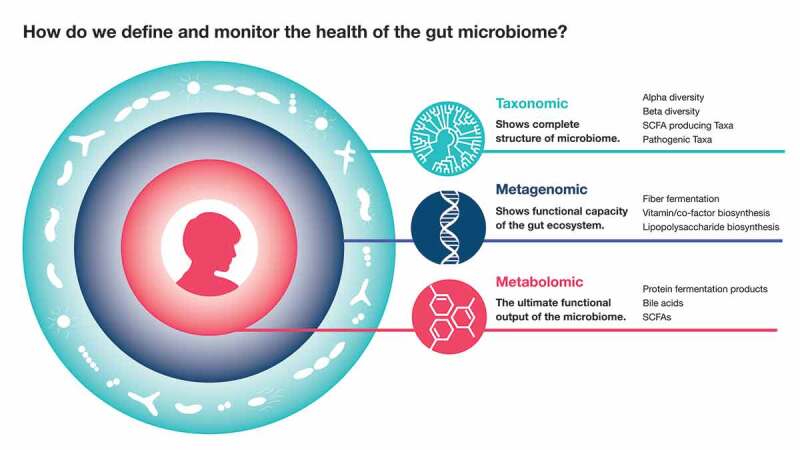
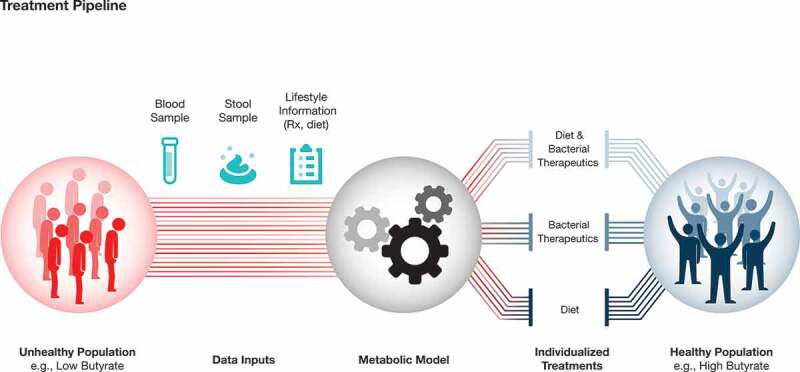
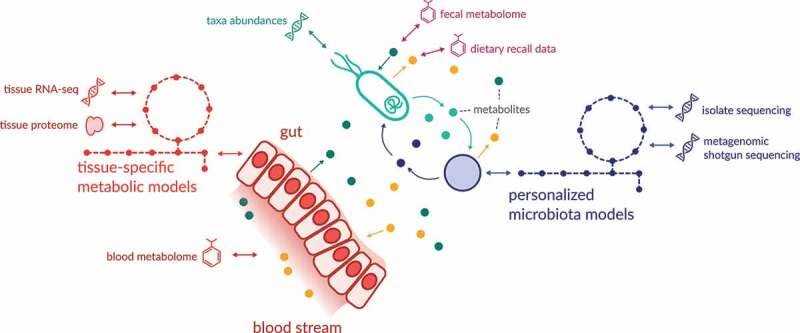
Many studies link the composition of the human gut microbiome to aberrant health states. However, our understanding of what constitutes a 'healthy' gut ecosystem, and how to effectively monitor and maintain it, are only now emerging. Here, we review current approaches to defining and monitoring gut microbiome health, and outline directions for developing targeted ecological therapeutics. We emphasize the importance of identifying which ecological features of the gut microbiome are most resonant with host molecular phenotypes, and highlight certain gut microbial metabolites as potential biomarkers of gut microbiome health. We further discuss how multi-omic measurements of host phenotypes, dietary information, and gut microbiome profiles can be integrated into increasingly sophisticated host-microbiome mechanistic models that can be leveraged to design personalized interventions. Overall, we summarize current progress on defining microbiome health and highlight a number of paths forward for engineering the ecology of the gut to promote wellness.
Overview
The claims and statistics of this paper haven’t been checked yet.
Free: it reads the open-access text and checks the first 5 claims that cite a source we can check. Create a free account to check every claim.
Integrity signals
Registry
Cites
Statistics
Figures
Verification
Claims the paper makes
The claims and statistics of this paper haven’t been checked yet.
Free: it reads the open-access text and checks the first 5 claims that cite a source we can check. Create a free account to check every claim.
Claims other papers make about this one
Each is checked against this paper’s own text: does it say what the citing paper says it does?
The cited source says what the claim attributes to it.
In the citing paper
“High alpha diversity is usually linked to a healthy gut microbiota [35].”
From Gut microbiota diversity is prognostic and associated with benefit from chemo-immunotherapy in metastatic triple-negative breast cancer (2025) · cites this paper as [35]
Self-check
Percentages, sums and reported differences re-computed from the paper’s own numbers.
The self-check needs the paper’s full text.
Citations
Cites
1 retracted
Asemi, Z., Khorrami-Rad, A., Alizadeh, S.-A., Shakeri, H., & Esmaillzadeh, A. (2014) · Clinical Nutrition · doi:10.1016/j.clnu.2013.05.015 · Cited by 190 · cited 1×
“For example, a combined supplementation of Lactobacillus acidophilus, Lactobacillus casei, and Bifidobacterium bifidum with inulin for 12 weeks in type II diabetic patients undergoing dialysis resulted in improved metabolic (fasting plasma glucose and insulin) and inflammatory (C-reactive protein) markers.(154) Simila…”
RetractedStructure, function and diversity of the healthy human microbiome
The Human Microbiome Project Consortium (2012) · Nature · doi:10.1038/nature11234 · Cited by 11,726 · cited 1×
“However, given the vast diversity in gut microbiome composition reported between healthy individuals over the last decade, there is little evidence for such a strict taxonomic core.(8,16) Indeed, there appear to be myriad taxonomic compositions that support a healthy, functional microbiome-host relationship across div…”
BackgroundAn Ordination of the Upland Forest Communities of Southern Wisconsin
Bray, J. R., & Curtis, J. T. (1957) · Ecological Monographs · doi:10.2307/1942268 · Cited by 11,716
A human gut microbial gene catalogue established by metagenomic sequencing
MetaHIT Consortium, Qin, J., Li, R., Raes, J., Arumugam, M., Burgdorf, K. S., Manichanh, C., Nielsen, T., Pons, N., Levenez, F., et al. (2010) · Nature · doi:10.1038/nature08821 · Cited by 11,624 · cited 2×
“Studies in larger cohorts have since characterized additional shared gut metagenome functions, including cofactor and vitamin biosynthesis, ATP synthesis, amino acid synthesis, and degradation of complex sugars and glycans.(28,87) The identified functional pathways occurred in similar abundances within each ecosystem,…”
BackgroundDiet rapidly and reproducibly alters the human gut microbiome
David, L. A., Maurice, C. F., Carmody, R. N., Gootenberg, D. B., Button, J. E., Wolfe, B. E., Ling, A. V., Devlin, A. S., Varma, Y., Fischbach, M. A., et al. (2014) · Nature · doi:10.1038/nature12820 · Cited by 10,100
UniFrac: a New Phylogenetic Method for Comparing Microbial Communities
Lozupone, C., & Knight, R. (2005) · Applied and Environmental Microbiology · doi:10.1128/aem.71.12.8228-8235.2005 · Cited by 8,227
A core gut microbiome in obese and lean twins
Turnbaugh, P. J., Hamady, M., Yatsunenko, T., Cantarel, B. L., Duncan, A., Ley, R. E., Sogin, M. L., Jones, W. J., Roe, B. A., Affourtit, J. P., et al. (2009) · Nature · doi:10.1038/nature07540 · Cited by 7,823 · cited 1×
“Early work characterizing the functional potential of the gut microbiome identified shared metabolic capacity uniformly present across gut metagenomes of both lean and obese individuals.(85) These shared functions were dominated by amino acid and carbohydrate metabolism, while cell signaling and membrane transport fun…”
BackgroundFrom Dietary Fiber to Host Physiology: Short-Chain Fatty Acids as Key Bacterial Metabolites
Koh, A., De Vadder, F., Kovatcheva-Datchary, P., & Bäckhed, F. (2016) · Cell · doi:10.1016/j.cell.2016.05.041 · Cited by 7,070 · cited 1×
“In addition to providing specific nutrients to the host, microbial metabolic output has increasingly been implicated in a diverse array of biological functions, both locally in the gastrointestinal tract and distally across a variety of host organs through absorption in the blood.(26,27) This functional component of m…”
BackgroundTurnbaugh, P. J., Ley, R. E., Hamady, M., Fraser-Liggett, C. M., Knight, R., & Gordon, J. I. (2007) · Nature · doi:10.1038/nature06244 · Cited by 6,091
The measurement of diversity in different types of biological collections
Pielou, E. C. (1966) · Journal of Theoretical Biology · doi:10.1016/0022-5193(66)90013-0 · Cited by 5,903
De Filippo, C., Cavalieri, D., Di Paola, M., Ramazzotti, M., Poullet, J. B., Massart, S., Collini, S., Pieraccini, G., & Lionetti, P. (2010) · Proceedings of the National Academy of Sciences · doi:10.1073/pnas.1005963107 · Cited by 5,579
Diversity, stability and resilience of the human gut microbiota
Lozupone, C. A., Stombaugh, J. I., Gordon, J. I., Jansson, J. K., & Knight, R. (2012) · Nature · doi:10.1038/nature11550 · Cited by 5,533 · cited 1×
“Studies in larger cohorts have since characterized additional shared gut metagenome functions, including cofactor and vitamin biosynthesis, ATP synthesis, amino acid synthesis, and degradation of complex sugars and glycans.(28,87) The identified functional pathways occurred in similar abundances within each ecosystem,…”
Backgroundden Besten, G., van Eunen, K., Groen, A. K., Venema, K., Reijngoud, D.-J., & Bakker, B. M. (2013) · Journal of Lipid Research · doi:10.1194/jlr.r036012 · Cited by 5,048 · cited 1×
“Their synthesis by the gut microbiota is essential for regulating host immune responses and metabolic homeostasis.(97,98) SCFAs are the main source of energy for colonic epithelial cells(99) and have been shown to regulate gutderived incretin hormones, thereby controlling host energy metabolism.”
BackgroundMetabolites produced by commensal bacteria promote peripheral regulatory T-cell generation
Arpaia, N., Campbell, C., Fan, X., Dikiy, S., van der Veeken, J., deRoos, P., Liu, H., Cross, J. R., Pfeffer, K., Coffer, P. J., et al. (2013) · Nature · doi:10.1038/nature12726 · Cited by 4,838
Cross-talk between Akkermansia muciniphila and intestinal epithelium controls diet-induced obesity
Everard, A., Belzer, C., Geurts, L., Ouwerkerk, J. P., Druart, C., Bindels, L. B., Guiot, Y., Derrien, M., Muccioli, G. G., Delzenne, N. M., et al. (2013) · Proceedings of the National Academy of Sciences · doi:10.1073/pnas.1219451110 · Cited by 4,511 · cited 1×
“muciniphila in mice increased intestinal levels of endocannabinoid signaling glycerolipids 2-oleoylglycerol and 2-arachidonoylglycerol, which stimulate gut peptide release, which in turn serves to improve host energy homeostasis and gut barrier function.(49) Recent studies have further demonstrated that supplementatio…”
BackgroundSokol, H., Pigneur, B., Watterlot, L., Lakhdari, O., Bermúdez-Humarán, L. G., Gratadoux, J.-J., Blugeon, S., Bridonneau, C., Furet, J.-P., Corthier, G., et al. (2008) · Proceedings of the National Academy of Sciences · doi:10.1073/pnas.0804812105 · Cited by 4,413
Intestinal microbiota metabolism of l-carnitine, a nutrient in red meat, promotes atherosclerosis
Koeth, R. A., Wang, Z., Levison, B. S., Buffa, J. A., Org, E., Sheehy, B. T., Britt, E. B., Fu, X., Wu, Y., Li, L., et al. (2013) · Nature Medicine · doi:10.1038/nm.3145 · Cited by 4,386
What is flux balance analysis?
Orth, J. D., Thiele, I., & Palsson, B. Ø. (2010) · Nature Biotechnology · doi:10.1038/nbt.1614 · Cited by 3,903 · cited 1×
“It relies on detailed stoichiometric reconstructions of metabolic networks and calculates the flux of metabolites through those networks given a set of environmental constraints, providing insight into metabolic production, consumption and overall growth.(143) Over the past several years metabolic modeling has increas…”
BackgroundFormation of short chain fatty acids by the gut microbiota and their impact on human metabolism
Morrison, D. J., & Preston, T. (2016) · Gut Microbes · doi:10.1080/19490976.2015.1134082 · Cited by 3,781 · cited 1×
“Their synthesis by the gut microbiota is essential for regulating host immune responses and metabolic homeostasis.(97,98) SCFAs are the main source of energy for colonic epithelial cells(99) and have been shown to regulate gutderived incretin hormones, thereby controlling host energy metabolism.”
BackgroundGut microbiota regulate motor deficits and neuroinflammation in a model of Parkinson's disease
Sampson, T. R., Debelius, J. W., Thron, T., Janssen, S., Shastri, G. G., Ilhan, Z. E., Challis, C., Schretter, C. E., Rocha, S., Gradinaru, V., et al. (2016) · Cell · doi:10.1016/j.cell.2016.11.018 · Cited by 3,622 · cited 1×
“SCFAs have further been implicated as protective against certain neurodegenerative disorders, including Alzheimer’s and Parkinson’s disease,(108,109) although contradictory results have also been reported in some animal studies.(110,111) Thus, gut microbial SCFA production regulates a diverse number of host processes.”
ResultGut microbiota, metabolites and host immunity
Rooks, M. G., & Garrett, W. S. (2016) · Nature reviews. Immunology · doi:10.1038/nri.2016.42 · Cited by 3,409
The role of short-chain fatty acids in microbiota–gut–brain communication
Dalile, B., Van Oudenhove, L., Vervliet, B., & Verbeke, K. (2019) · Nature Reviews Gastroenterology & Hepatology · doi:10.1038/s41575-019-0157-3 · Cited by 3,357
Personalized nutrition by prediction of glycemic responses
Zeevi, D., Korem, T., Zmora, N., Israeli, D., Rothschild, D., Weinberger, A., Ben-Yacov, O., Lador, D., Avnit-Sagi, T., Lotan-Pompan, M., et al. (2015) · Cell · doi:10.1016/j.cell.2015.11.001 · Cited by 2,929 · cited 3×
“Dietary patterns strongly influence and shape the gut microbiome,(13,14) while gut microbial composition may also modulate host metabolic responses to specific dietary components.(15) These interactions are further complicated by significant interindividual variability in gut microbial composition at the level of rela…”
BackgroundInfluentialKostic, A. D., Chun, E., Robertson, L., Glickman, J. N., Gallini, C. A., Michaud, M., Clancy, T. E., Chung, D. C., Lochhead, P., Hold, G. L., et al. (2013) · Cell Host & Microbe · doi:10.1016/j.chom.2013.07.007 · Cited by 2,718 · cited 1×
“Fusobacterium nucleatum, in particular, was shown to directly promote tumor growth and disease progression in animal models of CRC through recruitment of tumor-infiltrating immune cells and promoting a pro-inflammatory tumor microenvironment.(34,35) F.”
BackgroundMetabolomics analysis reveals large effects of gut microflora on mammalian blood metabolites
Wikoff, W. R., Anfora, A. T., Liu, J., Schultz, P. G., Lesley, S. A., Peters, E. C., & Siuzdak, G. (2009) · Proceedings of the National Academy of Sciences · doi:10.1073/pnas.0812874106 · Cited by 2,677 · cited 1×
“For example, cinnamoylglycine and hippurate (glycine conjugates of microbially produced cinnamate and benzoate, respectively) are readily detected in the blood of conventional, but not germ-free, mice.(134) These microbial compounds can be synthesized from either aromatic amino acids or a diverse pool of plant polyphe…”
BackgroundLozupone, C. A., Hamady, M., Kelley, S. T., & Knight, R. (2007) · Applied and Environmental Microbiology · doi:10.1128/aem.01996-06 · Cited by 2,656
Dethlefsen, L., & Relman, D. A. (2011) · Proceedings of the National Academy of Sciences · doi:10.1073/pnas.1000087107 · Cited by 2,421
Depommier, C., Everard, A., Druart, C., Plovier, H., Van Hul, M., Vieira-Silva, S., Falony, G., Raes, J., Maiter, D., Delzenne, N. M., et al. (2019) · Nature Medicine · doi:10.1038/s41591-019-0495-2 · Cited by 2,357 · cited 1×
“muciniphila is sufficient to improve several markers of metabolic health in animal models and humans, including total cholesterol, fasting blood glucose, and markers of insulin sensitivity and liver function.(50,51) Taken together, these findings indicate that a healthy gut microbial composition consists of a minimal…”
BackgroundFusobacterium nucleatum Promotes Chemoresistance to Colorectal Cancer by Modulating Autophagy
Yu, T., Guo, F., Yu, Y., Sun, T., Ma, D., Han, J., Qian, Y., Kryczek, I., Sun, D., Nagarsheth, N., et al. (2017) · Cell · doi:10.1016/j.cell.2017.07.008 · Cited by 2,198 · cited 1×
“Fusobacterium nucleatum, in particular, was shown to directly promote tumor growth and disease progression in animal models of CRC through recruitment of tumor-infiltrating immune cells and promoting a pro-inflammatory tumor microenvironment.(34,35) F.”
BackgroundAn integrated catalog of reference genes in the human gut microbiome
MetaHIT Consortium, Li, J., Jia, H., Cai, X., Zhong, H., Feng, Q., Sunagawa, S., Arumugam, M., Kultima, J. R., Prifti, E., et al. (2014) · Nature Biotechnology · doi:10.1038/nbt.2942 · Cited by 2,164 · cited 1×
“However, given the vast diversity in gut microbiome composition reported between healthy individuals over the last decade, there is little evidence for such a strict taxonomic core.(8,16) Indeed, there appear to be myriad taxonomic compositions that support a healthy, functional microbiome-host relationship across div…”
BackgroundDisentangling type 2 diabetes and metformin treatment signatures in the human gut microbiota
MetaHIT consortium, Forslund, K., Hildebrand, F., Nielsen, T., Falony, G., Le Chatelier, E., Sunagawa, S., Prifti, E., Vieira-Silva, S., Gudmundsdottir, V., et al. (2015) · Nature · doi:10.1038/nature15766 · Cited by 2,116
The Long-Term Stability of the Human Gut Microbiota
Faith, J. J., Guruge, J. L., Charbonneau, M., Subramanian, S., Seedorf, H., Goodman, A. L., Clemente, J. C., Knight, R., Heath, A. C., Leibel, R. L., et al. (2013) · Science · doi:10.1126/science.1237439 · Cited by 2,058
Sex differences in the gut microbiome drive hormone-dependent regulation of autoimmunity
Markle, J. G. M., Frank, D. N., Mortin-Toth, S., Robertson, C. E., Feazel, L. M., Rolle-Kampczyk, U., von Bergen, M., McCoy, K. D., Macpherson, A. J., & Danska, J. S. (2013) · Science · doi:10.1126/science.1233521 · Cited by 2,025
The microbiome and butyrate regulate energy metabolism and autophagy in the mammalian colon
Donohoe, D. R., Garge, N., Zhang, X., Sun, W., O'Connell, T. M., Bunger, M. K., & Bultman, S. J. (2011) · Cell Metabolism · doi:10.1016/j.cmet.2011.02.018 · Cited by 2,003
Gut microbiome structure and metabolic activity in inflammatory bowel disease
Franzosa, E. A., Sirota-Madi, A., Avila-Pacheco, J., Fornelos, N., Haiser, H. J., Reinker, S., Vatanen, T., Hall, A. B., Mallick, H., McIver, L. J., et al. (2018) · Nature Microbiology · doi:10.1038/s41564-018-0306-4 · Cited by 1,995 · cited 1×
“For example, stool metagenomic sequencing studies revealed that certain functional modules (groups of genes involved in the same biological process), such as lipopolysaccharide biosynthesis, modules involved in iron transport, and enzymes involved in redox balance have been shown to be consistently enriched across mul…”
BackgroundBlundell, J. E., Baker, J. L., Boyland, E., Blaak, E., Charzewska, J., de Henauw, S., Frühbeck, G., Gonzalez-Gross, M., Hebebrand, J., Holm, L., et al. (2017) · Obesity Facts · doi:10.1159/000455952 · Cited by 1,945
Dao, M. C., Everard, A., Aron-Wisnewsky, J., Sokolovska, N., Prifti, E., Verger, E. O., Kayser, B. D., Levenez, F., Chilloux, J., Hoyles, L., et al. (2016) · Gut · doi:10.1136/gutjnl-2014-308778 · Cited by 1,931 · cited 1×
“insulin resistance, hyperglycemia).(46,47) The beneficial effects of A.”
BackgroundExtensive impact of non-antibiotic drugs on human gut bacteria
Maier, L., Pruteanu, M., Kuhn, M., Zeller, G., Telzerow, A., Anderson, E. E., Brochado, A. R., Fernandez, K. C., Dose, H., Mori, H., et al. (2018) · Nature · doi:10.1038/nature25979 · Cited by 1,905 · cited 1×
“gut microbial composition and function.(11,12) Dietary patterns strongly influence and shape the gut microbiome,(13,14) while gut microbial composition may also modulate host metabolic responses to specific dietary components.”
BackgroundMachiels, K., Joossens, M., Sabino, J., De Preter, V., Arijs, I., Eeckhaut, V., Ballet, V., Claes, K., Van Immerseel, F., Verbeke, K., et al. (2014) · Gut · doi:10.1136/gutjnl-2013-304833 · Cited by 1,904
Lloyd-Price, J., Abu-Ali, G., & Huttenhower, C. (2016) · Genome Medicine · doi:10.1186/s13073-016-0307-y · Cited by 1,891 · cited 1×
“ATP synthesis), others (vitamin biosynthesis and glycan degradation) point to specific roles fulfilled by the gut microbiota that are essential for ecosystem health.(22) An alternative to defining a core functional capacity across a healthy population is to focus on microbiome functions most perturbed in diseased indi…”
BackgroundBenefits of polyphenols on gut microbiota and implications in human health
Cardona, F., Andrés-Lacueva, C., Tulipani, S., Tinahones, F. J., & Queipo-Ortuño, M. I. (2013) · The Journal of Nutritional Biochemistry · doi:10.1016/j.jnutbio.2013.05.001 · Cited by 1,605
Causal relationships among the gut microbiome, short-chain fatty acids and metabolic diseases
Sanna, S., van Zuydam, N. R., Mahajan, A., Kurilshikov, A., Vich Vila, A., Võsa, U., Mujagic, Z., Masclee, A. A. M., Jonkers, D. M. A. E., Oosting, M., et al. (2019) · Nature Genetics · doi:10.1038/s41588-019-0350-x · Cited by 1,539 · cited 1×
“metabolic disorders.(90) Focusing on these common functional shifts within the gut microbiome across diseases may be particularly useful in defining more universal markers of gut microbiome health.”
BackgroundGur, C., Ibrahim, Y., Isaacson, B., Yamin, R., Abed, J., Gamliel, M., Enk, J., Bar-On, Y., Stanietsky-Kaynan, N., Coppenhagen-Glazer, S., et al. (2015) · Immunity · doi:10.1016/j.immuni.2015.01.010 · Cited by 1,490 · cited 2×
“nucleatum also directly contributes to cancer cell immune evasion by interacting with natural killer (NK) cells, inhibiting their activity via binding of the Fap2 protein to the NK cell inhibitory receptor TIGIT.(36) Thus, although relatively few causal links between specific gut taxa and disease have been identified…”
BackgroundPng, C. W., Lindén, S. K., Gilshenan, K. S., Zoetendal, E. G., McSweeney, C. S., Sly, L. I., McGuckin, M. A., & Florin, T. H. J. (2010) · American Journal of Gastroenterology · doi:10.1038/ajg.2010.281 · Cited by 1,364
Gut microbiome of the Hadza hunter-gatherers
Schnorr, S. L., Candela, M., Rampelli, S., Centanni, M., Consolandi, C., Basaglia, G., Turroni, S., Biagi, E., Peano, C., Severgnini, M., et al. (2014) · Nature Communications · doi:10.1038/ncomms4654 · Cited by 1,317
Health-promoting components of fruits and vegetables in the diet.
Liu, R. H. (2013) · Advances in Nutrition · doi:10.3945/an.112.003517 · Cited by 1,310 · cited 1×
“In the case of phytochemicals, at least 4000 unique compounds have been identified in fruits, vegetables, wholegrains, legumes and other plant foods.(130) This extreme chemical diversity of human diets likely contributes to both geographic and inter-individual variability in gut microbiome composition, as many phytoch…”
BackgroundDynamics of the human gut microbiome in inflammatory bowel disease
Halfvarson, J., Brislawn, C. J., Lamendella, R., Vázquez-Baeza, Y., Walters, W. A., Bramer, L. M., D'Amato, M., Bonfiglio, F., McDonald, D., Gonzalez, A., et al. (2017) · Nature Microbiology · doi:10.1038/nmicrobiol.2017.4 · Cited by 1,204 · cited 2×
“Using 16S rRNA gene sequencing, Halfvarson et al.(83) demonstrated that patients suffering from IBD (UC and CD) had higher levels of temporal instability compared to healthy controls.”
BackgroundKostic, A. D., Gevers, D., Siljander, H., Vatanen, T., Hyötyläinen, T., Hämäläinen, A.-M., Peet, A., Tillmann, V., Pöhö, P., Mattila, I., et al. (2015) · Cell Host & Microbe · doi:10.1016/j.chom.2015.01.001 · Cited by 1,186 · cited 1×
“Similarly, gut microbiome composition is highly dynamic in the first three years of human life.(24) This high level of instability is likely a combination of changing dietary inputs (i.”
BackgroundMapping human microbiome drug metabolism by gut bacteria and their genes
Zimmermann, M., Zimmermann-Kogadeeva, M., Wegmann, R., & Goodman, A. L. (2019) · Nature · doi:10.1038/s41586-019-1291-3 · Cited by 1,160
Unger, M. M., Spiegel, J., Dillmann, K.-U., Grundmann, D., Philippeit, H., Bürmann, J., Faßbender, K., Schwiertz, A., & Schäfer, K.-H. (2016) · Parkinsonism & Related Disorders · doi:10.1016/j.parkreldis.2016.08.019 · Cited by 1,159
Kimura, I., Inoue, D., Maeda, T., Hara, T., Ichimura, A., Miyauchi, S., Kobayashi, M., Hirasawa, A., & Tsujimoto, G. (2011) · Proceedings of the National Academy of Sciences · doi:10.1073/pnas.1016088108 · Cited by 1,106 · cited 1×
“A number of different SCFA-recognizing G-protein coupled receptors (GPR) have now been identified, including GPR41 and GPR43, which are expressed across numerous tissues including adipose tissue and the peripheral nervous system.(103,104) The beneficial effects of SCFAs on host physiology extend beyond immune and meta…”
BackgroundThe resilience of the intestinal microbiota influences health and disease
Sommer, F., Anderson, J. M., Bharti, R., Raes, J., & Rosenstiel, P. (2017) · Nature Reviews Microbiology · doi:10.1038/nrmicro.2017.58 · Cited by 1,058 · cited 1×
“In these cases, there is often both a rise in the relative abundance of facultative anaerobes and a decrease in the relative abundance of strictly anaerobic, fiber-degrading commensals.(21) Such large-scale turnover in the gut ecosystem is often associated with severe gastrointestinal symptoms, like abdominal pain and…”
BackgroundMeta-analysis of gut microbiome studies identifies disease-specific and shared responses
(2017) · doi:10.1038/s41467-017-01973-8 · Cited by 986 · cited 1×
“At the taxonomic level, gut microbial ‘dysbiosis’ appears to fall into several qualitatively different categories: 1) enrichment of a small number of putatively detrimental taxa, 2) depletion of a small number of putatively beneficial taxa, and 3) a complete ecosystem turnover.(30) A common example of ‘dysbiosis’ of t…”
BackgroundSelf-citationRegional variation limits applications of healthy gut microbiome reference ranges and disease models
He, Y., Wu, W., Zheng, H.-M., Li, P., McDonald, D., Sheng, H.-F., Chen, M.-X., Chen, Z.-H., Ji, G.-Y., Zheng, Z.-D.-X., et al. (2018) · Nature Medicine · doi:10.1038/s41591-018-0164-x · Cited by 894 · cited 1×
“Indeed, significant microbial heterogeneity is even present in individuals living just a few hundred miles apart, leading some to call for geo-localized microbiome disease models.(9) This taxonomic variability indicates a high degree of functional redundancy across human gut microbes, giving rise to myriad taxonomic c…”
BackgroundPsichas, A., Sleeth, M. L., Murphy, K. G., Brooks, L., Bewick, G. A., Hanyaloglu, A. C., Ghatei, M. A., Bloom, S. R., & Frost, G. (2015) · International Journal of Obesity · doi:10.1038/ijo.2014.153 · Cited by 886 · cited 1×
“SCFAs are the main source of energy for colonic epithelial cells(99) and have been shown to regulate gutderived incretin hormones, thereby controlling host energy metabolism.(100) SCFAs further help regulate immune homeostasis through promoting differentiation of regulatory T-cells(101) and stimulating antiinflammator…”
BackgroundAmerican Gut: an Open Platform for Citizen-Science Microbiome Research
McDonalda, D., Hyde, E., Debelius, J. W., Morton, J. T., Gonzalez, A., Ackermann, G., Aksenov, A. A., Behsaz, B., Brennan, C., Chen, Y., et al. (2018) · doi:10.1101/277970 · Cited by 878
Postler, T. S., & Ghosh, S. (2017) · Cell Metabolism · doi:10.1016/j.cmet.2017.05.008 · Cited by 876 · cited 1×
“Bioactive, microbiallyderived compounds enter host circulation, are often metabolized by the liver into humanmicrobial co-metabolites, and exert direct effects on a variety of host organs.(93) To date, these effects have been shown to be both beneficial and detrimental to human health.”
BackgroundSystematic genome assessment of B-vitamin biosynthesis suggests co-operation among gut microbes
Magnúsdóttir, S., Ravcheev, D., de Crécy-Lagard, V., & Thiele, I. (2015) · Frontiers in Genetics · doi:10.3389/fgene.2015.00148 · Cited by 876 · cited 1×
“The gut microbiome is further capable of synthesizing all eight essential B-vitamins, and is a major contributor to the total B-vitamin pool available to its host.(127) B-vitamins play an integral role as co-factors in metabolic reactions and regulators of host immune cells, being yet another point of cross-talk betwe…”
BackgroundRecovery of gut microbiota of healthy adults following antibiotic exposure
Palleja, A., Mikkelsen, K. H., Forslund, S. K., Kashani, A., Allin, K. H., Nielsen, T., Hansen, T. H., Liang, S., Feng, Q., Zhang, C., et al. (2018) · Nature Microbiology · doi:10.1038/s41564-018-0257-9 · Cited by 875 · cited 1×
“Even a perturbation as large as antibiotic treatment has been shown to only temporarily deplete gut αdiversity.(60,61) Following the cessation of antibiotic treatment, α-diversity generally returns to its original level within weeks-to-months.”
BackgroundFaecalibacterium prausnitzii: from microbiology to diagnostics and prognostics
Lopez-Siles, M., Duncan, S. H., Garcia-Gil, L. J., & Martinez-Medina, M. (2017) · The ISME Journal · doi:10.1038/ismej.2016.176 · Cited by 874 · cited 1×
“prausnitzii, in particular, has been proposed as a biomarker for monitoring gut microbiome health.(43) Similar to F.”
BackgroundBäckhed, F., Fraser, C. M., Ringel, Y., Sanders, M. E., Sartor, R. B., Sherman, P. M., Versalovic, J., Young, V., & Finlay, B. B. (2012) · Cell Host & Microbe · doi:10.1016/j.chom.2012.10.012 · Cited by 836
Microbially Produced Imidazole Propionate Impairs Insulin Signaling through mTORC1
Koh, A., Molinaro, A., Ståhlman, M., Khan, M. T., Schmidt, C., Mannerås-Holm, L., Wu, H., Carreras, A., Jeong, H., Olofsson, L. E., et al. (2018) · Cell · doi:10.1016/j.cell.2018.09.055 · Cited by 824 · cited 1×
“The histidine microbial catabolite imidazole propionate was recently shown to be more readily synthesized by gut microbiomes of type II diabetic patients relative to controls.(125) Imidazole propionate further promoted insulin resistance in mice via downregulating insulin receptor substrates 1 & 2 in liver, muscle, an…”
BackgroundHealth and disease markers correlate with gut microbiome composition across thousands of people
Manor, O., Dai, C. L., Kornilov, S. A., Smith, B., Price, N. D., Lovejoy, J. C., Gibbons, S. M., & Magis, A. T. (2020) · Nature Communications · doi:10.1038/s41467-020-18871-1 · Cited by 816 · cited 1×
“Bacteroides dominated individuals).(70) This optimal range may be further dependent on the specific health and physiological state of the human host.”
BackgroundSelf-citationShort-chain fatty acids regulate systemic bone mass and protect from pathological bone loss
Lucas, S., Omata, Y., Hofmann, J., Böttcher, M., Iljazovic, A., Sarter, K., Albrecht, O., Schulz, O., Krishnacoumar, B., Krönke, G., et al. (2018) · Nature Communications · doi:10.1038/s41467-017-02490-4 · Cited by 815
Generation of genome-scale metabolic reconstructions for 773 members of the human gut microbiota
Magnúsdóttir, S., Heinken, A., Kutt, L., Ravcheev, D. A., Bauer, E., Noronha, A., Greenhalgh, K., Jäger, C., Baginska, J., Wilmes, P., et al. (2017) · Nature Biotechnology · doi:10.1038/nbt.3703 · Cited by 798 · cited 1×
“The recent release of AGORA has provided the research community with metabolic reconstructions of close to 800 individual gut bacterial strains.(146) Further methods have since been developed that more accurately infer growth rates of individual taxa within the gut ecosystem, allowing for more precise constraints on e…”
BackgroundUS immigration westernizes the human gut microbiome
Vangay, P., Johnson, A. J., Ward, T. L., Al-Ghalith, G. A., Shields-Cutler, R. R., Hillmann, B. M., Lucas, S. K., Beura, L. K., Thompson, E. A., Till, L. M., et al. (2018) · Cell · doi:10.1016/j.cell.2018.10.029 · Cited by 794
A Cardiovascular Disease-Linked Gut Microbial Metabolite Acts via Adrenergic Receptors
Nemet, I., Saha, P. P., Gupta, N., Zhu, W., Romano, K. A., Skye, S. M., Cajka, T., Mohan, M. L., Li, L., Wu, Y., et al. (2020) · Cell · doi:10.1016/j.cell.2020.02.016 · Cited by 784 · cited 2×
“Other protein fermentation byproducts, including p-cresol sulfate and phenylacetylglutamine, have been identified as potential toxins at high enough plasma concentrations, promoting cardiovascular disease through several mechanisms.(69,126) The gut microbiome is further capable of synthesizing all eight essential B-vi…”
BackgroundInterplay between the human gut microbiome and host metabolism
Visconti, A., Le Roy, C. I., Rosa, F., Rossi, N., Martin, T. C., Mohney, R. P., Li, W., de Rinaldis, E., Bell, J. T., Venter, J. C., et al. (2019) · Nature Communications · doi:10.1038/s41467-019-12476-z · Cited by 782 · cited 2×
“By some estimates, individuals share twice the number of metabolic pathways (82%) than they do species (43%) in the gut, as measured by metagenomic shotgun sequencing.(86) Understanding this common functional capacity, and defining a minimal set of essential metabolic and signaling functions, could prove to be a more…”
BackgroundConstraining the metabolic genotype–phenotype relationship using a phylogeny of in silico methods
Lewis, N. E., Nagarajan, H., & Palsson, B. O. (2012) · Nature Reviews Microbiology · doi:10.1038/nrmicro2737 · Cited by 779 · cited 1×
“Genome-scale metabolic modeling is an established method successfully implemented to address biological, microbiological, and bioengineering questions.(141,142) It relies on detailed stoichiometric reconstructions of metabolic networks and calculates the flux of metabolites through those networks given a set of enviro…”
MethodBaxter, N. T., Schmidt, A. W., Venkataraman, A., Kim, K. S., Waldron, C., & Schmidt, T. M. (2019) · mBio · doi:10.1128/mbio.02566-18 · Cited by 762 · cited 2×
“In a different study, Baxter et al.159 demonstrated that feeding healthy young adults with degradable fibers (resistant potato starch (RPS) and inulin) had variable impact on gut microbiome composition and butyrate production.”
BackgroundDaily sampling reveals personalized diet-microbiome associations in humans
Johnson, A. J., Vangay, P., Al-Ghalith, G. A., Hillmann, B. M., Ward, T. L., Shields-Cutler, R. R., Kim, A. D., Shmagel, A. K., Syed, A. N., Walter, J., et al. (2019) · Cell Host & Microbe · doi:10.1016/j.chom.2019.05.005 · Cited by 742
The fecal metabolome as a functional readout of the gut microbiome
Zierer, J., Jackson, M. A., Kastenmüller, G., Mangino, M., Long, T., Telenti, A., Mohney, R. P., Small, K. S., Bell, J. T., Steves, C. J., et al. (2018) · Nature Genetics · doi:10.1038/s41588-018-0135-7 · Cited by 733 · cited 1×
“Fecal metabolites may provide additional insight into gut microbiome health, with recent evidence indicating a high level of correspondence between gut microbiome function and fecal metabolite profiles.(86,139) Some studies have also shown e1907270-8 T.”
BackgroundXiong, Y., Miyamoto, N., Shibata, K., Valasek, M. A., Motoike, T., Kedzierski, R. M., & Yanagisawa, M. (2004) · Proceedings of the National Academy of Sciences · doi:10.1073/pnas.2637002100 · Cited by 731 · cited 1×
“A number of different SCFA-recognizing G-protein coupled receptors (GPR) have now been identified, including GPR41 and GPR43, which are expressed across numerous tissues including adipose tissue and the peripheral nervous system.(103,104) The beneficial effects of SCFAs on host physiology extend beyond immune and meta…”
BackgroundMicrobial tryptophan metabolites regulate gut barrier function via the aryl hydrocarbon receptor
Scott, S. A., Fu, J., & Chang, P. V. (2020) · Proceedings of the National Academy of Sciences · doi:10.1073/pnas.2000047117 · Cited by 696
The Uremic Toxicity of Indoxyl Sulfate and p-Cresyl Sulfate: A Systematic Review
Vanholder, R., Schepers, E., Pletinck, A., Nagler, E. V., & Glorieux, G. (2014) · Journal of the American Society of Nephrology · doi:10.1681/asn.2013101062 · Cited by 683 · cited 1×
“At high enough concentrations, these compounds may be toxic to the host, resulting in damage to host organs including the kidneys and heart.(68,69) There likely exists an optimal range for gut αdiversity, although this range may vary depending on the set of dominant taxa that populate the gut (e.”
BackgroundKrishnan, S., Ding, Y., Saedi, N., Choi, M., Sridharan, G. V., Sherr, D. H., Yarmush, M. L., Alaniz, R. C., Jayaraman, A., & Lee, K. (2018) · Cell Reports · doi:10.1016/j.celrep.2018.03.109 · Cited by 679
Gut microbiome pattern reflects healthy ageing and predicts survival in humans
Wilmanski, T., Diener, C., Rappaport, N., Patwardhan, S., Wiedrick, J., Lapidus, J., Earls, J. C., Zimmer, A., Glusman, G., Robinson, M., et al. (2021) · Nature Metabolism · doi:10.1038/s42255-021-00348-0 · Cited by 675 · cited 1×
“This adaptation of the gut ecosystem with aging may be favorable, as it was associated with increased survival in the latest decades of human life.(84) GUT MICROBES e1907270-5”
BackgroundSelf-citationQueipo-Ortuño, M. I., Boto-Ordóñez, M., Murri, M., Gomez-Zumaquero, J. M., Clemente-Postigo, M., Estruch, R., Cardona Diaz, F., Andrés-Lacueva, C., & Tinahones, F. J. (2012) · The American Journal of Clinical Nutrition · doi:10.3945/ajcn.111.027847 · Cited by 671
Sun, M., Wu, W., Chen, L., Yang, W., Huang, X., Ma, C., Chen, F., Xiao, Y., Zhao, Y., Ma, C., et al. (2018) · Nature Communications · doi:10.1038/s41467-018-05901-2 · Cited by 658 · cited 1×
“SCFAs further help regulate immune homeostasis through promoting differentiation of regulatory T-cells(101) and stimulating antiinflammatory cytokine production in T-effector cells.(102) A number of different SCFA-recognizing G-protein coupled receptors (GPR) have now been identified, including GPR41 and GPR43, which…”
BackgroundQuraishi, M. N., Widlak, M., Bhala, N., Moore, D., Price, M., Sharma, N., & Iqbal, T. H. (2017) · Alimentary Pharmacology & Therapeutics · doi:10.1111/apt.14201 · Cited by 617
The gut microbiota influences skeletal muscle mass and function in mice
Lahiri, S., Kim, H., Garcia-Perez, I., Reza, M. M., Martin, K. A., Kundu, P., Cox, L. M., Selkrig, J., Posma, J. M., Zhang, H., et al. (2019) · Science Translational Medicine · doi:10.1126/scitranslmed.aan5662 · Cited by 580 · cited 1×
“The beneficial effects of SCFAs on host physiology extend beyond immune and metabolic regulation, with recent evidence implicating SCFAs in inhibiting postmenopausal and inflammation-induced bone loss(105) and promoting muscle mass and function.(106,107) SCFAs have further been implicated as protective against certain…”
ResultMicrobial regulation of organismal energy homeostasis
Cani, P. D., Van Hul, M., Lefort, C., Depommier, C., Rastelli, M., & Everard, A. (2019) · Nature Metabolism · doi:10.1038/s42255-018-0017-4 · Cited by 569
Bacteroides-Derived Sphingolipids Are Critical for Maintaining Intestinal Homeostasis and Symbiosis
Brown, E. M., Ke, X., Hitchcock, D., Jeanfavre, S., Avila-Pacheco, J., Nakata, T., Arthur, T. D., Fornelos, N., Heim, C., Franzosa, E. A., et al. (2019) · Cell Host & Microbe · doi:10.1016/j.chom.2019.04.002 · Cited by 529
Short-chain fatty acids as potential regulators of skeletal muscle metabolism and function
Frampton, J., Murphy, K. G., Frost, G., & Chambers, E. S. (2020) · Nature Metabolism · doi:10.1038/s42255-020-0188-7 · Cited by 516
Colonic metabolism of dietary polyphenols: influence of structure on microbial fermentation products
Rechner, A. R., Smith, M. A., Kuhnle, G., Gibson, G. R., Debnam, E. S., Srai, S. K. S., Moore, K. P., & Rice-Evans, C. A. (2004) · Free Radical Biology and Medicine · doi:10.1016/j.freeradbiomed.2003.09.022 · Cited by 511 · cited 1×
“A common characteristic of gut microbial metabolism is its funnel-like effect, where a diverse group of dietary substrates gives rise to a relatively small number of microbial breakdown products.(129) These substrates include amino acids (tryptophan, phenylalanine, tyrosine), polysaccharides, and dietary phytochemical…”
BackgroundWang, W., Chen, L., Zhou, R., Wang, X., Song, L., Huang, S., Wang, G., & Xia, B. (2014) · Journal of Clinical Microbiology · doi:10.1128/jcm.01500-13 · Cited by 509
Wang, Z., Bergeron, N., Levison, B. S., Li, X. S., Chiu, S., Jia, X., Koeth, R. A., Li, L., Wu, Y., Tang, W. H. W., et al. (2019) · European Heart Journal · doi:10.1093/eurheartj/ehy799 · Cited by 496 · cited 1×
“Microbial breakdown products of phosphatidylcholine and carnitine, particularly trimethylamine converted in the liver to TMAO, are commonly elevated in individuals on diets high in red meat.(121) TMAO has been shown to promote cardiovascular disease in animal models,(122) and is associated with increased risk of cardi…”
BackgroundColman, R. J., & Rubin, D. T. (2014) · Journal of Crohn's and Colitis · doi:10.1016/j.crohns.2014.08.006 · Cited by 475 · cited 3×
“For example, the objective of an intervention may be to promote higher gut butyrate production in individuals suffering from IBD.”
BackgroundInfluentialColonic metabolites of berry polyphenols: the missing link to biological activity?
Williamson, G., & Clifford, M. N. (2010) · British Journal of Nutrition · doi:10.1017/s0007114510003946 · Cited by 462
Temporal variability is a personalized feature of the human microbiome
Flores, G. E., Caporaso, J. G., Henley, J. B., Rideout, J. R., Domogala, D., Chase, J., Leff, J. W., Vázquez-Baeza, Y., Gonzalez, A., Knight, R., et al. (2014) · Genome Biology · doi:10.1186/s13059-014-0531-y · Cited by 446
Adaptive Evolution within Gut Microbiomes of Healthy People
Zhao, S., Lieberman, T. D., Poyet, M., Kauffman, K. M., Gibbons, S. M., Groussin, M., Xavier, R. J., & Alm, E. J. (2019) · Cell Host & Microbe · doi:10.1016/j.chom.2019.03.007 · Cited by 434 · cited 1×
“These interactions are further complicated by significant interindividual variability in gut microbial composition at the level of relative abundance of individual taxa,(16) presence of specific bacterial strains, and variability in structural variants within individual genes.(17,18) Collectively, all these factors un…”
BackgroundSelf-citationMicrobes and mental health: A review
Rieder, R., Wisniewski, P. J., Alderman, B. L., & Campbell, S. C. (2017) · Brain, Behavior, and Immunity · doi:10.1016/j.bbi.2017.01.016 · Cited by 427 · cited 1×
“Gut bacteria and their metabolic products have been shown to modulate host immunity,(3) regulate metabolic homeostasis,(4) and influence neurocognitive function.(5) Despite an emergent understanding of gut microbial influence in a number of host disease pathologies, we are only now beginning to unravel what constitute…”
BackgroundComposition and temporal stability of the gut microbiota in older persons
Jeffery, I. B., Lynch, D. B., & O’Toole, P. W. (2016) · The ISME Journal · doi:10.1038/ismej.2015.88 · Cited by 421
Cadotte, M. W., Jonathan Davies, T., Regetz, J., Kembel, S. W., Cleland, E., & Oakley, T. H. (2010) · Ecology Letters · doi:10.1111/j.1461-0248.2009.01405.x · Cited by 420
Quantifying Diet-Induced Metabolic Changes of the Human Gut Microbiome
Shoaie, S., Ghaffari, P., Kovatcheva-Datchary, P., Mardinoglu, A., Sen, P., Pujos-Guillot, E., de Wouters, T., Juste, C., Rizkalla, S., Chilloux, J., et al. (2015) · Cell Metabolism · doi:10.1016/j.cmet.2015.07.001 · Cited by 420 · cited 2×
“Despite the challenges involved, metagenome-scale metabolic models of microbial consortia have been used to study the interactions between diet, the gut microbiome and SCFA production.(144) A recent implementation of metagenome-scale metabolic modeling called MICOM demonstrated lower SCFA production fluxes in diabetic…”
BackgroundMethodMetagenome Sequencing of the Hadza Hunter-Gatherer Gut Microbiota
Rampelli, S., Schnorr, S. L., Consolandi, C., Turroni, S., Severgnini, M., Peano, C., Brigidi, P., Crittenden, A. N., Henry, A. G., & Candela, M. (2015) · Current Biology · doi:10.1016/j.cub.2015.04.055 · Cited by 399 · cited 1×
“Even with a greater proportion of gut microbiome function being shared between individuals, there is still considerable variability in gut metagenomic capacity between individuals and across cohorts.(88,91) These differences are likely a result of selective pressures from variable dietary and environmental factors acr…”
BackgroundStructural changes in the gut microbiome of constipated patients
Zhu, L., Liu, W., Alkhouri, R., Baker, R. D., Bard, J. E., Quigley, E. M., & Baker, S. S. (2014) · Physiological Genomics · doi:10.1152/physiolgenomics.00082.2014 · Cited by 381
Adaptation of the human aryl hydrocarbon receptor to sense microbiota-derived indoles
Hubbard, T. D., Murray, I. A., Bisson, W. H., Lahoti, T. S., Gowda, K., Amin, S. G., Patterson, A. D., & Perdew, G. H. (2015) · Scientific Reports · doi:10.1038/srep12689 · Cited by 377
The Microbiome and Human Biology
Knight, R., Callewaert, C., Marotz, C., Hyde, E. R., Debelius, J. W., McDonald, D., & Sogin, M. L. (2017) · Annual Review of Genomics and Human Genetics · doi:10.1146/annurev-genom-083115-022438 · Cited by 373 · cited 1×
“Consequently, the gut microbiome contains a diverse array of biological and metabolic functions, many of which modulate host phenotypes and fitness.(2) Most of the microbial biomass in the gut is bacterial, which is the primary focus of this review.”
BackgroundStructural variation in the gut microbiome associates with host health
Zeevi, D., Korem, T., Godneva, A., Bar, N., Kurilshikov, A., Lotan-Pompan, M., Weinberger, A., Fu, J., Wijmenga, C., Zhernakova, A., et al. (2019) · Nature · doi:10.1038/s41586-019-1065-y · Cited by 351 · cited 1×
“These interactions are further complicated by significant interindividual variability in gut microbial composition at the level of relative abundance of individual taxa,(16) presence of specific bacterial strains, and variability in structural variants within individual genes.(17,18) Collectively, all these factors un…”
BackgroundThe influence of non-steroidal anti-inflammatory drugs on the gut microbiome
Rogers, M. A. M., & Aronoff, D. M. (2016) · Clinical Microbiology and Infection · doi:10.1016/j.cmi.2015.10.003 · Cited by 346 · cited 1×
“gut microbial composition and function.(11,12) Dietary patterns strongly influence and shape the gut microbiome,(13,14) while gut microbial composition may also modulate host metabolic responses to specific dietary components.”
BackgroundThe Landscape of Genetic Content in the Gut and Oral Human Microbiome
Tierney, B. T., Yang, Z., Luber, J. M., Beaudin, M., Wibowo, M. C., Baek, C., Mehlenbacher, E., Patel, C. J., & Kostic, A. D. (2019) · Cell Host & Microbe · doi:10.1016/j.chom.2019.07.008 · Cited by 346 · cited 1×
“The large number of genes that comprise the gut metagenome surpasses that of the human genome by at least three orders of magnitude.(1) Consequently, the gut microbiome contains a diverse array of biological and metabolic functions, many of which modulate host phenotypes and fitness.”
BackgroundBlood metabolome predicts gut microbiome α-diversity in humans
Wilmanski, T., Rappaport, N., Earls, J. C., Magis, A. T., Manor, O., Lovejoy, J., Omenn, G. S., Hood, L., Gibbons, S. M., & Price, N. D. (2019) · Nature Biotechnology · doi:10.1038/s41587-019-0233-9 · Cited by 328 · cited 3×
“Our research group and others have further shown that measures of gut α-diversity correlate positively with both constipation and a number of microbial protein fermentation products in the blood, such as p-cresol sulfate and phenylacetylglutamine.(66,67) At high enough concentrations, these compounds may be toxic to t…”
BackgroundSelf-citationHeinken, A., Ravcheev, D. A., Baldini, F., Heirendt, L., Fleming, R. M. T., & Thiele, I. (2019) · Microbiome · doi:10.1186/s40168-019-0689-3 · Cited by 318 · cited 1×
“In another study, manually curated AGORA models were used to identify taxa contributing to bile acid deconjugation and described the metabolic bottlenecks during primary bile acid metabolism.(150) There are also ongoing efforts to integrate gut microbiome metabolic models with host tissue-resolved metabolic models, GU…”
MethodPallister, T., Jackson, M. A., Martin, T. C., Zierer, J., Jennings, A., Mohney, R. P., MacGregor, A., Steves, C. J., Cassidy, A., Spector, T. D., et al. (2017) · Scientific Reports · doi:10.1038/s41598-017-13722-4 · Cited by 313 · cited 1×
“Our research group and others have further shown that measures of gut α-diversity correlate positively with both constipation and a number of microbial protein fermentation products in the blood, such as p-cresol sulfate and phenylacetylglutamine.(66,67) At high enough concentrations, these compounds may be toxic to t…”
BackgroundHaghikia, A., Li, X. S., Liman, T. G., Bledau, N., Schmidt, D., Zimmermann, F., Kränkel, N., Widera, C., Sonnenschein, K., Haghikia, A., et al. (2018) · Arteriosclerosis, Thrombosis, and Vascular Biology · doi:10.1161/atvbaha.118.311023 · Cited by 311 · cited 1×
“TMAO has been shown to promote cardiovascular disease in animal models,(122) and is associated with increased risk of cardiovascular disease in humans.(123,124) The histidine microbial catabolite imidazole propionate was recently shown to be more readily synthesized by gut microbiomes of type II diabetic patients rela…”
BackgroundWong, S. H., Kwong, T. N. Y., Chow, T.-C., Luk, A. K. C., Dai, R. Z. W., Nakatsu, G., Lam, T. Y. T., Zhang, L., Wu, J. C. Y., Chan, F. K. L., et al. (2017) · Gut · doi:10.1136/gutjnl-2016-312766 · Cited by 310
Martín, R., Miquel, S., Chain, F., Natividad, J. M., Jury, J., Lu, J., Sokol, H., Theodorou, V., Bercik, P., Verdu, E. F., et al. (2015) · BMC Microbiology · doi:10.1186/s12866-015-0400-1 · Cited by 309 · cited 1×
“Studies in mice have demonstrated that administration of Faecalibacterium prausnitzii can reduce chemically-induced colitis, decrease production of inflammatory cytokines including IL-6 and IFNγ, and restore proper gut barrier function.(42) Because of its consistent depletion across disease states, F.”
BackgroundKoh, A., & Bäckhed, F. (2020) · Molecular Cell · doi:10.1016/j.molcel.2020.03.005 · Cited by 309 · cited 1×
“In addition to providing specific nutrients to the host, microbial metabolic output has increasingly been implicated in a diverse array of biological functions, both locally in the gastrointestinal tract and distally across a variety of host organs through absorption in the blood.(26,27) This functional component of m…”
BackgroundMICOM: Metagenome-Scale Modeling To Infer Metabolic Interactions in the Gut Microbiota
Diener, C., Gibbons, S. M., & Resendis-Antonio, O. (2020) · mSystems · doi:10.1128/msystems.00606-19 · Cited by 309
Self-citationThe gut microbiome composition associates with bipolar disorder and illness severity
Evans, S. J., Bassis, C. M., Hein, R., Assari, S., Flowers, S. A., Kelly, M. B., Young, V. B., Ellingrod, V. E., & McInnis, M. G. (2017) · Journal of Psychiatric Research · doi:10.1016/j.jpsychires.2016.12.007 · Cited by 304 · cited 1×
“Similar declines in SCFA producers, particularly Faecalibacterium, have been reported in a variety of human disorders, including nonalcoholic fatty liver disease and bipolar disorder.(40,41) The beneficial role of Faecalibacterium in the gut is in part attributed to its anti-inflammatory potential.”
BackgroundCholesterol Metabolism by Uncultured Human Gut Bacteria Influences Host Cholesterol Level
Kenny, D. J., Plichta, D. R., Shungin, D., Koppel, N., Hall, A. B., Fu, B., Vasan, R. S., Shaw, S. Y., Vlamakis, H., Balskus, E. P., et al. (2020) · Cell Host & Microbe · doi:10.1016/j.chom.2020.05.013 · Cited by 302 · cited 1×
“Higher fecal coprostanol concentrations reflected greater microbial metabolism of cholesterol by microbial cholesterol dehydrogenases, thereby lowering cholesterol availability to the host and improving blood lipid profiles.(96) Hence, combined metabolomics approaches analyzing both feces and blood may yield more spec…”
BackgroundKoutnikova, H., Genser, B., Monteiro-Sepulveda, M., Faurie, J.-M., Rizkalla, S., Schrezenmeir, J., & Clément, K. (2019) · BMJ Open · doi:10.1136/bmjopen-2017-017995 · Cited by 299
Akkermansia muciniphila improves metabolic profiles by reducing inflammation in chow diet-fed mice
Zhao, S., Liu, W., Wang, J., Shi, J., Sun, Y., Wang, W., Ning, G., Liu, R., & Hong, J. (2017) · Journal of Molecular Endocrinology · doi:10.1530/jme-16-0054 · Cited by 298 · cited 1×
“muciniphila is sufficient to improve several markers of metabolic health in animal models and humans, including total cholesterol, fasting blood glucose, and markers of insulin sensitivity and liver function.(50,51) Taken together, these findings indicate that a healthy gut microbial composition consists of a minimal…”
BackgroundBain, M. A., Faull, R., Fornasini, G., Milne, R. W., & Evans, A. M. (2006) · Nephrology Dialysis Transplantation · doi:10.1093/ndt/gfk056 · Cited by 282 · cited 1×
“associated with gut α-diversity have been linked to worse outcomes in chronic kidney disease (CKD) patients (p-cresol sulfate, Trimethylamine N-oxide (TMAO), and phenylacetylglutamine).(66,71) These microbial metabolites can act as cardiac and uremic toxins, particularly in a host whose ability to efficiently filter a…”
BackgroundAkkermansia muciniphila mediates negative effects of IFNγ on glucose metabolism
Greer, R. L., Dong, X., Moraes, A. C. F., Zielke, R. A., Fernandes, G. R., Peremyslova, E., Vasquez-Perez, S., Schoenborn, A. A., Gomes, E. P., Pereira, A. C., et al. (2016) · Nature Communications · doi:10.1038/ncomms13329 · Cited by 279 · cited 1×
“insulin resistance, hyperglycemia).(46,47) The beneficial effects of A.”
BackgroundTemporal development of the infant gut microbiome
Moore, R. E., & Townsend, S. D. (2019) · Open Biology · doi:10.1098/rsob.190128 · Cited by 264
Fujimori, S., Gudis, K., Mitsui, K., Seo, T., Yonezawa, M., Tanaka, S., Tatsuguchi, A., & Sakamoto, C. (2009) · Nutrition · doi:10.1016/j.nut.2008.11.017 · Cited by 222 · cited 1×
“Similar synbiotic interventions were shown to significantly increase self-reported measures of gastrointestinal wellbeing and improve scores on IBD Questionnaires among UC patients.(155,156) Although promising,(157) the efficacy of any one of these interventions is often highly dependent on both the physiology and the…”
ResultMillan, B., Park, H., Hotte, N., Mathieu, O., Burguiere, P., Tompkins, T. A., Kao, D., & Madsen, K. L. (2016) · Clinical Infectious Diseases · doi:10.1093/cid/ciw185 · Cited by 220 · cited 1×
“For example, recurrent Clostridioides difficile (rCDI) infections can be highly resilient to antibiotic treatment, but this resilience works counter to host health.(23) Similarly, gut microbiome composition is highly dynamic in the first three years of human life.”
BackgroundMilani, C., Ticinesi, A., Gerritsen, J., Nouvenne, A., Lugli, G. A., Mancabelli, L., Turroni, F., Duranti, S., Mangifesta, M., Viappiani, A., et al. (2016) · Scientific Reports · doi:10.1038/srep25945 · Cited by 217
Functional Roles of B‐Vitamins in the Gut and Gut Microbiome
Uebanso, T., Shimohata, T., Mawatari, K., & Takahashi, A. (2020) · Molecular Nutrition & Food Research · doi:10.1002/mnfr.202000426 · Cited by 217 · cited 1×
“B-vitamins play an integral role as co-factors in metabolic reactions and regulators of host immune cells, being yet another point of cross-talk between the gut ecosystem and host physiology.(128) Thus, measuring microbiome derived small molecular weight compounds appears to be key to our understanding of healthy gut…”
BackgroundPersonalized whole‐body models integrate metabolism, physiology, and the gut microbiome
Thiele, I., Sahoo, S., Heinken, A., Hertel, J., Heirendt, L., Aurich, M. K., & Fleming, R. M. (2020) · Molecular Systems Biology · doi:10.15252/msb.20198982 · Cited by 215 · cited 1×
“allowing for a more complete representation of metabolic fluxes across the host-microbiome interface.(151) Metagenome-scale metabolic models are of particular interest to many researchers as they allow for true “n-of-1” studies, where dietary inputs or the microbial composition of a single sample can be altered in sil…”
BackgroundNoecker, C., Eng, A., Srinivasan, S., Theriot, C. M., Young, V. B., Jansson, J. K., Fredricks, D. N., & Borenstein, E. (2016) · mSystems · doi:10.1128/msystems.00013-15 · Cited by 210
Park, J. C., & Im, S.-H. (2020) · Experimental & Molecular Medicine · doi:10.1038/s12276-020-0473-2 · Cited by 210 · cited 1×
“Similarly, humanized gnotobiotic mice may prove to be a key tool in improving metagenome-scale metabolic models, by providing a well-controlled in vivo experimental model to optimize metabolic predictions.(163) Ultimately, these predictions will need to be tested in human intervention trials, as the final stage of cli…”
BackgroundHjorth, M. F., Roager, H. M., Larsen, T. M., Poulsen, S. K., Licht, T. R., Bahl, M. I., Zohar, Y., & Astrup, A. (2018) · International Journal of Obesity · doi:10.1038/ijo.2017.220 · Cited by 207 · cited 2×
“Hjorth et al.(160) demonstrated that a person’s gut microbial Prevotella-to-Bacteroides (P/B) ratio predicted their response to a high fiber diet weight loss program.”
BackgroundThe gut microbiota metabolite indole alleviates liver inflammation in mice
Beaumont, M., Neyrinck, A. M., Olivares, M., Rodriguez, J., de Rocca Serra, A., Roumain, M., Bindels, L. B., Cani, P. D., Evenepoel, P., Muccioli, G. G., et al. (2018) · The FASEB Journal · doi:10.1096/fj.201800544 · Cited by 207
Tryptophan Metabolic Pathways Are Altered in Obesity and Are Associated With Systemic Inflammation
Cussotto, S., Delgado, I., Anesi, A., Dexpert, S., Aubert, A., Beau, C., Forestier, D., Ledaguenel, P., Magne, E., Mattivi, F., et al. (2020) · Frontiers in Immunology · doi:10.3389/fimmu.2020.00557 · Cited by 189 · cited 1×
“Consistently, depletion in gut microbial capacity for indole synthesis has been recently reported in a number of inflammatory conditions including celiac disease,(118) aging,(119) and obesity.(120) Microbial breakdown products of phosphatidylcholine and carnitine, particularly trimethylamine converted in the liver to…”
BackgroundHistorical Perspectives on Studies of Clostridium difficile and C. difficile Infection
Bartlett, J. G. (2008) · Clinical Infectious Diseases · doi:10.1086/521865 · Cited by 188 · cited 1×
“Similar personalized ranges of gut αdiversity may be especially important in older populations, where the risk of enteric infections is particularly high and organ function is in decline.(73) In this case, an optimal gut α-diversity would likely be one high enough to protect against gastrointestinal infections, while…”
BackgroundFrost, F., Kacprowski, T., Rühlemann, M., Pietzner, M., Bang, C., Franke, A., Nauck, M., Völker, U., Völzke, H., Dörr, M., et al. (2021) · Gut · doi:10.1136/gutjnl-2020-322753 · Cited by 187 · cited 2×
“Perhaps unsurprisingly, temporal stability and gut microbial αdiversity tend to be related.(80) Shannon diversity was positively associated with gut microbiome stability (assessed using Weighted UniFrac) in healthy adults when the microbiome was sampled weekly across the course of three months.”
BackgroundMancabelli, L., Milani, C., Lugli, G. A., Turroni, F., Mangifesta, M., Viappiani, A., Ticinesi, A., Nouvenne, A., Meschi, T., van Sinderen, D., et al. (2017) · Scientific Reports · doi:10.1038/s41598-017-10663-w · Cited by 182 · cited 1×
“For example, constipation has been associated with a more diverse microbiome across several studies.(64,65) Our research group and others have further shown that measures of gut α-diversity correlate positively with both constipation and a number of microbial protein fermentation products in the blood, such as p-creso…”
BackgroundCommensal bacteria contribute to insulin resistance in aging by activating innate B1a cells
Bodogai, M., O’Connell, J., Kim, K., Kim, Y., Moritoh, K., Chen, C., Gusev, F., Vaughan, K., Shulzhenko, N., Mattison, J. A., et al. (2018) · Science Translational Medicine · doi:10.1126/scitranslmed.aat4271 · Cited by 182 · cited 1×
“muciniphila stem in part from its ability to support gut barrier integrity and decrease inflammation.(48) Administration of A.”
BackgroundFatkhullina, A. R., Peshkova, I. O., Dzutsev, A., Aghayev, T., McCulloch, J. A., Thovarai, V., Badger, J. H., Vats, R., Sundd, P., Tang, H.-Y., et al. (2018) · Immunity · doi:10.1016/j.immuni.2018.09.011 · Cited by 181 · cited 1×
“Indole dependent AHR activation was shown to increase host-derived IL-22 production, thereby lowering inflammation and contributing to healthy mucosal function.(116,117) Consistently, depletion in gut microbial capacity for indole synthesis has been recently reported in a number of inflammatory conditions including ce…”
BackgroundKim, M., Vogtmann, E., Ahlquist, D. A., Devens, M. E., Kisiel, J. B., Taylor, W. R., White, B. A., Hale, V. L., Sung, J., Chia, N., et al. (2020) · mBio · doi:10.1128/mbio.03186-19 · Cited by 179
Lamas, B., Hernandez-Galan, L., Galipeau, H. J., Constante, M., Clarizio, A., Jury, J., Breyner, N. M., Caminero, A., Rueda, G., Hayes, C. L., et al. (2020) · Science Translational Medicine · doi:10.1126/scitranslmed.aba0624 · Cited by 179
Geographical patterns of the standing and active human gut microbiome in health and IBD
Rehman, A., Rausch, P., Wang, J., Skieceviciene, J., Kiudelis, G., Bhagalia, K., Amarapurkar, D., Kupcinskas, L., Schreiber, S., Rosenstiel, P., et al. (2016) · Gut · doi:10.1136/gutjnl-2014-308341 · Cited by 178 · cited 1×
“For example, UC and CD have both been characterized by decreased gut α-diversity across nationally distinct cohorts, while taxonomic differences showed less consistency across the same populations.(59) The impact of disease and environmental factors on gut α-diversity is often transient.”
BackgroundSumida, K., Yamagata, K., & Kovesdy, C. P. (2019) · Kidney International Reports · doi:10.1016/j.ekir.2019.11.002 · Cited by 166 · cited 1×
“Such interventions may be particularly successful, as constipation is one of the most commonly reported gastrointestinal disorders among CKD patients.(72) Similar personalized ranges of gut αdiversity may be especially important in older populations, where the risk of enteric infections is particularly high and organ…”
BackgroundMulticenter analysis of fecal microbiota profiles in Japanese patients with Crohn’s disease
Andoh, A., Kuzuoka, H., Tsujikawa, T., Nakamura, S., Hirai, F., Suzuki, Y., Matsui, T., Fujiyama, Y., & Matsumoto, T. (2012) · Journal of Gastroenterology · doi:10.1007/s00535-012-0605-0 · Cited by 163
Armour, C. R., Nayfach, S., Pollard, K. S., & Sharpton, T. J. (2019) · mSystems · doi:10.1128/msystems.00332-18 · Cited by 160 · cited 2×
“Even with a greater proportion of gut microbiome function being shared between individuals, there is still considerable variability in gut metagenomic capacity between individuals and across cohorts.(88,91) These differences are likely a result of selective pressures from variable dietary and environmental factors acr…”
BackgroundChng, K. R., Ghosh, T. S., Tan, Y. H., Nandi, T., Lee, I. R., Ng, A. H. Q., Li, C., Ravikrishnan, A., Lim, K. M., Lye, D., et al. (2020) · Nature Ecology & Evolution · doi:10.1038/s41559-020-1236-0 · Cited by 160 · cited 1×
“Depletion of gut α-diversity has been associated with a number of diseases including IBD(55) and type II diabetes,(56) but most consistently with enteric infections(57) and antibiotics use.(58) Low α-diversity can often be a more consistent marker of a major gut microbial perturbation than changes in the abundances of…”
BackgroundLong-Term Changes in Gut Microbial Metabolite Trimethylamine N-Oxide and Coronary Heart Disease Risk
Heianza, Y., Ma, W., DiDonato, J. A., Sun, Q., Rimm, E. B., Hu, F. B., Rexrode, K. M., Manson, J. E., & Qi, L. (2020) · Journal of the American College of Cardiology · doi:10.1016/j.jacc.2019.11.060 · Cited by 158 · cited 1×
“TMAO has been shown to promote cardiovascular disease in animal models,(122) and is associated with increased risk of cardiovascular disease in humans.(123,124) The histidine microbial catabolite imidazole propionate was recently shown to be more readily synthesized by gut microbiomes of type II diabetic patients rela…”
BackgroundGethings-Behncke, C., Coleman, H. G., Jordão, H. W. T., Longley, D. B., Crawford, N., Murray, L., & Kunzmann, A. T. (2020) · Cancer Epidemiology Biomarkers & Prevention · doi:10.1158/1055-9965.epi-18-1295 · Cited by 153
Indole-3-carbinol prevents colitis and associated microbial dysbiosis in an IL-22–dependent manner
Busbee, P. B., Menzel, L., Alrafas, H., Dopkins, N., Becker, W., Miranda, K., Tang, C., Chatterjee, S., Singh, U., Nagarkatti, M., et al. (2020) · JCI Insight · doi:10.1172/jci.insight.127551 · Cited by 152
Jenior, M. L., Leslie, J. L., Young, V. B., & Schloss, P. D. (2017) · mSystems · doi:10.1128/msystems.00063-17 · Cited by 144 · cited 1×
“difficile or enteropathogenic Escherichia coli, can exploit these niches.(63) However, there may be an upper threshold to gut αdiversity, beyond which a more diverse microbiome could be detrimental to human health.”
BackgroundHan, H., Zhu, J., Zhu, Z., Ni, J., Du, R., Dai, Y., Chen, Y., Wu, Z., Lu, L., & Zhang, R. (2015) · Journal of the American Heart Association · doi:10.1161/jaha.115.001852 · Cited by 131 · cited 1×
“Other protein fermentation byproducts, including p-cresol sulfate and phenylacetylglutamine, have been identified as potential toxins at high enough plasma concentrations, promoting cardiovascular disease through several mechanisms.(69,126) The gut microbiome is further capable of synthesizing all eight essential B-vi…”
BackgroundSerum metabolites reflecting gut microbiome alpha diversity predict type 2 diabetes
Menni, C., Zhu, J., Le Roy, C. I., Mompeo, O., Young, K., Rebholz, C. M., Selvin, E., North, K. E., Mohney, R. P., Bell, J. T., et al. (2020) · Gut Microbes · doi:10.1080/19490976.2020.1778261 · Cited by 126 · cited 1×
“Many of the same blood microbial metabolites have since been validated in a geographically distinct UK based cohort (TwinsUK) and a Dutch cohort of individuals diagnosed with metabolic syndrome.(137,138) Overall, these results provide evidence that blood metabolic signatures of gut microbiome health may be highly stab…”
BackgroundVigsnæs, L. K., Brynskov, J., Steenholdt, C., Wilcks, A., & Licht, T. R. (2012) · Beneficial Microbes · doi:10.3920/bm2012.0018 · Cited by 107
Kumar, M., Ji, B., Babaei, P., Das, P., Lappa, D., Ramakrishnan, G., Fox, T. E., Haque, R., Petri, W. A., Bäckhed, F., et al. (2018) · Metabolic Engineering · doi:10.1016/j.ymben.2018.07.018 · Cited by 103 · cited 1×
“Over the past several years metabolic modeling has increasingly been adapted to gut microbiome research.(144,145) The recent release of AGORA has provided the research community with metabolic reconstructions of close to 800 individual gut bacterial strains.”
BackgroundTowards predicting the environmental metabolome from metagenomics with a mechanistic model
Garza, D. R., van Verk, M. C., Huynen, M. A., & Dutilh, B. E. (2018) · Nature Microbiology · doi:10.1038/s41564-018-0124-8 · Cited by 99
Iino, C., Endo, T., Mikami, K., Hasegawa, T., Kimura, M., Sawada, N., Nakaji, S., & Fukuda, S. (2019) · Hepatology International · doi:10.1007/s12072-019-09987-8 · Cited by 99 · cited 1×
“Similar declines in SCFA producers, particularly Faecalibacterium, have been reported in a variety of human disorders, including nonalcoholic fatty liver disease and bipolar disorder.(40,41) The beneficial role of Faecalibacterium in the gut is in part attributed to its anti-inflammatory potential.”
BackgroundChung, W. S. F., Walker, A. W., Bosscher, D., Garcia-Campayo, V., Wagner, J., Parkhill, J., Duncan, S. H., & Flint, H. J. (2020) · BMC Microbiology · doi:10.1186/s12866-020-01968-4 · Cited by 93 · cited 2×
“For example, Chung et al.(158) recently demonstrated that supplementation with wheat bran arabinoxylan oligosaccharides in healthy adults induced variable microbiome changes dependent on the baseline relative abundance of Prevotella.”
BackgroundFunctional microbiome deficits associated with ageing: Chronological age threshold
Ruiz‐Ruiz, S., Sanchez‐Carrillo, S., Ciordia, S., Mena, M. C., Méndez‐García, C., Rojo, D., Bargiela, R., Zubeldia‐Varela, E., Martínez‐Martínez, M., Barbas, C., et al. (2020) · Aging Cell · doi:10.1111/acel.13063 · Cited by 89
Accomplishments in genome‐scale in silico modeling for industrial and medical biotechnology
Milne, C. B., Kim, P., Eddy, J. A., & Price, N. D. (2009) · Biotechnology Journal · doi:10.1002/biot.200900234 · Cited by 82 · cited 1×
“Genome-scale metabolic modeling is an established method successfully implemented to address biological, microbiological, and bioengineering questions.(141,142) It relies on detailed stoichiometric reconstructions of metabolic networks and calculates the flux of metabolites through those networks given a set of enviro…”
MethodSelf-citationImpact of Antibiotic Gut Exposure on the Temporal Changes in Microbiome Diversity
Burdet, C., Nguyen, T. T., Duval, X., Ferreira, S., Andremont, A., Guedj, J., Mentré, F., the DAV132-CL-1002 Study Group, Ait-Ilalne, B., Alavoine, L., et al. (2019) · Antimicrobial Agents and Chemotherapy · doi:10.1128/aac.00820-19 · Cited by 79 · cited 1×
“Even a perturbation as large as antibiotic treatment has been shown to only temporarily deplete gut αdiversity.(60,61) Following the cessation of antibiotic treatment, α-diversity generally returns to its original level within weeks-to-months.”
BackgroundMeasures of species diversity in ecology: an evaluation
Hubálek, Z. (2000) · Folia Zoologica · Cited by 74
Suehiro, Y., Sakai, K., Nishioka, M., Hashimoto, S., Takami, T., Higaki, S., Shindo, Y., Hazama, S., Oka, M., Nagano, H., et al. (2017) · Annals of Clinical Biochemistry: International Journal of Laboratory Medicine · doi:10.1177/0004563216643970 · Cited by 74
Prebiotics and Community Composition Influence Gas Production of the Human Gut Microbiota
Yu, X. A., Gurry, T., Nguyen, L. T. T., Richardson, H. S., & Alm, E. J. (2020) · mBio · doi:10.1128/mbio.00217-20 · Cited by 68
Author Correction: Gut microbiome structure and metabolic activity in inflammatory bowel disease
Franzosa, E. A., Sirota‐Madi, A., Ávila-Pacheco, J., Fornelos, N., Haiser, H. J., Reinker, S., Vatanen, T., Hall, A. B., Mallick, H., McIver, L. J., et al. (2019) · Nature Microbiology · doi:10.1038/s41564-019-0442-5 · Cited by 65
Pakpour, S., Bhanvadia, A., Zhu, R., Amarnani, A., Gibbons, S. M., Gurry, T., Alm, E. J., & Martello, L. A. (2017) · Microbiome · doi:10.1186/s40168-017-0368-1 · Cited by 49 · cited 1×
“This is supported by depletion of α-diversity in several disease states, as discussed above, as well as a higher risk of rCDI with lower baseline α-diversity.(62) This increased risk of infection is likely due to the availability of metabolic niches normally saturated by commensals in more diverse microbiomes.”
BackgroundSelf-citationTemporal Variability and Stability of the Fecal Microbiome: The Multiethnic Cohort Study
Fu, B. C., Randolph, T. W., Lim, U., Monroe, K. R., Cheng, I. C., Wilkens, L. R., Marchand, L. L., Lampe, J. W., & Hullar, M. A. J. (2019) · Cancer Epidemiology Biomarkers & Prevention · doi:10.1158/1055-9965.epi-18-0348 · Cited by 45
Nova, E., Viadel, B., Wärnberg, J., Carreres, J. E., & Marcos, A. (2011) · Journal of Medicinal Food · doi:10.1089/jmf.2008.0328 · Cited by 25 · cited 1×
“Similar synbiotic interventions were shown to significantly increase self-reported measures of gastrointestinal wellbeing and improve scores on IBD Questionnaires among UC patients.(155,156) Although promising,(157) the efficacy of any one of these interventions is often highly dependent on both the physiology and the…”
ResultBluschke, A., von der Hagen, M., Papenhagen, K., Roessner, V., & Beste, C. (2017) · Scientific Reports · doi:10.1038/srep43929 · Cited by 18
Koopen, A. M., de Clercq, N. C., Warmbrunn, M. V., Herrema, H., Davids, M., de Groot, P. F., Kootte, R. S., Bouter, K. E. C., Nieuwdorp, M., Groen, A. K., et al. (2020) · Nutrients · doi:10.3390/nu12082308 · Cited by 13
Defining Microbiome Health through a Host Lens
Gibbons, S. M. (2019) · mSystems · doi:10.1128/msystems.00155-19 · Cited by 12
Self-citationHaldar, S., Lee, S. H., Tan, J. J., Chia, S. C., Henry, C. J., & Chan, E. C. Y. (2018) · Nutrients · doi:10.3390/nu10070934 · Cited by 11
In vitro ecology: a discovery engine for microbiome therapies
Hernandez‐Sanabria, E., Vázquez-Castellanos, J. F., & Raes, J. (2020) · Nature Reviews Gastroenterology & Hepatology · doi:10.1038/s41575-020-00364-7 · Cited by 9
Research works printed but not linked: 1
- Colombo AV, Sadler RK, Llovera G, Singh V, Roth S, Heindl S, Monasor LS, Verhoeven A, Peters F, Parhizkar S, et al. Microbiota-derived short chain fatty acids promote Aβ plaque deposition. bioRxiv [Internet] 2020;16(8):461-478. Available from: http://biorxiv.org/content/early/2020/06/10/2020.06.09.141879.abstract
Cited by
Role of the Gut Microbiota and Its Metabolites in Tumorigenesis or Development of Colorectal Cancer
Qu, R., Zhang, Y., Ma, Y., Zhou, X., Sun, L., Jiang, C., Zhang, Z., & Fu, W. (2023) · Advanced Science · doi:10.1002/advs.202205563 · Cited by 297
Gibbons, S. M., Gurry, T., Lampe, J. W., Chakrabarti, A., Dam, V., Everard, A., Goas, A., Gross, G., Kleerebezem, M., Lane, J. A., et al. (2022) · Advances in Nutrition · doi:10.1093/advances/nmac075 · Cited by 129
Self-citationThe transition from genomics to phenomics in personalized population health
Yurkovich, J. T., Evans, S. J., Rappaport, N., Boore, J. L., Lovejoy, J. C., Price, N. D., & Hood, L. (2023) · Nature Reviews Genetics · doi:10.1038/s41576-023-00674-x · Cited by 82
“Being a complex and dynamic ecosystem, microbiome data is limited by large inter-individual variability owing to genetic factors, diet, age and the environment, which makes it challenging to establish a ‘normal’ or ‘healthy’ microbiome benchmark 43 .”
Self-citationFan, S., Ding, Y., Hu, Z., Zhang, Z., Fu, L., Zhang, J., Zhu, Y., Bai, J., & Xiao, X. (2024) · Food Hydrocolloids · doi:10.1016/j.foodhyd.2024.111034 · Cited by 54
Healthy aging and the human gut microbiome: why we cannot just turn back the clock
Wilmanski, T. M., Gibbons, S. M., & Price, N. D. (2022) · Nature Aging · doi:10.1038/s43587-022-00294-w · Cited by 58
Self-citation
Metadata
- Authors
- Wilmanski, T., Rappaport, N., Diener, C., Gibbons, S. M., & Price, N. D.
- Affiliations
- Institute for Systems Biology (US)
- University of Washington (US)
- Corresponding author
- Gibbons, Sean M.
- Price, Nathan D.
- Venue
- Gut Microbes
- Publisher
- Informa UK Limited
- Published
- 2021-01-01
- Volume
- 13
- Issue
- 1
- Pages
- 1-20
- ISSN
- 1949-0976 (ISSN-L)
- 1949-0984
- PMC
- PMC8078686
- OpenAlex
- W3152513658
- Cited by
- 73
- References
- 167
- Citations by year
- 2026: 19 · 2025: 8 · 2024: 24 · 2023: 11 · 2022: 10 · 2021: 1
- FWCI
- 1.36
- Type
- journal article
- Language
- en
- Open access
- gold
- doi.org
- Licence
- cc-by
- creativecommons.org/licenses/by/4.0/ (unspecified)
- doi.org/10.1080/policies-text-data-mining (tdm)
- Locations
- Gut Microbes (publishedVersion, cc-by)
- PubMed Central (publishedVersion, cc-by)
- PubMed (publishedVersion)
- DOAJ (DOAJ: Directory of Open Access Journals) (submittedVersion, cc-by-sa)
- Funders
- National Academy of Medicine (Catalyst Award in Healthy Longevity)
- Washington Research Foundation
- Topics
- Life Sciences › Biochemistry, Genetics and Molecular Biology › Molecular Biology › Gut microbiota and health
- Health Sciences › Dentistry › Periodontics › Oral microbiology and periodontitis research
- Health Sciences › Medicine › Gastroenterology › Gastrointestinal motility and disorders
- Keywords
- gut microbiota metabolites, host-microbiome interactions, host phenotype, multi-omics integration, diet and microbiome
- MeSH terms
- Gastrointestinal Microbiome, Host Microbial Interactions, Animals, Diet, Humans, Biomarkers, Gastrointestinal Tract, Biodiversity, Metabolome, Precision Medicine
About these checks
Registry, retraction, Cites and statistics results are computed, not judged, with one exception: a printed reference that no index lists is read once by a model before it counts as a citation error. Claims are extracted by a model and kept only when their quote appears verbatim in the text; each cited source is then checked, with a model’s help, for whether it says what the claim relies on. Those verdicts can be wrong — read the claim’s quote and the cited source before relying on one.
Statistics and arithmetic are recomputed, not judged.
Confidence bands are shown only for fields calibrated on our annotated test set. None is calibrated yet, so no band is shown.
What counts as a claim ›How we measure confidence ›How we check this ›
Are you an author, or do you see a problem with this page? Request a review
Data sources
Bibliographic data: Semantic Scholar, OpenAlex, Crossref.
Contains information from the Semantic Scholar Academic Graph Datasets, made available under the ODC Attribution License (ODC-BY 1.0).
Semantic Scholar’s data is described in: Kinney, R., et al. (2023). The Semantic Scholar Open Data Platform. arXiv:2301.10140.
