

Interrater reliability: the kappa statistic
Open accessThe DOI matches its Crossref record; 10 of the 10 references it cites were found in a registry or an index.
Abstract
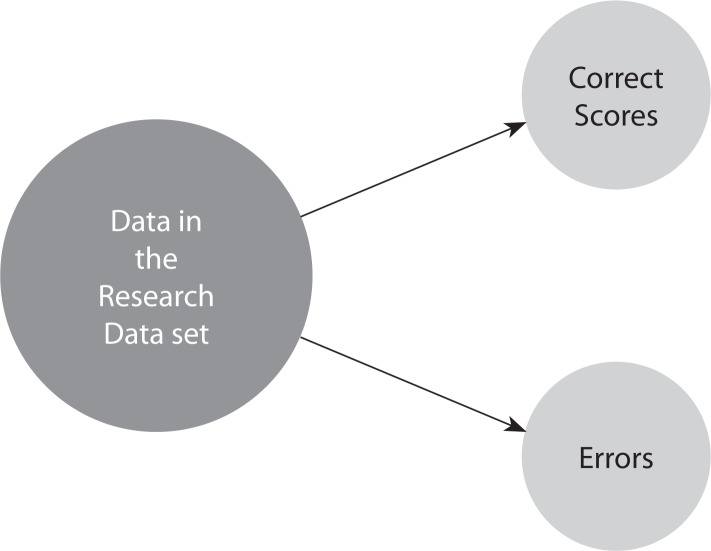
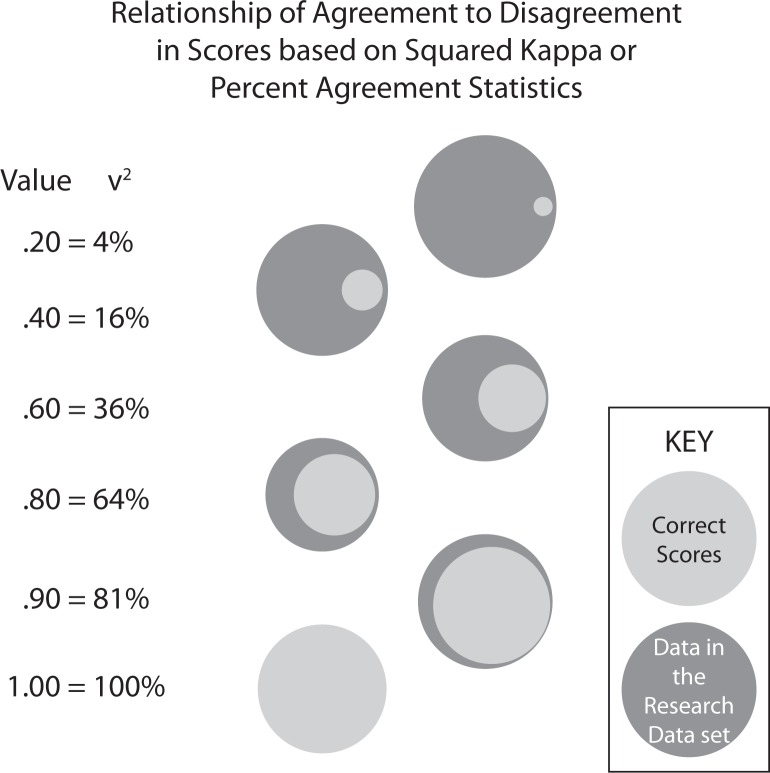
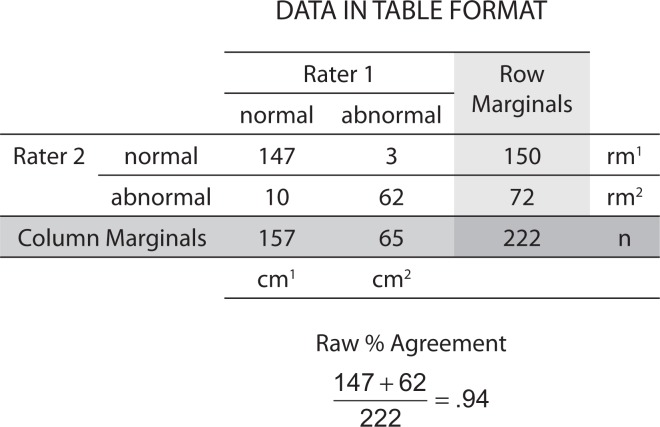
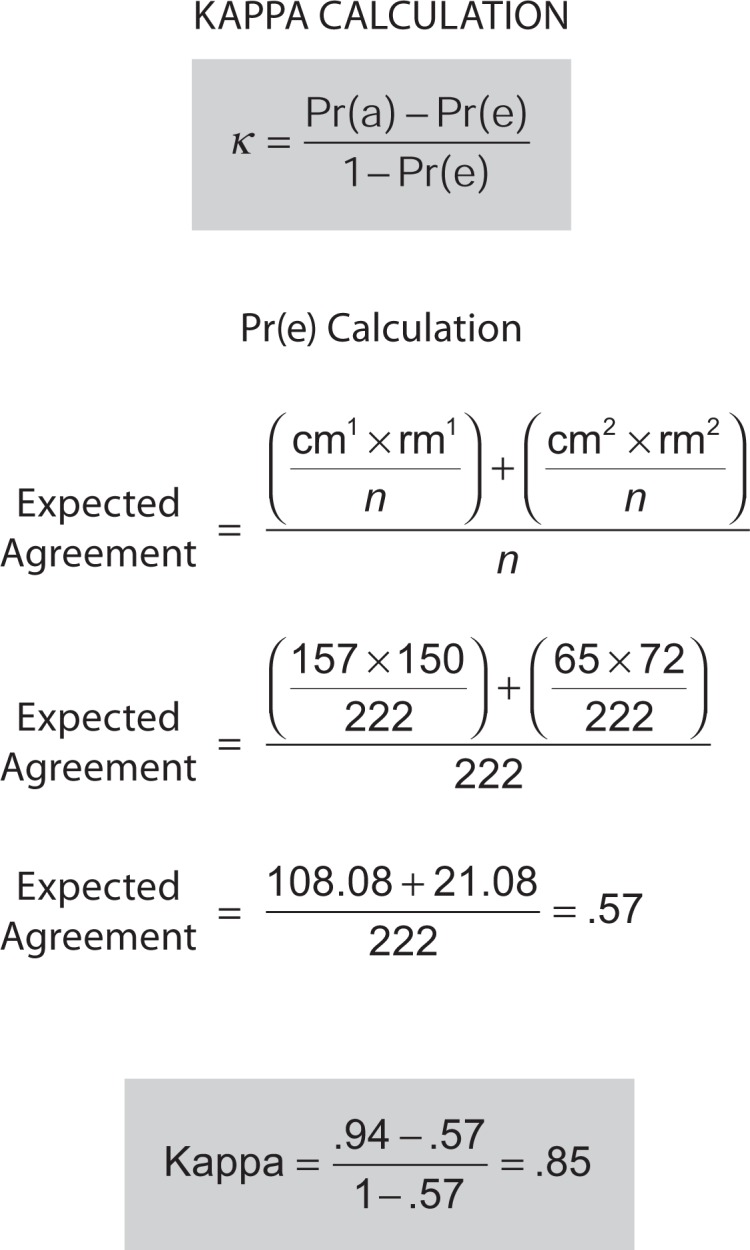
The kappa statistic is frequently used to test interrater reliability. The importance of rater reliability lies in the fact that it represents the extent to which the data collected in the study are correct representations of the variables measured. Measurement of the extent to which data collectors (raters) assign the same score to the same variable is called interrater reliability. While there have been a variety of methods to measure interrater reliability, traditionally it was measured as percent agreement, calculated as the number of agreement scores divided by the total number of scores. In 1960, Jacob Cohen critiqued use of percent agreement due to its inability to account for chance agreement. He introduced the Cohen's kappa, developed to account for the possibility that raters actually guess on at least some variables due to uncertainty. Like most correlation statistics, the kappa can range from -1 to +1. While the kappa is one of the most commonly used statistics to test interrater reliability, it has limitations. Judgments about what level of kappa should be acceptable for health research are questioned. Cohen's suggested interpretation may be too lenient for health related studies because it implies that a score as low as 0.41 might be acceptable. Kappa and percent agreement are compared, and levels for both kappa and percent agreement that should be demanded in healthcare studies are suggested.
Overview
The claims and statistics of this paper haven’t been checked yet.
Free: it reads the open-access text and checks the first 5 claims that cite a source we can check. Create a free account to check every claim.
Integrity signals
Registry
Cites
Statistics
Figures
Verification
Claims the paper makes
The claims and statistics of this paper haven’t been checked yet.
Free: it reads the open-access text and checks the first 5 claims that cite a source we can check. Create a free account to check every claim.
Claims other papers make about this one
Each is checked against this paper’s own text: does it say what the citing paper says it does?
The cited source doesn’t support the claim as written.
In the citing paper
“All raters met the minimum threshold for very good interrater reliability, defined as Cohen’s kappa statistic > 0.75 (McHugh 2012), and percentage agreement with criterion ratings was high (> 80%).”
From Evaluating the quality, safety, and functionality of commonly used smartphone apps for bipolar disorder mood and sleep self-management (2022) · cites this paper as McHugh 2012
Checked by a reasoning model — may be wrong.
Experimental — accuracy not yet measuredThe source backs part of the claim, not all of it — or backs it for a different population, condition or comparison.
In the citing paper
“Codes were compared to determine inter-coder agreement, which was calculated as the percentage of total agreed-upon selected codes compared with the total selected codes. This process was repeated until greater than eighty percent agreement was reached (McHugh, 2012).”
From "It Just Makes It Feel Like You're Not Alone": A Qualitative Study of a Social Support Group for High-Achieving, Low-Income STEM Majors (2024) · cites this paper as McHugh, 2012
Experimental — accuracy not yet measuredThe source backs part of the claim, not all of it — or backs it for a different population, condition or comparison.
In the citing paper
“They then labeled a second batch of 500 tweets, which resulted in an average Cohen’s kappa score of 0.77, indicating substantial interrater agreement (61).”
From Dynamics of cross-platform attention to retracted papers (2022) · cites this paper as [61]
Experimental — accuracy not yet measuredThe source backs part of the claim, not all of it — or backs it for a different population, condition or comparison.
In the citing paper
“The inferred sleep architecture estimates had a fair agreement (κ = 0.37) with the polysomnography ground truth on the internal validation12.”
From Self-supervised learning of accelerometer data provides new insights for sleep and its association with mortality (2024) · cites this paper as [12]
Experimental — accuracy not yet measuredThe source backs part of the claim, not all of it — or backs it for a different population, condition or comparison.
In the citing paper
“The inter-rater agreement for the combined screening process was 83%, indicating strong agreement between the two authors (McHugh, 2012).”
From Unraveling the Complexities of Offender Strategies as Part of Online Sexual Grooming and Technology-Assisted Child Sexual Abuse: A Systematic Review (2026) · cites this paper as McHugh, 2012
Experimental — accuracy not yet measured
35 more claims about this paper
Create a free account to see every claim other papers make about this one.
Self-check
Percentages, sums and reported differences re-computed from the paper’s own numbers.
The self-check needs the paper’s full text.
Citations
Cites
A Coefficient of Agreement for Nominal Scales
Cohen, J. (1960) · Educational and Psychological Measurement · doi:10.1177/001316446002000104 · Cited by 42,398
Stemler, S. E. (2020) · Scholarworks (University of Massachusetts Amherst) · doi:10.7275/96jp-xz07 · Cited by 992
Meta-analysis of Pap Test Accuracy
Fahey, M. T., Irwig, L., & Macaskill, P. (1995) · American Journal of Epidemiology · doi:10.1093/oxfordjournals.aje.a117485 · Cited by 684
Pressure ulcers: prevention, evaluation, and management.
Bluestein, D. A., & Javaheri, A. (2008) · PubMed · Cited by 201
Comparing groups for statistical differences: how to choose the right statistical test?
Marusteri, M., & Bacarea, V. (2010) · Biochemia Medica · doi:10.11613/bm.2010.004 · Cited by 184
Bonnyman, A. M., Webber, C. E., Stratford, P. W., & MacIntyre, N. J. (2012) · Journal of Clinical Densitometry · doi:10.1016/j.jocd.2012.03.005 · Cited by 176
Simundic, A.-M., Nikolac, N., Ivankovic, V., Ferenec-Ruzic, D., Magdic, B., Kvaternik, M., & Topic, E. (2009) · Clinical Chemistry and Laboratory Medicine · doi:10.1515/cclm.2009.306 · Cited by 113
Introductory Statistics for Health and Nursing Using SPSS
Marston, L. (2010) · SAGE Publications Ltd eBooks · doi:10.4135/9781446221570 · Cited by 80
Kottner, J., Halfens, R. J. G., & Dassen, T. W. N. (2009) · International Journal of Nursing Studies · doi:10.1016/j.ijnurstu.2009.03.014 · Cited by 77
de la Morena, E., Martinez, J., Rio, G. D., Latour, J., & Cabrera, P. (1978) · Biochemical Medicine · doi:10.1016/0006-2944(78)90045-5 · Cited by 19
Research works printed but not linked: 2
- [8]8. Marston, L . Introductory Statistics for Health and Nursing Using SPSS . Thousand Oaks, California: Sage Publications, Ltd . 2010 .
- [10]10. Simundic AM . Confidence interval . Biochem Med 2008;18:154-61 .
Cited by
Items 1,101–1,200 of 1,219
Public attitudes toward chatgpt on twitter: sentiments, topics, and occupations
Koonchanok, R., Pan, Y., & Jang, H. (2024) · Social Network Analysis and Mining · doi:10.1007/s13278-024-01260-7 · Cited by 25
Migratory grief: a systematic review
Renner, A., Schmidt, V., & Kersting, A. (2024) · Frontiers in Psychiatry · doi:10.3389/fpsyt.2024.1303847 · Cited by 25
“Using Cohen`s Kappa statistic, k (23), inter-rater reliability was assessed and equalled 0.929.”
InfluentialBrummer, L., de Boer, H., Mouw, J. M., & Strijbos, J.-W. (2024) · Learning Environments Research · doi:10.1007/s10984-024-09501-4 · Cited by 25
“Krippen-dorff’s alpha for the coding of the general information ( κ = 0.94) and the clusters of feed-back factors ( κ = 0.94) were satisfactory (McHugh, 2012).”
InfluentialSchuling, R., Huijbers, M. J., van Ravesteijn, H., Donders, R., Cillessen, L., Kuyken, W., & Speckens, A. E. M. (2020) · Journal of Affective Disorders · doi:10.1016/j.jad.2020.03.182 · Cited by 24
Jones, S. J., Ó Ciardha, C., & Elliott, I. A. (2021) · Sexual Abuse · doi:10.1177/1079063220965953 · Cited by 24
“Percentage agreement between the first and second raters was 85% ( κ = .83, bias-corrected and accelerated 95% confidence interval [BCa 95% CI] = [.69, .94]), representing strong agreement (McHugh, 2012).”
BackgroundHuman-In-the-Loop Software Development Agents
Takerngsaksiri, W., Pasuksmit, J., Thongtanunam, P., Tantithamthavorn, C., Zhang, R., Jiang, F., Li, J., Cook, E., Chen, K., & Wu, M. (2024) · arXiv · doi:10.48550/arxiv.2411.12924 · Cited by 24
Hypoglycemia communication in primary care visits for patients with diabetes
Pilla, S. J., Park, J., Schwartz, J. L., Albert, M. C., Ephraim, P. L., Boulware, L. E., Mathioudakis, N. N., Maruthur, N. M., Beach, M. C., & Greer, R. C. (2021) · Journal of General Internal Medicine · doi:10.1007/s11606-020-06385-x · Cited by 23
Kiss, S., Gede, N., Hegyi, P., Nagy, B., Deák, R., Dembrovszky, F., Bunduc, S., Erőss, B., Leiner, T., Szakács, Z., et al. (2021) · Scientific Reports · doi:10.1038/s41598-021-01440-x · Cited by 23
Racial and Ethnic Representation in Preventive Intervention Research: a Methodological Study
Buckley, P. R., Murry, V. M., Gust, C. J., Ladika, A., & Pampel, F. C. (2023) · Prevention Science · doi:10.1007/s11121-023-01564-8 · Cited by 23
Fergadiotis, G., Hula, W. D., Swiderski, A. M., Lei, C.-M., & Kellough, S. (2019) · Journal of Speech, Language, and Hearing Research · doi:10.1044/2018_jslhr-l-18-0344 · Cited by 23
Williams, V. N., McManus, B. M., Brooks‐Russell, A., Yost, E., Allison, M. A., Olds, D. L., & Tung, G. J. (2022) · Health & Social Care in the Community · doi:10.1111/hsc.13567 · Cited by 23
Turkal, R., Turan, C. A., Elbasan, O., Aytan, S., Çakmak, B., Gözaydınoğlu, B., Takır, D. C., Ünlü, O., Bahramzada, G., Tekin, A. F., et al. (2022) · BMC Pregnancy and Childbirth · doi:10.1186/s12884-022-04608-z · Cited by 23
Johannsen, M., Frederiksen, Y., Jensen, A., & Zachariae, R. (2017) · Journal of Pain Research · doi:10.2147/jpr.s124665 · Cited by 22
“28,29”
Exploring Differences in Measurement and Reporting of Classroom Observation Inter-Rater Reliability
Wilhelm, A. G., Rouse, A. G., & Jones, F. (2018) · University of Massachusetts Amherst · doi:10.7275/at67-md25 · Cited by 20
Fine-Tuning Language Models to Find Agreement Among Humans with Diverse Preferences
Bakker, M., Chadwick, M., Sheahan, H., Tessler, M., Campbell-Gillingham, L., Balaguer, J., McAleese, N., Glaese, A., Aslanides, J., Botvinick, M., et al. (2022) · Advances in Neural Information Processing Systems 35 · doi:10.52202/068431-2766 · Cited by 22
ALGAN: Time Series Anomaly Detection with Adjusted-LSTM GAN
Bashar, M. A., & Nayak, R. (2023) · doi:10.21203/rs.3.rs-3609809/v1 · Cited by 22
Abdellatif, E. B., El Kashlan, M. K., & El Tantawi, M. (2023) · BMC Oral Health · doi:10.1186/s12903-023-03597-5 · Cited by 21
Rot, C., Creutzinger, K., Goetz, H., Winder, C., Morrison, J., Conboy, M., Bajus, A., & Renaud, D. L. (2022) · Preventive Veterinary Medicine · doi:10.1016/j.prevetmed.2022.105630 · Cited by 21
Yin, S., Huang, S., Xue, P., Xu, Z., Lian, Z., Ye, C., Ma, S., Liu, M., Hu, Y., Lu, P., et al. (2025) · BMC Medicine · doi:10.1186/s12916-025-03899-1 · Cited by 43
Ultrasound-induced immune responses in tumors: A systematic review and meta-analysis
Rix, A., Heinrichs, H., Porte, C., Leenaars, C., Bleich, A., & Kiessling, F. (2024) · Journal of Controlled Release · doi:10.1016/j.jconrel.2024.05.030 · Cited by 21
Chang-Tik, C., & Goh, J. N. (2023) · Interactive Learning Environments · doi:10.1080/10494820.2020.1799029 · Cited by 21
Khan, M. S., Shaikh, A., Ochani, R. K., Akhtar, T., Fatima, K., Khan, S. U., Mookadam, F., Murad, M. H., Figueredo, V. M., Doukky, R., et al. (2019) · Circulation: Cardiovascular Quality and Outcomes · doi:10.1161/circoutcomes.118.005260 · Cited by 21
Morton, E., Nicholas, J., Yang, L., Lapadat, L., Barnes, S. J., Provencher, M. D., Depp, C., Chan, M., Kulur, R., & Michalak, E. E. (2022) · International Journal of Bipolar Disorders · doi:10.1186/s40345-022-00256-6 · Cited by 20
“All raters met the minimum threshold for very good interrater reliability, defined as Cohen’s kappa statistic > 0.75 (McHugh 2012), and percentage agreement with criterion ratings was high (> 80%).”
InfluentialRuan, J., Chen, S., Liang, J., Mak, Y. W., Yee Ho, F. Y., Chung, K. F., Kwun Tong, A. K., Zhang, X. L., & Yeung, W. F. (2022) · Journal of Contextual Behavioral Science · doi:10.1016/j.jcbs.2022.09.002 · Cited by 20
The Impact of Large Language Models on Open-source Innovation: Evidence from GitHub Copilot
Yeverechyahu, D., Mayya, R., & Oestreicher-Singer, G. (2024) · doi:10.2139/ssrn.4684662 · Cited by 20
Terpstra, J. A., van der Vaart, R., Ding, H. J., Kloppenburg, M., & Evers, A. W. M. (2021) · Internet Interventions · doi:10.1016/j.invent.2021.100444 · Cited by 19
“Cohen's κ was calculated to determine interrater reliability (McHugh, 2012) concerning the included studies in the review.”
MethodLiang, S.-C., Sun, C.-K., Chang, C.-H., Cheng, Y.-S., Tzang, R.-F., Chiu, H.-J., Wang, M. Y., Cheng, Y.-C., & Hung, K.-C. (2024) · BJPsych Open · doi:10.1192/bjo.2023.645 · Cited by 20
Naloxone Dosing and Hospitalization for Nitazene Overdose: A Scoping Review
Berger, J. C., Severe, A. D., Jalloh, M. S., & Manini, A. F. (2025) · Journal of Medical Toxicology · doi:10.1007/s13181-025-01059-8 · Cited by 19
“Intercoder reliability was assessed by reviewing each code and counting the frequency of agreements over disagreements (κ > 0.99) amongst the reviewers during the reconciliation process [18].”
InfluentialTorre, C., Zaghi, S., Camacho, M., Capasso, R., & Liu, S. Y. (2018) · Clinical Otolaryngology · doi:10.1111/coa.13054 · Cited by 19
Negative self-appraisal: Personal reasons for dying as indicators of suicidality
Madsen, J., & Harris, K. M. (2021) · PLoS ONE · doi:10.1371/journal.pone.0246341 · Cited by 19
Racine, N., Chow, C., Hamwi, L., Bucsea, O., Cheng, C., Du, H., Fabrizi, L., Jasim, S., Johannsson, L., Jones, L., et al. (2024) · JMIR AI · doi:10.2196/51535 · Cited by 19
“The average percent agreement (ie, the number of times 2 individuals agreed upon a code divided by the total number of units of observation that were rated) across transcripts between coders for the HCP and parent transcripts was 0.77, which is adequate [28].”
BackgroundInfluentialSiew, L. E. D., Teo, N. R., Ang, W. H. D., & Lau, Y. (2023) · Journal of Cancer Survivorship · doi:10.1007/s11764-022-01244-6 · Cited by 19
“Cohen’s Kappa statistic was calculated to ensure inter-rater reliability, and 0.6 was deemed acceptable [54].”
MethodInfluentialA case study of implicit mentoring, its prevalence, and impact in Apache
Feng, Z., Chatterjee, A., Sarma, A., & Ahmed, I. (2022) · Proceedings of the 30th ACM Joint European Software Engineering Conference and Symposium on the Foundations of Software Engineering · doi:10.1145/3540250.3549167 · Cited by 19
Marcó-García, S., Ariyo, K., Owen, G. S., & David, A. S. (2024) · Psychological Medicine · doi:10.1017/s0033291724000242 · Cited by 18
Lockwood, I., Peterson-Badali, M., & Schmidt, F. (2018) · Criminal Justice and Behavior · doi:10.1177/0093854818785404 · Cited by 18
Scorza, P., Duarte, C. S., Lee, S., Wu, H., Posner, J., Baccarelli, A., & Monk, C. (2023) · Journal of the American Academy of Child & Adolescent Psychiatry · doi:10.1016/j.jaac.2023.02.018 · Cited by 18
Moderator effects of mobile users’ pedagogical role on science learning: a meta-analysis.
Shi, L., & Kopcha, T. J. (2022) · British Journal of Educational Technology · doi:10.1111/bjet.13210 · Cited by 17
Kleine, H. D., McCormack, L. A., Drooger, A., & Meendering, J. R. (2019) · Journal of Primary Care & Community Health · doi:10.1177/2150132719851643 · Cited by 17
Methodological Standards in Accessibility Research on Motor Impairments: A Survey
Sarsenbayeva, Z., van Berkel, N., Velloso, E., Goncalves, J., & Kostakos, V. (2023) · ACM Computing Surveys · doi:10.1145/3543509 · Cited by 17
Janitra, F. E., Chen, R., Lin, H., Sung, C., Chu, H., Lee, C., Niu, S., Liu, H., Chang, L., Banda, K. J., et al. (2024) · International Journal of Mental Health Nursing · doi:10.1111/inm.13334 · Cited by 18
Link, S. (2024) · Lingua · doi:10.1016/j.lingua.2024.103787 · Cited by 17
Bowditch, L., Molloy, C., King, B., Abedi, M., Jackson, S., Bierbaum, M., Yu, Y., Raggett, L., Salmon, P., Braithwaite, J., et al. (2026) · BMJ Quality & Safety · doi:10.1136/bmjqs-2025-019063 · Cited by 16
Mental imagery and visual attentional templates: A dissociation
Cabbai, G., Brown, C. R. H., Dance, C., Simner, J., & Forster, S. (2023) · Cortex · doi:10.1016/j.cortex.2023.09.014 · Cited by 16
“We observed strong inter-rater agreement (Cohen ' s kappa of k ¼ .82, p < .001, Fleiss et al., 2013; McHugh, 2012).”
"Better Be Computer or I'm Dumb": A Large-Scale Evaluation of Humans as Audio Deepfake Detectors
Warren, K., Tucker, T., Crowder, A., Olszewski, D., Lu, A., Fedele, C., Pasternak, M., Layton, S., Butler, K., Gates, C., et al. (2024) · Proceedings of the 2024 on ACM SIGSAC Conference on Computer and Communications Security · doi:10.1145/3658644.3670325 · Cited by 15
Why Do Multi-Agent LLM Systems Fail?
Cemri, M., Pan, M. Z., Yang, S., Agrawal, L. A., Chopra, B., Tiwari, R., Keutzer, K., Parameswaran, A., Klein, D., Ramchandran, K., et al. (2025) · arXiv · doi:10.48550/arxiv.2503.13657 · Cited by 630
“Tool-calling agents specialized to utility services (ex: GMail, Spotify, etc.) being orchestrated by a supervisor to achieve cross-service tasks AG2 [45]”
Germain, N., Jémus-Gonzalez, E., Couture, V., Côté, É., Morin, M., Toulouse-Fournier, A., Bert, L., Giguère, R., Sinha, S., Sourial, N., et al. (2024) · BMC Geriatrics · doi:10.1186/s12877-024-05388-1 · Cited by 15
Sheehan, K. J., Fitzgerald, L., Lambe, K., Martin, F. C., Lamb, S. E., & Sackley, C. (2021) · Archives of Osteoporosis · doi:10.1007/s11657-021-00963-0 · Cited by 15
Beckett, R. D., Loeser, K. C., Bowman, K. R., & Towne, T. G. (2016) · BMC Medical Research Methodology · doi:10.1186/s12874-016-0215-2 · Cited by 15
“Published recommendations suggest inter-rater reliability would be needed to assess consistency in the latter, but not the former, scenario [14].”
BackgroundKhiatani, P. V., She, M. H. C., Ho, O. Y. Y., & Liu, J. K. K. (2023) · International Journal of Educational Development · doi:10.1016/j.ijedudev.2023.102813 · Cited by 15
Williams, D., Bartelt, E., Thomas, B., Guerra-Reyes, L., Carspecken, L., Rosenstock Gonzalez, Y. R., Klimek, S., & Dodge, B. (2022) · Archives of Sexual Behavior · doi:10.1007/s10508-021-02236-w · Cited by 15
Chua, R. E. C., Lau, Y., Ang, W. W., Boey, A. A. Y. F., & Lau, S. T. (2024) · Journal of Diabetes · doi:10.1111/1753-0407.70002 · Cited by 14
Tunable image quality control of 3-D ultrasound using switchable CycleGAN
Huh, J., Khan, S., Choi, S., Shin, D., Lee, J. E., Lee, E. S., & Ye, J. C. (2023) · Medical Image Analysis · doi:10.1016/j.media.2022.102651 · Cited by 14
Elagami, R. A., Reis, T. M., Hassan, M. A., Tedesco, T. K., Braga, M. M., Mendes, F. M., Cenci, M. S., Huysmans, M.-C., & Raggio, D. P. (2024) · BMC Oral Health · doi:10.1186/s12903-024-04417-0 · Cited by 14
“To assess the agreement between reviewers, an inter-rater reliability Cohen’s kappa test was conducted for 10% of the included studies [17].”
MethodWang, T.-W., Tzeng, Y.-H., Wu, K.-T., Liu, H.-R., Hong, J.-S., Hsu, H.-Y., Fu, H.-N., Lee, Y.-T., Yin, W.-H., & Wu, Y.-T. (2024) · Computers in Biology and Medicine · doi:10.1016/j.compbiomed.2024.109295 · Cited by 14
Quotation Errors in High-Impact-Factor Orthopaedic and Sports Medicine Journals
Gazendam, A., Cohen, D., Morgan, S., Ekhtiari, S., & Ghert, M. (2021) · JBJS Open Access · doi:10.2106/jbjs.oa.21.00019 · Cited by 13
Zhou, B., Gek Mui, L., Li, J., & Hu, J. (2024) · Patient Education and Counseling · doi:10.1016/j.pec.2024.108353 · Cited by 13
Shielding against online harm: A survey on text analysis to prevent cyberbullying
Mishra, A., Sinha, S., & George, C. P. (2024) · Engineering Applications of Artificial Intelligence · doi:10.1016/j.engappai.2024.108241 · Cited by 13
Detecting outdated code element references in software repository documentation
Tan, W. S., Wagner, M., & Treude, C. (2024) · Empirical Software Engineering · doi:10.1007/s10664-023-10397-6 · Cited by 13
Accelerating the pace and accuracy of systematic reviews using AI: a validation study
Zhan, J., Suvada, K., Xu, M., Tian, W., Cara, K. C., Wallace, T. C., & Ali, M. K. (2025) · Systematic Reviews · doi:10.1186/s13643-025-02997-8 · Cited by 12
“We evaluated the inter-rater reliability of two AI runs by percent agreement and kappa statistic [20].”
Wang, M., Liu, Q., Zhu, Z., Guo, X., Hu, X., & Cheng, L. (2024) · Worldviews on Evidence-Based Nursing · doi:10.1111/wvn.12719 · Cited by 12
Patients' physical activity in stroke units in Latvia and Sweden
Kārkliņa, A., Chen, E., Bērziņa, G., & Stibrant Sunnerhagen, K. (2021) · Brain and Behavior · doi:10.1002/brb3.2110 · Cited by 12
AI-assisted academic cheating: a conceptual model based on postgraduate student voices
Hanh, N. V., & Duyen, N. T. (2025) · Frontiers in Computer Science · doi:10.3389/fcomp.2025.1682190 · Cited by 12
Scott, J., Sykes, K., Waring, J., Spencer, M., Young‐Murphy, L., Mason, C., Newman, C., Brittain, K., & Dawson, P. (2025) · Journal of Advanced Nursing · doi:10.1111/jan.16264 · Cited by 12
Emotion-focused therapy for fear of cancer recurrence: A hospital-based exploratory outcome study.
Almeida, S. N., Elliott, R., Silva, E. R., & Sales, C. M. D. (2022) · Psychotherapy · doi:10.1037/pst0000389 · Cited by 12
Yoder, W. R., Karyotaki, E., Cristea, I.-A., van Duin, D., & Cuijpers, P. (2019) · BMJ Open · doi:10.1136/bmjopen-2018-024622 · Cited by 11
“60 will be considered as adequate reliability.(26) To calculate the effect sizes, the outcome instruments that measure the symptoms of the disorder that is being targeted will be used.”
BackgroundDebes, W., Sadaqa, M., Németh, Z., Aldardour, A., Prémusz, V., & Hock, M. (2024) · Journal of Clinical Medicine · doi:10.3390/jcm13020441 · Cited by 11
“After the abstract and full-text screening, Cohen’s kappa coefficient (K score) [41] was calculated to weigh the level of agreement between the two reviewers.”
MethodSkelton, E., Matthew, J., Li, Y., Khanal, B., Cerrolaza Martinez, J. J., Toussaint, N., Gupta, C., Knight, C., Kainz, B., Hajnal, J. V., et al. (2021) · Radiography · doi:10.1016/j.radi.2020.11.006 · Cited by 11
Braun, L., Freund, J., Thielecke, J., Baumeister, H., Ebert, D. D., & Titzler, I. (2022) · JMIR Mental Health · doi:10.2196/39122 · Cited by 11
“92) and can be classified as almost perfect [53] based on the Brennan-Prediger coefficient κ [54].”
MethodCurrie, K. D., Soave, K. M., & Slade, J. M. (2023) · Journal of Human Hypertension · doi:10.1038/s41371-021-00623-3 · Cited by 11
Cheung, P., Franks, P., Kramer, M., Drews-Botsch, C., Welsh, J., Kay, C., Weiss, P., & Gazmararian, J. (2019) · Journal of science and medicine in sport · doi:10.1016/j.jsams.2018.07.015 · Cited by 11
Artificial Intelligence in Coronary Artery Calcium Scoring
Aromiwura, A. A., & Kalra, D. K. (2024) · Journal of Clinical Medicine · doi:10.3390/jcm13123453 · Cited by 11
FABULA: Intelligence Report Generation Using Retrieval-Augmented Narrative Construction
Ranade, P., & Joshi, A. (2023) · Proceedings of the International Conference on Advances in Social Networks Analysis and Mining · doi:10.1145/3625007.3627505 · Cited by 11
“We compute Cohen’s kappa [31] to measure inter-annotator agreement for each of the recommended IPP plot points, keeping only the plot points that scored higher than 0.6.”
MethodInfluentialWong, T. H., Sim, A., & Burns, S. F. (2022) · Journal of Exercise Science & Fitness · doi:10.1016/j.jesf.2022.06.004 · Cited by 11
Style Over Substance: Evaluation Biases for Large Language Models
Wu, M., & Aji, A. F. (2023) · arXiv · doi:10.48550/arxiv.2307.03025 · Cited by 11
CHEN, B., & SUN, X. (2022) · Advances in Psychological Science · doi:10.3724/sp.j.1042.2022.01968 · Cited by 11
How do teens with a history of suicidal behavior and self-harm interact with social media?
Szlyk, H. S., Li, X., Kasson, E., Peoples, J. E., Montayne, M., Kaiser, N., & Cavazos‐Rehg, P. (2023) · Journal of Adolescence · doi:10.1002/jad.12154 · Cited by 10
McKinley, C. E., & Liddell, J. L. (2022) · Violence Against Women · doi:10.1177/10778012221104507 · Cited by 10
LaDue, N. D., Zocher, E., & Dugas, D. (2024) · Journal for STEM Education Research · doi:10.1007/s41979-024-00116-1 · Cited by 9
Tsiapakidou, S., Nygaard, C. C., Falconi, G., Pape, J., Betschart, C., Doumouchtsis, S. K., & CHORUS: An International Collaboration for Harmonising Outcomes, R. A. S. I. U. A. W. H. (.-C. O. (2021) · Neurourology and Urodynamics · doi:10.1002/nau.24709 · Cited by 9
“Finally, the level of agreement required among appraisers is unclear.(36,37) There is no evidence to date to link appraisal outcomes based on AGREE II tool with clinical practice implementation and applicability of recommendations included in guidelines.”
MethodNovel AI applications in systematic review: gPT-4 assisted data extraction, analysis, review of bias
Kim, J. K., Chua, M. E., Li, T. G., Rickard, M., & Lorenzo, A. J. (2025) · BMJ Evidence-Based Medicine · doi:10.1136/bmjebm-2024-113066 · Cited by 11
Inaccurate Citations Are Prevalent Within Orthopaedic Sports Medicine Literature
Homeier, D., Adams, M., Lynch, T., & Cognetti, D. (2024) · Arthroscopy, Sports Medicine, and Rehabilitation · doi:10.1016/j.asmr.2023.100873 · Cited by 9
Kwan, Y. K., Lau, Y., Ang, W. W., & Lau, S. T. (2024) · Nicotine and Tobacco Research · doi:10.1093/ntr/ntad145 · Cited by 9
Shahrul, A. I., & Syed Mohamed, A. M. F. (2024) · Cureus · doi:10.7759/cureus.72581 · Cited by 9
Ingram, M., Colloby, S. J., Firbank, M. J., Lloyd, J. J., O'Brien, J. T., & Taylor, J.-P. (2022) · Psychiatry Research: Neuroimaging · doi:10.1016/j.pscychresns.2022.111460 · Cited by 9
Lee, S., Kim, J., Bockhold, S., Lee, J., Chun, J., & Yu, M. (2024) · Children · doi:10.3390/children11121554 · Cited by 8
“Before the coding process commenced, approximately 10% of the fi nal sample was randomly selected for double screening to ensure consistency among raters [36,37].”
Saulnier, K. G., Saulnier, S. J., & Allan, N. P. (2022) · Journal of Anxiety Disorders · doi:10.1016/j.janxdis.2022.102571 · Cited by 8
Evaluating machine learning algorithms estimating tremor severity ratings on the Bain–Findley scale
Yohanandan, S. A. C., Jones, M., Peppard, R., Tan, J. L., McDermott, H. J., & Perera, T. (2016) · Measurement Science and Technology · doi:10.1088/0957-0233/27/12/125702 · Cited by 8
Being diagnosed with a rhabdomyosarcoma in the era of artificial intelligence: whom can we trust?
Clerici, C. A., Bernasconi, A., Lasalvia, P., Bisogno, G., Milano, G. M., Trama, A., Chiaravalli, S., Bergamaschi, L., Casanova, M., Massimino, M., et al. (2024) · Pediatric Blood & Cancer · doi:10.1002/pbc.31256 · Cited by 8
Derton, A., Guevara, M., Chen, S., Moningi, S., Kozono, D. E., Liu, D., Miller, T. A., Savova, G. K., Mak, R. H., & Bitterman, D. S. (2023) · JCO Clinical Cancer Informatics · doi:10.1200/cci.22.00196 · Cited by 8
“Fleiss ’ kappa ( κ ) scores 33 were calculated to measure interannotator agreement, and F1 scores were calculated against the clinical data to serve as a comparison with the classi fi cation models.”
Cuenca-Martínez, F., Calatayud, J., Suso-Martí, L., Varangot-Reille, C., Herranz-Gómez, A., Blanco-Díaz, M., & Casaña, J. (2022) · International Journal of Environmental Research and Public Health · doi:10.3390/ijerph19095260 · Cited by 7
“5 indicates a low level of agreement [20].”
BackgroundKumbi, H., Ali, M. M., & Abate, A. (2024) · BMC Infectious Diseases · doi:10.1186/s12879-024-09554-z · Cited by 7
“The Kappa values 0-0.2, 0.21–0.39, 0.4–0.59, 0.6–0.79, 0.8–0.9, > 0.9 were interpreted as no agreement, minimal agreement, weak agreement, moderate agreement, strong agreement, and almost perfect agreement respectively [18].”
BackgroundInfluentialLeadership of Nurses' Interprofessional Collaboration: A Mixed‐Methods Systematic Review
Kamppila, H., Czabanowska, K., Kämäräinen, P., Younas, A., & Kvist, T. (2026) · Journal of Advanced Nursing · doi:10.1111/jan.70543 · Cited by 7
Juandi, D., Suparman, S., Putri, A. D., Dahlan, J. A., & Dasari, D. (2025) · International Electronic Journal of Mathematics Education · doi:10.29333/iejme/16899 · Cited by 7
“Cohen’s Kappa test was applied to describe and analyze the coding consistency among coders in that there were only two experts involved for each part (McHugh, 2012).”
Chen, D., Li, P., Khoshkish, E., Lee, S., Ning, T., Tahir, U., Wong, H. C. Y., Lee, M. S. F., & Raman, S. (2026) · Journal of the American Medical Informatics Association · doi:10.1093/jamia/ocaf223 · Cited by 6
Blocksidge, H., Wittkowski, A., Heazell, A. E. P., & Smith, D. M. (2026) · Death Studies · doi:10.1080/07481187.2025.2452486 · Cited by 6
“L i e b e r m a n , J ( 1 ) ( 1 ) ( 1 ) ( 1 ) ( 1 ) M o d e r a t e ( 7 ) 3 B o nn e tt e a n d B r oo m ( 2012 ) ( 1 ) ( 1 ) ( 1 ) ( 1 ) ( 1 ) ( 1 ) h i g h ( 8 .”
Barakat, Z., Sacre, H., Khatib, S., Hajj, A., BouMalham, C., Haddad, C., Zeenny, R. M., Akel, M., Abbas, L. A., Barakat, M., et al. (2025) · PLOS One · doi:10.1371/journal.pone.0322554 · Cited by 6
Mindfulness Effects on Anxiety: Disentangling the Role of Decentering and Treatment Expectations
Bos, D. P. A., Keesman, M., Roggeveen, A., Vase, L., Evers, A. W. M., & Peerdeman, K. J. (2024) · Behavior Therapy · doi:10.1016/j.beth.2024.03.004 · Cited by 5
The Widening Gap: The Benefits and Harms of Generative AI for Novice Programmers
Prather, J., Reeves, B., Leinonen, J., MacNeil, S., Randrianasolo, A. S., Becker, B., Kimmel, B., Wright, J., & Briggs, B. (2024) · arXiv · Cited by 196
“We collected racial and ethnic identities because the university has been steadily growing towards being identified as a Hispanic-Serving Institution (HSI) and we were concerned about what issues traditionally marginalized groups may be facing.”
Yunita, Y., Juandi, D., Hasanah, A., & Suparman (2022) · AIP Conference Proceedings · doi:10.1063/5.0102458 · Cited by 5
Alexander, M. (2022) · doi:10.1101/2022.04.25.22274226 · Cited by 4
“Kappa (McHugh, 2012) Minimally acceptable kappa score 0.”
Background
Metadata
- Authors
- McHugh, M. L.
- Affiliations
- National University (US)
- Corresponding author
- McHugh, Marry L.
- Venue
- Biochemia Medica
- Published
- 2012
- Volume
- 22
- Issue
- 3
- Pages
- 276-282
- ISSN
- 1330-0962 (ISSN-L)
- 1846-7482
- PMC
- PMC3900052
- OpenAlex
- W4294214983
- Semantic Scholar
- bf3a7271860b1667e3ceb84e5bc400d2635ff8b7
- Cited by
- 19,877
- References
- 10
- Citations by year
- 2026: 2370 · 2025: 2905 · 2024: 2853 · 2023: 2576 · 2022: 2417 · 2021: 2359 · 2020: 1703 · 2019: 1050 · 2018: 748 · 2017: 468 · 2016: 228 · 2015: 63 · 2014: 39 · 2013: 8 · 2012: 5
- FWCI
- 41.68
- Type
- journal article
- Language
- en
- Open access
- diamond
- doi.org
- Licence
- cc-by
- Locations
- Biochemia Medica (publishedVersion, cc-by)
- Europe PMC (PubMed Central) (publishedVersion, other-oa)
- PubMed Central (publishedVersion, cc-by-nc)
- PubMed (publishedVersion)
- University of Zagreb University Computing Centre (SRCE) (submittedVersion, other-oa)
- PubMed
- Topics
- Social Sciences › Decision Sciences › Statistics, Probability and Uncertainty › Reliability and Agreement in Measurement
- Physical Sciences › Mathematics › Statistics and Probability › Statistical Methods in Epidemiology
- Social Sciences › Decision Sciences › Statistics, Probability and Uncertainty › Meta-analysis and systematic reviews
- Keywords
- inter-rater reliability, Cohen's kappa, percent agreement, chance-corrected agreement, rater agreement, interobserver variability
- MeSH terms
- Data Interpretation, Statistical, Reproducibility of Results, Observer Variation
About these checks
Registry, retraction, Cites and statistics results are computed, not judged, with one exception: a printed reference that no index lists is read once by a model before it counts as a citation error. Claims are extracted by a model and kept only when their quote appears verbatim in the text; each cited source is then checked, with a model’s help, for whether it says what the claim relies on. Those verdicts can be wrong — read the claim’s quote and the cited source before relying on one.
Statistics and arithmetic are recomputed, not judged.
Confidence bands are shown only for fields calibrated on our annotated test set. None is calibrated yet, so no band is shown.
What counts as a claim ›How we measure confidence ›How we check this ›
Are you an author, or do you see a problem with this page? Request a review
Data sources
Bibliographic data: Semantic Scholar, OpenAlex, Crossref.
Contains information from the Semantic Scholar Academic Graph Datasets, made available under the ODC Attribution License (ODC-BY 1.0).
Semantic Scholar’s data is described in: Kinney, R., et al. (2023). The Semantic Scholar Open Data Platform. arXiv:2301.10140.
