

Exercise, or exercise and diet for the management of polycystic ovary syndrome: a systematic review and meta-analysis
Open accessThe DOI matches its Crossref record; 162 of the 168 references it cites were found in a registry or an index; 30 of the 115 sources its claims cite were checked for support.
Abstract
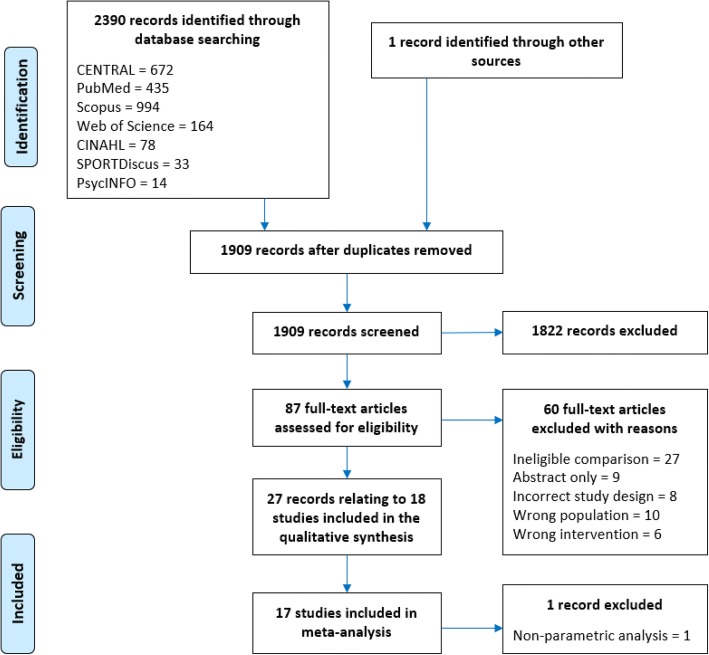
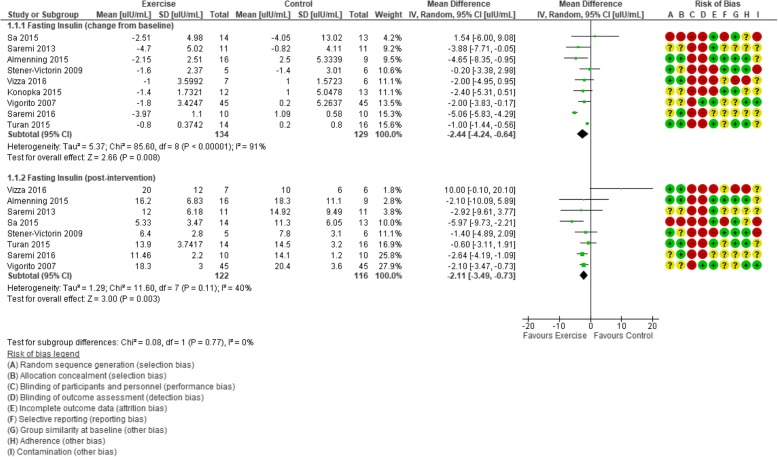
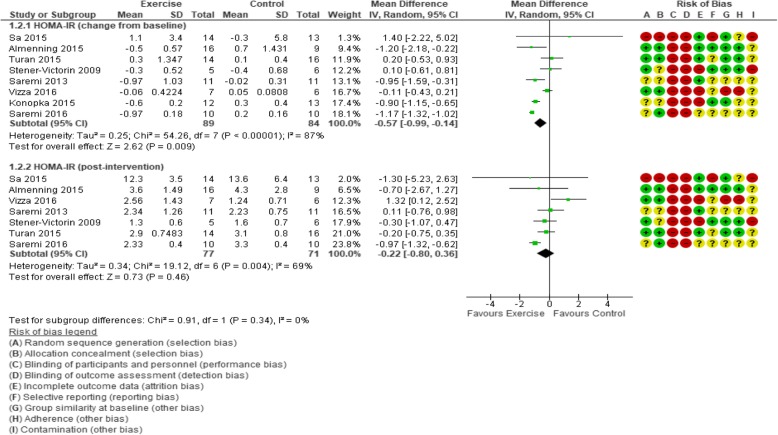
Typically, management of PCOS focuses on lifestyle changes (exercise and diet), aiming to alleviate symptoms, and lower the associated risk of type 2 diabetes and cardiovascular disease. Our objective was to analyse evidence on the effectiveness of exercise in the management of PCOS, when compared to (i) usual care, (ii) diet alone, and (iii) exercise combined with diet, and also exercise combined with diet, compared to (i) control or usual care and (ii) diet alone. Relevant databases were searched (June 2017) with no time limit for trial inclusion. Eligible trials employed a randomised or quasi-randomised design to measure the chronic effects of exercise, or exercise and diet in women with PCOS. Searches returned 2390 articles; of those, 27 papers from 18 trials were included. Results are presented as mean difference (MD) and 95% confidence intervals (95% CI). Compared with control, exercise had a statistical effect on change from baseline fasting insulin (MD − 2.44 μIU/mL, 95% CIs − 4.24 to − 0.64; very low-quality evidence), HOMA-IR (− 0.57, − 0.99 to − 0.14; very low-quality evidence), total cholesterol (− 5.88 mg/dL, − 9.92 to − 1.83; low-quality evidence), LDL cholesterol (− 7.39 mg/dL, − 9.83 to − 4.95; low-quality evidence), and triglycerides (− 4.78 mg/dL, − 7.52 to − 2.05; low-quality evidence). Exercise also improved VO2 max (3.84 ml/kg/min, 2.87 to 4.81), waist circumference (− 2.62 cm, − 4.13 to − 1.11), and body fat percentage (− 1.39%, − 2.61 to − 0.18) when compared with usual care. No effect was found for change value systolic/diastolic blood pressure, fasting glucose, HDL cholesterol (all low-quality evidence), or waist-to-hip ratio. Many favourable change score findings were supported by post-intervention value analyses: fasting insulin (− 2.11 μIU/mL, − 3.49 to − 0.73), total cholesterol (− 6.66 mg/dL, − 11.14 to − 2.17), LDL cholesterol (− 6.91 mg/dL, − 12.02 to − 1.80), and VO2 max (5.01 ml/kg/min, 3.48 to 6.54). Statistically lower BMI (− 1.02 kg/m2, − 1.81 to − 0.23) and resting heart rate (− 3.26 beats/min − 4.93 to − 1.59) were also revealed in post-intervention analysis. Subgroup analyses revealed the greatest improvements in overweight/obese participants, and more outcomes improved when interventions were supervised, aerobic in nature, or of a shorter duration. Based on limited data, we found no differences for any outcome between the effects of exercise and diet combined, and diet alone. It was not possible to compare exercise vs diet or exercise and diet combined vs diet. Statistically beneficial effects of exercise were found for a range of metabolic, anthropometric, and cardiorespiratory fitness-related outcomes. However, caution should be adopted when interpreting these findings since many outcomes present modest effects and wide CIs, and statistical effects in many analyses are sensitive to the addition/removal of individual trials. Future work should focus on rigorously designed, well-reported trials that make comparisons involving both exercise and diet. This systematic review was prospectively registered on the Prospero International Prospective Register of Systematic Reviews ( CRD42017062576 )
Overview
CoChat Summary
TL;DR
This systematic review and meta-analysis found that exercise statistically improved several metabolic, anthropometric, and cardiorespiratory outcomes in women with PCOS compared with control, but evidence quality was very low to low. Data were insufficient to determine differences between exercise plus diet and diet alone, or to compare exercise with diet.
Key findings
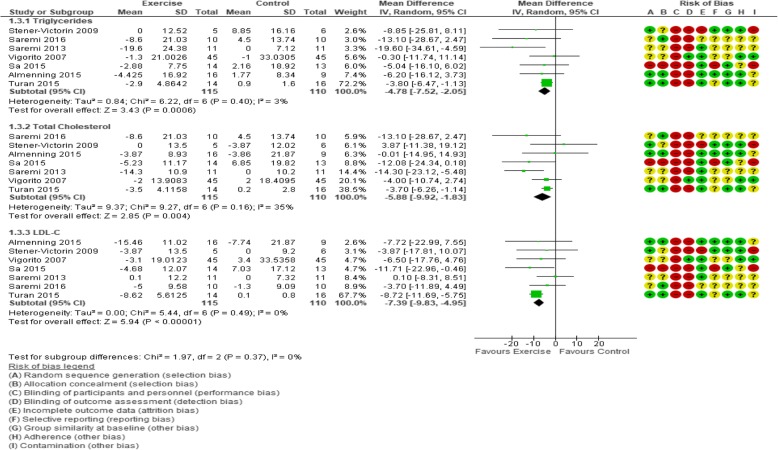
- Compared with control, exercise reduced change-from-baseline fasting insulin (MD −2.44 μIU/mL, 95% CI −4.24 to −0.64; very low-quality evidence), HOMA-IR (−0.57, −0.99 to −0.14; very low-quality), total cholesterol (−5.88 mg/dL, −9.92 to −1.83; low-quality), LDL cholesterol (−7.39 mg/dL, −9.83 to −4.95; low-quality), and triglycerides (−4.78 mg/dL, −7.52 to −2.05; low-quality).
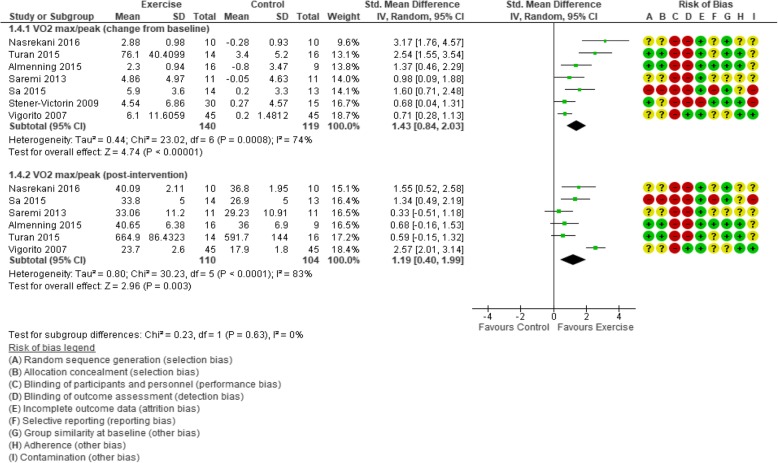
- Exercise also improved VO2 max (3.84 ml/kg/min, 2.87 to 4.81), waist circumference (−2.62 cm, −4.13 to −1.11), and body fat percentage (−1.39%, −2.61 to −0.18) versus usual care.
- No effect was found for systolic/diastolic blood pressure, fasting glucose, HDL cholesterol, or waist-to-hip ratio; post-intervention analyses additionally showed lower BMI (−1.02 kg/m2, −1.81 to −0.23) and resting heart rate (−3.26 beats/min, −4.93 to −1.59).
- Based on limited data, there were no differences for any outcome between exercise and diet combined versus diet alone; it was not possible to compare exercise versus diet or exercise and diet combined versus diet.
Methods
- Systematic review and meta-analysis prospectively registered (CRD42017062576); databases searched in June 2017 with no time limit, including CENTRAL, PubMed, CINAHL, SCOPUS, EMBASE, SportDiscus, and PsycINFO.
- Eligible trials were randomised or quasi-randomised studies measuring chronic effects of exercise, or exercise and diet, in reproductive-aged women with PCOS; searches returned 2390 articles, yielding 27 papers from 18 trials, with 758 total participants across exercise/intervention, control, combined treatment, and diet-alone arms.
- Random-effects meta-analysis used mean difference where scales matched, with GRADE for primary outcomes, I² for heterogeneity, and subgroup and sensitivity analyses.
Limitations
- The paper states that many included trials were likely underpowered; only seven trials stated sample size calculation methods, and median sample sizes were exercise n = 11 and control n = 12. It also notes most trials did not target specific PCOS phenotypes, only one trial completed follow-up beyond the intervention, publication bias analysis was not performed, and foreign-language trials required translation that made risk-of-bias assessment more challenging.
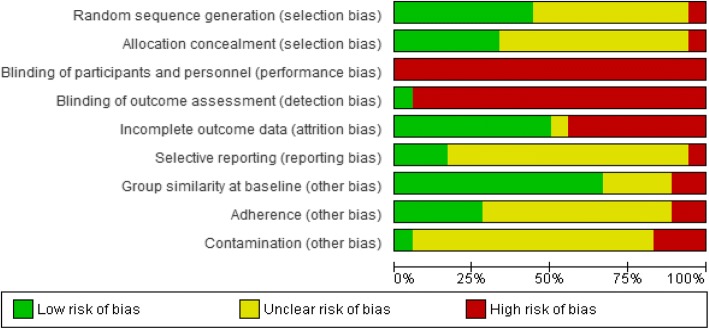
- The paper reports that all trials were judged at high risk of performance bias, all but one at high risk of detection bias, and nearly 45% at high risk of attrition bias; many statistical effects were sensitive to addition or removal of individual trials.
- Evident from the text: data were insufficient to compare exercise versus diet or exercise and diet combined versus diet, and the review could not assess long-term effects because only one trial reported follow-up beyond the intervention period.
Model-written summary. Check it against the paper before relying on it.
Integrity signals
Registry
Cites
Statistics
Figures
Verification
Claims the paper makes
24 Valid · 1 Not valid · 48 Not checked · 302 Own results and interpretations
The sources with a verdict support this claim; the rest weren’t checked yet, have no full text we could read, or their verdicts aren’t rated yet.
In the paper
“Considering the benefits of exercise interventions in other IR populations independent of weight loss [22–24], incorporating moderate-intensity exercise in PCOS treatment may be particularly favourable.”
§ Exercise, or exercise and diet for the management of polycystic ovary syndrome: a systematic review and meta-analysis > Background
What the sources say
- Not checked — no full text of the sourcecites [22] Boulé NG Haddad E Kenny GP Wells GA Sigal RJ Effects of exercise on glycemic control and body mass in type 2 diabetes mellitus: a meta-analysis of controlled clinical trials JAMA 2001 286 10 1218 1227 10.1001/jama.286.10.1218 11559268 source
- Supportedcites [23] Thomas DE, Elliott EJ, Naughton GA. Exercise for type 2 diabetes mellitus. Cochrane Database Syst Rev. 2006;3(CD002968). PMC8989410 16855995 source
The Discussion reports improved glycaemic control and insulin sensitivity from exercise in people with type 2 diabetes even though overall body mass did not decrease. It also favours regular mild-to-moderate exercise. The suggestion to incorporate it into PCOS treatment is the citing authors’ inference, not a finding attributed to this review. (LLM, conf=0.91)
- Not checked — no full text of the sourcecites [24] Yang Z Scott CA Mao C Tang J Farmer AJ Resistance exercise versus aerobic exercise for type 2 diabetes: a systematic review and meta-analysis Sports Med 2014 44 4 487 499 10.1007/s40279-013-0128-8 24297743 source
hedgedstates a possible cause- Asserted: passes — The authors put it forward as true.
- Checkable: passes — It can be checked against evidence.
- Load-bearing: passes — The paper’s conclusions depend on it.
- Based: passes — The paper gives a reason why it holds.
The cited sources support only part of this claim — read each source’s verdict below.
In the paper
“Indeed, almost 90% of women with PCOS are overweight or obese”
§ Exercise, or exercise and diet for the management of polycystic ovary syndrome: a systematic review and meta-analysis > Background
What the sources say
- Partly supportedcites [9] Sir-Petermann T Codner E Pérez V Echiburú B Maliqueo M Ladrón de Guevara A Preisler J Crisosto N Sánchez F Cassorla F Bhasin S Metabolic and reproductive features before and during puberty in daughters of women with polycystic ovary syndrome J Clin Endocrinol Metab 2009 94 1923 1930 10.1210/jc.2008-2836 19223518 PMC2730345 sourceExperimental — accuracy not yet measured
The Subjects section (page unavailable) reports that the PCOS mothers had a higher mean BMI than control mothers: 29.3 versus 27.0 kg/m². It does not report the proportion of PCOS mothers who were overweight or obese, so it cannot support the claim that almost 90% of women with PCOS are overweight or obese. (LLM, conf=0.78)
- Not checked — no full text of the sourcecites [10] Balen AH Conway GS Kaltsas G Techatraisak K Manning PJ West C Jacobs HS Andrology: polycystic ovary syndrome: the spectrum of the disorder in 1741 patients Hum Reprod 1995 10 8 2107 2111 10.1093/oxfordjournals.humrep.a136243 8567849 source
- Not checked — no full text of the sourcecites [11] Legro RS The genetics of obesity: lessons for polycystic ovary syndrome Ann N Y Acad Sci 2000 900 193 202 10.1111/j.1749-6632.2000.tb06230.x 10818406 source
- Not checked — no full text of the sourcecites [12] Kiddy DS Hamilton-Fairley D Bush A Short F Anyaoku V Reed MJ Franks S Improvement in endocrine and ovarian function during dietary treatment of obese women with polycystic ovary syndrome Clin Endocrinol 1992 36 105 111 10.1111/j.1365-2265.1992.tb02909.x 1559293 source
- Not checked — no full text of the sourcecites [13] Holte J Bergh T Berne C Wide L Lithell H Restored insulin sensitivity but persistently increased early insulin secretion after weight loss in obese women with polycystic ovary syndrome J Clin Endocr Metab. 1995 80 9 2586 2593 7673399 source
plainstates an association- Asserted: passes — The authors put it forward as true.
- Checkable: passes — It can be checked against evidence.
- Load-bearing: unclear — It is unclear whether the paper’s conclusions depend on it.
- Based: passes — The paper gives a reason why it holds.
- Partly supported
The cited sources support only part of this claim — read each source’s verdict below.
In the paper
“Also, women with PCOS often have more severe IR than weight-matched women without PCOS [14, 15]”
§ Exercise, or exercise and diet for the management of polycystic ovary syndrome: a systematic review and meta-analysis > Background
What the sources say
- Not checked — no full text of the sourcecites [14] Dunaif A Segal KR Futterweit W Dobrjansky A Profound peripheral insulin resistance, independent of obesity, in polycystic ovary syndrome Diabetes 1989 38 9 1165 1174 10.2337/diab.38.9.1165 2670645 source
- Partly supportedcites [15] Norman RJ Masters L Milner CR Wang JX Davies MJ Relative risk of conversion from normoglycaemia to impaired glucose tolerance or non-insulin dependent diabetes mellitus in polycystic ovarian syndrome Hum Reprod 2001 16 9 1995 1998 10.1093/humrep/16.9.1995 11527911 sourceExperimental — accuracy not yet measured
The Discussion (p. 3) reports a high frequency of hyperinsulinaemia among women with PCOS, supporting an insulin-related abnormality. But the study followed women with PCOS without a weight-matched non-PCOS comparison group, so it does not establish that their insulin resistance was more severe. (LLM, conf=0.78)
plainstates an association- Asserted: passes — The authors put it forward as true.
- Checkable: passes — It can be checked against evidence.
- Load-bearing: passes — The paper’s conclusions depend on it.
- Based: passes — The paper gives a reason why it holds.
The cited sources that could be checked couldn’t confirm or dispute this claim.
In the paper
“even moderate weight loss (e.g., 5%) may result in clinically meaningful improvements in hyperandrogenism and menstrual regularity [9–13]”
§ Exercise, or exercise and diet for the management of polycystic ovary syndrome: a systematic review and meta-analysis > Background
What the sources say
- Could not verifycites [9] Sir-Petermann T Codner E Pérez V Echiburú B Maliqueo M Ladrón de Guevara A Preisler J Crisosto N Sánchez F Cassorla F Bhasin S Metabolic and reproductive features before and during puberty in daughters of women with polycystic ovary syndrome J Clin Endocrinol Metab 2009 94 1923 1930 10.1210/jc.2008-2836 19223518 PMC2730345 sourceExperimental — accuracy not yet measured
The Discussion (page unavailable) says obesity may amplify PCOS-associated abnormalities, but does not address whether losing weight improves them. The Subjects and Results describe PCOS features in mothers and their daughters, not a weight-loss intervention. Searches for 5% weight loss, androgen improvement, and menstrual regularity found no passage supporting the claim. (LLM, conf=0.76)
- Not checked — no full text of the sourcecites [10] Balen AH Conway GS Kaltsas G Techatraisak K Manning PJ West C Jacobs HS Andrology: polycystic ovary syndrome: the spectrum of the disorder in 1741 patients Hum Reprod 1995 10 8 2107 2111 10.1093/oxfordjournals.humrep.a136243 8567849 source
- Not checked — no full text of the sourcecites [11] Legro RS The genetics of obesity: lessons for polycystic ovary syndrome Ann N Y Acad Sci 2000 900 193 202 10.1111/j.1749-6632.2000.tb06230.x 10818406 source
- Not checked — no full text of the sourcecites [12] Kiddy DS Hamilton-Fairley D Bush A Short F Anyaoku V Reed MJ Franks S Improvement in endocrine and ovarian function during dietary treatment of obese women with polycystic ovary syndrome Clin Endocrinol 1992 36 105 111 10.1111/j.1365-2265.1992.tb02909.x 1559293 source
- Not checked — no full text of the sourcecites [13] Holte J Bergh T Berne C Wide L Lithell H Restored insulin sensitivity but persistently increased early insulin secretion after weight loss in obese women with polycystic ovary syndrome J Clin Endocr Metab. 1995 80 9 2586 2593 7673399 source
hedgedstates a possible cause- Asserted: passes — The authors put it forward as true.
- Checkable: passes — It can be checked against evidence.
- Load-bearing: passes — The paper’s conclusions depend on it.
- Based: passes — The paper gives a reason why it holds.
- Could not verify
The cited sources support only part of this claim — read each source’s verdict below.
In the paper
“The exact PCOS aetiology is unknown, but increased adiposity is considered pivotal [8].”
§ Exercise, or exercise and diet for the management of polycystic ovary syndrome: a systematic review and meta-analysis > Background
What the sources say
- Partly supportedcites [8] Sam S Obesity and polycystic ovary syndrome Obes Manag 2007 3 2 69 73 10.1089/obe.2007.0019 20436797 PMC2861983 sourceExperimental — accuracy not yet measured
The Introduction’s “Can Obesity Cause PCOS?” section suggests a pathophysiologic role for obesity. But the paper also says most obese women do not develop PCOS, and its Conclusions describe the relationship as complex and not well understood. Calling increased adiposity pivotal to PCOS aetiology overstates the source. (LLM, conf=0.88)
plainstates a cause- Asserted: passes — The authors put it forward as true.
- Checkable: passes — It can be checked against evidence.
- Load-bearing: passes — The paper’s conclusions depend on it.
- Based: passes — The paper gives a reason why it holds.
- Partly supported
234 more claims · 5 with their cited sources checked
Create a free account to see all 375 claims and to verify the 6 references still open.
- Probably not a substantial claim. 55
- It may state two separate claims as one. 100
- The quote only partly states this claim. 8
Self-check
Percentages, sums and reported differences re-computed from the paper’s own numbers.
Each contradiction between two passages listed here was confirmed by an independent check.
Rated major: it would touch a result — a value a result rests on, reported and recomputed p-values on opposite sides of the significance level, two passages that conflict with no sign which is right, or a cited work retracted before this paper was published.
In the paper
“a preserved effect (MD 7.97, 95% CI 1.07 to 4.88)”
§ Exercise, or exercise and diet for the management of polycystic ovary syndrome: a systematic review and meta-analysis > Results > Secondary outcomes
Reported 7.97 · recomputed 2.975
Rated major: it would touch a result — a value a result rests on, reported and recomputed p-values on opposite sides of the significance level, two passages that conflict with no sign which is right, or a cited work retracted before this paper was published.
In the paper
§ Exercise, or exercise and diet for the management of polycystic ovary syndrome: a systematic review and meta-analysis > Results > Primary outcomes
“The mean LDL-C (change from baseline) in the intervention group was 7.51 mg/dL lower (10.01 lower to 5.02 lower)”
§ Exercise, or exercise and diet for the management of polycystic ovary syndrome: a systematic review and meta-analysis > Results > Effects of interventions: Exercise versus control
“| LDL-C (mg/dL) | [32, 101, 108–110, 117, 118] | 225 | − 7.39*** | − 9.83 | − 4.95 | 0”
Rated major: it would touch a result — a value a result rests on, reported and recomputed p-values on opposite sides of the significance level, two passages that conflict with no sign which is right, or a cited work retracted before this paper was published.
In the paper
§ Exercise, or exercise and diet for the management of polycystic ovary syndrome: a systematic review and meta-analysis > Results > Primary outcomes
“The mean total cholesterol (change from baseline) in the intervention group was 6.48 mg/dL lower (10.5 lower to 2.45 lower)”
§ Exercise, or exercise and diet for the management of polycystic ovary syndrome: a systematic review and meta-analysis > Results > Effects of interventions: Exercise versus control
“| TC (mg/dL) | [32, 101, 108–110, 117, 118] | 225 | − 5.88** | − 9.92 | − 1.83 | 35”
Rated minor: it would not touch a result — a value no result rests on, a p-value that stays on the same side of the significance level, or a conflict that is clerical, resolved elsewhere in the paper, or outside its own findings.
In the paper
“Fourteen trials (74%) assessed the effectiveness of an exercise-only intervention and six trials (32%) assessed a combined exercise and dietary intervention. Moreover, 14 trials (74%) included intervention arms consisting of aerobic exercise only”
§ Exercise, or exercise and diet for the management of polycystic ovary syndrome: a systematic review and meta-analysis > Results > Description of included studies
Reported 74 · recomputed 77.777778
Rated minor: it would not touch a result — a value no result rests on, a p-value that stays on the same side of the significance level, or a conflict that is clerical, resolved elsewhere in the paper, or outside its own findings.
In the paper
§ Exercise, or exercise and diet for the management of polycystic ovary syndrome: a systematic review and meta-analysis > Abstract > Results
“LDL cholesterol (− 6.91 mg/dL, − 12.02 to − 1.80)”
§ Exercise, or exercise and diet for the management of polycystic ovary syndrome: a systematic review and meta-analysis > Results > Effects of interventions: Exercise versus control
“| LDL-C (mg/dL) | [32, 101, 108–110, 117, 118] | 225 | − 7.39*** | − 9.83 | − 4.95 | 0 | 225 | − 6.68** | − 11.66 | − 1.70 | 0 |”
3 more findings
Create a free account to see every finding of this check.
Citations
Cites
Preferred Reporting Items for Systematic Reviews and Meta-Analyses: the PRISMA statement
Moher, D., Liberati, A., Tetzlaff, J., Altman, D. G., & for the PRISMA Group (2009) · BMJ · doi:10.1136/bmj.b2535 · Cited by 83,823
Preferred Reporting Items for Systematic Reviews and Meta-Analyses: The PRISMA Statement
Moher, D., Liberati, A., Tetzlaff, J., Altman, D. G., & The PRISMA Group (2009) · PLoS Medicine · doi:10.1371/journal.pmed.1000097 · Cited by 64,042
Meta-analysis in clinical trials
DerSimonian, R., & Laird, N. (1986) · Controlled Clinical Trials · doi:10.1016/0197-2456(86)90046-2 · Cited by 39,552
Preferred reporting items for systematic reviews and meta-analyses: The PRISMA statement
Moher, D., Liberati, A., Tetzlaff, J., Altman, D. G., & the PRISMA Group* (2009) · Annals of Internal Medicine · doi:10.7326/0003-4819-151-4-200908180-00135 · Cited by 37,554
Wang, G., Ma, R., Qiao, G., Wada, K., Aizawa, Y., & Satoh, T. (2015) · Integrative Medicine International · doi:10.1159/000368408 · Cited by 18,657
(2004) · Fertility and Sterility · doi:10.1016/j.fertnstert.2003.10.004 · Cited by 9,050
The Rotterdam ESHRE/ASRM-sponsored PCOS consensus workshop group (2004) · Human Reproduction · doi:10.1093/humrep/deh098 · Cited by 6,138
Cochrane Handbook for Systematic Reviews of Interventions
Higgins, J. P. T., Green, S., & Ben Van Den, A. (2020) · International Coaching Psychology Review · doi:10.53841/bpsicpr.2020.15.2.123 · Cited by 5,670
Cochrane Handbook for Systematic Reviews of Interventions
Tarsilla, M. (2010) · Journal of MultiDisciplinary Evaluation · doi:10.56645/jmde.v6i14.284 · Cited by 5,178
Assessing Risk of Bias in Included Studies
Higgins, J. P., & Altman, D. G. (2008) · Cochrane Handbook for Systematic Reviews of Interventions · doi:10.1002/9780470712184.ch8 · Cited by 3,396 · cited 1×
“The Cochrane Handbook recommendations [28] were followed, and each bias parameter was graded as either high, low, or unclear risk.”
MethodThe Diagnosis of Polycystic Ovary Syndrome during Adolescence
Witchel, S. F., Oberfield, S., Rosenfield, R. L., Codner, E., Bonny, A., Ibáñez, L., Pena, A., Horikawa, R., Gomez-Lobo, V., Joel, D., et al. (2015) · Hormone Research in Paediatrics · doi:10.1159/000375530 · Cited by 3,113
Kodama, S. (2009) · JAMA · doi:10.1001/jama.2009.681 · Cited by 3,035
Analysing data and undertaking meta‐analyses
Deeks, J. J., Higgins, J. P., Altman, D. G., & on behalf of the Cochrane Statistical Methods Group (2019) · Cochrane Handbook for Systematic Reviews of Interventions · doi:10.1002/9781119536604.ch10 · Cited by 2,672 · cited 5×
“Although not a measure of absolute heterogeneity, the I(2) describes the percentage of variability in the point estimates that is due to heterogeneity rather than sampling error [30].”
BackgroundMethodInfluentialPhysical Fitness and All-Cause Mortality: A Prospective Study of Healthy Men and Women
Blair, S. N. (1989) · JAMA · doi:10.1001/jama.1989.03430170057028 · Cited by 2,658
Insulin Resistance and the Polycystic Ovary Syndrome: Mechanism and Implications for Pathogenesis*
Dunaif, A. (1997) · Endocrine Reviews · doi:10.1210/edrv.18.6.0318 · Cited by 2,458
Azziz, R., Carmina, E., Dewailly, D., Diamanti-Kandarakis, E., Escobar-Morreale, H. F., Futterweit, W., Janssen, O. E., Legro, R. S., Norman, R. J., Taylor, A. E., et al. (2009) · Fertility and Sterility · doi:10.1016/j.fertnstert.2008.06.035 · Cited by 2,132
Azziz, R., Carmina, E., Chen, Z., Dunaif, A., Laven, J. S. E., Legro, R. S., Lizneva, D., Natterson-Horowtiz, B., Teede, H. J., & Yildiz, B. O. (2016) · Nature Reviews Disease Primers · doi:10.1038/nrdp.2016.57 · Cited by 2,005
Profound Peripheral Insulin Resistance, Independent of Obesity, in Polycystic Ovary Syndrome
Dunaif, A., Segal, K. R., Futterweit, W., & Dobrjansky, A. (1989) · Diabetes · doi:10.2337/diab.38.9.1165 · Cited by 1,967
Boulé, N. G., Haddad, E., Kenny, G. P., Wells, G. A., & Sigal, R. J. (2001) · JAMA · doi:10.1001/jama.286.10.1218 · Cited by 1,889
Waist circumference as a measure for indicating need for weight management
Lean, M. E. J., Han, T. S., & Morrison, C. E. (1995) · BMJ · doi:10.1136/bmj.311.6998.158 · Cited by 1,869
Analysing Data and Undertaking Meta‐Analyses
Deeks, J. J., Higgins, J. P., & Altman, D. G. (2008) · Cochrane Handbook for Systematic Reviews of Interventions · doi:10.1002/9780470712184.ch9 · Cited by 1,800
Legro, R. S. (1999) · Journal of Clinical Endocrinology & Metabolism · doi:10.1210/jc.84.1.165 · Cited by 1,743 · cited 1×
“As such, women with PCOS exhibit increased risk of impaired glucose tolerance and T2DM regardless of weight and age [20].”
BackgroundExercise Training for Blood Pressure: A Systematic Review and Meta‐analysis
Cornelissen, V. A., & Smart, N. A. (2013) · Journal of the American Heart Association · doi:10.1161/jaha.112.004473 · Cited by 1,683
Criteria, Prevalence, and Phenotypes of Polycystic Ovary Syndrome
Lizneva, D., Suturina, L., Walker, W., Brakta, S., Gavrilova-Jordan, L., & Azziz, R. (2016) · Fertility and Sterility · doi:10.1016/j.fertnstert.2016.05.003 · Cited by 1,358
Andrology: Polycystic ovary syndrome: the spectrum of the disorder in 1741 patients
Balen, A. H., Conway, G. S., Kaltsas, G., Techatraisak, K., Manning, P. J., West, C., & Jacobs, H. S. (1995) · Human Reproduction · doi:10.1093/oxfordjournals.humrep.a136243 · Cited by 1,060
Kiddy, D. S., Hamilton‐Fairley, D., Bush, A., Short, F., Anyaoku, V., Reed, M. J., & Franks, S. (1992) · Clinical Endocrinology · doi:10.1111/j.1365-2265.1992.tb02909.x · Cited by 921
Exercise for type 2 diabetes mellitus
Thomas, D., Elliott, E. J., & Naughton, G. A. (2006) · Cochrane Database of Systematic Reviews · doi:10.1002/14651858.cd002968.pub2 · Cited by 728
Lifestyle changes in women with polycystic ovary syndrome
Lim, S. S., Hutchison, S. K., Van Ryswyk, E., Norman, R. J., Teede, H. J., & Moran, L. J. (2019) · Cochrane Database of Systematic Reviews · doi:10.1002/14651858.cd007506.pub4 · Cited by 725
The National Cholesterol Education Program
Cleeman, J. I. (1989) · Clinics in Laboratory Medicine · doi:10.1016/s0272-2712(18)30638-3 · Cited by 710
Prevalence and Predictors of the Metabolic Syndrome in Women with Polycystic Ovary Syndrome
Ehrmann, D. A., Liljenquist, D. R., Kasza, K., Azziz, R., Legro, R. S., & Ghazzi, M. N. (2006) · The Journal of Clinical Endocrinology & Metabolism · doi:10.1210/jc.2005-1329 · Cited by 703
Pasquali, R., Gambineri, A., Biscotti, D., Vicennati, V., Gagliardi, L., Colitta, D., Fiorini, S., Cognigni, G. E., Filicori, M., & Morselli-Labate, A. M. (2000) · The Journal of Clinical Endocrinology & Metabolism · doi:10.1210/jcem.85.8.6738 · Cited by 635
Phillips, D. I. W., Clark, P. M., Hales, C. N., & Osmond, C. (1994) · Diabetic Medicine · doi:10.1111/j.1464-5491.1994.tb00273.x · Cited by 631
Prevalence and predictors of dyslipidemia in women with polycystic ovary syndrome
Legro, R. S., Kunselman, A. R., & Dunaif, A. (2001) · The American Journal of Medicine · doi:10.1016/s0002-9343(01)00948-2 · Cited by 622
Moran, L. J., Noakes, M., Clifton, P. M., Tomlinson, L., & Norman, R. J. (2003) · The Journal of Clinical Endocrinology & Metabolism · doi:10.1210/jc.2002-020815 · Cited by 530
Ascaso, J. F., Pardo, S., Real, J. T., Lorente, R. I., Priego, A., & Carmena, R. (2003) · Diabetes Care · doi:10.2337/diacare.26.12.3320 · Cited by 490
Emoto, M., Nishizawa, Y., Maekawa, K., Hiura, Y., Kanda, H., Kawagishi, T., Shoji, T., Okuno, Y., & Morii, H. (1999) · Diabetes Care · doi:10.2337/diacare.22.5.818 · Cited by 457
Holte, J., Bergh, T., Berne, C., Wide, L., & Lithell, H. (1995) · The Journal of Clinical Endocrinology & Metabolism · doi:10.1210/jcem.80.9.7673399 · Cited by 435
Exercise for women receiving adjuvant therapy for breast cancer
Markes, M., Brockow, T., & Resch, K.-L. (2006) · Cochrane Database of Systematic Reviews · doi:10.1002/14651858.cd005001.pub2 · Cited by 367
KIDDY, D. S., SHARP, P. S., WHITE, D. M., SCANLON, M. F., MASON, H. D., BRAY, C. S., POLSON, D. W., REED, M. J., & FRANKS, S. (1990) · Clinical Endocrinology · doi:10.1111/j.1365-2265.1990.tb00857.x · Cited by 364
Crosignani, P. G. (2003) · Human Reproduction · doi:10.1093/humrep/deg367 · Cited by 361
Yang, Z., Scott, C. A., Mao, C., Tang, J., & Farmer, A. J. (2014) · Sports Medicine · doi:10.1007/s40279-013-0128-8 · Cited by 346
Norman, R. J., Masters, L., Milner, C. R., Wang, J. X., & Davies, M. J. (2001) · Human Reproduction · doi:10.1093/humrep/16.9.1995 · Cited by 341
Tang, T., Glanville, J., Hayden, C. J., White, D., Barth, J. H., & Balen, A. H. (2006) · Human Reproduction · doi:10.1093/humrep/dei311 · Cited by 335
Plasma Lipoprotein Levels as Predictors of Cardiovascular Death in Women
Bass, K. M. (1993) · Archives of Internal Medicine · doi:10.1001/archinte.1993.00410190045006 · Cited by 331
(1993) · JAMA · doi:10.1001/jama.269.4.505 · Cited by 315
Wadhera, R. K., Steen, D. L., Khan, I., Giugliano, R. P., & Foody, J. M. (2016) · Journal of Clinical Lipidology · doi:10.1016/j.jacl.2015.11.010 · Cited by 306
Lifestyle changes in women with polycystic ovary syndrome
Moran, L. J., Hutchison, S. K., Norman, R. J., & Teede, H. J. (2011) · Cochrane Database of Systematic Reviews · doi:10.1002/14651858.cd007506.pub3 · Cited by 292
Hoeger, K. M., Kochman, L., Wixom, N., Craig, K., Miller, R. K., & Guzick, D. S. (2004) · Fertility and Sterility · doi:10.1016/j.fertnstert.2004.02.104 · Cited by 278
Thomson, R. L., Buckley, J. D., Noakes, M., Clifton, P. M., Norman, R. J., & Brinkworth, G. D. (2008) · The Journal of Clinical Endocrinology & Metabolism · doi:10.1210/jc.2008-0751 · Cited by 277
Exercise for women receiving adjuvant therapy for breast cancer
Furmaniak, A. C., Menig, M., & Markes, M. H. (2016) · Cochrane Database of Systematic Reviews · doi:10.1002/14651858.cd005001.pub3 · Cited by 276 · cited 1×
“, control group participants engaged in exercise), as high risk of ‘other sources of bias’ [29].”
BackgroundExercise therapy in polycystic ovary syndrome: a systematic review
Harrison, C. L., Lombard, C. B., Moran, L. J., & Teede, H. J. (2011) · Human Reproduction Update · doi:10.1093/humupd/dmq045 · Cited by 267
Gómez‐Ambrosi, J., Silva, C., Galofré, J. C., Escalada, J., Santos, S., Gil, M. J., Valentí, V., Rotellar, F., Ramírez, B., Salvador, J., et al. (2011) · Obesity · doi:10.1038/oby.2011.36 · Cited by 264
Sir-Petermann, T., Codner, E., Pérez, V., Echiburú, B., Maliqueo, M., Ladrón de Guevara, A., Preisler, J., Crisosto, N., Sánchez, F., Cassorla, F., et al. (2009) · The Journal of Clinical Endocrinology & Metabolism · doi:10.1210/jc.2008-2836 · Cited by 260
[Diagnostic criteria for polycystic ovary syndrome].
Lauritsen, M. P., Svendsen, P. F., & Andersen, A. N. (2019) · PubMed · Cited by 257
Hoeger, K., Davidson, K., Kochman, L., Cherry, T., Kopin, L., & Guzick, D. S. (2008) · The Journal of Clinical Endocrinology & Metabolism · doi:10.1210/jc.2008-0461 · Cited by 256
Obesity and Polycystic Ovary Syndrome
Sam, S. (2007) · Obesity Management · doi:10.1089/obe.2007.0019 · Cited by 255
Depression and Body Image among Women with Polycystic Ovary Syndrome
Himelein, M. J., & Thatcher, S. S. (2006) · Journal of Health Psychology · doi:10.1177/1359105306065021 · Cited by 248
Endocrine consequences of weight loss in obese, hyperandrogenic, anovulatory women
Guzick, D. S., Wing, R., Smith, D., Berga, S. L., & Winters, S. J. (1994) · Fertility and Sterility · doi:10.1016/s0015-0282(16)56632-1 · Cited by 246
Singer, D. E., Hellkamp, A. S., Piccini, J. P., Mahaffey, K. W., Lokhnygina, Y., Pan, G., Halperin, J. L., Becker, R. C., Breithardt, G., Hankey, G. J., et al. (2013) · Journal of the American Heart Association · doi:10.1161/jaha.112.000067 · Cited by 242
Legro, R. S., Dodson, W. C., Kris-Etherton, P. M., Kunselman, A. R., Stetter, C. M., Williams, N. I., Gnatuk, C. L., Estes, S. J., Fleming, J., Allison, K. C., et al. (2015) · The Journal of Clinical Endocrinology & Metabolism · doi:10.1210/jc.2015-2778 · Cited by 242
Palomba, S., Giallauria, F., Falbo, A., Russo, T., Oppedisano, R., Tolino, A., Colao, A., Vigorito, C., Zullo, F., & Orio, F. (2008) · Human Reproduction · doi:10.1093/humrep/dem391 · Cited by 235
Weiner, C. L., Primeau, M., & Ehrmann, D. A. (2004) · Psychosomatic Medicine · doi:10.1097/00006842-200405000-00011 · Cited by 231 · cited 1×
“, increased risk of stress, depression, low self-esteem, poor body image, and reduced health-related quality of life (HRQoL)] [6, 7].”
BackgroundTriglyceride, High-Density Lipoprotein, and Coronary Heart Disease
Rapaport, E. (1993) · JAMA: The Journal of the American Medical Association · doi:10.1001/jama.1993.03500040071040 · Cited by 224
Jedel, E., Labrie, F., Odén, A., Holm, G., Nilsson, L., Janson, P. O., Lind, A.-K., Ohlsson, C., & Stener-Victorin, E. (2011) · American Journal of Physiology-Endocrinology and Metabolism · doi:10.1152/ajpendo.00495.2010 · Cited by 223 · cited 1×
“[111] four additional papers [101, 103, 112, 113]; Thomson et al.”
BackgroundGambineri, A., Patton, L., Vaccina, A., Cacciari, M., Morselli-Labate, A. M., Cavazza, C., Pagotto, U., & Pasquali, R. (2006) · The Journal of Clinical Endocrinology & Metabolism · doi:10.1210/jc.2005-2250 · Cited by 221
Vigorito, C., Giallauria, F., Palomba, S., Cascella, T., Manguso, F., Lucci, R., De Lorenzo, A., Tafuri, D., Lombardi, G., Colao, A., et al. (2007) · The Journal of Clinical Endocrinology & Metabolism · doi:10.1210/jc.2006-2794 · Cited by 211
Thomson, R. L., Buckley, J. D., Lim, S. S., Noakes, M., Clifton, P. M., Norman, R. J., & Brinkworth, G. D. (2010) · Fertility and Sterility · doi:10.1016/j.fertnstert.2009.11.001 · Cited by 207
Randeva, H. S., Lewandowski, K. C., Drzewoski, J., Brooke-Wavell, K., O’Callaghan, C., Czupryniak, L., Hillhouse, E. W., & Prelevic, G. M. (2002) · The Journal of Clinical Endocrinology & Metabolism · doi:10.1210/jc.2001-012056 · Cited by 198
Self-citationCostello, M. F., Shrestha, B., Eden, J., Johnson, N., & Moran, L. J. (2007) · Cochrane Database of Systematic Reviews · doi:10.1002/14651858.cd005552.pub2 · Cited by 197 · cited 1×
“, hirsutism, acne, oligomenorrhea, and infertility) [4] and is associated with increased risk of cardiometabolic disease, including hypertension, dyslipidaemia, insulin resistance (IR), and type 2 diabetes mellitus (T2DM) [5].”
BackgroundStener-Victorin, E., Jedel, E., Janson, P. O., & Sverrisdottir, Y. B. (2009) · American Journal of Physiology-Regulatory, Integrative and Comparative Physiology · doi:10.1152/ajpregu.00197.2009 · Cited by 194 · cited 9×
“One trial specified that heart rate (HR) was set at ≥ 120 beats/min [111].”
BackgroundInfluentialEnnour-Idrissi, K., Maunsell, E., & Diorio, C. (2015) · Breast Cancer Research · doi:10.1186/s13058-015-0647-3 · Cited by 193
Lifestyle Modification Programs in Polycystic Ovary Syndrome: Systematic Review and Meta-Analysis
Domecq, J. P., Prutsky, G., Mullan, R. J., Hazem, A., Sundaresh, V., Elamin, M. B., Phung, O. J., Wang, A., Hoeger, K., Pasquali, R., et al. (2013) · The Journal of Clinical Endocrinology & Metabolism · doi:10.1210/jc.2013-2385 · Cited by 184
Olefsky, J., Farquhar, J. W., & Reaven, G. (1973) · Diabetes · doi:10.2337/diab.22.7.507 · Cited by 179
Measurement error of waist circumference: gaps in knowledge
Verweij, L. M., Terwee, C. B., Proper, K. I., Hulshof, C. T., & van Mechelen, W. (2013) · Public Health Nutrition · doi:10.1017/s1368980012002741 · Cited by 169
Prevalence of polycystic ovary syndrome in a sample of Indigenous women in Darwin, Australia
Boyle, J. A., Cunningham, J., OˈDea, K., Dunbar, T., & Norman, R. J. (2012) · Medical Journal of Australia · doi:10.5694/mja11.10553 · Cited by 160
Almenning, I., Rieber-Mohn, A., Lundgren, K. M., Shetelig Løvvik, T., Garnæs, K. K., & Moholdt, T. (2015) · PLOS ONE · doi:10.1371/journal.pone.0138793 · Cited by 155
Siegel, S. F., & Lee, P. A. (1993) · The Journal of Pediatrics · doi:10.1097/00008480-199308000-00003 · Cited by 152
Mehrabani, H. H., Salehpour, S., Amiri, Z., Farahani, S. J., Meyer, B. J., & Tahbaz, F. (2012) · Journal of the American College of Nutrition · doi:10.1080/07315724.2012.10720017 · Cited by 141
Moran, L. J., Noakes, M., Clifton, P. M., Wittert, G. A., Williams, G., & Norman, R. J. (2006) · The American Journal of Clinical Nutrition · doi:10.1093/ajcn/84.1.77 · Cited by 141
Nybacka, Å., Carlström, K., Ståhle, A., Nyrén, S., Hellström, P. M., & Hirschberg, A. L. (2011) · Fertility and Sterility · doi:10.1016/j.fertnstert.2011.09.006 · Cited by 138
Ladson, G., Dodson, W. C., Sweet, S. D., Archibong, A. E., Kunselman, A. R., Demers, L. M., Williams, N. I., Coney, P., & Legro, R. S. (2011) · Fertility and Sterility · doi:10.1016/j.fertnstert.2010.12.002 · Cited by 138
Effects of Exercise and Nutritional Counseling in Women with Polycystic Ovary Syndrome
Bruner, B., Chad, K., & Chizen, D. (2006) · Applied Physiology, Nutrition, and Metabolism · doi:10.1139/h06-007 · Cited by 133
Acupuncture for ovulation induction in polycystic ovary syndrome: a randomized controlled trial
Johansson, J., Redman, L., Veldhuis, P. P., Sazonova, A., Labrie, F., Holm, G., Johannsson, G., & Stener-Victorin, E. (2013) · American Journal of Physiology-Endocrinology and Metabolism · doi:10.1152/ajpendo.00039.2013 · Cited by 131
Karimzadeh, M. A., & Javedani, M. (2010) · Fertility and Sterility · doi:10.1016/j.fertnstert.2009.02.078 · Cited by 118
Konopka, A. R., Asante, A., Lanza, I. R., Robinson, M. M., Johnson, M. L., Dalla Man, C., Cobelli, C., Amols, M. H., Irving, B. A., & Nair, K. S. (2015) · Diabetes · doi:10.2337/db14-1701 · Cited by 112
(1999) · PubMed · Cited by 112
Palomba, S., Falbo, A., Giallauria, F., Russo, T., Rocca, M., Tolino, A., Zullo, F., & Orio, F. (2010) · Human Reproduction · doi:10.1093/humrep/deq254 · Cited by 111
Giallauria, F., Palomba, S., Maresca, L., Vuolo, L., Tafuri, D., Lombardi, G., Colao, A., Vigorito, C., & Orio, F. (2008) · Clinical Endocrinology · doi:10.1111/j.1365-2265.2008.03305.x · Cited by 110
The Genetics of Obesity Lessons for Polycystic Ovary Syndrome
LEGRO, R. S. (2000) · Annals of the New York Academy of Sciences · doi:10.1111/j.1749-6632.2000.tb06230.x · Cited by 109
Exercise defined and quantified according to the Système International d'Unités
Winter, E. M., & Fowler, N. (2009) · Journal of Sports Sciences · doi:10.1080/02640410802658461 · Cited by 104
Galletly, C., Moran, L., Noakes, M., Clifton, P., Tomlinson, L., & Norman, R. (2007) · Appetite · doi:10.1016/j.appet.2007.03.222 · Cited by 103
Circulating Androgens in Women: Exercise-Induced Changes
Enea, C., Boisseau, N., Fargeas-Gluck, M. A., Diaz, V., & Dugué, B. (2011) · Sports Medicine · doi:10.2165/11536920-000000000-00000 · Cited by 103
Effects of Exercise on Lipoprotein Particles in Women with Polycystic Ovary Syndrome
BROWN, A. J., SETJI, T. L., SANDERS, L. L., LOWRY, K. P., OTVOS, J. D., KRAUS, W. E., & SVETKEY, P. L. (2009) · Medicine & Science in Sports & Exercise · doi:10.1249/mss.0b013e31818c6c0c · Cited by 101
Boyns, D. R., Crossley, J. N., Abrams, M. E., Jarrett, R. J., & Keen, H. (1969) · BMJ · doi:10.1136/bmj.1.5644.595 · Cited by 100
Glueck, C. J., Dharashivkar, S., Wang, P., Zhu, B., Gartside, P. S., Tracy, T., & Sieve, L. (2005) · European Journal of Obstetrics & Gynecology and Reproductive Biology · doi:10.1016/j.ejogrb.2005.03.010 · Cited by 99
Zhang, H. Y., Guo, C. X., Zhu, F. F., Qu, P. P., Lin, W. J., & Xiong, J. (2013) · Archives of Gynecology and Obstetrics · doi:10.1007/s00404-012-2568-z · Cited by 94
Pasquali, R., Fabbri, R., Venturoli, S., Paradisi, R., Antenucci, D., & Melchionda, N. (1986) · American Journal of Obstetrics and Gynecology · doi:10.1016/0002-9378(86)90410-2 · Cited by 92
Nybacka, Å., Carlström, K., Fabri, F., Hellström, P. M., & Hirschberg, A. L. (2013) · Fertility and Sterility · doi:10.1016/j.fertnstert.2013.06.030 · Cited by 90
Thomson, R. L., Buckley, J. D., Moran, L. J., Noakes, M., Clifton, P. M., Norman, R. J., & Brinkworth, G. D. (2009) · Human Reproduction · doi:10.1093/humrep/dep101 · Cited by 87
Waters, L., Reeves, M., Fjeldsoe, B., & Eakin, E. (2012) · Journal of Physical Activity and Health · doi:10.1123/jpah.9.6.884 · Cited by 86
Fux Otta, C., Wior, M., Iraci, G. S., Kaplan, R., Torres, D., Gaido, M. I., & Wyse, E. P. (2010) · Gynecological Endocrinology · doi:10.3109/09513590903215581 · Cited by 85
Turner‐McGrievy, G. M., Davidson, C. R., Wingard, E. E., & Billings, D. L. (2014) · Nutrition Research · doi:10.1016/j.nutres.2014.04.011 · Cited by 84
Cardiopulmonary Impairment in Young Women with Polycystic Ovary Syndrome
Orio, F., Giallauria, F., Palomba, S., Cascella, T., Manguso, F., Vuolo, L., Russo, T., Tolino, A., Lombardi, G., Colao, A., et al. (2006) · The Journal of Clinical Endocrinology & Metabolism · doi:10.1210/jc.2006-0216 · Cited by 84
Effect of weight loss on menstrual function in adolescents with polycystic ovary syndrome
Ornstein, R. M., Copperman, N. M., & Jacobson, M. S. (2011) · Journal of Pediatric and Adolescent Gynecology · doi:10.1016/j.jpag.2011.01.002 · Cited by 82
Nidhi, R., Padmalatha, V., Nagarathna, R., & Amritanshu, R. (2013) · The Journal of Alternative and Complementary Medicine · doi:10.1089/acm.2011.0868 · Cited by 81
Tworoger, S. S., Missmer, S. A., Eliassen, A. H., Barbieri, R. L., Dowsett, M., & Hankinson, S. E. (2007) · Cancer Causes & Control · doi:10.1007/s10552-007-9017-5 · Cited by 78
Barr, S., Hart, K. H., Reeves, S., Sharp, K., & Jeanes, Y. (2011) · European Journal of Clinical Nutrition · doi:10.1038/ejcn.2011.81 · Cited by 76
Stener-Victorin, E., Holm, G., Janson, P. O., Gustafson, D., & Waern, M. (2013) · BMC Complementary and Alternative Medicine · doi:10.1186/1472-6882-13-131 · Cited by 76
Nidhi, R., Padmalatha, V., Nagarathna, R., & Ram, A. (2012) · International Journal of Gynecology & Obstetrics · doi:10.1016/j.ijgo.2012.01.027 · Cited by 74
Vizza, L., Smith, C. A., Swaraj, S., Agho, K., & Cheema, B. S. (2016) · BMC Sports Science, Medicine and Rehabilitation · doi:10.1186/s13102-016-0039-8 · Cited by 74
Orio, F., Muscogiuri, G., Giallauria, F., Savastano, S., Bottiglieri, P., Tafuri, D., Predotti, P., Colarieti, G., Colao, A., & Palomba, S. (2016) · Clinical Endocrinology · doi:10.1111/cen.13112 · Cited by 74
Marzouk, T. M., & Sayed Ahmed, W. A. (2015) · Journal of Pediatric and Adolescent Gynecology · doi:10.1016/j.jpag.2015.01.002 · Cited by 73
Aerobic Training Improves Quality of Life in Women with Polycystic Ovary Syndrome
COSTA, E. C., DE SÁ, J. C. F., STEPTO, N. K., COSTA, I. B. B., FARIAS-JUNIOR, L. F., MOREIRA, S. D. N. T., SOARES, E. M. M., LEMOS, T. M. A. M., BROWNE, R. A. V., & AZEVEDO, G. D. (2018) · Medicine & Science in Sports & Exercise · doi:10.1249/mss.0000000000001579 · Cited by 71
Legro, R. S., Kunselman, A. R., Dodson, W. C., & Dunaif, A. (1999) · Obstetrical & Gynecological Survey · doi:10.1097/00006254-199906000-00019 · Cited by 71
Effects of increased dietary protein-to-carbohydrate ratios in women with polycystic ovary syndrome
Sørensen, L. B., Søe, M., Halkier, K. H., Stigsby, B., & Astrup, A. (2012) · The American Journal of Clinical Nutrition · doi:10.3945/ajcn.111.020693 · Cited by 70
Harris-Glocker, M., Davidson, K., Kochman, L., Guzick, D., & Hoeger, K. (2010) · Fertility and Sterility · doi:10.1016/j.fertnstert.2009.08.006 · Cited by 66
Kumar, P., & Arora, S. (2014) · Journal of Human Reproductive Sciences · doi:10.4103/0974-1208.147492 · Cited by 65
From Framingham to North Karelia
Puska, P. (2010) · Progress in Cardiovascular Diseases · doi:10.1016/j.pcad.2010.01.003 · Cited by 64
Tang, T., Glanville, J., Hayden, C. J., White, D., Barth, J. H., & Balen, A. H. (2006) · Obstetrical & Gynecological Survey · doi:10.1097/01.ogx.0000197800.07214.dc · Cited by 64
Metformin versus lifestyle changes in treating women with polycystic ovary syndrome
Curi, D. D. G., Fonseca, A. M., Marcondes, J. A. M., Almeida, J. A. M., Bagnoli, V. R., Soares, J. M., & Baracat, E. C. (2012) · Gynecological Endocrinology · doi:10.3109/09513590.2011.583957 · Cited by 60
Thomson, R. L., Buckley, J. D., & Brinkworth, G. D. (2016) · BMC Women's Health · doi:10.1186/s12905-016-0292-8 · Cited by 60
(1997) · The American Journal of Cardiology · doi:10.1016/s0002-9149(96)00677-7 · Cited by 57
Ladson, G., Dodson, W. C., Sweet, S. D., Archibong, A. E., Kunselman, A. R., Demers, L. M., Lee, P. A., Williams, N. I., Coney, P., & Legro, R. S. (2011) · Fertility and Sterility · doi:10.1016/j.fertnstert.2011.05.048 · Cited by 56
Turan, V., Mutlu, E. K., Solmaz, U., Ekin, A., Tosun, O., Tosun, G., Mat, E., Gezer, C., & Malkoc, M. (2015) · Journal of Physical Therapy Science · doi:10.1589/jpts.27.2293 · Cited by 55
Thomson, R. L., Brinkworth, G. D., Noakes, M., Clifton, P. M., Norman, R. J., & Buckley, J. D. (2012) · Human Reproduction · doi:10.1093/humrep/des138 · Cited by 55
Stener‐Victorin, E., Baghaei, F., Holm, G., Janson, P. O., Olivecrona, G., Lönn, M., & Mannerås-Holm, L. (2011) · Fertility and Sterility · doi:10.1016/j.fertnstert.2011.11.010 · Cited by 53
Lindholm, Å., Bixo, M., Björn, I., Wölner‐Hanssen, P., Eliasson, M., Larsson, A. O., Johnson, O., & Poromaa, I. S. (2007) · Fertility and Sterility · doi:10.1016/j.fertnstert.2007.05.002 · Cited by 50
Haqq, L., McFarlane, J., Dieberg, G., & Smart, N. (2015) · International Journal of Sport Nutrition and Exercise Metabolism · doi:10.1123/ijsnem.2013-0232 · Cited by 48
Nidhi, R., Padmalatha, V., Nagarathna, R., & Ram, A. (2012) · Applied Research in Quality of Life · doi:10.1007/s11482-012-9191-9 · Cited by 45
Ma, Y., Li, R., Qiao, J., Zhang, X., Wang, S., Zhang, Q., Li, L., Tu, B.-B., & Zhang, X. (2010) · PubMed · Cited by 44
Redman, L. M., Elkind-Hirsch, K., & Ravussin, E. (2011) · Fertility and Sterility · doi:10.1016/j.fertnstert.2011.01.137 · Cited by 44
Liao, L. M., Nesic, J., Chadwick, P. M., Brooke-Wavell, K., & Prelevic, G. M. (2008) · Gynecological Endocrinology · doi:10.1080/09513590802288226 · Cited by 44
Turner-McGrievy, G., Davidson, C. R., & Billings, D. L. (2015) · Human Fertility · doi:10.3109/14647273.2014.922704 · Cited by 44
Roessler, K. K., Birkebaek, C., Ravn, P., Andersen, M. S., & Glintborg, D. (2013) · Acta Obstetricia et Gynecologica Scandinavica · doi:10.1111/aogs.12064 · Cited by 38
Papakonstantinou, E., Kechribari, I., Mitrou, P., Trakakis, E., Vassiliadi, D., Georgousopoulou, E., Zampelas, A., Kontogianni, M. D., & Dimitriadis, G. (2016) · European Journal of Clinical Nutrition · doi:10.1038/ejcn.2015.225 · Cited by 34
Leonhardt, H., Hellström, M., Gull, B., Lind, A., Nilsson, L., Janson, P. O., & Stener‐Victorin, E. (2015) · Acta Obstetricia et Gynecologica Scandinavica · doi:10.1111/aogs.12571 · Cited by 30
Dantas, W. S., Marcondes, J. A. M., Shinjo, S. K., Perandini, L. A., Zambelli, V. O., das Neves, W., Barcellos, C. R. G., Rocha, M. P., Yance, V. D. R. V., Pereira, R. T. D. S., et al. (2015) · Obesity · doi:10.1002/oby.21217 · Cited by 27
Aerobic exercise improves cardiac autonomic modulation in women with polycystic ovary syndrome
Sá, J. C. F., Costa, E. C., da Silva, E., Tamburús, N. Y., Porta, A., Medeiros, L. F., Lemos, T. M. A. M., Soares, E. M. M., & Azevedo, G. D. (2016) · International Journal of Cardiology · doi:10.1016/j.ijcard.2015.09.031 · Cited by 26
Clinical, biochemical and ultrasonographic characteristics of Scandinavian women with PCOS
Vanky, E., Kjøtrød, S., Salvesen, K. Å., Romundstad, P., Moen, M. H., & Carlsen, S. M. (2004) · Acta Obstetricia et Gynecologica Scandinavica · doi:10.1111/j.0001-6349.2004.00373.x · Cited by 26
Donne, M. L., Alibrandi, A., Giarrusso, R., Monaco, I., & Muraca, U. (2012) · PubMed · Cited by 24
A, M., Yan-min, Li, Rong, R., Qiao, Q., Jie, J., Zhang, Xiaowei, X., Wang, Shu-yu, et al. (2010) · 中华医学杂志:英文版 · Cited by 24
(2014) · doi:10.1007/978-1-4471-2789-5_13 · Cited by 23
Body weight reduction and metformin: Roles in polycystic ovary syndrome
AL-Nozha, O., Habib, F., Mojaddidi, M., & El-Bab, M. F. (2013) · Pathophysiology · doi:10.1016/j.pathophys.2013.03.002 · Cited by 20
Is cardiorespiratory fitness impaired in PCOS women? A review of the literature
Donà, S., Bacchi, E., & Moghetti, P. (2017) · Journal of Endocrinological Investigation · doi:10.1007/s40618-016-0599-1 · Cited by 20
Kaneko, T., Wang, P., Wang, Y., & Sato, A. (2000) · PubMed · Cited by 12
Bacchi, E., Negri, C., Di Sarra, D., Tosi, F., Tarperi, C., Moretta, R., Schena, F., Bonora, E., Kaufman, J., & Moghetti, P. (2015) · Clinical Endocrinology · doi:10.1111/cen.12855 · Cited by 10
[Effect of lifestyle adjustment, metformin and rosiglitazone in polycystic ovary syndrome].
Ma, L., Jin, L., Yu, Q., & Xu, L. (2007) · PubMed · Cited by 8
Chizen, D. R., Serrao, S. B., Rooke, J. J., McBreairty, L. E., Pierson, R. A., Chilibeck, P. D., & Zello, G. A. (2014) · Fertility and Sterility · doi:10.1016/j.fertnstert.2014.07.908 · Cited by 6
Metformin treatment with or without life style changes in patients with polycystic ovary syndrome
Petrányi, G., & Zaoura-Petrányi, M. (2011) · Orvosi Hetilap · doi:10.1556/oh.2011.29045 · Cited by 5
Marin, C. M., Bartolucci, A. A., & Azziz, R. (2003) · Fertility and Sterility · doi:10.1016/s0015-0282(03)01698-4 · Cited by 5
The effect of exercise and metformin treatment on circulating free DNA in pregnancy
Christiansen, S. C., Vanky, E., Klungland, H., Stafne, S. N., Mørkved, S., Salvesen, K. Å., Sæther, M., & Carlsen, S. M. (2014) · Placenta · doi:10.1016/j.placenta.2014.09.010 · Cited by 4
(2016) · Cited by 4
(2016) · Cited by 4
Legro, R. S., Dodson, W. C., Kunselman, A. R., et al. (2014) · Fertility and Sterility · doi:10.1016/j.fertnstert.2014.07.014 · Cited by 3
Role of hyperinsulinemic insulin resistance in polycystic ovary syndrome
Iuorno, M. J. (2001) · Polycystic Ovary Syndrome · doi:10.1017/cbo9780511545191.013 · Cited by 3
(2013) · Cited by 3
McBreairty, L. E., Zello, G. A., Rooke, J. J., Serrao, S. B., Pierson, R. A., Chizen, D. R., & Chilibeck, P. D. (2015) · The FASEB Journal · doi:10.1096/fasebj.29.1_supplement.912.5 · Cited by 2
Nybacka, Å., Fabri, F., Hellström, P. M., Hirschberg, A. L., & Ståhle, A. (2012) · Clinical Nutrition Supplements · doi:10.1016/s1744-1161(12)70632-4 · Cited by 2
Machlitt, A., Steinheim, E., & Pfueller, B. (2007) · Fertility and Sterility · doi:10.1016/j.fertnstert.2007.07.070 · Cited by 1
Bachani, S., Malla, V. G., & Singh, P. K. (2012) · International Journal of Gynecology & Obstetrics · doi:10.1016/s0020-7292(12)61305-8 · Cited by 1
Thomson, R. L., Brinkworth, G. D., Noakes, M., et al. (2011) · Obesity Research & Clinical Practice · doi:10.1016/j.orcp.2011.08.083 · Cited by 1
F417 GROUP COUNSELLING AND PHYSICAL ACTIVITY OF PATIENTS WITH POLYCYSTIC OVARIAL SYNDROME (PCOS)
Roessler, K. K., Andersen, M., Glintborg, D., et al. (2011) · European Journal of Pain Supplements · doi:10.1016/s1754-3207(11)70538-7 · Cited by 1
Nybacka, Å., Hellström, P. M., & Hirachberg, A. L. (2014) · Clinical Nutrition · doi:10.1016/s0261-5614(14)50647-4 · Cited by 1
Moran, L. J., Noakes, M., Norman, R. J., Clifton, P. M., & Tomlinson, L. (2002) · Asia Pacific Journal of Clinical Nutrition · doi:10.1046/j.1440-6047.11.s5.5.x · Cited by 1
Brown, A. M. (2005) · Medical Entomology and Zoology · Cited by 1
Research works printed but not linked: 6
- Almenning I Rieber-mohn A Garnaes KK Lundgren KM Lovik TS Moholdt TT High intensity interval training versus strength training to improve cardiovascular risk factors in women with polycystic ovary syndrome. A randomized controlled trial Eur J Prev Cardiol 2015 22 S23
- Asante A Konopka AR Stewart EA Coddington CC Nair SK Impact of aerobic exercise on mitochondrial function and insulin sensitivity in women with polycystic ovary syndrome-a randomized controlled trial Reprod Sci 2014 21 3 126A
- Bongaard BS Fact or fiction? Is a low glycemic index diet the best choice for your PCOS patients? Alternative Med Alert 2010 13 8 91 93
- Jedel E Holm G Labrie F Oden A Nilsson L Janson PO Stener-Victorin E Effect of low-frequency electro-acupuncture on serum testosterone and menstrual pattern in women with polycystic ovary syndrome compared to physical exercise: randomised controlled trial Endocrine Society Posters IX 2010 410
- Moran LJ Noakes M Clifton PM Tomlinson L Norman RJ Dietary composition in restoring reproductive and metabolic physiology in overweight women with polycystic ovary syndrome J Clin Endocr Metab. 2003 88 2 812 819 10.1210/jc.2002-020815 12574218 · DOI · Paper page
- Popova P Ryasantseva E Zazerskaya I Ivanova L Grineva E The role of weight loss and metformin in the improvement of menstrual function in overweight and obese women with polycystic ovary syndrome Diabetes Obes Metab 2010 12 87
Cited by
Endometrial function in women with polycystic ovary syndrome: a comprehensive review
Palomba, S., Piltonen, T. T., & Giudice, L. C. (2021) · Human Reproduction Update · doi:10.1093/humupd/dmaa051 · Cited by 372
Lifestyle management in polycystic ovary syndrome – beyond diet and physical activity
Cowan, S., Lim, S., Alycia, C., Pirotta, S., Thomson, R., Gibson-Helm, M., Blackmore, R., Naderpoor, N., Bennett, C., Ee, C., et al. (2023) · BMC Endocrine Disorders · doi:10.1186/s12902-022-01208-y · Cited by 240
“…124], BP [119], HOMA‑IR [122], FAI [119, 121, 122], T [119, 122], SHBG [119], E2 [119], LH [119, 122], FSH [119, 122] Patten et al. 2020 [121] dos Santos et al. 2020 [122] Richards et al. 2021 [124] Kite et al. 2019 [119] Resistance training 2; 14; 505 ↓ WC [119], HOMA‑IR [121], FINS [119], HDL‑”
BackgroundInfluentialChai, K. E. K., Lines, R. L. J., Gucciardi, D. F., & Ng, L. (2021) · Systematic Reviews · doi:10.1186/s13643-021-01635-3 · Cited by 190
Effect of Diet on Insulin Resistance in Polycystic Ovary Syndrome
Shang, Y., Zhou, H., Hu, M., & Feng, H. (2020) · The Journal of Clinical Endocrinology & Metabolism · doi:10.1210/clinem/dgaa425 · Cited by 171
Exercise Interventions in Polycystic Ovary Syndrome: A Systematic Review and Meta-Analysis
Patten, R. K., Boyle, R. A., Moholdt, T., Kiel, I., Hopkins, W. G., Harrison, C. L., & Stepto, N. K. (2020) · Frontiers in Physiology · doi:10.3389/fphys.2020.00606 · Cited by 163
“This systematic evaluation of exercise interventions align with identified knowledge gaps in current international evidence-based guidelines (Teede et al., 2018a; Stepto et al., 2019) and meta-analyses (Benham et al., 2018; Kite et al., 2019) recently undertaken in this population of women.”
Influential
Metadata
- Authors
- Kite, C., Lahart, I. M., Afzal, I., Broom, D. R., Randeva, H., Kyrou, I., & Brown, J. E.
- Affiliations
- University of Chester (GB)
- University of Wolverhampton (GB)
- Aston University (GB)
- Sheffield Hallam University (GB)
- Corresponding author
- Brown, James E.
- ORCID
- Venue
- Systematic Reviews
- Published
- 2019-02-12
- Volume
- 8
- Issue
- 1
- Pages
- 51-51
- ISSN
- 2046-4053 (ISSN-L)
- PMC
- PMC6371542
- OpenAlex
- W2919006646
- Cited by
- 155
- References
- 168
- Citations by year
- 2026: 23 · 2025: 19 · 2024: 24 · 2023: 26 · 2022: 20 · 2021: 19 · 2020: 21 · 2019: 3
- FWCI
- 2.22
- Type
- journal article
- Language
- en
- Open access
- gold
- doi.org
- Licence
- cc-by
- creativecommons.org/licenses/by/4.0/ (tdm)
- Locations
- Systematic Reviews (publishedVersion, cc-by)
- Europe PMC (PubMed Central) (publishedVersion, cc-by)
- PubMed Central (publishedVersion, cc-by)
- PubMed (publishedVersion)
- SHURA (Sheffield Hallam University Research Archive) (Sheffield Hallam University) (acceptedVersion)
- Aston Publications Explorer (Aston University) (submittedVersion)
- ChesterRep (University of Chester) (submittedVersion)
- ChesterRep (University of Chester) (submittedVersion, cc-by-nc-nd)
- DOAJ (DOAJ: Directory of Open Access Journals) (submittedVersion, cc-by-sa)
- Pure (Coventry University) (submittedVersion, cc-by)
- Wolverhampton Intellectual Repository and E-Theses (University of Wolverhampton) (submittedVersion, cc-by-nc-nd)
- Warwick Research Archive Portal (University of Warwick) (submittedVersion)
- Funders
- Aston University
- Topics
- Health Sciences › Medicine › Reproductive Medicine › Ovarian function and disorders
- Health Sciences › Medicine › Endocrinology, Diabetes and Metabolism › Diabetes, Cardiovascular Risks, and Lipoproteins
- Health Sciences › Medicine › Public Health, Environmental and Occupational Health › Physical Activity and Health
- Keywords
- polycystic ovary syndrome, physical activity, diet, lifestyle intervention, insulin resistance, fasting insulin, HOMA-IR, lipid profile, cholesterol, triglycerides, VO2max, waist circumference, fat mass, type 2 diabetes risk, cardiovascular risk, weight loss, menstrual cycle regularity, ovulation, miscarriage
- MeSH terms
- Adult, Combined Modality Therapy, Diet, Exercise Therapy, Female, Humans, Polycystic Ovary Syndrome, Randomized Controlled Trials as Topic, Young Adult
About these checks
Registry, retraction, Cites and statistics results are computed, not judged, with one exception: a printed reference that no index lists is read once by a model before it counts as a citation error. Claims are extracted by a model and kept only when their quote appears verbatim in the text; each cited source is then checked, with a model’s help, for whether it says what the claim relies on. Those verdicts can be wrong — read the claim’s quote and the cited source before relying on one.
The claim verdicts this report counts are experimental: their accuracy is not yet measured.
A language model drew the claims from the paper on 2026-10-10, under version 3 of the claim definition (model deepseek-v4.1-flash, prompt extract-v3).
A second model labelled each claim on 2026-10-10 (model jev-1.13-20260917, definition revision gold-guideline-v0.2).
Cited sources are checked with a language model’s help (gpt-6-sol).
Statistics and arithmetic are recomputed, not judged.
Confidence bands are shown only for fields calibrated on our annotated test set. None is calibrated yet, so no band is shown.
What counts as a claim ›How we measure confidence ›How we check this ›
Are you an author, or do you see a problem with this page? Request a review
Data sources
Bibliographic data: Semantic Scholar, OpenAlex, Crossref.
Contains information from the Semantic Scholar Academic Graph Datasets, made available under the ODC Attribution License (ODC-BY 1.0).
Semantic Scholar’s data is described in: Kinney, R., et al. (2023). The Semantic Scholar Open Data Platform. arXiv:2301.10140.
