

Brain-derived neurotrophic factor in Alzheimer’s disease and its pharmaceutical potential
Open accessThe DOI matches its Crossref record; 457 of the 457 references it cites were found in a registry or an index.
Abstract
Synaptic abnormalities are a cardinal feature of Alzheimer’s disease (AD) that are known to arise as the disease progresses. A growing body of evidence suggests that pathological alterations to neuronal circuits and synapses may provide a mechanistic link between amyloid β (Aβ) and tau pathology and thus may serve as an obligatory relay of the cognitive impairment in AD. Brain-derived neurotrophic factors (BDNFs) play an important role in maintaining synaptic plasticity in learning and memory. Considering AD as a synaptic disorder, BDNF has attracted increasing attention as a potential diagnostic biomarker and a therapeutical molecule for AD. Although depletion of BDNF has been linked with Aβ accumulation, tau phosphorylation, neuroinflammation and neuronal apoptosis, the exact mechanisms underlying the effect of impaired BDNF signaling on AD are still unknown. Here, we present an overview of how BDNF genomic structure is connected to factors that regulate BDNF signaling. We then discuss the role of BDNF in AD and the potential of BDNF-targeting therapeutics for AD.
Overview
The claims and statistics of this paper haven’t been checked yet.
Free: it reads the open-access text and checks the first 5 claims that cite a source we can check. Create a free account to check every claim.
Integrity signals
Registry
Cites
Statistics
Figures
Verification
Claims the paper makes
The claims and statistics of this paper haven’t been checked yet.
Free: it reads the open-access text and checks the first 5 claims that cite a source we can check. Create a free account to check every claim.
Claims other papers make about this one
Each is checked against this paper’s own text: does it say what the citing paper says it does?
The cited source says what the claim attributes to it.
In the citing paper
“BDNF is a major regulator of neuronal survival and synaptic plasticity and has been linked to synaptic dysfunction in AD (Gao et al., 2022; Lu et al., 2014), whereas IL1B is a major mediator of AD-associated neuroinflammatory signaling (Lopez-Rodriguez et al., 2021).”
From Isogenic human stem cell models reveal mutation-dependent protective mechanisms of APOE3 Christchurch (2026) · cites this paper as Gao et al., 2022
Self-check
Percentages, sums and reported differences re-computed from the paper’s own numbers.
The self-check needs the paper’s full text.
Citations
Cites
The Amyloid Hypothesis of Alzheimer’s Disease: Progress and Problems on the Road to Therapeutics
Hardy, J., & Selkoe, D. J. (2002) · Science · doi:10.1126/science.1072994 · Cited by 13,864
Amyloid oligomers exacerbate tau pathology in a mouse model of tauopathy
Selenica, M.-L. B., Brownlow, M., Jimenez, J. P., Lee, D. C., Pena, G., Dickey, C. A., Gordon, M. N., & Morgan, D. (2013) · Neurodegenerative Diseases · doi:10.1159/000337230 · Cited by 10,359
Shrestha, S., & Offer, S. M. (2016) · Medical Epigenetics · doi:10.1159/000444713 · Cited by 8,914
Molecular Mechanisms of Depression: Perspectives on New Treatment Strategies
Lang, U. E., & Borgwardt, S. (2013) · Cellular Physiology and Biochemistry · doi:10.1159/000350094 · Cited by 8,475
Alzheimer's disease: the amyloid cascade hypothesis
Hardy, J. A., & Higgins, G. A. (1992) · Science · doi:10.1126/science.1566067 · Cited by 7,484 · cited 1×
“Different hypotheses have been proposed to explain the pathologic process of AD, including the cholinergic hypothesis [17], the tau hypothesis [18, 19], the glutamate dysfunction hypothesis [20], the amyloid cascade hypothesis [21, 22], the inflammatory hypothesis [23], and the mitochondrial cascade hypothesis [24].”
BackgroundThe cholinergic hypothesis of geriatric memory dysfunction
Bartus, R. T., Dean, R. L., Beer, B., & Lippa, A. S. (1982) · Science · doi:10.1126/science.7046051 · Cited by 5,545 · cited 1×
“Different hypotheses have been proposed to explain the pathologic process of AD, including the cholinergic hypothesis [17], the tau hypothesis [18, 19], the glutamate dysfunction hypothesis [20], the amyloid cascade hypothesis [21, 22], the inflammatory hypothesis [23], and the mitochondrial cascade hypothesis [24].”
BackgroundMolecular characterization of a peripheral receptor for cannabinoids
Munro, S., Thomas, K. L., & Abu-Shaar, M. (1993) · Nature · doi:10.1038/365061a0 · Cited by 5,092
The precursor of Alzheimer's disease amyloid A4 protein resembles a cell-surface receptor
Kang, J., Lemaire, H.-G., Unterbeck, A., Salbaum, J. M., Masters, C. L., Grzeschik, K.-H., Multhaup, G., Beyreuther, K., & Müller-Hill, B. (1987) · Nature · doi:10.1038/325733a0 · Cited by 4,619
Meta-Analysis of 74,046 Individuals Identifies 11 New Susceptibility Loci for Alzheimer’s Disease
(EADI), E. A. D. I., Lambert, J.-C., (GERAD), G. A. E. R. I. A. D., Alzheimer's Disease Genetic Consortium (ADGC), (CHARGE), C. F. H. A. A. R. I. G. E., Ibrahim-Verbaas, C. A., Harold, D., Naj, A. C., Sims, R., Bellenguez, C., et al. (2013) · Nature Genetics · doi:10.1038/ng.2802 · Cited by 4,336 · cited 1×
“Genomewide association studies of AD have similarly shown that the BDNF Val66Met is not a risk factor for AD [170].”
BackgroundRequirement of hippocampal neurogenesis for the behavioral effects of antidepressants
Santarelli, L., Saxe, M., Gross, C., Surget, A., Battaglia, F., Dulawa, S., Weisstaub, N., Lee, J., Duman, R., Arancio, O., et al. (2003) · Science · doi:10.1126/science.1083328 · Cited by 4,321 · cited 1×
“Estradiol (E2) and BDNF have also been shown to help regulate many of the same biological functions, including modulating the activity of NMDARs (especially the NR2B subunit), promoting neurogenesis in the dentate gyrus, and facilitating the formation of memories [276, 277].”
BackgroundCorrelative Memory Deficits, Aβ Elevation, and Amyloid Plaques in Transgenic Mice
Hsiao, K., Chapman, P., Nilsen, S., Eckman, C., Harigaya, Y., Younkin, S., Yang, F., & Cole, G. (1996) · Science · doi:10.1126/science.274.5284.99 · Cited by 4,210
Triple-Transgenic Model of Alzheimer’s Disease with Plaques and Tangles
Oddo, S., Caccamo, A., Shepherd, J. D., Murphy, M. P., Golde, T. E., Kayed, R., Metherate, R., Mattson, M. P., Akbari, Y., & LaFerla, F. M. (2003) · Neuron · doi:10.1016/s0896-6273(03)00434-3 · Cited by 4,126 · cited 2×
“Currently, the most popular approaches employ various transgenic rodent models that exhibit amyloid and tau pathologies, such as Tg2576 [115], APP and presenilin 1 (APP/PS1) [116], Tau/APP [117], J20 [118], 3× Tg [119] and 5× FAD [120] transgenic mice, as well as McGill-R-Thy1-APP [121] transgenic rats.”
BackgroundDomingos da Silveira da Luz, A. C., Pereira Dias, G., do Nascimento Bevilaqua, M. C., Cocks, G., Gardino, P. F., Thuret, S., & Nardi, A. E. (2013) · Neuropsychobiology · doi:10.1159/000353269 · Cited by 3,995
mRNA-Seq whole-transcriptome analysis of a single cell
Tang, F., Barbacioru, C., Wang, Y., Nordman, E., Lee, C., Xu, N., Wang, X., Bodeau, J., Tuch, B. B., Siddiqui, A., et al. (2009) · Nature Methods · doi:10.1038/nmeth.1315 · Cited by 3,969
Egan, M. F., Kojima, M., Callicott, J. H., Goldberg, T. E., Kolachana, B. S., Bertolino, A., Zaitsev, E., Gold, B., Goldman, D., Dean, M., et al. (2003) · Cell · doi:10.1016/s0092-8674(03)00035-7 · Cited by 3,888 · cited 4×
“As an alternative, lentivirus encoding BDNF-pHluorin, a reporter composed of fulllength (pro)BDNF and a pH-sensitive form of GFP, has also been used to investigate dynamic biological events such as the secretion of BDNF in primary cortical neurons [111, 112].”
BackgroundMethodInfluentialFormation of short chain fatty acids by the gut microbiota and their impact on human metabolism
Morrison, D. J., & Preston, T. (2016) · Gut Microbes · doi:10.1080/19490976.2015.1134082 · Cited by 3,781
Ngandu, T., Lehtisalo, J., Solomon, A., Levälahti, E., Ahtiluoto, S., Antikainen, R., Bäckman, L., Hänninen, T., Jula, A., Laatikainen, T., et al. (2015) · The Lancet · doi:10.1016/s0140-6736(15)60461-5 · Cited by 3,689
Grundke-Iqbal, I., Iqbal, K., Tung, Y. C., Quinlan, M., Wisniewski, H. M., & Binder, L. I. (1986) · Proceedings of the National Academy of Sciences · doi:10.1073/pnas.83.13.4913 · Cited by 3,676
Oakley, H., Cole, S. L., Logan, S., Maus, E., Shao, P., Craft, J., Guillozet-Bongaarts, A., Ohno, M., Disterhoft, J., Van Eldik, L., et al. (2006) · The Journal of Neuroscience · doi:10.1523/jneurosci.1202-06.2006 · Cited by 3,530 · cited 2×
“Moreover, six months of voluntary physical exercise in 5× FAD mice rescued cognitive deficits by increasing astrocytic BDNF in the hippocampus [387].”
BackgroundNormal gut microbiota modulates brain development and behavior
Heijtz, R. D., Wang, S., Anuar, F., Qian, Y., Björkholm, B., Samuelsson, A., Hibberd, M. L., Forssberg, H., & Pettersson, S. (2011) · Proceedings of the National Academy of Sciences · doi:10.1073/pnas.1010529108 · Cited by 3,228
Single-cell transcriptomic analysis of Alzheimer’s disease
Mathys, H., Davila-Velderrain, J., Peng, Z., Gao, F., Mohammadi, S., Young, J. Z., Menon, M., He, L., Abdurrob, F., Jiang, X., et al. (2019) · Nature · doi:10.1038/s41586-019-1195-2 · Cited by 2,568
Adeno-associated virus vector as a platform for gene therapy delivery
Wang, D., Tai, P. W. L., & Gao, G. (2019) · Nature Reviews Drug Discovery · doi:10.1038/s41573-019-0012-9 · Cited by 2,444
Sayin, S. I., Wahlström, A., Felin, J., Jäntti, S., Marschall, H.-U., Bamberg, K., Angelin, B., Hyötyläinen, T., Orešič, M., & Bäckhed, F. (2013) · Cell Metabolism · doi:10.1016/j.cmet.2013.01.003 · Cited by 2,331
Gut microbiome alterations in Alzheimer’s disease
Vogt, N. M., Kerby, R. L., Dill-McFarland, K. A., Harding, S. J., Merluzzi, A. P., Johnson, S. C., Carlsson, C. M., Asthana, S., Zetterberg, H., Blennow, K., et al. (2017) · Scientific Reports · doi:10.1038/s41598-017-13601-y · Cited by 2,137 · cited 1×
“Gut microbial diversity is altered in AD patients [395].”
BackgroundClarke, G., Grenham, S., Scully, P., Fitzgerald, P., Moloney, R. D., Shanahan, F., Dinan, T. G., & Cryan, J. F. (2013) · Molecular Psychiatry · doi:10.1038/mp.2012.77 · Cited by 1,893
Mucke, L., Masliah, E., Yu, G.-Q., Mallory, M., Rockenstein, E. M., Tatsuno, G., Hu, K., Kholodenko, D., Johnson-Wood, K., & McConlogue, L. (2000) · The Journal of Neuroscience · doi:10.1523/jneurosci.20-11-04050.2000 · Cited by 1,856 · cited 2×
“Currently, the most popular approaches employ various transgenic rodent models that exhibit amyloid and tau pathologies, such as Tg2576 [115], APP and presenilin 1 (APP/PS1) [116], Tau/APP [117], J20 [118], 3× Tg [119] and 5× FAD [120] transgenic mice, as well as McGill-R-Thy1-APP [121] transgenic rats.”
BackgroundThe present and future role of photodynamic therapy in cancer treatment
Brown, S. B., Brown, E. A., & Walker, I. (2004) · The Lancet Oncology · doi:10.1016/s1470-2045(04)01529-3 · Cited by 1,771
Regulation of Cell Survival by Secreted Proneurotrophins
Lee, R., Kermani, P., Teng, K. K., & Hempstead, B. L. (2001) · Science · doi:10.1126/science.1065057 · Cited by 1,670
Enhanced neurofibrillary degeneration in transgenic mice expressing mutant tau and APP
Lewis, J., Dickson, D. W., Lin, W.-L., Chisholm, L., Corral, A., Jones, G., Yen, S.-H., Sahara, N., Skipper, L., Yager, D., et al. (2001) · Science · doi:10.1126/science.1058189 · Cited by 1,611 · cited 2×
“Similarly, these transgenic models have been previously used to investigate how the expression and regulation of BDNF are altered in the context of AD-like pathologies, and how intervention strategies or therapeutic agents that enhance BDNF could serve as a potential treatment for AD [117, 122, 123].”
BackgroundCa2+ Influx Regulates BDNF Transcription by a CREB Family Transcription Factor-Dependent Mechanism
Tao, X., Finkbeiner, S., Arnold, D. B., Shaywitz, A. J., & Greenberg, M. E. (1998) · Neuron · doi:10.1016/s0896-6273(00)81010-7 · Cited by 1,561
Protein release from alginate matrices
Gombotz, W. (1998) · Advanced Drug Delivery Reviews · doi:10.1016/s0169-409x(97)00124-5 · Cited by 1,550
Characterization of single-nucleotide polymorphisms in coding regions of human genes
Cargill, M., Altshuler, D., Ireland, J., Sklar, P., Ardlie, K., Patil, N., Lane, C. R., Lim, E. P., Kalyanaraman, N., Nemesh, J., et al. (1999) · Nature Genetics · doi:10.1038/10290 · Cited by 1,547
Kosik, K. S., Joachim, C. L., & Selkoe, D. J. (1986) · Proceedings of the National Academy of Sciences · doi:10.1073/pnas.83.11.4044 · Cited by 1,459
Fritsch, B., Reis, J., Martinowich, K., Schambra, H. M., Ji, Y., Cohen, L. G., & Lu, B. (2010) · Neuron · doi:10.1016/j.neuron.2010.03.035 · Cited by 1,420
Cleavage of Amyloid β Peptide During Constitutive Processing of Its Precursor
Esch, F. S., Keim, P. S., Beattie, E. C., Blacher, R. W., Culwell, A. R., Oltersdorf, T., McClure, D., & Ward, P. J. (1990) · Science · doi:10.1126/science.2111583 · Cited by 1,410
DNA Methylation-Related Chromatin Remodeling in Activity-Dependent Bdnf Gene Regulation
Martinowich, K., Hattori, D., Wu, H., Fouse, S., He, F., Hu, Y., Fan, G., & Sun, Y. E. (2003) · Science · doi:10.1126/science.1090842 · Cited by 1,405 · cited 1×
“Specifically, neuronal activation is associated with increased production of BDNF and exon IV promoter activity (promoter upstream of BDNF exon IV) in mice [43].”
BackgroundGenetic variant BDNF (Val66Met) polymorphism alters anxiety-related behavior
Chen, Z.-Y., Jing, D., Bath, K. G., Ieraci, A., Khan, T., Siao, C.-J., Herrera, D. G., Toth, M., Yang, C., McEwen, B. S., et al. (2006) · Science · doi:10.1126/science.1129663 · Cited by 1,340
Depression and risk of developing dementia
Byers, A. L., & Yaffe, K. (2011) · Nature Reviews Neurology · doi:10.1038/nrneurol.2011.60 · Cited by 1,265
Patterson, S. L., Abel, T., Deuel, T. A. S., Martin, K. C., Rose, J. C., & Kandel, E. R. (1996) · Neuron · doi:10.1016/s0896-6273(00)80140-3 · Cited by 1,233 · cited 1×
“BDNF serves many important functions in the adult brain and has been shown to play a critical role in supporting neuronal survival and differentiation [71], enhancing synaptic transmission [72] and synaptic plasticity [73], and promoting memory processes [71, 74].”
BackgroundCB1 Cannabinoid Receptors and On-Demand Defense Against Excitotoxicity
Marsicano, G., Goodenough, S., Monory, K., Hermann, H., Eder, M., Cannich, A., Azad, S. C., Cascio, M. G., Gutiérrez, S. O., van der Stelt, M., et al. (2003) · Science · doi:10.1126/science.1088208 · Cited by 1,208 · cited 1×
“In kainic acid (KA)induced excitotoxicity, inactivation of CB1 receptors can decrease the KA-induced BDNF mRNA levels, indicating that CB1 receptor-mediated neuroprotection may be, at least partially, dependent on BDNF expression [300].”
BackgroundThe neuronal sortilin-related receptor SORL1 is genetically associated with Alzheimer disease
Rogaeva, E., Meng, Y., Lee, J. H., Gu, Y., Kawarai, T., Zou, F., Katayama, T., Baldwin, C. T., Cheng, R., Hasegawa, H., et al. (2007) · Nature Genetics · doi:10.1038/ng1943 · Cited by 1,167
Increased hippocampal bdnf immunoreactivity in subjects treated with antidepressant medication
Chen, B., Dowlatshahi, D., MacQueen, G. M., Wang, J.-F., & Young, L. T. (2001) · Biological Psychiatry · doi:10.1016/s0006-3223(01)01083-6 · Cited by 1,164
Cleavage of proBDNF by tPA/Plasmin Is Essential for Long-Term Hippocampal Plasticity
Pang, P. T., Teng, H. K., Zaitsev, E., Woo, N. T., Sakata, K., Zhen, S., Teng, K. K., Yung, W.-H., Hempstead, B. L., & Lu, B. (2004) · Science · doi:10.1126/science.1100135 · Cited by 1,136
Conner, J. M., Lauterborn, J. C., Yan, Q., Gall, C. M., & Varon, S. (1997) · The Journal of Neuroscience · doi:10.1523/jneurosci.17-07-02295.1997 · Cited by 1,097 · cited 1×
“, the adult rodent striatum), substantial amounts of BDNF protein can be found in these regions because axons can anterogradely transport BDNF mRNA to the terminals of BDNF-expressing neurons [85, 86].”
BackgroundNagahara, A. H., Merrill, D. A., Coppola, G., Tsukada, S., Schroeder, B. E., Shaked, G. M., Wang, L., Blesch, A., Kim, A., Conner, J. M., et al. (2009) · Nature Medicine · doi:10.1038/nm.1912 · Cited by 1,034 · cited 2×
“It has been found that BDNF produced in the entorhinal cortex is actively transported to the hippocampus [88].”
BackgroundKerschensteiner, M., Gallmeier, E., Behrens, L., Leal, V. V., Misgeld, T., Klinkert, W. E. F., Kolbeck, R., Hoppe, E., Oropeza-Wekerle, R.-L., Bartke, I., et al. (1999) · The Journal of Experimental Medicine · doi:10.1084/jem.189.5.865 · Cited by 1,019
Regional distribution of brain-derived neurotrophic factor mRNA in the adult mouse brain.
Hofer, M., Pagliusi, S. R., Hohn, A., Leibrock, J., & Barde, Y. A. (1990) · The EMBO Journal · doi:10.1002/j.1460-2075.1990.tb07423.x · Cited by 1,017
ProBDNF Induces Neuronal Apoptosis via Activation of a Receptor Complex of p75NTRand Sortilin
Teng, H. K., Teng, K. K., Lee, R., Wright, S., Tevar, S., Almeida, R. D., Kermani, P., Torkin, R., Chen, Z.-Y., Lee, F. S., et al. (2005) · The Journal of Neuroscience · doi:10.1523/jneurosci.5123-04.2005 · Cited by 1,013 · cited 1×
“As a co-receptor, sortilin is also involved in pro-BDNF-induced apoptosis [66, 67].”
BackgroundRole of tau protein in both physiological and pathological conditions
AVILA, J., LUCAS, J. J., PÉREZ, M., & HERNÁNDEZ, F. (2004) · Physiological Reviews · doi:10.1152/physrev.00024.2003 · Cited by 1,005 · cited 1×
“Stimulation of BDNF leads to tau dephosphorylation through activation of TrkB and phosphatidylinositol 3-kinase (PI3K) signaling [29, 30].”
BackgroundRequirement for BDNF in activity-dependent survival of cortical neurons
Ghosh, A., Carnahan, J., & Greenberg, M. E. (1994) · Science · doi:10.1126/science.7907431 · Cited by 989 · cited 1×
“BDNF serves many important functions in the adult brain and has been shown to play a critical role in supporting neuronal survival and differentiation [71], enhancing synaptic transmission [72] and synaptic plasticity [73], and promoting memory processes [71, 74].”
BackgroundAβ42‐driven cerebral amyloidosis in transgenic mice reveals early and robust pathology
Radde, R., Bolmont, T., Kaeser, S. A., Coomaraswamy, J., Lindau, D., Stoltze, L., Calhoun, M. E., Jäggi, F., Wolburg, H., Gengler, S., et al. (2006) · The EMBO Reports · doi:10.1038/sj.embor.7400784 · Cited by 986 · cited 1×
“Currently, the most popular approaches employ various transgenic rodent models that exhibit amyloid and tau pathologies, such as Tg2576 [115], APP and presenilin 1 (APP/PS1) [116], Tau/APP [117], J20 [118], 3× Tg [119] and 5× FAD [120] transgenic mice, as well as McGill-R-Thy1-APP [121] transgenic rats.”
BackgroundLee, J., Duan, W., & Mattson, M. P. (2002) · Journal of Neurochemistry · doi:10.1046/j.1471-4159.2002.01085.x · Cited by 975
Chemical Coupling of Proteins to Agarose
PORATH, J., AXÉN, R., & ERNBACK, S. (1967) · Nature · doi:10.1038/2151491a0 · Cited by 974
Sortilin is essential for proNGF-induced neuronal cell death
Nykjaer, A., Lee, R., Teng, K. K., Jansen, P., Madsen, P., Nielsen, M. S., Jacobsen, C., Kliemannel, M., Schwarz, E., Willnow, T. E., et al. (2004) · Nature · doi:10.1038/nature02319 · Cited by 962 · cited 1×
“The binding of sortilin to TrkA promotes TrkA anterograde axonal transport, strengthens neurotrophic factor signal transduction, and interacts with APP to affect its metabolism [227].”
BackgroundBrain-derived neurotrophic factor in neurodegenerative diseases
Zuccato, C., & Cattaneo, E. (2009) · Nature Reviews Neurology · doi:10.1038/nrneurol.2009.54 · Cited by 947
Mouse and rat BDNF gene structure and expression revisited
Aid, T., Kazantseva, A., Piirsoo, M., Palm, K., & Timmusk, T. (2007) · Journal of Neuroscience Research · doi:10.1002/jnr.21139 · Cited by 943
BDNF mRNA is decreased in the hippocampus of individuals with Alzheimer's disease
Phillips, H. S., Hains, J. M., Armanini, M., Laramee, G. R., Johnson, S. A., & Winslow, J. W. (1991) · Neuron · doi:10.1016/0896-6273(91)90273-3 · Cited by 921
Bacterial infection causes stress-induced memory dysfunction in mice
Gareau, M. G., Wine, E., Rodrigues, D. M., Cho, J. H., Whary, M. T., Philpott, D. J., MacQueen, G., & Sherman, P. M. (2011) · Gut · doi:10.1136/gut.2009.202515 · Cited by 909
Lucas, J. J. (2001) · The EMBO Journal · doi:10.1093/emboj/20.1.27 · Cited by 900
Pezawas, L., Verchinski, B. A., Mattay, V. S., Callicott, J. H., Kolachana, B. S., Straub, R. E., Egan, M. F., Meyer-Lindenberg, A., & Weinberger, D. R. (2004) · The Journal of Neuroscience · doi:10.1523/jneurosci.2680-04.2004 · Cited by 890
Potential therapeutic uses of BDNF in neurological and psychiatric disorders
Nagahara, A. H., & Tuszynski, M. H. (2011) · Nature Reviews Drug Discovery · doi:10.1038/nrd3366 · Cited by 867 · cited 1×
“also reported that the BDNF gene therapy might be better than NFG in AD treatment [229].”
BackgroundNeural stem cells improve cognition via BDNF in a transgenic model of Alzheimer disease
Blurton-Jones, M., Kitazawa, M., Martinez-Coria, H., Castello, N. A., Müller, F.-J., Loring, J. F., Yamasaki, T. R., Poon, W. W., Green, K. N., & LaFerla, F. M. (2009) · Proceedings of the National Academy of Sciences · doi:10.1073/pnas.0901402106 · Cited by 860
The impact of age, weight and gender on BDNF levels in human platelets and plasma
Lommatzsch, M., Zingler, D., Schuhbaeck, K., Schloetcke, K., Zingler, C., Schuff-Werner, P., & Virchow, J. C. (2005) · Neurobiology of Aging · doi:10.1016/j.neurobiolaging.2004.03.002 · Cited by 842
Ernfors, P., Wetmore, C., Olson, L., & Persson, H. (1990) · Neuron · doi:10.1016/0896-6273(90)90090-3 · Cited by 819
Activation of p75NTR by proBDNF facilitates hippocampal long-term depression
Woo, N. H., Teng, H. K., Siao, C.-J., Chiaruttini, C., Pang, P. T., Milner, T. A., Hempstead, B. L., & Lu, B. (2005) · Nature Neuroscience · doi:10.1038/nn1510 · Cited by 815
Saarelainen, T., Hendolin, P., Lucas, G., Koponen, E., Sairanen, M., MacDonald, E., Agerman, K., Haapasalo, A., Nawa, H., Aloyz, R., et al. (2003) · The Journal of Neuroscience · doi:10.1523/jneurosci.23-01-00349.2003 · Cited by 800
Brain-derived Neurotrophic Factor Is Stored in Human Platelets and Released by Agonist Stimulation
Fujimura, H., Chen, R., Nakamura, T., Nakahashi, T., Kambayashi, J.-I., Sun, B., Altar, C., & Tandon, N. (2002) · Thrombosis and Haemostasis · doi:10.1055/s-0037-1613072 · Cited by 777 · cited 2×
“Second, what factors must be considered when measuring plasma BDNF concentrations? For example, BDNF concentration in serum is over 100-fold higher than plasma concentrations due to the degranulation of platelets during the clotting process [90, 91, 152].”
BackgroundA “mitochondrial cascade hypothesis” for sporadic Alzheimer’s disease
Swerdlow, R. H., & Khan, S. M. (2004) · Medical Hypotheses · doi:10.1016/j.mehy.2003.12.045 · Cited by 758
BDNF-based synaptic repair as a disease-modifying strategy for neurodegenerative diseases
Lu, B., Nagappan, G., Guan, X., Nathan, P. J., & Wren, P. (2013) · Nature Reviews Neuroscience · doi:10.1038/nrn3505 · Cited by 743
Sun, M.-F., Zhu, Y.-L., Zhou, Z.-L., Jia, X.-B., Xu, Y.-D., Yang, Q., Cui, C., & Shen, Y.-Q. (2018) · Brain, Behavior, and Immunity · doi:10.1016/j.bbi.2018.02.005 · Cited by 736
The neurotrophin hypothesis for synaptic plasticity
Schinder, A. (2000) · Trends in Neurosciences · doi:10.1016/s0166-2236(00)01672-6 · Cited by 728
Scharfman, H., Goodman, J., Macleod, A., Phani, S., Antonelli, C., & Croll, S. (2005) · Experimental Neurology · doi:10.1016/j.expneurol.2004.11.016 · Cited by 719 · cited 1×
“Preclinical studies have shown that the brain-specific delivery of BDNF is beneficial for promoting the expression of BDNF receptors, inducing lasting potentiation of synaptic transmission, and increasing neurogenesis and ectopic granule cells [416, 417].”
BackgroundPruunsild, P., Kazantseva, A., Aid, T., Palm, K., & Timmusk, T. (2007) · Genomics · doi:10.1016/j.ygeno.2007.05.004 · Cited by 699 · cited 2×
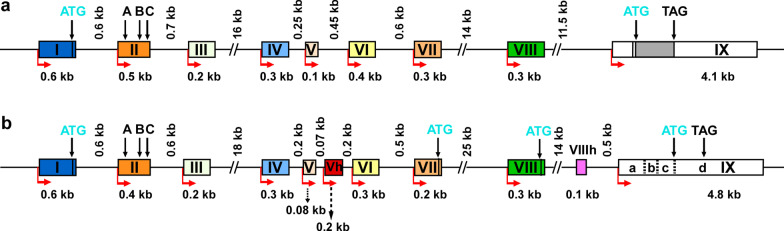
“1b, the human BDNF gene contains 11 exons and 9 promoters [51].”
BackgroundPeng, S., Wuu, J., Mufson, E. J., & Fahnestock, M. (2005) · Journal of Neurochemistry · doi:10.1111/j.1471-4159.2005.03135.x · Cited by 691
Alderson, R. F., Alterman, A. L., Barde, Y.-A., & Lindsay, R. M. (1990) · Neuron · doi:10.1016/0896-6273(90)90166-d · Cited by 685
Heldt, S. A., Stanek, L., Chhatwal, J. P., & Ressler, K. J. (2007) · Molecular Psychiatry · doi:10.1038/sj.mp.4001957 · Cited by 684 · cited 1×
“Maintaining the functional regulation of the BDNF/TrkB system is vital to healthy ageing, as the loss of BDNF signaling in the adult brain has been associated with impaired learning and memory [80], declining cognition [81], and abnormal mood-related behavior [82].”
BackgroundDuce, J. A., Tsatsanis, A., Cater, M. A., James, S. A., Robb, E., Wikhe, K., Leong, S. L., Perez, K., Johanssen, T., Greenough, M. A., et al. (2010) · Cell · doi:10.1016/j.cell.2010.08.014 · Cited by 676
Butyrate reduces appetite and activates brown adipose tissue via the gut-brain neural circuit
Li, Z., Yi, C.-X., Katiraei, S., Kooijman, S., Zhou, E., Chung, C. K., Gao, Y., van den Heuvel, J. K., Meijer, O. C., Berbée, J. F. P., et al. (2018) · Gut · doi:10.1136/gutjnl-2017-314050 · Cited by 674
An, J. J., Gharami, K., Liao, G.-Y., Woo, N. H., Lau, A. G., Vanevski, F., Torre, E. R., Jones, K. R., Feng, Y., Lu, B., et al. (2008) · Cell · doi:10.1016/j.cell.2008.05.045 · Cited by 672
BDNF is essential to promote persistence of long-term memory storage
Bekinschtein, P., Cammarota, M., Katche, C., Slipczuk, L., Rossato, J. I., Goldin, A., Izquierdo, I., & Medina, J. H. (2008) · Proceedings of the National Academy of Sciences · doi:10.1073/pnas.0711863105 · Cited by 657
Microglial activation by Alzheimer amyloid precursor protein and modulation by apolipoprotein E
Barger, S. W., & Harmon, A. D. (1997) · Nature · doi:10.1038/42257 · Cited by 622
Poduslo, J. F., & Curran, G. L. (1996) · Molecular Brain Research · doi:10.1016/0169-328x(95)00250-v · Cited by 614
Hypoxia facilitates Alzheimer's disease pathogenesis by up-regulating BACE1 gene expression
Sun, X., He, G., Qing, H., Zhou, W., Dobie, F., Cai, F., Staufenbiel, M., Huang, L. E., & Song, W. (2006) · Proceedings of the National Academy of Sciences · doi:10.1073/pnas.0606298103 · Cited by 605
Self-citationBjordal, J. M., Johnson, M. I., Iversen, V., Aimbire, F., & Lopes-Martins, R. A. B. (2006) · Photomedicine and Laser Surgery · doi:10.1089/pho.2006.24.158 · Cited by 581
Biosynthesis and Post-translational Processing of the Precursor to Brain-derived Neurotrophic Factor
Mowla, S. J., Farhadi, H. F., Pareek, S., Atwal, J. K., Morris, S. J., Seidah, N. G., & Murphy, R. A. (2001) · Journal of Biological Chemistry · doi:10.1074/jbc.m008104200 · Cited by 571
Synapsins as mediators of BDNF-enhanced neurotransmitter release
Jovanovic, J. N., Czernik, A. J., Fienberg, A. A., Greengard, P., & Sihra, T. S. (2000) · Nature Neuroscience · doi:10.1038/73888 · Cited by 566
Moon, J. J., Suh, H., Bershteyn, A., Stephan, M. T., Liu, H., Huang, B., Sohail, M., Luo, S., Ho Um, S., Khant, H., et al. (2011) · Nature Materials · doi:10.1038/nmat2960 · Cited by 564
Sohrabji, F., Miranda, R. C., & Toran-Allerand, C. D. (1995) · Proceedings of the National Academy of Sciences · doi:10.1073/pnas.92.24.11110 · Cited by 563
Alzheimer’s disease drug development pipeline: 2020
Cummings, J., Lee, G., Ritter, A., Sabbagh, M., & Zhong, K. (2020) · Alzheimer's & Dementia: Translational Research & Clinical Interventions · doi:10.1002/trc2.12050 · Cited by 557
Stephens, R. M., Loeb, D. M., Copeland, T. D., Pawson, T., Greene, L. A., & Kaplan, D. R. (1994) · Neuron · doi:10.1016/0896-6273(94)90223-2 · Cited by 541
Biological activity of chitosan: ultrastructural study
Muzzarelli, R., Baldassarre, V., Conti, F., Ferrara, P., Biagini, G., Gazzanelli, G., & Vasi, V. (1988) · Biomaterials · doi:10.1016/0142-9612(88)90092-0 · Cited by 533
Trajectories of Depressive Symptoms Before Diagnosis of Dementia: A 28-Year Follow-up Study
Singh-Manoux, A., Dugravot, A., Fournier, A., Abell, J., Ebmeier, K., Kivimäki, M., & Sabia, S. (2017) · JAMA Psychiatry · doi:10.1001/jamapsychiatry.2017.0660 · Cited by 529
Hock, C., Heese, K., Hulette, C., Rosenberg, C., & Otten, U. (2000) · Archives of Neurology · doi:10.1001/archneur.57.6.846 · Cited by 523
Gray, J., Yeo, G. S. H., Cox, J. J., Morton, J., Adlam, A.-L. R., Keogh, J. M., Yanovski, J. A., El Gharbawy, A., Han, J. C., Tung, Y. C. L., et al. (2006) · Diabetes · doi:10.2337/db06-0550 · Cited by 515
Regulation of APP cleavage by α‐, β‐ and γ‐secretases
Nunan, J., & Small, D. H. (2000) · FEBS Letters · doi:10.1016/s0014-5793(00)02076-7 · Cited by 512
Mechanism of TrkB-Mediated Hippocampal Long-Term Potentiation
Minichiello, L., Calella, A. M., Medina, D. L., Bonhoeffer, T., Klein, R., & Korte, M. (2002) · Neuron · doi:10.1016/s0896-6273(02)00942-x · Cited by 506 · cited 23×
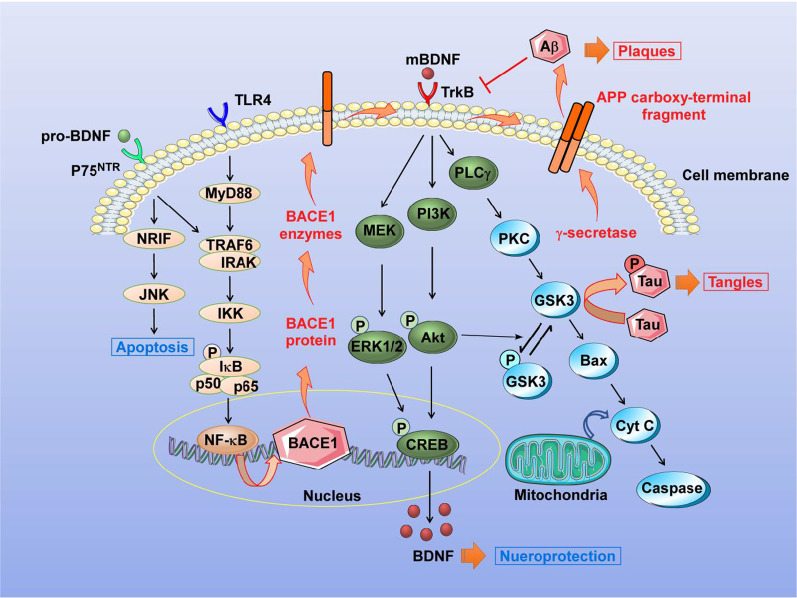
“BDNF/TrkB and the downstream cell signaling pathways, including PI3K/Akt, ERK/CREB, and PKC/ GSK3, are further discussed for their effects on AD.”
BackgroundInfluentialBDNF is necessary and sufficient for spinal respiratory plasticity following intermittent hypoxia
Baker-Herman, T. L., Fuller, D. D., Bavis, R. W., Zabka, A. G., Golder, F. J., Doperalski, N. J., Johnson, R. A., Watters, J. J., & Mitchell, G. S. (2004) · Nature Neuroscience · doi:10.1038/nn1166 · Cited by 484
NGF Signaling in Sensory Neurons
Delcroix, J.-D., Valletta, J. S., Wu, C., Hunt, S. J., Kowal, A. S., & Mobley, W. C. (2003) · Neuron · doi:10.1016/s0896-6273(03)00397-0 · Cited by 463
Bennett, J., Wellman, J., Marshall, K. A., McCague, S., Ashtari, M., DiStefano-Pappas, J., Elci, O. U., Chung, D. C., Sun, J., Wright, J. F., et al. (2016) · The Lancet · doi:10.1016/s0140-6736(16)30371-3 · Cited by 461 · cited 1×
“Although the systemic immune response induced by systemic injection of viral vectors can be considered harmful in clinical trials, gene therapy of the brain is considered a relatively safe intervention strategy [354, 355].”
BackgroundPostsynaptic induction of BDNF-mediated long-term potentiation
Kovalchuk, Y., Hanse, E., Kafitz, K. W., & Konnerth, A. (2002) · Science · doi:10.1126/science.1067766 · Cited by 456 · cited 1×
“Postsynaptic BDNF signaling contributes to enhancing the function of various ion channels, such as NMDAR, as well as calcium, sodium and potassium channels [77, 78].”
BackgroundCurrent understanding of metal ions in the pathogenesis of Alzheimer’s disease
Wang, L., Yin, Y.-L., Liu, X.-Z., Shen, P., Zheng, Y.-G., Lan, X.-R., Lu, C.-B., & Wang, J.-Z. (2020) · Translational Neurodegeneration · doi:10.1186/s40035-020-00189-z · Cited by 454
Yang, J., Siao, C.-J., Nagappan, G., Marinic, T., Jing, D., McGrath, K., Chen, Z.-Y., Mark, W., Tessarollo, L., Lee, F. S., et al. (2009) · Nature Neuroscience · doi:10.1038/nn.2244 · Cited by 449
Cytokines and brain excitability
Galic, M. A., Riazi, K., & Pittman, Q. J. (2012) · Frontiers in Neuroendocrinology · doi:10.1016/j.yfrne.2011.12.002 · Cited by 446
Inhibition of GSK3β-mediated BACE1 expression reduces Alzheimer-associated phenotypes
Ly, P. T. T., Wu, Y., Zou, H., Wang, R., Zhou, W., Kinoshita, A., Zhang, M., Yang, Y., Cai, F., Woodgett, J., et al. (2013) · Journal of Clinical Investigation · doi:10.1172/jci64516 · Cited by 442 · cited 1×
“Furthermore, we have shown that the GSK3β-mediated BACE1 gene expression is dependent on NF-κB signaling, and that inhibition of GSK3β can decrease BACE1 expression and reduce Alzheimer-associated phenotypes [236].”
BackgroundSelf-citationChen, C.-H., Zhou, W., Liu, S., Deng, Y., Cai, F., Tone, M., Tone, Y., Tong, Y., & Song, W. (2012) · The International Journal of Neuropsychopharmacology · doi:10.1017/s1461145711000149 · Cited by 433
Self-citationNg, T. K. S., Ho, C. S. H., Tam, W. W. S., Kua, E. H., & Ho, R. C.-M. (2019) · International Journal of Molecular Sciences · doi:10.3390/ijms20020257 · Cited by 413
Levine, E. S., Crozier, R. A., Black, I. B., & Plummer, M. R. (1998) · Proceedings of the National Academy of Sciences · doi:10.1073/pnas.95.17.10235 · Cited by 412
Presenilins are required for γ-secretase cleavage of β-APP and transmembrane cleavage of Notch-1
Zhang, Z., Nadeau, P., Song, W., Donoviel, D., Yuan, M., Bernstein, A., & Yankner, B. A. (2000) · Nature Cell Biology · doi:10.1038/35017108 · Cited by 409
Self-citationXu, B., Gottschalk, W., Chow, A., Wilson, R. I., Schnell, E., Zang, K., Wang, D., Nicoll, R. A., Lu, B., & Reichardt, L. F. (2000) · The Journal of Neuroscience · doi:10.1523/jneurosci.20-18-06888.2000 · Cited by 406
Estrogen masculinizes neural pathways and sex-specific behaviors
Wu, M. V., Manoli, D. S., Fraser, E. J., Coats, J. K., Tollkuhn, J., Honda, S.-I., Harada, N., & Shah, N. M. (2009) · Cell · doi:10.1016/j.cell.2009.07.036 · Cited by 404 · cited 1×
“Additionally, the aromatization of testosterone in male mice leads to high levels of E2 in the brain [282].”
BackgroundChen, Z.-Y., Ieraci, A., Teng, H., Dall, H., Meng, C.-X., Herrera, D. G., Nykjaer, A., Hempstead, B. L., & Lee, F. S. (2005) · The Journal of Neuroscience · doi:10.1523/jneurosci.1017-05.2005 · Cited by 401
MMP‐9 in translation: from molecule to brain physiology, pathology, and therapy
Vafadari, B., Salamian, A., & Kaczmarek, L. (2016) · Journal of Neurochemistry · doi:10.1111/jnc.13415 · Cited by 382
Adachi, M., Barrot, M., Autry, A. E., Theobald, D., & Monteggia, L. M. (2008) · Biological Psychiatry · doi:10.1016/j.biopsych.2007.09.019 · Cited by 380
Chen, Z. G., Wang, P. W., Wei, B., Mo, X. M., & Cui, F. Z. (2010) · Acta Biomaterialia · doi:10.1016/j.actbio.2009.07.024 · Cited by 379
Adlard, P. A., Parncutt, J. M., Finkelstein, D. I., & Bush, A. I. (2010) · The Journal of Neuroscience · doi:10.1523/jneurosci.5255-09.2010 · Cited by 376
Qing, H., He, G., Ly, P. T. T., Fox, C. J., Staufenbiel, M., Cai, F., Zhang, Z., Wei, S., Sun, X., Chen, C.-H., et al. (2008) · The Journal of Experimental Medicine · doi:10.1084/jem.20081588 · Cited by 364
Self-citationSong, W., Nadeau, P., Yuan, M., Yang, X., Shen, J., & Yankner, B. A. (1999) · Proceedings of the National Academy of Sciences · doi:10.1073/pnas.96.12.6959 · Cited by 362
Self-citationRusso-Neustadt, A. A., Beard, R. C., Huang, Y. M., & Cotman, C. W. (2000) · Neuroscience · doi:10.1016/s0306-4522(00)00349-3 · Cited by 360
Yasuda, S., Liang, M.-H., Marinova, Z., Yahyavi, A., & Chuang, D.-M. (2009) · Molecular Psychiatry · doi:10.1038/sj.mp.4002099 · Cited by 358 · cited 1×
“Inhibition of GSK3 increases BDNF mRNA and protein levels in cultured cortical neurons [186].”
BackgroundMiklossy, J. (2011) · Journal of Neuroinflammation · doi:10.1186/1742-2094-8-90 · Cited by 355
von Rotz, R. C., Kohli, B. M., Bosset, J., Meier, M., Suzuki, T., Nitsch, R. M., & Konietzko, U. (2004) · Journal of Cell Science · doi:10.1242/jcs.01323 · Cited by 347
BDNF and its pro-peptide are stored in presynaptic dense core vesicles in brain neurons
Dieni, S., Matsumoto, T., Dekkers, M., Rauskolb, S., Ionescu, M. S., Deogracias, R., Gundelfinger, E. D., Kojima, M., Nestel, S., Frotscher, M., et al. (2012) · Journal of Cell Biology · doi:10.1083/jcb.201201038 · Cited by 346
Kurozumi, K., Nakamura, K., Tamiya, T., Kawano, Y., Kobune, M., Hirai, S., Uchida, H., Sasaki, K., Ito, Y., Kato, K., et al. (2004) · Molecular Therapy · doi:10.1016/j.ymthe.2003.10.012 · Cited by 339
Tao, X., West, A. E., Chen, W. G., Corfas, G., & Greenberg, M. E. (2002) · Neuron · doi:10.1016/s0896-6273(01)00561-x · Cited by 339 · cited 3×
“The transcription of BDNF mRNA can also be regulated by Ca2+ influx because Ca2+ can initiate the binding of CREB and calcium-responsive transcription factor (CaRF) to the BDNF promoters [52].”
BackgroundDevelopment and applications of single-cell transcriptome analysis
Tang, F., Lao, K., & Surani, M. A. (2011) · Nature Methods · doi:10.1038/nmeth.1557 · Cited by 338
Exercise benefits on Alzheimer’s disease: State-of-the-science
Valenzuela, P. L., Castillo-García, A., Morales, J. S., de la Villa, P., Hampel, H., Emanuele, E., Lista, S., & Lucia, A. (2020) · Ageing Research Reviews · doi:10.1016/j.arr.2020.101108 · Cited by 337
Basal forebrain degeneration precedes and predicts the cortical spread of Alzheimer’s pathology
Schmitz, T. W., Nathan Spreng, R., Initiative, T. A. D. N., Weiner, M. W., Aisen, P., Petersen, R., Jack, C. R., Jagust, W., Trojanowki, J. Q., Toga, A. W., et al. (2016) · Nature Communications · doi:10.1038/ncomms13249 · Cited by 335
Glutamate dysfunction in Alzheimer's disease: an hypothesis
Maragos, W. F., Greenamyre, J. T., Penney, J. B., & Young, A. B. (1987) · Trends in Neurosciences · doi:10.1016/0166-2236(87)90025-7 · Cited by 334
Scharfman, H. E., & MacLusky, N. J. (2006) · Frontiers in Neuroendocrinology · doi:10.1016/j.yfrne.2006.09.004 · Cited by 331
Inflammatory mechanisms in Alzheimer's disease: implications for therapy
(1994) · American Journal of Psychiatry · doi:10.1176/ajp.151.8.1105 · Cited by 326
Autocrine BDNF-TrkB signalling within a single dendritic spine
Harward, S. C., Hedrick, N. G., Hall, C. E., Parra-Bueno, P., Milner, T. A., Pan, E., Laviv, T., Hempstead, B. L., Yasuda, R., & McNamara, J. O. (2016) · Nature · doi:10.1038/nature19766 · Cited by 325
Chou, Y.-H., Ton That, V., & Sundman, M. (2020) · Neurobiology of Aging · doi:10.1016/j.neurobiolaging.2019.08.020 · Cited by 319 · cited 1×
“Different frequencies of rTMS target different brain regions, making it theoretically possible to improve cognitive deficits that are highly localized to a particular brain region [377].”
BackgroundIntranasal Treatment of Central Nervous System Dysfunction in Humans
Chapman, C. D., Frey, W. H., Craft, S., Danielyan, L., Hallschmid, M., Schiöth, H. B., & Benedict, C. (2013) · Pharmaceutical Research · doi:10.1007/s11095-012-0915-1 · Cited by 310
Stokols, S., & Tuszynski, M. H. (2006) · Biomaterials · doi:10.1016/j.biomaterials.2005.06.039 · Cited by 309
Tracking the estrogen receptor in neurons: Implications for estrogen-induced synapse formation
McEwen, B., Akama, K., Alves, S., Brake, W. G., Bulloch, K., Lee, S., Li, C., Yuen, G., & Milner, T. A. (2001) · Proceedings of the National Academy of Sciences · doi:10.1073/pnas.121146898 · Cited by 309
Jain, A., Kim, Y.-T., McKeon, R. J., & Bellamkonda, R. V. (2006) · Biomaterials · doi:10.1016/j.biomaterials.2005.07.008 · Cited by 308
Katoh‐Semba, R., Takeuchi, I. K., Semba, R., & Kato, K. (1997) · Journal of Neurochemistry · doi:10.1046/j.1471-4159.1997.69010034.x · Cited by 307
Improved language performance in Alzheimer disease following brain stimulation
Cotelli, M., Calabria, M., Manenti, R., Rosini, S., Zanetti, O., Cappa, S. F., & Miniussi, C. (2011) · Journal of Neurology, Neurosurgery & Psychiatry · doi:10.1136/jnnp.2009.197848 · Cited by 304
Human platelets contain brain-derived neurotrophic factor
Yamamoto, H., & Gurney, M. (1990) · The Journal of Neuroscience · doi:10.1523/jneurosci.10-11-03469.1990 · Cited by 301
Solum, D. T., & Handa, R. J. (2002) · The Journal of Neuroscience · doi:10.1523/jneurosci.22-07-02650.2002 · Cited by 298
Gelperina, S., Maksimenko, O., Khalansky, A., Vanchugova, L., Shipulo, E., Abbasova, K., Berdiev, R., Wohlfart, S., Chepurnova, N., & Kreuter, J. (2010) · European Journal of Pharmaceutics and Biopharmaceutics · doi:10.1016/j.ejpb.2009.09.003 · Cited by 293
Serum Brain-Derived Neurotrophic Factor and the Risk for Dementia: The Framingham Heart Study
Weinstein, G., Beiser, A. S., Choi, S. H., Preis, S. R., Chen, T. C., Vorgas, D., Au, R., Pikula, A., Wolf, P. A., DeStefano, A. L., et al. (2014) · JAMA Neurology · doi:10.1001/jamaneurol.2013.4781 · Cited by 289 · cited 1×
“A higher serum BDNF level has also been linked to a reduced risk of dementia [149].”
BackgroundCopper and Zinc Dysregulation in Alzheimer’s Disease
Sensi, S. L., Granzotto, A., Siotto, M., & Squitti, R. (2018) · Trends in Pharmacological Sciences · doi:10.1016/j.tips.2018.10.001 · Cited by 285
Bi, R., Broutman, G., Foy, M. R., Thompson, R. F., & Baudry, M. (2000) · Proceedings of the National Academy of Sciences · doi:10.1073/pnas.97.7.3602 · Cited by 279
Yoshida, T., Ishikawa, M., Niitsu, T., Nakazato, M., Watanabe, H., Shiraishi, T., Shiina, A., Hashimoto, T., Kanahara, N., Hasegawa, T., et al. (2012) · PLoS ONE · doi:10.1371/journal.pone.0042676 · Cited by 277
Simpkins, J. W., Green, P. S., Gridley, K. E., Singh, M., de Fiebre, N. C., & Rajakumar, G. (1997) · The American Journal of Medicine · doi:10.1016/s0002-9343(97)00260-x · Cited by 274
Zhang, Z., Zhang, R., Zou, L., & McClements, D. J. (2016) · Food Hydrocolloids · doi:10.1016/j.foodhyd.2016.03.015 · Cited by 274
Laske, C., Stransky, E., Leyhe, T., Eschweiler, G. W., Maetzler, W., Wittorf, A., Soekadar, S., Richartz, E., Koehler, N., Bartels, M., et al. (2007) · Journal of Psychiatric Research · doi:10.1016/j.jpsychires.2006.01.014 · Cited by 272 · cited 2×
“Second, the lower threshold for detection must be increased as there is a low baseline level of CSF BDNF [138].”
BackgroundThe Construct of Minor and Major Depression in Alzheimer’s Disease
Starkstein, S. E., Jorge, R., Mizrahi, R., & Robinson, R. G. (2005) · American Journal of Psychiatry · doi:10.1176/appi.ajp.162.11.2086 · Cited by 271
Jiao, S.-S., Shen, L.-L., Zhu, C., Bu, X.-L., Liu, Y.-H., Liu, C.-H., Yao, X.-Q., Zhang, L.-L., Zhou, H.-D., Walker, D. G., et al. (2016) · Translational Psychiatry · doi:10.1038/tp.2016.186 · Cited by 266
Fu, H., Rodriguez, G. A., Herman, M., Emrani, S., Nahmani, E., Barrett, G., Figueroa, H. Y., Goldberg, E., Hussaini, S. A., & Duff, K. E. (2017) · Neuron · doi:10.1016/j.neuron.2016.12.023 · Cited by 264 · cited 1×
“Similarly, these transgenic models have been previously used to investigate how the expression and regulation of BDNF are altered in the context of AD-like pathologies, and how intervention strategies or therapeutic agents that enhance BDNF could serve as a potential treatment for AD [117, 122, 123].”
BackgroundMatsuda, N., Lu, H., Fukata, Y., Noritake, J., Gao, H., Mukherjee, S., Nemoto, T., Fukata, M., & Poo, M.-M. (2009) · The Journal of Neuroscience · doi:10.1523/jneurosci.1863-09.2009 · Cited by 260
Podda, M. V., Cocco, S., Mastrodonato, A., Fusco, S., Leone, L., Barbati, S. A., Colussi, C., Ripoli, C., & Grassi, C. (2016) · Scientific Reports · doi:10.1038/srep22180 · Cited by 249
Guan, Z., & Fang, J. (2006) · Brain, Behavior, and Immunity · doi:10.1016/j.bbi.2005.04.005 · Cited by 247 · cited 2×
“Although BDNF links inflammation and neuroplasticity, the systemic inflammatory response affects not only BDNF but also NGF and neurotrophin-3 (NT-3) [232].”
BackgroundBi-phasic change in BDNF gene expression following antidepressant drug treatment
Coppell, A. L., Pei, Q., & Zetterström, T. S. C. (2003) · Neuropharmacology · doi:10.1016/s0028-3908(03)00077-7 · Cited by 241
A phase II trial of huperzine A in mild to moderate Alzheimer disease
Rafii, M. S., Walsh, S., Little, J. T., Behan, K., Reynolds, B., Ward, C., Jin, S., Thomas, R., Aisen, P. S., & Study, F. T. A. D. C. (2011) · Neurology · doi:10.1212/wnl.0b013e318216eb7b · Cited by 240
Alexander, G. C., Emerson, S., & Kesselheim, A. S. (2021) · JAMA · doi:10.1001/jama.2021.3854 · Cited by 240 · cited 1×
“Moreover, the FDA’s advisory committee had previously recommended against aducanumab’s approval due to the insufficient evidence to support the drug to improve cognitive decline during the phase 3 trial [7, 8].”
BackgroundAravamudhan, A., Ramos, D. M., Nada, A. A., & Kumbar, S. G. (2014) · Natural and Synthetic Biomedical Polymers · doi:10.1016/b978-0-12-396983-5.00004-1 · Cited by 238
Wang, Z.-H., Xiang, J., Liu, X., Yu, S. P., Manfredsson, F. P., Sandoval, I. M., Wu, S., Wang, J.-Z., & Ye, K. (2019) · Cell Reports · doi:10.1016/j.celrep.2019.06.054 · Cited by 238
Distrutti, E., O’Reilly, J.-A., McDonald, C., Cipriani, S., Renga, B., Lynch, M. A., & Fiorucci, S. (2014) · PLoS ONE · doi:10.1371/journal.pone.0106503 · Cited by 237
Brain-Derived Neurotrophic Factor in Alzheimer’s Disease: Risk, Mechanisms, and Therapy
Song, J.-H., Yu, J.-T., & Tan, L. (2015) · Molecular Neurobiology · doi:10.1007/s12035-014-8958-4 · Cited by 237
Interleukin-1β, but not interleukin-6, impairs spatial navigation learning
Oitzl, M. S., van Oers, H., Schöbitz, B., & Ron de Kloet, E. (1993) · Brain Research · doi:10.1016/0006-8993(93)90468-3 · Cited by 230
Meng, C., He, Z., & Xing, D. (2013) · The Journal of Neuroscience · doi:10.1523/jneurosci.0918-13.2013 · Cited by 230
The Gut-Brain Axis, BDNF, NMDA and CNS Disorders
Maqsood, R., & Stone, T. W. (2016) · Neurochemical Research · doi:10.1007/s11064-016-2039-1 · Cited by 222
Leon, W. C., Canneva, F., Partridge, V., Allard, S., Ferretti, M. T., DeWilde, A., Vercauteren, F., Atifeh, R., Ducatenzeiler, A., Klein, W., et al. (2010) · Journal of Alzheimer's Disease · doi:10.3233/jad-2010-1349 · Cited by 221
Chiaruttini, C., Vicario, A., Li, Z., Baj, G., Braiuca, P., Wu, Y., Lee, F. S., Gardossi, L., Baraban, J. M., & Tongiorgi, E. (2009) · Proceedings of the National Academy of Sciences · doi:10.1073/pnas.0902833106 · Cited by 217 · cited 1×
“Further insight into this mechanism comes from studies demonstrating that the Val66Met SNP impairs the dendritic trafficking of BDNF mRNA by disrupting interaction of BDNF with translin [157] and disturbing the intracellular sorting and secretion of BDNF by blocking its interaction with sortilin [158].”
BackgroundThe role of APP and BACE1 trafficking in APP processing and amyloid-β generation
Zhang, X., & Song, W. (2013) · Alzheimer's Research & Therapy · doi:10.1186/alzrt211 · Cited by 213
Self-citationMicrodose Lithium Treatment Stabilized Cognitive Impairment in Patients with Alzheimer’s Disease
Andrade Nunes, M., Araujo Viel, T., & Sousa Buck, H. (2013) · Current Alzheimer Research · doi:10.2174/1567205011310010014 · Cited by 212
Delivery of125I-NGF to the Brain via the Olfactory Route
Frey, W. H., Liu, J., Chen, X., Thorne, R. G., Fawcett, J. R., Ala, T. A., & Rahman, Y.-E. (1997) · Drug Delivery · doi:10.3109/10717549709051878 · Cited by 210
Messaoudi, E., Bårdsen, K., Srebro, B., & Bramham, C. R. (1998) · Journal of Neurophysiology · doi:10.1152/jn.1998.79.1.496 · Cited by 208 · cited 1×
“Preclinical studies have shown that the brain-specific delivery of BDNF is beneficial for promoting the expression of BDNF receptors, inducing lasting potentiation of synaptic transmission, and increasing neurogenesis and ectopic granule cells [416, 417].”
BackgroundHoppe, J. B., Coradini, K., Frozza, R. L., Oliveira, C. M., Meneghetti, A. B., Bernardi, A., Pires, E. S., Beck, R. C. R., & Salbego, C. G. (2013) · Neurobiology of Learning and Memory · doi:10.1016/j.nlm.2013.08.001 · Cited by 207
Neuron-Derived Estrogen Regulates Synaptic Plasticity and Memory
Lu, Y., Sareddy, G. R., Wang, J., Wang, R., Li, Y., Dong, Y., Zhang, Q., Liu, J., O'Connor, J. C., Xu, J., et al. (2019) · The Journal of Neuroscience · doi:10.1523/jneurosci.1970-18.2019 · Cited by 206
Kozisek, M. E., Middlemas, D., & Bylund, D. B. (2008) · Pharmacology & Therapeutics · doi:10.1016/j.pharmthera.2007.07.001 · Cited by 205
Tchantchou, F., Xu, Y., Wu, Y., Christen, Y., & Luo, Y. (2007) · The FASEB Journal · doi:10.1096/fj.06-7649com · Cited by 204
Orgeta, V., Tabet, N., Nilforooshan, R., & Howard, R. (2017) · Journal of Alzheimer's Disease · doi:10.3233/jad-161247 · Cited by 203
de Pins, B., Cifuentes-Díaz, C., Thamila Farah, A., López-Molina, L., Montalban, E., Sancho-Balsells, A., López, A., Ginés, S., Delgado-García, J. M., Alberch, J., et al. (2019) · The Journal of Neuroscience · doi:10.1523/jneurosci.2121-18.2019 · Cited by 202
Pardridge, W. M., Kang, Y.-S., & Buciak, J. L. (1994) · Pharmaceutical Research · doi:10.1023/a:1018940732550 · Cited by 201
Role of BDNF epigenetics in activity-dependent neuronal plasticity
Karpova, N. N. (2014) · Neuropharmacology · doi:10.1016/j.neuropharm.2013.04.002 · Cited by 200 · cited 1×
“1a, rodent BDNF genes consist of 9 exons and 9 individual functional promoters [40, 41].”
BackgroundMizoguchi, H., Nakade, J., Tachibana, M., Ibi, D., Someya, E., Koike, H., Kamei, H., Nabeshima, T., Itohara, S., Takuma, K., et al. (2011) · The Journal of Neuroscience · doi:10.1523/jneurosci.3118-11.2011 · Cited by 199
β-Amyloid impairs axonal BDNF retrograde trafficking
Poon, W. W., Blurton-Jones, M., Tu, C. H., Feinberg, L. M., Chabrier, M. A., Harris, J. W., Jeon, N. L., & Cotman, C. W. (2011) · Neurobiology of Aging · doi:10.1016/j.neurobiolaging.2009.05.012 · Cited by 198
Effects of central and peripheral inflammation on hippocampal synaptic plasticity
Di Filippo, M., Chiasserini, D., Gardoni, F., Viviani, B., Tozzi, A., Giampà, C., Costa, C., Tantucci, M., Zianni, E., Boraso, M., et al. (2013) · Neurobiology of Disease · doi:10.1016/j.nbd.2012.12.009 · Cited by 197
Baj, G., Leone, E., Chao, M. V., & Tongiorgi, E. (2011) · Proceedings of the National Academy of Sciences · doi:10.1073/pnas.1014168108 · Cited by 197
Koshimizu, H., Kiyosue, K., Hara, T., Hazama, S., Suzuki, S., Uegaki, K., Nagappan, G., Zaitsev, E., Hirokawa, T., Tatsu, Y., et al. (2009) · Molecular Brain · doi:10.1186/1756-6606-2-27 · Cited by 195
Adeno-associated virus effectively mediates conditional gene modification in the brain
Kaspar, B. K., Vissel, B., Bengoechea, T., Crone, S., Randolph-Moore, L., Muller, R., Brandon, E. P., Schaffer, D., Verma, I. M., Lee, K.-F., et al. (2002) · Proceedings of the National Academy of Sciences · doi:10.1073/pnas.042678699 · Cited by 194
Wang, R., & Holsinger, R. M. D. (2018) · Ageing Research Reviews · doi:10.1016/j.arr.2018.10.002 · Cited by 192
Corona, C., Masciopinto, F., Silvestri, E., Viscovo, A. D., Lattanzio, R., Sorda, R. L., Ciavardelli, D., Goglia, F., Piantelli, M., Canzoniero, L. M. T., et al. (2010) · Cell Death & Disease · doi:10.1038/cddis.2010.73 · Cited by 189
Gezen-Ak, D., Dursun, E., Hanağası, H., Bilgiç, B., Lohman, E., Araz, Ö. S., Atasoy, İ. L., Alaylıoğlu, M., Önal, B., Gürvit, H., et al. (2013) · Journal of Alzheimer's Disease · doi:10.3233/jad-130497 · Cited by 188
Young, J. E., Boulanger-Weill, J., Williams, D. A., Woodruff, G., Buen, F., Revilla, A. C., Herrera, C., Israel, M. A., Yuan, S. H., Edland, S. D., et al. (2015) · Cell Stem Cell · doi:10.1016/j.stem.2015.02.004 · Cited by 188
Angelucci, F., Spalletta, G., Iulio, F., Ciaramella, A., Salani, F., Varsi, A., Gianni, W., Sancesario, G., Caltagirone, C., & Bossu, P. (2010) · Current Alzheimer Research · doi:10.2174/156720510790274473 · Cited by 186
Patist, C. M., Mulder, M. B., Gautier, S. E., Maquet, V., Jérôme, R., & Oudega, M. (2004) · Biomaterials · doi:10.1016/s0142-9612(03)00503-9 · Cited by 185
Exercise and BDNF reduce Aβ production by enhancing α‐secretase processing of APP
Nigam, S. M., Xu, S., Kritikou, J. S., Marosi, K., Brodin, L., & Mattson, M. P. (2017) · Journal of Neurochemistry · doi:10.1111/jnc.14034 · Cited by 185
Rösch, H., Schweigreiter, R., Bonhoeffer, T., Barde, Y.-A., & Korte, M. (2005) · Proceedings of the National Academy of Sciences · doi:10.1073/pnas.0502460102 · Cited by 184
Hippocampal–Prefrontal BDNF and Memory for Fear Extinction
Rosas-Vidal, L. E., Do-Monte, F. H., Sotres-Bayon, F., & Quirk, G. J. (2014) · Neuropsychopharmacology · doi:10.1038/npp.2014.64 · Cited by 184
Garzon, D. J., & Fahnestock, M. (2007) · The Journal of Neuroscience · doi:10.1523/jneurosci.5053-06.2007 · Cited by 182
Higher BDNF serum levels predict slower cognitive decline in Alzheimer's disease patients
Laske, C., Stellos, K., Hoffmann, N., Stransky, E., Straten, G., Eschweiler, G. W., & Leyhe, T. (2011) · The International Journal of Neuropsychopharmacology · doi:10.1017/s1461145710001008 · Cited by 180
AAV-Mediated gene delivery of BDNF or GDNF is neuroprotective in a model of huntington disease
Kells, A. P., Fong, D. M., Dragunow, M., During, M. J., Young, D., & Connor, B. (2004) · Molecular Therapy · doi:10.1016/j.ymthe.2004.02.016 · Cited by 178
Similarities between actions of estrogen and BDNF in the hippocampus: coincidence or clue?
Scharfman, H. E., & MacLusky, N. J. (2005) · Trends in Neurosciences · doi:10.1016/j.tins.2004.12.005 · Cited by 177
Early BDNF Treatment Ameliorates Cell Loss in the Entorhinal Cortex of APP Transgenic Mice
Nagahara, A. H., Mateling, M., Kovacs, I., Wang, L., Eggert, S., Rockenstein, E., Koo, E. H., Masliah, E., & Tuszynski, M. H. (2013) · The Journal of Neuroscience · doi:10.1523/jneurosci.5195-12.2013 · Cited by 175
Jiang, Y., Wei, N., Lu, T., Zhu, J., Xu, G., & Liu, X. (2011) · Neuroscience · doi:10.1016/j.neuroscience.2010.10.054 · Cited by 171
Haapasalo, A., Sipola, I., Larsson, K., Åkerman, K. E. O., Stoilov, P., Stamm, S., Wong, G., & Castrén, E. (2002) · Journal of Biological Chemistry · doi:10.1074/jbc.m205202200 · Cited by 171
Research works printed but not linked: 11
- Alzheimer A Uber eine eigenartige Erkrankung der Hirnrinde Zentralbl Nervenh Psych 1907 18 177 179
- Cavazzoni P FDA’s decision to approve new treatment for Alzheimer’s disease 2021 U.S. Food and Drug Administration
- Weinstein G Beiser AS Choi SH Preis SR Chen TC Vorgas D Serum Brain-derived neurotrophic factor and the risk for dementia the framingham heart study JAMA Neurol 2014 71 1 55 61 24276217 PMC4056186 · DOI · Paper page
- Franzmeier N Ren J Damm A Monté-Rubio G Boada M Ruiz A The BDNFVal66Met SNP modulates the association between beta-amyloid and hippocampal disconnection in Alzheimer’s disease Mol Psychiatry 2021 26 2 614 628 30899092 PMC6754794 · DOI · Paper page
- Jiao SS Shen LL Zhu C Bu XL Liu YH Liu CH Brain-derived neurotrophic factor protects against tau-related neurodegeneration of Alzheimer's disease Transl Psychiatry 2016 6 10 e907 27701410 PMC5315549 · DOI · Paper page
- Lipsky RH Ke Xu Zhu D Kelly C Terhakopian A Novelli A Nuclear factor kB is a critical determinant in N-methyl-d-aspartate receptor-mediated neuroprotection J Neurochem 2001 78 254 264 11461961 · DOI · Paper page
- Liu D Zhang M Jiang X Lei H Li J Wang X Protective effects and the mechanisms of donepezil and galantamine on neuronal injury induced by glucose deprivation/reoxygenation Acta Pharm Sin 2017 12 928 935
- Khundakar A Zetterstrom T Differential expression of BDNF exons in rat brain after systemic administration of paroxetine and tranylcypromine 2002 Nature Publishing Group
- Orgeta V Tabet N Nilforooshan R Howard R Leoutsakos J-M Efficacy of antidepressants for depression in Alzheimer’s disease: systematic review and meta-analysis J Alzheimers Dis 2017 58 3 725 733 28505970 PMC5467718 · DOI · Paper page
- Pakulska MM Elliott Donaghue I Obermeyer JM Tuladhar A McLaughlin CK Shendruk TN Encapsulation-free controlled release: electrostatic adsorption eliminates the need for protein encapsulation in PLGA nanoparticles Sci Adv 2016 2 5 e1600519 27386554 PMC4928928 · DOI · Paper page
- Günther MI Weidner N Müller R Blesch A Cell-seeded alginate hydrogel scaffolds promote directed linear axonal regeneration in the injured rat spinal cord Acta Biomater 2015 27 140 150 26348141 · DOI
Cited by
Integrated multimodal cell atlas of Alzheimer’s disease
Gabitto, M. I., Travaglini, K. J., Rachleff, V. M., Kaplan, E. S., Long, B., Ariza, J., Ding, Y., Mahoney, J. T., Dee, N., Goldy, J., et al. (2023) · doi:10.1101/2023.05.08.539485 · Cited by 425
Integrated multimodal cell atlas of Alzheimer’s disease
Gabitto, M. I., Travaglini, K. J., Rachleff, V. M., Kaplan, E. S., Long, B., Ariza, J., Ding, Y., Mahoney, J. T., Dee, N., Goldy, J., et al. (2024) · Nature Neuroscience · doi:10.1038/s41593-024-01774-5 · Cited by 397
“Finally, it is possible that Sst neuron loss could also disrupt trophic support of connected neurons 94 , ultimately leading to the loss of long-range corticocortical connectivity that would be expected to affect cognitive function.”
Apoptosis in Alzheimer’s disease: Insight into the signaling pathways and therapeutic avenues
Kumari, S., Dhapola, R., & Reddy, D. H. (2023) · Apoptosis · doi:10.1007/s10495-023-01848-y · Cited by 324
Targeting Metabolic Dysregulation in Alzheimer’s Disease: A Potential Therapeutic Strategy
Barnwal, N., Dubey, S., & Tiwari, P. K. (2025) · Current Drug Metabolism · doi:10.2174/0113892002408089250912080734 · Cited by 190
From Synaptic Plasticity to Neurodegeneration: BDNF as a Transformative Target in Medicine
Toader, C., Șerban, M., Munteanu, O., Covache-Busuioc, R.-A., Enyedi, M., Ciurea, A. V., & Tătaru, C. P. (2025) · International Journal of Molecular Sciences · doi:10.3390/ijms26094271 · Cited by 185
Metadata
- Authors
- Gao, L., Zhang, Y., Sterling, K., & Song, W.
- Affiliations
- University of British Columbia (CA)
- Capital Medical University (CN)
- Corresponding author
- Song, Weihong
- Venue
- Translational Neurodegeneration
- Published
- 2022-01-28
- Volume
- 11
- Issue
- 1
- Pages
- 4-4
- ISSN
- 2047-9158 (ISSN-L)
- PMC
- PMC8796548
- OpenAlex
- W4210324338
- Cited by
- 606
- References
- 457
- Citations by year
- 2026: 137 · 2025: 174 · 2024: 167 · 2023: 103 · 2022: 25
- FWCI
- 16.18
- Type
- journal article
- Language
- en
- Open access
- gold
- doi.org
- Licence
- cc-by
- creativecommons.org/licenses/by/4.0 (tdm)
- creativecommons.org/licenses/by/4.0 (vor)
- Locations
- Translational Neurodegeneration (publishedVersion, cc-by)
- PubMed Central (publishedVersion, cc-by)
- PubMed (publishedVersion)
- cIRcle (University of British Columbia) (submittedVersion, cc-by)
- DOAJ (DOAJ: Directory of Open Access Journals) (submittedVersion, cc-by-sa)
- Open Collections
- Funders
- Natural Science Foundation of Shanghai (81903824)
- Topics
- Life Sciences › Neuroscience › Cellular and Molecular Neuroscience › Alzheimer's disease research and treatments
- Life Sciences › Neuroscience › Cellular and Molecular Neuroscience › Nerve injury and regeneration
- Health Sciences › Medicine › Psychiatry and Mental health › Dementia and Cognitive Impairment Research
- Keywords
- brain-derived neurotrophic factor, Alzheimer's disease, synaptic dysfunction, amyloid-beta, tau pathology, BDNF signaling, neuroinflammation, neuronal apoptosis, diagnostic biomarkers, synaptic plasticity
- MeSH terms
- Alzheimer Disease, Pharmaceutical Preparations, Humans, Neurons, Amyloid beta-Peptides, Brain-Derived Neurotrophic Factor
About these checks
Registry, retraction, Cites and statistics results are computed, not judged, with one exception: a printed reference that no index lists is read once by a model before it counts as a citation error. Claims are extracted by a model and kept only when their quote appears verbatim in the text; each cited source is then checked, with a model’s help, for whether it says what the claim relies on. Those verdicts can be wrong — read the claim’s quote and the cited source before relying on one.
Statistics and arithmetic are recomputed, not judged.
Confidence bands are shown only for fields calibrated on our annotated test set. None is calibrated yet, so no band is shown.
What counts as a claim ›How we measure confidence ›How we check this ›
Are you an author, or do you see a problem with this page? Request a review
Data sources
Bibliographic data: Semantic Scholar, OpenAlex, Crossref.
Contains information from the Semantic Scholar Academic Graph Datasets, made available under the ODC Attribution License (ODC-BY 1.0).
Semantic Scholar’s data is described in: Kinney, R., et al. (2023). The Semantic Scholar Open Data Platform. arXiv:2301.10140.
