

Negative and Positive Affect Regulation in a Transdiagnostic Internet-Based Protocol for Emotional Disorders: Randomized Controlled Trial
Open accessPublished version of a preprint
The DOI matches its Crossref record; 115 of the 116 references it cites were found in a registry or an index; 27 of the 80 sources its claims cite were checked for support.
Abstract
Background: Emotional disorders (EDs) are among the most prevalent mental disorders. Existing evidence-based psychological treatments are not sufficient to reduce the disease burden of mental disorders. It is therefore essential to implement innovative solutions to achieve a successful dissemination of psychological treatment protocols, and in this regard, the use of information and communication technologies such as the internet can be very useful. Furthermore, the literature suggests that not everyone with an ED receives the appropriate treatment. This situation has led to the development of new intervention proposals based on the transdiagnostic perspective, which attempts to address the underlying processes common to EDs. Most of these transdiagnostic interventions focus primarily on downregulating negative affectivity (NA), and less attention has been paid to strengths and the upregulation of positive affectivity, despite its importance for well-being and mental health. Objective: This study aims to evaluate the efficacy of a transdiagnostic internet-based treatment for EDs in a community sample. Methods: A 3-armed randomized controlled trial was conducted. A total of 216 participants were randomly assigned to a transdiagnostic internet-based protocol (TIBP), a TIBP+ positive affect (PA) component, or a waiting list (WL) control group. The treatment protocol contained core components mainly addressed to downregulate NA (ie, present-focused emotional awareness and acceptance, cognitive flexibility, behavioral and emotional avoidance patterns, and interoceptive and situational exposure) as well as a PA regulation component to promote psychological strengths and enhance well-being. Data on depression, anxiety, quality of life, neuroticism and extraversion, and PA/NA before and after treatment were analyzed. Expectations and opinions of treatment were also analyzed. Results: Within-group comparisons indicated significant pre-post reductions in the two experimental conditions. In the TIBP+PA condition, the effect sizes were large for all primary outcomes (d=1.42, Beck Depression Inventory [BDI-II]; d=0.91, Beck Anxiety Inventory [BAI]; d=1.27, Positive and Negative Affect Schedule-Positive [PANAS-P]; d=1.26, Positive and Negative Affect Schedule-Negative [PANAS-N]), whereas the TIBP condition yielded large effect sizes for BDI-II (d=1.19) and PANAS-N (d=1.28) and medium effect sizes for BAI (d=0.63) and PANAS-P (d=0.69). Between-group comparisons revealed that participants who received one of the two active treatments scored better at posttreatment than WL participants. Although there were no statistically significant differences between the two intervention groups on the PA measure, effect sizes were consistently larger in the TIBP+PA condition than in the standard transdiagnostic protocol. Conclusions: Overall, the findings indicate that EDs can be effectively treated with a transdiagnostic intervention via the internet, as significant improvements in depression, anxiety, and quality of life measures were observed. Regarding PA measures, promising effects were found, but more research is needed to study the role of PA as a therapeutic component. © Amanda Díaz-García, Alberto González-Robles, Azucena García-Palacios, Javier Fernández-Álvarez, Diana Castilla, Juana María Bretón, Rosa María Baños, Soledad Quero, Cristina Botella. Originally published in the Journal of Medical Internet Research (http://www.jmir.org), 01.02.2021. This is an open-access article distributed under the terms of the Creative Commons Attribution License (https://creativecommons.org/licenses/by/4.0/), which permits unrestricted use, distribution, and reproduction in any medium, provided the original work, first published in the Journal of Medical Internet Research, is properly cited. The complete bibliographic information, a link to the original publication on http://www.jmir.org/, as well as this copyright and license information must be included.
Overview
CoChat Summary
## TL;DR
This 3-armed randomized controlled trial found that a transdiagnostic internet-based treatment improved depression, anxiety, positive/negative affect, and quality of life in a community sample with emotional disorders. Adding a specific positive-affect component did not significantly outperform the standard transdiagnostic protocol on positive-affect outcomes, though effects were generally larger.
## Key findings
- 216 participants were randomized to TIBP (n=71), TIBP+PA (n=73), or waiting list (n=72); mean age was 33.57 years (SD 11.24), and 71.8% were female.
- Both active treatments produced significant pre-post improvements on primary outcomes; in TIBP+PA, effect sizes were large for BDI-II (d=1.42), BAI (d=0.91), PANAS-P (d=1.27), and PANAS-N (d=1.26), while TIBP showed large effects for BDI-II (d=1.19) and PANAS-N (d=1.28) and medium effects for BAI (d=0.63) and PANAS-P (d=0.69).
- Compared with waiting list, both interventions did better at posttreatment: for example, BDI-II mean differences were −13.61 for TIBP and −14.31 for TIBP+PA, both P<.001; BAI mean differences were −8.19 (P=.001) and −9.28 (P<.001).
- There were no statistically significant differences between TIBP+PA and TIBP on positive-affect measures or on reliable/clinically significant change; the paper reports no significant between-group differences for PANAS-P (mean difference −2.44; P=.08; d=0.25) or PANAS-N (mean difference −0.02; P=.99; d=0.01).
## Methods
- Three-armed superiority RCT: participants were randomly allocated to TIBP, TIBP+PA, or waiting list; block randomization was used to balance primary diagnoses across conditions.
- Community sample recruited between June 2015 and July 2018; inclusion required age ≥18, DSM-IV emotional disorder diagnosis, Spanish literacy, internet/email access, and web-based informed consent.
- Main analyses used intention-to-treat mixed models with full information maximum likelihood, pairwise comparisons with Bonferroni correction, Cohen-style effect sizes, and reliable change index analyses for completers.
## Limitations
- The paper states the main limitation was that the two protocols differed in length: TIBP had 12 modules and TIBP+PA had 16, so the observed effect of the PA component may partly reflect the greater number of modules.
- The paper states another limitation is that, although termed transdiagnostic, the interventions were based on discrete DSM-IV diagnostic categories rather than mechanistically transdiagnostic principles.
- The paper states that follow-up data were not included, so long-term effects are not yet known.
- Evident from the text: attrition was substantial (86/216 withdrew; 37% in each treatment arm vs 24% in waiting list), which reduces complete-case data and may affect precision despite ITT handling.
Model-written summary. Check it against the paper before relying on it.
Integrity signals
Registry
Cites
Statistics
Figures

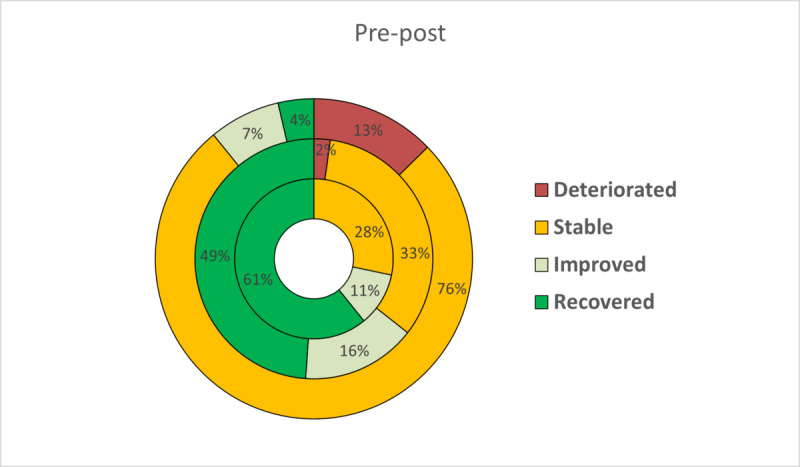

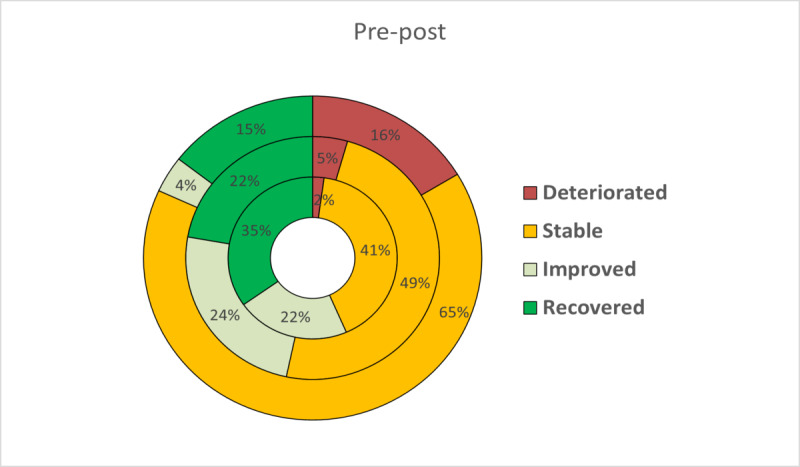

Verification
Claims the paper makes
20 Valid · 1 Not valid · 29 Not checked · 106 Own results and interpretations
The sources with a verdict support this claim; the rest weren’t checked yet, have no full text we could read, or their verdicts aren’t rated yet.
In the paper
“Mounting evidence demonstrates the efficacy of transdiagnostic treatments in patients with EDs compared with control groups [16-19]”
§ Negative and Positive Affect Regulation in a Transdiagnostic Internet-Based Protocol for Emotional Disorders: Randomized Controlled Trial > Introduction > Transdiagnostic Treatments for the Common Psychopathological Processes Underlying Emotional Disorders
What the sources say
- Not checked — no full text of the sourcecites [16] source
- Supportedcites [17] source
The Discussion reports that pooled randomized-trial results showed transdiagnostic treatments outperformed controls on anxiety severity, depression severity, and quality of life. This supports the cited claim about efficacy for emotional disorders compared with control groups, although effects varied by control condition. (LLM, conf=0.94)
- Not checked — no full text of the sourcecites [18] source
- Not checked — no full text of the sourcecites [19] source
boostedstates a cause- Asserted: passes — The authors put it forward as true.
- Checkable: passes — It can be checked against evidence.
- Load-bearing: passes — The paper’s conclusions depend on it.
- Based: passes — The paper gives a reason why it holds.
The cited sources support only part of this claim — read each source’s verdict below.
In the paper
“people with EDs have higher levels of N/NA/BI [8]”
§ Negative and Positive Affect Regulation in a Transdiagnostic Internet-Based Protocol for Emotional Disorders: Randomized Controlled Trial > Introduction > The Role of Positive Affect in EDs Regarding the temperamental vulnerabilities, some authors have identified two essential dimensions of temperament in the etiology and course of EDs: N/NA and E/positive affect (PA) [8]. Hence, neuroticism has been identified as a core factor involved in the development of EDs [23]. In addition, N/NA and E/PA have been closely related to Gray’s (1987) constructs of BI and BA, respectively [24-26], and these terms are often used interchangeably as the most stable measures of temperament [8,15,26,27]. Thus, people with EDs have higher levels of N/NA/BI [8], and they experience negative emotions more intensely and frequently [28] than people who do not have any ED. In contrast, the dimension of positive emotionality, E/PA/BA, has also been observed in many disorders, suggesting that people with an ED show low levels of E/BA [29], which can predict the onset of depression [30] and increase the severity of the problem [31]. Despite the importance of PA in health and well-being, there is limited research on its promotion; therefore, more research is needed in this area. Furthermore, notwithstanding the recent upsurge in transdiagnostic treatments for EDs, most of these protocols have focused on reducing NA. They have addressed core psychopathological deficits in the way patients experience and respond to negative emotions [32]. However, less attention has been paid to positive emotions or promoting PA [33]. In addition to being involved in the symptomatology of EDs, positive emotionality is considered a core element of mental health, showing beneficial, generalized effects on health and functioning [34-37]. Thus, the relationship between emotion regulation (eg, cognitive reappraisal) and well-being has also been demonstrated [38]. On the basis of the literature that highlights the potential importance of positive emotionality as a treatment component [39-43], it is necessary to develop and test treatment components focused on upregulating PA.
What the sources say
- Partly supportedcites [8] sourceExperimental — accuracy not yet measured
The Alternative Classification Systems section describes neuroticism/negative affect as relevant to emotional disorders and closely related to behavioral inhibition. It also reports substantial covariance between N/BI and emotional disorders. However, the passages do not establish the stated comparison with people who have no emotional disorder. (LLM, conf=0.81)
plainstates an association- Asserted: passes — The authors put it forward as true.
- Checkable: passes — It can be checked against evidence.
- Load-bearing: unclear — It is unclear whether the paper’s conclusions depend on it.
- Based: passes — The paper gives a reason why it holds.
- Partly supported
Every source the paper cites for this claim was checked and supports it.
In the paper
“the effect of the UP has been shown on the two temperament dimensions of neuroticism (N)/behavioral inhibition (BI) and extraversion (E)/behavioral activation (BA) [15].”
§ Negative and Positive Affect Regulation in a Transdiagnostic Internet-Based Protocol for Emotional Disorders: Randomized Controlled Trial > Introduction > Transdiagnostic Treatments for the Common Psychopathological Processes Underlying Emotional Disorders
What the sources say
- Supportedcites [15] source
The Abstract (page not provided) reports small effects of the Unified Protocol on both N/BI and E/BA compared with a waitlist control at post-treatment. The finding is preliminary and concerns adults with principal anxiety disorders. (LLM, conf=0.92)
plainstates a cause- Asserted: passes — The authors put it forward as true.
- Checkable: passes — It can be checked against evidence.
- Load-bearing: unclear — It is unclear whether the paper’s conclusions depend on it.
- Based: passes — The paper gives a reason why it holds.
- Supported
Every source the paper cites for this claim was checked and supports it.
In the paper
“The UP has been tested and results indicate that it is effective in reducing negative affect (NA) [13]”
§ Negative and Positive Affect Regulation in a Transdiagnostic Internet-Based Protocol for Emotional Disorders: Randomized Controlled Trial > Introduction > Transdiagnostic Treatments for the Common Psychopathological Processes Underlying Emotional Disorders
What the sources say
- Supportedcites [13] source
The Results (Efficacy at Posttreatment) report a decrease in negative affectivity measured by PANAS-NA. The Abstract also reports significant improvement in negative affect, supporting the citing sentence’s claim. (LLM, conf=0.93)
hedgedstates a cause- Asserted: passes — The authors put it forward as true.
- Checkable: passes — It can be checked against evidence.
- Load-bearing: passes — The paper’s conclusions depend on it.
- Based: passes — The paper gives a reason why it holds.
- Supported
Every source the paper cites for this claim was checked and supports it.
In the paper
“a recent meta-analysis showed that the UP is more effective compared with different control groups, such as treatment as usual, waitlist, and medication control groups, in treating anxiety and depressive symptoms [22].”
§ Negative and Positive Affect Regulation in a Transdiagnostic Internet-Based Protocol for Emotional Disorders: Randomized Controlled Trial > Introduction > Transdiagnostic Treatments for the Common Psychopathological Processes Underlying Emotional Disorders
What the sources say
- Supportedcites [22] source
The Controlled effects passage reports that, at post-intervention, the Unified Protocol had significantly greater efficacy than treatment as usual, waitlist, and medication control groups. It identifies the effects as moderate for depression and large for anxiety, matching the cited claim. (LLM, conf=0.94)
plainstates a cause- Asserted: passes — The authors put it forward as true.
- Checkable: passes — It can be checked against evidence.
- Load-bearing: passes — The paper’s conclusions depend on it.
- Based: passes — The paper gives a reason why it holds.
- Supported
78 more claims
Create a free account to see all 156 claims and to verify the 2 references still open.
- It may state two separate claims as one. 43
- Probably not a substantial claim. 40
- The quote only partly states this claim. 2
Claims other papers make about this one
Each is checked against this paper’s own text: does it say what the citing paper says it does?
The cited source says what the claim attributes to it.
In the citing paper
“These scales have been used in other research studies by our group.53 54”
From Effectiveness of a projection-based augmented reality exposure system in treating cockroach phobia: Study protocol of a randomised controlled trial (2023) · cites this paper as [54]
Self-check
Percentages, sums and reported differences re-computed from the paper’s own numbers.
Rated major: it would touch a result — a value a result rests on, reported and recomputed p-values on opposite sides of the significance level, two passages that conflict with no sign which is right, or a cited work retracted before this paper was published.
In the paper
“Overall, of the 216 participants who started the study, 86 participants withdrew from the program.”
§ Negative and Positive Affect Regulation in a Transdiagnostic Internet-Based Protocol for Emotional Disorders: Randomized Controlled Trial > Results > Participant Flow and Attrition
Reported 86 · recomputed 70
Citations
Cites
Faul, F., Erdfelder, E., Lang, A.-G., & Buchner, A. (2007) · Behavior Research Methods · doi:10.3758/bf03193146 · Cited by 65,971 · cited 1×
“1 [59] and published in the study protocol [58].”
BackgroundStatistical Power Analysis for the Behavioral Sciences (2nd ed.).
Lachenbruch, P. A., & Cohen, J. (1989) · Journal of the American Statistical Association · doi:10.2307/2290095 · Cited by 37,395
Fredrickson, B. L. (2001) · American Psychologist · doi:10.1037//0003-066x.56.3.218 · Cited by 18,025 · cited 3×
“Furthermore, well-being therapy strategies [66,67] and some concepts from Fredickson’s Broaden-and-Build Theory [68] are also included in the program.”
BackgroundMethodDiagnostic and Statistical Manual of Mental Disorders, 5th ed.
Carter, M. J. (2014) · Therapeutic Recreation Journal · Cited by 15,169
Kessler, R. C., Chiu, W. T., Demler, O., & Walters, E. E. (2005) · Archives of General Psychiatry · doi:10.1001/archpsyc.62.6.617 · Cited by 12,052 · cited 1×
“In addition, the co-occurrence of multiple EDs has also been found to be elevated, with studies showing that more than 40% of people with one diagnosis also met the diagnostic criteria for a second disorder over a 12-month period [2].”
BackgroundPositive psychology: An introduction.
Seligman, M. E. P., & Csikszentmihalyi, M. (2000) · American Psychologist · doi:10.1037/0003-066x.55.1.5 · Cited by 11,351 · cited 1×
“The PA regulation component is based mainly on BA strategies [64], strategies to promote pleasant and significant activities linked to values and life goals, and strategies to enhance personal strengths, positive feelings, positive cognitions, and positive behavior [63,65].”
BackgroundThe structure of psychological well-being revisited.
Ryff, C. D., & Keyes, C. L. M. (1995) · Journal of Personality and Social Psychology · doi:10.1037//0022-3514.69.4.719 · Cited by 10,285 · cited 1×
“A detailed description of modules that contain the PA regulation component is presented in Multimedia Appendix 1 [64,66,68-77].”
BackgroundMoher, D., Hopewell, S., Schulz, K. F., Montori, V., Gotzsche, P. C., Devereaux, P. J., Elbourne, D., Egger, M., & Altman, D. G. (2010) · BMJ · doi:10.1136/bmj.c869 · Cited by 8,883
Illusion and well‐being: A social psychological perspective on mental health
Taylor, S. E., & Brown, J. D. (1988) · Psychological Bulletin · doi:10.1037/0033-2909.103.2.193 · Cited by 7,814 · cited 1×
“For example, a large body of literature has highlighted the importance of accurate perceptions of reality in psychological health, such as positive illusions or positive self-evaluations, perceptions of control or mastery, and unrealistic optimism [109,110].”
BackgroundJacobson, N. S., & Truax, P. (1991) · Journal of Consulting and Clinical Psychology · doi:10.1037/0022-006x.59.1.12 · Cited by 7,770 · cited 1×
“To determine the existence of a reliable change in a patient, the reliable change index (RCI; Jacobson and Truax’s method) [83] was used.”
MethodSPIRIT 2013 Statement: Defining Standard Protocol Items for Clinical Trials
Chan, A.-W., Tetzlaff, J. M., Altman, D. G., Laupacis, A., Gøtzsche, P. C., Krleža-Jerić, K., Hróbjartsson, A., Mann, H., Dickersin, K., Berlin, J. A., et al. (2013) · Annals of Internal Medicine · doi:10.7326/0003-4819-158-3-201302050-00583 · Cited by 7,363 · cited 1×
“The study was approved by the Ethics Committee of Universitat Jaume I (Castellón, Spain; May 5, 2016) and was conducted in compliance with the study protocol, following the Consolidated Standards of Reporting Trials (CONSORT) statement [54], the CONSORT-eHealth guidelines [55], and the Standard Protocol Items: Recomme…”
MethodEmotion-regulation strategies across psychopathology: A meta-analytic review
Aldao, A., Nolen-Hoeksema, S., & Schweizer, S. (2010) · Clinical Psychology Review · doi:10.1016/j.cpr.2009.11.004 · Cited by 6,686 · cited 1×
“With regard to transdiagnostic processes, maladaptive emotion regulation strategies have been suggested as potential explanatory factors underlying the comorbidity across EDs [9].”
BackgroundSPIRIT 2013 explanation and elaboration: guidance for protocols of clinical trials
Chan, A.-W., Tetzlaff, J. M., Gotzsche, P. C., Altman, D. G., Mann, H., Berlin, J. A., Dickersin, K., Hrobjartsson, A., Schulz, K. F., Parulekar, W. R., et al. (2013) · BMJ · doi:10.1136/bmj.e7586 · Cited by 6,251 · cited 1×
“The study was approved by the Ethics Committee of Universitat Jaume I (Castellón, Spain; May 5, 2016) and was conducted in compliance with the study protocol, following the Consolidated Standards of Reporting Trials (CONSORT) statement [54], the CONSORT-eHealth guidelines [55], and the Standard Protocol Items: Recomme…”
MethodPositive Psychology Progress: Empirical Validation of Interventions.
Seligman, M. E. P., Steen, T. A., Park, N., & Peterson, C. (2005) · American Psychologist · doi:10.1037/0003-066x.60.5.410 · Cited by 5,947 · cited 1×
“A detailed description of modules that contain the PA regulation component is presented in Multimedia Appendix 1 [64,66,68-77].”
BackgroundThe broaden–and–build theory of positive emotions
Fredrickson, B. L. (2004) · Philosophical Transactions of the Royal Society of London. Series B: Biological Sciences · doi:10.1098/rstb.2004.1512 · Cited by 4,214 · cited 1×
“However, less attention has been paid to positive emotions or promoting PA [33].”
BackgroundCharacter Strengths and Virtues: A Handbook and Classification
CLONINGER, C. R. (2005) · American Journal of Psychiatry · doi:10.1176/appi.ajp.162.4.820-a · Cited by 4,178
Resilient Individuals Use Positive Emotions to Bounce Back From Negative Emotional Experiences.
Tugade, M. M., & Fredrickson, B. L. (2004) · Journal of Personality and Social Psychology · doi:10.1037/0022-3514.86.2.320 · Cited by 3,947 · cited 1×
“In addition to being involved in the symptomatology of EDs, positive emotionality is considered a core element of mental health, showing beneficial, generalized effects on health and functioning [34-37].”
BackgroundPsychological flexibility as a fundamental aspect of health
Kashdan, T. B., & Rottenberg, J. (2010) · Clinical Psychology Review · doi:10.1016/j.cpr.2010.03.001 · Cited by 3,054 · cited 1×
“In addition, there is evidence for the relationship between psychological flexibility and well-being, suggesting that being psychologically flexible has benefits for executive functioning, default mental states, and personality dimensions such as neuroticism [111].”
BackgroundPsychological Well-Being Revisited: Advances in the Science and Practice of Eudaimonia
Ryff, C. D. (2014) · Psychotherapy and Psychosomatics · doi:10.1159/000353263 · Cited by 2,976 · cited 1×
“A detailed description of modules that contain the PA regulation component is presented in Multimedia Appendix 1 [64,66,68-77].”
BackgroundSin, N. L., & Lyubomirsky, S. (2009) · Journal of Clinical Psychology · doi:10.1002/jclp.20593 · Cited by 2,955 · cited 2×
“The PA regulation component is based mainly on BA strategies [64], strategies to promote pleasant and significant activities linked to values and life goals, and strategies to enhance personal strengths, positive feelings, positive cognitions, and positive behavior [63,65].”
BackgroundThe Oxford Handbook of Positive Psychology
(2009) · doi:10.1093/oxfordhb/9780195187243.001.0001 · Cited by 2,696
Kotov, R., Gamez, W., Schmidt, F., & Watson, D. (2010) · Psychological Bulletin · doi:10.1037/a0020327 · Cited by 2,677 · cited 1×
“In contrast, the dimension of positive emotionality, E/PA/BA, has also been observed in many disorders, suggesting that people with an ED show low levels of E/BA [29], which can predict the onset of depression [30] and increase the severity of the problem [31].”
BackgroundMoher, D., Hopewell, S., Schulz, K. F., Montori, V., Gøtzsche, P. C., Devereaux, P. J., Elbourne, D., Egger, M., & Altman, D. G. (2012) · International Journal of Surgery · doi:10.1016/j.ijsu.2011.10.001 · Cited by 2,345
Positive psychology interventions: a meta-analysis of randomized controlled studies
Bolier, L., Haverman, M., Westerhof, G. J., Riper, H., Smit, F., & Bohlmeijer, E. (2013) · BMC Public Health · doi:10.1186/1471-2458-13-119 · Cited by 1,996 · cited 1×
“On the basis of the literature that highlights the potential importance of positive emotionality as a treatment component [39-43], it is necessary to develop and test treatment components focused on upregulating PA.”
BackgroundEysenbach, G., & CONSORT-EHEALTH Group (2011) · Journal of Medical Internet Research · doi:10.2196/jmir.1923 · Cited by 1,863 · cited 1×
“The study was approved by the Ethics Committee of Universitat Jaume I (Castellón, Spain; May 5, 2016) and was conducted in compliance with the study protocol, following the Consolidated Standards of Reporting Trials (CONSORT) statement [54], the CONSORT-eHealth guidelines [55], and the Standard Protocol Items: Recomme…”
MethodMoher, D., Hopewell, S., Schulz, K. F., Montori, V., Gøtzsche, P. C., Devereaux, P. J., Elbourne, D., Egger, M., & Altman, D. G. (2010) · Journal of Clinical Epidemiology · doi:10.1016/j.jclinepi.2010.03.004 · Cited by 1,858
Temperament, personality, and the mood and anxiety disorders.
Clark, L. A., Watson, D., & Mineka, S. (1994) · Journal of Abnormal Psychology · doi:10.1037/0021-843x.103.1.103 · Cited by 1,685 · cited 1×
“In addition, N/NA and E/PA have been closely related to Gray’s (1987) constructs of BI and BA, respectively [24-26], and these terms are often used interchangeably as the most stable measures of temperament [8,15,26,27].”
BackgroundComputer-based psychological treatments for depression: A systematic review and meta-analysis
Richards, D., & Richardson, T. (2012) · Clinical Psychology Review · doi:10.1016/j.cpr.2012.02.004 · Cited by 1,442 · cited 1×
“On the other hand, adherence to internet-based interventions is associated with the type of guidance, achieving 28% nonadherence when therapist-guided, and 38% when administrative support is given [94].”
BackgroundToward a unified treatment for emotional disorders
Barlow, D. H., Allen, L. B., & Choate, M. L. (2004) · Behavior Therapy · doi:10.1016/s0005-7894(04)80036-4 · Cited by 1,430 · cited 4×
“The protocol content is adapted from the UP [7] and some of the strategies for emotion regulation from dialectical behavior therapy [61].”
BackgroundMethodInfluentialThe Duchenne smile: Emotional expression and brain physiology: II.
Ekman, P., Davidson, R. J., & Friesen, W. V. (1990) · Journal of Personality and Social Psychology · doi:10.1037/0022-3514.58.2.342 · Cited by 1,371
Internet-Based and Other Computerized Psychological Treatments for Adult Depression: A Meta-Analysis
Andersson, G., & Cuijpers, P. (2009) · Cognitive Behaviour Therapy · doi:10.1080/16506070903318960 · Cited by 1,368 · cited 1×
“Specifically, the internet is used for the assessment and treatment of clinical conditions, and it has been established as a useful and effective tool for delivering psychological treatments to treat several psychological disorders [45], particularly depression and anxiety disorders [46].”
MethodRebooting psychotherapy research and practice to reduce the burden of mental illness
Kazdin, A. E., & Blase, S. L. (2011) · Perspectives on Psychological Science · doi:10.1177/1745691610393527 · Cited by 1,254 · cited 2×
“There are many models for delivering interventions in novel ways that can be scaled up to reach large numbers of people in need [4].”
BackgroundPsychological resources, positive illusions, and health.
Taylor, S. E., Kemeny, M. E., Reed, G. M., Bower, J. E., & Gruenewald, T. L. (2000) · American Psychologist · doi:10.1037/0003-066x.55.1.99 · Cited by 1,249 · cited 1×
“For example, a large body of literature has highlighted the importance of accurate perceptions of reality in psychological health, such as positive illusions or positive self-evaluations, perceptions of control or mastery, and unrealistic optimism [109,110].”
BackgroundRepetitive Negative Thinking as a Transdiagnostic Process
Ehring, T., & Watkins, E. R. (2008) · International Journal of Cognitive Therapy · doi:10.1521/ijct.2008.1.3.192 · Cited by 1,172
Adherence in Internet Interventions for Anxiety and Depression
Christensen, H., Griffiths, K. M., & Farrer, L. (2009) · Journal of Medical Internet Research · doi:10.2196/jmir.1194 · Cited by 1,133 · cited 1×
“On the one hand, the definition of attrition differs and can be understood as premature termination [89], (non)persistence [90], (non)adherence, or the extent to which an individual is exposed to the content of an intervention [91].”
BackgroundThe impact of guidance on Internet-based mental health interventions — A systematic review
Baumeister, H., Reichler, L., Munzinger, M., & Lin, J. (2014) · Internet Interventions · doi:10.1016/j.invent.2014.08.003 · Cited by 1,037 · cited 1×
“Indeed, this aspect has great relevance in the literature on internet-based interventions [95,96].”
Background(2004) · Cited by 964
Perfectionism as a transdiagnostic process: A clinical review
Egan, S. J., Wade, T. D., & Shafran, R. (2011) · Clinical Psychology Review · doi:10.1016/j.cpr.2010.04.009 · Cited by 961 · cited 1×
“Some examples of transdiagnostic mechanisms that have been found to play a fundamental role in EDs are intolerance to uncertainty [104], rumination [105], perfectionism [106], or thought suppression [107].”
BackgroundSheldon, K. M., & Lyubomirsky, S. (2006) · The Journal of Positive Psychology · doi:10.1080/17439760500510676 · Cited by 925 · cited 1×
“A detailed description of modules that contain the PA regulation component is presented in Multimedia Appendix 1 [64,66,68-77].”
BackgroundAndrews, G., Basu, A., Cuijpers, P., Craske, M. G., McEvoy, P., English, C. L., & Newby, J. M. (2018) · Journal of Anxiety Disorders · doi:10.1016/j.janxdis.2018.01.001 · Cited by 922 · cited 3×
“However, attrition rates of 30% to 35% are commonly observed in internet-based interventions [47].”
BackgroundMcHugh, R. K., & Barlow, D. H. (2010) · American Psychologist · doi:10.1037/a0018121 · Cited by 909 · cited 1×
“In addition, disseminating EBTs has become a real challenge because of their cost, the duration of the treatments, and the lack of well-qualified professionals [5], which can explain why EBTs are underutilized in clinical practice settings [6].”
BackgroundCognitive Behavioural Processes across Psychological Disorders (DRAFT)
Harvey, A., Watkins, E., Mansell, W., & Shafran, R. (2004) · doi:10.1093/med:psych/9780198528883.001.0001 · Cited by 869
Specificity of cognitive emotion regulation strategies: a transdiagnostic examination
Aldao, A., & Nolen-Hoeksema, S. (2010) · Behaviour Research and Therapy · doi:10.1016/j.brat.2010.06.002 · Cited by 860 · cited 1×
“Some examples of transdiagnostic mechanisms that have been found to play a fundamental role in EDs are intolerance to uncertainty [104], rumination [105], perfectionism [106], or thought suppression [107].”
BackgroundBarlow, D. H., Farchione, T. J., Bullis, J. R., Gallagher, M. W., Murray-Latin, H., Sauer-Zavala, S., Bentley, K. H., Thompson-Hollands, J., Conklin, L. R., Boswell, J. F., et al. (2017) · JAMA Psychiatry · doi:10.1001/jamapsychiatry.2017.2164 · Cited by 853
The Nature, Diagnosis, and Treatment of Neuroticism: Back to the Future
Barlow, D. H., Sauer-Zavala, S., Carl, J. R., Bullis, J. R., & Ellard, K. K. (2014) · Clinical Psychological Science · doi:10.1177/2167702613505532 · Cited by 850 · cited 3×
“These findings contribute to the study of the malleability of neuroticism proposed by Barlow [86], who suggests that personality dimensions may be malleable over time.”
BackgroundCampbell-Sills, L., Barlow, D. H., Brown, T. A., & Hofmann, S. G. (2006) · Behaviour Research and Therapy · doi:10.1016/j.brat.2005.10.001 · Cited by 845 · cited 1×
“Thus, people with EDs have higher levels of N/NA/BI [8], and they experience negative emotions more intensely and frequently [28] than people who do not have any ED.”
BackgroundUnified Protocol for Transdiagnostic Treatment of Emotional Disorders: A Randomized Controlled Trial
Farchione, T. J., Fairholme, C. P., Ellard, K. K., Boisseau, C. L., Thompson-Hollands, J., Carl, J. R., Gallagher, M. W., & Barlow, D. H. (2012) · Behavior Therapy · doi:10.1016/j.beth.2012.01.001 · Cited by 746 · cited 12×
“No statistically significant differences were found between TIBP+PA and TIBP (BDI-II, P=.59; BAI, P=.67; PANAS-P, P=.59; and PANAS-N, P=.59).”
BackgroundResultInfluentialBrown, T. A., & Barlow, D. H. (2009) · Psychological Assessment · doi:10.1037/a0016608 · Cited by 639 · cited 4×
“Thus, people with EDs have higher levels of N/NA/BI [8], and they experience negative emotions more intensely and frequently [28] than people who do not have any ED.”
BackgroundInfluentialA Brief Behavioral Activation Treatment for Depression: Treatment Manual
Lejuez, C. W., Hopko, D. R., & Hopko, S. D. (2001) · Behavior Modification · doi:10.1177/0145445501252005 · Cited by 611 · cited 2×
“The PA regulation component is based mainly on BA strategies [64], strategies to promote pleasant and significant activities linked to values and life goals, and strategies to enhance personal strengths, positive feelings, positive cognitions, and positive behavior [63,65].”
BackgroundInternet-Delivered Psychological Treatments
Andersson, G. (2016) · Annual Review of Clinical Psychology · doi:10.1146/annurev-clinpsy-021815-093006 · Cited by 595 · cited 1×
“Specifically, the internet is used for the assessment and treatment of clinical conditions, and it has been established as a useful and effective tool for delivering psychological treatments to treat several psychological disorders [45], particularly depression and anxiety disorders [46].”
MethodTwisk, J., de Boer, M., de Vente, W., & Heymans, M. (2013) · Journal of Clinical Epidemiology · doi:10.1016/j.jclinepi.2013.03.017 · Cited by 568 · cited 1×
“Therefore, patterns of missingness were not found to be MNAR and the decision to continue the analysis with the available data was made [84,85].”
BackgroundBehavioral activation and inhibition systems and the severity and course of depression.
Kasch, K. L., Rottenberg, J., Arnow, B. A., & Gotlib, I. H. (2002) · Journal of Abnormal Psychology · doi:10.1037/0021-843x.111.4.589 · Cited by 551 · cited 1×
“In addition, N/NA and E/PA have been closely related to Gray’s (1987) constructs of BI and BA, respectively [24-26], and these terms are often used interchangeably as the most stable measures of temperament [8,15,26,27].”
BackgroundNewby, J. M., McKinnon, A., Kuyken, W., Gilbody, S., & Dalgleish, T. (2015) · Clinical Psychology Review · doi:10.1016/j.cpr.2015.06.002 · Cited by 545 · cited 1×
“Mounting evidence demonstrates the efficacy of transdiagnostic treatments in patients with EDs compared with control groups [16-19], showing that transdiagnostic treatments are just as effective as disorder-specific cognitive behavioral therapy (CBT) [12,20].”
BackgroundToward a unified treatment for emotional disorders - republished Article
Barlow, D. H., Allen, L. B., & Choate, M. L. (2016) · Behavior Therapy · doi:10.1016/j.beth.2016.11.005 · Cited by 536
Ellard, K. K., Fairholme, C. P., Boisseau, C. L., Farchione, T. J., & Barlow, D. H. (2010) · Cognitive and Behavioral Practice · doi:10.1016/j.cbpra.2009.06.002 · Cited by 523 · cited 2×
“In addition, disseminating EBTs has become a real challenge because of their cost, the duration of the treatments, and the lack of well-qualified professionals [5], which can explain why EBTs are underutilized in clinical practice settings [6].”
BackgroundMethodCognitive-behavioral treatment of borderline personality disorder
Brasfield, C. R. (1994) · Behaviour Research and Therapy · doi:10.1016/0005-7967(94)90183-x · Cited by 515
Positive Affect and Health: What Do We Know and Where Next Should We Go?
Pressman, S. D., Jenkins, B. N., & Moskowitz, J. T. (2019) · Annual Review of Psychology · doi:10.1146/annurev-psych-010418-102955 · Cited by 452 · cited 1×
“In addition to being involved in the symptomatology of EDs, positive emotionality is considered a core element of mental health, showing beneficial, generalized effects on health and functioning [34-37].”
BackgroundCraske, M. G., Meuret, A. E., Ritz, T., Treanor, M., Dour, H., & Rosenfield, D. (2019) · Journal of Consulting and Clinical Psychology · doi:10.1037/ccp0000396 · Cited by 451 · cited 1×
“On the basis of the literature that highlights the potential importance of positive emotionality as a treatment component [39-43], it is necessary to develop and test treatment components focused on upregulating PA.”
BackgroundPositive emotion regulation in emotional disorders: A theoretical review
Carl, J. R., Soskin, D. P., Kerns, C., & Barlow, D. H. (2013) · Clinical Psychology Review · doi:10.1016/j.cpr.2013.01.003 · Cited by 391 · cited 2×
“Regarding PA measures, promising effects were found, but more research is needed to study the role of positive emotions in the construction of psychological strengths [99,100] from a transdiagnostic perspective [42,101].”
BackgroundFava, G. A., & Ruini, C. (2003) · Journal of Behavior Therapy and Experimental Psychiatry · doi:10.1016/s0005-7916(03)00019-3 · Cited by 386 · cited 1×
“Furthermore, well-being therapy strategies [66,67] and some concepts from Fredickson’s Broaden-and-Build Theory [68] are also included in the program.”
MethodCurrent Definitions of “Transdiagnostic” in Treatment Development: A Search for Consensus
Sauer-Zavala, S., Gutner, C. A., Farchione, T. J., Boettcher, H. T., Bullis, J. R., & Barlow, D. H. (2017) · Behavior Therapy · doi:10.1016/j.beth.2016.09.004 · Cited by 371 · cited 1×
“They have addressed core psychopathological deficits in the way patients experience and respond to negative emotions [32].”
BackgroundSakiris, N., & Berle, D. (2019) · Clinical Psychology Review · doi:10.1016/j.cpr.2019.101751 · Cited by 369 · cited 1×
“More specifically, a recent meta-analysis showed that the UP is more effective compared with different control groups, such as treatment as usual, waitlist, and medication control groups, in treating anxiety and depressive symptoms [22].”
BackgroundConceptual foundations of the transdiagnostic approach to CBT
Mansell, W., Harvey, A., Watkins, E., & Shafran, R. (2009) · Journal of Cognitive Psychotherapy · doi:10.1891/0889-8391.23.1.6 · Cited by 347 · cited 1×
“These interventions emphasize the essential processes underlying different disorders and the use of core higher-order strategies that eliminate the need for multiple diagnosis-specific manuals [103].”
BackgroundPăsărelu, C. R., Andersson, G., Bergman Nordgren, L., & Dobrean, A. (2017) · Cognitive Behaviour Therapy · doi:10.1080/16506073.2016.1231219 · Cited by 335 · cited 1×
“Mounting evidence demonstrates the efficacy of transdiagnostic treatments in patients with EDs compared with control groups [16-19], showing that transdiagnostic treatments are just as effective as disorder-specific cognitive behavioral therapy (CBT) [12,20].”
BackgroundSoussignan, R. (2002) · Emotion · doi:10.1037//1528-3542.2.1.52 · Cited by 311 · cited 1×
“A detailed description of modules that contain the PA regulation component is presented in Multimedia Appendix 1 [64,66,68-77].”
BackgroundWell-being therapy: Conceptual and technical issues
Fava, G. A. (1999) · Psychotherapy and Psychosomatics · doi:10.1159/000012329 · Cited by 311 · cited 2×
“Furthermore, well-being therapy strategies [66,67] and some concepts from Fredickson’s Broaden-and-Build Theory [68] are also included in the program.”
BackgroundMethodBrown, T. A. (2007) · Journal of Abnormal Psychology · doi:10.1037/0021-843x.116.2.313 · Cited by 306 · cited 1×
“In addition, N/NA and E/PA have been closely related to Gray’s (1987) constructs of BI and BA, respectively [24-26], and these terms are often used interchangeably as the most stable measures of temperament [8,15,26,27].”
BackgroundChakraborty, H. (2009) · doi:10.3768/rtipress.2009.mr.0009.0903 · Cited by 298 · cited 1×
“Intention-to-treat (ITT) using mixed models, with full information maximum likelihood estimation and without any ad hoc imputations were conducted to handle missing data due to participant dropout [79].”
MethodTransdiagnostic internet treatment for anxiety and depression: a randomised controlled trial
Titov, N., Dear, B. F., Schwencke, G., Andrews, G., Johnston, L., Craske, M. G., & McEvoy, P. (2011) · Behaviour Research and Therapy · doi:10.1016/j.brat.2011.03.007 · Cited by 285 · cited 1×
“On the basis of the literature that highlights the potential importance of positive emotionality as a treatment component [39-43], it is necessary to develop and test treatment components focused on upregulating PA.”
BackgroundCuijpers, P., van Straten, A., Warmerdam, L., & Andersson, G. (2009) · Depression and Anxiety · doi:10.1002/da.20519 · Cited by 281 · cited 1×
“Moreover, some meta-analyses have revealed that these interventions are as efficacious as face-to-face traditional treatments [47,48].”
BackgroundCampbell-Sills, L., Liverant, G. I., & Brown, T. A. (2004) · Psychological Assessment · doi:10.1037/1040-3590.16.3.244 · Cited by 280 · cited 1×
“In addition, N/NA and E/PA have been closely related to Gray’s (1987) constructs of BI and BA, respectively [24-26], and these terms are often used interchangeably as the most stable measures of temperament [8,15,26,27].”
BackgroundPsychological flexibility as a malleable public health target: Evidence from a representative sample
Gloster, A. T., Meyer, A. H., & Lieb, R. (2017) · Journal of Contextual Behavioral Science · doi:10.1016/j.jcbs.2017.02.003 · Cited by 272 · cited 1×
“Psychological flexibility has been considered a protective factor in improving physical health, mental health, and well-being [112].”
BackgroundPositive affect and psychobiological processes
Dockray, S., & Steptoe, A. (2010) · Neuroscience & Biobehavioral Reviews · doi:10.1016/j.neubiorev.2010.01.006 · Cited by 263 · cited 1×
“In addition to being involved in the symptomatology of EDs, positive emotionality is considered a core element of mental health, showing beneficial, generalized effects on health and functioning [34-37].”
BackgroundCatalino, L. I., & Fredrickson, B. L. (2011) · Emotion · doi:10.1037/a0024889 · Cited by 250 · cited 1×
“Regarding PA measures, promising effects were found, but more research is needed to study the role of positive emotions in the construction of psychological strengths [99,100] from a transdiagnostic perspective [42,101].”
BackgroundPragmatic Prospection: How and Why People Think about the Future
Baumeister, R. F., Vohs, K. D., & Oettingen, G. (2016) · Review of General Psychology · doi:10.1037/gpr0000060 · Cited by 246 · cited 1×
“Hence, there is growing interest in constructs such as pragmatic prospection, that is, thinking about a future with desired outcomes and avoiding undesired ones [113] or openness to the future characterized by PA toward the future [114].”
BackgroundA Transdiagnostic Examination of Intolerance of Uncertainty Across Anxiety and Depressive Disorders
Mahoney, A. E. J., & McEvoy, P. M. (2012) · Cognitive Behaviour Therapy · doi:10.1080/16506073.2011.622130 · Cited by 237 · cited 1×
“Some examples of transdiagnostic mechanisms that have been found to play a fundamental role in EDs are intolerance to uncertainty [104], rumination [105], perfectionism [106], or thought suppression [107].”
BackgroundTaylor, C. T., Lyubomirsky, S., & Stein, M. B. (2017) · Depression and Anxiety · doi:10.1002/da.22593 · Cited by 233 · cited 8×
“To the best of our knowledge, no published RCT has tested the efficacy of a transdiagnostic internet-based treatment for EDs with a specific component to address PA regulation.”
BackgroundInfluentialBullis, J. R., Boettcher, H., Sauer‐Zavala, S., Farchione, T. J., & Barlow, D. H. (2019) · Clinical Psychology: Science and Practice · doi:10.1111/cpsp.12278 · Cited by 216 · cited 1×
“These disorders have been grouped based on their common biological and psychological vulnerabilities [1].”
BackgroundDonkin, L., & Glozier, N. (2012) · Journal of Medical Internet Research · doi:10.2196/jmir.2100 · Cited by 212 · cited 1×
“On the one hand, the definition of attrition differs and can be understood as premature termination [89], (non)persistence [90], (non)adherence, or the extent to which an individual is exposed to the content of an intervention [91].”
BackgroundWeinstock, L. M., & Whisman, M. A. (2006) · Journal of Abnormal Psychology · doi:10.1037/0021-843x.115.1.68 · Cited by 211 · cited 1×
“Hence, neuroticism has been identified as a core factor involved in the development of EDs [23].”
BackgroundRoepke, A. M., & Seligman, M. E. P. (2016) · British Journal of Clinical Psychology · doi:10.1111/bjc.12087 · Cited by 194 · cited 1×
“On the basis of the literature that highlights the potential importance of positive emotionality as a treatment component [39-43], it is necessary to develop and test treatment components focused on upregulating PA.”
BackgroundSalim, A., Mackinnon, A., Christensen, H., & Griffiths, K. (2008) · Psychiatry Research · doi:10.1016/j.psychres.2007.08.005 · Cited by 194 · cited 1×
“Mixed model analyses are appropriate for RCTs with multiple time points and pre-to postonly designs with substantial dropout rates [81].”
Hesser, H. (2015) · Internet Interventions · doi:10.1016/j.invent.2015.02.003 · Cited by 192 · cited 1×
“This approach uses all available data, does not substitute missing values with assumed or estimated values, and does not assume that the last measurement is stable (the last observation carried forward assumption) [80].”
MethodNewby, J. M., Twomey, C., Yuan Li, S. S., & Andrews, G. (2016) · Journal of Affective Disorders · doi:10.1016/j.jad.2016.03.018 · Cited by 189 · cited 2×
“Mounting evidence demonstrates the efficacy of transdiagnostic treatments in patients with EDs compared with control groups [16-19], showing that transdiagnostic treatments are just as effective as disorder-specific cognitive behavioral therapy (CBT) [12,20].”
BackgroundComparison of Four Operational Definitions of Premature Termination.
Hatchett, G. T., & Park, H. L. (2003) · Psychotherapy · doi:10.1037/0033-3204.40.3.226 · Cited by 187 · cited 1×
“On the one hand, the definition of attrition differs and can be understood as premature termination [89], (non)persistence [90], (non)adherence, or the extent to which an individual is exposed to the content of an intervention [91].”
BackgroundToward a unified treatment for emotional disorders: Update on the science and practice
Norton, P. J., & Paulus, D. J. (2016) · Behavior Therapy · doi:10.1016/j.beth.2015.07.002 · Cited by 180 · cited 1×
“One example of these treatments is the Unified Protocol (UP) [7], which was designed to be applicable across different EDs and represented a significant shift toward transdiagnostic psychological treatments for EDs [11,12].”
BackgroundSavoring: A New Model of Positive Experience
(2007) · Journal of Organizational Change Management · doi:10.1108/09534810710831073 · Cited by 170 · cited 1×
“A detailed description of modules that contain the PA regulation component is presented in Multimedia Appendix 1 [64,66,68-77].”
BackgroundPeters, S. A. E., Bots, M. L., den Ruijter, H. M., Palmer, M. K., Grobbee, D. E., Crouse, J. R., O’Leary, D. H., Evans, G. W., Raichlen, J. S., Moons, K. G. M., et al. (2012) · Journal of Clinical Epidemiology · doi:10.1016/j.jclinepi.2011.11.012 · Cited by 165 · cited 1×
“Therefore, patterns of missingness were not found to be MNAR and the decision to continue the analysis with the available data was made [84,85].”
BackgroundPearl, S. B., & Norton, P. J. (2017) · Journal of Anxiety Disorders · doi:10.1016/j.janxdis.2016.07.004 · Cited by 156 · cited 4×
“Mounting evidence demonstrates the efficacy of transdiagnostic treatments in patients with EDs compared with control groups [16-19], showing that transdiagnostic treatments are just as effective as disorder-specific cognitive behavioral therapy (CBT) [12,20].”
BackgroundInfluentialReinholt, N., & Krogh, J. (2014) · Cognitive Behaviour Therapy · doi:10.1080/16506073.2014.897367 · Cited by 146 · cited 1×
“Mounting evidence demonstrates the efficacy of transdiagnostic treatments in patients with EDs compared with control groups [16-19], showing that transdiagnostic treatments are just as effective as disorder-specific cognitive behavioral therapy (CBT) [12,20].”
BackgroundBullis, J. R., Fortune, M. R., Farchione, T. J., & Barlow, D. H. (2014) · Comprehensive Psychiatry · doi:10.1016/j.comppsych.2014.07.016 · Cited by 130 · cited 2×
“The UP has been tested and results indicate that it is effective in reducing negative affect (NA) [13], with improvements maintained at the 18-month follow-up [14].”
BackgroundEmotional fitness and the movement of affective science from lab to field
Algoe, S. B., & Fredrickson, B. L. (2011) · American Psychologist · doi:10.1037/a0021720 · Cited by 125 · cited 1×
“Regarding PA measures, promising effects were found, but more research is needed to study the role of positive emotions in the construction of psychological strengths [99,100] from a transdiagnostic perspective [42,101].”
BackgroundDetecting Happiness: Perceiver Sensitivity to Enjoyment and Non-Enjoyment Smiles
Miles, L. K., & Johnston, L. C. (2007) · Journal of Nonverbal Behavior · doi:10.1007/s10919-007-0036-4 · Cited by 116 · cited 1×
“A detailed description of modules that contain the PA regulation component is presented in Multimedia Appendix 1 [64,66,68-77].”
BackgroundGilbert, K. E., Nolen-Hoeksema, S., & Gruber, J. (2013) · Behaviour Research and Therapy · doi:10.1016/j.brat.2013.08.004 · Cited by 112
A preliminary investigation of the effects of the unified protocol on temperament
Carl, J. R., Gallagher, M. W., Sauer-Zavala, S. E., Bentley, K. H., & Barlow, D. H. (2014) · Comprehensive Psychiatry · doi:10.1016/j.comppsych.2014.04.015 · Cited by 98 · cited 2×
“Furthermore, the effect of the UP has been shown on the two temperament dimensions of neuroticism (N)/behavioral inhibition (BI) and extraversion (E)/behavioral activation (BA) [15].”
BackgroundKazdin, A. E. (2015) · Cognitive and Behavioral Practice · doi:10.1016/j.cbpra.2015.04.004 · Cited by 86
The Effects of Anxiety and Depressive Symptoms on Daily Positive Emotion Regulation
Carl, J. R., Fairholme, C. P., Gallagher, M. W., Thompson‐Hollands, J., & Barlow, D. H. (2013) · Journal of Psychopathology and Behavioral Assessment · doi:10.1007/s10862-013-9387-9 · Cited by 82 · cited 1×
“Regarding PA measures, promising effects were found, but more research is needed to study the role of positive emotions in the construction of psychological strengths [99,100] from a transdiagnostic perspective [42,101].”
BackgroundClark, D. A., & Taylor, S. (2009) · Journal of Cognitive Psychotherapy · doi:10.1891/0889-8391.23.1.60 · Cited by 80 · cited 1×
“The data suggest that a transdiagnostic treatment for EDs might be more widely effective across a diverse range of mental disorders, addressing different disorders with a single protocol [21].”
BackgroundMira, A., Bretón-López, J., García-Palacios, A., Quero, S., Baños, R. M., & Botella, C. (2017) · Neuropsychiatric Disease and Treatment · doi:10.2147/ndt.s130994 · Cited by 71 · cited 1×
“Indeed, this aspect has great relevance in the literature on internet-based interventions [95,96].”
BackgroundSelf-citationSauer-Zavala, S., Cassiello-Robbins, C., Ametaj, A. A., Wilner, J. G., & Pagan, D. (2019) · Behavior Modification · doi:10.1177/0145445518774914 · Cited by 67 · cited 2×
“One strategy implies personalizing the treatment to a specific presentation, that is, by selecting the treatment components that best fit the specific set of symptoms or weaknesses shown by each patient [10], thereby lowering the number of sessions required to successfully treat an individual’s symptoms.”
BackgroundGroup Cognitive Behavioural Therapy for Heterogeneous Anxiety Disorders
Erickson, D. H. (2003) · Cognitive Behaviour Therapy · doi:10.1080/16506070310001686 · Cited by 62 · cited 1×
“In this study, only participants who completed all the treatment modules were considered completers, whereas the rest were treated as dropouts, although in other studies, only participants who completed a percentage of the modules were considered completers [92,93].”
ResultFernández-Álvarez, J., Díaz-García, A., González-Robles, A., Baños, R., García-Palacios, A., & Botella, C. (2017) · Internet Interventions · doi:10.1016/j.invent.2017.09.001 · Cited by 60 · cited 1×
“In an attempt to understand this issue, our research group conducted a qualitative study to determine why patients dropped out of the web-based transdiagnostic program for EDs (TIBP) [97], with the results emphasizing the lack of individualization of the treatment or the lack of support (ie, the lack of affective and…”
BackgroundSelf-citationTransdiagnostic group CBT for anxiety disorders: the unified protocol in mental health services
Reinholt, N., Aharoni, R., Winding, C., Rosenberg, N., Rosenbaum, B., & Arnfred, S. (2017) · Cognitive Behaviour Therapy · doi:10.1080/16506073.2016.1227360 · Cited by 59 · cited 2×
“However, these studies do not include a specific component to address PA regulation [13], or they are uncontrolled trials [50-52].”
BackgroundPositive affect as a buffer between chronic stress and symptom severity of emotional disorders
Sewart, A. R., Zbozinek, T. D., Hammen, C., Zinbarg, R. E., Mineka, S., & Craske, M. G. (2019) · Clinical Psychological Science · doi:10.1177/2167702619834576 · Cited by 55 · cited 1×
“In addition to being involved in the symptomatology of EDs, positive emotionality is considered a core element of mental health, showing beneficial, generalized effects on health and functioning [34-37].”
BackgroundThe Unified Protocol for Transdiagnostic Treatment of Emotional Disorders: An Introduction
Kennedy, K. A., & Barlow, D. H. (2017) · Applications of the Unified Protocol for Transdiagnostic Treatment of Emotional Disorders · doi:10.1093/med-psych/9780190255541.003.0001 · Cited by 46
Ito, M., Horikoshi, M., Kato, N., Oe, Y., Fujisato, H., Nakajima, S., Kanie, A., Miyamae, M., Takebayashi, Y., Horita, R., et al. (2016) · Behavior Therapy · doi:10.1016/j.beth.2016.02.005 · Cited by 39 · cited 2×
“However, these studies do not include a specific component to address PA regulation [13], or they are uncontrolled trials [50-52].”
BackgroundDevelopment and validation of the openness to the future scale: a prospective protective factor
Botella, C., Molinari, G., Fernández‐Álvarez, J., Guillén, V., García‐Palacios, A., Baños, R., & Tomás, J. M. (2018) · Health and Quality of Life Outcomes · doi:10.1186/s12955-018-0889-8 · Cited by 34
Self-citationCarl, J. R., Gallagher, M. W., & Barlow, D. H. (2018) · Behavior Therapy · doi:10.1016/j.beth.2017.11.008 · Cited by 32 · cited 1×
“Another example is the study by Carl et al [98].”
ResultGarcía-Escalera, J., Chorot, P., Sandín, B., Ehrenreich-May, J., Prieto, A., & Valiente, R. M. (2019) · Child & Youth Care Forum · doi:10.1007/s10566-018-9471-0 · Cited by 29 · cited 1×
“In this study, only participants who completed all the treatment modules were considered completers, whereas the rest were treated as dropouts, although in other studies, only participants who completed a percentage of the modules were considered completers [92,93].”
ResultChanges in positive affect in cognitive-behavioral treatment of anxiety disorders
Wilner Tirpak, J., Cassiello-Robbins, C., Ametaj, A., Olesnycky, O. S., Sauer-Zavala, S., Farchione, T. J., & Barlow, D. H. (2019) · General Hospital Psychiatry · doi:10.1016/j.genhosppsych.2019.06.008 · Cited by 29
Meyerhoff, J., & Rohan, K. J. (2016) · Journal of Consulting and Clinical Psychology · doi:10.1037/ccp0000121 · Cited by 24 · cited 1×
“This result may be influenced by the role of expectations before and during a web-based psychological intervention, which is consistent with the literature showing that treatment expectations became more favorable over time [88].”
ResultDíaz-García, A., González-Robles, A., Fernández-Álvarez, J., García-Palacios, A., Baños, R. M., & Botella, C. (2017) · BMC Psychiatry · doi:10.1186/s12888-017-1297-z · Cited by 22 · cited 4×
“1 [59] and published in the study protocol [58].”
BackgroundMethodInfluentialSelf-citationA Guide to Treatments That Work (DRAFT)
(2015) · Oxford University Press eBooks · doi:10.1093/med:psych/9780199342211.001.0001 · Cited by 19
Regulación emocional y afecto positivo: el efecto mediador del sentido de la coherencia
de Madrid, U. A., Blanco‐Donoso, L. M., Jiménez, B. M., Boada, M., Rodríguez‐Carvajal, R., & Garrosa, E. (2018) · REVISTA ARGENTINA DE CLINICA PSICOLOGICA · doi:10.24205/03276716.2018.1053 · Cited by 2
EMOTIONAL REGULATION AND POSITIVE AFFECT: THE MEDIATOR EFFECT OF SENSE OF COHERENCE
(2018) · REVISTA ARGENTINA DE CLINICA PSICOLOGICA · doi:10.24205/03276716.2018.1079 · Cited by 1
Research works printed but not linked: 3
- Nathan, P, 2015, 4th Edition
- Ferrando, L, 1997, Manejo De Los Trastornos Mentales Y Del Comportamiento en Atención Primaria
- 10.1001/jamapsychiatry.2017.2164 · DOI · Paper page
Cited by
Virtual Reality for the Enhancement of Emotion Regulation
Colombo, D., Díaz‐García, A., Fernandez‐Álvarez, J., & Botella, C. (2021) · Clinical Psychology & Psychotherapy · doi:10.1002/cpp.2618 · Cited by 120
Self-citationTransdiagnostic treatment of depression and anxiety: a meta-analysis
Cuijpers, P., Miguel, C., Ciharova, M., Ebert, D., Harrer, M., & Karyotaki, E. (2023) · Psychological Medicine · doi:10.1017/s0033291722003841 · Cited by 96
“We did find a small, but significant difference between the effect sizes in studies in which some participants with OCD were included ( g = 0.81; 95% CI 0.49 – 1.12) and studies without such participants ( g = 0.50; 95% CI 0.34 – 0.67; p for difference = 0.04). did not substantially change the effect size or heterogen…”
BackgroundInfluentialSchaeuffele, C., Meine, L. E., Schulz, A., Weber, M. C., Moser, A., Paersch, C., Recher, D., Boettcher, J., Renneberg, B., Flückiger, C., et al. (2024) · Nature Human Behaviour · doi:10.1038/s41562-023-01787-3 · Cited by 91
Kolaas, K., Berman, A. H., Hedman‐Lagerlöf, E., Lindsäter, E., Hybelius, J., & Axelsson, E. (2024) · BMJ Open · doi:10.1136/bmjopen-2023-075796 · Cited by 30
Castilla, D., Haro, M. V. N., Suso‐Ribera, C., Díaz‐García, A., Zaragozá, I., & García‐Palacios, A. (2022) · BMC Psychiatry · doi:10.1186/s12888-022-03800-x · Cited by 20
Self-citation
Metadata
- Authors
- Díaz-García, A., González-Robles, A., García-Palacios, A., Fernández-Álvarez, J., Castilla, D., Bretón, J. M., Baños, R. M., Quero, S., & Botella, C.
- Affiliations
- Universidad de Zaragoza (ES)
- Universitat de València (ES)
- Universitat Jaume I (ES)
- ORCID
- Venue
- Journal of Medical Internet Research
- Publisher
- JMIR Publications Inc.
- Published
- 2021-02-01
- Volume
- 23
- Issue
- 2
- Pages
- e21335
- ISSN
- 1438-8871 (ISSN-L)
- PMC
- PMC7884218
- OpenAlex
- W3129090834
- Cited by
- 36
- References
- 116
- Citations by year
- 2026: 7 · 2025: 5 · 2024: 11 · 2023: 8 · 2022: 2 · 2021: 3
- FWCI
- 5.33
- Type
- journal article
- Language
- en
- Open access
- gold
- doi.org
- Licence
- cc-by
- Locations
- Journal of Medical Internet Research (publishedVersion, cc-by)
- PubMed Central (publishedVersion, cc-by)
- PubMed (publishedVersion)
- Repositori UJI (Universitat Jaume I) (publishedVersion, cc-by-sa)
- Repository of Digital Objects for Teaching Research and Culture (University of Valencia) (submittedVersion, cc-by-nc)
- LA Referencia (Red Federada de Repositorios Institucionales de Publicaciones Científicas) (submittedVersion, cc-by-sa)
- DOAJ (DOAJ: Directory of Open Access Journals) (submittedVersion, cc-by-sa)
- Zaguan (Universidad de Zaragoza) (submittedVersion, cc-by)
- Funders
- Ministerio de Economía y Competitividad (PSI2014–54172-R, PSI2014, BES-2015-072360, CB06/03)
- Instituto de Salud Carlos III (CB06 03/0052, CB06/03)
- Topics
- Social Sciences › Psychology › Applied Psychology › Digital Mental Health Interventions
- Social Sciences › Psychology › Experimental and Cognitive Psychology › Anxiety, Depression, Psychometrics, Treatment, Cognitive Processes
- Social Sciences › Psychology › Experimental and Cognitive Psychology › Mental Health Research Topics
- Keywords
- emotional disorders, negative affect regulation, depression, anxiety, psychological strengths, well-being, interoceptive exposure, cognitive flexibility, emotional avoidance, treatment expectations, community sample, quality of life, treatment acceptability, medication adherence, treatment discontinuation
- MeSH terms
- Internet-Based Intervention, Adolescent, Adult, Affect, Aged, Mental Disorders, Emotions, Female, Humans, Male, Middle Aged, Quality of Life, Treatment Outcome, Telemedicine, Young Adult
About these checks
Registry, retraction, Cites and statistics results are computed, not judged, with one exception: a printed reference that no index lists is read once by a model before it counts as a citation error. Claims are extracted by a model and kept only when their quote appears verbatim in the text; each cited source is then checked, with a model’s help, for whether it says what the claim relies on. Those verdicts can be wrong — read the claim’s quote and the cited source before relying on one.
The claim verdicts this report counts are experimental: their accuracy is not yet measured.
A language model drew the claims from the paper on 2026-10-11, under version 3 of the claim definition (model deepseek-v4.1-flash, prompt extract-v3).
A second model labelled each claim on 2026-10-11 (model jev-1.13-20260917, definition revision gold-guideline-v0.2).
Cited sources are checked with a language model’s help (gpt-6-sol).
Statistics and arithmetic are recomputed, not judged.
Confidence bands are shown only for fields calibrated on our annotated test set. None is calibrated yet, so no band is shown.
What counts as a claim ›How we measure confidence ›How we check this ›
Are you an author, or do you see a problem with this page? Request a review
Data sources
Bibliographic data: Semantic Scholar, OpenAlex, Crossref.
Contains information from the Semantic Scholar Academic Graph Datasets, made available under the ODC Attribution License (ODC-BY 1.0).
Semantic Scholar’s data is described in: Kinney, R., et al. (2023). The Semantic Scholar Open Data Platform. arXiv:2301.10140.
