

The DOI matches its Crossref record; 158 of the 159 references it cites were found in a registry or an index, and 1 are not checked yet.
Self-soothing behaviors with particular reference to oxytocin release induced by non-noxious sensory stimulation
Open accessAbstract
Oxytocin, a hypothalamic nonapeptide, is linked to increased levels of social interaction, well-being and anti-stress effects. The effects of oxytocin that is released by sensory stimulation during different kinds of interactive behaviors are often underestimated or even forgotten. In fact, many of the positive effects caused during interaction, such a wellbeing, stress reduction and even health promotion, are indeed linked to oxytocin released in response to activation of various types of sensory nerves. Oxytocin is released in response to activation of sensory nerves during labor, breastfeeding and sexual activity. In addition oxytocin is released in response to low intensity stimulation of the skin, e.g., in response to touch, stroking, warm temperature, etc. Consequently oxytocin is not only released during interaction between mothers and infants, but also during positive interaction between adults or between humans and animals. Finally oxytocin is also released in response to suckling and food intake. Oxytocin released in the brain in response to sensory stimulation as a consequence of these types of interactive behaviors, contributes to every day wellbeing and ability to handle stress. Food intake or sex may be used or even abused to achieve oxytocin-linked wellbeing and stress relief to compensate for lack of good relationships or when the levels of anxiety are high. The present review article will summarize the role played by oxytocin released by sensory (in particular somatosensory) stimulation, during various kinds of interactive behaviors. Also the fact that the anti-stress effects of oxytocin are particularly strong when oxytocin is released in response to "low intensity" stimulation of the skin will be highlighted.
Overview
The claims and statistics of this paper haven’t been checked yet.
Run the check — free, no account needed. It reads the open-access text and checks the sources it cites.
Integrity signals
Registry
Cites
Statistics
Figures
Verification
Claims the paper makes
The claims and statistics of this paper haven’t been checked yet.
Run the check — free, no account needed. It reads the open-access text and checks the sources it cites.
Claims other papers make about this one
Each is checked against this paper’s own text: does it say what the citing paper says it does?
The source backs part of the claim, not all of it — or backs it for a different population, condition or comparison.
In the citing paper
“Together with caregiver warmth and odor, positive touch induces the release of oxytocin (Uvnäs-Moberg et al., 1987), which is particularly evident in both members of the mother-infant dyad immediately after birth (Uvnäs-Moberg et al., 2015; Moberg et al., 2020).”
From The evolved nest, oxytocin functioning, and prosocial development (2023) · cites this paper as Uvnäs-Moberg et al. (2015)
Experimental — accuracy not yet measuredThe source backs part of the claim, not all of it — or backs it for a different population, condition or comparison.
In the citing paper
“In contrast, oxytocin increases the activity in the parasympathetic nervous system, which, e.g., leads to increased heart rate variability (HRV) and stimulation of digestive, anabolic, and restorative functions (Uvnäs-Moberg et al., 2015).”
From The Oxytocinergic System as a Mediator of Anti-stress and Instorative Effects Induced by Nature: The Calm and Connection Theory (2021) · cites this paper as Uvnäs-Moberg et al., 2015
Experimental — accuracy not yet measuredThe cited source says what the claim attributes to it.
In the citing paper
“It stimulates social interaction, facilitates bonding between individuals, exerts powerful anti-stress effects, and also exerts restorative/healing functions, including stimulation of growth (Uvnäs-Moberg et al., 2015).”
From The Oxytocinergic System as a Mediator of Anti-stress and Instorative Effects Induced by Nature: The Calm and Connection Theory (2021) · cites this paper as Uvnäs-Moberg et al., 2015
Self-check
Percentages, sums and reported differences re-computed from the paper’s own numbers.
The self-check needs the paper’s full text.
Citations
Cites
2 retracted
Lund, I., Yu, L., Uvnas‐Moberg, K., Wang, J., Yu, C., Kurosawa, M., Agren, G., Rosén, A., Lekman, M., & Lundeberg, T. (2002) · European Journal of Neuroscience · doi:10.1046/j.1460-9568.2002.02087.x · Cited by 181
Self-citationRetractedCosta-Martins, J. M., Pereira, M., Martins, H., Moura‐Ramos, M., Coelho, R. C., & Tavares, J. (2014) · Journal of Pain · doi:10.1016/j.jpain.2013.12.004 · Cited by 15
RetractedOxytocin increases trust in humans
Kosfeld, M., Heinrichs, M., Zak, P. J., Fischbacher, U., & Fehr, E. (2005) · Nature · doi:10.1038/nature03701 · Cited by 3,690
The Neuroendocrinology of Stress: A Never Ending Story
Lightman, S. L. (2008) · Journal of Neuroendocrinology · doi:10.1111/j.1365-2826.2008.01711.x · Cited by 3,588
Ainsworth, M. S. (1989) · American Psychologist · doi:10.1037/0003-066x.44.4.709 · Cited by 3,231
Heinrichs, M., Baumgartner, T., Kirschbaum, C., & Ehlert, U. (2003) · Biological Psychiatry · doi:10.1016/s0006-3223(03)00465-7 · Cited by 2,091
Social effects of oxytocin in humans: context and person matter
Bartz, J. A., Zaki, J., Bolger, N., & Ochsner, K. N. (2011) · Trends in Cognitive Sciences · doi:10.1016/j.tics.2011.05.002 · Cited by 1,581 · cited 2×
“As peripheral oxytocin levels and also the effects of oxytocin are influenced by many different factors, other relationships also exist (Bartz et al., 2011).”
BackgroundNeuroendocrine perspectives on social attachment and love
Sue Carter, C. (1998) · Psychoneuroendocrinology · doi:10.1016/s0306-4530(98)00055-9 · Cited by 1,425
Social ties and health: The benefits of social integration
Seeman, T. E. (1996) · Annals of Epidemiology · doi:10.1016/s1047-2797(96)00095-6 · Cited by 1,137
Discriminative and affective touch: Sensing and feeling.
McGlone, F., Wessberg, J., & Olausson, H. (2014) · Neuron · doi:10.1016/j.neuron.2014.05.001 · Cited by 1,112
Evoked axonal oxytocin release in the central amygdala attenuates fear response
Knobloch, H. S., Charlet, A., Hoffmann, L. C., Eliava, M., Khrulev, S., Cetin, A. H., Osten, P., Schwarz, M. K., Seeburg, P. H., Stoop, R., et al. (2012) · Neuron · doi:10.1016/j.neuron.2011.11.030 · Cited by 1,049
Uvnäs-Moberg, K. (1998) · Psychoneuroendocrinology · doi:10.1016/s0306-4530(98)00056-0 · Cited by 966 · cited 7×
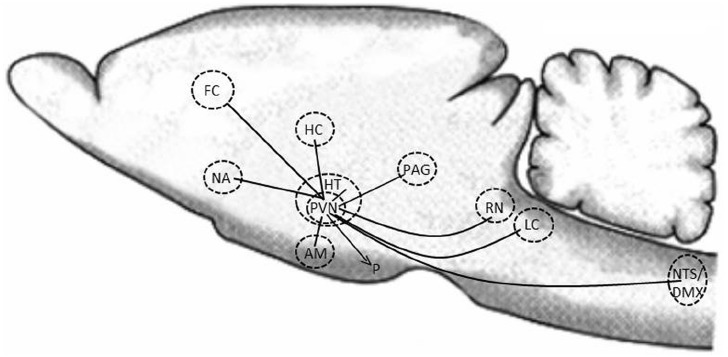
“…released within the brain from oxytocinergic nerves emanating from the paraventricular nucleus (PVN) in response to such sensory stimuli, is of crucial importance for the positive effects linked to these self-soothing behaviors (Buijs, 1983; Buijs et al., 1983; Sofroniew, 1983; Uvnäs-Moberg, 1998).”
BackgroundInfluentialSelf-citationDendritic peptide release and peptide-dependent behaviours
Ludwig, M., & Leng, G. (2006) · Nature Reviews Neuroscience · doi:10.1038/nrn1845 · Cited by 945
Beetz, A., Uvnäs-Moberg, K., Julius, H., & Kotrschal, K. (2012) · Frontiers in Psychology · doi:10.3389/fpsyg.2012.00234 · Cited by 904 · cited 2×
“In addition, the lowering of cortisol levels seen in the children who had a dog present during the stress test correlated with the amount of physical contact between the child and dog (Beetz et al., 2012).”
BackgroundSelf-citationOxytocin attenuates amygdala responses to emotional faces regardless of valence
Domes, G., Heinrichs, M., Gläscher, J., Büchel, C., Braus, D. F., & Herpertz, S. C. (2007) · Biological Psychiatry · doi:10.1016/j.biopsych.2007.03.025 · Cited by 774 · cited 3×
“As will be discussed in detail below, the effect of oxytocin to inhibit the activity of noradrenergic neurons in the CNS is of great importance for the anti-stress effects induced by oxytocin.”
BackgroundNeurophysiological Correlates of Affiliative Behaviour between Humans and Dogs
Odendaal, J. S. J., & Meintjes, R. A. (2003) · The Veterinary Journal · doi:10.1016/s1090-0233(02)00237-x · Cited by 742
Animal companions and one-year survival of patients after discharge from a coronary care unit.
(1980) · PubMed Central · Cited by 694
Oxytocin Increases Retention of Social Cognition in Autism
Hollander, E., Bartz, J., Chaplin, W., Phillips, A., Sumner, J., Soorya, L., Anagnostou, E., & Wasserman, S. (2007) · Biological Psychiatry · doi:10.1016/j.biopsych.2006.05.030 · Cited by 693
Yoshida, M., Takayanagi, Y., Inoue, K., Kimura, T., Young, L. J., Onaka, T., & Nishimori, K. (2009) · The Journal of Neuroscience · doi:10.1523/jneurosci.5593-08.2009 · Cited by 608
Variations in maternal care in infancy regulate the development of stress reactivity
Caldji, C., Diorio, J. C., & Meaney, M. J. (2000) · Biological Psychiatry · doi:10.1016/s0006-3223(00)01084-2 · Cited by 588
Allen, K. (2002) · Psychosomatic Medicine · doi:10.1097/01.psy.0000024236.11538.41 · Cited by 561
Plasma oxytocin increases in the human sexual response
CARMICHAEL, M. S., HUMBERT, R., DIXEN, J., PALMISANO, G., GREENLEAF, W., & DAVIDSON, J. M. (1987) · The Journal of Clinical Endocrinology & Metabolism · doi:10.1210/jcem-64-1-27 · Cited by 554
Human‐Animal Bonds I: The Relational Significance of Companion Animals
WALSH, F. (2009) · Family Process · doi:10.1111/j.1545-5300.2009.01296.x · Cited by 553
Ditzen, B., Neumann, I. D., Bodenmann, G., von Dawans, B., Turner, R. A., Ehlert, U., & Heinrichs, M. (2007) · Psychoneuroendocrinology · doi:10.1016/j.psyneuen.2007.03.011 · Cited by 525
Grewen, K. M., Girdler, S. S., Amico, J., & Light, K. C. (2005) · Psychosomatic Medicine · doi:10.1097/01.psy.0000170341.88395.47 · Cited by 513 · cited 2×
“After the reunion the familiar person either ignored the approaching dogs or had verbal contact without touching them, or the familiar person both talked to and had physical contact with the dogs.”
BackgroundNeuromodulation by Oxytocin and Vasopressin
Stoop, R. (2012) · Neuron · doi:10.1016/j.neuron.2012.09.025 · Cited by 506
Duration of Lactation and Incidence of Type 2 Diabetes
Stuebe, A. M. (2005) · JAMA · doi:10.1001/jama.294.20.2601 · Cited by 505
Swain, J. E., Lorberbaum, J. P., Kose, S., & Strathearn, L. (2007) · Journal of Child Psychology and Psychiatry · doi:10.1111/j.1469-7610.2007.01731.x · Cited by 499
Francis, D. D., Champagne, F. C., & Meaney, M. J. (2000) · Journal of Neuroendocrinology · doi:10.1046/j.1365-2826.2000.00599.x · Cited by 496
Friedmann, E., & Thomas, S. A. (1995) · The American Journal of Cardiology · doi:10.1016/s0002-9149(99)80343-9 · Cited by 489
Holt-Lunstad, J., Birmingham, W. A., & Light, K. C. (2008) · Psychosomatic Medicine · doi:10.1097/psy.0b013e318187aef7 · Cited by 473
Light, K. C., Grewen, K. M., & Amico, J. A. (2005) · Biological Psychology · doi:10.1016/j.biopsycho.2004.11.002 · Cited by 470
Neumann, Wigger, Torner, Holsboer, & Landgraf (2000) · Journal of Neuroendocrinology · doi:10.1046/j.1365-2826.2000.00442.x · Cited by 452
Brain Oxytocin Correlates with Maternal Aggression: link to Anxiety
Bosch, O. J., Meddle, S. L., Beiderbeck, D. I., Douglas, A. J., & Neumann, I. D. (2005) · The Journal of Neuroscience · doi:10.1523/jneurosci.1342-05.2005 · Cited by 439
Massage therapy research review
Field, T. M. (2014) · Complementary Therapies in Clinical Practice · doi:10.1016/j.ctcp.2014.07.002 · Cited by 438
Is social attachment an addictive disorder?
Insel, T. R. (2003) · Physiology & Behavior · doi:10.1016/s0031-9384(03)00148-3 · Cited by 430
Early Contact versus Separation: Effects on Mother–Infant Interaction One Year Later
Bystrova, K., Ivanova, V., Edhborg, M., Matthiesen, A., Ransjö‐Arvidson, A., Mukhamedrakhimov, R. J., Uvnäs‐Moberg, K., & Widström, A. (2009) · Birth · doi:10.1111/j.1523-536x.2009.00307.x · Cited by 427
Self-citationNeumann, I. D. (2002) · Progress in brain research · doi:10.1016/s0079-6123(02)39014-9 · Cited by 387
Handlin, L., Hydbring-Sandberg, E., Nilsson, A., Ejdebäck, M., Jansson, A., & Uvnäs-Moberg, K. (2011) · Anthrozoös · doi:10.2752/175303711x13045914865385 · Cited by 373
Self-citationPostpartum maternal oxytocin release by newborns: Effects of infant hand massage and sucking
Matthiesen, A., Ransjö‐Arvidson, A., Nissen, E., & Uvnäs‐Moberg, K. (2001) · Birth · doi:10.1046/j.1523-536x.2001.00013.x · Cited by 339
Self-citationAnxiety and stress responses in female oxytocin deficient mice
Amico, J. A., Mantella, R. C., Vollmer, R. R., & Li, X. (2004) · Journal of Neuroendocrinology · doi:10.1111/j.0953-8194.2004.01161.x · Cited by 327
The Relative Health Benefits of Different Sexual Activities
Brody, S. (2010) · The Journal of Sexual Medicine · doi:10.1111/j.1743-6109.2009.01677.x · Cited by 312
Bergman, N., Linley, L. L., & Fawcus, S. R. (2004) · Acta Paediatrica · doi:10.1111/j.1651-2227.2004.tb03018.x · Cited by 307
Pedersen, C. A., Gibson, C. M., Rau, S. W., Salimi, K., Smedley, K. L., Casey, R. L., Leserman, J., Jarskog, L. F., & Penn, D. L. (2011) · Schizophrenia Research · doi:10.1016/j.schres.2011.07.027 · Cited by 305
Maternal Care, Gene Expression, and the Development of Individual Differences in Stress Reactivity
Francis, D. D., Champagne, F. A., Liu, D., & Meaney, M. J. (1999) · Annals of the New York Academy of Sciences · doi:10.1111/j.1749-6632.1999.tb08106.x · Cited by 296
Oxytocin enhances the experience of attachment security
Buchheim, A., Heinrichs, M., George, C., Pokorny, D., Koops, E., Henningsen, P., O’Connor, M.-F., & Gündel, H. (2009) · Psychoneuroendocrinology · doi:10.1016/j.psyneuen.2009.04.002 · Cited by 277
Oxytocin, stress and social behavior: neurogenetics of the human oxytocin system
Kumsta, R., & Heinrichs, M. (2012) · Current Opinion in Neurobiology · doi:10.1016/j.conb.2012.09.004 · Cited by 276
Miller, S. C., Kennedy, C., DeVoe, D. C., Hickey, M. S., Nelson, T., & Kogan, L. R. (2009) · Anthrozoös · doi:10.2752/175303708x390455 · Cited by 270
High doses of oxytocin cause sedation and low doses cause an anxiolytic-like effect in male rats
Uvnäs‐Moberg, K., Ahlenius, S., Hillegaart, V., & Alster, P. (1994) · Pharmacology Biochemistry and Behavior · doi:10.1016/0091-3057(94)90462-6 · Cited by 254
Self-citationThe psychobiology of emotion: the role of the oxytocinergic system
Uvnäs-Moberg, K., Arn, I., & Magnusson, D. (2005) · International Journal of Behavioral Medicine · doi:10.1207/s15327558ijbm1202_3 · Cited by 238
Self-citationEarly life adversity and the epigenetic programming of hypothalamic-pituitary-adrenal function
Anacker, C., O'Donnell, K. J., & Meaney, M. J. (2014) · Dialogues in Clinical Neuroscience · doi:10.31887/dcns.2014.16.3/canacker · Cited by 237 · cited 2×
“It is well known that early exposure to stress, during pregnancy or in early life, may lead to lifelong sensitivity to stress and stressors and also to an inhibition of social interactive behaviors (Anacker et al., 2014).”
BackgroundGastric Suction in Healthy Newborn Infants Effects on Circulation and Developing Feeding Behaviour
Widström, A.-M., Ransjö‐Arvidson, A., Christensson, K., MATTHIESEN, A. ‐., Winberg, J., & UVNÄS‐MOBERG, K. (1987) · Acta Paediatrica · doi:10.1111/j.1651-2227.1987.tb10522.x · Cited by 235
Self-citationSeparation distress call in the human neonate in the absence of maternal body contact
Christensson, K., Cabrera, T., Christensson, E., Uvnäs‐Moberg, K., & Winberg, J. (1995) · Acta Paediatrica · doi:10.1111/j.1651-2227.1995.tb13676.x · Cited by 234
Self-citationGordon, I., Zagoory‐Sharon, O., Schneiderman, I., Leckman, J. F., Weller, A., & Feldman, R. (2008) · Psychophysiology · doi:10.1111/j.1469-8986.2008.00649.x · Cited by 232
STOCK, S., & UVNÄS‐MOBERG, K. (1988) · Acta Physiologica Scandinavica · doi:10.1111/j.1748-1716.1988.tb08294.x · Cited by 230
Self-citationOxytocin causes a long-term decrease of blood pressure in female and male rats
PETERSSON, M., ALSTER, P., LUNDEBERG, T., & UVNÄS-MOBERG, K. (1996) · Physiology & Behavior · doi:10.1016/s0031-9384(96)00261-2 · Cited by 229
Self-citationNissen, E., Uvnäs‐Moberg, K., Svensson, K., Stock, S., Widström, A., & Winberg, J. (1996) · Early Human Development · doi:10.1016/0378-3782(96)01725-2 · Cited by 216
Self-citationThe impact of somatosensory input on autonomic functions.
Sato, A., Sato, Y., & Schmidt, R. F. (1997) · PubMed · Cited by 213
Bystrova, K., A-M, W. X. F. M., A-S, M., A-B, R. X. F. A., Welles-Nyström, B., Wassberg, C., Воронцов, И. М., & ̈s-Moberg, K. U. (2003) · Acta Paediatrica · doi:10.1080/08035250310009248 · Cited by 212
Fuchs, A., Romero, R. J., Keefe, D. L., Parra, M., Enrique Oyarzún, E., & Behnke, E. (1991) · American Journal of Obstetrics and Gynecology · doi:10.1016/0002-9378(91)90399-c · Cited by 205
Uvnäs‐Moberg, K., & Petersson, M. (2005) · Zeitschrift für psychosomatische Medizin und Psychotherapie · doi:10.13109/zptm.2005.51.1.57 · Cited by 200
Self-citationChronic and acute intranasal oxytocin produce divergent social effects in mice
Huang, H., Michetti, C., Busnelli, M., Managò, F., Sannino, S., Scheggia, D., Giancardo, L., Sona, D., Murino, V., Chini, B., et al. (2014) · Neuropsychopharmacology · doi:10.1038/npp.2013.310 · Cited by 199
Anxiety, cortisol, and attachment predict plasma oxytocin
Tops, M., Van Peer, J. M., Korf, J., Wijers, A. A., & Tucker, D. M. (2007) · Psychophysiology · doi:10.1111/j.1469-8986.2007.00510.x · Cited by 197
Intranasal oxytocin blocks alcohol withdrawal in human subjects
Pedersen, C. A., Smedley, K. L., Leserman, J., Jarskog, L. F., Rau, S. W., Kampov‐Polevoi, A., Casey, R. L., Fender, T., & Garbutt, J. C. (2013) · Alcoholism: Clinical and Experimental Research · doi:10.1111/j.1530-0277.2012.01958.x · Cited by 196
UVNäS‐MOBERG, K., BRUZELIUS, G., ALSTER, P., & LUNDEBERG, T. (1993) · Acta Physiologica Scandinavica · doi:10.1111/j.1748-1716.1993.tb09612.x · Cited by 196
Self-citationVasopressin and oxytocin—their role in neurotransmission
Buijs, R. M. (1983) · Pharmacology & Therapeutics · doi:10.1016/0163-7258(83)90056-6 · Cited by 191
Oxytocin improves behavioural and neural deficits in inferring others’ social emotions in autism
Aoki, Y., Yahata, N., Watanabe, T., Takano, Y., Kawakubo, Y., Kuwabara, H., Iwashiro, N., Natsubori, T., Inoue, H., Suga, M., et al. (2014) · Brain · doi:10.1093/brain/awu231 · Cited by 187
Bystrova, K., Widström, A., Matthiesen, A., Ransjö‐Arvidson, A., Welles‐Nyström, B., Wassberg, C., Воронцов, И. М., & Uvnäs‐Moberg, K. (2003) · Acta Paediatrica · doi:10.1111/j.1651-2227.2003.tb00553.x · Cited by 177
Self-citationBehavioral effects of the presence of a dog in a classroom
Kotrschal, K. M., & Ortbauer, B. (2003) · Anthrozoös · doi:10.2752/089279303786992170 · Cited by 174
Cameron, N. M., Shahrokh, D. K., Corpo, A. D., Dhir, S. K., Szyf, M., Champagne, F. A., & Meaney, M. J. (2008) · Journal of Neuroendocrinology · doi:10.1111/j.1365-2826.2008.01725.x · Cited by 171
Handlin, L., Nilsson, A., Ejdebäck, M., Hydbring-Sandberg, E., & Uvnäs-Moberg, K. (2012) · Anthrozoös · doi:10.2752/175303712x13316289505468 · Cited by 169
Self-citationVasopressin and oxytocin: distribution and putative functions in the brain
Buijs, R. M., De Vries, G. J., Van Leeuwen, F. W., & Swaab, D. F. (1983) · Progress in Brain Research · doi:10.1016/s0079-6123(08)64379-4 · Cited by 167
Lupoli, B., JOHANSSON, B., Uvnäs‐Moberg, K., & Svennersten‐Sjaunja, K. (2001) · Journal of Dairy Research · doi:10.1017/s0022029901004721 · Cited by 161
Self-citationDomes, G., Kumbier, E., Heinrichs, M., & Herpertz, S. C. (2014) · Neuropsychopharmacology · doi:10.1038/npp.2013.254 · Cited by 160
Araki, T., Ito, K., Kurosawa, M., & Sato, A. (1984) · Neuroscience · doi:10.1016/0306-4522(84)90154-4 · Cited by 158
Oxytocin linked antistress effects--the relaxation and growth response.
Uvnäs‐Moberg, K. (1997) · PubMed · Cited by 157
Self-citationOxytocin causes a sustained decrease in plasma levels of corticosterone in rats
Petersson, M., Hulting, A., & Uvnäs‐Moberg, K. (1999) · Neuroscience Letters · doi:10.1016/s0304-3940(99)00159-7 · Cited by 156
Self-citationSatô, A., Sato, Y., & Schmidt, R. F. (1997) · Reviews of physiology, biochemistry and pharmacology · doi:10.1007/bfb0046598 · Cited by 155
The effects of the presence of a dog in the classroom
Hergovich, A., Monshi, B., Semmler, G., & Zieglmayer, V. (2002) · Anthrozoös · doi:10.2752/089279302786992775 · Cited by 153
Jonas, W., Johansson, L. M., Nissen, E., Ejdebäck, M., Ransjö-Arvidson, A. B., & Uvnäs-Moberg, K. (2009) · Breastfeeding Medicine · doi:10.1089/bfm.2008.0002 · Cited by 150
Self-citationVasopressin and oxytocin in the mammalian brain and spinal cord
Sofroniew, M. V. (1983) · Trends in Neurosciences · doi:10.1016/0166-2236(83)90221-7 · Cited by 148
Nissen, E., Gustavsson, P. J., Widström, A., & Uvnäs‐Moberg, K. (1998) · Journal of Psychosomatic Obstetrics & Gynecology · doi:10.3109/01674829809044221 · Cited by 148
Self-citationJones, P. M., & Robinson, I. C. A. F. (2008) · Neuroendocrinology · doi:10.1159/000123316 · Cited by 148
Mattie Tops, A., Koole, S. L., IJzerman, H., & Buisman‐Pijlman, F. T. A. (2013) · Pharmacology Biochemistry and Behavior · doi:10.1016/j.pbb.2013.07.015 · Cited by 146
The Availability of Social Support Reduces Cardiovascular Reactivity to Acute Psychological Stress
Uchino, B., & Garvey, T. S. (1997) · Journal of behavioral medicine · doi:10.1023/a:1025583012283 · Cited by 145
Oxytocin differentially modulates eye gaze to naturalistic social signals of happiness and anger
Domes, G., Steiner, A., Porges, S. W., & Heinrichs, M. (2013) · Psychoneuroendocrinology · doi:10.1016/j.psyneuen.2012.10.002 · Cited by 139
Pierrehumbert, B., Torrisi, R., Laufer, D., Halfon, O., Ansermet, F., & Beck Popovic, M. (2010) · Neuroscience · doi:10.1016/j.neuroscience.2009.12.016 · Cited by 139
Basowitz, H., Persky, H., Korchin, S. J., & GRINKER, R. R. (1955) · Cited by 138
Release of GI hormones in mother and infant by sensory stimulation
UVNÄS‐MOBERG, K., WIDSTRÖM, A. M., MARCHINI, G., & WINBERG, J. (1987) · Acta Paediatrica · doi:10.1111/j.1651-2227.1987.tb17254.x · Cited by 134
Self-citationDanoff‐Burg, S., & Revenson, T. A. (2005) · Journal of Behavioral Medicine · doi:10.1007/s10865-005-2720-3 · Cited by 132
Insecure attachment style is associated with chronic widespread pain
Davies, K. A., Macfarlane, G. J., McBeth, J., Morriss, R. K., & Dickens, C. M. (2009) · Pain · doi:10.1016/j.pain.2009.02.013 · Cited by 131
Long-term exposure to intranasal oxytocin in a mouse autism model
Bales, K. L., Solomon, M., Jacob, S., Crawley, J. N., Silverman, J. L., Larke, R. H., Sahagún, E., Puhger, K. R., Pride, M. C., & Mendoza, S. P. (2014) · Translational Psychiatry · doi:10.1038/tp.2014.117 · Cited by 131
Elevation of oxytocin levels early post partum in women
Nissen, E., Lilja, G., Widström, A., & Uvnäs‐Moberg, K. (1995) · Acta Obstetricia Et Gynecologica Scandinavica · doi:10.3109/00016349509024384 · Cited by 131
Self-citationThe Neurobiology of Social Affiliation and Pair Bonding
Carter, C. S., & Keverne, E. B. (2009) · Elsevier eBooks · doi:10.1016/b978-008088783-8.00004-8 · Cited by 130
Dogs' endocrine and behavioural responses at reunion are affected by how the human initiates contact
Rehn, T., Handlin, L., Uvnäs‐Moberg, K., & Keeling, L. J. (2013) · Physiology & Behavior · doi:10.1016/j.physbeh.2013.10.009 · Cited by 127
Self-citationHandlin, L., Jonas, W., Petersson, M., Ejdebäck, M., Ransjö‐Arvidson, A., Nissen, E., & Uvnäs‐Moberg, K. (2009) · Breastfeeding Medicine · doi:10.1089/bfm.2009.0001 · Cited by 126
Self-citationOxytocin and postpartum depression: Delivering on what's known and what's not
Kim, S., Soeken, T. A., CROMER, S. J., Martinez, S. R., Hardy, L. R., & Strathearn, L. (2013) · Brain Research · doi:10.1016/j.brainres.2013.11.009 · Cited by 121
Neuroendocrinology of the mother—child interaction
Uvnäs‐Moberg, K. (1996) · Trends in Endocrinology and Metabolism · doi:10.1016/1043-2760(96)00036-7 · Cited by 121
Self-citationEvidence for a Sensitive Period in the Human Mother
Kennell, J. H., Trause, M. A., & Klaus, M. H. (1975) · Novartis Foundation symposium · doi:10.1002/9780470720158.ch6 · Cited by 118
Rogers, R. C., & Hermann, G. E. (1985) · Peptides · doi:10.1016/0196-9781(85)90441-3 · Cited by 116
Friedmann, E. (2006) · Elsevier eBooks · doi:10.1016/b978-012369484-3/50005-0 · Cited by 115
Ågren, G., Lundeberg, T., Uvnäs‐Moberg, K., & Sato, A. (1995) · Neuroscience Letters · doi:10.1016/0304-3940(95)11335-t · Cited by 114
Self-citationThe Neurobiology of Social Affiliation and Pair Bonding
Carter, C. S., & Keverne, E. B. (2002) · Elsevier eBooks · doi:10.1016/b978-012532104-4/50006-8 · Cited by 114
OxytocinSynthesis, Secretion, and Reproductive Functions
BURBACH, J., YOUNG, L., & RUSSELL, J. (2006) · Knobil and Neill's Physiology of Reproduction · doi:10.1016/b978-012515400-0/50063-4 · Cited by 113
Oxytocin increases nociceptive thresholds in a long-term perspective in female and male rats
Petersson, M., Alster, P., Lundeberg, T., & Uvnäs‐Moberg, K. (1996) · Neuroscience Letters · doi:10.1016/0304-3940(96)12773-7 · Cited by 112
Self-citationFuchs, A., Romero, R. J., Keefe, D. L., et al. (1991) · American Journal of Obstetrics and Gynecology · doi:10.1016/s0002-9378(12)90793-0 · Cited by 112
Plasma oxytocin levels in female fibromyalgia syndrome patients
Anderberg, U. M., & Uvnäs‐Moberg, K. (2000) · Zeitschrift für Rheumatologie · doi:10.1007/s003930070045 · Cited by 111
Self-citationOxytocin and oxytocin receptor gene polymorphisms and risk for schizophrenia: A case–control study
Montag, C., Brockmann, E.-M., Bayerl, M., Rujescu, D., Müller, D. J., & Gallinat, J. (2012) · The World Journal of Biological Psychiatry · doi:10.3109/15622975.2012.677547 · Cited by 105
Postnatal oxytocin treatment and postnatal stroking of rats reduce blood pressure in adulthood
Holst, S., Uvnäs‐Moberg, K., & Petersson, M. (2002) · Autonomic Neuroscience · doi:10.1016/s1566-0702(02)00134-0 · Cited by 104
Self-citationMaternal oxytocin response predicts mother-to-infant gaze
Kim, S., Fonagy, P., Koos, O., Dorsett, K., & Strathearn, L. (2014) · Brain Research · doi:10.1016/j.brainres.2013.10.050 · Cited by 102
de Wied, D., Gaffori, O., Burbach, J. P. H., Kovács, G. L., & van Ree, J. M. (1987) · Journal of Pharmacology and Experimental Therapeutics · doi:10.1016/s0022-5347(25)00348-9 · Cited by 95
Petersson, M., Lundeberg, T., & Uvnäs‐Moberg, K. (1999) · Journal of Cardiovascular Pharmacology · doi:10.1097/00005344-199901000-00015 · Cited by 95
Self-citationUvnäs‐Moberg, K. (1994) · Psychoneuroendocrinology · doi:10.1016/0306-4530(94)90050-7 · Cited by 95
Self-citationField, T. M. (2002) · Medical Clinics of North America · doi:10.1016/s0025-7125(03)00078-6 · Cited by 94
Ohlsson, B., Truedsson, M., Bengtsson, M., Torstenson, R., Sjölund, K., Björnsson, E. S., & Simrèn, M. (2005) · Neurogastroenterology & Motility · doi:10.1111/j.1365-2982.2005.00679.x · Cited by 92
Postnatal depression and mother and infant outcomes after infant massage
O’Higgins, M., James‐Roberts, I. S., & Glover, V. A. S. (2007) · Journal of Affective Disorders · doi:10.1016/j.jad.2007.10.027 · Cited by 91
Social support and cardiovascular reactivity
Christenfeld, N. J. S., & Gerin, W. (2000) · Biomedicine & Pharmacotherapy · doi:10.1016/s0753-3322(00)80067-0 · Cited by 90
Pregnancy massage reduces prematurity, low birthweight and postpartum depression
Field, T., Diego, M., Hernandez-Reif, M., Deeds, O., & Figueiredo, B. (2009) · Infant Behavior and Development · doi:10.1016/j.infbeh.2009.07.001 · Cited by 87
Jonas, W., Nissen, E., Ransjö‐Arvidson, A., MATTHIESEN, A. ‐., & Uvnäs‐Moberg, K. (2008) · Archives of Women s Mental Health · doi:10.1007/s00737-008-0027-4 · Cited by 83
Self-citationOxytocin increases the survival of musculocutaneous flaps
Petersson, M., Lundeberg, T., Sohlström, A., Wiberg, U., & Uvnäs‐Moberg, K. (1998) · Naunyn-Schmiedeberg s Archives of Pharmacology · doi:10.1007/pl00005227 · Cited by 83
Self-citationMaternal behaviour in sheep and its neuroendocrine regulation
Keverne, B., & Kendrick, K. (1994) · Acta Paediatrica · doi:10.1111/j.1651-2227.1994.tb13265.x · Cited by 82
Fuxe, K., Borroto-Escuela, D. O., Romero-Fernandez, W., Ciruela, F., Manger, P., Leo, G., Díaz-Cabiale, Z., & Agnati, L. F. (2012) · Brain Research · doi:10.1016/j.brainres.2012.01.062 · Cited by 81
Lee, S. Y., Kim, M. T., Jee, S. H., & Yang, H. (2005) · Preventive Medicine · doi:10.1016/j.ypmed.2004.11.025 · Cited by 80
Oxytocin increases and a specific oxytocin antagonist decreases pain threshold in male rats
UVNÄS‐MOBERG, K., BRUZELIUS, G., Alster, P., Bileviciute, I., & Lundeberg, T. (1992) · Acta Physiologica Scandinavica · doi:10.1111/j.1748-1716.1992.tb09327.x · Cited by 80
Self-citationJohnson, R. A., Meadows, R. L., Haubner, J. S., & Sevedge, K. (2003) · American Behavioral Scientist · doi:10.1177/0002764203255213 · Cited by 78
Companion animals in palliative care: Stories from the bedside
Geisler, A. M. (2004) · American Journal of Hospice and Palliative Medicine® · doi:10.1177/104990910402100411 · Cited by 76
Scantamburlo, G., Hansenne, M., Geenen, V. G., Legros, J., & Ansseau, M. (2014) · European Psychiatry · doi:10.1016/j.eurpsy.2014.08.007 · Cited by 72
Oxytocin increases locus coeruleus alpha 2-adrenoreceptor responsiveness in rats
Petersson, M., Uvnäs-Moberg, K., Erhardt, S., & Engberg, G. (1998) · Neuroscience Letters · doi:10.1016/s0304-3940(98)00729-0 · Cited by 71
Self-citationAlfvén, G., Torre, B., & Uvnäs‐Moberg, K. (1994) · Acta Paediatrica · doi:10.1111/j.1651-2227.1994.tb12989.x · Cited by 69
Self-citationVelandia, M., Uvnäs‐Moberg, K., & Nissen, E. (2011) · Acta Paediatrica · doi:10.1111/j.1651-2227.2011.02523.x · Cited by 69
Self-citationShort- and Long-Term Decrease of Blood Pressure in Women During Breastfeeding
Jonas, W., Nissen, E., Ransjö‐Arvidson, A., Wiklund, I. E., Henriksson, P., & Uvnäs‐Moberg, K. (2008) · Breastfeeding Medicine · doi:10.1089/bfm.2007.0031 · Cited by 66
Self-citationYamasue, H. (2012) · Brain and Development · doi:10.1016/j.braindev.2012.08.010 · Cited by 59
The oxytocin receptor: a target for steroid hormones
Schumacher, M., Coirini, H., Johnson, A. E., Flanagan‐Cato, L. M., Frankfurt, M., Pfaff, D. W., & McEwen, B. S. (1993) · Regulatory Peptides · doi:10.1016/0167-0115(93)90192-b · Cited by 58
Sensory stimulation (massage) reduces blood pressure in unanaesthetized rats
Lund, I., Lundeberg, T., Kurosawa, M., & Uvnäs‐Moberg, K. (1999) · Journal of the Autonomic Nervous System · doi:10.1016/s0165-1838(99)00055-7 · Cited by 58
Self-citationLong-Term Changes in Gastrin, Cholecystokinin and Insulin in Response to Oxytocin Treatment
Petersson, M., Hulting, A., Andersson, R., & Uvnäs‐Moberg, K. (1999) · Neuroendocrinology · doi:10.1159/000054420 · Cited by 53
Self-citationMarchini, G., Lagercrantz, H., Winberg, J., & Uvnäs-Moberg, K. (1988) · Early Human Development · doi:10.1016/0378-3782(88)90044-8 · Cited by 52
Self-citationPetersson, M., & Uvnäs‐Moberg, K. (2003) · Neuroscience Letters · doi:10.1016/s0304-3940(03)00334-3 · Cited by 47
Self-citationCharacteristics of Attachment Style in Women With Dyspareunia
Granot, M., Zisman‐Ilani, Y., Ram, E., Goldstick, O., & Yovell, Y. (2010) · Journal of Sex & Marital Therapy · doi:10.1080/0092623x.2011.533563 · Cited by 47
Cholecystokinin Stimulation Leads to Increased Oxytocin Secretion in Women
Sjölund, K., Ohlsson, B., Rehfeld, J. F., & Forsling, M. L. (2002) · The European Journal of Surgery · doi:10.1080/11024150252884340 · Cited by 45
Sohlström, A., Carlsson, C., & Uvnäs‐Moberg, K. (2000) · Neonatology · doi:10.1159/000014244 · Cited by 45
Self-citationOxytocin decreases corticosterone and nociception and increases motor activity in OVX rats
Petersson, M., Eklund, M., & Uvnäs‐Moberg, K. (2004) · Maturitas · doi:10.1016/j.maturitas.2004.10.005 · Cited by 44
Self-citationHumble, M. B., Uvnäs‐Moberg, K., Engström, I., & Bejerot, S. (2013) · BMC Psychiatry · doi:10.1186/1471-244x-13-344 · Cited by 42
Self-citationStachowiak, A., Macchi, C., Nussdorfer, G. G., & Malendowicz, L. K. (1995) · Research in Experimental Medicine · doi:10.1007/bf02576797 · Cited by 42
Dı́az-Cabiale, Z., Petersson, M., Narváez, J. Á., Uvnäs-Moberg, K., & Fuxé, K. (2000) · Brain Research · doi:10.1016/s0006-8993(00)03017-1 · Cited by 41
Self-citationThe science and clinical application of manual therapy
Tyreman, S. (2011) · Manual Therapy · doi:10.1016/j.math.2011.06.001 · Cited by 38
Bioavailability and Pharmacokinetics of Sublingual Oxytocin in Male Volunteers
de Groot, A. N. J. A., Vree, T. B., Hekster, Y. A., Pesman, G. J., Sweep, F. C. G. J., van Dongen, P. W. J., & van Roosmalen, J. (1995) · Journal of Pharmacy and Pharmacology · doi:10.1111/j.2042-7158.1995.tb06716.x · Cited by 37
Social Relations in Women with Coronary Heart Disease: The Effects of Work and Marital Stress
Blom, M., Janszky, I., Balog, P., Orth‐Gomér, K., & Wamala, S. P. (2003) · European Journal of Cardiovascular Prevention & Rehabilitation · doi:10.1097/01.hjr.0000065926.57001.e0 · Cited by 35
Holst, S., Lund, I., Petersson, M., & Uvnäs‐Moberg, K. (2005) · Autonomic Neuroscience · doi:10.1016/j.autneu.2005.04.007 · Cited by 33
Self-citationPetersson, M., Dı́az-Cabiale, Z., Narváez, J. Á., Fuxé, K., & Uvnäs‐Moberg, K. (2005) · Brain Research · doi:10.1016/j.brainres.2005.05.034 · Cited by 32
Self-citationConchlear inner hair cells exist transiently in the fetal Bronx waltzer (bv/bv) mouse
Whitlon, D. S., Gabel, C., & Zhang, X. (1996) · The Journal of Comparative Neurology · doi:10.1002/(sici)1096-9861(19960115)364:3 · Cited by 30
Uvnäs-Moberg, K., Eklund, M., Hillegaart, V., & Ahlénius, S. (2000) · Regulatory Peptides · doi:10.1016/s0167-0115(99)00112-3 · Cited by 26
Self-citationDíaz‐Cabiale, Z., Olausson, H., Sohlström, A., Agnati, L. F., Narváez, J. A., Uvnäs‐Moberg, K., & Fuxe, K. (2004) · Journal of Neuroendocrinology · doi:10.1111/j.0953-8194.2004.01146.x · Cited by 23
Self-citationReport of altered urinary oxytocin and AVP excretion in neglected orphans should be reconsidered
Anderson, G. M. (2006) · Journal of Autism and Developmental Disorders · doi:10.1007/s10803-006-0153-7 · Cited by 22
Somatic Afferent Regulation of Plasma Corticosterone in Anesthetized Rats.
Tsuchiya, T., Nakayama, Y., & Sato, A. (1991) · The Japanese Journal of Physiology · doi:10.2170/jjphysiol.41.169 · Cited by 17
Dı́az-Cabiale, Z., Narváez, J. Á., Garrido, R., Petersson, M., Uvnäs‐Moberg, K., & Fuxé, K. (2000) · Journal of Neuroendocrinology · doi:10.1046/j.1365-2826.2000.00571.x · Cited by 16
Self-citationEast, M., & Moberg, K. U. (2014) · British Journal of Midwifery · doi:10.12968/bjom.2014.22.12.905 · Cited by 16
Prolyl-leucyl-glycinamide shares some effects with oxytocin but decreases oxytocin levels
PETERSSON, M., & Uvnäs-Moberg, K. (2004) · Physiology & Behavior · doi:10.1016/j.physbeh.2004.08.034 · Cited by 10
Self-citationPfaff, D. W., Ogawa, S., & Kow, L. (1999) · Results and problems in cell differentiation · doi:10.1007/978-3-540-49421-8_5 · Cited by 8
Low doses of ethanol may induce anti‐nociceptive effects via an oxytocinergic mechanism
UVNÄS‐MOBERG, K., Lundeberg, T., BRUZELIUS, G., & Alster, P. (1993) · Acta Physiologica Scandinavica · doi:10.1111/j.1748-1716.1993.tb09599.x · Cited by 5
Self-citation
Research works printed but not linked: 9
- Julius, 2013, Attachment to Pets—An Integrative View of Human-Animal Relationships with Implications for Therapeutic Practice
- Uvnäs-Moberg, 2004, “Massage, relaxation and well-being: a possible role for oxytocin as an integrative principle?,â€
- Uvnäs-Moberg, 2006, “The role of oxytocin in the development of attachment and maternal adaptations during the postpartum period,â€
- Uvnäs-Moberg, 2013, The Hormone of Closeness—The Role of Oxytocin in Relationships
- Uvnäs-Moberg, 2005, [Oxytocin, a mediator of anti-stress, well-being, social interaction, growth and healing], Z. Psychosom. Med. Psychother., 51, 57
- Uvnäs-Moberg, 2010, “Role of oxytocin and oxytocin related effects in manual therapies,â€
- Uvnäs-Moberg, 2013, Oxytocin effects in mothers and infants during breastfeeding, Infant, 9, 201
- Van Bockstaele, 1996, Corticotropin-releasing factor-containing axon terminals synapse onto catecholamine dendrites and may presynaptically modulate other afferents in the rostral pole of the nucleus locus coeruleus in the rat brain, J. Comp. Neurol., 364, 523, 10.1002/(SICI)1096-9861(19960115)364:3523::AID-CNE103.0.CO;2-Q · DOI
- Velandia, 2012, Parent-Infant Interaction and Oxytocin Levels During Skin-to-Skin Contact after Cesarean Section and Mother–Infant Skin-to-Skin Contact as Treatment for Breastfeeding Problems
Cited by
Sorted by citations
Microbial reconstitution reverses maternal diet-induced social and synaptic deficits in offspring
Buffington, S. A., Di Prisco, G. V., Auchtung, T. A., Ajami, N. J., Petrosino, J. F., & Costa-Mattioli, M. (2016) · Cell · doi:10.1016/j.cell.2016.06.001 · Cited by 1,163
Sgritta, M., Dooling, S. W., Buffington, S. A., Momin, E. N., Francis, M. B., Britton, R. A., & Costa-Mattioli, M. (2019) · Neuron · doi:10.1016/j.neuron.2018.11.018 · Cited by 865
Mentalizing homeostasis: the social origins of interoceptive inference
Fotopoulou, A., & Tsakiris, M. (2017) · Neuropsychoanalysis · doi:10.1080/15294145.2017.1294031 · Cited by 428
Keep Calm and Cuddle on: Social Touch as a Stress Buffer
Morrison, I. (2016) · Adaptive Human Behavior and Physiology · doi:10.1007/s40750-016-0052-x · Cited by 256
Social touch promotes interfemale communication via activation of parvocellular oxytocin neurons
Tang, Y., Benusiglio, D., Lefevre, A., Hilfiger, L., Althammer, F., Bludau, A., Hagiwara, D., Baudon, A., Darbon, P., Schimmer, J., et al. (2020) · Nature Neuroscience · doi:10.1038/s41593-020-0674-y · Cited by 249
Metadata
- Authors
- Uvnäs-Moberg, K., Handlin, L., & Petersson, M.
- Affiliations
- University of Skövde (SE)
- Karolinska Institutet (SE)
- Venue
- Frontiers in Psychology
- Publisher
- Frontiers Media SA
- Published
- 2015-01-12
- Volume
- 5
- Pages
- 1529-1529
- ISSN
- 1664-1078 (ISSN-L)
- PMC
- PMC4290532
- OpenAlex
- W1970572311
- Cited by
- 351
- References
- 158
- Citations by year
- 2026: 35 · 2025: 30 · 2024: 38 · 2023: 45 · 2022: 37 · 2021: 39 · 2020: 44 · 2019: 18 · 2018: 21 · 2017: 20 · 2016: 15 · 2015: 9
- FWCI
- 35.54
- Type
- journal article
- Language
- en
- Open access
- gold
- doi.org
- Licence
- cc-by
- Locations
- Frontiers in Psychology (publishedVersion, cc-by)
- Europe PMC (PubMed Central) (publishedVersion, cc-by)
- PubMed Central (publishedVersion, cc-by)
- PubMed (publishedVersion)
- University Library of Skövde (University of Skövde) (submittedVersion, other-oa)
- DOAJ (DOAJ: Directory of Open Access Journals) (submittedVersion, cc-by-sa)
- Topics
- Life Sciences › Neuroscience › Endocrine and Autonomic Systems › Neuroendocrine regulation and behavior
- Life Sciences › Neuroscience › Behavioral Neuroscience › Stress Responses and Cortisol
- Life Sciences › Neuroscience › Cellular and Molecular Neuroscience › Neuropeptides and Animal Physiology
- Keywords
- oxytocin, somatosensory stimulation, cutaneous stimulation, stress reduction, well-being, social interaction, touch, warm temperature, dietary intake, sexual activity, mother-infant interaction, anti-stress effects
About these checks
Registry, retraction, Cites and statistics results are computed, not judged, with one exception: a printed reference that no index lists is read once by a model before it counts as a citation error. Claims are extracted by a model and kept only when their quote appears verbatim in the text; each cited source is then checked, with a model’s help, for whether it says what the claim relies on. Those verdicts can be wrong — read the claim’s quote and the cited source before relying on one.
Statistics and arithmetic are recomputed, not judged.
Confidence bands are shown only for fields calibrated on our annotated test set. None is calibrated yet, so no band is shown.
What counts as a claim ›How we measure confidence ›How we check this ›
Are you an author, or do you see a problem with this page? Request a review
