

The DOI matches its Crossref record; 14 of the 14 references it cites were found in a registry or an index.
RNA-programmed genome editing in human cells
Open accessAbstract
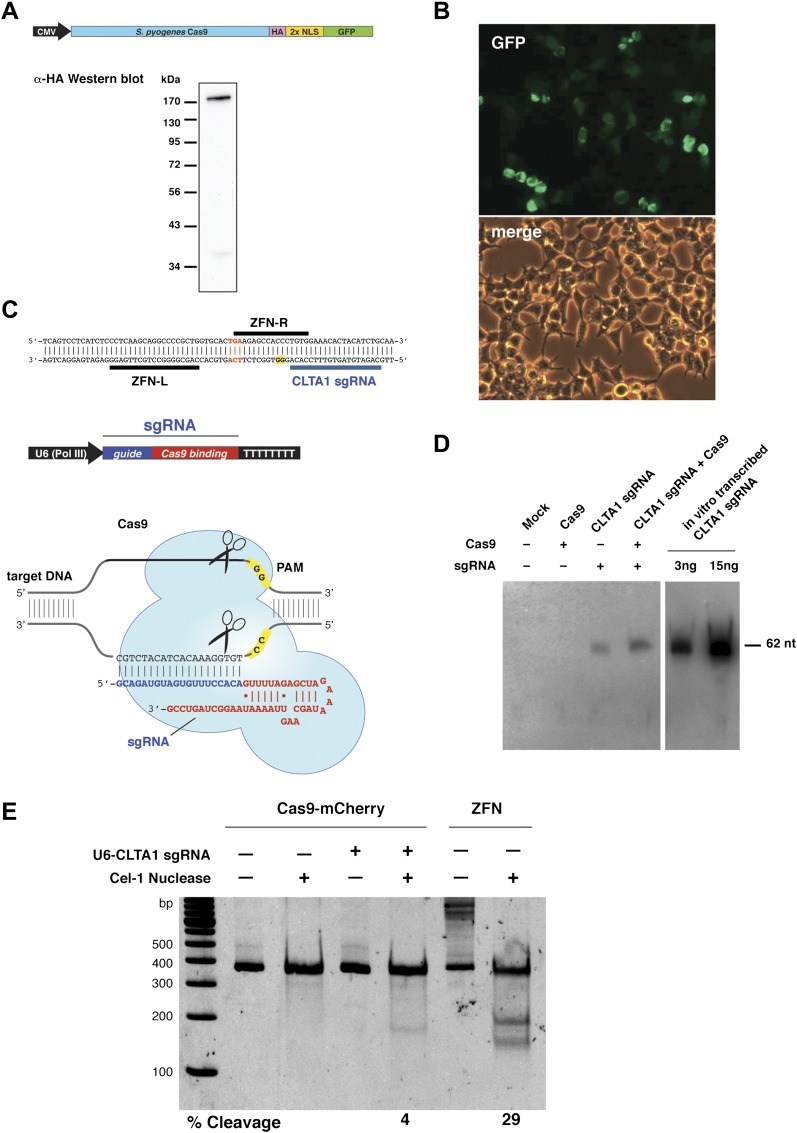
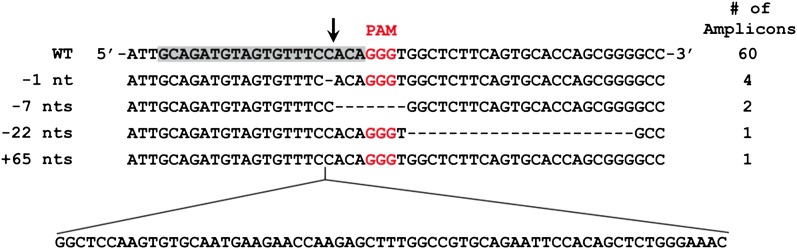
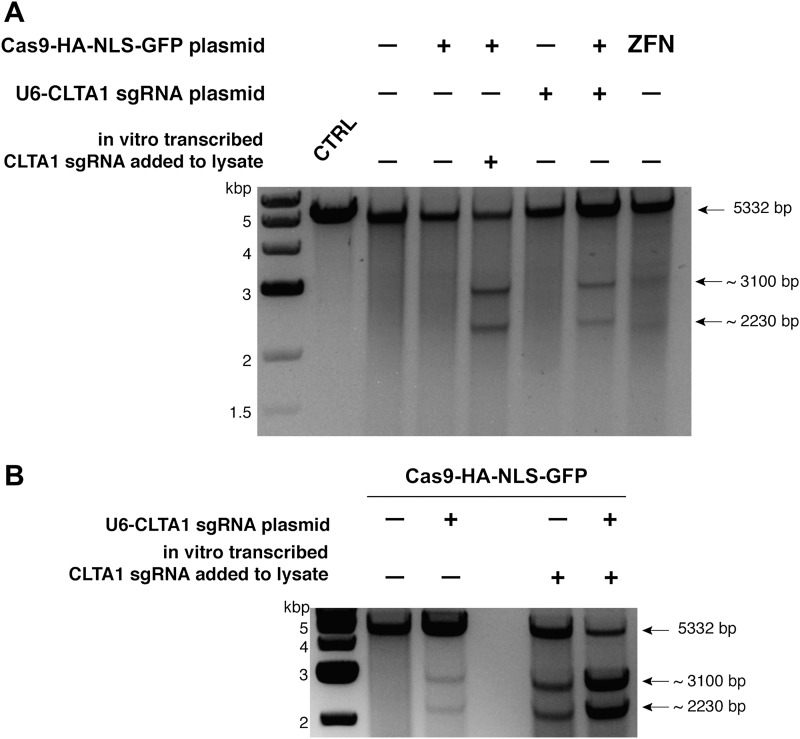
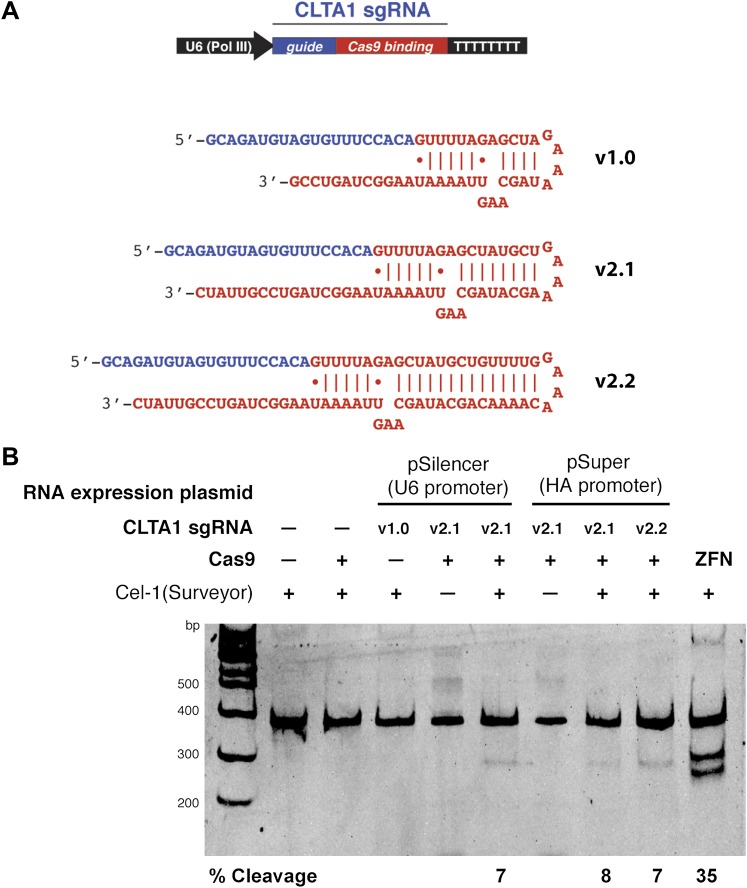
Type II CRISPR immune systems in bacteria use a dual RNA-guided DNA endonuclease, Cas9, to cleave foreign DNA at specific sites. We show here that Cas9 assembles with hybrid guide RNAs in human cells and can induce the formation of double-strand DNA breaks (DSBs) at a site complementary to the guide RNA sequence in genomic DNA. This cleavage activity requires both Cas9 and the complementary binding of the guide RNA. Experiments using extracts from transfected cells show that RNA expression and/or assembly into Cas9 is the limiting factor for Cas9-mediated DNA cleavage. In addition, we find that extension of the RNA sequence at the 3' end enhances DNA targeting activity in vivo. These results show that RNA-programmed genome editing is a facile strategy for introducing site-specific genetic changes in human cells.DOI:http://dx.doi.org/10.7554/eLife.00471.001.
Overview
The claims and statistics of this paper haven’t been checked yet.
Run the check — free, no account needed. It reads the open-access text and checks the sources it cites.
Integrity signals
Registry
Cites
Statistics
Figures
Verification
Claims the paper makes
The claims and statistics of this paper haven’t been checked yet.
Run the check — free, no account needed. It reads the open-access text and checks the sources it cites.
Claims other papers make about this one
Each is checked against this paper’s own text: does it say what the citing paper says it does?
The source backs part of the claim, not all of it — or backs it for a different population, condition or comparison.
In the citing paper
“In January 2013, almost simultaneously, five research articles authored by different research teams appeared, all reporting that they had achieved the goal.”
From CRISPR–Cas9: A History of Its Discovery and Ethical Considerations of Its Use in Genome Editing (2022) · cites this paper as [36]
Experimental — accuracy not yet measuredThe cited source says what the claim attributes to it.
In the citing paper
“Also in January 2013, similar publications came out from the laboratories of Jennifer Doudna (Berkeley College, USA) [36], Jin-Soo Kim (Seoul University, South Korea) [37] and J. Keith Joung (Harvard School of Medicine, USA) [38].”
From CRISPR–Cas9: A History of Its Discovery and Ethical Considerations of Its Use in Genome Editing (2022) · cites this paper as [36]
In the citing paper
“Recently, the CRISPR/Cas system has been successfully applied to human cells19,20,21,22 and several model organisms for genome editing.23,24,25,26”
From The CRISPR/Cas9 system facilitates clearance of the intrahepatic HBV templates in vivo (2014) · cites this paper as [22]
In the citing paper
“Clustered regularly interspaced short palindromic repeat (CRISPR)/Cas9 is a naturally occurring bacterial immune system that uses a novel nuclease system to protect bacteria from phage infection (6-9), and it has recently been harnessed for a variety of genome-engineering applications (10)(11)(12)(13)(14)(15)(16)(17).”
From RNA-guided endonuclease provides a therapeutic strategy to cure latent herpesviridae infection (2014) · cites this paper as [12]
Self-check
Percentages, sums and reported differences re-computed from the paper’s own numbers.
The self-check needs the paper’s full text.
Citations
Cites
A Programmable Dual-RNA–Guided DNA Endonuclease in Adaptive Bacterial Immunity
Jinek, M., Chylinski, K., Fonfara, I., Hauer, M., Doudna, J. A., & Charpentier, E. (2012) · Science · doi:10.1126/science.1225829 · Cited by 17,116
Self-citationGasiunas, G., Barrangou, R., Horvath, P., & Siksnys, V. (2012) · Proceedings of the National Academy of Sciences · doi:10.1073/pnas.1208507109 · Cited by 2,769
CRISPR RNA Maturation by Trans-Encoded Small RNA and Host Factor RNase III
Deltcheva, E., Chylinski, K., Sharma, C. M., Gonzales, K., Chao, Y., Pirzada, Z. A., Eckert, M. R., Vogel, J., & Charpentier, E. (2011) · Nature · doi:10.1038/nature09886 · Cited by 2,563
Genome editing with engineered zinc finger nucleases
Urnov, F. D., Rebar, E. J., Holmes, M. C., Zhang, H. S., & Gregory, P. D. (2010) · Nature Reviews Genetics · doi:10.1038/nrg2842 · Cited by 2,285
RNA-guided genetic silencing systems in bacteria and archaea
Wiedenheft, B., Sternberg, S. H., & Doudna, J. A. (2012) · Nature · doi:10.1038/nature10886 · Cited by 1,851
Self-citationAn improved zinc-finger nuclease architecture for highly specific genome editing
Miller, J. C., Holmes, M. C., Wang, J., Guschin, D. Y., Lee, Y.-L., Rupniewski, I., Beausejour, C. M., Waite, A. J., Wang, N. S., Kim, K. A., et al. (2007) · Nature Biotechnology · doi:10.1038/nbt1319 · Cited by 1,051
TAL effectors: customizable proteins for DNA targeting
Bogdanove, A. J., & Voytas, D. F. (2011) · Science · doi:10.1126/science.1204094 · Cited by 984
CRISPR-Cas Systems in Bacteria and Archaea: Versatile Small RNAs for Adaptive Defense and Regulation
Bhaya, D., Davison, M., & Barrangou, R. (2011) · Annual Review of Genetics · doi:10.1146/annurev-genet-110410-132430 · Cited by 914
The Streptococcus thermophilus CRISPR/Cas system provides immunity in Escherichia coli
Sapranauskas, R., Gasiūnas, G., Fremaux, C., Barrangou, R., Horvath, P., & Šikšnys, V. (2011) · Nucleic Acids Research · doi:10.1093/nar/gkr606 · Cited by 835
CRISPR-based adaptive immune systems
Terns, M. P., & Terns, R. M. (2011) · Current Opinion in Microbiology · doi:10.1016/j.mib.2011.03.005 · Cited by 461
Cited by
Sorted by citations
Genome engineering using the CRISPR-Cas9 system
Ran, F. A., Hsu, P. D., Wright, J., Agarwala, V., Scott, D. A., & Zhang, F. (2013) · Nature Protocols · doi:10.1038/nprot.2013.143 · Cited by 11,133
The new frontier of genome engineering with CRISPR-Cas9
Doudna, J. A., & Charpentier, E. (2014) · Science · doi:10.1126/science.1258096 · Cited by 7,062
Self-citationDevelopment and Applications of CRISPR-Cas9 for Genome Engineering
Hsu, P. D., Lander, E. S., & Zhang, F. (2014) · Cell · doi:10.1016/j.cell.2014.05.010 · Cited by 5,762
Repurposing CRISPR as an RNA-Guided Platform for Sequence-Specific Control of Gene Expression
Qi, L. S., Larson, M. H., Gilbert, L. A., Doudna, J. A., Weissman, J. S., Arkin, A. P., & Lim, W. A. (2013) · Cell · doi:10.1016/j.cell.2013.02.022 · Cited by 5,016
“While our paper was under review, several very recent studies reported the use of wild-type Cas9/CRISPR for targeted genome editing in diverse organisms (Mali et al., 2013; Cong et al., 2013; Jinek et al., 2013; Jiang et al., 2013; Hwang et al., 2013; Cho et al., 2013).”
BackgroundOptimized sgRNA design to maximize activity and minimize off-target effects of CRISPR-Cas9
Doench, J. G., Fusi, N., Sullender, M., Hegde, M., Vaimberg, E. W., Donovan, K. F., Smith, I., Tothova, Z., Wilen, C., Orchard, R., et al. (2016) · Nature Biotechnology · doi:10.1038/nbt.3437 · Cited by 4,637
DNA targeting specificity of RNA-guided Cas9 nucleases
Hsu, P. D., Scott, D. A., Weinstein, J. A., Ran, F. A., Konermann, S., Agarwala, V., Li, Y., Fine, E. J., Wu, X., Shalem, O., et al. (2013) · Nature Biotechnology · doi:10.1038/nbt.2647 · Cited by 4,741
ZFN, TALEN, and CRISPR/Cas-based methods for genome engineering
Gaj, T., Gersbach, C. A., & Barbas, C. F. (2013) · Trends in Biotechnology · doi:10.1016/j.tibtech.2013.04.004 · Cited by 3,820
CRISPR-Mediated Modular RNA-Guided Regulation of Transcription in Eukaryotes
Gilbert, L. A., Larson, M. H., Morsut, L., Liu, Z., Brar, G. A., Torres, S. E., Stern-Ginossar, N., Brandman, O., Whitehead, E. H., Doudna, J. A., et al. (2013) · Cell · doi:10.1016/j.cell.2013.06.044 · Cited by 3,696
Double nicking by RNA-guided CRISPR Cas9 for enhanced genome editing specificity
Ran, F. A., Hsu, P. D., Lin, C.-Y., Gootenberg, J. S., Konermann, S., Trevino, A. E., Scott, D. A., Inoue, A., Matoba, S., Zhang, Y., et al. (2013) · Cell · doi:10.1016/j.cell.2013.08.021 · Cited by 3,299
High-Frequency off-Target Mutagenesis Induced by CRISPR-Cas Nucleases in Human Cells
Fu, Y., Foden, J. A., Khayter, C., Maeder, M. L., Reyon, D., Joung, J. K., & Sander, J. D. (2013) · Nature Biotechnology · doi:10.1038/nbt.2623 · Cited by 3,292
CRISPR-Cas systems for editing, regulating and targeting genomes
Sander, J. D., & Joung, J. K. (2014) · Nature Biotechnology · doi:10.1038/nbt.2842 · Cited by 3,153
High-fidelity CRISPR-Cas9 nucleases with no detectable genome-wide off-target effects
Kleinstiver, B. P., Pattanayak, V., Prew, M. S., Tsai, S. Q., Nguyen, N. T., Zheng, Z., & Joung, J. K. (2016) · Nature · doi:10.1038/nature16526 · Cited by 2,673
Bae, S., Park, J., & Kim, J.-S. (2014) · Bioinformatics · doi:10.1093/bioinformatics/btu048 · Cited by 2,339
The Noncoding RNA Revolution—Trashing Old Rules to Forge New Ones
Cech, T. R., & Steitz, J. A. (2014) · Cell · doi:10.1016/j.cell.2014.03.008 · Cited by 2,524
Genome editing with CRISPR–Cas nucleases, base editors, transposases and prime editors
Anzalone, A. V., Koblan, L. W., & Liu, D. R. (2020) · Nature Biotechnology · doi:10.1038/s41587-020-0561-9 · Cited by 2,237
Dynamic Imaging of Genomic Loci in Living Human Cells by an Optimized CRISPR/Cas System
Chen, B., Gilbert, L. A., Cimini, B. A., Schnitzbauer, J., Zhang, W., Li, G., Park, J. S., Blackburn, E. H., Weissman, J. S., Qi, L. S., et al. (2013) · Cell · doi:10.1016/j.cell.2013.12.001 · Cited by 1,988
CRISPR–Cas9 Structures and Mechanisms
Jiang, F., & Doudna, J. A. (2017) · Annual Review of Biophysics · doi:10.1146/annurev-biophys-062215-010822 · Cited by 2,029
Kim, S., Kim, D., Cho, S. W., Kim, J., & Kim, J.-S. (2014) · Genome Research · doi:10.1101/gr.171322.113 · Cited by 1,856
DNA interrogation by the CRISPR RNA-guided endonuclease Cas9
Sternberg, S. H., Redding, S., Jinek, M., Greene, E. C., & Doudna, J. A. (2014) · Nature · doi:10.1038/nature13011 · Cited by 1,822
Mali, P., Aach, J., Stranges, P. B., Esvelt, K. M., Moosburner, M., Kosuri, S., Yang, L., & Church, G. M. (2013) · Nature Biotechnology · doi:10.1038/nbt.2675 · Cited by 1,752
Base editing: precision chemistry on the genome and transcriptome of living cells
Rees, H. A., & Liu, D. R. (2018) · Nature Reviews Genetics · doi:10.1038/s41576-018-0059-1 · Cited by 1,675
The CRISPR tool kit for genome editing and beyond
Adli, M. (2018) · Nature Communications · doi:10.1038/s41467-018-04252-2 · Cited by 1,545
Highly efficient Cas9-mediated transcriptional programming
Chavez, A., Scheiman, J., Vora, S., Pruitt, B. W., Tuttle, M., P R Iyer, E., Lin, S., Kiani, S., Guzman, C. D., Wiegand, D. J., et al. (2015) · Nature Methods · doi:10.1038/nmeth.3312 · Cited by 1,622
Rational design of highly active sgRNAs for CRISPR-Cas9-mediated gene inactivation
Doench, J. G., Hartenian, E., Graham, D. B., Tothova, Z., Hegde, M., Smith, I., Sullender, M., Ebert, B. L., Xavier, R. J., & Root, D. E. (2014) · Nature Biotechnology · doi:10.1038/nbt.3026 · Cited by 1,617
Yang, H., Wang, H., Shivalila, C. S., Cheng, A. W., Shi, L., & Jaenisch, R. (2013) · Cell · doi:10.1016/j.cell.2013.08.022 · Cited by 1,596
Induced pluripotent stem cell technology: a decade of progress.
Shi, Y., Inoue, H., Wu, J. C., & Yamanaka, S. (2017) · Nature Reviews Drug Discovery · doi:10.1038/nrd.2016.245 · Cited by 1,525
Genome engineering in Saccharomyces cerevisiae using CRISPR-Cas systems
DiCarlo, J. E., Norville, J. E., Mali, P., Rios, X., Aach, J., & Church, G. M. (2013) · Nucleic Acids Research · doi:10.1093/nar/gkt135 · Cited by 1,566
Boosting CRISPR/Cas9 multiplex editing capability with the endogenous tRNA-processing system
Xie, K., Minkenberg, B., & Yang, Y. (2015) · Proceedings of the National Academy of Sciences · doi:10.1073/pnas.1420294112 · Cited by 1,557
Li, J., Norville, J. E., Aach, J., McCormack, M., Zhang, D., Bush, J., Church, G. M., & Sheen, J. (2013) · Nature Biotechnology · doi:10.1038/nbt.2654 · Cited by 1,533
Pattanayak, V., Lin, S., Guilinger, J. P., Ma, E., Doudna, J. A., & Liu, D. R. (2013) · Nature Biotechnology · doi:10.1038/nbt.2673 · Cited by 1,487
Schwank, G., Koo, B.-K., Sasselli, V., Dekkers, J. F., Heo, I., Demircan, T., Sasaki, N., Boymans, S., Cuppen, E., van der Ent, C. K., et al. (2013) · Cell Stem Cell · doi:10.1016/j.stem.2013.11.002 · Cited by 1,424
CRISPR-Cas guides the future of genetic engineering
Knott, G. J., & Doudna, J. A. (2018) · Science · doi:10.1126/science.aat5011 · Cited by 1,410
Self-citationAnalysis of off-target effects of CRISPR/Cas-derived RNA-guided endonucleases and nickases
Cho, S. W., Kim, S., Kim, Y., Kweon, J., Kim, H. S., Bae, S., & Kim, J.-S. (2014) · Genome Research · doi:10.1101/gr.162339.113 · Cited by 1,356
RNA-guided gene activation by CRISPR-Cas9-based transcription factors
Perez-Pinera, P., Kocak, D. D., Vockley, C. M., Adler, A. F., Kabadi, A. M., Polstein, L. R., Thakore, P. I., Glass, K. A., Ousterout, D. G., Leong, K. W., et al. (2013) · Nature Methods · doi:10.1038/nmeth.2600 · Cited by 1,328
CRISPRscan: designing highly efficient sgRNAs for CRISPR-Cas9 targeting in vivo
Moreno-Mateos, M. A., Vejnar, C. E., Beaudoin, J.-D., Fernandez, J. P., Mis, E. K., Khokha, M. K., & Giraldez, A. J. (2015) · Nature Methods · doi:10.1038/nmeth.3543 · Cited by 1,290
Structural basis of PAM-dependent target DNA recognition by the Cas9 endonuclease
Anders, C., Niewoehner, O., Duerst, A., & Jinek, M. (2014) · Nature · doi:10.1038/nature13579 · Cited by 1,323
Hammond, S. M. (2015) · Advanced Drug Delivery Reviews · doi:10.1016/j.addr.2015.05.001 · Cited by 1,324
Efficient multiplex biallelic zebrafish genome editing using a CRISPR nuclease system
Jao, L.-E., Wente, S. R., & Chen, W. (2013) · Proceedings of the National Academy of Sciences · doi:10.1073/pnas.1308335110 · Cited by 1,311
CRISPRdirect: software for designing CRISPR/Cas guide RNA with reduced off-target sites
Naito, Y., Hino, K., Bono, H. U., & Ui‐Tei, K. (2014) · Bioinformatics · doi:10.1093/bioinformatics/btu743 · Cited by 1,278
Enhanced homology-directed human genome engineering by controlled timing of CRISPR/Cas9 delivery
Lin, S., Staahl, B. T., Alla, R. K., & Doudna, J. A. (2014) · eLife · doi:10.7554/elife.04766 · Cited by 1,189
Pivoting the Plant Immune System from Dissection to Deployment
Dangl, J. L., Horvath, D. M., & Staskawicz, B. J. (2013) · Science · doi:10.1126/science.1236011 · Cited by 1,277
Discovery and Functional Characterization of Diverse Class 2 CRISPR-Cas Systems
Shmakov, S., Abudayyeh, O. O., Makarova, K. S., Wolf, Y. I., Gootenberg, J. S., Semenova, E., Minakhin, L., Joung, J., Konermann, S., Severinov, K., et al. (2015) · Molecular Cell · doi:10.1016/j.molcel.2015.10.008 · Cited by 1,209
Structures of Cas9 endonucleases reveal RNA-mediated conformational activation
Jinek, M., Jiang, F., Taylor, D. W., Sternberg, S. H., Kaya, E., Ma, E., Anders, C., Hauer, M., Zhou, K., Lin, S., et al. (2014) · Science · doi:10.1126/science.1247997 · Cited by 1,230
Self-citationCRISPR interference (CRISPRi) for sequence-specific control of gene expression
Larson, M. H., Gilbert, L. A., Wang, X., Lim, W. A., Weissman, J. S., & Qi, L. S. (2013) · Nature Protocols · doi:10.1038/nprot.2013.132 · Cited by 1,241
Cas9 as a versatile tool for engineering biology
Mali, P., Esvelt, K. M., & Church, G. M. (2013) · Nature Methods · doi:10.1038/nmeth.2649 · Cited by 1,197
The CRISPR/Cas9 system for plant genome editing and beyond
Bortesi, L., & Fischer, R. (2014) · Biotechnology Advances · doi:10.1016/j.biotechadv.2014.12.006 · Cited by 1,289
In vivo genome editing improves muscle function in a mouse model of Duchenne muscular dystrophy
Nelson, C. E., Hakim, C. H., Ousterout, D. G., Thakore, P. I., Moreb, E. A., Rivera, R. M. C., Madhavan, S., Pan, X., Ran, F. A., Yan, W. X., et al. (2016) · Science · doi:10.1126/science.aad5143 · Cited by 1,144
The promise and challenge of therapeutic genome editing
Doudna, J. A. (2020) · Nature · doi:10.1038/s41586-020-1978-5 · Cited by 1,126
A guide to genome engineering with programmable nucleases
Kim, S., & Kim, J. (2014) · Nature Reviews Genetics · doi:10.1038/nrg3686 · Cited by 1,216
CRISPR/Cas9 in Genome Editing and Beyond
Wang, H., Russa, M. F. L., & Qi, L. S. (2016) · Annual Review of Biochemistry · doi:10.1146/annurev-biochem-060815-014607 · Cited by 1,213
CRISPR/Cas9-mediated gene editing in human tripronuclear zygotes
Liang, P., Xu, Y., Zhang, X., Ding, C., Huang, R., Zhang, Z., Lv, J., Xie, X., Chen, Y., Li, Y., et al. (2015) · Protein & Cell · doi:10.1007/s13238-015-0153-5 · Cited by 1,135
Bikard, D., Jiang, W., Samai, P., Hochschild, A., Zhang, F., & Marraffini, L. A. (2013) · Nucleic Acids Research · doi:10.1093/nar/gkt520 · Cited by 1,145
Molecular targeted therapy: Treating cancer with specificity
Lee, Y. T., Tan, Y. J., & Oon, C. E. (2018) · European Journal of Pharmacology · doi:10.1016/j.ejphar.2018.07.034 · Cited by 1,126
CRISPR technology: A decade of genome editing is only the beginning
Wang, J. Y., & Doudna, J. A. (2023) · Science · doi:10.1126/science.add8643 · Cited by 1,105
Optimized CRISPR/Cas tools for efficient germline and somatic genome engineering in Drosophila
Port, F., Chen, H.-M., Lee, T., & Bullock, S. L. (2014) · Proceedings of the National Academy of Sciences · doi:10.1073/pnas.1405500111 · Cited by 1,046
Digenome-seq: Genome-wide profiling of CRISPR-cas9 off-target effects in human cells
Kim, D., Bae, S., Park, J., Kim, E., Kim, S., Yu, H. R., Hwang, J., Kim, J.-I., & Kim, J.-S. (2015) · Nature Methods · doi:10.1038/nmeth.3284 · Cited by 992
CRISPR-Based Technologies for the Manipulation of Eukaryotic Genomes
Komor, A. C., Badran, A. H., & Liu, D. R. (2016) · Cell · doi:10.1016/j.cell.2016.10.044 · Cited by 1,037
Genome-wide binding of the CRISPR endonuclease Cas9 in mammalian cells
Wu, X., Scott, D. A., Kriz, A. J., Chiu, A. C., Hsu, P. D., Dadon, D. B., Cheng, A. W., Trevino, A. E., Konermann, S., Chen, S., et al. (2014) · Nature Biotechnology · doi:10.1038/nbt.2889 · Cited by 944
Genome Engineering of Drosophila with the CRISPR RNA-Guided Cas9 Nuclease
Gratz, S. J., Cummings, A. M., Nguyen, J. N., Hamm, D. C., Donohue, L. K., Harrison, M. M., Wildonger, J., & O’Connor-Giles, K. M. (2013) · Genetics · doi:10.1534/genetics.113.152710 · Cited by 1,000
Applications of CRISPR technologies in research and beyond
Barrangou, R., & Doudna, J. A. (2016) · Nature Biotechnology · doi:10.1038/nbt.3659 · Cited by 1,005
CRISPR-Cas Systems: Prokaryotes Upgrade to Adaptive Immunity
Barrangou, R., & Marraffini, L. A. (2014) · Molecular Cell · doi:10.1016/j.molcel.2014.03.011 · Cited by 832
Heritable genome editing in C. elegans via a CRISPR-Cas9 system
Friedland, A. E., Tzur, Y. B., Esvelt, K. M., Colaiácovo, M. P., Church, G. M., & Calarco, J. A. (2013) · Nature Methods · doi:10.1038/nmeth.2532 · Cited by 899
E-CRISP: fast CRISPR target site identification
Heigwer, F., Kerr, G., & Boutros, M. (2014) · Nature Methods · doi:10.1038/nmeth.2812 · Cited by 884
Nadeem, M. A., Nawaz, M. A., Shahid, M. Q., Doğan, Y., Cömertpay, G., Yıldız, M., Hatipoğlu, R., Ahmad, F., Alsaleh, A., Labhane, N. M., et al. (2017) · Biotechnology & Biotechnological Equipment · doi:10.1080/13102818.2017.1400401 · Cited by 922
Beyond editing: repurposing CRISPR-Cas9 for precision genome regulation and interrogation
Dominguez, A. A., Lim, W. A., & Qi, L. S. (2016) · Nature Reviews Molecular Cell Biology · doi:10.1038/nrm.2015.2 · Cited by 832
Concerning RNA-guided gene drives for the alteration of wild populations
Esvelt, K. M., Smidler, A. L., Catteruccia, F., & Church, G. M. (2014) · eLife · doi:10.7554/elife.03401 · Cited by 889
Guilinger, J. P., Thompson, D. B., & Liu, D. R. (2014) · Nature Biotechnology · doi:10.1038/nbt.2909 · Cited by 836
Efficient genome modification by CRISPR-Cas9 nickase with minimal off-target effects
Shen, B., Zhang, W., Zhang, J., Zhou, J., Wang, J., Chen, L., Wang, L., Hodgkins, A., Iyer, V., Huang, X., et al. (2014) · Nature Methods · doi:10.1038/nmeth.2857 · Cited by 769
CIRCLE-Seq: A highly sensitive in vitro screen for genome-wide CRISPR-cas9 nuclease off-targets
Tsai, S. Q., Nguyen, N. T., Malagon-Lopez, J., Topkar, V. V., Aryee, M. J., & Joung, J. K. (2017) · Nature Methods · doi:10.1038/nmeth.4278 · Cited by 814
Genome-wide analysis reveals characteristics of off-target sites bound by the Cas9 endonuclease
Kuscu, C., Arslan, S., Singh, R., Thorpe, J., & Adli, M. (2014) · Nature Biotechnology · doi:10.1038/nbt.2916 · Cited by 777
RNA-Guided Genome Editing in Plants Using a CRISPR–Cas System
Xie, K., & Yang, Y. (2013) · Molecular Plant · doi:10.1093/mp/sst119 · Cited by 822
Differential regulation of mTORC1 by leucine and glutamine
Jewell, J. L., Kim, Y. C., Russell, R. C., Yu, F.-X., Park, H. W., Plouffe, S. W., Tagliabracci, V. S., & Guan, K.-L. (2015) · Science · doi:10.1126/science.1259472 · Cited by 757
Cheng, A. W., Wang, H., Yang, H., Shi, L., Yarden Katz, A., Theunissen, T. W., Rangarajan, S., Shivalila, C., Dadon, D. B., & Jaenisch, R. (2013) · Cell Research · doi:10.1038/cr.2013.122 · Cited by 768
Genome-wide analysis reveals specificities of Cpf1 endonucleases in human cells
Kim, D., Kim, J., Hur, J. K., Been, K. W., Yoon, S.-H., & Kim, J.-S. (2016) · Nature Biotechnology · doi:10.1038/nbt.3609 · Cited by 731
Genome-editing Technologies for Gene and Cell Therapy
Maeder, M. L., & Gersbach, C. A. (2016) · Molecular Therapy · doi:10.1038/mt.2016.10 · Cited by 736
Regulation of glucose homeostasis by glucocorticoids
Kuo, T., McQueen, A., Chen, T.-C., & Wang, J.-C. (2015) · Advances in Experimental Medicine and Biology · doi:10.1007/978-1-4939-2895-8_5 · Cited by 723
In vivo genome editing with a small Cas9 orthologue derived from Campylobacter jejuni
Kim, E., Koo, T., Park, S. W., Kim, D., Kim, K., Cho, H.-Y., Song, D. W., Lee, K. J., Jung, M. H., Kim, S., et al. (2017) · Nature Communications · doi:10.1038/ncomms14500 · Cited by 715
A CRISPR-Cas9 System for Genetic Engineering of Filamentous Fungi
Nødvig, C. S., Nielsen, J. B., Kogle, M. E., & Mortensen, U. H. (2015) · PLoS ONE · doi:10.1371/journal.pone.0133085 · Cited by 723
Genome-wide detection of DNA double-stranded breaks induced by engineered nucleases
Frock, R. L., Hu, J., Meyers, R. M., Ho, Y.-J., Kii, E., & Alt, F. W. (2015) · Nature Biotechnology · doi:10.1038/nbt.3101 · Cited by 673
CRISPR/Cas9 for genome editing: progress, implications and challenges
Zhang, F., Wen, Y., & Guo, X. (2014) · Human Molecular Genetics · doi:10.1093/hmg/ddu125 · Cited by 720
Efficient genome engineering in human pluripotent stem cells using Cas9 from Neisseria meningitidis
Hou, Z., Zhang, Y., Propson, N. E., Howden, S. E., Chu, L.-F., Sontheimer, E. J., & Thomson, J. A. (2013) · Proceedings of the National Academy of Sciences · doi:10.1073/pnas.1313587110 · Cited by 681
Diverse evolutionary roots and mechanistic variations of the CRISPR-Cas systems
Mohanraju, P., Makarova, K. S., Zetsche, B., Zhang, F., Koonin, E. V., & John van der, O. O. S. T. (2016) · Science · doi:10.1126/science.aad5147 · Cited by 692
Genome-wide specificities of CRISPR-Cas Cpf1 nucleases in human cells
Kleinstiver, B. P., Tsai, S. Q., Prew, M. S., Nguyen, N. T., Welch, M. M., Lopez, J. M., McCaw, Z. R., Aryee, M. J., & Joung, J. K. (2016) · Nature Biotechnology · doi:10.1038/nbt.3620 · Cited by 670
Synthetic lethality and cancer
O’Neil, N. J., Bailey, M. L., & Hieter, P. (2017) · Nature Reviews Genetics · doi:10.1038/nrg.2017.47 · Cited by 689
Gene disruption by cell-penetrating peptide-mediated delivery of Cas9 protein and guide RNA
Ramakrishna, S., Kwaku Dad, A.-B., Beloor, J., Gopalappa, R., Lee, S.-K., & Kim, H. (2014) · Genome Research · doi:10.1101/gr.171264.113 · Cited by 655
Y-box protein 1 is required to sort microRNAs into exosomes in cells and in a cell-free reaction
Shurtleff, M. J., Temoche-Diaz, M. M., Karfilis, K. V., Ri, S., & Schekman, R. (2016) · eLife · doi:10.7554/elife.19276 · Cited by 621
Spatial proteomics: a powerful discovery tool for cell biology
Lundberg, E., & Borner, G. H. H. (2019) · Nature Reviews Molecular Cell Biology · doi:10.1038/s41580-018-0094-y · Cited by 591
Photoactivatable CRISPR-Cas9 for optogenetic genome editing
Nihongaki, Y., Kawano, F., Nakajima, T., & Sato, M. (2015) · Nature Biotechnology · doi:10.1038/nbt.3245 · Cited by 621
Correction of a genetic disease in mouse via use of CRISPR-Cas9
Wu, Y., Liang, D., Wang, Y., Bai, M., Tang, W., Bao, S., Yan, Z., Li, D., & Li, J. (2013) · Cell stem cell · doi:10.1016/j.stem.2013.10.016 · Cited by 614
Broadening the targeting range of Staphylococcus aureus CRISPR-Cas9 by modifying PAM recognition
Kleinstiver, B. P., Prew, M. S., Tsai, S. Q., Nguyen, N. T., Topkar, V. V., Zheng, Z., & Joung, J. K. (2015) · Nature Biotechnology · doi:10.1038/nbt.3404 · Cited by 611
Structural Basis for Guide RNA Processing and Seed-Dependent DNA Targeting by CRISPR-Cas12a
Swarts, D. C., John van der, O. O. S. T., & Jínek, M. (2017) · Molecular Cell · doi:10.1016/j.molcel.2017.03.016 · Cited by 625
Past, present, and future of CRISPR genome editing technologies
Pacesa, M., Pelea, O., & Jinek, M. (2024) · Cell · doi:10.1016/j.cell.2024.01.042 · Cited by 609
CRISPR/Cas9 systems targeting β-globin and CCR5 genes have substantial off-target activity
Cradick, T. J., Fine, E. J., Antico, C. J., & Bao, G. (2013) · Nucleic Acids Research · doi:10.1093/nar/gkt714 · Cited by 590
Belhaj, K., Chaparro‐Garcia, A., Kamoun, S., & Nekrasov, V. (2013) · Plant Methods · doi:10.1186/1746-4811-9-39 · Cited by 603
Genomic Copy Number Dictates a Gene-Independent Cell Response to CRISPR/Cas9 Targeting
Aguirre, A. J., Meyers, R. M., Weir, B. A., Vázquez, F., Zhang, C., Ben‐David, U., Cook, A., Ha, G., Harrington, W. F., Doshi, M. B., et al. (2016) · Cancer Discovery · doi:10.1158/2159-8290.cd-16-0154 · Cited by 580
Predictable and precise template-free CRISPR editing of pathogenic variants
Shen, M. W., Arbab, M., Hsu, J. Y., Worstell, D., Culbertson, S. J., Krabbe, O., Cassa, C. A., Liu, D. R., Gifford, D. K., & Sherwood, R. I. (2018) · Nature · doi:10.1038/s41586-018-0686-x · Cited by 569
Genome Engineering with Targetable Nucleases
Carroll, D. (2014) · Annual Review of Biochemistry · doi:10.1146/annurev-biochem-060713-035418 · Cited by 568
RNA-directed gene editing specifically eradicates latent and prevents new HIV-1 infection
Hu, W., Kaminski, R., Yang, F., Zhang, Y., Cosentino, L., Li, F., Luo, B., Alvarez-Carbonell, D., Garcia-Mesa, Y., Karn, J., et al. (2014) · Proceedings of the National Academy of Sciences · doi:10.1073/pnas.1405186111 · Cited by 527
Choosing the Right Tool for the Job: RNAi, TALEN, or CRISPR
Boettcher, M., & McManus, M. T. (2015) · Molecular Cell · doi:10.1016/j.molcel.2015.04.028 · Cited by 539
Genome Engineering Using CRISPR-Cas9 System
Cong, L., & Zhang, F. (2014) · Methods in molecular biology · doi:10.1007/978-1-4939-1862-1_10 · Cited by 536
Metadata
- Authors
- Jinek, M., East, A., Cheng, A., Lin, S., Ma, E., & Doudna, J.
- Affiliations
- Howard Hughes Medical Institute, University of California, Berkeley, Berkeley, United States
- University of California, Berkeley (US)
- Howard Hughes Medical Institute (US)
- Corresponding author
- Doudna, Jennifer
- Venue
- eLife
- Publisher
- eLife Sciences Publications, Ltd
- Published
- 2013-01-29
- Volume
- 2
- Pages
- e00471-e00471
- ISSN
- 2050-084X (ISSN-L)
- PMC
- PMC3557905
- OpenAlex
- W2153344788
- Cited by
- 2,098
- References
- 14
- Citations by year
- 2026: 36 · 2025: 83 · 2024: 104 · 2023: 123 · 2022: 174 · 2021: 159 · 2020: 191 · 2019: 181 · 2018: 196 · 2017: 203 · 2016: 226 · 2015: 174 · 2014: 153 · 2013: 95
- FWCI
- 96.82
- Type
- journal article
- Language
- en
- Open access
- gold
- doi.org
- Licence
- Locations
- eLife (publishedVersion, cc-by)
- Europe PMC (PubMed Central) (publishedVersion, cc-by)
- PubMed Central (publishedVersion, cc-by)
- PubMed (publishedVersion)
- Zurich Open Repository and Archive (University of Zurich) (acceptedVersion, other-oa)
- OSTI OAI (U.S. Department of Energy Office of Scientific and Technical Information) (submittedVersion)
- DOAJ (DOAJ: Directory of Open Access Journals) (submittedVersion)
- eScholarship (California Digital Library) (submittedVersion)
- eScholarship (California Digital Library) (submittedVersion, cc-by)
- Zurich Open Repository and Archive (University of Zurich) (submittedVersion, other-oa)
- Zurich Open Repository and Archive (University of Zurich)
- Funders
- Howard Hughes Medical Institute
- National Institutes of Health
- Topics
- Life Sciences › Biochemistry, Genetics and Molecular Biology › Molecular Biology › CRISPR and Genetic Engineering
- Life Sciences › Biochemistry, Genetics and Molecular Biology › Molecular Biology › RNA regulation and disease
- Life Sciences › Biochemistry, Genetics and Molecular Biology › Molecular Biology › RNA Interference and Gene Delivery
- Keywords
- CRISPR/Cas9, Cas9, DNA double-strand breaks, site-specific DNA cleavage, DNA targeting, human cells, genome editing
- MeSH terms
- Humans, RNA, RNA Editing, Clustered Regularly Interspaced Short Palindromic Repeats
About these checks
Registry, retraction, Cites and statistics results are computed, not judged, with one exception: a printed reference that no index lists is read once by a model before it counts as a citation error. Claims are extracted by a model and kept only when their quote appears verbatim in the text; each cited source is then checked, with a model’s help, for whether it says what the claim relies on. Those verdicts can be wrong — read the claim’s quote and the cited source before relying on one.
Statistics and arithmetic are recomputed, not judged.
Confidence bands are shown only for fields calibrated on our annotated test set. None is calibrated yet, so no band is shown.
What counts as a claim ›How we measure confidence ›How we check this ›
Are you an author, or do you see a problem with this page? Request a review
