

The DOI matches its Crossref record; 43 of the 43 references it cites were found in a registry or an index.
microRNA-132 regulates gene expression programs involved in microglial homeostasis
Overview
The claims and statistics of this paper haven’t been checked yet.
Run the check — free, no account needed. It reads the open-access text and checks the sources it cites.
Integrity signals
Registry
Cites
Statistics
Figures
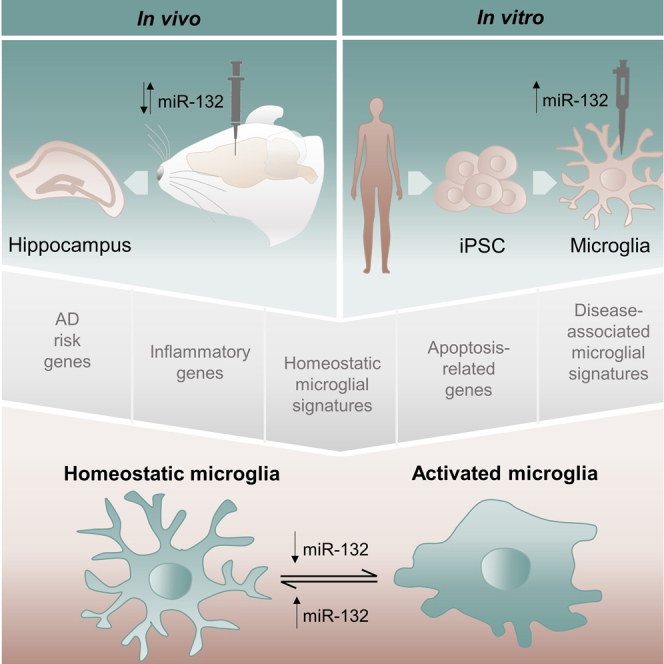
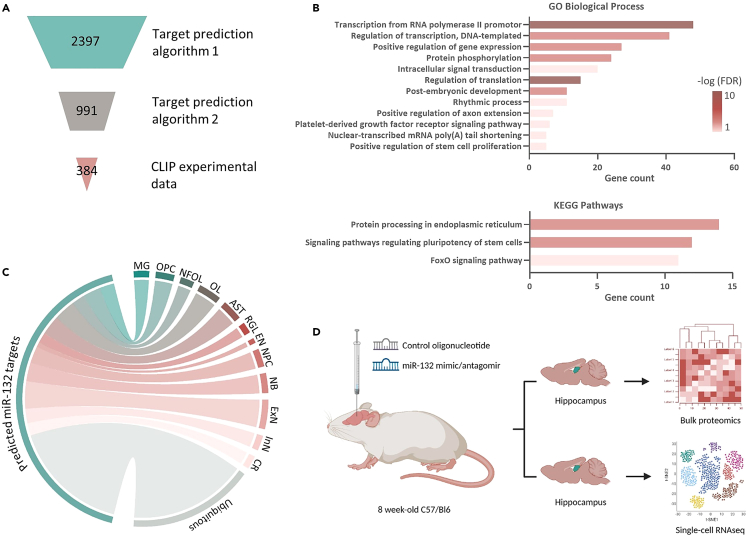
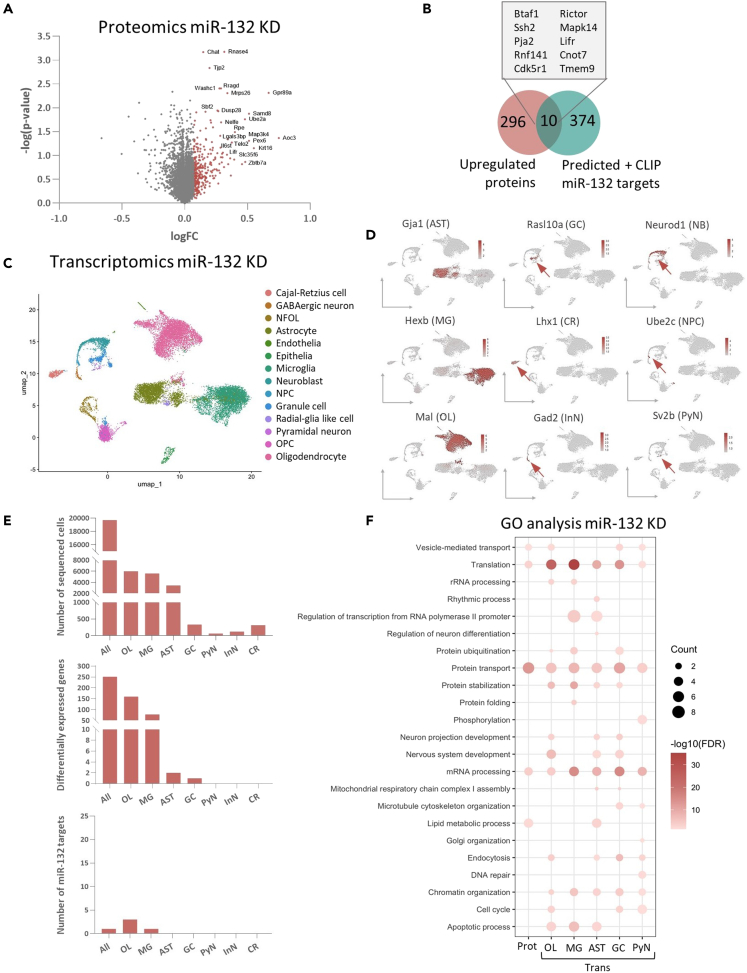
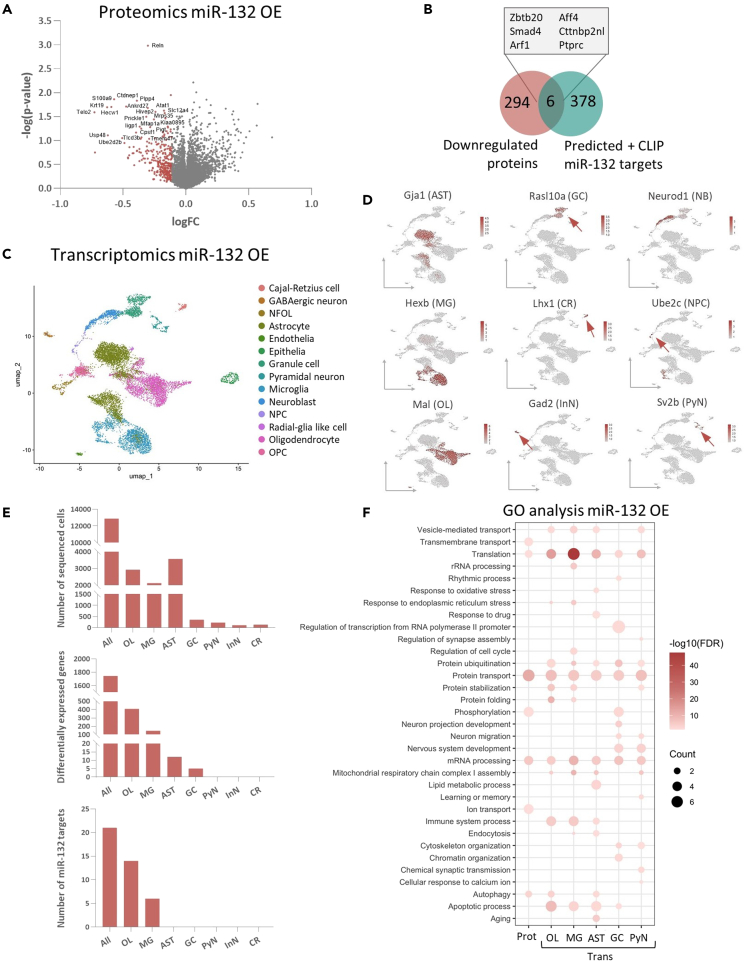
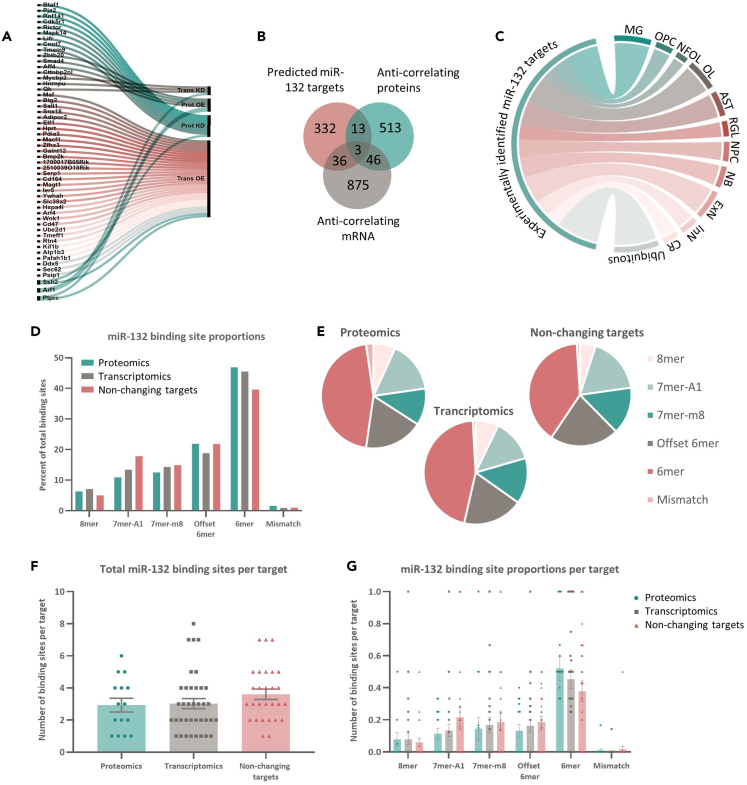
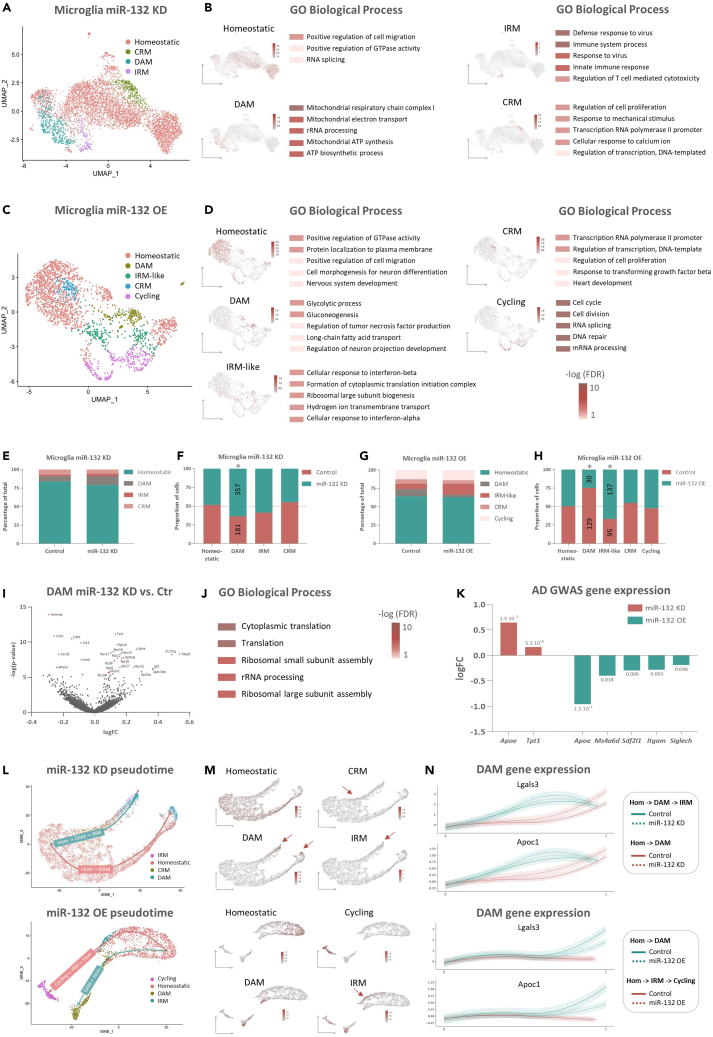
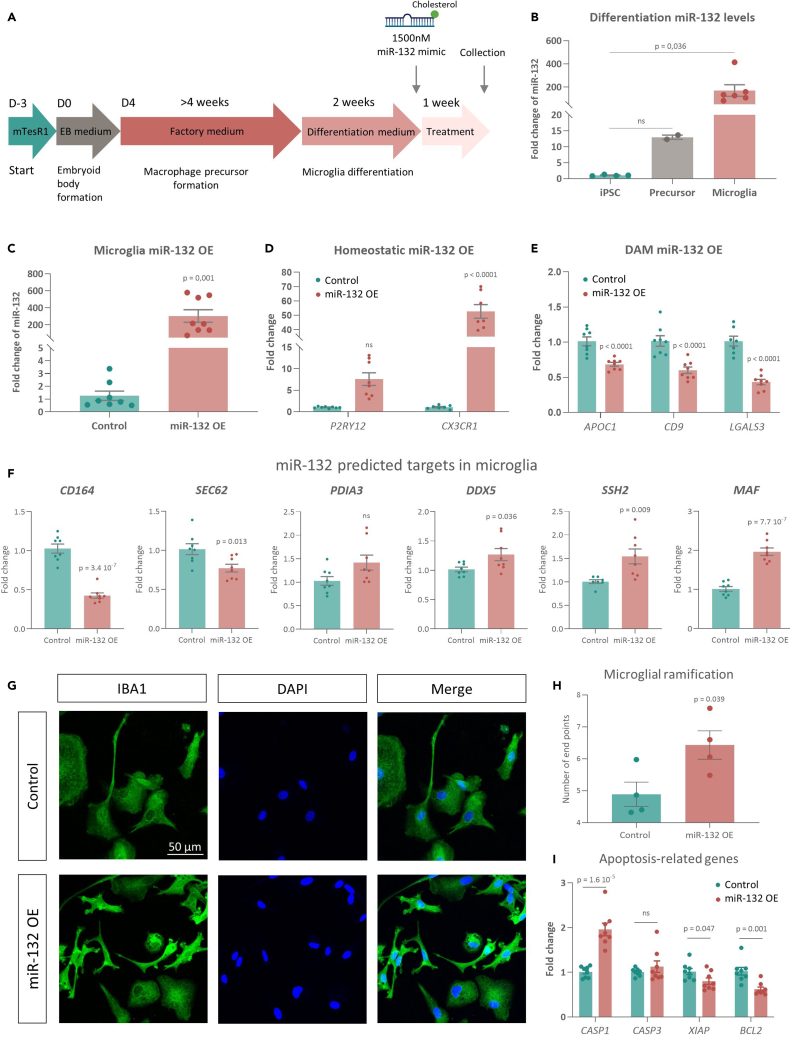
Verification
Claims the paper makes
The claims and statistics of this paper haven’t been checked yet.
Run the check — free, no account needed. It reads the open-access text and checks the sources it cites.
Claims other papers make about this one
Each is checked against this paper’s own text: does it say what the citing paper says it does?
The cited source says what the claim attributes to it.
In the citing paper
“Furthermore, we confirm previous reports from studies in wild-type mouse brain microglia [42] by showing that miR-132 supplementation significantly represses AD risk genes in sAD iMGs.”
From microRNA-132 attenuates inflammation in induced pluripotent stem cell-derived microglia from Alzheimer’s disease patients (2026) · cites this paper as [42]
In the citing paper
“Recent findings suggest that miR-132 can regulate microglial homeostasis and induce transition across different activation states under physiological conditions [42].”
From microRNA-132 attenuates inflammation in induced pluripotent stem cell-derived microglia from Alzheimer’s disease patients (2026) · cites this paper as [42]
In the citing paper
“We additionally observed a significant downregulation of CD164, a previously characterized miR-132 target [42], thus confirming functional miR-132 regulation (Supplementary Fig. 2B).”
From microRNA-132 attenuates inflammation in induced pluripotent stem cell-derived microglia from Alzheimer’s disease patients (2026) · cites this paper as [42]
In the citing paper
“The duration of treatment was optimized by confirming the effect of miR-132 KD on a previously identified microglial miR-132 target, CD164 [42] (Supplementary Fig. 2A).”
From microRNA-132 attenuates inflammation in induced pluripotent stem cell-derived microglia from Alzheimer’s disease patients (2026) · cites this paper as [42]
Self-check
Percentages, sums and reported differences re-computed from the paper’s own numbers.
The self-check needs the paper’s full text.
Citations
Cites
MAGMA: Generalized Gene-Set Analysis of GWAS Data
de Leeuw, C. A., Mooij, J. M., Heskes, T., & Posthuma, D. (2015) · PLOS Computational Biology · doi:10.1371/journal.pcbi.1004219 · Cited by 3,653
A Mammalian microRNA Expression Atlas Based on Small RNA Library Sequencing
Landgraf, P., Rusu, M., Sheridan, R., Sewer, A., Iovino, N., Aravin, A., Pfeffer, S., Rice, A., Kamphorst, A. O., Landthaler, M., et al. (2007) · Cell · doi:10.1016/j.cell.2007.04.040 · Cited by 3,626
Krasemann, S., Madore, C., Cialic, R., Baufeld, C., Calcagno, N., El Fatimy, R., Beckers, L., O’Loughlin, E., Xu, Y., Fanek, Z., et al. (2017) · Immunity · doi:10.1016/j.immuni.2017.08.008 · Cited by 2,979
Identification of a unique TGF-β–dependent molecular and functional signature in microglia
Butovsky, O., Jedrychowski, M. P., Moore, C. S., Cialic, R., Lanser, A. J., Gabriely, G., Koeglsperger, T., Dake, B., Wu, P. M., Doykan, C. E., et al. (2014) · Nature Neuroscience · doi:10.1038/nn.3599 · Cited by 2,543
The role of site accessibility in microRNA target recognition
Kertesz, M., Iovino, N., Unnerstall, U., Gaul, U., & Segal, E. (2007) · Nature Genetics · doi:10.1038/ng2135 · Cited by 2,460
Hammond, T. R., Dufort, C., Dissing-Olesen, L., Giera, S., Young, A., Wysoker, A., Walker, A. J., Segel, M., Nemesh, J., Saunders, A., et al. (2018) · doi:10.1101/406140 · Cited by 2,225
Microglia in Alzheimer’s disease
Hansen, D. V., Hanson, J. E., & Sheng, M. (2018) · Journal of Cell Biology · doi:10.1083/jcb.201709069 · Cited by 1,935
Towards a molecular understanding of microRNA-mediated gene silencing
Jonas, S., & Izaurralde, E. (2015) · Nature Reviews Genetics · doi:10.1038/nrg3965 · Cited by 1,872
Apolipoprotein E and Alzheimer disease: pathobiology and targeting strategies
Yamazaki, Y., Zhao, N., Caulfield, T. R., Liu, C.-C., & Bu, G. (2019) · Nature Reviews Neurology · doi:10.1038/s41582-019-0228-7 · Cited by 1,425
TREM2 Maintains Microglial Metabolic Fitness in Alzheimer’s Disease
Ulland, T. K., Song, W. M., Huang, S. C.-C., Ulrich, J. D., Sergushichev, A., Beatty, W. L., Loboda, A. A., Zhou, Y., Cairns, N. J., Kambal, A., et al. (2017) · Cell · doi:10.1016/j.cell.2017.07.023 · Cited by 1,263
A microRNA array reveals extensive regulation of microRNAs during brain development
KRICHEVSKY, A. M., KING, K. S., DONAHUE, C. P., KHRAPKO, K., & KOSIK, K. S. (2003) · RNA · doi:10.1261/rna.5980303 · Cited by 1,040
Alzheimer’s Disease Risk Gene CD33 Inhibits Microglial Uptake of Amyloid Beta
Griciuc, A., Serrano-Pozo, A., Parrado, A. R., Lesinski, A. N., Asselin, C. N., Mullin, K., Hooli, B., Choi, S. H., Hyman, B. T., & Tanzi, R. E. (2013) · Neuron · doi:10.1016/j.neuron.2013.04.014 · Cited by 1,004
Cogswell, J. P., Ward, J., Taylor, I. A., Waters, M., Shi, Y., Cannon, B., Kelnar, K., Kemppainen, J., Brown, D., Chen, C., et al. (2008) · Journal of Alzheimer s Disease · doi:10.3233/jad-2008-14103 · Cited by 943
Sala Frigerio, C., Wolfs, L., Fattorelli, N., Thrupp, N., Voytyuk, I., Schmidt, I., Mancuso, R., Chen, W.-T., Woodbury, M. E., Srivastava, G., et al. (2019) · Cell Reports · doi:10.1016/j.celrep.2019.03.099 · Cited by 926
Self-citationSingle-cell profiling identifies myeloid cell subsets with distinct fates during neuroinflammation
Jordão, M. J. C., Sankowski, R., Brendecke, S. M., Sagar, Locatelli, G., Tai, Y.-H., Tay, T. L., Schramm, E., Armbruster, S., Hagemeyer, N., et al. (2019) · Science · doi:10.1126/science.aat7554 · Cited by 843
Characterization of cell fate probabilities in single-cell data with Palantir
Setty, M., Kiseliovas, V., Levine, J., Gayoso, A., Mazutis, L., & Pe’er, D. (2019) · Nature Biotechnology · doi:10.1038/s41587-019-0068-4 · Cited by 833 · cited 2×
“To further understand the inhibitory effect of miR-132 on the DAM response, we performed single-cell trajectory analysis using Palantir.(103) Pseudotime ordering of the microglial population revealed the existence of two distinct phenotypic routes from homeostatic toward cellular states corresponding to DAM, IRM, and…”
MethodTREM2 — a key player in microglial biology and Alzheimer disease
Ulland, T. K., & Colonna, M. (2018) · Nature Reviews Neurology · doi:10.1038/s41582-018-0072-1 · Cited by 735
Regulation of Synaptic Structure and Function by FMRP-Associated MicroRNAs miR-125b and miR-132
Edbauer, D., Neilson, J. R., Foster, K. A., Wang, C.-F., Seeburg, D. P., Batterton, M. N., Tada, T., Dolan, B. M., Sharp, P. A., & Sheng, M. (2010) · Neuron · doi:10.1016/j.neuron.2010.01.005 · Cited by 735
Friedman, B. A., Srinivasan, K., Ayalon, G., Meilandt, W. J., Lin, H., Huntley, M. A., Cao, Y., Lee, S.-H., Haddick, P. C. G., Ngu, H., et al. (2018) · Cell Reports · doi:10.1016/j.celrep.2017.12.066 · Cited by 662
Bohlen, C. J., Bennett, F. C., Tucker, A. F., Collins, H. Y., Mulinyawe, S. B., & Barres, B. A. (2017) · Neuron · doi:10.1016/j.neuron.2017.04.043 · Cited by 658
Haenseler, W., Sansom, S. N., Buchrieser, J., Newey, S. E., Moore, C. S., Nicholls, F. J., Chintawar, S., Schnell, C., Antel, J. P., Allen, N. D., et al. (2017) · Stem Cell Reports · doi:10.1016/j.stemcr.2017.05.017 · Cited by 593
Hopperton, K. E., Mohammad, D., Trépanier, M. O., Giuliano, V, & Bazinet, R. P. (2018) · Molecular Psychiatry · doi:10.1038/mp.2017.246 · Cited by 567
Johnson, E. C. B., Carter, E. K., Dammer, E. B., Duong, D. M., Gerasimov, E. S., Liu, Y., Liu, J., Betarbet, R., Ping, L., Yin, L., et al. (2022) · Nature Neuroscience · doi:10.1038/s41593-021-00999-y · Cited by 561
Hochgerner, H., Zeisel, A., Lönnerberg, P., & Linnarsson, S. (2018) · Nature Neuroscience · doi:10.1038/s41593-017-0056-2 · Cited by 482
MicroRNA expression in the adult mouse central nervous system
Bak, M., Silahtaroglu, A., Møller, M., Christensen, M., Rath, M. F., Skryabin, B., Tommerup, N., & Kauppinen, S. (2008) · RNA · doi:10.1261/rna.783108 · Cited by 463
TREM2, microglia, and neurodegenerative diseases
Yeh, F. L., Hansen, D. V., & Sheng, M. (2017) · Trends in Molecular Medicine · doi:10.1016/j.molmed.2017.03.008 · Cited by 440
Marsh, S. E., Walker, A. J., Kamath, T., Dissing-Olesen, L., Hammond, T. R., de Soysa, T. Y., Young, A. M. H., Murphy, S., Abdulraouf, A., Nadaf, N., et al. (2022) · Nature Neuroscience · doi:10.1038/s41593-022-01022-8 · Cited by 431
Marsh, S. E., Kamath, T., Walker, A. J., Dissing-Olesen, L., Hammond, T. R., Young, A. M. H., Abdulraouf, A., Nadaf, N., Dufort, C., Murphy, S., et al. (2020) · doi:10.1101/2020.12.03.408542 · Cited by 430
Concordant Regulation of Translation and mRNA Abundance for Hundreds of Targets of a Human microRNA
Hendrickson, D. G., Hogan, D. J., McCullough, H. L., Myers, J. W., Herschlag, D., Ferrell, J. E., & Brown, P. O. (2009) · PLoS Biology · doi:10.1371/journal.pbio.1000238 · Cited by 418
MicroRNA control of protein expression noise
Schmiedel, J. M., Klemm, S. L., Zheng, Y., Sahay, A., Blüthgen, N., Marks, D. S., & van Oudenaarden, A. (2015) · Science · doi:10.1126/science.aaa1738 · Cited by 395
Silvin, A., Uderhardt, S., Piot, C., Da Mesquita, S., Yang, K., Geirsdottir, L., Mulder, K., Eyal, D., Liu, Z., Bridlance, C., et al. (2022) · Immunity · doi:10.1016/j.immuni.2022.07.004 · Cited by 368
McQuade, A., Kang, Y. J., Hasselmann, J., Jairaman, A., Sotelo, A., Coburn, M., Shabestari, S. K., Chadarevian, J. P., Fote, G., Tu, C. H., et al. (2020) · Nature Communications · doi:10.1038/s41467-020-19227-5 · Cited by 361
Transcriptional signature in microglia associated with Aβ plaque phagocytosis
Grubman, A., Choo, X. Y., Chew, G., Ouyang, J. F., Sun, G., Croft, N. P., Rossello, F. J., Simmons, R., Buckberry, S., Landin, D. V., et al. (2021) · Nature Communications · doi:10.1038/s41467-021-23111-1 · Cited by 357
Denzler, R., McGeary, S. E., Title, A. C., Agarwal, V., Bartel, D. P., & Stoffel, M. (2016) · Molecular Cell · doi:10.1016/j.molcel.2016.09.027 · Cited by 340
The identity and function of microglia in neurodegeneration
Song, W. M., & Colonna, M. (2018) · Nature Immunology · doi:10.1038/s41590-018-0212-1 · Cited by 308
Xiang, X., Wind, K., Wiedemann, T., Blume, T., Shi, Y., Briel, N., Beyer, L., Biechele, G., Eckenweber, F., Zatcepin, A., et al. (2021) · Science Translational Medicine · doi:10.1126/scitranslmed.abe5640 · Cited by 268
A multi-pronged human microglia response to Alzheimer’s disease Aβ pathology
Mancuso, R., Fattorelli, N., Martinez-Muriana, A., Davis, E., Wolfs, L., Van Den Daele, J., Geric, I., Preman, P., Serneels, L., Poovathingal, S., et al. (2022) · doi:10.1101/2022.07.07.499139 · Cited by 169
Self-citationmiR-132 Mediates the Integration of Newborn Neurons into the Adult Dentate Gyrus
Luikart, B. W., Bensen, A. L., Washburn, E. K., Perederiy, J. V., Su, K. G., Li, Y., Kernie, S. G., Parada, L. F., & Westbrook, G. L. (2011) · PLoS ONE · doi:10.1371/journal.pone.0019077 · Cited by 160
Identification of evolutionarily conserved gene networks mediating neurodegenerative dementia
Swarup, V., Hinz, F. I., Rexach, J. E., Noguchi, K.-I., Toyoshiba, H., Oda, A., Hirai, K., Sarkar, A., Seyfried, N. T., Cheng, C., et al. (2019) · Nature Medicine · doi:10.1038/s41591-018-0223-3 · Cited by 136
Margeta, M. A., Yin, Z., Madore, C., Pitts, K. M., Letcher, S. M., Tang, J., Jiang, S., Gauthier, C. D., Silveira, S. R., Schroeder, C. M., et al. (2022) · Immunity · doi:10.1016/j.immuni.2022.07.014 · Cited by 130
Jafar-nejad, P., Powers, B., Soriano, A., Zhao, H., Norris, D. A., Matson, J., DeBrosse-Serra, B., Watson, J., Narayanan, P., Chun, S. J., et al. (2021) · Nucleic Acids Research · doi:10.1093/nar/gkaa1235 · Cited by 128
Rathore, N., Ramani, S. R., Pantua, H., Payandeh, J., Bhangale, T., Wuster, A., Kapoor, M., Sun, Y., Kapadia, S. B., Gonzalez, L., et al. (2018) · PLOS Genetics · doi:10.1371/journal.pgen.1007427 · Cited by 93
Cadiz, M. P., Jensen, T. D., Sens, J. P., Zhu, K., Song, W.-M., Zhang, B., Ebbert, M., Chang, R., & Fryer, J. D. (2022) · Molecular Neurodegeneration · doi:10.1186/s13024-022-00531-1 · Cited by 73 · cited 1×
“Notably, microglial cells in culture form a heterogeneous population, recapitulating several distinct transcriptional phenotypes linked to disease, and adapting in general a more activated phenotype.(86,104,105) To investigate the potential effects of miR-132 on cellular state transitions in human iPSCderived microgli…”
Method
Research works printed but not linked: 123
- Bartel, 2009, MicroRNAs: target recognition and regulatory functions, Cell, 136, 215, 10.1016/j.cell.2009.01.002 · DOI · Paper page
- Chen, 2011, Mechanisms of deadenylation-dependent decay, Wiley Interdiscip. Rev. RNA, 2, 167, 10.1002/wrna.40 · DOI
- Isik, 2016, MicroRNA mir-34 provides robustness to environmental stress response via the DAF-16 network in C. elegans, Sci. Rep., 6, 36766, 10.1038/srep36766 · DOI · Paper page
- Li, 2009, A MicroRNA imparts robustness against environmental fluctuation during development, Cell, 137, 273, 10.1016/j.cell.2009.01.058 · DOI · Paper page
- Barca-Mayo, 2014, Convergent microRNA actions coordinate neocortical development, Cell. Mol. Life Sci., 71, 2975, 10.1007/s00018-014-1576-5 · DOI
- Eacker, 2013, The interplay of microRNA and neuronal activity in health and disease, Front. Cell. Neurosci., 7, 136, 10.3389/fncel.2013.00136 · DOI
- Olsen, 2009, MicroRNAs show mutually exclusive expression patterns in the brain of adult male rats, PLoS One, 4, 10.1371/journal.pone.0007225 · DOI
- Cummings, 2019, Treatment combinations for Alzheimer’s disease: current and future pharmacotherapy options, J. Alzheimers Dis., 67, 779, 10.3233/JAD-180766 · DOI · Paper page
- Fang, 2020, Harnessing endophenotypes and network medicine for Alzheimer’s drug repurposing, Med. Res. Rev., 40, 2386, 10.1002/med.21709 · DOI
- Hampel, 2018, Precision pharmacology for Alzheimer’s disease, Pharmacol. Res., 130, 331, 10.1016/j.phrs.2018.02.014 · DOI
- Salloway, 2020, Advancing combination therapy for Alzheimer’s disease, Alzheimers Dement., 6, e12073
- Walgrave, 2021, The promise of microRNA-based therapies in Alzheimer’s disease: challenges and perspectives, Mol. Neurodegener., 16, 76, 10.1186/s13024-021-00496-7 · DOI
- Arora, 2022, Dysregulated miRNAs in progression and pathogenesis of Alzheimer’s disease, Mol. Neurobiol., 59, 6107, 10.1007/s12035-022-02950-z · DOI · Paper page
- Herrera-Espejo, 2019, A systematic review of MicroRNA expression as biomarker of late-onset Alzheimer’s disease, Mol. Neurobiol., 56, 8376, 10.1007/s12035-019-01676-9 · DOI · Paper page
- Lau, 2013, Alteration of the microRNA network during the progression of Alzheimer’s disease, EMBO Mol. Med., 5, 1613, 10.1002/emmm.201201974 · DOI · Paper page
- Lukiw, 2007, Micro-RNA speciation in fetal, adult and Alzheimer??s disease hippocampus, Neuroreport, 18, 297, 10.1097/WNR.0b013e3280148e8b · DOI · Paper page
- Pichler, 2017, The miRNome of Alzheimer’s disease: consistent downregulation of the miR-132/212 cluster, Neurobiol. Aging, 50, 167, 10.1016/j.neurobiolaging.2016.09.019 · DOI · Paper page
- El Fatimy, 2018, MicroRNA-132 provides neuroprotection for tauopathies via multiple signaling pathways, Acta Neuropathol., 136, 537, 10.1007/s00401-018-1880-5 · DOI · Paper page
- Salta, 2017, microRNA-132: a key noncoding RNA operating in the cellular phase of Alzheimer’s disease, FASEB J. Off. Publ. Fed. Am. Soc. Exp. Biol., 31, 424
- Hansen, 2016, Targeted deletion of miR-132/-212 impairs memory and alters the hippocampal transcriptome, Learn. Mem., 23, 61, 10.1101/lm.039578.115 · DOI · Paper page
- Hernandez-Rapp, 2015, Memory formation and retention are affected in adult miR-132/212 knockout mice, Behav. Brain Res., 287, 15, 10.1016/j.bbr.2015.03.032 · DOI · Paper page
- Kawashima, 2010, Glucocorticoid attenuates brain-derived neurotrophic factor-dependent upregulation of glutamate receptors via the suppression of microRNA-132 expression, Neuroscience, 165, 1301, 10.1016/j.neuroscience.2009.11.057 · DOI · Paper page
- Magill, 2010, microRNA-132 regulates dendritic growth and arborization of newborn neurons in the adult hippocampus, Proc. Natl. Acad. Sci. USA, 107, 20382, 10.1073/pnas.1015691107 · DOI · Paper page
- Mellios, 2011, miR-132, an experience-dependent microRNA, is essential for visual cortex plasticity, Nat. Neurosci., 14, 1240, 10.1038/nn.2909 · DOI · Paper page
- Remenyi, 2013, miR-132/212 knockout mice reveal roles for these miRNAs in regulating cortical synaptic transmission and plasticity, PLoS One, 8, 10.1371/journal.pone.0062509 · DOI · Paper page
- Salta, 2016, miR-132 loss de-represses ITPKB and aggravates amyloid and TAU pathology in Alzheimer’s brain, EMBO Mol. Med., 8, 1005, 10.15252/emmm.201606520 · DOI · Paper page
- Smith, 2015, miR-132/212 deficiency impairs tau metabolism and promotes pathological aggregation in vivo, Hum. Mol. Genet., 24, 6721, 10.1093/hmg/ddv377 · DOI · Paper page
- Vo, 2005, A cAMP-response element binding protein-induced microRNA regulates neuronal morphogenesis, Proc. Natl. Acad. Sci. USA, 102, 16426, 10.1073/pnas.0508448102 · DOI · Paper page
- Walgrave, 2021, Restoring miR-132 expression rescues adult hippocampal neurogenesis and memory deficits in Alzheimer’s disease, Cell Stem Cell, 28, 1805, 10.1016/j.stem.2021.05.001 · DOI · Paper page
- Wayman, 2008, An activity-regulated microRNA controls dendritic plasticity by down-regulating p250GAP, Proc. Natl. Acad. Sci. USA, 105, 9093, 10.1073/pnas.0803072105 · DOI · Paper page
- Wei, 2020, Environmental enrichment prevents Aβ oligomer-induced synaptic dysfunction through mirna-132 and hdac3 signaling pathways, Neurobiol. Dis., 134, 10.1016/j.nbd.2019.104617 · DOI
- Wong, 2013, De-repression of FOXO3a death axis by microRNA-132 and -212 causes neuronal apoptosis in Alzheimer’s disease, Hum. Mol. Genet., 22, 3077, 10.1093/hmg/ddt164 · DOI · Paper page
- Patrick, 2017, Dissecting the role of non-coding RNAs in the accumulation of amyloid and tau neuropathologies in Alzheimer’s disease, Mol. Neurodegener., 12, 51, 10.1186/s13024-017-0191-y · DOI · Paper page
- Tasaki, 2018, The molecular and neuropathological consequences of genetic risk for Alzheimer’s dementia, Front. Neurosci., 12, 699, 10.3389/fnins.2018.00699 · DOI
- Baek, 2008, The impact of microRNAs on protein output, Nature, 455, 64, 10.1038/nature07242 · DOI · Paper page
- Cloonan, 2015, Re-thinking miRNA-mRNA interactions: intertwining issues confound target discovery, Bioessays, 37, 379, 10.1002/bies.201400191 · DOI
- Guo, 2010, Mammalian microRNAs predominantly act to decrease target mRNA levels, Nature, 466, 835, 10.1038/nature09267 · DOI · Paper page
- Selbach, 2008, Widespread changes in protein synthesis induced by microRNAs, Nature, 455, 58, 10.1038/nature07228 · DOI · Paper page
- Alexander, 2014, MicroRNA-486–dependent modulation of DOCK3/PTEN/AKT signaling pathways improves muscular dystrophy–associated symptoms, J. Clin. Invest., 124, 2651, 10.1172/JCI73579 · DOI
- Hinman, 2021, miR-142-3p regulates cortical oligodendrocyte gene co-expression networks associated with tauopathy, Hum. Mol. Genet., 30, 103, 10.1093/hmg/ddaa252 · DOI
- Mestdagh, 2010, The miR-17-92 MicroRNA cluster regulates multiple components of the TGF-β pathway in neuroblastoma, Mol. Cell, 40, 762, 10.1016/j.molcel.2010.11.038 · DOI · Paper page
- Salta, 2014, A self-organizing miR-132/ctbp2 circuit regulates bimodal notch signals and glial progenitor fate choice during spinal cord maturation, Dev. Cell, 30, 423, 10.1016/j.devcel.2014.07.006 · DOI · Paper page
- Xu, 2009, MicroRNA-145 regulates OCT4, SOX2, and KLF4 and represses pluripotency in human embryonic stem cells, Cell, 137, 647, 10.1016/j.cell.2009.02.038 · DOI
- Bartel, 2018, Metazoan MicroRNAs, Cell, 173, 20, 10.1016/j.cell.2018.03.006 · DOI · Paper page
- Hsin, 2018, The effect of cellular context on miR-155-mediated gene regulation in four major immune cell types, Nat. Immunol., 19, 1137, 10.1038/s41590-018-0208-x · DOI
- Jens, 2015, Competition between target sites of regulators shapes post-transcriptional gene regulation, Nat. Rev. Genet., 16, 113, 10.1038/nrg3853 · DOI
- Mukherji, 2011, MicroRNAs can generate thresholds in target gene expression, Nat. Genet., 43, 854, 10.1038/ng.905 · DOI
- Wang, 2019, Single-cell microRNA-mRNA co-sequencing reveals non-genetic heterogeneity and mechanisms of microRNA regulation, Nat. Commun., 10, 95, 10.1038/s41467-018-07981-6 · DOI
- Hafner, 2010, Transcriptome-wide identification of RNA-binding protein and MicroRNA target sites by PAR-CLIP, Cell, 141, 129, 10.1016/j.cell.2010.03.009 · DOI · Paper page
- Zolboot, 2021, MicroRNAs instruct and maintain cell type diversity in the nervous system, Front. Mol. Neurosci., 14, 646072, 10.3389/fnmol.2021.646072 · DOI · Paper page
- Liu, 2019, Prediction of functional microRNA targets by integrative modeling of microRNA binding and target expression data, Genome Biol., 20, 18, 10.1186/s13059-019-1629-z · DOI
- Sood, 2006, Cell-type-specific signatures of microRNAs on target mRNA expression, Proc. Natl. Acad. Sci. USA, 103, 2746, 10.1073/pnas.0511045103 · DOI · Paper page
- Li, 2014, starBase v2.0: decoding miRNA-ceRNA, miRNA-ncRNA and protein–RNA interaction networks from large-scale CLIP-Seq data, Nucleic Acids Res., 42, D92, 10.1093/nar/gkt1248 · DOI · Paper page
- Chi, 2009, Argonaute HITS-CLIP decodes microRNA–mRNA interaction maps, Nature, 460, 479, 10.1038/nature08170 · DOI · Paper page
- Huang, 2009, Systematic and integrative analysis of large gene lists using DAVID bioinformatics resources, Nat. Protoc., 4, 44, 10.1038/nprot.2008.211 · DOI · Paper page
- Sherman, 2022, DAVID: a web server for functional enrichment analysis and functional annotation of gene lists (2021 update), Nucleic Acids Res., 50, W216, 10.1093/nar/gkac194 · DOI
- Filipowicz, 2008, Mechanisms of post-transcriptional regulation by microRNAs: are the answers in sight?, Nat. Rev. Genet., 9, 102, 10.1038/nrg2290 · DOI
- Hewitson, 2019, miR-132 suppresses transcription of ribosomal proteins to promote protective Th1 immunity, EMBO Rep., 20, 10.15252/embr.201846620 · DOI
- Mendoza-Viveros, 2017, miR-132/212 modulates seasonal adaptation and dendritic morphology of the central circadian clock, Cell Rep., 19, 505, 10.1016/j.celrep.2017.03.057 · DOI
- Pathania, 2012, miR-132 enhances dendritic morphogenesis, spine density, synaptic integration, and survival of newborn olfactory bulb neurons, PLoS One, 7, 10.1371/journal.pone.0038174 · DOI
- Eijkelenboom, 2013, FOXOs: signalling integrators for homeostasis maintenance, Nat. Rev. Mol. Cell Biol., 14, 83, 10.1038/nrm3507 · DOI
- Guo, 2022, A coherent FOXO3-SNAI2 feed-forward loop in autophagy, Proc. Natl. Acad. Sci. USA, 119, 10.1073/pnas.2118285119 · DOI
- Jovanovic, 2010, A quantitative targeted proteomics approach to validate predicted microRNA targets in C. elegans, Nat. Methods, 7, 837, 10.1038/nmeth.1504 · DOI
- Rajman, 2017, A microRNA-129-5p/Rbfox crosstalk coordinates homeostatic downscaling of excitatory synapses, EMBO J., 36, 1770, 10.15252/embj.201695748 · DOI · Paper page
- Berl, 2017, Enrichment and isolation of neurons from adult mouse brain for ex vivo analysis, J. Neurosci. Methods, 283, 15, 10.1016/j.jneumeth.2017.03.015 · DOI
- Ho, 2018, A guide to single-cell transcriptomics in adult rodent brain: the medium spiny neuron transcriptome revisited, Front. Cell. Neurosci., 12, 159, 10.3389/fncel.2018.00159 · DOI
- Korsunsky, 2019, Fast, sensitive and accurate integration of single-cell data with Harmony, Nat. Methods, 16, 1289, 10.1038/s41592-019-0619-0 · DOI · Paper page
- Clovis, 2012, Convergent repression of Foxp2 3′UTR by miR-9 and miR-132 in embryonic mouse neocortex: implications for radial migration of neurons, Development, 139, 3332, 10.1242/dev.078063 · DOI
- Yang, 2012, miR-132 regulates the differentiation of dopamine neurons by directly targeting Nurr1 expression, J. Cell Sci., 125, 1673
- Thomson, 2011, Experimental strategies for microRNA target identification, Nucleic Acids Res., 39, 6845, 10.1093/nar/gkr330 · DOI · Paper page
- Honarpisheh, 2020, Potential caveats of putative microglia-specific markers for assessment of age-related cerebrovascular neuroinflammation, J. Neuroinflammation, 17, 366, 10.1186/s12974-020-02019-5 · DOI
- Keren-Shaul, 2017, A unique microglia type associated with restricting development of Alzheimer’s disease, Cell, 169, 1276, 10.1016/j.cell.2017.05.018 · DOI · Paper page
- Mancuso, 2019, Stem-cell-derived human microglia transplanted in mouse brain to study human disease, Nat. Neurosci., 22, 2111, 10.1038/s41593-019-0525-x · DOI · Paper page
- Baik, 2019, A breakdown in metabolic reprogramming causes microglia dysfunction in Alzheimer’s disease, Cell Metab., 30, 493, 10.1016/j.cmet.2019.06.005 · DOI · Paper page
- Fairley, 2021, Mitochondrial regulation of microglial immunometabolism in Alzheimer’s disease, Front. Immunol., 12, 624538, 10.3389/fimmu.2021.624538 · DOI · Paper page
- Rangaraju, 2018, Quantitative proteomics of acutely-isolated mouse microglia identifies novel immune Alzheimer’s disease-related proteins, Mol. Neurodegener., 13, 34, 10.1186/s13024-018-0266-4 · DOI
- Kunkle, 2019, Genetic meta-analysis of diagnosed Alzheimer’s disease identifies new risk loci and implicates Aβ, tau, immunity and lipid processing, Nat. Genet., 51, 414, 10.1038/s41588-019-0358-2 · DOI · Paper page
- Corder, 1993, Gene dose of apolipoprotein E type 4 allele and the risk of Alzheimer’s disease in late onset families, Science, 261, 921, 10.1126/science.8346443 · DOI · Paper page
- Yuan, 2016, TREM2 haplodeficiency in mice and humans impairs the microglia barrier function leading to decreased amyloid compaction and severe axonal dystrophy, Neuron, 90, 724, 10.1016/j.neuron.2016.05.003 · DOI · Paper page
- Jonsson, 2013, Variant of TREM2 associated with the risk of Alzheimer’s disease, N. Engl. J. Med., 368, 107, 10.1056/NEJMoa1211103 · DOI · Paper page
- Guerreiro, 2013, TREM2 variants in Alzheimer’s disease, N. Engl. J. Med., 368, 117, 10.1056/NEJMoa1211851 · DOI · Paper page
- Flowers, 2017, Proteomic anaysis of aged microglia: shifts in transcription, bioenergetics, and nutrient response, J. Neuroinflammation, 14, 96, 10.1186/s12974-017-0840-7 · DOI
- Miedema, 2022, Brain macrophages acquire distinct transcriptomes in multiple sclerosis lesions and normal appearing white matter, Acta Neuropathol. Commun., 10, 8, 10.1186/s40478-021-01306-3 · DOI · Paper page
- Madore, 2020, Microglia, lifestyle stress, and neurodegeneration, Immunity, 52, 222, 10.1016/j.immuni.2019.12.003 · DOI
- Davalos, 2005, ATP mediates rapid microglial response to local brain injury in vivo, Nat. Neurosci., 8, 752, 10.1038/nn1472 · DOI · Paper page
- Nimmerjahn, 2005, Resting microglial cells are highly dynamic surveillants of brain parenchyma in vivo, Science, 308, 1314, 10.1126/science.1110647 · DOI · Paper page
- Foinquinos, 2020, Preclinical development of a miR-132 inhibitor for heart failure treatment, Nat. Commun., 11, 633, 10.1038/s41467-020-14349-2 · DOI
- Lee, 2019, Discovery and preclinical evaluation of anti-miR-17 oligonucleotide RGLS4326 for the treatment of polycystic kidney disease, Nat. Commun., 10, 4148, 10.1038/s41467-019-11918-y · DOI
- Nowakowski, 2018, Regulation of cell-type-specific transcriptomes by microRNA networks during human brain development, Nat. Neurosci., 21, 1784, 10.1038/s41593-018-0265-3 · DOI · Paper page
- Rzepiela, 2018, Single-cell mRNA profiling reveals the hierarchical response of mi RNA targets to mi RNA induction, Mol. Syst. Biol., 14, e8266, 10.15252/msb.20188266 · DOI
- Islam, 2021, A microRNA signature that correlates with cognition and is a target against cognitive decline, EMBO Mol. Med., 13, e13659, 10.15252/emmm.202013659 · DOI · Paper page
- Grimson, 2007, MicroRNA targeting specificity in mammals: determinants beyond seed pairing, Mol. Cell, 27, 91, 10.1016/j.molcel.2007.06.017 · DOI · Paper page
- Nam, 2014, Global analyses of the effect of different cellular contexts on MicroRNA targeting, Mol. Cell, 53, 1031, 10.1016/j.molcel.2014.02.013 · DOI
- Park, 2017, Non-canonical targets destabilize microRNAs in human Argonautes, Nucleic Acids Res., 45, 1569
- Linxweiler, 2017, Let’s talk about Secs: sec61, Sec62 and Sec63 in signal transduction, oncology and personalized medicine, Signal Transduct. Target. Ther., 2
- Delpech, 2016, Early life stress perturbs the maturation of microglia in the developing hippocampus, Brain Behav. Immun., 57, 79, 10.1016/j.bbi.2016.06.006 · DOI · Paper page
- Soreq, 2011, NeurimmiRs: microRNAs in the neuroimmune interface, Trends Mol. Med., 17, 548, 10.1016/j.molmed.2011.06.009 · DOI · Paper page
- Kong, 2015, The Effect of miR-132, miR-146a, and miR-155 on MRP8/TLR4-Induced Astrocyte-Related Inflammation, J. Mol. Neurosci., 57, 28, 10.1007/s12031-015-0574-x · DOI · Paper page
- Nahid, 2013, Regulation of TLR2-mediated tolerance and cross-tolerance through IRAK4 modulation by miR-132 and miR-212, J. Immunol., 190, 1250, 10.4049/jimmunol.1103060 · DOI
- Shaked, 2009, MicroRNA-132 potentiates cholinergic anti-inflammatory signaling by targeting acetylcholinesterase, Immunity, 31, 965, 10.1016/j.immuni.2009.09.019 · DOI · Paper page
- Korotkov, 2020, microRNA-132 is overexpressed in glia in temporal lobe epilepsy and reduces the expression of pro-epileptogenic factors in human cultured astrocytes, Glia, 68, 60, 10.1002/glia.23700 · DOI · Paper page
- Mullokandov, 2012, High-throughput assessment of microRNA activity and function using microRNA sensor and decoy libraries, Nat. Methods, 9, 840, 10.1038/nmeth.2078 · DOI · Paper page
- Askew, 2017, Coupled proliferation and apoptosis maintain the rapid turnover of microglia in the adult brain, Cell Rep., 18, 391, 10.1016/j.celrep.2016.12.041 · DOI · Paper page
- Yun, 2011, Daxx mediates activation-induced cell death in microglia by triggering MST1 signalling, EMBO J., 30, 2465, 10.1038/emboj.2011.152 · DOI
- Zheng, 2017, TREM2 promotes microglial survival by activating wnt/β-catenin pathway, J. Neurosci., 37, 1772, 10.1523/JNEUROSCI.2459-16.2017 · DOI · Paper page
- Antoniou, 2023, Neuronal extracellular vesicles and associated microRNAs induce circuit connectivity downstream BDNF, Cell Rep., 42, 10.1016/j.celrep.2023.112063 · DOI · Paper page
- Kenigsbuch, 2022, A shared disease-associated oligodendrocyte signature among multiple CNS pathologies, Nat. Neurosci., 25, 876, 10.1038/s41593-022-01104-7 · DOI · Paper page
- Zhou, 2020, Human and mouse single-nucleus transcriptomics reveal TREM2-dependent and TREM2-independent cellular responses in Alzheimer’s disease, Nat. Med., 26, 131, 10.1038/s41591-019-0695-9 · DOI · Paper page
- Sierksma, 2020, Translating genetic risk of Alzheimer’s disease into mechanistic insight and drug targets, Science, 370, 61, 10.1126/science.abb8575 · DOI
- Chen, 2022, Two-faced behavior of microglia in Alzheimer’s disease, Nat. Neurosci., 25, 3, 10.1038/s41593-021-00963-w · DOI
- Wang, 2019, Microglia in Alzheimer’s disease: a target for immunotherapy, J. Leukoc. Biol., 106, 219, 10.1002/JLB.MR0818-319R · DOI
- Eichhorn, 2014, mRNA destabilization is the dominant effect of mammalian MicroRNAs by the time substantial repression ensues, Mol. Cell, 56, 104, 10.1016/j.molcel.2014.08.028 · DOI · Paper page
- Hancock, 2014, MicroRNA-132 is enriched in developing axons, locally regulates Rasa1 mRNA, and promotes axon extension, J. Neurosci., 34, 66, 10.1523/JNEUROSCI.3371-13.2014 · DOI · Paper page
- Lugli, 2008, Expression of microRNAs and their precursors in synaptic fractions of adult mouse forebrain, J. Neurochem., 106, 650, 10.1111/j.1471-4159.2008.05413.x · DOI · Paper page
- Kunkle, 2019, Genetic meta-analysis of diagnosed Alzheimer’s disease identifies new risk loci and implicates Aβ, tau, immunity and lipid processing, Nat. Genet., 51, 414, 10.1038/s41588-019-0358-2 · DOI · Paper page
- Shi, 2012, Directed differentiation of human pluripotent stem cells to cerebral cortex neurons and neural networks, Nat. Protoc., 7, 1836, 10.1038/nprot.2012.116 · DOI · Paper page
- Soutschek, 2004, Therapeutic silencing of an endogenous gene by systemic administration of modified siRNAs, Nature, 432, 173, 10.1038/nature03121 · DOI
- Kurreck, 2002, Design of antisense oligonucleotides stabilized by locked nucleic acids, Nucleic Acids Res., 30, 1911, 10.1093/nar/30.9.1911 · DOI
- Braasch, 2001, Locked nucleic acid (LNA): fine-tuning the recognition of DNA and RNA, Chem. Biol., 8, 1, 10.1016/S1074-5521(00)00058-2 · DOI
- Wolf, 2018, SCANPY: large-scale single-cell gene expression data analysis, Genome Biol., 19, 15, 10.1186/s13059-017-1382-0 · DOI · Paper page
- Stuart, 2019, Comprehensive integration of single-cell data, Cell, 177, 1888, 10.1016/j.cell.2019.05.031 · DOI · Paper page
- Butler, 2018, Integrating single-cell transcriptomic data across different conditions, technologies, and species, Nat. Biotechnol., 36, 411, 10.1038/nbt.4096 · DOI · Paper page
- Schindelin, 2012, Fiji: an open-source platform for biological-image analysis, Nat. Methods, 9, 676, 10.1038/nmeth.2019 · DOI · Paper page
Cited by
Sorted by citations
Penning, A., Snoeck, S., Ormaechea, O. R., Ayyildiz, D., Polzer, O., Buitrago-Arango, M., Capobianco, R., de Winter, F., Balusu, S., Verhaagen, J., et al. (2026) · Acta Neuropathologica Communications · doi:10.1186/s40478-026-02228-8 · Cited by 6
Self-citation
Metadata
- Authors
- Walgrave, H., Penning, A., Tosoni, G., Snoeck, S., Davie, K., Davis, E., Wolfs, L., Sierksma, A., Mars, M., Bu, T., Thrupp, N., Zhou, L., Moechars, D., Mancuso, R., Fiers, M., Howden, A. J. M., De Strooper, B., & Salta, E.
- ORCID
- Walgrave, Hannah
- Venue
- iScience
- Publisher
- Elsevier BV
- Published
- 2023-06
- Volume
- 26
- Issue
- 6
- Pages
- 106829
- ISSN
- 2589-0042
- PMC
- PMC10213004
- Cited by
- 41
- References
- 43
- Language
- en
- Licence
- Funders
- Vlaams Instituut voor Biotechnologie
- Smithsonian Astrophysical Observatory
- Horizon 2020 (721058)
- Health~Holland (LSHM20095)
- Alzheimer Nederland (WE.03-2020-04)
- European Research Council (ERC-834682 337 CELLPHASE_AD)
- Fondation Médicale Reine Elisabeth
- European External Action Service
- KU Leuven
About these checks
Registry, retraction, Cites and statistics results are computed, not judged, with one exception: a printed reference that no index lists is read once by a model before it counts as a citation error. Claims are extracted by a model and kept only when their quote appears verbatim in the text; each cited source is then checked, with a model’s help, for whether it says what the claim relies on. Those verdicts can be wrong — read the claim’s quote and the cited source before relying on one.
Statistics and arithmetic are recomputed, not judged.
Confidence bands are shown only for fields calibrated on our annotated test set. None is calibrated yet, so no band is shown.
What counts as a claim ›How we measure confidence ›How we check this ›
Are you an author, or do you see a problem with this page? Request a review
