

The DOI matches its Crossref record; 321 of the 321 references it cites were found in a registry or an index.
Physical activity and exercise: Strategies to manage frailty
Open accessAbstract
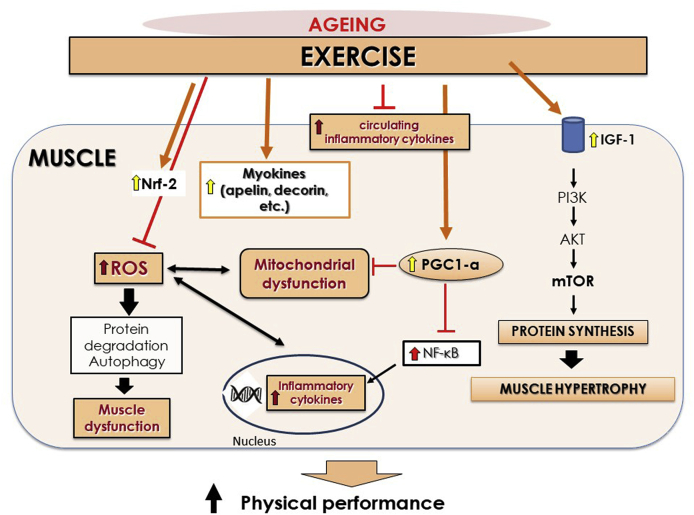
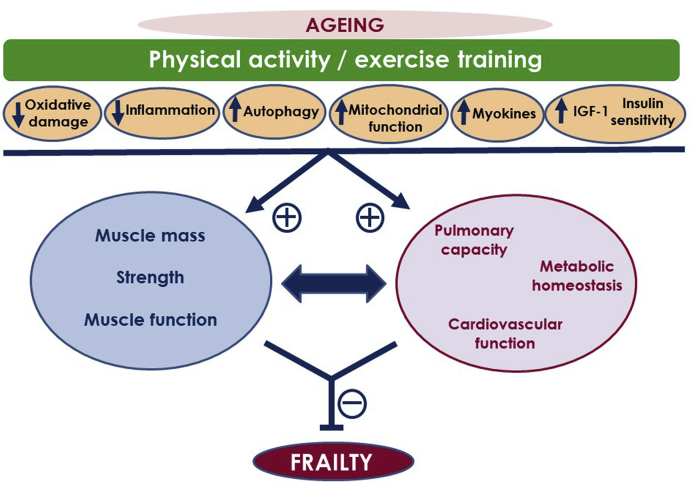
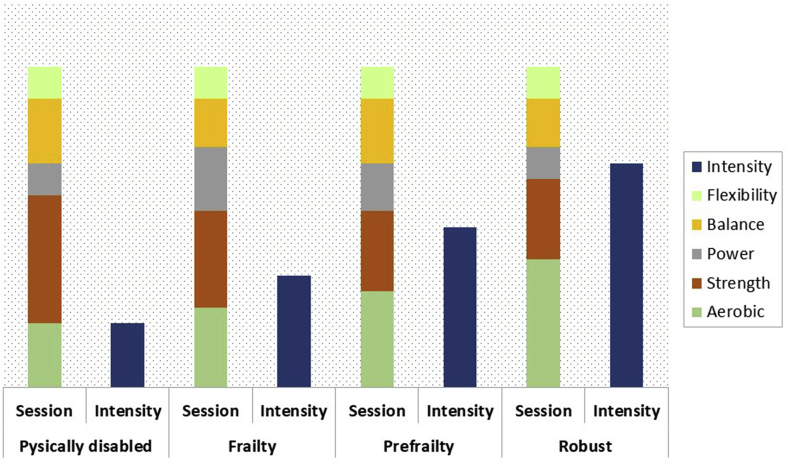
Frailty, a consequence of the interaction of the aging process and certain chronic diseases, compromises functional outcomes in the elderly and substantially increases their risk for developing disabilities and other adverse outcomes. Frailty follows from the combination of several impaired physiological mechanisms affecting multiple organs and systems. And, though frailty and sarcopenia are related, they are two different conditions. Thus, strategies to preserve or improve functional status should consider systemic function in addition to muscle conditioning. Physical activity/exercise is considered one of the main strategies to counteract frailty-related physical impairment in the elderly. Exercise reduces age-related oxidative damage and chronic inflammation, increases autophagy, and improves mitochondrial function, myokine profile, insulin-like growth factor-1 (IGF-1) signaling pathway, and insulin sensitivity. Exercise interventions target resistance (strength and power), aerobic, balance, and flexibility work. Each type improves different aspects of physical functioning, though they could be combined according to need and prescribed as a multicomponent intervention. Therefore, exercise intervention programs should be prescribed based on an individual's physical functioning and adapted to the ensuing response.
Overview
The claims and statistics of this paper haven’t been checked yet.
Run the check — free, no account needed. It reads the open-access text and checks the sources it cites.
Integrity signals
Registry
Cites
Statistics
Figures
Verification
Claims the paper makes
The claims and statistics of this paper haven’t been checked yet.
Run the check — free, no account needed. It reads the open-access text and checks the sources it cites.
Claims other papers make about this one
Each is checked against this paper’s own text: does it say what the citing paper says it does?
In the citing paper
“Consistent research findings highlight the significant health benefits of regular exercise, contributing to reduced age-related oxidative damage, enhanced autophagy, and improved mitochondrial function, myokine profiles, IGF-1 signaling pathways, and insulin sensitivity [96].”
From Exerkines and Sarcopenia: Unveiling the Mechanism Behind Exercise-Induced Mitochondrial Homeostasis (2025) · cites this paper as [96]
Self-check
Percentages, sums and reported differences re-computed from the paper’s own numbers.
The self-check needs the paper’s full text.
Citations
Cites
Frailty in Older Adults: Evidence for a Phenotype
Fried, L. P., Tangen, C. M., Walston, J., Newman, A. B., Hirsch, C., Gottdiener, J., Seeman, T., Tracy, R., Kop, W. J., Burke, G., et al. (2001) · The Journals of Gerontology Series A: Biological Sciences and Medical Sciences · doi:10.1093/gerona/56.3.m146 · Cited by 24,907
Guralnik, J. M., Simonsick, E. M., Ferrucci, L., Glynn, R. J., Berkman, L. F., Blazer, D. G., Scherr, P. A., & Wallace, R. B. (1994) · Journal of Gerontology · doi:10.1093/geronj/49.2.m85 · Cited by 9,792
Garber, C. E., Blissmer, B., Deschenes, M. R., Franklin, B. A., Lamonte, M. J., Lee, I.-M., Nieman, D. C., & Swain, D. P. (2011) · Medicine & Science in Sports & Exercise · doi:10.1249/mss.0b013e318213fefb · Cited by 9,319
(1985) · Europe PMC (PubMed Central) · Cited by 9,143
IDF Diabetes Atlas: Global estimates for the prevalence of diabetes for 2015 and 2040
Ogurtsova, K., Fernandes, J. D. D. R., Huang, Y., Linnenkamp, U., Guariguata, L., Cho, N. H., Cavan, D. A., Shaw, J. E., & Makaroff, L. (2017) · Diabetes Research and Clinical Practice · doi:10.1016/j.diabres.2017.03.024 · Cited by 7,138
Alberti, K. G. M. M., Zimmet, P., & Shaw, J. (2006) · Diabetic Medicine · doi:10.1111/j.1464-5491.2006.01858.x · Cited by 6,597
Guidelines for the use and interpretation of assays for monitoring autophagy (3rd edition).
Klionsky, D. J., Abdelmohsen, K., Abe, A., Abedin, M. J., Abeliovich, H., Acevedo Arozena, A., Adachi, H., Adams, C. M., Adams, P. D., Adeli, K., et al. (2016) · Autophagy · doi:10.1080/15548627.2015.1100356 · Cited by 5,894
Gait speed and survival in older adults.
Studenski, S. (2011) · JAMA · doi:10.1001/jama.2010.1923 · Cited by 4,558
Chronic Inflammation (Inflammaging) and Its Potential Contribution to Age-Associated Diseases
Franceschi, C., & Campisi, J. (2014) · The Journals of Gerontology Series A: Biological Sciences and Medical Sciences · doi:10.1093/gerona/glu057 · Cited by 3,891
Inflammageing: chronic inflammation in ageing, cardiovascular disease, and frailty
Ferrucci, L., & Fabbri, E. (2018) · Nature Reviews Cardiology · doi:10.1038/s41569-018-0064-2 · Cited by 3,690
Frailty: implications for clinical practice and public health
Hoogendijk, E. O., Afilalo, J., Ensrud, K. E., Kowal, P. R., Onder, G., & Fried, L. P. (2019) · The Lancet · doi:10.1016/s0140-6736(19)31786-6 · Cited by 3,472
The World report on ageing and health: a policy framework for healthy ageing
Beard, J. R., Officer, A., de Carvalho, I. A., Sadana, R., Pot, A. M., Michel, J.-P., Lloyd-Sherlock, P., Epping-Jordan, J. E., Peeters, G. M. E. E. (., Mahanani, W. R., et al. (2016) · The Lancet · doi:10.1016/s0140-6736(15)00516-4 · Cited by 3,287
Skeletal muscle mass and distribution in 468 men and women aged 18–88 yr
Janssen, I., Heymsfield, S. B., Wang, Z., & Ross, R. (2000) · Journal of Applied Physiology · doi:10.1152/jappl.2000.89.1.81 · Cited by 3,087
Goodpaster, B. H., Park, S. W., Harris, T. B., Kritchevsky, S. B., Nevitt, M., Schwartz, A. V., Simonsick, E. M., Tylavsky, F. A., Visser, M., Newman, A. B., et al. (2006) · The Journals of Gerontology Series A: Biological Sciences and Medical Sciences · doi:10.1093/gerona/61.10.1059 · Cited by 3,083
Physical Activity and Public Health in Older Adults
Nelson, M. E., Rejeski, W. J., Blair, S. N., Duncan, P. W., Judge, J. O., King, A. C., Macera, C. A., & Castaneda‐Sceppa, C. (2007) · Circulation · doi:10.1161/circulationaha.107.185650 · Cited by 3,057
Roberts, H. C., Denison, H. J., Martin, H. J., Patel, H. P., Syddall, H., Cooper, C., & Sayer, A. A. (2011) · Age and Ageing · doi:10.1093/ageing/afr051 · Cited by 3,001
Measuring balance in the elderly: validation of an instrument.
Berg, K., Wood-Dauphinée, S., Williams, J. I., & Maki, B. E. (1992) · PubMed · Cited by 2,961
The World Report on Ageing and Health
Beard, J., Officer, A. M., & Cassels, A. (2016) · The Gerontologist · doi:10.1093/geront/gnw037 · Cited by 2,911
Exercise training and nutritional supplementation for physical frailty in very elderly people
Fiatarone, M. A., O'Neill, E. F., Ryan, N. D., Clements, K. M., Solares, G. R., Nelson, M. E., Roberts, S. B., Kehayias, J. J., Lipsitz, L. A., & Evans, W. J. (1994) · New England Journal of Medicine · doi:10.1056/nejm199406233302501 · Cited by 2,857
Lakatta, E. G., & Levy, D. (2003) · Circulation · doi:10.1161/01.cir.0000048892.83521.58 · Cited by 2,244
Satellite Cells and the Muscle Stem Cell Niche
Yin, H., Price, F., & Rudnicki, M. A. (2013) · Physiological Reviews · doi:10.1152/physrev.00043.2011 · Cited by 2,166
NELSON, M. E., REJESKI, W. J., BLAIR, S. N., DUNCAN, P. W., JUDGE, J. O., KING, A. C., MACERA, C. A., & CASTANEDA-SCEPPA, C. (2007) · Medicine & Science in Sports & Exercise · doi:10.1249/mss.0b013e3180616aa2 · Cited by 2,089
Abellan Van Kan, G., Rolland, Y., Andrieu, S., Bauer, J., Beauchet, O., Bonnefoy, M., Cesari, M., Donini, L. M., Gillette-Guyonnet, S., Inzitari, M., et al. (2009) · The Journal of nutrition, health and aging · doi:10.1007/s12603-009-0246-z · Cited by 2,003
Leong, D. P., Teo, K. K., Rangarajan, S., Lopez-Jaramillo, P., Avezum, A., Orlandini, A., Seron, P., Ahmed, S. H., Rosengren, A., Kelishadi, R., et al. (2015) · The Lancet · doi:10.1016/s0140-6736(14)62000-6 · Cited by 1,876
Management of frailty: opportunities, challenges, and future directions
Dent, E., Martin, F. C., Bergman, H., Woo, J., Romero‐Ortuño, R., & Walston, J. D. (2019) · The Lancet · doi:10.1016/s0140-6736(19)31785-4 · Cited by 1,788
Newman, A. B., Kupelian, V., Visser, M., Simonsick, E. M., Goodpaster, B. H., Kritchevsky, S. B., Tylavsky, F. A., Rubin, S. M., Harris, T. B., & on Behalf of the Health, A. A. B. C. S. I. (2006) · The Journals of Gerontology Series A: Biological Sciences and Medical Sciences · doi:10.1093/gerona/61.1.72 · Cited by 1,692
World report on ageing and health
Dey, A. (2017) · The Indian Journal of Medical Research · doi:10.4103/0971-5916.207249 · Cited by 1,486
Facing up to the global challenges of ageing
Partridge, L., Deelen, J., & Slagboom, P. E. (2018) · Nature · doi:10.1038/s41586-018-0457-8 · Cited by 1,475
Aging of skeletal muscle: a 12-yr longitudinal study
Frontera, W. R., Hughes, V. A., Fielding, R. A., Fiatarone, M. A., Evans, W. J., & Roubenoff, R. (2000) · Journal of Applied Physiology · doi:10.1152/jappl.2000.88.4.1321 · Cited by 1,443
Pahor, M., Guralnik, J. M., Ambrosius, W. T., Blair, S., Bonds, D. E., Church, T. S., Espeland, M. A., Fielding, R. A., Gill, T. M., Groessl, E. J., et al. (2014) · JAMA · doi:10.1001/jama.2014.5616 · Cited by 1,427
Mitchell, W. K., Williams, J., Atherton, P., Larvin, M., Lund, J., & Narici, M. (2012) · Frontiers in Physiology · doi:10.3389/fphys.2012.00260 · Cited by 1,377
Ding, E. L., Song, Y., Malik, V. S., & Liu, S. (2006) · JAMA · doi:10.1001/jama.295.11.1288 · Cited by 1,354
Exercise for preventing falls in older people living in the community
Sherrington, C., Fairhall, N., Wallbank, G., Tiedemann, A., Michaleff, Z. A., Howard, K., Clemson, L. M., Hopewell, S., & Lamb, S. E. (2019) · Cochrane Database of Systematic Reviews · doi:10.1002/14651858.cd012424.pub2 · Cited by 1,295
Hanlon, P., Nicholl, B. I., Jani, B., Lee, D., McQueenie, R., & Mair, F. S. (2018) · The Lancet Public Health · doi:10.1016/s2468-2667(18)30091-4 · Cited by 1,272
Age and Age-Related Diseases: Role of Inflammation Triggers and Cytokines
Rea, I. M., Gibson, D. S., McGilligan, V., McNerlan, S. E., Alexander, H. D., & Ross, O. A. (2018) · Frontiers in Immunology · doi:10.3389/fimmu.2018.00586 · Cited by 1,267
Progressive resistance strength training for improving physical function in older adults
Liu, C.-J., & Latham, N. K. (2009) · Cochrane Database of Systematic Reviews · doi:10.1002/14651858.cd002759.pub2 · Cited by 1,258
Antioxidant and Oxidative Stress: A Mutual Interplay in Age-Related Diseases
Tan, B. L., Norhaizan, M. E., Liew, W.-P.-P., & Rahman, H. S. (2018) · Frontiers in Pharmacology · doi:10.3389/fphar.2018.01162 · Cited by 1,221
Rodríguez‐Mañas, L., Féart, C., Mann, G. E., Viña, J., Chatterji, S., Chodzko-Zajko, W. J., Harmand, M. G., Bergman, H., Carcaillon‐Bentata, L., Nicholson, C., et al. (2012) · The Journals of Gerontology Series A · doi:10.1093/gerona/gls119 · Cited by 1,187
Self-citationIntegrative Biology of Exercise
Hawley, J. A., Hargreaves, M., Joyner, M. J., & Zierath, J. R. (2014) · Cell · doi:10.1016/j.cell.2014.10.029 · Cited by 1,152
Fried, L. P. (2001) · Journals of Gerontology Series A-biological Sciences and Medical Sciences · Cited by 1,103
Age-related and disease-related muscle loss: The effect of diabetes, obesity, and other diseases
Kalyani, R. R., Corriere, M., & Ferrucci, L. (2014) · The Lancet Diabetes & Endocrinology · doi:10.1016/s2213-8587(14)70034-8 · Cited by 1,102
Geriatric muscle stem cells switch reversible quiescence into senescence
Sousa-Victor, P., Gutarra, S., García-Prat, L., Rodriguez-Ubreva, J., Ortet, L., Ruiz-Bonilla, V., Jardí, M., Ballestar, E., González, S., Serrano, A. L., et al. (2014) · Nature · doi:10.1038/nature13013 · Cited by 1,010
Cadore, E. L., Rodríguez-Mañas, L., Sinclair, A., & Izquierdo, M. (2013) · Rejuvenation Research · doi:10.1089/rej.2012.1397 · Cited by 954
Self-citationWilkinson, D. J., Piasecki, M., & Atherton, P. J. (2018) · Ageing Research Reviews · doi:10.1016/j.arr.2018.07.005 · Cited by 950
Wu, F. C. W., Tajar, A., Pye, S. R., Silman, A. J., Finn, J. D., O'Neill, T. W., Bartfai, G., Casanueva, F., Forti, G., Giwercman, A., et al. (2008) · The Journal of Clinical Endocrinology & Metabolism · doi:10.1210/jc.2007-1972 · Cited by 939
HUGHES, V. A., Frontera, W. R., Wood, M., Evans, W. J., Dallal, G. E., Roubenoff, R., & Singh, M. A. F. (2001) · The Journals of Gerontology Series A · doi:10.1093/gerona/56.5.b209 · Cited by 935
Strength, power and related functional ability of healthy people aged 65-89 years.
SKELTON, D. A., GREIG, C. A., DAVIES, J. M., & YOUNG, A. (1994) · Age and Ageing · doi:10.1093/ageing/23.5.371 · Cited by 934
Skeletal Muscle Power: A Critical Determinant of Physical Functioning in Older Adults
Reid, K. F., & Fielding, R. A. (2012) · Exercise and Sport Sciences Reviews · doi:10.1097/jes.0b013e31823b5f13 · Cited by 913
Kalinkovich, A., & Livshits, G. (2017) · Ageing Research Reviews · doi:10.1016/j.arr.2016.09.008 · Cited by 882
Exercise benefits in cardiovascular disease: beyond attenuation of traditional risk factors
Fiuza-Luces, C., Santos-Lozano, A., Joyner, M., Carrera-Bastos, P., Picazo, O., Zugaza, J. L., Izquierdo, M., Ruilope, L. M., & Lucia, A. (2018) · Nature Reviews Cardiology · doi:10.1038/s41569-018-0065-1 · Cited by 803
Excessive Loss of Skeletal Muscle Mass in Older Adults With Type 2 Diabetes
Park, S. W., Goodpaster, B. H., Lee, J. S., Kuller, L. H., Boudreau, R., de Rekeneire, N., Harris, T. B., Kritchevsky, S., Tylavsky, F. A., Nevitt, M., et al. (2009) · Diabetes Care · doi:10.2337/dc09-0264 · Cited by 778
Celis-Morales, C. A., Welsh, P., Lyall, D. M., Steell, L., Petermann, F., Anderson, J., Iliodromiti, S., Sillars, A., Graham, N., Mackay, D. F., et al. (2018) · BMJ · doi:10.1136/bmj.k1651 · Cited by 772
Grip strength, body composition, and mortality
Galé, C. R., Martyn, C., Cooper, C. C., & Sayer, A. A. (2006) · International Journal of Epidemiology · doi:10.1093/ije/dyl224 · Cited by 740
The Underrecognized Epidemic of Low Mobility During Hospitalization of Older Adults
Brown, C. J., Redden, D. T., Flood, K. L., & Allman, R. M. (2009) · Journal of the American Geriatrics Society · doi:10.1111/j.1532-5415.2009.02393.x · Cited by 686
The LIFE Study Investigators* [*See Appendix for List of LIFE Study Investigators] (2006) · The Journals of Gerontology Series A · doi:10.1093/gerona/61.11.1157 · Cited by 668
Insulin effects in muscle and adipose tissue
Dimitriadis, G., Mitrou, P., Lambadiari, V., Maratou, E., & Raptis, S. A. (2011) · Diabetes Research and Clinical Practice · doi:10.1016/s0168-8227(11)70014-6 · Cited by 649
Tarazona‐Santabalbina, F. J., Gómez‐Cabrera, M. C., Pérez‐Ros, P., Martínez‐Arnau, F. M., Cabo, H., Tsaparas, K., Salvador‐Pascual, A., Rodríguez‐Mañas, L., & Viña, J. (2016) · Journal of the American Medical Directors Association · doi:10.1016/j.jamda.2016.01.019 · Cited by 640
Self-citationPicorelli, A. M. A., Pereira, L. S. M., Pereira, D. S., Felício, D., & Sherrington, C. (2014) · Journal of Physiotherapy · doi:10.1016/j.jphys.2014.06.012 · Cited by 628
Mitochondrial dysfunction and sarcopenia of aging: from signaling pathways to clinical trials
Marzetti, E., Calvani, R., Cesari, M., Buford, T. W., Lorenzi, M., Behnke, B. J., & Leeuwenburgh, C. (2013) · The International Journal of Biochemistry & Cell Biology · doi:10.1016/j.biocel.2013.06.024 · Cited by 627
The relationship between leg power and physical performance in mobility-limited older people
Md, J. F. B., Kiely, D. K., Herman, S., Leveille, S. G., Mizer, K., Frontera, W. R., & Fielding, R. A. (2002) · Journal of the American Geriatrics Society · doi:10.1046/j.1532-5415.2002.50111.x · Cited by 605
Insulin resistance and sarcopenia: mechanistic links between common co-morbidities
Cleasby, M. E., Jamieson, P. M., & Atherton, P. J. (2016) · Journal of Endocrinology · doi:10.1530/joe-15-0533 · Cited by 596
Oxidative stress and vascular inflammation in aging
Assar, M. E., Angulo, J., & Rodríguez‐Mañas, L. (2013) · Free Radical Biology and Medicine · doi:10.1016/j.freeradbiomed.2013.07.003 · Cited by 591
Self-citationTieland, M., Dirks, M. L., van der Zwaluw, N., Verdijk, L. B., van de Rest, O., de Groot, L. C. P. G. M., & van Loon, L. J. C. (2012) · Journal of the American Medical Directors Association · doi:10.1016/j.jamda.2012.05.020 · Cited by 556
McGregor, R. A., Cameron-Smith, D., & Poppitt, S. D. (2014) · Longevity & Healthspan · doi:10.1186/2046-2395-3-9 · Cited by 532
Cadore, E. L., Casas-Herrero, A., Zambom-Ferraresi, F., Idoate, F., Millor, N., Gómez, M., Rodriguez-Mañas, L., & Izquierdo, M. (2014) · AGE · doi:10.1007/s11357-013-9586-z · Cited by 526
Hairi, N. N., Cumming, R. G., Naganathan, V., Handelsman, D. J., Couteur, D. G. L., Creasey, H. M., Waite, L. M., Seibel, M. J., & Sambrook, P. N. (2010) · Journal of the American Geriatrics Society · doi:10.1111/j.1532-5415.2010.03145.x · Cited by 514
Endothelial Dysfunction in Chronic Inflammatory Diseases
Steyers, C. M., & Miller, F. J. (2014) · International Journal of Molecular Sciences · doi:10.3390/ijms150711324 · Cited by 498
Evidence for a limit to human lifespan
Dong, X., Milholland, B., & Vijg, J. (2016) · Nature · doi:10.1038/nature19793 · Cited by 495
Xue, Q., Bandeen‐Roche, K., Varadhan, R., Zhou, J., & Fried, L. P. (2008) · The Journals of Gerontology Series A · doi:10.1093/gerona/63.9.984 · Cited by 490
Martínez-Velilla, N., Casas-Herrero, A., Zambom-Ferraresi, F., Sáez de Asteasu, M. L., Lucia, A., Galbete, A., García-Baztán, A., Alonso-Renedo, J., González-Glaría, B., Gonzalo-Lázaro, M., et al. (2019) · JAMA Internal Medicine · doi:10.1001/jamainternmed.2018.4869 · Cited by 481
Self-citationMijnarends, D. M., Meijers, J. M. M., Halfens, R. J. G., ter Borg, S., Luiking, Y. C., Verlaan, S., Schoberer, D., Cruz Jentoft, A. J., van Loon, L. J. C., & Schols, J. M. G. A. (2013) · Journal of the American Medical Directors Association · doi:10.1016/j.jamda.2012.10.009 · Cited by 475
Low testosterone levels are common and associated with insulin resistance in men with diabetes
Grossmann, M., Thomas, M. C., Panagiotopoulos, S., Sharpe, K., MacIsaac, R. J., Clarke, S., Zajac, J. D., & Jerums, G. (2008) · The Journal of Clinical Endocrinology & Metabolism · doi:10.1210/jc.2007-2177 · Cited by 468
Giné-Garriga, M., Roqué-Fíguls, M., Coll-Planas, L., Sitjà-Rabert, M., & Salvà, A. (2014) · Archives of Physical Medicine and Rehabilitation · doi:10.1016/j.apmr.2013.11.007 · Cited by 468
Physical frailty and body composition in obese elderly men and women
Villareal, D. T., Banks, M., Siener, C., Sinacore, D. R., & Klein, S. (2004) · Obesity Research · doi:10.1038/oby.2004.111 · Cited by 459
Endogenous sex hormones and metabolic syndrome in aging men
Muller, M., Grobbee, D. E., den Tonkelaar, I., Lamberts, S. W. J., & van der Schouw, Y. T. (2005) · The Journal of Clinical Endocrinology & Metabolism · doi:10.1210/jc.2004-1158 · Cited by 456
Insulin Resistance and Inflammation as Precursors of Frailty: The Cardiovascular Health Study
Barzilay, J. I. (2007) · Archives of Internal Medicine · doi:10.1001/archinte.167.7.635 · Cited by 453
Cardiopulmonary Exercise Testing
Guazzi, M., Bandera, F., Ozemek, C., Systrom, D. M., & Arena, R. A. (2017) · Journal of the American College of Cardiology · doi:10.1016/j.jacc.2017.08.012 · Cited by 450
Tieland, M., van de Rest, O., Dirks, M. L., van der Zwaluw, N., Mensink, M., van Loon, L. J. C., & de Groot, L. C. P. G. M. (2012) · Journal of the American Medical Directors Association · doi:10.1016/j.jamda.2012.07.005 · Cited by 446
The central role of muscle stem cells in regenerative failure with aging
Blau, H. M., Cosgrove, B. D., & Ho, A. T. V. (2015) · Nature Medicine · doi:10.1038/nm.3918 · Cited by 437
Fry, C. S., Lee, J. D., Mula, J., Kirby, T. J., Jackson, J. R., Liu, F., Yang, L., Mendias, C. L., Dupont-Versteegden, E. E., McCarthy, J. J., et al. (2015) · Nature Medicine · doi:10.1038/nm.3710 · Cited by 432
Role of Myokines in Regulating Skeletal Muscle Mass and Function
Lee, J. H., & Jun, H.-S. (2019) · Frontiers in Physiology · doi:10.3389/fphys.2019.00042 · Cited by 432
A multifactorial interdisciplinary intervention reduces frailty in older people: randomized trial
Cameron, I. D., Fairhall, N., Langron, C., Lockwood, K. A., Monaghan, N., Aggar, C., Sherrington, C., Lord, S. R., & Kurrle, S. E. (2013) · BMC Medicine · doi:10.1186/1741-7015-11-65 · Cited by 429
Autophagy Impairment in Muscle Induces Neuromuscular Junction Degeneration and Precocious Aging
Carnio, S., LoVerso, F., Baraibar, M. A., Longa, E., Khan, M. M., Maffei, M., Reischl, M., Canepari, M., Loefler, S., Kern, H., et al. (2014) · Cell Reports · doi:10.1016/j.celrep.2014.07.061 · Cited by 423
Adiposity, Muscle Mass, and Muscle Strength in Relation to Functional Decline in Older Persons
Schaap, L. A., Koster, A., & Visser, M. (2013) · Epidemiologic Reviews · doi:10.1093/epirev/mxs006 · Cited by 423
Biological Aging Is No Longer an Unsolved Problem
HAYFLICK, L. (2007) · Annals of the New York Academy of Sciences · doi:10.1196/annals.1395.001 · Cited by 418
Satellite cells in human skeletal muscle; from birth to old age
Verdijk, L. B., Snijders, T., Drost, M., Delhaas, T., Kadi, F., & van Loon, L. J. C. (2014) · AGE · doi:10.1007/s11357-013-9583-2 · Cited by 399
The exerkine apelin reverses age-associated sarcopenia
Vinel, C., Lukjanenko, L., Batut, A., Deleruyelle, S., Pradère, J.-P., Le Gonidec, S., Dortignac, A., Geoffre, N., Pereira, O., Karaz, S., et al. (2018) · Nature Medicine · doi:10.1038/s41591-018-0131-6 · Cited by 398
Camacho, E. M., Huhtaniemi, I. T., O'Neill, T. W., Finn, J. D., Pye, S. R., Lee, D. M., Tajar, A., Bartfai, G., Boonen, S., Casanueva, F. F., et al. (2013) · European Journal of Endocrinology · doi:10.1530/eje-12-0890 · Cited by 392
Vasunilashorn, S. M., Coppin, A. K., Patel, K. V., Lauretani, F., Ferrucci, L., Bandinelli, S., & Guralnik, J. M. (2009) · The Journals of Gerontology Series A · doi:10.1093/gerona/gln022 · Cited by 383
Type 2 diabetes mellitus and testosterone: a meta-analysis study: Type 2 diabetes and testosterone
Corona, G., Monami, M., Rastrelli, G., Aversa, A., Sforza, A., Lenzi, A., Forti, G., Mannucci, E., & Maggi, M. (2011) · International Journal of Andrology · doi:10.1111/j.1365-2605.2010.01117.x · Cited by 370
Sit-to-stand test: Performance and determinants across the age-span
Bohannon, R. W., Bubela, D. J., Magasi, S. R., Wang, Y.-C., & Gershon, R. C. (2010) · Isokinetics and Exercise Science · doi:10.3233/ies-2010-0389 · Cited by 366
Physical activity and exercise as countermeasures to physical frailty and sarcopenia
on behalf of the SPRINTT Consortium, Marzetti, E., Calvani, R., Tosato, M., Cesari, M., Di Bari, M., Cherubini, A., Broccatelli, M., Savera, G., D’Elia, M., et al. (2017) · Aging Clinical and Experimental Research · doi:10.1007/s40520-016-0705-4 · Cited by 362
Brooks, N. E., Layne, J. E., Gordon, P., Roubenoff, R., Nelson, M. E., & Castaneda‐Sceppa, C. (2007) · International Journal of Medical Sciences · doi:10.7150/ijms.4.19 · Cited by 350
Izquierdo, Ibañez, Gorostiaga, Garrues, Zúñiga, Antón, Larrión, & Häkkinen (1999) · Acta Physiologica Scandinavica · doi:10.1046/j.1365-201x.1999.00590.x · Cited by 342
Exercise modulates oxidative stress and inflammation in aging and cardiovascular diseases
Sallam, N., & Laher, I. (2016) · Oxidative Medicine and Cellular Longevity · doi:10.1155/2016/7239639 · Cited by 334
The reliability of the 1RM strength test for untrained middle-aged individuals
Levinger, I., Goodman, C. A., Hare, D. L., Jerums, G., Toia, D., & Selig, S. (2007) · Journal of science and medicine in sport · doi:10.1016/j.jsams.2007.10.007 · Cited by 316
Nrf2 mediates redox adaptations to exercise
Done, A. J., & Traustadóttir, T. (2016) · Redox Biology · doi:10.1016/j.redox.2016.10.003 · Cited by 308
Musculoskeletal Fitness, Health Outcomes and Quality of Life
Kell, R. T., Bell, G. J., & Quinney, A. (2001) · Sports Medicine · doi:10.2165/00007256-200131120-00003 · Cited by 302
Role of muscle mass and muscle quality in the association between diabetes and gait speed
Volpato, S., Bianchi, L., Lauretani, F., Lauretani, F., Bandinelli, S., Guralnik, J. M., Zuliani, G., & Ferrucci, L. (2012) · Diabetes Care · doi:10.2337/dc11-2202 · Cited by 294
Neuromuscular electrical stimulation for muscle weakness in adults with advanced disease
Jones, S. E., Man, W. D., Gao, W., Higginson, I. J., Wilcock, A., & Maddocks, M. M. (2016) · Cochrane Database of Systematic Reviews · doi:10.1002/14651858.cd009419.pub3 · Cited by 293
Kovacs, E. J., Lowery, E. M., Kuhlmann, E. A., & Brubaker, A. L. (2013) · Clinical Interventions in Aging · doi:10.2147/cia.s51152 · Cited by 292
Exercise Rehabilitation in Peripheral Artery Disease
Hamburg, N. M., & Balady, G. J. (2011) · Circulation · doi:10.1161/circulationaha.109.881888 · Cited by 287
Low Free Testosterone Predicts Frailty in Older Men: The Health in Men Study
Hyde, Z., Flicker, L., Almeida, O. P., Hankey, G. J., McCaul, K. A., Chubb, S. A. P., & Yeap, B. B. (2010) · The Journal of Clinical Endocrinology & Metabolism · doi:10.1210/jc.2009-2754 · Cited by 286
Skeletal muscle aging: influence of oxidative stress and physical exercise
Gomes, M. J., Martinez, P. F., Pagan, L. U., Damatto, R. L., Mariano Cezar, M. D., Ruiz Lima, A. R., Okoshi, K., & Okoshi, M. P. (2017) · Oncotarget · doi:10.18632/oncotarget.14670 · Cited by 285
Exercise Adherence Following Physical Therapy Intervention in Older Adults With Impaired Balance
Forkan, R., Pumper, B., Smyth, N., Wirkkala, H., Ciol, M. A., & Shumway‐Cook, A. (2006) · Physical Therapy · doi:10.1093/ptj/86.3.401 · Cited by 283
Lifelong physical exercise delays age-associated skeletal muscle decline
Zampieri, S., Pietrangelo, L., Loefler, S., Fruhmann, H., Vogelauer, M., Burggraf, S., Pond, A., Grim-Stieger, M., Cvecka, J., Sedliak, M., et al. (2015) · The Journals of Gerontology Series A: Biological Sciences and Medical Sciences · doi:10.1093/gerona/glu006 · Cited by 282
Barrett-Connor, E. (1992) · Annals of Internal Medicine · doi:10.7326/0003-4819-117-10-807 · Cited by 281
Lacroix, A., Hortobágyi, T., Beurskens, R., & Granacher, U. (2017) · Sports Medicine · doi:10.1007/s40279-017-0747-6 · Cited by 279
Frailty and sarcopenia - newly emerging and high impact complications of diabetes
Sinclair, A. J., Abdelhafiz, A. H., & Rodríguez-Mañas, L. (2017) · Journal of Diabetes and its Complications · doi:10.1016/j.jdiacomp.2017.05.003 · Cited by 276
Self-citationPre-Frailty and Risk of Cardiovascular Disease in Elderly Men and Women
Sergi, G., Veronese, N., Fontana, L., RUI, M. D., Bolzetta, F., Zambon, S., Corti, M., Baggio, G., Toffanello, E. D., Crepaldi, G., et al. (2015) · Journal of the American College of Cardiology · doi:10.1016/j.jacc.2014.12.040 · Cited by 274
Adherence to Exercise Programs in Older Adults: Informative Report
Rivera-Torres, S., Fahey, T. D., & Rivera, M. A. (2019) · Gerontology and Geriatric Medicine · doi:10.1177/2333721418823604 · Cited by 274
Suzuki, T., Shimada, H., Makizako, H., Doi, T., Yoshida, D., Tsutsumimoto, K., Anan, Y., Uemura, K., Lee, S., & Park, H. (2012) · BMC Neurology · doi:10.1186/1471-2377-12-128 · Cited by 269
The Relationship Between COPD and Frailty
Marengoni, A., Vetrano, D. L., Manes-Gravina, E., Bernabei, R., Onder, G., & Palmer, K. (2018) · CHEST Journal · doi:10.1016/j.chest.2018.02.014 · Cited by 267
Leifke, E., Gorenoi, V., Wichers, C., Von Zur Mühlen, A., Von Büren, E., & Brabant, G. (2000) · Clinical Endocrinology · doi:10.1046/j.1365-2265.2000.01159.x · Cited by 262
Arterial stiffness is associated with low thigh muscle mass in middle-aged to elderly men
Ochi, M., Kohara, K., Tabara, Y., Kido, T., Uetani, E., Ochi, N., Igase, M., & Miki, T. (2010) · Atherosclerosis · doi:10.1016/j.atherosclerosis.2010.05.026 · Cited by 256
Inflammation, Frailty and Cardiovascular Disease
Soysal, P., Arık, F., Smith, L., Jackson, S. E., & Işık, A. T. (2020) · Advances in experimental medicine and biology · doi:10.1007/978-3-030-33330-0_7 · Cited by 256
Makizako, H., Shimada, H., Doi, T., Tsutsumimoto, K., Hotta, R., Nakakubo, S., Makino, K., & Lee, S. (2018) · International Journal of Environmental Research and Public Health · doi:10.3390/ijerph15030490 · Cited by 253
Zheng, G., Qiu, P., Xia, R., Lin, H., Ye, B., Tao, J., & Chen, L. (2019) · Frontiers in Aging Neuroscience · doi:10.3389/fnagi.2019.00098 · Cited by 242
Legrand, D., Vaes, B., Matheï, C., Adriaensen, W. J., Pottelbergh, G. V., & Degryse, J. (2014) · Journal of the American Geriatrics Society · doi:10.1111/jgs.12840 · Cited by 239
The Role of Oxidative Stress and Inflammation in Cardiovascular Aging
Wu, J., Xia, S., Kalionis, B., Wan, W., & Sun, T. (2014) · BioMed Research International · doi:10.1155/2014/615312 · Cited by 233
Aerobic exercise training and vascular function with ageing in healthy men and women
Seals, D. R., Nagy, E., & Moreau, K. L. (2019) · The Journal of Physiology · doi:10.1113/jp277764 · Cited by 231
Nutritional strategies to attenuate muscle disuse atrophy
Wall, B. T., & van Loon, L. J. (2013) · Nutrition Reviews · doi:10.1111/nure.12019 · Cited by 228
Endothelial dysfunction in aged humans is related with oxidative stress and vascular inflammation
Rodríguez‐Mañas, L., El‐Assar, M., Vallejo, S., Bonnardeaux, P. L.-D., Solı́s, J., Torregrossa, R. P., Montes, M., Nevado, J. B., Castro, M., Gómez‐Guerrero, C., et al. (2009) · Aging Cell · doi:10.1111/j.1474-9726.2009.00466.x · Cited by 225
Self-citationCognitive-Behavioral Strategies to Increase the Adherence to Exercise in the Management of Obesity
Grave, R. D., Calugi, S., Centis, E., Ghoch, M. E., & Marchesini, G. (2010) · Journal of Obesity · doi:10.1155/2011/348293 · Cited by 224
Age-related changes in endothelial function and blood flow regulation
Toda, N. (2011) · Pharmacology & Therapeutics · doi:10.1016/j.pharmthera.2011.10.004 · Cited by 220
Frailty and risk for heart failure in older adults: The health, aging, and body composition study
Khan, H., Kalogeropoulos, A. P., Georgiopoulou, V. V., Newman, A. B., Harris, T. B., Rodondi, N., Bauer, D. C., Kritchevsky, S. B., & Butler, J. (2013) · American Heart Journal · doi:10.1016/j.ahj.2013.07.032 · Cited by 217
García‐Esquinas, E., Graciani, A., Guallar‐Castillón, P., López‐García, E., Rodríguez‐Mañas, L., & Rodríguez‐Artalejo, F. (2015) · Journal of the American Medical Directors Association · doi:10.1016/j.jamda.2015.04.008 · Cited by 215
Self-citationSkeletal muscle homeostasis and plasticity in youth and ageing: impact of nutrition and exercise
Brook, M. S., Wilkinson, D. J., Phillips, B. E., Pérez‐Schindler, J., Philp, A., Smith, K., & Atherton, P. J. (2015) · Acta Physiologica · doi:10.1111/apha.12532 · Cited by 214
Stewart, L. K., Flynn, M. G., Campbell, W. W., Craig, B. A., Robinson, J. P., McFarlin, B. K., Timmerman, K. L., Coen, P. M., Felker, J., & Talbert, E. (2005) · Brain Behavior and Immunity · doi:10.1016/j.bbi.2005.04.003 · Cited by 213
Mitochondrial dysfunction and oxidative stress in patients with chronic kidney disease
Gamboa, J. L., Billings, F. T., Bojanowski, M. T., Gilliam, L. A., Yu, C., Roshanravan, B., Roberts, L. J., Himmelfarb, J., Ikizler, T. A., & Brown, N. J. (2016) · Physiological Reports · doi:10.14814/phy2.12780 · Cited by 211
The myokine decorin is regulated by contraction and involved in muscle hypertrophy
Kanzleiter, T., Rath, M., Görgens, S. W., Jensen, J., Tangen, D. S., Kolnes, A. J., Kolnes, K. J., Lee, S., Eckel, J., Schürmann, A., et al. (2014) · Biochemical and Biophysical Research Communications · doi:10.1016/j.bbrc.2014.06.123 · Cited by 209
Adaptive and maladaptive motor axonal sprouting in aging and motoneuron disease
Gordon, T., Hegedus, J., & Tam, S. L. (2004) · Neurological Research · doi:10.1179/016164104225013806 · Cited by 209
Veronese, N., Stubbs, B., Volpato, S., Zuliani, G., Maggi, S., Cesari, M., Lipnicki, D. M., Smith, L., Schofield, P., Firth, J., et al. (2018) · Journal of the American Medical Directors Association · doi:10.1016/j.jamda.2018.06.007 · Cited by 209
Landi, F., Cesari, M., Calvani, R., Cherubini, A., Bari, M. D., Bejuit, R., Mshijid, J., Andrieu, S., Sinclair, A. J., Sieber, C. C., et al. (2017) · Aging Clinical and Experimental Research · doi:10.1007/s40520-016-0715-2 · Cited by 208
Self-citationThe Effect of Balance and Coordination Exercises on Quality of Life in Older Adults: A Mini-Review
Dunsky, A. (2019) · Frontiers in Aging Neuroscience · doi:10.3389/fnagi.2019.00318 · Cited by 207
Brook, M. S., Wilkinson, D. J., Mitchell, W. K., Lund, J. N., Phillips, B. E., Szewczyk, N. J., Greenhaff, P. L., Smith, K., & Atherton, P. J. (2016) · The Journal of Physiology · doi:10.1113/jp272857 · Cited by 204
Goodman‐Gruen, D., & Barrett-Connor, E. L. (2000) · Diabetes Care · doi:10.2337/diacare.23.7.912 · Cited by 202
Exercise-Induced Myokines With Therapeutic Potential for Muscle Wasting
Piccirillo, R. (2019) · Frontiers in Physiology · doi:10.3389/fphys.2019.00287 · Cited by 197
Angulo, J., Assar, M. E., & Rodríguez‐Mañas, L. (2016) · Molecular Aspects of Medicine · doi:10.1016/j.mam.2016.06.001 · Cited by 195
Self-citationLuo, L., Lu, A.-M., Wang, Y., Hong, A., Chen, Y., Hu, J., Li, X., & Qin, Z.-H. (2013) · Experimental Gerontology · doi:10.1016/j.exger.2013.02.009 · Cited by 192
The role of systemic inflammation in age‐related muscle weakness and wasting
Degens, H. (2009) · Scandinavian Journal of Medicine and Science in Sports · doi:10.1111/j.1600-0838.2009.01018.x · Cited by 188
Auyeung, T. W., Lee, S. W. J., Leung, J. C. S., Kwok, T. C. Y., & Woo, J. (2014) · Geriatrics and gerontology international/Geriatrics & gerontology international · doi:10.1111/ggi.12213 · Cited by 187
Joseph, A., Adhihetty, P. J., & Leeuwenburgh, C. (2016) · The Journal of Physiology · doi:10.1113/jp270659 · Cited by 186
Frailty in elderly diabetes patients
Yanase, T., Yanagita, I., Muta, K., & Nawata, H. (2017) · Endocrine Journal · doi:10.1507/endocrj.ej17-0390 · Cited by 184
Physical Exercise as Therapy for Frailty
Aguirre, L. E., & Villareal, D. T. (2015) · Nestlé Nutrition Institute Workshop series · doi:10.1159/000382065 · Cited by 183
Kim, H.-J., So, B., Choi, M., Kang, D., & Song, W. (2015) · Experimental Gerontology · doi:10.1016/j.exger.2015.07.006 · Cited by 181
Rodriguez‐Mañas, L., Laosa, O., Vellas, B., Paolisso, G., Topinkova, E., Oliva‐Moreno, J., Bourdel‐Marchasson, I., Izquierdo, M., Hood, K., Zeyfang, A., et al. (2019) · Journal of Cachexia, Sarcopenia and Muscle · doi:10.1002/jcsm.12432 · Cited by 180
A New Operational Definition of Frailty: The Frailty Trait Scale
García‐García, F. J., Carcaillon‐Bentata, L., Fernández-Tresguerres, J. Á., Alfaro, A., Larrión, J. L., Castillo, C., & Rodríguez‐Mañas, L. (2014) · Journal of the American Medical Directors Association · doi:10.1016/j.jamda.2014.01.004 · Cited by 177
Self-citationThe Effects of Aging on Lung Structure and Function
Skloot, G. S. (2017) · Clinics in Geriatric Medicine · doi:10.1016/j.cger.2017.06.001 · Cited by 177
Insulin sensitizers may attenuate lean mass loss in older men with diabetes
Lee, C. G., Boyko, E. J., Barrett-Connor, E., Miljkovic, I., Hoffman, A. R., Everson-Rose, S. A., Lewis, C. E., Cawthon, P. M., Strotmeyer, E. S., Orwoll, E. S., et al. (2011) · Diabetes Care · doi:10.2337/dc11-1032 · Cited by 168
Motor Unit and Neuromuscular Junction Remodeling with Aging
Deschenes, M. R. (2011) · Current Aging Science · doi:10.2174/1874609811104030209 · Cited by 167
Straight, C. R., Lindheimer, J. B., Brady, A. O., Dishman, R. K., & Evans, E. M. (2016) · Sports Medicine · doi:10.1007/s40279-015-0418-4 · Cited by 162
Huang, D.-D., Fan, S.-D., Chen, X.-Y., Yan, X.-L., Zhang, X.-Z., Ma, B.-W., Yu, D.-Y., Xiao, W.-Y., Zhuang, C.-L., & Yu, Z. (2019) · Experimental Gerontology · doi:10.1016/j.exger.2019.01.022 · Cited by 162
Birkeland, K. I., Hanssen, K. F., Torjesen, P. A., & Vaaler, S. (1993) · The Journal of Clinical Endocrinology & Metabolism · doi:10.1210/jcem.76.2.8432768 · Cited by 161
Fielding, R. A., Guralnik, J. M., King, A. C., Pahor, M., McDermott, M. M., Tudor-Locke, C. E., Manini, T. M., Glynn, N. W., Marsh, A. P., Axtell, R. S., et al. (2017) · PLoS ONE · doi:10.1371/journal.pone.0182155 · Cited by 156
Inflammatory Markers and Gait Speed Decline in Older Adults
Verghese, J., Holtzer, R., Oh‐Park, M., Derby, C. A., Lipton, R. B., & Wang, C. (2011) · The Journals of Gerontology Series A · doi:10.1093/gerona/glr099 · Cited by 155
Sánchez‐Sánchez, J. L., Mañas, A., García‐García, F. J., Ara, I., Carnicero, J. A. C., Walter, S., & Rodríguez‐Mañas, L. (2019) · Journal of Cachexia Sarcopenia and Muscle · doi:10.1002/jcsm.12369 · Cited by 154
Self-citationYoon, J. W., Ha, Y., Kim, K. M., Moon, J. H., Choi, S. H., Lim, S. K., Park, Y. J., Lim, J., Kim, K. W., Park, K. S., et al. (2016) · Diabetes & Metabolism Journal · doi:10.4093/dmj.2016.40.2.140 · Cited by 153
Physical Exercise in the Oldest Old
Valenzuela, P. L., Castillo‐García, A., Morales, J. S., Izquierdo, M., Serra‐Rexach, J. A., Santos‐Lozano, A., & Lucia, A. (2019) · Comprehensive Physiology · doi:10.1002/cphy.c190002 · Cited by 152
Mediators of Physical Activity Protection against ROS-Linked Skeletal Muscle Damage
Meo, S. D., Napolitano, G., & Venditti, P. (2019) · International Journal of Molecular Sciences · doi:10.3390/ijms20123024 · Cited by 148
El-Kader, S. M. A., & Al-Shreef, F. M. (2018) · African Health Sciences · doi:10.4314/ahs.v18i1.16 · Cited by 146
Cappola, A. R., Xue, Q., & Fried, L. P. (2009) · The Journals of Gerontology Series A · doi:10.1093/gerona/gln026 · Cited by 144
Aliverti, A., & Macklem, P. T. (2008) · Journal of Applied Physiology · doi:10.1152/japplphysiol.90336.2008 · Cited by 144
Diabetes and ageing‐induced vascular inflammation
Assar, M. E., Angulo, J., & Rodríguez‐Mañas, L. (2015) · The Journal of Physiology · doi:10.1113/jp270841 · Cited by 143
Self-citationPérez‐Tasigchana, R. F., León-Muñoz, L. M., López‐García, E., Gutiérrez-Fisac, J. L., Laclaustra, M., Rodríguez‐Artalejo, F., & Guallar‐Castillón, P. (2017) · Age and Ageing · doi:10.1093/ageing/afx023 · Cited by 138
Gueugneau, M., Coudy-Gandilhon, C., Théron, L., Meunier, B., Barboiron, C., Combaret, L., Taillandier, D., Polge, C., Attaix, D., Picard, B., et al. (2015) · The Journals of Gerontology Series A: Biological Sciences and Medical Sciences · doi:10.1093/gerona/glu086 · Cited by 137
Castro, M., Carnicero, J. A. C., García‐García, F. J., Walter, S., Morley, J. E., Rodríguez‐Artalejo, F., Sinclair, A. J., & Rodríguez‐Mañas, L. (2016) · Journal of the American Medical Directors Association · doi:10.1016/j.jamda.2016.07.013 · Cited by 136
Self-citationCarter, H. N., Kim, Y., Erlich, A. T., Zarrin‐khat, D., & Hood, D. A. (2018) · The Journal of Physiology · doi:10.1113/jp275998 · Cited by 136
Cieza, A., Sabariego, C., Bickenbach, J., & Chatterji, S. (2018) · BMC Medicine · doi:10.1186/s12916-017-1002-6 · Cited by 136
Blain, H., Masud, T., Dargent‐Molina, P., Martin, F. C., Rosendahl, E., van der Velde, N., Bousquet, J. J., Benetos, A., Cooper, C. C., Kanis, J. А., et al. (2016) · The journal of nutrition health & aging · doi:10.1007/s12603-016-0741-y · Cited by 134
Frailty and Clinical Outcomes in Chronic Obstructive Pulmonary Disease
Kennedy, C. C., Novotny, P. J., LeBrasseur, N. K., Wise, R. A., Sciurba, F. C., & Benzo, R. P. (2018) · Annals of the American Thoracic Society · doi:10.1513/annalsats.201803-175oc · Cited by 132
Early vascular aging and the role of central blood pressure
Kotsis, V., Stabouli, S., Karafillis, I., & Nilsson, P. M. (2011) · Journal of Hypertension · doi:10.1097/hjh.0b013e32834a4d9f · Cited by 130
The pathogenetic bases of sarcopenia
Budui, S. L. (2015) · Clinical cases in mineral and bone metabolism · doi:10.11138/ccmbm/2015.12.1.022 · Cited by 128
Yeap, B. B., Almeida, O. P., Hyde, Z., Norman, P. E., Chubb, S. A. P., Jamrozik, K. D., & Flicker, L. A. (2007) · European Journal of Endocrinology · doi:10.1530/eje-06-0714 · Cited by 126
Kwon, J., Yoshida, Y., Yoshida, H., Kim, H., Suzuki, T., & Lee, Y. (2015) · Journal of the American Medical Directors Association · doi:10.1016/j.jamda.2014.12.005 · Cited by 126
Pulmonary function, muscle strength and mortality in old age
Buchman, A. S., Boyle, P. A., Wilson, R. S., Gu, L., Bienias, J. L., & Bennett, D. A. (2008) · Mechanisms of Ageing and Development · doi:10.1016/j.mad.2008.07.003 · Cited by 125
White, Z. R., Terrill, J. R., White, R. B., McMahon, C., Sheard, P., Grounds, M. D., & Shavlakadze, T. (2016) · Skeletal Muscle · doi:10.1186/s13395-016-0117-3 · Cited by 125
Effect of Exercise on Inflammatory Profile of Older Persons: Systematic Review and Meta-Analyses
Monteiro-Júnior, R. S., Maciel-Pinheiro, P. D. T., Portugal, E. M. M., Figueiredo, L. F. D. S., Terra, R., Carneiro, L. S. R. D. S. F., Rodrigues, V. D., Nascimento, O. J. M., Deslandes, A. C., & Laks, J. (2017) · Journal of Physical Activity and Health · doi:10.1123/jpah.2016-0735 · Cited by 123
Leick, L., Lyngby, S. S., Wojtaszewski, J. F. P., & Pilegaard, H. (2010) · Experimental Gerontology · doi:10.1016/j.exger.2010.01.011 · Cited by 121
C-Reactive Protein and Frailty in the Elderly: A Literature Review
Velissaris, D., Pantzaris, N. D., Koniari, I. C., Koutsogiannis, N., Karamouzos, V., Kotroni, I., Skroumpelou, A., & Ellul, J. (2017) · Journal of Clinical Medicine Research · doi:10.14740/jocmr2959w · Cited by 120
Song, Z., Moore, D. R., Hodson, N. W., Ward, C., Dent, J. R., O’Leary, M. F., Shaw, A. M., Hamilton, D. L., Sarkar, S., Gangloff, Y., et al. (2017) · Scientific Reports · doi:10.1038/s41598-017-05483-x · Cited by 120
Mitochondrial Function and Mitophagy in the Elderly: Effects of Exercise
Moreira, O. C., Estébanez, B., Martínez‐Flórez, S., Fernández, J. A. D. P., Cuevas, M. J., & González‐Gallego, J. (2017) · Oxidative Medicine and Cellular Longevity · doi:10.1155/2017/2012798 · Cited by 120
Update on mitochondria and muscle aging: All wrong roads lead to sarcopenia
Picca, A., Calvani, R., Bossola, M., Allocca, E., Menghi, A., Pesce, V., Lezza, A. M. S., Bernabei, R., Landi, F., & Marzetti, E. (2018) · Biological Chemistry · doi:10.1515/hsz-2017-0331 · Cited by 116
Losa‐Reyna, J., Baltasar‐Fernandez, I., Alcázar, J., Navarro‐Cruz, R., García‐García, F. J., Alegre, L. M., & Alfaro‐Acha, A. (2018) · Experimental Gerontology · doi:10.1016/j.exger.2018.11.022 · Cited by 116
Exercise: the lifelong supplement for healthy ageing and slowing down the onset of frailty
Viña, J., Rodríguez‐Mañas, L., Salvador‐Pascual, A., Tarazona‐Santabalbina, F. J., & Gómez‐Cabrera, M. C. (2016) · The Journal of Physiology · doi:10.1113/jp270536 · Cited by 113
Self-citationFlynn, M. G., Markofski, M. M., & Carrillo, A. E. (2018) · Aging and Disease · doi:10.14336/ad.2018.0326 · Cited by 113
Travison, T. G., Nguyen, A., Naganathan, V., Stanaway, F., Blyth, F., Cumming, R. G., Couteur, D. G. L., Sambrook, P. N., & Handelsman, D. J. (2011) · The Journal of Clinical Endocrinology & Metabolism · doi:10.1210/jc.2011-0143 · Cited by 111
Frailty as a phenotypic manifestation of underlying oxidative stress
Assar, M. E., Angulo, J., & Rodríguez‐Mañas, L. (2019) · Free Radical Biology and Medicine · doi:10.1016/j.freeradbiomed.2019.08.011 · Cited by 111
Self-citationDavies, B., García‐García, F. J., Ara, I., Rodríguez‐Artalejo, F., Rodríguez‐Mañas, L., & Walter, S. (2017) · Journal of the American Medical Directors Association · doi:10.1016/j.jamda.2017.09.014 · Cited by 110
Self-citationNeuromuscular Changes with Aging and Sarcopenia
Clark, B. C. (2019) · The Journal of Frailty & Aging · doi:10.14283/jfa.2018.35 · Cited by 109
Cobley, J. N., Sakellariou, G. K., Owens, D. J., Murray, S. W., Waldron, S., Gregson, W. A., Fraser, W. D., Burniston, J. G., Iwanejko, L., McArdle, A., et al. (2014) · Free Radical Biology and Medicine · doi:10.1016/j.freeradbiomed.2014.02.004 · Cited by 108
Impaired voluntary neuromuscular activation limits muscle power in mobility-limited older adults
Clark, D. J., Patten, C., Reid, K. F., Carabello, R. J., Phillips, E. M., & Fielding, R. A. (2010) · The Journals of Gerontology Series A: Biological Sciences and Medical Sciences · doi:10.1093/gerona/glq012 · Cited by 106
Yu, R., Tong, C., Ho, F., & Woo, J. (2019) · Journal of the American Medical Directors Association · doi:10.1016/j.jamda.2019.08.024 · Cited by 103
Autophagy as a Potential Target for Sarcopenia: AUTOPHAGY REGULATION IN SARCOPENIA
Fan, J., Kou, X., Jia, S., Yang, X., Yang, Y., & Chen, N. (2016) · Journal of Cellular Physiology · doi:10.1002/jcp.25260 · Cited by 101
Exercise-induced Nrf2-signaling is impaired in aging
Done, A. J., Gage, M. J., Nieto, N. C., & Traustadóttir, T. (2016) · Free Radical Biology and Medicine · doi:10.1016/j.freeradbiomed.2016.04.024 · Cited by 99
Dzau, V. J., Inouye, S. K., Rowe, J. W., Finkelman, E. M., & Yamada, T. (2019) · New England Journal of Medicine · doi:10.1056/nejmp1912298 · Cited by 99
Association between endothelial dysfunction and frailty: the Toledo Study for Healthy Aging
Alonso‐Bouzón, C., Carcaillon‐Bentata, L., García‐García, F. J., Andrés, M. S. A., Assar, M. E., & Rodríguez‐Mañas, L. (2013) · AGE · doi:10.1007/s11357-013-9576-1 · Cited by 98
Self-citationGarrido, J. F., Ruiz-Ros, V., Buigues, C., Navarro-Martínez, R., & Cauli, O. (2014) · Archives of Gerontology and Geriatrics · doi:10.1016/j.archger.2014.02.008 · Cited by 96
Veronese, N., Sigeirsdottir, K., Eiríksdóttir, G., Marques, E. A., Chalhoub, D., Phillips, C. L., Launer, L. J., Maggi, S., Gudnason, V. G., & Harris, T. B. (2017) · Rejuvenation Research · doi:10.1089/rej.2016.1905 · Cited by 96
Karahan, A. Y., Tok, F., Taşkın, H., Küçüksaraç, S., Başaran, A., & Yıldırım, P. (2015) · Central European Journal of Public Health · doi:10.21101/cejph.a4081 · Cited by 95
Research works printed but not linked: 2
- Marengoni, 2018, The relationship between COPD and frailty: a systematic review and meta-analysis of observational studies, Chest, 154, 21, 10.1016/j.chest.2018.02.014 · DOI
- Wohlgemuth, 2011, An exploratory analysis of the effects of a weight loss plus exercise program on cellular quality control mechanisms in older overweight women, Rejuvenation Res., 14, 315, 10.1089/rej.2010.1132 · DOI · Paper page
Cited by
Sorted by citations
El Assar, M., Álvarez-Bustos, A., Sosa, P., Angulo, J., & Rodríguez-Mañas, L. (2022) · International Journal of Molecular Sciences · doi:10.3390/ijms23158713 · Cited by 371
Self-citationMeredith, S. J., Cox, N. J., Ibrahim, K., Higson, J., McNiff, J., Mitchell, S., Rutherford, M., Wijayendran, A., Shenkin, S. D., Kilgour, A. H. M., et al. (2023) · Age and Ageing · doi:10.1093/ageing/afad145 · Cited by 267
Physical Activity and Oxidative Stress in Aging
Militello, R., Luti, S., Gamberi, T., Pellegrino, A., Modesti, A., & Modesti, P. A. (2024) · doi:10.20944/preprints202404.0293.v1 · Cited by 73
Exerkines and Sarcopenia: Unveiling the Mechanism Behind Exercise-Induced Mitochondrial Homeostasis
Wang, J., Jia, D., Zhang, Z., & Wang, D. (2025) · Metabolites · doi:10.3390/metabo15010059 · Cited by 23
Nutrition and Physical Activity Education in Medical School: A Narrative Review
Sousa, J. R., Afreixo, V., Carvalho, J., & Silva, P. (2024) · Nutrients · doi:10.3390/nu16162809 · Cited by 16
Metadata
- Authors
- Angulo, J., El Assar, M., Álvarez-Bustos, A., & Rodríguez-Mañas, L.
- Affiliations
- Universidad Francisco de Vitoria (ES)
- ORCID
- Angulo, Javier
- Venue
- Redox Biology
- Publisher
- Elsevier BV
- Published
- 2020-08
- Volume
- 35
- Pages
- 101513
- ISSN
- 2213-2317 (ISSN-L)
- PMC
- PMC7284931
- OpenAlex
- W3011192505
- Cited by
- 771
- References
- 321
- Citations by year
- 2026: 124 · 2025: 200 · 2024: 198 · 2023: 122 · 2022: 76 · 2021: 35 · 2020: 15
- FWCI
- 7.74
- Type
- journal article
- Language
- en
- Open access
- gold
- doi.org
- Licence
- Locations
- Redox Biology (publishedVersion, cc-by-nc-nd)
- PubMed Central (publishedVersion, cc-by-nc-nd)
- PubMed (publishedVersion)
- Deposito Digital UFV (Francisco de Vitoria University) (submittedVersion, cc-by-nc-nd)
- DOAJ (DOAJ: Directory of Open Access Journals) (submittedVersion, cc-by-sa)
- Funders
- Centro de Investigación Biomédica en Red Fragilidad y Envejecimiento Saludable (CB16/10/00464)
- Instituto de Salud Carlos III (PI15/00674, PI15/01160)
- European Regional Development Fund
- Seventh Framework Programme
- Ministerio de EconomÃa y Competitividad
- Innovative Medicines Initiative
- Topics
- Health Sciences › Medicine › Geriatrics and Gerontology › Frailty in Older Adults
- Health Sciences › Medicine › Physiology (medical) › Nutrition and Health in Aging
- Health Sciences › Medicine › Public Health, Environmental and Occupational Health › Physical Activity and Health
- Keywords
- frailty, physical activity, exercise intervention, older adults, sarcopenia, functional status, resistance training, aerobic exercise, balance training, flexibility training, oxidative stress, chronic inflammation, autophagy, mitochondrial function, myokines, IGF-1 signaling, insulin sensitivity, multicomponent exercise
- MeSH terms
- Frailty, Adaptation, Physiological, Aged, Exercise Therapy, Humans, Exercise, Frail Elderly, Sarcopenia
About these checks
Registry, retraction, Cites and statistics results are computed, not judged, with one exception: a printed reference that no index lists is read once by a model before it counts as a citation error. Claims are extracted by a model and kept only when their quote appears verbatim in the text; each cited source is then checked, with a model’s help, for whether it says what the claim relies on. Those verdicts can be wrong — read the claim’s quote and the cited source before relying on one.
Statistics and arithmetic are recomputed, not judged.
Confidence bands are shown only for fields calibrated on our annotated test set. None is calibrated yet, so no band is shown.
What counts as a claim ›How we measure confidence ›How we check this ›
Are you an author, or do you see a problem with this page? Request a review
