

A pneumonia outbreak associated with a new coronavirus of probable bat origin
Open accessPublished version of a preprint
The DOI matches its Crossref record; 21 of the 21 references it cites were found in a registry or an index.
Abstract
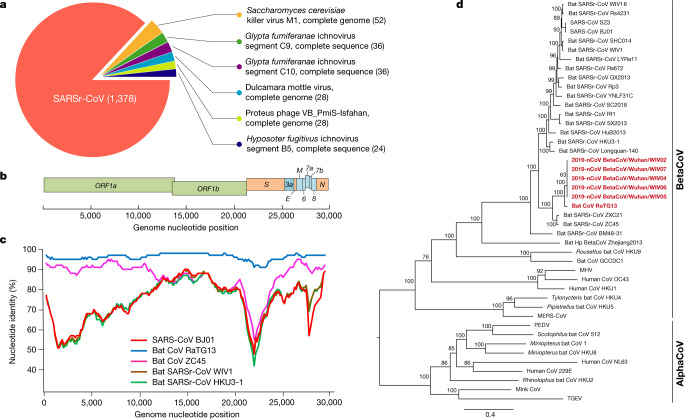
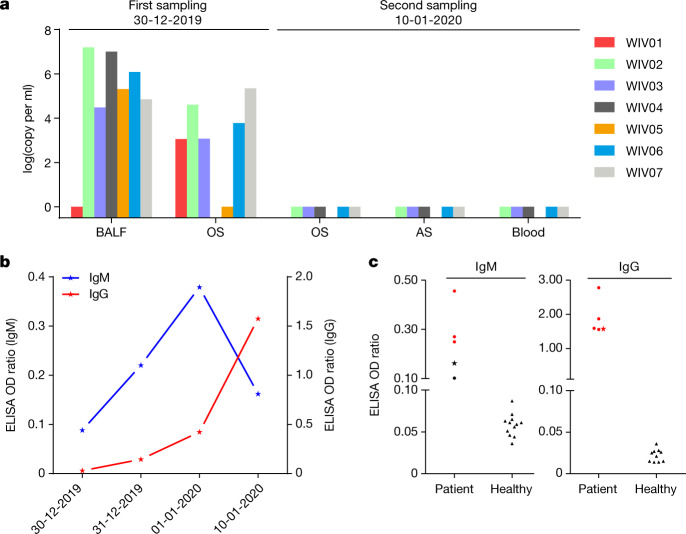
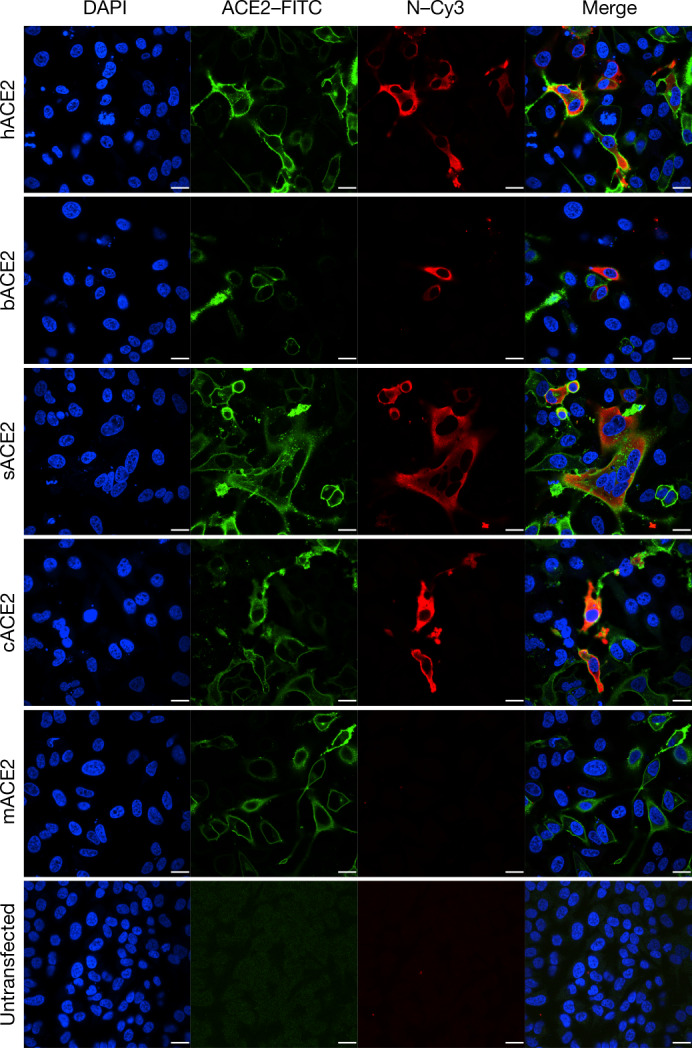
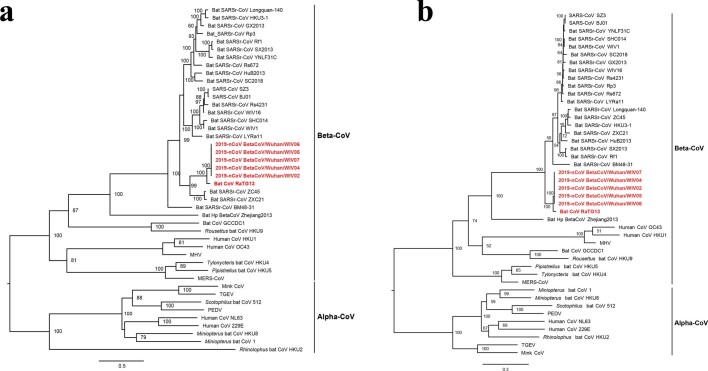
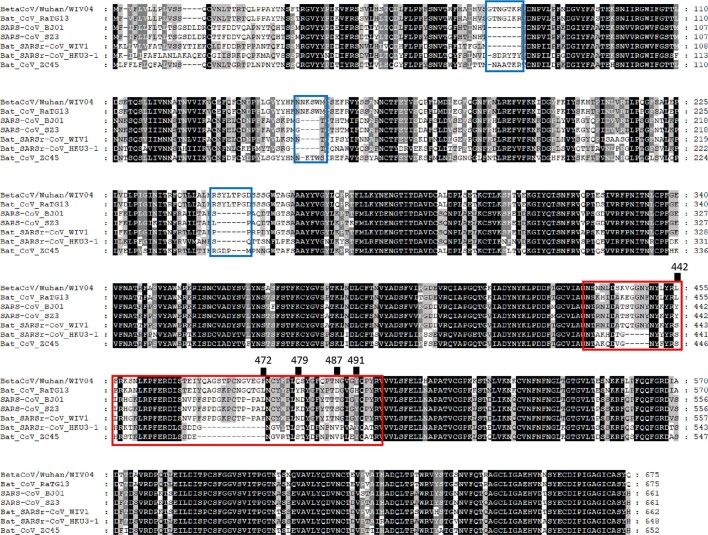
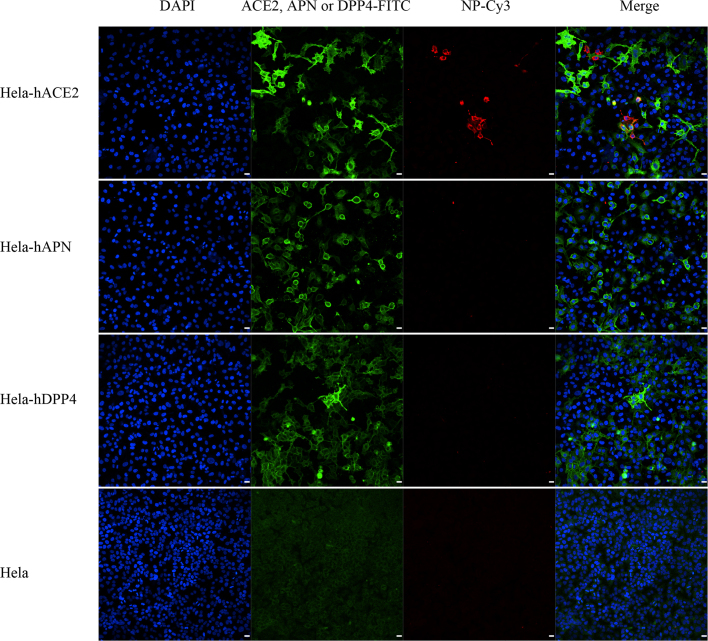
Since the outbreak of severe acute respiratory syndrome (SARS) 18 years ago, a large number of SARS-related coronaviruses (SARSr-CoVs) have been discovered in their natural reservoir host, bats 1–4 . Previous studies have shown that some bat SARSr-CoVs have the potential to infect humans 5–7 . Here we report the identification and characterization of a new coronavirus (2019-nCoV), which caused an epidemic of acute respiratory syndrome in humans in Wuhan, China. The epidemic, which started on 12 December 2019, had caused 2,794 laboratory-confirmed infections including 80 deaths by 26 January 2020. Full-length genome sequences were obtained from five patients at an early stage of the outbreak. The sequences are almost identical and share 79.6% sequence identity to SARS-CoV. Furthermore, we show that 2019-nCoV is 96% identical at the whole-genome level to a bat coronavirus. Pairwise protein sequence analysis of seven conserved non-structural proteins domains show that this virus belongs to the species of . In addition, 2019-nCoV virus isolated from the bronchoalveolar lavage fluid of a critically ill patient could be neutralized by sera from several patients. Notably, we confirmed that 2019-nCoV uses the same cell entry receptor—angiotensin converting enzyme II (ACE2)—as SARS-CoV.
Overview
The claims and statistics of this paper haven’t been checked yet.
Free: it reads the open-access text and checks the first 5 claims that cite a source we can check. Create a free account to check every claim.
Integrity signals
Registry
Cites
Statistics
Figures
Verification
Claims the paper makes
The claims and statistics of this paper haven’t been checked yet.
Free: it reads the open-access text and checks the first 5 claims that cite a source we can check. Create a free account to check every claim.
Claims other papers make about this one
Each is checked against this paper’s own text: does it say what the citing paper says it does?
The source backs part of the claim, not all of it — or backs it for a different population, condition or comparison.
In the citing paper
“SARS-CoV-2 is an enveloped, single-stranded positive-sense RNA virus with the highest, i.e. 96% of genome identity with horseshoe bat virus RaTG13 Rhinolophus affinis [3].”
From Waves and variants of SARS-CoV-2: understanding the causes and effect of the COVID-19 catastrophe (2022) · cites this paper as [3]
Experimental — accuracy not yet measuredThe source backs part of the claim, not all of it — or backs it for a different population, condition or comparison.
In the citing paper
“The disease is estimated to have originated from a seafood market in Wuhan where wild animals were traded such as marmots, bats, snakes and birds (Zhou et al., 2020).”
From How energy innovation in indoor vertical farming can improve food security, sustainability, and food safety? (2020) · cites this paper as Zhou et al., 2020
Experimental — accuracy not yet measuredThe source backs part of the claim, not all of it — or backs it for a different population, condition or comparison.
In the citing paper
“Genome sequencing demonstrated that SARS-CoV-2 shares 79.5% sequence identity with SARS-CoV (Zhou et al., 2020)”
From Oral Microbiome and SARS-CoV-2: Beware of Lung Co-infection (2020) · cites this paper as Zhou et al., 2020
Experimental — accuracy not yet measuredThe source backs part of the claim, not all of it — or backs it for a different population, condition or comparison.
In the citing paper
“This interaction requires cleavage of the S protein, likely by the cell surface protease TMPRSS2, although other proteases (such as Cathepsin B and L, CTSB/CTSL) may also be involved (4-6, 22-25).”
From Non-neuronal expression of SARS-CoV-2 entry genes in the olfactory system suggests mechanisms underlying COVID-19-associated anosmia (2020) · cites this paper as [4]
Experimental — accuracy not yet measuredThe source backs part of the claim, not all of it — or backs it for a different population, condition or comparison.
In the citing paper
“Bats (Chiroptera), representing ~22% of all mammalian species, are natural reservoirs for a wide range of zoonotic viruses, including coronaviruses, rhabdoviruses, and paramyxoviruses ( 1 – 3 ).”
From Ecological vaccination: A strategy to prevent zoonotic spillover from bats (2026) · cites this paper as [1]
Experimental — accuracy not yet measured
8 more claims about this paper
Create a free account to see every claim other papers make about this one.
Self-check
Percentages, sums and reported differences re-computed from the paper’s own numbers.
The self-check needs the paper’s full text.
Citations
Cites
Coronaviridae Study Group of the International Committee on Taxonomy of Viruses, Gorbalenya, A. E., Baker, S. C., Baric, R. S., de Groot, R. J., Drosten, C., Gulyaeva, A. A., Haagmans, B. L., Lauber, C., Leontovich, A. M., et al. (2020) · Nature Microbiology · doi:10.1038/s41564-020-0695-z · Cited by 8,403
Angiotensin-converting enzyme 2 is a functional receptor for the SARS coronavirus
Li, W., Moore, M. J., Vasilieva, N., Sui, J., Wong, S. K., Berne, M. A., Somasundaran, M., Sullivan, J. L., Luzuriaga, K., Greenough, T. C., et al. (2003) · Nature · doi:10.1038/nature02145 · Cited by 5,923
Isolation of a Novel Coronavirus from a Man with Pneumonia in Saudi Arabia
Zaki, A. M., van Boheemen, S., Bestebroer, T. M., Osterhaus, A. D. M. E., & Fouchier, R. A. M. (2012) · New England Journal of Medicine · doi:10.1056/nejmoa1211721 · Cited by 5,735
Origin and evolution of pathogenic coronaviruses
Cui, J., Li, F., & Shi, Z.-L. (2019) · Nature Reviews Microbiology · doi:10.1038/s41579-018-0118-9 · Cited by 5,515
Self-citationIdentification of a novel coronavirus in patients with severe acute respiratory syndrome
Drosten, C., Günther, S., Preiser, W., van der Werf, S., Brodt, H.-R., Becker, S., Rabenau, H., Panning, M., Kolesnikova, L., Fouchier, R. A. M., et al. (2003) · New England Journal of Medicine · doi:10.1056/nejmoa030747 · Cited by 4,574
Bats Are Natural Reservoirs of SARS-Like Coronaviruses
Li, W., Shi, Z., Yu, M., Ren, W., Smith, C., Epstein, J. H., Wang, H., Crameri, G., Hu, Z., Zhang, H., et al. (2005) · Science · doi:10.1126/science.1118391 · Cited by 2,560
Self-citationIsolation and characterization of a bat SARS-like coronavirus that uses the ACE2 receptor
Ge, X.-Y., Li, J.-L., Yang, X.-L., Chmura, A. A., Zhu, G., Epstein, J. H., Mazet, J. K., Hu, B., Zhang, W., Peng, C., et al. (2013) · Nature · doi:10.1038/nature12711 · Cited by 1,778
Self-citationGorbalenya, A. E., Baker, S. C., Baric, R. S., et al. (2020) · bioRxiv (Cold Spring Harbor Laboratory) · doi:10.1101/2020.02.07.937862 · Cited by 1,408
Al-Hanawi, M. K., Angawi, K., Alshareef, N., Qattan, A. M. N., Helmy, H. Z., Abudawood, Y., Alqurashi, M., Kattan, W. M., Kadasah, N. A., Chirwa, G. C., et al. (2020) · Frontiers in Public Health · doi:10.3389/fpubh.2020.00217 · Cited by 967
Hu, B., Zeng, L.-P., Yang, X.-L., Ge, X.-Y., Zhang, W., Li, B., Xie, J.-Z., Shen, X.-R., Zhang, Y.-Z., Wang, N., et al. (2017) · PLOS Pathogens · doi:10.1371/journal.ppat.1006698 · Cited by 950
Self-citation
Cited by
Items 101–200 of 1,208
COVID‐19 patients' clinical characteristics, discharge rate, and fatality rate of meta‐analysis
Li, L., Huang, T., Wang, Y., Wang, Z., Liang, Y., Huang, T., Zhang, H., Sun, W., & Wang, Y. (2020) · Journal of Medical Virology · doi:10.1002/jmv.25757 · Cited by 1,487
Self-citationA highly conserved cryptic epitope in the receptor binding domains of SARS-CoV-2 and SARS-CoV
Yuan, M., Wu, N. C., Zhu, X., Lee, C.-C. D., So, R. T. Y., Lv, H., Mok, C. K. P., & Wilson, I. A. (2020) · Science · doi:10.1126/science.abb7269 · Cited by 1,463
Severe COVID-19 Is Marked by a Dysregulated Myeloid Cell Compartment
Schulte-Schrepping, J., Reusch, N., Paclik, D., Baßler, K., Schlickeiser, S., Zhang, B., Krämer, B., Krammer, T., Brumhard, S., Bonaguro, L., et al. (2020) · Cell · doi:10.1016/j.cell.2020.08.001 · Cited by 1,461
IL-6 in inflammation, autoimmunity and cancer
Hirano, T. (2021) · International Immunology · doi:10.1093/intimm/dxaa078 · Cited by 1,453
Guzik, T. J., Mohiddin, S. A., Dimarco, A., Patel, V., Savvatis, K., Marelli-Berg, F. M., Madhur, M. S., Tomaszewski, M., Maffia, P., D’Acquisto, F., et al. (2020) · Cardiovascular Research · doi:10.1093/cvr/cvaa106 · Cited by 1,440
“9 SARS-CoV-2 has a higher affinity for binding to ACE2 than SARS-CoV, and binding involves a larger number of interaction sites.”
BackgroundDevelopment of an inactivated vaccine candidate for SARS-CoV-2
Gao, Q., Bao, L., Mao, H., Wang, L., Xu, K., Yang, M., Li, Y., Zhu, L., Wang, N., Lv, Z., et al. (2020) · Science · doi:10.1126/science.abc1932 · Cited by 1,434
Self-citationCoronavirus disease 2019 (COVID-19) pandemic and pregnancy
Dashraath, P., Wong, J. L. J., Lim, M. X. K., Lim, L. M., Li, S., Biswas, A., Choolani, M., Mattar, C., & Su, L. L. (2020) · American Journal of Obstetrics and Gynecology · doi:10.1016/j.ajog.2020.03.021 · Cited by 1,432
The SARS-CoV-2 outbreak: What we know
Wu, D., Wu, T., Liu, Q., & Yang, Z. (2020) · International Journal of Infectious Diseases · doi:10.1016/j.ijid.2020.03.004 · Cited by 1,431
“Recent research has found that the virus is 96% identical at the wholegenome level to a bat coronavirus, which means bats are the most possible host of the SARS-CoV-2 (Another Decade, 2020; Zhou et al., 2020).”
BackgroundCoronavirus disease 2019 (COVID-19): A literature review
Harapan, H., Itoh, N., Yufika, A., Winardi, W., Keam, S., Te, H., Megawati, D., Hayati, Z., Wagner, A. L., & Mudatsir, M. (2020) · Journal of Infection and Public Health · doi:10.1016/j.jiph.2020.03.019 · Cited by 1,418
“A study found that no evidence of recombination events detected in the genome of SARS-CoV-2 from other viruses originating from bats such as BatCoV RaTG13, SARS-CoV and SARSr-CoVs [11].”
InfluentialEnhanced isolation of SARS-CoV-2 by TMPRSS2-expressing cells
Matsuyama, S., Nao, N., Shirato, K., Kawase, M., Saito, S., Takayama, I., Nagata, N., Sekizuka, T., Katoh, H., Kato, F., et al. (2020) · Proceedings of the National Academy of Sciences · doi:10.1073/pnas.2002589117 · Cited by 1,411
“9% homology (1, 2) (GISAID database ID EPI_ISL_408667).”
BackgroundResultInfluentialReview of the Clinical Characteristics of Coronavirus Disease 2019 (COVID-19)
Jiang, F., Deng, L., Zhang, L., Cai, Y., Cheung, C. W., & Xia, Z. (2020) · Journal of General Internal Medicine · doi:10.1007/s11606-020-05762-w · Cited by 1,410
Self-citationCOVID-19 and cardiovascular disease: from basic mechanisms to clinical perspectives
Nishiga, M., Wang, D. W., Han, Y., Lewis, D. B., & Wu, J. C. (2020) · Nature Reviews Cardiology · doi:10.1038/s41569-020-0413-9 · Cited by 1,409
Probable Pangolin Origin of SARS-CoV-2 Associated with the COVID-19 Outbreak
Zhang, T., Wu, Q., & Zhang, Z. (2020) · Current Biology · doi:10.1016/j.cub.2020.03.022 · Cited by 1,397
“Similar to the case for SARS-CoV and MERS-CoV [2], the bat is still a probable species of origin for 2019 novel coronavirus (SARS-CoV-2) because SARS-CoV-2 shares 96% wholegenome identity with a bat CoV, BatCoV RaTG13, from Rhinolophus affinis from Yunnan Province [3].”
InfluentialYang, Z., Zeng, Z., Wang, K., Wong, S.-S., Liang, W., Zanin, M., Liu, P., Cao, X., Gao, Z., Mai, Z., et al. (2020) · Journal of Thoracic Disease · doi:10.21037/jtd.2020.02.64 · Cited by 1,396
“64 Introduction In December 2019 an outbreak of atypical pneumonia [coronavirus disease 2019 (COVID-19)] occurred in Wuhan, the capital of Hubei Province in mainland China, that was attributed to a novel coronavirus of zoonotic origin [severe acute respiratory syndrome coronavirus 2 (SARSCoV-2)] (1,2).”
BackgroundSelf-citationSARS-CoV-2 spike-protein D614G mutation increases virion spike density and infectivity
Zhang, L., Jackson, C. B., Mou, H., Ojha, A., Peng, H., Quinlan, B. D., Rangarajan, E. S., Pan, A., Vanderheiden, A., Suthar, M. S., et al. (2020) · Nature Communications · doi:10.1038/s41467-020-19808-4 · Cited by 1,387
A neutralizing human antibody binds to the N-terminal domain of the Spike protein of SARS-CoV-2
Chi, X., Yan, R., Zhang, J., Zhang, G., Zhang, Y., Hao, M., Zhang, Z., Fan, P., Dong, Y., Yang, Y., et al. (2020) · Science · doi:10.1126/science.abc6952 · Cited by 1,385
Pathogenesis and transmission of SARS-CoV-2 in golden hamsters
Sia, S. F., Yan, L.-M., Chin, A. W. H., Fung, K., Choy, K.-T., Wong, A. Y. L., Kaewpreedee, P., Perera, R. A. P. M., Poon, L. L. M., Nicholls, J. M., et al. (2020) · Nature · doi:10.1038/s41586-020-2342-5 · Cited by 1,358
Potent neutralizing antibodies against multiple epitopes on SARS-CoV-2 spike
Liu, L., Wang, P., Nair, M. S., Yu, J., Rapp, M., Wang, Q., Luo, Y., Chan, J. F.-W., Sahi, V., Figueroa, A., et al. (2020) · Nature · doi:10.1038/s41586-020-2571-7 · Cited by 1,349
Self-citationReturn of the Coronavirus: 2019-nCoV
Gralinski, L. E., & Menachery, V. D. (2020) · Viruses · doi:10.3390/v12020135 · Cited by 1,348
Xia, S., Liu, M., Wang, C., Xu, W., Lan, Q., Feng, S., Qi, F., Bao, L., Du, L., Liu, S., et al. (2020) · Cell Research · doi:10.1038/s41422-020-0305-x · Cited by 1,343
Self-citationStructure-based design of prefusion-stabilized SARS-CoV-2 spikes
Hsieh, C.-L., Goldsmith, J. A., Schaub, J. M., DiVenere, A. M., Kuo, H.-C., Javanmardi, K., Le, K. C., Wrapp, D., Lee, A. G., Liu, Y., et al. (2020) · Science · doi:10.1126/science.abd0826 · Cited by 1,303
Pathogenic T-cells and inflammatory monocytes incite inflammatory storms in severe COVID-19 patients
Zhou, Y., Fu, B., Zheng, X., Wang, D., Zhao, C., Qi, Y., Sun, R., Tian, Z., Xu, X., & Wei, H. (2020) · National Science Review · doi:10.1093/nsr/nwaa041 · Cited by 1,295
Self-citationA human neutralizing antibody targets the receptor-binding site of SARS-CoV-2
Shi, R., Shan, C., Duan, X., Chen, Z., Liu, P., Song, J., Song, T., Bi, X., Han, C., Wu, L., et al. (2020) · Nature · doi:10.1038/s41586-020-2381-y · Cited by 1,286
Seasonality of Respiratory Viral Infections
Moriyama, M., Hugentobler, W. J., & Iwasaki, A. (2020) · Annual Review of Virology · doi:10.1146/annurev-virology-012420-022445 · Cited by 1,266
Effect of Hydroxychloroquine in Hospitalized Patients with Covid-19
The RECOVERY Collaborative Group (2020) · New England Journal of Medicine · doi:10.1056/nejmoa2022926 · Cited by 1,265
Tian, X., Li, C., Huang, A., Xia, S., Lu, S., Shi, Z., Lu, L., Jiang, S., Yang, Z., Wu, Y., et al. (2020) · Emerging Microbes & Infections · doi:10.1080/22221751.2020.1729069 · Cited by 1,252
Self-citationSpread of SARS-CoV-2 in the Icelandic population
Gudbjartsson, D. F., Helgason, A., Jonsson, H., Magnusson, O. T., Melsted, P., Norddahl, G. L., Saemundsdottir, J., Sigurdsson, A., Sulem, P., Agustsdottir, A. B., et al. (2020) · New England Journal of Medicine · doi:10.1056/nejmoa2006100 · Cited by 1,248
Laboratory Diagnosis of COVID-19: Current Issues and Challenges
Tang, Y.-W., Schmitz, J. E., Persing, D. H., & Stratton, C. W. (2020) · Journal of Clinical Microbiology · doi:10.1128/jcm.00512-20 · Cited by 1,232
Distinct conformational states of SARS-CoV-2 spike protein
Cai, Y., Zhang, J., Xiao, T., Peng, H., Sterling, S. M., Walsh, R. M., Rawson, S., Rits-Volloch, S., & Chen, B. (2020) · Science · doi:10.1126/science.abd4251 · Cited by 1,221
Structural basis for inhibition of the RNA-dependent RNA polymerase from SARS-CoV-2 by remdesivir
Yin, W., Mao, C., Luan, X., Shen, D.-D., Shen, Q., Su, H., Wang, X., Zhou, F., Zhao, W., Gao, M., et al. (2020) · Science · doi:10.1126/science.abc1560 · Cited by 1,219
Self-citationMyocarditis and inflammatory cardiomyopathy: current evidence and future directions
Tschöpe, C., Ammirati, E., Bozkurt, B., Caforio, A. L. P., Cooper, L. T., Felix, S. B., Hare, J. M., Heidecker, B., Heymans, S., Hübner, N., et al. (2021) · Nature Reviews Cardiology · doi:10.1038/s41569-020-00435-x · Cited by 1,217
Tan, C. W., Chia, W. N., Qin, X., Liu, P., Chen, M. I.-C., Tiu, C., Hu, Z., Chen, V. C.-W., Young, B. E., Sia, W. R., et al. (2020) · Nature Biotechnology · doi:10.1038/s41587-020-0631-z · Cited by 1,202
Brann, D. H., Tsukahara, T., Weinreb, C., Lipovsek, M., Van den Berge, K., Gong, B., Chance, R., Macaulay, I. C., Chou, H.-J., Fletcher, R. B., et al. (2020) · Science Advances · doi:10.1126/sciadv.abc5801 · Cited by 1,198
Review of the 2019 novel coronavirus (SARS-CoV-2) based on current evidence
Wang, L., Wang, Y., Ye, D., & Liu, Q. (2020) · International Journal of Antimicrobial Agents · doi:10.1016/j.ijantimicag.2020.105948 · Cited by 1,193
“[21] Zhou P , Yang XL , Wang XG , Hu B , Zhang L , Zhang W , et al.”
Self-citationCao, Y., Su, B., Guo, X., Sun, W., Deng, Y., Bao, L., Zhu, Q., Zhang, X., Zheng, Y., Geng, C., et al. (2020) · Cell · doi:10.1016/j.cell.2020.05.025 · Cited by 1,188
Self-citationMechanisms of SARS-CoV-2 Transmission and Pathogenesis
Harrison, A. G., Lin, T., & Wang, P. (2020) · Trends in Immunology · doi:10.1016/j.it.2020.10.004 · Cited by 1,186
SARS-CoV-2 and viral sepsis: observations and hypotheses
Li, H., Liu, L., Zhang, D., Xu, J., Dai, H., Tang, N., Su, X., & Cao, B. (2020) · The Lancet · doi:10.1016/s0140-6736(20)30920-x · Cited by 1,178
Self-citationPapain-like protease regulates SARS-CoV-2 viral spread and innate immunity
Shin, D., Mukherjee, R., Grewe, D., Bojkova, D., Baek, K., Bhattacharya, A., Schulz, L., Widera, M., Mehdipour, A. R., Tascher, G., et al. (2020) · Nature · doi:10.1038/s41586-020-2601-5 · Cited by 1,177
“The SARS-CoV-2 genome shares high sequence identity with SARS-CoV 7,8 .”
Role of angiotensin-converting enzyme 2 (ACE2) in COVID-19
Ni, W., Yang, X., Yang, D., Bao, J., Li, R., Xiao, Y., Hou, C., Wang, H., Liu, J., Yang, D., et al. (2020) · Critical Care · doi:10.1186/s13054-020-03120-0 · Cited by 1,175
“that ACE2 is the cell receptor for SARS-CoV-2 [3].”
BackgroundInfluentialSelf-citationChen, L., Li, X., Chen, M., Feng, Y., & Xiong, C. (2020) · Cardiovascular Research · doi:10.1093/cvr/cvaa078 · Cited by 1,163
“Clinical characteristics of coronavirus disease 2019 in China.”
BackgroundMethodInfluentialCoronavirus disease 2019 (COVID-19): current status and future perspectives
Li, H., Liu, S.-M., Yu, X.-H., Tang, S.-L., & Tang, C.-K. (2020) · International Journal of Antimicrobial Agents · doi:10.1016/j.ijantimicag.2020.105951 · Cited by 1,156
Structures and distributions of SARS-CoV-2 spike proteins on intact virions
Ke, Z., Oton, J., Qu, K., Cortese, M., Zila, V., McKeane, L., Nakane, T., Zivanov, J., Neufeldt, C. J., Cerikan, B., et al. (2020) · Nature · doi:10.1038/s41586-020-2665-2 · Cited by 1,149
SARS-CoV-2 501Y.V2 escapes neutralization by South African COVID-19 donor plasma
Wibmer, C. K., Ayres, F., Hermanus, T., Madzivhandila, M., Kgagudi, P., Oosthuysen, B., Lambson, B. E., de Oliveira, T., Vermeulen, M., van der Berg, K., et al. (2021) · Nature Medicine · doi:10.1038/s41591-021-01285-x · Cited by 1,147
“Severe acute respiratory syndrome coronavirus 2 (SARS-CoV-2), the virus that causes coronavirus disease 2019 (COVID-19), has resulted in substantial morbidity and mortality worldwide 1,2 .”
Leng, Z., Zhu, R., Hou, W., Feng, Y., Yang, Y., Han, Q., Shan, G., Meng, F., Du, D., Wang, S., et al. (2020) · Aging and disease · doi:10.14336/ad.2020.0228 · Cited by 1,147
“Several reports demonstrated that the first step of the HCoV-19 pathogenesis is that the virus specifically recognizes the angiotensin I converting enzyme 2 receptor (ACE2) by its spike protein [2-4].”
Self-citationXu, S., Ilyas, I., Little, P. J., Li, H., Kamato, D., Zheng, X., Luo, S., Li, Z., Liu, P., Han, J., et al. (2021) · Pharmacological Reviews · doi:10.1124/pharmrev.120.000096 · Cited by 1,142
Self-citationA human monoclonal antibody blocking SARS-CoV-2 infection
Wang, C., Li, W., Drabek, D., Okba, N. M. A., van Haperen, R., Osterhaus, A. D. M. E., van Kuppeveld, F. J. M., Haagmans, B. L., Grosveld, F., & Bosch, B.-J. (2020) · Nature Communications · doi:10.1038/s41467-020-16256-y · Cited by 1,132
Why does COVID-19 disproportionately affect older people?
Mueller, A. L., McNamara, M. S., & Sinclair, D. A. (2020) · Aging · doi:10.18632/aging.103344 · Cited by 1,128
SARS-CoV-2 infection: The role of cytokines in COVID-19 disease
Costela-Ruiz, V. J., Illescas-Montes, R., Puerta-Puerta, J. M., Ruiz, C., & Melguizo-Rodríguez, L. (2020) · Cytokine & Growth Factor Reviews · doi:10.1016/j.cytogfr.2020.06.001 · Cited by 1,121
SARS-CoV-2 Vaccines: Status Report
Amanat, F., & Krammer, F. (2020) · Immunity · doi:10.1016/j.immuni.2020.03.007 · Cited by 1,120
“recombinant influenza virus vaccine (Zhou et al., 2006), is also months – if not years – away from being ready to be used in the human population.”
Immune response to SARS‐CoV‐2 and mechanisms of immunopathological changes in COVID‐19
Azkur, A. K., Akdis, M., Azkur, D., Sokolowska, M., van de Veen, W., Brüggen, M., O’Mahony, L., Gao, Y., Nadeau, K., & Akdis, C. A. (2020) · Allergy · doi:10.1111/all.14364 · Cited by 1,119
Transmission of SARS-CoV-2 on mink farms between humans and mink and back to humans
Oude Munnink, B. B., Sikkema, R. S., Nieuwenhuijse, D. F., Molenaar, R. J., Munger, E., Molenkamp, R., van der Spek, A., Tolsma, P., Rietveld, A., Brouwer, M., et al. (2021) · Science · doi:10.1126/science.abe5901 · Cited by 1,117
Ahmed, S. F., Quadeer, A. A., & McKay, M. R. (2020) · Viruses · doi:10.3390/v12030254 · Cited by 1,116
Understanding of COVID‐19 based on current evidence
Sun, P., Lu, X., Xu, C., Sun, W., & Pan, B. (2020) · Journal of Medical Virology · doi:10.1002/jmv.25722 · Cited by 1,107
Lukassen, S., Chua, R. L., Trefzer, T., Kahn, N. C., Schneider, M. A., Muley, T., Winter, H., Meister, M., Veith, C., Boots, A. W., et al. (2020) · The EMBO Journal · doi:10.15252/embj.20105114 · Cited by 1,100
Devaux, C. A., Rolain, J.-M., Colson, P., & Raoult, D. (2020) · International Journal of Antimicrobial Agents · doi:10.1016/j.ijantimicag.2020.105938 · Cited by 1,099
Cytokine Storm in COVID-19: The Current Evidence and Treatment Strategies
Tang, Y., Liu, J., Zhang, D., Xu, Z., Ji, J., & Wen, C. (2020) · Frontiers in Immunology · doi:10.3389/fimmu.2020.01708 · Cited by 1,094
“SARS-CoV and SARS-CoV-2 infect cells using the same receptor: angiotensin-converting enzyme-2 (33).”
BackgroundSuppression of a SARS-CoV-2 outbreak in the Italian municipality of Vo’
Lavezzo, E., Franchin, E., Ciavarella, C., Cuomo-Dannenburg, G., Barzon, L., Del Vecchio, C., Rossi, L., Manganelli, R., Loregian, A., Navarin, N., et al. (2020) · Nature · doi:10.1038/s41586-020-2488-1 · Cited by 1,087
Self-citationBourgonje, A. R., Abdulle, A. E., Timens, W., Hillebrands, J., Navis, G. J., Gordijn, S. J., Bolling, M. C., Dijkstra, G., Voors, A. A., Osterhaus, A. D., et al. (2020) · The Journal of Pathology · doi:10.1002/path.5471 · Cited by 1,081
Xiong, Y., Liu, Y., Cao, L., Wang, D., Guo, M., Jiang, A., Guo, D., Hu, W., Yang, J., Tang, Z., et al. (2020) · Emerging Microbes & Infections · doi:10.1080/22221751.2020.1747363 · Cited by 1,076
“A novel highly infectious coronavirus, officially called the severe acute respiratory syndrome coronavirus 2 (SARS-CoV-2), was subsequently identified as the causative pathogen of this outbreak by deep sequencing and etiological investigations [1] [2] [3] .”
BackgroundRenin–Angiotensin–Aldosterone System Blockers and the Risk of Covid-19
Mancia, G., Rea, F., Ludergnani, M., Apolone, G., & Corrao, G. (2020) · New England Journal of Medicine · doi:10.1056/nejmoa2006923 · Cited by 1,073
Evolutionary origins of the SARS-CoV-2 sarbecovirus lineage responsible for the COVID-19 pandemic
Boni, M. F., Lemey, P., Jiang, X., Lam, T. T.-Y., Perry, B. W., Castoe, T. A., Rambaut, A., & Robertson, D. L. (2020) · Nature Microbiology · doi:10.1038/s41564-020-0771-4 · Cited by 1,014
“…thought to be instrumental to SARS-CoV-2’s ability to infect humans – a polybasic cleavage site insertion in the Spike protein – has been seen in another close bat relative of the SARS-CoV-2 virus (Zhou et al., 2020a); however, the sequence is different and it is likely an independent event.”
BackgroundInfluentialSheahan, T. P., Sims, A. C., Zhou, S., Graham, R. L., Pruijssers, A. J., Agostini, M. L., Leist, S. R., Schäfer, A., Dinnon, K. H., Stevens, L. J., et al. (2020) · Science Translational Medicine · doi:10.1126/scitranslmed.abb5883 · Cited by 1,071
The deadly coronaviruses: The 2003 SARS pandemic and the 2020 novel coronavirus epidemic in China
Yang, Y., Peng, F., Wang, R., Guan, K., Jiang, T., Xu, G., Sun, J., & Chang, C. (2020) · Journal of Autoimmunity · doi:10.1016/j.jaut.2020.102434 · Cited by 1,068
Detection of SARS-CoV-2-Specific Humoral and Cellular Immunity in COVID-19 Convalescent Individuals
Ni, L., Ye, F., Cheng, M.-L., Feng, Y., Deng, Y.-Q., Zhao, H., Wei, P., Ge, J., Gou, M., Li, X., et al. (2020) · Immunity · doi:10.1016/j.immuni.2020.04.023 · Cited by 1,063
Self-citationAnother Decade, Another Coronavirus
Perlman, S. (2020) · New England Journal of Medicine · doi:10.1056/nejme2001126 · Cited by 1,062
Chan, J. F.-W., Zhang, A. J., Yuan, S., Poon, V. K.-M., Chan, C. C.-S., Lee, A. C.-Y., Chan, W.-M., Fan, Z., Tsoi, H.-W., Wen, L., et al. (2020) · Clinical Infectious Diseases · doi:10.1093/cid/ciaa325 · Cited by 1,058
“The external subdomain of the spike glycoprotein RBD of SARS-CoV-2 shares only 40% amino acid identity with SARS-CoV, but this new virus still utilizes ACE2 as the cell entry receptor which are abundantly found in epithelial linings of human and animals.(3,30) Our molecular docking and computation showed that the RBD…”
BackgroundSelf-citationMolecular Architecture of the SARS-CoV-2 Virus
Yao, H., Song, Y., Chen, Y., Wu, N., Xu, J., Sun, C., Zhang, J., Weng, T., Zhang, Z., Wu, Z., et al. (2020) · Cell · doi:10.1016/j.cell.2020.09.018 · Cited by 1,060
“The causative pathogen, severe acute respiratory syndrome coronavirus 2 (SARS-CoV-2) is a novel b-coronavirus (Lu et al., 2020; Wu et al., 2020; Zhou et al., 2020).”
Potently neutralizing and protective human antibodies against SARS-CoV-2
Zost, S. J., Gilchuk, P., Case, J. B., Binshtein, E., Chen, R. E., Nkolola, J. P., Schäfer, A., Reidy, J. X., Trivette, A., Nargi, R. S., et al. (2020) · Nature · doi:10.1038/s41586-020-2548-6 · Cited by 1,041
Chua, R. L., Lukassen, S., Trump, S., Hennig, B. P., Wendisch, D., Pott, F., Debnath, O., Thürmann, L., Kurth, F., Völker, M. T., et al. (2020) · Nature Biotechnology · doi:10.1038/s41587-020-0602-4 · Cited by 1,035
N-terminal domain antigenic mapping reveals a site of vulnerability for SARS-CoV-2
McCallum, M., De Marco, A., Lempp, F. A., Tortorici, M. A., Pinto, D., Walls, A. C., Beltramello, M., Chen, A., Liu, Z., Zatta, F., et al. (2021) · Cell · doi:10.1016/j.cell.2021.03.028 · Cited by 901
“The emergence of severe acute respiratory syndrome coronavirus 2 (SARS-CoV-2) at the end of 2019 resulted in the ongoing coronavirus disease 2019 (COVID-19) pandemic, bringing the world to a standstill (Zhou et al., 2020; Zhu et al., 2020).”
Structural basis of SARS-CoV-2 3CLpro and anti-COVID-19 drug discovery from medicinal plants
Tahir ul Qamar, M., Alqahtani, S. M., Alamri, M. A., & Chen, L.-L. (2020) · Journal of Pharmaceutical Analysis · doi:10.1016/j.jpha.2020.03.009 · Cited by 1,032
Structural and Functional Analysis of the D614G SARS-CoV-2 Spike Protein Variant
Yurkovetskiy, L., Wang, X., Pascal, K. E., Tomkins-Tinch, C., Nyalile, T. P., Wang, Y., Baum, A., Diehl, W. E., Dauphin, A., Carbone, C., et al. (2020) · Cell · doi:10.1016/j.cell.2020.09.032 · Cited by 1,025
Self-citationSARS-CoV-2: an Emerging Coronavirus that Causes a Global Threat
Zheng, J. (2020) · International Journal of Biological Sciences · doi:10.7150/ijbs.45053 · Cited by 1,025
“2% overall genome sequence identity throughout the genome to BatCoV RaTG13, a bat coronavirus detected in Rhinolophus affinis from Yunnan province [14].”
BackgroundResultInfluentialRandhawa, G. S., Soltysiak, M. P. M., El Roz, H., de Souza, C. P. E., Hill, K. A., & Kari, L. (2020) · PLOS ONE · doi:10.1371/journal.pone.0232391 · Cited by 1,023
“Still, the early COVID-19 virus genomes that have been sequenced and uploaded are over 99% similar, suggesting these infections result from a recent cross-species event [12, 31, 40].”
BackgroundSyrian hamsters as a small animal model for SARS-CoV-2 infection and countermeasure development
Imai, M., Iwatsuki-Horimoto, K., Hatta, M., Loeber, S., Halfmann, P. J., Nakajima, N., Watanabe, T., Ujie, M., Takahashi, K., Ito, M., et al. (2020) · Proceedings of the National Academy of Sciences · doi:10.1073/pnas.2009799117 · Cited by 1,021
Phylogenetic network analysis of SARS-CoV-2 genomes
Forster, P., Forster, L., Renfrew, C., & Forster, M. (2020) · Proceedings of the National Academy of Sciences · doi:10.1073/pnas.2004999117 · Cited by 1,020
Reduced Rate of Hospital Admissions for ACS during Covid-19 Outbreak in Northern Italy
De Filippo, O., D’Ascenzo, F., Angelini, F., Bocchino, P. P., Conrotto, F., Saglietto, A., Secco, G. G., Campo, G., Gallone, G., Verardi, R., et al. (2020) · New England Journal of Medicine · doi:10.1056/nejmc2009166 · Cited by 1,020
The Global Phosphorylation Landscape of SARS-CoV-2 Infection
Bouhaddou, M., Memon, D., Meyer, B., White, K. M., Rezelj, V. V., Correa Marrero, M., Polacco, B. J., Melnyk, J. E., Ulferts, S., Kaake, R. M., et al. (2020) · Cell · doi:10.1016/j.cell.2020.06.034 · Cited by 1,020
Greaney, A. J., Starr, T. N., Gilchuk, P., Zost, S. J., Binshtein, E., Loes, A. N., Hilton, S. K., Huddleston, J., Eguia, R., Crawford, K. H. D., et al. (2021) · Cell Host & Microbe · doi:10.1016/j.chom.2020.11.007 · Cited by 1,016
COVID-19: Transmission, prevention, and potential therapeutic opportunities
Lotfi, M., Hamblin, M. R., & Rezaei, N. (2020) · Clinica Chimica Acta · doi:10.1016/j.cca.2020.05.044 · Cited by 1,016
The epidemiology, diagnosis and treatment of COVID-19
Zhai, P., Ding, Y., Wu, X., Long, J., Zhong, Y., & Li, Y. (2020) · International Journal of Antimicrobial Agents · doi:10.1016/j.ijantimicag.2020.105955 · Cited by 1,014
Aging in COVID-19: Vulnerability, immunity and intervention
Chen, Y., Klein, S. L., Garibaldi, B. T., Li, H., Wu, C., Osevala, N. M., Li, T., Margolick, J. B., Pawelec, G., & Leng, S. X. (2021) · Ageing Research Reviews · doi:10.1016/j.arr.2020.101205 · Cited by 1,007
Coronavirus disease 2019: What we know?
He, F., Deng, Y., & Li, W. (2020) · Journal of Medical Virology · doi:10.1002/jmv.25766 · Cited by 1,007
Ahn, D.-G., Shin, H.-J., Kim, M.-H., Lee, S., Kim, H.-S., Myoung, J., Kim, B.-T., & Kim, S.-J. (2020) · Journal of Microbiology and Biotechnology · doi:10.4014/jmb.2003.03011 · Cited by 1,001
DNA vaccine protection against SARS-CoV-2 in rhesus macaques
Yu, J., Tostanoski, L. H., Peter, L., Mercado, N. B., McMahan, K., Mahrokhian, S. H., Nkolola, J. P., Liu, J., Li, Z., Chandrashekar, A., et al. (2020) · Science · doi:10.1126/science.abc6284 · Cited by 997
COVID-19 and comorbidities: Deleterious impact on infected patients
Ejaz, H., Alsrhani, A., Zafar, A., Javed, H., Junaid, K., Abdalla, A. E., Abosalif, K. O. A., Ahmed, Z., & Younas, S. (2020) · Journal of Infection and Public Health · doi:10.1016/j.jiph.2020.07.014 · Cited by 996
Wu, Y., Wang, F., Shen, C., Peng, W., Li, D., Zhao, C., Li, Z., Li, S., Bi, Y., Yang, Y., et al. (2020) · Science · doi:10.1126/science.abc2241 · Cited by 993
Self-citationLamers, M. M., & Haagmans, B. L. (2022) · Nature Reviews Microbiology · doi:10.1038/s41579-022-00713-0 · Cited by 983
TMPRSS2 and TMPRSS4 promote SARS-CoV-2 infection of human small intestinal enterocytes
Zang, R., Castro, M. F. G., McCune, B. T., Zeng, Q., Rothlauf, P. W., Sonnek, N. M., Liu, Z., Brulois, K. F., Wang, X., Greenberg, H. B., et al. (2020) · Science Immunology · doi:10.1126/sciimmunol.abc3582 · Cited by 982
Self-citationEnvironmental perspective of COVID-19
Saadat, S., Rawtani, D., & Hussain, C. M. (2020) · Science of The Total Environment · doi:10.1016/j.scitotenv.2020.138870 · Cited by 980
Cardiovascular complications in COVID-19
Long, B., Brady, W. J., Koyfman, A., & Gottlieb, M. (2020) · The American Journal of Emergency Medicine · doi:10.1016/j.ajem.2020.04.048 · Cited by 974
“Inhibition of ACE2 may be another factor in lung injury, as well as the cause of the systemic inflammation with cytokine release that can result in acute respiratory distress syndrome (ARDS) and multiorgan dysfunction [11] [12] [13] .”
Al-Hanawi, M. K., Angawi, K., Alshareef, N., Qattan, A. M. N., Helmy, H. Z., Abudawood, Y., Alqurashi, M., Kattan, W. M., Kadasah, N. A., Chirwa, G. C., et al. (2020) · Frontiers in Public Health · doi:10.3389/fpubh.2020.00217 · Cited by 967
“SARS-CoV-2 belongs to the larger family of ribonucleic acid (RNA) viruses, leading to infections, from the common cold, to more serious diseases, such as Middle East Respiratory Syndrome (MERS-CoV) and Severe Acute Respiratory Syndrome (SARS-CoV) (2).”
BackgroundYang, Y., Islam, M. S., Wang, J., Li, Y., & Chen, X. (2020) · International Journal of Biological Sciences · doi:10.7150/ijbs.45538 · Cited by 960
Hoffmann, M., Krüger, N., Schulz, S., Cossmann, A., Rocha, C., Kempf, A., Nehlmeier, I., Graichen, L., Moldenhauer, A.-S., Winkler, M. S., et al. (2022) · Cell · doi:10.1016/j.cell.2021.12.032 · Cited by 889
Evasion of Type I Interferon by SARS-CoV-2
Xia, H., Cao, Z., Xie, X., Zhang, X., Chen, J. Y.-C., Wang, H., Menachery, V. D., Rajsbaum, R., & Shi, P.-Y. (2020) · Cell Reports · doi:10.1016/j.celrep.2020.108234 · Cited by 957
Self-citationEastman, R. T., Roth, J. S., Brimacombe, K. R., Simeonov, A., Shen, M., Patnaik, S., & Hall, M. D. (2020) · ACS Central Science · doi:10.1021/acscentsci.0c00489 · Cited by 953
“7 This novel coronavirus, SARS-CoV-2, resulted in an outbreak of pathogenic viral pneumonia in Wuhan, Hubei Province, China, as reported to the World Health Organization (WHO) in December 2019.”
BackgroundSpecific ACE2 Expression in Cholangiocytes May Cause Liver Damage After 2019-nCoV Infection
Chai, X., Hu, L., Zhang, Y., Han, W., Lu, Z., Ke, A., Zhou, J., Shi, G., Fang, N., Fan, J., et al. (2020) · doi:10.1101/2020.02.03.931766 · Cited by 952
“Liver damage was reported in SARS-infected patients [8].”
BackgroundInfluentialCOVID-19: The first documented coronavirus pandemic in history
Liu, Y.-C., Kuo, R.-L., & Shih, S.-R. (2020) · Biomedical Journal · doi:10.1016/j.bj.2020.04.007 · Cited by 948
“%) at the whole-genome level to Bat-CoV RaTG13, which was previously detected in Rhinolophus affinis from Yunnan Province, over 1500 km from Wuhan [21].”
InfluentialA systematic review of asymptomatic infections with COVID-19
Gao, Z., Xu, Y., Sun, C., Wang, X., Guo, Y., Qiu, S., & Ma, K. (2021) · Journal of Microbiology, Immunology and Infection · doi:10.1016/j.jmii.2020.05.001 · Cited by 948
Self-citationA dynamic COVID-19 immune signature includes associations with poor prognosis
Laing, A. G., Lorenc, A., del Molino del Barrio, I., Das, A., Fish, M., Monin, L., Muñoz-Ruiz, M., McKenzie, D. R., Hayday, T. S., Francos-Quijorna, I., et al. (2020) · Nature Medicine · doi:10.1038/s41591-020-1038-6 · Cited by 946
“Because the timing, anatomical route, dose and multiplicity of infection were indeterminate, two reference time points were employed according to their appropriateness: (1) declared symptom onset, which bears an approximate relationship to time of infection;”
Method
Metadata
- Authors
- Zhou, P., Yang, X.-L., Wang, X.-G., Hu, B., Zhang, L., Zhang, W., Si, H.-R., Zhu, Y., Li, B., Huang, C.-L., Chen, H.-D., Chen, J., Luo, Y., Guo, H., Jiang, R.-D., Liu, M.-Q., Chen, Y., Shen, X.-R., Wang, X., Zheng, X.-S., Zhao, K., Chen, Q.-J., Deng, F., Liu, L.-L., Yan, B., Zhan, F.-X., Wang, Y.-Y., Xiao, G.-F., & Shi, Z.-L.
- Affiliations
- Chinese Academy of Sciences (CN)
- Jinyintan Hospital (CN)
- Hubei Provincial Center for Disease Control and Prevention (CN)
- Corresponding author
- Shi, Zheng-Li
- Venue
- Nature
- Published
- 2020-02-03
- Volume
- 579
- Issue
- 7798
- Pages
- 270-273
- ISSN
- 0028-0836 (ISSN-L)
- 1476-4687
- PMC
- PMC7095418
- OpenAlex
- W3004280078
- Cited by
- 21,969
- References
- 19
- Citations by year
- 2026: 363 · 2025: 769 · 2024: 1366 · 2023: 2080 · 2022: 3751 · 2021: 6147 · 2020: 7448
- FWCI
- 638.99
- Type
- journal article
- Language
- en
- Update notices
- addendum (2020-11-17)
- Open access
- hybrid
- doi.org
- Licence
- cc-by
- creativecommons.org/licenses/by/4.0 (tdm)
- creativecommons.org/licenses/by/4.0 (vor)
- Locations
- Nature (publishedVersion, cc-by)
- bioRxiv (Cold Spring Harbor Laboratory) (acceptedVersion)
- PubMed Central (publishedVersion, cc-by)
- PubMed (publishedVersion)
- LA Referencia (Red Federada de Repositorios Institucionales de Publicaciones Científicas) (publishedVersion, cc-by)
- Digital Commons - University of South Florida (University of South Florida) (submittedVersion)
- RePEc: Research Papers in Economics (submittedVersion)
- LA Referencia (Red Federada de Repositorios Institucionales de Publicaciones Científicas) (submittedVersion, cc-by)
- Funders
- Chinese Academy of Sciences (XDB29010101, 2019328)
- Youth Innovation Promotion Association
- Topics
- Health Sciences › Medicine › Infectious Diseases › SARS-CoV-2 and COVID-19 Research
- Life Sciences › Agricultural and Biological Sciences › Animal Science and Zoology › Animal Virus Infections Studies
- Health Sciences › Medicine › Infectious Diseases › COVID-19 Clinical Research Studies
- Keywords
- SARS-CoV-2, coronavirus outbreak, bat coronaviruses, zoonotic transmission, SARS-related coronaviruses, complete genome sequence, neutralizing antibodies, ACE2 receptor
- MeSH terms
- Betacoronavirus, Angiotensin-Converting Enzyme 2, COVID-19, SARS-CoV-2, Animals, Antibodies, Viral, Cell Line, Chlorocebus aethiops, China, Chiroptera, Disease Outbreaks, Female, Humans, Peptidyl-Dipeptidase A, Male, Phylogeny, Pneumonia, Viral, Sequence Homology, Nucleic Acid, Vero Cells, Genome, Viral, Coronavirus Infections, Severe Acute Respiratory Syndrome, Severe acute respiratory syndrome-related coronavirus
About these checks
Registry, retraction, Cites and statistics results are computed, not judged, with one exception: a printed reference that no index lists is read once by a model before it counts as a citation error. Claims are extracted by a model and kept only when their quote appears verbatim in the text; each cited source is then checked, with a model’s help, for whether it says what the claim relies on. Those verdicts can be wrong — read the claim’s quote and the cited source before relying on one.
Statistics and arithmetic are recomputed, not judged.
Confidence bands are shown only for fields calibrated on our annotated test set. None is calibrated yet, so no band is shown.
What counts as a claim ›How we measure confidence ›How we check this ›
Are you an author, or do you see a problem with this page? Request a review
Data sources
Bibliographic data: Semantic Scholar, OpenAlex, Crossref.
Contains information from the Semantic Scholar Academic Graph Datasets, made available under the ODC Attribution License (ODC-BY 1.0).
Semantic Scholar’s data is described in: Kinney, R., et al. (2023). The Semantic Scholar Open Data Platform. arXiv:2301.10140.
