

Otoplasty Surgical Techniques and Clinical Outcomes: A Practical Review
Open accessThe DOI matches its Crossref record; 105 of the 105 references it cites were found in a registry or an index; 17 of the 85 sources its claims cite were checked for support.
Abstract
Background: Otoplasty corrects auricular deformities, which affect 5%-10% of the global population and can significantly impact psychological well-being, especially in children. This review examined various otoplasty surgical techniques, clinical outcomes, complications, and emerging innovations, with a focus on prominent ear correction. Methods: A literature search was conducted in November 2024 on PubMed/MEDLINE and Web of Science using the query "otoplasty," identifying 1397 studies from 1915 to 2024. Studies were included if they detailed operative techniques, patient data (population >30), and mastoid-to-helical rim measurements. Exclusions included nonhuman studies, case reports, and incomplete data. Data extracted study characteristics, operative techniques, and complication rates. The Oxford Centre for Evidence-Based Medicine framework classified studies by evidence level. Results: Eighteen studies with 1590 patients and 3060 ears were included. The average patient age was 16.0 years, with a mean follow-up of 24.5 months. The average preoperative mastoid-to-helical rim measurement was 27.1 mm, reduced to 15.4 mm postoperatively. Suture extrusion (5.4%) was the most common complication. Meta-analysis showed a pooled recurrence rate of 2.8% and revision rate of 2.1%. Cartilage-sparing techniques, as well as 4-0 polypropylene (Prolene) and 4-0 braided polyester (Ethibond) cartilage fixation sutures, showed favorable outcomes. Conclusions: This review summarizes decades of research, highlighting effective techniques such as modified Mustardé-Furnas methods and cartilage-sparing approaches. Innovations and advancements in otoplasty, such as lasers, minimally invasive surgery, and postoperative care, demonstrate the field's evolution. Future research should focus on refining techniques and exploring animal models to improve otoplasty procedures.
Overview
CoChat Summary
TL;DR
This practical review/meta-analysis of 18 studies (1590 patients, 3060 ears) found cartilage-sparing otoplasty, especially modified Mustardé–Furnas and posterior approaches, reliably reduces ear prominence with pooled recurrence of 2.8% and revision of 2.1%. Overall complications averaged 14.4%, most commonly suture extrusion (5.4%), and no single technique was universally superior.
Key findings
- Across 18 included studies, mean preoperative mastoid-to-helical rim distance decreased from 27.1 ± 3.3 mm to 15.4 ± 2.8 mm postoperatively, a mean reduction of 11.7 ± 3.0 mm; 8 studies reported statistically significant reductions, while 10 lacked statistical analysis.
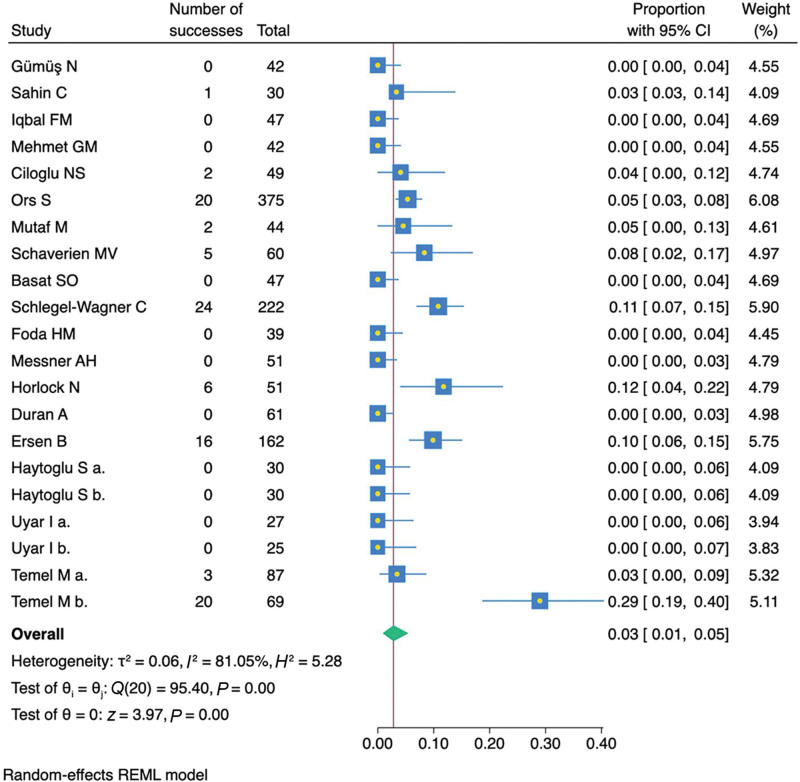
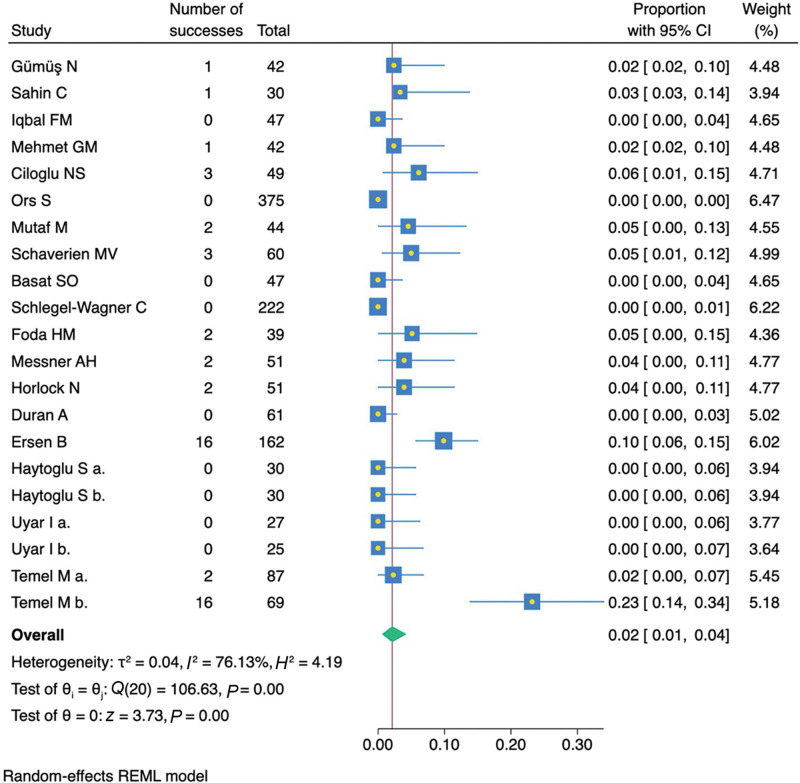
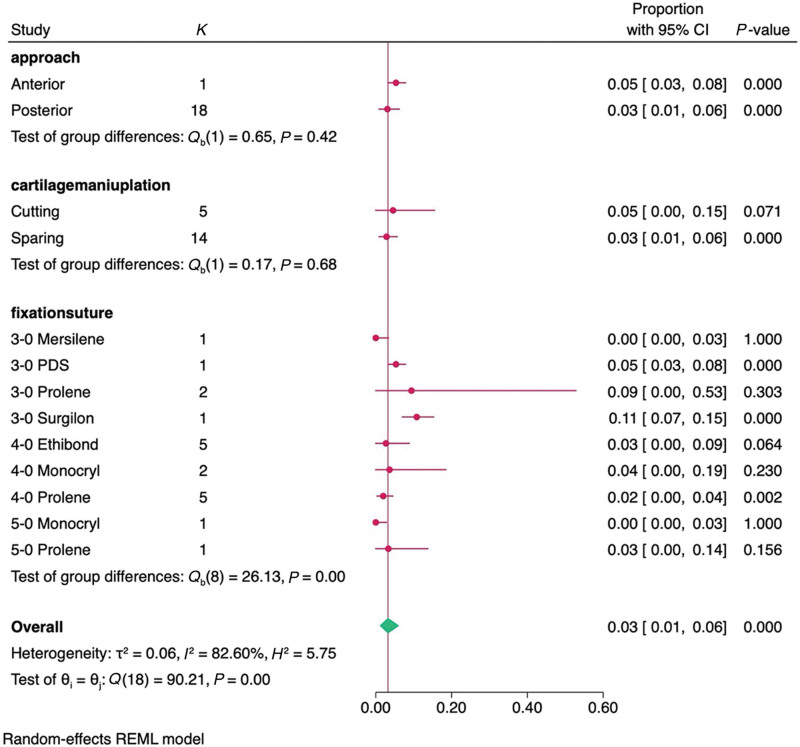
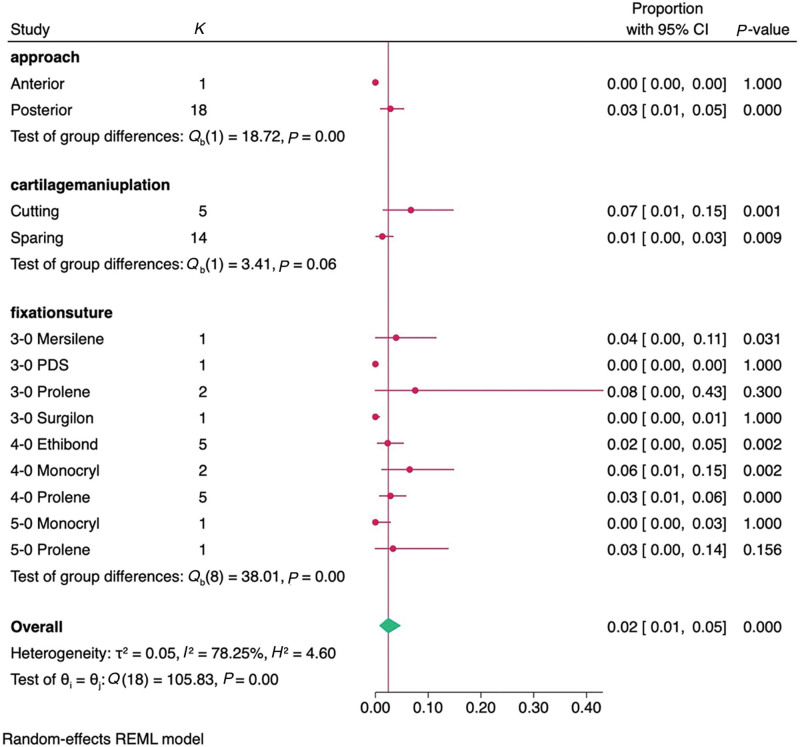
- Pooled recurrence was 2.8% (95% CI: 0.9%–5.6%) and pooled revision was 2.1% (95% CI: 0.6%–4.3%); leave-one-out sensitivity analyses confirmed stable estimates for recurrence (2.2%–3.1%) and revision (1.5%–2.5%).
- Cartilage-sparing techniques had lower recurrence (2.9%) and revision (1.3%) than cartilage-cutting techniques (recurrence 4.6%; revision 6.7%); posterior approach recurrence was 3.1% versus anterior approach 5.3%.
- Cumulative complication rate averaged 14.4%, with suture extrusion most common (5.4%), followed by infection/wound healing issues (2.6%), asymmetry (2.1%), hematoma (1.3%), and suture breakage (1.3%); severe complications occurred in <1%. Common fixation sutures were 4-0 Prolene and 4-0 Ethibond, with 4-0 Prolene showing the lowest recurrence (2.0%) and revision (2.9%) rates.
Methods
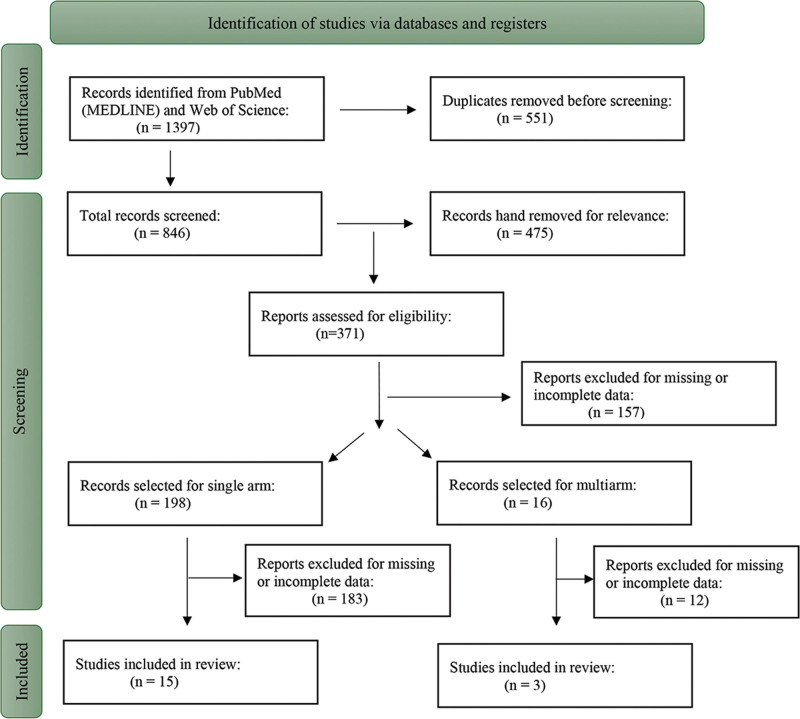
- Literature search conducted November 2024 in PubMed/MEDLINE and Web of Science using the query “otoplasty,” identifying 1397 studies from 1915 to 2024; 18 studies (1996–2023) met inclusion criteria, requiring operative technique details, patient populations >30, and mastoid-to-helical rim measurements.
- Data extracted included study characteristics, operative techniques, complication rates, recurrence, revision, fixation methods, and preoperative/postoperative measurements; studies were classified by Oxford Centre for Evidence-Based Medicine levels.
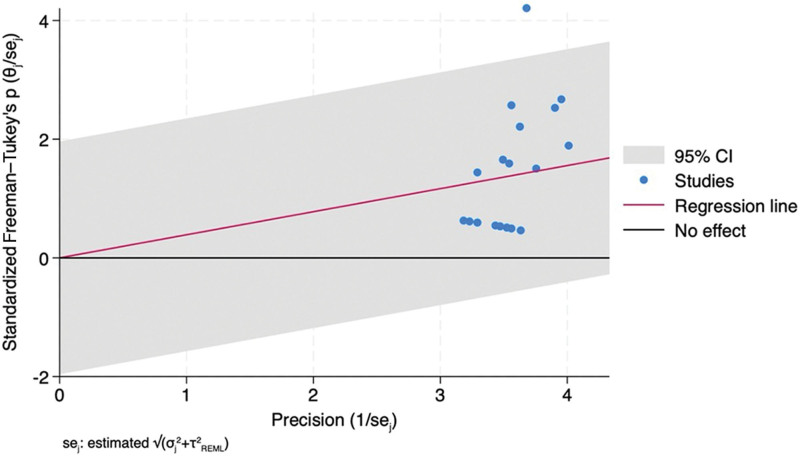
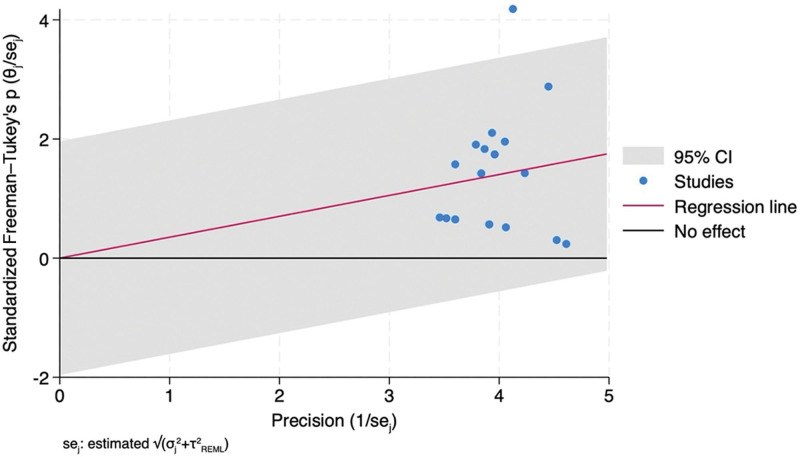
- Descriptive statistics were calculated, degrees were converted to millimeters, and meta-analysis was performed in Stata/BE 18.0 using single-proportion estimation, random-effects models, I² heterogeneity assessment, Egger test/funnel plots, leave-one-out analysis, subgroup analyses, and trim-and-fill methods.
Limitations
- The paper states that most studies (94.4%) were retrospective, with only 1 randomized trial; 66.7% were from Turkey, and inconsistent demographic data limited generalizability and subgroup analyses, with applicability limited to prominent ears rather than other auricular deformities.
- The paper reports suggested publication bias for recurrence, substantial heterogeneity for recurrence (I² = 81.05%) and revision (I² = 76.13%), recurrence definitions varying by primary study, and a mean follow-up of 24.5 months limiting long-term outcome insight.
- Evident from the text: postoperative care protocols varied widely with no standardized guidelines, which may further limit comparability across studies.
Model-written summary. Check it against the paper before relying on it.
Integrity signals
Registry
Cites
Statistics
Figures
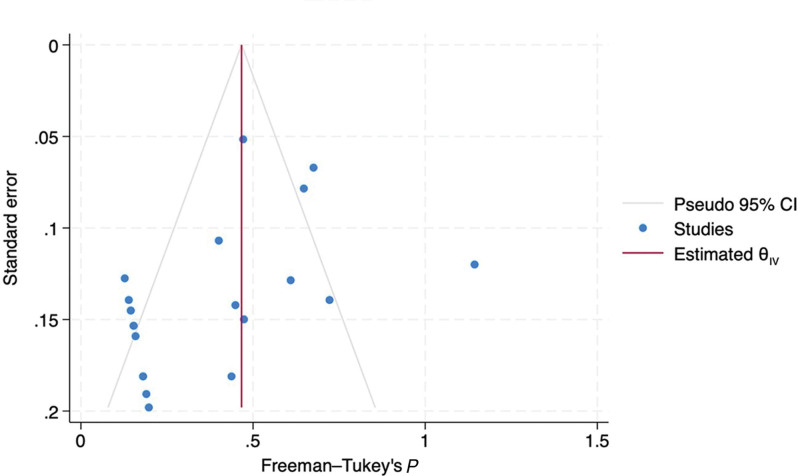
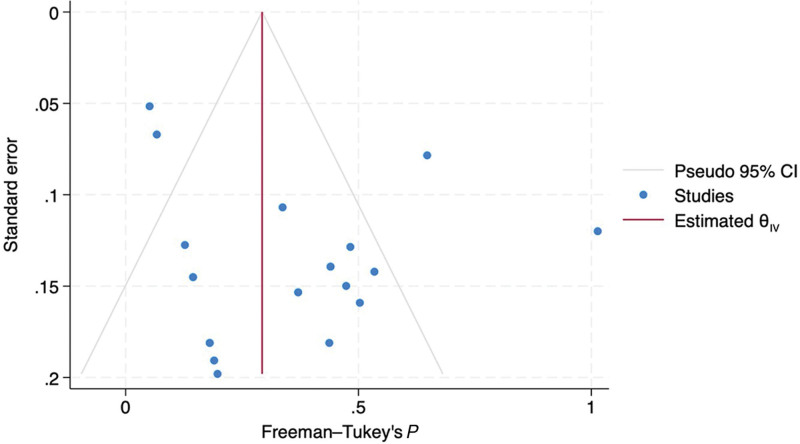
Verification
Claims the paper makes
8 Valid · 1 Not valid · 34 Not checked · 85 Own results and interpretations
The cited sources support only part of this claim — read each source’s verdict below.
In the paper
“Prolene and Nylon sutures, favored for smooth handling and low tissue reactivity, performed comparably to more expensive alternatives.100,101”
§ Otoplasty Surgical Techniques and Clinical Outcomes: A Practical Review > DISCUSSION
What the sources say
- Not checked — no full text of the sourcecites [100] Taylor BA Hong P. Otoplasty outcomes with different suture materials in a rabbit model. J Craniofac Surg. 2016; 27: 477– 479. 26967081 source
- Partly supportedcites [101] Byrne M Aly A. The surgical suture. Aesthet Surg J. 2019; 39: S67– S72. 30869751 sourceExperimental — accuracy not yet measured
The 'Specific Suture Materials: Synthetic Nonabsorbable Sutures' section describes Nylon as having extremely low reactivity and Prolene as usable to diminish skin reactivity; it also discusses a Nylon variant designed to improve handling. It does not compare either suture's performance or cost with more expensive alternatives (searched for comparative performance, cost, and price). Page numbers were not available in our copy. (LLM, conf=0.82)
plain- Asserted: passes — The authors put it forward as true.
- Checkable: passes — It can be checked against evidence.
- Load-bearing: unclear — It is unclear whether the paper’s conclusions depend on it.
- Based: passes — The paper gives a reason why it holds.
The cited sources support only part of this claim — read each source’s verdict below.
In the paper
“Many studies and prior meta-analyses confirmed otoplasty’s safety, though incisionless techniques had higher blistering (22.6%) and suture extrusion (21.9%).104–108”
§ Otoplasty Surgical Techniques and Clinical Outcomes: A Practical Review > DISCUSSION
What the sources say
- Not checked — no full text of the sourcecites [104] Sadhra SS Motahariasl S Hardwicke JT. Complications after prominent ear correction: a systematic review of the literature. J Plast Reconstr Aesthet Surg. 2017; 70: 1083– 1090. 28602268 source
- Partly supportedcites [105] Alanazi H. Complications of cartilage sparing otoplasty: a systematic review and meta-analysis. J Craniofac Surg. 2024; 35: 874– 878. 38363310 PMC11045554 sourceExperimental — accuracy not yet measured
The paper identifies suture extrusion as a possible complication of cartilage-sparing otoplasty, and its Results > Other Complications section reports a pooled suture-erosion rate of 2.46% (page unavailable). It does not report a 21.9% suture-extrusion rate for incisionless techniques or establish that their rate was higher. (LLM, conf=0.76)
- Could not verifycites [106] Binet A El Ezzi O De Buys Roessingh A. A retrospective analysis of complications and surgical outcome of 1380 ears: Experience review of paediatric otoplasty. Int J Pediatr Otorhinolaryngol. 2020; 138: 110302. 32819719 sourceExperimental — accuracy not yet measured
The Discussion describes differences in complications among otoplasty techniques, but does not report suture extrusion in incisionless techniques or a 21.9% rate. Searches for “21.9% suture extrusion incisionless” and “suture extrusion blistering incisionless techniques” found no passage addressing that claim in our copy. (LLM, conf=0.76)
- Not checked — no full text of the sourcecites [107] Albacete Neto A Ungarelli LF Coltro PS. Does postauricular fascial flap reduce suture complications in otoplasty? J Plast Surg Hand Surg. 2018; 52: 225– 228. 29504490 source
- Not checked — no full text of the sourcecites [108] Edafe O Argyriou K Thevasagayam MS. Outcomes and complications of incisionless otoplasty—a retrospective observational study and a review of the literature. Int J Pediatr Otorhinolaryngol. 2020; 137: 110246. 32896357 source
boostedstates an association- Asserted: passes — The authors put it forward as true.
- Checkable: passes — It can be checked against evidence.
- Load-bearing: unclear — It is unclear whether the paper’s conclusions depend on it.
- Based: passes — The paper gives a reason why it holds.
The cited sources support only part of this claim — read each source’s verdict below.
In the paper
“Many studies and prior meta-analyses confirmed otoplasty’s safety, though incisionless techniques had higher blistering (22.6%) and suture extrusion (21.9%).104–108”
§ Otoplasty Surgical Techniques and Clinical Outcomes: A Practical Review > DISCUSSION
What the sources say
- Not checked — no full text of the sourcecites [104] Sadhra SS Motahariasl S Hardwicke JT. Complications after prominent ear correction: a systematic review of the literature. J Plast Reconstr Aesthet Surg. 2017; 70: 1083– 1090. 28602268 source
- Partly supportedcites [105] Alanazi H. Complications of cartilage sparing otoplasty: a systematic review and meta-analysis. J Craniofac Surg. 2024; 35: 874– 878. 38363310 PMC11045554 sourceExperimental — accuracy not yet measured
The Discussion says this meta-analysis found cartilage-sparing otoplasty relatively safe, and the Conclusion describes its complications as uncommon. That supports safety for this technique, but not otoplasty generally or the claim that prior meta-analyses confirmed its safety; the Discussion calls this the first meta-analysis of cartilage-sparing otoplasty complications. (LLM, conf=0.85)
- Partly supportedcites [106] Binet A El Ezzi O De Buys Roessingh A. A retrospective analysis of complications and surgical outcome of 1380 ears: Experience review of paediatric otoplasty. Int J Pediatr Otorhinolaryngol. 2020; 138: 110302. 32819719 sourceExperimental — accuracy not yet measured
The Abstract and Discussion conclude that the posterior otoplasty technique studied in this pediatric cohort appears safe, with complications recorded in 3.7% of children. This single retrospective study does not establish that many studies or prior meta-analyses confirmed the safety of otoplasty generally; it also does not report the incisionless-technique percentages in the citing sentence. No page numbers are available in our copy. (LLM, conf=0.86)
- Not checked — no full text of the sourcecites [107] Albacete Neto A Ungarelli LF Coltro PS. Does postauricular fascial flap reduce suture complications in otoplasty? J Plast Surg Hand Surg. 2018; 52: 225– 228. 29504490 source
- Not checked — no full text of the sourcecites [108] Edafe O Argyriou K Thevasagayam MS. Outcomes and complications of incisionless otoplasty—a retrospective observational study and a review of the literature. Int J Pediatr Otorhinolaryngol. 2020; 137: 110246. 32896357 source
boosted- Asserted: passes — The authors put it forward as true.
- Checkable: passes — It can be checked against evidence.
- Load-bearing: unclear — It is unclear whether the paper’s conclusions depend on it.
- Based: passes — The paper gives a reason why it holds.
The cited sources that could be checked couldn’t confirm or dispute this claim.
In the paper
“Many studies and prior meta-analyses confirmed otoplasty’s safety, though incisionless techniques had higher blistering (22.6%) and suture extrusion (21.9%).104–108”
§ Otoplasty Surgical Techniques and Clinical Outcomes: A Practical Review > DISCUSSION
What the sources say
- Not checked — no full text of the sourcecites [104] Sadhra SS Motahariasl S Hardwicke JT. Complications after prominent ear correction: a systematic review of the literature. J Plast Reconstr Aesthet Surg. 2017; 70: 1083– 1090. 28602268 source
- Could not verifycites [105] Alanazi H. Complications of cartilage sparing otoplasty: a systematic review and meta-analysis. J Craniofac Surg. 2024; 35: 874– 878. 38363310 PMC11045554 sourceExperimental — accuracy not yet measured
The Results > Other Complications section reports pooled complications of cartilage-sparing otoplasty, including suture erosion, but does not report blistering in incisionless techniques. Searches for “blistering 22.6%” and incisionless techniques found no passage addressing the claimed rate; the reported rates for a different technique do not contradict it. (LLM, conf=0.76)
- Could not verifycites [106] Binet A El Ezzi O De Buys Roessingh A. A retrospective analysis of complications and surgical outcome of 1380 ears: Experience review of paediatric otoplasty. Int J Pediatr Otorhinolaryngol. 2020; 138: 110302. 32819719 sourceExperimental — accuracy not yet measured
The Results section reports recurrence and hypertrophic scarring after the paper’s otoplasty procedure, while the Discussion compares some complications across techniques. Neither section reports blistering with incisionless techniques or a 22.6% rate; searches for “blistering,” “incisionless,” and “22.6” found no supporting passage in our copy. (LLM, conf=0.76)
- Not checked — no full text of the sourcecites [107] Albacete Neto A Ungarelli LF Coltro PS. Does postauricular fascial flap reduce suture complications in otoplasty? J Plast Surg Hand Surg. 2018; 52: 225– 228. 29504490 source
- Not checked — no full text of the sourcecites [108] Edafe O Argyriou K Thevasagayam MS. Outcomes and complications of incisionless otoplasty—a retrospective observational study and a review of the literature. Int J Pediatr Otorhinolaryngol. 2020; 137: 110246. 32896357 source
plainstates an association- Asserted: passes — The authors put it forward as true.
- Checkable: passes — It can be checked against evidence.
- Load-bearing: passes — The paper’s conclusions depend on it.
- Based: passes — The paper gives a reason why it holds.
A result the paper reports from its own data — it cites no other source for it, so there is none to check. The quote shows it is in the paper.
In the paper
“Cartilage-sparing techniques were most common (77.8%).”
§ Otoplasty Surgical Techniques and Clinical Outcomes: A Practical Review > RESULTS AND EFFECTIVENESS OF OTOPLASTY TECHNIQUES
plain- Asserted: passes — The authors put it forward as true.
- Checkable: passes — It can be checked against evidence.
- Load-bearing: unclear — It is unclear whether the paper’s conclusions depend on it.
- Based: passes — The paper gives a reason why it holds.
51 more claims
Create a free account to see all 128 claims and to verify the 11 references still open.
- It may state two separate claims as one. 63
- Probably not a substantial claim. 22
Self-check
Percentages, sums and reported differences re-computed from the paper’s own numbers.
Each contradiction between two passages listed here was confirmed by an independent check.
Rated major: it would touch a result — a value a result rests on, reported and recomputed p-values on opposite sides of the significance level, two passages that conflict with no sign which is right, or a cited work retracted before this paper was published.
In the paper
§ Otoplasty Surgical Techniques and Clinical Outcomes: A Practical Review > INNOVATIONS AND COMPARATIVE ADVANCES IN OTOPLASTY
“A 2023 retrospective study of 156 patients found the transcutaneous fixation-assisted method reduced operative time (80.37–60.40 min, P < 0.05) while maintaining comparable outcomes at 12 months.98”
§ Otoplasty Surgical Techniques and Clinical Outcomes: A Practical Review > RESULTS AND EFFECTIVENESS OF OTOPLASTY TECHNIQUES
“| Uyar98 | 2023 | III | Turkey | 27 | 54 | 13.9 | 0 | 54 | 12.0 | 11.94 | | Uyar98 | 2023 | III | Turkey | 25 | 50 | 14.6 | 0 | 25 | 12.0 | 13.62 |”
Rated minor: it would not touch a result — a value no result rests on, a p-value that stays on the same side of the significance level, or a conflict that is clerical, resolved elsewhere in the paper, or outside its own findings.
In the paper
“| Temel90 | 2016 | III | Turkey | 69 | 128 | 22.0 | 0 | 64 | 39.0 | 9.00 |”
§ Otoplasty Surgical Techniques and Clinical Outcomes: A Practical Review > RESULTS AND EFFECTIVENESS OF OTOPLASTY TECHNIQUES
Reported 69 · recomputed 64
Rated minor: it would not touch a result — a value no result rests on, a p-value that stays on the same side of the significance level, or a conflict that is clerical, resolved elsewhere in the paper, or outside its own findings.
In the paper
“| Uyar98 | 2023 | III | Turkey | 27 | 54 | 13.9 | 0 | 54 | 12.0 | 11.94 |”
§ Otoplasty Surgical Techniques and Clinical Outcomes: A Practical Review > RESULTS AND EFFECTIVENESS OF OTOPLASTY TECHNIQUES
Reported 27 · recomputed 54
Rated minor: it would not touch a result — a value no result rests on, a p-value that stays on the same side of the significance level, or a conflict that is clerical, resolved elsewhere in the paper, or outside its own findings.
In the paper
“| Temel90 | 2016 | III | Turkey | 87 | 163 | 21.0 | 5 | 79 | 22.0 | 12.00 |”
§ Otoplasty Surgical Techniques and Clinical Outcomes: A Practical Review > RESULTS AND EFFECTIVENESS OF OTOPLASTY TECHNIQUES
Reported 87 · recomputed 84
Rated minor: it would not touch a result — a value no result rests on, a p-value that stays on the same side of the significance level, or a conflict that is clerical, resolved elsewhere in the paper, or outside its own findings.
In the paper
“The cohort included 944 men and 746 women, with study populations ranging from 30 to 375 patients (mean: 76).”
§ Otoplasty Surgical Techniques and Clinical Outcomes: A Practical Review > RESULTS AND EFFECTIVENESS OF OTOPLASTY TECHNIQUES
Reported 1590 · recomputed 1690
Citations
Cites
The distortion of autogenous cartilage grafts: Its cause and prevention.
Gibson, T., & Davis, W. B. (1957) · British Journal of Plastic Surgery · doi:10.1016/s0007-1226(57)80042-3 · Cited by 451
The correction of prominent ears using simple mattress sutures
Mustardé, J. C. (1963) · British Journal of Plastic Surgery · doi:10.1016/s0007-1226(63)80100-9 · Cited by 426
Correction of prominent ears by concha-mastoid sutures
FURNAS, D. W. (1968) · Plastic and Reconstructive Surgery · doi:10.1097/00006534-196809000-00001 · Cited by 329
A “NATURAL” TECHNIQUE FOR CORRECTION OF CONGENITALLY PROMINENT EARS
STENSTRÖM, S. J. (1963) · Plastic and Reconstructive Surgery · doi:10.1097/00006534-196311000-00003 · Cited by 328
Anthropometric growth study of the ear.
Farkas, L. G., Posnick, J. C., & Hreczko, T. M. (1992) · The Cleft Palate Craniofacial Journal · doi:10.1597/1545-1569_1992_029_0324_agsote_2.3.co_2 · Cited by 278
A method of antihelix reconstruction
Chongchet, V. (1963) · British Journal of Plastic Surgery · doi:10.1016/s0007-1226(63)80120-4 · Cited by 219
Byrne, M., & Aly, A. (2019) · Aesthetic Surgery Journal · doi:10.1093/asj/sjz036 · Cited by 201
A TECHNIQUE FOR SURGICAL CORRECTION OF LOP EARS
CONVERSE, J. M., NIGRO, A., WILSON, F. A., & JOHNSON, N. (1955) · Plastic and Reconstructive Surgery · doi:10.1097/00006534-195505000-00004 · Cited by 193 · cited 1×
“Clinically, minimally invasive otoplasty integrates elements of cutting (Converse 48 ), scoring (Stenström’s 21 ), and suturing (Mustardé’s 14 ).”
THE GROWTH PATTERN OF THE EXTERNAL EAR
ADAMSON, J. E., HORTOX, C. E., & CRAWFORD, H. H. (1965) · Plastic and Reconstructive Surgery · doi:10.1097/00006534-196510000-00008 · Cited by 164
Janis, J. E., Rohrich, R. J., & Gutowski, K. A. (2005) · Plastic and Reconstructive Surgery · doi:10.1097/01.prs.0000156218.93855.c9 · Cited by 159
Self-citationOtoplasty: Evaluation, Technique, and Review
Kelley, P., Hollier, L., & Stal, S. (2003) · Journal of Craniofacial Surgery · doi:10.1097/00001665-200309000-00008 · Cited by 142
TECHNICAL DETAILS IN THE SURGICAL CORRECTION OF THE LOP EAR DEFORMITY
Converse, J. M., & Wood‐Smith, D. (1963) · Plastic & Reconstructive Surgery · doi:10.1097/00006534-196302000-00002 · Cited by 111
The postauricular fascial flap as an adjunct to Mustardé and Furnas type otoplasty.
Horlock, N., Misra, A., & Gault, D. T. (2001) · Plastic and Reconstructive Surgery · doi:10.1097/00006534-200111000-00005 · Cited by 102 · cited 3×
“Velcro headband worn at night for a month Foda 82 Penrose drain, light-pressure dressing applied with vaselinized ribbon Not specified Horlock 83 Not specified Head bandage applied for 1 wk Schaverien 84 Standard head bandage applied and is replaced Headband worn at night for 6 wk Schlegel-Wagner 85 Soft dressing remo…”
Treatment of prominent and constricted ear anomalies.
Janz, B. A., Cole, P., Hollier, L. H., & Stal, S. (2009) · Plastic and Reconstructive Surgery · doi:10.1097/prs.0b013e3181aa0e9d · Cited by 86
A Simplified Method for Correcting the Prominent Ear
Kaye, B. L. (1967) · Plastic & Reconstructive Surgery · doi:10.1097/00006534-196707000-00006 · Cited by 86 · cited 1×
“19,20 24 Beasley and Jones 25 used posterior conchal excision, whereas Bauer et al 26 and Elliott 27 introduced anterior conchal excision with skin strip removal to prevent folding.”
Anatomy in ancient India: a focus on the Susruta Samhita
Loukas, M., Alexis, L., Ferrauiola, J., Tubbs, R. S., Maharaja, G., Shoja, M. M., Yadav, A., & Rao, V. C. (2010) · Journal of Anatomy · doi:10.1111/j.1469-7580.2010.01294.x · Cited by 82
Otoplasty. Clinical protocol and long-term results.
Messner, A. H., & Crysdale, W. S. (1996) · Archives of Otolaryngology - Head and Neck Surgery · doi:10.1001/archotol.1996.01890190069016 · Cited by 75 · cited 1×
“Early studies validated foundational techniques, with Messner and Crysdale 81 showing that Mustardé 14 and Furnas 15 sutures achieved good or excellent results in 78% of pediatric cases, despite some relapse in the superior auricle. minimize complications, and reduce recurrence.”
Braun, T., Hainzinger, T., Stelter, K., Krause, E., Berghaus, A., & Hempel, J. M. (2010) · Plastic and Reconstructive Surgery · doi:10.1097/prs.0b013e3181f449c7 · Cited by 74
Sushruta: The father of surgery
Singh, V. (2017) · National Journal of Maxillofacial Surgery · doi:10.4103/njms.njms_33_17 · Cited by 66
The psychological, social and educational impact of prominent ears: a systematic review
Jones, E. S., Gibson, J. A. G., Dobbs, T. D., & Whitaker, I. S. (2020) · Journal of Plastic, Reconstructive & Aesthetic Surgery · doi:10.1016/j.bjps.2020.05.075 · Cited by 65
Fritsch, M. H. (1995) · The Laryngoscope · doi:10.1288/00005537-199505002-00001 · Cited by 61
Otoplasty: A Combined Approach
Elliott, R. A. (1990) · Clinics in Plastic Surgery · doi:10.1016/s0094-1298(20)31251-7 · Cited by 59 · cited 1×
“19,20 24 Beasley and Jones 25 used posterior conchal excision, whereas Bauer et al 26 and Elliott 27 introduced anterior conchal excision with skin strip removal to prevent folding.”
THE TAIL OF THE HELIX AS A KEY TO OTOPLASTY
WEBSTER, G. V. (1969) · Plastic and Reconstructive Surgery · doi:10.1097/00006534-196911000-00007 · Cited by 58
Gosain, A. K., Kumar, A., & Huang, G. (2004) · Plastic and Reconstructive Surgery · doi:10.1097/01.prs.0000135334.13796.9d · Cited by 49
Bauer, B. S., Song, D. H., & Aitken, M. E. (2002) · Plastic and Reconstructive Surgery · doi:10.1097/00006534-200209150-00004 · Cited by 46
Hao, W., Chorney, J. M., Bezuhly, M., Wilson, K., & Hong, P. (2013) · Plastic and Reconstructive Surgery · doi:10.1097/prs.0b013e3182a3c133 · Cited by 45 · cited 1×
“75–79 Overall, it provides lasting quality-of-life benefits.”
Siegert, R. (2004) · Facial Plastic Surgery · doi:10.1055/s-2005-865388 · Cited by 45 · cited 1×
“38 Modifications by Goulian, 39 Webster, 40 and Siegert 37 reposition the lobule through various skin and cartilage excisions.”
Anthropometric assessment of the normal adult human ear.
Engineer, P., Japatti, S., Reddy B, M., Tiwari, A., Siddegowda, C., & Hammannavar, R. (2018) · Annals of Maxillofacial Surgery · doi:10.4103/ams.ams_183_17 · Cited by 42
Long-term results of posterior suturing with postauricular fascial flap otoplasty.
Schaverien, M. V., Al-Busaidi, S., & Stewart, K. J. (2010) · Journal of Plastic, Reconstructive & Aesthetic Surgery · doi:10.1016/j.bjps.2009.09.013 · Cited by 41 · cited 4×
“Velcro headband worn at night for a month Foda 82 Penrose drain, light-pressure dressing applied with vaselinized ribbon Not specified Horlock 83 Not specified Head bandage applied for 1 wk Schaverien 84 Standard head bandage applied and is replaced Headband worn at night for 6 wk Schlegel-Wagner 85 Soft dressing remo…”
InfluentialComplications after prominent ear correction: a systematic review of the literature.
Sadhra, S. S., Motahariasl, S., & Hardwicke, J. T. (2017) · Journal of Plastic, Reconstructive & Aesthetic Surgery · doi:10.1016/j.bjps.2017.05.033 · Cited by 40
Otoplasty - techniques, characteristics and risks.
(2007) · PubMed Central · Cited by 39
GOULIAN, D., & CONWAY, H. (1960) · Plastic and Reconstructive Surgery · doi:10.1097/00006534-196010000-00007 · Cited by 38 · cited 1×
“38 Modifications by Goulian, 39 Webster, 40 and Siegert 37 reposition the lobule through various skin and cartilage excisions.”
A Method of Otoplasty: Normal Contour of the Antihelix and Scaphoid Fossa
FARRIOR, R. T. (1959) · Archives of Otolaryngology - Head and Neck Surgery · doi:10.1001/archotol.1959.00730030410004 · Cited by 38 · cited 1×
“29,30 The Pitanguy 31 “island technique” and Farrior 32 combined excision further refined contouring.”
Long-term psychosocial impact of otoplasty performed on children with prominent ears
Songu, M., & Kutlu, A. (2014) · The Journal of Laryngology & Otology · doi:10.1017/s0022215114001662 · Cited by 38
The treatment of prominent ears: A 25-year survey of the island technique
Pitanguy, I. H., Muller, P. M., Piccolo, N. S., Ramalho, E., & Solinas, R. (1987) · Aesthetic Plastic Surgery · doi:10.1007/bf01575492 · Cited by 35 · cited 1×
“33,34 Lobule prominence, often overlooked, requires individualized correction.”
Driessen, J. P., Borgstein, J. A., & Vuyk, H. D. (2011) · Journal of Craniofacial Surgery · doi:10.1097/scs.0b013e3182326dfb · Cited by 34
The psychologic and psychosocial impact of otoplasty on children and adults.
Papadopulos, N. A., Niehaus, R., Keller, E., Henrich, G., Papadopoulos, O. N., Staudenmaier, R., Kovacs, L., Herschbach, P., Pototschnig, H., & Machens, H.-G. (2015) · Journal of Craniofacial Surgery · doi:10.1097/scs.0000000000001990 · Cited by 33
Leclère, F. M. P., Petropoulos, I., & Mordon, S. (2010) · Aesthetic Plastic Surgery · doi:10.1007/s00266-009-9353-9 · Cited by 33 · cited 1×
“Studies on 1.54-μ m erbium-doped yttrium aluminum garnet and Er/Glass lasers report stable reshaping with few complications, 53,54 whereas CO 2 LACR reduces ear protrusion while preserving perichondrium.”
InfluentialOtoplasty in Children Less Than Four Years of Age: Surgical Technique
Gosain, A. K., & Recinos, R. F. (2002) · Journal of Craniofacial Surgery · doi:10.1097/00001665-200207000-00005 · Cited by 31 · cited 2×
“41 Animal studies have driven minimally invasive oto-plasty.”
Health-related quality of life outcome of children with prominent ears after otoplasty.
Songu, M., & Kutlu, A. (2014) · European Archives of Oto-Rhino-Laryngology · doi:10.1007/s00405-014-2989-3 · Cited by 29
Schlegel-Wagner, C., Pabst, G., Müller, W., & Linder, T. (2010) · Archives of Facial Plastic Surgery · doi:10.1001/archfaci.2010.34 · Cited by 29
Suture materials in otoplasty.
Rigg, B. M. (1979) · Plastic and Reconstructive Surgery · doi:10.1097/00006534-197903000-00022 · Cited by 28
Sushruta: The Father of Indian Surgical History
Dave, T., Habte, A., Vora, V., et al. (2024) · Plastic & Reconstructive Surgery Global Open · doi:10.1097/gox.0000000000005715 · Cited by 28
Anthropometric growth study of auricle of healthy preterm and term newborns.
Kalcioglu, M. T., Toplu, Y., Ozturan, O., & Yakinci, C. (2006) · International Journal of Pediatric Otorhinolaryngology · doi:10.1016/j.ijporl.2005.06.001 · Cited by 27
Holden, P. K., Chlebicki, C., & Wong, B. J. F. (2009) · Archives of Facial Plastic Surgery · doi:10.1001/archfaci.2009.17 · Cited by 26
In Vivo Needle-Based Electromechanical Reshaping of Pinnae: New Zealand White Rabbit Model
Yau, A. Y. Y., Manuel, C., Hussain, S. F., Protsenko, D. E., & Wong, B. J. F. (2014) · JAMA Facial Plastic Surgery · doi:10.1001/jamafacial.2014.85 · Cited by 25
Otoplasty: the problem of the deep conchal bowl
Beasley, N. J. P., & Jones, N. S. (1996) · The Journal of Laryngology & Otology · doi:10.1017/s0022215100135182 · Cited by 25 · cited 1×
“19,20 24 Beasley and Jones 25 used posterior conchal excision, whereas Bauer et al 26 and Elliott 27 introduced anterior conchal excision with skin strip removal to prevent folding.”
Carbon dioxide laser-assisted cartilage reshaping otoplasty: a new technique for prominent ears.
Ragab, A. (2010) · The Laryngoscope · doi:10.1002/lary.20951 · Cited by 25 · cited 1×
“55 A 2020 study combining laser with cryogen cooling further improved satisfaction and outcomes.”
Bouhadana, G. C., Aljerian, A., & Thibaudeau, S. (2021) · Plastic Surgery · doi:10.1177/22925503211064377 · Cited by 25
Embryology and Surgical Anatomy of the Auricle
Siegert, R., Weerda, H., & Remmert, S. (1994) · Facial Plastic Surgery · doi:10.1055/s-2008-1064574 · Cited by 24 · cited 1×
“57 Siliprandi et al 58 divided the ear into 4 surgical subunits—helical/scaphal, antihelical, conchal, and lobular—each requiring tailored strategies.”
Cartilage reshaping for protruding ears: a prospective long term follow-up of 32 procedures.
Leclère, F. M. P., Trelles, M., & Mordon, S. R. (2011) · Lasers in Surgery and Medicine · doi:10.1002/lsm.21126 · Cited by 23 · cited 1×
“Studies on 1.54-μ m erbium-doped yttrium aluminum garnet and Er/Glass lasers report stable reshaping with few complications, 53,54 whereas CO 2 LACR reduces ear protrusion while preserving perichondrium.”
InfluentialEffect of Protruding Ears on Visual Fixation Time and Perception of Personality
Litschel, R., Majoor, J., & Tasman, A.-J. (2015) · JAMA Facial Plastic Surgery · doi:10.1001/jamafacial.2015.0078 · Cited by 23 · cited 1×
“74 .”
Oliaei, S., Manuel, C., Karam, B., Hussain, S. F., Hamamoto, A., Protsenko, D. E., & Wong, B. J. F. (2013) · JAMA Facial Plastic Surgery · doi:10.1001/2013.jamafacial.2 · Cited by 23
Otoplasty for prominent ears—demographics and surgical timing in different populations.
Kajosaari, L., Pennanen, J., & Klockars, T. (2017) · International Journal of Pediatric Otorhinolaryngology · doi:10.1016/j.ijporl.2017.06.014 · Cited by 21
Buchwald, C., Nielsen, H., & Rosborg, J. (2010) · ORL · doi:10.1159/000276275 · Cited by 20 · cited 1×
“16,17 Furnas 15 secured conchal cartilage to the mastoid periosteum to address deep conchal bowls, whereas Hilger et al 18 optimized contour with temporary anterior sutures before posterior fixation.”
Personal Approach to Treatment of Prominent Ears
Tramier, H. (1997) · Plastic & Reconstructive Surgery · doi:10.1097/00006534-199702000-00042 · Cited by 17
Assessing outcomes of ear molding therapy by health care providers and convolutional neural network
Hallac, R. R., Jackson, S. A., Grant, J., Fisher, K., Scheiwe, S., Wetz, E., Perez, J., Lee, J., Chitta, K., Seaward, J. R., et al. (2021) · Scientific Reports · doi:10.1038/s41598-021-97310-7 · Cited by 17
Comparison of two incisionless otoplasty techniques for prominent ears in children.
Haytoglu, S., Haytoglu, T. G., Bayar Muluk, N., Kuran, G., & Arikan, O. K. (2015) · International Journal of Pediatric Otorhinolaryngology · doi:10.1016/j.ijporl.2015.01.014 · Cited by 16 · cited 1×
“…Soft dressing removed after 1 wk Headband for an additional 4 wk during sleep and sports Sahin 86 Turban dressing for 6 d Bandage at night for 30 d Haytoglu 87 Not specified Not specified Gümü ş 88 Gauze pads placed over the anterior and posterior surface for 7 d After removal, an elastic band is…”
Becker, D. G., Lai, S. S., Wise, J. B., & Steiger, J. D. (2006) · Facial Plastic Surgery Clinics of North America · doi:10.1016/j.fsc.2006.01.008 · Cited by 16
Badran, K. W., Manuel, C. T., Loy, A. C., Conderman, C., Yau, Y. Y., Lin, J., Tjoa, T., Su, E., Protsenko, D., & Wong, B. J. F. (2015) · The Laryngoscope · doi:10.1002/lary.25237 · Cited by 16 · cited 1×
“43 47 These studies highlight minimally invasive approaches as safer, effective alternatives to traditional techniques.”
A classic reprint: An operation for prominence of the auricles (with two wood-cuts)
Ely, E. T. (1987) · Aesthetic Plastic Surgery · doi:10.1007/bf01575489 · Cited by 16
Minimally Invasive Otoplasty: Technical Details and Long-Term Results
de la Fuente, A., & Sordo, G. (2012) · Aesthetic Plastic Surgery · doi:10.1007/s00266-011-9754-4 · Cited by 16
Basat, S. O., Ceran, F., Askeroglu, U., Aksan, T., Orman, C., Yazar, M., Uscetin, I., Akan, M., & Bozkurt, M. (2016) · Journal of Craniofacial Surgery · doi:10.1097/scs.0000000000002832 · Cited by 15 · cited 1×
“More recently, in 2016, Basat et al 89 investigated a laterally based postauricular dermal flap combined with cartilage-sparing techniques, demonstrating significant improvements in helix–mastoid distance and concha–mastoid angle at 1 and 12 months postoperatively, with no recurrences.”
Binet, A., El Ezzi, O., & De Buys Roessingh, A. (2020) · International Journal of Pediatric Otorhinolaryngology · doi:10.1016/j.ijporl.2020.110302 · Cited by 15
McNeil, M. L., Aiken, S. J., Bance, M., Leadbetter, J. R., & Hong, P. (2013) · Journal of Otolaryngology - Head & Neck Surgery · doi:10.1186/1916-0216-42-10 · Cited by 15
Modification of the Mustardé Otoplasty Technique Using Temporary Contouring Sutures
Hilger, P. A., Khosh, M. M., Nishioka, G. J., & Larrabee, W. F. (1997) · Plastic & Reconstructive Surgery · doi:10.1097/00006534-199711000-00034 · Cited by 14
Otoplastik zur Korrektur abstehender Ohrmuscheln
Heppt, W. J., & Trautmann, Y. (1999) · HNO · doi:10.1007/s001060050446 · Cited by 14 · cited 1×
“29,30 The Pitanguy 31 “island technique” and Farrior 32 combined excision further refined contouring.”
Otoplasty: A Graduated Approach
Foda, H. M. T. (1999) · Aesthetic Plastic Surgery · doi:10.1007/s002669900310 · Cited by 13
Ansiform ears-correction by “Island” technique
Pitanguy, T., & Rebello, C. (1963) · Plastic & Reconstructive Surgery · doi:10.1097/00006534-196305000-00028 · Cited by 13
Otoplasty in adults: psychological impacts on quality of life.
Aliyeva, A., Yagız, O., & Ceylan, M. E. (2024) · Indian Journal of Otolaryngology and Head & Neck Surgery · doi:10.1007/s12070-023-04296-x · Cited by 12
Prominent ears—Pitanguy'S island technique: Long‐term results
Pitanguy, I. H., Fiazza, G., Calixto, C. A., Muller, P. M., Caldeira, A. M. L., & Alexandrino, A. (1985) · Head & Neck Surgery · doi:10.1002/hed.2890070511 · Cited by 9 · cited 1×
“33,34 Lobule prominence, often overlooked, requires individualized correction.”
Correcting the Lobule in Otoplasty Using The Fillet Technique
Sadick, H., Artinger, V., Haubner, F., & Gassner, H. G. (2013) · JAMA Facial Plastic Surgery · doi:10.1001/jamafacial.2013.2146 · Cited by 9
Earfold Implantable Clip System for Correction of Prominent Ears: Analysis of Safety in 403 Patients
Kang, N. V., Sojitra, N., Glumicic, S., Vlok, J. A., O’Toole, G., Hannan, S. A., & Sabbagh, W. (2018) · Plastic and Reconstructive Surgery - Global Open · doi:10.1097/gox.0000000000001623 · Cited by 9
Ungarelli, L. F., de Andrade, C. Z. N., Marques, E. G. S. C., Jorge, J. L. G., Neto, B. F. M., de Andrade, G. A. M., Lima, R. V. K. S., Nunes, A. A., & Farina, J. A. (2016) · Aesthetic Plastic Surgery · doi:10.1007/s00266-016-0678-x · Cited by 8 · cited 1×
“38 Modifications by Goulian, 39 Webster, 40 and Siegert 37 reposition the lobule through various skin and cartilage excisions.”
Ersen, B. (2019) · Annals of Plastic Surgery · doi:10.1097/sap.0000000000002025 · Cited by 8 · cited 2×
“Velcro headband worn at night for a month Foda 82 Penrose drain, light-pressure dressing applied with vaselinized ribbon Not specified Horlock 83 Not specified Head bandage applied for 1 wk Schaverien 84 Standard head bandage applied and is replaced Headband worn at night for 6 wk Schlegel-Wagner 85 Soft dressing remo…”
Hagerty, T. A., Barone, E. J., & Cohen, K. I. (1998) · Plastic and Reconstructive Surgery · doi:10.1097/00006534-199802000-00038 · Cited by 8 · cited 1×
“Endoscopic rabbit models in 1998 showed long-term stability with fibrocartilage formation, 42 whereas CO 2 laser ablation in 2009 stimulated chondrocyte proliferation and cartilage regeneration.”
Edafe, O., Argyriou, K., & Thevasagayam, M. S. (2020) · International Journal of Pediatric Otorhinolaryngology · doi:10.1016/j.ijporl.2020.110246 · Cited by 7
Algorithm-Assisted Decision Making in Otoplasty
Siliprandi, M., Battistini, A., Agnelli, B., Bandi, V., Vinci, V., Lisa, A., Maione, L., & Siliprandi, L. (2022) · Aesthetic Plastic Surgery · doi:10.1007/s00266-021-02368-3 · Cited by 7 · cited 2×
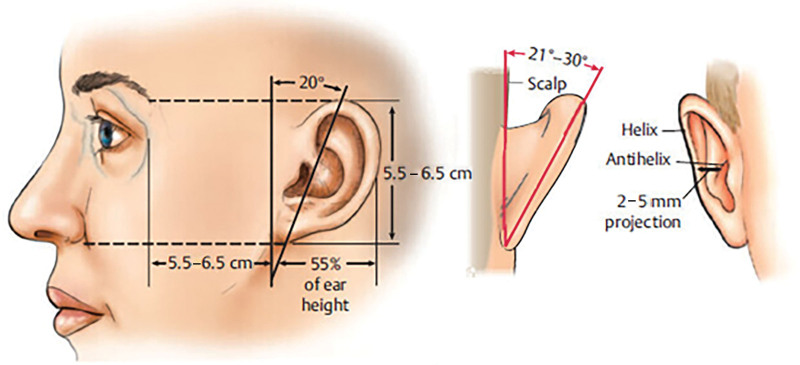
“58 Normative guidelines recommend a helical rim-mastoid distance of 10–12 mm at the superior pole, 16–18 mm at the mid-third, and 20–22 mm at the cauda helix, with an auriculomastoid angle of 15–30 degrees (Fig.”
A Novel Nonsurgical Technique for Correcting Congenital Auricular Anomalies
Duvdevani, S. I., Knoller, H., Rozendorn, N., Alon, E. E., & Madgar, O. (2022) · Facial Plastic Surgery · doi:10.1055/s-0041-1735976 · Cited by 7 · cited 1×
“70–73 Although auricular deformities are not physiologically harmful, they can cause significant psychosocial distress, particularly in children.”
Complications of Cartilage Sparing Otoplasty: A Systematic Review and Meta-Analysis
Alanazi, H. (2024) · Journal of Craniofacial Surgery · doi:10.1097/scs.0000000000009976 · Cited by 6
Are head bandages required post-pinnaplasty?
Norris, J. M., Mabvuure, N. T., Cumberworth, A., & Watts, S. J. (2012) · International Journal of Surgery · doi:10.1016/j.ijsu.2012.05.006 · Cited by 6
Janík, I., Stárek, I., Hložek, Z., Hubáček, J., Novotný, R., & Dvořáčková, J. (2009) · Lasers in Medical Science · doi:10.1007/s10103-008-0594-7 · Cited by 6 · cited 1×
“43 47 These studies highlight minimally invasive approaches as safer, effective alternatives to traditional techniques.”
Seal it and reveal it: postoperative otoplasty care using a silicone-based occlusive dressing.
Tang, C. J., & Ponsky, D. C. (2010) · Otolaryngology–Head and Neck Surgery · doi:10.1016/j.otohns.2009.11.015 · Cited by 6 · cited 1×
“102,103 Fig.”
Temel, M., Şamil Kahraman, Ş., Berber, Ö., Çevik, C., & Akoğlu, E. (2016) · European Archives of Oto-Rhino-Laryngology · doi:10.1007/s00405-016-3898-4 · Cited by 6
Dynamometric analysis of normative auricular stiffness and comparison with operated prominent ears.
Ozturan, O., Dogan, R., Ozucer, B., Yildirim, Y. S., & Meric, A. (2015) · Journal of Craniofacial Surgery · doi:10.1097/scs.0000000000002062 · Cited by 6
Minimally Invasive Auricoloplasty With an Anterior Approach: A 15-Year Experience
Bellinvia, G., & Bellinvia, P. (2020) · Aesthetic Surgery Journal Open Forum · doi:10.1093/asjof/ojaa004 · Cited by 5 · cited 1×
“49 52 LACR provides a noninvasive option.”
Benedict, M. (2022) · Facial Plastic Surgery & Aesthetic Medicine · doi:10.1089/fpsam.2022.0261 · Cited by 5 · cited 1×
“49 52 LACR provides a noninvasive option.”
Minimally invasive technique for correction of prominent ear
Teaima, A. A., Hasaballah, M. S., & Mady, O. M. (2020) · The Journal of International Advanced Otology · doi:10.5152/iao.2020.7942 · Cited by 4
Otoplasty with an unusual cartilage scoring approach.
Gümüş, N., & Yılmaz, S. (2016) · Journal of Plastic Surgery and Hand Surgery · doi:10.3109/2000656x.2015.1065265 · Cited by 4 · cited 1×
“…an additional 4 wk during sleep and sports Sahin 86 Turban dressing for 6 d Bandage at night for 30 d Haytoglu 87 Not specified Not specified Gümü ş 88 Gauze pads placed over the anterior and posterior surface for 7 d After removal, an elastic band is worn for 10 d Basat 89 Anterior and posterior…”
Application of Drill in Otoplasty: A Technical Modification
Sahin, C., & Turker, M. (2015) · Journal of Craniofacial Surgery · doi:10.1097/scs.0000000000001505 · Cited by 4
Prominent ear correction with anterior rasping.
Ors, S. (2020) · Journal of Craniofacial Surgery · doi:10.1097/scs.0000000000006489 · Cited by 4
Prospective evaluation of psychological healing in adults who underwent otoplasty for prominent ear.
Kurt Ozkaya, N., Mert, D. G., Bitgen, M., & Çepni, M. (2020) · Aesthetic Plastic Surgery · doi:10.1007/s00266-020-01758-3 · Cited by 4 · cited 1×
“75–79 Overall, it provides lasting quality-of-life benefits.”
Correction of prominent ears: postauricular muscle relocation and fibrofatty tissue excision.
Mehmet, G. M., & Baklaci, D. (2021) · Journal of Craniofacial Surgery · doi:10.1097/scs.0000000000007480 · Cited by 4
Ear Molding in Children—Timing, Technique, and Follow-up: A Systematic Review
Sulibhavi, A., Reddy, S. P., Butts, S. C., & Schmalbach, C. E. (2024) · Facial Plastic Surgery & Aesthetic Medicine · doi:10.1089/fpsam.2023.0321 · Cited by 4 · cited 1×
“70–73 Although auricular deformities are not physiologically harmful, they can cause significant psychosocial distress, particularly in children.”
Our experience with the correction of prominent ear deformity.
Iqbal, F. M., Hussain, T., Afzal, Y., & Beg, M. S. A. (2021) · Cureus · doi:10.7759/cureus.19772 · Cited by 4
Does postauricular fascial flap reduce suture complications in otoplasty?
Albacete Neto, A., Ungarelli, L. F., Coltro, P. S., Schwartzmann, G. L., Horácio, G. S., Silva, V. Z., & Farina, J. A. (2018) · Journal of Plastic Surgery and Hand Surgery · doi:10.1080/2000656x.2018.1444618 · Cited by 3
Otoplasty outcomes with different suture materials in a rabbit model.
Taylor, B. A., & Hong, P. (2016) · Journal of Craniofacial Surgery · doi:10.1097/scs.0000000000002409 · Cited by 3
Continuous cooling system in conjunction with laser surgery for ear reshaping.
Hsiao, Y.-C., Ting, K., Su, Y.-L., & Chang, C.-J. (2020) · Lasers in Medical Science · doi:10.1007/s10103-019-02831-3 · Cited by 3 · cited 1×
“56 LACR offers smoother contours, reduced scar-ring, and potential applications in pediatric otoplasty and other cartilage corrections.”
Repair of the Protruding Lobule
Raunig, H., & Hamilton, G. S. (2019) · Annals of Otology Rhinology & Laryngology · doi:10.1177/0003489419875160 · Cited by 3
Uyar, I., Aksam, E., Kopal, C., & Kapı, E. (2023) · Aesthetic Plastic Surgery · doi:10.1007/s00266-022-02838-2 · Cited by 3
Mutaf, M., & Temel, M. (2020) · Annals of Plastic Surgery · doi:10.1097/sap.0000000000002257 · Cited by 2
Efficacy of using perichondrioadipodermal flap with combined techniques in prominent ear correction.
Ciloglu, N. S., Cin, B., & Keskin, E. (2022) · Journal of Craniofacial Surgery · doi:10.1097/scs.0000000000008335 · Cited by 2 · cited 1×
“In 2022, Ciloglu et al 96 Several studies have explored comparative analyses of otoplasty techniques that reveal distinct advantages and limitations (Table 7).”
Prominent ear correction: three flap technique combined with conventional otoplasty.
Duran, A., Cortuk, O., & Eroglu, S. (2023) · Turkish Journal of Plastic Surgery · doi:10.4103/tjps.tjps_64_21 · Cited by 2
The Operative Surgery of J. F. Dieffenbach.
(1846) · Europe PMC (PubMed Central) · Cited by 2
Research works printed but not linked: 2
- Converse JM Nigro A Wilson FA,. A technique for surgical correction of lop ears. Plast Reconstr Surg. 2006; 15: 411– 418. 14384519 · DOI · Paper page
- Janis JE, ed. Essentials of Plastic Surgery. 3rd ed. Thieme; 2022.
Cited by
Madaras, T., Bărăbancia-Romete, M., Bodog, R. F., Domnariu, H. P., Brănzaniuc, K., Azamfirei, L., Suciu, B.-A., & Trâmbițaș, C. (2026) · Journal of Clinical Medicine · doi:10.3390/jcm15103795
“The combination of careful preoperative planning, atraumatic dissection in the subperichondrial plane, and secure fixation of the fascioperichondrial flaps to the mastoid periosteum is designed to reduce the risk of hematoma, perichondritis, scar hypertrophy, and contour deformity [25,26].”
Metadata
- Authors
- Kaleeny, J. D., & Janis, J. E.
- Affiliations
- The Ohio State University Wexner Medical Center (US)
- Corresponding author
- Kaleeny, Joseph D.
- Venue
- Plastic and Reconstructive Surgery - Global Open
- Published
- 2026-01
- Volume
- 14
- Issue
- 1
- Pages
- e7404
- ISSN
- 2169-7574 (ISSN-L)
- PMC
- PMC12818857
- OpenAlex
- W7124881071
- Cited by
- 0
- References
- 99
- FWCI
- 0.00
- Type
- journal article
- Language
- en
- Open access
- gold
- doi.org
- Licence
- Locations
- Plastic & Reconstructive Surgery Global Open (publishedVersion, cc-by-nc-nd)
- PubMed Central (publishedVersion, cc-by-nc-nd)
- PubMed (publishedVersion)
- DOAJ (DOAJ: Directory of Open Access Journals) (submittedVersion, cc-by-sa)
- Topics
- Health Sciences › Medicine › Surgery › Reconstructive Facial Surgery Techniques
- Health Sciences › Medicine › Genetics (clinical) › Congenital Ear and Nasal Anomalies
- Health Sciences › Medicine › Surgery › Craniofacial Disorders and Treatments
- Keywords
- otoplasty, prominent ears, ear deformity, suture extrusion, recurrence, reoperation, polypropylene suture, postoperative care, minimally invasive surgery
About these checks
Registry, retraction, Cites and statistics results are computed, not judged, with one exception: a printed reference that no index lists is read once by a model before it counts as a citation error. Claims are extracted by a model and kept only when their quote appears verbatim in the text; each cited source is then checked, with a model’s help, for whether it says what the claim relies on. Those verdicts can be wrong — read the claim’s quote and the cited source before relying on one.
The claim verdicts this report counts are experimental: their accuracy is not yet measured.
A language model drew the claims from the paper on 2026-10-10, under version 3 of the claim definition (model deepseek-v4.1-flash, prompt extract-v3).
A second model labelled each claim on 2026-10-10 (model jev-1.13-20260917, definition revision gold-guideline-v0.2).
Cited sources are checked with a language model’s help (gpt-6-sol).
Statistics and arithmetic are recomputed, not judged.
Confidence bands are shown only for fields calibrated on our annotated test set. None is calibrated yet, so no band is shown.
What counts as a claim ›How we measure confidence ›How we check this ›
Are you an author, or do you see a problem with this page? Request a review
Data sources
Bibliographic data: Semantic Scholar, OpenAlex, Crossref.
Contains information from the Semantic Scholar Academic Graph Datasets, made available under the ODC Attribution License (ODC-BY 1.0).
Semantic Scholar’s data is described in: Kinney, R., et al. (2023). The Semantic Scholar Open Data Platform. arXiv:2301.10140.
