

Dysfunction of the Microbiota-Gut-Brain Axis in Neurodegenerative Disease: The Promise of Therapeutic Modulation With Prebiotics, Medicinal Herbs, Probiotics, and Synbiotics
Open accessThe DOI matches its Crossref record; 181 of the 181 references it cites were found in a registry or an index.
Abstract
Recent data suggest gut microbiota dysbiosis as a contributing factor in neurodegenerative diseases, such as Parkinson's Disease (PD) and Alzheimer's Disease (AD), and these pathologies may manifest via the microbiota-gut-brain-axis, which comprises bidirectional communication through neuroimmune, neuroendocrine, and direct neural pathways such as the vagus nerve. Preclinical and human clinical trial data reveal exciting potential for novel treatment targets and therapeutic modulation with prebiotics, medicinal herbs, probiotics, and synbiotics in health, aging, and neurodegeneration and are reviewed here. While greater insights and characterization of the microbiota-gut-brain axis have been revealed over the past decade, salient questions related to the pathology, pathogenesis and clinical treatment of the axis in the context of both health and neurodegenerative disease remain and are discussed in this review. Future directions such as additional well-controlled, large scale, longitudinal human clinical trials are urgently needed to further elucidate both mechanism and therapeutic opportunity in health, neurological disease, and disease subpopulations to ensure that the next decade ushers the dawn of targeted therapeutic modulation of the microbiota-gut-brain axis.
Overview
The claims and statistics of this paper haven’t been checked yet.
Free: it reads the open-access text and checks the first 5 claims that cite a source we can check. Create a free account to check every claim.
Integrity signals
Registry
Cites
Statistics
Figures
Verification
Claims the paper makes
The claims and statistics of this paper haven’t been checked yet.
Free: it reads the open-access text and checks the first 5 claims that cite a source we can check. Create a free account to check every claim.
Claims other papers make about this one
Each is checked against this paper’s own text: does it say what the citing paper says it does?
The source backs part of the claim, not all of it — or backs it for a different population, condition or comparison.
In the citing paper
“Moreover, it is now evident that GM dysbiosis is a factor that takes part in the development of several neurological diseases, including PD, AD, multiple sclerosis, autism spectrum disorders (ASD), anxiety, depression, schizophrenia, and other mental illnesses [314,315].”
From The Interplay between Gut Microbiota and Parkinson’s Disease: Implications on Diagnosis and Treatment (2022) · cites this paper as [315]
Experimental — accuracy not yet measuredThe cited source says what the claim attributes to it.
In the citing paper
“Therefore, modulation of the microbiota-gut-brain axis using probiotics could be a promising complementary approach to traditional methods to prevent or counteract these disorders, including PD, as widely reported in literature [315,317,318,319,320].”
From The Interplay between Gut Microbiota and Parkinson’s Disease: Implications on Diagnosis and Treatment (2022) · cites this paper as [315]
Self-check
Percentages, sums and reported differences re-computed from the paper’s own numbers.
The self-check needs the paper’s full text.
Citations
Cites
1 retracted
Tamtaji, O. R., Taghizadeh, M., Daneshvar Kakhaki, R., Kouchaki, E., Bahmani, F., Borzabadi, S., Oryan, S., Mafi, A., & Asemi, Z. (2019) · Clinical Nutrition · doi:10.1016/j.clnu.2018.05.018 · Cited by 398
RetractedDiversity of the Human Intestinal Microbial Flora
Eckburg, P. B., Bik, E. M., Bernstein, C. N., Purdom, E., Dethlefsen, L., Sargent, M., Gill, S. R., Nelson, K. E., & Relman, D. A. (2005) · Science · doi:10.1126/science.1110591 · Cited by 7,913 · cited 2×
“Over 50 phyla colonize the planet but the predominant phyla in the mammalian intestine include Bacteroidetes, Firmicutes, Proteobacteria, Actinobacteria, and Fusobacteria.(8) With its 400 m(2) of surface area, the gastrointestinal (GI) tract represents one of the largest interfaces for host-microbe interactions.”
BackgroundDietary Modulation of the Human Colonic Microbiota: Introducing the Concept of Prebiotics
Gibson, G. R., & Roberfroid, M. B. (1995) · The Journal of Nutrition · doi:10.1093/jn/125.6.1401 · Cited by 7,667 · cited 1×
“The prebiotic definition, while highly debated, most commonly refers to dietary carbohydrates that are selectively fermented by gut microbiota to modulate the composition of microbiota and in turn confer health benefits to the host.(89,90) Prebiotics reach the site of action in the colon and are fermented by saccharol…”
BackgroundChanges of Intestinal Functions in Liver Cirrhosis
Fukui, H., & Wiest, R. (2016) · Inflammatory Intestinal Diseases · doi:10.1159/000444436 · Cited by 6,808
The gut microbiota as an environmental factor that regulates fat storage
Bäckhed, F., Ding, H., Wang, T., Hooper, L. V., Koh, G. Y., Nagy, A., Semenkovich, C. F., & Gordon, J. I. (2004) · Proceedings of the National Academy of Sciences · doi:10.1073/pnas.0407076101 · Cited by 6,245 · cited 1×
“A major function of this bacterial population is energy harvest through the metabolism of otherwise indigestible complex polysaccharides from food and the subsequent generation of short-chain fatty acids (SCFA).(16) The GI tract is also a site of production for hormones involved in energy homeostasis (e.”
BackgroundFeigin, V. L., Nichols, E., Alam, T., Bannick, M. S., Beghi, E., Blake, N., Culpepper, W. J., Dorsey, E. R., Elbaz, A., Ellenbogen, R. G., et al. (2019) · The Lancet Neurology · doi:10.1016/s1474-4422(18)30499-x · Cited by 5,644
Commensal microbe-derived butyrate induces the differentiation of colonic regulatory T cells
Furusawa, Y., Obata, Y., Fukuda, S., Endo, T. A., Nakato, G., Takahashi, D., Nakanishi, Y., Uetake, C., Kato, K., Kato, T., et al. (2013) · Nature · doi:10.1038/nature12721 · Cited by 5,549
Host-Bacterial Mutualism in the Human Intestine
Bäckhed, F., Ley, R. E., Sonnenburg, J. L., Peterson, D. A., & Gordon, J. I. (2005) · Science · doi:10.1126/science.1104816 · Cited by 5,277
Metagenomic Analysis of the Human Distal Gut Microbiome
Gill, S. R., Pop, M., DeBoy, R. T., Eckburg, P. B., Turnbaugh, P. J., Samuel, B. S., Gordon, J. I., Relman, D. A., Fraser-Liggett, C. M., & Nelson, K. E. (2006) · Science · doi:10.1126/science.1124234 · Cited by 4,699 · cited 1×
“The gut microbiota performs important protective and metabolic functions, such as fermentation of indigestible plant components and endogenous mucous using genes encoding enzymes and biochemical pathways not contained within the host genome.(10) The information encoded by the mammalian genome is not sufficient to main…”
BackgroundBravo, J. A., Forsythe, P., Chew, M. V., Escaravage, E., Savignac, H. M., Dinan, T. G., Bienenstock, J., & Cryan, J. F. (2011) · Proceedings of the National Academy of Sciences · doi:10.1073/pnas.1102999108 · Cited by 3,888 · cited 1×
“In mice, Lactobacillus rhamnosus probiotic supplementation significantly increased GABA activity in the brain and changed their response to stress in a vagus nerve-dependent manner.(120) Gut microbe-derived metabolites such as SCFAs influence the permeability of the both intestinal and blood–brain barrier.”
BackgroundGut microbiota regulate motor deficits and neuroinflammation in a model of Parkinson's disease
Sampson, T. R., Debelius, J. W., Thron, T., Janssen, S., Shastri, G. G., Ilhan, Z. E., Challis, C., Schretter, C. E., Rocha, S., Gradinaru, V., et al. (2016) · Cell · doi:10.1016/j.cell.2016.11.018 · Cited by 3,622 · cited 2×
“In addition, oral administration of microbial metabolites to germ-free mice promoted motor dysfunction thus providing a functional link between gut microbiota and neurodegenerative disease via gut to brain signaling.(49) Similarly, a recent genome-wide-association study found that PD was genetically associated with ch…”
BackgroundHost microbiota constantly control maturation and function of microglia in the CNS
Erny, D., Hrabě de Angelis, A. L., Jaitin, D., Wieghofer, P., Staszewski, O., David, E., Keren-Shaul, H., Mahlakoiv, T., Jakobshagen, K., Buch, T., et al. (2015) · Nature Neuroscience · doi:10.1038/nn.4030 · Cited by 3,569 · cited 2×
“SCFAs such as butyrate also mediate neuroimmune mechanisms, inflammatory processes that drive inflammaging, and the integrity of both the gut and blood brain barriers.(23,93) The microbe-produced SCFAs may be influencing brainderived neurotrophic factor (BDNF) expression and thus various brain functions as well as the…”
BackgroundEcological and Evolutionary Forces Shaping Microbial Diversity in the Human Intestine
Ley, R. E., Peterson, D. A., & Gordon, J. I. (2006) · Cell · doi:10.1016/j.cell.2006.02.017 · Cited by 3,358 · cited 1×
“Accommodating the highest cell densities documented for any ecosystem, the human gut contains around 10(13) to 10(14) bacteria(5,6) with a diversity of at least 1,000 species.(7) Over 50 phyla colonize the planet but the predominant phyla in the mammalian intestine include Bacteroidetes, Firmicutes, Proteobacteria, Ac…”
BackgroundGut microbiota composition correlates with diet and health in the elderly
Claesson, M. J., Jeffery, I. B., Conde, S., Power, S. E., O’Connor, E. M., Cusack, S., Harris, H. M. B., Coakley, M., Lakshminarayanan, B., O’Sullivan, O., et al. (2012) · Nature · doi:10.1038/nature11319 · Cited by 3,314
The gut microbiota influences blood-brain barrier permeability in mice
Braniste, V., Al-Asmakh, M., Kowal, C., Anuar, F., Abbaspour, A., Tóth, M., Korecka, A., Bakocevic, N., Ng, L. G., Kundu, P., et al. (2014) · Science Translational Medicine · doi:10.1126/scitranslmed.3009759 · Cited by 2,530 · cited 1×
“SCFAs such as butyrate also mediate neuroimmune mechanisms, inflammatory processes that drive inflammaging, and the integrity of both the gut and blood brain barriers.(23,93) The microbe-produced SCFAs may be influencing brainderived neurotrophic factor (BDNF) expression and thus various brain functions as well as the…”
BackgroundFeigin, V. L., Abajobir, A. A., Abate, K. H., Abd-Allah, F., Abdulle, A. M., Abera, S. F., Abyu, G. Y., Ahmed, M. B., Aichour, A. N., Aichour, I., et al. (2017) · The Lancet Neurology · doi:10.1016/s1474-4422(17)30299-5 · Cited by 2,275
Gut microbiota are related to Parkinson's disease and clinical phenotype
Scheperjans, F., Aho, V., Pereira, P. A. B., Koskinen, K., Paulin, L., Pekkonen, E., Haapaniemi, E., Kaakkola, S., Eerola‐Rautio, J., Pohja, M., et al. (2015) · Movement Disorders · doi:10.1002/mds.26069 · Cited by 1,968
Composition, variability, and temporal stability of the intestinal microbiota of the elderly
Claesson, M. J., Cusack, S., O'Sullivan, O., Greene-Diniz, R., de Weerd, H., Flannery, E., Marchesi, J. R., Falush, D., Dinan, T., Fitzgerald, G., et al. (2011) · Proceedings of the National Academy of Sciences · doi:10.1073/pnas.1000097107 · Cited by 1,754
Gut feelings: the emerging biology of gut-brain communication
Mayer, E. A. (2011) · Nature Reviews Neuroscience · doi:10.1038/nrn3071 · Cited by 1,726 · cited 1×
“multiple, parallel pathways which include both sympathetic and parasympathetic divisions of the autonomic nervous system (ANS), the hypothalamic pituitary adrenal axis (HPA), and sympathoadrenal axis, which modulates the gut-associated lymphoid tissue.(20) Mostly vagal afferents communicate from the intestine to the b…”
BackgroundBraak, H., R�b, U., Gai, W. P., & Del Tredici, K. (2003) · Journal of Neural Transmission · doi:10.1007/s00702-002-0808-2 · Cited by 1,683 · cited 1×
“Alpha synucleinopathy has been observed in the enteric nervous system prior to disease onset and subsequent central nervous system involvement; thus, it is hypothesized that PD pathology may originate in the gut.(48,49) In mice overexpressing alphasynuclein, it was determined that the gut microbiota were required for…”
BackgroundH OW H OST-M ICROBIAL I NTERACTIONS S HAPE THE N UTRIENT E NVIRONMENT OF THE M AMMALIAN I NTESTINE
Hooper, L. V., Midtvedt, T., & Gordon, J. I. (2002) · Annual Review of Nutrition · doi:10.1146/annurev.nutr.22.011602.092259 · Cited by 1,621 · cited 1×
“The gut microbiota provides enzymes for the synthesis of vitamin K, B vitamins, and amino acids.(12) A major function of this bacterial population is energy harvest through the metabolism of otherwise indigestible complex polysaccharides from food and the subsequent generation of short-chain fatty acids (SCFA).”
BackgroundNeurotransmitter modulation by the gut microbiota
Strandwitz, P. (2018) · Brain Research · doi:10.1016/j.brainres.2018.03.015 · Cited by 1,527 · cited 2×
“Some Lactobacillus species produce immune and nervous system-regulating nitric oxide, while others produce neurotransmitters such as GABA.114 Probiotic supplementation increases fatty acids levels in the brain which are important for brain function, learning, memory, and neurogenesis.”
BackgroundInclusion formation and neuronal cell death through neuron-to-neuron transmission of α-synuclein
Desplats, P., Lee, H.-J., Bae, E.-J., Patrick, C., Rockenstein, E., Crews, L., Spencer, B., Masliah, E., & Lee, S.-J. (2009) · Proceedings of the National Academy of Sciences · doi:10.1073/pnas.0903691106 · Cited by 1,485 · cited 2×
“The alpha-synuclein aggregates may propagate via endocytosis to adjacent neurons and neuronal precursor cells to form Lewy body type inclusions.(56) Amyloid type alpha-synuclein aggregates are the main constituents of Lewy bodies in PD which are related to synaptic dysfunction and neurodegeneration of dopaminergic neu…”
BackgroundO’Mahony, L., McCarthy, J., Kelly, P., Hurley, G., Luo, F., Chen, K., O’Sullivan, G. C., Kiely, B., Collins, J. K., Shanahan, F., et al. (2005) · Gastroenterology · doi:10.1053/j.gastro.2004.11.050 · Cited by 1,448
Kim, S., Kwon, S.-H., Kam, T.-I., Panicker, N., Karuppagounder, S. S., Lee, S., Lee, J. H., Kim, W. R., Kook, M., Foss, C. A., et al. (2019) · Neuron · doi:10.1016/j.neuron.2019.05.035 · Cited by 1,397
Cattaneo, A., Cattane, N., Galluzzi, S., Provasi, S., Lopizzo, N., Festari, C., Ferrari, C., Guerra, U. P., Paghera, B., Muscio, C., et al. (2017) · Neurobiology of Aging · doi:10.1016/j.neurobiolaging.2016.08.019 · Cited by 1,382 · cited 1×
“A greater relative abundance of proinflammatory microbial species have been reported in cognitively impaired elderly patients with amyloidosis compared to controls.(81) Ab was reported as inhibitory to several pathogens including E.”
BackgroundBraak, H., de Vos, R. A. I., Bohl, J., & Del Tredici, K. (2006) · Neuroscience Letters · doi:10.1016/j.neulet.2005.11.012 · Cited by 1,354 · cited 2×
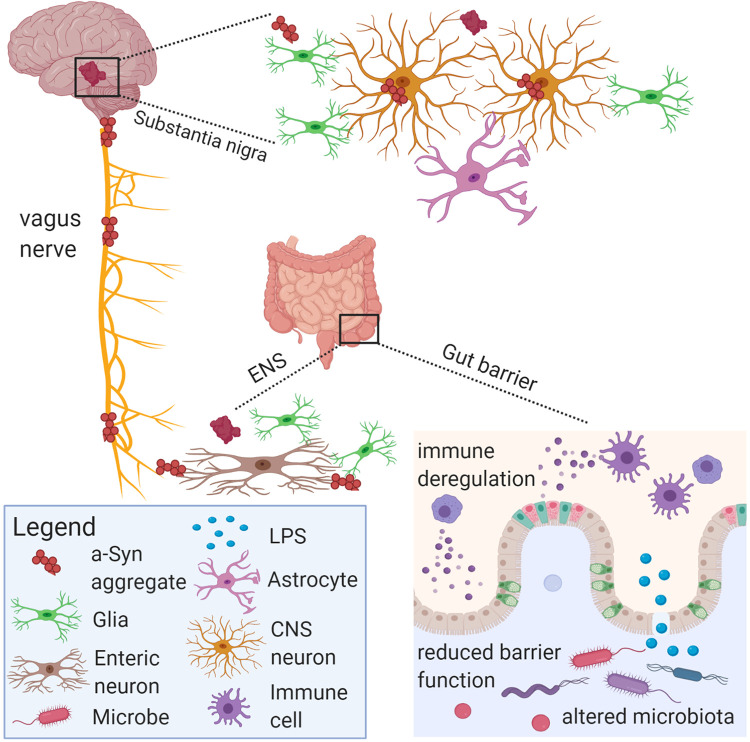
“to brain regions.(57,62,63) The vagus nerve is thought to be a pathological route for alpha-synuclein given clinical evidence that truncal vagotomy reduced the risk of PD development as well as findings in animal models.”
BackgroundMessaoudi, M., Lalonde, R., Violle, N., Javelot, H., Desor, D., Nejdi, A., Bisson, J.-F., Rougeot, C., Pichelin, M., Cazaubiel, M., et al. (2011) · British Journal of Nutrition · doi:10.1017/s0007114510004319 · Cited by 1,324 · cited 1×
“Bacosides A and B are high abundance dammarane-type triterpenoid saponins implicated in some neuropharmacological effects of bacopa and cross the blood-brain barrier.(102,103) In addition, several clinical trials (Table 2) using bacopa in patients with age-associated memory impairment and healthy elderly subjects sugg…”
BackgroundRole of Escherichia coli Curli Operons in Directing Amyloid Fiber Formation
Chapman, M. R., Robinson, L. S., Pinkner, J. S., Roth, R., Heuser, J., Hammar, M., Normark, S., & Hultgren, S. J. (2002) · Science · doi:10.1126/science.1067484 · Cited by 1,298 · cited 1×
“Interestingly, several species of the human microbiota produce curli, which are functional fibers that share biophysical properties with amyloids.(75) Such amyloid-like fiber producing microbes include Bacillus, Citrobacter, Escherichia, Klebsiella, Mycobacteria, Pseudomonas, Salmonella, Staphylococcus, and Streptococ…”
BackgroundColonic bacterial composition in Parkinson's disease
Keshavarzian, A., Green, S. J., Engen, P. A., Voigt, R. M., Naqib, A., Forsyth, C. B., Mutlu, E., & Shannon, K. M. (2015) · Movement Disorders · doi:10.1002/mds.26307 · Cited by 1,281 · cited 1×
“The PD associated metagenome features increased representation of genes annotated in LPS biosynthesis and type III bacterial secretion systems, which suggests potentially increased inflammation from microbial products.(43) These observations support emerging evidence which suggests that neuroinflammation in PD may be…”
BackgroundConsumption of fermented milk product with probiotic modulates brain activity
Tillisch, K., Labus, J., Kilpatrick, L., Jiang, Z., Stains, J., Ebrat, B., Guyonnet, D., Legrain–Raspaud, S., Trotin, B., Naliboff, B., et al. (2013) · Gastroenterology · doi:10.1053/j.gastro.2013.02.043 · Cited by 1,192
Vagus Nerve as Modulator of the Brain–Gut Axis in Psychiatric and Inflammatory Disorders
Breit, S., Kupferberg, A., Rogler, G., & Hasler, G. (2018) · Frontiers in Psychiatry · doi:10.3389/fpsyt.2018.00044 · Cited by 1,189 · cited 1×
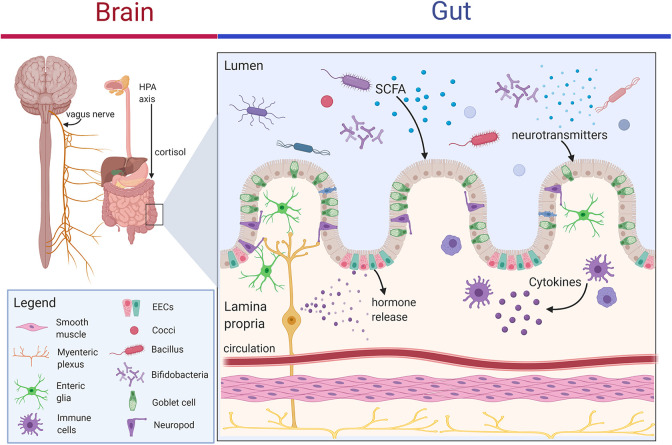
“Mostly vagal afferents communicate from the intestine to the brain and represent 80–90% of all vagal fibers.(21) The vagal afferent fibers also interface with the HPA axis to coordinate the stress response and anti-inflammatory actions.”
BackgroundProtein misfolding, aggregation, and conformational strains in neurodegenerative diseases
Soto, C., & Pritzkow, S. (2018) · Nature Neuroscience · doi:10.1038/s41593-018-0235-9 · Cited by 1,180 · cited 1×
“Microbially-produced amyloids are released into the extracellular space where they can be internalized by adjacent cells such as enteric neurons to seed the formation of pathological alpha-synuclein through permissive templating.(80) The spreading of pathological aggregates may occur molecule-to-molecule, cell-to-cell…”
BackgroundUnger, M. M., Spiegel, J., Dillmann, K.-U., Grundmann, D., Philippeit, H., Bürmann, J., Faßbender, K., Schwiertz, A., & Schäfer, K.-H. (2016) · Parkinsonism & Related Disorders · doi:10.1016/j.parkreldis.2016.08.019 · Cited by 1,159 · cited 2×
“SCFAs such as butyrate have been observed as lowered in PD stool compared to age-matched controls and represent a relevant clinical consideration in patients given the anti-inflammatory and neuroactive effects of these microbial end products of fermentation.(39) Reduced relative abundance of other butyrate producers s…”
BackgroundResultEpithelial-cell recognition of commensal bacteria and maintenance of immune homeostasis in the gut
Artis, D. (2008) · Nature reviews. Immunology · doi:10.1038/nri2316 · Cited by 1,136
Clinical Neurology and Epidemiology of the Major Neurodegenerative Diseases
Erkkinen, M. G., Kim, M.-O., & Geschwind, M. D. (2018) · Cold Spring Harbor Perspectives in Biology · doi:10.1101/cshperspect.a033118 · Cited by 1,124 · cited 1×
“Many millions of individuals are affected by neurodegenerative disease worldwide, and global health improvements largely driven by clinical research have further augmented the human lifespan potential to increase this disease and economic burden.(1,2) Neurodegenerative diseases, such as Parkinson’s Disease (PD) and Al…”
BackgroundDevelopmental regulation of intestinal angiogenesis by indigenous microbes via Paneth cells
Stappenbeck, T. S., Hooper, L. V., & Gordon, J. I. (2002) · Proceedings of the National Academy of Sciences · doi:10.1073/pnas.202604299 · Cited by 1,095
Psychobiotics and the manipulation of bacteria–gut–brain signals
Sarkar, A., Lehto, S. M., Harty, S., Dinan, T. G., Cryan, J. F., & Burnet, P. W. J. (2016) · Trends in Neurosciences · doi:10.1016/j.tins.2016.09.002 · Cited by 1,068
The Alzheimer's Disease-Associated Amyloid β-Protein Is an Antimicrobial Peptide
Soscia, S. J., Kirby, J. E., Washicosky, K. J., Tucker, S. M., Ingelsson, M., Hyman, B., Burton, M. A., Goldstein, L. E., Duong, S., Tanzi, R. E., et al. (2010) · PLoS ONE · doi:10.1371/journal.pone.0009505 · Cited by 1,060
Immunity, Inflammation, and Allergy in the Gut
MacDonald, T. T., & Monteleone, G. (2005) · Science · doi:10.1126/science.1106442 · Cited by 1,035 · cited 1×
“With its 400 m(2) of surface area, the gastrointestinal (GI) tract represents one of the largest interfaces for host-microbe interactions.(5,9) The microbiota interacts with the host in a dynamic way, contributing to both health and disease.”
BackgroundEffects of the probiotic Bifidobacterium infantis in the maternal separation model of depression
Desbonnet, L., Garrett, L., Clarke, G., Kiely, B., Cryan, J. F., & Dinan, T. G. (2010) · Neuroscience · doi:10.1016/j.neuroscience.2010.08.005 · Cited by 999 · cited 1×
“infantis has been shown to reduce stress-related behaviors in animals and reduce inflammation in patients with Irritable Bowel Syndrome (IBS), which is recognized to be correlated with disruption in the gutbrain axis.(105,122) Probiotic studies in healthy humans with Bifidobacterium and Lactobacillus (e.”
BackgroundThe role of the gut microbiota in energy metabolism and metabolic disease
Cani, P., & Delzenne, N. (2009) · Current Pharmaceutical Design · doi:10.2174/138161209788168164 · Cited by 974 · cited 1×
“With its 400 m(2) of surface area, the gastrointestinal (GI) tract represents one of the largest interfaces for host-microbe interactions.(5,9) The microbiota interacts with the host in a dynamic way, contributing to both health and disease.”
BackgroundKumar, D. K. V., Choi, S. H., Washicosky, K. J., Eimer, W. A., Tucker, S., Ghofrani, J., Lefkowitz, A., McColl, G., Goldstein, L. E., Tanzi, R. E., et al. (2016) · Science Translational Medicine · doi:10.1126/scitranslmed.aaf1059 · Cited by 971
Akbari, E., Asemi, Z., Daneshvar Kakhaki, R., Bahmani, F., Kouchaki, E., Tamtaji, O. R., Hamidi, G. A., & Salami, M. (2016) · Frontiers in Aging Neuroscience · doi:10.3389/fnagi.2016.00256 · Cited by 946
Direct evidence of Parkinson pathology spread from the gastrointestinal tract to the brain in rats
Holmqvist, S., Chutna, O., Bousset, L., Aldrin-Kirk, P., Li, W., Björklund, T., Wang, Z.-Y., Roybon, L., Melki, R., & Li, J.-Y. (2014) · Acta Neuropathologica · doi:10.1007/s00401-014-1343-6 · Cited by 925 · cited 1×
“coli-produced alpha-synuclein were able to seed the formation of Lewy body-like inclusions that spread from the GI tract via the vagus nerve to the brain in a rat model.(78) While prions self-seed to trigger the same type of protein to adopt a pathological conformation, amyloids may also crossseed other proteins.”
BackgroundGut Microbiota is Altered in Patients with Alzheimer’s Disease
Zhuang, Z.-Q., Shen, L.-L., Li, W.-W., Fu, X., Zeng, F., Gui, L., Lü, Y., Cai, M., Zhu, C., Tan, Y.-L., et al. (2018) · Journal of Alzheimer's Disease · doi:10.3233/jad-180176 · Cited by 885 · cited 3×
“Studies have also indicated reduced abundance of gram-negative species and increased intestinal permeability in AD.”
BackgroundInfluentialHill‐Burns, E. M., Debelius, J. W., Morton, J. T., Wissemann, W. T., Lewis, M. R., Wallen, Z. D., Peddada, S. D., Factor, S. A., Molho, E., Zabetian, C. P., et al. (2017) · Movement Disorders · doi:10.1002/mds.26942 · Cited by 874
Gut instincts: microbiota as a key regulator of brain development, ageing and neurodegeneration
Dinan, T. G., & Cryan, J. F. (2017) · The Journal of Physiology · doi:10.1113/jp273106 · Cited by 813 · cited 1×
“Research points to microbiota dysbiosis as a contributing factor in neurological disease such as neurodegeneration and mood disorders.(26,27) Some of this pathology may occur via the microbiota-gut-brain-axis.”
BackgroundVagotomy and subsequent risk of Parkinson's disease
Svensson, E., Horváth‐Puhó, E., Thomsen, R. W., Djurhuus, J. C., Pedersen, L., Borghammer, P., & Sørensen, H. T. (2015) · Annals of Neurology · doi:10.1002/ana.24448 · Cited by 806
Intravesicular Localization and Exocytosis of α-Synuclein and its Aggregates
Lee, H.-J., Patel, S., & Lee, S.-J. (2005) · The Journal of Neuroscience · doi:10.1523/jneurosci.0692-05.2005 · Cited by 797 · cited 1×
“Interestingly, alpha-synuclein aggregates are secreted from neurons via exocytosis.(72) In addition, neurons cultured in vitro transport alphasynuclein aggregates via endocytosis.”
BackgroundThe immune system and the gut microbiota: friends or foes?
Cerf-Bensussan, N., & Gaboriau-Routhiau, V. (2010) · Nature Reviews Immunology · doi:10.1038/nri2850 · Cited by 704
Gut microbiota-derived short-chain Fatty acids, T cells, and inflammation
Kim, C. H., Park, J., & Kim, M. (2014) · Immune Network · doi:10.4110/in.2014.14.6.277 · Cited by 704 · cited 1×
“For example, butyrate can function as a histone deacetylase inhibitor, inhibit gene expression of proinflammatory cytokines, improve gut barrier function, induce T-regulatory cells, and function as a signaling molecule via the gut-brain axis.(91,92) SCFAs such as butyrate also mediate neuroimmune mechanisms, inflammat…”
BackgroundSteenbergen, L., Sellaro, R., van Hemert, S., Bosch, J. A., & Colzato, L. S. (2015) · Brain, Behavior, and Immunity · doi:10.1016/j.bbi.2015.04.003 · Cited by 671 · cited 1×
“lactis W19 and W58 for 30 days reported reduced reactivity to sad mood, which was associated with reduced rumination and aggressive cognition, in the probiotic treated group compared to placebo group.(124) Fully understanding the mechanisms of microbiota-gut-brain axis communication will catalyze the development of mi…”
ResultMinter, M. R., Zhang, C., Leone, V., Ringus, D. L., Zhang, X., Oyler-Castrillo, P., Musch, M. W., Liao, F., Ward, J. F., Holtzman, D. M., et al. (2016) · Scientific Reports · doi:10.1038/srep30028 · Cited by 655 · cited 1×
“In a mouse model of AD, antibiotic exposure lowered the biodiversity of the gut microbiota and reduced both neuroinflammation and amyloidosis thus implicating the microbiota in AD pathology.(35) In ALS patient stools, increases in potentially inflammatory Ruminococcaceae, Enterobacteria, and Escherichia coli have been…”
BackgroundButyrate, neuroepigenetics and the gut microbiome: Can a high fiber diet improve brain health?
Bourassa, M. W., Alim, I., Bultman, S. J., & Ratan, R. R. (2016) · Neuroscience Letters · doi:10.1016/j.neulet.2016.02.009 · Cited by 632
Schulz-Schaeffer, W. J. (2010) · Acta Neuropathologica · doi:10.1007/s00401-010-0711-0 · Cited by 627
Gut Microbiota and Its Possible Relationship With Obesity
DiBaise, J. K., Zhang, H., Crowell, M. D., Krajmalnik-Brown, R., Decker, G. A., & Rittmann, B. E. (2008) · Mayo Clinic Proceedings · doi:10.4065/83.4.460 · Cited by 605
Brain-Gut-Microbiota Axis in Parkinson’s Disease
Mulak, A. (2015) · World Journal of Gastroenterology · doi:10.3748/wjg.v21.i37.10609 · Cited by 583 · cited 2×
“Gut dysbiosis may lead to lowered or altered SCFA profiles, decreased mucin production, increased bacterial/antigen translocation which contributes to increased intestinal permeability, inflammation, altered gut-brain axis communication, and reduced nutritional status such as B1 and folate deficiency.(26) Gut and syst…”
BackgroundMessaoudi, M., Violle, N., Bisson, J.-F., Desor, D., Javelot, H., & Rougeot, C. (2011) · Gut Microbes · doi:10.4161/gmic.2.4.16108 · Cited by 574 · cited 2×
“In a follow up study, even in human subjects with low stress and cortisol levels, this probiotic supplementation was associated with reduced cortisol, anxiety and depression levels.(121) Healthy brain function in humans has also been associated with the consumption of fermented dairy products.”
BackgroundSchmidt, K., Cowen, P. J., Harmer, C. J., Tzortzis, G., Errington, S., & Burnet, P. W. J. (2015) · Psychopharmacology · doi:10.1007/s00213-014-3810-0 · Cited by 522 · cited 1×
“Lactobacillus and Bifidobacteria) can reduce intestinal permeability, abdominal pain, and inflammation as well as reduce HPA axis dysfunction due to stress.(100) In human studies, intestinal permeability is associated with stress-related psychiatric disorders such as depression which underscores the importance of the…”
BackgroundA Unifying Role for Prions in Neurodegenerative Diseases
Prusiner, S. B. (2012) · Science · doi:10.1126/science.1222951 · Cited by 491
Analysis of Gut Microbiota in Patients with Parkinson’s Disease
Petrov, V. A., Saltykova, I. V., Zhukova, I. A., Alifirova, V. M., Zhukova, N. G., Dorofeeva, Y. B., Tyakht, A. V., Kovarsky, B. A., Alekseev, D. G., Kostryukova, E. S., et al. (2017) · Bulletin of Experimental Biology and Medicine · doi:10.1007/s10517-017-3700-7 · Cited by 487
Neuroepithelial circuit formed by innervation of sensory enteroendocrine cells
Bohórquez, D. V., Shahid, R. A., Erdmann, A., Kreger, A. M., Wang, Y., Calakos, N., Wang, F., & Liddle, R. A. (2015) · Journal of Clinical Investigation · doi:10.1172/jci78361 · Cited by 484 · cited 2×
“While paracrine transmission of hormonal sensory signals from EECs has been long understood, recently the direct enteroendocrine cell to nerve contact has recently been observed in vivo via the axon-like processes of EECs.(59,69,70) Such observations lead to interesting speculation regarding the nature of a neural pat…”
BackgroundAssembly-dependent endocytosis and clearance of extracellular a-synuclein
Lee, H.-J., Suk, J.-E., Bae, E.-J., Lee, J.-H., Paik, S. R., & Lee, S.-J. (2008) · The International Journal of Biochemistry & Cell Biology · doi:10.1016/j.biocel.2008.01.017 · Cited by 470 · cited 1×
“In addition, neurons cultured in vitro transport alphasynuclein aggregates via endocytosis.(73) The alpha-synuclein aggregates may propagate via endocytosis to adjacent neurons and neuronal precursor cells to form Lewy body type inclusions.”
BackgroundChen, S. G., Stribinskis, V., Rane, M. J., Demuth, D. R., Gozal, E., Roberts, A. M., Jagadapillai, R., Liu, R., Choe, K., Shivakumar, B., et al. (2016) · Scientific Reports · doi:10.1038/srep34477 · Cited by 463 · cited 1×
“coli strain that produced curli had increased production of alphasynuclein in the gut and brain, increased aggregation of alphasynuclein in the brain, and increased neuroinflammation compared to rats exposed to a non-curli producing control.(77) Both PD patient-derived and E.”
BackgroundKaufman, S. K., Sanders, D. W., Thomas, T. L., Ruchinskas, A. J., Vaquer-Alicea, J., Sharma, A. M., Miller, T. M., & Diamond, M. I. (2016) · Neuron · doi:10.1016/j.neuron.2016.09.055 · Cited by 450 · cited 1×
“Proteins hypothesized to be involved in neurodegeneration, such as alphasynuclein in PD and both amyloid beta (Ab) and tau in AD, are heavily studied proteins that adopt cross beta-sheet amyloid structures.(53,54) Evidence suggests that proteins may misfold in the gut then migrate to the brain via hypothesized routes…”
BackgroundVagotomy and Parkinson disease: A Swedish register–based matched-cohort study
Liu, B., Fang, F., Pedersen, N. L., Tillander, A., Ludvigsson, J. F., Ekbom, A., Svenningsson, P., Chen, H., & Wirdefeldt, K. (2017) · Neurology · doi:10.1212/wnl.0000000000003961 · Cited by 447
Prebiotics: why definitions matter
Hutkins, R. W., Krumbeck, J. A., Bindels, L. B., Cani, P. D., Fahey, G., Goh, Y. J., Hamaker, B., Martens, E. C., Mills, D. A., Rastal, R. A., et al. (2016) · Current Opinion in Biotechnology · doi:10.1016/j.copbio.2015.09.001 · Cited by 437 · cited 1×
“The prebiotic definition, while highly debated, most commonly refers to dietary carbohydrates that are selectively fermented by gut microbiota to modulate the composition of microbiota and in turn confer health benefits to the host.(89,90) Prebiotics reach the site of action in the colon and are fermented by saccharol…”
BackgroundMicrobes and the gut‐brain axis
Bercik, P., Collins, S. M., & Verdu, E. F. (2012) · Neurogastroenterology & Motility · doi:10.1111/j.1365-2982.2012.01906.x · Cited by 417 · cited 1×
“The microbiota-gut-brain axis, or gut-brain axis, refers to interactions between the enteric nervous system (ENS) within the GI tract and the central nervous system (CNS) through a bidirectional communication system that is comprised of neural, immune, and endocrine pathways (Figure 1).(18,19) The enteric nervous syst…”
BackgroundTamtaji, O. R., Heidari-soureshjani, R., Mirhosseini, N., Kouchaki, E., Bahmani, F., Aghadavod, E., Tajabadi-Ebrahimi, M., & Asemi, Z. (2019) · Clinical Nutrition · doi:10.1016/j.clnu.2018.11.034 · Cited by 398
Sehgal, N., Gupta, A., Valli, R. K., Joshi, S. D., Mills, J. T., Hamel, E., Khanna, P., Jain, S. C., Thakur, S. S., & Ravindranath, V. (2012) · Proceedings of the National Academy of Sciences · doi:10.1073/pnas.1112209109 · Cited by 390
Probiotics and prebiotic fiber for constipation associated with Parkinson disease: An RCT
Barichella, M., Pacchetti, C., Bolliri, C., Cassani, E., Iorio, L., Pusani, C., Pinelli, G., Privitera, G., Cesari, I., Faierman, S. A., et al. (2016) · Neurology · doi:10.1212/wnl.0000000000003127 · Cited by 390 · cited 1×
“A 12-week randomized, double-blind, controlled trial in 120 patients with PD and constipation revealed that treatment with both a probiotic and prebiotic significantly increased the number of complete bowel movements compared to placebo.(125) In a randomized, double-blind, placebo-controlled clinical trial in 50 patie…”
MethodGut microbiota, enteroendocrine functions and metabolism
Cani, P. D., Everard, A., & Duparc, T. (2013) · Current Opinion in Pharmacology · doi:10.1016/j.coph.2013.09.008 · Cited by 378 · cited 1×
“Metabolites from gut commensal microbes also regulate the hormone secretion from EECs to affect processes such as intestinal transit time.(24) As EECs directly provide signals to the brain via the vagus nerve, this neuroendocrine pathway is a key bidirectional pathway.”
BackgroundSavignac, H. M., Corona, G., Mills, H., Chen, L., Spencer, J. P. E., Tzortzis, G., & Burnet, P. W. J. (2013) · Neurochemistry International · doi:10.1016/j.neuint.2013.10.006 · Cited by 377 · cited 2×
“A study examining B-GOS, FOS (fructooligosaccharide), or placebo in a rat model reported alterations in pivotal receptors for synaptic plasticity and memory function.(94) Specifically, probiotic supplementation increased gene expression of BDNF expression in the hippocampus and dentate gyrus as well as N-methyl-d-aspa…”
BackgroundBryois, J., Skene, N. G., Hansen, T. F., Kogelman, L. J. A., Watson, H. J., Liu, Z., Eating Disorders Working Group of the Psychiatric Genomics Consortium, Adan, R., Alfredsson, L., Ando, T., et al. (2020) · Nature Genetics · doi:10.1038/s41588-020-0610-9 · Cited by 366 · cited 1×
“Similarly, a recent genome-wide-association study found that PD was genetically associated with cholinergic and monoaminergic neurons, including dopaminergic neurons, enteric neurons and oligodendrocytes.(50) Dysbiosis and lowered gut biodiversity seen in aging and neurological diseases may contribute to neuroinflamma…”
ResultC., S., P., N., J., L., J., C., C., H., L., D., & T., R. (2001) · Psychopharmacology · doi:10.1007/s002130100815 · Cited by 342
Neuritic regeneration and synaptic reconstruction induced by withanolide A
Kuboyama, T., Tohda, C., & Komatsu, K. (2005) · British Journal of Pharmacology · doi:10.1038/sj.bjp.0706122 · Cited by 339
Mechanisms of Molecular Mimicry Involving the Microbiota in Neurodegeneration
Friedland, R. P. (2015) · Journal of Alzheimer's Disease · doi:10.3233/jad-142841 · Cited by 338 · cited 1×
“In addition, several potentially pathogenic gut residents such as Escherichia coli, Klebsiella pneumoniae, Mycobacterium tuberculosis, Salmonella enterica, Salmonella typhimurium, and Staphylococcus aureus, are known to produce amyloid proteins, which have been proposed as potential seeds in the formation of pathologi…”
BackgroundNoble, E. E., Hsu, T. M., & Kanoski, S. E. (2017) · Frontiers in Behavioral Neuroscience · doi:10.3389/fnbeh.2017.00009 · Cited by 333 · cited 1×
“During gut dysbiosis, dysfunctional gut brain axis signaling leads to increased oxidative stress and inflammation as well as imbalanced metabolism and immune function.(32) Recent burgeoning investigations suggest that altered gut microbiota and microbial metabolites such as butyrate and amyloid are associated with neu…”
BackgroundImmune homeostasis, dysbiosis and therapeutic modulation of the gut microbiota
Peterson, C. T., Sharma, V, Elmén, L., & Peterson, S. N. (2015) · Clinical and Experimental Immunology · doi:10.1111/cei.12474 · Cited by 318 · cited 1×
“The impact of gut dysbiosis in various diseases has fueled investigation into strategies to therapeutically modulate gut microbiomes and the immune system.(85) Important areas of therapeutic opportunities include dietary treatment such as probiotics, synbiotics, and prebiotics in the form of isolates or herbal medicin…”
BackgroundSelf-citationMucuna pruriens in Parkinson's disease: a double blind clinical and pharmacological study
Katzenschlager, R. (2004) · Journal of Neurology, Neurosurgery & Psychiatry · doi:10.1136/jnnp.2003.028761 · Cited by 318
Gut microbiota in neurodegenerative disorders
Roy Sarkar, S., & Banerjee, S. (2019) · Journal of Neuroimmunology · doi:10.1016/j.jneuroim.2019.01.004 · Cited by 314 · cited 1×
“Gut microbes can also produce and modulate neurotransmitters and neuromodulating compounds such as GABA, serotonin, dopamine, acetylcholine, and noradrenalin.(119) GABA is the primary inhibitory neurotransmitter in the brain and may exert influence on brain activity by acting on the vagus nerve.”
BackgroundCalabrese, C., Gregory, W. L., Leo, M., Kraemer, D., Bone, K., & Oken, B. (2008) · The Journal of Alternative and Complementary Medicine · doi:10.1089/acm.2008.0018 · Cited by 301 · cited 1×
“One of the first human investigations, an open label clinical trial using kapikacchu powder in 23 PD patients, reported improvement in motor symptoms (Table 2).(131) Later, a standardized extract of kapikacchu containing 4% L-dopa was provided to 60 patients, including 34 levodopa naı̈ve patients, in an open label cli…”
BackgroundMicrobiota regulation of the mammalian gut-brain axis
Burokas, A., Moloney, R. D., Dinan, T. G., & Cryan, J. F. (2015) · Advances in applied microbiology · doi:10.1016/bs.aambs.2015.02.001 · Cited by 300 · cited 1×
“The microbiota-gut-brain axis, or gut-brain axis, refers to interactions between the enteric nervous system (ENS) within the GI tract and the central nervous system (CNS) through a bidirectional communication system that is comprised of neural, immune, and endocrine pathways (Figure 1).(18,19) The enteric nervous syst…”
BackgroundNeuropharmacological Review of the Nootropic Herb Bacopa monnieri
Aguiar, S., & Borowski, T. (2013) · Rejuvenation Research · doi:10.1089/rej.2013.1431 · Cited by 295 · cited 2×
“Clinical trials (Table 2) in patients with age-associated memory impairment and healthy elderly subjects suggest that treatment improves focus, memory and learning outcomes.(104,109,110,142-145) One clinical trial examined bacopa, although in a polyherbal blend with 2 other herbs, in senile dementia of Alzheimer type.”
BackgroundKato-Kataoka, A., Nishida, K., Takada, M., Kawai, M., Kikuchi-Hayakawa, H., Suda, K., Ishikawa, H., Gondo, Y., Shimizu, K., Matsuki, T., et al. (2016) · Applied and Environmental Microbiology · doi:10.1128/aem.04134-15 · Cited by 288 · cited 1×
“Healthy brain function in humans has also been associated with the consumption of fermented dairy products.(123) Probiotic supplementation increases fatty acid levels in the brain which are important for brain function, Peterson 7”
BackgroundCognitive enhancement and neuroprotective effects of Bacopa monnieri in alzheimer’s disease model
Uabundit, N., Wattanathorn, J., Mucimapura, S., & Ingkaninan, K. (2010) · Journal of Ethnopharmacology · doi:10.1016/j.jep.2009.09.056 · Cited by 282
Alcaino, C., Knutson, K. R., Treichel, A. J., Yildiz, G., Strege, P. R., Linden, D. R., Li, J. H., Leiter, A. B., Szurszewski, J. H., Farrugia, G., et al. (2018) · Proceedings of the National Academy of Sciences · doi:10.1073/pnas.1804938115 · Cited by 266 · cited 1×
“In addition, about 95% of serotonin is produced by specialized neuroendocrine cells, namely enterochromaffin cells, in the gut mucosa beneath the epithelium with mechanosensory and chemosensory functions that regulate motility and secretion.(25) The gut microbiota also provides a key role in tryptophan, the serotonin…”
BackgroundThe gut as the largest endocrine organ in the body
Ahlman, H., & Nilsson, O. (2001) · Annals of Oncology · doi:10.1093/annonc/12.suppl_2.s63 · Cited by 254 · cited 1×
“The gut has been recognized as the largest endocrine organ in the body, producing myriad hormones and bioactive peptides.(22) Gut to brain signaling in the gut is accomplished by highly chemosensitive primary afferent neurons, immune cells and enteroendocrine cells, which contain over 30 different hormones.”
BackgroundProgression of Parkinson's disease is associated with gut dysbiosis: Two-year follow-up study
Minato, T., Maeda, T., Fujisawa, Y., Tsuji, H., Nomoto, K., Ohno, K., & Hirayama, M. (2017) · PLOS ONE · doi:10.1371/journal.pone.0187307 · Cited by 248
Dehhaghi, M., Kazemi Shariat Panahi, H., & Guillemin, G. J. (2019) · International Journal of Tryptophan Research · doi:10.1177/1178646919852996 · Cited by 245 · cited 1×
“Probiotics, such as Bifidobacterium infantis, may alter levels of kynurenine which is an arm of the tryptophan (serotonin precursor) pathway important in the context of oxidative stress.(117,118) Gut microbes can also produce and modulate neurotransmitters and neuromodulating compounds such as GABA, serotonin, dopamin…”
BackgroundAn Enteroendocrine Cell – Enteric Glia Connection Revealed by 3D Electron Microscopy
Bohórquez, D. V., Samsa, L. A., Roholt, A., Medicetty, S., Chandra, R., & Liddle, R. A. (2014) · PLoS ONE · doi:10.1371/journal.pone.0089881 · Cited by 242 · cited 3×
“While paracrine transmission of hormonal sensory signals from EECs has been long understood, recently the direct enteroendocrine cell to nerve contact has recently been observed in vivo via the axon-like processes of EECs.(59,69,70) Such observations lead to interesting speculation regarding the nature of a neural pat…”
Backgroundα-Synuclein in gut endocrine cells and its implications for Parkinson’s disease
Chandra, R., Hiniker, A., Kuo, Y.-M., Nussbaum, R. L., & Liddle, R. A. (2017) · JCI Insight · doi:10.1172/jci.insight.92295 · Cited by 236
Dietary selenium affects host selenoproteome expression by influencing the gut microbiota
Kasaikina, M. V., Kravtsova, M. A., Lee, B. C., Seravalli, J., Peterson, D. A., Walter, J., Legge, R., Benson, A. K., Hatfield, D. L., & Gladyshev, V. N. (2011) · The FASEB Journal · doi:10.1096/fj.11-181990 · Cited by 229
Parkinson’s disease from the gut
Liddle, R. A. (2018) · Brain Research · doi:10.1016/j.brainres.2018.01.010 · Cited by 219 · cited 2×
“aggregates in EECs spread to the nervous system through their synapse with alpha-synuclein containing enteric nerves to later enter the vagus nerve and brain.(55) Interestingly, alpha-synuclein aggregates are secreted from neurons via exocytosis.”
BackgroundOxidative Stress and Dementia in Alzheimer’s Patients: Effects of Synbiotic Supplementation
Ton, A. M. M., Campagnaro, B. P., Alves, G. A., Aires, R., Côco, L. Z., Arpini, C. M., Guerra e Oliveira, T., Campos-Toimil, M., Meyrelles, S. S., Pereira, T. M. C., et al. (2020) · Oxidative Medicine and Cellular Longevity · doi:10.1155/2020/2638703 · Cited by 217
Choudhary, D., Bhattacharyya, S., & Bose, S. (2017) · Journal of Dietary Supplements · doi:10.1080/19390211.2017.1284970 · Cited by 215
Limpeanchob, N., Jaipan, S., Rattanakaruna, S., Phrompittayarat, W., & Ingkaninan, K. (2008) · Journal of Ethnopharmacology · doi:10.1016/j.jep.2008.07.039 · Cited by 206 · cited 1×
“While additional studies are needed, the putative mechanisms of action in bacopa include antioxidant mediated neuroprotection, acetylcholinesterase and/or choline acetyltransferase modulation, cerebral blood flow stimulation, reduced amyloid formation, and neurotransmitter modulation of acetylcholine, 5hydroxytryptami…”
BackgroundMicrobiota-gut-brain signalling in Parkinson's disease: Implications for non-motor symptoms
Felice, V. D., Quigley, E. M., Sullivan, A. M., O'Keeffe, G. W., & O'Mahony, S. M. (2016) · Parkinsonism & Related Disorders · doi:10.1016/j.parkreldis.2016.03.012 · Cited by 205
Probiotic Bacillus subtilis protects against α-synuclein aggregation in C. elegans
Goya, M. E., Xue, F., Sampedro-Torres-Quevedo, C., Arnaouteli, S., Riquelme-Dominguez, L., Romanowski, A., Brydon, J., Ball, K. L., Stanley-Wall, N. R., & Doitsidou, M. (2020) · Cell Reports · doi:10.1016/j.celrep.2019.12.078 · Cited by 205
The Gut-Brain Axis in Parkinson’s Disease: Possibilities for Food-Based Therapies
Perez-Pardo, P., Kliest, T., Dodiya, H. B., Broersen, L. M., Garssen, J., Keshavarzian, A., & Kraneveld, A. D. (2017) · European Journal of Pharmacology · doi:10.1016/j.ejphar.2017.05.042 · Cited by 203
Neurodegenerative disease: Brain windfall
Gammon, K. (2014) · Nature · doi:10.1038/nj7526-299a · Cited by 200
Withanolide Derivatives from the Roots of Withania somnifera and Their Neurite Outgrowth Activities.
Zhao, J., Nakamura, N., Hattori, M., Kuboyama, T., Tohda, C., & Komatsu, K. (2002) · Chemical and Pharmaceutical Bulletin · doi:10.1248/cpb.50.760 · Cited by 194
Molecular Cross Talk between Misfolded Proteins in Animal Models of Alzheimer's and Prion Diseases
Morales, R., Estrada, L. D., Diaz-Espinoza, R., Morales-Scheihing, D., Jara, M. C., Castilla, J., & Soto, C. (2010) · The Journal of Neuroscience · doi:10.1523/jneurosci.5924-09.2010 · Cited by 194 · cited 1×
“While prions self-seed to trigger the same type of protein to adopt a pathological conformation, amyloids may also crossseed other proteins.(79) Microbially-produced amyloids are released into the extracellular space where they can be internalized by adjacent cells such as enteric neurons to seed the formation of path…”
BackgroundPhillips, R. J., Walter, G. C., Wilder, S. L., Baronowsky, E. A., & Powley, T. L. (2008) · Neuroscience · doi:10.1016/j.neuroscience.2008.02.074 · Cited by 188 · cited 2×
“Given that enteroendocrine cells express alpha-synuclein, exposure to toxins, pathogens, poor diet, or inflammatory conditions could promote misfolding and transport to enteric neurons such as submucosal, myenteric neurons and preganglionic vagal nerves, which also express alpha-synuclein, to trigger a prion-like casc…”
BackgroundMeta-analysis of randomized controlled trials on cognitive effects of Bacopa monnieri extract
Kongkeaw, C., Dilokthornsakul, P., Thanarangsarit, P., Limpeanchob, N., & Norman Scholfield, C. (2014) · Journal of Ethnopharmacology · doi:10.1016/j.jep.2013.11.008 · Cited by 188
GIP and GLP-1 as incretin hormones: lessons from single and double incretin receptor knockout mice
Hansotia, T., & Drucker, D. J. (2005) · Regulatory Peptides · doi:10.1016/j.regpep.2004.07.019 · Cited by 183 · cited 1×
“glucagon-like peptide 1 (GLP-1) and glucose-dependent insulinotropic polypeptide (GIP)).(17) Symbiotic bacteria interact with the host in dynamic ways to influence the development and function of the intestinal architecture, immune system, and gut brain axis.”
BackgroundBrain-to-stomach transfer of α-synuclein via vagal preganglionic projections
Ulusoy, A., Phillips, R. J., Helwig, M., Klinkenberg, M., Powley, T. L., & Di Monte, D. A. (2017) · Acta Neuropathologica · doi:10.1007/s00401-016-1661-y · Cited by 179 · cited 1×
“to brain regions.(57,62,63) The vagus nerve is thought to be a pathological route for alpha-synuclein given clinical evidence that truncal vagotomy reduced the risk of PD development as well as findings in animal models.”
BackgroundWattanathorn, J., Mator, L., Muchimapura, S., Tongun, T., Pasuriwong, O., Piyawatkul, N., Yimtae, K., Sripanidkulchai, B., & Singkhoraard, J. (2008) · Journal of Ethnopharmacology · doi:10.1016/j.jep.2007.11.038 · Cited by 178
Vázquez, E., Barranco, A., Ramírez, M., Gruart, A., Delgado-García, J. M., Martínez-Lara, E., Blanco, S., Martín, M. J., Castanys, E., Buck, R., et al. (2015) · The Journal of Nutritional Biochemistry · doi:10.1016/j.jnutbio.2014.11.016 · Cited by 178 · cited 1×
“Similar effects using a human milk oligosaccharide, 20-fucosyllactose, have been observed in both mouse and rat models whereby BDNF expression was increased in cortical structures in parallel with increased long-term potentiation.(96,97) In neurodegenerative disease models such as an amyloid-b142-induced rat model of…”
BackgroundThe fecal microbiome of ALS patients
Brenner, D., Hiergeist, A., Adis, C. I., Mayer, B., Gessner, A., Ludolph, A. C., & Weishaupt, J. H. (2017) · Neurobiology of Aging · doi:10.1016/j.neurobiolaging.2017.09.023 · Cited by 174 · cited 1×
“In ALS patient stools, increases in potentially inflammatory Ruminococcaceae, Enterobacteria, and Escherichia coli have been observed compared to matched controls.(36,37) Investigations of dysbiosis in PD have revealed some key features of the PD gut microbiome and metagenome.”
ResultWalton, G. E., van den Heuvel, E. G. H. M., Kosters, M. H. W., Rastall, R. A., Tuohy, K. M., & Gibson, G. R. (2012) · British Journal of Nutrition · doi:10.1017/s0007114511004697 · Cited by 172 · cited 1×
“Dysbiosis and lowered gut biodiversity seen in aging and neurological diseases may contribute to neuroinflammation underlying neurodegenerative diseases.(51) Microbiota may contribute to neuroinflammation in several ways including via endotoxic bacterial cell wall constituents such as LPS or microbiota-produced amyloi…”
BackgroundWithanoside IV and its active metabolite, sominone, attenuate Aβ(25–35)‐induced neurodegeneration
Kuboyama, T., Tohda, C., & Komatsu, K. (2006) · European Journal of Neuroscience · doi:10.1111/j.1460-9568.2006.04664.x · Cited by 171
Peterson, C. T., Vaughn, A. R., Sharma, V., Chopra, D., Mills, P. J., Peterson, S. N., & Sivamani, R. K. (2018) · Journal of Evidence-Based Integrative Medicine · doi:10.1177/2515690x18790725 · Cited by 171
Self-citationCrost, E. H., Le Gall, G., Laverde-Gomez, J. A., Mukhopadhya, I., Flint, H. J., & Juge, N. (2018) · Frontiers in Microbiology · doi:10.3389/fmicb.2018.02558 · Cited by 169
Jadiya, P., Khan, A., Sammi, S. R., Kaur, S., Mir, S. S., & Nazir, A. (2011) · Biochemical and Biophysical Research Communications · doi:10.1016/j.bbrc.2011.09.010 · Cited by 168
Starke Belege: Parkinson könnte im Verdauungstrakt beginnen
(2017) · Fortschritte der Neurologie · Psychiatrie · doi:10.1055/s-0043-113319 · Cited by 161
RajaSankar, S., Manivasagam, T., Sankar, V., Prakash, S., Muthusamy, R., Krishnamurti, A., & Surendran, S. (2009) · Journal of Ethnopharmacology · doi:10.1016/j.jep.2009.08.003 · Cited by 158
The Ayurvedic plant Bacopa monnieri inhibits inflammatory pathways in the brain
Nemetchek, M. D., Stierle, A. A., Stierle, D. B., & Lurie, D. I. (2017) · Journal of Ethnopharmacology · doi:10.1016/j.jep.2016.07.073 · Cited by 158 · cited 2×
“Clinical trials (Table 2) in patients with age-associated memory impairment and healthy elderly subjects suggest that treatment improves focus, memory and learning outcomes.(104,109,110,142-145) One clinical trial examined bacopa, although in a polyherbal blend with 2 other herbs, in senile dementia of Alzheimer type.”
BackgroundSafety and clinical effectiveness of Withania Somnifera (Linn.) Dunal root in human ailments
Tandon, N., & Yadav, S. S. (2020) · Journal of Ethnopharmacology · doi:10.1016/j.jep.2020.112768 · Cited by 158
Morgan, A., & Stevens, J. (2010) · The Journal of Alternative and Complementary Medicine · doi:10.1089/acm.2009.0342 · Cited by 156
Bacopa monniera extract reduces amyloid levels in PSAPP mice
Holcomb, L. A., Dhanasekaran, M., Hitt, A. R., Young, K. A., Riggs, M., & Manyam, B. V. (2006) · Journal of Alzheimer's Disease · doi:10.3233/jad-2006-9303 · Cited by 156 · cited 1×
“A clinical trial administering oligofructoseenriched inulin reported that treatment improved mood, recognition memory, and recall compared to placebo.(113) Taken together, these results also suggest that prebiotics could be personalized to contain mental performance enhancing effects as well as to improve mood and neu…”
ResultNeuroprotective mechanisms of ayurvedic antidementia botanical Bacopa monniera
Dhanasekaran, M., Tharakan, B., Holcomb, L. A., Hitt, A. R., Young, K. A., & Manyam, B. V. (2007) · Phytotherapy Research · doi:10.1002/ptr.2195 · Cited by 148
Mucuna pruriens in Parkinson disease: A double-blind, randomized, controlled, crossover study
Cilia, R., Laguna, J., Cassani, E., Cereda, E., Pozzi, N. G., Isaias, I. U., Contin, M., Barichella, M., & Pezzoli, G. (2017) · Neurology · doi:10.1212/wnl.0000000000004175 · Cited by 146
Strasser, B., Geiger, D., Schauer, M., Gostner, J., Gatterer, H., Burtscher, M., & Fuchs, D. (2016) · Nutrients · doi:10.3390/nu8110752 · Cited by 142 · cited 1×
“Probiotics, such as Bifidobacterium infantis, may alter levels of kynurenine which is an arm of the tryptophan (serotonin precursor) pathway important in the context of oxidative stress.(117,118) Gut microbes can also produce and modulate neurotransmitters and neuromodulating compounds such as GABA, serotonin, dopamin…”
BackgroundStough, C., Downey, L. A., Lloyd, J., Silber, B., Redman, S., Hutchison, C., Wesnes, K., & Nathan, P. J. (2008) · Phytotherapy Research · doi:10.1002/ptr.2537 · Cited by 141 · cited 1×
“One study used B-GOS, FOS or placebo to determine emotional appraisal and the psychophysiological effects of the prebiotics treatment.(112) Healthy human participants that consumed B-GOS had a significantly improved cortisol awakening response, which is a marker of emotional disorders such as depression and stress.”
Histological Co-Localization of Iron in A� Plaques of PS/APP Transgenic Mice
Falangola, M. F., Lee, P., Nixon, R. A., Duff, K., & Helpern, J. A. (2005) · Neurochemical Research · doi:10.1007/s11064-004-2442-x · Cited by 140
Mutant LRRK2 mediates peripheral and central immune responses leading to neurodegeneration in vivo
Kozina, E., Sadasivan, S., Jiao, Y., Dou, Y., Ma, Z., Tan, H., Kodali, K., Shaw, T., Peng, J., & Smeyne, R. J. (2018) · Brain · doi:10.1093/brain/awy077 · Cited by 140 · cited 1×
“These observations support emerging evidence which suggests that neuroinflammation in PD may be induced by circulating inflammatory products in the periphery.(45) While gut barrier dysfunction may allow microbial metabolites and antigens, such as LPS, into circulation to potentially activate neuroimmune responses, add…”
BackgroundThe Gut and Parkinson's Disease—A Bidirectional Pathway
Santos, S. F., de Oliveira, H. L., Yamada, E. S., Neves, B. C., & Pereira, A. (2019) · Frontiers in Neurology · doi:10.3389/fneur.2019.00574 · Cited by 140
Hoffmann, T. W., Pham, H.-P., Bridonneau, C., Aubry, C., Lamas, B., Martin-Gallausiaux, C., Moroldo, M., Rainteau, D., Lapaque, N., Six, A., et al. (2016) · The ISME Journal · doi:10.1038/ismej.2015.127 · Cited by 138
Sheikh, N., Ahmad, A., Siripurapu, K. B., Kuchibhotla, V. K., Singh, S., & Palit, G. (2007) · Journal of Ethnopharmacology · doi:10.1016/j.jep.2007.01.025 · Cited by 138 · cited 2×
“Later, a standardized extract of kapikacchu containing 4% L-dopa was provided to 60 patients, including 34 levodopa naı̈ve patients, in an open label clinical trial and reported as effective for motor score improvement with mild adverse events.(132) Similar effects have been reported in clinical trials (see Table 2) i…”
ResultPase, M. P., Kean, J., Sarris, J., Neale, C., Scholey, A. B., & Stough, C. (2012) · The Journal of Alternative and Complementary Medicine · doi:10.1089/acm.2011.0367 · Cited by 135
How does parkinson's disease begin? Perspectives on neuroanatomical pathways, prions, and histology
Borghammer, P. (2018) · Movement Disorders · doi:10.1002/mds.27138 · Cited by 134
Pathania, R., Chawla, P., Khan, H. M., Kaushik, R., & Khan, M. A. (2020) · 3 Biotech · doi:10.1007/s13205-020-02253-x · Cited by 133
Oral supplementation of 2′-fucosyllactose during lactation improves memory and learning in rats
Oliveros, E., Ramirez, M., Vazquez, E., Barranco, A., Gruart, A., Delgado-Garcia, J. M., Buck, R., Rueda, R., & Martin, M. J. (2016) · The Journal of Nutritional Biochemistry · doi:10.1016/j.jnutbio.2015.12.014 · Cited by 131 · cited 1×
“Similar effects using a human milk oligosaccharide, 20-fucosyllactose, have been observed in both mouse and rat models whereby BDNF expression was increased in cortical structures in parallel with increased long-term potentiation.(96,97) In neurodegenerative disease models such as an amyloid-b142-induced rat model of…”
BackgroundFunctional Amyloid and Other Protein Fibers in the Biofilm Matrix
Erskine, E., MacPhee, C. E., & Stanley-Wall, N. R. (2018) · Journal of Molecular Biology · doi:10.1016/j.jmb.2018.07.026 · Cited by 131 · cited 1×
“Such amyloid-like fiber producing microbes include Bacillus, Citrobacter, Escherichia, Klebsiella, Mycobacteria, Pseudomonas, Salmonella, Staphylococcus, and Streptococcus species.(76) These proteins enable microbes to form biofilms that are resistant to both physical and chemical eradication.”
BackgroundJia, S., Zheng, L., Gao, Z., An, J., Wu, X., Li, X., Dai, X., Zheng, Q., & Sun, Y. (2015) · International Journal of Biological Macromolecules · doi:10.1016/j.ijbiomac.2015.11.011 · Cited by 130 · cited 1×
“In neurodegenerative disease models such as an amyloid-b142-induced rat model of Alzheimer’s disease, chitosan oligosaccharides (COS) reduced cognitive deficits by inhibiting oxidative stress and neuroinflammatory responses.(98) In a SOD1G93A mouse model of amyotrophic lateral sclerosis, GOS decreased activation of as…”
BackgroundPrakash, J., Yadav, S. K., Chouhan, S., & Singh, S. P. (2013) · Neurochemical Research · doi:10.1007/s11064-013-1005-4 · Cited by 128
Bacopaside I and II: two pseudojujubogenin glycosides from Bacopa monniera
Chakravarty, A. K., Sarkar, T., Masuda, K., Shiojima, K., Nakane, T., & Kawahara, N. (2001) · Phytochemistry · doi:10.1016/s0031-9422(01)00275-8 · Cited by 127 · cited 2×
“Clinical trials (Table 2) in patients with age-associated memory impairment and healthy elderly subjects suggest that treatment improves focus, memory and learning outcomes.(104,109,110,142-145) One clinical trial examined bacopa, although in a polyherbal blend with 2 other herbs, in senile dementia of Alzheimer type.”
BackgroundEffects of Ashwagandha (Roots of Withania somnifera) on Neurodegenerative Diseases
Kuboyama, T., Tohda, C., & Komatsu, K. (2014) · Biological and Pharmaceutical Bulletin · doi:10.1248/bpb.b14-00022 · Cited by 127
Bacopa monnieri modulates antioxidant responses in brain and kidney of diabetic rats
Kapoor, R., Srivastava, S., & Kakkar, P. (2008) · Environmental Toxicology and Pharmacology · doi:10.1016/j.etap.2008.08.007 · Cited by 125
Brahmi rasayana Improves Learning and Memory in Mice
Joshi, H., & Parle, M. (2006) · Evidence-based Complementary and Alternative Medicine · doi:10.1093/ecam/nek014 · Cited by 124 · cited 1×
“A doubleblind, randomized, placebo-controlled trial administered ashwagandha root extract (500 mg/day) to patients with cognitive dysfunction in bipolar disorder and reported improved auditory-verbal working memory, reaction time, and social cognition.(134) Human clinical trials administering ashwagandha in neurodegen…”
MethodAngot, É., & Brundin, P. (2009) · Parkinsonism & Related Disorders · doi:10.1016/s1353-8020(09)70802-8 · Cited by 122 · cited 1×
“Key features of PD pathology include loss of dopamineproducing neurons in the substantia nigra and Lewy bodies containing inclusions of alpha-synuclein, which is expressed in neurons and enteroendocrine cells in the gut.(47) Alpha synucleinopathy has been observed in the enteric nervous system prior to disease onset a…”
BackgroundChengappa, K. N. R., Bowie, C. R., Schlicht, P. J., Fleet, D., Brar, J. S., & Jindal, R. (2013) · The Journal of Clinical Psychiatry · doi:10.4088/jcp.13m08413 · Cited by 120
Smith, A., Sutherland, D., & Hewlett, P. (2015) · Nutrients · doi:10.3390/nu7115441 · Cited by 117 · cited 2×
“longum R0175 reduced cortisol in healthy human subjects.(101,121) Prbiotic treatment in humans also reduces cortisol awakening response and emotional reactivity in healthy individuals.”
BackgroundPrebiotic Potential of Herbal Medicines Used in Digestive Health and Disease
Peterson, C. T., Sharma, V., Uchitel, S., Denniston, K., Chopra, D., Mills, P. J., & Peterson, S. N. (2018) · The Journal of Alternative and Complementary Medicine · doi:10.1089/acm.2017.0422 · Cited by 105 · cited 1×
“Medicinal herbs possess substantial prebiotic effects on gut microbial communities suggesting that the activities of gut microbes may play an important role in the medicinal properties of medicinal herbs.(86,128) Research on the prebiotic potential and nervous system effects of medicinal herbs, including those describ…”
BackgroundSelf-citationPandey, A., Bani, S., Dutt, P., Kumar Satti, N., Avtar Suri, K., & Nabi Qazi, G. (2018) · Cytokine · doi:10.1016/j.cyto.2017.10.019 · Cited by 104
Potential Role of Gut Microbiota in ALS Pathogenesis and Possible Novel Therapeutic Strategies
Mazzini, L., Mogna, L., De Marchi, F., Amoruso, A., Pane, M., Aloisio, I., Cionci, N. B., Gaggìa, F., Lucenti, A., Bersano, E., et al. (2018) · Journal of Clinical Gastroenterology · doi:10.1097/mcg.0000000000001042 · Cited by 101 · cited 1×
“In ALS patient stools, increases in potentially inflammatory Ruminococcaceae, Enterobacteria, and Escherichia coli have been observed compared to matched controls.(36,37) Investigations of dysbiosis in PD have revealed some key features of the PD gut microbiome and metagenome.”
ResultBorzabadi, S., Oryan, S., Eidi, A., Aghadavod, E., Kakhaki, R. D., Tamtaji, O. R., Taghizadeh, M., & Asemi, Z. (2018) · PubMed · Cited by 101
Peth-Nui, T., Wattanathorn, J., Muchimapura, S., Tong-Un, T., Piyavhatkul, N., Rangseekajee, P., Ingkaninan, K., & Vittaya-areekul, S. (2012) · Evidence-Based Complementary and Alternative Medicine · doi:10.1155/2012/606424 · Cited by 100 · cited 1×
“Both in vitro and animal studies have indicated the anti-amyloidogenic and neuroprotective potential of bacopa.(106,111) While additional studies are needed, the putative mechanisms of action in bacopa include antioxidant mediated neuroprotection, acetylcholinesterase and/or choline acetyltransferase modulation, cereb…”
BackgroundA comparison between colonic submucosa and mucosa to detect Lewy pathology in Parkinson’s disease
Pouclet, H., Lebouvier, T., Coron, E., Des Varannes, S. B., Neunlist, M., & Derkinderen, P. (2012) · Neurogastroenterology & Motility · doi:10.1111/j.1365-2982.2012.01887.x · Cited by 99
Important medicinal herbs in Parkinson’s disease pharmacotherapy
Srivastav, S., Fatima, M., & Mondal, A. C. (2017) · Biomedicine & Pharmacotherapy · doi:10.1016/j.biopha.2017.05.137 · Cited by 98
Singh, H., Raghav, S., Dalal, P., Srivastava, J., & Asthana, O. (2006) · Indian Journal of Psychiatry · doi:10.4103/0019-5545.31555 · Cited by 94 · cited 5×
“Fecal cultures supplemented with bacopa, ashwagandha and kapikacchu all significantly altered the gut microbiota composition and were among the largest modulators in 10 nootropic herbal medicines analyzed in vitro.(128) Interestingly, microbial communities selected by ashwagandha and bacopa were similar and did not se…”
BackgroundInfluentialO'Sullivan, E., Barrett, E., Grenham, S., Fitzgerald, P., Stanton, C., Ross, R., Quigley, E., Cryan, J., & Dinan, T. (2011) · Beneficial Microbes · doi:10.3920/bm2011.0015 · Cited by 92
Perry, T., & Greig, N. H. (2002) · Journal of Alzheimer's Disease · doi:10.3233/jad-2002-4605 · Cited by 91 · cited 1×
“Stimuli such as dietary nutrients and bacteria elicit the transmission of signals from the basal side of the EECs, which contain neuronal features such as axon-like processes called neuropods, neurofilaments, neurotrophin receptors, dopamine synthesis potential, and synaptic proteins.(70,71) While paracrine transmissi…”
BackgroundWilliams, S., Chen, L., Savignac, H. M., Tzortzis, G., Anthony, D. C., & Burnet, P. W. (2016) · Synapse · doi:10.1002/syn.21880 · Cited by 91 · cited 1×
“In neonatal rats, B-GOS supplementation also increased BDNF and NMDAR expression in the hippocampus compared to placebo, which was detectable 26 days after cessation of treatment.(95) Similar effects using a human milk oligosaccharide, 20-fucosyllactose, have been observed in both mouse and rat models whereby BDNF exp…”
BackgroundManagement of Parkinson's disease in Ayurveda: Medicinal plants and adjuvant measures
Gandhi, N. P., & Vaidya, A. D. B. (2016) · Journal of Ethnopharmacology · doi:10.1016/j.jep.2016.08.020 · Cited by 83
Le, X. T., Pham, H. T. N., Do, P. T., Fujiwara, H., Tanaka, K., Li, F., Van Nguyen, T., Nguyen, K. M., & Matsumoto, K. (2013) · Neurochemical Research · doi:10.1007/s11064-013-1129-6 · Cited by 79
An Alternative Medicine Treatment for Parkinson's Disease: Results of a Multicenter Clinical Trial
HP-200 in Parkinson's Disease Study Group (1995) · The Journal of Alternative and Complementary Medicine · doi:10.1089/acm.1995.1.249 · Cited by 78
Herpes Simplex Virus Dances with Amyloid Precursor Protein while Exiting the Cell
Cheng, S.-B., Ferland, P., Webster, P., & Bearer, E. L. (2011) · PLoS ONE · doi:10.1371/journal.pone.0017966 · Cited by 77 · cited 1×
“Other researchers have identified other potential infection link in AD neuropathology such as Herpes Simplex Virus 1, which was identified within microbial biofilms colocalized with Ab in AD patient derived brain samples.(84) As evidence suggests a potential mechanism of microbial infection involved in the pathogenesi…”
BackgroundNaidu, P. S., Singh, A., & Kulkarni, S. K. (2006) · Phytotherapy Research · doi:10.1002/ptr.1823 · Cited by 77
Song, L., Gao, Y., Zhang, X., & Le, W. (2013) · Neuroscience · doi:10.1016/j.neuroscience.2013.05.002 · Cited by 73 · cited 1×
“In a SOD1G93A mouse model of amyotrophic lateral sclerosis, GOS decreased activation of astrocytes and microglia as well as motor neuron death.(99) While the translation of these findings to humans is promising, additional studies remain necessary.”
BackgroundCilia, R., Laguna, J., Cassani, E., Cereda, E., Raspini, B., Barichella, M., & Pezzoli, G. (2018) · Parkinsonism & Related Disorders · doi:10.1016/j.parkreldis.2018.01.014 · Cited by 71
Downey, L. A., Kean, J., Nemeh, F., Lau, A., Poll, A., Gregory, R., Murray, M., Rourke, J., Patak, B., Pase, M. P., et al. (2013) · Phytotherapy Research · doi:10.1002/ptr.4864 · Cited by 70 · cited 1×
“Both in vitro and animal studies have indicated the anti-amyloidogenic and neuroprotective potential of bacopa.(106,111) While additional studies are needed, the putative mechanisms of action in bacopa include antioxidant mediated neuroprotection, acetylcholinesterase and/or choline acetyltransferase modulation, cereb…”
BackgroundSadhu, A., Upadhyay, P., Agrawal, A., Ilango, K., Karmakar, D., Singh, G. P. I., & Dubey, G. P. (2014) · Clinical Drug Investigation · doi:10.1007/s40261-014-0235-9 · Cited by 65
Botanicals as Modulators of Neuroplasticity: Focus on BDNF
Sangiovanni, E., Brivio, P., Dell’Agli, M., & Calabrese, F. (2017) · Neural Plasticity · doi:10.1155/2017/5965371 · Cited by 64
Tohda, C., & Joyashiki, E. (2009) · British Journal of Pharmacology · doi:10.1111/j.1476-5381.2009.00313.x · Cited by 62
Treatment of Parkinson's disease with the cowhage plant-Mucuna pruriens Bak.
Vaidya, A. B., Rajagopalan, T. G., Mankodi, N. A., Antarkar, D. S., Tathed, P. S., Purohit, A. V., & Wadia, N. H. (1978) · PubMed · Cited by 58
Charles, P. D., Ambigapathy, G., Geraldine, P., Akbarsha, M. A., & Rajan, K. E. (2010) · Journal of Ethnopharmacology · doi:10.1016/j.jep.2010.11.045 · Cited by 58 · cited 1×
“with improvement in memory, executive function, focused attention, and information-processing speed.(133) A doubleblind, randomized, placebo-controlled trial administered ashwagandha root extract (500 mg/day) to patients with cognitive dysfunction in bipolar disorder and reported improved auditory-verbal working memor…”
MethodEndres, K., & Schäfer, K.-H. (2018) · Journal of Innate Immunity · doi:10.1159/000488629 · Cited by 52 · cited 1×
“Neurodegenerative diseases, such as Parkinson’s Disease (PD) and Alzheimer’s Disease (AD), represent a heterogenous collection of disorders that feature deterioration of the central and/or peripheral nervous systems that affect an estimated 1% and 8% of the population, respectively.(3) Predictions by the World Health…”
BackgroundRajan, K. E., Singh, H. K., Parkavi, A., & Charles, P. D. (2011) · Neurochemical Research · doi:10.1007/s11064-011-0538-7 · Cited by 50 · cited 1×
“Ashwagandha may also restore proper levels of neurotrophin BDNF, its receptor tropomyosin receptor kinase B, and other synaptic regulators vital for synaptic plasticity.(135) Several other animal studies report cognitive improvement with ashwagandha treatment in murine models of memory deficiency, neurodegeneration an…”
BackgroundThomas, R. B., Joy, S., Ajayan, M. S., & Paulose, C. S. (2013) · Cellular and Molecular Neurobiology · doi:10.1007/s10571-013-9973-0 · Cited by 48 · cited 1×
“infantis has been shown to reduce stress-related behaviors in animals and reduce inflammation in patients with Irritable Bowel Syndrome (IBS), which is recognized to be correlated with disruption in the gutbrain axis.(105,122) Probiotic studies in healthy humans with Bifidobacterium and Lactobacillus (e.”
BackgroundSingh, B., Pandey, S., Yadav, S. K., Verma, R., Singh, S. P., & Mahdi, A. A. (2017) · Brain Research Bulletin · doi:10.1016/j.brainresbull.2017.10.007 · Cited by 45
Dietary and social modulation of gut microbiota in the elderly
Kinross, J. K., & Nicholson, J. K. (2012) · Nature Reviews Gastroenterology & Hepatology · doi:10.1038/nrgastro.2012.169 · Cited by 43
Peterson, C. T., Sharma, V., Iablokov, S. N., Albayrak, L., Khanipov, K., Uchitel, S., Chopra, D., Mills, P. J., Fofanov, Y., Rodionov, D. A., et al. (2019) · PLoS ONE · doi:10.1371/journal.pone.0213869 · Cited by 30
Self-citationSingh, B., Pandey, S., Verma, R., Ansari, J. A., & Mahdi, A. A. (2016) · PubMed · Cited by 27
Tjernberg, L. O., Rising, A., Johansson, J., Jaudzems, K., & Westermark, P. (2016) · Journal of Internal Medicine · doi:10.1111/joim.12499 · Cited by 24 · cited 1×
“In addition to alterations in gut microbiota, neurodegenerative diseases such as PD and AD exhibit key protein misfolding, aggregation, and accumulation in the brain.(52) Proteins hypothesized to be involved in neurodegeneration, such as alphasynuclein in PD and both amyloid beta (Ab) and tau in AD, are heavily studie…”
BackgroundDementia and vagotomy in Taiwan: a population-based cohort study
Lin, S.-Y., Lin, C.-L., Wang, I.-K., Lin, C.-C., Lin, C.-H., Hsu, W.-H., & Kao, C.-H. (2018) · BMJ Open · doi:10.1136/bmjopen-2017-019582 · Cited by 23
Mucuna pruriens in Parkinson Disease
Contin, M., Lopane, G., Passini, A., Poli, F., Iannello, C., & Guarino, M. (2015) · Clinical Neuropharmacology · doi:10.1097/wnf.0000000000000098 · Cited by 19
Expanding Our View of Herbal Medicine
Zwickey, H. L., & Lipski, L. (2018) · The Journal of Alternative and Complementary Medicine · doi:10.1089/acm.2018.0123 · Cited by 8
(2000) · doi:10.1002/(sici)1099-1573(200005)14:3<174::aid-ptr624>3.0.co;2-o
Cited by
Immunological mechanisms of inflammatory diseases caused by gut microbiota dysbiosis: A review
Zhao, M., Chu, J., Feng, S., Guo, C., Xue, B., He, K., & Li, L. (2023) · Biomedicine & Pharmacotherapy · doi:10.1016/j.biopha.2023.114985 · Cited by 458
Ruminococcus gnavus : friend or foe for human health
Crost, E. H., Coletto, E., Bell, A., & Juge, N. (2023) · FEMS Microbiology Reviews · doi:10.1093/femsre/fuad014 · Cited by 335
“…between gut microbiota and neurodegenerative diseases such as Alzheimer’s disease (AD) and Parkinson’s disease (PD) is gaining attention due to the ageing population revealing the contribution of microbial metabolites in progression of brain pathologies (De-Paula et al. 2018, Peterson 2020).”
BackgroundMitrea, L., Nemeş, S.-A., Szabo, K., Teleky, B.-E., & Vodnar, D.-C. (2022) · Frontiers in Medicine · doi:10.3389/fmed.2022.813204 · Cited by 237
“Besides, as there is a symbiotic relationship between gut microbiota and the host, their dynamic disruption interaction leads to profound effects on host health, including damage to the cortex (80, 81).”
BackgroundBeltrán-Velasco, A. I., & Clemente‐Suárez, V. J. (2025) · International Journal of Molecular Sciences · doi:10.3390/ijms26062440 · Cited by 138
“Interventions such as anti-inflammatory treatments, probiotic supplementation, and dietary modifications aimed at restoring gut microbial balance have shown promise in mitigating neuroinflammation and preserving BBB function [98].”
Toader, C., Tătaru, C. P., Munteanu, O., Șerban, M., Covache-Busuioc, R.-A., Ciurea, A. V., & Enyedi, M. (2024) · International Journal of Molecular Sciences · doi:10.3390/ijms252312613 · Cited by 124
Metadata
- Authors
- Peterson, C. T.
- Affiliations
- University of California San Diego (US)
- Corresponding author
- Peterson, Christine Tara
- Venue
- Journal of Evidence-Based Integrative Medicine
- Publisher
- SAGE Publications
- Published
- 2020-01-01
- Volume
- 25
- Pages
- 2515690X2095722
- ISSN
- 2515-690X (ISSN-L)
- PMC
- PMC7586271
- OpenAlex
- W3094482185
- Cited by
- 160
- References
- 181
- Citations by year
- 2026: 26 · 2025: 31 · 2024: 41 · 2023: 23 · 2022: 28 · 2021: 11
- FWCI
- 5.03
- Type
- journal article
- Language
- en
- Open access
- gold
- doi.org
- Licence
- Locations
- Journal of Evidence-Based Integrative Medicine (publishedVersion, cc-by-nc)
- PubMed Central (publishedVersion, cc-by-nc)
- PubMed (publishedVersion)
- DOAJ (DOAJ: Directory of Open Access Journals) (submittedVersion, cc-by-sa)
- Funders
- Chopra Foundation (Fellowship Grant)
- Topics
- Life Sciences › Biochemistry, Genetics and Molecular Biology › Molecular Biology › Gut microbiota and health
- Life Sciences › Agricultural and Biological Sciences › Food Science › Probiotics and Fermented Foods
- Health Sciences › Medicine › Gastroenterology › Gastrointestinal motility and disorders
- Keywords
- microbiota-gut-brain axis, gut dysbiosis, neurodegenerative diseases, Parkinson's disease, Alzheimer's disease, prebiotics, probiotics, synbiotics, medicinal plants, vagus nerve, neuroimmune interactions
- MeSH terms
- Gastrointestinal Microbiome, Alzheimer Disease, Brain, Humans, Phytotherapy, Parkinson Disease, Plant Extracts, Plants, Medicinal, Enteric Nervous System, Neurodegenerative Diseases, Probiotics, Gastrointestinal Tract, Prebiotics, Synbiotics, Dysbiosis
About these checks
Registry, retraction, Cites and statistics results are computed, not judged, with one exception: a printed reference that no index lists is read once by a model before it counts as a citation error. Claims are extracted by a model and kept only when their quote appears verbatim in the text; each cited source is then checked, with a model’s help, for whether it says what the claim relies on. Those verdicts can be wrong — read the claim’s quote and the cited source before relying on one.
Statistics and arithmetic are recomputed, not judged.
Confidence bands are shown only for fields calibrated on our annotated test set. None is calibrated yet, so no band is shown.
What counts as a claim ›How we measure confidence ›How we check this ›
Are you an author, or do you see a problem with this page? Request a review
Data sources
Bibliographic data: Semantic Scholar, OpenAlex, Crossref.
Contains information from the Semantic Scholar Academic Graph Datasets, made available under the ODC Attribution License (ODC-BY 1.0).
Semantic Scholar’s data is described in: Kinney, R., et al. (2023). The Semantic Scholar Open Data Platform. arXiv:2301.10140.
