

The DOI matches its Crossref record; 126 of the 126 references it cites were found in a registry or an index; 71 of the 137 sources its claims cite were checked for support.
Valorization of Microalgae as Multifunctional Protein Sources in Plant-Based Systems: Structural, Functional, and Processing Challenges
Open accessAbstract
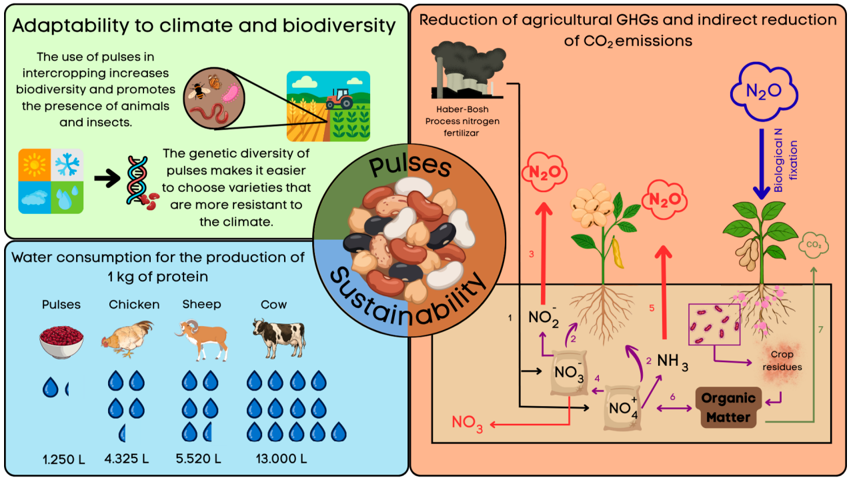
The growing demand for sustainable protein sources has intensified interest in plant-based food systems. Pulses are well established and recognized as nutritious, sustainable protein sources (~15–30% dry weight), rich in lysine and limited in cysteine, methionine, and tryptophan amino acids. In contrast, Spirulina is characterized by a complete amino acid profile, high protein content (~50–70% dry weight), and bioactive potential. This comprehensive review explores the role of Spirulina as a complementary protein source in plant-based systems, with emphasis on its structural, technofunctional, and processing characteristics. A literature analysis was conducted to identify advances, trends, and gaps in their incorporation into food matrices. The findings indicate that, despite their nutritional and functional advantages, the application of microalgae and beans remains constrained by sensory and technological challenges, such as off-flavors and textural issues. The combination of microalgae with pulse-based ingredients represents a promising strategy to enhance amino acid balance, improve functionality, and develop nutritionally enriched products. Studies addressing multi-component systems remain scarce, especially in bakery and flour-based applications, as well as in understanding synergistic interactions between microalgae and pulse proteins in food matrices. This review highlights the potential of microalgae as key ingredients in next-generation food formulations. It identifies critical gaps that must be addressed to enable their broader application in food products.
Overview
CoChat Summary
TL;DR
This review synthesizes bibliometric and literature evidence on microalgae, especially Spirulina, as complementary protein sources in plant-based systems with pulses/beans. It finds nutritional and technofunctional promise but identifies persistent sensory, processing, and multi-component formulation gaps.
Key findings
- Pulses contain about 15–30% protein by dry weight, are rich in lysine, and are limiting in cysteine, methionine, and tryptophan; bean flours in the reviewed literature ranged from 8.19 to 23% protein, and global dried bean production averaged over 29 million tons annually from 2020 to 2024.
- Spirulina contains about 50–70% protein by dry weight, has a complete amino acid profile, and is GRAS-recognized by the FDA; one cited composition reports approximately 57.5% protein, 23.9% carbohydrate, and 7.72% fat.
- A theoretical blend of 25% common bean flour and 5% Spirulina had a methionine + cysteine amino acid score of 0.84 and an estimated PDCAAS of 0.67 assuming 80% protein digestibility; sulfur-containing amino acids remained first-limiting, though improved versus bean protein alone and comparable to navy beans (0.76–0.88).
- In bakery applications, low-to-moderate Spirulina inclusion (typically 2–3%) preserved dough rheology, while acceptability was limited to 0.1–7%; a 4% Spirulina muffin had higher TPC (20.20 ± 0.35 vs. 18.42 ± 0.06 mg GAE/100 g), DPPH (0.053 ± 0.00 vs. 0.018 ± 0.00 mM TE/100 g), and ABTS (0.163 ± 0.00 vs. 0.126 ± 0.00 mM TE/100 g) than control.
Methods
- Bibliographic search in Scopus across article titles, abstracts, and keywords using the syntax “(”Microalgae“ OR ”protein“ OR ”food“) AND (”pulse“ OR ”bean“ OR ”protein“)”, limited to original peer-reviewed English articles and excluding reviews, conference papers, book chapters, editorials, notes, errata, and duplicates; search covered records up to 2026 and was performed in June 2026.
- 390 original papers were downloaded as .csv and used to create bibliometric maps in VOSviewer version 1.6.19; relevant cited studies were also reviewed, totaling 145 articles.
- The review narratively synthesizes nutritional, structural, technofunctional, processing, sensory, market, and bioactive findings for pulses/beans and Spirulina in plant-based food systems.
Limitations
- The paper states that the theoretical amino acid and PDCAAS estimates are derived from literature composition data and should be validated experimentally through amino acid analysis and digestibility measurements of the final formulation.
- The paper states that evidence for combined pulse–Spirulina antioxidant and anti-inflammatory effects is largely indirect, and that studies on multi-component composite flour systems, protein–protein interactions, sensory optimization, and bakery/flour-based applications remain scarce or underexplored.
- Evident from the methods: the bibliometric search was limited to Scopus and to English-language original peer-reviewed articles, excluding reviews and other document types, which may narrow the evidence base.
Model-written summary. Check it against the paper before relying on it.
Integrity signals
Registry
Cites
Statistics
Figures


Verification
Claims the paper makes
51 Valid · 9 Not valid · 36 Not checked · 19 Own results and interpretations
At least one cited source doesn’t support this claim or points to a different paper, and none confirmed it — see the verdicts below.
In the paper
“Firmness from 0 to 48 h did not present statistical changes.”
§ Valorization of Microalgae as Multifunctional Protein Sources in Plant-Based Systems: Structural, Functional, and Processing Challenges > 6. Spirulina as a Food Ingredient
What the sources say
- Disputedcites [81] Fratelli, C., Nunes, M.C., De Rosso, V.V., Raymundo, A., and Braga, A.R.C. (2023). Spirulina and Its Residual Biomass as Alternative Sustainable Ingredients: Impact on the Rheological and Nutritional Features of Wheat Bread Manufacture. Front. Food Sci. Technol., 3. sourceExperimental — accuracy not yet measured
Table 3 reports higher firmness at 48 h than at 0 h for all three bread formulations, with different significance letters for those time points. Section 3.2 says firmness was similar at 24 h and 48 h—not throughout 0–48 h. (LLM, conf=0.88)
Checked by a reasoning model — may be wrong.
plain- Asserted: passes — The authors put it forward as true.
- Checkable: passes — It can be checked against evidence.
- Load-bearing: unclear — It is unclear whether the paper’s conclusions depend on it.
- Based: passes — The paper gives a reason why it holds.
- Disputed
The cited sources support only part of this claim — read each source’s verdict below.
In the paper
“Among other technofunctional properties, no differences were observed in dough rheology for Spirulina and its recovered biomass after C-PC extraction at 3%, even with pH shifts [81],”
§ Valorization of Microalgae as Multifunctional Protein Sources in Plant-Based Systems: Structural, Functional, and Processing Challenges > 6. Spirulina as a Food Ingredient
What the sources say
- Partly supportedcites [81] Fratelli, C., Nunes, M.C., De Rosso, V.V., Raymundo, A., and Braga, A.R.C. (2023). Spirulina and Its Residual Biomass as Alternative Sustainable Ingredients: Impact on the Rheological and Nutritional Features of Wheat Bread Manufacture. Front. Food Sci. Technol., 3. sourceExperimental — accuracy not yet measured
Section 3.1 reports that adding 3% Spirulina biomass or residual biomass did not change the measured viscoelastic behavior of unleavened dough, although dough pH increased. But the same section reports higher dough stability with Spirulina biomass and changes in later pasting-curve values with both additions. Thus, the blanket claim of no differences in dough rheology overstates the findings; page numbers were not supplied in our copy. (LLM, conf=0.87)
plain- Asserted: passes — The authors put it forward as true.
- Checkable: passes — It can be checked against evidence.
- Load-bearing: passes — The paper’s conclusions depend on it.
- Based: passes — The paper gives a reason why it holds.
- Partly supported
Every source the paper cites for this claim was checked and supports it.
In the paper
“while ultrasound-based extracts from defatted Spirulina biomass showed approximately 95% solubility across a pH range of 5-9 [71].”
§ Valorization of Microalgae as Multifunctional Protein Sources in Plant-Based Systems: Structural, Functional, and Processing Challenges > 6. Spirulina as a Food Ingredient
What the sources say
- Supportedcites [71] Silva, 2022, Spirulina (Arthrospira platensis) Protein-Rich Extract as a Natural Emulsifier for Oil-in-Water Emulsions: Optimization through a Sequential Experimental Design Strategy, Colloids Surf. A Physicochem. Eng. Asp. source
Section 2.2 describes producing the extract from defatted Spirulina biomass using an ultrasound bath. Section 3.1.2 reports a maximum solubility of 98.6 wt% at pH 8 and says solubility remained basically constant from pH 5 to 9, supporting the approximate description. (LLM, conf=0.89)
plain- Asserted: passes — The authors put it forward as true.
- Checkable: passes — It can be checked against evidence.
- Load-bearing: unclear — It is unclear whether the paper’s conclusions depend on it.
- Based: passes — The paper gives a reason why it holds.
- Supported
Every source the paper cites for this claim was checked and supports it.
In the paper
“Conversely, in muffins with 4% Spirulina, hardness, gumminess, and chewiness were reduced [82].”
§ Valorization of Microalgae as Multifunctional Protein Sources in Plant-Based Systems: Structural, Functional, and Processing Challenges > 6. Spirulina as a Food Ingredient
What the sources say
- Supportedcites [82] Zielińska, E., Podgórska-Kryszczuk, I., Ramotowski, D., and Pankiewicz, U. (2025). House Cricket (Acheta domesticus) and Spirulina (Arthrospira platensis) as Non-Conventional Sources of Nutrients and Bioactive Ingredients—Evaluation of Physicochemical, Nutraceutical, and Sensory Properties of Supplemented Muffins. Nutrients, 17. source
Muffin Preparation (§2.3; page unavailable) specifies a 4% substitution of wheat flour with spirulina. Instrumental Texture Profile Analysis (§3.2; page unavailable) reports lower hardness, gumminess, and chewiness for the spirulina muffins than for the controls. (LLM, conf=0.94)
plainstates a cause- Asserted: passes — The authors put it forward as true.
- Checkable: passes — It can be checked against evidence.
- Load-bearing: unclear — It is unclear whether the paper’s conclusions depend on it.
- Based: passes — The paper gives a reason why it holds.
- Supported
The cited sources support only part of this claim — read each source’s verdict below.
In the paper
“supports neuro-and hepatoprotective pathways [59][60][61],”
§ Valorization of Microalgae as Multifunctional Protein Sources in Plant-Based Systems: Structural, Functional, and Processing Challenges > 6. Spirulina as a Food Ingredient
What the sources say
- Not checked — no full text of the sourcecites [59] Gad, 2011, Antioxidant Activity and Hepatoprotective Effects of Whey Protein and Spirulina in Rats, Nutrition source
- Not checked yetcites [60] Mazokopakis, 2014, The Hepatoprotective and Hypolipidemic Effects of Spirulina (Arthrospira platensis) Supplementation in a Cretan Population with Non-Alcoholic Fatty Liver Disease: A Prospective Pilot Study, Ann. Gastroenterol.
- Partly supportedcites [61] Choi, W., and Lee, H. (2018). Enhancement of Neuroprotective Effects of Spirulina platensis Extract from a High-Pressure Homogenization Process. Appl. Sci., 8. sourceExperimental — accuracy not yet measured
The Introduction identifies antioxidant and anti-inflammatory effects of C-PC, and the Discussion links antioxidant activity to neuroprotection by the Spirulina extract. The paper does not establish that C-PC itself provides the observed neuroprotection, and our copy does not address hepatoprotective pathways. (LLM, conf=0.76)
plainstates a cause- Asserted: passes — The authors put it forward as true.
- Checkable: passes — It can be checked against evidence.
- Load-bearing: unclear — It is unclear whether the paper’s conclusions depend on it.
- Based: passes — The paper gives a reason why it holds.
29 more claims · 10 with their cited sources checked
Create a free account to see all 115 claims and to verify the 9 references still open.
- It may state two separate claims as one. 62
- Probably not a substantial claim. 34
- The quote only partly states this claim. 1
Self-check
Percentages, sums and reported differences re-computed from the paper’s own numbers.
Each contradiction between two passages listed here was confirmed by an independent check.
Rated minor: it would not touch a result — a value no result rests on, a p-value that stays on the same side of the significance level, or a conflict that is clerical, resolved elsewhere in the paper, or outside its own findings.
In the paper
§ Valorization of Microalgae as Multifunctional Protein Sources in Plant-Based Systems: Structural, Functional, and Processing Challenges > 9. Bioactive Properties and Functional Potential
“Cakir et al. [41] found that muffins made with germinated bean flour exhibited higher antioxidant activity than those made with wheat or rice flour.”
§ Valorization of Microalgae as Multifunctional Protein Sources in Plant-Based Systems: Structural, Functional, and Processing Challenges > References
“41. Ruzana, R.; Adi, M.D.; Norakma, M.N.; Wan Saidatul Syida, W.K. Effects of Partial Replacement of Durum Wheat Re-Milled Semolina with Red Beanflour on Physico-Chemical, Nutritional, and Sensory Quality of Bagel. Food Res. 2025, 9, 115-123.”
Rated minor: it would not touch a result — a value no result rests on, a p-value that stays on the same side of the significance level, or a conflict that is clerical, resolved elsewhere in the paper, or outside its own findings.
In the paper
§ Valorization of Microalgae as Multifunctional Protein Sources in Plant-Based Systems: Structural, Functional, and Processing Challenges > 2. Materials and Methods
“The 390 original papers obtained were downloaded in .csvformat to create a bibliometric map with VOSviewer (version 1.6.19,Leiden, The Netherlands).”
§ Valorization of Microalgae as Multifunctional Protein Sources in Plant-Based Systems: Structural, Functional, and Processing Challenges > 3. General Results: Framework Summary
“Figure 1a,b were created using VOSviewer (version 1.16.19,Leiden University, Leiden, The Netherlands).”
Citations
Cites
The Global Syndemic of Obesity, Undernutrition, and Climate Change: The Lancet Commission report
Swinburn, B. A., Kraak, V. I., Allender, S., Atkins, V. J., Baker, P. I., Bogard, J. R., Brinsden, H., Calvillo, A., De Schutter, O., Devarajan, R., et al. (2019) · The Lancet · doi:10.1016/s0140-6736(18)32822-8 · Cited by 3,081
Future Protein Supply and Demand: Strategies and Factors Influencing a Sustainable Equilibrium
Henchion, M., Hayes, M., Mullen, A., Fenelon, M., & Tiwari, B. (2017) · Foods · doi:10.3390/foods6070053 · Cited by 1,519
Onwezen, M. C., Bouwman, E. P., Reinders, M. J., & Dagevos, H. (2021) · Appetite · doi:10.1016/j.appet.2020.105058 · Cited by 1,048
Nkhata, S. G., Ayua, E., Kamau, E. H., & Shingiro, J. (2018) · Food Science & Nutrition · doi:10.1002/fsn3.846 · Cited by 876 · cited 2×
“Germination activates endogenous enzymes, including phytases, proteases, and α -galactosidases, which degrade phytic acid, protease inhibitors, and raffinose-family oligosaccharides, thereby enhancing mineral bioavailability and protein digestibility [34,35].”
Microalgae: A Promising Source of Valuable Bioproducts
Dolganyuk, V., Belova, D., Babich, O., Prosekov, A., Ivanova, S., Katserov, D., Patyukov, N., & Sukhikh, S. (2020) · Biomolecules · doi:10.3390/biom10081153 · Cited by 481
Saponins from Edible Legumes: Chemistry, Processing, and Health Benefits
Shi, J., Arunasalam, K., Yeung, D., Kakuda, Y., Mittal, G., & Jiang, Y. (2004) · Journal of Medicinal Food · doi:10.1089/109662004322984734 · Cited by 479
Spirulina for the Food and Functional Food Industries
Lafarga, T., Fernández-Sevilla, J. M., González-López, C., & Acién-Fernández, F. G. (2020) · Food Research International · doi:10.1016/j.foodres.2020.109356 · Cited by 417 · cited 2×
“Given the amino acid profile of beans, combining beans with Spirulina, a superfood due to its complete amino acid profile and high protein content [57], may help address these limitations and enhance the nutritional and functional quality of newly developed products.”
Pulses and food security: Dietary protein, digestibility, bioactive and functional properties
Bessada, S. M. F., Barreira, J. C. M., & Oliveira, M. B. P. P. (2019) · Trends in Food Science & Technology · doi:10.1016/j.tifs.2019.08.022 · Cited by 410
Nutritional and Health Perspectives of Beans (Phaseolus vulgaris L.): An Overview
Hayat, I., Ahmad, A., Masud, T., Ahmed, A., & Bashir, S. (2014) · Critical Reviews in Food Science and Nutrition · doi:10.1080/10408398.2011.596639 · Cited by 351
Jeske, S., Zannini, E., & Arendt, E. K. (2018) · Food Research International · doi:10.1016/j.foodres.2017.03.045 · Cited by 340
A brief review of the science behind the design of healthy and sustainable plant-based foods
McClements, D. J., & Grossmann, L. (2021) · npj Science of Food · doi:10.1038/s41538-021-00099-y · Cited by 338
Singh, N. (2017) · Journal of Food Science and Technology · doi:10.1007/s13197-017-2537-4 · Cited by 290
A Systematic Review of Pesticide Exposure, Associated Risks, and Long-Term Human Health Impacts
Shekhar, C., Khosya, R., Thakur, K., Mahajan, D., Kumar, R., Kumar, S., & Sharma, A. K. (2024) · Toxicology Reports · doi:10.1016/j.toxrep.2024.101840 · Cited by 236
Pulses for Bread Fortification: A Necessity or a Choice?
Boukid, F., Zannini, E., Carini, E., & Vittadini, E. (2019) · Trends in Food Science & Technology · doi:10.1016/j.tifs.2019.04.007 · Cited by 223
Antioxidant Activity and Hepatoprotective Effects of Whey Protein and Spirulina in Rats
Gad, A. S., Khadrawy, Y. A., El-Nekeety, A. A., Mohamed, S. R., Hassan, N. S., & Abdel-Wahhab, M. A. (2011) · Nutrition · doi:10.1016/j.nut.2010.04.002 · Cited by 218
Nutritional Significance of Lectins and Enzyme Inhibitors from Legumes
Lajolo, F. M., & Genovese, M. I. (2002) · Journal of Agricultural and Food Chemistry · doi:10.1021/jf020191k · Cited by 211
Cardello, A. V., Llobell, F., Giacalone, D., Roigard, C. M., & Jaeger, S. R. (2022) · Food Quality and Preference · doi:10.1016/j.foodqual.2022.104599 · Cited by 191
United States Pharmacopeia Safety Evaluation of Spirulina
Marles, R. J., Barrett, M. L., Barnes, J., Chavez, M. L., Gardiner, P., Ko, R., Mahady, G. B., Dog, T. L., Sarma, N. D., Giancaspro, G. I., et al. (2011) · Critical Reviews in Food Science and Nutrition · doi:10.1080/10408391003721719 · Cited by 177
Physicochemical and Functional Properties of Proteins Extracted from Three Microalgal Species
Chen, Y., Chen, J., Chang, C., Chen, J., Cao, F., Zhao, J., Zheng, Y., & Zhu, J. (2019) · Food Hydrocolloids · doi:10.1016/j.foodhyd.2019.05.025 · Cited by 176
Digestibility, bioaccessibility and bioactivity of compounds from algae
Demarco, M., Oliveira de Moraes, J., Matos, Â. P., Derner, R. B., de Farias Neves, F., & Tribuzi, G. (2022) · Trends in Food Science & Technology · doi:10.1016/j.tifs.2022.02.004 · Cited by 175
Proteins from Microalgae for the Stabilization of Fluid Interfaces, Emulsions, and Foams
Bertsch, P., Böcker, L., Mathys, A., & Fischer, P. (2021) · Trends in Food Science & Technology · doi:10.1016/j.tifs.2020.12.014 · Cited by 157
Meeting the global protein supply requirements of a growing and ageing population
Smith, K., Watson, A. W., Lonnie, M., Peeters, W., Oonincx, D. G. A. B., Tsoutsoura, N., Simon‐Miquel, G., Szepe, K. J., Cochetel, N., Pearson, A. G., et al. (2024) · European Journal of Nutrition · doi:10.1007/s00394-024-03358-2 · Cited by 151
Nutritional and Functional Properties of Gluten-Free Flours
Culetu, A., Susman, I. E., Duta, D. E., & Belc, N. (2021) · Applied Sciences · doi:10.3390/app11146283 · Cited by 146
Textured Vegetable Proteins (TVP): Future Foods Standing on Their Merits as Meat Alternatives
Baune, M.-C., Terjung, N., Tülbek, M. Ç., & Boukid, F. (2022) · Future Foods · doi:10.1016/j.fufo.2022.100181 · Cited by 124
Functional Properties of Composite Flour: A Review
M., H., M., N., H., N., Zainol, M. K., & Jahurul, M. H. (2020) · Food Research · doi:10.26656/fr.2017.4(6).419 · Cited by 121 · cited 2×
“Current market and research trends indicate a shift toward clean-label, nutrient-dense, and multifunctional ingredients, as well as the development of composite and premix flours tailored for both industrial and household applications [100,111,132].”
Grahl, S., Strack, M., Mensching, A., & Mörlein, D. (2020) · Food Quality and Preference · doi:10.1016/j.foodqual.2020.103933 · Cited by 121 · cited 1×
“Additionally, using Spirulina extracts like C-PC [96] improves acceptability, but us-ing whole biomass remains an underexplored approach; flavor pairing, such as with lemon-basil [97], enhances consumer preference.”
Koli, D., Rudra, S., Bhowmik, A., & Pabbi, S. (2022) · Foods · doi:10.3390/foods11070979 · Cited by 119
Bao, J., Zhang, X., Zheng, J.-H., Ren, D.-F., & Lu, J. (2018) · Food Chemistry · doi:10.1016/j.foodchem.2018.05.027 · Cited by 115
Fratelli, C., Burck, M., Amarante, M. C. A., & Braga, A. R. C. (2021) · Trends in Food Science & Technology · doi:10.1016/j.tifs.2020.10.043 · Cited by 100
Self-citation3D printing of protein-based composite fruit and vegetable gel system
Chen, Y., Zhang, M., & Phuhongsung, P. (2021) · LWT · doi:10.1016/j.lwt.2021.110978 · Cited by 96
Wang, M., Yin, Z., Sun, W., Zhong, Q., Zhang, Y., & Zeng, M. (2023) · Food Hydrocolloids · doi:10.1016/j.foodhyd.2022.108244 · Cited by 94
Podgórska-Kryszczuk, I. (2024) · Molecules · doi:10.3390/molecules29225387 · Cited by 88
Carbonaro, M., & Nucara, A. (2022) · Nutrients · doi:10.3390/nu14061188 · Cited by 81
Batista de Oliveira, T. T., Miranda dos Reis, I., Bastos de Souza, M., da Silva Bispo, E., Fonseca Maciel, L., Druzian, J. I., Lordelo Guimarães Tavares, P. P., de Oliveira Cerqueira, A., dos Santos Boa Morte, E., Abreu Glória, M. B., et al. (2021) · LWT · doi:10.1016/j.lwt.2021.111674 · Cited by 74
Acquah, C., Ohemeng‐Boahen, G., Power, K. A., & Tosh, S. M. (2021) · Frontiers in Sustainable Food Systems · doi:10.3389/fsufs.2021.681662 · Cited by 74
Letras, P., Oliveira, S., Varela, J., Nunes, M. C., & Raymundo, A. (2022) · Algal Research · doi:10.1016/j.algal.2022.102863 · Cited by 73
Zhao, B., Cui, Y., Fan, X., Qi, P., Liu, C., Zhou, X., & Zhang, X. (2019) · PLOS ONE · doi:10.1371/journal.pone.0218543 · Cited by 69 · cited 1×
“Spirulina also provides the high-value protein pigment C-phycocyanin (C-PC), which offers potential health benefits due to its antioxidant activity [58], supports neuro-and hepatoprotective pathways [59–61], and acts as an anti-obesity agent while improving reproductive health in mice [62–64].”
de Morais, E. G., da Silveira, J. T., Schüler, L., de Freitas, B. B., Costa, J. A. V., de Morais, M. G., Ferrer, I., & Barreira, L. A. (2023) · Journal of Applied Phycology · doi:10.1007/s10811-023-03104-x · Cited by 65
Silva, S. C., Almeida, T., Colucci, G., Santamaria-Echart, A., Manrique, Y. A., Dias, M. M., Barros, L., Fernandes, Â., Colla, E., & Barreiro, M. F. (2022) · Colloids and Surfaces A: Physicochemical and Engineering Aspects · doi:10.1016/j.colsurfa.2022.129264 · Cited by 61
Development of extruded snacks enriched by bioactive peptides from microalga Spirulina sp. LEB 18
da Silva, P. C., Toledo, T., Brião, V. B., Bertolin, T. E., & Costa, J. A. V. (2021) · Food Bioscience · doi:10.1016/j.fbio.2021.101031 · Cited by 53
Pulse Proteins: Processing, Nutrition, and Functionality in Foods
Messina, V., Skylas, D. J., Roberts, T. H., Valtchev, P., Whiteway, C., Li, Z., Hopf, A., Dehghani, F., Quail, K. J., & Kaiser, B. N. (2025) · Foods · doi:10.3390/foods14071151 · Cited by 53
Spirulina/Arthrospira/Limnospira—Three Names of the Single Organism
Sinetova, M. A., Kupriyanova, E. V., & Los, D. A. (2024) · Foods · doi:10.3390/foods13172762 · Cited by 51
Montevecchi, G., Santunione, G., Licciardello, F., Köker, Ö., Masino, F., & Antonelli, A. (2022) · Food Research International · doi:10.1016/j.foodres.2022.111357 · Cited by 51
Microalgae Bioactives for Functional Food Innovation and Health Promotion
Guil-Guerrero, J. L., & Prates, J. A. M. (2025) · Foods · doi:10.3390/foods14122122 · Cited by 47
Tarahi, M. (2024) · Legume Science · doi:10.1002/leg3.70011 · Cited by 46
Phycocyanin Improves Reproductive Ability in Obese Female Mice by Restoring Ovary and Oocyte Quality
Wen, X., Han, Z., Liu, S.-J., Hao, X., Zhang, X.-J., Wang, X.-Y., Zhou, C.-J., Ma, Y.-Z., & Liang, C.-G. (2020) · Frontiers in Cell and Developmental Biology · doi:10.3389/fcell.2020.595373 · Cited by 43
Bürck, M., Fratelli, C., Assis, M., & Braga, A. R. C. (2024) · Fermentation · doi:10.3390/fermentation10060304 · Cited by 36
Self-citationBraga, A. R. C., Nunes, M. C., & Raymundo, A. (2023) · Molecules · doi:10.3390/molecules28176179 · Cited by 35
Self-citationPowdered seaweeds as a valuable ingredient for functional breads
Amoriello, T., Mellara, F., Amoriello, M., Ceccarelli, D., & Ciccoritti, R. (2021) · European Food Research and Technology · doi:10.1007/s00217-021-03804-z · Cited by 34
Zhu, X., Li, X., Liu, X., Li, J., Zeng, X., Li, Y., Yuan, Y., & Teng, Y. (2023) · Foods · doi:10.3390/foods13010006 · Cited by 32
Bürck, M., Ramos, S. D. P., & Braga, A. R. C. (2024) · Foods · doi:10.3390/foods13121811 · Cited by 28 · cited 1×
“Microalgae, such as Spirulina, have gained attention as high-value functional ingredients, supported by their rich protein content, complete amino acid profile, and bioactive potential [4,51,131].”
Self-citationShahid, A., Fan, Z., Su, K., Zhao, A., Mehmood, M. A., Chang, J.-S., Solovchenko, A. E., Alam, M. A., & Xu, J. (2025) · Trends in Food Science & Technology · doi:10.1016/j.tifs.2025.104886 · Cited by 28
Tavakoli, Z., Kavoosi, G., Siahbalaei, R., & Karimi, J. (2025) · Applied Food Research · doi:10.1016/j.afres.2025.100741 · Cited by 27
Cracking Spirulina Flavor: Compounds, Sensory Evaluations, and Solutions
Braga-Souto, R. N., Bürck, M., Nakamoto, M. M., & Braga, A. R. C. (2025) · Trends in Food Science & Technology · doi:10.1016/j.tifs.2024.104847 · Cited by 25
Self-citationFratelli, C., Nunes, M. C., De Rosso, V. V., Raymundo, A., & Braga, A. R. C. (2023) · Frontiers in Food Science and Technology · doi:10.3389/frfst.2023.1258219 · Cited by 23
Self-citationBürck, M., Fratelli, C., de Amarante, M. C. A., & Braga, A. R. C. (2024) · Biomass · doi:10.3390/biomass4030039 · Cited by 23
Self-citationChoudhury, D. B., Gul, K., Sehrawat, R., Mir, N. A., & Ali, A. (2025) · International Journal of Biological Macromolecules · doi:10.1016/j.ijbiomac.2025.139578 · Cited by 22
Rabitti, N. S., Bayudan, S., Laureati, M., Neugart, S., Schouteten, J. J., Apelman, L., Dahlstedt, S., & Sandvik, P. (2024) · European Food Research and Technology · doi:10.1007/s00217-024-04530-y · Cited by 21
Advanced Technologies for Bioeconomy: The Case of Microalgae Production
Adarchenko, I. A., KURBATOVA, A. I., Porotnikova, N. A., Savenkova, E. V., Кумар, В., & Skorokhodova, Y. (2024) · Foresight-Russia · doi:10.17323/2500-2597.2024.2.69.83 · Cited by 21
Hussein, A. M. S., Mostafa, S., Ata, S. M., Hegazy, N. A., Abu-Reidah, I. M., & Zaky, A. A. (2025) · Processes · doi:10.3390/pr13030625 · Cited by 19
Gün, D., Çelekli, A., Bozkurt, H., & Kaya, S. (2022) · Journal of Applied Phycology · doi:10.1007/s10811-022-02702-5 · Cited by 18
A Study on Consumption of Composite Flour and Bread in Global Perspective
Engindeniz, S., & Bolatova, Z. (2021) · British Food Journal · doi:10.1108/bfj-10-2018-0714 · Cited by 17
Pourghasemian, P., Pourfarzad, A., & Babakhani, A. (2025) · Applied Food Research · doi:10.1016/j.afres.2025.101259 · Cited by 17
Exploring the Nutritional Potential of Microalgae in the Formulation of Bakery Products
Hernández-López, I., Abadias, M., Prieto-Santiago, V., Chic-Blanco, Á., Ortiz-Solà, J., & Aguiló-Aguayo, I. (2023) · Foods · doi:10.3390/foods13010084 · Cited by 16
Bioactive C-phycocyanin exerts immunomodulatory and antitumor activity in mice with induced melanoma
Salgado, M. T. S. F., Silva, M. C. S., Fratelli, C., Braga, A. R. C., Lopes, T. B. G., Ferreira, E. F., da Silva, I. L. D., de Paiva, L. S., & Votto, A. P. D. S. (2024) · Toxicology and Applied Pharmacology · doi:10.1016/j.taap.2024.116874 · Cited by 16
Self-citationChakravarthi, S., & Kapoor, R. (2003) · International Journal of Food Sciences and Nutrition · doi:10.1080/09637480120092044 · Cited by 15
Silva-Neto, A. F., Fratelli, C., Pucci, V. G., Boldarine, V. T., Ferreira, Y. A. M., Telles, M. M., Braga, A. R. C., & Oyama, L. M. (2023) · Journal of Functional Foods · doi:10.1016/j.jff.2023.105747 · Cited by 15
Self-citationChoi, W. Y., & Lee, H. Y. (2018) · Applied Sciences · doi:10.3390/app8040634 · Cited by 15 · cited 1×
“Spirulina also provides the high-value protein pigment C-phycocyanin (C-PC), which offers potential health benefits due to its antioxidant activity [58], supports neuro-and hepatoprotective pathways [59–61], and acts as an anti-obesity agent while improving reproductive health in mice [62–64].”
Lemos, G. S., Vitoria, J. S., Fonseca, L. M., et al. (2025) · International Journal of Biological Macromolecules · doi:10.1016/j.ijbiomac.2025.143441 · Cited by 14
Van de Velde, F., Cian, R. E., Garzón, A. G., Albarracín, M., & Drago, S. R. (2025) · Fermentation · doi:10.3390/fermentation12010018 · Cited by 14
Sadohara, R., Cichy, K., Thompson, H., Uebersax, M. A., Siddiq, M., & Wiesinger, J. (2026) · Critical Reviews in Food Science and Nutrition · doi:10.1080/10408398.2025.2538544 · Cited by 13
Compatibility of Whole Wheat-Based Composite Flour in the Development of Functional Foods
Weerarathna, A., & Wansapala, M. A. J. (2024) · Food Technology and Biotechnology · doi:10.17113/ftb.62.04.24.8588 · Cited by 11
Mali, P. S., & Kumar, P. (2025) · Journal of Food Measurement and Characterization · doi:10.1007/s11694-024-03074-9 · Cited by 10
Nikolić, I., Lončarević, I., Rakita, S., Čabarkapa, I., Vulić, J., Takači, A., & Petrović, J. (2025) · Processes · doi:10.3390/pr13030908 · Cited by 10
Algal Elixirs: Unraveling the multifaceted impact of Spirulina in human health
Sharma, R., & Rana, A. R. (2024) · Food Bioscience · doi:10.1016/j.fbio.2024.105365 · Cited by 10
Díaz-Batalla, L., Aguilar-Arteaga, K., Castro-Rosas, J., Nallely Falfán-Cortés, R., Navarro-Cortez, R. O., & Gómez-Aldapa, C. A. (2023) · Czech Journal of Food Sciences · doi:10.17221/5/2022-cjfs · Cited by 9
Nutritional aspects of composite flours for baked and extruded products: A review
Amadeu, C. A. A., Martelli, S. M., & Vanin, F. M. (2024) · Cereal Chemistry · doi:10.1002/cche.10765 · Cited by 9
Bianchini, C. B., Minatel, G. G., Schappo, F. B., Arend, G. D., Amboni, R. D. D. M. C., de Rosso, V. V., & Nunes, I. L. (2025) · Food Chemistry · doi:10.1016/j.foodchem.2025.145801 · Cited by 9
Quality and shelf life evaluation of gluten‐free blends and cake premix
Singh, G., & Kaur, K. (2023) · Food Safety and Health · doi:10.1002/fsh3.12024 · Cited by 7
Bozdogan, N., Yaprak, A., Tavman, S., & Kumcuoglu, S. (2024) · Journal of Food Process Engineering · doi:10.1111/jfpe.14579 · Cited by 7
Cuesta-Ramos, L., Sánchez-Moreno, N., Salgado-Ramos, M., Castagnini, J. M., Martí-Quijal, F. J., Ferrer, E., Barba, F. J., & Pallarés, N. (2026) · Analytical and Bioanalytical Chemistry · doi:10.1007/s00216-025-06073-x · Cited by 7
Ma, Y., Fu, S., Yang, S., Chen, F., Cheng, K., & Liu, B. (2024) · LWT · doi:10.1016/j.lwt.2024.115920 · Cited by 6
Zielińska, E., Podgórska-Kryszczuk, I., Ramotowski, D., & Pankiewicz, U. (2025) · Nutrients · doi:10.3390/nu17182931 · Cited by 6
Roytrakul, S., Jaresitthikunchai, J., Charoenlappanit, S., Thaisakun, S., Phaonakrop, N., Kittisenachai, S., & Supaibulwatana, K. (2025) · Scientific Reports · doi:10.1038/s41598-025-22843-0 · Cited by 6
Öğünç, Y. T., Üstün‐Aytekin, Ö., & Rakıcıoğlu, N. (2026) · European Food Research and Technology · doi:10.1007/s00217-025-04930-8 · Cited by 6
Vosough, M., Emamshoushtari, M. M., Helchi, S., Sohani, E., Esmaeili, F., Shayanfar, S., & Shariati, F. P. (2024) · Journal of Food Science and Technology · doi:10.1007/s13197-024-06105-x · Cited by 6
Allahyari, N., Gharekhani, M., Bodbodak, S., Asefi, N., & Khiabani, A. H. (2025) · Applied Food Research · doi:10.1016/j.afres.2025.101301 · Cited by 6 · cited 4×
“Allahyari et al. [106], working with an optimized cake formula that includes germinated mung bean flour, plantago mucilage, grape syrup, and DATEM (an emulsifier found to improve the specific volume of gluten-free cakes), along with Bozdogan et al. [107], who created snacks with 40% mung bean flour…”
InfluentialLoikaeo, T. (2023) · Journal of Current Science and Technology · doi:10.59796/jcst.v14n1.2024.5 · Cited by 5 · cited 4×
“[103]”
InfluentialSouza, P. S., Grisi, C. V. B., da Silva, R. D. C. A., et al. (2025) · Foods · doi:10.3390/foods14173033 · Cited by 5
Tuna, A., Ortiz‐Solà, J., López‐Mas, L., Baser, F., Kallas, Z., Aguiló‐Aguayo, I., Gulec, S., Ozen, B., & Tokatli, F. (2024) · International Journal of Food Science & Technology · doi:10.1111/ijfs.17153 · Cited by 5 · cited 5×
“[44] Bread Germinated mung bean flour, germinated white kidney bean flour, germinated brown rice flour (1:1:1).”
InfluentialHepatoprotective effect of functional biscuits enriched with spirulina
Shouk, A. A., Yaseen, A. A., Fouda, K. A., Marrez, D. A., Shedeed, N. A., & Mohammad, A. A. (2025) · Food & Function · doi:10.1039/d5fo00349k · Cited by 5
Yarlina, V. P., Warae, N. N., Marta, H., Hidayati, N. A., Arifin, H. R., Harlina, P. W., & Lani, M. N. (2025) · Scientific Reports · doi:10.1038/s41598-025-22096-x · Cited by 5
Senthilkumar, N. V. K., Govindarajan, N., Pandiselvam, R., Vivek, K., & Sivaraj, D. (2025) · Food Chemistry · doi:10.1016/j.foodchem.2025.147702 · Cited by 5
Cakir, E., Kahraman, S., Ozgolet, M., & Karasu, S. (2025) · Italian Journal of Food Science · doi:10.15586/ijfs.v37i2.2880 · Cited by 4
Mai, T., Rahman, N. A., Pang, S. Y., Tan, J. P., & Chew, S. C. (2026) · Ultrasonics Sonochemistry · doi:10.1016/j.ultsonch.2026.107774 · Cited by 4
Bassett, M. N., Acuña, M. E., Corral, L., Moreno, E. D. C., Fernández, N. N., Rossi, A. M., Marigliano, A. C. G., & Tereschuk, M. L. (2025) · Plant Foods for Human Nutrition · doi:10.1007/s11130-025-01359-y · Cited by 3
Exploring the Potential of Biscuits as Snacks to Promote the Consumption of Biofortified Beans
Akawus, A. L., Romelle, F. D., Jerome, N. D., Emmanuel, P. A., Flavie, M. K. C., Alix, M. N., Tiencheu, B., & Ufuan, A. A. (2025) · Discover Food · doi:10.1007/s44187-025-00491-7 · Cited by 3 · cited 2×
“For composite flours that include bean flour, recent research has shown their use in products such as bread [42,44,103,104], biscuits [105], cakes [106], muffins [41,43], snacks [107], and noodles [108].”
InfluentialEckhof, P., Nina, N., Bauer, S., Kufer, T. A., Frank, J., & Jiménez‐Aspee, F. (2025) · Nutrition Research · doi:10.1016/j.nutres.2025.09.001 · Cited by 3
Ponce de León-Door, A., González-Pérez, P., Olivas, G. I., Molina-Corral, F. J., Amaro-Hernández, J. C., & Sepulveda, D. R. (2025) · Dairy · doi:10.3390/dairy6060067 · Cited by 3
Ramos, S. D. P., Bürck, M., Lemos, E., Grasser, G. A., Assis, M., Ribeiro, C. F., Longo, E., & Braga, A. R. C. (2026) · Processes · doi:10.3390/pr14020296 · Cited by 3
Self-citationSarmah, M., & Panda, M. R. (2026) · World Journal of Microbiology and Biotechnology · doi:10.1007/s11274-026-04849-6 · Cited by 3
Aviles-Simental, D., Gallegos‐Infante, J. A., Rocha‐Guzmán, N. E., et al. (2024) · Physchem · doi:10.3390/physchem4030025 · Cited by 2
Dejesús Prieto Garcete, M. R., Ersinger, V. F. A., Vittone, M. D. C., Erba, I. E. D., Cativa, N. M., & Lamas, D. L. (2025) · Journal of Applied Phycology · doi:10.1007/s10811-025-03597-8 · Cited by 2
Spray Drying and Crystallization of Cottonseed Meal Raffinose as a New Prebiotic
Rodríguez, A. C., Nancy, F. C., Efrén, D.-L., Hiram, M.-R., Isaac, A.-G., & Cervantes, V. S. F. (2025) · ACS Food Science & Technology · doi:10.1021/acsfoodscitech.5c00247 · Cited by 2
Microencapsulated Spirulina Fortified Yoghurt—An Insight into Physicochemical and Sensory Properties
Akshay, P., Paul, P. T., Joy, J. M., Ajeeshkumar, K. K., Amruth, P., Jacob, M. R., Gopika, R., Ninan, G., & Mathew, S. (2025) · Indian Journal of Fisheries · doi:10.21077/ijf.2025.72.3.166590-17 · Cited by 2
Incorporating Whole Pulse Flour from Cowpea, Navy Bean, and Red Bean in Whole Wheat Flour Bread
Rajpurohit, B., Tilley, M., Wu, X., & Li, Y. (2025) · Cereal Chemistry · doi:10.1002/cche.70018 · Cited by 2 · cited 3×
“For composite flours that include bean flour, recent research has shown their use in products such as bread [42,44,103,104], biscuits [105], cakes [106], muffins [41,43], snacks [107], and noodles [108].”
Braud, L., McDonnell, K. P., & Murphy, F. (2025) · Algal Research · doi:10.1016/j.algal.2025.104434 · Cited by 2
Nurhayati, A., Patriasih, R., Mahmudatussa'adah, A., Muktiarni, M., & Nur Hayanti, D. (2026) · Food and Humanity · doi:10.1016/j.foohum.2025.100929 · Cited by 2 · cited 2×
“Compared with traditional wheat-based formulations or rice-based gluten-free products, adding bean flour enhances nutritional properties, especially protein content [41,44,103–109] and dietary fiber [42,43,103,109,110].”
Binkanat, T. B., & Ozkan, A. (2026) · Algal Research · doi:10.1016/j.algal.2025.104489 · Cited by 2
Zhao, N., Chu, Y., Huang, Q., Qin, S., Cui, H., & Zhang, W. (2026) · Algal Research · doi:10.1016/j.algal.2026.104629 · Cited by 2 · cited 3×
“…β -carotene, B-complex, vitamin K1, and minerals like magnesium (Mg), phosphorus (P), iron (Fe), calcium (Ca), copper (Cu), and selenium (Se), among others, within a nutritionally accessible food matrix [16,51,57], making it especially appealing for vegetarian and plant-based food models.”
Pulse proteins—bioactivities and applications as food and feed
Sharma, S., SINDHU, S., & Dash, A. A. (2024) · Elsevier eBooks · doi:10.1016/b978-0-443-13370-1.00008-9 · Cited by 2
Dantas, A., Piella-Rifà, M., Gou, P., Jofré, A., Quinteros, G. J., & Felipe, X. (2026) · Innovative Food Science & Emerging Technologies · doi:10.1016/j.ifset.2026.104511 · Cited by 2
Ruzana, R., Adi, M. D., Norakma, M. N., & Wan Saidatul Syida, W. K. (2025) · Food Research · doi:10.26656/fr.2017.9(4).059 · Cited by 1
Franczyk, A. J., Bui, N., Chen, J., Boyd, L., Wang, N., Sopiwnyk, E., Sarkar, A., Neufeld, J., Paliwal, J., Nickerson, M., et al. (2025) · Cereal Chemistry · doi:10.1002/cche.70003 · Cited by 1
Vieira, N. M., Monte, M. G., Balin, P. D. S., de Campos, D. H. S., Filho, R. P. C., Fujimori, A. S. S., Ribolla, P. E. M., Alonso, D. P., Corrêa, C. R., Azevedo, P. S., et al. (2025) · Journal of Medicinal Food · doi:10.1177/1096620x251384549 · Cited by 1
Zhang, H., Li, T., Wu, S., Shi, X., Yang, S., Nian, Y., Diao, Y., Cao, X., Su, W., & Wang, Y. (2026) · Food Chemistry: X · doi:10.1016/j.fochx.2025.103471 · Cited by 1 · cited 1×
“Accordingly, flavor pairing with curcumin mitigated the fishy odor imparted by Spirulina through competitive interactions with hexanal and 1-octen-3-ol, resulting in improved sensory acceptability in bread [99].”
Kahraman, K., Yuksel, F., & Karaman, S. (2026) · European Food Research and Technology · doi:10.1007/s00217-025-04999-1 · Cited by 1
Özbal, B., Çelekli, A., & Bozkurt, H. (2026) · Algal Research · doi:10.1016/j.algal.2026.104671 · Cited by 1
Binkanat, T. B., & Ozkan, A. (2025) · SSRN Electronic Journal · doi:10.2139/ssrn.5397982
Tuna, A., López‐Mas, L., Başer, F., Kallas, Z., Aguiló‐Aguayo, I., Güleç, Ş., Ozen, B. F., & Tokatlı, F. (2023) · SSRN Electronic Journal · doi:10.2139/ssrn.4648855
Mustakova, Milkova-Tomova, Goranova, Nikolova, Buhalova, Gentscheva, Gerasimova, & Panova (2025) · Bulgarian Chemical Communications · doi:10.34049/bcc.57.a.mu13
Bianchini, C. B., Minatel, G. G., Schappo, F. B., et al. (2025) · doi:10.2139/ssrn.5197484
Zhang, H., Li, T., Wu, S., et al. (2025) · doi:10.2139/ssrn.5779495
Bioactive C-Phycocyanin Exerts Immunomodulatory and Antitumor Activity in Mice with Induced Melanoma
Salgado, M. T. S. F., Silva, M. C. S., Fratelli, C., et al. (2023) · doi:10.2139/ssrn.4617594
Tan, H. R., Zhou, L., Rajapaksha, A., Rao, J., & Tan, J. (2026) · Journal of Agriculture and Food Research · doi:10.1016/j.jafr.2026.102821
Dantas, A., Piella-Rifà, M., Pere, G. O. U., Jofré, A., Quinteros, G., & FELIPE, X. (2025) · doi:10.2139/ssrn.5243845
Research works printed but not linked: 2
- Mazokopakis, 2014, The Hepatoprotective and Hypolipidemic Effects of Spirulina (Arthrospira platensis) Supplementation in a Cretan Population with Non-Alcoholic Fatty Liver Disease: A Prospective Pilot Study, Ann. Gastroenterol., 27, 387
- Muccio, 2025, Impact of High-Pressure Homogenization on the Technological Properties of A. platensis (Spirulina) Proteins for Food Applications, Chem. Eng. Trans., 118, 7
Metadata
- Authors
- Boza, A., Lemos, E., Bürck, M., Gautério, G. V., & Braga, A. R. C.
- Affiliations
- Universidade Federal de São Paulo (BR)
- Chemistry Institute, Federal University of Rio de Janeiro, Rio de Janeiro 21941-900, Brazil
- Corresponding author
- Braga, Anna Rafaela Cavalcante
- Venue
- Macromol
- Publisher
- MDPI AG
- Published
- 2026-07-30
- Volume
- 6
- Issue
- 3
- Pages
- 54
- ISSN
- 2673-6209 (ISSN-L)
- OpenAlex
- W7171815900
- Cited by
- 0
- References
- 118
- FWCI
- 0.00
- Type
- journal article
- Language
- en
- Open access
- gold
- doi.org
- Licence
- Locations
- Macromol—A Journal of Macromolecular Research (publishedVersion, cc-by)
- DOAJ (DOAJ: Directory of Open Access Journals) (submittedVersion)
- Funders
- Brazilian Foundations CAPES (001)
- FAPESP (2023/00857-0)
- CNPq (405238/2025-8)
- ARC Braga (PQ 305518/2024-0)
- Topics
- Life Sciences › Agricultural and Biological Sciences › Food Science › Proteins in Food Systems
- Life Sciences › Agricultural and Biological Sciences › Food Science › Food Nutrient Composition and Product Development
- Life Sciences › Agricultural and Biological Sciences › Aquatic Science › Seaweed-derived Bioactive Compounds
- Keywords
- microalgae, Spirulina, plant proteins, legume protein, amino acid composition, off-flavor, texture, sensory properties, flour-based products, bakery products, protein functional properties
About these checks
Registry, retraction, Cites and statistics results are computed, not judged, with one exception: a printed reference that no index lists is read once by a model before it counts as a citation error. Claims are extracted by a model and kept only when their quote appears verbatim in the text; each cited source is then checked, with a model’s help, for whether it says what the claim relies on. Those verdicts can be wrong — read the claim’s quote and the cited source before relying on one.
The claim verdicts this report counts are experimental: their accuracy is not yet measured.
A language model drew the claims from the paper on 2026-10-11, under version 3 of the claim definition (model deepseek-v4.1-flash, prompt extract-v3).
A second model labelled each claim on 2026-10-11 (model jev-1.13-20260917, definition revision gold-guideline-v0.2).
Cited sources are checked with a language model’s help (gpt-6-sol).
Statistics and arithmetic are recomputed, not judged.
Confidence bands are shown only for fields calibrated on our annotated test set. None is calibrated yet, so no band is shown.
What counts as a claim ›How we measure confidence ›How we check this ›
Are you an author, or do you see a problem with this page? Request a review
Data sources
Bibliographic data: Semantic Scholar, OpenAlex, Crossref.
Contains information from the Semantic Scholar Academic Graph Datasets, made available under the ODC Attribution License (ODC-BY 1.0).
Semantic Scholar’s data is described in: Kinney, R., et al. (2023). The Semantic Scholar Open Data Platform. arXiv:2301.10140.
