

Nutritional Modulation of Insulin Resistance
Open accessThe DOI matches its Crossref record; 188 of the 188 references it cites were found in a registry or an index.
Abstract
Insulin resistance has been proposed as the strongest single predictor for the development of Type 2 Diabetes (T2DM). Chronic oversupply of energy from food, together with inadequate physical activity, have been recognized as the most relevant factors leading to overweight, abdominal adiposity, insulin resistance, and finally T2DM. Conversely, energy reduced diets almost invariably to facilitate weight loss and reduce abdominal fat mass and insulin resistance. However, sustained weight loss is generally difficult to achieve, and distinct metabolic characteristics in patients with T2DM further compromise success. Therefore, investigating the effects of modulating the macronutrient composition of isoenergetic diets is an interesting concept that may lead to additional important insights. Metabolic effects of various different dietary concepts and strategies have been claimed, but results from randomized controlled studies and particularly from longer-term-controlled interventions in humans are often lacking. However, some of these concepts are supported by recent research, at least in animal models and short-term studies in humans. This paper provides an update of the current literature regarding the role of nutrition in the modulation of insulin resistance, which includes the discussion of weight-loss-independent metabolic effects of commonly used dietary concepts.
Overview
The claims and statistics of this paper haven’t been checked yet.
Free: it reads the open-access text and checks the first 5 claims that cite a source we can check. Create a free account to check every claim.
Integrity signals
Registry
Cites
Statistics
Figures
Verification
Claims the paper makes
The claims and statistics of this paper haven’t been checked yet.
Free: it reads the open-access text and checks the first 5 claims that cite a source we can check. Create a free account to check every claim.
Claims other papers make about this one
Each is checked against this paper’s own text: does it say what the citing paper says it does?
The source backs part of the claim, not all of it — or backs it for a different population, condition or comparison.
In the citing paper
“during weight re-gain following initial weight loss, AT mass is re-gained to a greater degree than SM mass is [92,94].”
From Optimised Skeletal Muscle Mass as a Key Strategy for Obesity Management (2025) · cites this paper as [92]
Experimental — accuracy not yet measuredThe source backs part of the claim, not all of it — or backs it for a different population, condition or comparison.
In the citing paper
“for every ‘yo-yo’ cycle of diet-induced weight loss and subsequent weight re-gain there is a 14% drop in overall lean mass, equating to an overall attrition of around 10% of SM mass with each ‘yo-yo’ dieting cycle.”
From Optimised Skeletal Muscle Mass as a Key Strategy for Obesity Management (2025) · cites this paper as [92]
Experimental — accuracy not yet measuredThe source backs part of the claim, not all of it — or backs it for a different population, condition or comparison.
In the citing paper
“for every 1 Kg of AT mass re-gained over the year following the initial weight loss, only 0.12 Kg of lean tissue was re-gained [92,94].”
From Optimised Skeletal Muscle Mass as a Key Strategy for Obesity Management (2025) · cites this paper as [92]
Experimental — accuracy not yet measuredThe source backs part of the claim, not all of it — or backs it for a different population, condition or comparison.
In the citing paper
“for every 1 Kg of AT mass lost during the initial weight loss intervention, 0.26 Kg of lean tissue (primarily SM mass) was lost [92,94].”
From Optimised Skeletal Muscle Mass as a Key Strategy for Obesity Management (2025) · cites this paper as [92]
Experimental — accuracy not yet measured
Self-check
Percentages, sums and reported differences re-computed from the paper’s own numbers.
The self-check needs the paper’s full text.
Citations
Cites
Pharmacological interventions for somatoform disorders in adults
Kleinstäuber, M., Witthöft, M., Steffanowski, A., van Marwijk, H., Hiller, W., & Lambert, M. J. (2014) · Cochrane Database of Systematic Reviews · doi:10.1002/14651858.cd010628.pub2 · Cited by 11,335
Standards of Medical Care in Diabetes
Power, D. (2006) · Diabetes Care · doi:10.2337/diacare.29.02.06.dc05-1593 · Cited by 8,673
Pan, X.-R., Li, G.-W., Hu, Y.-H., Wang, J.-X., Yang, W.-Y., An, Z.-X., Hu, Z.-X., Juan-Lin, Xiao, J.-Z., Cao, H.-B., et al. (1997) · Diabetes Care · doi:10.2337/diacare.20.4.537 · Cited by 4,320
Newgard, C. B., An, J., Bain, J. R., Muehlbauer, M. J., Stevens, R. D., Lien, L. F., Haqq, A. M., Shah, S. H., Arlotto, M., Slentz, C. A., et al. (2009) · Cell Metabolism · doi:10.1016/j.cmet.2009.02.002 · Cited by 3,165 · cited 1×
“However, recent studies also indicate that high-protein diets could have detrimental effects on health in the longer term [114, 115].”
BackgroundMetabolite profiles and the risk of developing diabetes
Wang, T. J., Larson, M. G., Vasan, R. S., Cheng, S., Rhee, E. P., McCabe, E., Lewis, G. D., Fox, C. S., Jacques, P. F., Fernandez, C., et al. (2011) · Nature Medicine · doi:10.1038/nm.2307 · Cited by 3,143 · cited 1×
“Of these participants, 201 developed diabetes [116].”
Standards of medical care in diabetes—2011
American Diabetes Association (2011) · Diabetes Care · doi:10.2337/dc11-s011 · Cited by 2,880
Mechanisms underlying the resistance to diet-induced obesity in germ-free mice
Bäckhed, F., Manchester, J. K., Semenkovich, C. F., & Gordon, J. I. (2007) · Proceedings of the National Academy of Sciences · doi:10.1073/pnas.0605374104 · Cited by 2,615 · cited 1×
“Interestingly, colonization of germ-free gnotobiotic mice with a prominent saccharolytic member of the normal human gut microbiota together with dominant human methane-producing germs results in markedly improved colonic fermentation and is associated with an obese phenotype in the host [160].”
BackgroundThe worldwide epidemiology of type 2 diabetes mellitus—present and future perspectives
Chen, L., Magliano, D. J., & Zimmet, P. Z. (2012) · Nature Reviews Endocrinology · doi:10.1038/nrendo.2011.183 · Cited by 2,227
Prebiotic effects: metabolic and health benefits
Roberfroid, M., Gibson, G. R., Hoyles, L., McCartney, A. L., Rastall, R., Rowland, I., Wolvers, D., Watzl, B., Szajewska, H., Stahl, B., et al. (2010) · British Journal of Nutrition · doi:10.1017/s0007114510003363 · Cited by 2,085
Comparison of Weight-Loss Diets with Different Compositions of Fat, Protein, and Carbohydrates
Sacks, F. M., Bray, G. A., Carey, V. J., Smith, S. R., Ryan, D. H., Anton, S. D., McManus, K., Champagne, C. M., Bishop, L. M., Laranjo, N., et al. (2009) · New England Journal of Medicine · doi:10.1056/nejmoa0804748 · Cited by 1,966 · cited 1×
“2 kg per session attended), further indicating that adherence to any chosen diet may be a crucial factor and may be more relevant than the macronutrient composition of the diet per se [74].”
BackgroundColberg, S. R., Sigal, R. J., Fernhall, B., Regensteiner, J. G., Blissmer, B. J., Rubin, R. R., Chasan-Taber, L., Albright, A. L., & Braun, B. (2010) · Diabetes Care · doi:10.2337/dc10-9990 · Cited by 1,955
Boulé, N. G., Haddad, E., Kenny, G. P., Wells, G. A., & Sigal, R. J. (2001) · JAMA · doi:10.1001/jama.286.10.1218 · Cited by 1,889
Yuan, M., Konstantopoulos, N., Lee, J., Hansen, L., Li, Z.-W., Karin, M., & Shoelson, S. E. (2001) · Science · doi:10.1126/science.1061620 · Cited by 1,884
Cholesterol-lowering effects of dietary fiber: a meta-analysis
Brown, L., Rosner, B., Willett, W. W., & Sacks, F. M. (1999) · The American Journal of Clinical Nutrition · doi:10.1093/ajcn/69.1.30 · Cited by 1,857
Dietary Fiber, Glycemic Load, and Risk of Non—insulin-dependent Diabetes Mellitus in Women
Salmerón, J. (1997) · JAMA: The Journal of the American Medical Association · doi:10.1001/jama.1997.03540300040031 · Cited by 1,804 · cited 1×
“Low-GI and/or low-GL diets may reduce the risk of metabolic syndrome [129], T2DM [130, 131], cardiovascular disease [132], and chronic in�ammation [133], probably by bene�cial effects body weight [46, 134–136], insulin sensitivity [137, 138], ββ-cell function [139, 140], serum cholesterol [141, 142], glycemic control…”
BackgroundA Randomized Trial of a Low-Carbohydrate Diet for Obesity
Foster, G. D., Wyatt, H. R., Hill, J. O., McGuckin, B. G., Brill, C., Mohammed, B. S., Szapary, P. O., Rader, D. J., Edman, J. S., & Klein, S. (2003) · New England Journal of Medicine · doi:10.1056/nejmoa022207 · Cited by 1,794 · cited 2×
“However, long-term adherence to any diet is a key factor for maintained weight loss [67], with many studies indicating that initially successful high-protein intake is oen not sustained in the longer term, even in the setting of controlled dietary interventions [49, 50, 68].”
BackgroundDansinger, M. L., Gleason, J. A., Griffith, J. L., Selker, H. P., & Schaefer, E. J. (2005) · JAMA · doi:10.1001/jama.293.1.43 · Cited by 1,726
Absence of S6K1 protects against age- and diet-induced obesity while enhancing insulin sensitivity
Um, S. H., Frigerio, F., Watanabe, M., Picard, F., Joaquin, M., Sticker, M., Fumagalli, S., Allegrini, P. R., Kozma, S. C., Auwerx, J., et al. (2004) · Nature · doi:10.1038/nature02866 · Cited by 1,677 · cited 2×
“[122] S.”
BackgroundLifetime risk for diabetes mellitus in the United States
Narayan, K. M. V. (2003) · JAMA · doi:10.1001/jama.290.14.1884 · Cited by 1,515 · cited 1×
“One in three Americans born in 2000 or later and some 50% of members of high-risk ethnic populations are expected to develop type 2 diabetes (T2DM) [7], with all its known negative consequences including renal failure, cardiovascular disease, blindness, neuropathy, amputations, arthritis, obstructive sleep apnoea synd…”
BackgroundDietary Fiber, Glycemic Load, and Risk of NIDDM in Men
Salmerón, J., Ascherio, A., Rimm, E. B., Colditz, G. A., Spiegelman, D., Jenkins, D. J., Stampfer, M. J., Wing, A. L., & Willett, W. C. (1997) · Diabetes Care · doi:10.2337/diacare.20.4.545 · Cited by 1,426 · cited 1×
“Low-GI and/or low-GL diets may reduce the risk of metabolic syndrome [129], T2DM [130, 131], cardiovascular disease [132], and chronic in�ammation [133], probably by bene�cial effects body weight [46, 134–136], insulin sensitivity [137, 138], ββ-cell function [139, 140], serum cholesterol [141, 142], glycemic control…”
BackgroundA Low-Carbohydrate as Compared with a Low-Fat Diet in Severe Obesity
Samaha, F. F., Iqbal, N., Seshadri, P., Chicano, K. L., Daily, D. A., McGrory, J., Williams, T., Williams, M., Gracely, E. J., & Stern, L. (2003) · New England Journal of Medicine · doi:10.1056/nejmoa022637 · Cited by 1,267 · cited 1×
“Low-carbohydrate, nonenergy-restricted diets appear to be at least as effective as low-fat, energy-restricted diets in inducing weight loss for up to 1 year [39].”
BackgroundLiu, S., Willett, W. C., Stampfer, M. J., Hu, F. B., Franz, M., Sampson, L., Hennekens, C. H., & Manson, J. E. (2000) · The American Journal of Clinical Nutrition · doi:10.1093/ajcn/71.6.1455 · Cited by 1,166 · cited 1×
“Low-GI and/or low-GL diets may reduce the risk of metabolic syndrome [129], T2DM [130, 131], cardiovascular disease [132], and chronic in�ammation [133], probably by bene�cial effects body weight [46, 134–136], insulin sensitivity [137, 138], ββ-cell function [139, 140], serum cholesterol [141, 142], glycemic control…”
BackgroundBeneficial Effects of High Dietary Fiber Intake in Patients with Type 2 Diabetes Mellitus
Chandalia, M., Garg, A., Lutjohann, D., von Bergmann, K., Grundy, S. M., & Brinkley, L. J. (2000) · New England Journal of Medicine · doi:10.1056/nejm200005113421903 · Cited by 1,129
Vessby, B., Uusitupa, M., Hermansen, K., Riccardi, G., Rivellese, A. A., Tapsell, L. C., Nälsén, C., Berglund, L., Louheranta, A., Rasmussen, B. M., et al. (2001) · Diabetologia · doi:10.1007/s001250051620 · Cited by 1,119 · cited 2×
“Epidemiological studies indicate a direct relation of dietary SFAwith the incidence of insulin resistance or T2DM [86, 87], whereas replacing SFA by MUFA may improve insulin sensitivity [78] and bene�cially in�uence blood pressure, low-density lipoprotein (LDL) cholesterol, and triacylglycerols [88].”
BackgroundGlucolipotoxicity: fuel excess and β-cell dysfunction
Poitout, V., & Robertson, R. P. (2008) · Endocrine Reviews · doi:10.1210/er.2007-0023 · Cited by 1,092
The Effect of Mediterranean Diet on Metabolic Syndrome and its Components
Kastorini, C.-M., Milionis, H. J., Esposito, K., Giugliano, D., Goudevenos, J. A., & Panagiotakos, D. B. (2011) · Journal of the American College of Cardiology · doi:10.1016/j.jacc.2010.09.073 · Cited by 1,087 · cited 1×
“Although not fat-restricted, Mediterranean style diets exert relevant bene�cial effects on insulin resistance, diabetes risk, and cardiovascular health [12, 13], indicating that the type and composition of dietary fat are likely to be important.”
BackgroundInterplay between lipids and branched-chain amino acids in development of insulin resistance
Newgard, C. B. (2012) · Cell Metabolism · doi:10.1016/j.cmet.2012.01.024 · Cited by 1,080 · cited 1×
“However, recent studies also indicate that high-protein diets could have detrimental effects on health in the longer term [114, 115].”
BackgroundDietary Fiber and Weight Regulation
Howarth, N. C., Saltzman, E., & Roberts, S. B. (2009) · Nutrition Reviews · doi:10.1111/j.1753-4887.2001.tb07001.x · Cited by 1,060
Vazquez, G., Duval, S., Jacobs, D. R., & Silventoinen, K. (2007) · Epidemiologic Reviews · doi:10.1093/epirev/mxm008 · Cited by 976 · cited 1×
“It is undisputed that chronic overconsumption of energy in the absence of adequate physical activity leads to weight gain and excess intraabdominal fat, factors that strongly predispose to insulin resistance [9], and �nally the development of T2DM [10, 11].”
BackgroundNordmann, A. J., Nordmann, A., Briel, M., Keller, U., Yancy, W. S., Brehm, B. J., & Bucher, H. C. (2006) · Archives of Internal Medicine · doi:10.1001/archinte.166.3.285 · Cited by 973 · cited 1×
“Low-carbohydrate, nonenergy-restricted diets appear to be at least as effective as low-fat, energy-restricted diets in inducing weight loss for up to 1 year [39].”
BackgroundStorlien, L. H., Jenkins, A. B., Chisholm, D. J., Pascoe, W. S., Khouri, S., & Kraegen, E. W. (1991) · Diabetes · doi:10.2337/diab.40.2.280 · Cited by 967
Low–Glycemic Index Diets in the Management of Diabetes
Brand-Miller, J., Hayne, S., Petocz, P., & Colagiuri, S. (2003) · Diabetes Care · doi:10.2337/diacare.26.8.2261 · Cited by 951
Diets with high or low protein content and glycemic index for weight-loss maintenance
Larsen, T. M., Dalskov, S.-M., van Baak, M., Jebb, S. A., Papadaki, A., Pfeiffer, A. F. H., Martinez, J. A., Handjieva-Darlenska, T., Kunešová, M., Pihlsgård, M., et al. (2010) · New England Journal of Medicine · doi:10.1056/nejmoa1007137 · Cited by 843 · cited 3×
“erefore, the long-term safety of high-protein diets remains to be investigated [46, 69, 70].”
BackgroundDietary fat intake and risk of type 2 diabetes in women
Salmerón, J., Hu, F. B., Manson, J. E., Stampfer, M. J., Colditz, G. A., Rimm, E. B., & Willett, W. C. (2001) · The American Journal of Clinical Nutrition · doi:10.1093/ajcn/73.6.1019 · Cited by 818 · cited 2×
“In the Nurses’ Health Study, a dosedependent association between TFA intake and risk of T2DM was shown [79], probably related to a TFA-induced increase in in�ammatory cytokines [13].”
BackgroundMcKeown, N. M., Meigs, J. B., Liu, S., Saltzman, E., Wilson, P. W. F., & Jacques, P. F. (2004) · Diabetes Care · doi:10.2337/diacare.27.2.538 · Cited by 786 · cited 1×
“Low-GI and/or low-GL diets may reduce the risk of metabolic syndrome [129], T2DM [130, 131], cardiovascular disease [132], and chronic in�ammation [133], probably by bene�cial effects body weight [46, 134–136], insulin sensitivity [137, 138], ββ-cell function [139, 140], serum cholesterol [141, 142], glycemic control…”
BackgroundTargeting gut microbiota in obesity: effects of prebiotics and probiotics
Delzenne, N. M., Neyrinck, A. M., Bäckhed, F., & Cani, P. D. (2011) · Nature Reviews Endocrinology · doi:10.1038/nrendo.2011.126 · Cited by 779
Weigle, D. S., Breen, P. A., Matthys, C. C., Callahan, H. S., Meeuws, K. E., Burden, V. R., & Purnell, J. Q. (2005) · The American Journal of Clinical Nutrition · doi:10.1093/ajcn/82.1.41 · Cited by 774
Dietary fats and prevention of type 2 diabetes
Risérus, U., Willett, W. C., & Hu, F. B. (2009) · Progress in Lipid Research · doi:10.1016/j.plipres.2008.10.002 · Cited by 753
Skov, A., Toubro, S., Rønn, B., Holm, L., & Astrup, A. (1999) · International Journal of Obesity · doi:10.1038/sj.ijo.0800867 · Cited by 743 · cited 1×
“Better weight loss with low-carbohydrate diets may be explained by higher satiating properties of dietary protein in comparison to othermacronutrients, an effect that has been shownboth in short- [52–56] and long-term [57, 58] studies.”
Backgroundde Munter, J. S. L., Hu, F. B., Spiegelman, D., Franz, M., & van Dam, R. M. (2007) · PLoS Medicine · doi:10.1371/journal.pmed.0040261 · Cited by 734 · cited 2×
“However, and surprisingly, protective effects of �ber intake on the risk of developing insulin resistance and T2DM are consistently shown with a high intake of insoluble and only moderately fermentable cereal �bers and whole grains but not with a higher intake of fruit and vegetables that are generally richer in solub…”
BackgroundParnell, J. A., & Reimer, R. A. (2009) · The American Journal of Clinical Nutrition · doi:10.3945/ajcn.2009.27465 · Cited by 729
Dietary Fiber, Weight Gain, and Cardiovascular Disease Risk Factors in Young Adults
Ludwig, D. S. (1999) · JAMA · doi:10.1001/jama.282.16.1539 · Cited by 722
Kadooka, Y., Sato, M., Imaizumi, K., Ogawa, A., Ikuyama, K., Akai, Y., Okano, M., Kagoshima, M., & Tsuchida, T. (2010) · European Journal of Clinical Nutrition · doi:10.1038/ejcn.2010.19 · Cited by 700
The contribution of the large intestine to energy supplies in man
N I, M. (1984) · The American Journal of Clinical Nutrition · doi:10.1093/ajcn/39.2.338 · Cited by 691
Nutrient overload, insulin resistance, and ribosomal protein S6 kinase 1, S6K1
Um, S. H., D'Alessio, D., & Thomas, G. (2006) · Cell Metabolism · doi:10.1016/j.cmet.2006.05.003 · Cited by 690 · cited 5×
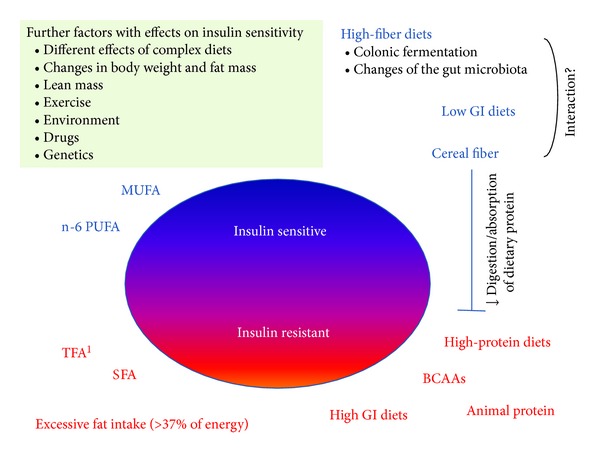
“High-�ber diets and particularly diets high in insoluble cereal �ber appear to improve whole-body insulin sensitivity, possibly by interference with the digestion and/or absorption of dietary protein and as such preventing the amino-acid-induced activation of the mTOR/S6K1 signalling pathway.”
BackgroundInfluentialMetabolic effects of dietary fiber consumption and prevention of diabetes
Weickert, M. O., & Pfeiffer, A. F. H. (2008) · The Journal of Nutrition · doi:10.1093/jn/138.3.439 · Cited by 683
Self-citationHealth effects of trans-fatty acids: experimental and observational evidence
Mozaffarian, D., Aro, A., & Willett, W. C. (2009) · European Journal of Clinical Nutrition · doi:10.1038/sj.ejcn.1602973 · Cited by 662 · cited 1×
“Moreover, adverse effects of TFA intake on insulin sensitivity may be greater in individuals more predisposed to insulin resistance [84].”
BackgroundDietary fat, insulin sensitivity and the metabolic syndrome
Riccardi, G., Giacco, R., & Rivellese, A. A. (2004) · Clinical Nutrition · doi:10.1016/j.clnu.2004.02.006 · Cited by 620
Liu, S., Manson, J. E., Buring, J. E., Stampfer, M. J., Willett, W. C., & Ridker, P. M. (2002) · The American Journal of Clinical Nutrition · doi:10.1093/ajcn/75.3.492 · Cited by 594
Effect of whole grains on insulin sensitivity in overweight hyperinsulinemic adults
Pereira, M. A., Jacobs, D. R., Pins, J. J., Raatz, S. K., Gross, M. D., Slavin, J. L., & Seaquist, E. R. (2002) · The American Journal of Clinical Nutrition · doi:10.1093/ajcn/75.5.848 · Cited by 547
Fiber and Magnesium Intake and Incidence of Type 2 Diabetes: A Prospective Study and Meta-analysis
Schulze, M. B. (2007) · Archives of Internal Medicine · doi:10.1001/archinte.167.9.956 · Cited by 537 · cited 4×
“However, and surprisingly, protective effects of �ber intake on the risk of developing insulin resistance and T2DM are consistently shown with a high intake of insoluble and only moderately fermentable cereal �bers and whole grains but not with a higher intake of fruit and vegetables that are generally richer in solub…”
BackgroundResultInfluentialRobertson, M. D., Bickerton, A. S., Dennis, A. L., Vidal, H., & Frayn, K. N. (2005) · The American Journal of Clinical Nutrition · doi:10.1093/ajcn/82.3.559 · Cited by 501
Lee, J. Y., Zhao, L., Youn, H. S., Weatherill, A. R., Tapping, R., Feng, L., Lee, W. H., Fitzgerald, K. A., & Hwang, D. H. (2004) · Journal of Biological Chemistry · doi:10.1074/jbc.m312990200 · Cited by 493
Ischemic heart disease and dietary fiber
Trowell, H. (1972) · The American Journal of Clinical Nutrition · doi:10.1093/ajcn/25.9.926 · Cited by 485
Long-term Effects of Modest Weight Loss in Type II Diabetic Patients
Wing, R. R. (1987) · Archives of Internal Medicine · doi:10.1001/archinte.1987.00370100063012 · Cited by 484
Fatty Acid Regulation of Hepatic Gene Transcription
Jump, D. B., Botolin, D., Wang, Y., Xu, J., Christian, B., & Demeure, O. (2005) · The Journal of Nutrition · doi:10.1093/jn/135.11.2503 · Cited by 477
Astrup, A., Grunwald, G., Melanson, E., Saris, W., & Hill, J. (2000) · International Journal of Obesity · doi:10.1038/sj.ijo.0801453 · Cited by 468 · cited 1×
“Short-term dietary intervention studies show that low-fat diets lead to weight loss in overweight individuals [36].”
BackgroundTremblay, F., Brûlé, S., Hee Um, S., Li, Y., Masuda, K., Roden, M., Sun, X. J., Krebs, M., Polakiewicz, R. D., Thomas, G., et al. (2007) · Proceedings of the National Academy of Sciences · doi:10.1073/pnas.0706517104 · Cited by 465
Gender differences in the metabolic syndrome and their role for cardiovascular disease
Regitz-Zagrosek, V., Lehmkuhl, E., & Weickert, M. O. (2006) · Clinical Research in Cardiology · doi:10.1007/s00392-006-0351-5 · Cited by 459
Self-citationA Reduced–Glycemic Load Diet in the Treatment of Adolescent Obesity
Ebbeling, C. B., Leidig, M. M., Sinclair, K. B., Hangen, J. P., & Ludwig, D. S. (2003) · Archives of Pediatrics & Adolescent Medicine · doi:10.1001/archpedi.157.8.773 · Cited by 432
Glycemic index and glycemic load: measurement issues and their effect on diet–disease relationships
Venn, B. J., & Green, T. J. (2007) · European Journal of Clinical Nutrition · doi:10.1038/sj.ejcn.1602942 · Cited by 395 · cited 1×
“Related is the concept of the glycemic load (GL), which takes account of the GI of a food and the amount eaten [128].”
BackgroundGlycaemic index as a determinant of serum HDL-cholesterol concentration
Frost, G., Leeds, A., Doré, C., Madeiros, S., Brading, S., & Dornhorst, A. (1999) · The Lancet · doi:10.1016/s0140-6736(98)07164-5 · Cited by 394
Hession, M., Rolland, C., Kulkarni, U., Wise, A., & Broom, J. (2009) · Obesity Reviews · doi:10.1111/j.1467-789x.2008.00518.x · Cited by 392
Mechanism of Amino Acid-Induced Skeletal Muscle Insulin Resistance in Humans
Krebs, M., Krssak, M., Bernroider, E., Anderwald, C., Brehm, A., Meyerspeer, M., Nowotny, P., Roth, E., Waldhäusl, W., & Roden, M. (2002) · Diabetes · doi:10.2337/diabetes.51.3.599 · Cited by 392
Low glycaemic index or low glycaemic load diets for overweight and obesity
Thomas, D., Elliott, E. J., & Baur, L. (2007) · Cochrane Database of Systematic Reviews · doi:10.1002/14651858.cd005105.pub2 · Cited by 376
Tremblay, F., Krebs, M., Dombrowski, L., Brehm, A., Bernroider, E., Roth, E., Nowotny, P., Waldhäusl, W., Marette, A., & Roden, M. (2005) · Diabetes · doi:10.2337/diabetes.54.9.2674 · Cited by 370
Andreasen, A. S., Larsen, N., Pedersen-Skovsgaard, T., Berg, R. M. G., Møller, K., Svendsen, K. D., Jakobsen, M., & Pedersen, B. K. (2010) · British Journal of Nutrition · doi:10.1017/s0007114510002874 · Cited by 347
The role of diet in the prevention of type 2 diabetes
Salas-Salvadó, J., Martinez-González, M. Á., Bulló, M., & Ros, E. (2011) · Nutrition, Metabolism and Cardiovascular Diseases · doi:10.1016/j.numecd.2011.03.009 · Cited by 341
McMillan-Price, J., Petocz, P., Atkinson, F., O’Neill, K., Samman, S., Steinbeck, K., Caterson, I., & Brand-Miller, J. (2006) · Archives of Internal Medicine · doi:10.1001/archinte.166.14.1466 · Cited by 335 · cited 2×
“[135] J.”
BackgroundSluijs, I., Beulens, J. W. J., van der A, D. L., Spijkerman, A. M. W., Grobbee, D. E., & van der Schouw, Y. T. (2010) · Diabetes Care · doi:10.2337/dc09-1321 · Cited by 335 · cited 4×
“erefore, the long-term safety of high-protein diets remains to be investigated [46, 69, 70].”
BackgroundInfluentialJenkins, D. J. A., Kendall, C. W. C., Axelsen, M., Augustin, L. S. A., & Vuksan, V. (2000) · Current Opinion in Lipidology · doi:10.1097/00041433-200002000-00008 · Cited by 315
Due, A., Toubro, S., Skov, A. R., & Astrup, A. (2004) · International Journal of Obesity · doi:10.1038/sj.ijo.0802767 · Cited by 305 · cited 1×
“Better weight loss with low-carbohydrate diets may be explained by higher satiating properties of dietary protein in comparison to othermacronutrients, an effect that has been shownboth in short- [52–56] and long-term [57, 58] studies.”
BackgroundRolls, B. J., Hetherington, M., & Burley, V. J. (1988) · Physiology & Behavior · doi:10.1016/0031-9384(88)90230-2 · Cited by 304
Relative effects of calorie restriction and weight loss in noninsulin- dependent diabetes mellitus
Kelley, D. E. (1993) · Journal of Clinical Endocrinology & Metabolism · doi:10.1210/jc.77.5.1287 · Cited by 303 · cited 1×
“It is known since decades that this effect can be effectively reversed by reduction of excess body weight [22]; in obese patients with poorly controlled T2DM even modest weight loss, if maintained, markedly reduces plasma glucose concentrations and improves markers of glucosemetabolism…”
BackgroundCereal fiber improves whole-body insulin sensitivity in overweight and obese women
Weickert, M. O., Möhlig, M., Schöfl, C., Arafat, A. M., Otto, B., Viehoff, H., Koebnick, C., Kohl, A., Spranger, J., & Pfeiffer, A. F. H. (2006) · Diabetes Care · doi:10.2337/diacare.29.04.06.dc05-2374 · Cited by 302
Self-citationMikkelsen, P. B., Toubro, S., & Astrup, A. (2000) · The American Journal of Clinical Nutrition · doi:10.1093/ajcn/72.5.1135 · Cited by 293
Dietary fat and insulin action in humans
Vessby, B. (2000) · British Journal of Nutrition · doi:10.1017/s000711450000101x · Cited by 291
Gremlich, S., Bonny, C., Waeber, G., & Thorens, B. (1997) · Journal of Biological Chemistry · doi:10.1074/jbc.272.48.30261 · Cited by 283
Sloth, B., Krog-Mikkelsen, I., Flint, A., Tetens, I., Björck, I., Vinoy, S., Elmståhl, H., Astrup, A., Lang, V., & Raben, A. (2004) · The American Journal of Clinical Nutrition · doi:10.1093/ajcn/80.2.337 · Cited by 273
ER stress and SREBP-1 activation are implicated in β-cell glucolipotoxicity
Wang, H., Kouri, G., & Wollheim, C. B. (2005) · Journal of Cell Science · doi:10.1242/jcs.02513 · Cited by 266
Rizkalla, S. W., Taghrid, L., Laromiguiere, M., Huet, D., Boillot, J., Rigoir, A., Elgrably, F., & Slama, G. (2004) · Diabetes Care · doi:10.2337/diacare.27.8.1866 · Cited by 263
Robertson, M. D., Currie, J. M., Morgan, L. M., Jewell, D. P., & Frayn, K. N. (2003) · Diabetologia · doi:10.1007/s00125-003-1081-0 · Cited by 262
The Prevention and Treatment of Obesity: Application to type 2 diabetes
Maggio, C. A., & Pi-Sunyer, F. X. (1997) · Diabetes Care · doi:10.2337/diacare.20.11.1744 · Cited by 261
Resistant Starch Improves Insulin Sensitivity in Metabolic Syndrome
Johnston, K. L., Thomas, E. L., Bell, J. D., Frost, G. S., & Robertson, M. D. (2010) · Diabetic Medicine · doi:10.1111/j.1464-5491.2010.02923.x · Cited by 259
The Risk to Develop NIDDM Is Related to the Fatty Acid Composition of the Serum Cholesterol Esters
Vessby, B., Aro, A., Skarfors, E., Berglund, L., Salminen, I., & Lithell, H. (1994) · Diabetes · doi:10.2337/diab.43.11.1353 · Cited by 258
Testing Protein Leverage in Lean Humans: A Randomised Controlled Experimental Study
Gosby, A. K., Conigrave, A. D., Lau, N. S., Iglesias, M. A., Hall, R. M., Jebb, S. A., Brand-Miller, J., Caterson, I. D., Raubenheimer, D., & Simpson, S. J. (2011) · PLoS ONE · doi:10.1371/journal.pone.0025929 · Cited by 256
Short-term effects of macronutrient preloads on appetite and energy intake in lean women
Poppitt, S. D., McCormack, D., & Buffenstein, R. (1998) · Physiology & Behavior · doi:10.1016/s0031-9384(98)00061-4 · Cited by 255
Diet induced thermogenesis measured over 24h in a respiration chamber: effect of diet composition
Westerterp, K., Wilson, S., & Rolland, V (1999) · International Journal of Obesity · doi:10.1038/sj.ijo.0800810 · Cited by 251
Arabinoxylan fibre improves metabolic control in people with Type II diabetes
Lu, Z. X., Walker, K. Z., Muir, J. G., & O'Dea, K. (2004) · European Journal of Clinical Nutrition · doi:10.1038/sj.ejcn.1601857 · Cited by 248
Dimopoulos, N., Watson, M., Sakamoto, K., & Hundal, H. S. (2006) · Biochemical Journal · doi:10.1042/bj20060244 · Cited by 247
Insulin sensitivity in women at risk of coronary heart disease and the effect of a low glycemic diet
Frost, G., Leeds, A., Trew, G., Margara, R., & Dornhorst, A. (1998) · Metabolism · doi:10.1016/s0026-0495(98)90331-6 · Cited by 243
Effect of long-term dietary protein intake on glucose metabolism in humans
Linn, T., Santosa, B., Grönemeyer, D., Aygen, S., Scholz, N., Busch, M., & Bretzel, R. G. (2000) · Diabetologia · doi:10.1007/s001250051521 · Cited by 241 · cited 1×
“In agreement with this, longer term high-protein intake has been shown to result in whole-body insulin resistance [68, 118], associated with upregulation of factors involved in themammalian target of rapamycin (mTOR)/S6K1 signalling pathway [68], increased stimulation of glucagon and insulin within the endocrine pancr…”
BackgroundPaniagua, J. A., de la Sacristana, A. G., Romero, I., Vidal-Puig, A., Latre, J. M., Sanchez, E., Perez-Martinez, P., Lopez-Miranda, J., & Perez-Jimenez, F. (2007) · Diabetes Care · doi:10.2337/dc06-2220 · Cited by 237
Prevention of insulin resistance by n-3 polyunsaturated fatty acids
Fedor, D., & Kelley, D. S. (2009) · Current Opinion in Clinical Nutrition & Metabolic Care · doi:10.1097/mco.0b013e3283218299 · Cited by 231
Thomsen, C., Storm, H., Holst, J. J., & Hermansen, K. (2003) · The American Journal of Clinical Nutrition · doi:10.1093/ajcn/77.3.605 · Cited by 221
Measuring the glycemic index of foods: interlaboratory study
Wolever, T. M., Brand-Miller, J. C., Abernethy, J., Astrup, A., Atkinson, F., Axelsen, M., Björck, I., Brighenti, F., Brown, R., Brynes, A., et al. (2008) · The American Journal of Clinical Nutrition · doi:10.1093/ajcn/87.1.247s · Cited by 220
Self-citationLATNER, J., & SCHWARTZ, M. (1999) · Appetite · doi:10.1006/appe.1999.0237 · Cited by 220
Sung, K.-C., Jeong, W.-S., Wild, S. H., & Byrne, C. D. (2012) · Diabetes Care · doi:10.2337/dc11-1853 · Cited by 218
Wolever, T. M. S., & Mehling, C. (2002) · British Journal of Nutrition · doi:10.1079/bjn2002568 · Cited by 214
High-fiber rye bread and insulin secretion and sensitivity in healthy postmenopausal women
Juntunen, K. S., Laaksonen, D. E., Poutanen, K. S., Niskanen, L. K., & Mykkänen, H. M. (2003) · The American Journal of Clinical Nutrition · doi:10.1093/ajcn/77.2.385 · Cited by 213
Trans fatty acids – Effects on systemic inflammation and endothelial function
Mozaffarian, D. (2006) · Atherosclerosis Supplements · doi:10.1016/j.atherosclerosissup.2006.04.007 · Cited by 212
Layman, D. K., Evans, E. M., Erickson, D., Seyler, J., Weber, J., Bagshaw, D., Griel, A., Psota, T., & Kris-Etherton, P. (2009) · The Journal of Nutrition · doi:10.3945/jn.108.099440 · Cited by 210
EFFECT OF CALORIC RESTRICTION ON ENERGY EXPENDITURE IN OBESE PATIENTS
Bray, G. (1969) · The Lancet · doi:10.1016/s0140-6736(69)90109-3 · Cited by 209 · cited 1×
“However, even in the general overweight population sustained weight loss is difficult to achieve.”
BackgroundNewberry, E. P., Xie, Y., Kennedy, S. M., Luo, J., & Davidson, N. O. (2006) · Hepatology · doi:10.1002/hep.21369 · Cited by 204
Garcia, A. L., Otto, B., Reich, S.-C., Weickert, M. O., Steiniger, J., Machowetz, A., Rudovich, N. N., Möhlig, M., Katz, N., Speth, M., et al. (2007) · European Journal of Clinical Nutrition · doi:10.1038/sj.ejcn.1602525 · Cited by 203 · cited 1×
“[165] A.”
Self-citationDaubioul, C. A., Horsmans, Y., Lambert, P., Danse, E., & Delzenne, N. M. (2005) · European Journal of Clinical Nutrition · doi:10.1038/sj.ejcn.1602127 · Cited by 202
Isken, F., Klaus, S., Osterhoff, M., Pfeiffer, A. F. H., & Weickert, M. O. (2010) · The Journal of Nutritional Biochemistry · doi:10.1016/j.jnutbio.2008.12.012 · Cited by 201
Self-citationLow carbohydrate–high protein diet and mortality in a cohort of Swedish women
Lagiou, P., Sandin, S., Weiderpass, E., Lagiou, A., Mucci, L., Trichopoulos, D., & Adami, H. ‐. (2007) · Journal of Internal Medicine · doi:10.1111/j.1365-2796.2007.01774.x · Cited by 196
Breakfasts high in protein, fat or carbohydrate: effect on within-day appetite and energy balance.
Stubbs, R. J., van Wyk, M. C., Johnstone, A. M., & Harbron, C. G. (1996) · PubMed · Cited by 195
Impact of cereal fibre on glucose-regulating factors
Weickert, M. O., Mohlig, M., Koebnick, C., Holst, J. J., Namsolleck, P., Ristow, M., Osterhoff, M., Rochlitz, H., Rudovich, N., Spranger, J., et al. (2005) · Diabetologia · doi:10.1007/s00125-005-1941-x · Cited by 194
Self-citationLaaksonen, D. E., Lakka, T. A., Lakka, H. ‐., Nyyssönen, K., Rissanen, T., Niskanen, L. K., & Salonen, J. T. (2002) · Diabetic Medicine · doi:10.1046/j.1464-5491.2002.00707.x · Cited by 193
Mayer, K., Meyer, S., Reinholz-Muhly, M., Maus, U., Merfels, M., Lohmeyer, J., Grimminger, F., & Seeger, W. (2003) · The Journal of Immunology · doi:10.4049/jimmunol.171.9.4837 · Cited by 191
Weickert, M. O., Roden, M., Isken, F., Hoffmann, D., Nowotny, P., Osterhoff, M., Blaut, M., Alpert, C., Gögebakan, Ö., Bumke-Vogt, C., et al. (2011) · The American Journal of Clinical Nutrition · doi:10.3945/ajcn.110.004374 · Cited by 190
Self-citationSlabber, M., Barnard, H., Kuyl, J., Dannhauser, A., & Schall, R. (1994) · The American Journal of Clinical Nutrition · doi:10.1093/ajcn/60.1.48 · Cited by 190
Nutrient balance in humans: effects of diet composition
Hill, J., Peters, J., Reed, G., Schlundt, D., Sharp, T., & Greene, H. (1991) · The American Journal of Clinical Nutrition · doi:10.1093/ajcn/54.1.10 · Cited by 190
Freeland, K. R., Wilson, C., & Wolever, T. M. S. (2010) · British Journal of Nutrition · doi:10.1017/s0007114509991462 · Cited by 187
Pauline, K.-B., & Rimm, E. B. (2003) · Proceedings of the Nutrition Society · doi:10.1079/pns2002232 · Cited by 180
Gögebakan, Ö., Kohl, A., Osterhoff, M. A., van Baak, M. A., Jebb, S. A., Papadaki, A., Martinez, J. A., Handjieva-Darlenska, T., Hlavaty, P., Weickert, M. O., et al. (2011) · Circulation · doi:10.1161/circulationaha.111.033274 · Cited by 180 · cited 1×
“Insulin sensitivity was not measured in DiOGenes but both the highprotein and the high GI diets signi�cantly increased markers of low-grade in�ammation [124], which could result in worsening of insulin resistance.”
BackgroundSelf-citationCarbohydrate fermentation decreases hepatic glucose output in healthy subjects
Thorburn, A., Muir, J., & Proietto, J. (1993) · Metabolism · doi:10.1016/0026-0495(93)90249-n · Cited by 178
Cj, D. (1964) · PubMed · Cited by 176
Similar weight loss with low- or high-carbohydrate diets
Golay, A., Allaz, A., Morel, Y., de Tonnac, N., Tankova, S., & Reaven, G. (1996) · The American Journal of Clinical Nutrition · doi:10.1093/ajcn/63.2.174 · Cited by 174
Popular weight-loss diets: from evidence to practice
Malik, V., & Hu, F. B. (2006) · Nature Clinical Practice Cardiovascular Medicine · doi:10.1038/ncpcardio0726 · Cited by 171
Samra, R. A., & Anderson, G. H. (2007) · The American Journal of Clinical Nutrition · doi:10.1093/ajcn/86.4.972 · Cited by 169
Johnston, C. S., Tjonn, S. L., Swan, P. D., White, A. M., Hutchins, H., & Sears, B. (2006) · American Journal of Clinical Nutrition · doi:10.1093/ajcn/83.5.1055 · Cited by 169
Jacqueminet, S., Briaud, I., Rouault, C., Reach, G., & Poitout, V. (2000) · Metabolism · doi:10.1016/s0026-0495(00)80021-9 · Cited by 167
Luo, J., Van Yperselle, M., Rizkalla, S. W., Rossi, F., Slama, G., & Bornet, F. R. J. (2000) · The Journal of Nutrition · doi:10.1093/jn/130.6.1572 · Cited by 164
The influence of dietary fat on insulin resistance
Lovejoy, J. C. (2002) · Current Diabetes Reports · doi:10.1007/s11892-002-0098-y · Cited by 161
Guar gum for body weight reduction: meta-analysis of randomized trials
Pittler, M. H., & Ernst, E. (2001) · The American Journal of Medicine · doi:10.1016/s0002-9343(01)00702-1 · Cited by 159
Dietary Glycemic Index: Health Implications
Brand-Miller, J., McMillan-Price, J., Steinbeck, K., & Caterson, I. (2009) · Journal of the American College of Nutrition · doi:10.1080/07315724.2009.10718110 · Cited by 153 · cited 2×
“In contrast, carbohydrates that are high in GI lead to rapid onset and pronounced increases of postprandial glucose and insulin concentrations that may compromise fat oxidation, fuel partitioning, and metabolic �exibility [16, 144].”
BackgroundRoden, M. (2005) · International Journal of Obesity · doi:10.1038/sj.ijo.0803102 · Cited by 149 · cited 1×
“Apart from in�uencing key en�yme activities and transcription factors on an intracellular level [89], a SFAmediated increase in intramyocellular lipid content and compositionmay also activate speci�c serine kinases, �nally leading to insulin resistance [94, 95].”
BackgroundDietary Fatty Acids in Metabolic Syndrome, Diabetes and Cardiovascular Diseases
Cascio, G., Schiera, G., & Liegro, I. D. (2011) · Current Diabetes Reviews · doi:10.2174/157339912798829241 · Cited by 135
Gut Microbiota and the Pathogenesis of Insulin Resistance
Delzenne, N. M., & Cani, P. D. (2011) · Current Diabetes Reports · doi:10.1007/s11892-011-0191-1 · Cited by 134
Weight loss and change in resting metabolic rate
Heshka, S., Yang, M., Wang, J., Burt, P., & Pi-Sunyer, F. (1990) · American Journal of Clinical Nutrition · doi:10.1093/ajcn/52.6.981 · Cited by 127
Thermic effect of feeding carbohydrate, fat, protein and mixed meal in lean and obese subjects
Swaminathan, R., King, R., Holmfield, J. H. M., Siwek, R. A., Baker, M., & Wales, J. K. (1985) · American Journal of Clinical Nutrition · doi:10.1093/ajcn/42.2.177 · Cited by 127
Beavers, K. M., Lyles, M. F., Davis, C. C., Wang, X., Beavers, D. P., & Nicklas, B. J. (2011) · The American Journal of Clinical Nutrition · doi:10.3945/ajcn.110.004895 · Cited by 126 · cited 1×
“Further complicating this issue is the observation fat mass is regained to a greater degree than is lean mass in those who do experience weight regain aer initial weight loss [33].”
BackgroundIncreased energy expenditure in poorly controlled Type 1 (insulin-dependent) diabetic patients
Nair, K. S., Halliday, D., & Garrow, J. S. (1984) · Diabetologia · doi:10.1007/bf00253494 · Cited by 122 · cited 1×
“Proposed factors include increased energy expenditure in the hyperglycemic state due to increased protein turnover that may drop toward normal aer improvement of glycemic control [27, 30, 31] and reduced loss of the energy carrier glucose with the urine once glucose metabolism improves, resulting in retention of ener…”
BackgroundLow glycaemic index diets for coronary heart disease
Kelly, S. A., Frost, G., Whittaker, V., & Summerbell, C. D. (2004) · Cochrane Database of Systematic Reviews · doi:10.1002/14651858.cd004467.pub2 · Cited by 122 · cited 1×
“Low-GI and/or low-GL diets may reduce the risk of metabolic syndrome [129], T2DM [130, 131], cardiovascular disease [132], and chronic in�ammation [133], probably by bene�cial effects body weight [46, 134–136], insulin sensitivity [137, 138], ββ-cell function [139, 140], serum cholesterol [141, 142], glycemic control…”
BackgroundNilsson, A. C., Granfeldt, Y. E., Östman, E. M., Preston, T., & Björck, I. (2006) · European Journal of Clinical Nutrition · doi:10.1038/sj.ejcn.1602423 · Cited by 120
Rave, K., Roggen, K., Dellweg, S., Heise, T., & tom Dieck, H. (2007) · British Journal of Nutrition · doi:10.1017/s0007114507749267 · Cited by 116
Ibrahim, A., Natarajan, S., & Ghafoorunissa (2005) · Metabolism · doi:10.1016/j.metabol.2004.08.019 · Cited by 114
Advice on low-fat diets for obesity
Summerbell, C. D., Cameron, C., & Glasziou, P. P. (2008) · Cochrane Database of Systematic Reviews · doi:10.1002/14651858.cd003640.pub2 · Cited by 109
Granfeldt, Y., Wu, X., & Björck, I. (2006) · European Journal of Clinical Nutrition · doi:10.1038/sj.ejcn.1602273 · Cited by 109
Dietary Sardine Oil Increases Erythrocyte Membrane Fluidity in Diabetic Patients
Kamada, T., Yamashita, T., Baba, Y., Kai, M., Setoyama, S., Chuman, Y., & Otsuji, S. (1986) · Diabetes · doi:10.2337/diab.35.5.604 · Cited by 107
Glucose-Induced Preproinsulin Gene Expression Is Inhibited by the Free Fatty Acid Palmitate1
Ritz-Laser, B., Meda, P., Constant, I., Klages, N., Charollais, A., Morales, A., Magnan, C., Ktorza, A., & Philippe, J. (1999) · Endocrinology · doi:10.1210/endo.140.9.6953 · Cited by 103
The case for low carbohydrate diets in diabetes management
Arora, S. K., & McFarlane, S. I. (2005) · Nutrition & Metabolism · doi:10.1186/1743-7075-2-16 · Cited by 102 · cited 1×
“Further factors involved may include a reduced variety of allowed foods, and an aversion against dietary fat content in the absence of relevant amounts of carbohydrates [59], whereas the oen proposed ketosis is less likely to play a key role in this context [60, 61].”
BackgroundWeight Loss in Type 2 Diabetic Patients
Pi-Sunyer, F. X. (2005) · Diabetes Care · doi:10.2337/diacare.28.6.1526 · Cited by 100
Brancati, F. L., Wang, N.-Y., Mead, L. A., Liang, K.-Y., & Klag, M. J. (1999) · Archives of Internal Medicine · doi:10.1001/archinte.159.9.957 · Cited by 99
Bogardus, C., Taskinen, M.-R., Zawadzki, J., Lillioja, S., Mott, D., & Howard, B. V. (1986) · Diabetes · doi:10.2337/diab.35.1.1 · Cited by 99
Alford, B. B., Blankenship, A. C., & Donald Hagen, R. (1990) · Journal of the American Dietetic Association · doi:10.1016/s0002-8223(21)01567-4 · Cited by 98
Antioxidant supplements in exercise: worse than useless?
Gomez-Cabrera, M. C., Ristow, M., & Viña, J. (2012) · American Journal of Physiology-Endocrinology and Metabolism · doi:10.1152/ajpendo.00567.2011 · Cited by 95
Ketoacidosis during a Low-Carbohydrate Diet
Shah, P., & Isley, W. L. (2006) · New England Journal of Medicine · doi:10.1056/nejmc052709 · Cited by 95 · cited 1×
“More importantly, there are reports indicating that extreme changes in the diet such as very low-carbohydrate diets may have serious adverse effects on health [51].”
BackgroundIsken, F., Klaus, S., Petzke, K. J., Loddenkemper, C., Pfeiffer, A. F. H., & Weickert, M. O. (2010) · American Journal of Physiology-Endocrinology and Metabolism · doi:10.1152/ajpendo.00515.2009 · Cited by 95
Self-citationHigh Dietary Fat Promotes Syndrome X in Nonobese Rats
Axen, K. V., Dikeakos, A., & Sclafani, A. J. (2003) · Journal of Nutrition · doi:10.1093/jn/133.7.2244 · Cited by 94
Saturated fatty acids: simple molecular structures with complex cellular functions
Rioux, V., & Legrand, P. (2007) · Current Opinion in Clinical Nutrition and Metabolic Care · doi:10.1097/mco.0b013e3282f01a75 · Cited by 88
Adam, A., Leuillet, M., Levrat-Verny, M.-A., Lopez, H. W., Demigné, C., & Rémésy, C. (2001) · Journal of Nutrition · doi:10.1093/jn/131.6.1770 · Cited by 84
Thematic review series: Patient-Oriented Research. Nutritional determinants of insulin resistance
McAuley, K., & Mann, J. (2006) · Journal of Lipid Research · doi:10.1194/jlr.r600015-jlr200 · Cited by 74
Foods for the prevention of diabetes: how do they work?
Thomas, T., & Pfeiffer, A. F. H. (2012) · Diabetes/Metabolism Research and Reviews · doi:10.1002/dmrr.1229 · Cited by 73
Garcia, A., Steiniger, J., Reich, S., Weickert, M., Harsch, I., Machowetz, A., Mohlig, M., Spranger, J., Rudovich, N., Meuser, F., et al. (2006) · Hormone and Metabolic Research · doi:10.1055/s-2006-955089 · Cited by 73
Self-citationCONTROL OF THE HYPERGLYCEMIA OF OBESE "DIABETICS" BY WEIGHT REDUCTION
Newburgh, L. H. (1942) · Annals of Internal Medicine · doi:10.7326/0003-4819-17-6-935 · Cited by 72
Intestinal microbiota and obesity
Zuziak, P., Ilnicka, N., Abod, L., Matyja, D., & Sadlik, M. (2022) · Journal of Education, Health and Sport · doi:10.12775/jehs.2023.13.02.020 · Cited by 71
Two-Year Outcome of a Combination of Weight Loss Therapies for Type 2 Diabetes
Redmon, J. B., Reck, K. P., Raatz, S. K., Swanson, J. E., Kwong, C. A., Ji, H., Thomas, W., & Bantle, J. P. (2005) · Diabetes Care · doi:10.2337/diacare.28.6.1311 · Cited by 66
Long-term comparison of three dietary prescriptions in the treatment of NIDDM
Milne, R. M., Mann, J. I., Chisholm, A. W., & Williams, S. M. (1994) · Diabetes Care · doi:10.2337/diacare.17.1.74 · Cited by 64
Lammert, A., Kratzsch, J., Selhorst, J., Humpert, P. M., Bierhaus, A., Birck, R., Kusterer, K., & Hammes, H. (2007) · Experimental and Clinical Endocrinology & Diabetes · doi:10.1055/s-2007-984456 · Cited by 58
Weickert, M. O., Arafat, A. M., Blaut, M., Alpert, C., Becker, N., Leupelt, V., Rudovich, N., Möhlig, M., & Pfeiffer, A. F. (2011) · Nutrition & Metabolism · doi:10.1186/1743-7075-8-90 · Cited by 55
Self-citationThe cytoprotective actions of long-chain mono-unsaturated fatty acids in pancreatic β-cells
Morgan, N. G., Dhayal, S., Diakogiannaki, E., & Welters, H. J. (2008) · Biochemical Society Transactions · doi:10.1042/bst0360905 · Cited by 54
Dietary fatty acids and insulin secretion: a population-based study
Rojo‐Martínez, G., Esteva, I., de Adana, M. S. R., Garcia-Almeida, J., Tinahones, F. J., Cardona, F., Morcillo, S., García‐Escobar, E., García‐Fuentes, E., & Soriguer, F. (2006) · European Journal of Clinical Nutrition · doi:10.1038/sj.ejcn.1602437 · Cited by 53
Adherence to a low-fat vs. low-carbohydrate diet differs by insulin resistance status
McClain, A. D., Otten, J. J., Hekler, E. B., & Gardner, C. D. (2013) · Diabetes, Obesity and Metabolism · doi:10.1111/j.1463-1326.2012.01668.x · Cited by 47 · cited 1×
“A major problem is poor adherence to low fat diets in the longer term, which appears to be particularly challenging in insulin-resistant subjects [38].”
BackgroundThe contribution of race and diabetes status to metabolic flexibility in humans
Stull, A. J., Galgani, J. E., Johnson, W. D., & Cefalu, W. T. (2010) · Metabolism · doi:10.1016/j.metabol.2009.12.020 · Cited by 47
Pi-Sunyer, X. (2005) · Diabetes Care · doi:10.2337/diacare.28.12.2978 · Cited by 46
Weickert, M. O., Loeffelholz, C. V., Roden, M., Chandramouli, V., Brehm, A., Nowotny, P., Osterhoff, M. A., Isken, F., Spranger, J., Landau, B. R., et al. (2007) · American Journal of Physiology-Endocrinology and Metabolism · doi:10.1152/ajpendo.00337.2007 · Cited by 44
Self-citationWhat dietary modification best improves insulin sensitivity and why?
Weickert, M. O. (2012) · Clinical Endocrinology · doi:10.1111/j.1365-2265.2012.04450.x · Cited by 43
Self-citationMonounsaturated n-9 fatty acids and adipocyte lipolysis in rats
Soriguer, F., Moreno, F., Rojo‐Martínez, G., García‐Fuentes, E., Tinahones, F. J., Gómez‐Zumaquero, J. M., Cuesta-Muñoz, A. L., Cardona, F., & Morcillo, S. (2003) · British Journal Of Nutrition · doi:10.1079/bjn2003993 · Cited by 42
The effect of recent changes of food habits on bowel motility.
Walker, A. R. P. (1947) · PubMed · Cited by 41
Dietary fibre and glucose tolerance importance of viscosity.
Tm, W., Dj, J., Ar, L., Ma, G., Jb, D., Goff, D. V., Metz, G. L., & Gm, A. (1978) · PubMed · Cited by 40
Diet but not aerobic exercise training reduces skeletal muscle TNF-a in overweight humans
Nestel, P. J., Taylor, A. J., Drew, B. G., Kingwell, B. A., & Ferrier, K. E. (2004) · Diabetologia · doi:10.1007/s00125-004-1373-z · Cited by 39
The Carnivore Connection Hypothesis: Revisited
Brand-Miller, J. C., Griffin, H. J., & Colagiuri, S. (2012) · Journal of Obesity · doi:10.1155/2012/258624 · Cited by 37
Nagy, K., Levy, J., & Grunberger, G. (1990) · Acta Endocrinologica · doi:10.1530/acta.0.1220361 · Cited by 37
Acetylsalicylic Acid Improves Lipid-Induced Insulin Resistance in Healthy Men
Möhlig, M., Freudenberg, M., Bobbert, T., Ristow, M., Rochlitz, H., Weickert, M. O., Pfeiffer, A. F. H., & Spranger, J. (2006) · The Journal of Clinical Endocrinology & Metabolism · doi:10.1210/jc.2005-1889 · Cited by 36
Self-citationGuar gum consumption in adolescent and adult rats: short- and long-term metabolic effects
Track, N. S., Cawkwell, M. E., Chin, B. C., Chiu, S. S., Haberer, S. A., & Honey, C. R. (1985) · Canadian Journal of Physiology and Pharmacology · doi:10.1139/y85-183 · Cited by 32
Saravanan, N., Ibrahim, A., & Ghafoorunissa (2005) · British Journal Of Nutrition · doi:10.1079/bjn20051442 · Cited by 30
Similar weight loss with low-energy food combining or balanced diets
Golay, A., Allaz, A.-F., Ybarra, J., Bianchi, P., Saraiva, S., Mensi, N., Gomis, R., & Tonnac, N. D. (2000) · International Journal of Obesity · doi:10.1038/sj.ijo.0801185 · Cited by 30
Fiber: a natural hypocholesteremic agent
Trowell, H. C. (1972) · American Journal of Clinical Nutrition · doi:10.1093/ajcn/25.5.464 · Cited by 24
Low-Carb, Low-Fat Diet Gurus Face Off
Stephenson, J. (2003) · JAMA · doi:10.1001/jama.289.14.1767 · Cited by 12
White rice and risk of type 2 diabetes
Neal, B. C. (2012) · BMJ · doi:10.1136/bmj.e2021 · Cited by 8
Low–Glycemic Index vs High–Cereal Fiber Diet in Type 2 Diabetes
Weickert, M. O., & Pfeiffer, A. F. H. :. (2009) · JAMA · doi:10.1001/jama.2009.483 · Cited by 5
Self-citationFibre-depleted carbohydrates and disease.
Dp, B. (1975) · PubMed · Cited by 2
Food fiber and disease prevention.
Burkitt, D. P. (1975) · PubMed · Cited by 2
Mucosal infections and local immunity.
Pl, O., & Morag, A. (1975) · PubMed · Cited by 1
Cited by
The Effects of the Mediterranean Diet on Health and Gut Microbiota
Barber, T. M., Kabisch, S., Pfeiffer, A. F. H., & Weickert, M. O. (2023) · Nutrients · doi:10.3390/nu15092150 · Cited by 213
Self-citationCalcaterra, V., Verduci, E., Cena, H., Magenes, V. C., Todisco, C. F., Tenuta, E., Gregorio, C., De Giuseppe, R., Bosetti, A., Di Profio, E., et al. (2021) · Nutrients · doi:10.3390/nu13061848 · Cited by 183
“Butyrate, in particular, mainly produced by Firmicutes, appears to prevent the development of IR and obesity, as opposed to a diet rich in simple sugars and refined complex carbohydrates, which triggers inflammation, IR, androgen production and dysbiosis [129,130].”
BackgroundBarber, T. M., Kyrou, I., Randeva, H. S., & Weickert, M. O. (2021) · International Journal of Molecular Sciences · doi:10.3390/ijms22020546 · Cited by 169
Self-citationClinical problems caused by obesity
Kyrou, I., Randeva, H., Barber, T., Tsigos, C., Kaltsas, G. A., & Weickert, M. O. (2022) · Warwick Research Archive Portal (University of Warwick) · doi:10.82444/warw.33841351 · Cited by 127
Self-citationClamp, L. D., Hume, D. J., Lambert, E. V., & Kroff, J. (2017) · Nutrition & Diabetes · doi:10.1038/nutd.2017.31 · Cited by 122
Metadata
- Authors
- Weickert, M. O.
- Affiliations
- University Hospital Coventry (GB)
- Corresponding author
- Weickert, Martin O.
- ORCID
- Weickert, Martin O.
- Venue
- Scientifica
- Publisher
- Hindawi Limited
- Published
- 2012
- Volume
- 2012
- Pages
- 1-15
- ISSN
- 2090-908X (ISSN-L)
- PMC
- PMC3820526
- OpenAlex
- W2065690093
- Cited by
- 53
- References
- 188
- Citations by year
- 2026: 2 · 2025: 2 · 2024: 4 · 2023: 6 · 2022: 4 · 2021: 13 · 2020: 5 · 2019: 6 · 2018: 5 · 2017: 3 · 2016: 1 · 2013: 2
- FWCI
- 0.09
- Type
- journal article
- Language
- en
- Open access
- gold
- doi.org
- Locations
- Scientifica (publishedVersion, cc-by)
- Europe PMC (PubMed Central) (publishedVersion, cc-by)
- PubMed Central (publishedVersion, cc-by)
- PubMed (publishedVersion)
- Warwick Research Archive Portal (University of Warwick) (acceptedVersion)
- DOAJ (DOAJ: Directory of Open Access Journals) (submittedVersion, cc-by-sa)
- Topics
- Health Sciences › Medicine › Endocrinology, Diabetes and Metabolism › Diabetes, Cardiovascular Risks, and Lipoproteins
- Health Sciences › Medicine › Endocrinology, Diabetes and Metabolism › Diet, Metabolism, and Disease
- Health Sciences › Medicine › Physiology (medical) › Dietary Effects on Health
- Keywords
- insulin resistance, type 2 diabetes, macronutrient composition, isocaloric diet, weight loss, abdominal fat, dietary intervention
About these checks
Registry, retraction, Cites and statistics results are computed, not judged, with one exception: a printed reference that no index lists is read once by a model before it counts as a citation error. Claims are extracted by a model and kept only when their quote appears verbatim in the text; each cited source is then checked, with a model’s help, for whether it says what the claim relies on. Those verdicts can be wrong — read the claim’s quote and the cited source before relying on one.
Statistics and arithmetic are recomputed, not judged.
Confidence bands are shown only for fields calibrated on our annotated test set. None is calibrated yet, so no band is shown.
What counts as a claim ›How we measure confidence ›How we check this ›
Are you an author, or do you see a problem with this page? Request a review
Data sources
Bibliographic data: Semantic Scholar, OpenAlex, Crossref.
Contains information from the Semantic Scholar Academic Graph Datasets, made available under the ODC Attribution License (ODC-BY 1.0).
Semantic Scholar’s data is described in: Kinney, R., et al. (2023). The Semantic Scholar Open Data Platform. arXiv:2301.10140.
