

Effects of Skeletal Muscle Hypertrophy on Fat Mass and Glucose Homeostasis in Humans and Animals: A Narrative Review with Systematic Literature Search
Open accessThe DOI matches its Crossref record; 221 of the 226 references it cites were found in a registry or an index; 49 of the 108 sources its claims cite were checked for support.
Abstract
Overweight, obesity, and type 2 diabetes mellitus are metabolic health problems and diseases that affect billions of people worldwide. Studies in animals and humans suggest that stimulating global muscle hypertrophy could be a treatment for these diseases, as some key studies suggest that stimulation of global muscle hypertrophy commonly reduces fat mass and improves glucose homeostasis. To analyse the effect of muscle hypertrophy on fat and glucose homeostasis in more detail, we systematically searched the literature and quantitatively analyzed 122 studies (humans: n = 99; animals: n = 23). This analysis reveals that a 1.9–3.3% increase in global muscle mass in humans is associated with 4.1 ± 5.8% lower fat mass, a mean relative reduction in HbA1c of 4.1 ± 4.6% from baseline, and a reduction of fasting glucose concentrations by 5.8 ± 7.3% in studies lasting 2 weeks to 3 years. In the animal studies analyzed, the researchers increased muscle mass by transgenesis, drugs, or resistance training by 17.7 ± 18.4%. This increase of muscle mass was associated with 23.7 ± 22.3% less fat mass. In the second part of this review, we discuss mechanisms by which muscle hypertrophy can affect fat mass and glucose homeostasis. We also discuss the potential use of hypertrophy-focused resistance training and muscle hypertrophy-stimulating drugs as treatments for people with overweight, obesity, and type 2 diabetes.
Overview
CoChat Summary
## TL;DR
This narrative review with a systematic literature search found that global skeletal muscle hypertrophy is associated with lower fat mass and improved glucose homeostasis in both humans and animals. The human evidence was strongest for fat loss and fasting glucose/HbA1c improvements with resistance training, while animal studies more consistently supported a direct link between increased muscle mass and better glucose control.
## Key findings
- The systematic search identified 122 studies total: 99 human and 23 animal intervention studies.
- In human studies, a 1.9–3.3% increase in global muscle mass was associated with 4.1 ± 5.8% lower fat mass, a mean relative HbA1c reduction of 4.1 ± 4.6%, and a 5.8 ± 7.3% reduction in fasting glucose across studies lasting 2 weeks to 3 years.
- For human fat mass, the review reports an overall inverse association between muscle hypertrophy and fat loss (R² = 0.25, r = −0.51, p < 0.001); within subgroups, the association remained significant across BMI, age, and training-experience strata.
- In animal studies, muscle hypertrophy increased muscle mass by 17.7 ± 18.4% and was associated with 23.7 ± 22.3% less fat mass; glucose outcomes showed 16.1 ± 18.7% lower blood glucose overall, though the regression across all animal data was not significant (R² = −0.09, r = −0.10, p = 0.762).
- The paper highlights a human randomized trial of bimagrumab in people with type 2 diabetes and BMI 28–40 kg/m², where lean mass increased by 1.70 kg, fat mass fell by 7.49 kg, and HbA1c decreased by 0.76%.
## Methods
- Narrative review plus systematic literature search using PubMed/MEDLINE, SPORTDiscus, and Scopus on 17 September 2024, with English-language, peer-reviewed studies that induced global muscle hypertrophy in humans, animals, or transgenic models.
- Included studies had to report changes in fat mass or glucose metabolism (HbA1c or blood glucose); the review analyzed 122 studies in total.
- Main analyses were quantitative summaries and linear regressions/correlation analyses relating changes in muscle mass to changes in fat mass or glucose outcomes, with subgroup analyses by BMI, age, and training experience.
## Limitations
- The authors state that they had previously “cherry picked” supportive studies, creating a risk of bias, which is why they conducted the systematic search.
- They note that exercise itself can reduce fat mass and improve glucose homeostasis, making it difficult to disentangle the direct effect of hypertrophy from the effects of training; this limitation is explicitly discussed in the paper.
- The human glucose literature was limited for pharmaceutical-only interventions: only a single human study met the criterion of no exercise component, and the authors report that no regression analyses were performed for that group.
- The paper also makes evident that some interventions act on muscle and adipose tissue simultaneously (for example β-adrenergic agonists and testosterone), which limits causal attribution to muscle hypertrophy alone.
Model-written summary. Check it against the paper before relying on it.
Integrity signals
Registry
Cites
Statistics
Figures
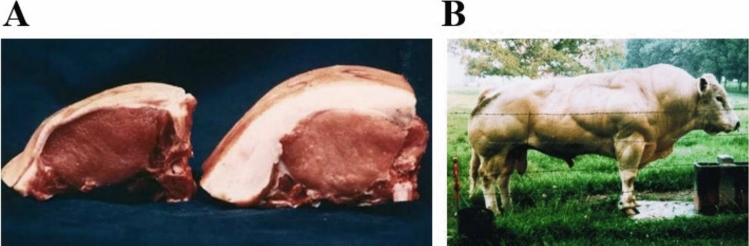
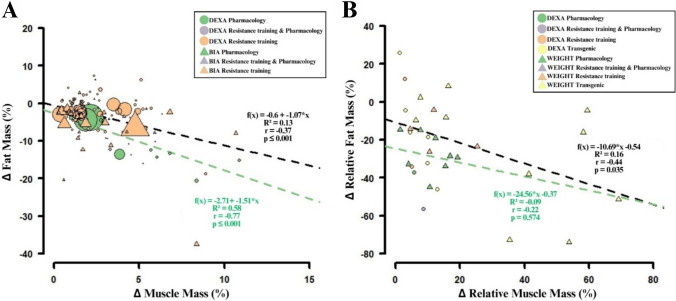
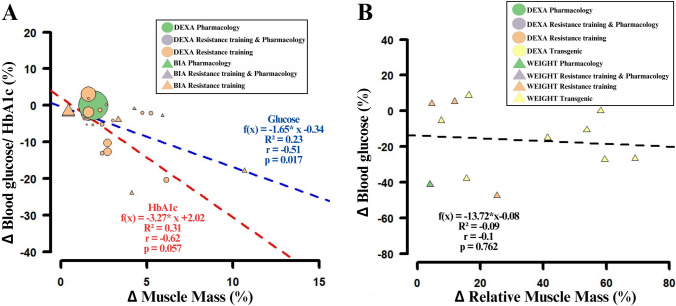
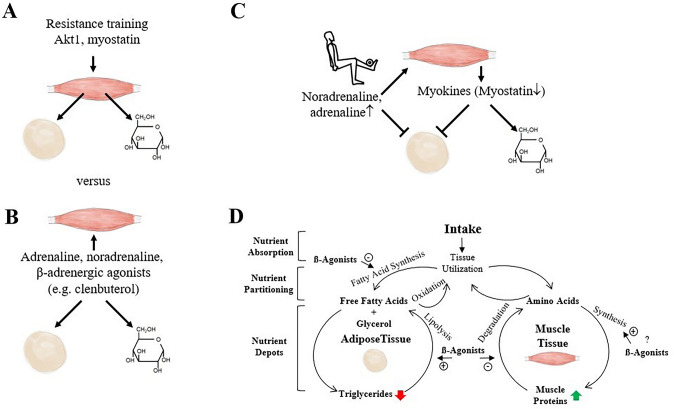
Verification
Claims the paper makes
38 Valid · 2 Not valid · 34 Not checked · 76 Own results and interpretations
The cited sources support only part of this claim — read each source’s verdict below.
In the paper
“HbA1c was reported in only one study involving myostatin knockout mice, which demonstrated a relative increase in muscle mass of 53.8–59.5% and a corresponding HbA1c reduction of 2.2–21.8% [61].”
§ Effects of Skeletal Muscle Hypertrophy on Fat Mass and Glucose Homeostasis in Humans and Animals: A Narrative Review with Systematic Literature Search > Systematic Literature Analysis to Find Out Whether Muscle Hypertrophy Is Associated with Altered Fat Mass and Glucose Homeostasis > Is Muscle Hypertrophy Associated with Altered Glucose Homeostasis?
What the sources say
- Partly supportedcites [61] Butcher JT, Mintz JD, Larion S, Qiu S, Ruan L, Fulton DJ, Stepp DW. Increased muscle mass protects against hypertension and renal injury in obesity. J Am Heart Assoc. 2018;7: e009358. 10.1161/JAHA.118.009358. 30369309 PMC6201396 sourceExperimental — accuracy not yet measured
The Methods and Results passage reports that myostatin deletion increased skeletal muscle mass by approximately 50–60%, and the Results report increases in both lean and obese mice. That supports the stated magnitude, but our copy does not give the precise endpoints of 53.8% and 59.5%. (LLM, conf=0.83)
boostedSingle case- Asserted: passes — The authors put it forward as true.
- Checkable: passes — It can be checked against evidence.
- Load-bearing: unclear — It is unclear whether the paper’s conclusions depend on it.
- Based: passes — The paper gives a reason why it holds.
- Partly supported
Every source the paper cites for this claim was checked and supports it.
In the paper
“HbA1c was reported in only one study involving myostatin knockout mice, which demonstrated a relative increase in muscle mass of 53.8–59.5% and a corresponding HbA1c reduction of 2.2–21.8% [61].”
§ Effects of Skeletal Muscle Hypertrophy on Fat Mass and Glucose Homeostasis in Humans and Animals: A Narrative Review with Systematic Literature Search > Systematic Literature Analysis to Find Out Whether Muscle Hypertrophy Is Associated with Altered Fat Mass and Glucose Homeostasis > Is Muscle Hypertrophy Associated with Altered Glucose Homeostasis?
What the sources say
- Supportedcites [61] Butcher JT, Mintz JD, Larion S, Qiu S, Ruan L, Fulton DJ, Stepp DW. Increased muscle mass protects against hypertension and renal injury in obesity. J Am Heart Assoc. 2018;7: e009358. 10.1161/JAHA.118.009358. 30369309 PMC6201396 source
Table 1 (Results; page not provided) reports HbA1c of 4.6% versus 4.5% in lean control and myostatin-knockout mice, and 7.8% versus 6.1% in obese control and knockout mice. Those values correspond to relative reductions of approximately 2.2% and 21.8%, respectively. (LLM, conf=0.94)
boostedstates a causeSingle case- Asserted: passes — The authors put it forward as true.
- Checkable: passes — It can be checked against evidence.
- Load-bearing: unclear — It is unclear whether the paper’s conclusions depend on it.
- Based: passes — The paper gives a reason why it holds.
- Supported
Every source the paper cites for this claim was checked and supports it.
In the paper
“when patients with overweight or obesity and type 2 diabetes were injected every 4 weeks for 48 weeks with either 10 mg/kg of the myostatin receptor inhibitor bimagrumab versus placebo, lean mass (a proxy for muscle mass) increased by 1.70 kg (80% CI: 1.14 to 2.26 kg)”
§ Effects of Skeletal Muscle Hypertrophy on Fat Mass and Glucose Homeostasis in Humans and Animals: A Narrative Review with Systematic Literature Search > Introduction
What the sources say
- Supportedcites [23] Heymsfield SB, Coleman LA, Miller R, Rooks DS, Laurent D, Petricoul O, et al. Effect of bimagrumab vs placebo on body fat mass among adults with type 2 diabetes and obesity: a phase 2 randomized clinical trial. JAMA Netw Open. 2021;4: e2033457. 10.1001/jamanetworkopen.2020.33457. 33439265 PMC7807292 source
The Methods (Trial Procedures) report 10 mg/kg bimagrumab or placebo by intravenous infusion every 4 weeks for 48 weeks. The Results (Secondary, Exploratory, and Supportive End Points) report a 1.70 kg lean-mass gain (80% CI, 1.14 to 2.26 kg) in the bimagrumab group, compared with a 0.4 kg loss in the placebo group. The 1.70 kg figure is the change within the bimagrumab group, not the placebo-adjusted difference. (LLM, conf=0.92)
plainstates a cause- Asserted: passes — The authors put it forward as true.
- Checkable: passes — It can be checked against evidence.
- Load-bearing: unclear — It is unclear whether the paper’s conclusions depend on it.
- Based: passes — The paper gives a reason why it holds.
- Supported
Every source the paper cites for this claim was checked and supports it.
In the paper
“and HbA1c dropped by 0.76% (80% CI: −1.05 to −0.48%) [23].”
§ Effects of Skeletal Muscle Hypertrophy on Fat Mass and Glucose Homeostasis in Humans and Animals: A Narrative Review with Systematic Literature Search > Introduction
What the sources say
- Supportedcites [23] Heymsfield SB, Coleman LA, Miller R, Rooks DS, Laurent D, Petricoul O, et al. Effect of bimagrumab vs placebo on body fat mass among adults with type 2 diabetes and obesity: a phase 2 randomized clinical trial. JAMA Netw Open. 2021;4: e2033457. 10.1001/jamanetworkopen.2020.33457. 33439265 PMC7807292 source
Table 2 (Results, Primary Efficacy End Point) reports an HbA1c change of −0.76 percentage points in the bimagrumab group, with an 80% CI of −1.05 to −0.48. The Discussion also describes this as a decrease after 48 weeks of treatment. (LLM, conf=0.95)
plainstates a cause- Asserted: passes — The authors put it forward as true.
- Checkable: passes — It can be checked against evidence.
- Load-bearing: passes — The paper’s conclusions depend on it.
- Based: passes — The paper gives a reason why it holds.
- Supported
Every source the paper cites for this claim was checked and supports it.
In the paper
“fat mass dropped by 7.49 kg (80% CI: −8.33 to −6.64 kg)”
§ Effects of Skeletal Muscle Hypertrophy on Fat Mass and Glucose Homeostasis in Humans and Animals: A Narrative Review with Systematic Literature Search > Introduction
What the sources say
- Supportedcites [23] Heymsfield SB, Coleman LA, Miller R, Rooks DS, Laurent D, Petricoul O, et al. Effect of bimagrumab vs placebo on body fat mass among adults with type 2 diabetes and obesity: a phase 2 randomized clinical trial. JAMA Netw Open. 2021;4: e2033457. 10.1001/jamanetworkopen.2020.33457. 33439265 PMC7807292 source
Table 2 in Results > Primary Efficacy End Point reports a 7.49 kg decrease in fat mass in the bimagrumab group, with an 80% CI of −8.33 to −6.64 kg. This is the within-group change, not the placebo-adjusted difference of −7.31 kg. (LLM, conf=0.95)
plainstates a cause- Asserted: passes — The authors put it forward as true.
- Checkable: passes — It can be checked against evidence.
- Load-bearing: passes — The paper’s conclusions depend on it.
- Based: passes — The paper gives a reason why it holds.
- Supported
106 more claims · 18 with their cited sources checked
Create a free account to see all 150 claims and to verify the 1 reference still open.
- It may state two separate claims as one. 32
- Probably not a substantial claim. 13
Citations
Cites
Ong, K. L., Stafford, L. K., McLaughlin, S. A., Boyko, E. J., Vollset, S. E., Smith, A. E., Dalton, B. E., Duprey, J., Cruz, J. A., Hagins, H., et al. (2023) · The Lancet · doi:10.1016/s0140-6736(23)01301-6 · Cited by 6,146
Once-Weekly Semaglutide in Adults with Overweight or Obesity
Wilding, J. P. H., Batterham, R. L., Calanna, S., Davies, M., Van Gaal, L. F., Lingvay, I., McGowan, B. M., Rosenstock, J., Tran, M. T. D., Wadden, T. A., et al. (2021) · New England Journal of Medicine · doi:10.1056/nejmoa2032183 · Cited by 5,205 · cited 1×
“In an opinion in the Journal of Physiology [209], we have recently argued that the bimagrumab effects in patients with obesity are preferable to those of, e.g., semaglutide because the fat loss is not associated with muscle atrophy, as is the case with semaglu-tide treatment [210].”
2. Classification and Diagnosis of Diabetes: Standards of Medical Care in Diabetes—2022
American Diabetes Association Professional Practice Committee (2022) · Diabetes Care · doi:10.2337/dc22-s002 · Cited by 4,792 · cited 1×
“This difference spans the diagnostic boundary between diabetes mellitus (≥ 126 mg/dL) and prediabetes ( 126 mg/dL) [195].”
The metabolism of tumors in the body
Warburg, O., Wind, F., & Negelein, E. (1927) · Journal of General Physiology · doi:10.1085/jgp.8.6.519 · Cited by 4,416 · cited 1×
“This should not come as a surprise, given that almost 100 years ago, Otto Warburg demonstrated that sarcomas, which are a growing tissue like hypertrophying muscle take up glucose at a high rate [179].”
2013 AHA/ACC/TOS Guideline for the Management of Overweight and Obesity in Adults
Jensen, M. D., Ryan, D. H., Apovian, C. M., Ard, J. D., Comuzzie, A. G., Donato, K. A., Hu, F. B., Hubbard, V. S., Jakicic, J. M., Kushner, R. F., et al. (2014) · Journal of the American College of Cardiology · doi:10.1016/j.jacc.2013.11.004 · Cited by 4,058
Regulation of skeletal muscle mass in mice by a new TGF-p superfamily member
McPherron, A. C., Lawler, A. M., & Lee, S.-J. (1997) · Nature · doi:10.1038/387083a0 · Cited by 4,013
Nathan, D. M., Buse, J. B., Davidson, M. B., Ferrannini, E., Holman, R. R., Sherwin, R., & Zinman, B. (2009) · Diabetes Care · doi:10.2337/dc08-9025 · Cited by 3,834
Davies, M. J., D’Alessio, D. A., Fradkin, J., Kernan, W. N., Mathieu, C., Mingrone, G., Rossing, P., Tsapas, A., Wexler, D. J., & Buse, J. B. (2018) · Diabetes Care · doi:10.2337/dci18-0033 · Cited by 3,518 · cited 1×
“Lifestyle modification includes a healthy and hypocaloric diet to limit hyperglycaemic periods and regular exercise [9].”
Metabolite profiles and the risk of developing diabetes
Wang, T. J., Larson, M. G., Vasan, R. S., Cheng, S., Rhee, E. P., McCabe, E., Lewis, G. D., Fox, C. S., Jacques, P. F., Fernandez, C., et al. (2011) · Nature Medicine · doi:10.1038/nm.2307 · Cited by 3,143 · cited 1×
“Elevated circulating branched-chain amino acids are an established risk marker for the development of type 2 diabetes mellitus [192].”
Skeletal muscle mass and distribution in 468 men and women aged 18–88 yr
Janssen, I., Heymsfield, S. B., Wang, Z., & Ross, R. (2000) · Journal of Applied Physiology · doi:10.1152/jappl.2000.89.1.81 · Cited by 3,087 · cited 2×
“Exercise itself, independent of muscle hypertrophy, can potentially reduce fat mass and improve glucose homeostasis by increasing energy expenditure, enhancing insulin sensitivity, and stimulating glucose uptake via contraction-mediated pathways [25–27].”
DeFronzo, R. A., Ferrannini, E., Groop, L., Henry, R. R., Herman, W. H., Holst, J. J., Hu, F. B., Kahn, C. R., Raz, I., Shulman, G. I., et al. (2015) · Nature Reviews Disease Primers · doi:10.1038/nrdp.2015.19 · Cited by 2,611 · cited 1×
“To improve glycemic control, patients are additionally prescribed drugs that stimulate insulin secretion or improve insulin sensitivity, and in more severe cases, insulin therapy [10].”
What is the cause of the ageing atrophy?
Lexell, J., Taylor, C. C., & Sjöström, M. (1988) · Journal of the Neurological Sciences · doi:10.1016/0022-510x(88)90132-3 · Cited by 2,075 · cited 2×
“They reported that the mean cross-sectional area of type 2 fibers ranged from 2142 ± 300 to 5535 ± 1310 µm 2 [30].”
Double muscling in cattle due to mutations in the myostatin gene
McPherron, A. C., & Lee, S.-J. (1997) · Proceedings of the National Academy of Sciences · doi:10.1073/pnas.94.23.12457 · Cited by 2,039
Colberg, S. R., Sigal, R. J., Fernhall, B., Regensteiner, J. G., Blissmer, B. J., Rubin, R. R., Chasan-Taber, L., Albright, A. L., & Braun, B. (2010) · Diabetes Care · doi:10.2337/dc10-9990 · Cited by 1,955
Garvey, W. T., Mechanick, J. I., Brett, E. M., Garber, A. J., Hurley, D. L., Jastreboff, A. M., Nadolsky, K., Pessah-Pollack, R., & Plodkowski, R. (2016) · Endocrine Practice · doi:10.4158/ep161365.gl · Cited by 1,914 · cited 1×
“Regarding current clinical guidelines recommend a reduction in total body weight of approximately 3–7% to achieve improvements in metabolic parameters, including glycemic control and cardiovascular risk [196–198].”
DeFronzo, R. A., Jacot, E., Jequier, E., Maeder, E., Wahren, J., & Felber, J. P. (1981) · Diabetes · doi:10.2337/diab.30.12.1000 · Cited by 1,770 · cited 1×
“Approximately 75% of glucose disposal following a meal occurs in skeletal muscle, whereas adipose tissue contributes only around 5%, despite also expressing the insulin-responsive glucose transporter GLUT4 [13–15].”
InfluentialTestosterone Therapy in Men With Hypogonadism: An Endocrine Society Clinical Practice Guideline.
Bhasin, S., Brito, J. P., Cunningham, G. R., Hayes, F. J., Hodis, H. N., Matsumoto, A. M., Snyder, P. J., Swerdloff, R. S., Wu, F. C., & Yialamas, M. A. (2018) · The Journal of Clinical Endocrinology & Metabolism · doi:10.1210/jc.2018-00229 · Cited by 1,736 · cited 1×
“While they can be used therapeutically e.g., in patients with hypogonadism, their use in sport is considered doping and is prohibited [46, 47].”
The effects of supraphysiologic doses of testosterone on muscle size and strength in normal men
Bhasin, S., Storer, T. W., Berman, N., Callegari, C., Clevenger, B., Phillips, J., Bunnell, T. J., Tricker, R., Shirazi, A., & Casaburi, R. (1996) · New England Journal of Medicine · doi:10.1056/nejm199607043350101 · Cited by 1,659 · cited 2×
“Testosterone [44] and related anabolic androgenic steroids [45] increase muscle mass in both animals and humans.”
GLP-1 receptor agonists in the treatment of type 2 diabetes - state-of-the-art
Nauck, M. A., Quast, D. R., Wefers, J., & Meier, J. J. (2021) · Molecular Metabolism · doi:10.1016/j.molmet.2020.101102 · Cited by 1,647 · cited 1×
“In addition, anti-obesity drugs [3], such as the GLP-1 receptor agonist semaglutide (trade names: Wegovy and Ozempic) are effective in causing major weight loss in patients with obesity through the suppression of appetite and food intake [4, 5].”
Myostatin Mutation Associated with Gross Muscle Hypertrophy in a Child
Schuelke, M., Wagner, K. R., Stolz, L. E., Hübner, C., Riebel, T., Kömen, W., Braun, T., Tobin, J. F., & Lee, S.-J. (2004) · New England Journal of Medicine · doi:10.1056/nejmoa040933 · Cited by 1,399 · cited 2×
“In animal models, the loss of myostatin signalling, either through the loss of myostatin itself [38, 39] or by targeting the myostatin receptor with antibodies such as bimagrumab causes muscle hypertrophy [23].”
Heerspink, H. J. L., Perkins, B. A., Fitchett, D. H., Husain, M., & Cherney, D. Z. I. (2016) · Circulation · doi:10.1161/circulationaha.116.021887 · Cited by 1,376
Pathogenesis of type 2 diabetes mellitus
DeFronzo, R. A. (2004) · Medical Clinics of North America · doi:10.1016/j.mcna.2004.04.013 · Cited by 1,342 · cited 1×
“Approximately 75% of glucose disposal following a meal occurs in skeletal muscle, whereas adipose tissue contributes only around 5%, despite also expressing the insulin-responsive glucose transporter GLUT4 [13–15].”
InfluentialSestrin2 is a leucine sensor for the mTORC1 pathway
Wolfson, R. L., Chantranupong, L., Saxton, R. A., Shen, K., Scaria, S. M., Cantor, J. R., & Sabatini, D. M. (2016) · Science · doi:10.1126/science.aab2674 · Cited by 1,306 · cited 1×
“However, IGF-1 is not the only activator of mTORC1, as mTORC1 is also activated by mechanical stimuli, e.g., induced through resistance training [173], and by leucine, which binds to the leucine sensors ses-trin 1/2 [174, 175].”
DeFronzo, R. A., Gunnarsson, R., Björkman, O., Olsson, M., & Wahren, J. (1985) · Journal of Clinical Investigation · doi:10.1172/jci111938 · Cited by 1,167
González-Muniesa, P., Mártinez-González, M.-A., Hu, F. B., Després, J.-P., Matsuzawa, Y., Loos, R. J. F., Moreno, L. A., Bray, G. A., & Martinez, J. A. (2017) · Nature Reviews Disease Primers · doi:10.1038/nrdp.2017.34 · Cited by 1,113 · cited 1×
“Patients who are severely obese or who have not responded sufficiently to other therapies can undergo bariatric surgery as a last resort [7].”
Skeletal muscle hypertrophy and atrophy signaling pathways
Glass, D. J. (2005) · The International Journal of Biochemistry & Cell Biology · doi:10.1016/j.biocel.2005.04.018 · Cited by 1,106 · cited 1×
“Muscle mass and cross-sectional area can be measured on the level of the whole muscle or on the level of muscle fibers [28, 29].”
Anti-obesity drug discovery: advances and challenges
Müller, T. D., Blüher, M., Tschöp, M. H., & DiMarchi, R. D. (2022) · Nature Reviews Drug Discovery · doi:10.1038/s41573-021-00337-8 · Cited by 1,021 · cited 1×
“Such trends have already been observed in the context of obesity and diabetes pharma-cotherapy [211].”
KANALEY, J. A., COLBERG, S. R., CORCORAN, M. H., MALIN, S. K., RODRIGUEZ, N. R., CRESPO, C. J., KIRWAN, J. P., & ZIERATH, J. R. (2022) · Medicine & Science in Sports & Exercise · doi:10.1249/mss.0000000000002800 · Cited by 931 · cited 1×
“Several obesity and diabetes mellitus associations and position statements already recommend resistance training as an intervention [200–202].”
Khera, R., Murad, M. H., Chandar, A. K., Dulai, P. S., Wang, Z., Prokop, L. J., Loomba, R., Camilleri, M., & Singh, S. (2016) · JAMA · doi:10.1001/jama.2016.7602 · Cited by 865
Castaneda, C., Layne, J. E., Munoz-Orians, L., Gordon, P. L., Walsmith, J., Foldvari, M., Roubenoff, R., Tucker, K. L., & Nelson, M. E. (2002) · Diabetes Care · doi:10.2337/diacare.25.12.2335 · Cited by 844
Coleman, M. E., DeMayo, F., Yin, K. C., Lee, H. M., Geske, R., Montgomery, C., & Schwartz, R. J. (1995) · Journal of Biological Chemistry · doi:10.1074/jbc.270.20.12109 · Cited by 642
Hosios, A. M., Hecht, V. C., Danai, L. V., Johnson, M. O., Rathmell, J. C., Steinhauser, M. L., Manalis, S. R., & Vander Heiden, M. G. (2016) · Developmental Cell · doi:10.1016/j.devcel.2016.02.012 · Cited by 641 · cited 1×
“Moreover, the group of the cancer metabolism researcher Matt Vander Heiden has demonstrated that 20–30% of glucose-derived 14 C ends up in protein and a similar amount of 14 C in RNA and DNA in cultured H1299, A549, and A172 cancer cells [180].”
Srinivas-Shankar, U., Roberts, S. A., Connolly, M. J., O'Connell, M. D. L., Adams, J. E., Oldham, J. A., & Wu, F. C. W. (2010) · The Journal of Clinical Endocrinology & Metabolism · doi:10.1210/jc.2009-1251 · Cited by 629
Singh, R., Artaza, J. N., Taylor, W. E., Gonzalez-Cadavid, N. F., & Bhasin, S. (2003) · Endocrinology · doi:10.1210/en.2003-0741 · Cited by 555 · cited 1×
“In addition, testosterone exerts direct effects on adipose tissue by inhibiting the adipogenic differentiation of mesenchymal stem cells, reducing lipid accumulation, and stimulating lipolysis through androgen receptor-mediated signalling [186, 187].”
Effect of Testosterone Treatment on Body Composition and Muscle Strength in Men Over 65 Years of Age
Snyder, P. J. (1999) · Journal of Clinical Endocrinology & Metabolism · doi:10.1210/jc.84.8.2647 · Cited by 531
Emmelot-Vonk, M. H., Verhaar, H. J. J., Nakhai Pour, H. R., Aleman, A., Lock, T. M. T. W., Bosch, J. L. H. R., Grobbee, D. E., & van der Schouw, Y. T. (2008) · JAMA · doi:10.1001/jama.2007.51 · Cited by 518
Effect of testosterone on muscle mass and muscle protein synthesis
Griggs, R. C., Kingston, W., Jozefowicz, R. F., Herr, B. E., Forbes, G., & Halliday, D. (1989) · Journal of Applied Physiology · doi:10.1152/jappl.1989.66.1.498 · Cited by 517 · cited 1×
“Another example is testosterone, which binds to androgen receptors in skeletal muscle, activating anabolic pathways such as mTORC1 and promoting protein synthesis [184, 185].”
Glucose transporters in adipose tissue, liver, and skeletal muscle in metabolic health and disease
Chadt, A., & Al-Hasani, H. (2020) · Pflügers Archiv - European Journal of Physiology · doi:10.1007/s00424-020-02417-x · Cited by 510 · cited 2×
“Beyond GLUT4, skeletal muscle expresses several other glucose transporters, such as GLUT1, GLUT3, GLUT6, GLUT10, and GLUT12, albeit at lower abundance [16].”
Suppression of body fat accumulation in myostatin-deficient mice
McPherron, A. C., & Lee, S.-J. (2002) · Journal of Clinical Investigation · doi:10.1172/jci0213562 · Cited by 505 · cited 3×
“For example, myostatin knockout mice [21] or mice in which constitutively active Akt1 is expressed only in skeletal muscle [22] have not only more skeletal muscle mass but also less fat mass and improved glucose homeostasis when compared with wild-type controls.”
Exercise-stimulated glucose uptake — regulation and implications for glycaemic control
Sylow, L., Kleinert, M., Richter, E. A., & Jensen, T. E. (2017) · Nature Reviews Endocrinology · doi:10.1038/nrendo.2016.162 · Cited by 498
Structural basis for leucine sensing by the Sestrin2-mTORC1 pathway
Saxton, R. A., Knockenhauer, K. E., Wolfson, R. L., Chantranupong, L., Pacold, M. E., Wang, T., Schwartz, T. U., & Sabatini, D. M. (2016) · Science · doi:10.1126/science.aad2087 · Cited by 457 · cited 1×
“However, IGF-1 is not the only activator of mTORC1, as mTORC1 is also activated by mechanical stimuli, e.g., induced through resistance training [173], and by leucine, which binds to the leucine sensors ses-trin 1/2 [174, 175].”
Transcriptomic profiling of skeletal muscle adaptations to exercise and inactivity
Pillon, N. J., Gabriel, B. M., Dollet, L., Smith, J. A. B., Sardón Puig, L., Botella, J., Bishop, D. J., Krook, A., & Zierath, J. R. (2020) · Nature Communications · doi:10.1038/s41467-019-13869-w · Cited by 457 · cited 1×
“After resistance exercise, myostatin expression significantly decreases in human skeletal muscle (meta-analysis of human biopsy studies, [191]).”
Blackman, M. R. (2002) · JAMA · doi:10.1001/jama.288.18.2282 · Cited by 455
Conditional Activation of Akt in Adult Skeletal Muscle Induces Rapid Hypertrophy
Lai, K.-M. V., Gonzalez, M., Poueymirou, W. T., Kline, W. O., Na, E., Zlotchenko, E., Stitt, T. N., Economides, A. N., Yancopoulos, G. D., & Glass, D. J. (2004) · Molecular and Cellular Biology · doi:10.1128/mcb.24.21.9295-9304.2004 · Cited by 442 · cited 1×
“In animal models, mTORC1 activation either by animal-specific resistance training, IGF-1 [36], or Akt1 expression [37] causes muscle hypertrophy.”
Schoenfeld, B. J., Peterson, M. D., Ogborn, D., Contreras, B., & Sonmez, G. T. (2015) · Journal of Strength and Conditioning Research · doi:10.1519/jsc.0000000000000958 · Cited by 418 · cited 2×
“Research into resistance training variables shows that load, volume, frequency, and rest intervals, influence the amount of skeletal muscle hypertrophy induced [33–35].”
Role of β-Adrenoceptor Signaling in Skeletal Muscle: Implications for Muscle Wasting and Disease
Lynch, G. S., & Ryall, J. G. (2008) · Physiological Reviews · doi:10.1152/physrev.00028.2007 · Cited by 410 · cited 2×
“However, the rise in catecholamines during resistance training [188] should stimulate white adipose tissue lipolysis [183] and activate brown adipose tissue heat production [189], which will increase energy expenditure.”
Guo, T., Jou, W., Chanturiya, T., Portas, J., Gavrilova, O., & McPherron, A. C. (2009) · PLoS ONE · doi:10.1371/journal.pone.0004937 · Cited by 402 · cited 4×
“This idea was formulated by the group of Alexandra McPherron, who found that myostatin knock out-induced muscle hypertrophy results in fat loss and improved glucose homeostasis in mice [181].”
InfluentialFast/Glycolytic Muscle Fiber Growth Reduces Fat Mass and Improves Metabolic Parameters in Obese Mice
Izumiya, Y., Hopkins, T., Morris, C., Sato, K., Zeng, L., Viereck, J., Hamilton, J. A., Ouchi, N., LeBrasseur, N. K., & Walsh, K. (2008) · Cell Metabolism · doi:10.1016/j.cmet.2007.11.003 · Cited by 395 · cited 4×
“For example, myostatin knockout mice [21] or mice in which constitutively active Akt1 is expressed only in skeletal muscle [22] have not only more skeletal muscle mass but also less fat mass and improved glucose homeostasis when compared with wild-type controls.”
InfluentialBellicha, A., van Baak, M. A., Battista, F., Beaulieu, K., Blundell, J. E., Busetto, L., Carraça, E. V., Dicker, D., Encantado, J., Ermolao, A., et al. (2021) · Obesity Reviews · doi:10.1111/obr.13256 · Cited by 375 · cited 1×
“Exercise itself, independent of muscle hypertrophy, can potentially reduce fat mass and improve glucose homeostasis by increasing energy expenditure, enhancing insulin sensitivity, and stimulating glucose uptake via contraction-mediated pathways [25–27].”
Verdijk, L. B., Gleeson, B. G., Jonkers, R. A. M., Meijer, K., Savelberg, H. H. C. M., Dendale, P., & van Loon, L. J. C. (2009) · The Journals of Gerontology Series A: Biological Sciences and Medical Sciences · doi:10.1093/gerona/gln050 · Cited by 372
Little, R. R., Rohlfing, C. L., & Sacks, D. B. (2011) · Clinical Chemistry · doi:10.1373/clinchem.2010.148841 · Cited by 365 · cited 1×
“While a reduction of ≥ 0.5% is typically considered clinically meaningful and associated with a lower risk of diabetes-related complications [193, 194], our findings still indicate a favorable trend in glycemic control.”
InfluentialStimuli and sensors that initiate skeletal muscle hypertrophy following resistance exercise
Wackerhage, H., Schoenfeld, B. J., Hamilton, D. L., Lehti, M., & Hulmi, J. J. (2019) · Journal of Applied Physiology · doi:10.1152/japplphysiol.00685.2018 · Cited by 357 · cited 1×
“However, IGF-1 is not the only activator of mTORC1, as mTORC1 is also activated by mechanical stimuli, e.g., induced through resistance training [173], and by leucine, which binds to the leucine sensors ses-trin 1/2 [174, 175].”
Brooks, N., Layne, J. E., Gordon, P. L., Roubenoff, R., Nelson, M. E., & Castaneda-Sceppa, C. (2007) · International Journal of Medical Sciences · doi:10.7150/ijms.4.19 · Cited by 349
Heymsfield, S. B., Coleman, L. A., Miller, R., Rooks, D. S., Laurent, D., Petricoul, O., Praestgaard, J., Swan, T., Wade, T., Perry, R. G., et al. (2021) · JAMA Network Open · doi:10.1001/jamanetworkopen.2020.33457 · Cited by 338 · cited 4×
“In animal models, the loss of myostatin signalling, either through the loss of myostatin itself [38, 39] or by targeting the myostatin receptor with antibodies such as bimagrumab causes muscle hypertrophy [23].”
InfluentialHuman Brown Adipocyte Thermogenesis Is Driven by β2-AR Stimulation
Blondin, D. P., Nielsen, S., Kuipers, E. N., Severinsen, M. C., Jensen, V. H., Miard, S., Jespersen, N. Z., Kooijman, S., Boon, M. R., Fortin, M., et al. (2020) · Cell Metabolism · doi:10.1016/j.cmet.2020.07.005 · Cited by 331 · cited 1×
“However, the rise in catecholamines during resistance training [188] should stimulate white adipose tissue lipolysis [183] and activate brown adipose tissue heat production [189], which will increase energy expenditure.”
Chen, H., Chung, Y., Chen, Y., Ho, S., & Wu, H. (2017) · Journal of the American Geriatrics Society · doi:10.1111/jgs.14722 · Cited by 317
Use of a β-Agonist to Alter Fat and Muscle Deposition in Steers1
Ricks, C. A., Dalrymple, R. H., Baker, P. K., & Ingle, D. L. (1984) · Journal of Animal Science · doi:10.2527/jas1984.5951247x · Cited by 294 · cited 1×
“A key example is β-adrenergic agonists, which stimulate skeletal muscle hypertrophy and adipose lipolysis by acting on adrenergic receptors expressed by both tissues [170, 183].”
Korkiakangas, E. E., Alahuhta, M. A., & Laitinen, J. H. (2009) · Health Promotion International · doi:10.1093/heapro/dap031 · Cited by 276 · cited 1×
“Exercise adherence is notoriously low among free-living individuals with obesity or type 2 diabetes, particularly when interventions are unsupervised or not integrated into clinical support systems [213–215].”
Taaffe, D. R. (1994) · Journal of Clinical Endocrinology & Metabolism · doi:10.1210/jc.79.5.1361 · Cited by 270
Strasser, B., Siebert, U., & Schobersberger, W. (2010) · Sports Medicine · doi:10.2165/11531380-000000000-00000 · Cited by 258 · cited 1×
“They base this on the fact that resistance training prevents the loss of lean/muscle mass that normally occurs if people with obesity start an energy-restricted/hypocaloric diet [203] and that resistance training improves glucose homeostasis (e.g., [204]).”
Testosterone injection stimulates net protein synthesis but not tissue amino acid transport
Ferrando, A. A., Tipton, K. D., Doyle, D., Phillips, S. M., Cortiella, J., & Wolfe, R. R. (1998) · American Journal of Physiology-Endocrinology and Metabolism · doi:10.1152/ajpendo.1998.275.5.e864 · Cited by 256 · cited 1×
“Another example is testosterone, which binds to androgen receptors in skeletal muscle, activating anabolic pathways such as mTORC1 and promoting protein synthesis [184, 185].”
Olson, T. P., Dengel, D. R., Leon, A. S., & Schmitz, K. H. (2007) · International Journal of Obesity · doi:10.1038/sj.ijo.0803534 · Cited by 254
mTORC1 signaling controls multiple steps in ribosome biogenesis
Iadevaia, V., Liu, R., & Proud, C. G. (2014) · Seminars in Cell & Developmental Biology · doi:10.1016/j.semcdb.2014.08.004 · Cited by 248 · cited 1×
“However, mTORC1 increases not only protein synthesis from existing ribosomes but also the synthesis of more ribosomes, a process known as ribosomal biogenesis [176].”
GLP−1 receptor agonists for the treatment of obesity: Role as a promising approach
Wang, J.-Y., Wang, Q.-W., Yang, X.-Y., Yang, W., Li, D.-R., Jin, J.-Y., Zhang, H.-C., & Zhang, X.-F. (2023) · Frontiers in Endocrinology · doi:10.3389/fendo.2023.1085799 · Cited by 248
American Diabetes Association Professional Practice Committee, ElSayed, N. A., McCoy, R. G., Aleppo, G., Balapattabi, K., Beverly, E. A., Briggs Early, K., Bruemmer, D., Echouffo-Tcheugui, J. B., Ekhlaspour, L., et al. (2025) · Diabetes Care · doi:10.2337/dc25-s008 · Cited by 236
Harder, H., Nielsen, L., Thi, T. D. T., & Astrup, A. (2004) · Diabetes Care · doi:10.2337/diacare.27.8.1915 · Cited by 232
Strength training versus aerobic interval training to modify risk factors of metabolic syndrome
Stensvold, D., Tjønna, A. E., Skaug, E.-A., Aspenes, S., Stølen, T., Wisløff, U., & Slørdahl, S. A. (2010) · Journal of Applied Physiology · doi:10.1152/japplphysiol.00996.2009 · Cited by 231
Willoughby, D., Hewlings, S., & Kalman, D. (2018) · Nutrients · doi:10.3390/nu10121876 · Cited by 221 · cited 1×
“They base this on the fact that resistance training prevents the loss of lean/muscle mass that normally occurs if people with obesity start an energy-restricted/hypocaloric diet [203] and that resistance training improves glucose homeostasis (e.g., [204]).”
American Diabetes Association Professional Practice Committee, ElSayed, N. A., Aleppo, G., Bannuru, R. R., Bruemmer, D., Collins, B. S., Ekhlaspour, L., Hilliard, M. E., Johnson, E. L., Khunti, K., et al. (2024) · Diabetes Care · doi:10.2337/dc24-s008 · Cited by 213
Zuo, C., Ma, X., Ye, C., Zheng, Z., & Bo, S. (2023) · Environmental Health and Preventive Medicine · doi:10.1265/ehpm.23-00146 · Cited by 202
Liao, C.-D., Tsauo, J.-Y., Lin, L.-F., Huang, S.-W., Ku, J.-W., Chou, L.-C., & Liou, T.-H. (2017) · Medicine · doi:10.1097/md.0000000000007115 · Cited by 201
Adverse Effects of Anabolic-Androgenic Steroids: A Literature Review
Albano, G. D., Amico, F., Cocimano, G., Liberto, A., Maglietta, F., Esposito, M., Rosi, G. L., Di Nunno, N., Salerno, M., & Montana, A. (2021) · Healthcare · doi:10.3390/healthcare9010097 · Cited by 200 · cited 2×
“Athletes have misused these drugs, although their use in humans is off-label, controversial, or prohibited in sports owing to their classification as doping agents and concerns over adverse effects and ethical issues [43].”
Watkins, L. E., Jones, D. J., Mowrey, D. H., Anderson, D. B., & Veenhuizen, E. L. (1990) · Journal of Animal Science · doi:10.2527/1990.68113588x · Cited by 198 · cited 1×
“4. β2-adrenergic agonist such as salbutamol [40], clen-buterol [41], and ractopamine [42] promote muscle hypertrophy in animal models.”
Regulation of Skeletal Muscle Glucose Transport and Glucose Metabolism by Exercise Training
Evans, P. L., McMillin, S. L., Weyrauch, L. A., & Witczak, C. A. (2019) · Nutrients · doi:10.3390/nu11102432 · Cited by 190
Transgenic expression of myostatin propeptide prevents diet-induced obesity and insulin resistance
Zhao, B., Wall, R. J., & Yang, J. (2005) · Biochemical and Biophysical Research Communications · doi:10.1016/j.bbrc.2005.09.044 · Cited by 186
Form follows function: how muscle shape is regulated by work
Russell, B., Motlagh, D., & Ashley, W. W. (2000) · Journal of Applied Physiology · doi:10.1152/jappl.2000.88.3.1127 · Cited by 183 · cited 1×
“Muscle mass and cross-sectional area can be measured on the level of the whole muscle or on the level of muscle fibers [28, 29].”
Currier, B. S., Mcleod, J. C., Banfield, L., Beyene, J., Welton, N. J., D'Souza, A. C., Keogh, J. A. J., Lin, L., Coletta, G., Yang, A., et al. (2023) · British Journal of Sports Medicine · doi:10.1136/bjsports-2023-106807 · Cited by 179 · cited 1×
“Research into resistance training variables shows that load, volume, frequency, and rest intervals, influence the amount of skeletal muscle hypertrophy induced [33–35].”
Myokines and Resistance Training: A Narrative Review
Zunner, B. E. M., Wachsmuth, N. B., Eckstein, M. L., Scherl, L., Schierbauer, J., Haupt, S., Stumpf, C., Reusch, L., & Moser, O. (2022) · International Journal of Molecular Sciences · doi:10.3390/ijms23073501 · Cited by 166 · cited 1×
“Resistance exercised and hypertrophying muscles will also alter the release of myokines, i.e., hormone-like regulators, such as myostatin [190].”
Bouchonville, M., Armamento-Villareal, R., Shah, K., Napoli, N., Sinacore, D. R., Qualls, C., & Villareal, D. T. (2014) · International Journal of Obesity · doi:10.1038/ijo.2013.122 · Cited by 163
Gupta, V., Bhasin, S., Guo, W., Singh, R., Miki, R., Chauhan, P., Choong, K., Tchkonia, T., Lebrasseur, N. K., Flanagan, J. N., et al. (2008) · Molecular and Cellular Endocrinology · doi:10.1016/j.mce.2008.08.019 · Cited by 162 · cited 1×
“In addition, testosterone exerts direct effects on adipose tissue by inhibiting the adipogenic differentiation of mesenchymal stem cells, reducing lipid accumulation, and stimulating lipolysis through androgen receptor-mediated signalling [186, 187].”
Vincent, H. K., Bourguignon, C., & Vincent, K. R. (2006) · Obesity · doi:10.1038/oby.2006.224 · Cited by 155
Kukuljan, S., Nowson, C. A., Sanders, K., & Daly, R. M. (2009) · Journal of Applied Physiology · doi:10.1152/japplphysiol.00392.2009 · Cited by 154
Hinkle, R. T., Hodge, K. M. B., Cody, D. B., Sheldon, R. J., Kobilka, B. K., & Isfort, R. J. (2002) · Muscle & Nerve · doi:10.1002/mus.10092 · Cited by 152 · cited 1×
“4. β2-adrenergic agonist such as salbutamol [40], clen-buterol [41], and ractopamine [42] promote muscle hypertrophy in animal models.”
Poehlman, E. T. (2000) · Journal of Clinical Endocrinology & Metabolism · doi:10.1210/jc.85.7.2463 · Cited by 151
Strategies for minimizing muscle loss during use of incretin‐mimetic drugs for treatment of obesity
Mechanick, J. I., Butsch, W. S., Christensen, S. M., Hamdy, O., Li, Z., Prado, C. M., & Heymsfield, S. B. (2025) · Obesity Reviews · doi:10.1111/obr.13841 · Cited by 149 · cited 1×
“However, while these drugs mainly cause patients to lose fat mass, skeletal muscle is lost as well, which is especially a concern in elderly patients [6].”
Technologies for the control of fat and lean deposition in livestock
Sillence, M. N. (2004) · The Veterinary Journal · doi:10.1016/j.tvjl.2003.10.020 · Cited by 142 · cited 1×
“For example, livestock farmers in countries such as the USA use β2-adrenergic agonists to “repartition” (i.e., increase muscle mass/meat and reduce fat mass) animals such as cattle or pigs prior to slaughter [18, 19].”
KEMMLER, W. K., Teschler, M., Weißenfels, A., Bebenek, M., Fröhlich, M., Kohl, M., & von Stengel, S. (2016) · Evidence-based Complementary and Alternative Medicine · doi:10.1155/2016/9236809 · Cited by 141
Jones, R. W., Easter, R. A., McKeith, F. K., Dalrymple, R. H., Maddock, H. M., & Bechtel, P. J. (1985) · Journal of Animal Science · doi:10.2527/jas1985.614905x · Cited by 139 · cited 1×
“For example, livestock farmers in countries such as the USA use β2-adrenergic agonists to “repartition” (i.e., increase muscle mass/meat and reduce fat mass) animals such as cattle or pigs prior to slaughter [18, 19].”
Lange, K. H. W. (2002) · Journal of Clinical Endocrinology & Metabolism · doi:10.1210/jc.87.2.513 · Cited by 138
Guelfi, K. J., Donges, C. E., & Duffield, R. (2012) · Metabolism · doi:10.1016/j.metabol.2012.08.002 · Cited by 138
Smith, F. M., Holt, L. J., Garfield, A. S., Charalambous, M., Koumanov, F., Perry, M., Bazzani, R., Sheardown, S. A., Hegarty, B. D., Lyons, R. J., et al. (2007) · Molecular and Cellular Biology · doi:10.1128/mcb.02087-06 · Cited by 134
Strength training and adiposity in premenopausal women: Strong, Healthy, and Empowered study
Schmitz, K. H., Hannan, P. J., Stovitz, S. D., Bryan, C. J., Warren, M., & Jensen, M. D. (2007) · American Journal of Clinical Nutrition · doi:10.1093/ajcn/86.3.566 · Cited by 134
Saad, F., Yassin, A., Doros, G., & Haider, A. (2016) · International Journal of Obesity · doi:10.1038/ijo.2015.139 · Cited by 131 · cited 1×
“Moreover, testosterone administered to men with hypogonadism and obesity not only induces skeletal muscle hypertrophy but also reduces body weight and fat mass [24].”
Tanimoto, M., Sanada, K., Yamamoto, K., Kawano, H., Gando, Y., Tabata, I., Ishii, N., & Miyachi, M. (2008) · Journal of Strength and Conditioning Research · doi:10.1519/jsc.0b013e318185f2b0 · Cited by 130
Seo, M.-W., Jung, S.-W., Kim, S.-W., Lee, J.-M., Jung, H. C., & Song, J.-K. (2021) · International Journal of Environmental Research and Public Health · doi:10.3390/ijerph18136762 · Cited by 130
Richelsen, B., Pedersen, S. B., Borglum, J. D., Moller-Pedersen, T., Jorgensen, J., & Jorgensen, J. O. (1994) · American Journal of Physiology-Endocrinology and Metabolism · doi:10.1152/ajpendo.1994.266.2.e211 · Cited by 129
Meinhardt, U., Nelson, A. E., Hansen, J. L., Birzniece, V., Clifford, D., Leung, K.-C., Graham, K., & Ho, K. K. Y. (2010) · Annals of Internal Medicine · doi:10.7326/0003-4819-152-9-201005040-00007 · Cited by 127
Nunn, E., Jaiswal, N., Gavin, M., Uehara, K., Stefkovich, M., Drareni, K., Calhoun, R., Lee, M., Holman, C. D., Baur, J. A., et al. (2024) · Molecular Metabolism · doi:10.1016/j.molmet.2024.101880 · Cited by 126
Sparks, L. M., Johannsen, N. M., Church, T. S., Earnest, C. P., Moonen-Kornips, E., Moro, C., Hesselink, M. K. C., Smith, S. R., & Schrauwen, P. (2013) · The Journal of Clinical Endocrinology & Metabolism · doi:10.1210/jc.2012-3874 · Cited by 123
Moderate Resistance Training and Vascular Health in Overweight Women
OLSON, T. P., DENGEL, D. R., LEON, A. S., & SCHMITZ, K. H. (2006) · Medicine & Science in Sports & Exercise · doi:10.1249/01.mss.0000227540.58916.0e · Cited by 122
Tomeleri, C. M., Souza, M. F., Burini, R. C., Cavaglieri, C. R., Ribeiro, A. S., Antunes, M., Nunes, J. P., Venturini, D., Barbosa, D. S., Sardinha, L. B., et al. (2018) · Journal of Diabetes · doi:10.1111/1753-0407.12614 · Cited by 118
Diagnosis and Management of Anabolic Androgenic Steroid Use
Anawalt, B. D. (2019) · The Journal of Clinical Endocrinology & Metabolism · doi:10.1210/jc.2018-01882 · Cited by 118 · cited 1×
“However, the most recent estimate reports a lifetime prevalence of ever using anabolic androgenic steroids among males in the general population of 1–5%, which is much more common in males than in females (> 50:1) [207].”
Bouchard, D. R., Soucy, L., Sénéchal, M., Dionne, I. J., & Brochu, M. (2009) · Menopause · doi:10.1097/gme.0b013e31817dacf7 · Cited by 117
Tang, J. E., Hartman, J. W., & Phillips, S. M. (2006) · Applied Physiology, Nutrition, and Metabolism · doi:10.1139/h06-026 · Cited by 116
Reeds, P. J., Hay, S. M., Dorward, P. M., & Palmer, R. M. (1988) · Comparative Biochemistry and Physiology Part C Comparative Pharmacology · doi:10.1016/0742-8413(88)90234-4 · Cited by 112
Kwon, H. R., Han, K. A., Ku, Y. H., Ahn, H. J., Koo, B.-K., Kim, H. C., & Min, K. W. (2010) · Korean Diabetes Journal · doi:10.4093/kdj.2010.34.2.101 · Cited by 108
Aras, M., Tchang, B. G., & Pape, J. (2021) · Nursing Clinics of North America · doi:10.1016/j.cnur.2021.07.008 · Cited by 108
Bentley, C., Cressman, S., van der Hoek, K., Arts, K., Dancey, J., & Peacock, S. (2019) · Clinical Trials · doi:10.1177/1740774518820060 · Cited by 104 · cited 1×
“…mechanistic research and the testing of combined approaches (such as drug and exercise interventions), large-scale efficacy and cost-effectiveness trials are likely to be increasingly supported by the pharmaceutical industry owing to the commercial potential of these interventions [212].”
Doping in sport: effects, harm and misconceptions
Birzniece, V. (2015) · Internal Medicine Journal · doi:10.1111/imj.12629 · Cited by 99 · cited 2×
“For example, potential side effects of testosterone and anabolic, androgenic steroids usage can be cardiovascular disease, liver damage, testicular atrophy, breast development in men (gynecomastia), and kidney damage [43, 205].”
AminiLari, Z., Fararouei, M., Amanat, S., Sinaei, E., Dianatinasab, S., AminiLari, M., Daneshi, N., & Dianatinasab, M. (2017) · Diabetes & Metabolism Journal · doi:10.4093/dmj.2017.41.3.205 · Cited by 92
Minimal Resistance Training Improves Daily Energy Expenditure and Fat Oxidation
KIRK, E. P., DONNELLY, J. E., SMITH, B. K., HONAS, J., LeCHEMINANT, J. D., BAILEY, B. W., JACOBSEN, D. J., & WASHBURN, R. A. (2009) · Medicine & Science in Sports & Exercise · doi:10.1249/mss.0b013e318193c64e · Cited by 89
Autophagy-regulating TP53INP2 mediates muscle wasting and is repressed in diabetes
Sala, D., Ivanova, S., Plana, N., Ribas, V., Duran, J., Bach, D., Turkseven, S., Laville, M., Vidal, H., Karczewska-Kupczewska, M., et al. (2014) · Journal of Clinical Investigation · doi:10.1172/jci72327 · Cited by 86
Liu, L., Yu, S., Khan, R. S., Ables, G. P., Bharadwaj, K. G., Hu, Y., Huggins, L. A., Eriksson, J. W., Buckett, L. K., Turnbull, A. V., et al. (2011) · Journal of Lipid Research · doi:10.1194/jlr.m011395 · Cited by 86
Type 2 diabetes and remission: practical management guided by pathophysiology
Taylor, R. (2021) · Journal of Internal Medicine · doi:10.1111/joim.13214 · Cited by 81 · cited 1×
“In some cases, an aggressive therapy that leads to substantial weight loss can cause type 2 diabetes mellitus remission [12].”
Fyfe, J. J., Broatch, J. R., Trewin, A. J., Hanson, E. D., Argus, C. K., GARNHAM, A. P., Halson, S. L., Polman, R. C. J., Bishop, D. J., & Petersen, A. C. (2019) · Journal of Applied Physiology · doi:10.1152/japplphysiol.00127.2019 · Cited by 80
Venojärvi, M., Wasenius, N., Manderoos, S., Heinonen, O. J., Hernelahti, M., Lindholm, H., Surakka, J., Lindström, J., Aunola, S., Atalay, M., et al. (2013) · Annals of Medicine · doi:10.3109/07853890.2012.727020 · Cited by 78
Donges, C. E., Duffield, R., Guelfi, K. J., Smith, G. C., Adams, D. R., & Edge, J. A. (2013) · Applied Physiology, Nutrition, and Metabolism · doi:10.1139/apnm-2012-0443 · Cited by 74
Understanding the individual responsiveness to resistance training periodization
Prestes, J., da Cunha Nascimento, D., Tibana, R. A., Teixeira, T. G., Vieira, D. C. L., Tajra, V., de Farias, D. L., Silva, A. O., Funghetto, S. S., de Souza, V. C., et al. (2015) · AGE · doi:10.1007/s11357-015-9793-x · Cited by 73
Horwath, O., Apró, W., Moberg, M., Godhe, M., Helge, T., Ekblom, M., Hirschberg, A. L., & Ekblom, B. (2020) · Journal of Applied Physiology · doi:10.1152/japplphysiol.00893.2019 · Cited by 70
Yamamoto, Y. L., Nagai, Y., Kawanabe, S., Hishida, Y., Hiraki, K., Sone, M., & Tanaka, Y. (2020) · Endocrine Journal · doi:10.1507/endocrj.ej20-0550 · Cited by 70
Villanueva, M., He, J., & Schroeder, E. T. (2014) · European Journal of Applied Physiology · doi:10.1007/s00421-014-2821-1 · Cited by 68
Moro, T., Marcolin, G., Bianco, A., Bolzetta, F., Berton, L., Sergi, G., & Paoli, A. (2020) · International Journal of Environmental Research and Public Health · doi:10.3390/ijerph17114093 · Cited by 67
Whiteford, J., Ackland, T. R., Dhaliwal, S. S., James, A. P., Woodhouse, J. J., Price, R. I., Prince, R. L., & Kerr, D. A. (2010) · Osteoporosis International · doi:10.1007/s00198-009-1132-6 · Cited by 65
MUSCULOSKELETAL ADAPTATIONS TO 16 WEEKS OF ECCENTRIC PROGRESSIVE RESISTANCE TRAINING IN YOUNG WOMEN
SCHROEDER, E. T., HAWKINS, S. A., & JAQUE, S. V. (2004) · Journal of Strength and Conditioning Research · doi:10.1519/00124278-200405000-00005 · Cited by 64
Russell, R. D., Hu, D., Greenaway, T., Blackwood, S. J., Dwyer, R. M., Sharman, J. E., Jones, G., Squibb, K. A., Brown, A. A., Otahal, P., et al. (2017) · Diabetes Care · doi:10.2337/dc16-2750 · Cited by 64
Richter, E. A., Bilan, P. J., & Klip, A. (2025) · Physiological Reviews · doi:10.1152/physrev.00033.2024 · Cited by 64 · cited 2×
“Insulin-stimulated glucose uptake and glycogen synthesis has been extensively reviewed [171].”
(2013) · PubMed · Cited by 63
McCullough, D., Webb, R., Enright, K. J., Lane, K. E., McVeigh, J., Stewart, C. E., & Davies, I. G. (2021) · Reviews in Endocrine and Metabolic Disorders · doi:10.1007/s11154-020-09616-y · Cited by 62 · cited 1×
“Testosterone [44] and related anabolic androgenic steroids [45] increase muscle mass in both animals and humans.”
Villanueva, M. G., Lane, C. J., & Schroeder, E. T. (2015) · European Journal of Applied Physiology · doi:10.1007/s00421-014-3014-7 · Cited by 61
Carter, W. J., & Lynch, M. E. (1994) · Metabolism · doi:10.1016/0026-0495(94)90054-x · Cited by 59
Verbrugge, S. A. J., Schönfelder, M., Becker, L., Yaghoob Nezhad, F., Hrabě de Angelis, M., & Wackerhage, H. (2018) · Frontiers in Physiology · doi:10.3389/fphys.2018.00553 · Cited by 56 · cited 3×
“Transgenic mouse studies suggest that muscle size is a polygenic trait, as there are at least 47 genes, whose gain or loss-of-function results in muscle hypertrophy in mice [32].”
Self-citationNunes, J. P., Ribeiro, A. S., Silva, A. M., Schoenfeld, B. J., dos Santos, L., Cunha, P. M., Nascimento, M. A., Tomeleri, C. M., Nabuco, H. C. G., Antunes, M., et al. (2019) · Journal of Aging and Physical Activity · doi:10.1123/japa.2018-0259 · Cited by 55
Andersen, T. R., Schmidt, J. F., Pedersen, M. T., Krustrup, P., & Bangsbo, J. (2016) · PLoS ONE · doi:10.1371/journal.pone.0148236 · Cited by 54
Rooks, D., Petricoul, O., Praestgaard, J., Bartlett, M., Laurent, D., & Roubenoff, R. (2020) · Journal of Cachexia, Sarcopenia and Muscle · doi:10.1002/jcsm.12639 · Cited by 54
Ara, I., Perez-Gomez, J., Vicente-Rodriguez, G., Chavarren, J., Dorado, C., & Calbet, J. A. L. (2006) · British Journal of Nutrition · doi:10.1017/bjn20061956 · Cited by 53
Fritz, N. B., Juesas, Á., Gargallo, P., Calatayud, J., Fernández-Garrido, J., Rogers, M. E., & Colado, J. C. (2018) · Biological Research For Nursing · doi:10.1177/1099800418757676 · Cited by 53
Effects of Different Resistance Training Frequencies on Fat in Overweight/Obese Older Women
Cavalcante, E., Ribeiro, A., do Nascimento, M., Silva, A., Tomeleri, C., Nabuco, H., Pina, F., Mayhew, J., Da Silva-Grigoletto, M., da Silva, D., et al. (2018) · International Journal of Sports Medicine · doi:10.1055/a-0599-6555 · Cited by 53
Weight Pulling: A Novel Mouse Model of Human Progressive Resistance Exercise
Zhu, W. G., Hibbert, J. E., Lin, K. H., Steinert, N. D., Lemens, J. L., Jorgenson, K. W., Newman, S. M., Lamming, D. W., & Hornberger, T. A. (2021) · Cells · doi:10.3390/cells10092459 · Cited by 53
Pennisi, P., Gavrilova, O., Setser-Portas, J., Jou, W., Santopietro, S., Clemmons, D., Yakar, S., & LeRoith, D. (2006) · Endocrinology · doi:10.1210/en.2005-1556 · Cited by 51
Effect of Exercise Training Modality on C-Reactive Protein in Type 2 Diabetes
SWIFT, D. L., JOHANNSEN, N. M., EARNEST, C. P., BLAIR, S. N., & CHURCH, T. S. (2012) · Medicine & Science in Sports & Exercise · doi:10.1249/mss.0b013e31824526cc · Cited by 50
Cai, C., Qian, L., Jiang, S., Sun, Y., Wang, Q., Ma, D., Xiao, G., Li, B., Xie, S., Gao, T., et al. (2017) · Oncotarget · doi:10.18632/oncotarget.16822 · Cited by 49
Jamieson, P. M., Cleasby, M. E., Kuperman, Y., Morton, N. M., Kelly, P. A. T., Brownstein, D. G., Mustard, K. J., Vaughan, J. M., Carter, R. N., Hahn, C. N., et al. (2011) · Diabetologia · doi:10.1007/s00125-011-2205-6 · Cited by 48
Johnson, N. A., Sultana, R. N., Brown, W. J., Bauman, A. E., & Gill, T. (2021) · Journal of Science and Medicine in Sport · doi:10.1016/j.jsams.2021.07.009 · Cited by 47 · cited 1×
“Several obesity and diabetes mellitus associations and position statements already recommend resistance training as an intervention [200–202].”
Son, W., & Park, J.-J. (2021) · Journal of Sports Science and Medicine · doi:10.52082/jssm.2021.291 · Cited by 46
McMillin, S. L., Schmidt, D. L., Kahn, B. B., & Witczak, C. A. (2017) · Diabetes · doi:10.2337/db16-1075 · Cited by 45 · cited 1×
“While their overall contribution to glucose uptake is small, some of these transporters mediate insulin-independent glucose uptake and are responsive to muscle contraction [16, 17].”
Effect of Bimagrumab on Body Composition: A Systematic Review and Meta-Analysis
Kanbay, M., Siriopol, D., Copur, S., Hasbal, N. B., Güldan, M., Kalantar-Zadeh, K., Garfias-Veitl, T., & von Haehling, S. (2024) · Aging Clinical and Experimental Research · doi:10.1007/s40520-024-02825-4 · Cited by 45 · cited 1×
“A recent systematic review and meta-analysis confirmed these dual effects of bimagrumab on increasing muscle mass and reducing fat mass in humans [182].”
Hu, M., Finni, T. J., Sedliak, M., et al. (2008) · International Journal of Sports Medicine · doi:10.1055/s-2007-989320 · Cited by 43
Rustaden, A. M., Haakstad, L. A. H., Paulsen, G., & Bø, K. (2017) · Obesity Research & Clinical Practice · doi:10.1016/j.orcp.2017.03.003 · Cited by 42
de Resende-Neto, A. G., Oliveira Andrade, B. C., Cyrino, E. S., Behm, D. G., De-Santana, J. M., & Da Silva-Grigoletto, M. E. (2019) · Archives of Gerontology and Geriatrics · doi:10.1016/j.archger.2019.103902 · Cited by 42
Circuit resistance training in sedentary women: body composition and serum cytokine levels
Ferreira, F. C., de Medeiros, A. I., Nicioli, C., Nunes, J. E. D., Shiguemoto, G. E., Prestes, J., Verzola, R. M. M., Baldissera, V., & de Andrade Perez, S. E. (2010) · Applied Physiology, Nutrition, and Metabolism · doi:10.1139/h09-136 · Cited by 41
Increased Muscle Mass Protects Against Hypertension and Renal Injury in Obesity
Butcher, J. T., Mintz, J. D., Larion, S., Qiu, S., Ruan, L., Fulton, D. J., & Stepp, D. W. (2018) · Journal of the American Heart Association · doi:10.1161/jaha.118.009358 · Cited by 41
Treatment with oxandrolone and the durability of effects in older men
Schroeder, E. T., Zheng, L., Yarasheski, K. E., Qian, D., Stewart, Y., Flores, C., Martinez, C., Terk, M., & Sattler, F. R. (2004) · Journal of Applied Physiology · doi:10.1152/japplphysiol.00808.2003 · Cited by 40
Corrigendum: Blood Flow Restriction Exercise: Considerations of Methodology, Application, and Safety
Patterson, S. D., Hughes, L., Warmington, S. A., et al. (2019) · Frontiers in Physiology · doi:10.3389/fphys.2019.01332 · Cited by 39
Walker, S., Haff, G. G., Häkkinen, K., & Newton, R. U. (2017) · Frontiers in Physiology · doi:10.3389/fphys.2017.00743 · Cited by 37
Horwath, O., Paulsen, G., Esping, T., Seynnes, O., & Olsson, M. C. (2019) · Journal of science and medicine in sport · doi:10.1016/j.jsams.2018.12.017 · Cited by 37
Kim, S., Sherk, V. D., Bemben, M. G., & Bemben, D. A. (2012) · International journal of exercise science · doi:10.70252/dgij7171 · Cited by 36
Lange, K. H. W., Isaksson, F., Rasmussen, M. H., Juul, A., Bülow, J., & Kjær, M. (2001) · Clinical Endocrinology · doi:10.1046/j.1365-2265.2001.01344.x · Cited by 36
Tolerance to Gamma Radiation in the Marine Heterotardigrade, Echiniscoides sigismundi
Jonsson, K., Hygum, T. L., Andersen, K. N., Clausen, L. K. B., & Møbjerg, N. (2016) · PLoS ONE · doi:10.1371/journal.pone.0168884 · Cited by 36
Muscular Adaptations to Whole Body Blood Flow Restriction Training and Detraining
Brandner, C. R., Clarkson, M. J., Kidgell, D. J., & Warmington, S. A. (2019) · Frontiers in Physiology · doi:10.3389/fphys.2019.01099 · Cited by 36
Hu, M., Finni, T., Zou, L., Perhonen, M., Sedliak, M., Alen, M., & Cheng, S. (2009) · International Journal of Sports Medicine · doi:10.1055/s-0029-1225329 · Cited by 35
Vann, C. G., Sexton, C. L., Osburn, S. C., Smith, M. A., Haun, C. T., Rumbley, M. N., Mumford, P. W., Ferguson, B. K., Montgomery, N. T., Fox, C. D., et al. (2022) · Frontiers in Physiology · doi:10.3389/fphys.2022.857555 · Cited by 34
Martínez‐Guardado, I., Ramos‐Campo, D. J., Olcina, G. J., Rubio‐Arias, J. Á., Chung, L. H., Cascales, E. M., Alcaráz, P. E., & Timón, R. (2019) · European Journal of Sport Science · doi:10.1080/17461391.2018.1564796 · Cited by 33
Myosin heavy chain isoform distribution in single fibres of bodybuilders
Kesidis, N., METAXAS, T. I., Vrabas, I. S., Stefanidis, P., Vamvakoudis, E., Christoulas, K. I., Mandroukas, A., Balasas, D. G., & Mandroukas, K. (2008) · European Journal of Applied Physiology · doi:10.1007/s00421-008-0751-5 · Cited by 32
Magnussen, L. V., Hvid, L. G., Hermann, A., HOUGAARD, D. M., Gram, B., Caserotti, P., & Andersen, M. (2017) · Andrology · doi:10.1111/andr.12396 · Cited by 32
Saeidi, A., Shishvan, S. R., Soltani, M., Tarazi, F., Doyle–Baker, P. K., Shahrbanian, S., Mollabashi, S. S., Khosravi, N., Laher, I., Moriarty, T. A., et al. (2022) · Frontiers in Physiology · doi:10.3389/fphys.2021.797574 · Cited by 32
Sørensen, M. T., Oksbjerg, N., Agergaard, N., et al. (1996) · Comparative Biochemistry and Physiology Part A Physiology · doi:10.1016/0300-9629(95)02038-1 · Cited by 31
Halliday, T. M., Savla, J. T., Marinik, E. L., Hedrick, V. E., Winett, R. A., & Davy, B. M. (2017) · Physiology & Behavior · doi:10.1016/j.physbeh.2017.04.013 · Cited by 31
Ling, L., Aldoghachi, A. F., Chong, Z. X., Ho, W. Y., Yeap, S. K., Chin, R. J., Soo, E. Z. X., Khor, J. F., Yong, Y. L., Ling, J. L., et al. (2022) · International Journal of Molecular Sciences · doi:10.3390/ijms232315382 · Cited by 31
Christoffolete, M. A., Silva, W. J., Ramos, G. V., Bento, M. R., Costa, M. O., Ribeiro, M. O., Okamoto, M. M., Lohmann, T., Machado, U. F., Musarò, A., et al. (2015) · BioMed Research International · doi:10.1155/2015/282984 · Cited by 30
KIRK, E. P., WASHBURN, R. A., BAILEY, B. W., LECHEMINANT, J. D., & DONNELLY, J. E. (2007) · Journal of Strength and Conditioning Research · doi:10.1519/00124278-200702000-00027 · Cited by 29
Ribeiro, A. S., Schoenfeld, B. J., Dos Santos, L., Nunes, J. P., Tomeleri, C. M., Cunha, P. M., Sardinha, L. B., & Cyrino, E. S. (2020) · Journal of Strength and Conditioning Research · doi:10.1519/jsc.0000000000002773 · Cited by 29
Bittar, S. T., Maeda, S. S., Marone, M. M. S., & Santili, C. (2015) · Menopause The Journal of The North American Menopause Society · doi:10.1097/gme.0000000000000542 · Cited by 28
Chycki, J., Czuba, M., Gołaś, A., Zając, A., Fidos-Czuba, O., Młynarz, A., & Smółka, W. (2016) · Journal of Human Kinetics · doi:10.1515/hukin-2016-0013 · Cited by 28
Veršić, Š., Idrizović, K., Beqa, G., Sekulić, D., & Majerič, M. (2021) · Medicina · doi:10.3390/medicina57070654 · Cited by 28
Trends of Total Knee Arthroplasty According to Age Structural Changes in Korea from 2011 to 2018
Kim, Y.-B., Choi, H.-S., Kang, E. M., Park, S., Seo, G.-W., Chun, D., & Min, T. (2021) · International Journal of Environmental Research and Public Health · doi:10.3390/ijerph182413397 · Cited by 28
Pina, F. L. C., Nunes, J. P., Schoenfeld, B. J., Nascimento, M. A., Gerage, A. M., Januário, R. S. B., Carneiro, N. H., Cyrino, E. S., & Oliveira, A. R. (2020) · Journal of Strength and Conditioning Research · doi:10.1519/jsc.0000000000003130 · Cited by 27
Mann, S., Jiménez, A., Steele, J., Domone, S., Wade, M., & Beedie, C. (2018) · BMC Public Health · doi:10.1186/s12889-018-5289-9 · Cited by 26
Lamb, D. A., Moore, J. H., Smith, M. A., Vann, C. G., Osburn, S. C., Ruple, B. A., Fox, C. D., Smith, K. S., Altonji, O. M., Power, Z. M., et al. (2020) · Journal of the International Society of Sports Nutrition · doi:10.1186/s12970-020-00397-y · Cited by 26
Lee, H., Kim, I., Sung, C., Jeon, T., Cho, K., Ha, Y., Park, K., Yoo, J., Kang, G. H., Kim, S. J., et al. (2019) · Geriatrics and gerontology international/Geriatrics & gerontology international · doi:10.1111/ggi.13597 · Cited by 25
Yeom, D.-C., Hwang, D.-J., Lee, W.-B., Cho, J., & Koo, J. (2023) · International Journal of Molecular Sciences · doi:10.3390/ijms242317079 · Cited by 24
Horii, N., Sato, K., Mesaki, N., & Iemitsu, M. (2016) · PLoS ONE · doi:10.1371/journal.pone.0165689 · Cited by 23
Bang, H. S., Seo, D. Y., Chung, Y. M., Kim, D. H., Lee, S., Lee, S. R., Kwak, H., Kim, T. N., Kim, M., Oh, K.-M., et al. (2017) · Korean Journal of Physiology and Pharmacology · doi:10.4196/kjpp.2017.21.6.651 · Cited by 23
Nikseresht, M., Ahmadi, M. H., Abdolhosein, T. K., Nikseresht, M., & Arent, S. M. (2021) · European Journal of Sport Science · doi:10.1080/17461391.2021.1895893 · Cited by 22
Fernández-del-Valle, M., Short, M. J., Chung, E., McComb, J. J. R., Kloiber, S. D., Naclerio, F., & Larumbe‐Zabala, E. (2018) · Asian Journal of Sports Medicine · doi:10.5812/asjsm.13025 · Cited by 21
Lima, Y. C., Kurauti, M. A., Alves, G. D. F., Ferezini, J., Piovan, S., Malta, A., de Almeida, F. L. A., Gomes, R. M., Mathias, P. C. D. F., Milani, P. G., et al. (2019) · Nutrition & Metabolism · doi:10.1186/s12986-019-0391-2 · Cited by 21
Effects of Three Resistance Exercise Orders on Muscular Function and Body Composition in Older Women
Dib, M. M., Tomeleri, C. M., Nunes, J. P., Cunha, P. M., Ribeiro, A. S., Bortoloti, D. S., Cavalcante, E. F., Kunevaliki, G., Teixeira, D. D. C., de Oliveira, A. R., et al. (2020) · International Journal of Sports Medicine · doi:10.1055/a-1192-5205 · Cited by 21
Verbrugge, S. A. J., Alhusen, J. A., Kempin, S., Pillon, N. J., Rozman, J., Wackerhage, H., & Kleinert, M. (2022) · Journal of Cellular Biochemistry · doi:10.1002/jcb.30179 · Cited by 21 · cited 1×
“To identify genes and proteins that contribute to glucose uptake and muscle hypertrophy, we have systematically searched the literature for genes whose transgenesis increases glucose uptake [177] or causes skeletal muscle hypertrophy [32].”
Self-citationLean Body Mass, Muscle Architecture and Powerlifting Performance during Preseason and in Competition
Tromaras, K., Zaras, N. D., Stasinaki, A.-N. E., Mpampoulis, T., & Terzis, G. D. (2024) · Journal of Functional Morphology and Kinesiology · doi:10.3390/jfmk9020089 · Cited by 21
DiPietro, L., Yeckel, C. W., & Dziura, J. (2008) · Journal of Physical Activity and Health · doi:10.1123/jpah.5.6.854 · Cited by 20
Vann, C. G., Zhang, X., Khodabukus, A., Orenduff, M. C., Chen, Y., Corcoran, D. L., Truskey, G. A., Bursac, N., & Kraus, V. B. (2022) · Frontiers in Physiology · doi:10.3389/fphys.2022.937899 · Cited by 20
Effect of salbutamol on innervated and denervated rat soleus muscle
Šoic-Vranic, T., Bobinac, D., Bajek, S., Jerkovic, R., Malnar-Dragojevic, D., & Nikolic, M. (2005) · Brazilian Journal of Medical and Biological Research · doi:10.1590/s0100-879x2005001200008 · Cited by 19 · cited 1×
“4. β2-adrenergic agonist such as salbutamol [40], clen-buterol [41], and ractopamine [42] promote muscle hypertrophy in animal models.”
Stadhouders, L. E. M., Smith, J. A. B., Gabriel, B. M., Verbrugge, S. A. J., Hammersen, T. D., Kolijn, D., Vogel, I. S. P., Mohamed, A. D., de Wit, G. M. J., Offringa, C., et al. (2023) · Experimental Cell Research · doi:10.1016/j.yexcr.2023.113820 · Cited by 19 · cited 1×
“Furthermore, we and others have found that the 14 C from 14 C glucose ends up in protein, and that stimulating protein synthesis increases the rate at which this occurs [178].”
Self-citationThe myostatin null mutation and clenbuterol administration elicit additive effects in mice
Dilger, A. C., Gabriel, S. R., Kutzler, L. W., MCKEITH, F. K., & Killefer, J. (2009) · animal · doi:10.1017/s1751731109991297 · Cited by 18
Exercise Adherence in Hispanic Adolescents with Obesity or Type 2 Diabetes
Faulkner, M. S., & Michaliszyn, S. F. (2021) · Journal of Pediatric Nursing · doi:10.1016/j.pedn.2020.09.012 · Cited by 18 · cited 1×
“Exercise adherence is notoriously low among free-living individuals with obesity or type 2 diabetes, particularly when interventions are unsupervised or not integrated into clinical support systems [213–215].”
Wang, Y., Duan, F., Zhu, Z., Yu, M., Jia, X., Dai, H., Wang, P., Qiu, X., Lu, Y., & Huang, J. (2021) · Cells · doi:10.3390/cells11010068 · Cited by 18
Falqueto, H., dos Santos, M. R., & Manfredi, L. H. (2022) · Frontiers in Physiology · doi:10.3389/fphys.2022.838526 · Cited by 18 · cited 1×
“While they can be used therapeutically e.g., in patients with hypogonadism, their use in sport is considered doping and is prohibited [46, 47].”
Ribeiro, A. S., Oliveira, A. V., Kassiano, W., do Nascimento, M. A., Mayhew, J. L., & Cyrino, E. S. (2022) · Aging Clinical and Experimental Research · doi:10.1007/s40520-022-02313-7 · Cited by 17
The Impact of Physical Activity in Patients With Type 2 Diabetes
Bassin, S. R., & Srinath, R. (2025) · American Journal of Lifestyle Medicine · doi:10.1177/15598276231180541 · Cited by 17
Effects of 2 wk of GH administration on 24-h indirect calorimetry in young, healthy, lean men
Hansen, M., Morthorst, R., Larsson, B., Flyvbjerg, A., Rasmussen, M. H., Ørskov, H., Astrup, A. V., Kjær, M., & Lange, K. H. W. (2005) · American Journal of Physiology-Endocrinology and Metabolism · doi:10.1152/ajpendo.00124.2005 · Cited by 16
James, A. P., Whiteford, J., Ackland, T. R., Dhaliwal, S. S., Woodhouse, J. J., Prince, R. L., Meng, X., & Kerr, D. A. (2016) · European Journal of Applied Physiology · doi:10.1007/s00421-016-3465-0 · Cited by 16
Research works printed but not linked: 2
- WHO. WHO guidelines on physical activity and sedentary behaviour. Geneva: World Health Organization; 2020.
- Cavalie H, Mounier R, Clottes E, Bricout V, Lac G. Clenbuterol treatment differently affects muscle in exercised or sedentary rats. J Exerc Physiol Online. 2004;7:111–20.
Cited by
Fuentes-Barría, H., Aguilera-Eguía, R. A., Flores-Fernández, C., Angarita, L., & Alarcón-Rivera, M. (2026) · Biomedicines · doi:10.3390/biomedicines14040752 · Cited by 22
Glycolytic metabolism and biomass production from glucose in human skeletal muscle growth
Mäntyselkä, S., Ahvenlammi, M., Vartiainen, J., Halonen, E. J., Kolari, K., Wackerhage, H., Permi, P., Varjosalo, M. T., Kelahaara, M., Ahtiainen, J. P., et al. (2025) · American Journal of Physiology-Cell Physiology · doi:10.1152/ajpcell.00525.2025 · Cited by 10
Self-citationAgbaje, A. O. (2026) · Journal of Nutrition · doi:10.1016/j.tjnut.2026.101437 · Cited by 3
“Moreover, the DXA-direct measure of body composition identified increased lean mass metabolic health benefits in decreasing the risk of excess adiposity, insulin resistance, and type 2 diabetes in both young and adult populations, previously obscured by BMI assessment [9,10].”
InfluentialWan, J., Huang, X., Zou, Y., Sheng, G., Xie, G., & Zhang, N. (2025) · European journal of medical research · doi:10.1186/s40001-025-03564-6 · Cited by 5
Longitudinal Insights Into Pediatric Hypertension, Cardiac Consequences, and Physical Activity
Corsi, D. R., & Agbaje, A. O. (2026) · Current Hypertension Reports · doi:10.1007/s11906-026-01370-x · Cited by 2
“A 2.6% increase in global muscle mass in humans has been associated with several metabolic improvements, such as lower fat mass, hemoglobin A1c, and fasting glucose level reduction; however, the cardiovascular response to increased muscle mass is paradoxical [62, 63].”
Influential
Metadata
- Authors
- Havers, T., Held, S., Schönfelder, M., Geisler, S., & Wackerhage, H.
- Affiliations
- Technical University of Munich (DE)
- Corresponding author
- Havers, Tim
- Venue
- Sports Medicine
- Published
- 2025-06-27
- Volume
- 55
- Issue
- 8
- Pages
- 1867-1885
- ISSN
- 0112-1642 (ISSN-L)
- 1179-2035
- PMC
- PMC12460530
- OpenAlex
- W4411687406
- Cited by
- 19
- References
- 226
- Citations by year
- 2026: 17 · 2025: 2
- FWCI
- 1.67
- Type
- journal article
- Language
- en
- Open access
- hybrid
- doi.org
- Licence
- cc-by
- creativecommons.org/licenses/by/4.0 (tdm)
- creativecommons.org/licenses/by/4.0 (vor)
- Locations
- Sports Medicine (publishedVersion, cc-by)
- Europe PMC (PubMed Central) (publishedVersion, cc-by)
- PubMed (publishedVersion)
- PubMed Central (publishedVersion, cc-by)
- mediaTUM – the media and publications repository of the Technical University Munich (Technical University Munich) (submittedVersion, other-oa)
- Funders
- Technische Universität München
- Topics
- Life Sciences › Biochemistry, Genetics and Molecular Biology › Molecular Biology › Muscle Physiology and Disorders
- Health Sciences › Medicine › Endocrinology, Diabetes and Metabolism › Diabetes, Cardiovascular Risks, and Lipoproteins
- Health Sciences › Medicine › Physiology (medical) › Adipose Tissue and Metabolism
- Keywords
- skeletal muscle hypertrophy, fat mass, glucose homeostasis, obesity, type 2 diabetes, overweight, resistance training, HbA1c, fasting blood glucose
- MeSH terms
- Skeletal Muscle Enlargement, Adipose Tissue, Animals, Blood Glucose, Diabetes Mellitus, Type 2, Glucose, Glycated Hemoglobin, Homeostasis, Humans, Hypertrophy, Obesity, Muscle, Skeletal, Resistance Training
About these checks
Registry, retraction, Cites and statistics results are computed, not judged, with one exception: a printed reference that no index lists is read once by a model before it counts as a citation error. Claims are extracted by a model and kept only when their quote appears verbatim in the text; each cited source is then checked, with a model’s help, for whether it says what the claim relies on. Those verdicts can be wrong — read the claim’s quote and the cited source before relying on one.
The claim verdicts this report counts are experimental: their accuracy is not yet measured.
A language model drew the claims from the paper on 2026-10-09, under version 3 of the claim definition (model deepseek-v4.1-flash, prompt extract-v3).
A second model labelled each claim on 2026-10-09 (model jev-1.13-20260917, definition revision gold-guideline-v0.2).
Cited sources are checked with a language model’s help (gpt-6-sol).
Statistics and arithmetic are recomputed, not judged.
Confidence bands are shown only for fields calibrated on our annotated test set. None is calibrated yet, so no band is shown.
What counts as a claim ›How we measure confidence ›How we check this ›
Are you an author, or do you see a problem with this page? Request a review
Data sources
Bibliographic data: Semantic Scholar, OpenAlex, Crossref.
Contains information from the Semantic Scholar Academic Graph Datasets, made available under the ODC Attribution License (ODC-BY 1.0).
Semantic Scholar’s data is described in: Kinney, R., et al. (2023). The Semantic Scholar Open Data Platform. arXiv:2301.10140.
