

Artificial intelligence in undergraduate medical education: an updated scoping review
Open accessThe DOI matches its Crossref record; 210 of the 210 references it cites were found in a registry or an index; 165 of the 233 sources its claims cite were checked for support.
Abstract
BACKGROUND: The irrevocable alteration of medical education due to widespread access to large language models (LLMs) in 2022, and the concomitant surge in AI-related literature, has prompted us to update the evolving impact of AI on undergraduate medical education (UGME). METHODS: The scoping review adhered to the framework of Arksey and O'Malley. A literature search was conducted in April 2024 on PubMed, Scopus, Web of Science Core Collection, ERIC, and Google Scholar using the terms "UGME", "medical students", "AI", "NLP", "ML", "ChatGPT", and "LLM", and included publications that appeared from January 2020 to April 2024. The inclusion criteria were UGME and AI-related topics. The exclusion criteria were postgraduate education, continuing medical education, and non-AI technologies. RESULTS: After screening 3,238 identified publications, 310 were ultimately included in the review. One hundred sixty-one publications (52%) related to AI use solely in UGME appeared in eight months between the time the last general medical education scoping review on AI took place and the current study. The use of AI is rapidly increasing in UGME, both in basic and clinical courses, with applications ranging from autonomous tutoring, self-assessment, and simulation-based learning to assessment generation and grading, clinical assessment, procedural skills evaluation, and predictive analytics, among others. No publications assessed AI's impact on critical thinking or clinical reasoning in medical students. While students strongly demand the acquisition of AI literacy during UGME, and some institutions have begun integrating AI into their curricula, there is neither a standardized approach for doing so nor a consensus on AI competencies or ethical frameworks in UGME. CONCLUSIONS: This review highlights the dramatic increase in the use of AI in UGME, presenting both benefits and challenges. While AI can enhance learning experiences, the best evidence for its implementation is unclear and requires, as key priorities, the definition of AI competencies, pedagogical methods, and ethical guidelines. Further research is needed to assess the impact of AI on ethics, empathy, critical thinking, and clinical reasoning. Faculty development in AI is vital, as is the need for collaborative and international endeavors.
Overview
CoChat Summary
## TL;DR
This scoping review mapped the post-LLM surge in artificial intelligence (AI) literature in undergraduate medical education (UGME), finding 310 included publications and a sharp increase after 2022. The review concludes that AI is being used across many UGME settings, but evidence for implementation is still unclear and key gaps remain around competencies, ethics, and impacts on critical thinking.
## Key findings
- After screening 3,238 records, the authors included 310 publications; 161 publications (52%) on AI use solely in UGME appeared in the 8 months between the prior broad review and this study.
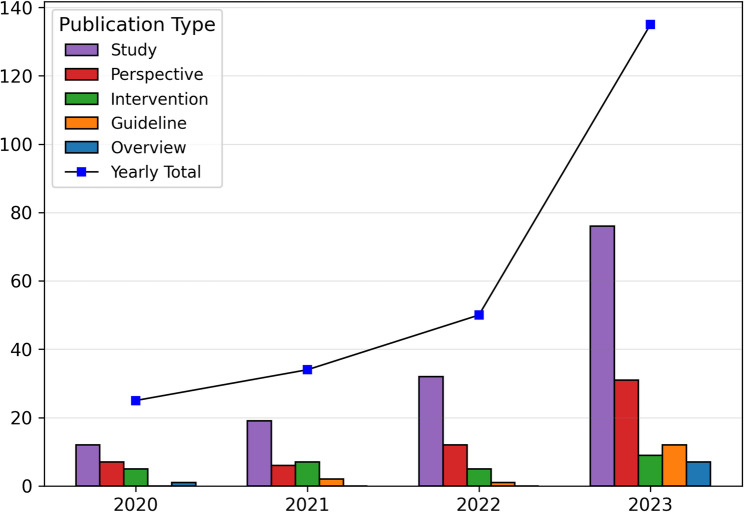
- Publication volume increased sharply in 2022 and was surpassed in 2023; the first third of 2024 already yielded 66 publications, suggesting continued growth.
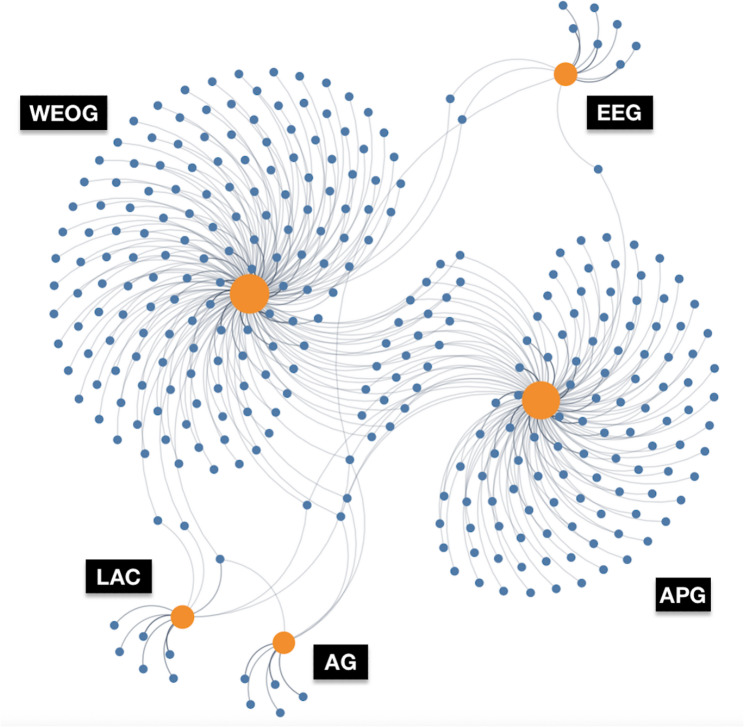
- Geography was concentrated in WEOG and APG: WEOG authors contributed to 53% of publications, APG to 39%, while EEG, LAC, and AG each contributed to 3%; 89% of publications came from a single UN country group.
- Across the literature, 75–80% of participating medical students reported that AI is important, held positive attitudes toward it, and wanted to learn more; one study found 72% of medical and dental students believed AI would revolutionize medicine and dentistry.
- No publications assessed AI’s impact on critical thinking or clinical reasoning in medical students, despite repeated concerns that overreliance on LLMs could hinder these skills.
- AI use was reported across UGME for tutoring, self-assessment, simulation, assessment generation/grading, feedback, predictive analytics, and curricular content creation; 14 studies examined simulations and 52 publications described LLM use.
## Methods
- Scoping review following Arksey and O’Malley, modified by Levac et al., and reported with PRISMA-ScR.
- Search conducted in April 2024 across PubMed, Scopus, Web of Science Core Collection, ERIC, Google Scholar, and Unika for English- or Spanish-language publications from 1 January 2020 to 17 April 2024.
- Included UGME and AI-related publications (e.g., ML, NLP, LLMs, ChatGPT); excluded postgraduate/continuing education-only papers and non-AI technologies.
- Screening and synthesis used Covidence, descriptive statistics, thematic analysis, and network analysis of collaboration patterns.
## Limitations
- The paper states it included only English and Spanish publications, so relevant work in other languages may have been missed.
- The authors say access limitations to specific educational platforms and the sheer volume of literature may have led to omissions.
- The review focused only on UGME, which may have excluded relevant AI-integrated teaching approaches from postgraduate or continuing medical education.
- Evident from the text: much of the included evidence appears small, single-site, and focused on student satisfaction or short-term knowledge gains rather than real-world outcomes, which limits strength of conclusions.
Model-written summary. Check it against the paper before relying on it.
Integrity signals
Registry
Cites
Statistics
Figures
Verification
Claims the paper makes
68 Valid · 9 Not valid · 28 Not checked · 43 Own results and interpretations
Some cited sources support this claim and some don’t — read each source’s verdict below.
In the paper
“Generally, rather than replacing human physicians, students perceived AI as a collaborative partner in medical practice [73, 74].”
§ Artificial intelligence in undergraduate medical education: an updated scoping review > Results > AI perceptions and literacy among students and faculty
What the sources say
- Disputedcites [73] Blease C, Kharko A, Bernstein M, Bradley C, Houston M, Walsh I, et al. Computerization of the work of general practitioners: mixed methods survey of final-year medical students in Ireland. JMIR Med Educ. 2023;9:e42639. 10.2196/42639. 36939809 PMC10131917 sourceExperimental — accuracy not yet measured
The Results (Quantitative Survey; page unavailable) report that only 35–37% of students expected GPs to routinely work in partnership with AI/ML on diagnosis, prognosis, or treatment plans. The Discussion (Summary of the Major Findings; page unavailable) likewise calls those forecasting such a partnership a minority, contrary to the claim that students generally perceived AI as a collaborative partner. (LLM, conf=0.86)
Checked by a reasoning model — may be wrong.
- Supportedcites [74] Bisdas S, Topriceanu C-C, Zakrzewska Z, Irimia A-V, Shakallis L, Subhash J, et al. Artificial intelligence in medicine: a multinational multi-center survey on the medical and dental students’ perception. Front Public Health. 2021;9:795284. 10.3389/fpubh.2021.795284. 35004598 PMC8739771 source
The Results (Attitudes and Feelings Toward AI) report that 72.2% of students perceived AI as a partner rather than a competitor, and 56.8% agreed that AI would never make human physicians expendable. The Conclusion likewise says students perceive AI as a partner and plan to integrate it into their future practice. (LLM, conf=0.91)
plain- Asserted: passes — The authors put it forward as true.
- Checkable: passes — It can be checked against evidence.
- Load-bearing: unclear — It is unclear whether the paper’s conclusions depend on it.
- Based: passes — The paper gives a reason why it holds.
- Disputed
Every source the paper cites for this claim was checked and supports it.
In the paper
“The scoping review adhered to the framework of Arksey and O’Malley.”
- Also stated in: § Study design · plain
“We followed the framework proposed by Arksey and O’Malley [14] and modified by Levac et al., in line with the six stages of the scoping review framework [15].”
§ Artificial intelligence in undergraduate medical education: an updated scoping review > Abstract > Methods
What the sources say
- Supportedcites [14] Arksey H, O’Malley L. Scoping studies: towards a methodological framework. Int J Soc Res Methodol. 2005;8:19–32. 10.1080/1364557032000119616. source
The Introduction says Arksey and O’Malley provide a model for conducting a scoping study. The Methodological framework section sets out its stages, confirming that this is the framework the citing sentence identifies. The source cannot independently verify how closely the citing review followed it. (LLM, conf=0.92)
- Supportedcites [15] Levac D, Colquhoun H, O’Brien KK. Scoping studies: advancing the methodology. Implement Sci. 2010;5:69. 10.1186/1748-5908-5-69. 20854677 PMC2954944 source
The Background describes Arksey and O’Malley’s six-stage framework for conducting scoping studies, and the Discussion describes the authors’ use of it. The citing paper’s statement that its own review adhered to the framework is a report of its method, not something this source could verify. (LLM, conf=0.85)
plain- Asserted: passes — The authors put it forward as true.
- Checkable: passes — It can be checked against evidence.
- Load-bearing: unclear — It is unclear whether the paper’s conclusions depend on it.
- Based: passes — The paper gives a reason why it holds.
- Also stated in: § Study design · plain
The cited sources support only part of this claim — read each source’s verdict below.
In the paper
“Moreover, the importance of equipping future doctors with key AI skills has increased, leading to efforts to incorporate AI literacy into undergraduate medical education (UGME) [2–4].”
§ Artificial intelligence in undergraduate medical education: an updated scoping review > Background
What the sources say
- Supportedcites [2] Ravi A, Neinstein A, Murray SG. Large language models and medical education: preparing for a rapid transformation in how trainees will learn to be doctors. ATS Scholar. 2023;4:282–92. 10.34197/ats-scholar.2023-0036PS. 37795112 PMC10547030 source
In “Trainees and LLMs” (page unavailable), the authors argue that as LLMs enter clinical workflows, it may become more valuable to teach trainees how to write prompts, validate responses, and detect errors. This supports the attributed point that equipping future doctors with AI skills has become more important. (LLM, conf=0.88)
- Partly supportedcites [3] Narayanan S, Ramakrishnan R, Durairaj E, Das A. Artificial intelligence revolutionizing the field of medical education. Cureus. 2023;15:e49604. 10.7759/cureus.49604. 38161821 PMC10755136 sourceExperimental — accuracy not yet measured
The Introduction and background (page unavailable) says that creating awareness of AI tools among medical students is essential and that AI has been adopted by several medical institutions. It does not specifically say that the importance of equipping future doctors with AI skills has increased or that this has led to efforts to incorporate AI literacy into undergraduate medical education. (LLM, conf=0.78)
- Not checked — no full text of the sourcecites [4] Lee Y-M, Kim S, Lee Y-H, Kim H-S, Seo SW, Kim H, et al. Defining medical AI competencies for medical school graduates: outcomes of a Delphi survey and medical student/educator questionnaire of South Korean medical schools. Acad Med. 2024;99:524–33. 10.1097/ACM.0000000000005618. 38207056 source
plainstates a cause- Asserted: passes — The authors put it forward as true.
- Checkable: passes — It can be checked against evidence.
- Load-bearing: passes — The paper’s conclusions depend on it.
- Based: passes — The paper gives a reason why it holds.
- Supported
Every source the paper cites for this claim was checked and supports it.
In the paper
“However, their comprehensive scoping review considered UGME as one of many other disciplines within healthcare education.”
§ Artificial intelligence in undergraduate medical education: an updated scoping review > Background
What the sources say
- Supportedcites [8] Gordon M, Daniel M, Ajiboye A, Uraiby H, Xu NY, Bartlett R, et al. A scoping review of artificial intelligence in medical education: BEME guide 84. Med Teach. 2024;46:446–70. 10.1080/0142159X.2024.2314198. 38423127 source
The Overview reports that undergraduate medical education accounted for 48.6% of included publications, alongside graduate medical education, continuing professional development, and publications spanning multiple levels. It also lists basic science disciplines and clinical specialties, supporting the description of a broad review rather than one limited to undergraduate medical education. No page number is provided in the supplied passage. (LLM, conf=0.91)
plain- Asserted: passes — The authors put it forward as true.
- Checkable: passes — It can be checked against evidence.
- Load-bearing: passes — The paper’s conclusions depend on it.
- Based: passes — The paper gives a reason why it holds.
- Supported
Every source the paper cites for this claim was checked and supports it.
In the paper
“The Medical Artificial Intelligence Readiness Scale for Medical Students (MAIRS-MS) [30] was utilized in a few studies to explore perceptions of AI [31–34].”
§ Artificial intelligence in undergraduate medical education: an updated scoping review > Results > AI perceptions and literacy among students and faculty
What the sources say
- Supportedcites [30] Karaca O, Çalışkan SA, Demir K. Medical artificial intelligence readiness scale for medical students (MAIRS-MS) - development, validity and reliability study. BMC Med Educ. 2021;21(1):112. 10.1186/s12909-021-02546-6. 33602196 PMC7890640 source
Citation [30] identifies the MAIRS-MS, while [31–34] are attached to the claim that a few studies used it. The Discussion states that this paper developed and evaluated the MAIRS-MS as a measure of medical students’ perceived AI readiness. (LLM, conf=0.94)
- Supportedcites [31] Emir B, Yurdem T, Ozel T, Sayar T, Uzun TA, Akar U, et al. Artificial intelligence readiness status of medical faculty students. Konuralp Tıp Dergisi. 2024;16:88–95. 10.18521/ktd.1387826. source
The Abstract (p. 1) says this study applied MAIRS-MS to medical students to examine their knowledge and awareness of medical AI. Material and Methods (p. 3) also describes questions about AI alongside the scale, so this paper is an example of a study using MAIRS-MS to explore students’ views of AI. (LLM, conf=0.92)
- Supportedcites [32] Tung AYZ, Dong LW. Malaysian medical students’ attitudes and readiness toward AI (artificial intelligence): a cross-sectional study. J Med Educ Curric Dev. 2023;10:1–8. 10.1177/23821205231201164. PMC10501060 37719325 source
The Methods (Study design) state that this study used the MAIRS-MS scale to assess Malaysian medical students’ perceived readiness for AI. The paper therefore supports its citation as one example of a study using the scale; it need not establish how many other studies used it. (LLM, conf=0.91)
- Supportedcites [33] Xuan PY, Fahumida MIF, Al Nazir Hussain MI, Jayathilake NT, Khobragade S, Soe HHK, et al. Readiness towards artificial intelligence among undergraduate medical students in Malaysia. Education in Medicine Journal. 2023;15:49–60. 10.21315/eimj2023.15.2.4. source
The Data Collection and Analysis section states that this study used MAIRS-MS and recorded students’ responses on a Likert scale. The Discussion says the scale measured undergraduate medical students’ readiness toward AI, making this paper an example of the scale’s use to explore their views of AI. (LLM, conf=0.88)
- Supportedcites [34] Özbek Güven G, Yilmaz Ş, Inceoğlu F. Determining medical students’ anxiety and readiness levels about artificial intelligence. Heliyon. 2024;10:e25894. 10.1016/j.heliyon.2024.e25894. 38384508 PMC10878911 source
The Methods identify the Medical Artificial Intelligence Readiness Scale as a measure of medical students’ AI readiness. The Abstract says this study used that scale alongside an AI anxiety scale to examine students’ readiness and anxiety, so it is an example of a study using MAIRS-MS to explore students’ perceptions of AI. (LLM, conf=0.91)
plain- Asserted: passes — The authors put it forward as true.
- Checkable: passes — It can be checked against evidence.
- Load-bearing: unclear — It is unclear whether the paper’s conclusions depend on it.
- Based: passes — The paper gives a reason why it holds.
- Supported
55 more claims · 31 with their cited sources checked
Create a free account to see all 148 claims and to verify the 1 reference still open.
- It may state two separate claims as one. 62
- Probably not a substantial claim. 41
- The quote only partly states this claim. 1
Claims other papers make about this one
Each is checked against this paper’s own text: does it say what the citing paper says it does?
The source backs part of the claim, not all of it — or backs it for a different population, condition or comparison.
In the citing paper
“Within undergraduate medical education, Lee et al. and Simoni et al. found that most publications describe general content areas rather than detailed competency-based outcomes23,31.”
From What the AI era doctor should know: a scoping review of proposed artificial intelligence competencies for medical education (2026) · cites this paper as [31]
Experimental — accuracy not yet measured
Citations
Cites
Using thematic analysis in psychology
Braun, V., & Clarke, V. (2006) · Qualitative Research in Psychology · doi:10.1191/1478088706qp063oa · Cited by 194,414
PRISMA Extension for Scoping Reviews (PRISMA-ScR): Checklist and Explanation
Tricco, A. C., Lillie, E., Zarin, W., O'Brien, K. K., Colquhoun, H., Levac, D., Moher, D., Peters, M. D. J., Horsley, T., Weeks, L., et al. (2018) · Annals of Internal Medicine · doi:10.7326/m18-0850 · Cited by 43,565 · cited 1×
“Additionally, we adhered to the Preferred Reporting Items for Systematic Reviews and Meta-Analyses Extension for Scoping Reviews (PRISMA-ScR) reporting standards [16].”
Scoping studies: towards a methodological framework
Arksey, H., & O'Malley, L. (2005) · International Journal of Social Research Methodology · doi:10.1080/1364557032000119616 · Cited by 36,742 · cited 1×
“We followed the framework proposed by Arksey and O’Malley [14] and modified by Levac et al., in line with the six stages of the scoping review framework [15].”
Scoping studies: advancing the methodology
Levac, D., Colquhoun, H., & O'Brien, K. K. (2010) · Implementation Science · doi:10.1186/1748-5908-5-69 · Cited by 15,268 · cited 2×
“Descriptive statistics were utilized to describe types of articles, study designs, authors’ geographic origins, and the number of publications on various themes [15, 18].”
Munn, Z., Peters, M. D. J., Stern, C., Tufanaru, C., McArthur, A., & Aromataris, E. (2018) · BMC Medical Research Methodology · doi:10.1186/s12874-018-0611-x · Cited by 11,385 · cited 1×
“Given our research goal, a scoping review was deemed the best approach [12, 13].”
A typology of reviews: an analysis of 14 review types and associated methodologies
Grant, M. J., & Booth, A. (2009) · Health Information & Libraries Journal · doi:10.1111/j.1471-1842.2009.00848.x · Cited by 10,817 · cited 1×
“Given our research goal, a scoping review was deemed the best approach [12, 13].”
Dave, T., Athaluri, S. A., & Singh, S. (2023) · Frontiers in Artificial Intelligence · doi:10.3389/frai.2023.1169595 · Cited by 1,204
Large Language Models in Medical Education: Opportunities, Challenges, and Future Directions
Abd-alrazaq, A., AlSaad, R., Alhuwail, D., Ahmed, A., Healy, P. M., Latifi, S., Aziz, S., Damseh, R., Alabed Alrazak, S., & Sheikh, J. (2023) · JMIR Medical Education · doi:10.2196/48291 · Cited by 722 · cited 2×
“Mental dependence on AI remains underexplored, and unconscious reliance may hinder cognitive growth [202].”
A scoping review of artificial intelligence in medical education: BEME Guide No. 84
Gordon, M., Daniel, M., Ajiboye, A., Uraiby, H., Xu, N. Y., Bartlett, R., Hanson, J., Haas, M., Spadafore, M., Grafton-Clarke, C., et al. (2024) · Medical Teacher · doi:10.1080/0142159x.2024.2314198 · Cited by 679 · cited 4×
“Our review also refines the UGME-specific implications of Gordon et al.’s study, which evaluates the whole spectrum of medical education [8].”
InfluentialSit, C., Srinivasan, R., Amlani, A., Muthuswamy, K., Azam, A., Monzon, L., & Poon, D. S. (2020) · Insights into Imaging · doi:10.1186/s13244-019-0830-7 · Cited by 507 · cited 3×
“Overall, in addition to positive attitudes toward AI, students generally expressed enthusiasm for integrating it into their future medical practice [70, 71].”
Karaca, O., Çalışkan, S. A., & Demir, K. (2021) · BMC Medical Education · doi:10.1186/s12909-021-02546-6 · Cited by 377 · cited 1×
“The Medical Artificial Intelligence Readiness Scale for Medical Students (MAIRS-MS) [30] was utilized in a few studies to explore perceptions of AI [31–34].”
Artificial intelligence in medical education: a cross-sectional needs assessment
Civaner, M. M., Uncu, Y., Bulut, F., Chalil, E. G., & Tatli, A. (2022) · BMC Medical Education · doi:10.1186/s12909-022-03852-3 · Cited by 363 · cited 1×
“Additionally, there were concerns about data protection [23], increased workplace surveillance [42], and the potential impact of AI on physician employment [46, 77, 78].”
Artificial intelligence in healthcare and education
Dave, M., & Patel, N. (2023) · British Dental Journal · doi:10.1038/s41415-023-5845-2 · Cited by 340 · cited 1×
“Others worry that AI could give some students an unfair advantage over their peers who are not using it [189].”
Westphaln, K. K., Regoeczi, W., Masotya, M., Vazquez-Westphaln, B., Lounsbury, K., McDavid, L., Lee, H., Johnson, J., & Ronis, S. D. (2021) · MethodsX · doi:10.1016/j.mex.2021.101375 · Cited by 333 · cited 1×
“The extracted data were analyzed by three principal researchers (JS, JP, DS) using a mixed-methods approach that incorporated descriptive statistics and thematic analysis [17].”
Artificial Intelligence in Undergraduate Medical Education: A Scoping Review
Lee, J., Wu, A. S., Li, D., & Kulasegaram, K. (. (2021) · Academic Medicine · doi:10.1097/acm.0000000000004291 · Cited by 324 · cited 6×
“To address this issue, Lee et al. carried out a scoping review of the literature from 2000 to July 2020, identifying 22 studies on AI in UGME [5].”
InfluentialArtificial Intelligence in Medicine
Beam, A. L., Drazen, J. M., Kohane, I. S., Leong, T.-Y., Manrai, A. K., & Rubin, E. J. (2023) · New England Journal of Medicine · doi:10.1056/nejme2206291 · Cited by 303
Ethical use of Artificial Intelligence in Health Professions Education: AMEE Guide No. 158
Masters, K. (2023) · Medical Teacher · doi:10.1080/0142159x.2023.2186203 · Cited by 302 · cited 3×
“Others high-lighted the importance of incorporating ethical considerations, including data collection, anonymity, privacy, informed consent, data ownership, security, bias, trans-parency, responsibility, and the core principles of autonomy and beneficence [196].”
Mirchi, N., Bissonnette, V., Yilmaz, R., Ledwos, N., Winkler-Schwartz, A., & Del Maestro, R. F. (2020) · PLOS ONE · doi:10.1371/journal.pone.0229596 · Cited by 296 · cited 2×
“%) examined the use of AI in simulations [90, 120–132].”
Wood, E. A., Ange, B. L., & Miller, D. D. (2021) · Journal of Medical Education and Curricular Development · doi:10.1177/23821205211024078 · Cited by 261
Chen, M., Zhang, B., Cai, Z., Seery, S., Gonzalez, M. J., Ali, N. M., Ren, R., Qiao, Y., Xue, P., & Jiang, Y. (2022) · Frontiers in Medicine · doi:10.3389/fmed.2022.990604 · Cited by 258 · cited 4×
“However, they reported a lack of formal AI training and insufficient AI-related learning opportunities in their medical education [46, 56, 57].”
InfluentialYounis, H. A., Eisa, T. A. E., Nasser, M., Sahib, T. M., Noor, A. A., Alyasiri, O. M., Salisu, S., Hayder, I. M., & Younis, H. A. (2024) · Diagnostics · doi:10.3390/diagnostics14010109 · Cited by 242 · cited 1×
“There are concerns related to algorithmic bias [159] and safeguarding the privacy of students and patients [185, 186].”
Assessing Health Students' Attitudes and Usage of ChatGPT in Jordan: Validation Study
Sallam, M., Salim, N. A., Barakat, M., Al-Mahzoum, K., Al-Tammemi, A. B., Malaeb, D., Hallit, R., & Hallit, S. (2023) · JMIR Medical Education · doi:10.2196/48254 · Cited by 234 · cited 2×
“Eight studies examined the knowledge, attitudes, and skills of medical students and educators regarding LLMs, specifically ChatGPT [24, 26–29 , 79– 81].”
Bisdas, S., Topriceanu, C.-C., Zakrzewska, Z., Irimia, A.-V., Shakallis, L., Subhash, J., Casapu, M.-M., Leon-Rojas, J., Pinto dos Santos, D., Andrews, D. M., et al. (2021) · Frontiers in Public Health · doi:10.3389/fpubh.2021.795284 · Cited by 232 · cited 3×
“The graph visualizes the connections between publications and their respective author(s) originating UN country group(s) and dentistry, a view held more often by students from developed countries than those from other countries [74].”
The Advent of Generative Language Models in Medical Education
Karabacak, M., Ozkara, B. B., Margetis, K., Wintermark, M., & Bisdas, S. (2023) · JMIR Medical Education · doi:10.2196/48163 · Cited by 208 · cited 1×
“AI plagiarism detection tools are not entirely reliable and carry a substantial risk of unjust accusations of academic dishonesty [188].”
Moldt, J.-A., Festl-Wietek, T., Madany Mamlouk, A., Nieselt, K., Fuhl, W., & Herrmann-Werner, A. (2023) · Medical Education Online · doi:10.1080/10872981.2023.2182659 · Cited by 186
Xu, X., Chen, Y., & Miao, J. (2024) · Journal of Educational Evaluation for Health Professions · doi:10.3352/jeehp.2024.21.6 · Cited by 169 · cited 1×
“These included several overview articles discussing the pros and cons of LLMs in UGME [95] as well as a systematic scoping review that examined LLMs’ opportunities, challenges, and future directions in medical education, including in UGME [96].”
Needs, Challenges, and Applications of Artificial Intelligence in Medical Education Curriculum
Grunhut, J., Marques, O., & Wyatt, A. T. M. (2022) · JMIR Medical Education · doi:10.2196/35587 · Cited by 166 · cited 3×
“Finally, some scholars argued that we must ensure that students understand the scope of AI tools, the engineering and design of AI solutions for clinical problems, and the role of data in AI development [163].”
Mir, M. M. (2023) · PubMed · doi:10.30476/jamp.2023.98655.1803 · Cited by 165 · cited 3×
“(6) Assess the impact of AI interventions on medical students using rigorous research methods, such as natural experiments [213] to assess learning outcomes [23], critical thinking, and clinical decision-making [11].”
Artificial Intelligence Revolutionizing the Field of Medical Education
Narayanan, S., Ramakrishnan, R., Durairaj, E., & Das, A. (2023) · Cureus · doi:10.7759/cureus.49604 · Cited by 164 · cited 1×
“In addition, study participants did not believe AI would replace human teachers [49] but that the role of the teacher may change [3].”
Weidener, L., & Fischer, M. (2024) · JMIR Medical Education · doi:10.2196/51247 · Cited by 163 · cited 3×
“While many of the overviews and perspectives referred to ethical considerations concerning the use of AI in medical education [77], 15 publications focused explicitly on this topic [7, 38, 84, 97, 186, 190–199].”
Holderried, F., Stegemann–Philipps, C., Herschbach, L., Moldt, J.-A., Nevins, A., Griewatz, J., Holderried, M., Herrmann-Werner, A., Festl-Wietek, T., & Mahling, M. (2024) · JMIR Medical Education · doi:10.2196/53961 · Cited by 156 · cited 1×
“Chatbots have assisted students in history-taking practice [116] and preparing for objective structured clinical examinations (OSCE) [117].”
AI in Medical Education: Global situation, effects and challenges
Zhang, W., Cai, M., Lee, H. J., Evans, R., Zhu, C., & Ming, C. (2024) · Education and Information Technologies · doi:10.1007/s10639-023-12009-8 · Cited by 148 · cited 4×
“(6) Assess the impact of AI interventions on medical students using rigorous research methods, such as natural experiments [213] to assess learning outcomes [23], critical thinking, and clinical decision-making [11].”
InfluentialFranco D’Souza, R., Mathew, M., Mishra, V., & Surapaneni, K. M. (2024) · Medical Education Online · doi:10.1080/10872981.2024.2330250 · Cited by 147
Aromataris, E., & Munn, Z. (2019) · JBI eBooks · doi:10.46658/jbirm-19-01 · Cited by 144
Pucchio, A., Rathagirishnan, R., Caton, N., Gariscsak, P. J., Del Papa, J., Nabhen, J. J., Vo, V., Lee, W., & Moraes, F. Y. (2022) · BMC Medical Education · doi:10.1186/s12909-022-03896-5 · Cited by 138
Teaching AI Ethics in Medical Education: A Scoping Review of Current Literature and Practices
Weidener, L., & Fischer, M. (2023) · Perspectives on Medical Education · doi:10.5334/pme.954 · Cited by 133 · cited 1×
“A lack of empirical research and foundational definitions of AI ethics was noted as a barrier to guiding curriculum development [190, 195, 198–200].”
Alkhaaldi, S. M. I., Kassab, C. H., Dimassi, Z., Oyoun Alsoud, L., Al Fahim, M., Al Hageh, C., & Ibrahim, H. (2023) · JMIR Medical Education · doi:10.2196/51302 · Cited by 132
Li, Q., & Qin, Y. (2023) · BMC Medical Education · doi:10.1186/s12909-023-04700-8 · Cited by 131 · cited 1×
“Students were enthusiastic about learning AI and recognized its crucial role in the future of medicine [45, 55].”
The need for health AI ethics in medical school education
Katznelson, G., & Gerke, S. (2021) · Advances in Health Sciences Education · doi:10.1007/s10459-021-10040-3 · Cited by 125 · cited 3×
“While many of the overviews and perspectives referred to ethical considerations concerning the use of AI in medical education [77], 15 publications focused explicitly on this topic [7, 38, 84, 97, 186, 190–199].”
Jeyaraman, M., Ramasubramanian, S., Balaji, S., Jeyaraman, N., Nallakumarasamy, A., & Sharma, S. (2023) · World Journal of Methodology · doi:10.5662/wjm.v13.i4.170 · Cited by 125
AI and Medical Education — A 21st-Century Pandora’s Box
Cooper, A., & Rodman, A. (2023) · New England Journal of Medicine · doi:10.1056/nejmp2304993 · Cited by 124
ChatGPT interactive medical simulations for early clinical education: Case study
Scherr, R., Halaseh, F. F., Spina, A., Andalib, S., & Rivera, R. (2023) · JMIR Medical Education · doi:10.2196/49877 · Cited by 122
Teaching, Learning and Assessing Anatomy with Artificial Intelligence: The Road to a Better Future
Abdellatif, H., Al Mushaiqri, M., Albalushi, H., Al-Zaabi, A. A., Roychoudhury, S., & Das, S. (2022) · International Journal of Environmental Research and Public Health · doi:10.3390/ijerph192114209 · Cited by 120 · cited 1×
“Finally, several studies pointed to the infrastructure, financial resources, and investments necessary to implement AI-driven education methods [9, 50, 181], as the costs of servers, faculty training, tool development, and technical personnel could be substantial [182–184].”
Artificial intelligence and clinical anatomical education: Promises and perils
Lazarus, M. D., Truong, M., Douglas, P., & Selwyn, N. (2024) · Anatomical Sciences Education · doi:10.1002/ase.2221 · Cited by 116 · cited 2×
“Asghar et al. proposed using a humanoid robot as a teaching assistant in anatomy classes [82]; however, some scholars raised concerns that AI might not capture individual anatomical variations [83].”
Artificial intelligence in medical education curriculum: An e-Delphi study for competencies
Çalışkan, S. A., Demir, K., & Karaca, O. (2022) · PLOS ONE · doi:10.1371/journal.pone.0271872 · Cited by 115 · cited 1×
“Caliskan et al. identified 23 competencies with strong consensus among experts and four with weak consensus [161].”
Ng, F. Y. C., Thirunavukarasu, A. J., Cheng, H., Tan, T. F., Gutierrez, L., Lan, Y., Ong, J. C. L., Chong, Y. S., Ngiam, K. Y., Ho, D., et al. (2023) · Cell Reports Medicine · doi:10.1016/j.xcrm.2023.101230 · Cited by 113
Meyer, A., Riese, J., & Streichert, T. (2024) · JMIR Medical Education · doi:10.2196/50965 · Cited by 110
AI-Powered Chatbots in Medical Education: Potential Applications and Implications
Ghorashi, N., Ismail, A., Ghosh, P., Sidawy, A., & Javan, R. (2023) · Cureus · doi:10.7759/cureus.43271 · Cited by 108 · cited 2×
“Gorashi et al. analyzed their strengths, weaknesses, opportunities, and threats in this context [107].”
Revolutionizing Medical Education: Can ChatGPT Boost Subjective Learning and Expression?
Seetharaman, R. (2023) · Journal of Medical Systems · doi:10.1007/s10916-023-01957-w · Cited by 106 · cited 1×
“The competitive nature of medical education, pressure to excel in exams, and ever-expanding medical knowledge prompt students to use technology as a shortcut when learning [201].”
Ejaz, H., McGrath, H., Wong, B. L., Guise, A., Vercauteren, T., & Shapey, J. (2022) · DIGITAL HEALTH · doi:10.1177/20552076221089099 · Cited by 105 · cited 2×
“Institutions can improve efficiency by sharing curricular frameworks and outcome data, minimizing redundancy [41].”
Practical Applications of ChatGPT in Undergraduate Medical Education
Tsang, R. (2023) · Journal of Medical Education and Curricular Development · doi:10.1177/23821205231178449 · Cited by 104
Artificial Intelligence and Surgical Education: A Systematic Scoping Review of Interventions
Kirubarajan, A., Young, D., Khan, S., Crasto, N., Sobel, M., & Sussman, D. (2022) · Journal of Surgical Education · doi:10.1016/j.jsurg.2021.09.012 · Cited by 101 · cited 1×
“In surgery and surgical subspecialties [86], it has been used to learn and practice knot tying [87] and laparoscopy training based on motion analysis and machine learning (ML) [88].”
A bibliometric analysis of artificial intelligence chatbots in educational contexts
Lin, Y., & Yu, Z. (2024) · Interactive Technology and Smart Education · doi:10.1108/itse-12-2022-0165 · Cited by 99 · cited 1×
“The use of chatbots has been increasingly reported [40, 112–115].”
Tangadulrat, P., Sono, S., & Tangtrakulwanich, B. (2023) · JMIR Medical Education · doi:10.2196/50658 · Cited by 99 · cited 1×
“Eight studies examined the knowledge, attitudes, and skills of medical students and educators regarding LLMs, specifically ChatGPT [24, 26–29 , 79– 81].”
Schneider, M., Bartko, P., Geller, W., Dannenberg, V., König, A., Binder, C., Goliasch, G., Hengstenberg, C., & Binder, T. (2021) · The International Journal of Cardiovascular Imaging · doi:10.1007/s10554-020-02046-6 · Cited by 98 · cited 1×
“In cardiology, AI-assisted teaching has been used to help learn how to perform echocardiography [91, 92] and to evaluate the determination of left ventricular ejection fraction (LVEF) [93].”
Roos, J., Kasapovic, A., Jansen, T., & Kaczmarczyk, R. (2023) · JMIR Medical Education · doi:10.2196/46482 · Cited by 98 · cited 1×
“Comparisons between older and newer versions indicated that newer versions exhibited better accuracy, highlighting the need for ongoing assessment of AI tools in medical education [100– 102].”
Network analysis for the visualization and analysis of qualitative data.
Pokorny, J. J., Norman, A., Zanesco, A. P., Bauer-Wu, S., Sahdra, B. K., & Saron, C. D. (2018) · Psychological Methods · doi:10.1037/met0000129 · Cited by 94 · cited 1×
“To understand the nature of global collaboration, we utilized network analysis techniques [20] using the Cosmograph application [21] to visualize the results.”
Grounded in reality: artificial intelligence in medical education
Krive, J., Isola, M., Chang, L., Patel, T., Anderson, M., & Sreedhar, R. (2023) · JAMIA Open · doi:10.1093/jamiaopen/ooad037 · Cited by 93 · cited 3×
“Strategies such as incorporating AI from the first year and as a longitudinal thread across existing subjects were suggested to build knowledge but avoid further burdening an already packed curriculum [57, 165, 166].”
Are physicians and medical students ready for artificial intelligence applications in healthcare?
AlZaabi, A., AlMaskari, S., & AalAbdulsalam, A. (2023) · DIGITAL HEALTH · doi:10.1177/20552076231152167 · Cited by 93 · cited 4×
“While many of the overviews and perspectives referred to ethical considerations concerning the use of AI in medical education [77], 15 publications focused explicitly on this topic [7, 38, 84, 97, 186, 190–199].”
InfluentialProposing a Principle-Based Approach for Teaching AI Ethics in Medical Education
Weidener, L., & Fischer, M. (2024) · JMIR Medical Education · doi:10.2196/55368 · Cited by 90 · cited 1×
“Another approach is principle-based, advocating for the teaching of core principles alongside the three principles of public health ethics: efficiency, common good orientation, and proportionality [193].”
Liu, D. S., Sawyer, J., Luna, A., Aoun, J., Wang, J., Boachie, L., Halabi, S., & Joe, B. (2022) · JMIR Medical Education · doi:10.2196/38325 · Cited by 90 · cited 2×
“Students were enthusiastic about learning AI and recognized its crucial role in the future of medicine [45, 55].”
E, K., S, P., R, G., R, K. L., A, B., M, G., T, O., S, R., V, R., H, M., et al. (2023) · BMC Medical Education · doi:10.1186/s12909-023-04752-w · Cited by 89
Indran, I. R., Paranthaman, P., Gupta, N., & Mustafa, N. (2024) · Medical Teacher · doi:10.1080/0142159x.2023.2294703 · Cited by 89 · cited 2×
“%) provide guidelines and “tips” on AI in medical education [57, 83, 94, 135, 136, 162, 179, 186, 195, 196, 202, 205–210].”
Busch, F., Adams, L. C., & Bressem, K. K. (2023) · Medical Science Educator · doi:10.1007/s40670-023-01815-x · Cited by 88 · cited 1×
“One view is that AI education should be based on the four principles of biomedical ethics: autonomy, justice, nonmaleficence, and beneficence [197].”
Tran, A. Q., Nguyen, L. H., Nguyen, H. S. A., Nguyen, C. T., Vu, L. G., Zhang, M., Vu, T. M. T., Nguyen, S. H., Tran, B. X., Latkin, C. A., et al. (2021) · Frontiers in Public Health · doi:10.3389/fpubh.2021.755644 · Cited by 87 · cited 1×
“Overall, in addition to positive attitudes toward AI, students generally expressed enthusiasm for integrating it into their future medical practice [70, 71].”
Artificial intelligence-based education assists medical students’ interpretation of hip fracture
Cheng, C.-T., Chen, C.-C., Fu, C.-Y., Chaou, C.-H., Wu, Y.-T., Hsu, C.-P., Chang, C.-C., Chung, I.-F., Hsieh, C.-H., Hsieh, M.-J., et al. (2020) · Insights into Imaging · doi:10.1186/s13244-020-00932-0 · Cited by 87
Fazlollahi, A. M., Yilmaz, R., Winkler-Schwartz, A., Mirchi, N., Ledwos, N., Bakhaidar, M., Alsayegh, A., & Del Maestro, R. F. (2023) · JAMA Network Open · doi:10.1001/jamanetworkopen.2023.34658 · Cited by 85 · cited 3×
“%) examined the use of AI in simulations [90, 120–132].”
Tung, A. Y. Z., & Dong, L. W. (2023) · Journal of Medical Education and Curricular Development · doi:10.1177/23821205231201164 · Cited by 84
Integrating AI in medical education: embracing ethical usage and critical understanding
Alam, F., Lim, M. A., & Zulkipli, I. N. (2023) · Frontiers in Medicine · doi:10.3389/fmed.2023.1279707 · Cited by 82 · cited 2×
“While many of the overviews and perspectives referred to ethical considerations concerning the use of AI in medical education [77], 15 publications focused explicitly on this topic [7, 38, 84, 97, 186, 190–199].”
Shimizu, I., Kasai, H., Shikino, K., Araki, N., Takahashi, Z., Onodera, M., Kimura, Y., Tsukamoto, T., Yamauchi, K., Asahina, M., et al. (2023) · JMIR Medical Education · doi:10.2196/53466 · Cited by 81 · cited 1×
“Proponents advocated for learning environments that prohibit the use of generative AI to enhance higher-order cognitive skills [204].”
Pupic, N., Ghaffari-zadeh, A., Hu, R., Singla, R., Darras, K., Karwowska, A., & Forster, B. B. (2023) · PLOS Digital Health · doi:10.1371/journal.pdig.0000255 · Cited by 79 · cited 2×
“However, they reported a lack of formal AI training and insufficient AI-related learning opportunities in their medical education [46, 56, 57].”
Kansal, R., Bawa, A., Bansal, A., Trehan, S., Goyal, K., Goyal, N., & Malhotra, K. (2022) · Cureus · doi:10.7759/cureus.21434 · Cited by 76 · cited 1×
“However, enthusiasm was juxtaposed with concerns, including a lack of knowledge about AI’s mechanisms, workings, specific applications, and firsthand clinical experience with AI [46, 76].”
Masters, K. (2023) · Medical Teacher · doi:10.1080/0142159x.2023.2208731 · Cited by 76 · cited 2×
“%) describing the use of LLMs were found during the study period [94].”
Medical education and physician training in the era of artificial intelligence
Xu, Y., Jiang, Z., Ting, D. S. W., Kow, A. W. C., Bello, F., Car, J., Tham, Y.-C., & Wong, T. Y. (2024) · Singapore Medical Journal · doi:10.4103/singaporemedj.smj-2023-203 · Cited by 76 · cited 2×
“These included a lack of standard definitions for AI [38, 39], no formal guidance from oversight bodies for UGME [163], a lack of consensus on core competencies [5, 174, 175], uncertainty about AI’s real-world applicability in medicine [150] and limited space in already full curriculum [176–178].”
Gillissen, A., Kochanek, T., Zupanic, M., & Ehlers, J. (2022) · Healthcare · doi:10.3390/healthcare10040723 · Cited by 74
Mondal, H., Marndi, G., Behera, J. K., & Mondal, S. (2023) · Indian Journal of Vascular and Endovascular Surgery · doi:10.4103/ijves.ijves_37_23 · Cited by 73 · cited 3×
“AI assisted students in conducting self-assessments by generating questions or identifying key points [133], and aided teachers in creating tests such as MCQs [134, 135], and automating marking and grading while providing feedback [23].”
Magalhães Araujo, S., & Cruz-Correia, R. (2024) · JMIR Medical Education · doi:10.2196/51151 · Cited by 72
Weidener, L., & Fischer, M. (2023) · JMIR Medical Education · doi:10.2196/46428 · Cited by 70 · cited 6×
“(1) To establish a consensus on AI competencies [38] and (2) Embedding AI literacy through a flexible , longitudinal approach into existing subjects [166].”
InfluentialDemystifying AI: Current State and Future Role in Medical Education Assessment
Turner, L., Hashimoto, D. A., Vasisht, S., & Schaye, V. (2024) · Academic Medicine · doi:10.1097/acm.0000000000005598 · Cited by 70 · cited 1×
“However, ensuring transparency in AI-generated assessments remained a challenge, and concerns persisted regarding algorithmic bias and its implications for academic integrity [143].”
Zarei, M., Eftekhari Mamaghani, H., Abbasi, A., & Hosseini, M.-S. (2024) · Medicina Clínica Práctica · doi:10.1016/j.mcpsp.2023.100422 · Cited by 70
Exploring the Possible Use of AI Chatbots in Public Health Education: Feasibility Study
Baglivo, F., De Angelis, L., Casigliani, V., Arzilli, G., Privitera, G. P., & Rizzo, C. (2023) · JMIR Medical Education · doi:10.2196/51421 · Cited by 69 · cited 1×
“As medical students become physicians, independent problem-solving and quick decision-making are crucial for managing life-threatening situations [113].”
ChatGPT’s Response Consistency: A Study on Repeated Queries of Medical Examination Questions
Funk, P. F., Hoch, C. C., Knoedler, S., Knoedler, L., Cotofana, S., Sofo, G., Bashiri Dezfouli, A., Wollenberg, B., Guntinas-Lichius, O., & Alfertshofer, M. (2024) · European Journal of Investigation in Health, Psychology and Education · doi:10.3390/ejihpe14030043 · Cited by 69 · cited 1×
“Comparisons between older and newer versions indicated that newer versions exhibited better accuracy, highlighting the need for ongoing assessment of AI tools in medical education [100– 102].”
ChatGPT for Academic Purposes: Survey Among Undergraduate Healthcare Students in Malaysia
George Pallivathukal, R., Kyaw Soe, H. H., Donald, P. M., Samson, R. S., & Hj Ismail, A. R. (2024) · Cureus · doi:10.7759/cureus.53032 · Cited by 68
Furlan, R., Gatti, M., Menè, R., Shiffer, D., Marchiori, C., Giaj Levra, A., Saturnino, V., Brunetta, E., & Dipaola, F. (2021) · JMIR Medical Informatics · doi:10.2196/24073 · Cited by 67 · cited 1×
“Various uses were described, including surgical simulation with a virtual operative assistant [132], simulated patient physician medical interviews [120–123, 130 ], and interactions with”
Qualitative exploration of digital chatbot use in medical education: A pilot study
Kaur, A., Singh, S., Chandan, J. S., Robbins, T., & Patel, V. (2021) · DIGITAL HEALTH · doi:10.1177/20552076211038151 · Cited by 67 · cited 2×
“The use of chatbots has been increasingly reported [40, 112–115].”
Coşkun, Ö., Kıyak, Y. S., & Budakoğlu, I. İ. (2025) · Medical Teacher · doi:10.1080/0142159x.2024.2327477 · Cited by 64 · cited 1×
“Since then, a significant breakthrough occurred in November 2022 with the public release of large language models (LLMs) driven by generative AI, signifying a qualitative shift in both capability and accessibility [6].”
Simulation-Based Education in the Artificial Intelligence Era
Komasawa, N., & Yokohira, M. (2023) · Cureus · doi:10.7759/cureus.40940 · Cited by 64
Dumić-Čule, I., Orešković, T., Brkljačić, B., Kujundžić Tiljak, M., & Orešković, S. (2020) · Croatian Medical Journal · doi:10.3325/cmj.2020.61.457 · Cited by 61 · cited 1×
“Most of them, however, (>30) used other instruments, which were developed de novo for the respective studies [37] (see Supplement E for the rest of the references).”
Medical education empowered by generative artificial intelligence large language models
Jowsey, T., Stokes-Parish, J., Singleton, R., & Todorovic, M. (2023) · Trends in Molecular Medicine · doi:10.1016/j.molmed.2023.08.012 · Cited by 61
AI in Medical Education Curriculum: The Future of Healthcare Learning
Naqvi, W. M., Sundus, H., Mishra, G., Muthukrishnan, R., & Kandakurti, P. K. (2024) · European Journal of Therapeutics · doi:10.58600/eurjther1995 · Cited by 61
Lee, Y.-M., Kim, S., Lee, Y.-H., Kim, H.-S., Seo, S. W., Kim, H., & Kim, K. J. (2024) · Academic Medicine · doi:10.1097/acm.0000000000005618 · Cited by 60 · cited 2×
“Moreover, the importance of equipping future doctors with key AI skills has increased, leading to efforts to incorporate AI literacy into undergraduate medical education (UGME) [2–4].”
Using a Machine Learning Architecture to Create an AI-Powered Chatbot for Anatomy Education
Li, Y. S., Lam, C. S. N., & See, C. (2021) · Medical Science Educator · doi:10.1007/s40670-021-01405-9 · Cited by 59 · cited 1×
“The use of chatbots has been increasingly reported [40, 112–115].”
Dhanvijay, A. K. D., Pinjar, M. J., Dhokane, N., Sorte, S. R., Kumari, A., & Mondal, H. (2023) · Cureus · doi:10.7759/cureus.42972 · Cited by 59
Insights from teaching artificial intelligence to medical students in Canada
Hu, R., Fan, K. Y., Pandey, P., Hu, Z., Yau, O., Teng, M., Wang, P., Li, T., Ashraf, M., & Singla, R. (2022) · Communications Medicine · doi:10.1038/s43856-022-00125-4 · Cited by 58 · cited 1×
“Case-based learning was highlighted as an effective method using real-world AI scenarios or applications to correlate medical technical knowledge [70, 150, 168].”
Artificial intelligence in medical education: Are we ready for it?
Imran, N., & Jawaid, M. (2020) · Pakistan Journal of Medical Sciences · doi:10.12669/pjms.36.5.3042 · Cited by 56
Truong, N. M., Vo, T. Q., Tran, H. T. B., Nguyen, H. T., & Pham, V. N. H. (2023) · Heliyon · doi:10.1016/j.heliyon.2023.e22653 · Cited by 56
Using artificial intelligence to create diverse and inclusive medical case vignettes for education
Bakkum, M. J., Hartjes, M. G., Piët, J. D., Donker, E. M., Likic, R., Sanz, E., de Ponti, F., Verdonk, P., Richir, M. C., van Agtmael, M. A., et al. (2024) · British Journal of Clinical Pharmacology · doi:10.1111/bcp.15977 · Cited by 56 · cited 1×
“Bakkum et al. used ChatGPT (OpenAI, GPT 3.5) to develop diverse and inclusive medical case vignettes for pharmacology education [149].”
InfluentialThe cases for and against artificial intelligence in the medical school curriculum
Ngo, B., Nguyen, D., & vanSonnenberg, E. (2022) · Radiology: Artificial Intelligence · doi:10.1148/ryai.220074 · Cited by 53 · cited 1×
“These included a lack of standard definitions for AI [38, 39], no formal guidance from oversight bodies for UGME [163], a lack of consensus on core competencies [5, 174, 175], uncertainty about AI’s real-world applicability in medicine [150] and limited space in already full curriculum [176–178].”
Seth, P., Hueppchen, N., Miller, S. D., Rudzicz, F., Ding, J., Parakh, K., & Record, J. D. (2023) · JMIR Medical Education · doi:10.2196/46344 · Cited by 52
Sahu, P. K., Benjamin, L. A., Singh Aswal, G., & Williams-Persad, A. (2023) · Postgraduate Medical Journal · doi:10.1093/postmj/qgad090 · Cited by 52 · cited 2×
“Plagiarism is another issue where students may submit AI-generated work as their own [169].”
Oluwadiya, K. S., Adeoti, A. O., Agodirin, S. O., Nottidge, T. E., Usman, M. I., Gali, M. B., Onyemaechi, N. O., Ramat, A. M., Adedire, A., & Zakari, L. Y. (2023) · Nigerian Postgraduate Medical Journal · doi:10.4103/npmj.npmj_186_23 · Cited by 51 · cited 3×
“[48].”
InfluentialMcLennan, S., Meyer, A., Schreyer, K., & Buyx, A. (2022) · PLOS Digital Health · doi:10.1371/journal.pdig.0000114 · Cited by 50 · cited 2×
“Universities from the United States, Canada, France, Germany, and Taiwan have integrated AI into their UGME curricula through various courses and strategies, providing valuable feedback for other medical schools to observe how their implementation efforts were carried out [167].”
Hu, J.-M., Liu, F.-C., Chu, C.-M., & Chang, Y.-T. (2023) · Journal of Medical Internet Research · doi:10.2196/49385 · Cited by 50
Meo, S. A., Al-Khlaiwi, T., AbuKhalaf, A. A., Meo, A. S., & Klonoff, D. C. (2025) · Journal of Diabetes Science and Technology · doi:10.1177/19322968231203987 · Cited by 49 · cited 1×
“One study comparing ChatGPT and Google’s Bard in answering multiple-choice questionnaires (MCQs) related to endocrinology and diabetes found ChatGPT to be slightly superior; however, both models lacked up-to-date information in these fields [103].”
Exploiting the power of information in medical education
Cutrer, W. B., Spickard, W. A., Triola, M. M., Allen, B. L., Spell, N., Herrine, S. K., Dalrymple, J. L., Gorman, P. N., & Lomis, K. D. (2021) · Medical Teacher · doi:10.1080/0142159x.2021.1925234 · Cited by 48 · cited 1×
“The Master Adaptive Learner model, where learning about AI is a continuous lifelong learning process using a scaffolding approach as technologies evolve, was high-lighted by Cutrer et al. [172].”
Mastering medical terminology with ChatGPT and Termbot
Hsu, M.-H. (2024) · Health Education Journal · doi:10.1177/00178969231197371 · Cited by 47
Moldt, J.-A., Festl-Wietek, T., Fuhl, W., Zabel, S., Claassen, M., Wagner, S., Nieselt, K., & Herrmann-Werner, A. (2024) · JMIR Medical Education · doi:10.2196/58355 · Cited by 47
Medical Students’ Attitudes Toward AI in Medicine and their Expectations for Medical Education
Kimmerle, J., Timm, J., Festl-Wietek, T., Cress, U., & Herrmann-Werner, A. (2023) · Journal of Medical Education and Curricular Development · doi:10.1177/23821205231219346 · Cited by 46
Artificial Intelligence in Medical Education
Garg, T. (2020) · The American Journal of Medicine · doi:10.1016/j.amjmed.2019.08.017 · Cited by 45 · cited 1×
“The call for the inclusion of AI in medical curricula was also being demanded by researchers and educators [51, 54, 58–69].”
Sanchez‐Gonzalez, M. A., & Terrell, M. (2023) · Cureus · doi:10.7759/cureus.48354 · Cited by 45 · cited 1×
“AI has been explored as a personalized learning tool in flipped class-rooms within the basic sciences [119].”
Determining medical students' anxiety and readiness levels about artificial intelligence
Özbek Güven, G., Yilmaz, Ş., & Inceoğlu, F. (2024) · Heliyon · doi:10.1016/j.heliyon.2024.e25894 · Cited by 44
Maicher, K. R., Stiff, A., Scholl, M., White, M., Fosler-Lussier, E., Schuler, W., Serai, P., Sunder, V., Forrestal, H., Mendella, L., et al. (2023) · Medical Teacher · doi:10.1080/0142159x.2022.2130216 · Cited by 44 · cited 2×
“%) examined the use of AI in simulations [90, 120–132].”
Learner-Centered Experience-Based Medical Education in an AI-Driven Society: A Literature Review
Komasawa, N., & Yokohira, M. (2023) · Cureus · doi:10.7759/cureus.46883 · Cited by 44 · cited 1×
“…real-world medical data, creating a learner-centered education [166], and combining “experience-based medical education” with AI literacy education [170], or putting them in the role of designers through theoretical and practical teaching with case studies, asking them to design an AI Clinical…”
Abouammoh, N., Alhasan, K., Raina, R., Malki, K. A., Aljamaan, F., Tamimi, I., Muaygil, R., Wahabi, H., Jamal, A., Al-Tawfiq, J. A., et al. (2023) · doi:10.1101/2023.07.13.23292624 · Cited by 44 · cited 1×
“Eight studies examined the knowledge, attitudes, and skills of medical students and educators regarding LLMs, specifically ChatGPT [24, 26–29 , 79– 81].”
Tsopra, R., Peiffer-Smadja, N., Charlier, C., Campeotto, F., Lemogne, C., Ruszniewski, P., Vivien, B., & Burgun, A. (2023) · International Journal of Medical Informatics · doi:10.1016/j.ijmedinf.2022.104980 · Cited by 42 · cited 2×
“…a learner-centered education [166], and combining “experience-based medical education” with AI literacy education [170], or putting them in the role of designers through theoretical and practical teaching with case studies, asking them to design an AI Clinical Decision Support System [171].”
Designing and building OSCEBot ® for virtual OSCE – Performance evaluation
Pereira, D. S. M., Falcão, F., Nunes, A., Santos, N., Costa, P., & Pêgo, J. M. (2023) · Medical Education Online · doi:10.1080/10872981.2023.2228550 · Cited by 42
Termbot: A Chatbot-Based Crossword Game for Gamified Medical Terminology Learning
Hsu, M.-H., Chan, T.-M., & Yu, C.-S. (2023) · International Journal of Environmental Research and Public Health · doi:10.3390/ijerph20054185 · Cited by 41
Readiness Towards Artificial Intelligence Among Undergraduate Medical Students in Malaysia
Faculty of Medicine, M. U. C. M., Xuan, P. Y., Fahumida, M. I. F., Faculty of Medicine, M. U. C. M., Al Nazir Hussain, M. I., Faculty of Medicine, M. U. C. M., Jayathilake, N. T., Faculty of Medicine, M. U. C. M., Khobragade, S., Faculty of Medicine, M. U. C. M., et al. (2023) · Education in Medicine Journal · doi:10.21315/eimj2023.15.2.4 · Cited by 41
Varma, J. R., Fernando, S., Ting, B. Y., Aamir, S., & Sivaprakasam, R. (2023) · Cureus · doi:10.7759/cureus.39701 · Cited by 41 · cited 1×
“Finally, several studies pointed to the infrastructure, financial resources, and investments necessary to implement AI-driven education methods [9, 50, 181], as the costs of servers, faculty training, tool development, and technical personnel could be substantial [182–184].”
Sauder, M., Tritsch, T., Rajput, V., Schwartz, G., & Shoja, M. M. (2024) · Cureus · doi:10.7759/cureus.51961 · Cited by 41 · cited 1×
“Three additional studies explored the integration of AI in case-based learning [150–152].”
Nagaraj, M. B., Namazi, B., Sankaranarayanan, G., & Scott, D. J. (2023) · Surgical Endoscopy · doi:10.1007/s00464-022-09509-y · Cited by 40 · cited 2×
“In surgery and surgical subspecialties [86], it has been used to learn and practice knot tying [87] and laparoscopy training based on motion analysis and machine learning (ML) [88].”
The impact of Chat Generative Pre-trained Transformer (ChatGPT) on medical education
Heng, J. J. Y., Teo, D. B., & Tan, L. F. (2023) · Postgraduate Medical Journal · doi:10.1093/postmj/qgad058 · Cited by 40
Biri, S. K., Kumar, S., Panigrahi, M., Mondal, S., Behera, J. K., & Mondal, H. (2023) · Cureus · doi:10.7759/cureus.47468 · Cited by 40 · cited 1×
“Eight studies examined the knowledge, attitudes, and skills of medical students and educators regarding LLMs, specifically ChatGPT [24, 26–29 , 79– 81].”
Machine learning to extract communication and history‐taking skills in OSCE transcripts
Jani, K. H., Jones, K. A., Jones, G. W., Amiel, J., Barron, B., & Elhadad, N. (2020) · Medical Education · doi:10.1111/medu.14347 · Cited by 39
A smarter perspective: Learning with and from AI-cases
Arbelaez Ossa, L., Rost, M., Lorenzini, G., Shaw, D. M., & Elger, B. S. (2023) · Artificial Intelligence in Medicine · doi:10.1016/j.artmed.2022.102458 · Cited by 39
A dataset of simulated patient-physician medical interviews with a focus on respiratory cases
Fareez, F., Parikh, T., Wavell, C., Shahab, S., Chevalier, M., Good, S., De Blasi, I., Rhouma, R., McMahon, C., Lam, J.-P., et al. (2022) · Scientific Data · doi:10.1038/s41597-022-01423-1 · Cited by 39
Ebina, K., Abe, T., Hotta, K., Higuchi, M., Furumido, J., Iwahara, N., Kon, M., Miyaji, K., Shibuya, S., Lingbo, Y., et al. (2022) · Langenbeck's Archives of Surgery · doi:10.1007/s00423-022-02505-9 · Cited by 38 · cited 1×
“In surgery and surgical subspecialties [86], it has been used to learn and practice knot tying [87] and laparoscopy training based on motion analysis and machine learning (ML) [88].”
Exploring how feedback reflects entrustment decisions using artificial intelligence
Gin, B. C., ten Cate, O., O'Sullivan, P. S., Hauer, K. E., & Boscardin, C. (2022) · Medical Education · doi:10.1111/medu.14696 · Cited by 37
Chatbots in Healthcare Curricula: The Case of a Conversational Virtual Patient
Dolianiti, F., Tsoupouroglou, I., Antoniou, P., Konstantinidis, S., Anastasiades, S., & Bamidis, P. (2020) · Lecture Notes in Computer Science · doi:10.1007/978-3-030-60735-7_15 · Cited by 37
AI in medical education: uses of AI in construction type A MCQs
Rezigalla, A. A. (2024) · BMC Medical Education · doi:10.1186/s12909-024-05250-3 · Cited by 36 · cited 2×
“AI assisted students in conducting self-assessments by generating questions or identifying key points [133], and aided teachers in creating tests such as MCQs [134, 135], and automating marking and grading while providing feedback [23].”
Ledwos, N., Mirchi, N., Yilmaz, R., Winkler-Schwartz, A., Sawni, A., Fazlollahi, A. M., Bissonnette, V., Bajunaid, K., Sabbagh, A. J., & Del Maestro, R. F. (2022) · Journal of Neurosurgery · doi:10.3171/2021.12.jns211563 · Cited by 36
Teaching artificial intelligence as a fundamental toolset of medicine
Ötleş, E., James, C. A., Lomis, K. D., & Woolliscroft, J. O. (2022) · Cell Reports Medicine · doi:10.1016/j.xcrm.2022.100824 · Cited by 36 · cited 2×
“Strategies such as incorporating AI from the first year and as a longitudinal thread across existing subjects were suggested to build knowledge but avoid further burdening an already packed curriculum [57, 165, 166].”
Mastour, H., Dehghani, T., Moradi, E., & Eslami, S. (2023) · Heliyon · doi:10.1016/j.heliyon.2023.e18248 · Cited by 36
ChatGPT as an innovative heutagogical tool in medical education
Saleem, N., Mufti, T., Sohail, S. S., & Madsen, D. Ø. (2024) · Cogent Education · doi:10.1080/2331186x.2024.2332850 · Cited by 36 · cited 1×
“%) provide guidelines and “tips” on AI in medical education [57, 83, 94, 135, 136, 162, 179, 186, 195, 196, 202, 205–210].”
Large language models (LLM) and ChatGPT: a medical student perspective
Perera Molligoda Arachchige, A. S. (2023) · European Journal of Nuclear Medicine and Molecular Imaging · doi:10.1007/s00259-023-06227-y · Cited by 35
Cornwall, J., Hildebrandt, S., Champney, T. H., & Goodman, K. (2024) · Anatomical Sciences Education · doi:10.1002/ase.2335 · Cited by 35 · cited 2×
“Ethical concerns have also been raised [84], suggesting that AI-driven dissection simulations could undermine professional identity development, as traditional cadaver dissection serves as a student’s first encounter with a patient, marking the beginning of the doctor-patient relationship.”
Jacobs, S. M., Lundy, N. N., Issenberg, S. B., & Chandran, L. (2023) · JMIR Medical Education · doi:10.2196/50903 · Cited by 33
Morjaria, L., Burns, L., Bracken, K., Levinson, A. J., Ngo, Q. N., Lee, M., & Sibbald, M. (2024) · International Medical Education · doi:10.3390/ime3010004 · Cited by 33 · cited 1×
“ChatGPT correlated well with human assessors when grading short-answer questions, suggesting its potential as an assistive tool for grading [141].”
Ravi, A., Neinstein, A., & Murray, S. G. (2023) · ATS Scholar · doi:10.34197/ats-scholar.2023-0036ps · Cited by 31 · cited 1×
“Moreover, the importance of equipping future doctors with key AI skills has increased, leading to efforts to incorporate AI literacy into undergraduate medical education (UGME) [2–4].”
Mergen, M., Junga, A., Risse, B., Valkov, D., Graf, N., Marschall, B., & Medical Tr.AI.Ning Consortium (2023) · German Medical Science GMS Publishing House · doi:10.3205/zma001600 · Cited by 31
The Potential of ChatGPT in Medical Education: Focusing on USMLE Preparation
Koga, S. (2023) · Annals of Biomedical Engineering · doi:10.1007/s10439-023-03253-7 · Cited by 31
Morjaria, L., Burns, L., Bracken, K., Ngo, Q. N., Lee, M., Levinson, A. J., Smith, J., Thompson, P., & Sibbald, M. (2023) · Journal of Medical Education and Curricular Development · doi:10.1177/23821205231204178 · Cited by 31
Surapaneni, K. M., Rajajagadeesan, A., Goudhaman, L., Lakshmanan, S., Sundaramoorthi, S., Ravi, D., Rajendiran, K. S., & Swaminathan, P. (2023) · Biochemistry and Molecular Biology Education · doi:10.1002/bmb.21808 · Cited by 30 · cited 1×
“In medical biochemistry, while ChatGPT was overall found to be a helpful, knowledgeable tool, some content quality and answer accuracy needed improvement [109], emphasizing the need for educators to validate AI tools ].”
Moodi Ghalibaf, A., Moghadasin, M., Emadzadeh, A., & Mastour, H. (2023) · BMC Medical Education · doi:10.1186/s12909-023-04553-1 · Cited by 29
Machine Scoring of Medical Students’ Written Clinical Reasoning: Initial Validity Evidence
Cianciolo, A. T., LaVoie, N., & Parker, J. (2021) · Academic Medicine · doi:10.1097/acm.0000000000004010 · Cited by 28 · cited 1×
“Finally, ML effectively evaluated long-form written clinical reasoning in more than 400 third-year medical students; remarkably, semantically based machine scoring was able to capture the communicative aspects of clinical reasoning more accurately than faculty [138].”
Chen, J., Cadiente, A., Kasselman, L. J., & Pilkington, B. (2024) · Journal of Medical Ethics · doi:10.1136/jme-2023-109366 · Cited by 28 · cited 3×
“While many of the overviews and perspectives referred to ethical considerations concerning the use of AI in medical education [77], 15 publications focused explicitly on this topic [7, 38, 84, 97, 186, 190–199].”
AI Will—and Should—Change Medical School, Says Harvard’s Dean for Medical Education
Hswen, Y., & Abbasi, J. (2023) · JAMA · doi:10.1001/jama.2023.19295 · Cited by 27
Wagner, G., Raymond, L., & Paré, G. (2023) · JMIR Medical Education · doi:10.2196/45631 · Cited by 27 · cited 1×
“Finally, a specific study examining students’ willingness to integrate AI into their future medical practices reported that a strong belief in a future role of AI correlated with behavioral intentions to use AI [75].”
Sharma, V., Saini, U., Pareek, V., Sharma, L., & Kumar, S. (2023) · Scripta Medica · doi:10.5937/scriptamed54-46267 · Cited by 27 · cited 1×
“Several ethical concerns regarding the use of AI in UGME are described [183].”
Advancing Motivational Interviewing Training with Artificial Intelligence: ReadMI
Hershberger, P. J., Pei, Y., Bricker, D. A., Crawford, T. N., Shivakumar, A., Vasoya, M., Medaramitta, R., Rechtin, M., Bositty, A., & Wilson, J. F. (2021) · Advances in Medical Education and Practice · doi:10.2147/amep.s312373 · Cited by 26 · cited 1×
“ReadMI, a tool that utilizes deep-learning-based speech recognition and NLP, was used to assess communication skills [144, 145], to reduce the cognitive load on instructors, and showed accuracy comparable to that of human raters in classifying student dialogue types.”
Kumar, A., Saudagar, A. K. J., Alkhathami, M., Alsamani, B., Hasanat, M. H. A., Khan, M. B., Kumar, A., & Singh, K. U. (2022) · Traitement du signal · doi:10.18280/ts.390542 · Cited by 26 · cited 1×
“It may enhance learning by adjusting material based on the user’s level [106], guiding students through challenging tasks with chatbots [107], and acting as an ever-present virtual tutor [108].”
Transformation of Undergraduate Medical Education in 2023
Chang, B. S. (2023) · JAMA · doi:10.1001/jama.2023.16943 · Cited by 25
Frommeyer, T. C., Fursmidt, R. M., Gilbert, M. M., & Bett, E. S. (2022) · Frontiers in Digital Health · doi:10.3389/fdgth.2022.831123 · Cited by 25 · cited 2×
“Finally, contributions elaborated mainly or solely by medical students strongly call for the inclusion of AI education in medical curricula [50–54].”
Hamdy, H., Sreedharan, J., Rotgans, J. I., Zary, N., Bahous, S. A., Venkatramana, M., AbdelFattah Elzayat, E., Lamba, P., Sebastian, S. K., & Momen, N. K. A. (2021) · Medical Teacher · doi:10.1080/0142159x.2021.1935828 · Cited by 25 · cited 1×
“Online AI-based examinations may serve as alternative tools for assessing specific nonpsychomotor competencies [142].”
The potential scope of a humanoid robot in anatomy education: a review of a unique proposal
Asghar, A., Patra, A., & Ravi, K. S. (2022) · Surgical and Radiologic Anatomy · doi:10.1007/s00276-022-03020-8 · Cited by 23 · cited 1×
“Asghar et al. proposed using a humanoid robot as a teaching assistant in anatomy classes [82]; however, some scholars raised concerns that AI might not capture individual anatomical variations [83].”
Ruberto, A. J., Rodenburg, D., Ross, K., Sarkar, P., Hungler, P. C., Etemad, A., Howes, D., Clarke, D., McLellan, J., Wilson, D., et al. (2021) · AEM Education and Training · doi:10.1002/aet2.10605 · Cited by 22
Foadi, N., Koop, C., Mikuteit, M., Paulmann, V., Steffens, S., & Behrends, M. (2021) · Journal of Medical Education and Curricular Development · doi:10.1177/23821205211028347 · Cited by 22 · cited 1×
“Multiple articles have recommended various AI-related competencies or identified areas for learning about AI literacy in UGME [39, 74, 159, 160].”
Rezazadeh, H., Ahmadipour, H., & Salajegheh, M. (2023) · BMC Medical Education · doi:10.1186/s12909-023-04516-6 · Cited by 22 · cited 1×
“This tool evaluates four domains of AI competencies and literacy: cognition, ability, vision, and ethics [35, 36].”
ChatGPT and medicine: a potential threat to science or a step towards the future?
Souza, L. L. D., Fonseca, F. P., Martins, M. D., de Almeida, O. P., Pontes, H. A. R., Coracin, F. L., Lopes, M. A., Khurram, S. A., Santos-Silva, A. R., Hagag, A., et al. (2023) · Journal of Medical Artificial Intelligence · doi:10.21037/jmai-23-70 · Cited by 22
Tabuchi, H., Engelmann, J., Maeda, F., Nishikawa, R., Nagasawa, T., Yamauchi, T., Tanabe, M., Akada, M., Kihara, K., Nakae, Y., et al. (2024) · British Journal of Ophthalmology · doi:10.1136/bjo-2023-324923 · Cited by 22 · cited 1×
“In ophthalmology, AI-generated images of retinal disease improved students’ diagnostic accuracy [85].”
Keeping Pace: The Need for Digital Health Education in Medical Schools
Khurana, M. (2020) · Academic Medicine · doi:10.1097/acm.0000000000003672 · Cited by 21
Beketov, V., Lebedeva, M., & Taranova, M. (2024) · Current Psychology · doi:10.1007/s12144-023-05471-7 · Cited by 21 · cited 1×
“In a randomized study involving 246 medical students, both increased motivation and decreased anxiety were noted among participants who used an AI tool compared with those in the control group [154].”
Al-Ani, A., Rayyan, A., Maswadeh, A., Sultan, H., Alhammouri, A., Asfour, H., Alrawajih, T., Al Sharie, S., Al Karmi, F., Al-Azzam, A. M., et al. (2024) · BMC Medical Ethics · doi:10.1186/s12910-024-01008-0 · Cited by 21 · cited 1×
“Themes such as privacy, consent, data ownership, bias, and accountability were highlighted in Jordanian research [191].”
Stambuk‐Castellano, M., Contreras‐McKay, I., Neyem, A., Inzunza, Ó., Ottone, N. E., & del Sol, M. (2022) · International Journal of Morphology · doi:10.4067/s0717-95022022000200297 · Cited by 20
The effect of real-time EF automatic tool on cardiac ultrasound performance among medical students
Aronovitz, N., Hazan, I., Jedwab, R., Ben Shitrit, I., Quinn, A., Wacht, O., & Fuchs, L. (2024) · PLOS ONE · doi:10.1371/journal.pone.0299461 · Cited by 19 · cited 1×
“In cardiology, AI-assisted teaching has been used to help learn how to perform echocardiography [91, 92] and to evaluate the determination of left ventricular ejection fraction (LVEF) [93].”
Medicine at theatre: a tool for well-being and health-care education
Marzi, T., Adembri, C., Vignozzi, L., Innocenti, B., Cruciata, M. A., & Lippi, D. (2025) · BMC Medical Education · doi:10.1186/s12909-025-06793-9 · Cited by 19 · cited 1×
“The incorporation of disciplines like the arts [164] or theater-based training can enhance students’ ability to engage empathetically in clinical practice [212].”
Virtual Integrated Patient: An AI supplementary tool for second-year medical students
Kong, J. S. M., Teo, B. S., Lee, Y. J., Pabba, A. B., Lee, E. J. D., & Sng, J. C. G. (2021) · The Asia Pacific Scholar · doi:10.29060/taps.2021-6-3/sc2394 · Cited by 18 · cited 1×
“Various uses were described, including surgical simulation with a virtual operative assistant [132], simulated patient physician medical interviews [120–123, 130 ], and interactions with”
Why Machine Learning Should Be Taught in Medical Schools
Nagy, M. R., Radakovich, N., & Nazha, A. (2022) · Medical Science Educator · doi:10.1007/s40670-022-01502-3 · Cited by 18
Anki Tagger: A Generative AI Tool for Aligning Third-Party Resources to Preclinical Curriculum
Pendergrast, T., & Chalmers, Z. (2023) · JMIR Medical Education · doi:10.2196/48780 · Cited by 18
Motivational interviewing skills practice enhanced with artificial intelligence: ReadMI
Hershberger, P. J., Pei, Y., Bricker, D. A., Crawford, T. N., Shivakumar, A., Castle, A., Conway, K., Medaramitta, R., Rechtin, M., & Wilson, J. F. (2024) · BMC Medical Education · doi:10.1186/s12909-024-05217-4 · Cited by 18 · cited 2×
“ReadMI, a tool that utilizes deep-learning-based speech recognition and NLP, was used to assess communication skills [144, 145], to reduce the cognitive load on instructors, and showed accuracy comparable to that of human raters in classifying student dialogue types.”
Dadon, Z., Orlev, A., Butnaru, A., Rosenmann, D., Glikson, M., Gottlieb, S., & Alpert, E. A. (2023) · International Journal of Clinical Practice · doi:10.1155/2023/5225872 · Cited by 17 · cited 2×
“In cardiology, AI-assisted teaching has been used to help learn how to perform echocardiography [91, 92] and to evaluate the determination of left ventricular ejection fraction (LVEF) [93].”
Adopting artificial intelligence driven technology in medical education
Abdekhoda, M., & Dehnad, A. (2024) · Interactive Technology and Smart Education · doi:10.1108/itse-12-2023-0240 · Cited by 15 · cited 2×
“Abdekhoda and Dehnad specifically highlighted the challenge that arises when technology is misaligned with the tasks it is intended to support and provided strategies to ensure successful technology adoption [180].”
Esfahlani, S. S., Izsof, V., Minter, S., Kordzadeh, A., Shirvani, H., & Esfahlani, K. S. (2019) · Advances in intelligent systems and computing · doi:10.1007/978-3-030-29513-4_34 · Cited by 14 · cited 1×
“AI can enhance VR for medical skills training [89].”
AI Syndrome: an intellectual asset for students or a progressive cognitive decline
Ahmad, O., maliha, H., & Ahmed, I. (2024) · Asian Journal of Psychiatry · doi:10.1016/j.ajp.2024.103969 · Cited by 14 · cited 1×
“A decline in these skills could compromise patient safety [203].”
Gin, B. C., ten Cate, O., O’Sullivan, P. S., & Boscardin, C. (2024) · Advances in Health Sciences Education · doi:10.1007/s10459-024-10311-9 · Cited by 14 · cited 1×
“Another study analyzed feedback exchanges between students and clinical advisors, utilizing LLMs to assess sentiment and investigate potential biases in feed-back [148]; as a result, students were found to use more negative language than their advisors did.”
Ngo, B., Nguyen, D., & vanSonnenberg, E. (2021) · MedEdPublish · doi:10.15694/mep.2021.000131.2 · Cited by 13
ChatGPT -Boon or Bane: A Study from Students Perspective
Wagholikar, S., Chandani, A., Atiq, R., Pathak, M., & Wagholikar, O. (2023) · 2023 International Conference on Advancement in Computation & Computer Technologies (InCACCT) · doi:10.1109/incacct57535.2023.10141820 · Cited by 13
Masikisiki, B., Marivate, V., & Hlophe, Y. (2023) · Proceedings of the 4th African Human Computer Interaction Conference · doi:10.1145/3628096.3628747 · Cited by 13
Artificial Intelligence Readiness Status of Medical Faculty Students
EMİR, B., YURDEM, T., OZEL, T., SAYAR, T., UZUN, T. A., AKAR, U., & COLAK, U. A. (2024) · Konuralp Tıp Dergisi · doi:10.18521/ktd.1387826 · Cited by 13 · cited 1×
“The Medical Artificial Intelligence Readiness Scale for Medical Students (MAIRS-MS) [30] was utilized in a few studies to explore perceptions of AI [31–34].”
Kocabas, S., Bilgic, E., Gorgy, A., & Harley, J. (2021) · McGill Journal of Medicine · doi:10.26443/mjm.v19i1.871 · Cited by 12 · cited 1×
“These included a lack of standard definitions for AI [38, 39], no formal guidance from oversight bodies for UGME [163], a lack of consensus on core competencies [5, 174, 175], uncertainty about AI’s real-world applicability in medicine [150] and limited space in already full curriculum [176–178].”
Labor by design: contributions of David Card, Joshua Angrist, and Guido Imbens*
Hull, P., Kolesár, M., & Walters, C. (2022) · Scandinavian Journal of Economics · doi:10.1111/sjoe.12505 · Cited by 12 · cited 1×
“(6) Assess the impact of AI interventions on medical students using rigorous research methods, such as natural experiments [213] to assess learning outcomes [23], critical thinking, and clinical decision-making [11].”
AI Medical School Tutor: Modelling and Implementation
Afzal, S., Dhamecha, T. I., Gagnon, P., Nayak, A., Shah, A., Carlstedt-Duke, J., Pathak, S., Mondal, S., Gugnani, A., Zary, N., et al. (2020) · Lecture Notes in Computer Science · doi:10.1007/978-3-030-59137-3_13 · Cited by 10 · cited 1×
“AI is being used as a personalized learning tool [105].”
Blease, C., Kharko, A., Bernstein, M., Bradley, C., Houston, M., Walsh, I., & D Mandl, K. (2023) · JMIR Medical Education · doi:10.2196/42639 · Cited by 10
Londono, C. A., Huang, C., & Chan, G. (2023) · Canadian Medical Education Journal · doi:10.36834/cmej.78483 · Cited by 9
Kitto, S. C., Ng, Y. Y., & Cleland, J. (2024) · Singapore Medical Journal · doi:10.4103/singaporemedj.smj-2023-190 · Cited by 9 · cited 1×
“Finally, some suggested a “time out” approach, based on implementation science, to step back and reflect more on how to integrate AI in education, relying more on best evidence to inform practice [173].”
Jin, S., Zhang, X., Li, X., Cheng, M., Cui, X., & Liu, J. (2023) · 2023 IEEE 6th Eurasian Conference on Educational Innovation (ECEI) · doi:10.1109/ecei57668.2023.10105419 · Cited by 8
Professionalism and clinical short answer question marking with machine learning
Lam, A., Lam, L., Blacketer, C., Parnis, R., Franke, K., Wagner, M., Wang, D., Tan, Y., Oakden‐Rayner, L., Gallagher, S., et al. (2022) · Internal Medicine Journal · doi:10.1111/imj.15839 · Cited by 8 · cited 1×
“AI was also used to grade exams, particularly those that involve short-answer, long-answer, and essay-based responses [137–139].”
Zhong, J. Y., & Fischer, N. L. (2023) · Frontiers in Digital Health · doi:10.3389/fdgth.2023.1151390 · Cited by 8
Lippitsch, A., Steglich, J., Ludwig, C., Kellner, J., Hempel, L., Stoevesandt, D., & Thews, O. (2024) · Computer Methods and Programs in Biomedicine · doi:10.1016/j.cmpb.2023.107964 · Cited by 8
BANSAL, M., & JINDAL, A. (2022) · The National Medical Journal of India · doi:10.25259/nmji_208_20 · Cited by 7 · cited 2×
“Finally, contributions elaborated mainly or solely by medical students strongly call for the inclusion of AI education in medical curricula [50–54].”
Hollis-Sando, L., Pugh, C., Franke, K., Zerner, T., Tan, Y., Carneiro, G., Van den Hengel, A., Symonds, I., Duggan, P., & Bacchi, S. (2023) · Focus on Health Professional Education: A Multi-Professional Journal · doi:10.11157/fohpe.v24i1.531 · Cited by 7 · cited 1×
“ML algorithms have demonstrated high reliability in grading short-answer questions, and in one study, 67% of students viewed this approach favorably [140].”
Yhdego, H., Kidane, N., Mckenzie, F., & Audette, M. (2023) · SIMULATION · doi:10.1177/00375497231165049 · Cited by 6
Bridging the Gap: Integrating Artificial Intelligence into Medical Education
Tippur, A. (2023) · DHR Proceedings · doi:10.47488/dhrp.v3is1.94 · Cited by 5
Why we should (not) worry about generative AI in medical ethics teaching
Segers, S. (2024) · International Journal of Ethics Education · doi:10.1007/s40889-023-00179-5 · Cited by 5 · cited 1×
“A lack of empirical research and foundational definitions of AI ethics was noted as a barrier to guiding curriculum development [190, 195, 198–200].”
Three Effective, Efficient, and Easily Implementable Ways to Integrate A.I. Into Medical Education
Lenihan, D. (2023) · Cureus · doi:10.7759/cureus.47204 · Cited by 5 · cited 3×
“%) provide guidelines and “tips” on AI in medical education [57, 83, 94, 135, 136, 162, 179, 186, 195, 196, 202, 205–210].”
Grimaud, L. M., & Gathu, C. (2024) · JMIR Medical Education · doi:10.2196/57746 · Cited by 5
A knowledge construction methodology to automate case‐based learning using clinical documents
Ali, M., Hussain, J., Lee, S., Kang, B. H., & Sattar, K. (2020) · Expert Systems · doi:10.1111/exsy.12401 · Cited by 4
Abhee, S. S., & Phillips, R. (2020) · Medical Teacher · doi:10.1080/0142159x.2020.1798371 · Cited by 4
Alderson, P. O., Donlin, M. J., & Morrison, L. A. (2021) · doi:10.1101/2021.05.13.21255493 · Cited by 3 · cited 1×
“These included a lack of standard definitions for AI [38, 39], no formal guidance from oversight bodies for UGME [163], a lack of consensus on core competencies [5, 174, 175], uncertainty about AI’s real-world applicability in medicine [150] and limited space in already full curriculum [176–178].”
Micallef Grimaud, L., & Gathu, C. (2024) · doi:10.2196/preprints.57746 · Cited by 3
Research works printed but not linked: 4
- Ferney-Voltaire. WFME. Basic medical education WFME global standards for quality improvement. 10.5802/wfme.23. · doi:10.5802/wfme.23
- Khake A, Gokhale S, Dindore P, Khake S, Potdar P, Potdar A, et al. Role of ChatGPT 3.5 and bard as self assessment tool for undergraduate level long answer questions in ophthalmology. Int J Acad Med Pharm. 2024;6:264–9. 10.47009/jamp.2024.6.2.56. · doi:10.47009/jamp.2024.6.2.56
- Sauder M, Tritsch T, Rajput V, Schwartz G, Shoja MM. Exploring generative artificial intelligence-assisted medical education: assessing case-based learning for medical students. Cureus. 2024;16:e51961. 10.7759/cureus.51961. 38333501 PMC10852982 · DOI · Paper page
- Peter TD, Terhemen YW. Data science evolution and application in medical education. https://doi.org/journals.aphriapub.com/index.php/IJoHKHE/article/view/2176.
Cited by
Hunt, V. M., Sprehe, L. K., de Lomba, W. C., Gameiro, R. R., Woite, N. L., Wade, C. G., Chen, J. H., Rougas, S. C., Fraser, H. S. F., Sullivan, A. M., et al. (2026) · npj Digital Medicine · doi:10.1038/s41746-026-02761-9 · Cited by 10
AI Use for Medical Students: Impact on Clinical Skill Acquisition and Retention. A Systematic Review
Turney, J., Young, T., Chauhan, D., Beeharry, R., & Mahmud, M. (2026) · Advances in Medical Education and Practice · doi:10.2147/amep.s583763 · Cited by 20
“While AI clearly offers a personalised learning environment - allowing learners to input prompts and receive rapid feedback 14 - concerns regarding cognitive erosion, particularly through over-reliance on AI, have been increasingly emphasised.”
InfluentialBridging the Implementation Gap in Medical AI Education: 3-Lever Framework for Concurrent Reform
Kelly, S. L., Forgie, M., & Walker, M. C. (2026) · JMIR Medical Education · doi:10.2196/88778 · Cited by 6
“Much of the early AI education literature emphasizes how models work and how they might improve efficiency or accuracy [2,3,5], with less attention given to how AI systems can reproduce inequities or to the rights of Indigenous Peoples over data that concern them.”
InfluentialCui, W., & Zhang, X. (2026) · Frontiers in Psychology · doi:10.3389/fpsyg.2026.1823047 · Cited by 9
“Recent studies have reported that structured interaction with generative AI may be associated with higher levels of analytical reasoning and reflective learning when students actively engage with AI-generated content (Simoni et al., 2025).”
Simoni, J., Mengual, E., Aschenbrenner-Noriega, I., Monforte-Martínez, C., Pérez-Merino, M., Sawczyn, G., Zurita, R., & Pereira, J. L. (2025) · MedEdPublish · doi:10.12688/mep.21319.1 · Cited by 7
“Any further responses from the reviewers can be found at the end of the article literature on AI in medical education (from 2022 to 2024) 26 ; 3) a Delphi process to identify the competencies and learning objectives to include in the medical curricula (submitted for publication); and 4)…”
Self-citation
Metadata
- Authors
- Simoni, J., Urtubia-Fernandez, J., Mengual, E., Simoni, D. A., Royo, M., Egaña-Yin, D., Hertog, O. L. A., López-Ortiz, L., Muñoz-Tomás, A., Santiago-Martínez, P., Vahamaki, A., & Pereira, J. L.
- Affiliations
- Universidad de Navarra (ES)
- Corresponding author
- Simoni, Jennifer
- ORCID
- Venue
- BMC Medical Education
- Published
- 2025-11-17
- Volume
- 25
- Issue
- 1
- Pages
- 1609-1609
- ISSN
- 1472-6920 (ISSN-L)
- PMC
- PMC12625756
- OpenAlex
- W4416294591
- Semantic Scholar
- 4535eee96cf92311bb72a3deebec15e99318d26c
- Cited by
- 62
- References
- 207
- Citations by year
- 2026: 59 · 2025: 2
- FWCI
- 3.60
- Type
- journal article
- Language
- en
- Open access
- gold
- doi.org
- Licence
- cc-by-nc-nd
- creativecommons.org/licenses/by-nc-nd/4.0 (tdm)
- creativecommons.org/licenses/by-nc-nd/4.0 (vor)
- Locations
- BMC Medical Education (publishedVersion, cc-by-nc-nd)
- Europe PMC (PubMed Central) (publishedVersion, cc-by-nc-nd)
- PubMed (publishedVersion)
- DOAJ (DOAJ: Directory of Open Access Journals) (submittedVersion, cc-by-sa)
- Topics
- Health Sciences › Medicine › Health Informatics › Artificial Intelligence in Healthcare and Education
- Social Sciences › Education › Innovations in Medical Education
- Social Sciences › Education › Artificial Intelligence in Education
- Keywords
- artificial intelligence in medical education, undergraduate medical education, large language models, ChatGPT, self-assessment, simulation-based training, clinical evaluation, predictive analytics, AI literacy, AI competencies, AI ethics, critical thinking, clinical reasoning, faculty development
- MeSH terms
- Artificial Intelligence, Curriculum, Education, Medical, Undergraduate, Humans
About these checks
Registry, retraction, Cites and statistics results are computed, not judged, with one exception: a printed reference that no index lists is read once by a model before it counts as a citation error. Claims are extracted by a model and kept only when their quote appears verbatim in the text; each cited source is then checked, with a model’s help, for whether it says what the claim relies on. Those verdicts can be wrong — read the claim’s quote and the cited source before relying on one.
The claim verdicts this report counts are experimental: their accuracy is not yet measured.
A language model drew the claims from the paper on 2026-10-10, under version 3 of the claim definition (model deepseek-v4.1-flash, prompt extract-v3).
A second model labelled each claim on 2026-10-10 (model jev-1.13-20260917, definition revision gold-guideline-v0.2).
Cited sources are checked with a language model’s help (gpt-6-sol).
Statistics and arithmetic are recomputed, not judged.
Confidence bands are shown only for fields calibrated on our annotated test set. None is calibrated yet, so no band is shown.
What counts as a claim ›How we measure confidence ›How we check this ›
Are you an author, or do you see a problem with this page? Request a review
Data sources
Bibliographic data: Semantic Scholar, OpenAlex, Crossref.
Contains information from the Semantic Scholar Academic Graph Datasets, made available under the ODC Attribution License (ODC-BY 1.0).
Semantic Scholar’s data is described in: Kinney, R., et al. (2023). The Semantic Scholar Open Data Platform. arXiv:2301.10140.
