

Restricting retrotransposons: a review
Open accessThe DOI matches its Crossref record; 531 of the 531 references it cites were found in a registry or an index.
Abstract
Retrotransposons have generated about 40 % of the human genome. This review examines the strategies the cell has evolved to coexist with these genomic "parasites", focussing on the non-long terminal repeat retrotransposons of humans and mice. Some of the restriction factors for retrotransposition, including the APOBECs, MOV10, RNASEL, SAMHD1, TREX1, and ZAP, also limit replication of retroviruses, including HIV, and are part of the intrinsic immune system of the cell. Many of these proteins act in the cytoplasm to degrade retroelement RNA or inhibit its translation. Some factors act in the nucleus and involve DNA repair enzymes or epigenetic processes of DNA methylation and histone modification. RISC and piRNA pathway proteins protect the germline. Retrotransposon control is relaxed in some cell types, such as neurons in the brain, stem cells, and in certain types of disease and cancer, with implications for human health and disease. This review also considers potential pitfalls in interpreting retrotransposon-related data, as well as issues to consider for future research.
Overview
The claims and statistics of this paper haven’t been checked yet.
Free: it reads the open-access text and checks the first 5 claims that cite a source we can check. Create a free account to check every claim.
Integrity signals
Registry
Cites
Statistics
Figures
Verification
Claims the paper makes
The claims and statistics of this paper haven’t been checked yet.
Free: it reads the open-access text and checks the first 5 claims that cite a source we can check. Create a free account to check every claim.
Claims other papers make about this one
Each is checked against this paper’s own text: does it say what the citing paper says it does?
In the citing paper
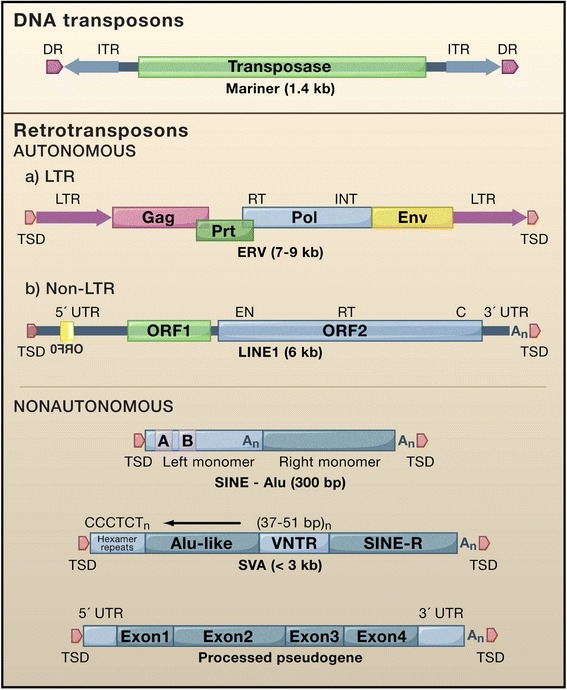
“Retrotransposons are the majority class of TEs present in the human genome, and are themselves divided into two types: LTR retrotransposons, which comprise long terminal repeats (LTRs) on both ends, and non-LTRs that do not contain these repeats and are subdivided into long-interspersed nuclear elements (LINEs) and short-interspersed nuclear elements (SINEs) (Goodier, 2016).”
From Cytoplasmic DNA: sources, sensing, and role in aging and disease (2021) · cites this paper as Goodier, 2016
Self-check
Percentages, sums and reported differences re-computed from the paper’s own numbers.
The self-check needs the paper’s full text.
Citations
Cites
Initial sequencing and analysis of the human genome
International Human Genome Sequencing Consortium, Whitehead Institute for Biomedical Research, C. F. G. R., Lander, E. S., Linton, L. M., Birren, B., Nusbaum, C., Zody, M. C., Baldwin, J., Devon, K., Dewar, K., et al. (2001) · Nature · doi:10.1038/35057062 · Cited by 24,216 · cited 1×
“and L3 family elements comprise an additional 4 % [21].”
Isolation of a human gene that inhibits HIV-1 infection and is suppressed by the viral Vif protein
Sheehy, A. M., Gaddis, N. C., Choi, J. D., & Malim, M. H. (2002) · Nature · doi:10.1038/nature00939 · Cited by 2,327
Arms races between and within species
Dawkins, R., & Krebs, J. R. (1979) · Proceedings of the Royal Society of London. Series B. Biological Sciences · doi:10.1098/rspb.1979.0081 · Cited by 2,180
Ancient DNA and the rewriting of human history: be sparing with Occam’s razor
Haber, M., Mezzavilla, M., Xue, Y., & Tyler-Smith, C. (2016) · Genome Biology · doi:10.1186/s13059-015-0866-z · Cited by 1,924
The origin and behavior of mutable loci in maize
McClintock, B. (1950) · Proceedings of the National Academy of Sciences · doi:10.1073/pnas.36.6.344 · Cited by 1,747
Cytosine methylation and the ecology of intragenomic parasites
Yoder, J. A., Walsh, C. P., & Bestor, T. H. (1997) · Trends in Genetics · doi:10.1016/s0168-9525(97)01181-5 · Cited by 1,562
UHRF1 Plays a Role in Maintaining DNA Methylation in Mammalian Cells
Bostick, M., Kim, J. K., Estève, P.-O., Clark, A., Pradhan, S., & Jacobsen, S. E. (2007) · Science · doi:10.1126/science.1147939 · Cited by 1,455
Origin and evolution of retroelements based upon their reverse transcriptase sequences
Xiong, Y., & Eickbush, T. H. (1990) · The EMBO Journal · doi:10.1002/j.1460-2075.1990.tb07536.x · Cited by 1,374 · cited 1×
“Phylogenetic analyses suggest that eukaryote non-LTR retrotransposons predate LTR retrotransposons, which in turn gave rise to retroviruses through the acquisition of an envelope (env) gene [73–76].”
BackgroundPIWI-interacting small RNAs: the vanguard of genome defence
Siomi, M. C., Sato, K., Pezic, D., & Aravin, A. A. (2011) · Nature Reviews Molecular Cell Biology · doi:10.1038/nrm3089 · Cited by 1,319 · cited 2×
“A large number of endogenous retrotransposon-related small RNAs of a size consistent with siRNAs, miRNAs and piRNAs have been detected in cells [179, 184–188] (reviewed in [189]).”
BackgroundThe SRA protein Np95 mediates epigenetic inheritance by recruiting Dnmt1 to methylated DNA
Sharif, J., Muto, M., Takebayashi, S.-I., Suetake, I., Iwamatsu, A., Endo, T. A., Shinga, J., Mizutani-Koseki, Y., Toyoda, T., Okamura, K., et al. (2007) · Nature · doi:10.1038/nature06397 · Cited by 1,304
Trex1 prevents cell-intrinsic initiation of autoimmunity
Stetson, D. B., Ko, J. S., Heidmann, T., & Medzhitov, R. (2008) · Cell · doi:10.1016/j.cell.2008.06.032 · Cited by 1,280 · cited 4×
“One possibility is that these self-nucleic acids derive from the RNA or reverse transcribed cDNA of retroelements, although this remains untested [257, 482, 496].”
BackgroundInfluentialKanellopoulou, C., Muljo, S. A., Kung, A. L., Ganesan, S., Drapkin, R., Jenuwein, T., Livingston, D. M., & Rajewsky, K. (2005) · Genes & Development · doi:10.1101/gad.1248505 · Cited by 1,254
Meiotic catastrophe and retrotransposon reactivation in male germ cells lacking Dnmt3L
Bourc'his, D., & Bestor, T. H. (2004) · Nature · doi:10.1038/nature02886 · Cited by 1,207
Epigenetic reprogramming in mouse primordial germ cells
Hajkova, P., Erhardt, S., Lane, N., Haaf, T., El-Maarri, O., Reik, W., Walter, J., & Surani, M. A. (2002) · Mechanisms of Development · doi:10.1016/s0925-4773(02)00181-8 · Cited by 1,191
Tumour microvesicles contain retrotransposon elements and amplified oncogene sequences
Balaj, L., Lessard, R., Dai, L., Cho, Y.-J., Pomeroy, S. L., Breakefield, X. O., & Skog, J. (2011) · Nature Communications · doi:10.1038/ncomms1180 · Cited by 1,187
A piRNA Pathway Primed by Individual Transposons Is Linked to De Novo DNA Methylation in Mice
Aravin, A. A., Sachidanandam, R., Bourc'his, D., Schaefer, C., Pezic, D., Toth, K. F., Bestor, T., & Hannon, G. J. (2008) · Molecular Cell · doi:10.1016/j.molcel.2008.09.003 · Cited by 1,173
Luan, D. D., Korman, M. H., Jakubczak, J. L., & Eickbush, T. H. (1993) · Cell · doi:10.1016/0092-8674(93)90078-5 · Cited by 1,173 · cited 1×
“Second-strand DNA synthesis follows and the integrant is resolved in a manner still poorly understood [43].”
BackgroundA Slicer-Mediated Mechanism for Repeat-Associated siRNA 5' End Formation in Drosophila
Gunawardane, L. S., Saito, K., Nishida, K. M., Miyoshi, K., Kawamura, Y., Nagami, T., Siomi, H., & Siomi, M. C. (2007) · Science · doi:10.1126/science.1140494 · Cited by 1,171
An APOBEC cytidine deaminase mutagenesis pattern is widespread in human cancers
Roberts, S. A., Lawrence, M. S., Klimczak, L. J., Grimm, S. A., Fargo, D., Stojanov, P., Kiezun, A., Kryukov, G. V., Carter, S. L., Saksena, G., et al. (2013) · Nature Genetics · doi:10.1038/ng.2702 · Cited by 1,167
MIWI2 Is Essential for Spermatogenesis and Repression of Transposons in the Mouse Male Germline
Carmell, M. A., Girard, A., van de Kant, H. J. G., Bourc'his, D., Bestor, T. H., de Rooij, D. G., & Hannon, G. J. (2007) · Developmental Cell · doi:10.1016/j.devcel.2007.03.001 · Cited by 1,147
Dynamic regulation of 5-hydroxymethylcytosine in mouse ES cells and during differentiation
Ficz, G., Branco, M. R., Seisenberger, S., Santos, F., Krueger, F., Hore, T. A., Marques, C. J., Andrews, S., & Reik, W. (2011) · Nature · doi:10.1038/nature10008 · Cited by 1,133
Endogenous siRNAs from naturally formed dsRNAs regulate transcripts in mouse oocytes
Watanabe, T., Totoki, Y., Toyoda, A., Kaneda, M., Kuramochi-Miyagawa, S., Obata, Y., Chiba, H., Kohara, Y., Kono, T., Nakano, T., et al. (2008) · Nature · doi:10.1038/nature06908 · Cited by 1,116
Transcription of IAP endogenous retroviruses is constrained by cytosine methylation
Walsh, C. P., Chaillet, J. R., & Bestor, T. H. (1998) · Nature Genetics · doi:10.1038/2413 · Cited by 1,105 · cited 1×
“Both IAPs and L1s are demethylated in Dnmt1 mouse ES cells [339–344].”
BackgroundHot L1s account for the bulk of retrotransposition in the human population
Brouha, B., Schustak, J., Badge, R. M., Lutz-Prigge, S., Farley, A. H., Moran, J. V., & Kazazian, H. H. (2003) · Proceedings of the National Academy of Sciences · doi:10.1073/pnas.0831042100 · Cited by 1,073 · cited 1×
“However, although most L1s no longer “jump”, at least 100 remain potentially mobile in any individual diploid human genome [37, 38].”
BackgroundPseudogene-derived small interfering RNAs regulate gene expression in mouse oocytes
Tam, O. H., Aravin, A. A., Stein, P., Girard, A., Murchison, E. P., Cheloufi, S., Hodges, E., Anger, M., Sachidanandam, R., Schultz, R. M., et al. (2008) · Nature · doi:10.1038/nature06904 · Cited by 1,044
A-to-I editing of coding and non-coding RNAs by ADARs
Nishikura, K. (2016) · Nature Reviews Molecular Cell Biology · doi:10.1038/nrm.2015.4 · Cited by 1,041 · cited 1×
“Editing of Alus has been linked with alternative splicing, gene silencing, and altered RNA transport (reviewed in [275–277]).”
BackgroundDevelopmentally Regulated piRNA Clusters Implicate MILI in Transposon Control
Aravin, A. A., Sachidanandam, R., Girard, A., Fejes-Toth, K., & Hannon, G. J. (2007) · Science · doi:10.1126/science.1142612 · Cited by 1,033
LINE-mediated retrotransposition of marked Alu sequences
Dewannieux, M., Esnault, C., & Heidmann, T. (2003) · Nature Genetics · doi:10.1038/ng1223 · Cited by 1,023
High frequency retrotransposition in cultured mammalian cells
Moran, J. V., Holmes, S. E., Naas, T. P., DeBerardinis, R. J., Boeke, J. D., & Kazazian, H. H. (1996) · Cell · doi:10.1016/s0092-8674(00)81998-4 · Cited by 1,022
Anderson, P., & Kedersha, N. (2006) · The Journal of Cell Biology · doi:10.1083/jcb.200512082 · Cited by 984
The Dynamics of Genome-wide DNA Methylation Reprogramming in Mouse Primordial Germ Cells
Seisenberger, S., Andrews, S., Krueger, F., Arand, J., Walter, J., Santos, F., Popp, C., Thienpont, B., Dean, W., & Reik, W. (2012) · Molecular Cell · doi:10.1016/j.molcel.2012.11.001 · Cited by 973
Somatic mosaicism in neuronal precursor cells mediated by L1 retrotransposition
Muotri, A. R., Chu, V. T., Marchetto, M. C. N., Deng, W., Moran, J. V., & Gage, F. H. (2005) · Nature · doi:10.1038/nature03663 · Cited by 942 · cited 2×
“SOX2 SRY-box 2 Hs,Mm SRY-related HMG-box (SOX) transcription family member [103, 106, 111]”
BackgroundAicardi–Goutières syndrome and the type I interferonopathies
Crow, Y. J., & Manel, N. (2015) · Nature Reviews Immunology · doi:10.1038/nri3850 · Cited by 925 · cited 2×
“The condition has been associated with mutations in seven genes, including SAMHD1, TREX1, RNASEH2A, RNASEH2B, RNASEH2C, ADAR1, and IFIH1 [492, 493].”
BackgroundKuramochi-Miyagawa, S., Watanabe, T., Gotoh, K., Totoki, Y., Toyoda, A., Ikawa, M., Asada, N., Kojima, K., Yamaguchi, Y., Ijiri, T. W., et al. (2008) · Genes & Development · doi:10.1101/gad.1640708 · Cited by 925
KAP1 controls endogenous retroviruses in embryonic stem cells
Rowe, H. M., Jakobsson, J., Mesnard, D., Rougemont, J., Reynard, S., Aktas, T., Maillard, P. V., Layard-Liesching, H., Verp, S., Marquis, J., et al. (2010) · Nature · doi:10.1038/nature08674 · Cited by 874 · cited 1×
“Roles for KAP1 and its KRABZFPs in the control of both exogenous and endogenous retroviruses of mice are well established [303–307] (reviewed in [31, 308]).”
BackgroundGenome-wide erasure of DNA methylation in mouse primordial germ cells is affected by AID deficiency
Popp, C., Dean, W., Feng, S., Cokus, S. J., Andrews, S., Pellegrini, M., Jacobsen, S. E., & Reik, W. (2010) · Nature · doi:10.1038/nature08829 · Cited by 860
Lahouassa, H., Daddacha, W., Hofmann, H., Ayinde, D., Logue, E. C., Dragin, L., Bloch, N., Maudet, C., Bertrand, M., Gramberg, T., et al. (2012) · Nature Immunology · doi:10.1038/ni.2236 · Cited by 852 · cited 1×
“It has been proposed that SAMHD1 degrades the dNTP pool in non-dividing cells to levels below that necessary for reverse transcription of retroviruses and replication of some DNA viruses [162–166].”
BackgroundTy elements transpose through an RNA intermediate
Boeke, J. D., Garfinkel, D. J., Styles, C. A., & Fink, G. R. (1985) · Cell · doi:10.1016/0092-8674(85)90197-7 · Cited by 844
HIV-1 restriction factor SAMHD1 is a deoxynucleoside triphosphate triphosphohydrolase
Goldstone, D. C., Ennis-Adeniran, V., Hedden, J. J., Groom, H. C. T., Rice, G. I., Christodoulou, E., Walker, P. A., Kelly, G., Haire, L. F., Yap, M. W., et al. (2011) · Nature · doi:10.1038/nature10623 · Cited by 831
L1 retrotransposition in human neural progenitor cells
Coufal, N. G., Garcia-Perez, J. L., Peng, G. E., Yeo, G. W., Mu, Y., Lovci, M. T., Morell, M., O’Shea, K. S., Moran, J. V., & Gage, F. H. (2009) · Nature · doi:10.1038/nature08248 · Cited by 814 · cited 1×
“Commencing with investigations of retrotransposition in brain tissue samples [356, 371, 397, 398], the use of sensitive qPCR strategies to assess variation in the copy number of L1 genomic insertions is becoming de rigeur in the field.”
BackgroundProviral silencing in embryonic stem cells requires the histone methyltransferase ESET
Matsui, T., Leung, D., Miyashita, H., Maksakova, I. A., Miyachi, H., Kimura, H., Tachibana, M., Lorincz, M. C., & Shinkai, Y. (2010) · Nature · doi:10.1038/nature08858 · Cited by 808
Uncovering the role of 5-hydroxymethylcytosine in the epigenome
Branco, M. R., Ficz, G., & Reik, W. (2012) · Nature Reviews Genetics · doi:10.1038/nrg3080 · Cited by 766 · cited 1×
“TET1 (ten-eleven translocation) enzyme oxidizes 5mC to 5-hydroxymethylcytosine (5hmC), an intermediate for the removal of 5mC [364].”
BackgroundLandscape of Somatic Retrotransposition in Human Cancers
Lee, E., Iskow, R., Yang, L., Gokcumen, O., Haseley, P., Luquette, L. J., Lohr, J. G., Harris, C. C., Ding, L., Wilson, R. K., et al. (2012) · Science · doi:10.1126/science.1222077 · Cited by 762 · cited 2×
“[423] first reported tumor-only L1 insertions in lung cancer, and subsequent studies have made it clear that somatic retroelement insertions are detectable at varying frequencies in a subset of tumors, especially those of epithelial origin [424, 425, 438–444].”
BackgroundSystematic identification of abundant A-to-I editing sites in the human transcriptome
Levanon, E. Y., Eisenberg, E., Yelin, R., Nemzer, S., Hallegger, M., Shemesh, R., Fligelman, Z. Y., Shoshan, A., Pollock, S. R., Sztybel, D., et al. (2004) · Nature Biotechnology · doi:10.1038/nbt996 · Cited by 760
The DNA methyltransferases associate with HP1 and the SUV39H1 histone methyltransferase
Fuks, F. (2003) · Nucleic Acids Research · doi:10.1093/nar/gkg332 · Cited by 760
Evidence for APOBEC3B mutagenesis in multiple human cancers
Burns, M. B., Temiz, N. A., & Harris, R. S. (2013) · Nature Genetics · doi:10.1038/ng.2701 · Cited by 755
Widespread A-to-I RNA Editing of Alu-Containing mRNAs in the Human Transcriptome
Athanasiadis, A., Rich, A., & Maas, S. (2004) · PLoS Biology · doi:10.1371/journal.pbio.0020391 · Cited by 740
Lee-Kirsch, M. A., Gong, M., Chowdhury, D., Senenko, L., Engel, K., Lee, Y.-A., de Silva, U., Bailey, S. L., Witte, T., Vyse, T. J., et al. (2007) · Nature Genetics · doi:10.1038/ng2091 · Cited by 730 · cited 1×
“TREX1 mutations are also implicated in other autoimmune conditions, including systemic lupus erythematous, chilblain lupus, and retinal vasculopathy with cerebral leukodystrophy [494, 495].”
BackgroundSystematic identification of abundant A-to-I editing sites in the human transcriptome
Levanon, E., Eisenberg, E., Yelin, R., Nemzer, S., Hallegger, M., Shemesh, R., Fligelman, Z., Shoshan, A., Pollock, Sr., Sztybel, D., et al. (2004) · UCL Discovery (University College London) · Cited by 708
Rice, G. I., Bond, J., Asipu, A., Brunette, R. L., Manfield, I. W., Carr, I. M., Fuller, J. C., Jackson, R. M., Lamb, T., Briggs, T. A., et al. (2009) · Nature Genetics · doi:10.1038/ng.373 · Cited by 689
Neuronal MeCP2 Is Expressed at Near Histone-Octamer Levels and Globally Alters the Chromatin State
Skene, P. J., Illingworth, R. S., Webb, S., Kerr, A. R. W., James, K. D., Turner, D. J., Andrews, R., & Bird, A. P. (2010) · Molecular Cell · doi:10.1016/j.molcel.2010.01.030 · Cited by 688
Somatic retrotransposition alters the genetic landscape of the human brain
Baillie, J. K., Barnett, M. W., Upton, K. R., Gerhardt, D. J., Richmond, T. A., De Sapio, F., Brennan, P. M., Rizzu, P., Smith, S., Fell, M., et al. (2011) · Nature · doi:10.1038/nature10531 · Cited by 684 · cited 1×
“Other papers using HT genome sequencing have since concurred that there is endogenous somatic L1 retrotransposition in neural precursors and the adult brain, although estimates of insertion frequency differ by more than an order of magnitude [170, 371, 414–416] (reviewed in [372, 417–419].”
BackgroundSilverman, R. H. (2007) · Journal of Virology · doi:10.1128/jvi.01471-07 · Cited by 671
Roles for retrotransposon insertions in human disease
Hancks, D. C., & Kazazian, H. H. (2016) · Mobile DNA · doi:10.1186/s13100-016-0065-9 · Cited by 670 · cited 2×
“Up to 5 % of newborn children have a new retrotransposon insertion, and to date there are 124 known human disease-causing germline insertions of L1s, Alus, and SVAs [40–42].”
BackgroundThe profile of repeat‐associated histone lysine methylation states in the mouse epigenome
Martens, J. H., O'Sullivan, R. J., Braunschweig, U., Opravil, S., Radolf, M., Steinlein, P., & Jenuwein, T. (2005) · The EMBO Journal · doi:10.1038/sj.emboj.7600545 · Cited by 669
Lane, N., Dean, W., Erhardt, S., Hajkova, P., Surani, A., Walter, J., & Reik, W. (2003) · genesis · doi:10.1002/gene.10168 · Cited by 667
Sienski, G., Dönertas, D., & Brennecke, J. (2012) · Cell · doi:10.1016/j.cell.2012.10.040 · Cited by 659
Retroviral restriction by APOBEC proteins
Harris, R. S., & Liddament, M. T. (2004) · Nature Reviews Immunology · doi:10.1038/nri1489 · Cited by 654
Wnt-mediated activation of NeuroD1 and retro-elements during adult neurogenesis
Kuwabara, T., Hsieh, J., Muotri, A., Yeo, G., Warashina, M., Lie, D. C., Moore, L., Nakashima, K., Asashima, M., & Gage, F. H. (2009) · Nature Neuroscience · doi:10.1038/nn.2360 · Cited by 648
DNA methylation on N6-adenine in mammalian embryonic stem cells
Wu, T. P., Wang, T., Seetin, M. G., Lai, Y., Zhu, S., Lin, K., Liu, Y., Byrum, S. D., Mackintosh, S. G., Zhong, M., et al. (2016) · Nature · doi:10.1038/nature17640 · Cited by 648 · cited 2×
“Knockout of the demethylase gene Alkbh1 caused increased N6-mA deposition on the 5' ends of young but not old L1s that correlated with an increase in other repressive marks on the L1s and transcriptional silencing of nearby genes and enhancers [366].”
BackgroundLINE-1 Retrotransposition Activity in Human Genomes
Beck, C. R., Collier, P., Macfarlane, C., Malig, M., Kidd, J. M., Eichler, E. E., Badge, R. M., & Moran, J. V. (2010) · Cell · doi:10.1016/j.cell.2010.05.021 · Cited by 632
L1 retrotransposition in neurons is modulated by MeCP2
Muotri, A. R., Marchetto, M. C. N., Coufal, N. G., Oefner, R., Yeo, G., Nakashima, K., & Gage, F. H. (2010) · Nature · doi:10.1038/nature09544 · Cited by 626 · cited 4×
“In cell culture, MECP2 binds the L1 5' UTR to limit expression and retrotransposition [355].”
BackgroundInfluentialRetrotransposons Revisited: The Restraint and Rehabilitation of Parasites
Goodier, J. L., & Kazazian, H. H. (2008) · Cell · doi:10.1016/j.cell.2008.09.022 · Cited by 626
Self-citationExon Shuffling by L1 Retrotransposition
Moran, J. V., DeBerardinis, R. J., & Kazazian, H. H. (1999) · Science · doi:10.1126/science.283.5407.1530 · Cited by 625
LINE-1 elements in structural variation and disease
Beck, C. R., Garcia-Perez, J. L., Badge, R. M., & Moran, J. V. (2011) · Annual Review of Genomics and Human Genetics · doi:10.1146/annurev-genom-082509-141802 · Cited by 615 · cited 1×
“How retrotransposons impact the mammalian cell and genome has been the subject of many other reviews [3, 41, 42, 61–67].”
BackgroundSchmidt, D., Schwalie, P. C., Wilson, M. D., Ballester, B., Gonçalves, Â., Kutter, C., Brown, G. D., Marshall, A., Flicek, P., & Odom, D. T. (2012) · Cell · doi:10.1016/j.cell.2011.11.058 · Cited by 606
Fava, N. M. N., Soares, R. M., Scalia, L. A. M., Kalapothakis, E., Pena, I. F., Vieira, C. U., Faria, E. S. M., Cunha, M. J., Couto, T. R., & Cury, M. C. (2013) · BioMed Research International · doi:10.1155/2013/875048 · Cited by 602
DICER1 deficit induces Alu RNA toxicity in age-related macular degeneration
Kaneko, H., Dridi, S., Tarallo, V., Gelfand, B. D., Fowler, B. J., Cho, W. G., Kleinman, M. E., Ponicsan, S. L., Hauswirth, W. W., Chiodo, V. A., et al. (2011) · Nature · doi:10.1038/nature09830 · Cited by 601 · cited 1×
“DICER deficiency in geographic atrophy, a form of age-related macular degeneration, induces accumulation of Alu RNA, which in turn activates the NLRP3 inflammasome complex and downstream caspases leading to retinal pigment epithelial cell death [488, 489].”
BackgroundSAMHD1 restricts HIV-1 infection in resting CD4+ T cells
Baldauf, H.-M., Pan, X., Erikson, E., Schmidt, S., Daddacha, W., Burggraf, M., Schenkova, K., Ambiel, I., Wabnitz, G., Gramberg, T., et al. (2012) · Nature Medicine · doi:10.1038/nm.2964 · Cited by 597
Crow, Y. J., Chase, D. S., Lowenstein Schmidt, J., Szynkiewicz, M., Forte, G. M. A., Gornall, H. L., Oojageer, A., Anderson, B., Pizzino, A., Helman, G., et al. (2015) · American Journal of Medical Genetics Part A · doi:10.1002/ajmg.a.36887 · Cited by 595
Active human retrotransposons: variation and disease
Hancks, D. C., & Kazazian, H. H. (2012) · Current Opinion in Genetics & Development · doi:10.1016/j.gde.2012.02.006 · Cited by 592 · cited 2×
“Up to 5 % of newborn children have a new retrotransposon insertion, and to date there are 124 known human disease-causing germline insertions of L1s, Alus, and SVAs [40–42].”
BackgroundDICER1 loss and Alu RNA induce age-related macular degeneration via the NLRP3 inflammasome and MyD88
Tarallo, V., Hirano, Y., Gelfand, B. D., Dridi, S., Kerur, N., Kim, Y., Cho, W. G., Kaneko, H., Fowler, B. J., Bogdanovich, S., et al. (2012) · Cell · doi:10.1016/j.cell.2012.03.036 · Cited by 592 · cited 1×
“DICER deficiency in geographic atrophy, a form of age-related macular degeneration, induces accumulation of Alu RNA, which in turn activates the NLRP3 inflammasome complex and downstream caspases leading to retinal pigment epithelial cell death [488, 489].”
BackgroundEvolution of the mammalian transcription factor binding repertoire via transposable elements
Bourque, G., Leong, B., Vega, V. B., Chen, X., Lee, Y. L., Srinivasan, K. G., Chew, J.-L., Ruan, Y., Wei, C.-L., Ng, H. H., et al. (2008) · Genome Research · doi:10.1101/gr.080663.108 · Cited by 589
The age and evolution of non-LTR retrotransposable elements
Malik, H. S., Burke, W. D., & Eickbush, T. H. (1999) · Molecular Biology and Evolution · doi:10.1093/oxfordjournals.molbev.a026164 · Cited by 575
Cooperativity between DNA Methyltransferases in the Maintenance Methylation of Repetitive Elements
Liang, G., Chan, M. F., Tomigahara, Y., Tsai, Y. C., Gonzales, F. A., Li, E., Laird, P. W., & Jones, P. A. (2002) · Molecular and Cellular Biology · doi:10.1128/mcb.22.2.480-491.2002 · Cited by 569
Disruption of the APC gene by a retrotransposal insertion of L1 sequence in a colon cancer.
Miki, Y., Nishisho, I., Horii, A., Miyoshi, Y., Utsunomiya, J., Kinzler, K. W., Vogelstein, B., & Nakamura, Y. (1992) · PubMed · Cited by 564
Identification of Novel Argonaute-Associated Proteins
Meister, G., Landthaler, M., Peters, L., Chen, P. Y., Urlaub, H., Lührmann, R., & Tuschl, T. (2005) · Current Biology · doi:10.1016/j.cub.2005.10.048 · Cited by 553
Natural mutagenesis of human genomes by endogenous retrotransposons
Iskow, R. C., McCabe, M. T., Mills, R. E., Torene, S., Pittard, W. S., Neuwald, A. F., Van Meir, E. G., Vertino, P. M., & Devine, S. E. (2010) · Cell · doi:10.1016/j.cell.2010.05.020 · Cited by 551
Single-Neuron Sequencing Analysis of L1 Retrotransposition and Somatic Mutation in the Human Brain
Evrony, G. D., Cai, X., Lee, E., Hills, L. B., Elhosary, P. C., Lehmann, H. S., Parker, J. J., Atabay, K. D., Gilmore, E. C., Poduri, A., et al. (2012) · Cell · doi:10.1016/j.cell.2012.09.035 · Cited by 548
Kato, Y., Kaneda, M., Hata, K., Kumaki, K., Hisano, M., Kohara, Y., Okano, M., Li, E., Nozaki, M., & Sasaki, H. (2007) · Human Molecular Genetics · doi:10.1093/hmg/ddm179 · Cited by 540
Widespread RNA Editing of Embedded Alu Elements in the Human Transcriptome
Kim, D. D. Y., Kim, T. T. Y., Walsh, T., Kobayashi, Y., Matise, T. C., Buyske, S., & Gabriel, A. (2004) · Genome Research · doi:10.1101/gr.2855504 · Cited by 538
Karimi, M. M., Goyal, P., Maksakova, I. A., Bilenky, M., Leung, D., Tang, J. X., Shinkai, Y., Mager, D. L., Jones, S., Hirst, M., et al. (2011) · Cell Stem Cell · doi:10.1016/j.stem.2011.04.004 · Cited by 535 · cited 1×
“In mouse ESCs, silencing of many ERV elements is maintained by SETDB1-mediated H3K9me3 methylation, and KAP1 is required for their repression [309–312].”
BackgroundIs Green Fluorescent Protein Toxic to the Living Cells?
Liu, H.-S., Jan, M.-S., Chou, C.-K., Chen, P.-H., & Ke, N.-J. (1999) · Biochemical and Biophysical Research Communications · doi:10.1006/bbrc.1999.0954 · Cited by 531
Yan, N., Regalado-Magdos, A. D., Stiggelbout, B., Lee-Kirsch, M. A., & Lieberman, J. (2010) · Nature Immunology · doi:10.1038/ni.1941 · Cited by 529
Human L1 element target‐primed reverse transcription in vitro
Cost, G. J., Feng, Q., Jacquier, A., & Boeke, J. D. (2002) · The EMBO Journal · doi:10.1093/emboj/cdf592 · Cited by 519 · cited 1×
“[376] reconstituted the initial stages of L1 element transposition in vitro, the field has failed to take up the challenge to refine this assay and apply it to mechanistic investigations.”
MethodThe Human LINE-1 Retrotransposon Creates DNA Double-strand Breaks
Gasior, S. L., Wakeman, T. P., Xu, B., & Deininger, P. L. (2006) · Journal of Molecular Biology · doi:10.1016/j.jmb.2006.01.089 · Cited by 519 · cited 4×
“DNA damage caused by overexpression of ORF2p may induce genotoxic stress and cellular apoptosis [69, 369, 461, 462].”
BackgroundInfluentialThe evolution of RNAi as a defence against viruses and transposable elements
Obbard, D. J., Gordon, K. H. J., Buck, A. H., & Jiggins, F. M. (2009) · Philosophical Transactions of the Royal Society B: Biological Sciences · doi:10.1098/rstb.2008.0168 · Cited by 516
An evolutionary arms race between KRAB zinc-finger genes ZNF91/93 and SVA/L1 retrotransposons
Jacobs, F. M. J., Greenberg, D., Nguyen, N., Haeussler, M., Ewing, A. D., Katzman, S., Paten, B., Salama, S. R., & Haussler, D. (2014) · Nature · doi:10.1038/nature13760 · Cited by 506 · cited 4×
“[315] provided two examples of dynamic coevolution between KRAB-ZFPs and their retrotransposon targets.”
BackgroundInfluentialAlu -Containing Exons are Alternatively Spliced
Sorek, R., Ast, G., & Graur, D. (2002) · Genome Research · doi:10.1101/gr.229302 · Cited by 505
Critical roles for Dicer in the female germline
Murchison, E. P., Stein, P., Xuan, Z., Pan, H., Zhang, M. Q., Schultz, R. M., & Hannon, G. J. (2007) · Genes & Development · doi:10.1101/gad.1521307 · Cited by 497
DNA repair mediated by endonuclease-independent LINE-1 retrotransposition
Morrish, T. A., Gilbert, N., Myers, J. S., Vincent, B. J., Stamato, T. D., Taccioli, G. E., Batzer, M. A., & Moran, J. V. (2002) · Nature Genetics · doi:10.1038/ng898 · Cited by 487
Transcriptional disruption by the L1 retrotransposon and implications for mammalian transcriptomes
Han, J. S., Szak, S. T., & Boeke, J. D. (2004) · Nature · doi:10.1038/nature02536 · Cited by 484 · cited 7×
“UPF1 itself binds both L1 ORF1p and ORF2p RNPs, and conceivably could recruit MOV10 to the L1 RNP. Paradoxically, however, while depletion of endogenous UPF1 increases L1 expression, cell culture retrotransposition is reduced [239].”
BackgroundInfluentialHuman endogenous retrovirus-K contributes to motor neuron disease
Li, W., Lee, M.-H., Henderson, L., Tyagi, R., Bachani, M., Steiner, J., Campanac, E., Hoffman, D. A., von Geldern, G., Johnson, K., et al. (2015) · Science Translational Medicine · doi:10.1126/scitranslmed.aac8201 · Cited by 482 · cited 1×
“Among the more convincing studies, elevated expression of HERV-K transcripts in cortical and spinal neurons of ALS patients is supported by evidence of neurotoxic effects of the HERV-K env protein in a mouse model [485].”
BackgroundZarnack, K., König, J., Tajnik, M., Martincorena, I., Eustermann, S., Stévant, I., Reyes, A., Anders, S., Luscombe, N. M., & Ule, J. (2013) · Cell · doi:10.1016/j.cell.2012.12.023 · Cited by 464
Seki, Y., Yamaji, M., Yabuta, Y., Sano, M., Shigeta, M., Matsui, Y., Saga, Y., Tachibana, M., Shinkai, Y., & Saitou, M. (2007) · Development · doi:10.1242/dev.005611 · Cited by 460
De Cecco, M., Criscione, S. W., Peckham, E. J., Hillenmeyer, S., Hamm, E. A., Manivannan, J., Peterson, A. L., Kreiling, J. A., Neretti, N., & Sedivy, J. M. (2013) · Aging Cell · doi:10.1111/acel.12047 · Cited by 459
Van Meter, M., Kashyap, M., Rezazadeh, S., Geneva, A. J., Morello, T. D., Seluanov, A., & Gorbunova, V. (2014) · Nature Communications · doi:10.1038/ncomms6011 · Cited by 456
The Birth of an Alternatively Spliced Exon: 3' Splice-Site Selection in Alu Exons
Lev-Maor, G., Sorek, R., Shomron, N., & Ast, G. (2003) · Science · doi:10.1126/science.1082588 · Cited by 434
Zhang, Z. (2003) · Genome Research · doi:10.1101/gr.1429003 · Cited by 424
Antisense Promoter of Human L1 Retrotransposon Drives Transcription of Adjacent Cellular Genes
Speek, M. (2001) · Molecular and Cellular Biology · doi:10.1128/mcb.21.6.1973-1985.2001 · Cited by 423
Chiu, Y.-L., & Greene, W. C. (2008) · Annual Review of Immunology · doi:10.1146/annurev.immunol.26.021607.090350 · Cited by 416
Miwi catalysis is required for piRNA amplification-independent LINE1 transposon silencing
Reuter, M., Berninger, P., Chuma, S., Shah, H., Hosokawa, M., Funaya, C., Antony, C., Sachidanandam, R., & Pillai, R. S. (2011) · Nature · doi:10.1038/nature10672 · Cited by 415
Active Transposition in Genomes
Huang, C. R. L., Burns, K. H., & Boeke, J. D. (2012) · Annual Review of Genetics · doi:10.1146/annurev-genet-110711-155616 · Cited by 415
Epigenetic reprogramming in mouse pre-implantation development and primordial germ cells
Saitou, M., Kagiwada, S., & Kurimoto, K. (2012) · Development · doi:10.1242/dev.050849 · Cited by 414
Extensive transduction of nonrepetitive DNA mediated by L1 retrotransposition in cancer genomes
Tubio, J. M. C., Li, Y., Ju, Y. S., Martincorena, I., Cooke, S. L., Tojo, M., Gundem, G., Pipinikas, C. P., Zamora, J., Raine, K., et al. (2014) · Science · doi:10.1126/science.1251343 · Cited by 412
Rice, G., Newman, W. G., Dean, J., Patrick, T., Parmar, R., Flintoff, K., Robins, P., Harvey, S., Hollis, T., O’Hara, A., et al. (2007) · The American Journal of Human Genetics · doi:10.1086/513443 · Cited by 410 · cited 1×
“TREX1 mutations are also implicated in other autoimmune conditions, including systemic lupus erythematous, chilblain lupus, and retinal vasculopathy with cerebral leukodystrophy [494, 495].”
BackgroundYang, N., & Kazazian, H. H. (2006) · Nature Structural & Molecular Biology · doi:10.1038/nsmb1141 · Cited by 398
Endogenous Retrotransposition Activates Oncogenic Pathways in Hepatocellular Carcinoma
Shukla, R., Upton, K. R., Muñoz-Lopez, M., Gerhardt, D. J., Fisher, M. E., Nguyen, T., Brennan, P. M., Baillie, J. K., Collino, A., Ghisletti, S., et al. (2013) · Cell · doi:10.1016/j.cell.2013.02.032 · Cited by 391
A systematic review of geographical variation in access to chemotherapy
Chamberlain, C., Owen-Smith, A., Donovan, J., & Hollingworth, W. (2016) · BMC Cancer · doi:10.1186/s12885-015-2026-y · Cited by 390
APOBEC3A Is a Potent Inhibitor of Adeno-Associated Virus and Retrotransposons
Chen, H., Lilley, C. E., Yu, Q., Lee, D. V., Chou, J., Narvaiza, I., Landau, N. R., & Weitzman, M. D. (2006) · Current Biology · doi:10.1016/j.cub.2006.01.031 · Cited by 389
Large-scale structure of genomic methylation patterns
Rollins, R. A., Haghighi, F., Edwards, J. R., Das, R., Zhang, M. Q., Ju, J., & Bestor, T. H. (2006) · Genome Research · doi:10.1101/gr.4362006 · Cited by 389
Embryonic stem cells use ZFP809 to silence retroviral DNAs
Wolf, D., & Goff, S. P. (2009) · Nature · doi:10.1038/nature07844 · Cited by 388 · cited 1×
“Roles for KAP1 and its KRABZFPs in the control of both exogenous and endogenous retroviruses of mice are well established [303–307] (reviewed in [31, 308]).”
BackgroundExpression of the Zinc-Finger Antiviral Protein Inhibits Alphavirus Replication
Bick, M. J., Carroll, J.-W. N., Gao, G., Goff, S. P., Rice, C. M., & MacDonald, M. R. (2003) · Journal of Virology · doi:10.1128/jvi.77.21.11555-11562.2003 · Cited by 384
In Vivo Control of CpG and Non-CpG DNA Methylation by DNA Methyltransferases
Arand, J., Spieler, D., Karius, T., Branco, M. R., Meilinger, D., Meissner, A., Jenuwein, T., Xu, G., Leonhardt, H., Wolf, V., et al. (2012) · PLoS Genetics · doi:10.1371/journal.pgen.1002750 · Cited by 383
Morita, M., Stamp, G., Robins, P., Dulic, A., Rosewell, I., Hrivnak, G., Daly, G., Lindahl, T., & Barnes, D. E. (2004) · Molecular and Cellular Biology · doi:10.1128/mcb.24.15.6719-6727.2004 · Cited by 380
Cellular inhibitors of long interspersed element 1 and Alu retrotransposition
Bogerd, H. P., Wiegand, H. L., Hulme, A. E., Garcia-Perez, J. L., O’Shea, K. S., Moran, J. V., & Cullen, B. R. (2006) · Proceedings of the National Academy of Sciences · doi:10.1073/pnas.0603313103 · Cited by 375
Khan, H., Smit, A., & Boissinot, S. (2006) · Genome Research · doi:10.1101/gr.4001406 · Cited by 372
Voronina, E., Seydoux, G., Sassone-Corsi, P., & Nagamori, I. (2011) · Cold Spring Harbor Perspectives in Biology · doi:10.1101/cshperspect.a002774 · Cited by 372
SVA Elements: A Hominid-specific Retroposon Family
Wang, H., Xing, J., Grover, D., Hedges, D. J., Han, K., Walker, J. A., & Batzer, M. A. (2005) · Journal of Molecular Biology · doi:10.1016/j.jmb.2005.09.085 · Cited by 371
L1 retrotransposition occurs mainly in embryogenesis and creates somatic mosaicism
Kano, H., Godoy, I., Courtney, C., Vetter, M. R., Gerton, G. L., Ostertag, E. M., & Kazazian, H. H. (2009) · Genes & Development · doi:10.1101/gad.1803909 · Cited by 370
Bulut-Karslioglu, A., De La Rosa-Velázquez, I. A., Ramirez, F., Barenboim, M., Onishi-Seebacher, M., Arand, J., Galán, C., Winter, G. E., Engist, B., Gerle, B., et al. (2014) · Molecular Cell · doi:10.1016/j.molcel.2014.05.029 · Cited by 368 · cited 1×
“SUV39H Suppressor of variegation 3–9 homolog 1 Hs,Mm Histone H3-K9 methyltransferase 1 [286, 288, 291]”
BackgroundKAP1 Protein: An Enigmatic Master Regulator of the Genome
Iyengar, S., & Farnham, P. J. (2011) · Journal of Biological Chemistry · doi:10.1074/jbc.r111.252569 · Cited by 367 · cited 1×
“KAP1 mediates the recruitment of chromatin remodeling complexes to DNA by binding Krüppel-associated box domain-containing zinc finger proteins (KRAB-ZFPs) and other DNA-binding proteins (reviewed in [301, 302]).”
BackgroundTransposable elements become active and mobile in the genomes of aging mammalian somatic tissues
De Cecco, M., Criscione, S. W., Peterson, A. L., Neretti, N., Sedivy, J. M., & Kreiling, J. A. (2013) · Aging · doi:10.18632/aging.100621 · Cited by 365
SDE3 encodes an RNA helicase required for post-transcriptional gene silencing in Arabidopsis
Dalmay, T. (2001) · The EMBO Journal · doi:10.1093/emboj/20.8.2069 · Cited by 361
APOBEC3 Proteins Inhibit Human LINE-1 Retrotransposition
Muckenfuss, H., Hamdorf, M., Held, U., Perković, M., Löwer, J., Cichutek, K., Flory, E., Schumann, G. G., & Münk, C. (2006) · Journal of Biological Chemistry · doi:10.1074/jbc.m601716200 · Cited by 356
Studies of endogenous retroviruses reveal a continuing evolutionary saga
Stoye, J. P. (2012) · Nature Reviews Microbiology · doi:10.1038/nrmicro2783 · Cited by 350 · cited 1×
“LTR retrotransposons are named for the long terminal repeats that flank their sequences (reviewed in [5–7]).”
BackgroundCytoplasmic ribonucleoprotein complexes containing human LINE-1 protein and RNA.
Hohjoh, H., & Singer, M. F. (1996) · The EMBO Journal · doi:10.1002/j.1460-2075.1996.tb00395.x · Cited by 349
Long Interspersed Element-1 Protein Expression Is a Hallmark of Many Human Cancers
Rodić, N., Sharma, R., Sharma, R., Zampella, J., Dai, L., Taylor, M. S., Hruban, R. H., Iacobuzio-Donahue, C. A., Maitra, A., Torbenson, M. S., et al. (2014) · The American Journal of Pathology · doi:10.1016/j.ajpath.2014.01.007 · Cited by 349
SVA Elements Are Nonautonomous Retrotransposons that Cause Disease in Humans
Ostertag, E. M., Goodier, J. L., Zhang, Y., & Kazazian, H. H. (2003) · The American Journal of Human Genetics · doi:10.1086/380207 · Cited by 347
Self-citationC2H2 zinc finger proteins greatly expand the human regulatory lexicon
Najafabadi, H. S., Mnaimneh, S., Schmitges, F. W., Garton, M., Lam, K. N., Yang, A., Albu, M., Weirauch, M. T., Radovani, E., Kim, P. M., et al. (2015) · Nature Biotechnology · doi:10.1038/nbt.3128 · Cited by 346 · cited 1×
“Indeed, of 18 KRAB-ZFPs tested, 16 bound specific classes of endogenous retroelements [381].”
BackgroundActivation of transposable elements during aging and neuronal decline in Drosophila
Li, W., Prazak, L., Chatterjee, N., Grüninger, S., Krug, L., Theodorou, D., & Dubnau, J. (2013) · Nature Neuroscience · doi:10.1038/nn.3368 · Cited by 346 · cited 1×
“Increased mobilization of gypsy and non-LTR R1 and R2 retrotransposons in the aging fly brain is accompanied by neural and cognitive decline [470].”
BackgroundThe endonuclease activity of Mili fuels piRNA amplification that silences LINE1 elements
De Fazio, S., Bartonicek, N., Di Giacomo, M., Abreu-Goodger, C., Sankar, A., Funaya, C., Antony, C., Moreira, P. N., Enright, A. J., & O’Carroll, D. (2011) · Nature · doi:10.1038/nature10547 · Cited by 344
TRIM28 Mediates Primer Binding Site-Targeted Silencing of Murine Leukemia Virus in Embryonic Cells
Wolf, D., & Goff, S. P. (2007) · Cell · doi:10.1016/j.cell.2007.07.026 · Cited by 342
Poised for Contagion: Evolutionary Origins of the Infectious Abilities of Invertebrate Retroviruses
Malik, H. S., Henikoff, S., & Eickbush, T. H. (2000) · Genome Research · doi:10.1101/gr.145000 · Cited by 341
Soper, S. F. C., van der Heijden, G. W., Hardiman, T. C., Goodheart, M., Martin, S. L., de Boer, P., & Bortvin, A. (2008) · Developmental Cell · doi:10.1016/j.devcel.2008.05.015 · Cited by 341
MORC Family ATPases Required for Heterochromatin Condensation and Gene Silencing
Moissiard, G., Cokus, S. J., Cary, J., Feng, S., Billi, A. C., Stroud, H., Husmann, D., Zhan, Y., Lajoie, B. R., McCord, R. P., et al. (2012) · Science · doi:10.1126/science.1221472 · Cited by 339
Shoji, M., Tanaka, T., Hosokawa, M., Reuter, M., Stark, A., Kato, Y., Kondoh, G., Okawa, K., Chujo, T., Suzuki, T., et al. (2009) · Developmental Cell · doi:10.1016/j.devcel.2009.10.012 · Cited by 336
Chromosomal position and activation of retroviral genomes inserted into the germ line of mice
Jaenisch, R., Jähner, D., Nobis, P., Simon, I., Löhler, J., Harbers, K., & Grotkopp, D. (1981) · Cell · doi:10.1016/0092-8674(81)90343-3 · Cited by 335
The enemy within: endogenous retroelements and autoimmune disease
Volkman, H. E., & Stetson, D. B. (2014) · Nature Immunology · doi:10.1038/ni.2872 · Cited by 333
Mammalian non-LTR retrotransposons: For better or worse, in sickness and in health
Belancio, V. P., Hedges, D. J., & Deininger, P. (2008) · Genome Research · doi:10.1101/gr.5558208 · Cited by 322
Ubiquitous L1 Mosaicism in Hippocampal Neurons
Upton, K. R., Gerhardt, D. J., Jesuadian, J. S., Richardson, S. R., Sánchez-Luque, F. J., Bodea, G. O., Ewing, A. D., Salvador-Palomeque, C., van der Knaap, M. S., Brennan, P. M., et al. (2015) · Cell · doi:10.1016/j.cell.2015.03.026 · Cited by 320
Graff, J. R., Herman, J. G., Myöhänen, S., Baylin, S. B., & Vertino, P. M. (1997) · Journal of Biological Chemistry · doi:10.1074/jbc.272.35.22322 · Cited by 319
Douville, R., Liu, J., Rothstein, J., & Nath, A. (2011) · Annals of Neurology · doi:10.1002/ana.22149 · Cited by 317
The Influence of LINE-1 and SINE Retrotransposons on Mammalian Genomes
Richardson, S. R., Doucet, A. J., Kopera, H. C., Moldovan, J. B., Garcia-Perez, J. L., & Moran, J. V. (2015) · Microbiology Spectrum · doi:10.1128/microbiolspec.mdna3-0061-2014 · Cited by 315
Adenosine deaminases acting on RNA (ADARs) are both antiviral and proviral
Samuel, C. E. (2011) · Virology · doi:10.1016/j.virol.2010.12.004 · Cited by 315
Methylation levels of maternal and paternal genomes during preimplantation development
HOWLETT, S. K., & REIK, W. (1991) · Development · doi:10.1242/dev.113.1.119 · Cited by 313
Hedges, D. J., & Deininger, P. L. (2007) · Mutation Research - Fundamental and Molecular Mechanisms of Mutagenesis · doi:10.1016/j.mrfmmm.2006.11.021 · Cited by 310
Dewannieux, M., Harper, F., Richaud, A., Letzelter, C., Ribet, D., Pierron, G., & Heidmann, T. (2006) · Genome Research · doi:10.1101/gr.5565706 · Cited by 309 · cited 2×
“However, some intracisternal A-particle (IAP) and Etn/MusD family LTR elements remain insertionally active in mice [8], and formation of infective virions by recombination or phenotypic mixing of intact proteins from different ERV proviruses has been reported [9–12].”
BackgroundIncreased L1 Retrotransposition in the Neuronal Genome in Schizophrenia
Bundo, M., Toyoshima, M., Okada, Y., Akamatsu, W., Ueda, J., Nemoto-Miyauchi, T., Sunaga, F., Toritsuka, M., Ikawa, D., Kakita, A., et al. (2014) · Neuron · doi:10.1016/j.neuron.2013.10.053 · Cited by 308
Thompson, P. J., Macfarlan, T. S., & Lorincz, M. C. (2016) · Molecular Cell · doi:10.1016/j.molcel.2016.03.029 · Cited by 306
Watanabe, T., Chuma, S., Yamamoto, Y., Kuramochi-Miyagawa, S., Totoki, Y., Toyoda, A., Hoki, Y., Fujiyama, A., Shibata, T., Sado, T., et al. (2011) · Developmental Cell · doi:10.1016/j.devcel.2011.01.005 · Cited by 305
Zhu, Y., Chen, G., Lv, F., Wang, X., Ji, X., Xu, Y., Sun, J., Wu, L., Zheng, Y.-T., & Gao, G. (2011) · Proceedings of the National Academy of Sciences · doi:10.1073/pnas.1101676108 · Cited by 300
A survey of RNA editing in human brain
Blow, M., Futreal, P. A., Wooster, R., & Stratton, M. R. (2004) · Genome Research · doi:10.1101/gr.2951204 · Cited by 300
A hot L1 retrotransposon evades somatic repression and initiates human colorectal cancer
Scott, E. C., Gardner, E. J., Masood, A., Chuang, N. T., Vertino, P. M., & Devine, S. E. (2016) · Genome Research · doi:10.1101/gr.201814.115 · Cited by 297
Burns, K. H., & Boeke, J. D. (2012) · Cell · doi:10.1016/j.cell.2012.04.019 · Cited by 293
Determination of L1 retrotransposition kinetics in cultured cells
Ostertag, E. M. (2000) · Nucleic Acids Research · doi:10.1093/nar/28.6.1418 · Cited by 291 · cited 1×
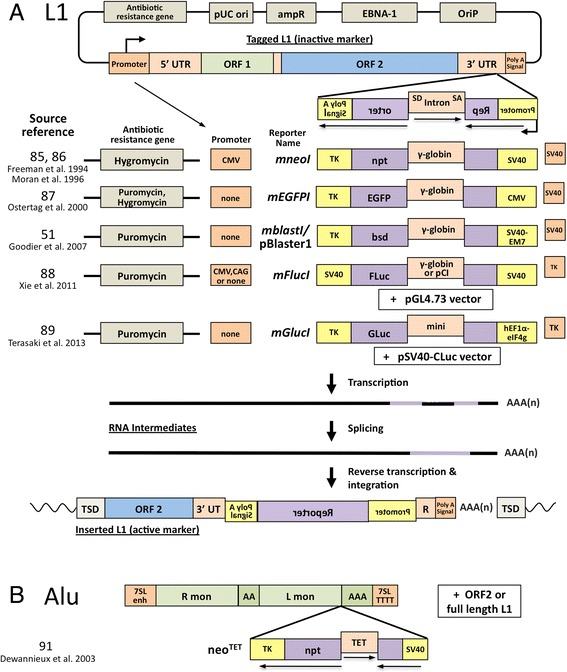
“The original neomycin phosphotransferase gene reporter [84–86] was later joined by enhanced green fluorescent protein, blasticidin S-resistance, firefly luciferase, and secreting gaussia luciferase gene constructs [51, 87–89] (Fig.”
BackgroundCis-preferential LINE-1 reverse transcriptase activity in ribonucleoprotein particles
Kulpa, D. A., & Moran, J. V. (2006) · Nature Structural & Molecular Biology · doi:10.1038/nsmb1107 · Cited by 290
Liu, S., Brind’Amour, J., Karimi, M. M., Shirane, K., Bogutz, A., Lefebvre, L., Sasaki, H., Shinkai, Y., & Lorincz, M. C. (2014) · Genes & Development · doi:10.1101/gad.244848.114 · Cited by 290
Aicardi-Goutieres syndrome and related phenotypes: linking nucleic acid metabolism with autoimmunity
Crow, Y. J., & Rehwinkel, J. (2009) · Human Molecular Genetics · doi:10.1093/hmg/ddp293 · Cited by 289 · cited 1×
“One possibility is that these self-nucleic acids derive from the RNA or reverse transcribed cDNA of retroelements, although this remains untested [257, 482, 496].”
BackgroundGroup II intron mobility occurs by target DNA-primed reverse transcription
Zimmerly, S., Guo, H., Perlman, P. S., & Lambowltz, A. M. (1995) · Cell · doi:10.1016/0092-8674(95)90027-6 · Cited by 284
Editor meets silencer: crosstalk between RNA editing and RNA interference
Nishikura, K. (2006) · Nature Reviews Molecular Cell Biology · doi:10.1038/nrm2061 · Cited by 282
APOBEC-mediated viral restriction: not simply editing?
Holmes, R. K., Malim, M. H., & Bishop, K. N. (2007) · Trends in Biochemical Sciences · doi:10.1016/j.tibs.2007.01.004 · Cited by 280
Dynamic control of endogenous retroviruses during development
Rowe, H. M., & Trono, D. (2011) · Virology · doi:10.1016/j.virol.2010.12.007 · Cited by 280
Gallois-Montbrun, S., Kramer, B., Swanson, C. M., Byers, H., Lynham, S., Ward, M., & Malim, M. H. (2007) · Journal of Virology · doi:10.1128/jvi.02287-06 · Cited by 279
Endogenous retroviruses and neighboring genes are coordinately repressed by LSD1/KDM1A
Macfarlan, T. S., Gifford, W. D., Agarwal, S., Driscoll, S., Lettieri, K., Wang, J., Andrews, S. E., Franco, L., Rosenfeld, M. G., Ren, B., et al. (2011) · Genes & Development · doi:10.1101/gad.2008511 · Cited by 279
Sanford, J. P., Clark, H. J., Chapman, V. M., & Rossant, J. (1987) · Genes & Development · doi:10.1101/gad.1.10.1039 · Cited by 279
Frequent Human Genomic DNA Transduction Driven by LINE-1 Retrotransposition
Pickeral, O. K., Makałowski, W., Boguski, M. S., & Boeke, J. D. (2000) · Genome Research · doi:10.1101/gr.10.4.411 · Cited by 278
The zinc-finger antiviral protein recruits the RNA processing exosome to degrade the target mRNA
Guo, X., Ma, J., Sun, J., & Gao, G. (2007) · Proceedings of the National Academy of Sciences · doi:10.1073/pnas.0607063104 · Cited by 278
Discovery of unfixed endogenous retrovirus insertions in diverse human populations
Wildschutte, J. H., Williams, Z. H., Montesion, M., Subramanian, R. P., Kidd, J. M., & Coffin, J. M. (2016) · Proceedings of the National Academy of Sciences · doi:10.1073/pnas.1602336113 · Cited by 278
APOBEC3B and APOBEC3F Inhibit L1 Retrotransposition by a DNA Deamination-independent Mechanism
Stenglein, M. D., & Harris, R. S. (2006) · Journal of Biological Chemistry · doi:10.1074/jbc.m602367200 · Cited by 277
The Developmental Control of Transposable Elements and the Evolution of Higher Species
Friedli, M., & Trono, D. (2015) · Annual Review of Cell and Developmental Biology · doi:10.1146/annurev-cellbio-100814-125514 · Cited by 277
Goodier, J. L., Zhang, L., Vetter, M. R., & Kazazian, H. H. (2007) · Molecular and Cellular Biology · doi:10.1128/mcb.00332-07 · Cited by 276
Self-citationThe ribonuclease activity of SAMHD1 is required for HIV-1 restriction
Ryoo, J., Choi, J., Oh, C., Kim, S., Seo, M., Kim, S.-Y., Seo, D., Kim, J., White, T. E., Brandariz-Nuñez, A., et al. (2014) · Nature Medicine · doi:10.1038/nm.3626 · Cited by 274
Extensive somatic L1 retrotransposition in colorectal tumors
Solyom, S., Ewing, A. D., Rahrmann, E. P., Doucet, T., Nelson, H. H., Burns, M. B., Harris, R. S., Sigmon, D. F., Casella, A., Erlanger, B., et al. (2012) · Genome Research · doi:10.1101/gr.145235.112 · Cited by 273
APOBEC3A and APOBEC3B are potent inhibitors of LTR-retrotransposon function in human cells
Bogerd, H. P. (2006) · Nucleic Acids Research · doi:10.1093/nar/gkj416 · Cited by 273
LINE-1 retrotransposons: mediators of somatic variation in neuronal genomes?
Singer, T., McConnell, M. J., Marchetto, M. C. N., Coufal, N. G., & Gage, F. H. (2010) · Trends in Neurosciences · doi:10.1016/j.tins.2010.04.001 · Cited by 271
Cell lineage analysis in human brain using endogenous retroelements
Evrony, G. D., Lee, E., Mehta, B. K., Benjamini, Y., Johnson, R. M., Cai, X., Yang, L., Haseley, P., Lehmann, H. S., Park, P. J., et al. (2015) · Neuron · doi:10.1016/j.neuron.2014.12.028 · Cited by 269
Transduction of 3'-flanking sequences is common in L1 retrotransposition
Goodier, J. L. (2000) · Human Molecular Genetics · doi:10.1093/hmg/9.4.653 · Cited by 265
Self-citationMobile DNA elements in the generation of diversity and complexity in the brain
Erwin, J. A., Marchetto, M. C., & Gage, F. H. (2014) · Nature Reviews Neuroscience · doi:10.1038/nrn3730 · Cited by 264
RNA truncation by premature polyadenylation attenuates human mobile element activity
Perepelitsa-Belancio, V., & Deininger, P. (2003) · Nature Genetics · doi:10.1038/ng1269 · Cited by 264
Guo, X., Carroll, J.-W. N., MacDonald, M. R., Goff, S. P., & Gao, G. (2004) · Journal of Virology · doi:10.1128/jvi.78.23.12781-12787.2004 · Cited by 263
Mighty Piwis Defend the Germline against Genome Intruders
O'Donnell, K. A., & Boeke, J. D. (2007) · Cell · doi:10.1016/j.cell.2007.03.028 · Cited by 261
Intrinsic host restrictions to HIV-1 and mechanisms of viral escape
Simon, V., Bloch, N., & Landau, N. R. (2015) · Nature Immunology · doi:10.1038/ni.3156 · Cited by 260
Fadloun, A., Le Gras, S., Jost, B., Ziegler-Birling, C., Takahashi, H., Gorab, E., Carninci, P., & Torres-Padilla, M.-E. (2013) · Nature Structural & Molecular Biology · doi:10.1038/nsmb.2495 · Cited by 259
Reuter, M., Chuma, S., Tanaka, T., Franz, T., Stark, A., & Pillai, R. S. (2009) · Nature Structural & Molecular Biology · doi:10.1038/nsmb.1615 · Cited by 256
Twin Priming: A Proposed Mechanism for the Creation of Inversions in L1 Retrotransposition
Ostertag, E. M., & Kazazian, H. H. (2001) · Genome Research · doi:10.1101/gr.205701 · Cited by 254
The Ro60 autoantigen binds endogenous retroelements and regulates inflammatory gene expression
Hung, T., Pratt, G. A., Sundararaman, B., Townsend, M. J., Chaivorapol, C., Bhangale, T., Graham, R. R., Ortmann, W., Criswell, L. A., Yeo, G. W., et al. (2015) · Science · doi:10.1126/science.aac7442 · Cited by 254
Mammalian microRNAs derived from genomic repeats
SMALHEISER, N., & TORVIK, V (2005) · Trends in Genetics · doi:10.1016/j.tig.2005.04.008 · Cited by 251
Malik, H. S., & Eickbush, T. H. (2001) · Genome Research · doi:10.1101/gr.185101 · Cited by 248
Zhang, H., & Zhu, J.-K. (2011) · Current Opinion in Plant Biology · doi:10.1016/j.pbi.2011.02.003 · Cited by 247
Cook, H. A., Koppetsch, B. S., Wu, J., & Theurkauf, W. E. (2004) · Cell · doi:10.1016/s0092-8674(04)00250-8 · Cited by 244
High-molecular-mass APOBEC3G complexes restrict Alu retrotransposition
Chiu, Y.-L., Witkowska, H. E., Hall, S. C., Santiago, M., Soros, V. B., Esnault, C., Heidmann, T., & Greene, W. C. (2006) · Proceedings of the National Academy of Sciences · doi:10.1073/pnas.0604524103 · Cited by 244
A Novel Active L1 Retrotransposon Subfamily in the Mouse
Goodier, J. L., Ostertag, E. M., Du, K., & Kazazian, H. H. (2001) · Genome Research · doi:10.1101/gr.198301 · Cited by 244
Self-citationMOV10 RNA Helicase Is a Potent Inhibitor of Retrotransposition in Cells
Goodier, J. L., Cheung, L. E., & Kazazian, H. H. (2012) · PLoS Genetics · doi:10.1371/journal.pgen.1002941 · Cited by 242
Self-citationDNA methylation in ES cells requires the lysine methyltransferase G9a but not its catalytic activity
Dong, K. B., Maksakova, I. A., Mohn, F., Leung, D., Appanah, R., Lee, S., Yang, H. W., Lam, L. L., Mager, D. L., Schübeler, D., et al. (2008) · The EMBO Journal · doi:10.1038/emboj.2008.193 · Cited by 242
Somatic retrotransposition in human cancer revealed by whole-genome and exome sequencing
Helman, E., Lawrence, M. S., Stewart, C., Sougnez, C., Getz, G., & Meyerson, M. (2014) · Genome Research · doi:10.1101/gr.163659.113 · Cited by 240 · cited 1×
“Over 20 years later, tumor-specific L1 insertions were found in the Suppression of Tumorigenicity18 (ST18) gene of a hepatocarcinoma [438], in an exon of the PTEN gene in endometrial cancer [425], and in the APC gene of a colorectal cancer [450].”
BackgroundCharacterization of LINE-1 Ribonucleoprotein Particles
Doucet, A. J., Hulme, A. E., Sahinovic, E., Kulpa, D. A., Moldovan, J. B., Kopera, H. C., Athanikar, J. N., Hasnaoui, M., Bucheton, A., Moran, J. V., et al. (2010) · PLoS Genetics · doi:10.1371/journal.pgen.1001150 · Cited by 239
MVH in piRNA processing and gene silencing of retrotransposons
Kuramochi-Miyagawa, S., Watanabe, T., Gotoh, K., Takamatsu, K., Chuma, S., Kojima-Kita, K., Shiromoto, Y., Asada, N., Toyoda, A., Fujiyama, A., et al. (2010) · Genes & Development · doi:10.1101/gad.1902110 · Cited by 238
Differential L1 regulation in pluripotent stem cells of humans and apes
Marchetto, M. C. N., Narvaiza, I., Denli, A. M., Benner, C., Lazzarini, T. A., Nathanson, J. L., Paquola, A. C. M., Desai, K. N., Herai, R. H., Weitzman, M. D., et al. (2013) · Nature · doi:10.1038/nature12686 · Cited by 237
Taylor, M. S., LaCava, J., Mita, P., Molloy, K. R., Huang, C. R. L., Li, D., Adney, E. M., Jiang, H., Burns, K. H., Chait, B. T., et al. (2013) · Cell · doi:10.1016/j.cell.2013.10.021 · Cited by 237
Cited by
Ten things you should know about transposable elements
Bourque, G., Burns, K. H., Gehring, M., Gorbunova, V., Seluanov, A., Hammell, M., Imbeault, M., Izsvák, Z., Levin, H. L., Macfarlan, T. S., et al. (2018) · Genome Biology · doi:10.1186/s13059-018-1577-z · Cited by 1,430
Roles of transposable elements in the regulation of mammalian transcription
Fueyo, R., Judd, J., Feschotte, C., & Wysocka, J. (2022) · Nature Reviews Molecular Cell Biology · doi:10.1038/s41580-022-00457-y · Cited by 451
The role of retrotransposable elements in ageing and age-associated diseases
Gorbunova, V., Seluanov, A., Mita, P., McKerrow, W., Fenyö, D., Boeke, J. D., Linker, S. B., Gage, F. H., Kreiling, J. A., Petrashen, A. P., et al. (2021) · Nature · doi:10.1038/s41586-021-03542-y · Cited by 446
Measuring and interpreting transposable element expression
Lanciano, S., & Cristofari, G. (2020) · Nature Reviews Genetics · doi:10.1038/s41576-020-0251-y · Cited by 401
ALS Genetics: Gains, Losses, and Implications for Future Therapies
Kim, G., Gautier, O., Tassoni-Tsuchida, E., Ma, X. R., & Gitler, A. D. (2020) · Neuron · doi:10.1016/j.neuron.2020.08.022 · Cited by 370
“Thus, the expression of retrotransposons is tightly repressed in most somatic tissues to prevent DNA damage and ensure genomic integrity (Goodier, 2016).”
Background
Metadata
- Authors
- Goodier, J. L.
- Affiliations
- Johns Hopkins University (US)
- Corresponding author
- Goodier, John L.
- ORCID
- Goodier, John L.
- Venue
- Mobile DNA
- Published
- 2016-08-11
- Volume
- 7
- Issue
- 1
- Pages
- 16-16
- ISSN
- 1759-8753 (ISSN-L)
- PMC
- PMC4982230
- OpenAlex
- W2516620605
- Cited by
- 436
- References
- 531
- Citations by year
- 2026: 23 · 2025: 27 · 2024: 40 · 2023: 36 · 2022: 56 · 2021: 59 · 2020: 59 · 2019: 47 · 2018: 51 · 2017: 32 · 2016: 6
- FWCI
- 4.41
- Type
- journal article
- Language
- en
- Open access
- gold
- doi.org
- Licence
- cc-by
- creativecommons.org/licenses/by/4.0/ (tdm)
- creativecommons.org/licenses/by/4.0/ (vor)
- Locations
- Mobile DNA (publishedVersion, cc-by)
- PubMed Central (publishedVersion, cc-by)
- PubMed (publishedVersion)
- Funders
- ALS Therapy Alliance
- National Institute of Neurological Disorders and Stroke (1R03NS087290-01)
- Topics
- Life Sciences › Biochemistry, Genetics and Molecular Biology › Genetics › Chromosomal and Genetic Variations
- Life Sciences › Biochemistry, Genetics and Molecular Biology › Molecular Biology › Epigenetics and DNA Methylation
- Life Sciences › Immunology and Microbiology › Virology › HIV Research and Treatment
- Keywords
- retrotransposons, host restriction factors, non-LTR retrotransposons, APOBEC, MOV10, RNase L, SAMHD1, TREX1, ZAP, intrinsic immunity, retrovirus restriction, HIV, RNA degradation, DNA methylation, histone modifications, DNA repair, piRNA pathway, germline, neurons, stem cells, cancer, epigenetics
About these checks
Registry, retraction, Cites and statistics results are computed, not judged, with one exception: a printed reference that no index lists is read once by a model before it counts as a citation error. Claims are extracted by a model and kept only when their quote appears verbatim in the text; each cited source is then checked, with a model’s help, for whether it says what the claim relies on. Those verdicts can be wrong — read the claim’s quote and the cited source before relying on one.
Statistics and arithmetic are recomputed, not judged.
Confidence bands are shown only for fields calibrated on our annotated test set. None is calibrated yet, so no band is shown.
What counts as a claim ›How we measure confidence ›How we check this ›
Are you an author, or do you see a problem with this page? Request a review
Data sources
Bibliographic data: Semantic Scholar, OpenAlex, Crossref.
Contains information from the Semantic Scholar Academic Graph Datasets, made available under the ODC Attribution License (ODC-BY 1.0).
Semantic Scholar’s data is described in: Kinney, R., et al. (2023). The Semantic Scholar Open Data Platform. arXiv:2301.10140.
