

The DOI matches its Crossref record; 197 of the 197 references it cites were found in a registry or an index.
Emerging role of microRNAs in major depressive disorder: diagnosis and therapeutic implications
Open accessAbstract
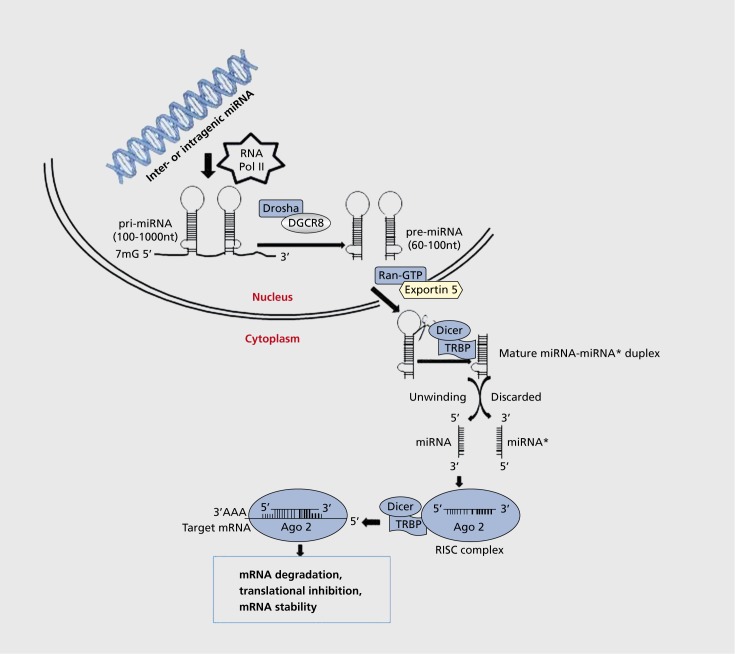
Major depressive disorder (MDD) is a major public health concern. Despite tremendous advances, the pathogenic mechanisms associated with MDD are still unclear. Moreover, a significant number of MDD subjects do not respond to the currently available medication. MicroRNAs (miRNAs) are a class of small noncoding RNAs that control gene expression by modulating translation, messenger RNA (mRNA) degradation, or stability of mRNA targets. The role of miRNAs in disease pathophysiology is emerging rapidly. Recent studies demonstrating the involvement of miRNAs in several aspects of neural plasticity, neurogenesis, and stress response, and more direct studies in human postmortem brain provide strong evidence that miRNAs can not only play a critical role in MDD pathogenesis, but can also open up new avenues for the development of therapeutic targets. Circulating miRNAs are now being considered as possible biomarkers in disease pathogenesis and in monitoring therapeutic responses because of the presence and/or release of miRNAs in blood cells as well as in other peripheral tissues. In this review, these aspects are discussed in a comprehensive and critical manner.
Overview
The claims and statistics of this paper haven’t been checked yet.
Run the check — free, no account needed. It reads the open-access text and checks the sources it cites.
Integrity signals
Registry
Cites
Statistics
Figures
Verification
Claims the paper makes
The claims and statistics of this paper haven’t been checked yet.
Run the check — free, no account needed. It reads the open-access text and checks the sources it cites.
Claims other papers make about this one
Each is checked against this paper’s own text: does it say what the citing paper says it does?
In the citing paper
“A common post-transcriptional process mediated at least in part by miRNA alters the structure of dendrites and neurogenesis.”
From Epigenetic mechanisms of major depression: Targeting neuronal plasticity (2018) · cites this paper as [140]
Self-check
Percentages, sums and reported differences re-computed from the paper’s own numbers.
The self-check needs the paper’s full text.
Citations
Cites
Bartel (2004) · doi:10.1016/s0092-8674(04)00045-5 · Cited by 34,714
Kessler, R. C. (1994) · Archives of General Psychiatry · doi:10.1001/archpsyc.1994.03950010008002 · Cited by 12,370
The functions of animal microRNAs
Ambros, V. (2004) · Nature · doi:10.1038/nature02871 · Cited by 10,728
Chen, X., Ba, Y., Ma, L., Cai, X., Yin, Y., Wang, K., Guo, J., Zhang, Y., Chen, J., Guo, X., et al. (2008) · Cell Research · doi:10.1038/cr.2008.282 · Cited by 4,560
A Mammalian microRNA Expression Atlas Based on Small RNA Library Sequencing
Landgraf, P., Rusu, M., Sheridan, R., Sewer, A., Iovino, N., Aravin, A., Pfeffer, S., Rice, A., Kamphorst, A. O., Landthaler, M., et al. (2007) · Cell · doi:10.1016/j.cell.2007.04.040 · Cited by 3,626
Identification of tissue-specific microRNAs from mouse
Lagos-Quintana, M., Rauhut, R., Yalcin, A., Meyer, J., Lendeckel, W., & Tuschl, T. (2002) · Current Biology · doi:10.1016/s0960-9822(02)00809-6 · Cited by 3,355
Arroyo, J. D., Chevillet, J. R., Kroh, E. M., Ruf, I. K., Pritchard, C. C., Gibson, D. F., Mitchell, P. S., Bennett, C. F., Pogosova-Agadjanyan, E. L., Stirewalt, D. L., et al. (2011) · Proceedings of the National Academy of Sciences · doi:10.1073/pnas.1019055108 · Cited by 3,294
Switching from Repression to Activation: MicroRNAs Can Up-Regulate Translation
Vasudevan, S., Tong, Y., & STEITZ, J. A. (2007) · Science · doi:10.1126/science.1149460 · Cited by 2,911
MicroRNAs are transported in plasma and delivered to recipient cells by high-density lipoproteins
Vickers, K. C., Palmisano, B. T., Shoucri, B. M., Shamburek, R. D., & Remaley, A. T. (2011) · Nature Cell Biology · doi:10.1038/ncb2210 · Cited by 2,741
The MicroRNA Spectrum in 12 Body Fluids
Weber, J. A., Baxter, D. H., Zhang, S., Huang, D. Y., How Huang, K., Jen Lee, M., Galas, D. J., & Wang, K. (2010) · Clinical Chemistry · doi:10.1373/clinchem.2010.147405 · Cited by 2,477
TRBP recruits the Dicer complex to Ago2 for microRNA processing and gene silencing
Chendrimada, T. P., Gregory, R. I., Kumaraswamy, E., Norman, J. A., Cooch, N. S., Nishikura, K., & Shiekhattar, R. (2005) · Nature · doi:10.1038/nature03868 · Cited by 2,195
A brain-specific microRNA regulates dendritic spine development
Schratt, G. M., Tuebing, F., Nigh, E. A., Kane, C. G., Sabatini, M. E., Kiebler, M., & Greenberg, M. E. (2006) · Nature · doi:10.1038/nature04367 · Cited by 1,786
MicroRNAs in Stress Signaling and Human Disease
Mendell, J. T., & Olson, E. N. (2012) · Cell · doi:10.1016/j.cell.2012.02.005 · Cited by 1,673
Sempere, L. F., Freemantle, S., Pitha-Rowe, I., Moss, E., Dmitrovsky, E., & Ambros, V. (2004) · Genome Biology · doi:10.1186/gb-2004-5-3-r13 · Cited by 1,578
Glial reduction in the subgenual prefrontal cortex in mood disorders
Öngür, D., Drevets, W. C., & Price, J. L. (1998) · Proceedings of the National Academy of Sciences · doi:10.1073/pnas.95.22.13290 · Cited by 1,525
MicroRNAs in body fluids—the mix of hormones and biomarkers
Cortez, M. A., Bueso-Ramos, C., Ferdin, J., Lopez‐Berestein, G., Sood, A. K., & Călin, G. A. (2011) · Nature Reviews Clinical Oncology · doi:10.1038/nrclinonc.2011.76 · Cited by 1,497
Adult hippocampal neurogenesis buffers stress responses and depressive behaviour
Snyder, J. S., Soumier, A., Brewer, M., Pickel, J., & Cameron, H. A. (2011) · Nature · doi:10.1038/nature10287 · Cited by 1,473
Depression, Disability Days, and Days Lost From Work in a Prospective Epidemiologic Survey
Broadhead, W. E. (1990) · JAMA · doi:10.1001/jama.1990.03450190056028 · Cited by 1,232
Circulating MicroRNAs in Patients With Coronary Artery Disease
Fichtlscherer, S., Rosa, S. D., Fox, H., Schwietz, T., Fischer, A., Liebetrau, C., Weber, M. A., Hamm, C. W., Roexe, T., Müller-Ardogan, M., et al. (2010) · Circulation Research · doi:10.1161/circresaha.109.215566 · Cited by 1,222
MicroRNAs direct rapid deadenylation of mRNA
Wu, L., Fan, J., & Belasco, J. G. (2006) · Proceedings of the National Academy of Sciences · doi:10.1073/pnas.0510928103 · Cited by 1,182
Glucocorticoid receptors in major depression: relevance to pathophysiology and treatment
Pariante, C. M., & Miller, A. H. (2001) · Biological Psychiatry · doi:10.1016/s0006-3223(00)01088-x · Cited by 1,147
The majority of microRNAs detectable in serum and saliva is concentrated in exosomes
Gallo, A., Tandon, M., Alevizos, I., & Illei, G. G. (2012) · PLoS ONE · doi:10.1371/journal.pone.0030679 · Cited by 1,060
Export of microRNAs and microRNA-protective protein by mammalian cells
Wang, K., Zhang, S., Weber, J., Baxter, D., & Galas, D. J. (2010) · Nucleic Acids Research · doi:10.1093/nar/gkq601 · Cited by 1,002
miR-124 regulates adult neurogenesis in the subventricular zone stem cell niche
Cheng, L.-C., Pastrana, E., Tavazoie, M., & Doetsch, F. (2009) · Nature Neuroscience · doi:10.1038/nn.2294 · Cited by 1,001
A novel pathway regulates memory and plasticity via SIRT1 and miR-134
Gao, J., Wang, W.-Y., Mao, Y.-W., Gräff, J., Guan, J.-S., Pan, L., Mak, G., Kim, D., Su, S. C., & Tsai, L.-H. (2010) · Nature · doi:10.1038/nature09271 · Cited by 975
LTP promotes formation of multiple spine synapses between a single axon terminal and a dendrite
Toni, N., Buchs, P.-A., Nikonenko, I., Bron, C. R., & Muller, D. (1999) · Nature · doi:10.1038/46574 · Cited by 949
Cogswell, J. P., Ward, J., Taylor, I. A., Waters, M., Shi, Y., Cannon, B., Kelnar, K., Kemppainen, J., Brown, D., Chen, C., et al. (2008) · Journal of Alzheimer s Disease · doi:10.3233/jad-2008-14103 · Cited by 943
Dwivedi, Y., Rizavi, H. S., Conley, R. R., Roberts, R. C., Tamminga, C. A., & Pandey, G. N. (2003) · Archives of General Psychiatry · doi:10.1001/archpsyc.60.8.804 · Cited by 875
Self-citationKosik, K. S. (2006) · Nature reviews. Neuroscience · doi:10.1038/nrn2037 · Cited by 834
Microarray analysis of microRNA expression in the developing mammalian brain
Miska, E. A., Alvarez-Saavedra, E., Townsend, M., Yoshii, A., Šestan, N., Rakic, P., Constantine-Paton, M., & Horvitz, H. R. (2004) · Genome Biology · doi:10.1186/gb-2004-5-9-r68 · Cited by 803
DEFINITION AND EPIDEMIOLOGY OF TREATMENT-RESISTANT DEPRESSION
Fava, M., & Davidson, K. G. (1996) · Psychiatric Clinics of North America · doi:10.1016/s0193-953x(05)70283-5 · Cited by 797
Cotter, D., Mackay, D., Landau, S., Kerwin, R., & Everall, I. (2001) · Archives of General Psychiatry · doi:10.1001/archpsyc.58.6.545 · Cited by 766
Reciprocal actions of REST and a microRNA promote neuronal identity
Conaco, C., Otto, S., Han, J.-J., & Mandel, G. (2006) · Proceedings of the National Academy of Sciences · doi:10.1073/pnas.0511041103 · Cited by 736
Regulation of Synaptic Structure and Function by FMRP-Associated MicroRNAs miR-125b and miR-132
Edbauer, D., Neilson, J. R., Foster, K. A., Wang, C.-F., Seeburg, D. P., Batterton, M. N., Tada, T., Dolan, B. M., Sharp, P. A., & Sheng, M. (2010) · Neuron · doi:10.1016/j.neuron.2010.01.005 · Cited by 735
Regulation of miRNA expression during neural cell specification
Smirnova, L., Gräfe, A., Seiler, A., Schumacher, S., Nitsch, R., & Wulczyn, F. G. (2005) · European Journal of Neuroscience · doi:10.1111/j.1460-9568.2005.03978.x · Cited by 707
A cAMP-response element binding protein-induced microRNA regulates neuronal morphogenesis
Vo, N., Klein, M. E., Varlamova, O., Keller, D. M., Yamamoto, T., Goodman, R. H., & Impey, S. (2005) · Proceedings of the National Academy of Sciences · doi:10.1073/pnas.0508448102 · Cited by 696
Chuang, J. C., & Jones, P. A. (2007) · Pediatric Research · doi:10.1203/pdr.0b013e3180457684 · Cited by 692
Betulin Is a Potent Anti-Tumor Agent that Is Enhanced by Cholesterol
Mullauer, F. B., Kessler, J. H., & Medema, J. P. (2009) · PLoS ONE · doi:10.1371/journal.pone.0005361 · Cited by 688
Revisiting the principles of microRNA target recognition and mode of action
Brodersen, P., & Voinnet, O. (2009) · Nature Reviews Molecular Cell Biology · doi:10.1038/nrm2619 · Cited by 683
Fragile X-related protein and VIG associate with the RNA interference machinery
Caudy, A. A., Myers, M., Hannon, G. J., & Hammond, S. M. (2002) · Genes & Development · doi:10.1101/gad.1025202 · Cited by 655
Altered brain microRNA biogenesis contributes to phenotypic deficits in a 22q11-deletion mouse model
Stark, K. L., Xu, B., Bagchi, A., Lai, W.-S., Liu, H., Hsu, R., Wan, X., Pavlidis, P., Mills, A. A., Karayiorgou, M., et al. (2008) · Nature Genetics · doi:10.1038/ng.138 · Cited by 648
Weiler, I. J., Irwin, S. A., Klintsova, A. Y., Spencer, C. M., Brazelton, A. D., Miyashiro, K., Comery, T. A., Patel, B., Eberwine, J., & Greenough, W. T. (1997) · Proceedings of the National Academy of Sciences · doi:10.1073/pnas.94.10.5395 · Cited by 644
Effects of adverse experiences for brain structure and function
McEwen, B. S. (2000) · Biological Psychiatry · doi:10.1016/s0006-3223(00)00964-1 · Cited by 639
Hanke, M., Hoefig, K. P., Merz, H., Feller, A. C., Kausch, I., Jocham, D., Warnecke, J. M., & Sczakiel, G. (2009) · Urologic Oncology Seminars and Original Investigations · doi:10.1016/j.urolonc.2009.01.027 · Cited by 638
Spatial Relational Memory Requires Hippocampal Adult Neurogenesis
Dupret, D., Revest, J., Koehl, M., Ichas, F., Giorgi, F. D., Costet, P., Abrous, D. N., & Piazza, P. V. (2008) · PLoS ONE · doi:10.1371/journal.pone.0001959 · Cited by 631
Gliogenesis and Glial Pathology in Depression
Rajkowska, G., & Miguel-Hidalgo, J. J. (2007) · CNS & Neurological Disorders - Drug Targets · doi:10.2174/187152707780619326 · Cited by 625
Sato, F., Tsuchiya, S., Meltzer, S. J., & Shimizu, K. (2011) · FEBS Journal · doi:10.1111/j.1742-4658.2011.08089.x · Cited by 604
Jin, P., Zarnescu, D. C., Ceman, S., Nakamoto, M., Mowrey, J., Jongens, T. A., Nelson, D. L., Moses, K., & Warren, S. T. (2004) · Nature Neuroscience · doi:10.1038/nn1174 · Cited by 604
MicroRNA Inhibition of Translation Initiation in Vitro by Targeting the Cap-Binding Complex eIF4F
Mathonnet, G., Fabian, M. R., Svitkin, Y. V., Parsyan, A. E., Huck, L., Murata, T., Biffo, S., Merrick, W. C., Darżynkiewicz, E., Pillai, R. S., et al. (2007) · Science · doi:10.1126/science.1146067 · Cited by 593
A Drosophila fragile X protein interacts with components of RNAi and ribosomal proteins
Ishizuka, A., Siomi, M. C., & Siomi, H. (2002) · Genes & Development · doi:10.1101/gad.1022002 · Cited by 581
MicroRNA silencing through RISC recruitment of eIF6
Chendrimada, T. P., Finn, K. J., Ji, X., Baillat, D., Gregory, R. I., Liebhaber, S. A., Pasquinelli, A. E., & Shiekhattar, R. (2007) · Nature · doi:10.1038/nature05841 · Cited by 570
An activity-regulated microRNA controls dendritic plasticity by down-regulating p250GAP
Wayman, G. A., Davare, M., Ando, H., Fortin, D., Varlamova, O., Cheng, H.-Y. M., Marks, D., Obrietan, K., Soderling, T. R., Goodman, R. H., et al. (2008) · Proceedings of the National Academy of Sciences · doi:10.1073/pnas.0803072105 · Cited by 559
Activity-dependent regulation of dendritic synthesis and trafficking of AMPA receptors
Ju, W. H., Morishita, W., Tsui, J., Gaietta, G. M., Deerinck, T. J., Adams, S., Garner, C. C., Tsien, R. Y., Ellisman, M. H., & Malenka, R. C. (2004) · Nature Neuroscience · doi:10.1038/nn1189 · Cited by 541
The role of profilin complexes in cell motility and other cellular processes
Witke, W. (2004) · Trends in Cell Biology · doi:10.1016/j.tcb.2004.07.003 · Cited by 540
Antidepressants and neuroplasticity
D'Sa, C. M., & Duman, R. S. (2002) · Bipolar Disorders · doi:10.1034/j.1399-5618.2002.01203.x · Cited by 523
Depression and Hippocampal Neurogenesis: A Road to Remission?
Eisch, A. J., & Petrik, D. (2012) · Science · doi:10.1126/science.1222941 · Cited by 516
Dictenberg, J. B., Swanger, S. A., Antar, L. N., Singer, R. H., & Bassell, G. J. (2008) · Developmental Cell · doi:10.1016/j.devcel.2008.04.003 · Cited by 511
Siegel, G., Obernosterer, G., Fiore, R., Oehmen, M., Bicker, S., Christensen, M., Khudayberdiev, S., Leuschner, P. F., Busch, C. J. L., Kane, C., et al. (2009) · Nature Cell Biology · doi:10.1038/ncb1876 · Cited by 500
Cerebellar neurodegeneration in the absence of microRNAs
Schaefer, A., O'Carroll, D., Tan, C. L., Hillman, D., Sugimori, M., Llinas, R., & Greengard, P. (2007) · The Journal of Experimental Medicine · doi:10.1084/jem.20070823 · Cited by 498
Sheline, Y. I. (2000) · Biological Psychiatry · doi:10.1016/s0006-3223(00)00994-x · Cited by 496
Cross talk between microRNA and epigenetic regulation in adult neurogenesis
Szulwach, K. E., Li, X., Smrt, R. D., Li, Y., Luo, Y., Lin, L., Santistevan, N. J., Li, W., Zhao, X., & Jin, P. (2010) · Journal of Cell Biology · doi:10.1083/jcb.200908151 · Cited by 493
MiR-16 Targets the Serotonin Transporter: A New Facet for Adaptive Responses to Antidepressants
Baudry, A., Mouillet-Richard, S., Schneider, B., Launay, J.-M., & Kellermann, O. (2010) · Science · doi:10.1126/science.1193692 · Cited by 480
MicroRNA expression in the adult mouse central nervous system
Bak, M., Silahtaroglu, A., Møller, M., Christensen, M., Rath, M. F., Skryabin, B., Tommerup, N., & Kauppinen, S. (2008) · RNA · doi:10.1261/rna.783108 · Cited by 463
Linking Mind and Brain in the Study of Mental Illnesses: A Project for a Scientific Psychopathology
Andreasen, N. C. (1997) · Science · doi:10.1126/science.275.5306.1586 · Cited by 454
Lucassen, P. J., Meerlo, P., Naylor, A. S., van Dam, A. M., Dayer, A. G., Fuchs, E., Oomen, C. A., & Czéh, B. (2010) · European Neuropsychopharmacology · doi:10.1016/j.euroneuro.2009.08.003 · Cited by 449
Conditional Loss of Dicer Disrupts Cellular and Tissue Morphogenesis in the Cortex and Hippocampus
Davis, T. H., Cuellar, T. L., Koch, S. M., Barker, A. J., Harfe, B. D., McManus, M. T., & Ullian, E. M. (2008) · The Journal of Neuroscience · doi:10.1523/jneurosci.4815-07.2008 · Cited by 447
The growing catalog of small RNAs and their association with distinct Argonaute/Piwi family members
Farazi, T. A., Juranek, S., & Tuschl, T. (2008) · Development · doi:10.1242/dev.005629 · Cited by 447
Synaptic Protein Synthesis Associated with Memory Is Regulated by the RISC Pathway in Drosophila
Ashraf, S. I., McLoon, A. L., Sclarsic, S. M., & Kunes, S. M. (2006) · Cell · doi:10.1016/j.cell.2005.12.017 · Cited by 446
Rajasethupathy, P., Fiumara, F., Sheridan, R., Betel, D., Puthanveettil, S. V., Russo, J. J., Sander, C., Tuschl, T., & Kandel, E. (2009) · Neuron · doi:10.1016/j.neuron.2009.05.029 · Cited by 406
When neurogenesis encounters aging and disease
Lazarov, O., Mattson, M. P., Peterson, D. A., Pimplikar, S. W., & van Praag, H. (2010) · Trends in Neurosciences · doi:10.1016/j.tins.2010.09.003 · Cited by 405
Corrado, C., Raimondo, S., Chiesi, A., Ciccia, F., Leo, G. D., & Alessandro, R. (2013) · International Journal of Molecular Sciences · doi:10.3390/ijms14035338 · Cited by 402
MicroRNAs in neuronal function and dysfunction
Im, H.-I., & Kenny, P. J. (2012) · Trends in Neurosciences · doi:10.1016/j.tins.2012.01.004 · Cited by 399
Fiore, R., Khudayberdiev, S., Christensen, M., Siegel, G., Flavell, S. W., Kim, T., Greenberg, M. E., & Schratt, G. (2009) · The EMBO Journal · doi:10.1038/emboj.2009.10 · Cited by 382
Hanson, E., Lubenow, H., & Ballantyne, J. (2009) · Analytical Biochemistry · doi:10.1016/j.ab.2009.01.037 · Cited by 379
Kapsimali, M., Kloosterman, W. P., de Bruijn, E., Rosa, F., Plasterk, R. H., & Wilson, S. W. (2007) · Genome Biology · doi:10.1186/gb-2007-8-8-r173 · Cited by 376
De Pietri Tonelli, D., Pulvers, J. N., Haffner, C., Murchison, E. P., Hannon, G. J., & Huttner, W. B. (2008) · Development · doi:10.1242/dev.025080 · Cited by 343
Exosomes: Mediators of Neurodegeneration, Neuroprotection and Therapeutics
Kalani, A., Tyagi, A. A., & Tyagi, N. (2013) · Molecular Neurobiology · doi:10.1007/s12035-013-8544-1 · Cited by 341
Dwivedi, Y., Rizavi, H. S., Roberts, R. C., Conley, R. C., Tamminga, C. A., & Pandey, G. N. (2001) · Journal of Neurochemistry · doi:10.1046/j.1471-4159.2001.00300.x · Cited by 333
Self-citationSmalheiser, N. R., Lugli, G., Rizavi, H. S., Torvik, V. I., Turecki, G., & Dwivedi, Y. (2012) · PLoS ONE · doi:10.1371/journal.pone.0033201 · Cited by 324
Self-citationMicroRNA miR-124 regulates neurite outgrowth during neuronal differentiation
Yu, J., Chung, K.-H., Deo, M., Thompson, R. C., & Turner, D. L. (2008) · Experimental Cell Research · doi:10.1016/j.yexcr.2008.06.002 · Cited by 321
Uchida, S., Hara, K., Kobayashi, A., Funato, H., Hobara, T., Otsuki, K., Yamagata, H., McEwen, B. S., & Watanabe, Y. (2010) · The Journal of Neuroscience · doi:10.1523/jneurosci.1436-10.2010 · Cited by 310
Bruno, I., Karam, R., Huang, L., Bhardwaj, A., Lou, C. H., Shum, E. Y., Song, H.-W., Corbett, M. A., Gifford, W. D., Gécz, J., et al. (2011) · Molecular Cell · doi:10.1016/j.molcel.2011.04.018 · Cited by 303
Kim, A. H., Reimers, M., Maher, B., Williamson, V., McMichael, O., McClay, J. L., van den Oord, E. J. C. G., Riley, B. P., Kendler, K. S., & Vladimirov, V. I. (2010) · Schizophrenia Research · doi:10.1016/j.schres.2010.07.002 · Cited by 298
Depression, disability days, and days lost from work in a prospective epidemiologic survey
Broadhead, W. E. (1990) · JAMA · doi:10.1001/jama.264.19.2524 · Cited by 289
Xu, J., Li, C., Li, Y.-S., Lv, J., Ma, Y., Shao, T.-T., Xu, L., Wang, Y.-Y., Du, L., Zhang, Y. P., et al. (2010) · Nucleic Acids Research · doi:10.1093/nar/gkq832 · Cited by 280
Todd, P. K., Mack, K. J., & Malter, J. S. (2003) · Proceedings of the National Academy of Sciences · doi:10.1073/pnas.2336265100 · Cited by 280
Cell-Type-Based Analysis of MicroRNA Profiles in the Mouse Brain
He, M., Liu, Y., Wang, X., Zhang, M. Q., Hannon, G. J., & Huang, Z. J. (2012) · Neuron · doi:10.1016/j.neuron.2011.11.010 · Cited by 277
An activity-induced microRNA controls dendritic spine formation by regulating Rac1-PAK signaling
Impey, S., Davare, M., Lasiek, A., Fortin, D., Ando, H., Varlamova, O., Obrietan, K., Soderling, T. R., Goodman, R. H., & Wayman, G. A. (2010) · Molecular and Cellular Neuroscience · doi:10.1016/j.mcn.2009.10.005 · Cited by 270
Vreugdenhil, E., Veríssimo, C. S., Mariman, R., Kamphorst, J. T., Barbosa, J. S., Zweers, T. J., Champagne, D. L., Schouten, T. G., Meijer, O. C., de Kloet, E. R., et al. (2009) · Endocrinology · doi:10.1210/en.2008-1335 · Cited by 268
Expression of microRNAs and their precursors in synaptic fractions of adult mouse forebrain
Lugli, G., Torvik, V. I., Larson, J., & Smalheiser, N. R. (2008) · Journal of Neurochemistry · doi:10.1111/j.1471-4159.2008.05413.x · Cited by 268
Differential coexpression analysis using microarray data and its application to human cancer
Choi, J. K., Yu, U., Yoo, O. J., & Kim, S. (2005) · Bioinformatics · doi:10.1093/bioinformatics/bti722 · Cited by 265
Lugli, G., Larson, J., Martone, M. E., Jones, Y., & Smalheiser, N. R. (2005) · Journal of Neurochemistry · doi:10.1111/j.1471-4159.2005.03224.x · Cited by 263
Olfactory Discrimination Learning Increases the Survival of Adult-Born Neurons in the Olfactory Bulb
Alonso, M., Viollet, C., Gabellec, M., Meas‐Yedid, V., Olivo‐Marín, J., & Lledo, P. (2006) · Journal of Neuroscience · doi:10.1523/jneurosci.2633-06.2006 · Cited by 263
Dorsolateral prefrontal cortex dysfunction in the major psychoses; symptom or disease specificity?
Dolan, R. J., Bench, C. J., Liddle, P. F., Friston, K. J., Frith, C. D., Grasby, P. M., & Frackowiak, R. S. (1993) · Journal of Neurology, Neurosurgery & Psychiatry · doi:10.1136/jnnp.56.12.1290 · Cited by 261
Wu, J., & Xie, X. (2006) · Genome Biology · doi:10.1186/gb-2006-7-9-r85 · Cited by 260
Hippocampal neurogenesis as a target for the treatment of mental illness: A critical evaluation
DeCarolis, N. A., & Eisch, A. J. (2010) · Neuropharmacology · doi:10.1016/j.neuropharm.2009.12.013 · Cited by 259
Characterization of endogenous human Argonautes and their miRNA partners in RNA silencing
Azuma-Mukai, A., Oguri, H., Mitsuyama, T., Qian, Z. R., Asai, K., Siomi, H., & Siomi, M. C. (2008) · Proceedings of the National Academy of Sciences · doi:10.1073/pnas.0800334105 · Cited by 259
Members of the miRNA-200 Family Regulate Olfactory Neurogenesis
Choi, P. S., Zakhary, L., Choi, W.-Y., Caron, S. J. C., Alvarez-Saavedra, E., Miska, E. A., McManus, M. T., Harfe, B. D., Giráldez, A. J., Horvitz, H. R., et al. (2008) · Neuron · doi:10.1016/j.neuron.2007.11.018 · Cited by 252
Chapter 8 Synaptic plasticity in learning and memory: Stress effects in the hippocampus
Howland, J. G., & Wang, Y. T. (2008) · Progress in brain research · doi:10.1016/s0079-6123(07)00008-8 · Cited by 243
Hajszán, T., MacLusky, N. J., & Leranth, C. (2005) · European Journal of Neuroscience · doi:10.1111/j.1460-9568.2005.03968.x · Cited by 239
Banerjee, S., Neveu, P. A., & Kosik, K. S. (2009) · Neuron · doi:10.1016/j.neuron.2009.11.023 · Cited by 239
Blood microRNA changes in depressed patients during antidepressant treatment
Bocchio-Chiavetto, L., Maffioletti, E., Bettinsoli, P., Giovannini, C., Bignotti, S., Tardito, D., Corrada, D., Milanesi, L., & Gennarelli, M. (2013) · European Neuropsychopharmacology · doi:10.1016/j.euroneuro.2012.06.013 · Cited by 238
Phosphorylation of Argonaute 2 at serine-387 facilitates its localization to processing bodies
Zeng, Y., Sankala, H. M., Zhang, X., & Graves, P. R. (2008) · Biochemical Journal · doi:10.1042/bj20080599 · Cited by 233
MicroRNA networks direct neuronal development and plasticity
Loohuis, N. F. M. O., Kos, A., Martens, G. J. M., van Bokhoven, H., Kasri, N. N., & Aschrafi, A. (2011) · Cellular and Molecular Life Sciences · doi:10.1007/s00018-011-0788-1 · Cited by 231
Belzeaux-R, R., Bergon, A., Jeanjean, V., Loriod, B., Formisano‐Tréziny, C., Verrier, L., Loundou, A., Baumstarck, K., Boyer, L., Gall, V., et al. (2012) · Translational Psychiatry · doi:10.1038/tp.2012.112 · Cited by 227
Otto, S. J., McCorkle, S., Hover, J., Conaco, C., Han, J., Impey, S., Yochum, G. S., Dunn, J. J., Goodman, R. H., & Mandel, G. (2007) · Journal of Neuroscience · doi:10.1523/jneurosci.0091-07.2007 · Cited by 226
Changes in Brain MicroRNAs Contribute to Cholinergic Stress Reactions
Meerson, A., Cacheaux, L. P., Goosens, K. A., Sapolsky, R. M., Soreq, H., & Kaufer, D. (2009) · Journal of Molecular Neuroscience · doi:10.1007/s12031-009-9252-1 · Cited by 209
MicroRNA function in neuronal development, plasticity and disease
Fiore, R., Siegel, G., & Schratt, G. M. (2007) · Biochimica et Biophysica Acta (BBA) - Gene Regulatory Mechanisms · doi:10.1016/j.bbagrm.2007.12.006 · Cited by 207
MicroRNA-124 is a subventricular zone neuronal fate determinant
Akerblom, M., Sachdeva, R., Barde, I., Verp, S., Gentner, B., Trono, D., & Jakobsson, J. (2012) · Journal of Neuroscience · doi:10.1523/jneurosci.0558-12.2012 · Cited by 207
Uchida, S., Nishida, A., Hara, K., Kamemoto, T., Suetsugi, M., Fujimoto, M., Watanuki, T., Wakabayashi, Y., Otsuki, K., McEwen, B. S., et al. (2008) · European Journal of Neuroscience · doi:10.1111/j.1460-9568.2008.06218.x · Cited by 203
MicroRNA regulation of homeostatic synaptic plasticity
Cohen, J. E., Lee, P. R., Chen, S., Li, W., & Fields, R. D. (2011) · Proceedings of the National Academy of Sciences · doi:10.1073/pnas.1017576108 · Cited by 202
Bai, M., Zhu, X., Zhang, Y., Zhang, S., Zhang, L., Xue, L., Yi, J., Yao, S., & Zhang, X. (2012) · PLoS ONE · doi:10.1371/journal.pone.0046921 · Cited by 200
Local translational control in dendrites and its role in long‐term synaptic plasticity
Sutton, M. A., & Schuman, E. M. (2005) · Journal of Neurobiology · doi:10.1002/neu.20152 · Cited by 195
MicroRNA-134 plasma levels before and after treatment for bipolar mania
Rong, H., Liu, T. B., Yang, K. J., Yang, H. C., Wu, D., Liao, C.-P., Hong, F., Yang, H. Z., Wan, F., Ye, X. Y., et al. (2010) · Journal of Psychiatric Research · doi:10.1016/j.jpsychires.2010.04.028 · Cited by 194
miR-132, an experience-dependent microRNA, is essential for visual cortex plasticity
Mellios, N., Sugihara, H., Castro, J., Banerjee, A., Le, C., Kumar, A., Crawford, B., Strathmann, J., Tropea, D., Levine, S. S., et al. (2011) · Nature Neuroscience · doi:10.1038/nn.2909 · Cited by 189
Dwivedi, Y., Rao, J. S., Rizavi, H. S., Kotowski, J., Conley, R. R., Roberts, R. C., Tamminga, C. A., & Pandey, G. N. (2003) · Archives of General Psychiatry · doi:10.1001/archpsyc.60.3.273 · Cited by 183
Self-citationNatera-Naranjo, O., Aschrafi, A., Gioio, A. E., & Kaplan, B. B. (2010) · RNA · doi:10.1261/rna.1833310 · Cited by 180
Characterization of endogenous human argonautes and their miRNA partners in RNA silencing
向井, あ., & 東, あ. (2008) · Medical Entomology and Zoology · Cited by 179
Stress and hippocampal abnormalities in psychiatric disorders
Sala, M. (2004) · European Neuropsychopharmacology · doi:10.1016/j.euroneuro.2003.12.005 · Cited by 174
Kawashima, H., Numakawa, T., Kumamaru, E., Adachi, N., Mizuno, H., Ninomiya, M., Kunugi, H., & Hashido, K. (2010) · Neuroscience · doi:10.1016/j.neuroscience.2009.11.057 · Cited by 172
Stress induces region specific alterations in microRNAs expression in mice
Rinaldi, A., Vincenti, S., Vito, F. D., Bozzoni, I., Oliverio, A., Presutti, C., Fragapane, P., & Mele, A. (2009) · Behavioural Brain Research · doi:10.1016/j.bbr.2009.11.012 · Cited by 169
Patterns of memory impairment in bipolar disorder and unipolar major depression
Bearden, C. E., Glahn, D. C., Monkul, E. S., Barrett, J., Najt, P., Villarreal, V., & Soares, J. C. (2006) · Psychiatry Research · doi:10.1016/j.psychres.2005.08.010 · Cited by 168
Fine-tuning neural gene expression with microRNAs
Schratt, G. M. (2009) · Current Opinion in Neurobiology · doi:10.1016/j.conb.2009.05.015 · Cited by 161
Ouchi, Y., Banno, Y., Shimizu, Y., Ando, S., Hasegawa, H., Adachi, K., & Iwamoto, T. (2013) · The Journal of Neuroscience · doi:10.1523/jneurosci.2700-12.2013 · Cited by 155
Transcriptional control of the glucocorticoid receptor: CpG islands, epigenetics and more
Turner, J. D., Alt, S. R., Cao, L., Vernocchi, S., Trifonova, S. T., Battello, N., & Muller, C. P. (2010) · Biochemical Pharmacology · doi:10.1016/j.bcp.2010.06.037 · Cited by 152
Cingulate cortex synaptic terminal proteins and neural cell adhesion molecule in schizophrenia
Honer, W. G., Falkai, P., Young, C., Wang, T., Xie, J., Bonner, J., Hu, L., Boulianne, G. L., Luo, Z., & Trimble, W. S. (1997) · Neuroscience · doi:10.1016/s0306-4522(96)00489-7 · Cited by 145
Hsa-miR-34b is a plasma-stable microRNA that is elevated in pre-manifest Huntington's disease.
Gaughwin, P. M., Ciesla, M., Lahiri, N., Tabrizi, S. J., Brundin, P., & Björkqvist, M. (2011) · Human Molecular Genetics · doi:10.1093/hmg/ddr111 · Cited by 145
Micro-RNAs (miRNAs): genomic organisation, biogenesis and mode of action
Hussain, M. U. (2012) · Cell and Tissue Research · doi:10.1007/s00441-012-1438-0 · Cited by 143
Aberrant expression of serum miRNAs in schizophrenia
Shi, W., Du, J., Qi, Y., Liang, G., Wang, T., Li, S., Xie, S., Zeshan, B., & Xiao, Z. (2011) · Journal of Psychiatric Research · doi:10.1016/j.jpsychires.2011.09.010 · Cited by 143
Pathania, M., Torres-Reveron, J., Yan, L. D., Kimura, T., Lin, T. V., Gordon, V., Teng, Z., Zhao, X., Fulga, T. A., Vactor, D. V., et al. (2012) · PLoS ONE · doi:10.1371/journal.pone.0038174 · Cited by 137
MicroRNA‐132 regulates recognition memory and synaptic plasticity in the perirhinal cortex
Scott, H. L., Tamagnini, F., Narduzzo, K. E., Howarth, J. L., Lee, Y., Wong, L., Brown, M. W., Warburton, E. C., Bashir, Z. I., & Uney, J. B. (2012) · European Journal of Neuroscience · doi:10.1111/j.1460-9568.2012.08220.x · Cited by 131
Piva, R., Spandidos, D. A., & Gambari, R. (2013) · International Journal of Oncology · doi:10.3892/ijo.2013.2059 · Cited by 131
Regulation of ADF/cofilin phosphorylation and synaptic function by LIM-kinase
Meng, Y., Takahashi, H., Meng, J., Zhang, Y., Lu, G., Asrar, S., Nakamura, T., & Jia, Z. (2004) · Neuropharmacology · doi:10.1016/j.neuropharm.2004.06.030 · Cited by 129
Caputo, V., Sinibaldi, L., Fiorentino, A., Parisi, C., Catalanotto, C., Pasini, A., Cogoni, C., & Pizzuti, A. (2011) · PLoS ONE · doi:10.1371/journal.pone.0028656 · Cited by 126
Dwivedi, Y., Rizavi, H. S., Conley, R. R., & Pandey, G. N. (2005) · Molecular Psychiatry · doi:10.1038/sj.mp.4001744 · Cited by 125
Self-citationRaphe-mediated signals control the hippocampal response to SRI antidepressants via miR-16
Launay, J., Mouillet‐Richard, S., Baudry, A., Pietri, M., & Kellermann, O. (2011) · Translational Psychiatry · doi:10.1038/tp.2011.54 · Cited by 123
Neurotrophin Receptor Activation and Expression in Human Postmortem Brain: Effect of Suicide
Dwivedi, Y., Rizavi, H. S., Zhang, H., Mondal, A. C., Roberts, R. C., Conley, R. R., & Pandey, G. N. (2008) · Biological Psychiatry · doi:10.1016/j.biopsych.2008.08.035 · Cited by 121
Self-citationThe emerging role of microRNAs in schizophrenia and autism spectrum disorders
Mellios, N., & Sur, M. (2012) · Frontiers in Psychiatry · doi:10.3389/fpsyt.2012.00039 · Cited by 120
Smalheiser, N. R., Lugli, G., Rizavi, H. S., Zhang, H., Torvik, V. I., Pandey, G. N., Davis, J. M., & Dwivedi, Y. (2011) · The International Journal of Neuropsychopharmacology · doi:10.1017/s1461145710001628 · Cited by 115
Self-citationO'Connor, R. M., Grenham, S., Dinan, T. G., & Cryan, J. F. (2013) · International Journal of Neuropsychopharmacology · doi:10.1017/s1461145713000448 · Cited by 114
MicroRNAs Show Mutually Exclusive Expression Patterns in the Brain of Adult Male Rats
Olsen, L., Klausen, M., Helboe, L., Nielsen, F. C., & Werge, T. M. (2009) · PLoS ONE · doi:10.1371/journal.pone.0007225 · Cited by 113
Functional Role of Adult Hippocampal Neurogenesis as a Therapeutic Strategy for Mental Disorders
Jun, H., Hussaini, S. M. Q., Rigby, M. J., & Jang, M. (2012) · Neural Plasticity · doi:10.1155/2012/854285 · Cited by 112
The clinical potential of microRNAs
Budhu, A., Ji, J., & Wang, X. W. (2010) · Journal of Hematology & Oncology · doi:10.1186/1756-8722-3-37 · Cited by 111
Evidence demonstrating role of microRNAs in the etiopathology of major depression
Dwivedi, Y. (2011) · Journal of Chemical Neuroanatomy · doi:10.1016/j.jchemneu.2011.04.002 · Cited by 109
Self-citationMatigian, N., Windus, L. C. E., Smith, H., Filippich, C., Pantelis, C., McGrath, J. J., Mowry, B. J., & Hayward, N. K. (2007) · Molecular Psychiatry · doi:10.1038/sj.mp.4001998 · Cited by 108
Rajkowska, G. (2000) · Progress in brain research · doi:10.1016/s0079-6123(00)26026-3 · Cited by 103
Ovtscharoff, W. A., & Braun, K. (2001) · Neuroscience · doi:10.1016/s0306-4522(01)00059-8 · Cited by 103
Dwivedi, Y., Rizavi, H. S., Zhang, H., Roberts, R. C., Conley, R. R., & Pandey, G. N. (2009) · The International Journal of Neuropsychopharmacology · doi:10.1017/s1461145709990575 · Cited by 101
Self-citationEpigenetic Risk Factors in PTSD and Depression
Raabe, F. J., & Spengler, D. (2013) · Frontiers in Psychiatry · doi:10.3389/fpsyt.2013.00080 · Cited by 100
Serafini, G., Pompili, M., Innamorati, M., Fusar‐Poli, P., Akiskal, H. S., Rihmer, Z., Lester, D., Romano, A., de Oliveira, I. R., Strusi, L., et al. (2010) · Journal of Affective Disorders · doi:10.1016/j.jad.2010.07.020 · Cited by 98
Hanson, E., Lubenow, H., & Ballantyne, J. (2009) · Forensic science international. Genetics supplement series · doi:10.1016/j.fsigss.2009.08.184 · Cited by 97
Ota, K. T., & Duman, R. S. (2013) · Neurobiology of Disease · doi:10.1016/j.nbd.2012.05.022 · Cited by 94
Innamorati, M., Pompili, M., Gonda, X., Amore, M., Serafini, G., Niolu, C., Lester, D., Rutz, W., Rihmer, Z., & Girardi, P. (2011) · Journal of Affective Disorders · doi:10.1016/j.jad.2011.02.003 · Cited by 93
Reduced glucose metabolism in the subgenual prefrontal cortex in unipolar depression
Drevets, W. C., Öngür, D., & Price, J. (1998) · Molecular Psychiatry · doi:10.1038/sj.mp.4000380 · Cited by 92
Dynamic Roles of microRNAs in Neurogenesis
Lang, M., & Shi, Y. (2012) · Frontiers in Neuroscience · doi:10.3389/fnins.2012.00071 · Cited by 92
Pompili, M., Innamorati, M., Rihmer, Z., Gonda, X., Serafini, G., Akiskal, H. H., Amore, M., Niolu, C., Sher, L., Tatarelli, R., et al. (2011) · Journal of Affective Disorders · doi:10.1016/j.jad.2011.11.011 · Cited by 91
MicroRNAs in Adult and Embryonic Neurogenesis
Liu, C., & Zhao, X. (2009) · NeuroMolecular Medicine · doi:10.1007/s12017-009-8077-y · Cited by 87
Saus, E., Brunet‐Vega, A., Armengol, L., Alonso, P., Crespo, J. M., Fernández‐Aranda, F., Guitart, M., Martín‐Santos, R., Menchón, J. M., Navinés, R., et al. (2010) · Journal of Psychiatric Research · doi:10.1016/j.jpsychires.2010.03.007 · Cited by 84
The role of microRNAs in synaptic plasticity, major affective disorders and suicidal behavior
Serafini, G., Pompili, M., Innamorati, M., Giordano, G., Montebovi, F., Sher, L., Dwivedi, Y., & Girardi, P. (2012) · Neuroscience Research · doi:10.1016/j.neures.2012.04.001 · Cited by 82
Self-citationCirculating microRNAs in Alzheimer’s disease: the search for novel biomarkers
Dorval, V., Nelson, P. T., & Hébert, S. S. (2013) · Frontiers in Molecular Neuroscience · doi:10.3389/fnmol.2013.00024 · Cited by 81
Major Depression: A Role for Hippocampal Neurogenesis?
Lee, M. M., Reif, A., & Schmitt, A. G. (2012) · Current topics in behavioral neurosciences · doi:10.1007/7854_2012_226 · Cited by 77
Dicer is required for proliferation, viability, migration and differentiation in corticoneurogenesis
McLoughlin, H. S., Fineberg, S. K., Ghosh, L., Tecedor, L., & Davidson, B. L. (2012) · Neuroscience · doi:10.1016/j.neuroscience.2012.08.009 · Cited by 72
New Neurons in Aging Brains: Molecular Control by Small Non-Coding RNAs
Schouten, M., Buijink, M. R., Lucassen, P. J., & Fitzsimons, C. P. (2012) · Frontiers in Neuroscience · doi:10.3389/fnins.2012.00025 · Cited by 70
Oved, K., Morag, A., Pasmanik-Chor, M., Oron-Karni, V., Shomron, N., Rehavi, M., Stingl, J. C., & Gurwitz, D. (2012) · Pharmacogenomics · doi:10.2217/pgs.12.93 · Cited by 66
Morphological Brain Changes in Depression: Can Antidepressants Reverse Them?
Miguel-Hidalgo, J. J., & Rajkowska, G. (2002) · CNS Drugs · doi:10.2165/00023210-200216060-00001 · Cited by 64
New Therapeutic Targets for Mood Disorders
Machado‐Vieira, R., Salvadore, G., Diazgranados, N., Ibrahim, L. A., Latov, D. R., Wheeler‐Castillo, C., Baumann, J., Henter, I. D., & Zarate, C. A. (2010) · The Scientific World JOURNAL · doi:10.1100/tsw.2010.65 · Cited by 64
Morag, A., Pasmanik, M., Oron‐Karni, V., Rehavi, M., Stingl, J., & Gurwitz, D. (2011) · Pharmacogenomics · doi:10.2217/pgs.10.185 · Cited by 64
Brain, networks, depression, and more
Leistedt, S., & Linkowski, P. (2012) · European Neuropsychopharmacology · doi:10.1016/j.euroneuro.2012.10.011 · Cited by 63
Presutti, C., Rosati, J. D., Vincenti, S., & Nasi, S. (2006) · BMC Neuroscience · doi:10.1186/1471-2202-7-s1-s5 · Cited by 62
MicroRNAs in cancers and neurodegenerative disorders
Saito, Y., & Saito, H. (2012) · Frontiers in Genetics · doi:10.3389/fgene.2012.00194 · Cited by 62
Schmidt, U., Herrmann, L., Hagl, K., Novak, B., Huber, C. W., Holsboer, F., Wotjak, C. T., & Buell, D. R. (2013) · Frontiers in Psychiatry · doi:10.3389/fpsyt.2013.00066 · Cited by 62
Structural plasticity: cause, result, or correlate of depression
Gage, F. H. (2000) · Biological Psychiatry · doi:10.1016/s0006-3223(00)01019-2 · Cited by 61
Ceman, S., & Saugstad, J. A. (2011) · Pharmacology & Therapeutics · doi:10.1016/j.pharmthera.2011.01.004 · Cited by 59
Local synthesis of axonal and presynaptic RNA in squid model systems
Eyman, M., Cefaliello, C., Ferrara, E., Stefano, R. D., Lavina, Z. S., Crispino, M., Squillace, A., van Minnen, J., Kaplan, B. B., & Giuditta, A. (2007) · European Journal of Neuroscience · doi:10.1111/j.1460-9568.2007.05304.x · Cited by 56
The Path to microRNA Therapeutics in Psychiatric and Neurodegenerative Disorders
Chan, A. W. S., & Kocerha, J. (2012) · Frontiers in Genetics · doi:10.3389/fgene.2012.00082 · Cited by 54
Briefing in family characteristics of microRNAs and their applications in cancer research
Wang, Q., Wei, L., Guan, X., Wu, Y., Zou, Q., & Ji, Z. (2013) · Biochimica et Biophysica Acta (BBA) - Proteins and Proteomics · doi:10.1016/j.bbapap.2013.08.002 · Cited by 52
Genetic Variations in MicroRNA Processing Genes Are Associated with Susceptibility in Depression
He, Y., Zhou, Y., Xi, Q., Cui, H., Luo, T., Song, H., Nie, X., Wang, L., & Ying, B. (2012) · DNA and Cell Biology · doi:10.1089/dna.2012.1660 · Cited by 52
RNA world – the dark matter of evolutionary genomics
Michalak, P. (2006) · Journal of Evolutionary Biology · doi:10.1111/j.1420-9101.2006.01141.x · Cited by 50
Morphometric analysis of synaptic contacts in the anterior limbic cortex in the endogenous psychoses
Aganova, �. A., & Uranova, N. A. (1992) · Neuroscience and Behavioral Physiology · doi:10.1007/bf01186670 · Cited by 49
Adult hippocampal neurogenesis: An actor in the antidepressant-like action
Mendez‐David, I., Hen, R., Gardier, A. M., & David, D. J. P. (2013) · Annales Pharmaceutiques Françaises · doi:10.1016/j.pharma.2013.02.006 · Cited by 47
Estradiol alters transcription factor gene expression in primate prefrontal cortex
Wang, J., Cheng, C. M., Zhou, J., Smith, A., Weickert, C. S., Perlman, W. R., Becker, K. G., Powell, D., & Bondy, C. A. (2004) · Journal of Neuroscience Research · doi:10.1002/jnr.20076 · Cited by 47
Biomarker investigations related to pathophysiological pathways in schizophrenia and psychosis
Chana, G., Bousman, C., Money, T., Gibbons, A. S., Gillett, P., Dean, B., & Everall, I. (2013) · Frontiers in Cellular Neuroscience · doi:10.3389/fncel.2013.00095 · Cited by 44
Electroconvulsive stimulation alters levels of BDNF-associated microRNAs
Ryan, K. M., O'Donovan, S. M., & McLoughlin, D. M. (2013) · Neuroscience Letters · doi:10.1016/j.neulet.2013.05.035 · Cited by 44
Functional Brain Circuits in Major Depression and Remission
Sackeïm, H. A. (2001) · Archives of General Psychiatry · doi:10.1001/archpsyc.58.7.649 · Cited by 41
Lost in translation. New unexplored avenues for neuropsychopharmacology: epigenetics and microRNAs
Tardito, D., Mallei, A., & Popoli, M. (2012) · Expert Opinion on Investigational Drugs · doi:10.1517/13543784.2013.749237 · Cited by 37
Fine-tuning the brain: MicroRNAs
Vreugdenhil, E., & Berezikov, E. (2009) · Frontiers in Neuroendocrinology · doi:10.1016/j.yfrne.2009.08.001 · Cited by 36
Cloning and Identification of Novel MicroRNAs from Rat Hippocampus
He, X., Zhang, Q., Liu, Y., & Pan, X.-Y. (2007) · Acta Biochimica et Biophysica Sinica · doi:10.1111/j.1745-7270.2007.00324.x · Cited by 36
Cao, M.-Q., Chen, D.-H., Zhang, C., & Wu, Z. (2013) · China Journal of Chinese Materia Medica · doi:10.4268/cjcmm201301027 · Cited by 36
Pascual, R., Zamora-León, S. P., Catalán-Ahumada, M., & Valero‐Cabré, A. (2007) · International Journal of Neuroscience · doi:10.1080/00207450600773459 · Cited by 34
Early life stress causes FG-7142-induced corticolimbic dysfunction in adulthood
Stevenson, C. W., Marsden, C. A., & Mason, R. (2008) · Brain Research · doi:10.1016/j.brainres.2007.11.062 · Cited by 31
Impact of RNA interference on gene networks
Malphettes, L., & Fussenegger, M. (2006) · Metabolic Engineering · doi:10.1016/j.ymben.2006.07.005 · Cited by 31
Assessing the machinery of mind: synapses in neuropsychiatric disorders.
Honer, W. G. (1999) · PubMed · Cited by 26
Whole miRNome-Wide Differential Co-Expression of MicroRNAs
Stähler, C., Keller, A., Leidinger, P., Backes, C., Chandran, A., Wischhusen, J., Meder, B., & Meese, E. U. (2012) · Genomics Proteomics & Bioinformatics · doi:10.1016/j.gpb.2012.08.003 · Cited by 22
Role of microRNA Pathway in Mental Retardation
Qurashi, A., Chang, S., & Jin, P. (2007) · The Scientific World JOURNAL · doi:10.1100/tsw.2007.208 · Cited by 21
Zhang, J., Zhang, J., Zhou, Y., Wu, Y., Ma, L., Wang, R., Huang, S., Gao, R., Liu, L., Shao, Z., et al. (2013) · Current Molecular Medicine · doi:10.2174/15665240113139990072 · Cited by 20
Smalheiser, N. R. (2008) · Biology Direct · doi:10.1186/1745-6150-3-44 · Cited by 20
Mo, W. J., Fu, X., Han, X., Yang, G. Y., Zhang, J. G., Guo, F., Huang, Y., Mao, Y. M., Li, Y., & Xie, Y. (2009) · BMC Genomics · doi:10.1186/1471-2164-10-340 · Cited by 12
Research works printed but not linked: 11
- Honer WG., 1999, J Neurosci., 24, 116
- Michalak P., 2006, J EvolBiol., 19, 1768
- Kapsimali M., 2007, Biol., 8, R173
- Lee MM., 2013, Curr Top Behav Neurosci., 14, 153
- Lang MF., 2012, Front Neurosci., 6, 71
- Dorval V., 2013, Front Mol Neurosci., 6, 24
- Cao MQ., 2013, Zhongguo Zhong Yao Za Zhi., 38, 1585
- Saito Y., 2012, Front Genet., 3, 194
- Chan AW., 2012, Front Genet., 17, 3
- Dwivedi Y., 2011, Am Coll Neuropsychophramacol., 36, S75
- Kalani A., Mol Neurobiol 2013. [Epub ahead of print] PMID:23999871.
Cited by
Sorted by citations
Brites, D., & Fernandes, A. (2015) · Frontiers in Cellular Neuroscience · doi:10.3389/fncel.2015.00476 · Cited by 599
“As already mentioned, actively secreted miRNAs are enclosed in exosomes, which are excreted in response to stress signaling (Mendell and Olson, 2012) and thus considered as potential biomarkers in depression and antidepressant response (Dwivedi, 2014).”
BackgroundInfluentialTreatment resistant depression: A multi-scale, systems biology approach
Akil, H., Gordon, J. A., Hen, R., Javitch, J. A., Mayberg, H. S., McEwen, B. S., Meaney, M. J., & Nestler, E. J. (2017) · Neuroscience & Biobehavioral Reviews · doi:10.1016/j.neubiorev.2017.08.019 · Cited by 463
Luciano, M., Hagenaars, S. P., Davies, G., Hill, W. D., Clarke, T.-K., Shirali, M., Harris, S. E., Marioni, R. E., Liewald, D. C., Fawns-Ritchie, C., et al. (2018) · Nature Genetics · doi:10.1038/s41588-017-0013-8 · Cited by 391
Epigenetic mechanisms of major depression: Targeting neuronal plasticity
Uchida, S., Yamagata, H., Seki, T., & Watanabe, Y. (2018) · Psychiatry and Clinical Neurosciences · doi:10.1111/pcn.12621 · Cited by 181
Neuron secrete exosomes containing miR-9-5p to promote polarization of M1 microglia in depression
Xian, X., Cai, L.-L., Li, Y., Wang, R.-C., Xu, Y.-H., Chen, Y.-J., Xie, Y.-H., Zhu, X.-L., & Li, Y.-F. (2022) · Journal of Nanobiotechnology · doi:10.1186/s12951-022-01332-w · Cited by 169
Metadata
- Authors
- Dwivedi, Y.
- Affiliations
- University of Alabama at Birmingham (US)
- Corresponding author
- Dwivedi, Yogesh
- ORCID
- Dwivedi, Yogesh
- Venue
- Dialogues in Clinical Neuroscience
- Publisher
- Informa UK Limited
- Published
- 2014-03-31
- Volume
- 16
- Issue
- 1
- Pages
- 43-61
- ISSN
- 1294-8322 (ISSN-L)
- 1958-5969
- PMC
- PMC3984890
- OpenAlex
- W2166817991
- Cited by
- 169
- References
- 196
- Citations by year
- 2026: 8 · 2025: 8 · 2024: 12 · 2023: 9 · 2022: 13 · 2021: 23 · 2020: 20 · 2019: 15 · 2018: 15 · 2017: 21 · 2016: 10 · 2015: 12 · 2014: 3
- FWCI
- 4.91
- Type
- journal article
- Language
- en
- Open access
- diamond
- doi.org
- Licence
- Locations
- Dialogues in Clinical Neuroscience (publishedVersion, cc-by-nc-nd)
- Europe PMC (PubMed Central) (publishedVersion, cc-by-nc-nd)
- PubMed Central (publishedVersion, cc-by-nc-nd)
- PubMed (publishedVersion)
- Funders
- National Institutes of Health (UL1TR000050)
- National Institute of Mental Health (1R01MH0100616, R21MH081099, R01MH101890, R01MH082802, R01MH100616, R21MH091509)
- National Center for Advancing Translational Sciences
- Topics
- Life Sciences › Biochemistry, Genetics and Molecular Biology › Cancer Research › MicroRNA in disease regulation
- Health Sciences › Medicine › Pharmacology (medical) › Treatment of Major Depression
- Life Sciences › Neuroscience › Biological Psychiatry › Tryptophan and brain disorders
- Keywords
- major depressive disorder, microRNA, circulating microRNAs, biomarkers, depression diagnosis, depression treatment response, postmortem brain, neuroplasticity, neurogenesis, stress response, therapeutic target, non-coding RNA
- MeSH terms
- Animals, Major Depressive Disorder, Humans, Neuronal Plasticity, Biomarkers, MicroRNAs, Neurogenesis
About these checks
Registry, retraction, Cites and statistics results are computed, not judged, with one exception: a printed reference that no index lists is read once by a model before it counts as a citation error. Claims are extracted by a model and kept only when their quote appears verbatim in the text; each cited source is then checked, with a model’s help, for whether it says what the claim relies on. Those verdicts can be wrong — read the claim’s quote and the cited source before relying on one.
Statistics and arithmetic are recomputed, not judged.
Confidence bands are shown only for fields calibrated on our annotated test set. None is calibrated yet, so no band is shown.
What counts as a claim ›How we measure confidence ›How we check this ›
Are you an author, or do you see a problem with this page? Request a review
