

Body Perceptions and Psychological Well-Being: A Review of the Impact of Social Media and Physical Measurements on Self-Esteem and Mental Health with a Focus on Body Image Satisfaction and Its Relationship with Cultural and Gender Factors
Open accessThe DOI matches its Crossref record; 215 of the 221 references it cites were found in a registry or an index; 98 of the 211 sources its claims cite were checked for support.
Abstract
This narrative review examines the interplay among body image perceptions, social media influence, physical measurements, and their impact on psychological well-being, focusing on the roles of cultural and gender differences and the need to understand the research methodologies employed in this field. In the age of digital proliferation, platforms like Instagram and Facebook have reshaped body image concerns, often leading to increased dissatisfaction and psychological distress due to constant exposure to idealized images and a culture of social comparison. Physical attributes such as weight, height, and BMI are scrutinized under societal standards of health and attractiveness, contributing to a spectrum of mental health issues including low self-esteem, depression, and eating disorders. This examination reveals how cultural norms and gender expectations further complicate body image perceptions, affecting individuals differently based on societal and personal ideals. It synthesizes current research and types of methods to illuminate how these factors together influence mental health and self-esteem, advocating for comprehensive interventions and policy measures aimed at mitigating body dissatisfaction and promoting a healthier, more inclusive understanding of body image. By delving into the complexities of body image satisfaction and its psychological implications, this review highlights the necessity of addressing these concerns within public health and social policy frameworks, underscoring the importance of a multifaceted approach to enhance individual and societal well-being.
Overview
CoChat Summary
TL;DR
This is a narrative review of how social media, physical measurements, and cultural/gender norms shape body image satisfaction and psychological well-being. It argues that body dissatisfaction is linked to lower self-esteem and mental health problems, and that media literacy, body positivity, and policy change are needed to reduce harm.
Key findings
- The authors identified 450 articles in their search, retained 280 after exclusion/appraisal, and finally included 212 articles in the review.
- Social media is presented as a major driver of body dissatisfaction through upward social comparison, selective self-presentation, and exposure to idealized or digitally altered images; the paper states this is associated with increased body dissatisfaction, reduced self-esteem, and heightened anxiety about physical appearance.
- The review links poor body image to mental health outcomes including depression, anxiety, eating disorders, and body dysmorphic disorder; it also states that body image satisfaction is protective and is associated with reduced symptoms of depression and anxiety.
- The paper emphasizes that effects vary by gender and culture: thinness is especially valorized for women, muscularity/leanness for men, and Western beauty ideals can intensify dissatisfaction in other cultural contexts.
Methods
- Narrative review design covering literature published from 1 September 2004 to 1 September 2024.
- Searched primary and secondary literature across multiple sources, including PubMed, Scopus, Embase, Science Direct, Sports Discuss, ResearchGate, and Web of Science.
- Employed a reviewer-based screening process: six reviewers appraised titles/summaries and extracted data; the paper also notes AI tools were used for figure creation and translation refinement, not for the core research or writing.
Limitations
- The paper states methodological limitations of the reviewed approaches in general: surveys/questionnaires can be affected by social desirability bias, qualitative methods often have smaller sample sizes and limited generalizability, experimental studies may have artificial settings, and longitudinal studies require substantial time and resource commitments.
- Evident from the text: this is a narrative review, so it does not report a new empirical sample, effect estimates, or meta-analytic pooled results.
- Evident from the text: the inclusion process is broad but not fully transparent about study-by-study quality assessment or a formal systematic review protocol.
Model-written summary. Check it against the paper before relying on it.
Integrity signals
Registry
Cites
Statistics
Figures
Verification
Claims the paper makes
59 Valid · 41 Not valid · 101 Not checked · 82 Own results and interpretations
The cited sources support only part of this claim — read each source’s verdict below.
In the paper
“platforms like Instagram and Facebook have reshaped body image concerns, often leading to increased dissatisfaction and psychological distress due to constant exposure to idealized images and a culture of social comparison.”
- Also stated in: § 3. Influence of Social Media on Body Image and Mental Health · boosted
“The rise of social media has profoundly transformed individual perceptions of body image, promoting a homogenized ideal of beauty and attractiveness that emphasizes narrow and often unattainable standards [3,4,6].”
§ Body Perceptions and Psychological Well-Being: A Review of the Impact of Social Media and Physical Measurements on Self-Esteem and Mental Health with a Focus on Body Image Satisfaction and Its Relationship with Cultural and Gender Factors > Abstract
What the sources say
- Not checked — no full text of the sourcecites [3] Fardouly J. Vartanian L.R. Social Media and Body Image Concerns: Current Research and Future Directions Curr. Opin. Psychol. 2016 9 1 5 10.1016/j.copsyc.2015.09.005 source
- Partly supportedcites [4] Rounsefell K. Gibson S. McLean S. Blair M. Molenaar A. Brennan L. Truby H. McCaffrey T.A. Social Media, Body Image and Food Choices in Healthy Young Adults: A Mixed Methods Systematic Review Nutr. Diet. 2020 77 19 40 10.1111/1747-0080.12581 31583837 PMC7384161 sourceExperimental — accuracy not yet measured
The Results (page unavailable) associate exposure to idealized images on Instagram and Facebook with greater body dissatisfaction and identify appearance-related comparison as a mediator. The Discussion (page unavailable) describes thinness and fitness ideals and an online culture of comparison. The cited passages do not establish the additional claim of psychological distress, and the review’s largely observational findings do not establish that exposure causes it. (LLM, conf=0.85)
- Not checked — no full text of the sourcecites [6] Burnette C.B. Kwitowski M.A. Mazzeo S.E. “I Don’t Need People to Tell Me I’m Pretty on Social Media:” A Qualitative Study of Social Media and Body Image in Early Adolescent Girls Body Image 2017 23 114 125 10.1016/j.bodyim.2017.09.001 28965052 source
boostedstates a cause- Asserted: passes — The authors put it forward as true.
- Checkable: passes — It can be checked against evidence.
- Load-bearing: passes — The paper’s conclusions depend on it.
- Based: passes — The paper gives a reason why it holds.
- Also stated in: § 3. Influence of Social Media on Body Image and Mental Health · boosted
The cited sources support only part of this claim — read each source’s verdict below.
In the paper
“This trend is particularly pronounced among adolescents and young adults, who comprise a substantial segment of social media users and are at a pivotal stage in the development of their self-identity and body image [3,4,5,6].”
§ Body Perceptions and Psychological Well-Being: A Review of the Impact of Social Media and Physical Measurements on Self-Esteem and Mental Health with a Focus on Body Image Satisfaction and Its Relationship with Cultural and Gender Factors > 3. Influence of Social Media on Body Image and Mental Health
What the sources say
- Not checked — no full text of the sourcecites [3] Fardouly J. Vartanian L.R. Social Media and Body Image Concerns: Current Research and Future Directions Curr. Opin. Psychol. 2016 9 1 5 10.1016/j.copsyc.2015.09.005 source
- Partly supportedcites [4] Rounsefell K. Gibson S. McLean S. Blair M. Molenaar A. Brennan L. Truby H. McCaffrey T.A. Social Media, Body Image and Food Choices in Healthy Young Adults: A Mixed Methods Systematic Review Nutr. Diet. 2020 77 19 40 10.1111/1747-0080.12581 31583837 PMC7384161 sourceExperimental — accuracy not yet measured
The Introduction reports high social-media use among young adults, and the Results report social-media associations with body dissatisfaction, lower self-esteem, and anxiety in young-adult samples. The Results also report worse Facebook body-image scores in young adults than in older cohorts. The review does not establish that the full set of associations is particularly pronounced among adolescents, or attribute it to a pivotal stage of self-identity and body-image development. No page numbers were available in our copy. (LLM, conf=0.85)
- Partly supportedcites [5] Vandenbosch L. Fardouly J. Tiggemann M. Social Media and Body Image: Recent Trends and Future Directions Curr. Opin. Psychol. 2022 45 101289 10.1016/j.copsyc.2021.12.002 35030460 sourceExperimental — accuracy not yet measured
The opening section says social media use is related to negative body image, and §2.1 discusses body-image dissatisfaction among adolescents. But §4 says systematic evidence about age differences is lacking, so the review does not establish that the association is particularly pronounced among adolescents and young adults. It also does not establish the claimed association with anxiety or reduced self-esteem, or the citing sentence’s explanation about self-identity development. (LLM, conf=0.88)
- Not checked — no full text of the sourcecites [6] Burnette C.B. Kwitowski M.A. Mazzeo S.E. “I Don’t Need People to Tell Me I’m Pretty on Social Media:” A Qualitative Study of Social Media and Body Image in Early Adolescent Girls Body Image 2017 23 114 125 10.1016/j.bodyim.2017.09.001 28965052 source
plainstates an association- Asserted: passes — The authors put it forward as true.
- Checkable: passes — It can be checked against evidence.
- Load-bearing: passes — The paper’s conclusions depend on it.
- Based: passes — The paper gives a reason why it holds.
The cited sources support only part of this claim — read each source’s verdict below.
In the paper
“The impact of social media on body image and mental health varies significantly across cultural and gender lines, underscoring the complexity of these phenomena and the influence of societal norms and values in shaping individual responses to digital content.”
§ Body Perceptions and Psychological Well-Being: A Review of the Impact of Social Media and Physical Measurements on Self-Esteem and Mental Health with a Focus on Body Image Satisfaction and Its Relationship with Cultural and Gender Factors > 3. Influence of Social Media on Body Image and Mental Health > 3.4. Cultural and Gender Differences in Social Media’s Impact
What the sources say
- Partly supportedcites [48] Nagar P. Digital Detriments: Unraveling the Psychological Consequences of Social Media Lloyd Bus. Rev. 2023 2 1 14 10.56595/lbr.v2i1.9 sourceExperimental — accuracy not yet measured
The Findings of the Study (§4.1; page unavailable) say that social media’s effect on mental health may differ by gender, and the Review of Literature (§3; page unavailable) describes gender differences in mental-health outcomes. The paper does not establish significant differences across cultural lines or show that cultural and gender differences apply to body image; it also does not attribute those differences to societal norms and values. (LLM, conf=0.88)
plainstates an association- Asserted: passes — The authors put it forward as true.
- Checkable: passes — It can be checked against evidence.
- Load-bearing: passes — The paper’s conclusions depend on it.
- Based: passes — The paper gives a reason why it holds.
- Partly supported
The cited sources support only part of this claim — read each source’s verdict below.
In the paper
“Furthermore, the act of curating and maintaining an idealized online self demands constant vigilance and self-scrutiny, which can become a significant source of stress and anxiety.”
§ Body Perceptions and Psychological Well-Being: A Review of the Impact of Social Media and Physical Measurements on Self-Esteem and Mental Health with a Focus on Body Image Satisfaction and Its Relationship with Cultural and Gender Factors > 3. Influence of Social Media on Body Image and Mental Health > 3.2. The Role of Self-Presentation on Social Media
What the sources say
- Partly supportedcites [39] Ryding F.C. Kuss D.J. The Use of Social Networking Sites, Body Image Dissatisfaction, and Body Dysmorphic Disorder: A Systematic Review of Psychological Research Psychol. Pop. Media 2020 9 412 10.1037/ppm0000264 sourceExperimental — accuracy not yet measured
The Mediating Factors section describes ongoing awareness of attractiveness to a social-media audience and links it to greater body surveillance; it also reports an association between heavier Instagram use and physical-appearance anxiety (page not available in our copy). It does not establish that curating and maintaining an idealized online self demands constant vigilance or that this activity causes stress and anxiety. (LLM, conf=0.82)
plainstates a cause- Asserted: passes — The authors put it forward as true.
- Checkable: passes — It can be checked against evidence.
- Load-bearing: passes — The paper’s conclusions depend on it.
- Based: passes — The paper gives a reason why it holds.
- Partly supported
The cited sources support only part of this claim — read each source’s verdict below.
In the paper
“This dynamic can exacerbate the pressure to conform to idealized standards, as adolescents and young adults equate social approval and self-worth with how closely their bodies resemble those celebrated online [35].”
§ Body Perceptions and Psychological Well-Being: A Review of the Impact of Social Media and Physical Measurements on Self-Esteem and Mental Health with a Focus on Body Image Satisfaction and Its Relationship with Cultural and Gender Factors > 3. Influence of Social Media on Body Image and Mental Health > 3.3. The Impact of Social Media on Adolescents and Young Adults
What the sources say
- Partly supportedcites [35] Steinsbekk S. Wichstrøm L. Stenseng F. Nesi J. Hygen B.W. Skalická V. The Impact of Social Media Use on Appearance Self-Esteem from Childhood to Adolescence—A 3Wave Community Study Comput. Human Behav. 2021 114 106528 10.1016/j.chb.2020.106528 sourceExperimental — accuracy not yet measured
The Introduction (page unavailable) says idealized social-media images may create difficult-to-attain appearance norms, and Section 4.1 reports that engaging with others’ posts predicted lower appearance self-esteem during the transition to adolescence. The paper does not establish that adolescents equate social approval with bodily resemblance to people online, and its findings do not extend to young adults. (LLM, conf=0.86)
plainstates a cause- Asserted: passes — The authors put it forward as true.
- Checkable: passes — It can be checked against evidence.
- Load-bearing: passes — The paper’s conclusions depend on it.
- Based: passes — The paper gives a reason why it holds.
- Partly supported
136 more claims · 45 with their cited sources checked
Create a free account to see all 283 claims and to verify the 17 references still open.
- It may state two separate claims as one. 101
- Probably not a substantial claim. 54
Claims other papers make about this one
Each is checked against this paper’s own text: does it say what the citing paper says it does?
In the citing paper
“Conversely, those with high self-esteem may engage with social media in a more balanced way, using it to reinforce their positive self-image but without becoming dependent on the feedback of others (Merino et al., 2024; Sekścińska & Jaworska, 2022; M. Wang et al., 2021).”
From The Role of False Self-Presentation and Social Comparison in Excessive Social Media Use (2025) · cites this paper as Merino et al., 2024
Citations
Cites
Objectification Theory: Toward Understanding Women's Lived Experiences and Mental Health Risks
Fredrickson, B. L., & Roberts, T.-A. (1997) · Psychology of Women Quarterly · doi:10.1111/j.1471-6402.1997.tb00108.x · Cited by 5,531 · cited 1×
“Understanding these cultural nuances is crucial for crafting effective interventions and promoting a global movement toward body positivity [15].”
BackgroundExacting beauty: Theory, assessment, and treatment of body image disturbance.
Thompson, J. K., Heinberg, L. J., Altabe, M., & Tantleff-Dunn, S. (1999) · doi:10.1037/10312-000 · Cited by 3,100 · cited 1×
“This concept posits that social actors, such as family, friends, and the media, develop the standards of physical attractiveness and slimness for women [32].”
BackgroundThe influence of physical activity on mental well-being
Fox, K. R. (1999) · Public Health Nutrition · doi:10.1017/s1368980099000567 · Cited by 1,415 · cited 1×
“The dissonance between societal ideals and the reality of natural body diversity creates fertile ground for body dissatisfaction and its psychological ramifications [70].”
BackgroundThe Body Appreciation Scale-2: Item refinement and psychometric evaluation
Tylka, T. L., & Wood-Barcalow, N. L. (2015) · Body Image · doi:10.1016/j.bodyim.2014.09.006 · Cited by 1,298 · cited 3×
“Understanding the implications of body perceptions on psychological well-being necessitates a foundational grasp of the theoretical frameworks that underpin body image research [7,8].”
BackgroundWhat is and what is not positive body image? Conceptual foundations and construct definition
Tylka, T. L., & Wood-Barcalow, N. L. (2015) · Body Image · doi:10.1016/j.bodyim.2015.04.001 · Cited by 1,293 · cited 2×
“Understanding the implications of body perceptions on psychological well-being necessitates a foundational grasp of the theoretical frameworks that underpin body image research [7,8].”
BackgroundFredrickson, B. L., Roberts, T.-A., Noll, S. M., Quinn, D. M., & Twenge, J. M. (1998) · Journal of Personality and Social Psychology · doi:10.1037/0022-3514.75.1.269 · Cited by 1,129 · cited 1×
“The rising incidence of objectified male images in media and advertising underscores that the psychological impacts of objectification are universally pertinent, necessitating a broadened scope of discourse and intervention [14].”
BackgroundObjectification Theory and Psychology of Women: A Decade of Advances and Future Directions
Moradi, B., & Huang, Y.-P. (2008) · Psychology of Women Quarterly · doi:10.1111/j.1471-6402.2008.00452.x · Cited by 1,071 · cited 1×
“These emotions can escalate to more severe mental health issues, including eating disorders and depression, and may also have somatic consequences, such as increased cardiovascular risk due to sustained stress and anxiety [12].”
BackgroundSocial comparison: The end of a theory and the emergence of a field
Buunk, A. P., & Gibbons, F. X. (2007) · Organizational Behavior and Human Decision Processes · doi:10.1016/j.obhdp.2006.09.007 · Cited by 1,012 · cited 1×
“In the context of body image, the dynamics of social comparison can be particularly impactful [18].”
BackgroundSocial Media and Body Image Concerns: Current Research and Future Directions
Fardouly, J., & Vartanian, L. R. (2016) · Current Opinion in Psychology · doi:10.1016/j.copsyc.2015.09.005 · Cited by 801 · cited 3×
“This trend is particularly pronounced among adolescents and young adults, who comprise a substantial segment of social media users and are at a pivotal stage in the development of their self-identity and body image [3–6].”
BackgroundPhysical Exercise and Psychological Well-Being: A Population Study in Finland
Hassmén, P., Koivula, N., & Uutela, A. (2000) · Preventive Medicine · doi:10.1006/pmed.1999.0597 · Cited by 731
Smartphones, social media use and youth mental health
Abi-Jaoude, E., Naylor, K. T., & Pignatiello, A. (2020) · Canadian Medical Association Journal · doi:10.1503/cmaj.190434 · Cited by 627 · cited 1×
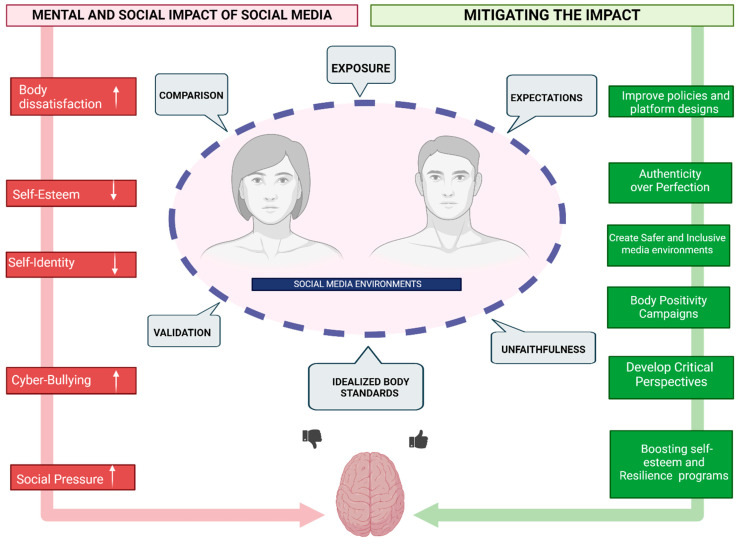
“There is a growing need for policies and platform designs that prioritize user well-being, including measures to combat cyberbullying, reduce the emphasis on physical appearance, and increase the visibility of diverse and realistic content [60].”
BackgroundProblematic Social Media Use in Adolescents and Young Adults: Systematic Review and Meta-analysis.
Shannon, H., Bush, K., Villeneuve, P. J., Hellemans, K. G., & Guimond, S. (2022) · JMIR Mental Health · doi:10.2196/33450 · Cited by 593
Twenge, J. M., & Martin, G. N. (2020) · Journal of Adolescence · doi:10.1016/j.adolescence.2019.12.018 · Cited by 582
Association of Enjoyable Leisure Activities with Psychological and Physical Well-Being
Pressman, S. D., Matthews, K. A., Cohen, S., Martire, L. M., Scheier, M., Baum, A., & Schulz, R. (2009) · Psychosomatic Medicine · doi:10.1097/psy.0b013e3181ad7978 · Cited by 558 · cited 1×
“The societal emphasis on physical appearance often leads individuals to base their worth on how closely they align with these external standards, neglecting other qualities and achievements [72].”
BackgroundA meta-analytic review of the relationship between social media use and body image disturbance
Saiphoo, A. N., & Vahedi, Z. (2019) · Computers in Human Behavior · doi:10.1016/j.chb.2019.07.028 · Cited by 539
Quittkat, H. L., Hartmann, A. S., Düsing, R., Buhlmann, U., & Vocks, S. (2019) · Frontiers in Psychiatry · doi:10.3389/fpsyt.2019.00864 · Cited by 485 · cited 1×
“Conditions like body dysmorphic disorder, characterized by an obsessive focus on perceived physical defects, can severely impact mental health and daily functioning [143].”
BackgroundSocial Media, Body Image and Food Choices in Healthy Young Adults: A Mixed Methods Systematic Review
Rounsefell, K., Gibson, S., McLean, S., Blair, M., Molenaar, A., Brennan, L., Truby, H., & McCaffrey, T. A. (2020) · Nutrition & Dietetics · doi:10.1111/1747-0080.12581 · Cited by 472 · cited 3×
“To dissect the extensive influences on body image and its consequential effects on psychological well-being effectively, researchers employ a variety of methodological strategies, reflecting the necessity for academic rigor and adaptability in their investigative methods [4].”
BackgroundSwami, V., & Barron, D. (2019) · Body Image · doi:10.1016/j.bodyim.2018.08.014 · Cited by 454 · cited 1×
“The pressures to align with idealized body images—a pursuit often fraught with unrealistic standards and unreachable goals—can significantly erode mental health, leading to a spectrum of psychological issues across diverse cultural backgrounds [175].”
BackgroundPicture Perfect: The Direct Effect of Manipulated Instagram Photos on Body Image in Adolescent Girls
Kleemans, M., Daalmans, S., Carbaat, I., & Anschütz, D. (2018) · Media Psychology · doi:10.1080/15213269.2016.1257392 · Cited by 421 · cited 1×
“However, in cultures with communal values, media that celebrate a broader range of body types and emphasize nonphysical attributes can help mitigate these disparities [172].”
BackgroundFardouly, J., Willburger, B. K., & Vartanian, L. R. (2018) · New Media & Society · doi:10.1177/1461444817694499 · Cited by 421 · cited 1×
“The constant internalization of idealized standards can lead to a pervasive sense of inadequacy, fueling depressive symptoms and anxiety disorders [176].”
BackgroundNorris, R., Carroll, D., & Cochrane, R. (1992) · Journal of Psychosomatic Research · doi:10.1016/0022-3999(92)90114-h · Cited by 409 · cited 1×
“These disorders are complex mental health conditions with potentially devastating physical and psychological consequences, highlighting the dangerous extent to which societal standards can impact individuals [73].”
BackgroundSocial Media and Body Image: Recent Trends and Future Directions
Vandenbosch, L., Fardouly, J., & Tiggemann, M. (2022) · Current Opinion in Psychology · doi:10.1016/j.copsyc.2021.12.002 · Cited by 403 · cited 2×
“In today’s digital era, marked by the dominance of platforms such as Instagram, Facebook, and TikTok, the landscape of body image concerns has undergone a significant transformation [5].”
Background#bodypositivity: A Content Analysis of Body Positive Accounts on Instagram
Cohen, R., Irwin, L., Newton-John, T., & Slater, A. (2019) · Body Image · doi:10.1016/j.bodyim.2019.02.007 · Cited by 401 · cited 1×
“This cultural framework can provide a protective buffer against the negative impacts of body dissatisfaction, as the focus shifts away from individual appearance toward more holistic measures of value and identity [170].”
BackgroundCohen, R., Fardouly, J., Newton-John, T., & Slater, A. (2019) · New Media & Society · doi:10.1177/1461444819826530 · Cited by 381 · cited 1×
“By acknowl-edging and addressing the complex interplay between gender and culture in shaping body image, we can work toward a more inclusive and supportive society that fosters positive body image perceptions for all individuals [174].”
BackgroundBody Image and Health: Contemporary Perspectives
Grogan, S. (2006) · Journal of Health Psychology · doi:10.1177/1359105306065013 · Cited by 353 · cited 1×
“Such negative experiences can cultivate a hostile relationship with one’s body, affecting overall mental health [94].”
BackgroundMarengo, D., Longobardi, C., Fabris, M. A., & Settanni, M. (2018) · Computers in Human Behavior · doi:10.1016/j.chb.2018.01.003 · Cited by 328 · cited 1×
“The emphasis on personal achievement and the external validation of success can lead individuals, especially women, to internalize societal beauty standards more deeply, resulting in higher rates of body dissatisfaction and related mental health issues [171].”
BackgroundSherlock, M., & Wagstaff, D. L. (2019) · Psychology of Popular Media Culture · doi:10.1037/ppm0000182 · Cited by 324 · cited 1×
“By integrating body image interventions into broader mental health care, clinicians can offer more holistic support, aiding individuals in not only overcoming psychological disorders but also cultivating a healthier, more positive relationship with their bodies [194].”
BackgroundThe associations of active and passive social media use with well-being: A critical scoping review
Valkenburg, P. M., van Driel, I. I., & Beyens, I. (2022) · New Media & Society · doi:10.1177/14614448211065425 · Cited by 324 · cited 1×
“Recently, according to Valkenburg et al. (2021), the reason for increased passivity in social media was attributed to individuals experiencing mental health issues and depression [28].”
BackgroundBody image, physical activity, and sport: A scoping review
Sabiston, C. M., Pila, E., Vani, M., & Thogersen-Ntoumani, C. (2019) · Psychology of Sport and Exercise · doi:10.1016/j.psychsport.2018.12.010 · Cited by 318 · cited 1×
“This approach promotes a more compassionate healthcare environment that emphasizes health outcomes over numerical weight goals [209].”
Background“Selfie” harm: Effects on mood and body image in young women
Mills, J. S., Musto, S., Williams, L., & Tiggemann, M. (2018) · Body Image · doi:10.1016/j.bodyim.2018.08.007 · Cited by 297 · cited 1×
“Implementing evidence-based interventions and adopting a collaborative approach enhances the potential for meaningful change, fostering a future where body image satisfaction is accessible to everyone [211].”
BackgroundBody functionality: A review of the literature
Alleva, J. M., & Tylka, T. L. (2021) · Body Image · doi:10.1016/j.bodyim.2020.11.006 · Cited by 296 · cited 2×
“It involves many individual yet related components, such as (but not limited to) appearance evaluation, appearance orientation, body esteem, and size perception accuracy [9].”
BackgroundThe Routledge Handbook of Media Use and Well-Being
(2016) · Routledge eBooks · doi:10.4324/9781315714752 · Cited by 296
The effects of active social media engagement with peers on body image in young women
Hogue, J. V., & Mills, J. S. (2019) · Body Image · doi:10.1016/j.bodyim.2018.11.002 · Cited by 295
Body Image: Understanding Body Dissatisfaction in Men, Women, and Children
Grogan, S. (2021) · doi:10.4324/9781003100041 · Cited by 294
Dane, A., & Bhatia, K. (2023) · PLOS Global Public Health · doi:10.1371/journal.pgph.0001091 · Cited by 289 · cited 1×
“Regardless of these variations, the common thread is the link among height, societal expectations, and individual self-perception, a relationship that can significantly influence mental health outcomes [89].”
Background(2004) · PubMed · Cited by 280
Social media use and depression in adolescents: a scoping review
Vidal, C., Lhaksampa, T., Miller, L., & Platt, R. (2020) · International Review of Psychiatry · doi:10.1080/09540261.2020.1720623 · Cited by 259 · cited 1×
“Understanding the cultural lens through which social media impacts body image perceptions is critical for developing global interventions and support systems that are tailored to the specific needs of different cultural settings [50].”
BackgroundMingoia, J., Hutchinson, A. D., Wilson, C., & Gleaves, D. H. (2017) · Frontiers in Psychology · doi:10.3389/fpsyg.2017.01351 · Cited by 253
The Impact of Social Media on the Mental Health of Adolescents and Young Adults: A Systematic Review
Khalaf, A. M., Alubied, A. A., Khalaf, A. M., & Rifaey, A. A. (2023) · Cureus · doi:10.7759/cureus.42990 · Cited by 252 · cited 1×
“The comparison trap is not limited to peer interactions but is amplified by celebrity and influ-encer culture, where the line between aspirational and normal becomes blurred, pushing young users toward unrealistic and harmful body goals [44].”
BackgroundBurnette, C. B., Kwitowski, M. A., & Mazzeo, S. E. (2017) · Body Image · doi:10.1016/j.bodyim.2017.09.001 · Cited by 246 · cited 5×
“The continuous exposure to meticulously curated and often digitally enhanced portrayals of the human form fosters a culture of relentless comparison, leading to widespread body dissatisfaction and psychological distress among vast swaths of the global population [6].”
BackgroundInfluentialA Test of Objectification Theory in Adolescent Girls
Slater, A., & Tiggemann, M. (2002) · Sex Roles · doi:10.1023/a:1020232714705 · Cited by 229 · cited 1×
“These platforms often promote narrow and unrealistic beauty standards, which are internalized by viewers, perpetuating cycles of objectification and self-surveillance [13].”
BackgroundIn BMI we trust: reframing the body mass index as a measure of health
Gutin, I. (2018) · Social Theory & Health · doi:10.1057/s41285-017-0055-0 · Cited by 229 · cited 1×
“Moreover, fostering a more inclusive and compassionate discourse around body image—one that challenges stigmatization and supports body positivity—can help counteract the detrimental effects of BMI-based judgments [98].”
BackgroundSteinsbekk, S., Wichstrøm, L., Stenseng, F., Nesi, J., Hygen, B. W., & Skalická, V. (2021) · Computers in Human Behavior · doi:10.1016/j.chb.2020.106528 · Cited by 221 · cited 3×
“…literacy to help individuals critically evaluate the content they consume, fostering online communities that celebrate diversity and authenticity, and encouraging a balanced approach to social media use that prioritizes real-world interactions and self-compassion over digital validation [35–37].”
BackgroundJarman, H. K., Marques, M. D., McLean, S. A., Slater, A., & Paxton, S. J. (2021) · Body Image · doi:10.1016/j.bodyim.2020.11.005 · Cited by 214 · cited 1×
“This involves showcasing a wide range of body shapes, sizes, and appearances in media and advertising, as well as elevating voices and stories from diverse cultural backgrounds to challenge the hegemony of Western beauty standards [183].”
BackgroundSystematic Review of Body Image Measures
Kling, J., Kwakkenbos, L., Diedrichs, P. C., Rumsey, N., Frisén, A., Brandão, M. P., Silva, A. G., Dooley, B., Rodgers, R. F., & Fitzgerald, A. (2019) · Body Image · doi:10.1016/j.bodyim.2019.06.006 · Cited by 209 · cited 1×
“The journey to achieving body image satisfaction is multifaceted, influenced by a confluence of personal, social, and cultural factors [107].”
BackgroundOwen-Smith, A. A., Gerth, J., Sineath, R. C., Barzilay, J., Becerra-Culqui, T. A., Getahun, D., Giammattei, S., Hunkeler, E., Lash, T. L., Millman, A., et al. (2018) · The Journal of Sexual Medicine · doi:10.1016/j.jsxm.2018.01.017 · Cited by 208
Meta-analysis of gender differences in body appreciation
He, J., Sun, S., Zickgraf, H. F., Lin, Z., & Fan, X. (2020) · Body Image · doi:10.1016/j.bodyim.2020.02.011 · Cited by 203 · cited 1×
“Navigating the terrain of body image satisfaction requires a nuanced understanding of the gender-specific pressures and challenges that individuals face [130].”
BackgroundObjectification Theory, Self-Objectification, and Body Image
Calogero, R. M. (2012) · Encyclopedia of Body Image and Human Appearance · doi:10.1016/b978-0-12-384925-0.00091-2 · Cited by 197 · cited 1×
“The essence of this theory lies in its assertion that the internalization of an external viewpoint leads to habitual body monitoring [11].”
BackgroundBody image as a global mental health concern
Rodgers, R. F., Laveway, K., Campos, P., & de Carvalho, P. H. B. (2023) · Cambridge Prisms: Global Mental Health · doi:10.1017/gmh.2023.2 · Cited by 194 · cited 1×
“Conversely, shorter women might feel overlooked or less imposing in professional and social settings, highlighting the complex ways in which height can influence self-esteem and body image across genders [88].”
BackgroundGuest, E., Costa, B., Williamson, H., Meyrick, J., Halliwell, E., & Harcourt, D. (2019) · Body Image · doi:10.1016/j.bodyim.2019.04.002 · Cited by 184 · cited 2×
“These dynamics necessitate careful moderation to capture a broad range of experiences and perspectives accurately [206].”
BackgroundThe Relationship between Children’s Habitual Activity Level and Psychological Well-Being
Parfitt, G., & Eston, R. G. (2005) · Acta Paediatrica · doi:10.1111/j.1651-2227.2005.tb01855.x · Cited by 178 · cited 1×
“Re-Healthcare search consistently indicates that body dissatisfaction is a significant risk factor for low self-esteem, which can affect all aspects of an individual’s life, from personal relationships to professional achievements [71].”
BackgroundFernández-Bustos, J. G., Infantes-Paniagua, Á., Cuevas, R., & Contreras, O. R. (2019) · Frontiers in Psychology · doi:10.3389/fpsyg.2019.01537 · Cited by 177
Santoniccolo, F., Trombetta, T., Paradiso, M. N., & Rollè, L. (2023) · International Journal of Environmental Research and Public Health · doi:10.3390/ijerph20105770 · Cited by 177 · cited 1×
“Culturally sensitive research and interventions that account for the specific values, norms, and body ideals of different societies are required [54,55].”
BackgroundReviewing the Impact of Social Media on the Mental Health of Adolescents and Young Adults
Gupta, C., Jogdand, S., & Kumar, M. (2022) · Cureus · doi:10.7759/cureus.30143 · Cited by 176 · cited 1×
“Social media companies can leverage algorithms to promote content that fosters positive body image and mental health, creating a digital environment that supports rather than undermines well-being [61].”
BackgroundSocial comparison: Gender, target importance ratings, and relation to body image disturbance
Heinberg, L. J., & Thompson, J. K. (1992) · Digital Commons - University of South Florida (University of South Florida) · Cited by 175
Influence of Physical Exercise on Psychological Well-Being of Young Adults: A Quantitative Study
Granero-Jiménez, J., López‐Rodriguez, M. M., Dobarrio‐Sanz, I., & Cortés‐Rodríguez, A. E. (2022) · International Journal of Environmental Research and Public Health · doi:10.3390/ijerph19074282 · Cited by 172
Body Image and Disordered Eating in Adolescent Girls and Boys: A Test of Objectification Theory
Slater, A., & Tiggemann, M. (2010) · Sex Roles · doi:10.1007/s11199-010-9794-2 · Cited by 171 · cited 1×
“This theory articulates that pervasive societal objectification leads individuals to self-objectify, adopting an observer’s perspective on their bodies [10].”
BackgroundSocial comparison and body image in adolescence: a grounded theory approach
Krayer, A., Ingledew, D. K., & Iphofen, R. (2007) · Health Education Research · doi:10.1093/her/cym076 · Cited by 169 · cited 1×
“The result is an escalation in body dissatisfaction, closely linked to a range of mental health challenges including depression, anxiety, and eating disorders [20].”
BackgroundPinterest or Thinterest?: Social Comparison and Body Image on Social Media
Lewallen, J., & Behm-Morawitz, E. (2016) · Social Media + Society · doi:10.1177/2056305116640559 · Cited by 169 · cited 1×
“Metrics like likes, shares, and comments provide tangible measures of social and personal worth, intensifying the focus on physical appearance in self-evaluation processes [21].”
BackgroundLee, H.-R., Lee, H. E., Choi, J., Kim, J. H., & Han, H. L. (2014) · Journal of Health Communication · doi:10.1080/10810730.2014.904022 · Cited by 165
Physical Activity and Body Image Perception in Adolescents: A Systematic Review
Gualdi-Russo, E., Rinaldo, N., & Zaccagni, L. (2022) · International Journal of Environmental Research and Public Health · doi:10.3390/ijerph192013190 · Cited by 164 · cited 2×
“Approaches like cognitive behavioral therapy can offer effective strategies for improving body image and self-esteem [104].”
BackgroundThe Impact of Regular Self-weighing on Weight Management: A Systematic Literature Review
VanWormer, J. J., French, S. A., Pereira, M. A., & Welsh, E. M. (2008) · International Journal of Behavioral Nutrition and Physical Activity · doi:10.1186/1479-5868-5-54 · Cited by 163
Ryding, F. C., & Kuss, D. J. (2020) · Psychology of Popular Media · doi:10.1037/ppm0000264 · Cited by 162 · cited 1×
“Users often find themselves preoccupied with capturing the perfect photo, achieving a particular look, or crafting an image that will garner approval and admiration from their social media peers [39].”
BackgroundOverview of the Field of Positive Body Image
Tylka, T. L. (2018) · Body Positive · doi:10.1017/9781108297653.002 · Cited by 153
Swami, V., Weis, L., Barron, D., & Furnham, A. (2018) · The Journal of Social Psychology · doi:10.1080/00224545.2017.1392278 · Cited by 152 · cited 2×
“BDD can cause significant distress and impairment in daily functioning, avoidance of social interactions, and in severe cases, suicidal ideation [193].”
BackgroundLasikiewicz, N., Myrissa, K., Hoyland, A., & Lawton, C. L. (2014) · Appetite · doi:10.1016/j.appet.2013.09.017 · Cited by 144 · cited 1×
“Societal valuation of height, particularly the preference for taller stature among men, is deeply embedded within cultural norms and stereotypes that associate height with attributes such as attractiveness, masculinity, and success [85].”
BackgroundPhysiologic and psychological gender differences in bariatric surgery
Kochkodan, J. M., Telem, D. A., & Ghaferi, A. A. (2017) · Surgical Endoscopy · doi:10.1007/s00464-017-5819-z · Cited by 143 · cited 1×
“Despite these challenges, surveys and questionnaires remain invaluable for identifying broad trends and informing further qualitative research and intervention strategies [200].”
BackgroundSexual Identity, Body Image and Life Satisfaction among Women with and without Physical Disability
Moin, V., Duvdevany, I., & Mazor, D. (2009) · Sexuality and Disability · doi:10.1007/s11195-009-9112-5 · Cited by 133 · cited 2×
“This “ideal” male physique, constantly reinforced by media and advertising, sets a standard that many find daunting and unattainable, leading to a growing prevalence of body dissatisfaction among men and challenging the stereotype that body image concerns are predominantly a female issue [140,141].”
BackgroundRelationship of Weight-Based Teasing and Adolescents’ Psychological Well-Being and Physical Health
Greenleaf, C., Petrie, T. A., & Martin, S. B. (2014) · Journal of School Health · doi:10.1111/josh.12118 · Cited by 130 · cited 1×
“On the one hand, societal pressures and internalized weight stigma can lead individuals to view their self-worth through the prism of their body weight, with deviations from the societal ideal negatively impacting their self-esteem [77].”
BackgroundMore than just body weight: The role of body image in psychological and physical functioning
Wilson, R. E., Latner, J. D., & Hayashi, K. (2013) · Body Image · doi:10.1016/j.bodyim.2013.04.007 · Cited by 125 · cited 1×
“This comprehensive strategy not only aims to foster a healthier relationship between individuals and their bodies but also strives to challenge and reshape societal norms and beauty standards that amplify body dissatisfaction and related psychological issues [99].”
BackgroundRelationships between body image, sexual satisfaction, and relationship quality in romantic couples.
van den Brink, F., Vollmann, M., Smeets, M. A. M., Hessen, D. J., & Woertman, L. (2018) · Journal of Family Psychology · doi:10.1037/fam0000407 · Cited by 125
Instagram: Friend or foe? The application’s association with psychological well-being
Mackson, S. B., Brochu, P. M., & Schneider, B. A. (2019) · New Media & Society · doi:10.1177/1461444819840021 · Cited by 125 · cited 1×
“…questionnaires are essential for capturing a wide array of data on body image satisfaction or dissatisfaction, concerns about specific body parts, and the psychological effects linked to these perceptions, including impacts on self-esteem and mental health issues like depression and anxiety [199].”
BackgroundEddolls, W. T. B., McNarry, M. A., Lester, L., Winn, C. O. N., Stratton, G., & Mackintosh, K. A. (2018) · Quality of Life Research · doi:10.1007/s11136-018-1915-3 · Cited by 124 · cited 1×
“Effective treatment requires addressing both the behavioral symptoms and the underlying body image issues to ensure sustainable recovery [192].”
BackgroundThe Impact of the Physical Environment on the Psychological Well-Being of Office Workers
Klitzman, S., & Stellman, J. M. (1989) · Social Science & Medicine · doi:10.1016/0277-9536(89)90153-6 · Cited by 122 · cited 1×
“The societal stigma associated with higher body weight is pervasive, manifesting in various forms of discrimination and prejudice that can infiltrate every aspect of life—from healthcare settings and employment opportunities to media representation and interpersonal relationships [76].”
BackgroundA Sociocultural Examination of Body Image among Black Women
Watson, L. B., Lewis, J. A., & Moody, A. T. (2019) · Body Image · doi:10.1016/j.bodyim.2019.03.008 · Cited by 122 · cited 1×
“Body image satisfaction is a cornerstone of psychological well-being, serving as both a protective factor against mental health challenges and a promoter of a positive self-concept and life satisfaction [118].”
BackgroundRodgers, R. F., Wertheim, E. H., Paxton, S. J., Tylka, T. L., & Harriger, J. A. (2022) · Body Image · doi:10.1016/j.bodyim.2022.03.008 · Cited by 120
Mahon, C., & Hevey, D. (2021) · Frontiers in Psychology · doi:10.3389/fpsyg.2021.626763 · Cited by 119 · cited 1×
“…acknowledging the complexity of these influences and actively working to challenge and change harmful norms, society can foster a more inclusive and positive environment that supports the psychological well-being of all individuals, regardless of their cultural background or gender identity [185].”
BackgroundBody Image and Sociocultural Predictors of Body Image Dissatisfaction in Croatian and Chinese Women
Stojcic, I., Dong, X., & Ren, X. (2020) · Frontiers in Psychology · doi:10.3389/fpsyg.2020.00731 · Cited by 118 · cited 1×
“Efforts to preserve and celebrate local beauty standards can help counteract the negative impact of globalized beauty ideals [153].”
BackgroundSelf-Perception of Overweight and Obesity: A Review of Mental and Physical Health Outcomes
Robinson, E., Haynes, A., Sutin, A., & Daly, M. (2020) · Obesity Science & Practice · doi:10.1002/osp4.424 · Cited by 116
Szymanski, M. L., & Cash, T. F. (1995) · Journal of Social and Clinical Psychology · doi:10.1521/jscp.1995.14.2.134 · Cited by 110 · cited 1×
“Educational programs and campaigns can be pivotal in changing societal norms that overemphasize physical appearance and undervalue other personal attributes [27].”
BackgroundThe Role of Psychological and Social Well-being on Physical Function Trajectories in Older Adults
Saadeh, M., Welmer, A., Dekhtyar, S., Fratiglioni, L., & Calderón‐Larrañaga, A. (2020) · The Journals of Gerontology Series A · doi:10.1093/gerona/glaa114 · Cited by 108 · cited 1×
“Educational initiatives that promote body positivity and media literacy can empower individuals to critically engage with the images and messages they encounter, thereby reducing the impact of societal standards on self-esteem and body satisfaction [74].”
BackgroundShang, Y., Xie, H.-D., & Yang, S.-Y. (2021) · Frontiers in Psychology · doi:10.3389/fpsyg.2021.658935 · Cited by 108 · cited 1×
“This intersectionality reveals that the impact of gender on body dissatisfaction is not uniform across different cultural contexts but is instead shaped by the unique values and norms of each society [169].”
BackgroundSelf-Objectification and Cognitive Performance: A Systematic Review of the Literature
Winn, L., & Cornelius, R. R. (2020) · Frontiers in Psychology · doi:10.3389/fpsyg.2020.00020 · Cited by 106 · cited 1×
“This evaluative process is critical across various dimensions of personal and social identity but holds particular significance for body image in the era of ubiquitous social media engagement [17].”
BackgroundHjetland, G. J., Finserås, T. R., Sivertsen, B., Colman, I., Hella, R. T., & Skogen, J. C. (2022) · International Journal of Environmental Research and Public Health · doi:10.3390/ijerph191711133 · Cited by 103 · cited 2×
“By promoting a culture of acceptance and diversity, individuals can navigate social media in ways that support their psychological health and foster genuine connections with others [41]. over appearances, is crucial for mitigating the negative impacts of self-presentation on social media.”
BackgroundBeauty in Mind: The Effects of Physical Attractiveness on Psychological Well-Being and Distress
Gupta, N. D., Etcoff, N. L., & Jæger, M. M. (2015) · Journal of Happiness Studies · doi:10.1007/s10902-015-9644-6 · Cited by 102
The use of social media by Australian preadolescents and its links with mental health.
Fardouly, J., Magson, N. R., Rapee, R. M., Johnco, C. J., & Oar, E. L. (2020) · Journal of Clinical Psychology · doi:10.1002/jclp.22936 · Cited by 102 · cited 1×
“The link between social media-induced comparisons and mental health problems underscores the urgency of addressing this issue [34].”
BackgroundTort‐Nasarre, G., Pollina-Pocallet, M., & Artigues-Barberà, E. (2021) · International Journal of Environmental Research and Public Health · doi:10.3390/ijerph18031140 · Cited by 102 · cited 1×
“This cultural shift involves challenging stereotypes and biases related to body size and shape, promoting respect and acceptance for all bodies, and emphasizing mental and emotional well-being as integral components of overall health [103].”
BackgroundRelationship of weight and eating disorders in type 2 diabetic patients: A multicenter study
Herpertz, S., Albus, C., Lichtblau, K., K�hle, K., Mann, K., & Senf, W. (2000) · International Journal of Eating Disorders · doi:10.1002/(sici)1098-108x(200007)28:1<68::aid-eat8>3.0.co;2-r · Cited by 101
He, J., Sun, S., Lin, Z., & Fan, X. (2020) · Body Image · doi:10.1016/j.bodyim.2020.03.006 · Cited by 101 · cited 1×
“Only by addressing these underlying factors can we hope to create an environment where body image satisfaction is accessible to all, unencumbered by gendered expectations and societal pressures [131].”
BackgroundAhadzadeh, A. S., Rafik-Galea, S., Alavi, M., & Amini, M. (2018) · Health Psychology Open · doi:10.1177/2055102918774251 · Cited by 99 · cited 1×
“Such inaccuracies can misrepresent an individual’s health status and lead to inappropriate health advice or interventions, undermining trust in health assessments and contributing to ongoing confusion and anxiety regarding personal health and body image [96].”
BackgroundAschbrenner, K. A., Naslund, J. A., Tomlinson, E. F., Kinney, A., Pratt, S. I., & Brunette, M. F. (2019) · Frontiers in Public Health · doi:10.3389/fpubh.2019.00178 · Cited by 99 · cited 1×
“This stigma not only affects societal perceptions of individuals based on their physical measurements but also influences how individuals view themselves, potentially leading to a host of negative mental health outcomes, including anxiety, depression, and eating disorders [65].”
BackgroundPalenzuela-Luis, N., Clíments, G. D., Gómez-Salgado, J. C., Gómez, J. Á. R., & Gómez, M. B. S. (2022) · International Journal of Public Health · doi:10.3389/ijph.2022.1604954 · Cited by 99
Tiggemann, M., & Anderberg, I. (2020) · Body Image · doi:10.1016/j.bodyim.2020.10.001 · Cited by 98 · cited 1×
“Ultimately, expanding the dialogue to include men’s experiences and challenges is vital for promoting healthier body image satisfaction for all genders [145].”
BackgroundCrusius, J., Corcoran, K., & Mussweiler, T. (2022) · Wiley eBooks · doi:10.1002/9781394266616.ch7 · Cited by 96
Rahimi-Ardabili, H., Reynolds, R., Vartanian, L. R., McLeod, L. V. D., & Zwar, N. (2018) · Mindfulness · doi:10.1007/s12671-017-0804-0 · Cited by 95
Lowy, A. S., Rodgers, R. F., Franko, D. L., Pluhar, E., & Webb, J. B. (2021) · Body Image · doi:10.1016/j.bodyim.2021.10.005 · Cited by 95
Body Image, Attractiveness, and Sexual Satisfaction among Midlife Women: A Qualitative Study
Thomas, H. N., Hamm, M., Borrero, S., Hess, R., & Thurston, R. C. (2019) · Journal of Women s Health · doi:10.1089/jwh.2018.7107 · Cited by 94 · cited 1×
“This objectification can lead to heightened self-surveillance, where women constantly monitor their bodies and engage in comparisons with others, reinforcing a cycle of dissatisfaction and self-criticism [139].”
BackgroundDo body-related shame and guilt mediate the association between weight status and self-esteem?
Pila, E., Sabiston, C. M., Brunet, J., Castonguay, A. L., & O’Loughlin, J. L. (2015) · Journal of Health Psychology · doi:10.1177/1359105315573449 · Cited by 88
Relationship between Body Image and Psychological Well-being in Patients with Morbid Obesity.
Yazdani, N., Hosseini, S. V., Amini, M., Sobhani, Z., Sharif, F., & Khazraei, H. (2018) · PubMed Central · Cited by 87
Burke, N. L., Schaefer, L. M., Karvay, Y. G., Bardone-Cone, A. M., Frederick, D. A., Schaumberg, K., Klump, K. L., Anderson, D. A., & Thompson, J. K. (2021) · Eating Behaviors · doi:10.1016/j.eatbeh.2021.101519 · Cited by 87 · cited 1×
“Additionally, a healthy body image boosts self-worth and confidence, fostering a resilient and optimistic outlook on life that empowers individuals to pursue their goals and engage actively and positively in social interactions [119].”
BackgroundExamining Gender Differences of Social Media Use for Activity Planning and Travel Choices
Karatsoli, M., & Nathanail, E. (2020) · European Transport Research Review · doi:10.1186/s12544-020-00436-4 · Cited by 86 · cited 1×
“This increased awareness helps diminish the pressure to conform to unrealistic standards and reduces the intensity of social comparisons [57].”
BackgroundArrivillaga, C., Rey, L., & Extremera, N. (2022) · Addictive Behaviors · doi:10.1016/j.addbeh.2021.107095 · Cited by 85 · cited 3×
“By strengthening self-esteem, individuals are better equipped to resist the detrimental impact of negative social comparisons and maintain a healthier relationship with their bodies [37].”
BackgroundDistorted body image influences body schema in individuals with negative bodily attitudes
Irvine, K. R., McCarty, K., McKenzie, K. J., Pollet, T. V., Cornelissen, K. K., Tovée, M. J., & Cornelissen, P. L. (2019) · Neuropsychologia · doi:10.1016/j.neuropsychologia.2018.11.015 · Cited by 83 · cited 1×
“It also involves advocating for more inclusive and diverse media representations that reflect the full spectrum of body types across different cultures and genders [173].”
BackgroundPrnjak, K., Jukic, I., Mitchison, D., Griffiths, S., & Hay, P. (2022) · Body Image · doi:10.1016/j.bodyim.2022.07.006 · Cited by 79 · cited 1×
“This constant exposure to a singular body ideal not only fosters an environment ripe for body dissatisfaction but also intertwines self-worth with physical appearance [126].”
BackgroundGuest, E., Zucchelli, F., Costa, B., Bhatia, R., Halliwell, E., & Harcourt, D. (2022) · Body Image · doi:10.1016/j.bodyim.2022.04.009 · Cited by 78 · cited 1×
“Addressing the intricate relationship between body image satisfaction and psychological well-being necessitates a holistic approach that includes promoting positive body image, supporting mental health, and challenging restrictive societal norms about beauty [123].”
BackgroundBody image states in everyday life: Evidence from ecological momentary assessment methodology
Fuller‐Tyszkiewicz, M. (2019) · Body Image · doi:10.1016/j.bodyim.2019.02.010 · Cited by 77
Provenzano, L., Porciello, G., Ciccarone, S., Lenggenhager, B., Tieri, G., Marucci, M., Dazzi, F., Loriedo, C., & Bufalari, I. (2019) · Journal of Clinical Medicine · doi:10.3390/jcm9010098 · Cited by 77 · cited 3×
“This section details a variety of effective interventions, underscoring the vital roles various stakeholders play in promoting a positive and inclusive view of body image across diverse societal segments [168].”
BackgroundInfluentialSeekis, V., Bradley, G. L., & Duffy, A. L. (2020) · Body Image · doi:10.1016/j.bodyim.2020.07.006 · Cited by 77
Depression, anthropometric parameters, and body image in adults: a systematic review
Silva, D., Ferriani, L., & Viana, M. C. (2019) · Revista da Associação Médica Brasileira · doi:10.1590/1806-9282.65.5.731 · Cited by 74 · cited 1×
“Furthermore, the sensitivity of body image topics requires skilled interviewing to ensure a comfortable and empathetic environment, which can influence the consistency and reliability of the data collected [204].”
BackgroundFrederick, D. A., Garcia, J. R., Gesselman, A. N., Mark, K. P., Hatfield, E., & Bohrnstedt, G. (2020) · Body Image · doi:10.1016/j.bodyim.2019.11.003 · Cited by 74 · cited 1×
“Educational initiatives aimed at building media literacy and promoting self-compassion can empower individuals to critically engage with cultural and media messages about body image, fostering a healthier relationship with their bodies and enhancing overall psychological well-being [181].”
BackgroundKavehFarsani, Z., Kelishadi, R., & Beshlideh, K. (2020) · Child and Adolescent Psychiatry and Mental Health · doi:10.1186/s13034-020-00345-3 · Cited by 74 · cited 1×
“Positive reinforcement can enhance body satisfaction and self-esteem, while negative comments can lead to dissatisfaction and distorted self-perceptions [115].”
BackgroundParent, M. C. (2013) · Psychology of Men & Masculinity · doi:10.1037/a0025644 · Cited by 73
Robinson, E., Roberts, C., Vainik, U., & Jones, A. (2020) · Neuroscience & Biobehavioral Reviews · doi:10.1016/j.neubiorev.2020.10.009 · Cited by 73
Skogen, J. C., Hjetland, G. J., Bøe, T., Hella, R. T., & Knudsen, A. K. (2021) · International Journal of Environmental Research and Public Health · doi:10.3390/ijerph18063319 · Cited by 73
Barron, A. M., Krumrei-Mancuso, E. J., & Harriger, J. A. (2021) · Body Image · doi:10.1016/j.bodyim.2021.01.003 · Cited by 72 · cited 1×
“For men, destigmatizing discussions about body image and expanding the representation of male bodies in media to include a broader range of shapes and sizes can help mitigate the pressure to conform to unrealistic standards of muscularity and fitness [147].”
BackgroundSmile pretty and watch your back: Personal safety anxiety and vigilance in objectification theory.
Calogero, R. M., Tylka, T. L., Siegel, J. A., et al. (2020) · Journal of Personality and Social Psychology · doi:10.1037/pspi0000344 · Cited by 69 · cited 1×
“…diverse and realistic representations of bodies in the media, to foster environments where individuals are appreciated for their abilities and qualities beyond their physical appearance, and to encourage body positivity are vital steps toward mitigating the damaging effects of objectification [16].”
BackgroundGender and Media: Content, Uses, and Impact
Greenwood, D., & Lippman, J. R. (2009) · Springer eBooks · doi:10.1007/978-1-4419-1467-5_27 · Cited by 68 · cited 1×
“Creating a more inclusive and diverse digital environment not only reflects the reality of the global population but also empowers individuals to embrace their unique identities without conforming to a singular standard of beauty or attractiveness [56].”
BackgroundBody Image and Sexual Dissatisfaction: Differences Among Heterosexual, Bisexual, and Lesbian Women
Moreno‐Domínguez, S., Raposo, T., & Elipe, P. (2019) · Frontiers in Psychology · doi:10.3389/fpsyg.2019.00903 · Cited by 67
Adolescent body image: influencing factors and the clinician's role
Hartman-Munick, S. M., Gordon, A. R., & Guss, C. E. (2020) · Current Opinion in Pediatrics · doi:10.1097/mop.0000000000000910 · Cited by 66
(2018) · DOAJ (DOAJ: Directory of Open Access Journals) · Cited by 65
Vincente-Benito, I., & Ramírez-Durán, M. D. V. (2023) · Journal of Psychosocial Nursing and Mental Health Services · doi:10.3928/02793695-20230524-02 · Cited by 62
Mills, J. S., Minister, C., & Samson, L. (2022) · Frontiers in Psychology · doi:10.3389/fpsyg.2022.983534 · Cited by 61 · cited 2×
“The body positivity movement is pivotal, challenging narrow societal beauty ideals and promoting the acceptance of diverse body types through advocacy, inclusive media representations, and community support groups, thus fostering environments where all individuals feel valued [155].”
BackgroundBell, I. H., Thompson, A., Valentine, L., Adams, S., Alvarez-Jimenez, M., & Nicholas, J. (2022) · JMIR Mental Health · doi:10.2196/30716 · Cited by 60 · cited 1×
“These measurements are more than mere numbers; they represent a confluence of societal expectations, personal aspirations, and health indicators, playing a critical role in shaping an individual’s self-perception and emotional state [62].”
BackgroundWu, Y., Kemps, E., & Prichard, I. (2024) · Body Image · doi:10.1016/j.bodyim.2023.101650 · Cited by 60 · cited 2×
“This long-term perspective is crucial for understanding the persistent or changing nature of body image issues and their prolonged effects on mental health [128].”
BackgroundRelationship between Body Image and Psychological Well-being in Patients with Morbid Obesity
Yazdani, N., Hosseini, S. V., Amini, M., Sobhani, Z., Sharif, F., & Khazraei, H. (2018) · International Journal of Community Based Nursing and Midwifery · doi:10.30476/ijcbnm.2018.40825 · Cited by 59
Kim, H. M. (2021) · New Media & Society · doi:10.1177/1461444820956368 · Cited by 58 · cited 1×
“Cultural norms around beauty and body shape vary widely across different societies, with each culture espousing its own ideals of what is considered attractive [160].”
BackgroundAimé, A., Fuller-Tyszkiewicz, M., Dion, J., Markey, C. H., Strodl, E., McCabe, M., Mellor, D., Granero Gallegos, A., Pietrabissa, G., Alcaraz-Ibánez, M., et al. (2020) · Body Image · doi:10.1016/j.bodyim.2020.09.014 · Cited by 58
Sattin, D., Parma, C., Lunetta, C., Zulueta, A., Lanzone, J., Giani, L., Vassallo, M., Picozzi, M., & Parati, E. A. (2023) · Brain Sciences · doi:10.3390/brainsci13101410 · Cited by 58 · cited 1×
“By manipulating variables within a controlled setting, researchers can isolate the effects of certain stimuli—such as exposure to idealized media images—on body image satisfaction [201].”
BackgroundGonzales, M., & Blashill, A. J. (2021) · Body Image · doi:10.1016/j.bodyim.2020.10.007 · Cited by 57 · cited 1×
“The relationship between body image satisfaction or dissatisfaction and mental health outcomes is pivotal for psychological well-being, affecting individuals’ emotional, cognitive, and social functioning [186].”
BackgroundEllis, M. A., Sterba, K. R., Brennan, E. A., Maurer, S., Hill, E. G., Day, T. A., & Graboyes, E. M. (2019) · Otolaryngology–Head and Neck Surgery · doi:10.1177/0194599819829018 · Cited by 56 · cited 1×
“These diverse impacts highlight the profound effect that negative body image can have on overall well-being, necessitating interventions that address these issues comprehensively [122].”
BackgroundBroadening the Scope of Social Media Effect Research on Body Image Concerns
Prieler, M., & Choi, J. (2014) · Sex Roles · doi:10.1007/s11199-014-0406-4 · Cited by 55 · cited 1×
“This phenomenon is not limited to the individuals curating their online presence; it also affects their peers who consume this content [38].”
BackgroundMann, R. B., & Blumberg, F. (2022) · Acta Psychologica · doi:10.1016/j.actpsy.2022.103629 · Cited by 55 · cited 1×
“…expectations, idealized body standards, and the quest for identity in the digital age, highlighting the substantial impact of digital environments on young in the digital age, highlighting the substantial impact of digital environments on young individuals’ self-perceptions and mental health [42].”
BackgroundA review of research on men's body image and drive for muscularity.
Murnen, S. K., & Karazsia, B. T. (2017) · The psychology of men and masculinities. · doi:10.1037/0000023-009 · Cited by 52 · cited 1×
“This shift often results in increased body dissatisfaction in cultures where Western ideals conflict with traditional standards of beauty [151].”
BackgroundEveryone Does It—Differently: A Window into Emerging Adults’ Smartphone Use
Griffioen, N., Scholten, H., Lichtwarck-Aschoff, A., van Rooij, M., & Granic, I. (2021) · Humanities and Social Sciences Communications · doi:10.1057/s41599-021-00863-1 · Cited by 51 · cited 1×
“Such comparisons can engender feelings of inadequacy, lower self-esteem, and foster dissatisfaction with one’s body image, which, in turn, can adversely affect overall mental well-being [63].”
BackgroundFrom filters to fillers: an active inference approach to body image distortion in the selfie era
Tremblay, S. C., Tremblay, S. E., & Poirier, P. (2020) · AI & Society · doi:10.1007/s00146-020-01015-w · Cited by 50 · cited 1×
“There is also a growing need for media and advertising industries to adopt more inclusive and diverse representations that reflect global variance in body types and beauty ideals [167].”
BackgroundTsiantas, G., & King, R. M. (2001) · Eating Disorders · doi:10.1080/10640260127717 · Cited by 49 · cited 1×
“Key among these is promoting media literacy, defined as the ability to access, analyze, evaluate, and create media in a variety of forms [23].”
BackgroundCritical measurement issues in the assessment of social media influence on body image
Jarman, H. K., McLean, S. A., Griffiths, S., Teague, S. J., Rodgers, R. F., Paxton, S. J., Austen, E., Harris, E., Steward, T., Shatte, A., et al. (2022) · Body Image · doi:10.1016/j.bodyim.2021.12.007 · Cited by 46 · cited 1×
“These therapies help individuals manage distressing thoughts and emotions related to body image, enhancing psychological resilience [45].”
BackgroundThe Relationships among Body Image, Masculinity, and Sexual Satisfaction in Men
Daniel, S., & Bridges, S. K. (2013) · Psychology of Men & Masculinity · doi:10.1037/a0029154 · Cited by 44 · cited 1×
“These cultural standards dictate what is considered attractive within a community and significantly impact how individuals view their own bodies, influencing body image satisfaction positively or negatively [149].”
BackgroundSnapchat Lenses and Body Image Concerns
Burnell, K., Kurup, A. R., & Underwood, M. K. (2022) · New Media & Society · doi:10.1177/1461444821993038 · Cited by 43 · cited 1×
“These cultural norms and gender expectations act as lenses through which body image is interpreted, often dictating the standards against which individuals measure their own bodies [159].”
BackgroundMilton, A., Hambleton, A., Roberts, A., Davenport, T., Flego, A., Burns, J., & Hickie, I. (2021) · JMIR Formative Research · doi:10.2196/25329 · Cited by 43 · cited 2×
“This can validate harmful behaviors like disordered eating and discourage individuals from seeking necessary health interventions [95].”
BackgroundScheffers, M., van Busschbach, J. T., Bosscher, R. J., Aerts, L. C., Wiersma, D., & Schoevers, R. A. (2017) · Comprehensive Psychiatry · doi:10.1016/j.comppsych.2017.01.004 · Cited by 42 · cited 1×
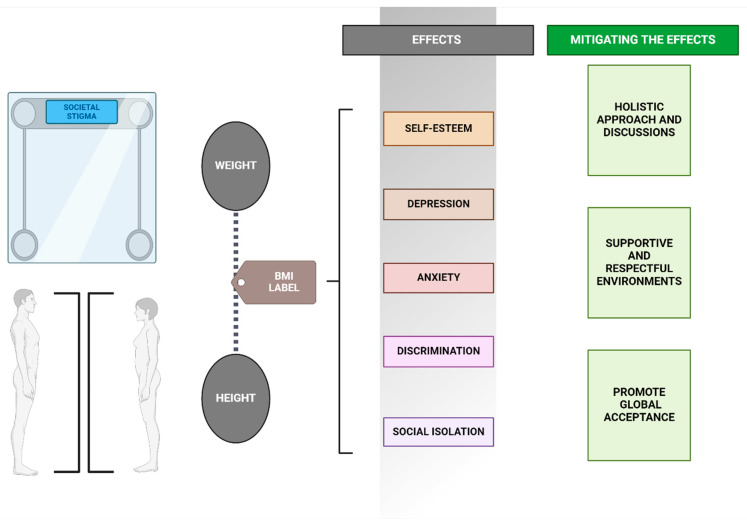
“By reducing complex physical attributes to simple numerical categories, BMI inadvertently fosters a culture of labeling and stigmatization, with profound implications for mental health (Figure 2) [93].”
BackgroundLemes, D. C. M., Câmara, S. G., Alves, G. G., & Aerts, D. R. G. D. C. (2018) · Ciência & Saúde Coletiva · doi:10.1590/1413-812320182312.14742016 · Cited by 42 · cited 1×
“This fluidity underscores the necessity of cultivating a positive and healthy relationship with one’s body, emphasizing acceptance, care, and respect over conformity to unattainable standards [111].”
BackgroundMeland, E., Breidablik, H. J., Thuen, F., & Samdal, G. B. (2021) · BMC Public Health · doi:10.1186/s12889-021-10553-x · Cited by 42
Ruiz-Turrero, J., Massar, K., Kwaśnicka, D., & ten Hoor, G. A. (2022) · International Journal of Environmental Research and Public Health · doi:10.3390/ijerph19031857 · Cited by 42 · cited 1×
“Ultimately, fostering body image satisfaction among women demands a collective effort to dismantle the deeply ingrained societal and cultural norms that dictate beauty standards [138].”
BackgroundGodoy-Izquierdo, D., González-Hernández, J., Rodríguez-Tadeo, A., Lara, R., Ogallar, A., Navarrón, E., Ramírez, M. J., López-Mora, C., & Arbinaga, F. (2020) · International Journal of Environmental Research and Public Health · doi:10.3390/ijerph17124186 · Cited by 39 · cited 1×
“Moreover, the intersection of culture and gender norms presents a complex scenario where individuals navigate their way through overlapping expectations, striving to reconcile their personal body image with societal standards [161].”
BackgroundPerceptive Body Image Distortion in Adolescent Anorexia Nervosa: Changes After Treatment
Dalhoff, A. W., Romero Frausto, H., Romer, G., & Wessing, I. (2019) · Frontiers in Psychiatry · doi:10.3389/fpsyt.2019.00748 · Cited by 37 · cited 3×
“This shift can lead to increased body dissatisfaction and related mental health issues in cultures where such problems were previously less prevalent [166].”
BackgroundInfluentialDemographic and Sociocultural Predictors of Face Image Satisfaction: The U.S. Body Project I
Frederick, D. A., Reynolds, T. A., Barrera, C. A., & Murray, S. B. (2022) · Body Image · doi:10.1016/j.bodyim.2022.01.016 · Cited by 37 · cited 1×
“Moreover, a positive body image contributes to healthier and more fulfilling sexual relationships; comfort and confidence in one’s body can significantly enhance intimacy and sexual satisfaction, which are crucial for relationship contentment and personal well-being [120].”
BackgroundBody Image Satisfaction and Loneliness among Young Adult and Older Adult Age Cohorts
Barnett, M. D., Moore, J. M., & Edzards, S. M. (2020) · Archives of Gerontology and Geriatrics · doi:10.1016/j.archger.2020.104088 · Cited by 36 · cited 1×
“Conversely, in some African, Caribbean, and Polynesian cultures, fuller body shapes are celebrated, with weight often associated with prosperity, health, and attractiveness [150].”
BackgroundFactors associated with body image distortion in Korean adolescents
Jung, Y., Hyun, M.-Y., Kim, M.-D., Kwak, Y.-S., Hong, S., Bahk, W. M., Yoon, B.-H., Yoon, H. W., & Yoo, B. (2014) · Neuropsychiatric Disease and Treatment · doi:10.2147/ndt.s63143 · Cited by 34 · cited 1×
“The global reach of Western beauty standards, facilitated by the internet, social media, and global advertising campaigns, has introduced a more homogenized view of beauty [165].”
BackgroundCognitive Discrepancy Models: Actual, Ideal, Potential, and Future Self-Perspectives of Body Image
Marsh, H. W. (1999) · Social Cognition · doi:10.1521/soco.1999.17.1.46 · Cited by 34 · cited 1×
“Additionally, the anxiety about failing to achieve or maintain these idealized body images can lead to social avoidance, disordered eating behaviors, or obsessive exercising, further impairing mental health and overall quality of life [26].”
BackgroundSystematic Review of Digital Interventions for Adolescent and Young Adult Women's Body Image
Mahon, C., & Seekis, V. (2022) · Frontiers in Global Women's Health · doi:10.3389/fgwh.2022.832805 · Cited by 34 · cited 1×
“These ideals, perpetuated through media and cultural representations, establish challenging benchmarks that many men find difficult to meet [127].”
BackgroundWillemse, H., Geenen, R., Egberts, M. R., Engelhard, I. M., & Van Loey, N. E. (2023) · Psychology & Health · doi:10.1080/08870446.2021.1970160 · Cited by 33 · cited 1×
“Moreover, fostering community-wide dialogues about body image, challenging stigmatizing behaviors, and promoting acceptance can contribute to a cultural shift toward greater body positivity [213–215].”
BackgroundLife Satisfaction, Body Image and Associated Factors among Women with Breast Cancer after Mastectomy
Phoosuwan, N., & Lundberg, P. C. (2023) · Psycho-Oncology · doi:10.1002/pon.6106 · Cited by 33 · cited 1×
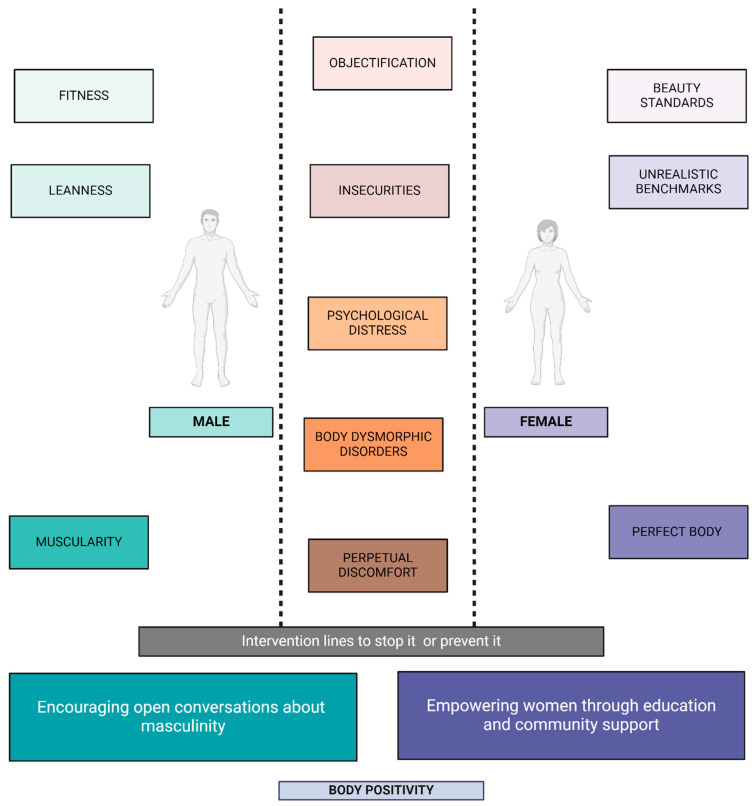
“The constant scrutiny and the pressure to conform can exacerbate feelings of inadequacy, leading to a state of perpetual discomfort with one’s physical self [135].”
BackgroundMohamed, B. A. A., & Idrees, M. H. D. (2023) · BMC Women s Health · doi:10.1186/s12905-023-02748-8 · Cited by 32 · cited 1×
“Mindfulness and self-compassion also serve as essential tools; practices like mindful eating and body gratitude exercises help develop a more accepting relationship with one’s body, promoting kindness toward oneself and counteracting negative self-comparisons [156].”
BackgroundYu, U., & Jung, J. (2018) · Family and Consumer Sciences Research Journal · doi:10.1111/fcsr.12284 · Cited by 31 · cited 1×
“The interactive nature of social media not only permits but also encourages users to seek validation for their physical appearance, fostering dopamine-driven feedback loops that underscore appearance as a critical source of self-esteem [29].”
BackgroundLonghurst, P. (2021) · Counselling and Psychotherapy Research · doi:10.1002/capr.12494 · Cited by 30 · cited 1×
“These actions not only promote diversity but also contribute to a societal shift toward more realistic beauty standards [196].”
BackgroundGoldbach, C., Lindley, L., Anzani, A., & Galupo, M. P. (2023) · The Journal of Sex Research · doi:10.1080/00224499.2021.2004384 · Cited by 30 · cited 2×
“…thinness, youthful-ness, and particular body proportions creates a narrowly defined ideal that is continuously amplified by media and advertising [132]. failing to meet these standards can This omnipresent portrayal of idealized bodies sets an unrealistic benchmark for women, contributing to a…”
BackgroundA Systematic Review of Body Image Measures for People Diagnosed with Head and Neck Cancer (HNC)
Shunmuga Sundaram, C., Dhillon, H. M., Butow, P. N., Sundaresan, P., & Rutherford, C. (2019) · Supportive Care in Cancer · doi:10.1007/s00520-019-04919-6 · Cited by 29
Cowles, E., Guest, E., & Slater, A. (2023) · Body Image · doi:10.1016/j.bodyim.2022.12.004 · Cited by 29 · cited 1×
“The use of performance-enhancing drugs, such as steroids, presents serious health risks, including hormonal imbalances, liver damage, and increased risk of heart disease [142].”
BackgroundAzevedo, A., & Azevedo, Â. S. (2023) · International Journal of Environmental Research and Public Health · doi:10.3390/ijerph20043567 · Cited by 29 · cited 1×
“Recognizing and respecting the diversity of beauty standards across cultures is crucial in promoting a healthier and more inclusive view of body image satisfaction [154].”
BackgroundGallinat, C., Stürmlinger, L. L., Schaber, S., & Bauer, S. (2021) · Frontiers in Psychiatry · doi:10.3389/fpsyt.2021.732717 · Cited by 28 · cited 2×
“The pressure to meet societal beauty standards can exacerbate these effects, leading to a persistent cycle of self-criticism and negative emotional states [189,193].”
BackgroundHorvath, Z., Smith, B. H., Sal, D., Hevesi, K., & Rowland, D. L. (2020) · Sexual Medicine · doi:10.1016/j.esxm.2020.06.008 · Cited by 27 · cited 1×
“This “ideal” male physique, constantly reinforced by media and advertising, sets a standard that many find daunting and unattainable, leading to a growing prevalence of body dissatisfaction among men and challenging the stereotype that body image concerns are predominantly a female issue [140,141].”
BackgroundBody Image and Body Schema in Adolescents with Idiopathic Scoliosis: A Scoping Review
Bertuccelli, M., Cantele, F., & Masiero, S. (2022) · Adolescent Research Review · doi:10.1007/s40894-022-00187-4 · Cited by 25 · cited 1×
“This comprehensive approach not only improves individual outcomes but also enriches societal health and well-being [124].”
BackgroundUnderstanding Body Image Perceptions of Former Female Athletes: A Qualitative Analysis
Hardie, A., Oshiro, K. F., & Dixon, M. A. (2022) · Body Image · doi:10.1016/j.bodyim.2022.10.001 · Cited by 25 · cited 1×
“Such dissatisfaction may limit social participation, reduce relationship satisfaction, and lead to avoidance of body-centric activities [188].”
BackgroundHe, L., Firdaus, A. S. B., Gong, J., Dharejo, N., & Aksar, I. A. (2024) · BMC Public Health · doi:10.1186/s12889-024-18013-y · Cited by 24
Theoretical and Methodological Considerations for Research on Eating Disorders and Gender
Springmann, M.-L., Svaldi, J., & Kiegelmann, M. (2020) · Frontiers in Psychology · doi:10.3389/fpsyg.2020.586196 · Cited by 23 · cited 1×
“However, the artificial nature of experimental environments can limit the generalizability of the findings to real-world settings, where the interplay among myriad factors is more complex and less controllable [202].”
BackgroundGuo, S., Izydorczyk, B., Lipowska, M., Kamionka, A., Lizińczyk, S., Sajewicz‐Radtke, U., Radtke, B. M., Liu, T., & Lipowski, M. (2023) · BMC Sports Science Medicine and Rehabilitation · doi:10.1186/s13102-023-00662-y · Cited by 23 · cited 1×
“On a societal level, advocating for diverse body representations in media, supporting antidiscrimination policies, and promoting a public discourse focused on health rather than appearance are vital [157].”
BackgroundInfluence of Yoga on Body Image Satisfaction in Men
Flaherty, M. (2014) · Perceptual and Motor Skills · doi:10.2466/27.50.pms.119c17z1 · Cited by 22 · cited 1×
“Education and awareness campaigns can help deconstruct societal expectations, encouraging men to appreciate their bodies for their functionality and strength rather than just their appearance [144].”
BackgroundGansner, M., Nisenson, M., Lin, V., Pong, S., Torous, J., & Carson, N. (2022) · JMIR Mental Health · doi:10.2196/33114 · Cited by 22 · cited 1×
“Moreover, public discourse around weight, height, and BMI frequently intersects with health narratives, further complicating individuals’ relationships with these measurements [64].”
BackgroundKonara Mudiyanselage, S. P., Wu, Y.-L., Kukreti, S., Chen, C.-C., Lin, C.-N., Tsai, Y.-T., Ku, H.-C., Fang, S.-Y., Wang, J.-D., & Ko, N.-Y. (2023) · Breast Cancer · doi:10.1007/s12282-022-01413-6 · Cited by 22
Wong, S. M., Chen, E. Y., Wong, C. S., Suen, Y., Chan, D. L., Tsang, S. H., Wong, T., Cheung, C., Chan, K., Lui, S. S., et al. (2022) · Psychiatry Research · doi:10.1016/j.psychres.2022.114939 · Cited by 21 · cited 1×
“Social media platforms often serve as echo chambers where societal beauty standards are reinforced, making it increasingly difficult for individuals to maintain a positive body image and psychological well-being in the face of pervasive messages valorizing certain body types over others [66].”
Background(2020) · PubMed · Cited by 19
Reyes, M. E. S., Morales, B. C. C., Javier, G. E., Ng, R. A. E., & Zsila, Á. (2022) · Journal of Technology in Behavioral Science · doi:10.1007/s41347-022-00262-6 · Cited by 17 · cited 1×
“This recognition marks a critical expansion in the discourse around social media and body image, emphasizing the necessity for a gender-inclusive approach that acknowledges and addresses the pressures faced by all genders [53].”
BackgroundBody Image and its Role in Physical Activity: A Systematic Review
Foley Davelaar, C. M. (2021) · Cureus · doi:10.7759/cureus.13379 · Cited by 16
Frayon, S., Swami, V., Wattelez, G., Todd, J., & Galy, O. (2021) · Pediatric Obesity · doi:10.1111/ijpo.12824 · Cited by 16 · cited 1×
“Conversely, the discourse around height and its impact on women’s psychological well-being, while less pronounced, is nonetheless significant [87].”
BackgroundFornaini, E., Matera, C., Nerini, A., Policardo, G. R., & Di Gesto, C. (2021) · International Journal of Environmental Research and Public Health · doi:10.3390/ijerph18179319 · Cited by 16 · cited 1×
“These norms are dynamic and influenced by historical, social, and economic factors, which vary widely across different societies [163].”
BackgroundAlleva, J. M., Paraskeva, N., Craddock, N., Stuijfzand, B. G., & Diedrichs, P. C. (2022) · Body Image · doi:10.1016/j.bodyim.2022.04.007 · Cited by 16 · cited 1×
“This approach can foster greater body image satisfaction across genders, supporting individuals in embracing their bodies with confidence and self-compassion [148].”
BackgroundWang, G., Liu, X., & Lei, J. (2023) · The Journal of Psychology · doi:10.1080/00223980.2023.2283472 · Cited by 16 · cited 1×
“Ultimately, these strategies underscore the complex interplay between personal and societal factors in fostering a culture where diverse body types are accepted and celebrated, contributing to improved mental health and overall well-being [158].”
BackgroundThe Role of Body Image in Women’s Mental Health
Cussins, A. M. (2001) · Feminist Review · doi:10.1080/01417780110042428 · Cited by 15 · cited 1×
“Such interactions intertwine self-evaluation with digital perceptions of beauty and success, profoundly impacting psychological well-being [31].”
BackgroundElran‐Barak, R. (2019) · Ethnicity & Disease · doi:10.18865/ed.29.3.485 · Cited by 15
A preliminary study of body image and depression among adults during COVID-19: A moderation model
Czepczor‐Bernat, K., Modrzejewska, A., Modrzejewska, J., & Pękała, M. (2021) · Archives of Psychiatric Nursing · doi:10.1016/j.apnu.2021.11.001 · Cited by 15
Factors Affecting Body Image Distortion in Adolescents
Jung, E.-H., & Jun, M.-K. (2022) · Children · doi:10.3390/children9121944 · Cited by 15 · cited 1×
“Conversely, many non-Western cultures traditionally celebrate fuller body shapes as symbols of health, fertility, and prosperity, where a robust physique is associated with positive attributes, contributing to greater body image satisfaction among individuals [164].”
BackgroundJach, Ł., & Krystoń, S. (2021) · PeerJ · doi:10.7717/peerj.12047 · Cited by 13 · cited 1×
“The perceived shortfall in meeting these standards can result in significant psychological distress for shorter men, manifesting as lowered confidence, heightened self-consciousness, and, in some cases, social avoidance [86].”
BackgroundUse of Social Media, Satisfaction with Body Image, and the Risk of Manifesting Eating Disorders
Arjona, Á., Monserrat, M., & Checa, J. C. (2024) · Social Sciences · doi:10.3390/socsci13020105 · Cited by 13 · cited 1×
“Additionally, chronic dissatisfaction with one’s body can lead to persistent sadness, low mood, and reduced self-worth, which may escalate into depression or chronic low self-esteem, severely affecting daily functioning and degrading quality of life [121].”
BackgroundFarias, R. R., Martins, R. B., Ulrich, V., Kanan, J. H. C., Filho, I. G. D. S., & Resende, T. D. L. (2018) · Dementia & Neuropsychologia · doi:10.1590/1980-57642018dn12-030012 · Cited by 12
Richardson, M., Madzima, T. A., & Nepocatych, S. (2019) · Physical Activity and Health · doi:10.5334/paah.28 · Cited by 12 · cited 1×
“Recognizing the importance of body image satisfaction is essential, as it is intricately linked to overall psychological well-being [109].”
BackgroundSommantico, M., Gioia, F., Boursier, V., Iorio, I., & Parrello, S. (2021) · Mediterranean Journal of Clinical Psychology · doi:10.6092/2282-1619/mjcp-2758 · Cited by 12 · cited 1×
“Understanding and addressing the gender differences in body image satisfaction requires a multifaceted approach that considers the unique pressures and challenges faced by both men and women [146].”
Background“Scoliosis 3D”—A Virtual-Reality-Based Methodology Aiming to Examine AIS Females’ Body Image
Misterska, E., Górski, F., Tomaszewski, M., Buń, P., Gapsa, J., Słysz, A., & Głowacki, M. (2023) · Applied Sciences · doi:10.3390/app13042374 · Cited by 12 · cited 1×
“This method excels in uncovering the layers of personal meaning, belief systems, and internalized standards that drive body image satisfaction or dissatisfaction [203].”
MethodBodroža, B., Obradović, V., & Ivanović, S. (2022) · Cyberpsychology: Journal of Psychosocial Research on Cyberspace · doi:10.5817/cp2022-2-3 · Cited by 11
Self-Esteem and Weight Status of Young Adults: Findings from a Pilot Study
Liu, E., & Chang, S.-H. (2022) · Journal of Education and Health Promotion · doi:10.4103/jehp.jehp_1195_21 · Cited by 11 · cited 1×
“For men, being underweight can conflict with cultural ideals of masculinity that emphasize muscularity and physical strength, leading to feelings of inadequacy and diminished self-esteem [79].”
BackgroundDoes Resistance Training Improve Body Image Satisfaction among the Elderly? A Cross-Sectional Study
Rica, R. L., Gama, E. F., Machado, A. F., Alonso, A. C., Evangelista, A. L., Figueira-Junior, A., Zanetti, M., Brandão, R., Miranda, M. L. D. J., Alves, J. V., et al. (2018) · Clinics · doi:10.6061/clinics/2018/e290 · Cited by 10 · cited 1×
“Platforms like Instagram and Facebook not only feature curated content from celebrities and influencers but also encourage everyday users to present polished, edited versions of their lives and appearances [114].”
BackgroundBarene, S., Ruud-Tronsmoen, A., & Johansen, P. F. (2022) · International Journal of Environmental Research and Public Health · doi:10.3390/ijerph19159575 · Cited by 10 · cited 1×
“From fashion magazines to social media platforms, women are bombarded with images that celebrate a specific body type, often digitally altered to achieve perfection [133].”
BackgroundLiang, G., Barnhart, W. R., Cheng, Y., Lu, T., & He, J. (2023) · Journal of Contextual Behavioral Science · doi:10.1016/j.jcbs.2023.07.004 · Cited by 10 · cited 1×
“This involves enhancing diversity in media representations, fashion, and public discourse, thereby normalizing a broad range of body types and reducing the stigma associated with deviating from conventional beauty ideals [100].”
BackgroundArias-Rodriguez, A., & Sánchez-Bello, A. (2022) · Social Sciences · doi:10.3390/socsci11080341 · Cited by 9 · cited 1×
“This balance also involves curating one’s social media feeds to include a broader range of body types, lifestyles, and perspectives, thereby reducing the homogeneity in content that reinforces narrow standards of beauty and success [58].”
BackgroundMedia Literacy Interventions to Facilitate Positive Body Image and Embodiment
Wilksch, S. M. (2019) · Oxford University Press eBooks · doi:10.1093/med-psych/9780190841874.003.0035 · Cited by 8 · cited 1×
“…advancing our understanding of the intricate relationship among individual body image perceptions and the broader psychological, cultural, and social frameworks that shape these perceptions, thereby enhancing our ability to address and mitigate the negative impacts of body dissatisfaction [198].”
BackgroundImplicit influence on body image: methodological innovation for research into embodied experience
Lovell, H., & Banfield, J. (2020) · Qualitative Research · doi:10.1177/1468794120974150 · Cited by 8 · cited 1×
“Focus groups are particularly effective in illuminating how societal expectations and peer influences shape body image perceptions, offering insights into the communal aspects of these issues [205].”
BackgroundDisordered Eating and Body Image Concerns in Young Adult Women With Scoliosis
Limbers, C. A., Baskin, A., & Cohen, L. A. (2023) · Clinical Medicine Insights Arthritis and Musculoskeletal Disorders · doi:10.1177/11795441231166010 · Cited by 8
On Redefining the Body Image Satisfaction Questionnaire: A Preliminary Test of Multidimensionality
Rodrigues, F., Monteiro, D., Flores, P., & Forte, P. (2021) · Healthcare · doi:10.3390/healthcare9070876 · Cited by 7 · cited 2×
“Additionally, fostering a supportive and inclusive community environment can help individuals feel valued and accepted regardless of their conformity to prevailing beauty norms [112].”
BackgroundPatient Reported Outcome Measures (PROMS) for Body Image in Dermatology: A Systematic Review
Kristensen, J. K., Nielsen, C., & Haloob, N. (2022) · Skin Health and Disease · doi:10.1002/ski2.167 · Cited by 6 · cited 1×
“This dichotomy is not just a reflection of individual struggles but also a manifestation of the broader societal and cultural landscapes that valorize specific body types, setting the stage for widespread body dissatisfaction [125].”
BackgroundShomali, A. Y. (2021) · Feminism & Psychology · doi:10.1177/0959353521999496 · Cited by 5 · cited 1×
“These disorders entail severe psychological distress and can have long-term implications for mental and physical health [177].”
Background
Research works printed but not linked: 1
- Sudhir P. Delma D. Comparison of Body Image Perception and the Actual BMI and Correlation with Self esteem and Mental Health: A Cross sectional Study among Adolescents Sudhir Int. J. Health Allied Sci. 2018 7 145 149
Cited by
The Role of False Self-Presentation and Social Comparison in Excessive Social Media Use
Nor, N., Iqbal, N., & Shaari, A. (2025) · Behavioral Sciences · doi:10.3390/bs15050675 · Cited by 85
“Conversely, those with high self-esteem may engage with social media in a more balanced way, using it to reinforce their positive self-image but without becoming dependent on the feedback of others (Merino et al., 2024; Sek´sci´nska & Jaworska, 2022; M. Wang et al., 2021).”
Sharma, S. K., Alutaibi, A. I., Khan, A. R., Tejani, G. G., Ahmad, F., & Mousavirad, S. J. (2025) · Scientific Reports · doi:10.1038/s41598-025-00386-8 · Cited by 67
Huang, W., Chen, B., & Hu, C. (2025) · Frontiers in Public Health · doi:10.3389/fpubh.2025.1663474 · Cited by 52
Unlocking Longevity in Aesthetic Dermatology: Epigenetics, Aging, and Personalized Care
Haykal, D., Flament, F., Mora, P., Balooch, G., & Cartier, H. (2025) · International Journal of Dermatology · doi:10.1111/ijd.17725 · Cited by 43
Clemente‐Suárez, V. J., Rubio-Zarapuz, A., Belinchón-deMiguel, P., Beltrán-Velasco, A. I., Martín-Rodríguez, A., & Tornero-Aguilera, J. F. (2024) · Cells · doi:10.3390/cells13231940 · Cited by 31
Self-citation
Metadata
- Authors
- Merino, M., Tornero-Aguilera, J. F., Rubio-Zarapuz, A., Villanueva-Tobaldo, C. V., Martín-Rodríguez, A., & Clemente-Suárez, V. J.
- Affiliations
- Universidad Europea de Madrid (ES)
- Faculty of Sports Sciences, Universidad Europea de Madrid, 28670 Madrid, Spain
- Corresponding author
- Rubio-Zarapuz, Alejandro
- ORCID
- Venue
- Healthcare
- Publisher
- MDPI AG
- Published
- 2024-07-12
- Volume
- 12
- Issue
- 14
- Pages
- 1396
- ISSN
- 2227-9032 (ISSN-L)
- PMC
- PMC11276240
- OpenAlex
- W4400582835
- Semantic Scholar
- 5e7e5ad7061dbbb9c88137fff9b9ddd2ac738e22
- Cited by
- 349
- References
- 221
- Citations by year
- 2026: 142 · 2025: 189 · 2024: 17
- FWCI
- 30.86
- Type
- journal article
- Language
- en
- Open access
- gold
- doi.org
- Licence
- Locations
- Healthcare (publishedVersion, cc-by)
- PubMed Central (publishedVersion, cc-by)
- PubMed (publishedVersion)
- DSPACE System - Metalibrary (University of the Coast) (submittedVersion, cc-by)
- Topics
- Social Sciences › Psychology › Clinical Psychology › Eating Disorders and Behaviors
- Social Sciences › Psychology › Clinical Psychology › Body Image and Dysmorphia Studies
- Health Sciences › Nursing › Nutrition and Dietetics › Nutrition, Health and Food Behavior
- Keywords
- body image, body dissatisfaction, social media, self-esteem, mental health, anthropometry, body mass index, social comparison, gender differences, cultural norms, eating disorders, depression, Instagram, body image interventions
About these checks
Registry, retraction, Cites and statistics results are computed, not judged, with one exception: a printed reference that no index lists is read once by a model before it counts as a citation error. Claims are extracted by a model and kept only when their quote appears verbatim in the text; each cited source is then checked, with a model’s help, for whether it says what the claim relies on. Those verdicts can be wrong — read the claim’s quote and the cited source before relying on one.
The claim verdicts this report counts are experimental: their accuracy is not yet measured.
A language model drew the claims from the paper on 2026-10-11, under version 3 of the claim definition (model deepseek-v4.1-flash, prompt extract-v3).
A second model labelled each claim on 2026-10-11 (model jev-1.13-20260917, definition revision gold-guideline-v0.2).
Cited sources are checked with a language model’s help (gpt-6-sol).
Statistics and arithmetic are recomputed, not judged.
Confidence bands are shown only for fields calibrated on our annotated test set. None is calibrated yet, so no band is shown.
What counts as a claim ›How we measure confidence ›How we check this ›
Are you an author, or do you see a problem with this page? Request a review
Data sources
Bibliographic data: Semantic Scholar, OpenAlex, Crossref.
Contains information from the Semantic Scholar Academic Graph Datasets, made available under the ODC Attribution License (ODC-BY 1.0).
Semantic Scholar’s data is described in: Kinney, R., et al. (2023). The Semantic Scholar Open Data Platform. arXiv:2301.10140.
