

The DOI matches its Crossref record; 239 of the 243 references it cites were found in a registry or an index; 98 of the 298 sources its claims cite were checked for support.
MiR-128-3p – a gray eminence of the human central nervous system
Open accessAbstract
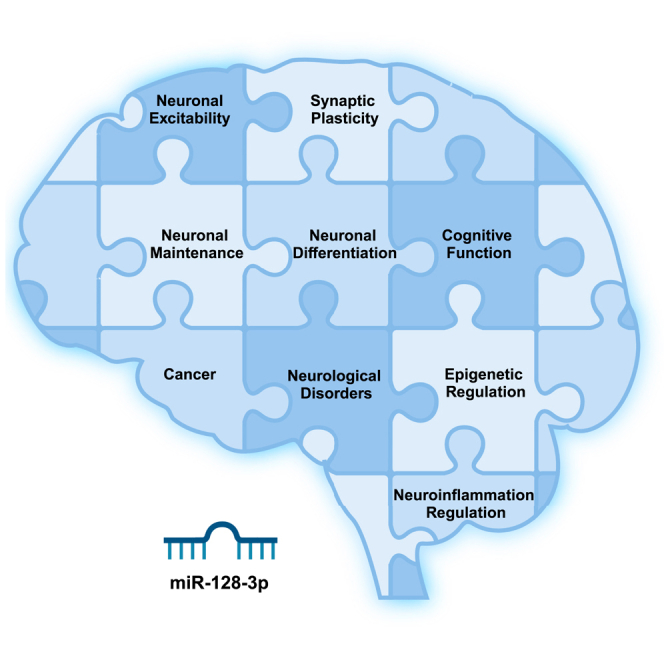
MicroRNA-128-3p (miR-128-3p) is a versatile molecule with multiple functions in the physiopathology of the human central nervous system. Perturbations of miR-128-3p, which is enriched in the brain, contribute to a plethora of neurodegenerative disorders, brain injuries, and malignancies, as this miRNA is a crucial regulator of gene expression in the brain, playing an essential role in the maintenance and function of cells stemming from neuronal lineage. However, the differential expression of miR-128-3p in pathologies underscores the importance of the balance between its high and low levels. Significantly, numerous reports pointed to miR-128-3p as one of the most depleted in glioblastoma, implying it is a critical player in the disease's pathogenesis and thus may serve as a therapeutic agent for this most aggressive form of brain tumor. In this review, we summarize the current knowledge of the diverse roles of miR-128-3p. We focus on its involvement in the neurogenesis and pathophysiology of malignant and neurodegenerative diseases. We also highlight the promising potential of miR-128-3p as an antitumor agent for the future therapy of human cancers, including glioblastoma, and as the linchpin of brain development and function, potentially leading to the development of new therapies for neurological conditions.
Overview
AI snapshot
Written from the paper’s full text.
TL;DR
This review synthesizes the roles of miR-128-3p in the human central nervous system, emphasizing its brain enrichment and context-dependent deregulation in neurodegeneration, injury, and malignancies. It highlights glioblastoma as a key therapeutic target because miR-128-3p is depleted and its restoration targets polycomb repressive complexes and may enhance antitumor immunity.
Key findings
- miR-128-3p is one of the most highly expressed microRNAs in the CNS; it is encoded by two genes, hsa-MIR128-1 (chromosome 2q21.3, within R3HDM1) and hsa-MIR128-2 (chromosome 3p22.3, within ARPP-21), and both loci yield identical mature miR-128-3p after DICER processing.
- In non-malignant CNS pathologies, miR-128-3p is up-regulated in Alzheimer’s disease, multiple sclerosis, Parkinson’s disease, and acute ischemic stroke, but down-regulated in epilepsy and spinal cord injury/neuropathic pain (Table 1).
- In CNS malignancies, miR-128-3p expression is inversely correlated with tumor grade: lowest in glioblastoma (grade 4), relatively high in oligodendrogliomas (grade 2 or 3), no significant differences in meningiomas or pituitary tumors, and suppressed in aggressive pituitary adenomas. Glioblastoma accounts for more than 80% of primary brain tumors and has a median survival of only 14–16 months.
- Reintroducing miR-128-3p in glioblastoma stem-like cells targets PRC1/PRC2 components BMI1 and SUZ12, shifts cells from the mesenchymal toward the proneural subtype, reduces viability and neurosphere formation, decreases tumor burden and improves survival in mouse intracranial xenografts, and enhances radiosensitivity.
Methods
- Design: narrative review summarizing current knowledge of miR-128-3p in CNS physiology and pathology, including neurogenesis, neurodegenerative disease, brain injury, and CNS malignancies.
- Data/sample: published literature plus public datasets, including the Human microRNA Tissue Atlas accessed December 2023 for tissue and brain-region expression figures, The Cancer Genome Atlas glioblastoma dataset for a correlation signature of ∼1,700 genes, and CLIP-Seq data for non-coding RNA interaction networks.
- Main analysis: synthesis of reported expression changes, target genes, molecular pathways, immune effects, and therapeutic strategies; tabular summaries of miR-128-3p deregulation in CNS disease and malignancy.
Limitations
- Stated: miR-128-3p effects are context-dependent, and its therapeutic use carries potential off-target effects; further research is needed to unravel precise mechanisms in different CNS pathologies.
- Stated: current microRNA modulation methods using oligonucleotides and gene therapies remain challenging for neurological conditions, and none have yet been approved for clinical use; EV-based delivery requires optimization and standardization of isolation, characterization, biodistribution, pharmacodynamics, and pharmacokinetics.
- Evident from the text: as a review, it presents no new primary experimental data, and many cited findings derive from animal models, in vitro systems, or preclinical studies, limiting direct causal inference in humans.
Model-written summary. Check it against the paper before relying on it.
Integrity signals
Registry
Cites
Statistics
Figures
Verification
Claims the paper makes
99 Not checked yet · 53 Own interpretation · 41 Partly supported · 19 No full text of the sources · 9 Supported · 7 Own result · 7 No basis given · 5 Supported so far · 2 Mixed support · 2 Sources not found · 1 Not supported · accuracy not yet measured
Some cited sources support this claim and some don’t — read each source’s verdict below.
In the paper
“No significant differences were detected in the expression of miR-128-3p between the healthy cohorts and the patients with meningiomas (grade 1–3) or pituitary tumors,71,72,74”
§ MiR-128-3p – a gray eminence of the human central nervous system > MiR-128-3p in malignancies of the CNS
What the sources say
- Partly supportedcites [71] Wang, 2012, Plasma specific miRNAs as predictive biomarkers for diagnosis and prognosis of glioma, J. Exp. Clin. Cancer Res. sourceExperimental — accuracy not yet measured
The Results section on glioma-specific plasma miRNAs (Figure 5; page not provided) reports no significant difference between healthy controls and patients with meningioma or pituitary adenoma. However, it measures miR-128, not specifically miR-128-3p, and the Clinical samples section does not specify meningioma grades 1–3. (LLM, conf=0.86)
- Not checked — no full text of the sourcecites [72] Sun, 2015, Serum microRNA-128 as a biomarker for diagnosis of glioma, Int. J. Clin. Exp. Med.
- Disputedcites [74] Palumbo, 2013, Functional screen analysis reveals miR-26b and miR-128 as central regulators of pituitary somatomammotrophic tumor growth through activation of the PTEN–AKT pathway, Oncogene sourceExperimental — accuracy not yet measured
The Results section (“MicroRNA signature of GH-producing pituitary tumors”; page unavailable) reports miR-128 as approximately 7.5-fold lower in pituitary tumors than in normal tissue, contrary to the claimed absence of a difference. The paper calls it miR-128 rather than miR-128-3p and does not address meningiomas. (LLM, conf=0.86)
Checked by a reasoning model — may be wrong.
plain- Asserted: passes — The authors put it forward as true.
- Checkable: passes — It can be checked against evidence.
- Load-bearing: passes — The paper’s conclusions depend on it.
- Based: passes — The paper gives a reason why it holds.
- Partly supported
At least one cited source doesn’t support this claim or points to a different paper, and none confirmed it — see the verdicts below.
In the paper
“As a result, monocyte amyloid beta degradation was enhanced in vitro,54”
§ MiR-128-3p – a gray eminence of the human central nervous system > MiR-128-3p as a potent modulator of the immune microenvironment > Neurodegenerative diseases
What the sources say
- Disputedcites [54] Geng, 2018, Inhibition of miR-128 Abates Aβ-Mediated Cytotoxicity by Targeting PPAR-γ via NF-κB Inactivation in Primary Mouse Cortical Neurons and Neuro2a Cells, Yonsei Med. J. sourceExperimental — accuracy not yet measured
The Discussion says that miR-128 downregulation facilitates amyloid-β degradation in monocytes, the opposite of the claimed effect of upregulation. The cited study’s title in the References likewise associates miR-128 upregulation with impaired degradation. (LLM, conf=0.90)
Checked by a reasoning model — may be wrong.
plaindirect- Asserted: passes — The authors put it forward as true.
- Checkable: passes — It can be checked against evidence.
- Load-bearing: passes — The paper’s conclusions depend on it.
- Based: passes — The paper gives a reason why it holds.
- Disputed
Every source the paper cites for this claim was checked and supports it.
In the paper
“miR-128’s expression dynamically changes during neurogenesis”
§ MiR-128-3p – a gray eminence of the human central nervous system > Functions of miR-128-3p in the physiopathology of the human CNS
What the sources say
- Supportedcites [34] Shu, 2019, Opposing Gradients of MicroRNA Expression Temporally Pattern Layer Formation in the Developing Neocortex, Dev. Cell source
The Results describe a high-to-low temporal gradient of miR-128 expression in neocortical progenitor cells over the course of neurogenesis. They also report that miR-128 expression in those cells becomes nearly undetectable by E13.5, supporting the claim that its expression changes dynamically. (LLM, conf=0.94)
plaindirect- Asserted: passes — The authors put it forward as true.
- Checkable: passes — It can be checked against evidence.
- Load-bearing: passes — The paper’s conclusions depend on it.
- Based: passes — The paper gives a reason why it holds.
- Supported
The cited sources support only part of this claim — read each source’s verdict below.
In the paper
“and consequently reduces amyloid beta-mediated cytotoxicity and inflammatory response through the inactivation of NF-κB in vitro.54”
§ MiR-128-3p – a gray eminence of the human central nervous system > MiR-128-3p in neurodegenerative diseases, brain damage, and injuries > Alzheimer’s disease
What the sources say
- Partly supportedcites [54] Geng, 2018, Inhibition of miR-128 Abates Aβ-Mediated Cytotoxicity by Targeting PPAR-γ via NF-κB Inactivation in Primary Mouse Cortical Neurons and Neuro2a Cells, Yonsei Med. J. sourceExperimental — accuracy not yet measured
The Results section reports that inhibiting miR-128 with anti-miR-128 reduced Aβ-mediated cytotoxicity and NF-κB activity in cultured primary mouse cortical neurons and Neuro2a cells. It does not report a miR-128-3p knockout or show a reduction in inflammatory response; the measured outcomes were cell viability, apoptosis, caspase-3 activity, and NF-κB activity. Page numbers are unavailable in our copy. (LLM, conf=0.88)
plaindirect- Asserted: passes — The authors put it forward as true.
- Checkable: passes — It can be checked against evidence.
- Load-bearing: passes — The paper’s conclusions depend on it.
- Based: passes — The paper gives a reason why it holds.
- Partly supported
The cited sources support only part of this claim — read each source’s verdict below.
In the paper
“miR-128-3p actively participates in embryonic brain development by regulating key genes, including PCM-1 (Pericentriolar material 1) and PHF6 (PHD finger protein 6) in neuronal progenitor cells.”
§ MiR-128-3p – a gray eminence of the human central nervous system > Functions of miR-128-3p in the physiopathology of the human CNS
What the sources say
- Partly supportedcites [33] Zhang, 2016, MiRNA-128 regulates the proliferation and neurogenesis of neural precursors by targeting PCM1 in the developing cortex, Elife sourceExperimental — accuracy not yet measured
The Results section ('PCM1 is a direct target of miR-128 in NPCs'; no page number provided) reports that miR-128 reduces PCM1 expression in neural progenitor cells, and the paper links this to development of the mouse embryonic cortex. Our copy does not identify the studied miRNA specifically as miR-128-3p or show that it regulates PHF6 in progenitor cells; PHF6 appears in the title of a different study listed in the References. (LLM, conf=0.88)
plaindirect- Asserted: passes — The authors put it forward as true.
- Checkable: passes — It can be checked against evidence.
- Load-bearing: unclear — It is unclear whether the paper’s conclusions depend on it.
- Based: passes — The paper gives a reason why it holds.
- Partly supported
The cited sources support only part of this claim — read each source’s verdict below.
In the paper
“disruptions in miR-128-3p homeostasis are associated with neurodevelopmental disorders”
§ MiR-128-3p – a gray eminence of the human central nervous system > Functions of miR-128-3p in the physiopathology of the human CNS
What the sources say
- Partly supportedcites [35] Mellios, 2012, The Emerging Role of microRNAs in Schizophrenia and Autism Spectrum Disorders, Front. Psychiatry sourceExperimental — accuracy not yet measured
The “miRNAs in Autism Spectrum Disorders” section reports that miR-128b is altered in schizophrenia and shows changes in ASD samples. Our copy does not identify it as miR-128-3p, so it does not establish the claim for that specific form. (LLM, conf=0.82)
- Partly supportedcites [36] Ching, 2015, A Perspective on the Role of microRNA-128 Regulation in Mental and Behavioral Disorders, Front. Cell. Neurosci. sourceExperimental — accuracy not yet measured
The Introduction (page not provided) reports miR-128 deficiency alongside early-onset epilepsy in mice and a MIR-128-2 locus deletion in a family with intellectual disability and epileptic episodes. It does not identify miR-128-3p specifically, and it cautions that no direct link between MIR-128 and the family's condition was established. (LLM, conf=0.82)
- Partly supportedcites [37] Franzoni, 2015, miR-128 regulates neuronal migration, outgrowth and intrinsic excitability via the intellectual disability gene Phf6, Elife sourceExperimental — accuracy not yet measured
The Introduction and Results report that altered miR-128 expression affects neuronal migration and cortical development in mice. The Discussion identifies its target PHF6 as a gene mutated in neurodevelopmental disorders. The paper does not show that disrupted miR-128-3p levels are associated with those disorders in affected people. (LLM, conf=0.84)
plaincorrelational- Asserted: passes — The authors put it forward as true.
- Checkable: passes — It can be checked against evidence.
- Load-bearing: passes — The paper’s conclusions depend on it.
- Based: passes — The paper gives a reason why it holds.
- Partly supported
The cited sources support only part of this claim — read each source’s verdict below.
In the paper
“influencing the timing and fate of neuron production.34”
§ MiR-128-3p – a gray eminence of the human central nervous system > Functions of miR-128-3p in the physiopathology of the human CNS
What the sources say
- Partly supportedcites [34] Shu, 2019, Opposing Gradients of MicroRNA Expression Temporally Pattern Layer Formation in the Developing Neocortex, Dev. Cell sourceExperimental — accuracy not yet measured
The Discussion (page unavailable) reports that altering miR-128 expression at different developmental stages shifts neocortical neuron production between earlier- and later-born fates. The paper calls it miR-128, however; our copy does not identify the studied molecule specifically as miR-128-3p. (LLM, conf=0.83)
plaindirect- Asserted: passes — The authors put it forward as true.
- Checkable: passes — It can be checked against evidence.
- Load-bearing: passes — The paper’s conclusions depend on it.
- Based: passes — The paper gives a reason why it holds.
- Partly supported
The cited sources support only part of this claim — read each source’s verdict below.
In the paper
“The overexpression of miR-128-3p resulted in prominently reduced apoptosis of dopaminergic neurons”
§ MiR-128-3p – a gray eminence of the human central nervous system > MiR-128-3p in neurodegenerative diseases, brain damage, and injuries > Parkinson’s disease
What the sources say
- Not checked — no full text of the sourcecites [62] Zhou, 2018, MicroRNA-128 Protects Dopamine Neurons from Apoptosis and Upregulates the Expression of Excitatory Amino Acid Transporter 4 in Parkinson’s Disease by Binding to AXIN1, Cell. Physiol. Biochem. source
- Partly supportedcites [63] Zhang, 2020, HIF-1α/microRNA-128-3p axis protects hippocampal neurons from apoptosis via the Axin1-mediated Wnt/β-catenin signaling pathway in Parkinson’s disease models, Aging sourceExperimental — accuracy not yet measured
The Results section reports significantly reduced apoptosis after miR-128-3p overexpression in hippocampal neurons from MPTP-lesioned mice. The claim instead specifies dopaminergic neurons, which this passage does not establish. (LLM, conf=0.89)
plaindirect- Asserted: passes — The authors put it forward as true.
- Checkable: passes — It can be checked against evidence.
- Load-bearing: passes — The paper’s conclusions depend on it.
- Based: passes — The paper gives a reason why it holds.
Every source the paper cites for this claim was checked and supports it.
In the paper
“and specifying laminar fates.”
§ MiR-128-3p – a gray eminence of the human central nervous system > Functions of miR-128-3p in the physiopathology of the human CNS
What the sources say
- Supportedcites [34] Shu, 2019, Opposing Gradients of MicroRNA Expression Temporally Pattern Layer Formation in the Developing Neocortex, Dev. Cell source
The Results state that miR-128 is sufficient to specify a layer VI laminar fate. The Discussion adds that this effect occurs when miR-128 is altered in neural progenitor cells, not in neurons. (LLM, conf=0.94)
plaindirect- Asserted: passes — The authors put it forward as true.
- Checkable: passes — It can be checked against evidence.
- Load-bearing: passes — The paper’s conclusions depend on it.
- Based: passes — The paper gives a reason why it holds.
- Supported
The cited sources support only part of this claim — read each source’s verdict below.
In the paper
“A report by He et al., which contrasts miR-128-3p expression in specific brain regions, supports this tissue-centric perspective.32”
§ MiR-128-3p – a gray eminence of the human central nervous system > Functions of miR-128-3p in the physiopathology of the human CNS
What the sources say
- Partly supportedcites [32] He, 2012, Cell-Type-Based Analysis of MicroRNA Profiles in the Mouse Brain, Neuron sourceExperimental — accuracy not yet measured
The Results section on neocortex and cerebellum reports that miR-128 expression is about fourfold higher in neocortex than in cerebellum, supporting a regional difference. Our copy does not identify that measurement specifically as miR-128-3p, so the strand-specific part of the claim is not established. (LLM, conf=0.84)
plaincorrelational- Asserted: passes — The authors put it forward as true.
- Checkable: passes — It can be checked against evidence.
- Load-bearing: unclear — It is unclear whether the paper’s conclusions depend on it.
- Based: passes — The paper gives a reason why it holds.
- Partly supported
- Probably not a substantial claim. 31
- It may state two separate claims as one. 70
- The quote only partly states this claim. 2
Some cited sources support this claim and some don’t — read each source’s verdict below.
In the paper
“High-throughput genomic, epigenomic, and transcriptomic profiling of glioblastoma cells revealed three main subtypes harboring distinct molecular and phenotypic landscapes that affect response to the therapy and clinical outcome: mesenchymal, proneural, and classical subtypes.96,97,98,99,100”
§ MiR-128-3p – a gray eminence of the human central nervous system > MiR-128-3p in malignancies of the CNS > Glioblastoma
What the sources say
- Disputedcites [96] Verhaak, 2010, Integrated Genomic Analysis Identifies Clinically Relevant Subtypes of Glioblastoma Characterized by Abnormalities in PDGFRA, IDH1, EGFR, and NF1, Cancer Cell sourceExperimental — accuracy not yet measured
Split into 2 atoms — 0 confirmed, 1 partially supported, 1 disputed, 0 misattributed, 0 unverifiable. Expand the claim to see per-atom verdicts.
Checked by a reasoning model — may be wrong.
- Disputedcites [97] Brennan, 2013, The Somatic Genomic Landscape of Glioblastoma, Cell sourceExperimental — accuracy not yet measured
Split into 2 atoms — 0 confirmed, 1 partially supported, 1 disputed, 0 misattributed, 0 unverifiable. Expand the claim to see per-atom verdicts.
Checked by a reasoning model — may be wrong.
- Partly supportedcites [98] Frattini, 2013, The integrated landscape of driver genomic alterations in glioblastoma, Nat. Genet. sourceExperimental — accuracy not yet measured
Split into 2 atoms — 0 confirmed, 2 partially supported, 0 disputed, 0 misattributed, 0 unverifiable. Expand the claim to see per-atom verdicts.
- Partly supportedcites [99] Neftel, 2019, An Integrative Model of Cellular States, Plasticity, and Genetics for Glioblastoma, Cell sourceExperimental — accuracy not yet measured
Split into 2 atoms — 0 confirmed, 2 partially supported, 0 disputed, 0 misattributed, 0 unverifiable. Expand the claim to see per-atom verdicts.
- Partly supportedcites [100] Wang, 2021, Proteogenomic and metabolomic characterization of human glioblastoma, Cancer Cell sourceExperimental — accuracy not yet measured
Split into 2 atoms — 0 confirmed, 2 partially supported, 0 disputed, 0 misattributed, 0 unverifiable. Expand the claim to see per-atom verdicts.
plaindirect- Asserted: passes — The authors put it forward as true.
- Checkable: passes — It can be checked against evidence.
- Load-bearing: fails — The paper’s conclusions may not depend on it.
- Based: passes — The paper gives a reason why it holds.
Probably not a substantial claim. The paper’s conclusions may not depend on it.
- Disputed
The cited sources support only part of this claim — read each source’s verdict below.
In the paper
“the antagomir-mediated depletion of miR-128-2 promoted neuronal cell cycle re-entry and exacerbated ischemia reperfusion-induced neuronal injury.66”
§ MiR-128-3p – a gray eminence of the human central nervous system > MiR-128-3p in neurodegenerative diseases, brain damage, and injuries > Acute ischemic stroke
What the sources say
- Partly supportedcites [66] Liu, 2019, Upregulation of MicroRNA-128 in the Peripheral Blood of Acute Ischemic Stroke Patients is Correlated with Stroke Severity Partially through Inhibition of Neuronal Cell Cycle Reentry, Cell Transplant. sourceExperimental — accuracy not yet measured
The Results section reports that a miR-128 antagomir increased cell-cycle re-entry and aggravated injury in primary neurons exposed to oxygen-glucose deprivation/reoxygenation, an in vitro model of ischemia-reperfusion. The paper does not establish that the antagomir specifically depleted miR-128-2; its Introduction identifies miR-128-1 and miR-128-2 as separate genes. (LLM, conf=0.88)
plaindirect- Asserted: passes — The authors put it forward as true.
- Checkable: passes — It can be checked against evidence.
- Load-bearing: passes — The paper’s conclusions depend on it.
- Based: passes — The paper gives a reason why it holds.
It may state two separate claims as one.
- Partly supported
The cited sources support only part of this claim — read each source’s verdict below.
In the paper
“Parkinson’s disease (PD) is a neurodegenerative disorder resulting in severe disability due to progressive degeneration of the nigrostriatal dopaminergic pathway.60,61”
§ MiR-128-3p – a gray eminence of the human central nervous system > MiR-128-3p in neurodegenerative diseases, brain damage, and injuries > Parkinson’s disease
What the sources say
- Not checked — no full text of the sourcecites [60] Kalia, 2015, Parkinson’s disease, Lancet Lond. Engl. source
- Partly supportedcites [61] Simon, 2020, Parkinson Disease Epidemiology, Pathology, Genetics, and Pathophysiology, Clin. Geriatr. Med. sourceExperimental — accuracy not yet measured
The Introduction identifies Parkinson’s disease as a progressive neurodegenerative disease, and Neuropathology describes degeneration of substantia nigra dopaminergic neurons and loss of dopaminergic terminals associated with motor symptoms. These passages do not establish the claim’s stronger assertion that this degeneration results in severe disability; the Introduction also notes pathology beyond the dopaminergic system. Page numbers were not available in our copy. (LLM, conf=0.82)
plaindirect- Asserted: passes — The authors put it forward as true.
- Checkable: passes — It can be checked against evidence.
- Load-bearing: fails — The paper’s conclusions may not depend on it.
- Based: passes — The paper gives a reason why it holds.
Probably not a substantial claim. The paper’s conclusions may not depend on it.
The cited sources support only part of this claim — read each source’s verdict below.
In the paper
“A large volume of evidence implicates microRNAs playing crucial roles in multiple biological functions such as proliferation, differentiation, or apoptosis.3,21”
§ MiR-128-3p – a gray eminence of the human central nervous system > Introduction > Overview of miR-128-3p
What the sources say
- Partly supportedcites [3] O’Brien, 2018, Overview of MicroRNA Biogenesis, Mechanisms of Actions, and Circulation, Front. Endocrinol. sourceExperimental — accuracy not yet measured
The Introduction says miRNAs are involved in a variety of biological processes. The section on cellular miRNA actions discusses differentiation, and the section on secretion and uptake describes miRNA-promoted fibroblast proliferation. I found no passage in our copy linking miRNAs to apoptosis, so that example is not supported. (LLM, conf=0.84)
- Not checked — no full text of the sourcecites [21] Saliminejad, 2019, An overview of microRNAs: Biology, functions, therapeutics, and analysis methods, J. Cell. Physiol. source
boostedcorrelational- Asserted: passes — The authors put it forward as true.
- Checkable: passes — It can be checked against evidence.
- Load-bearing: fails — The paper’s conclusions may not depend on it.
- Based: passes — The paper gives a reason why it holds.
Probably not a substantial claim. The paper’s conclusions may not depend on it.
- Partly supported
The cited sources support only part of this claim — read each source’s verdict below.
In the paper
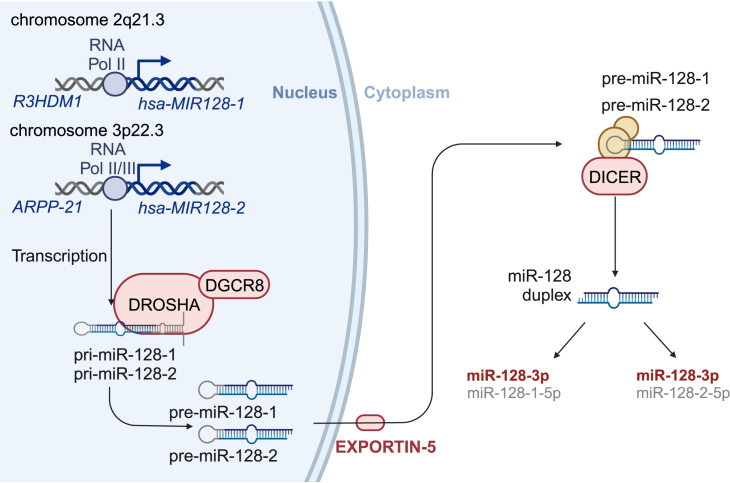
“Crucially, although both ∼80-nucleotide-long pre-miR-128 form different stem-loop structures, they yield identical mature miR-128-3p after processing by DICER.1,23,26”
§ MiR-128-3p – a gray eminence of the human central nervous system > MiR-128-3p biogenesis
What the sources say
- Partly supportedcites [1] MacFarlane, 2010, MicroRNA: Biogenesis, Function and Role in Cancer, Curr. Genomics sourceExperimental — accuracy not yet measured
The Single Cleavage Pre-miRNA Processing section (page unavailable) says Dicer processes precursor hairpins into miRNA duplexes. The Intergenic microRNA section describes precursor hairpins generally, but neither passage establishes that there are two distinct ∼80-nucleotide pre-miR-128 hairpins or that both yield identical mature miR-128-3p. (LLM, conf=0.86)
- Not checked — no full text of the sourcecites [23] Kim, 2009, Biogenesis of small RNAs in animals, Nat. Rev. Mol. Cell Biol. source
- Not checked — no full text of the sourcecites [26] Kim, 2005, MicroRNA biogenesis: coordinated cropping and dicing, Nat. Rev. Mol. Cell Biol. source
plaindirect- Asserted: passes — The authors put it forward as true.
- Checkable: passes — It can be checked against evidence.
- Load-bearing: unclear — It is unclear whether the paper’s conclusions depend on it.
- Based: passes — The paper gives a reason why it holds.
It may state two separate claims as one.
- Partly supported
The cited sources support only part of this claim — read each source’s verdict below.
In the paper
“Overexpression of miR-128-3p has inhibited apoptosis of neurons, inflammation, and improved motor function following SCI via down-regulation of serine/threonine-protein kinase ULK1 and elevation of Fas ligand (FasL).57”
§ MiR-128-3p – a gray eminence of the human central nervous system > MiR-128-3p in neurodegenerative diseases, brain damage, and injuries > Spinal cord injury and neuropathic pain
What the sources say
- Partly supportedcites [57] Liu, 2021, Upregulation of miR-128 inhibits neuronal cell apoptosis following spinal cord injury via FasL downregulation by repressing ULK1, Mol. Med. Rep. sourceExperimental — accuracy not yet measured
The Discussion reports reduced neuronal apoptosis and inflammation and improved motor function after miR-128 overexpression, and one Discussion sentence describes FasL elevation. However, the Results report significantly lowered FasL after ULK1 silencing, and the Abstract concludes that miR-128 attenuates SCI through FasL downregulation. The claimed direction of the FasL effect is therefore inconsistent with the paper’s reported findings and conclusion. (LLM, conf=0.88)
plaindirect- Asserted: passes — The authors put it forward as true.
- Checkable: passes — It can be checked against evidence.
- Load-bearing: passes — The paper’s conclusions depend on it.
- Based: passes — The paper gives a reason why it holds.
It may state two separate claims as one.
- Partly supported
The cited sources support only part of this claim — read each source’s verdict below.
In the paper
“Regarding proliferation and differentiation, miR-128-3p targets genes like RELN (Reelin)141 and PHF6,37 impacting neuronal migration, layer formation, and neurite outgrowth.”
§ MiR-128-3p – a gray eminence of the human central nervous system > The networking of miR-128-3p > mRNA targets
What the sources say
- Partly supportedcites [141] Evangelisti, 2009, MiR-128 up-regulation inhibits Reelin and DCX expression and reduces neuroblastoma cell motility and invasiveness, FASEB J sourceExperimental — accuracy not yet measured
The Abstract and Discussion (pages unavailable) identify Reelin/RELN as a miR-128 target involved in neuronal migration. They do not establish that miR-128 targeting RELN affects layer formation or neurite outgrowth; the reported neurite measurements concern retinoic-acid-treated cells. PHF6 has a separate citation in the citing sentence and is not attributed to this paper. (LLM, conf=0.85)
- Supportedcites [37] Franzoni, 2015, miR-128 regulates neuronal migration, outgrowth and intrinsic excitability via the intellectual disability gene Phf6, Elife source
The Results section identifies Phf6 as a miR-128 target and shows that restoring PHF6 alleviates the neuronal migration defect. The Discussion links miR-128 regulation of PHF6 to cortical lamination, while the Results show PHF6 counteracts miR-128’s effect on dendritic complexity. RELN has a separate citation in the citing sentence and is not attributed to this source. (LLM, conf=0.92)
plaindirect- Asserted: passes — The authors put it forward as true.
- Checkable: passes — It can be checked against evidence.
- Load-bearing: unclear — It is unclear whether the paper’s conclusions depend on it.
- Based: passes — The paper gives a reason why it holds.
It may state two separate claims as one.
- Partly supported
The cited sources support only part of this claim — read each source’s verdict below.
In the paper
“They are considered tumor-initiating cells that render cancer resistant to conventional anti-glioblastoma therapies,90,91,92,93 leading to inevitable recurrence and fatal outcomes.94,95”
§ MiR-128-3p – a gray eminence of the human central nervous system > MiR-128-3p in malignancies of the CNS > Glioblastoma
What the sources say
- Not checked — no full text of the sourcecites [90] Singh, 2003, Identification of a Cancer Stem Cell in Human Brain Tumors, Cancer Res.
- Partly supportedcites [91] Lathia, 2015, Cancer stem cells in glioblastoma, Genes Dev. sourceExperimental — accuracy not yet measured
The Therapeutic resistance and Therapeutic targeting sections describe glioblastoma stem-like cells as tumor-initiating cells involved in resistance and recurrence after treatment. The paper says recurrence occurs “almost always,” not inevitably; it also describes glioblastoma as lethal, but does not establish that these cells cause every fatal outcome. No page numbers are available in our copy. (LLM, conf=0.86)
- Partly supportedcites [92] Yi, 2016, Glioblastoma Stem-Like Cells: Characteristics, Microenvironment, and Therapy, Front. Pharmacol. sourceExperimental — accuracy not yet measured
The GSCs and Their Characteristics section describes GSCs as capable of tumor initiation and resistant to drugs and radiation. The Abstract links their resistance to recurrence, and the Introduction reports poor survival. However, the Introduction calls recurrence “near-universal,” not inevitable, so the citing sentence overstates that part. (LLM, conf=0.87)
- Supportedcites [93] Król, 2020, Aberrantly Expressed RECQL4 Helicase Supports Proliferation and Drug Resistance of Human Glioma Cells and Glioma Stem Cells, Cancers source
For the recurrence-and-outcomes clause attributed to this source, the Introduction says GSCs contribute to tumour recurrence, GBMs typically recur despite treatment, and median overall survival is 14 months after diagnosis. The paper’s opening summary also describes recurrence as inevitable. The earlier 'tumor-initiating cells' clause carries separate citations and is not assessed here. (LLM, conf=0.88)
- Partly supportedcites [94] Gimple, 2019, Glioblastoma stem cells: lessons from the tumor hierarchy in a lethal cancer, Genes Dev. sourceExperimental — accuracy not yet measured
The Clinical relevance section defines GSCs by tumor-initiating capacity and says they mediate radioresistance, chemoresistance, and recurrence. It reports a high recurrence rate and poor survival, but does not say recurrence or fatal outcomes are inevitable for every patient. (LLM, conf=0.86)
- Partly supportedcites [95] Prager, 2020, Glioblastoma Stem Cells: Driving Resilience through Chaos, Trends Cancer sourceExperimental — accuracy not yet measured
The Glioblastoma section says GSCs drive resistance to drug treatment, radiation, and surgery; Intratumoral Heterogeneity and Tumor Evolution says they can regenerate tumors and are thought to drive recurrence. The paper describes glioblastoma as universally lethal, but it does not establish that recurrence is inevitable or that GSCs invariably cause that outcome. (LLM, conf=0.84)
plaindirect- Asserted: passes — The authors put it forward as true.
- Checkable: passes — It can be checked against evidence.
- Load-bearing: passes — The paper’s conclusions depend on it.
- Based: passes — The paper gives a reason why it holds.
It may state two separate claims as one.
The cited sources support only part of this claim — read each source’s verdict below.
In the paper
“Aberrations in PRCs’ functionality were linked to several human cancers,120,121 significantly contributing to the self-renewal/differentiation balance of cancer stem cells,122,123,124 including GSCs.125”
§ MiR-128-3p – a gray eminence of the human central nervous system > MiR-128-3p in malignancies of the CNS > MiR-128-3p and the regulation of polycomb repressive complexes in glioblastoma
What the sources say
- Partly supportedcites [120] Bracken, 2009, Polycomb group proteins: navigators of lineage pathways led astray in cancer, Nat. Rev. Cancer sourceExperimental — accuracy not yet measured
The review links altered Polycomb-group activity to multiple cancers (PcG proteins and cancer, p. 5) and says these proteins help maintain cancer stem-cell populations (p. 4). It also proposes that aberrant Polycomb-mediated repression may block differentiation (p. 5). The cited passages do not establish the claim specifically for glioma stem cells (GSCs), and the proposed differentiation mechanism is less certain than the citing sentence suggests. (LLM, conf=0.85)
- Not checked — no full text of the sourcecites [121] Pasini, 2016, Emerging roles for Polycomb proteins in cancer, Curr. Opin. Genet. Dev. source
- Supportedcites [122] Pasini, 2004, Polycomb group proteins in cell cycle progression and cancer, Cell Cycle source
The source’s Abstract says deregulated PRC2 activity is frequent in human tumors, and the passage on PRC2 genes describes their deregulation in several cancers. This supports the first clause, to which citations 120–121 are attached; the cancer-stem-cell and GSC clauses have separate citations and are not attributed to this source. (LLM, conf=0.93)
- Partly supportedcites [123] Sauvageau, 2010, Polycomb group proteins: multi-faceted regulators of somatic stem cells and cancer, Cell Stem Cell sourceExperimental — accuracy not yet measured
The Concluding Remarks link aberrant Polycomb-group complex activity to human tumors and cancer stem cell biology, while the Abstract describes roles in stem cell self-renewal and differentiation. The passages found do not establish the claimed self-renewal/differentiation balance specifically in glioma stem cells (GSCs); the glioma passage concerns proliferation and self-renewal, not that balance. (LLM, conf=0.82)
- Supportedcites [124] Richly, 2011, Roles of the Polycomb group proteins in stem cells and cancer, Cell Death Dis. source
The Abstract links Polycomb misregulation to multiple cancers and to cancer stem cells with increased self-renewal and incomplete differentiation. The “Polycomb Proteins and Cancer” section specifically reports that altering EZH2 or Bmi-1 levels reduces self-renewal in glioblastoma or glioma stem cells. Page numbers were not supplied. (LLM, conf=0.92)
- Not checked — no full text of the sourcecites [125] Bian, 2014, Epigenetic modification in gliomas: role of the histone methyltransferase EZH2, Expert Opin. Ther. Targets source
plaincorrelational- Asserted: passes — The authors put it forward as true.
- Checkable: passes — It can be checked against evidence.
- Load-bearing: passes — The paper’s conclusions depend on it.
- Based: passes — The paper gives a reason why it holds.
It may state two separate claims as one.
- Partly supported
The cited sources support only part of this claim — read each source’s verdict below.
In the paper
“Crucially, the levels of miR-128-3p forms can also differ depending on the genetic and molecular background, as they correlated with the glioblastoma subtypes, with the most reduced expression in the most aggressive mesenchymal one.96,113”
§ MiR-128-3p – a gray eminence of the human central nervous system > MiR-128-3p in malignancies of the CNS > Glioblastoma
What the sources say
- Partly supportedcites [96] Verhaak, 2010, Integrated Genomic Analysis Identifies Clinically Relevant Subtypes of Glioblastoma Characterized by Abnormalities in PDGFRA, IDH1, EGFR, and NF1, Cancer Cell sourceExperimental — accuracy not yet measured
The Results (Functional Annotation of Subtypes) and Discussion describe genetically distinct glioblastoma subtypes, including a Mesenchymal subtype associated with NF1 abnormalities. They do not report miR-128-3p expression by subtype or establish that its expression is lowest in Mesenchymal tumors. The cited passages also do not call Mesenchymal the most aggressive subtype. (LLM, conf=0.81)
- Partly supportedcites [113] Papagiannakopoulos, 2012, Pro-neural miR-128 is a glioma tumor suppressor that targets mitogenic kinases, Oncogene sourceExperimental — accuracy not yet measured
The Results section ('miR-128 is repressed in gliomas'; page unavailable) reports that miR-128-1 expression differs among glioblastoma subtypes, distinguishing less aggressive Neural/Pro-Neural tumors from aggressive Classical and Mesenchymal tumors. It specifically reports reduced expression in Classical relative to Neural tumors, but does not establish that miR-128-3p forms are lowest in the Mesenchymal subtype. (LLM, conf=0.87)
plaincorrelational- Asserted: passes — The authors put it forward as true.
- Checkable: passes — It can be checked against evidence.
- Load-bearing: unclear — It is unclear whether the paper’s conclusions depend on it.
- Based: passes — The paper gives a reason why it holds.
It may state two separate claims as one.
- Partly supported
The cited sources support only part of this claim — read each source’s verdict below.
In the paper
“Additionally, miR-128-3p targets synaptic plasticity and memory-related genes, such as CREB1 (CAMP Responsive element binding protein 1) or NRXN1 (Neurexin 1),142 and genes encoding subunits of ion channels and transporters like the Big Potassium (BK) channel.29”
§ MiR-128-3p – a gray eminence of the human central nervous system > The networking of miR-128-3p > mRNA targets
What the sources say
- Could not verifycites [142] Gao, 2019, Long Non-coding RNA Maternally Expressed 3 Increases the Expression of Neuron-Specific Genes by Targeting miR-128-3p in All-Trans Retinoic Acid-Induced Neurogenic Differentiation From Amniotic Epithelial Cells, Front. Cell Dev. Biol. sourceExperimental — accuracy not yet measured
The Discussion describes CREB as acting upstream of MEG3 and identifies JAG1 as a miR-128-3p target. Our copy does not say that miR-128-3p targets CREB1, NRXN1, or the BK channel, or link those targets to synaptic plasticity and memory (searched: CREB1, NRXN1, BK channel, ion channel subunits). (LLM, conf=0.74)
- Partly supportedcites [29] Tan, 2013, MicroRNA-128 Governs Neuronal Excitability and Motor Behavior in Mice, Science sourceExperimental — accuracy not yet measured
The passage on miR-128 target genes (section labeled Abstract; page unavailable) says miR-128 regulates numerous ion channels and transporters. It does not identify the BK channel among them. The CREB1 and NRXN1 examples carry a different citation in the citing sentence and are not assessed here. (LLM, conf=0.86)
plaindirect- Asserted: passes — The authors put it forward as true.
- Checkable: passes — It can be checked against evidence.
- Load-bearing: unclear — It is unclear whether the paper’s conclusions depend on it.
- Based: passes — The paper gives a reason why it holds.
It may state two separate claims as one.
- Could not verify
Every source the paper cites for this claim was checked and supports it.
In the paper
“and stratified the samples into two clusters with the power of outcome prediction”
§ MiR-128-3p – a gray eminence of the human central nervous system > The networking of miR-128-3p > MicroRNAs
What the sources say
- Supportedcites [45] Bronisz, 2020, The nuclear DICER-circular RNA complex drives the deregulation of the glioblastoma cell microRNAome, Sci. Adv. source
The Results section (“Clinical significance of circ2082 knockdown”) explicitly reports a correlation signature of approximately 1700 genes that stratified glioblastoma samples into two clusters with power to predict outcome (Fig. 6A–B). (LLM, conf=0.94)
plaincorrelational- Asserted: passes — The authors put it forward as true.
- Checkable: passes — It can be checked against evidence.
- Load-bearing: passes — The paper’s conclusions depend on it.
- Based: passes — The paper gives a reason why it holds.
The quote only partly states this claim.
- Supported
The sources with a verdict support this claim; the rest weren’t checked yet, have no full text we could read, or their verdicts aren’t rated yet.
In the paper
“The interaction between lncRNA NEAT1 (Nuclear paraspeckle assembly transcript 1) and miR-128-3p that resulted in the sponging of this microRNA contributed not only to glioma pathogenesis,172 but also to the progression of spinal cord injury-mediated NPP.173”
§ MiR-128-3p – a gray eminence of the human central nervous system > The networking of miR-128-3p > Long non-coding RNAs
What the sources say
- Supportedcites [172] Chen, 2021, LncRNA NEAT1 Enhances Glioma Progression via Regulating the miR-128-3p/ITGA5 Axis, Mol. Neurobiol. source
Citation 172 is attached to the glioma claim; citation 173 is attached to spinal cord injury-mediated NPP. The Abstract states that NEAT1 binds miR-128-3p and enhances glioma development, and the Results section reports evidence of their interaction. This source need not support the separately cited NPP claim. (LLM, conf=0.93)
- Not checked — no full text of the sourcecites [173] Xian, 2021, LncRNA NEAT1/miR-128-3p/AQP4 axis regulating spinal cord injury-induced neuropathic pain progression, J. Neuroimmunol. source
plaindirect- Asserted: passes — The authors put it forward as true.
- Checkable: passes — It can be checked against evidence.
- Load-bearing: unclear — It is unclear whether the paper’s conclusions depend on it.
- Based: passes — The paper gives a reason why it holds.
It may state two separate claims as one.
- Supported
Every source the paper cites for this claim was checked and supports it.
In the paper
“Overexpression of miR-128-3p considerably increased the percentages of DCs, CD8+ T cells, and natural killer T cells (NKT) within the tumor and spleen.”
- Also stated in: § Cancers · plain
“Therefore, a significantly enhanced antitumor response was observed.177”
§ MiR-128-3p – a gray eminence of the human central nervous system > MiR-128-3p as a potent modulator of the immune microenvironment > Cancers
What the sources say
- Supportedcites [177] Xi, 2020, miR-128 Regulates Tumor Cell CD47 Expression and Promotes Anti-tumor Immunity in Pancreatic Cancer, Front. Immunol. source
The Results section, “Overexpression of miR-128 Enhanced Anti-tumor Immunity in PDAC” (page unavailable), reports increased percentages of DCs, CD8+ T cells, and NKT cells in both tumors and spleens of mice bearing miR-128-overexpressing tumors. It concludes that miR-128 overexpression could enhance anti-tumor immunity. (LLM, conf=0.90)
plaindirect- Asserted: passes — The authors put it forward as true.
- Checkable: passes — It can be checked against evidence.
- Load-bearing: passes — The paper’s conclusions depend on it.
- Based: passes — The paper gives a reason why it holds.
It may state two separate claims as one. The quote only partly states this claim.
- Also stated in: § Cancers · plain
The cited sources support only part of this claim — read each source’s verdict below.
In the paper
“Overall, these modifications contribute to prolonged circulation in the bloodstream and improved delivery to the CNS.190”
§ MiR-128-3p – a gray eminence of the human central nervous system > MiR-128-3p in the treatment of CNS pathologies > MiR-128-3p as a therapeutic agent
What the sources say
- Partly supportedcites [190] Hu, 2020, Therapeutic siRNA: state of the art, Signal Transduct. Target. Ther. sourceExperimental — accuracy not yet measured
The Phosphonate modification section (page unavailable) says phosphorothioate modification may prolong circulation time. The Other platforms section (page unavailable) describes CNS-targeted delivery using lipophilic siRNA conjugates. The paper supports the two effects separately, but does not establish that the same modifications produce both. (LLM, conf=0.82)
plaindirect- Asserted: passes — The authors put it forward as true.
- Checkable: passes — It can be checked against evidence.
- Load-bearing: passes — The paper’s conclusions depend on it.
- Based: passes — The paper gives a reason why it holds.
It may state two separate claims as one.
- Partly supported
The sources with a verdict support this claim; the rest weren’t checked yet, have no full text we could read, or their verdicts aren’t rated yet.
In the paper
“Some ASOs were clinically approved for certain neuromuscular diseases and are currently in trials for other conditions.184,185”
§ MiR-128-3p – a gray eminence of the human central nervous system > MiR-128-3p in the treatment of CNS pathologies > MiR-128-3p as a therapeutic agent
What the sources say
- Supportedcites [184] Khorkova, 2017, Oligonucleotide therapies for disorders of the nervous system, Nat. Biotechnol. source
The Mechanisms of action section says nusinersen and eteplirsen were approved in 2016 for spinal muscular atrophy and Duchenne muscular dystrophy, respectively. The Exon-skipping ODNs section and the ALS section describe other oligonucleotide therapies in clinical development and trials (page numbers unavailable). (LLM, conf=0.94)
- Not checked — no full text of the sourcecites [185] Levin, 2019, Treating Disease at the RNA Level with Oligonucleotides, N. Engl. J. Med. source
plain- Asserted: passes — The authors put it forward as true.
- Checkable: passes — It can be checked against evidence.
- Load-bearing: fails — The paper’s conclusions may not depend on it.
- Based: passes — The paper gives a reason why it holds.
Probably not a substantial claim. The paper’s conclusions may not depend on it. It may state two separate claims as one.
- Supported
Every source the paper cites for this claim was checked and supports it.
In the paper
“They are small molecules frequently conserved among species208 that are remarkably stable in plasma and serum due to high resistance to RNase activity and degradation.209”
§ MiR-128-3p – a gray eminence of the human central nervous system > MiR-128-3p in the treatment of CNS pathologies > MiR-128-3p as a therapeutic agent
What the sources say
- Supportedcites [208] Christopher, 2016, MicroRNA therapeutics: Discovering novel targets and developing specific therapy, Perspect. Clin. Res. source
The Introduction describes miRNAs as small molecules that are often conserved among species, supporting the clause attached to citation 208. The plasma-and-serum stability clause is attached to citation 209, not to this source. (LLM, conf=0.94)
- Supportedcites [209] Glinge, 2017, Stability of Circulating Blood-Based MicroRNAs - Pre-Analytic Methodological Considerations, PLoS One source
The Introduction states that miRNAs are remarkably stable in plasma and serum and resistant to RNase activity. This supports the stability claim attached to citation 209; the separate claim about conservation among species is attached to citation 208. (LLM, conf=0.90)
plaindirect- Asserted: passes — The authors put it forward as true.
- Checkable: passes — It can be checked against evidence.
- Load-bearing: unclear — It is unclear whether the paper’s conclusions depend on it.
- Based: passes — The paper gives a reason why it holds.
It may state two separate claims as one.
- Supported
The cited sources support only part of this claim — read each source’s verdict below.
In the paper
“The delivery of therapeutic RNA molecules (siRNA or microRNA) encapsulated within the lipid or lipid-like carrier231,232 into the cells or tissues was proven to be effective in infectious diseases and tumors, as shown in many preclinical studies233,234,235 and clinical trials (reviewed by Kaczmarek et al.236).”
§ MiR-128-3p – a gray eminence of the human central nervous system > MiR-128-3p in the treatment of CNS pathologies > EV-mediated delivery of miR-128-3p
What the sources say
- Not checked — no full text of the sourcecites [231] Akinc, 2008, A combinatorial library of lipid-like materials for delivery of RNAi therapeutics, Nat. Biotechnol. source
- Supportedcites [232] Akinc, 2009, Development of lipidoid-siRNA formulations for systemic delivery to the liver, Mol. Ther. source
The citation is attached to the lipid or lipid-like carrier, not to the later claim about effectiveness against infectious diseases and tumors. The Discussion (page not supplied) describes this paper’s lipidoid-based formulation for delivering siRNA to hepatocytes in vivo, so it supports the carrier identification. (LLM, conf=0.91)
- Supportedcites [233] Dong, 2014, Lipopeptide nanoparticles for potent and selective siRNA delivery in rodents and nonhuman primates, Proc. Natl. Acad. Sci. source
The Discussion describes lipopeptide nanoparticles composed of lipopeptides, phospholipids, PEG-lipid, cholesterol, and siRNA, and says they improved siRNA delivery. This source supports the carrier example for which citations 231–232 are placed; the sentence assigns the infectious-disease and tumor efficacy claim to later citations. (LLM, conf=0.90)
- Not checked — no full text of the sourcecites [234] Kauffman, 2015, Optimization of Lipid Nanoparticle Formulations for mRNA Delivery in Vivo with Fractional Factorial and Definitive Screening Designs, Nano Lett. source
- Supportedcites [235] Fenton, 2016, Bioinspired Alkenyl Amino Alcohol Ionizable Lipid Materials for Highly Potent In Vivo mRNA Delivery, Adv. Mater. source
This citation is attached to “lipid or lipid-like carrier,” not to the later claim about efficacy against infectious diseases and tumors. The paper describes ionizable lipids formulated into lipid nanoparticles to deliver RNA in vivo (passages 2–3, section labeled Abstract), so it supports the carrier identification. Its experiments concern mRNA delivery, not disease-treatment outcomes. (LLM, conf=0.90)
- Partly supportedcites Kaczmarek et al. [236] Kaczmarek, 2017, Advances in the delivery of RNA therapeutics: from concept to clinical reality, Genome Med. sourceExperimental — accuracy not yet measured
The Delivery materials section describes lipid and lipid-like carriers as effective RNA-delivery vehicles, and Table 2 lists lipid-nanoparticle siRNA trials for several cancers. The Protein downregulation section reports lipid-nanoparticle microRNA treatment in a mouse model of colorectal cancer, but says the liposomal microRNA cancer trial was terminated after severe adverse events. These passages do not establish proven clinical effectiveness against tumors, and the reviewed passages do not show effectiveness of lipid-carried siRNA or microRNA against infectious diseases. (LLM, conf=0.86)
boosteddirect- Asserted: passes — The authors put it forward as true.
- Checkable: passes — It can be checked against evidence.
- Load-bearing: fails — The paper’s conclusions may not depend on it.
- Based: passes — The paper gives a reason why it holds.
Probably not a substantial claim. The paper’s conclusions may not depend on it.
The sources with a verdict support this claim; the rest weren’t checked yet, have no full text we could read, or their verdicts aren’t rated yet.
In the paper
“These modifications can enhance the ability of EVs to selectively bind to specific cell types or tissues, thereby reducing off-target delivery and increasing the therapeutic potential of the encapsulated cargo,215,216 including in cancer217,218 and CNS pathologies.219,220”
§ MiR-128-3p – a gray eminence of the human central nervous system > MiR-128-3p in the treatment of CNS pathologies > EV-mediated delivery of miR-128-3p
What the sources say
- Not checked yetcites [215] Zhao, 2016, Multifunctional Transmembrane Protein Ligands for Cell-Specific Targeting of Plasma Membrane-Derived Vesicles, Small source
Checked before — its earlier verdict is held back until a new check runs.
- Supportedcites [216] Sil, 2020, Strategies for the use of Extracellular Vesicles for the Delivery of Therapeutics, J. Neuroimmune Pharmacol. source
In “Bioengineering of EVs > Methods of preparation and engineering of engineered EVs and EV-mimetics” (page unavailable), the review says surface modification can improve EV targeting efficiency and gives examples of specific delivery to neurons and glia and targeting of tumor cells. Its “Engineered EVs” section says such modifications are intended to enhance delivery of therapeutic contents. Reduced off-target delivery is a reasonable implication of the improved targeting described, rather than a separately measured outcome in these passages. (LLM, conf=0.85)
- Not checked yetcites [217] Bellavia, 2017, Interleukin 3- receptor targeted exosomes inhibit in vitro and in vivo Chronic Myelogenous Leukemia cell growth, Theranostics source
Checked before — its earlier verdict is held back until a new check runs.
plaindirect- Asserted: passes — The authors put it forward as true.
- Checkable: passes — It can be checked against evidence.
- Load-bearing: unclear — It is unclear whether the paper’s conclusions depend on it.
- Based: passes — The paper gives a reason why it holds.
It may state two separate claims as one.
- Not checked yet
Every source the paper cites for this claim was checked and supports it.
In the paper
“Nusinersen is designed to modify the splicing of the SMN2 (Survival of motor neuron 2, centromeric) gene, increasing the production of functional SMN protein.184,186,187”
§ MiR-128-3p – a gray eminence of the human central nervous system > MiR-128-3p in the treatment of CNS pathologies > MiR-128-3p as a therapeutic agent
What the sources say
- Supportedcites [184] Khorkova, 2017, Oligonucleotide therapies for disorders of the nervous system, Nat. Biotechnol. source
The SMA section states that nusinersen blocks splicing repressors at an SMN2 intron, leading to exon 7 inclusion and increased production of full-length SMN2 protein. This supports the claim that it modifies SMN2 splicing to increase functional SMN protein. (LLM, conf=0.94)
- Supportedcites [186] Hoy, 2021, Nusinersen: A Review in 5q Spinal Muscular Atrophy, CNS Drugs source
The Introduction’s pharmacology table describes nusinersen altering SMN2 pre-mRNA splicing so that exon 7 is retained and functional SMN protein is produced. The clinical considerations section likewise states that it increases full-length SMN protein levels. (LLM, conf=0.94)
- Supportedcites [187] Gidaro, 2019, Nusinersen treatment of spinal muscular atrophy: current knowledge and existing gaps, Dev. Med. Child Neurol. source
The ‘Nusinersen and preclinical discovery’ section explains that antisense oligonucleotides targeting a splicing-silencer region in SMN2 pre-mRNA promote exon 7 inclusion and production of full-length SMN protein. The same section identifies nusinersen as an antisense oligonucleotide designed to increase expression of that protein, supporting the claimed mechanism. (LLM, conf=0.93)
plaindirect- Asserted: passes — The authors put it forward as true.
- Checkable: passes — It can be checked against evidence.
- Load-bearing: fails — The paper’s conclusions may not depend on it.
- Based: passes — The paper gives a reason why it holds.
Probably not a substantial claim. The paper’s conclusions may not depend on it.
- Supported
Every source the paper cites for this claim was checked and supports it.
In the paper
“Diverse strategies in other CNS disease therapies utilize microRNA inhibitors,188 mimics,189 siRNAs,190 and ASOs191 to modulate treatment efficacy.”
§ MiR-128-3p – a gray eminence of the human central nervous system > MiR-128-3p in the treatment of CNS pathologies > MiR-128-3p as a therapeutic agent
What the sources say
- Supportedcites [188] Zhang, 2013, Progress in microRNA delivery, J. Control. Release source
The citation is attached to “microRNA inhibitors,” not to the subsequent mimics, siRNAs, and ASOs, which have separate citations. In section III.c (Dendrimers; page unavailable), the source reports that delivering anti-miR-21 increased glioblastoma cells’ sensitivity to taxol and that co-delivery with 5-FU increased apoptosis in glioblastoma cells. (LLM, conf=0.91)
- Supportedcites [189] Sun, 2018, MicroRNA-based therapeutics in central nervous system injuries, J. Cereb. Blood Flow Metab. source
Citation 188 is attached to “microRNA inhibitors,” not to the later mentions of mimics, siRNAs, or ASOs. The MiR-181a inhibition section describes using specific miRNA inhibitors in experimental animal models of CNS injuries and reports potential therapeutic effects. (LLM, conf=0.90)
- Supportedcites [190] Hu, 2020, Therapeutic siRNA: state of the art, Signal Transduct. Target. Ther. source
Citation 190 is attached to the siRNA portion of the sentence, not the separately cited microRNA or ASO portions. In “siRNA delivery and drug development > Other platforms” (page not provided), the review describes CNS-targeted siRNA delivery and gene silencing in brain tissue as developments that extend the diseases treatable by RNAi therapeutics. (LLM, conf=0.88)
plaindirect- Asserted: passes — The authors put it forward as true.
- Checkable: passes — It can be checked against evidence.
- Load-bearing: fails — The paper’s conclusions may not depend on it.
- Based: passes — The paper gives a reason why it holds.
Probably not a substantial claim. The paper’s conclusions may not depend on it.
- Supported
The cited sources support only part of this claim — read each source’s verdict below.
In the paper
“EVs, as the naturally secreted carriers of functional biomolecules (nucleic acids: genomic DNA, cDNA; RNAs: mRNA, microRNA, lncRNA; proteins and lipids)212 have recently attracted much attention as potentially useful nano-tools for transferring therapeutic agents, including microRNAs.”
§ MiR-128-3p – a gray eminence of the human central nervous system > MiR-128-3p in the treatment of CNS pathologies > EV-mediated delivery of miR-128-3p
What the sources say
- Partly supportedcites [212] Palazzolo, 2020, Cancer Extracellular Vesicles: Next-Generation Diagnostic and Drug Delivery Nanotools, Cancers sourceExperimental — accuracy not yet measured
Section 4.3 (page unavailable) says extracellular vesicles naturally deliver genomic DNA, mRNA, miRNA and other noncoding RNAs, and discusses their use as nucleic-acid carriers. Section 4 (page unavailable) also describes them as nanoscale drug-delivery systems. The cited passages do not establish the specific claims that they naturally carry cDNA or have been used to transfer therapeutic microRNAs; the therapeutic RNA examples concern siRNA and antisense RNA targeting a microRNA. (LLM, conf=0.83)
plain- Asserted: passes — The authors put it forward as true.
- Checkable: passes — It can be checked against evidence.
- Load-bearing: fails — The paper’s conclusions may not depend on it.
- Based: passes — The paper gives a reason why it holds.
Probably not a substantial claim. The paper’s conclusions may not depend on it.
- Rests on an assumption: One of the most critical challenges for cancer molecular targeted therapy is specific delivery of the therapeutic agent while avoiding untimely degradation in the bloodstream or excretion.
- Partly supported
The cited sources support only part of this claim — read each source’s verdict below.
In the paper
“Furthermore, molecules encapsulated within blood-circulating EVs may also serve as diagnostic, prognostic, and predictive biomarkers.222,223”
§ MiR-128-3p – a gray eminence of the human central nervous system > MiR-128-3p in the treatment of CNS pathologies > EV-mediated delivery of miR-128-3p
What the sources say
- Partly supportedcites [222] Kowal, 2016, Proteomic comparison defines novel markers to characterize heterogeneous populations of extracellular vesicle subtypes, Proc. Natl. Acad. Sci. sourceExperimental — accuracy not yet measured
The introduction (p. 2) says EVs enclose proteins and RNA and that their use as biomarkers in various diseases is being explored. The Discussion (p. 9) also considers the biomarker value of circulating components in biological fluids. Neither passage specifically establishes that molecules within blood-circulating EVs serve as diagnostic, prognostic, and predictive biomarkers. (LLM, conf=0.85)
- Could not verifycites [223] Armstrong, 2018, Strategic design of extracellular vesicle drug delivery systems, Adv. Drug Deliv. Rev. sourceExperimental — accuracy not yet measured
The paper’s “Extracellular Vesicles: Next Generation Drug Delivery System?” section discusses EVs as carriers of biomolecules and therapeutic cargo, but does not address their use as diagnostic, prognostic, or predictive biomarkers in blood. Searches for those biomarker terms found only a diagnostic-biomarker phrase in a cited work’s title in the References, not a discussion of the claim in this paper. (LLM, conf=0.76)
hedgedconditional- Asserted: passes — The authors put it forward as true.
- Checkable: passes — It can be checked against evidence.
- Load-bearing: fails — The paper’s conclusions may not depend on it.
- Based: passes — The paper gives a reason why it holds.
Probably not a substantial claim. The paper’s conclusions may not depend on it.
- Partly supported
The sources with a verdict support this claim; the rest weren’t checked yet, have no full text we could read, or their verdicts aren’t rated yet.
In the paper
“The U.S. Food and Drug Administration approved the first CNS-related oligonucleotide-based drug, Nusinersen, for treating spinal muscular atrophy caused by a survival motor neuron (SMN) protein deficiency.”
§ MiR-128-3p – a gray eminence of the human central nervous system > MiR-128-3p in the treatment of CNS pathologies > MiR-128-3p as a therapeutic agent
What the sources say
- Supportedcites [184] Khorkova, 2017, Oligonucleotide therapies for disorders of the nervous system, Nat. Biotechnol. source
The SMA section states that the disease is caused by reduced SMN1 protein and identifies nusinersen as an oligonucleotide designed to increase full-length SMN protein production. The same section says that the FDA approved nusinersen in December 2016 after discussing its trials in infants with SMA. (LLM, conf=0.93)
- Not checked yetcites [186] Hoy, 2021, Nusinersen: A Review in 5q Spinal Muscular Atrophy, CNS Drugs source
Checked before — its earlier verdict is held back until a new check runs.
- Not checked yetcites [187] Gidaro, 2019, Nusinersen treatment of spinal muscular atrophy: current knowledge and existing gaps, Dev. Med. Child Neurol. source
Checked before — its earlier verdict is held back until a new check runs.
plain- Asserted: passes — The authors put it forward as true.
- Checkable: passes — It can be checked against evidence.
- Load-bearing: fails — The paper’s conclusions may not depend on it.
- Based: passes — The paper gives a reason why it holds.
Probably not a substantial claim. The paper’s conclusions may not depend on it.
- Supported
In the paper
“while the expression of R3HDM1 is particularly high in the cerebral cortex, where it overlaps with high levels of miR-128-3p (Figures S1B and S1C), ARPP21 is strongly expressed in basal ganglia.27”
§ MiR-128-3p – a gray eminence of the human central nervous system > MiR-128-3p biogenesis
What the sources say
- Not checked — no full text of the sourcecites [27] Sjöstedt, 2020, An atlas of the protein-coding genes in the human, pig, and mouse brain, Science source
plaincorrelational- Asserted: passes — The authors put it forward as true.
- Checkable: passes — It can be checked against evidence.
- Load-bearing: unclear — It is unclear whether the paper’s conclusions depend on it.
- Based: passes — The paper gives a reason why it holds.
It may state two separate claims as one.
In the paper
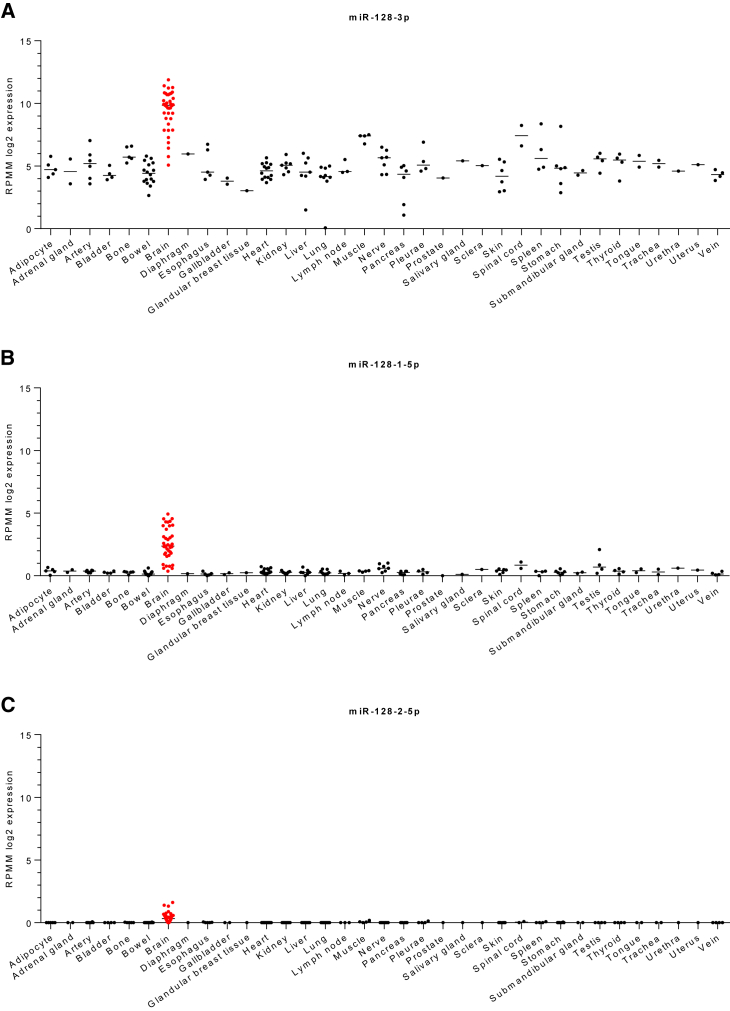
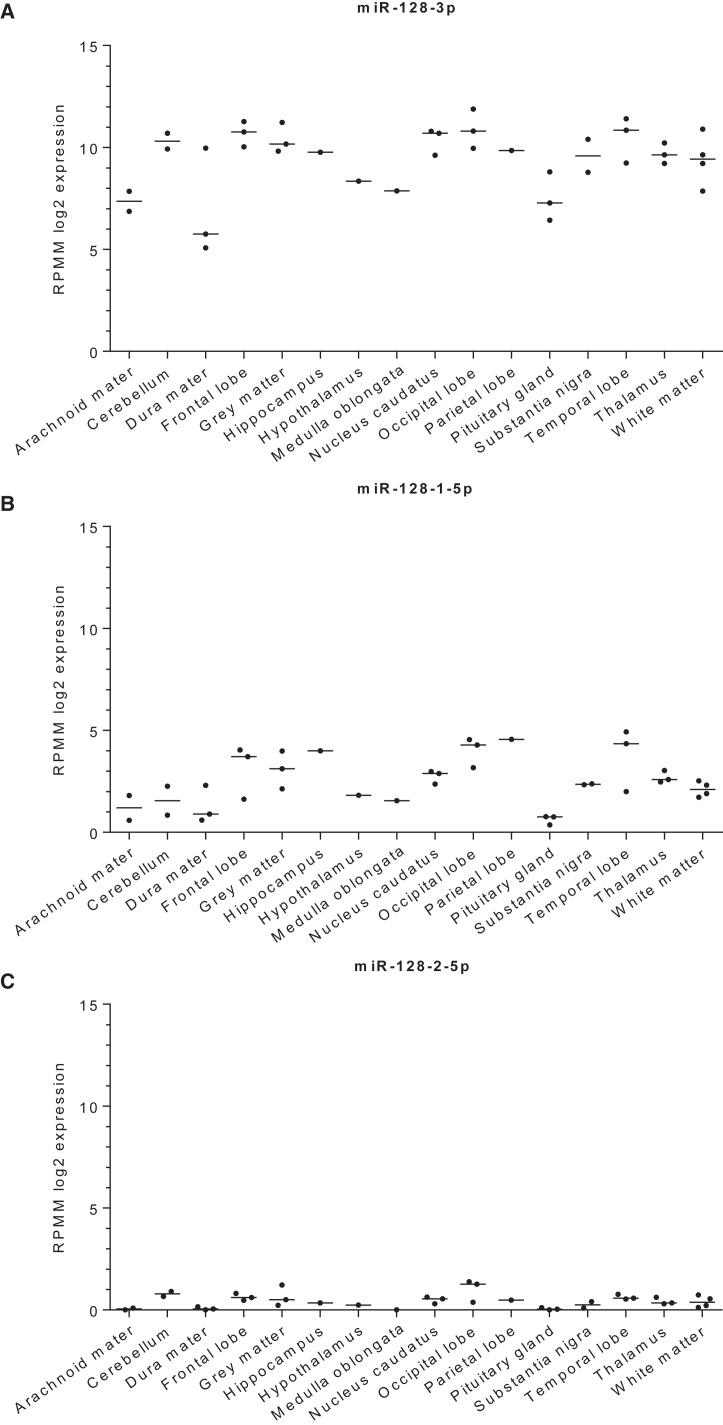
“MiR-128-3p, encoded by two separate genes, hsa-MIR128-1 and hsa-MIR128-2 (www.ensembl.org), is one of the most highly expressed microRNAs across the CNS and surroundings tissues (Figure 2).22”
- Also stated in: § MiR-128-3p biogenesis · plain
“while miR-128-3p is one of the most enriched in the brain”
- Also stated in: § Abstract · plain
“which is enriched in the brain”
§ MiR-128-3p – a gray eminence of the human central nervous system > Introduction > Overview of miR-128-3p
What the sources say
- Not checked yetcites [22] Shao, 2010, Comprehensive survey of human brain microRNA by deep sequencing, BMC Genom. source
plain- Asserted: passes — The authors put it forward as true.
- Checkable: passes — It can be checked against evidence.
- Load-bearing: unclear — It is unclear whether the paper’s conclusions depend on it.
- Based: passes — The paper gives a reason why it holds.
It may state two separate claims as one.
- Also stated in: § MiR-128-3p biogenesis · plain
A conclusion the paper draws from its own results — it cites no other source for it, so there is none to check. The quote shows it is in the paper.
In the paper
“as this miRNA is a crucial regulator of gene expression in the brain, playing an essential role in the maintenance and function of cells stemming from neuronal lineage”
§ MiR-128-3p – a gray eminence of the human central nervous system > Abstract
plaindirect- Asserted: passes — The authors put it forward as true.
- Checkable: passes — It can be checked against evidence.
- Load-bearing: passes — The paper’s conclusions depend on it.
- Based: unclear — It is unclear why the paper says it holds.
It may state two separate claims as one.
In the paper
“MicroRNAs are small (20–23 nucleotides), frequently highly conserved regulatory non-coding RNAs (ncRNA) that control post-transcriptional regulation of the expression of protein-coding genes.1”
§ MiR-128-3p – a gray eminence of the human central nervous system > Introduction
What the sources say
- Not checked yetcites [1] MacFarlane, 2010, MicroRNA: Biogenesis, Function and Role in Cancer, Curr. Genomics source
plaindirect- Asserted: passes — The authors put it forward as true.
- Checkable: passes — It can be checked against evidence.
- Load-bearing: fails — The paper’s conclusions may not depend on it.
- Based: passes — The paper gives a reason why it holds.
Probably not a substantial claim. The paper’s conclusions may not depend on it. It may state two separate claims as one.
In the paper
“MiR-128-3p also diminished the level/activity of such factors as tumor necrosis factor (TNF-α), interleukin-1β, interleukin-6, p38 mitogen-activated protein kinase (MAPK), or zinc finger E-box binding homeobox 1 (ZEB1) (in microglia)”
§ MiR-128-3p – a gray eminence of the human central nervous system > MiR-128-3p in neurodegenerative diseases, brain damage, and injuries > Spinal cord injury and neuropathic pain
What the sources say
- Not checked — no full text of the sourcecites [59] Zhang, 2020, MicroRNA-128-3p Alleviates Neuropathic Pain Through Targeting ZEB1, Neurosci. Lett. source
plaindirect- Asserted: passes — The authors put it forward as true.
- Checkable: passes — It can be checked against evidence.
- Load-bearing: passes — The paper’s conclusions depend on it.
- Based: passes — The paper gives a reason why it holds.
It may state two separate claims as one.
None of the sources cited for this claim have been checked yet.
In the paper
“This regulation promoted neurogenesis while inhibiting proliferation in the developing neocortex”
§ MiR-128-3p – a gray eminence of the human central nervous system > Functions of miR-128-3p in the physiopathology of the human CNS
What the sources say
- Not checked yetcites [33] Zhang, 2016, MiRNA-128 regulates the proliferation and neurogenesis of neural precursors by targeting PCM1 in the developing cortex, Elife source
Checked before — its earlier verdict is held back until a new check runs.
plaindirect- Asserted: passes — The authors put it forward as true.
- Checkable: passes — It can be checked against evidence.
- Load-bearing: passes — The paper’s conclusions depend on it.
- Based: passes — The paper gives a reason why it holds.
It may state two separate claims as one.
- Not checked yet
In the paper
“MiR-128-3p, encoded by two separate genes, hsa-MIR128-1 and hsa-MIR128-2 (www.ensembl.org)”
§ MiR-128-3p – a gray eminence of the human central nervous system > Introduction > Overview of miR-128-3p
What the sources say
- Not matchedcites www.ensembl.org
Couldn’t be matched to a paper in Crossref, so it can’t be checked.
plain- Asserted: passes — The authors put it forward as true.
- Checkable: passes — It can be checked against evidence.
- Load-bearing: fails — The paper’s conclusions may not depend on it.
- Based: passes — The paper gives a reason why it holds.
Probably not a substantial claim. The paper’s conclusions may not depend on it.
- Not matched
None of the sources cited for this claim have been checked yet.
In the paper
“which are critical for maintaining the electrical activity of neurons that contribute to neuronal excitability and neurotransmitter-driven motor activity.”
§ MiR-128-3p – a gray eminence of the human central nervous system > Functions of miR-128-3p in the physiopathology of the human CNS
What the sources say
- Not checked yetcites [29] Tan, 2013, MicroRNA-128 Governs Neuronal Excitability and Motor Behavior in Mice, Science source
Checked before — its earlier verdict is held back until a new check runs.
plaindirect- Asserted: passes — The authors put it forward as true.
- Checkable: passes — It can be checked against evidence.
- Load-bearing: fails — The paper’s conclusions may not depend on it.
- Based: passes — The paper gives a reason why it holds.
Probably not a substantial claim. The paper’s conclusions may not depend on it.
- Not checked yet
None of the sources cited for this claim have been checked yet.
In the paper
“Spinal cord injury (SCI) leads to permanent motor deficits accompanied by inflammation and oxidative stress, thus resulting in neuronal cell death.55,56”
§ MiR-128-3p – a gray eminence of the human central nervous system > MiR-128-3p in neurodegenerative diseases, brain damage, and injuries > Spinal cord injury and neuropathic pain
What the sources say
- Not checked — no full text of the sourcecites [55] Ahuja, 2017, Traumatic spinal cord injury, Nat. Rev. Dis. Primers source
- Not checked yetcites [56] Anjum, 2020, Spinal Cord Injury: Pathophysiology, Multimolecular Interactions, and Underlying Recovery Mechanisms, Int. J. Mol. Sci. source
Checked before — its earlier verdict is held back until a new check runs.
plaindirect- Asserted: passes — The authors put it forward as true.
- Checkable: passes — It can be checked against evidence.
- Load-bearing: passes — The paper’s conclusions depend on it.
- Based: passes — The paper gives a reason why it holds.
It may state two separate claims as one.
None of the sources cited for this claim have been checked yet.
In the paper
“while removal of miR-128-3p enhanced cell division, reducing neuron formation.33”
§ MiR-128-3p – a gray eminence of the human central nervous system > Functions of miR-128-3p in the physiopathology of the human CNS
What the sources say
- Not checked yetcites [33] Zhang, 2016, MiRNA-128 regulates the proliferation and neurogenesis of neural precursors by targeting PCM1 in the developing cortex, Elife source
Checked before — its earlier verdict is held back until a new check runs.
plaindirect- Asserted: passes — The authors put it forward as true.
- Checkable: passes — It can be checked against evidence.
- Load-bearing: passes — The paper’s conclusions depend on it.
- Based: passes — The paper gives a reason why it holds.
It may state two separate claims as one.
- Not checked yet
In the paper
“Hsa-MIR128-1 is embedded within the intron of protein-coding gene R3HDM1 on chromosome 2 (q21.3), while hsa-MIR128-2 is located in chromosome 3 (p22.3) within the intron of the protein-coding ARPP-21 gene26”
§ MiR-128-3p – a gray eminence of the human central nervous system > MiR-128-3p biogenesis
What the sources say
- Not checked — no full text of the sourcecites [26] Kim, 2005, MicroRNA biogenesis: coordinated cropping and dicing, Nat. Rev. Mol. Cell Biol. source
plain- Asserted: passes — The authors put it forward as true.
- Checkable: passes — It can be checked against evidence.
- Load-bearing: unclear — It is unclear whether the paper’s conclusions depend on it.
- Based: passes — The paper gives a reason why it holds.
It may state two separate claims as one.
None of the sources cited for this claim have been checked yet.
In the paper
“The biogenesis of the hsa-MIR128-1 pathway is the canonical one and is regulated by polymerase II (Pol II), yet both can modulate the hsa-MIR128-2 pathway: Pol II host gene promotors and Pol III intronic promotors.24,25”
§ MiR-128-3p – a gray eminence of the human central nervous system > MiR-128-3p biogenesis
What the sources say
- Not checked — no full text of the sourcecites [24] Zeng, 2006, Principles of micro-RNA production and maturation, Oncogene source
- Not checked yetcites [25] Monteys, 2010, Structure and activity of putative intronic miRNA promoters, RNA N. Y. N source
Checked before — its earlier verdict is held back until a new check runs.
plaindirect- Asserted: passes — The authors put it forward as true.
- Checkable: passes — It can be checked against evidence.
- Load-bearing: unclear — It is unclear whether the paper’s conclusions depend on it.
- Based: passes — The paper gives a reason why it holds.
It may state two separate claims as one.
A conclusion the paper draws from its own results — it cites no other source for it, so there is none to check. The quote shows it is in the paper.
In the paper
“Its involvement spans neural progenitor cell regulation to orchestrating the formation of complex neuronal networks during brain circuit development.”
§ MiR-128-3p – a gray eminence of the human central nervous system > Functions of miR-128-3p in the physiopathology of the human CNS
plaindirect- Asserted: passes — The authors put it forward as true.
- Checkable: passes — It can be checked against evidence.
- Load-bearing: passes — The paper’s conclusions depend on it.
- Based: passes — The paper gives a reason why it holds.
It may state two separate claims as one.
None of the sources cited for this claim have been checked yet.
In the paper
“Interestingly, Tan et al. demonstrated that the mmu-MIR128-2 locus is responsible for generating a majority of mature mmu-miR-128-3p in mice29”
§ MiR-128-3p – a gray eminence of the human central nervous system > MiR-128-3p biogenesis
What the sources say
- Not checked yetcites [29] Tan, 2013, MicroRNA-128 Governs Neuronal Excitability and Motor Behavior in Mice, Science source
Checked before — its earlier verdict is held back until a new check runs.
boosteddirect- Asserted: passes — The authors put it forward as true.
- Checkable: passes — It can be checked against evidence.
- Load-bearing: fails — The paper’s conclusions may not depend on it.
- Based: passes — The paper gives a reason why it holds.
Probably not a substantial claim. The paper’s conclusions may not depend on it.
- Not checked yet
None of the sources cited for this claim have been checked yet.
In the paper
“Its reintroduction into pituitary cancer cells inhibits their colony-forming ability and invasiveness in vitro.”
§ MiR-128-3p – a gray eminence of the human central nervous system > MiR-128-3p in malignancies of the CNS > Pituitary adenoma
What the sources say
- Not checked yetcites [74] Palumbo, 2013, Functional screen analysis reveals miR-26b and miR-128 as central regulators of pituitary somatomammotrophic tumor growth through activation of the PTEN–AKT pathway, Oncogene source
Checked before — its earlier verdict is held back until a new check runs.
plaindirect- Asserted: passes — The authors put it forward as true.
- Checkable: passes — It can be checked against evidence.
- Load-bearing: passes — The paper’s conclusions depend on it.
- Based: passes — The paper gives a reason why it holds.
It may state two separate claims as one.
- Not checked yet
None of the sources cited for this claim have been checked yet.
In the paper
“Reduced viability and neurosphere formation in vitro, decreased tumor burden and improved survival in the mouse intracranial xenograft model were observed due to this inter-subtype transition.130”
§ MiR-128-3p – a gray eminence of the human central nervous system > MiR-128-3p in malignancies of the CNS > MiR-128-3p and the regulation of polycomb repressive complexes in glioblastoma
What the sources say
- Not checked yetcites [130] Rooj, 2017, MicroRNA-Mediated Dynamic Bidirectional Shift between the Subclasses of Glioblastoma Stem-like Cells, Cell Rep. source
Checked before — its earlier verdict is held back until a new check runs.
plaindirect- Asserted: passes — The authors put it forward as true.
- Checkable: passes — It can be checked against evidence.
- Load-bearing: passes — The paper’s conclusions depend on it.
- Based: passes — The paper gives a reason why it holds.
It may state two separate claims as one.
- Not checked yet
None of the sources cited for this claim have been checked yet.
In the paper
“Reintroducing miR-128-3p into medulloblastoma cells inhibited their growth in vitro by increasing the level of reactive oxygen species (ROS) and promoting cellular senescence through targeting a proto-oncogene BMI1 (B cell-specific Moloney murine leukemia virus integration site 1).82”
§ MiR-128-3p – a gray eminence of the human central nervous system > MiR-128-3p in malignancies of the CNS > Medulloblastoma
What the sources say
- Not checked yetcites [82] Venkataraman, 2010, MicroRNA 128a Increases Intracellular ROS Level by Targeting Bmi-1 and Inhibits Medulloblastoma Cancer Cell Growth by Promoting Senescence, PLoS One source
Checked before — its earlier verdict is held back until a new check runs.
plaindirect- Asserted: passes — The authors put it forward as true.
- Checkable: passes — It can be checked against evidence.
- Load-bearing: passes — The paper’s conclusions depend on it.
- Based: passes — The paper gives a reason why it holds.
It may state two separate claims as one.
- Not checked yet
None of the sources cited for this claim have been checked yet.
In the paper
“The direct targeting of both PRCs by miR-128-3p leads to chromatin re-arrangements, followed by the reprogramming of PRC-dependent genes involved in the enforcement of the stemness program and inter-subclasses transition of brain tumor cells.”
§ MiR-128-3p – a gray eminence of the human central nervous system > MiR-128-3p in malignancies of the CNS > MiR-128-3p and the regulation of polycomb repressive complexes in glioblastoma
What the sources say
- Not checked yetcites [130] Rooj, 2017, MicroRNA-Mediated Dynamic Bidirectional Shift between the Subclasses of Glioblastoma Stem-like Cells, Cell Rep. source
Checked before — its earlier verdict is held back until a new check runs.
plaindirect- Asserted: passes — The authors put it forward as true.
- Checkable: passes — It can be checked against evidence.
- Load-bearing: passes — The paper’s conclusions depend on it.
- Based: passes — The paper gives a reason why it holds.
It may state two separate claims as one.
- Not checked yet
In the paper
“In contrast to the neurodegeneration processes we described above, miR-128-3p was significantly down-regulated, and its overexpression was not observed in human malignant tumors of the CNS (summarized in Table 2), possibly due to different targeted genes, depending on the context of disorders and cell/tissue types.”
§ MiR-128-3p – a gray eminence of the human central nervous system > MiR-128-3p in malignancies of the CNS > Summary of miR-128-3p in malignancies of the CNS
What the sources say
- Not matchedcites Table 2
Couldn’t be matched to a paper in Crossref, so it can’t be checked.
plain- Asserted: passes — The authors put it forward as true.
- Checkable: passes — It can be checked against evidence.
- Load-bearing: passes — The paper’s conclusions depend on it.
- Based: passes — The paper gives a reason why it holds.
It may state two separate claims as one.
- Not matched
A conclusion the paper draws from its own results — it cites no other source for it, so there is none to check. The quote shows it is in the paper.
In the paper
“miR-128-3p plays a crucial role in developing CNS and maintaining its physiological functions.”
§ MiR-128-3p – a gray eminence of the human central nervous system > MiR-128-3p in neurodegenerative diseases, brain damage, and injuries > Summary of miR-128-3p in neurodegenerative diseases and brain damage
plaindirect- Asserted: passes — The authors put it forward as true.
- Checkable: passes — It can be checked against evidence.
- Load-bearing: passes — The paper’s conclusions depend on it.
- Based: unclear — It is unclear why the paper says it holds.
It may state two separate claims as one.
- Rests on an assumption: Findings from animal models and in vitro experiments on miR-128-3p can be extrapolated to human CNS physiology and disease.
None of the sources cited for this claim have been checked yet.
In the paper
“As the functional consequences of miR-128-3p,77,126 re-establishment and repression of PRCs subunits, pronounced alterations in histone modifications,77 as well as loss of stem-like features by GSCs, were observed in vitro and in vivo, as clearly shown by down-regulation of CD133 (Prominin-1) expression.77,126”
§ MiR-128-3p – a gray eminence of the human central nervous system > MiR-128-3p in malignancies of the CNS > MiR-128-3p and the regulation of polycomb repressive complexes in glioblastoma
What the sources say
- Not checked yetcites [77] Peruzzi, 2013, MicroRNA-128 coordinately targets Polycomb Repressor Complexes in glioma stem cells, Neuro Oncol. source
Checked before — its earlier verdict is held back until a new check runs.
- Not checked — no full text of the sourcecites [126] Godlewski, 2008, Targeting of the Bmi-1 oncogene/stem cell renewal factor by microRNA-128 inhibits glioma proliferation and self-renewal, Cancer Res. source
boosteddirect- Asserted: passes — The authors put it forward as true.
- Checkable: passes — It can be checked against evidence.
- Load-bearing: passes — The paper’s conclusions depend on it.
- Based: passes — The paper gives a reason why it holds.
It may state two separate claims as one.
- Not checked yet
None of the sources cited for this claim have been checked yet.
In the paper
“Reduced viability and neurosphere formation in vitro, decreased tumor burden and improved survival in the mouse intracranial xenograft model were observed due to this inter-subtype transition.130”
§ MiR-128-3p – a gray eminence of the human central nervous system > MiR-128-3p in malignancies of the CNS > MiR-128-3p and the regulation of polycomb repressive complexes in glioblastoma
What the sources say
- Not checked yetcites [130] Rooj, 2017, MicroRNA-Mediated Dynamic Bidirectional Shift between the Subclasses of Glioblastoma Stem-like Cells, Cell Rep. source
Checked before — its earlier verdict is held back until a new check runs.
plaindirect- Asserted: passes — The authors put it forward as true.
- Checkable: passes — It can be checked against evidence.
- Load-bearing: passes — The paper’s conclusions depend on it.
- Based: passes — The paper gives a reason why it holds.
It may state two separate claims as one.
- Not checked yet
A conclusion the paper draws from its own results — it cites no other source for it, so there is none to check. The quote shows it is in the paper.
In the paper
“Abundantly expressed in the human brain (primarily in neurons)”
§ MiR-128-3p – a gray eminence of the human central nervous system > MiR-128-3p in neurodegenerative diseases, brain damage, and injuries > Summary of miR-128-3p in neurodegenerative diseases and brain damage
plaincorrelational- Asserted: passes — The authors put it forward as true.
- Checkable: passes — It can be checked against evidence.
- Load-bearing: passes — The paper’s conclusions depend on it.
- Based: unclear — It is unclear why the paper says it holds.
It may state two separate claims as one.
None of the sources cited for this claim have been checked yet.
In the paper
“As the functional consequences of miR-128-3p,77,126 re-establishment and repression of PRCs subunits, pronounced alterations in histone modifications,77 as well as loss of stem-like features by GSCs, were observed in vitro and in vivo, as clearly shown by down-regulation of CD133 (Prominin-1) expression.77,126”
§ MiR-128-3p – a gray eminence of the human central nervous system > MiR-128-3p in malignancies of the CNS > MiR-128-3p and the regulation of polycomb repressive complexes in glioblastoma
What the sources say
- Not checked yetcites [77] Peruzzi, 2013, MicroRNA-128 coordinately targets Polycomb Repressor Complexes in glioma stem cells, Neuro Oncol. source
Checked before — its earlier verdict is held back until a new check runs.
- Not checked — no full text of the sourcecites [126] Godlewski, 2008, Targeting of the Bmi-1 oncogene/stem cell renewal factor by microRNA-128 inhibits glioma proliferation and self-renewal, Cancer Res. source
boosteddirect- Asserted: passes — The authors put it forward as true.
- Checkable: passes — It can be checked against evidence.
- Load-bearing: passes — The paper’s conclusions depend on it.
- Based: passes — The paper gives a reason why it holds.
It may state two separate claims as one.
- Not checked yet
None of the sources cited for this claim have been checked yet.
In the paper
“The reintroduction of miR-128-3p77,126 significantly inhibited the radiation-induced expression of PRC subunits and consequently enhanced the radiosensitivity of GSCs accompanied by substantial DNA damage.77,126”
§ MiR-128-3p – a gray eminence of the human central nervous system > MiR-128-3p in malignancies of the CNS > MiR-128-3p and the regulation of polycomb repressive complexes in glioblastoma
What the sources say
- Not checked yetcites [77] Peruzzi, 2013, MicroRNA-128 coordinately targets Polycomb Repressor Complexes in glioma stem cells, Neuro Oncol. source
Checked before — its earlier verdict is held back until a new check runs.
- Not checked — no full text of the sourcecites [126] Godlewski, 2008, Targeting of the Bmi-1 oncogene/stem cell renewal factor by microRNA-128 inhibits glioma proliferation and self-renewal, Cancer Res. source
plaindirect- Asserted: passes — The authors put it forward as true.
- Checkable: passes — It can be checked against evidence.
- Load-bearing: passes — The paper’s conclusions depend on it.
- Based: passes — The paper gives a reason why it holds.
It may state two separate claims as one.
- Not checked yet
A conclusion the paper draws from its own results — it cites no other source for it, so there is none to check. The quote shows it is in the paper.
In the paper
“MiR-128-3p controls critical steps in committing toward neuronal lineage and maturing into terminally differentiated neurons, inhibiting cell migration or proliferation.”
§ MiR-128-3p – a gray eminence of the human central nervous system > MiR-128-3p in neurodegenerative diseases, brain damage, and injuries > Summary of miR-128-3p in neurodegenerative diseases and brain damage
plaindirect- Asserted: passes — The authors put it forward as true.
- Checkable: passes — It can be checked against evidence.
- Load-bearing: passes — The paper’s conclusions depend on it.
- Based: unclear — It is unclear why the paper says it holds.
It may state two separate claims as one.
None of the sources cited for this claim have been checked yet.
In the paper
“MiR-128-3p was also involved in inhibiting Th2 development and promoting the differentiation of pro-inflammatory Th1 responses in patients with MS”
§ MiR-128-3p – a gray eminence of the human central nervous system > MiR-128-3p in neurodegenerative diseases, brain damage, and injuries > Multiple sclerosis
What the sources say
- Not checked yetcites [69] Guerau-de-Arellano, 2011, Micro-RNA dysregulation in multiple sclerosis favours pro-inflammatory T-cell-mediated autoimmunity, Brain source
Checked before — its earlier verdict is held back until a new check runs.
- Not checked yetcites [70] Severin, 2016, MicroRNAs targeting TGFβ signalling underlie the regulatory T cell defect in multiple sclerosis, Brain source
Checked before — its earlier verdict is held back until a new check runs.
plaindirect- Asserted: passes — The authors put it forward as true.
- Checkable: passes — It can be checked against evidence.
- Load-bearing: passes — The paper’s conclusions depend on it.
- Based: passes — The paper gives a reason why it holds.
It may state two separate claims as one.
- Not checked yet
None of the sources cited for this claim have been checked yet.
In the paper
“Several reports demonstrated the high level of miR-128-3p as a pro-inflammatory and anti-immunosuppressive factor in immune cells, potentially significantly enhancing antitumor immunity.”
§ MiR-128-3p – a gray eminence of the human central nervous system > MiR-128-3p as a potent modulator of the immune microenvironment > Cancers
What the sources say
- Not checked yetcites [176] Liang, 2017, miR-128 enhances dendritic cell-mediated anti-tumor immunity via targeting of p38, Mol. Med. Rep. source
Checked before — its earlier verdict is held back until a new check runs.
- Not checked yetcites [177] Xi, 2020, miR-128 Regulates Tumor Cell CD47 Expression and Promotes Anti-tumor Immunity in Pancreatic Cancer, Front. Immunol. source
Checked before — its earlier verdict is held back until a new check runs.
boosteddirect- Asserted: passes — The authors put it forward as true.
- Checkable: passes — It can be checked against evidence.
- Load-bearing: passes — The paper’s conclusions depend on it.
- Based: passes — The paper gives a reason why it holds.
It may state two separate claims as one.
- Not checked yet
None of the sources cited for this claim have been checked yet.
In the paper
“and indirect interactions (microRNAs indirectly influence each other’s expression through affecting signaling pathways and other regulatory molecules156)”
§ MiR-128-3p – a gray eminence of the human central nervous system > The networking of miR-128-3p > MicroRNAs
What the sources say
- Not checked yetcites [156] Mitra, 2020, Pan-cancer analysis reveals cooperativity of both strands of microRNA that regulate tumorigenesis and patient survival, Nat. Commun. source
Checked before — its earlier verdict is held back until a new check runs.
plaindirect- Asserted: passes — The authors put it forward as true.
- Checkable: passes — It can be checked against evidence.
- Load-bearing: fails — The paper’s conclusions may not depend on it.
- Based: passes — The paper gives a reason why it holds.
Probably not a substantial claim. The paper’s conclusions may not depend on it.
- Not checked yet
None of the sources cited for this claim have been checked yet.
In the paper
“The sponging of miR-128-3p by lncRNA Peg13 (Paternally expressed 13) resulted in a maintained expression of SOX13 (SRY-box transcription factor 13) and significantly reduced anesthetic-related neurotoxicity for NSCs in mice.174”
§ MiR-128-3p – a gray eminence of the human central nervous system > The networking of miR-128-3p > Long non-coding RNAs
What the sources say
- Not checked yetcites [174] Jiang, 2020, Long non-coding RNA Peg13 attenuates the sevoflurane toxicity against neural stem cells by sponging microRNA-128-3p to preserve Sox13 expression, PLoS One source
Checked before — its earlier verdict is held back until a new check runs.
plaindirect- Asserted: passes — The authors put it forward as true.
- Checkable: passes — It can be checked against evidence.
- Load-bearing: unclear — It is unclear whether the paper’s conclusions depend on it.
- Based: passes — The paper gives a reason why it holds.
It may state two separate claims as one.
- Not checked yet
In the paper
“Overexpression of miR-128-3p diminished expression and secretion of IL-6 and IL-10 and increased IL-12, modifying the immune response in PD individuals.62”
§ MiR-128-3p – a gray eminence of the human central nervous system > MiR-128-3p as a potent modulator of the immune microenvironment > Neurodegenerative diseases
What the sources say
- Not checked — no full text of the sourcecites [62] Zhou, 2018, MicroRNA-128 Protects Dopamine Neurons from Apoptosis and Upregulates the Expression of Excitatory Amino Acid Transporter 4 in Parkinson’s Disease by Binding to AXIN1, Cell. Physiol. Biochem. source
plaindirect- Asserted: passes — The authors put it forward as true.
- Checkable: passes — It can be checked against evidence.
- Load-bearing: passes — The paper’s conclusions depend on it.
- Based: passes — The paper gives a reason why it holds.
It may state two separate claims as one.
None of the sources cited for this claim have been checked yet.
In the paper
“In this network, besides miR-128-3p, miR-9 and miR-124-3p target and repress the expression of USP14 (Ubiquitin specific peptidase 14) whose product interacts with and stabilizes EZH2, thereby allowing the repression of EZH2 and the consequent destabilization of REST.160”
§ MiR-128-3p – a gray eminence of the human central nervous system > The networking of miR-128-3p > MicroRNAs
What the sources say
- Not checked yetcites [160] Lee, 2018, MicroRNAs Overcome Cell Fate Barrier by Reducing EZH2-Controlled REST Stability during Neuronal Conversion of Human Adult Fibroblasts, Dev. Cell source
Checked before — its earlier verdict is held back until a new check runs.
plaindirect- Asserted: passes — The authors put it forward as true.
- Checkable: passes — It can be checked against evidence.
- Load-bearing: unclear — It is unclear whether the paper’s conclusions depend on it.
- Based: passes — The paper gives a reason why it holds.
It may state two separate claims as one.
- Rests on an assumption: Therapeutic potential leveraging the cooperative actions of microRNAs to intervene in neuropathological conditions often acts via PRC2 that drives neuronal differentiation.
- Not checked yet
None of the sources cited for this claim have been checked yet.
In the paper
“Conversely, miR-128-3p targets numerous factors that maintain the”
§ MiR-128-3p – a gray eminence of the human central nervous system > The networking of miR-128-3p > mRNA targets
What the sources say
- Not checked yetcites [144] Ghersi, 2023, Haematopoietic stem and progenitor cell heterogeneity is inherited from the embryonic endothelium, Nat. Cell Biol. source
Checked before — its earlier verdict is held back until a new check runs.
plaindirect- Asserted: passes — The authors put it forward as true.
- Checkable: passes — It can be checked against evidence.
- Load-bearing: passes — The paper’s conclusions depend on it.
- Based: passes — The paper gives a reason why it holds.
It may state two separate claims as one.
- Not checked yet
A conclusion the paper draws from its own results — it cites no other source for it, so there is none to check. The quote shows it is in the paper.
In the paper
“Thus, the therapeutic usage of miR-128-3p is not without controversy, as it exhibits divergent effects depending on specific contexts and target co-expression genes and thus can be regarded as a”
§ MiR-128-3p – a gray eminence of the human central nervous system > The networking of miR-128-3p > mRNA targets
plainconditional- Asserted: passes — The authors put it forward as true.
- Checkable: passes — It can be checked against evidence.
- Load-bearing: passes — The paper’s conclusions depend on it.
- Based: passes — The paper gives a reason why it holds.
It may state two separate claims as one.
In the paper
“Similarly, the binding sites for lncRNA LINC00346 within miR-128-3p have also been identified in glioma cells, and this regulatory network has enhanced tumor progression.166”
§ MiR-128-3p – a gray eminence of the human central nervous system > The networking of miR-128-3p > Long non-coding RNAs
What the sources say
- Not checked — no full text of the sourcecites [166] Geng, 2020, Long non-coding RNA LINC00346 regulates proliferation and apoptosis by targeting miR-128-3p/SZRD1 axis in glioma, Eur. Rev. Med. Pharmacol. Sci. source
plaindirect- Asserted: passes — The authors put it forward as true.
- Checkable: passes — It can be checked against evidence.
- Load-bearing: unclear — It is unclear whether the paper’s conclusions depend on it.
- Based: passes — The paper gives a reason why it holds.
It may state two separate claims as one.
A conclusion the paper draws from its own results — it cites no other source for it, so there is none to check. The quote shows it is in the paper.
In the paper
“These data indicate that miR-128-3p acts hand-in-hand with some transcriptional regulators while controlling some of them directly, suggesting a multilayered network of co-dependencies, most often in the context of neuronal tissues.”
§ MiR-128-3p – a gray eminence of the human central nervous system > The networking of miR-128-3p > mRNA targets
hedgeddirect- Asserted: passes — The authors put it forward as true.
- Checkable: passes — It can be checked against evidence.
- Load-bearing: passes — The paper’s conclusions depend on it.
- Based: passes — The paper gives a reason why it holds.
It may state two separate claims as one.
- Rests on an assumption: Transcription regulators that govern miR-128-3p target genes regulate cell stemness/differentiation status and neuronal identity.
None of the sources cited for this claim have been checked yet.
In the paper
“It is also noteworthy that microRNAs can interact with other classes of non-coding RNAs as competing endogenous molecules.146,147”
§ MiR-128-3p – a gray eminence of the human central nervous system > The networking of miR-128-3p > mRNA targets
What the sources say
- Not checked yetcites [146] Salzman, 2012, Circular RNAs Are the Predominant Transcript Isoform from Hundreds of Human Genes in Diverse Cell Types, PLoS One source
Checked before — its earlier verdict is held back until a new check runs.
- Not checked — no full text of the sourcecites [147] Hansen, 2013, Natural RNA circles function as efficient microRNA sponges, Nature source
plaincorrelational- Asserted: passes — The authors put it forward as true.
- Checkable: passes — It can be checked against evidence.
- Load-bearing: fails — The paper’s conclusions may not depend on it.
- Based: passes — The paper gives a reason why it holds.
Probably not a substantial claim. The paper’s conclusions may not depend on it.
- Not checked yet
A conclusion the paper draws from its own results — it cites no other source for it, so there is none to check. The quote shows it is in the paper.
In the paper
“It thus becomes part of the consensus in the field that lncRNAs regulate the activity of many microRNAs, and the interplay between these types of ncRNAs is considered an emerging regulatory network essential for transcriptome regulation in physiological and pathological conditions.”
§ MiR-128-3p – a gray eminence of the human central nervous system > The networking of miR-128-3p > Long non-coding RNAs
boosteddirect- Asserted: passes — The authors put it forward as true.
- Checkable: passes — It can be checked against evidence.
- Load-bearing: fails — The paper’s conclusions may not depend on it.
- Based: fails — The paper may give no reason why it holds.
Probably not a substantial claim. The paper’s conclusions may not depend on it. The paper may give no reason why it holds. It may state two separate claims as one.
In the paper
“a brain tumor suppressor162”
§ MiR-128-3p – a gray eminence of the human central nervous system > The networking of miR-128-3p > MicroRNAs
What the sources say
- Not checked — no full text of the sourcecites [162] Li, 2021, The comprehensive landscape of miR-34a in cancer research, Cancer Metastasis Rev. source
plaindirect- Asserted: passes — The authors put it forward as true.
- Checkable: passes — It can be checked against evidence.
- Load-bearing: fails — The paper’s conclusions may not depend on it.
- Based: passes — The paper gives a reason why it holds.
Probably not a substantial claim. The paper’s conclusions may not depend on it.
A conclusion the paper draws from its own results — it cites no other source for it, so there is none to check. The quote shows it is in the paper.
In the paper
“Similarly, the multitude of putative and experimentally confirmed target mRNAs include both tumor-suppressive and pro-oncogenic genes, rendering the ultimate effect uncertain.”
§ MiR-128-3p – a gray eminence of the human central nervous system > The networking of miR-128-3p > mRNA targets
hedgedconditional- Asserted: passes — The authors put it forward as true.
- Checkable: passes — It can be checked against evidence.
- Load-bearing: passes — The paper’s conclusions depend on it.
- Based: passes — The paper gives a reason why it holds.
It may state two separate claims as one.
None of the sources cited for this claim have been checked yet.
In the paper
“Consequently, the differentiation of Th2 cells was inhibited, while the pro-inflammatory activity of T helper type 1 (Th1) cells was promoted, resulting in an induced autoimmune response.”
- Also stated in: § Neurodegenerative diseases · plain
“Therefore, up-regulated miR-128-3p mediated the Th2 into Th1 cytokine shift by suppressing the development and activation of Th2 cells in patients with MS.69,70”
§ MiR-128-3p – a gray eminence of the human central nervous system > MiR-128-3p as a potent modulator of the immune microenvironment > Neurodegenerative diseases
What the sources say
- Not checked yetcites [69] Guerau-de-Arellano, 2011, Micro-RNA dysregulation in multiple sclerosis favours pro-inflammatory T-cell-mediated autoimmunity, Brain source
Checked before — its earlier verdict is held back until a new check runs.
- Not checked yetcites [70] Severin, 2016, MicroRNAs targeting TGFβ signalling underlie the regulatory T cell defect in multiple sclerosis, Brain source
Checked before — its earlier verdict is held back until a new check runs.
plaindirect- Asserted: passes — The authors put it forward as true.
- Checkable: passes — It can be checked against evidence.
- Load-bearing: passes — The paper’s conclusions depend on it.
- Based: passes — The paper gives a reason why it holds.
It may state two separate claims as one.
- Also stated in: § Neurodegenerative diseases · plain
None of the sources cited for this claim have been checked yet.
In the paper
“cooperative binding (microRNAs form complexes and jointly bind to mRNA targets, leading to enhanced or synergistic regulatory effects155)”
§ MiR-128-3p – a gray eminence of the human central nervous system > The networking of miR-128-3p > MicroRNAs
What the sources say
- Not checked yetcites [155] Rinck, 2013, The human transcriptome is enriched for miRNA-binding sites located in cooperativity-permitting distance, RNA Biol. source
Checked before — its earlier verdict is held back until a new check runs.
plaindirect- Asserted: passes — The authors put it forward as true.
- Checkable: passes — It can be checked against evidence.
- Load-bearing: fails — The paper’s conclusions may not depend on it.
- Based: passes — The paper gives a reason why it holds.
Probably not a substantial claim. The paper’s conclusions may not depend on it.
- Not checked yet
None of the sources cited for this claim have been checked yet.
In the paper
“MiR-128-3p was identified as a target of several lncRNAs, and their direct interactions regulated neurogenesis and affected both CNS and tumor cells.”
§ MiR-128-3p – a gray eminence of the human central nervous system > The networking of miR-128-3p > Long non-coding RNAs
What the sources say
- Not checked — no full text of the sourcecites [166] Geng, 2020, Long non-coding RNA LINC00346 regulates proliferation and apoptosis by targeting miR-128-3p/SZRD1 axis in glioma, Eur. Rev. Med. Pharmacol. Sci. source
- Not checked yetcites [169] Fu, 2018, LncRNA PVT1 Facilitates Tumorigenesis and Progression of Glioma via Regulation of MiR-128-3p/GREM1 Axis and BMP Signaling Pathway, Neurotherapeutics source
Checked before — its earlier verdict is held back until a new check runs.
- Not checked — no full text of the sourcecites [170] Dahai, 2020, Lowly expressed lncRNA PVT1 suppresses proliferation and advances apoptosis of glioma cells through up-regulating microRNA-128-1-5p and inhibiting PTBP1, Brain Res. Bull. source
plaindirect- Asserted: passes — The authors put it forward as true.
- Checkable: passes — It can be checked against evidence.
- Load-bearing: passes — The paper’s conclusions depend on it.
- Based: passes — The paper gives a reason why it holds.
It may state two separate claims as one.
A conclusion the paper draws from its own results — it cites no other source for it, so there is none to check. The quote shows it is in the paper.
In the paper
“The potential for off-target effects adds complexity to miR-128-3p therapeutic use (as is the case for any other microRNA), as microRNA-mediated targeting of a specific gene may unintentionally affect other players with adverse, unintended consequences.”
§ MiR-128-3p – a gray eminence of the human central nervous system > The networking of miR-128-3p > mRNA targets
hedgedconditional- Asserted: passes — The authors put it forward as true.
- Checkable: passes — It can be checked against evidence.
- Load-bearing: fails — The paper’s conclusions may not depend on it.
- Based: passes — The paper gives a reason why it holds.
Probably not a substantial claim. The paper’s conclusions may not depend on it.
In the paper
“LncRNAs function as competing endogenous RNA (ceRNA) of specific microRNAs and, therefore, modulate the expression of downstream target mRNAs.166”
§ MiR-128-3p – a gray eminence of the human central nervous system > The networking of miR-128-3p > Long non-coding RNAs
What the sources say
- Not checked — no full text of the sourcecites [166] Geng, 2020, Long non-coding RNA LINC00346 regulates proliferation and apoptosis by targeting miR-128-3p/SZRD1 axis in glioma, Eur. Rev. Med. Pharmacol. Sci. source
plaindirect- Asserted: passes — The authors put it forward as true.
- Checkable: passes — It can be checked against evidence.
- Load-bearing: passes — The paper’s conclusions depend on it.
- Based: passes — The paper gives a reason why it holds.
It may state two separate claims as one.
None of the sources cited for this claim have been checked yet.
In the paper
“as the knockdown of lncRNA HCP5 inhibited cell proliferation and enhanced radiosensitivity in gliomas.171”
§ MiR-128-3p – a gray eminence of the human central nervous system > The networking of miR-128-3p > Long non-coding RNAs
What the sources say
- Not checked yetcites [171] Wang, 2021, Knockdown of Long Non-Coding RNA HCP5 Increases Radiosensitivity Through Cellular Senescence by Regulating microRNA-128 in Gliomas, Cancer Manag. Res. source
Checked before — its earlier verdict is held back until a new check runs.
plaindirect- Asserted: passes — The authors put it forward as true.
- Checkable: passes — It can be checked against evidence.
- Load-bearing: unclear — It is unclear whether the paper’s conclusions depend on it.
- Based: passes — The paper gives a reason why it holds.
It may state two separate claims as one.
- Not checked yet
In the paper
“These include competitive binding (microRNAs compete for binding to the same mRNA targets, leading to differential regulation of gene expression154)”
§ MiR-128-3p – a gray eminence of the human central nervous system > The networking of miR-128-3p > MicroRNAs
What the sources say
- Not checked — no full text of the sourcecites [154] Giza, 2014, MicroRNAs and ceRNAs: therapeutic implications of RNA networks, Expert Opin. Biol. Ther. source
plaindirect- Asserted: passes — The authors put it forward as true.
- Checkable: passes — It can be checked against evidence.
- Load-bearing: fails — The paper’s conclusions may not depend on it.
- Based: passes — The paper gives a reason why it holds.
Probably not a substantial claim. The paper’s conclusions may not depend on it.
None of the sources cited for this claim have been checked yet.
In the paper
“While EVs exhibit some tissue or cell tropism,213,214 their targeting specificity can be less precise than synthetic delivery vehicles.”
§ MiR-128-3p – a gray eminence of the human central nervous system > MiR-128-3p in the treatment of CNS pathologies > EV-mediated delivery of miR-128-3p
What the sources say
- Not checked yetcites [213] Wiklander, 2015, Extracellular vesicle in vivo biodistribution is determined by cell source, route of administration and targeting, J. Extracell. Vesicles source
- Not checked yetcites [214] Batrakova, 2015, Using exosomes, naturally-equipped nanocarriers, for drug delivery, J. Control. Release source
Checked before — its earlier verdict is held back until a new check runs.
plaincorrelational- Asserted: passes — The authors put it forward as true.
- Checkable: passes — It can be checked against evidence.
- Load-bearing: unclear — It is unclear whether the paper’s conclusions depend on it.
- Based: passes — The paper gives a reason why it holds.
It may state two separate claims as one.
None of the sources cited for this claim have been checked yet.
In the paper
“Moreover, microRNAs can re-arrange a genetic and molecular landscape in a cell-type-specific manner130 due to the strict tissue and cell-type-specific distribution and functions of microRNAs,210 meaning their targets in cancer and normal cells are different.”
§ MiR-128-3p – a gray eminence of the human central nervous system > MiR-128-3p in the treatment of CNS pathologies > MiR-128-3p as a therapeutic agent
What the sources say
- Not checked yetcites [130] Rooj, 2017, MicroRNA-Mediated Dynamic Bidirectional Shift between the Subclasses of Glioblastoma Stem-like Cells, Cell Rep. source
Checked before — its earlier verdict is held back until a new check runs.
- Not checked yetcites [210] Sempere, 2004, Expression profiling of mammalian microRNAs uncovers a subset of brain-expressed microRNAs with possible roles in murine and human neuronal differentiation, Genome Biol. source
plaindirect- Asserted: passes — The authors put it forward as true.
- Checkable: passes — It can be checked against evidence.
- Load-bearing: passes — The paper’s conclusions depend on it.
- Based: passes — The paper gives a reason why it holds.
It may state two separate claims as one.
- Not checked yet
None of the sources cited for this claim have been checked yet.
In the paper
“More importantly, EVs originating from non-malignant cells do not propagate pro-tumorigenic signals to cancer cells and are not toxic to normal cells and tissues.69,77,126,130,221”
§ MiR-128-3p – a gray eminence of the human central nervous system > MiR-128-3p in the treatment of CNS pathologies > EV-mediated delivery of miR-128-3p
What the sources say
- Not checked yetcites [69] Guerau-de-Arellano, 2011, Micro-RNA dysregulation in multiple sclerosis favours pro-inflammatory T-cell-mediated autoimmunity, Brain source
Checked before — its earlier verdict is held back until a new check runs.
- Not checked yetcites [77] Peruzzi, 2013, MicroRNA-128 coordinately targets Polycomb Repressor Complexes in glioma stem cells, Neuro Oncol. source
Checked before — its earlier verdict is held back until a new check runs.
- Not checked — no full text of the sourcecites [126] Godlewski, 2008, Targeting of the Bmi-1 oncogene/stem cell renewal factor by microRNA-128 inhibits glioma proliferation and self-renewal, Cancer Res. source
plain- Asserted: passes — The authors put it forward as true.
- Checkable: passes — It can be checked against evidence.
- Load-bearing: passes — The paper’s conclusions depend on it.
- Based: passes — The paper gives a reason why it holds.
It may state two separate claims as one.
- Not checked yet
A conclusion the paper draws from its own results — it cites no other source for it, so there is none to check. The quote shows it is in the paper.
In the paper
“Although not based on EVs, they nevertheless highlight the ability of lipid vesicles to maintain the functionality of enclosed RNAs and effectively boost immune response in vivo.”
§ MiR-128-3p – a gray eminence of the human central nervous system > MiR-128-3p in the treatment of CNS pathologies > EV-mediated delivery of miR-128-3p
plaindirect- Asserted: passes — The authors put it forward as true.
- Checkable: passes — It can be checked against evidence.
- Load-bearing: fails — The paper’s conclusions may not depend on it.
- Based: passes — The paper gives a reason why it holds.
Probably not a substantial claim. The paper’s conclusions may not depend on it. It may state two separate claims as one.
A conclusion the paper draws from its own results — it cites no other source for it, so there is none to check. The quote shows it is in the paper.
In the paper
“The opposite correlation of miR-128-3p expression—loss in malignant brain tumors and prominent up-regulation in neurodegeneration—clearly emphasizes the importance of its balanced expression, suggesting potential reverse therapeutic opportunities in both pathological states.”
§ MiR-128-3p – a gray eminence of the human central nervous system > Summary
boostedcorrelational- Asserted: passes — The authors put it forward as true.
- Checkable: passes — It can be checked against evidence.
- Load-bearing: passes — The paper’s conclusions depend on it.
- Based: passes — The paper gives a reason why it holds.
It may state two separate claims as one.
- Rests on an assumption: miR-128-3p level is dramatically reduced in malignant brain tumors compared with normal brain tissue.
- Rests on an assumption: miR-128-3p has high expression in neurodegenerative scenarios.
A conclusion the paper draws from its own results — it cites no other source for it, so there is none to check. The quote shows it is in the paper.
In the paper
“The increasing interest in miR-128-3p and its interference with other ncRNAs and several signaling pathways suggests the high clinical relevance of miR-128-3p and makes it a good candidate for therapeutic intervention.”
§ MiR-128-3p – a gray eminence of the human central nervous system > Summary
hedgedcorrelational- Asserted: passes — The authors put it forward as true.
- Checkable: unclear — It is unclear whether it could be checked against evidence.
- Load-bearing: passes — The paper’s conclusions depend on it.
- Based: passes — The paper gives a reason why it holds.
It may state two separate claims as one.
None of the sources cited for this claim have been checked yet.
In the paper
“Some functional studies provided several targets of miR-128-3p in cancer and immune cells,126,130 thus supporting the rationale for its application to enhance antitumor and pro-immune activity.”
§ MiR-128-3p – a gray eminence of the human central nervous system > MiR-128-3p in the treatment of CNS pathologies > MiR-128-3p as a therapeutic agent
What the sources say
- Not checked — no full text of the sourcecites [126] Godlewski, 2008, Targeting of the Bmi-1 oncogene/stem cell renewal factor by microRNA-128 inhibits glioma proliferation and self-renewal, Cancer Res. source
- Not checked yetcites [130] Rooj, 2017, MicroRNA-Mediated Dynamic Bidirectional Shift between the Subclasses of Glioblastoma Stem-like Cells, Cell Rep. source
Checked before — its earlier verdict is held back until a new check runs.
plaindirect- Asserted: passes — The authors put it forward as true.
- Checkable: passes — It can be checked against evidence.
- Load-bearing: passes — The paper’s conclusions depend on it.
- Based: passes — The paper gives a reason why it holds.
It may state two separate claims as one.
None of the sources cited for this claim have been checked yet.
In the paper
“However, the immunosuppressive character of glioblastoma manifested by a “cold” microenvironment that results in poor immune cell infiltration,180,181 concurrent with the fast progression of the disease, contributes to a short window for treatment opportunities.”
§ MiR-128-3p – a gray eminence of the human central nervous system > MiR-128-3p as a potent modulator of the immune microenvironment > Cancers
What the sources say
- Not checked yetcites [180] Reardon, 2016, Glioblastoma Eradication Following Immune Checkpoint Blockade in an Orthotopic, Immunocompetent Model, Cancer Immunol. Res. source
Checked before — its earlier verdict is held back until a new check runs.
- Not checked — no full text of the sourcecites [181] Caccese, 2019, PD-1/PD-L1 immune-checkpoint inhibitors in glioblastoma: A concise review, Crit. Rev. Oncol. Hematol. source
plaindirect- Asserted: passes — The authors put it forward as true.
- Checkable: passes — It can be checked against evidence.
- Load-bearing: passes — The paper’s conclusions depend on it.
- Based: passes — The paper gives a reason why it holds.
It may state two separate claims as one.
- Not checked yet
A conclusion the paper draws from its own results — it cites no other source for it, so there is none to check. The quote shows it is in the paper.
In the paper
“Cell-type-specific delivery systems, such as nanoparticle encapsulation of microRNA mimics or inhibitors, would minimize off-target effects and improve therapeutic efficacy.”
§ MiR-128-3p – a gray eminence of the human central nervous system > MiR-128-3p in the treatment of CNS pathologies > MiR-128-3p as a therapeutic agent
hedgeddirect- Asserted: passes — The authors put it forward as true.
- Checkable: fails — It may be too vague to check against evidence.
- Load-bearing: passes — The paper’s conclusions depend on it.
- Based: fails — The paper may give no reason why it holds.
Probably not a substantial claim. It may be too vague to check against evidence. The paper may give no reason why it holds. It may state two separate claims as one.
A conclusion the paper draws from its own results — it cites no other source for it, so there is none to check. The quote shows it is in the paper.
In the paper
“The varying expression patterns of miR-128-3p in different neurological disorders suggest that its function is context-dependent and influenced by various cellular and environmental factors.”
§ MiR-128-3p – a gray eminence of the human central nervous system > MiR-128-3p in the treatment of CNS pathologies > MiR-128-3p as a therapeutic agent
hedgedcorrelational- Asserted: passes — The authors put it forward as true.
- Checkable: passes — It can be checked against evidence.
- Load-bearing: passes — The paper’s conclusions depend on it.
- Based: fails — The paper may give no reason why it holds.
Probably not a substantial claim. The paper may give no reason why it holds. It may state two separate claims as one.
A conclusion the paper draws from its own results — it cites no other source for it, so there is none to check. The quote shows it is in the paper.
In the paper
“Moreover, EV-based delivery of microRNAs with proven anti-oncogenic and immune-enhancing properties, such as miR-128-3p, represents a potential experimental strategy for developing the therapy against glioblastoma and human cancer in general.”
§ MiR-128-3p – a gray eminence of the human central nervous system > MiR-128-3p in the treatment of CNS pathologies > EV-mediated delivery of miR-128-3p
hedgedconditional- Asserted: passes — The authors put it forward as true.
- Checkable: passes — It can be checked against evidence.
- Load-bearing: passes — The paper’s conclusions depend on it.
- Based: fails — The paper may give no reason why it holds.
Probably not a substantial claim. The paper may give no reason why it holds.
- Rests on an assumption: EVs have been identified as vehicles of therapeutic agents with clinical relevance and as nano-carriers for targeted delivery due to their ability to transport biomolecules between cells and tissues.
- Rests on an assumption: miR-128-3p has proven anti-oncogenic and immune-enhancing properties.
A conclusion the paper draws from its own results — it cites no other source for it, so there is none to check. The quote shows it is in the paper.
In the paper
“The ability to prepare a large number of EVs carrying therapeutic microRNAs for cancer patients within a short time after surgery is also crucial, as the fast progression of the disease contributes to very limited opportunities for effective therapy.”
§ MiR-128-3p – a gray eminence of the human central nervous system > MiR-128-3p in the treatment of CNS pathologies > EV-mediated delivery of miR-128-3p
plaindirect- Asserted: passes — The authors put it forward as true.
- Checkable: passes — It can be checked against evidence.
- Load-bearing: fails — The paper’s conclusions may not depend on it.
- Based: passes — The paper gives a reason why it holds.
Probably not a substantial claim. The paper’s conclusions may not depend on it.
- Rests on an assumption: Over recent decades, EVs have been identified as vehicles of therapeutic agents with clinical relevance owing to their ability to transport numerous biomolecules between cells and tissues.
A conclusion the paper draws from its own results — it cites no other source for it, so there is none to check. The quote shows it is in the paper.
In the paper
“This observation led to the development of the following strategy: microRNAs lost in tumor cells, once reintroduced, are detrimental to them while not harming normal, healthy cells.”
§ MiR-128-3p – a gray eminence of the human central nervous system > MiR-128-3p in the treatment of CNS pathologies > MiR-128-3p as a therapeutic agent
plaindirect- Asserted: passes — The authors put it forward as true.
- Checkable: passes — It can be checked against evidence.
- Load-bearing: passes — The paper’s conclusions depend on it.
- Based: unclear — It is unclear why the paper says it holds.
It may state two separate claims as one.
A conclusion the paper draws from its own results — it cites no other source for it, so there is none to check. The quote shows it is in the paper.
In the paper
“These novel nucleic acid modifications play a crucial role in enhancing the efficacy of microRNAs in molecular therapy strategies for CNS diseases.”
§ MiR-128-3p – a gray eminence of the human central nervous system > MiR-128-3p in the treatment of CNS pathologies > MiR-128-3p as a therapeutic agent
plaindirect- Asserted: passes — The authors put it forward as true.
- Checkable: passes — It can be checked against evidence.
- Load-bearing: fails — The paper’s conclusions may not depend on it.
- Based: fails — The paper may give no reason why it holds.
Probably not a substantial claim. The paper’s conclusions may not depend on it. The paper may give no reason why it holds.
A conclusion the paper draws from its own results — it cites no other source for it, so there is none to check. The quote shows it is in the paper.
In the paper
“Due to its high expression in neurodegenerative scenarios, miR-128-3p may be genetically or pharmacologically targeted to induce immunosuppression, as opposed to immune-boosting strategies, due to its dramatically reduced level in malignant brain tumors compared with normal brain tissue.”
§ MiR-128-3p – a gray eminence of the human central nervous system > Summary
hedgedconditional- Asserted: passes — The authors put it forward as true.
- Checkable: passes — It can be checked against evidence.
- Load-bearing: passes — The paper’s conclusions depend on it.
- Based: unclear — It is unclear why the paper says it holds.
It may state two separate claims as one.
- Rests on an assumption: miR-128-3p level is dramatically reduced in malignant brain tumors compared with normal brain tissue.
- Rests on an assumption: miR-128-3p has high expression in neurodegenerative scenarios.
A conclusion the paper draws from its own results — it cites no other source for it, so there is none to check. The quote shows it is in the paper.
In the paper
“Up-regulated expression of miR-128-3p within the CNS implicates its critical role in developing and maintaining the brain’s biological and physiological functions.”
§ MiR-128-3p – a gray eminence of the human central nervous system > Summary
hedgedcorrelational- Asserted: passes — The authors put it forward as true.
- Checkable: passes — It can be checked against evidence.
- Load-bearing: passes — The paper’s conclusions depend on it.
- Based: fails — The paper may give no reason why it holds.
Probably not a substantial claim. The paper may give no reason why it holds.
- Rests on an assumption: miR-128-3p is up-regulated within the CNS.
In the paper
“In CNS disorders like AD, miR-128-3p inhibitors may be versatile, targeting PPARG and potentially reducing amyloid beta levels.53”
§ MiR-128-3p – a gray eminence of the human central nervous system > MiR-128-3p in the treatment of CNS pathologies > MiR-128-3p as a therapeutic agent
What the sources say
- Not checked — no full text of the sourcecites [53] Liu, 2019, MicroRNA-128 knockout inhibits the development of Alzheimer’s disease by targeting PPARγ in mouse models, Eur. J. Pharmacol. source
hedgedconditional- Asserted: passes — The authors put it forward as true.
- Checkable: passes — It can be checked against evidence.
- Load-bearing: unclear — It is unclear whether the paper’s conclusions depend on it.
- Based: passes — The paper gives a reason why it holds.
It may state two separate claims as one.
A conclusion the paper draws from its own results — it cites no other source for it, so there is none to check. The quote shows it is in the paper.
In the paper
“Conversely, replacing miR-128-3p would be effective for immune-boosting strategies in glioblastoma and, therefore, beneficial for patients.”
§ MiR-128-3p – a gray eminence of the human central nervous system > MiR-128-3p as a potent modulator of the immune microenvironment > Summary of miR-128-3p as a potent modulator of the immune microenvironment
hedgeddirect- Asserted: passes — The authors put it forward as true.
- Checkable: passes — It can be checked against evidence.
- Load-bearing: passes — The paper’s conclusions depend on it.
- Based: passes — The paper gives a reason why it holds.
It may state two separate claims as one.
A conclusion the paper draws from its own results — it cites no other source for it, so there is none to check. The quote shows it is in the paper.
In the paper
“Incorporating targeting ligands, peptides, or aptamers is a promising strategy to improve EVs' targeting efficacy for therapeutic applications.”
§ MiR-128-3p – a gray eminence of the human central nervous system > MiR-128-3p in the treatment of CNS pathologies > EV-mediated delivery of miR-128-3p
hedgedconditional- Asserted: passes — The authors put it forward as true.
- Checkable: passes — It can be checked against evidence.
- Load-bearing: fails — The paper’s conclusions may not depend on it.
- Based: passes — The paper gives a reason why it holds.
Probably not a substantial claim. The paper’s conclusions may not depend on it.
- Rests on an assumption: The specific targeting properties of EVs are influenced by various factors, including cell of origin, surface molecules, and cargo.
None of the sources cited for this claim have been checked yet.
In the paper
“MicroRNA-based strategies have gained attention as effective methods for sensitizing cancer cells because many microRNAs contribute to the increased resistance of cancer cells to standard treatments.206,207”
§ MiR-128-3p – a gray eminence of the human central nervous system > MiR-128-3p in the treatment of CNS pathologies > MiR-128-3p as a therapeutic agent
What the sources say
- Not checked yetcites [206] Chen, 2021, Role of microRNAs in glioblastoma, Oncotarget source
Checked before — its earlier verdict is held back until a new check runs.
- Not checked yetcites [207] Mafi, 2022, Recent insights into the microRNA-dependent modulation of gliomas from pathogenesis to diagnosis and treatment, Cell. Mol. Biol. Lett. source
Checked before — its earlier verdict is held back until a new check runs.
plaindirect- Asserted: passes — The authors put it forward as true.
- Checkable: passes — It can be checked against evidence.
- Load-bearing: unclear — It is unclear whether the paper’s conclusions depend on it.
- Based: passes — The paper gives a reason why it holds.
It may state two separate claims as one.
- Rests on an assumption: Drug resistance is one of the major causes of failures of currently available cancer treatment strategies.
- Not checked yet
A conclusion the paper draws from its own results — it cites no other source for it, so there is none to check. The quote shows it is in the paper.
In the paper
“The hypothesis is based on the observation that microRNAs often exhibit cell-type-specific functions and thus can regulate diverse biological processes in healthy and pathological tissue.”
§ MiR-128-3p – a gray eminence of the human central nervous system > MiR-128-3p in the treatment of CNS pathologies > MiR-128-3p as a therapeutic agent
plaindirect- Asserted: passes — The authors put it forward as true.
- Checkable: passes — It can be checked against evidence.
- Load-bearing: passes — The paper’s conclusions depend on it.
- Based: passes — The paper gives a reason why it holds.
Probably not a substantial claim. It may state two separate claims as one.
A conclusion the paper draws from its own results — it cites no other source for it, so there is none to check. The quote shows it is in the paper.
In the paper
“This is due to their advantageous features, such as small size, the ability to enclose numerous molecules and particles, and the scaled-up production of specific engineered RNA-based agents.”
§ MiR-128-3p – a gray eminence of the human central nervous system > MiR-128-3p in the treatment of CNS pathologies > EV-mediated delivery of miR-128-3p
plain- Asserted: passes — The authors put it forward as true.
- Checkable: passes — It can be checked against evidence.
- Load-bearing: passes — The paper’s conclusions depend on it.
- Based: passes — The paper gives a reason why it holds.
It may state two separate claims as one.
A conclusion the paper draws from its own results — it cites no other source for it, so there is none to check. The quote shows it is in the paper.
In the paper
“High levels of miR-28 in some neurodegenerative disorders open avenues for genetic or pharmacologic targeting to induce immunosuppression.”
§ MiR-128-3p – a gray eminence of the human central nervous system > MiR-128-3p as a potent modulator of the immune microenvironment > Summary of miR-128-3p as a potent modulator of the immune microenvironment
plainconditional- Asserted: fails — The authors may not put it forward as true.
- Checkable: passes — It can be checked against evidence.
- Load-bearing: fails — The paper’s conclusions may not depend on it.
- Based: fails — The paper may give no reason why it holds.
Probably not a substantial claim. The authors may not put it forward as true. The paper’s conclusions may not depend on it. The paper may give no reason why it holds.
In the paper
“This method has shown promising results, with a dataset of 1,370 effective drug-like compounds providing a valuable resource for further microRNA-based drug discovery.205”
§ MiR-128-3p – a gray eminence of the human central nervous system > MiR-128-3p in the treatment of CNS pathologies > MiR-128-3p as a therapeutic agent
What the sources say
- Not checked yetcites [205] Nguyen, 2023, Small molecule regulators of microRNAs identified by high-throughput screen coupled with high-throughput sequencing, Nat. Commun. source
plain- Asserted: passes — The authors put it forward as true.
- Checkable: passes — It can be checked against evidence.
- Load-bearing: unclear — It is unclear whether the paper’s conclusions depend on it.
- Based: passes — The paper gives a reason why it holds.
It may state two separate claims as one.
The paper relies on this without support.
Findings from animal models and in vitro experiments on miR-128-3p can be extrapolated to human CNS physiology and disease.
“Animal model studies showed that miR-128-3p regulates motor behavior by modulating neuronal signaling networks and excitability.”
“Knockout of miR-128-3p unblocks the expression of PPARG and consequently reduces amyloid beta-mediated cytotoxicity and inflammatory response through the inactivation of NF-κB in vitro.54”
The paper relies on this without support.
MicroRNA-dependent regulation requires spatiotemporal co-occurrence with target mRNAs.
“MicroRNA-dependent regulation requires their spatiotemporal co-occurrence with target mRNAs.”
The paper relies on this without support.
A large proportion of microRNAs' target genes are transcriptional regulators binding to DNA in a sequence-specific manner, enforcing a neuronal tissue-specific ripple effect.
“Significantly, a large proportion of microRNAs' target genes are transcriptional regulators binding to DNA in a sequence-specific manner, thus enforcing the neuronal tissue-specific ripple effect.”
The paper relies on this without support.
Deregulation of the microRNAome is a common theme in cancer initiation and progression.
“The deregulation of the microRNAome is a common theme in cancer initiation and progression.”
The paper relies on this without support.
MicroRNAs form networks not only with their direct mRNA targets but also with other microRNAs and transcription regulators.
“MicroRNAs form networks not only with their direct mRNA targets but also with other microRNAs and transcription regulators.”
The paper relies on this without support.
Transcription regulators that govern miR-128-3p target genes regulate cell stemness/differentiation status and neuronal identity.
“Transcription regulators that govern miR-128-3p target genes regulate cell stemness/differentiation status, e.g., NANOG (Nanog homeobox), SOX2 (SRY-box transcription factor 2), SUZ12, and neuronal identity, e.g., REST (RE1 silencing transcription factor), RCOR1 (REST corepressor 1).”
The paper relies on this without support.
MicroRNAs often work cooperatively to regulate overlapping pathways and processes in the brain.
“MicroRNAs often work cooperatively to regulate overlapping pathways and processes in the brain.”
The paper relies on this without support.
Therapeutic potential leveraging the cooperative actions of microRNAs to intervene in neuropathological conditions often acts via PRC2 that drives neuronal differentiation.
“The therapeutic potential leveraging the cooperative actions of microRNAs to intervene in neuropathological conditions often acts via the PRC2 that drives neuronal differentiation.”
The paper relies on this without support.
miR-9 is involved in neural stem cell maintenance and differentiation.
“Similarly, miR-9, involved in neural stem cell maintenance and differentiation”
The paper relies on this without support.
Current methods for microRNA modulation using oligonucleotides and gene therapies are challenging, particularly for neurological conditions, and none have been approved for clinical use.
“the current methods for microRNA modulation using oligonucleotides and gene therapies are challenging, particularly for neurological conditions, and none have yet been approved for clinical use.”
The paper relies on this without support.
Drug resistance is one of the major causes of failures of currently available cancer treatment strategies.
“Drug resistance is one of the major causes of failures of currently available cancer treatment strategies.”
The paper relies on this without support.
One of the most critical challenges for cancer molecular targeted therapy is specific delivery of the therapeutic agent while avoiding untimely degradation in the bloodstream or excretion.
“One of the most critical challenges for cancer molecular targeted therapy is the specific delivery of the therapeutic agent while avoiding its untimely degradation in the bloodstream or excretion.”
The paper relies on this without support.
The specific targeting properties of EVs are influenced by various factors, including cell of origin, surface molecules, and cargo.
“Moreover, the specific targeting properties of EVs are influenced by various factors, including the cell of origin, the presence of surface molecules, and the cargo they carry.”
The paper relies on this without support.
Over recent decades, EVs have been identified as vehicles of therapeutic agents with clinical relevance owing to their ability to transport numerous biomolecules between cells and tissues.
“Over recent decades, EVs have been identified as vehicles of therapeutic agents with clinical relevance owing to their ability to transport numerous biomolecules between cells and tissues.”
The paper relies on this without support.
EVs have been identified as vehicles of therapeutic agents with clinical relevance and as nano-carriers for targeted delivery due to their ability to transport biomolecules between cells and tissues.
“Over recent decades, EVs have been identified as vehicles of therapeutic agents with clinical relevance owing to their ability to transport numerous biomolecules between cells and tissues and, therefore, as nano-carriers for targeted delivery.”
The paper relies on this without support.
miR-128-3p is up-regulated within the CNS.
“Up-regulated expression of miR-128-3p within the CNS implicates its critical role in developing and maintaining the brain’s biological and physiological functions.”
The paper relies on this without support.
miR-128-3p level is dramatically reduced in malignant brain tumors compared with normal brain tissue.
“due to its dramatically reduced level in malignant brain tumors compared with normal brain tissue.”
The paper relies on this without support.
miR-128-3p has high expression in neurodegenerative scenarios.
“Due to its high expression in neurodegenerative scenarios”
The paper relies on this without support.
miR-128-3p has proven anti-oncogenic and immune-enhancing properties.
“microRNAs with proven anti-oncogenic and immune-enhancing properties, such as miR-128-3p”
Self-check
Percentages, sums and reported differences re-computed from the paper’s own numbers.
Each contradiction between two passages listed here was confirmed by an independent check.
Rated major: it would touch a result — a value a result rests on, reported and recomputed p-values on opposite sides of the significance level, two passages that conflict with no sign which is right, or a cited work retracted before this paper was published.
In the paper
§ MiR-128-3p – a gray eminence of the human central nervous system > MiR-128-3p in neurodegenerative diseases, brain damage, and injuries > Parkinson’s disease
“Consequently, overexpressed miR-128-3p may present a new, potential target for treatment in PD patients.”
§ MiR-128-3p – a gray eminence of the human central nervous system > MiR-128-3p in the treatment of CNS pathologies > MiR-128-3p as a therapeutic agent
“Additionally, siRNA against miR-128-3p could be applied in neurodegenerative disorders like PD, offering a targeted approach to modulate disease-related pathways.”
Rated minor: it would not touch a result — a value no result rests on, a p-value that stays on the same side of the significance level, or a conflict that is clerical, resolved elsewhere in the paper, or outside its own findings.
In the paper
§ MiR-128-3p – a gray eminence of the human central nervous system > MiR-128-3p in neurodegenerative diseases, brain damage, and injuries > Spinal cord injury and neuropathic pain
“Overexpression of miR-128-3p has inhibited apoptosis of neurons, inflammation, and improved motor function following SCI via down-regulation of serine/threonine-protein kinase ULK1 and elevation of Fas ligand (FasL).57”
§ MiR-128-3p – a gray eminence of the human central nervous system > References
“57. Liu R. Peng Z. Zhang Y. Li R. Wang Y. Upregulation of miR-128 inhibits neuronal cell apoptosis following spinal cord injury via FasL downregulation by repressing ULK1”
Cited works that were retracted
Works this paper cites that were later retracted, from the retraction notices publishers deposit. Major when the notice came out before this paper was published.
Rated major: it would touch a result — a value a result rests on, reported and recomputed p-values on opposite sides of the significance level, two passages that conflict with no sign which is right, or a cited work retracted before this paper was published.
In the paper
“Fu, 2018, LncRNA PVT1 Facilitates Tumorigenesis and Progression of Glioma via Regulation of MiR-128-3p/GREM1 Axis and BMP Signaling Pathway, Neurotherapeutics, 15, 1139, 10.1007/s13311-018-0649-9”
Cited work 10.1007/s13311-018-0649-9 · retracted 2018-10-14 · notice 10.1007/s13311-018-0649-9 · this paper published 2024-03
Rated major: it would touch a result — a value a result rests on, reported and recomputed p-values on opposite sides of the significance level, two passages that conflict with no sign which is right, or a cited work retracted before this paper was published.
In the paper
“Liu, 2019, MicroRNA-128 knockout inhibits the development of Alzheimer’s disease by targeting PPARγ in mouse models, Eur. J. Pharmacol., 843, 134, 10.1016/j.ejphar.2018.11.004”
Cited work 10.1016/j.ejphar.2018.11.004 · retracted 2019-01-15 · notice 10.1016/j.ejphar.2018.11.004 · this paper published 2024-03
Citations
Cites
2 retracted
Fu, C., Li, D., Zhang, X., Liu, N., Chi, G., & Jin, X. (2018) · Neurotherapeutics · doi:10.1007/s13311-018-0649-9 · Cited by 122
RetractedLiu, Y., Zhang, Y., Liu, P., Bai, H., Li, X., Xiao, J., Yuan, Q., Geng, S., Yin, H., Zhang, H., et al. (2019) · European Journal of Pharmacology · doi:10.1016/j.ejphar.2018.11.004 · Cited by 45
RetractedAn integrated encyclopedia of DNA elements in the human genome
The ENCODE Project Consortium (2012) · Nature · doi:10.1038/nature11247 · Cited by 18,072
The C. elegans heterochronic gene lin-4 encodes small RNAs with antisense complementarity to lin-14
Lee, R. C., Feinbaum, R. L., & Ambros, V. (1993) · Cell · doi:10.1016/0092-8674(93)90529-y · Cited by 12,948
The 2021 WHO classification of tumors of the central nervous system: a summary
Louis, D. N., Perry, A., Wesseling, P., Brat, D. J., Cree, I. A., Figarella-Branger, D., Hawkins, C., Ng, H. K., Pfister, S. M., Reifenberger, G., et al. (2021) · Neuro-Oncology · doi:10.1093/neuonc/noab106 · Cited by 12,273
Ostrom, Q. T., Gittleman, H. R., Farah, P., Ondracek, A., Chen, Y., Wolinsky, Y., Stroup, N. E., Kruchko, C., & Barnholtz‐Sloan, J. S. (2013) · Neuro-Oncology · doi:10.1093/neuonc/not151 · Cited by 12,063
Natural RNA circles function as efficient microRNA sponges
Hansen, T. B., Jensen, T. I., Clausen, B. H., Bramsen, J. B., Finsen, B., Damgaard, C. K., & Kjems, J. (2013) · Nature · doi:10.1038/nature11993 · Cited by 7,985
Verhaak, R. G. W., Hoadley, K. A., Purdom, E., Wang, V., Qi, Y., Wilkerson, M. D., Miller, C. R., Ding, L., Golub, T., Mesirov, J. P., et al. (2010) · Cancer Cell · doi:10.1016/j.ccr.2009.12.020 · Cited by 7,575
Kalia, L. V., & Lang, A. E. (2015) · The Lancet · doi:10.1016/s0140-6736(14)61393-3 · Cited by 6,184
An Integrated Genomic Analysis of Human Glioblastoma Multiforme
Parsons, D. W., Jones, S., Zhang, X., Lin, J. C.-H., Leary, R. J., Angenendt, P., Mankoo, P., Carter, H., Siu, I.-M., Gallia, G. L., et al. (2008) · Science · doi:10.1126/science.1164382 · Cited by 5,857
Cited by
Sorted by citations
Xu, S., Chen, T., Yu, J., Wan, L., Zhang, J., Chen, J., Wei, W., & Li, X. (2024) · Molecular Therapy — Nucleic Acids · doi:10.1016/j.omtn.2024.102281 · Cited by 13
Compartmentalized Suspension Array for the Isothermal, Digital, and Multiplex Detection of microRNAs
Jet, T., Kieffer, C., Rondelez, Y., Taly, V., & Gines, G. (2025) · Journal of the American Chemical Society · doi:10.1021/jacs.5c07214 · Cited by 12
Verma, A. K., Funahashi, Y., Roy, B., & Dwivedi, Y. (2025) · Biomedicine & Pharmacotherapy · doi:10.1016/j.biopha.2025.118452 · Cited by 9
Israni, D. K., Patel, M. L., & Dodiya, R. (2024) · Molecular Biology Reports · doi:10.1007/s11033-024-09822-w · Cited by 4
Shafeeque, C. M., McBride, D. W., Yan, Y., Zeineddine, H. A., Hagan, J., Choi, H. A., Savarraj, J. P. J., Dienel, A., Blackburn, S., & Pandit, P. K. T. (2025) · Biomolecules · doi:10.3390/biom15081161 · Cited by 3
Mao, S., Wu, C., Feng, G., Li, Y., Sun, B., Guo, Y., Deng, M., Liu, D., & Liu, G. (2024) · International Journal of Molecular Sciences · doi:10.3390/ijms251910479 · Cited by 3
Burgaletto, C., Cantone, A. F., Palmas, M. F., Platania, C. B. M., Benedetto, G. D., Gaudio, G., Barbagallo, C., Ragusa, M., Bucolo, C., Vicario, N., et al. (2025) · Cell Death Discovery · doi:10.1038/s41420-025-02830-0 · Cited by 2
Fazli, F., Davoody, S., Vissers, N., Bordbar, S., Rahbarghazi, R., Karimipour, M., & Nasrabadi, H. T. (2026) · Molecular and Cellular Probes · doi:10.1016/j.mcp.2026.102066 · Cited by 2
Huo, Z., Song, J., Fan, L., Wan, S., You, X., Zhang, Y., Liu, Q., Hong, L., Xiong, Y., Chen, P., et al. (2026) · Ecotoxicology and Environmental Safety · doi:10.1016/j.ecoenv.2026.120234 · Cited by 2
Diverse functional roles of miR-128-3p in human diseases: Focus on its roles in human cancer
Zheng, L., Yan, S., Zhang, J., Ning, W., Liu, X., Wang, X., & Hu, L. (2025) · Genes & Diseases · doi:10.1016/j.gendis.2025.101736 · Cited by 1
Search for diagnostic microRNAs for brain tumor identification using a low-temperature plasma bank
Kit, O. I., Тимошкина, Н. Н., Omelchuk, E. P., Гвалдин, Д. Ю., Petrusenko, N. A., Novikova, I. A., & Rostorguev, E. E. (2026) · CARDIOVASCULAR THERAPY AND PREVENTION · doi:10.15829/1728-8800-2025-4565
Spena, S., Cairo, A., Pappalardo, E., Tedesco, C., Gualtierotti, R., & Peyvandi, F. (2026) · Research and Practice in Thrombosis and Haemostasis · doi:10.1016/j.rpth.2026.106639
Yang, D., Feng, Y., Yang, M., Zhang, Y., & Liu, Z. (2026) · Cytotechnology · doi:10.1007/s10616-026-01055-y
Non-coding RNAs in cerebral cavernous malformation: Regulatory roles and therapeutic implication
Rao, Y., Yang, Y., Wang, R., Chen, X., & Wang, T. (2026) · International Journal of Biological Macromolecules · doi:10.1016/j.ijbiomac.2026.154765
Niu, W., Guo, J., Ran, X., Parker, D., Li, X., Yu, S., Imes, S., Purcell, R. H., Michalski, C., Guo, E., et al. (2026) · bioRxiv (Cold Spring Harbor Laboratory) · doi:10.64898/2026.10.13.758925
Metadata
- Authors
- Kiel, K., Król, S. K., Bronisz, A., & Godlewski, J.
- Affiliations
- Mossakowski Medical Research Institute, Polish Academy of Sciences (PL)
- Corresponding author
- Godlewski, Jakub
- Venue
- Molecular Therapy Nucleic Acids
- Publisher
- Elsevier BV
- Published
- 2024-03
- Volume
- 35
- Issue
- 1
- Pages
- 102141
- ISSN
- 2162-2531 (ISSN-L)
- PMC
- PMC10899074
- OpenAlex
- W4391560391
- Semantic Scholar
- a213686cc1f2818483d4843b67ade1f58e74bb93
- Cited by
- 15
- References
- 243
- Citations by year
- 2026: 7 · 2025: 5 · 2024: 3
- FWCI
- 0.62
- Type
- journal article
- Language
- en
- Open access
- gold
- doi.org
- Licence
- Locations
- Molecular Therapy — Nucleic Acids (publishedVersion, cc-by)
- PubMed Central (publishedVersion, cc-by)
- PubMed (publishedVersion)
- DOAJ (DOAJ: Directory of Open Access Journals) (submittedVersion)
- Funders
- National Agency for Academic Exchange (PPN / PPO/2019/1/00001)
- National Science Centre Poland (2021/41/N/NZ6/02682, 2022/45/B/NZ5/04226, 2021/41/B/NZ6/02436, 2018/29/B/NZ1/01016, 2020/39/B/NZ5/02893)
- Topics
- Life Sciences › Biochemistry, Genetics and Molecular Biology › Cancer Research › MicroRNA in disease regulation
- Life Sciences › Neuroscience › Developmental Neuroscience › Neurogenesis and neuroplasticity mechanisms
- Life Sciences › Neuroscience › Neurology › Neuroinflammation and Neurodegeneration Mechanisms
- Keywords
- miR-128-3p, microRNA, central nervous system, neurodegenerative diseases, neurogenesis, glioblastoma, brain tumors, brain development, neuronal lineage, cancer therapy, gene expression regulation
About these checks
Registry, retraction, Cites and statistics results are computed, not judged, with one exception: a printed reference that no index lists is read once by a model before it counts as a citation error. Claims are extracted by a model and kept only when their quote appears verbatim in the text; each cited source is then checked, with a model’s help, for whether it says what the claim relies on. Those verdicts can be wrong — read the claim’s quote and the cited source before relying on one.
A language model drew the claims from the paper on 2026-11-10, under version 3 of the claim definition (model deepseek-v4.1-flash, prompt extract-v3).
A second model labelled each claim on 2026-11-10 (model jev-1.13-20260917, definition revision gold-guideline-v0.2).
Cited sources are checked with a language model’s help (gpt-6-sol).
Statistics and arithmetic are recomputed, not judged.
Confidence bands are shown only for fields calibrated on our annotated test set. None is calibrated yet, so no band is shown.
What counts as a claim ›How we measure confidence ›How we check this ›
Are you an author, or do you see a problem with this page? Request a review
