

The DOI matches its Crossref record; 239 of the 243 references it cites were found in a registry or an index; 99 of the 298 sources its claims cite were checked for support.
MiR-128-3p – a gray eminence of the human central nervous system
Open accessAbstract
MicroRNA-128-3p (miR-128-3p) is a versatile molecule with multiple functions in the physiopathology of the human central nervous system. Perturbations of miR-128-3p, which is enriched in the brain, contribute to a plethora of neurodegenerative disorders, brain injuries, and malignancies, as this miRNA is a crucial regulator of gene expression in the brain, playing an essential role in the maintenance and function of cells stemming from neuronal lineage. However, the differential expression of miR-128-3p in pathologies underscores the importance of the balance between its high and low levels. Significantly, numerous reports pointed to miR-128-3p as one of the most depleted in glioblastoma, implying it is a critical player in the disease's pathogenesis and thus may serve as a therapeutic agent for this most aggressive form of brain tumor. In this review, we summarize the current knowledge of the diverse roles of miR-128-3p. We focus on its involvement in the neurogenesis and pathophysiology of malignant and neurodegenerative diseases. We also highlight the promising potential of miR-128-3p as an antitumor agent for the future therapy of human cancers, including glioblastoma, and as the linchpin of brain development and function, potentially leading to the development of new therapies for neurological conditions.
Overview
AI snapshot
Written from the paper’s full text.
TL;DR
This review synthesizes the roles of miR-128-3p in the human central nervous system, emphasizing its brain enrichment and context-dependent deregulation in neurodegeneration, injury, and malignancies. It highlights glioblastoma as a key therapeutic target because miR-128-3p is depleted and its restoration targets polycomb repressive complexes and may enhance antitumor immunity.
Key findings
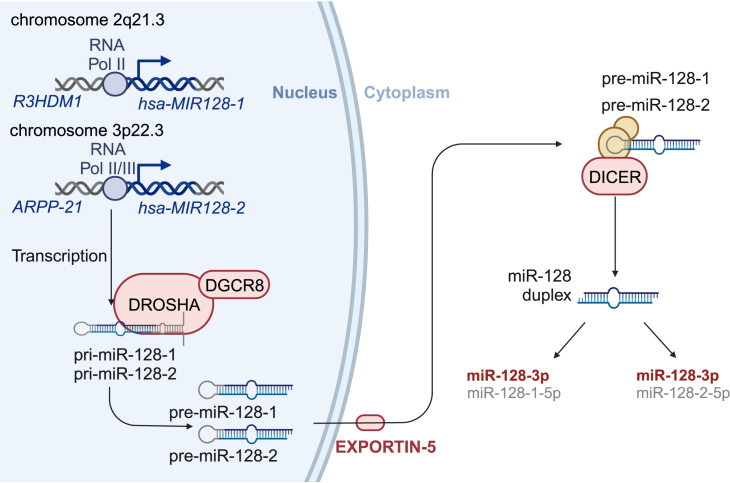
- miR-128-3p is one of the most highly expressed microRNAs in the CNS; it is encoded by two genes, hsa-MIR128-1 (chromosome 2q21.3, within R3HDM1) and hsa-MIR128-2 (chromosome 3p22.3, within ARPP-21), and both loci yield identical mature miR-128-3p after DICER processing.
- In non-malignant CNS pathologies, miR-128-3p is up-regulated in Alzheimer’s disease, multiple sclerosis, Parkinson’s disease, and acute ischemic stroke, but down-regulated in epilepsy and spinal cord injury/neuropathic pain (Table 1).
- In CNS malignancies, miR-128-3p expression is inversely correlated with tumor grade: lowest in glioblastoma (grade 4), relatively high in oligodendrogliomas (grade 2 or 3), no significant differences in meningiomas or pituitary tumors, and suppressed in aggressive pituitary adenomas. Glioblastoma accounts for more than 80% of primary brain tumors and has a median survival of only 14–16 months.
- Reintroducing miR-128-3p in glioblastoma stem-like cells targets PRC1/PRC2 components BMI1 and SUZ12, shifts cells from the mesenchymal toward the proneural subtype, reduces viability and neurosphere formation, decreases tumor burden and improves survival in mouse intracranial xenografts, and enhances radiosensitivity.
Methods
- Design: narrative review summarizing current knowledge of miR-128-3p in CNS physiology and pathology, including neurogenesis, neurodegenerative disease, brain injury, and CNS malignancies.
- Data/sample: published literature plus public datasets, including the Human microRNA Tissue Atlas accessed December 2023 for tissue and brain-region expression figures, The Cancer Genome Atlas glioblastoma dataset for a correlation signature of ∼1,700 genes, and CLIP-Seq data for non-coding RNA interaction networks.
- Main analysis: synthesis of reported expression changes, target genes, molecular pathways, immune effects, and therapeutic strategies; tabular summaries of miR-128-3p deregulation in CNS disease and malignancy.
Limitations
- Stated: miR-128-3p effects are context-dependent, and its therapeutic use carries potential off-target effects; further research is needed to unravel precise mechanisms in different CNS pathologies.
- Stated: current microRNA modulation methods using oligonucleotides and gene therapies remain challenging for neurological conditions, and none have yet been approved for clinical use; EV-based delivery requires optimization and standardization of isolation, characterization, biodistribution, pharmacodynamics, and pharmacokinetics.
- Evident from the text: as a review, it presents no new primary experimental data, and many cited findings derive from animal models, in vitro systems, or preclinical studies, limiting direct causal inference in humans.
Model-written summary. Check it against the paper before relying on it.
Integrity signals
Registry
Cites
Statistics
Figures
Verification
Claims the paper makes
98 Not checked yet · 53 Own interpretation · 41 Partly supported · 19 No full text of the sources · 9 Supported · 7 Own result · 7 No basis given · 6 Supported so far · 2 Mixed support · 2 Sources not found · 1 Not supported · accuracy not yet measured
Some cited sources support this claim and some don’t — read each source’s verdict below.
In the paper
“No significant differences were detected in the expression of miR-128-3p between the healthy cohorts and the patients with meningiomas (grade 1–3) or pituitary tumors,71,72,74”
§ MiR-128-3p – a gray eminence of the human central nervous system > MiR-128-3p in malignancies of the CNS
What the sources say
- Partly supportedcites [71] Wang, 2012, Plasma specific miRNAs as predictive biomarkers for diagnosis and prognosis of glioma, J. Exp. Clin. Cancer Res. sourceExperimental — accuracy not yet measured
The Results section on glioma-specific plasma miRNAs (Figure 5; page not provided) reports no significant difference between healthy controls and patients with meningioma or pituitary adenoma. However, it measures miR-128, not specifically miR-128-3p, and the Clinical samples section does not specify meningioma grades 1–3. (LLM, conf=0.86)
- Not checked — no full text of the sourcecites [72] Sun, 2015, Serum microRNA-128 as a biomarker for diagnosis of glioma, Int. J. Clin. Exp. Med.
- Disputedcites [74] Palumbo, 2013, Functional screen analysis reveals miR-26b and miR-128 as central regulators of pituitary somatomammotrophic tumor growth through activation of the PTEN–AKT pathway, Oncogene sourceExperimental — accuracy not yet measured
The Results section (“MicroRNA signature of GH-producing pituitary tumors”; page unavailable) reports miR-128 as approximately 7.5-fold lower in pituitary tumors than in normal tissue, contrary to the claimed absence of a difference. The paper calls it miR-128 rather than miR-128-3p and does not address meningiomas. (LLM, conf=0.86)
Checked by a reasoning model — may be wrong.
plain- Asserted: passes — The authors put it forward as true.
- Checkable: passes — It can be checked against evidence.
- Load-bearing: passes — The paper’s conclusions depend on it.
- Based: passes — The paper gives a reason why it holds.
- Partly supported
At least one cited source doesn’t support this claim or points to a different paper, and none confirmed it — see the verdicts below.
In the paper
“As a result, monocyte amyloid beta degradation was enhanced in vitro,54”
§ MiR-128-3p – a gray eminence of the human central nervous system > MiR-128-3p as a potent modulator of the immune microenvironment > Neurodegenerative diseases
What the sources say
- Disputedcites [54] Geng, 2018, Inhibition of miR-128 Abates Aβ-Mediated Cytotoxicity by Targeting PPAR-γ via NF-κB Inactivation in Primary Mouse Cortical Neurons and Neuro2a Cells, Yonsei Med. J. sourceExperimental — accuracy not yet measured
The Discussion says that miR-128 downregulation facilitates amyloid-β degradation in monocytes, the opposite of the claimed effect of upregulation. The cited study’s title in the References likewise associates miR-128 upregulation with impaired degradation. (LLM, conf=0.90)
Checked by a reasoning model — may be wrong.
plaindirect- Asserted: passes — The authors put it forward as true.
- Checkable: passes — It can be checked against evidence.
- Load-bearing: passes — The paper’s conclusions depend on it.
- Based: passes — The paper gives a reason why it holds.
- Disputed
Every source the paper cites for this claim was checked and supports it.
In the paper
“miR-128’s expression dynamically changes during neurogenesis”
§ MiR-128-3p – a gray eminence of the human central nervous system > Functions of miR-128-3p in the physiopathology of the human CNS
What the sources say
- Supportedcites [34] Shu, 2019, Opposing Gradients of MicroRNA Expression Temporally Pattern Layer Formation in the Developing Neocortex, Dev. Cell source
The Results describe a high-to-low temporal gradient of miR-128 expression in neocortical progenitor cells over the course of neurogenesis. They also report that miR-128 expression in those cells becomes nearly undetectable by E13.5, supporting the claim that its expression changes dynamically. (LLM, conf=0.94)
plaindirect- Asserted: passes — The authors put it forward as true.
- Checkable: passes — It can be checked against evidence.
- Load-bearing: passes — The paper’s conclusions depend on it.
- Based: passes — The paper gives a reason why it holds.
- Supported
The cited sources support only part of this claim — read each source’s verdict below.
In the paper
“and consequently reduces amyloid beta-mediated cytotoxicity and inflammatory response through the inactivation of NF-κB in vitro.54”
§ MiR-128-3p – a gray eminence of the human central nervous system > MiR-128-3p in neurodegenerative diseases, brain damage, and injuries > Alzheimer’s disease
What the sources say
- Partly supportedcites [54] Geng, 2018, Inhibition of miR-128 Abates Aβ-Mediated Cytotoxicity by Targeting PPAR-γ via NF-κB Inactivation in Primary Mouse Cortical Neurons and Neuro2a Cells, Yonsei Med. J. sourceExperimental — accuracy not yet measured
The Results section reports that inhibiting miR-128 with anti-miR-128 reduced Aβ-mediated cytotoxicity and NF-κB activity in cultured primary mouse cortical neurons and Neuro2a cells. It does not report a miR-128-3p knockout or show a reduction in inflammatory response; the measured outcomes were cell viability, apoptosis, caspase-3 activity, and NF-κB activity. Page numbers are unavailable in our copy. (LLM, conf=0.88)
plaindirect- Asserted: passes — The authors put it forward as true.
- Checkable: passes — It can be checked against evidence.
- Load-bearing: passes — The paper’s conclusions depend on it.
- Based: passes — The paper gives a reason why it holds.
- Partly supported
The cited sources support only part of this claim — read each source’s verdict below.
In the paper
“miR-128-3p actively participates in embryonic brain development by regulating key genes, including PCM-1 (Pericentriolar material 1) and PHF6 (PHD finger protein 6) in neuronal progenitor cells.”
§ MiR-128-3p – a gray eminence of the human central nervous system > Functions of miR-128-3p in the physiopathology of the human CNS
What the sources say
- Partly supportedcites [33] Zhang, 2016, MiRNA-128 regulates the proliferation and neurogenesis of neural precursors by targeting PCM1 in the developing cortex, Elife sourceExperimental — accuracy not yet measured
The Results section ('PCM1 is a direct target of miR-128 in NPCs'; no page number provided) reports that miR-128 reduces PCM1 expression in neural progenitor cells, and the paper links this to development of the mouse embryonic cortex. Our copy does not identify the studied miRNA specifically as miR-128-3p or show that it regulates PHF6 in progenitor cells; PHF6 appears in the title of a different study listed in the References. (LLM, conf=0.88)
plaindirect- Asserted: passes — The authors put it forward as true.
- Checkable: passes — It can be checked against evidence.
- Load-bearing: unclear — It is unclear whether the paper’s conclusions depend on it.
- Based: passes — The paper gives a reason why it holds.
- Partly supported
The cited sources support only part of this claim — read each source’s verdict below.
In the paper
“disruptions in miR-128-3p homeostasis are associated with neurodevelopmental disorders”
§ MiR-128-3p – a gray eminence of the human central nervous system > Functions of miR-128-3p in the physiopathology of the human CNS
What the sources say
- Partly supportedcites [35] Mellios, 2012, The Emerging Role of microRNAs in Schizophrenia and Autism Spectrum Disorders, Front. Psychiatry sourceExperimental — accuracy not yet measured
The “miRNAs in Autism Spectrum Disorders” section reports that miR-128b is altered in schizophrenia and shows changes in ASD samples. Our copy does not identify it as miR-128-3p, so it does not establish the claim for that specific form. (LLM, conf=0.82)
- Partly supportedcites [36] Ching, 2015, A Perspective on the Role of microRNA-128 Regulation in Mental and Behavioral Disorders, Front. Cell. Neurosci. sourceExperimental — accuracy not yet measured
The Introduction (page not provided) reports miR-128 deficiency alongside early-onset epilepsy in mice and a MIR-128-2 locus deletion in a family with intellectual disability and epileptic episodes. It does not identify miR-128-3p specifically, and it cautions that no direct link between MIR-128 and the family's condition was established. (LLM, conf=0.82)
- Partly supportedcites [37] Franzoni, 2015, miR-128 regulates neuronal migration, outgrowth and intrinsic excitability via the intellectual disability gene Phf6, Elife sourceExperimental — accuracy not yet measured
The Introduction and Results report that altered miR-128 expression affects neuronal migration and cortical development in mice. The Discussion identifies its target PHF6 as a gene mutated in neurodevelopmental disorders. The paper does not show that disrupted miR-128-3p levels are associated with those disorders in affected people. (LLM, conf=0.84)
plaincorrelational- Asserted: passes — The authors put it forward as true.
- Checkable: passes — It can be checked against evidence.
- Load-bearing: passes — The paper’s conclusions depend on it.
- Based: passes — The paper gives a reason why it holds.
- Partly supported
The cited sources support only part of this claim — read each source’s verdict below.
In the paper
“influencing the timing and fate of neuron production.34”
§ MiR-128-3p – a gray eminence of the human central nervous system > Functions of miR-128-3p in the physiopathology of the human CNS
What the sources say
- Partly supportedcites [34] Shu, 2019, Opposing Gradients of MicroRNA Expression Temporally Pattern Layer Formation in the Developing Neocortex, Dev. Cell sourceExperimental — accuracy not yet measured
The Discussion (page unavailable) reports that altering miR-128 expression at different developmental stages shifts neocortical neuron production between earlier- and later-born fates. The paper calls it miR-128, however; our copy does not identify the studied molecule specifically as miR-128-3p. (LLM, conf=0.83)
plaindirect- Asserted: passes — The authors put it forward as true.
- Checkable: passes — It can be checked against evidence.
- Load-bearing: passes — The paper’s conclusions depend on it.
- Based: passes — The paper gives a reason why it holds.
- Partly supported
The cited sources support only part of this claim — read each source’s verdict below.
In the paper
“The overexpression of miR-128-3p resulted in prominently reduced apoptosis of dopaminergic neurons”
§ MiR-128-3p – a gray eminence of the human central nervous system > MiR-128-3p in neurodegenerative diseases, brain damage, and injuries > Parkinson’s disease
What the sources say
- Not checked — no full text of the sourcecites [62] Zhou, 2018, MicroRNA-128 Protects Dopamine Neurons from Apoptosis and Upregulates the Expression of Excitatory Amino Acid Transporter 4 in Parkinson’s Disease by Binding to AXIN1, Cell. Physiol. Biochem. source
- Partly supportedcites [63] Zhang, 2020, HIF-1α/microRNA-128-3p axis protects hippocampal neurons from apoptosis via the Axin1-mediated Wnt/β-catenin signaling pathway in Parkinson’s disease models, Aging sourceExperimental — accuracy not yet measured
The Results section reports significantly reduced apoptosis after miR-128-3p overexpression in hippocampal neurons from MPTP-lesioned mice. The claim instead specifies dopaminergic neurons, which this passage does not establish. (LLM, conf=0.89)
plaindirect- Asserted: passes — The authors put it forward as true.
- Checkable: passes — It can be checked against evidence.
- Load-bearing: passes — The paper’s conclusions depend on it.
- Based: passes — The paper gives a reason why it holds.
Every source the paper cites for this claim was checked and supports it.
In the paper
“and specifying laminar fates.”
§ MiR-128-3p – a gray eminence of the human central nervous system > Functions of miR-128-3p in the physiopathology of the human CNS
What the sources say
- Supportedcites [34] Shu, 2019, Opposing Gradients of MicroRNA Expression Temporally Pattern Layer Formation in the Developing Neocortex, Dev. Cell source
The Results state that miR-128 is sufficient to specify a layer VI laminar fate. The Discussion adds that this effect occurs when miR-128 is altered in neural progenitor cells, not in neurons. (LLM, conf=0.94)
plaindirect- Asserted: passes — The authors put it forward as true.
- Checkable: passes — It can be checked against evidence.
- Load-bearing: passes — The paper’s conclusions depend on it.
- Based: passes — The paper gives a reason why it holds.
- Supported
The cited sources support only part of this claim — read each source’s verdict below.
In the paper
“A report by He et al., which contrasts miR-128-3p expression in specific brain regions, supports this tissue-centric perspective.32”
§ MiR-128-3p – a gray eminence of the human central nervous system > Functions of miR-128-3p in the physiopathology of the human CNS
What the sources say
- Partly supportedcites [32] He, 2012, Cell-Type-Based Analysis of MicroRNA Profiles in the Mouse Brain, Neuron sourceExperimental — accuracy not yet measured
The Results section on neocortex and cerebellum reports that miR-128 expression is about fourfold higher in neocortex than in cerebellum, supporting a regional difference. Our copy does not identify that measurement specifically as miR-128-3p, so the strand-specific part of the claim is not established. (LLM, conf=0.84)
plaincorrelational- Asserted: passes — The authors put it forward as true.
- Checkable: passes — It can be checked against evidence.
- Load-bearing: unclear — It is unclear whether the paper’s conclusions depend on it.
- Based: passes — The paper gives a reason why it holds.
- Partly supported
The cited sources support only part of this claim — read each source’s verdict below.
In the paper
“Notably, the level of miR-128-3p was significantly reduced in the brain tissue of young, pre-symptomatic mice genetically modified to develop glioblastomas but not in the brain of wild-type mice, demonstrating that the miR-128-3p suppression is an early event during gliomagenesis.77”
§ MiR-128-3p – a gray eminence of the human central nervous system > MiR-128-3p in malignancies of the CNS > Glioblastoma
What the sources say
- Partly supportedcites [77] Peruzzi, 2013, MicroRNA-128 coordinately targets Polycomb Repressor Complexes in glioma stem cells, Neuro Oncol. sourceExperimental — accuracy not yet measured
The Results section reports significantly reduced MIR128 in neural stem cells from young, presymptomatic glioma-prone mice compared with age-matched wild-type mice. The Discussion interprets this loss as an early event in gliomagenesis. Our copy identifies the measured RNA as miR-128 or MIR128, however, not specifically miR-128-3p. (LLM, conf=0.85)
boosteddirect- Asserted: passes — The authors put it forward as true.
- Checkable: passes — It can be checked against evidence.
- Load-bearing: passes — The paper’s conclusions depend on it.
- Based: passes — The paper gives a reason why it holds.
- Partly supported
The sources with a verdict support this claim; the rest weren’t checked yet, have no full text we could read, or their verdicts aren’t rated yet.
In the paper
“MiR-128-3p was found to be a potent regulator of the expression and activity of proteins forming polycomb repressive complexes (PRCs).”
§ MiR-128-3p – a gray eminence of the human central nervous system > MiR-128-3p in malignancies of the CNS > MiR-128-3p and the regulation of polycomb repressive complexes in glioblastoma
What the sources say
- Supportedcites [77] Peruzzi, 2013, MicroRNA-128 coordinately targets Polycomb Repressor Complexes in glioma stem cells, Neuro Oncol. source
The Results report that miR-128 targets SUZ12 and BMI1, components of PRC2 and PRC1, and significantly reduces PRC activity. The Discussion likewise describes miR-128-mediated downregulation of PRC components and inhibition of PRC-dependent histone modifications. The paper calls it miR-128 rather than specifying the 3p strand. (LLM, conf=0.90)
- Not checked — no full text of the sourcecites [126] Godlewski, 2008, Targeting of the Bmi-1 oncogene/stem cell renewal factor by microRNA-128 inhibits glioma proliferation and self-renewal, Cancer Res. source
boosteddirect- Asserted: passes — The authors put it forward as true.
- Checkable: passes — It can be checked against evidence.
- Load-bearing: passes — The paper’s conclusions depend on it.
- Based: passes — The paper gives a reason why it holds.
- Supported
The cited sources support only part of this claim — read each source’s verdict below.
In the paper
“These genetic and molecular shifts are associated with the inter-subclass transition upon therapy with temozolomide103,104 and radiation.104”
§ MiR-128-3p – a gray eminence of the human central nervous system > MiR-128-3p in malignancies of the CNS > Glioblastoma
What the sources say
- Supportedcites [103] Wang, 2016, Clonal evolution of glioblastoma under therapy, Nat. Genet. source
The Results section, “Expression Analysis and Subtype Switching” (page unavailable), reports that 39 of 58 primary glioblastomas changed transcriptional subtype at relapse and associates loss of the EGFRvIII alteration with a transition from the classical subtype. The Methods section, “Patients and samples” (page unavailable), describes recurrent-tumor cohorts treated with radiotherapy and temozolomide, supporting the claim’s treatment context. The paper reports an association, not proof that treatment caused the transitions. (LLM, conf=0.90)
- Partly supportedcites [104] Muscat, 2018, The evolutionary pattern of mutations in glioblastoma reveals therapy-mediated selection, Oncotarget sourceExperimental — accuracy not yet measured
The Results section reports that radiochemotherapy influenced subclonal variant dynamics, and the Introduction reports a prior study in which 63% of patients had different expression-based subtypes at diagnosis and relapse (page unavailable). This paper does not establish that its observed genetic shifts were associated with inter-subclass transitions following temozolomide and radiation. (LLM, conf=0.86)
plaincorrelational- Asserted: passes — The authors put it forward as true.
- Checkable: passes — It can be checked against evidence.
- Load-bearing: unclear — It is unclear whether the paper’s conclusions depend on it.
- Based: passes — The paper gives a reason why it holds.
- Supported
The cited sources support only part of this claim — read each source’s verdict below.
In the paper
“The lowest expression of miR-128-3p was found in glioblastomas (grade 4).71,72”
§ MiR-128-3p – a gray eminence of the human central nervous system > MiR-128-3p in malignancies of the CNS
What the sources say
- Partly supportedcites [71] Wang, 2012, Plasma specific miRNAs as predictive biomarkers for diagnosis and prognosis of glioma, J. Exp. Clin. Cancer Res. sourceExperimental — accuracy not yet measured
The Results section (association with histopathological grade; page unavailable) reports lower plasma miR-128 in grades III and IV than in grade II. It finds no significant difference between grades III and IV, so it does not establish that grade IV has the lowest expression. The paper also calls the measured molecule miR-128, not specifically miR-128-3p. (LLM, conf=0.86)
- Not checked — no full text of the sourcecites [72] Sun, 2015, Serum microRNA-128 as a biomarker for diagnosis of glioma, Int. J. Clin. Exp. Med.
plaincorrelational- Asserted: passes — The authors put it forward as true.
- Checkable: passes — It can be checked against evidence.
- Load-bearing: passes — The paper’s conclusions depend on it.
- Based: passes — The paper gives a reason why it holds.
- Partly supported
The cited sources support only part of this claim — read each source’s verdict below.
In the paper
“Thus, the activation of PRCs, evident from increased expression of BMI1 and SUZ12,77 contributed to the radio-resistance of tumor cells,137,138 including glioblastoma.139,140”
§ MiR-128-3p – a gray eminence of the human central nervous system > MiR-128-3p in malignancies of the CNS > MiR-128-3p and the regulation of polycomb repressive complexes in glioblastoma
What the sources say
- Supportedcites [77] Peruzzi, 2013, MicroRNA-128 coordinately targets Polycomb Repressor Complexes in glioma stem cells, Neuro Oncol. source
The introduction states that PRC components including BMI1 and SUZ12 are highly expressed in glioblastoma and that Polycomb complexes help maintain radioresistance in cancer models, including glioblastoma. The Discussion also reports that restoring miR-128 reduces PRC activity and increases the radiosensitivity of glioma stem cells. (LLM, conf=0.91)
- Supportedcites [137] Gieni, 2011, Polycomb group proteins in the DNA damage response: A link between radiation resistance and “stemness.”, Cell Cycle source
The sections on BMI-1-dependent DNA repair and cancer stem cell radioresistance report that BMI-1 contributes to radiation resistance in tumor cells, including glioma stem cells, and link that role to PRC1. In the citing sentence, the separate citation 77 accompanies the BMI1 and SUZ12 expression claim; this verdict concerns the radioresistance claim. (LLM, conf=0.90)
- Supportedcites [138] Liu, 2012, Bmi-1 induces radioresistance in MCF-7 mammary carcinoma cells, Oncol. Rep. source
The Introduction identifies Bmi-1 as a PRC1 member, and the Discussion reports that its overexpression increased radiation resistance in MCF-7 breast cancer cells. This supports the tumor-cell radioresistance point to which this source’s citation is attached; SUZ12 and glioblastoma have separate citations in the citing sentence. (LLM, conf=0.88)
- Supportedcites [139] Facchino, 2010, BMI1 Confers Radioresistance to Normal and Cancerous Neural Stem Cells through Recruitment of the DNA Damage Response Machinery, J. Neurosci. source
The Discussion reports that BMI1 deficiency in glioblastoma cells impaired the DNA double-strand break response and decreased radioresistance. That supports this citation’s role in the sentence: the glioblastoma example. The increased expression of BMI1 and SUZ12 is attached to a different citation. (LLM, conf=0.90)
- Partly supportedcites [140] Li, 2010, Oncoprotein Bmi-1 Renders Apoptotic Resistance to Glioma Cells through Activation of the IKK-Nuclear Factor-κB Pathway, Am. J. Pathol. sourceExperimental — accuracy not yet measured
The Discussion (page unavailable) reports that increased Bmi-1 protects glioma cells from apoptosis induced by UV irradiation and anticancer drugs, and describes Bmi-1 co-expression with NF-κB in high-grade glioblastoma specimens. It does not establish resistance to the ionizing radiation used in radiotherapy. The SUZ12 expression claim is attached to a different citation in the citing sentence. (LLM, conf=0.87)
plaindirect- Asserted: passes — The authors put it forward as true.
- Checkable: passes — It can be checked against evidence.
- Load-bearing: passes — The paper’s conclusions depend on it.
- Based: passes — The paper gives a reason why it holds.
- Supported
The cited sources support only part of this claim — read each source’s verdict below.
In the paper
“where a reduced level of miR-128-3p was correlated with worse patient outcomes.77,78,79”
§ MiR-128-3p – a gray eminence of the human central nervous system > MiR-128-3p in malignancies of the CNS
What the sources say
- Not checked yetcites [77] Peruzzi, 2013, MicroRNA-128 coordinately targets Polycomb Repressor Complexes in glioma stem cells, Neuro Oncol. source
Checked before — its earlier verdict is held back until a new check runs.
- Partly supportedcites [78] Zhou, 2018, MicroRNAs as potential biomarkers for the diagnosis of glioma: A systematic review and meta-analysis, Cancer Sci. sourceExperimental — accuracy not yet measured
The Results (Study characteristics, Table 1; page unavailable) list reduced miR-128 in plasma from patients with glioblastoma compared with controls. They do not identify it as miR-128-3p or report a correlation between its level and patient outcomes; the paper assesses diagnostic rather than outcome associations. (LLM, conf=0.78)
- Not checked yetcites [79] Zhao, 2020, MicroRNA-128-3p Enhances the Chemosensitivity of Temozolomide in Glioblastoma by Targeting c-Met and EMT, Sci. Rep. source
Checked before — its earlier verdict is held back until a new check runs.
plaincorrelational- Asserted: passes — The authors put it forward as true.
- Checkable: passes — It can be checked against evidence.
- Load-bearing: passes — The paper’s conclusions depend on it.
- Based: passes — The paper gives a reason why it holds.
- Not checked yet
The cited sources support only part of this claim — read each source’s verdict below.
In the paper
“At the molecular level, the reintroduction of miR-128-3p into GSCs inhibited the activity of both PRC complexes, thus preventing their partial redundancy.131,132,133”
§ MiR-128-3p – a gray eminence of the human central nervous system > MiR-128-3p in malignancies of the CNS > MiR-128-3p and the regulation of polycomb repressive complexes in glioblastoma
What the sources say
- Partly supportedcites [131] Leeb, 2010, Polycomb complexes act redundantly to repress genomic repeats and genes, Genes Dev. sourceExperimental — accuracy not yet measured
The Abstract (page not provided) reports redundancy between PRC1 and PRC2 in mouse embryonic stem cells and describes the effects of losing both complexes. It does not address miR-128-3p, its reintroduction into GSCs, or whether that intervention inhibits the complexes. (LLM, conf=0.86)
- Partly supportedcites [132] Cohen, 2021, Polycomb complexes redundantly maintain epidermal stem cell identity during development, Genes Dev. sourceExperimental — accuracy not yet measured
The Results section (‘PRC1 and PRC2 act redundantly in transcriptional repression’; page unavailable) shows that the complexes redundantly repress genes in murine epidermal stem cells. It does not report reintroducing miR-128-3p into GSCs or show that this intervention inhibits both complexes. (LLM, conf=0.87)
- Could not verifycites [133] Zhu, 2022, Functional redundancy among Polycomb complexes in maintaining the pluripotent state of embryonic stem cells, Stem Cell Rep. sourceExperimental — accuracy not yet measured
The Results section on cPRC1 and ncPRC1 reports redundancy between PRC1 subcomplexes in embryonic stem cells. Neither that section nor the Discussion addresses miR-128-3p reintroduction in GSCs or whether it inhibits both PRC complexes; searches for those terms found no relevant passage in our copy. (LLM, conf=0.76)
plaindirect- Asserted: passes — The authors put it forward as true.
- Checkable: passes — It can be checked against evidence.
- Load-bearing: passes — The paper’s conclusions depend on it.
- Based: passes — The paper gives a reason why it holds.
- Partly supported
The cited sources support only part of this claim — read each source’s verdict below.
In the paper
“MiR-128-3p is among the most significantly up-regulated microRNA in MS patients when compared with healthy individuals.”
§ MiR-128-3p – a gray eminence of the human central nervous system > MiR-128-3p in neurodegenerative diseases, brain damage, and injuries > Multiple sclerosis
What the sources say
- Partly supportedcites [69] Guerau-de-Arellano, 2011, Micro-RNA dysregulation in multiple sclerosis favours pro-inflammatory T-cell-mediated autoimmunity, Brain sourceExperimental — accuracy not yet measured
The Results report that miR-128 was the second most significantly upregulated miRNA in naïve CD4+ T cells from patients with multiple sclerosis compared with healthy donors. The paper calls it miR-128, not miR-128-3p, so our copy does not establish the claim's strand-specific identification or an increase across patients' tissues generally. (LLM, conf=0.84)
- Partly supportedcites [70] Severin, 2016, MicroRNAs targeting TGFβ signalling underlie the regulatory T cell defect in multiple sclerosis, Brain sourceExperimental — accuracy not yet measured
The section on TGFβ-associated genes reports elevated miRNAs in naïve CD4 T cells from patients with multiple sclerosis compared with healthy controls, and the paper includes miR-128 among the miRNAs it studies. Figure 1 Continued describes the group comparison, but the available text does not establish that miR-128-3p specifically was among the most significantly up-regulated miRNAs. (LLM, conf=0.78)
plaincorrelational- Asserted: passes — The authors put it forward as true.
- Checkable: passes — It can be checked against evidence.
- Load-bearing: passes — The paper’s conclusions depend on it.
- Based: passes — The paper gives a reason why it holds.
- Partly supported
The cited sources support only part of this claim — read each source’s verdict below.
In the paper
“Among experimentally validated relations, several long-non-coding RNAs were shown to act as either action-enhancing co-partners or inhibitory”
§ MiR-128-3p – a gray eminence of the human central nervous system > The networking of miR-128-3p > mRNA targets
What the sources say
- Partly supportedcites [149] Javanmard, 2023, ADAMTS9-AS1 Long Non-coding RNA Sponges miR-128 and miR-150 to Regulate Ras/MAPK Signaling Pathway in Glioma, Cell. Mol. Neurobiol. sourceExperimental — accuracy not yet measured
The Discussion and the 'ADAMTS9-AS1 Interaction with miR-150 and miR-128' section report experimental evidence that one lncRNA, ADAMTS9-AS1, sponges miR-128 in glioma. The paper does not establish that several lncRNAs act on miR-128, describe action-enhancing co-partners, or specify the miR-128-3p strand. Page numbers are unavailable in our copy. (LLM, conf=0.88)
- Partly supportedcites [150] Zhao, 2023, LncRNA FOXD3-AS1/miR-128-3p axis-mediated IGF2BP3 in glioma stimulates cancer angiogenesis and progression, Folia Neuropathol. sourceExperimental — accuracy not yet measured
The section on FOXD3-AS1 mediation (page unavailable) reports experimental evidence that FOXD3-AS1 sponges miR-128-3p in glioma cells. The Discussion also mentions PVT1 acting through a miR-128-3p axis in glioma, but the paper does not establish that several lncRNAs serve both inhibitory-sponging and action-enhancing roles across CNS conditions. (LLM, conf=0.86)
- Not checked — no full text of the sourcecites [151] Ye, 2023, OIP5-AS1 accelerates apoptosis of hippocampal neurons in cell models of epilepsy by modulating MiR-128-3p/BAX axis, Prev. Med. source
plaindirect- Asserted: passes — The authors put it forward as true.
- Checkable: passes — It can be checked against evidence.
- Load-bearing: unclear — It is unclear whether the paper’s conclusions depend on it.
- Based: passes — The paper gives a reason why it holds.
- Partly supported
Every source the paper cites for this claim was checked and supports it.
In the paper
“What is more, a correlation of expression between genes and microRNAs (according to The Cancer Genome Atlas glioblastoma dataset) revealed a correlation signature of ∼1700 genes that were either positively or negatively associated with microRNAs”
§ MiR-128-3p – a gray eminence of the human central nervous system > The networking of miR-128-3p > MicroRNAs
What the sources say
- Supportedcites [45] Bronisz, 2020, The nuclear DICER-circular RNA complex drives the deregulation of the glioblastoma cell microRNAome, Sci. Adv. source
The Results section (‘Clinical significance of circ2082 knockdown’) explicitly says that revisiting the TCGA glioblastoma dataset revealed a signature of approximately 1700 genes positively or negatively associated with microRNAs. The analysis concerned microRNAs selected as deregulated in glioblastoma and dependent on circ2082. (LLM, conf=0.95)
plaincorrelational- Asserted: passes — The authors put it forward as true.
- Checkable: passes — It can be checked against evidence.
- Load-bearing: unclear — It is unclear whether the paper’s conclusions depend on it.
- Based: passes — The paper gives a reason why it holds.
- Supported
The cited sources support only part of this claim — read each source’s verdict below.
In the paper
“Also, in AD patients, the expression of miR-128-3p was increased in lymphocytes and monocytes compared with healthy individuals.”
§ MiR-128-3p – a gray eminence of the human central nervous system > MiR-128-3p as a potent modulator of the immune microenvironment > Neurodegenerative diseases
What the sources say
- Partly supportedcites [54] Geng, 2018, Inhibition of miR-128 Abates Aβ-Mediated Cytotoxicity by Targeting PPAR-γ via NF-κB Inactivation in Primary Mouse Cortical Neurons and Neuro2a Cells, Yonsei Med. J. sourceExperimental — accuracy not yet measured
The Results report increased miR-128 in plasma from AD patients compared with healthy volunteers. The Methods describe isolating plasma, not testing lymphocytes or monocytes, and the paper does not identify the measured miRNA specifically as miR-128-3p. The Discussion mentions monocytes only in describing a different study of miR-128 downregulation and Aβ degradation. (LLM, conf=0.88)
plaincorrelational- Asserted: passes — The authors put it forward as true.
- Checkable: passes — It can be checked against evidence.
- Load-bearing: passes — The paper’s conclusions depend on it.
- Based: passes — The paper gives a reason why it holds.
- Partly supported
Every source the paper cites for this claim was checked and supports it.
In the paper
“Comprehensive genomic analyses revealed that these microRNAs’ target gene sets significantly overlap.158”
§ MiR-128-3p – a gray eminence of the human central nervous system > The networking of miR-128-3p > MicroRNAs
What the sources say
- Supportedcites [158] Santos, 2016, miR-124, -128, and -137 Orchestrate Neural Differentiation by Acting on Overlapping Gene Sets Containing a Highly Connected Transcription Factor Network, Stem Cell. source
In “Genome-Wide Impact of miR-124, -128, and -137 in Neuronal Differentiation,” the paper reports 523 genes targeted by two or three of the miRNAs and finds all target-set overlaps highly significant (p < .0001). This supports the attributed claim. (LLM, conf=0.94)
plaincorrelational- Asserted: passes — The authors put it forward as true.
- Checkable: passes — It can be checked against evidence.
- Load-bearing: passes — The paper’s conclusions depend on it.
- Based: passes — The paper gives a reason why it holds.
- Supported
The cited sources support only part of this claim — read each source’s verdict below.
In the paper
“a pathway whose malfunction is a prominent risk factor for neurodegenerative disease.161”
§ MiR-128-3p – a gray eminence of the human central nervous system > The networking of miR-128-3p > MicroRNAs
What the sources say
- Partly supportedcites [161] Kennerdell, 2018, MiR-34 inhibits polycomb repressive complex 2 to modulate chaperone expression and promote healthy brain aging, Nat. Commun. sourceExperimental — accuracy not yet measured
The Introduction and Results section on brain H3K27me3 report that Drosophila miR-34 mutants undergo brain degeneration and that increasing miR-34 protects against degeneration in a disease model. They do not establish malfunction of a miR-34a pathway as a prominent risk factor for neurodegenerative disease generally; the Introduction identifies aging, not miR-34 malfunction, as a major risk factor. Page numbers are not available in our copy. (LLM, conf=0.88)
plaincorrelational- Asserted: passes — The authors put it forward as true.
- Checkable: passes — It can be checked against evidence.
- Load-bearing: unclear — It is unclear whether the paper’s conclusions depend on it.
- Based: passes — The paper gives a reason why it holds.
- Partly supported
The cited sources support only part of this claim — read each source’s verdict below.
In the paper
“The cooperative strategies of miR-128-3p, with two other microRNAs, miR-124-3p and miR-137, unfold during neurogenesis, where the orchestration of gene expression is paramount.6,157”
§ MiR-128-3p – a gray eminence of the human central nervous system > The networking of miR-128-3p > MicroRNAs
What the sources say
- Partly supportedcites [6] Godlewski, 2019, MicroRNA in Brain pathology: Neurodegeneration the Other Side of the Brain Cancer, Noncoding. RNA sourceExperimental — accuracy not yet measured
Sections 5.4 and 5.5 describe separate roles for miR-124 and miR-128 in neuronal development and differentiation. Section 6 lists miR-137, but the copy does not describe cooperation among the three during neurogenesis or establish the specified -3p form for miR-128. (LLM, conf=0.86)
- Could not verifycites [157] Thomas, 2018, microRNAs Sculpt Neuronal Communication in a Tight Balance That Is Lost in Neurological Disease, Front. Mol. Neurosci. sourceExperimental — accuracy not yet measured
The “miR-137 in Neuronal Signaling” section discusses miR-137’s role in the maturation of newly formed neurons, while “miRNAs Influence Intracellular Signaling Cascades” discusses miR-128’s role in neuronal signaling (pages not provided). Searches for miR-128-3p, miR-124-3p, and their proposed cooperation with miR-137 found no passage addressing that cooperation during neurogenesis. (LLM, conf=0.74)
plaindirect- Asserted: passes — The authors put it forward as true.
- Checkable: passes — It can be checked against evidence.
- Load-bearing: passes — The paper’s conclusions depend on it.
- Based: passes — The paper gives a reason why it holds.
- Rests on an assumption: MicroRNAs often work cooperatively to regulate overlapping pathways and processes in the brain.
- Partly supported
The cited sources support only part of this claim — read each source’s verdict below.
In the paper
“Polycomb-like(PCL) proteins and SUZ12, crucial components of PRC2, are targets of miR-34a,161”
§ MiR-128-3p – a gray eminence of the human central nervous system > The networking of miR-128-3p > MicroRNAs
What the sources say
- Partly supportedcites [161] Kennerdell, 2018, MiR-34 inhibits polycomb repressive complex 2 to modulate chaperone expression and promote healthy brain aging, Nat. Commun. sourceExperimental — accuracy not yet measured
The Results section, “MiR-34 regulates the Pcl and Su(z)12 3′UTRs,” reports that fly Pcl and Su(z)12 are regulated by miR-34 in reporter assays. The Discussion says regulation of vertebrate homologs, including PHF19 and SUZ12, remains a possibility. Thus the paper supports the claim for fly miR-34 targets, but does not establish that PCL proteins and human SUZ12 are targets of miR-34a. (LLM, conf=0.86)
plaindirect- Asserted: passes — The authors put it forward as true.
- Checkable: passes — It can be checked against evidence.
- Load-bearing: unclear — It is unclear whether the paper’s conclusions depend on it.
- Based: passes — The paper gives a reason why it holds.
- Partly supported
The sources with a verdict support this claim; the rest weren’t checked yet, have no full text we could read, or their verdicts aren’t rated yet.
In the paper
“Consequently, the burden of glioma was lessened through suppression of growth, proliferation, and migratory/invasive potential.169,170”
§ MiR-128-3p – a gray eminence of the human central nervous system > The networking of miR-128-3p > Long non-coding RNAs
What the sources say
- Supportedcites [169] Fu, 2018, LncRNA PVT1 Facilitates Tumorigenesis and Progression of Glioma via Regulation of MiR-128-3p/GREM1 Axis and BMP Signaling Pathway, Neurotherapeutics source
The section on PVT1 knockdown reports reduced proliferation, migration, and invasion in U251 and U87 glioma cells. The in vivo growth section also reports smaller tumors with lower volume and weight in mice after PVT1 knockdown. Page numbers were not provided in our copy. (LLM, conf=0.93)
- Not checked — no full text of the sourcecites [170] Dahai, 2020, Lowly expressed lncRNA PVT1 suppresses proliferation and advances apoptosis of glioma cells through up-regulating microRNA-128-1-5p and inhibiting PTBP1, Brain Res. Bull. source
plaindirect- Asserted: passes — The authors put it forward as true.
- Checkable: passes — It can be checked against evidence.
- Load-bearing: passes — The paper’s conclusions depend on it.
- Based: passes — The paper gives a reason why it holds.
- Supported
The cited sources support only part of this claim — read each source’s verdict below.
In the paper
“(better outcomes: miR-128-3p, miR-124-3p, and miR-1; worse”
§ MiR-128-3p – a gray eminence of the human central nervous system > The networking of miR-128-3p > MicroRNAs
What the sources say
- Partly supportedcites [45] Bronisz, 2020, The nuclear DICER-circular RNA complex drives the deregulation of the glioblastoma cell microRNAome, Sci. Adv. sourceExperimental — accuracy not yet measured
In Results, “Clinical significance of circ2082 knockdown” (page unavailable), the paper groups miR-128, miR-124, and miR-1 in an outcome-predictive cluster. It also treats them as tumor-suppressive microRNAs, but our copy does not explicitly state that this cluster is associated with better outcomes or specify the -3p forms. (LLM, conf=0.78)
plaincorrelational- Asserted: passes — The authors put it forward as true.
- Checkable: passes — It can be checked against evidence.
- Load-bearing: unclear — It is unclear whether the paper’s conclusions depend on it.
- Based: passes — The paper gives a reason why it holds.
- Partly supported
The cited sources support only part of this claim — read each source’s verdict below.
In the paper
“In the CNS, where enzymatic degradation is a concern, stabilizing modifications help prolong the half-life of therapeutic microRNAs.197,198,199”
§ MiR-128-3p – a gray eminence of the human central nervous system > MiR-128-3p in the treatment of CNS pathologies > MiR-128-3p as a therapeutic agent
What the sources say
- Partly supportedcites [197] Wahlestedt, 2000, Potent and nontoxic antisense oligonucleotides containing locked nucleic acids, Proc. Natl. Acad. Sci. sourceExperimental — accuracy not yet measured
The Results and Discussion (page not available) report that LNA-modified antisense oligonucleotides resist degradation and have a longer predicted half-life in blood serum. The CNS experiments used antisense oligonucleotides, not therapeutic microRNAs, and did not measure half-life in the CNS. The paper also says cerebrospinal fluid has very low nuclease levels, so unmodified oligonucleotides are often sufficiently stable there. (LLM, conf=0.87)
- Partly supportedcites [198] Davis, 2006, Improved targeting of miRNA with antisense oligonucleotides, Nucleic Acids Res. sourceExperimental — accuracy not yet measured
The Introduction says chemical modifications can make antisense oligonucleotides resistant to endogenous nucleases, and the Results section on onset and duration of action reports greater nuclease stability and longer-lasting activity for one modified anti-miRNA oligonucleotide than another (page unavailable). The paper does not establish that modifications prolong the half-life of therapeutic microRNAs in the CNS; it studies oligonucleotides that target microRNAs, chiefly in cultured cells. (LLM, conf=0.86)
- Not checked — no full text of the sourcecites [199] Oh, 2010, PNA-Based Antisense Oligonucleotides for MicroRNAs Inhibition in the Absence of a Transfection Reagent, Oligonucleotides source
plaindirect- Asserted: passes — The authors put it forward as true.
- Checkable: passes — It can be checked against evidence.
- Load-bearing: unclear — It is unclear whether the paper’s conclusions depend on it.
- Based: passes — The paper gives a reason why it holds.
- Partly supported
The cited sources support only part of this claim — read each source’s verdict below.
In the paper
“The high levels of miR-128-3p were also observed in thymocytes and distinguished the cells of lymphoid lineages from the myeloid lineages precursor cells in a mouse model of normal hematopoiesis and human lymphoid malignancies.179”
§ MiR-128-3p – a gray eminence of the human central nervous system > MiR-128-3p as a potent modulator of the immune microenvironment > Cancers
What the sources say
- Partly supportedcites [179] Moffett, 2012Experimental — accuracy not yet measured
The sections on lymphoid commitment and thymocyte development report high miR-128 expression in thymocytes and increasing expression with lymphoid, rather than myeloid, commitment in mice. The malignancies section reports miR-128 as a marker of lymphoid tumors in humans. However, our copy identifies it as miR-128, not specifically miR-128-3p, so the strand-specific claim is not established. (LLM, conf=0.84)
plaincorrelational- Asserted: passes — The authors put it forward as true.
- Checkable: passes — It can be checked against evidence.
- Load-bearing: unclear — It is unclear whether the paper’s conclusions depend on it.
- Based: passes — The paper gives a reason why it holds.
- Partly supported
The cited sources support only part of this claim — read each source’s verdict below.
In the paper
“MicroRNAs particularly enriched in the normal brain, such as miR-128-3p, are almost universally suppressed in glioblastoma cells, regardless of their cellular subtype.45,126,130,211”
§ MiR-128-3p – a gray eminence of the human central nervous system > MiR-128-3p in the treatment of CNS pathologies > MiR-128-3p as a therapeutic agent
What the sources say
- Partly supportedcites [45] Bronisz, 2020, The nuclear DICER-circular RNA complex drives the deregulation of the glioblastoma cell microRNAome, Sci. Adv. sourceExperimental — accuracy not yet measured
The Results section ('The expression of the glioblastoma microRNAome is suppressed'; page unavailable) reports widespread suppression of mature microRNAs in glioblastoma tissue and stem cells compared with brain tissue and neural progenitor cells. It identifies miR-128 as particularly low in mesenchymal glioblastoma stem cells, but does not establish that miR-128-3p is suppressed almost universally regardless of subtype or that it is particularly enriched in normal brain. (LLM, conf=0.85)
- Not checked — no full text of the sourcecites [126] Godlewski, 2008, Targeting of the Bmi-1 oncogene/stem cell renewal factor by microRNA-128 inhibits glioma proliferation and self-renewal, Cancer Res. source
- Partly supportedcites [130] Rooj, 2017, MicroRNA-Mediated Dynamic Bidirectional Shift between the Subclasses of Glioblastoma Stem-like Cells, Cell Rep. sourceExperimental — accuracy not yet measured
The Introduction (page unavailable) describes miR-128 as brain-enriched and severely suppressed in glioblastoma. It also says expression varies by subtype, with the strongest downregulation in mesenchymal tumors. The paper does not establish that miR-128-3p is suppressed in almost all glioblastoma cells regardless of subtype. (LLM, conf=0.86)
plaincorrelational- Asserted: passes — The authors put it forward as true.
- Checkable: passes — It can be checked against evidence.
- Load-bearing: passes — The paper’s conclusions depend on it.
- Based: passes — The paper gives a reason why it holds.
- Partly supported
The cited sources support only part of this claim — read each source’s verdict below.
In the paper
“Overexpression miR-128-3p in pancreatic adenocarcinoma was inversely correlated with CD47 (cluster of differentiation 47),177”
§ MiR-128-3p – a gray eminence of the human central nervous system > MiR-128-3p as a potent modulator of the immune microenvironment > Cancers
What the sources say
- Partly supportedcites [177] Xi, 2020, miR-128 Regulates Tumor Cell CD47 Expression and Promotes Anti-tumor Immunity in Pancreatic Cancer, Front. Immunol. sourceExperimental — accuracy not yet measured
The Results section reports that miR-128-1 and miR-128-2 were inversely correlated with CD47 in pancreatic adenocarcinoma. The paper calls their shared mature product miR-128, but does not identify the measured miRNA as miR-128-3p; the reported correlation also comes from patient data, rather than an overexpression experiment. (LLM, conf=0.84)
plaincorrelational- Asserted: passes — The authors put it forward as true.
- Checkable: passes — It can be checked against evidence.
- Load-bearing: passes — The paper’s conclusions depend on it.
- Based: passes — The paper gives a reason why it holds.
- Partly supported
The cited sources support only part of this claim — read each source’s verdict below.
In the paper
“Chemical modifications, such as 2′-sugar modifications like 2′-O-methyl and 2′-fluoro substitutions, enhance the stability200,201 of microRNAs, making it more resistant to degradation by nucleases and increasing stability without impeding RISC recognition.”
§ MiR-128-3p – a gray eminence of the human central nervous system > MiR-128-3p in the treatment of CNS pathologies > MiR-128-3p as a therapeutic agent
What the sources say
- Partly supportedcites [200] Liang, 2020, 3′-Terminal 2′-O-methylation of lung cancer miR-21-5p enhances its stability and association with Argonaute 2, Nucleic Acids Res. sourceExperimental — accuracy not yet measured
The Results section reports that 3′-terminal 2′-O-methylation protects miR-21-5p and miR-26-5p from degradation by the exoribonuclease PNPT1. It also reports greater AGO2 binding for methylated miR-21-5p, consistent with preserved recognition by that RISC component. The paper does not establish the claim for 2′-fluoro substitutions, so the broader statement about both modifications is only partly supported. Page numbers were not available in our copy. (LLM, conf=0.88)
- Partly supportedcites [201] Chen, 2008, Strand-specific 5′-O-methylation of siRNA duplexes controls guide strand selection and targeting specificity, RNA sourceExperimental — accuracy not yet measured
The Introduction (page unavailable) reports that 2′-O-methyl modification of siRNA seed sequences reduces off-targeting without a detectable drop in on-targeting, offering limited support for retained targeting activity. It does not establish that 2′-O-methyl or 2′-fluoro modifications protect microRNAs from nuclease degradation or preserve their RISC recognition; the Discussion instead examines 5′-O-methylation of siRNAs. (LLM, conf=0.70)
plaindirect- Asserted: passes — The authors put it forward as true.
- Checkable: passes — It can be checked against evidence.
- Load-bearing: unclear — It is unclear whether the paper’s conclusions depend on it.
- Based: passes — The paper gives a reason why it holds.
- Partly supported
The cited sources support only part of this claim — read each source’s verdict below.
In the paper
“Importantly, chemical modifications (e.g., 2′-O-methyl) can help mitigate the immunogenic response to synthetic microRNAs, ensuring that therapeutic molecules are well-tolerated and do not elicit adverse immune reactions in the CNS.190”
§ MiR-128-3p – a gray eminence of the human central nervous system > MiR-128-3p in the treatment of CNS pathologies > MiR-128-3p as a therapeutic agent
What the sources say
- Partly supportedcites [190] Hu, 2020, Therapeutic siRNA: state of the art, Signal Transduct. Target. Ther. sourceExperimental — accuracy not yet measured
The siRNA modification and Ribose modification sections say that 2′-O-methyl modification reduces siRNA-driven innate immune activation and immunogenicity. They do not establish that synthetic microRNAs are well tolerated or free of adverse immune reactions in the CNS; reduced immunogenicity is not a guarantee of no reaction. (LLM, conf=0.88)
plaindirect- Asserted: passes — The authors put it forward as true.
- Checkable: passes — It can be checked against evidence.
- Load-bearing: passes — The paper’s conclusions depend on it.
- Based: passes — The paper gives a reason why it holds.
- Partly supported
The cited sources support only part of this claim — read each source’s verdict below.
In the paper
“Many modifications can be applied to microRNA inhibitors and mimics, improving their stability, permeability, and specificity.”
§ MiR-128-3p – a gray eminence of the human central nervous system > MiR-128-3p in the treatment of CNS pathologies > MiR-128-3p as a therapeutic agent
What the sources say
- Not checked — no full text of the sourcecites [194] Yaida, 1995, Distribution of phosphodiester and phosphorothioate oligonucleotides in rat brain after intraventricular and intrahippocampal administration determined by in situ hybridization, Regul. Pept. source
- Partly supportedcites [195] Rigo, 2014, Pharmacology of a Central Nervous System Delivered 2′-O-Methoxyethyl–Modified Survival of Motor Neuron Splicing Oligonucleotide in Mice and Nonhuman Primates, J. Pharmacol. Exp. Ther. sourceExperimental — accuracy not yet measured
The Discussion (page unavailable) says that 2′-O-methoxyethyl modification increases nuclease resistance, supporting the stability aspect for an antisense oligonucleotide. The paper studies an SMN splicing oligonucleotide, not microRNA inhibitors or mimics, and the cited passages do not establish improved permeability or specificity for those agents. (LLM, conf=0.82)
- Partly supportedcites [196] Dean, 2000, Peptide nucleic acids: versatile tools for gene therapy strategies, Adv. Drug Deliv. Rev. sourceExperimental — accuracy not yet measured
The Introduction describes peptide nucleic acids (PNAs) as modified oligonucleotides with resistance to degradation and specific binding. Section 3.5 reports that attaching peptides to PNAs can improve cellular uptake. The paper does not establish that such modifications can be applied to microRNA inhibitors and mimics to improve all three claimed properties. (LLM, conf=0.85)
plaindirect- Asserted: passes — The authors put it forward as true.
- Checkable: passes — It can be checked against evidence.
- Load-bearing: unclear — It is unclear whether the paper’s conclusions depend on it.
- Based: passes — The paper gives a reason why it holds.
The cited sources support only part of this claim — read each source’s verdict below.
In the paper
“Several studies demonstrated the feasibility of EV-mediated transfer of specific microRNAs in the modulation of the tumor microenvironment and, consequently, its effect on the tumor growth, progression, and response to standard treatment modalities in breast cancer,224,225 hepatocellular carcinomas,226,227 and lung cancer cells in vitro.228,229,230”
§ MiR-128-3p – a gray eminence of the human central nervous system > MiR-128-3p in the treatment of CNS pathologies > EV-mediated delivery of miR-128-3p
What the sources say
- Not checked yetcites [224] Bovy, 2015, Endothelial exosomes contribute to the antitumor response during breast cancer neoadjuvant chemotherapy via microRNA transfer, Oncotarget source
Checked before — its earlier verdict is held back until a new check runs.
- Partly supportedcites [225] Hannafon, 2015, Exosome-mediated microRNA signaling from breast cancer cells is altered by the anti-angiogenesis agent docosahexaenoic acid (DHA), Mol. Cancer sourceExperimental — accuracy not yet measured
Split into 2 atoms — 1 confirmed, 1 partially supported, 0 disputed, 0 misattributed, 0 unverifiable. Expand the claim to see per-atom verdicts.
- Not checked yetcites [226] Xiao, 2013, MicroRNA-503 inhibits the G1/S transition by downregulating cyclin D3 and E2F3 in hepatocellular carcinoma, J. Transl. Med. source
Checked before — its earlier verdict is held back until a new check runs.
boostedconditional- Asserted: passes — The authors put it forward as true.
- Checkable: passes — It can be checked against evidence.
- Load-bearing: unclear — It is unclear whether the paper’s conclusions depend on it.
- Based: passes — The paper gives a reason why it holds.
- Not checked yet
In the paper
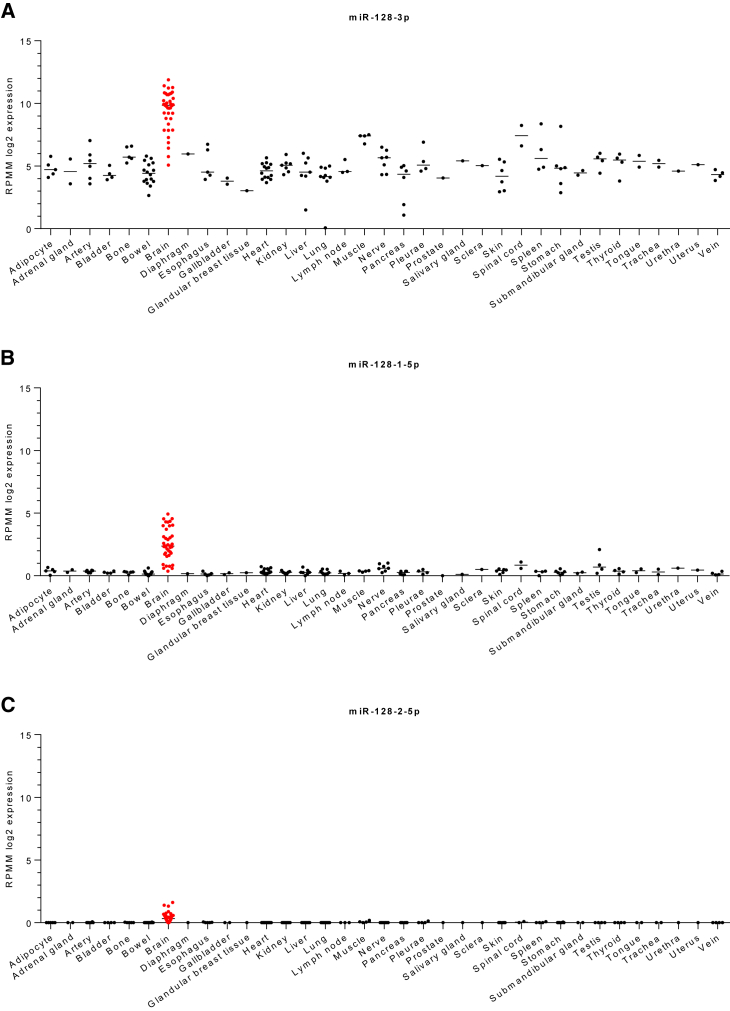
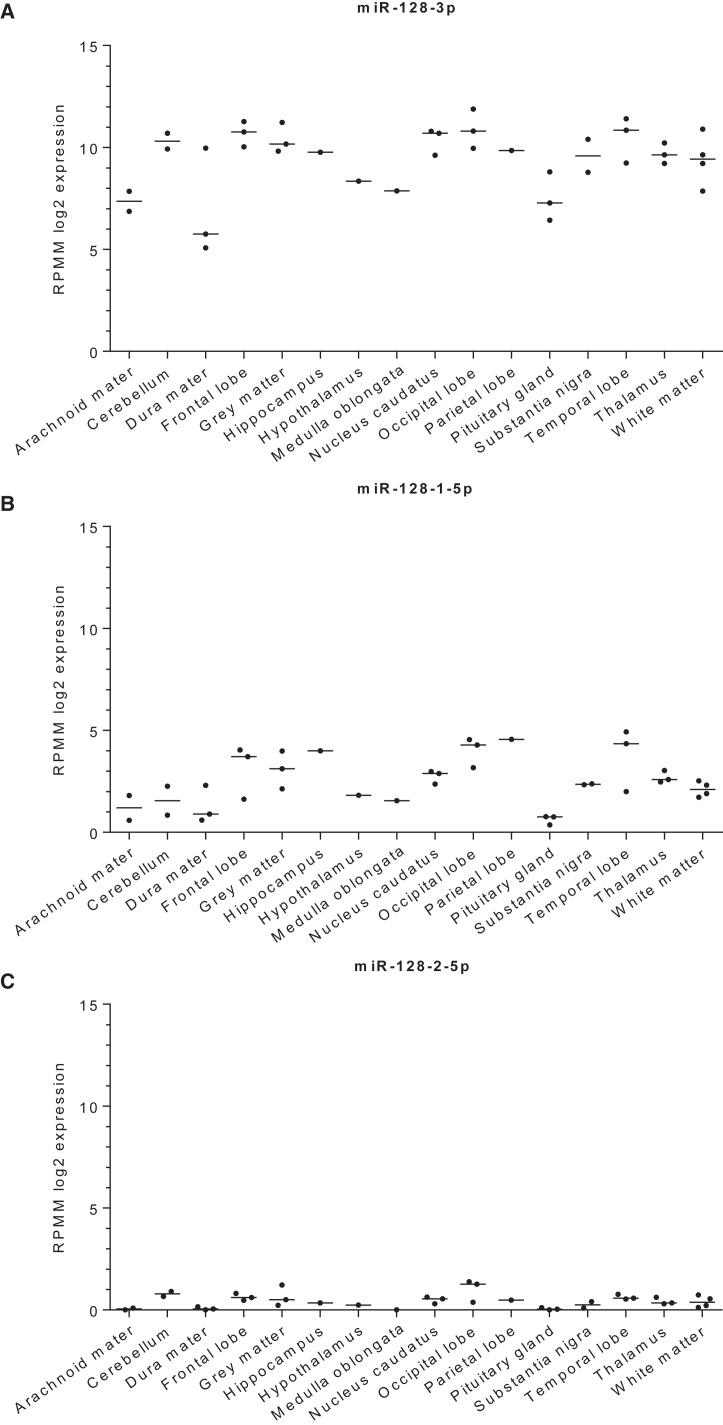
“As to the mature transcripts, the main detected in the brain tissue in humans and mice is miR-128-3p (target sequence CACUGUGA30), whose expression is somewhat associated with miR-128-1-5p (CGGCCCCA).”
§ MiR-128-3p – a gray eminence of the human central nervous system > MiR-128-3p biogenesis
What the sources say
- Not checked yetcites [30] Keller, 2022, miRNATissueAtlas2: an update to the human miRNA tissue atlas, Nucleic Acids Res. source
plain- Asserted: passes — The authors put it forward as true.
- Checkable: passes — It can be checked against evidence.
- Load-bearing: passes — The paper’s conclusions depend on it.
- Based: passes — The paper gives a reason why it holds.
A result the paper reports from its own data — it cites no other source for it, so there is none to check. The quote shows it is in the paper.
In the paper
“MiR-128-3p exhibits strict tissue-specific expression patterns (as depicted in Figures 2 and 4)”
- Also stated in: § Functions of miR-128-3p in the physiopathology of the human CNS · plain
“both exhibiting strict tissue-specific expression patterns”
§ MiR-128-3p – a gray eminence of the human central nervous system > Functions of miR-128-3p in the physiopathology of the human CNS
plain- Asserted: passes — The authors put it forward as true.
- Checkable: passes — It can be checked against evidence.
- Load-bearing: passes — The paper’s conclusions depend on it.
- Based: passes — The paper gives a reason why it holds.
- Also stated in: § Functions of miR-128-3p in the physiopathology of the human CNS · plain
None of the sources cited for this claim have been checked yet.
In the paper
“and favoring the neocortex over the cerebellum”
§ MiR-128-3p – a gray eminence of the human central nervous system > Functions of miR-128-3p in the physiopathology of the human CNS
plaincorrelationaln = 2- Asserted: passes — The authors put it forward as true.
- Checkable: passes — It can be checked against evidence.
- Load-bearing: unclear — It is unclear whether the paper’s conclusions depend on it.
- Based: passes — The paper gives a reason why it holds.
The paper states this without a source or data behind it here, so there is nothing to check it against. The quote shows it is in the paper.
In the paper
“the expression of miR-128-5p (regardless of locus of origin) is barely detectable”
§ MiR-128-3p – a gray eminence of the human central nervous system > MiR-128-3p biogenesis
plain- Asserted: passes — The authors put it forward as true.
- Checkable: passes — It can be checked against evidence.
- Load-bearing: passes — The paper’s conclusions depend on it.
- Based: passes — The paper gives a reason why it holds.
None of the sources cited for this claim have been checked yet.
In the paper
“Notably, both host genes are lowly expressed in glioblastoma, suggesting a common regulatory pathway for the host gene and its embedded microRNA.28”
§ MiR-128-3p – a gray eminence of the human central nervous system > MiR-128-3p biogenesis
What the sources say
- Not checked yetcites [28] Liu, 2018, Interplay between miRNAs and host genes and their role in cancer, Brief. Funct. Genomics source
Checked before — its earlier verdict is held back until a new check runs.
plain- Asserted: passes — The authors put it forward as true.
- Checkable: passes — It can be checked against evidence.
- Load-bearing: unclear — It is unclear whether the paper’s conclusions depend on it.
- Based: passes — The paper gives a reason why it holds.
- Not checked yet
The paper states this without a source or data behind it here, so there is nothing to check it against. The quote shows it is in the paper.
In the paper
“Both protein-coding host genes are highly and predominantly expressed in the brain”
§ MiR-128-3p – a gray eminence of the human central nervous system > MiR-128-3p biogenesis
plain- Asserted: passes — The authors put it forward as true.
- Checkable: passes — It can be checked against evidence.
- Load-bearing: passes — The paper’s conclusions depend on it.
- Based: passes — The paper gives a reason why it holds.
None of the sources cited for this claim have been checked yet.
In the paper
“being prominently observed in differentiating neuronal cells29,31”
§ MiR-128-3p – a gray eminence of the human central nervous system > Functions of miR-128-3p in the physiopathology of the human CNS
What the sources say
- Not checked yetcites [29] Tan, 2013, MicroRNA-128 Governs Neuronal Excitability and Motor Behavior in Mice, Science source
Checked before — its earlier verdict is held back until a new check runs.
- Not checked — no full text of the sourcecites [31] Smirnova, 2005, Regulation of miRNA expression during neural cell specification, Eur. J. Neurosci. source
plaincorrelational- Asserted: passes — The authors put it forward as true.
- Checkable: passes — It can be checked against evidence.
- Load-bearing: unclear — It is unclear whether the paper’s conclusions depend on it.
- Based: passes — The paper gives a reason why it holds.
- Not checked yet
A result the paper reports from its own data — it cites no other source for it, so there is none to check. The quote shows it is in the paper.
In the paper
“but both microRNAs' expression in the brain are inversely correlated (Figures S1A and S1B; Table S1)”
§ MiR-128-3p – a gray eminence of the human central nervous system > The networking of miR-128-3p > mRNA targets
plaincorrelational- Asserted: passes — The authors put it forward as true.
- Checkable: passes — It can be checked against evidence.
- Load-bearing: passes — The paper’s conclusions depend on it.
- Based: passes — The paper gives a reason why it holds.
The paper states this without a source or data behind it here, so there is nothing to check it against. The quote shows it is in the paper.
In the paper
“On the other hand, transcription factors that are targets of miR-128-3p are often de-regulated in various malignancies (Figure S2D).”
§ MiR-128-3p – a gray eminence of the human central nervous system > The networking of miR-128-3p > mRNA targets
plaincorrelational- Asserted: passes — The authors put it forward as true.
- Checkable: passes — It can be checked against evidence.
- Load-bearing: unclear — It is unclear whether the paper’s conclusions depend on it.
- Based: passes — The paper gives a reason why it holds.
The paper states this without a source or data behind it here, so there is nothing to check it against. The quote shows it is in the paper.
In the paper
“however, most of these interactions have no known functional consequences.”
§ MiR-128-3p – a gray eminence of the human central nervous system > The networking of miR-128-3p > mRNA targets
plain- Asserted: passes — The authors put it forward as true.
- Checkable: passes — It can be checked against evidence.
- Load-bearing: unclear — It is unclear whether the paper’s conclusions depend on it.
- Based: passes — The paper gives a reason why it holds.
A result the paper reports from its own data — it cites no other source for it, so there is none to check. The quote shows it is in the paper.
In the paper
“For instance, due to the same seed sequence, miR-128-3p and miR-27-3p target almost identical sets of genes (Figure S2C)”
§ MiR-128-3p – a gray eminence of the human central nervous system > The networking of miR-128-3p > mRNA targets
plaindirect- Asserted: passes — The authors put it forward as true.
- Checkable: passes — It can be checked against evidence.
- Load-bearing: passes — The paper’s conclusions depend on it.
- Based: passes — The paper gives a reason why it holds.
A result the paper reports from its own data — it cites no other source for it, so there is none to check. The quote shows it is in the paper.
In the paper
“do not overlap in terms of their target genes (Figure S2C)”
§ MiR-128-3p – a gray eminence of the human central nervous system > The networking of miR-128-3p > mRNA targets
plain- Asserted: passes — The authors put it forward as true.
- Checkable: passes — It can be checked against evidence.
- Load-bearing: passes — The paper’s conclusions depend on it.
- Based: passes — The paper gives a reason why it holds.
A result the paper reports from its own data — it cites no other source for it, so there is none to check. The quote shows it is in the paper.
In the paper
“conversely, miR-128-3p target genes are lowly expressed in the brain stem, coinciding with a lower presence of the microRNA (Figures S1B, S1C, and S2B).”
§ MiR-128-3p – a gray eminence of the human central nervous system > The networking of miR-128-3p > mRNA targets
plaincorrelational- Asserted: passes — The authors put it forward as true.
- Checkable: passes — It can be checked against evidence.
- Load-bearing: passes — The paper’s conclusions depend on it.
- Based: passes — The paper gives a reason why it holds.
The paper states this without a source or data behind it here, so there is nothing to check it against. The quote shows it is in the paper.
In the paper
“In contrast, miR-128-3p and miR-124-3p, whose expression is highly correlated in the brain”
§ MiR-128-3p – a gray eminence of the human central nervous system > The networking of miR-128-3p > mRNA targets
plaincorrelational- Asserted: passes — The authors put it forward as true.
- Checkable: passes — It can be checked against evidence.
- Load-bearing: passes — The paper’s conclusions depend on it.
- Based: passes — The paper gives a reason why it holds.
A result the paper reports from its own data — it cites no other source for it, so there is none to check. The quote shows it is in the paper.
In the paper
“we provided a detailed analysis of its target genes and their interactions, which include a comprehensive list of identified target genes and network analysis of these targets in the brain, showing unequivocal engagement of miR-128-3p in the neuronal tissue-specific gene expression”
§ MiR-128-3p – a gray eminence of the human central nervous system > The networking of miR-128-3p > mRNA targets
boosteddirect- Asserted: passes — The authors put it forward as true.
- Checkable: passes — It can be checked against evidence.
- Load-bearing: passes — The paper’s conclusions depend on it.
- Based: passes — The paper gives a reason why it holds.
A result the paper reports from its own data — it cites no other source for it, so there is none to check. The quote shows it is in the paper.
In the paper
“Accordingly, in the healthy brain, miR-128-3p target genes are particularly abundant in various parts of the cortex, where they overlap with high levels of the microRNA”
§ MiR-128-3p – a gray eminence of the human central nervous system > The networking of miR-128-3p > mRNA targets
plaincorrelational- Asserted: passes — The authors put it forward as true.
- Checkable: passes — It can be checked against evidence.
- Load-bearing: passes — The paper’s conclusions depend on it.
- Based: passes — The paper gives a reason why it holds.
None of the sources cited for this claim have been checked yet.
In the paper
“Decoding miR-128-3p interaction networks with these molecules from large-scale CLIP-Seq data148 revealed 11 interacting small RNAs, 33 long non-coding RNAs, and 1,035 circular RNAs;”
§ MiR-128-3p – a gray eminence of the human central nervous system > The networking of miR-128-3p > mRNA targets
What the sources say
- Not checked yetcites [148] Li, 2014, starBase v2.0: decoding miRNA-ceRNA, miRNA-ncRNA and protein–RNA interaction networks from large-scale CLIP-Seq data, Nucleic Acids Res. source
Checked before — its earlier verdict is held back until a new check runs.
plaincorrelational- Asserted: passes — The authors put it forward as true.
- Checkable: passes — It can be checked against evidence.
- Load-bearing: unclear — It is unclear whether the paper’s conclusions depend on it.
- Based: passes — The paper gives a reason why it holds.
- Not checked yet
A conclusion the paper draws from its own results — it cites no other source for it, so there is none to check. The quote shows it is in the paper.
In the paper
“implying it is a critical player in the disease’s pathogenesis”
§ MiR-128-3p – a gray eminence of the human central nervous system > Abstract
plaindirect- Asserted: passes — The authors put it forward as true.
- Checkable: passes — It can be checked against evidence.
- Load-bearing: passes — The paper’s conclusions depend on it.
- Based: passes — The paper gives a reason why it holds.
The paper states this without a source or data behind it here, so there is nothing to check it against. The quote shows it is in the paper.
In the paper
“Significantly, numerous reports pointed to miR-128-3p as one of the most depleted in glioblastoma”
§ MiR-128-3p – a gray eminence of the human central nervous system > Abstract
boostedcorrelational- Asserted: passes — The authors put it forward as true.
- Checkable: passes — It can be checked against evidence.
- Load-bearing: passes — The paper’s conclusions depend on it.
- Based: unclear — It is unclear why the paper says it holds.
A conclusion the paper draws from its own results — it cites no other source for it, so there is none to check. The quote shows it is in the paper.
In the paper
“Perturbations of miR-128-3p, which is enriched in the brain, contribute to a plethora of neurodegenerative disorders, brain injuries, and malignancies, as this miRNA is a crucial regulator of gene expression in the brain, playing an essential role in the maintenance and function of cells stemming from neuronal lineage.”
§ MiR-128-3p – a gray eminence of the human central nervous system > Abstract
plaindirect- Asserted: passes — The authors put it forward as true.
- Checkable: passes — It can be checked against evidence.
- Load-bearing: passes — The paper’s conclusions depend on it.
- Based: passes — The paper gives a reason why it holds.
None of the sources cited for this claim have been checked yet.
In the paper
“It is strongly expressed in neurons and neural progenitors34”
§ MiR-128-3p – a gray eminence of the human central nervous system > Functions of miR-128-3p in the physiopathology of the human CNS
What the sources say
- Not checked yetcites [34] Shu, 2019, Opposing Gradients of MicroRNA Expression Temporally Pattern Layer Formation in the Developing Neocortex, Dev. Cell source
Checked before — its earlier verdict is held back until a new check runs.
boostedcorrelational- Asserted: passes — The authors put it forward as true.
- Checkable: passes — It can be checked against evidence.
- Load-bearing: passes — The paper’s conclusions depend on it.
- Based: passes — The paper gives a reason why it holds.
- Not checked yet
A conclusion the paper draws from its own results — it cites no other source for it, so there is none to check. The quote shows it is in the paper.
In the paper
“and overseeing developmental stage trajectory.”
§ MiR-128-3p – a gray eminence of the human central nervous system > Functions of miR-128-3p in the physiopathology of the human CNS
plaindirect- Asserted: passes — The authors put it forward as true.
- Checkable: passes — It can be checked against evidence.
- Load-bearing: passes — The paper’s conclusions depend on it.
- Based: passes — The paper gives a reason why it holds.
None of the sources cited for this claim have been checked yet.
In the paper
“and its levels are even lower in glioblastoma cells,40”
§ MiR-128-3p – a gray eminence of the human central nervous system > Functions of miR-128-3p in the physiopathology of the human CNS
What the sources say
- Not checked yetcites [40] Chen, 2016, The Inhibition of microRNA-128 on IGF-1-Activating mTOR Signaling Involves in Temozolomide-Induced Glioma Cell Apoptotic Death, PLoS One source
Checked before — its earlier verdict is held back until a new check runs.
plain- Asserted: passes — The authors put it forward as true.
- Checkable: passes — It can be checked against evidence.
- Load-bearing: unclear — It is unclear whether the paper’s conclusions depend on it.
- Based: passes — The paper gives a reason why it holds.
- Not checked yet
None of the sources cited for this claim have been checked yet.
In the paper
“MiR-128-3p regulates the expression of many genes, including those encoding for ion channels and transporters”
§ MiR-128-3p – a gray eminence of the human central nervous system > Functions of miR-128-3p in the physiopathology of the human CNS
What the sources say
- Not checked yetcites [29] Tan, 2013, MicroRNA-128 Governs Neuronal Excitability and Motor Behavior in Mice, Science source
Checked before — its earlier verdict is held back until a new check runs.
plaindirect- Asserted: passes — The authors put it forward as true.
- Checkable: passes — It can be checked against evidence.
- Load-bearing: passes — The paper’s conclusions depend on it.
- Based: passes — The paper gives a reason why it holds.
- Not checked yet
None of the sources cited for this claim have been checked yet.
In the paper
“Conditional deletion of both miR-128-3p forms in postnatal neurons in mice resulted in fatal epilepsy.”
§ MiR-128-3p – a gray eminence of the human central nervous system > MiR-128-3p in neurodegenerative diseases, brain damage, and injuries > Epilepsy
What the sources say
- Not checked yetcites [29] Tan, 2013, MicroRNA-128 Governs Neuronal Excitability and Motor Behavior in Mice, Science source
Checked before — its earlier verdict is held back until a new check runs.
- Not checked yetcites [51] Blair, 2011, A new locus for autosomal dominant generalized epilepsy associated with mild mental retardation on chromosome 3p, Epilepsia source
Checked before — its earlier verdict is held back until a new check runs.
plaindirect- Asserted: passes — The authors put it forward as true.
- Checkable: passes — It can be checked against evidence.
- Load-bearing: passes — The paper’s conclusions depend on it.
- Based: passes — The paper gives a reason why it holds.
- Not checked yet
None of the sources cited for this claim have been checked yet.
In the paper
“Animal model studies showed that miR-128-3p regulates motor behavior by modulating neuronal signaling networks and excitability.”
§ MiR-128-3p – a gray eminence of the human central nervous system > MiR-128-3p in neurodegenerative diseases, brain damage, and injuries > Epilepsy
What the sources say
- Not checked yetcites [29] Tan, 2013, MicroRNA-128 Governs Neuronal Excitability and Motor Behavior in Mice, Science source
Checked before — its earlier verdict is held back until a new check runs.
- Not checked yetcites [51] Blair, 2011, A new locus for autosomal dominant generalized epilepsy associated with mild mental retardation on chromosome 3p, Epilepsia source
Checked before — its earlier verdict is held back until a new check runs.
plaindirect- Asserted: passes — The authors put it forward as true.
- Checkable: passes — It can be checked against evidence.
- Load-bearing: passes — The paper’s conclusions depend on it.
- Based: passes — The paper gives a reason why it holds.
- Not checked yet
A conclusion the paper draws from its own results — it cites no other source for it, so there is none to check. The quote shows it is in the paper.
In the paper
“suggesting the mechanism for organ specificity of miR-128's expression”
§ MiR-128-3p – a gray eminence of the human central nervous system > MiR-128-3p biogenesis
hedgeddirect- Asserted: passes — The authors put it forward as true.
- Checkable: passes — It can be checked against evidence.
- Load-bearing: passes — The paper’s conclusions depend on it.
- Based: passes — The paper gives a reason why it holds.
In the paper
“Notably, low levels of miR-128-3p in low-grade gliomas have also been implicated in glioma-associated seizures.52”
§ MiR-128-3p – a gray eminence of the human central nervous system > MiR-128-3p in neurodegenerative diseases, brain damage, and injuries > Epilepsy
What the sources say
- Not checked — no full text of the sourcecites [52] Yuan, 2016, Dysregulation of microRNA-128 expression in WHO grades 2 glioma is associated with glioma-associated epilepsy: Down-regulation of miR-128 induces glioma-associated seizure, Epilepsy Res. source
hedgedcorrelational- Asserted: passes — The authors put it forward as true.
- Checkable: passes — It can be checked against evidence.
- Load-bearing: unclear — It is unclear whether the paper’s conclusions depend on it.
- Based: passes — The paper gives a reason why it holds.
A conclusion the paper draws from its own results — it cites no other source for it, so there is none to check. The quote shows it is in the paper.
In the paper
“suggesting an active suppression mechanism.”
§ MiR-128-3p – a gray eminence of the human central nervous system > Functions of miR-128-3p in the physiopathology of the human CNS
hedgedconditional- Asserted: passes — The authors put it forward as true.
- Checkable: passes — It can be checked against evidence.
- Load-bearing: unclear — It is unclear whether the paper’s conclusions depend on it.
- Based: passes — The paper gives a reason why it holds.
None of the sources cited for this claim have been checked yet.
In the paper
“Predominantly high expression of miR-128-3p was found in neurons and synapses,21,22”
§ MiR-128-3p – a gray eminence of the human central nervous system > Functions of miR-128-3p in the physiopathology of the human CNS
What the sources say
- Not checked — no full text of the sourcecites [21] Saliminejad, 2019, An overview of microRNAs: Biology, functions, therapeutics, and analysis methods, J. Cell. Physiol. source
- Not checked yetcites [22] Shao, 2010, Comprehensive survey of human brain microRNA by deep sequencing, BMC Genom. source
Checked before — its earlier verdict is held back until a new check runs.
plaincorrelational- Asserted: passes — The authors put it forward as true.
- Checkable: passes — It can be checked against evidence.
- Load-bearing: unclear — It is unclear whether the paper’s conclusions depend on it.
- Based: passes — The paper gives a reason why it holds.
None of the sources cited for this claim have been checked yet.
In the paper
“contributing to the de-repression of the Wnt/beta catenin signaling pathway protecting neurons against misfolded protein-mediated disorders, such as PD.”
§ MiR-128-3p – a gray eminence of the human central nervous system > MiR-128-3p in neurodegenerative diseases, brain damage, and injuries > Parkinson’s disease
What the sources say
- Not checked — no full text of the sourcecites [62] Zhou, 2018, MicroRNA-128 Protects Dopamine Neurons from Apoptosis and Upregulates the Expression of Excitatory Amino Acid Transporter 4 in Parkinson’s Disease by Binding to AXIN1, Cell. Physiol. Biochem. source
- Not checked yetcites [63] Zhang, 2020, HIF-1α/microRNA-128-3p axis protects hippocampal neurons from apoptosis via the Axin1-mediated Wnt/β-catenin signaling pathway in Parkinson’s disease models, Aging source
Checked before — its earlier verdict is held back until a new check runs.
plaindirect- Asserted: passes — The authors put it forward as true.
- Checkable: passes — It can be checked against evidence.
- Load-bearing: passes — The paper’s conclusions depend on it.
- Based: passes — The paper gives a reason why it holds.
None of the sources cited for this claim have been checked yet.
In the paper
“timing neocortical layer formation”
§ MiR-128-3p – a gray eminence of the human central nervous system > Functions of miR-128-3p in the physiopathology of the human CNS
What the sources say
- Not checked yetcites [34] Shu, 2019, Opposing Gradients of MicroRNA Expression Temporally Pattern Layer Formation in the Developing Neocortex, Dev. Cell source
Checked before — its earlier verdict is held back until a new check runs.
plaindirect- Asserted: passes — The authors put it forward as true.
- Checkable: passes — It can be checked against evidence.
- Load-bearing: passes — The paper’s conclusions depend on it.
- Based: passes — The paper gives a reason why it holds.
- Not checked yet
A conclusion the paper draws from its own results — it cites no other source for it, so there is none to check. The quote shows it is in the paper.
In the paper
“suggesting a common regulatory pathway for the host gene and its embedded microRNA”
§ MiR-128-3p – a gray eminence of the human central nervous system > MiR-128-3p biogenesis
hedgedcorrelational- Asserted: passes — The authors put it forward as true.
- Checkable: passes — It can be checked against evidence.
- Load-bearing: unclear — It is unclear whether the paper’s conclusions depend on it.
- Based: passes — The paper gives a reason why it holds.
None of the sources cited for this claim have been checked yet.
In the paper
“the elevated level of miR-128-3p was detected in circulating lymphocytes, neutrophils, and plasma of patients with AIS compared with healthy individuals.”
§ MiR-128-3p – a gray eminence of the human central nervous system > MiR-128-3p in neurodegenerative diseases, brain damage, and injuries > Acute ischemic stroke
What the sources say
- Not checked yetcites [66] Liu, 2019, Upregulation of MicroRNA-128 in the Peripheral Blood of Acute Ischemic Stroke Patients is Correlated with Stroke Severity Partially through Inhibition of Neuronal Cell Cycle Reentry, Cell Transplant. source
Checked before — its earlier verdict is held back until a new check runs.
plaincorrelational- Asserted: passes — The authors put it forward as true.
- Checkable: passes — It can be checked against evidence.
- Load-bearing: passes — The paper’s conclusions depend on it.
- Based: passes — The paper gives a reason why it holds.
- Not checked yet
None of the sources cited for this claim have been checked yet.
In the paper
“The miR-128-3p depletion in glioblastoma tissue and cells is most likely caused by the disrupted activity of microRNA processing machinery45”
§ MiR-128-3p – a gray eminence of the human central nervous system > Functions of miR-128-3p in the physiopathology of the human CNS
What the sources say
- Not checked yetcites [45] Bronisz, 2020, The nuclear DICER-circular RNA complex drives the deregulation of the glioblastoma cell microRNAome, Sci. Adv. source
Checked before — its earlier verdict is held back until a new check runs.
hedgedconditional- Asserted: passes — The authors put it forward as true.
- Checkable: passes — It can be checked against evidence.
- Load-bearing: unclear — It is unclear whether the paper’s conclusions depend on it.
- Based: passes — The paper gives a reason why it holds.
- Not checked yet
A conclusion the paper draws from its own results — it cites no other source for it, so there is none to check. The quote shows it is in the paper.
In the paper
“miR-128-3p plays a crucial role in mammalian brain development”
§ MiR-128-3p – a gray eminence of the human central nervous system > Functions of miR-128-3p in the physiopathology of the human CNS
plaindirect- Asserted: passes — The authors put it forward as true.
- Checkable: passes — It can be checked against evidence.
- Load-bearing: passes — The paper’s conclusions depend on it.
- Based: passes — The paper gives a reason why it holds.
- Rests on an assumption: Findings from animal models and in vitro experiments on miR-128-3p can be extrapolated to human CNS physiology and disease.
A conclusion the paper draws from its own results — it cites no other source for it, so there is none to check. The quote shows it is in the paper.
In the paper
“but likely involves a combination of many other factors like additional mutations or epigenetic changes in genes involved in microRNA processing or aberrant transcriptional regulation.”
§ MiR-128-3p – a gray eminence of the human central nervous system > Functions of miR-128-3p in the physiopathology of the human CNS
hedgedconditional- Asserted: passes — The authors put it forward as true.
- Checkable: passes — It can be checked against evidence.
- Load-bearing: unclear — It is unclear whether the paper’s conclusions depend on it.
- Based: passes — The paper gives a reason why it holds.
None of the sources cited for this claim have been checked yet.
In the paper
“while its significantly lower level was shown in astrocytes and oligodendrocytes.29”
§ MiR-128-3p – a gray eminence of the human central nervous system > Functions of miR-128-3p in the physiopathology of the human CNS
What the sources say
- Not checked yetcites [29] Tan, 2013, MicroRNA-128 Governs Neuronal Excitability and Motor Behavior in Mice, Science source
Checked before — its earlier verdict is held back until a new check runs.
plaincorrelational- Asserted: passes — The authors put it forward as true.
- Checkable: passes — It can be checked against evidence.
- Load-bearing: unclear — It is unclear whether the paper’s conclusions depend on it.
- Based: passes — The paper gives a reason why it holds.
- Not checked yet
A claim is checked only against the cited paper’s full text, never its abstract, and none is available for its sources.
In the paper
“while the expression of its direct target peroxisome proliferator activated receptor gamma (PPARG), which reduces amyloid beta protein levels, is down-regulated.”
§ MiR-128-3p – a gray eminence of the human central nervous system > MiR-128-3p in neurodegenerative diseases, brain damage, and injuries > Alzheimer’s disease
What the sources say
- Not checked — no full text of the sourcecites [12] Lukiw, 2007, Micro-RNA speciation in fetal, adult and Alzheimer’s disease hippocampus, Neuroreport source
- Not checked — no full text of the sourcecites [53] Liu, 2019, MicroRNA-128 knockout inhibits the development of Alzheimer’s disease by targeting PPARγ in mouse models, Eur. J. Pharmacol. source
plaincorrelational- Asserted: passes — The authors put it forward as true.
- Checkable: passes — It can be checked against evidence.
- Load-bearing: passes — The paper’s conclusions depend on it.
- Based: passes — The paper gives a reason why it holds.
None of the sources cited for this claim have been checked yet.
In the paper
“there are multiple lines of evidence that it originates from neural stem cells (NSCs), NSC-derived glial progenitors, and oligodendrocyte precursor cells.41,42,43,44”
§ MiR-128-3p – a gray eminence of the human central nervous system > Functions of miR-128-3p in the physiopathology of the human CNS
What the sources say
- Not checked yetcites [41] Yao, 2018, Cellular origin of glioblastoma and its implication in precision therapy, Cell. Mol. Immunol. source
Checked before — its earlier verdict is held back until a new check runs.
- Not checked — no full text of the sourcecites [42] Lee, 2018, Human glioblastoma arises from subventricular zone cells with low-level driver mutations, Nature source
- Not checked yetcites [43] Kim, 2020, Genetic Architectures and Cell-of-Origin in Glioblastoma, Front. Oncol. source
Checked before — its earlier verdict is held back until a new check runs.
boosteddirect- Asserted: passes — The authors put it forward as true.
- Checkable: passes — It can be checked against evidence.
- Load-bearing: unclear — It is unclear whether the paper’s conclusions depend on it.
- Based: passes — The paper gives a reason why it holds.
- Not checked yet
None of the sources cited for this claim have been checked yet.
In the paper
“As neurogenesis progresses, miR-128-3p expression decreases in stem cells”
§ MiR-128-3p – a gray eminence of the human central nervous system > Functions of miR-128-3p in the physiopathology of the human CNS
What the sources say
- Not checked yetcites [34] Shu, 2019, Opposing Gradients of MicroRNA Expression Temporally Pattern Layer Formation in the Developing Neocortex, Dev. Cell source
Checked before — its earlier verdict is held back until a new check runs.
plaincorrelational- Asserted: passes — The authors put it forward as true.
- Checkable: passes — It can be checked against evidence.
- Load-bearing: passes — The paper’s conclusions depend on it.
- Based: passes — The paper gives a reason why it holds.
- Not checked yet
None of the sources cited for this claim have been checked yet.
In the paper
“as it positively correlates with stroke severity.”
§ MiR-128-3p – a gray eminence of the human central nervous system > MiR-128-3p in neurodegenerative diseases, brain damage, and injuries > Acute ischemic stroke
What the sources say
- Not checked yetcites [66] Liu, 2019, Upregulation of MicroRNA-128 in the Peripheral Blood of Acute Ischemic Stroke Patients is Correlated with Stroke Severity Partially through Inhibition of Neuronal Cell Cycle Reentry, Cell Transplant. source
Checked before — its earlier verdict is held back until a new check runs.
plaincorrelational- Asserted: passes — The authors put it forward as true.
- Checkable: passes — It can be checked against evidence.
- Load-bearing: unclear — It is unclear whether the paper’s conclusions depend on it.
- Based: passes — The paper gives a reason why it holds.
- Not checked yet
A claim is checked only against the cited paper’s full text, never its abstract, and none is available for its sources.
In the paper
“which reduces amyloid beta protein levels”
§ MiR-128-3p – a gray eminence of the human central nervous system > MiR-128-3p in neurodegenerative diseases, brain damage, and injuries > Alzheimer’s disease
What the sources say
- Not checked — no full text of the sourcecites [12] Lukiw, 2007, Micro-RNA speciation in fetal, adult and Alzheimer’s disease hippocampus, Neuroreport source
- Not checked — no full text of the sourcecites [53] Liu, 2019, MicroRNA-128 knockout inhibits the development of Alzheimer’s disease by targeting PPARγ in mouse models, Eur. J. Pharmacol. source
plaindirect- Asserted: passes — The authors put it forward as true.
- Checkable: passes — It can be checked against evidence.
- Load-bearing: passes — The paper’s conclusions depend on it.
- Based: passes — The paper gives a reason why it holds.
None of the sources cited for this claim have been checked yet.
In the paper
“when it influences stem cell competence”
§ MiR-128-3p – a gray eminence of the human central nervous system > Functions of miR-128-3p in the physiopathology of the human CNS
What the sources say
- Not checked yetcites [34] Shu, 2019, Opposing Gradients of MicroRNA Expression Temporally Pattern Layer Formation in the Developing Neocortex, Dev. Cell source
Checked before — its earlier verdict is held back until a new check runs.
plaindirect- Asserted: passes — The authors put it forward as true.
- Checkable: passes — It can be checked against evidence.
- Load-bearing: passes — The paper’s conclusions depend on it.
- Based: passes — The paper gives a reason why it holds.
- Not checked yet
None of the sources cited for this claim have been checked yet.
In the paper
“MiR-128-3p, along with other microRNAs such as miR-9 and let-7, collectively modulate stem cell competence in a neurogenic-stage-specific manner”
§ MiR-128-3p – a gray eminence of the human central nervous system > Functions of miR-128-3p in the physiopathology of the human CNS
What the sources say
- Not checked yetcites [34] Shu, 2019, Opposing Gradients of MicroRNA Expression Temporally Pattern Layer Formation in the Developing Neocortex, Dev. Cell source
Checked before — its earlier verdict is held back until a new check runs.
plaindirect- Asserted: passes — The authors put it forward as true.
- Checkable: passes — It can be checked against evidence.
- Load-bearing: passes — The paper’s conclusions depend on it.
- Based: passes — The paper gives a reason why it holds.
- Not checked yet
The paper states this without a source or data behind it here, so there is nothing to check it against. The quote shows it is in the paper.
In the paper
“but weakly expressed in mature astrocytes”
§ MiR-128-3p – a gray eminence of the human central nervous system > Functions of miR-128-3p in the physiopathology of the human CNS
plain- Asserted: passes — The authors put it forward as true.
- Checkable: passes — It can be checked against evidence.
- Load-bearing: unclear — It is unclear whether the paper’s conclusions depend on it.
- Based: passes — The paper gives a reason why it holds.
In the paper
“Knockout of miR-128-3p unblocks the expression of PPARG”
§ MiR-128-3p – a gray eminence of the human central nervous system > MiR-128-3p in neurodegenerative diseases, brain damage, and injuries > Alzheimer’s disease
What the sources say
- Not checked yetcites [54] Geng, 2018, Inhibition of miR-128 Abates Aβ-Mediated Cytotoxicity by Targeting PPAR-γ via NF-κB Inactivation in Primary Mouse Cortical Neurons and Neuro2a Cells, Yonsei Med. J. source
plaindirect- Asserted: passes — The authors put it forward as true.
- Checkable: passes — It can be checked against evidence.
- Load-bearing: passes — The paper’s conclusions depend on it.
- Based: passes — The paper gives a reason why it holds.
A conclusion the paper draws from its own results — it cites no other source for it, so there is none to check. The quote shows it is in the paper.
In the paper
“MiR-128-3p exhibits cell-type-specific expression in brain tissue.”
§ MiR-128-3p – a gray eminence of the human central nervous system > Functions of miR-128-3p in the physiopathology of the human CNS
plaincorrelational- Asserted: passes — The authors put it forward as true.
- Checkable: passes — It can be checked against evidence.
- Load-bearing: passes — The paper’s conclusions depend on it.
- Based: passes — The paper gives a reason why it holds.
None of the sources cited for this claim have been checked yet.
In the paper
“while maintaining specific differences in microRNA expression in neurons.”
§ MiR-128-3p – a gray eminence of the human central nervous system > Functions of miR-128-3p in the physiopathology of the human CNS
What the sources say
- Not checked yetcites [34] Shu, 2019, Opposing Gradients of MicroRNA Expression Temporally Pattern Layer Formation in the Developing Neocortex, Dev. Cell source
Checked before — its earlier verdict is held back until a new check runs.
plaindirect- Asserted: passes — The authors put it forward as true.
- Checkable: passes — It can be checked against evidence.
- Load-bearing: unclear — It is unclear whether the paper’s conclusions depend on it.
- Based: passes — The paper gives a reason why it holds.
- Not checked yet
In the paper
“The level of miR-128-3p was significantly decreased in murine microglial cells upon experimentally induced neuropathic pain (NPP) following SCI.”
§ MiR-128-3p – a gray eminence of the human central nervous system > MiR-128-3p in neurodegenerative diseases, brain damage, and injuries > Spinal cord injury and neuropathic pain
What the sources say
- Not checked — no full text of the sourcecites [58] Zhu, 2011, Reduced miR-128 in breast tumor-initiating cells induces chemotherapeutic resistance via Bmi-1 and ABCC5, Clin. Cancer Res. source
plaindirect- Asserted: passes — The authors put it forward as true.
- Checkable: passes — It can be checked against evidence.
- Load-bearing: passes — The paper’s conclusions depend on it.
- Based: passes — The paper gives a reason why it holds.
A claim is checked only against the cited paper’s full text, never its abstract, and none is available for its sources.
In the paper
“MiR-128-3p is abnormally enriched in the hippocampal region of both fetal brain and adult patients with Alzheimer’s disease (AD),12,53”
§ MiR-128-3p – a gray eminence of the human central nervous system > MiR-128-3p in neurodegenerative diseases, brain damage, and injuries > Alzheimer’s disease
What the sources say
- Not checked — no full text of the sourcecites [12] Lukiw, 2007, Micro-RNA speciation in fetal, adult and Alzheimer’s disease hippocampus, Neuroreport source
- Not checked — no full text of the sourcecites [53] Liu, 2019, MicroRNA-128 knockout inhibits the development of Alzheimer’s disease by targeting PPARγ in mouse models, Eur. J. Pharmacol. source
plaincorrelational- Asserted: passes — The authors put it forward as true.
- Checkable: passes — It can be checked against evidence.
- Load-bearing: passes — The paper’s conclusions depend on it.
- Based: passes — The paper gives a reason why it holds.
In the paper
“The studies showed that overexpression of miR-128-3p improved viability and activation of anti-inflammatory microglial M2 phenotype via down-regulation of the microglial M1 markers (CD86 and CD32) and up-regulation of the M2 phenotypic markers (arginase 1 and CD206).58”
§ MiR-128-3p – a gray eminence of the human central nervous system > MiR-128-3p in neurodegenerative diseases, brain damage, and injuries > Spinal cord injury and neuropathic pain
What the sources say
- Not checked — no full text of the sourcecites [58] Zhu, 2011, Reduced miR-128 in breast tumor-initiating cells induces chemotherapeutic resistance via Bmi-1 and ABCC5, Clin. Cancer Res. source
plaindirect- Asserted: passes — The authors put it forward as true.
- Checkable: passes — It can be checked against evidence.
- Load-bearing: passes — The paper’s conclusions depend on it.
- Based: passes — The paper gives a reason why it holds.
None of the sources cited for this claim have been checked yet.
In the paper
“The deregulation of miR-128-3p expression in a cell-specific manner is associated with neurological disorders due to its function in different cell types.47,48,49,50”
§ MiR-128-3p – a gray eminence of the human central nervous system > Functions of miR-128-3p in the physiopathology of the human CNS
What the sources say
- Not checked — no full text of the sourcecites [47] Men, 2020, Astroglial FMRP deficiency cell-autonomously up-regulates miR-128 and disrupts developmental astroglial mGluR5 signaling, Proc. Natl. Acad. Sci. source
- Not checked — no full text of the sourcecites [48] Rahmani, 2022, Synaptic plasticity and depression: the role of miRNAs dysregulation, Mol. Biol. Rep. source
- Not checked yetcites [49] Petry, 2022, Widespread alterations in microRNA biogenesis in human Huntington’s disease putamen, Acta Neuropathol. Commun. source
Checked before — its earlier verdict is held back until a new check runs.
plaincorrelational- Asserted: passes — The authors put it forward as true.
- Checkable: passes — It can be checked against evidence.
- Load-bearing: passes — The paper’s conclusions depend on it.
- Based: passes — The paper gives a reason why it holds.
In the paper
“Conversely, up-regulation of PRC components and PRC-dependent chromatin modifications that increased clonogenic potential were observed in both mouse and human non-malignant NSCs upon miR-128-3p knockdown.77”
§ MiR-128-3p – a gray eminence of the human central nervous system > MiR-128-3p in malignancies of the CNS > MiR-128-3p and the regulation of polycomb repressive complexes in glioblastoma
What the sources say
- Not checked yetcites [77] Peruzzi, 2013, MicroRNA-128 coordinately targets Polycomb Repressor Complexes in glioma stem cells, Neuro Oncol. source
plaindirect- Asserted: passes — The authors put it forward as true.
- Checkable: passes — It can be checked against evidence.
- Load-bearing: passes — The paper’s conclusions depend on it.
- Based: passes — The paper gives a reason why it holds.
None of the sources cited for this claim have been checked yet.
In the paper
“Several studies showed that up-regulation of miR-128-3p profoundly reduced the expression of core protein components of PRC1 and PRC2: BMI-1 (Polycomb complex protein BMI-1)77,126,127 and SUZ12 (Polycomb protein SUZ12),77,128,129 respectively.”
§ MiR-128-3p – a gray eminence of the human central nervous system > MiR-128-3p in malignancies of the CNS > MiR-128-3p and the regulation of polycomb repressive complexes in glioblastoma
What the sources say
- Not checked yetcites [77] Peruzzi, 2013, MicroRNA-128 coordinately targets Polycomb Repressor Complexes in glioma stem cells, Neuro Oncol. source
Checked before — its earlier verdict is held back until a new check runs.
- Not checked — no full text of the sourcecites [126] Godlewski, 2008, Targeting of the Bmi-1 oncogene/stem cell renewal factor by microRNA-128 inhibits glioma proliferation and self-renewal, Cancer Res. source
- Not checked yetcites [127] Shan, 2016, miR128-1 inhibits the growth of glioblastoma multiforme and glioma stem-like cells via targeting BMI1 and E2F3, Oncotarget source
Checked before — its earlier verdict is held back until a new check runs.
- Not checked — no full text of the sourcecites [128] Häyry, 2008, Copy number alterations of the polycomb gene BMI1 in gliomas, Acta Neuropathol. source
- Not checked yetcites [129] Crea, 2010, Clinical significance of Polycomb gene expression in brain tumors, Mol. Cancer source
Checked before — its earlier verdict is held back until a new check runs.
boosteddirect- Asserted: passes — The authors put it forward as true.
- Checkable: passes — It can be checked against evidence.
- Load-bearing: passes — The paper’s conclusions depend on it.
- Based: passes — The paper gives a reason why it holds.
- Not checked yet
None of the sources cited for this claim have been checked yet.
In the paper
“Functional studies demonstrated a shift of GSCs from the most aggressive mesenchymal subclass toward the proneural one upon miR-128-3p replacement.130”
§ MiR-128-3p – a gray eminence of the human central nervous system > MiR-128-3p in malignancies of the CNS > MiR-128-3p and the regulation of polycomb repressive complexes in glioblastoma
What the sources say
- Not checked yetcites [130] Rooj, 2017, MicroRNA-Mediated Dynamic Bidirectional Shift between the Subclasses of Glioblastoma Stem-like Cells, Cell Rep. source
Checked before — its earlier verdict is held back until a new check runs.
boosteddirect- Asserted: passes — The authors put it forward as true.
- Checkable: passes — It can be checked against evidence.
- Load-bearing: passes — The paper’s conclusions depend on it.
- Based: passes — The paper gives a reason why it holds.
- Not checked yet
None of the sources cited for this claim have been checked yet.
In the paper
“Its expression was elevated in immune cells, especially naive CD4+ T lymphocytes (T cells).”
§ MiR-128-3p – a gray eminence of the human central nervous system > MiR-128-3p in neurodegenerative diseases, brain damage, and injuries > Multiple sclerosis
What the sources say
- Not checked yetcites [69] Guerau-de-Arellano, 2011, Micro-RNA dysregulation in multiple sclerosis favours pro-inflammatory T-cell-mediated autoimmunity, Brain source
Checked before — its earlier verdict is held back until a new check runs.
- Not checked yetcites [70] Severin, 2016, MicroRNAs targeting TGFβ signalling underlie the regulatory T cell defect in multiple sclerosis, Brain source
Checked before — its earlier verdict is held back until a new check runs.
plaincorrelational- Asserted: passes — The authors put it forward as true.
- Checkable: passes — It can be checked against evidence.
- Load-bearing: passes — The paper’s conclusions depend on it.
- Based: passes — The paper gives a reason why it holds.
- Not checked yet
None of the sources cited for this claim have been checked yet.
In the paper
“What is more, PRCs are essential players in DNA damage repair via the activation of damage response machinery proteins.134,135,136”
§ MiR-128-3p – a gray eminence of the human central nervous system > MiR-128-3p in malignancies of the CNS > MiR-128-3p and the regulation of polycomb repressive complexes in glioblastoma
What the sources say
- Not checked yetcites [134] Chou, 2010, A chromatin localization screen reveals poly (ADP ribose)-regulated recruitment of the repressive polycomb and NuRD complexes to sites of DNA damage, Proc. Natl. Acad. Sci. source
Checked before — its earlier verdict is held back until a new check runs.
- Not checked yetcites [135] Ismail, 2010, BMI1-mediated histone ubiquitylation promotes DNA double-strand break repair, J. Cell Biol. source
Checked before — its earlier verdict is held back until a new check runs.
- Not checked yetcites [136] Ginjala, 2011, BMI1 Is Recruited to DNA Breaks and Contributes to DNA Damage-Induced H2A Ubiquitination and Repair, Mol. Cell Biol. source
Checked before — its earlier verdict is held back until a new check runs.
plaindirect- Asserted: passes — The authors put it forward as true.
- Checkable: passes — It can be checked against evidence.
- Load-bearing: passes — The paper’s conclusions depend on it.
- Based: passes — The paper gives a reason why it holds.
- Not checked yet
None of the sources cited for this claim have been checked yet.
In the paper
“The mechanisms responsible for their genesis and progression into more aggressive forms remain unknown.83,84,85”
§ MiR-128-3p – a gray eminence of the human central nervous system > MiR-128-3p in malignancies of the CNS > Pituitary adenoma
What the sources say
- Not checked — no full text of the sourcecites [83] Molitch, 2017, Diagnosis and Treatment of Pituitary Adenomas: A Review, JAMA source
- Not checked yetcites [84] Rusetska, 2021, Invasive and Noninvasive Nonfunctioning Gonadotroph Pituitary Tumors Differ in DNA Methylation Level of LINE-1 Repetitive Elements, J. Clin. Med. source
Checked before — its earlier verdict is held back until a new check runs.
- Not checked — no full text of the sourcecites [85] Tritos, 2023, Diagnosis and Management of Pituitary Adenomas: A Review, JAMA source
plain- Asserted: passes — The authors put it forward as true.
- Checkable: passes — It can be checked against evidence.
- Load-bearing: unclear — It is unclear whether the paper’s conclusions depend on it.
- Based: passes — The paper gives a reason why it holds.
A conclusion the paper draws from its own results — it cites no other source for it, so there is none to check. The quote shows it is in the paper.
In the paper
“Such a low level of miR-128-3p and a significant correlation of its expression with the tumor grade (the lower the expression of miR-128, the more aggressive the tumor) prove the importance of its loss in the pathogenesis of CNS malignancies, specifically glioblastoma.”
§ MiR-128-3p – a gray eminence of the human central nervous system > MiR-128-3p in malignancies of the CNS > Summary of miR-128-3p in malignancies of the CNS
boostedcorrelational- Asserted: passes — The authors put it forward as true.
- Checkable: passes — It can be checked against evidence.
- Load-bearing: passes — The paper’s conclusions depend on it.
- Based: passes — The paper gives a reason why it holds.
None of the sources cited for this claim have been checked yet.
In the paper
“while it was significantly suppressed in more aggressive pituitary adenomas.74”
§ MiR-128-3p – a gray eminence of the human central nervous system > MiR-128-3p in malignancies of the CNS
What the sources say
- Not checked yetcites [74] Palumbo, 2013, Functional screen analysis reveals miR-26b and miR-128 as central regulators of pituitary somatomammotrophic tumor growth through activation of the PTEN–AKT pathway, Oncogene source
Checked before — its earlier verdict is held back until a new check runs.
plaincorrelational- Asserted: passes — The authors put it forward as true.
- Checkable: passes — It can be checked against evidence.
- Load-bearing: unclear — It is unclear whether the paper’s conclusions depend on it.
- Based: passes — The paper gives a reason why it holds.
- Not checked yet
None of the sources cited for this claim have been checked yet.
In the paper
“Some recent reports from high-throughput sequencing strategies showed a response to treatment-driven clonal evolution of glioblastoma cells manifested in different transcriptional signatures at primary diagnosis and relapse.”
§ MiR-128-3p – a gray eminence of the human central nervous system > MiR-128-3p in malignancies of the CNS > Glioblastoma
What the sources say
- Not checked yetcites [103] Wang, 2016, Clonal evolution of glioblastoma under therapy, Nat. Genet. source
Checked before — its earlier verdict is held back until a new check runs.
- Not checked yetcites [104] Muscat, 2018, The evolutionary pattern of mutations in glioblastoma reveals therapy-mediated selection, Oncotarget source
Checked before — its earlier verdict is held back until a new check runs.
plaindirect- Asserted: passes — The authors put it forward as true.
- Checkable: passes — It can be checked against evidence.
- Load-bearing: unclear — It is unclear whether the paper’s conclusions depend on it.
- Based: passes — The paper gives a reason why it holds.
- Not checked yet
None of the sources cited for this claim have been checked yet.
In the paper
“In contrast, relatively high levels of miR-128-3p were apparent in oligodendrogliomas (grade 2 or 3).71,73”
§ MiR-128-3p – a gray eminence of the human central nervous system > MiR-128-3p in malignancies of the CNS
What the sources say
- Not checked yetcites [71] Wang, 2012, Plasma specific miRNAs as predictive biomarkers for diagnosis and prognosis of glioma, J. Exp. Clin. Cancer Res. source
- Not checked yetcites [73] Lages, 2011, MicroRNA and Target Protein Patterns Reveal Physiopathological Features of Glioma Subtypes, PLoS One source
Checked before — its earlier verdict is held back until a new check runs.
plaincorrelational- Asserted: passes — The authors put it forward as true.
- Checkable: passes — It can be checked against evidence.
- Load-bearing: unclear — It is unclear whether the paper’s conclusions depend on it.
- Based: passes — The paper gives a reason why it holds.
None of the sources cited for this claim have been checked yet.
In the paper
“In this tumor type, miR-128-3p is severely suppressed compared with the normal cerebellum.”
§ MiR-128-3p – a gray eminence of the human central nervous system > MiR-128-3p in malignancies of the CNS > Medulloblastoma
What the sources say
- Not checked yetcites [82] Venkataraman, 2010, MicroRNA 128a Increases Intracellular ROS Level by Targeting Bmi-1 and Inhibits Medulloblastoma Cancer Cell Growth by Promoting Senescence, PLoS One source
Checked before — its earlier verdict is held back until a new check runs.
plaincorrelational- Asserted: passes — The authors put it forward as true.
- Checkable: passes — It can be checked against evidence.
- Load-bearing: passes — The paper’s conclusions depend on it.
- Based: passes — The paper gives a reason why it holds.
- Not checked yet
None of the sources cited for this claim have been checked yet.
In the paper
“BMI1 affected PTEN (phosphatase and tensin homolog) expression levels and AKT1 (AKT serine/threonine kinase 1) activity by binding the PTEN promoter in pituitary tumor cells.74”
§ MiR-128-3p – a gray eminence of the human central nervous system > MiR-128-3p in malignancies of the CNS > Pituitary adenoma
What the sources say
- Not checked yetcites [74] Palumbo, 2013, Functional screen analysis reveals miR-26b and miR-128 as central regulators of pituitary somatomammotrophic tumor growth through activation of the PTEN–AKT pathway, Oncogene source
Checked before — its earlier verdict is held back until a new check runs.
plaindirect- Asserted: passes — The authors put it forward as true.
- Checkable: passes — It can be checked against evidence.
- Load-bearing: unclear — It is unclear whether the paper’s conclusions depend on it.
- Based: passes — The paper gives a reason why it holds.
- Not checked yet
None of the sources cited for this claim have been checked yet.
In the paper
“The expression of miR-128-3p in brain tumors is strongly inversely correlated to the grade of malignancy.”
§ MiR-128-3p – a gray eminence of the human central nervous system > MiR-128-3p in malignancies of the CNS
What the sources say
- Not checked yetcites [71] Wang, 2012, Plasma specific miRNAs as predictive biomarkers for diagnosis and prognosis of glioma, J. Exp. Clin. Cancer Res. source
- Not checked — no full text of the sourcecites [72] Sun, 2015, Serum microRNA-128 as a biomarker for diagnosis of glioma, Int. J. Clin. Exp. Med.
boostedcorrelational- Asserted: passes — The authors put it forward as true.
- Checkable: passes — It can be checked against evidence.
- Load-bearing: passes — The paper’s conclusions depend on it.
- Based: passes — The paper gives a reason why it holds.
None of the sources cited for this claim have been checked yet.
In the paper
“In the aggressive pituitary adenoma type, miR-128-3p is one of the few microRNAs suppressed compared with control tissues.”
§ MiR-128-3p – a gray eminence of the human central nervous system > MiR-128-3p in malignancies of the CNS > Pituitary adenoma
What the sources say
- Not checked yetcites [74] Palumbo, 2013, Functional screen analysis reveals miR-26b and miR-128 as central regulators of pituitary somatomammotrophic tumor growth through activation of the PTEN–AKT pathway, Oncogene source
Checked before — its earlier verdict is held back until a new check runs.
plaincorrelational- Asserted: passes — The authors put it forward as true.
- Checkable: passes — It can be checked against evidence.
- Load-bearing: passes — The paper’s conclusions depend on it.
- Based: passes — The paper gives a reason why it holds.
- Not checked yet
None of the sources cited for this claim have been checked yet.
In the paper
“demonstrating a novel function of miR-128-3p in regulating immune cell function, particularly T cells.69,70”
§ MiR-128-3p – a gray eminence of the human central nervous system > MiR-128-3p in neurodegenerative diseases, brain damage, and injuries > Multiple sclerosis
What the sources say
- Not checked yetcites [69] Guerau-de-Arellano, 2011, Micro-RNA dysregulation in multiple sclerosis favours pro-inflammatory T-cell-mediated autoimmunity, Brain source
Checked before — its earlier verdict is held back until a new check runs.
- Not checked yetcites [70] Severin, 2016, MicroRNAs targeting TGFβ signalling underlie the regulatory T cell defect in multiple sclerosis, Brain source
Checked before — its earlier verdict is held back until a new check runs.
boosteddirect- Asserted: passes — The authors put it forward as true.
- Checkable: passes — It can be checked against evidence.
- Load-bearing: passes — The paper’s conclusions depend on it.
- Based: passes — The paper gives a reason why it holds.
- Not checked yet
A conclusion the paper draws from its own results — it cites no other source for it, so there is none to check. The quote shows it is in the paper.
In the paper
“Such a low level of miR-128-3p and a significant correlation of its expression with the tumor grade (the lower the expression of miR-128, the more aggressive the tumor) prove the importance of its loss in the pathogenesis of CNS malignancies, specifically glioblastoma.”
§ MiR-128-3p – a gray eminence of the human central nervous system > MiR-128-3p in malignancies of the CNS > Summary of miR-128-3p in malignancies of the CNS
boosteddirect- Asserted: passes — The authors put it forward as true.
- Checkable: passes — It can be checked against evidence.
- Load-bearing: passes — The paper’s conclusions depend on it.
- Based: passes — The paper gives a reason why it holds.
None of the sources cited for this claim have been checked yet.
In the paper
“Furthermore, as in medulloblastoma, it interacts with its target BMI1.”
§ MiR-128-3p – a gray eminence of the human central nervous system > MiR-128-3p in malignancies of the CNS > Pituitary adenoma
What the sources say
- Not checked yetcites [74] Palumbo, 2013, Functional screen analysis reveals miR-26b and miR-128 as central regulators of pituitary somatomammotrophic tumor growth through activation of the PTEN–AKT pathway, Oncogene source
Checked before — its earlier verdict is held back until a new check runs.
plaincorrelational- Asserted: passes — The authors put it forward as true.
- Checkable: passes — It can be checked against evidence.
- Load-bearing: passes — The paper’s conclusions depend on it.
- Based: passes — The paper gives a reason why it holds.
- Not checked yet
None of the sources cited for this claim have been checked yet.
In the paper
“Similarly, miR-9, involved in neural stem cell maintenance and differentiation, is capable of interplay with miR-128-3p in regulating the activity of the PRC1 by targeting its component CBX7 (Chromobox protein homolog 7).164”
§ MiR-128-3p – a gray eminence of the human central nervous system > The networking of miR-128-3p > MicroRNAs
What the sources say
- Not checked yetcites [164] O’Loghlen, 2015, CBX7 and miR-9 are part of an autoregulatory loop controlling p16INK4a, Aging Cell source
Checked before — its earlier verdict is held back until a new check runs.
plaindirect- Asserted: passes — The authors put it forward as true.
- Checkable: passes — It can be checked against evidence.
- Load-bearing: unclear — It is unclear whether the paper’s conclusions depend on it.
- Based: passes — The paper gives a reason why it holds.
- Rests on an assumption: miR-9 is involved in neural stem cell maintenance and differentiation.
- Not checked yet
None of the sources cited for this claim have been checked yet.
In the paper
“worse outcomes miR-10b-5p, miR-31-5p, and miR-21-5p).45”
§ MiR-128-3p – a gray eminence of the human central nervous system > The networking of miR-128-3p > MicroRNAs
What the sources say
- Not checked yetcites [45] Bronisz, 2020, The nuclear DICER-circular RNA complex drives the deregulation of the glioblastoma cell microRNAome, Sci. Adv. source
Checked before — its earlier verdict is held back until a new check runs.
plaincorrelational- Asserted: passes — The authors put it forward as true.
- Checkable: passes — It can be checked against evidence.
- Load-bearing: unclear — It is unclear whether the paper’s conclusions depend on it.
- Based: passes — The paper gives a reason why it holds.
- Not checked yet
A conclusion the paper draws from its own results — it cites no other source for it, so there is none to check. The quote shows it is in the paper.
In the paper
“suggesting a coordinated compensatory co-targeting strategy.”
§ MiR-128-3p – a gray eminence of the human central nervous system > The networking of miR-128-3p > mRNA targets
hedgedcorrelational- Asserted: passes — The authors put it forward as true.
- Checkable: passes — It can be checked against evidence.
- Load-bearing: unclear — It is unclear whether the paper’s conclusions depend on it.
- Based: passes — The paper gives a reason why it holds.
None of the sources cited for this claim have been checked yet.
In the paper
“Overexpression of miR-128-3p in T cells reduced expression of IL-4, an effector cytokine of T helper cell type 2 (Th2).”
§ MiR-128-3p – a gray eminence of the human central nervous system > MiR-128-3p as a potent modulator of the immune microenvironment > Neurodegenerative diseases
What the sources say
- Not checked yetcites [69] Guerau-de-Arellano, 2011, Micro-RNA dysregulation in multiple sclerosis favours pro-inflammatory T-cell-mediated autoimmunity, Brain source
Checked before — its earlier verdict is held back until a new check runs.
- Not checked yetcites [70] Severin, 2016, MicroRNAs targeting TGFβ signalling underlie the regulatory T cell defect in multiple sclerosis, Brain source
Checked before — its earlier verdict is held back until a new check runs.
plaindirect- Asserted: passes — The authors put it forward as true.
- Checkable: passes — It can be checked against evidence.
- Load-bearing: passes — The paper’s conclusions depend on it.
- Based: passes — The paper gives a reason why it holds.
- Not checked yet
None of the sources cited for this claim have been checked yet.
In the paper
“Such “sponging” of microRNAs by lncRNAs suppresses their activity and, therefore, retains the expression of genes targeted by these microRNAs.167”
§ MiR-128-3p – a gray eminence of the human central nervous system > The networking of miR-128-3p > Long non-coding RNAs
What the sources say
- Not checked yetcites [167] Jalali, 2017, Genome-wide computational analysis of potential long noncoding RNA mediated DNA:DNA:RNA triplexes in the human genome, J. Transl. Med. source
Checked before — its earlier verdict is held back until a new check runs.
plaindirect- Asserted: passes — The authors put it forward as true.
- Checkable: passes — It can be checked against evidence.
- Load-bearing: passes — The paper’s conclusions depend on it.
- Based: passes — The paper gives a reason why it holds.
- Not checked yet
None of the sources cited for this claim have been checked yet.
In the paper
“Therefore, its down-regulation correlated with an increased level of miR-128.”
§ MiR-128-3p – a gray eminence of the human central nervous system > The networking of miR-128-3p > Long non-coding RNAs
What the sources say
- Not checked yetcites [169] Fu, 2018, LncRNA PVT1 Facilitates Tumorigenesis and Progression of Glioma via Regulation of MiR-128-3p/GREM1 Axis and BMP Signaling Pathway, Neurotherapeutics source
Checked before — its earlier verdict is held back until a new check runs.
- Not checked — no full text of the sourcecites [170] Dahai, 2020, Lowly expressed lncRNA PVT1 suppresses proliferation and advances apoptosis of glioma cells through up-regulating microRNA-128-1-5p and inhibiting PTBP1, Brain Res. Bull. source
plaincorrelational- Asserted: passes — The authors put it forward as true.
- Checkable: passes — It can be checked against evidence.
- Load-bearing: passes — The paper’s conclusions depend on it.
- Based: passes — The paper gives a reason why it holds.
- Not checked yet
None of the sources cited for this claim have been checked yet.
In the paper
“Among other microRNAs, miR-128-3p was shown to be involved in immune and autoimmune processes pertaining to the brain.”
§ MiR-128-3p – a gray eminence of the human central nervous system > MiR-128-3p as a potent modulator of the immune microenvironment
What the sources say
- Not checked yetcites [69] Guerau-de-Arellano, 2011, Micro-RNA dysregulation in multiple sclerosis favours pro-inflammatory T-cell-mediated autoimmunity, Brain source
Checked before — its earlier verdict is held back until a new check runs.
- Not checked yetcites [70] Severin, 2016, MicroRNAs targeting TGFβ signalling underlie the regulatory T cell defect in multiple sclerosis, Brain source
Checked before — its earlier verdict is held back until a new check runs.
- Not checked — no full text of the sourcecites [62] Zhou, 2018, MicroRNA-128 Protects Dopamine Neurons from Apoptosis and Upregulates the Expression of Excitatory Amino Acid Transporter 4 in Parkinson’s Disease by Binding to AXIN1, Cell. Physiol. Biochem. source
plaincorrelational- Asserted: passes — The authors put it forward as true.
- Checkable: passes — It can be checked against evidence.
- Load-bearing: unclear — It is unclear whether the paper’s conclusions depend on it.
- Based: passes — The paper gives a reason why it holds.
- Not checked yet
A conclusion the paper draws from its own results — it cites no other source for it, so there is none to check. The quote shows it is in the paper.
In the paper
“These correlations suggest tight microRNA surveillance of the transition of target mRNA into a protein product.”
§ MiR-128-3p – a gray eminence of the human central nervous system > The networking of miR-128-3p > mRNA targets
hedgedcorrelational- Asserted: passes — The authors put it forward as true.
- Checkable: passes — It can be checked against evidence.
- Load-bearing: passes — The paper’s conclusions depend on it.
- Based: passes — The paper gives a reason why it holds.
- Rests on an assumption: MicroRNA-dependent regulation requires spatiotemporal co-occurrence with target mRNAs.
A conclusion the paper draws from its own results — it cites no other source for it, so there is none to check. The quote shows it is in the paper.
In the paper
“thus underscoring its crucial role in regulating neuronal development, maintenance, and function (Table S1).”
§ MiR-128-3p – a gray eminence of the human central nervous system > The networking of miR-128-3p > mRNA targets
boosteddirect- Asserted: passes — The authors put it forward as true.
- Checkable: passes — It can be checked against evidence.
- Load-bearing: passes — The paper’s conclusions depend on it.
- Based: passes — The paper gives a reason why it holds.
None of the sources cited for this claim have been checked yet.
In the paper
“Synchronizing the expression of these microRNAs, as demonstrated in our recent gene therapy approaches, results in significant anticancer synergism in glioblastoma models.145”
§ MiR-128-3p – a gray eminence of the human central nervous system > The networking of miR-128-3p > MicroRNAs
What the sources say
- Not checked yetcites [145] Bhaskaran, 2019, The functional synergism of microRNA clustering provides therapeutically relevant epigenetic interference in glioblastoma, Nat. Commun. source
Checked before — its earlier verdict is held back until a new check runs.
boosteddirect- Asserted: passes — The authors put it forward as true.
- Checkable: passes — It can be checked against evidence.
- Load-bearing: passes — The paper’s conclusions depend on it.
- Based: passes — The paper gives a reason why it holds.
- Not checked yet
None of the sources cited for this claim have been checked yet.
In the paper
“A significantly increased level of miR-128-3p was found in naive CD4+ T cells of patients with MS compared with healthy donors”
§ MiR-128-3p – a gray eminence of the human central nervous system > MiR-128-3p as a potent modulator of the immune microenvironment > Neurodegenerative diseases
What the sources say
- Not checked yetcites [69] Guerau-de-Arellano, 2011, Micro-RNA dysregulation in multiple sclerosis favours pro-inflammatory T-cell-mediated autoimmunity, Brain source
Checked before — its earlier verdict is held back until a new check runs.
- Not checked yetcites [70] Severin, 2016, MicroRNAs targeting TGFβ signalling underlie the regulatory T cell defect in multiple sclerosis, Brain source
Checked before — its earlier verdict is held back until a new check runs.
plaincorrelational- Asserted: passes — The authors put it forward as true.
- Checkable: passes — It can be checked against evidence.
- Load-bearing: passes — The paper’s conclusions depend on it.
- Based: passes — The paper gives a reason why it holds.
- Not checked yet
A conclusion the paper draws from its own results — it cites no other source for it, so there is none to check. The quote shows it is in the paper.
In the paper
“miR-128-3p participates in these mechanisms by influencing the expression of genes involved in a delicate balance between self-renewal and differentiation.”
§ MiR-128-3p – a gray eminence of the human central nervous system > The networking of miR-128-3p > mRNA targets
plaindirect- Asserted: passes — The authors put it forward as true.
- Checkable: passes — It can be checked against evidence.
- Load-bearing: unclear — It is unclear whether the paper’s conclusions depend on it.
- Based: passes — The paper gives a reason why it holds.
None of the sources cited for this claim have been checked yet.
In the paper
“More recent findings demonstrated a decreased level of miR-128-3p through a sponge mechanism by lncRNA HCP5 (Histocompatibility leukocyte antigen complex P5).”
§ MiR-128-3p – a gray eminence of the human central nervous system > The networking of miR-128-3p > Long non-coding RNAs
What the sources say
- Not checked yetcites [171] Wang, 2021, Knockdown of Long Non-Coding RNA HCP5 Increases Radiosensitivity Through Cellular Senescence by Regulating microRNA-128 in Gliomas, Cancer Manag. Res. source
Checked before — its earlier verdict is held back until a new check runs.
boosteddirect- Asserted: passes — The authors put it forward as true.
- Checkable: passes — It can be checked against evidence.
- Load-bearing: unclear — It is unclear whether the paper’s conclusions depend on it.
- Based: passes — The paper gives a reason why it holds.
- Not checked yet
In the paper
“that promotes healthy brain aging”
§ MiR-128-3p – a gray eminence of the human central nervous system > The networking of miR-128-3p > MicroRNAs
What the sources say
- Not checked — no full text of the sourcecites [162] Li, 2021, The comprehensive landscape of miR-34a in cancer research, Cancer Metastasis Rev. source
plaindirect- Asserted: passes — The authors put it forward as true.
- Checkable: passes — It can be checked against evidence.
- Load-bearing: unclear — It is unclear whether the paper’s conclusions depend on it.
- Based: passes — The paper gives a reason why it holds.
In the paper
“Such regulatory partnership between miR-34a and miR-128-3p163 suggests a coordinated epigenetic regulatory mechanism that holds sway over the brain microRNAome.”
§ MiR-128-3p – a gray eminence of the human central nervous system > The networking of miR-128-3p > MicroRNAs
What the sources say
- Not checked — no full text of the sourcecites [163] Poddar, 2017, Interplay between the miRNome and the epigenetic machinery: Implications in health and disease, J. Cell. Physiol. source
hedgeddirect- Asserted: passes — The authors put it forward as true.
- Checkable: passes — It can be checked against evidence.
- Load-bearing: unclear — It is unclear whether the paper’s conclusions depend on it.
- Based: passes — The paper gives a reason why it holds.
None of the sources cited for this claim have been checked yet.
In the paper
“In gliomagenesis, the loss of miR-124-3p, miR-128-3p, and miR-137159 creates an environment conducive to aberrant transcriptional regulation.”
§ MiR-128-3p – a gray eminence of the human central nervous system > The networking of miR-128-3p > MicroRNAs
What the sources say
- Not checked yetcites [159] Wang, 2020, miR-137: A Novel Therapeutic Target for Human Glioma, Mol. Ther. Nucleic Acids source
Checked before — its earlier verdict is held back until a new check runs.
plaindirect- Asserted: passes — The authors put it forward as true.
- Checkable: passes — It can be checked against evidence.
- Load-bearing: passes — The paper’s conclusions depend on it.
- Based: passes — The paper gives a reason why it holds.
- Not checked yet
A conclusion the paper draws from its own results — it cites no other source for it, so there is none to check. The quote shows it is in the paper.
In the paper
“Such a strategy relies on the target gene’s transcription in the brain’s anatomic niche-specific manner.”
§ MiR-128-3p – a gray eminence of the human central nervous system > The networking of miR-128-3p > mRNA targets
plainconditional- Asserted: passes — The authors put it forward as true.
- Checkable: passes — It can be checked against evidence.
- Load-bearing: passes — The paper’s conclusions depend on it.
- Based: passes — The paper gives a reason why it holds.
None of the sources cited for this claim have been checked yet.
In the paper
“so already perceived regulation of neuronal tissue physiology and pathology by these two microRNAs145 seems more like a site cooperation strategy.”
§ MiR-128-3p – a gray eminence of the human central nervous system > The networking of miR-128-3p > mRNA targets
What the sources say
- Not checked yetcites [145] Bhaskaran, 2019, The functional synergism of microRNA clustering provides therapeutically relevant epigenetic interference in glioblastoma, Nat. Commun. source
Checked before — its earlier verdict is held back until a new check runs.
hedgedcorrelational- Asserted: passes — The authors put it forward as true.
- Checkable: passes — It can be checked against evidence.
- Load-bearing: passes — The paper’s conclusions depend on it.
- Based: passes — The paper gives a reason why it holds.
- Not checked yet
None of the sources cited for this claim have been checked yet.
In the paper
“This lncRNA acts as a molecular sponge of miR-128, including miR-128-3p169 and miR-128-1-5p170 via specific competitive binding.”
§ MiR-128-3p – a gray eminence of the human central nervous system > The networking of miR-128-3p > Long non-coding RNAs
What the sources say
- Not checked yetcites [169] Fu, 2018, LncRNA PVT1 Facilitates Tumorigenesis and Progression of Glioma via Regulation of MiR-128-3p/GREM1 Axis and BMP Signaling Pathway, Neurotherapeutics source
Checked before — its earlier verdict is held back until a new check runs.
- Not checked — no full text of the sourcecites [170] Dahai, 2020, Lowly expressed lncRNA PVT1 suppresses proliferation and advances apoptosis of glioma cells through up-regulating microRNA-128-1-5p and inhibiting PTBP1, Brain Res. Bull. source
plaindirect- Asserted: passes — The authors put it forward as true.
- Checkable: passes — It can be checked against evidence.
- Load-bearing: passes — The paper’s conclusions depend on it.
- Based: passes — The paper gives a reason why it holds.
- Not checked yet
None of the sources cited for this claim have been checked yet.
In the paper
“This direct interaction between microRNA and lncRNA regulated the response of glioma cells to ionizing radiation by interfering with cellular senescence”
§ MiR-128-3p – a gray eminence of the human central nervous system > The networking of miR-128-3p > Long non-coding RNAs
What the sources say
- Not checked yetcites [171] Wang, 2021, Knockdown of Long Non-Coding RNA HCP5 Increases Radiosensitivity Through Cellular Senescence by Regulating microRNA-128 in Gliomas, Cancer Manag. Res. source
Checked before — its earlier verdict is held back until a new check runs.
plaindirect- Asserted: passes — The authors put it forward as true.
- Checkable: passes — It can be checked against evidence.
- Load-bearing: unclear — It is unclear whether the paper’s conclusions depend on it.
- Based: passes — The paper gives a reason why it holds.
- Not checked yet
None of the sources cited for this claim have been checked yet.
In the paper
“It also regulates neuroinflammatory genes like HMGB1 (High-mobility group box-1),143 potentially offering anti-inflammatory and neuroprotective effects.”
§ MiR-128-3p – a gray eminence of the human central nervous system > The networking of miR-128-3p > mRNA targets
What the sources say
- Not checked yetcites [143] He, 2022, Protective effects of the notoginsenoside R1 on acute lung injury by regulating the miR-128-2-5p/Tollip signaling pathway in rats with severe acute pancreatitis, Innate Immun. source
Checked before — its earlier verdict is held back until a new check runs.
plaindirect- Asserted: passes — The authors put it forward as true.
- Checkable: passes — It can be checked against evidence.
- Load-bearing: unclear — It is unclear whether the paper’s conclusions depend on it.
- Based: passes — The paper gives a reason why it holds.
- Not checked yet
None of the sources cited for this claim have been checked yet.
In the paper
“which can promote cell survival, thus resulting in uncontrolled cell growth.”
§ MiR-128-3p – a gray eminence of the human central nervous system > The networking of miR-128-3p > mRNA targets
What the sources say
- Not checked yetcites [74] Palumbo, 2013, Functional screen analysis reveals miR-26b and miR-128 as central regulators of pituitary somatomammotrophic tumor growth through activation of the PTEN–AKT pathway, Oncogene source
Checked before — its earlier verdict is held back until a new check runs.
plaindirect- Asserted: passes — The authors put it forward as true.
- Checkable: passes — It can be checked against evidence.
- Load-bearing: passes — The paper’s conclusions depend on it.
- Based: passes — The paper gives a reason why it holds.
- Not checked yet
A conclusion the paper draws from its own results — it cites no other source for it, so there is none to check. The quote shows it is in the paper.
In the paper
“This synergy is particularly evident in regulating the SP1 (Transcription factor Sp1), forming a highly interconnected network crucial for neural differentiation and thus revealing the molecular interplay during neurogenesis.”
§ MiR-128-3p – a gray eminence of the human central nervous system > The networking of miR-128-3p > MicroRNAs
boosteddirect- Asserted: passes — The authors put it forward as true.
- Checkable: passes — It can be checked against evidence.
- Load-bearing: passes — The paper’s conclusions depend on it.
- Based: passes — The paper gives a reason why it holds.
- Rests on an assumption: MicroRNAs often work cooperatively to regulate overlapping pathways and processes in the brain.
None of the sources cited for this claim have been checked yet.
In the paper
“Similarly, several circular RNAs have been confirmed to enclose miR-128-3p binding elements, which have functional consequences on neuronal tissue homeostasis.152,153”
§ MiR-128-3p – a gray eminence of the human central nervous system > The networking of miR-128-3p > mRNA targets
What the sources say
- Not checked yetcites [152] Hanan, 2020, A Parkinson’s disease CircRNAs Resource reveals a link between circSLC8A1 and oxidative stress, EMBO Mol. Med. source
Checked before — its earlier verdict is held back until a new check runs.
- Not checked yetcites [153] Wang, 2023, Competitive binding of circCCDC6 to microRNA-128-3p activates TXNIP/NLRP3 pathway and promotes cerebral ischemia-reperfusion defects, Acta Biochim. Pol. source
Checked before — its earlier verdict is held back until a new check runs.
plaindirect- Asserted: passes — The authors put it forward as true.
- Checkable: passes — It can be checked against evidence.
- Load-bearing: unclear — It is unclear whether the paper’s conclusions depend on it.
- Based: passes — The paper gives a reason why it holds.
- Not checked yet
None of the sources cited for this claim have been checked yet.
In the paper
“Interestingly, among targets of the same miR-128-3p that play a role in maintaining neuronal tissue-specific gene expression are also those that drive cancer-specific microRNAome signature in brain tumors45 (Figure S2A).”
§ MiR-128-3p – a gray eminence of the human central nervous system > The networking of miR-128-3p > mRNA targets
What the sources say
- Not checked yetcites [45] Bronisz, 2020, The nuclear DICER-circular RNA complex drives the deregulation of the glioblastoma cell microRNAome, Sci. Adv. source
Checked before — its earlier verdict is held back until a new check runs.
plaincorrelational- Asserted: passes — The authors put it forward as true.
- Checkable: passes — It can be checked against evidence.
- Load-bearing: unclear — It is unclear whether the paper’s conclusions depend on it.
- Based: passes — The paper gives a reason why it holds.
- Not checked yet
In the paper
“Moreover, competitive interactions between miR-128-3p and lncRNA GAS5 (Growth arrest-specific 5) were involved in hypoxic-ischemic brain damage, as shown in the neonatal rat model.175”
§ MiR-128-3p – a gray eminence of the human central nervous system > The networking of miR-128-3p > Long non-coding RNAs
What the sources say
- Not checked — no full text of the sourcecites [175] Wang, 2021, Downregulation of lncRNA GAS5 prevents mitochondrial apoptosis and hypoxic-ischemic brain damage in neonatal rats through the microRNA-128-3p/Bax/Akt/GSK-3β axis, Neuroreport source
plaindirect- Asserted: passes — The authors put it forward as true.
- Checkable: passes — It can be checked against evidence.
- Load-bearing: unclear — It is unclear whether the paper’s conclusions depend on it.
- Based: passes — The paper gives a reason why it holds.
None of the sources cited for this claim have been checked yet.
In the paper
“Simultaneous down-regulation of miR-9 and miR-128-3p leads to the activation of cell cycle regulators Cyclin E and CDK2 by inhibiting their target genes CDKN2A (Cyclin-dependent kinase inhibitor 2A) and CDKN1B (Cyclin-dependent kinase inhibitor 1B) via the miR-9/CBX7 and miR-128-3p/SUZ12 feedback loop respectively.165”
§ MiR-128-3p – a gray eminence of the human central nervous system > The networking of miR-128-3p > MicroRNAs
What the sources say
- Not checked yetcites [165] Huang, 2018, Loss of microRNA-128 promotes cardiomyocyte proliferation and heart regeneration, Nat. Commun. source
Checked before — its earlier verdict is held back until a new check runs.
plaindirect- Asserted: passes — The authors put it forward as true.
- Checkable: passes — It can be checked against evidence.
- Load-bearing: unclear — It is unclear whether the paper’s conclusions depend on it.
- Based: passes — The paper gives a reason why it holds.
- Rests on an assumption: miR-9 is involved in neural stem cell maintenance and differentiation.
- Not checked yet
None of the sources cited for this claim have been checked yet.
In the paper
“For example, miR-128-3p was shown to downregulate tumor suppressor PTEN,74 which can promote cell survival, thus resulting in uncontrolled cell growth.”
§ MiR-128-3p – a gray eminence of the human central nervous system > The networking of miR-128-3p > mRNA targets
What the sources say
- Not checked yetcites [74] Palumbo, 2013, Functional screen analysis reveals miR-26b and miR-128 as central regulators of pituitary somatomammotrophic tumor growth through activation of the PTEN–AKT pathway, Oncogene source
Checked before — its earlier verdict is held back until a new check runs.
plaindirect- Asserted: passes — The authors put it forward as true.
- Checkable: passes — It can be checked against evidence.
- Load-bearing: unclear — It is unclear whether the paper’s conclusions depend on it.
- Based: passes — The paper gives a reason why it holds.
- Not checked yet
A conclusion the paper draws from its own results — it cites no other source for it, so there is none to check. The quote shows it is in the paper.
In the paper
“Consequently, the deregulations of miR-128-3p are strongly related to numerous brain and spinal cord pathologies, including neurodegenerative disorders, neurological damage, injuries, and malignant tumors.”
§ MiR-128-3p – a gray eminence of the human central nervous system > Summary
boostedcorrelational- Asserted: passes — The authors put it forward as true.
- Checkable: passes — It can be checked against evidence.
- Load-bearing: passes — The paper’s conclusions depend on it.
- Based: unclear — It is unclear why the paper says it holds.
None of the sources cited for this claim have been checked yet.
In the paper
“Preclinical studies using miR-128-3p mimics show promise in inhibiting GSC growth.79”
§ MiR-128-3p – a gray eminence of the human central nervous system > MiR-128-3p in the treatment of CNS pathologies > MiR-128-3p as a therapeutic agent
What the sources say
- Not checked yetcites [79] Zhao, 2020, MicroRNA-128-3p Enhances the Chemosensitivity of Temozolomide in Glioblastoma by Targeting c-Met and EMT, Sci. Rep. source
Checked before — its earlier verdict is held back until a new check runs.
hedgedconditional- Asserted: passes — The authors put it forward as true.
- Checkable: passes — It can be checked against evidence.
- Load-bearing: passes — The paper’s conclusions depend on it.
- Based: passes — The paper gives a reason why it holds.
- Not checked yet
A conclusion the paper draws from its own results — it cites no other source for it, so there is none to check. The quote shows it is in the paper.
In the paper
“MicroRNAs possess several unique characteristics that make them desirable candidates for the potential development of pro-sensitization approaches and therapeutic agents.”
§ MiR-128-3p – a gray eminence of the human central nervous system > MiR-128-3p in the treatment of CNS pathologies > MiR-128-3p as a therapeutic agent
plain- Asserted: passes — The authors put it forward as true.
- Checkable: passes — It can be checked against evidence.
- Load-bearing: passes — The paper’s conclusions depend on it.
- Based: passes — The paper gives a reason why it holds.
A conclusion the paper draws from its own results — it cites no other source for it, so there is none to check. The quote shows it is in the paper.
In the paper
“For therapy to be effective, modifications of these molecules are often necessary to tailor them to the specific microenvironment in which they are intended to act.”
§ MiR-128-3p – a gray eminence of the human central nervous system > MiR-128-3p in the treatment of CNS pathologies > MiR-128-3p as a therapeutic agent
plainconditional- Asserted: passes — The authors put it forward as true.
- Checkable: passes — It can be checked against evidence.
- Load-bearing: unclear — It is unclear whether the paper’s conclusions depend on it.
- Based: passes — The paper gives a reason why it holds.
In the paper
“Moreover, site-specific modifications within the microRNA sequence can enhance its binding affinity and specificity to target mRNAs implicated in CNS diseases, thus enforcing more precise and effective modulation of gene expression and reducing off-target effects.202”
§ MiR-128-3p – a gray eminence of the human central nervous system > MiR-128-3p in the treatment of CNS pathologies > MiR-128-3p as a therapeutic agent
What the sources say
- Not checked — no full text of the sourcecites [202] van Rooij, 2012, Developing MicroRNA Therapeutics, Circ. Res. source
plaindirect- Asserted: passes — The authors put it forward as true.
- Checkable: passes — It can be checked against evidence.
- Load-bearing: unclear — It is unclear whether the paper’s conclusions depend on it.
- Based: passes — The paper gives a reason why it holds.
A conclusion the paper draws from its own results — it cites no other source for it, so there is none to check. The quote shows it is in the paper.
In the paper
“Thus, reversing altered miR-128-3p expression, either up- or down-regulating it, can lead to unintended off-target effects due to its involvement in multiple cellular processes and interactions with various genes.”
§ MiR-128-3p – a gray eminence of the human central nervous system > MiR-128-3p in the treatment of CNS pathologies > MiR-128-3p as a therapeutic agent
plaindirect- Asserted: passes — The authors put it forward as true.
- Checkable: passes — It can be checked against evidence.
- Load-bearing: passes — The paper’s conclusions depend on it.
- Based: passes — The paper gives a reason why it holds.
A conclusion the paper draws from its own results — it cites no other source for it, so there is none to check. The quote shows it is in the paper.
In the paper
“Moreover, determining the optimal levels of miR-128-3p for therapeutic benefit is challenging due to the complex interplay with other microRNAs and the context-dependent nature of its function.”
§ MiR-128-3p – a gray eminence of the human central nervous system > MiR-128-3p in the treatment of CNS pathologies > MiR-128-3p as a therapeutic agent
plaindirect- Asserted: passes — The authors put it forward as true.
- Checkable: passes — It can be checked against evidence.
- Load-bearing: passes — The paper’s conclusions depend on it.
- Based: passes — The paper gives a reason why it holds.
A conclusion the paper draws from its own results — it cites no other source for it, so there is none to check. The quote shows it is in the paper.
In the paper
“The studies on the role of miR-128-3p in neuropathologies clearly evidenced its potential utility in developing and enhancing immune-related therapies.”
§ MiR-128-3p – a gray eminence of the human central nervous system > MiR-128-3p as a potent modulator of the immune microenvironment > Summary of miR-128-3p as a potent modulator of the immune microenvironment
boostedconditional- Asserted: passes — The authors put it forward as true.
- Checkable: passes — It can be checked against evidence.
- Load-bearing: passes — The paper’s conclusions depend on it.
- Based: passes — The paper gives a reason why it holds.
A conclusion the paper draws from its own results — it cites no other source for it, so there is none to check. The quote shows it is in the paper.
In the paper
“Therefore, the efficacy of immunotherapeutic approaches, including immune checkpoint blockade, effective in other solid tumors, such as lung cancer,182,183 is considerably limited.”
§ MiR-128-3p – a gray eminence of the human central nervous system > MiR-128-3p as a potent modulator of the immune microenvironment > Cancers
plain- Asserted: passes — The authors put it forward as true.
- Checkable: passes — It can be checked against evidence.
- Load-bearing: passes — The paper’s conclusions depend on it.
- Based: passes — The paper gives a reason why it holds.
None of the sources cited for this claim have been checked yet.
In the paper
“Additionally, siRNA against miR-128-3p could be applied in neurodegenerative disorders like PD, offering a targeted approach to modulate disease-related pathways.192,193”
§ MiR-128-3p – a gray eminence of the human central nervous system > MiR-128-3p in the treatment of CNS pathologies > MiR-128-3p as a therapeutic agent
What the sources say
- Not checked yetcites [192] Lanza, 2023, The Role of miR-128 in Neurodegenerative Diseases, Int. J. Mol. Sci. source
Checked before — its earlier verdict is held back until a new check runs.
- Not checked yetcites [193] Decressac, 2013, TFEB-mediated autophagy rescues midbrain dopamine neurons from α-synuclein toxicity, Proc. Natl. Acad. Sci. source
hedgedconditional- Asserted: passes — The authors put it forward as true.
- Checkable: passes — It can be checked against evidence.
- Load-bearing: unclear — It is unclear whether the paper’s conclusions depend on it.
- Based: passes — The paper gives a reason why it holds.
- Not checked yet
None of the sources cited for this claim have been checked yet.
In the paper
“Finally, using conjugates, such as lipid nanoparticles or other delivery vehicles, facilitates the transport of modified microRNAs across the blood-brain barrier, a critical step in reaching the target cells within the CNS, thus promoting the efficient uptake and sustained therapeutic effects.203,204”
§ MiR-128-3p – a gray eminence of the human central nervous system > MiR-128-3p in the treatment of CNS pathologies > MiR-128-3p as a therapeutic agent
What the sources say
- Not checked — no full text of the sourcecites [203] Teixeira, 2023, Surface-modified lipid nanocarriers for crossing the blood-brain barrier (BBB): A current overview of active targeting in brain diseases, Colloids Surf. B Biointerfaces source
- Not checked yetcites [204] Priya, 2023, Surface Modification of Lipid-Based Nanocarriers: A Potential Approach to Enhance Targeted Drug Delivery, ACS Omega source
Checked before — its earlier verdict is held back until a new check runs.
plaindirect- Asserted: passes — The authors put it forward as true.
- Checkable: passes — It can be checked against evidence.
- Load-bearing: passes — The paper’s conclusions depend on it.
- Based: passes — The paper gives a reason why it holds.
A conclusion the paper draws from its own results — it cites no other source for it, so there is none to check. The quote shows it is in the paper.
In the paper
“In the case of miR-128-3p, given its involvement in neurodevelopment and gene expression regulation, these molecules hold promise for therapeutic strategies for CNS diseases.”
- Also stated in: § MiR-128-3p as a therapeutic agent · hedged
“While miR-128-3p holds promise as a therapeutic target, the complexity of its role in neurological disorders and the potential for off-target effects necessitate careful consideration, and further research is needed to elucidate these intricate relationships and guide the development of safe and effective therapies.”
§ MiR-128-3p – a gray eminence of the human central nervous system > MiR-128-3p in the treatment of CNS pathologies > MiR-128-3p as a therapeutic agent
plainconditional- Asserted: passes — The authors put it forward as true.
- Checkable: passes — It can be checked against evidence.
- Load-bearing: passes — The paper’s conclusions depend on it.
- Based: passes — The paper gives a reason why it holds.
- Also stated in: § MiR-128-3p as a therapeutic agent · hedged
A conclusion the paper draws from its own results — it cites no other source for it, so there is none to check. The quote shows it is in the paper.
In the paper
“While research showed that microRNA replacement or inhibition is, in fact, a promising therapeutic option, the current methods for microRNA modulation using oligonucleotides and gene therapies are challenging, particularly for neurological conditions, and none have yet been approved for clinical use.”
§ MiR-128-3p – a gray eminence of the human central nervous system > MiR-128-3p in the treatment of CNS pathologies > MiR-128-3p as a therapeutic agent
boosted- Asserted: passes — The authors put it forward as true.
- Checkable: passes — It can be checked against evidence.
- Load-bearing: passes — The paper’s conclusions depend on it.
- Based: passes — The paper gives a reason why it holds.
In the paper
“Recently, a new approach has been developed, which involves screening a biodiverse library of small molecule compounds to determine their ability to modulate hundreds of microRNAs.”
§ MiR-128-3p – a gray eminence of the human central nervous system > MiR-128-3p in the treatment of CNS pathologies > MiR-128-3p as a therapeutic agent
What the sources say
- Not checked yetcites [205] Nguyen, 2023, Small molecule regulators of microRNAs identified by high-throughput screen coupled with high-throughput sequencing, Nat. Commun. source
plain- Asserted: passes — The authors put it forward as true.
- Checkable: passes — It can be checked against evidence.
- Load-bearing: unclear — It is unclear whether the paper’s conclusions depend on it.
- Based: passes — The paper gives a reason why it holds.
None of the sources cited for this claim have been checked yet.
In the paper
“Crucially, many microRNAs coordinately target numerous factors from the same pathway, thus circumventing their physiological redundancy, e.g., miR-128-3p targeting several vital players of the PRC pathway.77,130”
§ MiR-128-3p – a gray eminence of the human central nervous system > MiR-128-3p in the treatment of CNS pathologies > MiR-128-3p as a therapeutic agent
What the sources say
- Not checked yetcites [77] Peruzzi, 2013, MicroRNA-128 coordinately targets Polycomb Repressor Complexes in glioma stem cells, Neuro Oncol. source
Checked before — its earlier verdict is held back until a new check runs.
- Not checked yetcites [130] Rooj, 2017, MicroRNA-Mediated Dynamic Bidirectional Shift between the Subclasses of Glioblastoma Stem-like Cells, Cell Rep. source
Checked before — its earlier verdict is held back until a new check runs.
plaindirect- Asserted: passes — The authors put it forward as true.
- Checkable: passes — It can be checked against evidence.
- Load-bearing: passes — The paper’s conclusions depend on it.
- Based: passes — The paper gives a reason why it holds.
- Not checked yet
A conclusion the paper draws from its own results — it cites no other source for it, so there is none to check. The quote shows it is in the paper.
In the paper
“These modifications contribute to developing safer, more stable, and precise microRNA-based therapies for various CNS disorders.”
§ MiR-128-3p – a gray eminence of the human central nervous system > MiR-128-3p in the treatment of CNS pathologies > MiR-128-3p as a therapeutic agent
plaindirect- Asserted: passes — The authors put it forward as true.
- Checkable: passes — It can be checked against evidence.
- Load-bearing: passes — The paper’s conclusions depend on it.
- Based: passes — The paper gives a reason why it holds.
None of the sources cited for this claim have been checked yet.
In the paper
“MiR-128-3p was involved in the antitumor activity of dendritic cells (DCs) through inhibition of p38 expression and decrease in downstream levels of cytokines secreted by DCs in a melanoma mouse model.176”
§ MiR-128-3p – a gray eminence of the human central nervous system > MiR-128-3p as a potent modulator of the immune microenvironment > Cancers
What the sources say
- Not checked yetcites [176] Liang, 2017, miR-128 enhances dendritic cell-mediated anti-tumor immunity via targeting of p38, Mol. Med. Rep. source
Checked before — its earlier verdict is held back until a new check runs.
plaindirect- Asserted: passes — The authors put it forward as true.
- Checkable: passes — It can be checked against evidence.
- Load-bearing: passes — The paper’s conclusions depend on it.
- Based: passes — The paper gives a reason why it holds.
- Not checked yet
- Probably not a substantial claim. 31
- It may state two separate claims as one. 70
- The quote only partly states this claim. 2
Some cited sources support this claim and some don’t — read each source’s verdict below.
In the paper
“High-throughput genomic, epigenomic, and transcriptomic profiling of glioblastoma cells revealed three main subtypes harboring distinct molecular and phenotypic landscapes that affect response to the therapy and clinical outcome: mesenchymal, proneural, and classical subtypes.96,97,98,99,100”
§ MiR-128-3p – a gray eminence of the human central nervous system > MiR-128-3p in malignancies of the CNS > Glioblastoma
What the sources say
- Disputedcites [96] Verhaak, 2010, Integrated Genomic Analysis Identifies Clinically Relevant Subtypes of Glioblastoma Characterized by Abnormalities in PDGFRA, IDH1, EGFR, and NF1, Cancer Cell sourceExperimental — accuracy not yet measured
Split into 2 atoms — 0 confirmed, 1 partially supported, 1 disputed, 0 misattributed, 0 unverifiable. Expand the claim to see per-atom verdicts.
Checked by a reasoning model — may be wrong.
- Disputedcites [97] Brennan, 2013, The Somatic Genomic Landscape of Glioblastoma, Cell sourceExperimental — accuracy not yet measured
Split into 2 atoms — 0 confirmed, 1 partially supported, 1 disputed, 0 misattributed, 0 unverifiable. Expand the claim to see per-atom verdicts.
Checked by a reasoning model — may be wrong.
- Partly supportedcites [98] Frattini, 2013, The integrated landscape of driver genomic alterations in glioblastoma, Nat. Genet. sourceExperimental — accuracy not yet measured
Split into 2 atoms — 0 confirmed, 2 partially supported, 0 disputed, 0 misattributed, 0 unverifiable. Expand the claim to see per-atom verdicts.
- Partly supportedcites [99] Neftel, 2019, An Integrative Model of Cellular States, Plasticity, and Genetics for Glioblastoma, Cell sourceExperimental — accuracy not yet measured
Split into 2 atoms — 0 confirmed, 2 partially supported, 0 disputed, 0 misattributed, 0 unverifiable. Expand the claim to see per-atom verdicts.
- Partly supportedcites [100] Wang, 2021, Proteogenomic and metabolomic characterization of human glioblastoma, Cancer Cell sourceExperimental — accuracy not yet measured
Split into 2 atoms — 0 confirmed, 2 partially supported, 0 disputed, 0 misattributed, 0 unverifiable. Expand the claim to see per-atom verdicts.
plaindirect- Asserted: passes — The authors put it forward as true.
- Checkable: passes — It can be checked against evidence.
- Load-bearing: fails — The paper’s conclusions may not depend on it.
- Based: passes — The paper gives a reason why it holds.
Probably not a substantial claim. The paper’s conclusions may not depend on it.
- Disputed
The cited sources support only part of this claim — read each source’s verdict below.
In the paper
“the antagomir-mediated depletion of miR-128-2 promoted neuronal cell cycle re-entry and exacerbated ischemia reperfusion-induced neuronal injury.66”
§ MiR-128-3p – a gray eminence of the human central nervous system > MiR-128-3p in neurodegenerative diseases, brain damage, and injuries > Acute ischemic stroke
What the sources say
- Partly supportedcites [66] Liu, 2019, Upregulation of MicroRNA-128 in the Peripheral Blood of Acute Ischemic Stroke Patients is Correlated with Stroke Severity Partially through Inhibition of Neuronal Cell Cycle Reentry, Cell Transplant. sourceExperimental — accuracy not yet measured
The Results section reports that a miR-128 antagomir increased cell-cycle re-entry and aggravated injury in primary neurons exposed to oxygen-glucose deprivation/reoxygenation, an in vitro model of ischemia-reperfusion. The paper does not establish that the antagomir specifically depleted miR-128-2; its Introduction identifies miR-128-1 and miR-128-2 as separate genes. (LLM, conf=0.88)
plaindirect- Asserted: passes — The authors put it forward as true.
- Checkable: passes — It can be checked against evidence.
- Load-bearing: passes — The paper’s conclusions depend on it.
- Based: passes — The paper gives a reason why it holds.
It may state two separate claims as one.
- Partly supported
The cited sources support only part of this claim — read each source’s verdict below.
In the paper
“Parkinson’s disease (PD) is a neurodegenerative disorder resulting in severe disability due to progressive degeneration of the nigrostriatal dopaminergic pathway.60,61”
§ MiR-128-3p – a gray eminence of the human central nervous system > MiR-128-3p in neurodegenerative diseases, brain damage, and injuries > Parkinson’s disease
What the sources say
- Not checked — no full text of the sourcecites [60] Kalia, 2015, Parkinson’s disease, Lancet Lond. Engl. source
- Partly supportedcites [61] Simon, 2020, Parkinson Disease Epidemiology, Pathology, Genetics, and Pathophysiology, Clin. Geriatr. Med. sourceExperimental — accuracy not yet measured
The Introduction identifies Parkinson’s disease as a progressive neurodegenerative disease, and Neuropathology describes degeneration of substantia nigra dopaminergic neurons and loss of dopaminergic terminals associated with motor symptoms. These passages do not establish the claim’s stronger assertion that this degeneration results in severe disability; the Introduction also notes pathology beyond the dopaminergic system. Page numbers were not available in our copy. (LLM, conf=0.82)
plaindirect- Asserted: passes — The authors put it forward as true.
- Checkable: passes — It can be checked against evidence.
- Load-bearing: fails — The paper’s conclusions may not depend on it.
- Based: passes — The paper gives a reason why it holds.
Probably not a substantial claim. The paper’s conclusions may not depend on it.
The cited sources support only part of this claim — read each source’s verdict below.
In the paper
“A large volume of evidence implicates microRNAs playing crucial roles in multiple biological functions such as proliferation, differentiation, or apoptosis.3,21”
§ MiR-128-3p – a gray eminence of the human central nervous system > Introduction > Overview of miR-128-3p
What the sources say
- Partly supportedcites [3] O’Brien, 2018, Overview of MicroRNA Biogenesis, Mechanisms of Actions, and Circulation, Front. Endocrinol. sourceExperimental — accuracy not yet measured
The Introduction says miRNAs are involved in a variety of biological processes. The section on cellular miRNA actions discusses differentiation, and the section on secretion and uptake describes miRNA-promoted fibroblast proliferation. I found no passage in our copy linking miRNAs to apoptosis, so that example is not supported. (LLM, conf=0.84)
- Not checked — no full text of the sourcecites [21] Saliminejad, 2019, An overview of microRNAs: Biology, functions, therapeutics, and analysis methods, J. Cell. Physiol. source
boostedcorrelational- Asserted: passes — The authors put it forward as true.
- Checkable: passes — It can be checked against evidence.
- Load-bearing: fails — The paper’s conclusions may not depend on it.
- Based: passes — The paper gives a reason why it holds.
Probably not a substantial claim. The paper’s conclusions may not depend on it.
- Partly supported
The cited sources support only part of this claim — read each source’s verdict below.
In the paper
“Crucially, although both ∼80-nucleotide-long pre-miR-128 form different stem-loop structures, they yield identical mature miR-128-3p after processing by DICER.1,23,26”
§ MiR-128-3p – a gray eminence of the human central nervous system > MiR-128-3p biogenesis
What the sources say
- Partly supportedcites [1] MacFarlane, 2010, MicroRNA: Biogenesis, Function and Role in Cancer, Curr. Genomics sourceExperimental — accuracy not yet measured
The Single Cleavage Pre-miRNA Processing section (page unavailable) says Dicer processes precursor hairpins into miRNA duplexes. The Intergenic microRNA section describes precursor hairpins generally, but neither passage establishes that there are two distinct ∼80-nucleotide pre-miR-128 hairpins or that both yield identical mature miR-128-3p. (LLM, conf=0.86)
- Not checked — no full text of the sourcecites [23] Kim, 2009, Biogenesis of small RNAs in animals, Nat. Rev. Mol. Cell Biol. source
- Not checked — no full text of the sourcecites [26] Kim, 2005, MicroRNA biogenesis: coordinated cropping and dicing, Nat. Rev. Mol. Cell Biol. source
plaindirect- Asserted: passes — The authors put it forward as true.
- Checkable: passes — It can be checked against evidence.
- Load-bearing: unclear — It is unclear whether the paper’s conclusions depend on it.
- Based: passes — The paper gives a reason why it holds.
It may state two separate claims as one.
- Partly supported
The cited sources support only part of this claim — read each source’s verdict below.
In the paper
“Overexpression of miR-128-3p has inhibited apoptosis of neurons, inflammation, and improved motor function following SCI via down-regulation of serine/threonine-protein kinase ULK1 and elevation of Fas ligand (FasL).57”
§ MiR-128-3p – a gray eminence of the human central nervous system > MiR-128-3p in neurodegenerative diseases, brain damage, and injuries > Spinal cord injury and neuropathic pain
What the sources say
- Partly supportedcites [57] Liu, 2021, Upregulation of miR-128 inhibits neuronal cell apoptosis following spinal cord injury via FasL downregulation by repressing ULK1, Mol. Med. Rep. sourceExperimental — accuracy not yet measured
The Discussion reports reduced neuronal apoptosis and inflammation and improved motor function after miR-128 overexpression, and one Discussion sentence describes FasL elevation. However, the Results report significantly lowered FasL after ULK1 silencing, and the Abstract concludes that miR-128 attenuates SCI through FasL downregulation. The claimed direction of the FasL effect is therefore inconsistent with the paper’s reported findings and conclusion. (LLM, conf=0.88)
plaindirect- Asserted: passes — The authors put it forward as true.
- Checkable: passes — It can be checked against evidence.
- Load-bearing: passes — The paper’s conclusions depend on it.
- Based: passes — The paper gives a reason why it holds.
It may state two separate claims as one.
- Partly supported
The cited sources support only part of this claim — read each source’s verdict below.
In the paper
“Regarding proliferation and differentiation, miR-128-3p targets genes like RELN (Reelin)141 and PHF6,37 impacting neuronal migration, layer formation, and neurite outgrowth.”
§ MiR-128-3p – a gray eminence of the human central nervous system > The networking of miR-128-3p > mRNA targets
What the sources say
- Partly supportedcites [141] Evangelisti, 2009, MiR-128 up-regulation inhibits Reelin and DCX expression and reduces neuroblastoma cell motility and invasiveness, FASEB J sourceExperimental — accuracy not yet measured
The Abstract and Discussion (pages unavailable) identify Reelin/RELN as a miR-128 target involved in neuronal migration. They do not establish that miR-128 targeting RELN affects layer formation or neurite outgrowth; the reported neurite measurements concern retinoic-acid-treated cells. PHF6 has a separate citation in the citing sentence and is not attributed to this paper. (LLM, conf=0.85)
- Supportedcites [37] Franzoni, 2015, miR-128 regulates neuronal migration, outgrowth and intrinsic excitability via the intellectual disability gene Phf6, Elife source
The Results section identifies Phf6 as a miR-128 target and shows that restoring PHF6 alleviates the neuronal migration defect. The Discussion links miR-128 regulation of PHF6 to cortical lamination, while the Results show PHF6 counteracts miR-128’s effect on dendritic complexity. RELN has a separate citation in the citing sentence and is not attributed to this source. (LLM, conf=0.92)
plaindirect- Asserted: passes — The authors put it forward as true.
- Checkable: passes — It can be checked against evidence.
- Load-bearing: unclear — It is unclear whether the paper’s conclusions depend on it.
- Based: passes — The paper gives a reason why it holds.
It may state two separate claims as one.
- Partly supported
The cited sources support only part of this claim — read each source’s verdict below.
In the paper
“They are considered tumor-initiating cells that render cancer resistant to conventional anti-glioblastoma therapies,90,91,92,93 leading to inevitable recurrence and fatal outcomes.94,95”
§ MiR-128-3p – a gray eminence of the human central nervous system > MiR-128-3p in malignancies of the CNS > Glioblastoma
What the sources say
- Not checked — no full text of the sourcecites [90] Singh, 2003, Identification of a Cancer Stem Cell in Human Brain Tumors, Cancer Res.
- Partly supportedcites [91] Lathia, 2015, Cancer stem cells in glioblastoma, Genes Dev. sourceExperimental — accuracy not yet measured
The Therapeutic resistance and Therapeutic targeting sections describe glioblastoma stem-like cells as tumor-initiating cells involved in resistance and recurrence after treatment. The paper says recurrence occurs “almost always,” not inevitably; it also describes glioblastoma as lethal, but does not establish that these cells cause every fatal outcome. No page numbers are available in our copy. (LLM, conf=0.86)
- Partly supportedcites [92] Yi, 2016, Glioblastoma Stem-Like Cells: Characteristics, Microenvironment, and Therapy, Front. Pharmacol. sourceExperimental — accuracy not yet measured
The GSCs and Their Characteristics section describes GSCs as capable of tumor initiation and resistant to drugs and radiation. The Abstract links their resistance to recurrence, and the Introduction reports poor survival. However, the Introduction calls recurrence “near-universal,” not inevitable, so the citing sentence overstates that part. (LLM, conf=0.87)
- Supportedcites [93] Król, 2020, Aberrantly Expressed RECQL4 Helicase Supports Proliferation and Drug Resistance of Human Glioma Cells and Glioma Stem Cells, Cancers source
For the recurrence-and-outcomes clause attributed to this source, the Introduction says GSCs contribute to tumour recurrence, GBMs typically recur despite treatment, and median overall survival is 14 months after diagnosis. The paper’s opening summary also describes recurrence as inevitable. The earlier 'tumor-initiating cells' clause carries separate citations and is not assessed here. (LLM, conf=0.88)
- Partly supportedcites [94] Gimple, 2019, Glioblastoma stem cells: lessons from the tumor hierarchy in a lethal cancer, Genes Dev. sourceExperimental — accuracy not yet measured
The Clinical relevance section defines GSCs by tumor-initiating capacity and says they mediate radioresistance, chemoresistance, and recurrence. It reports a high recurrence rate and poor survival, but does not say recurrence or fatal outcomes are inevitable for every patient. (LLM, conf=0.86)
- Partly supportedcites [95] Prager, 2020, Glioblastoma Stem Cells: Driving Resilience through Chaos, Trends Cancer sourceExperimental — accuracy not yet measured
The Glioblastoma section says GSCs drive resistance to drug treatment, radiation, and surgery; Intratumoral Heterogeneity and Tumor Evolution says they can regenerate tumors and are thought to drive recurrence. The paper describes glioblastoma as universally lethal, but it does not establish that recurrence is inevitable or that GSCs invariably cause that outcome. (LLM, conf=0.84)
plaindirect- Asserted: passes — The authors put it forward as true.
- Checkable: passes — It can be checked against evidence.
- Load-bearing: passes — The paper’s conclusions depend on it.
- Based: passes — The paper gives a reason why it holds.
It may state two separate claims as one.
The cited sources support only part of this claim — read each source’s verdict below.
In the paper
“Aberrations in PRCs’ functionality were linked to several human cancers,120,121 significantly contributing to the self-renewal/differentiation balance of cancer stem cells,122,123,124 including GSCs.125”
§ MiR-128-3p – a gray eminence of the human central nervous system > MiR-128-3p in malignancies of the CNS > MiR-128-3p and the regulation of polycomb repressive complexes in glioblastoma
What the sources say
- Partly supportedcites [120] Bracken, 2009, Polycomb group proteins: navigators of lineage pathways led astray in cancer, Nat. Rev. Cancer sourceExperimental — accuracy not yet measured
The review links altered Polycomb-group activity to multiple cancers (PcG proteins and cancer, p. 5) and says these proteins help maintain cancer stem-cell populations (p. 4). It also proposes that aberrant Polycomb-mediated repression may block differentiation (p. 5). The cited passages do not establish the claim specifically for glioma stem cells (GSCs), and the proposed differentiation mechanism is less certain than the citing sentence suggests. (LLM, conf=0.85)
- Not checked — no full text of the sourcecites [121] Pasini, 2016, Emerging roles for Polycomb proteins in cancer, Curr. Opin. Genet. Dev. source
- Supportedcites [122] Pasini, 2004, Polycomb group proteins in cell cycle progression and cancer, Cell Cycle source
The source’s Abstract says deregulated PRC2 activity is frequent in human tumors, and the passage on PRC2 genes describes their deregulation in several cancers. This supports the first clause, to which citations 120–121 are attached; the cancer-stem-cell and GSC clauses have separate citations and are not attributed to this source. (LLM, conf=0.93)
- Partly supportedcites [123] Sauvageau, 2010, Polycomb group proteins: multi-faceted regulators of somatic stem cells and cancer, Cell Stem Cell sourceExperimental — accuracy not yet measured
The Concluding Remarks link aberrant Polycomb-group complex activity to human tumors and cancer stem cell biology, while the Abstract describes roles in stem cell self-renewal and differentiation. The passages found do not establish the claimed self-renewal/differentiation balance specifically in glioma stem cells (GSCs); the glioma passage concerns proliferation and self-renewal, not that balance. (LLM, conf=0.82)
- Supportedcites [124] Richly, 2011, Roles of the Polycomb group proteins in stem cells and cancer, Cell Death Dis. source
The Abstract links Polycomb misregulation to multiple cancers and to cancer stem cells with increased self-renewal and incomplete differentiation. The “Polycomb Proteins and Cancer” section specifically reports that altering EZH2 or Bmi-1 levels reduces self-renewal in glioblastoma or glioma stem cells. Page numbers were not supplied. (LLM, conf=0.92)
- Not checked — no full text of the sourcecites [125] Bian, 2014, Epigenetic modification in gliomas: role of the histone methyltransferase EZH2, Expert Opin. Ther. Targets source
plaincorrelational- Asserted: passes — The authors put it forward as true.
- Checkable: passes — It can be checked against evidence.
- Load-bearing: passes — The paper’s conclusions depend on it.
- Based: passes — The paper gives a reason why it holds.
It may state two separate claims as one.
- Partly supported
The cited sources support only part of this claim — read each source’s verdict below.
In the paper
“Crucially, the levels of miR-128-3p forms can also differ depending on the genetic and molecular background, as they correlated with the glioblastoma subtypes, with the most reduced expression in the most aggressive mesenchymal one.96,113”
§ MiR-128-3p – a gray eminence of the human central nervous system > MiR-128-3p in malignancies of the CNS > Glioblastoma
What the sources say
- Partly supportedcites [96] Verhaak, 2010, Integrated Genomic Analysis Identifies Clinically Relevant Subtypes of Glioblastoma Characterized by Abnormalities in PDGFRA, IDH1, EGFR, and NF1, Cancer Cell sourceExperimental — accuracy not yet measured
The Results (Functional Annotation of Subtypes) and Discussion describe genetically distinct glioblastoma subtypes, including a Mesenchymal subtype associated with NF1 abnormalities. They do not report miR-128-3p expression by subtype or establish that its expression is lowest in Mesenchymal tumors. The cited passages also do not call Mesenchymal the most aggressive subtype. (LLM, conf=0.81)
- Partly supportedcites [113] Papagiannakopoulos, 2012, Pro-neural miR-128 is a glioma tumor suppressor that targets mitogenic kinases, Oncogene sourceExperimental — accuracy not yet measured
The Results section ('miR-128 is repressed in gliomas'; page unavailable) reports that miR-128-1 expression differs among glioblastoma subtypes, distinguishing less aggressive Neural/Pro-Neural tumors from aggressive Classical and Mesenchymal tumors. It specifically reports reduced expression in Classical relative to Neural tumors, but does not establish that miR-128-3p forms are lowest in the Mesenchymal subtype. (LLM, conf=0.87)
plaincorrelational- Asserted: passes — The authors put it forward as true.
- Checkable: passes — It can be checked against evidence.
- Load-bearing: unclear — It is unclear whether the paper’s conclusions depend on it.
- Based: passes — The paper gives a reason why it holds.
It may state two separate claims as one.
- Partly supported
The cited sources support only part of this claim — read each source’s verdict below.
In the paper
“Additionally, miR-128-3p targets synaptic plasticity and memory-related genes, such as CREB1 (CAMP Responsive element binding protein 1) or NRXN1 (Neurexin 1),142 and genes encoding subunits of ion channels and transporters like the Big Potassium (BK) channel.29”
§ MiR-128-3p – a gray eminence of the human central nervous system > The networking of miR-128-3p > mRNA targets
What the sources say
- Could not verifycites [142] Gao, 2019, Long Non-coding RNA Maternally Expressed 3 Increases the Expression of Neuron-Specific Genes by Targeting miR-128-3p in All-Trans Retinoic Acid-Induced Neurogenic Differentiation From Amniotic Epithelial Cells, Front. Cell Dev. Biol. sourceExperimental — accuracy not yet measured
The Discussion describes CREB as acting upstream of MEG3 and identifies JAG1 as a miR-128-3p target. Our copy does not say that miR-128-3p targets CREB1, NRXN1, or the BK channel, or link those targets to synaptic plasticity and memory (searched: CREB1, NRXN1, BK channel, ion channel subunits). (LLM, conf=0.74)
- Partly supportedcites [29] Tan, 2013, MicroRNA-128 Governs Neuronal Excitability and Motor Behavior in Mice, Science sourceExperimental — accuracy not yet measured
The passage on miR-128 target genes (section labeled Abstract; page unavailable) says miR-128 regulates numerous ion channels and transporters. It does not identify the BK channel among them. The CREB1 and NRXN1 examples carry a different citation in the citing sentence and are not assessed here. (LLM, conf=0.86)
plaindirect- Asserted: passes — The authors put it forward as true.
- Checkable: passes — It can be checked against evidence.
- Load-bearing: unclear — It is unclear whether the paper’s conclusions depend on it.
- Based: passes — The paper gives a reason why it holds.
It may state two separate claims as one.
- Could not verify
Every source the paper cites for this claim was checked and supports it.
In the paper
“and stratified the samples into two clusters with the power of outcome prediction”
§ MiR-128-3p – a gray eminence of the human central nervous system > The networking of miR-128-3p > MicroRNAs
What the sources say
- Supportedcites [45] Bronisz, 2020, The nuclear DICER-circular RNA complex drives the deregulation of the glioblastoma cell microRNAome, Sci. Adv. source
The Results section (“Clinical significance of circ2082 knockdown”) explicitly reports a correlation signature of approximately 1700 genes that stratified glioblastoma samples into two clusters with power to predict outcome (Fig. 6A–B). (LLM, conf=0.94)
plaincorrelational- Asserted: passes — The authors put it forward as true.
- Checkable: passes — It can be checked against evidence.
- Load-bearing: passes — The paper’s conclusions depend on it.
- Based: passes — The paper gives a reason why it holds.
The quote only partly states this claim.
- Supported
The sources with a verdict support this claim; the rest weren’t checked yet, have no full text we could read, or their verdicts aren’t rated yet.
In the paper
“The interaction between lncRNA NEAT1 (Nuclear paraspeckle assembly transcript 1) and miR-128-3p that resulted in the sponging of this microRNA contributed not only to glioma pathogenesis,172 but also to the progression of spinal cord injury-mediated NPP.173”
§ MiR-128-3p – a gray eminence of the human central nervous system > The networking of miR-128-3p > Long non-coding RNAs
What the sources say
- Supportedcites [172] Chen, 2021, LncRNA NEAT1 Enhances Glioma Progression via Regulating the miR-128-3p/ITGA5 Axis, Mol. Neurobiol. source
Citation 172 is attached to the glioma claim; citation 173 is attached to spinal cord injury-mediated NPP. The Abstract states that NEAT1 binds miR-128-3p and enhances glioma development, and the Results section reports evidence of their interaction. This source need not support the separately cited NPP claim. (LLM, conf=0.93)
- Not checked — no full text of the sourcecites [173] Xian, 2021, LncRNA NEAT1/miR-128-3p/AQP4 axis regulating spinal cord injury-induced neuropathic pain progression, J. Neuroimmunol. source
plaindirect- Asserted: passes — The authors put it forward as true.
- Checkable: passes — It can be checked against evidence.
- Load-bearing: unclear — It is unclear whether the paper’s conclusions depend on it.
- Based: passes — The paper gives a reason why it holds.
It may state two separate claims as one.
- Supported
Every source the paper cites for this claim was checked and supports it.
In the paper
“Overexpression of miR-128-3p considerably increased the percentages of DCs, CD8+ T cells, and natural killer T cells (NKT) within the tumor and spleen.”
- Also stated in: § Cancers · plain
“Therefore, a significantly enhanced antitumor response was observed.177”
§ MiR-128-3p – a gray eminence of the human central nervous system > MiR-128-3p as a potent modulator of the immune microenvironment > Cancers
What the sources say
- Supportedcites [177] Xi, 2020, miR-128 Regulates Tumor Cell CD47 Expression and Promotes Anti-tumor Immunity in Pancreatic Cancer, Front. Immunol. source
The Results section, “Overexpression of miR-128 Enhanced Anti-tumor Immunity in PDAC” (page unavailable), reports increased percentages of DCs, CD8+ T cells, and NKT cells in both tumors and spleens of mice bearing miR-128-overexpressing tumors. It concludes that miR-128 overexpression could enhance anti-tumor immunity. (LLM, conf=0.90)
plaindirect- Asserted: passes — The authors put it forward as true.
- Checkable: passes — It can be checked against evidence.
- Load-bearing: passes — The paper’s conclusions depend on it.
- Based: passes — The paper gives a reason why it holds.
It may state two separate claims as one. The quote only partly states this claim.
- Also stated in: § Cancers · plain
The cited sources support only part of this claim — read each source’s verdict below.
In the paper
“Overall, these modifications contribute to prolonged circulation in the bloodstream and improved delivery to the CNS.190”
§ MiR-128-3p – a gray eminence of the human central nervous system > MiR-128-3p in the treatment of CNS pathologies > MiR-128-3p as a therapeutic agent
What the sources say
- Partly supportedcites [190] Hu, 2020, Therapeutic siRNA: state of the art, Signal Transduct. Target. Ther. sourceExperimental — accuracy not yet measured
The Phosphonate modification section (page unavailable) says phosphorothioate modification may prolong circulation time. The Other platforms section (page unavailable) describes CNS-targeted delivery using lipophilic siRNA conjugates. The paper supports the two effects separately, but does not establish that the same modifications produce both. (LLM, conf=0.82)
plaindirect- Asserted: passes — The authors put it forward as true.
- Checkable: passes — It can be checked against evidence.
- Load-bearing: passes — The paper’s conclusions depend on it.
- Based: passes — The paper gives a reason why it holds.
It may state two separate claims as one.
- Partly supported
The sources with a verdict support this claim; the rest weren’t checked yet, have no full text we could read, or their verdicts aren’t rated yet.
In the paper
“Some ASOs were clinically approved for certain neuromuscular diseases and are currently in trials for other conditions.184,185”
§ MiR-128-3p – a gray eminence of the human central nervous system > MiR-128-3p in the treatment of CNS pathologies > MiR-128-3p as a therapeutic agent
What the sources say
- Supportedcites [184] Khorkova, 2017, Oligonucleotide therapies for disorders of the nervous system, Nat. Biotechnol. source
The Mechanisms of action section says nusinersen and eteplirsen were approved in 2016 for spinal muscular atrophy and Duchenne muscular dystrophy, respectively. The Exon-skipping ODNs section and the ALS section describe other oligonucleotide therapies in clinical development and trials (page numbers unavailable). (LLM, conf=0.94)
- Not checked — no full text of the sourcecites [185] Levin, 2019, Treating Disease at the RNA Level with Oligonucleotides, N. Engl. J. Med. source
plain- Asserted: passes — The authors put it forward as true.
- Checkable: passes — It can be checked against evidence.
- Load-bearing: fails — The paper’s conclusions may not depend on it.
- Based: passes — The paper gives a reason why it holds.
Probably not a substantial claim. The paper’s conclusions may not depend on it. It may state two separate claims as one.
- Supported
Every source the paper cites for this claim was checked and supports it.
In the paper
“They are small molecules frequently conserved among species208 that are remarkably stable in plasma and serum due to high resistance to RNase activity and degradation.209”
§ MiR-128-3p – a gray eminence of the human central nervous system > MiR-128-3p in the treatment of CNS pathologies > MiR-128-3p as a therapeutic agent
What the sources say
- Supportedcites [208] Christopher, 2016, MicroRNA therapeutics: Discovering novel targets and developing specific therapy, Perspect. Clin. Res. source
The Introduction describes miRNAs as small molecules that are often conserved among species, supporting the clause attached to citation 208. The plasma-and-serum stability clause is attached to citation 209, not to this source. (LLM, conf=0.94)
- Supportedcites [209] Glinge, 2017, Stability of Circulating Blood-Based MicroRNAs - Pre-Analytic Methodological Considerations, PLoS One source
The Introduction states that miRNAs are remarkably stable in plasma and serum and resistant to RNase activity. This supports the stability claim attached to citation 209; the separate claim about conservation among species is attached to citation 208. (LLM, conf=0.90)
plaindirect- Asserted: passes — The authors put it forward as true.
- Checkable: passes — It can be checked against evidence.
- Load-bearing: unclear — It is unclear whether the paper’s conclusions depend on it.
- Based: passes — The paper gives a reason why it holds.
It may state two separate claims as one.
- Supported
The cited sources support only part of this claim — read each source’s verdict below.
In the paper
“The delivery of therapeutic RNA molecules (siRNA or microRNA) encapsulated within the lipid or lipid-like carrier231,232 into the cells or tissues was proven to be effective in infectious diseases and tumors, as shown in many preclinical studies233,234,235 and clinical trials (reviewed by Kaczmarek et al.236).”
§ MiR-128-3p – a gray eminence of the human central nervous system > MiR-128-3p in the treatment of CNS pathologies > EV-mediated delivery of miR-128-3p
What the sources say
- Not checked — no full text of the sourcecites [231] Akinc, 2008, A combinatorial library of lipid-like materials for delivery of RNAi therapeutics, Nat. Biotechnol. source
- Supportedcites [232] Akinc, 2009, Development of lipidoid-siRNA formulations for systemic delivery to the liver, Mol. Ther. source
The citation is attached to the lipid or lipid-like carrier, not to the later claim about effectiveness against infectious diseases and tumors. The Discussion (page not supplied) describes this paper’s lipidoid-based formulation for delivering siRNA to hepatocytes in vivo, so it supports the carrier identification. (LLM, conf=0.91)
- Supportedcites [233] Dong, 2014, Lipopeptide nanoparticles for potent and selective siRNA delivery in rodents and nonhuman primates, Proc. Natl. Acad. Sci. source
The Discussion describes lipopeptide nanoparticles composed of lipopeptides, phospholipids, PEG-lipid, cholesterol, and siRNA, and says they improved siRNA delivery. This source supports the carrier example for which citations 231–232 are placed; the sentence assigns the infectious-disease and tumor efficacy claim to later citations. (LLM, conf=0.90)
- Not checked — no full text of the sourcecites [234] Kauffman, 2015, Optimization of Lipid Nanoparticle Formulations for mRNA Delivery in Vivo with Fractional Factorial and Definitive Screening Designs, Nano Lett. source
- Supportedcites [235] Fenton, 2016, Bioinspired Alkenyl Amino Alcohol Ionizable Lipid Materials for Highly Potent In Vivo mRNA Delivery, Adv. Mater. source
This citation is attached to “lipid or lipid-like carrier,” not to the later claim about efficacy against infectious diseases and tumors. The paper describes ionizable lipids formulated into lipid nanoparticles to deliver RNA in vivo (passages 2–3, section labeled Abstract), so it supports the carrier identification. Its experiments concern mRNA delivery, not disease-treatment outcomes. (LLM, conf=0.90)
- Partly supportedcites Kaczmarek et al. [236] Kaczmarek, 2017, Advances in the delivery of RNA therapeutics: from concept to clinical reality, Genome Med. sourceExperimental — accuracy not yet measured
The Delivery materials section describes lipid and lipid-like carriers as effective RNA-delivery vehicles, and Table 2 lists lipid-nanoparticle siRNA trials for several cancers. The Protein downregulation section reports lipid-nanoparticle microRNA treatment in a mouse model of colorectal cancer, but says the liposomal microRNA cancer trial was terminated after severe adverse events. These passages do not establish proven clinical effectiveness against tumors, and the reviewed passages do not show effectiveness of lipid-carried siRNA or microRNA against infectious diseases. (LLM, conf=0.86)
boosteddirect- Asserted: passes — The authors put it forward as true.
- Checkable: passes — It can be checked against evidence.
- Load-bearing: fails — The paper’s conclusions may not depend on it.
- Based: passes — The paper gives a reason why it holds.
Probably not a substantial claim. The paper’s conclusions may not depend on it.
The sources with a verdict support this claim; the rest weren’t checked yet, have no full text we could read, or their verdicts aren’t rated yet.
In the paper
“These modifications can enhance the ability of EVs to selectively bind to specific cell types or tissues, thereby reducing off-target delivery and increasing the therapeutic potential of the encapsulated cargo,215,216 including in cancer217,218 and CNS pathologies.219,220”
§ MiR-128-3p – a gray eminence of the human central nervous system > MiR-128-3p in the treatment of CNS pathologies > EV-mediated delivery of miR-128-3p
What the sources say
- Not checked yetcites [215] Zhao, 2016, Multifunctional Transmembrane Protein Ligands for Cell-Specific Targeting of Plasma Membrane-Derived Vesicles, Small source
Checked before — its earlier verdict is held back until a new check runs.
- Supportedcites [216] Sil, 2020, Strategies for the use of Extracellular Vesicles for the Delivery of Therapeutics, J. Neuroimmune Pharmacol. source
In “Bioengineering of EVs > Methods of preparation and engineering of engineered EVs and EV-mimetics” (page unavailable), the review says surface modification can improve EV targeting efficiency and gives examples of specific delivery to neurons and glia and targeting of tumor cells. Its “Engineered EVs” section says such modifications are intended to enhance delivery of therapeutic contents. Reduced off-target delivery is a reasonable implication of the improved targeting described, rather than a separately measured outcome in these passages. (LLM, conf=0.85)
- Not checked yetcites [217] Bellavia, 2017, Interleukin 3- receptor targeted exosomes inhibit in vitro and in vivo Chronic Myelogenous Leukemia cell growth, Theranostics source
Checked before — its earlier verdict is held back until a new check runs.
plaindirect- Asserted: passes — The authors put it forward as true.
- Checkable: passes — It can be checked against evidence.
- Load-bearing: unclear — It is unclear whether the paper’s conclusions depend on it.
- Based: passes — The paper gives a reason why it holds.
It may state two separate claims as one.
- Not checked yet
Every source the paper cites for this claim was checked and supports it.
In the paper
“Nusinersen is designed to modify the splicing of the SMN2 (Survival of motor neuron 2, centromeric) gene, increasing the production of functional SMN protein.184,186,187”
§ MiR-128-3p – a gray eminence of the human central nervous system > MiR-128-3p in the treatment of CNS pathologies > MiR-128-3p as a therapeutic agent
What the sources say
- Supportedcites [184] Khorkova, 2017, Oligonucleotide therapies for disorders of the nervous system, Nat. Biotechnol. source
The SMA section states that nusinersen blocks splicing repressors at an SMN2 intron, leading to exon 7 inclusion and increased production of full-length SMN2 protein. This supports the claim that it modifies SMN2 splicing to increase functional SMN protein. (LLM, conf=0.94)
- Supportedcites [186] Hoy, 2021, Nusinersen: A Review in 5q Spinal Muscular Atrophy, CNS Drugs source
The Introduction’s pharmacology table describes nusinersen altering SMN2 pre-mRNA splicing so that exon 7 is retained and functional SMN protein is produced. The clinical considerations section likewise states that it increases full-length SMN protein levels. (LLM, conf=0.94)
- Supportedcites [187] Gidaro, 2019, Nusinersen treatment of spinal muscular atrophy: current knowledge and existing gaps, Dev. Med. Child Neurol. source
The ‘Nusinersen and preclinical discovery’ section explains that antisense oligonucleotides targeting a splicing-silencer region in SMN2 pre-mRNA promote exon 7 inclusion and production of full-length SMN protein. The same section identifies nusinersen as an antisense oligonucleotide designed to increase expression of that protein, supporting the claimed mechanism. (LLM, conf=0.93)
plaindirect- Asserted: passes — The authors put it forward as true.
- Checkable: passes — It can be checked against evidence.
- Load-bearing: fails — The paper’s conclusions may not depend on it.
- Based: passes — The paper gives a reason why it holds.
Probably not a substantial claim. The paper’s conclusions may not depend on it.
- Supported
Every source the paper cites for this claim was checked and supports it.
In the paper
“Diverse strategies in other CNS disease therapies utilize microRNA inhibitors,188 mimics,189 siRNAs,190 and ASOs191 to modulate treatment efficacy.”
§ MiR-128-3p – a gray eminence of the human central nervous system > MiR-128-3p in the treatment of CNS pathologies > MiR-128-3p as a therapeutic agent
What the sources say
- Supportedcites [188] Zhang, 2013, Progress in microRNA delivery, J. Control. Release source
The citation is attached to “microRNA inhibitors,” not to the subsequent mimics, siRNAs, and ASOs, which have separate citations. In section III.c (Dendrimers; page unavailable), the source reports that delivering anti-miR-21 increased glioblastoma cells’ sensitivity to taxol and that co-delivery with 5-FU increased apoptosis in glioblastoma cells. (LLM, conf=0.91)
- Supportedcites [189] Sun, 2018, MicroRNA-based therapeutics in central nervous system injuries, J. Cereb. Blood Flow Metab. source
Citation 188 is attached to “microRNA inhibitors,” not to the later mentions of mimics, siRNAs, or ASOs. The MiR-181a inhibition section describes using specific miRNA inhibitors in experimental animal models of CNS injuries and reports potential therapeutic effects. (LLM, conf=0.90)
- Supportedcites [190] Hu, 2020, Therapeutic siRNA: state of the art, Signal Transduct. Target. Ther. source
Citation 190 is attached to the siRNA portion of the sentence, not the separately cited microRNA or ASO portions. In “siRNA delivery and drug development > Other platforms” (page not provided), the review describes CNS-targeted siRNA delivery and gene silencing in brain tissue as developments that extend the diseases treatable by RNAi therapeutics. (LLM, conf=0.88)
plaindirect- Asserted: passes — The authors put it forward as true.
- Checkable: passes — It can be checked against evidence.
- Load-bearing: fails — The paper’s conclusions may not depend on it.
- Based: passes — The paper gives a reason why it holds.
Probably not a substantial claim. The paper’s conclusions may not depend on it.
- Supported
The cited sources support only part of this claim — read each source’s verdict below.
In the paper
“EVs, as the naturally secreted carriers of functional biomolecules (nucleic acids: genomic DNA, cDNA; RNAs: mRNA, microRNA, lncRNA; proteins and lipids)212 have recently attracted much attention as potentially useful nano-tools for transferring therapeutic agents, including microRNAs.”
§ MiR-128-3p – a gray eminence of the human central nervous system > MiR-128-3p in the treatment of CNS pathologies > EV-mediated delivery of miR-128-3p
What the sources say
- Partly supportedcites [212] Palazzolo, 2020, Cancer Extracellular Vesicles: Next-Generation Diagnostic and Drug Delivery Nanotools, Cancers sourceExperimental — accuracy not yet measured
Section 4.3 (page unavailable) says extracellular vesicles naturally deliver genomic DNA, mRNA, miRNA and other noncoding RNAs, and discusses their use as nucleic-acid carriers. Section 4 (page unavailable) also describes them as nanoscale drug-delivery systems. The cited passages do not establish the specific claims that they naturally carry cDNA or have been used to transfer therapeutic microRNAs; the therapeutic RNA examples concern siRNA and antisense RNA targeting a microRNA. (LLM, conf=0.83)
plain- Asserted: passes — The authors put it forward as true.
- Checkable: passes — It can be checked against evidence.
- Load-bearing: fails — The paper’s conclusions may not depend on it.
- Based: passes — The paper gives a reason why it holds.
Probably not a substantial claim. The paper’s conclusions may not depend on it.
- Rests on an assumption: One of the most critical challenges for cancer molecular targeted therapy is specific delivery of the therapeutic agent while avoiding untimely degradation in the bloodstream or excretion.
- Partly supported
The cited sources support only part of this claim — read each source’s verdict below.
In the paper
“Furthermore, molecules encapsulated within blood-circulating EVs may also serve as diagnostic, prognostic, and predictive biomarkers.222,223”
§ MiR-128-3p – a gray eminence of the human central nervous system > MiR-128-3p in the treatment of CNS pathologies > EV-mediated delivery of miR-128-3p
What the sources say
- Partly supportedcites [222] Kowal, 2016, Proteomic comparison defines novel markers to characterize heterogeneous populations of extracellular vesicle subtypes, Proc. Natl. Acad. Sci. sourceExperimental — accuracy not yet measured
The introduction (p. 2) says EVs enclose proteins and RNA and that their use as biomarkers in various diseases is being explored. The Discussion (p. 9) also considers the biomarker value of circulating components in biological fluids. Neither passage specifically establishes that molecules within blood-circulating EVs serve as diagnostic, prognostic, and predictive biomarkers. (LLM, conf=0.85)
- Could not verifycites [223] Armstrong, 2018, Strategic design of extracellular vesicle drug delivery systems, Adv. Drug Deliv. Rev. sourceExperimental — accuracy not yet measured
The paper’s “Extracellular Vesicles: Next Generation Drug Delivery System?” section discusses EVs as carriers of biomolecules and therapeutic cargo, but does not address their use as diagnostic, prognostic, or predictive biomarkers in blood. Searches for those biomarker terms found only a diagnostic-biomarker phrase in a cited work’s title in the References, not a discussion of the claim in this paper. (LLM, conf=0.76)
hedgedconditional- Asserted: passes — The authors put it forward as true.
- Checkable: passes — It can be checked against evidence.
- Load-bearing: fails — The paper’s conclusions may not depend on it.
- Based: passes — The paper gives a reason why it holds.
Probably not a substantial claim. The paper’s conclusions may not depend on it.
- Partly supported
The sources with a verdict support this claim; the rest weren’t checked yet, have no full text we could read, or their verdicts aren’t rated yet.
In the paper
“The U.S. Food and Drug Administration approved the first CNS-related oligonucleotide-based drug, Nusinersen, for treating spinal muscular atrophy caused by a survival motor neuron (SMN) protein deficiency.”
§ MiR-128-3p – a gray eminence of the human central nervous system > MiR-128-3p in the treatment of CNS pathologies > MiR-128-3p as a therapeutic agent
What the sources say
- Supportedcites [184] Khorkova, 2017, Oligonucleotide therapies for disorders of the nervous system, Nat. Biotechnol. source
The SMA section states that the disease is caused by reduced SMN1 protein and identifies nusinersen as an oligonucleotide designed to increase full-length SMN protein production. The same section says that the FDA approved nusinersen in December 2016 after discussing its trials in infants with SMA. (LLM, conf=0.93)
- Not checked yetcites [186] Hoy, 2021, Nusinersen: A Review in 5q Spinal Muscular Atrophy, CNS Drugs source
Checked before — its earlier verdict is held back until a new check runs.
- Not checked yetcites [187] Gidaro, 2019, Nusinersen treatment of spinal muscular atrophy: current knowledge and existing gaps, Dev. Med. Child Neurol. source
Checked before — its earlier verdict is held back until a new check runs.
plain- Asserted: passes — The authors put it forward as true.
- Checkable: passes — It can be checked against evidence.
- Load-bearing: fails — The paper’s conclusions may not depend on it.
- Based: passes — The paper gives a reason why it holds.
Probably not a substantial claim. The paper’s conclusions may not depend on it.
- Supported
In the paper
“while the expression of R3HDM1 is particularly high in the cerebral cortex, where it overlaps with high levels of miR-128-3p (Figures S1B and S1C), ARPP21 is strongly expressed in basal ganglia.27”
§ MiR-128-3p – a gray eminence of the human central nervous system > MiR-128-3p biogenesis
What the sources say
- Not checked — no full text of the sourcecites [27] Sjöstedt, 2020, An atlas of the protein-coding genes in the human, pig, and mouse brain, Science source
plaincorrelational- Asserted: passes — The authors put it forward as true.
- Checkable: passes — It can be checked against evidence.
- Load-bearing: unclear — It is unclear whether the paper’s conclusions depend on it.
- Based: passes — The paper gives a reason why it holds.
It may state two separate claims as one.
In the paper
“MiR-128-3p, encoded by two separate genes, hsa-MIR128-1 and hsa-MIR128-2 (www.ensembl.org), is one of the most highly expressed microRNAs across the CNS and surroundings tissues (Figure 2).22”
- Also stated in: § MiR-128-3p biogenesis · plain
“while miR-128-3p is one of the most enriched in the brain”
- Also stated in: § Abstract · plain
“which is enriched in the brain”
§ MiR-128-3p – a gray eminence of the human central nervous system > Introduction > Overview of miR-128-3p
What the sources say
- Not checked yetcites [22] Shao, 2010, Comprehensive survey of human brain microRNA by deep sequencing, BMC Genom. source
plain- Asserted: passes — The authors put it forward as true.
- Checkable: passes — It can be checked against evidence.
- Load-bearing: unclear — It is unclear whether the paper’s conclusions depend on it.
- Based: passes — The paper gives a reason why it holds.
It may state two separate claims as one.
- Also stated in: § MiR-128-3p biogenesis · plain
A conclusion the paper draws from its own results — it cites no other source for it, so there is none to check. The quote shows it is in the paper.
In the paper
“as this miRNA is a crucial regulator of gene expression in the brain, playing an essential role in the maintenance and function of cells stemming from neuronal lineage”
§ MiR-128-3p – a gray eminence of the human central nervous system > Abstract
plaindirect- Asserted: passes — The authors put it forward as true.
- Checkable: passes — It can be checked against evidence.
- Load-bearing: passes — The paper’s conclusions depend on it.
- Based: unclear — It is unclear why the paper says it holds.
It may state two separate claims as one.
In the paper
“MicroRNAs are small (20–23 nucleotides), frequently highly conserved regulatory non-coding RNAs (ncRNA) that control post-transcriptional regulation of the expression of protein-coding genes.1”
§ MiR-128-3p – a gray eminence of the human central nervous system > Introduction
What the sources say
- Not checked yetcites [1] MacFarlane, 2010, MicroRNA: Biogenesis, Function and Role in Cancer, Curr. Genomics source
plaindirect- Asserted: passes — The authors put it forward as true.
- Checkable: passes — It can be checked against evidence.
- Load-bearing: fails — The paper’s conclusions may not depend on it.
- Based: passes — The paper gives a reason why it holds.
Probably not a substantial claim. The paper’s conclusions may not depend on it. It may state two separate claims as one.
In the paper
“MiR-128-3p also diminished the level/activity of such factors as tumor necrosis factor (TNF-α), interleukin-1β, interleukin-6, p38 mitogen-activated protein kinase (MAPK), or zinc finger E-box binding homeobox 1 (ZEB1) (in microglia)”
§ MiR-128-3p – a gray eminence of the human central nervous system > MiR-128-3p in neurodegenerative diseases, brain damage, and injuries > Spinal cord injury and neuropathic pain
What the sources say
- Not checked — no full text of the sourcecites [59] Zhang, 2020, MicroRNA-128-3p Alleviates Neuropathic Pain Through Targeting ZEB1, Neurosci. Lett. source
plaindirect- Asserted: passes — The authors put it forward as true.
- Checkable: passes — It can be checked against evidence.
- Load-bearing: passes — The paper’s conclusions depend on it.
- Based: passes — The paper gives a reason why it holds.
It may state two separate claims as one.
None of the sources cited for this claim have been checked yet.
In the paper
“This regulation promoted neurogenesis while inhibiting proliferation in the developing neocortex”
§ MiR-128-3p – a gray eminence of the human central nervous system > Functions of miR-128-3p in the physiopathology of the human CNS
What the sources say
- Not checked yetcites [33] Zhang, 2016, MiRNA-128 regulates the proliferation and neurogenesis of neural precursors by targeting PCM1 in the developing cortex, Elife source
Checked before — its earlier verdict is held back until a new check runs.
plaindirect- Asserted: passes — The authors put it forward as true.
- Checkable: passes — It can be checked against evidence.
- Load-bearing: passes — The paper’s conclusions depend on it.
- Based: passes — The paper gives a reason why it holds.
It may state two separate claims as one.
- Not checked yet
In the paper
“MiR-128-3p, encoded by two separate genes, hsa-MIR128-1 and hsa-MIR128-2 (www.ensembl.org)”
§ MiR-128-3p – a gray eminence of the human central nervous system > Introduction > Overview of miR-128-3p
What the sources say
- Not matchedcites www.ensembl.org
Couldn’t be matched to a paper in Crossref, so it can’t be checked.
plain- Asserted: passes — The authors put it forward as true.
- Checkable: passes — It can be checked against evidence.
- Load-bearing: fails — The paper’s conclusions may not depend on it.
- Based: passes — The paper gives a reason why it holds.
Probably not a substantial claim. The paper’s conclusions may not depend on it.
- Not matched
None of the sources cited for this claim have been checked yet.
In the paper
“which are critical for maintaining the electrical activity of neurons that contribute to neuronal excitability and neurotransmitter-driven motor activity.”
§ MiR-128-3p – a gray eminence of the human central nervous system > Functions of miR-128-3p in the physiopathology of the human CNS
What the sources say
- Not checked yetcites [29] Tan, 2013, MicroRNA-128 Governs Neuronal Excitability and Motor Behavior in Mice, Science source
Checked before — its earlier verdict is held back until a new check runs.
plaindirect- Asserted: passes — The authors put it forward as true.
- Checkable: passes — It can be checked against evidence.
- Load-bearing: fails — The paper’s conclusions may not depend on it.
- Based: passes — The paper gives a reason why it holds.
Probably not a substantial claim. The paper’s conclusions may not depend on it.
- Not checked yet
None of the sources cited for this claim have been checked yet.
In the paper
“Spinal cord injury (SCI) leads to permanent motor deficits accompanied by inflammation and oxidative stress, thus resulting in neuronal cell death.55,56”
§ MiR-128-3p – a gray eminence of the human central nervous system > MiR-128-3p in neurodegenerative diseases, brain damage, and injuries > Spinal cord injury and neuropathic pain
What the sources say
- Not checked — no full text of the sourcecites [55] Ahuja, 2017, Traumatic spinal cord injury, Nat. Rev. Dis. Primers source
- Not checked yetcites [56] Anjum, 2020, Spinal Cord Injury: Pathophysiology, Multimolecular Interactions, and Underlying Recovery Mechanisms, Int. J. Mol. Sci. source
Checked before — its earlier verdict is held back until a new check runs.
plaindirect- Asserted: passes — The authors put it forward as true.
- Checkable: passes — It can be checked against evidence.
- Load-bearing: passes — The paper’s conclusions depend on it.
- Based: passes — The paper gives a reason why it holds.
It may state two separate claims as one.
None of the sources cited for this claim have been checked yet.
In the paper
“while removal of miR-128-3p enhanced cell division, reducing neuron formation.33”
§ MiR-128-3p – a gray eminence of the human central nervous system > Functions of miR-128-3p in the physiopathology of the human CNS
What the sources say
- Not checked yetcites [33] Zhang, 2016, MiRNA-128 regulates the proliferation and neurogenesis of neural precursors by targeting PCM1 in the developing cortex, Elife source
Checked before — its earlier verdict is held back until a new check runs.
plaindirect- Asserted: passes — The authors put it forward as true.
- Checkable: passes — It can be checked against evidence.
- Load-bearing: passes — The paper’s conclusions depend on it.
- Based: passes — The paper gives a reason why it holds.
It may state two separate claims as one.
- Not checked yet
In the paper
“Hsa-MIR128-1 is embedded within the intron of protein-coding gene R3HDM1 on chromosome 2 (q21.3), while hsa-MIR128-2 is located in chromosome 3 (p22.3) within the intron of the protein-coding ARPP-21 gene26”
§ MiR-128-3p – a gray eminence of the human central nervous system > MiR-128-3p biogenesis
What the sources say
- Not checked — no full text of the sourcecites [26] Kim, 2005, MicroRNA biogenesis: coordinated cropping and dicing, Nat. Rev. Mol. Cell Biol. source
plain- Asserted: passes — The authors put it forward as true.
- Checkable: passes — It can be checked against evidence.
- Load-bearing: unclear — It is unclear whether the paper’s conclusions depend on it.
- Based: passes — The paper gives a reason why it holds.
It may state two separate claims as one.
None of the sources cited for this claim have been checked yet.
In the paper
“The biogenesis of the hsa-MIR128-1 pathway is the canonical one and is regulated by polymerase II (Pol II), yet both can modulate the hsa-MIR128-2 pathway: Pol II host gene promotors and Pol III intronic promotors.24,25”
§ MiR-128-3p – a gray eminence of the human central nervous system > MiR-128-3p biogenesis
What the sources say
- Not checked — no full text of the sourcecites [24] Zeng, 2006, Principles of micro-RNA production and maturation, Oncogene source
- Not checked yetcites [25] Monteys, 2010, Structure and activity of putative intronic miRNA promoters, RNA N. Y. N source
Checked before — its earlier verdict is held back until a new check runs.
plaindirect- Asserted: passes — The authors put it forward as true.
- Checkable: passes — It can be checked against evidence.
- Load-bearing: unclear — It is unclear whether the paper’s conclusions depend on it.
- Based: passes — The paper gives a reason why it holds.
It may state two separate claims as one.
A conclusion the paper draws from its own results — it cites no other source for it, so there is none to check. The quote shows it is in the paper.
In the paper
“Its involvement spans neural progenitor cell regulation to orchestrating the formation of complex neuronal networks during brain circuit development.”
§ MiR-128-3p – a gray eminence of the human central nervous system > Functions of miR-128-3p in the physiopathology of the human CNS
plaindirect- Asserted: passes — The authors put it forward as true.
- Checkable: passes — It can be checked against evidence.
- Load-bearing: passes — The paper’s conclusions depend on it.
- Based: passes — The paper gives a reason why it holds.
It may state two separate claims as one.
None of the sources cited for this claim have been checked yet.
In the paper
“Interestingly, Tan et al. demonstrated that the mmu-MIR128-2 locus is responsible for generating a majority of mature mmu-miR-128-3p in mice29”
§ MiR-128-3p – a gray eminence of the human central nervous system > MiR-128-3p biogenesis
What the sources say
- Not checked yetcites [29] Tan, 2013, MicroRNA-128 Governs Neuronal Excitability and Motor Behavior in Mice, Science source
Checked before — its earlier verdict is held back until a new check runs.
boosteddirect- Asserted: passes — The authors put it forward as true.
- Checkable: passes — It can be checked against evidence.
- Load-bearing: fails — The paper’s conclusions may not depend on it.
- Based: passes — The paper gives a reason why it holds.
Probably not a substantial claim. The paper’s conclusions may not depend on it.
- Not checked yet
None of the sources cited for this claim have been checked yet.
In the paper
“Its reintroduction into pituitary cancer cells inhibits their colony-forming ability and invasiveness in vitro.”
§ MiR-128-3p – a gray eminence of the human central nervous system > MiR-128-3p in malignancies of the CNS > Pituitary adenoma
What the sources say
- Not checked yetcites [74] Palumbo, 2013, Functional screen analysis reveals miR-26b and miR-128 as central regulators of pituitary somatomammotrophic tumor growth through activation of the PTEN–AKT pathway, Oncogene source
Checked before — its earlier verdict is held back until a new check runs.
plaindirect- Asserted: passes — The authors put it forward as true.
- Checkable: passes — It can be checked against evidence.
- Load-bearing: passes — The paper’s conclusions depend on it.
- Based: passes — The paper gives a reason why it holds.
It may state two separate claims as one.
- Not checked yet
None of the sources cited for this claim have been checked yet.
In the paper
“Reduced viability and neurosphere formation in vitro, decreased tumor burden and improved survival in the mouse intracranial xenograft model were observed due to this inter-subtype transition.130”
§ MiR-128-3p – a gray eminence of the human central nervous system > MiR-128-3p in malignancies of the CNS > MiR-128-3p and the regulation of polycomb repressive complexes in glioblastoma
What the sources say
- Not checked yetcites [130] Rooj, 2017, MicroRNA-Mediated Dynamic Bidirectional Shift between the Subclasses of Glioblastoma Stem-like Cells, Cell Rep. source
Checked before — its earlier verdict is held back until a new check runs.
plaindirect- Asserted: passes — The authors put it forward as true.
- Checkable: passes — It can be checked against evidence.
- Load-bearing: passes — The paper’s conclusions depend on it.
- Based: passes — The paper gives a reason why it holds.
It may state two separate claims as one.
- Not checked yet
None of the sources cited for this claim have been checked yet.
In the paper
“Reintroducing miR-128-3p into medulloblastoma cells inhibited their growth in vitro by increasing the level of reactive oxygen species (ROS) and promoting cellular senescence through targeting a proto-oncogene BMI1 (B cell-specific Moloney murine leukemia virus integration site 1).82”
§ MiR-128-3p – a gray eminence of the human central nervous system > MiR-128-3p in malignancies of the CNS > Medulloblastoma
What the sources say
- Not checked yetcites [82] Venkataraman, 2010, MicroRNA 128a Increases Intracellular ROS Level by Targeting Bmi-1 and Inhibits Medulloblastoma Cancer Cell Growth by Promoting Senescence, PLoS One source
Checked before — its earlier verdict is held back until a new check runs.
plaindirect- Asserted: passes — The authors put it forward as true.
- Checkable: passes — It can be checked against evidence.
- Load-bearing: passes — The paper’s conclusions depend on it.
- Based: passes — The paper gives a reason why it holds.
It may state two separate claims as one.
- Not checked yet
None of the sources cited for this claim have been checked yet.
In the paper
“The direct targeting of both PRCs by miR-128-3p leads to chromatin re-arrangements, followed by the reprogramming of PRC-dependent genes involved in the enforcement of the stemness program and inter-subclasses transition of brain tumor cells.”
§ MiR-128-3p – a gray eminence of the human central nervous system > MiR-128-3p in malignancies of the CNS > MiR-128-3p and the regulation of polycomb repressive complexes in glioblastoma
What the sources say
- Not checked yetcites [130] Rooj, 2017, MicroRNA-Mediated Dynamic Bidirectional Shift between the Subclasses of Glioblastoma Stem-like Cells, Cell Rep. source
Checked before — its earlier verdict is held back until a new check runs.
plaindirect- Asserted: passes — The authors put it forward as true.
- Checkable: passes — It can be checked against evidence.
- Load-bearing: passes — The paper’s conclusions depend on it.
- Based: passes — The paper gives a reason why it holds.
It may state two separate claims as one.
- Not checked yet
In the paper
“In contrast to the neurodegeneration processes we described above, miR-128-3p was significantly down-regulated, and its overexpression was not observed in human malignant tumors of the CNS (summarized in Table 2), possibly due to different targeted genes, depending on the context of disorders and cell/tissue types.”
§ MiR-128-3p – a gray eminence of the human central nervous system > MiR-128-3p in malignancies of the CNS > Summary of miR-128-3p in malignancies of the CNS
What the sources say
- Not matchedcites Table 2
Couldn’t be matched to a paper in Crossref, so it can’t be checked.
plain- Asserted: passes — The authors put it forward as true.
- Checkable: passes — It can be checked against evidence.
- Load-bearing: passes — The paper’s conclusions depend on it.
- Based: passes — The paper gives a reason why it holds.
It may state two separate claims as one.
- Not matched
A conclusion the paper draws from its own results — it cites no other source for it, so there is none to check. The quote shows it is in the paper.
In the paper
“miR-128-3p plays a crucial role in developing CNS and maintaining its physiological functions.”
§ MiR-128-3p – a gray eminence of the human central nervous system > MiR-128-3p in neurodegenerative diseases, brain damage, and injuries > Summary of miR-128-3p in neurodegenerative diseases and brain damage
plaindirect- Asserted: passes — The authors put it forward as true.
- Checkable: passes — It can be checked against evidence.
- Load-bearing: passes — The paper’s conclusions depend on it.
- Based: unclear — It is unclear why the paper says it holds.
It may state two separate claims as one.
- Rests on an assumption: Findings from animal models and in vitro experiments on miR-128-3p can be extrapolated to human CNS physiology and disease.
None of the sources cited for this claim have been checked yet.
In the paper
“As the functional consequences of miR-128-3p,77,126 re-establishment and repression of PRCs subunits, pronounced alterations in histone modifications,77 as well as loss of stem-like features by GSCs, were observed in vitro and in vivo, as clearly shown by down-regulation of CD133 (Prominin-1) expression.77,126”
§ MiR-128-3p – a gray eminence of the human central nervous system > MiR-128-3p in malignancies of the CNS > MiR-128-3p and the regulation of polycomb repressive complexes in glioblastoma
What the sources say
- Not checked yetcites [77] Peruzzi, 2013, MicroRNA-128 coordinately targets Polycomb Repressor Complexes in glioma stem cells, Neuro Oncol. source
Checked before — its earlier verdict is held back until a new check runs.
- Not checked — no full text of the sourcecites [126] Godlewski, 2008, Targeting of the Bmi-1 oncogene/stem cell renewal factor by microRNA-128 inhibits glioma proliferation and self-renewal, Cancer Res. source
boosteddirect- Asserted: passes — The authors put it forward as true.
- Checkable: passes — It can be checked against evidence.
- Load-bearing: passes — The paper’s conclusions depend on it.
- Based: passes — The paper gives a reason why it holds.
It may state two separate claims as one.
- Not checked yet
None of the sources cited for this claim have been checked yet.
In the paper
“Reduced viability and neurosphere formation in vitro, decreased tumor burden and improved survival in the mouse intracranial xenograft model were observed due to this inter-subtype transition.130”
§ MiR-128-3p – a gray eminence of the human central nervous system > MiR-128-3p in malignancies of the CNS > MiR-128-3p and the regulation of polycomb repressive complexes in glioblastoma
What the sources say
- Not checked yetcites [130] Rooj, 2017, MicroRNA-Mediated Dynamic Bidirectional Shift between the Subclasses of Glioblastoma Stem-like Cells, Cell Rep. source
Checked before — its earlier verdict is held back until a new check runs.
plaindirect- Asserted: passes — The authors put it forward as true.
- Checkable: passes — It can be checked against evidence.
- Load-bearing: passes — The paper’s conclusions depend on it.
- Based: passes — The paper gives a reason why it holds.
It may state two separate claims as one.
- Not checked yet
A conclusion the paper draws from its own results — it cites no other source for it, so there is none to check. The quote shows it is in the paper.
In the paper
“Abundantly expressed in the human brain (primarily in neurons)”
§ MiR-128-3p – a gray eminence of the human central nervous system > MiR-128-3p in neurodegenerative diseases, brain damage, and injuries > Summary of miR-128-3p in neurodegenerative diseases and brain damage
plaincorrelational- Asserted: passes — The authors put it forward as true.
- Checkable: passes — It can be checked against evidence.
- Load-bearing: passes — The paper’s conclusions depend on it.
- Based: unclear — It is unclear why the paper says it holds.
It may state two separate claims as one.
None of the sources cited for this claim have been checked yet.
In the paper
“As the functional consequences of miR-128-3p,77,126 re-establishment and repression of PRCs subunits, pronounced alterations in histone modifications,77 as well as loss of stem-like features by GSCs, were observed in vitro and in vivo, as clearly shown by down-regulation of CD133 (Prominin-1) expression.77,126”
§ MiR-128-3p – a gray eminence of the human central nervous system > MiR-128-3p in malignancies of the CNS > MiR-128-3p and the regulation of polycomb repressive complexes in glioblastoma
What the sources say
- Not checked yetcites [77] Peruzzi, 2013, MicroRNA-128 coordinately targets Polycomb Repressor Complexes in glioma stem cells, Neuro Oncol. source
Checked before — its earlier verdict is held back until a new check runs.
- Not checked — no full text of the sourcecites [126] Godlewski, 2008, Targeting of the Bmi-1 oncogene/stem cell renewal factor by microRNA-128 inhibits glioma proliferation and self-renewal, Cancer Res. source
boosteddirect- Asserted: passes — The authors put it forward as true.
- Checkable: passes — It can be checked against evidence.
- Load-bearing: passes — The paper’s conclusions depend on it.
- Based: passes — The paper gives a reason why it holds.
It may state two separate claims as one.
- Not checked yet
None of the sources cited for this claim have been checked yet.
In the paper
“The reintroduction of miR-128-3p77,126 significantly inhibited the radiation-induced expression of PRC subunits and consequently enhanced the radiosensitivity of GSCs accompanied by substantial DNA damage.77,126”
§ MiR-128-3p – a gray eminence of the human central nervous system > MiR-128-3p in malignancies of the CNS > MiR-128-3p and the regulation of polycomb repressive complexes in glioblastoma
What the sources say
- Not checked yetcites [77] Peruzzi, 2013, MicroRNA-128 coordinately targets Polycomb Repressor Complexes in glioma stem cells, Neuro Oncol. source
Checked before — its earlier verdict is held back until a new check runs.
- Not checked — no full text of the sourcecites [126] Godlewski, 2008, Targeting of the Bmi-1 oncogene/stem cell renewal factor by microRNA-128 inhibits glioma proliferation and self-renewal, Cancer Res. source
plaindirect- Asserted: passes — The authors put it forward as true.
- Checkable: passes — It can be checked against evidence.
- Load-bearing: passes — The paper’s conclusions depend on it.
- Based: passes — The paper gives a reason why it holds.
It may state two separate claims as one.
- Not checked yet
A conclusion the paper draws from its own results — it cites no other source for it, so there is none to check. The quote shows it is in the paper.
In the paper
“MiR-128-3p controls critical steps in committing toward neuronal lineage and maturing into terminally differentiated neurons, inhibiting cell migration or proliferation.”
§ MiR-128-3p – a gray eminence of the human central nervous system > MiR-128-3p in neurodegenerative diseases, brain damage, and injuries > Summary of miR-128-3p in neurodegenerative diseases and brain damage
plaindirect- Asserted: passes — The authors put it forward as true.
- Checkable: passes — It can be checked against evidence.
- Load-bearing: passes — The paper’s conclusions depend on it.
- Based: unclear — It is unclear why the paper says it holds.
It may state two separate claims as one.
None of the sources cited for this claim have been checked yet.
In the paper
“MiR-128-3p was also involved in inhibiting Th2 development and promoting the differentiation of pro-inflammatory Th1 responses in patients with MS”
§ MiR-128-3p – a gray eminence of the human central nervous system > MiR-128-3p in neurodegenerative diseases, brain damage, and injuries > Multiple sclerosis
What the sources say
- Not checked yetcites [69] Guerau-de-Arellano, 2011, Micro-RNA dysregulation in multiple sclerosis favours pro-inflammatory T-cell-mediated autoimmunity, Brain source
Checked before — its earlier verdict is held back until a new check runs.
- Not checked yetcites [70] Severin, 2016, MicroRNAs targeting TGFβ signalling underlie the regulatory T cell defect in multiple sclerosis, Brain source
Checked before — its earlier verdict is held back until a new check runs.
plaindirect- Asserted: passes — The authors put it forward as true.
- Checkable: passes — It can be checked against evidence.
- Load-bearing: passes — The paper’s conclusions depend on it.
- Based: passes — The paper gives a reason why it holds.
It may state two separate claims as one.
- Not checked yet
None of the sources cited for this claim have been checked yet.
In the paper
“Several reports demonstrated the high level of miR-128-3p as a pro-inflammatory and anti-immunosuppressive factor in immune cells, potentially significantly enhancing antitumor immunity.”
§ MiR-128-3p – a gray eminence of the human central nervous system > MiR-128-3p as a potent modulator of the immune microenvironment > Cancers
What the sources say
- Not checked yetcites [176] Liang, 2017, miR-128 enhances dendritic cell-mediated anti-tumor immunity via targeting of p38, Mol. Med. Rep. source
Checked before — its earlier verdict is held back until a new check runs.
- Not checked yetcites [177] Xi, 2020, miR-128 Regulates Tumor Cell CD47 Expression and Promotes Anti-tumor Immunity in Pancreatic Cancer, Front. Immunol. source
Checked before — its earlier verdict is held back until a new check runs.
boosteddirect- Asserted: passes — The authors put it forward as true.
- Checkable: passes — It can be checked against evidence.
- Load-bearing: passes — The paper’s conclusions depend on it.
- Based: passes — The paper gives a reason why it holds.
It may state two separate claims as one.
- Not checked yet
None of the sources cited for this claim have been checked yet.
In the paper
“and indirect interactions (microRNAs indirectly influence each other’s expression through affecting signaling pathways and other regulatory molecules156)”
§ MiR-128-3p – a gray eminence of the human central nervous system > The networking of miR-128-3p > MicroRNAs
What the sources say
- Not checked yetcites [156] Mitra, 2020, Pan-cancer analysis reveals cooperativity of both strands of microRNA that regulate tumorigenesis and patient survival, Nat. Commun. source
Checked before — its earlier verdict is held back until a new check runs.
plaindirect- Asserted: passes — The authors put it forward as true.
- Checkable: passes — It can be checked against evidence.
- Load-bearing: fails — The paper’s conclusions may not depend on it.
- Based: passes — The paper gives a reason why it holds.
Probably not a substantial claim. The paper’s conclusions may not depend on it.
- Not checked yet
None of the sources cited for this claim have been checked yet.
In the paper
“The sponging of miR-128-3p by lncRNA Peg13 (Paternally expressed 13) resulted in a maintained expression of SOX13 (SRY-box transcription factor 13) and significantly reduced anesthetic-related neurotoxicity for NSCs in mice.174”
§ MiR-128-3p – a gray eminence of the human central nervous system > The networking of miR-128-3p > Long non-coding RNAs
What the sources say
- Not checked yetcites [174] Jiang, 2020, Long non-coding RNA Peg13 attenuates the sevoflurane toxicity against neural stem cells by sponging microRNA-128-3p to preserve Sox13 expression, PLoS One source
Checked before — its earlier verdict is held back until a new check runs.
plaindirect- Asserted: passes — The authors put it forward as true.
- Checkable: passes — It can be checked against evidence.
- Load-bearing: unclear — It is unclear whether the paper’s conclusions depend on it.
- Based: passes — The paper gives a reason why it holds.
It may state two separate claims as one.
- Not checked yet
In the paper
“Overexpression of miR-128-3p diminished expression and secretion of IL-6 and IL-10 and increased IL-12, modifying the immune response in PD individuals.62”
§ MiR-128-3p – a gray eminence of the human central nervous system > MiR-128-3p as a potent modulator of the immune microenvironment > Neurodegenerative diseases
What the sources say
- Not checked — no full text of the sourcecites [62] Zhou, 2018, MicroRNA-128 Protects Dopamine Neurons from Apoptosis and Upregulates the Expression of Excitatory Amino Acid Transporter 4 in Parkinson’s Disease by Binding to AXIN1, Cell. Physiol. Biochem. source
plaindirect- Asserted: passes — The authors put it forward as true.
- Checkable: passes — It can be checked against evidence.
- Load-bearing: passes — The paper’s conclusions depend on it.
- Based: passes — The paper gives a reason why it holds.
It may state two separate claims as one.
None of the sources cited for this claim have been checked yet.
In the paper
“In this network, besides miR-128-3p, miR-9 and miR-124-3p target and repress the expression of USP14 (Ubiquitin specific peptidase 14) whose product interacts with and stabilizes EZH2, thereby allowing the repression of EZH2 and the consequent destabilization of REST.160”
§ MiR-128-3p – a gray eminence of the human central nervous system > The networking of miR-128-3p > MicroRNAs
What the sources say
- Not checked yetcites [160] Lee, 2018, MicroRNAs Overcome Cell Fate Barrier by Reducing EZH2-Controlled REST Stability during Neuronal Conversion of Human Adult Fibroblasts, Dev. Cell source
Checked before — its earlier verdict is held back until a new check runs.
plaindirect- Asserted: passes — The authors put it forward as true.
- Checkable: passes — It can be checked against evidence.
- Load-bearing: unclear — It is unclear whether the paper’s conclusions depend on it.
- Based: passes — The paper gives a reason why it holds.
It may state two separate claims as one.
- Rests on an assumption: Therapeutic potential leveraging the cooperative actions of microRNAs to intervene in neuropathological conditions often acts via PRC2 that drives neuronal differentiation.
- Not checked yet
None of the sources cited for this claim have been checked yet.
In the paper
“Conversely, miR-128-3p targets numerous factors that maintain the”
§ MiR-128-3p – a gray eminence of the human central nervous system > The networking of miR-128-3p > mRNA targets
What the sources say
- Not checked yetcites [144] Ghersi, 2023, Haematopoietic stem and progenitor cell heterogeneity is inherited from the embryonic endothelium, Nat. Cell Biol. source
Checked before — its earlier verdict is held back until a new check runs.
plaindirect- Asserted: passes — The authors put it forward as true.
- Checkable: passes — It can be checked against evidence.
- Load-bearing: passes — The paper’s conclusions depend on it.
- Based: passes — The paper gives a reason why it holds.
It may state two separate claims as one.
- Not checked yet
A conclusion the paper draws from its own results — it cites no other source for it, so there is none to check. The quote shows it is in the paper.
In the paper
“Thus, the therapeutic usage of miR-128-3p is not without controversy, as it exhibits divergent effects depending on specific contexts and target co-expression genes and thus can be regarded as a”
§ MiR-128-3p – a gray eminence of the human central nervous system > The networking of miR-128-3p > mRNA targets
plainconditional- Asserted: passes — The authors put it forward as true.
- Checkable: passes — It can be checked against evidence.
- Load-bearing: passes — The paper’s conclusions depend on it.
- Based: passes — The paper gives a reason why it holds.
It may state two separate claims as one.
In the paper
“Similarly, the binding sites for lncRNA LINC00346 within miR-128-3p have also been identified in glioma cells, and this regulatory network has enhanced tumor progression.166”
§ MiR-128-3p – a gray eminence of the human central nervous system > The networking of miR-128-3p > Long non-coding RNAs
What the sources say
- Not checked — no full text of the sourcecites [166] Geng, 2020, Long non-coding RNA LINC00346 regulates proliferation and apoptosis by targeting miR-128-3p/SZRD1 axis in glioma, Eur. Rev. Med. Pharmacol. Sci. source
plaindirect- Asserted: passes — The authors put it forward as true.
- Checkable: passes — It can be checked against evidence.
- Load-bearing: unclear — It is unclear whether the paper’s conclusions depend on it.
- Based: passes — The paper gives a reason why it holds.
It may state two separate claims as one.
A conclusion the paper draws from its own results — it cites no other source for it, so there is none to check. The quote shows it is in the paper.
In the paper
“These data indicate that miR-128-3p acts hand-in-hand with some transcriptional regulators while controlling some of them directly, suggesting a multilayered network of co-dependencies, most often in the context of neuronal tissues.”
§ MiR-128-3p – a gray eminence of the human central nervous system > The networking of miR-128-3p > mRNA targets
hedgeddirect- Asserted: passes — The authors put it forward as true.
- Checkable: passes — It can be checked against evidence.
- Load-bearing: passes — The paper’s conclusions depend on it.
- Based: passes — The paper gives a reason why it holds.
It may state two separate claims as one.
- Rests on an assumption: Transcription regulators that govern miR-128-3p target genes regulate cell stemness/differentiation status and neuronal identity.
None of the sources cited for this claim have been checked yet.
In the paper
“It is also noteworthy that microRNAs can interact with other classes of non-coding RNAs as competing endogenous molecules.146,147”
§ MiR-128-3p – a gray eminence of the human central nervous system > The networking of miR-128-3p > mRNA targets
What the sources say
- Not checked yetcites [146] Salzman, 2012, Circular RNAs Are the Predominant Transcript Isoform from Hundreds of Human Genes in Diverse Cell Types, PLoS One source
Checked before — its earlier verdict is held back until a new check runs.
- Not checked — no full text of the sourcecites [147] Hansen, 2013, Natural RNA circles function as efficient microRNA sponges, Nature source
plaincorrelational- Asserted: passes — The authors put it forward as true.
- Checkable: passes — It can be checked against evidence.
- Load-bearing: fails — The paper’s conclusions may not depend on it.
- Based: passes — The paper gives a reason why it holds.
Probably not a substantial claim. The paper’s conclusions may not depend on it.
- Not checked yet
A conclusion the paper draws from its own results — it cites no other source for it, so there is none to check. The quote shows it is in the paper.
In the paper
“It thus becomes part of the consensus in the field that lncRNAs regulate the activity of many microRNAs, and the interplay between these types of ncRNAs is considered an emerging regulatory network essential for transcriptome regulation in physiological and pathological conditions.”
§ MiR-128-3p – a gray eminence of the human central nervous system > The networking of miR-128-3p > Long non-coding RNAs
boosteddirect- Asserted: passes — The authors put it forward as true.
- Checkable: passes — It can be checked against evidence.
- Load-bearing: fails — The paper’s conclusions may not depend on it.
- Based: fails — The paper may give no reason why it holds.
Probably not a substantial claim. The paper’s conclusions may not depend on it. The paper may give no reason why it holds. It may state two separate claims as one.
In the paper
“a brain tumor suppressor162”
§ MiR-128-3p – a gray eminence of the human central nervous system > The networking of miR-128-3p > MicroRNAs
What the sources say
- Not checked — no full text of the sourcecites [162] Li, 2021, The comprehensive landscape of miR-34a in cancer research, Cancer Metastasis Rev. source
plaindirect- Asserted: passes — The authors put it forward as true.
- Checkable: passes — It can be checked against evidence.
- Load-bearing: fails — The paper’s conclusions may not depend on it.
- Based: passes — The paper gives a reason why it holds.
Probably not a substantial claim. The paper’s conclusions may not depend on it.
A conclusion the paper draws from its own results — it cites no other source for it, so there is none to check. The quote shows it is in the paper.
In the paper
“Similarly, the multitude of putative and experimentally confirmed target mRNAs include both tumor-suppressive and pro-oncogenic genes, rendering the ultimate effect uncertain.”
§ MiR-128-3p – a gray eminence of the human central nervous system > The networking of miR-128-3p > mRNA targets
hedgedconditional- Asserted: passes — The authors put it forward as true.
- Checkable: passes — It can be checked against evidence.
- Load-bearing: passes — The paper’s conclusions depend on it.
- Based: passes — The paper gives a reason why it holds.
It may state two separate claims as one.
None of the sources cited for this claim have been checked yet.
In the paper
“Consequently, the differentiation of Th2 cells was inhibited, while the pro-inflammatory activity of T helper type 1 (Th1) cells was promoted, resulting in an induced autoimmune response.”
- Also stated in: § Neurodegenerative diseases · plain
“Therefore, up-regulated miR-128-3p mediated the Th2 into Th1 cytokine shift by suppressing the development and activation of Th2 cells in patients with MS.69,70”
§ MiR-128-3p – a gray eminence of the human central nervous system > MiR-128-3p as a potent modulator of the immune microenvironment > Neurodegenerative diseases
What the sources say
- Not checked yetcites [69] Guerau-de-Arellano, 2011, Micro-RNA dysregulation in multiple sclerosis favours pro-inflammatory T-cell-mediated autoimmunity, Brain source
Checked before — its earlier verdict is held back until a new check runs.
- Not checked yetcites [70] Severin, 2016, MicroRNAs targeting TGFβ signalling underlie the regulatory T cell defect in multiple sclerosis, Brain source
Checked before — its earlier verdict is held back until a new check runs.
plaindirect- Asserted: passes — The authors put it forward as true.
- Checkable: passes — It can be checked against evidence.
- Load-bearing: passes — The paper’s conclusions depend on it.
- Based: passes — The paper gives a reason why it holds.
It may state two separate claims as one.
- Also stated in: § Neurodegenerative diseases · plain
None of the sources cited for this claim have been checked yet.
In the paper
“cooperative binding (microRNAs form complexes and jointly bind to mRNA targets, leading to enhanced or synergistic regulatory effects155)”
§ MiR-128-3p – a gray eminence of the human central nervous system > The networking of miR-128-3p > MicroRNAs
What the sources say
- Not checked yetcites [155] Rinck, 2013, The human transcriptome is enriched for miRNA-binding sites located in cooperativity-permitting distance, RNA Biol. source
Checked before — its earlier verdict is held back until a new check runs.
plaindirect- Asserted: passes — The authors put it forward as true.
- Checkable: passes — It can be checked against evidence.
- Load-bearing: fails — The paper’s conclusions may not depend on it.
- Based: passes — The paper gives a reason why it holds.
Probably not a substantial claim. The paper’s conclusions may not depend on it.
- Not checked yet
None of the sources cited for this claim have been checked yet.
In the paper
“MiR-128-3p was identified as a target of several lncRNAs, and their direct interactions regulated neurogenesis and affected both CNS and tumor cells.”
§ MiR-128-3p – a gray eminence of the human central nervous system > The networking of miR-128-3p > Long non-coding RNAs
What the sources say
- Not checked — no full text of the sourcecites [166] Geng, 2020, Long non-coding RNA LINC00346 regulates proliferation and apoptosis by targeting miR-128-3p/SZRD1 axis in glioma, Eur. Rev. Med. Pharmacol. Sci. source
- Not checked yetcites [169] Fu, 2018, LncRNA PVT1 Facilitates Tumorigenesis and Progression of Glioma via Regulation of MiR-128-3p/GREM1 Axis and BMP Signaling Pathway, Neurotherapeutics source
Checked before — its earlier verdict is held back until a new check runs.
- Not checked — no full text of the sourcecites [170] Dahai, 2020, Lowly expressed lncRNA PVT1 suppresses proliferation and advances apoptosis of glioma cells through up-regulating microRNA-128-1-5p and inhibiting PTBP1, Brain Res. Bull. source
plaindirect- Asserted: passes — The authors put it forward as true.
- Checkable: passes — It can be checked against evidence.
- Load-bearing: passes — The paper’s conclusions depend on it.
- Based: passes — The paper gives a reason why it holds.
It may state two separate claims as one.
A conclusion the paper draws from its own results — it cites no other source for it, so there is none to check. The quote shows it is in the paper.
In the paper
“The potential for off-target effects adds complexity to miR-128-3p therapeutic use (as is the case for any other microRNA), as microRNA-mediated targeting of a specific gene may unintentionally affect other players with adverse, unintended consequences.”
§ MiR-128-3p – a gray eminence of the human central nervous system > The networking of miR-128-3p > mRNA targets
hedgedconditional- Asserted: passes — The authors put it forward as true.
- Checkable: passes — It can be checked against evidence.
- Load-bearing: fails — The paper’s conclusions may not depend on it.
- Based: passes — The paper gives a reason why it holds.
Probably not a substantial claim. The paper’s conclusions may not depend on it.
In the paper
“LncRNAs function as competing endogenous RNA (ceRNA) of specific microRNAs and, therefore, modulate the expression of downstream target mRNAs.166”
§ MiR-128-3p – a gray eminence of the human central nervous system > The networking of miR-128-3p > Long non-coding RNAs
What the sources say
- Not checked — no full text of the sourcecites [166] Geng, 2020, Long non-coding RNA LINC00346 regulates proliferation and apoptosis by targeting miR-128-3p/SZRD1 axis in glioma, Eur. Rev. Med. Pharmacol. Sci. source
plaindirect- Asserted: passes — The authors put it forward as true.
- Checkable: passes — It can be checked against evidence.
- Load-bearing: passes — The paper’s conclusions depend on it.
- Based: passes — The paper gives a reason why it holds.
It may state two separate claims as one.
None of the sources cited for this claim have been checked yet.
In the paper
“as the knockdown of lncRNA HCP5 inhibited cell proliferation and enhanced radiosensitivity in gliomas.171”
§ MiR-128-3p – a gray eminence of the human central nervous system > The networking of miR-128-3p > Long non-coding RNAs
What the sources say
- Not checked yetcites [171] Wang, 2021, Knockdown of Long Non-Coding RNA HCP5 Increases Radiosensitivity Through Cellular Senescence by Regulating microRNA-128 in Gliomas, Cancer Manag. Res. source
Checked before — its earlier verdict is held back until a new check runs.
plaindirect- Asserted: passes — The authors put it forward as true.
- Checkable: passes — It can be checked against evidence.
- Load-bearing: unclear — It is unclear whether the paper’s conclusions depend on it.
- Based: passes — The paper gives a reason why it holds.
It may state two separate claims as one.
- Not checked yet
In the paper
“These include competitive binding (microRNAs compete for binding to the same mRNA targets, leading to differential regulation of gene expression154)”
§ MiR-128-3p – a gray eminence of the human central nervous system > The networking of miR-128-3p > MicroRNAs
What the sources say
- Not checked — no full text of the sourcecites [154] Giza, 2014, MicroRNAs and ceRNAs: therapeutic implications of RNA networks, Expert Opin. Biol. Ther. source
plaindirect- Asserted: passes — The authors put it forward as true.
- Checkable: passes — It can be checked against evidence.
- Load-bearing: fails — The paper’s conclusions may not depend on it.
- Based: passes — The paper gives a reason why it holds.
Probably not a substantial claim. The paper’s conclusions may not depend on it.
None of the sources cited for this claim have been checked yet.
In the paper
“While EVs exhibit some tissue or cell tropism,213,214 their targeting specificity can be less precise than synthetic delivery vehicles.”
§ MiR-128-3p – a gray eminence of the human central nervous system > MiR-128-3p in the treatment of CNS pathologies > EV-mediated delivery of miR-128-3p
What the sources say
- Not checked yetcites [213] Wiklander, 2015, Extracellular vesicle in vivo biodistribution is determined by cell source, route of administration and targeting, J. Extracell. Vesicles source
- Not checked yetcites [214] Batrakova, 2015, Using exosomes, naturally-equipped nanocarriers, for drug delivery, J. Control. Release source
Checked before — its earlier verdict is held back until a new check runs.
plaincorrelational- Asserted: passes — The authors put it forward as true.
- Checkable: passes — It can be checked against evidence.
- Load-bearing: unclear — It is unclear whether the paper’s conclusions depend on it.
- Based: passes — The paper gives a reason why it holds.
It may state two separate claims as one.
None of the sources cited for this claim have been checked yet.
In the paper
“Moreover, microRNAs can re-arrange a genetic and molecular landscape in a cell-type-specific manner130 due to the strict tissue and cell-type-specific distribution and functions of microRNAs,210 meaning their targets in cancer and normal cells are different.”
§ MiR-128-3p – a gray eminence of the human central nervous system > MiR-128-3p in the treatment of CNS pathologies > MiR-128-3p as a therapeutic agent
What the sources say
- Not checked yetcites [130] Rooj, 2017, MicroRNA-Mediated Dynamic Bidirectional Shift between the Subclasses of Glioblastoma Stem-like Cells, Cell Rep. source
Checked before — its earlier verdict is held back until a new check runs.
- Not checked yetcites [210] Sempere, 2004, Expression profiling of mammalian microRNAs uncovers a subset of brain-expressed microRNAs with possible roles in murine and human neuronal differentiation, Genome Biol. source
plaindirect- Asserted: passes — The authors put it forward as true.
- Checkable: passes — It can be checked against evidence.
- Load-bearing: passes — The paper’s conclusions depend on it.
- Based: passes — The paper gives a reason why it holds.
It may state two separate claims as one.
- Not checked yet
None of the sources cited for this claim have been checked yet.
In the paper
“More importantly, EVs originating from non-malignant cells do not propagate pro-tumorigenic signals to cancer cells and are not toxic to normal cells and tissues.69,77,126,130,221”
§ MiR-128-3p – a gray eminence of the human central nervous system > MiR-128-3p in the treatment of CNS pathologies > EV-mediated delivery of miR-128-3p
What the sources say
- Not checked yetcites [69] Guerau-de-Arellano, 2011, Micro-RNA dysregulation in multiple sclerosis favours pro-inflammatory T-cell-mediated autoimmunity, Brain source
Checked before — its earlier verdict is held back until a new check runs.
- Not checked yetcites [77] Peruzzi, 2013, MicroRNA-128 coordinately targets Polycomb Repressor Complexes in glioma stem cells, Neuro Oncol. source
Checked before — its earlier verdict is held back until a new check runs.
- Not checked — no full text of the sourcecites [126] Godlewski, 2008, Targeting of the Bmi-1 oncogene/stem cell renewal factor by microRNA-128 inhibits glioma proliferation and self-renewal, Cancer Res. source
plain- Asserted: passes — The authors put it forward as true.
- Checkable: passes — It can be checked against evidence.
- Load-bearing: passes — The paper’s conclusions depend on it.
- Based: passes — The paper gives a reason why it holds.
It may state two separate claims as one.
- Not checked yet
A conclusion the paper draws from its own results — it cites no other source for it, so there is none to check. The quote shows it is in the paper.
In the paper
“Although not based on EVs, they nevertheless highlight the ability of lipid vesicles to maintain the functionality of enclosed RNAs and effectively boost immune response in vivo.”
§ MiR-128-3p – a gray eminence of the human central nervous system > MiR-128-3p in the treatment of CNS pathologies > EV-mediated delivery of miR-128-3p
plaindirect- Asserted: passes — The authors put it forward as true.
- Checkable: passes — It can be checked against evidence.
- Load-bearing: fails — The paper’s conclusions may not depend on it.
- Based: passes — The paper gives a reason why it holds.
Probably not a substantial claim. The paper’s conclusions may not depend on it. It may state two separate claims as one.
A conclusion the paper draws from its own results — it cites no other source for it, so there is none to check. The quote shows it is in the paper.
In the paper
“The opposite correlation of miR-128-3p expression—loss in malignant brain tumors and prominent up-regulation in neurodegeneration—clearly emphasizes the importance of its balanced expression, suggesting potential reverse therapeutic opportunities in both pathological states.”
§ MiR-128-3p – a gray eminence of the human central nervous system > Summary
boostedcorrelational- Asserted: passes — The authors put it forward as true.
- Checkable: passes — It can be checked against evidence.
- Load-bearing: passes — The paper’s conclusions depend on it.
- Based: passes — The paper gives a reason why it holds.
It may state two separate claims as one.
- Rests on an assumption: miR-128-3p level is dramatically reduced in malignant brain tumors compared with normal brain tissue.
- Rests on an assumption: miR-128-3p has high expression in neurodegenerative scenarios.
A conclusion the paper draws from its own results — it cites no other source for it, so there is none to check. The quote shows it is in the paper.
In the paper
“The increasing interest in miR-128-3p and its interference with other ncRNAs and several signaling pathways suggests the high clinical relevance of miR-128-3p and makes it a good candidate for therapeutic intervention.”
§ MiR-128-3p – a gray eminence of the human central nervous system > Summary
hedgedcorrelational- Asserted: passes — The authors put it forward as true.
- Checkable: unclear — It is unclear whether it could be checked against evidence.
- Load-bearing: passes — The paper’s conclusions depend on it.
- Based: passes — The paper gives a reason why it holds.
It may state two separate claims as one.
None of the sources cited for this claim have been checked yet.
In the paper
“Some functional studies provided several targets of miR-128-3p in cancer and immune cells,126,130 thus supporting the rationale for its application to enhance antitumor and pro-immune activity.”
§ MiR-128-3p – a gray eminence of the human central nervous system > MiR-128-3p in the treatment of CNS pathologies > MiR-128-3p as a therapeutic agent
What the sources say
- Not checked — no full text of the sourcecites [126] Godlewski, 2008, Targeting of the Bmi-1 oncogene/stem cell renewal factor by microRNA-128 inhibits glioma proliferation and self-renewal, Cancer Res. source
- Not checked yetcites [130] Rooj, 2017, MicroRNA-Mediated Dynamic Bidirectional Shift between the Subclasses of Glioblastoma Stem-like Cells, Cell Rep. source
Checked before — its earlier verdict is held back until a new check runs.
plaindirect- Asserted: passes — The authors put it forward as true.
- Checkable: passes — It can be checked against evidence.
- Load-bearing: passes — The paper’s conclusions depend on it.
- Based: passes — The paper gives a reason why it holds.
It may state two separate claims as one.
None of the sources cited for this claim have been checked yet.
In the paper
“However, the immunosuppressive character of glioblastoma manifested by a “cold” microenvironment that results in poor immune cell infiltration,180,181 concurrent with the fast progression of the disease, contributes to a short window for treatment opportunities.”
§ MiR-128-3p – a gray eminence of the human central nervous system > MiR-128-3p as a potent modulator of the immune microenvironment > Cancers
What the sources say
- Not checked yetcites [180] Reardon, 2016, Glioblastoma Eradication Following Immune Checkpoint Blockade in an Orthotopic, Immunocompetent Model, Cancer Immunol. Res. source
Checked before — its earlier verdict is held back until a new check runs.
- Not checked — no full text of the sourcecites [181] Caccese, 2019, PD-1/PD-L1 immune-checkpoint inhibitors in glioblastoma: A concise review, Crit. Rev. Oncol. Hematol. source
plaindirect- Asserted: passes — The authors put it forward as true.
- Checkable: passes — It can be checked against evidence.
- Load-bearing: passes — The paper’s conclusions depend on it.
- Based: passes — The paper gives a reason why it holds.
It may state two separate claims as one.
- Not checked yet
A conclusion the paper draws from its own results — it cites no other source for it, so there is none to check. The quote shows it is in the paper.
In the paper
“Cell-type-specific delivery systems, such as nanoparticle encapsulation of microRNA mimics or inhibitors, would minimize off-target effects and improve therapeutic efficacy.”
§ MiR-128-3p – a gray eminence of the human central nervous system > MiR-128-3p in the treatment of CNS pathologies > MiR-128-3p as a therapeutic agent
hedgeddirect- Asserted: passes — The authors put it forward as true.
- Checkable: fails — It may be too vague to check against evidence.
- Load-bearing: passes — The paper’s conclusions depend on it.
- Based: fails — The paper may give no reason why it holds.
Probably not a substantial claim. It may be too vague to check against evidence. The paper may give no reason why it holds. It may state two separate claims as one.
A conclusion the paper draws from its own results — it cites no other source for it, so there is none to check. The quote shows it is in the paper.
In the paper
“The varying expression patterns of miR-128-3p in different neurological disorders suggest that its function is context-dependent and influenced by various cellular and environmental factors.”
§ MiR-128-3p – a gray eminence of the human central nervous system > MiR-128-3p in the treatment of CNS pathologies > MiR-128-3p as a therapeutic agent
hedgedcorrelational- Asserted: passes — The authors put it forward as true.
- Checkable: passes — It can be checked against evidence.
- Load-bearing: passes — The paper’s conclusions depend on it.
- Based: fails — The paper may give no reason why it holds.
Probably not a substantial claim. The paper may give no reason why it holds. It may state two separate claims as one.
A conclusion the paper draws from its own results — it cites no other source for it, so there is none to check. The quote shows it is in the paper.
In the paper
“Moreover, EV-based delivery of microRNAs with proven anti-oncogenic and immune-enhancing properties, such as miR-128-3p, represents a potential experimental strategy for developing the therapy against glioblastoma and human cancer in general.”
§ MiR-128-3p – a gray eminence of the human central nervous system > MiR-128-3p in the treatment of CNS pathologies > EV-mediated delivery of miR-128-3p
hedgedconditional- Asserted: passes — The authors put it forward as true.
- Checkable: passes — It can be checked against evidence.
- Load-bearing: passes — The paper’s conclusions depend on it.
- Based: fails — The paper may give no reason why it holds.
Probably not a substantial claim. The paper may give no reason why it holds.
- Rests on an assumption: EVs have been identified as vehicles of therapeutic agents with clinical relevance and as nano-carriers for targeted delivery due to their ability to transport biomolecules between cells and tissues.
- Rests on an assumption: miR-128-3p has proven anti-oncogenic and immune-enhancing properties.
A conclusion the paper draws from its own results — it cites no other source for it, so there is none to check. The quote shows it is in the paper.
In the paper
“The ability to prepare a large number of EVs carrying therapeutic microRNAs for cancer patients within a short time after surgery is also crucial, as the fast progression of the disease contributes to very limited opportunities for effective therapy.”
§ MiR-128-3p – a gray eminence of the human central nervous system > MiR-128-3p in the treatment of CNS pathologies > EV-mediated delivery of miR-128-3p
plaindirect- Asserted: passes — The authors put it forward as true.
- Checkable: passes — It can be checked against evidence.
- Load-bearing: fails — The paper’s conclusions may not depend on it.
- Based: passes — The paper gives a reason why it holds.
Probably not a substantial claim. The paper’s conclusions may not depend on it.
- Rests on an assumption: Over recent decades, EVs have been identified as vehicles of therapeutic agents with clinical relevance owing to their ability to transport numerous biomolecules between cells and tissues.
A conclusion the paper draws from its own results — it cites no other source for it, so there is none to check. The quote shows it is in the paper.
In the paper
“This observation led to the development of the following strategy: microRNAs lost in tumor cells, once reintroduced, are detrimental to them while not harming normal, healthy cells.”
§ MiR-128-3p – a gray eminence of the human central nervous system > MiR-128-3p in the treatment of CNS pathologies > MiR-128-3p as a therapeutic agent
plaindirect- Asserted: passes — The authors put it forward as true.
- Checkable: passes — It can be checked against evidence.
- Load-bearing: passes — The paper’s conclusions depend on it.
- Based: unclear — It is unclear why the paper says it holds.
It may state two separate claims as one.
A conclusion the paper draws from its own results — it cites no other source for it, so there is none to check. The quote shows it is in the paper.
In the paper
“These novel nucleic acid modifications play a crucial role in enhancing the efficacy of microRNAs in molecular therapy strategies for CNS diseases.”
§ MiR-128-3p – a gray eminence of the human central nervous system > MiR-128-3p in the treatment of CNS pathologies > MiR-128-3p as a therapeutic agent
plaindirect- Asserted: passes — The authors put it forward as true.
- Checkable: passes — It can be checked against evidence.
- Load-bearing: fails — The paper’s conclusions may not depend on it.
- Based: fails — The paper may give no reason why it holds.
Probably not a substantial claim. The paper’s conclusions may not depend on it. The paper may give no reason why it holds.
A conclusion the paper draws from its own results — it cites no other source for it, so there is none to check. The quote shows it is in the paper.
In the paper
“Due to its high expression in neurodegenerative scenarios, miR-128-3p may be genetically or pharmacologically targeted to induce immunosuppression, as opposed to immune-boosting strategies, due to its dramatically reduced level in malignant brain tumors compared with normal brain tissue.”
§ MiR-128-3p – a gray eminence of the human central nervous system > Summary
hedgedconditional- Asserted: passes — The authors put it forward as true.
- Checkable: passes — It can be checked against evidence.
- Load-bearing: passes — The paper’s conclusions depend on it.
- Based: unclear — It is unclear why the paper says it holds.
It may state two separate claims as one.
- Rests on an assumption: miR-128-3p level is dramatically reduced in malignant brain tumors compared with normal brain tissue.
- Rests on an assumption: miR-128-3p has high expression in neurodegenerative scenarios.
A conclusion the paper draws from its own results — it cites no other source for it, so there is none to check. The quote shows it is in the paper.
In the paper
“Up-regulated expression of miR-128-3p within the CNS implicates its critical role in developing and maintaining the brain’s biological and physiological functions.”
§ MiR-128-3p – a gray eminence of the human central nervous system > Summary
hedgedcorrelational- Asserted: passes — The authors put it forward as true.
- Checkable: passes — It can be checked against evidence.
- Load-bearing: passes — The paper’s conclusions depend on it.
- Based: fails — The paper may give no reason why it holds.
Probably not a substantial claim. The paper may give no reason why it holds.
- Rests on an assumption: miR-128-3p is up-regulated within the CNS.
In the paper
“In CNS disorders like AD, miR-128-3p inhibitors may be versatile, targeting PPARG and potentially reducing amyloid beta levels.53”
§ MiR-128-3p – a gray eminence of the human central nervous system > MiR-128-3p in the treatment of CNS pathologies > MiR-128-3p as a therapeutic agent
What the sources say
- Not checked — no full text of the sourcecites [53] Liu, 2019, MicroRNA-128 knockout inhibits the development of Alzheimer’s disease by targeting PPARγ in mouse models, Eur. J. Pharmacol. source
hedgedconditional- Asserted: passes — The authors put it forward as true.
- Checkable: passes — It can be checked against evidence.
- Load-bearing: unclear — It is unclear whether the paper’s conclusions depend on it.
- Based: passes — The paper gives a reason why it holds.
It may state two separate claims as one.
A conclusion the paper draws from its own results — it cites no other source for it, so there is none to check. The quote shows it is in the paper.
In the paper
“Conversely, replacing miR-128-3p would be effective for immune-boosting strategies in glioblastoma and, therefore, beneficial for patients.”
§ MiR-128-3p – a gray eminence of the human central nervous system > MiR-128-3p as a potent modulator of the immune microenvironment > Summary of miR-128-3p as a potent modulator of the immune microenvironment
hedgeddirect- Asserted: passes — The authors put it forward as true.
- Checkable: passes — It can be checked against evidence.
- Load-bearing: passes — The paper’s conclusions depend on it.
- Based: passes — The paper gives a reason why it holds.
It may state two separate claims as one.
A conclusion the paper draws from its own results — it cites no other source for it, so there is none to check. The quote shows it is in the paper.
In the paper
“Incorporating targeting ligands, peptides, or aptamers is a promising strategy to improve EVs' targeting efficacy for therapeutic applications.”
§ MiR-128-3p – a gray eminence of the human central nervous system > MiR-128-3p in the treatment of CNS pathologies > EV-mediated delivery of miR-128-3p
hedgedconditional- Asserted: passes — The authors put it forward as true.
- Checkable: passes — It can be checked against evidence.
- Load-bearing: fails — The paper’s conclusions may not depend on it.
- Based: passes — The paper gives a reason why it holds.
Probably not a substantial claim. The paper’s conclusions may not depend on it.
- Rests on an assumption: The specific targeting properties of EVs are influenced by various factors, including cell of origin, surface molecules, and cargo.
None of the sources cited for this claim have been checked yet.
In the paper
“MicroRNA-based strategies have gained attention as effective methods for sensitizing cancer cells because many microRNAs contribute to the increased resistance of cancer cells to standard treatments.206,207”
§ MiR-128-3p – a gray eminence of the human central nervous system > MiR-128-3p in the treatment of CNS pathologies > MiR-128-3p as a therapeutic agent
What the sources say
- Not checked yetcites [206] Chen, 2021, Role of microRNAs in glioblastoma, Oncotarget source
Checked before — its earlier verdict is held back until a new check runs.
- Not checked yetcites [207] Mafi, 2022, Recent insights into the microRNA-dependent modulation of gliomas from pathogenesis to diagnosis and treatment, Cell. Mol. Biol. Lett. source
Checked before — its earlier verdict is held back until a new check runs.
plaindirect- Asserted: passes — The authors put it forward as true.
- Checkable: passes — It can be checked against evidence.
- Load-bearing: unclear — It is unclear whether the paper’s conclusions depend on it.
- Based: passes — The paper gives a reason why it holds.
It may state two separate claims as one.
- Rests on an assumption: Drug resistance is one of the major causes of failures of currently available cancer treatment strategies.
- Not checked yet
A conclusion the paper draws from its own results — it cites no other source for it, so there is none to check. The quote shows it is in the paper.
In the paper
“The hypothesis is based on the observation that microRNAs often exhibit cell-type-specific functions and thus can regulate diverse biological processes in healthy and pathological tissue.”
§ MiR-128-3p – a gray eminence of the human central nervous system > MiR-128-3p in the treatment of CNS pathologies > MiR-128-3p as a therapeutic agent
plaindirect- Asserted: passes — The authors put it forward as true.
- Checkable: passes — It can be checked against evidence.
- Load-bearing: passes — The paper’s conclusions depend on it.
- Based: passes — The paper gives a reason why it holds.
Probably not a substantial claim. It may state two separate claims as one.
A conclusion the paper draws from its own results — it cites no other source for it, so there is none to check. The quote shows it is in the paper.
In the paper
“This is due to their advantageous features, such as small size, the ability to enclose numerous molecules and particles, and the scaled-up production of specific engineered RNA-based agents.”
§ MiR-128-3p – a gray eminence of the human central nervous system > MiR-128-3p in the treatment of CNS pathologies > EV-mediated delivery of miR-128-3p
plain- Asserted: passes — The authors put it forward as true.
- Checkable: passes — It can be checked against evidence.
- Load-bearing: passes — The paper’s conclusions depend on it.
- Based: passes — The paper gives a reason why it holds.
It may state two separate claims as one.
A conclusion the paper draws from its own results — it cites no other source for it, so there is none to check. The quote shows it is in the paper.
In the paper
“High levels of miR-28 in some neurodegenerative disorders open avenues for genetic or pharmacologic targeting to induce immunosuppression.”
§ MiR-128-3p – a gray eminence of the human central nervous system > MiR-128-3p as a potent modulator of the immune microenvironment > Summary of miR-128-3p as a potent modulator of the immune microenvironment
plainconditional- Asserted: fails — The authors may not put it forward as true.
- Checkable: passes — It can be checked against evidence.
- Load-bearing: fails — The paper’s conclusions may not depend on it.
- Based: fails — The paper may give no reason why it holds.
Probably not a substantial claim. The authors may not put it forward as true. The paper’s conclusions may not depend on it. The paper may give no reason why it holds.
In the paper
“This method has shown promising results, with a dataset of 1,370 effective drug-like compounds providing a valuable resource for further microRNA-based drug discovery.205”
§ MiR-128-3p – a gray eminence of the human central nervous system > MiR-128-3p in the treatment of CNS pathologies > MiR-128-3p as a therapeutic agent
What the sources say
- Not checked yetcites [205] Nguyen, 2023, Small molecule regulators of microRNAs identified by high-throughput screen coupled with high-throughput sequencing, Nat. Commun. source
plain- Asserted: passes — The authors put it forward as true.
- Checkable: passes — It can be checked against evidence.
- Load-bearing: unclear — It is unclear whether the paper’s conclusions depend on it.
- Based: passes — The paper gives a reason why it holds.
It may state two separate claims as one.
The paper relies on this without support.
Findings from animal models and in vitro experiments on miR-128-3p can be extrapolated to human CNS physiology and disease.
“Animal model studies showed that miR-128-3p regulates motor behavior by modulating neuronal signaling networks and excitability.”
“Knockout of miR-128-3p unblocks the expression of PPARG and consequently reduces amyloid beta-mediated cytotoxicity and inflammatory response through the inactivation of NF-κB in vitro.54”
The paper relies on this without support.
MicroRNA-dependent regulation requires spatiotemporal co-occurrence with target mRNAs.
“MicroRNA-dependent regulation requires their spatiotemporal co-occurrence with target mRNAs.”
The paper relies on this without support.
A large proportion of microRNAs' target genes are transcriptional regulators binding to DNA in a sequence-specific manner, enforcing a neuronal tissue-specific ripple effect.
“Significantly, a large proportion of microRNAs' target genes are transcriptional regulators binding to DNA in a sequence-specific manner, thus enforcing the neuronal tissue-specific ripple effect.”
The paper relies on this without support.
Deregulation of the microRNAome is a common theme in cancer initiation and progression.
“The deregulation of the microRNAome is a common theme in cancer initiation and progression.”
The paper relies on this without support.
MicroRNAs form networks not only with their direct mRNA targets but also with other microRNAs and transcription regulators.
“MicroRNAs form networks not only with their direct mRNA targets but also with other microRNAs and transcription regulators.”
The paper relies on this without support.
Transcription regulators that govern miR-128-3p target genes regulate cell stemness/differentiation status and neuronal identity.
“Transcription regulators that govern miR-128-3p target genes regulate cell stemness/differentiation status, e.g., NANOG (Nanog homeobox), SOX2 (SRY-box transcription factor 2), SUZ12, and neuronal identity, e.g., REST (RE1 silencing transcription factor), RCOR1 (REST corepressor 1).”
The paper relies on this without support.
MicroRNAs often work cooperatively to regulate overlapping pathways and processes in the brain.
“MicroRNAs often work cooperatively to regulate overlapping pathways and processes in the brain.”
The paper relies on this without support.
Therapeutic potential leveraging the cooperative actions of microRNAs to intervene in neuropathological conditions often acts via PRC2 that drives neuronal differentiation.
“The therapeutic potential leveraging the cooperative actions of microRNAs to intervene in neuropathological conditions often acts via the PRC2 that drives neuronal differentiation.”
The paper relies on this without support.
miR-9 is involved in neural stem cell maintenance and differentiation.
“Similarly, miR-9, involved in neural stem cell maintenance and differentiation”
The paper relies on this without support.
Current methods for microRNA modulation using oligonucleotides and gene therapies are challenging, particularly for neurological conditions, and none have been approved for clinical use.
“the current methods for microRNA modulation using oligonucleotides and gene therapies are challenging, particularly for neurological conditions, and none have yet been approved for clinical use.”
The paper relies on this without support.
Drug resistance is one of the major causes of failures of currently available cancer treatment strategies.
“Drug resistance is one of the major causes of failures of currently available cancer treatment strategies.”
The paper relies on this without support.
One of the most critical challenges for cancer molecular targeted therapy is specific delivery of the therapeutic agent while avoiding untimely degradation in the bloodstream or excretion.
“One of the most critical challenges for cancer molecular targeted therapy is the specific delivery of the therapeutic agent while avoiding its untimely degradation in the bloodstream or excretion.”
The paper relies on this without support.
The specific targeting properties of EVs are influenced by various factors, including cell of origin, surface molecules, and cargo.
“Moreover, the specific targeting properties of EVs are influenced by various factors, including the cell of origin, the presence of surface molecules, and the cargo they carry.”
The paper relies on this without support.
Over recent decades, EVs have been identified as vehicles of therapeutic agents with clinical relevance owing to their ability to transport numerous biomolecules between cells and tissues.
“Over recent decades, EVs have been identified as vehicles of therapeutic agents with clinical relevance owing to their ability to transport numerous biomolecules between cells and tissues.”
The paper relies on this without support.
EVs have been identified as vehicles of therapeutic agents with clinical relevance and as nano-carriers for targeted delivery due to their ability to transport biomolecules between cells and tissues.
“Over recent decades, EVs have been identified as vehicles of therapeutic agents with clinical relevance owing to their ability to transport numerous biomolecules between cells and tissues and, therefore, as nano-carriers for targeted delivery.”
The paper relies on this without support.
miR-128-3p is up-regulated within the CNS.
“Up-regulated expression of miR-128-3p within the CNS implicates its critical role in developing and maintaining the brain’s biological and physiological functions.”
The paper relies on this without support.
miR-128-3p level is dramatically reduced in malignant brain tumors compared with normal brain tissue.
“due to its dramatically reduced level in malignant brain tumors compared with normal brain tissue.”
The paper relies on this without support.
miR-128-3p has high expression in neurodegenerative scenarios.
“Due to its high expression in neurodegenerative scenarios”
The paper relies on this without support.
miR-128-3p has proven anti-oncogenic and immune-enhancing properties.
“microRNAs with proven anti-oncogenic and immune-enhancing properties, such as miR-128-3p”
Self-check
Percentages, sums and reported differences re-computed from the paper’s own numbers.
Each contradiction between two passages listed here was confirmed by an independent check.
Rated major: it would touch a result — a value a result rests on, reported and recomputed p-values on opposite sides of the significance level, two passages that conflict with no sign which is right, or a cited work retracted before this paper was published.
In the paper
§ MiR-128-3p – a gray eminence of the human central nervous system > MiR-128-3p in neurodegenerative diseases, brain damage, and injuries > Parkinson’s disease
“Consequently, overexpressed miR-128-3p may present a new, potential target for treatment in PD patients.”
§ MiR-128-3p – a gray eminence of the human central nervous system > MiR-128-3p in the treatment of CNS pathologies > MiR-128-3p as a therapeutic agent
“Additionally, siRNA against miR-128-3p could be applied in neurodegenerative disorders like PD, offering a targeted approach to modulate disease-related pathways.”
Rated minor: it would not touch a result — a value no result rests on, a p-value that stays on the same side of the significance level, or a conflict that is clerical, resolved elsewhere in the paper, or outside its own findings.
In the paper
§ MiR-128-3p – a gray eminence of the human central nervous system > MiR-128-3p in neurodegenerative diseases, brain damage, and injuries > Spinal cord injury and neuropathic pain
“Overexpression of miR-128-3p has inhibited apoptosis of neurons, inflammation, and improved motor function following SCI via down-regulation of serine/threonine-protein kinase ULK1 and elevation of Fas ligand (FasL).57”
§ MiR-128-3p – a gray eminence of the human central nervous system > References
“57. Liu R. Peng Z. Zhang Y. Li R. Wang Y. Upregulation of miR-128 inhibits neuronal cell apoptosis following spinal cord injury via FasL downregulation by repressing ULK1”
Cited works that were retracted
Works this paper cites that were later retracted, from the retraction notices publishers deposit. Major when the notice came out before this paper was published.
Rated major: it would touch a result — a value a result rests on, reported and recomputed p-values on opposite sides of the significance level, two passages that conflict with no sign which is right, or a cited work retracted before this paper was published.
In the paper
“Fu, 2018, LncRNA PVT1 Facilitates Tumorigenesis and Progression of Glioma via Regulation of MiR-128-3p/GREM1 Axis and BMP Signaling Pathway, Neurotherapeutics, 15, 1139, 10.1007/s13311-018-0649-9”
Cited work 10.1007/s13311-018-0649-9 · retracted 2018-10-14 · notice 10.1007/s13311-018-0649-9 · this paper published 2024-03
Rated major: it would touch a result — a value a result rests on, reported and recomputed p-values on opposite sides of the significance level, two passages that conflict with no sign which is right, or a cited work retracted before this paper was published.
In the paper
“Liu, 2019, MicroRNA-128 knockout inhibits the development of Alzheimer’s disease by targeting PPARγ in mouse models, Eur. J. Pharmacol., 843, 134, 10.1016/j.ejphar.2018.11.004”
Cited work 10.1016/j.ejphar.2018.11.004 · retracted 2019-01-15 · notice 10.1016/j.ejphar.2018.11.004 · this paper published 2024-03
Citations
Cites
2 retracted
Fu, C., Li, D., Zhang, X., Liu, N., Chi, G., & Jin, X. (2018) · Neurotherapeutics · doi:10.1007/s13311-018-0649-9 · Cited by 122
RetractedLiu, Y., Zhang, Y., Liu, P., Bai, H., Li, X., Xiao, J., Yuan, Q., Geng, S., Yin, H., Zhang, H., et al. (2019) · European Journal of Pharmacology · doi:10.1016/j.ejphar.2018.11.004 · Cited by 45
RetractedAn integrated encyclopedia of DNA elements in the human genome
The ENCODE Project Consortium (2012) · Nature · doi:10.1038/nature11247 · Cited by 18,072
The C. elegans heterochronic gene lin-4 encodes small RNAs with antisense complementarity to lin-14
Lee, R. C., Feinbaum, R. L., & Ambros, V. (1993) · Cell · doi:10.1016/0092-8674(93)90529-y · Cited by 12,948
The 2021 WHO classification of tumors of the central nervous system: a summary
Louis, D. N., Perry, A., Wesseling, P., Brat, D. J., Cree, I. A., Figarella-Branger, D., Hawkins, C., Ng, H. K., Pfister, S. M., Reifenberger, G., et al. (2021) · Neuro-Oncology · doi:10.1093/neuonc/noab106 · Cited by 12,273
Ostrom, Q. T., Gittleman, H. R., Farah, P., Ondracek, A., Chen, Y., Wolinsky, Y., Stroup, N. E., Kruchko, C., & Barnholtz‐Sloan, J. S. (2013) · Neuro-Oncology · doi:10.1093/neuonc/not151 · Cited by 12,063
Natural RNA circles function as efficient microRNA sponges
Hansen, T. B., Jensen, T. I., Clausen, B. H., Bramsen, J. B., Finsen, B., Damgaard, C. K., & Kjems, J. (2013) · Nature · doi:10.1038/nature11993 · Cited by 7,985
Verhaak, R. G. W., Hoadley, K. A., Purdom, E., Wang, V., Qi, Y., Wilkerson, M. D., Miller, C. R., Ding, L., Golub, T., Mesirov, J. P., et al. (2010) · Cancer Cell · doi:10.1016/j.ccr.2009.12.020 · Cited by 7,575
Kalia, L. V., & Lang, A. E. (2015) · The Lancet · doi:10.1016/s0140-6736(14)61393-3 · Cited by 6,184
An Integrated Genomic Analysis of Human Glioblastoma Multiforme
Parsons, D. W., Jones, S., Zhang, X., Lin, J. C.-H., Leary, R. J., Angenendt, P., Mankoo, P., Carter, H., Siu, I.-M., Gallia, G. L., et al. (2008) · Science · doi:10.1126/science.1164382 · Cited by 5,857
Cited by
Sorted by citations
Xu, S., Chen, T., Yu, J., Wan, L., Zhang, J., Chen, J., Wei, W., & Li, X. (2024) · Molecular Therapy — Nucleic Acids · doi:10.1016/j.omtn.2024.102281 · Cited by 13
Compartmentalized Suspension Array for the Isothermal, Digital, and Multiplex Detection of microRNAs
Jet, T., Kieffer, C., Rondelez, Y., Taly, V., & Gines, G. (2025) · Journal of the American Chemical Society · doi:10.1021/jacs.5c07214 · Cited by 12
Verma, A. K., Funahashi, Y., Roy, B., & Dwivedi, Y. (2025) · Biomedicine & Pharmacotherapy · doi:10.1016/j.biopha.2025.118452 · Cited by 9
Israni, D. K., Patel, M. L., & Dodiya, R. (2024) · Molecular Biology Reports · doi:10.1007/s11033-024-09822-w · Cited by 4
Shafeeque, C. M., McBride, D. W., Yan, Y., Zeineddine, H. A., Hagan, J., Choi, H. A., Savarraj, J. P. J., Dienel, A., Blackburn, S., & Pandit, P. K. T. (2025) · Biomolecules · doi:10.3390/biom15081161 · Cited by 3
Metadata
- Authors
- Kiel, K., Król, S. K., Bronisz, A., & Godlewski, J.
- Affiliations
- Mossakowski Medical Research Institute, Polish Academy of Sciences (PL)
- Corresponding author
- Godlewski, Jakub
- Venue
- Molecular Therapy Nucleic Acids
- Publisher
- Elsevier BV
- Published
- 2024-03
- Volume
- 35
- Issue
- 1
- Pages
- 102141
- ISSN
- 2162-2531 (ISSN-L)
- PMC
- PMC10899074
- OpenAlex
- W4391560391
- Semantic Scholar
- a213686cc1f2818483d4843b67ade1f58e74bb93
- Cited by
- 15
- References
- 243
- Citations by year
- 2026: 7 · 2025: 5 · 2024: 3
- FWCI
- 0.62
- Type
- journal article
- Language
- en
- Open access
- gold
- doi.org
- Licence
- Locations
- Molecular Therapy — Nucleic Acids (publishedVersion, cc-by)
- PubMed Central (publishedVersion, cc-by)
- PubMed (publishedVersion)
- DOAJ (DOAJ: Directory of Open Access Journals) (submittedVersion)
- Funders
- National Agency for Academic Exchange (PPN / PPO/2019/1/00001)
- National Science Centre Poland (2021/41/N/NZ6/02682, 2022/45/B/NZ5/04226, 2021/41/B/NZ6/02436, 2018/29/B/NZ1/01016, 2020/39/B/NZ5/02893)
- Topics
- Life Sciences › Biochemistry, Genetics and Molecular Biology › Cancer Research › MicroRNA in disease regulation
- Life Sciences › Neuroscience › Developmental Neuroscience › Neurogenesis and neuroplasticity mechanisms
- Life Sciences › Neuroscience › Neurology › Neuroinflammation and Neurodegeneration Mechanisms
- Keywords
- miR-128-3p, microRNA, central nervous system, neurodegenerative diseases, neurogenesis, glioblastoma, brain tumors, brain development, neuronal lineage, cancer therapy, gene expression regulation
About these checks
Registry, retraction, Cites and statistics results are computed, not judged, with one exception: a printed reference that no index lists is read once by a model before it counts as a citation error. Claims are extracted by a model and kept only when their quote appears verbatim in the text; each cited source is then checked, with a model’s help, for whether it says what the claim relies on. Those verdicts can be wrong — read the claim’s quote and the cited source before relying on one.
A language model drew the claims from the paper on 2026-11-10, under version 3 of the claim definition (model deepseek-v4.1-flash, prompt extract-v3).
A second model labelled each claim on 2026-11-10 (model jev-1.13-20260917, definition revision gold-guideline-v0.2).
Cited sources are checked with a language model’s help (gpt-6-sol).
Statistics and arithmetic are recomputed, not judged.
Confidence bands are shown only for fields calibrated on our annotated test set. None is calibrated yet, so no band is shown.
What counts as a claim ›How we measure confidence ›How we check this ›
Are you an author, or do you see a problem with this page? Request a review
