

The generation and function of soluble apoE receptors in the CNS
Open accessThe DOI matches its Crossref record; 177 of the 178 references it cites were found in a registry or an index.
Abstract
More than a decade has passed since apolipoprotein E4 (APOE-ε4) was identified as a primary risk factor for Alzheimer 's disease (AD), yet researchers are even now struggling to understand how the apolipoprotein system integrates into the puzzle of AD etiology. The specific pathological actions of apoE4, methods of modulating apolipoprotein E4-associated risk, and possible roles of apoE in normal synaptic function are still being debated. These critical questions will never be fully answered without a complete understanding of the life cycle of the apolipoprotein receptors that mediate the uptake, signaling, and degradation of apoE. The present review will focus on apoE receptors as modulators of apoE actions and, in particular, explore the functions of soluble apoE receptors, a field almost entirely overlooked until now.
Overview
The claims and statistics of this paper haven’t been checked yet.
Free: it reads the open-access text and checks the first 5 claims that cite a source we can check. Create a free account to check every claim.
Integrity signals
Registry
Cites
Statistics
Figures
Verification
Claims the paper makes
The claims and statistics of this paper haven’t been checked yet.
Free: it reads the open-access text and checks the first 5 claims that cite a source we can check. Create a free account to check every claim.
Claims other papers make about this one
Each is checked against this paper’s own text: does it say what the citing paper says it does?
The source backs part of the claim, not all of it — or backs it for a different population, condition or comparison.
In the citing paper
“Microglia also express several families of receptors that enable phagocytosis or endocytosis of apoptotic cells, protein aggregates, and lipoprotein particles. These receptors include scavenger receptors, such as CD36, SR1, and MARCO (20); LDL receptor family members, such as LDLR, ApoER2, and VLDL (21); and three receptor tyrosine kinases, Tyro3, Axl, and Mertk (TAM) (22).”
From Microglia Function in the Central Nervous System During Health and Neurodegeneration (2017) · cites this paper as [21]
Experimental — accuracy not yet measuredThe source backs part of the claim, not all of it — or backs it for a different population, condition or comparison.
In the citing paper
“The shed ectodomains of VLDLR and apoER contain the ligand-binding domain and can bind to their ligand, Reelin, functioning as a competitive negative regulator to block binding of Reelin to the cell surface receptors29,30,40.”
From Membrane type 1 matrix metalloproteinase promotes LDL receptor shedding and accelerates the development of atherosclerosis (2021) · cites this paper as [30]
Experimental — accuracy not yet measuredThe cited source says what the claim attributes to it.
In the citing paper
“LDLR and its family members such as VLDLR, apoER and LRP1 undergo ectodomain shedding to release their soluble forms into the extracellular milieu such as cerebrospinal fluid and blood12,29,30.”
From Membrane type 1 matrix metalloproteinase promotes LDL receptor shedding and accelerates the development of atherosclerosis (2021) · cites this paper as [30]
Self-check
Percentages, sums and reported differences re-computed from the paper’s own numbers.
The self-check needs the paper’s full text.
Citations
Cites
Corder, E. H., Saunders, A. M., Strittmatter, W. J., Schmechel, D. E., Gaskell, P. C., Small, G. W., Roses, A. D., Haines, J. L., & Pericak-Vance, M. A. (1993) · Science · doi:10.1126/science.8346443 · Cited by 9,429 · cited 1×
“APOE-ε2 is associated with reduced odds and delayed onset of AD while APOE-ε4 is associated with increased odds and earlier onset of AD [3].”
Twenty years of the Alzheimer's disease amyloid hypothesis: a genetic perspective
Tanzi, R. E., & Bertram, L. (2005) · Cell · doi:10.1016/j.cell.2005.02.008 · Cited by 1,849 · cited 1×
“rarity, on the order of hundreds of families worldwide (reviewed in [1]).”
Schmechel, D. E., Saunders, A. M., Strittmatter, W. J., Crain, B. J., Hulette, C. M., Joo, S. H., Pericak-Vance, M. A., Goldgaber, D., & Roses, A. D. (1993) · Proceedings of the National Academy of Sciences · doi:10.1073/pnas.90.20.9649 · Cited by 1,525 · cited 2×
“ApoE4 increases levels of amyloid deposition in humans [6,18] and accelerates amyloid deposition in transgenic mice [8,25,26].”
McGeer, P. L., Schulzer, M., & McGeer, E. G. (1996) · Neurology · doi:10.1212/wnl.47.2.425 · Cited by 1,367 · cited 1×
“(reviewed in [13]) may decrease risk of AD.”
Strittmatter, W. J., Weisgraber, K. H., Huang, D. Y., Dong, L. M., Salvesen, G. S., Pericak-Vance, M., Schmechel, D., Saunders, A. M., Goldgaber, D., & Roses, A. D. (1993) · Proceedings of the National Academy of Sciences · doi:10.1073/pnas.90.17.8098 · Cited by 1,363
Understanding RAGE, the receptor for advanced glycation end products
Bierhaus, A., Humpert, P. M., Morcos, M., Wendt, T., Chavakis, T., Arnold, B., Stern, D. M., & Nawroth, P. P. (2005) · Journal of Molecular Medicine · doi:10.1007/s00109-005-0688-7 · Cited by 1,297 · cited 1×
“A soluble version of the receptor for advanced glycation end products (RAGE) can block the interactions of ligands with the membrane bound forms of RAGE, preventing their endocytosis [166], and a soluble version of the leptin receptor blocks leptin signaling [167].”
Trommsdorff, M., Gotthardt, M., Hiesberger, T., Shelton, J., Stockinger, W., Nimpf, J., Hammer, R. E., Richardson, J. A., & Herz, J. (1999) · Cell · doi:10.1016/s0092-8674(00)80782-5 · Cited by 1,261
Namba, Y., Tomonaga, M., Kawasaki, H., Otomo, E., & Ikeda, K. (1991) · Brain Research · doi:10.1016/0006-8993(91)91092-f · Cited by 1,157 · cited 2×
“In vivo, early evidence for an involvement of apoE in AD came from immunohistochemical localization of apoE to senile plaques [24].”
A proteolytic pathway that controls the cholesterol content of membranes, cells, and blood
Brown, M. S., & Goldstein, J. L. (1999) · Proceedings of the National Academy of Sciences · doi:10.1073/pnas.96.20.11041 · Cited by 1,134 · cited 1×
“luminal and intramembranous sites [162].”
Apolipoprotein E in sporadic Alzheimer's disease: Allelic variation and receptor interactions
William Rebeck, G., Reiter, J. S., Strickland, D. K., & Hyman, B. T. (1993) · Neuron · doi:10.1016/0896-6273(93)90070-8 · Cited by 1,107 · cited 4×
“Furthermore, APOE-ε4 is associated with increased brain Aβ in affected individuals [6].”
InfluentialSelf-citationDietschy, J. M., & Turley, S. D. (2004) · Journal of Lipid Research · doi:10.1194/jlr.r400004-jlr200 · Cited by 1,095
Brain Cholesterol: Long Secret Life Behind a Barrier
Björkhem, I., & Meaney, S. (2004) · Arteriosclerosis, Thrombosis, and Vascular Biology · doi:10.1161/01.atv.0000120374.59826.1b · Cited by 1,044 · cited 1×
“rons [80] and for clearance of membrane debris after CNS”
Eph receptor signalling casts a wide net on cell behaviour
Pasquale, E. B. (2005) · Nature Reviews Molecular Cell Biology · doi:10.1038/nrm1662 · Cited by 1,017 · cited 1×
“For example, cell surface ephrins interact with Eph receptors on adjacent cells, promoting both forward and reverse cell signaling cascades important in development [168].”
Targeting small Aβ oligomers: the solution to an Alzheimer's disease conundrum?
Klein, W. (2001) · Trends in Neurosciences · doi:10.1016/s0166-2236(00)01749-5 · Cited by 989 · cited 1×
“Recent research has focused on soluble oligomeric assemblies of Aβ as the proximate cause of neuronal injury, synaptic loss and the eventual dementia associated with AD [27-31].”
Notch Signaling: From the Outside In
Mumm, J. S., & Kopan, R. (2000) · Developmental Biology · doi:10.1006/dbio.2000.9960 · Cited by 975 · cited 1×
“One well-studied example of this mechanism is the Notch receptor [161].”
Herz, J., Hamann, U., Rogne, S., Myklebost, O., Gausepohl, H., & Stanley, K. K. (1988) · The EMBO Journal · doi:10.1002/j.1460-2075.1988.tb03306.x · Cited by 959 · cited 1×
“to the LDLR itself, the family includes LRP/LRP1 [54], megalin/LRP2 [55], VLDLR [56], ApoER2/LRP8 [57-59],”
Holtzman, D. M., Bales, K. R., Tenkova, T., Fagan, A. M., Parsadanian, M., Sartorius, L. J., Mackey, B., Olney, J., McKeel, D., Wozniak, D., et al. (2000) · Proceedings of the National Academy of Sciences · doi:10.1073/pnas.050004797 · Cited by 937 · cited 1×
“The effects of APOE on Aβ burden are seen in mice as well, with studies in mice deficient for apoE or transgenic for human apoE supporting a role for apoE in Aβ fibrillogenesis and neuritic plaque formation [7,8].”
Alzheimer's Disease--Genotypes, Phenotype, and Treatments
Selkoe, D. J. (1997) · Science · doi:10.1126/science.275.5300.630 · Cited by 875 · cited 2×
“Each of the mutated forms of these genes enhances the production of amyloid-β (Aβ) peptide [2], particularly the 42 amino acid form (Aβ42).”
Ma, J., Yee, A., Brewer, H. B., Das, S., & Potter, H. (1994) · Nature · doi:10.1038/372092a0 · Cited by 871 · cited 1×
“In vitro, apoE forms stable complexes with Aβ [34-37], alters the aggregation of various Aβ peptides [38-40], modulates Aβ-induced neuroinflammation [41-44], and promotes Aβ clearance [45].”
A Ligand-Induced Extracellular Cleavage Regulates γ-Secretase-like Proteolytic Activation of Notch1
Mumm, J. S., Schroeter, E. H., Saxena, M. T., Griesemer, A., Tian, X., Pan, D. J., Ray, W. J., & Kopan, R. (2000) · Molecular Cell · doi:10.1016/s1097-2765(00)80416-5 · Cited by 853 · cited 1×
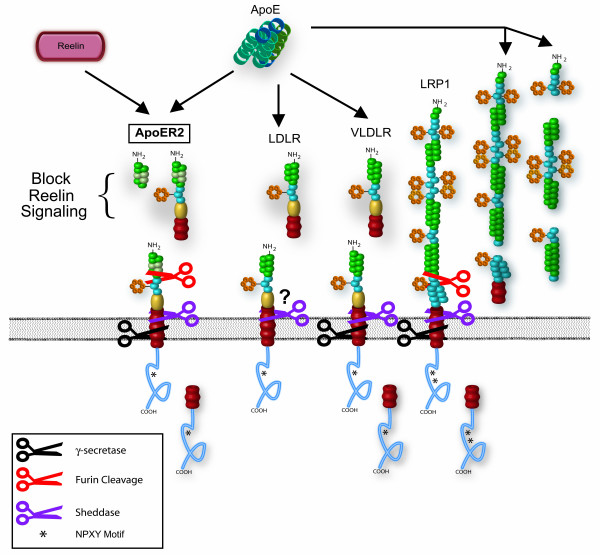
“These sequential cleavage events by furin, metalloproteinases, and γ -secretase closely resemble those of Notch family proteins [145-147].”
Lack of apolipoprotein E dramatically reduces amyloid β-peptide deposition
Bales, K. R., Verina, T., Dodel, R. C., Du, Y., Altstiel, L., Bender, M., Hyslop, P., Johnstone, E. M., Little, S. P., Cummins, D. J., et al. (1997) · Nature Genetics · doi:10.1038/ng1197-263 · Cited by 830 · cited 1×
“ApoE4 increases levels of amyloid deposition in humans [6,18] and accelerates amyloid deposition in transgenic mice [8,25,26].”
The ubiquitin-proteasome system
Nandi, D., Tahiliani, P., Kumar, A., & Chandu, D. (2006) · Journal of Biosciences · doi:10.1007/bf02705243 · Cited by 758
The Notch1 receptor is cleaved constitutively by a furin-like convertase
Logeat, F., Bessia, C., Brou, C., LeBail, O., Jarriault, S., Seidah, N. G., & Israël, A. (1998) · Proceedings of the National Academy of Sciences · doi:10.1073/pnas.95.14.8108 · Cited by 737
Miyata, M., & Smith, J. D. (1996) · Nature Genetics · doi:10.1038/ng0996-55 · Cited by 735 · cited 2×
“In addition, Aβ42 and apoE4 act synergistically to reduce neuronal viability in vitro and ex vivo as measured by neurotoxicity in primary cultures and impaired long term potentiation (LTP) in hippocampal slice cultures [46-51].”
Chen, W. J., Goldstein, J. L., & Brown, M. S. (1990) · Journal of Biological Chemistry · doi:10.1016/s0021-9258(19)39742-x · Cited by 731 · cited 1×
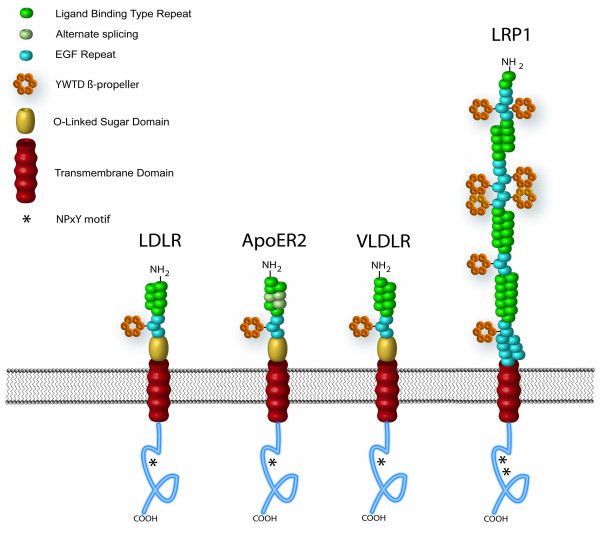
“The two copies of the NPXY motif, which mediates LDLR endocytosis [75], do not play significant roles in LRP endocytosis but likely bridge interactions with adaptor proteins for signaling and intracellular trafficking.”
Pitas, R. E., Boyles, J. K., Lee, S. H., Hui, D., & Weisgraber, K. H. (1987) · Journal of Biological Chemistry · doi:10.1016/s0021-9258(18)47945-8 · Cited by 714 · cited 1×
“However, in the CNS, lipoproteins are predominantly high density and do not include the large classes of lower density lipoproteins found in the plasma [15].”
Andersen, O. M., Reiche, J., Schmidt, V., Gotthardt, M., Spoelgen, R., Behlke, J., von Arnim, C. A. F., Breiderhoff, T., Jansen, P., Wu, X., et al. (2005) · Proceedings of the National Academy of Sciences · doi:10.1073/pnas.0503689102 · Cited by 655 · cited 1×
“decreased [133-136].”
Apolipoprotein E in animal models of CNS injury and in alzheimer's disease
Poirier, J. (1994) · Trends in Neurosciences · doi:10.1016/0166-2236(94)90156-2 · Cited by 639 · cited 1×
“…significant cholesterol from the periphery does not get transported into the CNS and sufficient cholesterol is synthesized in the CNS [79], cholesterol redistribution is important for transport of cholesterol from glia to neurons [80] and for clearance of membrane debris after CNS damages [81].”
Reelin and ApoE receptors cooperate to enhance hippocampal synaptic plasticity and learning
Weeber, E. J., Beffert, U., Jones, C., Christian, J. M., Förster, E., Sweatt, J. D., & Herz, J. (2002) · Journal of Biological Chemistry · doi:10.1074/jbc.m205147200 · Cited by 623 · cited 12×
“Soluble ApoER2 can effectively block Reelin binding to both ApoER2 and VLDLR and subsequent Reelin-dependent signaling in primary neuronal cells.”
InfluentialSelf-citationWater-soluble Aβ(N-40, N-42) oligomers in normal and Alzheimer disease brains
Kuo, Y.-M., Emmerling, M. R., Vigo-Pelfrey, C., Kasunic, T. C., Kirkpatrick, J. B., Murdoch, G. H., Ball, M. J., & Roher, A. E. (1996) · Journal of Biological Chemistry · doi:10.1074/jbc.271.8.4077 · Cited by 618 · cited 1×
“ApoE binds soluble A β oligomers found in the brain, plasma and CSF [32,33].”
Intracellular Cleavage of Notch Leads to a Heterodimeric Receptor on the Plasma Membrane
Blaumueller, C. M., Qi, H., Zagouras, P., & Artavanis-Tsakonas, S. (1997) · Cell · doi:10.1016/s0092-8674(00)80336-0 · Cited by 614 · cited 1×
“These sequential cleavage events by furin, metalloproteinases, and γ -secretase closely resemble those of Notch family proteins [145-147].”
Sullivan, P. M., Mezdour, H., Aratani, Y., Knouff, C., Najib, J., Reddick, R. L., Quarfordt, S. H., & Maeda, N. (1997) · Journal of Biological Chemistry · doi:10.1074/jbc.272.29.17972 · Cited by 575 · cited 1×
“ApoE targeted replacement mice (apoE-TR mice) express one of the three human isoforms under the control of endogenous murine APOE promoter sequences in a conformation and at physiological levels in a temporal and spatial pattern comparable to endogenous mouse apoE [108].”
Apolipoprotein E promotes astrocyte colocalization and degradation of deposited amyloid-β peptides
Koistinaho, M., Lin, S., Wu, X., Esterman, M., Koger, D., Hanson, J., Higgs, R., Liu, F., Malkani, S., Bales, K. R., et al. (2004) · Nature Medicine · doi:10.1038/nm1058 · Cited by 571 · cited 2×
“In vitro, apoE forms stable complexes with Aβ [34-37], alters the aggregation of various Aβ peptides [38-40], modulates Aβ-induced neuroinflammation [41-44], and promotes Aβ clearance [45].”
Evolution of amyloid: What normal protein folding may tell us about fibrillogenesis and disease
Lansbury, P. T. (1999) · Proceedings of the National Academy of Sciences · doi:10.1073/pnas.96.7.3342 · Cited by 553 · cited 1×
“Recent research has focused on soluble oligomeric assemblies of Aβ as the proximate cause of neuronal injury, synaptic loss and the eventual dementia associated with AD [27-31].”
Takahashi, S., Kawarabayasi, Y., Nakai, T., Sakai, J., & Yamamoto, T. (1992) · Proceedings of the National Academy of Sciences · doi:10.1073/pnas.89.19.9252 · Cited by 549 · cited 1×
“to the LDLR itself, the family includes LRP/LRP1 [54], megalin/LRP2 [55], VLDLR [56], ApoER2/LRP8 [57-59],”
Isoform-specific binding of apolipoprotein E to beta-amyloid.
LaDu, M. J., Falduto, M. T., Manelli, A. M., Reardon, C. A., Getz, G. S., & Frail, D. E. (1994) · Journal of Biological Chemistry · doi:10.1016/s0021-9258(17)31529-6 · Cited by 540
Self-citationRegulated Cleavage of a Contact-Mediated Axon Repellent
Hattori, M., Osterfield, M., & Flanagan, J. G. (2000) · Science · doi:10.1126/science.289.5483.1360 · Cited by 518 · cited 1×
“A component of the cleavage of the ephrin-Eph receptor complex is that this cleavage allows for the induced axonal repulsion [170].”
Head injury and the risk of AD in the MIRAGE study
Guo, Z., Cupples, L. A., Kurz, A., Auerbach, S. H., Volicer, L., Chui, H., Green, R. C., Sadovnick, A. D., Duara, R., DeCarli, C., et al. (2000) · Neurology · doi:10.1212/wnl.54.6.1316 · Cited by 506 · cited 1×
“Alternatively, analysis of post-mortem AD brains showed an increased level of traumatic brain injury compared to normal non-AD brains, suggesting that brain trauma may significantly increase the risk of AD [14].”
Beffert, U., Weeber, E. J., Durudas, A., Qiu, S., Masiulis, I., Sweatt, J. D., Li, W.-P., Adelmann, G., Frotscher, M., Hammer, R. E., et al. (2005) · Neuron · doi:10.1016/j.neuron.2005.07.007 · Cited by 497 · cited 3×
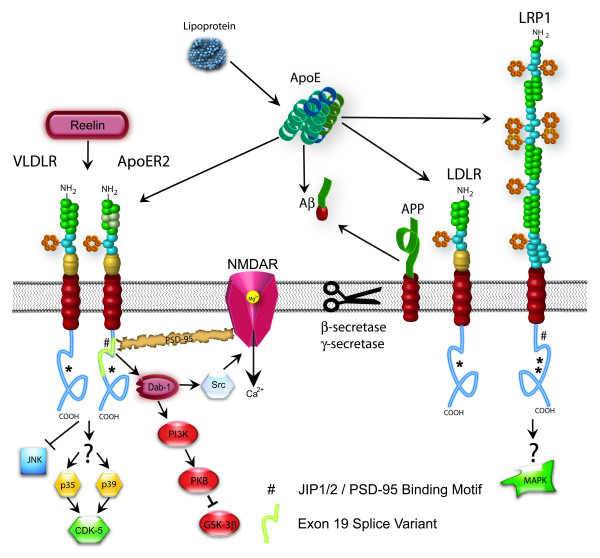
“splice variant interacts with PSD-95, which is itself associated with NMDA receptor conductance [87,95].”
Self-citationApolipoprotein E ε4 allele is associated with deposition of amyloid β-protein following head injury
Nicoll, J. A. R., Roberts, G. W., & Graham, D. I. (1995) · Nature Medicine · doi:10.1038/nm0295-135 · Cited by 486
Wong, S. T., Winchell, L. F., McCune, B. K., Earp, H. S., Teixido, J., Massague, J., Herman, B., & Lee, D. C. (1989) · Cell · doi:10.1016/0092-8674(89)90252-3 · Cited by 475
Lipoprotein receptors in the nervous system
Herz, J., & Bock, H. H. (2002) · Annual Review of Biochemistry · doi:10.1146/annurev.biochem.71.110601.135342 · Cited by 457 · cited 2×
“component of the LDLR family is the cysteine-rich ligandbinding repeats forming ligand-binding domains [52,67].”
Trommsdorff, M., Borg, J.-P., Margolis, B., & Herz, J. (1998) · Journal of Biological Chemistry · doi:10.1074/jbc.273.50.33556 · Cited by 453 · cited 1×
“lar adaptor protein FE65 or via direct binding to the KPI domain [90,123-126].”
Gotthardt, M., Trommsdorff, M., Nevitt, M. F., Shelton, J., Richardson, J. A., Stockinger, W., Nimpf, J., & Herz, J. (2000) · Journal of Biological Chemistry · doi:10.1074/jbc.m000955200 · Cited by 450
Janes, P. W., Saha, N., Barton, W. A., Kolev, M. V., Wimmer-Kleikamp, S. H., Nievergall, E., Blobel, C. P., Himanen, J.-P., Lackmann, M., & Nikolov, D. B. (2005) · Cell · doi:10.1016/j.cell.2005.08.014 · Cited by 443
Acceleration of Alzheimer's fibril formation by apolipoprotein E in vitro.
(1994) · PubMed Central · Cited by 441
Protease nexin-II, a potent anti-chymotrypsin, shows identity to amyloid β-protein precursor
Nostrand, W. E. V., Wagner, S. L., Suzuki, M., Choi, B. H., Farrow, J. S., Geddes, J. W., Cotman, C. W., & Cunningham, D. D. (1989) · Nature · doi:10.1038/341546a0 · Cited by 438
Sanan, D. A., Weisgraber, K. H., Russell, S. J., Mahley, R. W., Huang, D., Saunders, A., Schmechel, D., Wisniewski, T., Frangione, B., & Roses, A. D. (1994) · Journal of Clinical Investigation · doi:10.1172/jci117407 · Cited by 404 · cited 1×
“In vitro, apoE forms stable complexes with Aβ [34-37], alters the aggregation of various Aβ peptides [38-40], modulates Aβ-induced neuroinflammation [41-44], and promotes Aβ clearance [45].”
Kounnas, M. Z., Moir, R. D., Rebeck, G. W., Bush, A. I., Argraves, W. S., Tanzi, R. E., Hyman, B. T., & Strickland, D. K. (1995) · Cell · doi:10.1016/0092-8674(95)90320-8 · Cited by 401 · cited 1×
“lar adaptor protein FE65 or via direct binding to the KPI domain [90,123-126].”
Self-citationHill, O. W. (1968) · British Journal of Psychiatry · doi:10.1192/bjp.114.507.175 · Cited by 400
Lynch, J. R., Tang, W., Wang, H., Vitek, M. P., Bennett, E. R., Sullivan, P. M., Warner, D. S., & Laskowitz, D. T. (2003) · Journal of Biological Chemistry · doi:10.1074/jbc.m306923200 · Cited by 394 · cited 1×
“In vitro, apoE forms stable complexes with Aβ [34-37], alters the aggregation of various Aβ peptides [38-40], modulates Aβ-induced neuroinflammation [41-44], and promotes Aβ clearance [45].”
Moestrup, S. K., Gliemann, J., & Pallesen, G. (1992) · Cell & Tissue Research · doi:10.1007/bf00353892 · Cited by 392
Human Apolipoprotein E Receptor 2
Kim, D.-H., Iijima, H., Goto, K., Sakai, J., Ishii, H., Kim, H.-J., Suzuki, H., Kondo, H., Saeki, S., & Yamamoto, T. (1996) · Journal of Biological Chemistry · doi:10.1074/jbc.271.14.8373 · Cited by 384
Raber, J., Wong, D., Buttini, M., Orth, M., Bellosta, S., Pitas, R. E., Mahley, R. W., & Mucke, L. (1998) · Proceedings of the National Academy of Sciences · doi:10.1073/pnas.95.18.10914 · Cited by 364 · cited 1×
“Transgenic expression of human apoE4 has dominant negative behavioral effects [103-106], including deficits in memory tasks [103,105].”
Buttini, M., Orth, M., Bellosta, S., Akeefe, H., Pitas, R. E., Wyss-Coray, T., Mucke, L., & Mahley, R. W. (1999) · The Journal of Neuroscience · doi:10.1523/jneurosci.19-12-04867.1999 · Cited by 360 · cited 1×
“In addition, apoE4 mice a exhibit greater memory impairment than apoE-knockout (apoEKO) mice, suggesting that apoE4 confers a gain of negative function [106,107].”
Holtzman, D. M., Bales, K. R., Wu, S., Bhat, P., Parsadanian, M., Fagan, A. M., Chang, L. K., Sun, Y., & Paul, S. M. (1999) · Journal of Clinical Investigation · doi:10.1172/jci6179 · Cited by 349 · cited 2×
“The effects of APOE on Aβ burden are seen in mice as well, with studies in mice deficient for apoE or transgenic for human apoE supporting a role for apoE in Aβ fibrillogenesis and neuritic plaque formation [7,8].”
Clearing amyloid through the blood-brain barrier
Zlokovic, B. V. (2004) · Journal of Neurochemistry · doi:10.1111/j.1471-4159.2004.02385.x · Cited by 336 · cited 1×
“Since then, apoE receptors have been found to help transport Aβ across the endothelial cells forming the blood brain barrier [116] or clear Aβ”
Intramembrane Proteolysis: Theme and Variations
Wolfe, M. S., & Kopan, R. (2004) · Science · doi:10.1126/science.1096187 · Cited by 332 · cited 1×
“plasmic domain for intracellular effects [159].”
Howell, B. W., Lanier, L. M., Frank, R., Gertler, F. B., & Cooper, J. A. (1999) · Molecular and Cellular Biology · doi:10.1128/mcb.19.7.5179 · Cited by 317
Causative and susceptibility genes for Alzheimer’s disease: a review
Rocchi, A., Pellegrini, S., Siciliano, G., & Murri, L. (2003) · Brain Research Bulletin · doi:10.1016/s0361-9230(03)00067-4 · Cited by 316 · cited 1×
“APOE-ε4 appears to account for up to 40–50% of the genetic risk of AD [4,5].”
Reelin-mediated Signaling Locally Regulates Protein Kinase B/Akt and Glycogen Synthase Kinase 3β
Beffert, U., Morfini, G., Bock, H. H., Reyna, H., Brady, S. T., & Herz, J. (2002) · Journal of Biological Chemistry · doi:10.1074/jbc.m209205200 · Cited by 306
Characterization of four lipoprotein classes in human cerebrospinal fluid
Koch, S., Donarski, N., Goetze, K., Kreckel, M., Stuerenburg, H.-J., Buhmann, C., & Beisiegel, U. (2001) · Journal of Lipid Research · doi:10.1016/s0022-2275(20)31605-9 · Cited by 298 · cited 1×
“The two major apolipoproteins present in the cerebral spinal fluid (CSF) are apoE and apoAI; classes of high density lipoproteins in the CSF contain either or both of these apolipoproteins [16].”
Lammich, S., Okochi, M., Takeda, M., Kaether, C., Capell, A., Zimmer, A.-K., Edbauer, D., Walter, J., Steiner, H., & Haass, C. (2002) · Journal of Biological Chemistry · doi:10.1074/jbc.m206872200 · Cited by 287 · cited 1×
“sequential cleavages for degradation [175].”
Ehlers, M. R. W., & Riordan, J. F. (1991) · Biochemistry · doi:10.1021/bi00106a001 · Cited by 281 · cited 1×
“Numerous transmembrane proteins in addition to the apoE receptors have soluble forms, including growth factors and their receptors, cytokine precursors and receptors, cell adhesion molecules, enzymes, and differentiation factors [155].”
Herz, J., Kowal, R. C., Goldstein, J. L., & Brown, M. S. (1990) · The EMBO Journal · doi:10.1002/j.1460-2075.1990.tb08301.x · Cited by 279 · cited 1×
“LRP is synthesized as a single polypeptide chain of ~600 kDa and then cleaved in the trans-Golgi network by furin into a 515-kDa ligand-binding subunit and an 85-kDa transmembrane subunit that remain non-covalently associated with one another as they traffic to the cell surface [139].”
Willnow, T. E., Rohlmann, A., Horton, J., Otani, H., Braun, J. R., Hammer, R. E., & Herz, J. (1996) · The EMBO Journal · doi:10.1002/j.1460-2075.1996.tb00623.x · Cited by 276 · cited 1×
“(page number not for citation purposes) which has increased levels of several LDLR family members [121,122].”
TOKUDA, T., CALERO, M., MATSUBARA, E., VIDAL, R., KUMAR, A., PERMANNE, B., ZLOKOVIC, B., SMITH, J. D., LADU, M. J., ROSTAGNO, A., et al. (2000) · Biochemical Journal · doi:10.1042/bj3480359 · Cited by 272 · cited 1×
“In vitro, apoE forms stable complexes with Aβ [34-37], alters the aggregation of various Aβ peptides [38-40], modulates Aβ-induced neuroinflammation [41-44], and promotes Aβ clearance [45].”
Self-citationUlery, P. G., Beers, J., Mikhailenko, I., Tanzi, R. E., Rebeck, G. W., Hyman, B. T., & Strickland, D. K. (2000) · Journal of Biological Chemistry · doi:10.1074/jbc.275.10.7410 · Cited by 271
Self-citationAutoimmune Target in Heymann Nephritis Is a Glycoprotein with Homology to the LDL Receptor
Raychowdhury, R., Niles, J. L., McCluskey, R. T., & Smith, J. A. (1989) · Science · doi:10.1126/science.2786251 · Cited by 266 · cited 1×
“to the LDLR itself, the family includes LRP/LRP1 [54], megalin/LRP2 [55], VLDLR [56], ApoER2/LRP8 [57-59],”
May, P., Reddy, Y. K., & Herz, J. (2002) · Journal of Biological Chemistry · doi:10.1074/jbc.m201979200 · Cited by 260 · cited 1×
“Recent studies have also shown that the cell associated fragment of LRP can be cleaved at a third, intramem-branous site by the γ -secretase, releasing its intracellular domain (ICD) [143,144].”
Greenberg, S. M., Briggs, M. E., Hyman, B. T., Kokoris, G. J., Takis, C., Kanter, D. S., Kase, C. S., & Pessin, M. S. (1996) · Stroke · doi:10.1161/01.str.27.8.1333 · Cited by 259 · cited 1×
“are with conditions containing amyloid deposition including AD, Down's syndrome, cerebral amyloid angiopathy and head trauma [6,18-23].”
Frykman, P. K., Brown, M. S., Yamamoto, T., Goldstein, J. L., & Herz, J. (1995) · Proceedings of the National Academy of Sciences · doi:10.1073/pnas.92.18.8453 · Cited by 256 · cited 11×
“ApoE-TR mice expressing the apoE3 isoform are identical to wild type mice in both LTP induction and spatial learning.”
InfluentialJacobsen, L., Madsen, P., Moestrup, S. K., Lund, A. H., Tommerup, N., Nykjær, A., Sottrup-Jensen, L., Gliemann, J., & Petersen, C. M. (1996) · Journal of Biological Chemistry · doi:10.1074/jbc.271.49.31379 · Cited by 253 · cited 1×
“SORLA-1/LR11 [60,61], LRP4 [62], LRP5 [63,64], LRP6 [65], and LRP1B [66].”
Jeon, H., Meng, W., Takagi, J., Eck, M. J., Springer, T. A., & Blacklow, S. C. (2001) · Nature Structural Biology · doi:10.1038/88556 · Cited by 252 · cited 1×
“Additionally, most members of the LDLR family contain epidermal growth factor (EGF)-like repeats and YWTD motifs, which form β-propeller-like structures [68].”
Offe, K., Dodson, S. E., Shoemaker, J. T., Fritz, J. J., Gearing, M., Levey, A. I., & Lah, J. J. (2006) · The Journal of Neuroscience · doi:10.1523/jneurosci.4946-05.2006 · Cited by 245 · cited 1×
“Finally, several recent studies have shown that SorLA/LR11 alters APP trafficking to discrete compartments such that APP processing by β / γ -secretases is decreased [133-136].”
Arend, W. P., Malyak, M., Smith, M. F., Whisenand, T. D., Slack, J. L., Sims, J. E., Giri, J. G., & Dower, S. K. (1994) · The Journal of Immunology · doi:10.4049/jimmunol.153.10.4766 · Cited by 241 · cited 1×
“IL-15) have shed forms that bind the specific interleukins and block their actions on cells [163-165].”
The reelin receptor ApoER2 recruits JNK-interacting proteins-1 and -2
Stockinger, W., Brandes, C., Fasching, D., Hermann, M., Gotthardt, M., Herz, J., Schneider, W. J., & Nimpf, J. (2000) · Journal of Biological Chemistry · doi:10.1074/jbc.m004119200 · Cited by 239
Apolipoprotein E and cognitive performance
Raber, J., Wong, D., Yu, G.-Q., Buttini, M., Mahley, R. W., Pitas, R. E., & Mucke, L. (2000) · Nature · doi:10.1038/35006165 · Cited by 237
Herz, J. (2001) · Neuron · doi:10.1016/s0896-6273(01)00234-3 · Cited by 235 · cited 1×
“Recently, several studies have demonstrated a role for some apoE receptors (specifically LRP, ApoER2, and VLDLR) as signaling molecules (see [53,82] for review).”
Maretzky, T., Schulte, M., Ludwig, A., Rose-John, S., Blobel, C., Hartmann, D., Altevogt, P., Saftig, P., & Reiss, K. (2005) · Molecular and Cellular Biology · doi:10.1128/mcb.25.20.9040-9053.2005 · Cited by 232 · cited 1×
“Other examples include the cleavage of cell adhesion molecules L1 that disrupts cell-cell adhesion [171],”
Li, Y., Paz Marzolo, M., van Kerkhof, P., Strous, G. J., & Bu, G. (2000) · Journal of Biological Chemistry · doi:10.1074/jbc.m000490200 · Cited by 229 · cited 1×
“The dominant endocytosis signal for LRP is the YXXL motif [74].”
Self-citationWillnow, T. E., Armstrong, S. A., Hammer, R. E., & Herz, J. (1995) · Proceedings of the National Academy of Sciences · doi:10.1073/pnas.92.10.4537 · Cited by 228 · cited 1×
“which has increased levels of several LDLR family members [121,122].”
Lanz, T. A., Carter, D. B., & Merchant, K. M. (2003) · Neurobiology of Disease · doi:10.1016/s0969-9961(03)00079-2 · Cited by 227 · cited 1×
“In vivo, crossing apoE2 transgenic mice with APP transgenic mice prevented soluble Aβinduced dendritic spine loss [115].”
Cloning of a novel member of the low-density lipoprotein receptor family
Hey, P. J., Twells, R. C. J., Phillips, M. S., Nakagawa, Y., Brown, S. D., Kawaguchi, Y., Cox, R., Xie, G., Dugan, V., Hammond, H., et al. (1998) · Gene · doi:10.1016/s0378-1119(98)00311-4 · Cited by 223
Hyman, B. T., West, H. L., Rebeck, G. W., Buldyrev, S. V., Mantegna, R. N., Ukleja, M., Havlin, S., & Stanley, H. E. (1995) · Proceedings of the National Academy of Sciences · doi:10.1073/pnas.92.8.3586 · Cited by 212 · cited 1×
“The strongest associations of APOE genotype with disease are with conditions containing amyloid deposition including AD, Down's syndrome, cerebral amyloid angiopathy and head trauma [6,18-23].”
Self-citationApolipoprotein E: Binding to Soluble Alzheimer′s β-Amyloid
Wisniewski, T., Golabek, A., Matsubara, E., Ghiso, J., & Frangione, B. (1993) · Biochemical and Biophysical Research Communications · doi:10.1006/bbrc.1993.1423 · Cited by 212 · cited 1×
“ApoE binds soluble Aβ oligomers found in the brain, plasma and CSF [32,33].”
Downregulation of microglial activation by apolipoprotein E and apoE-mimetic peptides
Laskowitz, D. T., Thekdi, A. D., Thekdi, S. D., Han, S. K. D., Myers, J. K., Pizzo, S. V., & Bennett, E. R. (2001) · Experimental Neurology · doi:10.1006/exnr.2001.7541 · Cited by 206 · cited 2×
“In vitro, apoE forms stable complexes with Aβ [34-37], alters the aggregation of various Aβ peptides [38-40], modulates Aβ-induced neuroinflammation [41-44], and promotes Aβ clearance [45].”
The Role of Heredity in Late-Onset Alzheimer Disease and Vascular Dementia: A Twin Study
Bergem, A. L. M. (1997) · Archives of General Psychiatry · doi:10.1001/archpsyc.1997.01830150090013 · Cited by 206 · cited 1×
“Interestingly, it was found that only about half of identical twins have concordance for AD [9,10].”
Yamazaki, H., Bujo, H., Kusunoki, J., Seimiya, K., Kanaki, T., Morisaki, N., Schneider, W. J., & Saito, Y. (1996) · Journal of Biological Chemistry · doi:10.1074/jbc.271.40.24761 · Cited by 204 · cited 1×
“SORLA-1/LR11 [60,61], LRP4 [62], LRP5 [63,64], LRP6 [65], and LRP1B [66].”
Pietrzik, C. U., Busse, T., Merriam, D. E., Weggen, S., & Koo, E. H. (2002) · The EMBO Journal · doi:10.1093/emboj/cdf568 · Cited by 198 · cited 1×
“tion [127-129].”
Purification of Apolipoprotein E Attenuates Isoform-specific Binding to β-Amyloid
LaDu, M. J., Pederson, T. M., Frail, D. E., Reardon, C. A., Getz, G. S., & Falduto, M. T. (1995) · Journal of Biological Chemistry · doi:10.1074/jbc.270.16.9039 · Cited by 189
Self-citationAndersen, O. M., Schmidt, V., Spoelgen, R., Gliemann, J., Behlke, J., Galatis, D., McKinstry, W. J., Parker, M. W., Masters, C. L., Hyman, B. T., et al. (2006) · Biochemistry · doi:10.1021/bi052120v · Cited by 178 · cited 1×
“Finally, several recent studies have shown that SorLA/LR11 alters APP trafficking to discrete compartments such that APP processing by β / γ -secretases is decreased [133-136].”
Ji, Z.-S., Miranda, R. D., Newhouse, Y. M., Weisgraber, K. H., Huang, Y., & Mahley, R. W. (2002) · Journal of Biological Chemistry · doi:10.1074/jbc.m112109200 · Cited by 177 · cited 1×
“In addition, oligomeric Aβ42-induced neurotoxicity is significantly greater in both Neuro-2A cells treated with apoE4 [112-114] and”
Brown, S. D., Twells, R. C. J., Hey, P. J., Cox, R. D., Levy, E. R., Soderman, A. R., Metzker, M. L., Caskey, C. T., Todd, J. A., & Hess, J. F. (1998) · Biochemical and Biophysical Research Communications · doi:10.1006/bbrc.1998.9061 · Cited by 176 · cited 1×
“SORLA-1/LR11 [60,61], LRP4 [62], LRP5 [63,64], LRP6 [65], and LRP1B [66].”
A dual role for apolipoprotein e in neuroinflammation: anti- and pro-inflammatory activity
Guo, L., LaDu, M. J., & Van Eldik, L. J. (2004) · Journal of Molecular Neuroscience · doi:10.1385/jmn:23:3:205 · Cited by 175 · cited 1×
“In vitro, apoE forms stable complexes with Aβ [34-37], alters the aggregation of various Aβ peptides [38-40], modulates Aβ-induced neuroinflammation [41-44], and promotes Aβ clearance [45].”
Self-citationPietrzik, C. U., Yoon, I.-S., Jaeger, S., Busse, T., Weggen, S., & Koo, E. H. (2004) · The Journal of Neuroscience · doi:10.1523/jneurosci.5451-03.2004 · Cited by 173 · cited 1×
“lar adaptor protein FE65 or via direct binding to the KPI domain [90,123-126].”
Bacskai, B. J., Xia, M. Q., Strickland, D. K., Rebeck, G. W., & Hyman, B. T. (2000) · Proceedings of the National Academy of Sciences · doi:10.1073/pnas.200238297 · Cited by 163 · cited 2×
“Thus, inhibition of normal Reelin signaling through ApoER2 and VLDLR can acutely modulate other signaling mechanisms through changes in NMDA receptor activity and intracellular signaling pathways [84-89].”
Self-citationIntramembrane proteolysis by presenilins
Steiner, H., & Haass, C. (2000) · Nature Reviews Molecular Cell Biology · doi:10.1038/35043065 · Cited by 161 · cited 1×
“The large number of proteins identified as γ -secretase substrates undergo this series of proteolytic events [160].”
Fryer, J. D., Taylor, J. W., DeMattos, R. B., Bales, K. R., Paul, S. M., Parsadanian, M., & Holtzman, D. M. (2003) · The Journal of Neuroscience · doi:10.1523/jneurosci.23-21-07889.2003 · Cited by 160
Hartman, R. E., Wozniak, D. F., Nardi, A., Olney, J. W., Sartorius, L., & Holtzman, D. M. (2001) · Experimental Neurology · doi:10.1006/exnr.2001.7715 · Cited by 157 · cited 1×
“Transgenic expression of human apoE4 has dominant negative behavioral effects [103-106], including deficits in memory tasks [103,105].”
Extracellular Proteases in Atherosclerosis and Restenosis
Garcia-Touchard, A., Henry, T. D., Sangiorgi, G., Spagnoli, L. G., Mauriello, A., Conover, C., & Schwartz, R. S. (2005) · Arteriosclerosis, Thrombosis, and Vascular Biology · doi:10.1161/01.atv.0000164311.48592.da · Cited by 157 · cited 1×
“Extracellular proteinases responsible for the release of soluble receptors are commonly metalloproteinases, either membrane bound (A Disintegrin and Metalloproteinase, ADAMs) or secreted (Matrix Metalloproteinase, MMPs) [137].”
Molecular mechanisms of lipoprotein receptor signalling
May, P., Herz, J., & Bock, H. H. (2005) · Cellular and Molecular Life Sciences · doi:10.1007/s00018-005-5231-z · Cited by 156 · cited 2×
“Recently, several studies have demonstrated a role for some apoE receptors (specifically LRP, ApoER2, and VLDLR) as signaling molecules (see [53,82] for review).”
Transforming growth factor-alpha and beta-amyloid precursor protein share a secretory mechanism.
Arribas, J., & Massagué, J. (1995) · The Journal of cell biology · doi:10.1083/jcb.128.3.433 · Cited by 153 · cited 1×
“(page number not for citation purposes) secreted and acts at a distance [157].”
Grootendorst, J., Bour, A., Vogel, E., Kelche, C., Sullivan, P. M., Dodart, J.-C., Bales, K., & Mathis, C. (2005) · Behavioural Brain Research · doi:10.1016/j.bbr.2004.09.019 · Cited by 148 · cited 1×
“Importantly, the impaired spatial learning exhibited by apoE-deficient mice can be rescued by infusion of human apoE3 or apoE4 [109,110].”
Spoelgen, R., von Arnim, C. A. F., Thomas, A. V., Peltan, I. D., Koker, M., Deng, A., Irizarry, M. C., Andersen, O. M., Willnow, T. E., & Hyman, B. T. (2006) · The Journal of Neuroscience · doi:10.1523/jneurosci.3882-05.2006 · Cited by 148
Sorting nexin 17 facilitates LRP recycling in the early endosome
van Kerkhof, P., Lee, J., McCormick, L., Tetrault, E., Lu, W., Schoenfish, M., Oorschot, V., Strous, G. J., Klumperman, J., & Bu, G. (2005) · The EMBO Journal · doi:10.1038/sj.emboj.7600756 · Cited by 148
Self-citationMortier, E., Bernard, J., Plet, A., & Jacques, Y. (2004) · The Journal of Immunology · doi:10.4049/jimmunol.173.3.1681 · Cited by 143 · cited 1×
“IL-15) have shed forms that bind the specific interleukins and block their actions on cells [163-165].”
Differential glycosylation regulates processing of lipoprotein receptors by γ-secretase
May, P., Bock, H. H., Nimpf, J., & Herz, J. (2003) · Journal of Biological Chemistry · doi:10.1074/jbc.m305858200 · Cited by 142 · cited 1×
“Furthermore, the C-terminal fragments are cleaved by γ-secretase [149].”
Abnormal development of the apical ectodermal ridge and polysyndactyly in Megf7-deficient mice
Johnson, E. B., Hammer, R. E., & Herz, J. (2005) · Human Molecular Genetics · doi:10.1093/hmg/ddi381 · Cited by 141 · cited 1×
“SORLA-1/LR11 [60,61], LRP4 [62], LRP5 [63,64], LRP6 [65], and LRP1B [66].”
Lahiri, D. K., Sambamurti, K., & Bennett, D. (2004) · Neurobiology of Aging · doi:10.1016/j.neurobiolaging.2003.12.024 · Cited by 139 · cited 1×
“APOE-ε4 appears to account for up to 40–50% of the genetic risk of AD [4,5].”
Jordán, J., Galindo, M. F., Miller, R. J., Reardon, C. A., Getz, G. S., & LaDu, M. J. (1998) · The Journal of Neuroscience · doi:10.1523/jneurosci.18-01-00195.1998 · Cited by 139
Self-citationLow-Density Lipoprotein Receptor Family
Bu, G., Li, Y., & Cam, J. (2001) · Molecular Neurobiology · doi:10.1385/mn:23:1:53 · Cited by 137
Self-citationModulation of Direct Leptin Signaling by Soluble Leptin Receptor
Yang, G., Ge, H., Boucher, A., Yu, X., & Li, C. (2004) · Molecular Endocrinology · doi:10.1210/me.2004-0027 · Cited by 136 · cited 1×
“A soluble version of the receptor for advanced glycation end products (RAGE) can block the interactions of ligands with the membrane bound forms of RAGE, preventing their endocytosis [166], and a soluble version of the leptin receptor blocks leptin signaling [167].”
Cytosolic adaptor protein Dab2 is an intracellular ligand of endocytic receptor gp600/megalin
OLEINIKOV, A. V., ZHAO, J., & MAKKER, S. P. (2000) · Biochemical Journal · doi:10.1042/bj3470613 · Cited by 135
Zerbinatti, C. V., Wozniak, D. F., Cirrito, J., Cam, J. A., Osaka, H., Bales, K. R., Zhuo, M., Paul, S. M., Holtzman, D. M., & Bu, G. (2004) · Proceedings of the National Academy of Sciences · doi:10.1073/pnas.0305803101 · Cited by 133 · cited 1×
“Overexpression of a functional LRP minireceptor in vivo resulted in an increase of soluble Aβ in the brain [130].”
Self-citationLi, Y., Lu, W., Marzolo, M. P., & Bu, G. (2001) · Journal of Biological Chemistry · doi:10.1074/jbc.m101589200 · Cited by 131 · cited 1×
“The initial endocytosis rates of individual LDLR family members are significantly different with half time for internalization ranging from <0.5 min (LRP) to > 8 min (ApoER2/ VLDLR) ([76], see Table 1).”
InfluentialSelf-citationKnauer, M. F., Orlando, R. A., & Glabe, C. G. (1996) · Brain Research · doi:10.1016/s0006-8993(96)00711-1 · Cited by 129
Soluble Low Density Lipoprotein Receptor-related Protein (LRP) Circulates in Human Plasma
Quinn, K. A., Grimsley, P. G., Dai, Y.-P., Tapner, M., Chesterman, C. N., & Owensby, D. A. (1997) · Journal of Biological Chemistry · doi:10.1074/jbc.272.38.23946 · Cited by 128 · cited 3×
“nanomolar concentrations [140,141] and in human CSF [142].”
Reactivity of Apolipoprotein E4 and Amyloid β Peptide
Ji, Z.-S., Müllendorff, K., Cheng, I. H., Miranda, R. D., Huang, Y., & Mahley, R. W. (2006) · Journal of Biological Chemistry · doi:10.1074/jbc.m506646200 · Cited by 127 · cited 1×
“In addition, oligomeric Aβ42-induced neurotoxicity is significantly greater in both Neuro-2A cells treated with apoE4 [112-114] and”
ApoE isoform affects LTP in human targeted replacement mice
Trommer, B. L., Shah, C., Yun, S. H., Gamkrelidze, G., Pasternak, E. S., Ye, G. L., Sotak, M., Sullivan, P. M., Pasternak, J. F., & LaDu, M. J. (2004) · NeuroReport · doi:10.1097/00001756-200412030-00020 · Cited by 124 · cited 1×
“Importantly, the impaired spatial learning exhibited by apoE-deficient mice can be rescued by infusion of human apoE3 or apoE4 [109,110].”
Self-citationHoe, H.-S., Wessner, D., Beffert, U., Becker, A. G., Matsuoka, Y., & Rebeck, G. W. (2005) · Molecular and Cellular Biology · doi:10.1128/mcb.25.21.9259-9268.2005 · Cited by 122 · cited 2×
“ApoER2 also interacts with APP, through an extracellular matrix molecule F-spondin [132]”
Self-citationLaDu, M. J., Shah, J. A., Reardon, C. A., Getz, G. S., Bu, G., Hu, J., Guo, L., & Van Eldik, L. J. (2001) · Neurochemistry International · doi:10.1016/s0197-0186(01)00050-x · Cited by 118 · cited 1×
“ApoE receptors on glia also affect signaling pathways, affecting the state of glial activation [41,42,98].”
Self-citationLiu, C. X., Musco, S., Lisitsina, N. M., Forgacs, E., Minna, J. D., & Lisitsyn, N. A. (2000) · PubMed · Cited by 117
Kinoshita, A., Whelan, C. M., Smith, C. J., Mikhailenko, I., Rebeck, G. W., Strickland, D. K., & Hyman, B. T. (2001) · The Journal of Neuroscience · doi:10.1523/jneurosci.21-21-08354.2001 · Cited by 113 · cited 1×
“lar adaptor protein FE65 or via direct binding to the KPI domain [90,123-126].”
Self-citationProtofibrils, the unifying toxic molecule of neurodegenerative disorders?
Haass, C., & Steiner, H. (2001) · Nature Neuroscience · doi:10.1038/nn0901-859 · Cited by 111 · cited 1×
“Recent research has focused on soluble oligomeric assemblies of Aβ as the proximate cause of neuronal injury, synaptic loss and the eventual dementia associated with AD [27-31].”
Multiple pathways of apolipoprotein E signaling in primary neurons
Hoe, H., Harris, D. C., & Rebeck, G. W. (2005) · Journal of Neurochemistry · doi:10.1111/j.1471-4159.2004.03007.x · Cited by 111
Self-citationAlzheimer Aβ neurotoxicity: Promotion by antichymotrypsin, ApoE4; inhibition by Aβ-related peptides
Ma, J., Brewer, H. B., & Potter, H. (1996) · Neurobiology of Aging · doi:10.1016/0197-4580(96)00112-1 · Cited by 108 · cited 1×
“In addition, Aβ42 and apoE4 act synergistically to reduce neuronal viability in vitro and ex vivo as measured by neurotoxicity in primary cultures and impaired long term potentiation (LTP) in hippocampal slice cultures [46-51].”
Buttini, M., Akeefe, H., Lin, C. J., Mahley, R. W., Pitas, R. E., Wyss‐Coray, T., & Mucke, L. (2000) · Neuroscience · doi:10.1016/s0306-4522(00)00069-5 · Cited by 107 · cited 2×
“In addition, apoE4 mice a exhibit greater memory impairment than apoE-knockout (apoEKO) mice, suggesting that apoE4 confers a gain of negative function [106,107].”
Novak, S., Hiesberger, T., Schneider, W. J., & Nimpf, J. (1996) · Journal of Biological Chemistry · doi:10.1074/jbc.271.20.11732 · Cited by 105 · cited 1×
“to the LDLR itself, the family includes LRP/LRP1 [54], megalin/LRP2 [55], VLDLR [56], ApoER2/LRP8 [57-59],”
APOE genotype and gender effects on Alzheimer disease in 100 adults with Down syndrome
Lai, F., Kammann, E., Rebeck, G. W., Anderson, A., Chen, Y., & Nixon, R. A. (1999) · Neurology · doi:10.1212/wnl.53.2.331 · Cited by 105 · cited 1×
“The strongest associations of APOE genotype with disease are with conditions containing amyloid deposition including AD, Down's syndrome, cerebral amyloid angiopathy and head trauma [6,18-23].”
Self-citationSoluble and cleaved forms of the urokinase-receptor: degradation products or active molecules?
Montuori, N., Visconte, V., Rossi, G., & Ragno, P. (2005) · Thrombosis and Haemostasis · doi:10.1160/th04-09-0580 · Cited by 104 · cited 1×
“responsible for this type of protein turnover[174].”
Apolipoprotein E Receptors Mediate the Effects of β-Amyloid on Astrocyte Cultures
LaDu, M. J., Shah, J. A., Reardon, C. A., Getz, G. S., Bu, G., Hu, J., Guo, L., & Van Eldik, L. J. (2000) · Journal of Biological Chemistry · doi:10.1074/jbc.m000602200 · Cited by 103 · cited 2×
“In vitro, apoE forms stable complexes with Aβ [34-37], alters the aggregation of various Aβ peptides [38-40], modulates Aβ-induced neuroinflammation [41-44], and promotes Aβ clearance [45].”
Self-citationQuantitation of apoE Domains in Alzheimer Disease Brain Suggests a Role for apoE in Aß Aggregation
Cho, H. S., Hyman, B. T., Greenberg, S. M., & Rebeck, G. W. (2001) · Journal of Neuropathology & Experimental Neurology · doi:10.1093/jnen/60.4.342 · Cited by 102 · cited 1×
“ApoE is found on most, but not all A β deposits in the AD brain [117,118].”
Self-citationOhkubo, N., Mitsuda, N., Tamatani, M., Yamaguchi, A., Lee, Y.-D., Ogihara, T., Vitek, M. P., & Tohyama, M. (2001) · Journal of Biological Chemistry · doi:10.1074/jbc.m005070200 · Cited by 101 · cited 2×
“Thus, inhibition of normal Reelin signaling through ApoER2 and VLDLR can acutely modulate other signaling mechanisms through changes in NMDA receptor activity and intracellular signaling pathways [84-89].”
Kim, D.-H., Inagaki, Y., Suzuki, T., Ioka, R. X., Yoshioka, S. Z., Magoori, K., Kang, M.-J., Cho, Y., Nakano, A. Z., Liu, Q., et al. (1998) · Journal of Biochemistry · doi:10.1093/oxfordjournals.jbchem.a022223 · Cited by 99
ApoE and Aβ1–42 Interactions: Effects of Isoform and Conformation on Structure and Function
Manelli, A. M., Stine, W. B., Van Eldik, L. J., & LaDu, M. J. (2004) · Journal of Molecular Neuroscience · doi:10.1385/jmn:23:3:235 · Cited by 95 · cited 2×
“from apoE-TR mice expressing apoE4 [47,112].”
Self-citationCholesterol, statins and dementia
Wolozin, B. (2004) · Current Opinion in Lipidology · doi:10.1097/00041433-200412000-00007 · Cited by 91 · cited 16×
“The apoE receptor LRP1B, which undergoes a slow endocytosis, interacts with APP.”
InfluentialVan Uden, E., Mallory, M., Veinbergs, I., Alford, M., Rockenstein, E., & Masliah, E. (2002) · The Journal of Neuroscience · doi:10.1523/jneurosci.22-21-09298.2002 · Cited by 91
Kinoshita, A., Shah, T., Tangredi, M. M., Strickland, D. K., & Hyman, B. T. (2003) · Journal of Biological Chemistry · doi:10.1074/jbc.m306403200 · Cited by 90 · cited 3×
“Recent studies have also shown that the cell associated fragment of LRP can be cleaved at a third, intramem-branous site by the γ -secretase, releasing its intracellular domain (ICD) [143,144].”
Soluble Cytokine Receptors: Their Roles in Immunoregulation, Disease, and Therapy
Fernandez-Botrán, R., Chilton, P. M., & Ma, Y. (1996) · Advances in immunology · doi:10.1016/s0065-2776(08)60858-5 · Cited by 89 · cited 1×
“IL-15) have shed forms that bind the specific interleukins and block their actions on cells [163-165].”
Apolipoprotein E Receptor 2 Interactions with the N-Methyl-D-aspartate Receptor
Hoe, H.-S., Pocivavsek, A., Chakraborty, G., Fu, Z., Vicini, S., Ehlers, M. D., & Rebeck, G. W. (2006) · Journal of Biological Chemistry · doi:10.1074/jbc.m509380200 · Cited by 89 · cited 1×
“splice variant interacts with PSD-95, which is itself associated with NMDA receptor conductance [87,95].”
Self-citationCam, J. A., Zerbinatti, C. V., Knisely, J. M., Hecimovic, S., Li, Y., & Bu, G. (2004) · Journal of Biological Chemistry · doi:10.1074/jbc.m313893200 · Cited by 89
Self-citationChristie, R. H., Chung, H., Rebeck, G. W., Strickland, D., & Hyman, B. T. (1996) · Journal of Neuropathology and Experimental Neurology · doi:10.1097/00005072-199604000-00012 · Cited by 89 · cited 1×
“Many of the apoE receptors have been found in the CNS. Neurons express LDLR, LRP, ApoER2, and the VLDLR; astrocytes express LDLR and LRP; microglia express VLDLR and LRP [6,57,70-73].”
Self-citationHashimoto, Y., Jiang, H., Niikura, T., Ito, Y., Hagiwara, A., Umezawa, K., Abe, Y., Murayama, Y., & Nishimoto, I. (2000) · The Journal of Neuroscience · doi:10.1523/jneurosci.20-22-08401.2000 · Cited by 86 · cited 1×
“apoE4-induced toxicity; glia are relatively resistant [100] and only cells with a neuronal phenotype appear vulnerable [101].”
Xing, Y., Xu, Q., & Lee, C. J. (2003) · FEBS Letters · doi:10.1016/s0014-5793(03)01354-1 · Cited by 86 · cited 1×
“Alternately, soluble receptors can be expressed from alternately spliced mRNAs that lack a transmembrane domain [138].”
Regulation of ApoE receptor proteolysis by ligand binding
Hoe, H.-S., & Rebeck, G. W. (2005) · Molecular Brain Research · doi:10.1016/j.molbrainres.2005.02.013 · Cited by 85 · cited 2×
“well as C-terminal, cell-associated fragments, and these events are induced by Phorbol esters [148].”
Self-citationApoE isoform-specific effects on LTP: blockade by oligomeric amyloid-β1–42
Trommer, B. L., Shah, C., Yun, S. H., Gamkrelidze, G., Pasternak, E. S., Blaine Stine, W., Manelli, A., Sullivan, P., Pasternak, J. F., & LaDu, M. J. (2005) · Neurobiology of Disease · doi:10.1016/j.nbd.2004.08.011 · Cited by 82
Self-citationSwanson, L. W., Simmons, D. M., Hofmann, S. L., Goldstein, J. L., & Brown, M. S. (1988) · Proceedings of the National Academy of Sciences · doi:10.1073/pnas.85.24.9821 · Cited by 81 · cited 1×
“Many of the apoE receptors have been found in the CNS. Neurons express LDLR, LRP, ApoER2, and the VLDLR; astrocytes express LDLR and LRP; microglia express VLDLR and LRP [6,57,70-73].”
Koch, S., Strasser, V., Hauser, C., Fasching, D., Brandes, C., Bajari, T. M., Schneider, W. J., & Nimpf, J. (2002) · The EMBO Journal · doi:10.1093/emboj/cdf599 · Cited by 80 · cited 1×
“The expression of the ApoER2 variant containing the furin consensus site results in the production of soluble receptor consisting of the ligand binding domain [152].”
Brandes, C., Kahr, L., Stockinger, W., Hiesberger, T., Schneider, W. J., & Nimpf, J. (2001) · Journal of Biological Chemistry · doi:10.1074/jbc.m102662200 · Cited by 78 · cited 1×
“furin cleavage site in the extracellular domain [59,151].”
Arélin, K., Kinoshita, A., Whelan, C. M., Irizarry, M. C., Rebeck, G. W., Strickland, D. K., & Hyman, B. T. (2002) · Molecular Brain Research · doi:10.1016/s0169-328x(02)00203-6 · Cited by 77
Self-citationAono, M., Bennett, E. R., Kim, K. S., Lynch, J., Myers, J., Pearlstein, R. D., Warner, D. S., & Laskowitz, D. T. (2003) · Neuroscience · doi:10.1016/s0306-4522(02)00709-1 · Cited by 77 · cited 2×
“Thus, inhibition of normal Reelin signaling through ApoER2 and VLDLR can acutely modulate other signaling mechanisms through changes in NMDA receptor activity and intracellular signaling pathways [84-89].”
Cam, J. A., Zerbinatti, C. V., Li, Y., & Bu, G. (2005) · Journal of Biological Chemistry · doi:10.1074/jbc.m500613200 · Cited by 76 · cited 1×
“Functionally, LRP's rapid endocytosis facilitates APP endocytic trafficking and A β production [127-129].”
Self-citationQiu, Z., Strickland, D. K., Hyman, B. T., & Rebeck, G. W. (2002) · Journal of Biological Chemistry · doi:10.1074/jbc.m112066200 · Cited by 76
Self-citationBu, G. (1998) · Current Opinion in Lipidology · doi:10.1097/00041433-199804000-00012 · Cited by 76
Self-citationNicoll, J. A. R., Burnett, C., Love, S., Graham, D. I., Ironside, J. W., & Vinters, H. V. (1996) · Annals of Neurology · doi:10.1002/ana.410390521 · Cited by 75 · cited 1×
“The strongest associations of APOE genotype with disease are with conditions containing amyloid deposition including AD, Down's syndrome, cerebral amyloid angiopathy and head trauma [6,18-23].”
Aβ42 neurotoxicity in primary co-cultures: effect of apoE isoform and Aβ conformation
Manelli, A. M., Bulfinch, L. C., Sullivan, P. M., & LaDu, M. J. (2007) · Neurobiology of Aging · doi:10.1016/j.neurobiolaging.2006.05.024 · Cited by 72 · cited 2×
“primary co-cultures of wild-type (WT) neurons and glia from apoE-TR mice expressing apoE4 [47,112].”
Self-citationRebeck, G. W., Alonzo, N. C., Berezovska, O., Harr, S. D., Knowles, R. B., Growdon, J. H., Hyman, B. T., & Mendez, A. J. (1998) · Experimental Neurology · doi:10.1006/exnr.1997.6710 · Cited by 71 · cited 1×
“These lipoproteins can act either to deliver cholesterol to cells, or to remove excess cholesterol from cells [17].”
Self-citationFE65 interaction with the ApoE receptor ApoEr2
Hoe, H.-S., Magill, L. A., Guenette, S., Fu, Z., Vicini, S., & Rebeck, G. W. (2006) · Journal of Biological Chemistry · doi:10.1074/jbc.m600728200 · Cited by 69 · cited 6×
“These effects are transduced through the cytoplasmic domains of receptors binding various cytoplasmic adaptor and scaffold proteins containing PID or PDZ domains, including mammalian Disabled-1 (mDab1), mDab2, FE65, JNK-interacting protein JIP-1 and JIP-2, and PSD-95 [90-95].”
InfluentialSelf-citationAn Antiviral Soluble Form of the LDL Receptor Induced by Interferon
Fischer, D. G., Tal, N., Novick, D., Barak, S., & Rubinstein, M. (1993) · Science · doi:10.1126/science.8211145 · Cited by 63 · cited 1×
“Like the other family members, LDLR exists as a soluble form [153,154].”
Expression and alternate splicing of apolipoprotein E receptor 2 in brain
Clatworthy, A. E., Stockinger, W., Christie, R. H., Schneider, W. J., Nimpf, J., Hyman, B. T., & Rebeck, G. W. (1999) · Neuroscience · doi:10.1016/s0306-4522(98)00489-8 · Cited by 63 · cited 1×
“VLDLR and LRP [6,57,70-73].”
Self-citationThe Role of Cholesterol and Statins in Alzheimer's Disease
Miller, L. J., & Chacko, R. (2004) · Annals of Pharmacotherapy · doi:10.1345/aph.1d104 · Cited by 63 · cited 1×
“ments (reviewed in [11,12]) and anti-inflammatory drugs”
Iijima, H., Miyazawa, M., Sakai, J., Magoori, K., Ito, M. R., Suzuki, H., Nose, M., Kawarabayasi, Y., & Yamamoto, T. T. (1998) · Journal of Biochemistry · doi:10.1093/oxfordjournals.jbchem.a022175 · Cited by 60 · cited 1×
“This region is important in the regulated cleavage of transmembrane proteins [150].”
Regional Variation in the Distribution of Apolipoprotein E and Aβ in Alzheimerʼs Disease
Gearing, M., Schneider, J. A., Robbins, R. S., Hollister, R. D., Mori, H., Games, D., Hyman, B. T., & Mirra, S. S. (1995) · Journal of Neuropathology and Experimental Neurology · doi:10.1097/00005072-199511000-00010 · Cited by 57 · cited 1×
“[117,118].”
Drouet, B., Fifre, A., Pinçon‐Raymond, M., Vandekerckhove, J., Rosseneu, M., Guéant, J., Chambaz, J., & Pillot, T. (2001) · Journal of Neurochemistry · doi:10.1046/j.1471-4159.2001.00047.x · Cited by 56
Neurite Degeneration Elicited by Apolipoprotein E Peptides
Crutcher, K. A., Clay, M. A., Scott, S. A., Tian, X., Tolar, M., & Harmony, J. A. K. (1994) · Experimental Neurology · doi:10.1006/exnr.1994.1191 · Cited by 51
Ronacher, B., Marlovits, T. C., Moser, R., & Blaas, D. (2000) · Virology · doi:10.1006/viro.2000.0636 · Cited by 50 · cited 1×
“Soluble LRP can bind RAP in ligand blots [140] and soluble derivatives of LRP, LDLR, and VLDLR have each been shown to mediate receptor-ligand interactions [140,152,176,177].”
Attenuation of the Neurotoxic Effect of Aβ Amyloid Peptide by Apolipoprotein E
Whitson, J. S., Mims, M. P., Strittmatter, W. J., Yamaki, T., Morrisett, J. D., & Appel, S. H. (1994) · Biochemical and Biophysical Research Communications · doi:10.1006/bbrc.1994.1209 · Cited by 49 · cited 1×
“In addition, Aβ42 and apoE4 act synergistically to reduce neuronal viability in vitro and ex vivo as measured by neurotoxicity in primary cultures and impaired long term potentiation (LTP) in hippocampal slice cultures [46-51].”
Slack, B. E., Siniaia, M. S., & Blusztajn, J. K. (2006) · Journal of Cellular Biochemistry · doi:10.1002/jcb.20812 · Cited by 46 · cited 1×
“and cleavage of the discoidan domain receptor 1, that disrupts cell-collagen adhesion [172].”
Brandes, C., Novak, S., Stockinger, W., Herz, J., Schneider, W. J., & Nimpf, J. (1997) · Genomics · doi:10.1006/geno.1997.4702 · Cited by 46 · cited 2×
“to the LDLR itself, the family includes LRP/LRP1 [54], megalin/LRP2 [55], VLDLR [56], ApoER2/LRP8 [57-59],”
Qiu, Z., Strickland, D. K., Hyman, B. T., & Rebeck, G. W. (2001) · Journal of Neuropathology & Experimental Neurology · doi:10.1093/jnen/60.5.430 · Cited by 43 · cited 5×
“nanomolar concentrations [140,141] and in human CSF [142].”
InfluentialSelf-citationLDL receptor family: Isolation, production, and ligand binding analysis
Bajari, T. M., Strasser, V., Nimpf, J., & Schneider, W. J. (2005) · Methods · doi:10.1016/j.ymeth.2004.11.007 · Cited by 27 · cited 1×
“ligand interactions [140,152,176,177].”
An honorable compromise regarding amyloid in Alzheimer disease
Terry, R. D. (2001) · Annals of Neurology · doi:10.1002/ana.1042 · Cited by 26 · cited 1×
“Recent research has focused on soluble oligomeric assemblies of Aβ as the proximate cause of neuronal injury, synaptic loss and the eventual dementia associated with AD [27-31].”
Soluble LDL‐R are formed by cell surface cleavage in response to phorbol esters
Begg, M. J., Sturrock, E. D., & van der Westhuyzen, D. R. (2004) · European Journal of Biochemistry · doi:10.1046/j.1432-1033.2003.03953.x · Cited by 24 · cited 2×
“Like the other family members, LDLR exists as a soluble form [153,154].”
Soluble Low-Density Lipoprotein Receptor–Related Protein
Grimsley, P. G., Quinn, K., & Owensby, D. A. (1998) · Trends in Cardiovascular Medicine · doi:10.1016/s1050-1738(98)00029-2 · Cited by 22 · cited 2×
“nanomolar concentrations [140,141] and in human CSF [142].”
Twin studies of alzheimer disease: II. Some predictions under a genetic model
Breitner, J. C. S., & Murphy, E. A. (1992) · American Journal of Medical Genetics · doi:10.1002/ajmg.1320440520 · Cited by 17 · cited 1×
“Interestingly, it was found that only about half of identical twins have concordance for AD [9,10].”
Research works printed but not linked: 1
- Teter B Apolipoprotein E isotype-specific effects in neurodegeneration Alzheimer's Reports 2000 3 199 212
Cited by
Microglia Function in the Central Nervous System During Health and Neurodegeneration
Colonna, M., & Butovsky, O. (2017) · Annual Review of Immunology · doi:10.1146/annurev-immunol-051116-052358 · Cited by 2,894
Alzheimer's disease as homeostatic responses to age-related myelin breakdown
Bartzokis, G. (2011) · Neurobiology of Aging · doi:10.1016/j.neurobiolaging.2009.08.007 · Cited by 546
Fernández-Calle, R., Konings, S. C., Frontiñán-Rubio, J., García-Revilla, J., Camprubí-Ferrer, L., Svensson, M., Martinson, I., Boza-Serrano, A., Venero, J. L., Nielsen, H. M., et al. (2022) · Molecular Neurodegeneration · doi:10.1186/s13024-022-00566-4 · Cited by 278
Apolipoproteins in the brain: implications for neurological and psychiatric disorders
Elliott, D. A., Weickert, C. S., & Garner, B. (2010) · Clinical Lipidology · doi:10.2217/clp.10.37 · Cited by 194
Lipid nanoparticle-mediated drug delivery to the brain
Khare, P., Edgecomb, S. X., Hamadani, C. M., Tanner, E. E. L., & S Manickam, D. (2023) · Advanced Drug Delivery Reviews · doi:10.1016/j.addr.2023.114861 · Cited by 187
Metadata
- Authors
- Rebeck, G. W., LaDu, M. J., Estus, S., Bu, G., & Weeber, E. J.
- Affiliations
- Georgetown University (US)
- University of Illinois Chicago (US)
- University of Kentucky (US)
- Washington University in St. Louis (US)
- Vanderbilt University (US)
- Corresponding author
- Weeber, Edwin J
- Venue
- Molecular Neurodegeneration
- Published
- 2006-10-24
- Volume
- 1
- Issue
- 1
- Pages
- 15-15
- ISSN
- 1750-1326 (ISSN-L)
- PMC
- PMC1635701
- OpenAlex
- W2151926406
- Cited by
- 66
- References
- 178
- Citations by year
- 2026: 3 · 2025: 2 · 2024: 2 · 2023: 2 · 2022: 4 · 2021: 4 · 2020: 3 · 2019: 2 · 2018: 2 · 2017: 3 · 2016: 4 · 2015: 4 · 2014: 3 · 2012: 2
- FWCI
- 4.42
- Type
- journal article
- Language
- en
- Open access
- gold
- doi.org
- Licence
- cc-by
- Locations
- Molecular Neurodegeneration (publishedVersion, cc-by)
- PubMed (publishedVersion)
- Digital Commons@Becker (Washington University School of Medicine) (submittedVersion)
- UKnowledge (University of Kentucky) (submittedVersion, cc-by)
- DOAJ (DOAJ: Directory of Open Access Journals) (submittedVersion)
- Rare & Special e-Zone (The Hong Kong University of Science and Technology) (submittedVersion)
- Funders
- National Institute on Aging (P01AG030128, R01AG019121)
- Topics
- Life Sciences › Neuroscience › Cellular and Molecular Neuroscience › Alzheimer's disease research and treatments
- Life Sciences › Neuroscience › Neurology › Neuroinflammation and Neurodegeneration Mechanisms
- Health Sciences › Medicine › Psychiatry and Mental health › Dementia and Cognitive Impairment Research
- Keywords
- apolipoprotein E, APOE ε4, Alzheimer's disease, synaptic function, receptor signaling, receptor degradation
About these checks
Registry, retraction, Cites and statistics results are computed, not judged, with one exception: a printed reference that no index lists is read once by a model before it counts as a citation error. Claims are extracted by a model and kept only when their quote appears verbatim in the text; each cited source is then checked, with a model’s help, for whether it says what the claim relies on. Those verdicts can be wrong — read the claim’s quote and the cited source before relying on one.
Statistics and arithmetic are recomputed, not judged.
Confidence bands are shown only for fields calibrated on our annotated test set. None is calibrated yet, so no band is shown.
What counts as a claim ›How we measure confidence ›How we check this ›
Are you an author, or do you see a problem with this page? Request a review
Data sources
Bibliographic data: Semantic Scholar, OpenAlex, Crossref.
Contains information from the Semantic Scholar Academic Graph Datasets, made available under the ODC Attribution License (ODC-BY 1.0).
Semantic Scholar’s data is described in: Kinney, R., et al. (2023). The Semantic Scholar Open Data Platform. arXiv:2301.10140.
