

The DOI matches its Crossref record; 1,858 of the 1,862 references it cites were found in a registry or an index.
Recent advances in 2D and 3D in vitro systems using primary hepatocytes, alternative hepatocyte sources and non-parenchymal liver cells and their use in investigating mechanisms of hepatotoxicity, cell signaling and ADME
Open accessAbstract
This review encompasses the most important advances in liver functions and hepatotoxicity and analyzes which mechanisms can be studied in vitro. In a complex architecture of nested, zonated lobules, the liver consists of approximately 80 % hepatocytes and 20 % non-parenchymal cells, the latter being involved in a secondary phase that may dramatically aggravate the initial damage. Hepatotoxicity, as well as hepatic metabolism, is controlled by a set of nuclear receptors (including PXR, CAR, HNF-4α, FXR, LXR, SHP, VDR and PPAR) and signaling pathways. When isolating liver cells, some pathways are activated, e.g., the RAS/MEK/ERK pathway, whereas others are silenced (e.g. HNF-4α), resulting in up- and downregulation of hundreds of genes. An understanding of these changes is crucial for a correct interpretation of in vitro data. The possibilities and limitations of the most useful liver in vitro systems are summarized, including three-dimensional culture techniques, co-cultures with non-parenchymal cells, hepatospheres, precision cut liver slices and the isolated perfused liver. Also discussed is how closely hepatoma, stem cell and iPS cell-derived hepatocyte-like-cells resemble real hepatocytes. Finally, a summary is given of the state of the art of liver in vitro and mathematical modeling systems that are currently used in the pharmaceutical industry with an emphasis on drug metabolism, prediction of clearance, drug interaction, transporter studies and hepatotoxicity. One key message is that despite our enthusiasm for in vitro systems, we must never lose sight of the in vivo situation. Although hepatocytes have been isolated for decades, the hunt for relevant alternative systems has only just begun.
Overview
The claims and statistics of this paper haven’t been checked yet.
Run the check — free, no account needed. It reads the open-access text and checks the sources it cites.
Integrity signals
Registry
Cites
Statistics
Figures
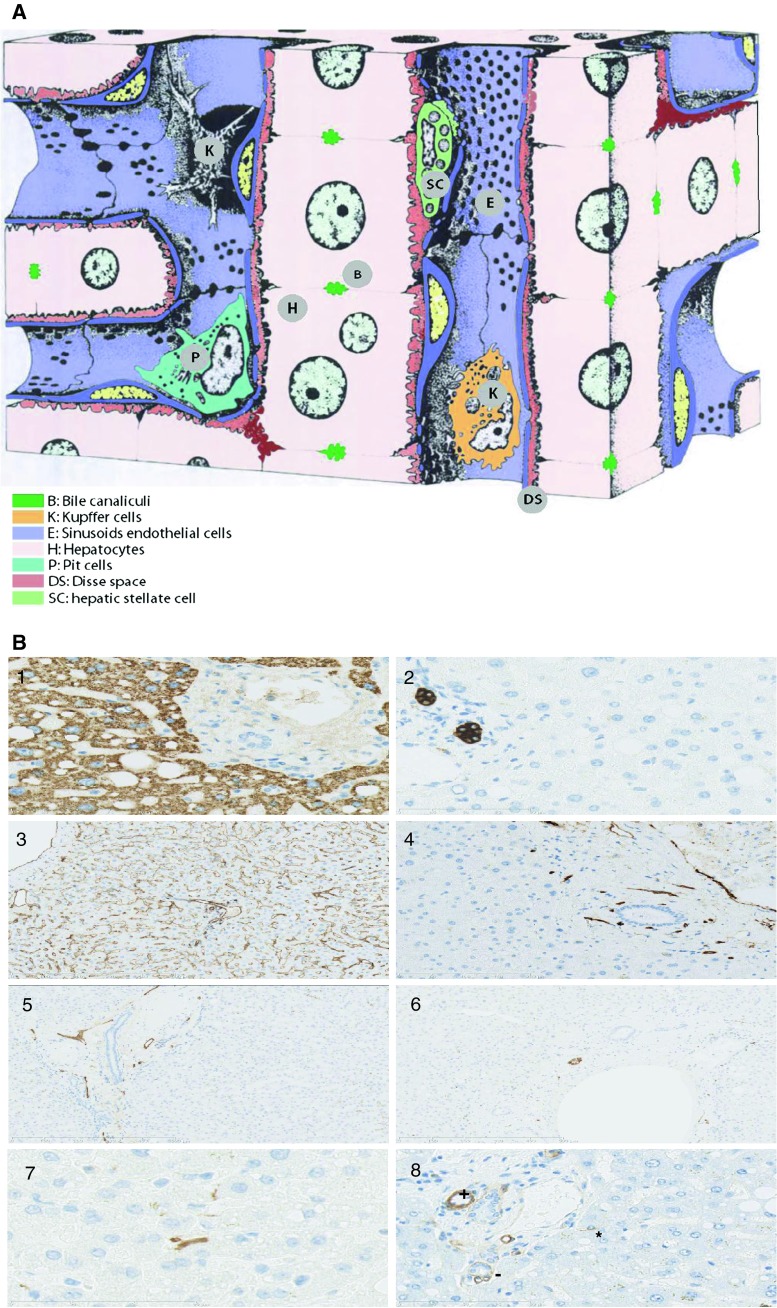
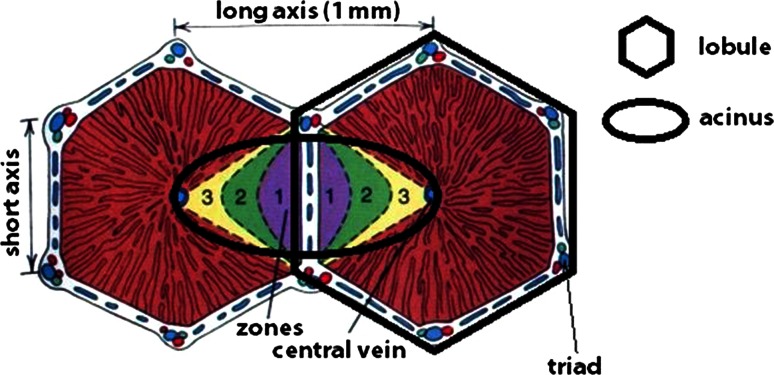
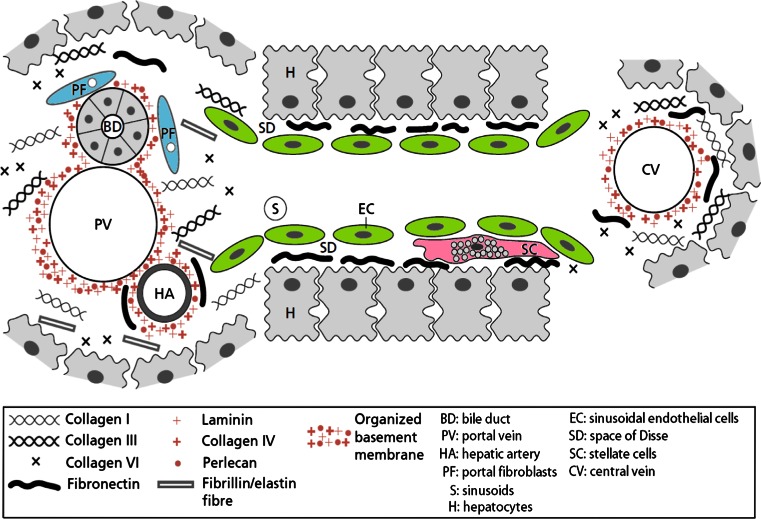
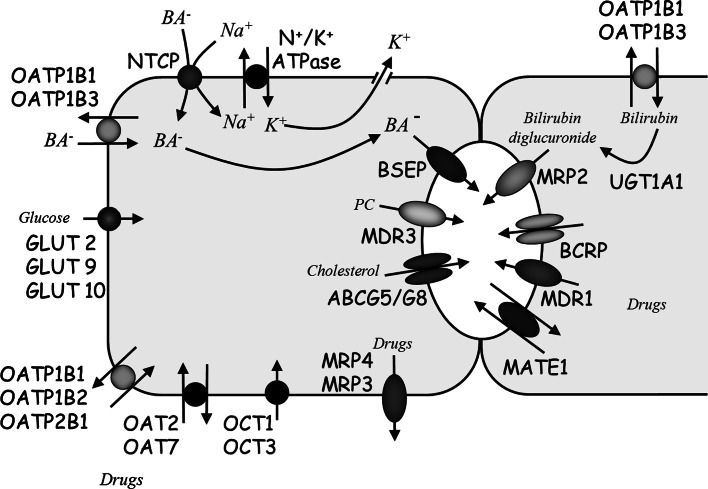
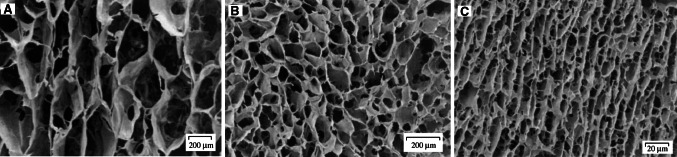
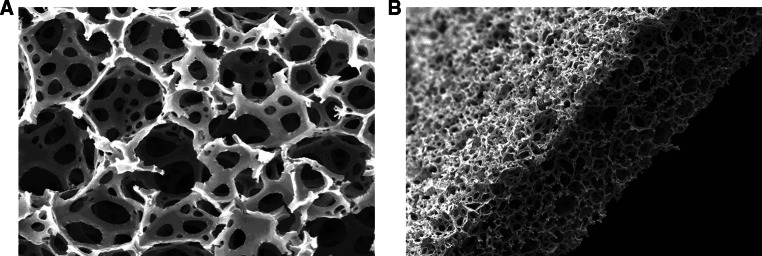
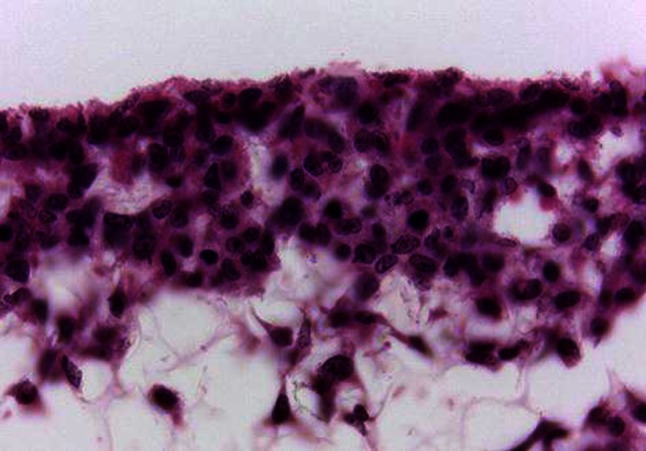
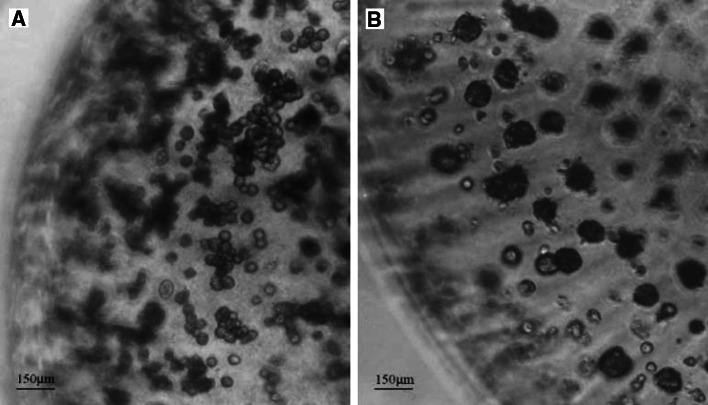
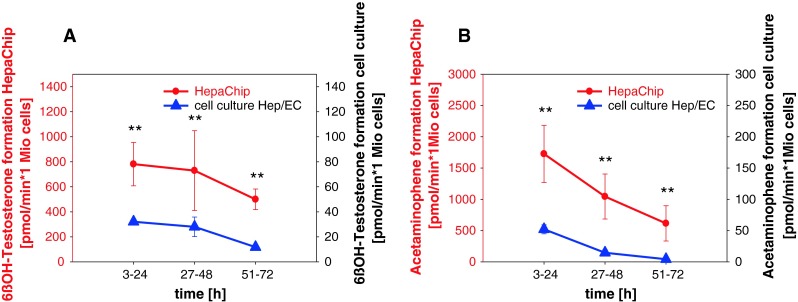
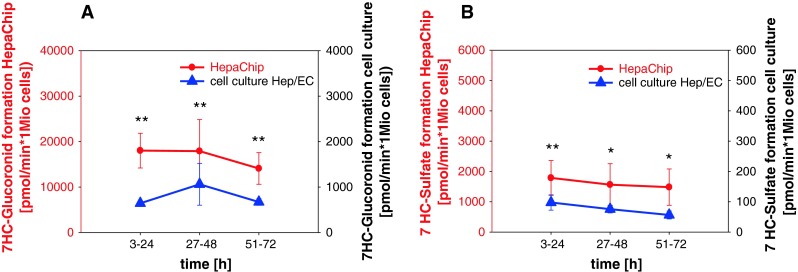
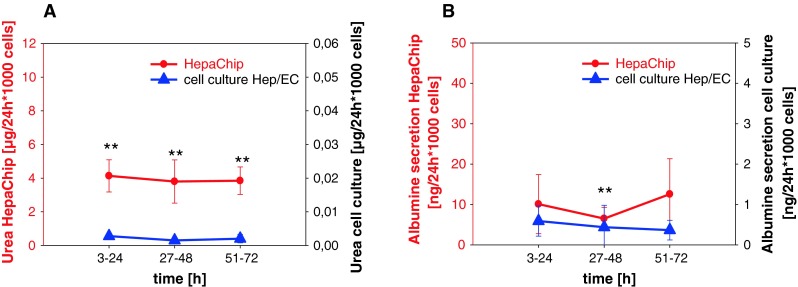
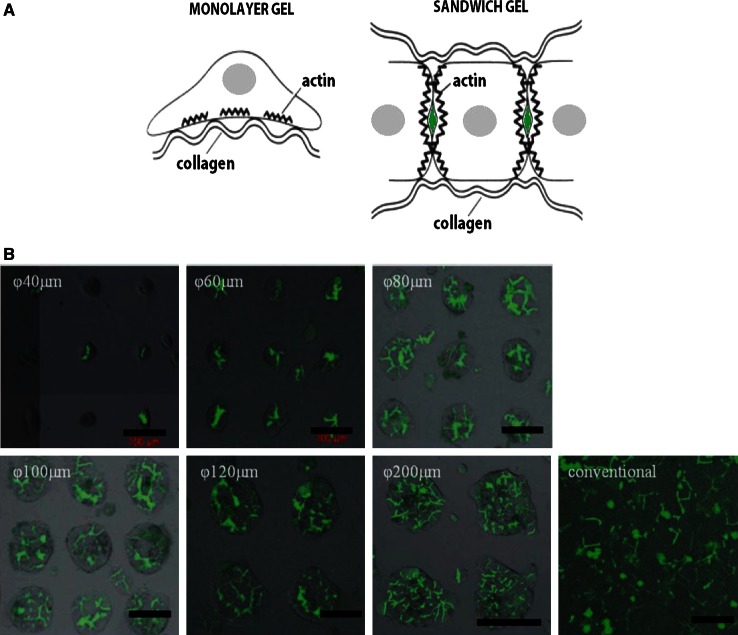
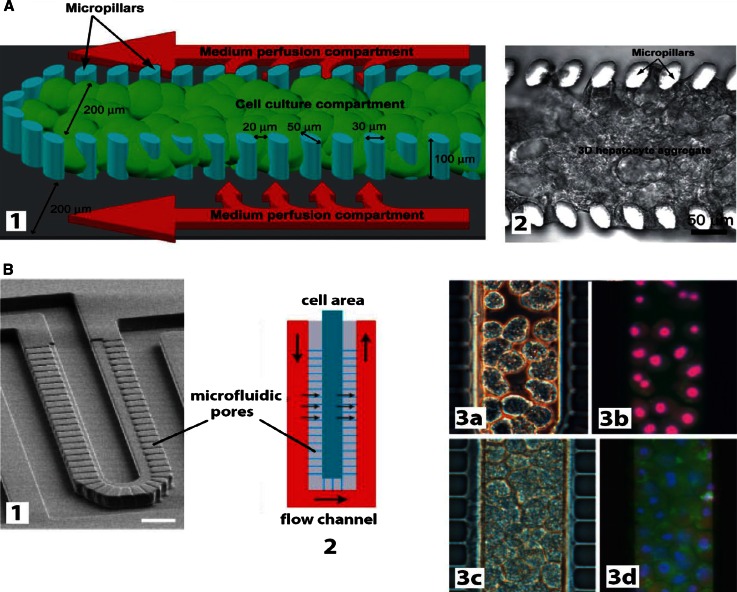
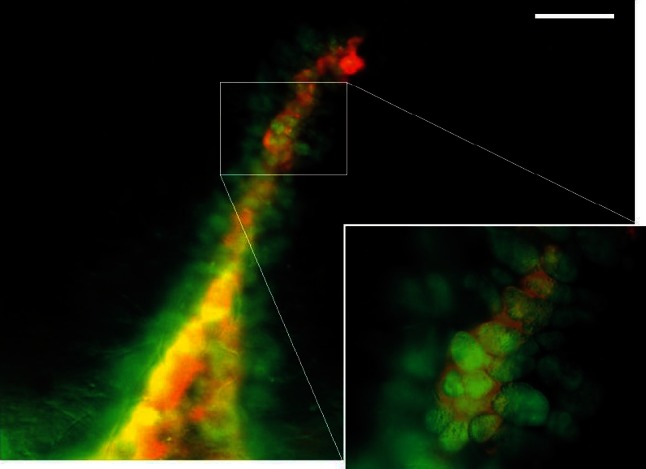
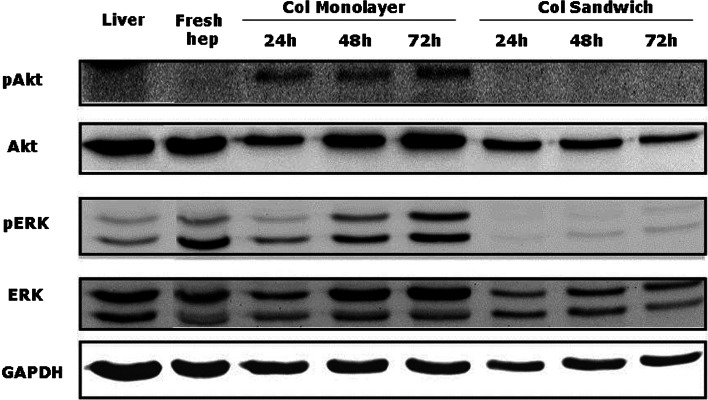
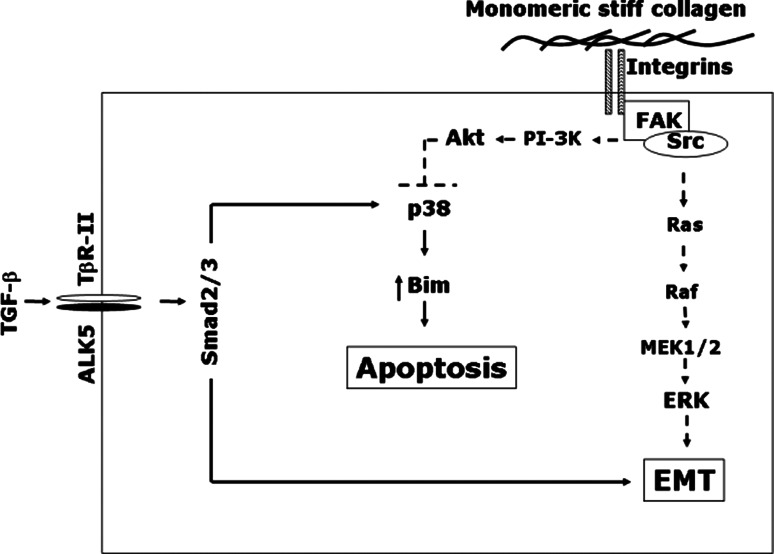
Verification
Claims the paper makes
The claims and statistics of this paper haven’t been checked yet.
Run the check — free, no account needed. It reads the open-access text and checks the sources it cites.
Claims other papers make about this one
Each is checked against this paper’s own text: does it say what the citing paper says it does?
The source backs part of the claim, not all of it — or backs it for a different population, condition or comparison.
In the citing paper
“Already in the first few days of cultivation, a reduction of hepatic functions can be observed, e.g. production of plasma proteins, drug metabolizing enzyme activities, glucose metabolism and urea synthesis (Godoy et al., 2013[15]).”
From Optimization of extracellular matrix for primary human hepatocyte cultures using mixed collagen-matrigel matrices (2023) · cites this paper as Godoy et al., 2013[15]
Experimental — accuracy not yet measuredThe source backs part of the claim, not all of it — or backs it for a different population, condition or comparison.
In the citing paper
“Primary human hepatocytes (PHHs) are an important tool for studying human liver disease and drug-induced liver injury (DILI), with other models, such as rat hepatocytes, hepatic cell lines and stem cell-derived hepatocyte-like cells failing to offer metabolically competent and species-relevant alternatives (Godoy et al. 2013).”
From Mechanistic evaluation of primary human hepatocyte culture using global proteomic analysis reveals a selective dedifferentiation profile (2017) · cites this paper as Godoy et al. 2013
Experimental — accuracy not yet measuredThe source backs part of the claim, not all of it — or backs it for a different population, condition or comparison.
In the citing paper
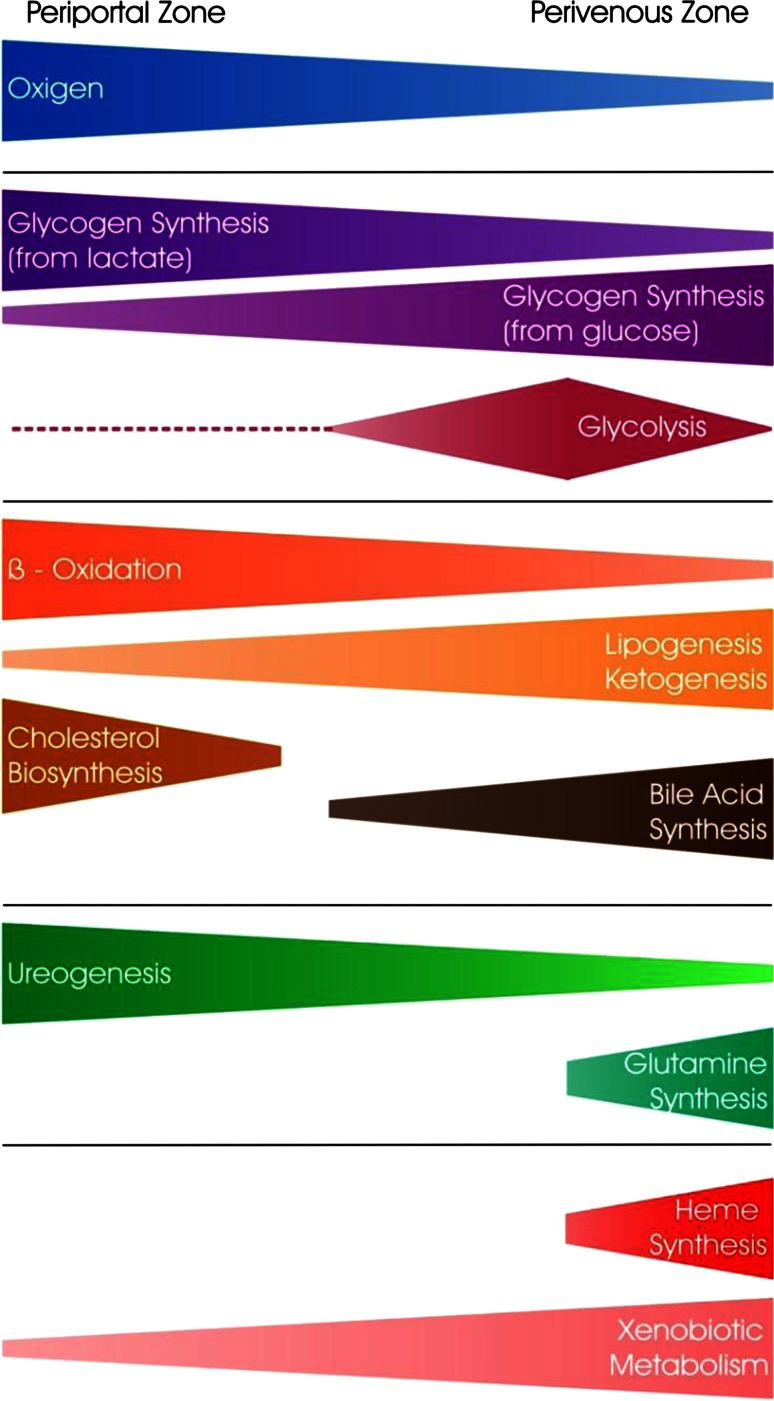
“In fact, zonation appears to be a large influencing factor on variation during culture as our pathway analysis of the most variable proteins revealed significant association with ketogenesis, cholesterol biosynthesis, fatty acid β oxidation and glutamine synthesis (table S4), all of these are related to the portocentral axis gradient of the lobule (Godoy et al. 2013).”
From Mechanistic evaluation of primary human hepatocyte culture using global proteomic analysis reveals a selective dedifferentiation profile (2017) · cites this paper as Godoy et al. 2013
Experimental — accuracy not yet measuredThe cited source says what the claim attributes to it.
In the citing paper
“although cytotoxicity measures are fundamental in the assessment of a drug’s potential for hepatotoxicity in vitro33,34, gene expression and various phenotypic changes can occur at much lower concentrations35,36.”
From Performance assessment and economic analysis of a human Liver-Chip for predictive toxicology (2022) · cites this paper as [34]
The cited source says what the claim attributes to it.
In the citing paper
“The apical membrane is equipped with transport proteins that eliminate bile acids and xenobiotics from the cell, like multidrug resistance-associated protein 2 (MRP2) (Godoy et al., 2013[15]; Ito et al., 2005[20]).”
From Optimization of extracellular matrix for primary human hepatocyte cultures using mixed collagen-matrigel matrices (2023) · cites this paper as Godoy et al., 2013[15]
The cited source says what the claim attributes to it.
In the citing paper
“The hepatocyte's basal membrane faces the sinusoid. It expresses several transmembrane transporters that manage the exchange of substances with the sinusoidal blood stream (Godoy et al., 2013[15]).”
From Optimization of extracellular matrix for primary human hepatocyte cultures using mixed collagen-matrigel matrices (2023) · cites this paper as Godoy et al., 2013[15]
The cited source says what the claim attributes to it.
In the citing paper
“In vivo, the distribution of ECM components varies between the different parts of the liver acinus, the smallest organizational unit of the liver (Godoy et al., 2013[15]; Martinez-Hernandez and Amenta, 1993[26]).”
From Optimization of extracellular matrix for primary human hepatocyte cultures using mixed collagen-matrigel matrices (2023) · cites this paper as Godoy et al., 2013[15]
The cited source says what the claim attributes to it.
In the citing paper
“The application of primary human hepatocytes following isolation from human tissue is well accepted to be compromised by the process of dedifferentiation.”
From Mechanistic evaluation of primary human hepatocyte culture using global proteomic analysis reveals a selective dedifferentiation profile (2017) · cites this paper as Godoy et al. 2013
The check wasn’t confident either way, so it gives no verdict — never disputed.
In the citing paper
“In practice, strategies for optimizing HepG2 can be divided into several approaches. The first approach is based on genetic modification of cells to express key biotransformation enzymes, in particular cytochrome P450 isoforms [109]. The second approach involves epigenetic and cultural maturation of cells, which allows for increased expression of nuclear receptors and, consequently, of xenobiotic”
From The HepG2 Cell Line as a Model for Studying Metabolic Dysfunction-Associated Steatotic Liver Disease (2026) · cites this paper as [163]
Experimental — accuracy not yet measured
Self-check
Percentages, sums and reported differences re-computed from the paper’s own numbers.
The self-check needs the paper’s full text.
Citations
Cites
1 retracted
Items 201–400 of 1,859
Laminated three-dimensional biodegradable foams for use in tissue engineering
Mikos, A. G., Sarakinos, G., Leite, S. M., Vacant, J. P., & Langer, R. (1993) · Biomaterials · doi:10.1016/0142-9612(93)90049-8 · Cited by 662
Enterohepatic bile salt transporters in normal physiology and liver disease
Kullak-Ublick, G. A., Stieger, B., & Meier, P. J. (2003) · Gastroenterology · doi:10.1053/j.gastro.2003.06.005 · Cited by 660
Self-citationThe Repressed Nuclear Receptor CAR Responds to Phenobarbital in Activating the Human CYP2B6 Gene
Sueyoshi, T., Kawamoto, T., Zelko, I. N., Honkakoski, P., & Negishi, M. (1999) · Journal of Biological Chemistry · doi:10.1074/jbc.274.10.6043 · Cited by 659
The bile acid receptor FXR is a modulator of intestinal innate immunity
Vavassori, P., Mencarelli, A., Renga, B., Distrutti, E., & Fiorucci, S. (2009) · The Journal of Immunology · doi:10.4049/jimmunol.0803978 · Cited by 655
Targeted gene correction of α1-antitrypsin deficiency in induced pluripotent stem cells
Yusa, K., Rashid, S. T., Strick‐Marchand, H., Varela, I., Liu, P.-Q., Paschon, D. E., Miranda, E., Ordóñez, A., Hannan, N. R. F., Rouhani, F. J., et al. (2011) · Nature · doi:10.1038/nature10424 · Cited by 647
Cooperation of Liver Cells in Health and Disease
Kmieć, Z. (2001) · Advances in anatomy, embryology and cell biology · doi:10.1007/978-3-642-56553-3 · Cited by 645
Nuclear Receptor-Dependent Bile Acid Signaling Is Required for Normal Liver Regeneration
Huang, W., Ma, K., Zhang, J., Qatanani, M., Cuvillier, J., Liu, J., Dong, B., Huang, X., & Moore, D. D. (2006) · Science · doi:10.1126/science.1121435 · Cited by 645
TGR5 Activation Inhibits Atherosclerosis by Reducing Macrophage Inflammation and Lipid Loading
Pols, T. W. H., Nomura, M., Harach, T., Sasso, G. L., Oosterveer, M. H., Thomas, C., Rizzo, G., Gioiello, A., Adorini, L., Pellicciari, R., et al. (2011) · Cell Metabolism · doi:10.1016/j.cmet.2011.11.006 · Cited by 643
Farnesoid X receptor antagonizes nuclear factor κB in hepatic inflammatory response
Wang, Y.-D., Chen, W.-D., Wang, M., Yu, D., Forman, B. M., & Huang, W. (2008) · Hepatology · doi:10.1002/hep.22519 · Cited by 639 · cited 2×
“Stimulation of FXR in isolated hepatocytes and HepG2 hepatoma cells significantly suppressed NF-kappaB transcriptional activity (Wang et al. 2008a).”
Niemi, M., Pasanen, M. K., & Neuvonen, P. J. (2011) · Pharmacological Reviews · doi:10.1124/pr.110.002857 · Cited by 639
A Novel Human Hepatic Organic Anion Transporting Polypeptide (OATP2)
Hsiang, B. C., Zhu, Y., Wang, Z., Wu, Y., Sasseville, V. G., Yang, W.-P., & Kirchgessner, T. G. (1999) · Journal of Biological Chemistry · doi:10.1074/jbc.274.52.37161 · Cited by 638
Detergent Properties of Bile Salts: Correlation with Physiological Function
Hofmann, A. F., & SMALL, D. M. (1967) · Annual Review of Medicine · doi:10.1146/annurev.me.18.020167.002001 · Cited by 630
Directed differentiation of human embryonic stem cells into functional hepatic cells†
Cai, J., Zhao, Y., Liu, Y., Ye, F., Song, Z., Qin, H., Meng, S., Chen, Y., Zhou, R., Song, X., et al. (2007) · Hepatology · doi:10.1002/hep.21582 · Cited by 628
Dissection of the methyl-CpG binding domain from the chromosomal protein MeCP2
Nan, X., Meehan, R. R., & Bird, A. P. (1993) · Nucleic Acids Research · doi:10.1093/nar/21.21.4886 · Cited by 625
Hepatology. A Textbook of Liver Disease
(1990) · Annals of Internal Medicine · doi:10.7326/0003-4819-113-3-259_2 · Cited by 624
LXRS AND FXR: The Yin and Yang of Cholesterol and Fat Metabolism
Kalaany, N. Y., & Mangelsdorf, D. J. (2005) · Annual Review of Physiology · doi:10.1146/annurev.physiol.68.033104.152158 · Cited by 623
König, J., Cui, Y., Nies, A. T., & KEPPLER, D. O. R. (2000) · American Journal of Physiology-Gastrointestinal and Liver Physiology · doi:10.1152/ajpgi.2000.278.1.g156 · Cited by 619
Acetaminophen-induced hepatotoxicity in mice is dependent on Tlr9 and the Nalp3 inflammasome
Imaeda, A. B., Watanabe, A., Sohail, M. A., Mahmood, S., Mohamadnejad, M., Sutterwala, F. S., Flavell, R. A., & Mehal, W. Z. (2009) · Journal of Clinical Investigation · doi:10.1172/jci35958 · Cited by 615
Radaeva, S., Sun, R., Jaruga, B., Nguyen, V. T., Tian, Z., & Gao, B. (2006) · Gastroenterology · doi:10.1053/j.gastro.2005.10.055 · Cited by 610
Ho, R. H., Tirona, R. G., Leake, B. F., Glaeser, H., Lee, W., Lemke, C. J., Wang, Y., & Kim, R. B. (2006) · Gastroenterology · doi:10.1053/j.gastro.2006.02.034 · Cited by 610
Incomplete DNA methylation underlies a transcriptional memory of somatic cells in human iPS cells
Ohi, Y., Qin, H., Hong, C., Blouin, L., Polo, J. M., Guo, T., Qi, Z., Downey, S. L., Manos, P. D., Rossi, D. J., et al. (2011) · Nature Cell Biology · doi:10.1038/ncb2239 · Cited by 609
Metabolic zonation of the liver: Regulation and implications for liver function
Gebhardt, R. (1992) · Pharmacology & Therapeutics · doi:10.1016/0163-7258(92)90055-5 · Cited by 607
Self-citationSelf-tolerance of natural killer cells
Raulet, D. H., & Vance, R. E. (2006) · Nature reviews. Immunology · doi:10.1038/nri1863 · Cited by 603
Reactive oxygen and mechanisms of inflammatory liver injury: Present concepts
Jaeschke, H. (2011) · Journal of Gastroenterology and Hepatology · doi:10.1111/j.1440-1746.2010.06592.x · Cited by 599
Self-citationModeling inherited metabolic disorders of the liver using human induced pluripotent stem cells
Rashid, S. T., Corbineau, S., Hannan, N. R. F., Marciniak, S. J., Miranda, E., Alexander, G., Huang‐Doran, I., Griffin, J. L., Ährlund‐Richter, L., Skepper, J. N., et al. (2010) · Journal of Clinical Investigation · doi:10.1172/jci43122 · Cited by 598
A Unified Model of Mammalian BCL-2 Protein Family Interactions at the Mitochondria
Llambi, F., Moldoveanu, T., Tait, S. W. G., Bouchier-Hayes, L., Temirov, J., McCormick, L. L., Dillon, C. P., & Green, D. R. (2011) · Molecular Cell · doi:10.1016/j.molcel.2011.10.001 · Cited by 596
Meier, P. J., & Stieger, B. (2002) · Annual Review of Physiology · doi:10.1146/annurev.physiol.64.082201.100300 · Cited by 594
Self-citationOATP and P-Glycoprotein Transporters Mediate the Cellular Uptake and Excretion of Fexofenadine
Cvetković, M., Leake, B. F., Fromm, M. F., Wilkinson, G. R., & Kim, R. B. (1999) · Drug Metabolism and Disposition · doi:10.1016/s0090-9556(24)15235-x · Cited by 592
Lipid rafts and membrane dynamics
Rajendran, L., & Simons, K. (2005) · Journal of Cell Science · doi:10.1242/jcs.01681 · Cited by 590
Zonation of parenchymal and nonparenchymal metabolism in liver.
Jungermann, K., & Keitzmann, T. (1996) · Annual Review of Nutrition · doi:10.1146/annurev.nu.16.070196.001143 · Cited by 589
Human hepatic stem cells from fetal and postnatal donors
Schmelzer, E., Zhang, L., Bruce, A., Wauthier, E., Ludlow, J. W., Yao, H.-L., Moss, N., Melhem, A., McClelland, R., Turner, W. S., et al. (2007) · The Journal of Experimental Medicine · doi:10.1084/jem.20061603 · Cited by 585
Shitara, Y., & Sugiyama, Y. (2006) · Pharmacology & Therapeutics · doi:10.1016/j.pharmthera.2006.03.003 · Cited by 583
Self-citationDrug Interaction Studies: Study Design, Data Analysis, and Implications for Dosing and Labeling
Sm, H., Temple, R. C., Throckmorton, D. C., & Lesko, L. J. (2007) · Clinical Pharmacology & Therapeutics · doi:10.1038/sj.clpt.6100054 · Cited by 580
Preparation of rat liver cells
Seglen, P. O. (1973) · Experimental Cell Research · doi:10.1016/0014-4827(73)90414-x · Cited by 579
Stieger, B., Fattinger, K. E., Madon, J., Kullak-Ublick, G. A., & Meier, P. J. (2000) · Gastroenterology · doi:10.1016/s0016-5085(00)70224-1 · Cited by 577
Self-citationCellular and Molecular Mechanisms of Liver Injury
Malhi, H., & Gores, G. J. (2008) · Gastroenterology · doi:10.1053/j.gastro.2008.03.002 · Cited by 573
Nitrogen metabolism and ornithine cycle function
Meijer, A. J., Lamers, W. H., & Chamuleau, R. A. F. M. (1990) · Physiological Reviews · doi:10.1152/physrev.1990.70.3.701 · Cited by 570
W. H. Fox Talbot and the history of photography
Gernsheim, H. (1977) · Endeavour · doi:10.1016/0160-9327(77)90005-9 · Cited by 566
miR-33 links SREBP-2 induction to repression of sterol transporters
Marquart, T. J., Allen, R. M., Ory, D. S., & Baldán, Á. (2010) · Proceedings of the National Academy of Sciences · doi:10.1073/pnas.1005191107 · Cited by 562
A JNK-Dependent Pathway Is Required for TNFα-Induced Apoptosis
Deng, Y., Ren, X., Yang, L., Lin, Y., & Wu, X. (2003) · Cell · doi:10.1016/s0092-8674(03)00757-8 · Cited by 553
Apc Tumor Suppressor Gene Is the “Zonation-Keeper” of Mouse Liver
Benhamouche, S., Decaens, T., Godard, C., Chambrey, R., Rickman, D. S., Moinard, C., Vasseur-Cognet, M., Kuo, C. J., Kahn, A., Perret, C., et al. (2006) · Developmental Cell · doi:10.1016/j.devcel.2006.03.015 · Cited by 543
Bissell, D. M., Arenson, D. M., Maher, J. J., & Roll, F. J. (1987) · Journal of Clinical Investigation · doi:10.1172/jci112887 · Cited by 541
Matrix as a Modulator of Hepatic Fibrogenesis
Schuppan, D., Ruehl, M., Somasundaram, R., & Hahn, E. G. (2001) · Seminars in Liver Disease · doi:10.1055/s-2001-17556 · Cited by 540
Huelsken, J., & Behrens, J. (2002) · Journal of Cell Science · doi:10.1242/jcs.00089 · Cited by 537
Oxidative stress in cell culture: an under‐appreciated problem?
Halliwell, B. (2003) · FEBS Letters · doi:10.1016/s0014-5793(03)00235-7 · Cited by 534
Intracellular Signaling Mechanisms of Acetaminophen-Induced Liver Cell Death
Jaeschke, H., & Bajt, M. L. (2005) · Toxicological Sciences · doi:10.1093/toxsci/kfi336 · Cited by 529
Self-citationExpression cloning of a rat liver Na(+)-independent organic anion transporter.
Jacquemin, E., Hagenbuch, B., Stieger, B., Wolkoff, A. W., & Meier, P. J. (1994) · Proceedings of the National Academy of Sciences · doi:10.1073/pnas.91.1.133 · Cited by 526
Self-citationThe Wnt signaling pathway and its role in tumor development
Lustig, B., & Behrens, J. (2003) · Journal of Cancer Research and Clinical Oncology · doi:10.1007/s00432-003-0431-0 · Cited by 525
Outcome and prognostic markers in severe drug‐induced liver disease†
Björnsson, E., & Olsson, R. (2005) · Hepatology · doi:10.1002/hep.20800 · Cited by 524
Landry, J., Bernier, D., Ouellet, C., Goyette, R., & Marceau, N. (1985) · The Journal of Cell Biology · doi:10.1083/jcb.101.3.914 · Cited by 524
The SLC22 drug transporter family
Koepsell, H., & Endou, H. (2004) · Pflügers Archiv - European Journal of Physiology · doi:10.1007/s00424-003-1089-9 · Cited by 521
Localization and Genomic Organization of a New Hepatocellular Organic Anion Transporting Polypeptide
König, J., Cui, Y., Nies, A. T., & KEPPLER, D. O. R. (2000) · Journal of Biological Chemistry · doi:10.1074/jbc.m001448200 · Cited by 520
Guguen‐Guillouzo, C., Clément, B., Baffet, G., Beaumont, C., Morel-Chany, E., Glaise, D., & Guillouzo, A. (1983) · Experimental Cell Research · doi:10.1016/0014-4827(83)90107-6 · Cited by 517
Ito, K., Iwatsubo, T., Kanamitsu, S.-I., Ueda, K., Suzuki, H., & Sugiyama, Y. (1998) · Pharmacological Reviews · doi:10.1016/s0031-6997(24)01372-3 · Cited by 511
Self-citationNishizato, Y. (2003) · Clinical Pharmacology & Therapeutics · doi:10.1016/s0009-9236(03)00060-2 · Cited by 511
Hepatic Uptake of Bilirubin and Its Conjugates by the Human Organic Anion Transporter SLC21A6
Cui, Y., König, J., Leier, I., Buchholz, U., & KEPPLER, D. O. R. (2001) · Journal of Biological Chemistry · doi:10.1074/jbc.m004968200 · Cited by 510
Differentiation and Transplantation of Human Embryonic Stem Cell–Derived Hepatocytes
Basma, H., Soto–Gutiérrez, A., Yannam, G. R., Liu, L., Ito, R., Yamamoto, T., Ellis, E. C. S., Carson, S. D., Sato, S., Chen, Y., et al. (2008) · Gastroenterology · doi:10.1053/j.gastro.2008.10.047 · Cited by 509
Engineering functional two- and three-dimensional liver systems in vivo using hepatic tissue sheets
Ohashi, K., Yokoyama, T., Yamato, M., Kuge, H., Kanehiro, H., Tsutsumi, M., Amanuma, T., Iwata, H., Yang, J. Y., Okano, T., et al. (2007) · Nature Medicine · doi:10.1038/nm1576 · Cited by 509
Mechanisms of Disease: mechanisms of hepatic fibrosis and therapeutic implications
Friedman, S. L. (2004) · Nature Clinical Practice Gastroenterology & Hepatology · doi:10.1038/ncpgasthep0055 · Cited by 508
Lee, P. J., Hung, P. J., & Lee, L. P. (2007) · Biotechnology and Bioengineering · doi:10.1002/bit.21360 · Cited by 507
Role of Kupffer cells in the pathogenesis of liver disease
Kolios, G. (2006) · World Journal of Gastroenterology · doi:10.3748/wjg.v12.i46.7413 · Cited by 505
Cellular Imaging Predictions of Clinical Drug-Induced Liver Injury
Xu, J. J., Henstock, P. V., Dunn, M. C., Smith, A. R., Chabot, J., & de Graaf, D. (2008) · Toxicological Sciences · doi:10.1093/toxsci/kfn109 · Cited by 505
Self-citationTouboul, T., Hannan, N. R. F., Corbineau, S., Martinez, A., Martinet, C., Branchereau, S., Goulinet, S., Strick‐Marchand, H., Pedersen, R. A., Santo, J. P. D., et al. (2009) · Hepatology · doi:10.1002/hep.23506 · Cited by 499
Pathways of Apoptosis in Lymphocyte Development, Homeostasis, and Disease
Rathmell, J. C., & Thompson, C. B. (2002) · Cell · doi:10.1016/s0092-8674(02)00704-3 · Cited by 499
Efficient generation of hepatocyte-like cells from human induced pluripotent stem cells
Song, Z., Cai, J., Liu, Y., Zhao, D., Yong, J., Duo, S., Song, X., Guo, Y., Zhao, Y., Qin, H., et al. (2009) · Cell Research · doi:10.1038/cr.2009.107 · Cited by 499
Wang, Y., Chen, W., Yu, D. D., FORMAN, B. M., & Huang, W. (2011) · Hepatology · doi:10.1002/hep.24525 · Cited by 496
Berke, G. (1995) · Cell · doi:10.1016/0092-8674(95)90365-8 · Cited by 496
Caspase 8 inhibits programmed necrosis by processing CYLD
O’Donnell, M. A., Perez-Jimenez, E., Oberst, A., Ng, A., Massoumi, R., Xavier, R., Green, D. R., & Ting, A. T. (2011) · Nature Cell Biology · doi:10.1038/ncb2362 · Cited by 494
Transporters as a determinant of drug clearance and tissue distribution
Shitara, Y., Horie, T., & Sugiyama, Y. (2006) · European Journal of Pharmaceutical Sciences · doi:10.1016/j.ejps.2005.12.003 · Cited by 494
Self-citationThe SLC2 family of facilitated hexose and polyol transporters
Uldry, M., & Thorens, B. (2004) · Pflügers Archiv - European Journal of Physiology · doi:10.1007/s00424-003-1085-0 · Cited by 494
Hogan, B. L. M. (1999) · Cell · doi:10.1016/s0092-8674(00)80562-0 · Cited by 494
Kon, K., Kim, J., Jaeschke, H., & Lemasters, J. J. (2004) · Hepatology · doi:10.1002/hep.20437 · Cited by 492
Self-citationProgressive familial intrahepatic cholestasis
Spraul, A., Gonzales, E. M., Baussan, C., & Jacquemin, E. (2009) · Orphanet Journal of Rare Diseases · doi:10.1186/1750-1172-4-1 · Cited by 489
Yang, F., Huang, X., Yi, T., Yen, Y., Moore, D. D., & Huang, W. (2007) · Cancer Research · doi:10.1158/0008-5472.can-06-1078 · Cited by 488
Block, G. D., Locker, J. D., Bowen, W. C., Petersen, B. E., Katyal, S. L., Strom, S. C., Riley, T., Howard, T. A., & Michalopoulos, G. K. (1996) · The Journal of Cell Biology · doi:10.1083/jcb.132.6.1133 · Cited by 485
The Role of the Kinases RIP1 and RIP3 in TNF-Induced Necrosis
Vandenabeele, P., Declercq, W., Van Herreweghe, F., & Vanden Berghe, T. (2010) · Science Signaling · doi:10.1126/scisignal.3115re4 · Cited by 482
XIAP discriminates between type I and type II FAS-induced apoptosis
Jost, P. J., Grabow, S., Gray, D., McKenzie, M. D., Nachbur, U., Huang, D. C. S., Bouillet, P., Thomas, H. E., Borner, C., Silke, J., et al. (2009) · Nature · doi:10.1038/nature08229 · Cited by 482
Self-citationEffect of Genetic Variation in the Organic Cation Transporter 1, OCT1, on Metformin Pharmacokinetics
Shu, Y., Brown, C., Castro, R. A., Shi, R., Lin, E., Owen, R., Sheardown, S., Yue, L., Burchard, E. G., Brett, C., et al. (2007) · Clinical Pharmacology & Therapeutics · doi:10.1038/sj.clpt.6100275 · Cited by 480
Fallowfield, J. A., Mizuno, M., Kendall, T. J., Constandinou, C. M., Benyon, R. C., Duffield, J. S., & Iredale, J. P. (2007) · The Journal of Immunology · doi:10.4049/jimmunol.178.8.5288 · Cited by 479
Griffiths, G. J., Dubrez, L., Morgan, C. P., Jones, N. A., Whitehouse, J., Corfe, B. M., Dive, C., & Hickman, J. A. (1999) · The Journal of Cell Biology · doi:10.1083/jcb.144.5.903 · Cited by 479
Jaeschke, H. (2006) · American Journal of Physiology-Gastrointestinal and Liver Physiology · doi:10.1152/ajpgi.00568.2005 · Cited by 478
Self-citationAcetaminophen hepatotoxicity and repair: the role of sterile inflammation and innate immunity
Jaeschke, H., Williams, C. D., Ramachandran, A., & Bajt, M. L. (2011) · Liver International · doi:10.1111/j.1478-3231.2011.02501.x · Cited by 478
Self-citationHepatocyte Death: A Clear and Present Danger
Malhi, H., Guicciardi, M. E., & Gores, G. J. (2010) · Physiological Reviews · doi:10.1152/physrev.00061.2009 · Cited by 477
LeCluyse, E. L. (2001) · European Journal of Pharmaceutical Sciences · doi:10.1016/s0928-0987(01)00135-x · Cited by 477
Self-citationAndrostane metabolites bind to and deactivate the nuclear receptor CAR-β
FORMAN, B. M., Tzameli, I., Choi, H., Chen, J., Simha, D., Seol, W., Evans, R. M., & Moore, D. D. (1998) · Nature · doi:10.1038/26996 · Cited by 476
Fiorucci, S., Antonelli, E., Rizzo, G., Renga, B., Mencarelli, A., Riccardi, L., Orlandi, S., Pellicciari, R., & Morelli, A. (2004) · Gastroenterology · doi:10.1053/j.gastro.2004.08.001 · Cited by 472
Taniguchi, K., WADA, M., Kohno, K., Nakamura, T., Kawabe, T., Kawakami, M., Kagotani, K., Okumura, K., Akiyama, S.-I., & Kuwano, M. (1996) · PubMed · Cited by 470
Hagenbuch, B., Stieger, B., Foguet, M., Lübbert, H., & Meier, P. J. (1991) · Proceedings of the National Academy of Sciences · doi:10.1073/pnas.88.23.10629 · Cited by 468
Self-citationManaging the challenge of chemically reactive metabolites in drug development
Park, B. K., Boobis, A. R., Clarke, S. E., Goldring, C. E., Jones, D., Kenna, J. G., Lambert, C., Laverty, H., Naisbitt, D. J., Nelson, S. D., et al. (2011) · Nature Reviews Drug Discovery · doi:10.1038/nrd3408 · Cited by 466
Self-citationObach, R. S., Walsky, R. L., & Venkatakrishnan, K. (2006) · Drug Metabolism and Disposition · doi:10.1124/dmd.106.012633 · Cited by 463
Baculovirus-mediated gene transfer into mammalian cells.
Boyce, F. M., & Bucher, N. L. R. (1996) · Proceedings of the National Academy of Sciences · doi:10.1073/pnas.93.6.2348 · Cited by 462
THE ROLE OF METABOLIC ACTIVATION IN DRUG-INDUCED HEPATOTOXICITY
Park, B. K., Kitteringham, N. R., Maggs, J. L., Pirmohamed, M., & Williams, D. P. (2004) · The Annual Review of Pharmacology and Toxicology · doi:10.1146/annurev.pharmtox.45.120403.100058 · Cited by 461
Hagenbuch, B., & Meier, P. J. (1994) · Journal of Clinical Investigation · doi:10.1172/jci117091 · Cited by 460
Barter, Z., Bayliss, M., Beaune, P., Boobis, A., Carlile, D., Edwards, R., Brian Houston, J., Lake, B., Lipscomb, J., Pelkonen, O., et al. (2007) · Current Drug Metabolism · doi:10.2174/138920007779315053 · Cited by 459
Self-citationModulation of PPAR activity via phosphorylation
Burns, K. H., & VANDENHEUVEL, J. (2007) · Biochimica et Biophysica Acta (BBA) - Molecular and Cell Biology of Lipids · doi:10.1016/j.bbalip.2007.04.018 · Cited by 455
Oxygen: Modulator of metabolic zonation and disease of the liver
Jungermann, K., & Kietzmann, T. (2000) · Hepatology · doi:10.1002/hep.510310201 · Cited by 443
Preparation of rat liver cells
Seglen, P. O. (1972) · Experimental Cell Research · doi:10.1016/0014-4827(72)90400-4 · Cited by 442
Involvement of organic cation transporter 1 in hepatic and intestinal distribution of metformin
Wang, D.-S., Jonker, J. W., Kato, Y., Kusuhara, H., Schinkel, A. H., & Sugiyama, Y. (2002) · The Journal of Pharmacology and Experimental Therapeutics · doi:10.1124/jpet.102.034140 · Cited by 441
Self-citationHuang, Y., Chern, H., Su, W., Wu, J., Lai, S., Yang, S., Chang, F., & Lee, S. (2002) · Hepatology · doi:10.1053/jhep.2002.32102 · Cited by 440
The liposome-mediated macrophage ‘suicide’ technique
van Rooijen, N. (1989) · Journal of Immunological Methods · doi:10.1016/0022-1759(89)90178-6 · Cited by 438
Different Effects of SLCO1B1 Polymorphism on the Pharmacokinetics of Atorvastatin and Rosuvastatin
Pasanen, M. K., Fredrikson, H., Neuvonen, P. J., & Niemi, M. (2007) · Clinical Pharmacology & Therapeutics · doi:10.1038/sj.clpt.6100220 · Cited by 436
The orphan nuclear receptor HNF4α determines PXR- and CAR-mediated xenobiotic induction of CYP3A4
Tirona, R. G., Lee, W., Leake, B. F., Lan, L.-B., Cline, C., Lamba, V., Parviz, F., Duncan, S. A., Inoue, Y., Gonzalez, F. J., et al. (2003) · Nature Medicine · doi:10.1038/nm815 · Cited by 436
The CASBAH: a searchable database of caspase substrates
Lüthi, A. U., & Martin, S. J. (2007) · Cell Death and Differentiation · doi:10.1038/sj.cdd.4402103 · Cited by 434
The Utility of in Vitro Cytochrome P450 Inhibition Data in the Prediction of Drug-Drug Interactions
Obach, R. S., Walsky, R. L., Venkatakrishnan, K., Gaman, E. A., Houston, J. B., & Tremaine, L. M. (2005) · Journal of Pharmacology and Experimental Therapeutics · doi:10.1124/jpet.105.093229 · Cited by 433
Self-citationA microfluidic 3D hepatocyte chip for drug toxicity testing
Toh, Y., Lim, T. C., Tai, D., Xiao, G., van Noort, D., & Yu, H. (2009) · Lab on a Chip · doi:10.1039/b900912d · Cited by 430
Activation of Autophagy Protects Against Acetaminophen–Induced Hepatotoxicity
Ni, H., Bockus, A. B., Boggess, N., Jaeschke, H., & Ding, W. (2011) · Hepatology · doi:10.1002/hep.24690 · Cited by 429
Self-citationCytochrome P450 2E1 Genotype and the Susceptibility to Antituberculosis Drug–Induced Hepatitis
Huang, Y., Chern, H., Su, W., Wu, J., Chang, S.-C., Chiang, C., Chang, F., & Lee, S. (2003) · Hepatology · doi:10.1053/jhep.2003.50144 · Cited by 428
Dombrowski, S. M., Desai, S. Y., Marroni, M., Cucullo, L., Goodrich, K., Bingaman, W. E., Mayberg, M. R., Križanac-Bengez, L., & Janigro, D. (2001) · Epilepsia · doi:10.1046/j.1528-1157.2001.12301.x · Cited by 427
Caspase-8 Serves Both Apoptotic and Nonapoptotic Roles1
Kang, T., Ben-Moshe, T., Varfolomeev, E., Pewzner‐Jung, Y., Yogev, N., Jurewicz, A., Waisman, A., Brenner, O., Haffner, R., Gustafsson, E., et al. (2004) · Journal of Immunology · doi:10.4049/jimmunol.173.5.2976 · Cited by 425
CCR2 promotes hepatic fibrosis in mice #
Seki, E., Minicis, S. D., Inokuchi, S., Taura, K., Miyai, K. N., van Rooijen, N., Schwabe, R. F., & Brenner, D. A. (2009) · Hepatology · doi:10.1002/hep.22952 · Cited by 423
Activation of hepatic stellate cells - a key issue in liver fibrosis
Reeves, H. L. (2002) · Frontiers in bioscience · doi:10.2741/reeves · Cited by 421
Rodríguez-Antona, C., Donato, M. T., Boobis, A., Edwards, R. J., Watts, P. S., Castell, J. V., & Gómez-Lechón, M.-J. (2002) · Xenobiotica · doi:10.1080/00498250210128675 · Cited by 420
Self-citationGene Expression Analysis Reveals Chemical-Specific Profiles
Hamadeh, H. K. (2002) · Toxicological Sciences · doi:10.1093/toxsci/67.2.219 · Cited by 419
Nebert, D. W., Puga, A., & Vasiliou, V. (1993) · Annals of the New York Academy of Sciences · doi:10.1111/j.1749-6632.1993.tb35928.x · Cited by 419
Condreay, J. P., Witherspoon, S. M., Clay, W. C., & Kost, T. A. (1999) · Proceedings of the National Academy of Sciences · doi:10.1073/pnas.96.1.127 · Cited by 419
Expression and function of the bile acid receptor TGR5 in Kupffer cells
Keitel, V., Donner, M., Winandy, S., Kubitz, R., & Häussinger, D. (2008) · Biochemical and Biophysical Research Communications · doi:10.1016/j.bbrc.2008.04.171 · Cited by 418
Self-citationNiemi, M., Schaeffeler, E., Lang, T., Fromm, M. F., Neuvonen, M., Kyrklund, C., Backman, J. T., Kerb, R., Schwab, M. G., Neuvonen, P. J., et al. (2004) · Pharmacogenetics · doi:10.1097/01.fpc.0000114750.08559.32 · Cited by 417
Mammalian DNA Methyltransferases: A Structural Perspective
Cheng, X., & Blumenthal, R. (2008) · Structure · doi:10.1016/j.str.2008.01.004 · Cited by 416
PPARγ in adipocyte differentiation and metabolism – Novel insights from genome‐wide studies
Siersbæk, R., Nielsen, R., & Mandrup, S. (2010) · FEBS Letters · doi:10.1016/j.febslet.2010.06.010 · Cited by 416
Isolation and Characterization of a Stem Cell Population from Adult Human Liver
Sanchez, M. B. H., Bruno, S., Buttiglieri, S., Tetta, C., Gatti, S., Deregibus, M. C., Bussolati, B., & Camussi, G. (2006) · Stem Cells · doi:10.1634/stemcells.2006-0114 · Cited by 411
Self-citationXenobiotic transporters of the human organic anion transporting polypeptides (OATP) family
Hagenbuch, B., & Gui, C. (2008) · Xenobiotica · doi:10.1080/00498250801986951 · Cited by 410
de Graaf, I. A. M., Olinga, P., de Jager, M. H., Merema, M. T., de Kanter, R., van de Kerkhof, E. G., & Groothuis, G. M. M. (2010) · Nature Protocols · doi:10.1038/nprot.2010.111 · Cited by 409
Self-citationIntestinal Drug Transporter Expression and the Impact of Grapefruit Juice in Humans
Glaeser, H., Bailey, D. G., Dresser, G. K., Gregor, J. C., Schwarz, U. I., McGrath, J., Jolicoeur, E., Lee, W., Leake, B. F., Tirona, R. G., et al. (2007) · Clinical Pharmacology & Therapeutics · doi:10.1038/sj.clpt.6100056 · Cited by 406
Holt, M. R., Cheng, L., & Ju, C. (2008) · Journal of Leukocyte Biology · doi:10.1189/jlb.0308173 · Cited by 405
Zhou, C. (2006) · Journal of Clinical Investigation · doi:10.1172/jci26283 · Cited by 404
Nailon, W. H., McLaughlin, S., Spencer, T., & Ramo, M. P. (2002) · Proceedings - International Conference on Image Processing · doi:10.1109/icip.1996.560490 · Cited by 404
Shappell, S. B., Toman, C., Anderson, D. C., Taylor, A. A., Entman, M. L., & Smith, C. W. (1990) · The Journal of Immunology · doi:10.4049/jimmunol.144.7.2702 · Cited by 403
Francois Berthiaume, B., Moghe, P. V., Toner, M., & Yarmush, M. L. (1996) · The FASEB Journal · doi:10.1096/fasebj.10.13.8940293 · Cited by 403
Kaplowitz, N. (2004) · Clinical Infectious Diseases · doi:10.1086/381446 · Cited by 402
Efficient Differentiation of Functional Hepatocytes from Human Embryonic Stem Cells
Agarwal, S., Holton, K., & Lanza, R. (2008) · Stem Cells · doi:10.1634/stemcells.2007-1102 · Cited by 402
Fedorovich, N. E., Schuurman, W., Wijnberg, H. M., Prins, H., van Weeren, P. R., Malda, J., Alblas, J., & Dhert, W. J. A. (2011) · Tissue Engineering Part C Methods · doi:10.1089/ten.tec.2011.0060 · Cited by 402
The Farnesoid X-receptor Is an Essential Regulator of Cholesterol Homeostasis
Lambert, G. C., Amar, M. J., Guo, G. L., Brewer, H. B., Gonzalez, F. J., & Sinal, C. J. (2003) · Journal of Biological Chemistry · doi:10.1074/jbc.m209525200 · Cited by 401
The apical conjugate efflux pump ABCC2 (MRP2)
Nies, A. T., & KEPPLER, D. O. R. (2006) · Pflügers Archiv - European Journal of Physiology · doi:10.1007/s00424-006-0109-y · Cited by 401
Kartenbeck, J., Leuschner, U., Mayer, R., & KEPPLER, D. O. R. (1996) · Hepatology · doi:10.1053/jhep.1996.v23.pm0008621134 · Cited by 398
PPARα: Energy Combustion, Hypolipidemia, Inflammation and Cancer
Pyper, S. R., Viswakarma, N., Yu, S., & Reddy, J. K. (2010) · Nuclear Receptor Signaling · doi:10.1621/nrs.08002 · Cited by 395
Inflammatory Pathways in Liver Homeostasis and Liver Injury
Tacke, F., Luedde, T., & Trautwein, C. (2009) · Clinical Reviews in Allergy & Immunology · doi:10.1007/s12016-008-8091-0 · Cited by 393
The LXRs: a new class of oxysterol receptors.
Peet, D. J., Janowski, B. A., & Mangelsdorf, D. (1998) · Current Opinion in Genetics and Development · doi:10.1016/s0959-437x(98)80013-0 · Cited by 393
Meier, P. J., Sztul, E. S., Reuben, A., & Boyer, J. L. (1984) · The Journal of Cell Biology · doi:10.1083/jcb.98.3.991 · Cited by 393
Guo, C., Sah, J. F., Beard, L., Willson, J. K. V., Markowitz, S. D., & Guda, K. (2008) · Genes Chromosomes and Cancer · doi:10.1002/gcc.20596 · Cited by 393
Isolation of a multispecific organic anion and cardiac glycoside transporter from rat brain
Noé, B., Hagenbuch, B., Stieger, B., & Meier, P. J. (1997) · Proceedings of the National Academy of Sciences · doi:10.1073/pnas.94.19.10346 · Cited by 392
Self-citationRibeiro, P. S., Cortez‐Pinto, H., Solá, S., Castro, R. E., Ramalho, R. M., Baptista, A., de Moura, M. C., Camilo, M., & Rodrigues, C. M. (2004) · The American Journal of Gastroenterology · doi:10.1111/j.1572-0241.2004.40009.x · Cited by 392
Hepatocyte behavior within three-dimensional porous alginate scaffolds
Glicklis, R., Shapiro, L., Agbaria, R., Merchuk, J. C., & Cohen, S. (2000) · Biotechnology and Bioengineering · doi:10.1002/(sici)1097-0290(20000205)67:3 · Cited by 391
[10] Mechanism-based enzyme inactivators
Silverman, R. B. (1995) · Methods in enzymology on CD-ROM/Methods in enzymology · doi:10.1016/0076-6879(95)49038-8 · Cited by 389
Seol, W., Choi, H.-S., & Moore, D. D. (1995) · Molecular Endocrinology · doi:10.1210/mend.9.1.7760852 · Cited by 389
Fas death receptor signalling: roles of Bid and XIAP
Kaufmann, T., Strasser, A., & Jost, P. J. (2011) · Cell Death and Differentiation · doi:10.1038/cdd.2011.121 · Cited by 388
Pharmacological Activation of Liver X Receptors Promotes Reverse Cholesterol Transport In Vivo
Naik, S. U., Wang, X., Silva, D., Jaye, M., Macphee, C. H., Reilly, M. P., Billheimer, J. T., Rothblat, G. H., & Rader, D. J. (2005) · Circulation · doi:10.1161/circulationaha.105.560177 · Cited by 388
Rojkind, M., Gatmaitan, Z., Mackensen, S., Giambrone, M. A., Ponce, P., & Reid, L. M. (1980) · The Journal of Cell Biology · doi:10.1083/jcb.87.1.255 · Cited by 387
Hepatology: A Textbook of Liver Disease
O'Grady, J. (1997) · Gut · doi:10.1136/gut.40.4.562 · Cited by 387
A genome-wide study identifies HLA alleles associated with lumiracoxib-related liver injury
Singer, J. B., Lewitzky, S., Leroy, E., Yang, F., Zhao, X., Klickstein, L. B., Wright, T. M., Meyer, J. M., & Paulding, C. (2010) · Nature Genetics · doi:10.1038/ng.632 · Cited by 386
Urquhart, B. L., Tirona, R. G., & Kim, R. B. (2007) · The Journal of Clinical Pharmacology · doi:10.1177/0091270007299930 · Cited by 386
Severe Bile Salt Export Pump Deficiency: 82 Different ABCB11 Mutations in 109 Families
Strautnieks, S. S., Byrne, J. A., Pawlikowska, L., Cebecauerová, D., Rayner, A., Dutton, L., Meier, Y., Antoniou, A., Stieger, B., Arnell, H., et al. (2008) · Gastroenterology · doi:10.1053/j.gastro.2008.01.038 · Cited by 383
Self-citationRiley, R. J., McGinnity, D. F., & Austin, R. P. (2005) · Drug Metabolism and Disposition · doi:10.1124/dmd.105.004259 · Cited by 382
Nies, A. T., Koepsell, H., Winter, S., Burk, O., Klein, K., Kerb, R., Zanger, U. M., KEPPLER, D. O. R., Schwab, M. G., & Schaeffeler, E. (2009) · Hepatology · doi:10.1002/hep.23103 · Cited by 382
Nies, A. T., Koepsell, H., Damme, K., & Schwab, M. G. (2010) · Handbook of experimental pharmacology · doi:10.1007/978-3-642-14541-4_3 · Cited by 382
Swift, B., Pfeifer, N. D., & Brouwer, K. L. R. (2010) · Drug Metabolism Reviews · doi:10.3109/03602530903491881 · Cited by 381
Bode, J. G., Albrecht, U., Häussinger, D., Heinrich, P. C., & Schaper, F. (2012) · European Journal of Cell Biology · doi:10.1016/j.ejcb.2011.09.008 · Cited by 379
Self-citationvan de Steeg, E., Stránecký, V., Hartmannová, H., Nosková, L., Hřebı́ček, M., Wagenaar, E., van Esch, A., de Waart, D. R., Elferink, R. P. J. O., Kenworthy, K. E., et al. (2012) · Journal of Clinical Investigation · doi:10.1172/jci59526 · Cited by 379
Sugatani, J., Kojima, H., Ueda, A., Kakizaki, S., Yoshinari, K., Gong, Q.-H., Owens, I. S., Negishi, M., & Sueyoshi, T. (2001) · Hepatology · doi:10.1053/jhep.2001.24172 · Cited by 377
Gebhardt, R., & Mecke, D. (1983) · The EMBO Journal · doi:10.1002/j.1460-2075.1983.tb01464.x · Cited by 377
Self-citationThe aryl hydrocarbon receptor: studies using the AHR-null mice.
Gonzalez, F. J., & Fernández‐Salguero, P. M. (1998) · PubMed · Cited by 375
Yamagata, K., Daitoku, H., Shimamoto, Y., Matsuzaki, H., Hirota, K., Ishida, J., & Fukamizu, A. (2004) · Journal of Biological Chemistry · doi:10.1074/jbc.m314322200 · Cited by 375
Bartles, J. R., Feracci, H., Stieger, B., & Hubbard, A. L. (1987) · The Journal of Cell Biology · doi:10.1083/jcb.105.3.1241 · Cited by 375
Self-citationChiang, J. Y. L., Kimmel, R., & Stroup, D. (2001) · Gene · doi:10.1016/s0378-1119(00)00518-7 · Cited by 374
Cover, C., Mansouri, A., Knight, T. R., Bajt, M. L., Lemasters, J. J., Pessayre, D., & Jaeschke, H. (2005) · The Journal of Pharmacology and Experimental Therapeutics · doi:10.1124/jpet.105.088898 · Cited by 373
Self-citationPreparation of alginate/galactosylated chitosan scaffold for hepatocyte attachment
Chung, T. W., Yang, J., Akaike, T., Cho, K. Y., Nah, J. W., Kim, S. I., & Cho, C. S. (2002) · Biomaterials · doi:10.1016/s0142-9612(01)00399-4 · Cited by 371
Self-citationFunctional Hepatocellular Heterogeneity
Jungermann, K., & Katz, N. (1982) · Hepatology · doi:10.1002/hep.1840020316 · Cited by 370
GLUT1 Expression Is Increased in Hepatocellular Carcinoma and Promotes Tumorigenesis
Amann, T., Maegdefrau, U., Hartmann, A., Agaimy, A., Marienhagen, J., Weiß, T. S., Stoeltzing, O., Warnecke, C., Schölmerich, J., Oefner, P. J., et al. (2009) · American Journal Of Pathology · doi:10.2353/ajpath.2009.080596 · Cited by 370
Self-citationReactive oxygen species mediate crosstalk between NF-κB and JNK
Nakano, H., Nakajima, A., Sakon-Komazawa, S., Piao, J.-H., Xue, X., & Okumura, K. (2005) · Cell Death and Differentiation · doi:10.1038/sj.cdd.4401830 · Cited by 370
Bcl–2 protects from lethal hepatic apoptosis induced by an ant–Fas antibody in mice
Penard‐Lacronique, V., Mignon, A., Fabrè, M., Viollet, B., Rouquet, N., Molina, T. J., Porteu, A., Henrion‐Caude, A., Bouscary, D., Varlet, P., et al. (1996) · Nature Medicine · doi:10.1038/nm0196-80 · Cited by 370
Designer self-assembling peptide nanofiber scaffolds for 3D tissue cell cultures
Zhang, S., Gelain, F., & Zhao, X. (2005) · Seminars in Cancer Biology · doi:10.1016/j.semcancer.2005.05.007 · Cited by 369
A Transgenic Mouse Model of Inducible Macrophage Depletion
Goren, I., Allmann, N., Yogev, N., Schürmann, C., Linke, A., Holdener, M., Waisman, A., Pfeilschifter, J. M., & Frank, S. (2009) · American Journal Of Pathology · doi:10.2353/ajpath.2009.081002 · Cited by 368
Kindmark, A., Jawaid, A., Harbron, C. G., Barratt, B. J., Bengtsson, O., Andersson, T. B., Carlsson, S., Cederbrant, K., Gibson, N. J., Armstrong, M., et al. (2007) · The Pharmacogenomics Journal · doi:10.1038/sj.tpj.6500458 · Cited by 367
Nuclear Receptor Structure: Implications for Function
Bain, D. L., Heneghan, A. F., Connaghan, K. D., & Miura, M. T. (2006) · Annual Review of Physiology · doi:10.1146/annurev.physiol.69.031905.160308 · Cited by 366
Quantitation, tissue distribution and proliferation kinetics of kupffer cells in normal rat liver
Bouwens, L., Baekeland, M., Zanger, R. D., & Wisse, E. (1986) · Hepatology · doi:10.1002/hep.1840060430 · Cited by 366
Jerby‐Arnon, L., Shlomi, T., & Ruppin, E. (2010) · Molecular Systems Biology · doi:10.1038/msb.2010.56 · Cited by 365
The Binding of Desialylated Glycoproteins by Plasma Membranes of Rat Liver
Pricer, W. E., & Ashwell, G. (1971) · Journal of Biological Chemistry · doi:10.1016/s0021-9258(18)62010-1 · Cited by 362
Polymorphisms in Human Organic Anion-transporting Polypeptide 1A2 (OATP1A2)
Lee, W., Glaeser, H., Smith, L. H., Roberts, R. L., Moeckel, G. W., Gervasini, G., Leake, B. F., & Kim, R. B. (2005) · Journal of Biological Chemistry · doi:10.1074/jbc.m411092200 · Cited by 361
Conditional Deletion of β-Catenin Reveals Its Role in Liver Growth and Regeneration
Tan, X., Behari, J., Cieply, B., Michalopoulos, G. K., & Monga, S. P. S. (2006) · Gastroenterology · doi:10.1053/j.gastro.2006.08.042 · Cited by 361
Zollner, G. (2001) · Hepatology · doi:10.1053/jhep.2001.22646 · Cited by 359
Protective Role of Kupffer Cells in Acetaminophen-Induced Hepatic Injury in Mice
Ju, C., Reilly, T. P., Bourdi, M., Radonovich, M. F., Brady, J. N., George, J. W., & Pohl, L. R. (2002) · Chemical Research in Toxicology · doi:10.1021/tx0255976 · Cited by 359
Meier, P. J., Eckhardt, U., Schroeder, A., Hagenbuch, B., & Stieger, B. (1997) · Hepatology · doi:10.1002/hep.510260641 · Cited by 359
Self-citationAnzai, N., Ichida, K., Jutabha, P., Kimura, T., Babu, E., Jin, C. J., Srivastava, S., Kitamura, K., Hisatome, I., Endou, H., et al. (2008) · Journal of Biological Chemistry · doi:10.1074/jbc.c800156200 · Cited by 359
Maintenance of differentiated rat hepatocytes in primary culture.
Isom, H. C., Secott, T. E., Georgoff, I., Woodworth, C. D., & Mummaw, J. G. (1985) · Proceedings of the National Academy of Sciences · doi:10.1073/pnas.82.10.3252 · Cited by 358
Clinical Studies of Histone Deacetylase Inhibitors
Prince, H. M., Bishton, M. J., & Harrison, S. J. (2009) · Clinical Cancer Research · doi:10.1158/1078-0432.ccr-08-2785 · Cited by 358
Pharmacogenomics of human OATP transporters
König, J., Seithel‐Keuth, A., Gradhand, U., & Fromm, M. F. (2006) · Naunyn-Schmiedeberg s Archives of Pharmacology · doi:10.1007/s00210-006-0040-y · Cited by 358
Spontaneous hepatocarcinogenesis in farnesoid X receptor-null mice
Kim, I., Morimura, K., Shah, Y., Yang, Q., Ward, J. M., & Gonzalez, F. J. (2007) · Carcinogenesis · doi:10.1093/carcin/bgl249 · Cited by 357
Suzuki, A., Zheng, Y.-W., Kaneko, S., Onodera, M., Fukao, K., Nakauchi, H., & Taniguchi, H. (2002) · The Journal of Cell Biology · doi:10.1083/jcb.200108066 · Cited by 356
Hardonk, M. J., Dijkhuis, F., Hulstaert, C. E., & Koudstaal, J. (1992) · Journal of Leukocyte Biology · doi:10.1002/jlb.52.3.296 · Cited by 356
Drocourt, L., Ourlin, J.-C., Pascussi, J., Maurel, P., & Vilarem, M. (2002) · Journal of Biological Chemistry · doi:10.1074/jbc.m201323200 · Cited by 356
Chromatin modifier enzymes, the histone code and cancer
Santos-Rosa, H., & Caldas, C. (2005) · European Journal of Cancer · doi:10.1016/j.ejca.2005.08.010 · Cited by 356
Wagner, M., Halilbasic, E., Marschall, H., Zollner, G., Fickert, P., Langner, C., Zatloukal, K., Denk, H., & Trauner, M. (2005) · Hepatology · doi:10.1002/hep.20784 · Cited by 355
Evaluation of HepaRG Cells as an in Vitro Model for Human Drug Metabolism Studies
Kanebratt, K. P., & Andersson, T. B. (2008) · Drug Metabolism and Disposition · doi:10.1124/dmd.107.020016 · Cited by 355
Mechanism of T cell tolerance induction by murine hepatic Kupffer cells
You, Q., Cheng, L., Kedl, R. M., & Ju, C. (2008) · Hepatology · doi:10.1002/hep.22395 · Cited by 353
Hormonal stimulation of DNA synthesis in primary cultures of adult rat hepatocytes.
Richman, R., Claus, T. H., Pilkis, S. J., & Friedman, D. L. (1976) · Proceedings of the National Academy of Sciences · doi:10.1073/pnas.73.10.3589 · Cited by 351
Watanabe, T., Kusuhara, H., Maeda, K., Shitara, Y., & Sugiyama, Y. (2008) · Journal of Pharmacology and Experimental Therapeutics · doi:10.1124/jpet.108.146647 · Cited by 351
Self-citationMecanismos de lesión hepatocelular
Muntané, J., González, R., Ranchal, I., Collado, J. A., Lopez-Sanchez, L. M., Herencia, C., Rodríguez‐Ariza, A., Muñoz-Castañeda, J. R., & de la Mata, M. (2007) · Revista Española de Enfermedades Digestivas · doi:10.4321/s1130-01082007000700007 · Cited by 350
Daly, A. K., Aithal, G. P., Leathart, J. B. S., Swainsbury, R. A., Dang, T. S., & Day, C. P. (2007) · Gastroenterology · doi:10.1053/j.gastro.2006.11.023 · Cited by 348
Role of the Kupffer Cell in Mediating Hepatic Toxicity and Carcinogenesis
Roberts, R. A., Ganey, P. E., Ju, C., Kamendulis, L. M., Rusyn, I., & Klaunig, J. E. (2006) · Toxicological Sciences · doi:10.1093/toxsci/kfl173 · Cited by 348
Risk Factors for Idiosyncratic Drug-Induced Liver Injury
Chalasani, N., & Björnsson, E. (2010) · Gastroenterology · doi:10.1053/j.gastro.2010.04.001 · Cited by 347
Jansen, P. L. M., Peters, W. H. M., & Lamers, W. H. (1985) · Hepatology · doi:10.1002/hep.1840050408 · Cited by 347
Research works printed but not linked: 9
- Bode JG (2011) Inflammation and liver regeneration. In: Häussinger D (ed) Liver regneration. DeGruyter Verlag, Berlin
- Bücher T, Sies H (1976) Mitochondrial and cytosolic redox states in perfused rat liver: methods and problems in metabolic compartmentation. In: Tager jm WJ, Söling D (eds) Use of isolated liver cells and kidney tubules in metabolic studies. North Holland Publishing Company/American Elsevier, New York/Amsterdam
- EPA (2012) EPA’s reanalysis of key issues related to dioxin toxicity and response to NAS Comments. Environmental Protection Agency (EPA), Washington, DC
- Hallifax D, Foster JA, Houston JB (2010) Prediction of human metabolic clearance from in vitro systems: retrospective analysis and prospective view. Pharm Res 27:2150–2161 · DOI
- ITC (International Transporter Consortium) (2010) Membrane transporters in drug development (Report from the FDA Critical Path Workshop). Nat Rev Drug Discov 9:215–236 · DOI · Paper page
- Lamers W, Moorman A, Charles R (1989) The metabolic lobulus, a key to the architecture of the liver. In: Revisiones Sobre Biologia Celular, Springer, New York
- Sahin S (2003) Perfused liver preparation and its applications. FABAD J Pharm Sci 28:39–49
- Waddington CH (1942) The epigenotype. Endeavour 1:18–20
- Warburg O (1923) Versuche an überlebendem Karzinomgewebe. Biochem Z 142:317
Cited by
Sorted by citations
Current advances and future perspectives in extrusion-based bioprinting
Ozbolat, I. T., & Hospodiuk, M. (2015) · Biomaterials · doi:10.1016/j.biomaterials.2015.10.076 · Cited by 1,642
EASL Clinical Practice Guidelines: Drug-induced liver injury
Andrade, R. J., Aithal, G. P., Björnsson, E. S., Kaplowitz, N., Kullak-Ublick, G. A., Larrey, D., & Karlsen, T. H. (2019) · Journal of Hepatology · doi:10.1016/j.jhep.2019.02.014 · Cited by 1,276
Self-citationBell, C. C., Hendriks, D. F. G., Moro, S. M. L., Ellis, E., Walsh, J., Renblom, A., Fredriksson Puigvert, L., Dankers, A. C. A., Jacobs, F., Snoeys, J., et al. (2016) · Scientific Reports · doi:10.1038/srep25187 · Cited by 739
Self-citationOrgans-on-a-Chip: A Fast Track for Engineered Human Tissues in Drug Development
Ronaldson-Bouchard, K., & Vunjak-Novakovic, G. (2018) · Cell Stem Cell · doi:10.1016/j.stem.2018.02.011 · Cited by 657
Du, K., Ramachandran, A., & Jaeschke, H. (2016) · Redox Biology · doi:10.1016/j.redox.2016.10.001 · Cited by 573
Self-citation
Metadata
- Authors
- Godoy, P., Hewitt, N. J., Albrecht, U., Andersen, M. E., Ansari, N., Bhattacharya, S., Bode, J. G., Bolleyn, J., Borner, C., Böttger, J., Braeuning, A., Budinsky, R. A., Burkhardt, B., Cameron, N. R., Camussi, G., Cho, C.-S., Choi, Y.-J., Craig Rowlands, J., Dahmen, U., Damm, G., Dirsch, O., Donato, M. T., Dong, J., Dooley, S., Drasdo, D., Eakins, R., Ferreira, K. S., Fonsato, V., Fraczek, J., Gebhardt, R., Gibson, A., Glanemann, M., Goldring, C. E. P., Gómez-Lechón, M. J., Groothuis, G. M. M., Gustavsson, L., Guyot, C., Hallifax, D., Hammad, S., Hayward, A., Häussinger, D., Hellerbrand, C., Hewitt, P., Hoehme, S., Holzhütter, H.-G., Houston, J. B., Hrach, J., Ito, K., Jaeschke, H., Keitel, V., Kelm, J. M., Kevin Park, B., Kordes, C., Kullak-Ublick, G. A., LeCluyse, E. L., Lu, P., Luebke-Wheeler, J., Lutz, A., Maltman, D. J., Matz-Soja, M., McMullen, P., Merfort, I., Messner, S., Meyer, C., Mwinyi, J., Naisbitt, D. J., Nussler, A. K., Olinga, P., Pampaloni, F., Pi, J., Pluta, L., Przyborski, S. A., Ramachandran, A., Rogiers, V., Rowe, C., Schelcher, C., Schmich, K., Schwarz, M., Singh, B., Stelzer, E. H. K., Stieger, B., Stöber, R., Sugiyama, Y., Tetta, C., Thasler, W. E., Vanhaecke, T., Vinken, M., Weiss, T. S., Widera, A., Woods, C. G., Xu, J. J., Yarborough, K. M., & Hengstler, J. G.
- Affiliations
- University of Zurich (CH)
- Leibniz Research Centre for Working Environment and Human Factors (DE)
- The Hamner Institutes for Health Sciences (US)
- Goethe University Frankfurt (DE)
- Vrije Universiteit Brussel (BE)
- University of Freiburg (DE)
- Leipzig University (DE)
- Dow Chemical (United States) (US)
- Durham University (GB)
- Seoul National University (KR)
- Instituto de Investigación Sanitaria La Fe (ES)
- Heidelberg University (DE)
- University of Liverpool (GB)
- University of Groningen (NL)
- Lund University (SE)
- University of Manchester (GB)
- South Valley University (EG)
- Heinrich Heine University Düsseldorf (DE)
- University Hospital Regensburg (DE)
- Merck KGaA, Darmstadt (Germany) (DE)
- Charité – Universitätsmedizin Berlin (DE)
- Musashino University (JP)
- University Hospital Zurich (CH)
- Merck & Co., Inc., Rahway, NJ, USA (United States) (US)
- Corresponding author
- Hewitt, Nicola J.
- ORCID
- Hewitt, Nicola J.
- Andersen, Melvin E.
- Bhattacharya, Sudin
- Bode, Johannes Georg
- Borner, Christoph
- Böttger, Jan
- Braeuning, Albert
- Budinsky, Robert A.
- Cameron, Neil R.
- Camussi, Giovanni
- Cho, Chong-Su
- Choi, Yun-Jaie
- Dahmen, Uta
- Damm, Georg
- Dirsch, Olaf
- Donato, María Teresa
- Dong, Jian
- Dooley, Steven
- Drasdo, Dirk
- Gibson, Andrew
- Glanemann, Matthias
- Groothuis, Geny M. M.
- Hallifax, David
- Hammad, Seddik
- Hayward, Adam
- Häussinger, Dieter
- Hellerbrand, Claus
- Hewitt, Philip
- Hoehme, Stefan
- Holzhütter, Hermann-Georg
- Houston, J. Brian
- Ito, Kiyomi
- Jaeschke, Hartmut
- Keitel, Verena
- Kordes, Claus
- Kullak-Ublick, Gerd A.
- LeCluyse, Edward L.
- Maltman, Daniel J.
- McMullen, Patrick
- Merfort, Irmgard
- Meyer, Christoph
- Mwinyi, Jessica
- Naisbitt, Dean J.
- Nussler, Andreas K.
- Olinga, Peter
- Pampaloni, Francesco
- Pi, Jingbo
- Pluta, Linda
- Przyborski, Stefan A.
- Ramachandran, Anup
- Rogiers, Vera
- Schwarz, Michael
- Singh, Bijay
- Stelzer, Ernst H. K.
- Stieger, Bruno
- Sugiyama, Yuichi
- Vanhaecke, Tamara
- Vinken, Mathieu
- Weiss, Thomas S.
- Woods, Courtney G.
- Hengstler, Jan G.
- Venue
- Archives of Toxicology
- Published
- 2013-08
- Volume
- 87
- Issue
- 8
- Pages
- 1315-1530
- ISSN
- 0340-5761 (ISSN-L)
- 1432-0738
- PMC
- PMC3753504
- OpenAlex
- W2134520937
- Cited by
- 1,280
- References
- 1,862
- Citations by year
- 2026: 54 · 2025: 63 · 2024: 59 · 2023: 80 · 2022: 98 · 2021: 96 · 2020: 130 · 2019: 132 · 2018: 129 · 2017: 102 · 2016: 118 · 2015: 110 · 2014: 91 · 2013: 12
- FWCI
- 18.06
- Type
- journal article
- Language
- en
- Open access
- hybrid
- doi.org
- Licence
- Locations
- Archives of Toxicology (publishedVersion, other-oa)
- Europe PMC (PubMed Central) (publishedVersion)
- PubMed Central (publishedVersion, cc-by-nc)
- PubMed (publishedVersion)
- Research Explorer (The University of Manchester) (publishedVersion)
- University of Regensburg Publication Server (University of Regensburg) (acceptedVersion)
- Zurich Open Repository and Archive (University of Zurich) (acceptedVersion, other-oa)
- Durham Research Online (Durham University) (acceptedVersion, other-oa)
- Durham Research Online (Durham University) (submittedVersion, cc-by)
- HAL (submittedVersion)
- Institutional Research Information System University of Turin (University of Turin) (submittedVersion)
- Lund University Publications (Lund University) (submittedVersion, other-oa)
- University of Groningen research database (University of Groningen / Centre for Information Technology) (submittedVersion, cc-by)
- Repository of Digital Objects for Teaching Research and Culture (University of Valencia) (submittedVersion, cc-by-nc)
- VUBIR (Vrije Universiteit Brussel) (submittedVersion)
- Zurich Open Repository and Archive (University of Zurich) (submittedVersion, other-oa)
- Zurich Open Repository and Archive (University of Zurich)
- University of Regensburg Publication Server (University of Regensburg)
- Funders
- Leibniz-Institut für Arbeitsforschung an der TU Dortmund
- Deutsche Forschungsgemeinschaft (GRK1104, (EXC 294))
- Agence Nationale de la Recherche
- Bundesministerium für Bildung und Forschung
- Belgian Federal Science Policy Office
- Fonds Wetenschappelijk Onderzoek
- National Research Foundation of Korea
- Innoviris
- Universität Regensburg
- Vlaamse regering
- National Institutes of Health (AA12916)
- Biotechnology and Biological Sciences Research Council (1233823)
- Leibniz-Gemeinschaft
- Japan Society for the Promotion of Science (23590204)
- National Institute on Alcohol Abuse and Alcoholism (R56AA012916, R01AA012916)
- National Institute of Diabetes and Digestive and Kidney Diseases (R01DK070195)
- Topics
- Life Sciences › Pharmacology, Toxicology and Pharmaceutics › Pharmacology › Drug-Induced Hepatotoxicity and Protection
- Health Sciences › Medicine › Hepatology › Liver physiology and pathology
- Health Sciences › Veterinary › Small Animals › Animal testing and alternatives
- Keywords
- hepatotoxicity, primary hepatocytes, non-parenchymal liver cells, hepatocyte co-culture, precision-cut liver slices, isolated perfused liver, stem cell-derived hepatocytes, induced pluripotent stem cell-derived hepatocytes, nuclear receptors, Ras/MEK/ERK pathway, HNF4α, drug metabolism, ADME, drug interactions
- MeSH terms
- Animals, Gene Expression Regulation, Humans, Liver, Inactivation, Metabolic, Organ Culture Techniques, Signal Transduction, Receptors, Cytoplasmic and Nuclear, Toxicity Tests, Coculture Techniques, Hepatocytes, Toxicogenetics, Culture Techniques, High-Throughput Screening Assays
About these checks
Registry, retraction, Cites and statistics results are computed, not judged, with one exception: a printed reference that no index lists is read once by a model before it counts as a citation error. Claims are extracted by a model and kept only when their quote appears verbatim in the text; each cited source is then checked, with a model’s help, for whether it says what the claim relies on. Those verdicts can be wrong — read the claim’s quote and the cited source before relying on one.
Statistics and arithmetic are recomputed, not judged.
Confidence bands are shown only for fields calibrated on our annotated test set. None is calibrated yet, so no band is shown.
What counts as a claim ›How we measure confidence ›How we check this ›
Are you an author, or do you see a problem with this page? Request a review
