

Aluminium toxicosis: a review of toxic actions and effects
Open accessThe DOI matches its Crossref record; 432 of the 436 references it cites were found in a registry or an index; 37 of the 297 sources its claims cite were checked for support.
Abstract
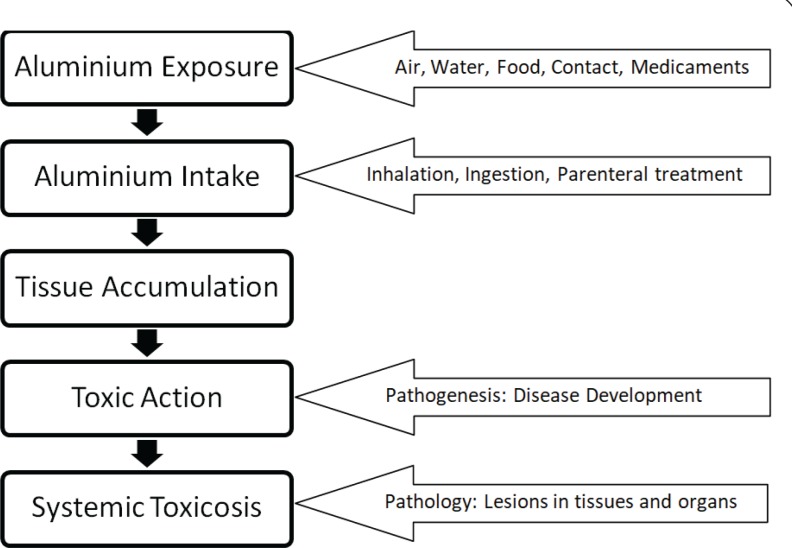
Aluminium (Al) is frequently accessible to animal and human populations to the extent that intoxications may occur. Intake of Al is by inhalation of aerosols or particles, ingestion of food, water and medicaments, skin contact, vaccination, dialysis and infusions. Toxic actions of Al induce oxidative stress, immunologic alterations, genotoxicity, pro-inflammatory effect, peptide denaturation or transformation, enzymatic dysfunction, metabolic derangement, amyloidogenesis, membrane perturbation, iron dyshomeostasis, apoptosis, necrosis and dysplasia. The pathological conditions associated with Al toxicosis are desquamative interstitial pneumonia, pulmonary alveolar proteinosis, granulomas, granulomatosis and fibrosis, toxic myocarditis, thrombosis and ischemic stroke, granulomatous enteritis, Crohn’s disease, inflammatory bowel diseases, anemia, Alzheimer’s disease, dementia, sclerosis, autism, macrophagic myofasciitis, osteomalacia, oligospermia and infertility, hepatorenal disease, breast cancer and cyst, pancreatitis, pancreatic necrosis and diabetes mellitus. The review provides a broad overview of Al toxicosis as a background for sustained investigations of the toxicology of Al compounds of public health importance.
Overview
CoChat Summary
TL;DR
This narrative review synthesizes exposure routes, toxic actions, and systemic effects of aluminium (Al), arguing that Al toxicosis is a multifaceted disease driven mainly by oxidative stress. It links Al exposure to pulmonary, cardiovascular, gastrointestinal, hematologic, neurologic, musculoskeletal, reproductive, hepato-renal/pancreatic, and mammary pathology.
Key findings
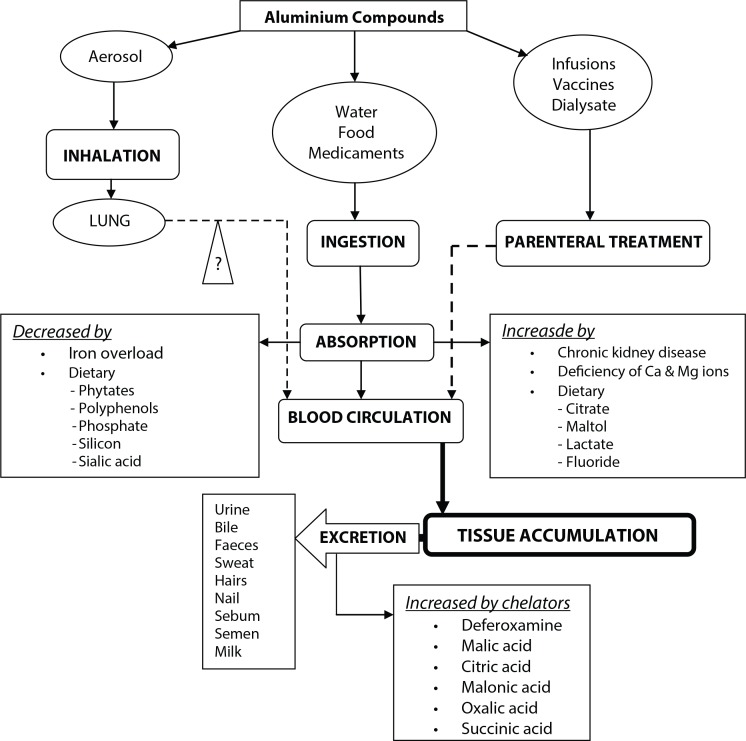
- Al enters via inhalation, ingestion, skin contact, vaccination, dialysis, and infusions; gastrointestinal absorption is the main systemic route, with absorption from water (about 0.3%) greater than from food (about 0.1%). About 90% of circulating Al is bound to transferrin, normal serum Al is about 1–3 μg/L, total body burden is about 30–50 mg/kg, and the kidneys eliminate about 95% in urine.
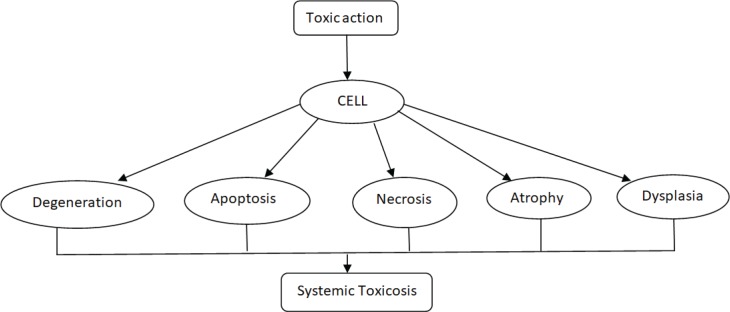
- Reported toxic actions include oxidative stress, lipid peroxidation, pro-inflammatory effects, immunosuppression, genotoxicity, protein denaturation/transformation, enzymatic dysfunction, metabolic impairment, amyloidogenesis, membrane perturbation, iron dyshomeostasis, apoptosis, necrosis, and dysplasia.
- Associated pathological conditions include desquamative interstitial pneumonia, pulmonary alveolar proteinosis, granulomas/fibrosis, toxic myocarditis, thrombosis and ischemic stroke, granulomatous enteritis, Crohn’s disease, inflammatory bowel diseases, anemia, Alzheimer’s disease, dementia, sclerosis, autism, macrophagic myofasciitis, osteomalacia, oligospermia and infertility, hepatorenal disease, breast cancer and cyst, pancreatitis, pancreatic necrosis, and diabetes mellitus.
- Selected quantitative findings: daily human Al intake from food is 3.4–9 mg/day; antacids contain 104–208 mg Al per tablet/capsule/5 ml; intravenous pharmaceutical products contained 684–5977 μg/g Al; breast cancer cases had higher breast-tissue Al than controls (5.8 versus 3.8 nmol/g); brain Al was >10 μg/g dry weight in 5 of 12 familial Alzheimer’s disease donors and up to 19 μg/g dry weight in autism; rat testes accumulated 3.35 μg/g Al after 60 days at human dietary levels.
Methods
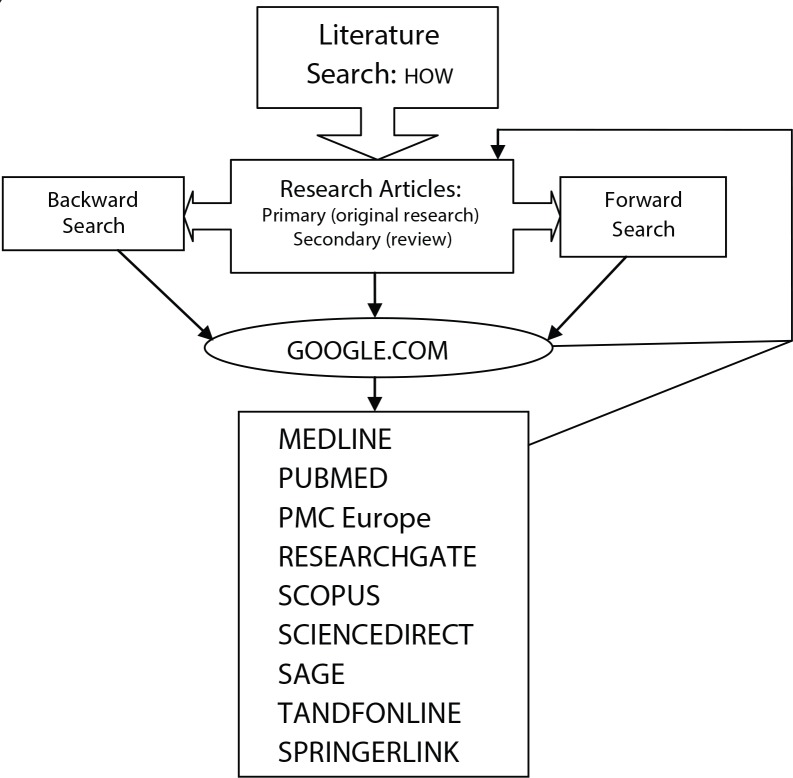
- Narrative literature review, not a meta-analysis or critical evaluation of published data; the search began in 2013 and looked backward, using Google/Google Scholar, MEDLINE, PubMed, PMC Europe, ResearchGate, Scopus, ScienceDirect, Sage, Taylor & Francis Online, and SpringerLink, with backward and forward citation searching.
- Major themes were exposure modalities, toxic actions, and effects in cells, tissues, and body systems; articles from reputable journals with thematic content were included, while peripheral articles were excluded, and the literature was summarized and narrated after cognitive reflection and integration.
Limitations
- Paper-stated: the review was intended to collate, synthesize, and integrate published reports “without meta-analysis and critical evaluation of published data,” and it is explicitly a narrative review with a broad thematic approach.
- Paper-stated: multisystemic co-morbidities from Al toxicosis are rarely reported in epidemiological cohorts; convergence of toxic actions across multiple organ systems is often observed in experimental animal models and “lacks validity in observational studies in human or animal populations,” so longitudinal studies are needed.
- Evident from the text: the search strategy is broad and narrative rather than systematic, with no formal quality assessment or risk-of-bias appraisal; the evidence base is heterogeneous across human, animal, in vitro, and case-report studies, and the review itself notes unresolved contradictions, such as “mutagenesis, cell proliferation and impaired mitosis” being “gray areas requiring clarification.”
Model-written summary. Check it against the paper before relying on it.
Integrity signals
Registry
Cites
Statistics
Figures
Verification
Claims the paper makes
33 Valid · 6 Not valid · 152 Not checked · 31 Own results and interpretations
At least one cited source doesn’t support this claim or points to a different paper, and none confirmed it — see the verdicts below.
In the paper
“Reactive airways dysfunction syndrome was rarely reported among Al smelter workers (Wesdock and Arnold, 2014).”
§ Aluminium toxicosis: a review of toxic actions and effects > Systemic toxicosis > Pulmonary effect
What the sources say
- Disputedcites Wesdock and Arnold, 2014 matched to “Occupational and Environmental Health in the Aluminum Industry: Key Points for Health Practitioners” (2014) sourceExperimental — accuracy not yet measured
The Respiratory Disorders section says that, to date, reactive airways dysfunction syndrome had not been reported among aluminum smelter workers. That contradicts the claim that it was reported, albeit rarely. (LLM, conf=0.84)
Checked by a reasoning model — may be wrong.
plain- Asserted: passes — The authors put it forward as true.
- Checkable: passes — It can be checked against evidence.
- Load-bearing: unclear — It is unclear whether the paper’s conclusions depend on it.
- Based: passes — The paper gives a reason why it holds.
- Disputed
The cited sources support only part of this claim — read each source’s verdict below.
In the paper
“The Al ion has no physiological role in metabolic processes (Exley and House, 2011) but it can be a metallic toxicant to humans and animals (Becaria et al., 2002) when there is high body burden of the metal after natural or unnatural exposure (Exley, 2013).”
§ Aluminium toxicosis: a review of toxic actions and effects > Introduction
What the sources say
- Partly supportedcites Exley, 2013 matched to “Human exposure to aluminium” (2013) sourceExperimental — accuracy not yet measured
In “The body burden of aluminium,” the paper describes body burden as the outcome of exposure and excretion and says a higher-than-normal burden is assumed to increase susceptibility to aluminium. But it cautions that body burden may not accurately predict toxicity; the Conclusions instead emphasize biologically available aluminium. The claim’s high-burden condition is therefore stronger than the source supports. (LLM, conf=0.85)
- Supportedcites Becaria et al., 2002 matched to “Aluminum as a toxicant” (2002) source
The citation to Becaria et al. supports the statement that aluminum can be toxic to humans and animals. The Introduction describes causal effects in humans, while the Inflammatory response section reports effects in experimental animals. The separate claim about high body burden and exposure is cited to Exley (2013), not Becaria et al. (LLM, conf=0.93)
plainstates a possible cause- Asserted: passes — The authors put it forward as true.
- Checkable: passes — It can be checked against evidence.
- Load-bearing: passes — The paper’s conclusions depend on it.
- Based: passes — The paper gives a reason why it holds.
- Partly supported
Every source the paper cites for this claim was checked and supports it.
In the paper
“Many antacids contain 104–208 mg of Al per tablet, capsule or 5 ml of suspension (Zhou and Yokel, 2005).”
§ Aluminium toxicosis: a review of toxic actions and effects > Exposure to aluminium > Aluminium intake
What the sources say
- Supportedcites Zhou and Yokel, 2005 matched to “The Chemical Species of Aluminum Influences Its Paracellular Flux across and Uptake into Caco-2 Cells, a Model of Gastrointestinal Absorption” (2005) source
The Introduction states that many antacids contain 300–600 mg of aluminium hydroxide, equivalent to approximately 104–208 mg of aluminium, per tablet, capsule or 5 ml. This directly supports the cited sentence. (LLM, conf=0.94)
plain- Asserted: passes — The authors put it forward as true.
- Checkable: passes — It can be checked against evidence.
- Load-bearing: unclear — It is unclear whether the paper’s conclusions depend on it.
- Based: passes — The paper gives a reason why it holds.
- Supported
The cited sources support only part of this claim — read each source’s verdict below.
In the paper
“Daily intakes of Al in humans from food range from 3.4 to 9 mg/day (Pennington and Schoen, 1995; Biego et al., 1998; Yang et al., 2014).”
§ Aluminium toxicosis: a review of toxic actions and effects > Exposure to aluminium > Aluminium intake
What the sources say
- Not checked — no full text of the sourcecites Pennington and Schoen, 1995 matched to “Estimates of dietary exposure to aluminium” (1995) source
- Not checked — no full text of the sourcecites Biego et al., 1998 matched to “Daily intake of essential minerals and metallic micropollutants from foods in France” (1998) source
- Partly supportedcites Yang et al., 2014 matched to “Dietary Exposure to Aluminium and Health Risk Assessment in the Residents of Shenzhen, China” (2014) sourceExperimental — accuracy not yet measured
The Introduction identifies food as the largest contributor to aluminium intake, and Results > Dietary Aluminium exposure reports dietary intake for Shenzhen residents as 1.263 mg/kg body weight per week on average. Our copy does not give the claimed range of 3.4–9 mg/day; searches for that range and for daily intake figures did not find it. (LLM, conf=0.78)
plain- Asserted: passes — The authors put it forward as true.
- Checkable: passes — It can be checked against evidence.
- Load-bearing: unclear — It is unclear whether the paper’s conclusions depend on it.
- Based: passes — The paper gives a reason why it holds.
The cited sources support only part of this claim — read each source’s verdict below.
In the paper
“The largest source of airborne Al-containing particles is the dust from soil and rocks (Lee and Von Lehmden, 1973; Sorenson et al., 1974).”
§ Aluminium toxicosis: a review of toxic actions and effects > Exposure to aluminium > Aluminium intake
What the sources say
- Could not verifycites Lee and Von Lehmden, 1973 matched to “Trace Metal Pollution in the Environment” (1973) sourceExperimental — accuracy not yet measured
The Industrial Materials section (page unavailable) identifies aluminum in coal fly ash, but does not discuss soil or rock dust as a source of airborne aluminum. A search for soil and rock dust found no passage comparing aluminum sources or identifying the largest one. (LLM, conf=0.72)
- Partly supportedcites Sorenson et al., 1974 matched to “Aluminum in the Environment and Human Health” (1974) sourceExperimental — accuracy not yet measured
In “Aluminum in the Atmosphere and Atmospheric Precipitations” (page not supplied), the paper says soil and soil dust appeared to be the main source of larger aluminium-associated aerosol particles, particularly at remote sites. It also points to a terrestrial origin for atmospheric aluminium generally, but does not establish that soil and rock dust is the largest source of all airborne aluminium-containing particles. (LLM, conf=0.82)
plainstates a cause- Asserted: passes — The authors put it forward as true.
- Checkable: passes — It can be checked against evidence.
- Load-bearing: unclear — It is unclear whether the paper’s conclusions depend on it.
- Based: passes — The paper gives a reason why it holds.
- Could not verify
125 more claims · 17 with their cited sources checked
Create a free account to see all 222 claims and to verify the 29 references still open.
- It may state two separate claims as one. 86
- Probably not a substantial claim. 11
Self-check
Percentages, sums and reported differences re-computed from the paper’s own numbers.
Each contradiction between two passages listed here was confirmed by an independent check.
Rated major: it would touch a result — a value a result rests on, reported and recomputed p-values on opposite sides of the significance level, two passages that conflict with no sign which is right, or a cited work retracted before this paper was published.
In the paper
§ Aluminium toxicosis: a review of toxic actions and effects > Systemic toxicosis > Reproductive and developmental effects
“Testicular and epididymal weights and serum testosterone and luteinizing hormone levels were reduced by Al exposure (Reza and Palan, 2006; Mouro et al., 2017).”
§ Aluminium toxicosis: a review of toxic actions and effects > Systemic toxicosis > Reproductive and developmental effects
“After intraperitoneal treatment at 50 mg/kg for 20 days, blood testosterone and LH levels were increased in male rats, but FSH level was not affected (Resa and Palan, 2006).”
Rated minor: it would not touch a result — a value no result rests on, a p-value that stays on the same side of the significance level, or a conflict that is clerical, resolved elsewhere in the paper, or outside its own findings.
In the paper
§ Aluminium toxicosis: a review of toxic actions and effects > Literature search justification and methods
“another summarized the physiological alterations in the musculoskeletal, respiratory, cardiovascular, hepatobiliary, endocrine, urinary and reproductive systems(Nayak, 2000).”
§ Aluminium toxicosis: a review of toxic actions and effects > References
“Nayak P Aluminum: impacts and disease Environ Res 2002 89 101 115 12123643”
Rated minor: it would not touch a result — a value no result rests on, a p-value that stays on the same side of the significance level, or a conflict that is clerical, resolved elsewhere in the paper, or outside its own findings.
In the paper
§ Aluminium toxicosis: a review of toxic actions and effects > Exposure to aluminium > Absorption, distribution and elimination of aluminium
“The total body burden of Al in healthy humans has been reported to be approximately 30–50 mg/kg body weight”
§ Aluminium toxicosis: a review of toxic actions and effects > Exposure to aluminium > Absorption, distribution and elimination of aluminium
“About one-half of the total body Al is in the skeleton, and the levels in human bone tissue range from 5 to 10 mg/kg”
Citations
Cites
Items 201–400 of 432
Zhou, Y., & Yokel, R. A. (2005) · Toxicological Sciences · doi:10.1093/toxsci/kfi216 · Cited by 59
Status of essential trace metals in biological samples of diabetic mother and their neonates
Afridi, H. I., Kazi, T. G., Kazi, N. G., et al. (2009) · Archives of Gynecology and Obstetrics · doi:10.1007/s00404-009-0955-x · Cited by 59
Dietary Exposure to Aluminium and Health Risk Assessment in the Residents of Shenzhen, China
Yang, M., Jiang, L., Huang, H., Zeng, S., Qiu, F., Yu, M., Li, X., & Wei, S. (2014) · PLoS ONE · doi:10.1371/journal.pone.0089715 · Cited by 59 · cited 1×
“Unauthentifiziert | Heruntergeladen 24.02.20 14:34 UTC ISSN: 1337-6853 (print version) | 1337-9569 (electronic version) Daily intakes of Al in humans from food range from 3.4 to 9 mg/day (Pennington and Schoen, 1995; Biego et al., 1998; Yang et al., 2014).”
BackgroundInfluentialAluminium and human breast diseases
Darbre, P. D., Pugazhendhi, D., & Mannello, F. (2011) · Journal of Inorganic Biochemistry · doi:10.1016/j.jinorgbio.2011.07.017 · Cited by 57 · cited 1×
“There were higher levels of Al in nipple aspirates of cancer patients than healthy controls and higher Al levels in breast cyst fluid than serum or milk (Darbre et al., 2011).”
BackgroundChen, B., Zeng, Y. B., & Hu, B. (2009) · Talanta · doi:10.1016/j.talanta.2009.11.057 · Cited by 57 · cited 2×
“The mean serum Al level in 44 non-exposed persons who did not use antacids was reported to be 1.6 μg/L (Valkonen and Aitio, 1997) and Chen et al. (2010) reported that values in hemodialysis patients were ten-fold higher than the values in unexposed individuals.”
BackgroundResultInfluentialOccupational asthma caused by aluminium welding
Vandenplas, O., Delwiche, J., Vanbilsen, M., Joly, J., & Roosels, D. (1998) · European Respiratory Journal · doi:10.1183/09031936.98.11051182 · Cited by 57 · cited 1×
“P O Box 8000, Maiduguri, Nigeria e-mail: ikeigbokwe@gmail.com; ikeigbokwe@unimaid.edu.ng to high levels of Al (Sorgdrager et al., 1998; Vandenplas et al., 1998; Boran et al., 2013).”
BackgroundDasappa, H., Fathima, F., Prabhakar, R., & Sarin, S. (2015) · Journal of Family Medicine and Primary Care · doi:10.4103/2249-4863.161336 · Cited by 56
Kazi, T. G., Jalbani, N. B., Arain, M. B., Jamali, M. K., Afridi, H. I., & Shah, A. Q. (2008) · Environmental Monitoring and Assessment · doi:10.1007/s10661-008-0386-3 · Cited by 56 · cited 1×
“Cigarette smoke may contribute to the concentration of Al in the air (Exley et al., 2006; Kazi et al., 2009; Pappas, 2011; Afridi et al., 2015).”
BackgroundImplications of Rising Prediabetes Prevalence
Abraham, T. M., & Fox, C. S. (2013) · Diabetes Care · doi:10.2337/dc13-0792 · Cited by 56
Aluminum Induced Immunoexcitotoxicity in Neurodevelopmental and Neurodegenerative Disorders
Blaylock, R. L. (2012) · Current Inorganic Chemistry · doi:10.2174/1877944111202010046 · Cited by 56 · cited 1×
“…Savory, 1983; Kaiser et al., 1984; Boyce et al., 1986; Drüeke et al., 1986; Hewitt et al., 1990; Bushinsky et al., 1995; Reinke et al., 2003; Abubakar et al., 2004; Bogdanović et al., 2008; Yousef and Salama, 2009; Khattab et al., 2010; Blaylock, 2012; Buraimoh and Ojo, 2013; Sumathi et al., 2013).”
BackgroundAluminum absorption in the rat everted gut sac.
Feinroth, M., Feinroth, M. V., & Gm, B. (1982) · PubMed · Cited by 56
Campbell, P. G. C., Hansen, H. J., Dubreuil, B., & Nelson, W. O. (1992) · Canadian Journal of Fisheries and Aquatic Sciences · doi:10.1139/f92-215 · Cited by 55 · cited 3×
“Al occurs ubiquitously in natural waters due to weathering of Al-containing rocks and minerals and mobilization from terrestrial to aquatic environment (Campbell et al., 1992).”
BackgroundDarbre, P. D., Bakir, A., & Iskakova, E. (2013) · Journal of Inorganic Biochemistry · doi:10.1016/j.jinorgbio.2013.07.004 · Cited by 55 · cited 4×
“Breast cancer patients had higher levels of Al in breast tissues than in blood serum (Darbre et al., 2013b).”
BackgroundInfluentialAluminium Speciation in Biology
Martin, R. B. (2007) · Novartis Foundation Symposia · doi:10.1002/9780470514306.ch2 · Cited by 54
Human IAPP amyloidogenic properties and pancreatic β-cell death
Fernández, M. S. (2014) · Cell Calcium · doi:10.1016/j.ceca.2014.08.011 · Cited by 54
β‐Amyloid Induces Oxidative DNA Damage and Cell Death through Activation of c‐Jun N Terminal Kinase
JANG, J., & SURH, Y. (2002) · Annals of the New York Academy of Sciences · doi:10.1111/j.1749-6632.2002.tb04639.x · Cited by 54 · cited 1×
“Elevated concentrations of cellular iron can enhance oxidative damage to the cell and are linked to the pathogenesis of neurodegenerative disorders (Jang and Surh, 2002; Toyokuni, 2002; Adzersen et al., 2003; Deugnier, 2003; Ng, 2004).”
BackgroundAre there Negative CNS Impacts of Aluminum Adjuvants Used in Vaccines and Immunotherapy?
Shaw, C. A., Li, D., & Tomljenovic, L. (2014) · Immunotherapy · doi:10.2217/imt.14.81 · Cited by 53
Abdelhady, R., Elsheikh, A. M., & Khalifa, A. E. (2013) · International Journal of Developmental Neuroscience · doi:10.1016/j.ijdevneu.2013.07.006 · Cited by 52
Leaching of aluminium from aluminium dishes and packages
Liukkonen‐Lilja, H., & Piepponen, S. (1992) · Food Additives and Contaminants · doi:10.1080/02652039209374065 · Cited by 52 · cited 1×
“The use of Al cookware, utensils and wrappings can increase the amount of Al in food (Liukkonen-Lilja and Piepponen 1992; Pennington and Schoen, 1995).”
BackgroundMicrocytic anemia secondary to intraperitoneal aluminum in normal and uremic rats
Kaiser, L., Schwartz, K. A., Burnatowska-Hledin, M. A., & Mayor, G. H. (1984) · Kidney International · doi:10.1038/ki.1984.169 · Cited by 52 · cited 2×
“Toxicosis due to Al accumulation in mammalian tissues was associated with various pathologic effects (Wills and Savory, 1983; Kaiser et al., 1984; Boyce et al., 1986; Drüeke et al., 1986; Hewitt et al., 1990; Bushinsky et al., 1995; Reinke et al., 2003; Abubakar et al., 2004; Bogdanović et al., 2008; Yousef and Salama…”
BackgroundOccupational and Environmental Health in the Aluminum Industry: Key Points for Health Practitioners
Wesdock, J. C., & Arnold, I. M. F. (2014) · Journal of Occupational & Environmental Medicine · doi:10.1097/jom.0000000000000071 · Cited by 52
Activation of monoamine oxidase type-B by aluminum in rat brain homogenate
Zatta, P. F., Zambenedetti, P., & Milanese, M. (1999) · Neuroreport · doi:10.1097/00001756-199911260-00033 · Cited by 51 · cited 1×
“…of Al with metabolic and other enzymes causes inhibition or activation of the enzymes (Hofstetter et al., 1987; Xu et al., 1990; Exley et al., 1994; Zatta et al., 1999, 2000; Yang et al., 2003; Mailloux et al., Unauthentifiziert | Heruntergeladen 24.02.20 14:34 UTC Interdisciplinary Toxicology.”
BackgroundInfluentialSakamoto, T., Saito, H., Ishii, K., Takahashi, H., Tanabe, S., & Ogasawara, Y. (2006) · FEBS Letters · doi:10.1016/j.febslet.2006.10.075 · Cited by 51 · cited 1×
“The proteolytic degradation of the amyloid peptides is also prevented by Al, thereby enhancing the accumulation of the amyloid (Sakamoto et al., 2006).”
BackgroundClinical Features in Patients with Long-Lasting Macrophagic Myofasciitis
Rigolet, M., Aouizerate, J., Couette, M., Ragunathan-Thangarajah, N., Aoun-Sebaiti, M., Gherardi, R. K., Cadusseau, J., & Authier, F. J. (2014) · Frontiers in Neurology · doi:10.3389/fneur.2014.00230 · Cited by 51 · cited 2×
“Musculoskeletal effects The major myopathy induced by Al exposure is macrophagic myofasciitis (aluminic granuloma) associated with chronic arthromyalgia or myalgia and chronic fatigue syndrome (Exley et al., 2009; Gherardi and Authier, 2012; Rigolet et al., 2014; Gherardi et al., 2016; Miller, 2016).”
BackgroundRavi, S. K., Ramesh, B. N., Mundugaru, R., & Vincent, B. (2018) · Environmental Toxicology and Pharmacology · doi:10.1016/j.etap.2018.01.008 · Cited by 51 · cited 2×
“…to ameliorate the toxicosis caused by Al exposure (Khattab et al., 2010; Hasseeb et al., 2011; Osman et al., 2012; Belaïd-Nouira et al., 2013; Sumathi et al., 2013; Bitra et al., 2014; Osama et al., 2014; Mathiyazahan et al., 2015; Singh and Goel, 2015; Taїr et al., 2016; Ravi et al., 2018).”
BackgroundYang, X., Yu, K., Wang, H., Zhang, H., Bai, C., Song, M., Han, Y., Shao, B., Li, Y., & Li, X. (2018) · Food and Chemical Toxicology · doi:10.1016/j.fct.2018.04.057 · Cited by 51 · cited 4×
“Osteoclastogenesis is promoted by low-dose exposure while osteoclast apoptosis is caused by high-dose exposure (Yang et al., 2018).”
BackgroundInfluentialEffect of aluminium load on parathyroid hormone synthesis
Díaz‐Corte, C., Fernández‐Martín, J. L., Barreto, S., Gómez, C., Fernández‐Coto, T., Braga, S., & Cannata, J. B. (2001) · Nephrology Dialysis Transplantation · doi:10.1093/ndt/16.4.742 · Cited by 50 · cited 1×
“, 2019), bone pathology due to dysfunction of parathyroid gland (Cannata et al., 1983; Sherrard et al., 1985; Cournot-Witmer and Plachott, 1990; Díaz-Corte et al., 2001; Gonzelez-Suerez et al., 2005), prediabetes and diabetes due to pancreatic islet damage (Wei et al.”
BackgroundRespiratory Disorders in Aluminum Smelter Workers
Kongerud, J. S., & Søyseth, V. (2014) · Journal of Occupational and Environmental Medicine · doi:10.1097/jom.0000000000000105 · Cited by 50 · cited 2×
“, 2017), pulmonary lesions (Kongerud and Søyseth, 2014; Taiwo, 2014), impact on the breast (Darbre, 2016), bone abnormalities (Chappard et al.”
BackgroundAluminum content of human semen: Implications for semen quality
Klein, J. P., Mold, M., Mery, L., Cottier, M., & Exley, C. (2014) · Reproductive Toxicology · doi:10.1016/j.reprotox.2014.10.001 · Cited by 50 · cited 3×
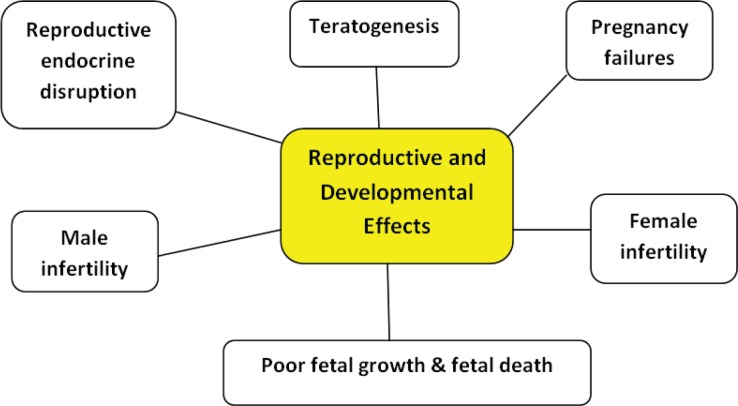
“Reproductive and developmental effects Human reproduction may be affected negatively by Al exposure (Klein et al., 2014; Mouro et al., 2017).”
BackgroundGut: An underestimated target organ for Aluminum
Vignal, C., Desreumaux, P., & Body-Malapel, M. (2016) · Morphologie · doi:10.1016/j.morpho.2016.01.003 · Cited by 50 · cited 1×
“Oral intake of Al may affect the intestinal microbiota, permeability and immune response which influence the local inflammatory conditions (Vignal et al., 2016).”
BackgroundStimulation of eryptosis by aluminium ions
Niemoeller, O. M., Kiedaisch, V., Dreischer, P., Wieder, T., & Lang, F. J. W. (2006) · Toxicology and Applied Pharmacology · doi:10.1016/j.taap.2006.09.001 · Cited by 49 · cited 2×
“…eryptotic and oncotic injuries, and inadequate iron utilization (Zatta et al., 1989; Perez et al., 2001; Bazzoni et al., 2005; Vittori et al., 2002; Niemoeller et al., 2006; Hernández et al., 2008; Sadhana, 2011; Vota et al., 2012; Lukyanenko et al., 2013; Al-Qayim et al., 2014; Oztürk and…”
BackgroundZhu, Y. Z., Sun, H., Fu, Y., Wang, J., Song, M., Li, M., Li, Y. F., & Miao, L. G. (2014) · Life Sciences · doi:10.1016/j.lfs.2014.02.035 · Cited by 49 · cited 7×
“Toxic exposure to Al causes immunotoxicity leading to inhibition of lymphocyte and macrophage functions (Nordal et al., 1988; Zhu et al., 2014a).”
BackgroundInfluentialAnalysis of aluminium in serum and urine for the biomonitoring of occupational exposure
Valkonen, S., & Aitio, A. (1997) · Science of The Total Environment · doi:10.1016/s0048-9697(97)05485-5 · Cited by 49 · cited 2×
“The mean serum Al level in 44 non-exposed persons who did not use antacids was reported to be 1.6 μg/L (Valkonen and Aitio, 1997) and Chen et al. (2010) reported that values in hemodialysis patients were ten-fold higher than the values in unexposed individuals.”
BackgroundResultInfluentialOteiza, P. I., Keen, C. L., Han, B., & Golub, M. S. (1993) · Metabolism · doi:10.1016/0026-0495(93)90128-b · Cited by 49 · cited 3×
“Oteiza et al. (1993b) reported that mice fed diets containing 1,000 mg/kg diet of Al (as Al chloride) with sodium citrate accumulated more Al in the brain nuclear fraction and spinal cord, had lower grip strength, and greater startle responsiveness after 5 and 7 weeks.”
BackgroundInfluentialHow Bad Is Aluminum Exposure to Reproductive Parameters in Rats?
Mouro, V. G. S., Menezes, T. P., Lima, G. D. A., Domingues, R. R., Souza, A. C. F., Oliveira, J. A., Matta, S. L. P., & Machado-Neves, M. (2018) · Biological Trace Element Research · doi:10.1007/s12011-017-1139-3 · Cited by 49 · cited 3×
“Testicular and epididymal weights and serum testosterone and luteinizing hormone levels were reduced by Al exposure (Reza and Palan, 2006; Mouro et al., 2017).”
BackgroundExposure of man to environmental aluminium — an exposure commitment assessment
Jones, K. C., & Bennett, B. G. (1986) · The Science of The Total Environment · doi:10.1016/0048-9697(86)90105-1 · Cited by 49
Stabilization of iron regulatory protein 2, IRP2, by aluminum
Yamanaka, K., Minato, N., & Iwai, K. (1999) · FEBS Letters · doi:10.1016/s0014-5793(99)01533-1 · Cited by 48 · cited 2×
“Al may decrease ferritin synthesis and increase the expression of transferrin receptors, thereby disrupting the normal synthesis of transferrin receptors with ferritin creating increased free iron levels in the cell, resulting in an increase of oxidative damage via the fenton reaction (Yamanaka et al., 1999).”
BackgroundMannello, F., Ligi, D., & Canale, M. (2013) · Journal of Inorganic Biochemistry · doi:10.1016/j.jinorgbio.2013.07.003 · Cited by 48
Aluminum, the genetic apparatus of the human CNS and Alzheimer's disease (AD)
Pogue, A. I., & Lukiw, W. J. (2016) · Morphologie · doi:10.1016/j.morpho.2016.01.001 · Cited by 48 · cited 1×
“Neuronal gene expression is influenced by the binding of Al to DNA (Lukiw et al., 1998) predisposing cells to or causing genotoxicity (Pogue and Lukiw, 2016) and thus Al exposure may lead to reduction of cell proliferation and differentiation (Nam et al., 2014, 2016; Sun et al., 2015; Cao et al.,…”
BackgroundOxidative stress due to aluminum exposure induces eryptosis which is prevented by erythropoietin
Vota, D. M., Crisp, R. L., Nesse, A. B., & Vittori, D. C. (2012) · Journal of Cellular Biochemistry · doi:10.1002/jcb.24026 · Cited by 47 · cited 3×
“The additional causes of anemia appear to be multi-factorial and include defective hemoglobin production due to inhibition of the enzymes of heme synthesis, altered erythrocyte membrane structure and fragility, shortening of red blood cell life span due to eryptotic and oncotic injuries, and inadequate iron utilizatio…”
BackgroundIncidence of Asthma Among Aluminum Workers
Taiwo, O. A., Sircar, K. D., Slade, M. D., Cantley, L. F., Vegso, S. J., Rabinowitz, P. M., Fiellin, M. G., & Cullen, M. R. (2006) · Journal of Occupational and Environmental Medicine · doi:10.1097/01.jom.0000197876.31901.f5 · Cited by 47 · cited 2×
“Asthma may be caused by Al exposure (Burge et al., 2000), though the asthma among Al workers may be due to other chemical factors like gases and smoke (Taiwo et al., 2006).”
BackgroundCheng, D., Zhang, X., Tang, J., Kong, Y., Wang, X., & Wang, S. (2018) · Journal of Inorganic Biochemistry · doi:10.1016/j.jinorgbio.2018.11.001 · Cited by 47 · cited 1×
“Chlorogenic acid was effective as a chelating agent and antioxidant in protection against the toxicity of Al (Wang et al., 2018; Cheng et al., 2017, 2019).”
BackgroundEffects of aluminum on bone surface ion composition
Bushinsky, D. A., Sprague, S. M., Hallegot, P., Girod, C., Chabala, J. M., & Levi-Setti, R. (1995) · Journal of Bone and Mineral Research · doi:10.1002/jbmr.5650101219 · Cited by 46 · cited 2×
“…with various pathologic effects (Wills and Savory, 1983; Kaiser et al., 1984; Boyce et al., 1986; Drüeke et al., 1986; Hewitt et al., 1990; Bushinsky et al., 1995; Reinke et al., 2003; Abubakar et al., 2004; Bogdanović et al., 2008; Yousef and Salama, 2009; Khattab et al., 2010; Blaylock,…”
BackgroundAluminium phosphide poisoning: a prospective study of 16 cases in one year
Chopra, J. S., Kalra, O. P., Malik, V. S., Sharma, R., & Chandna, A. (1986) · Postgraduate Medical Journal · doi:10.1136/pgmj.62.734.1113 · Cited by 46 · cited 1×
“Acute-duration oral exposure to Al phosphide has been reported to cause pulmonary edema in persons following accidental or volitional ingestion (Chopra et al., 1986; Khosla et al., 1988).”
BackgroundFenugreek seeds reduce aluminum toxicityassociated with renal failure in rats
Belaïd-Nouira, Y., Bakhta, H., Haouas, Z., Flehi-Slim, I., & Cheikh, H. B. (2013) · Nutrition Research and Practice · doi:10.4162/nrp.2013.7.6.466 · Cited by 46 · cited 4×
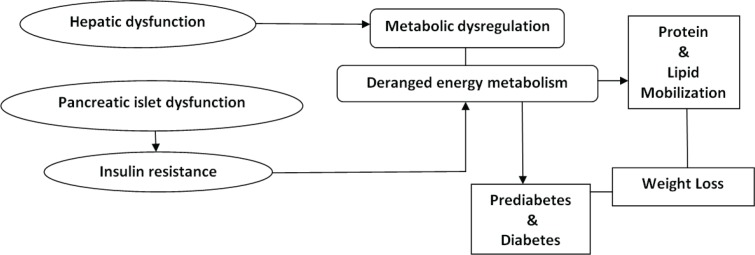
“The hepatic and pancreatic lesions cause changes in metabolism (Figure 5) which result in hyperglycaemia, hypoproteinaemia, hyperlipidaemia, hypercholesterolaemia and hypertriglyceridaemia (Omar et al., 2003; Kowalczyk et al., 2004; Türkez et al., 2011; Abdel-Wahab, 2012; Belaïd-Nouira et al., 2013).”
BackgroundInfluentialMartinez, C. S., Escobar, A. G., Uranga-Ocio, J. A., Peçanha, F. M., Vassallo, D. V., Exley, C., Miguel, M., & Wiggers, G. A. (2017) · Reproductive Toxicology · doi:10.1016/j.reprotox.2017.08.008 · Cited by 46 · cited 3×
“35 μg/g and it was associated with increased oxidative stress and inflammation, decreased daily sperm production, reduced sperm count and motility and increase in abnormal spermatozoa (Martinez et al., 2017).”
BackgroundInfluentialCodling, E. E., Chaney, R. L., & Mulchi, C. L. (2002) · Communications in Soil Science and Plant Analysis · doi:10.1081/css-120003872 · Cited by 45 · cited 1×
“Food or water for livestock could be contaminated with Al when Al sulfate and zeolite are applied to litter and waste lagoons to reduce phosphorus loss from lands fertilized with the wastes and to reduce ammonia fumes in facilities (Moore et al., 1999; Moore et al., 2000; Codling et al., 2002).”
BackgroundAluminum fluoride affects the structure and functions of cell membranes
Suwalsky, M., Norris, B., Villena, F., Cuevas, F., Sotomayor, P., & Zatta, P. (2004) · Food and Chemical Toxicology · doi:10.1016/j.fct.2004.01.016 · Cited by 45 · cited 1×
“The Al-induced change in erythrocyte size may also be accompanied by change in erythrocyte shape resulting in the formation of echinocytes (Suwalsky et al., 2004), acanthocytes and stomatocytes (Vittori et al., 2002) in vitro, due to altered membrane morphology (Lukyanenko et al., 2013).”
BackgroundSumathi, T., Shobana, C., Mahalakshmi, V., Ramachandran, S., Subathra, M., Vishali, A., & Rekha, K. (2013) · Asian Journal of Pharmaceutical and Clinical Research · Cited by 44
Golub, M. S., Han, B., Keen, C. L., & Gershwin, M. E. (1992) · Toxicology and Applied Pharmacology · doi:10.1016/0041-008x(92)90291-y · Cited by 44 · cited 1×
“Mice fed high Al levels (1,000 mg/kg diet of Al as Al lactate) were less active, had decreased grip strength, and increased startle responses after 90 days when compared with control (Golub et al., 1992).”
BackgroundChines, A., & Pacifici, R. (1990) · Calcified Tissue International · doi:10.1007/bf02555911 · Cited by 44 · cited 1×
“There are case reports of osteomalacia and rickets in infants and adults using Al-containing antacids for the treatment of gastrointestinal illnesses (Chines and Pacifici, 1990; Pivnick et al., 1995; Woodson, 1998).”
BackgroundAluminum Is a Potential Environmental Factor for Crohn's Disease Induction: Extended Hypothesis
LERNER, A. (2007) · Annals of the New York Academy of Sciences · doi:10.1196/annals.1381.035 · Cited by 44 · cited 2×
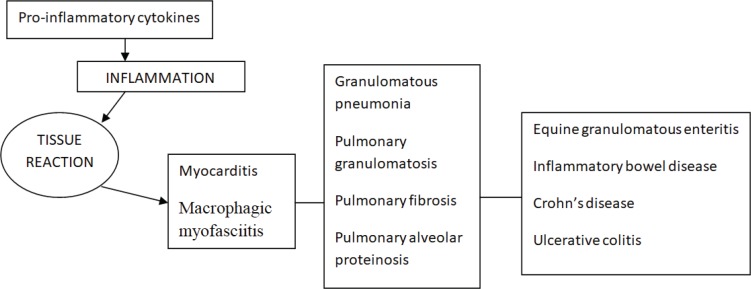
“Pro-inflammatory actions of Al have been reported in various tissues (Fogarty et al., 1998; Verma et al., 2007; Lerner, 2007; Exley, 2013; Taiwo, 2014; de Chambrun et al., 2014; Gherardi et al., 2016; Martinez et al., 2017; Hangouche et al., 2017).”
Background(2005) · Cited by 44
Aluminum trichloride inhibits osteoblast mineralization via TGF-β1/Smad signaling pathway
Sun, X., Cao, Z., Zhang, Q., Li, M., Han, L., & Li, Y. (2015) · Chemico-Biological Interactions · doi:10.1016/j.cbi.2015.11.027 · Cited by 44 · cited 4×
“…predisposing cells to or causing genotoxicity (Pogue and Lukiw, 2016) and thus Al exposure may lead to reduction of cell proliferation and differentiation (Nam et al., 2014, 2016; Sun et al., 2015; Cao et al., 2016; Li et al., 2016; Yang et al., 2016; Sun et al., 2016, 2017; Huang et al., 2017).”
BackgroundInfluentialGinsenoside Rb1 alleviates aluminum chloride induced rat osteoblasts dysfunction
Zhu, Y., Hu, C., Zheng, P., Miao, L., Yan, X., Li, H., Wang, Z., Gao, B., & Li, Y. (2016) · Toxicology · doi:10.1016/j.tox.2016.07.014 · Cited by 44 · cited 2×
“…2016; Sun et al., 2016) because of disruption of bone formation, and inhibition of osteoblast proliferation, differentiation and mineralization (Li et al., 2012, 2016; Cao et al., 2016; Sun et al., 2016; Yang et al., 2016; Zhu et al., 2016b; Song et al., 2017; Sun et al., 2017; Huang et al., 2017).”
BackgroundEffect of aluminum phosphide on blood glucose level.
Abder-Rahman, H. A. (1999) · PubMed · Cited by 43
Diffuse Parenchymal Diseases Associated With Aluminum Use and Primary Aluminum Production
Taiwo, O. A. (2014) · Journal of Occupational and Environmental Medicine · doi:10.1097/jom.0000000000000054 · Cited by 43
Human erythroid cells are affected by aluminium. Alteration of membrane band 3 protein
Vittori, D., Garbossa, G., Lafourcade, C., Pérez, G., & Nesse, A. (2002) · Biochimica et Biophysica Acta (BBA) - Biomembranes · doi:10.1016/s0005-2736(01)00427-8 · Cited by 43 · cited 8×
“The effect of Al on erythroid progenitor cells and erythrocytes was associated with slow growth and increased degradation of membrane band 3 proteins, respectively (Vittori et al., 2002).”
BackgroundInfluentialAluminum utensils contribute to aluminum accumulation in patients with renal disease
Ja-Liang, L., Yu-Jen, Y., Sun-Shen, Y., & Mei-Ling, L. (1997) · American Journal of Kidney Diseases · doi:10.1016/s0272-6386(97)90489-3 · Cited by 43
Effects of Aluminum Exposure on Serum Sex Hormones and Androgen Receptor Expression in Male Rats
Sun, H., Hu, C., Jia, L., Zhu, Y., Zhao, H., Shao, B., Wang, N., Zhang, Z., & Li, Y. (2011) · Biological Trace Element Research · doi:10.1007/s12011-011-9098-6 · Cited by 42 · cited 6×
“In male rats, testicular development was impaired by Al exposure, associated with reduction in serum levels of testosterone and luteinizing hormone (LH) levels and decrease in androgen receptor protein expression without effect on serum follicle stimulating hormone (FSH) (Sun et al., 2011, 2018).”
BackgroundInfluentialA Comparative Study of Relationship between Micronutrients and Gestational Diabetes
Akhlaghi, F., Bagheri, S. M., & Rajabi, O. (2012) · ISRN Obstetrics and Gynecology · doi:10.5402/2012/470419 · Cited by 42
The protective effect of boric acid on aluminum-induced hepatotoxicity and genotoxicity in rats
TÜRKEZ, H., GEYİKOĞLU, F., & ÇOLAK, S. (2011) · Turkish Journal of Biology · doi:10.3906/biy-0902-11 · Cited by 42
Wang, X., Xi, Y., Zeng, X., Zhao, H., Cao, J., & Jiang, W. (2018) · Journal of Functional Foods · doi:10.1016/j.jff.2017.11.013 · Cited by 42 · cited 1×
“Chlorogenic acid was effective as a chelating agent and antioxidant in protection against the toxicity of Al (Wang et al., 2018; Cheng et al., 2017, 2019).”
BackgroundReconsideration of the immunotherapeutic pediatric safe dose levels of aluminum
Lyons‐Weiler, J., & Ricketson, R. (2018) · Journal of Trace Elements in Medicine and Biology · doi:10.1016/j.jtemb.2018.02.025 · Cited by 42 · cited 2×
“, 2015) and it is presumed that there could be mistakes in adjusting Al content of vaccines to body weights of neonates who stand the risk of Al toxicity from vaccines (Lyons-Weiler and Ricketson, 2018).”
BackgroundZhou, Y., Harris, W. R., & Yokel, R. A. (2008) · Journal of Inorganic Biochemistry · doi:10.1016/j.jinorgbio.2007.11.019 · Cited by 41 · cited 3×
“(Martyn et al., 1989; Steinhausen et al., 2004; Anon, 2008b; Zhou et al., 2008).”
BackgroundEffects of Subchronic Aluminum Exposure on the Reproductive Function in Female Rats
Wang, N., She, Y., Zhu, Y., Zhao, H., Shao, B., Sun, H., Hu, C., & Li, Y. (2012) · Biological Trace Element Research · doi:10.1007/s12011-011-9200-0 · Cited by 41 · cited 3×
“There was significant association between increased maternal hair Al contents and risk of total congenital heart defects in offspring, especially in subtypes such as septal defects, conotruncal defects and right ventricular outflow obstruction in female rats (Wang et al., 2012).”
BackgroundPogue, A. I., Jaber, V. R., Zhao, Y., & Lukiw, W. J. (2017) · Journal of Alzheimer’s Disease & Parkinsonism · doi:10.4172/2161-0460.1000403 · Cited by 41 · cited 2×
“…serum interleukin-6 (IL-6) and tumor necrosis factor alpha (TNFα), C-reactive protein (CRP) and a triad of pro-inflammatory microRNAs (miRNA-9, miRNA-125b and miRNA-146a) and the biomarkers of inflammation indicated progressive chronic inflammation in the exposed animals (Pogue et al., 2017).”
BackgroundAn experimental animal model of aluminium overload.
Florence, A., Gauthier, A., Ponsar, C., de Aguilar, P. V. D. B., & Crichton, R. R. (1994) · PubMed · Cited by 40
Sun, X., Cao, Z., Zhang, Q., Liu, S., Xu, F., Che, J., Zhu, Y., Li, Y., Chuanyi, P., & Liang, W. (2015) · Food and Chemical Toxicology · doi:10.1016/j.fct.2015.10.005 · Cited by 40 · cited 3×
“, 1998) predisposing cells to or causing genotoxicity (Pogue and Lukiw, 2016) and thus Al exposure may lead to reduction of cell proliferation and differentiation (Nam et al., 2014, 2016; Sun et al., 2015; Cao et al., 2016; Li et al., 2016; Yang et al., 2016; Sun et al., 2016, 2017; Huang et al., 2017).”
BackgroundPotentiation of beta-folding of β-amyloid peptide 25–35 by aluminum salts
Bondy, S. C., & Truong, A. (1999) · Neuroscience Letters · doi:10.1016/s0304-3940(99)00307-9 · Cited by 39 · cited 1×
“The aggregation and precipitation of β-amyloid is triggered and potentiated by Al exposure which is associated with Alzheimer’s disease (Bondy and Truong, 1999; Zatta et al., 2005; Exley, 2006) and this phenomenon may be responsible for neuritic plaque deposition, neuronal death and dysneurogenesis.”
BackgroundBone pyrophosphate in uremia and its association with extraosseous calcification.
Alfrey, A. C., & Solomons, C. C. (1976) · Journal of Clinical Investigation · doi:10.1172/jci108327 · Cited by 39 · cited 1×
“Al was considered unsafe to humans after the discovery of increased levels of Al in brain tissues of patients with encephalopathy, having been exposed to Al accumulation through dialysis (Alfrey and Solomons, 1976).”
BackgroundIf exposure to aluminium in antiperspirants presents health risks, its content should be reduced
Pineau, A., Fauconneau, B., Sappino, A.-P., Deloncle, R., & Guillard, O. (2014) · Journal of Trace Elements in Medicine and Biology · doi:10.1016/j.jtemb.2013.12.002 · Cited by 39 · cited 4×
“The Al accumulating in the breast tissue may influence the biological characteristics of breast epithelial cells and carcinogenesis is considered a probable outcome (Pineau et al., 2014).”
BackgroundInfluentialvan Rensburg, S. J., Carstens, M. E., Potocnik, F. C. V., Aucamp, A. K., Taljaard, J. J. F., & Koch, K. R. (1992) · Neurochemical Research · doi:10.1007/bf00969020 · Cited by 39 · cited 1×
“…a study where in vitro exposure of membrane suspensions to Al increased fluidity of platelet membranes and decreased the fluidity of erythrocyte membranes (van Rensburg et al., 1992) with consequent effect on the viability of platelets (Neiva et al., 1997) and erythrocytes (Vittori et al., 2002).”
BackgroundCancer mortality in a cohort of male German iron foundry workers
Adzersen, K. H., Becker, N., Steindorf, K., & Frentzel‐Beyme, R. (2003) · American Journal of Industrial Medicine · doi:10.1002/ajim.10187 · Cited by 38 · cited 1×
“Elevated concentrations of cellular iron can enhance oxidative damage to the cell and are linked to the pathogenesis of neurodegenerative disorders (Jang and Surh, 2002; Toyokuni, 2002; Adzersen et al., 2003; Deugnier, 2003; Ng, 2004).”
BackgroundInvestigation of the aluminium biokinetics in humans: a 26Al tracer study
Steinhausen, C., Kislinger, G., Winklhofer, C., Beck, E., Hohl, C., Nolte, E., Ittel, T. H., & Alvarez-Brückmann, M. J. L. (2004) · Food and Chemical Toxicology · doi:10.1016/j.fct.2003.09.010 · Cited by 38 · cited 2×
“Gastrointestinal absorption, after ingestion, is the main route through which Al is systemically accumulated in animals and humans, and absorption occurs largely in the duodenum (Feinroth et al., 1984; Steinhausen et al., 2004).”
BackgroundCheng, D., Zhang, X., Xu, L., Li, X., Hou, L., & Wang, C. (2017) · Chemico-Biological Interactions · doi:10.1016/j.cbi.2017.06.013 · Cited by 38 · cited 1×
“Chlorogenic acid was effective as a chelating agent and antioxidant in protection against the toxicity of Al (Wang et al., 2018; Cheng et al., 2017, 2019).”
BackgroundHematological changes in rats chronically exposed to oral aluminum
Farina, M., Rotta, L. N., Soares, F. A. A., Jardim, F., Jacques, R., Souza, D. O., & Rocha, J. B. T. (2005) · Toxicology · doi:10.1016/j.tox.2004.12.005 · Cited by 37 · cited 2×
“Farina et al. (2005) found significant decreases in blood iron concentrations and no change in total iron binding capacity in rats exposed to 54.7 mg Al/kg/day as Al sulfate in a sodium citrate solution in drinking water for 18 months.”
BackgroundMethodInfluentialEffect of wheat grass powder on aluminum induced Alzheimer's disease in Wistar rats
Bitra, V. R., Rapaka, D., Mathala, N., & Akula, A. (2014) · Asian Pacific Journal of Tropical Medicine · doi:10.1016/s1995-7645(14)60246-7 · Cited by 37 · cited 2×
“…to ameliorate the toxicosis caused by Al exposure (Khattab et al., 2010; Hasseeb et al., 2011; Osman et al., 2012; Belaïd-Nouira et al., 2013; Sumathi et al., 2013; Bitra et al., 2014; Osama et al., 2014; Mathiyazahan et al., 2015; Singh and Goel, 2015; Taїr et al., 2016; Ravi et al., 2018).”
BackgroundEffects of Aluminum on Immune Functions of Cultured Splenic T and B Lymphocytes in Rats
She, Y., Wang, N., Chen, C., Zhu, Y., Xia, S., Hu, C., & Li, Y. (2012) · Biological Trace Element Research · doi:10.1007/s12011-011-9307-3 · Cited by 37 · cited 1×
“Immune functions of splenic B- and T-lymphocytes were inhibited in vitro by reduction of lymphocyte proliferation, cytokine secretion and proportions of CD-3(+) and CD-4(+) lymphocytes (She et al., 2012).”
BackgroundAluminum and Human Health : Its Intake Bioavailability and Neurotoxicity
Kawahara, M., Konoha, K., Nagata, T., & Sadakane, Y. (2007) · Biomedical research on trace elements · doi:10.11299/brte.18.211 · Cited by 37 · cited 2×
“Al binds to the phosphate groups of nucleotide such as adenosine triphosphate (ATP) and affects energy metabolism (Kawahara et al., 2007).”
BackgroundShirley, D. G., & Lote, C. J. (2005) · Nephron Physiology · doi:10.1159/000088331 · Cited by 37 · cited 1×
“%) in the urine, presumably as Al citrate (Shirley and Lote, 2005; Krewski et al., 2007; Anon, 2008c).”
BackgroundEffluent from bauxite factory induces developmental and reproductive damage in sea urchins
Trieff, N. M., Roma�a, L. A., Esposito, A., et al. (1995) · Archives of Environmental Contamination and Toxicology · doi:10.1007/bf00217613 · Cited by 36 · cited 1×
“Industrial release of Al in waste materials into surface waters from processing and manufacturing facilities could be toxic to aquatic life (Filipek et al., 1987; Trieff et al., 1995; His et al., 1996; Gensemer and Playle, 1999).”
BackgroundDomingo, J. L., Gómez, M., Llobet, J. M., & Corbella, J. (1988) · Human Toxicology · doi:10.1177/096032718800700305 · Cited by 36 · cited 2×
“Other chelating agents such as citric, malonic, oxalic, and succinic acids have been used experimentally to reduce aluminum load in rats and mice (Domingo et al., 1988).”
BackgroundMechanism of aluminum-induced inhibition of hepatic glycolysis: inactivation of phosphofructokinase.
Xu, Z. X., Fox, L., Melethil, S., Winberg, L., & Badr, M. (1990) · The Journal of Pharmacology and Experimental Therapeutics · doi:10.1016/s0022-3565(25)12586-x · Cited by 36 · cited 2×
“Exposure of hepatocytes to Al impedes ATP production, inhibits glycolysis, impairs the function of tricarboxylic acid (Kreb’s) cycle and promotes lipid and protein oxidation (Xu et al., 1990; Mailloux et al., 2006) with a metabolic shift to lipogenesis in tissues (Han et al., 2013).”
BackgroundInfluentialAluminum Is Put on Trial as a Vaccine Booster
Malakoff, D. A. (2000) · Science · doi:10.1126/science.288.5470.1323 · Cited by 35 · cited 4×
“The compounds are used in crude oil refining and cracking of petroleum; manufacturing of cooking utensils and foils, parchment paper, printing ink, glass, ceramics, pottery, incandescent filaments, fireworks, explosives, photographic flashlight, electric insulators, cement, paints and varnishes, fumigants and pesticid…”
BackgroundInfluential(1988) · PubMed · Cited by 35
Does Allergen-specific Immunotherapy Induce Contact Allergy to Aluminium?
Netterlid, E., Hindsén, M., Siemund, I., Björk, J., Werner, S., Jacobsson, H., Güner, N., & Bruze, M. (2013) · Acta Dermato Venereologica · doi:10.2340/00015555-1409 · Cited by 35 · cited 1×
“Contact allergy to Al has been reported as an aberrant immune response in those having atopic dermatitis (Netterlid et al., 2013).”
BackgroundFas- and Mitochondria-Mediated Signaling Pathway Involved in Osteoblast Apoptosis Induced by AlCl3
Xu, F., Ren, L., Song, M., Shao, B., Han, Y., Cao, Z., & Li, Y. (2017) · Biological Trace Element Research · doi:10.1007/s12011-017-1176-y · Cited by 35 · cited 4×
“In culture, Al induced apoptosis of osteoblasts by inhibiting apoptotic Bcl-2 protein expression and increasing the expression of pro-apoptotic Bax, Bak and Bim proteins (Xu et al., 2018).”
BackgroundInfluentialSepe, A., Costantini, S., Ciaralli, L., Ciprotti, M., & Giordano, R. (2001) · Food Additives and Contaminants · doi:10.1080/02652030118615 · Cited by 34 · cited 2×
“Aluminium in food Al is present in foods naturally or from the use of Al-containing food additives (Sepe et al., 2001; Flaten, 2002; Hayacibara et al., 2004; Yokel et al., 2008).”
BackgroundAssessment of environmental factors affecting male fertility
Dixon, R. L., Sherins, R. J., & Lee, I. P. (1979) · Environmental Health Perspectives · doi:10.1289/ehp.793053 · Cited by 34 · cited 3×
“…no organ weight or histological changes in the lungs of rats exposed to 70 mg Al/kg/day as Al chloride in drinking water for 30, 60 or 90 days (Dixon et al., 1979), rats exposed to 133 mg Al/kg/day as Al nitrate in drinking water for 30 days (Gomez et al., 1986), rats and mice exposed to 0.6…”
MethodInfluentialSherrard, D. J., Ott, S. M., & Andress, D. L. (1985) · The American Journal of Medicine · doi:10.1016/0002-9343(85)90557-1 · Cited by 34
Hofstetter, J. R., Vincent, I., Bugiani, O., Ghetti, B. F., & Richter, J. A. (1987) · Neurochemical Pathology · doi:10.1007/bf02834199 · Cited by 34 · cited 1×
“Interaction of Al with metabolic and other enzymes causes inhibition or activation of the enzymes (Hofstetter et al., 1987; Xu et al., 1990; Exley et al., 1994; Zatta et al., 1999, 2000; Yang et al., 2003; Mailloux et al., Unauthentifiziert | Heruntergeladen 24.02.20 14:34 UTC Interdisciplinary…”
BackgroundInfluentialIn vitro effect of AlCl3 on human erythrocytes: Changes in membrane morphology and functionality
Lukyanenko, L. M., Skarabahatava, A. S., Slobozhanina, E. I., Kovaliova, S. A., Falcioni, M. L., & Falcioni, G. (2013) · Journal of Trace Elements in Medicine and Biology · doi:10.1016/j.jtemb.2012.10.003 · Cited by 34 · cited 4×
“The additional causes of anemia appear to be multi-factorial and include defective hemoglobin production due to inhibition of the enzymes of heme synthesis, altered erythrocyte membrane structure and fragility, shortening of red blood cell life span due to eryptotic and oncotic injuries, and inadequate iron utilizatio…”
BackgroundInfluentialM., G. A., Taylor, A., & G., A. F. (2004) · AFRICAN JOURNAL OF BIOTECHNOLOGY · doi:10.5897/ajb2004.000-2016 · Cited by 34
Chronic low‐Ca/Mg high‐Al diet induces neuronal loss
Kihira, T., Yoshida, S., Yase, Y., Ono, S., & Kondo, T. (2002) · Neuropathology · doi:10.1046/j.1440-1789.2002.00441.x · Cited by 34
Zhang, L., Li, X., Gu, Q., Zhu, Y., Zhao, H., Li, Y., & Zhang, Z. (2011) · Biological Trace Element Research · doi:10.1007/s12011-010-8725-y · Cited by 33 · cited 1×
“Chronic Al exposure in rats disrupted iron homeostasis (Zhang et al., 2010).”
BackgroundHeme oxygenase-1 induction by the ROS–JNK pathway plays a role in aluminum-induced anemia
Lin, C.-Y., Hsiao, W.-C., Huang, C.-J., Kao, C.-F., & Hsu, G.-S. W. (2013) · Journal of Inorganic Biochemistry · doi:10.1016/j.jinorgbio.2013.07.026 · Cited by 33 · cited 1×
“In rats loaded with Al, heme dyshomeostasis was reported with evidence of decreased activity of aminolevulinic acid dehydratase and increased activity of heme oxygenase in the rat liver associated with activation of JNK pathway, indicating an increase in heme degradation (Lin et al., 2013).”
BackgroundAhn, H., Fulton, B., Moxon, D., & Jeffery, E. H. (1995) · Journal of Toxicology and Environmental Health · doi:10.1080/15287399509531963 · Cited by 33 · cited 1×
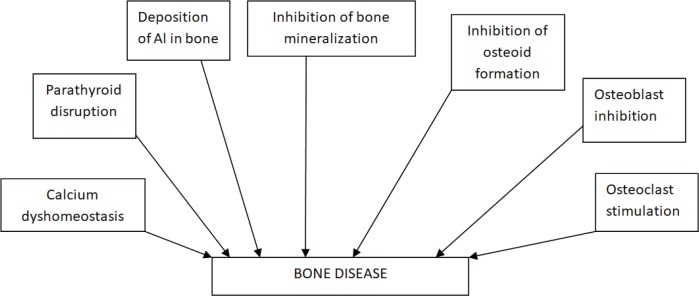
“Longterm oral exposure to Al results in an increase in Al levels in the bone (Ahn et al., 1995; Konishi et al., 1996) that is responsible for the bone disease.”
BackgroundMetal Exposure and Risk of Diabetes and Prediabetes among Chinese Occupational Workers.
Yang, A., Cheng, N., Pu, H. Q., Liu, S. M., Li, J. S., Bassig, B. A., Dai, M., Li, H. Y., Hu, X. B., Ren, X. W., et al. (2015) · PubMed · doi:10.3967/bes2015.121 · Cited by 33
The Effect of Aluminum Exposure on Reproductive Ability in the Bank Vole (Myodes glareolus)
Miska-Schramm, A., Kapusta, J., & Kruczek, M. (2017) · Biological Trace Element Research · doi:10.1007/s12011-016-0848-3 · Cited by 33 · cited 1×
“Bank voles (Myodes glareolus) exposed to Al produced lower quality and quantity of sperm than normal, but reproductive capacity was not significantly affected in females (Miska-Schramm et al., 2017).”
BackgroundMujika, J. I., Dalla Torre, G., Formoso, E., Grande-Aztatzi, R., Grabowski, S. J., Exley, C., & Lopez, X. (2018) · Journal of Inorganic Biochemistry · doi:10.1016/j.jinorgbio.2017.10.014 · Cited by 33 · cited 2×
“Protein polypeptides are transformed to secondary structures when Al ions interact with them through oxygen-containing amino acids, side chains and protein backbone leading to ultimate denaturation (Mujika et al., 2018) or conformational or structural alteration (Exley et al.”
BackgroundChafe, R., Aslanov, R., Sarkar, A., Gregory, P. J., Comeau, A., & Newhook, L. A. (2018) · BMJ Open Diabetes Research & Care · doi:10.1136/bmjdrc-2017-000466 · Cited by 33
A review of the factors that influence erythrocyte osmotic fragility
Igbokwe, N. A. (2019) · Sokoto Journal of Veterinary Sciences · doi:10.4314/sokjvs.v16i4.1 · Cited by 33
Self-citationBakir, A., & Darbre, P. D. (2015) · Journal of Inorganic Biochemistry · doi:10.1016/j.jinorgbio.2015.09.001 · Cited by 32 · cited 2×
“Long-term Al exposure also increased the migration of oestrogen-unresponsive MDA-MB-231 human breast cancer cells in culture where their expression of matrix metalloproteinases (MMP9/14) was increased (Bakir and Darbre, 2015).”
BackgroundInactivation of human glutamate dehydrogenase by aluminum
Yang, S.-J., Huh, J. W., Lee, J. E., Choi, S. Y., Kim, T. U., & Cho, S.-W. (2003) · Cellular and Molecular Life Sciences · doi:10.1007/s00018-003-3298-y · Cited by 32
Occurrence of occupational asthma in aluminum potroom workers in relation to preventive measures
Sorgdrager, B., de Looff, A. J. A., de Monchy, J. G. R., Pal, T. M., Dubois, A. E. J., & Rijcken, B. (1998) · International Archives of Occupational and Environmental Health · doi:10.1007/s004200050250 · Cited by 32 · cited 1×
“P O Box 8000, Maiduguri, Nigeria e-mail: ikeigbokwe@gmail.com; ikeigbokwe@unimaid.edu.ng to high levels of Al (Sorgdrager et al., 1998; Vandenplas et al., 1998; Boran et al., 2013).”
BackgroundMirhashemi, S. M., & Shahabaddin, M.-E. (2011) · Pakistan Journal of Biological Sciences · doi:10.3923/pjbs.2011.288.292 · Cited by 32
Fanti, P., Kindy, M. S., Mohapatra, S. K., Klein, J. B., Colombo, G., & Malluche, H. H. (1992) · American Journal of Physiology-Endocrinology and Metabolism · doi:10.1152/ajpendo.1992.263.6.e1113 · Cited by 32
Effects of trace elements on albumin and lipoprotein glycation in diabetic retinopathy
Hasan, N. A. (2009) · Saudi Medical Journal · doi:10.15537/1658-3175.4845 · Cited by 31
Lethal heart failure caused by aluminium phosphide poisoning
Alter, P., Grimm, W., & Maisch, B. (2001) · Intensive Care Medicine · doi:10.1007/s001340000744 · Cited by 31 · cited 1×
“The toxicity was probably due to the formation of highly toxic phosphine gas rather than to Al exposure (Alter et al., 2001; Kamanyire and Murray, 2003; Moghadamnia, 2012).”
BackgroundCumulative and episodic vaccine aluminum exposure in a population-based cohort of young children
Glanz, J. M., Newcomer, S. R., Daley, M. F., McClure, D. L., Baxter, R. P., Jackson, M. L., Naleway, A. L., Lugg, M. M., & Destefano, F. R. (2015) · Vaccine · doi:10.1016/j.vaccine.2015.10.076 · Cited by 30 · cited 2×
“Adjuvant as a source of Al during vaccinations has been receiving attention in research (Malakoff, 2000; Keith et al., 2002; Mitkus et al., 2011; Glanz et al., 2015) and it is presumed that there could be mistakes in adjusting Al content of vaccines to body weights of neonates who stand the risk of…”
BackgroundHistopathological Changes in Rat Liver After A Single High Dose of Aluminium
Bogdanović, M., Janeva, A., & Bulat, P. (2008) · Archives of Industrial Hygiene and Toxicology · doi:10.2478/10004-1254-59-2008-1859 · Cited by 30 · cited 2×
“Toxicosis due to Al accumulation in mammalian tissues was associated with various pathologic effects (Wills and Savory, 1983; Kaiser et al., 1984; Boyce et al., 1986; Drüeke et al., 1986; Hewitt et al., 1990; Bushinsky et al., 1995; Reinke et al., 2003; Abubakar et al., 2004; Bogdanović et al., 2008; Yousef and Salama…”
BackgroundOccupational asthma caused by aluminium
Burge, P. S., Scott, J. A., & McCoach, J. (2000) · Allergy · doi:10.1034/j.1398-9995.2000.00641.x · Cited by 30 · cited 1×
“Asthma may be caused by Al exposure (Burge et al., 2000), though the asthma among Al workers may be due to other chemical factors like gases and smoke (Taiwo et al., 2006).”
BackgroundD'Souza, S. P., Vijayalaxmi, K. K., & Naik, P. (2014) · Mutation Research/Genetic Toxicology and Environmental Mutagenesis · doi:10.1016/j.mrgentox.2014.02.006 · Cited by 30 · cited 7×
“The genotoxicity from Al exposure in mice resulted in mitodepressive effect in the bone marrow (D’Souza et al., 2014).”
BackgroundInfluentialNikolov, I. G., Joki, N., Vicca, S., Patey, N., Auchère, D., Benchitrit, J., Flinois, J.-P., Ziol, M., Beaune, P., Drüeke, T. B., et al. (2010) · Nephron Experimental Nephrology · doi:10.1159/000313492 · Cited by 30 · cited 2×
“Al causes oxidative injuries to the kidney and liver leading to tissue degeneration and necrosis, and associated serum biochemical derangements (Nikolov et al., 2010; Mailloux et al., 2011; Bai et al., 2012; Li et al., 2015; Xu et al., 2017).”
BackgroundUrinary Excretion of Aluminium and Silicon in Secondary Progressive Multiple Sclerosis
Jones, K., Linhart, C., Hawkins, C., & Exley, C. (2017) · EBioMedicine · doi:10.1016/j.ebiom.2017.10.028 · Cited by 30 · cited 3×
“There is a role for Al in multiple sclerosis because patients excrete high amounts of Al in urine, facilitated by drinking silicon-rich mineral water (Jones et al., 2017).”
BackgroundMaitani, T., Kubota, H., Hori, N., Yoshihira, K., & TAKEDA, M. (1994) · Journal of Applied Toxicology · doi:10.1002/jat.2550140403 · Cited by 29 · cited 2×
“A variety of analytical methods have been used to measure Al levels in biological materials and they include accelerator mass spectroscopy, graphite furnace atomic absorption spectrometry, flame atomic absorption spectrometry, electro-thermal atomic absorption spectrometry, neutron activation analysis, inductively cou…”
MethodIn vivo effect of aluminium upon the physical properties of the erythrocyte membrane
Bazzoni, G. B., Bollini, A. N., Hernández, G. N., Contini, M. D. C., Chiarotto, M. M., & Rasia, M. L. (2005) · Journal of Inorganic Biochemistry · doi:10.1016/j.jinorgbio.2004.12.012 · Cited by 29 · cited 5×
“The additional causes of anemia appear to be multi-factorial and include defective hemoglobin production due to inhibition of the enzymes of heme synthesis, altered erythrocyte membrane structure and fragility, shortening of red blood cell life span due to eryptotic and oncotic injuries, and inadequate iron utilizatio…”
BackgroundInfluentialAfridi, H. I., Talpur, F. N., Kazi, T. G., & Brabazon, D. (2015) · Biological Trace Element Research · doi:10.1007/s12011-015-0308-5 · Cited by 28 · cited 1×
“Cigarette smoke may contribute to the concentration of Al in the air (Exley et al., 2006; Kazi et al., 2009; Pappas, 2011; Afridi et al., 2015).”
BackgroundOn the Environmental Factors Affecting the Structural and Cytotoxic Properties of IAPP Peptides
Tomasello, M. F., Sinopoli, A., & Pappalardo, G. (2015) · Journal of Diabetes Research · doi:10.1155/2015/918573 · Cited by 28
Yang, X., Huo, H., Xiu, C., Song, M., Han, Y., Li, Y., & Zhu, Y. (2016) · Food and Chemical Toxicology · doi:10.1016/j.fct.2016.09.004 · Cited by 28 · cited 5×
“Osteoblast differentiation was also inhibited by Al through the inhibition of BMP-2 signaling pathway (Yang et al., 2016).”
BackgroundInfluentialAluminum trichloride induces bone impairment through TGF-β1/Smad signaling pathway
Sun, X., Liu, J., Zhuang, C., Yang, X., Han, Y., Shao, B., Song, M., Li, Y., & Zhu, Y. (2016) · Toxicology · doi:10.1016/j.tox.2016.10.002 · Cited by 28 · cited 4×
“…predisposing cells to or causing genotoxicity (Pogue and Lukiw, 2016) and thus Al exposure may lead to reduction of cell proliferation and differentiation (Nam et al., 2014, 2016; Sun et al., 2015; Cao et al., 2016; Li et al., 2016; Yang et al., 2016; Sun et al., 2016, 2017; Huang et al., 2017).”
BackgroundInfluentialInhibition of bone formation in rats by aluminum exposure via Wnt/β-catenin pathway
Sun, X., Wang, H., Huang, W., Yu, H., Shen, T., Song, M., Han, Y., Li, Y., & Zhu, Y. (2017) · Chemosphere · doi:10.1016/j.chemosphere.2017.02.086 · Cited by 28 · cited 4×
“, 2016) because of disruption of bone formation, and inhibition of osteoblast proliferation, differentiation and mineralization (Li et al., 2012, 2016; Cao et al., 2016; Sun et al., 2016; Yang et al., 2016; Zhu et al., 2016b; Song et al., 2017; Sun et al., 2017; Huang et al., 2017).”
BackgroundInfluentialNj, C., & Patel, T. (2001) · Cited by 27
Reducing Aluminum Residuals in Finished Water
Qureshi, N., & Malmberg, R. H. (1985) · Journal AWWA · doi:10.1002/j.1551-8833.1985.tb05627.x · Cited by 27 · cited 1×
“The use of Al compounds as coagulating agents in the treatment of water for drinking could increase its Al content (Qureshi and Malmberg, 1985; Henshaw et al., 1993; Cech and Montera, 2000).”
BackgroundAluminium leaching using chelating agents as compositions of food
Karbouj, R. (2007) · Food and Chemical Toxicology · doi:10.1016/j.fct.2007.03.001 · Cited by 27
Sakajiri, T., Yamamura, T., Kikuchi, T., Ichimura, K., Sawada, T., & Yajima, H. (2009) · Biological Trace Element Research · doi:10.1007/s12011-009-8547-y · Cited by 26
Cech, I., & Montera, J. (2000) · Water Research · doi:10.1016/s0043-1354(00)00026-9 · Cited by 26 · cited 2×
“The use of Al compounds as coagulating agents in the treatment of water for drinking could increase its Al content (Qureshi and Malmberg, 1985; Henshaw et al., 1993; Cech and Montera, 2000).”
BackgroundDisturbance of cellular iron uptake and utilisation by aluminium
Pérez, G., Garbossa, G., Di Risio, C., Vittori, D., & Nesse, A. (2001) · Journal of Inorganic Biochemistry · doi:10.1016/s0162-0134(01)00310-5 · Cited by 26 · cited 2×
“The additional causes of anemia appear to be multi-factorial and include defective hemoglobin production due to inhibition of the enzymes of heme synthesis, altered erythrocyte membrane structure and fragility, shortening of red blood cell life span due to eryptotic and oncotic injuries, and inadequate iron utilizatio…”
BackgroundEffects of diabetes mellitus and aluminum toxicity on myocardial calcium transport
Levine, S. N., Sonnier, G. B., & Abreo, K. (1990) · Toxicology · doi:10.1016/0300-483x(90)90084-t · Cited by 26 · cited 1×
“Myocardial function may be altered in diabetic individuals by Al exposure, in as much as Al toxicity potentiates the decline in calcium uptake into the sarcoplasmic reticulum of the myocardial fibers of such individuals (Levine et al., 1990).”
BackgroundVittori, D. C., Pregi, N., Pérez, G., Garbossa, G., & Nesse, A. B. (2004) · Biochimica et Biophysica Acta (BBA) - Molecular Cell Research · doi:10.1016/j.bbamcr.2004.08.004 · Cited by 26 · cited 2×
“, 2019), dysregulation of erythropoietin receptor functions on erythroid progenitors (Vittori et al., 2005) and loss of membrane surface sialic acid residues on vascular endothelial tissue with impaired intercellular junctions (Vorbrodt et al.”
BackgroundCao, Z., Fu, Y., Sun, X., Zhang, Q., Xu, F., & Li, Y. (2016) · Environmental Toxicology and Pharmacology · doi:10.1016/j.etap.2015.11.023 · Cited by 26 · cited 4×
“…predisposing cells to or causing genotoxicity (Pogue and Lukiw, 2016) and thus Al exposure may lead to reduction of cell proliferation and differentiation (Nam et al., 2014, 2016; Sun et al., 2015; Cao et al., 2016; Li et al., 2016; Yang et al., 2016; Sun et al., 2016, 2017; Huang et al., 2017).”
BackgroundInfluentialZhang, Q., Cao, Z., Sun, X., Zuang, C., Huang, W., & Li, Y. (2016) · Biological Trace Element Research · doi:10.1007/s12011-015-0504-3 · Cited by 26 · cited 4×
“The additional causes of anemia appear to be multi-factorial and include defective hemoglobin production due to inhibition of the enzymes of heme synthesis, altered erythrocyte membrane structure and fragility, shortening of red blood cell life span due to eryptotic and oncotic injuries, and inadequate iron utilizatio…”
BackgroundInfluentialStone, C., McLaurin, D. A., Steinhagen, W. H., Cavender, F. L., & Haseman, J. K. (1979) · Toxicology and Applied Pharmacology · doi:10.1016/0041-008x(79)90278-3 · Cited by 25 · cited 1×
“Following inhalation, Al compounds are deposited in the lungs (Christie et al., 1963; Stone et al., 1979; Thomson et al., 1986).”
BackgroundEffects of Aluminium Chloride Exposure on the Histology of the Cerebral Cortex of Adult Wistar Rats
Buraimoh, A. A., Ojo, S. A., Hambolu, J. O., & Adebisi, S. S. (2012) · Journal of Biology and Life Science · doi:10.5296/jbls.v3i1.1421 · Cited by 25
The aluminium content of breast tissue taken from women with breast cancer
House, E. R., Polwart, A., Darbre, P. D., Barr, L. C., Metaxas, G., & Exley, C. (2013) · Journal of Trace Elements in Medicine and Biology · doi:10.1016/j.jtemb.2013.05.002 · Cited by 24 · cited 1×
“The content of Al in breast tissues from mastectomies are being efficiently and accurately estimated in order to properly assess the involvement of Al in the aetiology of breast cancer (House et al., 2013).”
BackgroundOral aluminum administration to rats with normal renal function. 1. Impairment of erythropoiesis
Garbossa, G., Gálvez, G., Castro, M. E., & Nesse, A. (1998) · Human & Experimental Toxicology · doi:10.1177/096032719801700605 · Cited by 24 · cited 2×
“…administered via gavage for 5 days/week for 22 weeks (Garbossa et al., 1996), rats exposed to 27 mg Al/kg as Al citrate administered via gavage 5 days/week for 15 weeks (Garbossa et al., 1998), and rats exposed to 230 mg Al/kg/day as Al citrate in drinking water for 8 months (Vittori et al., 1999).”
Ranjbar, A., Jazani, R. K., Sedighi, A., et al. (2008) · Toxicological & Environmental Chemistry Reviews · doi:10.1080/02772240701660650 · Cited by 24 · cited 2×
“Aluminium (Al) is the most widely distributed metal in the environment (Delhaize and Ryan, 1995; Ranjbar et al., 2008; Exley and House, 2011) occurring naturally in the trivalent state (Al+3) as silicates, oxides and hydroxides, but may combine with other elements such as chlorine, sulphur, fluorine, as well as form c…”
BackgroundHis, E., Beiras, R., Seaman, M. N. L., et al. (1996) · Archives of Environmental Contamination and Toxicology · doi:10.1007/bf00212291 · Cited by 24 · cited 1×
“Industrial release of Al in waste materials into surface waters from processing and manufacturing facilities could be toxic to aquatic life (Filipek et al., 1987; Trieff et al., 1995; His et al., 1996; Gensemer and Playle, 1999).”
Background(1996) · PubMed · Cited by 24
Sun, X., Sun, H., Yu, K., Wang, Z., Liu, Y., Liu, K., Zhu, Y., & Li, Y. (2018) · Biological Trace Element Research · doi:10.1007/s12011-017-1120-1 · Cited by 24 · cited 12×
“, 1994), testes (Sun et al., 2018) and ovaries (Fu et al.”
BackgroundInfluentialEffect of Aluminum Exposure on Glucose Metabolism and Its Mechanism in Rats
Wei, X., Wei, H., Yang, D., Li, D., Yang, X., He, M., Lin, E., & Wu, B. (2018) · Biological Trace Element Research · doi:10.1007/s12011-018-1318-x · Cited by 24 · cited 7×
“, 2018), inaction of membrane-bound enzymes, inhibition of calbindin protein level in enterocytic membrane (Cox and Dunn, 2001) and downregulation of GLUT4 protein expression in the membrane of skeletal muscle (Wei et al., 2018).”
BackgroundInfluentialArain, M. S., Afridi, H. I., Kazi, T. G., Talpur, F. N., Arain, M. B., Kazi, A. G., Arain, S. A., & Ali, J. (2015) · Environmental Monitoring and Assessment · doi:10.1007/s10661-014-4172-0 · Cited by 23 · cited 2×
“…encephalopathy, Alzheimer’s disease, Parkinson’s disease (dementia), amyotropic lateral sclerosis, multiple sclerosis and autism (King et al., 1981; Savory et al., 1996; Kawahara and Kato-Negishi, 2011; Arain et al., 2015; Jones et al., 2017; Mirza et al., 2017; Mold et al., 2018).”
BackgroundAluminium effects on thyroid gland function: Iodide uptake, hormone biosynthesis and secretion
Orihuela, D. (2011) · Journal of Inorganic Biochemistry · doi:10.1016/j.jinorgbio.2011.08.004 · Cited by 23 · cited 1×
“The metabolic effect of some levels of thyroxine (T3 and T4) decline without change in free T4 level is yet to be ascertained (Orihuela, 2011).”
BackgroundZlatkovic, J., Tsouchnikas, G., Jarmer, J., Koessl, C., Stiasny, K., & Heinz, F. X. (2013) · Journal of Virology · doi:10.1128/jvi.01690-13 · Cited by 23 · cited 2×
“…involves the NLRP3 inflammasome and NLRP3independent pathways where macrophages, B- and T-lymphocytes play important roles in enhancing antigenspecific immune responses and increasing inflammatory cytokine production (Exley et al., 2010; Hogenesch, 2013; Zlatkovic et al., 2013; He et al., 2015).”
BackgroundAluminum Trichloride Inhibits the Rat Osteoblasts Mineralization In Vitro
Song, M., Huo, H., Cao, Z., Han, Y., & Gao, L. (2016) · Biological Trace Element Research · doi:10.1007/s12011-016-0761-9 · Cited by 23 · cited 4×
“, 2016) because of disruption of bone formation, and inhibition of osteoblast proliferation, differentiation and mineralization (Li et al., 2012, 2016; Cao et al., 2016; Sun et al., 2016; Yang et al., 2016; Zhu et al., 2016b; Song et al., 2017; Sun et al., 2017; Huang et al., 2017).”
BackgroundInfluential(1987) · PubMed · Cited by 22
Cox, K. A., & Dunn, M. A. (2001) · Journal of Nutrition · doi:10.1093/jn/131.7.2007 · Cited by 22 · cited 2×
“…membrane (Vittori et al., 2002; Vota et al., 2012; Cheng et al., 2018), inaction of membrane-bound enzymes, inhibition of calbindin protein level in enterocytic membrane (Cox and Dunn, 2001) and downregulation of GLUT4 protein expression in the membrane of skeletal muscle (Wei et al., 2018).”
BackgroundTwenty-six week toxicity study with KASAL® (basic sodium aluminum phosphate) in beagle dogs
Pettersen, J. C., Hackett, D. S., Zwicker, G. M., & Sprague, G. L. (1990) · Environmental Geochemistry and Health · doi:10.1007/bf01734061 · Cited by 22 · cited 10×
“, 1984) or 88 mg Al/kg/day (Pettersen et al., 1990) as sodium Al phosphate in the diet for 6 months.”
BackgroundMethodInfluentialZatta, P., Perazzolo, M., & Corain, B. (1989) · Toxicology Letters · doi:10.1016/0378-4274(89)90154-9 · Cited by 22 · cited 4×
“The additional causes of anemia appear to be multi-factorial and include defective hemoglobin production due to inhibition of the enzymes of heme synthesis, altered erythrocyte membrane structure and fragility, shortening of red blood cell life span due to eryptotic and oncotic injuries, and inadequate iron utilizatio…”
BackgroundInfluentialS-Allyl-Cysteines Reduce Amelioration of Aluminum Induced Toxicity in Rats
Shrivastava (2011) · American journal of biochemistry & biotechnology/American journal of biochemistry and biotechnology · doi:10.3844/ajbbsp.2011.74.83 · Cited by 22 · cited 2×
“The additional causes of anemia appear to be multi-factorial and include defective hemoglobin production due to inhibition of the enzymes of heme synthesis, altered erythrocyte membrane structure and fragility, shortening of red blood cell life span due to eryptotic and oncotic injuries, and inadequate iron utilizatio…”
BackgroundHuang, W., Wang, P., Shen, T., Hu, C., Han, Y., Song, M., Bian, Y., Li, Y., & Zhu, Y. (2016) · Biological Trace Element Research · doi:10.1007/s12011-016-0880-3 · Cited by 22 · cited 3×
“, 1998) predisposing cells to or causing genotoxicity (Pogue and Lukiw, 2016) and thus Al exposure may lead to reduction of cell proliferation and differentiation (Nam et al., 2014, 2016; Sun et al., 2015; Cao et al., 2016; Li et al., 2016; Yang et al., 2016; Sun et al., 2016, 2017; Huang et al., 2017).”
BackgroundInfluence of Aluminium and EGCG on Fibrillation and Aggregation of Human Islet Amyloid Polypeptide
Xu, Z.-X., Zhang, Q., Ma, G., Chen, C., He, Y., Xu, L., Zhang, Y., Zhou, G., Li, Z. H., Yang, H., et al. (2016) · Journal of Diabetes Research · doi:10.1155/2016/1867059 · Cited by 22 · cited 1×
“Fibrillation and aggregation of human islet amyloid polypeptide hormone (amylin) was stimulated by Al exposure leading to formation of β-pleated sheet structure (Mirhashemi and Aarabi, 2011; Mirhashemi and Shahabaddin, 2011; Xu et al., 2016), which may predispose pancreatic β-cell to damage.”
BackgroundGomes, L. S., Costa, J. R., Campos, M. S., Marques, M. R., Biancardi, M. F., Taboga, S. R., Ghedini, P. C., & Santos, F. C. A. (2019) · Experimental and Molecular Pathology · doi:10.1016/j.yexmp.2019.01.005 · Cited by 22 · cited 6×
“…after apoptosis (Vota et al., 2012), inhibition of membrane receptor protein expression in gonads (Fu et al., 2014; Sun et al., 2018; Gomes et al., 2019), dysregulation of erythropoietin receptor functions on erythroid progenitors (Vittori et al., 2005) and loss of membrane surface…”
BackgroundInfluentialAluminum Intoxication in a Child: Treatment With lntraperitoneal Desferrioxamine
Warady, B. A., Ford, D. M., Gaston, C. E., Sedman, A. B., Huffer, W. E., & Lum, G. M. (1986) · PEDIATRICS · doi:10.1542/peds.78.4.651 · Cited by 22 · cited 1×
“It has also been used successfully to treat Al toxicity in children (Warady et al., 1986; Ogborn et al., 1991).”
Effect of Aluminum on Performance and Mineral Metabolism in Young Chicks and Laying Hens
Wisser, L. A., Heinrichs, B. S., & Leach, R. M. (1990) · Journal of Nutrition · doi:10.1093/jn/120.5.493 · Cited by 21 · cited 1×
“These metabolic perturbations (Figure 5) may be responsible for the reports of body weight loss and decreased production performance (like egg production) in animals exposed to Al (Wisser et al., 1990; Capdevielle and Scanes, 1995; Li et al., 2015).”
BackgroundOwen, L. M. W., Crews, H. M., Bishop, N. J., & MASSEY, R. C. (1994) · Food and Chemical Toxicology · doi:10.1016/s0278-6915(09)80002-1 · Cited by 21 · cited 2×
“A variety of analytical methods have been used to measure Al levels in biological materials and they include accelerator mass spectroscopy, graphite furnace atomic absorption spectrometry, flame atomic absorption spectrometry, electro-thermal atomic absorption spectrometry, neutron activation analysis, inductively cou…”
MethodAluminium accumulation and immunosuppressive effect in recipients of kidney transplants.
Nordal, K. P., Dahl, E., Albrechtsen, D., Halse, J., Leivestad, T., Tretli, S., & Flatmark, A. (1988) · BMJ · doi:10.1136/bmj.297.6663.1581 · Cited by 21 · cited 1×
“Toxic exposure to Al causes immunotoxicity leading to inhibition of lymphocyte and macrophage functions (Nordal et al., 1988; Zhu et al., 2014a).”
BackgroundKonda, V. R., Eerike, M., Chary, R. P., Arunachalam, R., Yeddula, V., Meti, V., & Devi, T. S. (2017) · Indian Journal of Pharmacology · doi:10.4103/ijp.ijp_786_16 · Cited by 21
Cytochemical study of the effect of aluminium on cultured brain microvascular endothelial cells
Vorbrodt, A. W., Trowbridge, R. S., & Dobrogowska, D. H. (1994) · The Histochemical Journal · doi:10.1007/bf00157960 · Cited by 20 · cited 4×
“, 2005) and loss of membrane surface sialic acid residues on vascular endothelial tissue with impaired intercellular junctions (Vorbrodt et al., 1994).”
BackgroundInfluentialAluminum induces lipid peroxidation and aggregation of human blood platelets
Neiva, T. J. C., Fries, D. M., Monteiro, H. P., et al. (1997) · Brazilian Journal of Medical and Biological Research · doi:10.1590/s0100-879x1997000500005 · Cited by 20 · cited 2×
“, 1992) with consequent effect on the viability of platelets (Neiva et al., 1997) and erythrocytes (Vittori et al.”
BackgroundA 6-month dietary toxicity study of acidic sodium aluminium phosphate in beagle dogs
Katz, A. C., Frank, D. W., Sauerhoff, M. W., Zwicker, G. M., & Freudenthal, R. I. (1984) · Food and Chemical Toxicology · doi:10.1016/0278-6915(84)90045-0 · Cited by 20 · cited 10×
“Similarly, no effect on organ weight nor histological changes were found in the hearts of rats that ingested 133 or 284 mg Al/kg/day as Al nitrate in drinking water or base diet for 30 days (Gomez et al., 1986) or 100 days, respectively (Domingo et al., 1987).”
BackgroundMethodInfluential(1998) · PubMed · Cited by 20
Nam, S. M., Kim, J. W., Yoo, D. Y., Jung, H. Y., Choi, J. H., Hwang, I. K., Seong, J. K., & Yoon, Y. S. (2016) · Journal of Veterinary Science · doi:10.4142/jvs.2016.17.1.13 · Cited by 19 · cited 3×
“Subchronic exposure to Al was associated with reduced population of neural stem cells and hampered cell proliferation and neuroblast differentiation in the brain of mice (Nam et al., 2014, 2016).”
BackgroundThe suppressive effects of aluminum chloride on the osteoblasts function
Zhu, Y., Xu, F., Yan, X., Miao, L., Li, H., Hu, C., Wang, Z., Lian, S., Feng, Z., & Li, Y. (2016) · Environmental Toxicology and Pharmacology · doi:10.1016/j.etap.2016.10.009 · Cited by 19 · cited 3×
“, 2016) because of disruption of bone formation, and inhibition of osteoblast proliferation, differentiation and mineralization (Li et al., 2012, 2016; Cao et al., 2016; Sun et al., 2016; Yang et al., 2016; Zhu et al., 2016b; Song et al., 2017; Sun et al., 2017; Huang et al., 2017).”
BackgroundEffects of aluminum on the parathyroid hormone receptors of bone and kidney
Pun, K. K., Ho, P. W. M., & Lau, P. (1990) · Kidney International · doi:10.1038/ki.1990.10 · Cited by 18 · cited 1×
“Low osseous remodeling rate and peripheral resistance to parathyroid hormone are associated with Al intoxication (Pun et al., 1990).”
BackgroundHee, S. S. Q., Finelli, V. N., Fricke, F. L., et al. (1982) · International Journal of Environmental & Analytical Chemistry · doi:10.1080/03067318208071579 · Cited by 18 · cited 2×
“…particulate matter include coal combustion, Al production, iron and steel foundries, brass and bronze refineries, motor vehicle emissions and other industrial activities such as smelting, filing, sawing, welding of Al metals (Lee and Von Lehmden, 1973; Ondov et al., 1982; Que Hee et al., 1982).”
BackgroundEffects of Aluminium Chloride Exposure on the Histology of lungs of Wistar Rats
Buraimoh, A. A. (2013) · Journal of Applied Pharmaceutical Science · doi:10.7324/japs.2013.30121 · Cited by 18
(2012) · Cited by 18
Effects of Aluminum Exposure on the Bone Stimulatory Growth Factors in Rats
Li, P., Luo, W., Zhang, H., Zheng, X., Liu, C., & Ouyang, H. (2015) · Biological Trace Element Research · doi:10.1007/s12011-015-0569-z · Cited by 18 · cited 3×
“, 1998) predisposing cells to or causing genotoxicity (Pogue and Lukiw, 2016) and thus Al exposure may lead to reduction of cell proliferation and differentiation (Nam et al., 2014, 2016; Sun et al., 2015; Cao et al., 2016; Li et al., 2016; Yang et al., 2016; Sun et al., 2016, 2017; Huang et al., 2017).”
BackgroundThomson, S. M., Burnett, D. C., Bergmann, J. D., & Hixson, C. J. (1986) · Journal of Applied Toxicology · doi:10.1002/jat.2550060311 · Cited by 17 · cited 2×
“Following inhalation, Al compounds are deposited in the lungs (Christie et al., 1963; Stone et al., 1979; Thomson et al., 1986).”
Background(2004) · Polish Journal of Environmental Studies · Cited by 17
Cheng, D., Tang, J., Wang, X., Zhang, X., & Wang, S. (2018) · Ecotoxicology and Environmental Safety · doi:10.1016/j.ecoenv.2018.03.039 · Cited by 17 · cited 6×
“The additional causes of anemia appear to be multi-factorial and include defective hemoglobin production due to inhibition of the enzymes of heme synthesis, altered erythrocyte membrane structure and fragility, shortening of red blood cell life span due to eryptotic and oncotic injuries, and inadequate iron utilizatio…”
BackgroundInfluentialIn vitro effect of aluminium upon erythrocyte membrane properties
Hernández, G., Bollini, A., Huarte, M., Bazzoni, G., Piehl, L., Chiarotto, M., Rubín de Celis, E., & Rasia, M. (2008) · Clinical Hemorheology and Microcirculation · doi:10.3233/ch-2008-1129 · Cited by 16 · cited 4×
“The additional causes of anemia appear to be multi-factorial and include defective hemoglobin production due to inhibition of the enzymes of heme synthesis, altered erythrocyte membrane structure and fragility, shortening of red blood cell life span due to eryptotic and oncotic injuries, and inadequate iron utilizatio…”
BackgroundInfluentialPulmonary Effects of Inhalation of Aluminum by Rats and Hamsters
Christie, H., Mackay, R. J., & Fisher, A. M. (1963) · American Industrial Hygiene Association Journal · doi:10.1080/00028896309342923 · Cited by 16 · cited 1×
“Following inhalation, Al compounds are deposited in the lungs (Christie et al., 1963; Stone et al., 1979; Thomson et al., 1986).”
BackgroundGonzelez-Suerez, I., ÁLvarez-Hernendez, D., Carrillo-Lepez, N., Naves-Deaz, M., Luis Fernendez-Marten, J., & Cannata-Andea, J. B. (2005) · Kidney International · doi:10.1111/j.1523-1755.2005.00724.x · Cited by 16 · cited 1×
“…al., 2018; Gomes et al., 2019), bone pathology due to dysfunction of parathyroid gland (Cannata et al., 1983; Sherrard et al., 1985; Cournot-Witmer and Plachott, 1990; Díaz-Corte et al., 2001; Gonzelez-Suerez et al., 2005), prediabetes and diabetes due to pancreatic islet damage (Wei et al., 2018).”
BackgroundAcute pancreatitis: a lesser-known complication of aluminum phosphide poisoning
Verma, S., Ahmad, S., Shirazi, N., Barthwal, S., Khurana, D., Chugh, M., & Gambhir, H. (2007) · Human & Experimental Toxicology · doi:10.1177/0960327107087793 · Cited by 16 · cited 2×
“Pro-inflammatory actions of Al have been reported in various tissues (Fogarty et al., 1998; Verma et al., 2007; Lerner, 2007; Exley, 2013; Taiwo, 2014; de Chambrun et al., 2014; Gherardi et al., 2016; Martinez et al., 2017; Hangouche et al., 2017).”
BackgroundChronic toxicity and tumorigenicity study of aluminum potassium sulfate in B6C3F1 mice.
(1994) · PubMed · Cited by 15
Disturbances of morphological parameters in blood of rats orally exposed to aluminum chloride
Chmielnicka, J., Nasiadek, M., Pínkowski, R., & Paradowski, M. (1994) · Biological Trace Element Research · doi:10.1007/bf02911516 · Cited by 15 · cited 1×
“Anemia caused by Al toxicity is not associated with adequate regenerative activity of the bone marrow and reticulocytosis (Chmielnicka et al., 1994; Osman et al., 2012).”
BackgroundAbdalla, O. M., Abdelhamid, F., Mohamed, E.-B., & Huda, S. (2014) · Cited by 15
Akinola, O. B., Biliaminu, S. A., Adedeji, O. G., Oluwaseun, B. S., Olawoyin, O. M., & Adelabu, T. A. (2015) · Andrologia · doi:10.1111/and.12512 · Cited by 15
Effects of aluminum chloride on some trace elements and erythrocyte osmotic fragility in rats
Kurt, B. O., & Özdemir, S. (2013) · Toxicology and Industrial Health · doi:10.1177/0748233713486956 · Cited by 15 · cited 1×
“The additional causes of anemia appear to be multi-factorial and include defective hemoglobin production due to inhibition of the enzymes of heme synthesis, altered erythrocyte membrane structure and fragility, shortening of red blood cell life span due to eryptotic and oncotic injuries, and inadequate iron utilizatio…”
BackgroundEl Hangouche, A. J., Fennich, H., Alaika, O., Dakka, T., Raissouni, Z., Oukerraj, L., Doghmi, N., & Cherti, M. (2017) · Case Reports in Cardiology · doi:10.1155/2017/6287015 · Cited by 15 · cited 2×
“Pro-inflammatory actions of Al have been reported in various tissues (Fogarty et al., 1998; Verma et al., 2007; Lerner, 2007; Exley, 2013; Taiwo, 2014; de Chambrun et al., 2014; Gherardi et al., 2016; Martinez et al., 2017; Hangouche et al., 2017).”
BackgroundIn ovo toxico-teratological effects of aluminum on embryonic chick heart and vascularization
ElMazoudy, R. H., & Bekhet, G. M. (2016) · Environmental Science and Pollution Research · doi:10.1007/s11356-016-7461-z · Cited by 14
INVESTIGATION OF ALUMINUM TOXICITY AMONG WORKERS IN ALUMINUM INDUSTRY SECTOR
Boran, A. M., Alkhatib, A. J., Alanazi, B. S., & Massadeh, A. M. (2013) · European Scientific Journal ESJ · Cited by 13
Aluminum intoxication in a child: treatment with intraperitoneal desferrioxamine.
Warady, B. A., Ford, D. M., Gaston, C. E., et al. (1986) · PubMed · Cited by 13
Effects of Aluminium Chloride Exposure on the Histology of the Small intestine of Wistar Rats
Buraimoh, A. A., & Ojo, S. A. (2012) · Cited by 13
Study of Iron Homeostasis Following Partial Hepatectomy in Rats with Chronic Aluminum Intoxication
Contini, M. D. C., Ferri, A. M., Bernal, C., & Carnovale, C. E. (2007) · Biological Trace Element Research · doi:10.1385/bter:115:1:31 · Cited by 12 · cited 1×
“Al exposure can cause the disruption of iron homeostasis leading to iron overload (Ward et al., 2001; Contini et al., 2007).”
BackgroundIijima, Y., Bando, M., Yamasawa, H., Moriyama, H., Takemura, T., Niki, T., & Sugiyama, Y. (2017) · Respiratory Medicine Case Reports · doi:10.1016/j.rmcr.2017.02.002 · Cited by 12 · cited 1×
“…include granulomatous pneumonia, pulmonary granulomatosis, pulmonary fibrosis, pulmonary alveolar proteinosis and desquamative interstitial pneumonia (Chen et al., 1978; Herbert et al., 1982; Miller et al., 1984; De Vuyst et al., 1987; Jederlinic et al., 1990; Taiwo, 2014; Iijima et al., 2017).”
BackgroundKamalov, J., Carpenter, D. O., & Birman, I. (2011) · Journal of Toxicology · doi:10.1155/2011/796719 · Cited by 11 · cited 2×
“Immunosuppression arises from oxidative stress which is associated with apoptosis of lymphocytes (Yu et al., 2019) and damage to thymocytes and lymphocytes (Kamalov et al., 2011).”
BackgroundZhuang, C., Liu, D., Yang, X., Wang, H., Han, L., & Li, Y. (2016) · Chemosphere · doi:10.1016/j.chemosphere.2016.01.084 · Cited by 11 · cited 4×
“The Al ions act as chemical stressor by promoting the release of norepinerphrine (Zhuang et al., 2016) and cortisol (Vasanthan and Joshi, Unauthentifiziert | Heruntergeladen 24.02.20 14:34 UTC ISSN: 1337-6853 (print version) | 1337-9569 (electronic version) 2018); and the elevated levels of these…”
BackgroundInfluentialThe consequences of aluminium intake on reproductive function in male rats: a three-generation study
MUSELIN, F., CRISTINA, R. T., IGNA, V., DUMITRESCU, E., BREZOVAN, D., & TRIF, A. (2016) · TURKISH JOURNAL OF MEDICAL SCIENCES · doi:10.3906/sag-1501-101 · Cited by 11 · cited 4×
“The offspring of exposed rats (F0) in a threegeneration study belonging to F1 and F2 had decreased testosterone and LH levels, decreased testicular weight, and increase in the production of abnormal immobile spermatozoa, whereas the parental F0 group did not present with such reproductive abnormalities (Muselin et al.…”
BackgroundInfluentialAlumino-silicate content in calcium supplements derived from various carbonate deposits
Bourgoin, B. P. (1992) · Bulletin of Environmental Contamination and Toxicology · doi:10.1007/bf00201138 · Cited by 10
Shahraki, M. R., Mony, E. Y. P., Asl, S. Z., Sarkaki, A. R., & Shahraki, A. R. (2008) · Journal of Medical Sciences · doi:10.3923/jms.2008.410.414 · Cited by 10 · cited 4×
“…failures (Mohammed et al., 2008; Fu et al., 2014; Miska-Scramm et al., 2017) from inadequate androgenic hormone levels (Chinoy and Patel, 2001; Shahraki et al., 2008; Sun et al., 2011; Muselin et al., 2016; Mouro et al., 2018) and decreased androgen receptor functions (Fu et al., 2014; Sun et…”
BackgroundInfluentialEffects of aluminum trichloride on the cartilage stimulatory growth factors in rats
Zhang, F., Sun, X., Yu, H., Yang, X., Song, M., Han, Y., Li, Y., & Zhu, Y. (2017) · BioMetals · doi:10.1007/s10534-016-9982-9 · Cited by 10 · cited 1×
“The expression of cartilage stimulating growth factors, TGF-β1 and BMP-2, were inhibited by Al, thereby suppressing cartilage growth and disrupting cartilage structure (Zhang et al., 2017).”
BackgroundThe roles of environmental pollutants in the pathogenesis and prevalence of diabetes: a review
Yahaya, T., Obaroh, I. O., & Oladele, E. O. (2017) · Journal of applied science and environmental management · doi:10.4314/jasem.v21i1.1 · Cited by 10
Effect of aluminium on testosterone hormones in male rat
., S. M. R., & ., M. J. P. (2006) · Journal of Medical Sciences · doi:10.3923/jms.2006.296.299 · Cited by 9
Skarabahatava, A. S., Lukyanenko, L. M., Slobozhanina, E. I., Falcioni, M. L., Orlando, P., Silvestri, S., Tiano, L., & Falcioni, G. (2015) · Journal of Trace Elements in Medicine and Biology · doi:10.1016/j.jtemb.2015.02.002 · Cited by 9 · cited 1×
“The lipid bilayer of the plasma and mitochondrial membranes was morphologically altered in lymphocytes (Skarabahatava et al., 2015).”
BackgroundCapdevielle, M. C., & Scanes, C. G. (1995) · Archives of Environmental Contamination and Toxicology · doi:10.1007/bf00208375 · Cited by 9 · cited 1×
“These metabolic perturbations (Figure 5) may be responsible for the reports of body weight loss and decreased production performance (like egg production) in animals exposed to Al (Wisser et al., 1990; Capdevielle and Scanes, 1995; Li et al., 2015).”
BackgroundParenteral Aluminum Compounds Produce a Local Toxic Myopathy in Rats: Importance of the Anion
Levine, S., Saltzman, A., & Drakontides, A. B. (1992) · Toxicologic Pathology · doi:10.1177/019262339202000310 · Cited by 9 · cited 1×
“Skeletal muscle necrosis occurred in the diaphragm and abdominal muscles of rats adjacent to the peritoneum after intraperitoneal injection of Al lactate (Levine et al., 1992).”
Background
Research works printed but not linked: 8
- Anon Drinking Water and Health 1982 4 Washington, DC National Research Council, National Academy Press 155 201
- Anon Toxicological profile for aluminum 2008c Atlanta, GA United States Department of Health and Human Services, Public Health Service, Agency for Toxic Substances and Disease Registry http://www.atsdr.cdc.gov/tox-profiles/tp22.pdf Accessed 27 January 2016. 37983316
- Igbokwe NA Characterization of the osmotic stability of Sahel goat erythrocytes in ionic and non-ionic hypotonic media 2016 Maiduguri, Nigeria Department of Physiology, Pharmacology and Biochemistry, Faculty of Veterinary Medicine, University of Maiduguri PhD thesis
- Igwenagu E Pathologic effects of oral aluminium administration in non-diabetic and diabetic rats 2017 Maiduguri, Nigeria MVSc dissertation, Department of Veterinary Pathology, University of Maiduguri
- Klaassen CD Gilma AG Rall TW Nies AS Taylor P Heavy metals and heavy-metal antagonists Goodman and Gilman’s: The Pharmacological Basis of Therapeutics 1990 New York Pergamon Press 1592 1614,
- Lewis RJ Hawley’s Condensed Chemical Dictionary 2001 14th edn New Jersey, USA Wiley-Interscience 39 46
- Martin RB Aluminum speciation in biology Ciba Found Symp 1992 16 95 125 1490427
- Pandey G Jain GC A review on toxic effects of aluminium exposure on male reproductive system and probable mechanisms of toxicity Intl J Toxicol Appl Pharmacol 2013 3 3 48 57
Cited by
Heavy metals: toxicity and human health effects
Jomova, K., Alomar, S. Y., Nepovimova, E., Kuca, K., & Valko, M. (2025) · Archives of Toxicology · doi:10.1007/s00204-024-03903-2 · Cited by 983
Krämer, J., Kang, R., Grimm, L. M., De Cola, L., Picchetti, P., & Biedermann, F. (2022) · Chemical Reviews · doi:10.1021/acs.chemrev.1c00746 · Cited by 449
Khan, S., Chen, X., Almahri, A., Allehyani, E. S., Alhumaydhi, F. A., Ibrahim, M. M., & Ali, S. (2021) · Journal of Environmental Chemical Engineering · doi:10.1016/j.jece.2021.106381 · Cited by 234
Teschke, R. (2022) · International Journal of Molecular Sciences · doi:10.3390/ijms232012213 · Cited by 177
“Exposure to Al may also result in disruption of the iron homeostasis, with iron overload in the liver [14].”
BackgroundInfluentialHeavy metals contamination in water, sediments and fish of freshwater ecosystems in Pakistan
Afzaal, M., Hameed, S., Liaqat, I., Khan, A. A. A., Mannan, H. A., Ashraf, R. S., & Altaf, M. (2022) · Water Practice & Technology · doi:10.2166/wpt.2022.039 · Cited by 203
Metadata
- Authors
- Igbokwe, I. O., Igwenagu, E., & Igbokwe, N. A.
- Affiliations
- University of Maiduguri (NG)
- Corresponding author
- Igbokwe, Ikechukwu Onyebuchi
- Venue
- Interdisciplinary Toxicology
- Publisher
- Walter de Gruyter GmbH
- Published
- 2019-10-01
- Volume
- 12
- Issue
- 2
- Pages
- 45-70
- ISSN
- 1337-6853 (ISSN-L)
- 1337-9569
- PMC
- PMC7071840
- OpenAlex
- W3007206954
- Cited by
- 395
- References
- 436
- Citations by year
- 2026: 47 · 2025: 58 · 2024: 81 · 2023: 67 · 2022: 82 · 2021: 48 · 2020: 11 · 2019: 1
- FWCI
- 3.17
- Type
- journal article
- Language
- en
- Open access
- diamond
- doi.org
- Licence
- Locations
- Interdisciplinary Toxicology (publishedVersion, cc-by-nc-nd)
- PubMed Central (publishedVersion, cc-by-nc-nd)
- PubMed (publishedVersion)
- DOAJ (DOAJ: Directory of Open Access Journals) (submittedVersion)
- Topics
- Life Sciences › Agricultural and Biological Sciences › Plant Science › Aluminum toxicity and tolerance in plants and animals
- Physical Sciences › Environmental Science › Health, Toxicology and Mutagenesis › Heavy Metal Exposure and Toxicity
- Health Sciences › Nursing › Nutrition and Dietetics › Trace Elements in Health
- Keywords
- aluminum toxicity, oxidative stress, genotoxicity, immunotoxicity, amyloidogenesis, iron dysregulation, apoptosis, Alzheimer's disease, macrophagic myofasciitis, osteomalacia, pancreatic necrosis, diabetes mellitus, granulomatous enteritis, Crohn's disease, toxic myocarditis, inhalation exposure, dietary aluminium intake
About these checks
Registry, retraction, Cites and statistics results are computed, not judged, with one exception: a printed reference that no index lists is read once by a model before it counts as a citation error. Claims are extracted by a model and kept only when their quote appears verbatim in the text; each cited source is then checked, with a model’s help, for whether it says what the claim relies on. Those verdicts can be wrong — read the claim’s quote and the cited source before relying on one.
The claim verdicts this report counts are experimental: their accuracy is not yet measured.
A language model drew the claims from the paper on 2026-10-10, under version 3 of the claim definition (model deepseek-v4.1-flash, prompt extract-v3).
A second model labelled each claim on 2026-10-10 (model jev-1.13-20260917, definition revision gold-guideline-v0.2).
Cited sources are checked with a language model’s help (gpt-6-sol).
Statistics and arithmetic are recomputed, not judged.
Confidence bands are shown only for fields calibrated on our annotated test set. None is calibrated yet, so no band is shown.
What counts as a claim ›How we measure confidence ›How we check this ›
Are you an author, or do you see a problem with this page? Request a review
Data sources
Bibliographic data: Semantic Scholar, OpenAlex, Crossref.
Contains information from the Semantic Scholar Academic Graph Datasets, made available under the ODC Attribution License (ODC-BY 1.0).
Semantic Scholar’s data is described in: Kinney, R., et al. (2023). The Semantic Scholar Open Data Platform. arXiv:2301.10140.
