

The DOI matches its Crossref record; 153 of the 155 references it cites were found in a registry or an index; 2 of the 133 sources its claims cite were checked for support.
Nutritional and Functional New Perspectives and Potential Health Benefits of Quinoa and Chia Seeds
Open accessAbstract
Quinoa (Chenopodium quinoa Willd) and chia (Salvia hispanica) are essential traditional crops with excellent nutritional properties. Quinoa is known for its high and good quality protein content and nine essential amino acids vital for an individual’s development and growth, whereas chia seeds contain high dietary fiber content, calories, lipids, minerals (calcium, magnesium, iron, phosphorus, and zinc), and vitamins (A and B complex). Chia seeds are also known for their presence of a high amount of omega-3 fatty acids. Both quinoa and chia seeds are gluten-free and provide medicinal properties due to bioactive compounds, which help combat various chronic diseases such as diabetes, obesity, cardiovascular diseases, and metabolic diseases such as cancer. Quinoa seeds possess phenolic compounds, particularly kaempferol, which can help prevent cancer. Many food products can be developed by fortifying quinoa and chia seeds in different concentrations to enhance their nutritional profile, such as extruded snacks, meat products, etc. Furthermore, it highlights the value-added products that can be developed by including quinoa and chia seeds, alone and in combination. This review focused on the recent development in quinoa and chia seeds nutritional, bioactive properties, and processing for potential human health and therapeutic applications.
Overview
AI snapshot
Written from the paper’s full text.
TL;DR
Quinoa and chia are gluten-free traditional crops rich in protein, fiber, omega-3 fatty acids, minerals, vitamins, and bioactive compounds with antioxidant, antidiabetic, anticancer, and cardiovascular-related potential. The review synthesizes their nutritional profiles, bioactive properties, processing effects, and use in value-added foods, while calling for more human studies.
Key findings
- Quinoa protein content is 13.8–16.5% (average 15%) and contains all nine essential amino acids; chia contains 15–23% protein, 30–34 g/100 g dietary fiber, and 25–40% fat, of which 83% is PUFAs, including omega-3 α-linolenic acid (64%) and omega-6 α-linolenic acid (20%). Table 1 reports per 100 g: quinoa protein 14.1 g, fat 6.10 g, fiber 7.00 g; chia protein 24.2 g, fat 40.2 g, fiber 34.4 g.
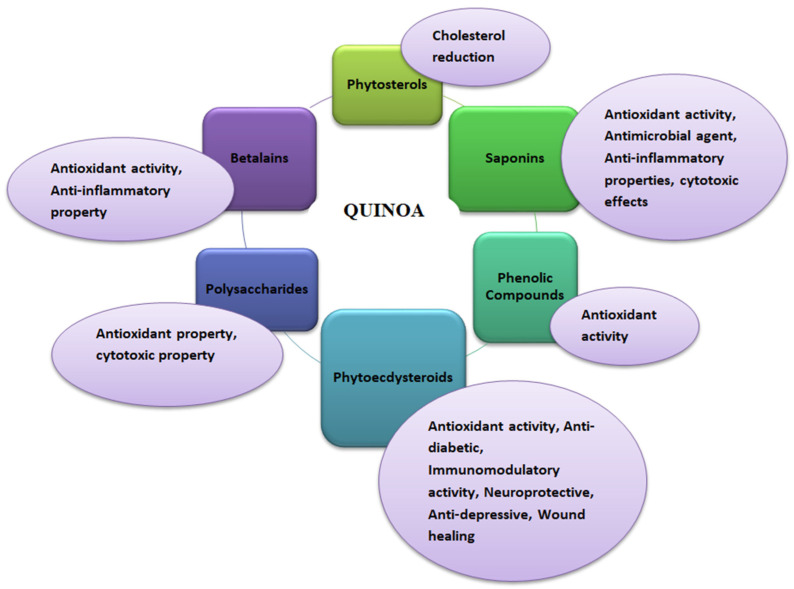
- Quinoa bioactives include phenolics at 0.46–1.84 mg/g dry weight, phytosterols at 118 mg/100 g, and phytoecdysteroids at 138–570 µg/g; kaempferol is highlighted for anticancer potential via Nrf2/Keap1 pathways. Chia has ~98 mg total phenols (GAE/100 g), rosmarinic acid at 0.93 mg/g, and phytosterols at ~0.02%.
- Both seeds are linked to health benefits such as antioxidant, antidiabetic, anticancer, antihypertensive, anti-inflammatory, and hypocholesterolemic effects; chia is especially noted as a plant source of omega-3 fatty acids.
- Food applications include quinoa-fortified bread with 2% higher protein and 1% higher oil and fiber, pasta with 7.5% chia flour, a ready-to-eat porridge with 15% replacement of rice flour by a 1:1 quinoa:chia mix, cookies with 20% chia mucilage, and yogurt with 6% chia seeds plus 12% strawberry.
Methods
- Narrative review of recent literature on quinoa and chia seeds, covering nutritional composition, bioactive compounds, processing, health benefits, and value-added food products.
- Data are drawn from cited studies and nutrient composition tables, including Table 1 with per-100 g nutrient values for quinoa and chia.
- Main analysis is qualitative synthesis; no systematic search strategy, inclusion criteria, meta-analysis, or primary experimental study is reported.
Limitations
- The paper states that further studies are needed to reveal benefits to a larger population and to investigate effects on human health, and that challenges in including quinoa and chia in food products need study.
- The paper notes that antioxidant properties of polyphenols have been widely demonstrated mainly in vitro, while in vivo biological relevance is questionable, especially for cardiovascular effects, due to low blood concentrations and extensive metabolism after ingestion.
- Evident from the text: as a narrative review, it does not provide a systematic protocol or quantitative synthesis, and many health claims rely on cited animal, in vitro, or small human studies rather than large clinical trials.
Model-written summary. Check it against the paper before relying on it.
Integrity signals
Registry
Cites
Statistics
Figures
Verification
Claims the paper makes
97 Not checked yet · 6 Own interpretation · 2 Supported
Every source the paper cites for this claim was checked and supports it.
In the paper
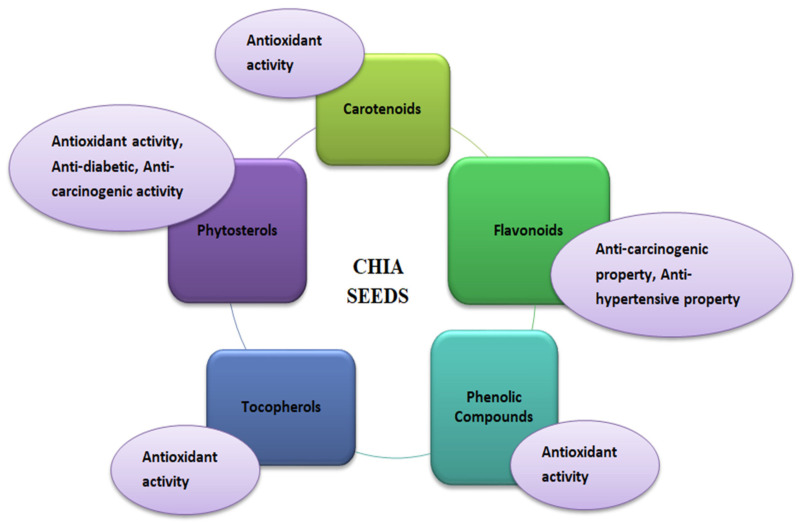
“Flavonoids in chia seeds, such as caffeic acid, chlorogenic acid, and quercetin, provide anti-carcinogenic and anti-hypertensive properties [27].”
§ Nutritional and Functional New Perspectives and Potential Health Benefits of Quinoa and Chia Seeds > 3. Chia Seeds and Its Characteristics > 3.2. Bioactive Compounds in Chia and Its Biological Properties
What the sources say
- Supportedcites [27] Hrnčič, M.K., Ivanovski, M., Cor, D., and Knez, Z. (2020). Chia seeds (Salvia hispanica L.): An overview—Phytochemical profile, isolation methods, and application. Molecules, 25. source
Section 2.4 states that chia seeds contain quercetin, chlorogenic acid, and caffeic acid and attributes anti-carcinogenic and anti-hypertensive effects to them. The Conclusions repeat both points. (LLM, conf=0.95)
plaindirect- Asserted: passes — The authors put it forward as true.
- Checkable: passes — It can be checked against evidence.
- Load-bearing: unclear — It is unclear whether the paper’s conclusions depend on it.
- Based: passes — The paper gives a reason why it holds.
- Supported
Every source the paper cites for this claim was checked and supports it.
In the paper
“In addition, adding chia seeds to baked products helps increase omega-3 fatty acids essential for healthy living [25].”
§ Nutritional and Functional New Perspectives and Potential Health Benefits of Quinoa and Chia Seeds > 4. Quinoa and Chia Seeds > 4.3. Value-Added Food Products and Other Potential Applications
What the sources say
- Supportedcites [25] Kulczynski, B., Cisowska, J.K., Taczanowski, M., Kmiecik, D., and Michalowska, A.G. (2019). The chemical composition and nutritional value of chia seeds- current state of knowledge. Nutrients, 11. source
Section 6, “Application of Chia Seeds in Food Industry” (page not provided), states that baked goods made with chia seed gel have a greater omega-3 content and describes those fatty acids as important for human health. (LLM, conf=0.94)
plaindirect- Asserted: passes — The authors put it forward as true.
- Checkable: passes — It can be checked against evidence.
- Load-bearing: unclear — It is unclear whether the paper’s conclusions depend on it.
- Based: passes — The paper gives a reason why it holds.
- Supported
In the paper
“Chia seeds are also known for their presence of a high amount of omega-3 fatty acids”
§ Nutritional and Functional New Perspectives and Potential Health Benefits of Quinoa and Chia Seeds > Abstract
What the sources say
- Not checked yetcites [81] Prathyusha, 2019, Chia seeds for nutritional security, J. Pharmacog. Phytochem.
boosted- Asserted: passes — The authors put it forward as true.
- Checkable: passes — It can be checked against evidence.
- Load-bearing: unclear — It is unclear whether the paper’s conclusions depend on it.
- Based: passes — The paper gives a reason why it holds.
None of the sources cited for this claim have been checked yet.
In the paper
“Many food products can be developed by fortifying quinoa and chia seeds in different concentrations to enhance their nutritional profile, such as extruded snacks, meat products, etc.”
§ Nutritional and Functional New Perspectives and Potential Health Benefits of Quinoa and Chia Seeds > Abstract
What the sources say
- Not checked yetcites [8] Cueto, 2015, Physical and mechanical properties of maize extrudates as affected by the addition of chia and quinoa seeds and antioxidants, J. Food Eng. source
- Not checked yetcites [9] Goyat, 2018, Development of Chia (Salvia hispanica, L.) and Quinoa (Chenopodium quinoa, L.) seed flour substituted cookies- Physicochemical, nutritional and storage studies, Curr. Res. Nutr. Food Sci. J. source
- Not checked yetcites [10] Oteri, M., Bartolomeo, G., Rigano, F., Aspromonte, J., Trovato, E., Purcaro, G., Dugo, P., Mondello, L., and Beccaria, M. (2023). Comprehensive chemical characterization of chia (Salvia hispanica L.) seed oil with a focus on minor lipid components. Foods, 12. source
plaindirect- Asserted: passes — The authors put it forward as true.
- Checkable: passes — It can be checked against evidence.
- Load-bearing: passes — The paper’s conclusions depend on it.
- Based: passes — The paper gives a reason why it holds.
None of the sources cited for this claim have been checked yet.
In the paper
“In addition, it also possesses medicinal health benefits against different chronic diseases such as diabetes, obesity, anemia, and celiac disease”
§ Nutritional and Functional New Perspectives and Potential Health Benefits of Quinoa and Chia Seeds > 2. Quinoa and Its Characteristics > 2.2. Bioactive Compounds in Quinoa and Its Biological Properties
What the sources say
- Not checked yetcites [5] Kozio, 1992, Chemical composition and nutritional evaluation of quinoa (Chenopodium quinoa Willd.), J. Food Compos. Anal. source
- Not checked yetcites [26] Angeli, V., Silva, P.M., Massuela, D.C., Khan, M.W., Hamar, A., Khajehei, F., Graeff-Hönninger, S., and Piatti, C. (2020). Quinoa (Chenopodium quinoa Willd.): An overview of the potentials of the “golden grain” and socio-economic and environmental aspects of its cultivation and marketization. Foods, 9. source
plaindirect- Asserted: passes — The authors put it forward as true.
- Checkable: passes — It can be checked against evidence.
- Load-bearing: passes — The paper’s conclusions depend on it.
- Based: passes — The paper gives a reason why it holds.
None of the sources cited for this claim have been checked yet.
In the paper
“Quinoa seeds show a high composition of proteins, carbohydrates, and lipids with excellent balance”
§ Nutritional and Functional New Perspectives and Potential Health Benefits of Quinoa and Chia Seeds > 2. Quinoa and Its Characteristics
What the sources say
- Not checked yetcites [34] Jaikishun, S., Li, W., Yang, Z., and Song, S. (2019). Quinoa: In perspective of global challenges. Agronomy, 9. source
- Not checked yetcites [37] Pathan, S., and Siddiqui, R.A. (2022). Nutritional composition and bioactive components in quinoa (Chenopodium quinoa Willd.) greens: A review. Nutrients, 14. source
plain- Asserted: passes — The authors put it forward as true.
- Checkable: passes — It can be checked against evidence.
- Load-bearing: unclear — It is unclear whether the paper’s conclusions depend on it.
- Based: passes — The paper gives a reason why it holds.
In the paper
“It shows antidiabetic activity by declining fasting glucose and insulin levels in serum.”
§ Nutritional and Functional New Perspectives and Potential Health Benefits of Quinoa and Chia Seeds > 3. Chia Seeds and Its Characteristics > 3.2. Bioactive Compounds in Chia and Its Biological Properties
What the sources say
- Not checked yetcites [97] Bakrim, S., Benkhaira, N., Bourais, I., Benali, T., Lee, L.-H., El Omari, N., Sheikh, R.A., Goh, K.W., Ming, L.C., and Bouyahya, A. (2022). Health benefits and pharmacological properties of stigmasterol. Antioxidants, 11. source
plaindirect- Asserted: passes — The authors put it forward as true.
- Checkable: passes — It can be checked against evidence.
- Load-bearing: unclear — It is unclear whether the paper’s conclusions depend on it.
- Based: passes — The paper gives a reason why it holds.
In the paper
“Maintaining the temperature during the processing of chia seeds is crucial as chia seeds heated at a temperature above 90 °C led to a decrease in phenolic compounds such as myrcetin, rosmarinic acid, 3,4-dihydroxybenzoic acid, gallic acid, and caffeic acid [95].”
§ Nutritional and Functional New Perspectives and Potential Health Benefits of Quinoa and Chia Seeds > 3. Chia Seeds and Its Characteristics > 3.2. Bioactive Compounds in Chia and Its Biological Properties
What the sources say
- Not checked yetcites [95] Motyka, 2023, Health-promoting approaches of the use of chia seeds, J. Funct. Foods source
plaindirect- Asserted: passes — The authors put it forward as true.
- Checkable: passes — It can be checked against evidence.
- Load-bearing: unclear — It is unclear whether the paper’s conclusions depend on it.
- Based: passes — The paper gives a reason why it holds.
In the paper
“In mechanism, stigmasterol reduces matrix degradation and pro-inflammatory mediators involved in osteoarthritis-induced cartilage degradation via NF-kappa B pathway inhibition [96].”
§ Nutritional and Functional New Perspectives and Potential Health Benefits of Quinoa and Chia Seeds > 3. Chia Seeds and Its Characteristics > 3.2. Bioactive Compounds in Chia and Its Biological Properties
What the sources say
- Not checked yetcites [96] Gabay, 2010, Stigmasterol: A phytosterol with potential anti-osteoarthritic properties, Osteoarthr. Cartil. source
plaindirect- Asserted: passes — The authors put it forward as true.
- Checkable: passes — It can be checked against evidence.
- Load-bearing: unclear — It is unclear whether the paper’s conclusions depend on it.
- Based: passes — The paper gives a reason why it holds.
In the paper
“Digested proteins of chia seeds exhibit anti-inflammatory and anti-adipogenic effects [88].”
§ Nutritional and Functional New Perspectives and Potential Health Benefits of Quinoa and Chia Seeds > 3. Chia Seeds and Its Characteristics > 3.2. Bioactive Compounds in Chia and Its Biological Properties
What the sources say
- Not checked yetcites [88] Grancieri, 2019, Chia seed (Salvia hispanica L.) as a source of proteins and bioactive peptides with health benefits: A review, Compr. Rev. Food Sci. Food Saf. source
plaindirect- Asserted: passes — The authors put it forward as true.
- Checkable: passes — It can be checked against evidence.
- Load-bearing: unclear — It is unclear whether the paper’s conclusions depend on it.
- Based: passes — The paper gives a reason why it holds.
- It may state two separate claims as one. 42
- Probably not a substantial claim. 2
In the paper
“chia seeds contain high dietary fiber content, calories, lipids, minerals (calcium, magnesium, iron, phosphorus, and zinc), and vitamins (A and B complex)”
§ Nutritional and Functional New Perspectives and Potential Health Benefits of Quinoa and Chia Seeds > Abstract
What the sources say
- Not checked yetcites [25] Kulczynski, B., Cisowska, J.K., Taczanowski, M., Kmiecik, D., and Michalowska, A.G. (2019). The chemical composition and nutritional value of chia seeds- current state of knowledge. Nutrients, 11. source
plain- Asserted: passes — The authors put it forward as true.
- Checkable: passes — It can be checked against evidence.
- Load-bearing: passes — The paper’s conclusions depend on it.
- Based: passes — The paper gives a reason why it holds.
It may state two separate claims as one.
In the paper
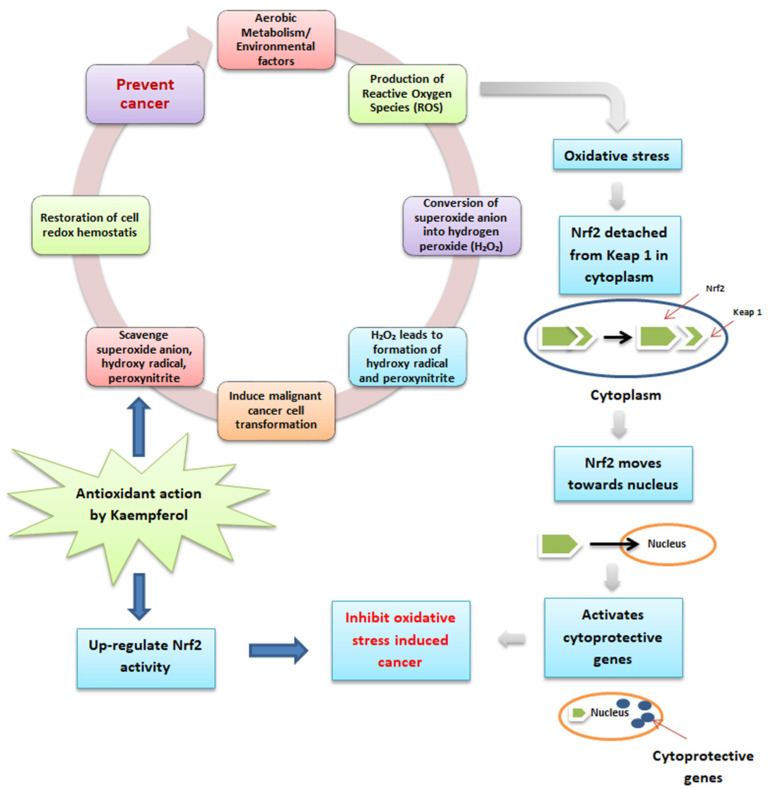
“Quinoa seeds possess phenolic compounds, particularly kaempferol, which can help prevent cancer”
§ Nutritional and Functional New Perspectives and Potential Health Benefits of Quinoa and Chia Seeds > Abstract
What the sources say
- Not checked yetcites [64] Imran, M., Salehi, B., Sharifi-Rad, J., Gondal, T.A., Saeed, F., Imran, A., Shahbaz, M., Fokou, P.V.T., Arshad, M.U., and Khan, H. (2019). Kaempferol: A key emphasis to its anticancer potential. Molecules, 24. source
plainconditional- Asserted: passes — The authors put it forward as true.
- Checkable: passes — It can be checked against evidence.
- Load-bearing: unclear — It is unclear whether the paper’s conclusions depend on it.
- Based: passes — The paper gives a reason why it holds.
It may state two separate claims as one.
In the paper
“Quinoa is known for its high and good quality protein content and nine essential amino acids vital for an individual’s development and growth”
§ Nutritional and Functional New Perspectives and Potential Health Benefits of Quinoa and Chia Seeds > Abstract
What the sources say
- Not checked yetcites [43] Filho, 2017, Quinoa: Nutritional aspects, Int. Nutraceut. Food Sci.
boosted- Asserted: passes — The authors put it forward as true.
- Checkable: passes — It can be checked against evidence.
- Load-bearing: unclear — It is unclear whether the paper’s conclusions depend on it.
- Based: passes — The paper gives a reason why it holds.
It may state two separate claims as one.
None of the sources cited for this claim have been checked yet.
In the paper
“Both quinoa and chia seeds are gluten-free and provide medicinal properties due to bioactive compounds, which help combat various chronic diseases such as diabetes, obesity, cardiovascular diseases, and metabolic diseases such as cancer”
§ Nutritional and Functional New Perspectives and Potential Health Benefits of Quinoa and Chia Seeds > Abstract
What the sources say
- Not checked yetcites [11] Bojarczuk, 2022, Immunonutritional benefits of Chenopodium quinoa’s ingredients preventing obesity-derived metabolic imbalances, Biol. Life Sci. Forum
- Not checked yetcites [12] Mihai, 2022, In Vitro antioxidant activity determination of a microencapsulated synergic polyphenols—Polysaccharide mixture, Chem. Proc.
- Not checked yetcites [13] Mishima, M.D.V., Da Silva, B.P., Gomes, M.J.C., Toledo, R.C.L., Mantovani, H.C., José, V.P.B.d.S., Costa, N.M.B., Tako, E., and Martino, H.S.D. (2022). Effect of chia (Salvia hispanica L.) associated with high-fat diet on the intestinal health of wistar rats. Nutrients, 14. source
plaindirect- Asserted: passes — The authors put it forward as true.
- Checkable: passes — It can be checked against evidence.
- Load-bearing: passes — The paper’s conclusions depend on it.
- Based: passes — The paper gives a reason why it holds.
It may state two separate claims as one.
None of the sources cited for this claim have been checked yet.
In the paper
“Chia seeds have been proven to have health benefits such as improved blood lipid profile, hypotensive, hypoglycaemic, antioxidant, antimicrobial, and immunostimulatory effects”
§ Nutritional and Functional New Perspectives and Potential Health Benefits of Quinoa and Chia Seeds > 3. Chia Seeds and Its Characteristics
What the sources say
- Not checked yetcites [25] Kulczynski, B., Cisowska, J.K., Taczanowski, M., Kmiecik, D., and Michalowska, A.G. (2019). The chemical composition and nutritional value of chia seeds- current state of knowledge. Nutrients, 11. source
- Not checked yetcites [69] Motyka, S., Koc, K., Ekiert, H., Blicharska, E., Czarnek, K., and Szopa, A. (2022). The current state of knowledge on Salvia hispanica and Salviae hispanicae semen (Chia Seeds). Molecules, 27. source
- Not checked yetcites [75] Saini, R.K., Prasad, P., Sreedhar, R.V., Akhilender Naidu, K., Shang, X., and Keum, Y.-S. (2021). Omega-3 polyunsaturated fatty acids (PUFAs): Emerging plant and microbial sources, oxidative stability, bioavailability, and health benefits—A review. Antioxidants, 10. source
boosteddirect- Asserted: passes — The authors put it forward as true.
- Checkable: passes — It can be checked against evidence.
- Load-bearing: unclear — It is unclear whether the paper’s conclusions depend on it.
- Based: passes — The paper gives a reason why it holds.
It may state two separate claims as one.
In the paper
“Chia seeds contain 15 to 23% protein content, higher than the other cereals such as wheat, oats, barley, corn, rice, quinoa, and amaranth.”
§ Nutritional and Functional New Perspectives and Potential Health Benefits of Quinoa and Chia Seeds > 3. Chia Seeds and Its Characteristics > 3.1. Nutrients in Chia Seeds
What the sources say
- Not checked yetcites [82] Munoz, 2013, Chia seed (Salvia hispanica): An ancient grain and a new functional food, Food Rev. Int. source
plain- Asserted: passes — The authors put it forward as true.
- Checkable: passes — It can be checked against evidence.
- Load-bearing: unclear — It is unclear whether the paper’s conclusions depend on it.
- Based: passes — The paper gives a reason why it holds.
It may state two separate claims as one.
None of the sources cited for this claim have been checked yet.
In the paper
“Also, rosmarinic acid, found in higher amounts, acts as the most abundant antioxidant present in chia seeds, i.e., 0.93 mg/g, followed by three other phenolic compounds, i.e., protocatechuic acid, caffeic acid, and gallic acid with concentrations of 0. 75, 0.03, and 0.01 mg/g, respectively [87,88,94].”
§ Nutritional and Functional New Perspectives and Potential Health Benefits of Quinoa and Chia Seeds > 3. Chia Seeds and Its Characteristics > 3.2. Bioactive Compounds in Chia and Its Biological Properties
What the sources say
- Not checked yetcites [87] Lopez, 2015, Chia (Salvia hispanica): A review of native Mexican seed and its nutritional and functional properties, Adv. Food Nutr. Res. source
- Not checked yetcites [88] Grancieri, 2019, Chia seed (Salvia hispanica L.) as a source of proteins and bioactive peptides with health benefits: A review, Compr. Rev. Food Sci. Food Saf. source
- Not checked yetcites [94] Galante, 2019, Functional properties of amaranth, quinoa and chia proteins and the biological activities of their hydrolyzates, Food Res. Int. source
plain- Asserted: passes — The authors put it forward as true.
- Checkable: passes — It can be checked against evidence.
- Load-bearing: unclear — It is unclear whether the paper’s conclusions depend on it.
- Based: passes — The paper gives a reason why it holds.
It may state two separate claims as one.
In the paper
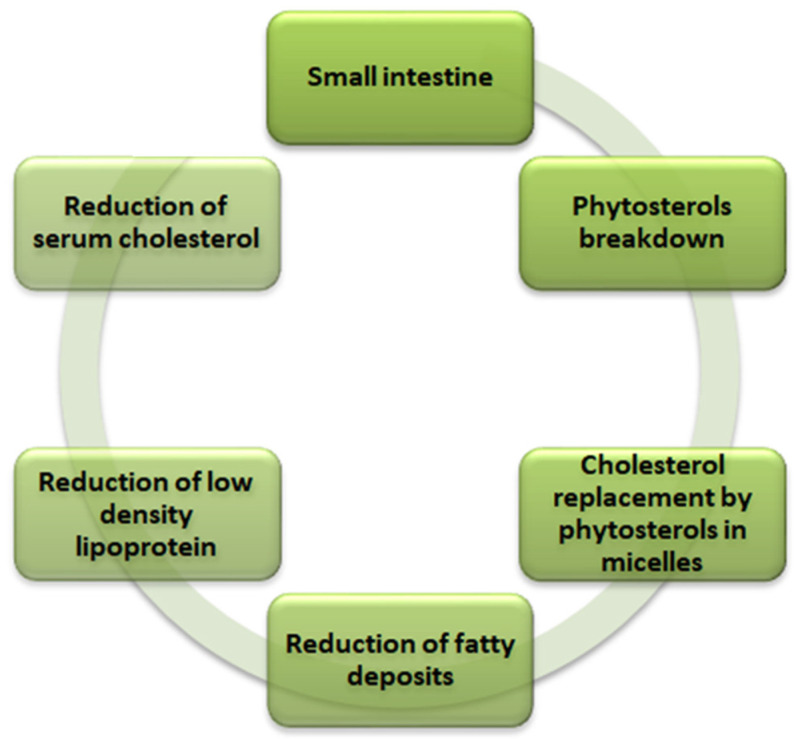
“Stigmastanol is engaged in lowering cholesterol absorption from the diet, therefore inhibiting cholesterol biosynthesis within the liver.”
§ Nutritional and Functional New Perspectives and Potential Health Benefits of Quinoa and Chia Seeds > 3. Chia Seeds and Its Characteristics > 3.2. Bioactive Compounds in Chia and Its Biological Properties
What the sources say
- Not checked yetcites [97] Bakrim, S., Benkhaira, N., Bourais, I., Benali, T., Lee, L.-H., El Omari, N., Sheikh, R.A., Goh, K.W., Ming, L.C., and Bouyahya, A. (2022). Health benefits and pharmacological properties of stigmasterol. Antioxidants, 11. source
plaindirect- Asserted: passes — The authors put it forward as true.
- Checkable: passes — It can be checked against evidence.
- Load-bearing: unclear — It is unclear whether the paper’s conclusions depend on it.
- Based: passes — The paper gives a reason why it holds.
It may state two separate claims as one.
In the paper
“due to the absence of gliadins and gliadin-related protein fractions (usually present in rye, barley, and malt), it is classified as gluten-free and considered suitable for celiac disease patients”
§ Nutritional and Functional New Perspectives and Potential Health Benefits of Quinoa and Chia Seeds > 2. Quinoa and Its Characteristics > 2.1. Nutrients in Quinoa Seeds
What the sources say
- Not checked yetcites [43] Filho, 2017, Quinoa: Nutritional aspects, Int. Nutraceut. Food Sci.
plaindirect- Asserted: passes — The authors put it forward as true.
- Checkable: passes — It can be checked against evidence.
- Load-bearing: unclear — It is unclear whether the paper’s conclusions depend on it.
- Based: passes — The paper gives a reason why it holds.
It may state two separate claims as one.
In the paper
“Stigmasterol is vital to human health due to its prospective anti-osteoarthritic properties and cholesterol-lowering activity that can effectively reduce cardiovascular disease risks.”
§ Nutritional and Functional New Perspectives and Potential Health Benefits of Quinoa and Chia Seeds > 3. Chia Seeds and Its Characteristics > 3.2. Bioactive Compounds in Chia and Its Biological Properties
What the sources say
- Not checked yetcites [96] Gabay, 2010, Stigmasterol: A phytosterol with potential anti-osteoarthritic properties, Osteoarthr. Cartil. source
plaindirect- Asserted: passes — The authors put it forward as true.
- Checkable: passes — It can be checked against evidence.
- Load-bearing: unclear — It is unclear whether the paper’s conclusions depend on it.
- Based: passes — The paper gives a reason why it holds.
It may state two separate claims as one.
In the paper
“The seeds contain 30 to 34 g of dietary fiber per 100 g, of which 85–93% consists of insoluble dietary fiber and 7–15% of soluble dietary fiber”
§ Nutritional and Functional New Perspectives and Potential Health Benefits of Quinoa and Chia Seeds > 3. Chia Seeds and Its Characteristics > 3.1. Nutrients in Chia Seeds
What the sources say
- Not checked yetcites [25] Kulczynski, B., Cisowska, J.K., Taczanowski, M., Kmiecik, D., and Michalowska, A.G. (2019). The chemical composition and nutritional value of chia seeds- current state of knowledge. Nutrients, 11. source
plain- Asserted: passes — The authors put it forward as true.
- Checkable: passes — It can be checked against evidence.
- Load-bearing: unclear — It is unclear whether the paper’s conclusions depend on it.
- Based: passes — The paper gives a reason why it holds.
It may state two separate claims as one.
In the paper
“Chlorogenic acid, caffeic acid, myricetin, kaempferol, and quercetin present in chia seeds offer antioxidant properties, such as caffeic, and chlorogenic acids in preventing peroxidation of fats by scavenging the free radicals and quercetin in protecting against oxidation of fats, proteins, and DNA [81].”
§ Nutritional and Functional New Perspectives and Potential Health Benefits of Quinoa and Chia Seeds > 3. Chia Seeds and Its Characteristics > 3.2. Bioactive Compounds in Chia and Its Biological Properties
What the sources say
- Not checked yetcites [81] Prathyusha, 2019, Chia seeds for nutritional security, J. Pharmacog. Phytochem.
plaindirect- Asserted: passes — The authors put it forward as true.
- Checkable: passes — It can be checked against evidence.
- Load-bearing: passes — The paper’s conclusions depend on it.
- Based: passes — The paper gives a reason why it holds.
It may state two separate claims as one.
In the paper
“Chia seeds are rich in oil ~30–39% and contain phytosterols (~0.02%) such as campesterol, stigmastanol, stigmasterol, Δ5-avenasterol, and β-sitosterol [95].”
§ Nutritional and Functional New Perspectives and Potential Health Benefits of Quinoa and Chia Seeds > 3. Chia Seeds and Its Characteristics > 3.2. Bioactive Compounds in Chia and Its Biological Properties
What the sources say
- Not checked yetcites [95] Motyka, 2023, Health-promoting approaches of the use of chia seeds, J. Funct. Foods source
plain- Asserted: passes — The authors put it forward as true.
- Checkable: passes — It can be checked against evidence.
- Load-bearing: unclear — It is unclear whether the paper’s conclusions depend on it.
- Based: passes — The paper gives a reason why it holds.
It may state two separate claims as one.
In the paper
“These saponins are present on the surface of grains in a thin layer of glucoside compounds, which is also toxic to health due to their hemolytic activity.”
§ Nutritional and Functional New Perspectives and Potential Health Benefits of Quinoa and Chia Seeds > 4. Quinoa and Chia Seeds > 4.1. Processing Procedures
What the sources say
- Not checked yetcites [101] Mhada, M., Metougui, M.L., El Hazzam, K., El Kacimi, K., and Yasri, A. (2020). Variations of saponins, minerals and total phenolic compounds due to processing and cooking of quinoa (Chenopodium quinoa Willd.) seeds. Foods, 9. source
plaindirect- Asserted: passes — The authors put it forward as true.
- Checkable: passes — It can be checked against evidence.
- Load-bearing: passes — The paper’s conclusions depend on it.
- Based: passes — The paper gives a reason why it holds.
It may state two separate claims as one.
In the paper
“The thermal processing of quinoa helps improve the quality of quinoa in terms of reduction in phytates, enhanced bioactive constituents, enhanced antioxidative properties, and enhanced hydration properties [110].”
§ Nutritional and Functional New Perspectives and Potential Health Benefits of Quinoa and Chia Seeds > 4. Quinoa and Chia Seeds > 4.1. Processing Procedures
What the sources say
- Not checked yetcites [110] Sharma, 2022, Effect of thermal processing on the bioactive compounds, antioxidative, antinutritional and functional characteristics of quinoa (Chenopodium quinoa), LWT source
plaindirect- Asserted: passes — The authors put it forward as true.
- Checkable: passes — It can be checked against evidence.
- Load-bearing: unclear — It is unclear whether the paper’s conclusions depend on it.
- Based: passes — The paper gives a reason why it holds.
It may state two separate claims as one.
In the paper
“It is beneficial as a dietary supplement to reduce plasma cholesterol and exhibits antioxidant activities or stimulates antioxidant enzymes [98].”
§ Nutritional and Functional New Perspectives and Potential Health Benefits of Quinoa and Chia Seeds > 3. Chia Seeds and Its Characteristics > 3.2. Bioactive Compounds in Chia and Its Biological Properties
What the sources say
- Not checked yetcites [98] Sayeed, M.S.B., Karim, S.M.R., Sharmin, T., and Morshed, M.M. (2016). Critical analysis on characterization, systemic effect, and therapeutic potential of beta-sitosterol: A plant-derived orphan phytosterol. Medicines, 3. source
plaindirect- Asserted: passes — The authors put it forward as true.
- Checkable: passes — It can be checked against evidence.
- Load-bearing: unclear — It is unclear whether the paper’s conclusions depend on it.
- Based: passes — The paper gives a reason why it holds.
It may state two separate claims as one.
In the paper
“Linolenic acid, a component of chia seeds, contributes significantly to the formation of leukotrienes and thromboxanes, which are thought to be connected to several significant biochemical processes and physiological functions of the body [85].”
§ Nutritional and Functional New Perspectives and Potential Health Benefits of Quinoa and Chia Seeds > 3. Chia Seeds and Its Characteristics > 3.2. Bioactive Compounds in Chia and Its Biological Properties
What the sources say
- Not checked yetcites [85] Ullah, 2016, Nutritional and therapeutic perspectives of chia (Salvia hispanica L.): A review, J. Food Sci. Technol. source
hedgeddirect- Asserted: passes — The authors put it forward as true.
- Checkable: passes — It can be checked against evidence.
- Load-bearing: unclear — It is unclear whether the paper’s conclusions depend on it.
- Based: passes — The paper gives a reason why it holds.
It may state two separate claims as one.
In the paper
“Moreover, the omega-3 fatty acid-based molecule can restrict salt and calcium, amplify the parasympathetic nervous system, and resolve channel issues (which might induce hypertension), strengthening ventricular arrhythmia defense [85].”
§ Nutritional and Functional New Perspectives and Potential Health Benefits of Quinoa and Chia Seeds > 3. Chia Seeds and Its Characteristics > 3.2. Bioactive Compounds in Chia and Its Biological Properties
What the sources say
- Not checked yetcites [85] Ullah, 2016, Nutritional and therapeutic perspectives of chia (Salvia hispanica L.): A review, J. Food Sci. Technol. source
plaindirect- Asserted: passes — The authors put it forward as true.
- Checkable: passes — It can be checked against evidence.
- Load-bearing: unclear — It is unclear whether the paper’s conclusions depend on it.
- Based: passes — The paper gives a reason why it holds.
It may state two separate claims as one.
In the paper
“However, pearling is the primary method employed nowadays, due to the more straightforward sprouting process of quinoa, which acts as an alternative method to pearling, leading to a decrease in the saponins content thereby reducing bitterness and also enhancing the nutritional as well as sensory characteristics of quinoa and its products such as quinoa-fortified bread [108].”
§ Nutritional and Functional New Perspectives and Potential Health Benefits of Quinoa and Chia Seeds > 4. Quinoa and Chia Seeds > 4.1. Processing Procedures
What the sources say
- Not checked yetcites [108] Cardone, 2020, Sprouting as a pre-processing for producing quinoa-enriched bread, J. Cereal Sci. source
plaindirect- Asserted: passes — The authors put it forward as true.
- Checkable: passes — It can be checked against evidence.
- Load-bearing: unclear — It is unclear whether the paper’s conclusions depend on it.
- Based: passes — The paper gives a reason why it holds.
It may state two separate claims as one.
In the paper
“β-sitosterol lowers inflammatory activity by inhibiting the STAT1 pathway, and the activation of NF-kB translocation is mediated by tyrosine phosphatase SHP-1.”
§ Nutritional and Functional New Perspectives and Potential Health Benefits of Quinoa and Chia Seeds > 3. Chia Seeds and Its Characteristics > 3.2. Bioactive Compounds in Chia and Its Biological Properties
What the sources say
- Not checked yetcites [98] Sayeed, M.S.B., Karim, S.M.R., Sharmin, T., and Morshed, M.M. (2016). Critical analysis on characterization, systemic effect, and therapeutic potential of beta-sitosterol: A plant-derived orphan phytosterol. Medicines, 3. source
plaindirect- Asserted: passes — The authors put it forward as true.
- Checkable: passes — It can be checked against evidence.
- Load-bearing: unclear — It is unclear whether the paper’s conclusions depend on it.
- Based: passes — The paper gives a reason why it holds.
It may state two separate claims as one.
None of the sources cited for this claim have been checked yet.
In the paper
“Processing is vital in enhancing quinoa’s nutritional properties, promoting consumers’ improved health conditions, and other applications [102,103].”
§ Nutritional and Functional New Perspectives and Potential Health Benefits of Quinoa and Chia Seeds > 4. Quinoa and Chia Seeds > 4.1. Processing Procedures
What the sources say
- Not checked yetcites [102] Alarcon, 2022, Study of the residue from Salvia hispanica (Chia) seed oil extraction by cold pressing for repurposing as functional food to prevent metabolic syndrome, Biol. Life Sci. Forum
- Not checked yetcites [103] Ang, 2023, Novel constituents of Salvia hispanica L. (chia) nutlet mucilage and the improved in vitro fermentation of nutlets when ground, Food Funct. source
plaindirect- Asserted: passes — The authors put it forward as true.
- Checkable: passes — It can be checked against evidence.
- Load-bearing: unclear — It is unclear whether the paper’s conclusions depend on it.
- Based: passes — The paper gives a reason why it holds.
It may state two separate claims as one.
None of the sources cited for this claim have been checked yet.
In the paper
“Chia seeds are rich in proteins (15–25%), and bioactive peptides derived after enzymatic hydrolysis can exhibit antioxidant properties.”
§ Nutritional and Functional New Perspectives and Potential Health Benefits of Quinoa and Chia Seeds > 3. Chia Seeds and Its Characteristics > 3.2. Bioactive Compounds in Chia and Its Biological Properties
What the sources say
- Not checked yetcites [27] Hrnčič, M.K., Ivanovski, M., Cor, D., and Knez, Z. (2020). Chia seeds (Salvia hispanica L.): An overview—Phytochemical profile, isolation methods, and application. Molecules, 25. source
- Not checked yetcites [95] Motyka, 2023, Health-promoting approaches of the use of chia seeds, J. Funct. Foods source
plainconditional- Asserted: passes — The authors put it forward as true.
- Checkable: passes — It can be checked against evidence.
- Load-bearing: unclear — It is unclear whether the paper’s conclusions depend on it.
- Based: passes — The paper gives a reason why it holds.
It may state two separate claims as one.
In the paper
“Furthermore, quinoa processing is also essential to remove the saponins on the surface of quinoa seeds and reduce the bitterness caused by them [107].”
§ Nutritional and Functional New Perspectives and Potential Health Benefits of Quinoa and Chia Seeds > 4. Quinoa and Chia Seeds > 4.1. Processing Procedures
What the sources say
- Not checked yetcites [107] Ridout, 1991, Quinoa saponins—Analysis and preliminary investigations into the effects of reduction by processing, J. Sci. Food and Agricul. source
plaindirect- Asserted: passes — The authors put it forward as true.
- Checkable: passes — It can be checked against evidence.
- Load-bearing: unclear — It is unclear whether the paper’s conclusions depend on it.
- Based: passes — The paper gives a reason why it holds.
It may state two separate claims as one.
None of the sources cited for this claim have been checked yet.
In the paper
“It consists of ~48% of total sugars and 4% of protein with high solubility of ~85%, exhibiting high stability up to 240 °C.”
§ Nutritional and Functional New Perspectives and Potential Health Benefits of Quinoa and Chia Seeds > 3. Chia Seeds and Its Characteristics > 3.2. Bioactive Compounds in Chia and Its Biological Properties
What the sources say
- Not checked yetcites [23] Fernández-López, J., Viuda-Martos, M., Sayas-Barberá, M.E., de Vera, C.N.-R., Lucas-González, R., Roldán-Verdú, A., Botella-Martínez, C., and Pérez-Alvarez, J.A. (2020). Chia, quinoa, and their coproducts as potential antioxidants for the meat industry. Plants, 9. source
- Not checked yetcites [99] Stringer, 2019, Chia seed mucilage—A vegan thickener: Isolation, tailoring viscoelasticity and rehydration, Food Funct. source
plain- Asserted: passes — The authors put it forward as true.
- Checkable: passes — It can be checked against evidence.
- Load-bearing: unclear — It is unclear whether the paper’s conclusions depend on it.
- Based: passes — The paper gives a reason why it holds.
It may state two separate claims as one.
None of the sources cited for this claim have been checked yet.
In the paper
“The results revealed that the fermentation method in germinated quinoa flour is most effective in decreasing the phytate content in quinoa, and thus, enhances iron availability by five to eight times in consumers [106].”
§ Nutritional and Functional New Perspectives and Potential Health Benefits of Quinoa and Chia Seeds > 4. Quinoa and Chia Seeds > 4.1. Processing Procedures
What the sources say
- Not checked yetcites [105] Valencia, 2011, Quinoa (Chenopodium quinoa, Willd.) as a source of dietary fiber and other functional components, Food Sci. Technol. source
- Not checked yetcites [106] Valencia, 1999, Processing of quinoa (Chenopodium quinoa, Willd.): Effects on in vitro iron availability and phytate hydrolysis, Int. J. Food Sci. Nutr. source
plaindirect- Asserted: passes — The authors put it forward as true.
- Checkable: passes — It can be checked against evidence.
- Load-bearing: unclear — It is unclear whether the paper’s conclusions depend on it.
- Based: passes — The paper gives a reason why it holds.
It may state two separate claims as one.
In the paper
“In addition, β-sitosterol shows numerous health benefits such as antimicrobial, anti-pulmonary tuberculosis, antidiabetic, anticancer, immune modulation and anti-HIV, anti-arthritic, antipyretic, antihyperlipidemic, anti-atherosclerosis, and angiogenic influences.”
§ Nutritional and Functional New Perspectives and Potential Health Benefits of Quinoa and Chia Seeds > 3. Chia Seeds and Its Characteristics > 3.2. Bioactive Compounds in Chia and Its Biological Properties
What the sources say
- Not checked yetcites [98] Sayeed, M.S.B., Karim, S.M.R., Sharmin, T., and Morshed, M.M. (2016). Critical analysis on characterization, systemic effect, and therapeutic potential of beta-sitosterol: A plant-derived orphan phytosterol. Medicines, 3. source
plaindirect- Asserted: passes — The authors put it forward as true.
- Checkable: passes — It can be checked against evidence.
- Load-bearing: unclear — It is unclear whether the paper’s conclusions depend on it.
- Based: passes — The paper gives a reason why it holds.
It may state two separate claims as one.
In the paper
“Raw quinoa flour and germinated or sprouted quinoa flour yield high fiber and iron content as compared to the boiling and roasting of quinoa, which decreases the nutritional content, thus making germinated quinoa flour ideal for inclusion in the diet of anemic and heart patients [104].”
§ Nutritional and Functional New Perspectives and Potential Health Benefits of Quinoa and Chia Seeds > 4. Quinoa and Chia Seeds > 4.1. Processing Procedures
What the sources say
- Not checked yetcites [104] Bhathal, 2017, Effect of processing on the nutritional composition of quinoa (Chenopodium quinoa Willd.), Agric. Res. J. source
plaindirect- Asserted: passes — The authors put it forward as true.
- Checkable: passes — It can be checked against evidence.
- Load-bearing: unclear — It is unclear whether the paper’s conclusions depend on it.
- Based: passes — The paper gives a reason why it holds.
It may state two separate claims as one.
None of the sources cited for this claim have been checked yet.
In the paper
“Because they contain significantly more nutrients and bioactive components than other grains, they are excellent and valuable against physiological disorders like diabetes, hypertension, cardiovascular diseases, and obesity [13,15,26].”
§ Nutritional and Functional New Perspectives and Potential Health Benefits of Quinoa and Chia Seeds > 4. Quinoa and Chia Seeds > 4.2. Health Benefits
What the sources say
- Not checked yetcites [13] Mishima, M.D.V., Da Silva, B.P., Gomes, M.J.C., Toledo, R.C.L., Mantovani, H.C., José, V.P.B.d.S., Costa, N.M.B., Tako, E., and Martino, H.S.D. (2022). Effect of chia (Salvia hispanica L.) associated with high-fat diet on the intestinal health of wistar rats. Nutrients, 14. source
- Not checked yetcites [15] Ozon, 2022, Chia expeller: A promising source of antioxidant, antihypertensive and antithrombotic peptides produced by enzymatic hydrolysis with Alcalase and Flavourzyme, Food Chem. source
- Not checked yetcites [26] Angeli, V., Silva, P.M., Massuela, D.C., Khan, M.W., Hamar, A., Khajehei, F., Graeff-Hönninger, S., and Piatti, C. (2020). Quinoa (Chenopodium quinoa Willd.): An overview of the potentials of the “golden grain” and socio-economic and environmental aspects of its cultivation and marketization. Foods, 9. source
plaindirect- Asserted: passes — The authors put it forward as true.
- Checkable: passes — It can be checked against evidence.
- Load-bearing: passes — The paper’s conclusions depend on it.
- Based: passes — The paper gives a reason why it holds.
It may state two separate claims as one.
In the paper
“In addition, chia seeds are also a rich source of dietary fiber, providing various medicinal benefits as fiber in the diet increases stool volume and prevents diseases such as diverticulosis and even cancer.”
§ Nutritional and Functional New Perspectives and Potential Health Benefits of Quinoa and Chia Seeds > 4. Quinoa and Chia Seeds > 4.2. Health Benefits
What the sources say
- Not checked yetcites [120] Melo, 2019, Chia seeds: An ancient grain trending in modern human diets, Food Funct. source
plaindirect- Asserted: passes — The authors put it forward as true.
- Checkable: passes — It can be checked against evidence.
- Load-bearing: passes — The paper’s conclusions depend on it.
- Based: passes — The paper gives a reason why it holds.
It may state two separate claims as one.
In the paper
“Moreover, the sprouting of chia seeds is widely employed as it is a more economical and feasible method that helps to improve the nutritional profile of chia seeds, especially minerals and phenolic content [112].”
§ Nutritional and Functional New Perspectives and Potential Health Benefits of Quinoa and Chia Seeds > 4. Quinoa and Chia Seeds > 4.1. Processing Procedures
What the sources say
- Not checked yetcites [112] Otondi, 2020, Physico-chemical properties of extruded cassava-chia seed instant flour, J. Agricul. Food Res. source
boosteddirect- Asserted: passes — The authors put it forward as true.
- Checkable: passes — It can be checked against evidence.
- Load-bearing: unclear — It is unclear whether the paper’s conclusions depend on it.
- Based: passes — The paper gives a reason why it holds.
It may state two separate claims as one.
None of the sources cited for this claim have been checked yet.
In the paper
“Chia seeds provide various medicinal health benefits such as anti-hyperlipidemic, anti-diabetic, anti-cancer, anti-inflammatory, and antioxidant properties due to their rich nutritional profile, especially the best plant source of omega-3 fatty acids (α-linolenic acid) [117,118,119].”
§ Nutritional and Functional New Perspectives and Potential Health Benefits of Quinoa and Chia Seeds > 4. Quinoa and Chia Seeds > 4.2. Health Benefits
What the sources say
- Not checked yetcites [117] Gazem, 2016, Pharmacological properties of Salvia hispanica (chia) seeds: A review, J. Crit. Rev.
- Not checked yetcites [118] Ikumi, 2019, Chia (Salvia hispanica L.)—A potential crop for food and nutrition security in Africa, J. Food Res. source
- Not checked yetcites [119] Grancieri, 2022, Digested protein from chia seed (Salvia hispanica L.) prevents obesity and associated inflammation of adipose tissue in mice fed a high-fat diet, PharmaNutrition source
plaindirect- Asserted: passes — The authors put it forward as true.
- Checkable: passes — It can be checked against evidence.
- Load-bearing: passes — The paper’s conclusions depend on it.
- Based: passes — The paper gives a reason why it holds.
It may state two separate claims as one.
In the paper
“The result showed increased nutritional content, i.e., 2% higher protein and 1% higher oil and fiber content, along with excellent sensory characteristics in the fortified bread [128].”
§ Nutritional and Functional New Perspectives and Potential Health Benefits of Quinoa and Chia Seeds > 4. Quinoa and Chia Seeds > 4.3. Value-Added Food Products and Other Potential Applications
What the sources say
- Not checked yetcites [128] Stikic, 2012, Agronomical and nutritional evaluation of quinoa seeds (Chenopodium quinoa Willd.) as an ingredient in bread formulations, J. Cereal Sci. source
plaindirect- Asserted: passes — The authors put it forward as true.
- Checkable: passes — It can be checked against evidence.
- Load-bearing: unclear — It is unclear whether the paper’s conclusions depend on it.
- Based: passes — The paper gives a reason why it holds.
It may state two separate claims as one.
In the paper
“Milling is an effective method as it helps disrupt the intestinal structure of the seeds and leads to enhanced digestibility.”
§ Nutritional and Functional New Perspectives and Potential Health Benefits of Quinoa and Chia Seeds > 4. Quinoa and Chia Seeds > 4.1. Processing Procedures
What the sources say
- Not checked yetcites [111] Calvo-Lerma, J., Paz-Yépez, C., Asensio-Grau, A., Heredia, A., and Andrés, A. (2020). Impact of processing and intestinal conditions on in vitro digestion of chia (Salvia hispanica) seeds and derivatives. Foods, 9. source
plaindirect- Asserted: passes — The authors put it forward as true.
- Checkable: passes — It can be checked against evidence.
- Load-bearing: unclear — It is unclear whether the paper’s conclusions depend on it.
- Based: passes — The paper gives a reason why it holds.
It may state two separate claims as one.
In the paper
“Quinoa is well known for its nutritional properties, due to which it possesses various health benefits such as anti-obesity, hypocholesterolemic effect, antioxidant properties, and cardiovascular diseases [115].”
§ Nutritional and Functional New Perspectives and Potential Health Benefits of Quinoa and Chia Seeds > 4. Quinoa and Chia Seeds > 4.2. Health Benefits
What the sources say
- Not checked yetcites [115] Fadwa, 2022, Antihyperglycemic and antidyslipidemic activities of the aqueous Salvia hispanica extract in diabetic rat, Cardiovasc. Hematol. Agents Med. Chem. source
boosteddirect- Asserted: passes — The authors put it forward as true.
- Checkable: passes — It can be checked against evidence.
- Load-bearing: passes — The paper’s conclusions depend on it.
- Based: passes — The paper gives a reason why it holds.
It may state two separate claims as one.
None of the sources cited for this claim have been checked yet.
In the paper
“It contains a lot of protein, a balanced range of amino acids, and a lot of lysine (5.1–6.4%), and methionine (0.4–1.0%) contains vitamins (A, C, and E) and many types of minerals [89,113].”
§ Nutritional and Functional New Perspectives and Potential Health Benefits of Quinoa and Chia Seeds > 4. Quinoa and Chia Seeds > 4.2. Health Benefits
What the sources say
plain- Asserted: passes — The authors put it forward as true.
- Checkable: passes — It can be checked against evidence.
- Load-bearing: passes — The paper’s conclusions depend on it.
- Based: passes — The paper gives a reason why it holds.
It may state two separate claims as one.
In the paper
“The results showed an increase in fiber and mineral content of matthi after adding chia seed flour and thus indicate a broad scope for developing snacks from chia seeds.”
§ Nutritional and Functional New Perspectives and Potential Health Benefits of Quinoa and Chia Seeds > 4. Quinoa and Chia Seeds > 4.3. Value-Added Food Products and Other Potential Applications
What the sources say
- Not checked yetcites [131] Puri, 2020, Evaluation of the nutritional value of snacks prepared by fortification of gram flour with chia seeds, Int. J. Home Sci.
hedgeddirect- Asserted: passes — The authors put it forward as true.
- Checkable: passes — It can be checked against evidence.
- Load-bearing: passes — The paper’s conclusions depend on it.
- Based: passes — The paper gives a reason why it holds.
It may state two separate claims as one.
A conclusion the paper draws from its own results — it cites no other source for it, so there is none to check. The quote shows it is in the paper.
In the paper
“Quinoa is rich in protein and its quality is like casein in milk, as it consists of all nine essential amino acids required for healthy living.”
§ Nutritional and Functional New Perspectives and Potential Health Benefits of Quinoa and Chia Seeds > 5. Conclusions
plain- Asserted: passes — The authors put it forward as true.
- Checkable: passes — It can be checked against evidence.
- Load-bearing: passes — The paper’s conclusions depend on it.
- Based: unclear — It is unclear why the paper says it holds.
It may state two separate claims as one.
A conclusion the paper draws from its own results — it cites no other source for it, so there is none to check. The quote shows it is in the paper.
In the paper
“In addition, chia seeds also play a vital role in human health because of their high omega-3 fatty acid content and phytochemicals which provide antioxidant action and are essential in preventing various chronic diseases such as heart disease.”
§ Nutritional and Functional New Perspectives and Potential Health Benefits of Quinoa and Chia Seeds > 5. Conclusions
plaindirect- Asserted: passes — The authors put it forward as true.
- Checkable: passes — It can be checked against evidence.
- Load-bearing: passes — The paper’s conclusions depend on it.
- Based: unclear — It is unclear why the paper says it holds.
It may state two separate claims as one.
In the paper
“Yoghurt with 6% chia seeds and 12% strawberry showed increased levels of protein, lipids, fibre, PUFA, especially omega 3 fatty acids and minerals with acceptable sensory quality and probiotic properties [145].”
§ Nutritional and Functional New Perspectives and Potential Health Benefits of Quinoa and Chia Seeds > 4. Quinoa and Chia Seeds > 4.3. Value-Added Food Products and Other Potential Applications
What the sources say
- Not checked yetcites [145] Kowaleski, 2020, Functional yogurt with strawberries and chia seeds, Food Biosci. source
plaindirect- Asserted: passes — The authors put it forward as true.
- Checkable: passes — It can be checked against evidence.
- Load-bearing: unclear — It is unclear whether the paper’s conclusions depend on it.
- Based: passes — The paper gives a reason why it holds.
It may state two separate claims as one.
A conclusion the paper draws from its own results — it cites no other source for it, so there is none to check. The quote shows it is in the paper.
In the paper
“Furthermore, both quinoa and chia seeds are gluten-free which makes them ideal for consumption by celiac disease patients.”
§ Nutritional and Functional New Perspectives and Potential Health Benefits of Quinoa and Chia Seeds > 5. Conclusions
plaindirect- Asserted: passes — The authors put it forward as true.
- Checkable: passes — It can be checked against evidence.
- Load-bearing: passes — The paper’s conclusions depend on it.
- Based: fails — The paper may give no reason why it holds.
Probably not a substantial claim. The paper may give no reason why it holds. It may state two separate claims as one.
None of the sources cited for this claim have been checked yet.
In the paper
“In addition, chia seeds ameliorate endothelial dysfunction in metabolic syndrome, liver inflammation or injury, and oxidative stress [138,139].”
§ Nutritional and Functional New Perspectives and Potential Health Benefits of Quinoa and Chia Seeds > 4. Quinoa and Chia Seeds > 4.3. Value-Added Food Products and Other Potential Applications
What the sources say
- Not checked yetcites [138] Joubert, 2022, Salvia hispanica L. (chia) seed improves liver inflammation and endothelial dysfunction in an experimental model of metabolic syndrome, Food Funct. source
- Not checked yetcites [139] Joubert, 2022, Salvia hispanica L. (chia) seed ameliorates liver injury and oxidative stress by modulating NrF2 and NFκB expression in sucrose-rich diet-fed rats, Food Funct. source
plaindirect- Asserted: passes — The authors put it forward as true.
- Checkable: passes — It can be checked against evidence.
- Load-bearing: unclear — It is unclear whether the paper’s conclusions depend on it.
- Based: passes — The paper gives a reason why it holds.
It may state two separate claims as one.
A conclusion the paper draws from its own results — it cites no other source for it, so there is none to check. The quote shows it is in the paper.
In the paper
“There are many different food products in which quinoa is utilized as a substitute to enhance the nutritional property of the food products, including extruded snacks, traditional foods, meat products, and bakery products.”
§ Nutritional and Functional New Perspectives and Potential Health Benefits of Quinoa and Chia Seeds > 5. Conclusions
plaindirect- Asserted: passes — The authors put it forward as true.
- Checkable: passes — It can be checked against evidence.
- Load-bearing: fails — The paper’s conclusions may not depend on it.
- Based: fails — The paper may give no reason why it holds.
Probably not a substantial claim. The paper’s conclusions may not depend on it. The paper may give no reason why it holds.
None of the sources cited for this claim have been checked yet.
In the paper
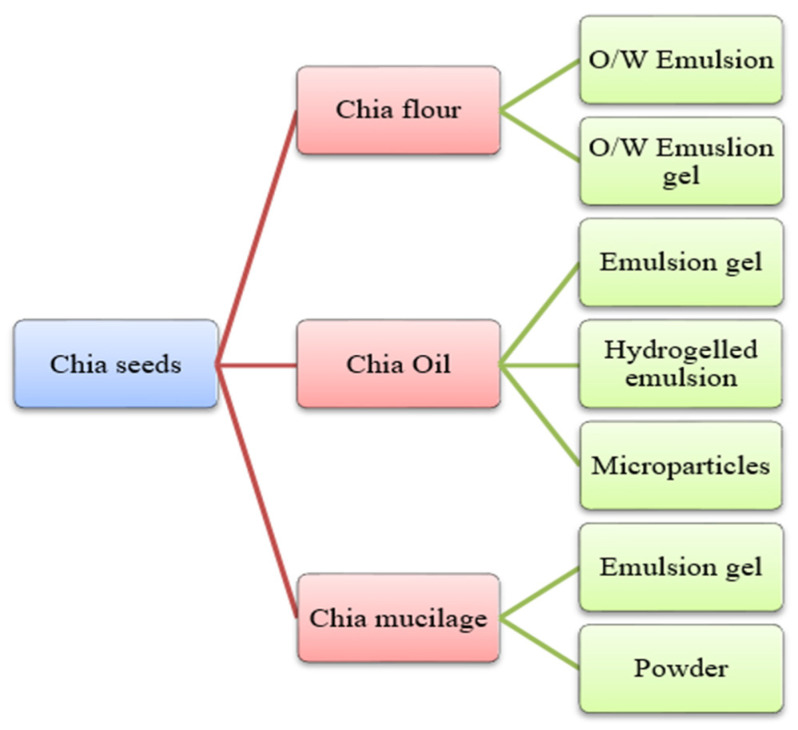
“Chia oil improves the lipid profiles of beef-based burgers. It can replace the use of animal fat, and mucilage applied as a versatile function food additive, or food ingredient replacer [148,149,150].”
§ Nutritional and Functional New Perspectives and Potential Health Benefits of Quinoa and Chia Seeds > 4. Quinoa and Chia Seeds > 4.3. Value-Added Food Products and Other Potential Applications
What the sources say
- Not checked yetcites [148] 2022, Improving the lipid profile of beef burgers added with chia oil (Salvia hispanica L.) or hemp oil (Cannabis sativa L.) gelled emulsions as partial animal fat replacers, LWT—Food Sci. Technol. source
- Not checked yetcites [149] Chiang, 2021, Application of chia (Salvia hispanica) mucilage as an ingredient replacer in foods, Trends Food Sci. Technol. source
- Not checked yetcites [150] Tak, 2022, Repurposing chia seed oil: A versatile novel functional food, J. Food Sci. source
plaindirect- Asserted: passes — The authors put it forward as true.
- Checkable: passes — It can be checked against evidence.
- Load-bearing: unclear — It is unclear whether the paper’s conclusions depend on it.
- Based: passes — The paper gives a reason why it holds.
It may state two separate claims as one.
The paper relies on this without support.
Chia seed germination is an effective and inexpensive method that can provide functional chia seed flour by increasing phenolic compounds, antioxidant activity, and GABA.
“In addition, chia seeds germination is an effective and inexpensive method that can help provide functional chia seed flour by increasing the phenolic compounds, antioxidant activity, and γ-aminobutyric acid (GABA).”
The paper relies on this without support.
Chia is a strong contender for controlling diabetes because it contains dietary fiber (18–30%) and α-linolenic fatty acids.
“Additionally, chia is a strong contender for controlling diabetes since it contains dietary fiber (18–30%), and α-linolenic fatty acids.”
The paper relies on this without support.
Chia seeds have a high caloric value of 486 kcal and contain about 2.3-, 8.3-, and 9.8-fold higher fiber per 100 g than oats, corn, and rice.
“Chia seeds have a high caloric value of 486 kcal and contain ~2.3-, 8.3-, and 9.8-fold higher fiber per 100 g than oats, corn, and rice.”
Claims other papers make about this one
Each is checked against this paper’s own text: does it say what the citing paper says it does?
The source backs part of the claim, not all of it — or backs it for a different population, condition or comparison.
In the citing paper
“According to recent research, chia seeds may improve lipid profile, glycemic markers, antioxidant properties, blood pressure (BP) regulation, and weight management [14, 15].”
From Effects of chia seed (Salvia hispanica L.) supplementation on cardiometabolic health in overweight subjects: a systematic review and meta-analysis of RCTs (2024) · cites this paper as [15]
Experimental — accuracy not yet measured
Self-check
Percentages, sums and reported differences re-computed from the paper’s own numbers.
Each contradiction between two passages listed here was confirmed by an independent check.
Rated major: it would touch a result — a value a result rests on, reported and recomputed p-values on opposite sides of the significance level, two passages that conflict with no sign which is right, or a cited work retracted before this paper was published.
In the paper
“| Water | g | 13.3 | 4.43 | | Energy | kcal | 368 | 486 | | Protein | g | 14.1 | 24.2 | | Total Fat | g | 6.10 | 40.2 | | Saturated Fatty Acids | g | 0.70 | 5.00 | | Monounsaturated Fatty Acids | g | 1.60 | 2.96 | | Polyunsaturated Fatty Acids | g | 3.30 | 22.8 | | Dietary Fiber | g | 7.00 | 34.4 | | Carbohydrates | g | 64.2 | 42.1 | | Ash | g | 2.40 | 4.8 |”
§ Nutritional and Functional New Perspectives and Potential Health Benefits of Quinoa and Chia Seeds > 2. Quinoa and Its Characteristics > 2.1. Nutrients in Quinoa Seeds
Reported 100 · recomputed 115.73
Rated minor: it would not touch a result — a value no result rests on, a p-value that stays on the same side of the significance level, or a conflict that is clerical, resolved elsewhere in the paper, or outside its own findings.
In the paper
“| Glutamic acid | g | 12.8 | 3.50 |”
§ Nutritional and Functional New Perspectives and Potential Health Benefits of Quinoa and Chia Seeds > 2. Quinoa and Its Characteristics > 2.1. Nutrients in Quinoa Seeds
Reported 14.1 · recomputed 21.86
Rated minor: it would not touch a result — a value no result rests on, a p-value that stays on the same side of the significance level, or a conflict that is clerical, resolved elsewhere in the paper, or outside its own findings.
In the paper
“These include omega-3 α-linolenic acid (64%) and omega-6 α-linolenic acid (20%). The ratio of w-3 and w-6 is about 0.32–0.35.”
§ Nutritional and Functional New Perspectives and Potential Health Benefits of Quinoa and Chia Seeds > 3. Chia Seeds and Its Characteristics > 3.1. Nutrients in Chia Seeds
Reported 0.32 · recomputed 3.2
Rated minor: it would not touch a result — a value no result rests on, a p-value that stays on the same side of the significance level, or a conflict that is clerical, resolved elsewhere in the paper, or outside its own findings.
In the paper
§ Nutritional and Functional New Perspectives and Potential Health Benefits of Quinoa and Chia Seeds > 3. Chia Seeds and Its Characteristics > 3.1. Nutrients in Chia Seeds
“Chia seeds contain 15 to 23% protein content”
§ Nutritional and Functional New Perspectives and Potential Health Benefits of Quinoa and Chia Seeds > 2. Quinoa and Its Characteristics > 2.1. Nutrients in Quinoa Seeds
“| Protein | g | 14.1 | 24.2 |”
Citations
Cites
Vega‐Gálvez, A., Miranda, M., Vergara, J., Uribe, E., Puente, L., & Martínez, E. A. (2010) · Journal of the Science of Food and Agriculture · doi:10.1002/jsfa.4158 · Cited by 985
Kaempferol: A Key Emphasis to Its Anticancer Potential
Imran, M., Salehi, B., Sharifi-Rad, J., Aslam Gondal, T., Saeed, F., Imran, A., Shahbaz, M., Tsouh Fokou, P. V., Umair Arshad, M., Khan, H., et al. (2019) · Molecules · doi:10.3390/molecules24122277 · Cited by 819
Chapter 1 Quinoa (Chenopodium quinoa Willd.)
James, L. A. (2009) · Advances in food and nutrition research · doi:10.1016/s1043-4526(09)58001-1 · Cited by 519
Chemical composition and nutritional evaluation of quinoa (Chenopodium quinoa Willd.)
Kozioł, M. J. (1992) · Journal of Food Composition and Analysis · doi:10.1016/0889-1575(92)90006-6 · Cited by 510
Chenopodium quinoa—An Indian perspective
Bhargava, A., Shukla, S., & Ohri, D. (2006) · Industrial Crops and Products · doi:10.1016/j.indcrop.2005.04.002 · Cited by 463
Quinoa: Nutritional, functional, and antinutritional aspects
Filho, A. M. M., Pirozi, M. R., Borges, J. T. D. S., Sant’Ana, H. M. P., Chaves, J. B. P., & Coimbra, J. S. D. R. (2015) · Critical Reviews in Food Science and Nutrition · doi:10.1080/10408398.2014.1001811 · Cited by 461
Health Benefits and Pharmacological Properties of Stigmasterol
Bakrim, S., Benkhaira, N., Bourais, I., Benali, T., Lee, L.-H., El Omari, N., Sheikh, R. A., Goh, K. W., Ming, L. C., & Bouyahya, A. (2022) · Antioxidants · doi:10.3390/antiox11101912 · Cited by 422
Hollman, P. C. H., Cassidy, A., Comte, B., Heinonen, M., Richelle, M., Richling, E., Serafini, M., Scalbert, A., Sies, H., & Vidry, S. (2011) · The Journal of Nutrition · doi:10.3945/jn.110.131490 · Cited by 406
Deshmukh, P. H., Unni, S., Krishnappa, G., & Padmanabhan, B. (2016) · Biophysical Reviews · doi:10.1007/s12551-016-0244-4 · Cited by 405
The Chemical Composition and Nutritional Value of Chia Seeds—Current State of Knowledge
Kulczyński, B., Kobus-Cisowska, J., Taczanowski, M., Kmiecik, D., & Gramza-Michałowska, A. (2019) · Nutrients · doi:10.3390/nu11061242 · Cited by 382
Nutritional and Health Benefits of Quinoa (Chenopodium quinoa Willd.)
Navruz-Varli, S., & Sanlier, N. (2016) · Journal of Cereal Science · doi:10.1016/j.jcs.2016.05.004 · Cited by 380
Stigmasterol: A phytosterol with potential anti-osteoarthritic properties
Gabay, O., Sanchez, C., Salvat, C., Chevy, F., Breton, M., Nourissat, G., Wolf, C., Jacques, C., & Berenbaum, F. (2010) · Osteoarthritis and Cartilage · doi:10.1016/j.joca.2009.08.019 · Cited by 375
Angeli, V., Miguel Silva, P., Crispim Massuela, D., Khan, M. W., Hamar, A., Khajehei, F., Graeff-Hönninger, S., & Piatti, C. (2020) · Foods · doi:10.3390/foods9020216 · Cited by 375
Nutritional and therapeutic perspectives of Chia (Salvia hispanica L.): a review
Ullah, R., Nadeem, M., Khalique, A., Imran, M., Mehmood, S., Javid, A., & Hussain, J. (2016) · Journal of Food Science and Technology · doi:10.1007/s13197-015-1967-0 · Cited by 365
Quinoa protein: Composition, structure and functional properties
Dakhili, S., Abdolalizadeh, L., Hosseini, S. M., Shojaee-Aliabadi, S., & Mirmoghtadaie, L. (2019) · Food Chemistry · doi:10.1016/j.foodchem.2019.125161 · Cited by 363
Saini, R. K., Prasad, P., Sreedhar, R. V., Akhilender Naidu, K., Shang, X., & Keum, Y.-S. (2021) · Antioxidants · doi:10.3390/antiox10101627 · Cited by 337
Nutritional and Biological Value of Quinoa (Chenopodium quinoa Willd.)
Vilcacundo, R., & Hernández-Ledesma, B. (2017) · Current Opinion in Food Science · doi:10.1016/j.cofs.2016.11.007 · Cited by 334
Innovations in Health Value and Functional Food Development of Quinoa ( Chenopodium quinoa Willd.)
Graf, B. L., Rojas‐Silva, P., Rojo, L. E., Delatorre-Herrera, J., Baldeon, M. E., & Raskin, I. (2015) · Comprehensive Reviews in Food Science and Food Safety · doi:10.1111/1541-4337.12135 · Cited by 301
Stikic, R., Glamoclija, D., Demin, M., Vucelic-Radovic, B., Jovanovic, Z., Milojkovic-Opsenica, D., Jacobsen, S.-E., & Milovanovic, M. (2012) · Journal of Cereal Science · doi:10.1016/j.jcs.2011.10.010 · Cited by 290
Knez Hrnčič, M., Ivanovski, M., Cör, D., & Knez, Ž. (2019) · Molecules · doi:10.3390/molecules25010011 · Cited by 286
Chia Seed (Salvia hispanica): An Ancient Grain and a New Functional Food
Muñoz, L. A., Cobos, A., Diaz, O., & Aguilera, J. M. (2013) · Food Reviews International · doi:10.1080/87559129.2013.818014 · Cited by 246
Grancieri, M., Martino, H. S. D., & Gonzalez de Mejia, E. (2019) · Comprehensive Reviews in Food Science and Food Safety · doi:10.1111/1541-4337.12423 · Cited by 238
Gordillo‐Bastidas, E., & Díaz‐Rizzolo, D. A. (2016) · Journal of Nutrition & Food Sciences · doi:10.4172/2155-9600.1000497 · Cited by 227
Pathan, S., & Siddiqui, R. A. (2022) · Nutrients · doi:10.3390/nu14030558 · Cited by 222
Quinoa (Chenopodium quinoa, Willd.) as a source of dietary fiber and other functional components
Repo-Carrasco-Valencia, R. A.-M., & Serna, L. A. (2011) · Ciência e Tecnologia de Alimentos · doi:10.1590/s0101-20612011000100035 · Cited by 221
Abderrahim, F., Suárez, E. H., Segura, R., Arribas, S. M., González, M. C., & Condezo‐Hoyos, L. (2015) · Food Chemistry · doi:10.1016/j.foodchem.2015.03.029 · Cited by 212
Escribano, J., Cabanes, J., Jiménez‐Atiénzar, M., Ibañez-Tremolada, M., Gómez-Pando, L. R., García‐Carmona, F., & Gandía‐Herrero, F. (2017) · Food Chemistry · doi:10.1016/j.foodchem.2017.04.187 · Cited by 209
Waves and variants of SARS-CoV-2: understanding the causes and effect of the COVID-19 catastrophe
Thakur, V., Bhola, S., Thakur, P., Patel, S. K. S., Kulshrestha, S., Ratho, R. K., & Kumar, P. (2022) · Infection · doi:10.1007/s15010-021-01734-2 · Cited by 195
Self-citationAn Insight into Saponins from Quinoa (Chenopodium quinoa Willd): A Review
Hazzam, K. E., Hafsa, J., Sobeh, M., Mhada, M., Taourirte, M., Kacimi, K. E., & Yasri, A. (2020) · Molecules · doi:10.3390/molecules25051059 · Cited by 170
Natural Products as Modulators of Nrf2 Signaling Pathway in Neuroprotection
Moratilla-Rivera, I., Sánchez, M., Valdés-González, J. A., & Gómez-Serranillos, M. P. (2023) · International Journal of Molecular Sciences · doi:10.3390/ijms24043748 · Cited by 164
Bin Sayeed, M., Karim, S., Sharmin, T., & Morshed, M. (2016) · Medicines · doi:10.3390/medicines3040029 · Cited by 156
Lopez (2015) · doi:10.1016/bs.afnr.2015.06.002 · Cited by 142
Kumar, L., Patel, S. K. S., Kharga, K., Kumar, R., Kumar, P., Pandohee, J., Kulshrestha, S., Harjai, K., & Chhibber, S. (2022) · Molecules · doi:10.3390/molecules27217584 · Cited by 138
Self-citationSabouri, Z., Rangrazi, A., Amiri, M. S., Khatami, M., & Darroudi, M. (2021) · Bioprocess and Biosystems Engineering · doi:10.1007/s00449-021-02613-8 · Cited by 137
Dietary polyphenols: Antioxidants or not?
Croft, K. D. (2016) · Archives of Biochemistry and Biophysics · doi:10.1016/j.abb.2015.11.014 · Cited by 130
Sharma, S., Kataria, A., & Singh, B. (2022) · LWT · doi:10.1016/j.lwt.2022.113256 · Cited by 123
Punia, S., & Dhull, S. B. (2019) · International Journal of Biological Macromolecules · doi:10.1016/j.ijbiomac.2019.08.205 · Cited by 122
Graziano, S., Agrimonti, C., Marmiroli, N., & Gullì, M. (2022) · Trends in Food Science & Technology · doi:10.1016/j.tifs.2022.04.007 · Cited by 122
Tang, Y., Li, X., Chen, P. X., Zhang, B., Liu, R., Hernandez, M., Draves, J., Marcone, M. F., & Tsao, R. (2016) · Journal of Agricultural and Food Chemistry · doi:10.1021/acs.jafc.5b05414 · Cited by 121
Quinoa saponins—Analysis and preliminary investigations into the effects of reduction by processing
Ridout, C. L., Price, K. R., Dupont, M. S., Parker, M. L., & Fenwick, G. R. (1991) · Journal of the Science of Food and Agriculture · doi:10.1002/jsfa.2740540202 · Cited by 111
Diet, Gut Microbiota and COVID-19
Rishi, P., Thakur, K., Vij, S., Rishi, L., Singh, A., Kaur, I. P., Patel, S. K. S., Lee, J.-K., & Kalia, V. C. (2020) · Indian Journal of Microbiology · doi:10.1007/s12088-020-00908-0 · Cited by 111
Self-citationEffects of processing on the nutraceutical profile of quinoa
Brady, K. J., Ho, C., Rosen, R. T., Sang, S., & Karwe, M. V. (2006) · Food Chemistry · doi:10.1016/j.foodchem.2005.12.001 · Cited by 100
Application of chia (Salvia hispanica) mucilage as an ingredient replacer in foods
Chiang, J. H., Ong, D. S. M., Ng, F. S. K., Hua, X. Y., Tay, W. L. W., & Henry, C. J. (2021) · Trends in Food Science & Technology · doi:10.1016/j.tifs.2021.06.039 · Cited by 98
Ramos, I. F. D. S., Magalhães, L. M., Pessoa, C., Ferreira, P. M. P., Rizzo, M. D. S., Osajima, J. A., Silva-Filho, E. C., Nunes, C., Raposo, M. F. D. J., Coimbra, M. A., et al. (2021) · Industrial Crops and Products · doi:10.1016/j.indcrop.2021.113981 · Cited by 93
Thakur, P., Kumar, K., & Dhaliwal, H. S. (2021) · Food Bioscience · doi:10.1016/j.fbio.2021.101170 · Cited by 92
Takić, M. M., Pokimica, B., Petrović-Oggiano, G., & Popović, T. (2022) · Molecules · doi:10.3390/molecules27144471 · Cited by 90
Health-promoting approaches of the use of chia seeds
Motyka, S., Skała, E., Ekiert, H., & Szopa, A. (2023) · Journal of Functional Foods · doi:10.1016/j.jff.2023.105480 · Cited by 90
Ruales, J., de Grijalva, Y., López-Jaramillo, P. A., & Nair, B. M. (2002) · International Journal of Food Sciences and Nutrition · doi:10.1080/09637480220132157 · Cited by 89
Quinoa (Chenopodium quinoa Willd.) as source of bioactive compounds: a review
Hernández‐Ledesma, B. (2019) · Bioactive Compounds in Health and Disease · doi:10.31989/bchd.v2i3.556 · Cited by 88
Maldonado‐Alvarado, P., Pavón-Vargas, D. J., Abarca-Robles, J., Valencia‐Chamorro, S., & Haros, C. M. (2023) · Foods · doi:10.3390/foods12020389 · Cited by 87
Quinoa: In Perspective of Global Challenges
Jaikishun, S., Li, W., Yang, Z., & Song, S. (2019) · Agronomy · doi:10.3390/agronomy9040176 · Cited by 86
Mhada, M., Metougui, M. L., El Hazzam, K., El Kacimi, K., & Yasri, A. (2020) · Foods · doi:10.3390/foods9050660 · Cited by 84
Demir, B., & Bilgiçli, N. (2020) · Journal of Food Science and Technology · doi:10.1007/s13197-020-04420-7 · Cited by 82
Chia seeds: An ancient grain trending in modern human diets
Melo, D., Machado, T. B., & Oliveira, M. B. P. P. (2019) · Food & Function · doi:10.1039/c9fo00239a · Cited by 81
Fernández‐López, J., Viuda‐Martos, M., & Pérez‐Álvarez, J. Á. (2020) · Current Opinion in Food Science · doi:10.1016/j.cofs.2020.05.004 · Cited by 80
Valencia, U. S. (1999) · International Journal of Food Sciences and Nutrition · doi:10.1080/096374899101247 · Cited by 79
Chenopodium quinoa Willd. (quinoa) grains: A good source of phenolic compounds
Pereira, E., Cadavez, V., Barros, L., Encina‐Zelada, C. R., Stojković, D. S., Sokóvić, M., Calhelha, R. C., Gonzales‐Barron, U. A., & Ferreira, I. C. F. R. (2020) · Food Research International · doi:10.1016/j.foodres.2020.109574 · Cited by 79
Nutrition research to affect food and a healthy lifespan
Ohlhorst, S. D., Russell, R. M., Bier, D. M., Klurfeld, D. M., Li, Z., Mein, J. R., Milner, J. A., Ross, A. C., Stover, P. J., & Konopka, E. (2013) · Advances in Nutrition · doi:10.3945/an.113.004176 · Cited by 78
Chia seed mucilage—A vegan thickener: Isolation, tailoring viscoelasticity and rehydration
Brütsch, L., Stringer, F. J., Kuster, S., Windhab, E. J., & Fischer, P. (2019) · Food & Function · doi:10.1039/c8fo00173a · Cited by 78
López, D. N., Galante, M., Raimundo, G., Spelzini, D., & Boeris, V. (2019) · Food Research International · doi:10.1016/j.foodres.2018.08.056 · Cited by 77
Mu, H., Xue, S. J., Sun, Q., Shi, J., Zhang, D., Wang, D., & Wei, J. (2023) · Foods · doi:10.3390/foods12102087 · Cited by 74
Ruiz, K. B., Khakimov, B., Engelsen, S. B., Bak, S., Biondi, S., & Jacobsen, S. (2017) · Industrial Crops and Products · doi:10.1016/j.indcrop.2017.04.007 · Cited by 71
Li, L., Lietz, G., & Seal, C. J. (2021) · International Journal of Food Science & Technology · doi:10.1111/ijfs.14962 · Cited by 69
Functional yogurt with strawberries and chia seeds
Kowaleski, J., Quast, L. B., Steffens, J., Lovato, F., Rodrigues dos Santos, L., Zambiazi da Silva, S., Maschio de Souza, D., & Felicetti, M. A. (2020) · Food Bioscience · doi:10.1016/j.fbio.2020.100726 · Cited by 68
Ozón, B., Cotabarren, J., Valicenti, T., Graciela Parisi, M., & David Obregón, W. (2022) · Food Chemistry · doi:10.1016/j.foodchem.2022.132185 · Cited by 66
Rabail, R., Khan, M. R., Mehwish, H. M., Rajoka, M. S. R., Lorenzo, J. M., Kieliszek, M., Khalid, A. R., Shabbir, M. A., & Aadil, R. M. (2021) · Frontiers in Bioscience-Landmark · doi:10.52586/4973 · Cited by 64
Physico-chemical properties of extruded cassava-chia seed instant flour
Otondi, E. A., Nduko, J. M., & Omwamba, M. (2020) · Journal of Agriculture and Food Research · doi:10.1016/j.jafr.2020.100058 · Cited by 62
Soil Quality Effects on Chenopodium album Flavonoid Content and Antioxidant Potential
Chludil, H. D., Corbino, G. B., & Leicach, S. R. (2008) · Journal of Agricultural and Food Chemistry · doi:10.1021/jf800421j · Cited by 59
GOYAT, J., PASSI, S., SURI, S., & DUTTA, H. (2018) · Current Research in Nutrition and Food Science Journal · doi:10.12944/crnfsj.6.3.18 · Cited by 58
Nutritional, health benefits and usage of chia seeds (Salvia hispanica): A review
Katunzi-Kilewela, A., Lilian, D. K., Kibazohi, O., & Leonard, M. P. R. (2021) · African Journal of Food Science · doi:10.5897/ajfs2020.2015 · Cited by 58
Hijazi, T., Karasu, S., Tekin-Çakmak, Z. H., & Bozkurt, F. (2022) · Foods · doi:10.3390/foods11030363 · Cited by 58
The Current State of Knowledge on Salvia hispanica and Salviae hispanicae semen (Chia Seeds)
Motyka, S., Koc, K., Ekiert, H., Blicharska, E., Czarnek, K., & Szopa, A. (2022) · Molecules · doi:10.3390/molecules27041207 · Cited by 58
Zamudio, F. V., Hidalgo‐Figueroa, S., Ortíz‐Andrade, R., Hernández‐Álvarez, A. J., & Campos, M. R. S. (2022) · Food Chemistry · doi:10.1016/j.foodchem.2022.133479 · Cited by 55
Sprouting as a pre-processing for producing quinoa-enriched bread
Suárez-Estrella, D., Cardone, G., Buratti, S., Pagani, M. A., & Marti, A. (2020) · Journal of Cereal Science · doi:10.1016/j.jcs.2020.103111 · Cited by 53
Botella-Martínez, C., Gea-Quesada, A., Sayas-Barberá, E., Pérez-Álvarez, J. Á., Fernández-López, J., & Viuda-Martos, M. (2022) · LWT · doi:10.1016/j.lwt.2022.113416 · Cited by 51
Abdel-Aty, A. M., Barakat, A. Z., Bassuiny, R. I., & Mohamed, S. A. (2022) · Journal of Food Measurement and Characterization · doi:10.1007/s11694-022-01447-6 · Cited by 50
Ahmad, B. S., Talou, T., Straumīte, E., Šabovics, M., Krūma, Z., Saad, Z., Hijazi, A., & Merah, O. (2018) · Foods · doi:10.3390/foods7090135 · Cited by 49
Deploying Biomolecules as Anti-COVID-19 Agents
Patel, S. K. S., Lee, J.-K., & Kalia, V. C. (2020) · Indian Journal of Microbiology · doi:10.1007/s12088-020-00893-4 · Cited by 49
Self-citationToderich, K. N., Mamadrahimov, A. A., Khaitov, B., Karimov, A. A., Soliev, A. A., Nanduri, K. R., & Shuyskaya, E. V. (2020) · Frontiers in Plant Science · doi:10.3389/fpls.2020.607102 · Cited by 47
Role of Matrix Metalloproteinases in Musculoskeletal Diseases
Kumar, L., Bisen, M., Khan, A. A., Kumar, P., & Patel, S. K. S. (2022) · Biomedicines · doi:10.3390/biomedicines10102477 · Cited by 47
Self-citationMelo, D., Nunes, M. A., Santo, L. E., Machado, S., Costa, A. S. G., Álvarez‐Ortí, M., González, J. E. P., Oliveira, M. B. P. P., & Alves, R. C. (2023) · Molecules · doi:10.3390/molecules28020723 · Cited by 44
Calvo-Lerma, J., Paz-Yépez, C., Asensio-Grau, A., Heredia, A., & Andrés, A. (2020) · Foods · doi:10.3390/foods9030290 · Cited by 43
Wang, W.-H., Lu, C., & Kuo, M. (2022) · Processes · doi:10.3390/pr10030519 · Cited by 42
Recent Advances in Monoclonal Antibody-Based Approaches in the Management of Bacterial Sepsis
Kharga, K., Kumar, L., & Patel, S. K. S. (2023) · Biomedicines · doi:10.3390/biomedicines11030765 · Cited by 42
Self-citationOteri, M., Bartolomeo, G., Rigano, F., Aspromonte, J., Trovato, E., Purcaro, G., Dugo, P., Mondello, L., & Beccaria, M. (2022) · Foods · doi:10.3390/foods12010023 · Cited by 40
Nduko, J. M., Maina, R. W., Muchina, R. K., & Kibitok, S. K. (2018) · Food Science & Nutrition · doi:10.1002/fsn3.819 · Cited by 39
Chia, Quinoa, and Their Coproducts as Potential Antioxidants for the Meat Industry
Fernández-López, J., Viuda-Martos, M., Sayas-Barberá, M. E., Navarro-Rodríguez de Vera, C., Lucas-González, R., Roldán-Verdú, A., Botella-Martínez, C., & Pérez-Alvarez, J. A. (2020) · Plants · doi:10.3390/plants9101359 · Cited by 39
Madrazo, A. L., Ortíz, A. B. F., Morales‐Mendoza, L. F., & Campos, M. R. S. (2022) · Journal of Food Science and Technology · doi:10.1007/s13197-022-05506-0 · Cited by 38
Grancieri, M., Verediano, T. A., Sant'Ana, C. T., de Assis, A., Toledo, R. L., de Mejia, E. G., & Martino, H. S. D. (2022) · PharmaNutrition · doi:10.1016/j.phanu.2022.100298 · Cited by 37
Ghani, A. E. A., Al‐Saleem, M. S. M., Abdel-Mageed, W. M., zeid, E. A., Mahmoud, M. Y., & Abdallah, R. H. (2023) · Plants · doi:10.3390/plants12051062 · Cited by 37
Ghafoor, K., Juhaimi, F. A., Özcan, M. M., Uslu, N., Ahmed, I. A. M., & Babiker, E. E. (2021) · International Journal of Gastronomy and Food Science · doi:10.1016/j.ijgfs.2021.100447 · Cited by 36
The rising status of edible seeds in lifestyle related diseases: A review
Kakkar, S., Tandon, R., & Tandon, N. (2022) · Food Chemistry · doi:10.1016/j.foodchem.2022.134220 · Cited by 36
A renewable source as a functional food: Chia seed
Dinçoğlu, A. H., & Yeşildemir, Ö. (2019) · Current Nutrition & Food Science · doi:10.2174/1573401314666180410142609 · Cited by 35
Sampaio, S. L., Fernandes, Â. S. F., Pereira, C., Calhelha, R. C., Sokóvić, M., Santos‐Buelga, C., Barros, L., & Ferreira, I. C. F. R. (2020) · Food & Function · doi:10.1039/d0fo00055h · Cited by 35
A new approach to nanocomposite carbohydrate polymer films: Levan and chia seed mucilage
Ağçeli, G. K. (2022) · International Journal of Biological Macromolecules · doi:10.1016/j.ijbiomac.2022.07.157 · Cited by 35
Abbas, G., Areej, F., Asad, S. A., Saqib, M., Anwar‐ul‐Haq, M., Afzal, S., Murtaza, B., Amjad, M., Naeem, M. A., Akram, M., et al. (2023) · Plants · doi:10.3390/plants12040774 · Cited by 34
Cerdá-Bernad, D., Valero-Cases, E., Pastor, J.-J., Frutos, M. J., & Pérez-Llamas, F. (2022) · International Journal of Food Sciences and Nutrition · doi:10.1080/09637486.2021.1921707 · Cited by 33
Madrazo, A. L., & Campos, M. R. S. (2022) · Computational Biology and Chemistry · doi:10.1016/j.compbiolchem.2022.107695 · Cited by 32
Lopez, C., Sotin, H., Rabesona, H., Novales, B., Le Quéré, J.-M., Froissard, M., Faure, J.-D., Guyot, S., & Anton, M. (2023) · Foods · doi:10.3390/foods12010211 · Cited by 32
Estivi, L., Pellegrino, L., Hogenboom, J. A., Brandolini, A., & Hidalgo, A. (2022) · Molecules · doi:10.3390/molecules27217541 · Cited by 29
Evaluation of replacing wheat flour with chia flour (Salvia hispanica L.) in pasta
Oliveira, M. R., Novack, M. M. E., dos Santos, C. P., Kubota, E. H., & da Rosa, C. S. (2015) · Semina Ciências Agrárias · doi:10.5433/1679-0359.2015v36n4p2545 · Cited by 28
Clinical, Nutritional, and Functional Evaluation of Chia Seed-Fortified Muffins
Rabail, R., Sultan, M. T., Khalid, A. R., Sahar, A. T., Zia, S., Kowalczewski, P. Ł., Jeżowski, P., Shabbir, M. A., & Aadil, R. M. (2022) · Molecules · doi:10.3390/molecules27185907 · Cited by 27
PHARMACOLOGICAL PROPERTIES OF SALVIA HISPANICA (CHIA) SEEDS: A REVIEW
Gazem, R. A. A., & Chandrashekariah, S. A. (2016) · MyPrints@UOM (Mysore University Library) · Cited by 26
Variation in oil quality and content of low molecular lipophilic compounds in chia seed oils
Dąbrowski, G., Konopka, I., & Czaplicki, S. (2018) · International Journal of Food Properties · doi:10.1080/10942912.2018.1501699 · Cited by 26
Wu, L., Wang, A., Shen, R., & Qu, L. (2020) · Food Science & Nutrition · doi:10.1002/fsn3.1775 · Cited by 26
Drużyńska, B., Wołosiak, R., Grzebalska, M., Majewska, E., Ciecierska, M., & Worobiej, E. (2021) · Antioxidants · doi:10.3390/antiox10121989 · Cited by 26
Villanueva-Lazo, A., la Paz, S. M., Grao‐Cruces, E., Pedroche, J., Toscano, R., Millán, F., & Millán-Linares, M. C. (2022) · Foods · doi:10.3390/foods11050623 · Cited by 26
Vega Joubert, M. B., Ingaramo, P., Oliva, M. E., & D'Alessandro, M. E. (2022) · Food & Function · doi:10.1039/d2fo00642a · Cited by 25
Alamri, E. S., AMANY, B. M. A., & Bayomy, H. M. (2022) · Journal of King Saud University - Science · doi:10.1016/j.jksus.2022.102427 · Cited by 25
Jafarpour, D., & Hashemi, S. M. B. (2023) · Fermentation · doi:10.3390/fermentation9020080 · Cited by 25
Coţovanu, I., Mironeasa, C., & Mironeasa, S. (2023) · Plants · doi:10.3390/plants12040698 · Cited by 25
Chia seeds for nutritional security
Prathyusha, P., Kumari, B. A., Suneetha, W. J., & Srujana, M. N. S. (2019) · Journal of Pharmacognosy and Phytochemistry · Cited by 23
Aguilar-Toalá, J. E., Limón, A. M. V., & Liceaga, A. M. (2022) · International Journal of Molecular Sciences · doi:10.3390/ijms23137288 · Cited by 23
Mishima, M. D. V., Da Silva, B. P., Gomes, M. J. C., Toledo, R. C. L., Mantovani, H. C., José, V. P. B. D. S., Costa, N. M. B., Tako, E., & Martino, H. S. D. (2022) · Nutrients · doi:10.3390/nu14224924 · Cited by 23
Mohamed, D., Mohammed, S., & Hamed, I. (2021) · Journal of Herbmed Pharmacology · doi:10.34172/jhp.2022.09 · Cited by 22
Cueto, M., Porras-Saavedra, J., Farroni, A., Alamilla-Beltrán, L., Schöenlechner, R., Schleining, G., & Buera, P. (2015) · Journal of Food Engineering · doi:10.1016/j.jfoodeng.2015.07.027 · Cited by 21
Filho, A. M. M. (2017) · Cited by 21
Alemán, A., Pérez-García, S., de Palencia, P. F., Montero, P., & Gómez-Guillén, M. C. (2021) · Antioxidants · doi:10.3390/antiox10050693 · Cited by 21
Repurposing chia seed oil: A versatile novel functional food
Tak, Y., Kaur, M., Kumar, R., Gautam, C., Singh, P., Kaur, H., Kaur, A., Bhatia, S., Jha, N. K., Gupta, P. K., et al. (2022) · Journal of Food Science · doi:10.1111/1750-3841.16211 · Cited by 21
Vega Joubert, M. B., Degrave, V., Ingaramo, P., Oliva, M. E., & D'Alessandro, M. E. (2022) · Food & Function · doi:10.1039/d2fo02216h · Cited by 20
Bermejo, N. F., & Munné‐Bosch, S. (2022) · Food Chemistry · doi:10.1016/j.foodchem.2022.134880 · Cited by 20
Batista, A., Quitete, F. T., Peixoto, T. C., Almo, A., Monteiro, E. B., Trindade, P., Zago, L., Citelli, M., & Daleprane, J. B. (2023) · Journal of Functional Foods · doi:10.1016/j.jff.2023.105462 · Cited by 20
Malik, A. M., & Riar, C. S. (2022) · Journal of Food Science · doi:10.1111/1750-3841.16276 · Cited by 19
Olmos, E., Román-García, I., Reguera, M., Uquillas, C. A. M., & Fernández‐García, N. (2022) · JSFA reports · doi:10.1002/jsf2.93 · Cited by 19
Emergence of novel omicron hybrid variants: BA(x), XE, XD, XF more than just alphabets
Thakur, P., Thakur, V., Kumar, P., & Patel, S. K. S. (2022) · International Journal of Surgery · doi:10.1016/j.ijsu.2022.106727 · Cited by 18
Self-citationAl-Anazi, M. S., El-Zahar, K. M., & Rabie, N. A. (2022) · Molecules · doi:10.3390/molecules27227695 · Cited by 18
Effect of processing on the nutritional composition of quinoa (Chenopodium quinoa Willd.)
Bhathal, S. K., Kaur, N., & Gill, J. (2017) · Agricultural Research Journal · doi:10.5958/2395-146x.2017.00015.1 · Cited by 16
Chia (Salvia Hispanica) Seed Oil Extraction By-Product and Its Edible Applications
Mondor, M. (2023) · Food Reviews International · doi:10.1080/87559129.2022.2160457 · Cited by 16
Pulvento, C., & Bazile, D. (2023) · Plants · doi:10.3390/plants12040868 · Cited by 16
Aiassa, V., Ferreira, M. D. R., Villafañe, N., & D’Alessandro, M. E. (2022) · Food Research International · doi:10.1016/j.foodres.2022.111164 · Cited by 15
Quispe-Sanchez, L., Mestanza, M., Goñas, M., Gill, E. R. A., Oliva-Cruz, M., & Chavez, S. G. (2022) · Frontiers in Nutrition · doi:10.3389/fnut.2022.990887 · Cited by 15
Goyat, J., Rudra, S. G., Suri, S., Passi, S. J., & Dutta, H. (2019) · Current Research in Nutrition and Food Science Journal · doi:10.12944/crnfsj.7.2.10 · Cited by 14
Rodríguez Paucar, G. N., Aguirre Vargas, E. B., Villanueva Lopez, E., León Lopez, A., & Urbina Castillo, K. (2021) · DYNA · doi:10.15446/dyna.v88n216.87504 · Cited by 14
Galindo‐Luján, R., Pont, L., Sanz‐Nebot, V., & Benavente, F. (2023) · Foods · doi:10.3390/foods12020390 · Cited by 14
Hassanin, H. A., & Taha, A. (2022) · Nanomaterials · doi:10.3390/nano12111919 · Cited by 13
Nutritional and quality analysis of quinoa seed flour fortified wheat biscuits
Puri, S., Sarao, L. K., Kaur, K., & Talwar, A. (2020) · Asian Pacific Journal of Health Sciences · doi:10.21276/apjhs.2020.7.1.9 · Cited by 12
Kosiorowska, A., Pietrzyk, S., Pająk, P., & Socha, R. (2022) · European Food Research and Technology · doi:10.1007/s00217-022-04096-7 · Cited by 11
Sidorova, Y. S., Shipelin, V. A., Petrov, N. A., Zorin, S. N., & Mazo, V. K. (2022) · Molecules · doi:10.3390/molecules27249003 · Cited by 11 · cited 3×
“coumarins, lignans, phenylpropanoids, and xanthones [62], but flavonol glycosides”
BackgroundInfluentialChia (Salvia hispanica L.)—A potential crop for food and nutrition security in Africa
Ikumi, P., Mburu, M., & Njoroge, D. (2019) · Journal of Food Research · doi:10.5539/jfr.v8n6p104 · Cited by 9
Fadwa, E.-O., Amssayef, A., & Eddouks, M. (2022) · Cardiovascular & Hematological Agents in Medicinal Chemistry · doi:10.2174/1871525719666210112154340 · Cited by 9
Gravé, G., Mouloungui, Z., Cerny, M., Lacroux, E., Valentin, R., Fabre, J.-F., & Merah, O. (2022) · OCL · doi:10.1051/ocl/2022026 · Cited by 8
de Souza, A. Á., Lima, A. M., dede Oliveira BezerraSousa, D., Nogueira, F. C., do Sacramento Neto, J. C., Dias, L. P., Araújo, N. M. S., Nagano, C. S., Júnior, H. V. N., da Silva, C. R., et al. (2023) · Probiotics and Antimicrobial Proteins · doi:10.1007/s12602-022-09979-5 · Cited by 8
Ang, M. E., Cowley, J. M., Yap, K., Hahn, M. G., Mikkelsen, D., Tucker, M. R., Williams, B. A., & Burton, R. A. (2023) · Food & Function · doi:10.1039/d2fo03002k · Cited by 8
Worldwide Evaluations of Quinoa—Biodiversity and Food Security under Climate Change Pressures
Pulvento, C., & Bazile, D. (2023) · MDPI eBooks · doi:10.3390/books978-3-0365-7042-6 · Cited by 8
Srujana, N. S., Kumari, B. A., Maheswari, K. U., Devi, K. B. S., & Suneetha, W. J. (2017) · International Journal of Current Microbiology and Applied Sciences · doi:10.20546/ijcmas.2017.608.419 · Cited by 7
Bio-Growth Stimulants Impact Seed Yield Products and Oil Composition of Chia
El-Desouky, H. S., Zewail, R. M. Y., Selim, D. A.-F. H., Baakdah, M. M., Johari, D. M., Elhakem, A. H., Mostafa, Y. S., Alamri, S., Sami, R., El-Khayat, L. A. S., et al. (2022) · Agronomy · doi:10.3390/agronomy12112633 · Cited by 5
Alarcón, G., Valoy, A., Rossi, A. M., & Jerez, S. J. (2022) · International Congress la ValSe-Food · doi:10.3390/blsf2022017013 · Cited by 5
Шитикова, А. В., Кухаренкова, О. В., & Khaliluev, M. R. (2022) · Agronomy · doi:10.3390/agronomy12123040 · Cited by 5
Nutrient Composition of Fresh Pasta Enriched with Chia (Salvia hispanica L.)
Aja, S., & Haros, C. M. (2022) · doi:10.3390/blsf2022017003 · Cited by 4
Substitution of Critical Ingredients of Cookie Products to Increase Nutritional Value
Myrisis, G., Aja, S., & Haros, C. M. (2022) · doi:10.3390/blsf2022017015 · Cited by 4
Marcos-Pasero, H., Bojarczuk, A., Haros, C. M., & Laparra, J. M. (2022) · International Congress la ValSe-Food · doi:10.3390/blsf2022017020 · Cited by 4
Karel, A. (2017) · International Journal of Pure & Applied Bioscience · doi:10.18782/2320-7051.5360 · Cited by 2
Mihai, E., Ciucan, T., Iosăgeanu, A., Coroiu, V., Gheorghe, A.-M., Ghenea, A. M., Milea, Ș. A., & Oancea, A. (2022) · International Symposium "Priorities of Chemistry for a Sustainable Development" (PRIOCHEM) · doi:10.3390/chemproc2022007031 · Cited by 1
Research works printed but not linked: 3
- Goyat, 2017, Quinoa (Chenopodium quinoa Willd.)—The unforgotten golden grain, IJFANS Int. J. Food Nutr. Sci., 7, 1
- Sharma, 2015, Quinoa (Chenopodium quinoa Willd.): A nutritional healthy grain, Int. J. Adv. Res., 3, 725
- Puri, 2020, Evaluation of the nutritional value of snacks prepared by fortification of gram flour with chia seeds, Int. J. Home Sci., 6, 35
Cited by
Sorted by citations
Ramos-Pacheco, B. S., Choque-Quispe, D., Ligarda-Samanez, C. A., Solano-Reynoso, A. M., Palomino-Rincón, H., Choque-Quispe, Y., Peralta-Guevara, D. E., Moscoso-Moscoso, E., & Pillaca, Á. S. A. (2024) · Foods · doi:10.3390/foods13030417 · Cited by 51
Matías, J., Rodríguez, M. J., Carrillo‐Vico, A., Casals, J., Fondevilla, S., Haros, C. M., Pedroche, J., Aparicio, N., Fernández‐García, N., Aguiló‐Aguayo, I., et al. (2024) · Plants · doi:10.3390/plants13141914 · Cited by 52
Dehghanian, Z., Ahmadabadi, M., Lajayer, B. A., Gougerdchi, V., Hamedpour-Darabi, M., Bagheri, N., Sharma, R., Vetukuri, R. R., Astatkie, T., & Dell, B. (2024) · Plants · doi:10.3390/plants13152117 · Cited by 40
The Potential Effects of Dietary Antioxidants in Obesity: A Comprehensive Review of the Literature
Almoraie, N. M., & Shatwan, I. M. (2024) · Healthcare · doi:10.3390/healthcare12040416 · Cited by 37
Gebremeskal, Y. H., Nadtochii, L. A., Eremeeva, N., Mensah, E. O., Казыдуб, Н. Г., Soliman, T. N., Baranenko, D., El-Messery, T. M., & Tantawy, A. A. (2024) · Food Bioscience · doi:10.1016/j.fbio.2024.104889 · Cited by 30
Metadata
- Authors
- Agarwal, A., Rizwana, Tripathi, A. D., Kumar, T., Sharma, K. P., & Patel, S. K. S.
- Affiliations
- University of Delhi (IN)
- Department of Food Technology, Bhaskaracharya College of Applied Sciences, Sector-2, Dwarka, New Delhi 110075, India
- Banaras Hindu University (IN)
- Maharaja Sayajirao University of Baroda (IN)
- Central University of Haryana (IN)
- Konkuk University (KR)
- Corresponding author
- Patel, Sanjay Kumar Singh
- ORCID
- Venue
- Antioxidants
- Publisher
- MDPI AG
- Published
- 2023-07-12
- Volume
- 12
- Issue
- 7
- Pages
- 1413
- ISSN
- 2076-3921 (ISSN-L)
- PMC
- PMC10376479
- OpenAlex
- W4384202525
- Semantic Scholar
- db6d7a171bd1760564bfa4f16bbf3281fdf6fe4c
- Cited by
- 135
- References
- 155
- Citations by year
- 2026: 42 · 2025: 48 · 2024: 38 · 2023: 7
- FWCI
- 3.12
- Type
- journal article
- Language
- en
- Open access
- gold
- doi.org
- Licence
- Locations
- Antioxidants (publishedVersion, cc-by)
- PubMed Central (publishedVersion, cc-by)
- PubMed (publishedVersion)
- DOAJ (DOAJ: Directory of Open Access Journals) (submittedVersion, cc-by-sa)
- Topics
- Life Sciences › Agricultural and Biological Sciences › Food Science › Seed and Plant Biochemistry
- Health Sciences › Nursing › Nutrition and Dietetics › Food Science and Nutritional Studies
- Health Sciences › Medicine › Biochemistry (medical) › Phytochemicals and Antioxidant Activities
- Keywords
- quinoa, Salvia hispanica, nutritional properties, functional foods, bioactive compounds, kaempferol, phenolic compounds, omega-3 fatty acids, gluten-free foods, food fortification, value-added food products, chronic disease prevention, cancer prevention, extrusion
About these checks
Registry, retraction, Cites and statistics results are computed, not judged, with one exception: a printed reference that no index lists is read once by a model before it counts as a citation error. Claims are extracted by a model and kept only when their quote appears verbatim in the text; each cited source is then checked, with a model’s help, for whether it says what the claim relies on. Those verdicts can be wrong — read the claim’s quote and the cited source before relying on one.
A language model drew the claims from the paper on 2026-10-09, under version 3 of the claim definition (model deepseek-v4.1-flash, prompt extract-v3).
A second model labelled each claim on 2026-10-09 (model jev-1.13-20260917, definition revision gold-guideline-v0.2).
Cited sources are checked with a language model’s help (gpt-6-sol).
Statistics and arithmetic are recomputed, not judged.
Confidence bands are shown only for fields calibrated on our annotated test set. None is calibrated yet, so no band is shown.
What counts as a claim ›How we measure confidence ›How we check this ›
Are you an author, or do you see a problem with this page? Request a review
