

Trends in insulin resistance: insights into mechanisms and therapeutic strategy
Open accessThe DOI matches its Crossref record; 519 of the 519 references it cites were found in a registry or an index.
Abstract
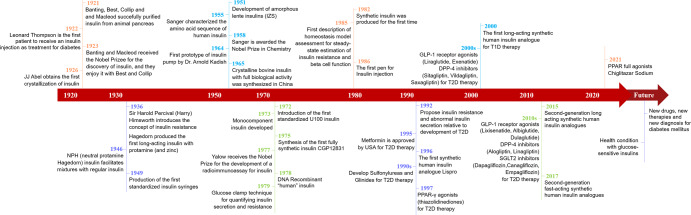
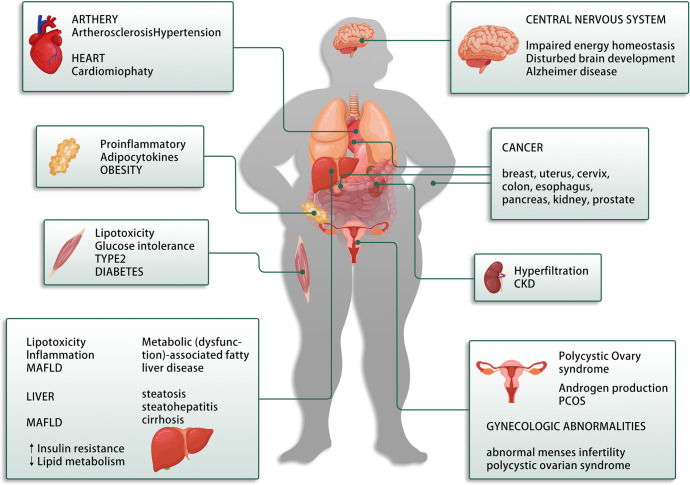
The centenary of insulin discovery represents an important opportunity to transform diabetes from a fatal diagnosis into a medically manageable chronic condition. Insulin is a key peptide hormone and mediates the systemic glucose metabolism in different tissues. Insulin resistance (IR) is a disordered biological response for insulin stimulation through the disruption of different molecular pathways in target tissues. Acquired conditions and genetic factors have been implicated in IR. Recent genetic and biochemical studies suggest that the dysregulated metabolic mediators released by adipose tissue including adipokines, cytokines, chemokines, excess lipids and toxic lipid metabolites promote IR in other tissues. IR is associated with several groups of abnormal syndromes that include obesity, diabetes, metabolic dysfunction-associated fatty liver disease (MAFLD), cardiovascular disease, polycystic ovary syndrome (PCOS), and other abnormalities. Although no medication is specifically approved to treat IR, we summarized the lifestyle changes and pharmacological medications that have been used as efficient intervention to improve insulin sensitivity. Ultimately, the systematic discussion of complex mechanism will help to identify potential new targets and treat the closely associated metabolic syndrome of IR.
Overview
The claims and statistics of this paper haven’t been checked yet.
Free: it reads the open-access text and checks the first 5 claims that cite a source we can check. Create a free account to check every claim.
Integrity signals
Registry
Cites
Statistics
Figures
Verification
Claims the paper makes
The claims and statistics of this paper haven’t been checked yet.
Free: it reads the open-access text and checks the first 5 claims that cite a source we can check. Create a free account to check every claim.
Claims other papers make about this one
Each is checked against this paper’s own text: does it say what the citing paper says it does?
The source backs part of the claim, not all of it — or backs it for a different population, condition or comparison.
In the citing paper
“Hyperinsulinemia, which is a hallmark of insulin resistance, suppresses SHBG synthesis, creating a cycle of increasing free sex steroid concentrations and worsening metabolic outcomes (105–107).”
From Metabolic impact of endogenously produced estrogens by adipose tissue in females and males across the lifespan (2025) · cites this paper as [105]
Experimental — accuracy not yet measuredThe cited source says what the claim attributes to it.
In the citing paper
“The exact cause of PCOS remains unclear, but it is generally reported that IR plays a crucial role in its onset and progression6.”
Self-check
Percentages, sums and reported differences re-computed from the paper’s own numbers.
The self-check needs the paper’s full text.
Citations
Cites
Toprak, O., Kurt, H., Sarı, Y., Şarkış, C., Us, H., & Kırık, A. (2017) · Kidney and Blood Pressure Research · doi:10.1159/000468530 · Cited by 29,627
Expert Panel on Detection, E. (2001) · JAMA: The Journal of the American Medical Association · doi:10.1001/jama.285.19.2486 · Cited by 26,011
Structure, function and diversity of the healthy human microbiome
The Human Microbiome Project Consortium (2012) · Nature · doi:10.1038/nature11234 · Cited by 11,726
Diet rapidly and reproducibly alters the human gut microbiome
David, L. A., Maurice, C. F., Carmody, R. N., Gootenberg, D. B., Button, J. E., Wolfe, B. E., Ling, A. V., Devlin, A. S., Varma, Y., Fischbach, M. A., et al. (2014) · Nature · doi:10.1038/nature12820 · Cited by 10,100 · cited 2×
“The microbes living in the human gut are key contributors to host metabolism and immune function through mediating the interaction between the host and environment, or releasing metabolites and cytokines.281 In 2012, the Human Microbiome Project Consortium began to show that the gut microbial phyla in humans mainly co…”
BackgroundThe metabolic phenotype in obesity: Fat mass, body fat distribution, and adipose tissue function
Goossens, G. H. (2017) · Obesity Facts · doi:10.1159/000471488 · Cited by 8,481
Re-epithelialization and immune cell behaviour in an ex vivo human skin model
Rakita, A., Nikolić, N., Mildner, M., Matiasek, J., & Elbe-Bürger, A. (2020) · Scientific Reports · doi:10.1038/s41598-019-56847-4 · Cited by 8,228
Double-slit photoelectron interference in strong-field ionization of the neon dimer
Kunitski, M., Eicke, N., Huber, P., Köhler, J., Zeller, S., Voigtsberger, J., Schlott, N., Henrichs, K., Sann, H., Trinter, F., et al. (2019) · Nature Communications · doi:10.1038/s41467-018-07882-8 · Cited by 8,162
Double-slit photoelectron interference in strong-field ionization of the neon dimer
Kunitski, M., Eicke, N., Huber, P., Köhler, J., Zeller, S., Voigtsberger, J., Schlott, N., Henrichs, K., Sann, H., Trinter, F., et al. (2019) · Institutional Repository of Leibniz Universität Hannover (Leibniz Universität Hannover) · doi:10.15488/5174 · Cited by 8,161
Heart Disease and Stroke Statistics—2021 Update: A Report From the American Heart Association
Virani, S. S., Alonso, A., Aparicio, H. J., Benjamin, E. J., Bittencourt, M. S., Callaway, C. W., Carson, A. P., Chamberlain, A. M., Cheng, S., Delling, F. N., et al. (2021) · Circulation · doi:10.1161/cir.0000000000000950 · Cited by 5,784
Overview of MicroRNA Biogenesis, Mechanisms of Actions, and Circulation
O'Brien, J., Hayder, H., Zayed, Y., & Peng, C. (2018) · Frontiers in Endocrinology · doi:10.3389/fendo.2018.00402 · Cited by 5,287
Anomalous collapses of Nares Strait ice arches leads to enhanced export of Arctic sea ice
Moore, G. W. K., Howell, S. E. L., Brady, M., Xu, X., & McNeil, K. (2021) · Nature Communications · doi:10.1038/s41467-020-20314-w · Cited by 5,155
Randle, P. J., Garland, P. B., Hales, C. N., & Newsholme, E. A. (1963) · The Lancet · doi:10.1016/s0140-6736(63)91500-9 · Cited by 5,093 · cited 1×
“The early mechanism of lipid accumulation pouch plasma fatty acid to induce the IR as detailed in glucose-fatty acid cycle proposed by Randle and colleagues.(160,161) Their hypothesis suggested that available fatty acids promote fatty acid oxidation and cause the accumulation of mitochondrial acetyl coenzyme A (CoA) a…”
BackgroundYamauchi, T., Kamon, J., Waki, H., Terauchi, Y., Kubota, N., Hara, K., Mori, Y., Ide, T., Murakami, K., Tsuboyama-Kasaoka, N., et al. (2001) · Nature Medicine · doi:10.1038/90984 · Cited by 4,915
SREBPs: activators of the complete program of cholesterol and fatty acid synthesis in the liver
Horton, J. D., Goldstein, J. L., & Brown, M. S. (2002) · Journal of Clinical Investigation · doi:10.1172/jci15593 · Cited by 4,794
SREBPs: activators of the complete program of cholesterol and fatty acid synthesis in the liver
Horton, J. D., Goldstein, J. L., & Brown, M. S. (2002) · Journal of Clinical Investigation · doi:10.1172/jci0215593 · Cited by 4,092
The Global Epidemic of the Metabolic Syndrome
Saklayen, M. G. (2018) · Current Hypertension Reports · doi:10.1007/s11906-018-0812-z · Cited by 3,990
Clinical epidemiology of cardiovascular disease in chronic renal disease
Foley, R., Parfrey, P., & Sarnak, M. (1998) · American Journal of Kidney Diseases · doi:10.1053/ajkd.1998.v32.pm9820470 · Cited by 3,958
Katz, A., Nambi, S. S., Mather, K., Baron, A. D., Follmann, D. A., Sullivan, G., & Quon, M. J. (2000) · The Journal of Clinical Endocrinology & Metabolism · doi:10.1210/jcem.85.7.6661 · Cited by 3,931
Webster, A. C., Nagler, E. V., Morton, R. L., & Masson, P. (2017) · The Lancet · doi:10.1016/s0140-6736(16)32064-5 · Cited by 3,842
Unique features of long non-coding RNA biogenesis and function
Quinn, J. J., & Chang, H. Y. (2016) · Nature Reviews Genetics · doi:10.1038/nrg.2015.10 · Cited by 3,672
Rinninella, E., Raoul, P., Cintoni, M., Franceschi, F., Miggiano, G. A. D., Gasbarrini, A., & Mele, M. C. (2019) · Microorganisms · doi:10.3390/microorganisms7010014 · Cited by 3,462 · cited 1×
“Different factors influencing these alterations of gut microbiome composition have been explored including diet, exercise, circadian disruption, antibiotics treatments, and genetics.(284) (1) Regarding diet: David et al.”
BackgroundObesity and insulin resistance
Kahn, B. B., & Flier, J. S. (2000) · Journal of Clinical Investigation · doi:10.1172/jci10842 · Cited by 3,225
Mechanisms of Insulin Action and Insulin Resistance
Petersen, M. C., & Shulman, G. I. (2018) · Physiological Reviews · doi:10.1152/physrev.00063.2017 · Cited by 3,028 · cited 1×
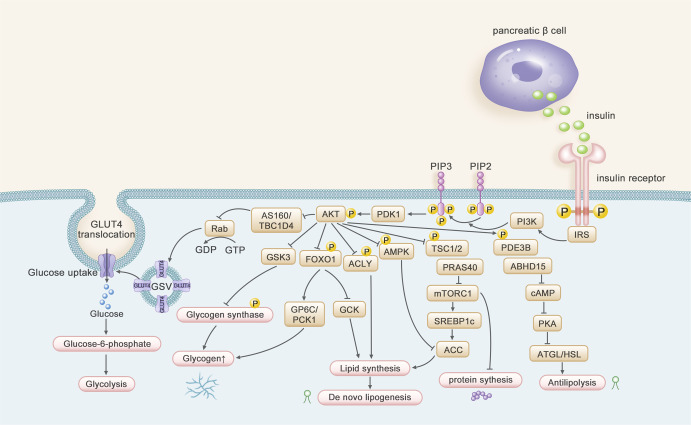
“Insulin stimulated protein synthesis is mediated by activation of the protein kinases Akt and mTOR (specifically mTORC1 and mTORC2) in numerous insulin-responsive cell types, such as hepatocytes, adipocytes, and myocytes.(130) AKT also phosphorylates the TSC1-TSC2 complex to relieve its inhibition on the mTORC1.”
BackgroundMechanisms linking obesity with cardiovascular disease
Van Gaal, L. F., Mertens, I. L., & De Block, C. E. (2006) · Nature · doi:10.1038/nature05487 · Cited by 2,814
Critical nodes in signalling pathways: insights into insulin action
Taniguchi, C. M., Emanuelli, B., & Kahn, C. R. (2006) · Nature Reviews Molecular Cell Biology · doi:10.1038/nrm1837 · Cited by 2,760 · cited 1×
“Third, homozygous mice of IRS1 or IRS2 gene leading to peripheral IR and diabetes, and impaired insulin secretion through restrained PI3K/AKT signal transduction.(46) Thus, pharmacological inhibitors, blocking antibodies and knockdown of PI3K abolishes the insulin stimulation of glucose transport, GLUT4 translocation…”
BackgroundCellular mechanisms of insulin resistance
Shulman, G. I. (2000) · Journal of Clinical Investigation · doi:10.1172/jci10583 · Cited by 2,714
The adipocyte-secreted protein Acrp30 enhances hepatic insulin action
Berg, A. H., Combs, T. P., Du, X., Brownlee, M., & Scherer, P. E. (2001) · Nature Medicine · doi:10.1038/90992 · Cited by 2,526
The Noncoding RNA Revolution—Trashing Old Rules to Forge New Ones
Cech, T. R., & Steitz, J. A. (2014) · Cell · doi:10.1016/j.cell.2014.03.008 · Cited by 2,524
Mechanisms for Insulin Resistance: Common Threads and Missing Links
Samuel, V. T., & Shulman, G. I. (2012) · Cell · doi:10.1016/j.cell.2012.02.017 · Cited by 2,294
Association between insulin resistance and the development of cardiovascular disease
Ormazabal, V., Nair, S., Elfeky, O., Aguayo, C., Salomon, C., & Zuñiga, F. A. (2018) · Cardiovascular Diabetology · doi:10.1186/s12933-018-0762-4 · Cited by 2,280
Local and systemic insulin resistance resulting from hepatic activation of IKK-β and NF-κB
Cai, D., Yuan, M., Frantz, D. F., Melendez, P. A., Hansen, L., Lee, J., & Shoelson, S. E. (2005) · Nature Medicine · doi:10.1038/nm1166 · Cited by 2,245 · cited 1×
“The transcription factor NF-κB exhibits higher levels in liver and adipose tissues during IR.(318) Further, activation of NF-κB translocation to the nucleus leads to upregulated of the expression of target genes that encoded inflammatory mediators, like TNF-α and IL-6, which are released by hypertrophic adipocytes and…”
Background2021 Alzheimer's disease facts and figures
(2021) · Alzheimer's & Dementia · doi:10.1002/alz.12328 · Cited by 2,201
A pancreatic islet-specific microRNA regulates insulin secretion
Poy, M. N., Eliasson, L., Krutzfeldt, J., Kuwajima, S., Ma, X., MacDonald, P. E., Pfeffer, S., Tuschl, T., Rajewsky, N., Rorsman, P., et al. (2004) · Nature · doi:10.1038/nature03076 · Cited by 2,102 · cited 1×
“For example, islet-specific miR-375 overexpression represses glucosestimulated insulin secretion (GSIS) and insulin gene transcription, that is then reversed upon miR-375 inhibition.(238) Further, deregulated plasma levels of miR-375 together with miR-150, miR-30a-5p, and miR-15a are observed before T2DM and prediabet…”
BackgroundInsulin and insulin resistance.
Wilcox, G. (2005) · PubMed Central · Cited by 2,082
The Biogenesis, Functions, and Challenges of Circular RNAs
Li, X., Yang, L., & Chen, L.-L. (2018) · Molecular Cell · doi:10.1016/j.molcel.2018.06.034 · Cited by 2,062
Diamanti-Kandarakis, E., & Dunaif, A. (2012) · Endocrine Reviews · doi:10.1210/er.2011-1034 · Cited by 1,947 · cited 1×
“Specifically, IR leads to compensatory hyperinsulinemia, which stimulates GnRH gene transcription through MAPK pathway in PCOS and increases LH pulse secretion, thereby significantly increasing ovarian androgen synthesis.(12,332) In addition to directly interfering with insulin signaling, androgens may also trigger li…”
BackgroundGlycogen synthase kinase-3 (GSK3): Regulation, actions, and diseases
Beurel, E., Grieco, S. F., & Jope, R. S. (2015) · Pharmacology & Therapeutics · doi:10.1016/j.pharmthera.2014.11.016 · Cited by 1,768
Role of Fatty Acids in the Pathogenesis of Insulin Resistance and NIDDM
Boden, G. (1997) · Diabetes · doi:10.2337/diab.46.1.3 · Cited by 1,728
Steen, E., Terry, B. M., J. Rivera, E., Cannon, J. L., Neely, T. R., Tavares, R., Xu, X. J., Wands, J. R., & de la Monte, S. M. (2005) · Journal of Alzheimer's Disease · doi:10.3233/jad-2005-7107 · Cited by 1,703 · cited 1×
“For example, major abnormalities in AD brains include decreased mRNA and protein expression levels of insulin, insulin receptors, insulin receptor substrate 1 (IRS1) and IGF1/2, in addition to reduced protein indicators of downstream insulin signaling activity (including phosphorylated AKT (pAKT) and phosphorylated GS…”
BackgroundMissing heritability and strategies for finding the underlying causes of complex disease
Eichler, E. E., Flint, J., Gibson, G., Kong, A., Leal, S. M., Moore, J. H., & Nadeau, J. H. (2010) · Nature Reviews Genetics · doi:10.1038/nrg2809 · Cited by 1,687
Brain insulin resistance in type 2 diabetes and Alzheimer disease: concepts and conundrums
Arnold, S. E., Arvanitakis, Z., Macauley-Rambach, S. L., Koenig, A. M., Wang, H.-Y., Ahima, R. S., Craft, S., Gandy, S., Buettner, C., Stoeckel, L. E., et al. (2018) · Nature Reviews Neurology · doi:10.1038/nrneurol.2017.185 · Cited by 1,597 · cited 1×
“Similar to systemic IR, brain IR can be defined as failed response to insulin by brain cells,(377,378) primarily due to downregulated insulin receptors, an inability of insulin receptors to bind insulin, or dysfunction of the insulin signaling cascade.(379) Current researches have demonstrated that the mechanisms of s…”
BackgroundYu, C., Chen, Y., Cline, G. W., Zhang, D., Zong, H., Wang, Y., Bergeron, R., Kim, J. K., Cushman, S. W., Cooney, G. J., et al. (2002) · Journal of Biological Chemistry · doi:10.1074/jbc.m200958200 · Cited by 1,561
Self-citationMechanism of free fatty acid-induced insulin resistance in humans.
Roden, M., Price, T. B., Perseghin, G., Petersen, K. F., Rothman, D. L., Cline, G. W., & Shulman, G. I. (1996) · Journal of Clinical Investigation · doi:10.1172/jci118742 · Cited by 1,539 · cited 2×
“In addition, contrary to predicted increases based on the Randle hypothesis, elevated free fatty acid levels were associated with reduced intracellular G6P levels in acute lipidinduced IR and type 2 diabetics.(158,164) In parallel, lipid-induced IR in skeletal muscle leads to defected insulin signaling and decreased i…”
BackgroundResultSREBP transcription factors: master regulators of lipid homeostasis
Eberlé, D., Hegarty, B., Bossard, P., Ferré, P., & Foufelle, F. (2004) · Biochimie · doi:10.1016/j.biochi.2004.09.018 · Cited by 1,529
Insulin-regulated hepatic gluconeogenesis through FOXO1–PGC-1α interaction
Puigserver, P., Rhee, J., Donovan, J., Walkey, C. J., Yoon, J. C., Oriente, F., Kitamura, Y., Altomonte, J., Dong, H., Accili, D., et al. (2003) · Nature · doi:10.1038/nature01667 · Cited by 1,487 · cited 1×
“In addition, the transcription factor forkhead box O1 (FOXO1) is phosphorylated by AKT and is transported from the nucleus, thereby disabling its transcription factor activity and inhibiting gluconeogenesis.(27,28) (2) Tuberous sclerosis complex 1/ 2 (TSC1/2) and proline-rich Akt substrate 40 (PRAS40) are inhibitors o…”
BackgroundAguirre, V., Uchida, T., Yenush, L., Davis, R., & White, M. F. (2000) · Journal of Biological Chemistry · doi:10.1074/jbc.275.12.9047 · Cited by 1,487
Yamauchi, T., Nio, Y., Maki, T., Kobayashi, M., Takazawa, T., Iwabu, M., Okada-Iwabu, M., Kawamoto, S., Kubota, N., Kubota, T., et al. (2007) · Nature Medicine · doi:10.1038/nm1557 · Cited by 1,396 · cited 1×
“Thus, chemerin may increase insulin sensitivity in adipose tissue.(141,142) Adipocytes also produce apelin that is increased in insulin resistant individuals(143) and morbidly obese subjects with T2DM.”
BackgroundMortality and cardiovascular disease in type 1 and type 2 diabetes
Rawshani, A., Rawshani, A., Franzén, S., Eliasson, B., Svensson, A.-M., Miftaraj, M., McGuire, D. K., Sattar, N., Rosengren, A., & Gudbjörnsdottir, S. (2017) · New England Journal of Medicine · doi:10.1056/nejmoa1608664 · Cited by 1,389 · cited 2×
“Moreover, long-term follow up data from patients with type 1 and type 2 diabetes have confirmed that hyperglycemia is a risk factor for CVD.(357) IR in adipose tissue leads to high FFAs levels,(358) visceral fat accumulation that is associated with elevated levels of plasminogen activator inhibitor 1 (PAI-1) and BP,(3…”
BackgroundGut microbiota-derived metabolites as central regulators in metabolic disorders
Agus, A., Clément, K., & Sokol, H. (2021) · Gut · doi:10.1136/gutjnl-2020-323071 · Cited by 1,347
Dresner, A., Laurent, D., Marcucci, M., Griffin, M. E., Dufour, S., Cline, G. W., Slezak, L. A., Andersen, D. K., Hundal, R. S., Rothman, D. L., et al. (1999) · Journal of Clinical Investigation · doi:10.1172/jci5001 · Cited by 1,311
Obesity-associated improvements in metabolic profile through expansion of adipose tissue
Kim, J.-Y., van de Wall, E., Laplante, M., Azzara, A., Trujillo, M. E., Hofmann, S. M., Schraw, T., Durand, J. L., Li, H., Li, G., et al. (2007) · Journal of Clinical Investigation · doi:10.1172/jci31021 · Cited by 1,310 · cited 1×
“Moreover, adiponectin overexpression increases subcutaneous fat levels and protects against diet-induced IR.(323) Isotopic tracer studies have shown that MAFLD patients exhibit increased de novo lipogenesis (DNL), that is respectively mediated by two transcription factors SREBP-1c and ChREBP.”
BackgroundMichael, M. D., Kulkarni, R. N., Postic, C., Previs, S. F., Shulman, G. I., Magnuson, M. A., & Kahn, C. R. (2000) · Molecular Cell · doi:10.1016/s1097-2765(05)00015-8 · Cited by 1,296
Glucose Transporters and Insulin Action — Implications for Insulin Resistance and Diabetes Mellitus
Shepherd, P. R., & Kahn, B. B. (1999) · New England Journal of Medicine · doi:10.1056/nejm199907223410406 · Cited by 1,295 · cited 1×
“Impaired translocation of intracellular GSV (GLUT4 storage vesicles) caused decreased insulin-stimulated glucose uptake which are associated with IR in muscle and adipose tissues.(59) This proved that heterozygous deletion of Glut4 mice reduce glucose uptake and develop Fig.”
BackgroundMiR-33 Contributes to the Regulation of Cholesterol Homeostasis
Rayner, K. J., Suárez, Y., Dávalos, A., Parathath, S., Fitzgerald, M. L., Tamehiro, N., Fisher, E. A., Moore, K. J., & Fernández-Hernando, C. (2010) · Science · doi:10.1126/science.1189862 · Cited by 1,260
McGuire, D. K., Shih, W. J., Cosentino, F., Charbonnel, B., Cherney, D. Z. I., Dagogo-Jack, S., Pratley, R., Greenberg, M., Wang, S., Huyck, S., et al. (2021) · JAMA Cardiology · doi:10.1001/jamacardio.2020.4511 · Cited by 1,235
Insulin signalling to mTOR mediated by the Akt/PKB substrate PRAS40
Haar, E. V., Lee, S.-I., Bandhakavi, S., Griffin, T. J., & Kim, D.-H. (2007) · Nature Cell Biology · doi:10.1038/ncb1547 · Cited by 1,190
Regulation of hepatic glucose metabolism in health and disease
Petersen, M. C., Vatner, D. F., & Shulman, G. I. (2017) · Nature Reviews Endocrinology · doi:10.1038/nrendo.2017.80 · Cited by 1,133
Ectopic Fat in Insulin Resistance, Dyslipidemia, and Cardiometabolic Disease
Shulman, G. I. (2014) · New England Journal of Medicine · doi:10.1056/nejmra1011035 · Cited by 1,126
Keskin, M., Kurtoglu, S., Kendirci, M., Atabek, M. E., & Yazici, C. (2005) · Pediatrics · doi:10.1542/peds.2004-1921 · Cited by 1,091
Interleukin-6, a Major Cytokine in the Central Nervous System
Erta, M., Quintana, A., & Hidalgo, J. (2012) · International Journal of Biological Sciences · doi:10.7150/ijbs.4679 · Cited by 1,087
Neuschwander‐Tetri, B. A. (2010) · Hepatology · doi:10.1002/hep.23719 · Cited by 1,077 · cited 2×
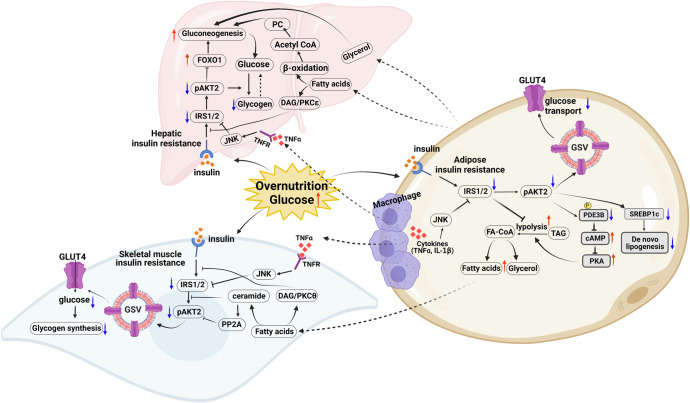
“Patients with MAFLD have increased levels of FFAs owing to a failure of insulin-mediated suppression of lipolysis, and excess FFAs excretion into the bloodstream.(314) In addition to the influence of abnormalities on lipid metabolism, IR also indirectly contributes to MAFLD through inflammation.”
BackgroundMechanisms of leptin action and leptin resistance.
Myers, M. G., Cowley, M. A., & Münzberg, H. (2008) · Annual Review of Physiology · doi:10.1146/annurev.physiol.70.113006.100707 · Cited by 1,074 · cited 1×
“Leptin-deficient mice (ob/ob) causes both obesity and diabetes due to hyperphagia and blunted metabolic rate, and treatment with exogenous leptin could prevent and reverse the obese phenotype.(152) Moreover, the decreased permeability of the brain-blood barrier (BBB) to leptin and impaired leptin signal transduction i…”
BackgroundHotta, K., Funahashi, T., Bodkin, N. L., Ortmeyer, H. K., Arita, Y., Hansen, B. C., & Matsuzawa, Y. (2001) · Diabetes · doi:10.2337/diabetes.50.5.1126 · Cited by 1,072
Cheatham, B., Vlahos, C. J., Cheatham, L., Wang, L., Blenis, J., & Kahn, C. R. (1994) · Molecular and Cellular Biology · doi:10.1128/mcb.14.7.4902 · Cited by 1,068
Scherer, P. E. (2006) · Diabetes · doi:10.2337/db06-0263 · Cited by 1,066
Thiazolidinediones in the Treatment of Insulin Resistance and Type II Diabetes
Saltiel, A. R., & Olefsky, J. M. (1996) · Diabetes · doi:10.2337/diab.45.12.1661 · Cited by 1,053
Insulin Activation of Rheb, a Mediator of mTOR/S6K/4E-BP Signaling, Is Inhibited by TSC1 and 2
Garami, A., Zwartkruis, F. J. T., Nobukuni, T., Joaquin, M., Roccio, M., Stocker, H., Kozma, S. C., Hafen, E., Bos, J. L., & Thomas, G. (2003) · Molecular Cell · doi:10.1016/s1097-2765(03)00220-x · Cited by 1,043
Use of the oral glucose tolerance test to assess insulin release and insulin sensitivity.
Stumvoll, M., Mitrakou, A., Pimenta, W., Jenssen, T., Yki-Järvinen, H., Van Haeften, T., Renn, W., & Gerich, J. (2000) · Diabetes Care · doi:10.2337/diacare.23.3.295 · Cited by 1,042
Romagnani, P., Remuzzi, G., Glassock, R., Levin, A., Jager, K. J., Tonelli, M., Massy, Z., Wanner, C., & Anders, H.-J. (2017) · Nature Reviews Disease Primers · doi:10.1038/nrdp.2017.88 · Cited by 996
Adiponectin Levels and Risk of Type 2 Diabetes: A Systematic Review and Meta-analysis
Li, S., Shin, H. J., Ding, E. L., & van Dam, R. M. (2009) · JAMA · doi:10.1001/jama.2009.976 · Cited by 991 · cited 1×
“In contrast to other adipokines, plasma adiponectin levels were reduced by pro-inflammatory factors like TNF-α, IL-6, ROS, and hypoxia in animal models of obesity and IR.(139,140) Adiponectin activates the AMPK and PPAR-α signaling pathways through adiponectin receptor 1 (AdipoR1) and AdipoR2 respectively, leading to…”
Result9. Pharmacologic Approaches to Glycemic Treatment: Standards of Medical Care in Diabetes—2021
American Diabetes Association (2021) · Diabetes Care · doi:10.2337/dc21-s009 · Cited by 972
The Discovery and Development of Liraglutide and Semaglutide
Knudsen, L. B., & Lau, J. (2019) · Frontiers in Endocrinology · doi:10.3389/fendo.2019.00155 · Cited by 970
Epigenetics in Human Obesity and Type 2 Diabetes
Ling, C., & Rönn, T. (2019) · Cell Metabolism · doi:10.1016/j.cmet.2019.03.009 · Cited by 941
Signaling pathways in insulin action: molecular targets of insulin resistance
Pessin, J. E., & Saltiel, A. R. (2000) · Journal of Clinical Investigation · doi:10.1172/jci10582 · Cited by 939
Insulin resistance: review of the underlying molecular mechanisms
Yaribeygi, H., Farrokhi, F. R., Butler, A. E., & Sahebkar, A. (2019) · Journal of Cellular Physiology · doi:10.1002/jcp.27603 · Cited by 929
Sex differences in metabolic regulation and diabetes susceptibility
Tramunt, B., Smati, S., Grandgeorge, N., Lenfant, F., Arnal, J.-F., Montagner, A., & Gourdy, P. (2020) · Diabetologia · doi:10.1007/s00125-019-05040-3 · Cited by 923
Gender differences in insulin resistance, body composition, and energy balance
Geer, E. B., & Shen, W. (2009) · Gender Medicine · doi:10.1016/j.genm.2009.02.002 · Cited by 913
Xue, A., Wu, Y., Zhu, Z., Zhang, F., Kemper, K. E., Zheng, Z., Yengo, L., Lloyd-Jones, L. R., Sidorenko, J., Wu, Y., et al. (2018) · Nature Communications · doi:10.1038/s41467-018-04951-w · Cited by 901
Antibiotics as Major Disruptors of Gut Microbiota
Ramirez, J., Guarner, F., Bustos Fernandez, L., Maruy, A., Sdepanian, V. L., & Cohen, H. (2020) · Frontiers in Cellular and Infection Microbiology · doi:10.3389/fcimb.2020.572912 · Cited by 898
Insulin Action and the Insulin Signaling Network*
CHEATHAM, B., & KAHN, C. R. (1995) · Endocrine Reviews · doi:10.1210/edrv-16-2-117 · Cited by 881
The many faces of insulin-like peptide signalling in the brain
Fernandez, A. M., & Torres-Alemán, I. (2012) · Nature reviews. Neuroscience · doi:10.1038/nrn3209 · Cited by 872
Expression in Escherichia coli of chemically synthesized genes for human insulin.
Goeddel, D. V., Kleid, D. G., Bolivar, F., Heyneker, H. L., Yansura, D. G., Crea, R., Hirose, T., Kraszewski, A., Itakura, K., & Riggs, A. D. (1979) · Proceedings of the National Academy of Sciences · doi:10.1073/pnas.76.1.106 · Cited by 869
Velazquez, E. M., Mendoza, S., Hamer, T., Sosa, F., & Glueck, C. J. (1994) · Metabolism · doi:10.1016/0026-0495(94)90209-7 · Cited by 865 · cited 1×
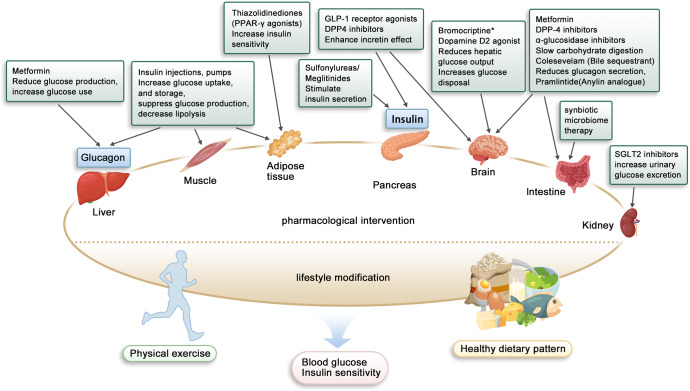
“Metformin is a first-line medication and the most widelyprescribed insulin-sensitizing agent in T2DM and PCOS patients.(456,457) Metformin mediates improved insulin sensitivity by increasing insulin receptor tyrosine kinase activity, enhancing glycogen synthesis, and increasing the recruitment and activity of the gluc…”
BackgroundInsulin resistance and hyperglycaemia in cardiovascular disease development
Laakso, M., & Kuusisto, J. (2014) · Nature Reviews Endocrinology · doi:10.1038/nrendo.2014.29 · Cited by 858
SHIMOMURA, I. (2000) · Molecular Cell · doi:10.1016/s1097-2765(00)00009-5 · Cited by 855
Obesity and the polycystic ovary syndrome
Gambineri, A., Pelusi, C., Vicennati, V, Pagotto, U., & Pasquali, R. (2002) · International Journal of Obesity · doi:10.1038/sj.ijo.0801994 · Cited by 836
Metabolic Syndrome and Insulin Resistance: Underlying Causes and Modification by Exercise Training
Roberts, C. K., Hevener, A. L., & Barnard, R. J. (2013) · Comprehensive Physiology · doi:10.1002/cphy.c110062 · Cited by 831
Cellular Mechanisms for Insulin Resistance in Normal Pregnancy and Gestational Diabetes
Barbour, L. A., McCurdy, C. E., Hernandez, T. L., Kirwan, J. P., Catalano, P. M., & Friedman, J. E. (2007) · Diabetes Care · doi:10.2337/dc07-s202 · Cited by 811
Linking Gut Microbiota and Inflammation to Obesity and Insulin Resistance
Saad, M. J. A., Santos, A., & Prada, P. O. (2016) · Physiology · doi:10.1152/physiol.00041.2015 · Cited by 810
Adipokines and Insulin Resistance
Rabe, K., Lehrke, M., Parhofer, K. G., & Broedl, U. C. (2008) · Molecular Medicine · doi:10.2119/2008-00058.rabe · Cited by 808
Iizuka, K., Bruick, R. K., Liang, G., Horton, J. D., & Uyeda, K. (2004) · Proceedings of the National Academy of Sciences · doi:10.1073/pnas.0401516101 · Cited by 785
Sanger, F., & Tuppy, H. (1951) · Biochemical Journal · doi:10.1042/bj0490463 · Cited by 784
PPARs in Obesity-Induced T2DM, Dyslipidaemia and NAFLD
Gross, B., Pawlak, M., Lefebvre, P., & Staels, B. (2017) · Nature Reviews Endocrinology · doi:10.1038/nrendo.2016.135 · Cited by 778 · cited 1×
“Adipose tissue is a physiologic reservoir of fatty acids,(311) when the storage capacity is exceeded, the accumulation of heterotopic lipids leads to lipotoxicity, thereby promoting low-grade inflammation and IR in the liver.(312) Lipotoxicity impairs insulin signaling, induces oxidative damage, promotes inflammation…”
BackgroundInsulin resistance drives hepatic de novo lipogenesis in nonalcoholic fatty liver disease
Smith, G. I., Shankaran, M., Yoshino, M., Schweitzer, G. G., Chondronikola, M., Beals, J. W., Okunade, A. L., Patterson, B. W., Nyangau, E., Field, T., et al. (2020) · Journal of Clinical Investigation · doi:10.1172/jci134165 · Cited by 771 · cited 2×
“Lipotoxic injury appears to occur in response to excessive levels of serum free fatty acids (FFAs) in hepatocytes.314 Circulating FFAs are the primary causes of liver fat accumulation in MAFLD that mainly occur due to lipolysis of adipose tissues, and partially from excess lipoprotein.315 Patients with MAFLD have incr…”
BackgroundLeptin can induce proliferation, differentiation, and functional activation of hemopoietic cells
Gainsford, T., Willson, T. A., Metcalf, D., Handman, E., McFarlane, C., Ng, A., Nicola, N. A., Alexander, W. S., & Hilton, D. J. (1996) · Proceedings of the National Academy of Sciences · doi:10.1073/pnas.93.25.14564 · Cited by 750
Biochemical and cellular properties of insulin receptor signalling
Haeusler, R. A., McGraw, T. E., & Accili, D. (2018) · Nature Reviews Molecular Cell Biology · doi:10.1038/nrm.2017.89 · Cited by 739 · cited 1×
“Insulin binds the insulin receptor (INSR) on the plasma membrane of target cells, leading to the recruitment/phosphorylation of downstream proteins, that primarily including insulin receptor substrate (IRS), PI3-kinase(PI3K), and AKT isoforms, that are largely conserved among insulin target tissues and that initiate t…”
BackgroundAdipokines: The missing link between insulin resistance and obesity
Antuna-Puente, B., Feve, B., Fellahi, S., & Bastard, J.-P. (2008) · Diabetes & Metabolism · doi:10.1016/j.diabet.2007.09.004 · Cited by 737
New insights from uncultivated genomes of the global human gut microbiome
Nayfach, S., Shi, Z. J., Seshadri, R., Pollard, K. S., & Kyrpides, N. C. (2019) · Nature · doi:10.1038/s41586-019-1058-x · Cited by 737 · cited 1×
“The microbes living in the human gut are key contributors to host metabolism and immune function through mediating the interaction between the host and environment, or releasing metabolites and cytokines.(281) In 2012, the Human Microbiome Project Consortium began to show that the gut microbial phyla in humans mainly…”
BackgroundTansey, J. T., Sztalryd, C., Gruia-Gray, J., Roush, D. L., Zee, J. V., Gavrilova, O., Reitman, M. L., Deng, C.-X., Li, C., Kimmel, A. R., et al. (2001) · Proceedings of the National Academy of Sciences · doi:10.1073/pnas.101042998 · Cited by 734
Circadian clocks and insulin resistance
Stenvers, D. J., Scheer, F. A. J. L., Schrauwen, P., la Fleur, S. E., & Kalsbeek, A. (2019) · Nature Reviews Endocrinology · doi:10.1038/s41574-018-0122-1 · Cited by 733 · cited 1×
“(3) Circadian disruption: both human and nonhuman models examination indicate that insufficient sleep (less than 7 h sleep per night) and circadian misalignment (such as workforce with shift workers or social jetlag) may lead to modifications in gut microbial diversity, structure and function.(289,290) (4) Antibiotics…”
BackgroundFoxO transcription factors; Regulation by AKT and 14-3-3 proteins
Tzivion, G., Dobson, M., & Ramakrishnan, G. (2011) · Biochimica et Biophysica Acta (BBA) - Molecular Cell Research · doi:10.1016/j.bbamcr.2011.06.002 · Cited by 728
Rivera, E. J., Goldin, A., Fulmer, N., Tavares, R., Wands, J. R., & de la Monte, S. M. (2005) · Journal of Alzheimer s Disease · doi:10.3233/jad-2005-8304 · Cited by 723 · cited 1×
“For example, major abnormalities in AD brains include decreased mRNA and protein expression levels of insulin, insulin receptors, insulin receptor substrate 1 (IRS1) and IGF1/2, in addition to reduced protein indicators of downstream insulin signaling activity (including phosphorylated AKT (pAKT) and phosphorylated GS…”
BackgroundGLUT2, glucose sensing and glucose homeostasis
Thorens, B. (2015) · Diabetologia · doi:10.1007/s00125-014-3451-1 · Cited by 722
Metabolic Syndrome and the Risk for Chronic Kidney Disease among Nondiabetic Adults
Kurella, M., Lo, J. C., & Chertow, G. M. (2005) · Journal of the American Society of Nephrology · doi:10.1681/asn.2005010106 · Cited by 709
Hepatic steatosis: a role for de novo lipogenesis and the transcription factor SREBP‐1c
Ferré, P., & Foufelle, F. (2010) · Diabetes, Obesity and Metabolism · doi:10.1111/j.1463-1326.2010.01275.x · Cited by 704
Mechanisms of insulin resistance in obesity
Ye, J. (2013) · Frontiers of Medicine · doi:10.1007/s11684-013-0262-6 · Cited by 699
RIZZA, R. A., MANDARINO, L. J., & GERICH, J. E. (1982) · The Journal of Clinical Endocrinology & Metabolism · doi:10.1210/jcem-54-1-131 · Cited by 696
Turpin, S. M., Nicholls, H. T., Willmes, D. M., Mourier, A., Brodesser, S., Wunderlich, C. M., Mauer, J., Xu, E., Hammerschmidt, P., Brönneke, H. S., et al. (2014) · Cell Metabolism · doi:10.1016/j.cmet.2014.08.002 · Cited by 691
The aetiology and molecular landscape of insulin resistance
James, D. E., Stöckli, J., & Birnbaum, M. J. (2021) · Nature Reviews Molecular Cell Biology · doi:10.1038/s41580-021-00390-6 · Cited by 690
Nonalcoholic fatty liver disease: A precursor of the metabolic syndrome
Lonardo, A., Ballestri, S., Marchesini, G., Angulo, P., & Loria, P. (2015) · Digestive and Liver Disease · doi:10.1016/j.dld.2014.09.020 · Cited by 685
Adipokines Mediate Inflammation and Insulin Resistance
Kwon, H., & Pessin, J. E. (2013) · Frontiers in Endocrinology · doi:10.3389/fendo.2013.00071 · Cited by 681
Cline, G. W., Petersen, K. F., Krssak, M., Shen, J., Hundal, R. S., Trajanoski, Z., Inzucchi, S., Dresner, A., Rothman, D. L., & Shulman, G. I. (1999) · New England Journal of Medicine · doi:10.1056/nejm199907223410404 · Cited by 675
Gut Microbiota as a Trigger for Metabolic Inflammation in Obesity and Type 2 Diabetes
Scheithauer, T. P. M., Rampanelli, E., Nieuwdorp, M., Vallance, B. A., Verchere, C. B., van Raalte, D. H., & Herrema, H. (2020) · Frontiers in Immunology · doi:10.3389/fimmu.2020.571731 · Cited by 673
Insulin effects in muscle and adipose tissue
Dimitriadis, G., Mitrou, P., Lambadiari, V., Maratou, E., & Raptis, S. A. (2011) · Diabetes Research and Clinical Practice · doi:10.1016/s0168-8227(11)70014-6 · Cited by 649 · cited 1×
“Among them, GLUT4 is the best characterized and mediates glucose uptake in skeletal muscle and white adipose cells after insulin stimulation.(57,58) Impaired translocation of intracellular GSV (GLUT4 storage vesicles) caused decreased insulin-stimulated glucose uptake which are associated with IR in muscle and adipose…”
BackgroundNatividad, J. M., Agus, A., Planchais, J., Lamas, B., Jarry, A. C., Martin, R., Michel, M.-L., Chong-Nguyen, C., Roussel, R., Straube, M., et al. (2018) · Cell Metabolism · doi:10.1016/j.cmet.2018.07.001 · Cited by 642 · cited 2×
“Natividad et al.503 found that HFD-fed mice intervention by Lactobacilllus reuteri strain could effectively alleviate IR.”
BackgroundThe Gut Microbiota in the First Decade of Life
Derrien, M., Alvarez, A.-S., & de Vos, W. M. (2019) · Trends in Microbiology · doi:10.1016/j.tim.2019.08.001 · Cited by 635
Energy balance and cancer: the role of insulin and insulin-like growth factor-I
Kaaks, R., & Lukanova, A. (2001) · Proceedings of the Nutrition Society · doi:10.1079/pns200070 · Cited by 615
Insulin resistance and cancer risk: An overview of the pathogenetic mechanisms
Arcidiacono, B., Iiritano, S., Nocera, A., Possidente, K., Nevolo, M. T., Ventura, V., Foti, D., Chiefari, E., & Brunetti, A. (2012) · Experimental Diabetes Research · doi:10.1155/2012/789174 · Cited by 606 · cited 1×
“In addition, insulin and IGF1 inhibit sex-hormone binding globulin (SHBG) synthesis, although both hormones stimulate ovarian synthesis of sex steroids that can promote cellular proliferation and inhibit apoptosis in breast epithelium and endometrium.(416,425) Furthermore, the increased risk of cancer in IR patients m…”
BackgroundBonora, E., Formentini, G., Calcaterra, F., Lombardi, S., Marini, F., Zenari, L., Saggiani, F., Poli, M., Perbellini, S., Raffaelli, A., et al. (2002) · Diabetes Care · doi:10.2337/diacare.25.7.1135 · Cited by 604
Ethnic Differences in the Relationship Between Insulin Sensitivity and Insulin Response
Kodama, K., Tojjar, D., Yamada, S., Toda, K., Patel, C. J., & Butte, A. J. (2013) · Diabetes Care · doi:10.2337/dc12-1235 · Cited by 599
A novel ChREBP isoform in adipose tissue regulates systemic glucose metabolism
Herman, M. A., Peroni, O. D., Villoria, J., Schön, M. R., Abumrad, N. A., Blüher, M., Klein, S., & Kahn, B. B. (2012) · Nature · doi:10.1038/nature10986 · Cited by 596
The role of adipose tissue dysfunction in the pathogenesis of obesity-related insulin resistance
Goossens, G. H. (2008) · Physiology & Behavior · doi:10.1016/j.physbeh.2007.10.010 · Cited by 591
The Multiple Actions of GLP-1 on the Process of Glucose-Stimulated Insulin Secretion
MacDonald, P. E., El-kholy, W., Riedel, M. J., Salapatek, A. M. F., Light, P. E., & Wheeler, M. B. (2002) · Diabetes · doi:10.2337/diabetes.51.2007.s434 · Cited by 590 · cited 1×
“For example, (1) Glucagon-like peptide 1 (GLP1) is an intestinal hormone that can enhance insulin secretion in a glucosedependent manner by activating the GLP-1 receptor (GLP-1R) that is highly expressed on islet β cells.(462,463) GLP-1 receptor agonists including Liraglutide, Semaglutide, Dulaglutide and Exenatide ha…”
BackgroundThe Mechanism of Insulin Resistance Caused by HIV Protease Inhibitor Therapy
Murata, H., Hruz, P. W., & Mueckler, M. (2000) · Journal of Biological Chemistry · doi:10.1074/jbc.c000228200 · Cited by 586
SGLT2 inhibitors and GLP-1 receptor agonists: established and emerging indications
Brown, E., Heerspink, H. J. L., Cuthbertson, D. J., & Wilding, J. P. H. (2021) · The Lancet · doi:10.1016/s0140-6736(21)00536-5 · Cited by 581
Absence of perilipin results in leanness and reverses obesity in Leprdb/db mice
Martinez-Botas, J., Anderson, J. B., Tessier, D., Lapillonne, A., Chang, B. H.-J., Quast, M. J., Gorenstein, D., Chen, K.-H., & Chan, L. (2000) · Nature Genetics · doi:10.1038/82630 · Cited by 581
Sanger, F., & Thompson, E. O. P. (1953) · Biochemical Journal · doi:10.1042/bj0530353 · Cited by 567
Assessment of insulin sensitivity/resistance
Gutch, M., Kumar, S., Razi, S., Gupta, K., & Gupta, A. (2015) · Indian Journal of Endocrinology and Metabolism · doi:10.4103/2230-8210.146874 · Cited by 555
Gayoso-Diz, P., Otero-González, A., Rodriguez-Alvarez, M. X., Gude, F., García, F., De Francisco, A., & Quintela, A. G. (2013) · BMC Endocrine Disorders · doi:10.1186/1472-6823-13-47 · Cited by 548
Boden, G., Sargrad, K., Homko, C., Mozzoli, M., & Stein, T. P. (2005) · Annals of Internal Medicine · doi:10.7326/0003-4819-142-6-200503150-00006 · Cited by 542
Modulation of Insulin Resistance in Nonalcoholic Fatty Liver Disease
Khan, R. S., Bril, F., Cusi, K., & Newsome, P. N. (2019) · Hepatology · doi:10.1002/hep.30429 · Cited by 542
An FGF21-Adiponectin-Ceramide Axis Controls Energy Expenditure and Insulin Action in Mice
Holland, W. L., Adams, A. C., Brozinick, J. T., Bui, H. H., Miyauchi, Y., Kusminski, C. M., Bauer, S. M., Wade, M., Singhal, E., Cheng, C. C., et al. (2013) · Cell Metabolism · doi:10.1016/j.cmet.2013.03.019 · Cited by 535
Anti-Inflammatory Effects of GLP-1-Based Therapies beyond Glucose Control
Lee, Y.-S., & Jun, H.-S. (2016) · Mediators of Inflammation · doi:10.1155/2016/3094642 · Cited by 530 · cited 1×
“These GLP-1 receptor agonists can suppress the inflammatory response of macrophages, thereby inhibiting IR.(469) (2) Dipeptidyl peptidase-4 (DPP-4) also referred as the T-cell antigen CD26 can degrade GLP-1.”
BackgroundThe Subtle Balance between Lipolysis and Lipogenesis: A Critical Point in Metabolic Homeostasis
Saponaro, C., Gaggini, M., Carli, F., & Gastaldelli, A. (2015) · Nutrients · doi:10.3390/nu7115475 · Cited by 529
Hormone-sensitive Lipase and Monoglyceride Lipase Activities in Adipose Tissue
Vaughan, M., Berger, J. E., & Steinberg, D. (1964) · Journal of Biological Chemistry · doi:10.1016/s0021-9258(18)51692-6 · Cited by 528
The Gut Microbiota in Prediabetes and Diabetes: A Population-Based Cross-Sectional Study
Wu, H., Tremaroli, V., Schmidt, C., Lundqvist, A., Olsson, L. M., Krämer, M., Gummesson, A., Perkins, R., Bergström, G., & Bäckhed, F. (2020) · Cell Metabolism · doi:10.1016/j.cmet.2020.06.011 · Cited by 528
Emerging Targets in Type 2 Diabetes and Diabetic Complications
Demir, S., Nawroth, P. P., Herzig, S., & Ekim Üstünel, B. (2021) · Advanced Science · doi:10.1002/advs.202100275 · Cited by 525
Sex differences in lipid and lipoprotein metabolism
Palmisano, B. T., Zhu, L., Eckel, R. H., & Stafford, J. M. (2018) · Molecular Metabolism · doi:10.1016/j.molmet.2018.05.008 · Cited by 522
Walli, R., Herfort, O., Michl, G. M., Demant, T., Jäger, H., Dieterle, C., Bogner, J. R., Landgraf, R., & Goebel, F. D. (1998) · AIDS · doi:10.1097/00002030-199815000-00001 · Cited by 519
Sex differences in cardiometabolic disorders
Gerdts, E., & Regitz-Zagrosek, V. (2019) · Nature Medicine · doi:10.1038/s41591-019-0643-8 · Cited by 519
Circulating inflammatory markers in polycystic ovary syndrome: a systematic review and metaanalysis
Escobar-Morreale, H. F., Luque-Ramírez, M., & González, F. (2011) · Fertility and Sterility · doi:10.1016/j.fertnstert.2010.11.036 · Cited by 517
Signaling Mechanisms That Regulate Glucose Transport
Czech, M. P., & Corvera, S. (1999) · Journal of Biological Chemistry · doi:10.1074/jbc.274.4.1865 · Cited by 515
Sanger, F., & Tuppy, H. (1951) · Biochemical Journal · doi:10.1042/bj0490481 · Cited by 505
Fleming, H. E., Janzen, V., Lo Celso, C., Guo, J., Leahy, K. M., Kronenberg, H. M., & Scadden, D. T. (2008) · Cell Stem Cell · doi:10.1016/j.stem.2008.01.003 · Cited by 505
Insulin and the insulin receptor in experimental models of learning and memory
Zhao, W.-Q., Chen, H., Quon, M. J., & Alkon, D. L. (2004) · European Journal of Pharmacology · doi:10.1016/j.ejphar.2004.02.045 · Cited by 502
PKC-θ knockout mice are protected from fat-induced insulin resistance
Kim, J. K., Fillmore, J. J., Sunshine, M. J., Albrecht, B., Higashimori, T., Kim, D.-W., Liu, Z.-X., Soos, T. J., Cline, G. W., O’Brien, W. R., et al. (2004) · Journal of Clinical Investigation · doi:10.1172/jci200422230 · Cited by 500
Samuel, V. T., Liu, Z.-X., Wang, A., Beddow, S. A., Geisler, J. G., Kahn, M., Zhang, X.-M., Monia, B. P., Bhanot, S., & Shulman, G. I. (2007) · Journal of Clinical Investigation · doi:10.1172/jci30400 · Cited by 497 · cited 1×
“SREBP-1c is a major regulator of fatty acid synthesis and hepatic SREBP-1c overexpression increases DAG content and PKCε translocation that in turn impairs INSR tyrosine kinase activity, thereby inducing hepatic IR.(326,327) While ChREBP deficiency improves IR and hepatic steatosis by inhibiting the entire lipogenic a…”
BackgroundSleep, circadian rhythm, and gut microbiota
Matenchuk, B. A., Mandhane, P. J., & Kozyrskyj, A. L. (2020) · Sleep Medicine Reviews · doi:10.1016/j.smrv.2020.101340 · Cited by 495
Relationship Between Insulin Sensitivity and Plasma Leptin Concentration in Lean and Obese Men
Segal, K. R., Landt, M., & Klein, S. (1996) · Diabetes · doi:10.2337/diab.45.7.988 · Cited by 493
Xu, L., Nagata, N., Nagashimada, M., Zhuge, F., Ni, Y., Chen, G., Mayoux, E., Kaneko, S., & Ota, T. (2017) · EBioMedicine · doi:10.1016/j.ebiom.2017.05.028 · Cited by 493
The source of cerebral insulin
Banks, W. A. (2004) · European Journal of Pharmacology · doi:10.1016/j.ejphar.2004.02.040 · Cited by 489
Diacylglycerol-mediated insulin resistance
Erion, D. M., & Shulman, G. I. (2010) · Nature Medicine · doi:10.1038/nm0410-400 · Cited by 489
Baura, G. D., Foster, D. M., Porte, D., Kahn, S. E., Bergman, R. N., Cobelli, C., & Schwartz, M. W. (1993) · Journal of Clinical Investigation · doi:10.1172/jci116773 · Cited by 489
Interleukin‐6 and α‐2‐macroglobulin indicate an acute‐phase state in Alzheimer's disease cortices
Bauer, J., Strauss, S., Schreiter-Gasser, U., Ganter, U., Schlegel, P., Witt, I., Yolk, B., & Berger, M. (1991) · FEBS Letters · doi:10.1016/0014-5793(91)80737-n · Cited by 483
Insulin resistance, inflammation, and non-alcoholic fatty liver disease
Tilg, H., & Moschen, A. R. (2008) · Trends in Endocrinology & Metabolism · doi:10.1016/j.tem.2008.08.005 · Cited by 473
Rojas, J., Chávez, M., Olivar, L., Rojas, M., Morillo, J., Mejías, J., Calvo, M., & Bermúdez, V. (2014) · International Journal of Reproductive Medicine · doi:10.1155/2014/719050 · Cited by 467
Dong, X. C., Copps, K. D., Guo, S., Li, Y., Kollipara, R., DePinho, R. A., & White, M. F. (2008) · Cell Metabolism · doi:10.1016/j.cmet.2008.06.006 · Cited by 463
Age-related changes in glucose metabolism, hyperglycemia, and cardiovascular risk
Chia, C. W., Egan, J. M., & Ferrucci, L. (2018) · Circulation Research · doi:10.1161/circresaha.118.312806 · Cited by 454 · cited 1×
“Women younger than 51 had a significantly lower fasting glucose and triglyceride concentration compared with men.(73) Furthermore, sex differences are associated with genetic polymorphisms in the development of IR and diabetes.”
BackgroundDetecting Insulin Resistance in Polycystic Ovary Syndrome: Purposes and Pitfalls
Legro, R. S., Castracane, V. D., & Kauffman, R. P. (2004) · Obstetrical & Gynecological Survey · doi:10.1097/01.ogx.0000109523.25076.e2 · Cited by 453
The insulin receptor: structure, function, and signaling
Lee, J., & Pilch, P. F. (1994) · American Journal of Physiology-Cell Physiology · doi:10.1152/ajpcell.1994.266.2.c319 · Cited by 450
Insulin Resistance in Nonalcoholic Fatty Liver Disease
Bugianesi, E., Moscatiello, S., Ciaravella, M. F., & Marchesini, G. (2010) · Current Pharmaceutical Design · doi:10.2174/138161210791208875 · Cited by 446
Dentin, R., Pégorier, J.-P., Benhamed, F., Foufelle, F., Ferré, P., Fauveau, V., Magnuson, M. A., Girard, J., & Postic, C. (2004) · Journal of Biological Chemistry · doi:10.1074/jbc.m312475200 · Cited by 444
Rizza, R. A., Mandarino, L. J., & Gerich, J. E. (1982) · Diabetes · doi:10.2337/diab.31.8.663 · Cited by 440
Matsumoto, M. (2006) · Journal of Clinical Investigation · doi:10.1172/jci27047 · Cited by 436
Liver-Specific Inhibition of ChREBP Improves Hepatic Steatosis and Insulin Resistance in ob/ob Mice
Dentin, R., Benhamed, F., Hainault, I., Fauveau, V., Foufelle, F., Dyck, J. R. B., Girard, J., & Postic, C. (2006) · Diabetes · doi:10.2337/db06-0200 · Cited by 433
Insulin resistance as the core defect in type 2 diabetes mellitus
Goldstein, B. J. (2002) · The American Journal of Cardiology · doi:10.1016/s0002-9149(02)02553-5 · Cited by 432
Nabel, E. G. (2003) · New England Journal of Medicine · doi:10.1056/nejmra035098 · Cited by 431
Physiology and Pharmacology of DPP-4 in Glucose Homeostasis and the Treatment of Type 2 Diabetes
Deacon, C. F. (2019) · Frontiers in Endocrinology · doi:10.3389/fendo.2019.00080 · Cited by 428
The adipocyte in insulin resistance: key molecules and the impact of the thiazolidinediones
ARNER, P. (2003) · Trends in Endocrinology and Metabolism · doi:10.1016/s1043-2760(03)00024-9 · Cited by 423
A common Greenlandic TBC1D4 variant confers muscle insulin resistance and type 2 diabetes
Moltke, I., Grarup, N., Jørgensen, M. E., Bjerregaard, P., Treebak, J. T., Fumagalli, M., Korneliussen, T. S., Andersen, M. A., Nielsen, T. S., Krarup, N. T., et al. (2014) · Nature · doi:10.1038/nature13425 · Cited by 418 · cited 1×
“Such studies have identified a low-frequency variant of CD300LG that is associated with fasting high-density lipoprotein cholesterol (HDL-C),(198) and a TBC1D4 variant that together are connected to higher fasting glucose levels and reduced insulin sensitivity.(199) The rapid development of genomics methods has enable…”
BackgroundBenhamed, F., Denechaud, P.-D., Lemoine, M., Robichon, C., Moldes, M., Bertrand-Michel, J., Ratziu, V., Serfaty, L., Housset, C., Capeau, J., et al. (2012) · Journal of Clinical Investigation · doi:10.1172/jci41636 · Cited by 408 · cited 1×
“While ChREBP deficiency improves IR and hepatic steatosis by inhibiting the entire lipogenic and esterification process.(328,329) Thus, inhibition of DNL and related pathway may effectively alleviate MAFLD and IR.”
BackgroundBugianesi, E., Pagotto, U., Manini, R., Vanni, E., Gastaldelli, A., de Iasio, R., Gentilcore, E., Natale, S., Cassader, M., Rizzetto, M., et al. (2005) · The Journal of Clinical Endocrinology & Metabolism · doi:10.1210/jc.2004-2240 · Cited by 408
Role of Minerals and Trace Elements in Diabetes and Insulin Resistance
Dubey, P., Thakur, V., & Chattopadhyay, M. (2020) · Nutrients · doi:10.3390/nu12061864 · Cited by 403
Human Blood—Brain Barrier Insulin Receptor
Pardridge, W. M., Eisenberg, J., & Yang, J. (1985) · Journal of Neurochemistry · doi:10.1111/j.1471-4159.1985.tb07167.x · Cited by 399
Raichur, S., Wang, S. T., Chan, P. W., Li, Y., Ching, J., Chaurasia, B., Dogra, S., Öhman, M. K., Takeda, K., Sugii, S., et al. (2014) · Cell Metabolism · doi:10.1016/j.cmet.2014.10.007 · Cited by 385
Cong, L.-N., Chen, H., Li, Y., Zhou, L., McGibbon, M. A., Taylor, S. I., & Quon, M. J. (1997) · Molecular Endocrinology · doi:10.1210/me.11.13.1881 · Cited by 384
The Influence of the Gut Microbiome on Host Metabolism Through the Regulation of Gut Hormone Release
Martin, A. M., Sun, E. W., Rogers, G. B., & Keating, D. J. (2019) · Frontiers in Physiology · doi:10.3389/fphys.2019.00428 · Cited by 384
Pathophysiology and Pharmacological Treatment of Insulin Resistance*
Matthaei, S., Stumvoll, M., Kellerer, M., & Häring, H.-U. (2000) · Endocrine Reviews · doi:10.1210/edrv.21.6.0413 · Cited by 377
Ectopic fat and insulin resistance: pathophysiology and effect of diet and lifestyle interventions.
Snel, M., Jonker, J. T., Schoones, J., Lamb, H., de Roos, A., Pijl, H., Smit, J. W. A., Meinders, A. E., & Jazet, I. M. (2012) · International Journal of Endocrinology · doi:10.1155/2012/983814 · Cited by 368
Dipeptidyl Peptidase-4 Inhibition and the Treatment of Type 2 Diabetes
Drucker, D. J. (2007) · Diabetes Care · doi:10.2337/dc07-0228 · Cited by 367
Dyslipidemia and cardiovascular disease risk among the MASHAD study population
Hedayatnia, M., Asadi, Z., Zare-Feyzabadi, R., Yaghooti-Khorasani, M., Ghazizadeh, H., Ghaffarian-Zirak, R., Nosrati-Tirkani, A., Mohammadi-Bajgiran, M., Rohban, M., Sadabadi, F., et al. (2020) · Lipids in Health and Disease · doi:10.1186/s12944-020-01204-y · Cited by 367
Epigenetic germline inheritance of diet-induced obesity and insulin resistance
Huypens, P., Sass, S., Wu, M., Dyckhoff, D., Tschöp, M., Theis, F., Marschall, S., de Angelis, M. H., & Beckers, J. (2016) · Nature Genetics · doi:10.1038/ng.3527 · Cited by 366
Defining insulin resistance from hyperinsulinemic-euglycemic clamps
Tam, C. S., Xie, W., Johnson, W. D., Cefalu, W. T., Redman, L. M., & Ravussin, E. (2012) · Diabetes Care · doi:10.2337/dc11-2339 · Cited by 364 · cited 2×
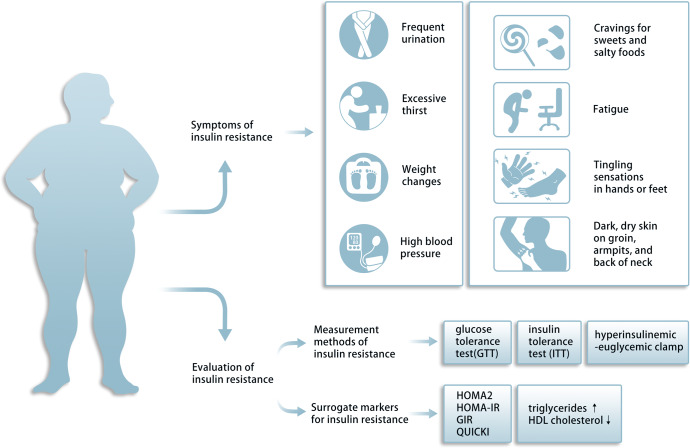
“5), and their differences are the sensitivity, limitation, and complexity of technical procedures.(35,431) Glucose tolerance test (GTT) is given to determine how quickly exogenous glucose delivered via oral, intraperitoneal, or intravenous administration is cleared from the blood.”
BackgroundSelf-citationMicroRNA-mediated regulation of glucose and lipid metabolism
Agbu, P., & Carthew, R. W. (2021) · Nature Reviews Molecular Cell Biology · doi:10.1038/s41580-021-00354-w · Cited by 363
Liu, L., Zhang, Y., Chen, N., Shi, X., Tsang, B., & Yu, Y.-H. (2007) · Journal of Clinical Investigation · doi:10.1172/jci30565 · Cited by 356 · cited 2×
“Since diacylglycerol acyltransferase 1 (DGAT1) can increase the conversion of DAG into triacylglycerol (TAG),171 DGAT1 overexpression could decrease DAG levels and improve insulin sensitivity partially attenuating the fat-induced activation of DAG-responsive PKCs.172,173 Conversely, DGAT1 ablation may result in elevat…”
BackgroundOxidative stress in environmental-induced carcinogenesis
Mena, S., Ortega, A., & Estrela, J. M. (2009) · Mutation Research/Genetic Toxicology and Environmental Mutagenesis · doi:10.1016/j.mrgentox.2008.09.017 · Cited by 355
Gut microbiome and its role in obesity and insulin resistance
Lee, C. J., Sears, C. L., & Maruthur, N. (2020) · Annals of the New York Academy of Sciences · doi:10.1111/nyas.14107 · Cited by 350
Xia, J. Y., Holland, W. L., Kusminski, C. M., Sun, K., Sharma, A. X., Pearson, M. J., Sifuentes, A. J., McDonald, J. G., Gordillo, R., & Scherer, P. E. (2015) · Cell Metabolism · doi:10.1016/j.cmet.2015.06.007 · Cited by 348
Stančáková, A., Javorský, M., Kuulasmaa, T., Haffner, S. M., Kuusisto, J., & Laakso, M. (2009) · Diabetes · doi:10.2337/db08-1607 · Cited by 348
Genetics of Insulin Resistance and the Metabolic Syndrome
Brown, A. E., & Walker, M. (2016) · Current Cardiology Reports · doi:10.1007/s11886-016-0755-4 · Cited by 348
Exercise as a therapeutic intervention for the prevention and treatment of insulin resistance
Hawley, J. A. (2004) · Diabetes/Metabolism Research and Reviews · doi:10.1002/dmrr.505 · Cited by 344 · cited 1×
“A healthy diet and regular physical exercise including approximately 30minutes of exercise at least five days a week leads to activation of muscle cells that increase AMPK activity, thereby inactivating TCB1D1 and promoting GLUT4 translocation to cellular membrane, in addition to increasing glucose uptake that increas…”
BackgroundWende, A. R., & Abel, E. D. (2010) · Biochimica et Biophysica Acta (BBA) - Molecular and Cell Biology of Lipids · doi:10.1016/j.bbalip.2009.09.023 · Cited by 343
Caro, J. F., Sinha, M. K., Raju, S. M., Ittoop, O., Pories, W. J., Flickinger, E. G., Meelheim, D., & Dohm, G. L. (1987) · Journal of Clinical Investigation · doi:10.1172/jci112958 · Cited by 341 · cited 1×
“Most individuals that are obese or diabetic exhibit decreased surface INSR content and INSR kinase (IRK) activity.(40) Defective IRK activity is also implicated by decreased IRS1 tyrosine phosphorylation which is consistently observed in insulin-resistant skeletal muscles.”
BackgroundCircACC1 Regulates Assembly and Activation of AMPK Complex under Metabolic Stress
Li, Q., Wang, Y., Wu, S., Zhou, Z., Ding, X., Shi, R., Thorne, R. F., Zhang, X. D., Hu, W., & Wu, M. (2019) · Cell Metabolism · doi:10.1016/j.cmet.2019.05.009 · Cited by 338
Self-citationHow does brain insulin resistance develop in Alzheimer's disease?
De Felice, F. G., Lourenco, M. V., & Ferreira, S. T. (2014) · Alzheimer's & Dementia · doi:10.1016/j.jalz.2013.12.004 · Cited by 337 · cited 1×
“AD is actually a brain-specific form of diabetes that exhibit increased Aβ accumulation, tau hyperphosphorylation and impaired glucose transportation, energy metabolism, hippocampus and inflammatory pathways.(369) Additional research has identified that insulin receptor is expressed on almost all cell types in the bra…”
BackgroundRole of Vitamin D in Insulin Resistance
Sung, C.-C., Liao, M.-T., Lu, K.-C., & Wu, C.-C. (2012) · Journal of Biomedicine and Biotechnology · doi:10.1155/2012/634195 · Cited by 336
Probiotics, prebiotics, synbiotics and insulin sensitivity
Kim, Y. A., Keogh, J. B., & Clifton, P. M. (2018) · Nutrition Research Reviews · doi:10.1017/s095442241700018x · Cited by 335
de la Monte, S. M. (2017) · Drugs · doi:10.1007/s40265-016-0674-0 · Cited by 331
Dentin, R., Girard, J., & Postic, C. (2005) · Biochimie · doi:10.1016/j.biochi.2004.11.008 · Cited by 328
Nonalcoholic Fatty Liver Disease Review: Diagnosis, Treatment, and Outcomes
Ahmed, A., Wong, R. J., & Harrison, S. A. (2015) · Clinical Gastroenterology and Hepatology · doi:10.1016/j.cgh.2015.07.029 · Cited by 327
Research works printed but not linked: 6
- Banting, F. G. & Best, C. H. The internal secretion of the pancreas. 1922. Indian J. Med. Res. 125, 251-266 (2007).
- Freeman AM, Pennings N. Insulin Resistance. 2021 Jul 10. In: StatPearls Internet. Treasure Island (FL): StatPearls Publishing. PMID: 29939616.
- Shi, H. & Kumar, S. P. D. S. Sex differences in obesity-related glucose intolerance and insulin resistance. Glucose Tolerance 4, 37-66 (2012).
- Haywood, N. J., Slater, T. A., Matthews, C. J. & Wheatcroft, S. B. The insulin like growth factor and binding protein family: Novel therapeutic targets in obesity & diabetes. Mol. Metab. 19, 86-96 (2019). 211. Crujeiras, A. B. et al. Genome-wide DNA methylation pattern in visceral adipose tissue differentiates insulin-resistant from insulin-sensitive obese subjects. Transl. Res 178, 13-24 (2016). 212. Ma, X. & Kang, S. Functional implications of DNA methylation in adipose biology. Diabetes 68, 871-878 (2019). 213. Gao, H. et al. Long non-coding RNAs associated with metabolic traits in human white adipose tissue. EBioMedicine 30, 248-260 (2018). 214. Castellano-Castillo, D. et al. Altered adipose tissue DNA methylation status in metabolic syndrome: relationships between global DNA methylation and spe- cific methylation at adipogenic, lipid metabolism and inflammatory candidate genes and metabolic variables. J. Clin. Med. 8, 87 (2019). 215. Samblas, M., Milagro, F. I. & Martínez, A. DNA methylation markers in obesity, metabolic syndrome, and weight loss. Epigenetics 14, 421-444 (2019). 216. Naidoo, V., Naidoo, M. & Ghai, M. Cell-and tissue-specific epigenetic changes associated with chronic inflammation in insulin resistance and type 2 diabetes mellitus. Scand. J. Immunol. 88, e12723 (2018). 217. Ali, M. et al. DNA methylation profile of genes involved in inflammation and autoimmunity correlates with vascular function in morbidly obese adults. Epi- genetics 17, 93-109 (2022). 218. Panchal, S. K. & Brown, L. DNA methylation in adipose tissue and metabolic syndrome. J. Clin. Med. 9, 2699 (2020). 219. Petrus, P. et al. Adipocyte expression of SLC19A1 links DNA hypermethylation to adipose tissue inflammation and insulin resistance. J. Clin. Endocrinol. Metab. 103, 710-721 (2018). 220. Ramos-Lopez, O. et al. DNA methylation signatures at endoplasmic reticulum stress genes are associated with adiposity and insulin resistance. Mol. Genet Metab. 123, 50-58 (2018). 221. Zhang, Y., Chen, Y., Qu, H. & Wang, Y. Methylation of HIF3A promoter CpG islands contributes to insulin resistance in gestational diabetes mellitus. Mol. Genet Genom. Med. 7, e00583 (2019). 222. van Dijk, S. et al. DNA methylation in blood from neonatal screening cards and the association with BMI and insulin sensitivity in early childhood. Int J. Obes. 42, 28-35 (2018). 223. Ramos-Lopez, O. et al. Endoplasmic reticulum stress epigenetics is related to adiposity, dyslipidemia, and insulin resistance. Adipocyte 7, 137-142 (2018). 224. Stillman, B. Histone modifications: insights into their influence on gene expression. Cell 175, 6-9 (2018). 225. Małodobra-Mazur, M., Cierzniak, A., Myszczyszyn, A., Kaliszewski, K. & Dobosz, T. Histone modifications influence the insulin-signaling genes and are related to insulin resistance in human adipocytes. Int J. Biochem Cell Biol. 137, 106031 (2021). 226. Davegårdh, C., García-Calzón, S., Bacos, K. & Ling, C. DNA methylation in the pathogenesis of type 2 diabetes in humans. Mol. Metab. 14, 12-25 (2018). 227. David, V. et al. Gluco-incretinsregulate beta-cell glucose competence by epi- genetic silencing of fxyd3expression. PLoS ONE 9, e1032 (2014). 228. Emamgholipour, S. et al. Acetylation and insulin resistance: a focus on metabolic and mitogenic cascades of insulin signaling. Crit. Rev. Clin. Lab. Sci. 1-19 (2020). 229.
- Stenvers, D. J. Circadian clocks and insulin resistance. Nat. Rev. Endocrinol. 15, 75–89 (2019). · DOI · Paper page
- National Center for Biotechnology Information (US). Genes and Disease [Internet]. Bethesda (MD): National Center for Biotechnology Information (US); 1998-. The Heart and Blood Vessels. Available from: https://www.ncbi.nlm.nih.gov/books/NBK22227/.
Cited by
Epidemiology of metabolic dysfunction-associated steatotic liver disease
Younossi, Z. M., Kalligeros, M., & Henry, L. (2025) · Clinical and Molecular Hepatology · doi:10.3350/cmh.2024.0431 · Cited by 960
Journal of Cellular and Molecular Medicine
(2010) · Journal of Cellular and Molecular Medicine · doi:10.1111/(issn)1582-4934 · Cited by 852
Type 2 diabetes mellitus in adults: pathogenesis, prevention and therapy
Lu, X., Xie, Q., Pan, X., Zhang, R., Zhang, X., Peng, G., Zhang, Y., Shen, S., & Tong, N. (2024) · Signal Transduction and Targeted Therapy · doi:10.1038/s41392-024-01951-9 · Cited by 665
Silva, F. M., Duarte‐Mendes, P., Teixeira, A. M., Soares, C., & Ferreira, J. P. (2024) · Scientific Reports · doi:10.1038/s41598-024-51832-y · Cited by 299
The Pharmacological Efficacy of Baicalin in Inflammatory Diseases
Wen, Y., Wang, Y., Zhao, C., Zhao, B., & Wang, J. (2023) · International Journal of Molecular Sciences · doi:10.3390/ijms24119317 · Cited by 234
Self-citation
Metadata
- Authors
- Li, M., Chi, X., Wang, Y., Setrerrahmane, S., Xie, W., & Xu, H.
- Affiliations
- China Pharmaceutical University (CN)
- National Health and Family Planning Commission (CN)
- Corresponding author
- Xu, Hanmei
- Venue
- Signal Transduction and Targeted Therapy
- Published
- 2022-07-06
- Volume
- 7
- Issue
- 1
- Pages
- 216-216
- ISSN
- 2059-3635 (ISSN-L)
- PMC
- PMC9259665
- OpenAlex
- W4284890877
- Cited by
- 939
- References
- 519
- Citations by year
- 2026: 251 · 2025: 341 · 2024: 234 · 2023: 103 · 2022: 10
- FWCI
- 27.48
- Type
- journal article
- Language
- en
- Open access
- gold
- doi.org
- Licence
- cc-by
- creativecommons.org/licenses/by/4.0 (tdm)
- creativecommons.org/licenses/by/4.0 (vor)
- Locations
- Signal Transduction and Targeted Therapy (publishedVersion, cc-by)
- PubMed Central (publishedVersion, cc-by)
- PubMed (publishedVersion)
- DOAJ (DOAJ: Directory of Open Access Journals) (submittedVersion, cc-by-sa)
- Funders
- National Natural Science Foundation of China (82103118)
- State Key Laboratory of Natural Medicines
- Topics
- Health Sciences › Medicine › Endocrinology, Diabetes and Metabolism › Adipokines, Inflammation, and Metabolic Diseases
- Health Sciences › Medicine › Endocrinology, Diabetes and Metabolism › Diabetes, Cardiovascular Risks, and Lipoproteins
- Life Sciences › Biochemistry, Genetics and Molecular Biology › Molecular Biology › Metabolism, Diabetes, and Cancer
- Keywords
- insulin resistance, insulin signaling, adipokines, adipose tissue, obesity, non-alcoholic fatty liver disease, polycystic ovary syndrome, cardiovascular disease, metabolic syndrome, insulin sensitivity, therapeutic target, lifestyle intervention, pharmacotherapy
- MeSH terms
- Adipose Tissue, Cardiovascular Diseases, Female, Humans, Insulin, Insulin Resistance, Polycystic Ovary Syndrome
About these checks
Registry, retraction, Cites and statistics results are computed, not judged, with one exception: a printed reference that no index lists is read once by a model before it counts as a citation error. Claims are extracted by a model and kept only when their quote appears verbatim in the text; each cited source is then checked, with a model’s help, for whether it says what the claim relies on. Those verdicts can be wrong — read the claim’s quote and the cited source before relying on one.
Statistics and arithmetic are recomputed, not judged.
Confidence bands are shown only for fields calibrated on our annotated test set. None is calibrated yet, so no band is shown.
What counts as a claim ›How we measure confidence ›How we check this ›
Are you an author, or do you see a problem with this page? Request a review
Data sources
Bibliographic data: Semantic Scholar, OpenAlex, Crossref.
Contains information from the Semantic Scholar Academic Graph Datasets, made available under the ODC Attribution License (ODC-BY 1.0).
Semantic Scholar’s data is described in: Kinney, R., et al. (2023). The Semantic Scholar Open Data Platform. arXiv:2301.10140.
